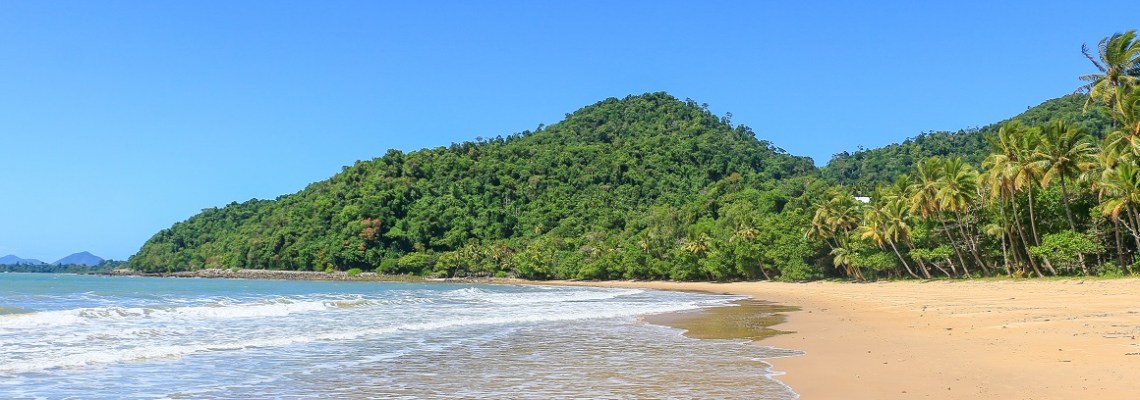
I think a general principle of Australian exploration is the further north you go, the quirkier things get. For quirkier you could substitute odder, weirder, crazier, madder than a dozen cuts snakes lurking in the stinging trees waiting for a cassowary. It may be a result of the liberty that comes with increasing distance from the tyranny of inner city elites developing their secret mind-controlling pharmaceuticals to add to our underground water reserves. Or it could just be the balmy weather and barmy environment. Where pretty much everything wants to eat you.
I wouldn’t say Townsville is the capital of Crazytown, but there are certain idiosyncrasies to observe. Perhaps most obviously in the calibre of politicians representing the region, generally observed wearing big hats and force-feeding coal to their grandchildren, insistent that it is the future, it is it is. It is very easy to imagine Friday night here Cold War Steve style, all hi-vis hypermasculinity and gutter-strewn carnage at the foot of the concrete sugar shaker. My taxi driver confirmed as much as he took me to the airport, to pick up a hire car.
I had never been on the strip of land between Townsville and Cairns, and with a few days tagged on to a work trip I was heading up the coast towards Mission Beach. It’s an interesting enough drive with a decent selection of diversions along the way. It’s also a journey of transition from the golden dry tropics to the verdant abundance of the wet.
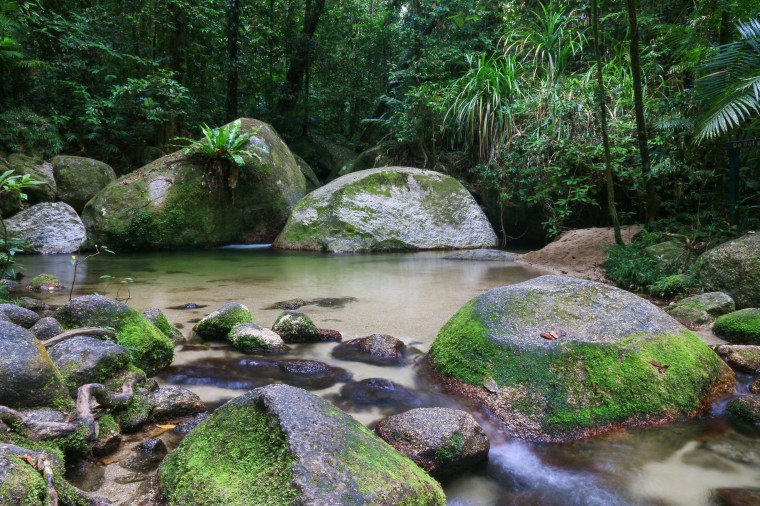
A little north of Townsville up the Strewth Highway, the blend of dry grassland and tropical rainforest manifests in Paluma Range National Park, with each climbing, narrow turn up the mountain road darkening as undergrowth thickens. Little Crystal Creek is on the cusp of a landscape in change, and a pretty place to pause. Higher up around Paluma, rainforest walks promise at views and deliver in sweatiness, though it’s still a long way from being as bad as it gets in high summer.

It seems a bit ridiculous to talk of a summer in a place that is almost consistently between 26 and 30 degrees year round. Seasons are more marked by a change in humidity, from clear, arid winter days to muggy, stormy summer oppression. You can also throw in the odd cyclone, with the last big, big one – Yasi – hitting the coast around Mission Beach in 2011.
Continuing north up the highway approaching Cardwell, it is hard to picture today. But an enduring image from that storm is the pile of fancy yachts stacked upon one another at Hinchinbrook Marina. Three-quarters of buildings in Cardwell were damaged and the banana crop so tied to this part of the world was devastated. The rugged, pristine environment of Hinchinbrook Island tantalises today. But you wouldn’t have wanted to camp there back then.

Cardwell seems a quiet kind of place, a pit top where the Bruce Highway finally meets the sea. Post-Yasi, a medium sized big crab has been resurrected on the top of a café. As you do. It’s competition along the highway with the Frosty Mango where I have already stopped and the Big Golden Gumboot of Tully in which I am destined to head.

Finally, a turn off at Tully leads towards Mission Beach, which somewhat confusingly is a cluster of villages and bays along a stretch of coast twenty kilometres or so. We’re in a region known as the Cassowary Coast and they sure do emphasise the cassowary part of that nomenclature. Official and unofficial road signs alert you to the presence of this giant flightless bird, warnings that seem worthy given they are dwindling in numbers and most susceptible to road accidents. Some people might fear the cassowary for its strong hook-like claw, but you’ll generally find the ubiquitous Toyota Hilux is more lethal in so many ways.
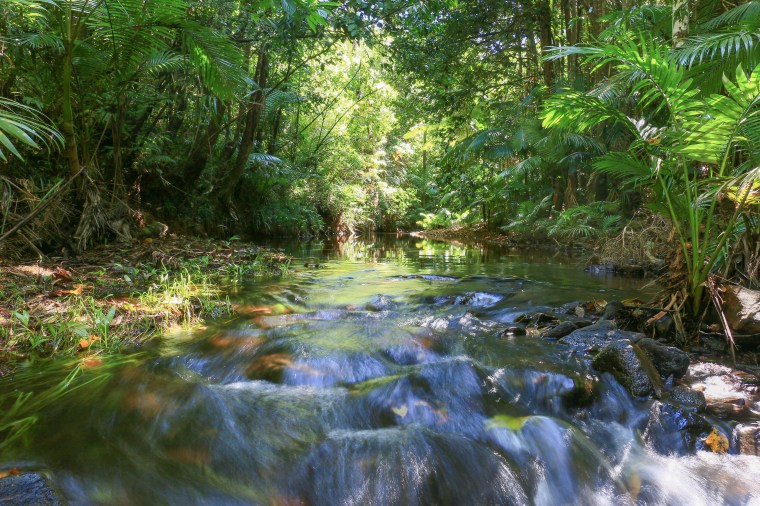
Of course, being in cassowary country makes you – as they say – naturally cass-o-wary. Walking in dense rainforest at Lacey Creek it’s all a bit like encountering snakes…part of you would be thrilled to see one and to try to take a blurry picture, but part of you would be pooping your pants. Every rustle and fleeting shadow pricks the senses, only for it to be caused by an unseen gecko or another bush turkey.
Down by the sea at Bingil Bay, there is always the chance of a crocodile or a lethal jellyfish to spot instead. Though the hosts at my B&B warned me the crocs are only in the creeks, I’m not so sure about stepping too far into that ocean. I mean, the creeks enter the sea, right. What goes in must come out. And with plenty of mangroves in which to lurk, I can just picture myself sunbaking right there if I was a saltwater crocodile. So, I move briskly on, along a fine, shady boardwalk towards the hub that is North Mission Beach. Where a cold beer with a view is the better means of cooling down, I reckon.

Refreshed and now feeling in holiday mood, there was definitely justification in an afternoon siesta, before working up a sweat again climbing Bicton Hill in Clump Mountain National Park. If cassowaries and crocs weren’t enough, the start of this trail warned of stinging trees, which boast attractive heart shaped leaves and plump purple fruit. The cunning bastards.
The sign at the bottom of the track also warns that this isn’t a walk for everyone, indicating heart-attack potential. But it’s not that bad, just a leafier, slightly deadlier version of Mount Ainslie with views out toward a far-less manicured landscape.

With all this adventure and threat, one of the nice, homely touches of my B&B was the opportunity for drinks on the veranda at six o’clock. With only a few rooms it was cosy and relaxing, a chance to share the escapades of the day with those from further afield. Of course, being a naturalised Australian I was quickly assigned an authority on matters such as swooping birds, the diet of the cassowary, drought and bushfires, the hiding places of redback spiders, the pros and cons of Townsville, and…well…Brexit. I do suppose the Netherlands and Switzerland – especially Switzerland – seem very genteel by comparison.
At the B&B I was also frequently lobbied to try out the Kennedy Walking Track commencing at South Mission Beach. And so, on Sunday morning I decided to give it a go before the drive back to Townsville. And what a great recommendation to take up before eventually returning to the landlocked eucalypt land of four seasons back south. Yay for palm trees and golden sands, mangroves and croccy creeks, and that milky aquamarine sea. Another world in the same country.

I have to say I do think the beaches of the south coast of New South Wales are in many ways better. They are typically finer and sandier and, well, you can generally paddle without as great a fear of being lunch and / or lacerated to death. But then there is just that air to the tropics, a mood and a light and colours so vivid. And palm trees and ferns and – up here – rainforest tumbling down to the sea. Like I say, another world in the same country.

Talking of other worlds, I eventually made it back to Townsville via the largest potato scallops and smallest bites of fish in Ingham. A little early for my flight back, I remembered spotting a huge TV tower on top of a peak just to the west of town when I came to land at the same airport, and duly discovered there was a road to the top. From the summit of Mount Stuart, this possible Crazytown doesn’t seem too mad, distant as I am from its Sunday hangover.

Perhaps madder is the scene inland, where the maddest of mad dogs can flourish. A scene dry and dusty and rugged and foreboding. A world devoid of much, exposed to a harsh, searing heat and unforgiving glare; perhaps you can see why many are happy enough to dig it up. The maddest thing though is that this world can suck you in, can draw you to it, can make you want to step one more foot into its fringe. It might even tempt you to buy a wide brimmed hat and some sturdy RM Williams boots. If only you didn’t have a flight to catch back to sanity.



 I think about munching on some leftover sausage rolls in here, but delay lunch for one other walk before the temperature peaks. It’s already midday and clearly above thirty. Shade is intermittent on the way down to Tinted Cave and the Limestone Gorge, where sausage rolls can be enjoyed beside a shallow pool of water popular with dragonflies and sweaty humans.

 Facing a long drive back from


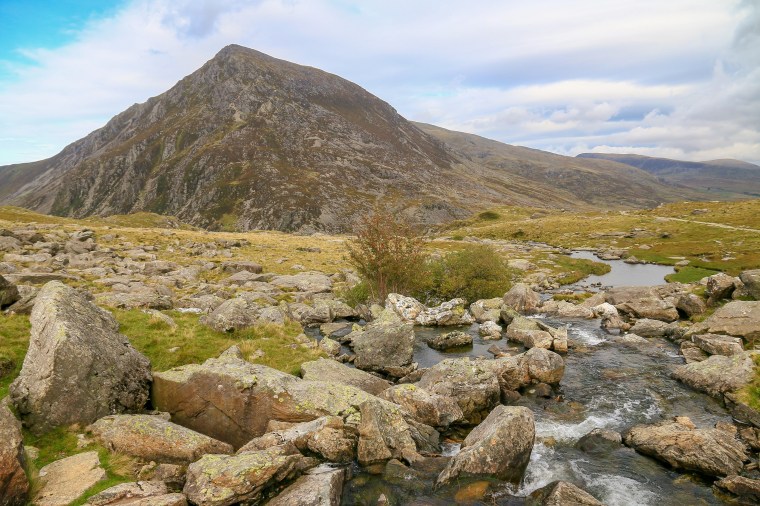

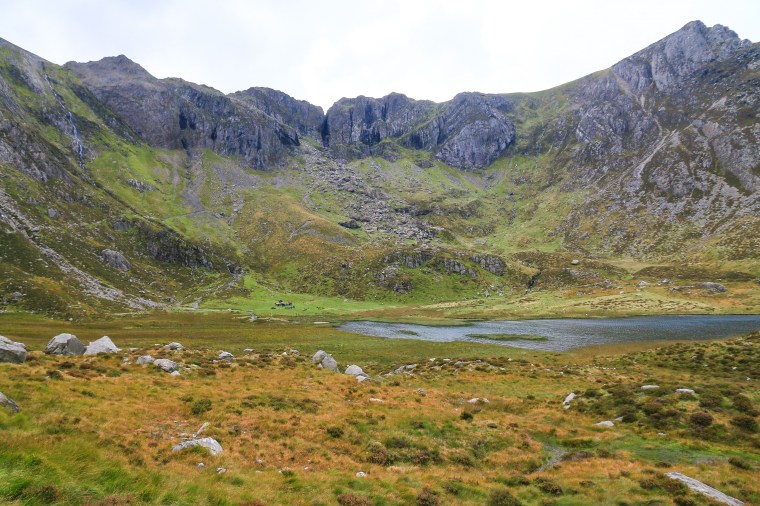


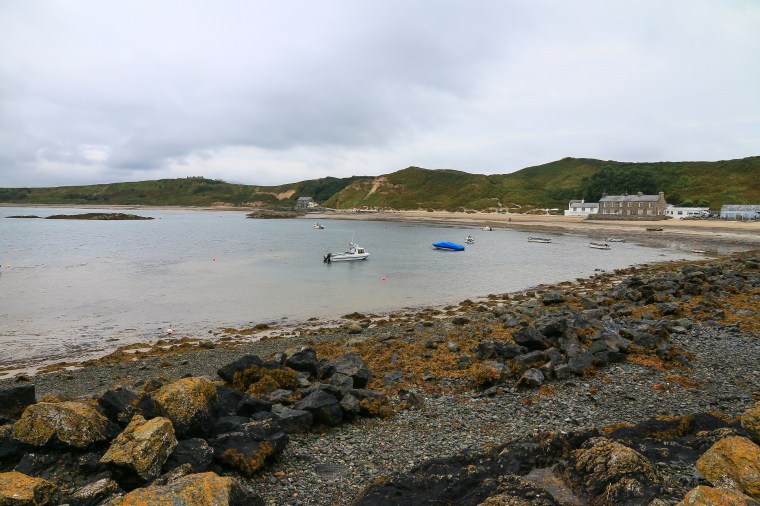




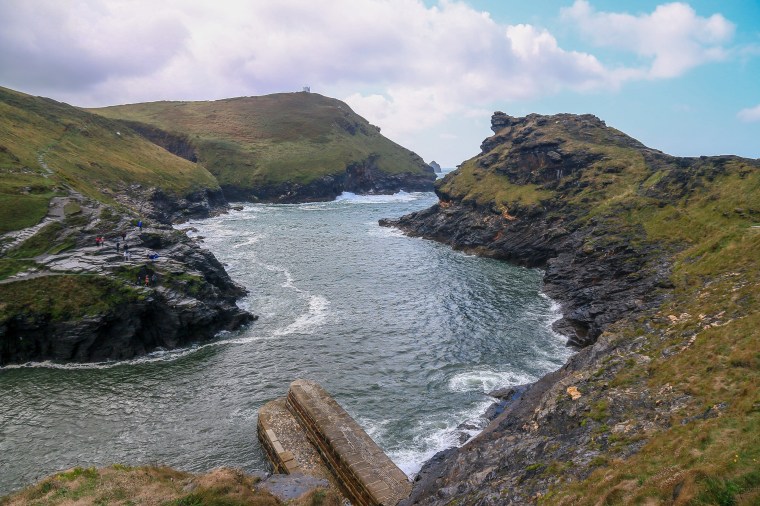
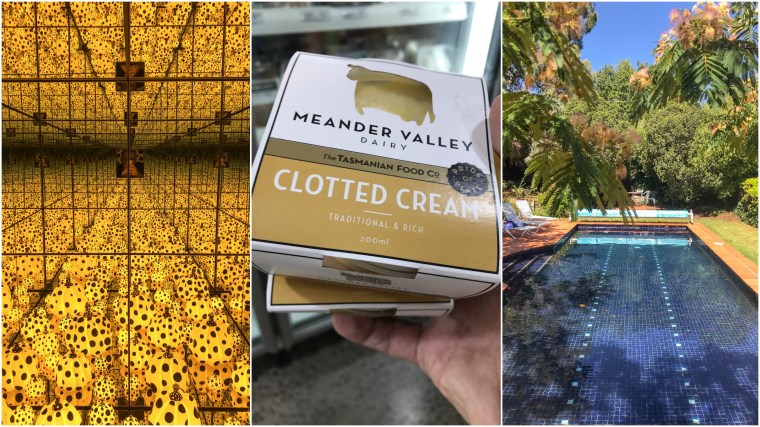
 With its prominent headlands, Boscastle offers a sense of protection from the great expanse beyond. There’s a cosiness to the village, which is a formidable asset in attracting people down its B roads. Nearby Tintagel doesn’t possess as much cosiness but instead relies on tenuous associations with King Arthur, Pengenna Pasties and – until recently – Granny Wobblys Fudge Pantry. Sadly, this year it seems Granny Wobbly has retired, along with her legendary fudge making abilities and fudge crumble ice cream (ice cream + clotted cream + fudge). Suddenly Tintagel seems devoid of purpose and Boscastle wins.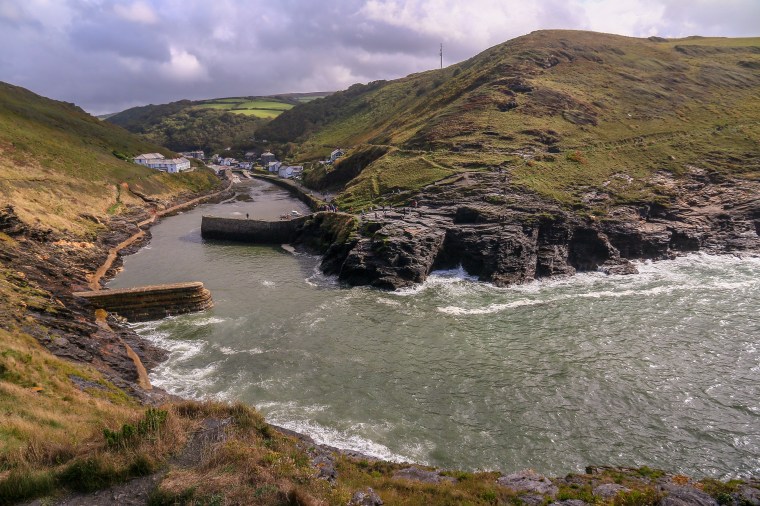





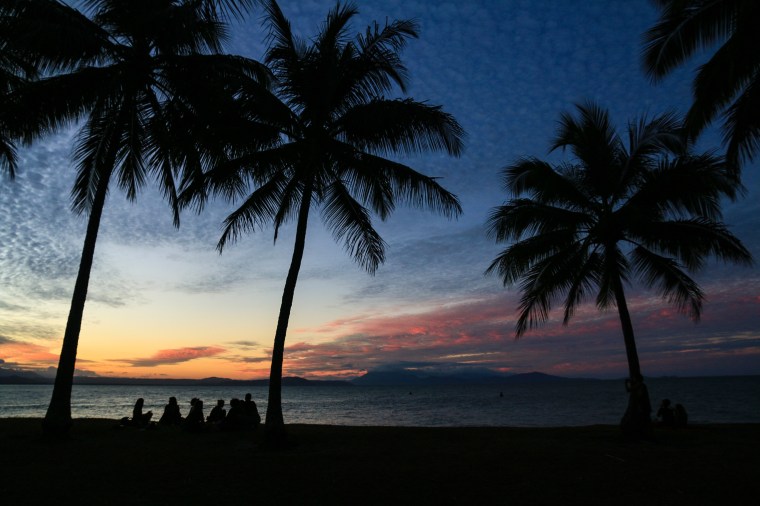

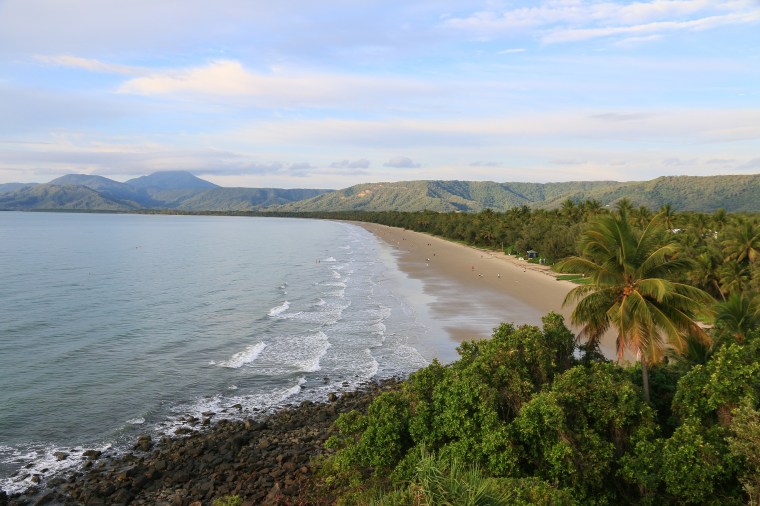


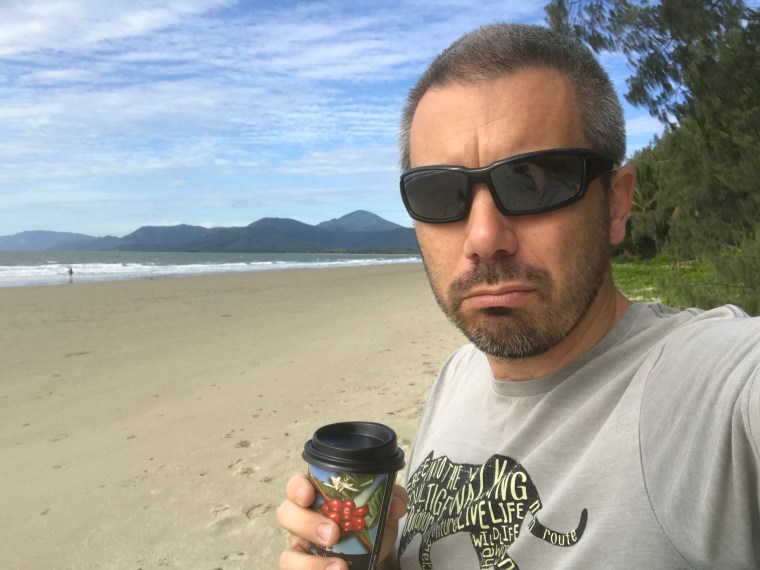
 I took one final coffee and stroll on the beach before embarking on the drive back south, which had a fair share of roadworks interspersed with spectacular scenery. Pausing around Ellis Beach, in this snatch of tropical palm-fringed cliché, it was again hard to fathom that I would be in a different world, in the same country, in a few hours. My poor shorts would be tucked away out of sight again.

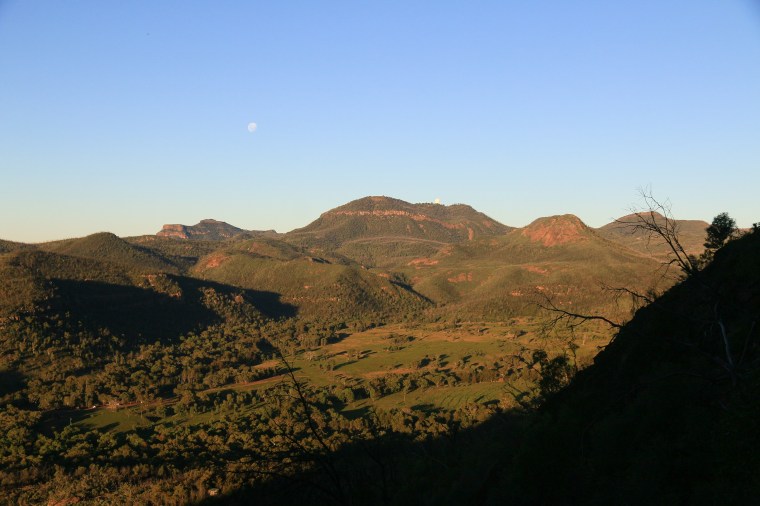
 Fast-forward a few days and the work was done, proving less cumbersome and far more populated with coffee and cake than I could have hoped for. This left me alone with a car and a few belongings close to the Queensland-NSW border. A massive part of me wanted to make the journey home as quickly as possible, but then an equally massive part also yearned to stop in Warrumbungle National Park. Another significant consideration was a determination to miss the whole messy Newcastle-Central Coast-Sydney conglomeration. This along with the fact that, heading inland, I could go through Texas tipped the scales definitively south and west. Yeehaw.



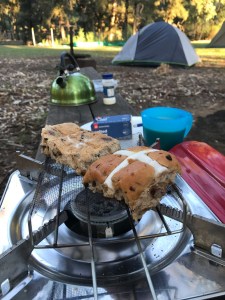 I was even more glad of my foresight in buying some hot cross buns and a block of butter in Coonabarabran yesterday. What better way to use the camp stove for the last time, to set me on my way to Gilgandra, to Dubbo, to Wellington, to Molong, to Canowindra, to Cowra, to Boorowa, to Yass and – 550kms later – to Canberra.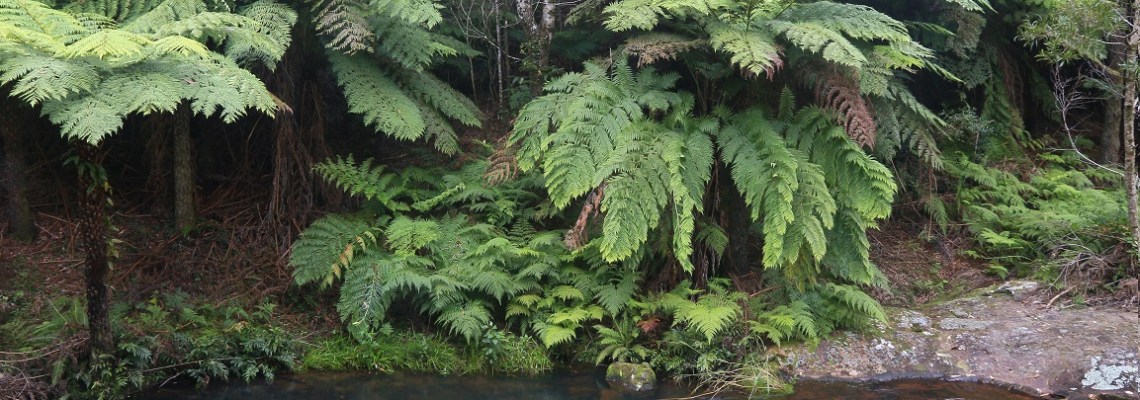
 Anyway, lest I offend several friends, family, prospective employers and the rest of their state, Queensland can be beautiful and at times might be equated with some form of perfection. However, the humidity is frequently disgusting and – on this occasion at least – the marooaaans easily trounced the blues in the rainfall stakes. Meanwhile, the growth of South East Queensland is rapidly turning the area into one very long Gold Coast-Brisbane-Sunshine Coast conglomeration where it seems obligatory to buy an oversized property and a Toyota Hilux. Here, the only koala left is a giant fake blue mascot sitting around watching far too many swimming events.

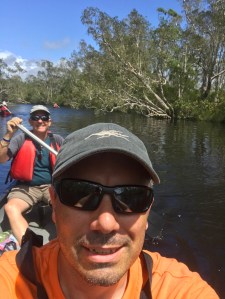 I think if miracles exist then we had one, for there was around one hour of dry, relatively sunny weather on that day which had seemed totally implausible earlier on. An hour that coincided with our allotted time in a canoe, gently zig-zagging with the meanders of the water towards Harry’s Hut. While the surrounds were a bit samey and somewhat nondescript (in a jungly, swampy wilderness kind of way), it was an hour of calm, of peace, of harmony with the environment. And above all, recognition of sheer bloody luck.
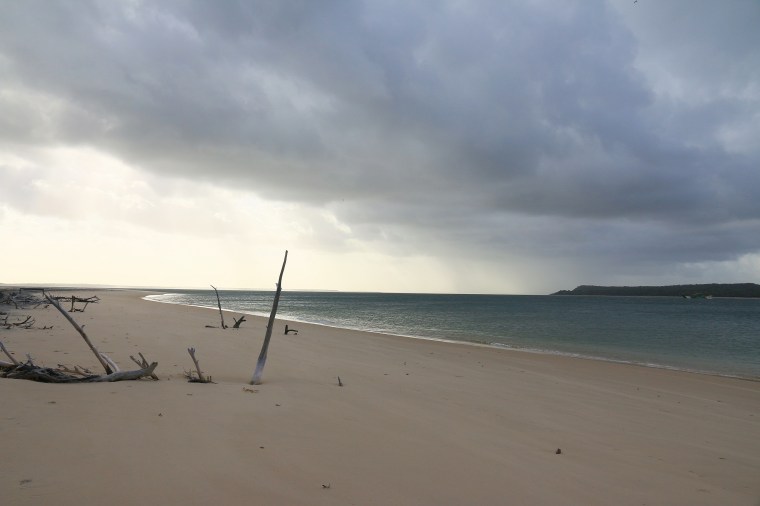
 Just a hefty stone’s throw from the tip of Fraser Island, the soft sand delights the toes more than it does tyres. The rugged natural detritus of storms and tides offers a little intrigue and entertainment. The comings and goings of the ferry – and the potential for vehicles to get bogged down on Fraser – offer even more. Dark shadows intersperse with brilliant sunshine, grey waters become blue, brown sands less brown. Fatigue becomes contentment, and moments to remember form. Moments that are beautiful, even perfect. Damn you Queensland!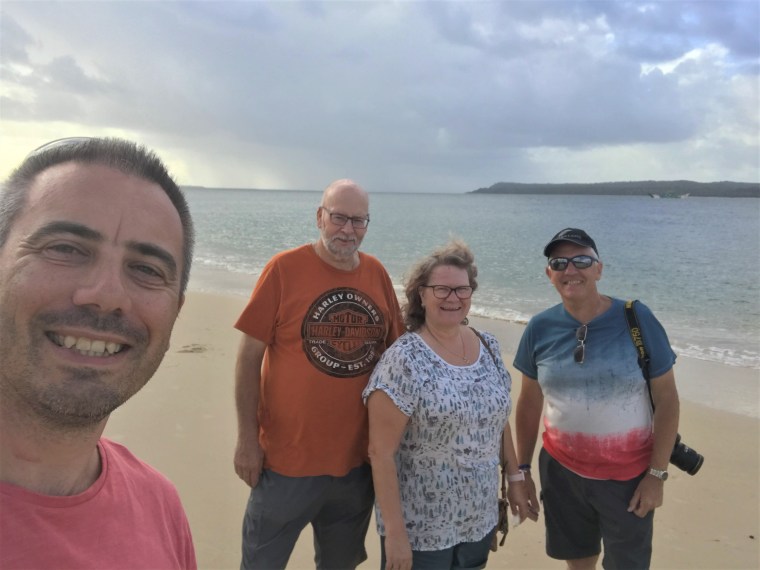


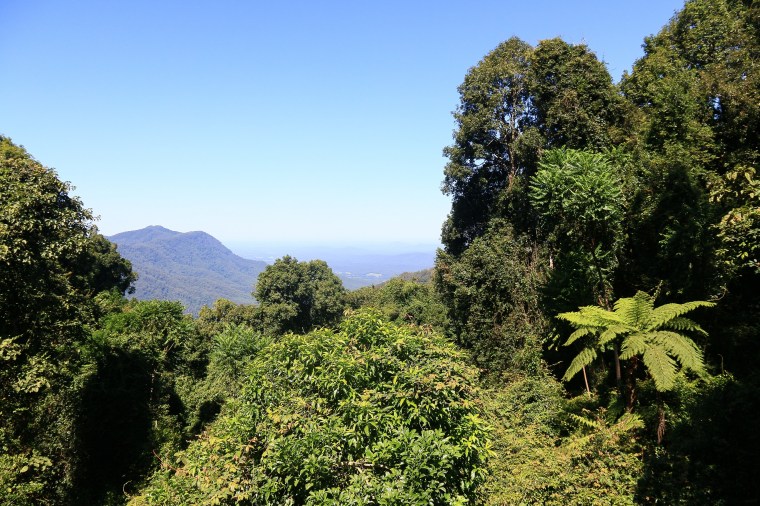
 Up the road at Ebor Falls, situated within Guy Fawkes River National Park, we have reached a land of rugged gorges and wild rivers, decorated with millions of eucalypts and a million more golden everlasting daisies. Indeed, green becomes more golden with the drop in rainfall. The smells and sounds are more familiar: that earthy aridity mixed with the fresh minty essence of the gums; the friendly chirp of a pair of rosellas; the chatter of an old guy named Bert to his wife Sandra. “Well, isn’t that grand.” And indeed, it sure is. It sure is.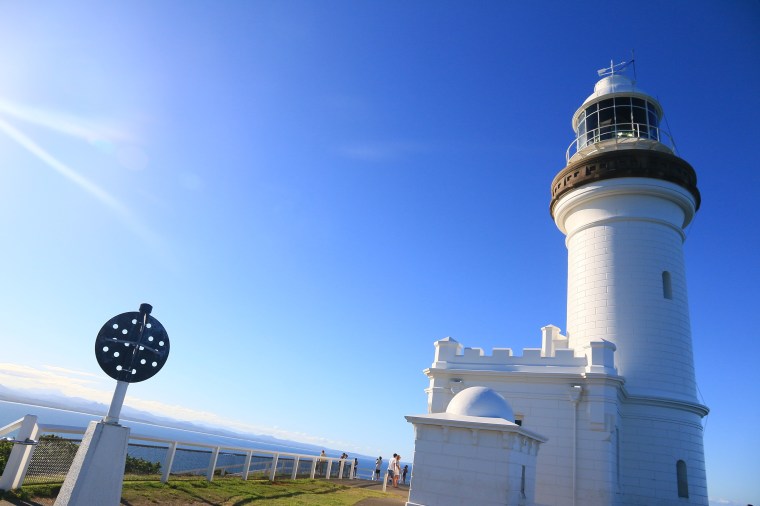


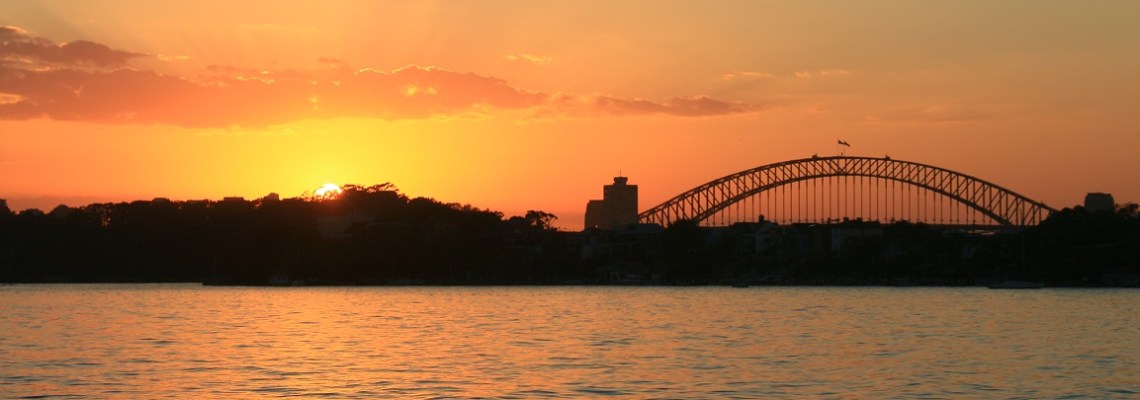


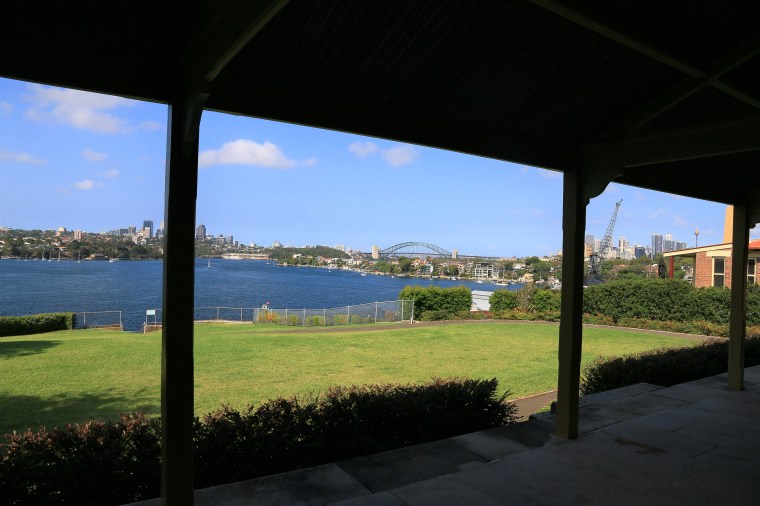
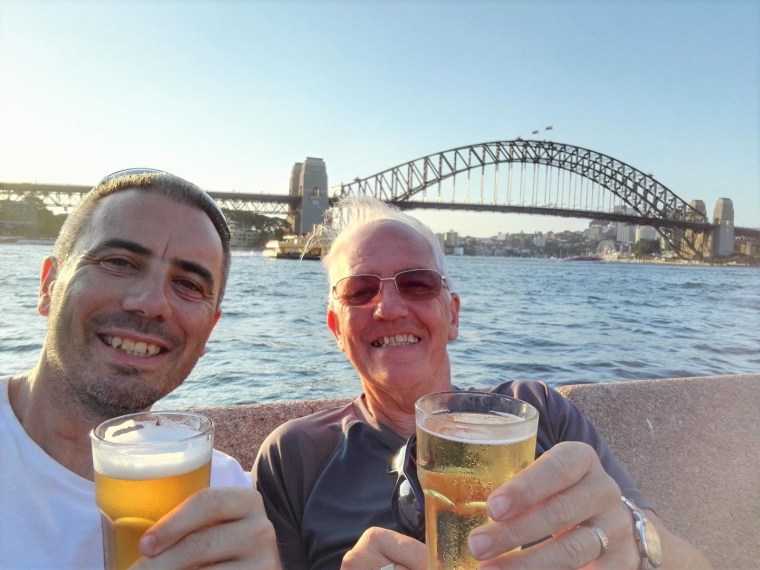
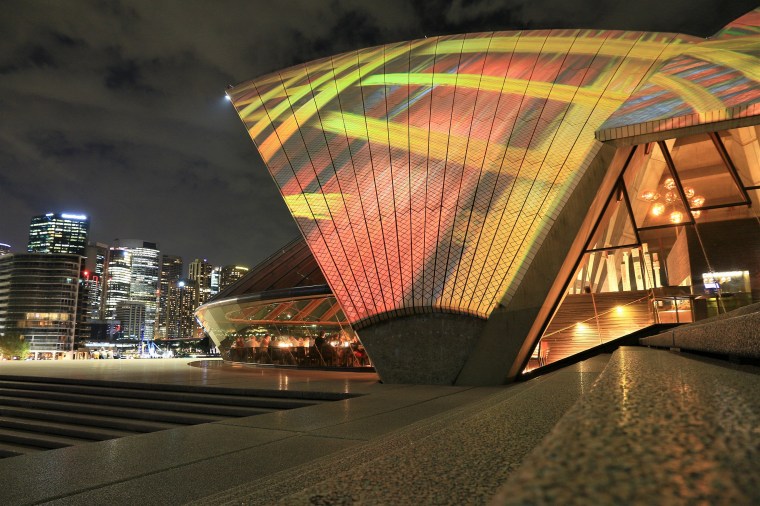
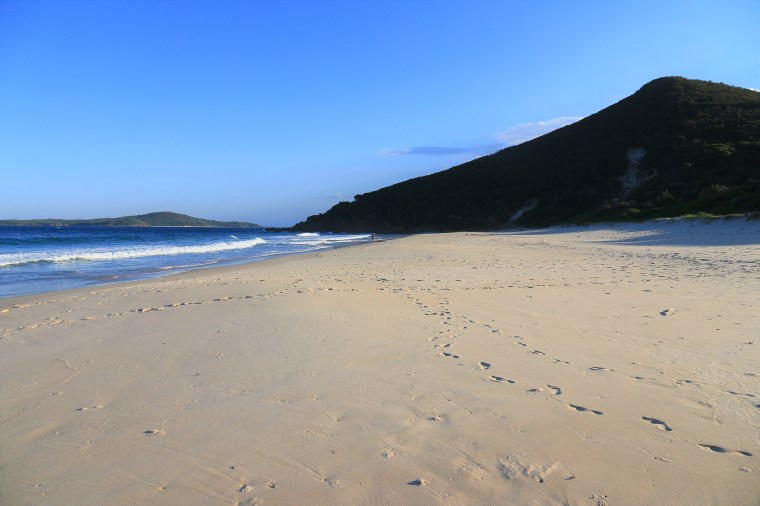


 While memories can be magnified or maligned by multiple visits, there is something special about breaking new ground. A stop around South West Rocks and Hat Head National Park provided many highlights, one of them being that this was new territory for me, Dad and the car. We all quite liked the drive alongside the Macleay River, with its green watery pastures, tiny weatherboard towns and cowbirds. We all liked a lot less the potholes around the national park campground by the beach. We were fond of the lighthouse and its views, but not so keen to traverse a rough track to some mythical walking trail. Still, if we hadn’t switched to a different walk we might have missed the sun going down. Everything works out for the best in the end.
 The beach is pitch black barring the beam of light circling upon the lighthouse. The sound of waves suggest ocean somewhere vaguely nearby, a roar magnified without any other disturbance at night. The sea breeze is cooling and evaporative, seemingly keeping the blood-sucking bugs at bay. The fine sand sustains a tripod and the sky offers an infinite, ever-expanding canvas. The photos may not have turned out brilliant, but the shared experience, the learning, the new adventure was. I daresay it was even better than Eastenders. And on that bombshell, bom, bom, bom, bom-bu-bu-bu-bum.

 Contrast this with an hour later in Arrowtown, a cutesy (if a touch contrived) old gold rush village just out of Queenstown. Sheltered by hills, twenty-five degrees, sunshine out, there was no hesitation in showing my pants to the whole of the car park and changing into shorts. Likewise, both Dad and I had no hesitation in agreeing ice cream should be on the agenda. Such thoughts are obvious portents of the cloud rolling in, the wind rising, and drizzle emerging. But let that not stop us eating ice cream!


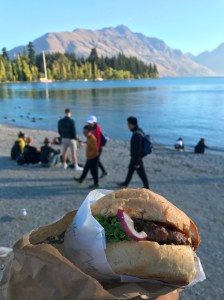 And so, in this hasty encounter with a small part of a bigger-than-you-think country packed with spectacle we finish up in Queenstown. Of all the places we visited this was undoubtedly the most frenetic, but it was no London, nor even Canberra. Firstly, you can forgive the masses of backpackers and Contiki coaches and adrenaline shots because Queenstown is beautiful. And – you know what – the people, the bustle, the mixture of ages and nationalities soaking up the holiday air creates a really nice vibe down by the lake. Particularly if this is accompanied by a ‘legendary’ Fergburger and a glowing evening as the sun slides west.


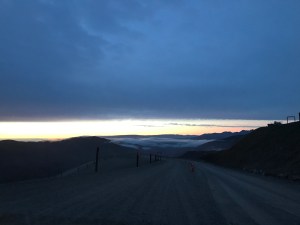 But, after our final, final night of sleep in New Zealand we set off down the mountain, seeing in the light the spectacle that we were to now say goodbye to again. With the delays, the exhaustion, the impending drag down the Hume Highway from Sydney to Canberra, we were both keen to get back. And it was a shame to end this way, even if a bacon butty and coffee at the airport temporarily lifted spirits. But everyone expects a little adventure in New Zealand and we belatedly had ours. This along with much to remember, much to savour, much to linger in the mind for as long as the white cloud blessing this most amazing big little country.
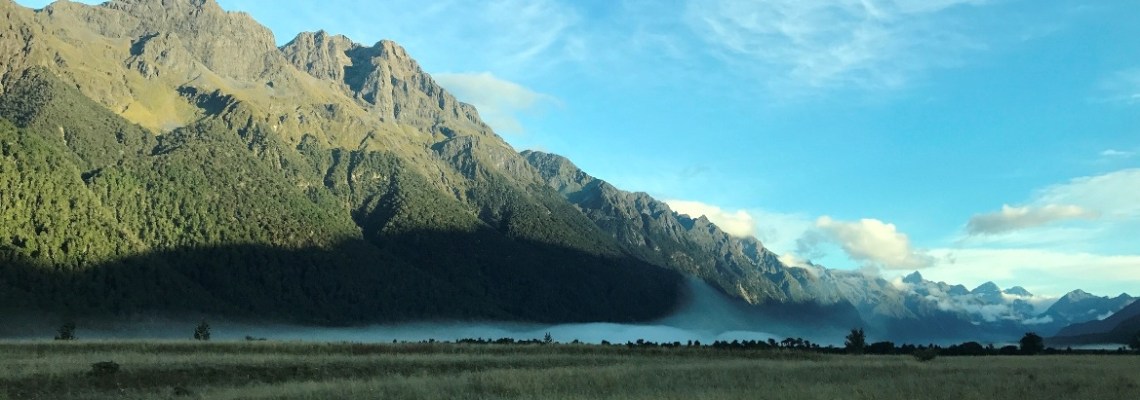

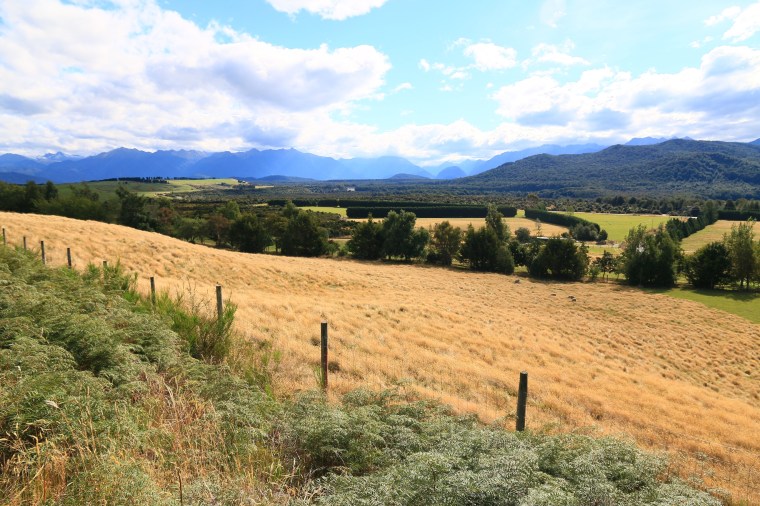

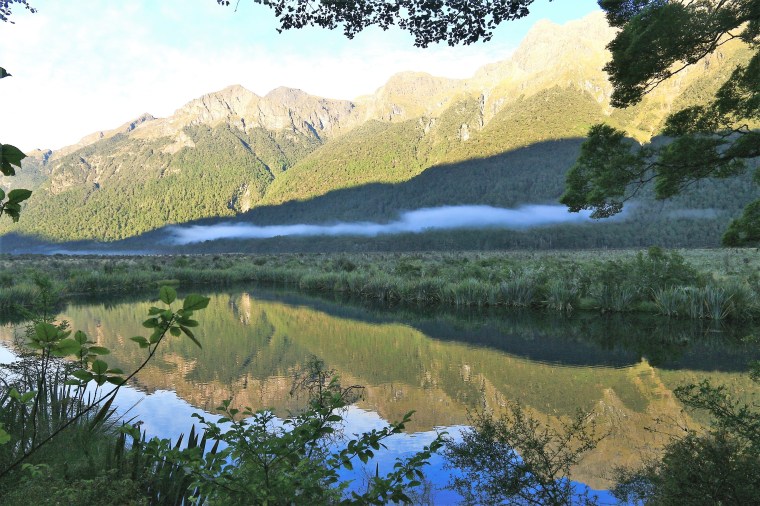
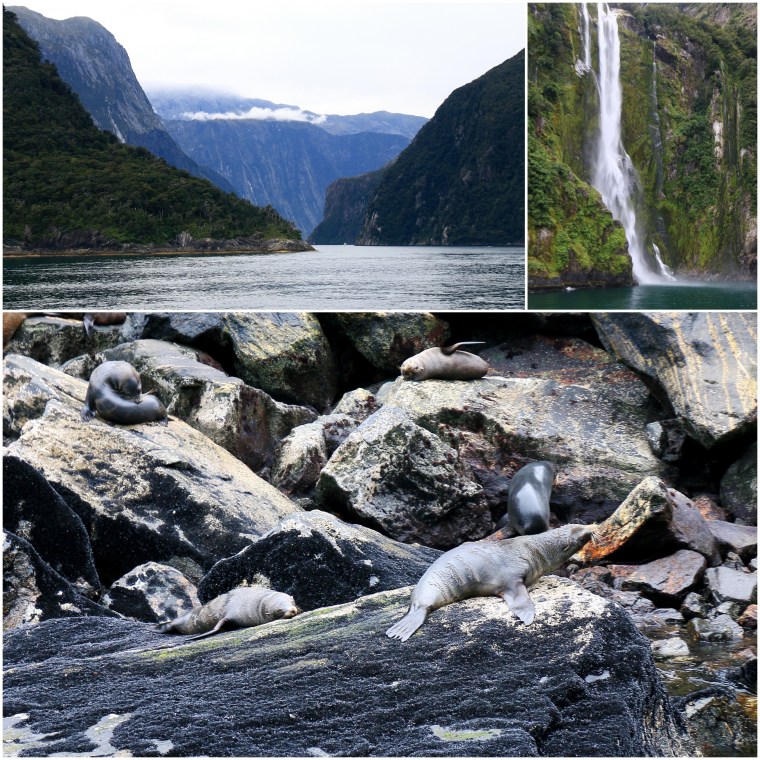
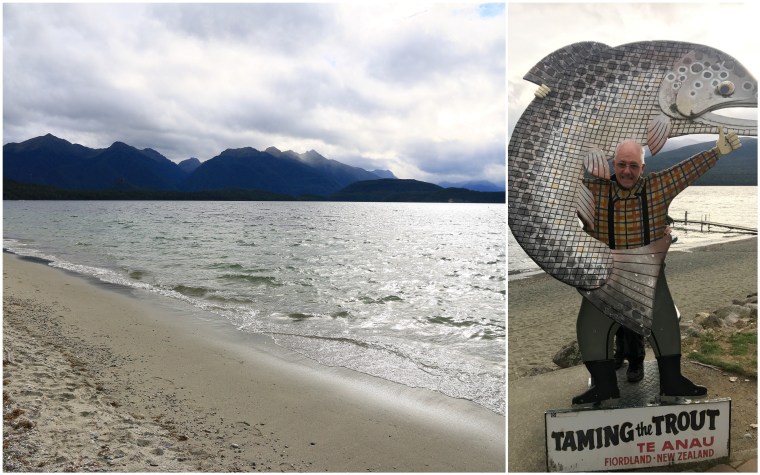
 The sunny start changed around The Divide as we headed into the clouds and prospects for a clear cruise on the sound were diminished. It was the kind of weather I expected, typical of this area which is famed for being the wettest spot in New Zealand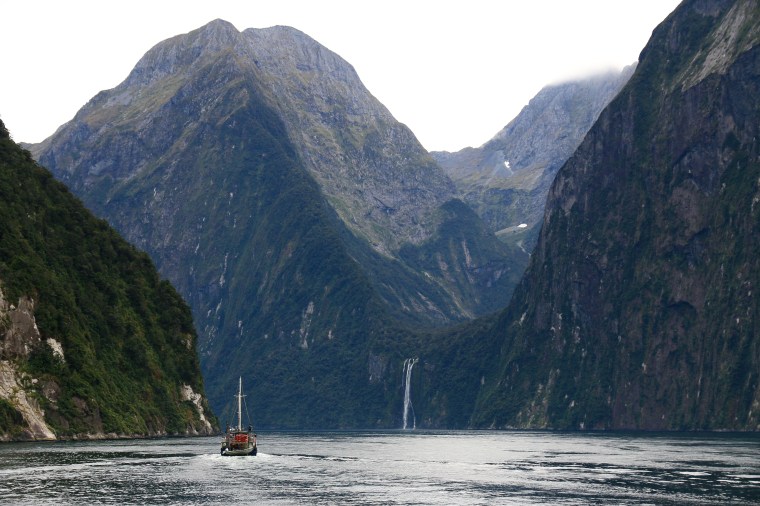
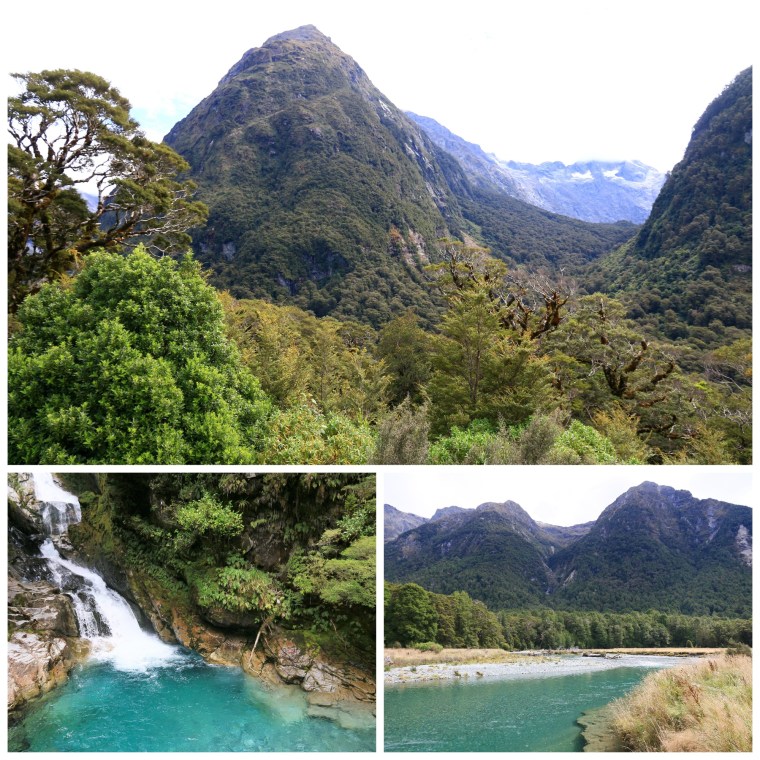


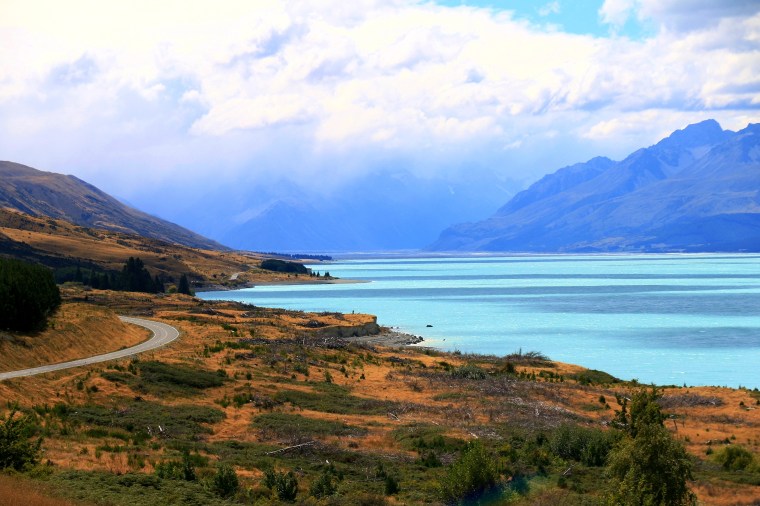


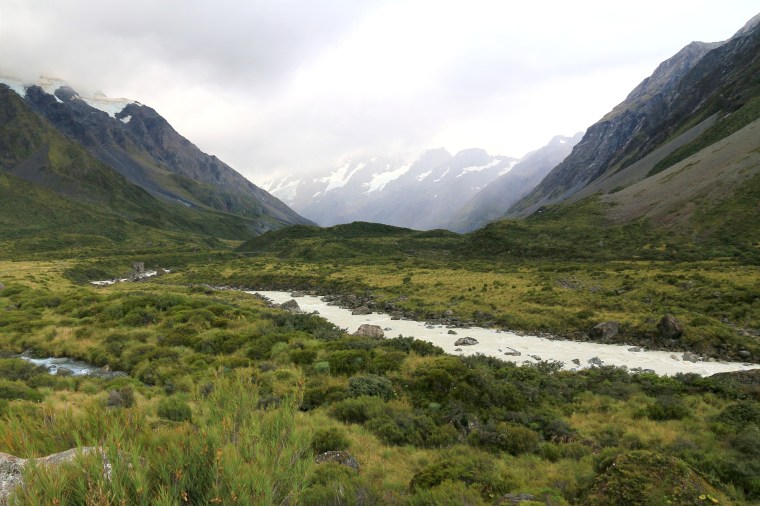
 It was a noisy night in a house on the outskirts of Twizel. Not because of hoons doing burn outs or rampaging feral possums, but the iconic sound of raindrops on a tin roof. Many Australians go misty-eyed when you mention the sound of raindrops on a tin roof, as if in some kind of messed-up ballad by Banjo Patterson accompanied by dreadful Lamingtons, but I don’t see the appeal. How the fricking heck do you sleep? Turns out this rain may or may not have been associated with cyclone Gita, or ex-cyclone Gita, or whatever was heading our way for 48 hours or more…

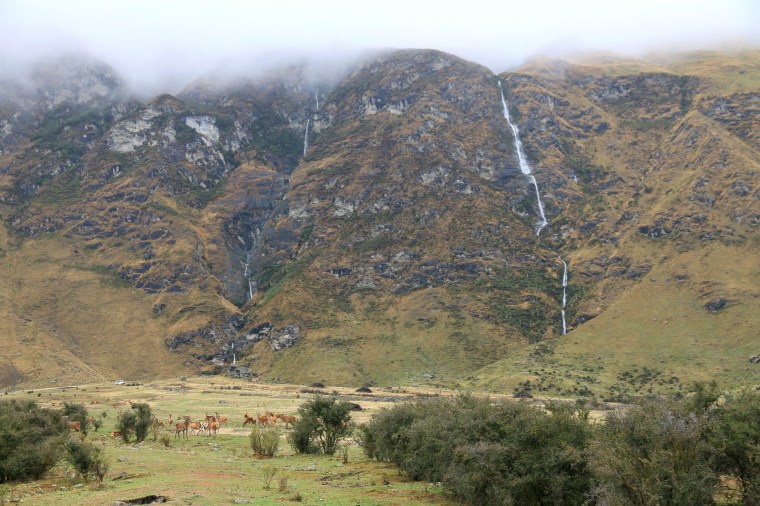
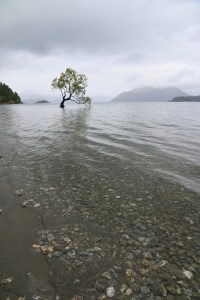 Generally, I prefer waterfalls to crowds of tourists, but the crowds of tourists can provide useful guidance on the location of scenic stops. Like a tree on Lake Wanaka – That Wanaka Tree – which probably has its own Twitter account and features on every second Instagram post with the hashtag newzealand. We join a semicircle of tourists taking pictures of the tree, with the tree, around the tree, through other trees to the tree and generally marvel at the tree, which is a very pleasant, photogenic tree. And frankly, you can’t ask much more from a tree. Other than it to grow money…which it may have done given its ubiquity on the internet.
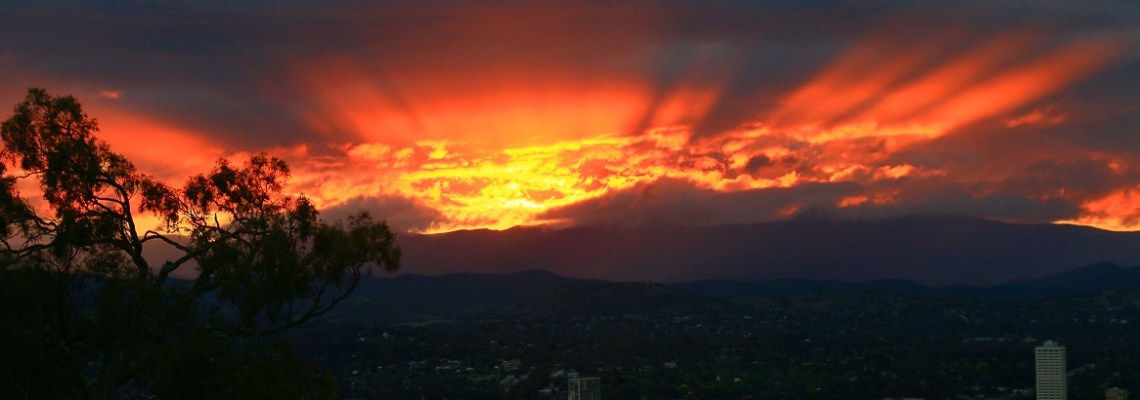
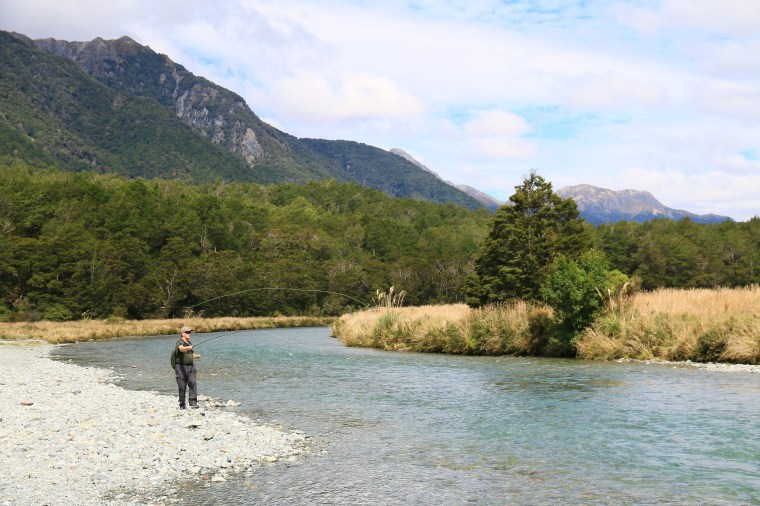
 More waterfalls were spotted on a drive to the northern side of Lake Hawea late in the day. A stop for some Dad fishing which yielded a stop in the rain. Briefly the sun even emerged albeit a touch watery like everything else around. But for the first time in a long time the windscreen wipers on the car could be set to zero. And as we parked up following a peaceful drive back home, without a fire or cat in sight, the sky miraculously fired up red, to the shepherd’s – and tourist’s – delight. Perhaps the storm had come, and gone.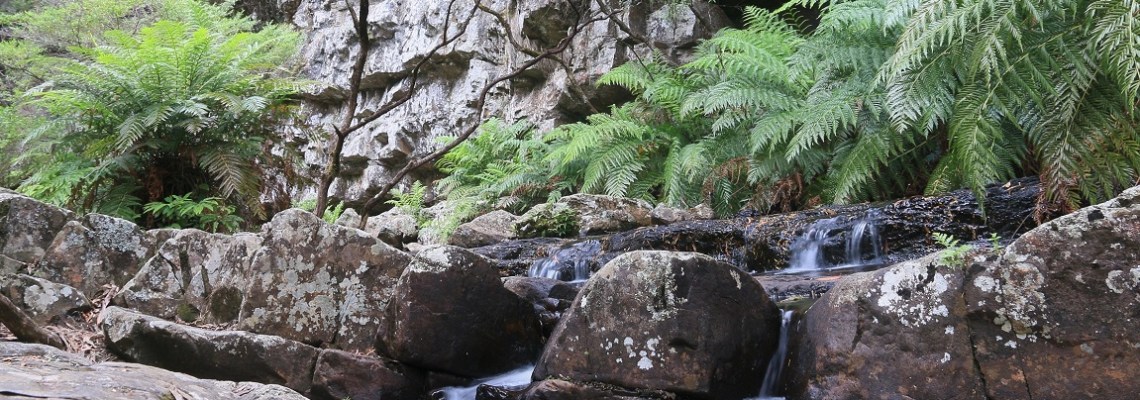
 Most cars are heading up or down the Hume Highway, towards Sydney, Melbourne or – even – Canberra. And / or beyond. Fewer are taking an alternate road north, across golden farmland and riverine gorges, passing through the town of Taralga and very little else until reaching the bright lights of Oberon. Here, west of the gargantuan expanse of the Greater Blue Mountains, fingertips of road and trail penetrate into the edge of wilderness.
 Walking helped warm things up a little and the gloomy view of Kanangra Walls was eclipsed by the natural serenity around Kalang Falls. This required a little descending beyond the escarpment edge and each step below evoked a sense of immersion in something elemental and pristine. As well as the pervasive eucalypts, native flowering shrubs and bonsai-sized pines and cedars clung happily to the rocky outcrops. Ferns adorned the pools and watercourse of the creek as it disappeared down and down into depths unseen. A trickle seemingly so insignificant continuing to somehow carve out this impenetrable gorge country.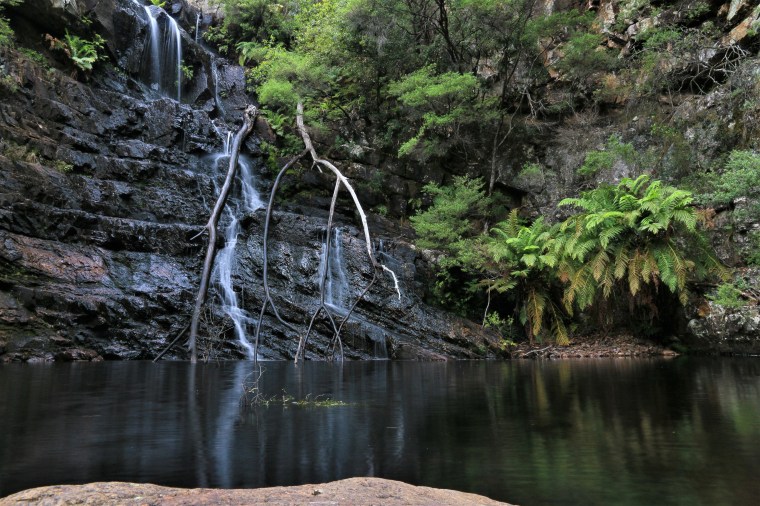
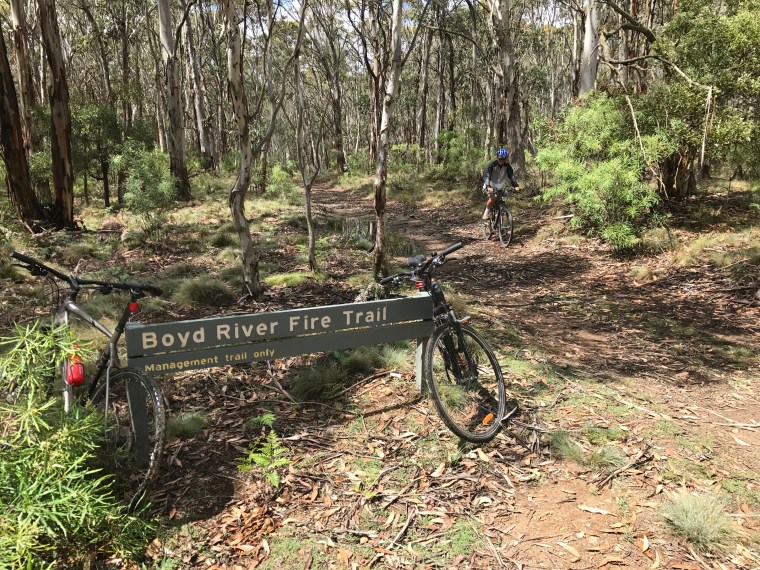
 And indeed, by time we got underway some of the gloom had lifted and the initial pedal on smooth tracks though the forest was heartening. Things began to go downhill as the terrain went more steeply and precariously downhill (described as “gently rolling”), compounded by creek crossings and the nagging knowledge that at some point climbing would be inevitable.

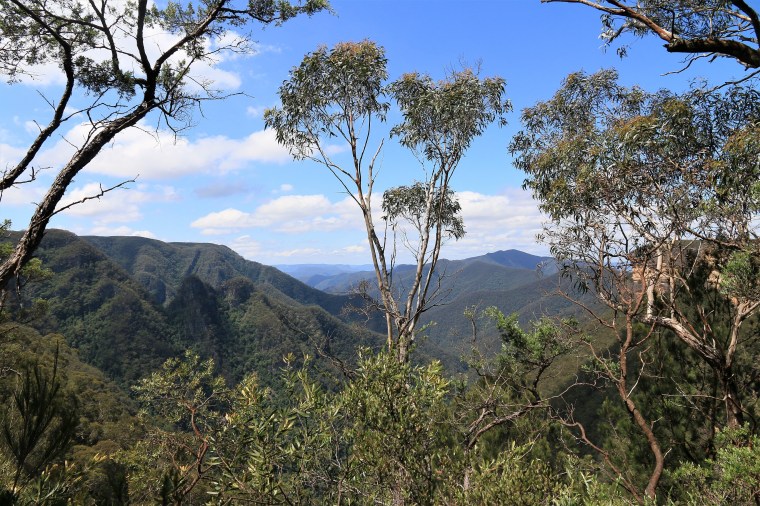
 Being energetic types, we embarked on a walk along the plateau in the afternoon which – naturally – only involved a few minor ups and downs. Panoramas were a regular companion, the vertiginous cliff line giving way to a green carpet plummeting down into infinity. Caution was high on the agenda peeping towards the precipice, a dizzying spectacle in which you hope not to be consumed. Let the snapchatting youth and boastful backpackers perch on the edge, for we have had enough adventure for today thank you very much; and how much more of a thrill do you need than being a part of this landscape, an insignificant dot in such spectacle.
 Working up a thirst, the cold beverages on the second – and final – night were far more fitting. By now, any clouds and wind had completely disappeared and the forest was aglow in the lingering end-of-day sunlight. Even my one-pot cooking failed to ruin the experience. We had been through the tribulations of the trails of dust and drizzle, creeks and climbs and were being generously rewarded. Finishing on a high, Australia at its summer holiday best, and you, and a couple of friends, immersed within it.
 And so the drive out of Canberra almost immediately led to immersion into a flat, golden brown landscape almost devoid of interruptions or scenic highlights. Diverting around Yass and Jugiong and encountering extensive lane closures on the road to Gundagai, distraction naturally came with the Dog on the Tuckerbox. It’s a statue of a dog. On a tuckerbox. But it is sunny and warm and the landscape here more undulating and fertile. Gum trees offer shady refuge for the melodious magpies and chirpy galahs; tin sheds and wooden farmsteads sit snugly among long grasses and fields of sheep; and there are numerous comings and goings to observe at the Tuckerbox KFC.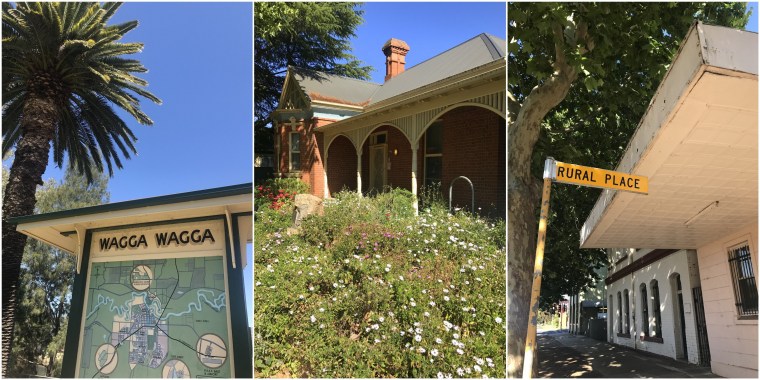
 I enjoyed a late afternoon beside the river, checking out the sandy beach and colourful language of some local ladies engaged in a very open discussion about Tinder and uncles marrying strippers and the like. The beach is obviously no Bondi or Bantham, but there’s sand and water and – I can imagine on those scorching summer days – it has enough going for it to impel you into the Murrumbidgee. Under the shade of eucalypts the vibe is chilled, languid like the river itself and I could have sat here a while if I didn’t have some work to do.
 The return trip was far more diverting than a dog on a tuckerbox, mainly because I opted to take a different route back which didn’t involve dual carriageway and bypassing one street towns. The Snowy Mountains Highway stretches all the way down to Cooma, and if I was going to avoid taking a massive detour to Canberra I would have to find my way across the Brindabella Ranges. But first, time for a little bushwalk, just south of Tumut to a slab of rock called Blowering Cliffs. It was a decent jaunt out, starting off through lush meadows and rising ceaselessly through forest to a protrusion of granite. Sometimes a waterfall plunges off here, but today it was like a sporadically dripping tap.

 What goes down must go up and so there was some further climbing through Brindabella National Park on more precarious surface before cresting the ranges where the NSW-ACT border sits. I figured out this was my final road border crossing into the Australian Capital Territory and immediately the road surface improved: still dirt but smoother and significantly more tolerant. At the oh-so-ironic Piccadilly Circus I was back on familiar ground, winding down towards the subdued hum of sealed tarmac once more. Back in Canberra comfort, but with the satisfaction of a touch of exploration behind my back.
 gbpilgrim