
You’d have to be slightly crazy to drive six hours just to visit the Gilgandra Rural Museum. Yet craziness is exactly the vibe. Assembled outside, various mechanical contraptions seek to separate wheat from chaff or draw water from the ground or power the transistor radio of old Sheepwash Charley of Dunedoo. Among the pioneering relics, random two-dimensional figures play out a scene which probably didn’t make the final cut of the original Ned Kelly movie. All the while, the incredible Man on the Thunder Box remains impassive.

I didn’t travel six hours for the Gilgandra Rural Museum, but paused for one final stop before setting out for Coonamble. For me, Gilgandra signified a final outpost of familiarity if not necessarily civilisation. Along the way, more gentrified country towns like Boorowa and Cowra and Molong had breezed on by. A stop in Wellington illuminated both the charm and economic fragility of life in a country town, while the major centre of Dubbo came with all the drawn out trappings of tractor dealerships, coffee clubs and chequered fashion wear.
It was after Dubbo that I first encountered a finger or two. A single raised pinky from fellow drivers attempting to overcome the boredom of the Newell Highway. They obviously hadn’t stopped at the Gilgandra Rural Museum for there was little cheer or energy in their movements. More an obliging duty to signify they are alive and to acknowledge the presence of other lifeforms.
It is never clear when, where or why the finger zone starts or ends. Remoteness plays a key role, but then some areas of barren desolation barely provoke a twitch. This confuses me to the extent that some people get the finger, others get a V sign, others a full hand and, when I have faced enough rejection for one day, the rest receive absolutely nothing. One of the worst feelings in the world is being too late to acknowledge a cheerfully waving man in an akubra as he whizzes by south, just because you have been spurned one too many a time.

Another hour of this kept me mildly entertained as I broke new ground on the Castlereagh Highway. Occasionally the road’s namesake river snaked nearby, sandy with pools of water nurturing gum trees and fields of weedy yellow flowers. Corrugated metal galahs counted down the approach to Gulargambone, while a fence emblazoned with a big G’DAY greeted me as I left town. Late in the day, Coonamble embraced me with fiery skies and the smell of mice disinfectant.
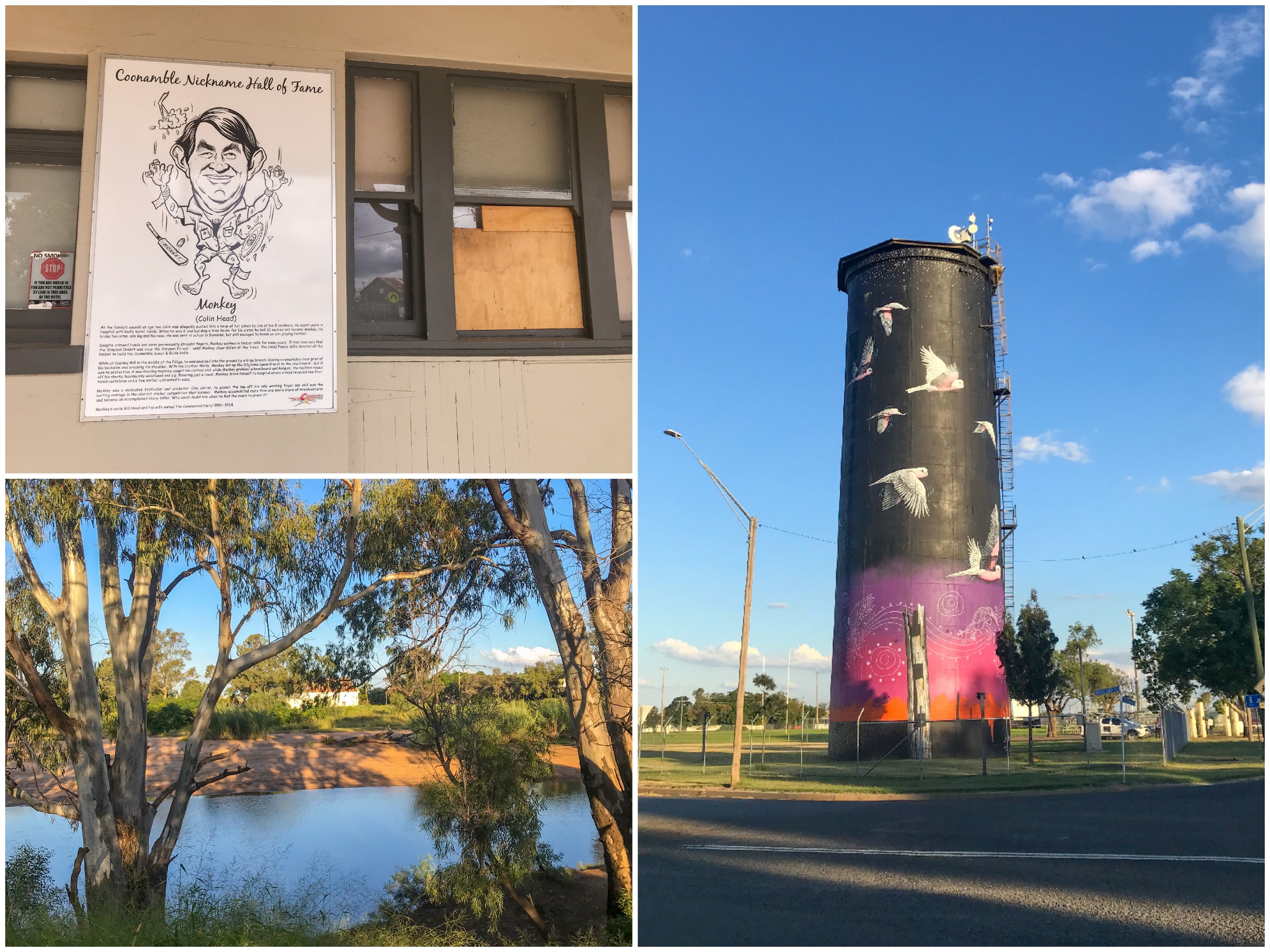
I had come to Coonamble as part of a bigger trip on my way to Queensland. And while there was distraction in its artistic water tower and a sense of disappointment in its Nickname Hall of Fame (not even being so bad to be good), the main purpose of the stopover was to visit old – and young – friends.

And so good food, company, and row row row your boat was the main order of events, delivered in abundance. I did sample hot coffee from both local cafes and discovered the intricacies of a remote town of 2,000 people where everyone knows everyone else’s business.
One late afternoon I even went for a little bike ride, which was quite delightful at first, cruising along flat countryside lanes and discovering a peaceful spot by the river. Then I ended up in town and got chased quite aggressively by the obligatory roaming hounds. The full Coonamble experience.

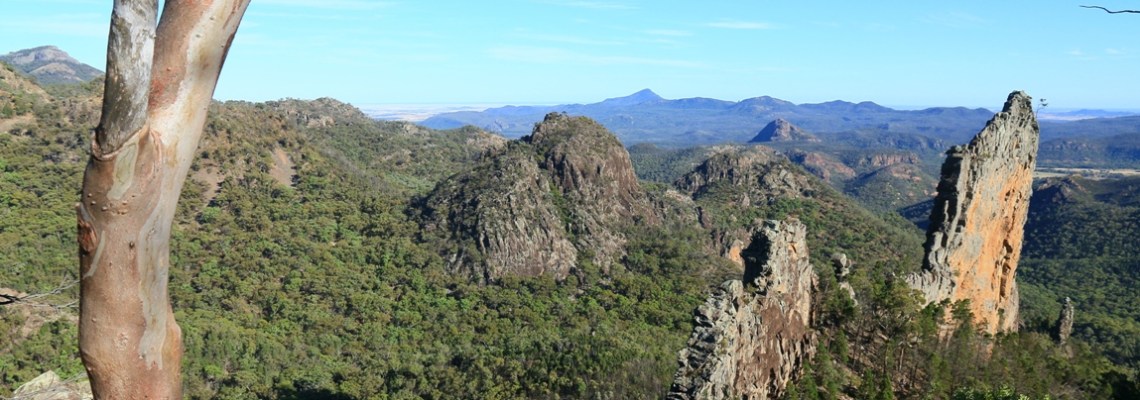
One of the plus points to Coonamble is its proximity (at least in regional Australia terms) to Warrumbungle National Park. A jumble of volcanic lumps and spires rise up prominently from the flat surrounds, tantalising from afar in every direction. A dirt road takes us to a spectacular reveal of this massif from the west, before becoming more deeply immersed into the heart of the park.
I’ve done longer, signature hikes here before but with little Henry enjoying shooing flies in a backpack we take on a shorter walk to Tara Cave. Still, it’s a delight featuring a small creek crossing and burgeoning bushland, rising up to reach an interesting shelter with signs of tool-sharpening from many centuries before David Bowie put on some red shoes and danced. And being in the north west of the park, a balcony view reveals the splendid panorama of this wonderful land.

On the other side of the Warrumbungles is the town of Coonabarabran. I discover this is known locally as ‘Coona’, even by the Coonamble locals who might also claim that moniker. Coona is a pleasant enough place, with an extravagantly decorated and tasty Chinese restaurant and – the piece de resistance – a Woolworths. Coming from Coonamble, there is something utopian about entering a supermarket with fresh produce and aisle upon aisle of comforting familiarity. Like a child in a candy shop. Or Francois in a fromagerie.
And so, a final fresh dinner on Sunday night and another fine breakfast the following morning sets me up for the journey ahead. It’s a long and lonely road, and I feel a touch flat about leaving a world of comfort and companionship. After an hour or so, Walgett appears, which is hardly the kind of place to lift a funk. Fuel, toilet, and a crossing of the Barwon River at least interrupt the journey.

The river is fascinating in its own way – still partly in flood thanks to storms several weeks ago in an area many hundreds of kilometres distant. Waters progress at the rate of Australia’s vaccine roll out, gradually collecting into wide channels and floodplains, seeping slowly through the interior. Eventually these waters will meet the Darling, which will meet the Murray and then find their way to enter the Southern Ocean southeast of Adelaide. They are taking a far more leisurely trip than me.
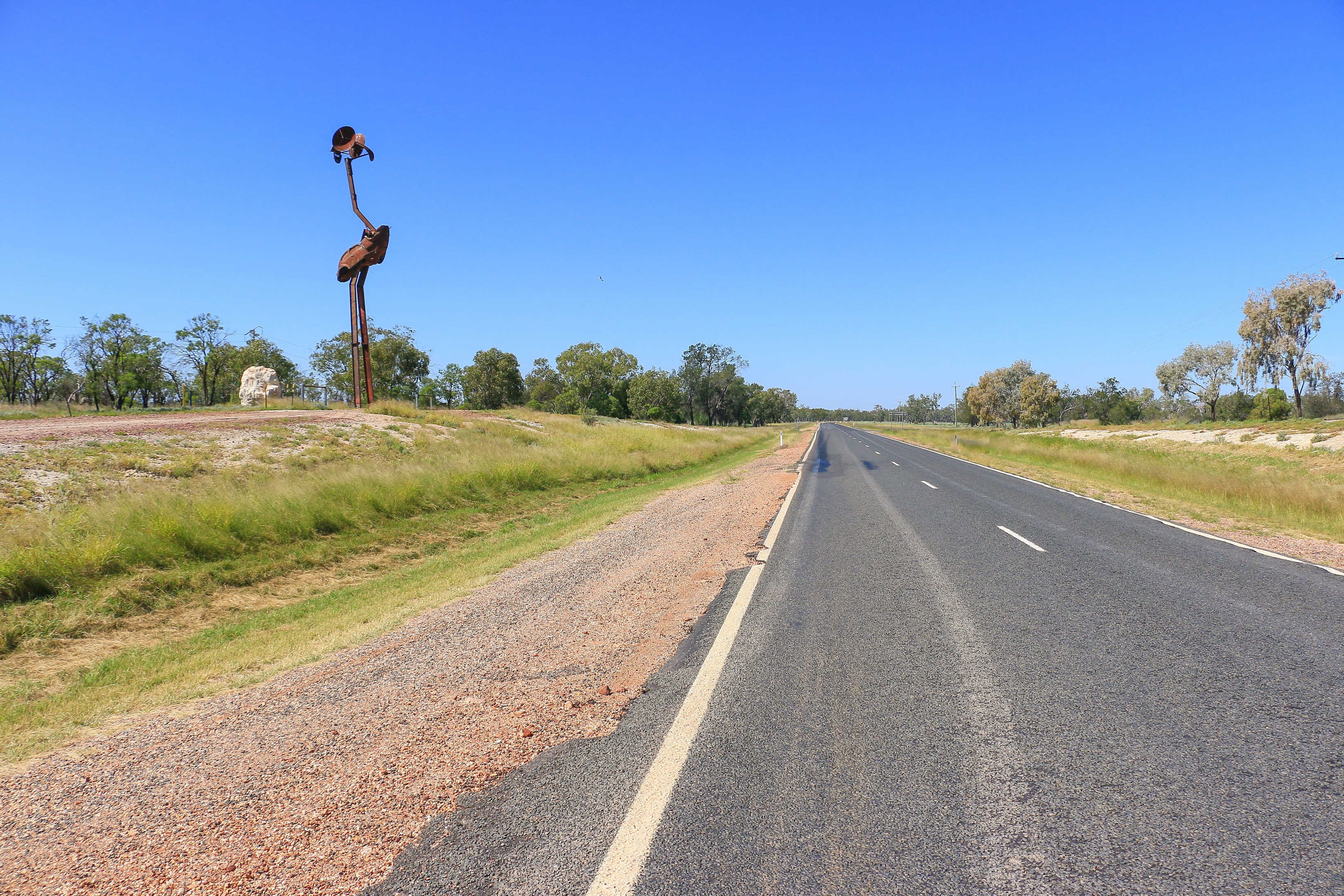
After the Barwon, the landscape alternates between wide flat expanses of saltbush and clusters of hardy eucalyptus forming around further pools of floodwater. Emu sightings are becoming commonplace and as I near Lightning Ridge, the most astounding sighting yet: an emu comprised of steel girders, car parts and a whole VW Beetle. Stanley the Emu is – according to Tripadvisor – only number 8 of 17 things to do in Lightning Ridge. I clearly need to take the short detour to visit this place.
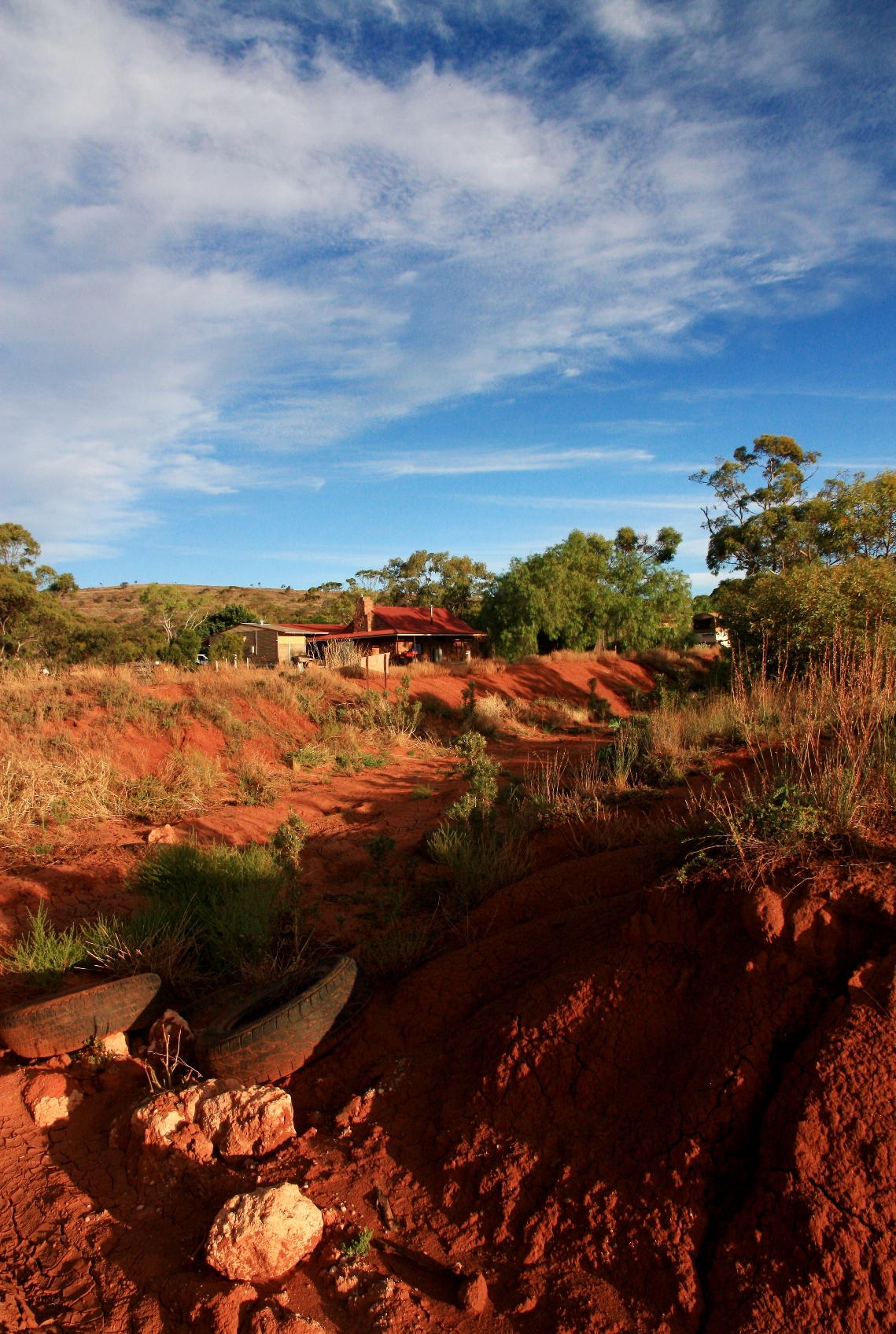
Lightning Ridge is not just a flashy name but offers some genuine drawcards. There are artesian bore baths and a house made of bottles and – probably the best of the lot – a gallery featuring Australian classics from John Murray. I almost buy a signed print of a rich red sky over a dusty outback road to remember my trip by, but figure it is far too early in the trip. Damage from dust or mice or man-eating snakes would probably become its fate.
A spot of fossicking may provide some funding for such works of art though. Lightning Ridge is best known for its opals, which have been heavily mined and continue to be sought after today. All around town, deposits of rock form in small mounds and people still come to set up a home among the pickings. Corrugated metal and rust are a predominant theme which, set into a glaring white earth and fierce sky, offer a certain Mad Max vibe.

Seriously hoping Mel Gibson is not out in town harassing people I decide it’s time to move on and head north. Well into uncharted territory, even finger waves become few and far between on the way to the Queensland border. In the middle of nowhere, a giant billboard featuring smug people on an idyllic white beach blares “WELCOME TO QUEENSLAND”. A few kilometres further on in Hebel, a ramshackle pub bedecked with golden signs for the insipid state beer confirms the change.
It feels like Queenslanders are – in this part at least – not so much into the finger waves. Perhaps they notice my ACT plates and are suspicious of southerners with their lattes and COVID-19 outbreaks. Gradually the barren landscape around the border appears to become more tamed, more cultivated. Cattle studs, sheep farms, giant silos. I notice fluffy white patches lining the side of the road and correctly deduce the presence of cotton farms. All I really know about cotton is that it is very water-intensive and seems at odds with the land I have come through. But that’s utter Balonne.
I’m not exactly sure how you pronounce Balonne, but it is the big river of the area, part of that same system which will end up in the seas off South Australia. I initially encounter it in the town of St. George, the first place of any size in my progress north. The river lends St. George a somewhat graceful air and no doubt a certain prosperity from cotton and other crops. It’s the kind of spot – at four in the afternoon – that would be perfect as a stop for the night, but I haven’t really made any plans. I decide a cup of tea and slice of Christmas cake will be enough to spur me on for another hour to camp.
Thus I arrive in Surat as the daylight fades. While escaping ferocious heat is a benefit of travelling at this time of year, the downside is the early sinking of the sun. I decide setting up the tent in the dark would be too much of a palaver, so organise my car so that I can sleep in the back. A process which also involved much palaver. But somehow, after 550km on the road, I manage a reasonable, comfortable night of sleep.
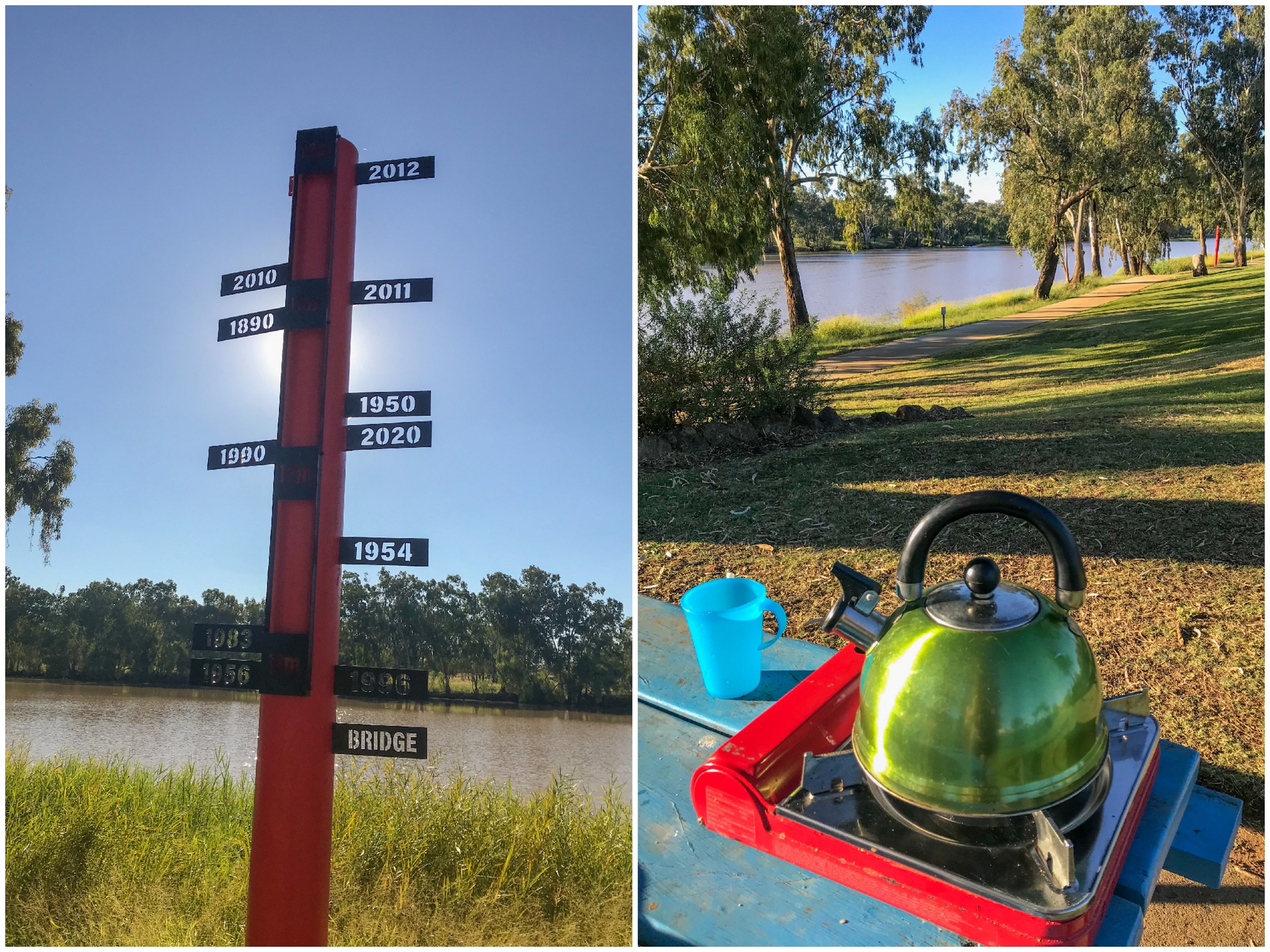
As the morning light emerges, I am pleased with my choice of accommodation. The free camping spot in Surat is spacious and shady, next to the river and includes the luxury of a well-kept toilet block with clean, running water. I think havens like this are a good idea for tiny towns in which you probably wouldn’t stop otherwise. Especially for those weary travellers who are in need of a coffee.

Crossing the Balonne again I walk over towards town and follow the course of the river through well-kept parkland with well-kept barbecues and well-kept playgrounds. I am starting to notice just about everything in Surat is well-kept. There is a clear civic pride and welcoming air around the place that you wouldn’t really imagine by just looking at it on the map.
The main street – which is also the Carnarvon Highway – boasts a swanky looking grocery store, a pub and motel, a small museum, a few civic buildings, and a number of bottle trees. I noticed a few of these last night on the drive up and they are impressive specimens which conjure up a touch of African exoticism.
There is also a café doubling up as providore-cum-giftware shop. It’s still before nine in the morning but the sticky date and walnut cake looks too good to pass up, and I feel obliged to support the local economy given the free accommodation. That is, once I finally download ‘Check In QLD’ to add to the growing array of pandemic-related apps cluttering my phone.
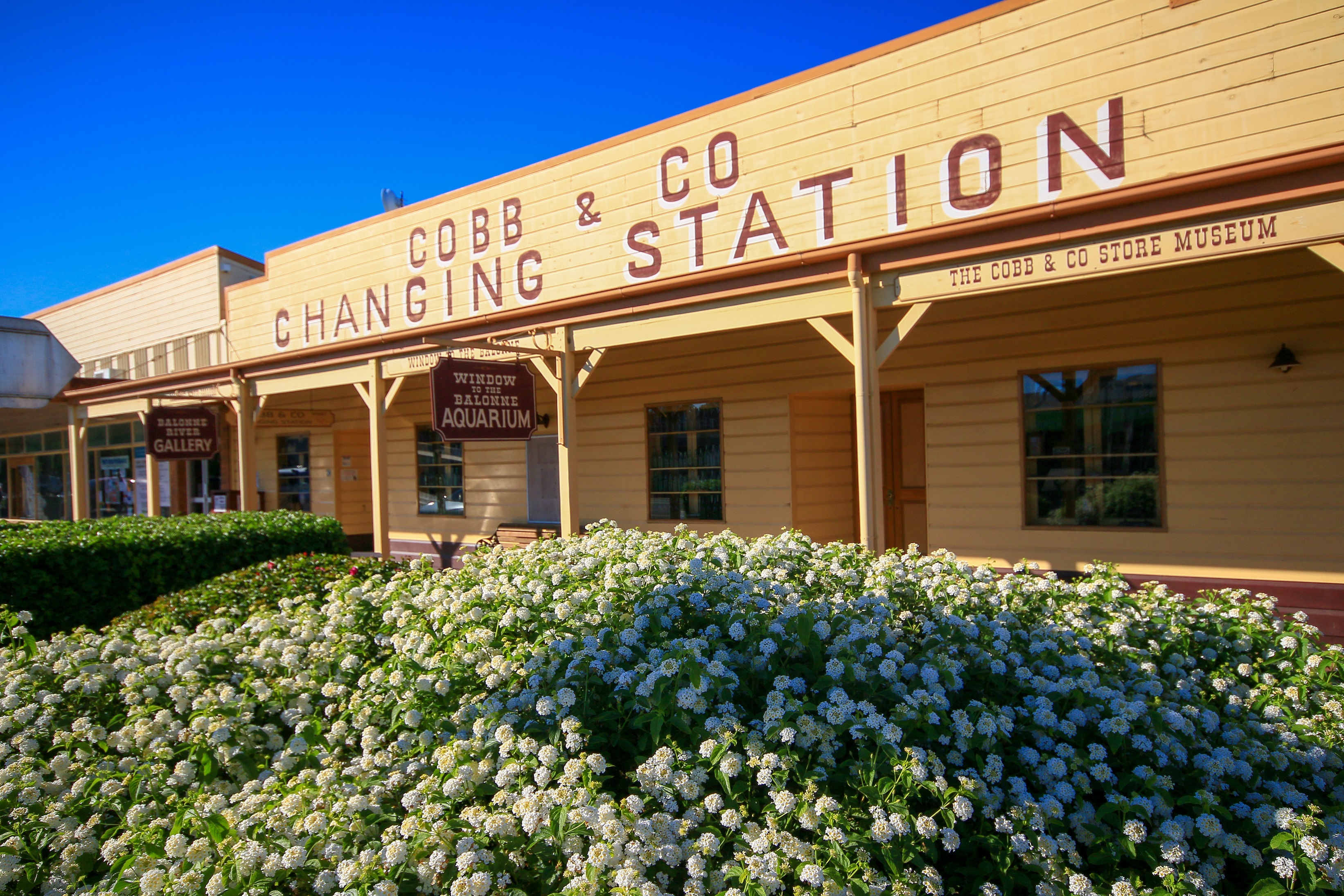
I was keen to linger with coffee and cake until nine to poke my head into the museum opposite. This appeared from the outside to boast a little bit of everything. And indeed there was everything from old bottles and wool specimens to bushrangers and drovers around a campfire. A supplementary aquarium contained species from the Balonne and an adjacent art gallery was crammed full of work from one person which can most generously be described as eclectic.
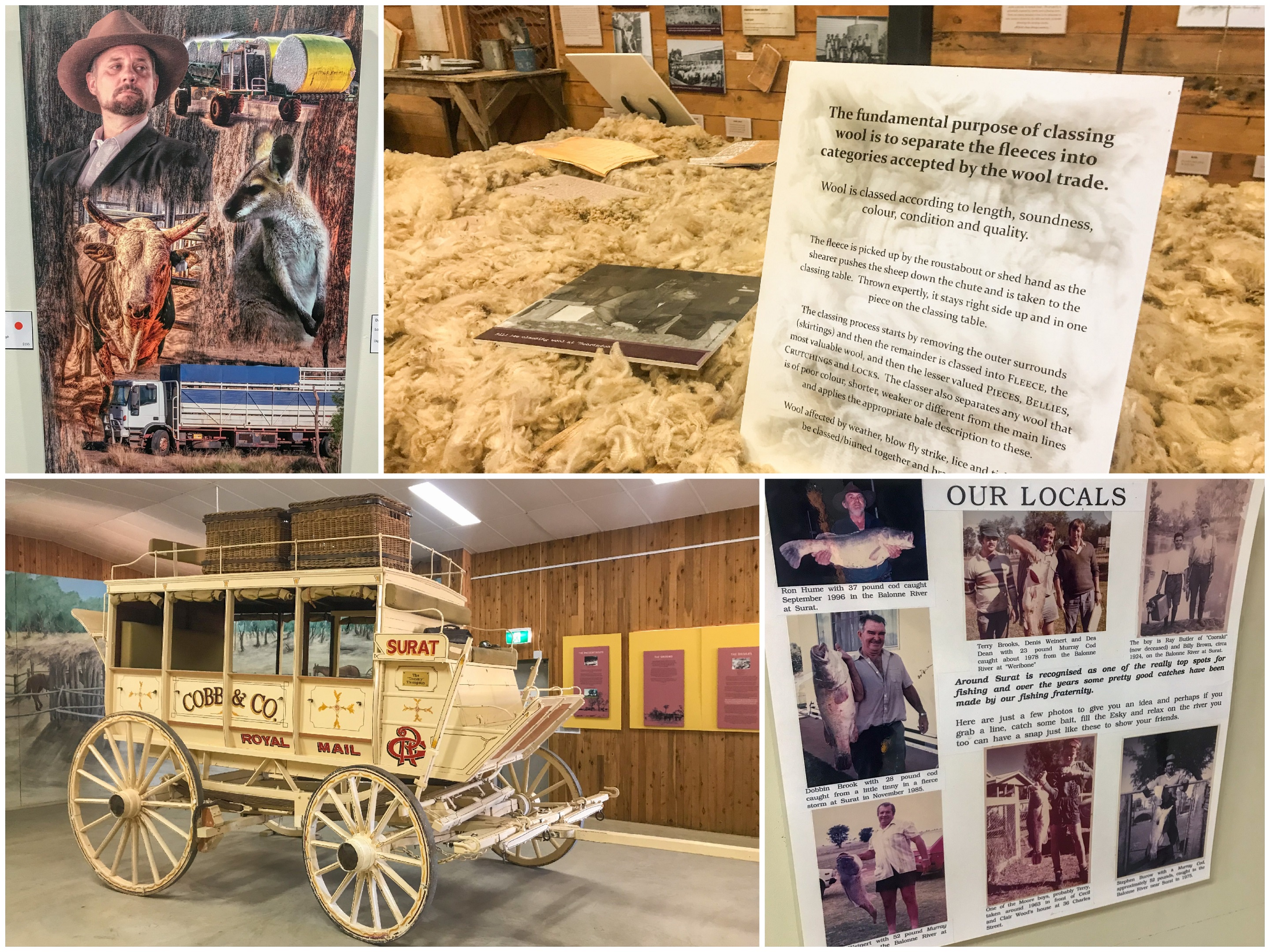
The centrepiece however – and main claim to Surat – is being the setting for the last ever regular service of a Cobb & Co stagecoach in 1924. While life in an old Subaru can seem a little uncomfortable, these coach rides were another matter altogether. Passengers were able to pay handsomely for the privilege of freeing bogged wheels, clambering in tight spaces to shelter from storms, delivering post, opening and closing gates, and occasionally wading through flooded creeks and streams.
Such ardours meant the journeys were slow, and changing stations popped up along the way for a swap out of horses, crew, packages, and people. Cups of tea and plates of scones might have been arranged or accommodation for the night provided if it was getting late. Kind of like a nicer version of a Travelodge on the M42.
While the form of transport might have evolved over the years, it felt like Surat – this most unexpected of well-kept towns – was still engaged in such a modus operandi. Allowing weary travellers like me to take stock and convalesce, to rest heads and bodies, to receive generous nourishment. And most critically, to recover our worn out pinkies so that we can suitably venture out once more into the finger zone.

 There is a colony of koalas here, and I was pleased to come across one in the first hundred metres of my walk. It was around midday and hot, exactly the kind of conditions in which you should not be out walking. But with this early sighting, the pressure was off – no more relentlessly craning one’s neck upward in the usually forlorn hope of spotting a bulbous lump that isn’t a growth protruding from a eucalypt. I could instead loop back to the car concentrating more on keeping the flies from going up my nose. Yes, they are absolutely back.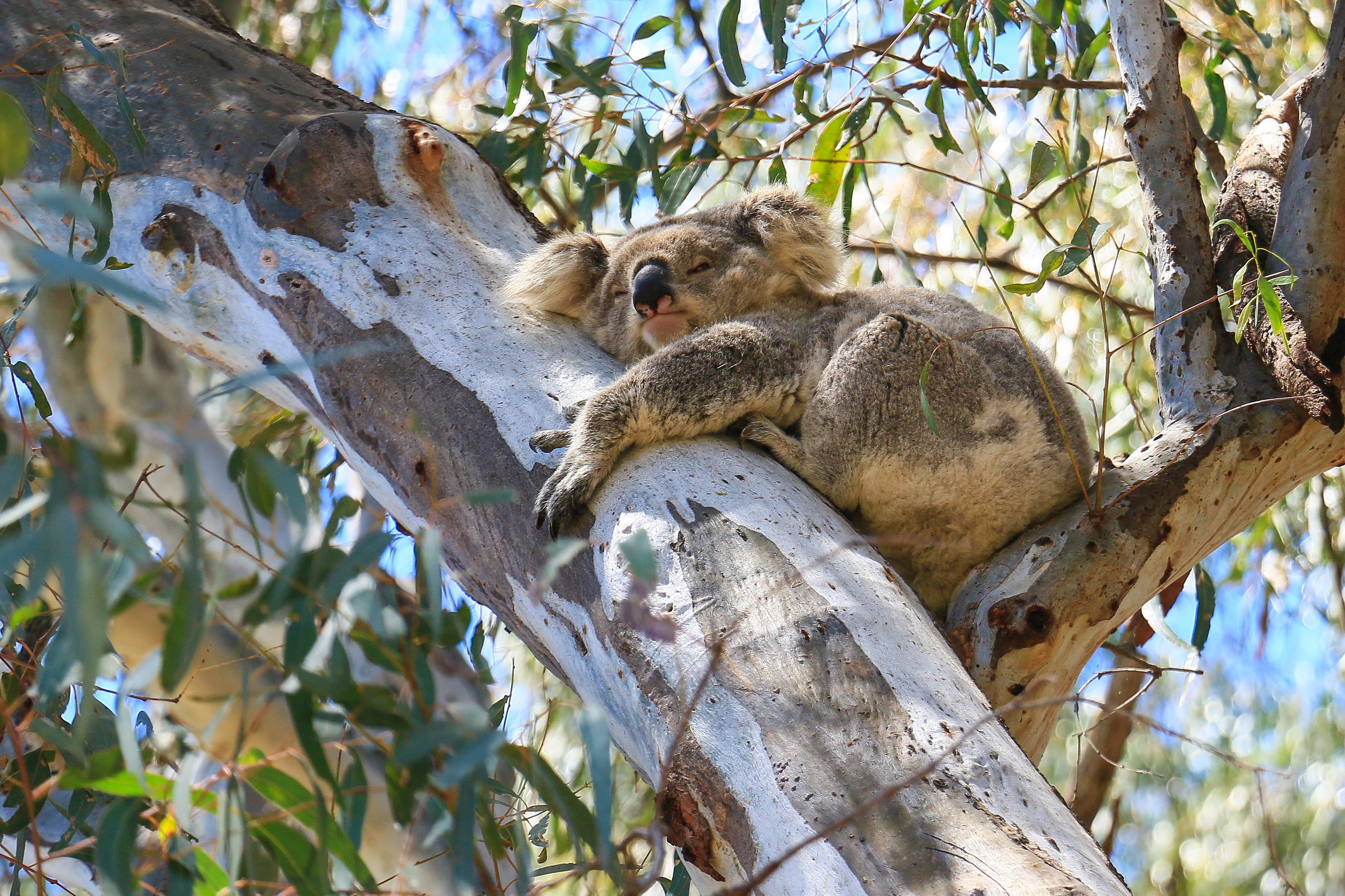




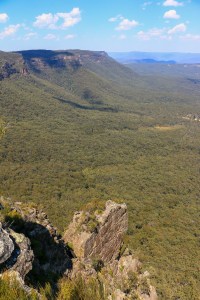 Still, should you wish to rise from this indulgent slumber, another hour or so east will bring you to the western fringe of the Blue Mountains. Suddenly things change, and not just the petrol price rising thirty cents a litre in as many kilometres. The day trippers are out in force, the coaches idling at every single possible lookout, of which there are many. The escarpment top towns of Blackheath and Katoomba and Leura are brimming with people shuffling between café and bakery, spilling down like ants to the overlooks nearby. Below the ridge, however, and the wilderness wins. Only penetrable at its fringe, placid beneath a canopy of ferns and eucalyptus.
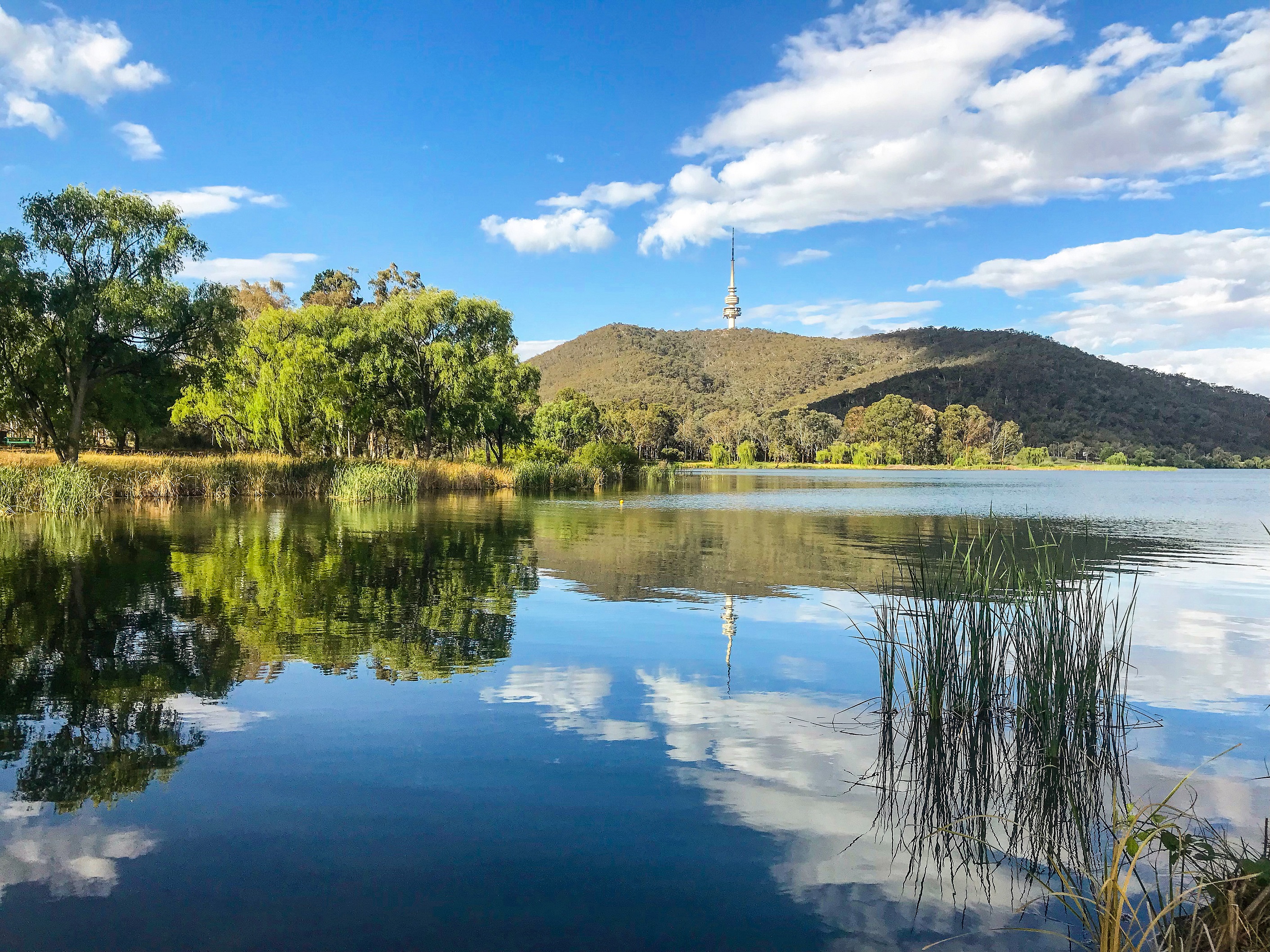


 I think about munching on some leftover sausage rolls in here, but delay lunch for one other walk before the temperature peaks. It’s already midday and clearly above thirty. Shade is intermittent on the way down to Tinted Cave and the Limestone Gorge, where sausage rolls can be enjoyed beside a shallow pool of water popular with dragonflies and sweaty humans.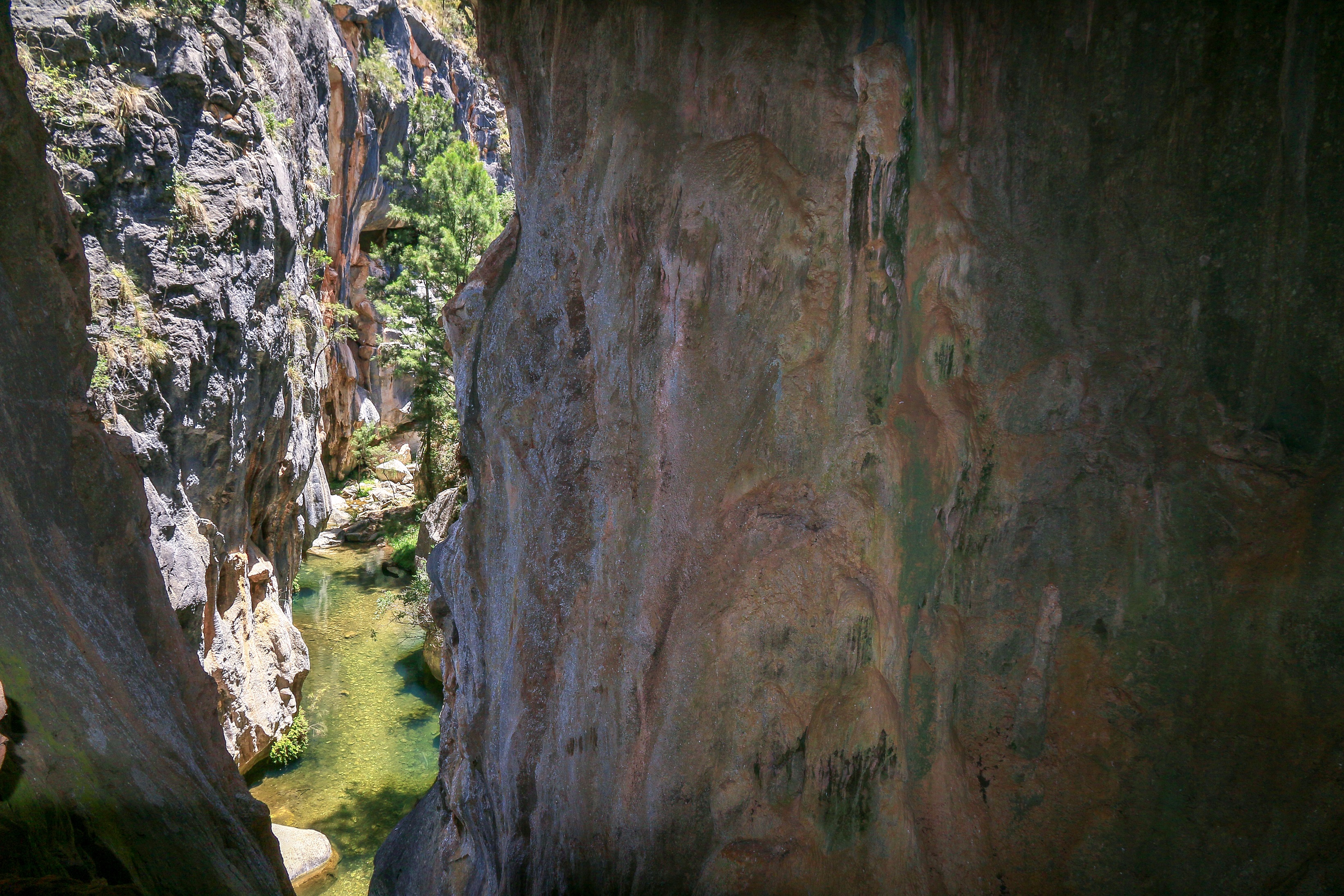


 Fast-forward a few days and the work was done, proving less cumbersome and far more populated with coffee and cake than I could have hoped for. This left me alone with a car and a few belongings close to the Queensland-NSW border. A massive part of me wanted to make the journey home as quickly as possible, but then an equally massive part also yearned to stop in Warrumbungle National Park. Another significant consideration was a determination to miss the whole messy Newcastle-Central Coast-Sydney conglomeration. This along with the fact that, heading inland, I could go through Texas tipped the scales definitively south and west. Yeehaw.
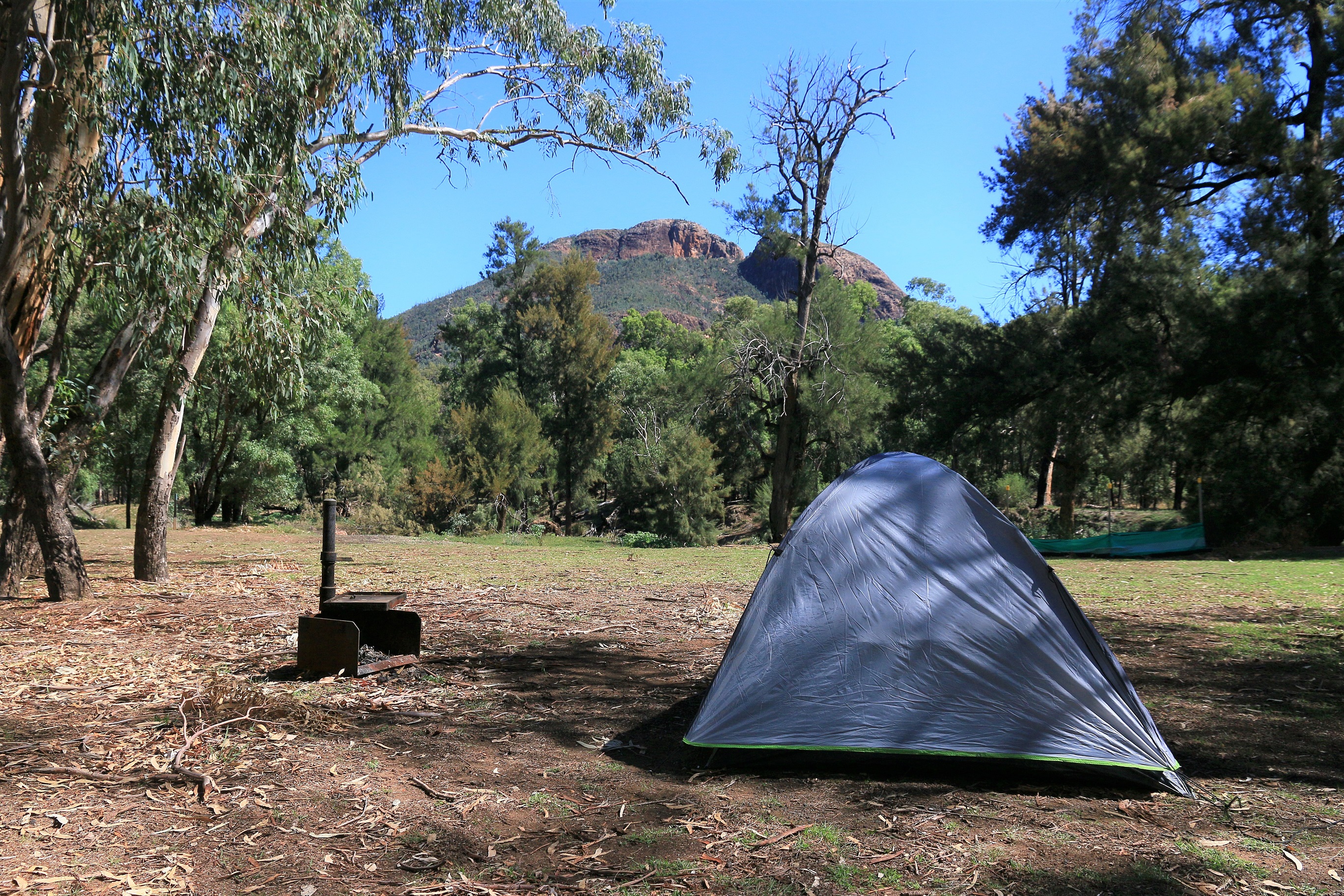

 I was even more glad of my foresight in buying some hot cross buns and a block of butter in Coonabarabran yesterday. What better way to use the camp stove for the last time, to set me on my way to Gilgandra, to Dubbo, to Wellington, to Molong, to Canowindra, to Cowra, to Boorowa, to Yass and – 550kms later – to Canberra.
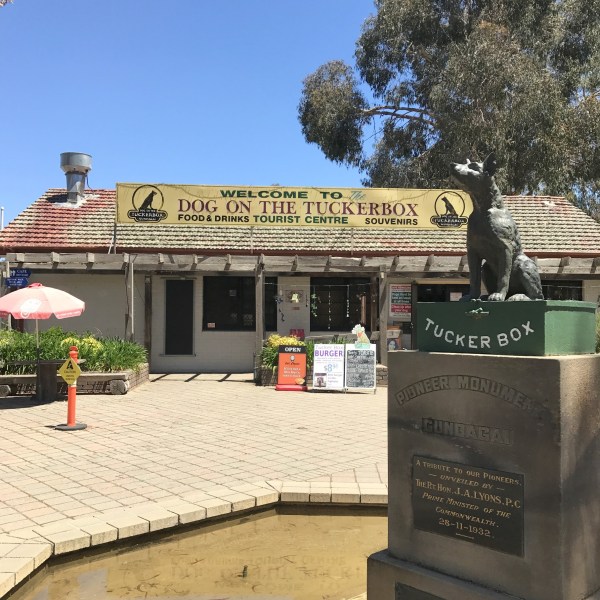 And so the drive out of Canberra almost immediately led to immersion into a flat, golden brown landscape almost devoid of interruptions or scenic highlights. Diverting around Yass and Jugiong and encountering extensive lane closures on the road to Gundagai, distraction naturally came with the Dog on the Tuckerbox. It’s a statue of a dog. On a tuckerbox. But it is sunny and warm and the landscape here more undulating and fertile. Gum trees offer shady refuge for the melodious magpies and chirpy galahs; tin sheds and wooden farmsteads sit snugly among long grasses and fields of sheep; and there are numerous comings and goings to observe at the Tuckerbox KFC.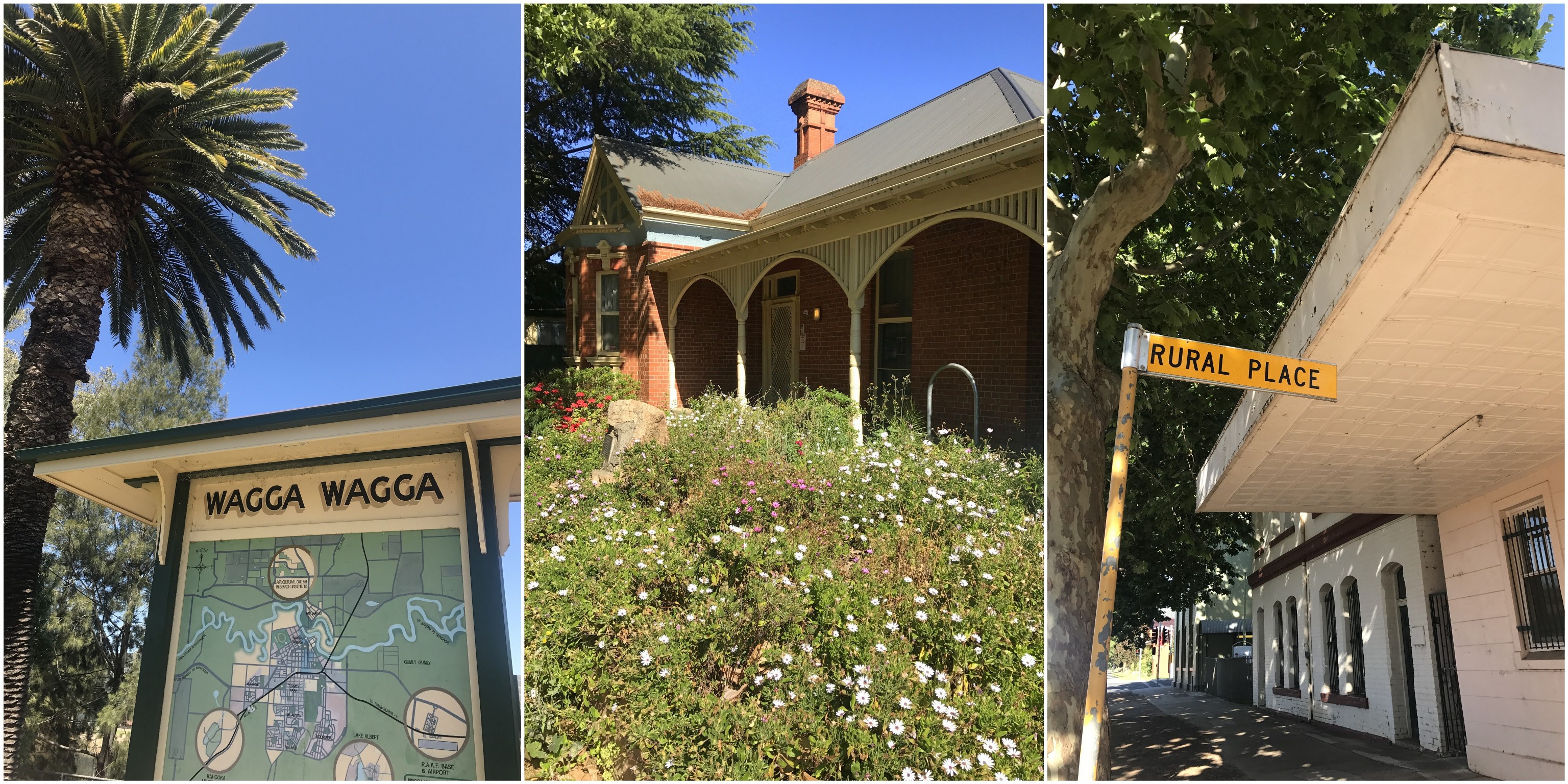
 I enjoyed a late afternoon beside the river, checking out the sandy beach and colourful language of some local ladies engaged in a very open discussion about Tinder and uncles marrying strippers and the like. The beach is obviously no Bondi or Bantham, but there’s sand and water and – I can imagine on those scorching summer days – it has enough going for it to impel you into the Murrumbidgee. Under the shade of eucalypts the vibe is chilled, languid like the river itself and I could have sat here a while if I didn’t have some work to do.
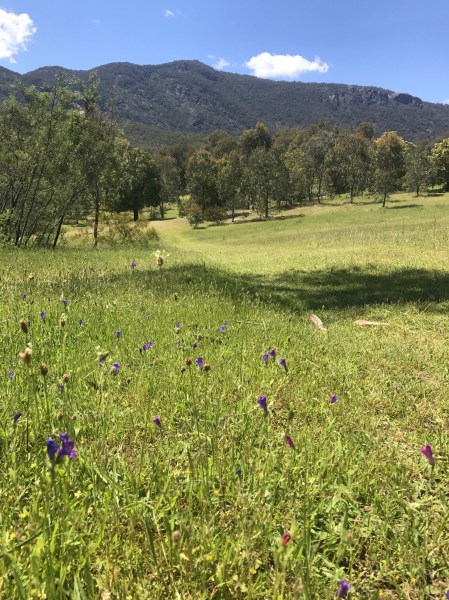 The return trip was far more diverting than a dog on a tuckerbox, mainly because I opted to take a different route back which didn’t involve dual carriageway and bypassing one street towns. The Snowy Mountains Highway stretches all the way down to Cooma, and if I was going to avoid taking a massive detour to Canberra I would have to find my way across the Brindabella Ranges. But first, time for a little bushwalk, just south of Tumut to a slab of rock called Blowering Cliffs. It was a decent jaunt out, starting off through lush meadows and rising ceaselessly through forest to a protrusion of granite. Sometimes a waterfall plunges off here, but today it was like a sporadically dripping tap.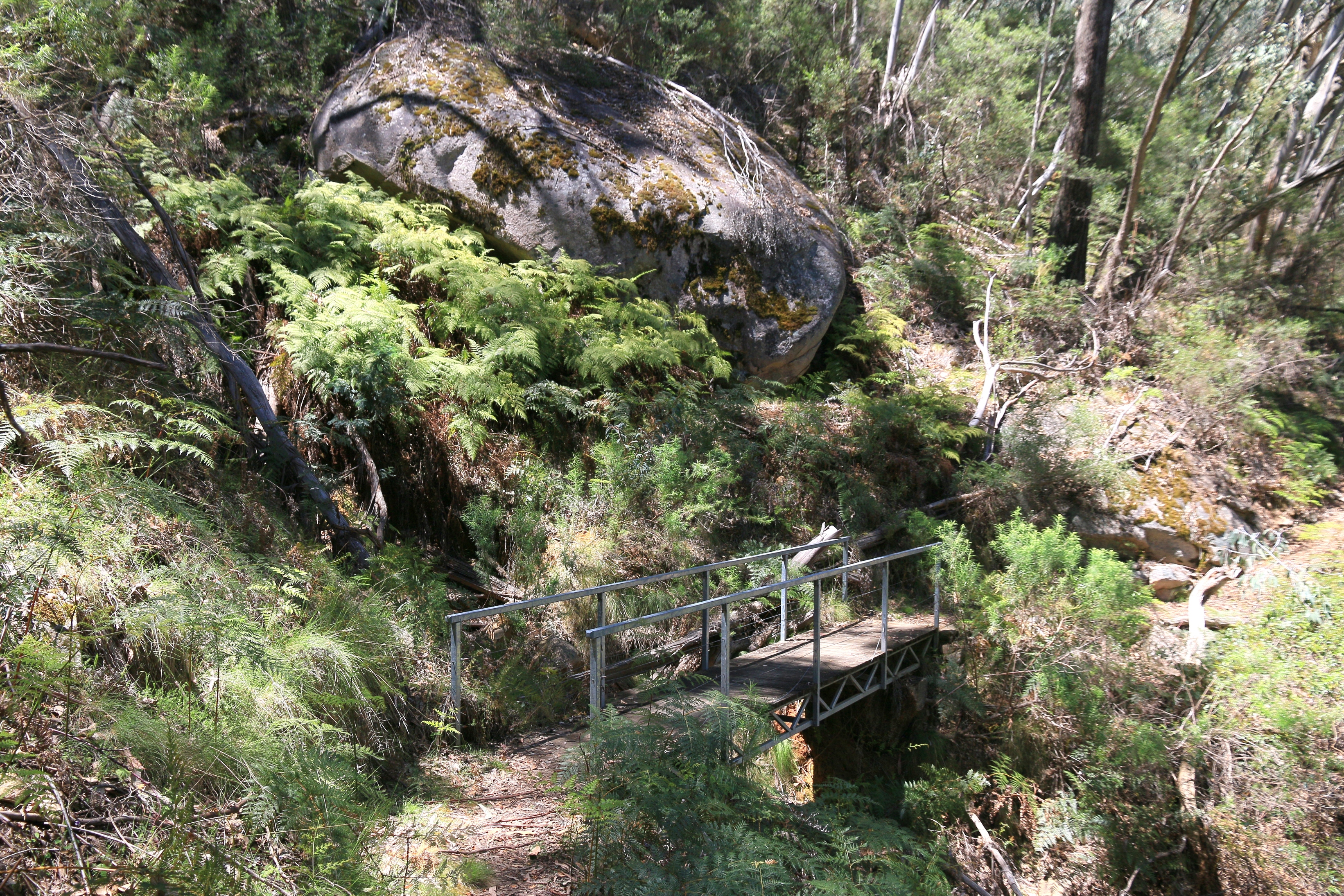

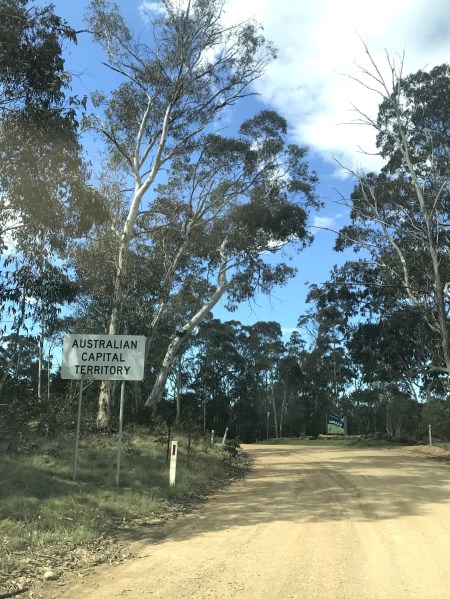 What goes down must go up and so there was some further climbing through Brindabella National Park on more precarious surface before cresting the ranges where the NSW-ACT border sits. I figured out this was my final road border crossing into the Australian Capital Territory and immediately the road surface improved: still dirt but smoother and significantly more tolerant. At the oh-so-ironic Piccadilly Circus I was back on familiar ground, winding down towards the subdued hum of sealed tarmac once more. Back in Canberra comfort, but with the satisfaction of a touch of exploration behind my back.

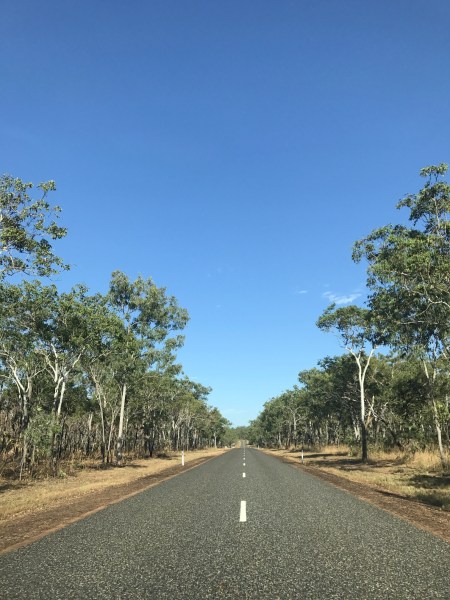 Having come so far, I was determined to explore beyond Darwin during The Dry, so tacked on an extra night to squeeze in what most people would probably do over two or three days. An early start on Saturday and speed limits of 130km/h help, and I found myself entering Litchfield National Park before ten; just in front of the procession of tour buses (invariably named things like Crocco Tours, The Top End Crocosaurus, NT Outback Crocclebus etc etc) entering the parking area of Florence Falls.




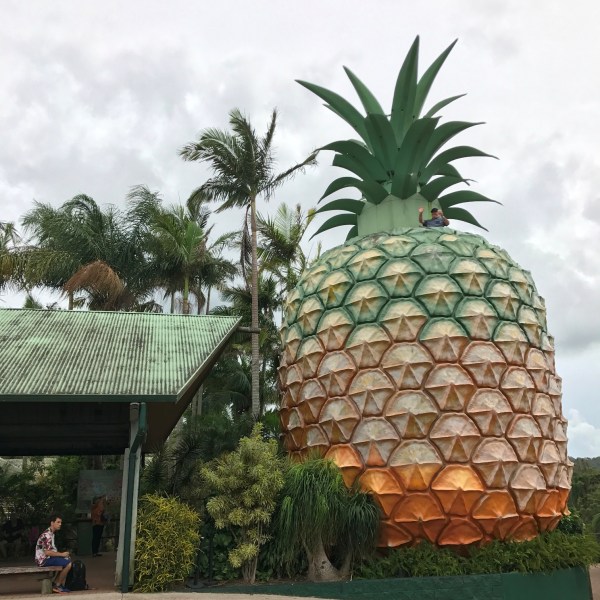 A couple of days on the Sunshine Coast had delivered only intermittent milky doses of sunshine, with homely patches of drizzle persisting throughout my final morning. An obvious light in the dark was the Big Pineapple on the outskirts of Nambour. A possible former plaything of an ex PM and Treasurer of Australia, I felt this was a perfect way to say goodbye to the Sunshine Coast and a suitably symbolic start of another long drive through the heart of Australia.

 Pausing at Stanthorpe the rain had returned and I made use of mobile coverage to assess the likelihood of getting soaked while camping. It was touch and go but I opted to camp a little south in Girraween National Park. This was unlike a Queensland in any of the brochures…cool, cloudy, a little dank. Clusters of giant boulders dotted the landscape, sitting within short and stubby forest and forming natural terrain for pools of water to form.
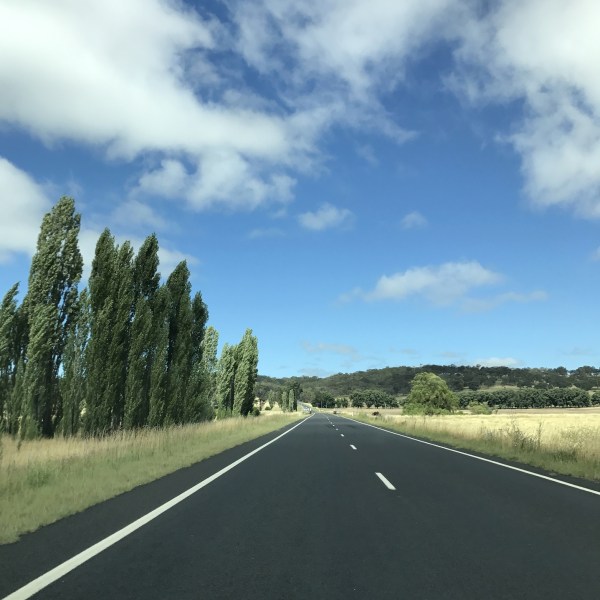 I was definitely the first person to leave the campground the next morning, cognisant of a long day ahead and jumping forward an hour into New South Wales. A lonely road led to Glen Innes, the only memory of which I have is of waiting ages for a coffee and then discovering, driving out of town, that they had decided to put sugar in it. This clouded my opinion of Glen Innes, and driving through the next town of Inverell, I wish I had stopped there instead.
 Today, it is a quiet place of solitude and reflection. The chirping of birdsong persists despite searing heat and baked earth. A simple, memorial walk exists, a swirling red path providing points of information and remembrance. There is talk of healing, of coming together of ancestors, of deep remorse and some kind of hope. A hope that, eventually, love does trump hate.
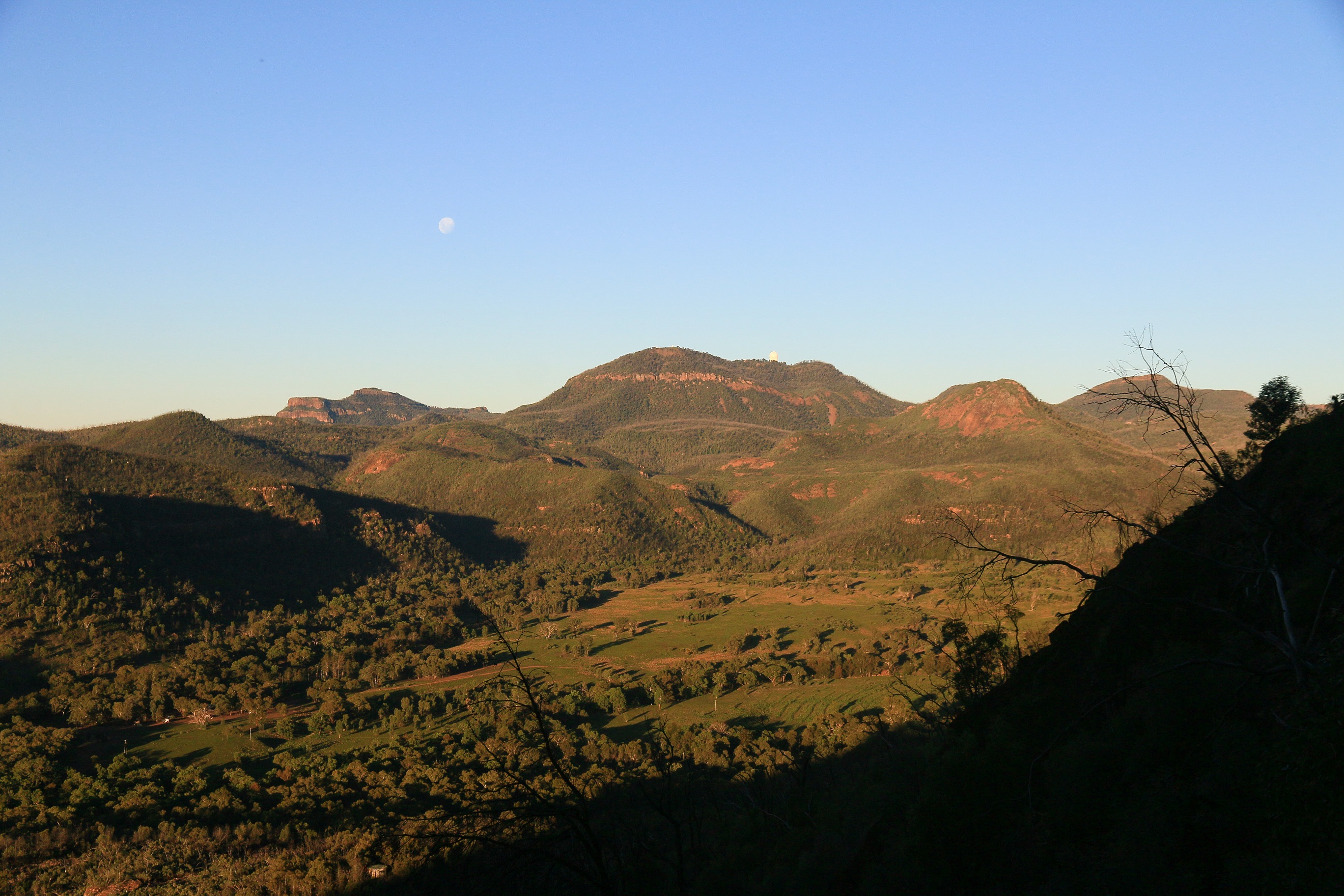
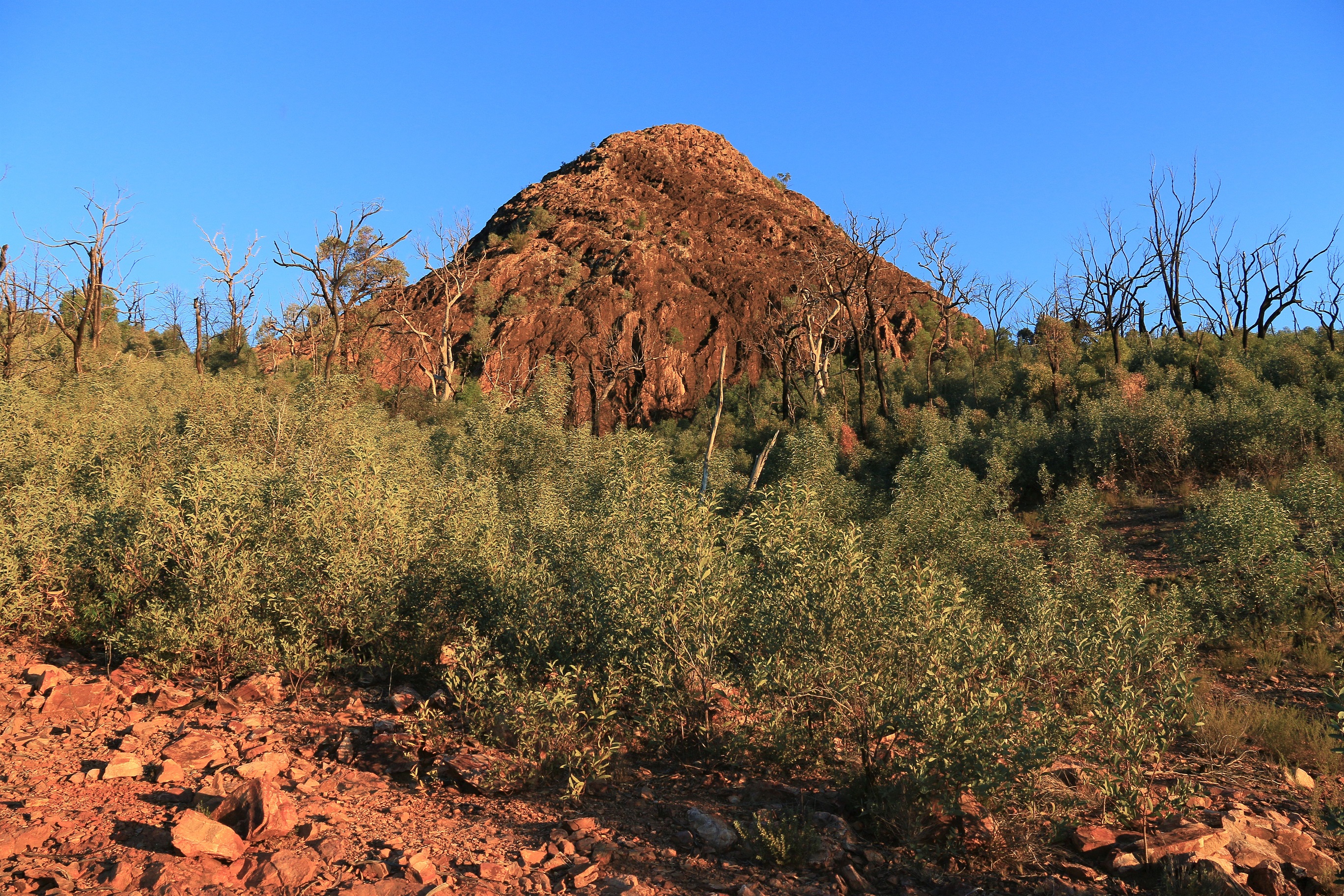
 Entering Warrumbungle National Park, it was pretty clear that a fire had ravaged the area; blackened trunks of trees lined the steep slopes and the road produced a patchy, lumpy ride where the tarmac had no doubt melted. Up one of the hills, some of the buildings of Siding Spring Observatory had suffered damage but the telescopes survived. Well, thank goodness for that…we can still scope out future worlds to inhabit when Fake Lord Emperor Pussy Grabber destroys this one.
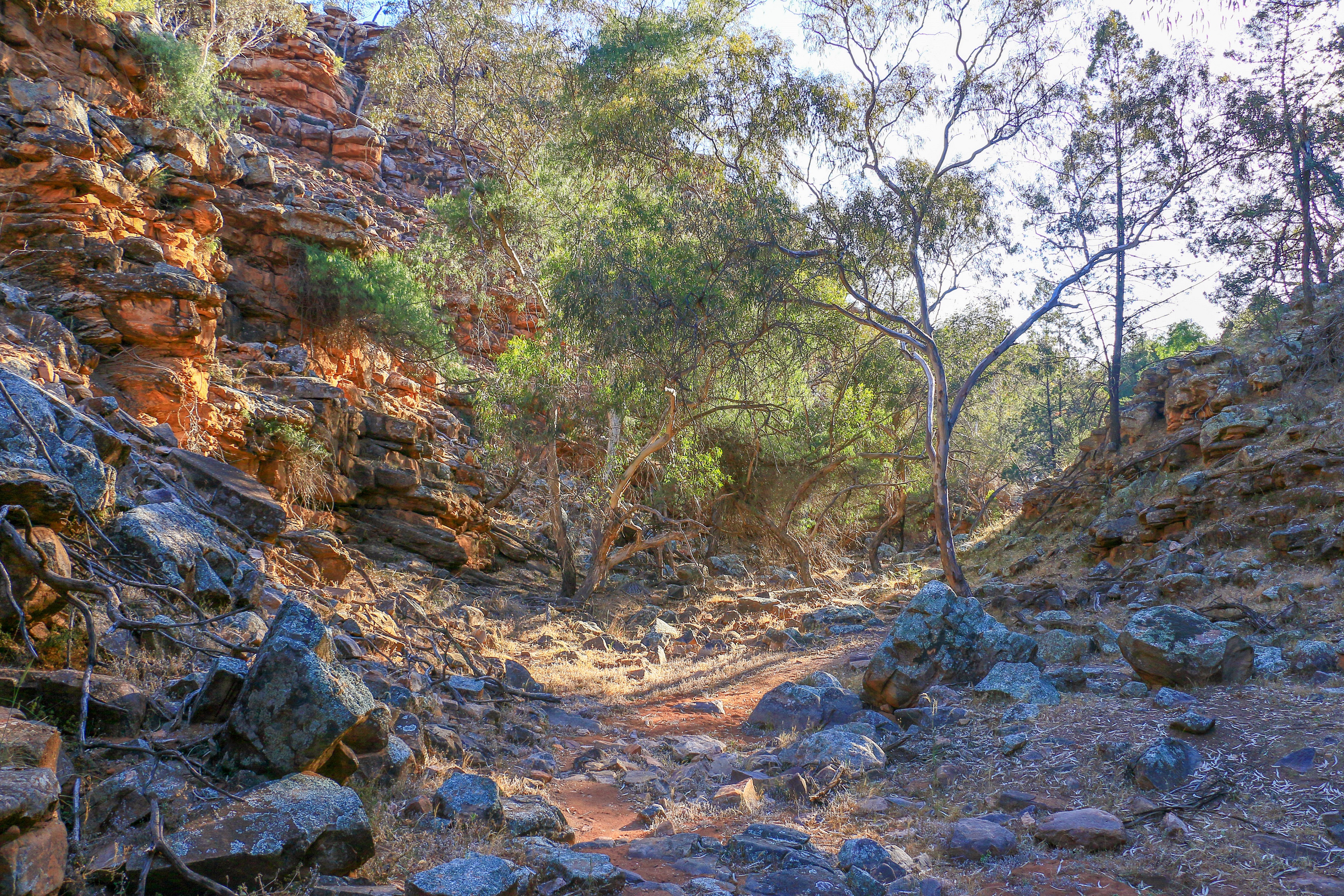
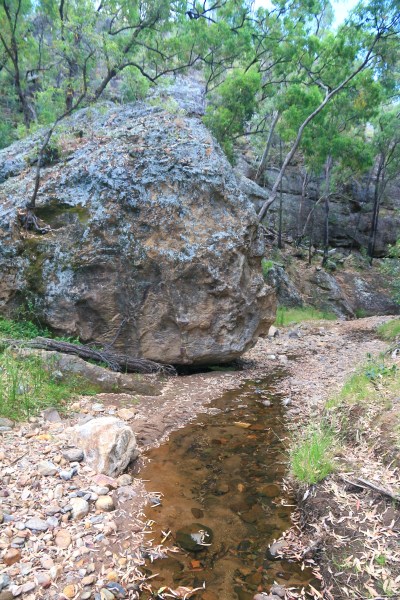 With benefit of doubt perhaps they were not doing the entire Breadknife and Grand High Tops walk. Maybe they were just doing the first part, which was gentle and followed the course of a mostly dry creek bed. This would be a rather fine walk in itself, for it is such an elemental, earthy landscape in which to linger. I wasn’t expecting such enchantment here, such homage to the rugged environments further inland, closer to the desert. There was a bit of Flinders Ranges crossed with The Grampians about this place. Two of my favourite ever spots blended into one.
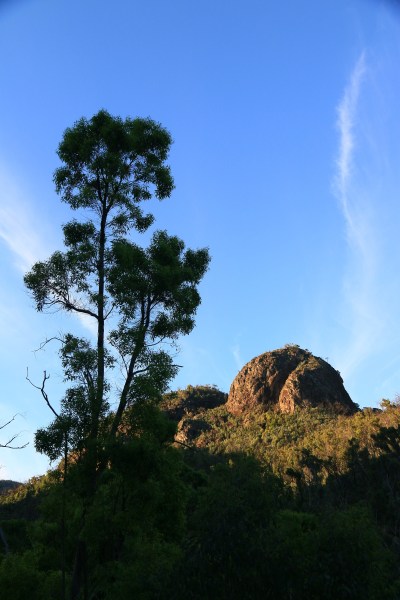 The other benefit of starting early was to witness the early rays of sun graze the hilltops and glow through the tree trunks and branches of the bush. I think the angle of an early sun also helped to illuminate some of the spider webs formed between shrubs on either side of the path, requiring a little stooping and contortion to avoid. Being a pioneer has its downsides and I guess if I was later in the day many of these webs would have been smashed by hapless walkers that had come before.
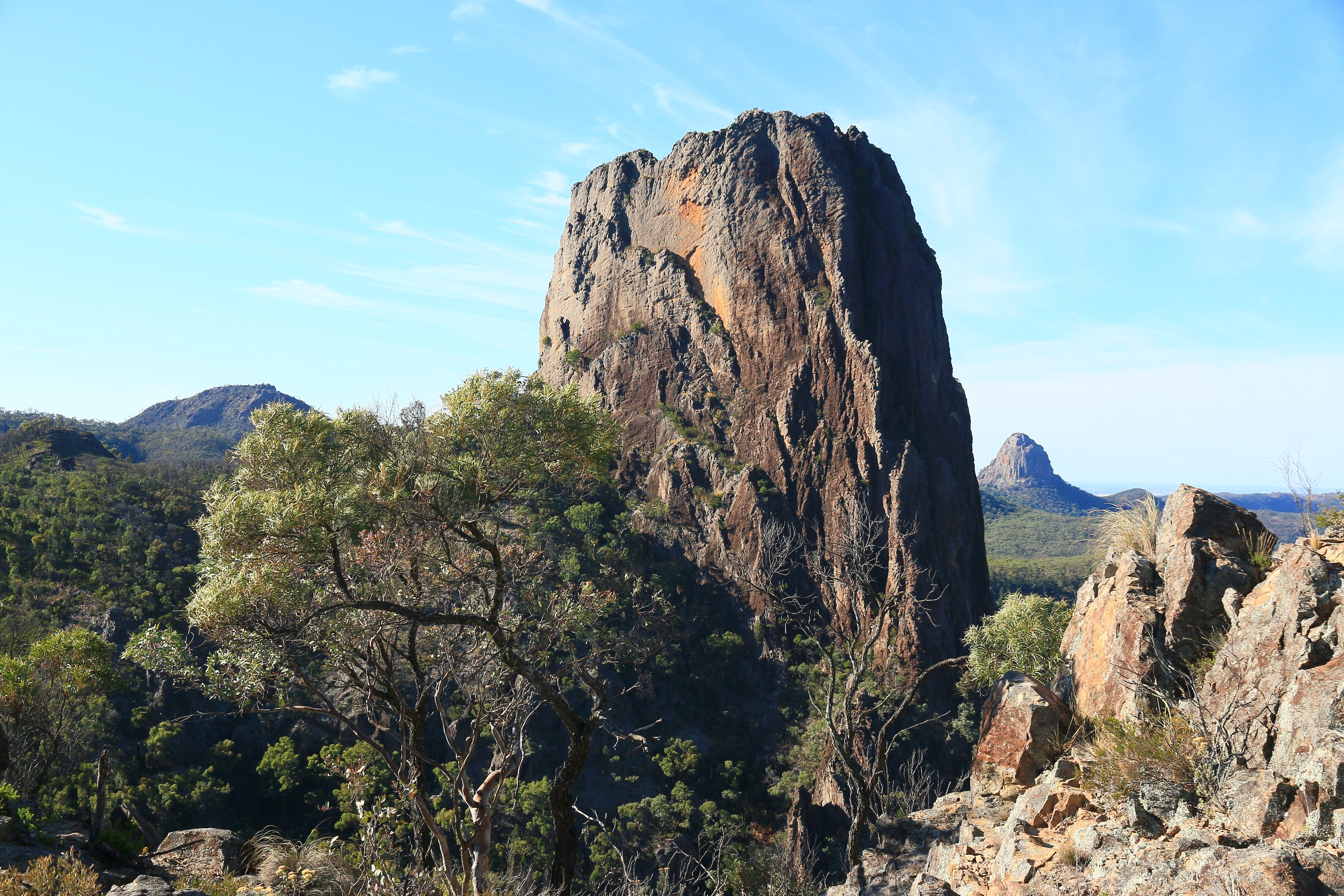
 Inevitably after a couple of kilometres the track climbed, with a steep but nicely constructed path giving way to endless metal steps. This was taking me up towards the Breadknife, so named because of its sheer sided slopes and thin pointed summit thrust into the sky like a scene from Crocodile Dundee in which Mick shows some New York Hoodlum a proper knife. Up close, you couldn’t really see it, but, eventually, when the trees fade away and the rocky floor of the Grand High Tops themselves are underfoot, the knife is there, just one of many rocky crags and rounded lumps rising up from an incredible sea of green.
 Further down the trail I encountered a young lady throwing rocks at another occupied web. It was one I must have ducked under a couple of hours earlier. She looked terrified and said as much. In trying to comfort and reassure, I told her it was probably the last of them and moved promptly on. She scarpered under the web to continue her walk while I went to look at a deadly snake. Pausing at a little wooden bridge over the dry creek, a beautiful Red-bellied black meandered along the rocks beneath. It was quite mesmerising, until it disappeared out of sight, when it became a snake that I couldn’t see and therefore significantly less appealing.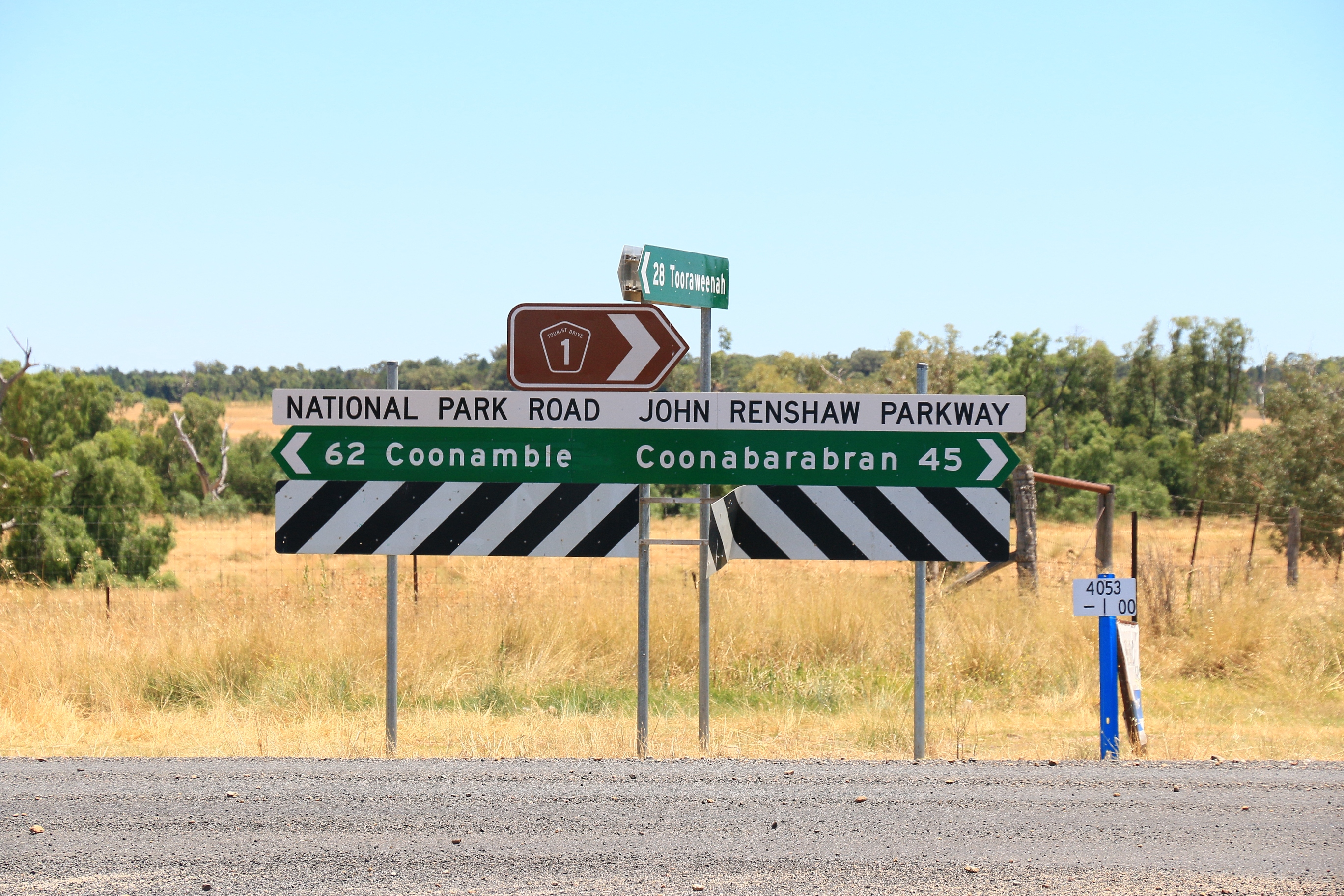
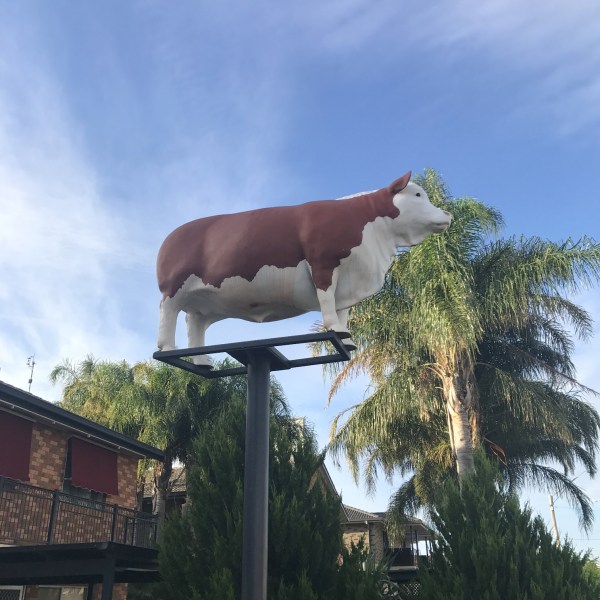 A couple of hours and I was back in more familiar country. Dubbo is one of my token regional research towns and I had a sense of déjà vu checking into a motel with a plastic cow on a pole out front. But still, a motel, with refurbished rooms, air-conditioning and a king-sized bed. After my morning adventures, what better way to appreciate this scenario than nap.
 The next morning, after obligatory buffet breakfast, I set off on the final stretch of road home. It was a day in which there was little of note. As a commemoration of all things road trip I made a spontaneous stop at a place called Peak Hill. Here I went on a little walk along the perimeter of a big hole in the ground, previously mined for gold. While gold sounds glamorous, it was a hot and dusty walk with countless flies trying to go up my nose and the pervasive smell of urine in the air.
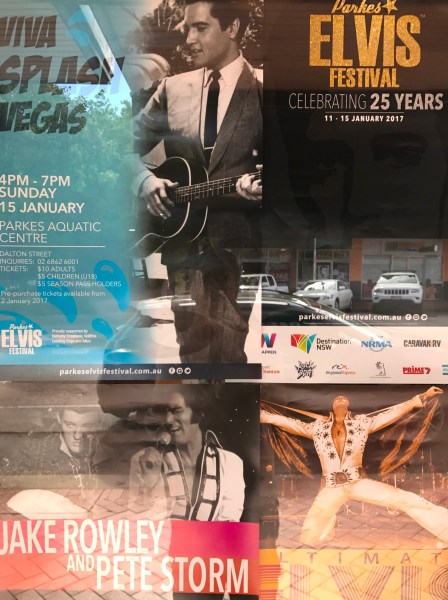 South of here, Parkes had a more pleasant aroma, decent coffee, and was positively bustling with the prospect of Elvis coming to town. Or thousands of Elvises (or Elvi?) all dressed up for the annual festival, starting in a few days. If ever you needed an encapsulation of randomness this was it. Seeking quirky Elvis sights, many shops were filled with posters for upcoming Elvis impersonation gigs, and a couple of murals were dotted about the town. One, I was informed by a very enthusiastic lady, lit up at night and projected videos and played songs out loud and everything. I should come back tonight she said. I got my coffee and moved on.
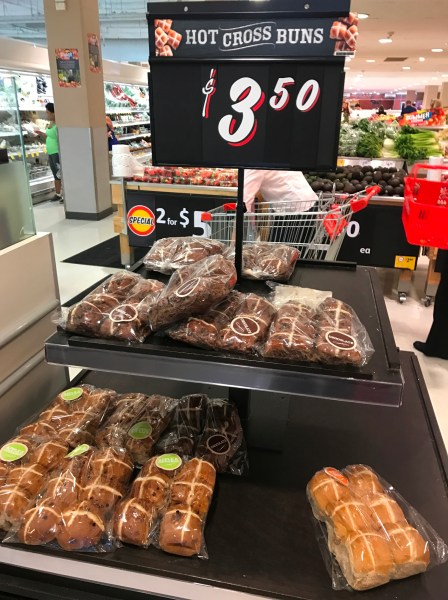 Of the 4,232 kilometres covered on this trip to Queensland and back there were around 50 more to go. Past Poacher’s Pantry where a pre-Christmas lunch lingered in the memory; across the state border and back into capital territory; a roundabout and empty dual carriageway through bush towards home. The city of Canberra is here somewhere, but I could still be out on the open road, in the middle of nowhere. Suburbia and never-ending apartment construction does finally emerge. There are supermarkets in which to replenish supplies, and, crucially, stock up on hot cross buns for Easter.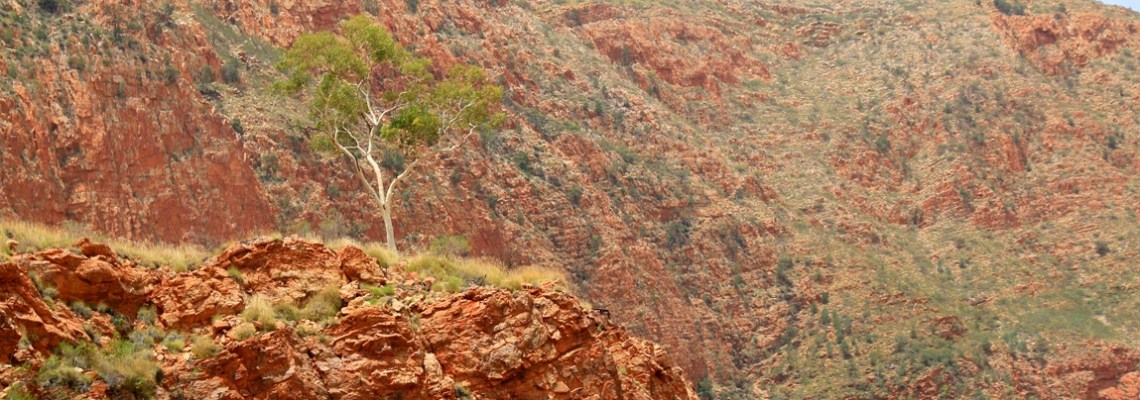
 On the other hand, natural oases appear more limited. The Todd River is mostly a river in name only. Usually it’s just a dry, wide, and sunken swathe of sand meandering through town, almost as if a dreamtime serpent had once there slivered. It is quite striking and also quite beautiful in a way: grasses and short and stocky shrubs flower along its banks and a parade of River Red Gums indulge in a majestic arrangement of bulbous roots, variegated bark and twisted, stretching branches. There really is not a better Eucalypt in all of Australia, in my uneducated opinion. It just looks like it belongs here.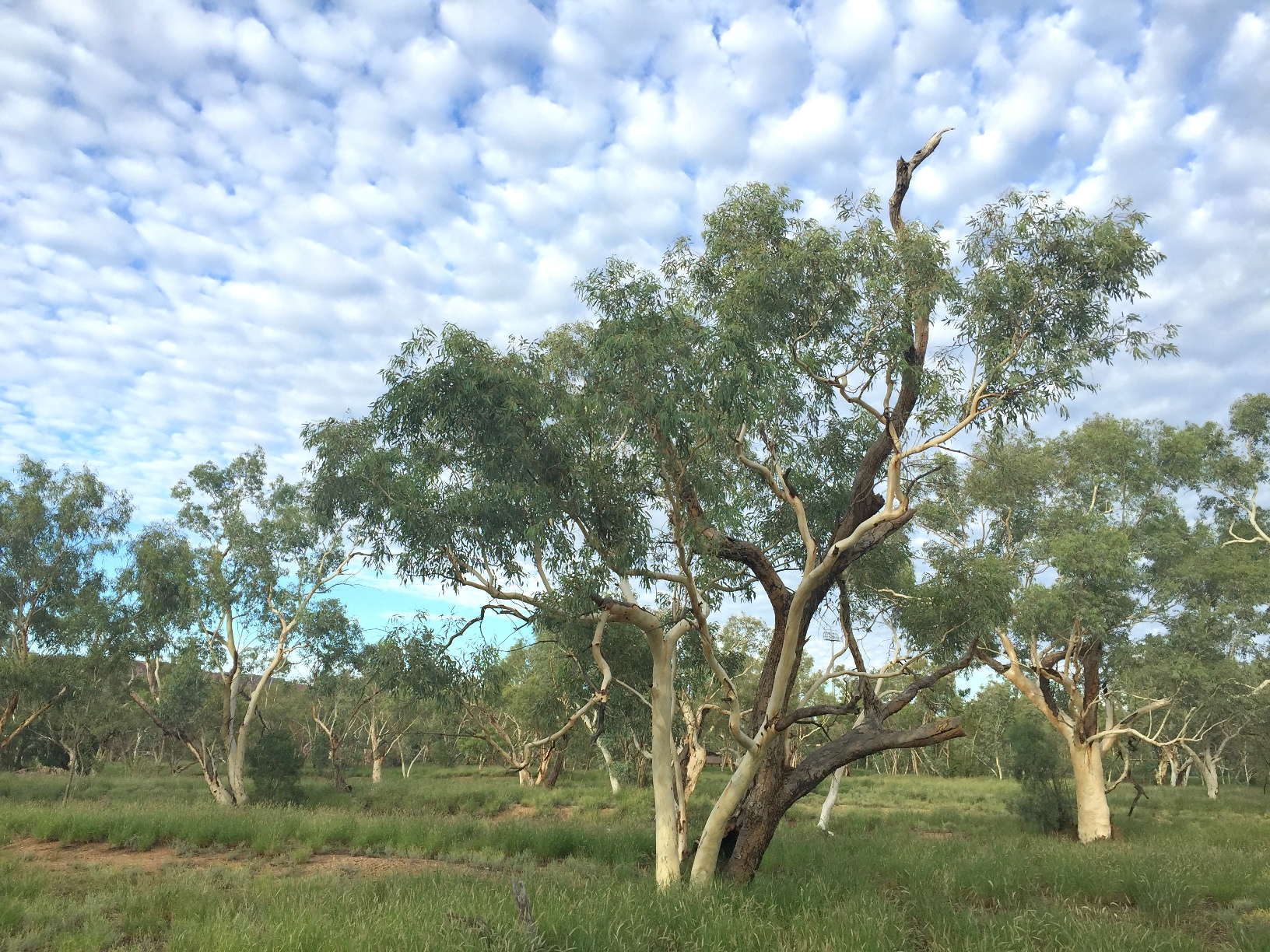
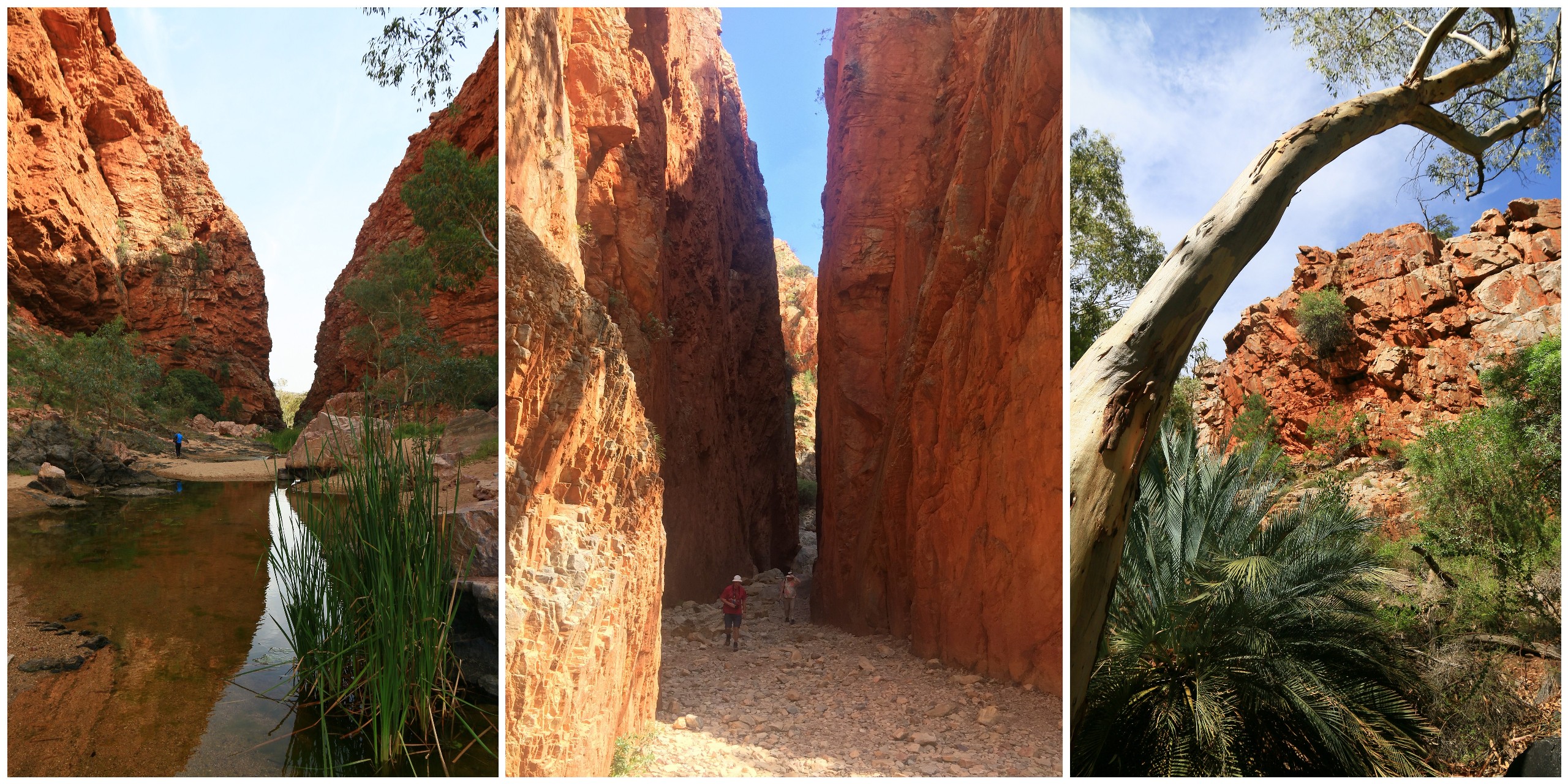


 And so, ten minutes later with a flat front right, someone opened the lamingtons while others flagged down help to get a message back to Alice for another bus to be despatched. Certain overseas visitors couldn’t fathom that there was no mobile reception here, and it was not as simple as getting a rescue helicopter so they could still make it in time for their dinner reservation. One hour in, an extended family resorted to playing the ABC game and I desperately hoped they would ask me to join in. Two hours, and restlessness heightened. People needed to pee in the bushes and generally say what they would have done differently with the eternal benefit of hindsight and no experience whatsoever travelling in the Australian outback. A man with binoculars scanned the road on the horizon, each occasional sighting of a vehicle bringing brief hope before its despair.






 gbpilgrim