
Or how to catch up two months in one thousand words.
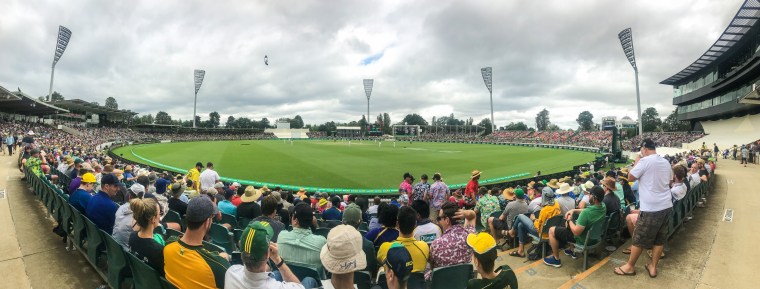
Can it really be more than two months ago that I was faring well an England seemingly destined for Johnsonillae exitium philanderus? Well, yes, it was and with that comes the strange and daunting prospect this year of an entire Canberra winter. Which, to tell the truth, hasn’t been overly taxing thus far. A few cold nights and fresh mornings, the occasional horror day featuring bone-chilling winds and foggy drizzle. Yet time it right in the afternoon and you can be bathing in 15 degree sunshine. And as the temperature plummets overnight, watching a cricket world cup at four in the morning in bed is cosy, if not calming.
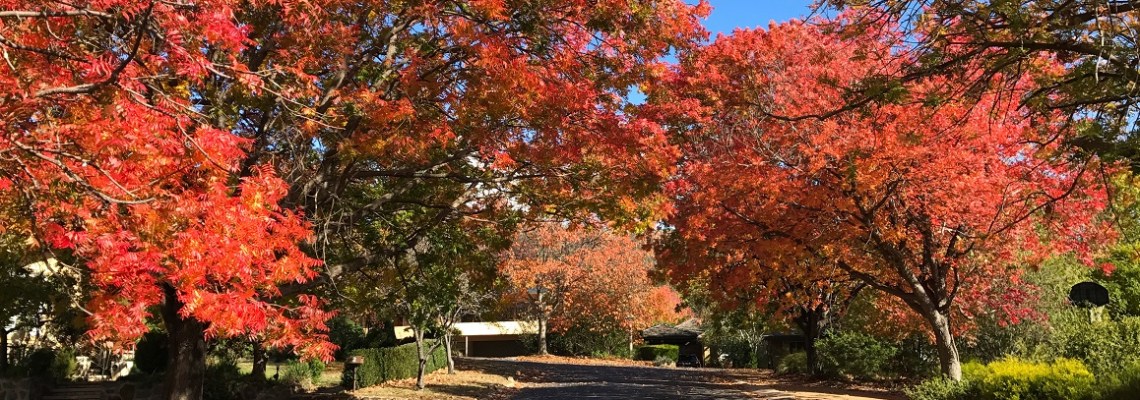
Arriving back in mid-May delivered me to a climate marginally warmer and certainly sunnier than the realm from which I came. A mild, ambient goldenness that stretches into early June, as leaves linger and fade and float slowly down onto the ground. It was pleasing to still see autumn abounding after experiencing spring sprouting. A soothing ointment for jetlag.

Like the 4pm sun on a scarlet leaf, there is a distinct contrast returning from the UK to Australia, and Canberra in particular. Where are the streets clogged with parked cars and the friendly waves between drivers allowing one another to pass? What happened to the sweet birdsong and bounty of green? Just where is everyone? On the light rail maybe.
Wilderness, absolute emptiness is not really a trait of the British landscape, but here it practically feels as though it’s around every corner. A lingering day trip holiday hangover prompted me off to Braidwood for the token mid-morning coffee and cake and then on into the Budawang Wilderness. A landscape of escarpment and gorge, ferns and eucalyptus, blue hills and blue skies. A new peak to conquer – Mt Budawang – and those very Australian views. Not in Kansas or Kensington anymore.

There was more sandstone bush aplenty on another day trip into the Southern Highlands with two friends – Michael and Angela – who were briefly in the country for a change; equally keen to taste that generous sense of antipodean air and space before embarking for the freneticism of Europe. It was a right proper miserable public holiday morning in Canberra, but a little north and east near Bundanoon the drizzle faded, the skies cleared, and the hills and valleys of a small pocket of Morton National Park glowed. It became – still – comfortable enough for t-shirt.

Given such fortuitous conditions we stretched the day out with a visit to the ever popular Fitzroy Falls. The bulk of day trippers take the short stroll to the top of the falls, a few less meander on to the first couple of lookouts, and just the hardcore like us go all the way. It’s not that taxing – around 6km return – and it’s a walk constantly accompanied by generous vistas and plentiful woodland. Today, we had the bonus display of a lyrebird, perching and prancing and going through its repertoire of impeccable mimicry, reminding us, once again, how unique Australia truly is.

These Australian winter days are in many ways incomparable to those of the north; I could not imagine being so comfortable and surrounded by the continuing flourish of nature on a windswept Princetown tor in January. Or May. Yet, coincide some of the higher, harsher landscapes with the handful of genuine wintry days, and it can feel like a cream tea in front of a log fire would have been a far more sensible choice. Such as exposed upon the summit of Booroomba Rocks, as a tenuous sleety shower whips across the valley.

There is snow to be had as the year progresses into July, a clue provided by the proximity of the Snowy Mountains to Canberra. Most of the white stuff falls above 1800m or so, but a dusting can accumulate at lower levels to coat the western backdrop to the Australian capital. Clever foreshortening with big zooms can make it look as though the hill behind Parliament House is some kind of snow-capped Mount Fuji, but it takes around an hour to reach these powdery playgrounds.
When these powdery playgrounds receive a fresh dusting on a Sunday during school holidays, carnage can ensue. In fact, it creates a scene reminiscent of the frenzy after a dusting on Dartmoor, when cars stop and pull over willy-nilly, the white blanket concealing rocks and ditches and any intrinsic common sense remaining. The snow becomes muddy and slushy and by noon the picture resembles a bad day’s racing at Exeter Speedway in which the childcare centre has experienced full on meltdown.
I assumed leaving around eight in the morning I’d be one of a handful of pioneers to add fresh footsteps in the virgin snow around Corin Forest. Yet I find I’m in a queue of mainly oversized Utes idling while the road remains closed. I could wait, for goodness knows how long, to follow the many vehicles in front as they lose all sense of common sense upon the first sighting of a pile of slush. Or I could park up on this nice flat grassy verge and walk. Somewhere.
As fortuitous as the parking spot was, my luck doubled with the gate leading onto a fire trail which eventuated into a loop walk taking in a bit of a climb and gradually moving away from the road and the sound of idling engines and despairing parents with despairing children who need a wee. Fresh, fragrant eucalyptus with just a dusting of snow; seemingly not enough to really close a road, honestly, but a coating of white nonetheless. A scene sufficient to paint a picture of transition from the spring blossom to the autumnal gold to the middle of winter in two months. Two months and one thousand words. Okay, not quite one thousand, but if I just add up the words as I write this extra bit, I reckon I might just get there.




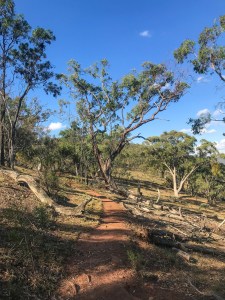 I guess a triathlon is a bit of a googly within the normal course of events. It also led me to be in Hackett one sunny late afternoon, at the northern end of Canberra nestled underneath Mount Majura. Not so much a change of scenery, but at least a different path on which to wander, all stretching eucalypt branches, golden grass and copper earth, with some snatched views of the surrounding landscape through the bush. Plus, slithering away as I marched downhill, a brown snake disappearing from the corner of my eye.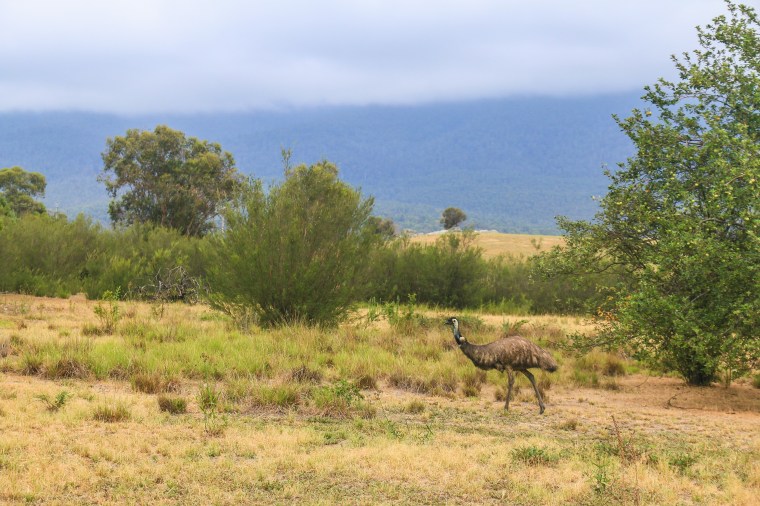










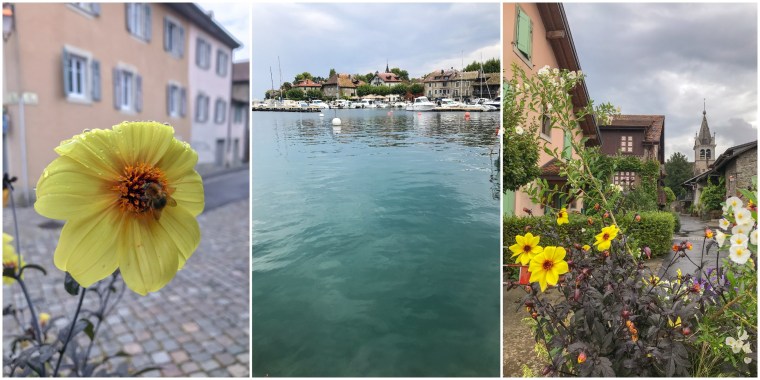
 The next day was a more promising affair, with clouds breaking and a touch more warmth back in the air. And so into the Alps, for a destination that was as much about a lunch opportunity as it was scenic nourishment. The Cascade du Rouget plunges down from the mountains, fed by snow melt and discarded Evian. Today, at the end of a long hot summer, it was a relative trickle but an impressive sight nonetheless. Liquid oozing at the mercy of gravity, the annual fondue went down pretty well too.
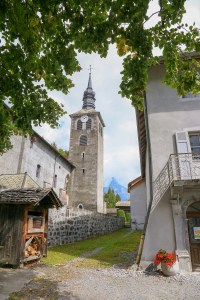 The nearby flowery towns of Sixt-Fer-a-Cheval and Samoens provided a touch of post-lunch ambling, ticking down time until the bakeries re-opened. They were relatively quiet on this weekday in September, a palpable air of towns that are winding down from the summer and slowly putting in place preparations for winter. Jigsaw wood piles, puffed up bodywarmers, freshly greased raclette machines. All the essentials of an Alpine winter.



 Still, sheltered by untainted forest and rolling coastal hills, kissed by the radiance of the crystal ocean under clear skies, there is certain comfort to winter here. It is at one tranquil and vivacious, glowing in a freshness swept in by cold fronts and a seasonal lull in nature’s freneticism. The tried and trusted walk between Depot and Pebbly Beach proves to be at its very best.
 The kangaroos and wallabies appear to be fans of this weather, out in force grazing on the luscious fringe of grassy dune and really, really hoping for a stray sandwich. While far from the explosion in #quokkaselfies on Rottnest Island in Western Australia, the placidity of these animals – along with the idyllic Australian coastal setting – have made #rooselfies a thing, sort of. Especially when there are tourists about.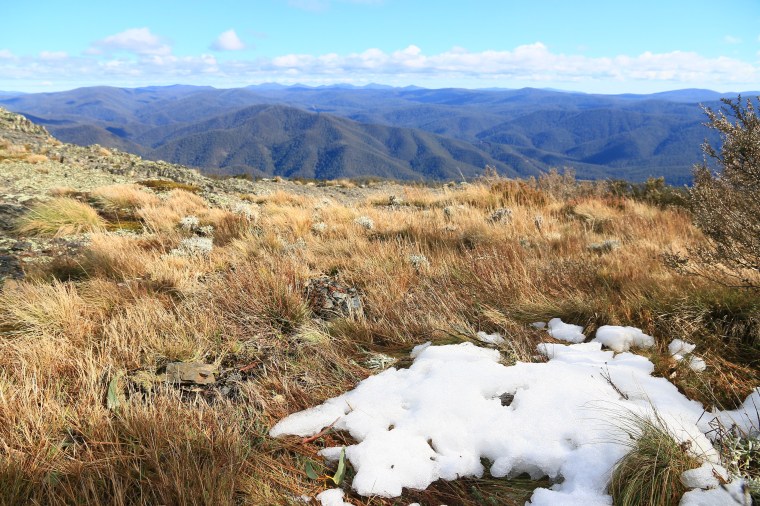




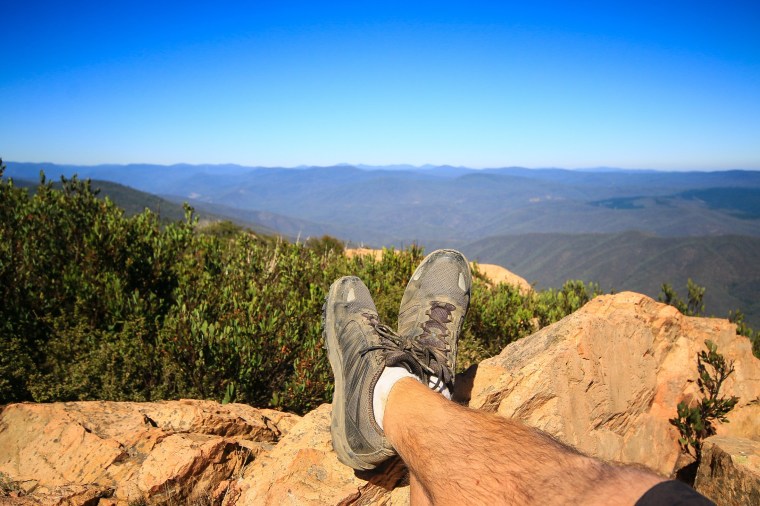
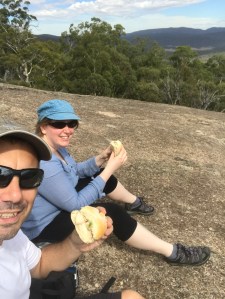 In truth, the walk up the Yerrabri Track in Namadgi National Park was only part of a bigger equation. An equation whose solution was a delicious bird roll or two. N+J*OzNP(vt)+C0les=br. It’s a concept that has evolved from very preliminary experiments at the New Years’ Test in Sydney, refined to perhaps its ultimate manifestation on the top of Mount Kosciuszko. Replicated many times since, it is now a requisite of any encounter between Jill and I. Recently, each of us have tried to outdo one another in the bird roll stakes and today, on a rocky platform overlooking peak serenity of an abundant emptiness, I may have taken the lead. For now.


 Fast-forward a few days and the work was done, proving less cumbersome and far more populated with coffee and cake than I could have hoped for. This left me alone with a car and a few belongings close to the Queensland-NSW border. A massive part of me wanted to make the journey home as quickly as possible, but then an equally massive part also yearned to stop in Warrumbungle National Park. Another significant consideration was a determination to miss the whole messy Newcastle-Central Coast-Sydney conglomeration. This along with the fact that, heading inland, I could go through Texas tipped the scales definitively south and west. Yeehaw.


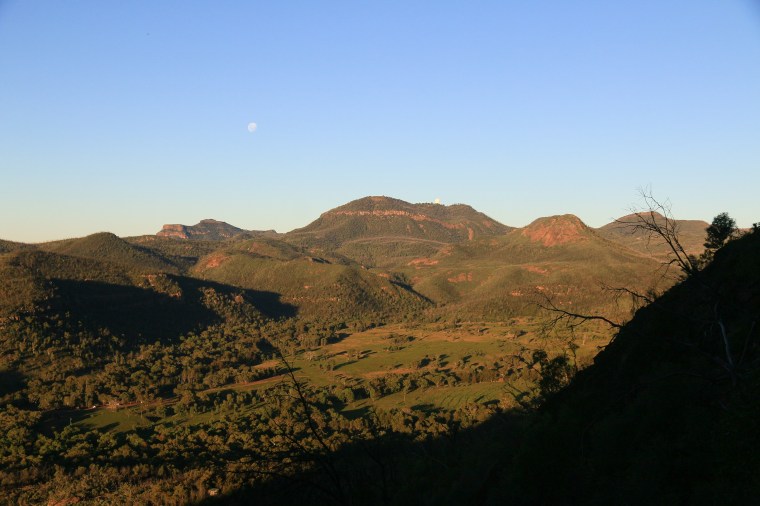

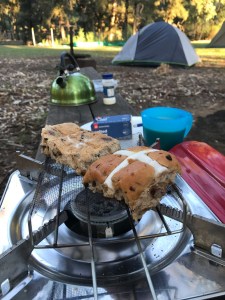 I was even more glad of my foresight in buying some hot cross buns and a block of butter in Coonabarabran yesterday. What better way to use the camp stove for the last time, to set me on my way to Gilgandra, to Dubbo, to Wellington, to Molong, to Canowindra, to Cowra, to Boorowa, to Yass and – 550kms later – to Canberra.

 Contrast this with an hour later in Arrowtown, a cutesy (if a touch contrived) old gold rush village just out of Queenstown. Sheltered by hills, twenty-five degrees, sunshine out, there was no hesitation in showing my pants to the whole of the car park and changing into shorts. Likewise, both Dad and I had no hesitation in agreeing ice cream should be on the agenda. Such thoughts are obvious portents of the cloud rolling in, the wind rising, and drizzle emerging. But let that not stop us eating ice cream!


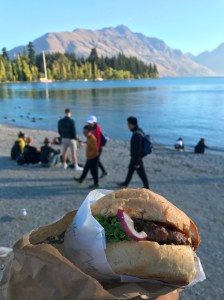 And so, in this hasty encounter with a small part of a bigger-than-you-think country packed with spectacle we finish up in Queenstown. Of all the places we visited this was undoubtedly the most frenetic, but it was no London, nor even Canberra. Firstly, you can forgive the masses of backpackers and Contiki coaches and adrenaline shots because Queenstown is beautiful. And – you know what – the people, the bustle, the mixture of ages and nationalities soaking up the holiday air creates a really nice vibe down by the lake. Particularly if this is accompanied by a ‘legendary’ Fergburger and a glowing evening as the sun slides west.


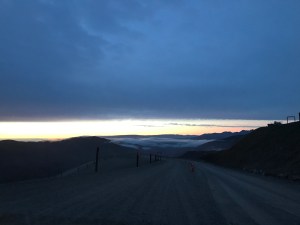 But, after our final, final night of sleep in New Zealand we set off down the mountain, seeing in the light the spectacle that we were to now say goodbye to again. With the delays, the exhaustion, the impending drag down the Hume Highway from Sydney to Canberra, we were both keen to get back. And it was a shame to end this way, even if a bacon butty and coffee at the airport temporarily lifted spirits. But everyone expects a little adventure in New Zealand and we belatedly had ours. This along with much to remember, much to savour, much to linger in the mind for as long as the white cloud blessing this most amazing big little country.
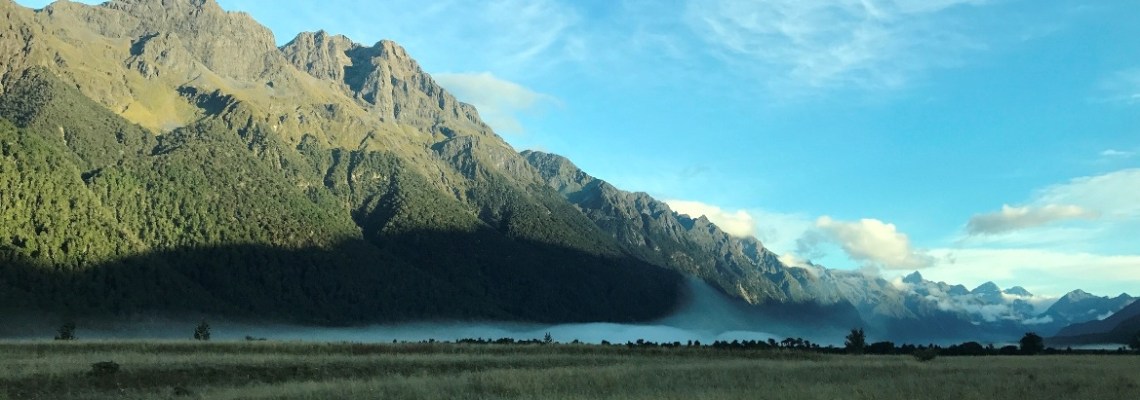


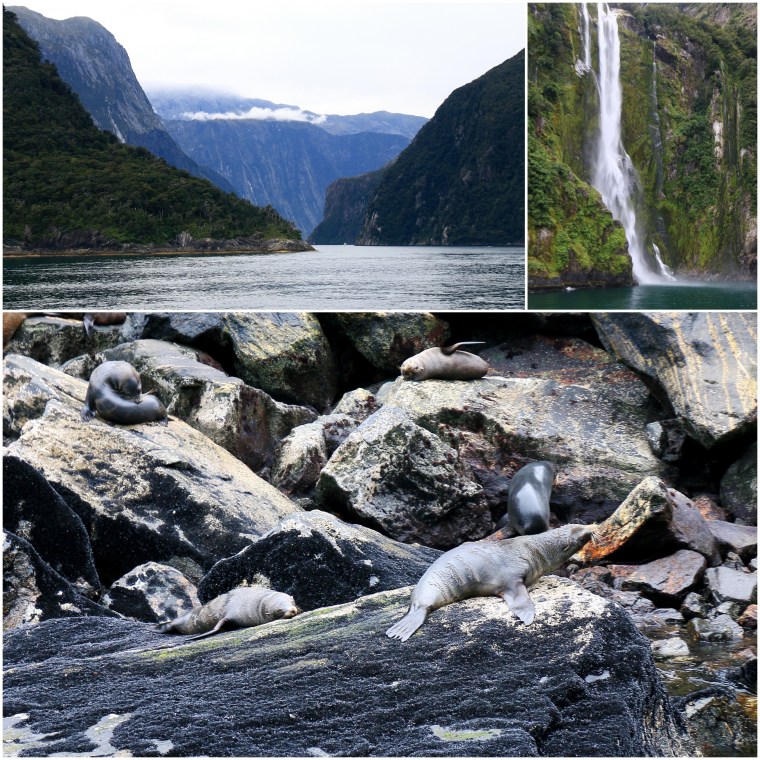
 The sunny start changed around The Divide as we headed into the clouds and prospects for a clear cruise on the sound were diminished. It was the kind of weather I expected, typical of this area which is famed for being the wettest spot in New Zealand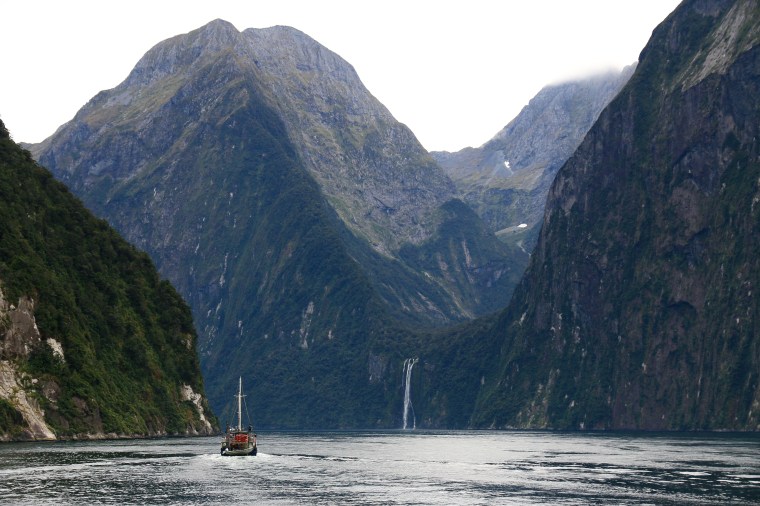
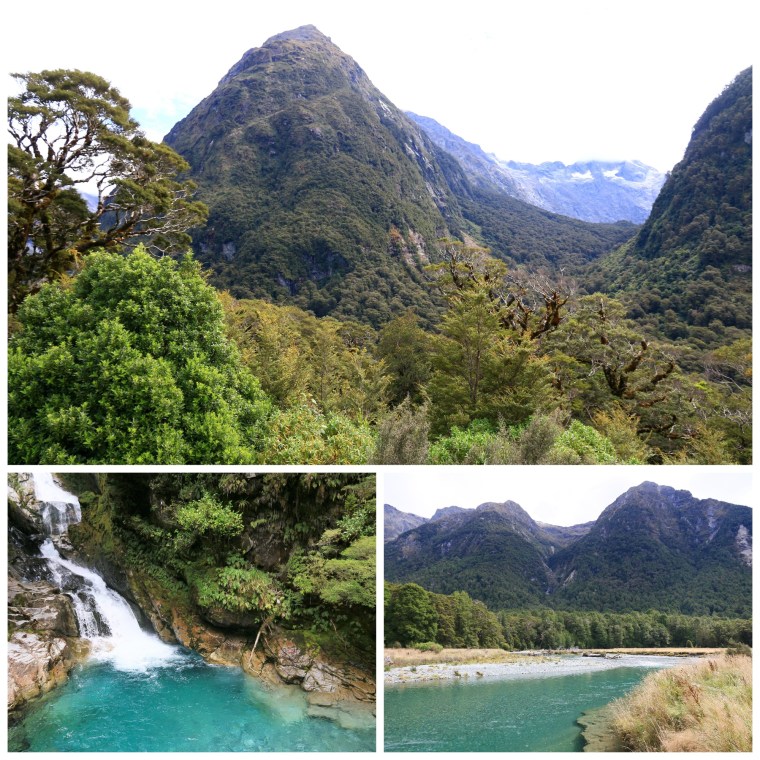


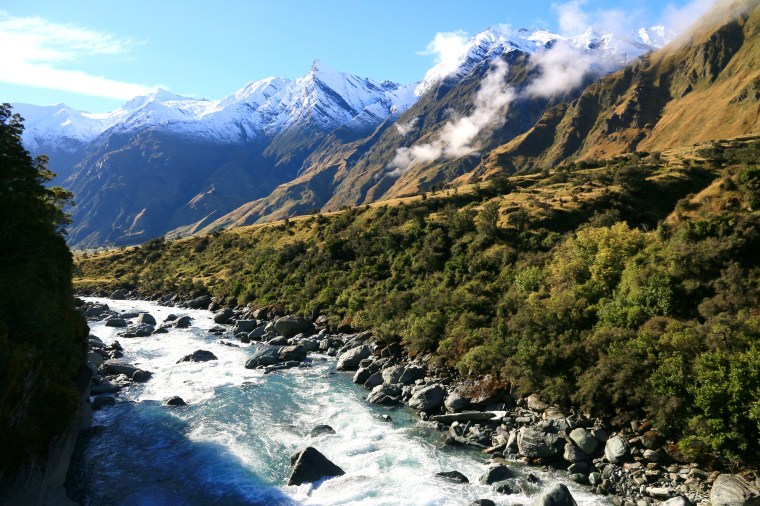

 In some ways the end of the track is something of an anti-climax, but only because the entire journey getting there has been as, if not more, enjoyable. Terminating close to the glacier, yet another waterfall for company, it is an ideal sandwich stop, a platform from which to take photos that cannot capture the all-round panorama of ice and snow and forest and water under big blue sunny skies. Dad and I two insignificant specks of unintentionally coordinated orange that have passed through the storm and into the light.
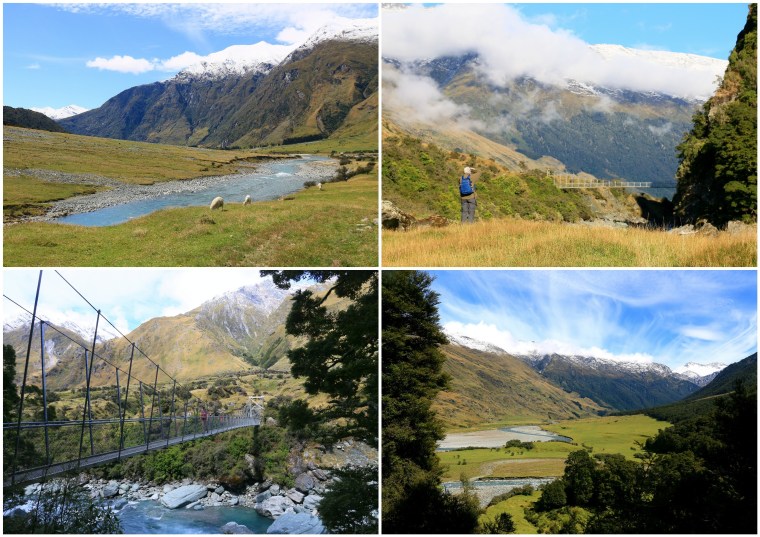
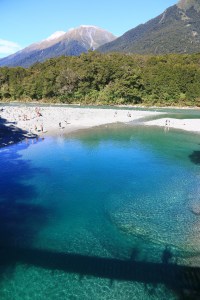 Lake Wanaka eventually ends and narrows into the valley of the Makarora River. Just past the township of Makarora another popular stop for caravans and coaches and cars and cameras are the jade pools of Blue Pools. With a gentle walk through a forest overflowing with hobbit hiding holes, two swing bridges and stony beaches suitable for building thousands of stupid piles of rocks that might look good in a picture but disturb the natural ecosystem, this is a busy spot. But yet again, as so many times in New Zealand, you can forgive the constant flow of people given the sheer beauty of the place, cognisant that you are just another nobody adding to the crowd anyhow. And with people comes stone-skimming fandom and plenty of fresh blood for the delightful sand flies that are in even greater abundance.

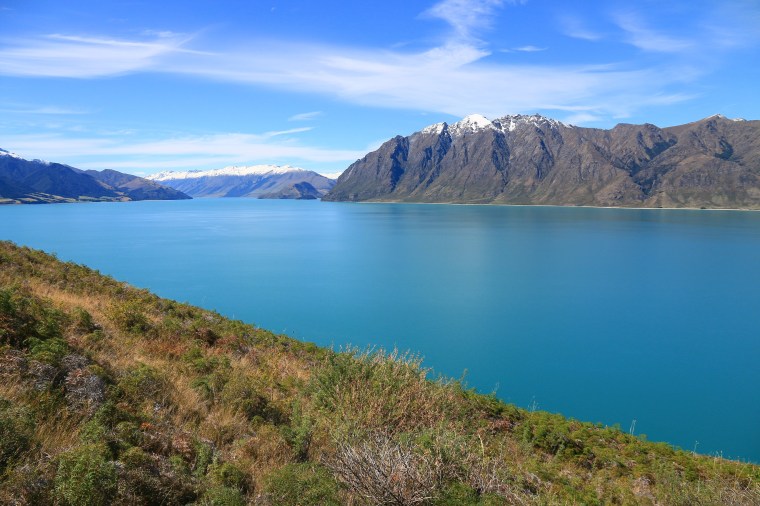
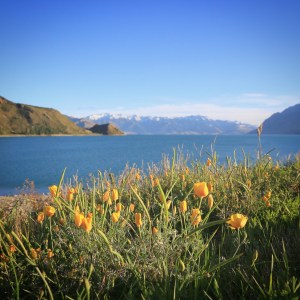 Happily, the sunshine continued into the next day and it was good to finally see our Lake Hawea surroundings in a golden light. What comforted with cosiness during the storm also shone with charm in the summer sun. To me, Lake Hawea proved a good alternative to Wanaka, barely down the road but without the crowds and providing much more space. Indeed, under such big blue skies it was a shame to leave, to miss out on sitting in the garden, foraging in the greenhouse, rubbing the cat’s belly on the grass. But there was time for one last amble down to the lake shore, to the blue and green and gold and white of just another amazing little corner of this country. And time then to move on to yet another one.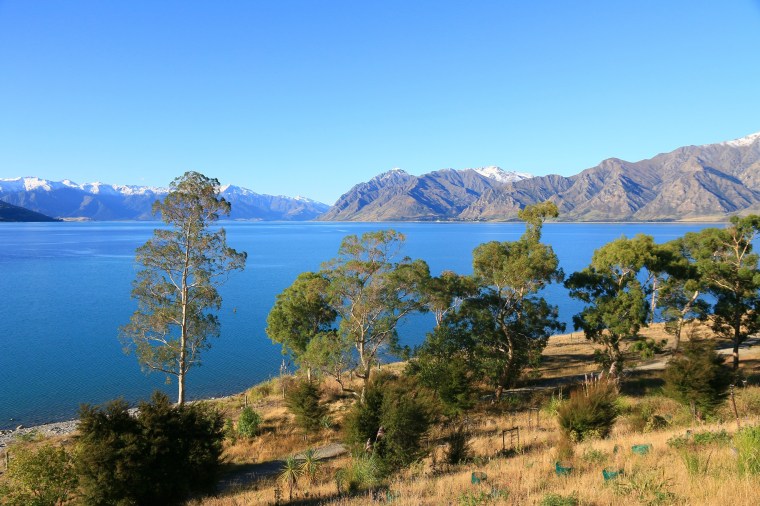


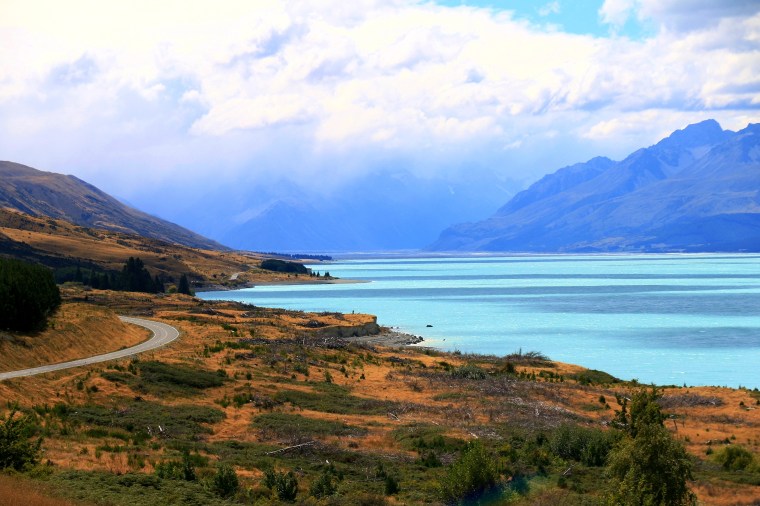


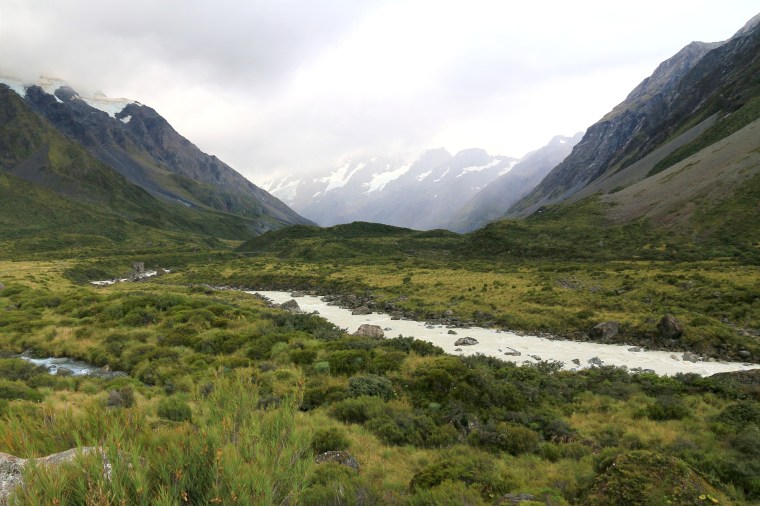
 It was a noisy night in a house on the outskirts of Twizel. Not because of hoons doing burn outs or rampaging feral possums, but the iconic sound of raindrops on a tin roof. Many Australians go misty-eyed when you mention the sound of raindrops on a tin roof, as if in some kind of messed-up ballad by Banjo Patterson accompanied by dreadful Lamingtons, but I don’t see the appeal. How the fricking heck do you sleep? Turns out this rain may or may not have been associated with cyclone Gita, or ex-cyclone Gita, or whatever was heading our way for 48 hours or more…

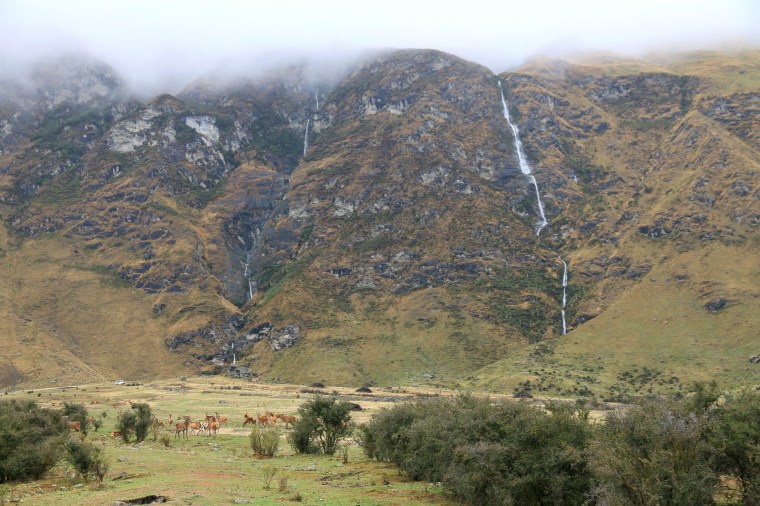
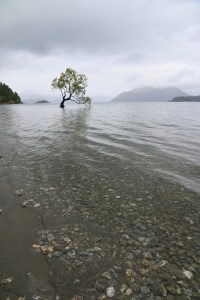 Generally, I prefer waterfalls to crowds of tourists, but the crowds of tourists can provide useful guidance on the location of scenic stops. Like a tree on Lake Wanaka – That Wanaka Tree – which probably has its own Twitter account and features on every second Instagram post with the hashtag newzealand. We join a semicircle of tourists taking pictures of the tree, with the tree, around the tree, through other trees to the tree and generally marvel at the tree, which is a very pleasant, photogenic tree. And frankly, you can’t ask much more from a tree. Other than it to grow money…which it may have done given its ubiquity on the internet.
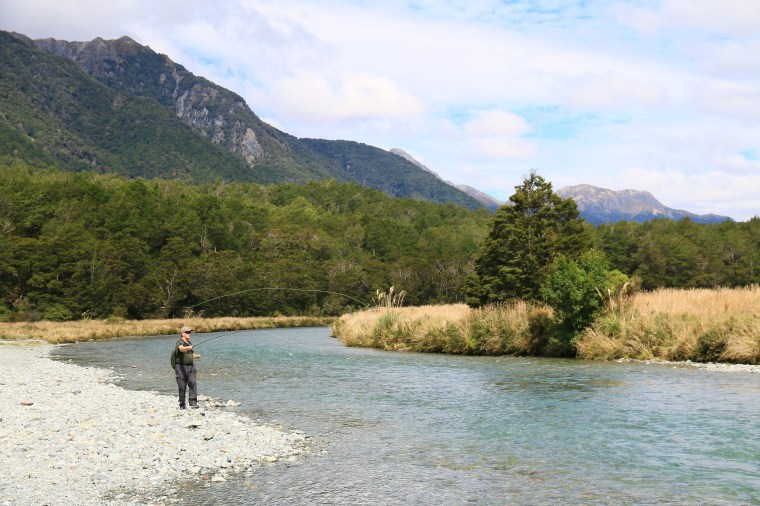
 More waterfalls were spotted on a drive to the northern side of Lake Hawea late in the day. A stop for some Dad fishing which yielded a stop in the rain. Briefly the sun even emerged albeit a touch watery like everything else around. But for the first time in a long time the windscreen wipers on the car could be set to zero. And as we parked up following a peaceful drive back home, without a fire or cat in sight, the sky miraculously fired up red, to the shepherd’s – and tourist’s – delight. Perhaps the storm had come, and gone.
 And so the drive out of Canberra almost immediately led to immersion into a flat, golden brown landscape almost devoid of interruptions or scenic highlights. Diverting around Yass and Jugiong and encountering extensive lane closures on the road to Gundagai, distraction naturally came with the Dog on the Tuckerbox. It’s a statue of a dog. On a tuckerbox. But it is sunny and warm and the landscape here more undulating and fertile. Gum trees offer shady refuge for the melodious magpies and chirpy galahs; tin sheds and wooden farmsteads sit snugly among long grasses and fields of sheep; and there are numerous comings and goings to observe at the Tuckerbox KFC.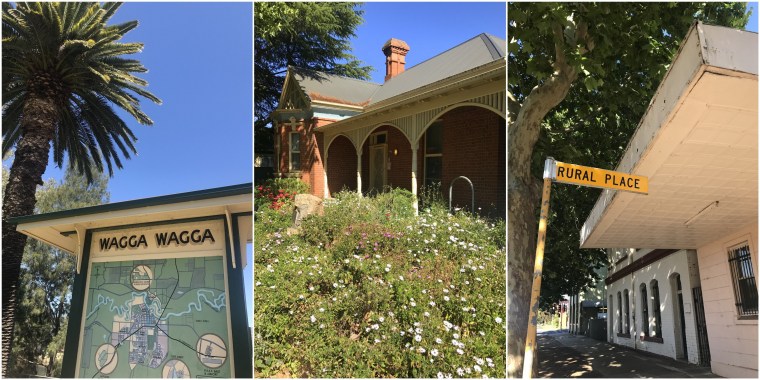
 I enjoyed a late afternoon beside the river, checking out the sandy beach and colourful language of some local ladies engaged in a very open discussion about Tinder and uncles marrying strippers and the like. The beach is obviously no Bondi or Bantham, but there’s sand and water and – I can imagine on those scorching summer days – it has enough going for it to impel you into the Murrumbidgee. Under the shade of eucalypts the vibe is chilled, languid like the river itself and I could have sat here a while if I didn’t have some work to do.
 The return trip was far more diverting than a dog on a tuckerbox, mainly because I opted to take a different route back which didn’t involve dual carriageway and bypassing one street towns. The Snowy Mountains Highway stretches all the way down to Cooma, and if I was going to avoid taking a massive detour to Canberra I would have to find my way across the Brindabella Ranges. But first, time for a little bushwalk, just south of Tumut to a slab of rock called Blowering Cliffs. It was a decent jaunt out, starting off through lush meadows and rising ceaselessly through forest to a protrusion of granite. Sometimes a waterfall plunges off here, but today it was like a sporadically dripping tap.

 What goes down must go up and so there was some further climbing through Brindabella National Park on more precarious surface before cresting the ranges where the NSW-ACT border sits. I figured out this was my final road border crossing into the Australian Capital Territory and immediately the road surface improved: still dirt but smoother and significantly more tolerant. At the oh-so-ironic Piccadilly Circus I was back on familiar ground, winding down towards the subdued hum of sealed tarmac once more. Back in Canberra comfort, but with the satisfaction of a touch of exploration behind my back.

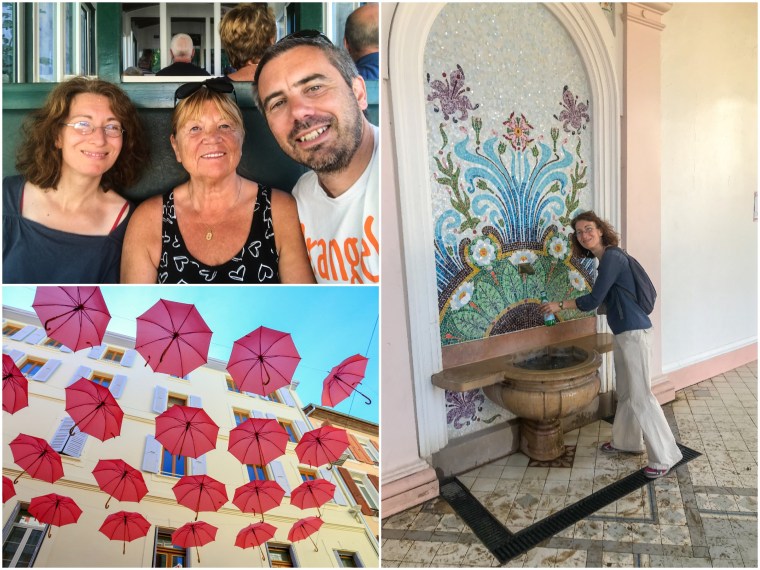
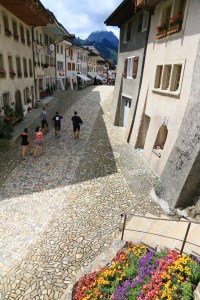 Indeed, many visitors were lured by the smells of the Cailler chocolate factory in Broc; so much so that we skipped the long wait times and went straight to the chocolate tasting (i.e. shop) instead. One bar later we were getting off the train in Gruyeres, straight opposite the fromage factory and down below the castled old town. Undeniably cheesy with a touch of theme park, it is nonetheless a fine spot in which to amble and eat a random picnic from the Coop.
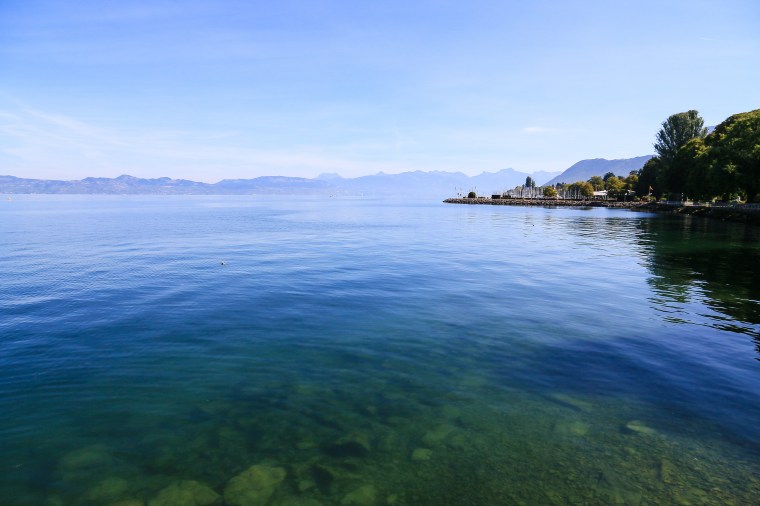
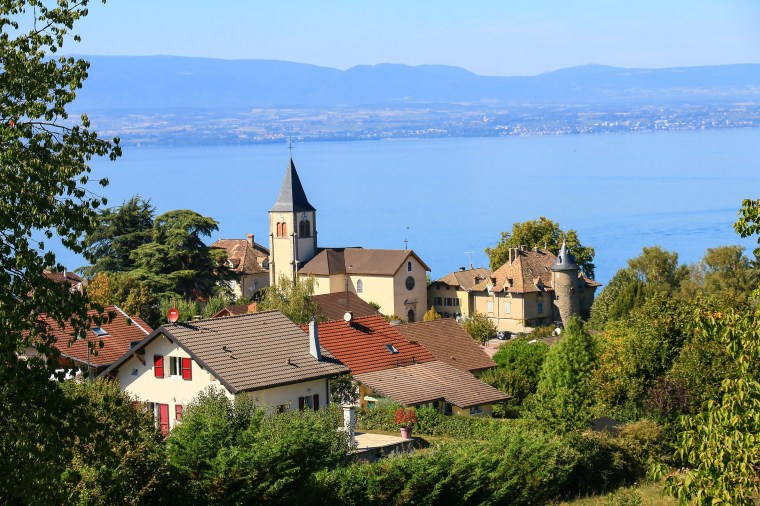
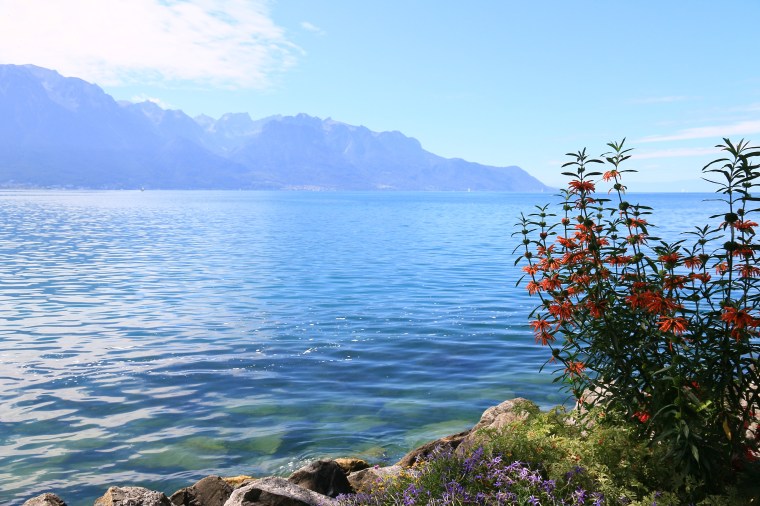
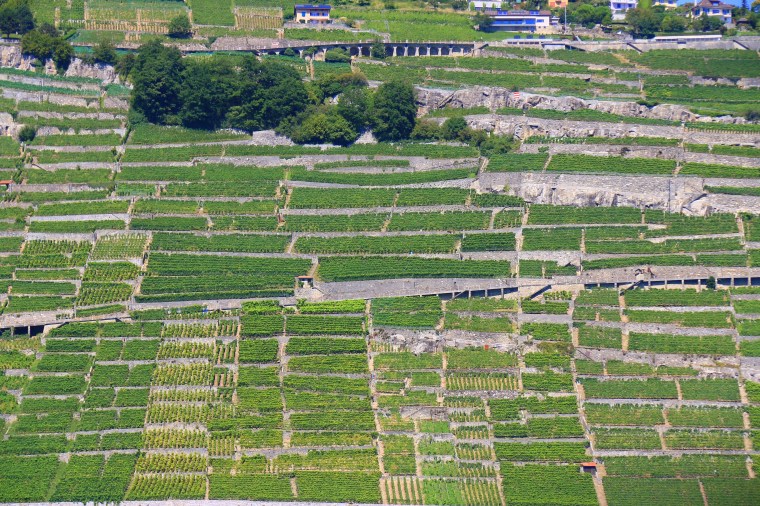
 Retracing some of the route back into the French speaking side of Switzerland, train seven rolled and lulled its way to snoozeville, climbing up through a hole in the rock to emerge way above Lake Geneva. The descent was disorienting as the lake shifted from left to right and eventually lapped at the foot of Montreux. What better way to stretch the legs than to walk along the lake shore in the early evening sunshine, ambling towards a Legoland castle jutting out into the water?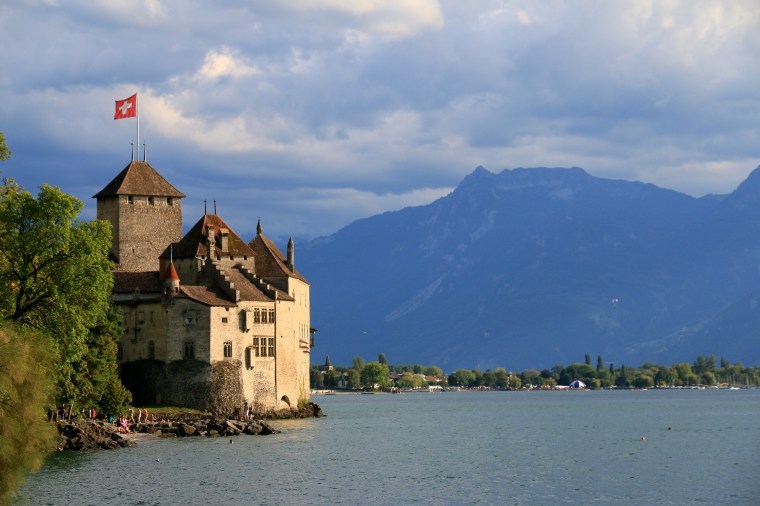
 Following an epic day cruising the rails of eastern Switzerland, the next day – Sunday – proved a quieter affair. I mean, it did start with a train, the Lausanne metro transporting us to a dormant university campus and close to more lakeside ambles. Lausanne was emerging to life in its dog walkers and cyclists and rowers and barbecue in the park chefs. It was still rather quiet, in a Canberra-like kind of state.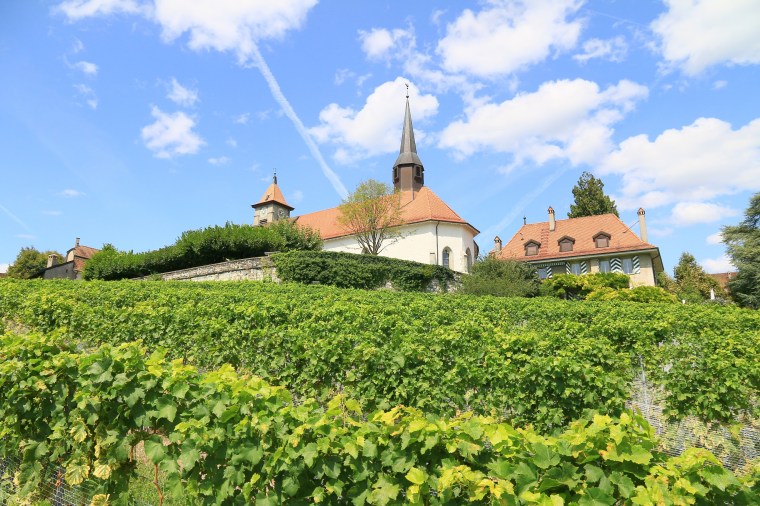
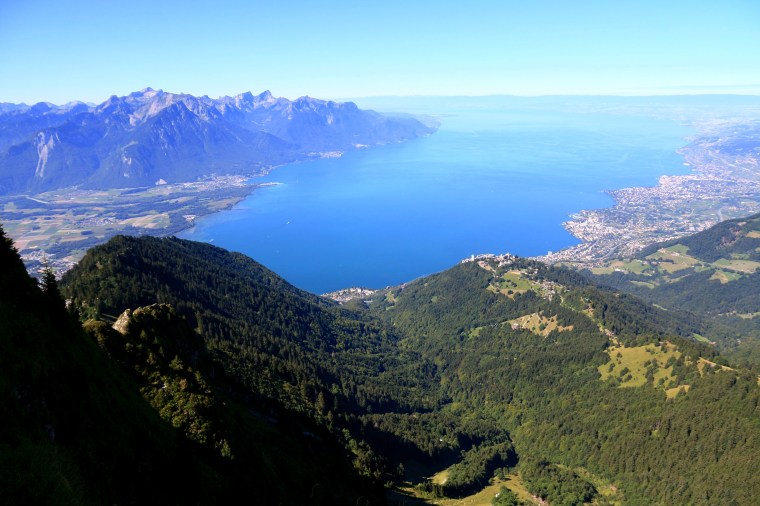
 The trip from Montreux up to Rochers-de-Naye would cost an arm and a leg in itself. Better than cramp and a heart attack that would be the inevitable result of trying to make this journey on foot. Old and old at heart alike were more than happy to board the open air carriages, passing the raffish suburbs of Higher Montreux, up through clusters of chalets and expensive hotel restaurants commanding views of the lake, into pine forest under deep blue skies and out into open meadows way up high. At around two thousand metres in height, panoramas of Switzerland and France abound.
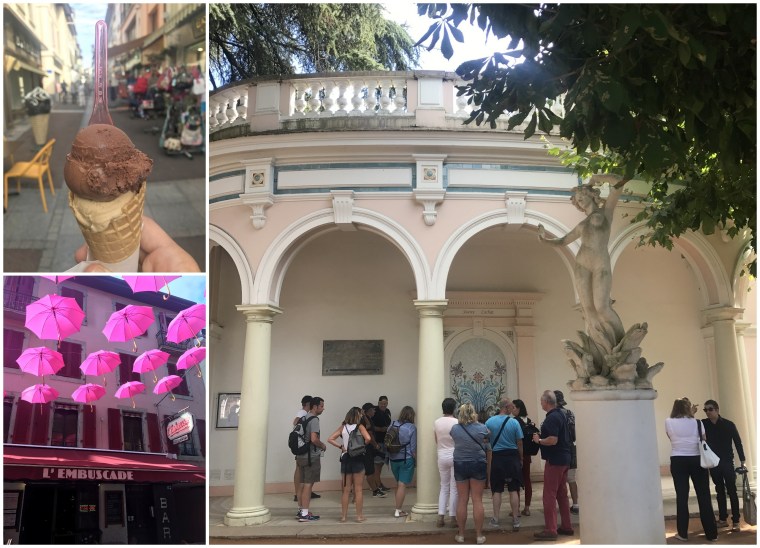


 Just when you think you have pretty much seen the French Alps, another gorgeously picturesque valley road veers upwards, speckled with chalets and cyclists, leading to a modest resort town and an inevitable col de something or other once mentioned by Phil Liggett late at night. Saint-Francois-Longchamp is not only pleasingly French sounding but possesses all the jagged scenery and cowbell fields you could hope for. And plenty of those wooden chalets in which to stay avec famille.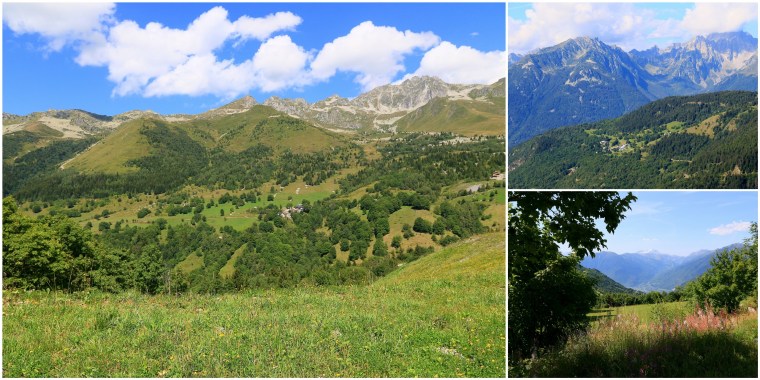
 As things tended to go, footsteps to the boulangerie were typical first thing, followed by a longer walk somewhere someplace prior to or incorporating lunch. Warm afternoons were generally more leisurely before fun, games, and dinner. Dinner obviously incorporated cheese in several forms… another sameness which is in no way whatsoever a bad thing.
 Trips beyond Saint-Footlong-Champignons included the short climb up the hairpins to the Col de la Madeleine (HC). By voiture this was okay; an electric powered bike might have been doable; but pure pedal power seems like pure crazy. Especially from 1500 metres below in the valley of the Arc. I think if I even remotely made part of this climb without dying I would reward myself with trois boules of ice cream. But I didn’t, so just had the ‘two’ instead.

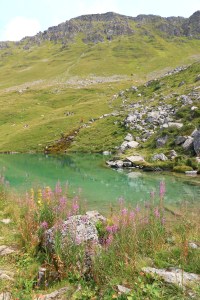 The lakes were small placid affairs, ideal for observing the evolution of tadpoles to gourmet cuisine. Marmot whistles vied for attention with miniscule mosses and macrobugs, while the number of baguettes being simultaneously munched beside the water reached epic proportions around one. But then, you could see the appeal; they really were rather charming spots to eat and wile away a couple of hours up high.
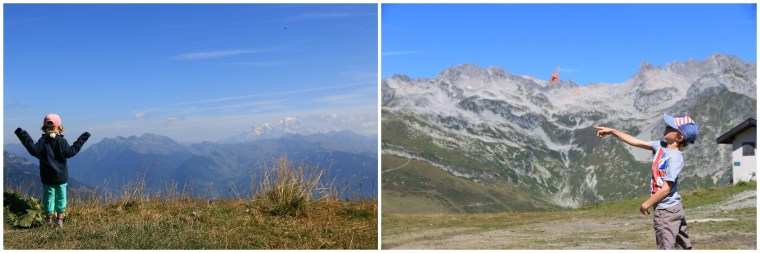
 Despite so much to enjoy it was perhaps the final morning where life in the Alps peaked. From the Col de la Madeleine once more, a cloudless sky provided the obligatory view of a glimmering, gargantuan Mont Blanc. It was a steady companion along a gravel track with views over valleys and peaks as far as the eye could see. I had probably been in some of those, and eaten some of their cheese before.

 It is a time to savour suburban walks, in the comfortable pockets of Canberra that will never be in reach. Foresight planted deciduous trees for garden suburbs for genteel homes. As temperatures drop to a level mild and amicable and still warmer than England in a hot flush, the streets now enliven, the crescents glow, the neighbourhoods flourish in a makeover both incremental and dramatic. Go on certain days and a regiment of wheelie bins will parade upon the kerb, afloat in an ocean of nature’s litter.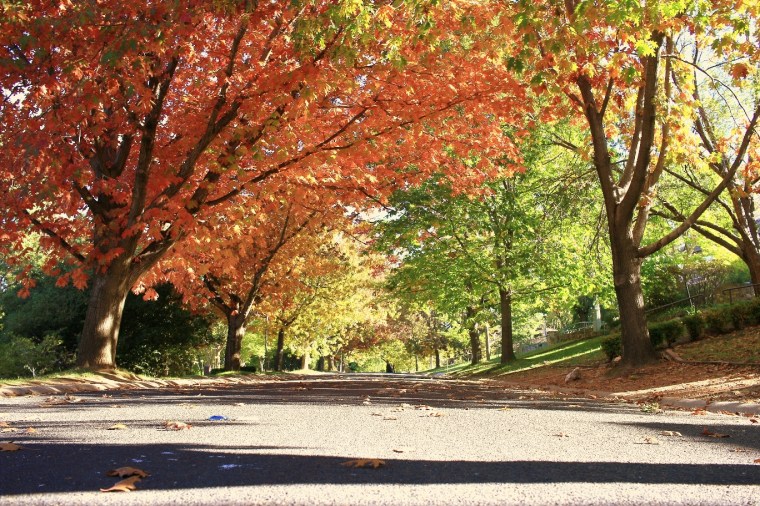
 Easter is the most perfect weekend as the warm kiss of autumn melts any eggs undiscovered by marauding imps. I don’t recall Easter egg hunts as a child; are these more a thing now, coordinated through Facebook groups and discoverable like Pikachu? Waiting until Sunday until you were permitted to make yourself sick on chocolate and then topping up with half price eggs on Monday was more my kind of thing. If I have made any progress in life, then let it be measured by cake, and I can mark the creation of a chocolate and hazelnut meringue as one of my greatest achievements.
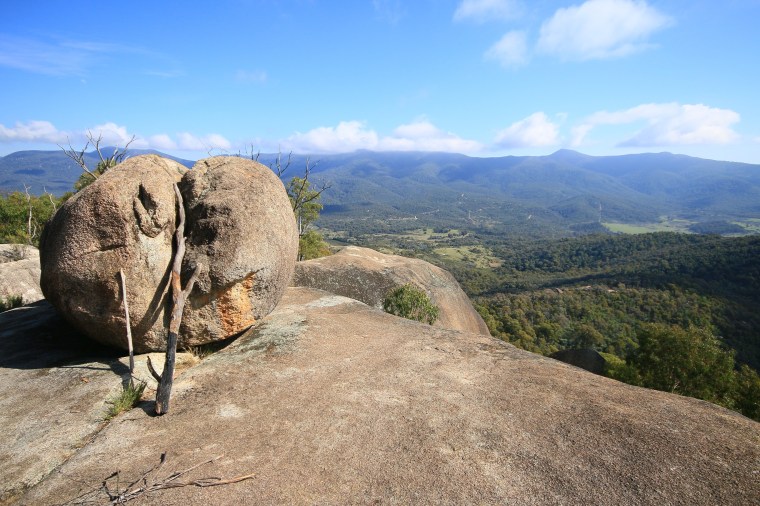
 Here there is the best of both worlds, with coffee available a little further down the road at the Moon Rock Cafe. This is attached to the Deep Space Communication Complex where – in my head at least – gentle mutterings from Professor Brian Cox are transmitted to distant worlds in the hope that it would sufficiently soothe angry aliens from undertaking imminent invasion. If you feel small atop Gibraltar Rocks, here you are infinitesimal, insignificant beyond belief. Yet at the same time, in the warm sun with caffeine and a bonus chocolate egg, your existence is undeniably amazing and incredibly fortunate.

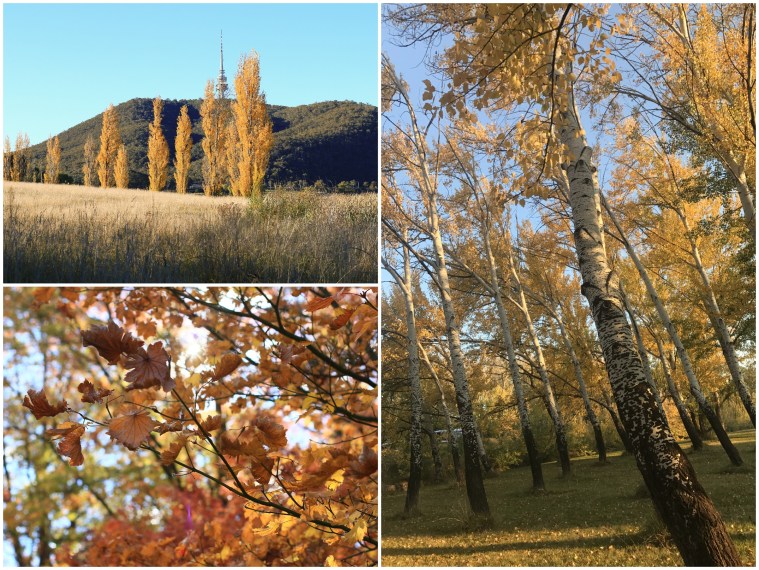
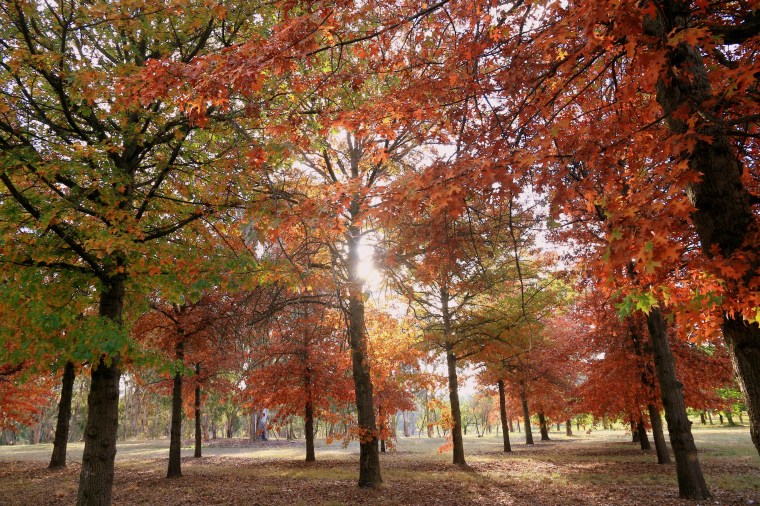
 Tucked away in a quiet corner by Lake Burley Griffin, largely forgotten apart from the odd dog walker and camera wielder, the Lindsay Pryor Arboretum is an unbridled delight. A kaleidoscope of colours adorns the different varieties of oak, elm, birch and poplar. There are no visitor centres and no playgrounds, no cafes and no sculptures. The air is calm, the light soft, the mood understated. Occasional tunnels of foliage play at being England. And you could imagine, under these boughs, a snap election might just be called.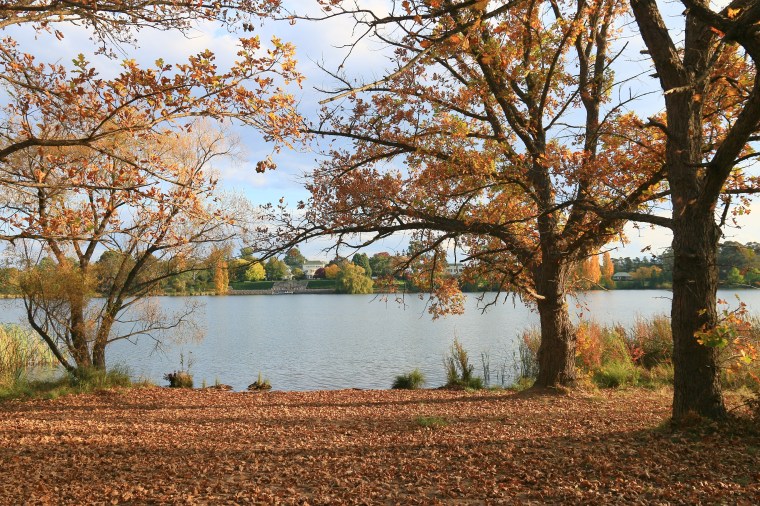
 gbpilgrim