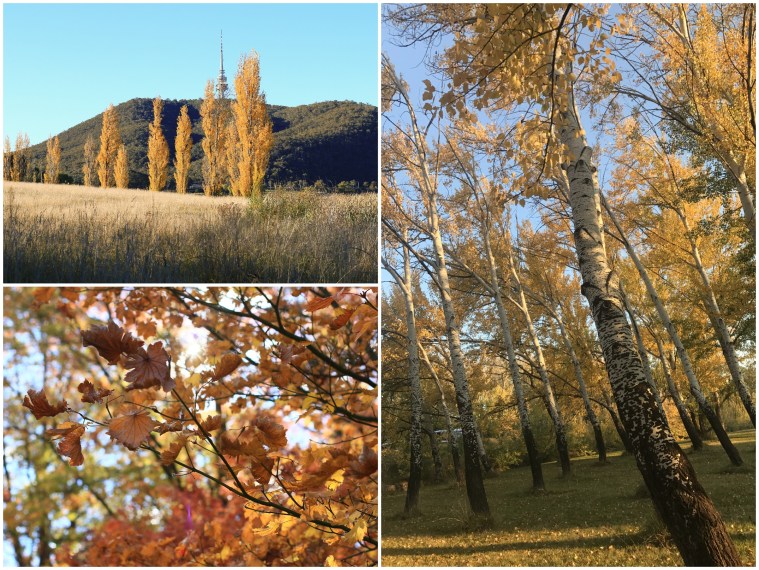
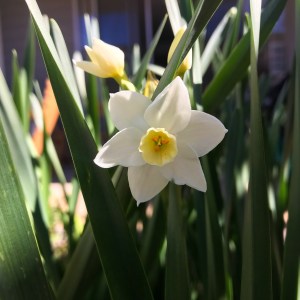
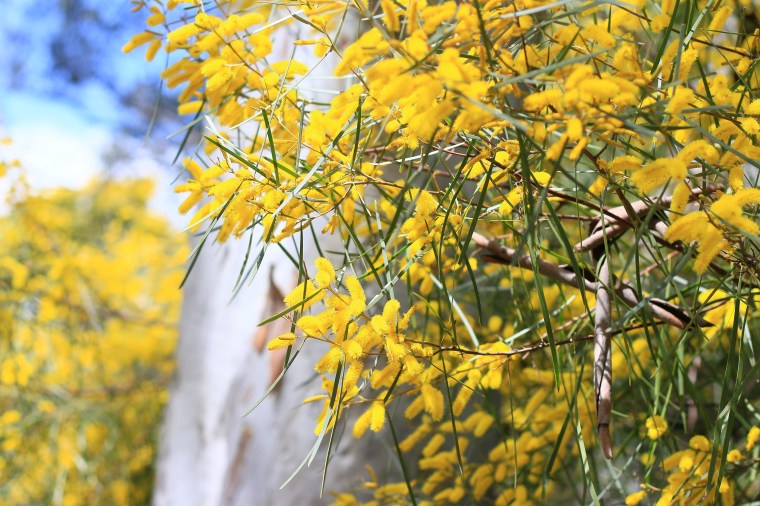
 With the undeniable passage of nature there are sure signs that winter in Canberra is slowly ebbing away. There have been a few recent days in which I have left the house without a coat, while the sunlight is waking me up well before seven and allowing me to read almost until six. Wattles explode, daffodils unfurl, the odd fly is resurrected and finds its way into my living room for what seems like all eternity.
That’s not to say winter is entirely done and dusted and – with it – the satisfaction of a roast dinner, a glass of red and an evening hunkering down until the early hours watching sport beamed direct from the sometimes sunny skies of Europe. The Ashes is the latest incarnation of late night TV toil, in which the morning session emerges during the prime time of evening followed by a drift to tea after midnight. Sometimes I stay up late and sometimes it’s worth it. Like a shiny cherry battered by Sir Ben Stokes, it can be hard to sleep straight after, such is the insane frenzy that has just taken place.
Of course, usually about now I would be in England, so it is part galling but part elevating to see Leeds bathed in unseasonal hot bank holiday sunshine. Bored of some of the drearier TV commentary I might tune into Test Match Special, delivering another evocation of Englishness. The good, wholesome Englishness involving short long legs and a discussion of cake in between bouncers. Not that other Englishness espoused by others. Without vision, the radio commentary paints a more vivid picture in my head of an England for which I might yearn.
But here I am having almost successfully navigated my first full Australian winter, in the coldest city of the lot. Has it been hard? Well, not really, partly a consequence of strategic breaks away, warm sunshine beaming through glass, roast dinners, red wine, Ben Stokes, and no doubt the upward trajectory in global temperatures as previously predicted by those pesky experts who we have all apparently become sick of.
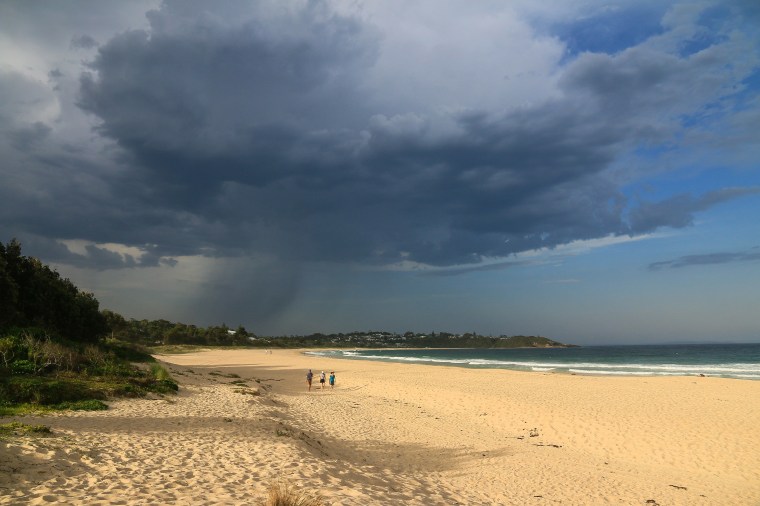
And then it snows for a weekend and suddenly the accumulation of 200 years of temperature records can be instantly dismissed by the cast of crazy characters featured on the sitcom known as Sky News. The ‘Antarctic Blast’ delivering a bit of cool drizzle to Melbourne and a touch of breeze in Sydney, dusts the higher hills and peaks around Canberra. It’s the kind of event that happens every few years and makes a Canberra winter all the better. For there is an unmatched beauty when the snow comes to the Australian bush.
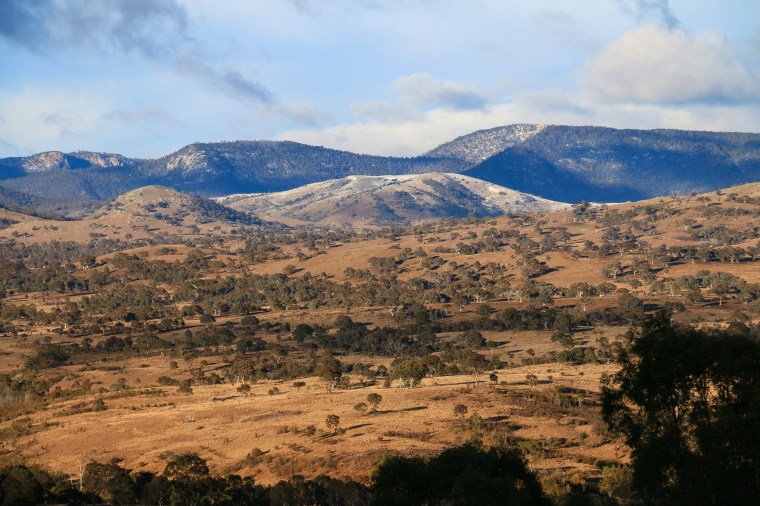
There’s certainly a freshness accompanying an early Saturday morning jaunt upon Urambi Hills, but the sun is out and the wind has dropped meaning that, before long, I’m wanting to strip off during the march upward. Even the locals are unfazed, the youngsters popping out to gaze towards the snow for the first time in their lives.
From afar, there is little hardship, little severity to be found in the sight of snow-capped hills. Getting closer to the snowline in Tidbinbilla, you do begin to feel the penetration of winds swirling over the ranges, picking up icy particles and moisture and delivering them to idiots like me waiting patiently on an exposed lookout. A sleety shower whips through quickly, before a valley of thousands of eucalypts are bathed in sun.


From this perch, the snow seems tangible, touchable. Attainable with, hopefully, relative ease. And that’s the way it proves, driving to the Mountain Creek area in the reserve. A few cars are here but it is blessedly sedate, lacking the queuing, slush-churned melee of Corin Forest after a few flakes. Close to the car park, youngsters screech and coo in delight and disappear off into the forest. A trail of footprints furrow a path into the trees, eventually joining a fire trail that will go on and on, up and up, all the way to Camel’s Hump.

It would be folly to climb to the summit today; though judging by the footprints there are a few committed mountaineers in the area. However, walking up just a little and the snow thickens, the sledge tracks fade and untouched pockets of snow lap at the ankles. There is a pristine quality to the scene, a fresh blanket filling in the imperfections of the bush. A gentleness given to a landscape so often forbidding. For a change, snakes will not be a worry.

Still, best not to linger as my feet are starting to numb and the day is drawing on way beyond optimum coffee time. As I head back down it’s noticeable how the depth of snow has already lessened, patches of mud are now creeping through, churned up by increasing traffic heading into the forest.
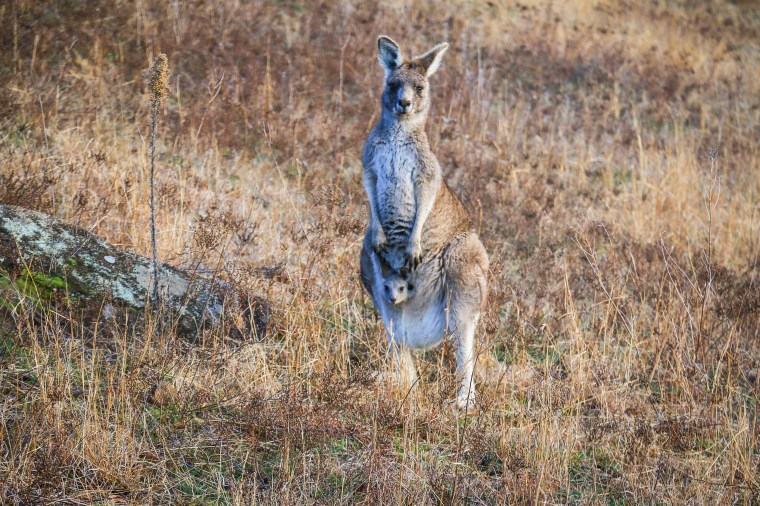
The snow will disappear soon enough, and the wattles will continue to burst forth, the blossom will suddenly sprout, the joeys will escape the comfort blanket of mum’s pouch. The winter will draw to a close, the light will lengthen, and I’ll be in shorts moaning about the heat before you know it. Barbecues will replace roasts and more decent sport will be on at a decent hour. Australia will return to its natural, sun-baked, fire-blasted state.
Yet a part of me will miss the cold, miss the late nights in Leeds, miss the excuse for slow-cooked heartiness. And I will miss the experience of anticipation of a spring just around the corner. Maybe not quite as badly as Nathan Lyon misses run outs, but missing all the same.
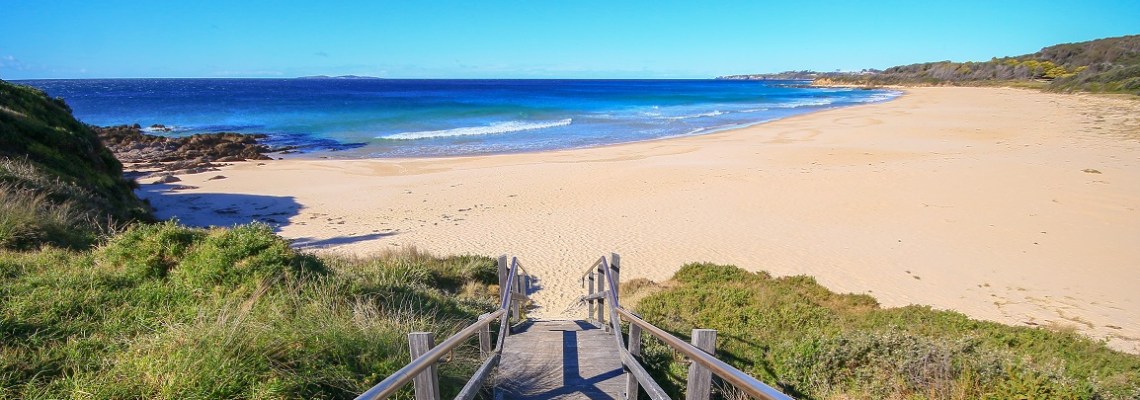
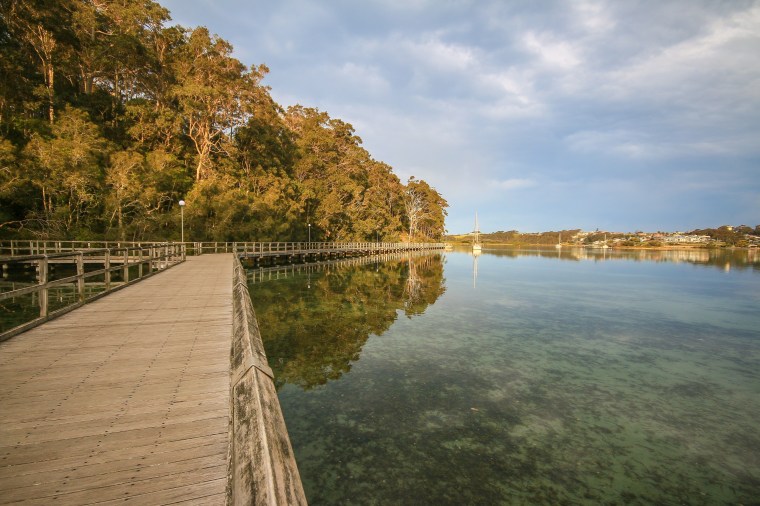
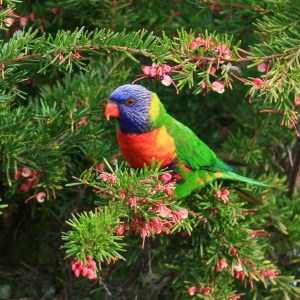 Did I ever imagine back in 1996 that I would be gazing out to the Pacific hoping to sight a whale? Meandering downhill alongside gardens strewn with exotic plants and colourful birds? Wandering past parks dotted with electric barbecues and sinks for dealing with the entrails of fish? Who would have thought I would have previously parred the treacherous Bogey Hole of that golf course wedged between the town and the plunging cliffs of the coastline? Certainly not me, or anyone else,
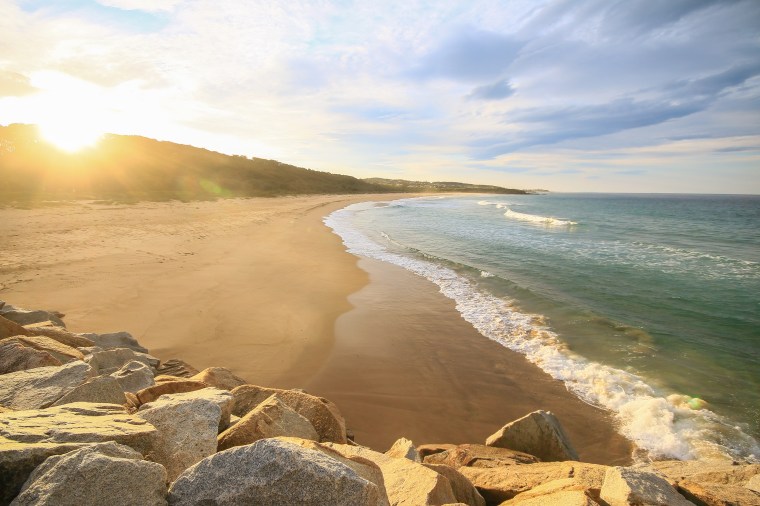


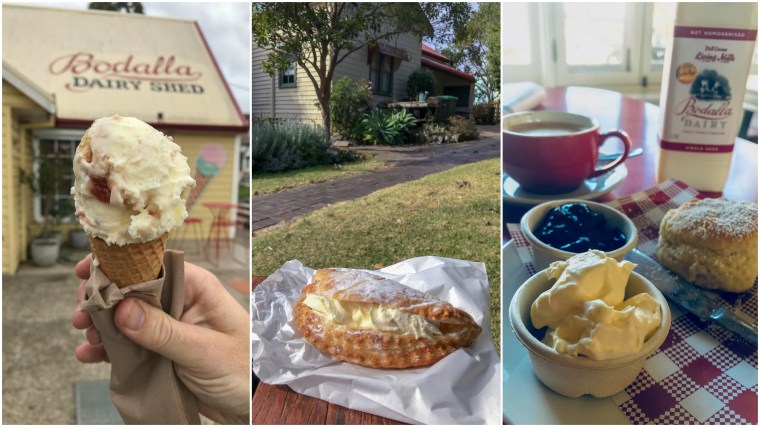
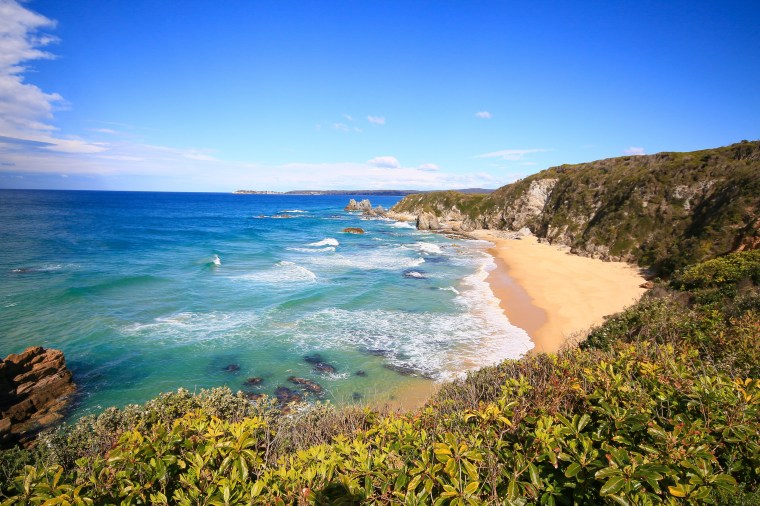
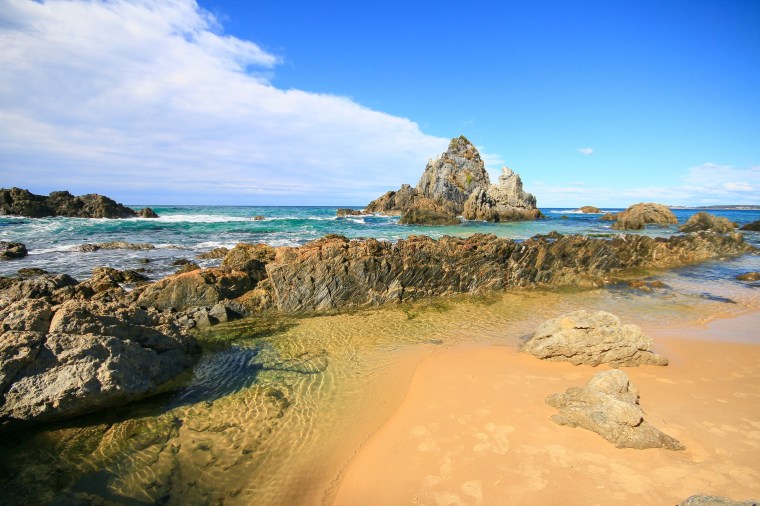
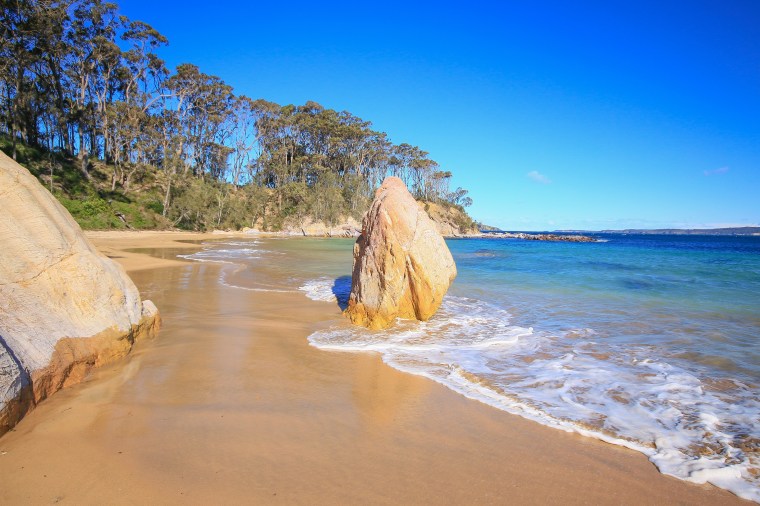
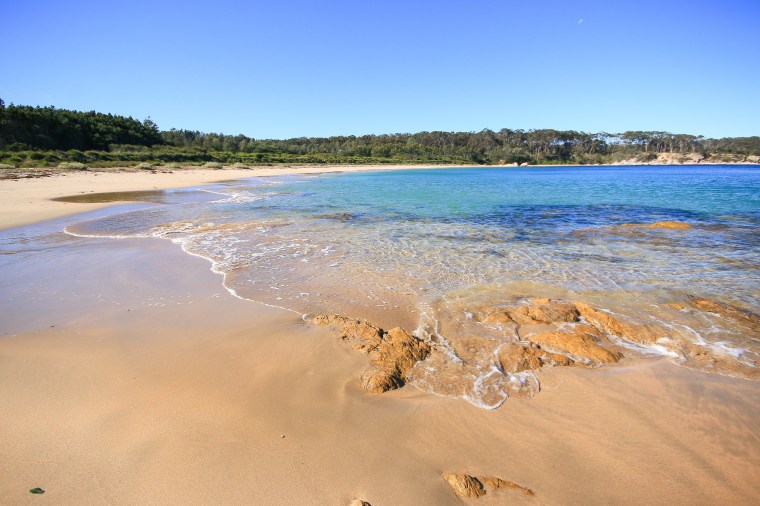
 Spurred on by earlier whale sightings I ended the day back up near Narooma, taking a scenic coastal drive alongside Dalmeny and Kianga which boasts several panoramic viewing platforms along the way. The platforms are sited in between yet more pristine bays that you can have all to yourself. It was at the last of these points that I glanced a surfing dolphin, followed by a few more and a few more still. Passing below, there must have been around twenty dolphins, tracking north on a feeding mission. A whole two football teams.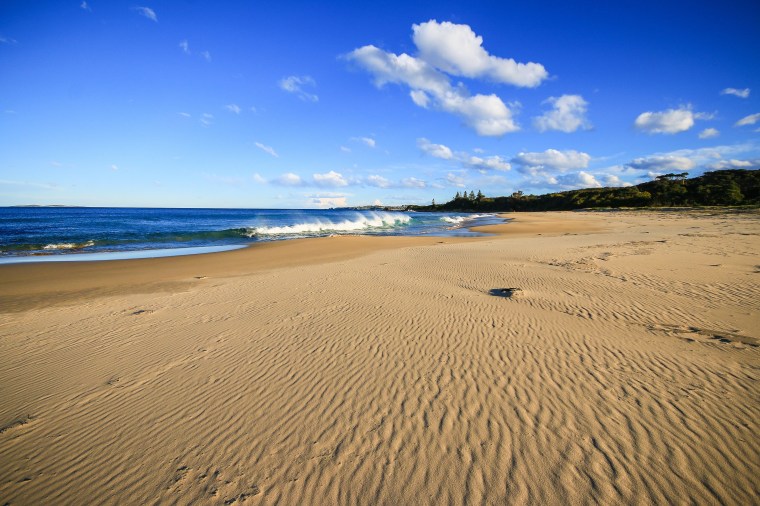






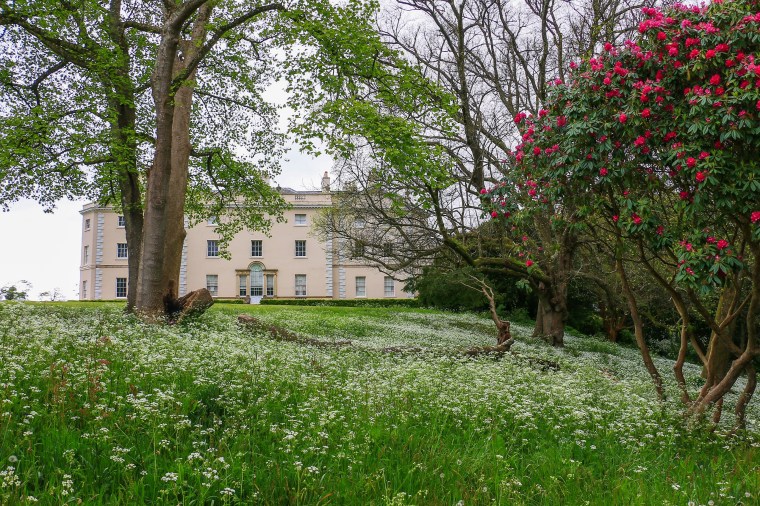
 Or it can be wonderful, arriving a little before rush-hour and just after the parking attendant has gone home. This yields a quiet fist pump of glee and a good mood in which to walk the parklands. Along the river, the tide is high and holding on, and clouds part to release the sun. Forget the roar of traffic along the Embankment, and the mould-tinged sails of Sainsburys, and focus instead on the flourishing green of the woods and bounteous swathes of wild garlic. Embrace the chirping birds and walk with the hope of encountering a deer.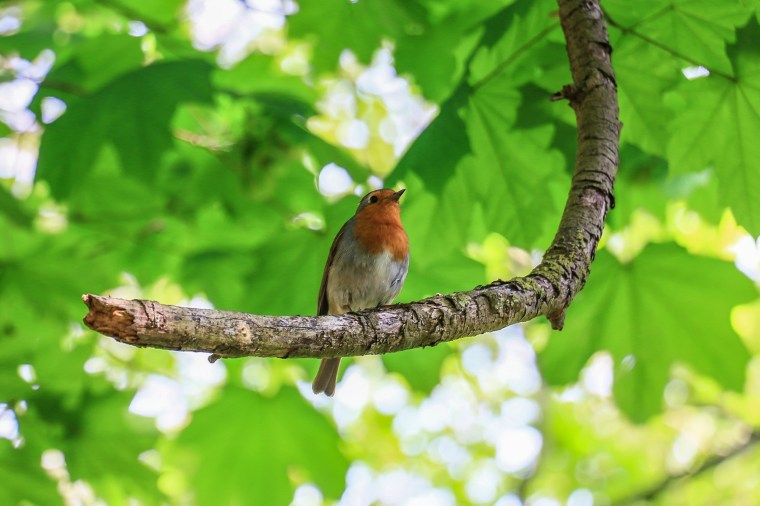
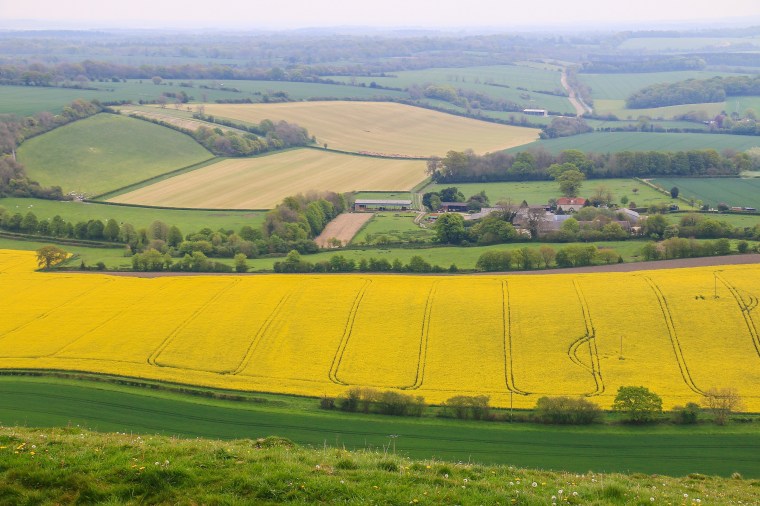
 Look down upon manicured fields and be thankful that this is indeed upon your doorstep. A doorstep in which the land and sea meets, producing conditions that are often frustrating but usually fruitful. Beyond the chav-filled potholes of the city, a land of strawberries and cream or raspberries and cream or just cream goddammit.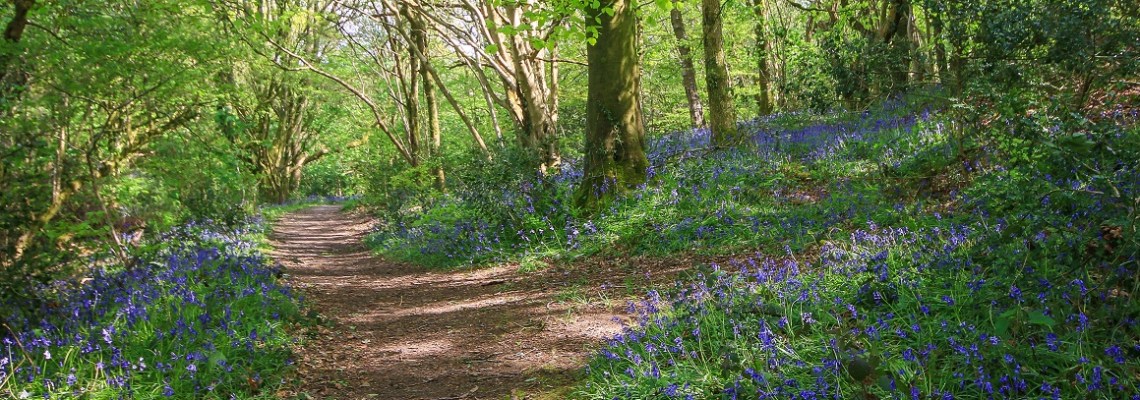

 It was a more placid day departing the north, incrementally brightening on my journey towards London and then onward to Salisbury; the very heart of a conceptual south. Perhaps near here, somewhere within the borderlands of Wiltshire sits that romanticised version of England; of thatched cottages and village greens; of tinkling brooks and sun-dappled woods; of church fetes and coffee and walnut cake. Perhaps, indeed.
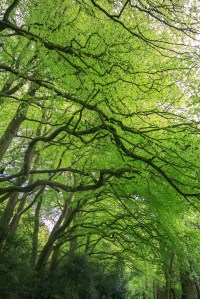 Praise the Lord for a pint outside in the open air, soaking up the sweetly chirping birds and the smell of the country. And thank the almighty for a gentle downhill totter back to the car, parked beside the marquee on the green next to the church in the contented village of East Knoyle. Everywhere around here is easy to suspect as a secret filming location for Bake Off.
 “When I were a wee lad you didn’t see us lot wasting our time with Instagrams of food and posing for selfies,” Dad clearly didn’t say as I took a photo of some coffee and cake and indulged in a selfie. Because this wasn’t Yorkshire and neither was it the 1940s anymore, though you suspect some in Shaftesbury would be pleased to turn back time. At least to the years before that bloody advert sent people flocking to a hill to take Instagrams and selfies.
 Back in a more reassuring south, a morning in Salisbury offered increasing photographic opportunities, marvelling at the famous Cathedral with its famous 123-metre spire and its famous clock, a renown reaching as far and wide as Russia. The water meadows glowing under the sunlight, it was briefly warm enough to amble in a T-shirt, a clear signal that things were still on an upward trend. The birds continued to tweet and to chirp and to wade and to pose in such land of growing abundance.
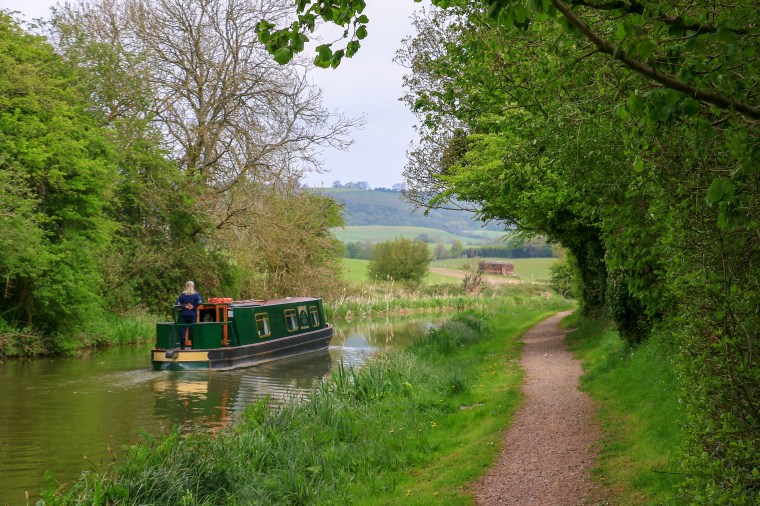
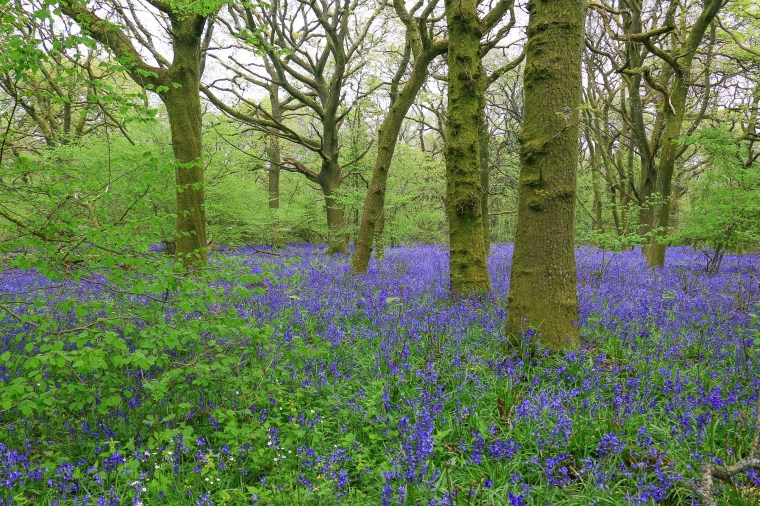
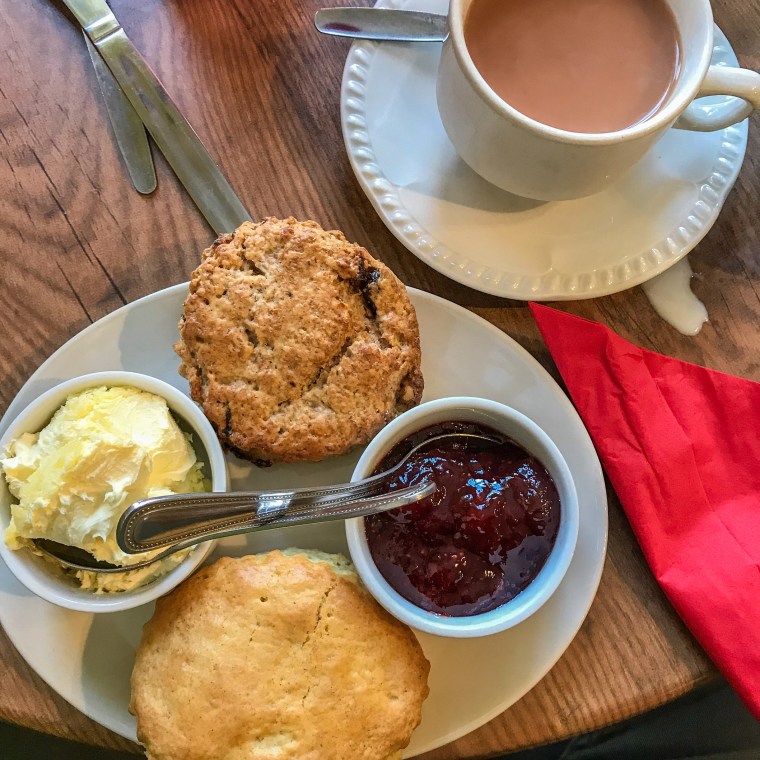
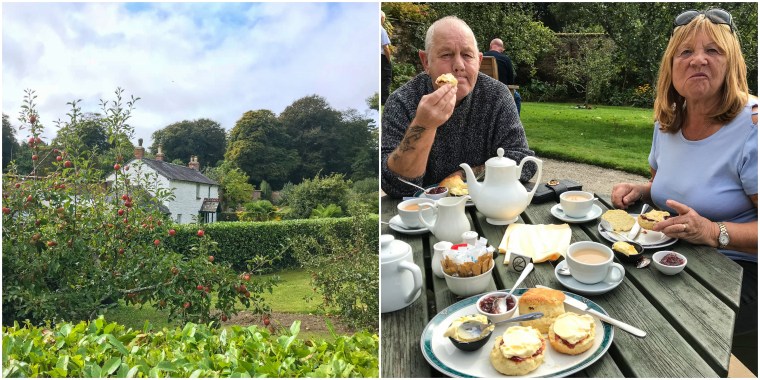
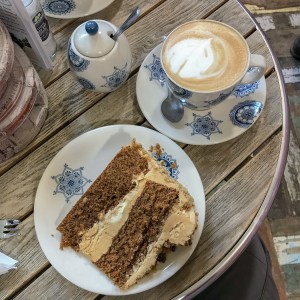 Bluebells really were in profusion across England at this time, evident everywhere during this sojourn in the south and among the storm-laden lands of the north. Spreading across the country like the philosophy of Nigel Farage, only exponentially more unifying and much easier on the eye. They would have been a clear highlight, if it were not for that slab of coffee and walnut cake in Honey Street before catching my train west. A very perfect bookend to this haphazard instalment of North and South. And preparation for the tea and scones still to come.
 It’s a tough gig, and the reality of four straight days in a row above 40 degrees was enough to force me fleeing to the coast, at least for a couple of those days. Thankfully when I got back there came a reprieve with temperatures dropping back down to 37 with a cool change as ineffectual as any number of Secretaries of State for Exiting the European Union. Yes, the hot air persists.
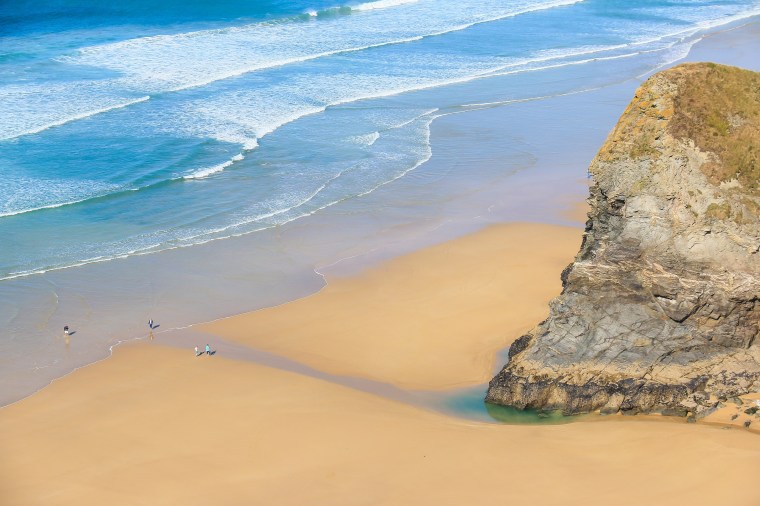
 At least on the coast the temperatures dropped a good eight to ten degrees, pampered with pleasant sea breezes and clear cool waters. There was fish and chips and ice cream, paddles upon shores and across inlets, and a decent amount of lounging with a book in the sand. Yet the highlight of this escape was away from the edge of the water. Instead, upon the edge of wilderness.


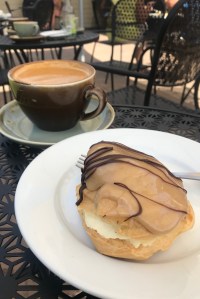 It was borderline whether I had really earned what was to follow, such was the relative ease of this walk. Out of the wilds, the cutesy hilltop town of Milton inevitably has a bakery, which I inevitably visited, inevitably not for the first time. There is a pleasing inevitability in the inevitability of cake and coffee.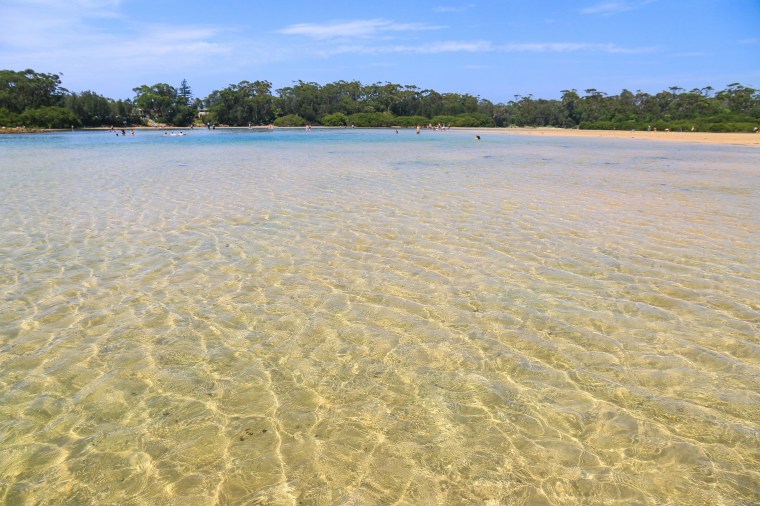


 I think about munching on some leftover sausage rolls in here, but delay lunch for one other walk before the temperature peaks. It’s already midday and clearly above thirty. Shade is intermittent on the way down to Tinted Cave and the Limestone Gorge, where sausage rolls can be enjoyed beside a shallow pool of water popular with dragonflies and sweaty humans.


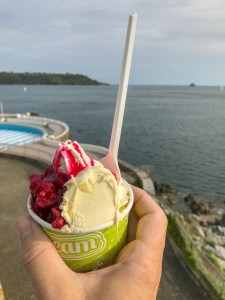
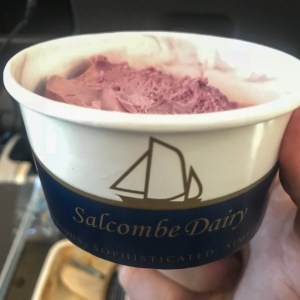 …And just like that the world spins and you fight against it for a day or so in this never-never land of cold air and reclining seats and unappealing movies and rice with two lumps of what might be chicken. Dessert is more of a highlight because it involves – somewhat poetically – Salcombe Dairy Ice Cream. Here I am on a Singapore Airlines A380 headed for Australia and dessert comes from a little patch of paradise on the south coast of Devon. In that taste of creamy cherry are the lush meadows and deep blue seas of home.
  At some point the world becomes tropical. There are bright lights, acres of glass and miles of travellators. You could buy a Rolex or a roti with some weird money. It is five in the morning and people are eating dinner. You are somewhere in the world at some point in time but not much of it makes sense. If only it was all a dream, the relaxing sound of running water and floating butterflies lulling you into restful sleep…






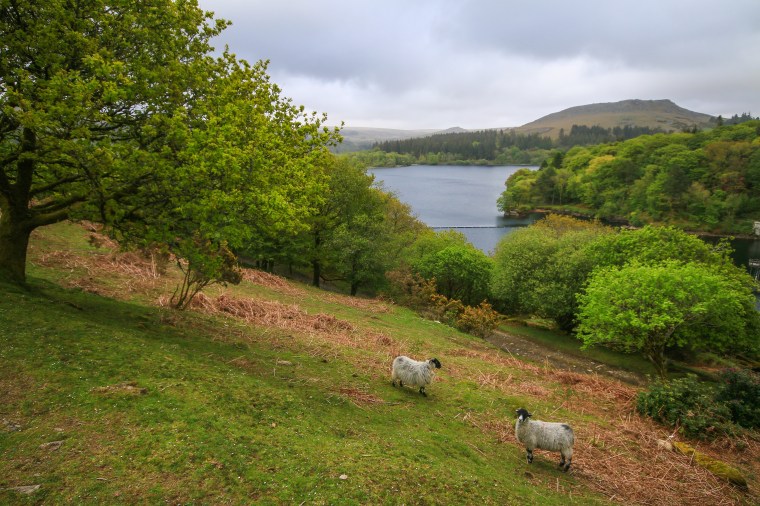
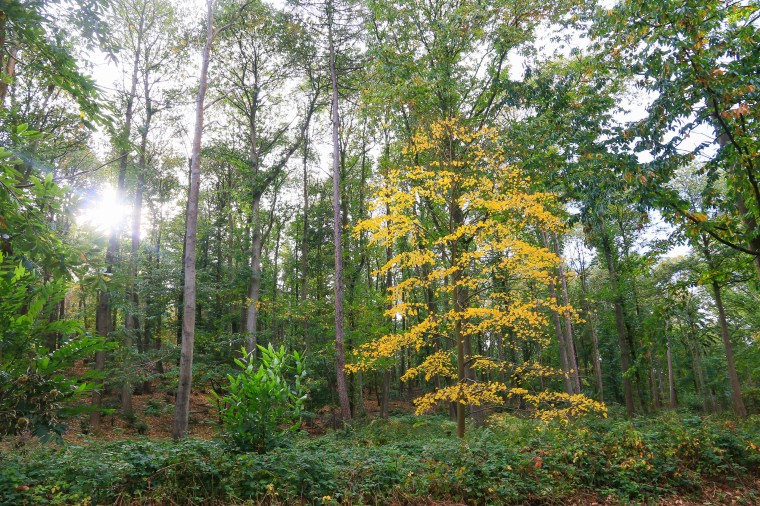
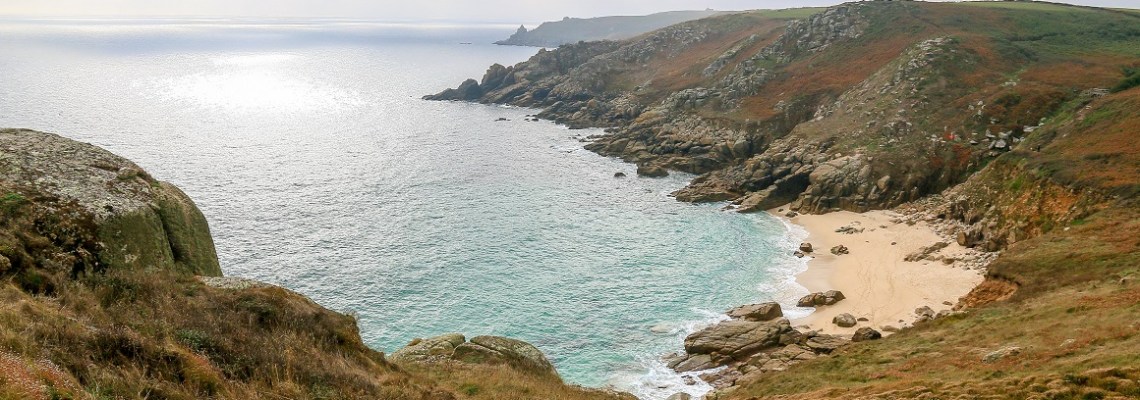
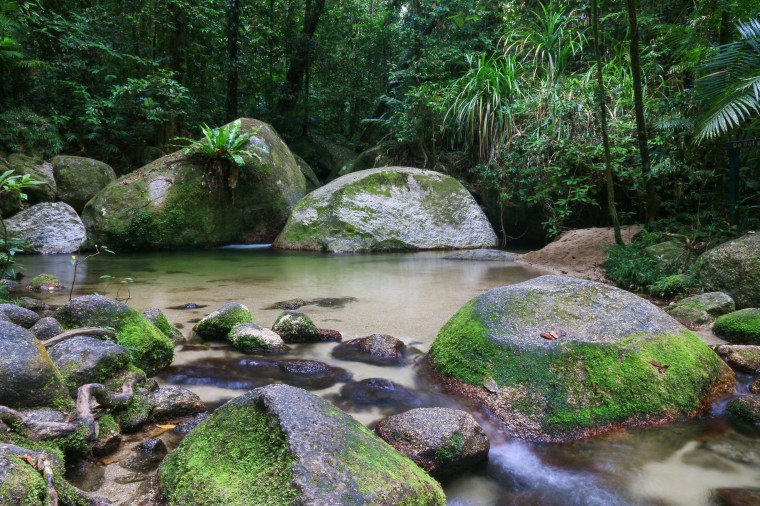
 It is from these hills, from this sponge in the middle of Devon, that the waters which give Plymouth its name first spring. The River Plym here is a far cry from the sludgy and stinky tidal estuary meeting Plymouth Sound. Clear and rapid, tumbling over boulders and pooling on bends, the river descends into dense valleys packed green with mosses, ferns and leafy trees. Plymbridge Woods is but a short descent through a dark, narrow lane from industrial estates and Asda superstores, yet it is another world away.
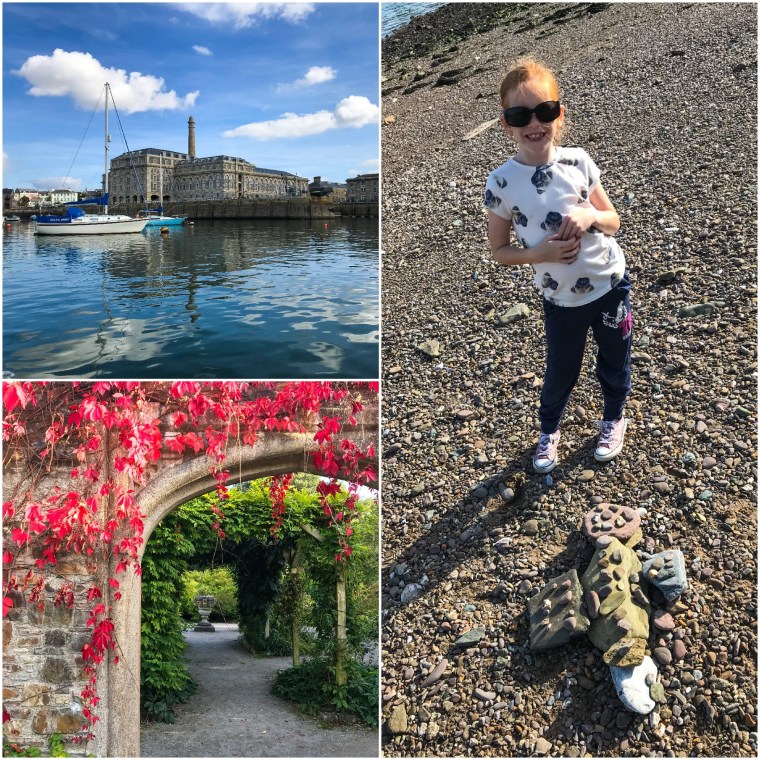
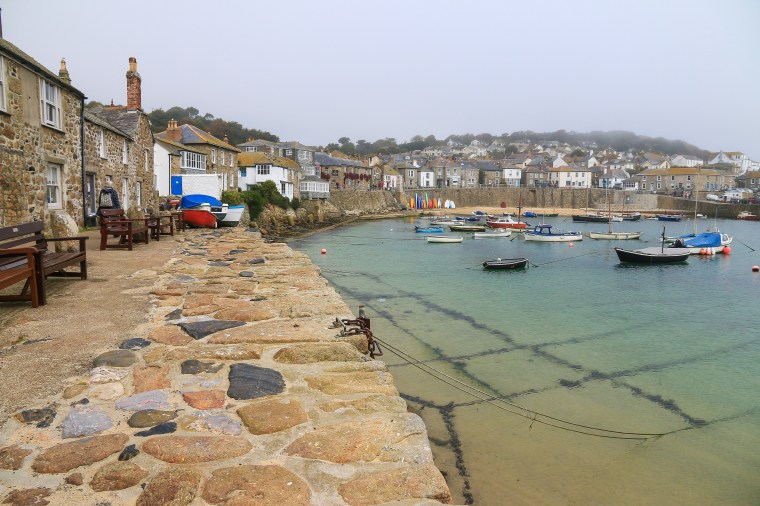
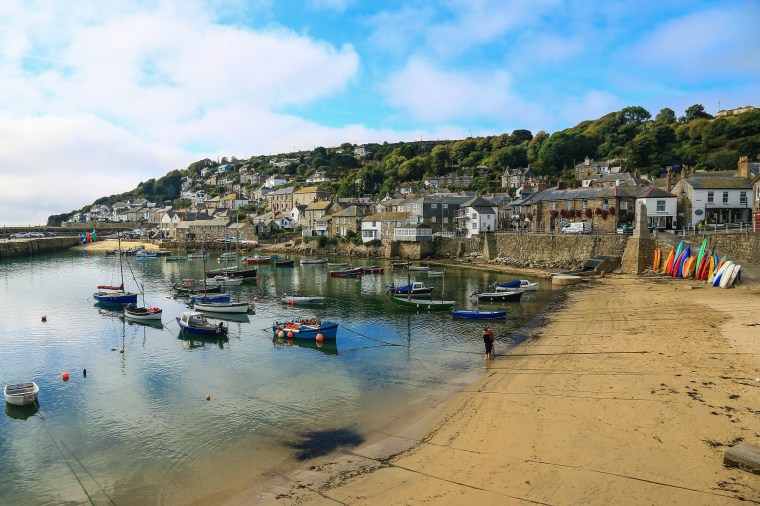
 So, to the north, to the east, to the west there are pleasures easy to reach. Should you have a boat or a longing for Brittany, the south also offers much. And slap bang in the middle, Plymouth. My home that still feels mostly like home while existing slightly distant. It’s funny how things you took for granted, things that you didn’t notice when you were younger now trigger a fond, sometimes joyous sensation. And that extends from leafy green woods and cobbled quays to the family comforts of laundry fairies and roast dinners. Home, still.



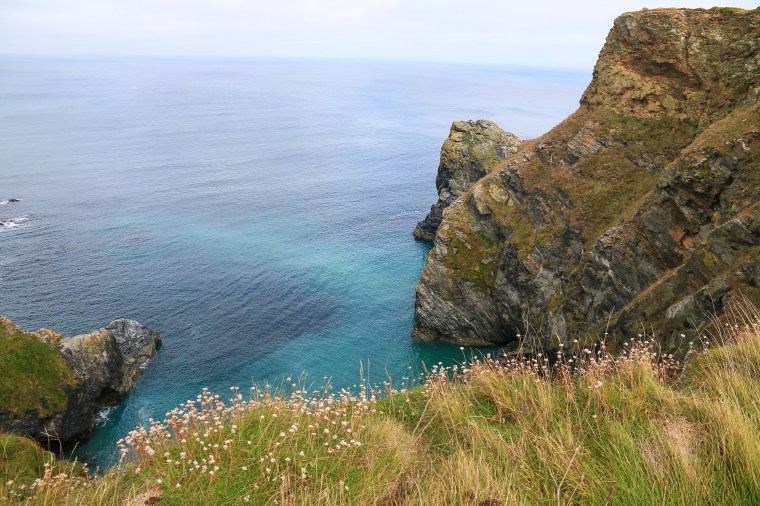
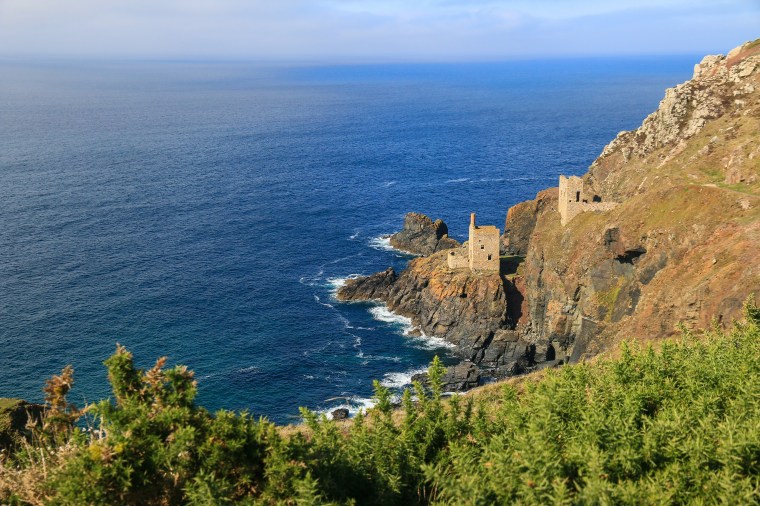

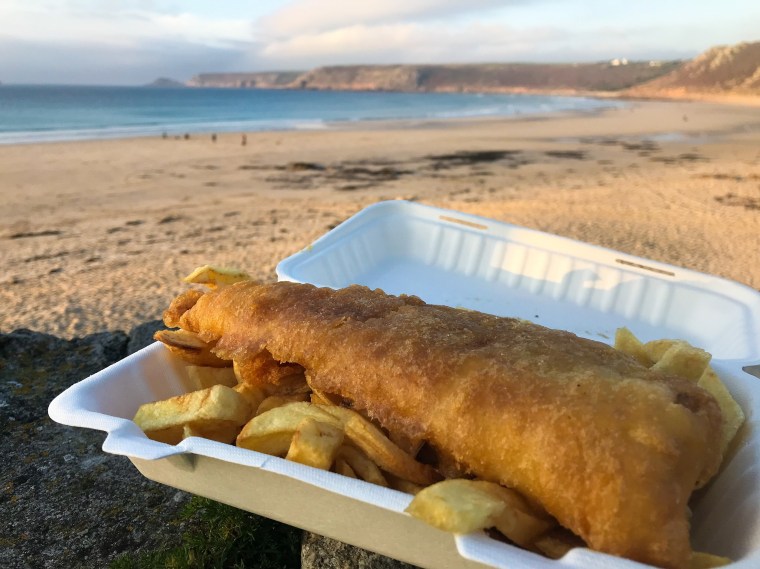
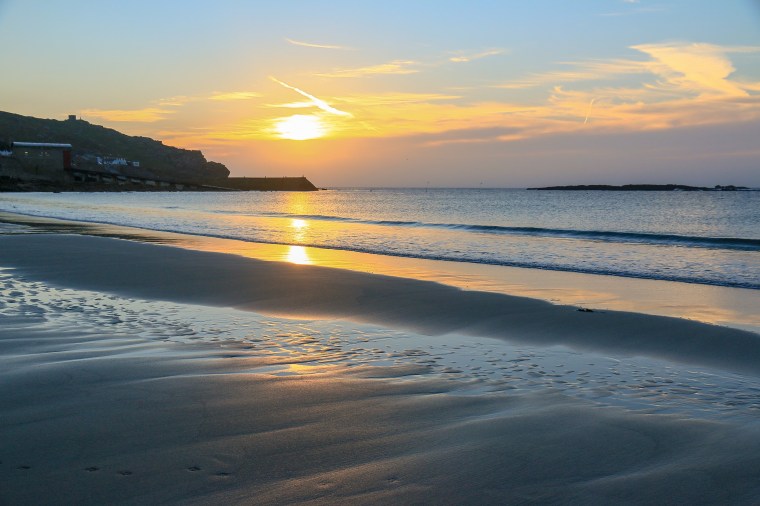

 Facing a long drive back from





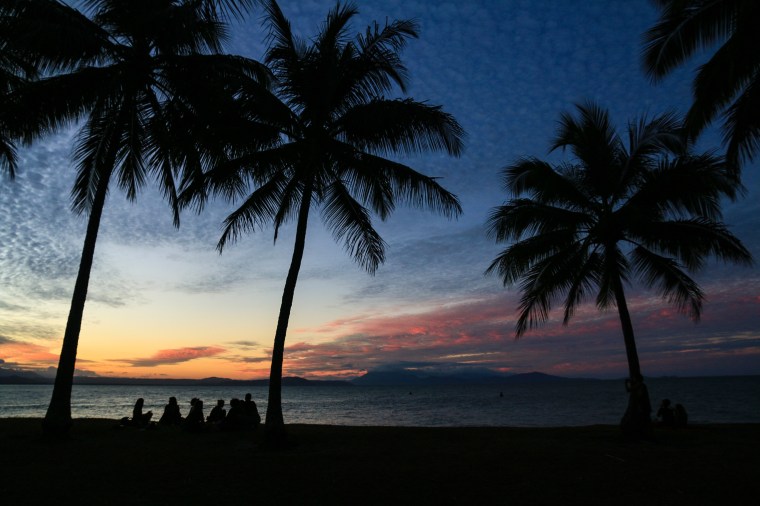

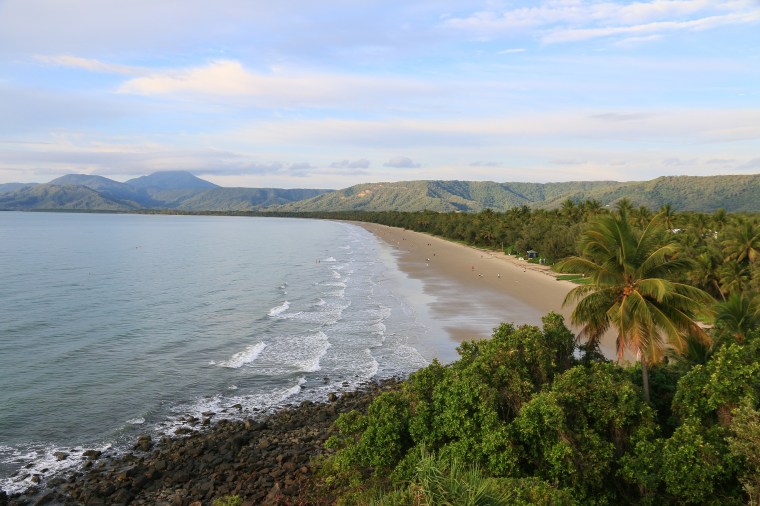



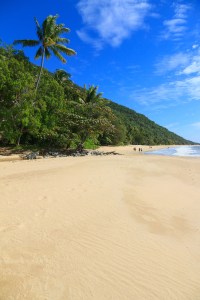 I took one final coffee and stroll on the beach before embarking on the drive back south, which had a fair share of roadworks interspersed with spectacular scenery. Pausing around Ellis Beach, in this snatch of tropical palm-fringed cliché, it was again hard to fathom that I would be in a different world, in the same country, in a few hours. My poor shorts would be tucked away out of sight again.


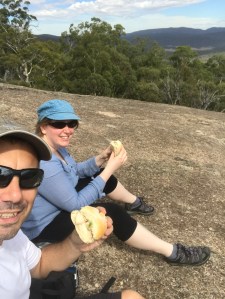 In truth, the walk up the Yerrabri Track in Namadgi National Park was only part of a bigger equation. An equation whose solution was a delicious bird roll or two. N+J*OzNP(vt)+C0les=br. It’s a concept that has evolved from very preliminary experiments at the New Years’ Test in Sydney, refined to perhaps its ultimate manifestation on the top of Mount Kosciuszko. Replicated many times since, it is now a requisite of any encounter between Jill and I. Recently, each of us have tried to outdo one another in the bird roll stakes and today, on a rocky platform overlooking peak serenity of an abundant emptiness, I may have taken the lead. For now.