If I was to analogise the lingering weeks of summer, it would be to that of a very uneventful over from Glenn McGrath. Turn at the mark, trundle in with intent, deliver a solid line and length on to the pitch and through to the keeper, stare in confected intimidation at a snivelling Pom, turn back and repeat again. And again.
There is something to be said for reliability and repetition – 563 somethings in fact – but deep down we all crave a cocky blonde disruptor to enter the scene and throw down a few cherries spinning every which way but straight. The googlies are always there somewhere; you just have to put in a bit of extra effort to discover them.
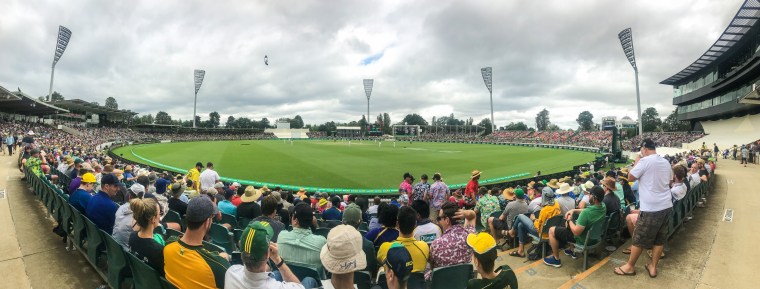
Such terrible metaphors are all to say I went to the first Test match ever at Manuka Oval in Canberra. Australia versus Sri Lanka in probably the most one-sided match in history. Still, the setting was a delight, the atmosphere abuzz, and Canberra more than held its own as a venue. Googlies may have been sparse but then, in 2019, we are talking about the trumped up talents of Naayfun Lawwwn rather than the bona fide annoying genius of Warnie.
Outside the oval, the regular line and length of hot sunny Canberra days have occasionally hit the cracks of thunderstorms; apocalyptic tempests of wind and lightning and – often – raised dust. It’s made things a bit more interesting, even if some of the places under which such conditions breed are as reliable as ever. Places like Red Hill and Mount Taylor, the equidistant escapes from home to the bush.


One of the cooler and windier days of late happened to beset the Canberra Triathlon. A temperature all well and good for exercise but a wind cruel and unforgiving when on a bike. To say I competed in a triathlon is a tad generous, strictly speaking. But a ten kilometre bike leg as part of a team relay was effort enough into a headwind. Still, this was just a minor, temporary obstacle for me, and worth it to deliver the imaginary baton onto Toby for the final, inspirational leg. Go Wheelsfortoby!
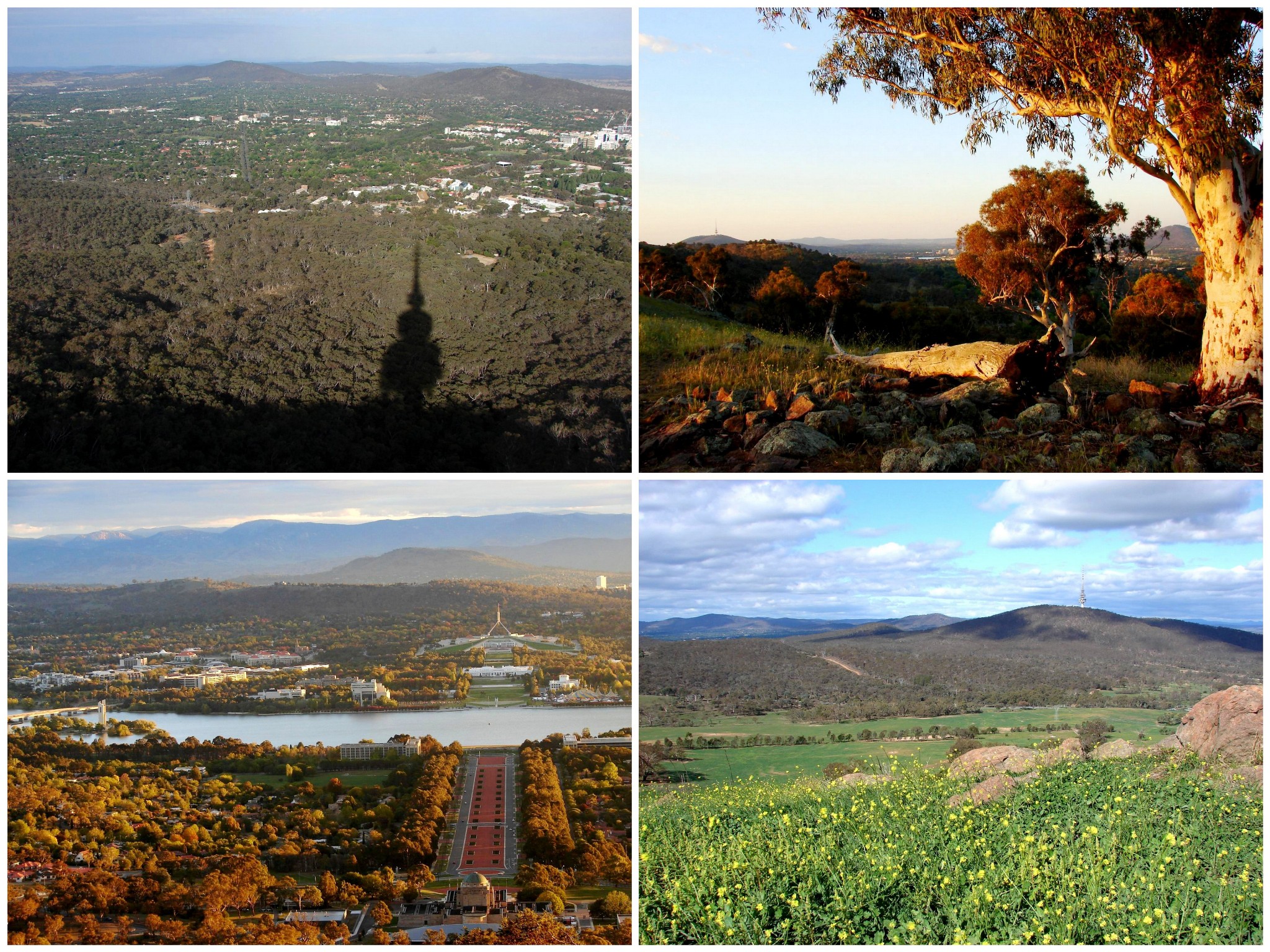
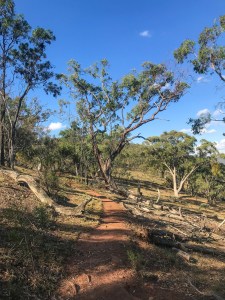 I guess a triathlon is a bit of a googly within the normal course of events. It also led me to be in Hackett one sunny late afternoon, at the northern end of Canberra nestled underneath Mount Majura. Not so much a change of scenery, but at least a different path on which to wander, all stretching eucalypt branches, golden grass and copper earth, with some snatched views of the surrounding landscape through the bush. Plus, slithering away as I marched downhill, a brown snake disappearing from the corner of my eye.
A few weeks later I would come across two snakes in the space of five minutes, having discussed them five minutes earlier with my friend Joseph as we sat upon a rock in Namadgi National Park. I’ve hardly seen any snakes…maybe five…in my entire time in Australia I said. Mostly in Queensland I said. I know people who won’t come to Australia because of snakes, how ridiculous. When you think of all the bushwalking I have done in that time, and five snakes…
Shall we see what’s down that way, he said.
Snaaaaaaaaakkkkkkkke, I said. Quite loudly, almost tripping over a red bellied black.
Let’s actually not go that way, I said, and we turned around to head back to the car, not before a second made an appearance under a fallen tree, this time with marginally greater warning.
They did say it was going to be a good year for snakes, and in my random survey of random walks through random parts of the ACT I can conclude they were correct.
———————————–
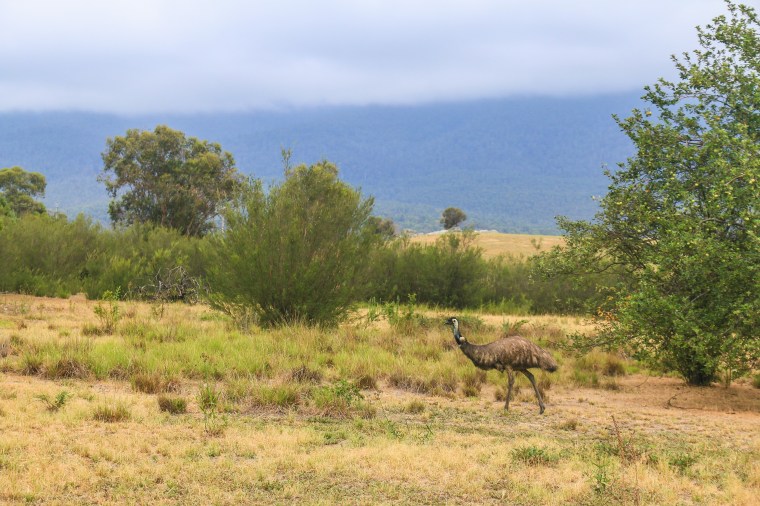
Snakes were mercifully unsighted on a longer walk to Gibraltar Rocks in Tidbinbilla during the great Australia Day day off. I’d been here before but – again seeking some variety – I approached the peak from a different side. The first couple of kilometres traversed open plains bursting with kangaroos and the odd emu, before marching incessantly upward through that low, scrawny kind of bush that excels in the higher climes frequently ravaged by fire and ice.
Reaching the rocks of Gibraltar up in the overcast skies, there were no Spanish ships, no snakes, no bogans singing Jimmy Barnes and wearing the cheap fake blue of Australian flag products proudly made in China. Just the essence of Australia fitting for today or any day. The heart and soul of its earth and its sky, sprouting the unique environment which has been nurtured over millennia and which endures and adapts as best it can.

And so, we reach the last ball of this ragged over as we once more revisit those terrible cricket analogies. The weather has cooled a touch and the mornings are showing signs that we are entering the golden age. Britain basks briefly in twenty degrees and a few of our mornings drop to single digits. The temperatures still rise to the mid to high twenties in the afternoon, and this is what we call ambient, mild. It’s all relative. And still plenty warm enough for cricket. And snakes.
Floating around in my brain for a while has been Mount Coree in the Brindabellas and – in this quest for difference, desire for new – it finally becomes an agenda item early one Saturday. It is a peak I have never climbed, mainly because I’ve never been entirely sure how to climb it. Mostly it’s a case of following fire trails and dirt roads, including up to the summit and, sometimes, sharing these with vehicles.

Commencing from Blundells Flat several hundred metres below, it is a fresh, serene meander uphill towards Two Sticks Road. Only a grader on the back of a truck passes me early in the climb, leaving a lingering cloud of fine dust particles in the air, gilding the shafts of sunlight beaming through the trees. Along Two Sticks Road it is easy going towards Coree Campground before the final traverse up to the rocky summit which marks the border between NSW and the ACT.
It’s a decent slog as the sun warms and, by now, the four wheel drives have woken from their slumber. One by one they leisurely pass in a clunk of gears and pneumatics and fumes, inching ever closer to the trig at the top. For all their engineering and technical prowess, for all their ability to get to the top quicker and revel in airconditioned comfort, they are no match for a pair of feet. A pair of feet that are connected to the landscape, an intrinsic part of it rather than something carving it apart. A pair of feet that have superior bragging rights over the indolent Saturday morning car park crew accumulating at the top. And a pair of feet that will come across one more red bellied black on the way down, completing a reliably diverting over.
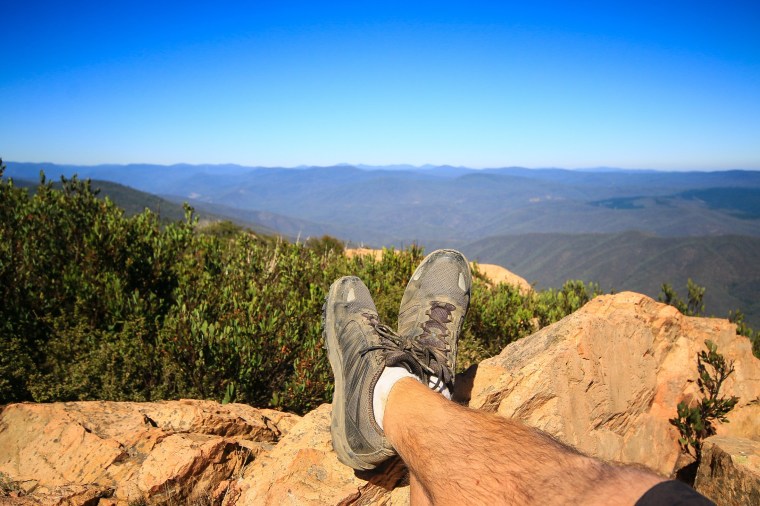


 Contrast this with an hour later in Arrowtown, a cutesy (if a touch contrived) old gold rush village just out of Queenstown. Sheltered by hills, twenty-five degrees, sunshine out, there was no hesitation in showing my pants to the whole of the car park and changing into shorts. Likewise, both Dad and I had no hesitation in agreeing ice cream should be on the agenda. Such thoughts are obvious portents of the cloud rolling in, the wind rising, and drizzle emerging. But let that not stop us eating ice cream!


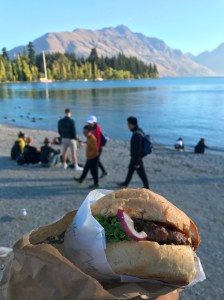 And so, in this hasty encounter with a small part of a bigger-than-you-think country packed with spectacle we finish up in Queenstown. Of all the places we visited this was undoubtedly the most frenetic, but it was no London, nor even Canberra. Firstly, you can forgive the masses of backpackers and Contiki coaches and adrenaline shots because Queenstown is beautiful. And – you know what – the people, the bustle, the mixture of ages and nationalities soaking up the holiday air creates a really nice vibe down by the lake. Particularly if this is accompanied by a ‘legendary’ Fergburger and a glowing evening as the sun slides west.


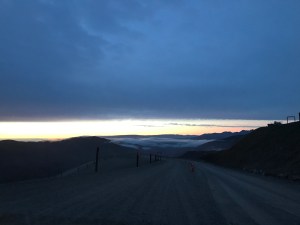 But, after our final, final night of sleep in New Zealand we set off down the mountain, seeing in the light the spectacle that we were to now say goodbye to again. With the delays, the exhaustion, the impending drag down the Hume Highway from Sydney to Canberra, we were both keen to get back. And it was a shame to end this way, even if a bacon butty and coffee at the airport temporarily lifted spirits. But everyone expects a little adventure in New Zealand and we belatedly had ours. This along with much to remember, much to savour, much to linger in the mind for as long as the white cloud blessing this most amazing big little country.
 Most cars are heading up or down the Hume Highway, towards Sydney, Melbourne or – even – Canberra. And / or beyond. Fewer are taking an alternate road north, across golden farmland and riverine gorges, passing through the town of Taralga and very little else until reaching the bright lights of Oberon. Here, west of the gargantuan expanse of the Greater Blue Mountains, fingertips of road and trail penetrate into the edge of wilderness.
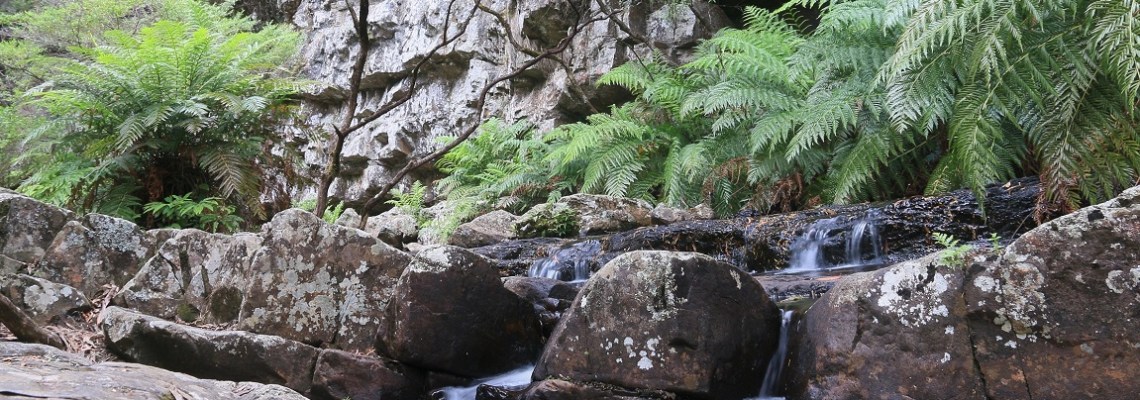
 Walking helped warm things up a little and the gloomy view of Kanangra Walls was eclipsed by the natural serenity around Kalang Falls. This required a little descending beyond the escarpment edge and each step below evoked a sense of immersion in something elemental and pristine. As well as the pervasive eucalypts, native flowering shrubs and bonsai-sized pines and cedars clung happily to the rocky outcrops. Ferns adorned the pools and watercourse of the creek as it disappeared down and down into depths unseen. A trickle seemingly so insignificant continuing to somehow carve out this impenetrable gorge country.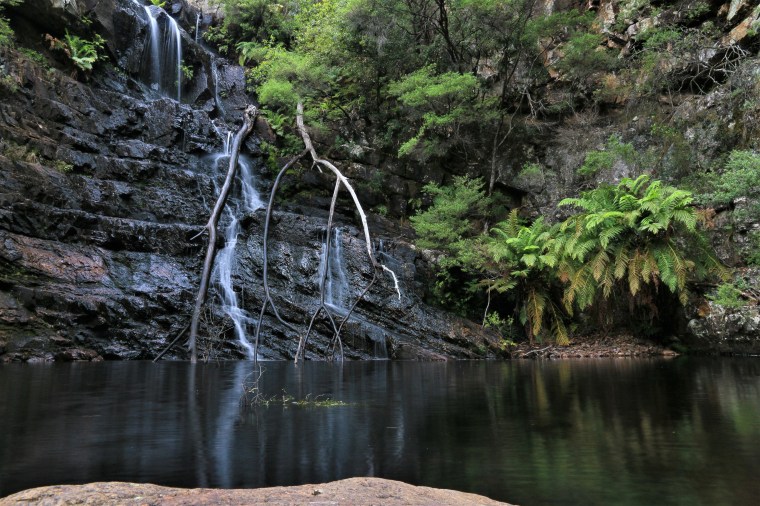
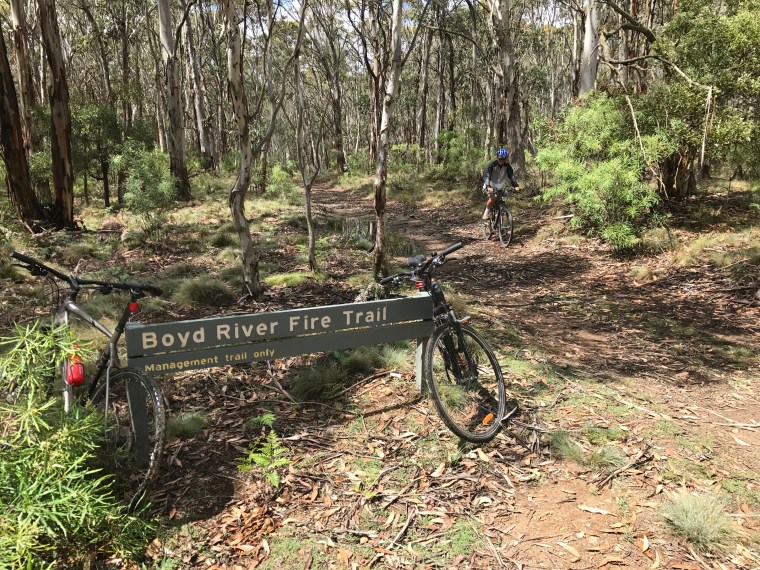
 And indeed, by time we got underway some of the gloom had lifted and the initial pedal on smooth tracks though the forest was heartening. Things began to go downhill as the terrain went more steeply and precariously downhill (described as “gently rolling”), compounded by creek crossings and the nagging knowledge that at some point climbing would be inevitable.

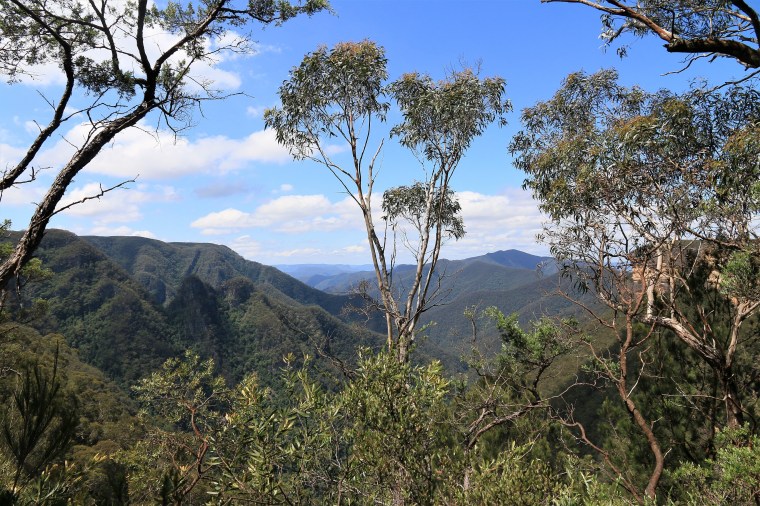
 Being energetic types, we embarked on a walk along the plateau in the afternoon which – naturally – only involved a few minor ups and downs. Panoramas were a regular companion, the vertiginous cliff line giving way to a green carpet plummeting down into infinity. Caution was high on the agenda peeping towards the precipice, a dizzying spectacle in which you hope not to be consumed. Let the snapchatting youth and boastful backpackers perch on the edge, for we have had enough adventure for today thank you very much; and how much more of a thrill do you need than being a part of this landscape, an insignificant dot in such spectacle.
 Working up a thirst, the cold beverages on the second – and final – night were far more fitting. By now, any clouds and wind had completely disappeared and the forest was aglow in the lingering end-of-day sunlight. Even my one-pot cooking failed to ruin the experience. We had been through the tribulations of the trails of dust and drizzle, creeks and climbs and were being generously rewarded. Finishing on a high, Australia at its summer holiday best, and you, and a couple of friends, immersed within it.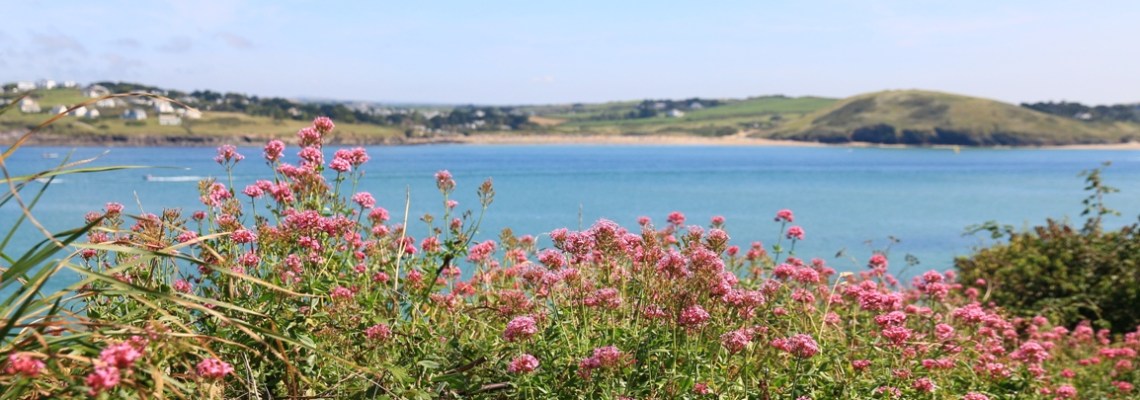

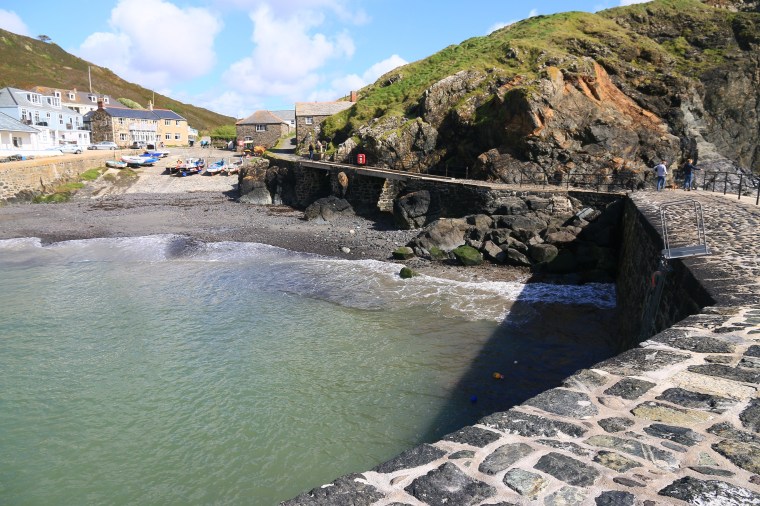
 Other repeat visits transpire from convenience and come with pastry-coated benefits that are worth duplicating. Like the relatively short drive from Plymouth to Looe, through the most contented countryside and down towards the south coast. I don’t usually linger around Looe, but it’s a good base for refreshment and with the right light, tidal state and the discovery of a peaceful corner you can value its merits.
 Even closer to home – so much so that just over the hill you will see council blocks, cranes and incinerators – Whitsand Bay is starkly, surprisingly rugged. The eroded, sea-shattered lump of Rame Head is something you’d expect to encounter further west. Bracken and gorse-clad cliffs are punctuated in clusters by cheap fibro shacks with pretty gardens clinging on for dear life. And the waves roll in to the shore in a long translucent line stretching all the way back towards Looe. It is a go-to place for that essential endeavour of ‘blowing away the cobwebs,’ an endeavour far safer in England than Australia.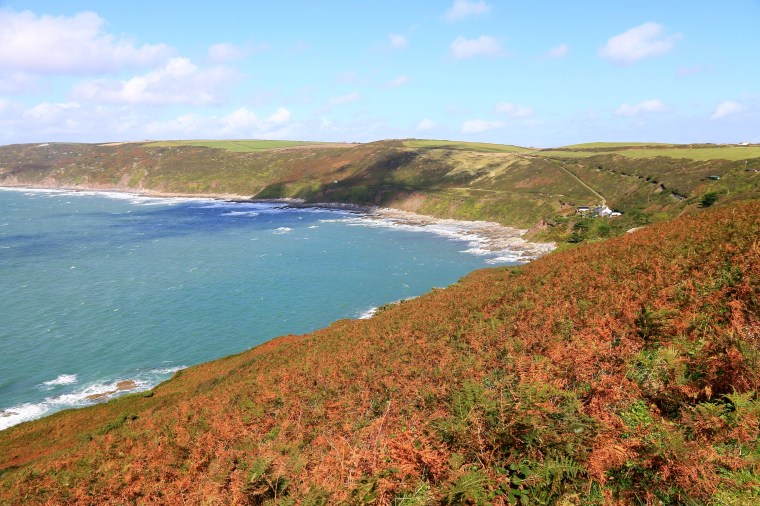
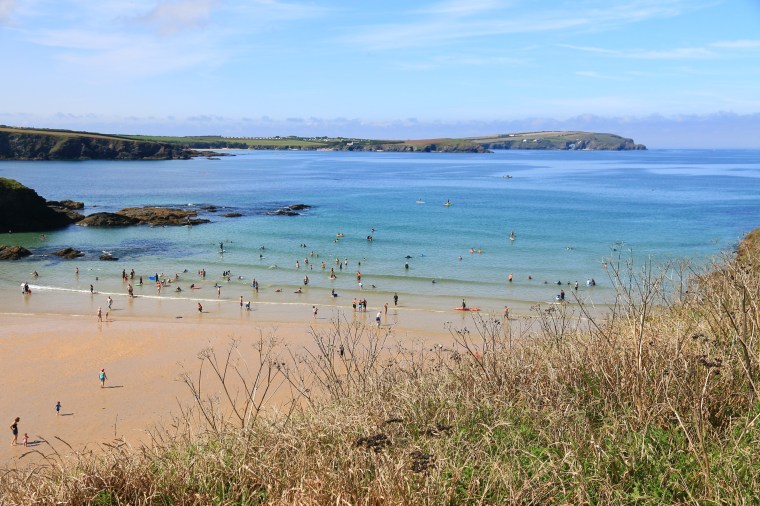
 Once again, I turn to the South West Coast Path for solace; a relatively easy walk northwards towards the headland at Stepper Point, taking in some archetypal Cornish scenery with only a smattering of rambling sightseers passing me by. There are rocky coves, clear seas, sandy inlets and windswept green fields to enjoy. A highlight is the chimney stack formation at Gunver Head, resembling an ancient tin mine frozen in time, weathered and beaten by the cruelty of the Atlantic. Climbing up and up and up over this rocky, eroded headland, surely a grumpy and grizzled Luke Skywalker is hiding out here somewhere?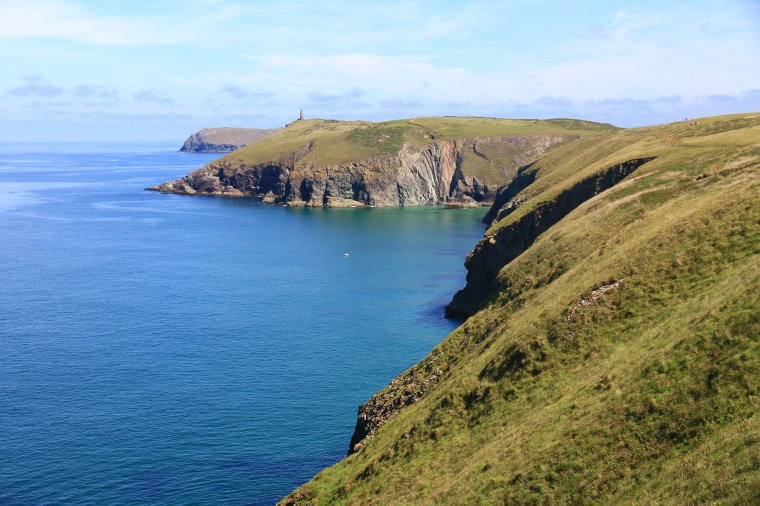


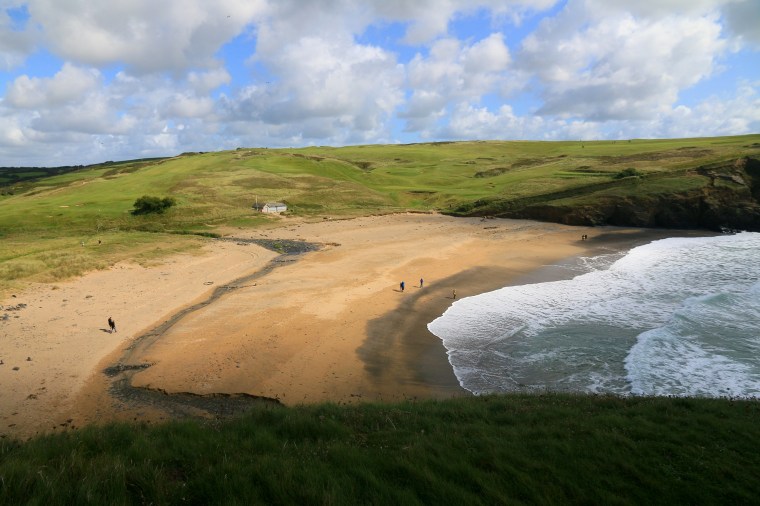


 More popular, and having risen in stocks dramatically in the last couple of years, is Kynance Cove. To the extent that at 3:30pm in the middle of the week in September the National Trust would like you to pay a bar of gold bullion and hand over your firstborn to park. I blame Poldark, stupid knob end. Of course, being locals (okay, sort of), we’re not having any of that, and parked a little way back along the cliff line at a place only the locals (okay, those who look at the satellite view of Google maps) know. Ha, eat your hat Poldark.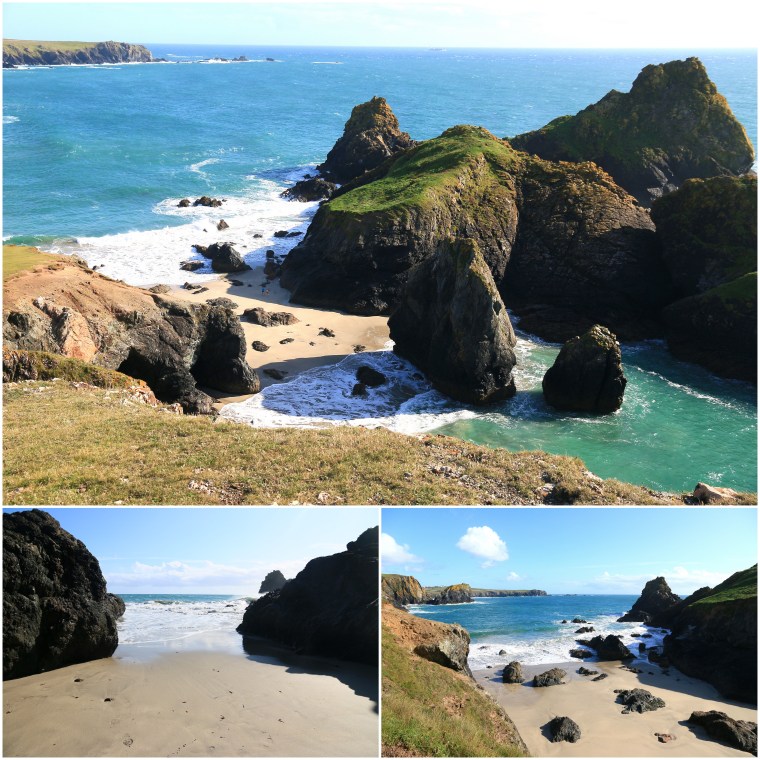


 Indeed, many visitors were lured by the smells of the Cailler chocolate factory in Broc; so much so that we skipped the long wait times and went straight to the chocolate tasting (i.e. shop) instead. One bar later we were getting off the train in Gruyeres, straight opposite the fromage factory and down below the castled old town. Undeniably cheesy with a touch of theme park, it is nonetheless a fine spot in which to amble and eat a random picnic from the Coop.
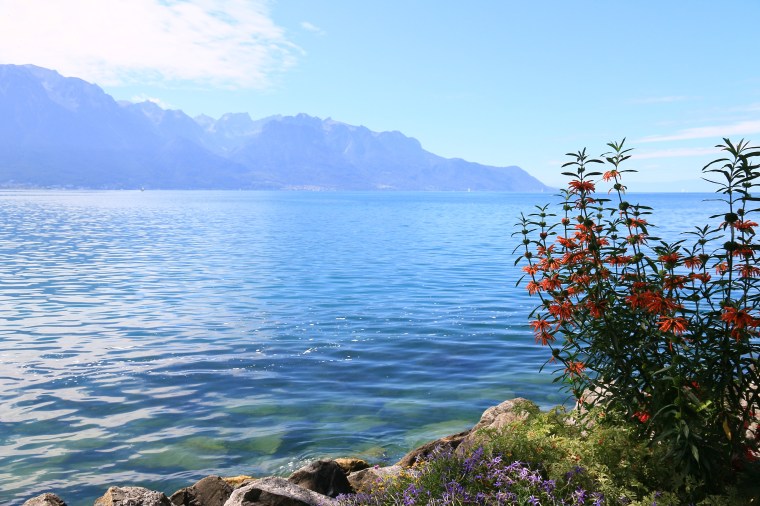
 Retracing some of the route back into the French speaking side of Switzerland, train seven rolled and lulled its way to snoozeville, climbing up through a hole in the rock to emerge way above Lake Geneva. The descent was disorienting as the lake shifted from left to right and eventually lapped at the foot of Montreux. What better way to stretch the legs than to walk along the lake shore in the early evening sunshine, ambling towards a Legoland castle jutting out into the water?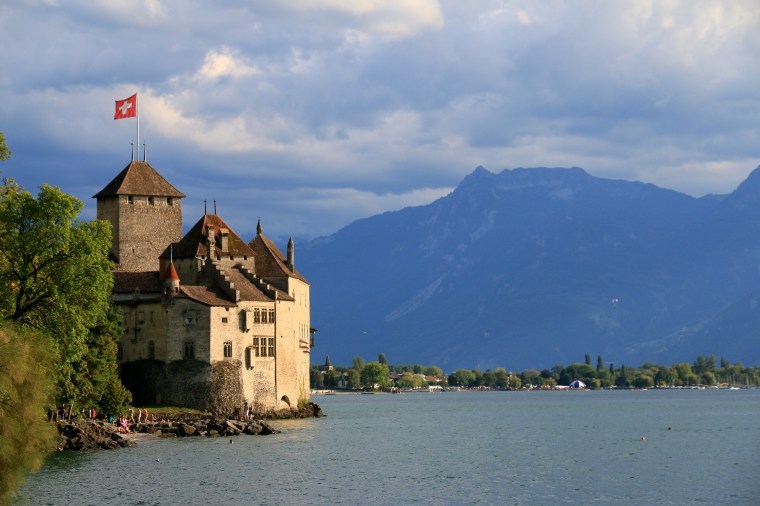
 Following an epic day cruising the rails of eastern Switzerland, the next day – Sunday – proved a quieter affair. I mean, it did start with a train, the Lausanne metro transporting us to a dormant university campus and close to more lakeside ambles. Lausanne was emerging to life in its dog walkers and cyclists and rowers and barbecue in the park chefs. It was still rather quiet, in a Canberra-like kind of state.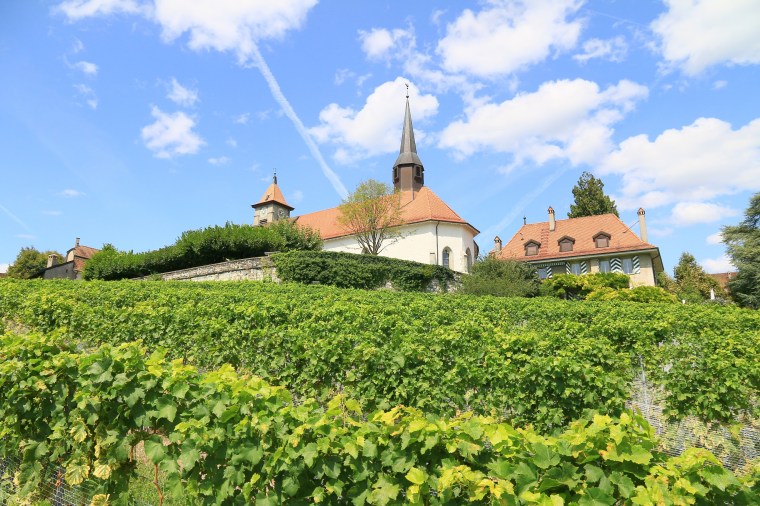
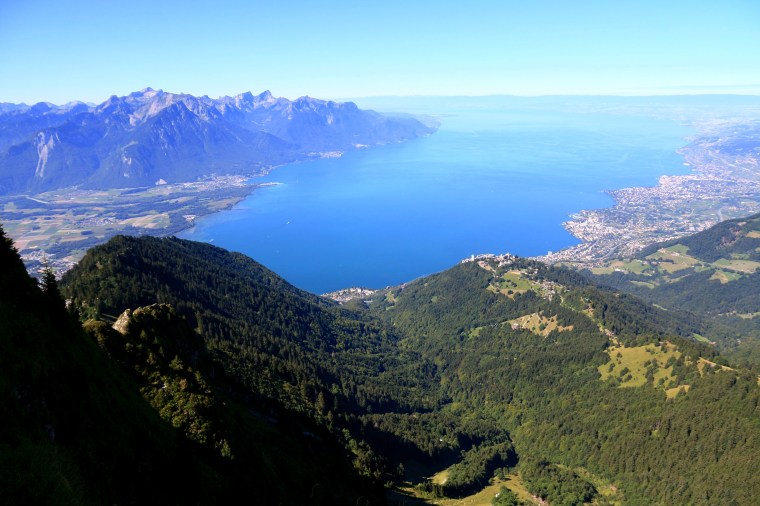
 The trip from Montreux up to Rochers-de-Naye would cost an arm and a leg in itself. Better than cramp and a heart attack that would be the inevitable result of trying to make this journey on foot. Old and old at heart alike were more than happy to board the open air carriages, passing the raffish suburbs of Higher Montreux, up through clusters of chalets and expensive hotel restaurants commanding views of the lake, into pine forest under deep blue skies and out into open meadows way up high. At around two thousand metres in height, panoramas of Switzerland and France abound.
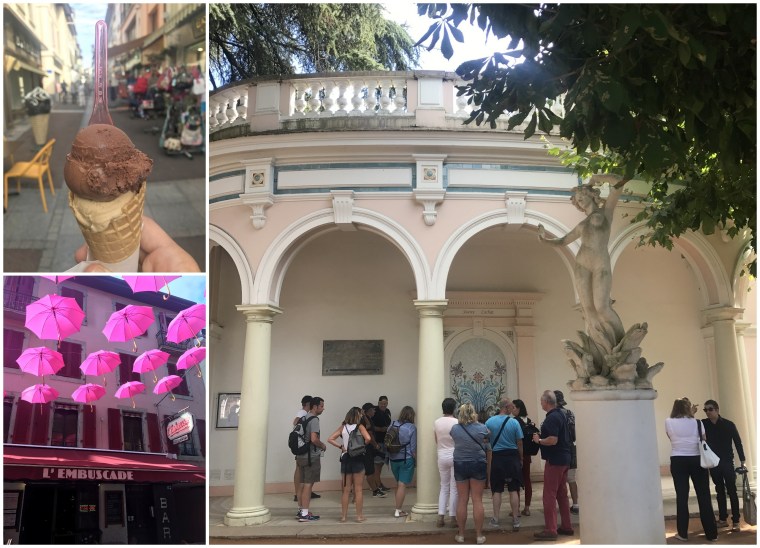


 Once clear of this blackspot of industry, you are back in a more familiar kind of Australia, with Newcastle boasting some fine beaches, cafe-cultured hubbub, and waterside retreats. I like it here, though being unfamiliar with what’s hot and what’s not it took me four attempts to get a good coffee. Cafes on Darby Street have an appearance in which they seem to talk the talk, but walking proves far more problematic. Is it me, or are baristas with an armful of tattoos, baseball caps and a love of the mirror at the gym usurping hipsters in coffee-making skills? Just something I seem to have observed in recent times…
 Once I found a good coffee from someone who could crush the beans by hand, I decided I liked Newcastle a lot. It probably joins the long list of places where I’d say I could live if I had to. Being on the coast has a lot to do with it, and while showers were around and daylight saving had ended, at least I got to enjoy the last of the day with the rainbows and butterflies before setting off for some evening work.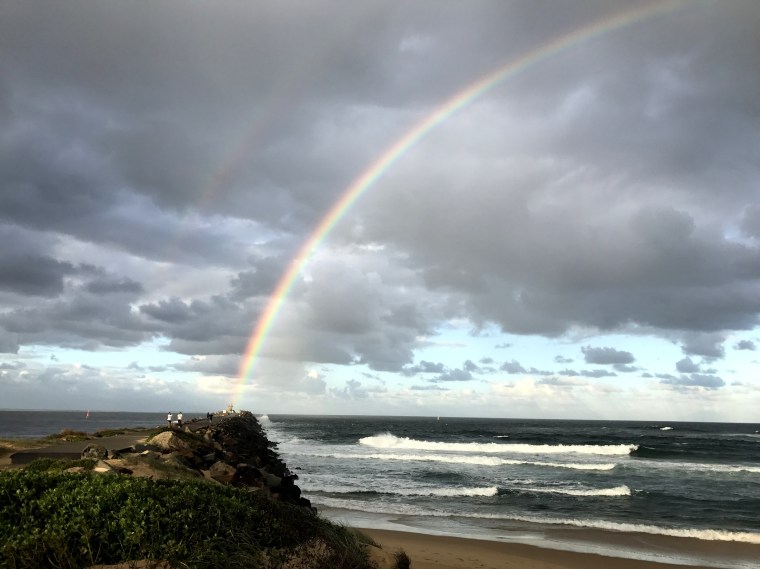

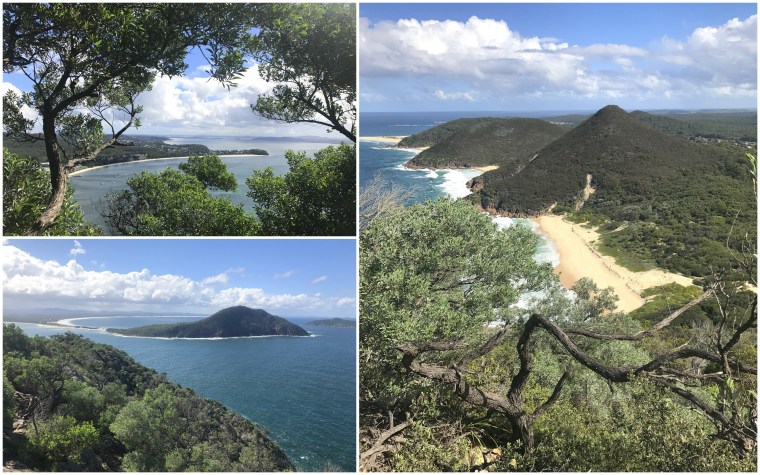
 While blessed with the rugged scenery of Northumberland I doubt if the Newcastle of the north would have such a temperate idyll an hour away. You can see why people come here for holidays, or to retire. Even the koalas of NSW like it here, not that I saw any (or saw any people looking up into trees which is the best way of spotting koalas). I have only been to the other Newcastle once and I thought it was alright. But if I was to choose, I think this one would win hands down; even without a Sunderland next door aye!
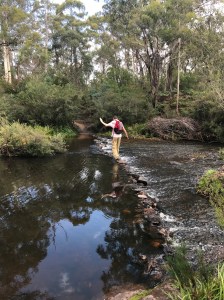 Most people use Braidwood as a coffee and loo stop on the way to the coast. Today however, with my friend Alex in the passenger seat, I was heading a little south into Deua National Park. A brown sign pointed to The Big Hole and Marble Arch, and who doesn’t want to see a big hole and a marble arch? Even if you do have to wade up to your knees in the Shoalhaven River to see these delights.
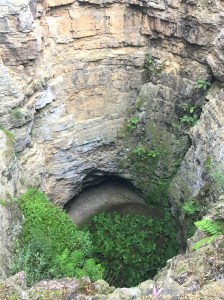 I knew I would be a fan of The Big Hole. Part of the attraction is the name itself, attributed through one of three traditional Australian place-naming techniques: the bleeding obvious (the other two methods being the Aboriginal and the Colonial rip-off). Climbing up and over a ridge, a sign in the midst of nondescript bush points to the hole a hundred metres away. And there it is. A big bloody hole. Seventy metres deep and filled with ferns that are a lot bigger than they look. At the end of the day, what else could you call this?
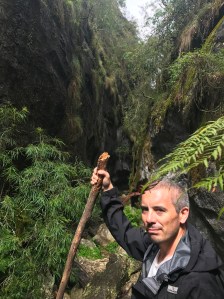 Marble Arch is far less obvious. And a good deal farther, through an annoying shower and down into a valley. In fact I don’t recall an extravagant arch glistening in the rain, just a narrow canyon and underground cave, with a few boulders and soggy pools in the way. Nonetheless it was quite a spectacle, quite an experience, quite an adventure. And quite a climb back up, in the rain.

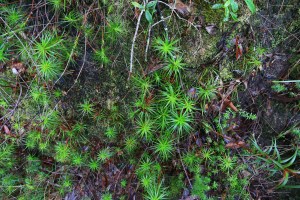 Walking along a gravel road in a landscape tamed by pasture and pricey property, the bush reclaims the country and sweeps down into the valley of Bundanoon Creek. While keen not to go all the way down to the creek (and thus back up), I dropped below the cliff line on the promisingly named Amphitheatre Track. While there are glimpses of the valley and the eastern escarpment through the trees, a lot of the attraction is in the close up, in the miniscule: the seeping moss, the crumbling sandstone, tunnels of ferns and trickling gullies.
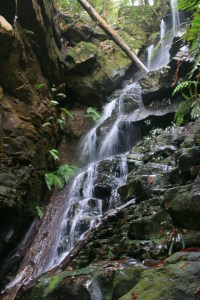 As well as savouring the sights, sounds and smells of the bush, I was on a waterfall mission, confident of success given the recent rains. It didn’t take long to find a trickle of water that had swollen sufficiently to spill through a cleft in the rock, briefly flowing over the path, disappearing into unfathomable depths below. Further gullies provided further cascading water, and such was the sogginess underfoot it was relief at times to emerge from beneath the ferns on slightly higher, drier ground.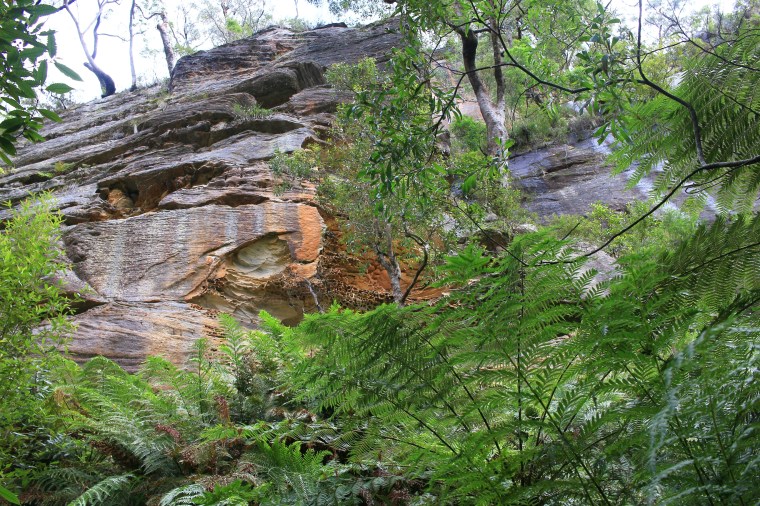
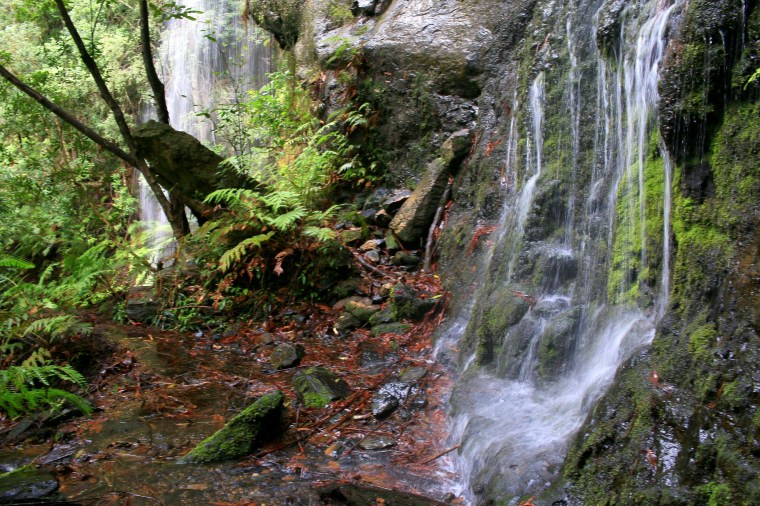

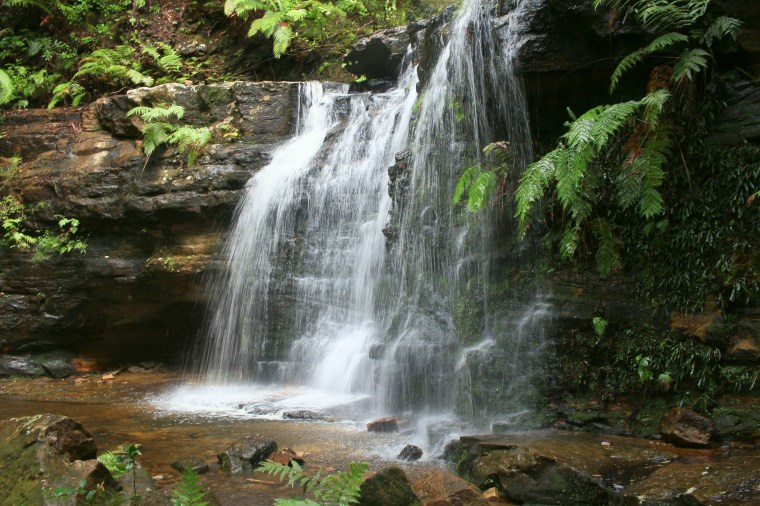
 I was relieved to get back to the car, relieved to be just fifteen minutes from a hearty lunch in Bernie’s Diner. And relieved that the first raindrops of the day hit the windscreen as I closed the car door, raindrops which continued almost all the way home.

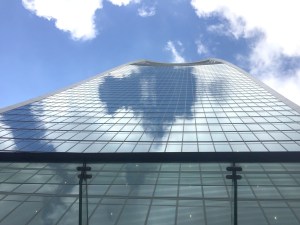 First up on a perfect day we scaled the heights of 20 Fenchurch Street. By elevator of course, up to the Sky Garden of the building popularly known as the Walkie-Talkie. No bungee jumping, no glass-bottom floor, no zip wire…just astounding views over London, shady ferns, comfy sofas and another predictably poor coffee.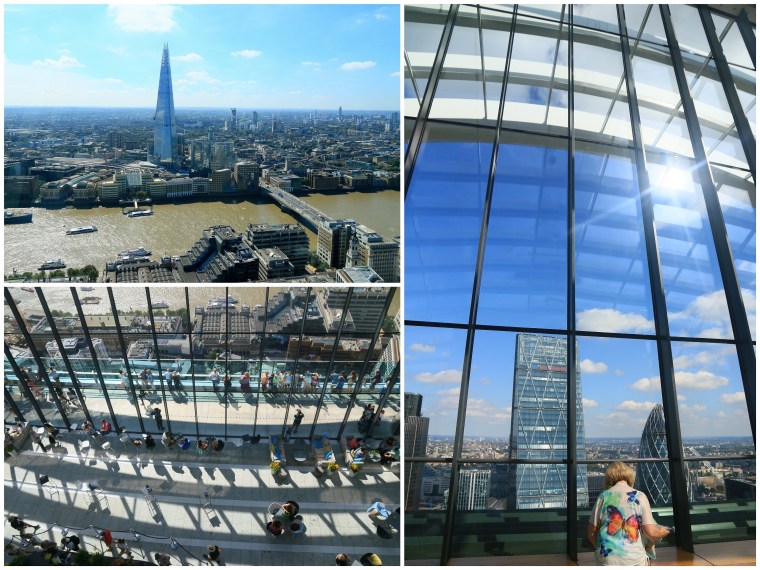
 I am wondering if there is any finer place than Kew Gardens on such a beautiful late summer’s day. For not only are there acres of manicured lawn, generous pockets of woodland bursting green, and a profligate array of multihued flowerbeds, but you can also play guess the airline. In the cloudless sky, the parade of jets coming into land at Heathrow provides a distracting guessing game when one finds oneself eating ice cream under the shade of a tree. The funny thing was, we didn’t seem to be the only ones playing it.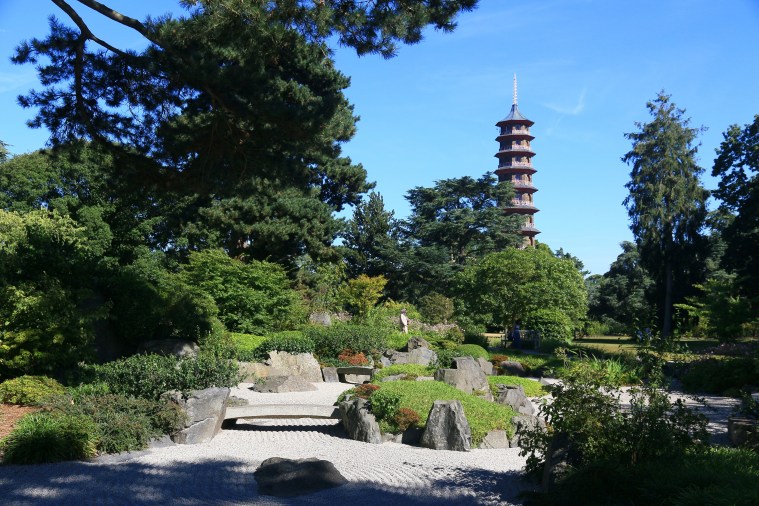
 But back to earth. We must have walked a fair few miles around the gardens but at regular intervals there was an opportunity to dwell, a chance to linger. A gallery here, a cafe there, a grand house beyond the trees. Sculptures and water features and artworks to do with bees, in which human drones obediently infiltrate the hive out of nothing more than curiosity.


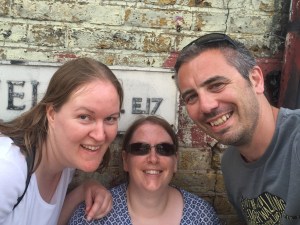 Another surprise in this area was the presence of something called Walthamstow Village. While no thatched cottage idyll in the South Hams of Devon, it possessed that quiet street, classic brickwork, church green feel of a London village, with some similarity to more celebrated haunts such as Highgate and Hampstead. Plus there was somewhere to buy ice cream, relief on another generously warm day.
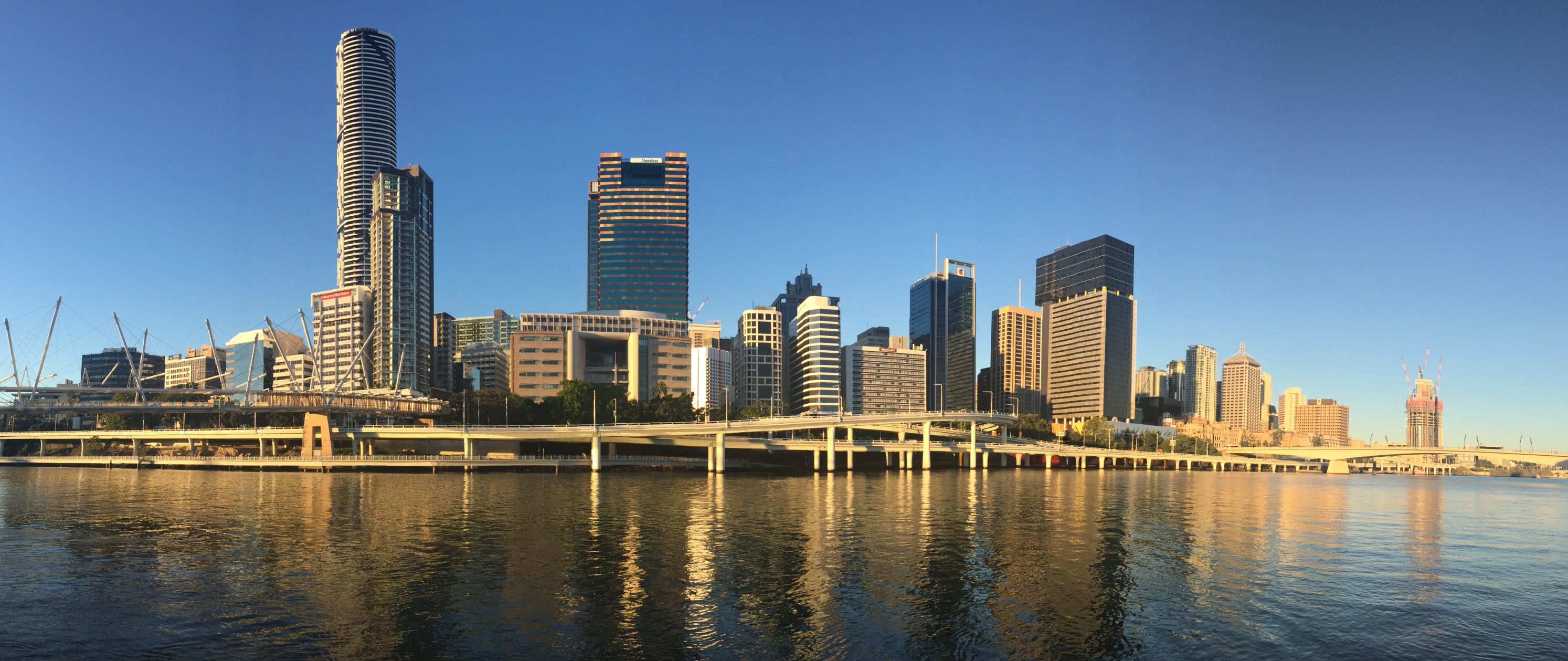

 A good spot with or without coffee is GOMA, the Gallery of Modern Art. Probably without coffee, because that would have been condensed into an essence of cold-dripped Columbian syrup and daubed on the walls to spell out a series of Japanese characters that make no sense whatsoever, but have deep, deep, meaning, hmmm. Still, I love the building in which such work sits, and there is something immensely satisfying in cloaking your laptop bag for an hour and transitioning to a world away from depth interviews and strategically coloured bar charts.