Xenophobe

If X is a difficult letter then why not take on a difficult subject to make it even more difficult? Perhaps it’s because I am some culturally deficient rosbif, a soap-dodging pom who has come to take your job and steal your social security and write about it with an air of superiority and pomposity befitting of someone who can eat stodgy food and believe it is better than anything ever created anywhere else in the world and then have the cheek to enforce this food upon you by taking over the corner shops up and down the land that were once yours and using them as a cover for illicit activities. Oh yes, I am your ultimate nightmare, your superlative Daily Mail concoction of hatred.

In truth this all sounds rather silly don’t you think, but time and again, in conversations, in discussion groups, in one-liners, I come across sentiments such as these. Not directed at me of course, apart from the gentle ‘banter’ of pommie-bashing which can become quite vitriolic with alcohol fuelled cricket frenzy; or that time I was in France on a school trip and a few skulking local youths decided to call a group of us ‘Bloody English’ in a growly spittle-filled accent that was too much of a parody to be overly intimidating. Bloody French cheese-eating surrender monkeys anyway!! No, these comments frequently involve stranger foreign types, queue-jumping, tax-dodging, funny-smelling immigrants from poorer places, who, it would seem, are always up to no good.

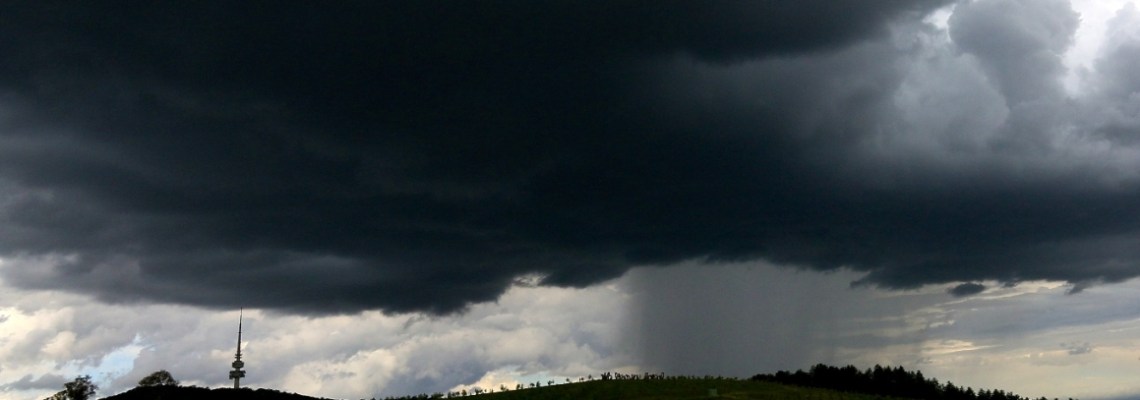
I assume many more learned and bothered-to-do-their-research people have written theories about why this might happen in civilised society, citing one or more of protectionism, fear, resistance to change, cultural imperialism, elitism, distrust, nationalism, competition for space or resources or infrastructure, pervading social norms and stereotypes. There is, to be fair, some foundation to the concerns people have about ‘others’. For instance, we can realistically assume that an Islamic fundamentalist terrorist is more likely to be darker skinned and have connections with the Middle East, and less likely to take the form of an old granny who lives next door and bakes apple pie. However, the problem is the giant leap of an assumption that, by very irrational logic, all darker skinned people from the Middle East are potential or actual terrorists. It is as ludicrous as, say, gay people being responsible for a spell of wet weather in Britain. [1]
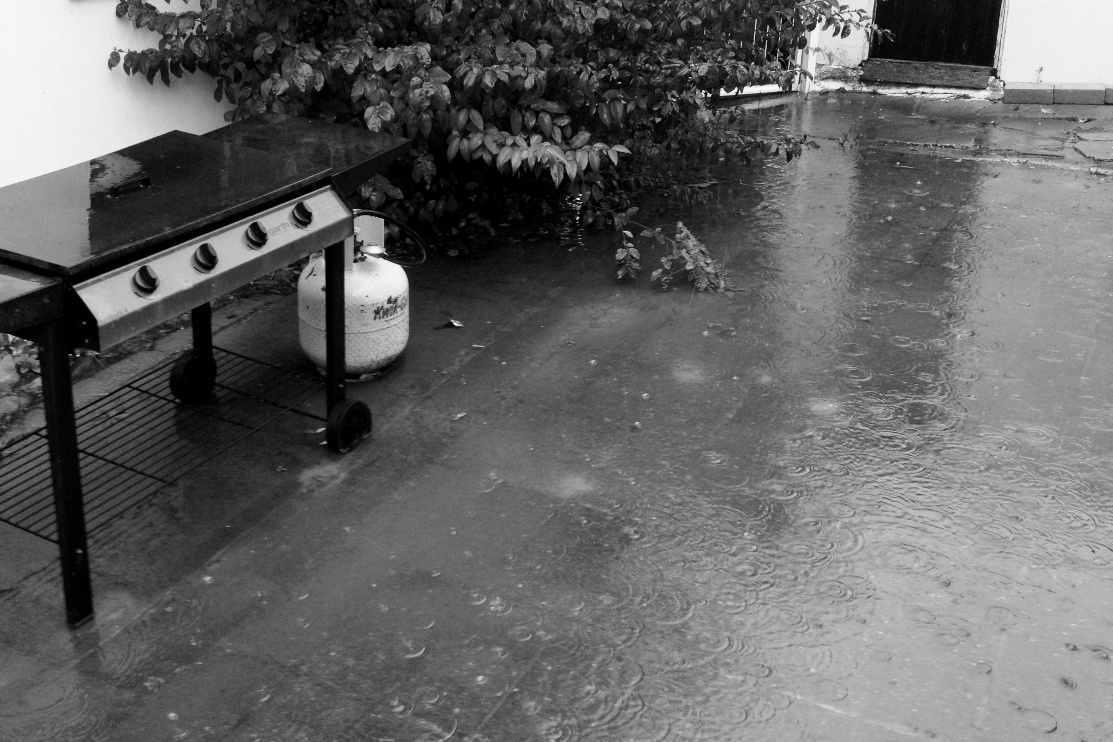
X_gay rainSpeaking of the UK Independence Party (UKIP), it has been interesting to observe their rise in prominence at a distance. For here, as in several other countries, is a political party premised on xenophobia, and doing so rather successfully despite an obvious number of crackpots and – well, to put it nicely – policy gaps in far more important areas of concern to us all. Clearly there remain enough antiquated barons who still distrust the Germans in Britain, but where UKIP have profited most is in tapping into the fears and concerns of those disgruntled and disenfranchised and downtrodden, whose own struggle and lack of fulfilment can feel better when apportioned to something outside of their control.  And pesky foreigners have always made an easy scapegoat for our own failings.

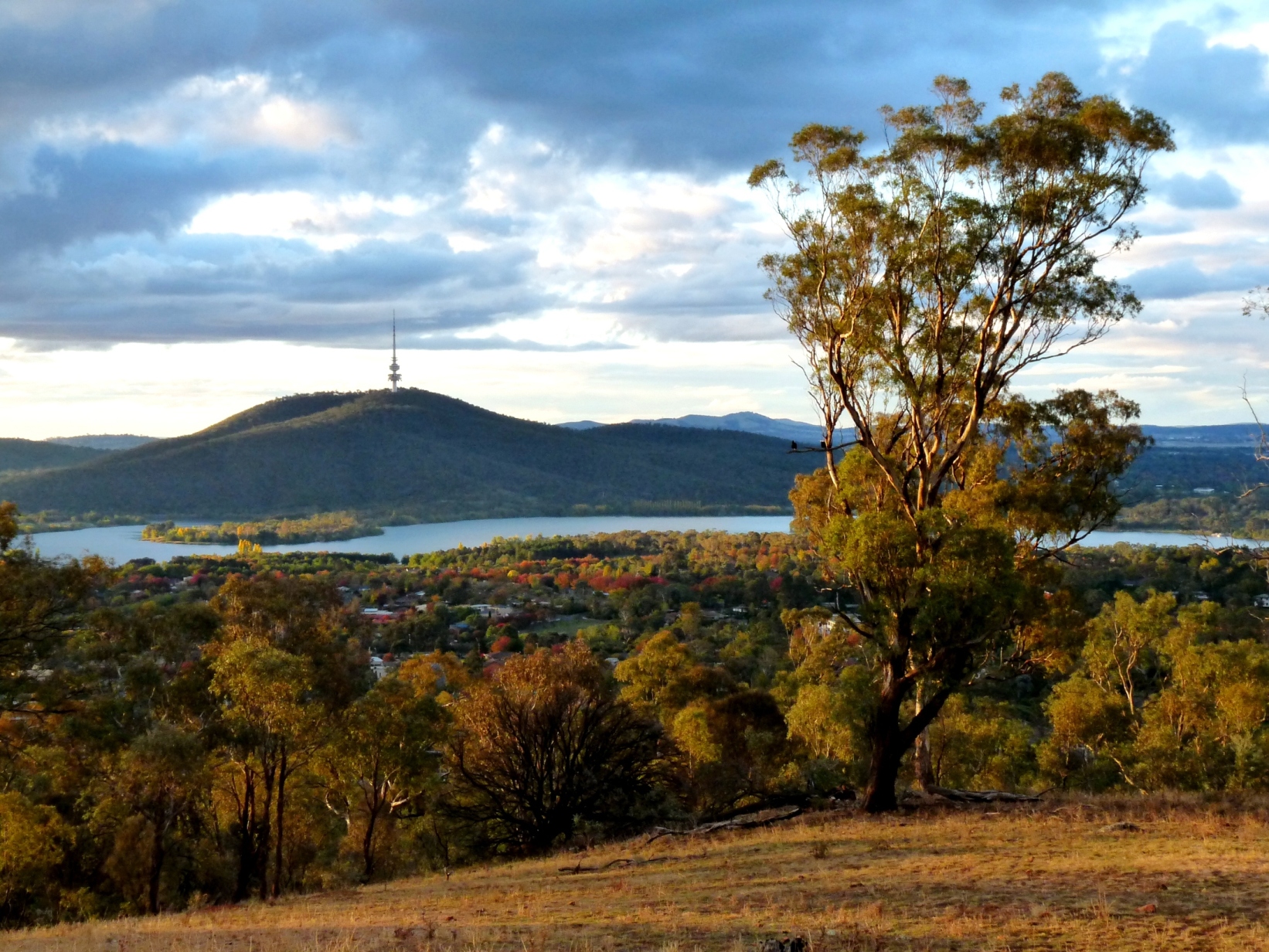
Observing these developments from a sunny, warm, multicultural and coffee-blessed Australia, where people don’t think twice about paying ten quid for a sandwich, you would be quite right to assume there is an air of Antipodean smugness [2]. Because of geopolitical remoteness, there can be no Australian Independence Party in the same way, though I’m sure Western Australia has something of that ilk, campaigning on a ridiculous non-daylight saving platform and the right to dig up literally every single last rock in the state and keep the money all to themselves. However, despite its undoubted multiculturalism, xenophobia is alive and kicking down under, given a fresh lease of life by some of its most prominent politicians.

The big peril in Australia comes from the north, via Indonesia, which is treated like some Hicksville backwater despite being one of the most populous countries in the world [3]. Indonesians themselves are not so much in the firing line, just the innocent casualties caught in the middle of a war (yes, you read that right, war) on people smugglers [4]. You see, people smugglers are responsible for bringing foreigners across from Indonesia on boats. Foreigners who are mostly fleeing proper war or famine or persecution, or just seeking to be reunited with their children [5]. They are desperate and willing to risk their lives on a perilous sea journey and I challenge you to say you would not do the same if the alternative was inevitable destitution and destruction.

Of course, we don’t want them to drown at sea, so the latest solution is to do everything we can to stop them from coming [6]. The fact that this addresses some of the dubious concerns that our cities and towns are being ‘swamped’ by outsiders, who are taking our jobs and our houses and making the traffic to Kmart a nightmare because they are going to the nearby mosque has nothing to do with it. It would be cynical of me to think this is a neat political outcome that again taps into fears and struggles of people who are ‘doing it tough’, leveraging just an essence of xenophobia that definitely exists – and should be acknowledged to exist –  in Australia [7].

I wonder if there is something about island nations such as the UK and Australia that provoke a touch more insularity, a tad more protectionism. A churning sea provides that clear sense of separation from others and the sense of a wholly identifiable land mass to be protected. I guess I can only draw on my experiences living in these countries and would not really know if xenophobia is more or less rife in, say, mainland Europe or southeast Asia . I suspect it differs little. Perhaps it is natural for humans to be wary, to distrust, and to compete against the unknown and the alien. A genetically embedded manifestation of the survival of the fittest, which cannot be disentangled from a yearning for one-upmanship and conflict.

One would hope that the old adage of travel broadening the mind plays true. It can certainly help to dispel some of the myths and stereotypes that underpin elements of xenophobia. For instance, I have met friendly and funny Germans who totally get my sense of humour. I have been welcomed and embraced by French people, though the cheese-eating stereotype is clearly evidence-based [8]. I have been surprised that Australians can be the antithesis of their laid back Fosters advert image – hard-working, anxious, equally whingey and obsessed about the weather as some other nationality out there. I have met and talked to clever and articulate immigrants from Afghanistan and Sri Lanka who would be an asset to any country who lets them in. And I have discovered that Asian food is far from anything to be feared.

The risk is that travel can also potentially reinforce some of the distorted views of others that we may hold. A smelly toilet in France can make us question the hygiene of the entire nation. Gloating cricket winners can annoy us so much as to make us think that Australians are a cocky, self-satisfied bunch. Hong Kong citizens adorned with face masks can lead to the assumption that everyone has bird flu. Canadians being genuinely pleasant and good-humoured can make us think that all Canadians are indeed the finest people on the planet. This may be mostly true, but I am sure there are at least a few bad eggs somewhere in the depths of Manitoba [9].

I suppose the essence of all of this is that we should at least try to be a bit more open-minded about people and the places they come from. A good start would be to consider the positives, revel in the differences and what this can bring to our lives and those of seven billion others. For instance, what about all the good things that EU membership brings to the UK, what about all the hard work that has been done by Polish immigrants and the economic contribution made? [10] What about the unknown potential of thousands of well-educated people arriving from Sri Lanka, regardless of whether they do this by sea? What about the wonderful world of cheese, of coffee, of coconut cream curry that have emanated from elsewhere and enriched our lives?

 ———————————————

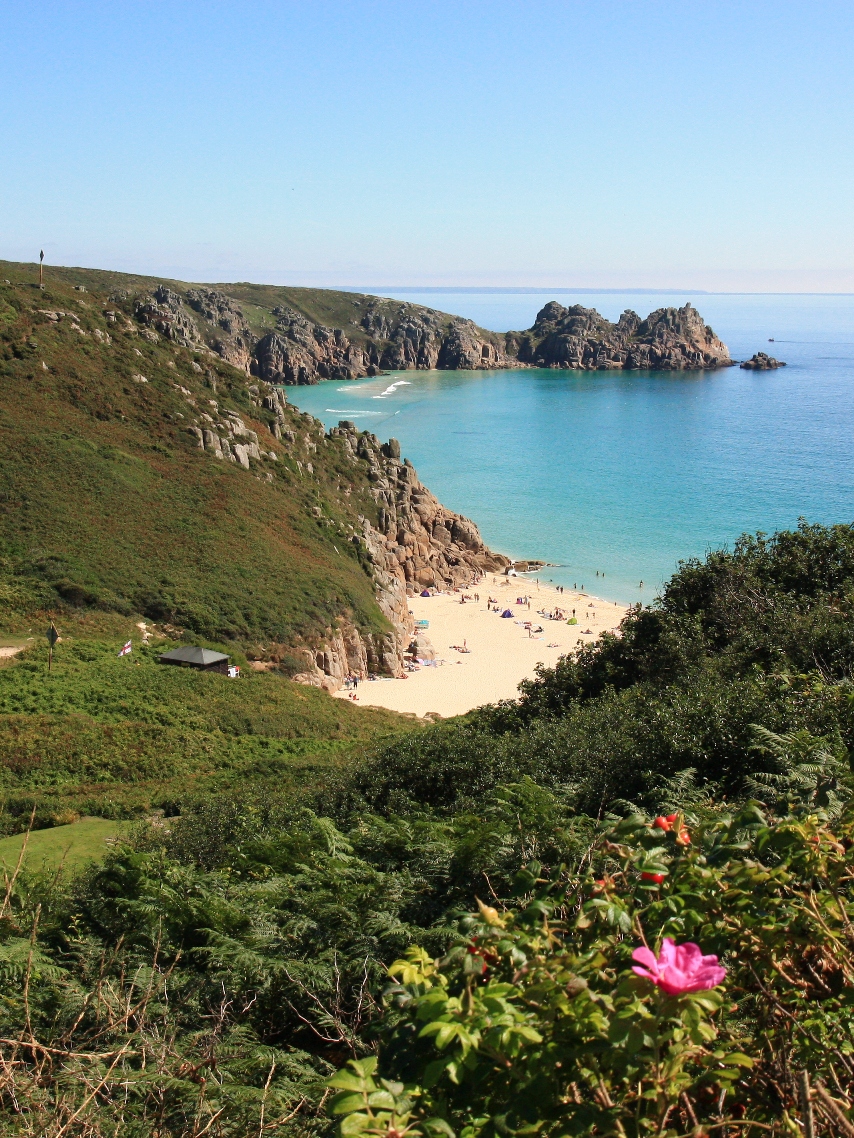
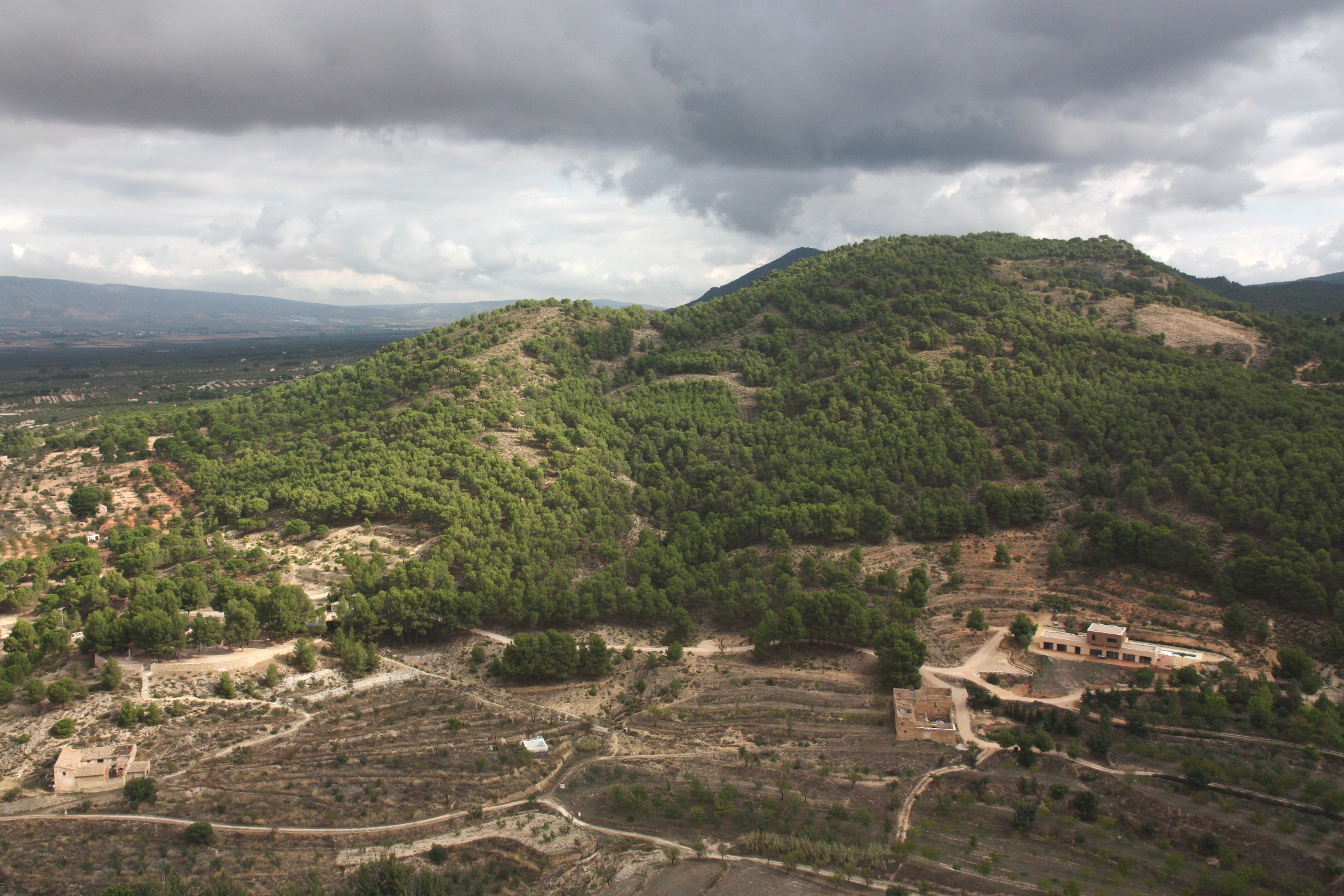
I wanted to finish this meandering, slightly ranting and hopelessly idealistic piece with an anecdote from Spain. This is something of a travel blog after all, so I can tell you that I have had a few visits to Spain, mostly in the Costa Blanca region, and I will shove in a photo just to have a photo in this blog which often contains a photo or two.

X_spain

I haven’t made up my mind if I truly like this area or not, given the confused conglomeration of coastal developments, warm seas and dusty mountains. There are pockets of untainted rural beauty and then there are sprawling anglicised new towns, offering roast beef and paella at the same turn.

Perhaps it was around the early part of the century that represented the boom time for the migration of older people from Britain to these far warmer shores. Recessions and downturns, housing busts and credit crises have since impacted the influx, and it is easy in hindsight to see that the country overreached itself on a false bubble of property development. Still, amongst the unfinished lots and closed down Chinese takeaways, many ex-pats linger on, some enthusiastically embracing something of the Spanish way of life, others steadfastly ignoring it and hoping it will go away.

I remember speaking to one such new immigrant a few years back, who was quick to express disdain for Britain; perhaps a natural reaction to justify in one’s own head the move overseas. I had heard it before but the crux of the argument was that Britain had been overrun by foreigners, who were taking over and were jumping the queue for handouts. Britain, it was claimed, had gone to pot. Spain was now the place to be.

Of course, there is delicious irony in these words, uttered in the midst of a series of new developments in Spain that had been colonised by, well, immigrants. Where shops sold proper English Cheddar and the Fish ‘n’ Chips were better than at home. Where tobacco was cheaper and prescriptions too, so you could happily smoke away and get some government-subsidised anti-coagulants to keep things moving. A place where there were also other enclaves for Germans and Dutch and – recently with their smartly invested oil wealth – Norwegians.  A spot where you could concur with the thoughts of the Daily Mail as you labour over a fried breakfast: surely a top notch recipe for sustaining the inevitable cycle that is xenophobia.


[1] Yes, indeed, in Britain where rain is not uncommon. See http://www.bbc.co.uk/news/uk-england-oxfordshire-25793358 and then enjoy the numerous piss-takes such as https://twitter.com/UkipWeather

[2] A smugness massively inflated by cricket results of late.

[3] And thus, you would think, a country to form positive relations with…to make the most of economic opportunities as Indonesia develops and for future security of the underpopulated resource-rich island to its south.

[4] I doubt if this one will make the A-Level history syllabus.

[5] Processing shows that 90% are genuine refugees. Some of the wars they are fleeing (unlike the war on people smugglers) are genuine serious things that Australian troops are involved in (e.g. Afghanistan).

[6] Preventing drowning at sea is of course a genuinely valid objective and mired in policy nightmares. For my part, I say build a bridge and deal with it like other countries have to! Hell, you could even employ immigrants in the construction.

[7] Ironically, some of which comes from second or third generation migrants!

[8] And instead of resisting this trait when in France, just embrace it and gorge on Camembert, Munster, Roquefort, Reblochon, Comte, Brie, Pont l’Eveque, Beaufort, Tomme de Savoie, Morbier, Chevre, Raclette, Boursin, Port Salut and Cantal after dinner.

A to Z Australia Europe Great Britain Society & Culture

Waterfalls

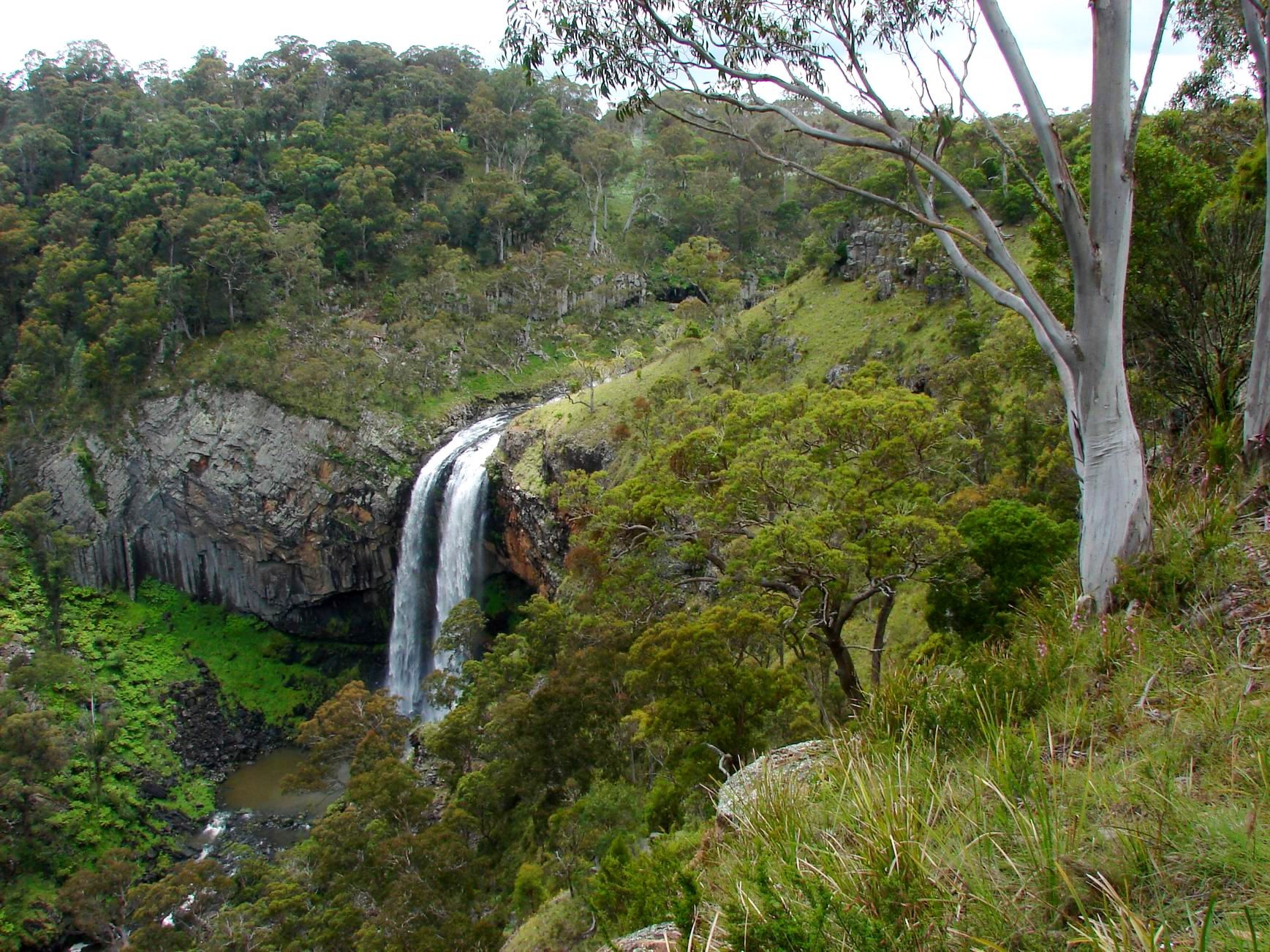
It was always going to be hard for me to steer clear of a road named The Waterfall Way. Linking the tablelands of Australia’s New England to the mid north coast of New South Wales,the twist and turns down to the ocean are regularly punctuated with a chocolate box selection of falls. The stops from west to east are a story in climate and geography. Commencing in a parched landscape of wild gorges and dry bushland, thin strips of silver white water spill off cliff edges and into unseen creeks. High plateaus offer wild flowers and cool forests through which rivers gather speed and depth to forge their way down steps into deep gullies. Moisture picks up closer to the coast, where rainforests form to offer crystal cascades and lush fern pools, and the water speeds into the coastal plain before mellowing broadly to the sea.

With such excess there is a danger of waterfall fatigue: parking up, strolling to a lookout, taking a picture and hopping back in the car for a short journey to the next stop. In fact, the waterfalls continue north in pockets of rainforest tucked amongst ancient volcanic plateaus all the way up into Queensland. In the wonderful natural surroundings of Springbrook National Park it is as if there is one final grand culmination before water sweeps over the Great Dividing Range and into the horror of a Gold Coast horizon. Plunging pristine water toppling over the edge before being becalmed in a complex of gaudy cashed up retirement waterways.

Tucked away before the Gold Coast looms, in the quieter western side of the park, another waterfall tantalises the traveller who crosses the border by the back way. Nestled within a beautiful green valley is the once more imaginatively named Natural Arch, replete with shady pool and shimmering cascade plunging through a tunnel of rock. It’s midway round a processional loop walk through the rainforest, where sun rays filter hazily through the tree ferns and parrots chirp away in the canopy. On a humid summer morning, the cool shade of the forest and continuous thrash of crystal water is the perfect gin ‘n tonic.

—————————–

What is it about waterfalls that are of such appeal that we seek to recreate them in garden features the world over? On balance they are usually very pretty, from elegant slivers to bubbling tiers and tormented torrents of foaming fury. They are, as much as anything, a break from the ordinary…where a placid river or lake suddenly comes to an abrupt halt and decides to throw itself over a cliff. There is an unparalleled feeling of freshness and purity and, often, invigoration from getting close to gallons and gallons of tumbling water. It can make you feel alive. It can make you want to pee.

The power of waterfalls is compelling and is why they are often best viewed after rain, or sustained snowmelt. Yosemite in May is very different to Yosemite in October. Postcards of massive gushing falls in northern Australia can tell a lie for the trickle that often dwindles in the dry season. In the UK, the weather is usually more reliably conducive to year round falls, with new ones springing up across high streets during supposedly exceptional but all too regular winter storms.

W_wales2013 was one of the better British summers and I felt slightly aggrieved to catch only the tail end of it. Nonetheless it was a balmy 20 degrees or so when I found myself in South Wales towards the end of August, on a different kind of waterfall way. Situated in the Brecon Beacons National Park, this literal tour de force was completed on foot along the Four Waterfalls Walk. For pronunciation lovers out there I can make your day by telling you that this commenced near Ystradfellte and took in a wonderful meander to view (brace yourselves) Sgwd Clwn-gwyn, Sgwd Isaf Clwn-gwyn, Sgwd y Pannwr [1] and Sgwd yr Eira [2].

It sounds like a trite cliché (hey, who doesn’t love a trite cliché), but each fall (or, I assume, sgwd) had its own style and character. Each one builds to the next and the final stop on the itinerary offers the ultimate white water thrill for not especially adrenaline seeking junkies. For, at the curtain falls of Sgwd y Eira, it is quite possible to walk behind the voluminous mass of water plummeting down, and – for some – to take your dog reluctantly along for the ride too. Inevitably there is plenty of spray and you will get wet, but – well – you are in Wales and you will get wet in Wales sooner rather than later. Why not make it here and take the chance to really appreciate the forcefulness of nature. Why not take your ear drums to the brink, pleading for mercy from the explosive, monumental thrash of the gigalitres of water that descend before your eyes? Amazing.

—————————–

Like Wales, Oregon is pretty familiar with rain, confronted as it is with a moist pacific airstream and climatic battle between deserts and mountains. One early October day in Portland is restricted to bookstore meanderings and coffee shop escapes, ducking out between downpours to make it to the next warming hipster refuge. Traversing wet sidewalks through a tangle of black umbrellas and beige raincoats, the city seems enveloped in the cinematic monochrome of a film noir. There is oppressiveness to the rain, something which is accepted and wholeheartedly embraced by its citizens but causes frustration to time-limited visitors like me. There are only so many lattes to sup and bookshelves to roam.

The next day shows marginal improvement – overcast but dry – and seems as good as it will get for an escape into the wilds. Passing the quite possibly interesting town of Boring, there are no views of Mount Hood to be had, rising Fuji-like out of the farmland and forests of the horizon as depicted so tantalisingly in the Lonely Planet picture. Brief glimpses are snatched beside Mirror Lake, with little reflection other than that internalised in relation to being potential early morning bear fodder. Further sneak peeks appear in the rain shadow of the mountain to the east and, here, the sun returns for a while to transform the colours of the fading autumnal forests.

With Mount Hood now somewhere behind, the road ends at the huge barrier of the Columbia River, carving a broad swathe through the Cascade Mountains and splitting Oregon and Washington States. The river has created a mammoth gorge lined with cliffs north and south. And so, with a large river system, significant rainfall, and high cliffs, there is a certainty of a quite spectacular run of waterfalls.

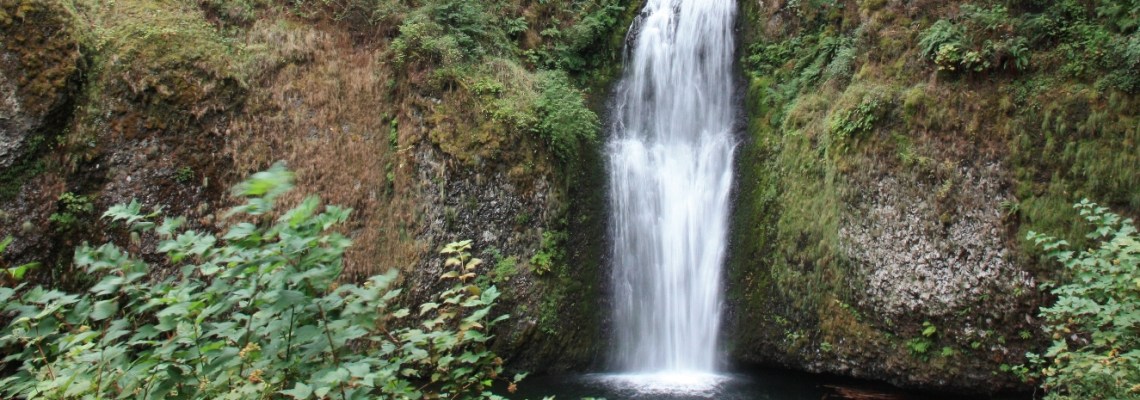
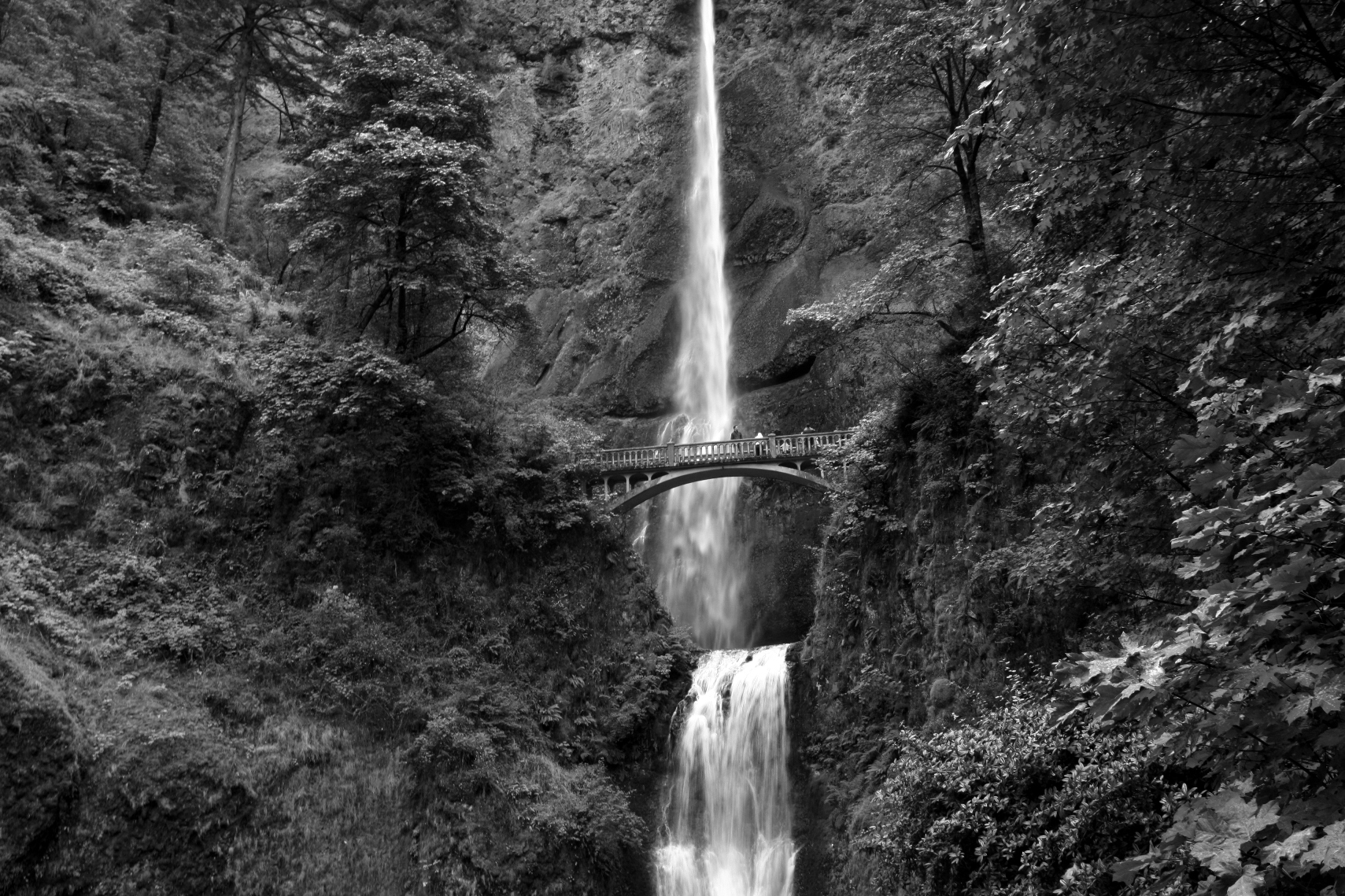
This particular waterfall way is undoubtedly a more developed road than that back in New South Wales, as dual lane sweeping curves follow the river in what is a dream to drive. Of the frequent cascades, it is Multnomah Falls that offers the most iconic sight. For once it seems a human element, an unnatural structure, has enhanced a natural spectacle. Splitting the precipitous double-decker descents of white water is a pedestrian arch bridge, where humans can run from bears and so effectively offer a sense of scale and perspective. Indeed, even the bears would look small opposed to the streaks of water tumbling from somewhere unfathomably high up in the sky.

W_Columbia

—————————–

Finishing a convenient circumnavigation of the globe here I am now back in Canberra. There are few falls here, other than watery concrete features around the angular constructs of the parliamentary triangle. But in a couple of days I will be going up to Sydney and, with time on my hands, I will make it scenic, detouring to Fitzroy Falls in the Southern Highlands. An old reliable favourite, fed by a reservoir and plunging off sandstone into a gum tree valley. A lyrebird may well be imitating the sounds of crashing water and a strong minty eucalyptus scent will pervade the senses. Again, it will be splendid. Because waterfalls are always splendid. But for now, I must come to a halt and stop this gushing about gurgling water and thrashing torrents, soaked in a spray of swirling liquid currents and dramatic downpours. Because now I really, really need to pee.


[1] For anyone with a customised 2014 calendar Christmas present…this one is the front cover!

A to Z Activities Australia Driving Great Britain Photography Places USA & Canada Walking

One big year…

2013 – a year of 365 days, 12 months and approximately 52 weeks. A year with four different digits for the first time since 1987. A year in which I made it to ten countries via 12 airports and stayed overnight in…wait for it…121 different locations. A year in which I drove and drove something in excess of 25,000 kilometres, enduring 3 chipped or cracked windscreens and one tyre puncture. A year in which pointless statistics are endlessly available.

But, apart from such statistics, what are the highlights and where can stupidly made-up awards be, well, awarded?

rev01Best stay: Aroona Valley, Flinders Ranges National Park

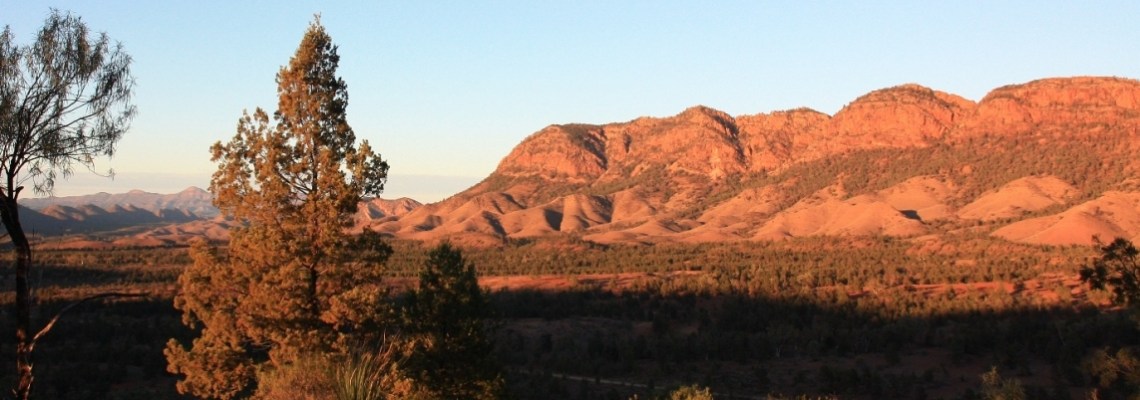
Anywhere with a pit toilet must be pretty special in so many other ways. Camping amongst the pines and earthy creeks lined with River Red Gums, wonderful walking trails on your doorstep, sunset and sunrise views over the crinkled geography of the Flinders Ranges, all make for a magically rustic stay. Plus the pit toilets were actually reasonably pleasant.

Best walk: far west Cornwall in September

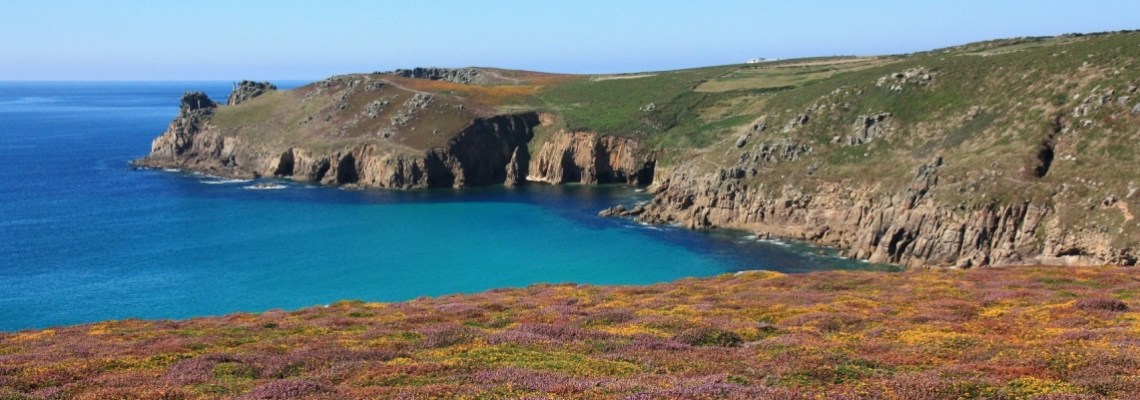
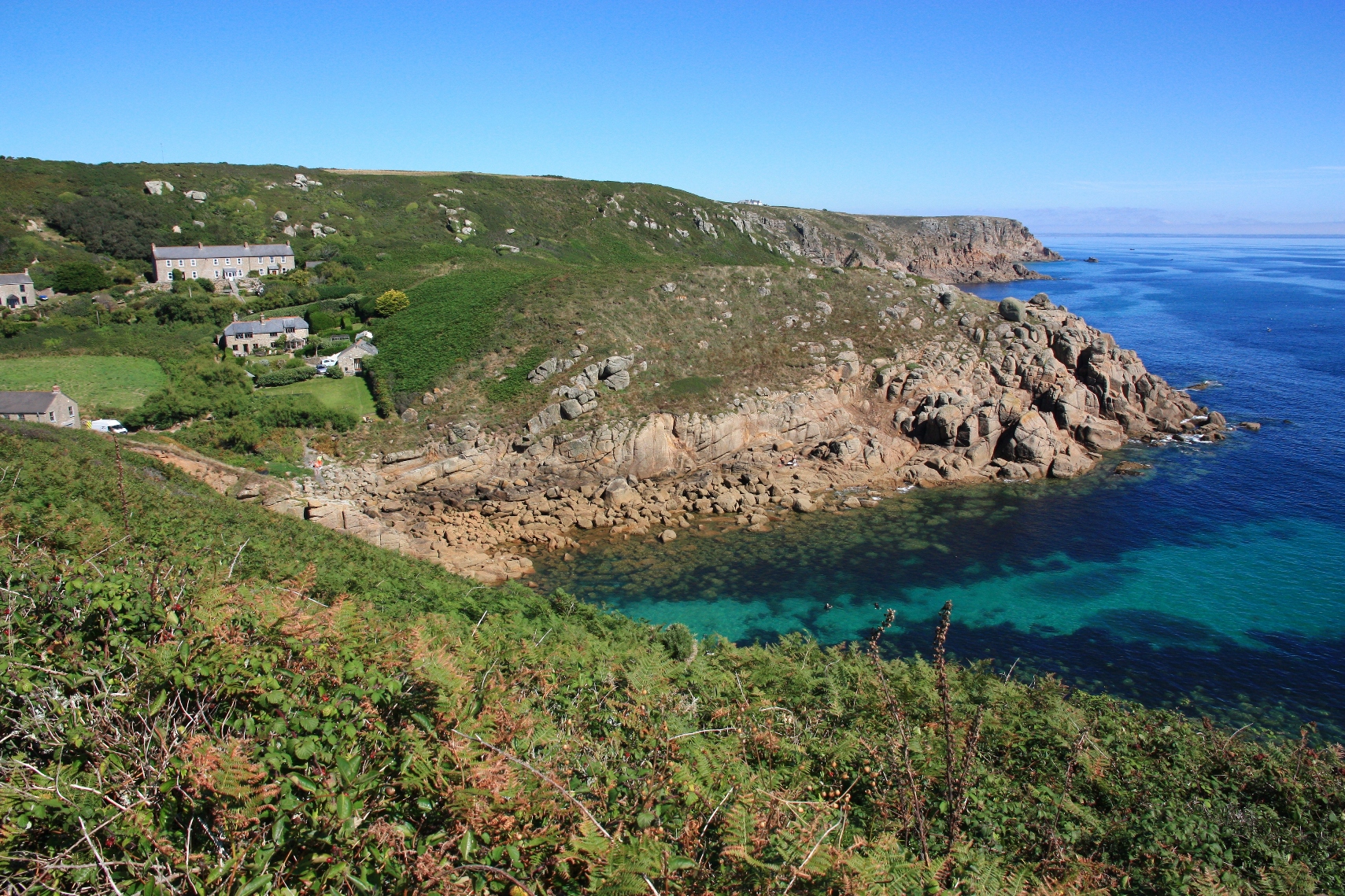
rev02Of all the places, of all the walks, of all the splendid days this was the best. Under warm blue skies, half of the fun came from the open top bus journey to and from the coast path between Porthcurno and Sennen Cove. At Porthcurno a cream tea and splendid outcrop overlooks over sapphire bays set me off to amble along cliff tops cloaked in purple and gold. A pause at Lands End provided ice cream and final propulsion onward to the charms of Sennen Cove and its sweeping golden sands. Hard to match, hard to beat.

Best food experience: camping fry ups

Again proof that the simple things are often the best, some combination of pork sausage, bacon, mushrooms, baked beans, toast, tomatoes and hash brown capped off with HP sauce. Best appreciated following a wearisome day of walks and served somewhere beside the sea off southern Australia.

Best drink experience: the first sip in Munich

rev03Long haul flight dehydration is probably not best solved by a beer; however, Munich makes it hard to resist. Popping to some nearby gardens for air, tucked under the shady trees sits a charming beer garden, serving delicious cooling Weissbier and ridiculously salty but irresistible pretzels. A chance to sit and bask back in summer and embrace the slow realisation that you have made it across the globe.

The NBN award for worthy endeavours that are behind schedule: gbpilgrim.com

In a shameless cross-promotional opportunity, may I refer you to the tales and travails of gbpilgrim.com. Here I set myself the task of writing an alphabetical tour-de-force around the world within the year. But as you would see should you go there I made it to U. Seriously sidetracked, nonetheless I am nearing the end with 21 pieces of beachside / fireside reading this summer / winter.

The Johnson-Haddin award for being really annoying: the Australian fly

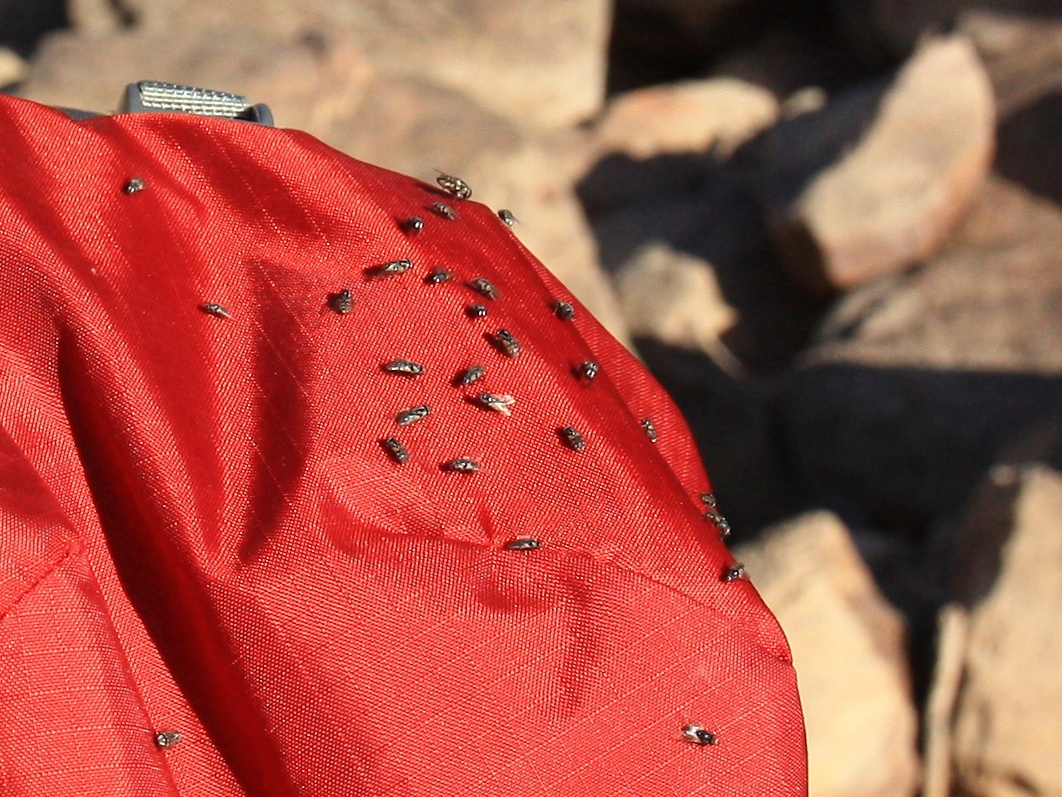
rev04There are many parallels between the Australian cricket team and the swarms of flies that irritate their way across this huge country. In your face, buzzing away, seeming to scarper then coming back in a marauding fashion to head up your nose and down your throat. It is as if the flies peppering the body around Arkaroola are wearing small baggy greens and sprouting dodgy facial hair and a little too much attitude. They may be swatted for a while, but it’s a futile effort and they come back bigger and badder than ever.

Word of the year: ablutions

Ablution. It rolls off the tongue like sheets of wafer-thin toilet paper spilling onto the floor of a damp concrete floor. It sounds as appealing as a thong-clad grandpa shuffling into the toilets for his morning dump. It rolls around like the huge industrial drying machines that leave clothes damp and itchy. Up and down the country, ablutions are servicing the needs of the ageing population living in their deluxe caravans, and offering at least a wry smile for those paying over the odds to camp amongst the awnings and concrete pitches of a mobile shanty town.

rev05Destination of the year: South Island, New Zealand

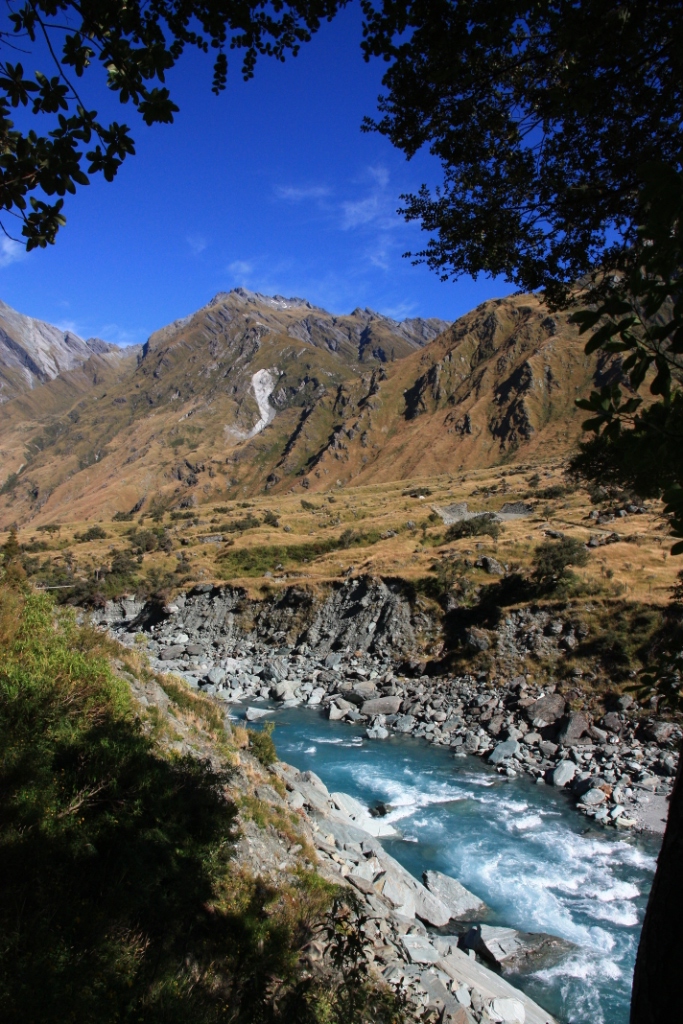
Sorry Australia, but New Zealand is simply spectacular at every turn. Nowhere more so than on the south island, where there is a surprising diversity beyond mountains and glacial rivers to a world of ancient forests, grassy meadows, jagged coast and pristine golden bays. All pleasingly accessible and navigable by car, by boat and, most of all, by foot. Somewhere you could happily return to again and again and again.

Australia Driving Europe Food & Drink Great Britain Green Bogey Walking

Umbrella

We need to talk about the weather. It’s part of my DNA: within one of my chromosomes that have also determined a reticence to introduce myself to strangers and a fondness for orderly queues linger a few cells dedicated to obsessing about the weather. I think they may be GB cells. They surfaced when I was relatively young and manifested themselves in an early career goal to be a weatherman. A rough outline of the southwest of England was etched on a sheet of A4 and stuck on the inside of my cupboard door. Other bits of paper were cut up and made into various symbols for sun, cloud, thunder, snow and rain, to be stuck on the map with blu-tac. The rain symbols tended to get worn out the quickest.

The association with rain makes it natural for me to see the umbrella as a very British thing, whether jauntily swinging along with pinstripes and bowler hats, colourfully huddled together overlooking a covered up centre court, or propelling erstwhile nannies across the streets of London to shove spoonfuls of sugar down children’s throats. However a quick bit of research (i.e. scanning Wikipedia and not really reading much of it) suggests the brolly goes back to ancient empires but – get this – it was used to shade Egyptian cats or something from the fiery orb of the angry celestial sun god (like I say, I didn’t really read much of it). Shade from the sun? In the UK? Even Mary Poppins made more purposeful use of an umbrella than that!

I have also vaguely potentially read somewhere that the Eskimos have fifty different words for snow; in the UK a similar linguistic phenomenon exists for wet stuff from the sky. So on any one day across the British Isles it could be raining, drizzling, mizzling, spitting, chucking it down, pouring, precipitating, suffering deluges, downpours, cloudbursts and sheets of rain, and, fantastically, raining cats and dogs. Which is all a bit Shih Tzu. Meanwhile in France it just pleuts and pleuts.

The crazy thing with all of this watery bombardment is that the umbrella is frequently useless, turned inside out by the howling gales kindly delivered by Atlantic storms. There is no more iconic sight than a mangled umbrella dumped despairingly into a bin on a railway station platform. Because you have been there yourself, you can easily picture the struggle that befell its former owner and the sodden mess in which he or she arrived at work, uncomfortably damp for the rest of the day. Hence the alternative or additional and very fashionable cagoule…the tasteful pack-a-mac, which I am pleased to discover is of British origin [1].

Something else distinctly British is a summer trip to the seaside for a picnic in the car. Outside the sea and sky are leaden and the mid teens temperature is quelled by a cooling hurricane and squalls of rain. Inside, cheese and cucumber sandwiches are squashed and soggy while the windows are steaming up. Clothes are sticking to bodies and bodies are sticking to other bodies wedged in like slightly more animated sardines. All the time pack-a-macs are at the ready for when the rain becomes slightly less heavy and a scramble along the promenade to the dilapidated pier can be braved.

The good thing from familiarity is that Britain is generally prepared for rain and carries on carrying on regardless. There are always things to do for ‘rainy days’ such as popping out for tea and cake, or sheltering in the dark protective womb of a U_monkeysmedieval tavern, warmed by warm ale. There are amusements and fudge making demonstrations and bric-a-brac sales in the village hall, with more tea and cake thrown in. There are theme parks and zoos, where even the monkeys have the good sense to seek shelter while humans negotiate driving rain and wade through puddles to come and look at them [2].

By contrast of course Australia has this sunny image of Lara Bingle on a Whitsunday Beach sounding dumb and asking you where the bloody hell you are [3]. It would surprise some people that it does actually rain in Australia, a fact not usually depicted in adverts for that local beer that everyone drinks…what is it…Fosters or something. Neither, unfortunately, does a test match get washed out. Instead, sun-baked pitches form chasms that swallow English batsmen whole, and the only rain is that of plaudits lauded by the partisan commentary towards Mitchell bloody Johnson.

Still, there is a tendency to assume that when it comes to the weather, she’ll be right. Plans can be made for weeks in advance with the assumption that all is going to be dry and sunny. Wet weather contingency plans rarely feature and, then, if it does rain or even just a few grey clouds appear, whole events are cancelled and people shelter in their suburban homes drinking Fosters and watching Lara Bingle be Lara Bingle. I just think, when it comes to a little bit of rain, Australians are…well how to put this delicately…a bit soft, like Mitchell bloody Johnson before he had that fearsome moustache and bowled a few lucky long hops that got wickets.

I can of course include myself in this catch all generalisation of Australians. I too have become accustomed to assuming that days will be dry, which makes it even more frustrating when rain appears. Summer weekends down the coast can be grey and cool and interspersed with rain, which at least makes for a nice car picnic. Sydney can live for weeks with easterlies blowing of the ocean and dumping moisture in endless waves. And in Darwin, well, in Darwin they have a whole season dedicated to rain: the wet…

My one and only visit to Darwin came in February. February: the peak of a hot Aussie summer, when even locals are getting bored of barbecue prawns and one day cricket. But while most of the country basks in a self-satisfied glow, up in the north it is the time when most people in Darwin, if they weren’t already, go mad. The ‘wet’ is a typically Australian to-the-point description of the summer weather in the tropics, a few months shrouded in monsoonal lows and the occasional cyclone. It delivers warm, humid rain, a climate for steamed up glasses and camera lenses and consistent dampness that never goes away. It seems to me, quite horrid.

Holed up in a hotel room it appears as though the rain never eases, never stops for the briefest of interludes. There is no waiting for it to pass and so you have to embrace the wet, taking a tokenistic umbrella which will make very little difference to how damp you actually become. Leaving the sanctum of air-conditioning the humidity is instantly sapping, the pavements and roads and gutters a sheen of water, a danger zone for human aquaplaning and thong blow outs and hidden crocs. But you still push on for an ice cream regardless.

Out of Darwin the landscape is transformed by the season and it seems ninety nine percent of the haphazard interior road network is under water. In Litchfield National Park a bitumen road somehow survives above fields of sodden brown, transporting you to waterfalls that roar like a space shuttle during lift off. Hiking requires some wading – the water is warm and only mildly tumultuous where winter paths usually meander. Goodness only knows what sort of things are in there with you, but there is enough ground above water to stop and observe and inch your way closer to pools that would be idyllic for swimming if there wasn’t ten billion gigalitres of water plummeting off a cliff and directly into them.

Elsewhere, Kakadu National Park is one of the most well-known and iconic preserves in Australia, encapsulating a blend of tropical jungle, vast wetlands and rugged rocky outcrops daubed with ancient art. Here again much is under water and many roads are closed off until at least June. A few lesser sights and vistas remain accessible and it even seems to stay dry for a bit too. Walking among the landscape feels a little less soggy and it is easier to appreciate the wonderful composition of vivid green long grasses, contorted trees, and rocky outcrops. Even the waterholes are calmer and more inviting, save for the signs that say something along the lines of ‘whilst we have done our best to clear this area of crocodiles there can be no guarantee that a six metre monster called George has not moved into the area and is looking forward to tasting foolish tourist flesh.’

U_NT

Despite what turns out here to be a drier interlude it remains handy to keep an umbrella at hand. The rain is sure to return [4]. Not only will the umbrella help with this imminent rainfall but, in conjunction with a fetching cagoule, it can maintain a clear British connection and sense of identity in an alien, slightly hostile environment. Plus should George the six metre croc appear, the cagoule can be thrown over his thrashing jaws and his eyes can be poked with the umbrella’s pointy end. And then of course, even if that fails (which I doubt), there is chance of a Mary Poppins style escape over the floods and far away to a world of diabetic, tooth-decayed children. Back, of course, to the umbrella’s natural home: Great Britain.


[1] Again, according to Wikipedia…and who am I to argue with an important ministerial source of information. See http://en.wikipedia.org/wiki/Cagoule

[2] This could be where the theory of evolution goes awry.

[3] Perhaps more evidence of evolution gone awry.

[4] Unless it happens to be one random day in the middle of the year when the big tap is turned off and the ‘dry’ commences…which is all a bit weird

Links

Another great day to be beside the seaside: http://www.youtube.com/watch?v=3X4chzObTFY

Way to get around: http://www.youtube.com/watch?v=5BHoDW9f7vY

NT tourism: http://www.travelnt.com/

Mad as cut snakes: http://www.heraldsun.com.au/news/national/croctastic-nt-news-devotes-front-page-to-five-crocodile-stories-on-one-day/story-fndo48ca-1226509077565

A to Z Australia Great Britain Walking

Sidetracked

Back towards the start of 2013 I decided I was going to write this piece regarding the word ‘solo’. Not a whole two thousand words dedicated to the tangy Australian lemon drink, but an exposition of the pros and cons of travelling and – to some extent – living on your own. The independence, the freedom, the ‘ah sod it I’ll do what I like’ luxury that means you don’t have to compromise with anyone over choice of cake. Offsetting this, the boredom, the lack of conversation, the absence felt by missing out on the subtle interpersonal politics of deciding on a cake that all parties can be happy with. A double-edged sword ripe for some no doubt articulate and witty analysis. But I got sidetracked.

Throughout 2013 I was going to write 26 pieces that were no doubt articulate and witty, based around a word beginning with each letter of the alphabet. Beery Fairytales with Golfing Elements from Home and across the Oceans, getting Lost on Petrol laden Journeys only to recover Awesome Momentum to finish by the end of the year. I gave myself 365 days to do this, only really because it sounded like a nice round number with a good ring to it. A personal challenge, a resolution of sorts that was far easier than the usual New Year goals of healthy eating and vigorous exercise. But I got sidetracked.

I got sidetracked by New Zealand for a trip across the ditch. A country that is so brilliant around every turn and corner that I could happily get sidetracked by it time and again. Surely as close a country can get to perfect, a sensual smorgasbord of landscapes and moods, wrapped up in an undeniable, welcoming charm. Here cloudless days in the land of the long white cloud peak as high as the mountains all around. Lookouts and scenic spots, grand walks and rest stops, a true traveller’s paradise where there is an overload of distraction, and time for just a fraction of written reflection.

I got sidetracked by Australia, a rather large obstacle in anyone’s books. From its golden surf swept coastline into its Great Dividing Range, from its shimmering cities into its one street country towns. Across wide brown fields and into the red, an expanse of emptiness from which rocky ancient wonder rises. Sidetracks to vineyards and bays and wooded vales. Diversions to ridge lines and creek beds and trails. Along B-roads and byways, from mud tracks to highways, ocean-side swag sites and huge mounds of termites. So much to traverse and get in the way.

I got sidetracked, just occasionally, by work and other chores. Life goes on and money goes around. Sometimes things that you really don’t want to do need doing. Often it turns out they weren’t so bad to do after all. Car cleaning means a clean car. Food shopping brings the added benefit of food.  Tax returns can lead to tax refunds. Work itself can stimulate the senses and open up a series of interactions and conversations and relationships. And there is the satisfaction brought by the completion of a task, something which I may eventually feel when the 26th article is published on this site.

I got sidetracked by a European summer which itself sidetracked me towards its winter. In Munich there were sunny meanders interrupted by shady spots and thirst-quenching beer. The Dolomites offered a natural jagged wonderland of routes and pathways, a spaghetti network of cable cars and trains, a confusing conglomerate of the Austro-German-Italian. A dollop of pretzel pizza strudel. Spain was easier going, but here a car countered any chance of settled discipline. And so mountain hairpins and coastal cruises restricted what writing could be achieved in between siestas.

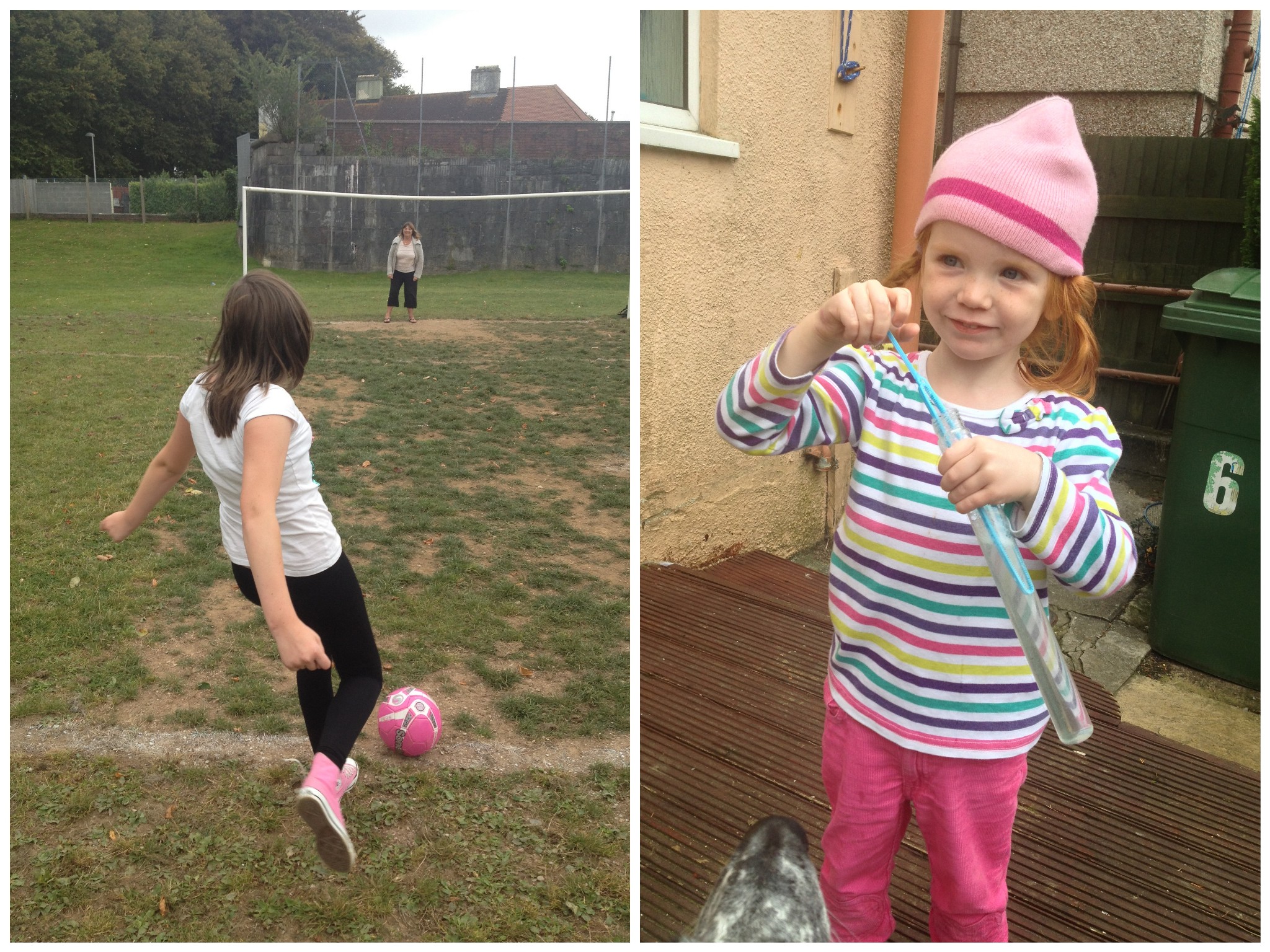
I got sidetracked by family and friends, sharing barbecues and roasts, brewing up tea and buttering raisin toast. A culinary backdrop for some love and affection that tastes even sweeter with a biscuit selection. I had the business of new nieces to welcome and old ones to help welcome into a minefield of teen angst, quelled with a kick about in the park. There were countless timeless trips to playgrounds with all the youngsters [1], and walks in the woods a common escape with the older ones. Then there were the moments set aside for sad Saturday nights with X Factor, stuffing our faces with pizza, burping and twerking and perhaps some flirting then hurting that that singer went out who was a bit shouty but really ab-sol-ute-ly fan-tas-tic.

I got sidetracked by my beautiful southwest of England, in two prolonged spells of adoration. Spare sunny days were taken over with a bus and rail rover, a bag packed with camera and a sense of adventure. From the very end of the land distractions spread out on every rail line and country lane still serviced by bus. Around every corner of the coast path there was just a little bit more to see: another cove, another headland, another vista of purple heather in perfect weather plummeting down to the alluring azure of ocean. In every town there was just another side alley to head up, hopeful of stumbling into a nirvana of homemade pasties and fudge. On every day there was the diversion of a walk to the sea, a trip to the top of the hill, a visit to the bakery. Days that rightly meant writing was fleeting in between eating and falling in love all over again.

S_places

I got sidetracked by anything other than writing, in those spells of sublime sluggishness when you just can’t be bothered with doing anything that might require one iota of effort. When the Internet and apps are a prelude to naps, or an accompaniment to the cricket, slouched on the couch playing Words with Friends while England’s innings ends in a flurry of wickets. When Breaking Bad is so good and Grand Theft Auto is grander and Pointless is far from it. When Daenarys Stormborn is way more exciting than the thought of writing, so much more arousing than public housing and reliving through words your own dread that winter was coming, having no heating or dragons to warm things up.

S_PerthI got sidetracked by arriving back in Perth and embracing its warm sunny disposition so much that every day feels like a holiday and it is hard to motivate to do anything other than loll. I had work and chores and sublime spells of sluggishness, suffering with a cricket background and Words with Friends malaise. But I also had the diverting allure of stunningly beautiful beaches down the road and the vibrant lilac burst of jacarandas along the way. There was the return to coffee breaks and barbecue steaks, sushi rolls and laksa bowls. A life in shorts so very inviting, that it’s hard to feel like writing, unless for time in air-conditioned refuge.

I got sidetracked by sidetracks so much that I figured sidetracks are actually not sidetracks at all. They are simply our own journeys, each of us a little bus network trundling through lanes and accelerating on dual carriageways and stopping for a while to pick up passengers and perhaps coming up against a dead end and forced to turn around. And so I merely got sidetracked by living life, busy seeing and doing, thinking and not thinking, pausing at bus stops and refilling on diesel. With hundreds of trips, thousands of interactions, millions of breaths, there is simply not enough time or no point to write it all down.

I got sidetracked but have still made it to number 19 out of 26, so far. That’s 73%, which I think you’ll find is a high enough mark for a first class honours degree. It doesn’t meet original targets but it’s far closer than anyone anywhere is doing in relation to carbon dioxide emission reduction targets [2]. And there could be more to come, depending on how much more I get sidetracked this year. It may take 366 days or 465, but I will get to Z and feel happy and proud and perhaps a bit relieved. A goal achieved, just a little later than planned. But then, how many buses run to time anyway?


[1] Along with CBeebies, parks and playgrounds truly are the saviour of parents everywhere

[2] I hold my hands up and acknowledge my own rather sizeable carbon footprint; however carbon offsets include not using as much electricity I might have if I had achieved 26 articles on this blog, dedicated use of public transport in the UK, and buying lots of cake instead of baking it myself.

Links

Solo drinking: http://www.youtube.com/watch?v=504OzK-VZjA

100% awesome: http://www.newzealand.com/au/

Z Factor: http://www.youtube.com/watch?v=eZuNGc1a0Ak

Words with jismslap: http://www.youtube.com/watch?v=bCkc5rcSOwo

Don’t let a bit of science get in the way: http://www.climatecouncil.org.au/

A to Z Australia Europe Great Britain Places Society & Culture

Hola amigos!

spn02Wary that I may just drift into the comforts of life again in Plymouth and conscious of impending Halloween-related mania, I took a couple of weeks out of this (only slightly) working holiday. The first part involved meeting up and hanging out with friends once more, following which a trip overseas provided some peace and quiet and strangely rare solo time.

A whistle-stop visit to London offered another chance to reacquaint myself with old hang outs and deep connections. Now with young ones to entertain this principally involves visits to the parks of North London, typically on a rota system. It was pleasing to add a different park to the list, within the tranquil leafiness of Highgate Wood. The extra bonus here was that once slides and nets and steps and bars had been exhausted, a little lodge served up fine food to eat al fresco in the sunshine. Similarly, while by no means a new addition, Golders Hill Park delivered gelato to cool down on an astonishingly warm and sheltered park bench the next day.

spn01London is quite a different place when you visit and are not subjected to a long daily commute for tedious work and returning home for a late dinner mired in tiredness. Indeed, I was quite happy to take an hour long bus journey, absorbing the sites on the top deck of the number 13 bus from Golders Green: Finchley Road, Swiss Cottage, Lords Cricket Ground, Regents Park, Baker Street, Oxford Street and, my stop, Piccadilly Circus. I was equally content to mill around to Covent Garden and Embankment and cross over to the South Bank for a little, killing time until a get-together in Clapham. I know for sure now that I am officially at a different stage in life to when I was living in London:  waiting for a friend in a pub reading a paper and struggling to block my ears to the awful music that was far too loud. Confirmation of this comes through reminiscing on the tube home with two friends from university who I met half of my lifetime ago.  But this is nothing to despair at.

spn03More old friendships, albeit only for about one third of my lifetime, were enjoyed during a few days in Lytham up in the good old northwest of England near Blackpool. The weather for the first couple of days was better than when I visited in August, allowing opportunity to amble the prom and still try and figure out why so many people come here for their holidays. By midweek it was more typically grey with some rain and a few fleeting rays of sun. This coincided with my birthday, which was further official confirmation that I am of an older generation. Still, in Lytham such is the populace of wrinklies that I generally still feel quite young, and can do impetuous youthful things like play GTA V and watch the end of Breaking Bad like everyone else in the world during this period in history.

spn07It was a grey, drizzly day leaving Lytham and I am very conscious that I will be in England when the calendar turns to November (or Jungfrau). With this in mind, and another way in which I can make myself feel young, I boarded a plane to Spain. Costa Blanca, Quesada, Dona Pepa Pig and a home from home from home sadly less visited. This was an opportunity to wear shorts again, to think a bit more like I was in Australia, albeit with worse coffee and inferior beaches and not as much untainted open space. It was also rather nice to have some time to myself – the first in quite a long time really.

I probably would have gone a bit stir-crazy if it wasn’t for the company of a mouse in the house and a hire car to get around. And so, a few excursions (without the mouse) took in mountain towns and humid clouds, coastal resorts and big rocks, and lovely fragrant forests and views.

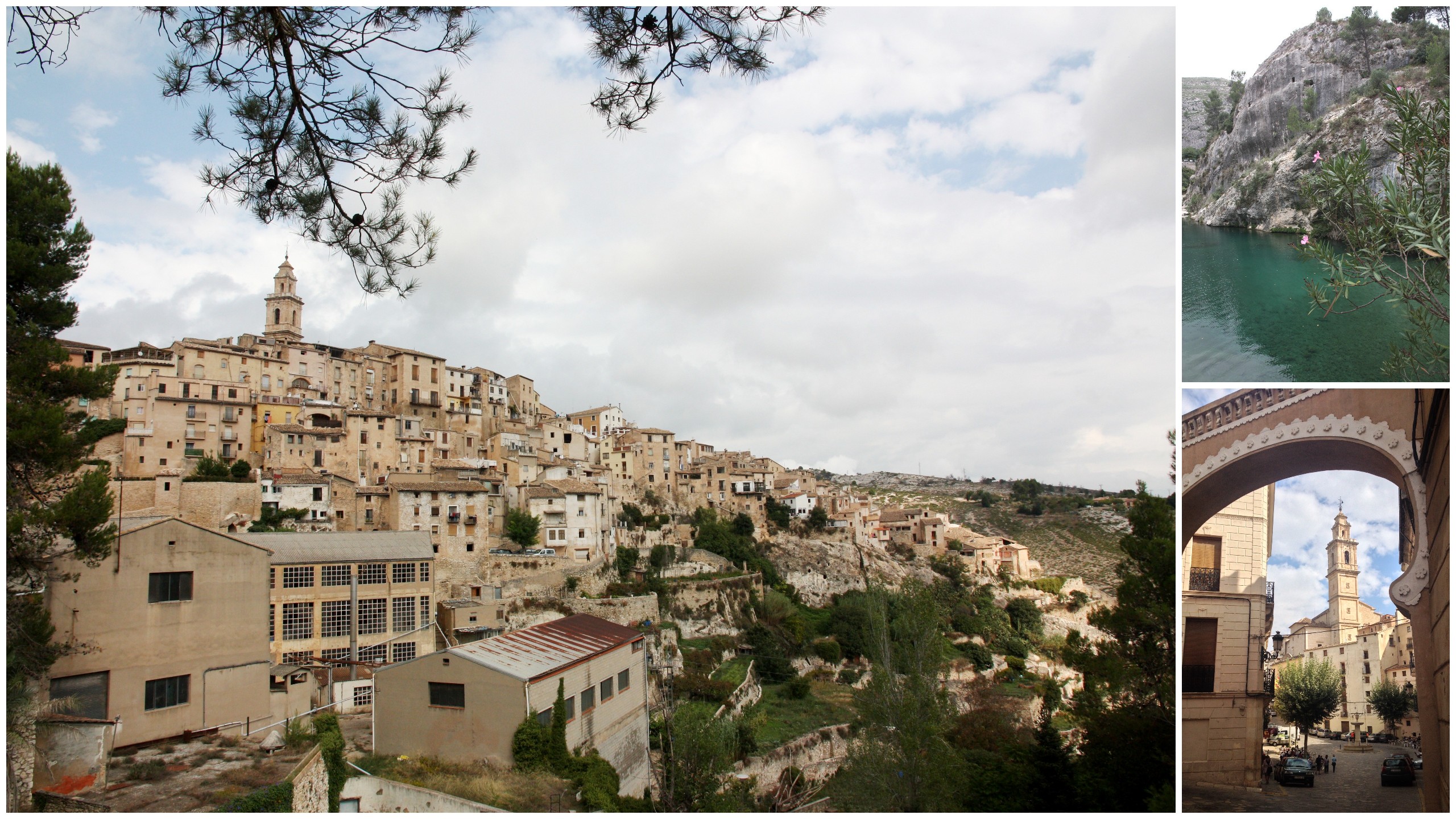
spn04The first trip out took me to a few Spanish mountain towns, all with higgledy piggledy streets and churches and squares. At Biar, a medieval castle looks out from the highest point perched upon a lump of rock. A fee of one Euro allows you entrance to the tower where you can get the slowest ever English commentary and walk three flights of stairs to the top. Overlooking the charming little town and fields and hills of rustic terraces, it’s one of the nicer spots in this area.

spn05

Down the road from here, Bocairent did not feature prominently in any of the guide books I had to hand. Mind you, a lot of this material seems out-of-date as roads have changed names or gone missing altogether. Still, I vaguely recall reading something on an airplane in Australia about this place, so it was worth a stop out of curiosity if nothing else. I gather there are lots of little caves around and, while it took a little finding, the old town was very much in the classic Spanish hillside variety.

spn06

From here I missed my intended turn off the main road but this was one of those fortunate mistakes. The next five kilometres or so, towards Ontinyent, thread through a wonderful limestone gorge, a great road to drive on and a worthwhile stop at some pools of blue called El Pou Clar. They would have sparkled like sapphires in the sun only the sun was getting less and less frequent. In fact, the remainder of the day was blighted by low cloud and a touch of rain on the drive back to Quesada, via Alcoy and Agost.

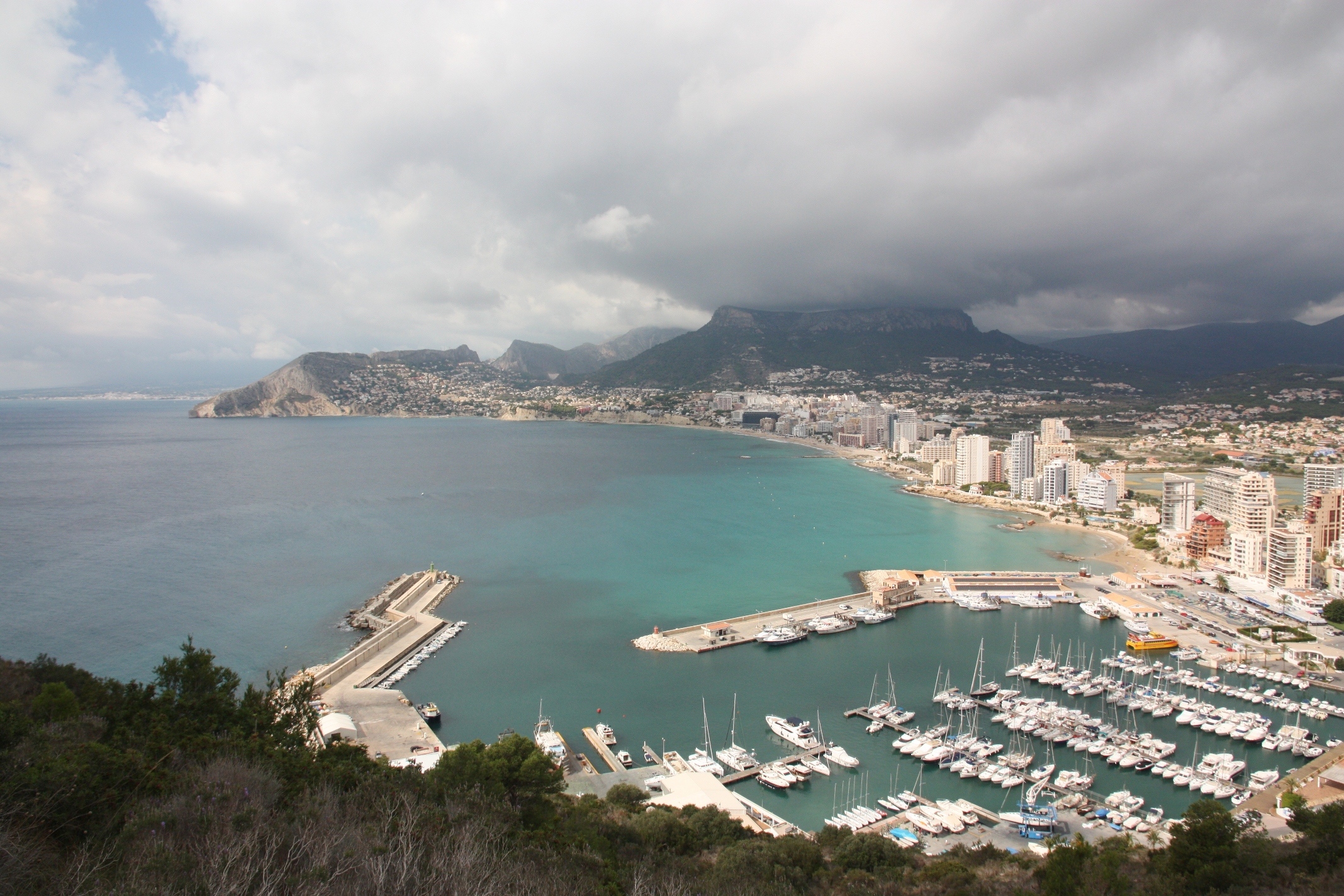
spn08It was a much sunnier start on the second day out, which infuriatingly darkened some 100 kilometres further north around Calpe. Calpe appears to be a typical Costa resort, with a few high rise hotels, a promenade, clusters of apartments and alright kind of beaches. What sets it apart is a huge lump of rock which juts out into the sea at its northern end. It’s called the Penon De Ifach and it turns out you can climb the thing.

The climb is actually a lot easier than you might think looking at the precipitous lump from the bottom. There’s a bit of a tunnel to go through and some fairly consistent scrambling near the top, but apart from that I have to say it made a nice change to find somewhere in this part of Spain where you could actually go for a decent walk in natural surroundings. The very top though is undoubtedly Spanish, with rocks being daubed in graffiti and feral cats pestering and lending a not-so-lovely aroma to the scene. The views of course though are what make it so worthwhile, especially when the sun makes an appearance.

spn09

spn10Despite darkness clinging to the tops of the mountainous interior I left Calpe and headed inland along the Guadalest Valley for the afternoon. Guadalest itself, sheltered by the highest peaks of the Sierra Aitana, remained dry and warm and at times sunny. Certainly warm enough for an ice cream, the Crema Catalana being of particularly fine quality.

Beyond Guadalest the winding roads empty and there is a great deal of scenery lurking under the clouds. What I find infuriating about this though is that there is rarely a place to stop, a viewpoint, a path, a forest, a trail. A lot of the land looks untouched and empty, barren and wild. Who owns it and looks after it I do not know. It just seems to be there, an intangible expanse of rocky scrub and forest.

It was not until I was back closer to the coast near Villajoyosa that some of the scenery could be accessed, albeit a man-made manifestation at the Embalse de Amadorio. The water colour of these reservoirs is always something to behold. It seems they are of significant allure to locals too, who come here to get amorous and leave cans of energy drink, tissues and empty durex boxes scattered around the car park. Maybe I blame locals too quickly, given we’re not actually too far from Benidorm.

spn11

spn12Pleasingly my final significant trip out managed to bring me to some rare Spanish coastal wilderness and a decent trail leading to a fine viewpoint. It’s the kind of set up you begin to take for granted in Australia or, with its amazing coast path, the southwest of England. Over the hills from the strip of concrete that is La Manga and between here and the port of Cartagena, a small pocket of rugged coastline and fragrant forest testifies to what this area once was like. This is known as Monte de las Cenizas and one of the best things about it is that the park authorities have closed the gravel road up to this lookout. This means it is little visited, little defaced and there is a good three kilometre trail with only a gentle gradient to overcome. And at the end, a reward of distant coastal views and deep blue sea.

This was the little taster of a kind of Australia that I had hoped for in Spain. This, and the ability to be wearing shorts in October. For, thanks to British TV and the Internet I know that things are a-changing. Heatwaves and bushfires are already inflicting Australia (yet this may or may not be climate change, let’s just pretend it isn’t and then it will go away). And, more immediately, winds from the north east are seeping into Britain. Having resisted thus far, I may need to buy (or beg, borrow or steal) a coat. Or perhaps just dress up as a pumpkin.

Driving Europe Food & Drink Great Britain Green Bogey Walking

Southwest bits blitz (2)

The inevitable happened. It rained. And became a bit cold. On the plus side I think I found a good coffee but cannot be sure because it was a mocha. It helped comfort against the cold, which actually hasn’t been bad at all. Indeed, it is far from doom and gloom (yet), with still warm early autumn days and sunshine enough to counter the occasional days of murk. And such seasonal randomness swings my mood and affection, from absolutely, undoubtedly in love with where I am for a moment, and then still in love with it but begrudgingly so the next.

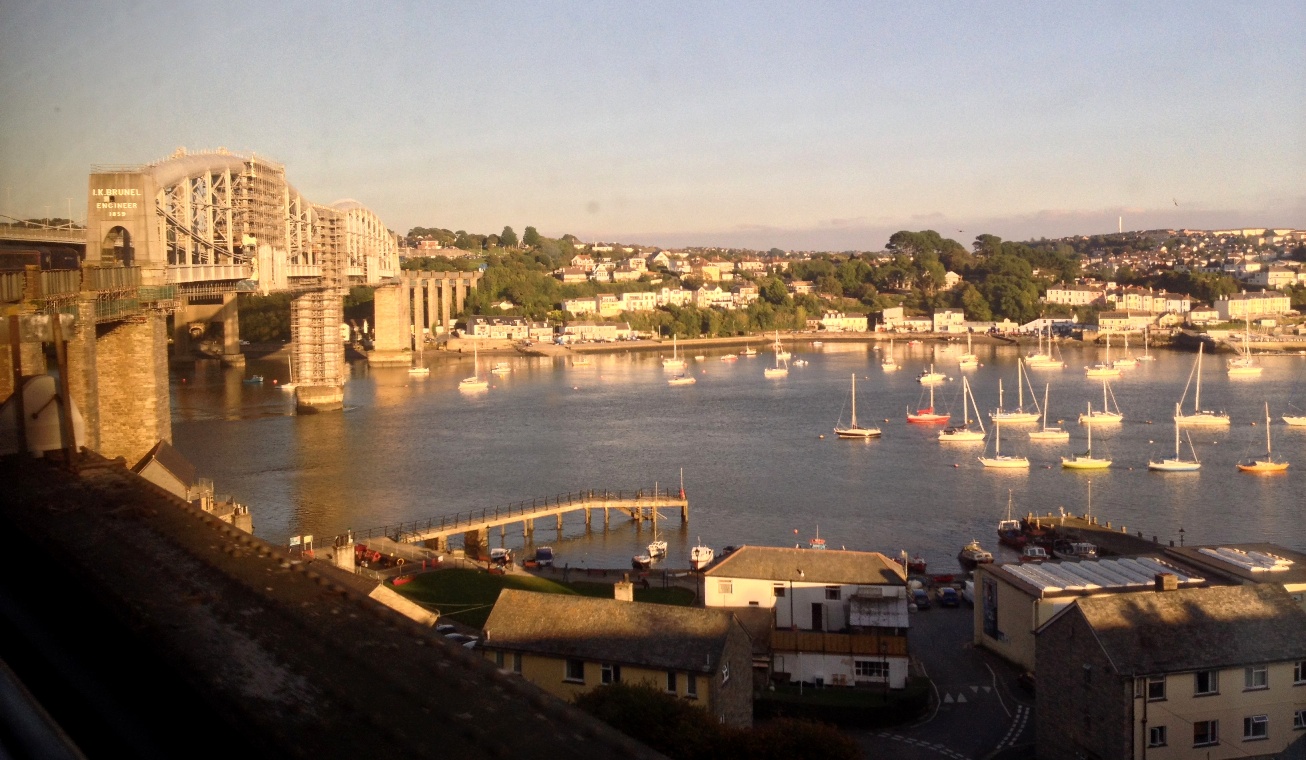
2sw01In the immediate confines of Plymouth I have taken to short forays to catch the views from the top of the hill nearby, over the Tamar and into Cornwall. In the other direction, enjoyable visits to Devonport Park, starting to brown just a little but doing so in an elegant manner. Mostly these forays are a good escape from soaps on TV, while the weather is still light enough to escape. Family add a welcome, warm distraction, when they are not glued to the soaps.

Escapes further afield have been possible, in a large part made easier by proximity to Devonport railway station. For instance, this at least makes the trip to Padstow slightly easier, connecting from the train onto a bus at Bodmin Parkway. I say connecting, but their timings don’t really connect amazingly well, so you just have to go into the cute cafe on the platform and eat homemade coffee and walnut cake. You just have to.

2sw03Not that you need sustenance to keep you going because Padstow is synonymous with Rick Stein and, apart from being able to eat the man himself, you can pretty much take your pick from his products: fancy seafood, good old fashioned fish ‘n chips, pasties, pies, breads, meringues, tarts, shellfish, ice cream.  Beyond the world of the Steins there are numerous cafes, bakeries, pubs and ice cream vendors in the town. With money, you will never go hungry.

For all the cashing-in it is undoubtedly good for Padstow and the surrounding area. And I’m sure if you asked Rick Stein where his favourite place in the world is, of all the places he has been, from France to Asia to Mollymook, he will say Padstow. And why not, why not at all?

2sw02

The Devonport – Bodmin Parkway rail route offers up another lovely option, without a bus connection. This means that it’s hard to justify coffee and walnut cake but you can take solace with a National Trust cafe instead. A walk of a couple of miles, tracing the River Fowey through verdant woodland and leading along a broad tree-lined drive takes you to Lanhydrock House.

2sw08

At Lanhydrock there are gardens doing their utmost to remain in summer and a sneaky side gate or too in which you can enter without paying. Well, it’s not like I was deliberately avoiding having to pay for 10 minutes wander around a garden, and I did spend money on a caramel slice and coffee afterwards. So just keep calm and carry on, as they all say in these places I think.

2sw09

In these places I have been a while now, which means a clear routine has set in, particularly in the mornings. A folding up of bed and shifting of table is then followed by a cup of tea and a watch of BBC Breakfast News. The weather forecast maintains interest and days and weeks are planned around what the smiley weatherwoman decides is happening. A cool, blustery day means trips to town and hanging out in the library to do some writing of some kind. A sunny day is greeted with the enthusiasm that comes with the expectation of this being the last of the year.

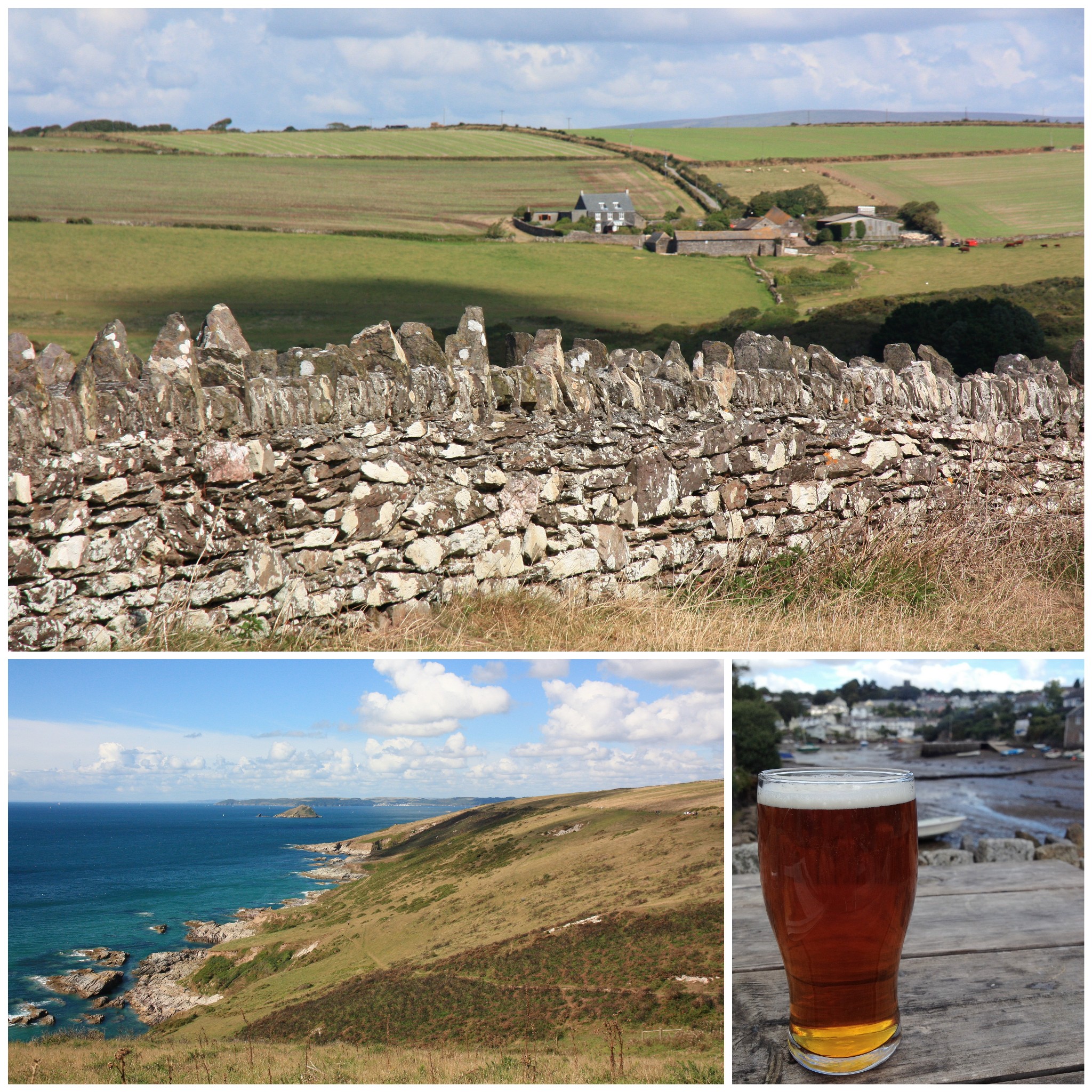
2sw05On what I thought would be the last sunny day of the year I shifted to bus travel and a bumbling ride to Noss Mayo in Devon. This is now just one of those established jaunts that tends to fit into the annual southwest pilgrimage. Not so many miles from Plymouth it nonetheless takes a while to reach, as the bus frequently stops and reverses for other vehicles to squeeze between it and the ten foot high hedgerows. Practically scraping the walls of pastel cottages, the bus arrives beside Noss Creek and a pleasantly varied walk of an hour or so: coast, farms, woods, creek, boats, pub, beer. And then back on the bus through the rabbit warren of the South Hams to Plymouth. Such is the blessing of living in this part of the world.

2sw04

2sw10The sun failed to shine on the far west of Cornwall despite it being a day which I thought might be the last sunny one of the year. Quite possibly the lamest high pressure system in the history of the world covered the British Isles and daubed it in low cloud and mist. And so, unlike my last trip down to this pointy end, St Ives was blanketed in a grey melancholy, with a cold wind picking up off the bay, the only comfort coming from a Pengenna pasty and that good mocha I mentioned before.

Things were no better on the southern coastline around Mounts Bay, that is until the train pulled out of Penzance Station at four o’clock and the cloud parted over Marazion and continued on to Truro and such brilliant blue skies as befitting the last sunny day of the year continued all the way into Plymouth. You could say it was frustrating and you would be right, but the train ride back was two hours of blissful enjoyment and appreciation of Cornwall.

2sw11

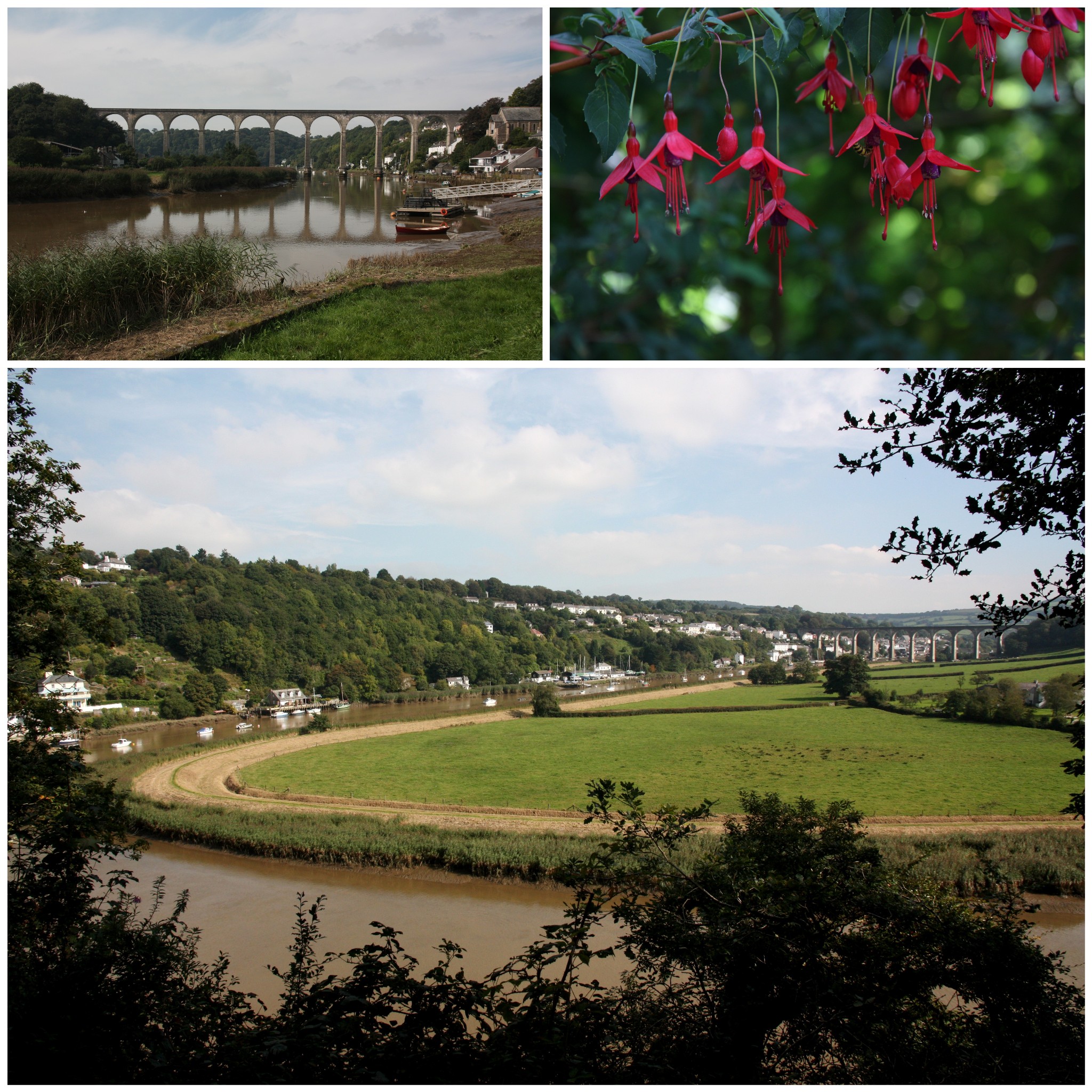
2sw12The next day dawned, well, sunny. Very sunny indeed, and warm despite the end of September creeping ever closer. While the cloud filled in a little the warmth endured and offered up a couple of hours of unbelievable shorts wearing. This was in Calstock, on another train trundling up the Tamar Valley. The main attraction, apart from the snaking tidal river, impressive viaduct and waterside cottages, is Cotehele House and its wooded estate sloping down to the water. It’s a peaceful, sedate corner of the world, again just a stone’s throw – or train ride – from  Devonport.

And so you see, while it did rain and it has been cold, this has generally been the exception rather than the rule. My last day here, before I disappear elsewhere for a while, involved shorts-wearing for goodness sake!  And when shorts can be worn there is no rush to cross continents, not just yet. Not until we have that last sunny day of the year at least.

Great Britain Green Bogey

Southwest bits blitz (1)

It may be a product of sustained transience but the chance to drop anchor for an undefined period in a familiar place has been of great appeal. And so here I still am – Plymouth, Devon – and only twice so far have I pined for the other side of the world. Once I was in Starbucks and had a drink that had the front to be called coffee. The other time, some dreadful nincompoop and his bumbling mates were taking over Australia, and while I was not missing the crowing and hollering, my inner nerd was bereaved of two party preferred counts, the swings, the coloured maps and the abject head-shaking of democracy where a mandate is claimed when less than half of the population vote for you and, even those who do, probably do not agree with 100% of your policies.

Still, I do intend to return to the country despite a change in the people who nominally run it but don’t really do much at all. You see, at some point here the weather will get continually miserable and the people will get more miserable and I will get miserable with the miserable weather and the miserable people. And then I can return to the land down under which is so fortunate it forgets how fortunate it is. But the people there won’t be miserable because they got what they wanted.

sw02Plymouth can be incredibly miserable but at the moment there is a prolonged ray of sunshine that transforms even the dodgy concrete alleys filled with rubbish bags into an artistic postmodern composition of urban life. The crazy drunks walking the streets become salt of the earth characters and chavved up pram pushers on the bus make for a colourful melee of handbags and hairdos. I’ve heard it said that Australia is just like Britain would be with good weather; not exactly, but the weather can do wonders for a place.

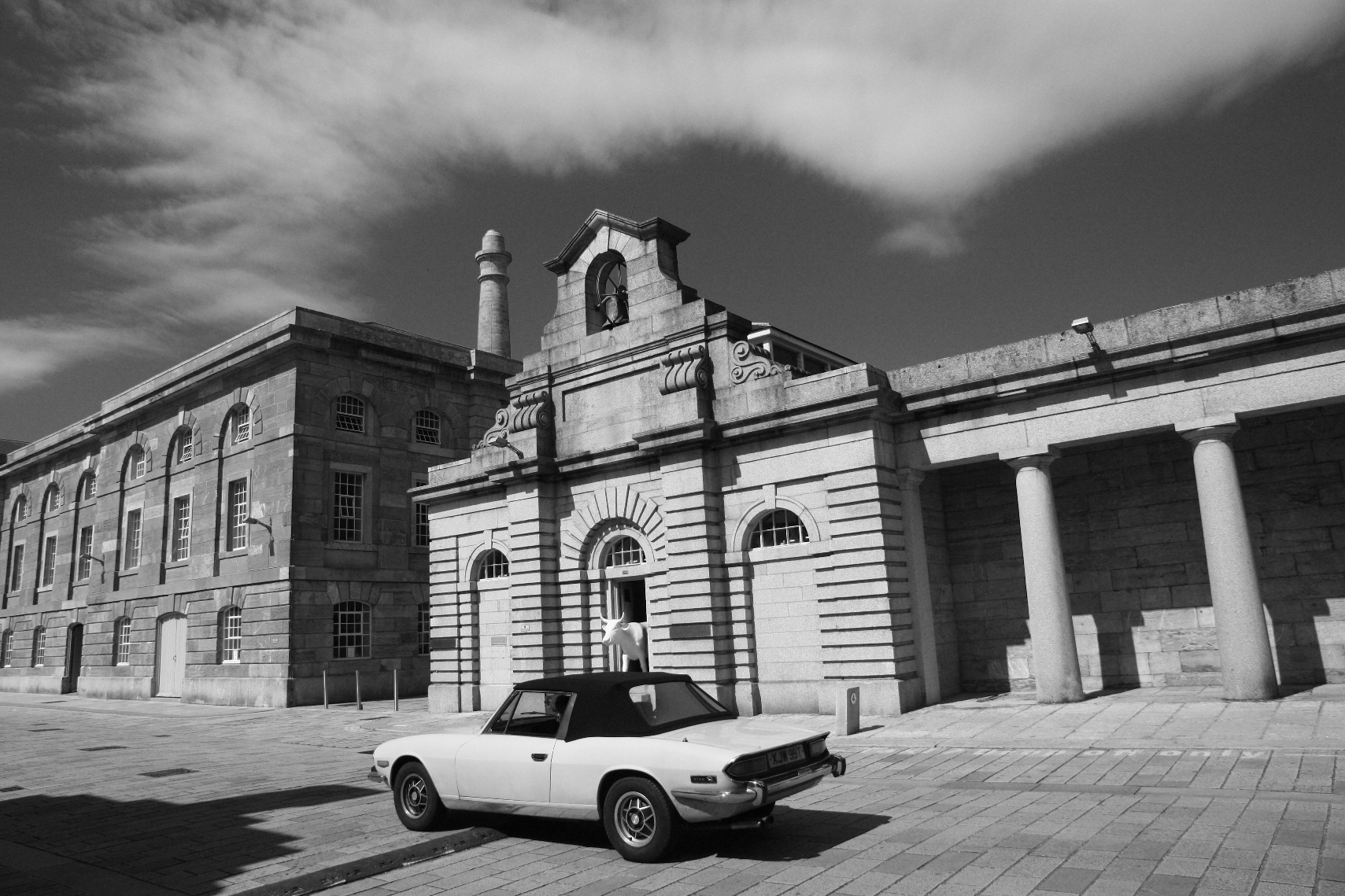
The familiar abounds but every time I return there are incremental changes to the city. Royal William Yard is an obvious one and I have been impressed by the conversion from disused naval quarters to swanky flats and waterside cafes. Devil’s Point provides the picturesque walk to burn off jam and cream filled shortbread from the bakery, and something approaching an alright cappuccino is available on occasion.  On my first visit, in warm Sunday sunshine, I had the momentary feeling that I was back in Australia such was the sparkle, the relaxed buzz, and general air of wellbeing. I even had a flat white, but this was very English.

sw01

sw05Part of the familiarity re-familiarisation process is engaging in the foodstuffs of this part of the world. The issue is, the longer I linger, the less I can justify filling my face. On day 1, cream tea on Dartmoor was ticked off and clotted cream has re-appeared on a number of other opportunities (like when I made treacle tart, yum yum!). But I have also been back to Dartmoor and not eaten cream – something that sounds like progress. Meanwhile Dartmoor continues to captivate through its moods and sweeping vistas.

sw04

sw03The Cornish pasties have bubbled to the surface like oozing hot steak juice through a pastry crust, though only infrequently. Almost every single one I have is a disappointment unless it is from Pengenna Pasties. On which note, I am pleased to have paid a visit to Bude where the queues out of the door and mass munching in the town square are a sure sign of Pengennirvana. This was the undoubted highlight of a bank holiday Monday, which was a reminder of what a bank holiday Monday is all about. Traffic queues, parking hassles, gritty sand packed with feral children and people from Wolverhampton going red in the twenty degree heat. I didn’t really enjoy Bude apart from that pasty.

By contrast another day trip in Cornwall ranks as one of the best I have had this year; a year which, I remind you, has encompassed a tour of New Zealand and a scenic meandering across Australia. A piddly train to Penzance doesn’t rank up there with the journeys but then an open top double-decker through the narrow lanes and warm sunshine of West Penwith brought a sense of adventure to the trip. And this delivered me to Porthcurno and a scene to celebrate, a landscape bejewelled in sand and seas bedecked in a stunning clarity and rare calm.

sw06

sw07This is the pointy end of Cornwall, the pointy end of Britain, and if anyone thinks Britain is a drab, miserable place, well…stick ‘em with the pointy end. This is country best explored on foot, on that magnificent coastal path, a path I followed for seven miles or so around Land’s End and on to Sennen Cove. It is stunning country and every minute was marvellous. Of course, you have to put a little asterisk here and acknowledge that the sun shining makes a world of difference. But even on dank, foggy days or, better still, stormy windswept occasions, it is a natural wonder.

sw08The coast path along here turned out to be pretty good walking too, only dipping down to a cove and climbing arduously up again about four times, which isn’t that bad for Cornwall. A lot of the time you can just follow the cliff line, strolling upon high overlooking clusters of volcanic rock tumbling into clear blue seas, where the occasional trio of seals bob along and seabirds glide on warm air.  Around, the exposed heath is a colour of gorse and heather, a purple and gold that could quite justifiably replace the black and white of the Cornish flag.

sw09

sw11A blip of sorts pops up at Land’s End. While the coastline is appropriately craggy and exposed, the necessary touristification due to popularity takes away a bit from the surrounds. So there are eroded paths down to see grumpy farmyard animals, shops selling fudge made in Wales and tea towels made in China, arcade machines to play and One Direction posters for sale. There are doughnuts and beer and ice cream to buy. Stop. Ice cream. I’ve been walking five and a half miles. Ice cream. It’s mid afternoon. Ice cream. I deserve ice cream.

sw10

Expecting lame, rip-off ice cream I remember it quite fondly as not being particularly lame or too much of a rip off. A popular Cornish brand it had enough creaminess to see me over the last substantial hummock of the path before dropping down to Sennen Cove. I remember coming here about ten years ago, on a mild but foggy old day, the cove sheltering a fine sweep of sand intermingled with cottages and boats. It was deathly quiet then, a sure contrast to today.

Today Sennen was St. Tropez, but thankfully the beach stretches beyond the comfortable confines of the car park. Once over towels and tents and through ball games, the beach widens and empties. The sand is genuinely sandy and the water a clear shade of blue. Surfers attempt to do something in the lumps and bumps of wave that exist on this breathless day while lifesavers watch on. Yes, it is, almost, Australian.

sw12

It’s kind of funny how I look out for a touch of the Australian in Britain and when in Australia the opposite happens. I presume it’s the whole have your cake and eat it syndrome. When both do come together – like in the creamy green hills around Kangaroo Valley or the sunny, civilised sands of Cornwall – it’s something of a marvel. And while misery quotients and government philosophies reach common ground there is little to distinguish one over the other. For now.

Great Britain Green Bogey Photography Walking

Wales tales

Church Stretton. So says a sign on a railway platform midway between somewhere in the Midlands and somewhere in Wales. It has very little relevance to my whole trip apart from the fact that this railway line I have never before taken has stopped briefly in a town that looks so cosily cosseted in the Shropshire Hills that I want to remember it. And perhaps come back and stop and walk atop its hills and meander back through its vales to refresh with a pint of cider in a beer garden of an old stone pub with whitewashed walls and hanging baskets and the noise of contented sheep bleating nearby.

Cwmbran is the station sign at which I disembark, situated in the South Wales valleys and a landscape not without its own hilly charm and abundance of bleating sheep. It can also lay claim to having a supermarket on every roundabout, one of which – Morrisons – is swiftly visited for a few day’s provisions vital for picnic lunches and delicious home-cooked dinners. With me, Dad and Aunty Val, taxi driver and cook, pivotal cogs as ever in creating a fine few days.

Where there are valleys there are hills and it didn’t take long to get amongst them. A drive through a warren of lanes led Dad and I to a spot below a big hill with a Welsh name. This is where I refer to Dad’s Facebook pictures and check what on earth it was called. Twm Balwm, which means top of hill to catapult sheep at English. A short but steep walk confirmed its prominent position for attacking folk, with hazy views over the South Wales coastline, across the Bristol Channel to Somerset and Devon, and north and east back in the direction from which I had come.

Amongst this landscape much water runs and – in places – runs to dramatic effect. The next day, in a corner of the fabulous Brecon Beacons National Park, we followed the course of the Afon Mellte as it made its way from underground to plunge over several rock ledges, each as unpronounceable as the next. Anything billed as the Four Waterfalls Walk is bound to be of appeal, and the falls of (wait for it…) Sgwd Clun-gwyn, Sgwd Isaf Clun-gwyn, Sgwd y Pannwr, and Sgwd yr Eira provided a showcase of white water spectacle.

wal02

wal01From our approach at Glyn Porth the cascades increased in drama, culminating in Sgwd yr Eira, a curtain of water that has carved an overhang through which walkers can walk behind water. Sure Jesus, it’s not quite walking on water but it’s the next best thing. The sound of roaring water over your head, spray peppering clothes and camera lenses, slightly dubious slippy-looking rocks, and small dogs reluctantly getting in the way all add that exciting touch of adventure. And hopefully this adrenaline can just about get you back up the hill for a tasty sandwich and the onward march back to the car.

Considerably less exciting is a stop in a fishing shop in Pontypridd, but it wasn’t too long and Dad got a few birthday goodies so all was still well with the world! Nearby though there was more drama of the Winterfell kind, courtesy of a couple of hours in Caerphilly and its castle. This had everything a good castle should with moats and ramparts and crenulations and spiral staircases up lofty towers and banquet halls and dungeons and catapults. Parts had been restored and renovated, others remained ramshackle, which meant you could really get a sense of what it was like back when Welsh people were catapulting sheep at the English and devious plots of intermarriage and murder were being concocted over a feast of wild boar and spicy cheese on toast.

wal03

No such scheming over dinner, though the roast pork was a welcome substitute for wild boar. Extra potatoes could be justified by the walking earlier in the day, but I think so much was eaten that another walk was to be encouraged the following day. Especially after a tasty slice of cake and a passable coffee in Abergavenny in the morning, prior to a different kind of sugar high.

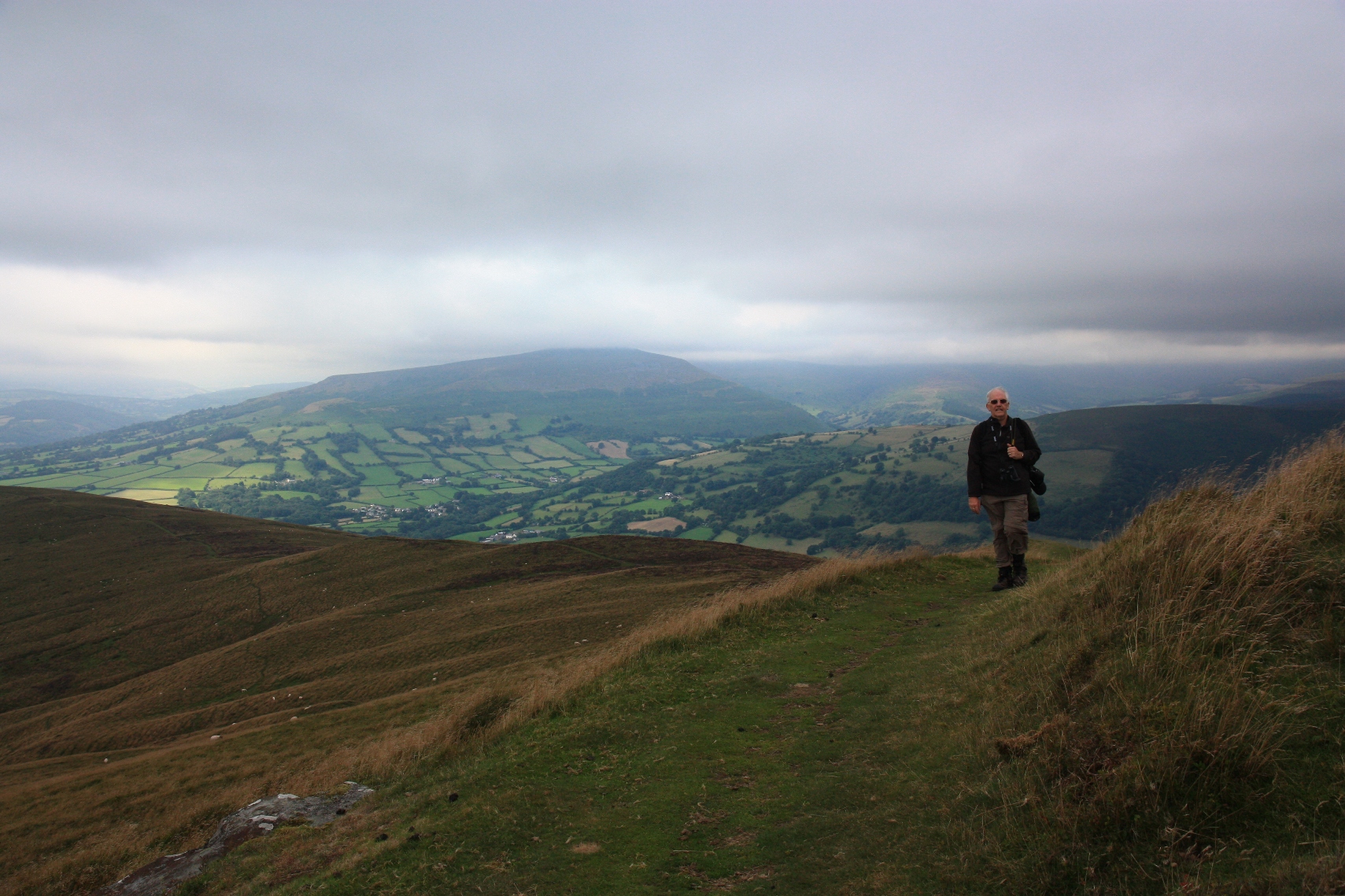
wal04A walk up to the Sugar Loaf involved some notable uphill drags, cutting across unruly bracken and withering woods, and striking out for the top. Up here, the slight sunniness of the valley in which we started was no more, with a windy, cool bleakness emerging with every step. The clouds were scraping the tops of the Brecon Beacons to the north, and only occasional hollows of pasture glowed with the rays of the sun. But this is high summer, and several other people were still in shorts atop the loaf.

wal05

wal06Of course, the views were far-reaching and rewarding, but it was quite nice to have gravity on your side for a while as others battled up. Down steeply at first but then a gentle descent along a ridge and through an ancient wood, emerging out into some kind of civilisation with farmhouses and tractors and manure. Unfortunately on this circular walk the car was still a fair way around the corner and it suffered (as did we) from that final, unrelenting drag.

Still, it was something of an accomplishment with which to finish this short sojourn in South Wales. Well, not quite finish, for there was a rather large trifle to try and finish back at Aunty Val’s that evening. Already it seemed that much had been achieved off my bucket list – roast, trifle, upland walking, history, trips to Morrisons – in just a couple of days. Indeed, Wales offered a well concocted taste and teaser for the crème de la crème, the emergence into a blue sky Devon. I’m sure the main will be just as good as the starter.

Great Britain Green Bogey Photography Walking

The child leg

Being of a certain age when one should probably have settled down and produced a couple of little people, there is an inevitability that my travelling visits of Europe will involve stops to see people of a similar age who have settled down and produced some little people. This is not a bad thing, perhaps with the exception of an oversaturation of Peppa Pig and the lingering of theme tunes in my head. It offers time to be welcomed into family life and reconnect with close and dear friends and family, succumb to Lego construction and bombardment from cushions. There’s opportunity to immerse yourself in those very events which provoke memories of your own childhood, like travel sickness, 5 o’clock tea times, and an insatiable demand for chocolate. And children are infinitely entertaining, affectionate, cunning, sweet, annoying, lovable, lively, dramatic, naive, and everything else in between.

bab01And so it was I arrived in Geneva and connected on a bus across the border to France to greet the newest addition to this extended family. Joy Caitlin Stafford, a niece of two months and very much living up to her name thus far. A contrast to her frenetic older brother whose dynamism and energy results in a big bundle of fun with an adorable French accent. And then of course there is my third child, named fromage.

bab03

bab02Days out are obviously a big part of being a family and you only have to think back to your own childhood to remember summer days by the seaside in the drizzle, car journeys that seem to go on forever and trips to the garden centre. While Joy is just a little young to go too far, the boys were able to escape for a couple of trips into the French Alps over the weekend, with perfect weather for perfect scenes. The first spot was in the Vallee Verte, undeniably green and lush with wild raspberries ripe for plunder. Gliders taking off from a stretch of flatter grass added a touch of drama to the day and of course much in the way of child-like excitement. Excitement which quickly dwindles on the curvy drive down the hillside, inducing nausea and stony pale-faced silence.

bab05Such drama was avoided on the second day thanks to tactical sleeping, after a decent loop walk around the ridges and hollows of the Plaine Joux. A picnic at the start was reassuringly accompanied by cow bells and glimpses of Mont Blanc’s uppermost snowy triangle. It was a beautiful day, warm and blue, with just a touch of breeze limiting the kite-flying escapism. Perfect to sit outside and eat…which means it is so busy that you have to sit inside and eat when you want to enjoy Tarte aux Myrtilles post-lunch. Still, there was enough time to stand and walk and hopefully burn off some of the calories around the Plaine Joux.

bab04

Leaving France and leaving Geneva I had a fair few hours child-free before reaching north London. Here, again, visits to friends and their offspring were on the cards, leading to trips to the park for picnic and play. Another day heralded a chance to be a little less childish with a trip into London town, looking at pictures, going to the beach, and eating ice cream. While the ice cream was delicious, the beach – Camden Beach – was everything you would expect a beach in Camden to be. Sand plonked into a large beer garden, people on deckchairs and, of course, children playing ball, rolling around and generally getting bored while the parents chug on another fluorescent cocktail under murky skies.

bab06

bab07Cocktails emerged briefly during the final visit on the child leg of this journey, spending time with a family I love very much in Lytham, northwest England. The parents, who joined me in this child-free cocktail moment on a Saturday night, offered great comfort that comes with familiarity. The children, who are full of character and life, offered a pile of cushions on my head, trips to the park, drawing activities, all mixed up with those occasional doses of unprovoked affection that are so heart-warming.

Lytham always can be relied upon for providing a bleak, wet and windy day that reaffirms the truth of it being grim up north. Seventeen degrees cannot dissuade hundreds of people from dressing up as soldiers and dancing to Vera Lynn as they seek to resurrect the war in 1940s day on Lytham Green. Do you think Hitler would have stopped for a bit of rain and a chill wind? I don’t know, why don’t you go ask him, he’s over there…?

bab08Agreeably though the next day was brighter and sunnier and much less 1940s. In fact it was fine enough for a barbecue, indeed an Australian-fashioned gas burner barbecue. I don’t know if I approve for there is something to be said for the smoky aromas of charcoal, especially when plumes of it fill your lungs. Still, I shouldn’t have worried, for the gas barbecue got very smoky and, in a ball of flame, endeavoured to blacken burgers and shrivel sausages with a marinade of burning plastic.

Pleasingly the kids were distracted, running around in the garden generally beating each other up and laughing at the same time, in that way that kids do. The barbecue was rectified and there was a full stomach on which to watch a very strange movie about bird-watching in the evening! Thus it was with a bit of sadness that I set out from Lytham the next day, in pursuit of that Snowy Owl without hindrance. The child leg at an end, and at least a few days before I am exposed to Peppa Pig again.

Europe Great Britain Green Bogey

Home

Home is where the heart is, only pieces of my heart are scattered in so many places. The largest two chunks are undoubtedly at polar opposites of the planet, making for an interesting tug of the figurative heart strings. Like Beefy v Border and Scones v Lamingtons, it’s an Ashes battle simmering under the surface, slowly plodding away like Geoffrey Boycott completing a 962 ball century. One piece of heart is high with cholesterol, saturated with pasties and clotted cream, the other is growing all the time and falling in and out of love with a feisty sunburnt youngster.

In any discussion of academic stature it is customary to define the matter at hand and, in this case, what we mean of as ‘home’. Often this begins, rather lazily, using an Oxford English Dictionary definition which, since it comes from Oxford, probably describes home as a detached mansion encompassing at least two wings and ample space to shoot peasants. It’s true that a ‘home’ typically does involve some arrangement of bricks and mortar (or for me at the moment swag and car), but I prefer to take my lead from The Castle. An Australian cinematic classic based on a surprisingly true story, this argues the case that a home is not merely a structure but a place embodying love and shared memories, a place where prized personal treasures make it straight to the pool room.

Home is also a marker of identity, and I guess that is why so many people become indebted so that they can live in a desirable postcode, have a double garage, and possess more rooms than they could ever possibly need. The type of people in Escape to the Country who are looking for a detached period property with land for stables and a separate craft studio, six bedrooms and three reception rooms, proximity to the shops and a village pub but not next to anyone or beside any road whatsoever, with views of sheep studded fields and blue skies only. All so that one person can face a two hour commute to London and thus hardly see the house whatsoever because they have to pay off the mortgage, while the other one does a bit of art and can grow some turnips.

I’ve never really got into the whole home is my castle thing or sought to mortgage the rest of my life to pay off a bank for some bricks and mortar. I still don’t know if that’s foolhardy or not. I do occasionally have those ‘if only’ moments that come with the clarity of hindsight and sometimes wish I had made the commitment to buy something before house prices skyrocketed. But I was young and, er, foolhardy. And besides, where would I be right now if I had made such a call. In some overpriced box room flat in a zone 4 suburb of London? Or sitting in a national park in South Australia with swag ownership to boast about?

Regardless of present location there are two cities that I call home if anyone asks: Plymouth, Devon, England and Canberra, the capital city of Australia. I would say I live in Canberra and so my home is there [1], but I was born and raised in Plymouth and that is my home city. I support Plymouth Argyle but keep an eye on the ACT Brumbies and Canberra Raiders. I drift into Westcountry bumpkinism with rising Australian intonation. I think one is captivatingly beautiful while the other is beautifully captivating. Usually I feel like I belong to both, validated by dual citizenship which has me at once a British Plymothian and an Australian Canberran. At other times though it can feel like I am a stranger in both, simply because I cannot commit to one or the other. In Australia there has always been this sense of impermanence, even though I have been there for six years; with England, I am absent and afar, now looking in from the outside.

Reassuringly in spite of this Plymouth will always be home. I was born in Plymouth, in a hospital that no longer exists. I remember little of my childhood outside of Plymouth, even though we moved about a bit when I was very young. From about the time I was five we ended back in Plymouth for good, eventually being granted a council house that was supposedly in the leafy and refined sounding Beacon Park but was practically on the edge of the less salubrious sounding and indeed less salubrious Swilly. I wasn’t out of there until university, but attachments remain strong with the house, the people, the city and the area.

So, what can I tell you about Plymouth that maybe isn’t just about me and my rather uneventful upbringing? It’s a city of over a quarter of a million people, many of whom live in identikit post-war council houses that sweep up and down all of the hills that pop up across the area; hills that make walking to and from school a test of stamina, especially after an afternoon of double history following a lunchtime kick about. The city is historic, although much of this got blitzed by Germans and sadly resulted in a mostly depressing 60s concrete city centre. The Barbican houses ye olde bittes, where seadog scallywags like Drake and Hawkins planned the next places to discover and pillage. Today, the Barbican can be rather fetching on a warm day, boats bobbing on the sun glazed water, the smell of frying onions from Cap’n Jaspers floating on the breeze, and seagulls annoying the hell out of everyone, including the French exchange students looking both perplexed and bored and annoying the hell out of everyone else.

Further around from the Barbican sits Plymouth’s piece de resistance, one of the reasons it exists: Plymouth Sound. I am very likely biased but I think it is hard to come across an aspect more pleasing than that from the Hoe Promenade, a swathe of green, green grass punctuated with memorials and statues and the perfectly red and white striped lighthouse of Smeaton’s Tower. Here you can stand high above the natural harbour which pans out in front, sheltered by the hefty green shoulders of Staddon Heights to one side and the Rame Peninsula to the other. Channelling its way from the Sound, the River Tamar cuts a swathe to the west, lined with the detritus of the naval dockyard and funked up council flats, a reminder that this is a gritty city with its fair share of wonderful city things like declining industry and poverty and indifferent town planning.

H_plymouth

Softening this view, across the other side of the river, is Mount Edgecumbe and its country park, a verdant paradise of manicured gardens and dense woodland clinging to the slopes that rise up and bound forever onwards into Cornwall. I love how you can see Cornwall so easily from here, the juxtaposition from industrial cityscape to idyllic creaminess all so obvious. But it’s there, just across the water and easy to reach [2]. This is illustrative of Plymouth’s natural advantage, with the wondrousness of the Devonian and Cornish landscape just minutes away, from the rickety tors of Dartmoor, to the rolling green fields of the South Hams, across to the snug coves and fishing villages of the South Cornwall coast and up onwards to the pounding seas and plunging coastline of the north. If anyone, wrongly or rightly, ever accuses Plymouth of being a hole there is no escaping from its sublime surroundings.

So this is my home, but I haven’t really mentioned what makes it so homely. For me there is close cherished family in Plymouth and, so far away, I do miss them now and again, though I cannot quite tear myself away from another home to put that right. Like most family relationships there is something to be said for small doses and periodic visits, tending to make these more cherished and enjoyable, without breeding contempt and complacency that so often come with familiarity. Besides, when I pay visits home I get my washing done, all fresh and soft the way only Mum can get it. I doubt if I could bank on that happening if I was there all the time.

Plymouth is also homely because it is so familiar, yet this itself is a double-edged sword. I know how to get the bus into town, I somehow still recognise the face of the woman serving me milk in the corner shop, and I’m savvy enough not to be either excited or offended by someone calling me their lover or handsome. However because I am not there all the time, because I have formed attachment with another home, it also feels that sometimes I am a stranger, spurned for running off with a younger model. I don’t know what’s happening in Eastenders. I never knew that the bus company changed its name. I didn’t hear that the Prime Minister visited, looked like a total knob end and ate a pastie with some of the local chaps.

You see, that’s the price I pay for calling Canberra home as well. You can’t have your cake and eat it, can you? I never really understood that saying. I mean, I buy a cake (quite often in fact) so I have said cake. I then, usually quite quickly, eat aforementioned cake. Sometimes I have a larger cake that I eat just a morsel of, in which case I definitely have some cake in the house at the same time as eating it. Perhaps I should say a rolling stone gathers no moss instead, but is that a good or a bad thing? Okay, cool I’m a rolling stone who gathers no moss, unlike those stupid static stones with all that spongy green stuff around them. But actually are they the lucky ones, with their cosy layer of moss and security of tenure?

Pleasingly Canberra happens to have stones, and some moss, and plenty of places selling cake. I call it home primarily because I have made it so over the past six years or so. Whereas Plymouth is my home by birthright, Canberra is my home by way of where I live, at least until recently. I’m now travelling around Australia a little, but still have possessions and people of note in Canberra and when some grey nomad at a campground asks where I am from I say “Canberra”. They then look at me odd and launch into a tirade about carbon taxis and published servants or something. Nah, not really, they’re usually rather lovely or at worse aloof. Anyway, I am proud to call Canberra my home because I think it’s just a great place to live.

Canberra is rather beautiful in my eyes. I came here from London, another place I would have called home at one stage. Some people, usually Australians not in Canberra, look at me googly eyed when I tell them that. You left London and came to Canberra? Not Sydney or Melbourne, those wannabe global cities of urbane cool that aspire to be London? But it was the contrast from London that Canberra gave me and for which I fell. I could walk to work, with galahs and rosellas lining the streets as the sun hovered above. I could make new friends and acquaintances over sublime coffee (and occasionally cake). I could fall in love with the setting, its bushland hills and big glassy lake and peppering of interesting national institutions befitting a modern capital.

My favourite place here, and almost anywhere at all, is Red Hill Nature Reserve, a swathe of hilly bushland that offers a microcosm of Canberran life: mobs of kangaroos and golden grassland, multicoloured birds and majestic gum trees, a landscape dotted with runners and amblers and dog walkers and occasionally the plain curious tourist who has made it up this way. The views offer the opportunity to grasp the surroundings: a sunset over the rugged Brindabella Ranges shining golden hues over the lake and among the branches of the leafiest suburbs, stretching their way up to the fringes of other, bush clad hills and mountains. This place offers me exercise and solace, escape and invigoration, contentment and photographic opportunities. It is more than just a hill.

H_canberra

It can become very easy to be drawn in by Canberra. I intended to stay for a year and I’ve made six. I’m not sure how much longer I’ll be able to call Canberra home, but my time there will always be a part of me. It is an easy, comfortable place, perhaps too comfortable, but go around Australia and see the gargantuan caravans being towed by monstrous 4×4 trucks driven by silver haired nomads and you’ll see that comfortable is clearly something to aspire to. And isn’t homeliness all about being in a place in which you feel comfortable?

So, comfort, familiarity, connections and at least some sense of belonging make up a home, as well as a few of those bricks and mortar to be encased in. Plymouth and Canberra both give me that. But regardless of where, I think the individual plays a huge role in making a home what it is – taking the opportunities there, seeing beauty in all its shiny sights and dirty corners, connecting with people when you can. For instance, even my swag is starting to feel homely, the way I slot my water in one corner and a book by the pillow, and the configuration of zips and hooks and pockets. Yes I guess I am a rolling stone, but I’m still picking up bits of moss along the way, moss that accumulates and forms strong and lasting attachment from birth to end. Homes.


[1] Or lived. Currently my postal address and electoral registration is in Canberra, but I write this from a car in South Australia!

[2] Actually, unless you get the pedestrian ferry across, this particular piece of Cornwall takes some getting to. Think river crossings, winding roads around winding creeks, single lanes hemmed in by giant hedgerows and perilous descents towards water. Like most of Cornwall then.

Links

Straight to the pool room: http://www.youtube.com/watch?v=TM-GVRvsZrA

Britain’s Ocean City: http://www.visitplymouth.co.uk/

Hearty fare me hearties: http://www.capn-jaspers.co.uk/

The Janner textbook: http://www.chavtowns.co.uk/2005/02/plymouth-the-janner-textbook/

The nation’s capital: http://www.visitcanberra.com.au/

A to Z Australia Great Britain Society & Culture

Dawn

The dark cloak of night was yet to loosen itself from the town of Santander as I crept up from a creaky bed onto the creaky floorboards of a creaky guesthouse. Desperately trying not to disturb sleeping parents next door – clearly not helped by the creakiness of this particular guesthouse – I gathered the only set of keys and my camera and set out to surreptitiously escape the building and head towards the sea. If you cannot sleep, why not watch the world wake up.

Emerging into the refreshingly cool and breezy air – a pleasant change from the pungent heat of a Spanish summer – the sea was barely visible, merely a rhythmic thrash of water hitting the shore somewhere distant. To the east, the sky was only just beginning to soften to indigo, the change marked by the silhouettes of gulls rising in the distance, their shrills increasing in tempo and building in volume. Elsewhere, further occasional signs of life…eager fishermen setting out, unseen shutters rolling up, street sweepers marking a clean slate. The final blinking of a distant lighthouse extinguished as the horizon turns deep blue and a thin strip of orange light flashes across that steadfast line between sea and sky.

Now, a red sidelight flickers across the whitecaps of surf, as rocky outcrops transform from black and white to heavily contrasted greys and greens. With light, sand becomes copper, every little rock and patch of seaweed casting a long shadow across the grainy canvas. Footprints are embossed alongside the water’s edge, as the first joggers, amblers, dog walkers and sleepless tourists break the surface. More gulls gather on the beach, more shutters are heard rising; more vehicles make their way along the coast road in a subdued early morning hush. The sun glides quickly higher into the sky and the moment is gone – for another day.

D_Santander

The world may now be awake but the parents still seem to be snoring. It was a long drive the previous day, from south to north across Spain. Through the dusty nothingness of the interior and over the greener, damper northern ranges, we reached Santander after dark and pretty much flopped out in our hastily picked guesthouse. I was surprised to awaken and watch the light introduce a different Spain, with surf cleansing the broad golden sands and scouring craggy rock platforms in between. A verdant headland of cypress pine and she-oak marked the entrance to a snaking, shallow estuary [1], peppered with sandy coves and treacherous currents. Beyond, the backdrop of forested mountains, lined at their base by popular coastal towns and expensive waterfront properties. For one moment I thought I had woken up on the south coast of New South Wales again.

D_Santander2

I shared some of this world in full daylight with Mum, heading off for a little walk once everyone had arisen and dressed and drunk several cups of tea before checking out. They hadn’t even realised I had been out in the morning, such was my obvious stealth and their obvious talent at sleeping in. Outside, we found that the headland was indeed a pleasant spot, the array of trees now offering useful shade for the sun spanning overhead. In fact it would have been a good spot for a little doze, especially if you happened to have been up and out when it was still dark that morning [2]. However, we had a ferry to queue for to take us through to the following dawn.

In between one whole revolution of the earth there was still some time to fill. This involved a lot of sitting around. First for coffee and some local food that I cannot remember other than it being deep fried and delicious. Then, once over the international barrier and beyond the spell of the salty streets of Santander, the most mind-numbing wait to board the ferry, sat in a car in the heat of the day while the Spanish operators have a siesta or go on strike or something. And further, once finally on the ferry, the futile task of finding something to do, other than sit down and have a drink.

To be fair there were at least, oh, 3o minutes worth of exciting ferry activities: walking the upper deck via a maze of secret stairwells; perusing every item in detail in the gift shop and working out whether it is cheaper to buy in Euros or Pounds; wondering do they actually sell those giant M&M characters and comedy oversize Toblerone bars anywhere else; and, importantly, noting the location of every toilet accessible once rolling about in the Bay of Biscay. So it turns out that the sitting down with a drink option is by far the best, a chance to farewell the Spanish sun that I greeted many, many hours ago.

I should note that, amusement-wise, there was also the excitement of the little cabin we had booked for the overnight trip. Here, an air of childlike wonder in discovering clever folding beds and storage spaces, incredulity at how they managed to fit a toilet and sink and shower in a tiny cupboard, bemusement with ever so miniscule space-saving gadgets and fittings. And, despite effectively being a pimped up prison cell, an astonishing sense of light and space. It’s like the Tardis, only marginally less scientific and with fewer smartass actors and delightfully ridiculous storylines.

To be honest, I could have done with an interruption from Daleks, perhaps emerging literally out of the woodwork, stealthily disguised as the bin and composite parts of the sink unit. At least I think their grating warnings of impending extermination may have woken up Mum and Dad and given me a break from their snoring symphony. So in sync that when one stops the other starts, building to a wave of crescendos where all components of the orchestra are at full blast, ending with a huge crash of drums and cymbals. Then just a brief intermission before the next number. Their melody in tune with the rocking and rolling of the sea, a sea which mercifully calms midway through the night, unlike the music.

With no natural light and a regular swaying movement the cabin proved quite disorientating on the senses but somehow with all this going on I believe I did sleep (and probably bolstered the orchestra in the process). And with that came morning, or at least the clock said it was approaching morning for all that you could tell inside. A trip out on deck confirmed this, while the temperature confirmed that we had definitely left Spain and were approaching England. Another day, another dawn, this one inevitably shrouded in grey on the eastern horizon, but a clear softening in the light marking the transition from one state to the other. The period of transition which makes dawn so special, so magical, so hopeful [3].

With reassuring inevitability the sun eventually emerged above the solid brush of low cloud and timed itself with a majestic arrival into Plymouth Sound. The pleasing site of land, and not just any old land but my land, inching nearer and becoming a reality at Rame Head, its patchwork of bracken and gorse a khaki camouflage rising out of the blue sea. To the east, rays of sun glowing godlike through clouds over Mountbatten, angling towards the west and lighting up the cosy cove of Cawsand. And directly ahead, a glimmer of red and white standing erect on the foreshore, a beacon to Janners worldwide: Smeaton’s Tower.

D_Rame Head D_Plymouth Hoe

A perfect combination of movement and light heralded me into the arms of Plymouth, the ferry gliding serenely through the water, the low projection of light colouring and highlighting the ultimate goal. Rather like some kind of tractor beam from an alien spaceship, dragging me towards it, resistance futile and probing likely. It was the first time I had been back in a little while and arriving by sea in the first sunlight of the day made it seem like some exciting new place, exotic and far away [4]. The anticipation building as the port came closer and closer. The freshness in the air added to a sense of rejuvenation. It truly was a new dawn, a new day, and I was feeling good.

Can there be any better time of the day than dawn? Sunset is an obvious rival, with both dawn and dusk offering subtle changes that equate to a dramatic whole. The inevitability of both being a reminder that humans remain immaterial, the world carries on spinning, regardless of what we do. Wherever you are, whatever you are up to, there will be a dawn and a dusk, in which the skies will transform, clouds will burn like flame, and light will glow and fade on the landscape. Dawn is extra special in that it requires a little extra effort, rising at unnatural hours, skipping breakfast, embracing the cold. Anyone can see a sunset. Only the committed or narcoleptic may see a dawn. And for this effort you will often be rewarded with peace, solitude, tranquility, a calmness which exacerbates the spirit of rejuvenation and hope that emerges with a new dawn.


[1] I may be factually incorrect with the tree types, but don’t quote me on it

[2] I believe, looking back at Google Maps, this headland is the Peninsula y Palacio de La Magdalena

[3] I hope my friend Dawn happens to read this, for surely there are significant brownie points available.

[4] In fact, when ashore I noted the rather peculiar, distinct language of the local population. Then joined in.

Links

Santander Tourist Information: http://www.spain.info/en/ven/otros-destinos/santander.html
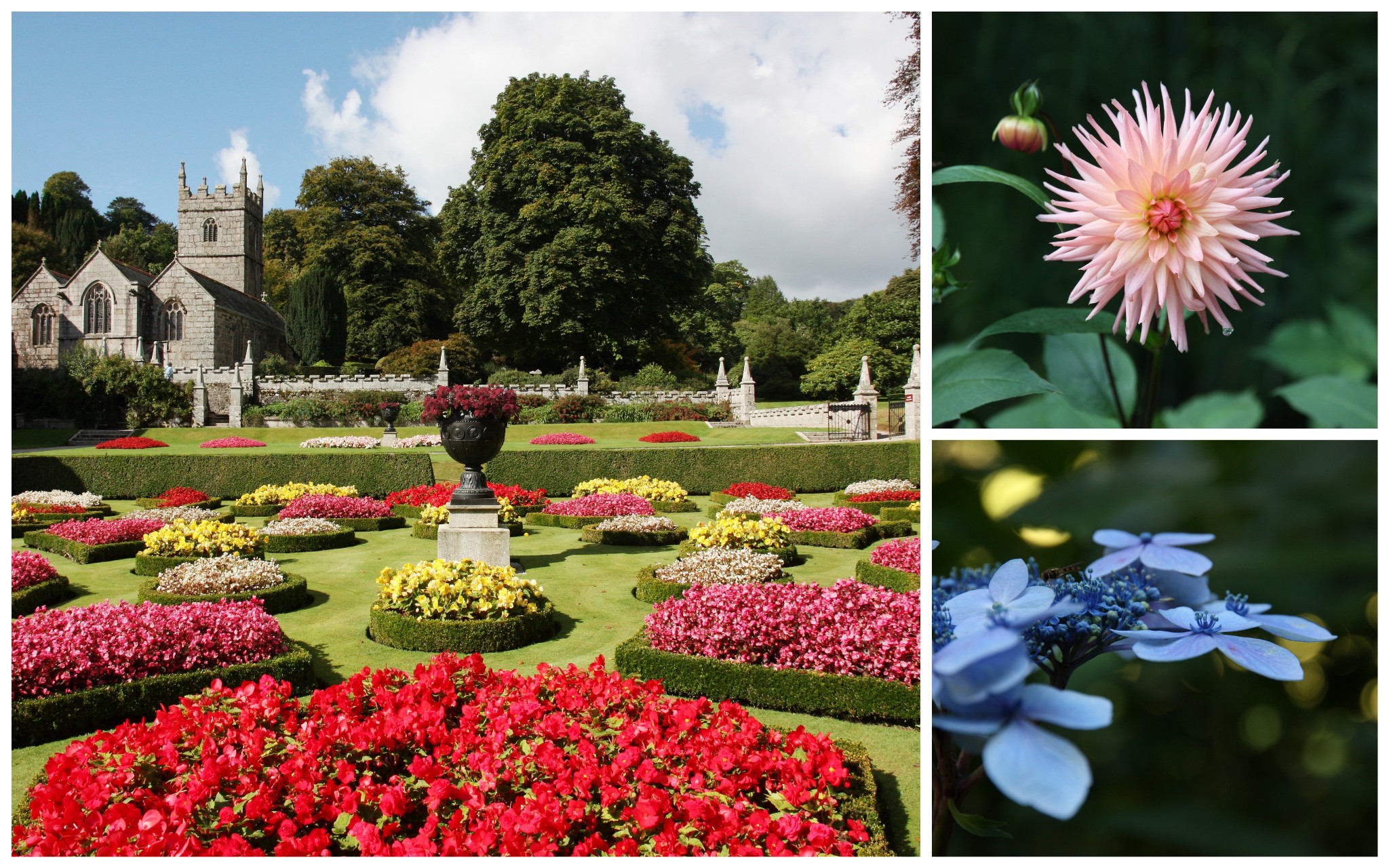
Palacio de La Magdalena: http://www.centenariopalaciomagdalena.com/es/

Brittany Ferries: http://www.brittanyferries.com/

Smeaton’s Tower: http://www.plymouth.gov.uk/homepage/creativityandculture/museums/museumsmeatonstower.htm

Driving me in Spain: http://neiliogb.blogspot.com.au/2010/10/youre-driving-me-in-spain.html

A to Z Driving Europe Great Britain Photography

Beery

As an Anglo-Australian male in his thirties it is inevitable that beer has accompanied me on many occasions on the road and at home. At such times when one needs to know, like a doctor’s interrogation or unethically intrusive job interview, I’d declare myself one of these ‘social drinker’ types. From what I can tell, a social drinker is someone who grabs a beer or two when the mood fancies – to celebrate, relax, or navigate slightly awkward moments – or just when it’s the only thing cold in the fridge and you just can’t be arsed to scrape ice out of the freezer. Very occasionally the charming delight that you become after such social drinking turns sour (usually thanks to the beer being ‘off’ or some such), and imbalance and language difficulties can ensue.
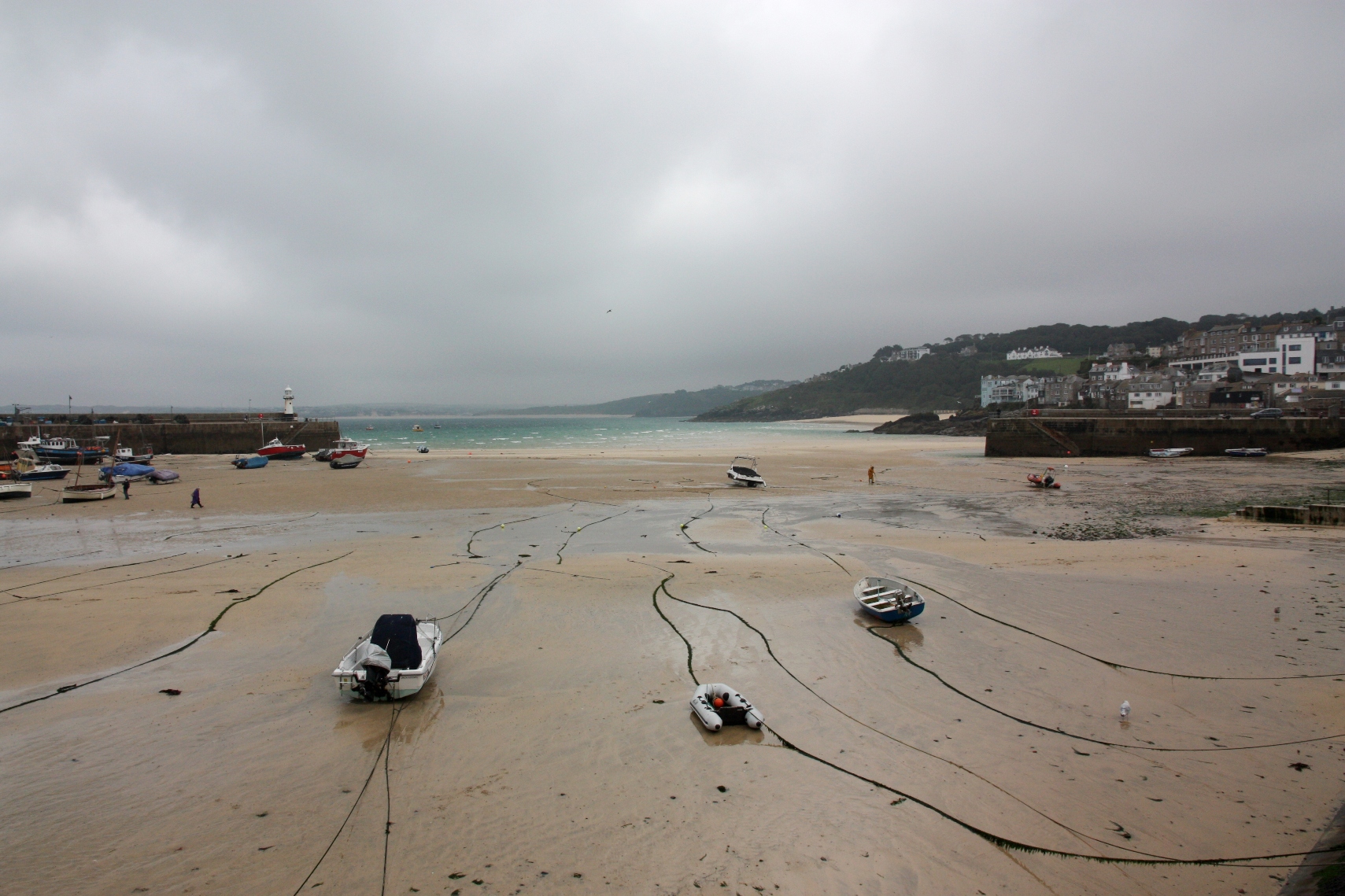
The sage philosopher, Homer [1], remarked of beer as a “temporary solution,” in easing the challenging realities of existence. This temporary solution is also uncannily permanent around the world in which we travel, providing a readily available, relatively cheap source of comfort and joy. Though naturally something of a haze, I can look back on my life and recall a number of places and experiences that have been enhanced by beer or, broadening the spectrum a little, a good glass of wine or a tangy local cider or a holiday water style G&T. Often the drink is the icing on the cake, the encapsulation of a special moment. At other times it’s invariably been an antiseptic, painkiller or narcotic.

 B_beer montage

A proven value of beer when travelling is in how it can transform the first shy mumblings of disparate individuals on a tour group into one animated tribe. While the first day of such trips may have been spent quietly on the bus in little cliques of friendship pairs, the second day is typically dominated by shared tales of what scandal befell Jared and Janelle, and frequent hilarious stops for Lance to chunder like the man he is from down under. Meanwhile the tour guide acts like this has never happened before and this group is – based on the escapades of the previous night – simply the most awesome ever [2]. Multiply this all by several days and nights and you are left with a teary, hollow feeling that you will never be as one again when the trip is over and that Lance’s chunder is now but a trickle down some distant highway. This may sound like a young persons’ rite of passage, but I daresay the same happens on more senior and old at heart tours, just replace ‘beer’ with ‘wine’ and ‘chunder’ with ‘incontinence’.

Unless you happen to spend a large part of your time meandering in the Middle East, beer is an international language, demonstrated by the fact that almost every country has its own version. Within countries, different regions produce their own local brew and it can be a strong marker of local identity. Obviously one of the joys of travel is sampling local food and drink and I’ll always look to a local beer if I can, unless I have already discovered its similarity to the secretion of a small flying insect, or “gnat’s piss” as it is sometimes described. The trick for the traveller is to know the local beer sensitivities, so as not to order some nancy fruity lager with low carbohydrates in the North East of England or the culturally offensive XXXX from Queensland in anywhere but Queensland [3].

Moving from England to Australia in 2006 I have gradually come to learn the sensitivities of what must be two of the most rampant beer swilling nations. My biggest faux pas was when fresh off the boat and still subject to irritants like Shane Warne. Tasked with getting some beers in for Friday work drinks I grabbed a crate of stubbies from the local Bottle-O [4] only to be chided for their warmth. The stubbies felt pretty cold but that was in fact ambient air-conditioning temperature and not arctic freezer temperature, which was how the locals preferred it. And now, after six years or so, that’s how I like it, perhaps because it’s the only way to subvert the lack of taste.

Beer has been part of my cultural integration and a means to become accepted as a bona fide Australian. A barbecue with awful slimy sausages does not feel right without a beer in hand, cloaked in a tacky stubby holder. Mercifully, even those who were subject to my warm stubbies have become good friends, and I have since shared drinks with them fresh out of the chillers of a 7-11 in Hong Kong, wandering party streets with beer in hand, inevitable ending up in Maccers at night’s end. This was one of those experiences where the beer must have been ‘off’, since a malaise lingered for the rest of my stay there.

Australian beer consumption seems natural in the outdoors, huddled around a barbecue, the droning of cricket commentators in the background. It’s also a good accompaniment beside the sea, tasting even better after an active day of exploring and coasting. One such memory stands out when I was in the Margaret River region of Western Australia. Here, after a blissful drive south from Perth, the day’s end saw me at Prevelly, a low key settlement on the coast, popular for surfing or just hanging out like a surfer. The headland here is actually called Surfer’s Point, and this particular evening it was jam packed with people of a dreadlocked and slightly skanky looking nature, plus their groupies. Inexplicably, many were clambering over the rocks with what looked like ironing boards to bob up and down in the water at prime shark feeding time. Others were returning from the water, getting changed with very little discretion around their beat up vans. There wasn’t just the one full moon that night.

Positioned the other side of the headland was another cove where the Margaret River itself came to a halt against the sand. With a sandy beach, sun disappearing over the ocean, full moon rising over the river, ambient temperature and vibe and one beer lugged several kilometres in the pocket of my shorts, the scene was set. Twisting the bottle top of my beer and nirvana was within sight. Apart from the fact that the bottle top wouldn’t twist off. It was one of those fancy boutique beers requiring a bottle opener. I could have cried.

In such circumstances one finds oneself thinking what Bear Grylls would do? But given I neither had a film crew nor nearby hotel in which I was actually staying, I was forced to reassess and consider what would MacGyver do? The answer lay in the use of keys, a wooden stick from an ice lolly, a bit of rock and willpower. After ten minutes it finally opened, the first gassy hiss like the sound of 80,000 fans at the MCG cheering. It was now slightly warm but I obviously didn’t mind and the beer went down like the sun and the mood climbed like the moon.

B_marg2 B_marg1

While offering spectacular outdoor beer moments like this, Australia has generally disappointed in its indoor drinking environment. Pubs are often bland behemoths with tacky decor and goddam awful pokies, an attached bistro offering an array of equally dull and not as cheap as it should be food. As a result, I love returning to the UK to duck into any one of its dark and dingy drinking holes and remember an archetypal rainy day in London a few years back where, killing time before meeting friends, the only answer was to pop into a random hostelry, drink a couple of warming ales and write postcards. Perversely, pubs in the UK tend to have better beer gardens too, perhaps a result of the local obsession with hanging baskets and, well, opportunities to drink away the misery on every street corner.

An English speciality is the country pub, often offering a roaring fireside, wooden tables and outdoor hanging baskets. Beers range from generic chemical concoctions to the occasional guest ale brewed in the local cowshed. It’ll be called something like Olde Spotted Dick or Malted Slipperypipe. To soak it up you can sample a menu ranging from cheesy garlic bread to cheesy lasagne to cheesy chips and perhaps even cheesy peas [5]. There will be an aroma of stale beer mixed with cow dung. And you’ll generally be made to feel welcome because everyone in there has been inebriated since 1972 and cannot be bothered anymore.

One very lovely country pub moment that I remember was in the equally lovely Lake District in northwest England. For a country as small and crammed as England it is remarkable how much of it has an alluring pastoral air and sense of light and space. In this regard, the Lake District is an absolute gem. On a surprisingly sunny and warm late summer’s day, with the farmers making hay and the sheep bleating contentedly, a small pub along the country lanes of Langdale offered up not a beer but a beautifully of-the-moment cider. Despite repeated attempts, that first cider on that first night could not be beaten. It was the official start of the holiday, the ‘we have arrived’ moment and perfectly set up a week of discovery and delight.

B_lakes

Would such moments have been the same without alcohol? One would like to think so, purely to reassure oneself that they are not dependent on booze. But in reality I don’t think a glass of lemonade would have cut it. Good beers (and ciders) emerge at the end of good days; they are both rewards and tonics. They can lift a moment from average to good, good to exceptional. And they trigger associated memories of time and place. They are the beer goggles that help us to look back on moments with a rose-tinted air. Sure, let us not overdo it, but let us also not dismiss beer as just another vice. Remember kids, drink responsibly, and if you can’t, best to head off on a Contiki tour with Lance.


[1] J Simpson, not the ancient Greek dude

[2] To argue against this point, see https://gbpilgrim.com/2012/12/15/a/

[3] With the wonders of marketing however it is very acceptable to have the ‘Australian’ Fosters in England, but do not drink it (if you even find it) in Australia!

[4] Translated, for those of you who speak English, as ‘I purchased a 24 pack of beer bottles from the beer shop / off licence / liquor store’

A to Z Australia Food & Drink Great Britain Society & Culture