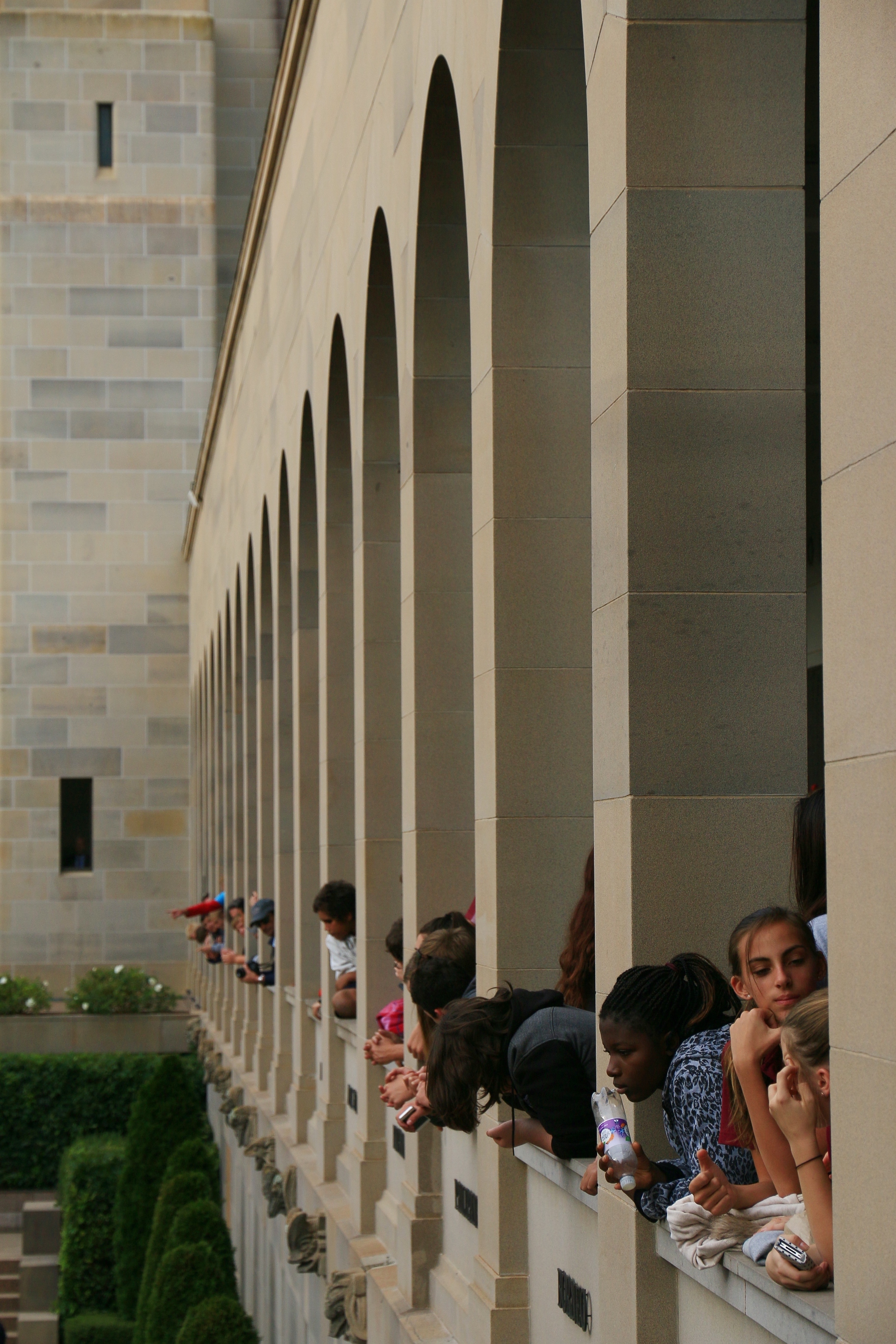
Upon the outside steps, schoolchildren gather in awkwardness and relief, escaping the restrictive solemnity and required reverence of a place venerating death. The air is filled with youthful chatter, indecipherable in a squawkish flurry of hopes, dreams and no-good insolence. It is another age, in which hashtags were yesterday’s news and that which came before unfathomably remote. Yet still the human condition presupposes that one of their names may just, despairingly, return to this spot.
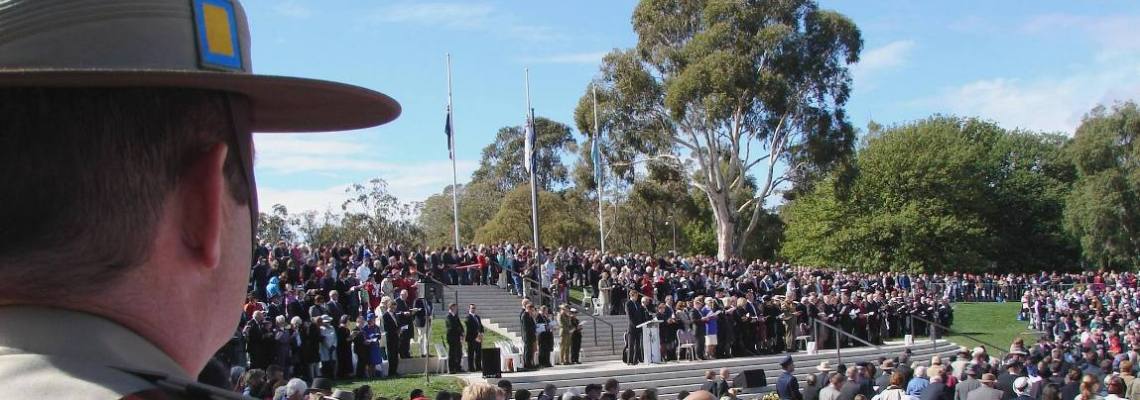
 In a gathering gloaming, reassembly occurs along the arches and steps, their backs to the names of the fallen. Arms dangling from the tedium of patience drift over the letters spelling out Korea and Timor and Gallipoli. A man speaks; a bagpipe plays in mournful strangulation. A story is told of one person’s life, the end of which is predictable only in the all too early and violent a termination. Finally, a man in uniform blares out The Last Post and one begins to wonder whether the humble bugle is ever used for anything else. As the concluding brassy notes fade into the cockatoo skies, the rumble of coach engines spark up, seemingly anxious to return their hormonal payload to Sydney and Wagga and Bairnsdale as soon as they can.
A scene like this takes place practically every day at the Australian War Memorial in Canberra, just before closing. In addition to the several hundred present – composed of tourists, locals, and a scattering of uniformed dignitaries, as well as the bundles of schoolkids fulfilling a rite of passage – the ceremony is now live streamed on the memorial’s website. Like the moment’s silence each evening at RSL clubs, it is a physical act aiming to encapsulate those immortal three words: Lest We Forget. And at the going down of the sun, after a visit loosely planned as research for this piece, I was moved, somewhat surprisingly given the desensitisation that comes with distance and time.
War commemoration is awkward. It makes us feel awkward, conflicted even. It is a world of contradictions and hypocrisy. A multi-million dollar industry in which battle sites and memorials can become numbers on a bucket list, stops on a coach tour [i]. We publicly lament the sacrifice, the loss, the needlessness, yet people are still in conflict, losing their lives as we do this. We celebrate victories and make heroes of some, of us, and villains of others, of them. We may question the purpose of daily services such as those at the War Memorial, wondering if they are put on for the tourist experience, a kind of ‘dawn-service-lite’, to ensure visitor number KPIs and funding requirements are met. We are right to question, for blind faith may lead us down the path of ignorance and subservience that has led to past wrongs. Yet it can be uncomfortable to do so, in the context of – quite justifiably – a reverence and respect for many millions of individuals who died because of war.
April in Australia (and, one assumes, New Zealand) heralds the annual peak in our fascination with war commemoration. ANZAC Day is an annual fixture in the antipodean calendar, unmoving and unstinting on the 25th April, reflecting the anniversary of the first mass landing of allied troops from down under onto the rocky shores of Gallipoli in 1915. And because we venerate the reaching of a century – from Steve Smith to the Queen Mother to a national capital – ANZAC Day 2015 is set to be more of a blockbuster event than ever.
Like Easter, one wonders if ANZAC Day has become somewhat diluted and fragmented with meaning over time: it’s a day off work, a chance to go to Bunnings or be a part of the Harvey Norman ANZAC Day price-busting sale, lest we forget. An opportunity to mow the lawn, gather the leaf litter, or watch the annual AFL match as the slow-cooked lamb melts succulently in the oven and The Last Post rings out again at the G. We may drink to excess and legally gamble on two-up, justifying this as being what the diggers would have wanted (whether they would have wanted the increase in injuries, violence and domestic abuse that this may lead to is doubtful). Nonetheless, we still do remember, and millions of us rise early in the dark or attend mid-morning parades, or even visit overseas sites that would be totally anonymous if it were not for their place as a graveyard of war.
As a sometimes alien sometimes looking in, I do not feel as connected to ANZAC Day as sometimes I feel I am supposed to be. It is not a part of my history; I was not exposed to the ANZAC legend growing up. Despite some semi-studious First World War lessons in secondary school, the Gallipoli campaign was a brief mention somewhere in a text book. From what I know, it strikes me as an absolute shambolic disaster. That this – a sorry slaughter bungled by British commanders and with no far-reaching impact on the wider war effort – is widely considered as the birthplace of modern Australia is, on paper, bewildering. Forget that this negates the presence of one of the oldest continuous cultures on earth, or the development of affluent cities and the taming [ii] of a harsh landscape, or the achievement – in 1901 – of Federation that came with white settlement. Gallipoli also bore all the hallmarks of old empire, in which young Australians (and, incidentally, many more British and Turkish men) were sacrificed in unfailing service to the motherland. A defeat; a wasteful, pointless loss in which Australians blindly followed the orders of a bunch of crusty British superiors. It does not smack strongly of independent nationhood.
It was here though that the ANZAC legend was born and this has since become institutionalised as a turning point in Australia’s view of itself and relationship with the old world. In the run up to the centenary, a surge in earnest documentaries and debates, confected dramatisations, and obscure blog entries by half-wits like me will regurgitate and nuance such arguments, questioning the role of ANZAC Day and what it means to the nation in the twenty-first century [iii]. While the bravery and actions of those in Gallipoli will not be diminished, it is pleasing – if that is the right word in such a context – to see a stronger emphasis shifting towards remembering many more Australians lost on the Western Front, in Asia and across other conflicts. ANZAC Day may well be becoming less about Gallipoli and more about everyone and everything touched by the ruinous proclivities of humankind.
——————————————-
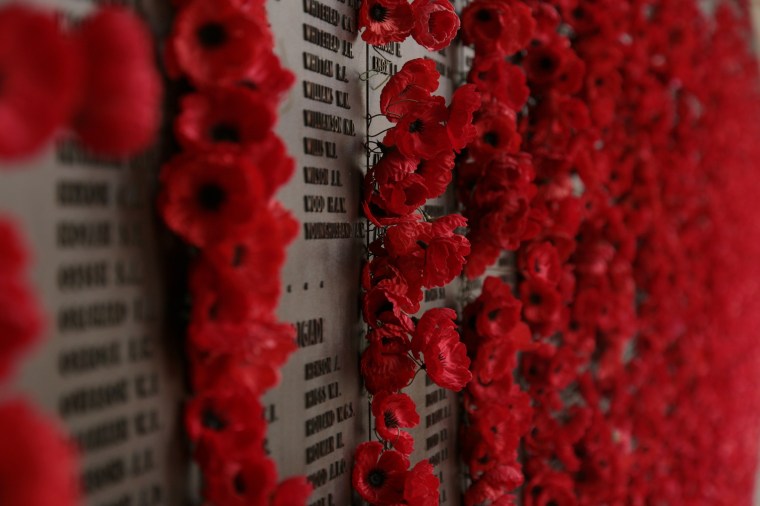
There are approximately 102,000 names embossed upon the roll of honour in the Australian War Memorial. The western colonnade contains those who were killed in the First World War (62,000), while the opposite wall of bronze tablets mark those lost in the Second World War, followed by the post-war wars in Asia and the Middle East. Some, such as Afghanistan, forlornly remain open ended. There is little space remaining for further names to be added, which at least might signify some optimism that never will a mass conflict cause so much loss of life again [iv]. The scale can be overwhelming, so much so that it can distort one’s sense of comprehension, much in the same way that it can be too much for us to conceptualise the number of stars in the universe or the number of Olympic-sized swimming pools in Sydney harbour.
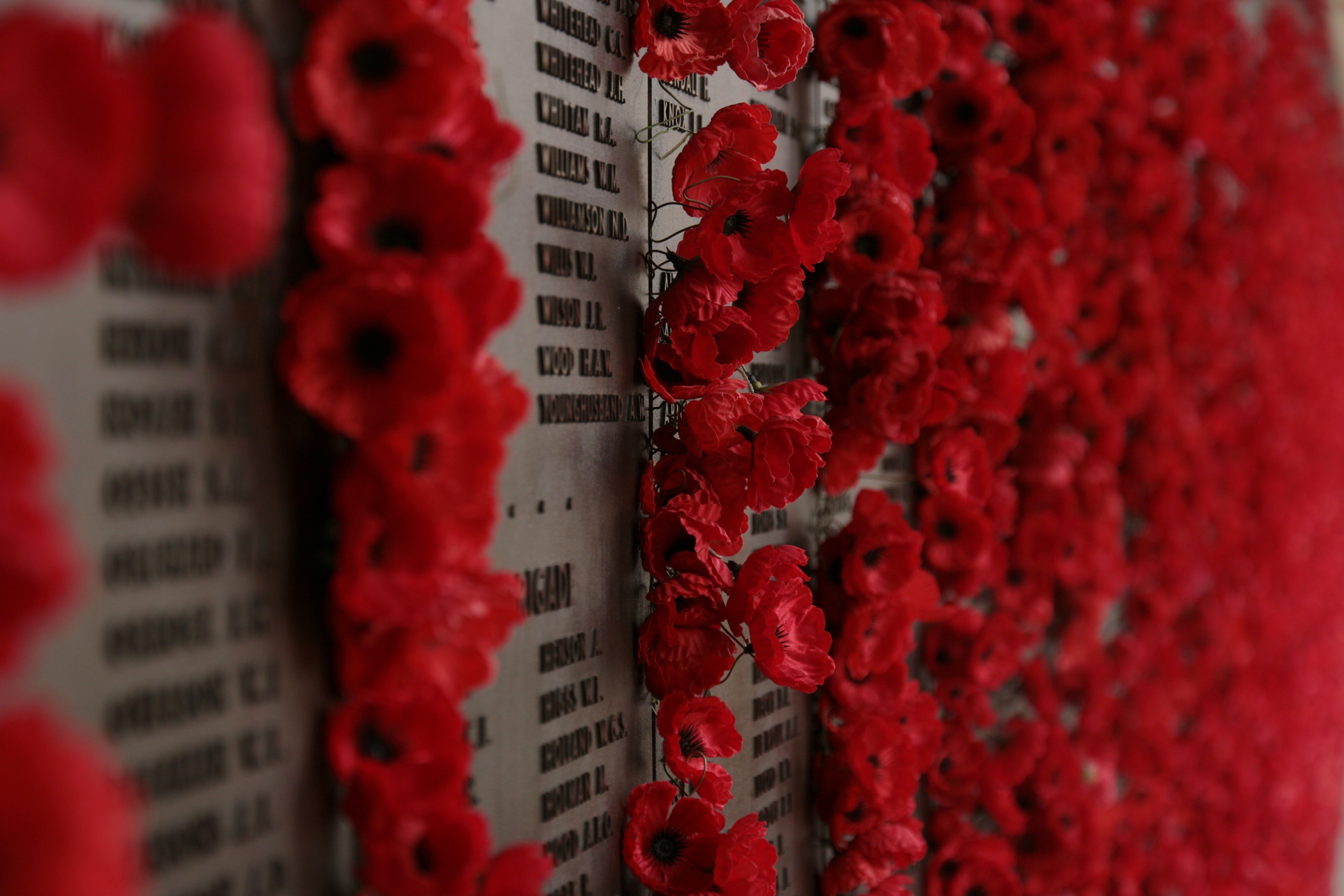
Should it somehow transpire that no more Australians are killed in battle from this day forward, it would still take around 280 years for the Memorial’s daily service (assuming this continues) to tell the individual story of each one of the names on its roll of honour. Against the almost unfathomable mass of loss and sacrifice, it is perhaps the individual stories that are the most telling, the most poignant, and maybe even the most relatable. In more recent visits to the Memorial I have found myself seeking someone with my surname on the wall, placing a poppy nearby to join the clusters of red springing from all available gaps and crevices between panels. To none of these Staffords am I related (as far as I am aware), but it makes me feel slightly less guilt-ridden at being a tourist, and somehow more connected as an outsider. Reflecting on the one may resonate stronger than one hundred thousand.
All that connects us is a name:
Stafford, J.G., 22nd Battalion.
I saw you today upon that wall,
With hundreds of thousands of others to fall
In battle, in war, often in vain,
Sent far from home, you’ll always remain.
You died 59 years before I was born:
The 4th of October, 1917.
Upon Flander’s fields, dispatched in battle,
Sent up to be killed, slaughtered like cattle.
Lain down in Ypres, beyond Menin Gate,
Marked by a white cross, as all with this fate.
Your life in Australia was spent in the country:
Colac, Victoria before moving to Ouyen.
A labourer is all, constructing a wall,
Sweating with toil, tilling the soil,
Getting the call,
To fight a great war.
You were 27 years when leaving Port Melbourne:
Upon the HMAT Hororato.
A girl left in port, named Ivy Jane,
A niece or friend, or once secret flame.
When I was your age, in Australia as well,
I’d discovered a heaven, while you left for hell.
I do not know you, nor do we share blood:
But today you were there, and there I stood.
Thoughtful and thankful, looking for meaning,
You sent me away, stronger belief in,
My fortune and hope, my freedom and joy,
Your name etched a man, and I still a boy.
And, fittingly for such bad First World War poetry, an addendum courtesy of Baldrick:
Boom, boom, boom, boom,
Boom, boom, boom. [v]
——————————————-

My own experience of ANZAC Day has, thus far, embraced a range of experiences one is expected to engage in. Though I am yet to get inebriated and lose hundreds of dollars gambling, I did once add a shot or two of whiskey to a flask of hot coffee for the dawn service, justifying this as being what the diggers would have wanted of course. Plus it was treacherously cold at that time of day at that time of year, and I suspect I wasn’t the only one with a hip flask handy.
The dawn service is a memorable and genuinely moving experience. Pitch black with icy winds streaming down from the hills, there is sleepy-headed confusion at encountering hundreds of buses and thousands of people, barely visible ants streaming towards the dimly-lit dome of the Australian War Memorial. Candles flicker, readings are aired, silences are held, bugles are played. The singing of Abide With Me is drawn out with such sombreness as to lead to total gut-wrenching despondency. There is no sense of jubilation, no air of celebration. Arguments are forgotten, debates paused; for now, all that matters is remembrance and despair.
Almost imperceptibly the black of night softens and, as Advance Australia Fair concludes the service, a thin, indigo line is visible above Mount Ainslie. Cockatoos shriek in suitable reprise to the final chimes of the national anthem, pursuing the fruits of the gently flaming and fading oaks nearby. The faces of others take form – young, old, white, black, Asian. Top brass military regaled in finery mingle alongside youths still in their bedtime onesies. There is much of beauty in what modern Australia has become, and the debt of gratitude is never more apparent.
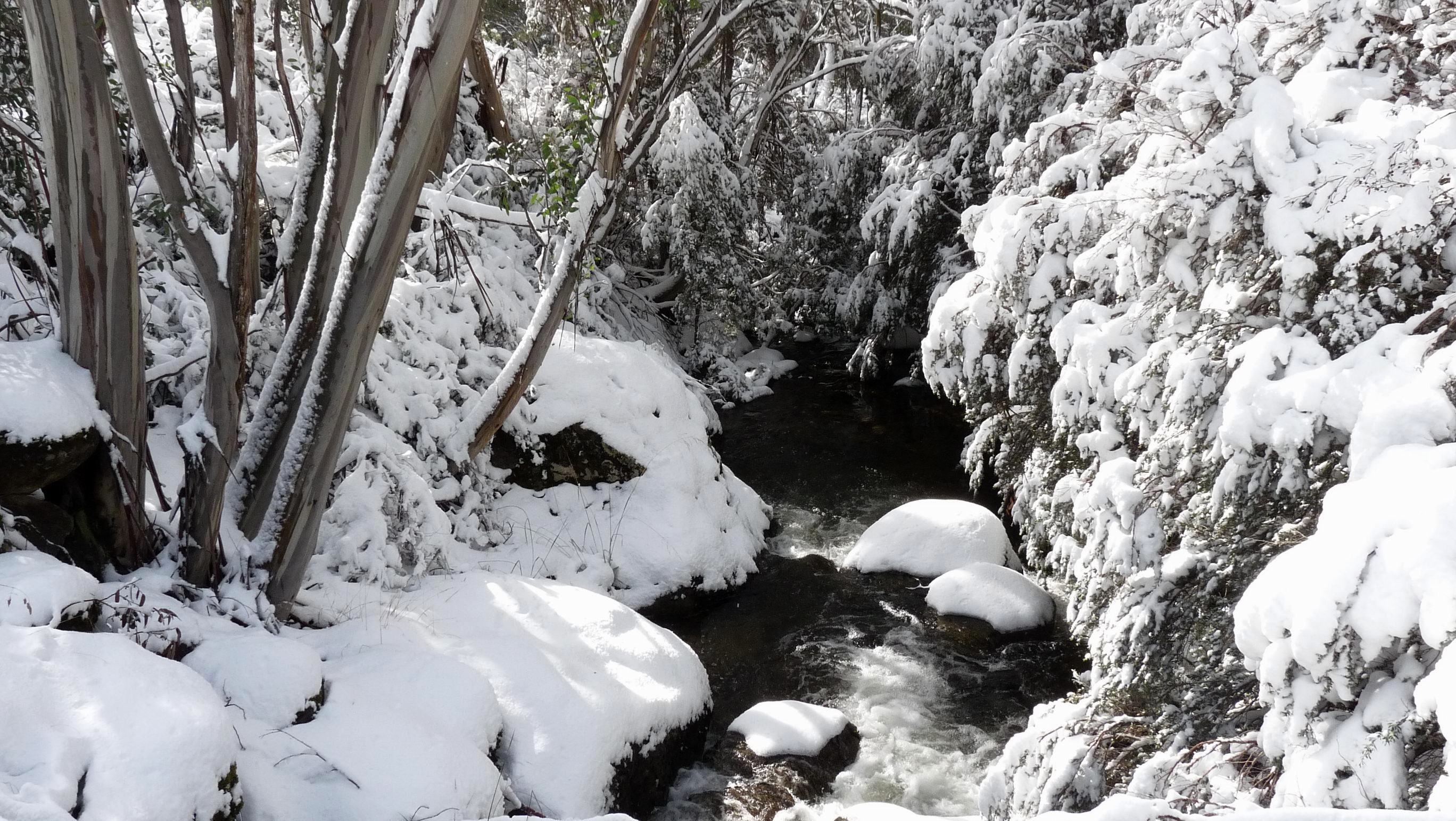
As the Australian capital glows in its autumnal splendour, its citizens and visitors are free to go back to bed, go buy a flat white, go to the pub. They may well go to the later morning ceremony, which includes a parade past various dignitaries with their own entry theme tunes [vi] and the thunderous excitement of a jet flypast. The citizens can now, officially, put on their heating (there was nothing stopping them before apart from a long-held Canberra convention that is regularly flouted). It can be pretty handy, particularly as snow is not unheard of up in the hills and mountains by the end of April. Indeed, one of the most memorable – and surprising – ANZAC Day long weekends I experienced was waking to snow in Thredbo, and enjoying a day of tramping through snowy Eucalyptus forests and warming up with hot chocolates.
All of these freedoms, all of these wonders, all of these hot chocolates are derived from the lottery-winning ticket of life that is being born in or coming to live in Australia. It was not always this easy, neither was it always just or pure or peaceful. But it is what it is, born from an ancient sea and moulded by rainbow serpents, shaped by the ANZACS, the first fleet, the pastoralists and gold diggers, the builders and scientists and mothers and cricketers, the Aborigines, the Dutch, the French, the British, the Chinese, the German. It was, and still is, and long may it continue through a journey of acceptance and evolution, something that would be worth fighting for.
[i] There have been several recent features regarding the (sometimes crass) commercialisation of ANZAC Day. For instance, see http://www.abc.net.au/news/2015-04-16/green-anzacs-lest-we-forget-to-turn-a-buck/6396176?section=ww1 and http://www.themonthly.com.au/blog/james-brown/2014/02/17/1392601420/anzacs-long-shadow-cost-our-national-obsession. Also, check out much of the profiteering here at http://anzacprofit.tumblr.com/
[ii] ‘Taming’ is far too simplistic (and restrictive) to describe white settlement of the land in Australia, but I only have one sentence to play with. One may also consider cultivating, irrigating, clearing, destroying, pillaging, ruining etc etc. I found Don Watson’s The Bush to provide a highly readable synopsis of some of the failings and achievements of settlement, with a detailed understanding of weeds to boot!
[iii] For its part, the state broadcaster – the ABC – has produced a vast resource of ANZAC related content, including much navel-gazing and probably far better researched and written analysis than that included here. See http://www.abc.net.au/news/first-world-war-centenary/
[iv] Alas there is always scope for expansion upon the current site.
[v] The German Guns, by Pte S O Baldrick. See https://www.youtube.com/watch?v=7UKpZxM-c9w
[vi] From memory, the PM gets a quirky little ditty of Waltzing Matilda, the Governor General Advance Australia Fair (or possibly Song of Australia?), any visiting royals hear God Save my mother / grandmother / aunt etc, and a New Zealand representative any song by the Finn brothers.
 Having now spent over nine years (with interruptions) in everyone’s favourite Australian city you would think I’d have exhausted every nook, crevice and scrubby hilltop. Forget nine years…many would say two days is sufficient, and even then you might have to drag things out with a wander around the National Archives, surely the least compelling sounding attraction of the lot (which might explain why, still, I have never been). But no, it turns out Canberra has even more suburbs and scrubby hilltops than you can ever imagine.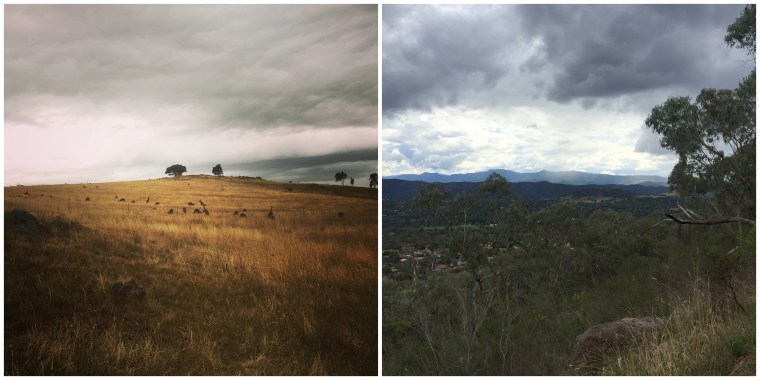
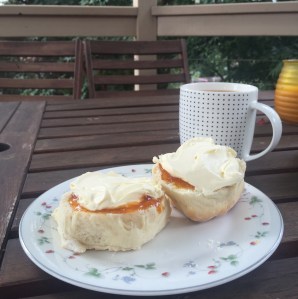 Nevertheless, it was with some contentment that I found a reasonably close reasonably decent coffee stop one Saturday morning, as part of a bike ride on the many accommodating paths in the Tuggeranong Valley. One path circumnavigates its lake, which is a poor man’s Burley-Griffin but amiable enough. Others cut through the various patches of grass set between the backs of brick houses and alongside storm drains. One route takes you up towards Oxley Hill, a reasonable but not unobtainable test of legs, and another does the long uphill drag back to Wanniassa, in which aforementioned legs turn to jelly. I may be being just a touch healthier, but with this comes justification in feasting on yet another, sadly Antipodean, cream tea.

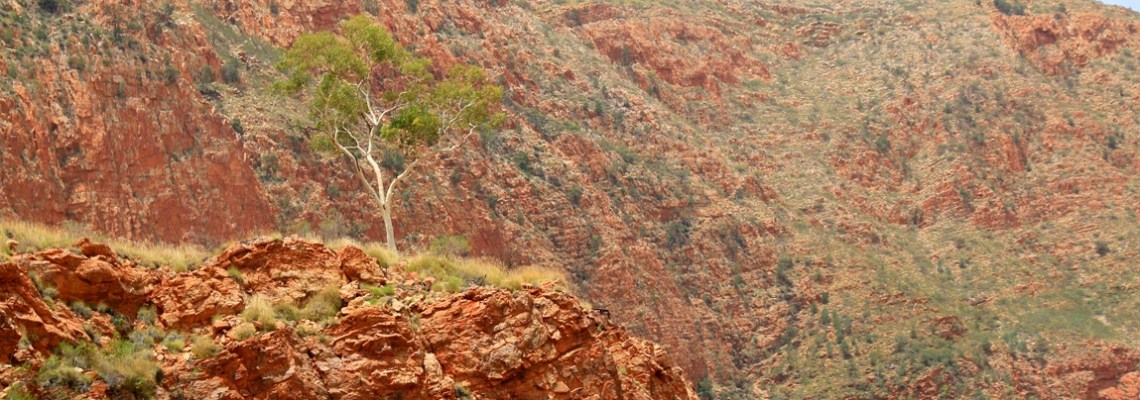
 On the other hand, natural oases appear more limited. The Todd River is mostly a river in name only. Usually it’s just a dry, wide, and sunken swathe of sand meandering through town, almost as if a dreamtime serpent had once there slivered. It is quite striking and also quite beautiful in a way: grasses and short and stocky shrubs flower along its banks and a parade of River Red Gums indulge in a majestic arrangement of bulbous roots, variegated bark and twisted, stretching branches. There really is not a better Eucalypt in all of Australia, in my uneducated opinion. It just looks like it belongs here.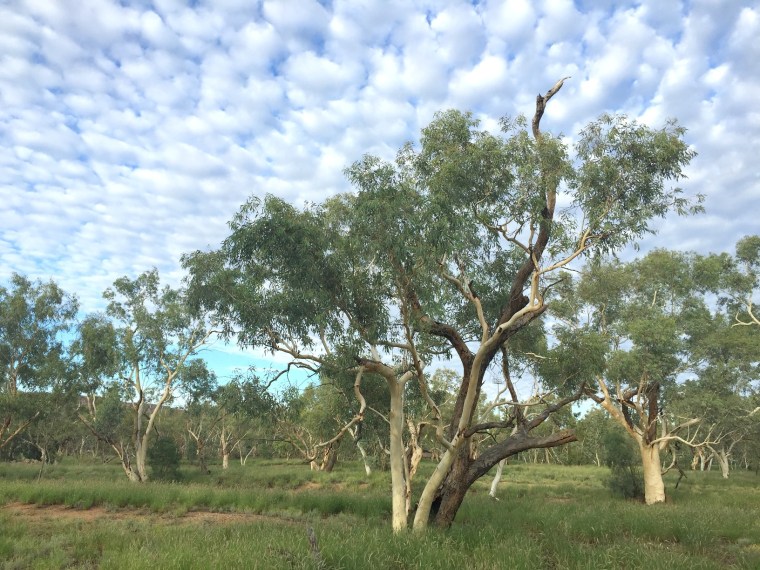
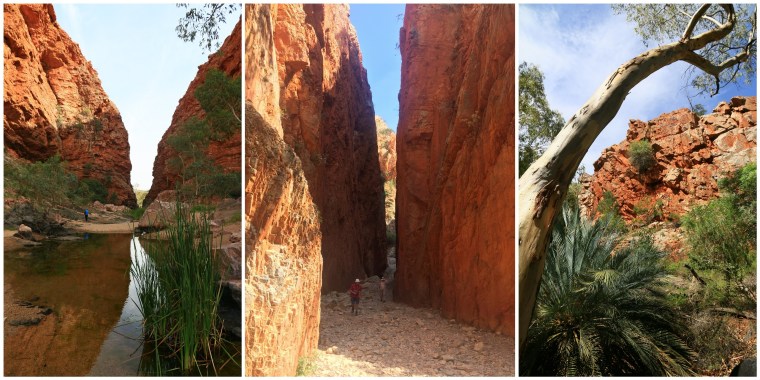
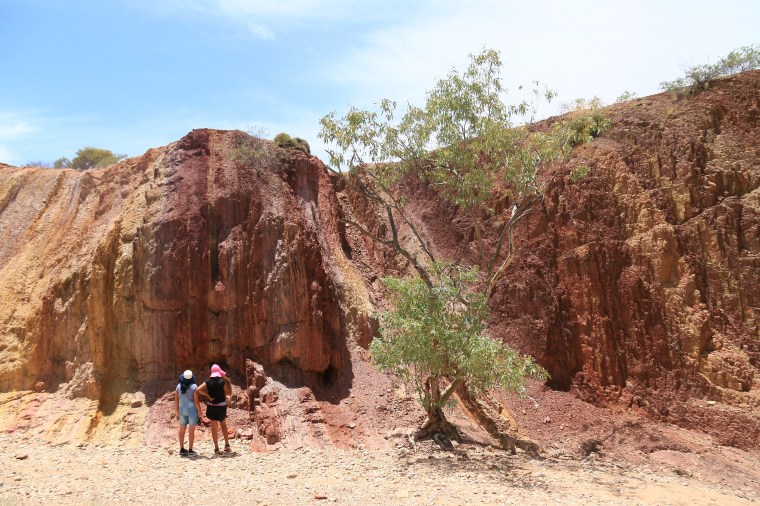
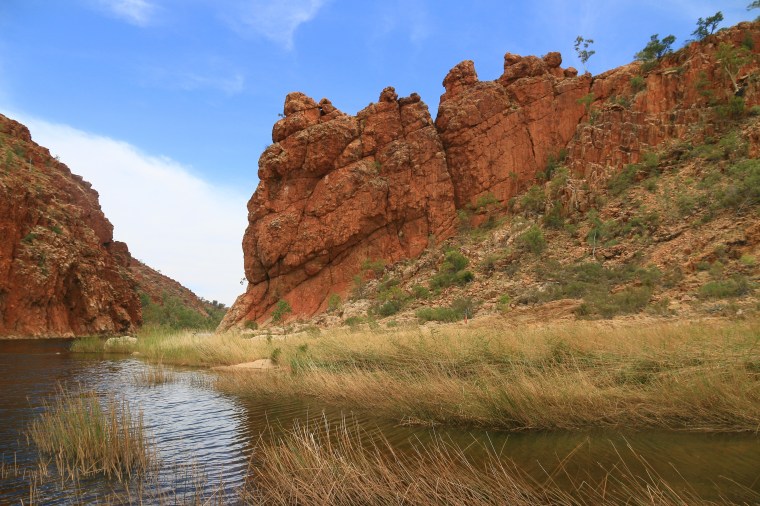
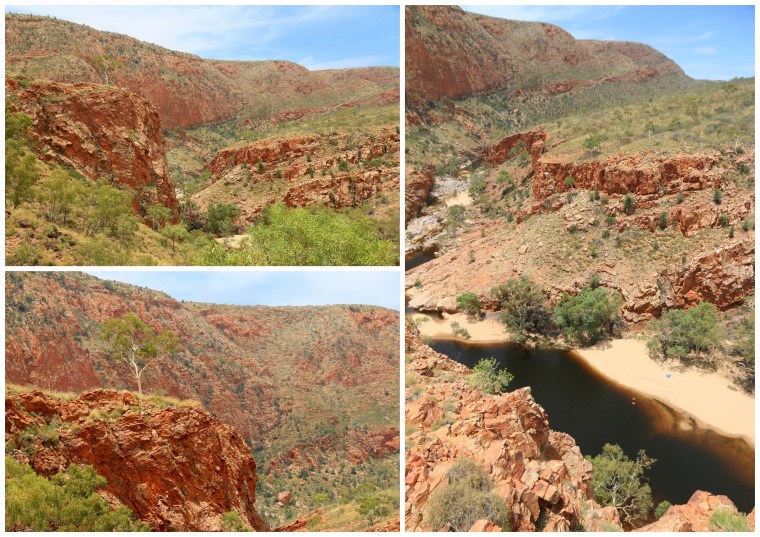
 And so, ten minutes later with a flat front right, someone opened the lamingtons while others flagged down help to get a message back to Alice for another bus to be despatched. Certain overseas visitors couldn’t fathom that there was no mobile reception here, and it was not as simple as getting a rescue helicopter so they could still make it in time for their dinner reservation. One hour in, an extended family resorted to playing the ABC game and I desperately hoped they would ask me to join in. Two hours, and restlessness heightened. People needed to pee in the bushes and generally say what they would have done differently with the eternal benefit of hindsight and no experience whatsoever travelling in the Australian outback. A man with binoculars scanned the road on the horizon, each occasional sighting of a vehicle bringing brief hope before its despair.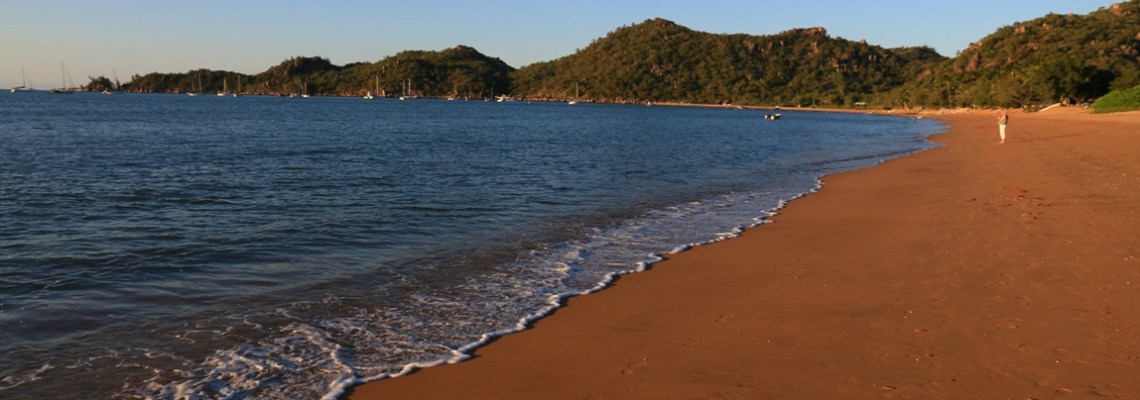
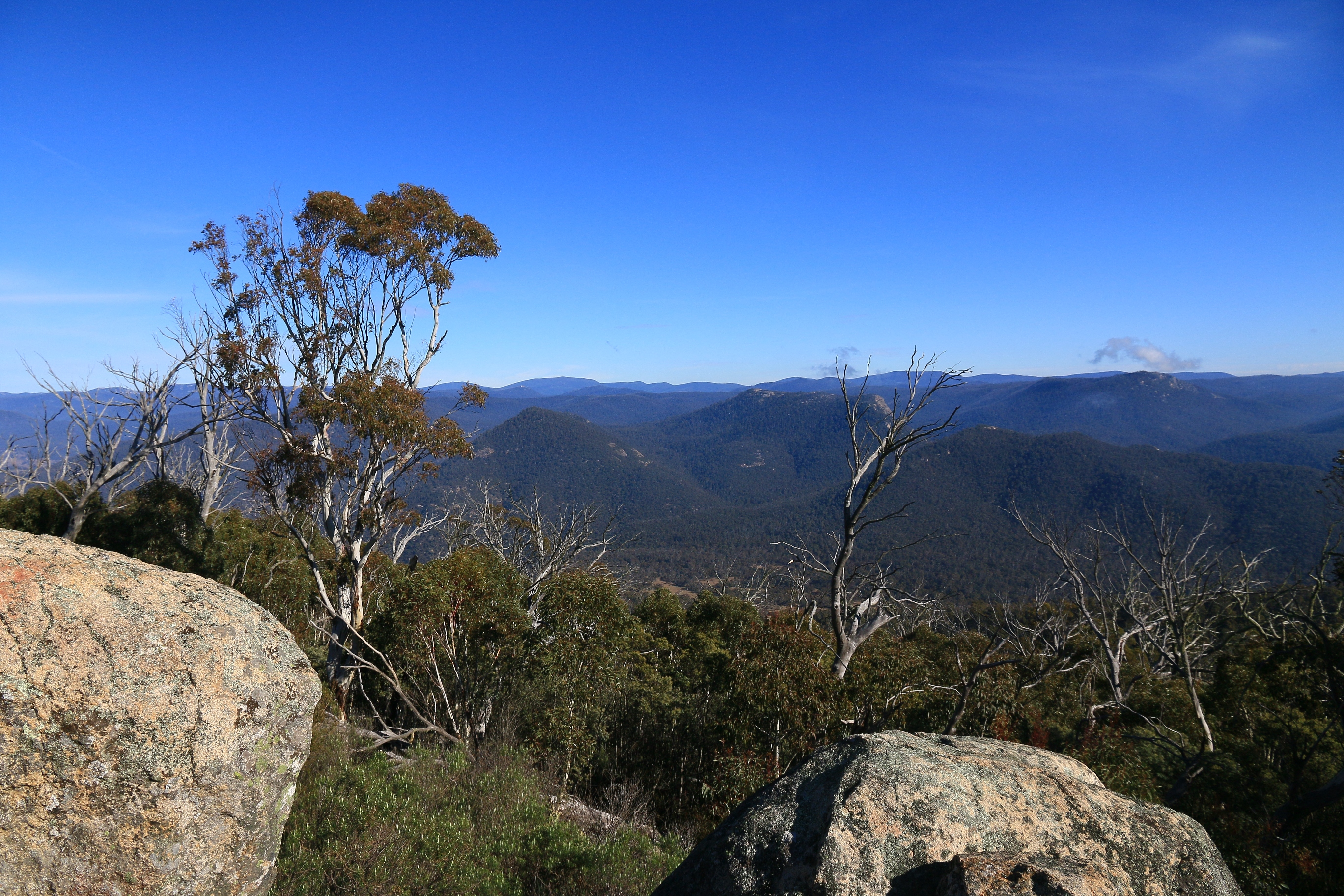
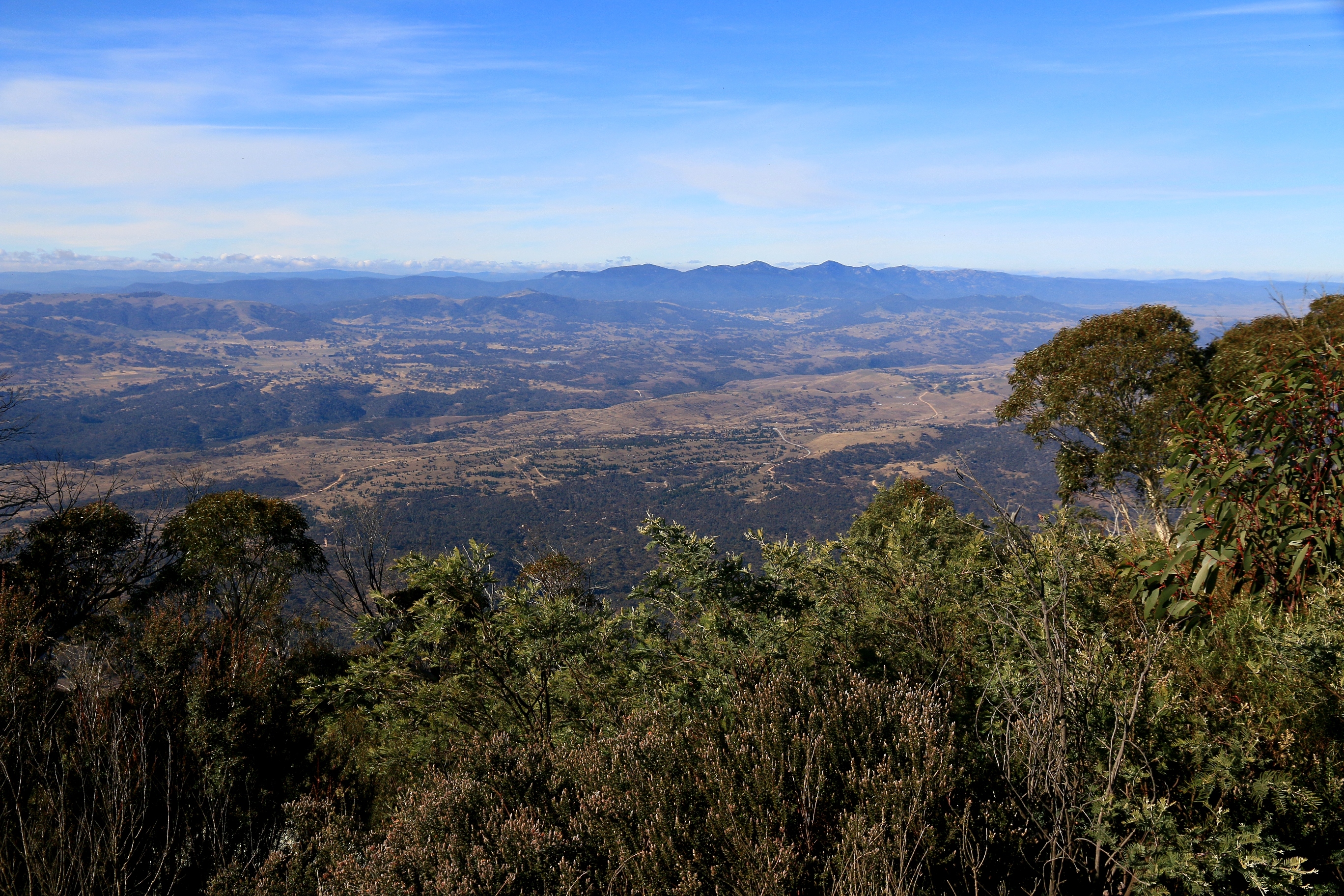

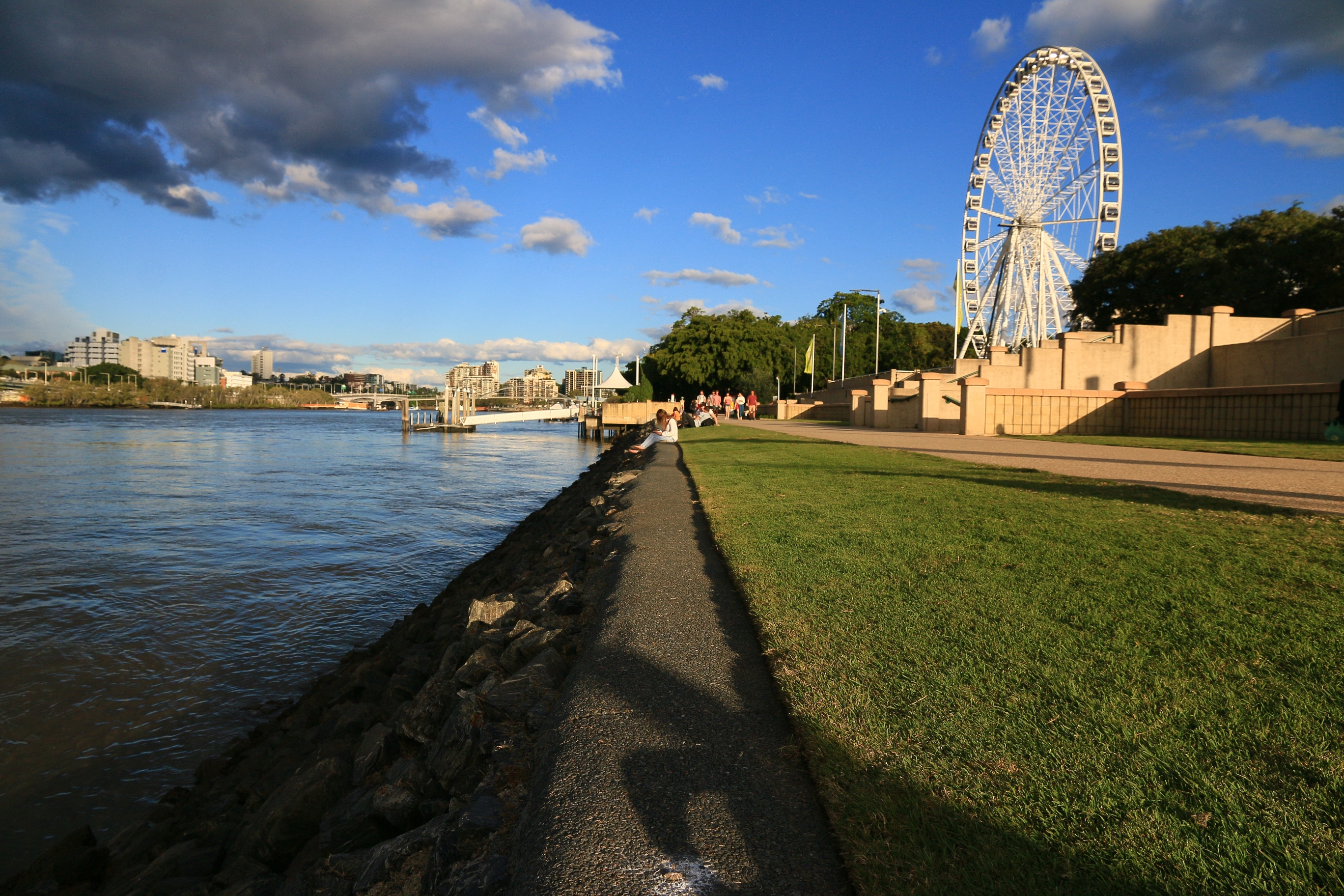


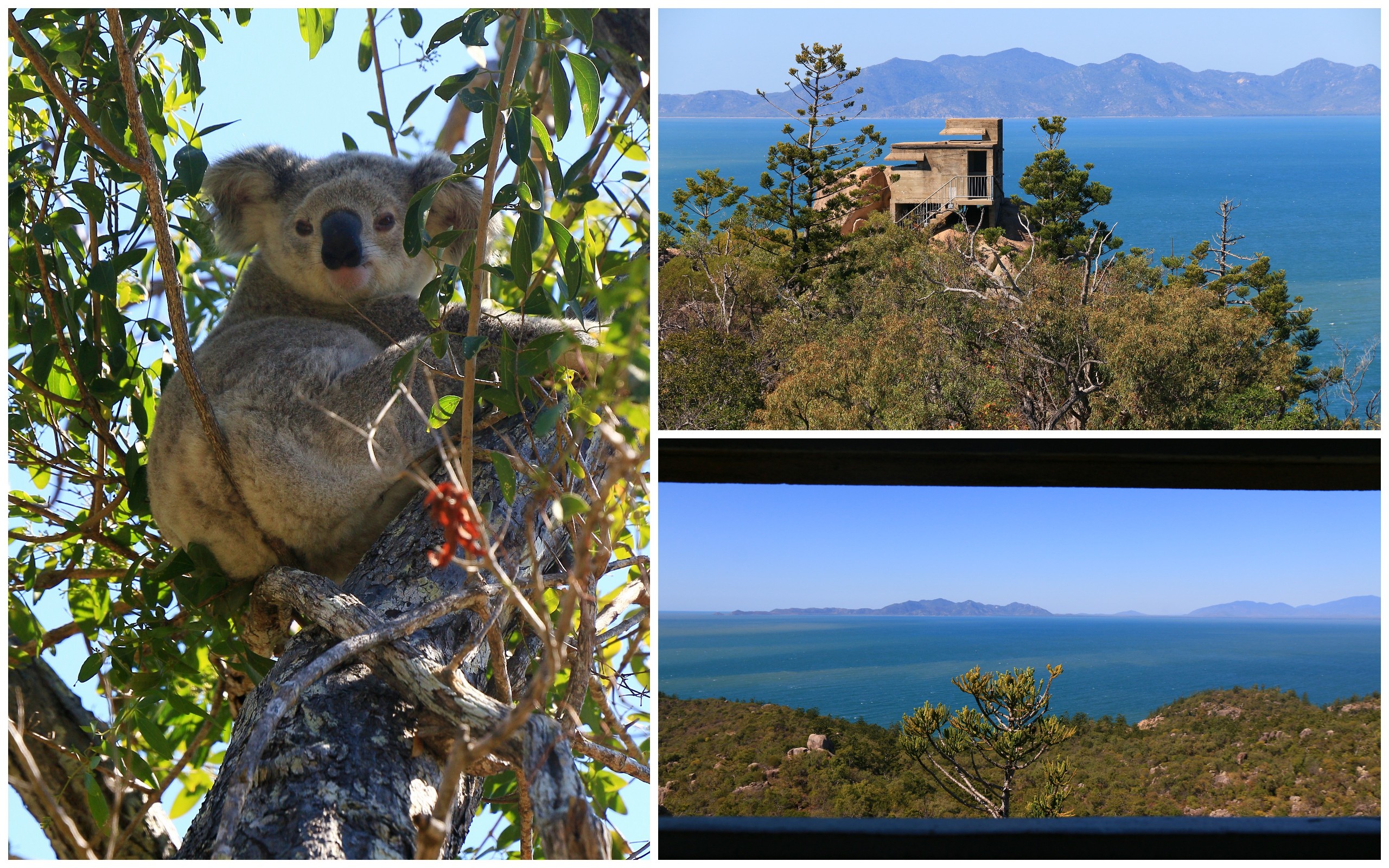




 A good spot with or without coffee is GOMA, the Gallery of Modern Art. Probably without coffee, because that would have been condensed into an essence of cold-dripped Columbian syrup and daubed on the walls to spell out a series of Japanese characters that make no sense whatsoever, but have deep, deep, meaning, hmmm. Still, I love the building in which such work sits, and there is something immensely satisfying in cloaking your laptop bag for an hour and transitioning to a world away from depth interviews and strategically coloured bar charts.


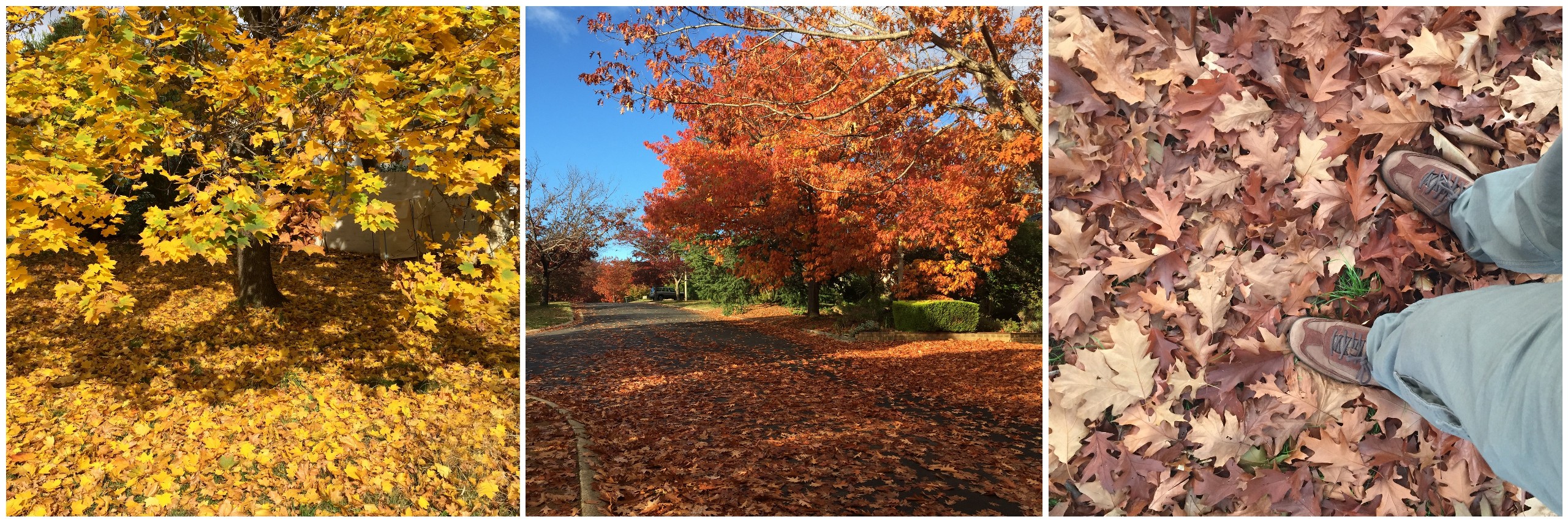




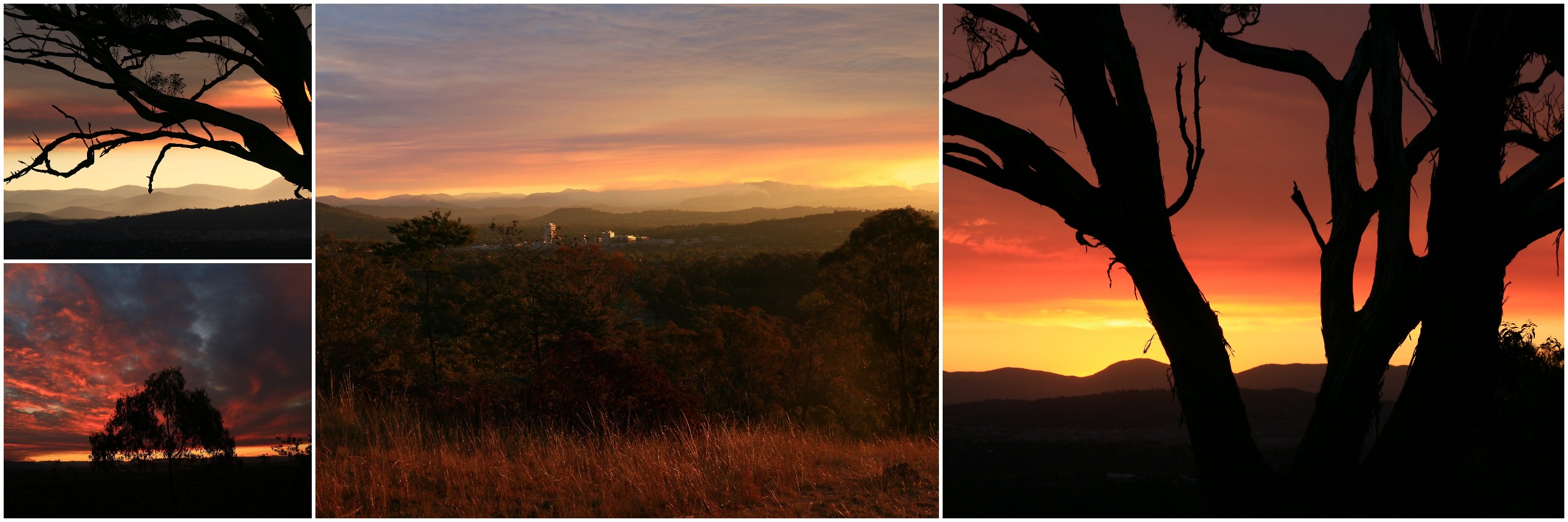
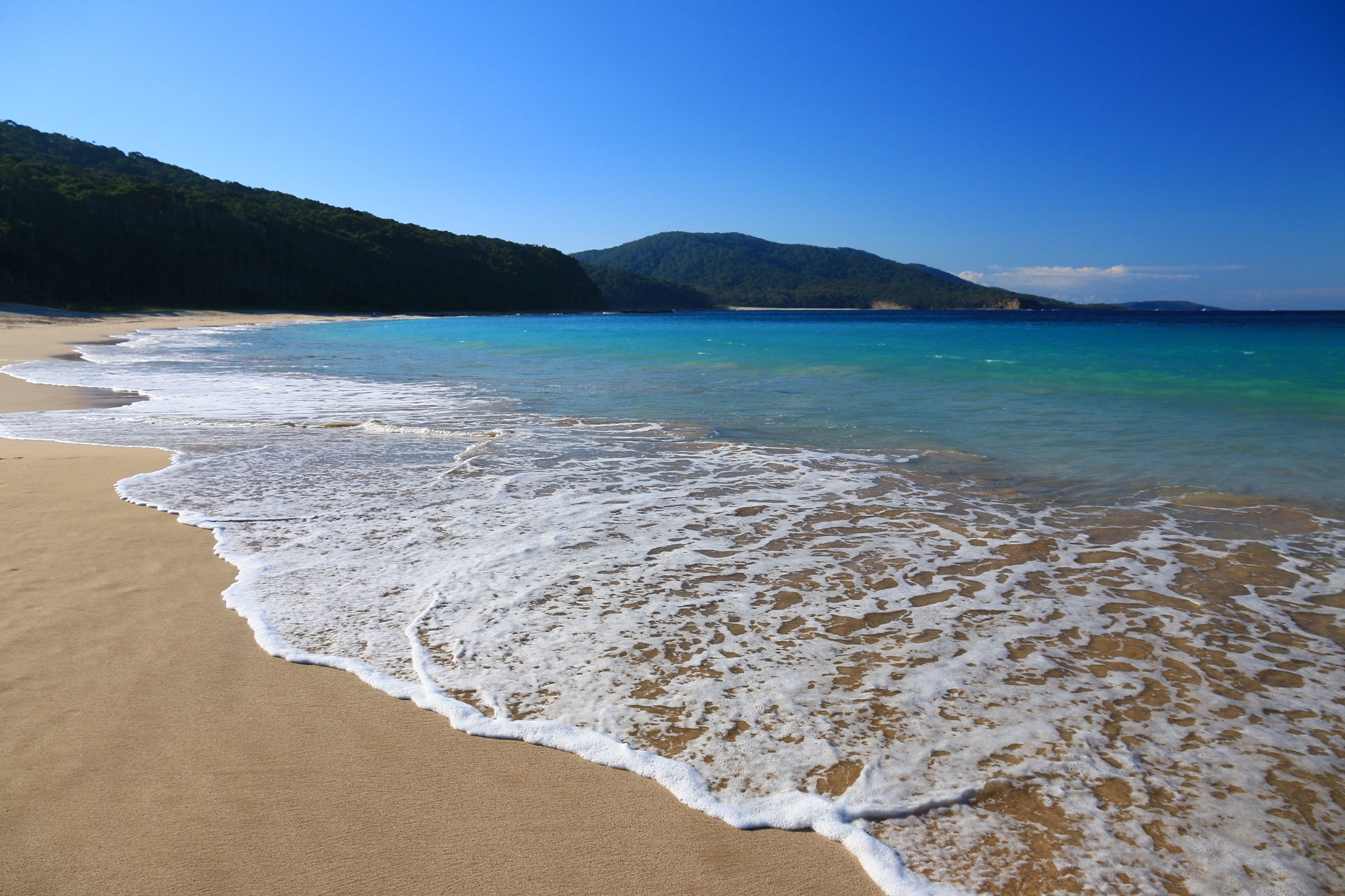

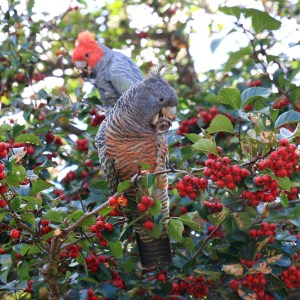 From what seemed to be shaping up to be a relatively mundane autumn – with lots of early browns and leaf losses noticeable – a week which turned from warmth and sunniness to a condition of damp mildness appeared to have fashioned a more elaborate state of affairs. And amongst this fading technicolour the birds lingered too. Foraging and flirting and feasting, the fruitful trees bedecked with gang-gangs.
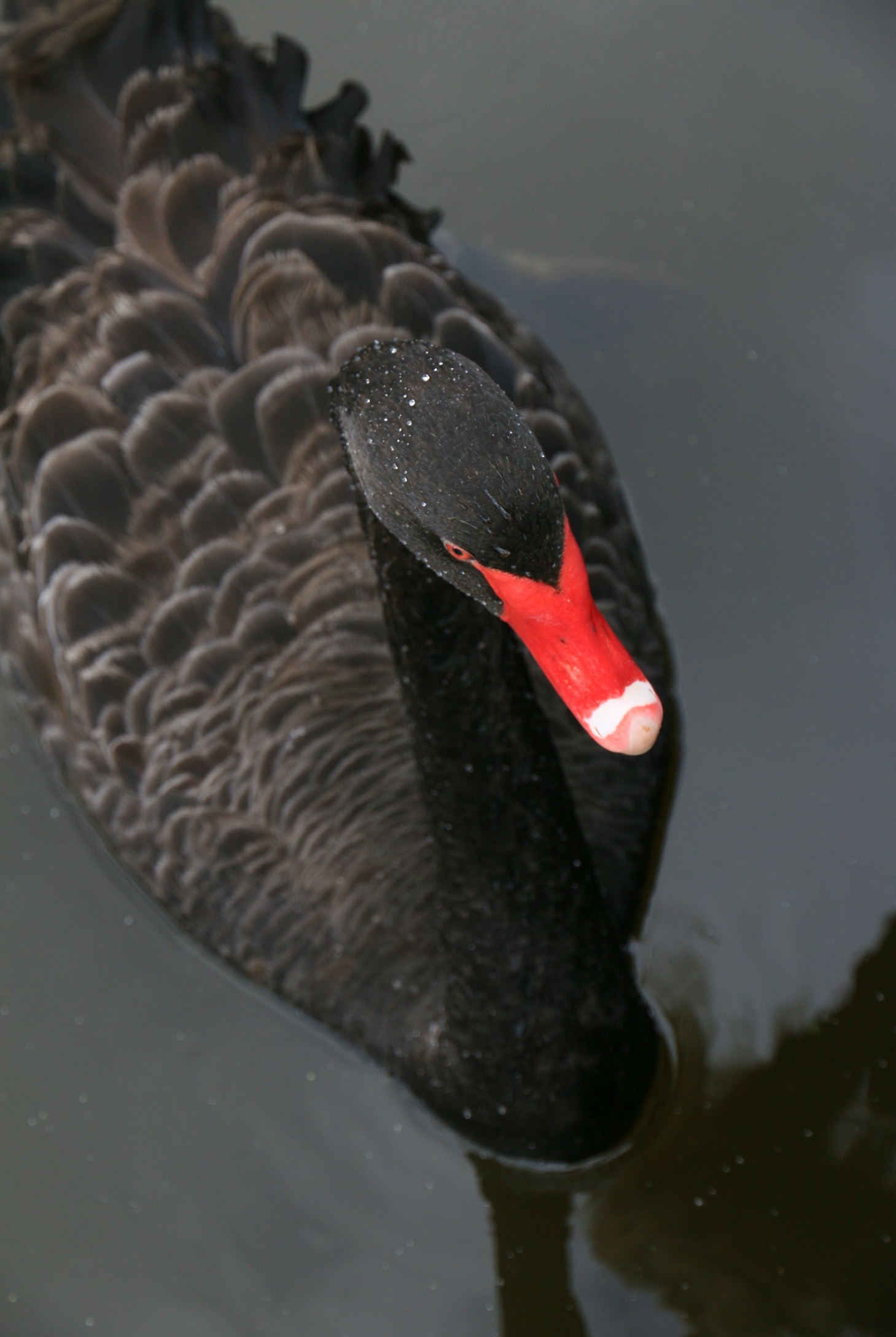
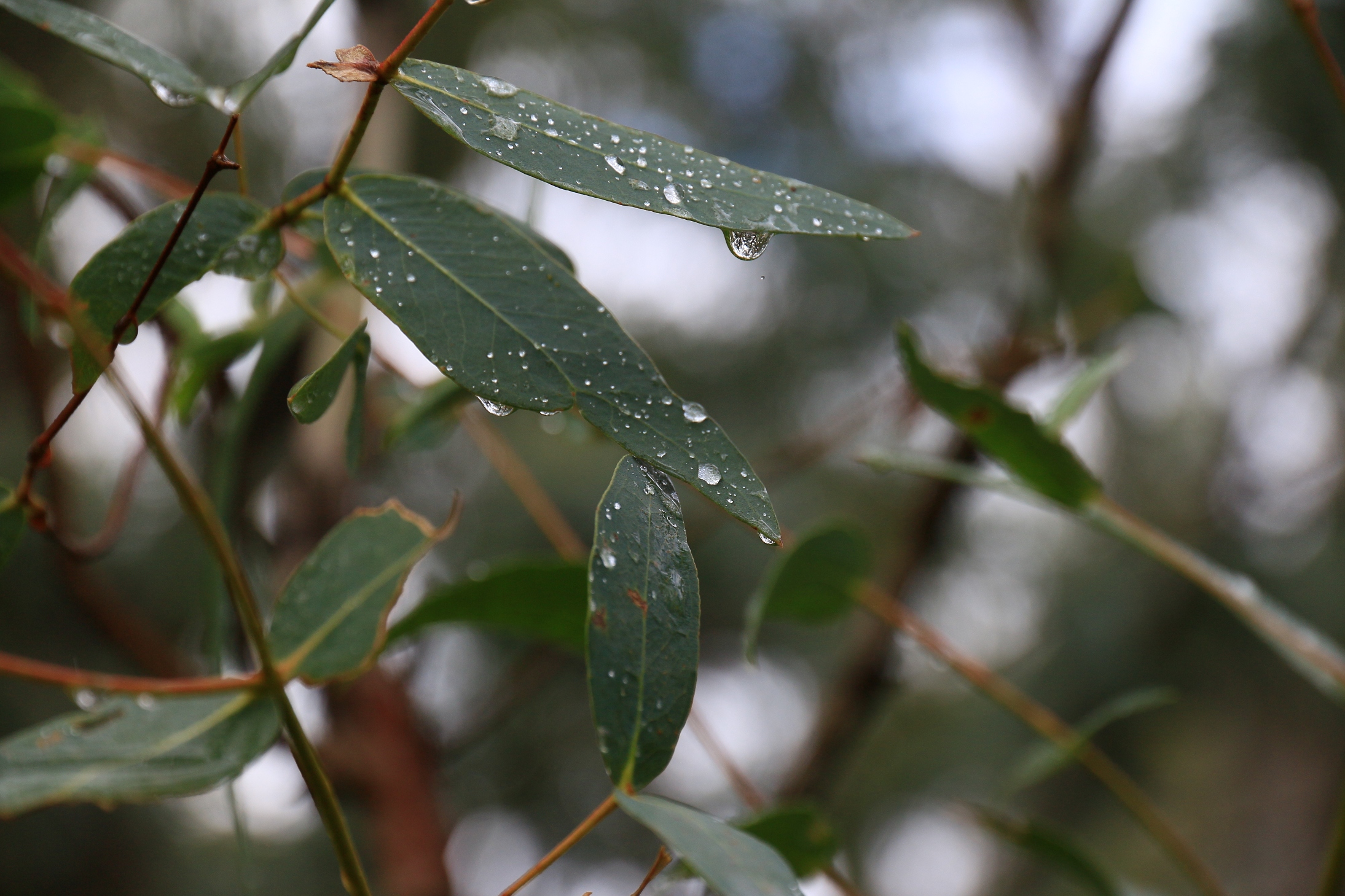


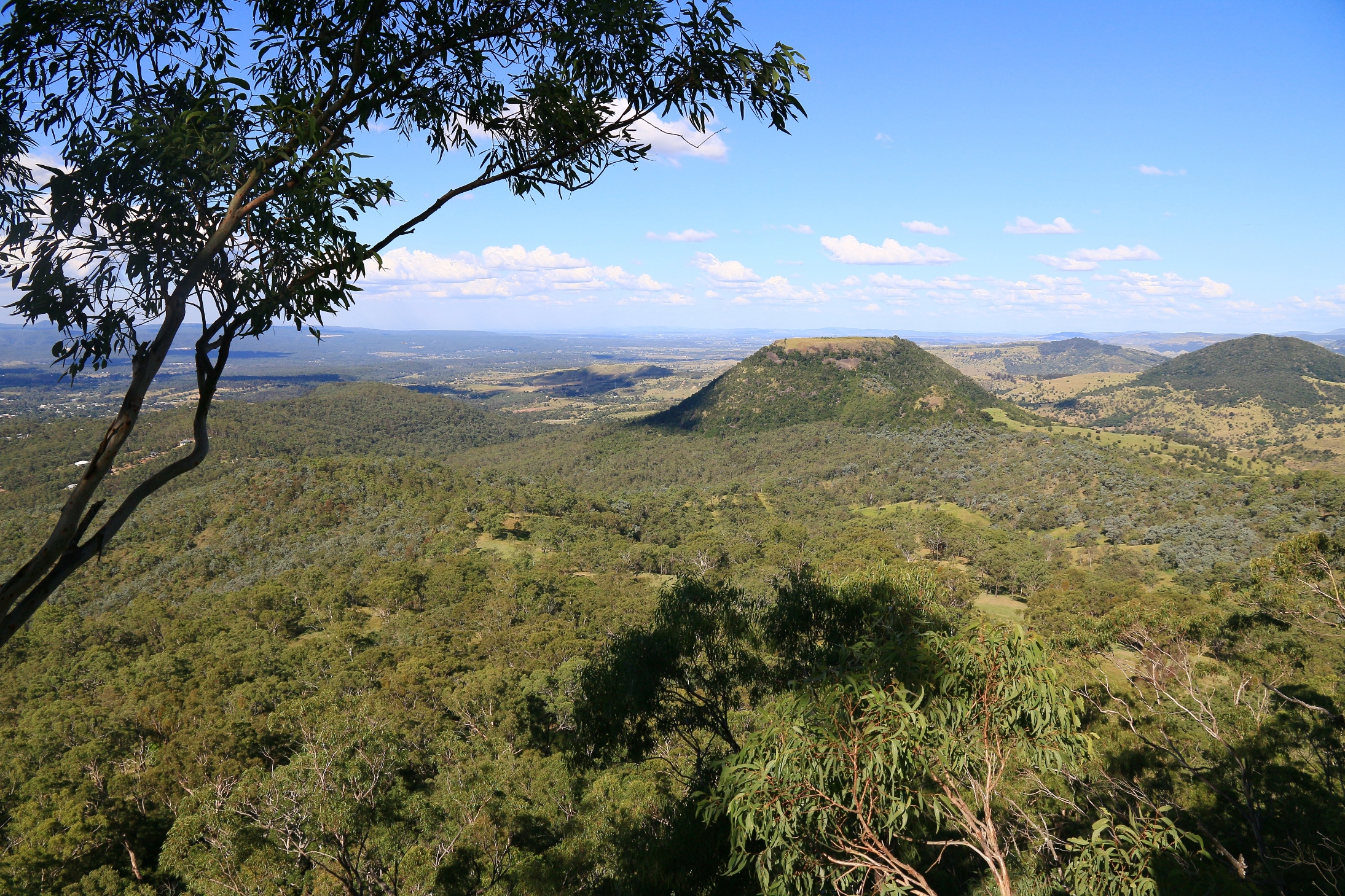



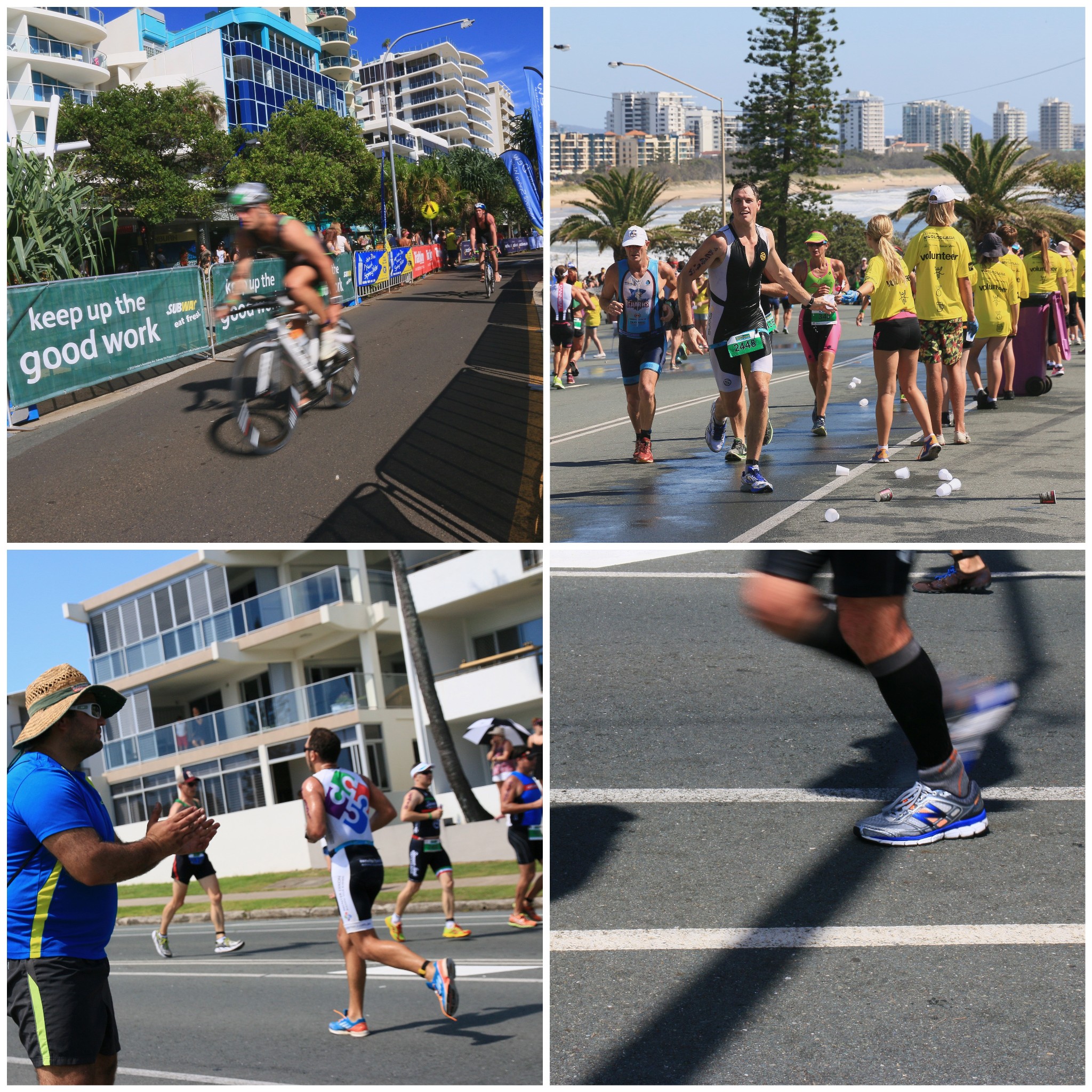






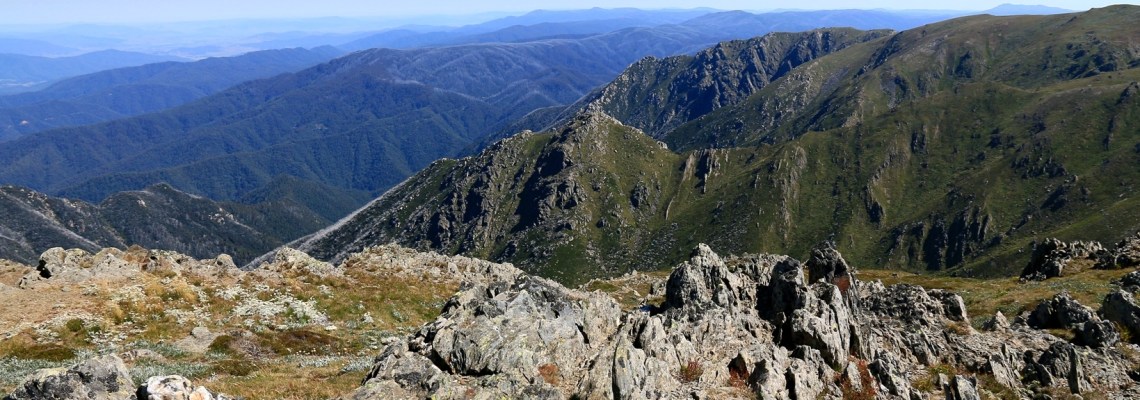
 natural landscape is in much less turmoil (unless you listen to those wacky “scientists” with their corroborated, peer-reviewed “research” and years of undisputed empirical “data”). There are, clearly, mountains to climb and some are easier than others.


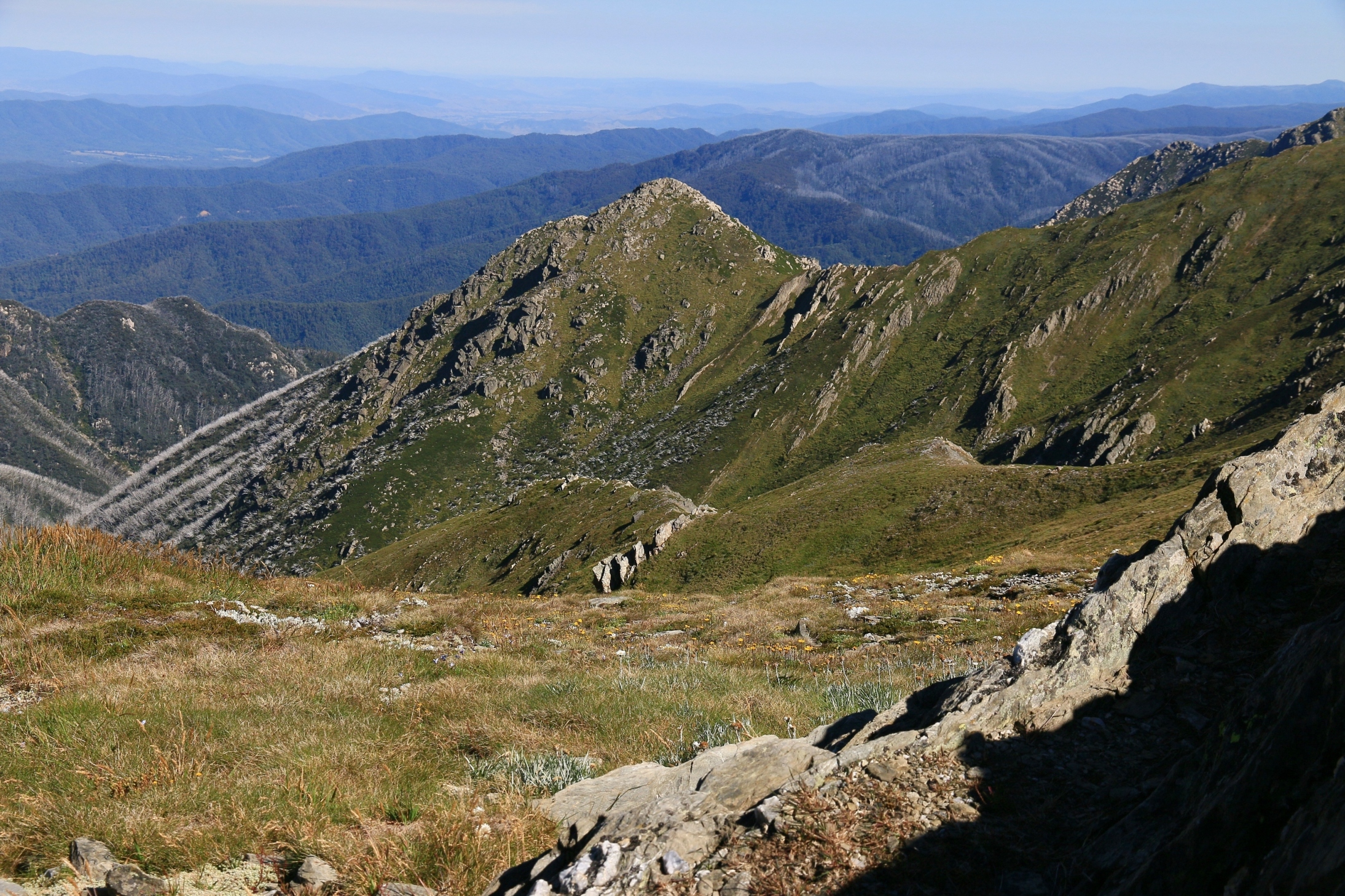

 the right and deep ravines carved by Lady Northcote’s Creek, the mountains seeming to tumble sharply west. I have no idea who Lady Northcote was but if her character was anything like that of the landscape in which she was named, she was probably a bit of a looker, though occasionally bleak and somewhat cutting.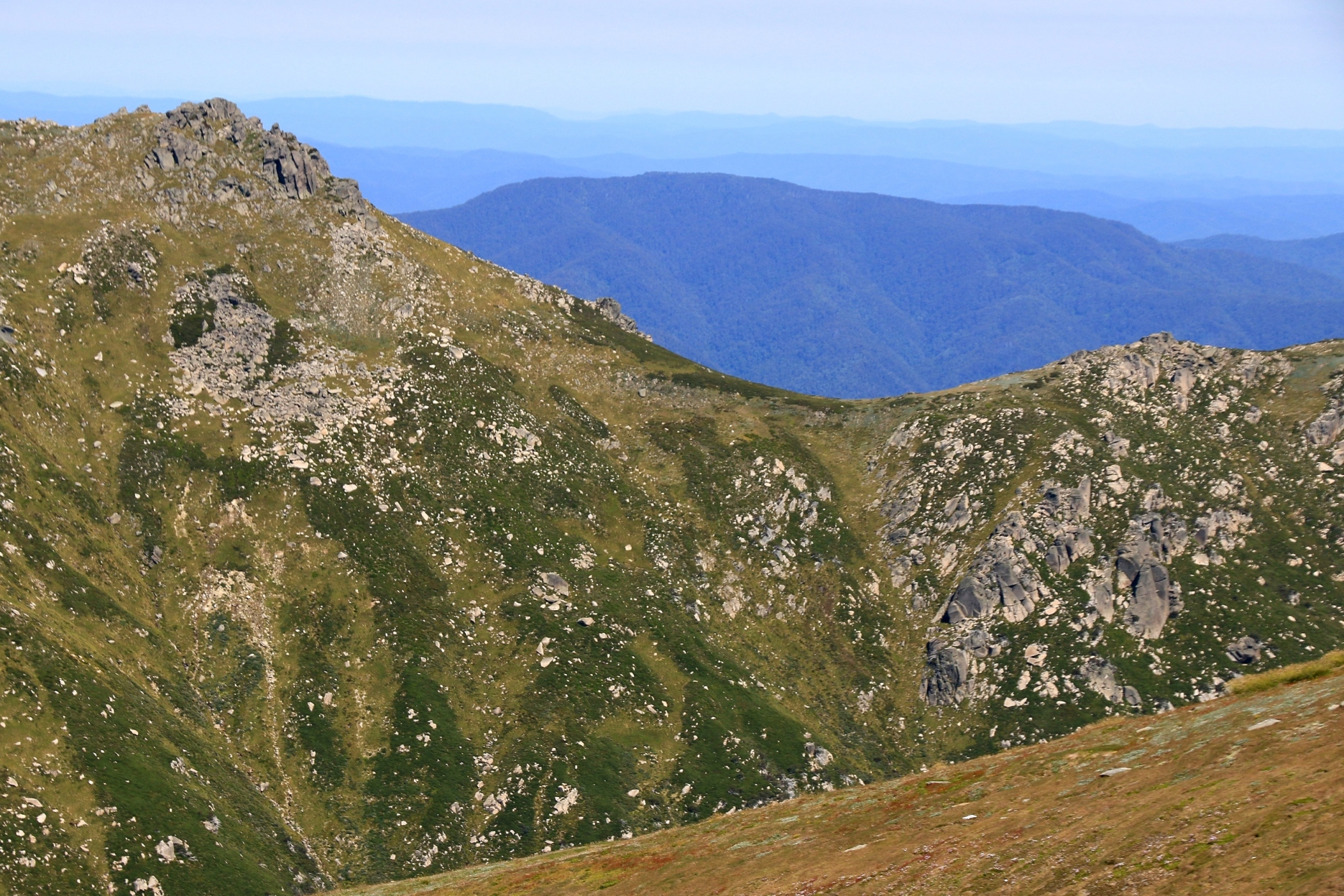
 Before too long Albina Lake emerges, tucked in a sheltered valley seemingly conducive to an array of wildflowers and other alpine plants. The lake looks quite inviting in the warmth and would prove a nice spot for a picnic. It’s about nine kilometres into the walk now, and with the summit of Mount Kosciusko just a few thousand metres distant, we resolve to head on and join the masses carrying their lunch to the top of Australia. On reflection, the best part of the walk is over…though this may be in part because familiar paths will soon be rejoined.
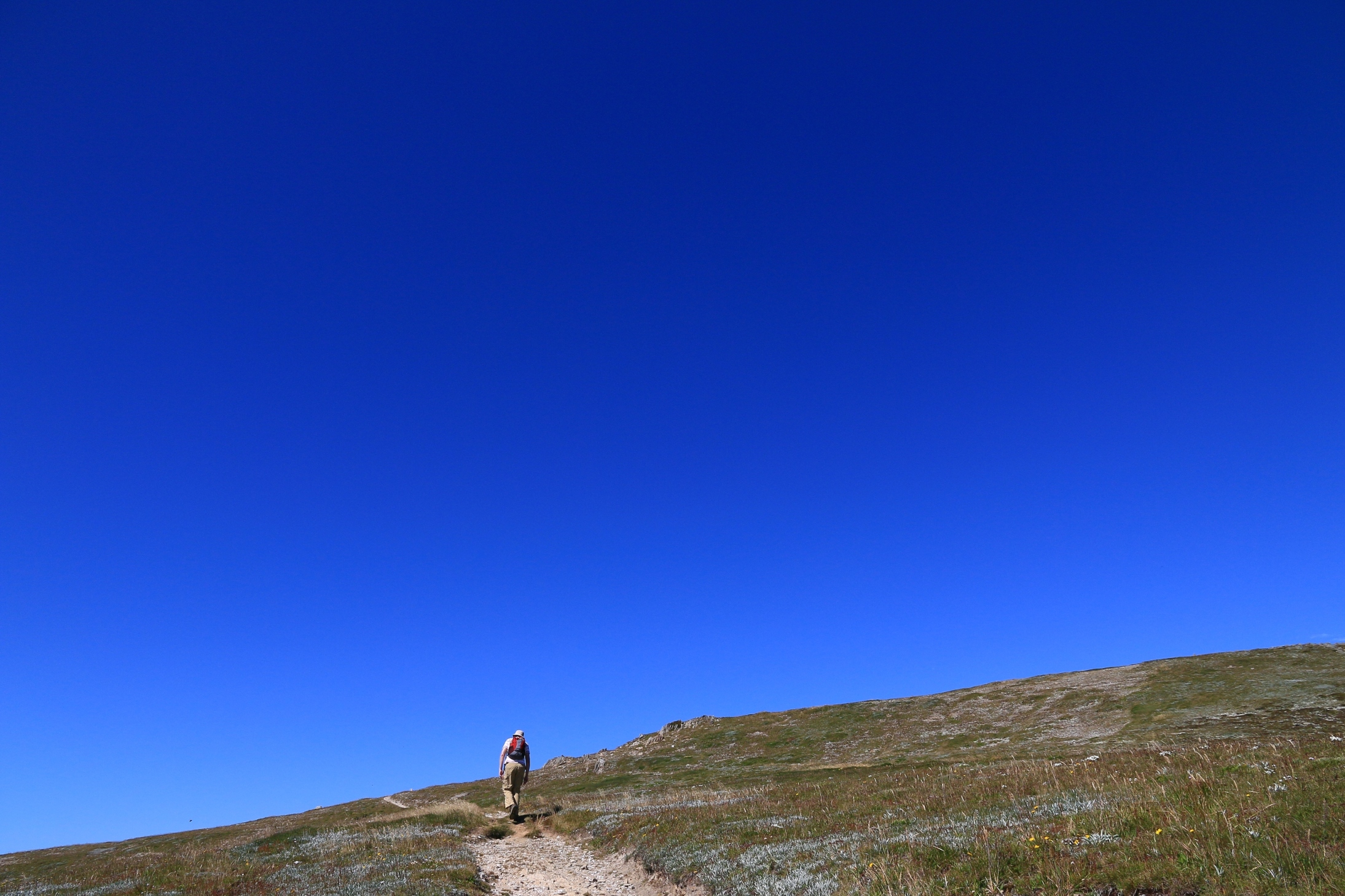
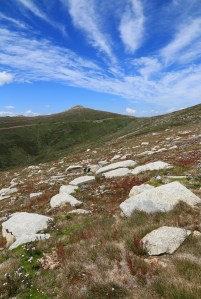 Unfortunately we seem to have gradually descended a little, and the hoick up to the main summit thoroughfare is probably the steepest of the day. We’re not talking rock climbing here, but frequent steps and, by now, quite a penetrating sun. The junction with the main summit trail is like emerging from a country lane onto the M1. Mostly originating from Thredbo, families, fitness freaks and old fogies join us in a steady stream coiling up to the top (2,228m). A medley of Aussie flags and fluoro leggings congregates around the summit marker, and lunching is de rigueur. With homemade hummus and more quiche ours is perhaps one of the more pretentious of picnics!
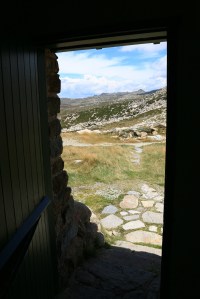 summit climb and apparently includes Australia’s highest public toilet – a sedate, well-graded trail makes it all the way back. This is the old summit road and I read that a shuttle bus used to ply along here, part of me wishing it was still running. The open scenery is not unpleasant, but in comparison to other parts of the track and given the gathering weariness this part is a bit of a drag. Markers every kilometre break it up, as does Seaman’s Hut (2,020m) and a more comfortable bridging of the Snowy River with four kilometres remaining.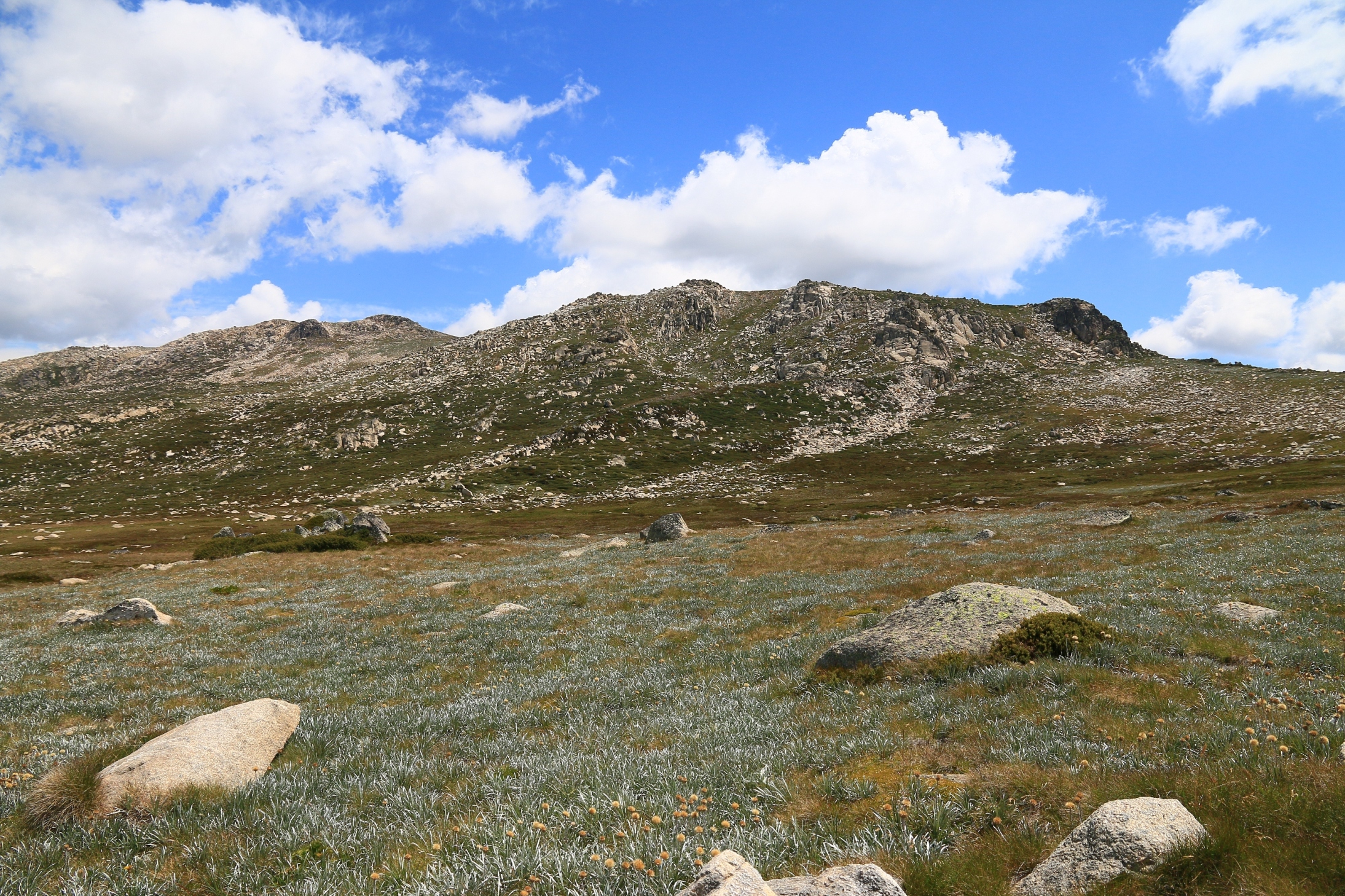
 upwards trail to Blue Lake looks like an impressive climb! Snow Gums also cluster here, stunted and bending with their striped, smooth bark of chocolate and sand, of black and white. Afternoon clouds are building and the risk of storms hypothesised look as though they will be realised. But, after six and a half hours and 21.9 kilometres, we reach the (relative) safety of a Subaru Outback. Accomplished and relieved, invigorated and weary; trundling another 220km back to Canberra (577m), via Jindabyne caffeine and Cooma steak. From the real Australia and back to the bizarre.

 There comes a point in January when people pause to consider what it means to be Australian. This usually occurs on or around the anniversary of a few hundred boatpeople from Great Britain arriving to “nothing but bush” (to quote the minister for Indigenous Australians and His Lordship Prime Minister of the Monarchical Colony of Australian Subjects). Considered writings of pride, of angst, of hope, of uncertainty litter the newspapers and infiltrate the electronic graffiti of the twittersphere. For the common man – let’s call him Shane – the Australian essence is commemorated through the bite of a lamb chop from a gas barbecue the size of a truck, a youthful discussion of rising intonation about the best 100 songs involving people with beards lamenting at life, or a day in front of the TV watching tennicrickcycletfooty with a so-cold-it-hurts beer.
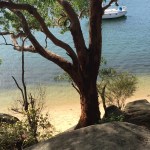
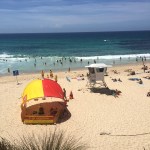 While I could brave a venture into the question ‘What does it mean to be Australian?’ I neither have the will nor the current brainpower to go down this path. It may be I am suffering from that particularly laconic strand of Australianism that arises specifically at this time of year – the can’t really be arsed is it still the holidays period. I’m also in the dubious position of not really being a proper Australian, not really, even though the flag of my country of birth is still emblazed like some badge of imperial approval upon yours. All I can say is that I feel lucky, immensely lucky, to be a part of you, attached to your deep blue skies, your sandy shores, your withering white gum trees, and your mostly generous and progressive people.
 I feel lucky, on most days, to be in Canberra. Yes really! A capital you have built in little over one hundred years from sun and frost-baked plains and bush-tangled hills. You really ought to be a little prouder of this achievement, especially because you have left some of those bush-tangled hills alone. The sweeping roundabouts and nationalist edifices now scattered across the plains are looking particularly fine as well, what with the regular stormy soakings keeping the grass nice and green. A summer of such generous rainfall that it could almost be British. How soothing.
 Despite such impertinence, the sun still shines most days here, and for that I am grateful. The slight irony is that I write this looking out of my window on grey accompanied by a cool 17 degrees only. But this is surely a blip, for other days have offered ample warm sunshine before the storms. Conditions in which I can enjoy your verdant lawns and embrace your rising humidity. To climb bushland hills and swing golf clubs very amateurishly. To cycle alongside the water and sip coffee with the hipsters. To be that most Australian of creatures and watch sport; and not just any sport, but cricket, and cricket in an atmosphere of cleverly articulated critique of the opposing English team. Pommie-bashing I think you call it, and too bloody right.


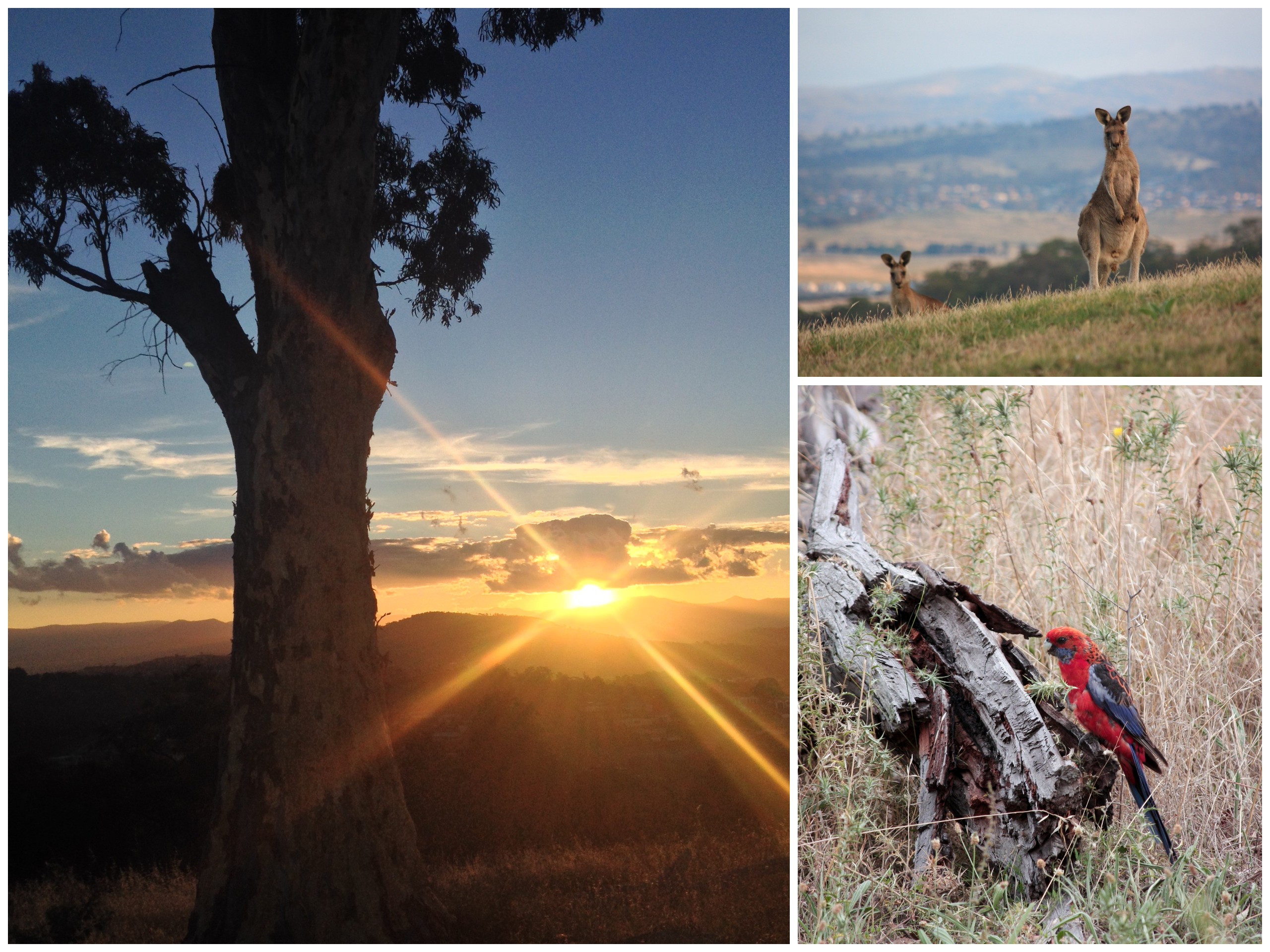
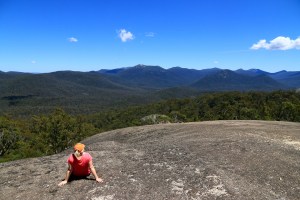 As a more recent entrant upon this giant landmass I feel blessed that I can maintain a comfortable, civilised, and invariably cultured urban existence while still being easily belittled by nature. I can live in a clean, safe, prosperous city scattered with sweeping roundabouts and take one of the exits towards nothingness. Though for nothingness read abundance. An abundance of gum trees and hills and high plains in Namadgi, from which rocky outcrops pierce an abundant blue sky. A plethora of grasses and wildflowers emerging in swampy hollows, the weeds also thriving in a show of acceptance and egalitarianism. A setting for black cockatoos and butterflies to float in the air, riding the breeze upon which small white clouds cluster and vanish.


 From then on the eating proceeded with a mostly seafood lunch involving the largest prawns ever created, sweets, desserts, nibbles, barbecue, sweets, snacks, more nibbles, etc. Presents were unwrapped, outdoor chairs were reclined, family discussions were robust. And to cap the day, I came home for a touch more nourishment and a little drink to lubricate the Skype calls to Europe.
 There have been some natural and arguably more spectacular fireworks anyway. The hot dry summer which occurred in November has now been usurped by a north Queensland period of sunny, sultry mornings building to climatic storms and downpours later in the day. The pattern has been so recurrent that the days are becoming almost entirely tediously predictable, and so activities (unless they involve storm-chasing) are almost best undertaken in the mornings.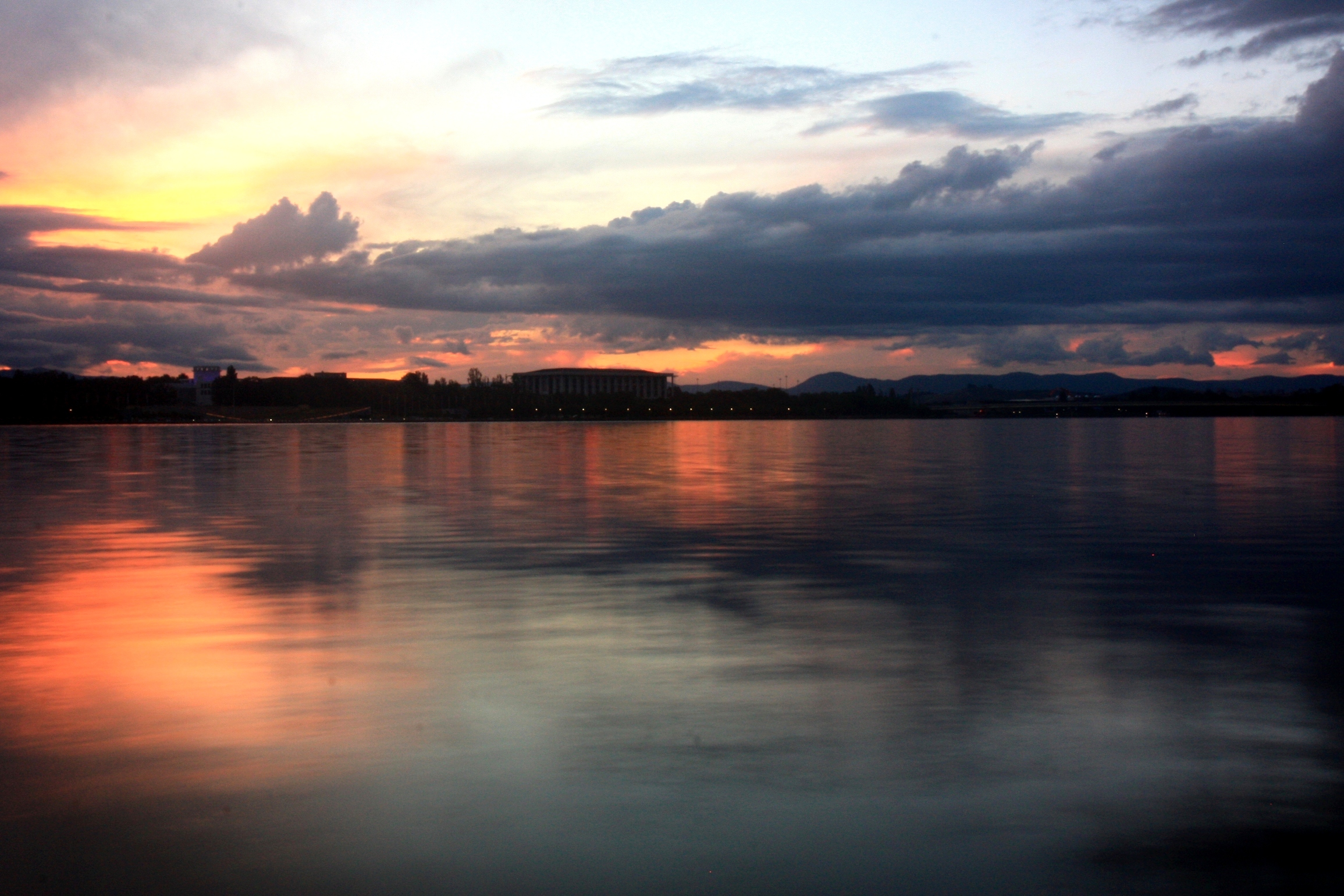

 ra (1,855m), offered the perfect antidote to Christmas torpor. And it wasn’t even too difficult – the first six kilometres along a fire trail with interruptions for forest views, bird sightings, flower-filled glades, blue-tongued lizards and lunch beside a rickety mountain hut.
 period with less than impressive results), it has been nice to venture lakeside and use a bicycle as a functional means of attaining coffee and shopping. A day spent re-visiting some of the national attractions was ideal by bike, and trips to town are scenic and satisfying, despite the fact that this means entering stores glistening and red-faced.