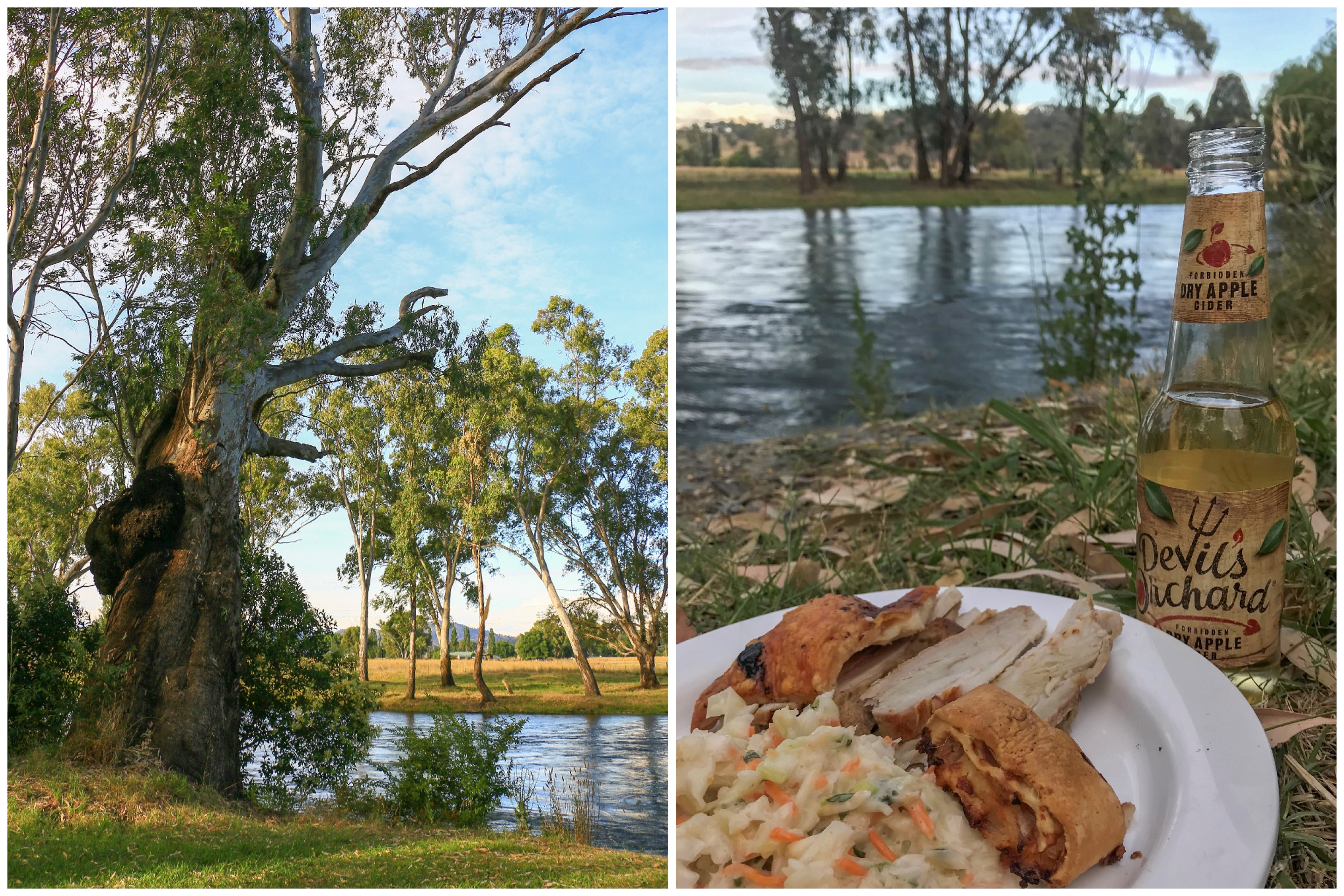
The Tumut River is proving a soothing spot. In spite of its swift flow, fed from the elongated dams of the Snowy Mountains, there is something becalming being upon its banks. Boasting more of an aquamarine shade than the sedimentary highways of the Murrumbidgee and Murray, it is a waterway begging to be paddled or fished. Or simply enjoyed from under the shade of a majestic River Red Gum – as long as you can overlook the fact that these trees have the pesky habit of randomly dropping their hefty limbs.

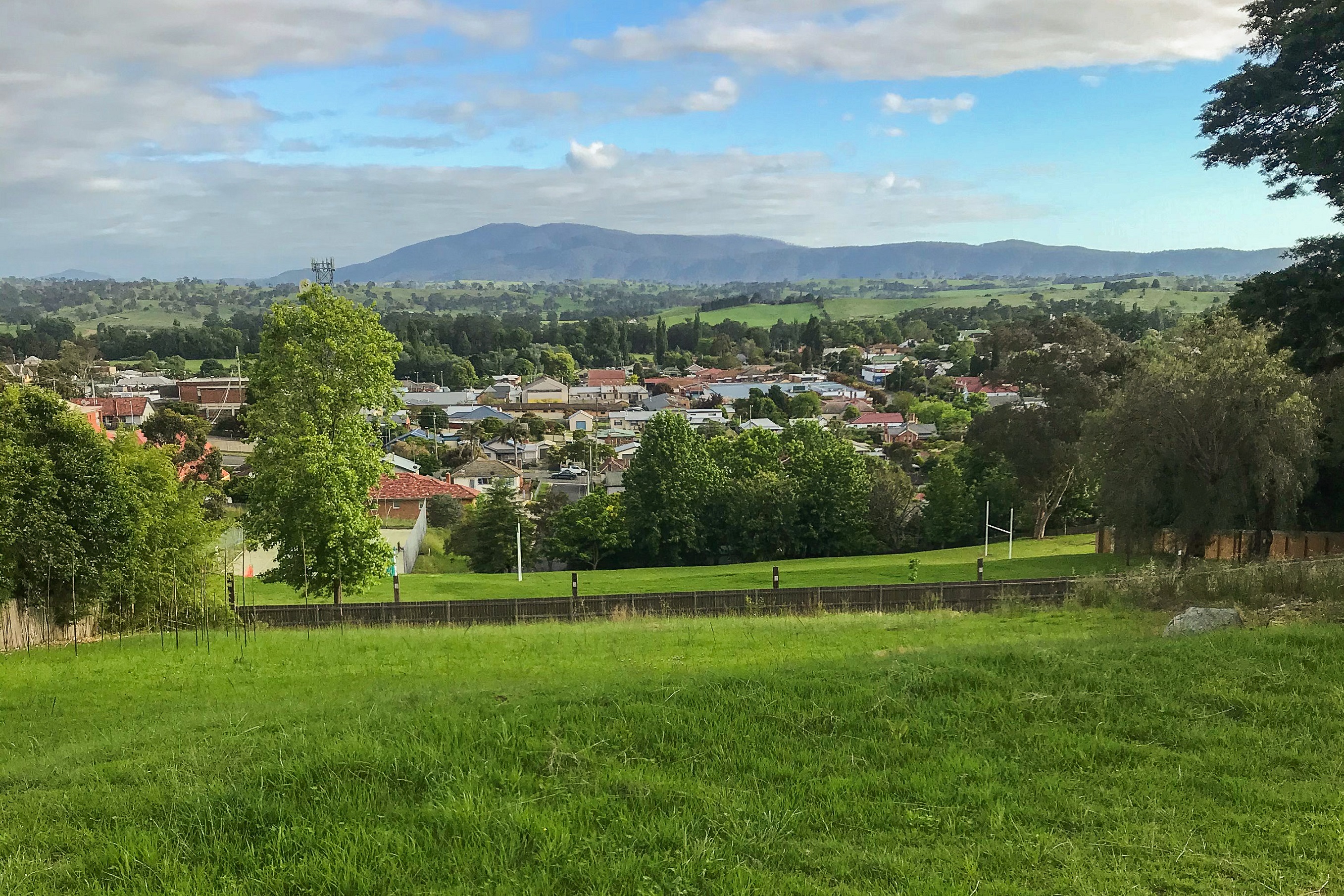
Various tributaries wind their way over fertile plains enjoyed by cattle and horses, mystery roads leading off into hidden valleys with panoramic landscapes. In Tumut itself, the river transforms what would be a pleasant enough little town into something more beguiling. Sitting among green parkland below the town centre, there may me a little part of water meadow England evoked. If you ignore the cackle of the cockatoos.
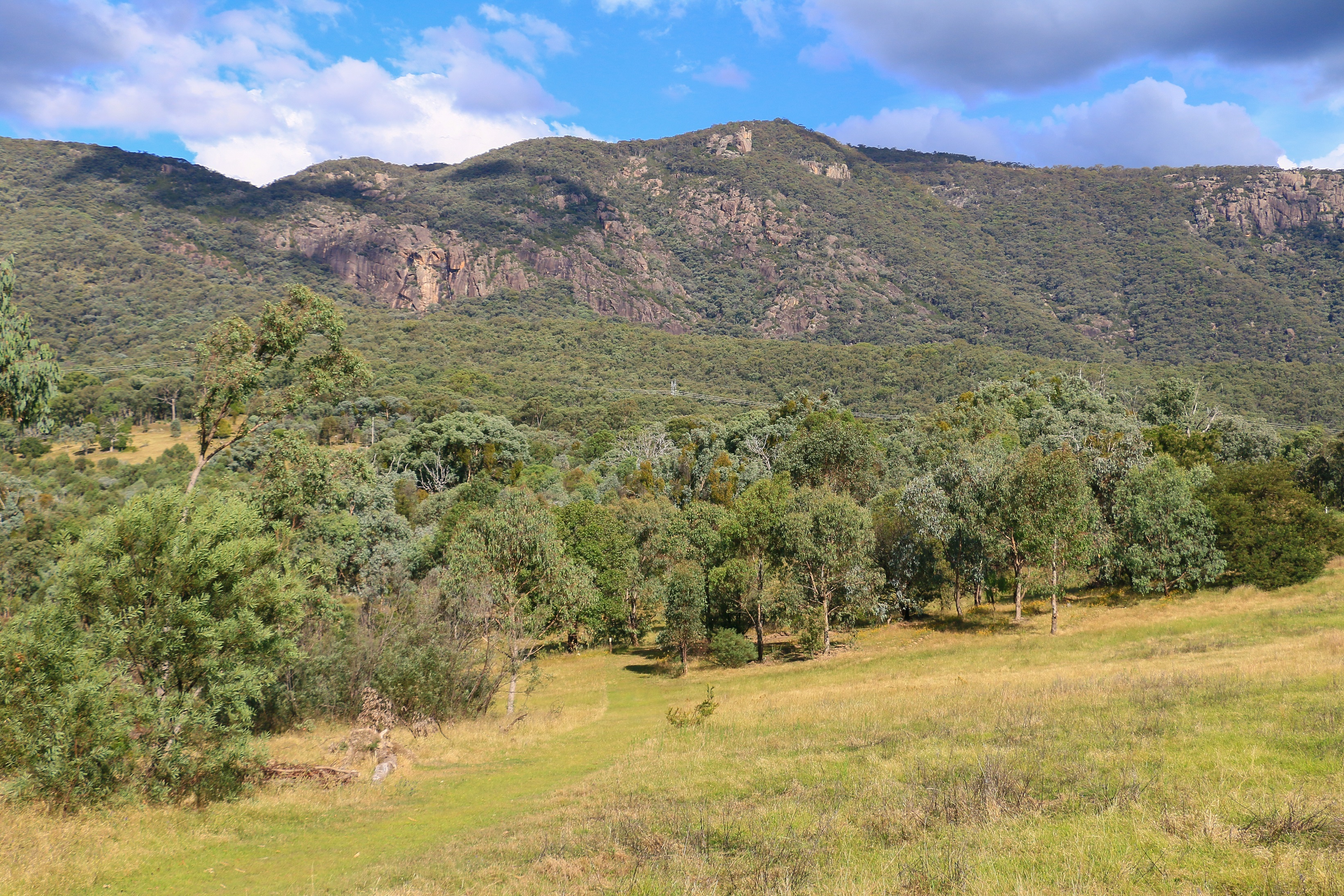
It was just under a year ago that I found myself here being rejuvenated after a day of hard labour pulling down fences in the hills behind. Sit in Tumut today and you would be hard pressed to imagine how fraught it would have been on January 4th, 2020. Approaching from the west, the Dunns Road Fire ravaged through Batlow and the Green Hills, cresting the Snubba Range and spilling down to and over Blowering Dam. It went on to merge with other large fires in the area, sweeping through pristine sections of Kosciusko National Park and the Snowy Valleys, before lapping at the edges of the ACT.
One year later I found myself in Pioneer Park sitting beside the river once again. It shows what an absolutely legendary year 2020 turned out to be that I had forgotten exactly where the fires had hit. No longer obsessively checking Fires Near Me I thought, for some reason, that the Dunns Road Fire had stopped on the western shores of Blowering Dam. Driving south from Tumut, it didn’t take too long to realise my oversight.
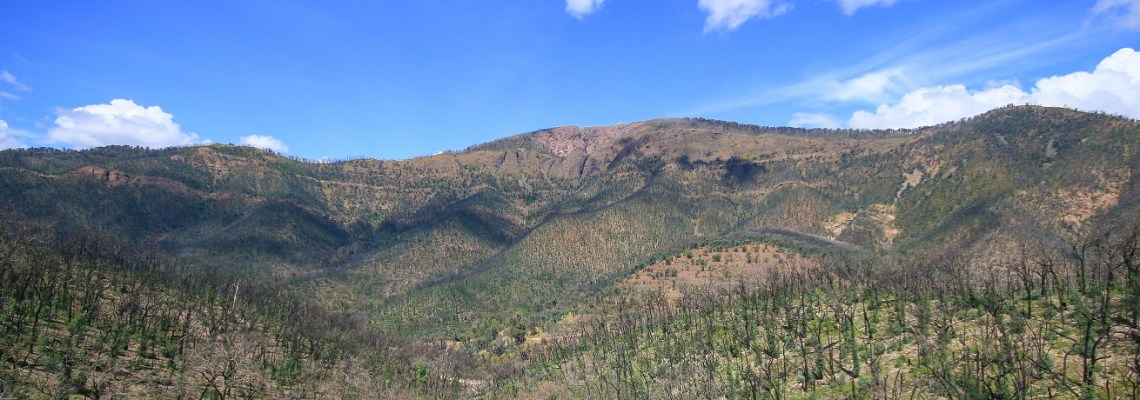
For sure, the western side of the dam is still quite a shock. Made up of plantation forest, the hillsides remain largely bare, apart from the blackened matchsticks of pine. Somewhere up there on the ridgetop, I wonder how Paul and Andrea are going on their farm, and whether Smiley has cheerily constructed a new hut. Hopefully the fences are still standing.
Down on the water, there is a somewhat normal scene of socially-distanced summer holidays playing out – all gargantuan encampments and four wheel drives and boat trailers. An emu pokes its head above the undergrowth, no doubt fleeing the meltdown of a toddler who just really doesn’t want to go anywhere near the water thank you very much. They seem to be everywhere.
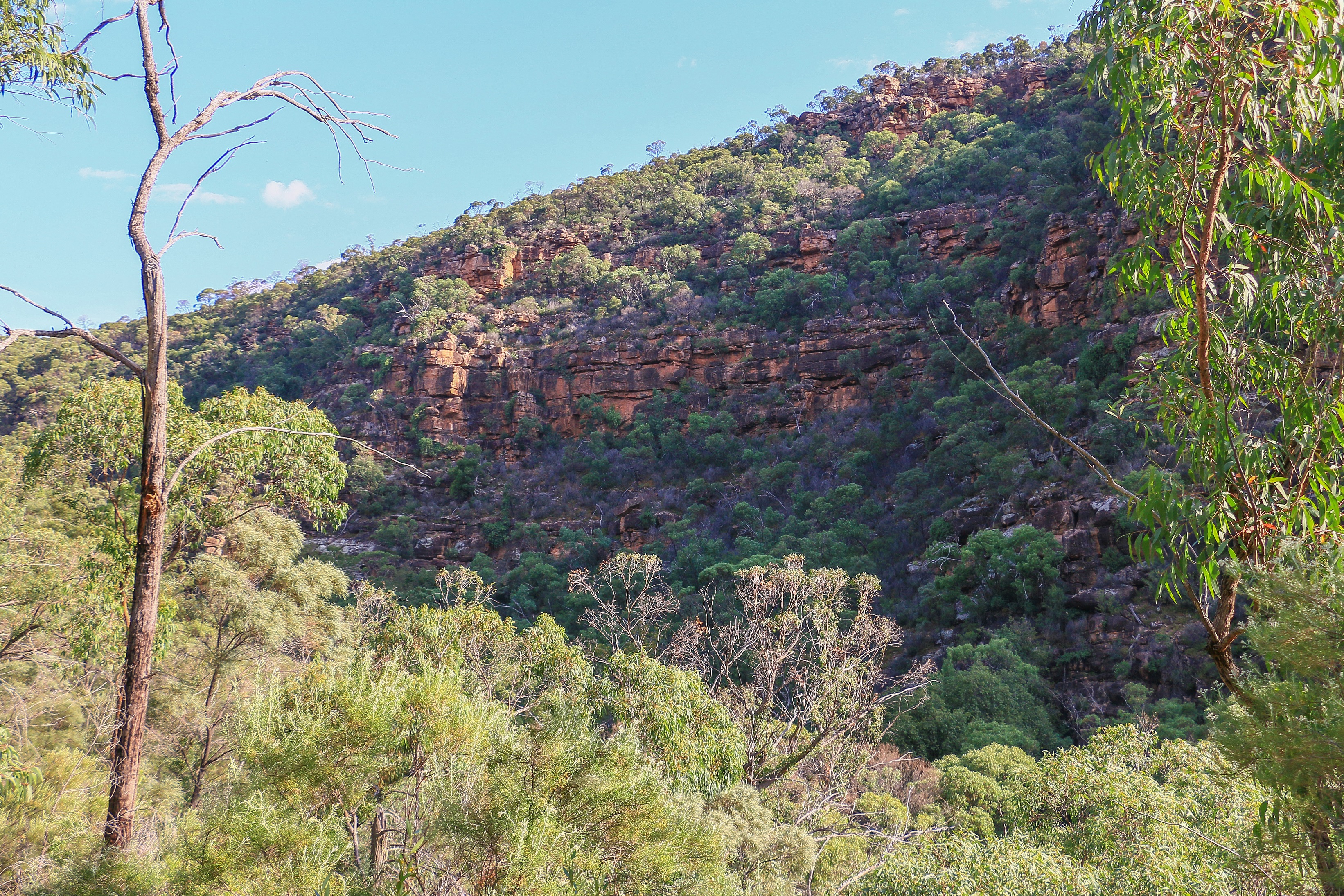
Along the southern end of Blowering Dam, the impact of a year ago becomes clear as blackened trunks spread upwards to the east. There is regrowth, but it is thinned-out vegetation, revealing rocky, barren outcrops that probably haven’t been visible for years. Jounama Creek – a spot for camping and walking potential – seems less appealing than I expected, and I drive on.
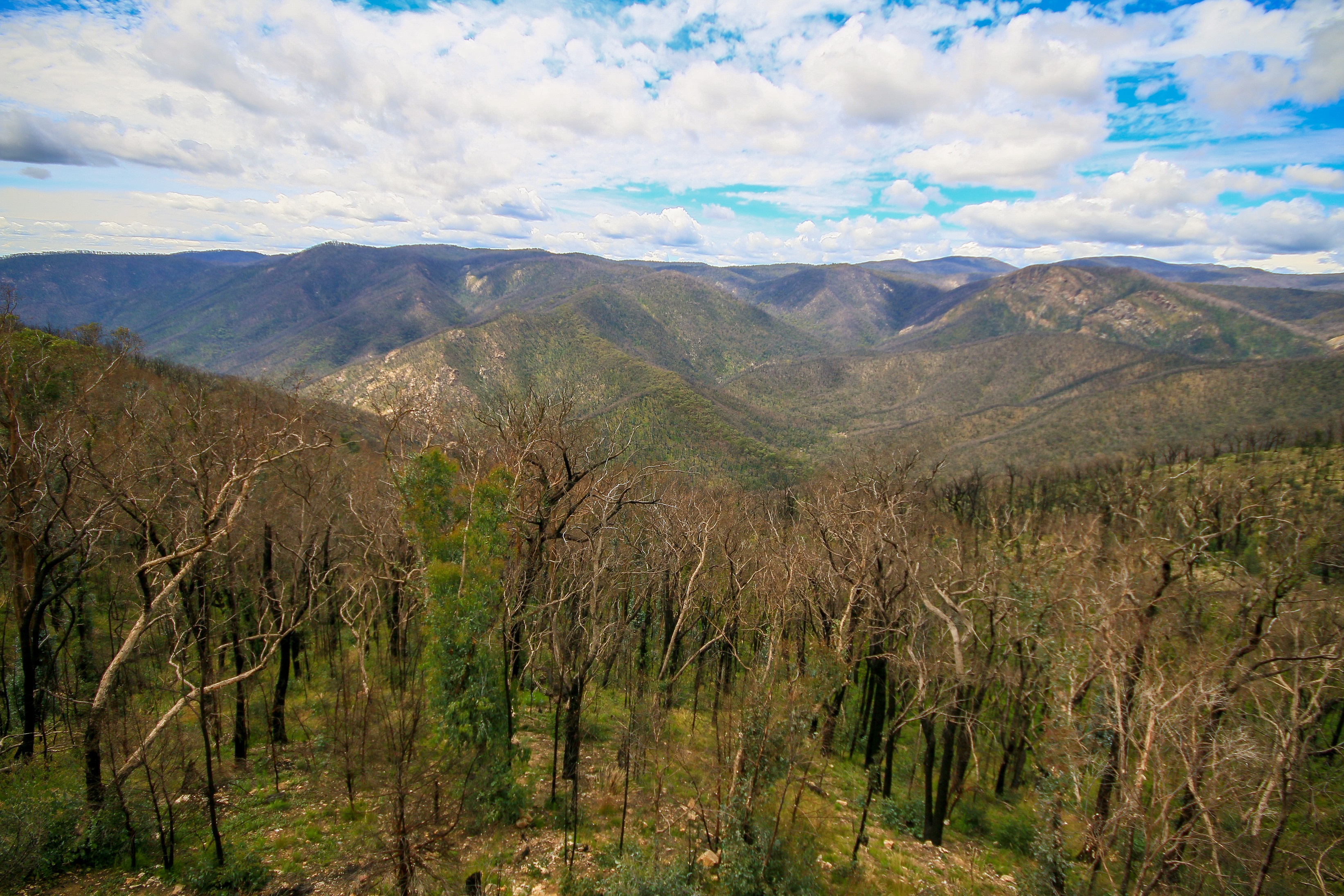
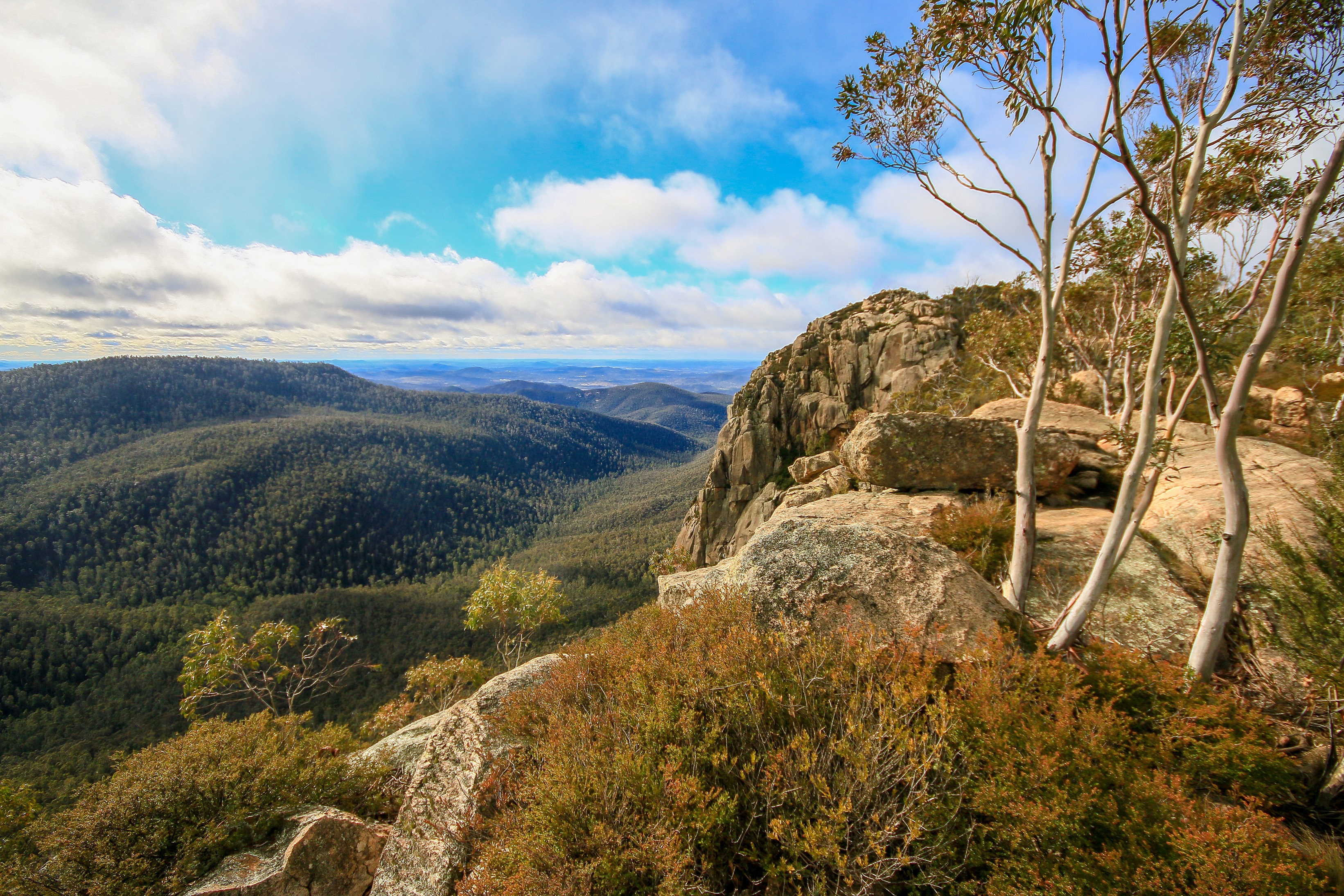
From here it is quite the climb to Black Perry Lookout. Offering an impressive view out into the Bogong Wilderness, an information board makes it clear just how different things looked before the fires. In the picture, the peaks are still there, but cloaked in a swathe of lush green foliage like some kind of Jurassic Park. The picture also – frustratingly – features a much crisper, bluer sky than so far today. Both will come back, I hope.
The lookout is naturally a popular stop for trucks and caravans and trailers to catch their breath. One caravan seems to have had enough and the NRMA are being called. A clutch of potbelly bikers convey that menacing grizzled look that frequently becomes undermined by softly spoken, friendly chatter. One young guy appears anxious, on the phone to try and arrange a permit to access the ACT. Fire knows no boundaries and, for all we can try, neither does COVID.
My plan was to walk to a place called Landers Falls Lookout, lured by the promise of both falls and a lookout. It was either a ten kilometre there and back again or a swift 1.6km stop off from a four wheel drive parking area. I initially figured my car would be okay – it usually is – and inched down a big dipper of a rockfest. The way onward looked equally awful and – new year, no new words – I decided it was best to pivot. Back to the parking area for inadequate cars.
And so a longer walk ensued, but I’m glad about my decision. The car probably would have made it, but it might also have got two punctures, a broken exhaust, and a hazardous brake disc failure. Plus it was interesting and rewarding to tread quietly through this recovering forest, one year on.

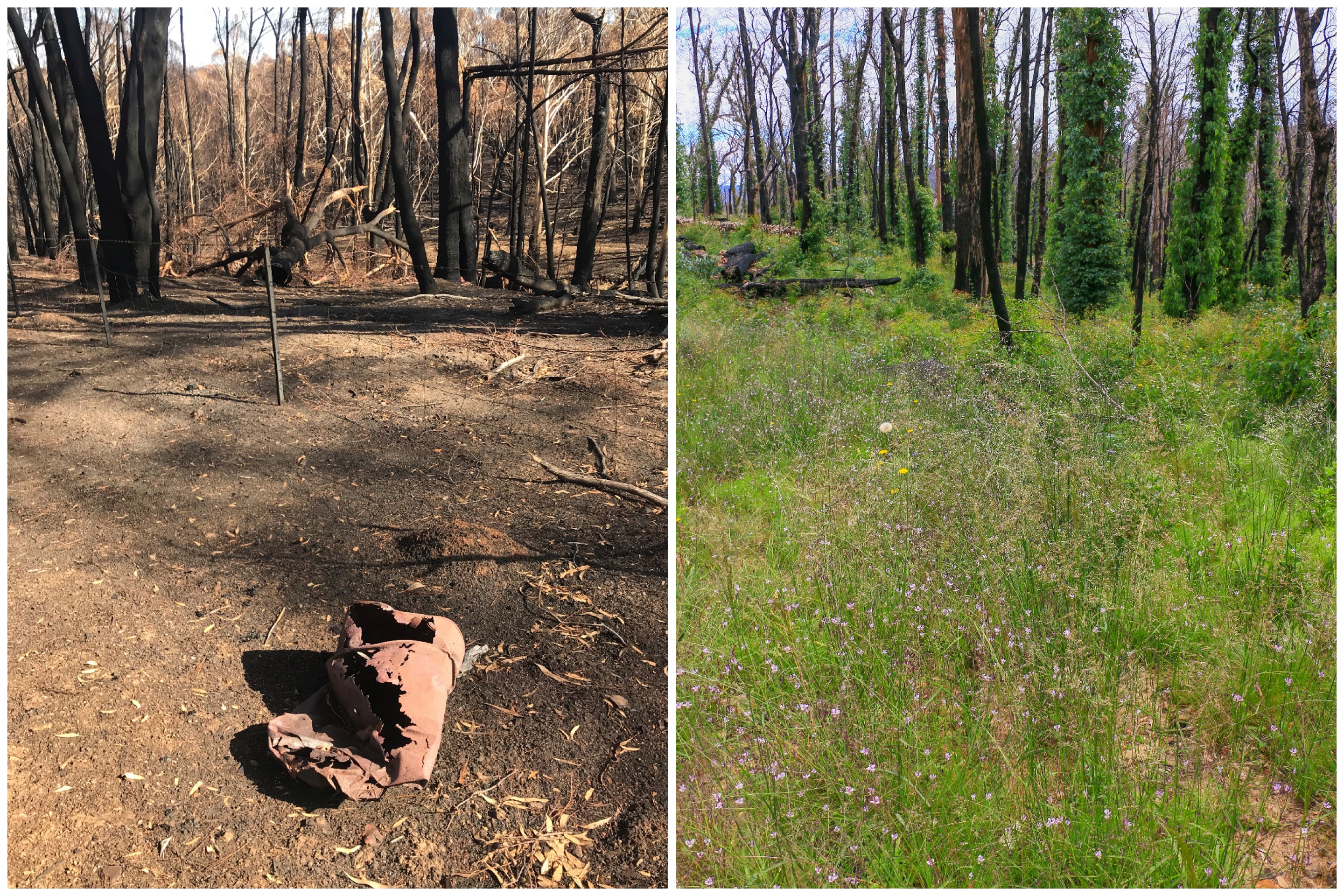
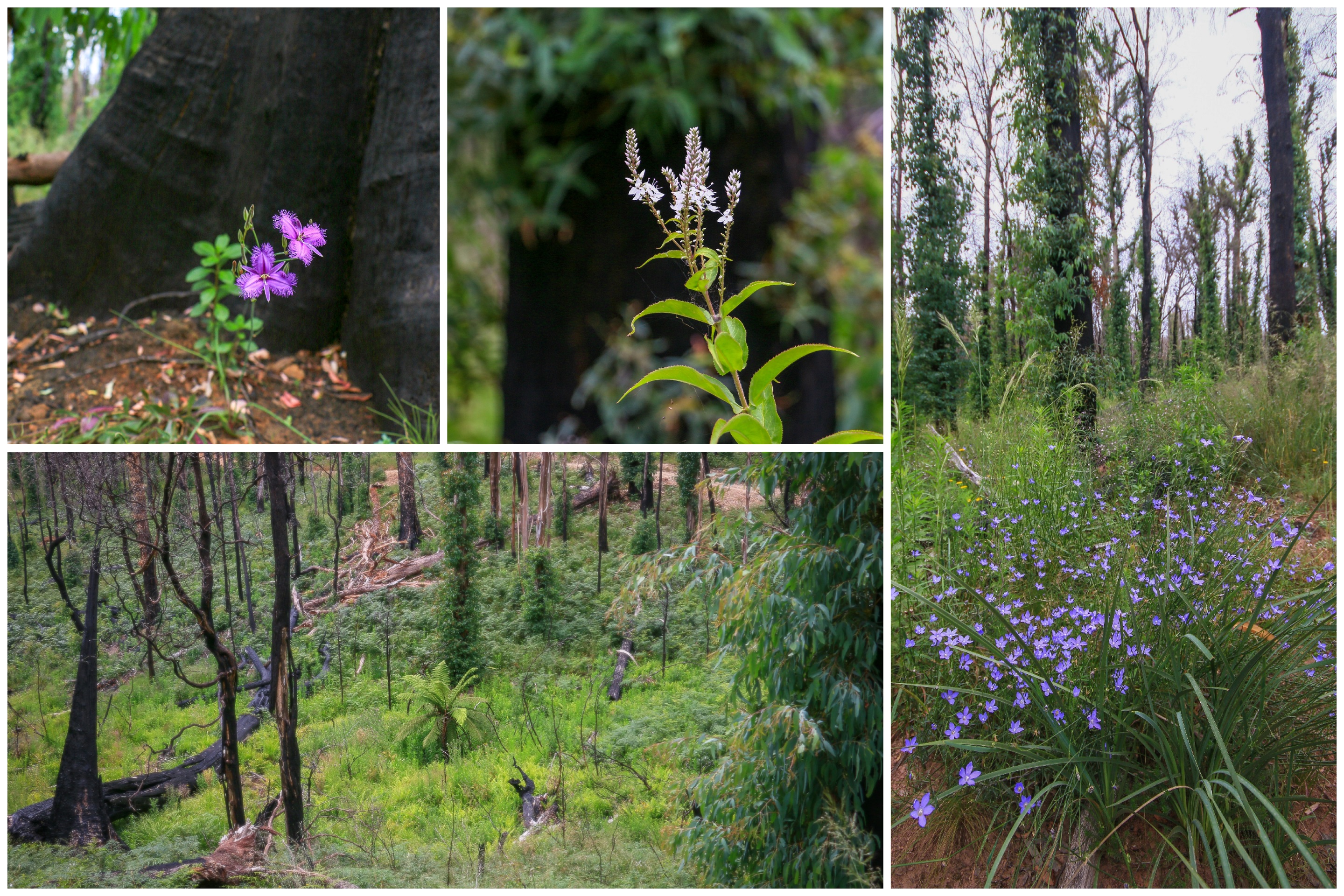
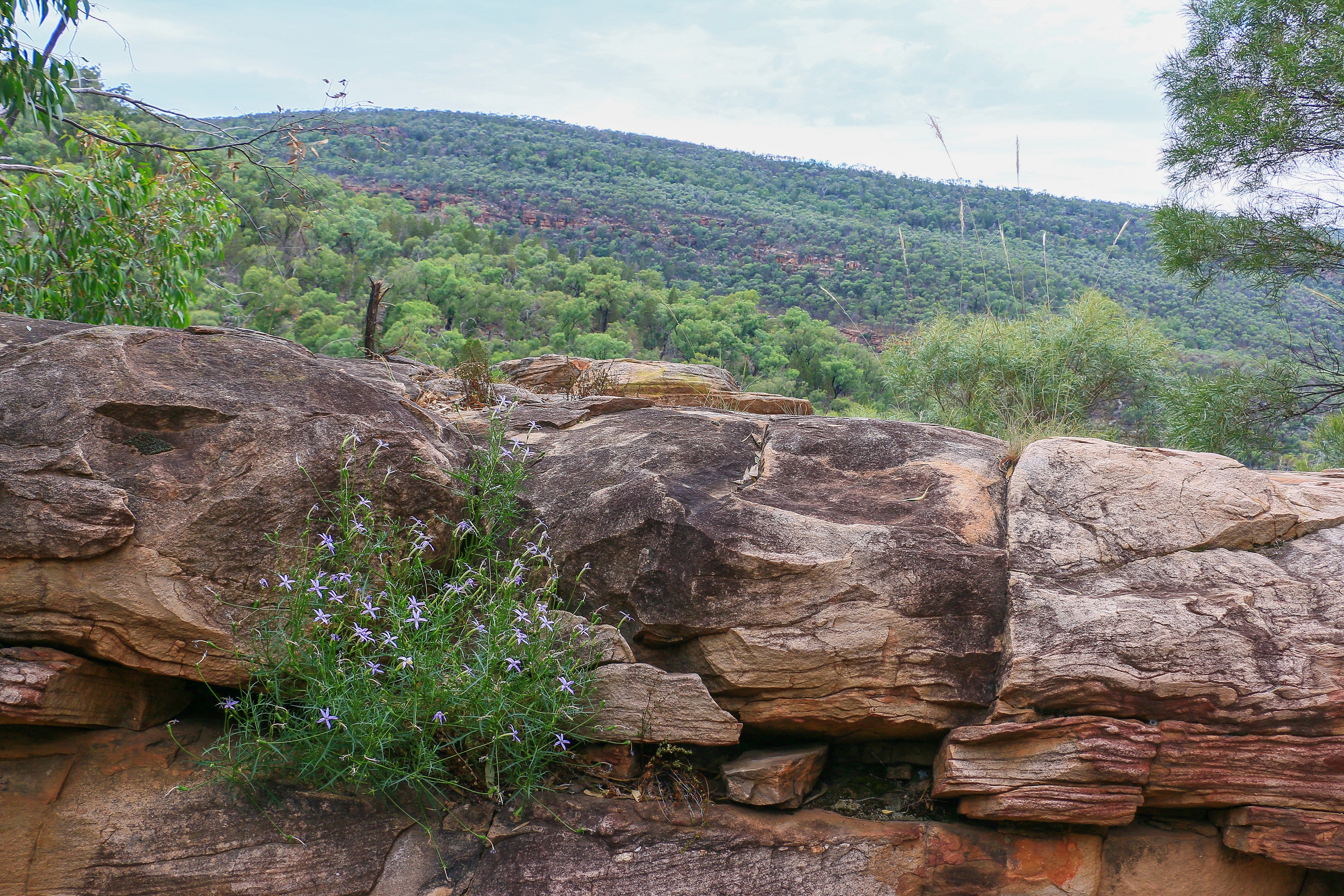
What strikes you most in such worlds is the contrast between still very visible, jet black tree trunks and an overflowing understorey of grasses and shrubs and ferns and flowers. Where the two combine, witness the surreal procession of epicormic growth winding up into the canopy (before a certain pandemic, epicormic was probably the word of the year). The crowns of trees are still deciding whether or not they will come back, a process that will take more than just a year.

My initial fear that I would be sharing this walk with a procession of hoons in souped-up Hiluxes doing it the lazy way were unfounded. Probably because they don’t like to get their shiny blue paintwork dirty. Midway along one vehicle did pass, accompanied by the obligatory exchange of waves. Him thanking me for standing aside, me thanking him for the dust. At least there weren’t too many flies to elevate the experience further. Yet.

There was, in fact, a peacefulness in the forest. In patches the silence was punctuated by gentle birdsong – apart from the easy to spot pair of Rosellas, mostly this heralded from those little indistinguishable critters that hide in the undergrowth. Occasional rustles in the grass signified a lizard or bug or potential snake. I felt a bit more accepting of a snake sighting today, thinking it might liven things up. But it never happened.
This is not without giving the snakes ample opportunity, regularly veering off track to snap pictures of grasses and logs and flowers.
From the 4WD parking area, a non-vehicular route leads over Landers Creek and up towards a couple of lookouts. The sound of running water was a good omen for the falls, as was the vertical climb for a vista. Away from the creek, the undergrowth rapidly diminished, replaced by bare rock, charcoal logs and gravel. Exposed, barren, humid, the perfect time for the flies to welcome me in droves.
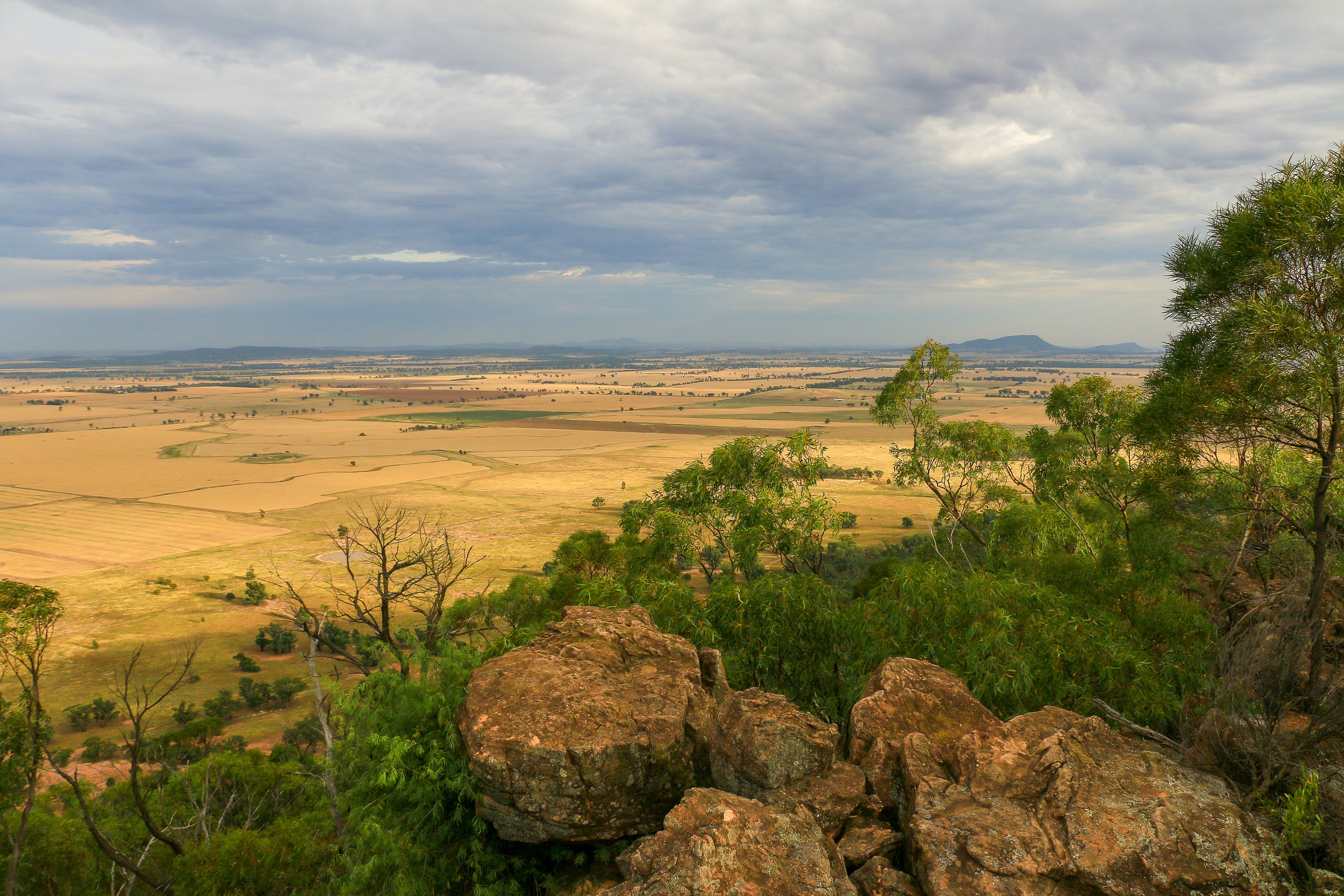
I deleted several shots from my camera because of photobombing flies. When you get a clear shot, the first lookout offers panoramic views towards Talbingo Dam, the course of the creek winding down towards its shores. In the near distance, a second lookout appears even more precariously perched upon a towering outcrop.


At this second vantage, the falls become visible and form quite an impressive drop, even in the relative dryness of summer. The landscape is an otherworldly array of arid browns and fluorescent green, the steep hillside opposite lined with black spikes like hairs standing to end. The aerial perspective from this vantage is mesmerising and I enjoy it with a cold pork and pickle and fly sandwich.
Lingering for a while allowed me to pick out some of the minutiae: individual tree trunks clinging to a rock face; coils of epicormic growth leading to barren white crowns; cliffs streaked black; a cluster of ferns glowing luxuriant in a hollow. It was as if I was Google Earth or something.
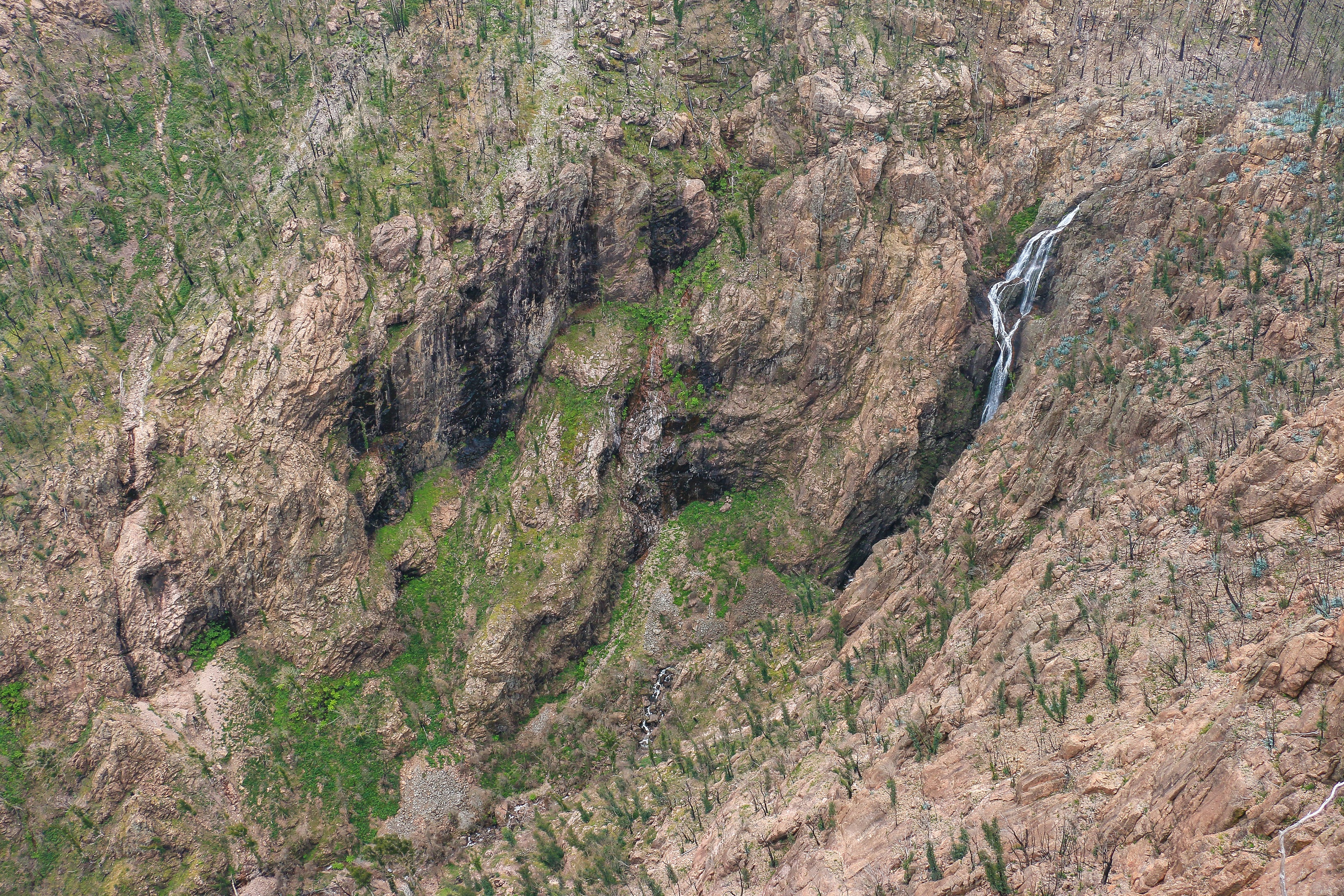

Lest I get a godlike complex high above, I managed to get a little lost on the way back down. I find every rock and burnt log looks pretty much the same. But following the creek I found my way once again to the 4WD car park and onward much further to my own car. Nearing the end of the trail I passed a family with three kids setting off, satisfied that I’m not the only one with an inadequate vehicle.
Back in civilisation it was very much that time of the day when ice cream is mandatory. Civilisation is hard to come by, but the small township of Talbingo offers one of those amazing supermarkets that sells everything from tinned food to drill bits to crates of beer to chiko rolls to two year old editions of Angler’s Almanac. It also houses the post office, tourist information centre and a photocopier. Though lacking gourmet ice cream, a Honeycomb Maxibon on the shores of Jounama Pondage provided sufficient sustenance.

Ignoring the burnt trees on the other side there was a touch of the Lake District in the grassy foreshore and rounded hills disappearing off into the horizon. Blue skies and fluffy white clouds completed the Wordworthian idyll. Again, a year ago, Talbingo was far from it.
From English lakes to Spanish sierras, a journey of disastrous superspreading madness only now restricted by fanciful wartime yearning to regain a supposedly lost independence. Here, the European mirage took the form of a solitary, short drive down the road towards Talbingo Dam. On one side, a panorama of barren ridges and spindly trees, dusty earth and searing sun. A glass of Rioja and a siesta would go down well, but I must move on.

The dam itself has the requisite boat ramp where the road terminates. Here, a wide gravel parking area was solidly packed with trailers and those four wheel drives so suited to the walking trails around this way. A regular flow of vessels with names like Crusader 3000 and She’ll Be Right were being lowered into or dragged from the water. Outboards buzzed and jet skis thrashed and bins were overflowing with the remains of picnics and beers. Behold the domain of the boatpeople.

I was planning on camping in such an environment, albeit further north on the shores of Blowering Dam. But throughout the day there was something going on in my head looking for excuses to get out of it. Heat building. Risk of storms. Boat people. Perhaps the final straw was the realisation that I had left my salad in the fridge at home and would have to resort to a dinner of cold pork and disappointing pastry. I could survive, but would it be worth it?
Procrastinating around a greener, untarnished landscape with views to Blowering Cliffs, I figured I could drive into Tumut and procrastinate some more, while also picking up salad to complicate the decision-making process even further. If I had made a New Year’s Resolution to be more decisive – which I hadn’t – I would have failed already – which I didn’t.
Tumut was just that little bit closer to home and I was willing to embrace a two and a half hour drive into the evening, weighed against the likelihood that I would struggle to be sleeping anyway if I was to stay and camp. Hot water, comfy bed, a flushing toilet v lumpy mattress, strange noises and a long drop. Next time I head off with the intention of camping I need to exceed at least a three hour radius from home.
Je ne regrette rien, as they say in the aisles of Tumut Woollies, for not only did I manage to get my salad fix (albeit in the form of calorific coleslaw), but I also finally snaffled a half price Christmas cake. And then I took to that riverside, wandering and eyeing up future opportunities to explore before settling upon a delightful dinner spot.
There are places I’ll remember. Soothing. Becalming. Rejuvenating. Nourishing. Like a shot in the arm.



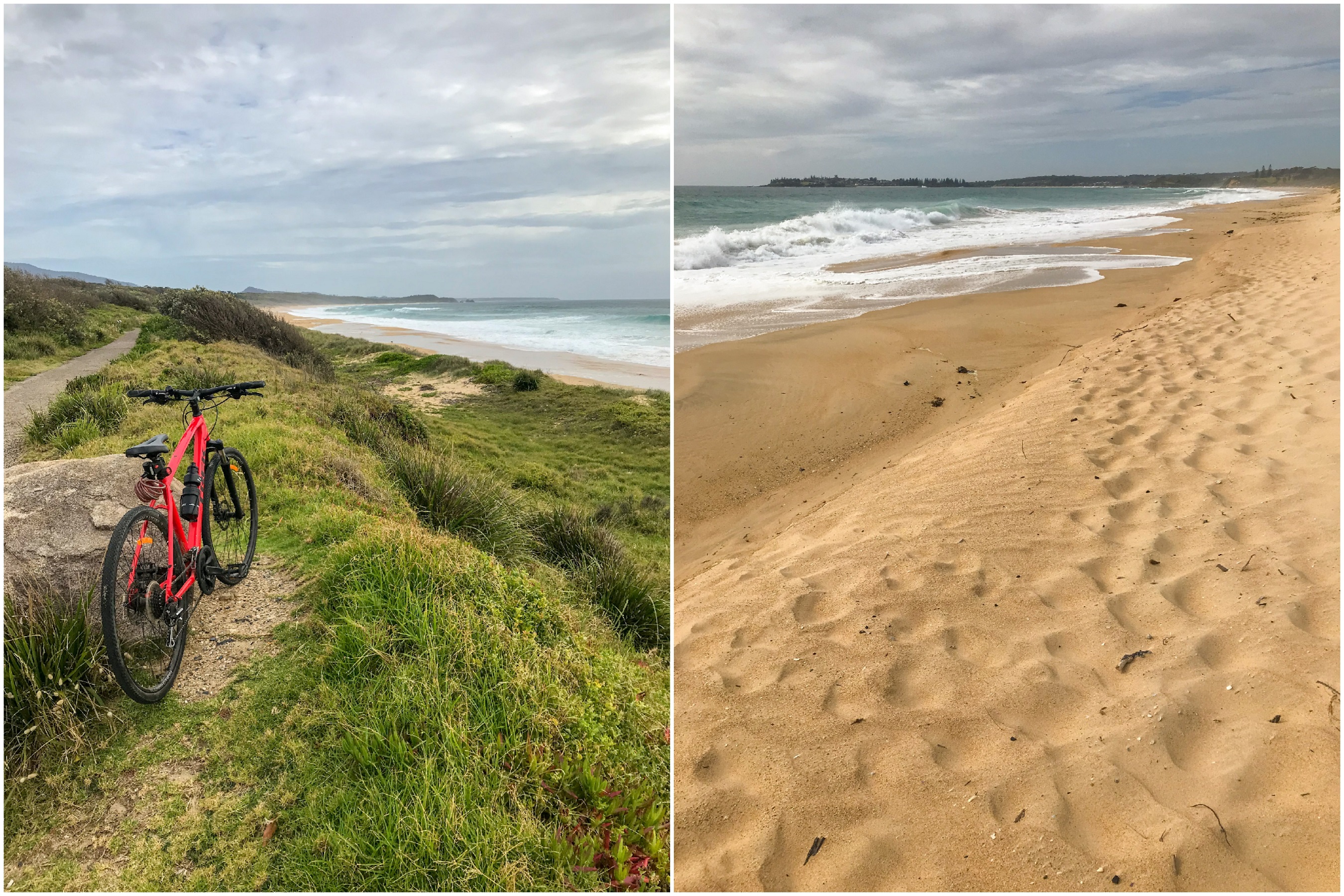
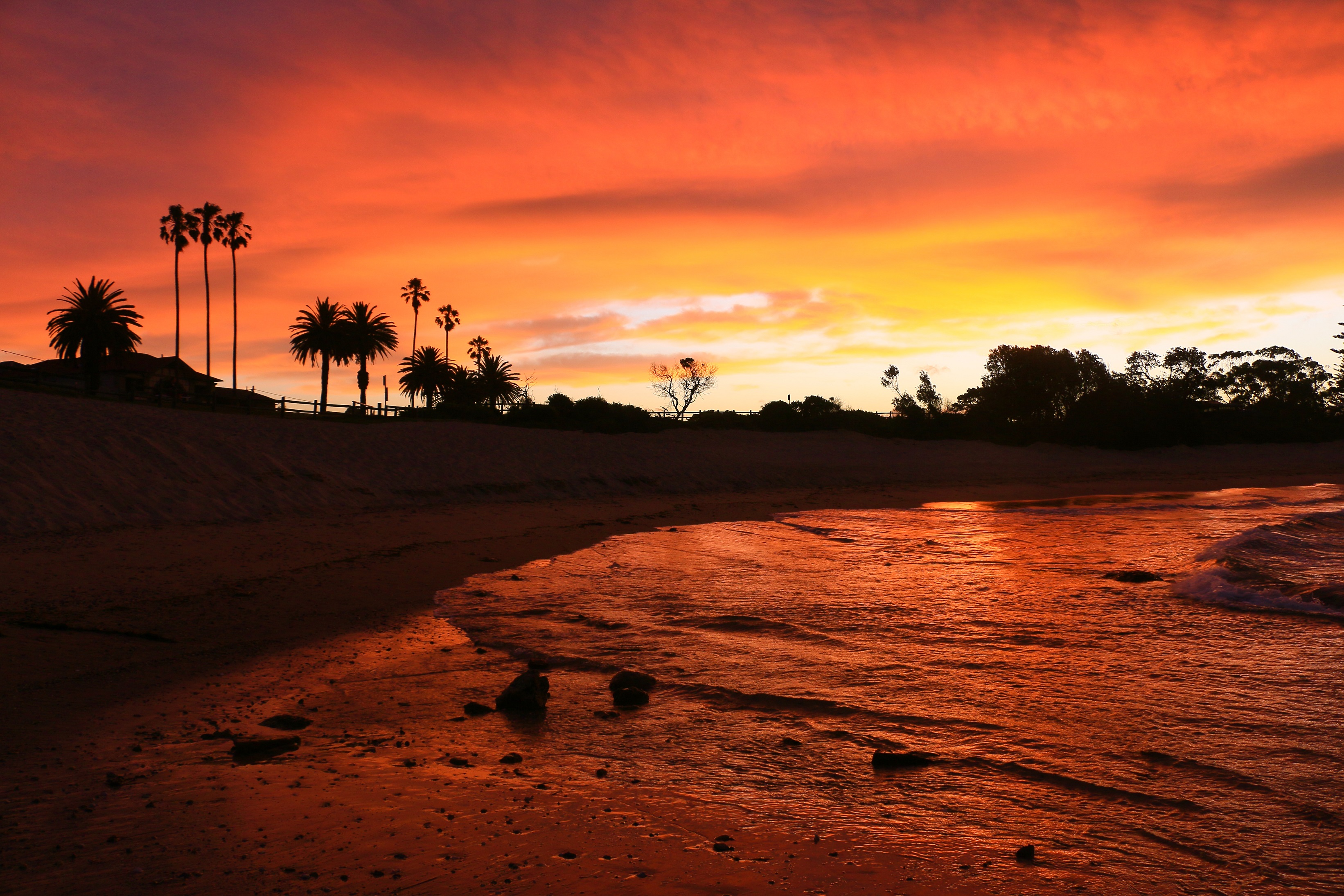





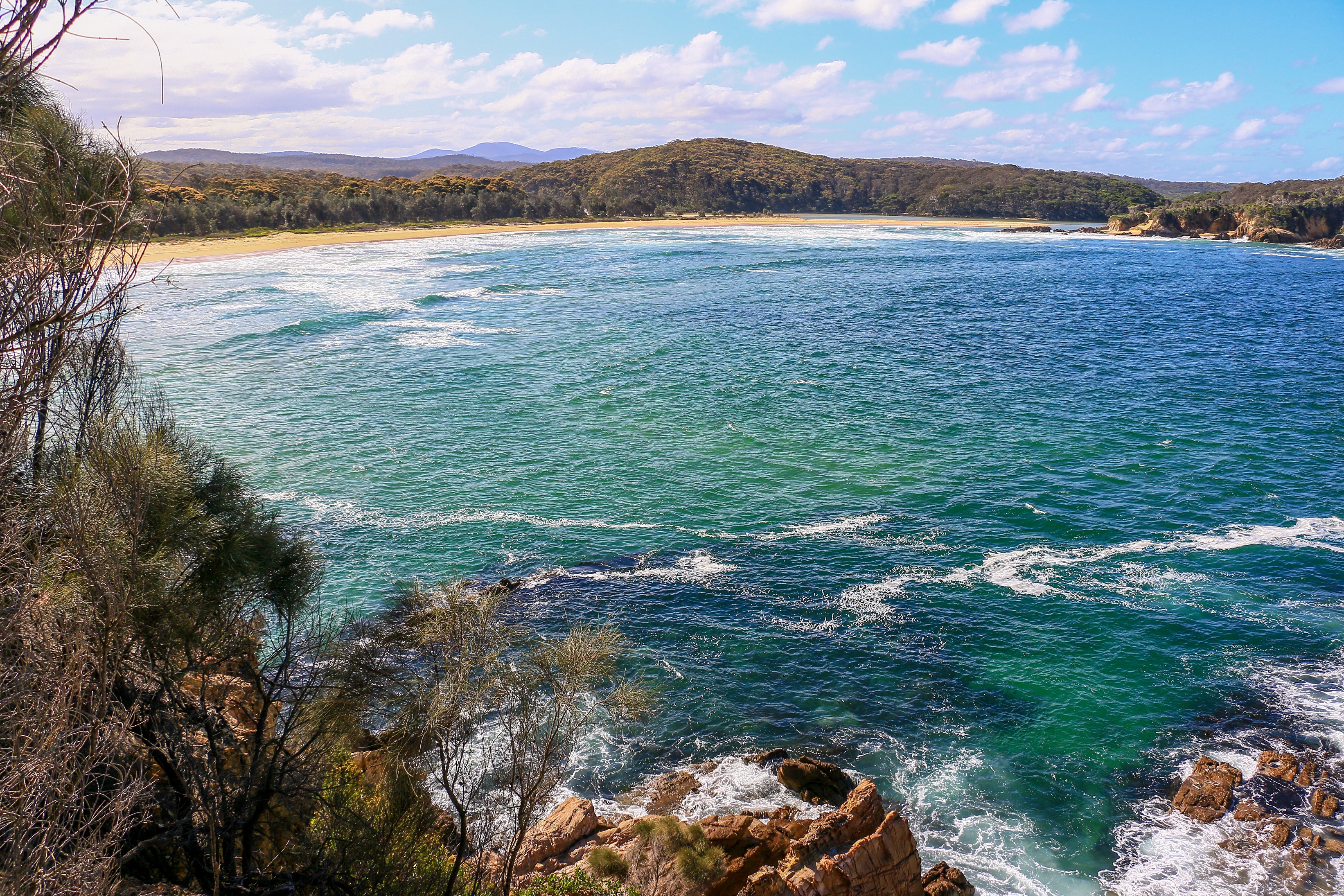
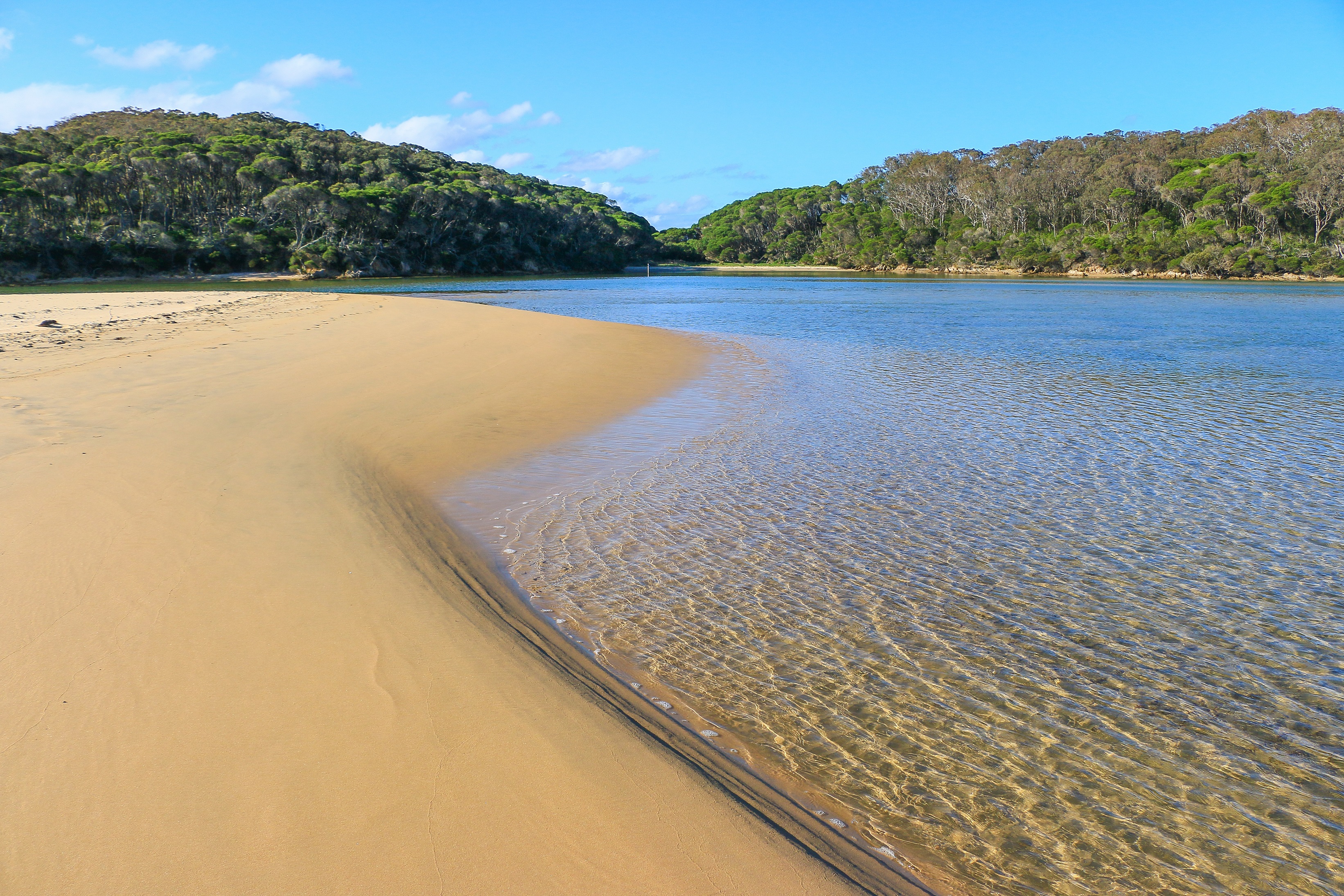
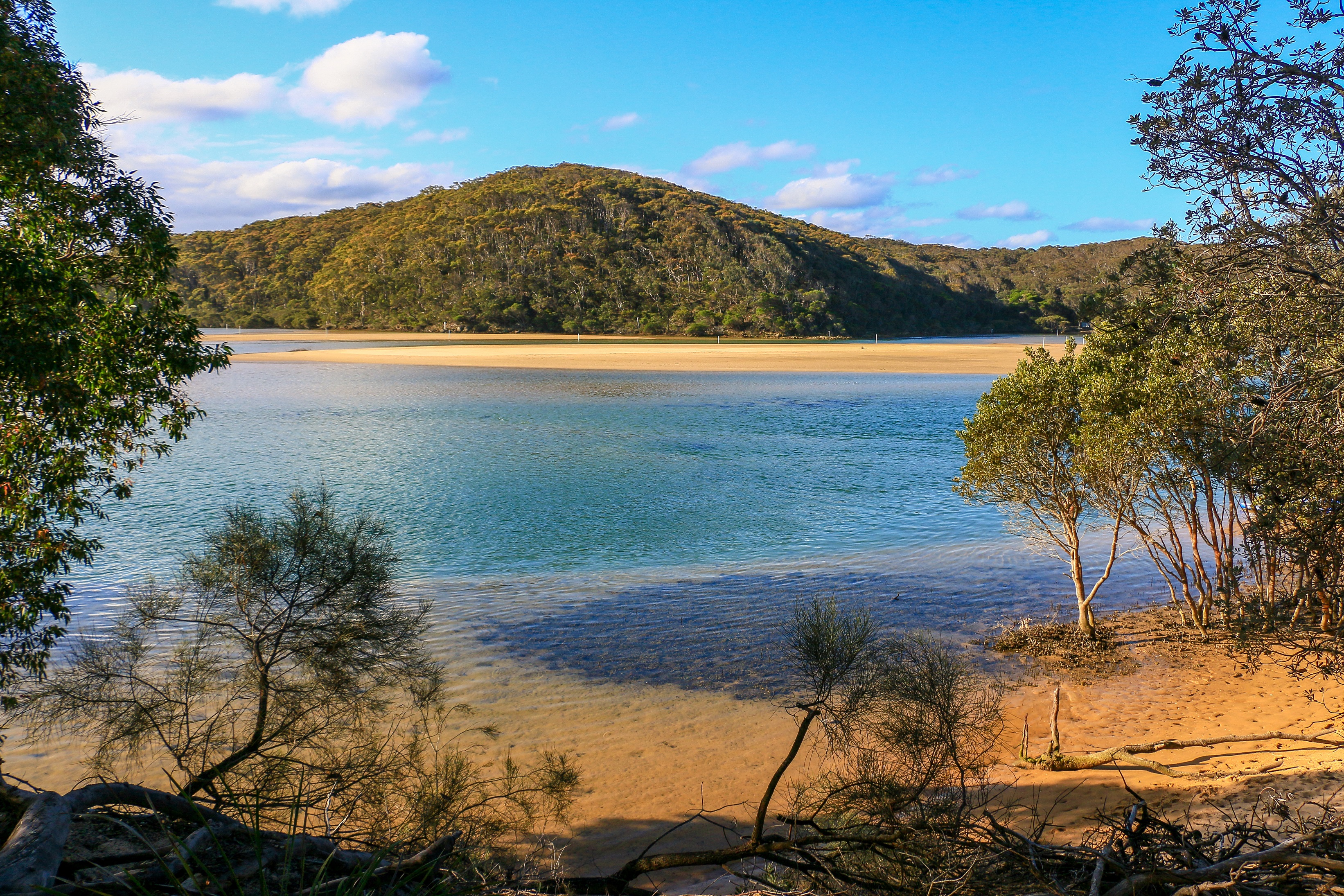


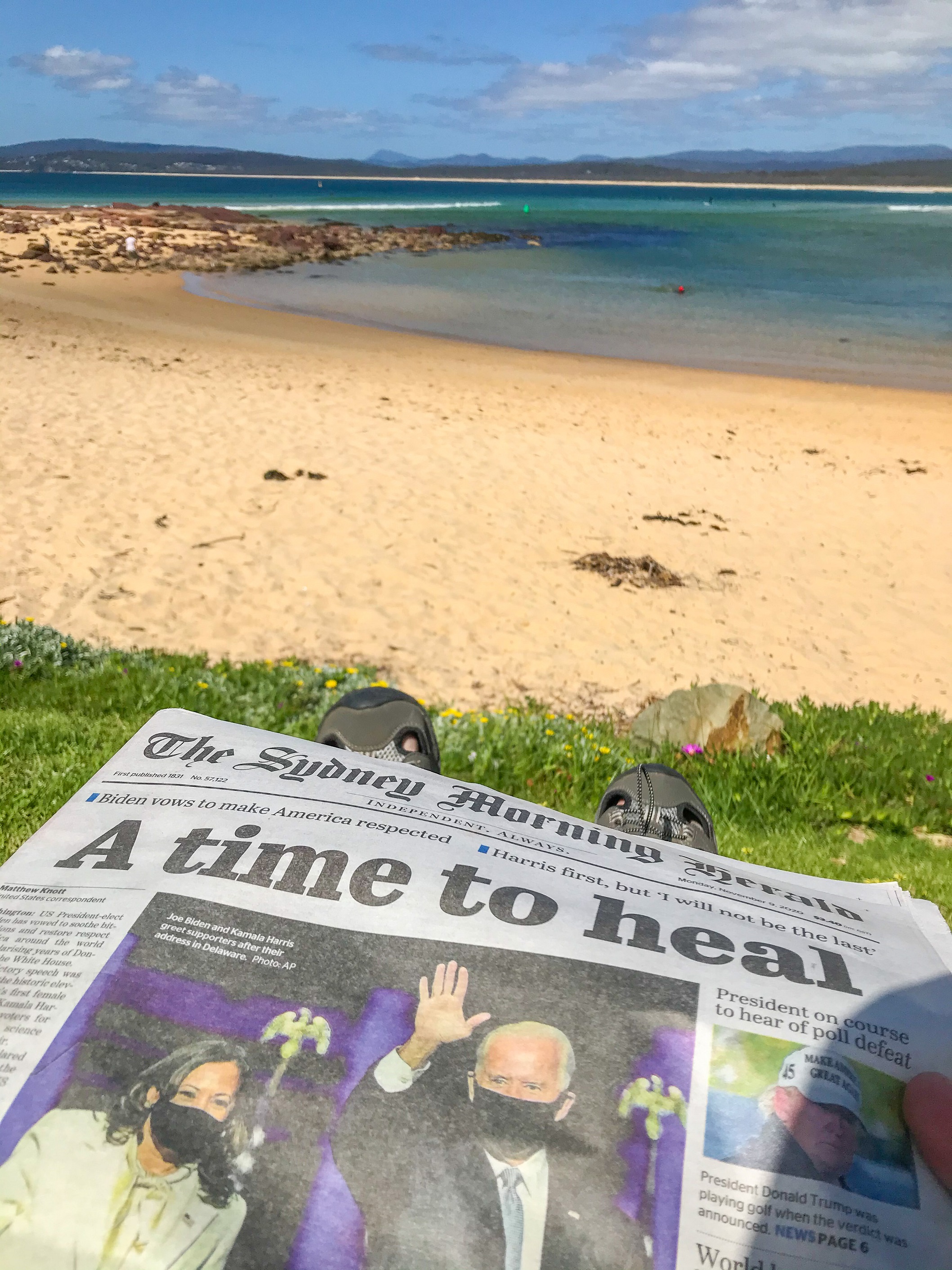
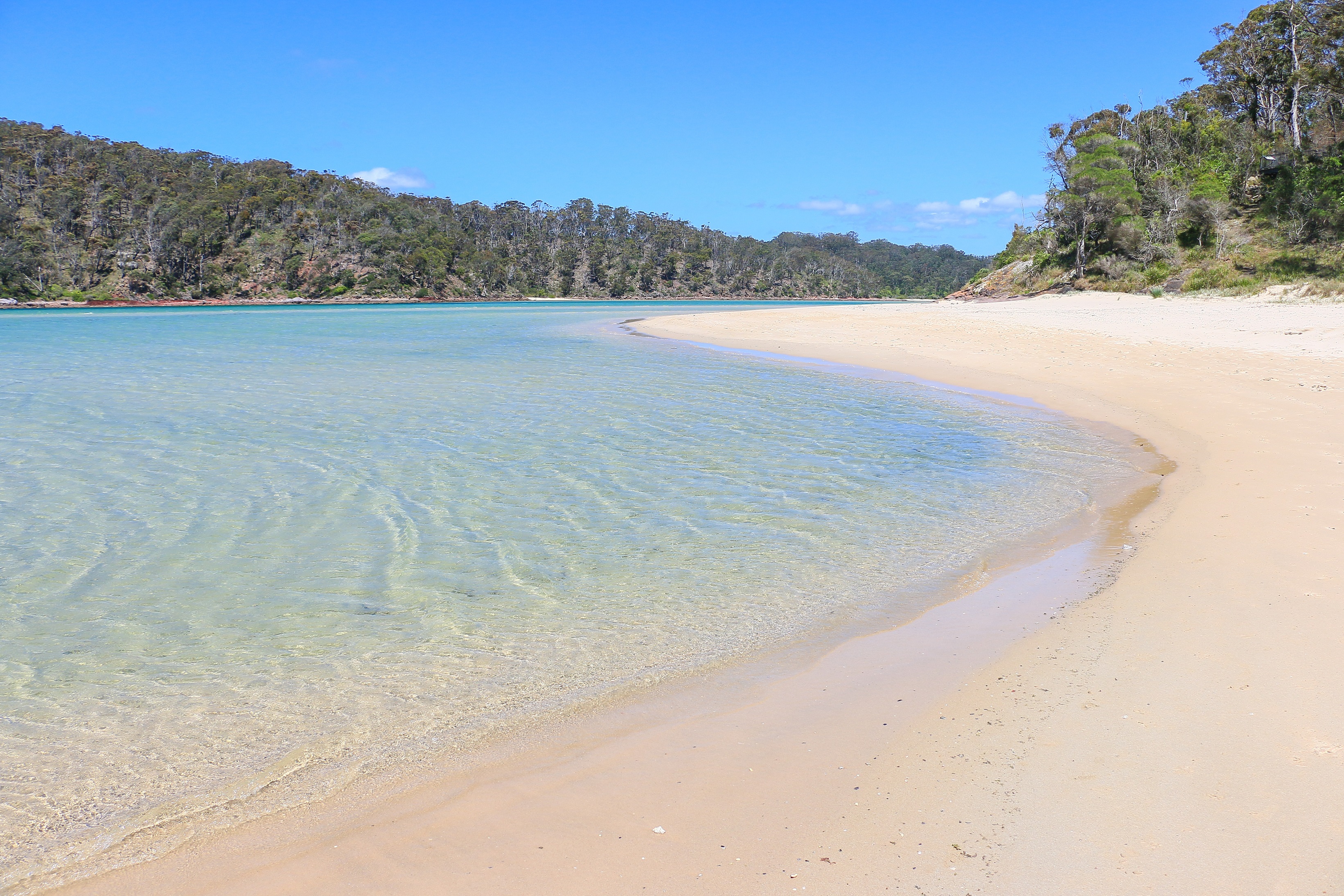








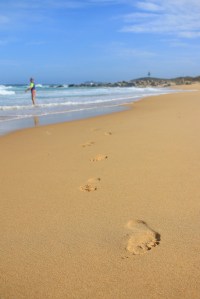 From Tuross Head you can see the ranges of Deua National Park to the west. No doubt a regular sight of alarm at night, illuminated by flame that flickered and flared to its own shape and will. Constantly on edge, unknowing as to where and how far it would come, the fires never did reach Tuross, at least in physical form.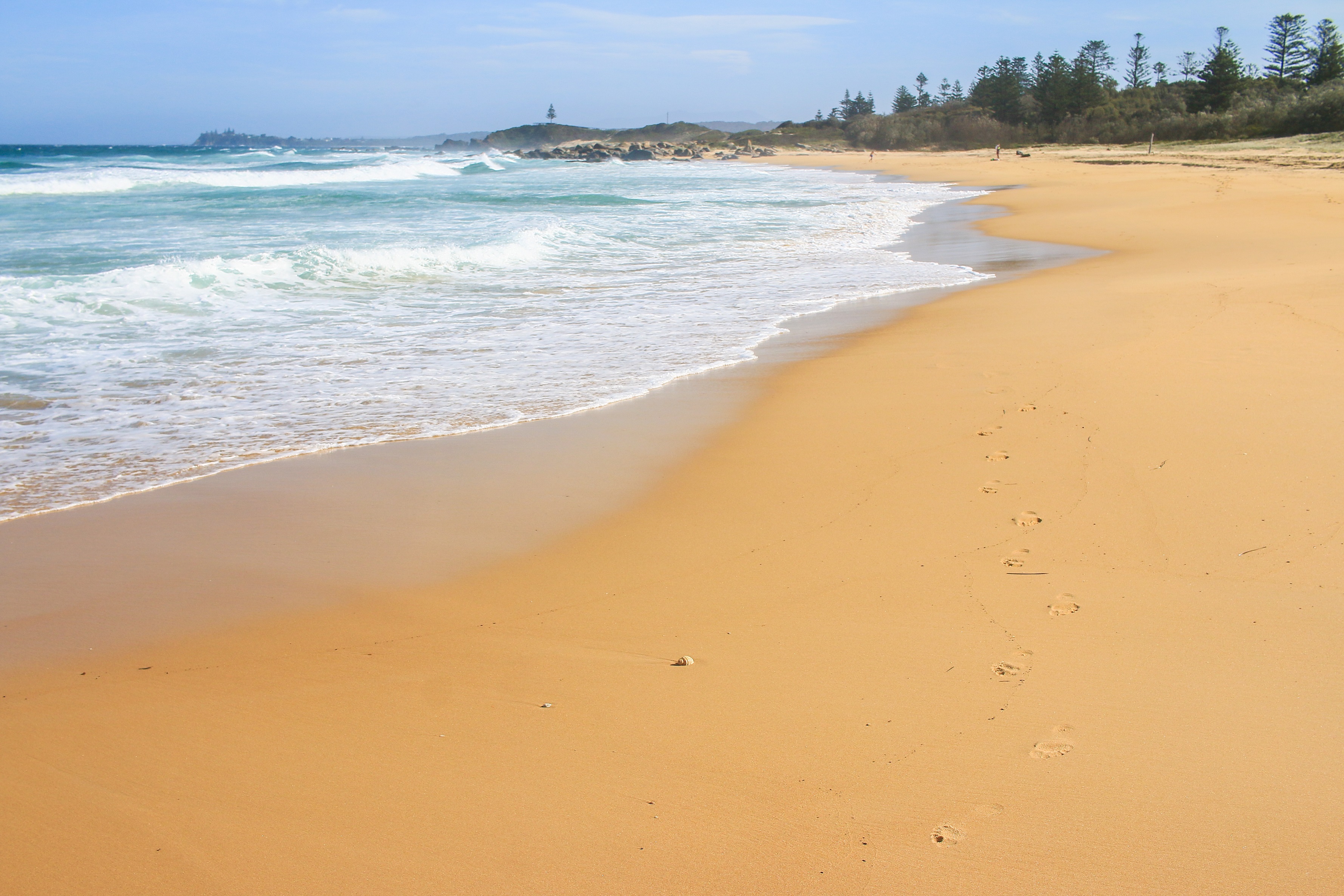




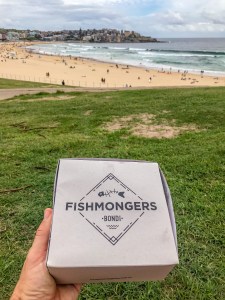 It’s a decent enough walk to require sustenance, so I strategically commenced in Bondi with a favourite pile of seafood. The beach was fairly busy – as you’d expect on a Sunday in February – but there is enough green space surrounding the bay to get your own little plot of land. Around me, every other person Facetiming to someone a million miles away, absent, distant. Nearby, a scruffy young guy settles down with a guitar, assuming the world near and far wants to be entertained by his derivative Passenger twaddle. It’s time to get moving.
 Walking by Bronte Beach and around the cemetery, through the cove of Clovelly, up the worse steps to circumnavigate Gordons Bay, and down again into Coogee. An egalitarian scene of Sunday sessions, volleyball, buckets and spades and barbecues. The beach has been in better shape, seemingly plagued by masses of seaweed that are surely something to do with the weird weather and warming seas. By now I finally feel a tad toasty, but ice cream proves the best way to cool back down.
 In a window distant, the towers of central Sydney loom large, shimmering like temples to the unstoppable commute. For me, it is onto a chilly train, bypassing under this city and out to Parramatta. Where equally chilly tower blocks await. Later, a chilly taxi crawls to the airport, where I am temporarily warmed by a beer with an old friend. We depart for chilly planes home through chillier skies. And, for once, arriving in Canberra there is the greatest relief at disembarking into the balmy evening air of a city getting back to its best.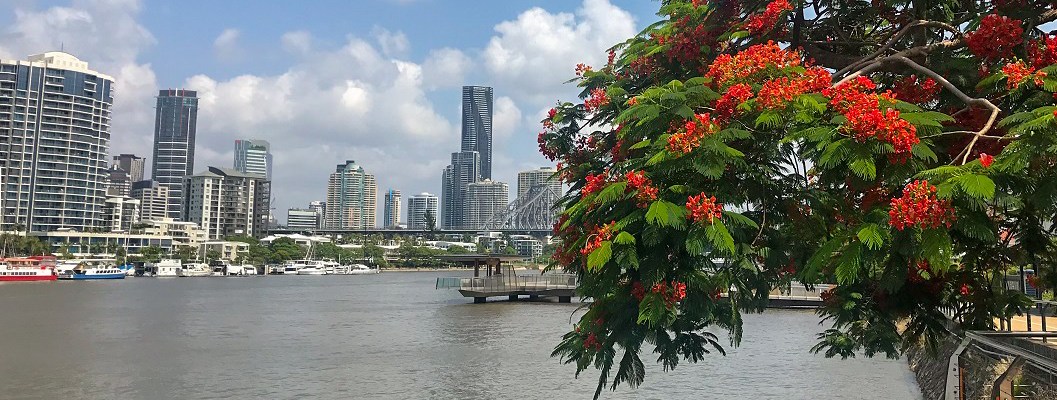


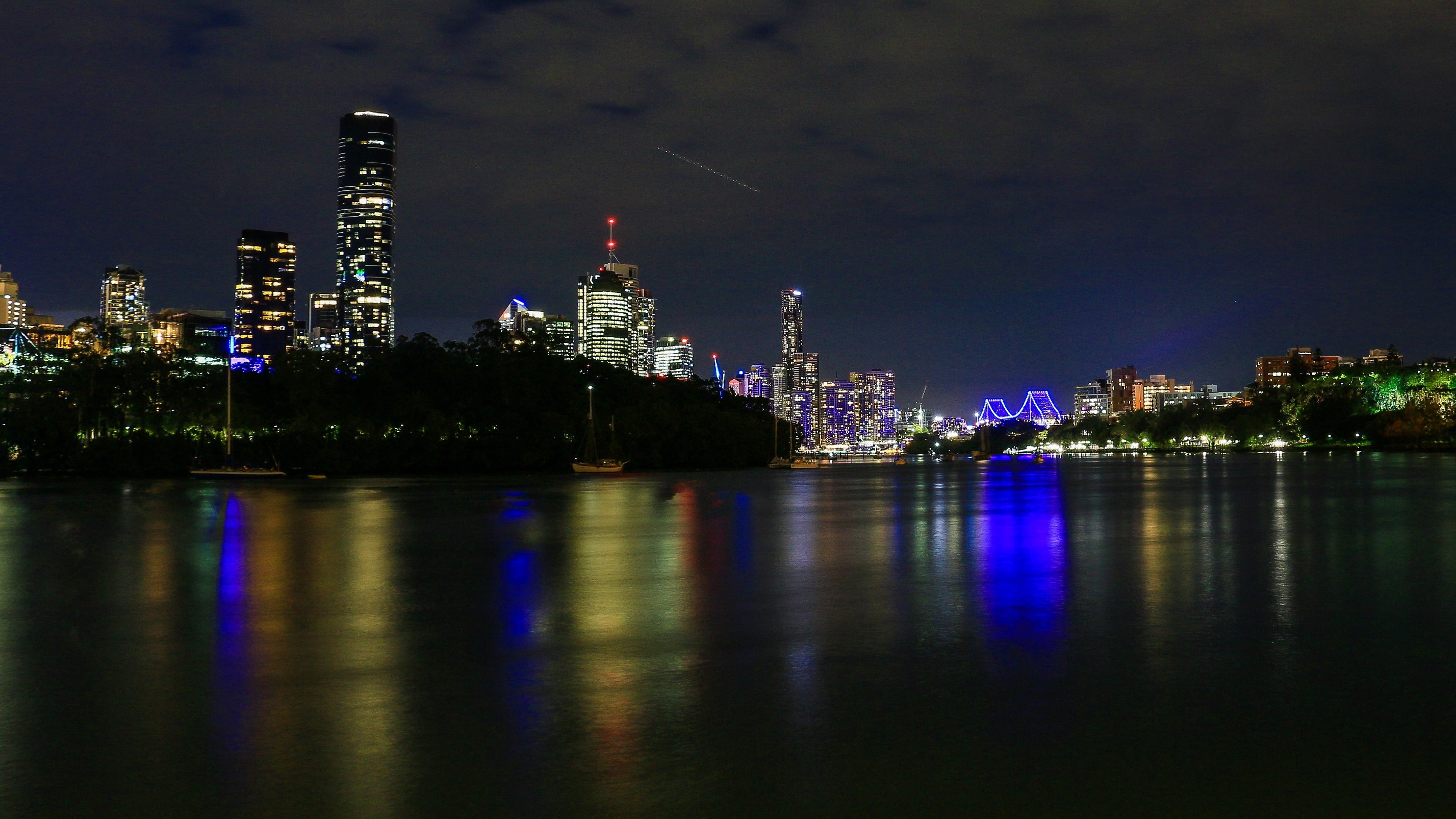
 I did Brisbane things in Brisbane, such as pretending to be sophisticated at a few of the galleries, crashing down to earth with sugary iced drinks for a dollar, cycling on one of those godawful city bikes along death trap rush hour cycleways, and bobbing upon the water aboard trashy ferries championing local sporting sides.



 Together, we explored the land of the Quiet Australian, treading newly built pavements, discovering plots of land awaiting a six bedroom home, lounging in the garden questioning how the Quiet Australians next door can be so goddam noisy. Some of us sniffed butts and peed on lampposts. Others caught buses and sought coffee at the mall. There was a lot of cloud and a little rain. And hope on the grapevine that this would extend south.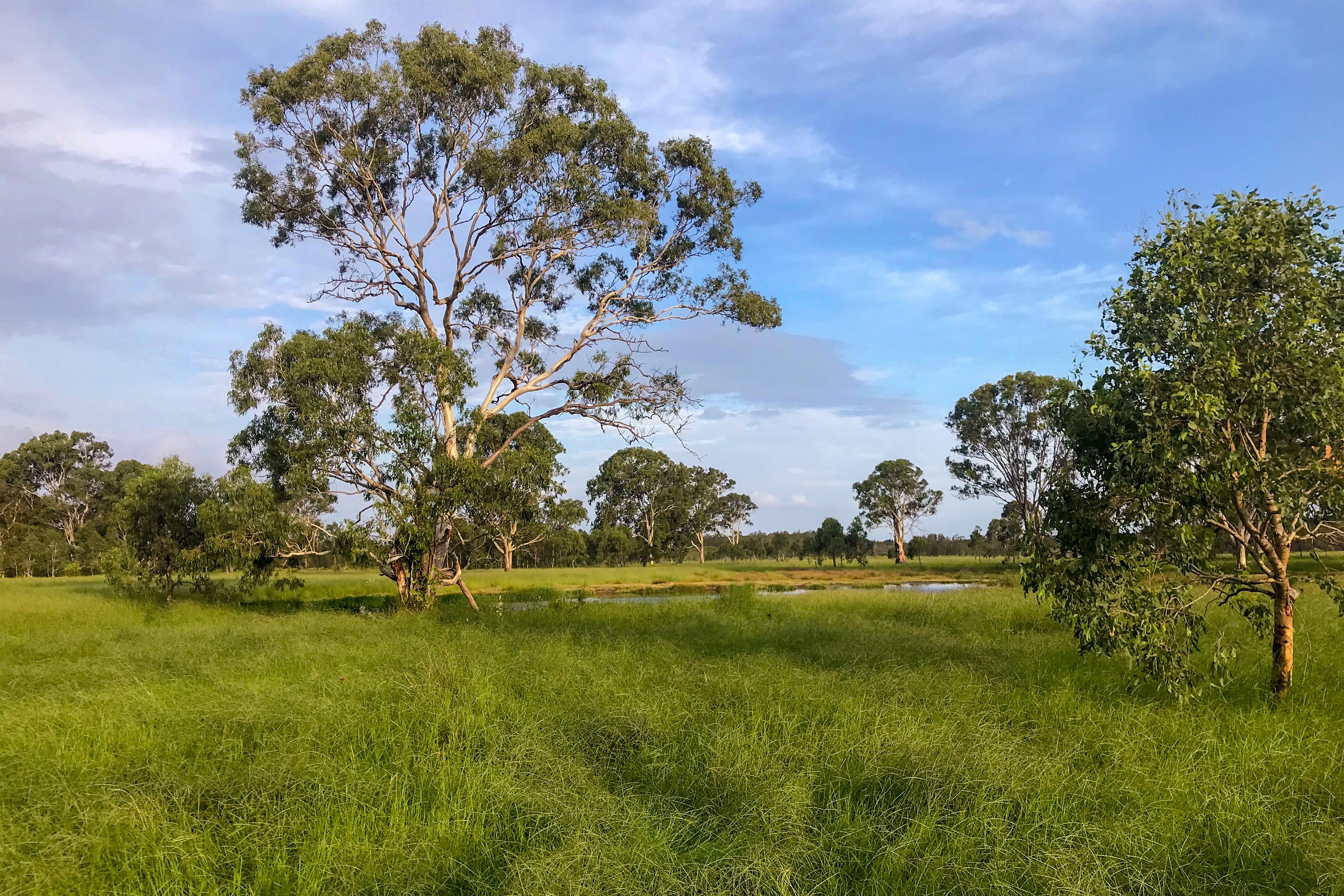


 And then, through Bombala and into South East Forests National Park, there was something resembling freshness. Blue sky. Green. Giant trees untainted by fire. A campground almost deserted, the camp guardian a spirited Kookaburra feeding its young. A sense of wonder and relief that this is all still actually possible. Breathe.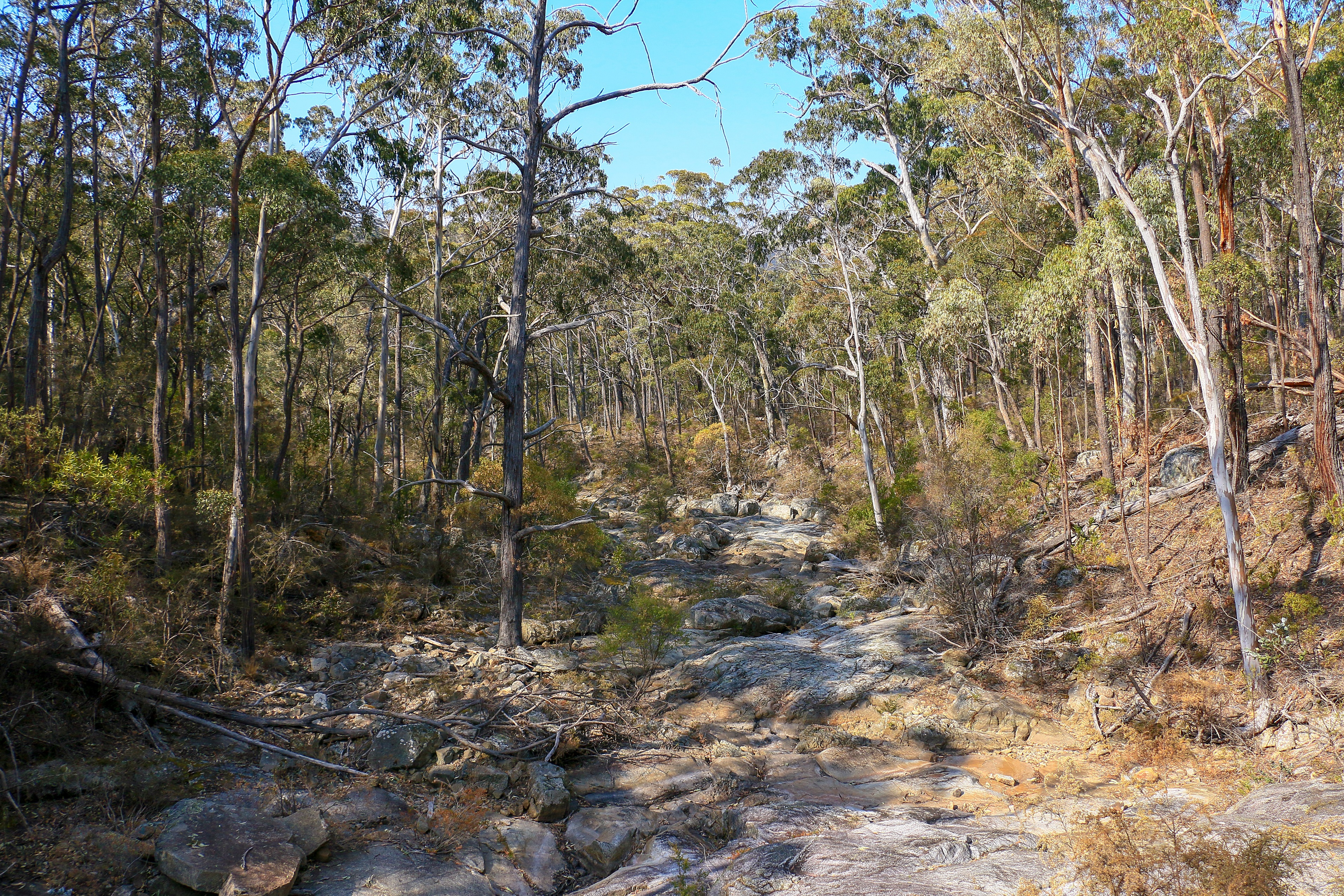

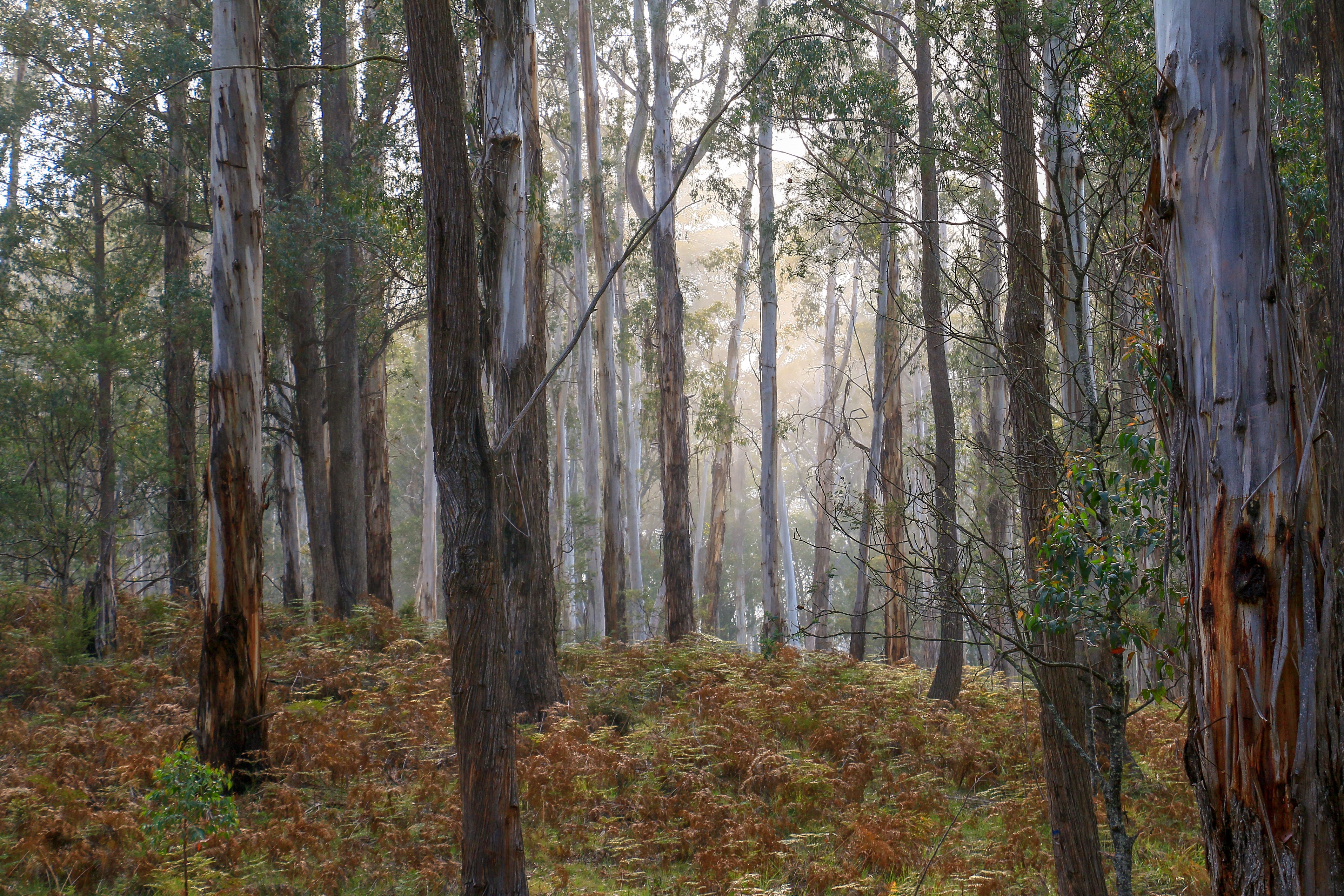
 This region – East Gippsland – is sparsely populated and only has a few access points to the coast, through the gorgeously pristine Croajingalong National Park. Camping in the park is popular over Christmas and I had no chance. But at Cann River itself, a free campground was available in which to set up at ten in the morning. And it came alongside a short walk through woodland that in places reminded me of somewhere in England, such were the treasured patches of greenery.
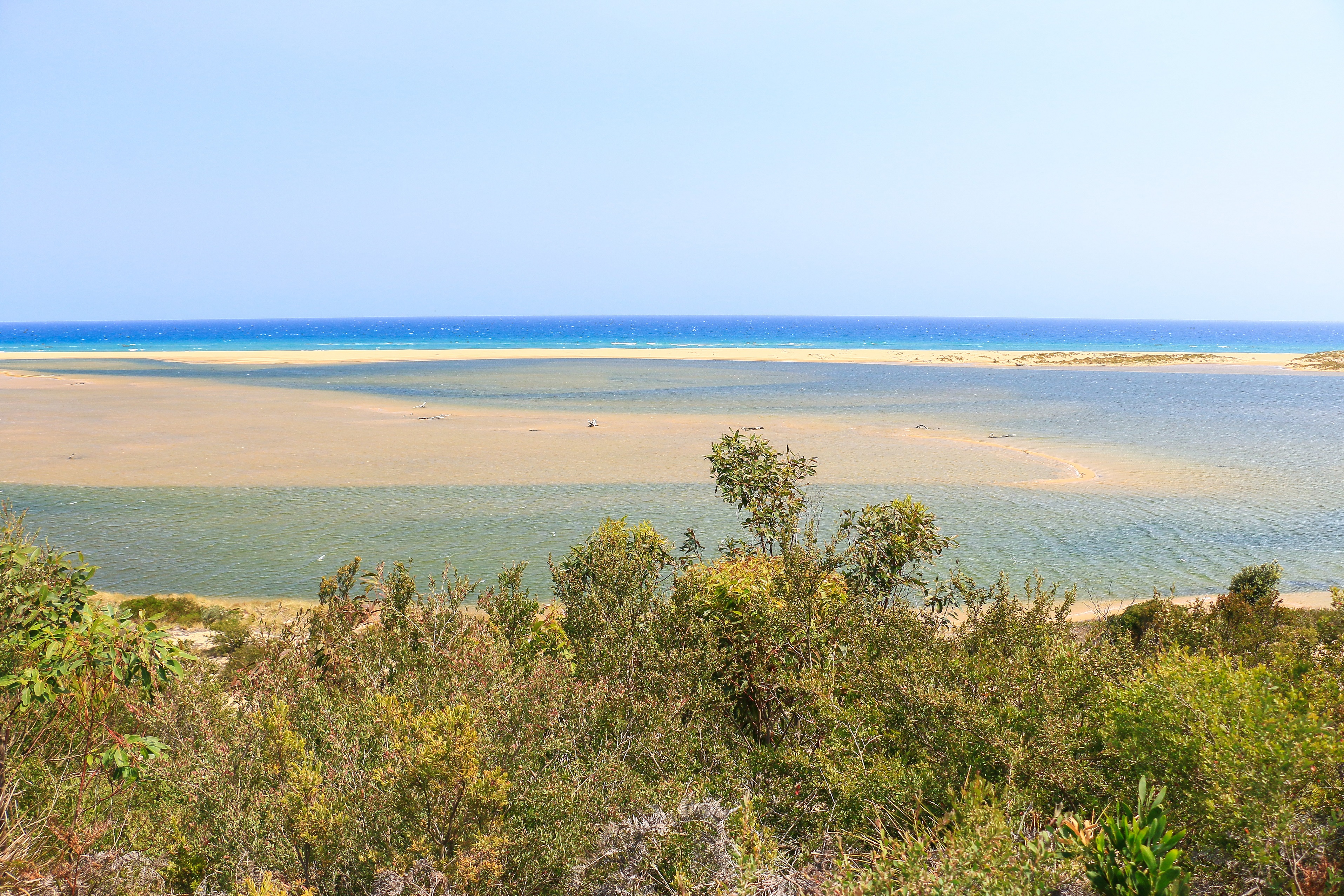
 I remember Orbost quite fondly from the only other time I was here in 2013, mainly because I found a bakery that served something akin to a Paris-Brest. It’s not really what you expect but my memory of this raised expectations beyond what I should have expected. I was looking to pick up some supplies for dinner, which I managed but not to the standard I had expected. The result was a very Christmas meze of leftover ham, sausage rolls, cheese and a couple of salads. How I craved a hot meal! Oh well, there is always tomorrow.



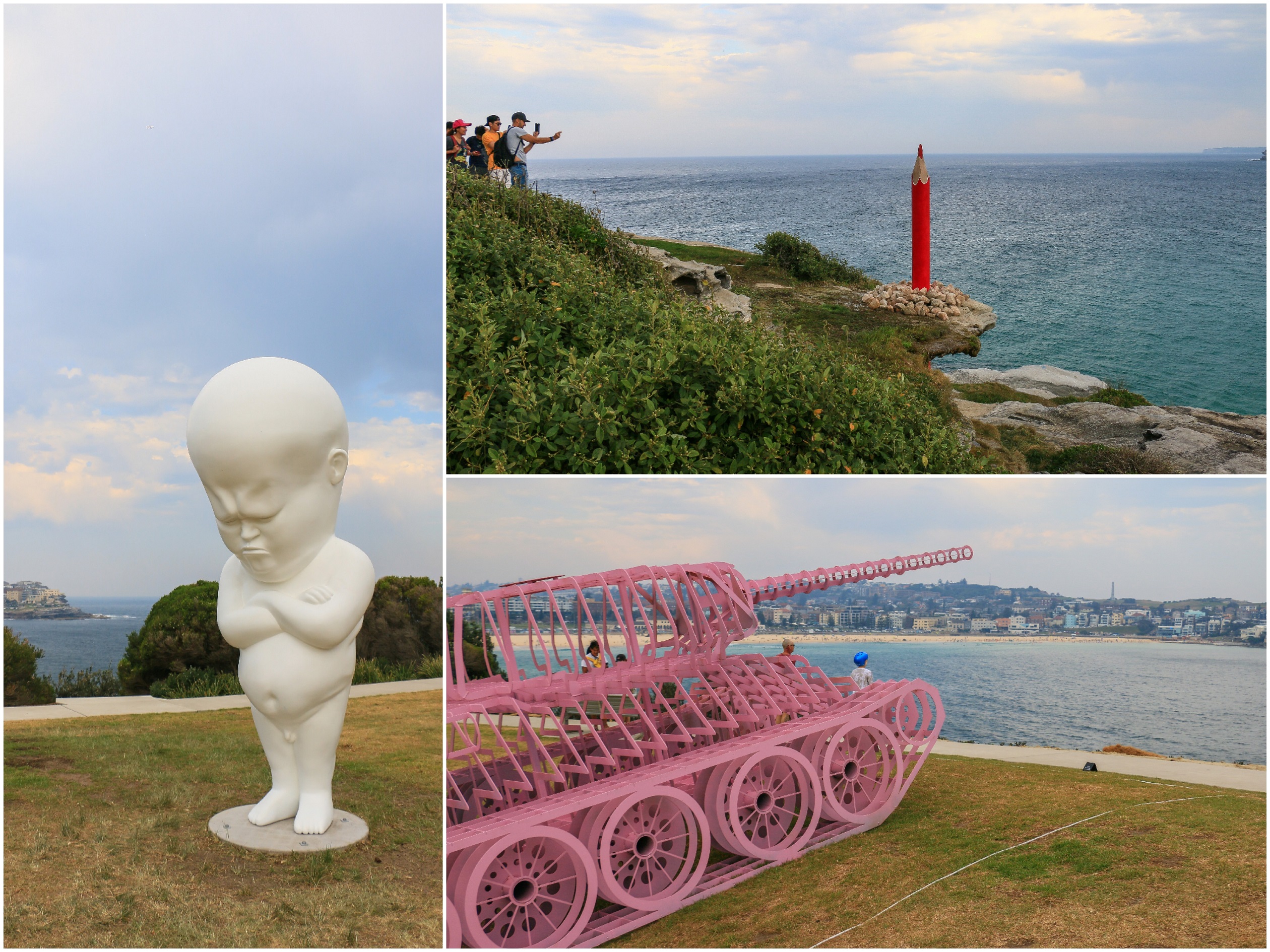
 Reaching Bondi – oh hallowed be thy name – I was determined to find a favourite little seafood haunt from times past; this was, after all, the prime reason I had not driven straight back to Canberra and had pottered about sufficiently to arrive at an acceptable time for dinner. And there it wasn’t. And there I was thinking why didn’t I just drive back to Canberra and have KFC at Marulan Service Centre instead? And there it was, on a different, quieter, cheaper street and life in Sydney was liveable for a few minutes again.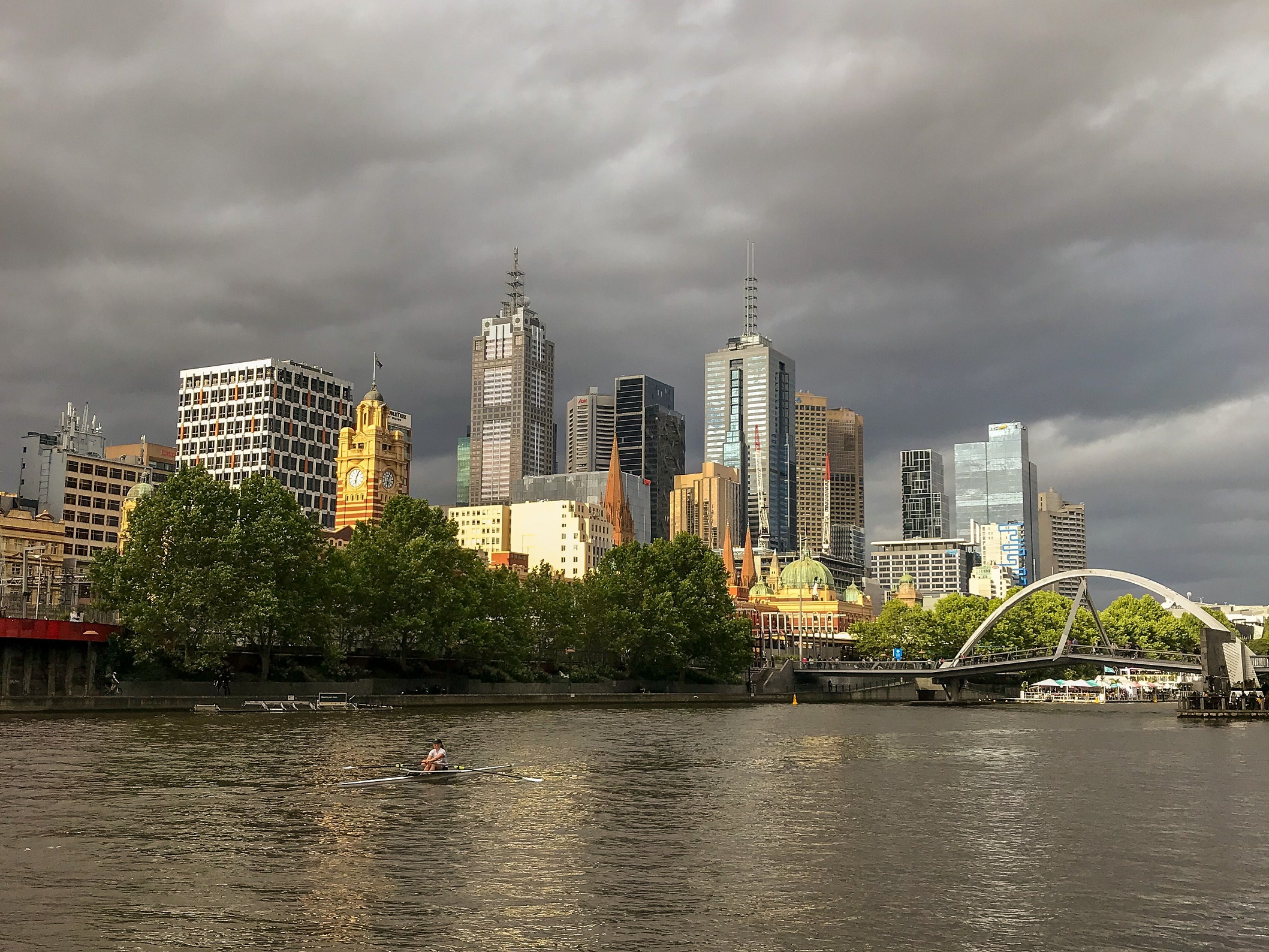
 Melbourne was – typical Melbourne – half the temperature of Sydney and a darn sight cooler than the world’s most liveable city, Canberra. It is sometimes proclaimed the most European of Australian metropolises, which means cloud and showery rain and a sometimes dingy – some may say grungy – countenance. And also, trams, which laugh in the face at numerous contemporary attempts to retrofit light rail elsewhere, like a wizened professor in a pokie room full of drongoes.
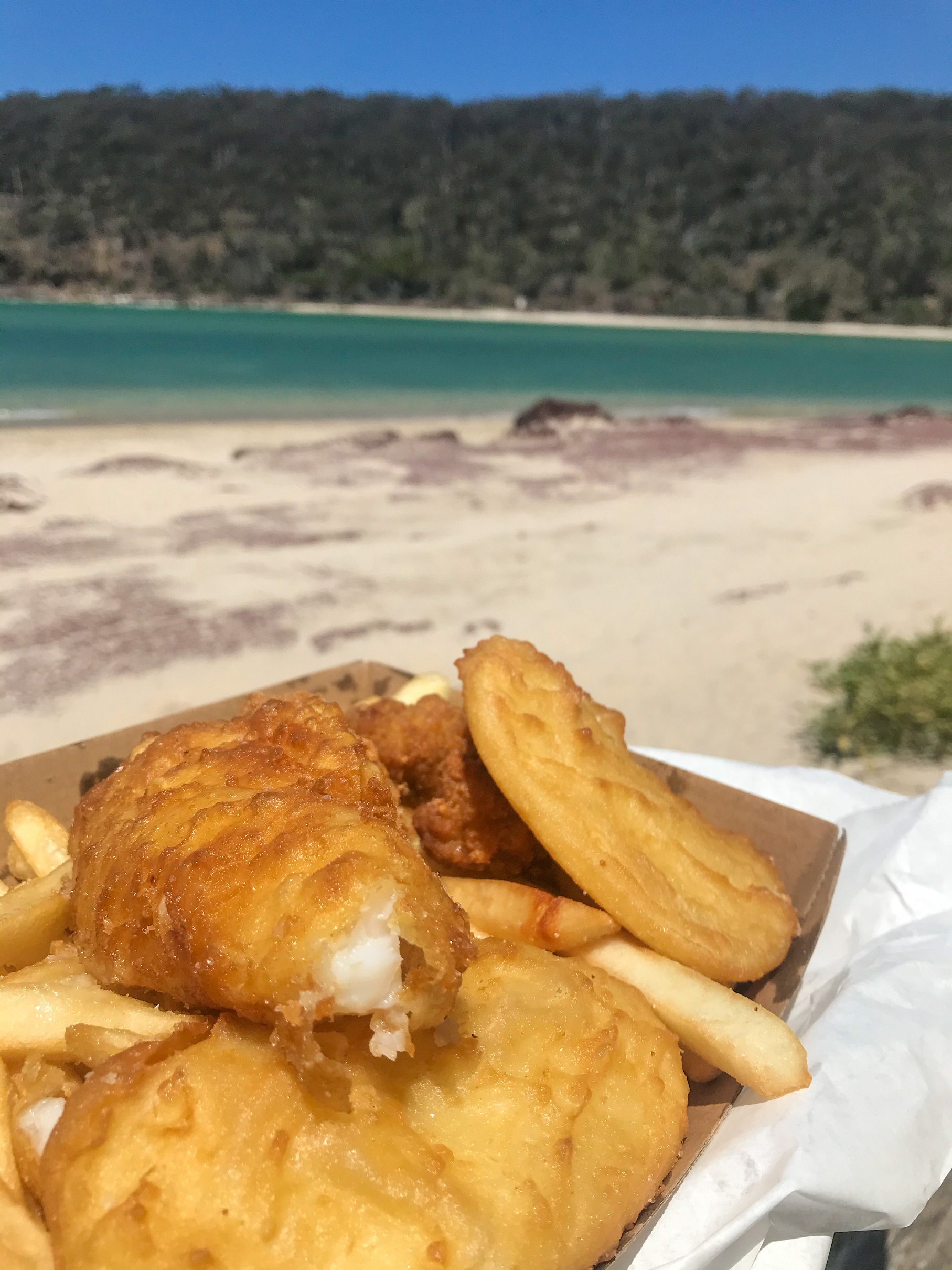
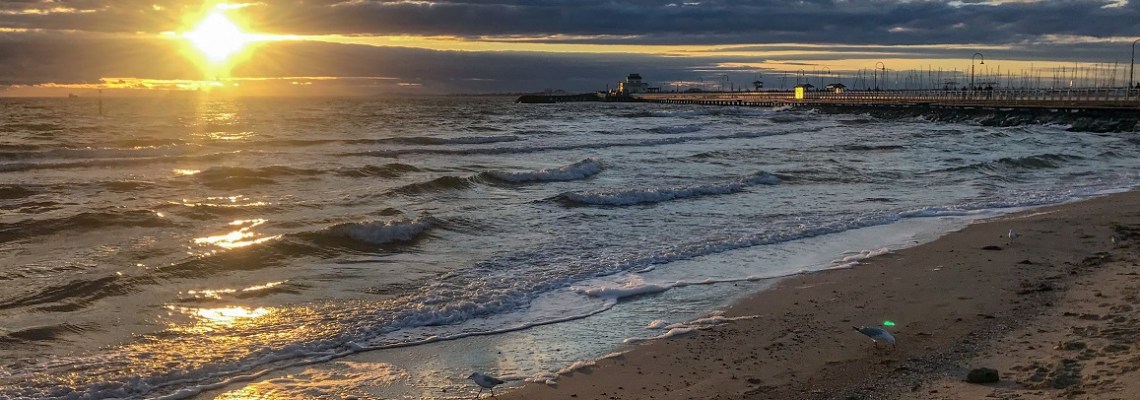
 You’d think the latter is more Melbourne while the former is all Sydney. But for me it was vice versa, the fish and chips the target of seagulls on St Kilda Beach, just for that extra European touch. If I had another jumper and another million dollars and an escape option from the oppression of another inevitable choking summer, I could probably live here, and I could probably live in Sydney too. If nothing else, I’d sure know some good spots for dinner.
 There is a colony of koalas here, and I was pleased to come across one in the first hundred metres of my walk. It was around midday and hot, exactly the kind of conditions in which you should not be out walking. But with this early sighting, the pressure was off – no more relentlessly craning one’s neck upward in the usually forlorn hope of spotting a bulbous lump that isn’t a growth protruding from a eucalypt. I could instead loop back to the car concentrating more on keeping the flies from going up my nose. Yes, they are absolutely back.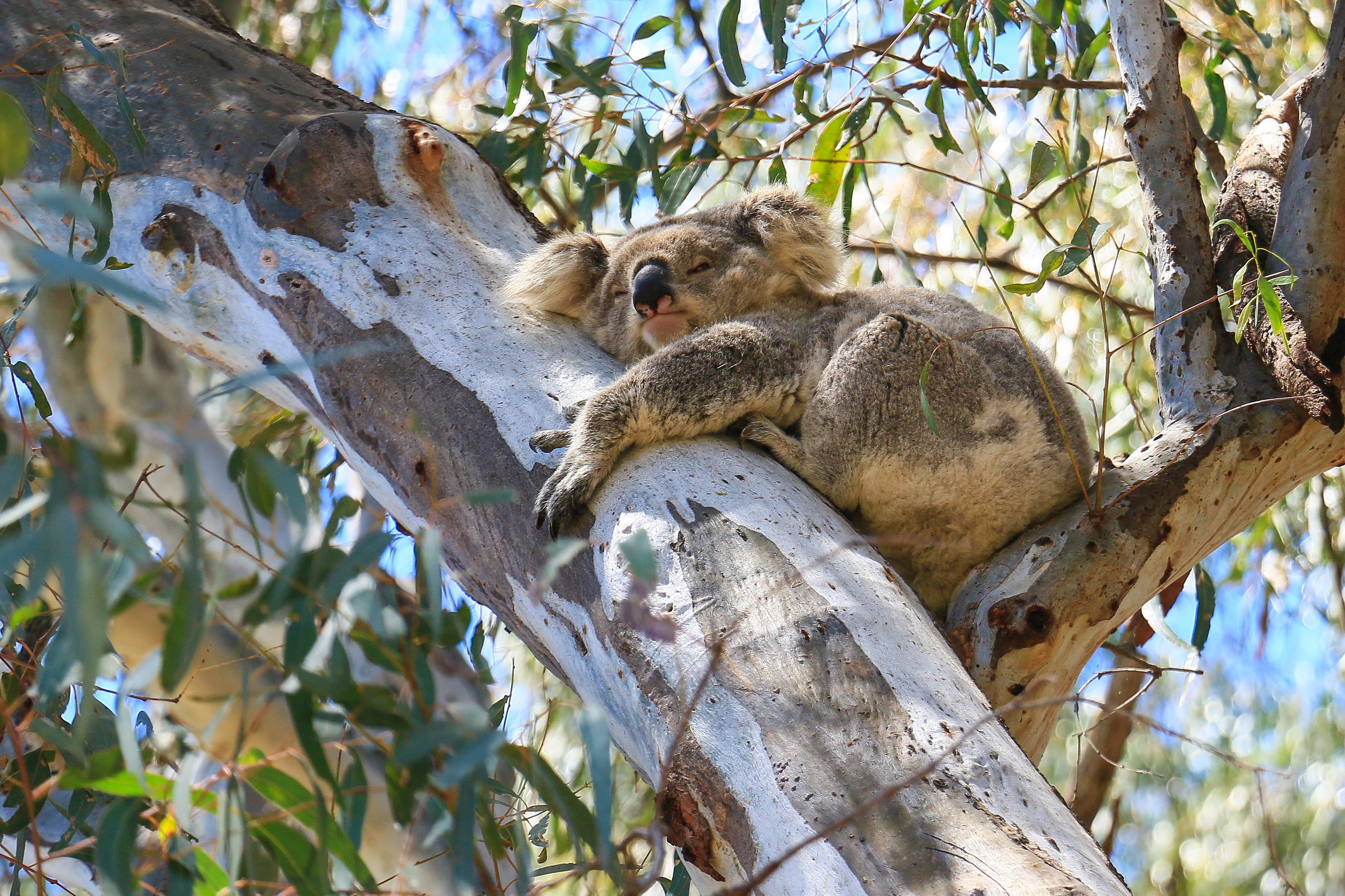


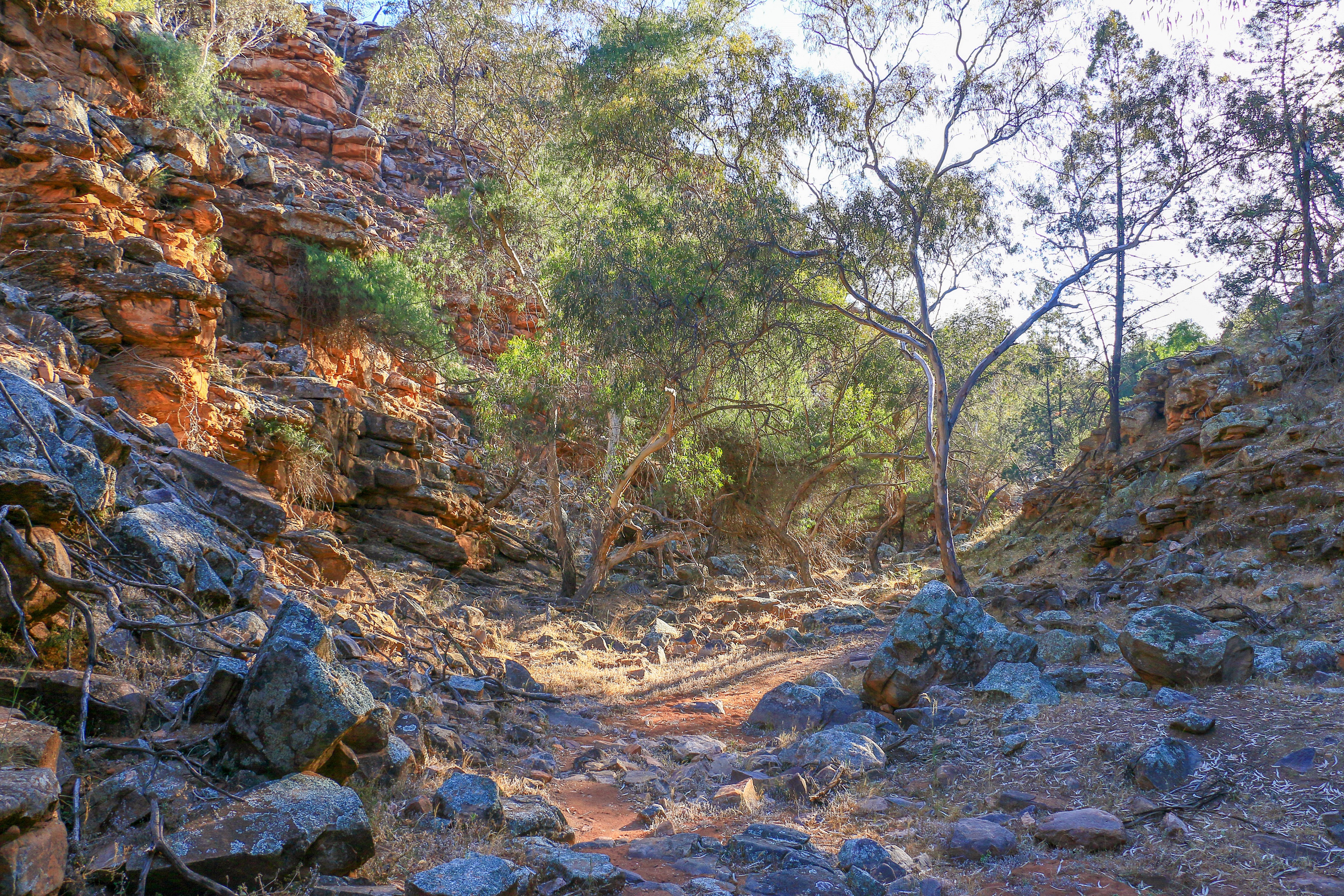


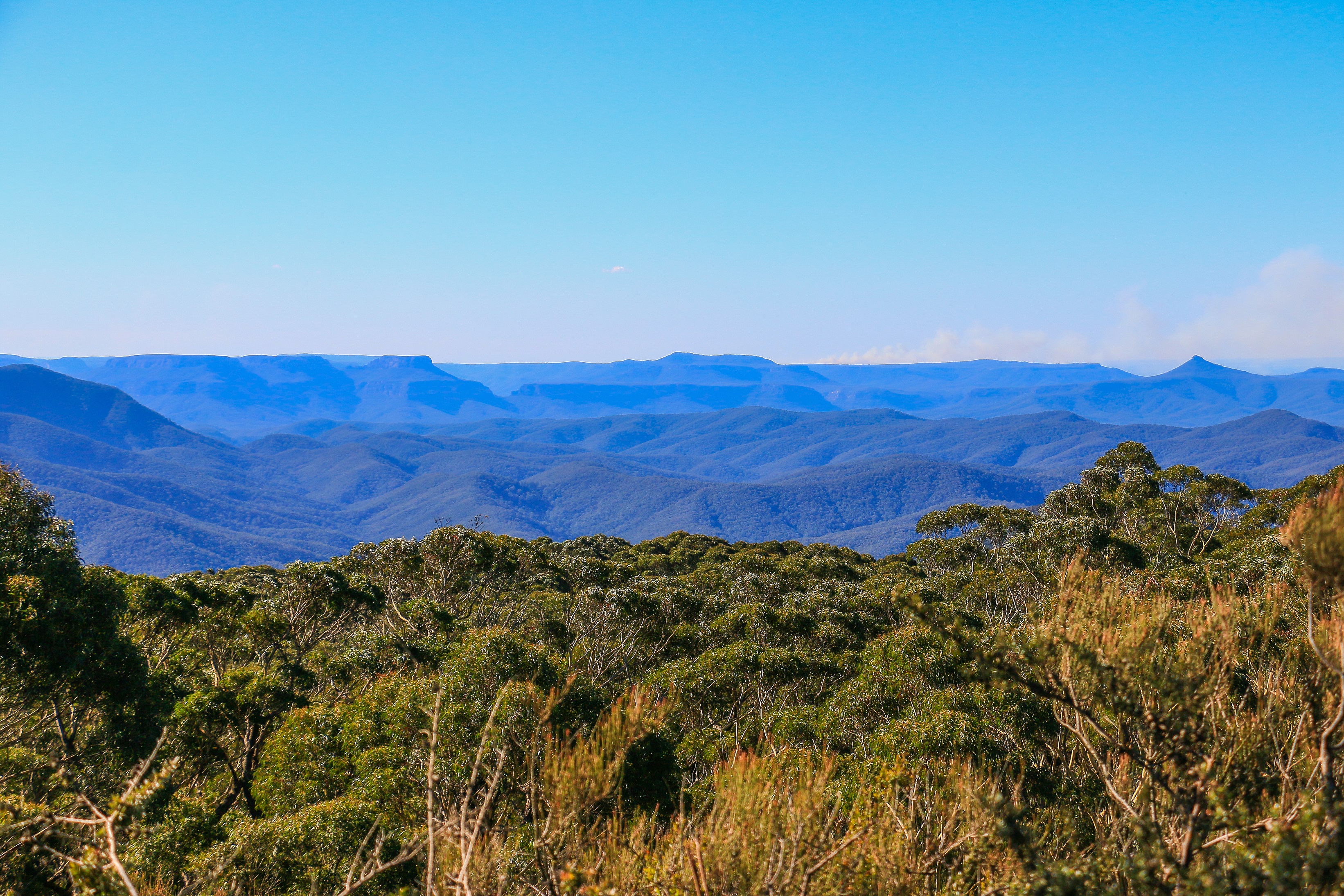
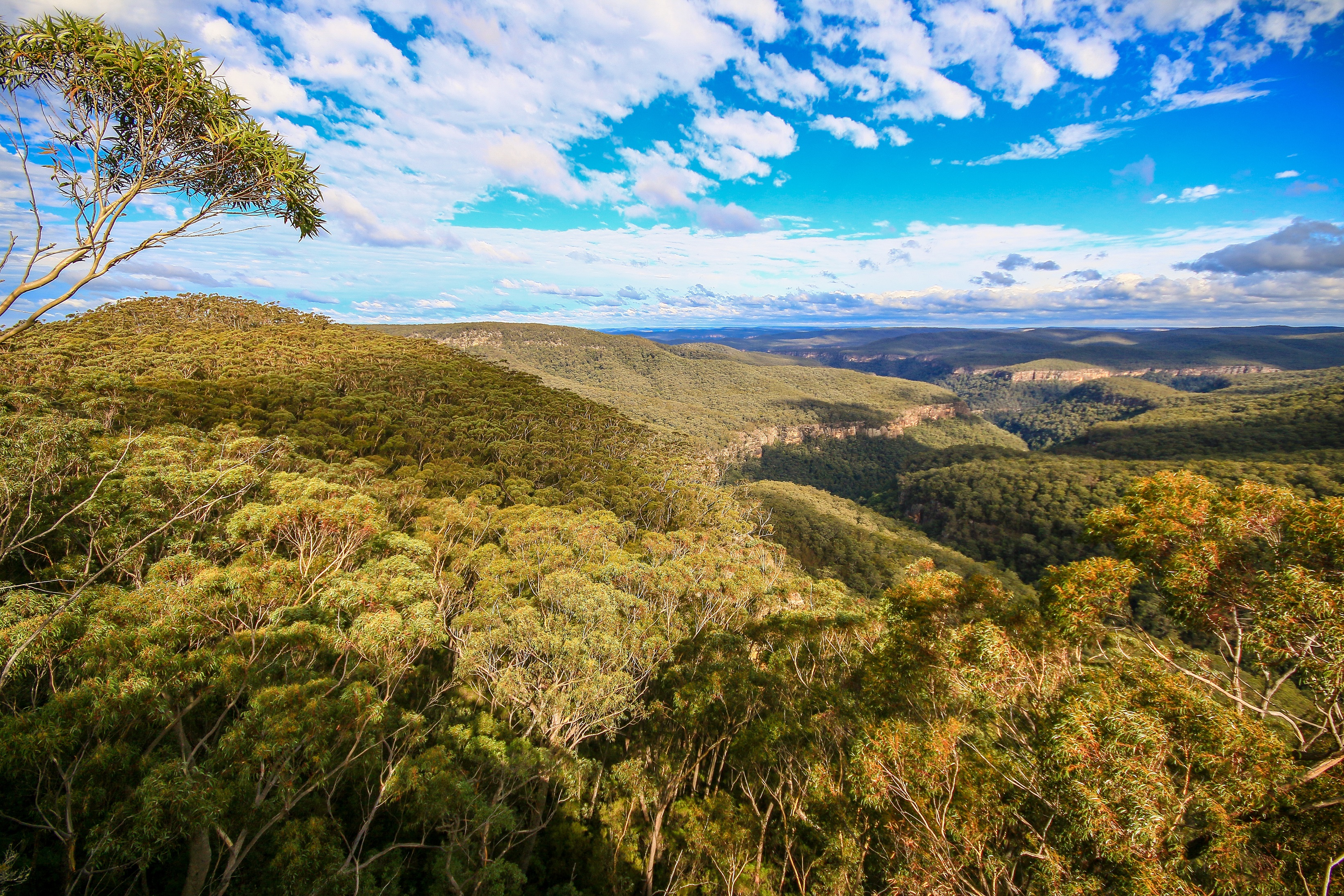
 Still, should you wish to rise from this indulgent slumber, another hour or so east will bring you to the western fringe of the Blue Mountains. Suddenly things change, and not just the petrol price rising thirty cents a litre in as many kilometres. The day trippers are out in force, the coaches idling at every single possible lookout, of which there are many. The escarpment top towns of Blackheath and Katoomba and Leura are brimming with people shuffling between café and bakery, spilling down like ants to the overlooks nearby. Below the ridge, however, and the wilderness wins. Only penetrable at its fringe, placid beneath a canopy of ferns and eucalyptus.






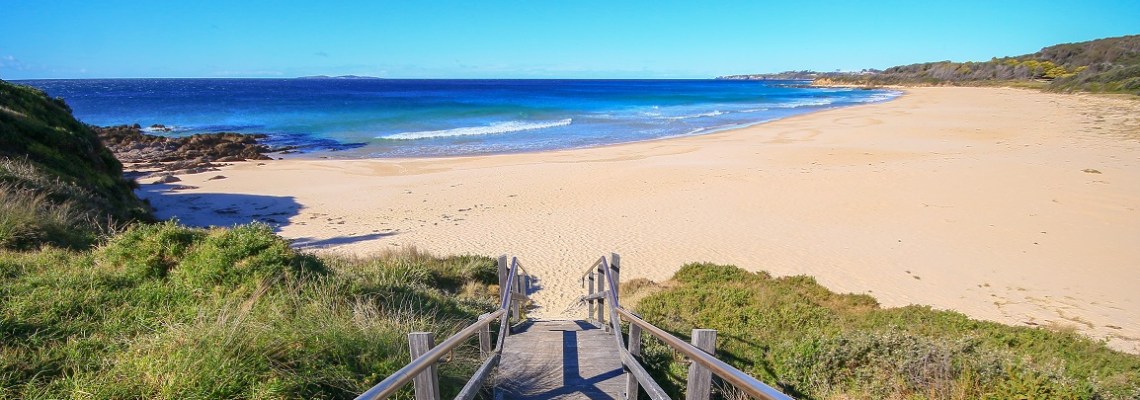

 Did I ever imagine back in 1996 that I would be gazing out to the Pacific hoping to sight a whale? Meandering downhill alongside gardens strewn with exotic plants and colourful birds? Wandering past parks dotted with electric barbecues and sinks for dealing with the entrails of fish? Who would have thought I would have previously parred the treacherous Bogey Hole of that golf course wedged between the town and the plunging cliffs of the coastline? Certainly not me, or anyone else,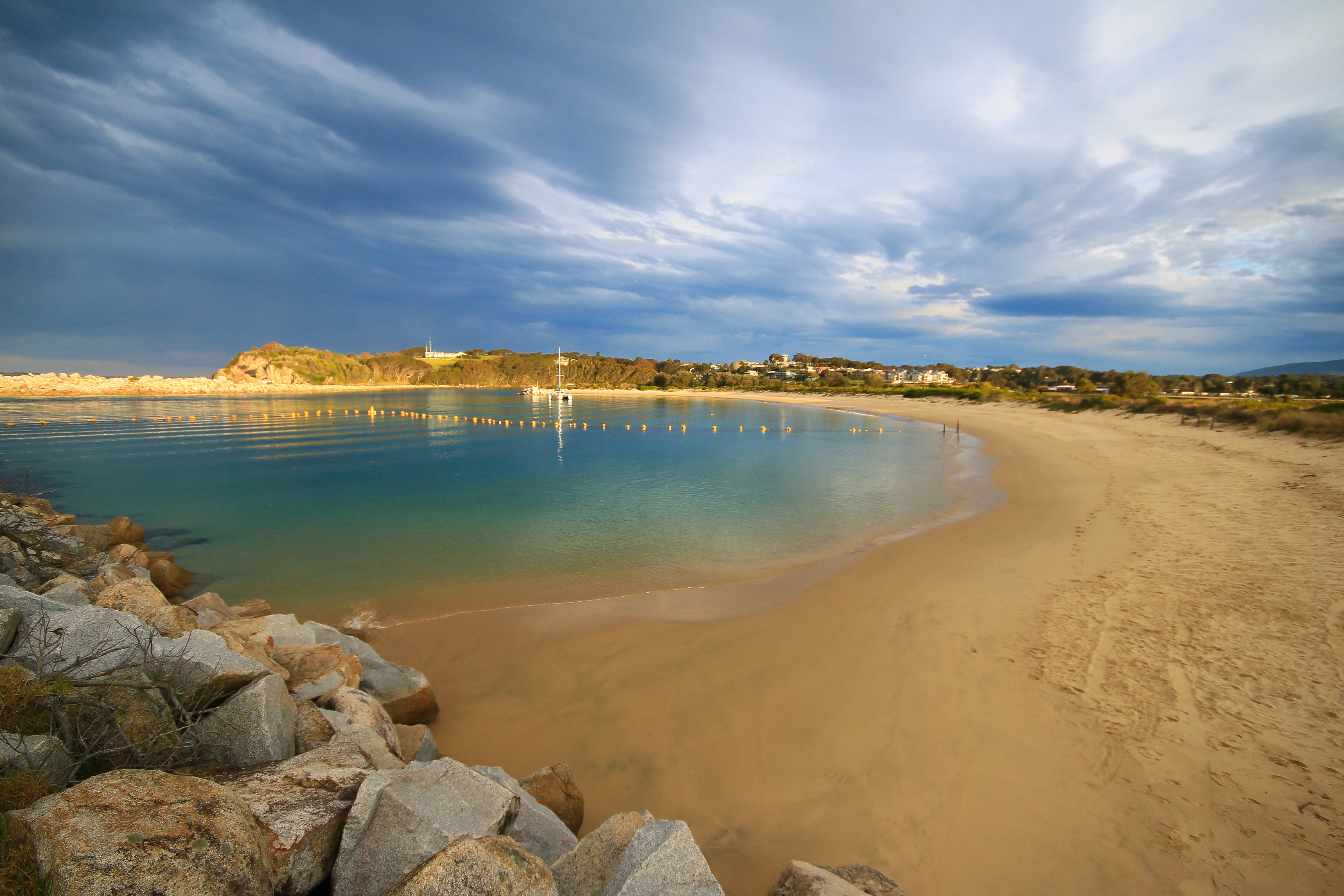

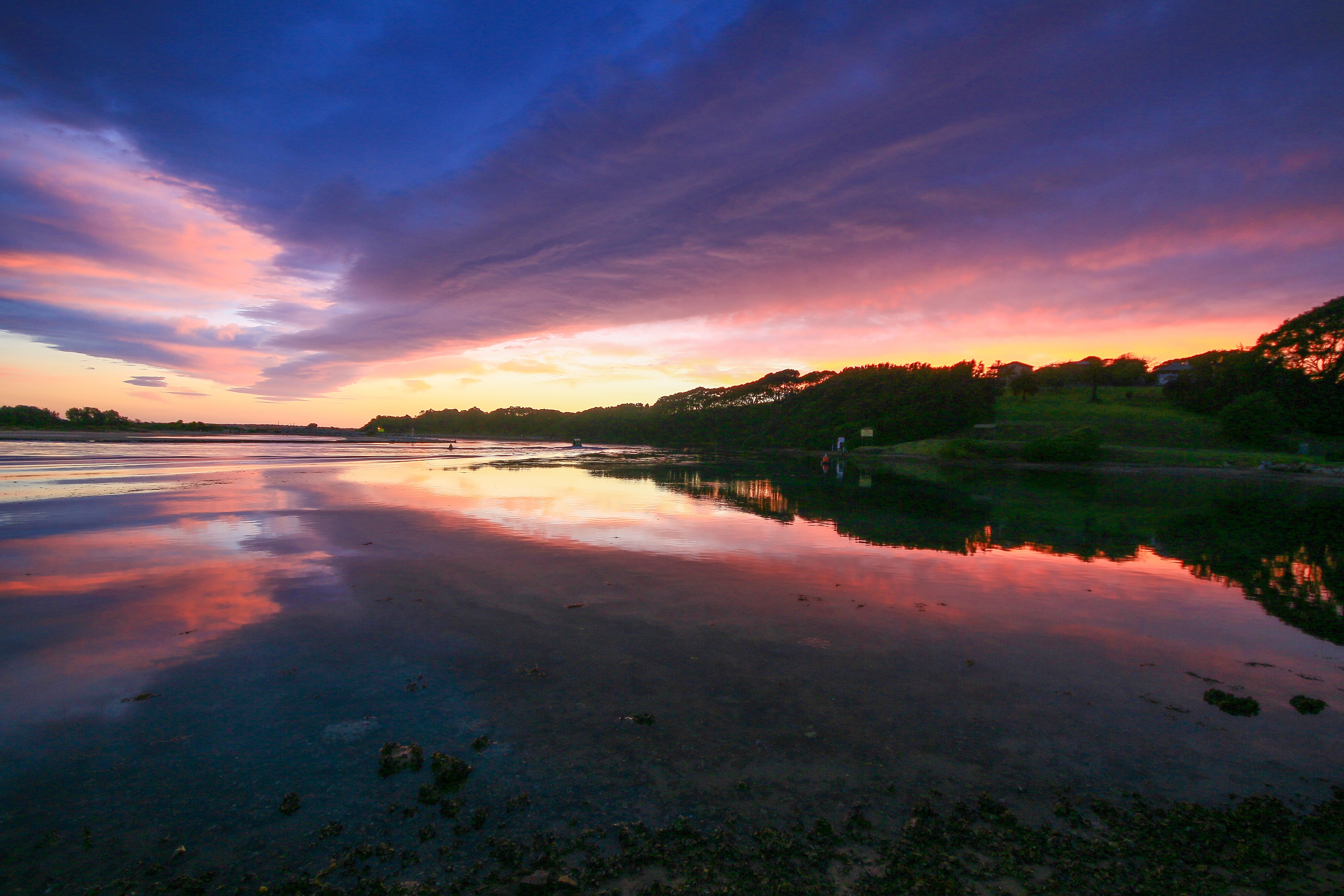


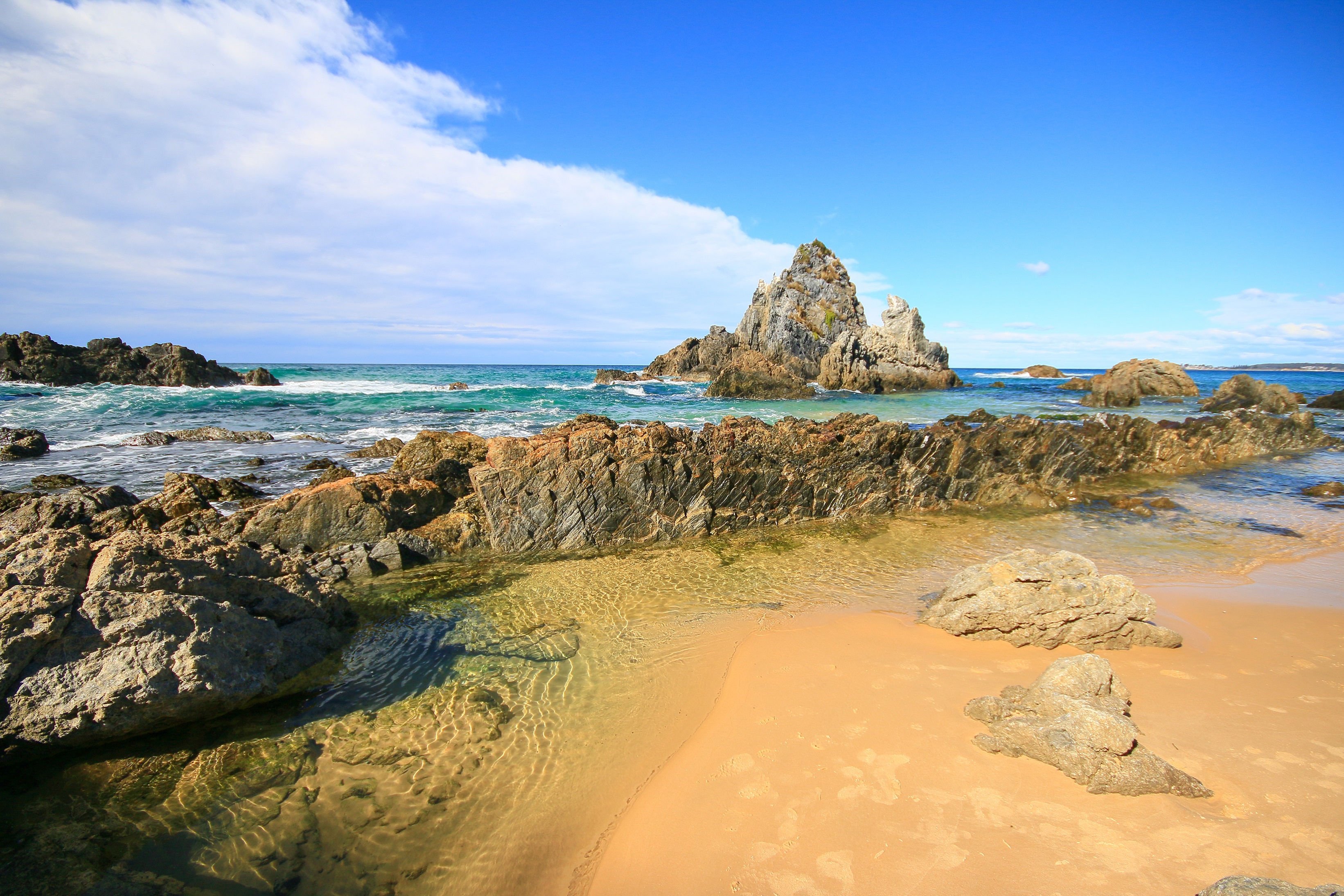
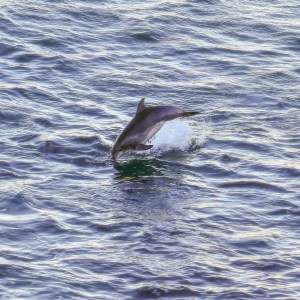 Spurred on by earlier whale sightings I ended the day back up near Narooma, taking a scenic coastal drive alongside Dalmeny and Kianga which boasts several panoramic viewing platforms along the way. The platforms are sited in between yet more pristine bays that you can have all to yourself. It was at the last of these points that I glanced a surfing dolphin, followed by a few more and a few more still. Passing below, there must have been around twenty dolphins, tracking north on a feeding mission. A whole two football teams.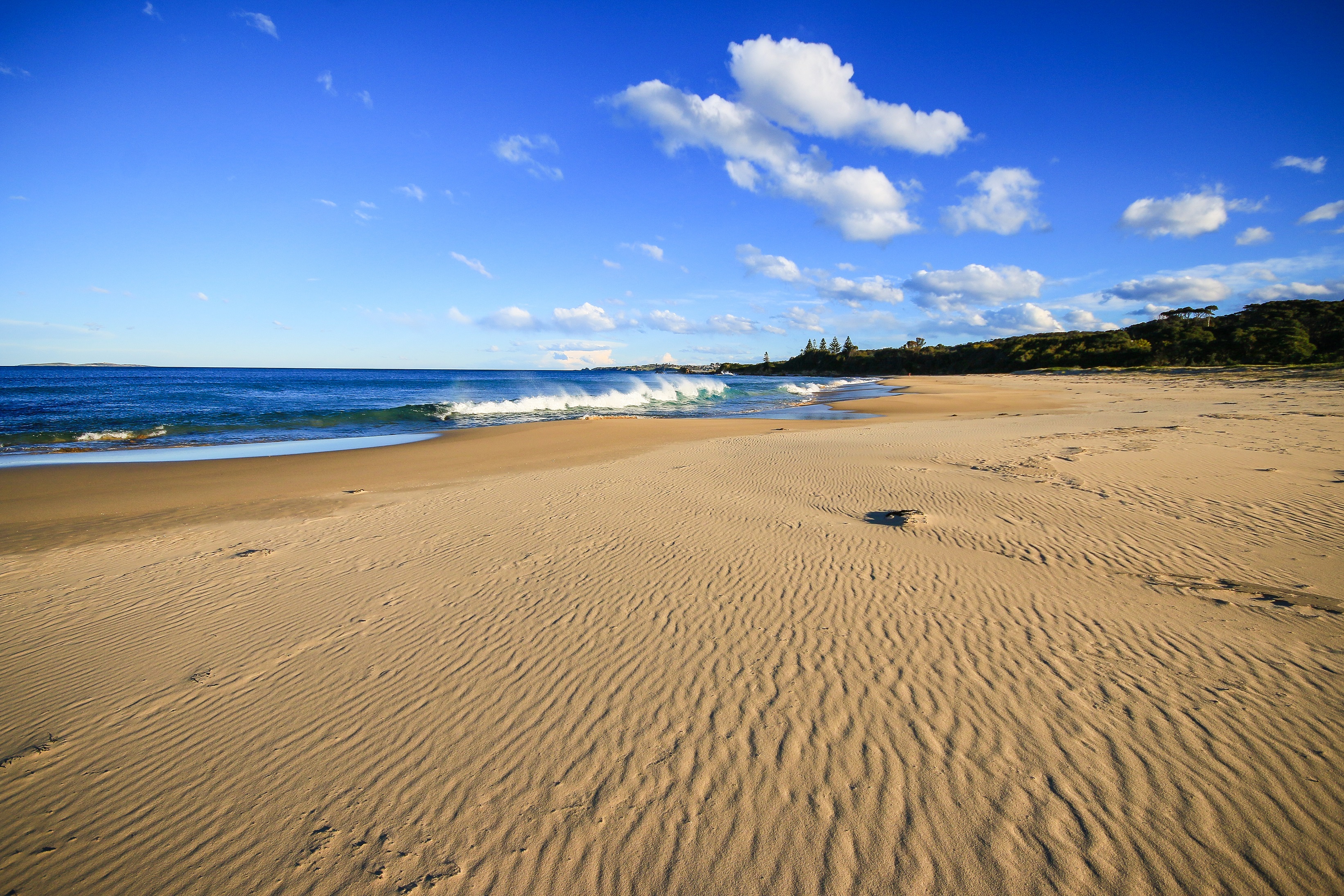


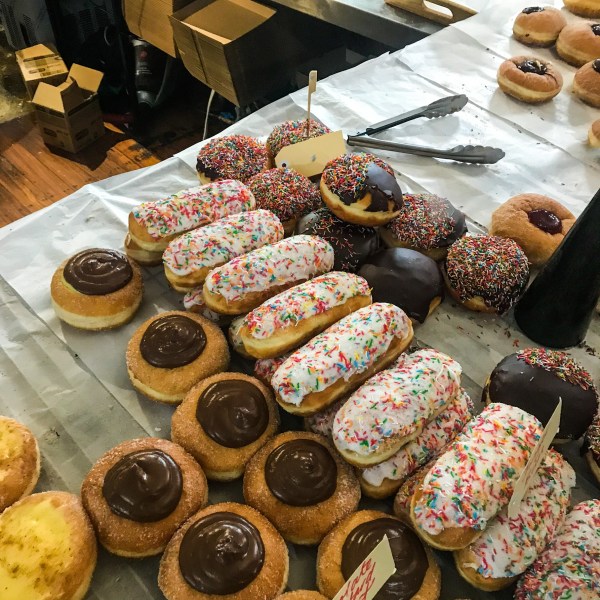 And a raincoat. For it is even truer that Queensland is far from beautiful one day, perfect the next; a dubious marketing slogan dreamt up by mediocrities that continues apace in the supposed Sunshine Coast, a place frequently sodden by epic downpours and possessing a clammy mildew befitting the swampy subtropics. Saturday here was so damp that the highlight was a doughnut, and even that wasn’t much of a highlight, more a triumph of social marketing style over substance.
 Queensland: pissing down one day, sweaty the next. The sweatiness emerging on Sunday as the sun makes an appearance, triggering rising heat and rampant moisture. Liquid particles are lifted by ocean gusts, filtered ineffectually through the thrum of air conditioning to congregate in damp surf club carpets. Puddles among snake-infested flood plain linger, waiting for passing birds and passing property developers to drain. The ubiquitous HiLux secretes fluids while idling outside Red Rooster, as a leftover billboard of some redneck running for parliament gazes down approvingly. Just thank the lord or some other unelected deity that it is not yet high summer.





 gbpilgrim