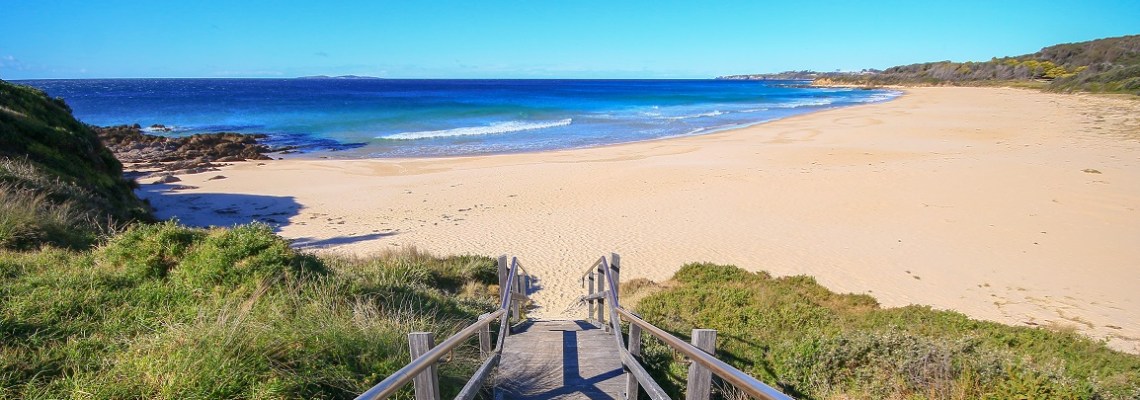
Late Friday afternoon on the road between Braidwood and Bungendore and the wind is buffeting my car as it trundles into the sleety clouds of winter. I’m returning from the coast, where two hours before I was eating lunch on a sheltered cove saturated in warm sunshine. It’s a slightly weary drive and, for some reason, I decide to play The Lightning Seeds for probably the first time in twenty years.
After several jaunty, scousish ditties that sound identical, the sage words of Alan Hansen and Jimmy Hill emerge as the infectious, glorious, deprecating anthem that is Three Lions blares out. I cannot listen to this without bobbing my head a little, chanting, smiling like a Cheshire Cat. As much as you might try. It’s Coming Home! At least I hope so, in light of the possible blizzard up ahead.
It’s Coming Home. Euro 96. An era that now feels halcyon, days when the Donald and BJ were still complete dicks but at least not complete dicks inexplicably leading disunited states and precarious kingdoms. Back in 1996, John Major was trundling his way towards the end of years of Tory rule, a regime which now somehow seems sane and reasonable. The Spice Girls were zig-a-zag-ahing and both Mitchells were polishing their heads behind the bar of the Queen Vic. I was completing my first year of university, undistracted by a phone, immune from the ranting coalescence of conspiracy lunatics on the internet.
I don’t remember that much about my university course (who does?), but in a convoluted way which coincidentally brings us back to the present I suppose it led me to be in the South Coast NSW town of Narooma on a mild, golden evening in August 2019. I studied, I got a job, I travelled, I went back to that job, I transferred to Australia with that job and I ended up on a boardwalk meandering past calm and clear waters toward the ocean.
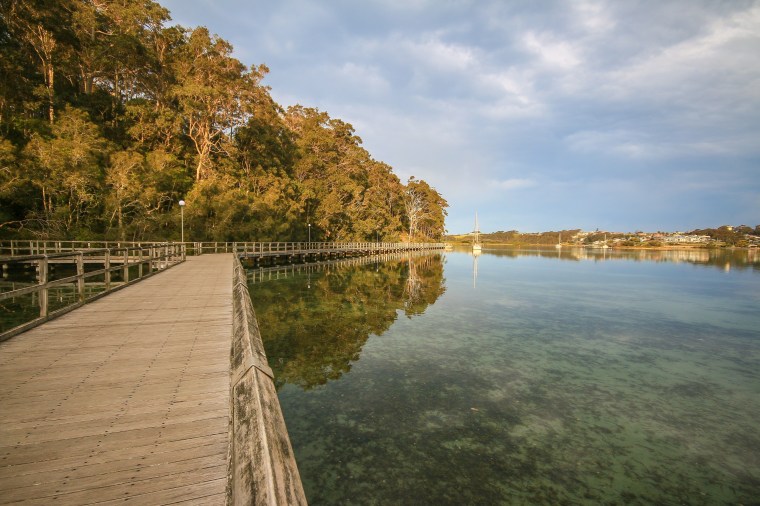
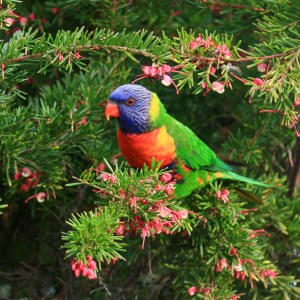 Did I ever imagine back in 1996 that I would be gazing out to the Pacific hoping to sight a whale? Meandering downhill alongside gardens strewn with exotic plants and colourful birds? Wandering past parks dotted with electric barbecues and sinks for dealing with the entrails of fish? Who would have thought I would have previously parred the treacherous Bogey Hole of that golf course wedged between the town and the plunging cliffs of the coastline? Certainly not me, or anyone else, which is why I bring it up again.

Even with its ageing hackers, Narooma is a pretty quiet kind of place, especially in a midweek in winter when the temperature has dipped to something around nineteen degrees. It’s tough going, having to put a light jumper on as the sun disappears behind Gulaga, pondering whether to have fish and chips for dinner or wait until tomorrow.
———————————————-
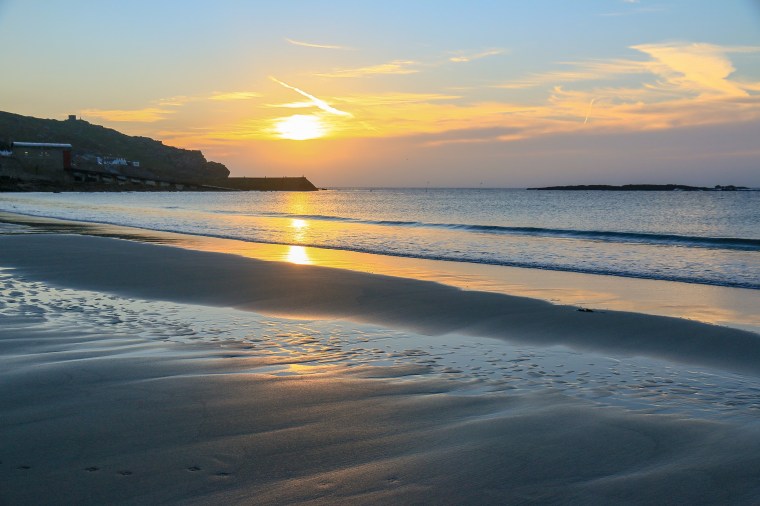
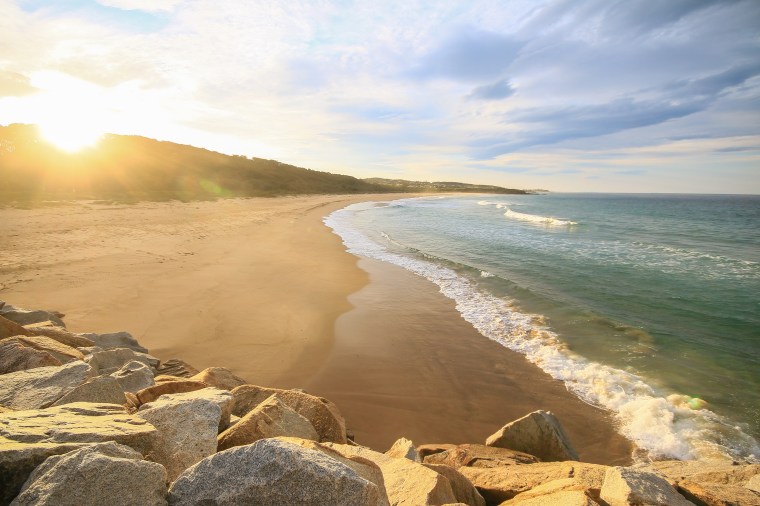
While I know Narooma pretty well, the first night in a strange place always seems to lead to a fitful sleep, even when you’ve opted to forego fish and chips. Waking too early the next day, the murmurings of RN Breakfast do little to inspire or send me back to doze, so I head out into the dark. I love this time of day, especially beside the ocean; facing east as the black fades to blue and grey and red and yellow, and shafts of sunlight glitter off the sea. The sun kisses the layers of morning cloud, spreading to the tops of trees, and illuminating the coffee shop on the hill. A beacon which makes the reward of an early start in Australia all the better.

With plenty of the day still ahead I took the car for a little explore south of Narooma, stopping first in the so-good-they-named-it-twice hamlet of Tilba Tilba before heading on to the relative bustle of Central Tilba. This is a corner of the county oozing genuine charm, with plenty of tin roofs and lacework awnings, flower-filled yards and rustic leftovers. By Australian standards it’s usually a green and lush place as well, which is great for local dairy products; but even here the drought looked to be taking its yellowing toll.

Given my early start it was probably pushing it to head to the bakery in Central Tilba for local produce straight away, so I took a gentle amble along the track which eventually leads to the top of Gulaga, the dominant, forest-clad peak of the area, spiritually significant to the local Yuin people. You can walk to the top, but I wasn’t really in the mood and I heard that summit views were lacking. The valley was perfectly happy enough.

Did I mention dairy products? One of my favourite topics which, back in 1996, probably didn’t come with any moral distaste from ethically sourced eco-vegan leftists typing away on their not-so-pure iPhones. I guess at a philosophical level, there is valid debate as to whether we can still have our cake and eat it? At an individual level, the answer was a resounding yes. Not only in Tilba, home to Jersey Cows and related outputs. But also in Bodalla, a pitstop on my journey into and out of Narooma and for all journeys this way in the future. Wednesday, Thursday, Friday.
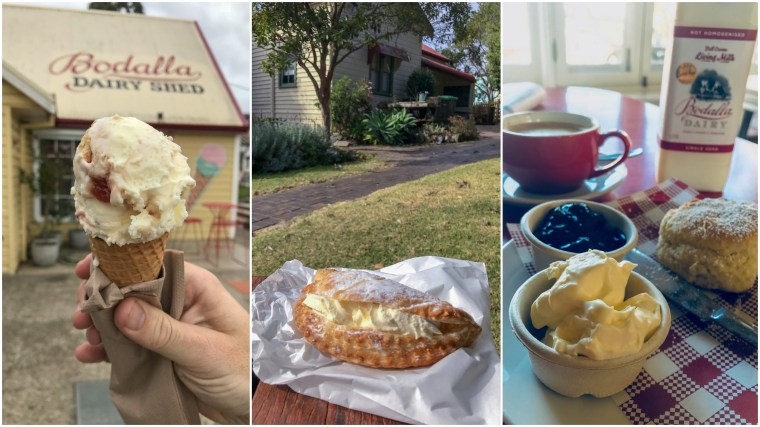
South of Tilba, the main highway veers off towards Bermagui, along a splendid road of eucalyptus forest and the shores of Wallaga Lake. The maps indicate a few coastal rock formations here, names suggesting a likeness to horses and camels which enticed me to explore with the hope of discovering an Australian Durdle Door or Bedruthan Step. While there was not quite the same grandeur, the coastal scenery, now bathed in warm sunshine, proved a tonic after that massive apple turnover.
It was pleasing to discover I was on part of the ‘Great South Coast Walk’ according to a few signposts. This doesn’t appear to be an official trail but may yet develop into something more formal. One of my bugbears with Australia is that it doesn’t seem to have the same right to roam philosophy as the UK. Huge tracts of land are locked up in private hands or just downright inaccessible unless you have Ray Mears on hand with a machete and / or a big gas guzzling ute. Being able to just rock up anywhere on the coast and walk has an appeal unmatched. See, for example, South West Coast Path.
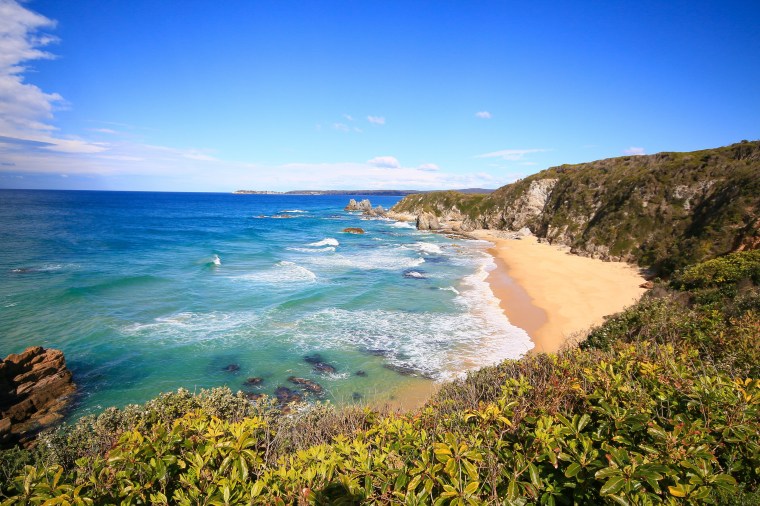
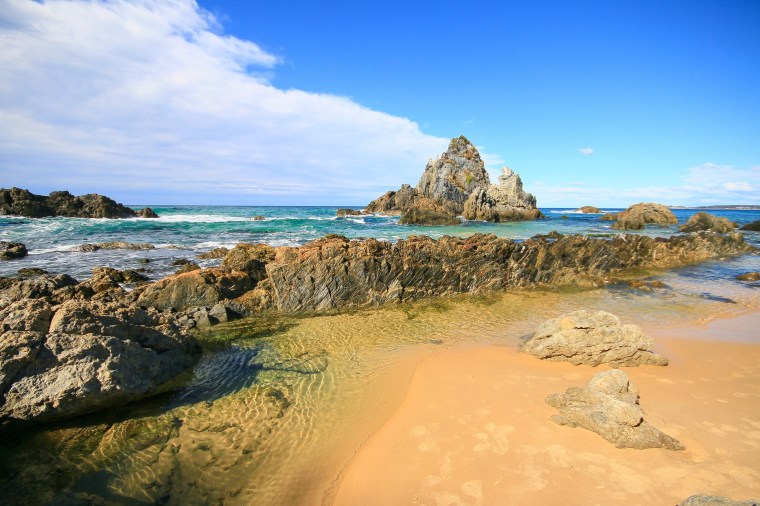
It was along this walk, overlooking the expanse of Wallaga Lake, that I learnt of another resemblance in the landscape around here. Gulaga is a pregnant woman, partly explaining its significance to the Yuin people who were here well, well before 1996. Today, its fertility abounds as a cluster of whales drift down the coast, mother and calf distant white caps sporadically splashing in the rich waters.
I probably wouldn’t have spotted the whales if it wasn’t for a couple of retired locals staked out on a headland near Horse Head Rock. For me, this is usually the most successful method of spotting wildlife. If you’re driving in country Australia and a cluster of people have pulled over to look up at a tree, there’s a fair chance you’ll get to see a koala. The other way you tend to discover local wildlife is when you nearly run it over. Beware Wombats.
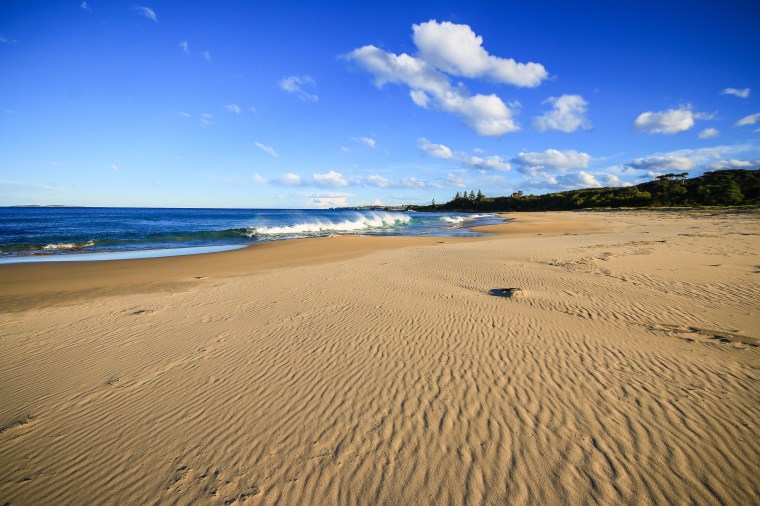
 Spurred on by earlier whale sightings I ended the day back up near Narooma, taking a scenic coastal drive alongside Dalmeny and Kianga which boasts several panoramic viewing platforms along the way. The platforms are sited in between yet more pristine bays that you can have all to yourself. It was at the last of these points that I glanced a surfing dolphin, followed by a few more and a few more still. Passing below, there must have been around twenty dolphins, tracking north on a feeding mission. A whole two football teams.
———————————————-
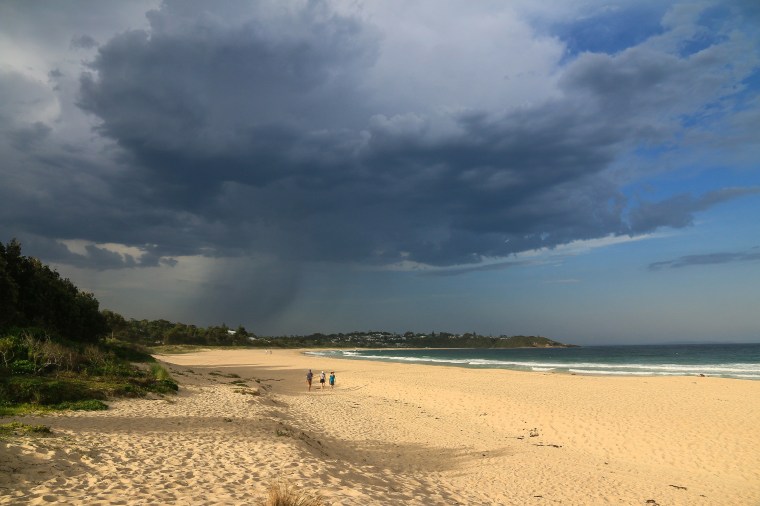
I doubt I would have seen dolphins in 1996. Nor would I be questioning the prospect of snow in August, even counting for British weather. Today, this was a possibility heading back to Canberra thanks to a vigorous succession of cold fronts coming from the Antarctic. My solution was to linger down on the coast for as long as possible.
It was undoubtedly windy, but the skies were blue and with a little shelter you could sit comfortably in a light sweater or even T-shirt. Neither of which were really possible in the blustery settings of Cullendulla Creek and the nearby Eurobodalla Botanic Gardens, but these were attractive diversions nonetheless. At the gardens, the stronger gusts were a tad alarming and it felt only a matter of time before a branch would fall on my head. Mercifully it didn’t, and the march towards Spring carried on.


Just north of Batemans Bay – and the road junction back to Canberra – the graceful, tall spotted eucalypts of Murramarang National Park were probably less appealing to walk through today. Especially when picking a walk that follows a ridgeline facing the bay, directly exposed to the strong southwesterlies. The crashing chaos, the constant buffeting, the noise and fury do not entice a pause to look up and marvel. Impulsion instead for a brisk pace and the hope of respite on the other side. And what gentle and idyllic contrast this proves.
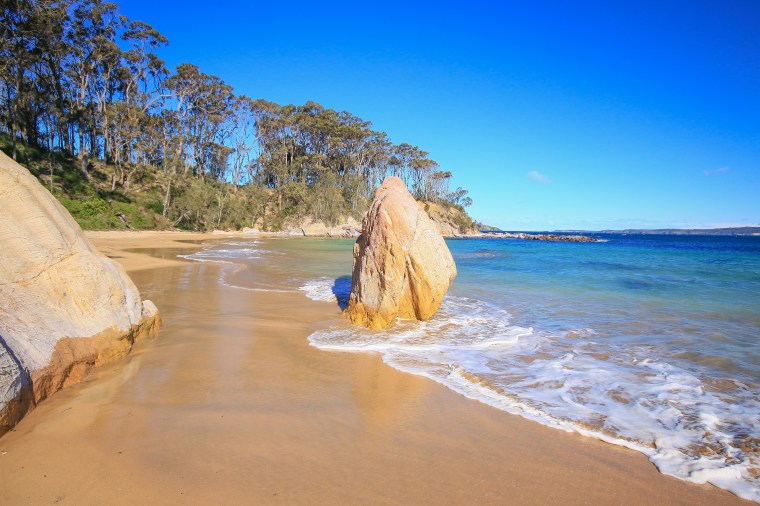
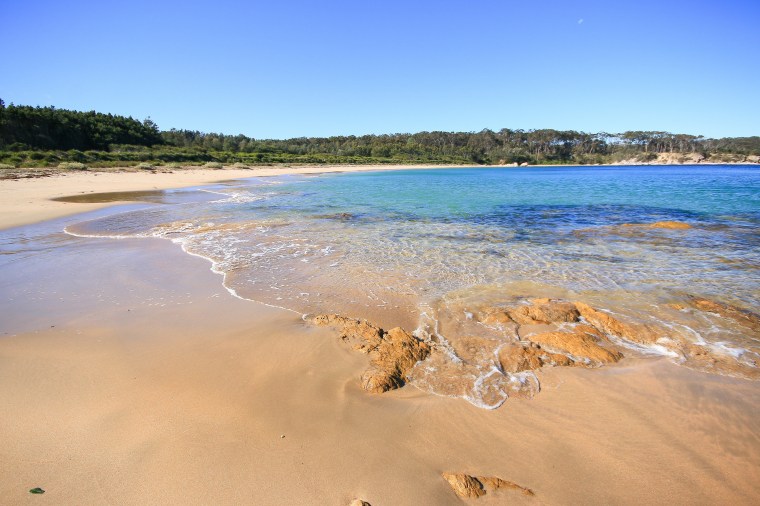
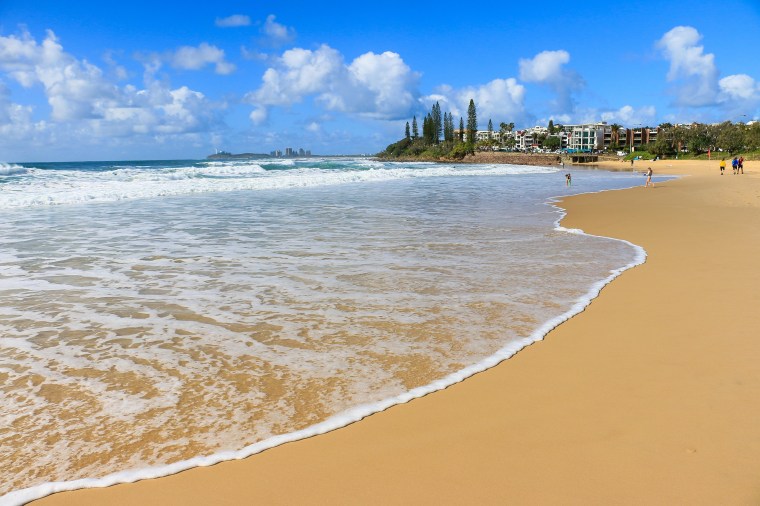
A bay with no-one and nothing. Nothing but calm clear waters, untouched sand and the backing of a gently whispering bush. A driftwood log, downed in some other storm and also finding its way to this paradise, is now a perfect setting for a late lunch. The breathlessness is not only in the air, the warmth not only on the outside. Perhaps even in 2019, these are still the days, this is still the life.

 And a raincoat. For it is even truer that Queensland is far from beautiful one day, perfect the next; a dubious marketing slogan dreamt up by mediocrities that continues apace in the supposed Sunshine Coast, a place frequently sodden by epic downpours and possessing a clammy mildew befitting the swampy subtropics. Saturday here was so damp that the highlight was a doughnut, and even that wasn’t much of a highlight, more a triumph of social marketing style over substance.
 Queensland: pissing down one day, sweaty the next. The sweatiness emerging on Sunday as the sun makes an appearance, triggering rising heat and rampant moisture. Liquid particles are lifted by ocean gusts, filtered ineffectually through the thrum of air conditioning to congregate in damp surf club carpets. Puddles among snake-infested flood plain linger, waiting for passing birds and passing property developers to drain. The ubiquitous HiLux secretes fluids while idling outside Red Rooster, as a leftover billboard of some redneck running for parliament gazes down approvingly. Just thank the lord or some other unelected deity that it is not yet high summer.
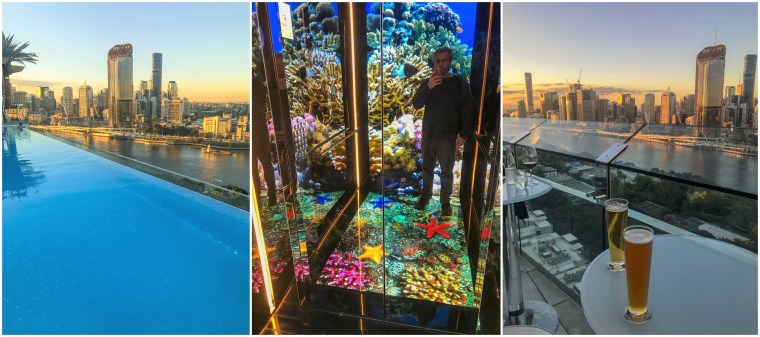




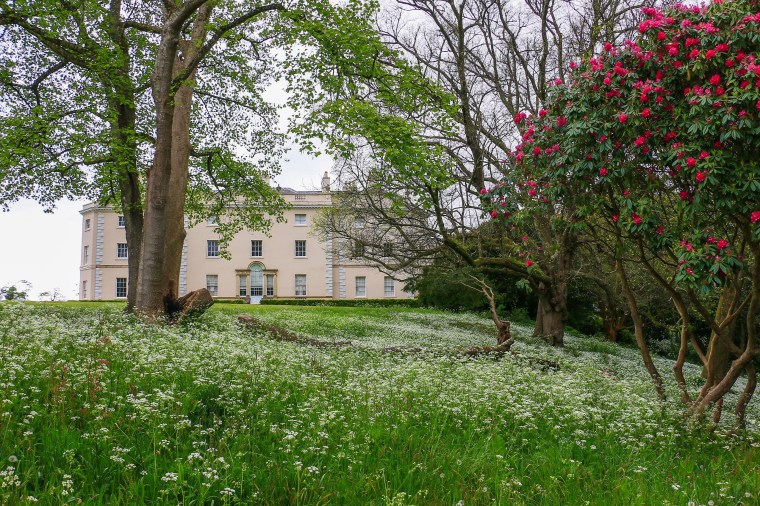
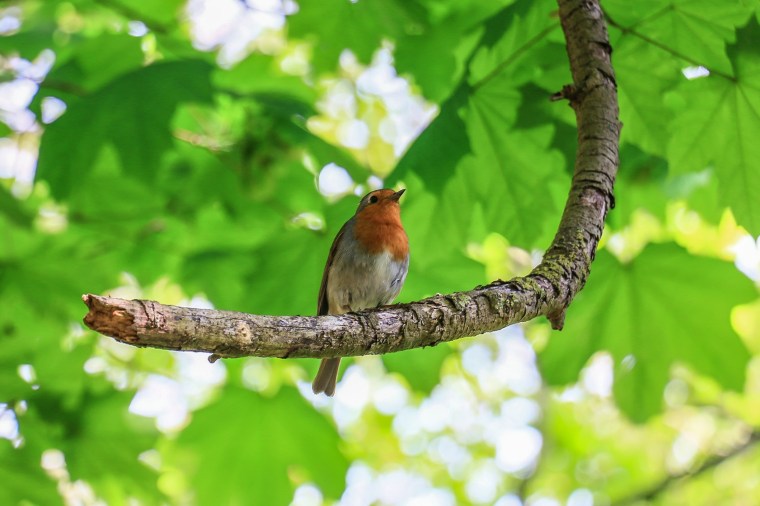
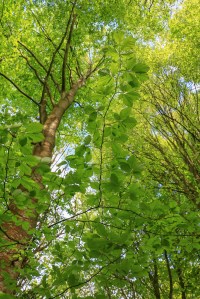 Or it can be wonderful, arriving a little before rush-hour and just after the parking attendant has gone home. This yields a quiet fist pump of glee and a good mood in which to walk the parklands. Along the river, the tide is high and holding on, and clouds part to release the sun. Forget the roar of traffic along the Embankment, and the mould-tinged sails of Sainsburys, and focus instead on the flourishing green of the woods and bounteous swathes of wild garlic. Embrace the chirping birds and walk with the hope of encountering a deer.
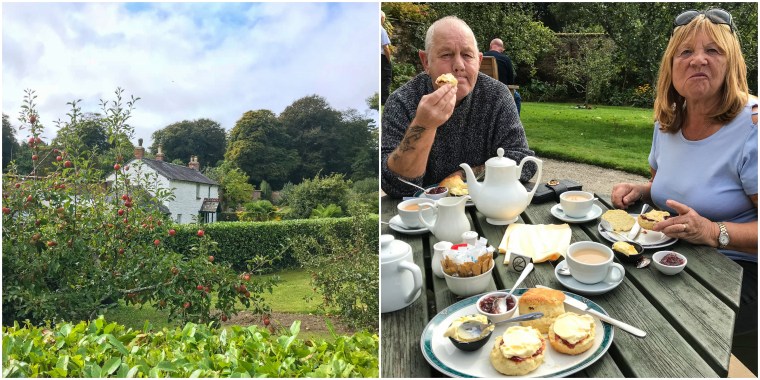
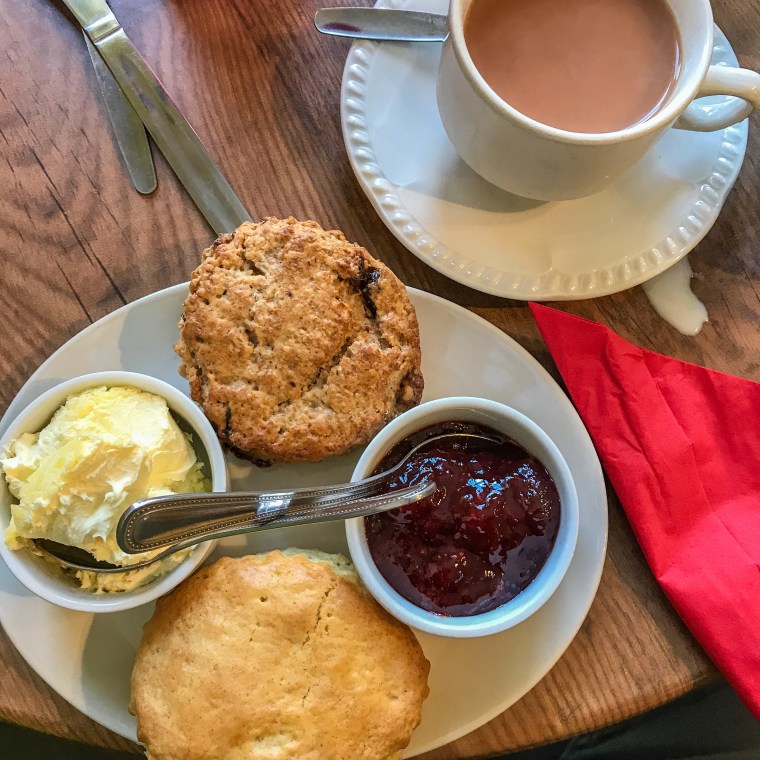
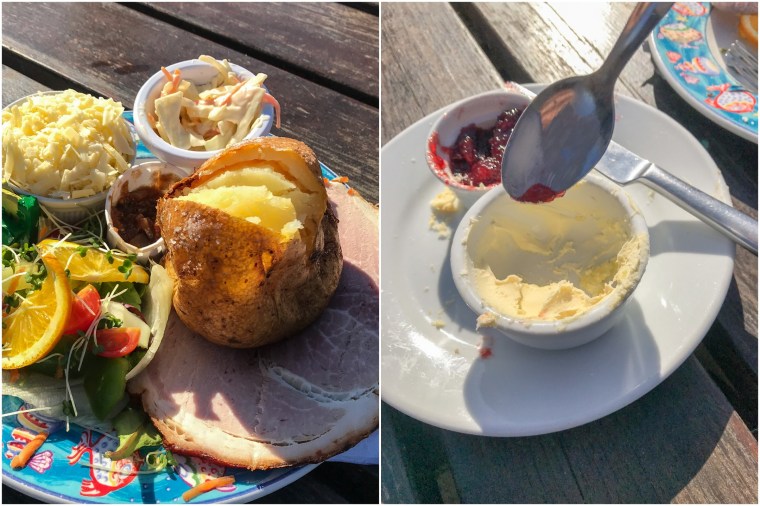
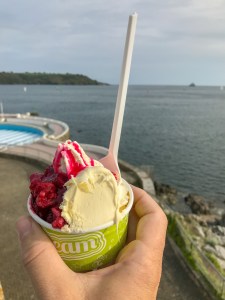 Look down upon manicured fields and be thankful that this is indeed upon your doorstep. A doorstep in which the land and sea meets, producing conditions that are often frustrating but usually fruitful. Beyond the chav-filled potholes of the city, a land of strawberries and cream or raspberries and cream or just cream goddammit.


 No doubt many of the loftier residents of Salcombe were in jovial mood; not only from their elevated perch surveying the ambling peasants seeking a cheap pasty, but with the news of a royal baby to join the ranks. Does it have a name yet? I can’t even remember. Have the Daily Mail criticised the parents yet? Oh probably.

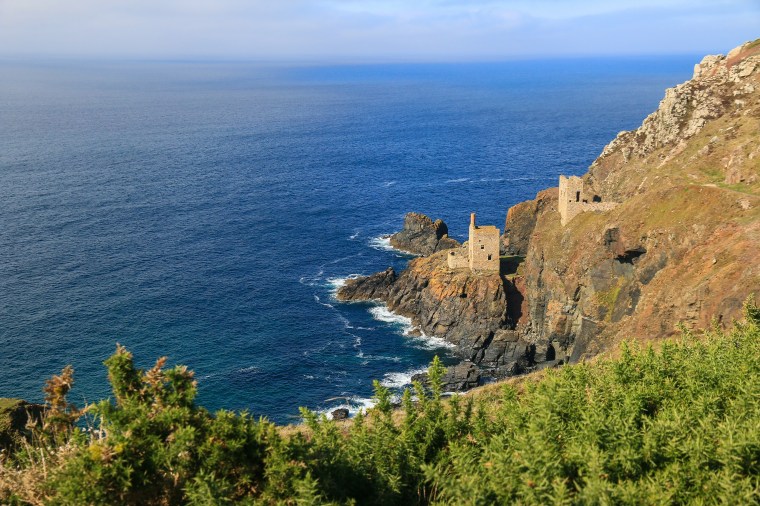
 And so, the unexpected and unplanned once again yields some of the most memorable moments. Waiting in a small layby among the gorgeous fields of Devon in the warming sunshine could be worse. Being patched up and guided to Totnes for repairs by endearing locals eager to provide a helping hand (and earn some pennies) proved heart-warming. Spending a few hours in Totnes, charmed and enlightened by good coffee, markets overflowing with abundance and leafy riverside walks. And the satisfaction of rediscovering batter bits with malt vinegar (good work Mum!)
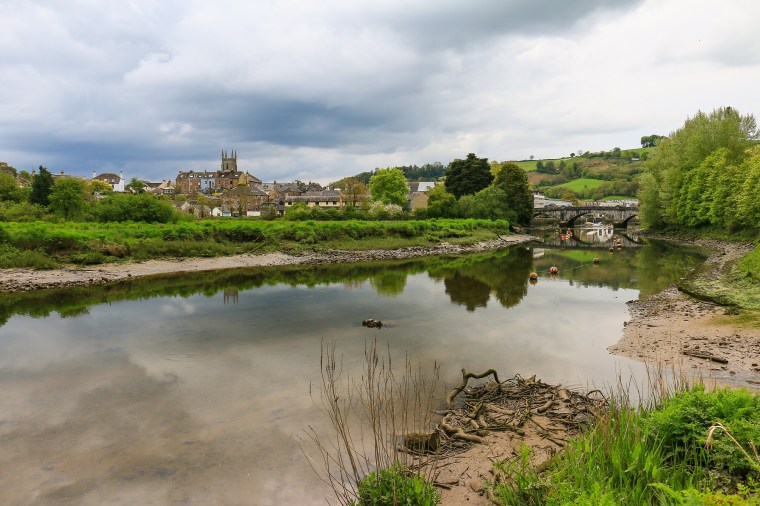

 Such are the ample proportions of the landscape here that the coast path between Strete and Blackpool Sands struggles to keep to the coast. The barriers are too immense, and the trail cuts inland as it dips down towards the bay. But this too is something of a blessing, for not only do you make it without falling to an inevitable death into the sea, but you become once again immersed into a countryside apparently so utopian. Farming must still be productive here, despite the temptation to become a campsite or a tearoom or a paddock for some pampered hobby horses.

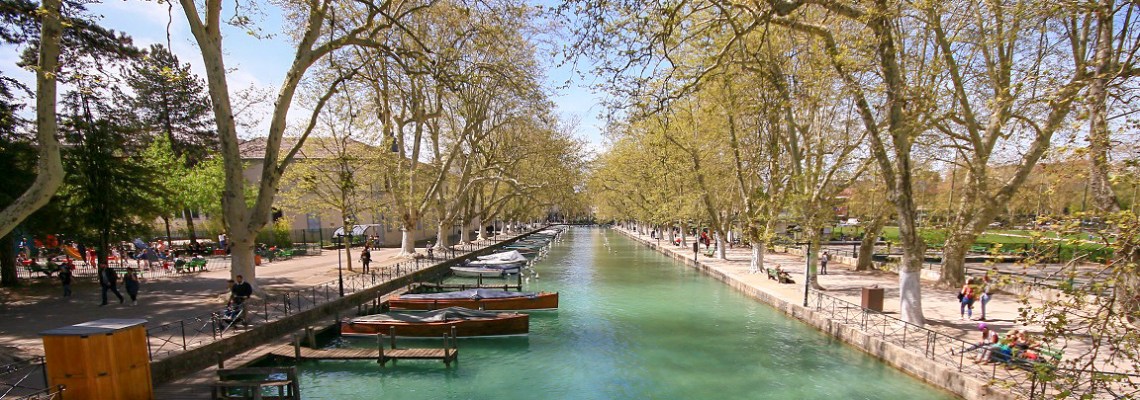
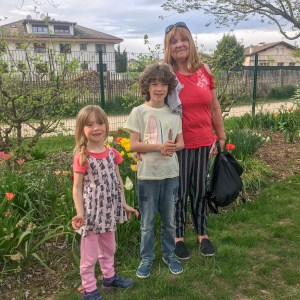 Indeed, the weather didn’t bring too much to grumble about and my shorts proved a justified inclusion on the continent. There were countryside ambles and meanders through parks, Easter egg hunts in the garden and trips to the market. All the usual trappings of life on the French-Swiss border in Ville-la-Grand, snow coating distant peaks while spring was springing all around.


 Annecy, on the other hand, is a gem of a place to take in an ice cream or do whatever you should please. From the hive of construction that is Annemasse station, a pleasing hour long train ride delivered my nephew Guillaume and I to what has been described as the Venice of the Alps, largely on the count of a canal infiltrating a few of the streets and – possibly – gondoliers wailing about their need for Walls Cornettos.
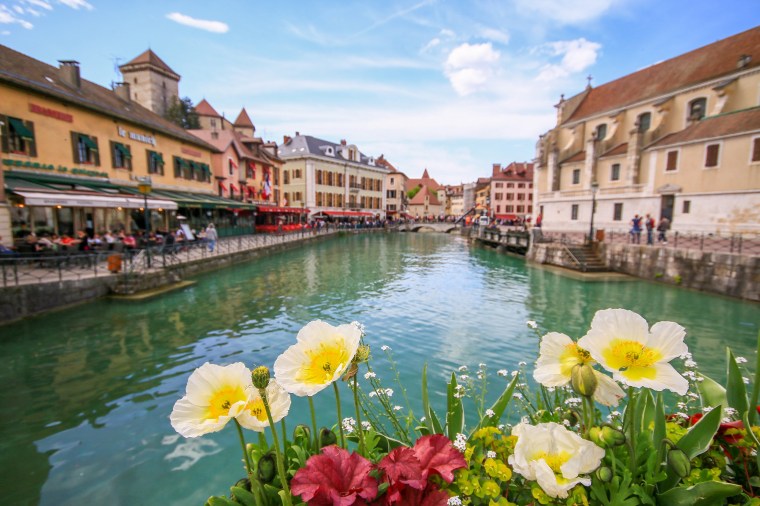
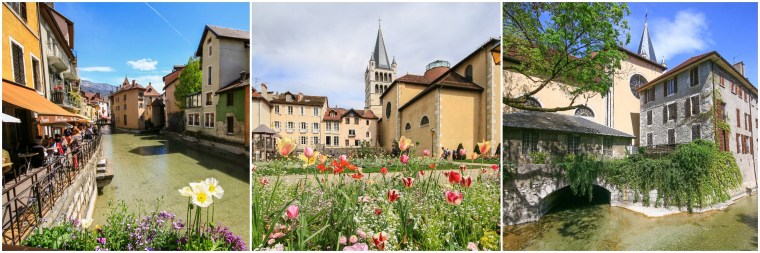
 The waterways and the flowers and the daytrippers milling about eating ice cream largely find their way towards the jewel in the crown that is Lac d’Annecy and its quite dazzling surrounds. Clear, glacial water hosts an array of boats, encircled by forests, villages and rapidly elevating peaks. It’s a popular spot to row or cruise or be a hoon on a jetski. Or even pedalo for half an hour in a large figure eight. Everybody loves a tourist.

 The frequent sight of tourists eating ice cream impels one to wander the streets like a tourist to seek out an ice cream. Heavily topped cornets increase in frequency back near one of the canals, and a large queue meanders from the serving hatch of Glacier des Alpes. Patience may be rewarded with sublime ice cream but neither Guillaume nor I had much patience and opted for a perfectly satisfactory version nearby. Safe from the clutches of any devious gondoliers.
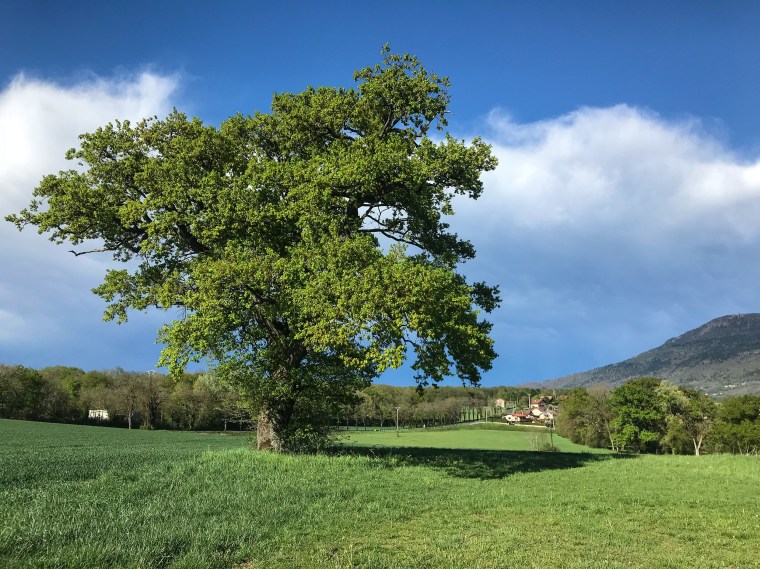

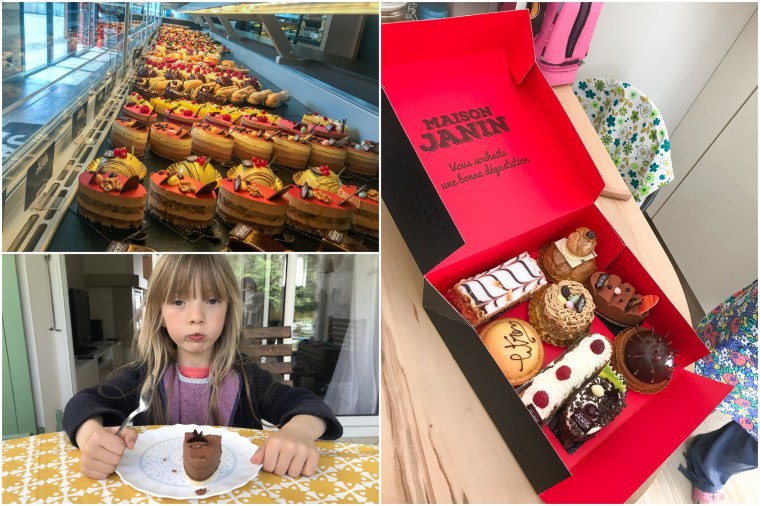
 And so, the last evening in France turned out as sunny as the unseasonably warm sun that was soon to fade away in Great Britain; to be replaced by a storm so irritating it was awarded a name (Hannah), heralding a permanent return to long trousers. One last slice of gateau would compensate for the impending doom, and cap off a very fine Easter; my first in the northern hemisphere since 2006. So, fake summer or real, it was undoubtedly one that will go down in history.


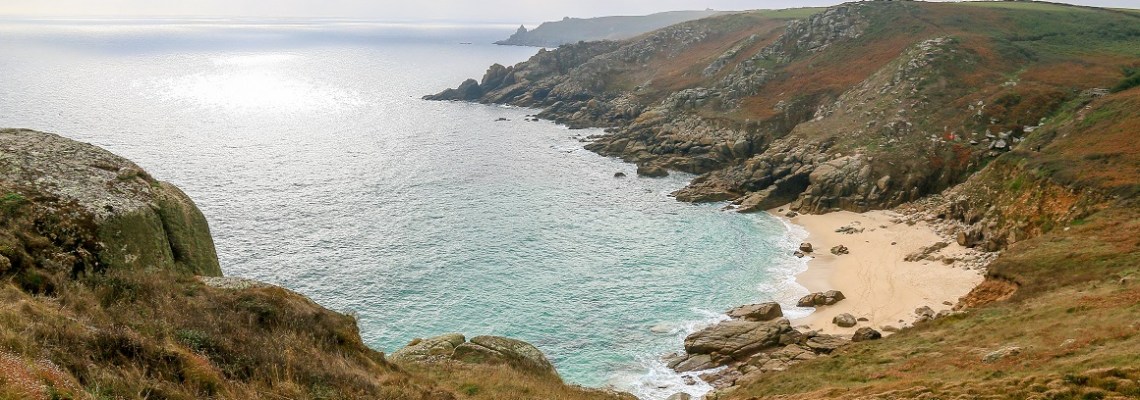
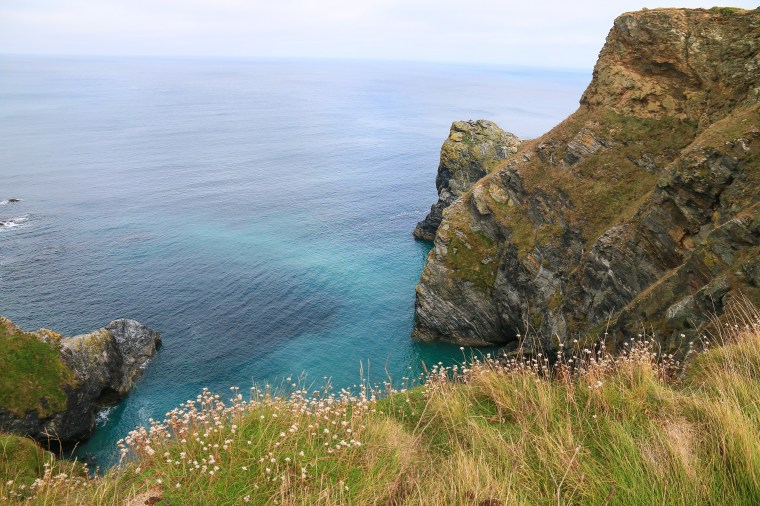
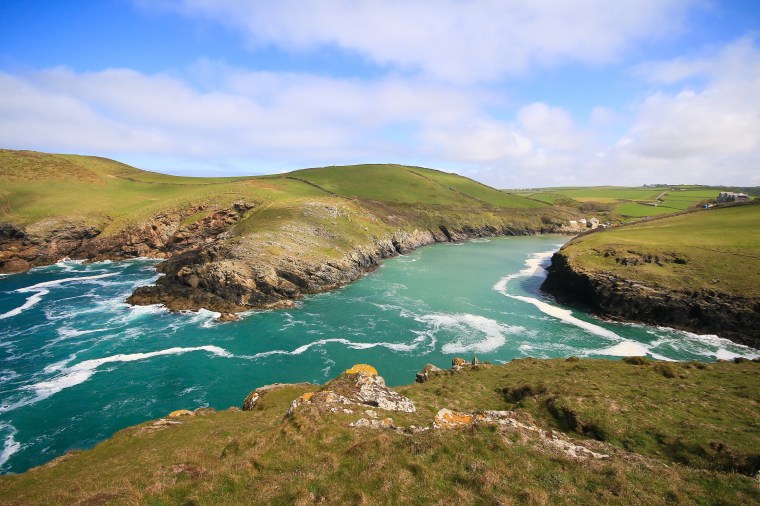
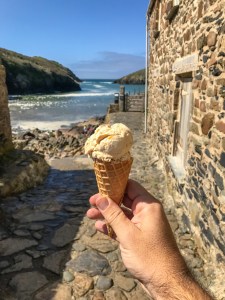 Nearby, the sleepy hamlet of Port Quin is celebrating in its sheltered spot, nestled between the hills that ooze out along its harbour to suddenly plunge into the Atlantic. A walk out to a headland marking the entrance to this enclave is a touch more blustery; the reward solitude and drama and vistas that make the heart sing and the heart ache. And ice cream that makes the heart say uh-oh we’re in Cornwall again aren’t we, better brace ourselves.

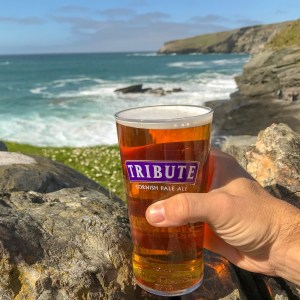 A little above The Strand, under wonderful, warming sun perched a wonderful pub overlooking the ocean. A pub that served up a local tribute, a tribute to the seas and skies, the clifftops and harbours, the wind and rain and storms and sun. The seasons battering and bathing and cajoling and churning the charisma and spirit into this magical Cornish land. Spring has arrived, and so have I. Cheers.

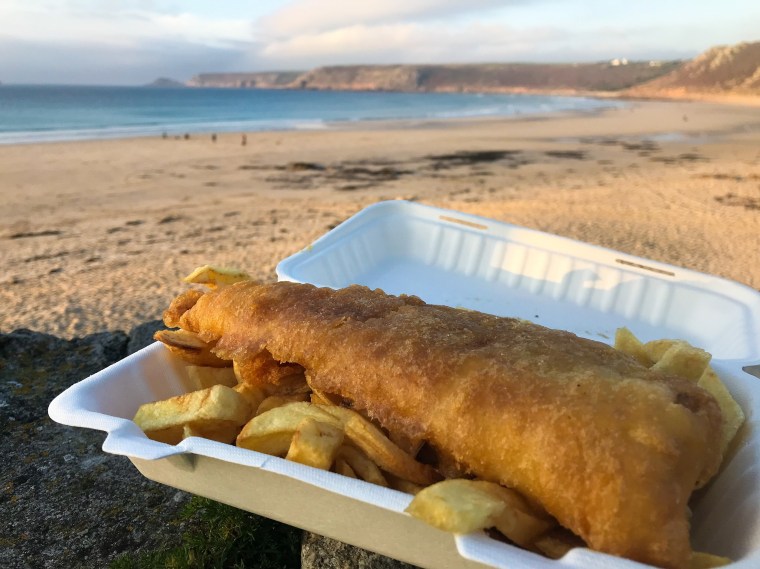
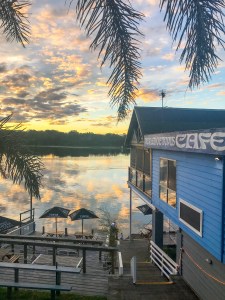 This proved an aperitif for the perfectly timed stroll beside the water to the Pickled Octopus Café, where we availed ourselves of a pristine outdoor table lapping at the glassy calm of the inlet. Fish and chip orders arrived as the daylight turned to dusk, each munch of deep fried saltiness coinciding with a deepening of colours and escalation of heavenly drama. A moment when nothing else can distract and nothing else really matters. Timing again exquisite.

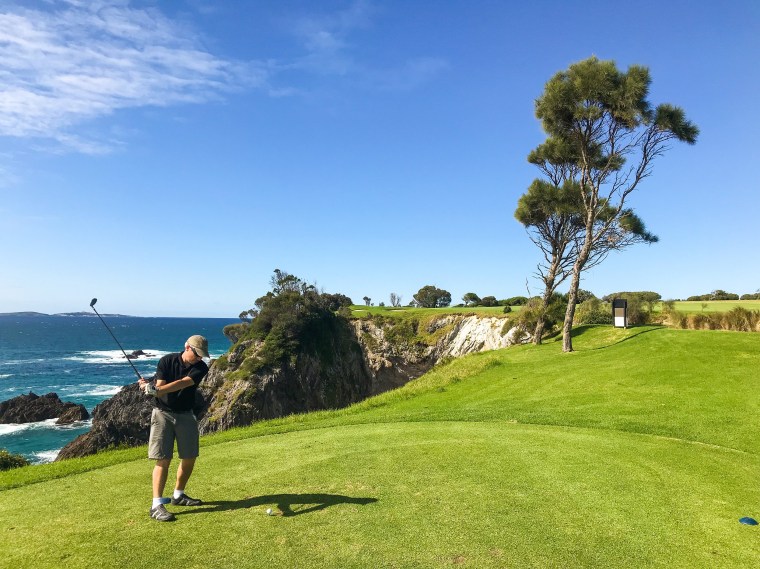
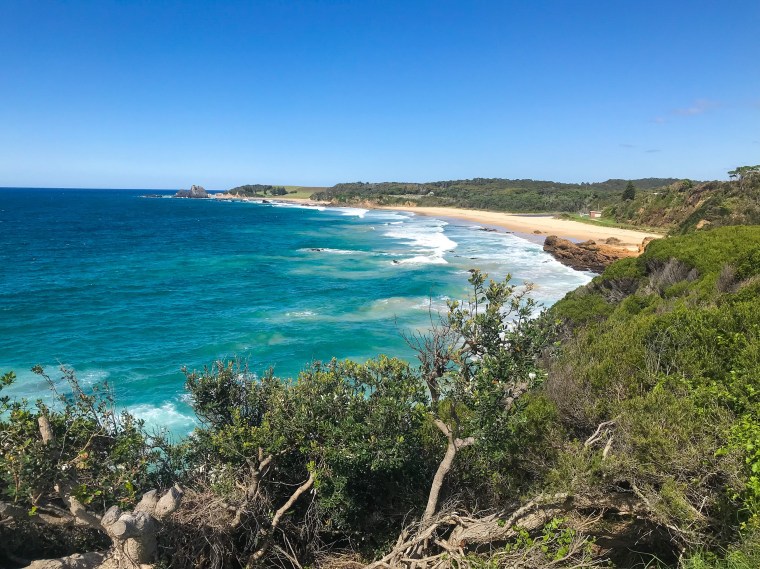
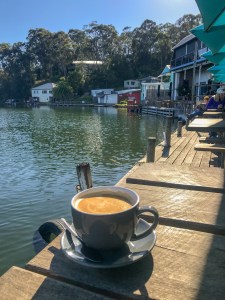 Back in Tuross Heads, it really is a little nugget of a place, especially when you visit out of holidays and weekends when it is neither ferociously scorched by bogan summers or coated in a wintry ghost town gloom. I’d say the perfect time, perfectly timed, would be around the end of March and early April. And here we were, April 2, sat out on the deck of the Boatshed, drinking a coffee and thinking how lucky the local retirees were. But we were there too, and very thankful for that; lucky to able to have this to enjoy no matter how brief.
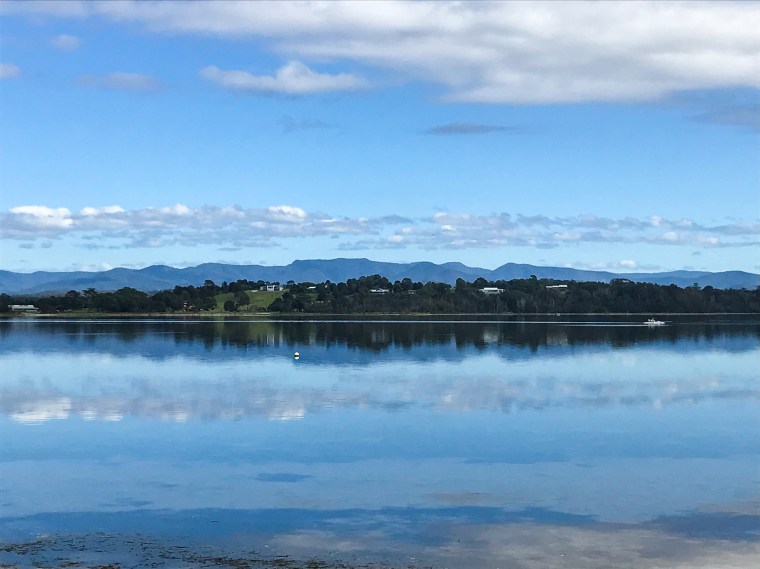
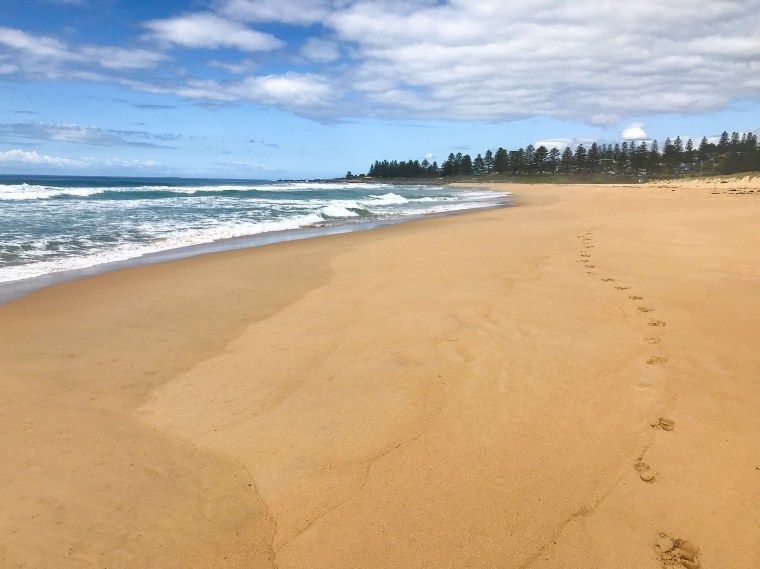

 It’s a tough gig, and the reality of four straight days in a row above 40 degrees was enough to force me fleeing to the coast, at least for a couple of those days. Thankfully when I got back there came a reprieve with temperatures dropping back down to 37 with a cool change as ineffectual as any number of Secretaries of State for Exiting the European Union. Yes, the hot air persists.
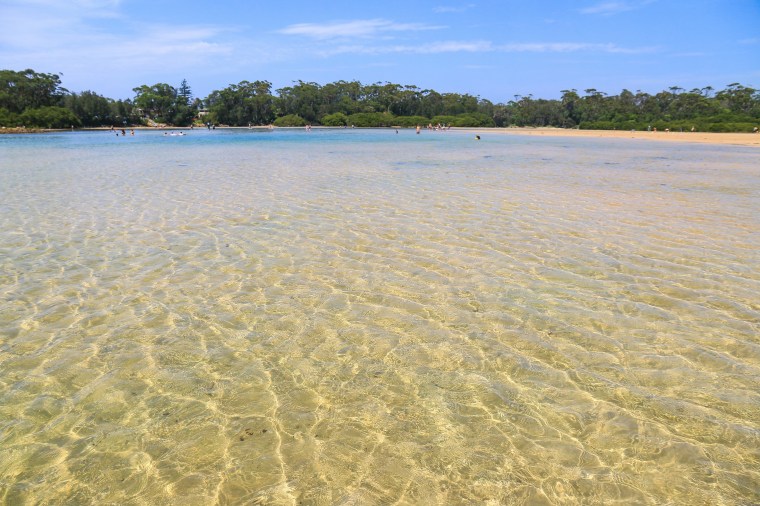
 At least on the coast the temperatures dropped a good eight to ten degrees, pampered with pleasant sea breezes and clear cool waters. There was fish and chips and ice cream, paddles upon shores and across inlets, and a decent amount of lounging with a book in the sand. Yet the highlight of this escape was away from the edge of the water. Instead, upon the edge of wilderness.


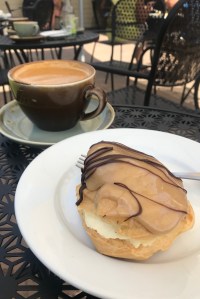 It was borderline whether I had really earned what was to follow, such was the relative ease of this walk. Out of the wilds, the cutesy hilltop town of Milton inevitably has a bakery, which I inevitably visited, inevitably not for the first time. There is a pleasing inevitability in the inevitability of cake and coffee.


 I think about munching on some leftover sausage rolls in here, but delay lunch for one other walk before the temperature peaks. It’s already midday and clearly above thirty. Shade is intermittent on the way down to Tinted Cave and the Limestone Gorge, where sausage rolls can be enjoyed beside a shallow pool of water popular with dragonflies and sweaty humans.

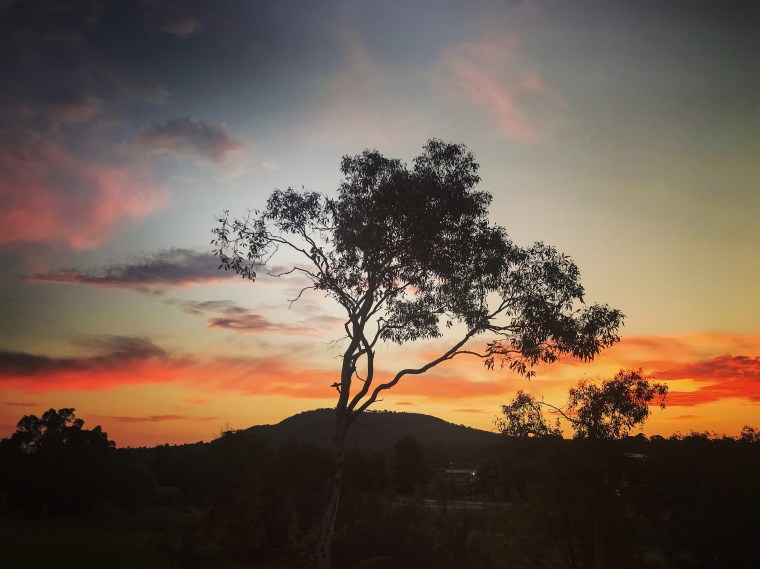


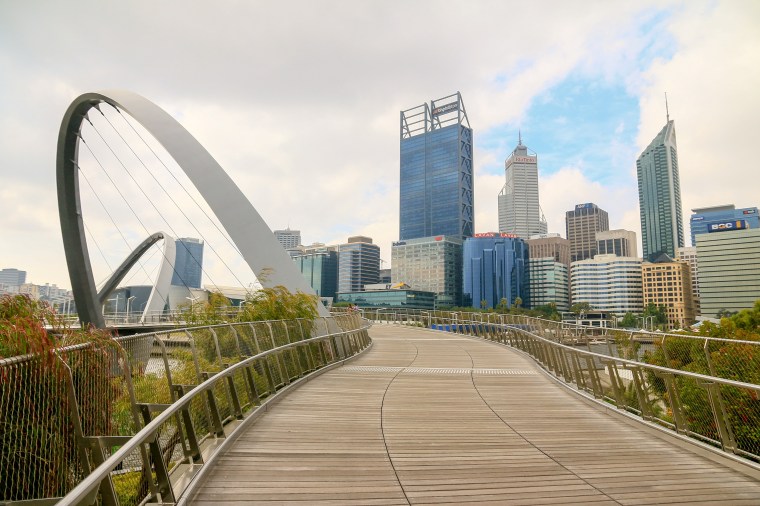

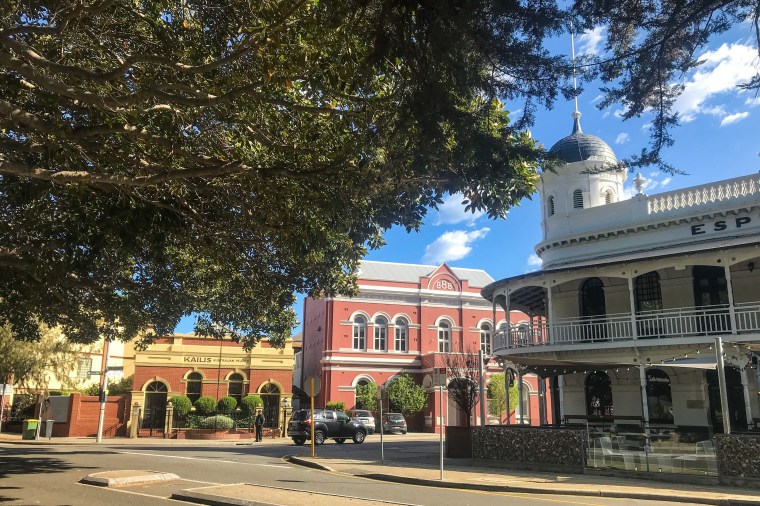
 Freo was my base for the week and part of its appeal was accessibility to water. Being a busy and somewhat historic port, it’s not without its charm and boasts a high concentration of elegant turn-of-the-century colonial buildings. It seems to attract hipsters which equals good coffee, has not one but two breweries, puts on some fine markets, and has developed into a mecca for fish and chip consumption. There is a lot to like about Freo.
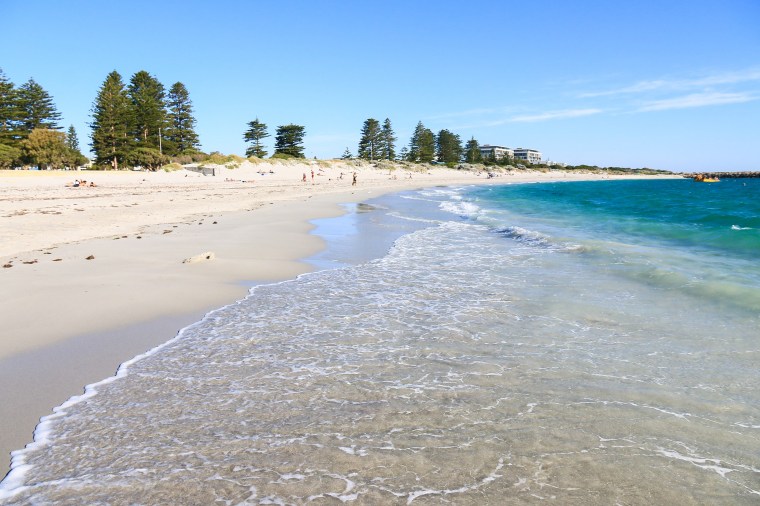
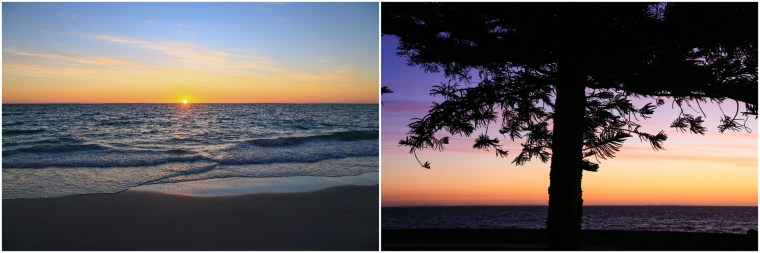
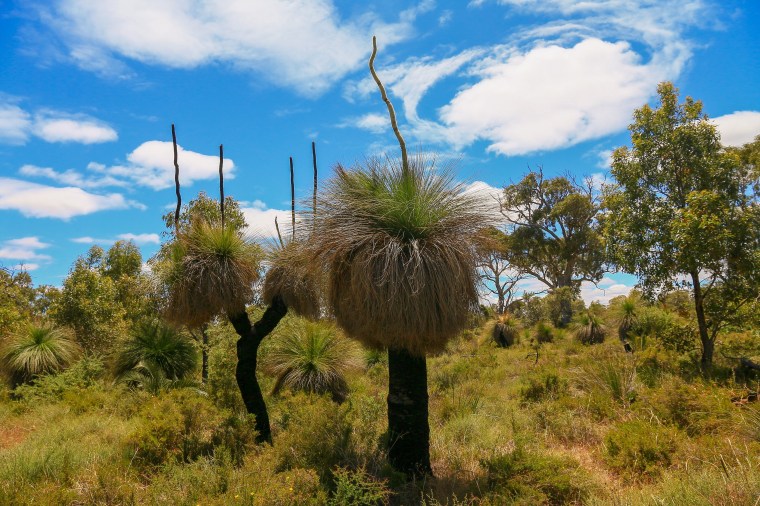
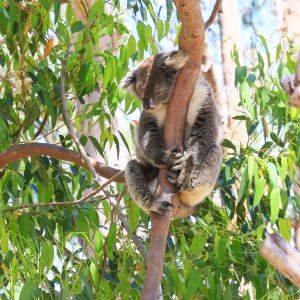 Given the proximity of this park to Perth, there is also a more manicured and deliberately designed aspect to certain areas, with tightly mown grass, a cosy café, campgrounds, waterside boardwalks and electric barbecues. A perfect family spot for a Sunday lunch, kickabout and encounter with koalas and kangaroos, creatures which seem strategically placed for the many visitors on minibus tours heading for the Pinnacles.



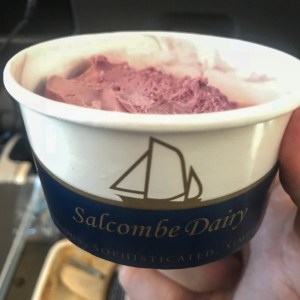 …And just like that the world spins and you fight against it for a day or so in this never-never land of cold air and reclining seats and unappealing movies and rice with two lumps of what might be chicken. Dessert is more of a highlight because it involves – somewhat poetically – Salcombe Dairy Ice Cream. Here I am on a Singapore Airlines A380 headed for Australia and dessert comes from a little patch of paradise on the south coast of Devon. In that taste of creamy cherry are the lush meadows and deep blue seas of home.
 At some point the world becomes tropical. There are bright lights, acres of glass and miles of travellators. You could buy a Rolex or a roti with some weird money. It is five in the morning and people are eating dinner. You are somewhere in the world at some point in time but not much of it makes sense. If only it was all a dream, the relaxing sound of running water and floating butterflies lulling you into restful sleep…







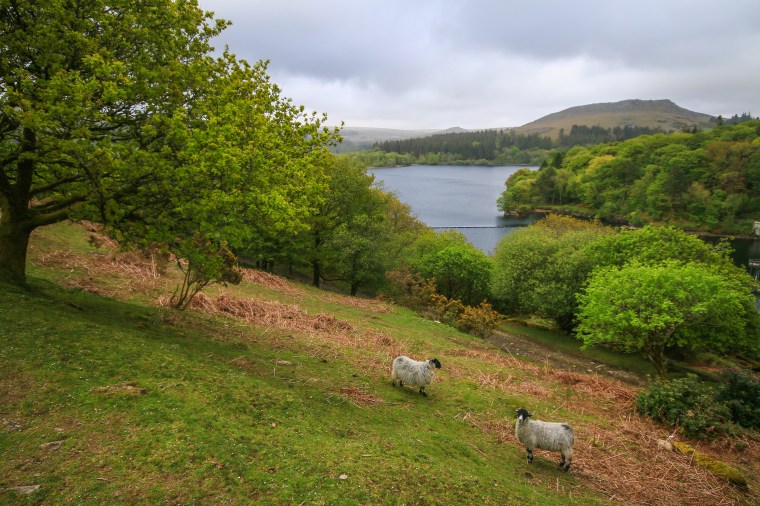
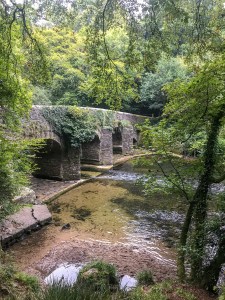 It is from these hills, from this sponge in the middle of Devon, that the waters which give Plymouth its name first spring. The River Plym here is a far cry from the sludgy and stinky tidal estuary meeting Plymouth Sound. Clear and rapid, tumbling over boulders and pooling on bends, the river descends into dense valleys packed green with mosses, ferns and leafy trees. Plymbridge Woods is but a short descent through a dark, narrow lane from industrial estates and Asda superstores, yet it is another world away.

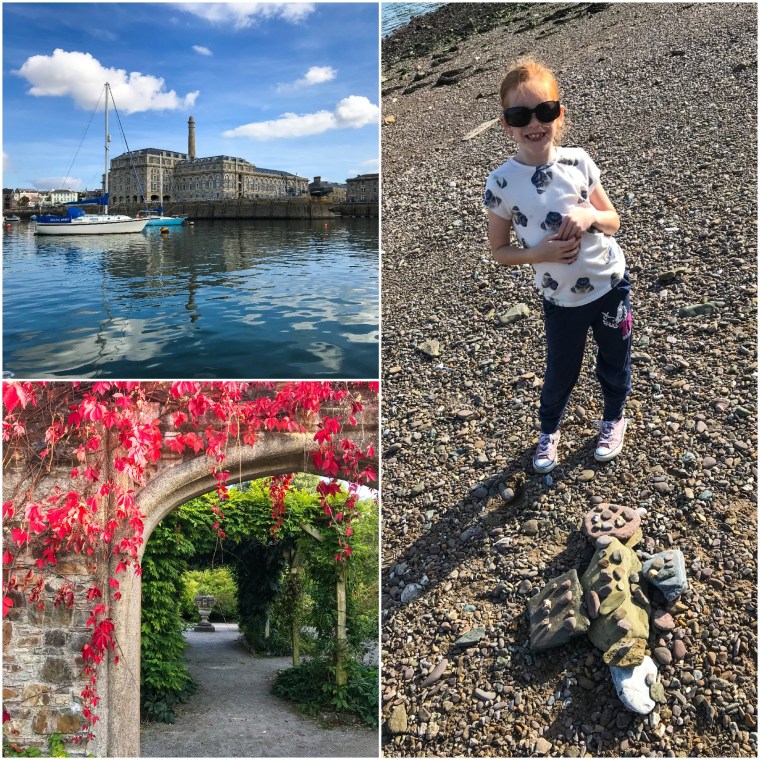
 So, to the north, to the east, to the west there are pleasures easy to reach. Should you have a boat or a longing for Brittany, the south also offers much. And slap bang in the middle, Plymouth. My home that still feels mostly like home while existing slightly distant. It’s funny how things you took for granted, things that you didn’t notice when you were younger now trigger a fond, sometimes joyous sensation. And that extends from leafy green woods and cobbled quays to the family comforts of laundry fairies and roast dinners. Home, still.