
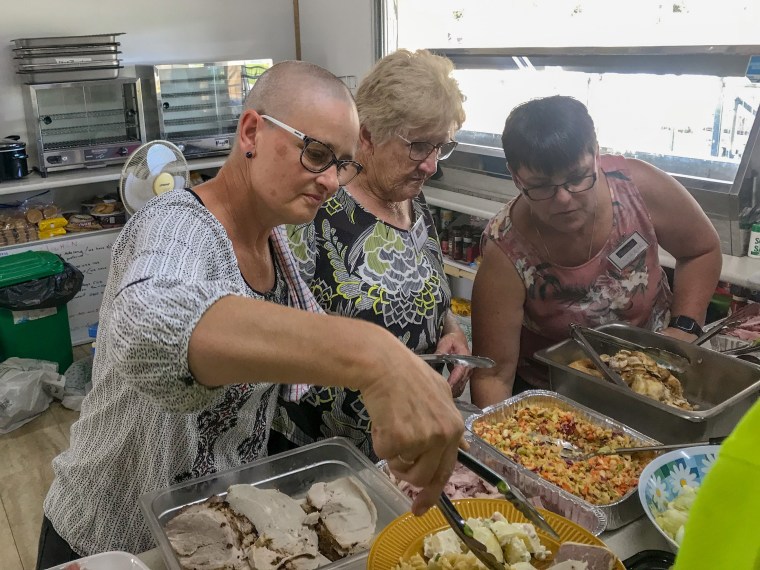
Humans, like the weather, are nothing if not contrary. Can it really be the same species that were so recently sharing in collective despair with heartfelt empathy, ceaselessly giving anything from money to clothes to fence posts to time to hope, who now go about pulling each other’s hair out for another six pack of three ply?
It may well be, much like the weather, that in the Venn diagram of the good and bad, the heart-warming and the head-banging, there is only a little intersection between the two. Or perhaps we are all a little conflicted. Like a leaden cloud threatening to burst or simply waiting to be dispelled by the sun. Depending which way the wind blows. A phenomenon that might also explain the contents of certain supermarket trolleys.
What seems incontrovertible is that 2020 continues to produce a hell of a lot of crap, evidently more so in those double garages stocked with 2,000 rolls of toilet paper. And while the bare aisles of toilet tissue land make me feel bemused, I quietly sneak an extra jar of pasta sauce into my basket.
There could be fewer worthy places to stockpile a years’ worth of bog roll than on the South Coast of NSW. A beautiful corner of the world both pallid and sick and overflowing with life and love. A place whose interior is savaged but whose heart and soul are still beating. A place that could use a little helping (washed) hand to thrive once again. Mother nature has applied some balm through its cloud and rain and now we – the good we – can try to offer a little gentle sunshine.
The landscape of the South Coast region right now is simply astonishing in so many ways. The crest of Clyde Mountain confronts with brutal savagery, an unending parade of blackened trees and blackened earth yielding views down to the coast that were not previously available. Yet the vibrant tree ferns and epicormic shoots sprouting from trunks seem to defy death. On the fringes of Mogo, that all too familiar sight of summer – of twisted metal and crumpled fireplace – sits within a vivid, bounteous green. The village too a bustle of people purchasing pendants, peculiarities and pies.

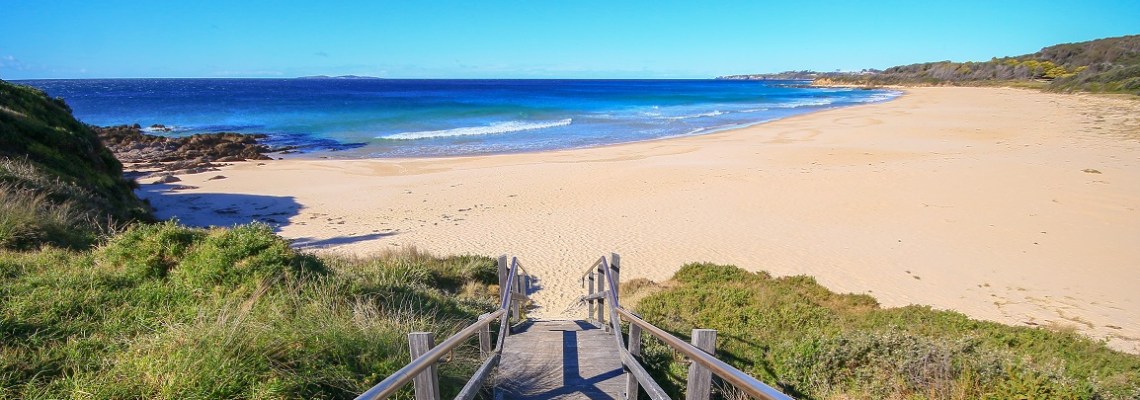
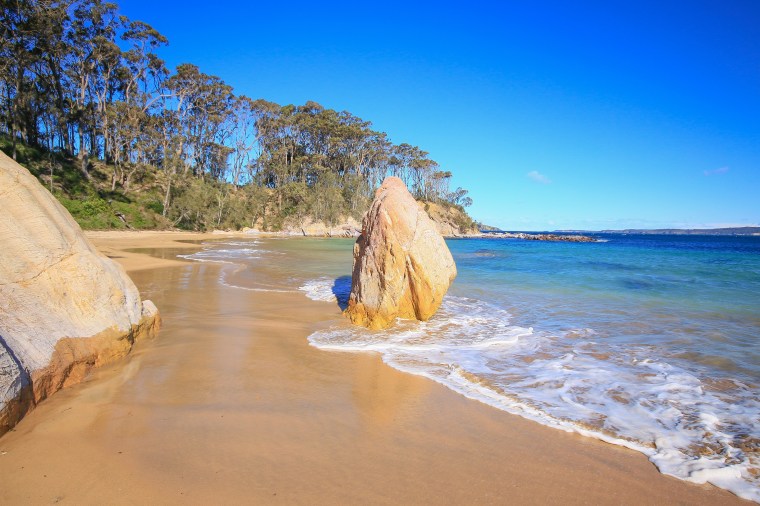
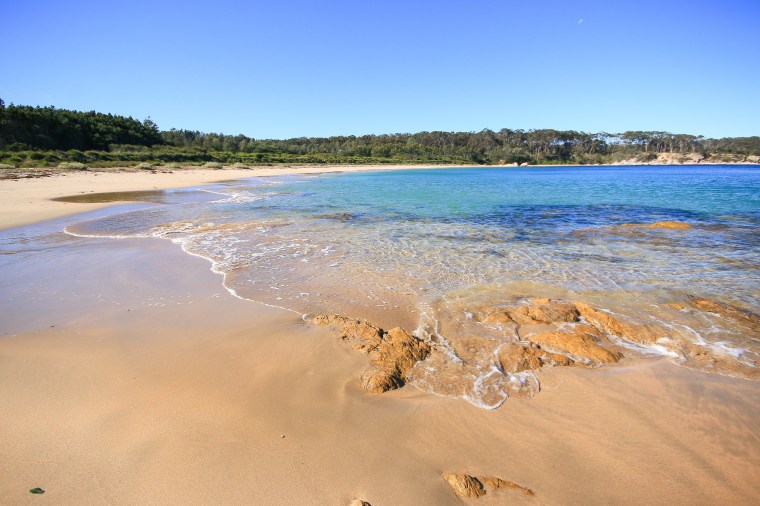
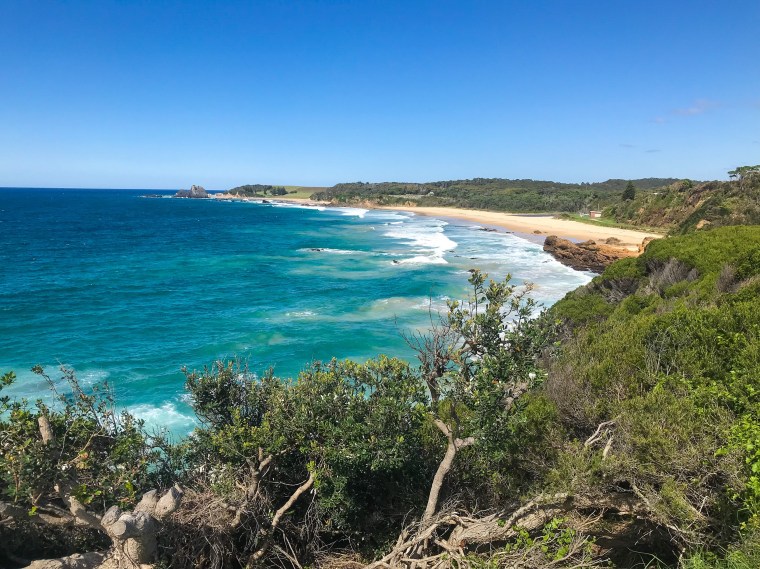
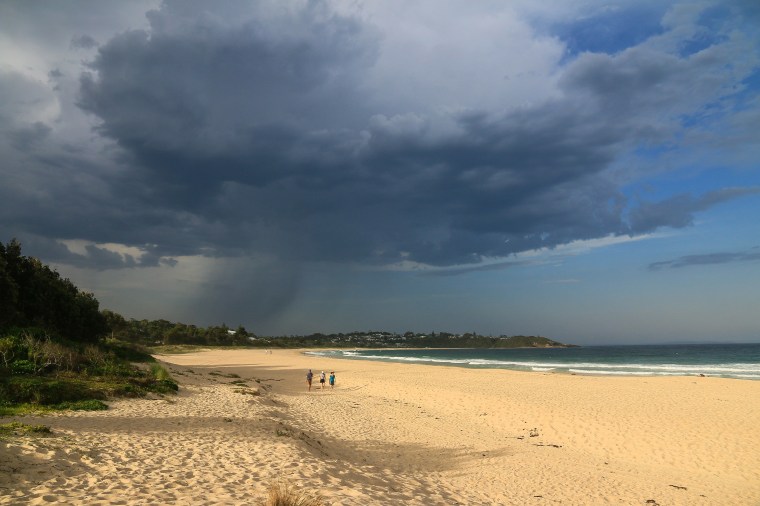
The beaches of the region are as good as ever, which is to say, pretty damn perfect. At Broulee, a small patch of charred dune prompts memories of a video from the beach on New Year’s Eve, a small spot fire exploding and causing understandable angst amongst those who had fled to the water’s edge. Today, the sands are peppered with people bathing, fun and laughter filling the air. Much of the lush coastal fringe of spotted gums and fern trees along the road to Moruya seems unscarred.
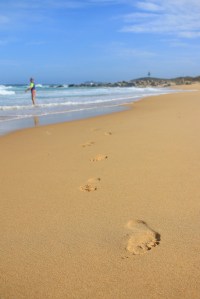 From Tuross Head you can see the ranges of Deua National Park to the west. No doubt a regular sight of alarm at night, illuminated by flame that flickered and flared to its own shape and will. Constantly on edge, unknowing as to where and how far it would come, the fires never did reach Tuross, at least in physical form.
This is home for a few nights and what a fine home: close to the rugged beaches and barely open shops, in proximity to numerous opportunities to spend money and eat food and lose golf balls. A home coming with the bonus of a billiard table for evening entertainment; my knowledge on the placement of snooker balls stemming from lyrics recalled of Snooker Loopy featuring Chas and Dave. Pot the red and screw back, for the yellow green brown blue pink and black… Yeah, in your dreams.

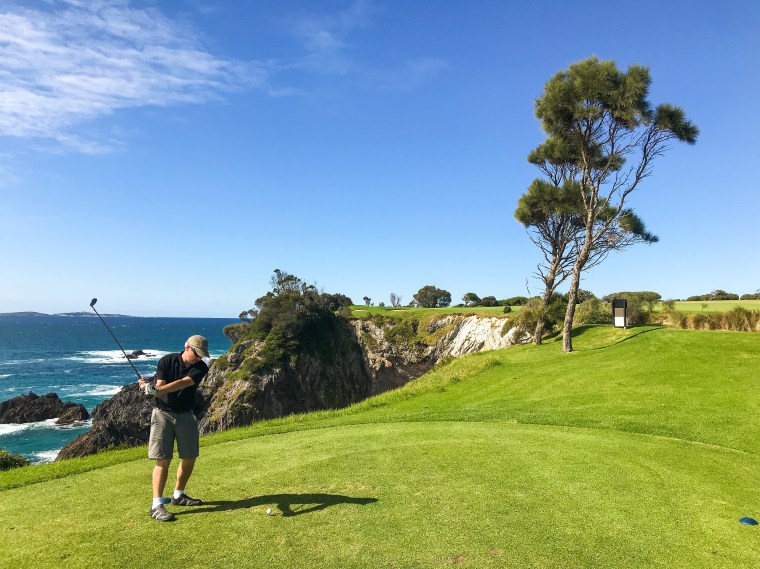
It would be fair to say that despite limitations I was a far better snooker and pool player than golfer on this trip. Which says more about my golfing doom than my snooker prowess. Still, it was good to make a hefty contribution to the community of Narooma by zig-zagging around its golf course. A perfectly sliced and skied lay up on its famous third hole almost yielded a par, and I managed a par four somewhere else in between much larger figures. The added challenge of a series of greens being perforated, sanded and watered provided further good excuses for inadequacy.

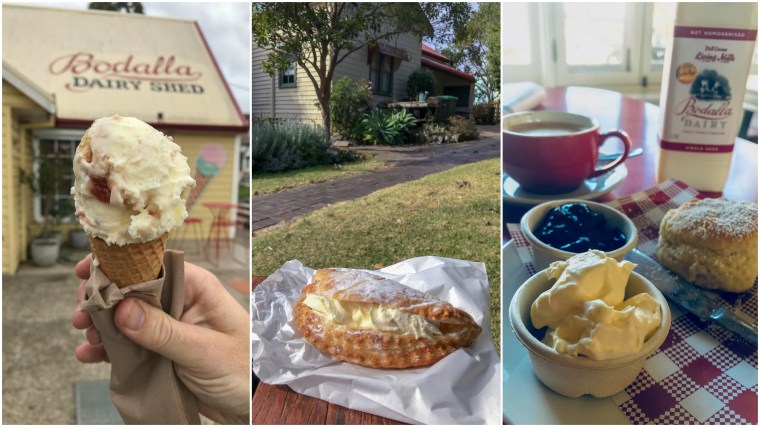
With Narooma receiving an economic injection, the next place on the spending list was Bodalla, specifically its dairy and cheese factory. In times like these you’ve got to do your utmost to support these local businesses and so it was with considerable reluctance that I forced down a toastie oozing with cheese followed up with an ice cream. You do what you can do.

The following day endured cool and grey, reminiscent of typical coastal awaydays of the past. This might have previously induced disappointment and grumbling and a roll of the eyes with a sigh. But it seems crass to complain this year. This weather is perfect. And there is still plenty of consumption of local community produce to be savoured.

I don’t know if supporting the South Coast economy has ever been so tasty. The one exception was – alas – fish and chips, a result of many of the better venues being closed on a Monday in March. But there was the Mexican brunch bowl at Mossy Point, the caramel fudge and coffee in Moruya and – probably the piece de resistance of feeling worthy and eating well – home-cooked wholesomeness and other takeaway from the farmers markets also in Moruya.
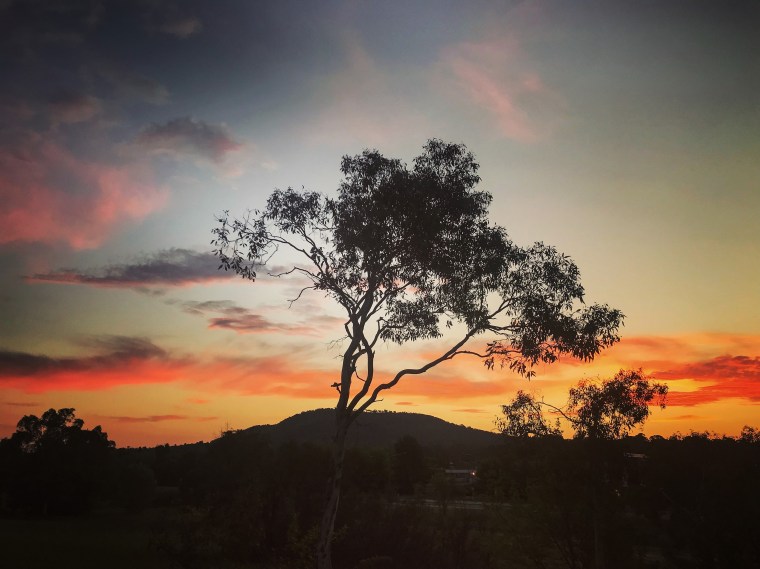
The markets were small but popular, a place very much for locals to gather and update one another on the latest news and gossip. They were also attuned to market protocols, forming orderly queues with wicker baskets as they awaited the 3pm opening bell. Twenty minutes later and most of the fresh stuff had sold out, but we managed to retrieve a medley of locally grown seasonal vegetables, some swordfish, crusty bread and a dairy product or two for me to bring home to go on a scone or three.

I can’t say our market-supplied barbecue that night was a traditional Aussie bloke-themed methane-heavy slimy snag and slab of steak celebration. But it felt good and tasted even better. Refined even. Setting up another classy evening of exemplary three-way snooker (Tuross Rules).
Which was again better than the golf that day. Looking for something to do we came across a whole nine holes to ourselves. It quickly became clear why, the course pretty basic and unkempt in places, plagued by an infestation of mosquitoes. These had apparently emerged post fire and rain, proof that not all of nature’s recovery is especially welcome. At the course boundary, fire had penetrated the forest and the relatively low fee to have a course and a million mozzies to ourselves didn’t seem such an injustice after all.

You see, it’s quite a divergent experience down on the South Coast. Like chalk and cheese. Sunshine and rain. Go Fund Me and bog-roll violence. So much of it looks and feels as good as ever. Life seems normal. Better even given the incredible swathe of green pasture now smothering the fields. And then your mind comes back to that saying I heard before: the great green cover up.
And you drive, under bucketloads of rain, through Mogo once more with its scattering of crumpled buildings. Towards and into the edges of Batemans Bay, where the forest has scorched down to its very edge and looks like it is struggling to recover. You get a sense of where the fire was most ferocious; green shoots are harder to come by. One side of the road up Clyde Mountain looks normal, the other decimated.
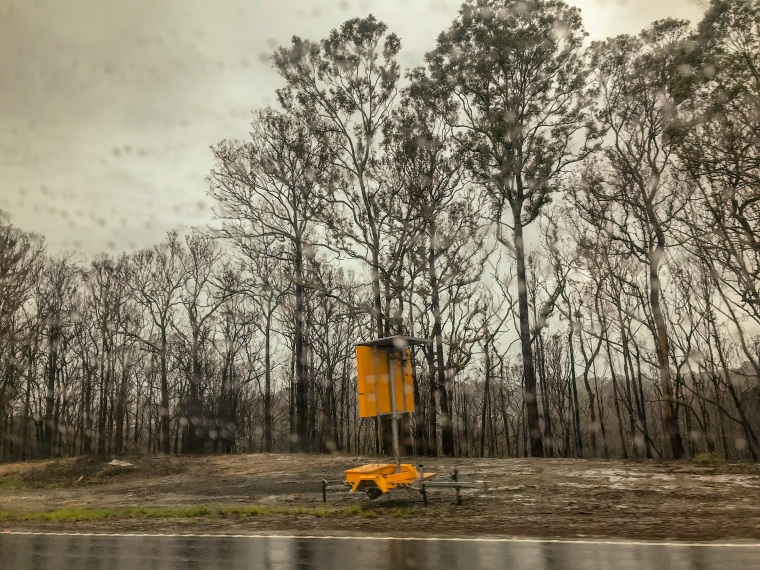
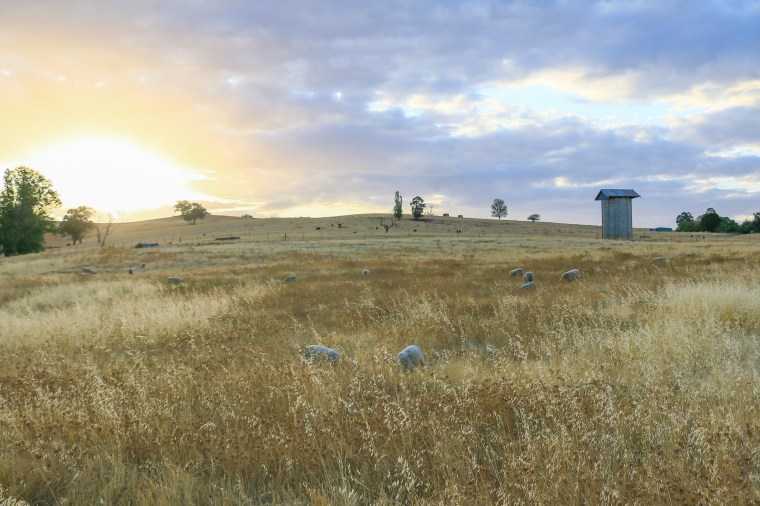
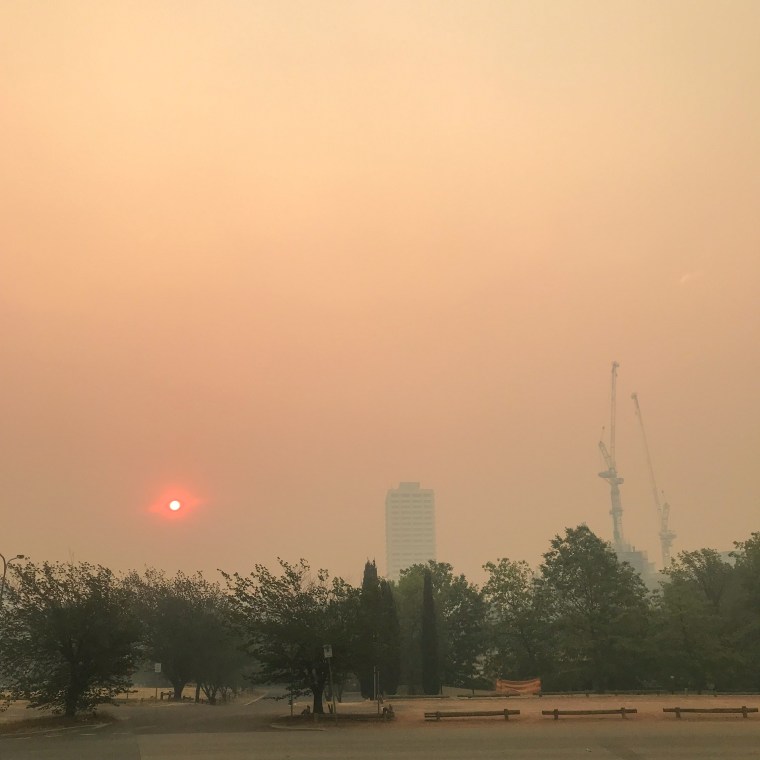
You enter Braidwood to support that economy, knowing that it would be near impossible to convince an overseas visitor that this was in the grip of drought, primed to borrow water from Canberra while being shrouded in smoke for months on end. You shelter with hot coffee and sense BlazeAid nomads taking a well-earned day off. You espy a generous supply of toilet paper in the café bathroom; and briefly a wicked thought enters your mind. But the sunshine wins out, the goodness, the heart. Much like it is doing, much like it will do again, down on the South Coast.


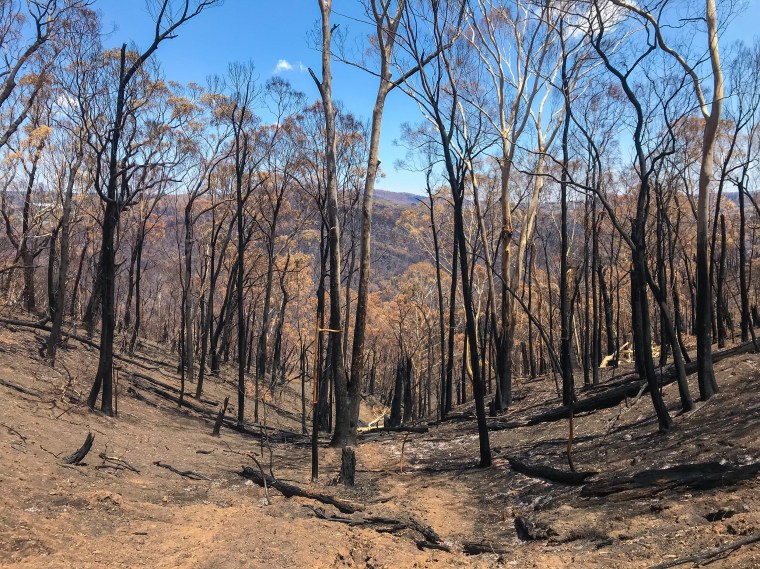
 Focusing on the task at hand, the surrealness of the environment fades away, until you occasionally pause and look up again and take stock. Among the ash, small piles of fence post and a carpet of wire lay ready to be gathered in machines by Smiley and Paul. Our team of four alternate tasks, to relieve various aching muscles and torment others yet to be abused. I’m the youngest and glad of the experience of more practical, hands-on kind of folk who offer good advice and warm conversation. Smiley throws in the odd tip, alongside a healthy dose of banter. He suggests I work for Scomo and this is a bait it’s hard not to take.

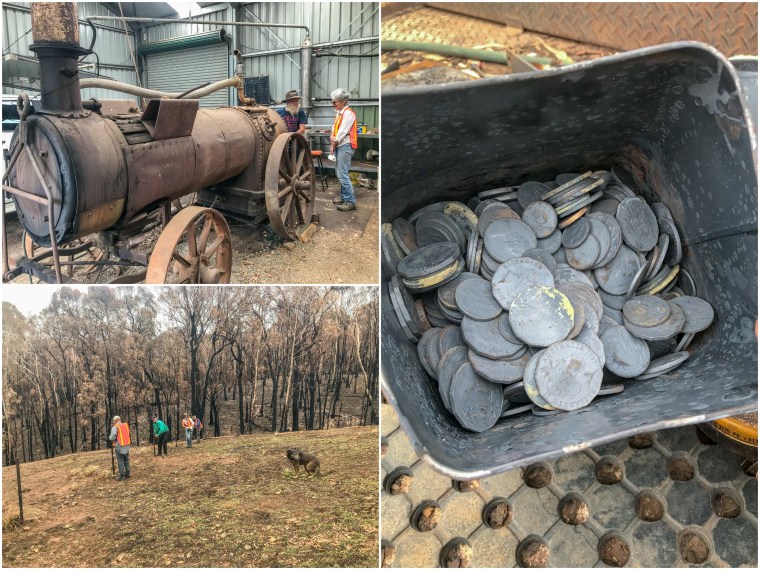
 If that isn’t inspiration enough to get back out to finish our job, I don’t know what is. The gusty change of the morning has subsided and we venture back into the forest, working methodically uphill towards the boundary of the property with the forestry road. Someone spots a red belly, thankfully not me. The fence is horizontal here, and the pole puller contraption largely redundant until they can be bent upright.

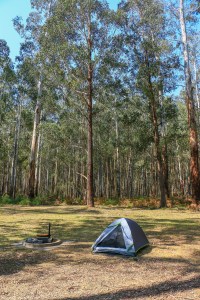 And then, through Bombala and into South East Forests National Park, there was something resembling freshness. Blue sky. Green. Giant trees untainted by fire. A campground almost deserted, the camp guardian a spirited Kookaburra feeding its young. A sense of wonder and relief that this is all still actually possible. Breathe.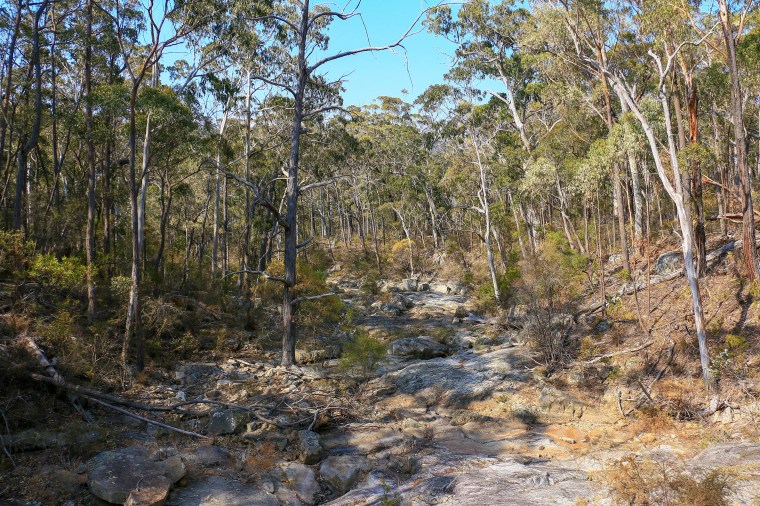
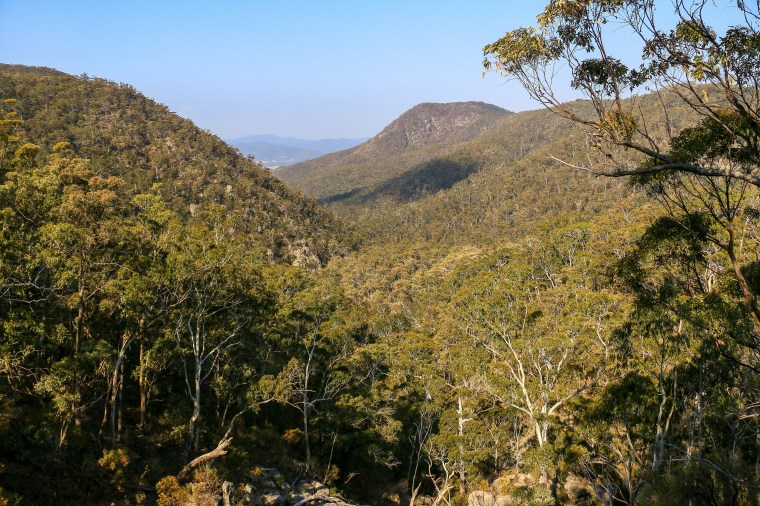

 This region – East Gippsland – is sparsely populated and only has a few access points to the coast, through the gorgeously pristine Croajingalong National Park. Camping in the park is popular over Christmas and I had no chance. But at Cann River itself, a free campground was available in which to set up at ten in the morning. And it came alongside a short walk through woodland that in places reminded me of somewhere in England, such were the treasured patches of greenery.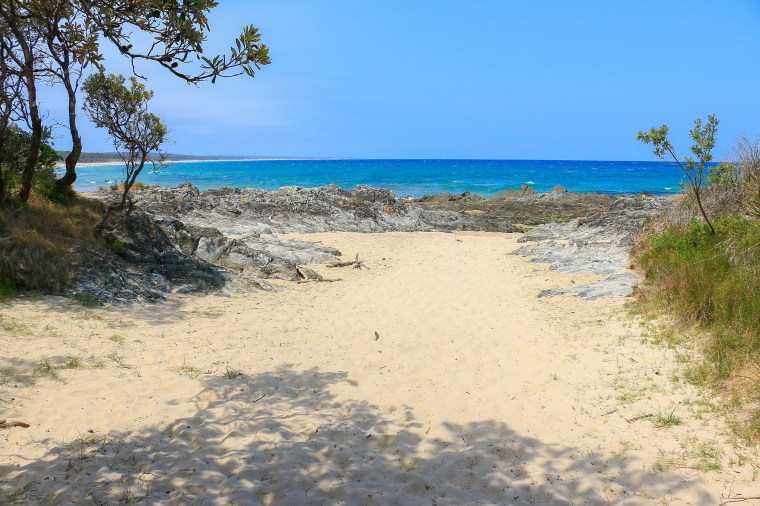
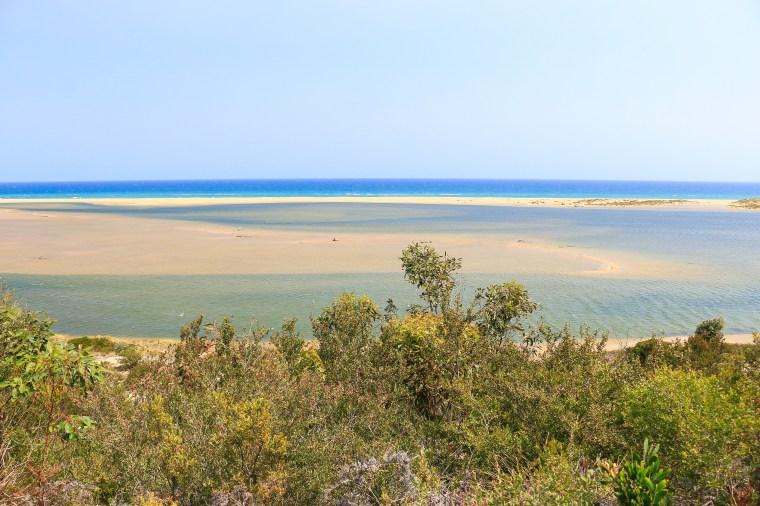
 I remember Orbost quite fondly from the only other time I was here in 2013, mainly because I found a bakery that served something akin to a Paris-Brest. It’s not really what you expect but my memory of this raised expectations beyond what I should have expected. I was looking to pick up some supplies for dinner, which I managed but not to the standard I had expected. The result was a very Christmas meze of leftover ham, sausage rolls, cheese and a couple of salads. How I craved a hot meal! Oh well, there is always tomorrow.


 There is a colony of koalas here, and I was pleased to come across one in the first hundred metres of my walk. It was around midday and hot, exactly the kind of conditions in which you should not be out walking. But with this early sighting, the pressure was off – no more relentlessly craning one’s neck upward in the usually forlorn hope of spotting a bulbous lump that isn’t a growth protruding from a eucalypt. I could instead loop back to the car concentrating more on keeping the flies from going up my nose. Yes, they are absolutely back.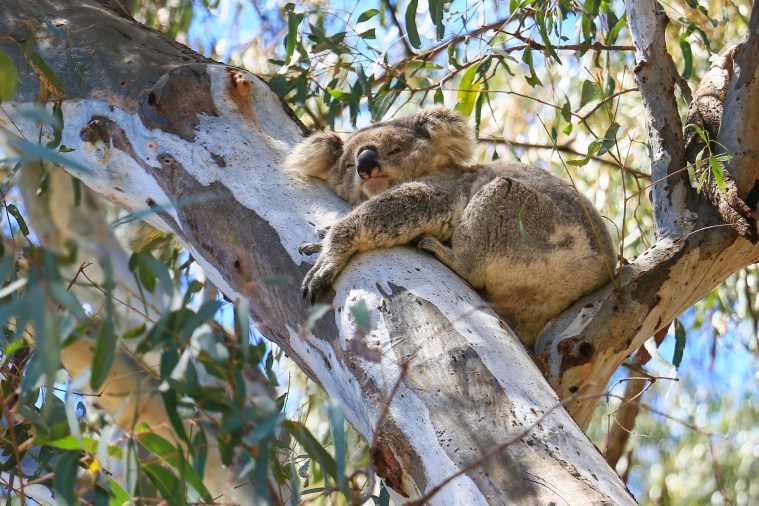

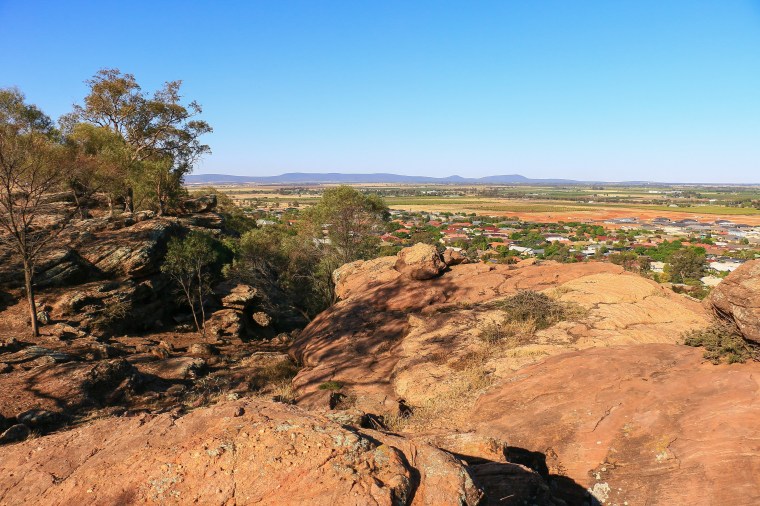

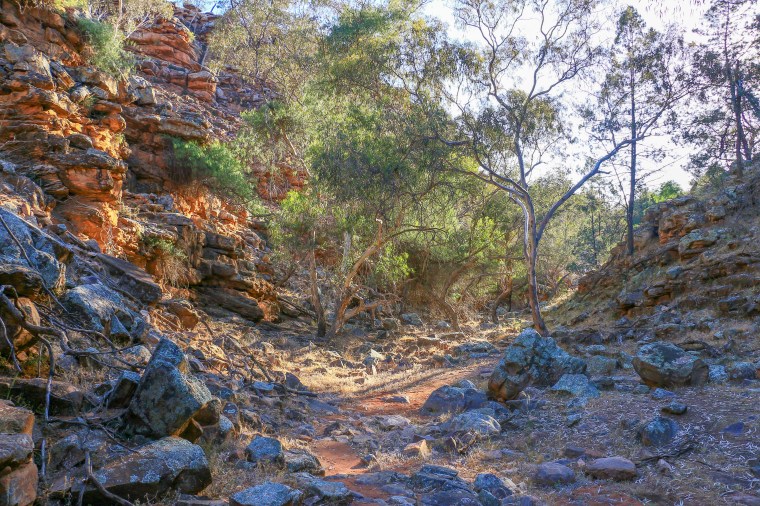

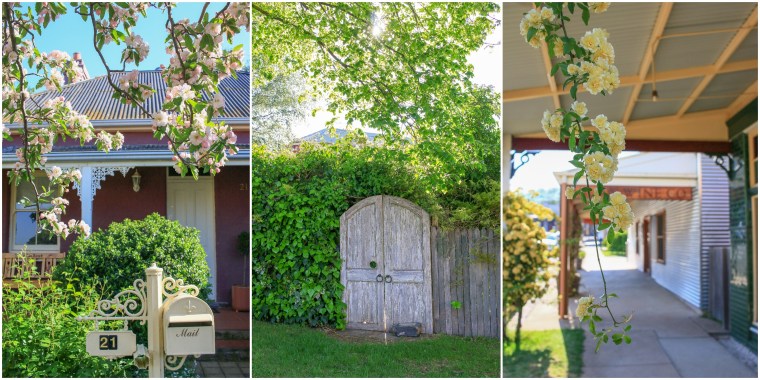
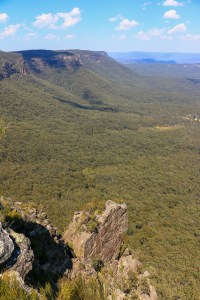 Still, should you wish to rise from this indulgent slumber, another hour or so east will bring you to the western fringe of the Blue Mountains. Suddenly things change, and not just the petrol price rising thirty cents a litre in as many kilometres. The day trippers are out in force, the coaches idling at every single possible lookout, of which there are many. The escarpment top towns of Blackheath and Katoomba and Leura are brimming with people shuffling between café and bakery, spilling down like ants to the overlooks nearby. Below the ridge, however, and the wilderness wins. Only penetrable at its fringe, placid beneath a canopy of ferns and eucalyptus.
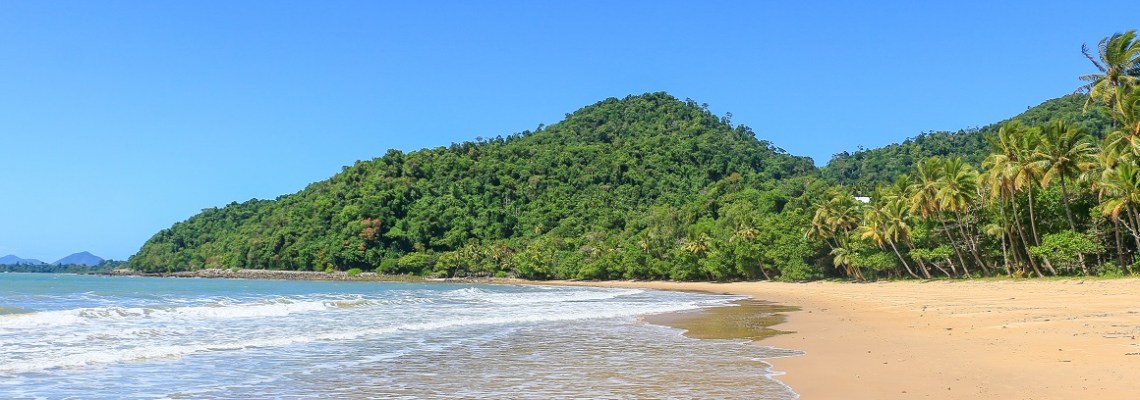


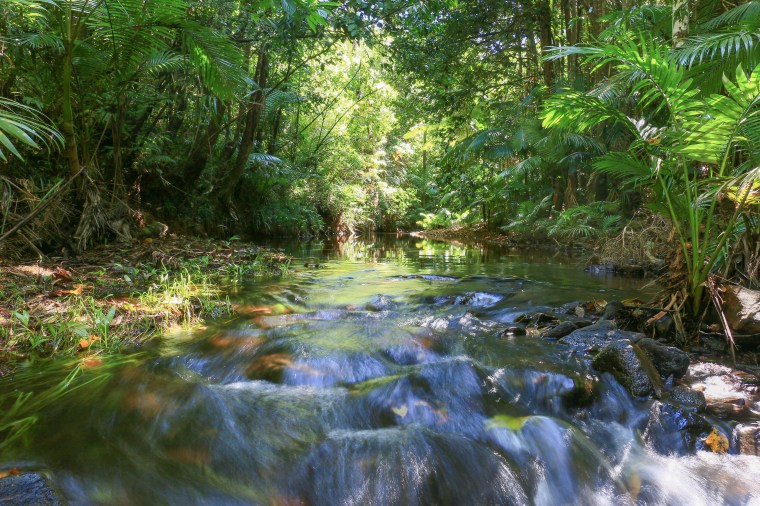


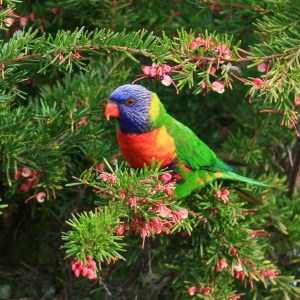 Did I ever imagine back in 1996 that I would be gazing out to the Pacific hoping to sight a whale? Meandering downhill alongside gardens strewn with exotic plants and colourful birds? Wandering past parks dotted with electric barbecues and sinks for dealing with the entrails of fish? Who would have thought I would have previously parred the treacherous Bogey Hole of that golf course wedged between the town and the plunging cliffs of the coastline? Certainly not me, or anyone else,
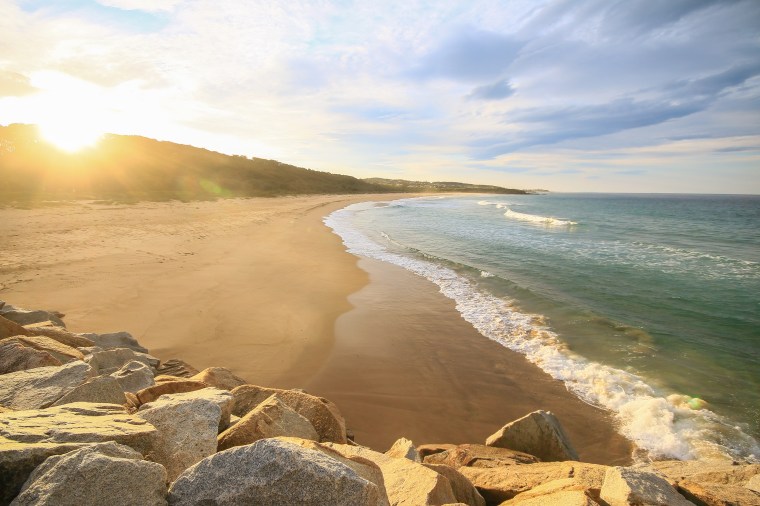


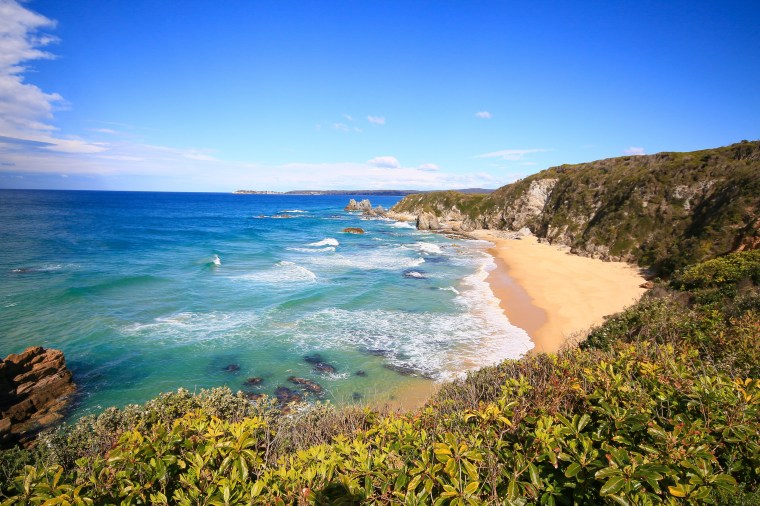
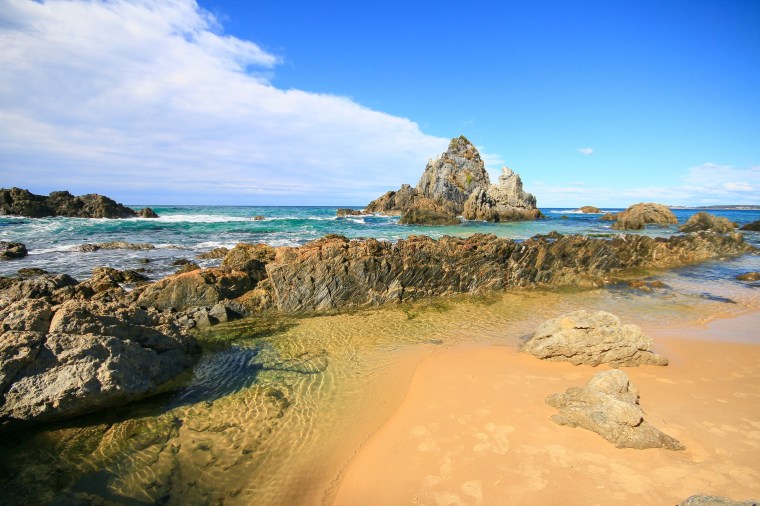
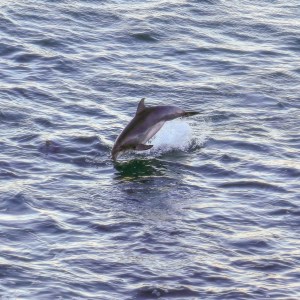 Spurred on by earlier whale sightings I ended the day back up near Narooma, taking a scenic coastal drive alongside Dalmeny and Kianga which boasts several panoramic viewing platforms along the way. The platforms are sited in between yet more pristine bays that you can have all to yourself. It was at the last of these points that I glanced a surfing dolphin, followed by a few more and a few more still. Passing below, there must have been around twenty dolphins, tracking north on a feeding mission. A whole two football teams.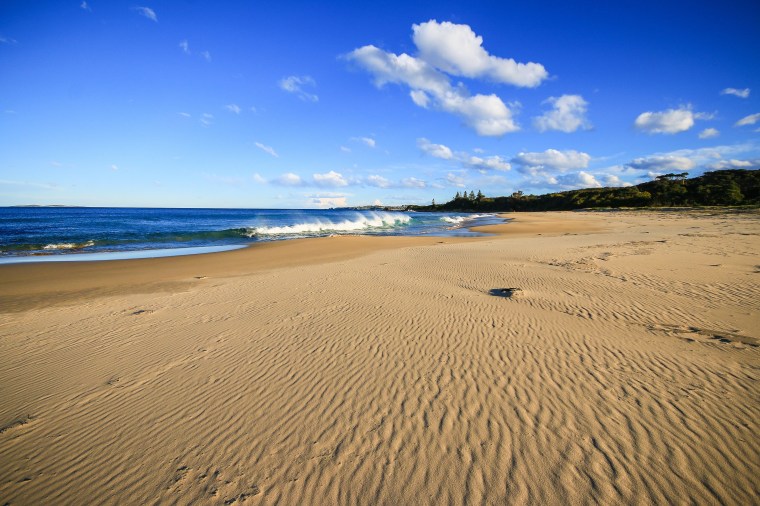




 No doubt many of the loftier residents of Salcombe were in jovial mood; not only from their elevated perch surveying the ambling peasants seeking a cheap pasty, but with the news of a royal baby to join the ranks. Does it have a name yet? I can’t even remember. Have the Daily Mail criticised the parents yet? Oh probably.
 And so, the unexpected and unplanned once again yields some of the most memorable moments. Waiting in a small layby among the gorgeous fields of Devon in the warming sunshine could be worse. Being patched up and guided to Totnes for repairs by endearing locals eager to provide a helping hand (and earn some pennies) proved heart-warming. Spending a few hours in Totnes, charmed and enlightened by good coffee, markets overflowing with abundance and leafy riverside walks. And the satisfaction of rediscovering batter bits with malt vinegar (good work Mum!)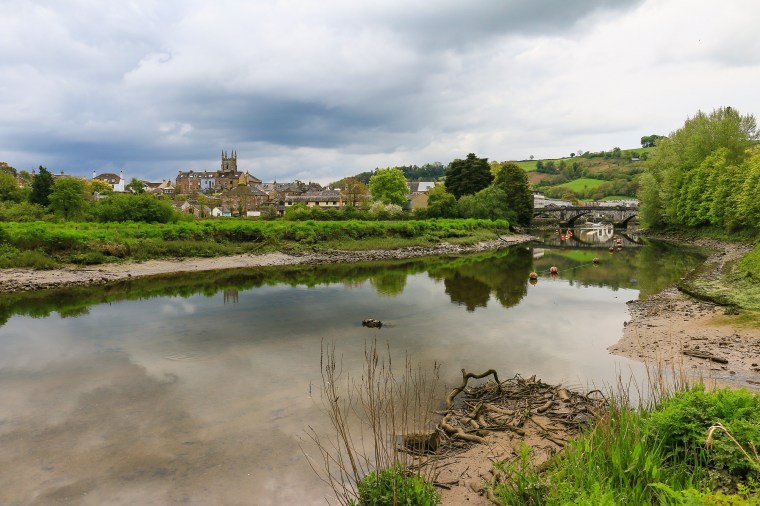

 Such are the ample proportions of the landscape here that the coast path between Strete and Blackpool Sands struggles to keep to the coast. The barriers are too immense, and the trail cuts inland as it dips down towards the bay. But this too is something of a blessing, for not only do you make it without falling to an inevitable death into the sea, but you become once again immersed into a countryside apparently so utopian. Farming must still be productive here, despite the temptation to become a campsite or a tearoom or a paddock for some pampered hobby horses.

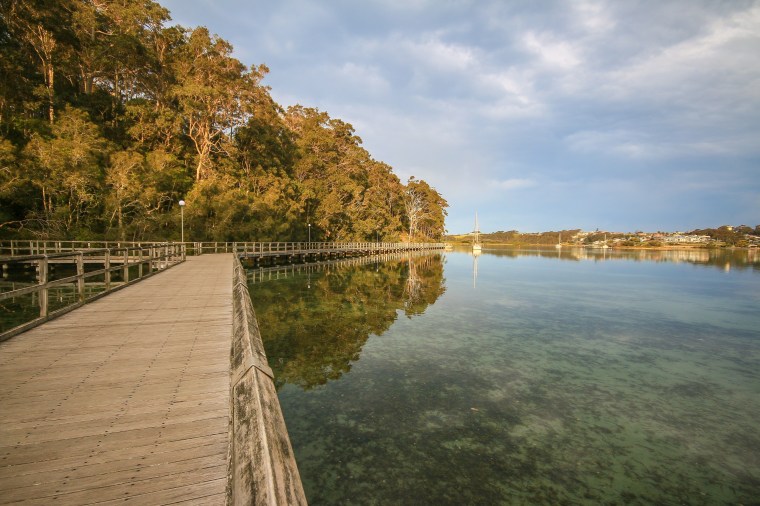
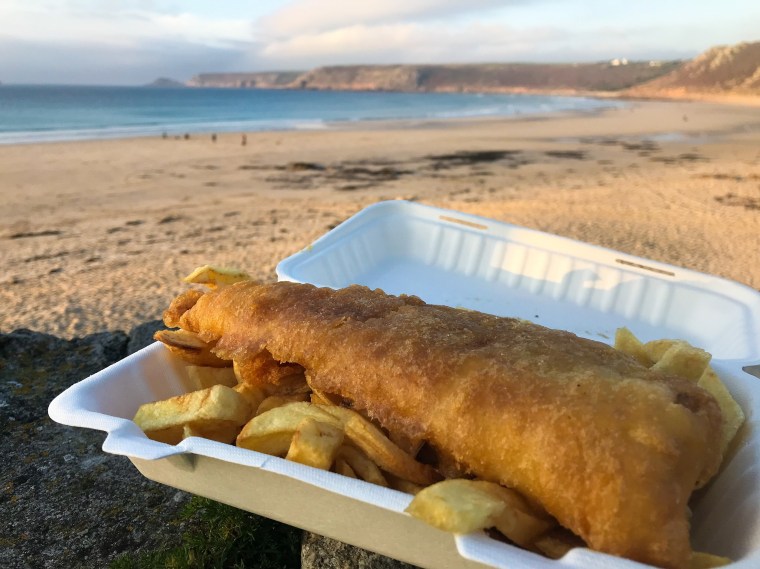
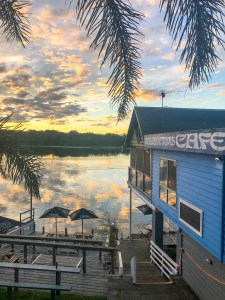 This proved an aperitif for the perfectly timed stroll beside the water to the Pickled Octopus Café, where we availed ourselves of a pristine outdoor table lapping at the glassy calm of the inlet. Fish and chip orders arrived as the daylight turned to dusk, each munch of deep fried saltiness coinciding with a deepening of colours and escalation of heavenly drama. A moment when nothing else can distract and nothing else really matters. Timing again exquisite.
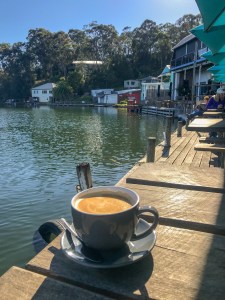 Back in Tuross Heads, it really is a little nugget of a place, especially when you visit out of holidays and weekends when it is neither ferociously scorched by bogan summers or coated in a wintry ghost town gloom. I’d say the perfect time, perfectly timed, would be around the end of March and early April. And here we were, April 2, sat out on the deck of the Boatshed, drinking a coffee and thinking how lucky the local retirees were. But we were there too, and very thankful for that; lucky to able to have this to enjoy no matter how brief.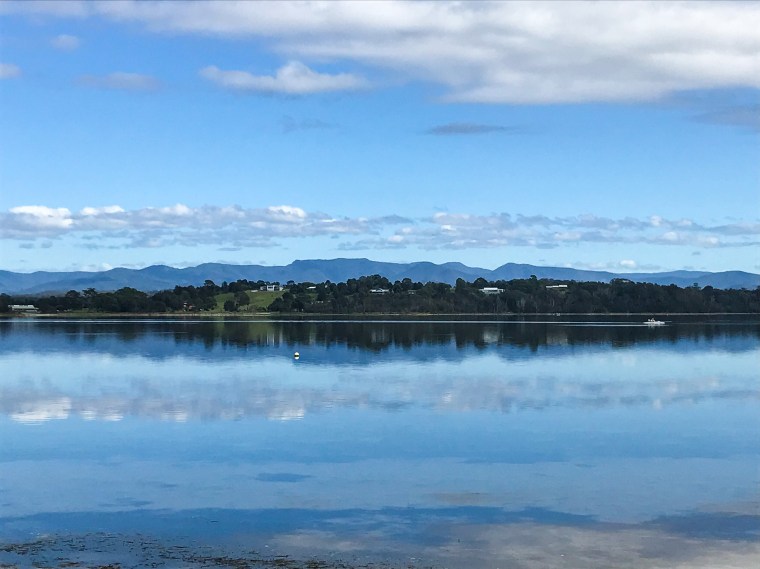
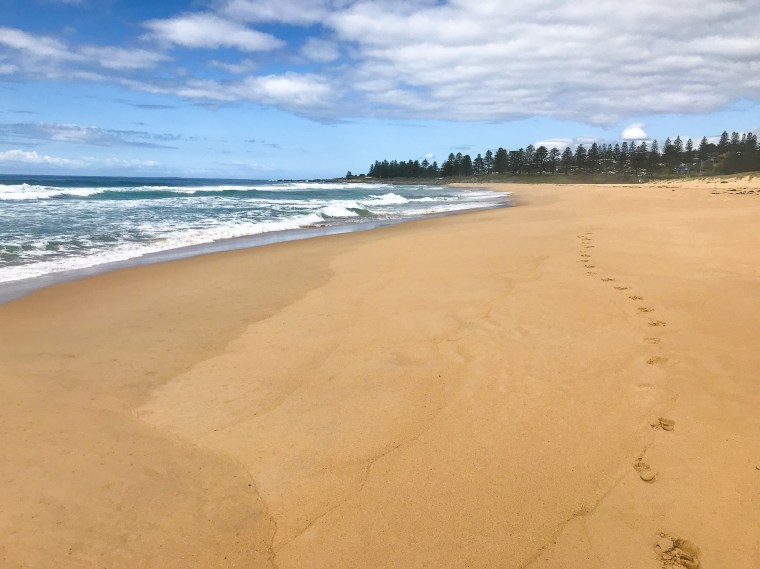

 It’s a tough gig, and the reality of four straight days in a row above 40 degrees was enough to force me fleeing to the coast, at least for a couple of those days. Thankfully when I got back there came a reprieve with temperatures dropping back down to 37 with a cool change as ineffectual as any number of Secretaries of State for Exiting the European Union. Yes, the hot air persists.
 At least on the coast the temperatures dropped a good eight to ten degrees, pampered with pleasant sea breezes and clear cool waters. There was fish and chips and ice cream, paddles upon shores and across inlets, and a decent amount of lounging with a book in the sand. Yet the highlight of this escape was away from the edge of the water. Instead, upon the edge of wilderness.


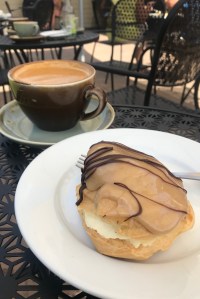 It was borderline whether I had really earned what was to follow, such was the relative ease of this walk. Out of the wilds, the cutesy hilltop town of Milton inevitably has a bakery, which I inevitably visited, inevitably not for the first time. There is a pleasing inevitability in the inevitability of cake and coffee.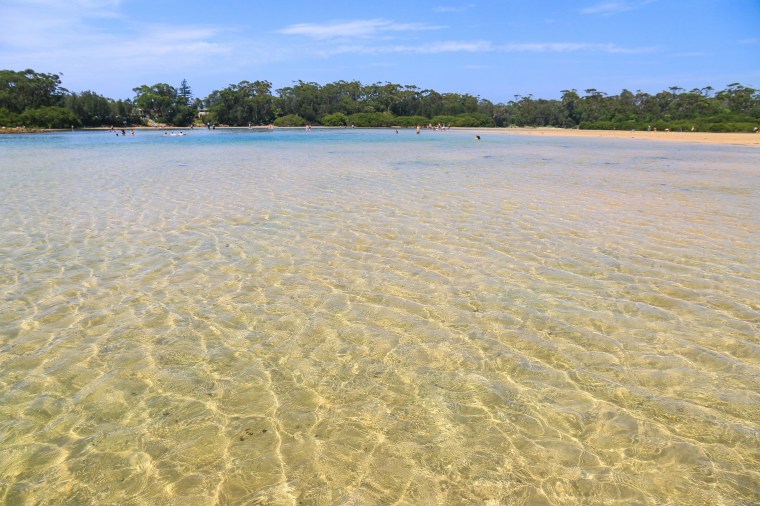
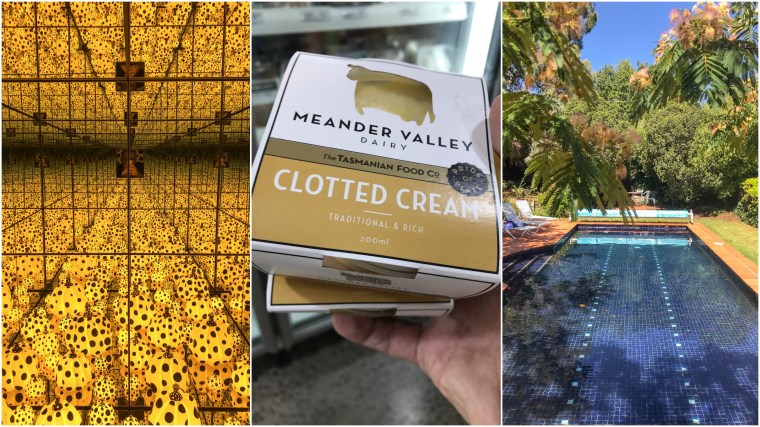


 I think about munching on some leftover sausage rolls in here, but delay lunch for one other walk before the temperature peaks. It’s already midday and clearly above thirty. Shade is intermittent on the way down to Tinted Cave and the Limestone Gorge, where sausage rolls can be enjoyed beside a shallow pool of water popular with dragonflies and sweaty humans.
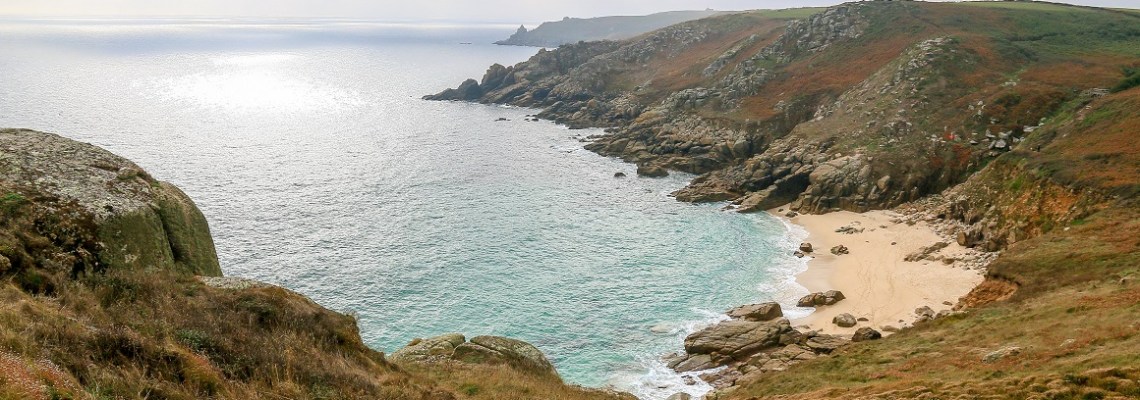

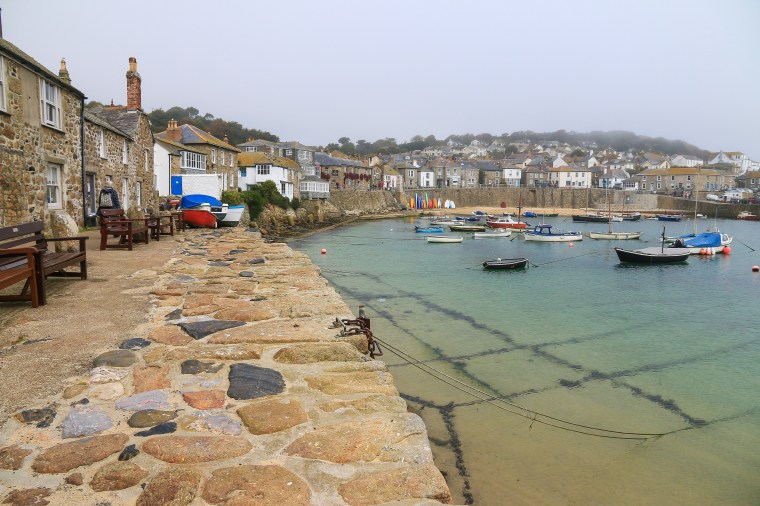




 Facing a long drive back from









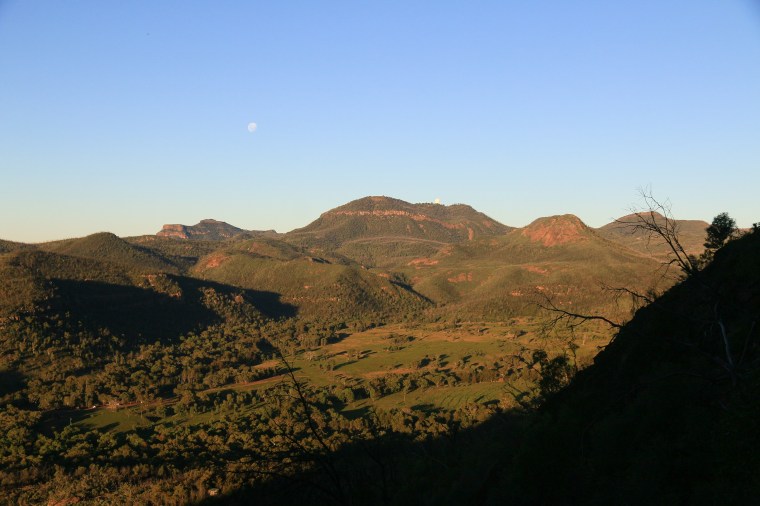
 Fast-forward a few days and the work was done, proving less cumbersome and far more populated with coffee and cake than I could have hoped for. This left me alone with a car and a few belongings close to the Queensland-NSW border. A massive part of me wanted to make the journey home as quickly as possible, but then an equally massive part also yearned to stop in Warrumbungle National Park. Another significant consideration was a determination to miss the whole messy Newcastle-Central Coast-Sydney conglomeration. This along with the fact that, heading inland, I could go through Texas tipped the scales definitively south and west. Yeehaw.



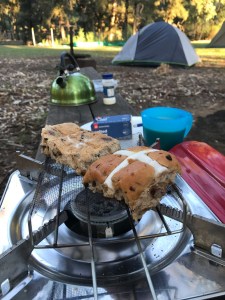 I was even more glad of my foresight in buying some hot cross buns and a block of butter in Coonabarabran yesterday. What better way to use the camp stove for the last time, to set me on my way to Gilgandra, to Dubbo, to Wellington, to Molong, to Canowindra, to Cowra, to Boorowa, to Yass and – 550kms later – to Canberra.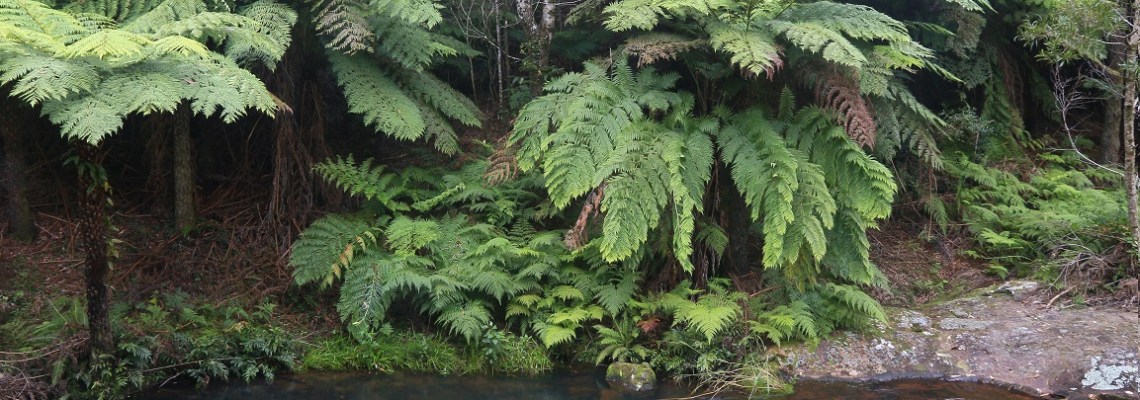
 Anyway, lest I offend several friends, family, prospective employers and the rest of their state, Queensland can be beautiful and at times might be equated with some form of perfection. However, the humidity is frequently disgusting and – on this occasion at least – the marooaaans easily trounced the blues in the rainfall stakes. Meanwhile, the growth of South East Queensland is rapidly turning the area into one very long Gold Coast-Brisbane-Sunshine Coast conglomeration where it seems obligatory to buy an oversized property and a Toyota Hilux. Here, the only koala left is a giant fake blue mascot sitting around watching far too many swimming events.

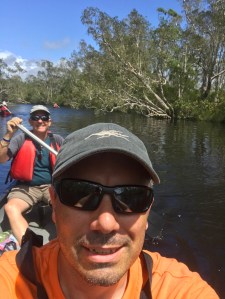 I think if miracles exist then we had one, for there was around one hour of dry, relatively sunny weather on that day which had seemed totally implausible earlier on. An hour that coincided with our allotted time in a canoe, gently zig-zagging with the meanders of the water towards Harry’s Hut. While the surrounds were a bit samey and somewhat nondescript (in a jungly, swampy wilderness kind of way), it was an hour of calm, of peace, of harmony with the environment. And above all, recognition of sheer bloody luck.
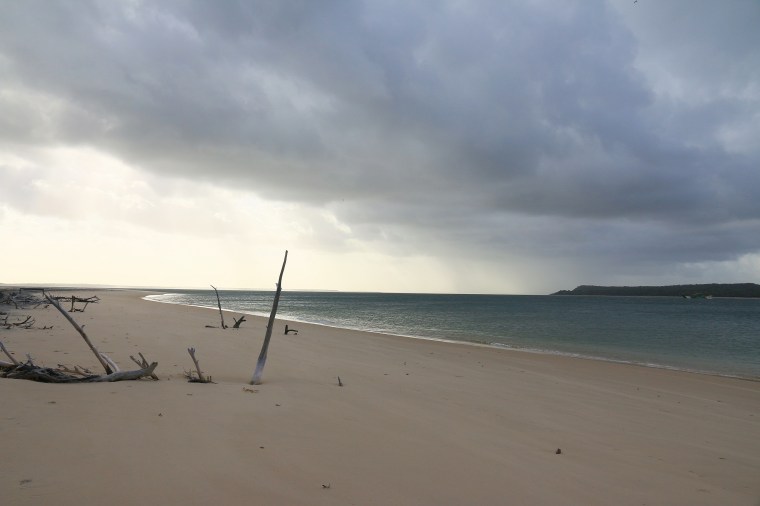
 Just a hefty stone’s throw from the tip of Fraser Island, the soft sand delights the toes more than it does tyres. The rugged natural detritus of storms and tides offers a little intrigue and entertainment. The comings and goings of the ferry – and the potential for vehicles to get bogged down on Fraser – offer even more. Dark shadows intersperse with brilliant sunshine, grey waters become blue, brown sands less brown. Fatigue becomes contentment, and moments to remember form. Moments that are beautiful, even perfect. Damn you Queensland!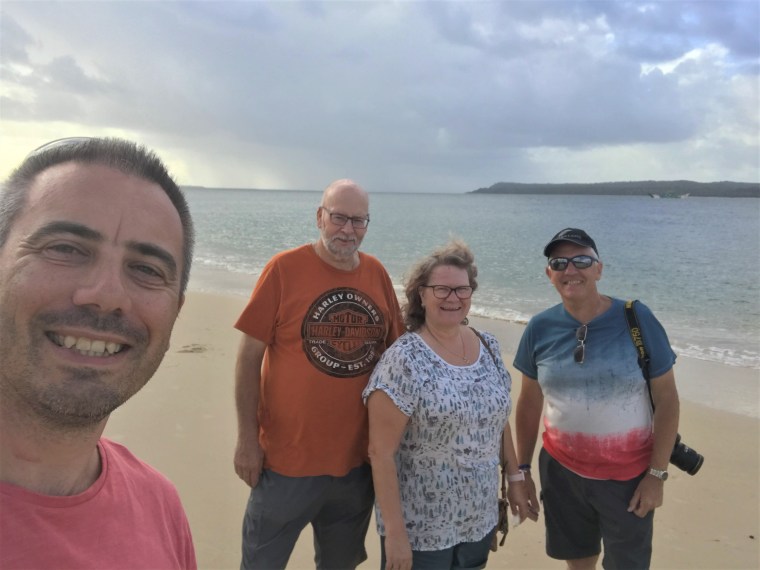
 gbpilgrim