
Wagga Wagga. Ballarat. Dubbo. Albury. Bendigo. Rockhampton. Geelong. Bunbury. Mount Gambier. These are the recurrent regional research towns, in which there is sufficient population to extract a small selection of locals to talk about everything from the design on a bottle of shampoo to the delight of doing tax. I have been to each and every one, mostly for business but sometimes for pleasure, and now and again for both. Until this past week though there had been a noticeable absentee from the list, and, as if hearing the crucial number in a game of bingo, the Queensland town of Toowoomba delivered a full house.
 Toowoomba is a touch inland from Brisbane and, with a sizeable population over a hundred thousand, benefits from good road links, appreciated in the rush that I somehow managed to contrive one working afternoon and evening. It rather dramatically emerges atop the Great Dividing Range, perched on a plateau over this somewhat ill-defined chain of ridges and hills which meanders along the entire eastern fringe of Australia. Thus, the edge of one side of town is adorned with tabletop views as fingers of parkland and bush thrust into the lowland expanse of the Lockyer Valley, cut by hairpins of highway and – because we are in Queensland – no doubt teeming with spiders, snakes, and snag-stained singlets.
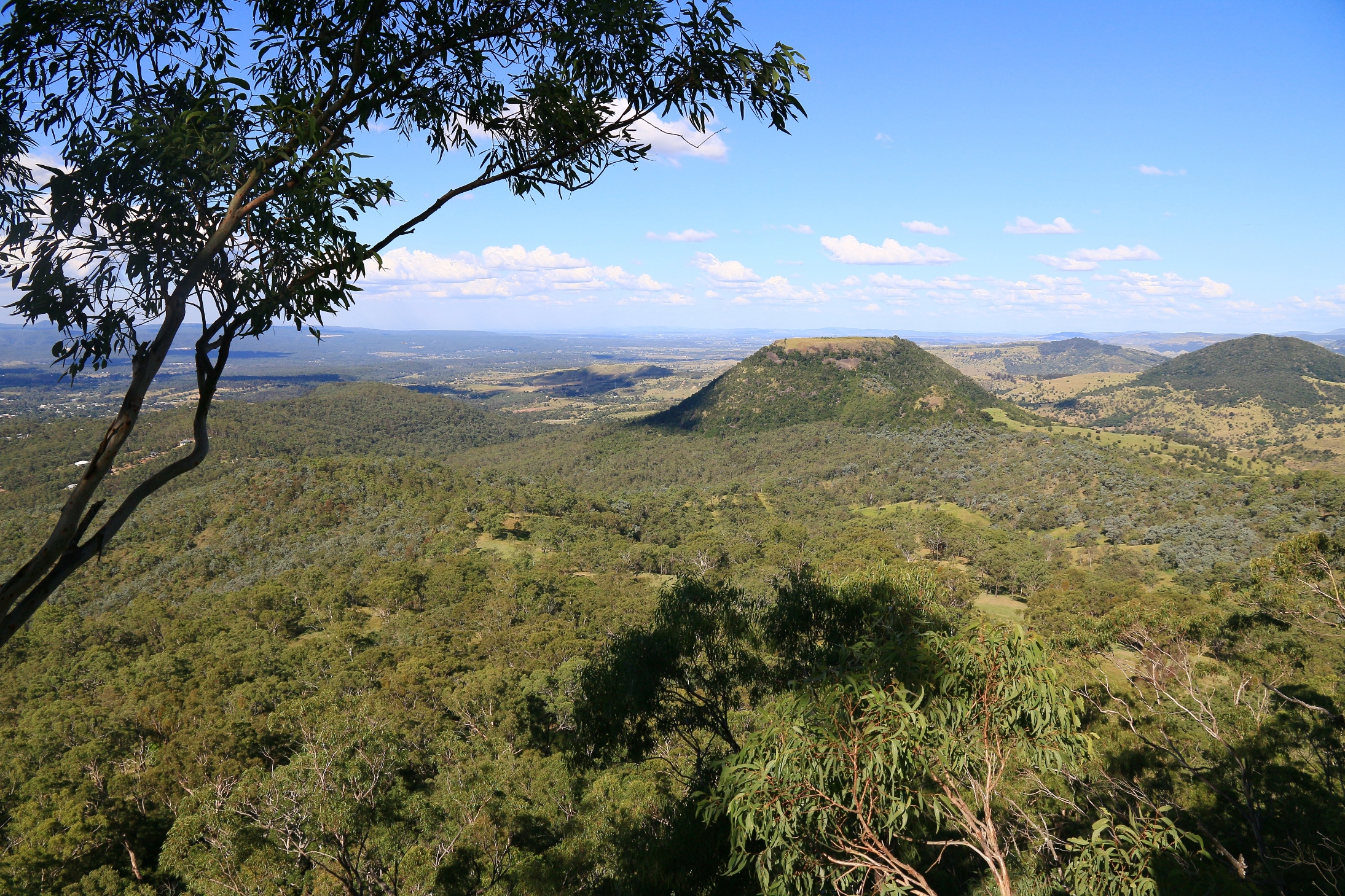
The emergence of the town is quite sudden; one minute you are chugging up a protracted series of bends through the bush and then, as soon as it levels, suburban concrete and commercial highways spread out west. I suspect it could almost be the modern equivalent of reaching Machu Picchu, with a city that is shielded from view until traversing a final mountain ridge. Once crested, the ancient civilisation of the Supercheap Autans fills intrepid travellers with awe, as the sun sets over the Darling Downs.
 Away from its edges, the remainder of town could easily be Wagga or Ballarat or any other regular research regional resort. There is a city block with some familiar and some uniquely local stores, a typical amalgamation of elegant turn of century buildings and functional blocks. A giant mall draws shoppers from the older town centre while between the two a strategically placed drive-thru Maccas casts its magnet on the alloy wheels of ute-borne bogans and the iron fillings of schoolkids. Amongst this, one small alleyway has been transplanted from Melbourne, adorned with street art and beards making coffee. I stopped by there twice.
Leaving Toowoomba with a decent coffee and mushroom-focused breakfast, I had a free day to return to Brisbane and decided to take a different route back down. First stop was the small village of Hampton, from where I attained necessary booklets and maps from the tourist information centre. Nearby, Ravensbourne National Park, offered some scenic views of the fairly lush and productive countryside of the region, and the first of several mixed rainforest-bush-type ambles.
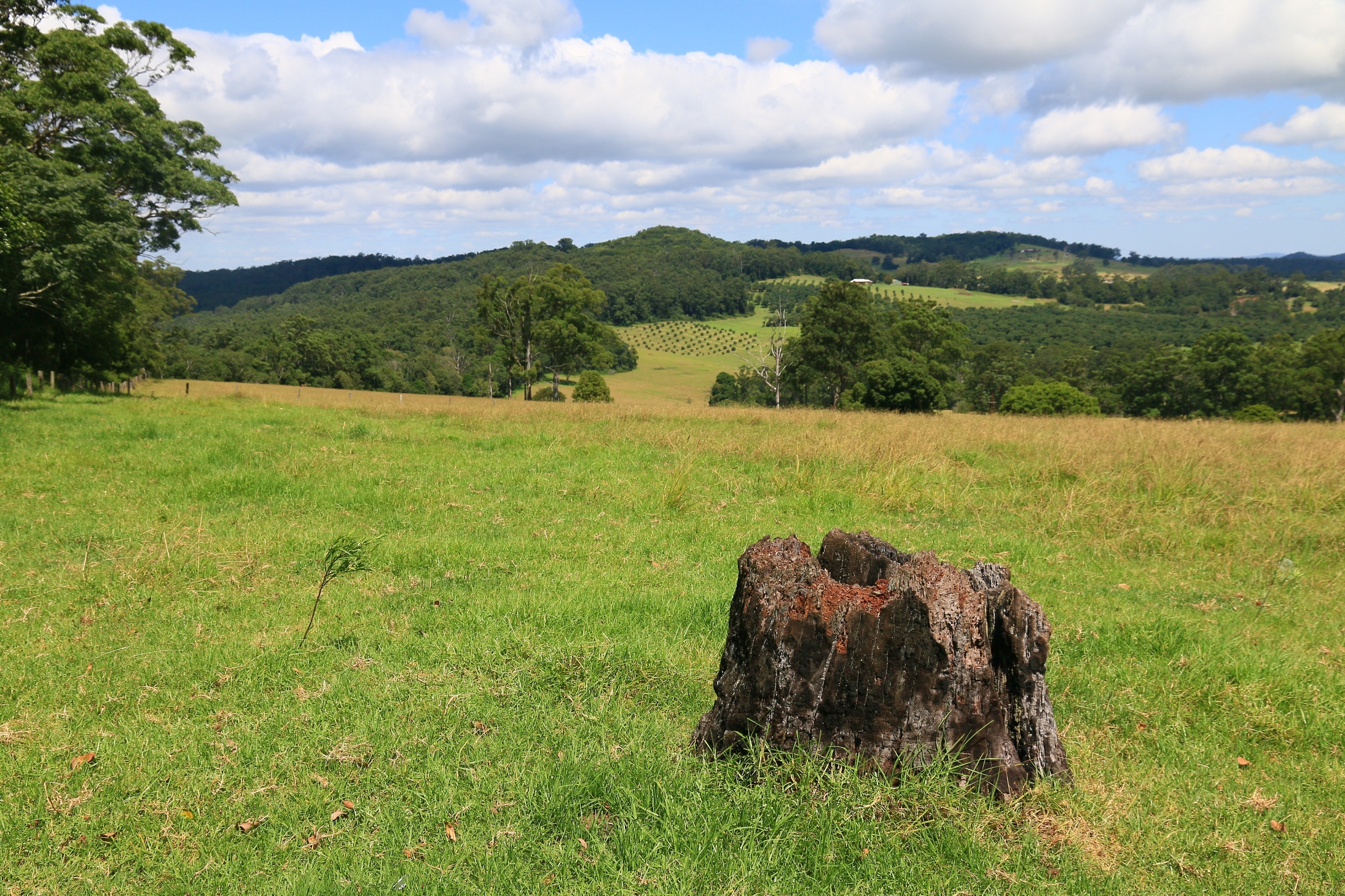
Heading down to the town of Esk, the road continues in the picturesque Brisbane Valley, fringing the immense Wivenhoe Lake. It was this massive body that bulged with too much water a few years back and released its content into the Brisbane River, causing flooding all the way down to the coast. This was responsible for awful scenes, in which Kevin Rudd – then deposed as PM – waded gleefully through shallow water in his boardies to deliver an empty box of mixed metaphors and cringe-worthy superlatives to despairing locals. Today things were more sedate, though the occasional flood marker and rough strip of tarmac indicated that flood damage is always a risk.
 Above the floodplain, more ranges rise on a very winding and sometimes precipitous alternative route to Brisbane. Crossing through D’Aguilar National Park with a touch of je ne sais quoi and foux du fafa, the road takes in several beautiful viewpoints, patches of subtropical rainforest, and sleepy wood-bedecked villages. Of course I stopped at the viewpoints, and partook of a decent walk through forest near Mount Glorious. Ferns, palms, fig trees and fungus were signals of something a little moister and a touch exotic; a setting in which snakes probably hide to wait for ill-footed southerners, and ants are poised to nibble on fleshy toes. Mercifully, I made it out there alive, accompanied by the rumble of thunder and the sweat of ridiculous humidity.

Plunging down away from the rain, the national park ends and immediately Brisbane suburbia grips. There are parallels with the emergence of Toowoomba, as traffic clearways and junctions and shopping malls spring up, traversing The Gap and Ashgrove and a very different kind of Red Hill. The CBD appears, the Brisbane River crossed, and a reminiscent friendship blue sky laksa is taken for old times’ sake. Afterwards, more traffic and concrete and now lights stretch on north, before the city finally gives up, and the motorway allows a speeding up towards the Sunshine Coast.
—————————
From experience I know it is not always sunny on the Sunshine Coast. A now somewhat distant Christmas in particular sticks in the mind. Recently, cyclonic remnants turned fields into mud and streets into streams. This weekend, however, the region was true to its name.

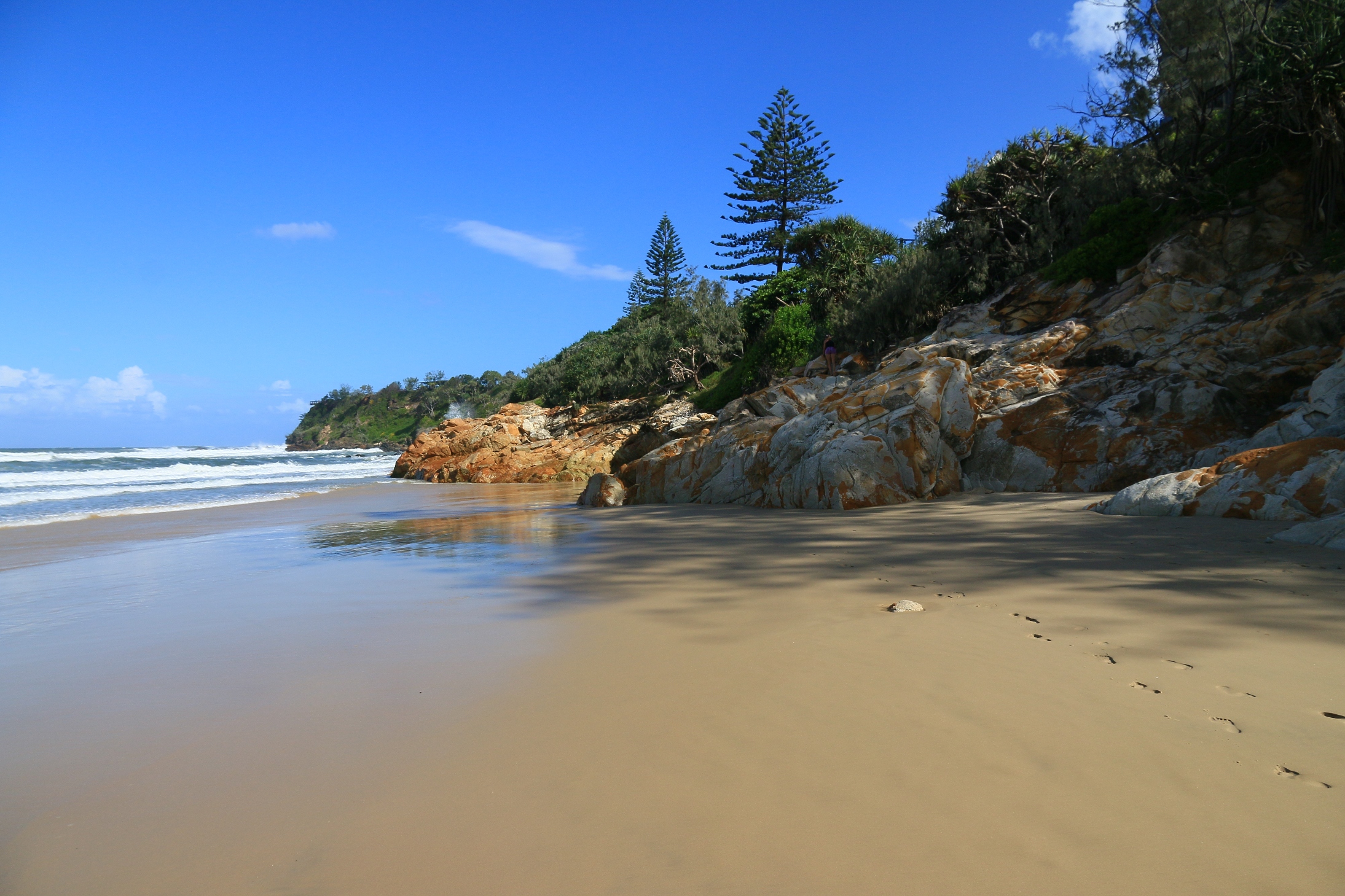
Indeed, it was rather warm. Not drastically higher in temperature than Canberra but with added humidity and night-time sweatiness. Mornings were a bit fresher, meaning that coffee and brunch was not out of the question. But building heat later in the day was more conducive to iced coffees and cold beers, and some relief beside the ocean. In this regard, Coolum Beach at least sounded the part. Certainly, the noticeable sea breeze was causing significant chop on the water and taking some of the perspiration away. Most soothing though was a wade through the ocean itself, as sand and water and feet met in perfect harmony for some brief entanglements of bliss.
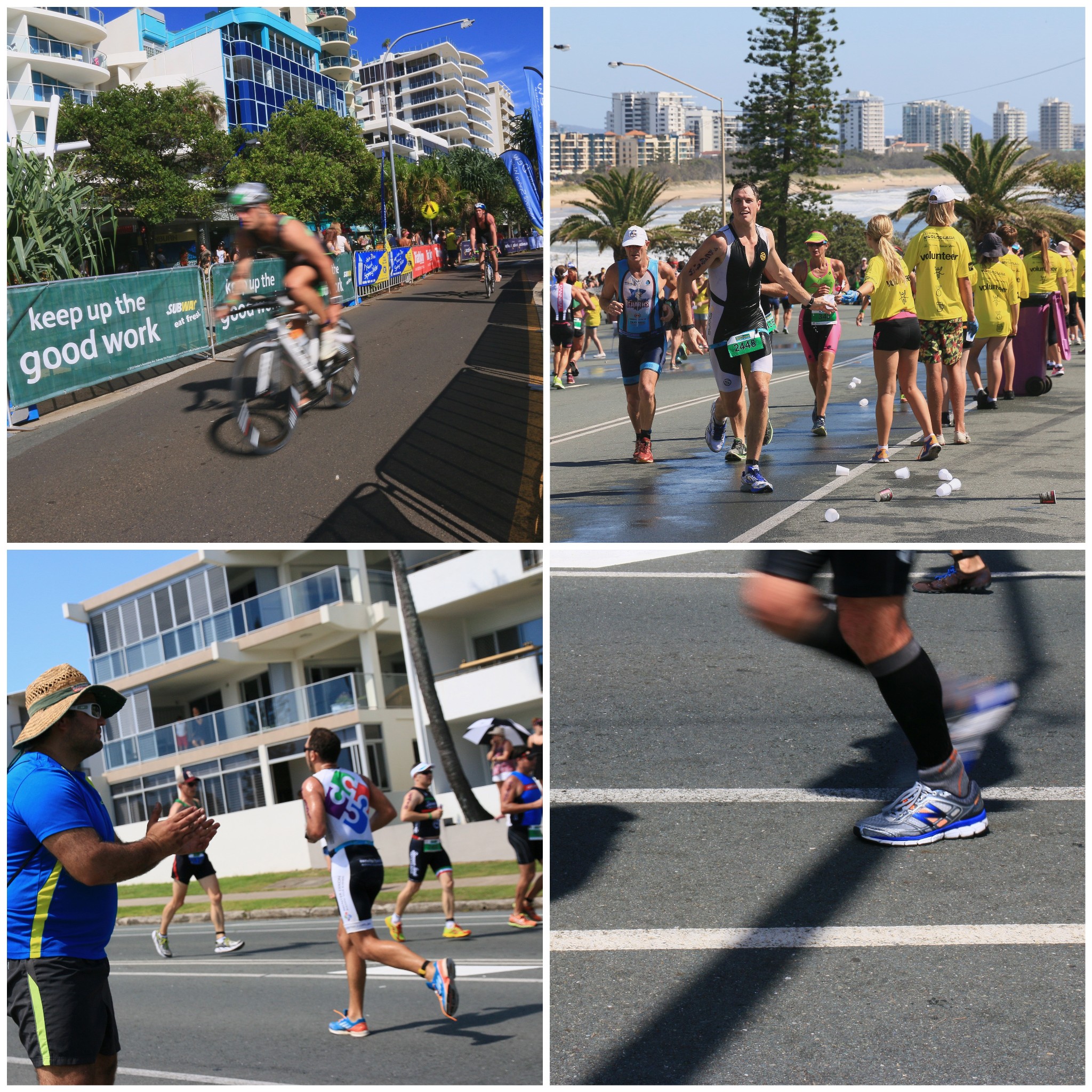 The last thing I would want to do in this weather is run. Swimming would be okay I suppose, if you could cope with the oversized waves and not get dragged under by sharks or stung by jellyfish or hit by a wayward surfboard. Cycling might be fine too, if you can mainly stick to going down the nine hills plunging from Buderim, breeze flowing through Lycra, and refresh with an iced latte afterwards. But running doesn’t seem to come with any benefits. Nonetheless, thousands of people decided to engage in all this and more in the Mooloolaba Triathlon, taking place on a perfect, breezeless thirty degree Sunday.
It was hard work, conquering breakfast and then standing by the road, seeking shade, occasionally clapping and snapping and still questioning why on earth you would be doing this when there is a beautiful beach and ocean you could surely be having far more enjoyment out of. I guess there is admiration, but not a logical one because the endeavour seems so senseless. Strangely and surprisingly though I quite enjoyed watching some of the triathlon, and took satisfaction in encouraging all sorts of sweaty bodies towards the top of their final hill.
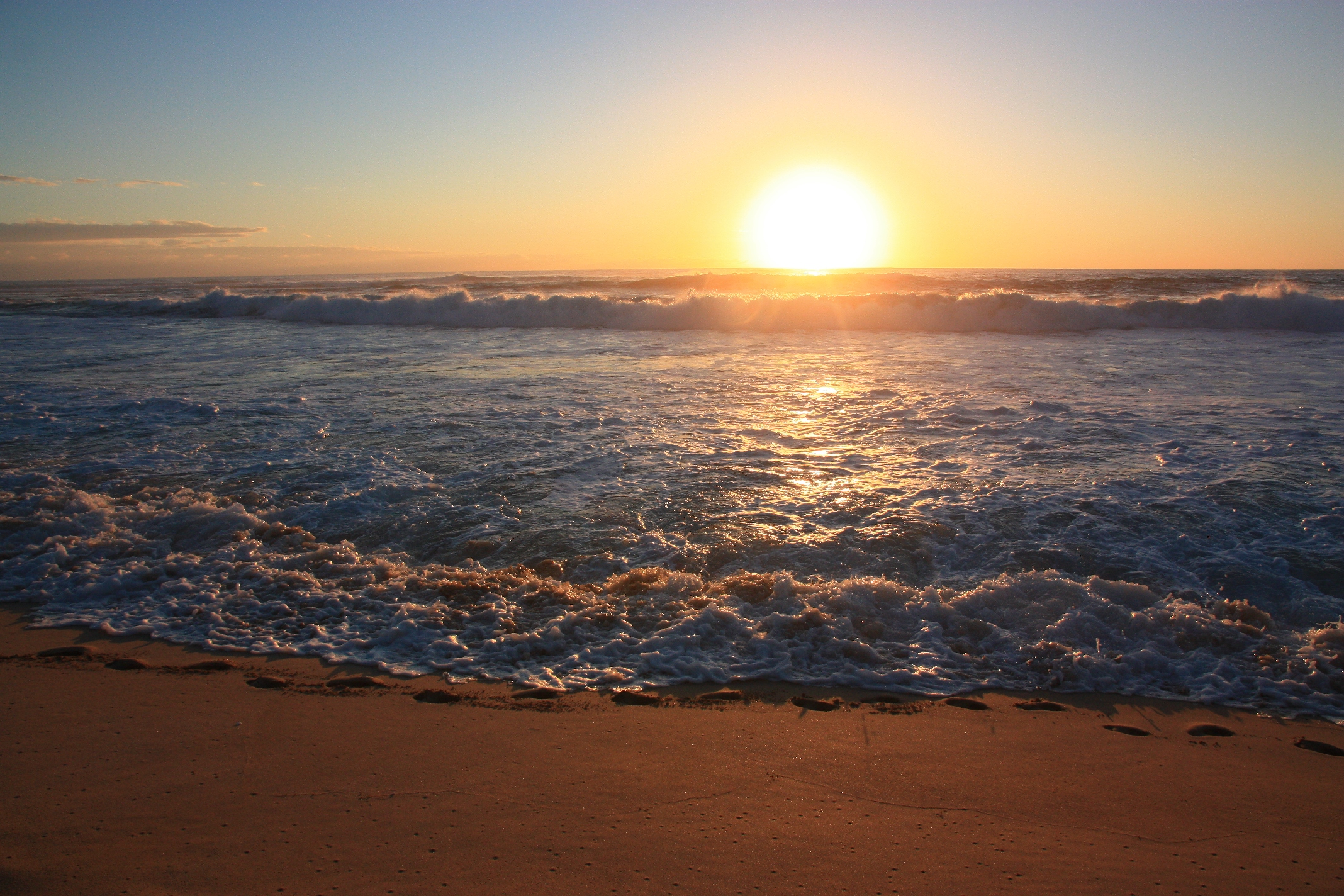
 Needless to say, following all this frivolous activity I had a nap and then an iced coffee in the afternoon. A little bit of work accompanied the iced coffee but the iced coffee just about made that all okay. It also generated a bit of extra energy to do some exercise myself, though more of the sedate sunset walk type than the extreme ironman sweatfest. With daylight fading early, particularly as Queensland are backwards when it comes to moving clocks forward, the signs are of seasons changing. And indeed, on the shores of Mooloolaba, still gently wading through warm waters as the halo of twilight captured the skies, I felt as though this could be the last dose of real summer. It may soon drop below twenty-five degrees and Queenslanders will soon reach for the scarves. And for me, research days in the freezing fog of a Ballarat or Wagga winter are closer to realisation.










 gbpilgrim