
On holiday, and at home, food is such a focal point to the activities of the day, whether that be a walk over hills to forage in supermarkets or an outing for coffee and cake for something to do in the rain. There are days where food gives me a sense of structure, particularly given my slavish devotion to the coffee (and biscuit or cake) gods midway through the morning.
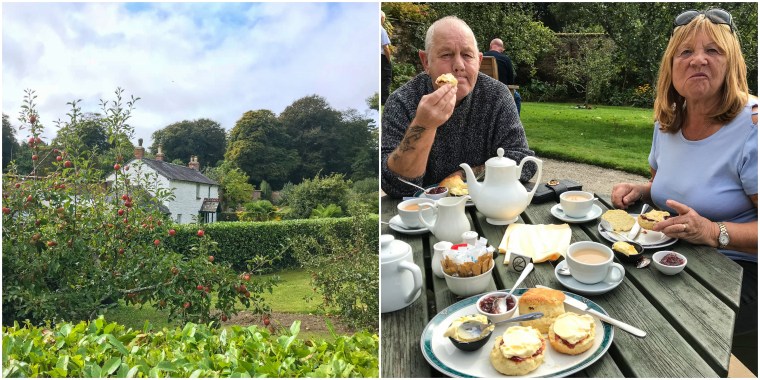
Holidaying in Cornwall, the cream tea is often the main agenda item of the day, especially if it’s a bit gloomy, a tad tepid, a little dull. A cream tea is a little taste of solace no matter what the weather. But it turns out there are other foodstuffs which can dial up the sunshine to eleven, whether that be by design or not quite accident.
The St. Agnes Sausage Roll
After several days of dogged white cloud promising both sun and rain but delivering neither, a Sunday suddenly arrived under skies true blue. After a quick check of the Internet to see if certain places were open, I lead-footed it in good time to the North Cornwall coast, parking beside the remnants of Wheal Coates Mine. It was a bit early for lunch, so there was treasure to be discovered traversing the clifftops to Chapel Porth and working up an appetite back up past the mine buildings to the car. Sun out, tide out, T-shirt out, this is what I came for.

But in nearby St. Agnes there is an enhancement to be had among the narrow yesteryear parade of shops and cottages. Past the pub adorned by people sheltering with a shandy, the bakery in the corner is indeed open. And the big dilemma is whether to have one sausage roll or two. I mean, they are hefty affairs so one would be ample, but when would I be here again? And if I have just the one that means there’s only the single flavour to sample. Valid concerns, after the event. Much to my subsequent regret I opted for one, cognisant of leaving room for any other opportunities that should present themselves later in the day.
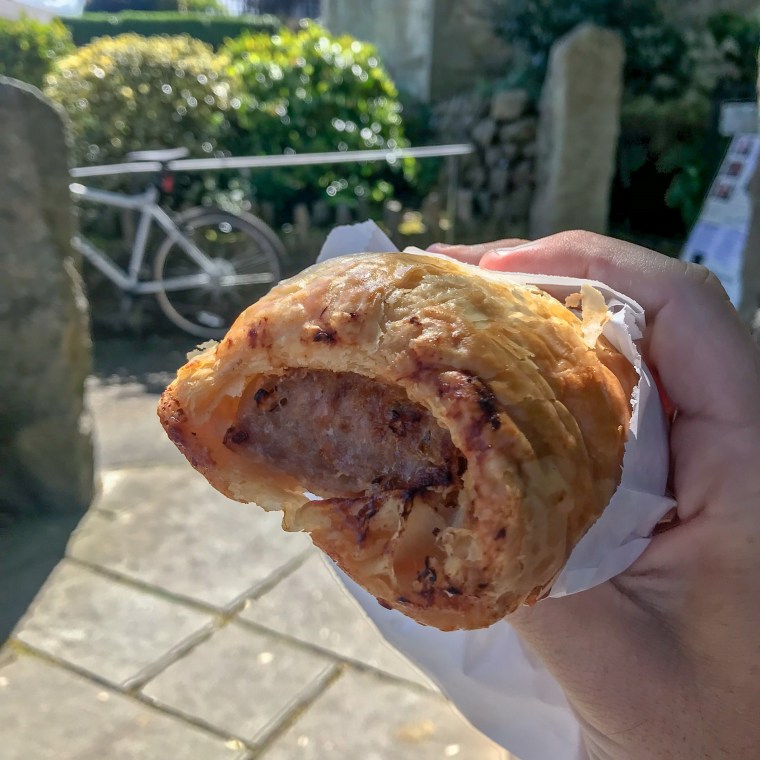
Thus, the quest for a very particular sausage roll had delivered me to one of the most beautiful corners of the country on one of the most beautiful days of the year so far. And it had barely reached lunchtime. It was time to walk it off.
And walk it off I did, on a pleasing circular loop taking in three of the sandiest, sunniest beaches in Britain. Setting off from West Pentire, the route immediately dipped into a sheltered valley of fluttering birdsong, before rising again to the forlorn cries of hacks criss-crossing the mini links of Holywell. One of the trails disappearing into the maze of dunes should eventually lead to the beach, but it would be easy to lose your bearings, like a couple of droids you are not looking for in a galaxy far, far away.
The beach at Holywell Bay was surprisingly underpopulated in light of this being a Bank Holiday weekend and all. The cause: a brisk nor’wester coming directly off the ocean. Even Poldork was in hiding. The dunes were clearly the place to be, strategically sheltered in a hollow hoping some berk with a backpack won’t come traipsing past to ruin the ambience of your romantic picnic.
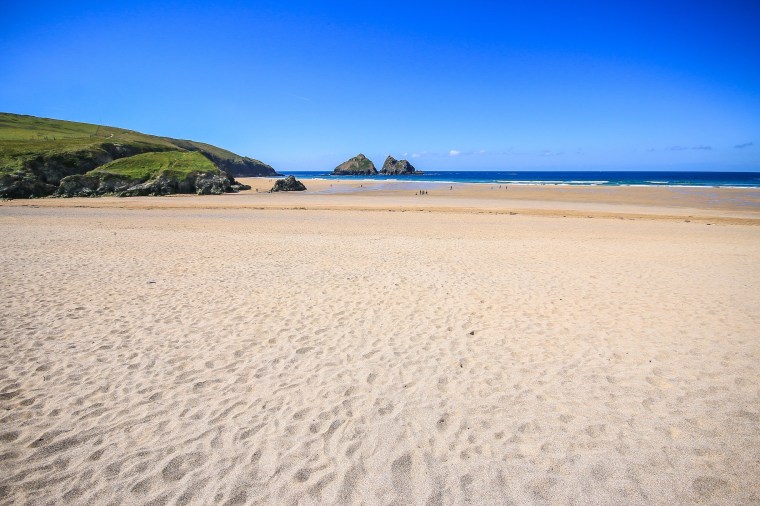
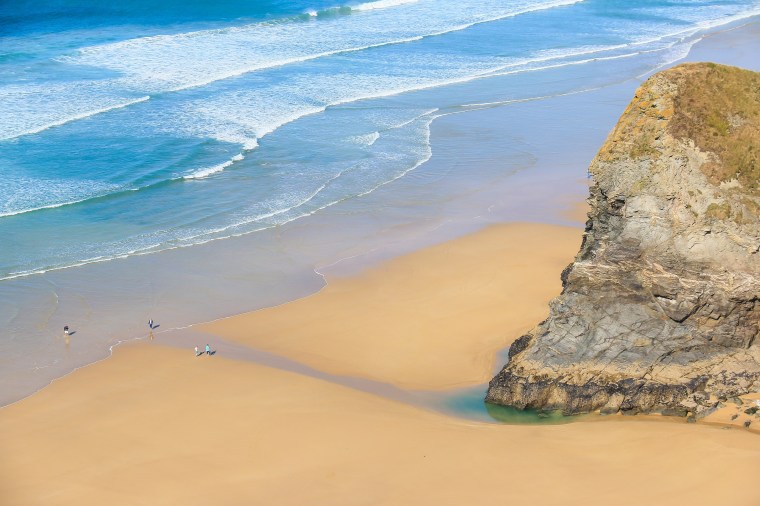
Onward and upward the berk heads, overlooking the massive expanse of the bay and the beach now seemingly stretching to America on the low tide. Rounding the next corner, the sands of Poly Joke Beach cluster in the nooks and crevices of the land, as if gold has run off from the verdant pasture above. Mostly a tidal beach, people here create castles and clobber balls for six, reading papers in the sand and letting their dogs do whatever their dogs please, as per usual.

Walking up from Jolly Poke or whatever it’s called, I continue on the coast path rather than heading directly back to the car park. There is no rush to head home, on a day such as this. And surely I can find some sustenance as reward at the end to keep me going until Plymouth. It’s afternoon tea time after all.
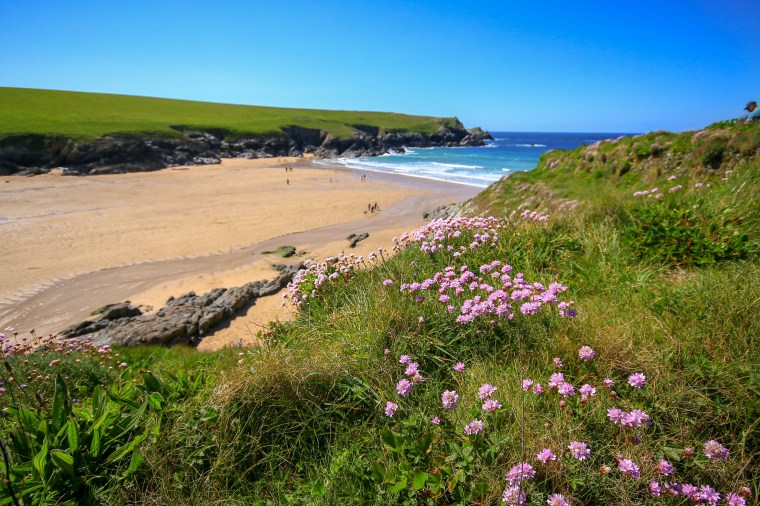
Well, this is where sausage roll regrets return, for there is no happy ending, despite the blissful site of Crantock Beach sparkling at full reveal. There is a pub overlooking this vista, but I don’t fancy a beer. It. Must. Be. Tea. And. Cake. A nearby hotel offers something, but the last slice of Victoria Sponge looks a bit dry and sad. I should’ve bought one of the sweet treats from St. Agnes bakery. As well as another sausage roll.
The Bedruthan Spud
Despite the lack of a treat at the end, I was delighted to have done a North Cornwall day in such wonderful conditions. If that was that for this year, then so be it. But, then, my very last day in the southwest heralded a decent dollop of sunshine. And I wasn’t going to let a sore throat, bad back and overindulgence in clotted cream stop me.
These are the days that can simultaneously warm your soul and break your heart. The days when it would be difficult to fathom why you would be anywhere else. Sure, it was cool and blustery but that only made it all the more rewarding. Even the coffee at Mawgan Porth was bearable, which is pretty good going if I’m being honest.
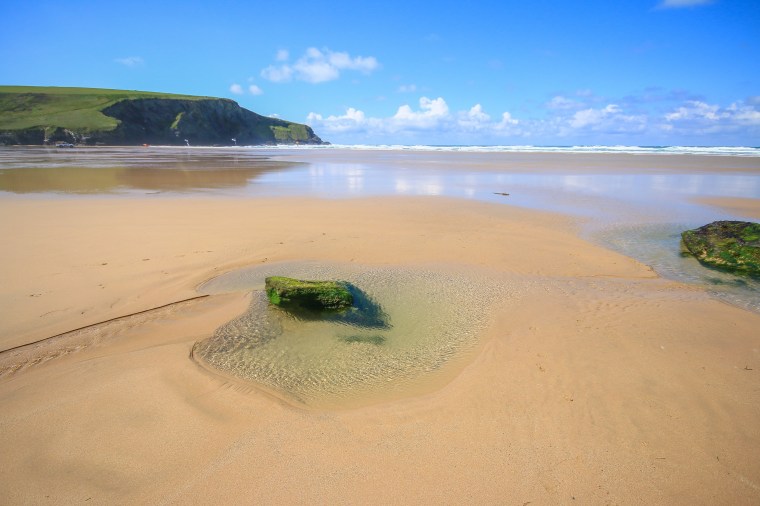
Whereas I had a sausage roll in St. Agnes all to myself, today was a shared affair with Mum. Not that we were planning on sharing any food of course. No, we are related after all. But we were content to share the sands of Mawgan Porth together, with hardly anyone else in sight, determining to walk to the shoreline even though it never seemed to get any closer. Rockpools will do.
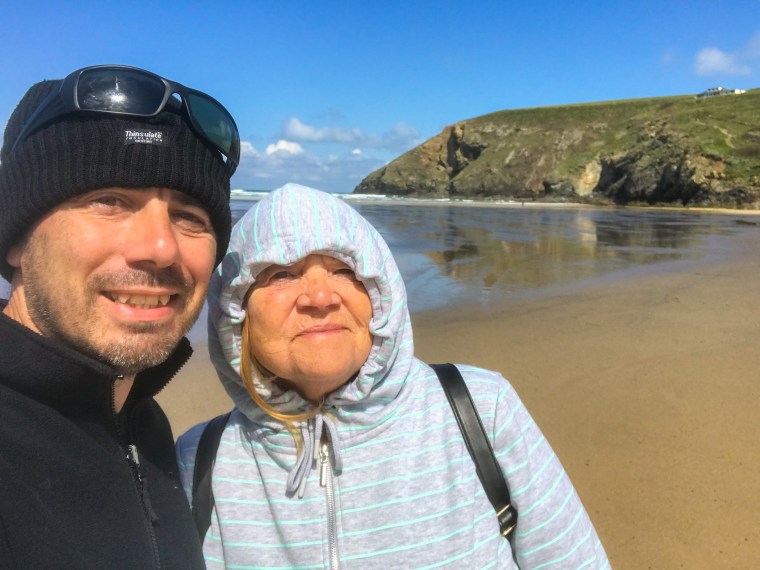
Now, the Bedruthan Spud – not to be confused with the Australian Minister for Home Affairs – has been a fixture of previous holidays but I wouldn’t call it a requisite. Cream tea: tick. Decent pasty: tick. Mum’s lasagne: tick. Une tartiflette: oui. The Bedruthan Spud today was more a consequence of convenience rather than a destination of desire.
We ventured on a walk just past Bedruthan, out towards Park Head. Accustomed to the postcard views near Spud Café I was keen to get a different perspective, a different angle. And the walk seemed reasonable enough, for both of us. A way to savour the sights and build some hunger before lunch. Wherever that may be.
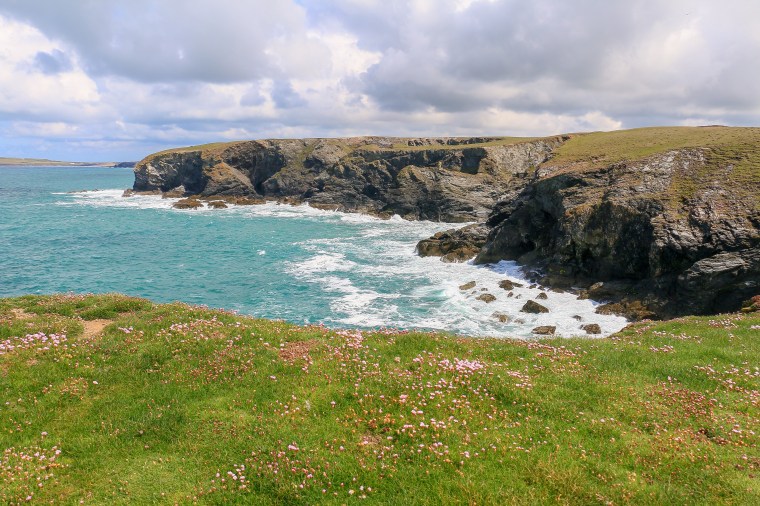
Returning from the headland, I outlined the lunch options on offer: somewhere vague and probably owned by Rick in Padstow or even more vaguely anywhere opportune in between. Uncertainty is a risk (see Neil Misses Out on Tea and Cake) and so it took us about half a second to turn back to the National Trust café at Carnewas.
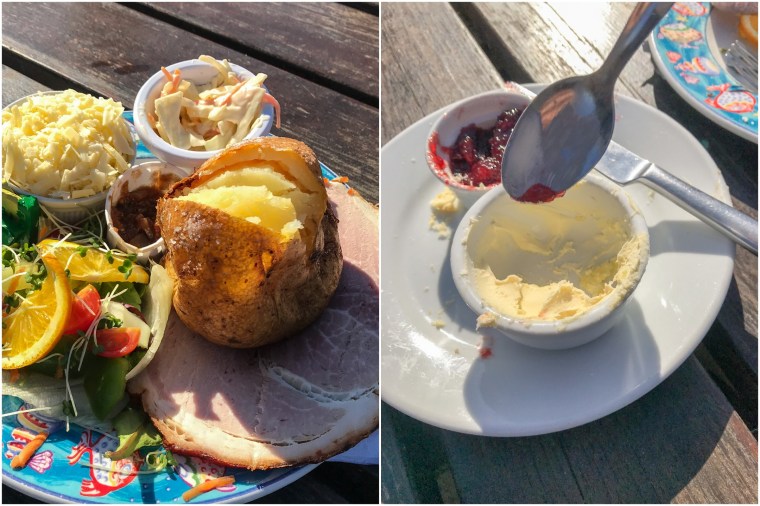
There is, of course, comfort in the familiar, safety in the known. And if you know it is going to be good, going to please, going to make your day and someone else’s, then why not just go ahead and do it. Whether that’s a baked potato with a slab of ham and a bowl of Cheddar or not.
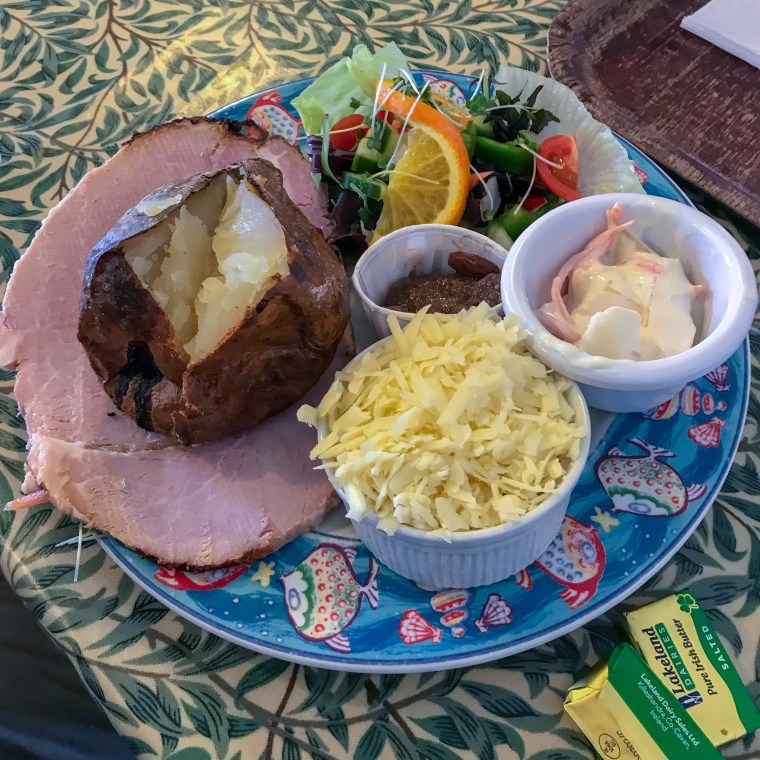
Go back to the things that bring a smile to your face and warmth to your heart, again and again and again. Like that first sip of good coffee, that view of the ocean, that first family gathering over a trayful of roast potatoes, secretly seething that someone else took the crispiest one but contented with everything that this cacophonous moment brings. Go back to foods that delight, places that charm and people that love. And never ever tire of the same old picture postcard views along the way.
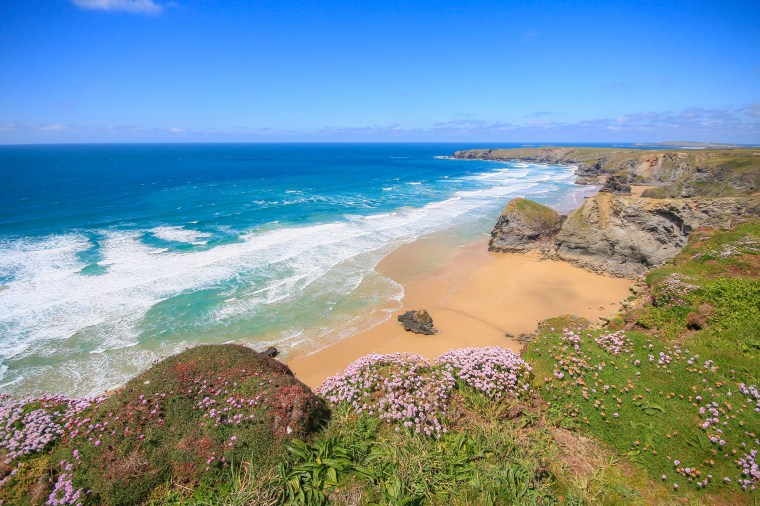
P.S. A sausage roll in the foreground would just about make this picture perfect.


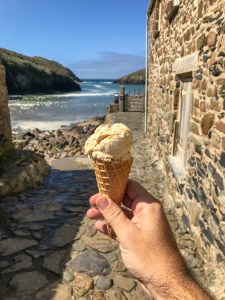 Nearby, the sleepy hamlet of Port Quin is celebrating in its sheltered spot, nestled between the hills that ooze out along its harbour to suddenly plunge into the Atlantic. A walk out to a headland marking the entrance to this enclave is a touch more blustery; the reward solitude and drama and vistas that make the heart sing and the heart ache. And ice cream that makes the heart say uh-oh we’re in Cornwall again aren’t we, better brace ourselves.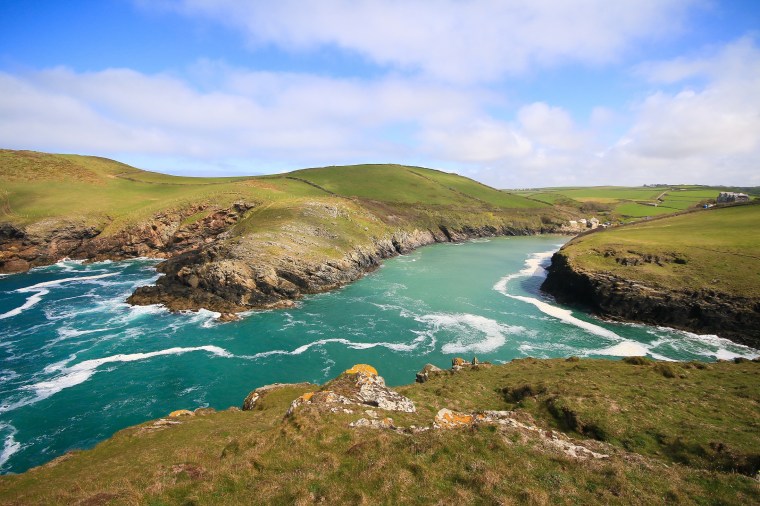

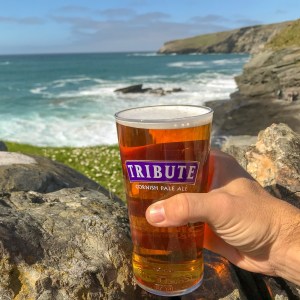 A little above The Strand, under wonderful, warming sun perched a wonderful pub overlooking the ocean. A pub that served up a local tribute, a tribute to the seas and skies, the clifftops and harbours, the wind and rain and storms and sun. The seasons battering and bathing and cajoling and churning the charisma and spirit into this magical Cornish land. Spring has arrived, and so have I. Cheers.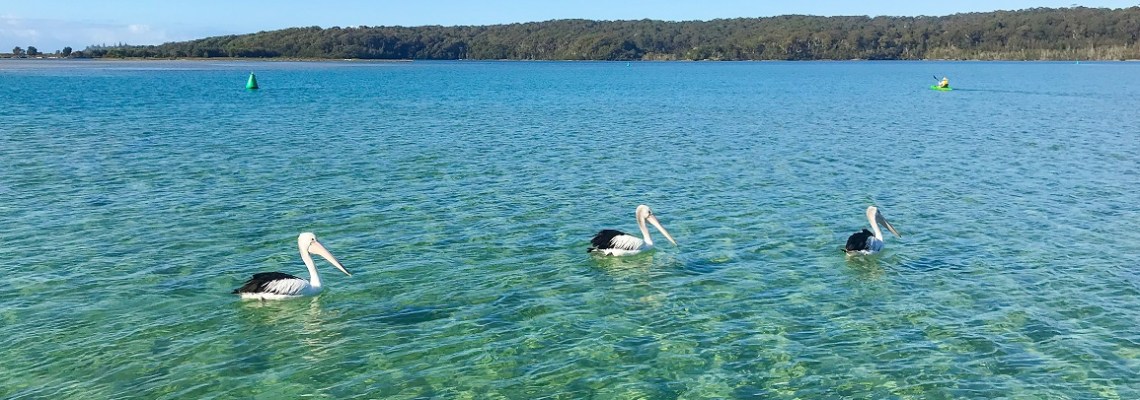

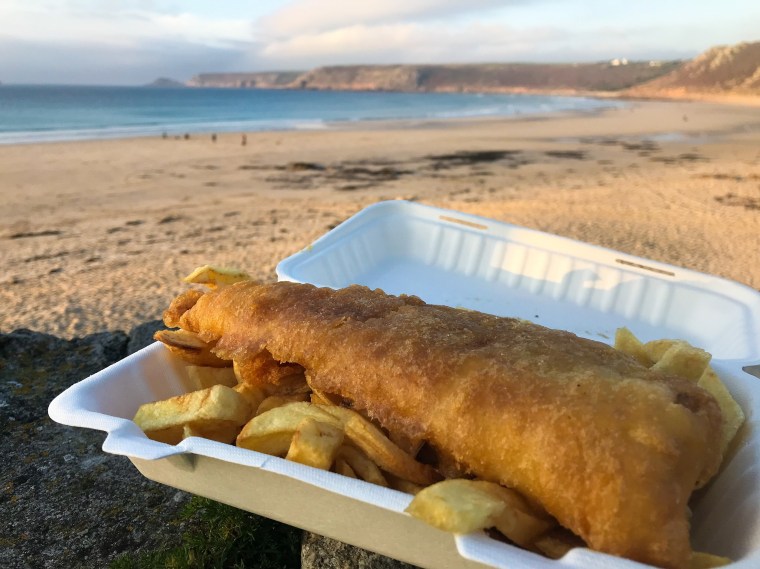
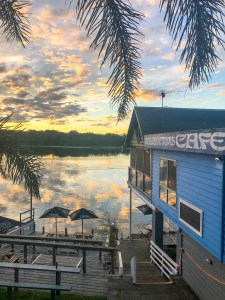 This proved an aperitif for the perfectly timed stroll beside the water to the Pickled Octopus Café, where we availed ourselves of a pristine outdoor table lapping at the glassy calm of the inlet. Fish and chip orders arrived as the daylight turned to dusk, each munch of deep fried saltiness coinciding with a deepening of colours and escalation of heavenly drama. A moment when nothing else can distract and nothing else really matters. Timing again exquisite.
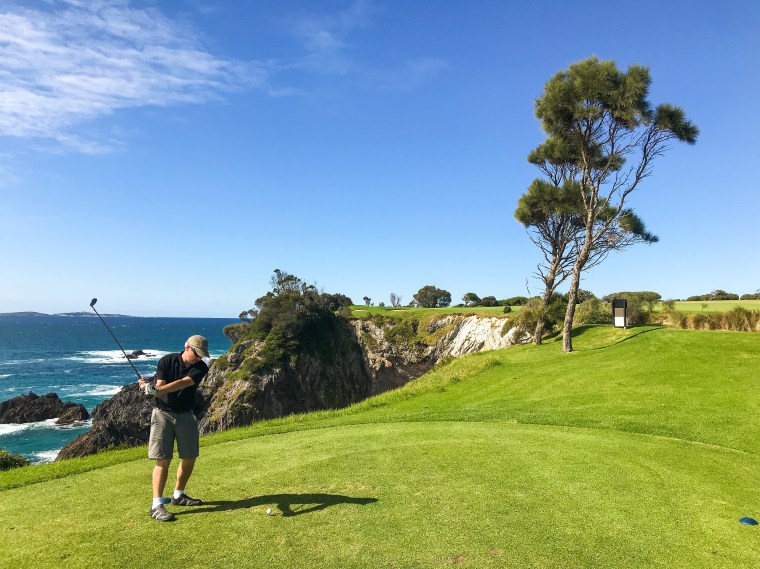
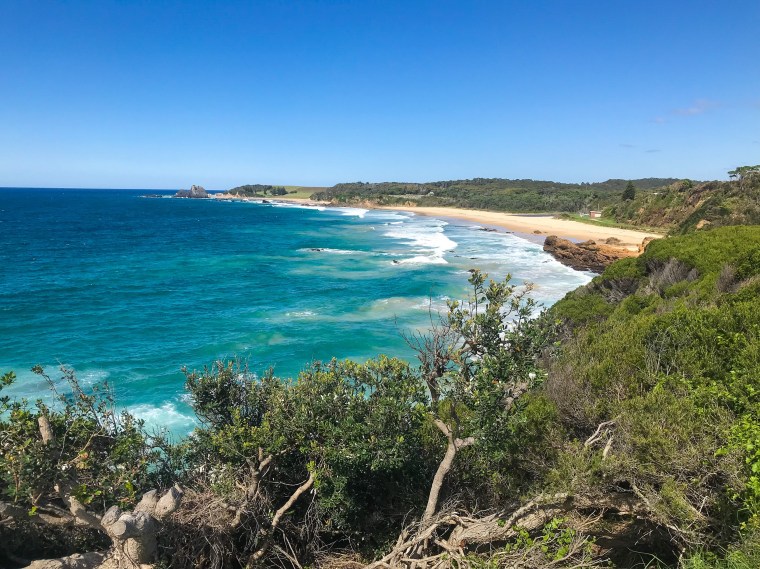
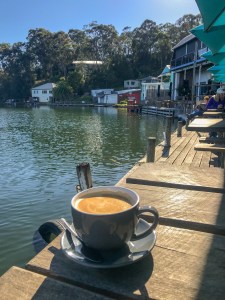 Back in Tuross Heads, it really is a little nugget of a place, especially when you visit out of holidays and weekends when it is neither ferociously scorched by bogan summers or coated in a wintry ghost town gloom. I’d say the perfect time, perfectly timed, would be around the end of March and early April. And here we were, April 2, sat out on the deck of the Boatshed, drinking a coffee and thinking how lucky the local retirees were. But we were there too, and very thankful for that; lucky to able to have this to enjoy no matter how brief.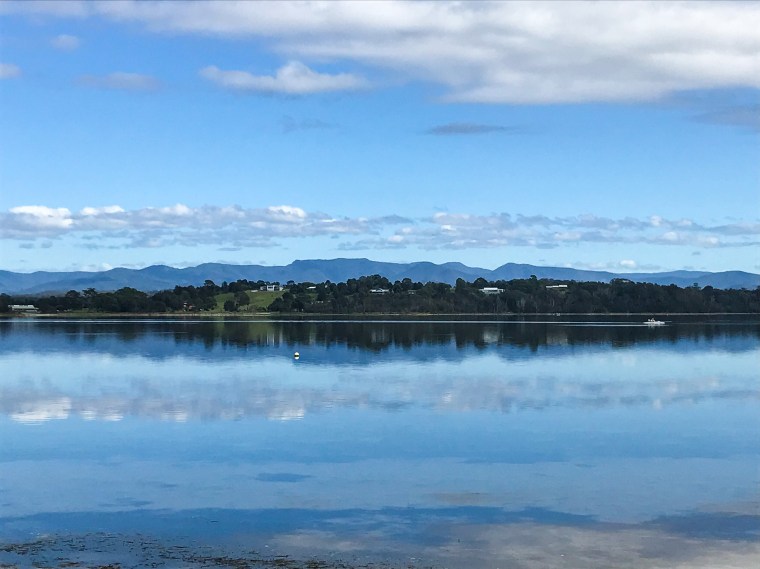
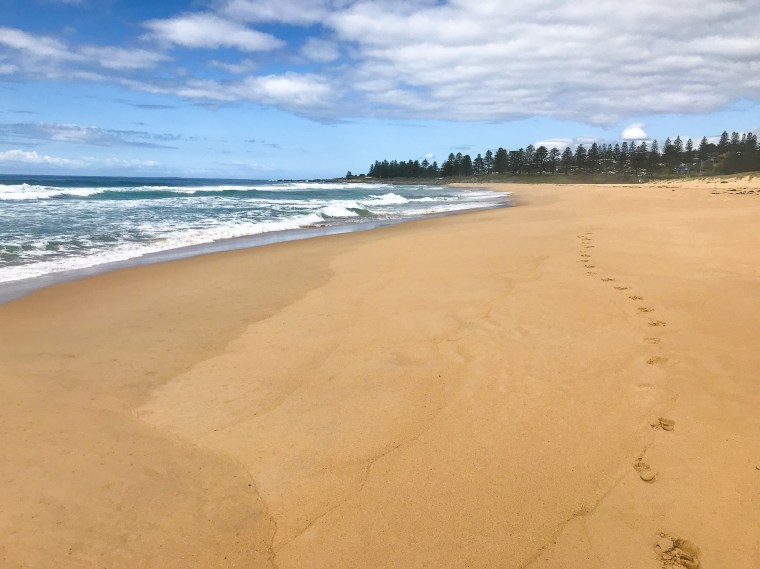

 It’s a tough gig, and the reality of four straight days in a row above 40 degrees was enough to force me fleeing to the coast, at least for a couple of those days. Thankfully when I got back there came a reprieve with temperatures dropping back down to 37 with a cool change as ineffectual as any number of Secretaries of State for Exiting the European Union. Yes, the hot air persists.
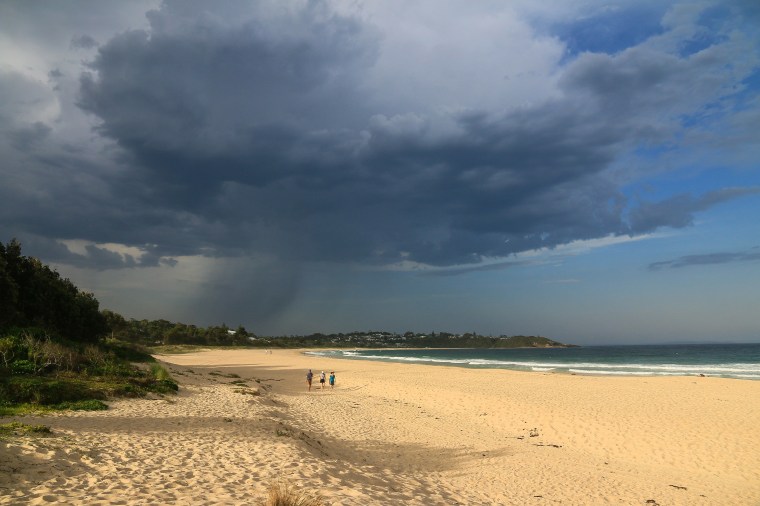
 At least on the coast the temperatures dropped a good eight to ten degrees, pampered with pleasant sea breezes and clear cool waters. There was fish and chips and ice cream, paddles upon shores and across inlets, and a decent amount of lounging with a book in the sand. Yet the highlight of this escape was away from the edge of the water. Instead, upon the edge of wilderness.


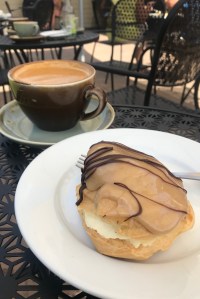 It was borderline whether I had really earned what was to follow, such was the relative ease of this walk. Out of the wilds, the cutesy hilltop town of Milton inevitably has a bakery, which I inevitably visited, inevitably not for the first time. There is a pleasing inevitability in the inevitability of cake and coffee.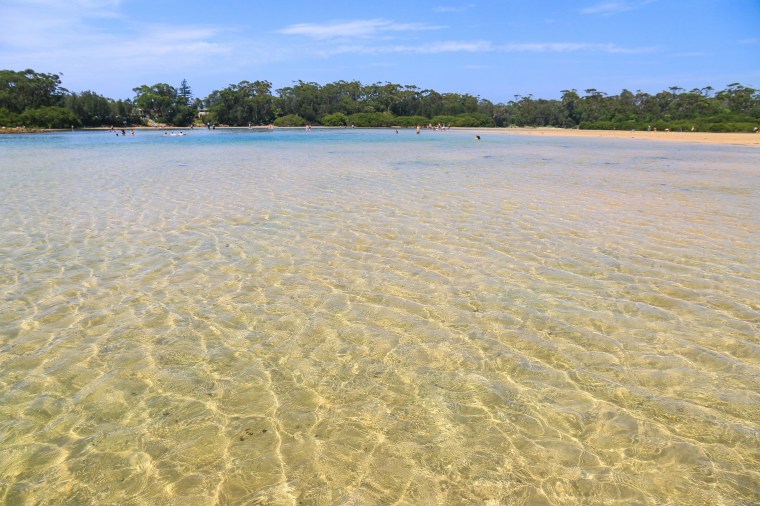


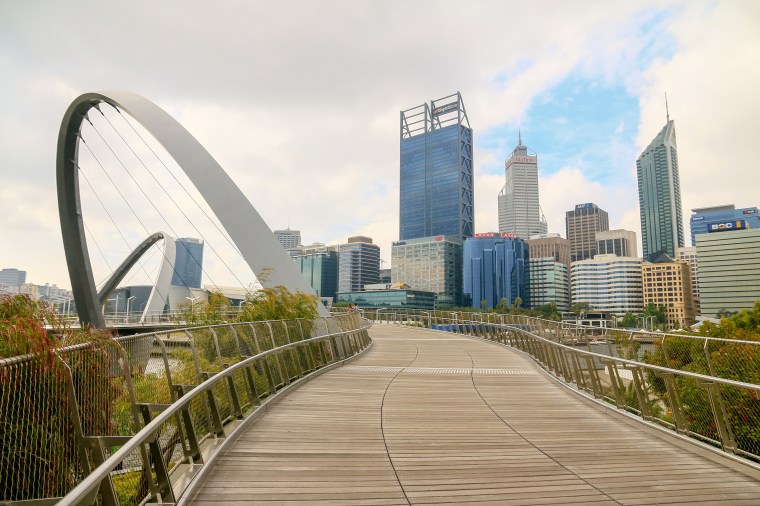

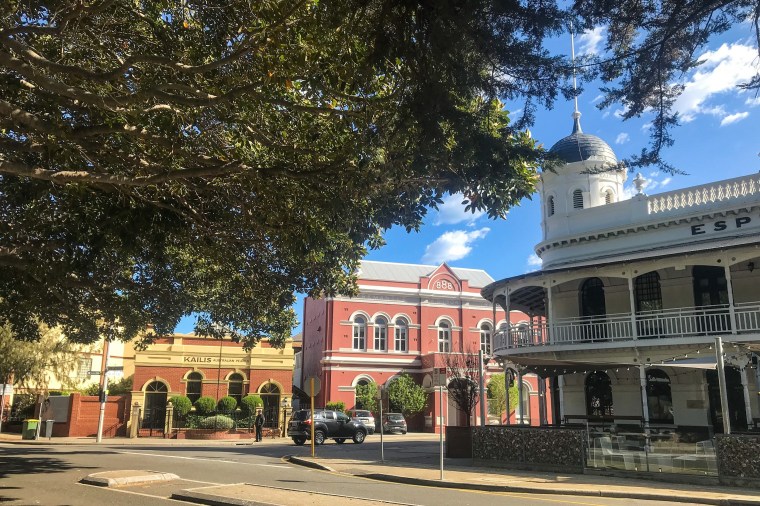
 Freo was my base for the week and part of its appeal was accessibility to water. Being a busy and somewhat historic port, it’s not without its charm and boasts a high concentration of elegant turn-of-the-century colonial buildings. It seems to attract hipsters which equals good coffee, has not one but two breweries, puts on some fine markets, and has developed into a mecca for fish and chip consumption. There is a lot to like about Freo.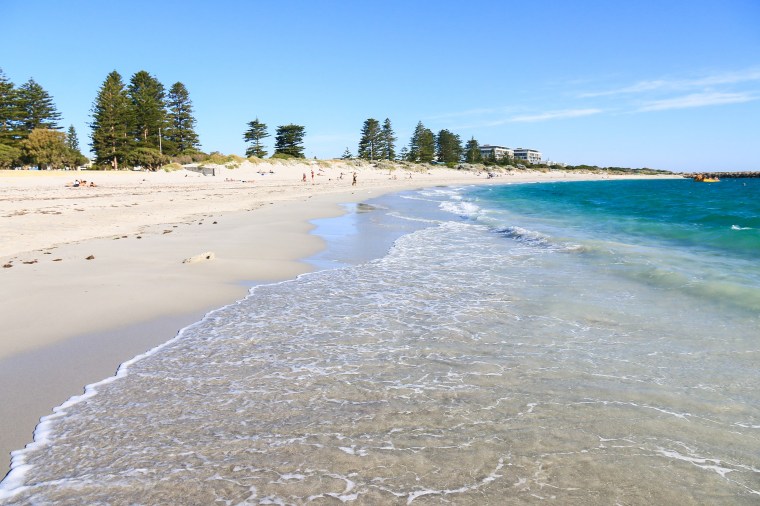
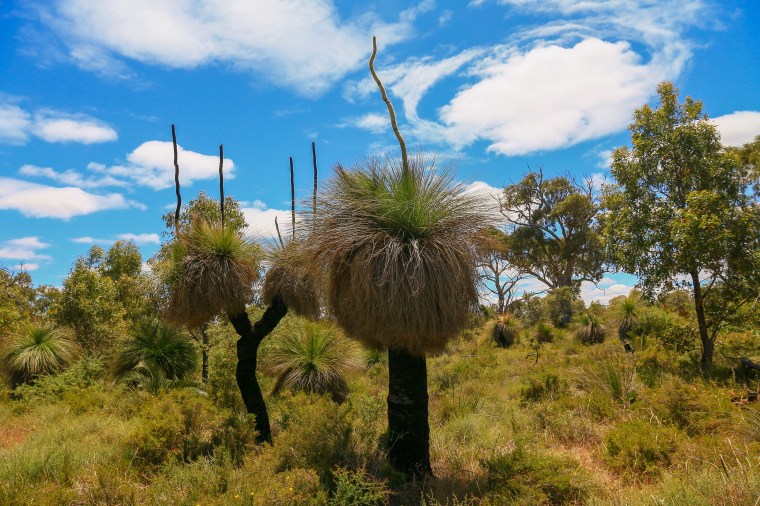
 Given the proximity of this park to Perth, there is also a more manicured and deliberately designed aspect to certain areas, with tightly mown grass, a cosy café, campgrounds, waterside boardwalks and electric barbecues. A perfect family spot for a Sunday lunch, kickabout and encounter with koalas and kangaroos, creatures which seem strategically placed for the many visitors on minibus tours heading for the Pinnacles.




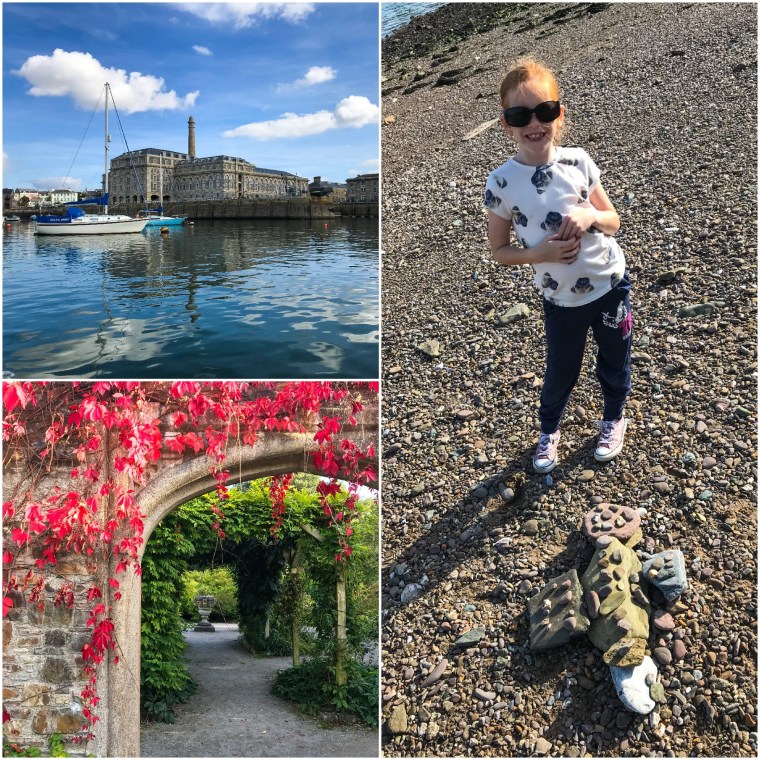


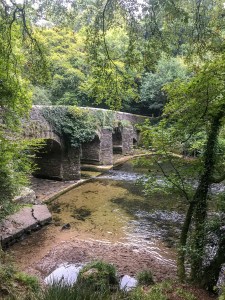 It is from these hills, from this sponge in the middle of Devon, that the waters which give Plymouth its name first spring. The River Plym here is a far cry from the sludgy and stinky tidal estuary meeting Plymouth Sound. Clear and rapid, tumbling over boulders and pooling on bends, the river descends into dense valleys packed green with mosses, ferns and leafy trees. Plymbridge Woods is but a short descent through a dark, narrow lane from industrial estates and Asda superstores, yet it is another world away.
 So, to the north, to the east, to the west there are pleasures easy to reach. Should you have a boat or a longing for Brittany, the south also offers much. And slap bang in the middle, Plymouth. My home that still feels mostly like home while existing slightly distant. It’s funny how things you took for granted, things that you didn’t notice when you were younger now trigger a fond, sometimes joyous sensation. And that extends from leafy green woods and cobbled quays to the family comforts of laundry fairies and roast dinners. Home, still.
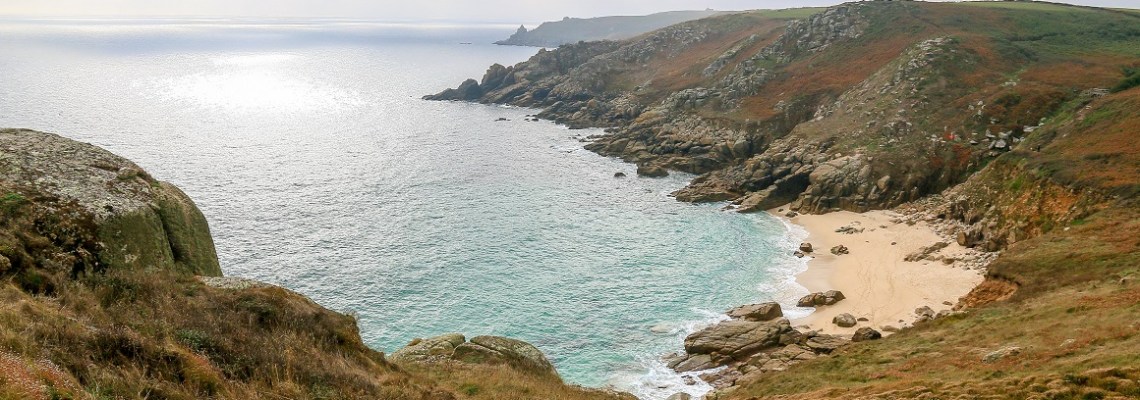

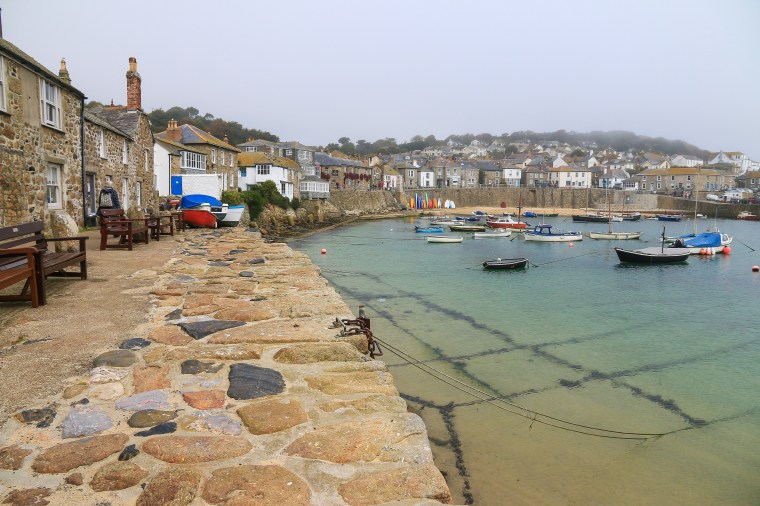

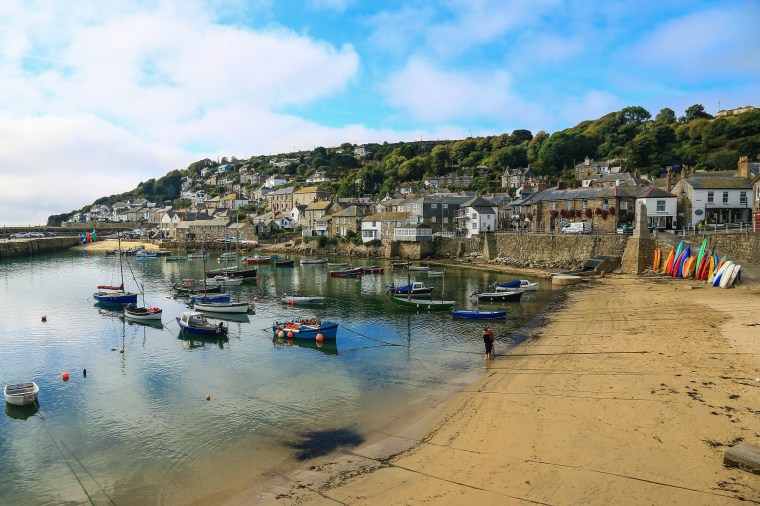

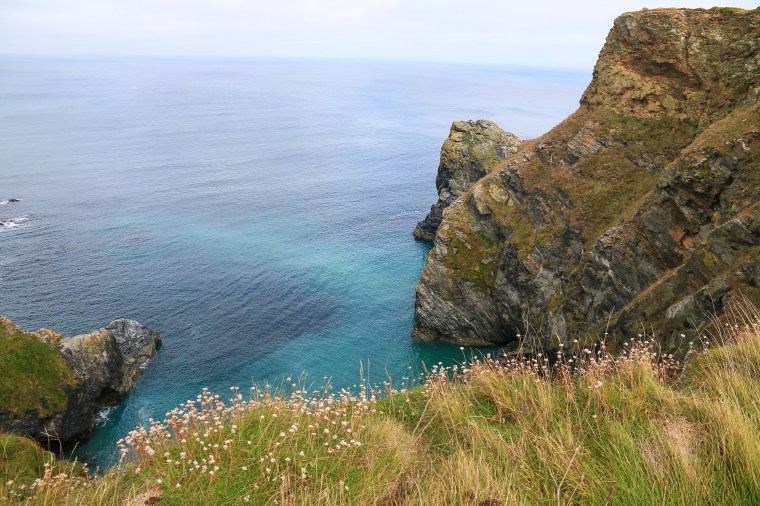
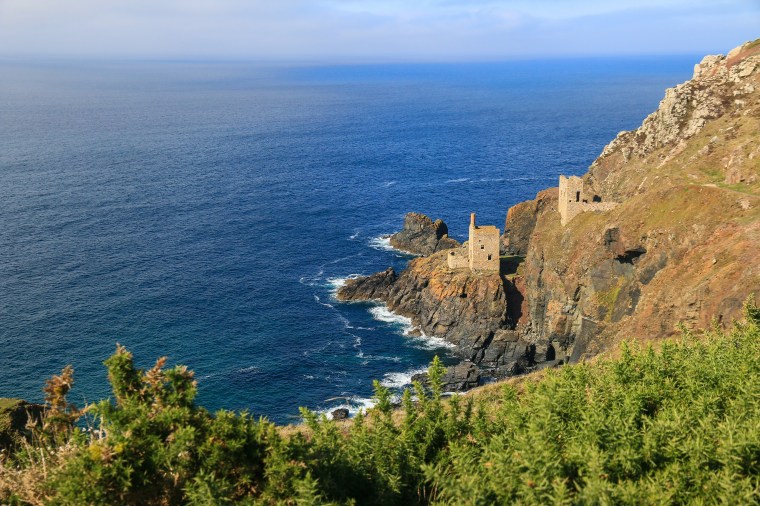

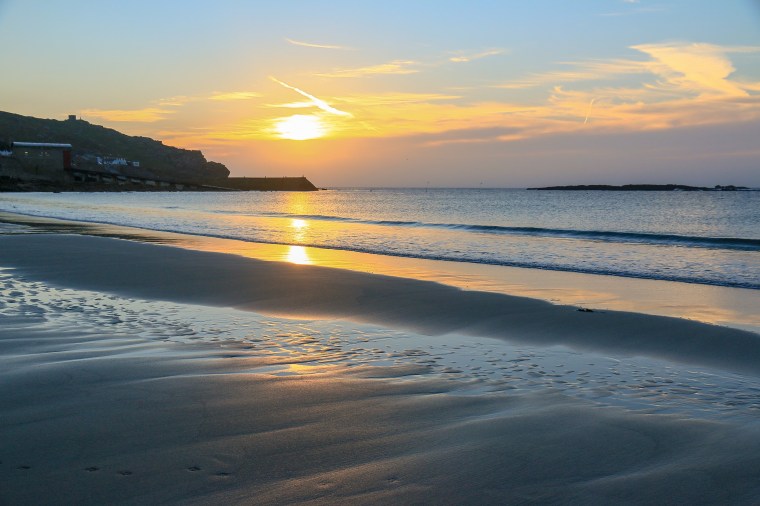

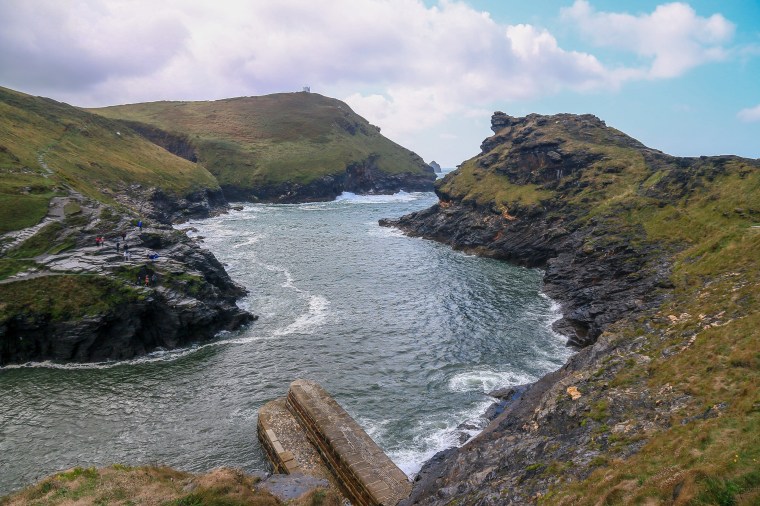
 With its prominent headlands, Boscastle offers a sense of protection from the great expanse beyond. There’s a cosiness to the village, which is a formidable asset in attracting people down its B roads. Nearby Tintagel doesn’t possess as much cosiness but instead relies on tenuous associations with King Arthur, Pengenna Pasties and – until recently – Granny Wobblys Fudge Pantry. Sadly, this year it seems Granny Wobbly has retired, along with her legendary fudge making abilities and fudge crumble ice cream (ice cream + clotted cream + fudge). Suddenly Tintagel seems devoid of purpose and Boscastle wins.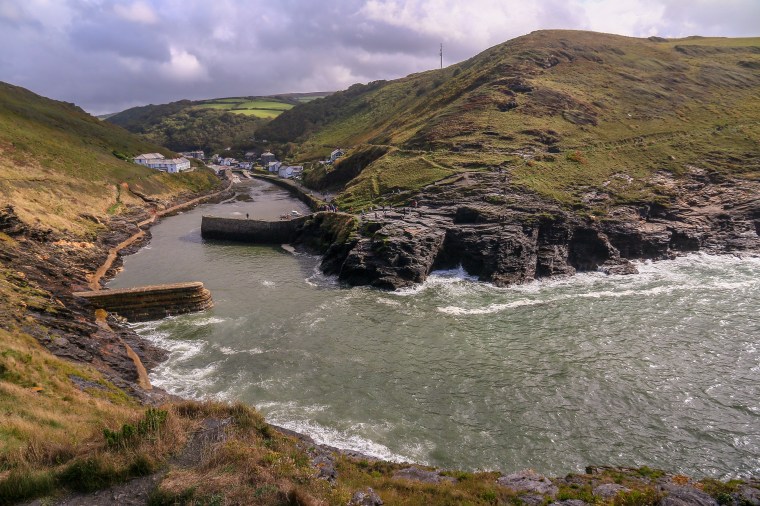

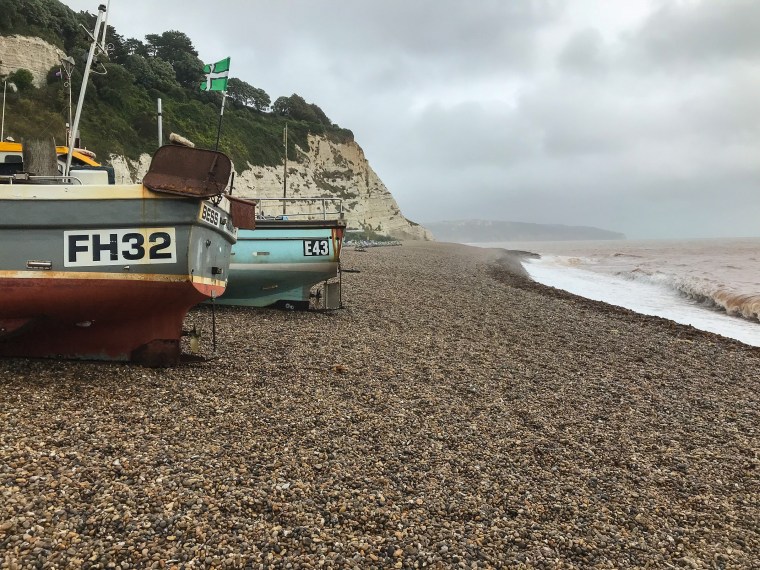



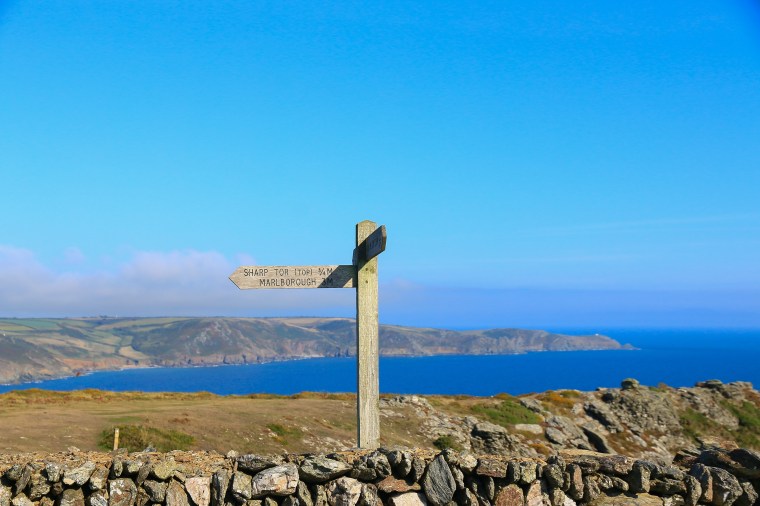

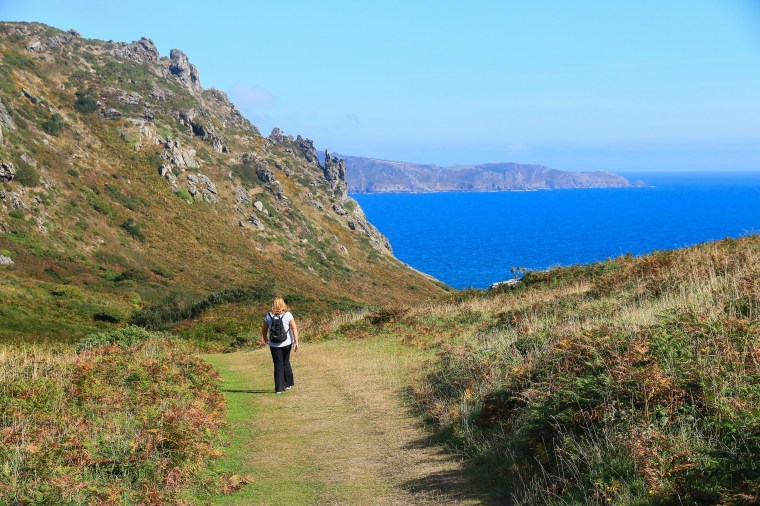

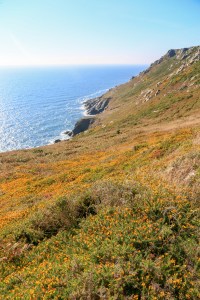 The scenery and amazement at such scenery being so visible, being so wondrous, continues around the corner as we slowly head back in a loop towards the car park. The last vestiges of heather and sweeping gold of flowering gorse add an extra splash of colour on this most brilliantly saturated afternoon. Leaving the clifftops high above the sea, only bovine-induced pungency can prove more overwhelming.
 Could I end this day, this once dreary day, any better? This morning – actually even at two o’clock this afternoon – I would have had myself committed if I said I would be bathing in the sun, drinking a cold shandy, lounging in shorts. But with the regular dreariness of Great Britain you need to retain that hope. And in South Devon, we are of course blessed with hope. Hope indeed.

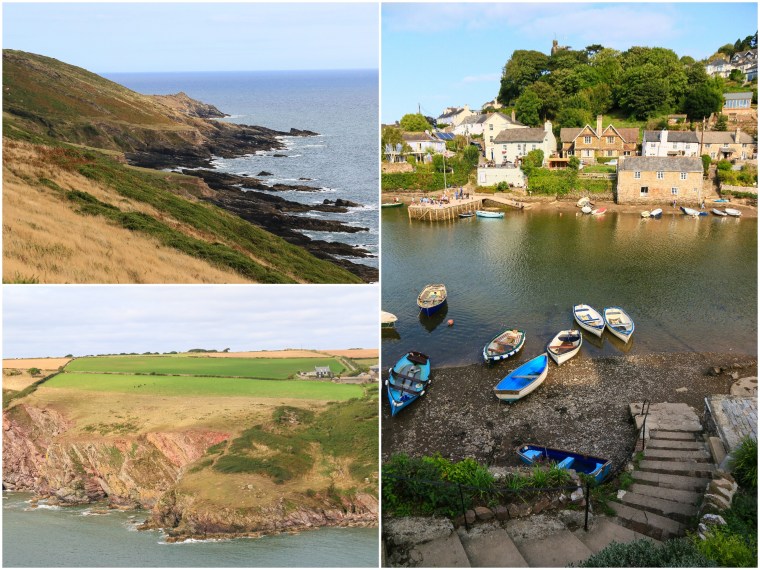
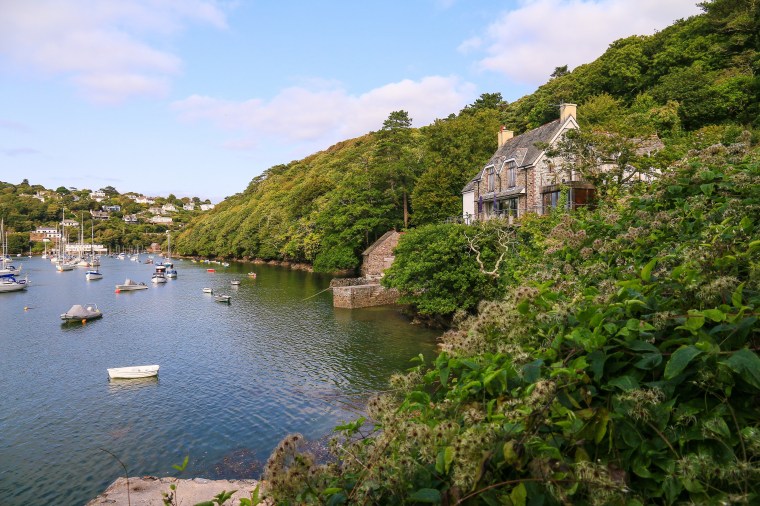
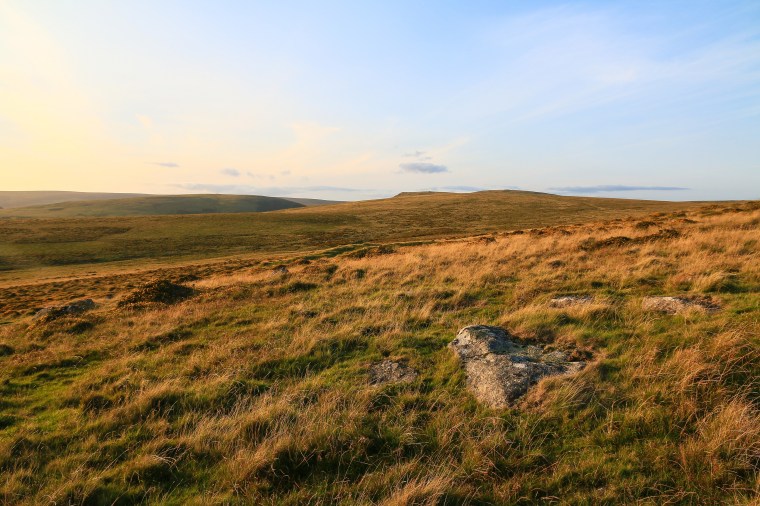

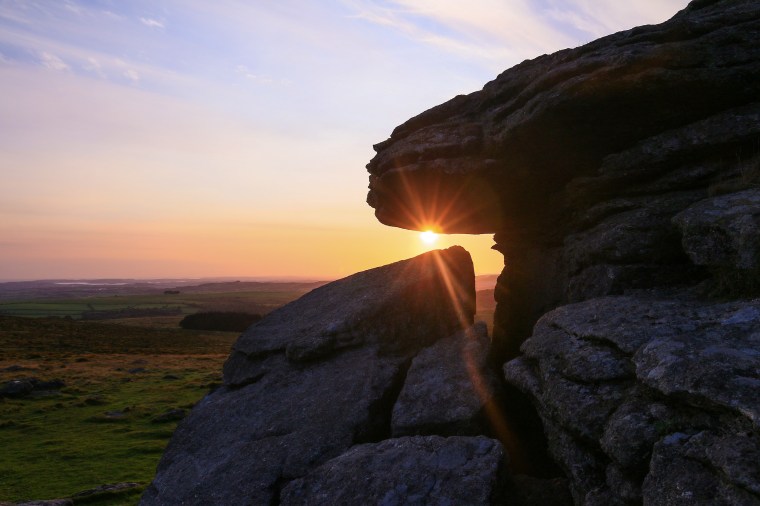


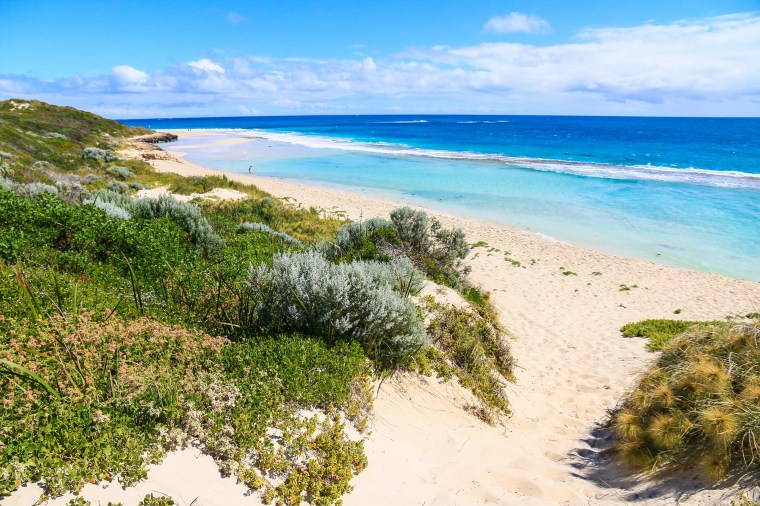
 Still, sheltered by untainted forest and rolling coastal hills, kissed by the radiance of the crystal ocean under clear skies, there is certain comfort to winter here. It is at one tranquil and vivacious, glowing in a freshness swept in by cold fronts and a seasonal lull in nature’s freneticism. The tried and trusted walk between Depot and Pebbly Beach proves to be at its very best.
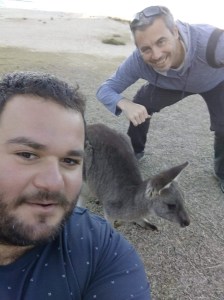 The kangaroos and wallabies appear to be fans of this weather, out in force grazing on the luscious fringe of grassy dune and really, really hoping for a stray sandwich. While far from the explosion in #quokkaselfies on Rottnest Island in Western Australia, the placidity of these animals – along with the idyllic Australian coastal setting – have made #rooselfies a thing, sort of. Especially when there are tourists about.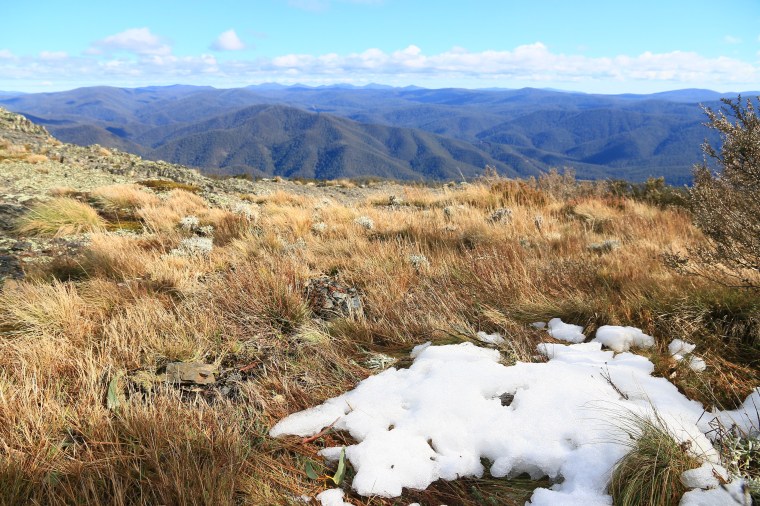


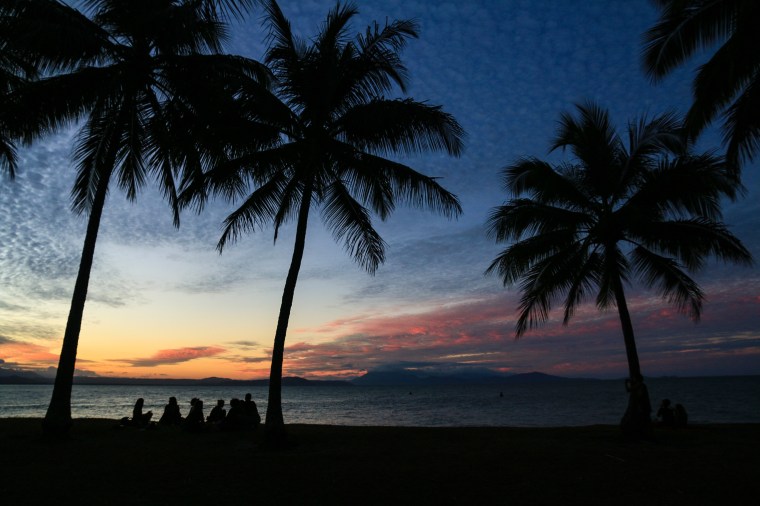

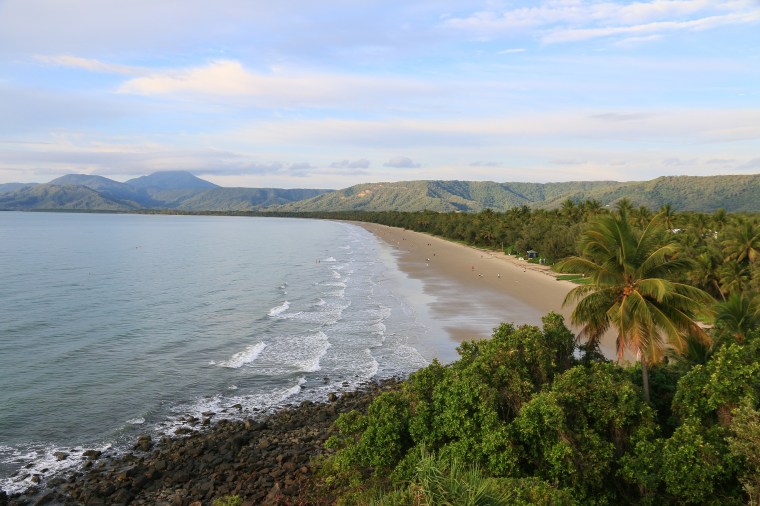


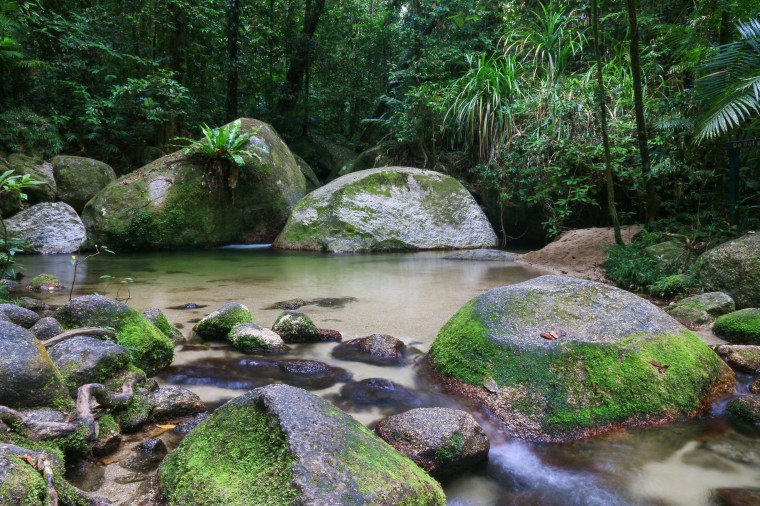

 I took one final coffee and stroll on the beach before embarking on the drive back south, which had a fair share of roadworks interspersed with spectacular scenery. Pausing around Ellis Beach, in this snatch of tropical palm-fringed cliché, it was again hard to fathom that I would be in a different world, in the same country, in a few hours. My poor shorts would be tucked away out of sight again.


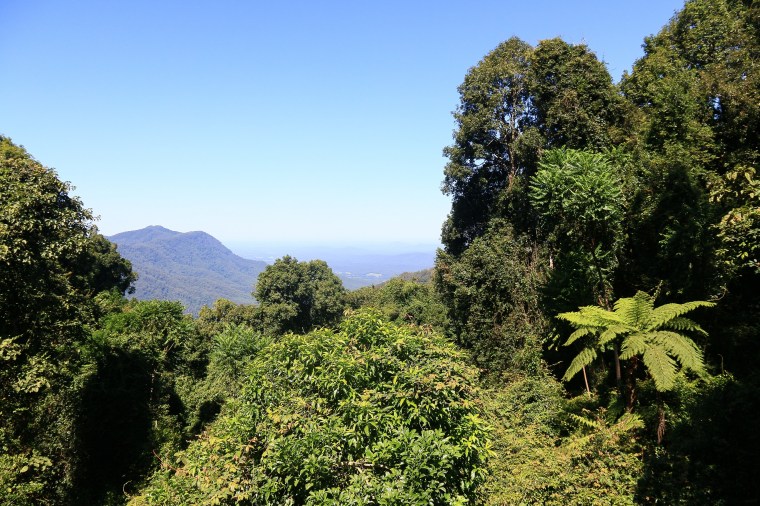
 Up the road at Ebor Falls, situated within Guy Fawkes River National Park, we have reached a land of rugged gorges and wild rivers, decorated with millions of eucalypts and a million more golden everlasting daisies. Indeed, green becomes more golden with the drop in rainfall. The smells and sounds are more familiar: that earthy aridity mixed with the fresh minty essence of the gums; the friendly chirp of a pair of rosellas; the chatter of an old guy named Bert to his wife Sandra. “Well, isn’t that grand.” And indeed, it sure is. It sure is.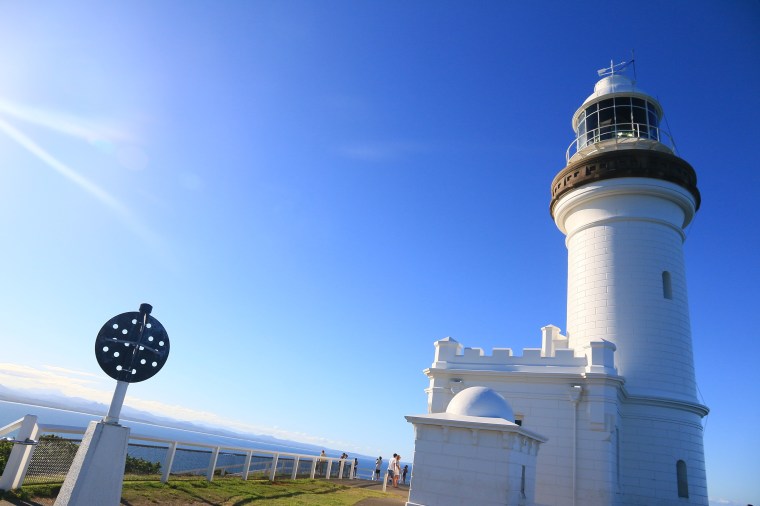


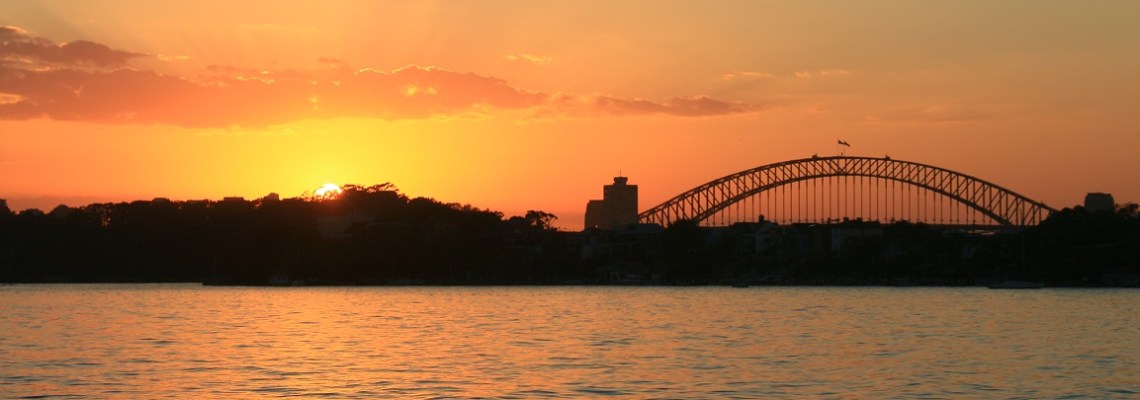


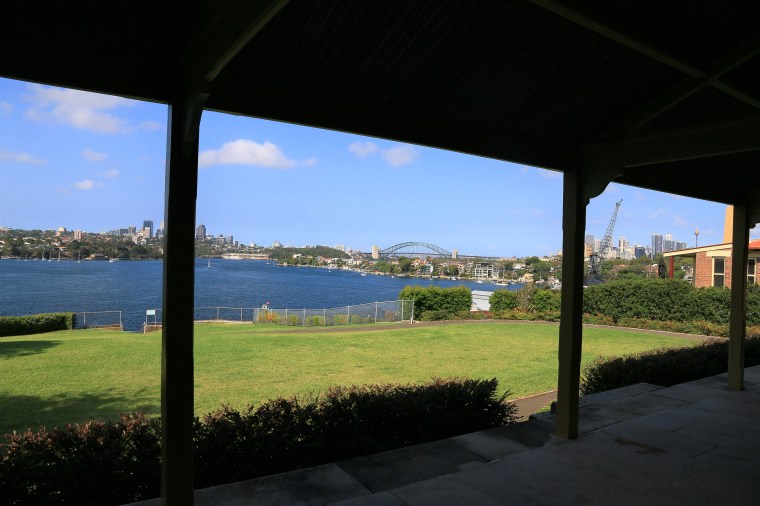
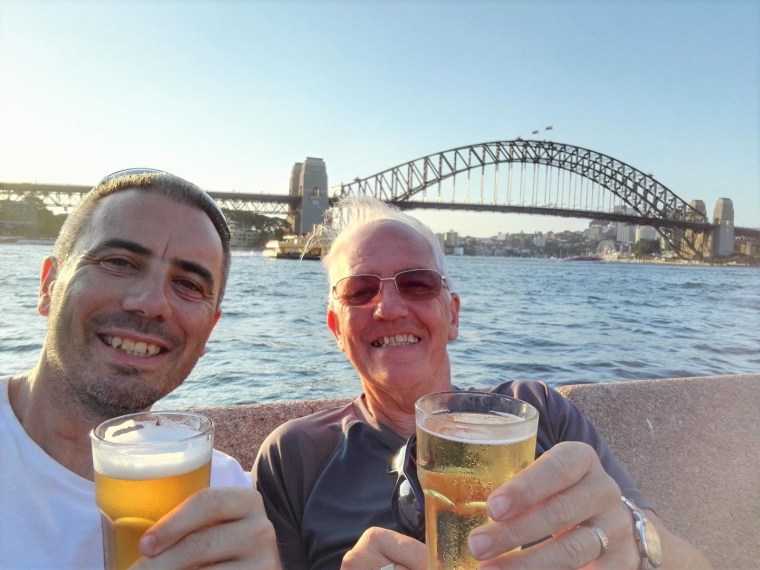
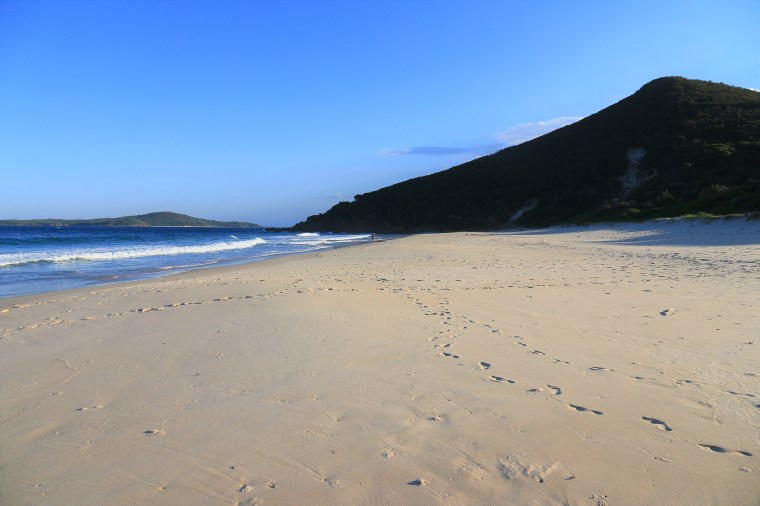


 While memories can be magnified or maligned by multiple visits, there is something special about breaking new ground. A stop around South West Rocks and Hat Head National Park provided many highlights, one of them being that this was new territory for me, Dad and the car. We all quite liked the drive alongside the Macleay River, with its green watery pastures, tiny weatherboard towns and cowbirds. We all liked a lot less the potholes around the national park campground by the beach. We were fond of the lighthouse and its views, but not so keen to traverse a rough track to some mythical walking trail. Still, if we hadn’t switched to a different walk we might have missed the sun going down. Everything works out for the best in the end.
 The beach is pitch black barring the beam of light circling upon the lighthouse. The sound of waves suggest ocean somewhere vaguely nearby, a roar magnified without any other disturbance at night. The sea breeze is cooling and evaporative, seemingly keeping the blood-sucking bugs at bay. The fine sand sustains a tripod and the sky offers an infinite, ever-expanding canvas. The photos may not have turned out brilliant, but the shared experience, the learning, the new adventure was. I daresay it was even better than Eastenders. And on that bombshell, bom, bom, bom, bom-bu-bu-bu-bum.
