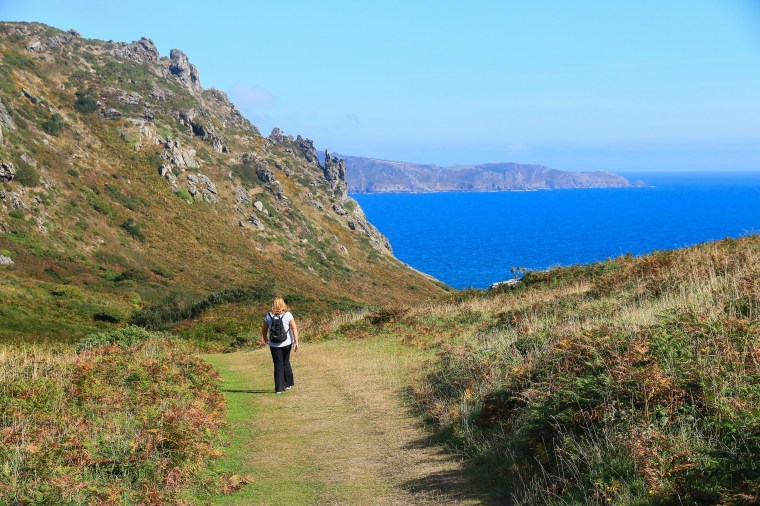
Forty degree challenge

I really don’t get this whole Ten Year Challenge malarkey. Not because it’s like some glorified chain letter vanity project or anything. No, my only bewilderment with it is what the actual heck is the actual challenge?

Surely a real challenge would be something like – oh I dunno – unpacking forty years of legislation and agreements and treaties that you have actively shaped and adopted in order to enable the cohesive and productive functioning of society without it resulting in the only certainty being the uncertainty of what exactly can fill the void which will not simultaneously provoke pandemonium and lead to a bitter aftertaste in the plummy throats of anti-elitist elites who really deep down can’t warm to little Abdullah no matter what they might say about saving their NHS which they don’t even have to use because of their private health provider in whom they have offshore investments.

Another more challenging challenge would be coming up with a sentence longer than that. Or how about getting through a particularly hot spell in a hot Australian summer?

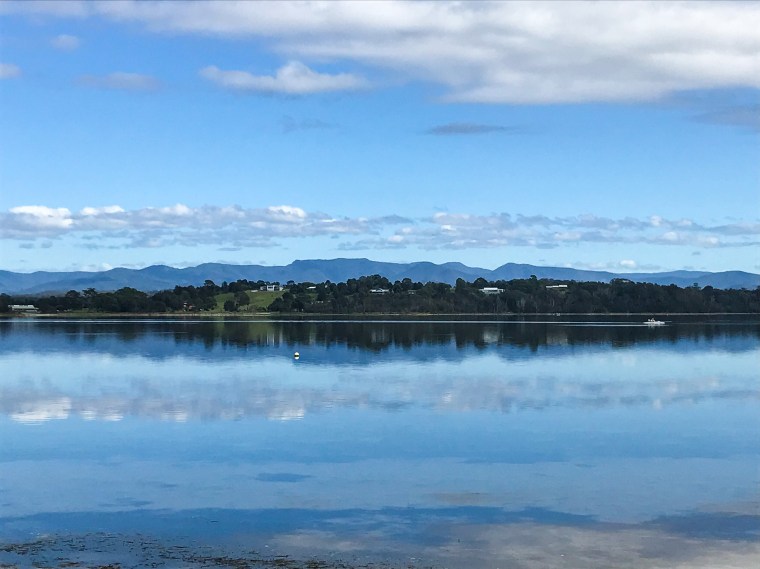
ull01It’s a tough gig, and the reality of four straight days in a row above 40 degrees was enough to force me fleeing to the coast, at least for a couple of those days. Thankfully when I got back there came a reprieve with temperatures dropping back down to 37 with a cool change as ineffectual as any number of Secretaries of State for Exiting the European Union. Yes, the hot air persists.

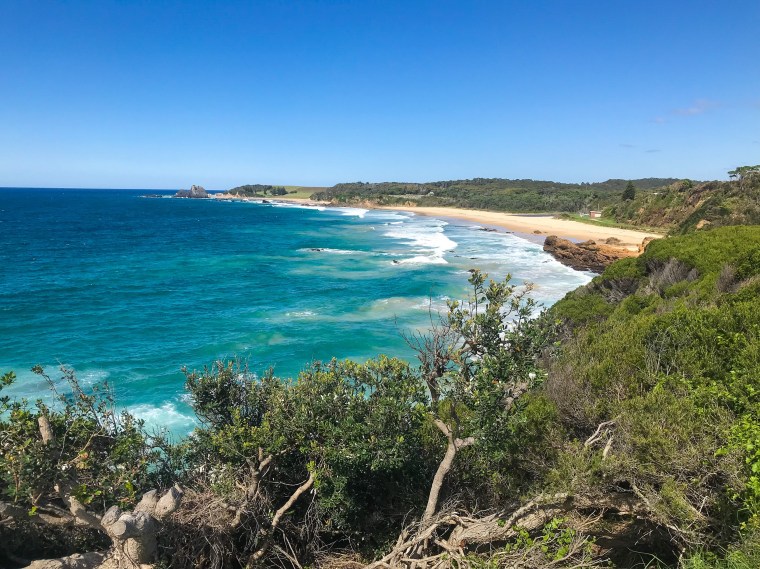
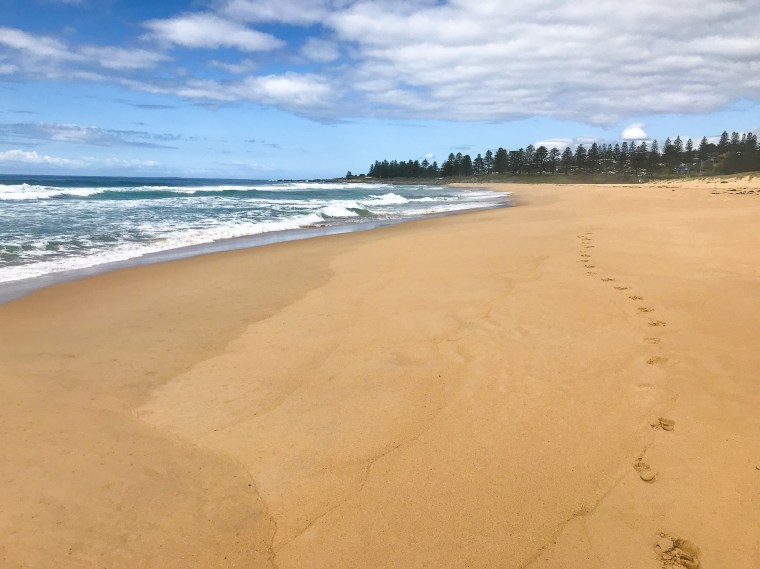
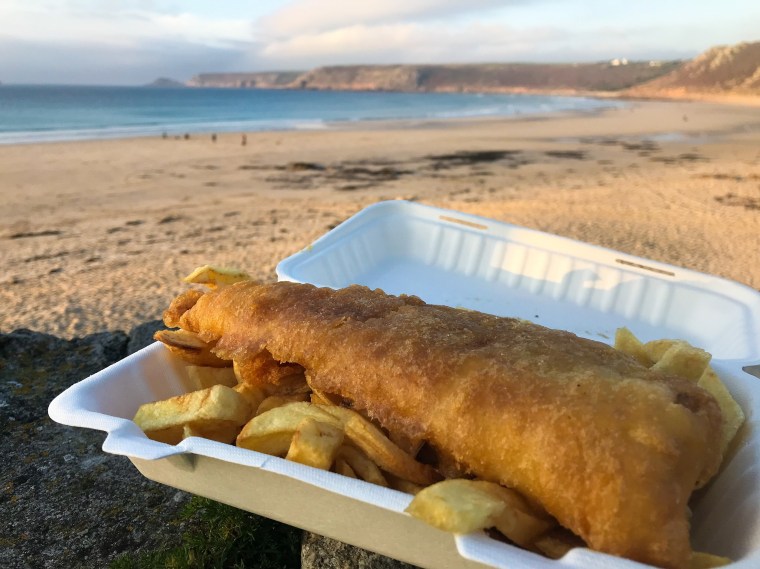
ull02At least on the coast the temperatures dropped a good eight to ten degrees, pampered with pleasant sea breezes and clear cool waters. There was fish and chips and ice cream, paddles upon shores and across inlets, and a decent amount of lounging with a book in the sand. Yet the highlight of this escape was away from the edge of the water. Instead, upon the edge of wilderness.

Morton National Park is a gargantuan expanse of vast sandstone plateaus and dense valleys separating the coastal strip of southern NSW with the golden tablelands inland. With alluring names such as Monolith Valley and The Castle, and pockets that have probably never even seen a human face, there is a timeless, spiritual brooding conjured by its landscape.

It’s certainly tough to penetrate, with a few access points denting its edges. One of these comes around half an hour’s drive from UIlladulla, up through pockets of verdant rainforest and along a bumbling dirt road. A small car park welcomes you to the start of the Mount Bushwalker trail which is – pleasingly – all bushwalk and very little mounting.

ull03a

Setting off nice and early before heat rises, the trail actually proves somewhat dull – a fire trail becoming a narrow tunnel cutting through low shrubs and over boggy watercourses. A family of black cockatoos enliven proceedings, startled by a lone bushwalker and fleeing somewhere vaguely over the horizon. There is the feeling of grandeur metres away, just around the next corner, through the bushes, palpable but never really visible. Until, that is, the very end.

ull04

The trail truly proves a means to an end. And if all endings end up ending like this then sign me up to end the end music in Eastenders. An end coming at only around half eight in the morning, just me, a vegemite sandwich (yes, truly), and millions of eucalypts spilling across to the vertiginous walls of The Castle. Australian through and through.

ull05

ull06It was borderline whether I had really earned what was to follow, such was the relative ease of this walk. Out of the wilds, the cutesy hilltop town of Milton inevitably has a bakery, which I inevitably visited, inevitably not for the first time. There is a pleasing inevitability in the inevitability of cake and coffee.

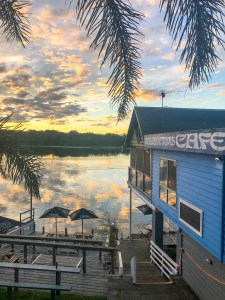
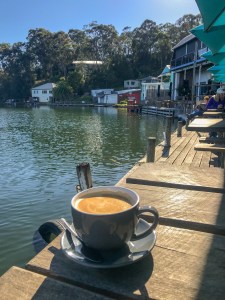
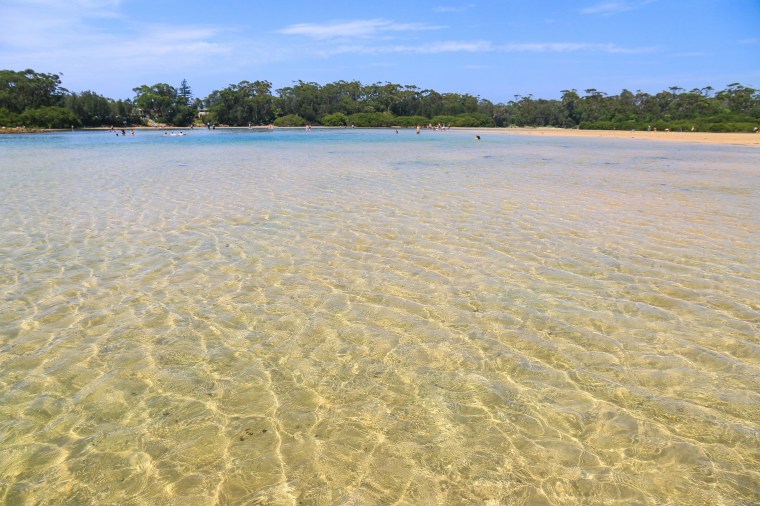
Down the road from Milton, through the fringes of Rick Stein’s Mollymook, is the small coastal village of Narrawallee. Not only does this have a genuinely great sounding name, relaxed holiday vibes, and a good-looking coffee shop by the water, but it also hosts a delightful meandering inlet, protected from the ocean and perfect for all sorts of wading, dipping, paddle-boarding and family gatherings for cricket on a sandy tidal flat. Having passed on a shower – what with my early start and anticipation of a sweaty hike – this was refreshment at its finest.

ull07

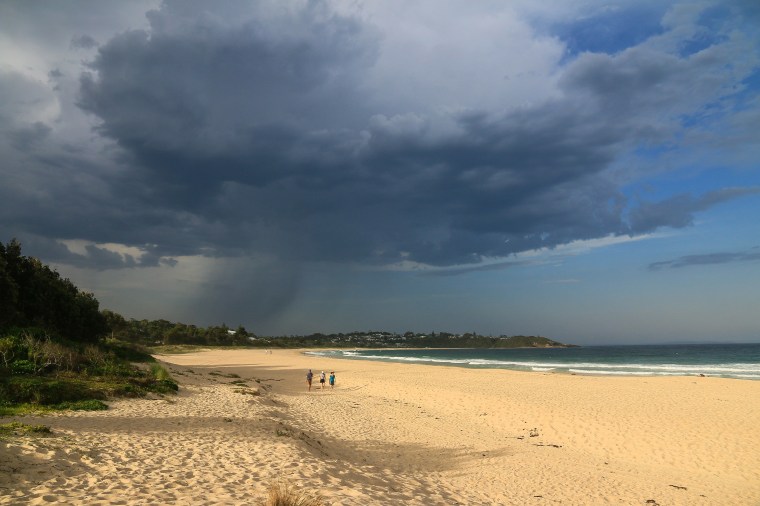
Nearby Mollymook Beach is equally as idyllic, a fine sweep of sand reminiscent of but far superior to Bondi. It seemed to me a suitable location for an early evening read on a blanket followed by an amble along that stretch contested between land and sea. However, gathering thunderstorms also took a liking to the beach and closed in for what proved an entire night of tumultuous electrical drama.

ull08

You might hope the stormy melee would clear the air and cool things down to proffer something more reasonable. But, no, we are in an age of extremes after all. Following a sweaty goodbye ocean coffee and a cheap petrol fill up at Batemans Bay, the car had to work overtime to keep cool on the climb up Clyde Mountain. And then, returning to Canberra, the sight of Black Mountain Tower on the horizon, shimmering in a dusty haze of 38 degrees. And still rising.

A challenge means a challenge after all.


* with due deference to Adelaide.


Australia Green Bogey Photography Walking

Crisscross

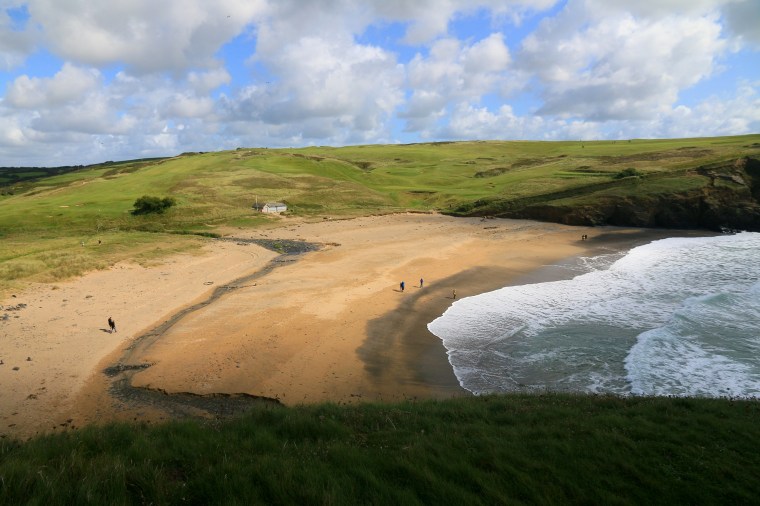
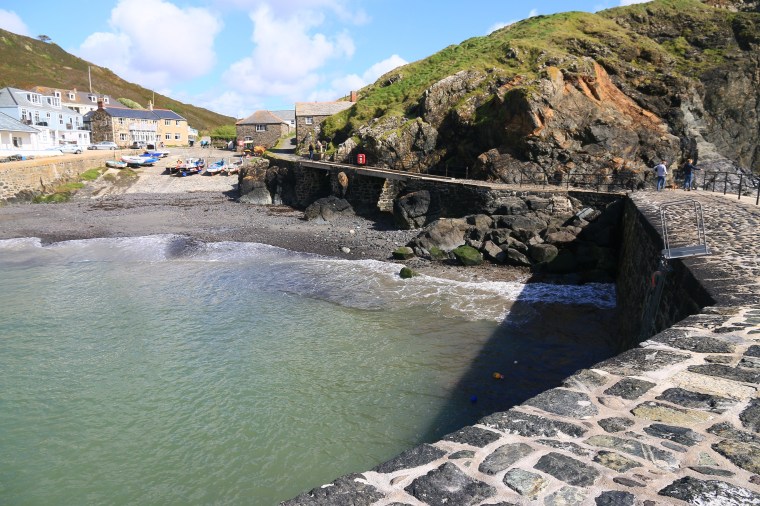
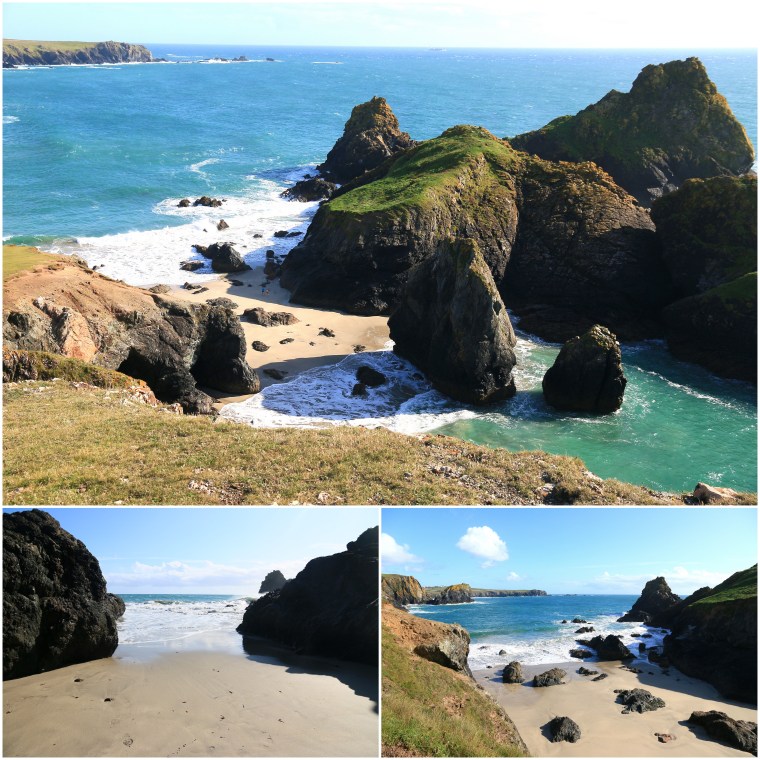
Lest I become too rose-tinted about Cornish beaches, life back in Australia conspired to take me once more across the continent to Perth. This is no major hardship, despite the length of the flight, for I cannot think of a city so amply adorned with lashings of fine white sand and turquoise seas. The Indian Ocean the very magnet pulling me west again. And some income.

pth05

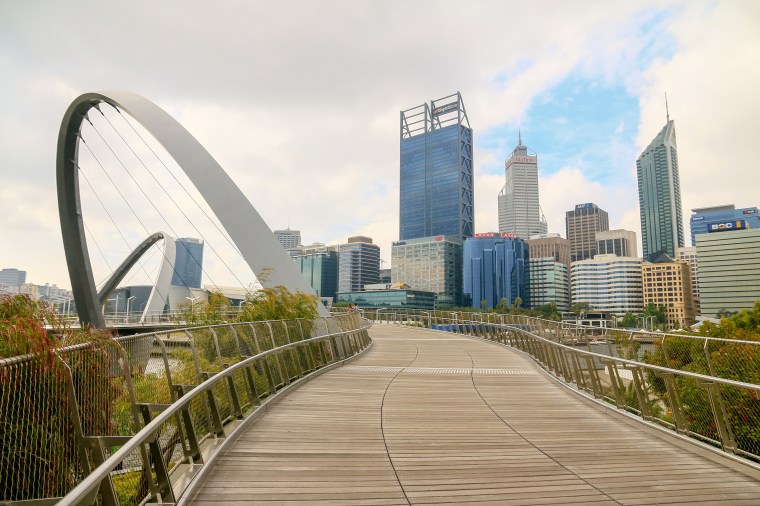
The city of Perth is barely discernible from those elsewhere in Australia. Shiny buildings ever-rising over suburban grids of trellis and jacaranda. Sweeping highways and glitzy stadia. Concrete enclaves of KMarts and Coles. A river, snaking its course towards a modest escarpment of fire-prone bush. And a thriving hubbub built on endeavour and good fortune.

pth06

Flying here, from the east, it is almost a surprise to find yourself in somewhere so familiar after such a long haul. Familiar but with a twist, exemplified in the changing flora and fauna that has evolved the other side of the big red desert. Much of the same genus but variations in the species. Kind of like Australian Prime Ministers. Nowhere is better to appreciate this than in the eternally charming Kings Park.

pth07

The other disorientating feature of arriving in Perth – particularly in summertime – is the time difference. In what might not prove to be the most self-destructive public vote in recent years, the good people of Western Australia declined to embrace daylight savings. This means three hours behind Canberra is enough to throw your body clock out of whack, with the 4am sunrises doing little to foster adjustment. I never recovered. Waxit means Waxit.

There were, though, some upsides to this plebiscite. By 6am I was so bored out of my brain lying in bed trying to get some more sleep that I popped out for coffee and waterside amblings in Fremantle. Other than people ridiculously exercising, barely a soul crossed my path on recurrent trips to Bathers Beach with a flat white in hand.

pth01

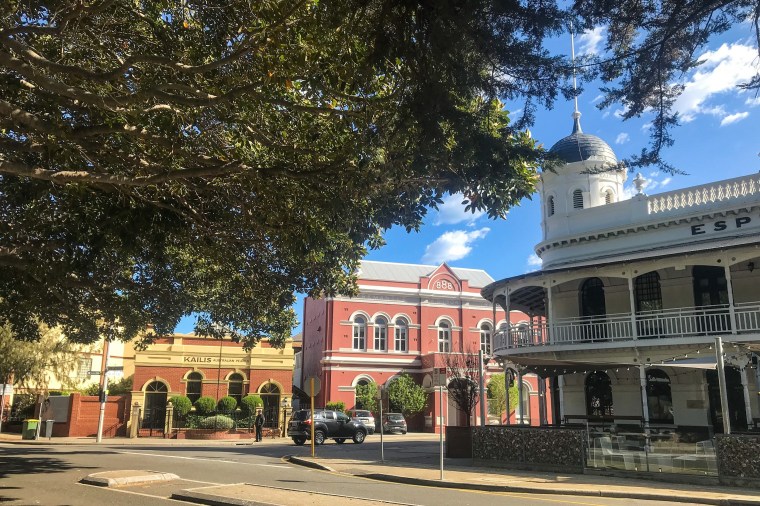
pth02Freo was my base for the week and part of its appeal was accessibility to water. Being a busy and somewhat historic port, it’s not without its charm and boasts a high concentration of elegant turn-of-the-century colonial buildings. It seems to attract hipsters which equals good coffee, has not one but two breweries, puts on some fine markets, and has developed into a mecca for fish and chip consumption.  There is a lot to like about Freo.

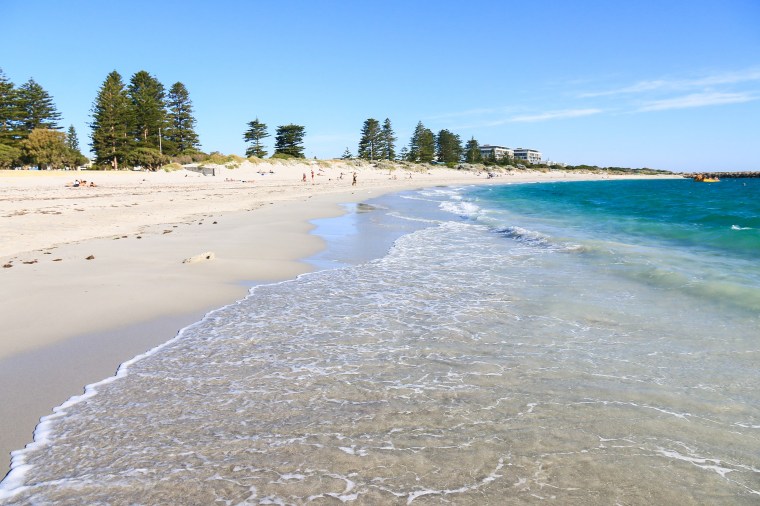
The centre of Fremantle itself is based around the port, meaning there are no amazing beaches right on the doorstep. However, this is Perth we are talking about, so you only have to head a little north or south to hit the white stuff. Indeed, South Fremantle is perfectly sufficient.

pth03

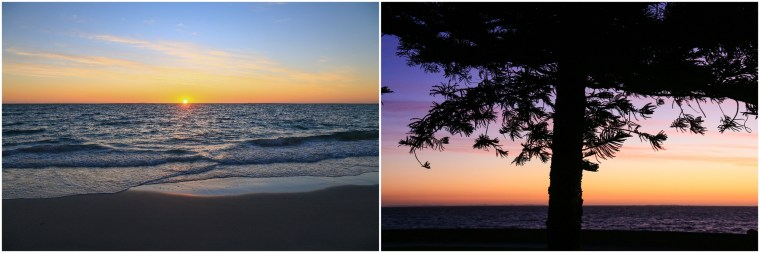
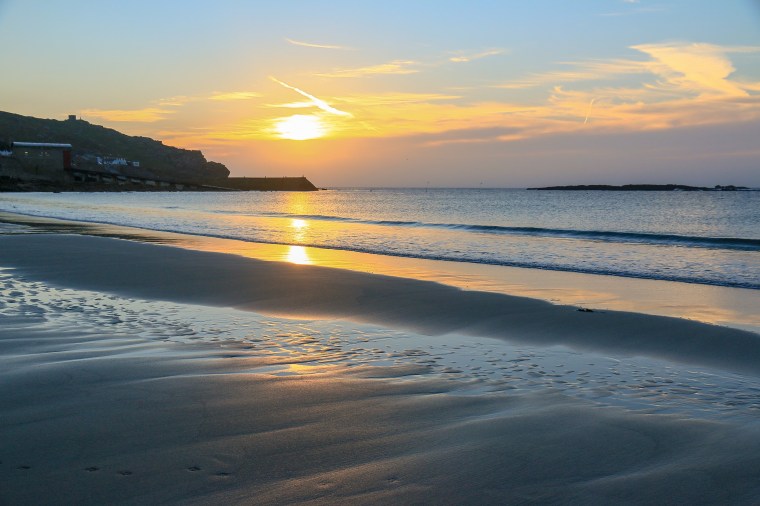
The ritualistic process of having an early evening stroll on sand followed by lingering patience to watch the sun disappear (usually behind that invisible band of cloud on the horizon), became as common a part of my routine as 6am strolls in Fremantle. Tonight I made fish and chips part of the cliché, because you’ve got to do that at least once. They were a tad disappointing, but the sunset did the business.

pth04

—————————————

While you can revel in the beaches until your heart is content, and then some more, there is perhaps a lack of significant diversity in the environment around Perth. Go north and there are fine beaches, dunes and a sand belt melange of exquisite eucalypts, banksia and xanthorrhoea. Go south, the same. Beyond the coastal plain, the escarpment is minor, a small rise of bush before it quickly transforms into a massive expanse of wheat and then desert.

In possession of a car on a Sunday I contemplated driving up to the Pinnacles Desert, which would offer a stark change of scenery. But it would be a big day requiring around six hours in a car there and back, and I had to do some work tomorrow. Instead, I made it only a little out of Perth to Yanchep and settled – quite contentedly – there.

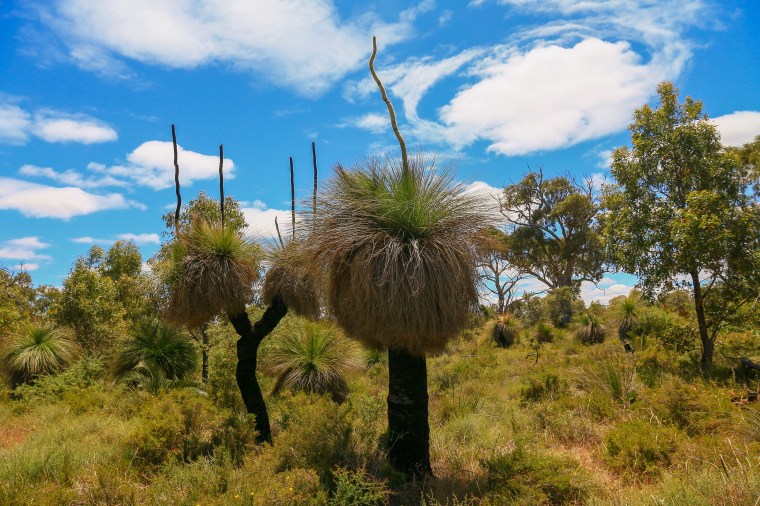
While this didn’t deliver a dramatic contrast, it offered an encapsulation of this particular corner of the world, on steroids. For a start, Yanchep National Park provided all the sandy, semi-arid foliage you could shake a weird shaped stick at, in between swampy lagoons and bulbous gum trees. I was particularly fond of the many xanthorrhoea here, which lend an exotic, almost desert-like vibe to the surrounds.

pth10

pth09Given the proximity of this park to Perth, there is also a more manicured and deliberately designed aspect to certain areas, with tightly mown grass, a cosy café, campgrounds, waterside boardwalks and electric barbecues. A perfect family spot for a Sunday lunch, kickabout and encounter with koalas and kangaroos, creatures which seem strategically placed for the many visitors on minibus tours heading for the Pinnacles.

pth08

The nearby town of Yanchep is practically a northern suburb of Perth, though being one of the earlier developments it is not all ugly McMansions designed with the intention to use every single bit of land to provide an essential guest suite, rumpus room, three car garage and indoor cinema. There are certainly McMansions around, but also more established blocks made up of modest concrete bungalows and fibro shacks, befitting of a seaside hideaway.

Never mind, I’m sure I could live here – in one form or another – if only for the beach. Protected by a bar, crystal clear waters are pacified over that ubiquitous fine white sand. A beach among beaches in the city of beaches. Life’s a beach and then you eat fish and chips. Again.

pth11

Australia Food & Drink Green Bogey Photography Walking

It’s the final Cornwall

We’re still in November so technically it was only last month that I was finishing up on my latest quest to figure out what the heck is going on in supposedly Great Britain and – as usual – deciding the only way to deal with such complex cognitive conundrums was with a walk in the country and a nice bit of tea and cake. In fact, I’m sure a wedge of Victoria Sponge could prove wonders in finding a way through the impasse of flipstops and backjocks and frictionless pants or whatever else passes for titillating games within the Eton Old Boys Society these days. Just don’t mention ze Pumpernickel.

There’s a kind of car-crash fascination watching from afar as developments in Britain either a) lead to an apocalyptic meltdown in which some Love Island loser eats the bones of leftover pigeons to provide entertainment on the Boris Broadcasting Copulation or b) unicorns glide over abundant fields of plenty showering golden poo onto the NHS. I’m an optimist though…at least in thinking that my occasionally hard-earned Aussie dollar should go a bit further when I next visit.

And when I return will I again find peak brilliance that was my final full day in the southwest of England? One can hope so, as this is a landscape hardy and resistant to change, holding steadfast for now against the Atlantic, even if there are cliff edges around every corner.

final_03

Will the coffee get better? I doubt it. Because, you know, Costa has apparently perfected the flat white so how can you improve upon perfection? Bahahahahahahaha. Seeing masses of everyone gathered within every single Costa (and similar popular coffee-related establishments) provides an indicator of how simple it is for millions of people to be duped. But then if you do not look outward, do not expose yourself to difference, how could you know any better?

Anyway, back to my last day in Cornwall. There was some looking outward wth coffee over Watergate Bay near Newquay. It was an acceptable enough brew, but the main purpose was to get inside the Watergate Bay Hotel and take advantage of the view from the deck. A panorama of sweeping golden sand and crystal blue surf under a wonderful cloudless sky. Why would I ever leave?

final_01

While life was rather fine here, a little up the coast road comes the view to win them all. You know, I was thinking that this spot has got to be up there with some of the world’s greatest reveals. Like that first glimpse of the Opera House or the initial peer down into the Grand Canyon. Okay, maybe one of Britain’s greatest reveals, but I definitely think it’s not out of place in some Lonely Planet list of things for people to put on Instagram that features a glamorous blonde chick who is supposedly a traveller and social media influencer dangling off a cliff in the foreground.

This place is Bedruthan Steps, best Instagrammed (and yes, I did), when the tide is out.

final_02

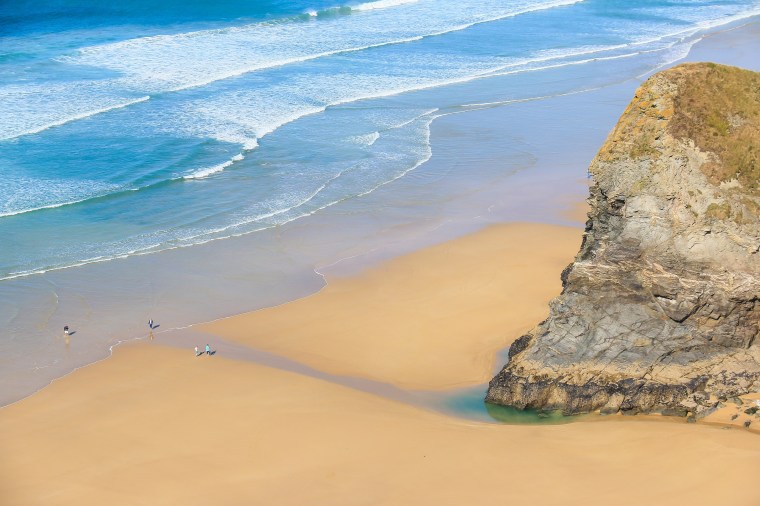
With waters receding the scale of this magnificent stretch of coast is more pronounced, as various rocky lumps and creviced cliffs tower over tiny human specks milling about in the acres of sand. And from upon high, an appreciation of the clarity of the sea and the lines formed from each set of waves rolling in. Here, the irresistible force of nature is immense.

final_04

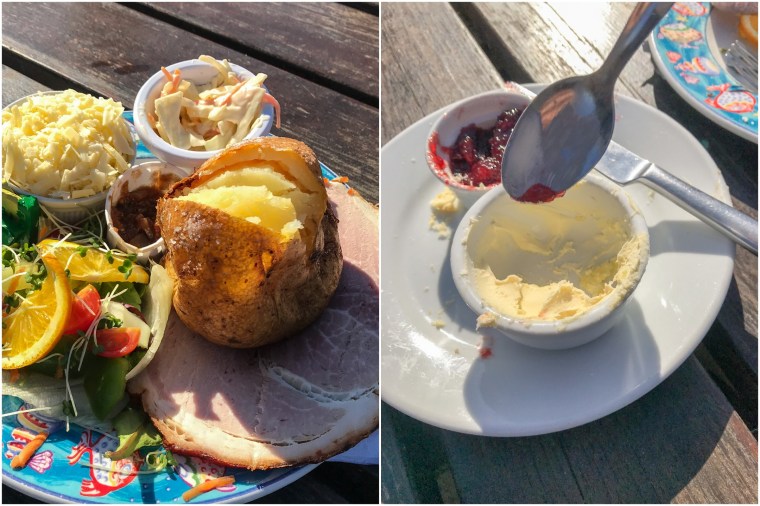
For those human specks there is an ankle-sapping plunge to the beach, should you be so inclined. On this occasion, my feet instead turned tail and ended up at the café, a consequence as inevitable as David Cameron hiding in a shed to eat pork scratchings. Famous baked potatoes in the National Trust cottage are worth the trip alone, vying for attention with the inevitable cream tea. I had been in the UK for around eight weeks now and – to be honest – I had probably had enough clotted cream to last a year. So baked potato it was. Followed by a few leftovers from a cream tea.

final_05

I don’t like food waste. Neither does Rick Stein, I imagine, because I’m sure the innards of a red mullet can prove a rather fine base for a Bouillabaisse. Travelling up the coast from Bedruthan there’s a point at which you enter the forcefield of greater Padstow and its outlying villages and bays. That point is literally Trevose Head. It’s a point I have never been to and today was, well, no exception.

It’s always good to have some untouched Cornwall in reserve for next time, but I did get a little closer to that point with a walk out from Harlyn Bay. This presented yet another expanse of sand laid out against a deep blue sea and rolling green fields, largely empty in the second week of October.

final_06

The coastline here is a little less gargantuan than down the road and the walking is pretty simple going, barring a strong headwind from the ocean. It doesn’t take too long to round a headland at the western end of the bay and sight Trevose Head and the Padstow lifeboat station nestled in one of its nooks. The lifeboat station is another common sight on social media, possibly with a blonde chick staring out into the distance as clear waters and golden sands glow in the background. Today it remained a sight from afar, but I was happy to gaze over the beautiful Mother Ivey’s Bay as a culmination for the day.

final_07

Indeed, a culmination for Cornwall and for the Southwest of England again. It took a while to get there but every step, every sight, every word, and every cream tea was worth it. Visions will linger from this last day and the many moments that led up to this point. Simple visions of sun and sand, sea and land, and undying fondness for a jutting out bit of a rocky island askance in a confused ocean.

Food & Drink Great Britain Green Bogey Photography Walking

Mother country

I am back in Australia, honest! Proof of this are the shorts adorning my waist, the flat white on my desk and the gorgeous melodies of magpies lurking outside ready to peck my eyes out. Yet still the European adventures linger on, and the feeling of being at home away from home away from home.

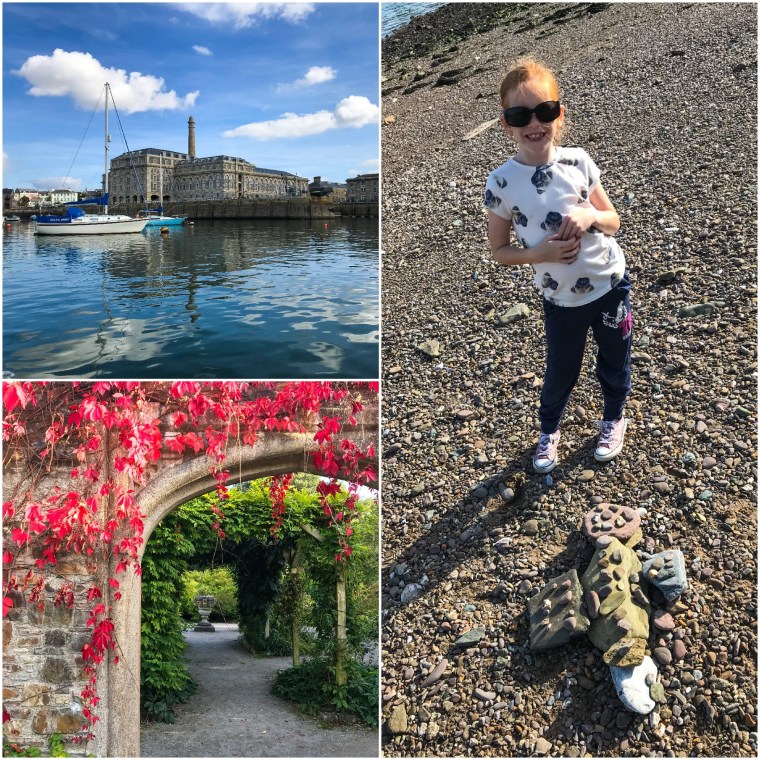
Plymouth won’t win any prizes for Britain’s most beautiful city, but it is my home town and I’m happy that way. Mostly thanks to its geography and history there is a lot to love about Plymouth, despite clusters of concrete dreariness and chavvy hang outs. Somehow I felt an air of greater positivity in Plymouth this year, which is perplexing given years of council cutbacks and the potential cliff edge that we all know weighs upon the near future. Perhaps this is what a good summer yields.

The Hoe, how I relish seeing Plymouth’s Hoe, especially on fine evenings as families gather for picnics, friends congregate for frisbee, and old fogies stare out to sea behind the protection of their car windscreens. I love the sense of community, the fraternity, this contented coming together in public spaces…from the ridiculous music coming out of the devices of yoof splayed out on the grass to the flasks of tea being enjoyed by elders within the comfort of a Nissan Micra.

ply02

Many people are out enjoying Plymouth’s classic circular amble, milling their way through the historic Barbican before rising up along the foreshore and taking in vistas of Plymouth Sound from The Promenade. The Barbican is a reliable go-to to wile away an hour, to seek out food and drink and to perhaps even discover a good coffee…eventually. A salty air of old sea-dogs and staggering drunks, intertwined with fancy foods and crumbly fudge.

And what of the sights and experiences within half an hour or so? Well, on three sides there is Cornwall, Dartmoor, and the South Hams respectively on your doorstep. All national park or areas of outstanding natural beauty, designated or otherwise.

Probably the most pleasing way to cross the frontier west into Cornwall is on the tiny passenger ferry from Cremyll to Mount Edgecumbe. Here, the rather expansive country park offers everything from rampant rhododendrons to tumbledown towers. A shoreline of seaweed and pebbles is fractured by swathes of woodland meandering down to the waterside, while formal lawns and regimented flower beds are dotted with Romanesque statues and Georgian hidey-holes. This is a place of childhood summers, an escape accessible to all Plymothians, as long as the ferry price doesn’t continue to escalate.

ply03

Trips to Cornwall require a river crossing of one way or another, producing a deliberate period of transition between the city and its exterior. Travelling to the South Hams provides no such moment; one minute you are navigating parked cars and speed cameras, the next, you are in the rolling green ambrosia characteristic of this part of the world. Longer drives lead to jewels such as Bantham, Hope and Salcombe and, of course, a little closer sits the timeless charm of Noss Mayo. Closer still – practically a Plymouth suburb – is Wembury, where many a local will pop out for a National Trust delicacy and stroll upon the beach. Better still – as I discovered – you can park up towards Wembury Point and head along the coast to Heybrook Bay for a pint.

ply04

It’s a blessing to have these places on your doorstep but if there is one clear antidote to the drab post-war concrete jungle, overloaded roads, and profusion of Janners grunting something like “Fook, I’m goowun down Demnport un gonna smassh iz fookin fayce in” it is the rugged expanse of Dartmoor National Park. The higher parts are open and barren, bruised by the weather, the shattered granite tors tumbling down amongst bracken towards fast-flowing streams. But there is also a tamer side to Dartmoor, replete with an abundance of countryside charm, cute villages and human enterprise.

ply08

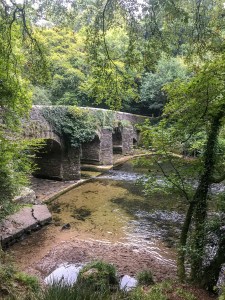
ply06It is from these hills, from this sponge in the middle of Devon, that the waters which give Plymouth its name first spring. The River Plym here is a far cry from the sludgy and stinky tidal estuary meeting Plymouth Sound. Clear and rapid, tumbling over boulders and pooling on bends, the river descends into dense valleys packed green with mosses, ferns and leafy trees. Plymbridge Woods is but a short descent through a dark, narrow lane from industrial estates and Asda superstores, yet it is another world away.


ply07

ply09So, to the north, to the east, to the west there are pleasures easy to reach. Should you have a boat or a longing for Brittany, the south also offers much. And slap bang in the middle, Plymouth. My home that still feels mostly like home while existing slightly distant. It’s funny how things you took for granted, things that you didn’t notice when you were younger now trigger a fond, sometimes joyous sensation. And that extends from leafy green woods and cobbled quays to the family comforts of laundry fairies and roast dinners. Home, still.

ply10

Food & Drink Great Britain Green Bogey

Way out west

A sure sign that I had been in the UK for a while was the notion that it was simply ludicrous to expect to explore the far west of Cornwall on a day trip from Plymouth. In Australia, such thoughts would be perfectly acceptable, indeed very much the norm. “Just popping down to the beach” shouts Clint cheerily from the Ute window, as he sets off across the dusty paddock and onward to golden sands some two hundred kilometres distant. People I know have driven from Canberra to Brisbane in a day and back again the day after. Just off for a quiet drive in the country…

It is true that British roads take longer: they are narrower and more disjointed, denoted in miles (which gives an illusion of proximity), and overpopulated by caravans and lorries. In Cornwall, add the probability of tractors on roads which simply run out of space and you can understand the frequent car parks that form in the summer holidays. Even in October it can take longer than you expect, resulting in pasties in Marazion that are a touch on the tepid side because it is so far beyond the normal hours of lunch.

Still, with a few nights in a caravan (a static one I should add) near the town of St. Just there should be opportunity to sample some fresh food. And savour the rugged edge-of-the-world landscape holding steadfast against the Atlantic.  An Atlantic that readily spreads its moisture over Penwith, cloaking in cloud the highest patches of sticky-out Cornwall upon which static caravans perch.

wc01

Such was the persistence of this shroud for much of the time it was easy to believe we were the only souls for miles, or kilometres, around. Nothing else in sight, barring a scattering of empty caravans looking jaded after a busy summer season. Finer writers than me would better evoke a mystical mood of ghostly visions, pagan spirits and murderous pirates going “AAAAAARRRRRRGGGGHHHHHHHHHHHHHHHH”. I just got bored with it and drove down the hill seeking out a break.

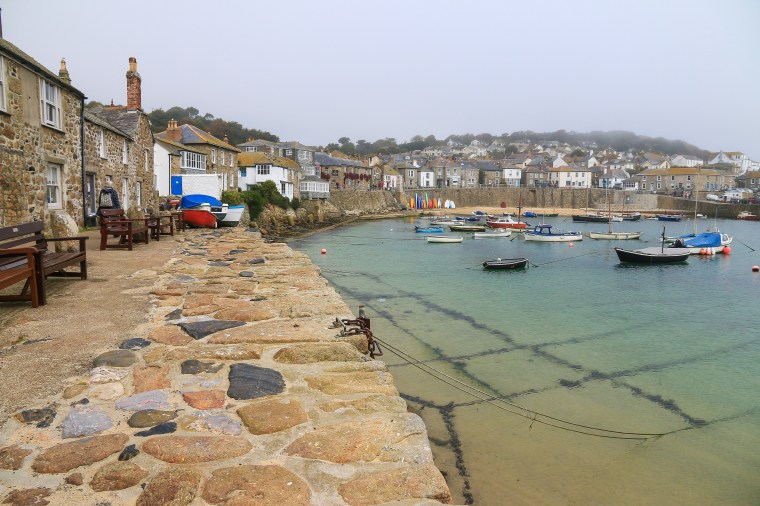
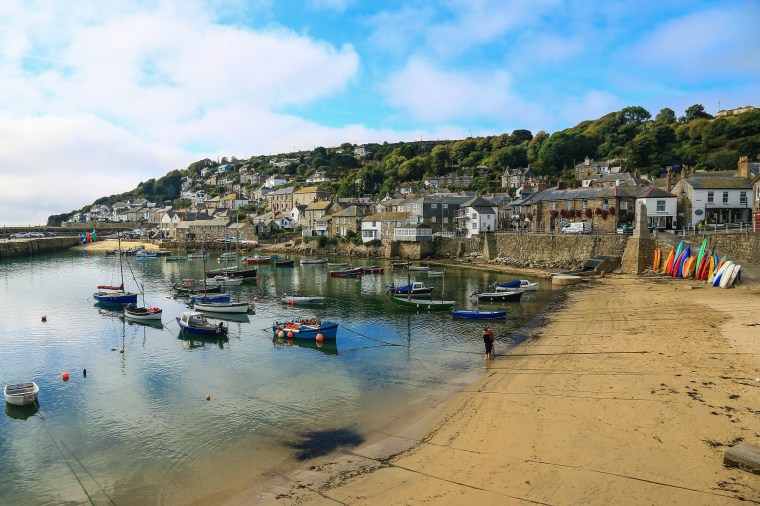
In Mousehole, the grey mood dissipated with an amble through the jaunty narrow streets, snooping into the windows of cosy cottages as they wind their way down towards the colourful, cobbled harbour. With calm seas and monotone skies, there was a strong serenity enveloping the village, no doubt amplified by the absence of throngs of tourists. Even the seagulls seemed subdued, fattened from their harvest of summertime chips.

wc02

wc03

Spirits lifted further following a rather good coffee overlooking the harbour (the use of Rodda’s milk could have been a factor). And in the time it takes to sup a rich creamy latte, the sun broke through to offer a taste of summer revisited. Just where are my shorts now?

wc04

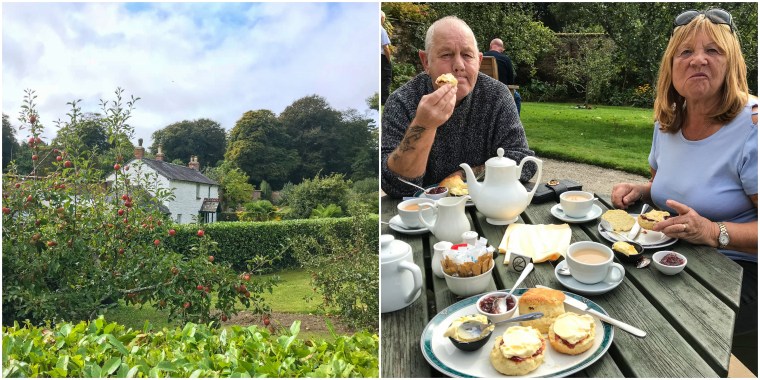
A few miles back up the road and the static was still in the clouds. However, the morning below had now delivered hope and – with that – an intent to pop some shorts in the car “just in case”. Such fancies were still feasible over lunch in Trengwainton, a National Trust speciality providing a café within a charming garden setting. Ah, some fresh produce and – not for the first time – a cream tea for lunch. Reflecting now I think this might have been my favourite cream tea of the year. Proper lush.

wc05

The prospect of shorts hung in the balance but was soon shot down upon arrival in a murky St. Ives. Unlike Mousehole, St. Ives was typically bursting with visitors pacing in a slow, zombie-like shuffle between crafty art galleries and hearty pasty chains. This dawdling procession seemed to accentuate a sombre air, hardly conducive to lingering. So back along the north coast it was, with a few stops along the way, to the static caravan in the clouds.

The next morning heralded a sense of déjà vu that required a little longer to escape. In fact, it wasn’t until I was haphazardly navigating my way through lanes hopefully heading towards Portreath that the clouds lifted. Once again, I had discovered the sunshine. I was feeling a little smug with myself and taking pride in my sun-seeking skills but of course it was sheer luck. Lucky to be here, under these skies.

wc06

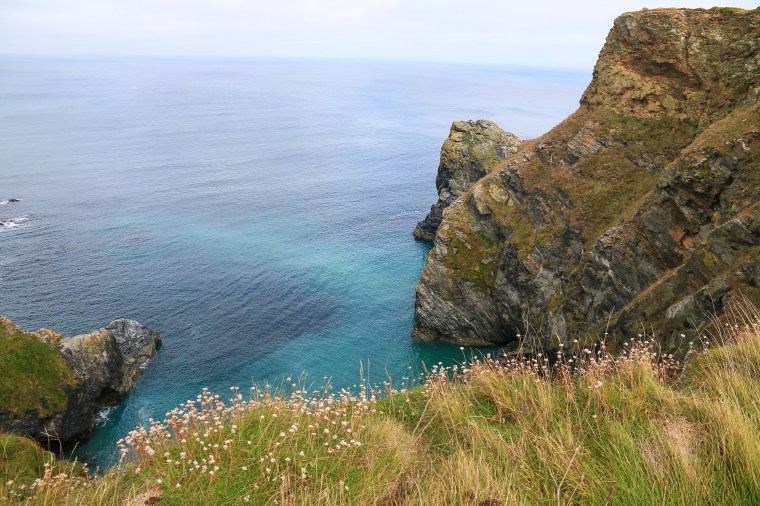
Sunlight illuminated much of the north coast heading up towards Newquay and we were right on its edge. A separation as distinct as the line between land and sea, a frontier you don’t want to get too close to at Hell’s Mouth. Here, vertiginous cliffs plummet into pristine ocean, though becalmed in the breathless air of today.

wc07

Heading back west, the lightening cloud signified something a little more promising. Driving into the caravan site Mum noticed an old abandoned tin mine which we hadn’t known had existed before then. The expanse of the hill slowly unfolded and, suddenly, you could make out the houses in St. Just. There was even, from one spot, a blue wedge of sea forming on the horizon.

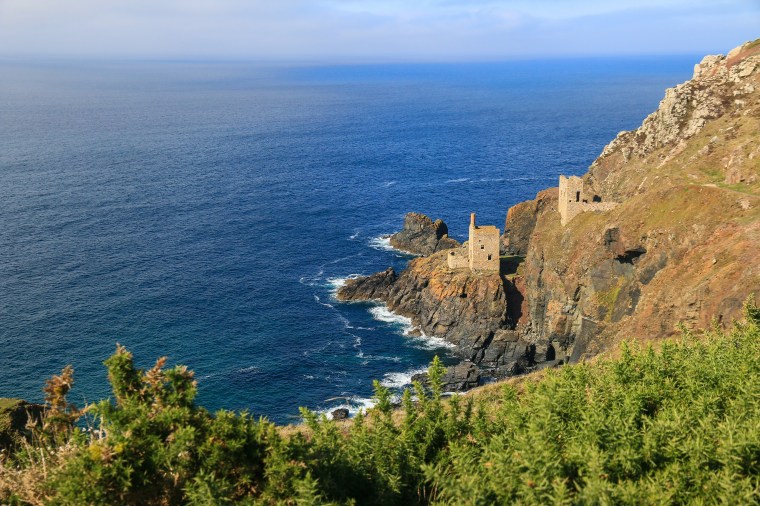
St. Just seemed a jollier place in the sun, the depression lifting in tandem with the weather. At nearby Botallack we headed towards the famous Crown Engine Houses, following a suspicious truck proclaiming to have something to do with film production. I suspect they, like everyone else, were making hay when the sun was shining; finally they could get some panoramic money shot to fill a gap in some tedious dialogue in Poldark. Or perhaps they were just on a holiday.

wc08

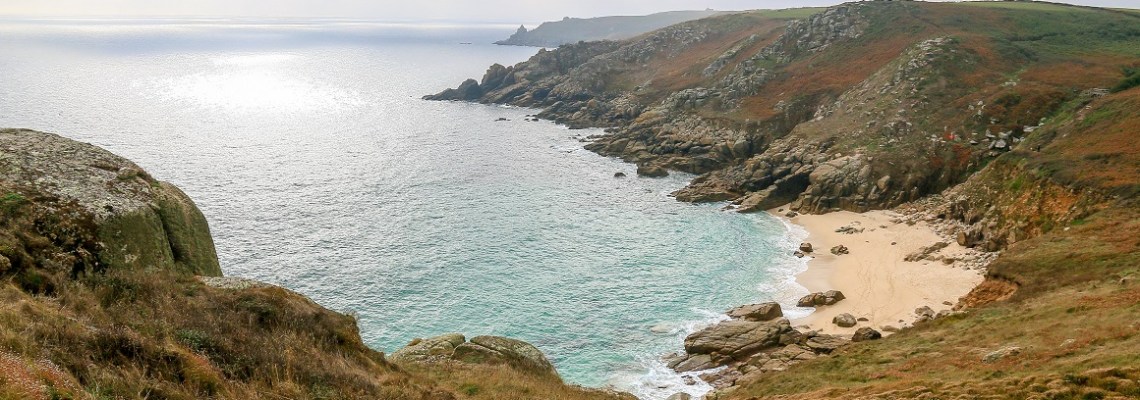
Now trying to cram literally everything in under clearer air, next up was a trip to Porthcurno. Given this place seems to be the current most Instagrammed memento of Cornwall it was surprisingly quiet. Perhaps all the day-trippers had departed, or else plunged down a cliff trying to get a snap of any sand emerging from a receding tide at Pedn Vounder. With such peace and such beauty, the fruits of staying in a static in the clouds were coming to bear.

wc09

And what better than the fruits of the sea, in the golden end-of-day light at Sennen Cove? To me, the beach here is the closest resemblance to Australia of any I have encountered in England. A sweeping arc of sand for the most part untainted by development. Curling waves of surf, with the obligatory dreadlocked shark bait on boards. And a little alfresco waterfront action, though in the very English gorgeousness of a proper pub with proper ale.

wc10

And now, finally, before heading back to Plymouth the next day, a chance to watch the sun set into the Atlantic. Almost. For of course this isn’t Australia and there is always a prospect of clouds on the horizon. But at least now they were only on the horizon, rather than atop a static caravan on a hill a long drive from home.

wc11

Food & Drink Great Britain Green Bogey Photography Walking

Counting counties

Did you know, the westernmost county of England has no motorways? In the height of summer, as holidaymakers trawl through Truro, pummel Padstow and flock upon Fowey, this can seem an incredible oversight. But then you encounter Britain’s motorway network and you think thank golly gosh goodness for that. No lorries overtaking lorries overtaking lorries at miniscule increments of speed. No white vans whizzing up slip roads in a traffic jam and appearing again to barge their way in, a whopping gain of ten metres to show for it. No Range Rovers hogging the outside lane forever like this is one’s own private drive. No dreadful Welcome Break Costas.

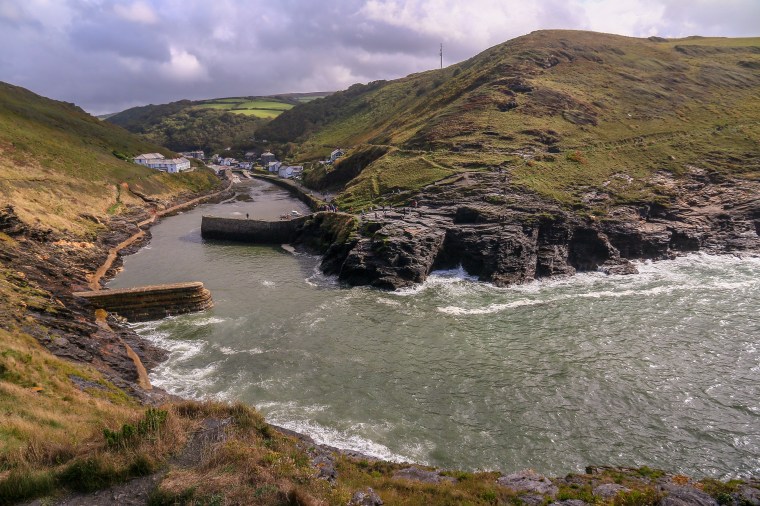
Alas, while the appalling ubiquity of Costa has not left Cornwall untouched, it is a truth universally acknowledged that the county is often a wild and rugged place, unsuited to motorways and factories and large B&M Bargain warehouse hubs. The pock-marked, rumpled coastline preserves small towns and villages largely the way they have been, barring a Grand Design here and a landslide there. Both of which are inevitable in Boscastle.

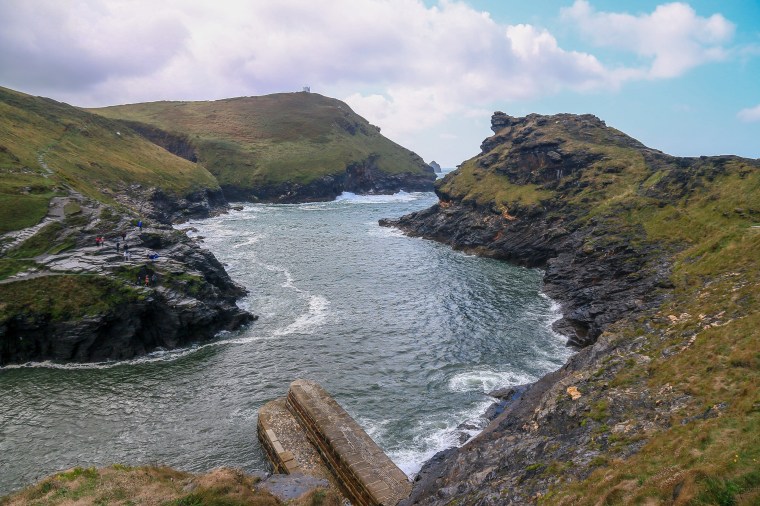
There is something ritualistic in heading to Boscastle, an almost-annual feat of figuring out the various B-road junctions around Tintagel, meandering down several hairpins and feeling bitter at the price of parking and the price to pee. But the bitterness fades like jam underneath lashings of cream as you walk past the cottages, above the small harbour and towards the entrance to the Atlantic, often a Hell’s Gate of oceanic torment.

trip01

trip02With its prominent headlands, Boscastle offers a sense of protection from the great expanse beyond. There’s a cosiness to the village, which is a formidable asset in attracting people down its B roads. Nearby Tintagel doesn’t possess as much cosiness but instead relies on tenuous associations with King Arthur, Pengenna Pasties and – until recently – Granny Wobblys Fudge Pantry. Sadly, this year it seems Granny Wobbly has retired, along with her legendary fudge making abilities and fudge crumble ice cream (ice cream + clotted cream + fudge). Suddenly Tintagel seems devoid of purpose and Boscastle wins.

trip03

————————————

Navigating B roads and the occasional dual carriageway back to Devon it is not until the east of this county that motorways first appear: the solitary blue line of the M5, commencing at Exeter and happily transporting folk to the alluring attractions of Birmingham. I was only on here for the briefest of spells, turning off towards the town of Seaton on the fringe of the Jurassic Coast.

The first stop on a trip up country, my departure from the south west was accompanied by a determination to take a break from clotted cream. BUT, I was still in Devon and hadn’t reckoned on the temptation fostered by a meet up with my Aussie cousin Fleur and Rob. Indeed, when Rob and I both received our chocolate cake sans clotted, I was the first to pipe up and gesticulate wildly in a state of panic, desperately miming the necessity of cream at the same time my cheeks were stuffed with cake. All class.

trip05

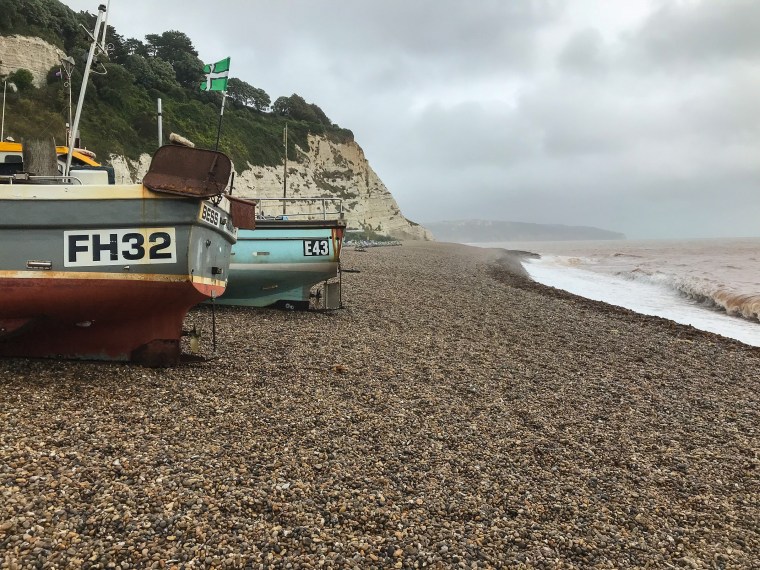
After cake we headed off to the nearby village of Beer on what was a very grey and windy day. The sea churning brown, a row of deckchairs positioned on the pebbly cove appeared a fanciful proposition. But then of course a couple with a dog sat down and you were reminded this was Britain and clearly not Queensland. Some of us were a long way from home.

trip04

————————————

From Beer I continued to avoid the motorway network while crisscrossing the Devon-Dorset-Somerset countryside in reaching my destination for the night, Street. It seems the main attraction of Street – its raison d’etre – is Clark’s Village, a conglomeration of ubiquitous high street brands and factory outlets. A town that embodies the Costafication of Great Britain to the Extra-Grande.

What this means is that nearby Glastonbury is refreshingly absent – barring a Boots chemist – of all the trappings of almost every single British town and city. In part, this void is filled by the ‘New Age’ industry: crystals, mindfulness mantras, tie-dye shawls, and all kinds of crazy crap. Unwittingly lured by free Wi-Fi I had possibly the worst coffee of my trip in a spot that was too veganly earnest for its own good. Maybe a Costa would go down well…

trip09

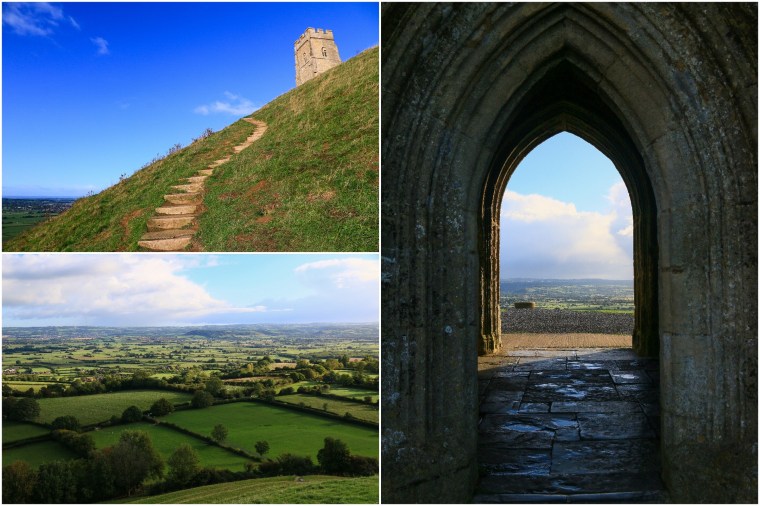
Glastonbury is a pretty place and I suppose its new-age industry is premised on a combination of mythical relics, luscious countryside, and an almost annual music festival somewhere in a muddy field nearby. From these fields, the ancient – indeed mystical – rock of Glastonbury Tor dominates, topped out by St Michael’s Tower. At its base I encountered a small group of people with unwashed hair banging some drums and fluttering some rainbows. All part of the scenery.

trip06

trip07

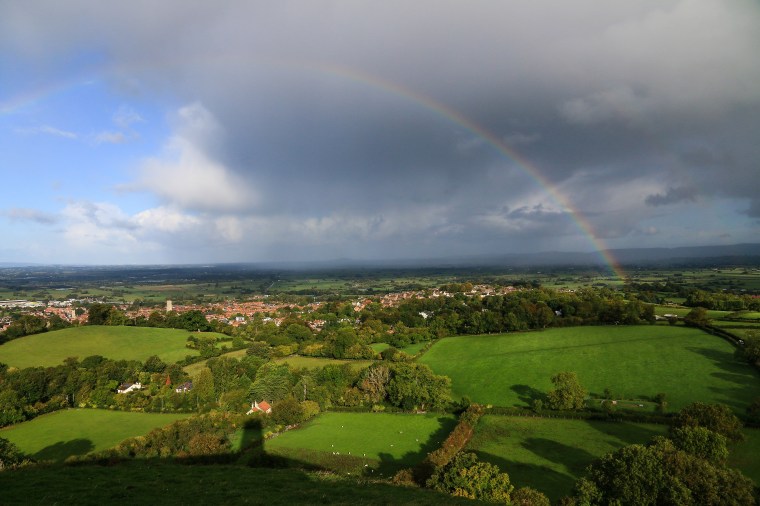
The climb up the tor was steep but short, an ascent rewarded by astounding views over Somerset. Patchwork fields occasionally dotted by sheep would run into farmsteads and small hamlets. To the north, the Mendips framed the horizon while the Somerset Levels stretched to infinity further south and west.  Somewhere out there was perhaps the M5, continuing its journey to Birmingham. Perhaps somewhere, over the rainbow.

trip08

————————————

I left Glastonbury around 11am on a trip traversing a parade of other counties towards Lytham in Lancashire. From the south to the north, a journey that shouldn’t really take eight and a half hours. But I hadn’t factored in the motorway network, where almost every junction seems to bring traffic to a halt and this feels like it will continue all the way to the M6. Tuning into BBC Radio 2, every traffic report elevates a sense that this is going to be a long day.

Passing into Gloucestershire and then Worcestershire, I was becoming increasingly bored of the interminable trawl that would re-form every few miles. Just as you were getting up speed, brake lights would synchronise, and once more a car park. White transit vans would disappear up slip roads to emerge again two spots further up. Lorries would attempt to overtake lorries in slow motion. Range Rovers wouldn’t budge from the outside.  And still the radio would report more stuff-ups yet to come.

So I gave up. I turned off. Back onto A-roads through Shropshire, a tiny bit of Wales, Cheshire, and – finally – Lancashire. In the end it was unlikely any quicker, limited dual carriageway and roundabout ring roads making progress slow. But in a way it seemed more pleasing as it wasn’t professing to be an express route. Some of the countryside was nice. And I avoided Birmingham. After all, who needs motorways anyway?

Driving Great Britain Green Bogey Photography

Bolt out of the blue

Britain excels in that insipid low cloud misty drizzle. It lends the country a rather depressing air, accentuating the abundant greyness of post-way concrete city centres and dimming the allure of the countryside. Dampness saturates to the bone, and you can see why comfort is taken in massive cups of abysmal coffee and, at least, sumptuous cake. As a native such conditions provoke familiarity, but as a visitor it’s as frustrating as hell.

Part of the annoyance is you can never tell when and where it will strike, how long it will last, and whether it’s shrouded in gloom five miles down the road. Sometimes the world around you can disappear totally and the futility of a trip out seems complete. Like when driving out of dreary Plymouth, passing through murky Modbury and still wondering where the South Hams has gone. Usually this corner of Devon is better.

But we know that Hope is on the horizon and it comes first with a slightly whiter patch of cloud. Maybe a small sphere of light pierces through, like a torch low on batteries being shone through a winter duvet. Gaps increase and suddenly a pale blue splodge of sky appears overhead. And then it happens oh so quickly, the cloud vanishing without trace. And you stand there bewildered. Bewildered, and deliriously happy.

bolt05

More often than not this is not the case, but today delirious happiness ensued. Indeed, for a couple of hours on the South Devon coast I had not seen England with as much clarity this year. Perhaps it is the deep blue of the seas around here, invariably pummelling the fierce outcrops around Bolt Head. Or the generally fine air of Salcombe tucked away inside the estuary.

While the vision was clear and fresh, the smell was far from it. At least not upon parking at East Soar, sited amongst the fertile fields of Devon in September. Cows had clearly been in action and silage was readily ripening, whipped up by the sea breeze.

bolt01

There were farms to traverse on this walk towards the coast path but happily the smell had eased by time we reached a pile of barns, sheds and cottages providing a variety of rustic lodging. Within this enclave was The Tea Barn, which looked suitably delightful if only we hadn’t come from Plymouth on the back of an all-you-can-eat Chinese buffet.

And then, the coast, with its deep blue seas, sandy coves and rocky outcrops. Starehole Bottom seems as sumptuously titillating an English place name as you can get, a crevice between two mounds leading down towards the water. With shelter from wind, it was getting warm in this valley and I kind of wished my bottom was clad in shorts rather than jeans. The water too, looking inviting.

bolt02

What goes down generally comes up again, and from Starehole Bay we climbed towards Bolt Head itself. The pinnacle so to speak, looking back over the bay and across the estuary all the way along to Start Point. This is the kind of deliriously happy, pinch yourself moment that you get post-murk. One where it is virtually impossible to believe that there was nothing to see an hour before.

bolt03

bolt04The scenery and amazement at such scenery being so visible, being so wondrous, continues around the corner as we slowly head back in a loop towards the car park. The last vestiges of heather and sweeping gold of flowering gorse add an extra splash of colour on this most brilliantly saturated afternoon. Leaving the clifftops high above the sea, only bovine-induced pungency can prove more overwhelming.

bolt06

bolt07_editedCould I end this day, this once dreary day, any better? This morning – actually even at two o’clock this afternoon – I would have had myself committed if I said I would be bathing in the sun, drinking a cold shandy, lounging in shorts. But with the regular dreariness of Great Britain you need to retain that hope. And in South Devon, we are of course blessed with hope. Hope indeed.

Great Britain Green Bogey Photography Walking

Hope for blue

Devon, oh Devon. Rolling hills, white fluffy clouds in a blue sky, white fluffy sheep in a green field, the deep blue sea shimmering in a haze of paradise. Oh yes, the picture-perfect Devon of custard cans. Such were my thoughts on the first day back here as gales lashed rain sideways upon a window in gritty Plymouth city, the smell of roast dinner the only comfort. It’s good to be back.

That stormy day has been the exception rather than the rule but, while there have been some blessed interludes, the predominant feature has been cloud. Cloud and cream and catch ups and cars to get used to ferrying family and escaping Emmerdale.

Like practically everyone else in this sceptred isle I have been paying frequent visits to the BBC Weather website, analysing the hourly chance of sunshine breaking through the milky clouds and estimating with a little skill, experience, and luck, where the gaps could emerge. And the success rate hasn’t been so bad.

hope01

Noss Mayo is a reliable friend. I know its lanes and paths well – meandering up past happy farms, coursing loftily above the sea, before weaving down underneath a green canopy as jaunty boats upon the Yealm begin to break through. I know where to crawl tentatively around which corners of single-track lane to avoid a head-on crash. I know sunny spells can be more likely to emerge here. And I know where to park and where not to.

hope02

Well, I thought I did, unless there is a fete on and the compact car park becomes overwhelmed to the extent that a complex series of nine point turns on a 20% gradient is required to squeeze in next to a wall against which you can’t open the door necessitating an undignified scramble over the passenger seat. I guess ferret racing, wellie throwing, and cake tasting is an enduringly popular attraction in Devon.

Despite this bank holiday anomaly, the rest of Noss was as pleasing as ever. Happy farms, lofty sea views, jaunty boats, that kind of thing. The sun even broke through. Customarily, I had half a pint at the end but – given things had been slightly awry from the start – made a controversial visit to The Swan rather than The Ship. From where that time-honoured tradition of watching unknowingly parked cars become submerged by the rising tide could play out.

hope03

After Noss Mayo, greyness came and went for much of the week and my continued scrutiny of the BBC Weather page started to wane as it became clear that they didn’t really know what was going on. The supposed sunny mornings were cloudy, cloudy afternoons became bright, and once in a while shorts might have been tolerable in the same day that you were wearing a fleece and long trousers and struggling to see through drizzle.

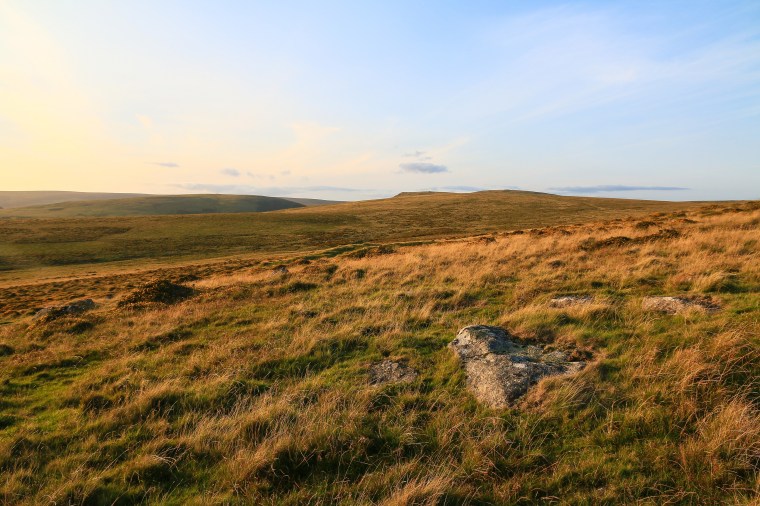
In an effort to get out with the sun and conveniently avoid a pile of tripe being served up in The Woolpack, an evening on Dartmoor produced a fine end to an otherwise dull day. The drive itself proved an adventure in threading a car through lanes hemmed in by characteristic ten-foot-high hedgerows on roads I did not now. Disorientation is never far away. Happily, I ended up on Harford Moor Gate, an area I had never previously accessed and one which led to a yomp over open moorland burnished golden by the lowering sun.

hope04

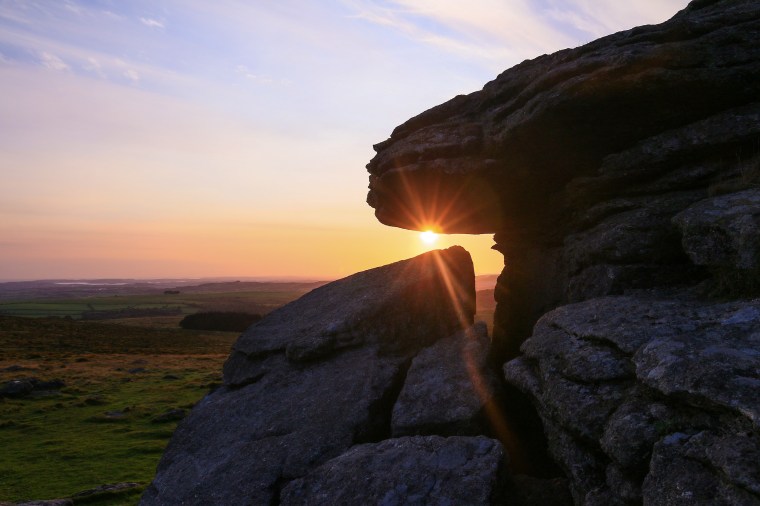
I set out for a random tor in the distance with the nebulous but entirely logical aim of seeing what was over the other side. Avoiding anguished cow bellows and boggy hollows, it turned out the other side had more open moorland and little else. On a whim, I headed for another pile of rocks a few hundred metres south. And there it was, the view of South Devon and its patchwork fading in the dying light.

hope05

The sun was heading back into a band of grey on the western horizon, but before it did I managed to make it back to my first tor to say farewell. Farewell again.

hope06

The by now notorious BBC Weather page continued to largely offer the ambiguous white cloud symbol. Always a few days into the future, perhaps some sun. Always offering a little hope. And finally delivering.

Still in the school summer holidays I feared Hope Cove in the South Hams would be largely inaccessible. Farmers would have seen the blue sky and decided to secretly annoy everyone by undertaking essential tractor on road affairs. Grockles would be flocking to car parks, caravans would be wedged between quaint red post boxes and quaint red phone boxes, kids and dogs would be running amok in a melange of buckets, balls and bowls of water that I always trip over. How, exactly, is the tranquillity?

But I was surprised. We got a park. We got a spot on the small beach cove. We got an ice cream. And we got a blue sky that was very comfortable for shorts and a walk along the South West Coast Path. That tranquillity? It’s pretty fine thanks.

hope07

Leaving the bubbling hubbub of Hope behind, I headed up towards Bolt Tail for magical views back to town and over the sapphire calm of the bay. There is little that is more joyous than traipsing on the trails of the coast path when it is like this. Nowhere in the world.

hope08

hope10

For now, here was Devon. Devon, oh Devon. Rolling hills, white fluffy clouds in a blue sky, white fluffy sheep in a green field, the deep blue sea shimmering in a haze of paradise. Oh yes, the picture-perfect Devon of custard cans. Such were my thoughts surrounded by hope. It’s good to be back.


Food & Drink Great Britain Green Bogey Photography Walking

Sapphire sea to blue sky

As Europe scorches and folk back home whinge about it being too hot, the disjuncture between England and Australia heightens. Minus fives accompany football matches at four in the morning, condensation provides a ceaseless battle, and pictures of a sun-soaked France on steroids beckon like an electronic blanket and doona. Mercifully, once the fog lifts the afternoons are pure Canberra winter, with clear sunny skies proffering warmth in which a jumper can remain sufficient (today, an unseasonably warm 18 degrees). Still, it’s not shorts and thongs stuff exactly. For most people.

Queenslanders are a different breed and rarely own a pair of long trousers. It’s understandable up that way – see, for instance, my previous post in FNQ – but is something that would present a challenge visiting Canberra in July. For most people.

I never truly expected my mate Jason to appear off a flight from Brisbane in shorts and thongs. Okay 5% of me did, but there he was. Queenslander. Ready to catch up on Canberra haunts and friends, strategise and hypothesise, and prove that Real Australians Welcome Shorts. And should the minus fives and condensation get too much, there is always chance to flee to the coast.

Two hours away on the South Coast of NSW, the moderating effect of ocean keeps the minimums higher and a chance for daytime sunshine to warm things enough for a T-shirt to still be possible. But not today, with a brisk breeze tempering things. For most people.

jd01_editedStill, sheltered by untainted forest and rolling coastal hills, kissed by the radiance of the crystal ocean under clear skies, there is certain comfort to winter here. It is at one tranquil and vivacious, glowing in a freshness swept in by cold fronts and a seasonal lull in nature’s freneticism. The tried and trusted walk between Depot and Pebbly Beach proves to be at its very best.

jd02_edited

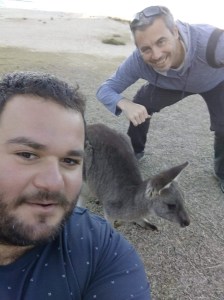
jd03The kangaroos and wallabies appear to be fans of this weather, out in force grazing on the luscious fringe of grassy dune and really, really hoping for a stray sandwich. While far from the explosion in #quokkaselfies on Rottnest Island in Western Australia, the placidity of these animals – along with the idyllic Australian coastal setting – have made #rooselfies a thing, sort of. Especially when there are tourists about.

——————————————————-

One of the boasts made to lure tourists to certain destinations (for instance I’m thinking California) is that you can be surfing in the morning and skiing in the afternoon. Well, Canberra is very much like California, though perhaps not as strong in the sun-kissed-girls-so-hot-they-melt-your-popsicle department. From sparkling ocean to snowy mountains…

An hour or so out of Canberra, traversing a winding but decent gravel road, the Brindabellas rise to something like 1900 metres. Sometimes the road is closed for snow, but the run of fine dry weather allowed access to a world in which human intervention is almost impossible to perceive. Looking west from Mount Aggie, it is a concertina of ridge and valley, fold after fold of deep green eucalyptus cascading over the horizon. With a silence so striking that it cries out in distinction.

jd04

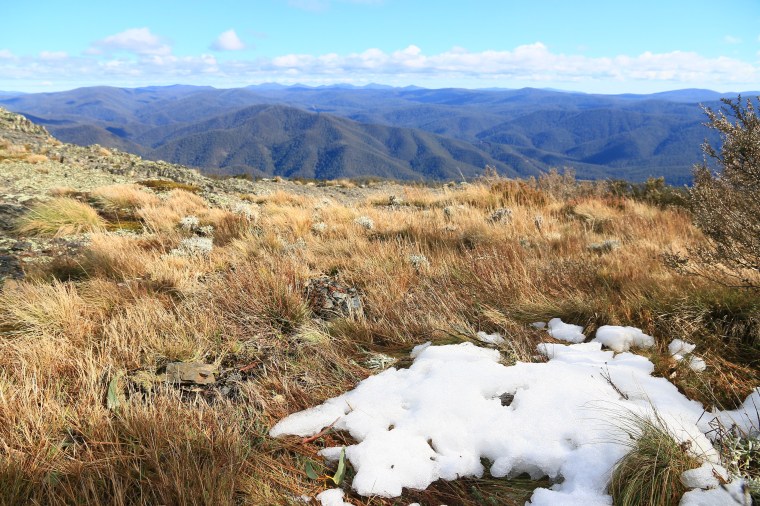
A little further down the road, Mount Franklin used to house a very archaic, make-it-up-as-you-go-along skiing area for Canberra devotees. It wasn’t exactly exemplary cover or persistent across winter, but the hardiest pioneers gave it a shot. Today, a few remnants linger including the necessary patches of snow. Indeed, snow was a surprising bonus accompanying a walk gradually upwards to an overlook south and east. A vista again largely untainted by anything whatsoever. Just the world and the blue, blue sky.

jd07_edited

It wasn’t entirely peaceful here however, as we came across what were probably the only other people in this section of Namadgi National Park on a Monday in July. I think they were quite astonished to a) see someone else and b) see someone wearing shorts and a T-shirt. I explained the Queensland thing and that seemed to appease their simmering incredulity. Bidding farewell, we lingered for a while before the coolness eventually started to descend.

jd05_edited

jd06

Heading back down to the car, our new-found friends were still lingering in the parking area, I sense relieved that not just one but both of us had made it back without catching hypothermia and resorting to cannibalism. In reality though it was an Australian winter afternoon; yes there was some leftover snow on the ground, but in no way whatsoever was it distressingly cold. Indeed, from the sapphire sea to the blue sky, winter here can still be divine. For most people.

Australia Green Bogey Photography Walking

Casual traveller

There are qualidays and there are qualidays. One can involve a dull drive to Wagga to hang out in a beige-infested meeting room, the other can take you to Far North Queensland in June. In June. When frostiness infiltrates the Australian Capital Territory with much the same frequency as declarations of mostly sunny skies and twenty-seven degrees in Cairns. Okay, maybe around eighteen degrees at dawn, but pleasant enough to embrace the Esplanade and marvel. I could have turned around there and then and been content with this trip.

FNQ01

However, when in Far North Queensland in June it would be rude not to tack on a few extra days in which shorts and sandals can make a comeback. And so suitably attired, I slowly drove north from Cairns towards Port Douglas, stopping along the way for bouts of note-writing and email attending; coffee and lunch, on beachside benches and surrounded by sand and palm trees. Trinity Beach proved a quiet little delight among Cairns’ Northern Beaches, while Palm Cove turned out to be a popular spot where people come to jaunt in chilled-back decadence. As long as they can find a place to park.

FNQ02

From here the road becomes a scenic gem, hugging the shoreline between the tropical seas and steep-sided rainforest. Sandy coves and mangrove mudflats compete for attention with the jagged green tops marking the northern outpost of the Great Dividing Range, as omnipresent as the prospect of a saltwater crocodile possibly being in that creek you just passed. Let’s not linger long for snapshots.

Nearing Port Douglas, fields of sugar cane squeeze their way into the flatlands between sea and slope. More than human high, much awaits harvest and eventual transformation into cakes which will probably end up in my mouth. Occasionally, narrow gauge cane trains can be sighted fulfilling this prophecy, carriages packed with shredded green stalks, trundling at snail’s pace on the first stages of this complex journey.

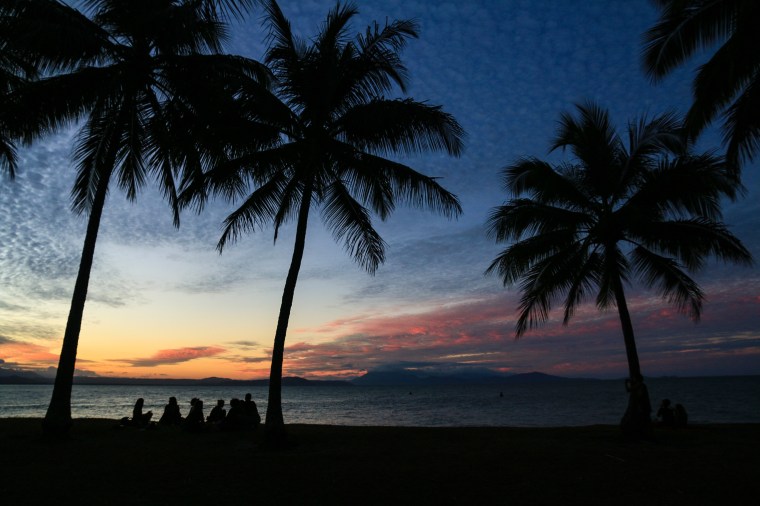
Coming here from Canberra is more than about a change in the weather, but a transformation in the very essence of my surroundings. In some ways, driving through this scene feels more of a shock to the system than making the switch from Australia to Europe. A more alien land in the very same country. Not that I’m complaining as this totally tropical vibe sustains through a Port Douglas dusk.

FNQ03

Some interesting facts about Port Douglas that I learned: the original settlement – already dwindling thanks to a railway connection between Cairns and the prosperous tablelands – got practically wiped out in a cyclone in 1911 and was essentially a ghost town until the late 1970s. Then someone saw an opportunity, silver boats quickly whisked people to the Great Barrier Reef and became the omnipresent Quicksilver operation, a resort popped up with the largest pool in the southern hemisphere and became a Sheraton and – from there – the rest was history. Today, the town retains its resort-heavy heritage but seems to have diversified to the extent that it attracts everyone from the scuzziest backpacker to the most ostentatious billionaire boatperson.

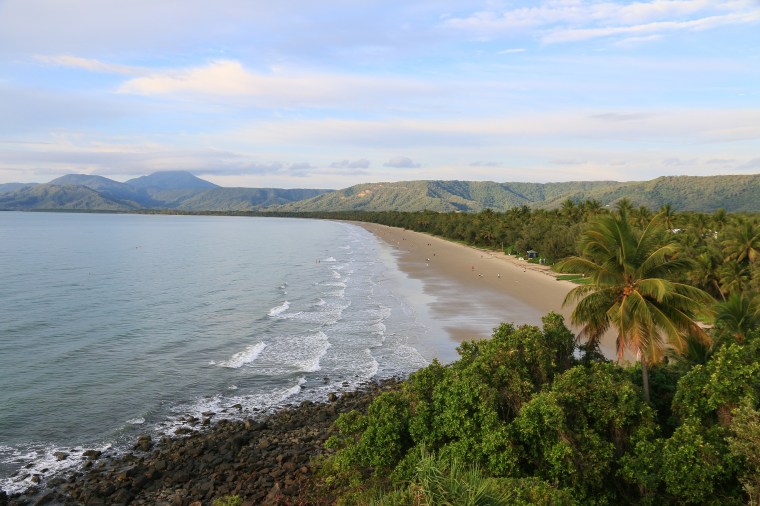
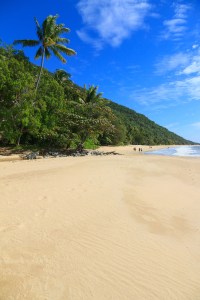
Somewhere along the lower end of that continuum I found myself strolling along the main street early on a Saturday heading to Four Mile Beach. You see, while Cairns may have a railway and a fabulous sunrise, it doesn’t have a beach in the centre of town, let alone a stretch of whiteish sand littered with coconuts reaching towards pristine rainforest ranges. Often on a Saturday morning I find myself ticking off a little exercise around the bushland suburbia of Woden; this weekend things were a little different striding along a beach and a climbing up to Flagstaff Hill. Either way, I was suitably self-satisfied.

FNQ05

FNQ04

Self-satisfaction continued with the excitement of finishing off some more work with a coffee and World Cup highlights by lunchtime. I celebrated this fact by booking myself on a late afternoon cruise, in which I was hoping to see a nice sunset but really hoping much, much more to see a croc. Three crocs later, the sunset was pleasant enough but – as was to be the fate for the rest of this trip – no Cairns. But the crocs were beauties, at more than arm’s length.

FNQ07

One final enjoyable aspect of this sunset croc cruise down Dickson Inlet was the complimentary cold beer provided upon departure. A warm breeze, a fading sun, sardonic commentary, three mother fucking crocodiles that would eat your arms off and a Great Northern. Can there be anything more quintessentially Australian? At this rate, I was getting pumped for the Socceroos. Crocs v Frogs, surely no contest.

FNQ06

Pre-game, the one beer lured me to another back at the marina and this was actually far, far better. The rise in small, local breweries is truly one of the blessings of our age, a price worth paying for excessive beardiness and an inevitably jingly jangly smug git with a guitar singing a pared back rendition of something by Bruno Mars. So if you find yourself in Port Douglas, I can recommend the Doug’s Courage at Hemingway’s Brewery, at a safe distance from croc-infested waters and beard-ridden singers.

Sunday came after the frogs somehow defeated the crocs and things were a little subdued in the streets of Port Douglas that morning…I suspect less to do with soccerballing disappointment and more to do with the efforts of Hemingway’s and others. It was eerily quiet as I checked out the weekly Port Douglas markets which were everything I expected, unfortunately. Seriously lacking in terms of food temptation and offering more than enough tie-dyed hippy shit and rainforest possum poo face balm or whatever. I’m full of incredulity, get me out of here.

What better jungle to escape to than that around Mossman Gorge, within the World Heritage Daintree Rainforest. This is special land, iconic even. Southerners shivering in the cold will have a spark ignited in their eyes upon mention of the Daintree. There are more dramatic gorges, there are more scenic forests, there are more powerful rivers. But there probably isn’t a spirit, an essence, an unfathomable sanctity that can make even tie-dyed hippy-shit haters like me get a little carried away. In the Australian soul, the Daintree is up there with Uluru.

FNQ08

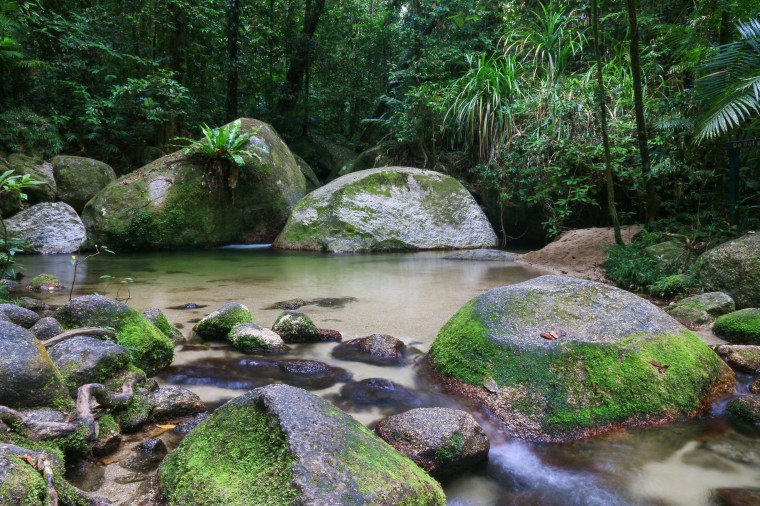
I find rainforests a contradiction of exquisite beauty and foreboding dread. They are amazing, living things, jam-packed with anything and everything that can claim a foothold in a spare millimetre of earth or air. Ferns eclipse ferns, trees envelop trees, fungus flourishes among decaying hollows, leaves expand to gargantuan heights. Older than the dinosaurs, unchanged in mass but everchanging in make-up. It’s this density, this proliferation of life that can begin to overwhelm; the moody subdued light, the lack of a sky, the oppressive air, the constant soundtrack of insects waiting to bite you. The competing sound of the Mossman River is a salvation, an opening, a way out. As are its creeks and pools which proffer sublime sanctuary among the jungle.

FNQ09

Leaving the rainforest content, I spent the rest of my time ambling and chilling around Port Douglas and – to be honest – was ready to leave as Monday morning came around. Not because I was desperate to wear four layers of clothing and scrape ice from my car, but I feel I had ‘done’ Port Douglas to death, several times over. It’s not the largest place and time and again I found myself ambling along Four Mile Beach, or heading to the wharf, or seeking out ice cream. Such a challenge to endure!

FNQ10

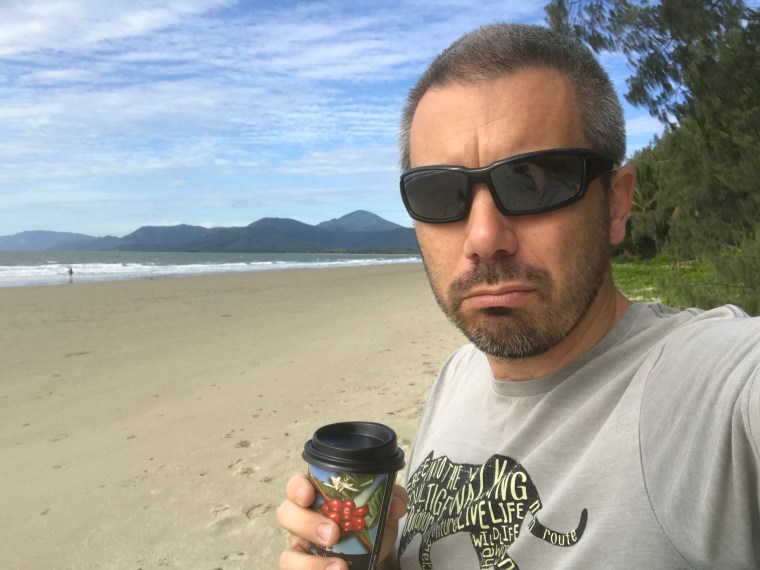
FNQ11I took one final coffee and stroll on the beach before embarking on the drive back south, which had a fair share of roadworks interspersed with spectacular scenery. Pausing around Ellis Beach, in this snatch of tropical palm-fringed cliché, it was again hard to fathom that I would be in a different world, in the same country, in a few hours. My poor shorts would be tucked away out of sight again.

This contrast was highlighted by a final, bonus-because-something-else-got-cancelled detour to Cairns Botanic Gardens. Again, so much green, so much life and proliferation of alien, oversized plants, saturated with texture and patterns and colours and shine. It surprised me that I had never been to the excellent botanic gardens here, for such places are a frequent haunt of mine during both holidays and qualidays. Places where you can quickly capture the essence of a region through its unique flora. Places within the middle of a nondescript town or city that can mark it as different, as exotic. And nowhere seems quite as different, as exotic as the warming airs and flourishing lands of Far North Queensland in June.

FNQ12

Australia Driving Green Bogey Photography

Making moments – 2

The recent trip north with Dad through New South Wales was blessed with a lack of weather. By that I mean it was astonishingly unremarkable – no cyclones, storms or cool changes – just day after day of largely cloudless skies and warm to hot temperatures. Nominally it was autumn, but there was nothing in the landscape to signify as much.

Nonetheless, we did confront moisture in the clammy, salty air of the coast. Enough to encourage all the bitey insects and make putting up a tent in the afternoon an ordeal in sweatiness. It’s a contrast to the arid air of Canberra and – for all the allure of golden sand and the sapphire ocean – it’s not one I’m entirely comfortable with. Leaving South West Rocks and heading north, I was also tiring of the Pacific Highway; like autumn a misnomer that never fringes the sea. And so, nearing the junction for Coffs Harbour, a road that they’ve called The Waterfall Way acts as that final magnet dragging a metal box on wheels upwards and inland…

Drying out all the way to Armidale

B3

Apart from a parade of rather lovely waterfalls, one of the more interesting things about The Waterfall Way is the transition in the climate and landscape, from that of lush and moist coastal forest to dry tablelands of eucalyptus and swaying, golden grass. This transition is starkly realised between two memorable spots around fifty kilometres apart.

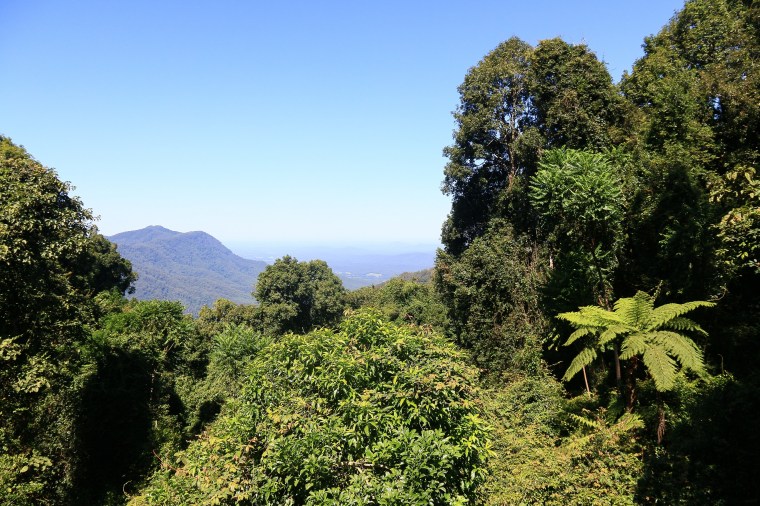
Dorrigo National Park is all World Heritage Area Ancient Rainforests of Gondwana and at times you feel like you are walking within prehistory. A jumbled canopy of tall trees and filtered sunlight seeps down to an understorey of verdant palms, giant ferns and distorted woody vines. Numerous birds chirrup and chatter largely unseen, apart from the ubiquitous bush turkeys.

Somewhere through the forest, the sound of rushing water becomes magnified and you turn the corner to be confronted with Crystal Shower Falls. A graceful veil plunging into a dark round pool, it is a scene to invigorate the senses, a climax which the rest of the Wonga Walk finds difficult to eclipse. Organic hipster-tended cake picked up earlier in Bellingen provides some relief, before the highlight of a resident lace monitor and final view, in which this most gorgeous of forests sweeps down the escarpment towards that humid, distant ocean.

B1

B2Up the road at Ebor Falls, situated within Guy Fawkes River National Park, we have reached a land of rugged gorges and wild rivers, decorated with millions of eucalypts and a million more golden everlasting daisies. Indeed, green becomes more golden with the drop in rainfall. The smells and sounds are more familiar: that earthy aridity mixed with the fresh minty essence of the gums; the friendly chirp of a pair of rosellas; the chatter of an old guy named Bert to his wife Sandra. “Well, isn’t that grand.” And indeed, it sure is. It sure is.

Joining the easternmost club in Byron Bay

B4

Our break inland provided something of a reprieve, spending a night in relative luxury at a campground with ablutions in Armidale, taking in some random fireworks and heading on the next day through the pleasant, rolling landscape of northern New England. It’s no England and no Scotland either, despite what Glen Innes and the numerous signs to Ben Lomond may allude to.

After Tenterfield, we were heading back to the coast as we had a date with a pool in Byron Bay. My first and only visit to Byron was in 2000 and I can’t remember much about it. I suspect plenty had changed since then, even in the tint of my hair. It seems in 2018 there are still lots of fresh-faced backpackers and guys possessing a battered van and guitar desperately seeking their attention. But there are also lots of families and older couples and – even occasionally – a father and son walking up a hill. With fancy beachside cafes and a leisurely parade of SUVs and boogie boards, Byron 2018 struck me as a Sydney Middle Harbour suburb transported north.

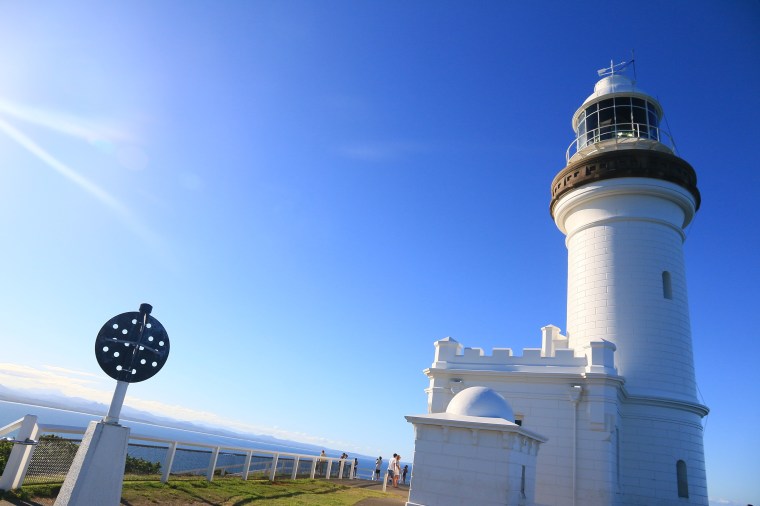
What hasn’t changed is the lighthouse at Cape Byron and the much-vaunted most easterly point in mainland Australia. It’s a walk – which I think has been upgraded and much more trodden since 2000 – that has its ups and downs (and bush turkeys), but the views up top are ample reward. And while the lighthouse and ocean and craggy lush hinterland of volcanic remains capture attention it is perhaps the sweeping arc of sand that is Tallow Beach that captures the heart. And captures the very spirit of what Byron is still all about.

B5

The date with the pool

Okay, so we had camped for four nights on the trot with varying levels of comfort. We had washed in the sea and cooked in the dark. We had valiantly but unsuccessfully zipped zips to keep out the bitey bugs. My own swag mattress is undoubtedly becoming thinner, on a declining trajectory that correlates with my own ageing. Camping may just be starting to lose its appeal.

In this context if I am cataloguing memorable moments then nothing can be more striking than a proper bed, a proper shower, the creature comforts plus of a B&B in Byron. A beautiful, modern, strikingly clean setting with its pool as the piece-de-resistance. Clean water that shimmers in the afternoon light, that soothes the skin, that offers a backdrop for Facetime calls to a dank, sub-zero France. If being back on the coast is like this I could – we could – happily get used to it.

B6

Australia Driving Green Bogey Photography Walking

Making moments – 1

This blogging malarkey can be daunting, overwhelming. At times it seems to be a burden, a self-imposed millstone around my neck that I started ages ago and cannot quite shake off. This is especially the case when you have just crammed in an epic few weeks with your Dad exploring as much as you can of a small part of the gargantuan landmass of Australia. So many photos to try and fix up a little with the inept tools provided by Windows 10. So many words to write. So many opportunities to be mildly humorous and maddeningly self-deprecating. Where do I start?

The thing is, I know when I do start to write that I can get into a groove. I enjoy it. Partly I am writing to myself; a record, a reminiscence. Like anyone, I can prosper through purple patches of prodigious prose and struggle in sufferance stringing sentences into some semblance of structure. Alliteration might be a side-effect. A cold beer can provide aid, something I was going to get twenty minutes ago before I got distracted by writing these last two paragraphs.

So, I actually found a remaining Kirin Cider in the fridge and with the influence of a little Japanese Zen (hic) decided that the best way to approach things is through the time-honoured application of baby steps. Baby steps that are moments that are recollections that will stand the test of time. In effect a highlights reel, starting with a ride from Canberra up the coast of New South Wales

– – – Canberra on the rise – – –

A02

In March Canberra is nearing its annual state of perfection. The mornings become crisper, the air calmer, the flora and fauna engaging in a frenetic dalliance before things quieten down. In the month in which Canberra was born, Canberra is reborn from the fierce heat and drawn-out holidays of summer. Canberra celebrates with lights and fireworks and food and balloons. One elongated fiesta.

It is an early Saturday morning and the clear air of dawn is steadily lightening down by Old Parliament House. At such an hour it is almost an affront to battle for a car park and find yourself immersed into a hubbub of people, cars, and brightly coloured material lain upon dewy grass. The roar of a gas flame is like a road train rumbling into your dreams, awakening the slumber as much as it is enlivening balloons. Lumps of bright red and vivid green begin to emerge from the encircling crowds. Bulbous spheres and irregular shapes take form; a helmet, a heart, a frog, a bird. It turns out – like us – hot air balloons come in all shapes and sizes.

A03

From the east, the first balloon ascends peacefully, almost unnoticed, into the air. This precipitates a flurry of activity as everyone follows its lead. Like bubbles effervescing from a newly opened raspberry lemonade, one after the other pop up into the deep blue sky. There must be twenty, thirty…where they all came from goodness only knows. And even though you have seen this before and will probably see it again, it leaves you mesmerised, as enchanted as the four-year-old by your side. And all before breakfast.

A01

– – –  Being Mr Harbourside non-mansion in Sydney – – –

A04

Memories are rarely made of drives up the Hume Highway and M5 and certainly not along the A3 towards Ryde. The sparkling city of Sydney struggles under the burden of traffic and industry spreading across its sprawling suburbs, a long way from the Qantas songs atop harbour bridges and Paul Hogan leisurely cremating prawns by the beach. Eventually, increasing proximity to the city’s famed water is signified by gentrification and then ostentatious wealth, passing through salubrious homes nestled into Hunters Hill and lining the water at Greenwich. And all this can be yours – well maybe not all this – for $89 a night.

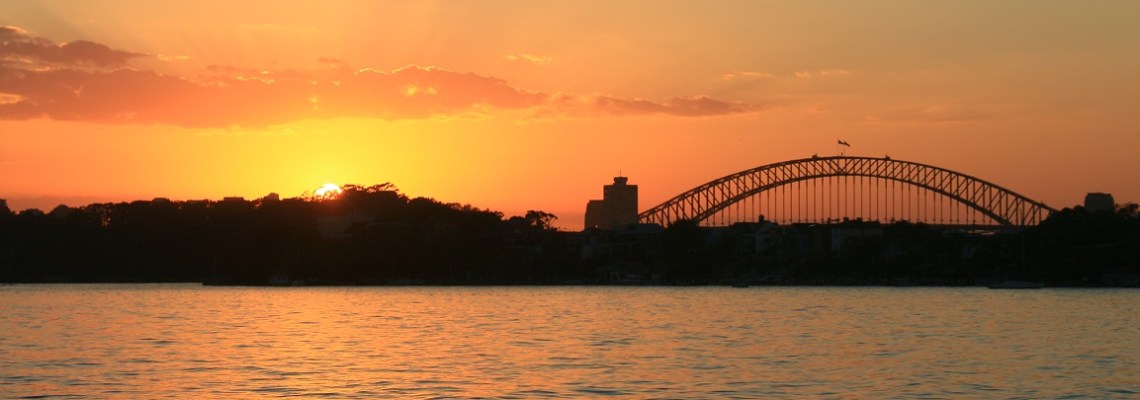
What you do get on Cockatoo Island is a spacious tent, a couple of far from plump mattresses and some fold up chairs to lounge upon the deck. Water is never far away, meaning that ferry rides are a necessary mode of transport. After exploring some of the fascinating buildings and shipbuilding remnants upon the island, you can catch a late afternoon ferry towards the city, truly glistening in the sinking sun. Along the way you are reminded that – despite the exclusive homes with private moorings – so much of this waterfront is accessible to all. And while I am sure there are some fancy enclaves for rich people dressed up very smartly, practically anyone can buy a drink down at the Opera Bar and pretend they are a millionaire.

A05

In hindsight it seems perverse to think we were going to give Sydney a miss on this trip, partly because of the Sydney of M5s and A3s and its procession of diesel haulage and concrete junctions. To bypass is to miss the opportunity for the Sydney of Qantas songs atop harbour bridges. To bathe in its icons and soak in its unashamedly self-satisfied ambience. To sample the transformation as the sun goes down and the illuminations glow. To feast on a delicious dinner that didn’t involve a camp stove or washing up in the dark. And to ride back upon the water, under that bridge, as the skyline of the city lights stretch out onto the horizon and an $89 mansion awaits.

A06

– – –  Reaching a Zenith in Port Stephens – – –

A07

Getting out of Sydney the following day was better than expected. But then where does Sydney really end? The Central Coast almost seems an extension of the sprawl of the city, one which proves infuriating when you veer off the main motorway. Places like The Entrance, Toukley, Swansea, Charlestown and – finally – Newcastle blend into one elongated strip of shops, retirement homes, caravan parks, lagoons and exceedingly sandy, exposed (in more than one way) beaches.

Myself underestimating the scale of Australia and its distractions along the way, it wasn’t until late afternoon that Dad and I reached our destination in Port Stephens. And though missing spectacular sunset skies while waiting for fish and chips was symptomatic of the day that had been, the saviour came in Zenith Beach. Wedged underneath the volcanic-shaped mound of Tomaree Head, its fine white sand, foot-soothing water and refreshing air was just the tonic after a day in a car, a day amply washed down by fish and chips in the dark.

A08

– – –  Shooting for the stars at Hat Head – – –

A10

A09While memories can be magnified or maligned by multiple visits, there is something special about breaking new ground. A stop around South West Rocks and Hat Head National Park provided many highlights, one of them being that this was new territory for me, Dad and the car. We all quite liked the drive alongside the Macleay River, with its green watery pastures, tiny weatherboard towns and cowbirds. We all liked a lot less the potholes around the national park campground by the beach. We were fond of the lighthouse and its views, but not so keen to traverse a rough track to some mythical walking trail. Still, if we hadn’t switched to a different walk we might have missed the sun going down. Everything works out for the best in the end.

A11

With the sun vanquished, cooking by torchlight is not the easiest experience in the world but when it’s a simple one pot taco feast the satisfaction is all the greater. Following such sumptuousness at home there’s a fair chance we would lounge back, probably unhitch the belt a notch and – depending on context – watch His Royal Highness Danny Dyer whack some bleedin’ tool good and proper in Eastenders. In a rustic camp with a pit toilet and little else, entertainment is on an altogether more monumental scale. Look at the stars, look how they shine for you.

A12The beach is pitch black barring the beam of light circling upon the lighthouse. The sound of waves suggest ocean somewhere vaguely nearby, a roar magnified without any other disturbance at night. The sea breeze is cooling and evaporative, seemingly keeping the blood-sucking bugs at bay. The fine sand sustains a tripod and the sky offers an infinite, ever-expanding canvas. The photos may not have turned out brilliant, but the shared experience, the learning, the new adventure was. I daresay it was even better than Eastenders. And on that bombshell, bom, bom, bom, bom-bu-bu-bu-bum.

Australia Driving Green Bogey Photography Walking

The Cornish episode

With access to a car and decent spells of time on my side, the last few years have opened my eyes to parts of Cornwall previously unseen. Or if not unseen, unsighted since I had browner hair, smoother skin, missing teeth, and a squeakier voice. This newfound exploration has frequently left me in admiration, appreciation and exhaustion; admiration over the alternating drama and tranquillity of wild coasts, placid coves, windswept moor and pastoral nooks; appreciation for my roots and the luck of being born and able to revisit this part of the world [1]; and exhaustion from the forty-five degree climbs up the coast path or from eating too many scones back down by the sea.

cn01

For a few weeks this year I had opportunity to enter the Duchy again and – if truth be told – I was struggling a little for new ideas and places to discover. Not that repeat visits are a bad thing; such as the practically annual drive to Boscastle and Tintagel on the far north coast. And while there are some cherished familiarities (say, Granny Wobbly’s Fudge Crumble), just a little more digging can lead to dramatic vistas around Pentargon Falls or across to the island from the exposed positioning of St. Materiana’s Church.

cn06Other repeat visits transpire from convenience and come with pastry-coated benefits that are worth duplicating. Like the relatively short drive from Plymouth to Looe, through the most contented countryside and down towards the south coast. I don’t usually linger around Looe, but it’s a good base for refreshment and with the right light, tidal state and the discovery of a peaceful corner you can value its merits.

cn07

cn09Even closer to home – so much so that just over the hill you will see council blocks, cranes and incinerators – Whitsand Bay is starkly, surprisingly rugged. The eroded, sea-shattered lump of Rame Head is something you’d expect to encounter further west. Bracken and gorse-clad cliffs are punctuated in clusters by cheap fibro shacks with pretty gardens clinging on for dear life. And the waves roll in to the shore in a long translucent line stretching all the way back towards Looe. It is a go-to place for that essential endeavour of ‘blowing away the cobwebs,’ an endeavour far safer in England than Australia.

cn08

But what of new discoveries? Surely the web of country lanes and undulations of the coast mean there is so much more around the next corner? Well, technically Trevone Bay near Padstow isn’t new. But I last came here in October and today it was a startlingly sunny and warm day on the August bank holiday weekend. A different place indeed, and one in which I was not so keen to linger.

cn02

cn04Once again, I turn to the South West Coast Path for solace; a relatively easy walk northwards towards the headland at Stepper Point, taking in some archetypal Cornish scenery with only a smattering of rambling sightseers passing me by. There are rocky coves, clear seas, sandy inlets and windswept green fields to enjoy. A highlight is the chimney stack formation at Gunver Head, resembling an ancient tin mine frozen in time, weathered and beaten by the cruelty of the Atlantic. Climbing up and up and up over this rocky, eroded headland, surely a grumpy and grizzled Luke Skywalker is hiding out here somewhere?

cn03

The miniscule Butterhole Beach offers azure waters lapping at fine golden sand; tempting to visit but near impossible unless equipped with ropes, ladders and a death wish. Instead, you hope for a sign so that you can, er, cover up some of the letters and take a hilarious selfie before heading down to the Camel Estuary. Here the waters and sand are far more accessible, but not too accessible as to be jam packed. Padstein is still a little way away and, with the tide out, there is plenty of room to relax and eat a homemade roll assembled from BBQ leftovers.

cn05

This is another one of those if only it was like this all of the time moments. They don’t last but they stick in the memory. Sometimes it’s a fleeting moment…the sun in your face, sweat on your brow, the sound of gulls and waves and even distant shrieks of joyous infants. Occasionally it’s a series of moments stitched together over the course of a day. Often the final Cornwall day.

If my words cannot convince you of the sheer beauty, the pockets of joy, the drama and blessedness in which Cornwall radiates, then it is probably a fictional romp about smugglers and miners and war and steamy liaisons brought lavishly to TV. I cannot confess to watching much of the most recent dramatisation of Poldark but I am well aware of its presence. Sometimes, on a Sunday night in Canberra I have glanced up from stirring a stew to see some bloke with a fancy hat all brooding and serious on Holywell Bay. Or a corseted wench galloping along some cliffs near St Agnes. It evokes memory and a little longing, but I’ll leave the serious fandom stuff to Mum.

cn10

With Mum joining me for Poldark Day, my last Cornwall day, it was less about Poldark and more about the canvas – a new canvas – in which such contrived intrigue is set. Not that you would think that at Charlestown, in which tall sail ships peacefully wallow and the clutter of woven baskets and bags of fake grain adorn the quay. It turned out that they were filming here the very next day and the waterside itself was out of bounds. Still, turn one eighty degrees and from the fictional eighteenth century you find what seems something like twenty first century Australia. A rather hip, outdoorsy-focused cafe bar, offering a moderate flat white with the air of prawns and Prosecco on the agenda. Not exactly what I was expecting.

Moving westward and traversing the outskirts of Truro, the Poldark express moved on to The Lizard. Now this was an area that had been on the agenda for some time, but I had never quite made it. Today, sheltered from a blustery nor’wester, it proved the perfect spot for sightseeing, lunching, rambling and a final Cornish ice cream.

First stop, Gunwalloe Church Cove, where I applaud the National Trust for offering hourly parking rates instead of the usual all day scam. An hour was sufficient for an amble and lunch on the sandy bay, relatively sparse now that mid-September was upon us. What a difference a few weeks makes.

cn12

cn11

Rising up from the beach the links of Mullion Golf Club made me want to grab a club and get swinging again; though some of those holes look like a long slog upwards, and there are other hills to climb. Like in Mullion Cove itself, down from a parking area to the harbour and thus back up again. If there is a piece of flat land in Cornwall I would love to see it. Perhaps at nearby RNAS Culdrose, from where a helicopter did continuous laps of The Lizard all day. They no doubt classified this as ‘training manoeuvres’ but I’m convinced they were out for a sightseeing jolly.

cn13

cn14

There was not very much at all at Mullion Cove which is why it was so charming. A few boats, a few cottages, a few lobster pots spilling down onto the cobbled wharf. A smattering of the curious sitting in the sun or watching the waves crash into the cliffs. This is where you could stay a week and get through a good few books without being disappointed that you had ventured no further. We moved on.

cn16More popular, and having risen in stocks dramatically in the last couple of years, is Kynance Cove. To the extent that at 3:30pm in the middle of the week in September the National Trust would like you to pay a bar of gold bullion and hand over your firstborn to park. I blame Poldark, stupid knob end. Of course, being locals (okay, sort of), we’re not having any of that, and parked a little way back along the cliff line at a place only the locals (okay, those who look at the satellite view of Google maps) know. Ha, eat your hat Poldark.

You know what though, this was a better way to approach it, with views across the bay to England’s most southerly point, and a sense of anticipation at what might be over the brow of that hill. And there it was, a clump of weather-beaten rocks, encircled by golden sand becoming exposed as the tide drifted out. Despite the costs, it was a popular spot with many stopping in the cafe for an ice cream or cream tea and venturing onto the grassy banks or exploring the nooks and crannies being revealed. Meanwhile, a helicopter whirred overhead, again and again and again and again…

cn15

It cannot be denied that Kynance Cove is a spectacular sight, an encapsulation of the Cornish coast that makes you feel lucky to exist. But for some reason I felt all the hype was a little overblown, probably because much of the rest of the county does exactly the same. So whether it’s old or new, revisited or discovered, there is admiration, appreciation and exhaustion in every footstep, every mile, every brooding stare ocean bound. An adoration and attachment that means to Cornwall I will always, like that chopper, inevitably return.


[1] Okay, technically I was born across the river in Devon but this appreciation stretches across both borders

Great Britain Green Bogey Photography Walking

East to West

ew00In 2013 it took me – alongside one of my favourite travel buddies Jill – a good solid couple of months to travel from the east coast of Australia to the west. I remember watching the sun go down over the Indian Ocean somewhere around Yallingup, in the beautiful Margaret River region of Western Australia. It was a touch symbolic, a satisfactory “we have made it” amidst the golden ambience; despite the fact that the engine of the car had knowingly decided to overheat earlier that day.

Four years later and I was crossing the continent again, only this time solo, facing regular interruptions for work, and ably assisted by Qantas, Jetstar and FlyPelican. But along the way there would be opportunities to revisit a few memories (mostly food related), let sand mingle with toes, and watch the sun sink into the Indian Ocean once more.

It all started in Newcastle. Well Canberra then onto Newcastle, in that tiny but very handy plane again. Having been there so recently it was no great loss that there was little time to dawdle, facing a frantic trip to Officeworks and late night leftover sandwiches. Bookending a restless night was an early flight to Adelaide. But for about half an hour from around 6am, there was good coffee – located courtesy of previous investigations – and the sun rising majestically over the surf of Nobby’s Beach.
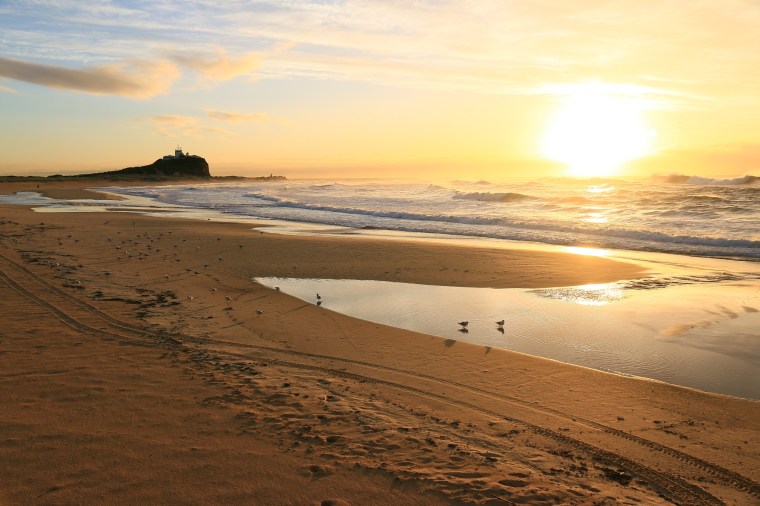
ew01

——————————–

ew03Just to ensure I clocked off five states and territories on this trip, my route to Adelaide incurred a brief stopover at Melbourne Airport. I had a bit more time on my hands in Adelaide but, barring an hour over lunchtime, the weather was mostly imitating England; cool, cloudy, drizzle interspersed with more frantic spots of rain. I ducked for cover in Rundle St Mall, and lingered in the Central Markets. I called in at Haighs, lured by giant displays of Rocky Road, and ambled under leaden skies through the ring of Parklands encircling the city.

ew04

ew05For all its charm and grace, I had seen better days in Adelaide. But at least the rain had stopped by the time I found myself on the tram to Glenelg late Friday afternoon. I was hoping for sunset, but I was guaranteed kebab. Just catching up on another feast down memory lane, and, unlike the sunset, it didn’t disappoint.

——————————–

ew05bThe next day, in a swish of a jet engine I was whisked back to summer, crossing the seas and striking landfall near Esperance. I swear, 30,000 feet below, I could just make out a tiny piece of my heart deposited in the white sands of Twilight Beach. The Wheatbelt passed in considerably less time than the twelve hour drive, and then, before you knew it, Perth hills tumbling down to an archetypal Australian suburbia. Hello Perth! Hello 27 degrees!

I decided to spend the weekend staying in Fremantle, Perth’s port town, where there are plenty of shipping containers but an almost equal number of cafes and pubs and places to eat by the water. I really, really like Fremantle and enjoyed feeling slightly like a local, desperately praying the British accents in every cafe were not intent on making my flat white. They seem to be everywhere these Poms! I can understand this, because only Fremantle can offer the strong and stable leadership that is necessary in these times of smashed avocado goji berries and beards.

ew06

In fact Freo definitely meets the mark for the classic “I could live here” award. I think – in Australian terms – it must have the greatest concentration of fine Victorian and Georgian buildings, elegance established from the wealth of shipping Vegemite and DVDs of A Country Practice to the globe. There are facially hairy signs that hipsters have taken over, but Freo’s the liberal kind of place where you can let that go and sup on a pint of Little Creatures with the smell of the hops in the air and the sun sinking into the ocean. Before doing what everyone does in Freo and eating fish and chips (with malt vinegar…thank the lord for those fleeing Poms)!

ew07

On top of soaking up Fremantle I was keen to use my spare time in Perth to revisit some favourite old haunts and lingering places. The first was City Beach and nearby Floreat Beach, partly for food but also for, well, the dazzling light of that sand and sea and surf that is unendingly uplifting. It was more of an ordeal than previous trundles in the Subaru, but a train to West Leederville and bus through Wembley and Floreat to the coast offered more proof that my memory was still reasonably intact: look, there’s that petrol station on the corner! Behind there is an IGA where I bought a Chunky Kit Kat! Oh, Bold Park, that hill and lookout!

ew08At City Beach I didn’t remember those rather fancy looking eateries and yet another pristinely positioned surf club in Australia. Some money had come into here, but from lord knows where. Perth has slumped somewhat since the state reaped lots of cash from rocks in the ground and lazily rolled about in its lucre. Still, I guess the new restaurants were an investment and they looked pretty busy. I opted for an original: my favourite calamari and chips at Floreat Beach Kiosk, worth the train and bus journey alone.

Being in these parts it would be criminal not to head to Cottesloe Beach and join the gathering masses for sundown. For some reason, the sun going about its natural business every day is an invitation to incessantly drum bongoes and get tangled in tie-dyed sarongs as if having some slow motion convulsion on a Eurovision stage. Head closer to the water and the sounds of the ocean drown it out. Cherish the sand and water and light and see the sun vanish behind that invisible strip of cloud that is almost always on the horizon.

ew09

Possibly just as famous as a Cottesloe sunset are the lorikeets in the Norfolk Pines, putting the bongo boys and girls to shame as soon as the sun has gone. In their thousands and purely deafening, this and the chill now hitting bare legs impels you to hot foot it back to the train station, goals ticked.

——————————–

Compared with the Western beaches of Perth, Rottnest Island provides a more challenging task for my memory. I came here in 2003 and recall jumping on a bus to a beach for a while and walking up to the lighthouse. There was a quokka somewhere, and probably an ice cream. My hair was black, in contrast to those white, white beaches.

ew10

On a Monday in 2017, having achieved what I needed to in a work capacity (lest you think this is all one big jolly), I took the ferry over to Rotto and – like many on board – hired a lame red bike. Being a car free island, this is the best way to see the place, on roads that are occasionally lumpy and into the wind and may harbour the odd snake which you need to swerve to avoid running over. Yes, that happened to me #thisisaustralia.
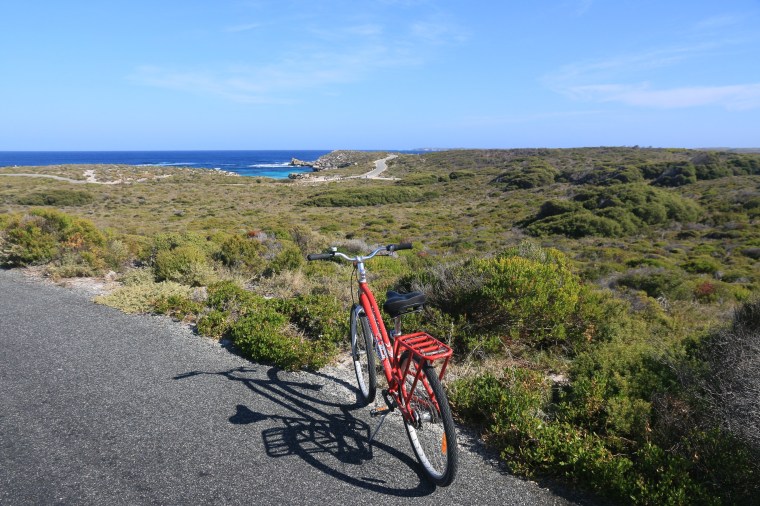
ew11

ew12There is not much more to say about Rotto, apart from glorious beaches and amazingly vivid waters and wonderful sands and beautiful bays and crystal coves. There are some sea-sculpted rock formations in between and – inland – a few smelly stagnant lakes, snake-housing scrub, and one bigger hill on which a lighthouse sits. Around the quay a touch of civility in the form of cafes and shops makes the whole place entirely tolerable as the temperature hovers around a pleasant twenty-six degrees.

ew13The other main feature of Rottnest Island are the quokkas, who are generally very cute, incredibly tame, and quite keen to get a lick of your ice cream. The main goal of many visitors to the island these days seems to be to achieve the perfect quokka selfie and #quokkaselfie. Seriously, view that hashtag and see what you come across!

You know what I did though? At one bay where a cluster of identical red bikes sat in racks and quokkas attempted to steal picnics and people gathered round them with phones, I walked to the far end of the beach, across a brief mound of dunes and grass, and discovered perfection was waiting there… #notaquokkainsight #alltomyself #mumlookawaynow

ew14

——————————–

The day trip to Rottnest was the obvious pinnacle of this trip and I will garner no sympathy at all for saying it was back to work after that. I was staying around Kings Park and commuting to nearby Subiaco, which had handy breakfast and coffee possibilities. The weather was still mid twenties, although cooling off in the nights.

ew15Essentially, I managed a jaunt into Kings Park one late afternoon, which is undoubtedly one of the biggest assets outside of the beaches that Perth has to offer. It is scenic and sprawling and accessible and full of all those variants and species that are unique to small corners of Western Australia. It’s a reminder of how isolated, how individual, this place is. Yes, there may be Hungry Jacks down the road and Home and Away showing on TV, but there is also a Banksia that only grows on one or two of those giant bluffs of the Stirling Ranges.
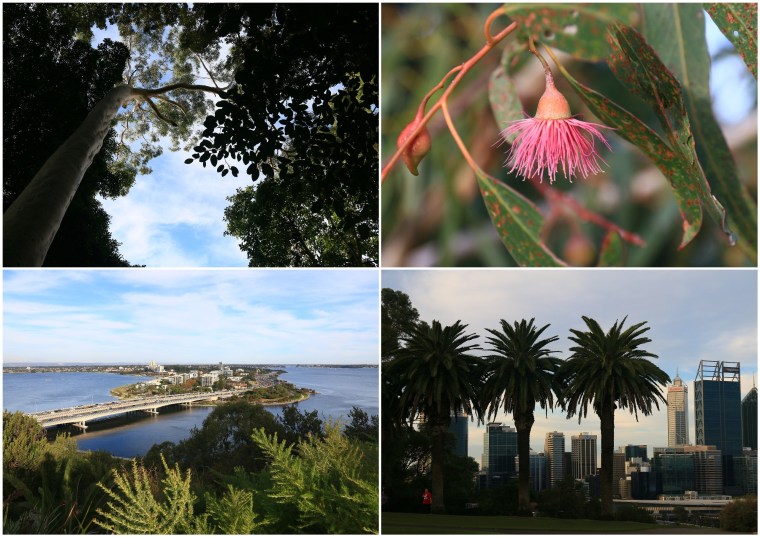
ew16

The bonus with Kings Park is that it is also the place to capture city views, complete with the hum of traffic moving along its freeways and crossing the Swan River. From here, on my last night, the sinking sun illuminates its skyline, reflecting gold off the glass and steel structures. The distant Perth Hills turn fiery red before disappearing into shadow. And out across the Swan, down towards Cottesloe and Fremantle, bongoes sound and hippies gather. The sun that has crossed the country says its goodbyes, leaving Australia for a few hours before it gathers again in the morning and pierces the surf of Nobby’s Beach in a happily circular manner in which to join things together and tie things up. East to West.
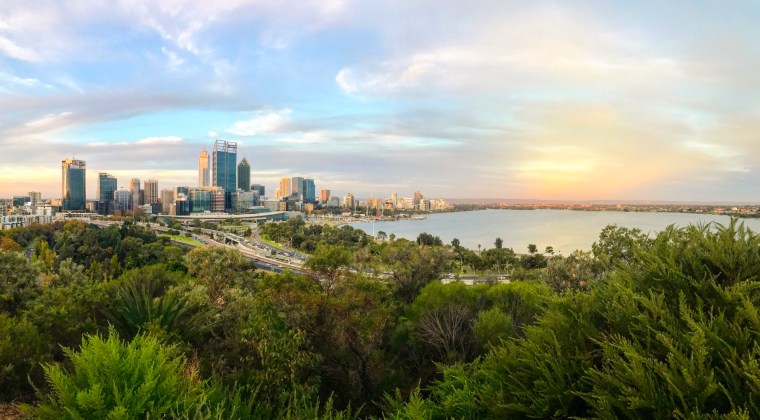
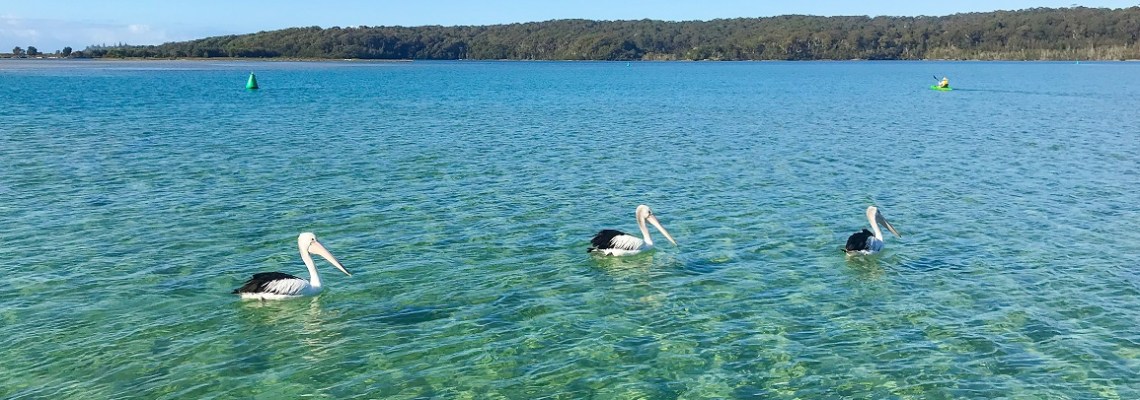
ew17

Australia Food & Drink Green Bogey Photography

Newcy town

When I think of Newcastle some quite disturbing images come to mind. Gazza, half cut, tongue out, festooned with a pair of fake plastic tits; girls plastered with fake everythings casually hanging out in crop tops in the freezing fog of January; Kevin Keegan’s bubble perm; a language unfathomable, so much so that I can remember having to ask a couple of Geordies to say that again at least ten times before I gave up and resorted to a smile and nod. My Newcastle associations are embedded in the UK.

Like so many spots down under there is a Newcastle of the south. The resemblance is far from uncanny but one bond in common is a slightly grimy industrial heritage. This in the oh-so-sunny world of Australia is perversely refreshing. Sure, the entrance to town from the direction of the airport is not the greatest advertisement, as you cross the Hunter River in a squall and look down upon piles of coal and metalwork. But there is an honesty to it, a grit, an earthy spirit perhaps common to Newcastles all over the world, whyaye.

newc2Once clear of this blackspot of industry, you are back in a more familiar kind of Australia, with Newcastle boasting some fine beaches, cafe-cultured hubbub, and waterside retreats. I like it here, though being unfamiliar with what’s hot and what’s not it took me four attempts to get a good coffee. Cafes on Darby Street have an appearance in which they seem to talk the talk, but walking proves far more problematic. Is it me, or are baristas with an armful of tattoos, baseball caps and a love of the mirror at the gym usurping hipsters in coffee-making skills? Just something I seem to have observed in recent times…

newc3Once I found a good coffee from someone who could crush the beans by hand, I decided I liked Newcastle a lot. It probably joins the long list of places where I’d say I could live if I had to. Being on the coast has a lot to do with it, and while showers were around and daylight saving had ended, at least I got to enjoy the last of the day with the rainbows and butterflies before setting off for some evening work.

newc4

The next morning started early (partly because daylight saving has ended) and – being on the east coast – I thought I may marvel in the sunrise over the ocean. Of course, the persistent stream of showers coming in off the Tasman Sea had other ideas. But I was up now, so I headed along the breezy coastline towards Merewether Beach. Partly this passed along a rather fine metal walkway making the cliff top route a touch easier to navigate. That is, until turning round and noticing the many steps in the other direction. Still, it justified breakfast (with average coffee / no tattoos).

newc5

Newcastle airport is some 30 kilometres north of the city and I didn’t really need to be there until 4. If you carry on a similar distance north of the airport you enter the long peninsula of Port Stephens, a collective of holiday towns, placid bays and hilly bush-clad headlands. It’s probably worth a day or two to explore but I had a few hours, pausing for lunch at Fingal Bay, before doing undoubtedly the number one thing to do and climbing Tomaree Head. It’s not a long walk but there are a few switchbacks and metal steps involved, leading to a 360 degree view of the bay, the hills, the beaches and the agitated blue sea.

newc6

newc7While blessed with the rugged scenery of Northumberland I doubt if the Newcastle of the north would have such a temperate idyll an hour away. You can see why people come here for holidays, or to retire. Even the koalas of NSW like it here, not that I saw any (or saw any people looking up into trees which is the best way of spotting koalas). I have only been to the other Newcastle once and I thought it was alright. But if I was to choose, I think this one would win hands down; even without a Sunderland next door aye!

Australia Green Bogey