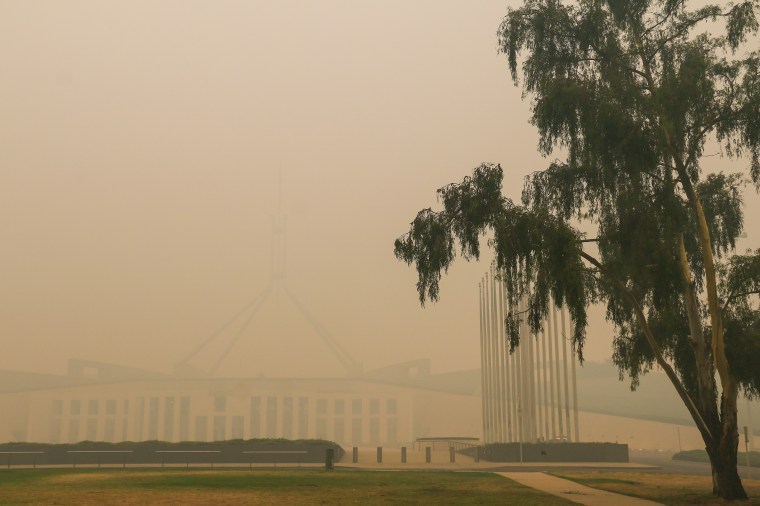
As 2020 dawned without a sunrise in many parts of Australia, what chance that optimism associated with a new year? When the predominance is on the very present disappearing into a sickly haze ten metres in front of you, grating at your throat and chiselling at your eyes. When you know this is far from the worst of it and the days to come portend further peril. When a centre of power is cloaked in the symbolism of failure and irrelevance, an absurdity as potent as the sight of fireworks trivialising a harbour city.
The good news is that things have quietened down a touch. There have been drops of rain. In places, there simply isn’t that much fuel left to burn. For regions where recovery has commenced there is an uplifting wholesomeness on display in the generosity of the human spirit. Some roads have re-opened and goodwill is flooding in. With any luck, we may look upon January 4th as the culmination of this elongated calamity. Though it is far too early to rest and relax.
The hideousness of the outdoors on January 5th proved enough to cancel a trip away to Wollongong, a small inconvenience compared to the carnage faced by so many. It seems flippant to bemoan absent holidays and ruined plans. Subsequently needing supplies for dinner that day, I cannot say for sure if the watering of my eyes in the supermarket was from the smoke infiltrating the shopping centre, the heaviness in my heart, or the absence of discounted Christmas crumbly fudge from Yorkshire.

In that supermarket I resolved to get away, to breathe, to experience life without the preoccupation of fire and smoke. In this I am one of the lucky ones, one of the climate refugees who has the resources to adapt and mitigate. As with everything it seems it is those who suffer the most who will suffer the most and I feel guilt at my relative luck and privilege. It is with a similar sentiment that I approach the task of writing about frolics in the sun, in the clear air, with friends and other animals. Getaways in the state of Queensland, earlier touched by fire but by now in its own detached bubble.
I never thought the obvious place you’d go to escape the apocalypse would be Brisbane, especially Brisbane in summer. It just goes to show the terrible state of affairs we are in. I don’t mind Brisbane, but it’s not in my top ten, unless it’s my top ten list of places to escape the apocalypse, naturally. A little extra humidity is a small price to pay for clean air.
Indeed, there was a pleasantness about the place, still fairly quiet as people loll through their summer holidays, zooming up to the coast in their Hiluxes packed with fishing rods and eskies, often trailed by flashy boats. It’s a conspicuous consumption of Australiana that begins to tire in context, a dissonance that exacerbates the sense of that Queensland bubble. People show concern, but empathy is harder to summon.
 I did Brisbane things in Brisbane, such as pretending to be sophisticated at a few of the galleries, crashing down to earth with sugary iced drinks for a dollar, cycling on one of those godawful city bikes along death trap rush hour cycleways, and bobbing upon the water aboard trashy ferries championing local sporting sides.
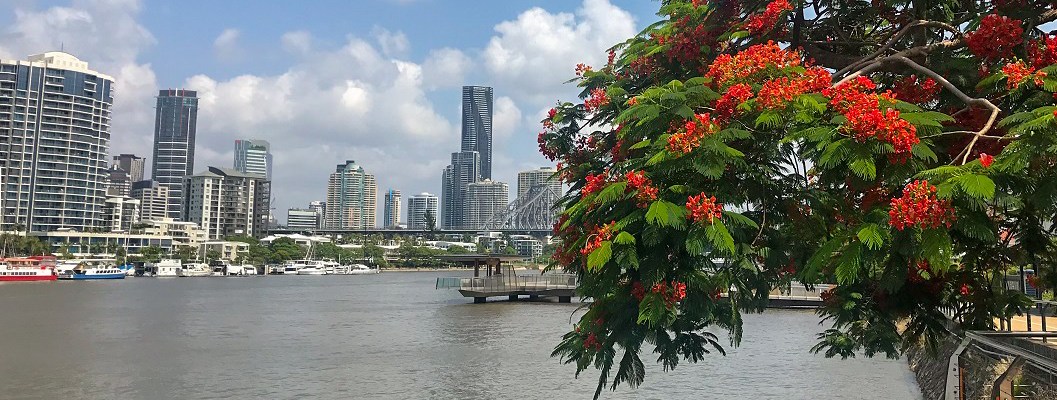
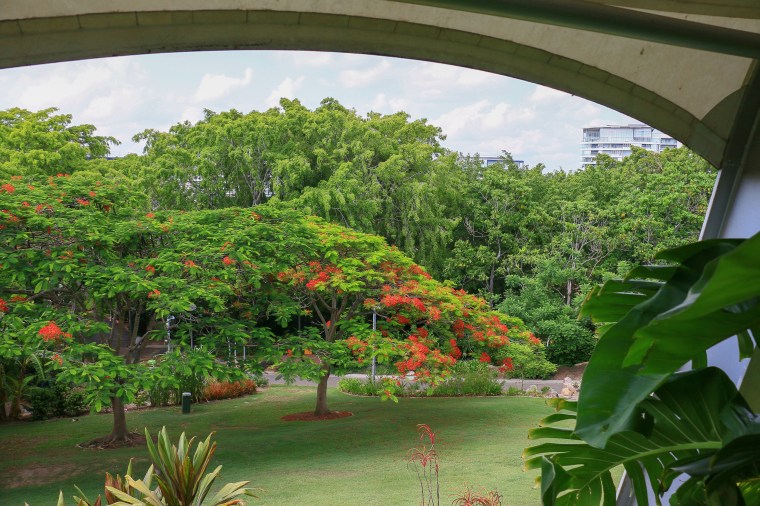
One of the joys of my rambling was an early morning potter around Roma Street Parklands, where what seemed like a revelation materialised: an abundance of green interspersed with the vibrant, exotic colours of nature bursting into bloom. Throughout the park – and across the city – the late withering of purple jacarandas was eclipsed by the bright red bursts emanating from the ubiquitous Poinciana trees. Pockets of wonder among the humdrum. Life going on.
Another minor revelation within the city came from stumbling across new development under and around the Story Bridge. As much as it tries, this will never be that other Australian bridge, but they have done a splendid job of transforming the area beneath it into an enclave of approachable eateries, beery pit stops and picnic points. It seems every reputable town these days needs its own brewery and burgers, mimicking – once again – the pioneering zeitgeist of – yes really – Canberra.

Tiring a little of the city and its newfound zeitgeist I escaped one morning to the coast. Well, Moreton Bay at least, which is far from a windswept ocean of pummelling surf and fine white sand. Accessible by train, the bayside suburbs of Sandgate and Shorncliffe possess a certain gentility, a more relaxed atmosphere akin to a seaside town of the 1950s. Esplanades and jetties fringe the tidal flats, children construct sandcastles in between a hotchpotch of dogs mingling on the beach, and old codgers creep down to the water’s edge to stare out into the infinity of life.
Capping this off would have been traditional fish and chips, but it seems Queensland (from my random sample of three) is very fond of crumbed fish and – of course – thinner fries over chunky chips. Malt vinegar proved a salvation to at least conjure up an essence of other times and places.

Better beaches line the Sunshine Coast, and it was pleasing to have a brief interlude further north courtesy of old friend Jason and his gas-guzzling ute. It only seemed fair recompense for making me do an early morning Parkrun – my first – along Southbank and the Botanic Gardens in Brisbane. I’m not convinced the short but steep climb up to Wild Horse Mountain was the best warm down, but the panorama peppered with Glass House Mountains was worth it.
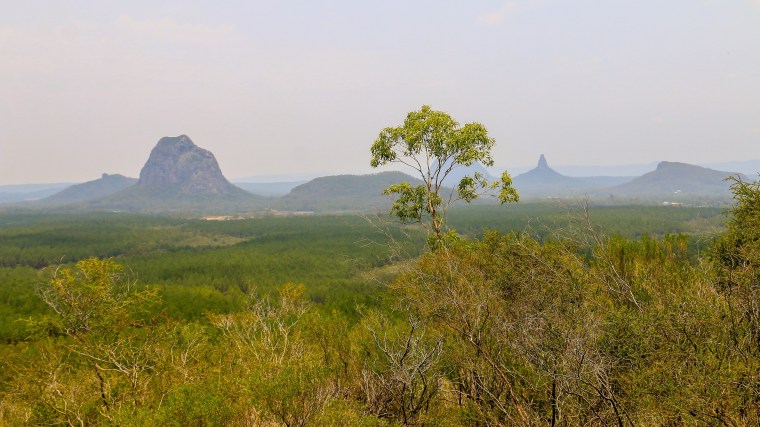
This was a new perspective; inexplicably a lookout I had passed many times on the G’day Bruce Highway but one I had never actually paused to explore. Looking down upon masses of plantation forest intermingled with clutches of natural bush, perspectives had also altered: yes, this is welcome, this is beautiful but there lingers a nagging question mark, a sense of inevitability that one day this will be eaten by flames as well. Such is the preoccupation.
A stop at Beefy’s pie shop did little to dampen such thoughts for, as I devoured a giant wagon wheel with an iced coffee, all I could picture was our esteemed leader chomping down on a pie sporting a Beefy’s cap on one of his vacuous How Good Is tours. What a fucking moron.
The Sunshine Coast seems to be becoming more and more emblematic of the rampant quest for growth and consumption, perhaps to the detriment of everything else. More habitats cleared, more congestion-busting infrastructure necessary, more polluted waterways, more How Good is Beefy’s at more shopping malls that you need to drive to. Change happens and people need to live somewhere, but do they really need to live in a six bedroom home with a cinema, a rumpus room and a three-car garage? Among cleared bushland that resembles tinder waiting to explode? There has to be a better way.
It was a relief to come across one spot that – as of yet – did not seem over-developed. Testament that Australia still has a lot of space, which is both its blessing and its curse. Mudjimba Beach wildly stretching up towards Coolum and beyond. Under cool and cloudy skies. The Lucky Country still riding its luck.

Back in Brisbane I extended my stay a little while longer in the hope that when it came time to go home the air would be clearer. Why leave the bubble when you didn’t really need to? And I reckon Millie the dog was grateful for my company.
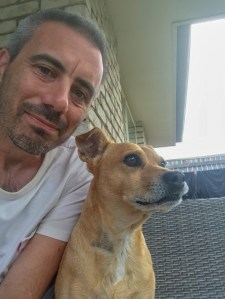 Together, we explored the land of the Quiet Australian, treading newly built pavements, discovering plots of land awaiting a six bedroom home, lounging in the garden questioning how the Quiet Australians next door can be so goddam noisy. Some of us sniffed butts and peed on lampposts. Others caught buses and sought coffee at the mall. There was a lot of cloud and a little rain. And hope on the grapevine that this would extend south.
My final evening on this Queensland trip took Millie and I down the road, past yappy dogs behind six foot fences, to the suburban fringe. A landscape penetrated by channels and creeks infiltrating from Moreton Bay. Puddles forming into larger areas of wetland feasted upon by cattle egrets and masked lapwings. Signs promoting new land releases. And the most incredible, alien swathe of green.

Imagine such abundance, such feast. Imagine rain for days and weeks. If you’re reading this in the UK imagination is probably not necessary. But imagine creeks flowing after years and dust turning to mud. Picture dead brown and yellow earth transforming to green. Imagine the life, the rejuvenation, the hope. Those first drops of rain may not immediately solve all the woes, heal all the scars, quell all the flames. But they offer hope. Hope that didn’t come as usual with the turning of the year but may now, finally, hopefully, offer a future.
————————————————
A postscript
My previous blog post involving a trip to East Gippsland and Far South East NSW took place immediately before much of this area was decimated by fire. It seems a bit surreal now to think I went here for relief and probably experienced places that may never be the same again or – at the very least – will take decades to recover. I probably chatted to people who evacuated in panic, bought coffee from shops now cut off, and feasted on fish and chips on a wharf where people were braced to jump into water as last resort survival.
Mallacoota has naturally received much attention. Though I didn’t go there on this last trip, I can, from past experiences, testify to its warm-hearted community and beautiful spirit. Usually a place of escape and happiness set within a wilderness, thousands sheltered by the water as flames approached on New Year’s Eve. Around 100 homes were lost. Many animals were killed, although the efforts of one man to rescue koalas melts the heart.
Nearby Cann River provided me with a lovely campsite by the dwindling waterway, as well as a bustling little high street for thousands of tourists passing through on the Princes Highway. The town has struggled with fires all around and has been cut off, though the local community are pulling together.
Cape Conran, Marlo and Orbost were threatened and at times cut off. Some outlying areas around Orbost experienced fire and some homes in rural localities were lost.
In NSW, Eden was threatened in major flare ups and expansion of fire grounds on January 4th. The fires that had burnt through Mallacoota spread north and east into Ben Boyd National Park and reached Twofold Bay. Residents of Eden were told to evacuate to Merimbula or Bega, though some sheltered by the wharf where I enjoyed amazing fish and chips around a week earlier. The fire destroyed outlying properties and ignited a fire at a woodchip mill but – thus far – has not breached the main township.
Fires from Victoria also have spread north towards Bombala and into South East Forests National Park. Presently they have not reached the Waratah Gully campground and its resident kookaburras nor have they spilled down Myanba Gorge. The fire ground presently appears around 2kms south of the walking track for Pheasants Peak and around 4km from the campground.

 There is a colony of koalas here, and I was pleased to come across one in the first hundred metres of my walk. It was around midday and hot, exactly the kind of conditions in which you should not be out walking. But with this early sighting, the pressure was off – no more relentlessly craning one’s neck upward in the usually forlorn hope of spotting a bulbous lump that isn’t a growth protruding from a eucalypt. I could instead loop back to the car concentrating more on keeping the flies from going up my nose. Yes, they are absolutely back.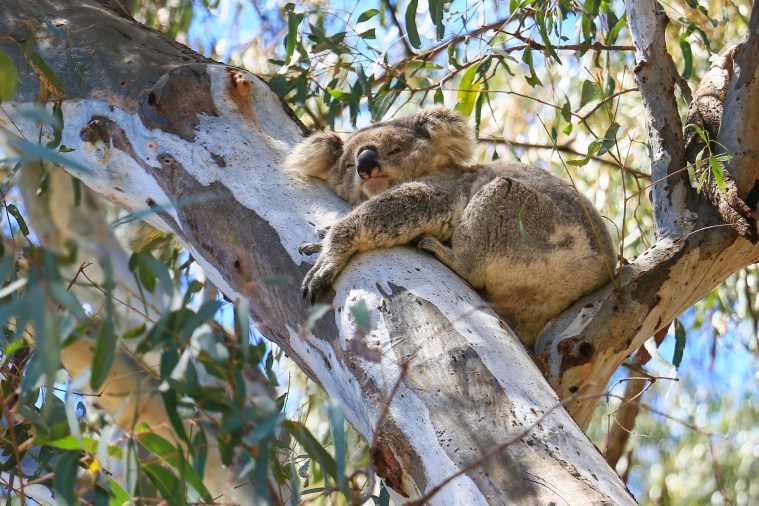


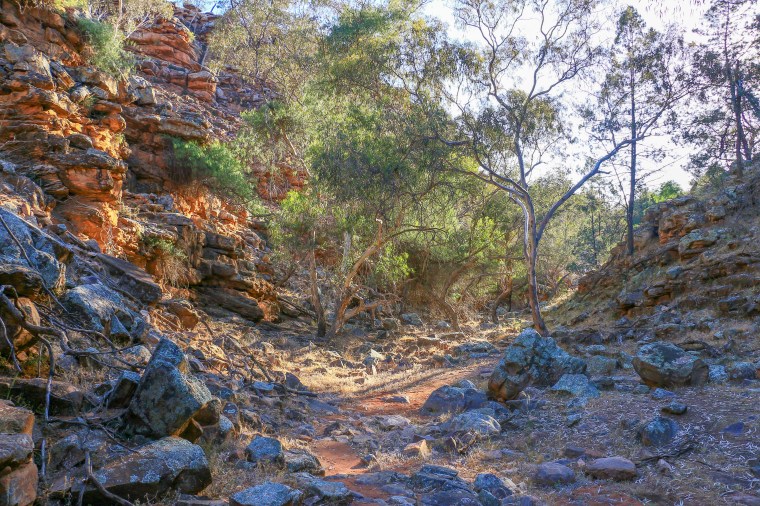

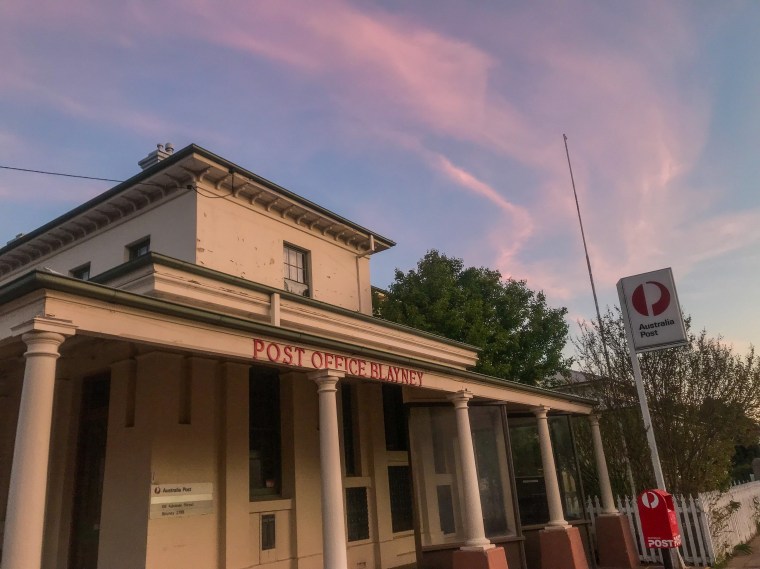
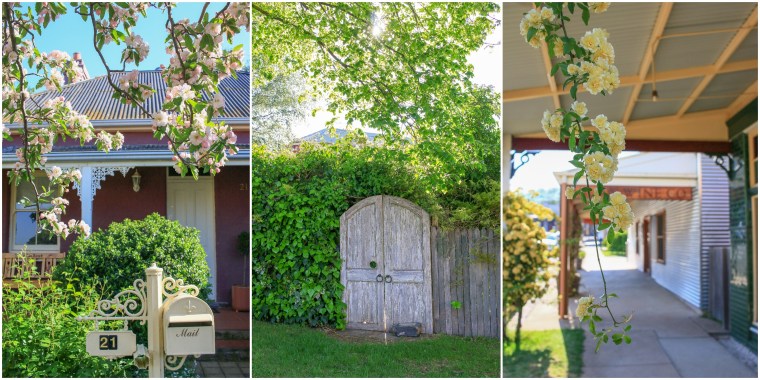
 Still, should you wish to rise from this indulgent slumber, another hour or so east will bring you to the western fringe of the Blue Mountains. Suddenly things change, and not just the petrol price rising thirty cents a litre in as many kilometres. The day trippers are out in force, the coaches idling at every single possible lookout, of which there are many. The escarpment top towns of Blackheath and Katoomba and Leura are brimming with people shuffling between café and bakery, spilling down like ants to the overlooks nearby. Below the ridge, however, and the wilderness wins. Only penetrable at its fringe, placid beneath a canopy of ferns and eucalyptus.


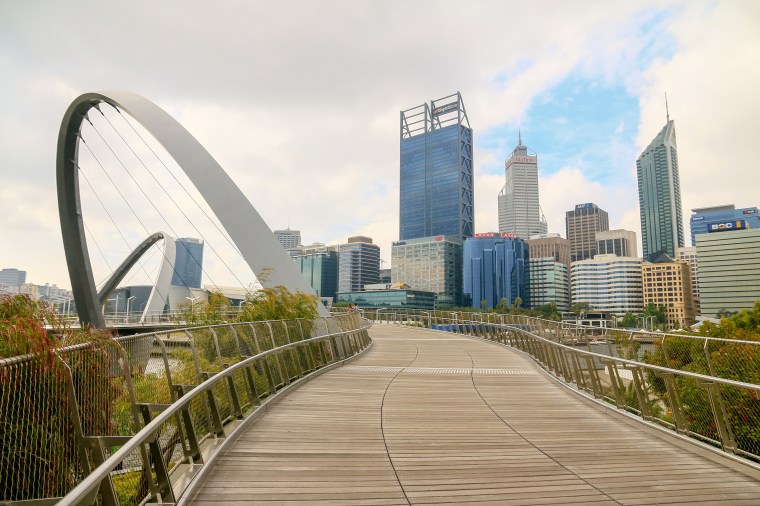

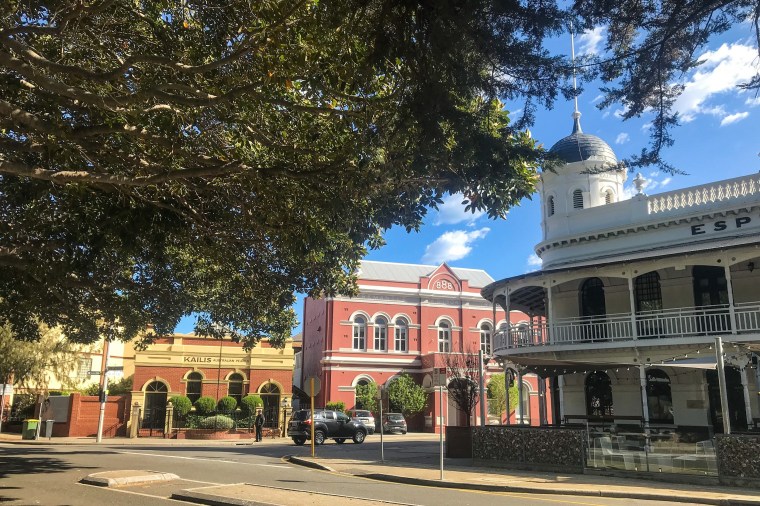
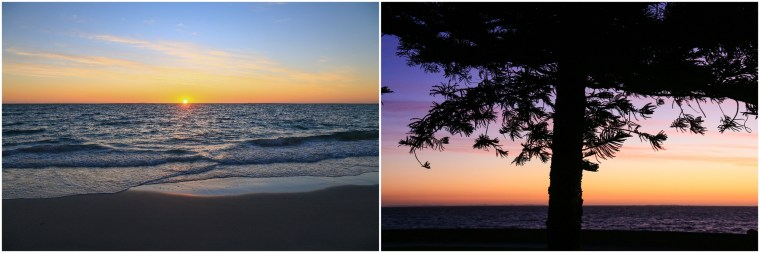
 Freo was my base for the week and part of its appeal was accessibility to water. Being a busy and somewhat historic port, it’s not without its charm and boasts a high concentration of elegant turn-of-the-century colonial buildings. It seems to attract hipsters which equals good coffee, has not one but two breweries, puts on some fine markets, and has developed into a mecca for fish and chip consumption. There is a lot to like about Freo.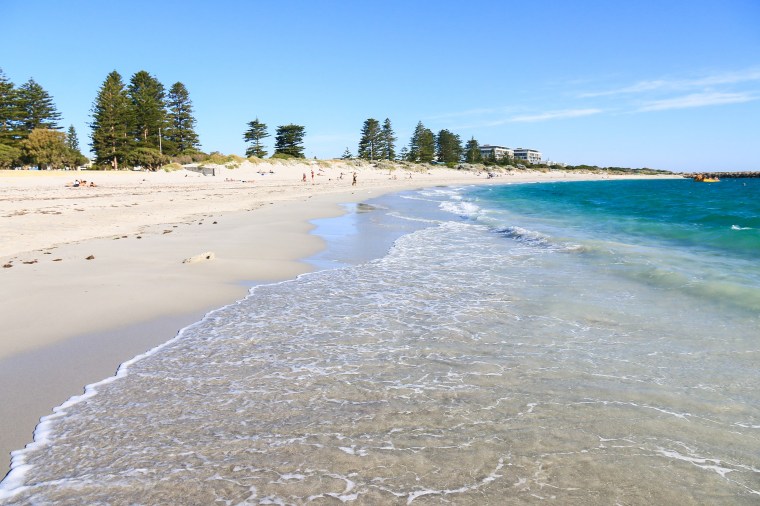
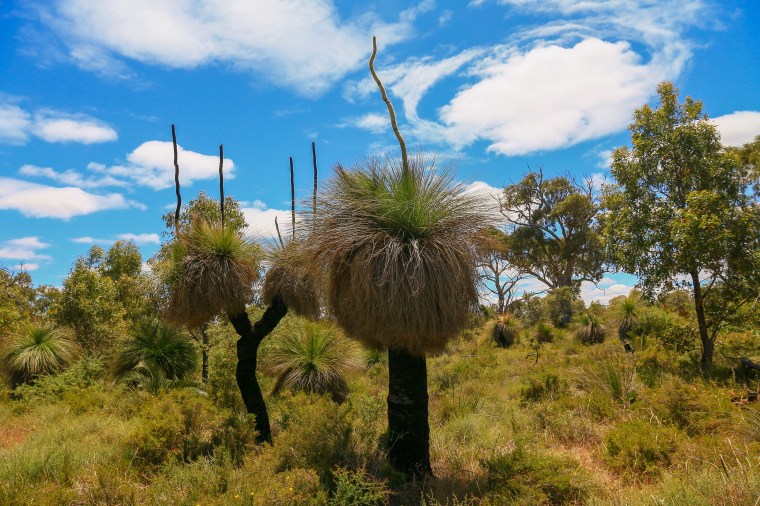
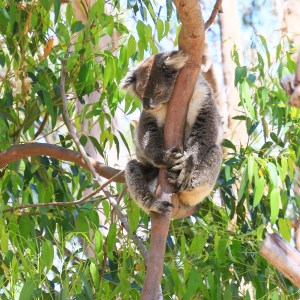 Given the proximity of this park to Perth, there is also a more manicured and deliberately designed aspect to certain areas, with tightly mown grass, a cosy café, campgrounds, waterside boardwalks and electric barbecues. A perfect family spot for a Sunday lunch, kickabout and encounter with koalas and kangaroos, creatures which seem strategically placed for the many visitors on minibus tours heading for the Pinnacles.
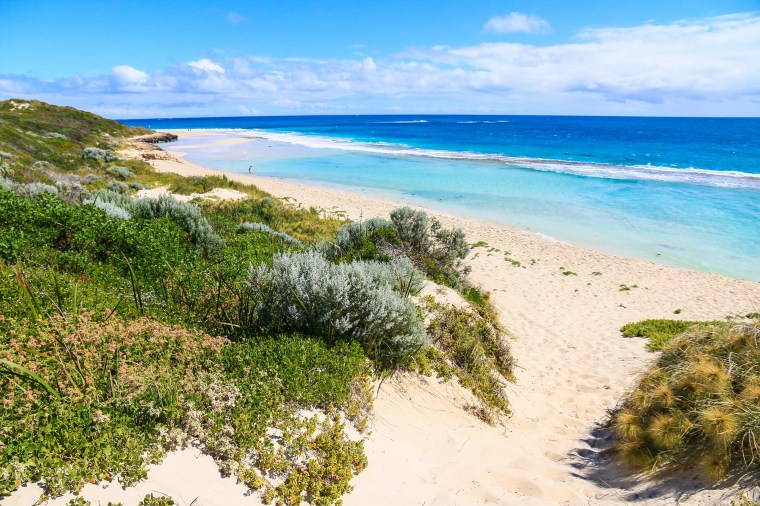


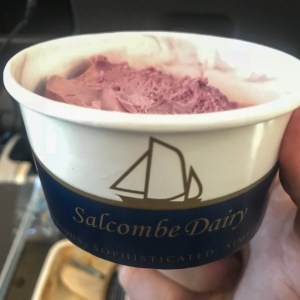 …And just like that the world spins and you fight against it for a day or so in this never-never land of cold air and reclining seats and unappealing movies and rice with two lumps of what might be chicken. Dessert is more of a highlight because it involves – somewhat poetically – Salcombe Dairy Ice Cream. Here I am on a Singapore Airlines A380 headed for Australia and dessert comes from a little patch of paradise on the south coast of Devon. In that taste of creamy cherry are the lush meadows and deep blue seas of home.
  At some point the world becomes tropical. There are bright lights, acres of glass and miles of travellators. You could buy a Rolex or a roti with some weird money. It is five in the morning and people are eating dinner. You are somewhere in the world at some point in time but not much of it makes sense. If only it was all a dream, the relaxing sound of running water and floating butterflies lulling you into restful sleep…
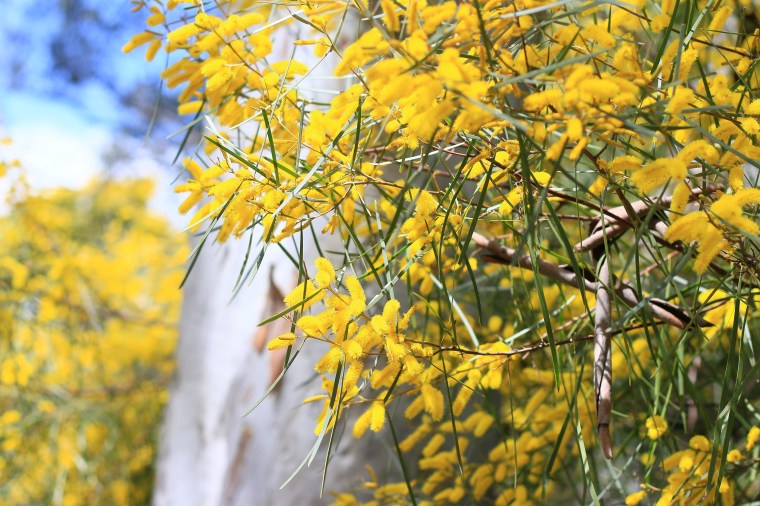
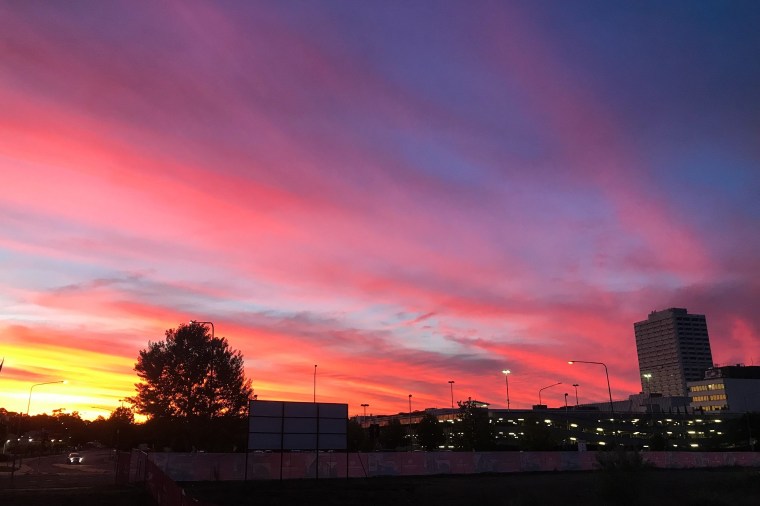


 It’s taken a while for summer in Canberra to arrive, with the inevitable false starts and the fake summer that usually emerges for a week or so in October before retreating with startling rapidity. The variable weather conditions are largely a boon for nature which bursts into a frenzy of colour and gargantuan jungle of weeds. One minute you have a perfectly respectable outside patio area, the next it’s a (*culture alert*) frenzied sketch from Rousseau. Best to try and ignore the weeding and admire how the professionals manage things at the Botanic Gardens.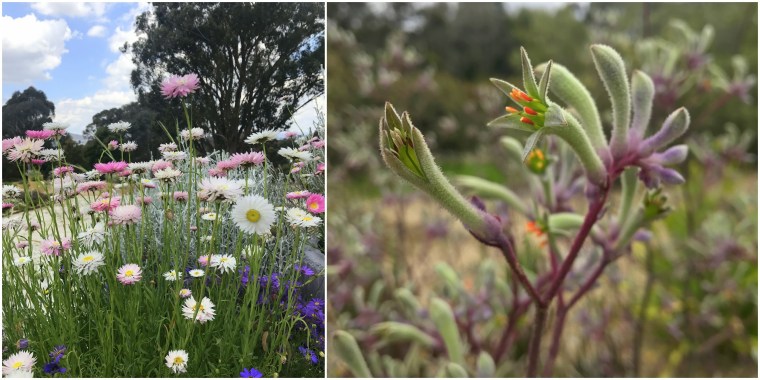
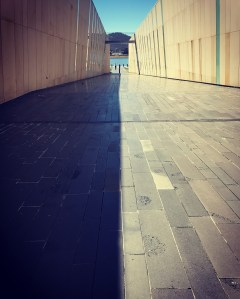 There is a point for me in which winter in Canberra is definitely over and summer is certainly on the way. It’s that day when you decide to walk in the shade to cool down and protect, rather than seek out a warming sun and its melanoma vengeance. You know you should get your floppy hat out despite looking like a numpty in it. And largely avoid the midday sun for disproven fear that it is this that is making your hair grey and not the inevitable march of age and genetics.
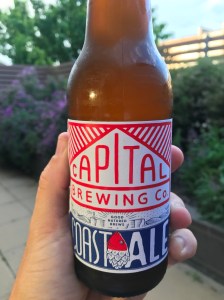 Anyway, the best times are the day’s extremities as the amount of sunshine increases. Those cool mornings when Wattlebirds wake you up at 5am and you could be tempted to a) get on your bike for a beautiful lakeside ride of virtue or b) turn on the radio in the hope that you will doze back to news of Cooper Cronk being signed by the Northern Beaches Numbats. And, at the other end, there’s those lingering light evenings, in which twilight golf is a possibility and cold beer and barbecues become a more frequent consideration.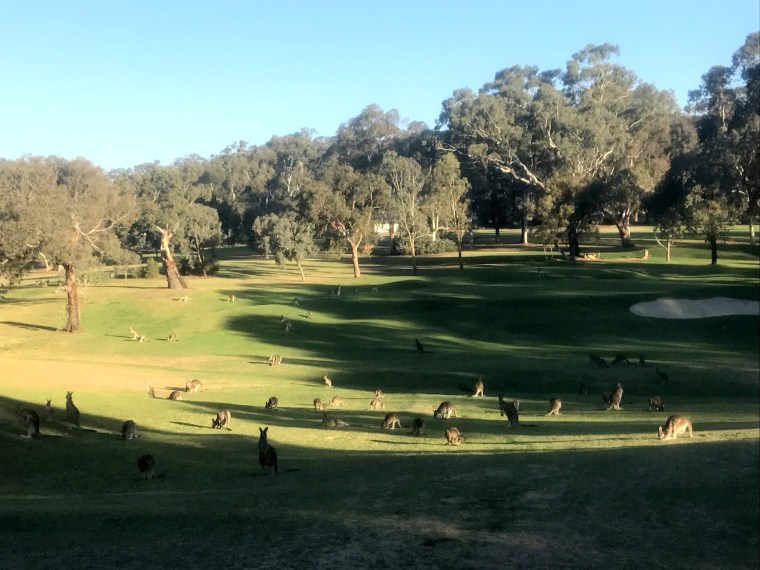
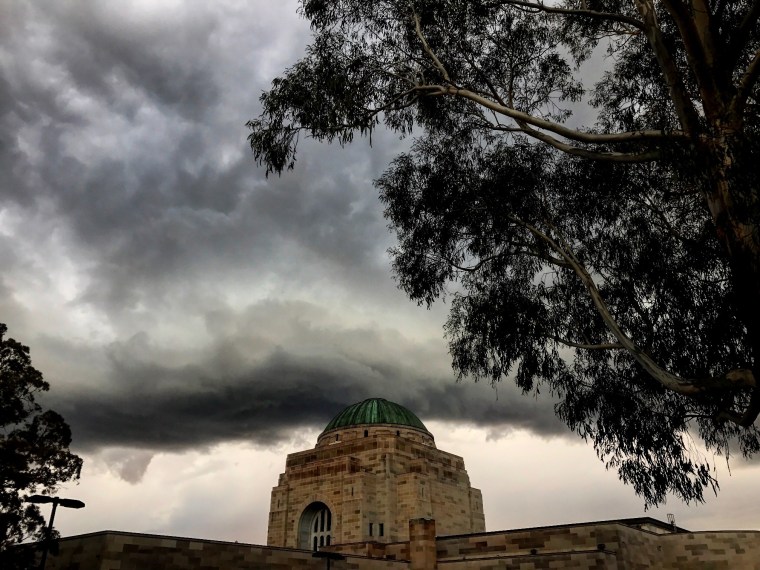
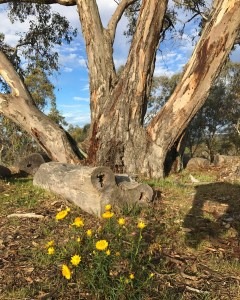 All this water, all this sunshine, all this warmth and cool change. A time for shorts and hoodies and rainbows, many rainbows. Rainbows and butterflies as summer seems to assert itself with greater authority. But still Christmas hovers as a lottery between scorching bushfires and mild drizzle; no doubt it will be 35 degrees for a classic roast or a chilly 18 for a poolside barbie with novelty oversized prawns. Only time will tell.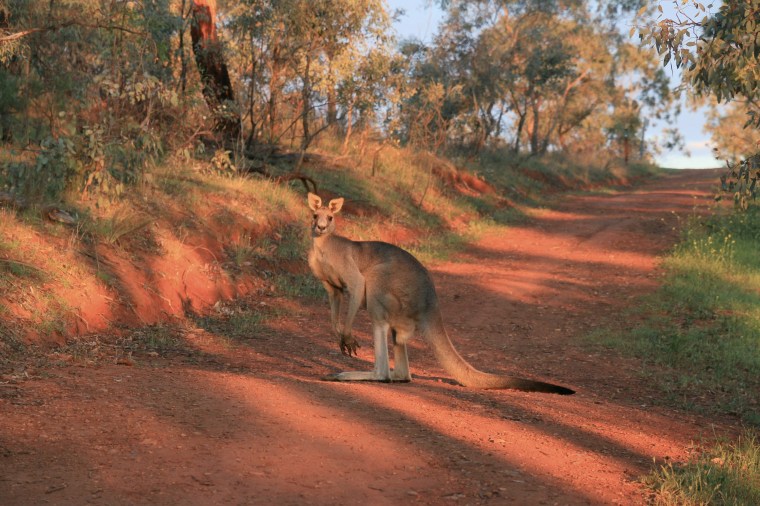





 First up on a perfect day we scaled the heights of 20 Fenchurch Street. By elevator of course, up to the Sky Garden of the building popularly known as the Walkie-Talkie. No bungee jumping, no glass-bottom floor, no zip wire…just astounding views over London, shady ferns, comfy sofas and another predictably poor coffee.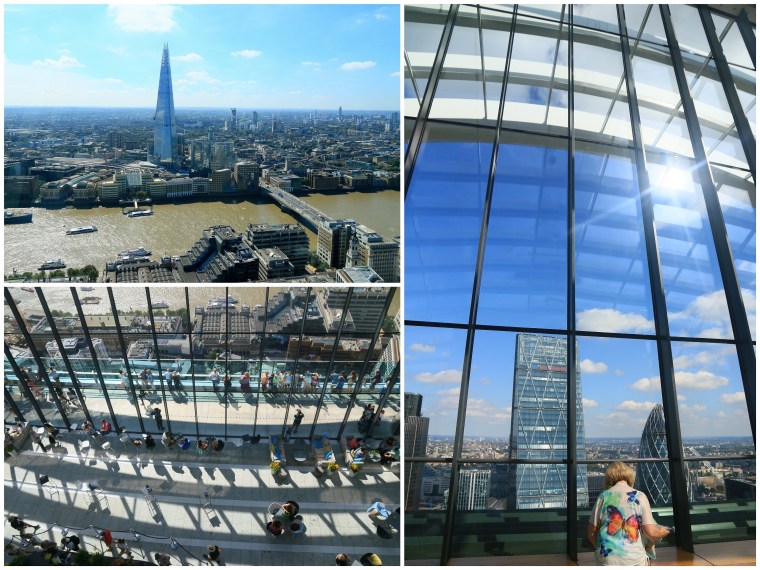
 I am wondering if there is any finer place than Kew Gardens on such a beautiful late summer’s day. For not only are there acres of manicured lawn, generous pockets of woodland bursting green, and a profligate array of multihued flowerbeds, but you can also play guess the airline. In the cloudless sky, the parade of jets coming into land at Heathrow provides a distracting guessing game when one finds oneself eating ice cream under the shade of a tree. The funny thing was, we didn’t seem to be the only ones playing it.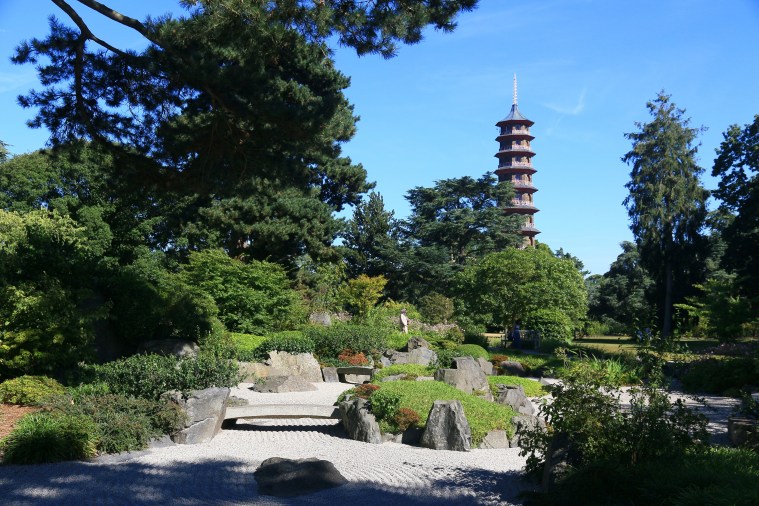
 But back to earth. We must have walked a fair few miles around the gardens but at regular intervals there was an opportunity to dwell, a chance to linger. A gallery here, a cafe there, a grand house beyond the trees. Sculptures and water features and artworks to do with bees, in which human drones obediently infiltrate the hive out of nothing more than curiosity.


 Another surprise in this area was the presence of something called Walthamstow Village. While no thatched cottage idyll in the South Hams of Devon, it possessed that quiet street, classic brickwork, church green feel of a London village, with some similarity to more celebrated haunts such as Highgate and Hampstead. Plus there was somewhere to buy ice cream, relief on another generously warm day.
 gbpilgrim