
I am back in Australia, honest! Proof of this are the shorts adorning my waist, the flat white on my desk and the gorgeous melodies of magpies lurking outside ready to peck my eyes out. Yet still the European adventures linger on, and the feeling of being at home away from home away from home.
Plymouth won’t win any prizes for Britain’s most beautiful city, but it is my home town and I’m happy that way. Mostly thanks to its geography and history there is a lot to love about Plymouth, despite clusters of concrete dreariness and chavvy hang outs. Somehow I felt an air of greater positivity in Plymouth this year, which is perplexing given years of council cutbacks and the potential cliff edge that we all know weighs upon the near future. Perhaps this is what a good summer yields.
The Hoe, how I relish seeing Plymouth’s Hoe, especially on fine evenings as families gather for picnics, friends congregate for frisbee, and old fogies stare out to sea behind the protection of their car windscreens. I love the sense of community, the fraternity, this contented coming together in public spaces…from the ridiculous music coming out of the devices of yoof splayed out on the grass to the flasks of tea being enjoyed by elders within the comfort of a Nissan Micra.

Many people are out enjoying Plymouth’s classic circular amble, milling their way through the historic Barbican before rising up along the foreshore and taking in vistas of Plymouth Sound from The Promenade. The Barbican is a reliable go-to to wile away an hour, to seek out food and drink and to perhaps even discover a good coffee…eventually. A salty air of old sea-dogs and staggering drunks, intertwined with fancy foods and crumbly fudge.
And what of the sights and experiences within half an hour or so? Well, on three sides there is Cornwall, Dartmoor, and the South Hams respectively on your doorstep. All national park or areas of outstanding natural beauty, designated or otherwise.
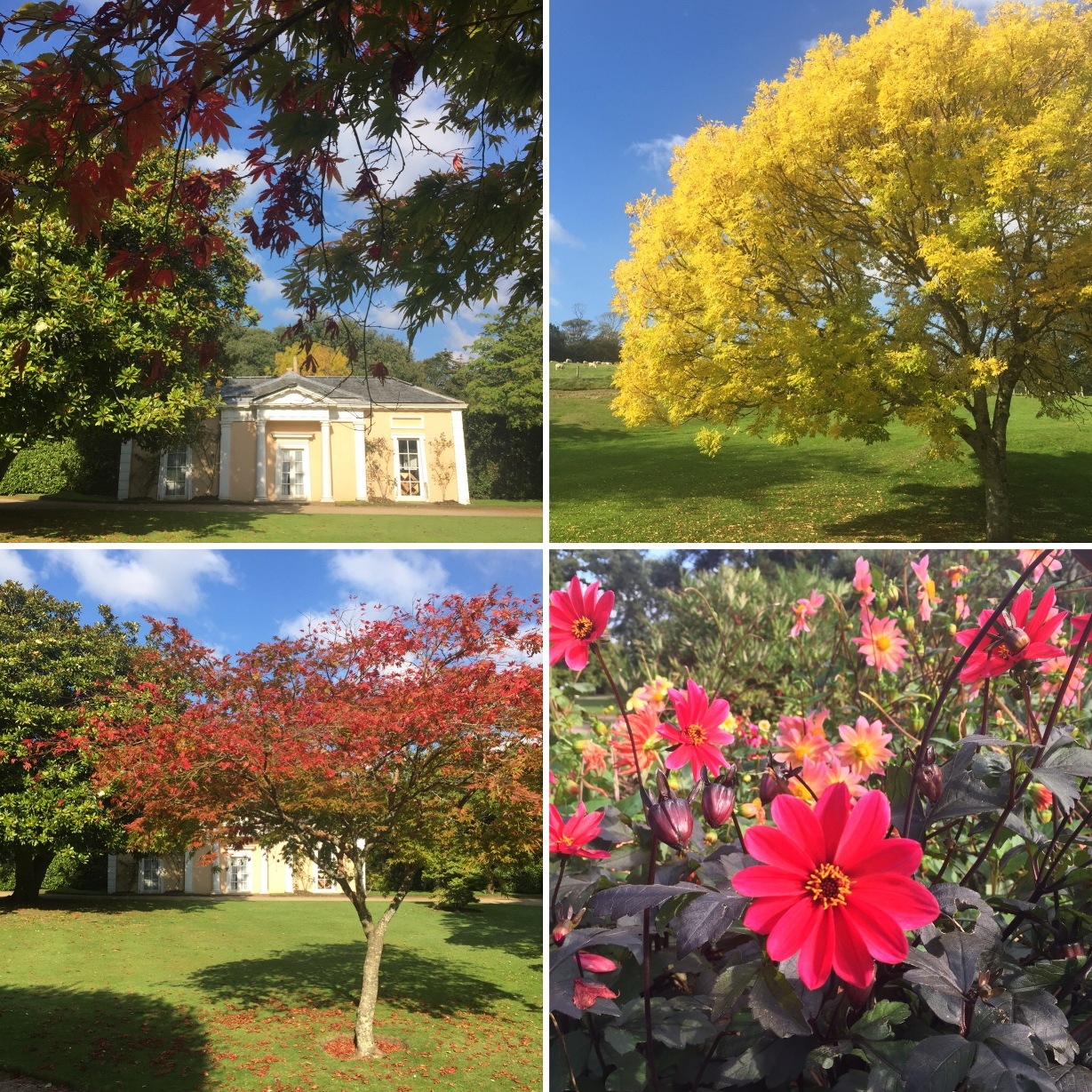
Probably the most pleasing way to cross the frontier west into Cornwall is on the tiny passenger ferry from Cremyll to Mount Edgecumbe. Here, the rather expansive country park offers everything from rampant rhododendrons to tumbledown towers. A shoreline of seaweed and pebbles is fractured by swathes of woodland meandering down to the waterside, while formal lawns and regimented flower beds are dotted with Romanesque statues and Georgian hidey-holes. This is a place of childhood summers, an escape accessible to all Plymothians, as long as the ferry price doesn’t continue to escalate.
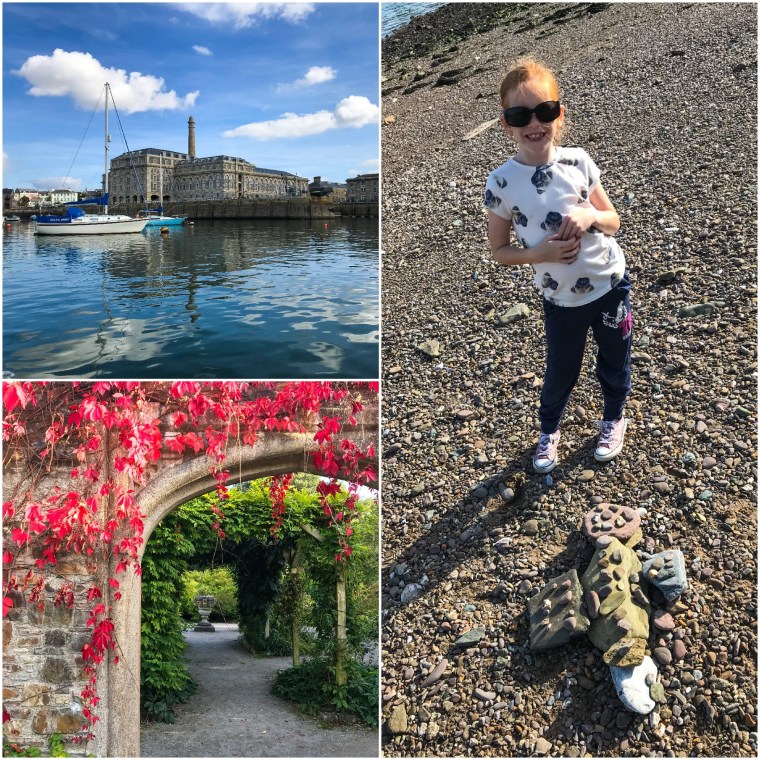
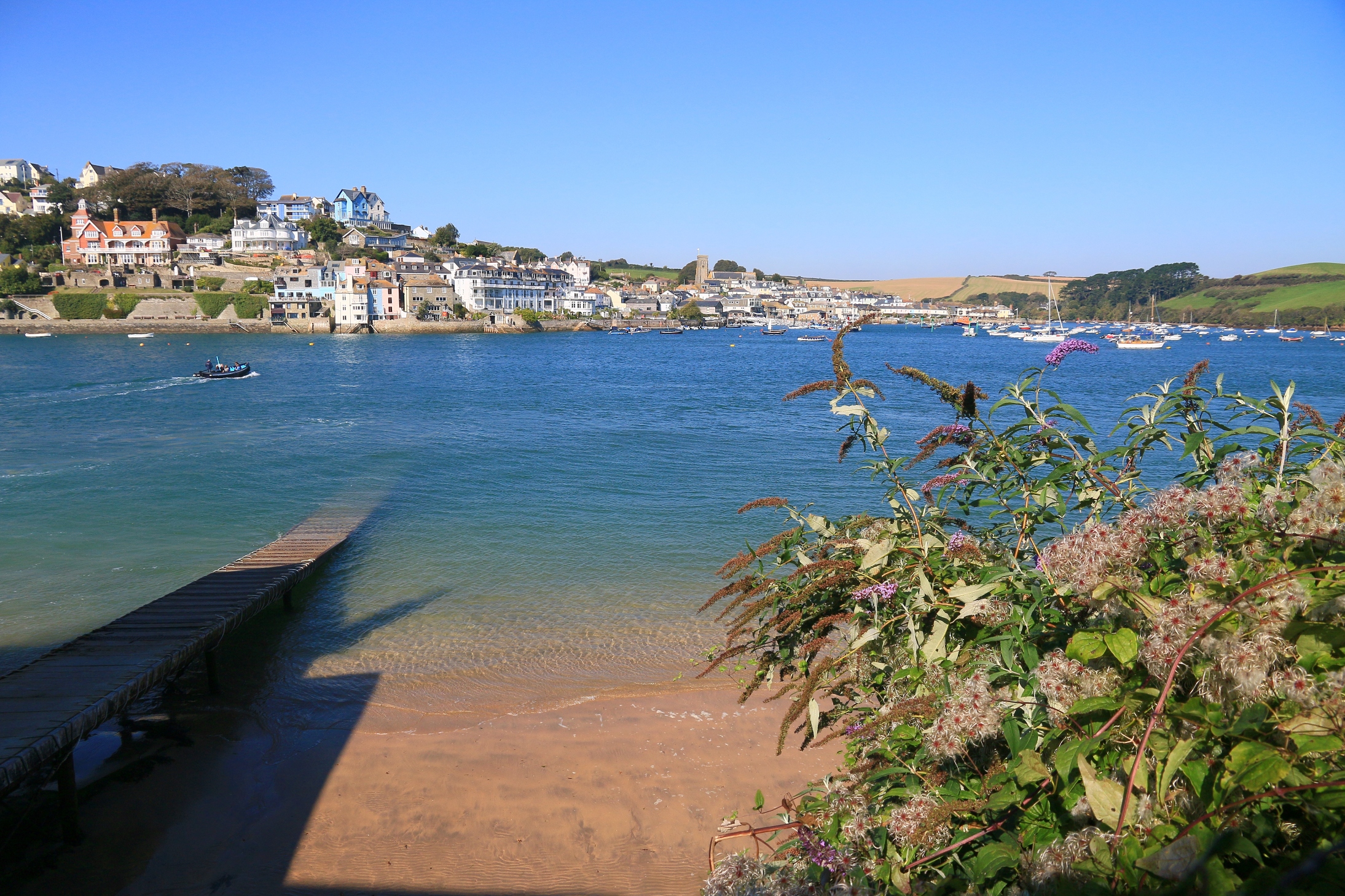
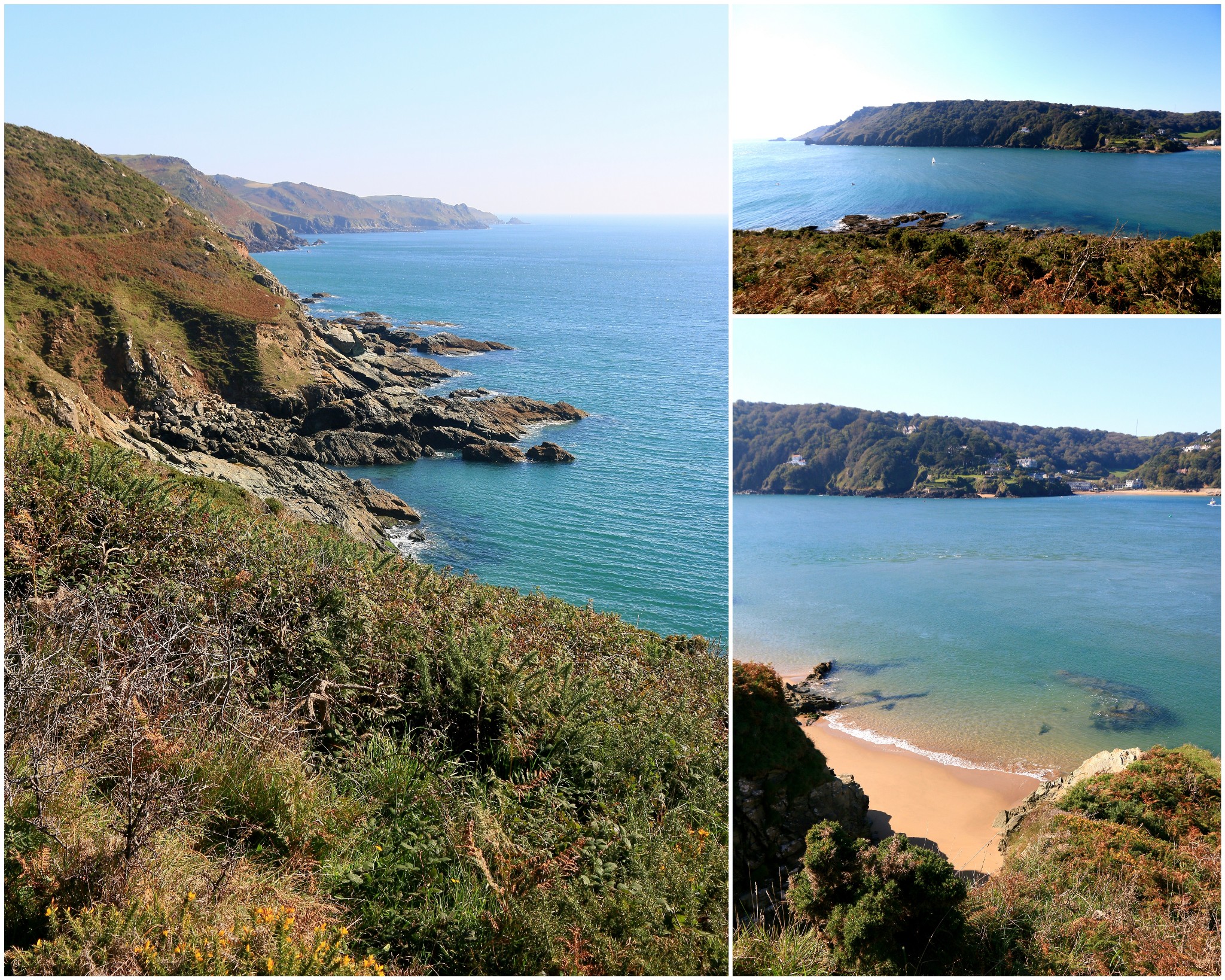
Trips to Cornwall require a river crossing of one way or another, producing a deliberate period of transition between the city and its exterior. Travelling to the South Hams provides no such moment; one minute you are navigating parked cars and speed cameras, the next, you are in the rolling green ambrosia characteristic of this part of the world. Longer drives lead to jewels such as Bantham, Hope and Salcombe and, of course, a little closer sits the timeless charm of Noss Mayo. Closer still – practically a Plymouth suburb – is Wembury, where many a local will pop out for a National Trust delicacy and stroll upon the beach. Better still – as I discovered – you can park up towards Wembury Point and head along the coast to Heybrook Bay for a pint.

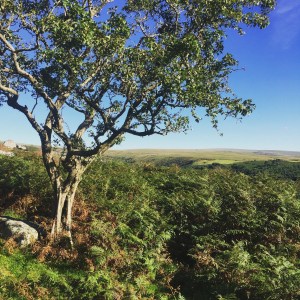
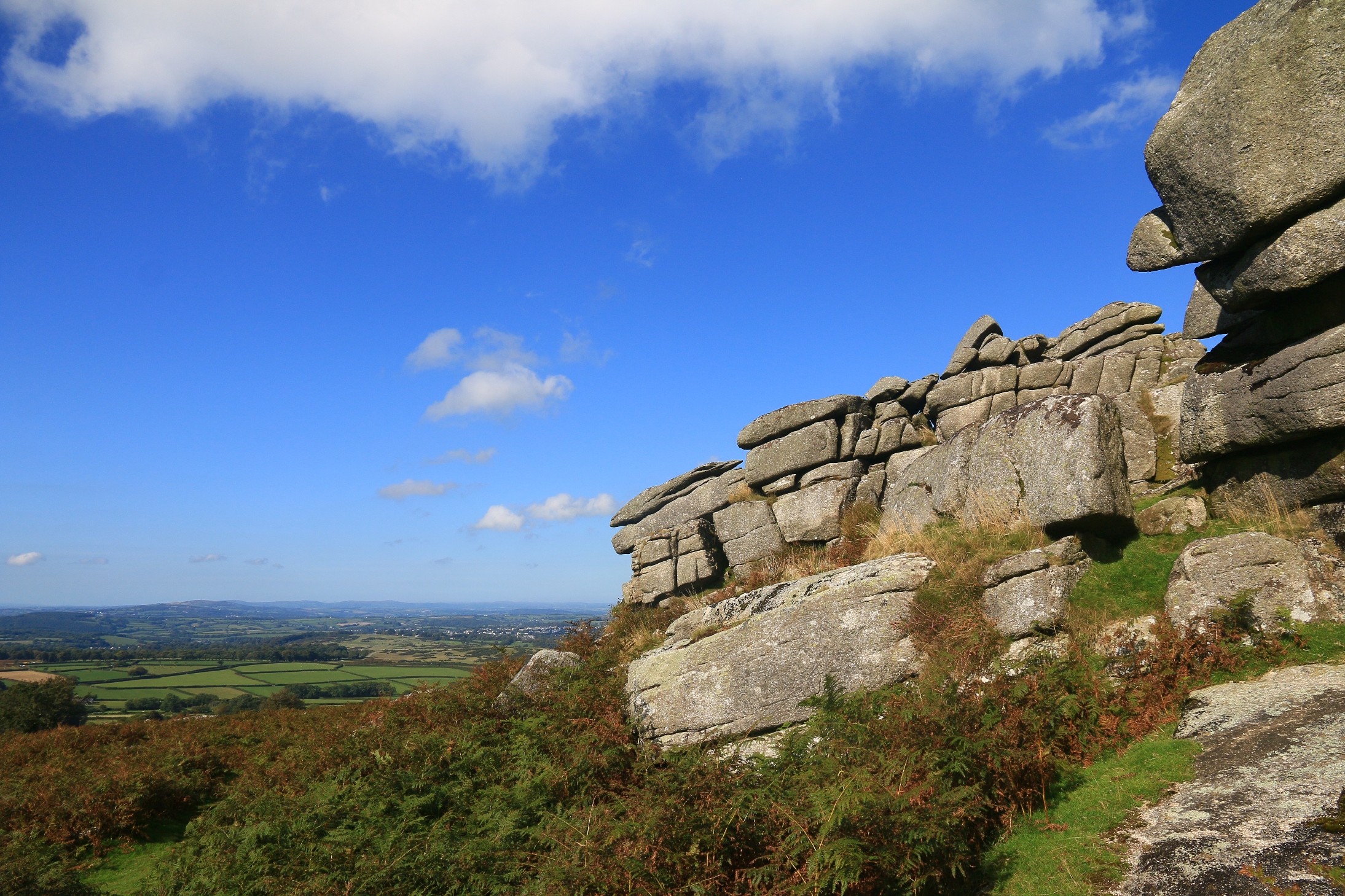
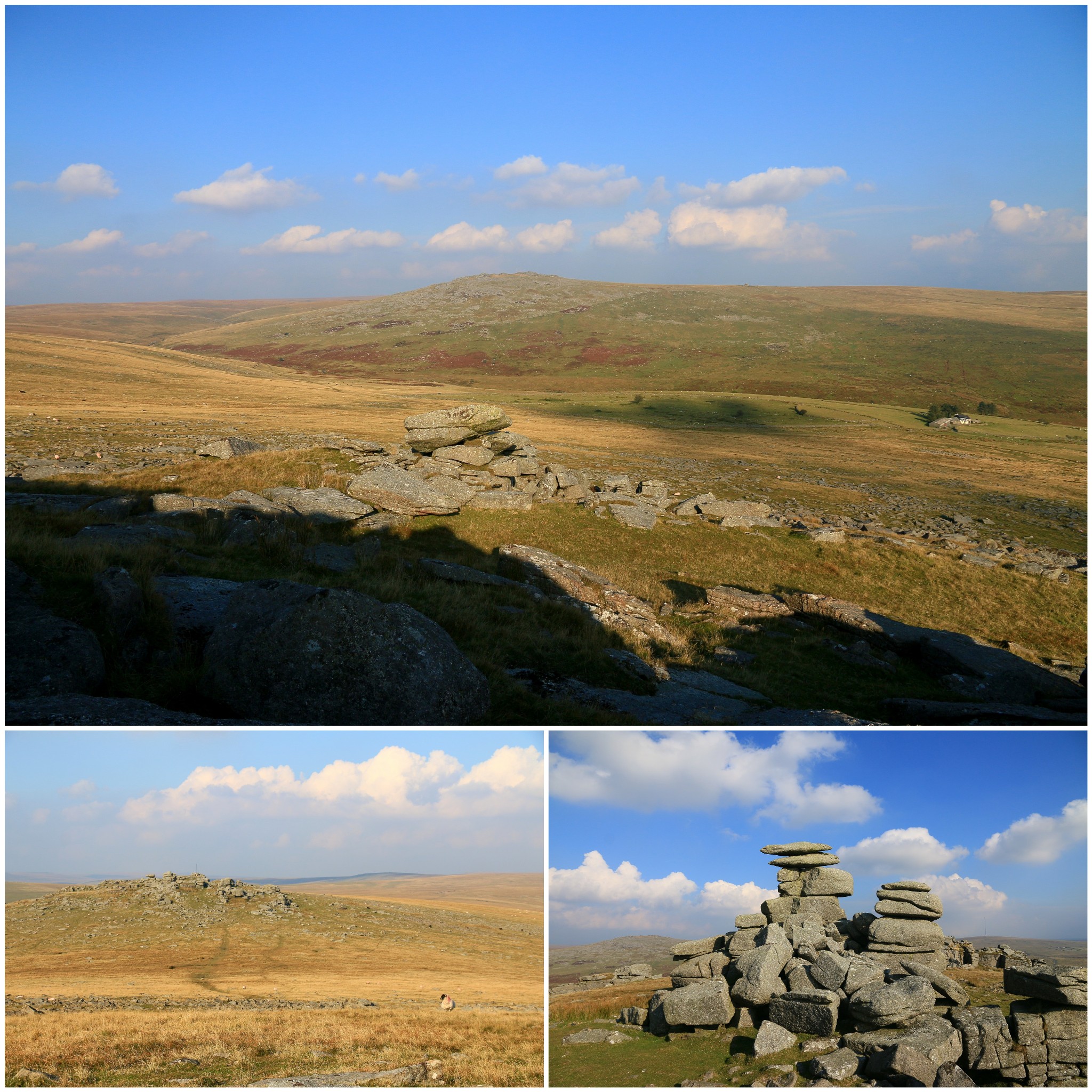
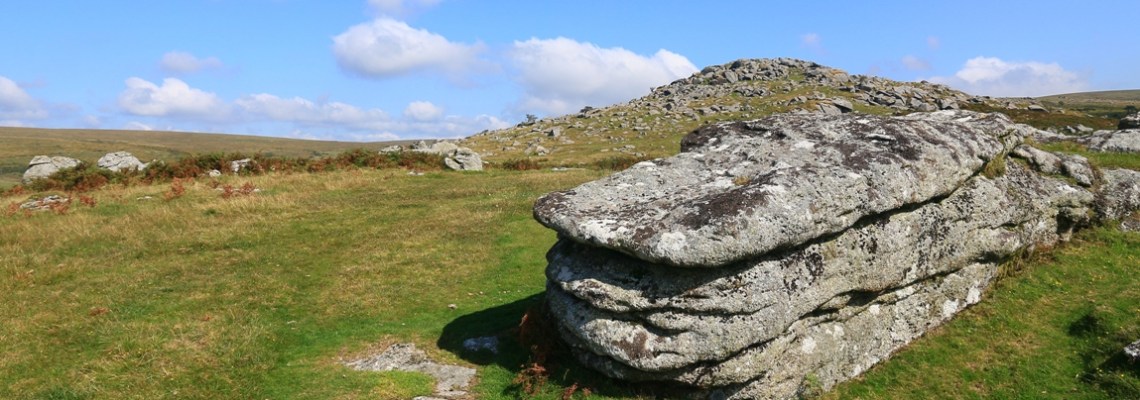
It’s a blessing to have these places on your doorstep but if there is one clear antidote to the drab post-war concrete jungle, overloaded roads, and profusion of Janners grunting something like “Fook, I’m goowun down Demnport un gonna smassh iz fookin fayce in” it is the rugged expanse of Dartmoor National Park. The higher parts are open and barren, bruised by the weather, the shattered granite tors tumbling down amongst bracken towards fast-flowing streams. But there is also a tamer side to Dartmoor, replete with an abundance of countryside charm, cute villages and human enterprise.

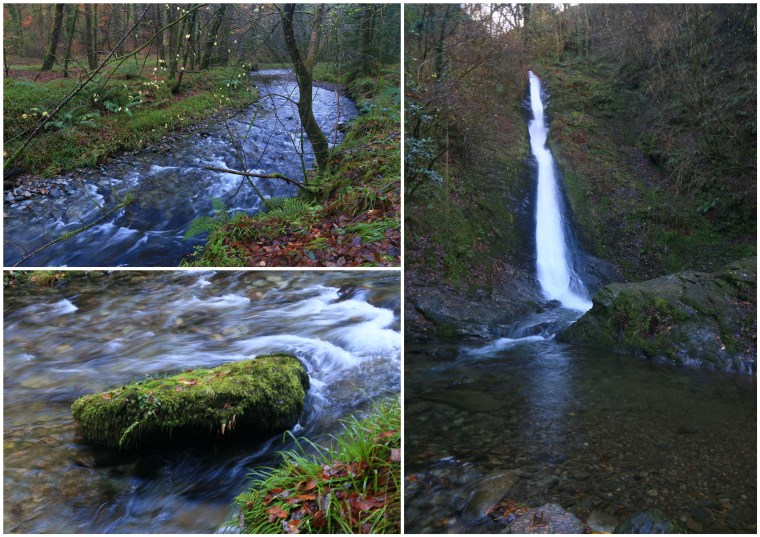
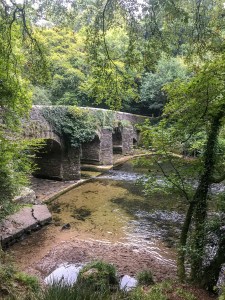 It is from these hills, from this sponge in the middle of Devon, that the waters which give Plymouth its name first spring. The River Plym here is a far cry from the sludgy and stinky tidal estuary meeting Plymouth Sound. Clear and rapid, tumbling over boulders and pooling on bends, the river descends into dense valleys packed green with mosses, ferns and leafy trees. Plymbridge Woods is but a short descent through a dark, narrow lane from industrial estates and Asda superstores, yet it is another world away.

 So, to the north, to the east, to the west there are pleasures easy to reach. Should you have a boat or a longing for Brittany, the south also offers much. And slap bang in the middle, Plymouth. My home that still feels mostly like home while existing slightly distant. It’s funny how things you took for granted, things that you didn’t notice when you were younger now trigger a fond, sometimes joyous sensation. And that extends from leafy green woods and cobbled quays to the family comforts of laundry fairies and roast dinners. Home, still.

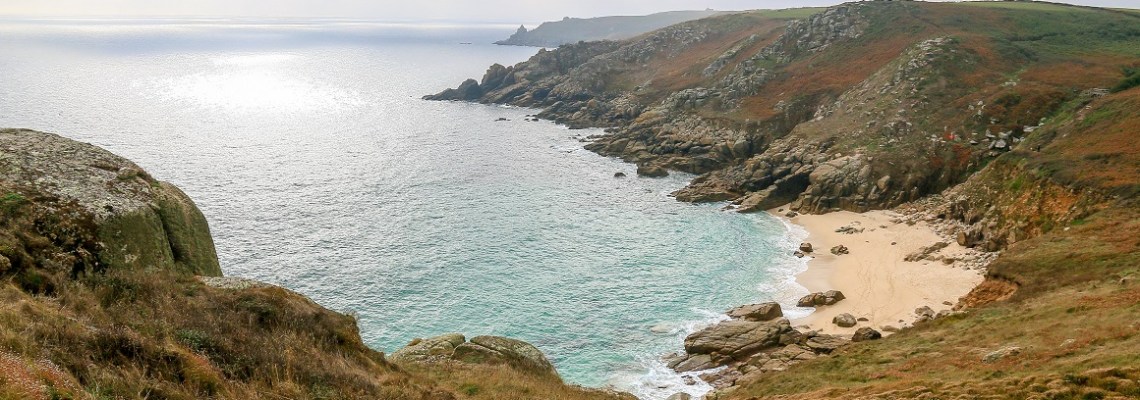

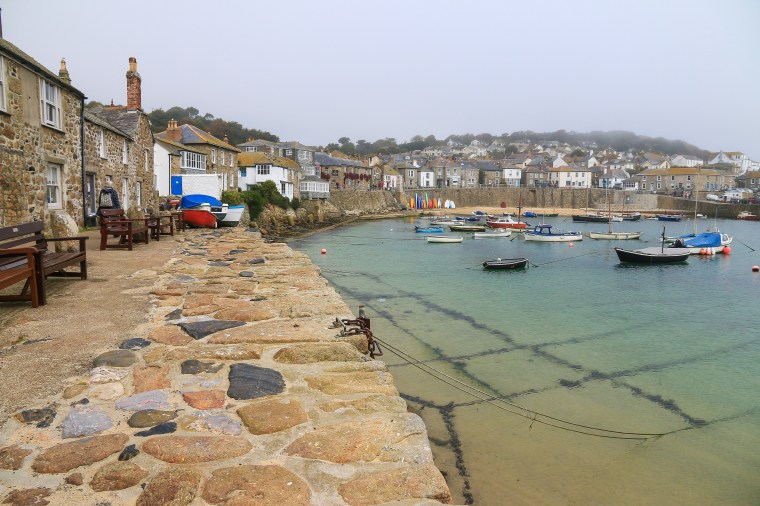

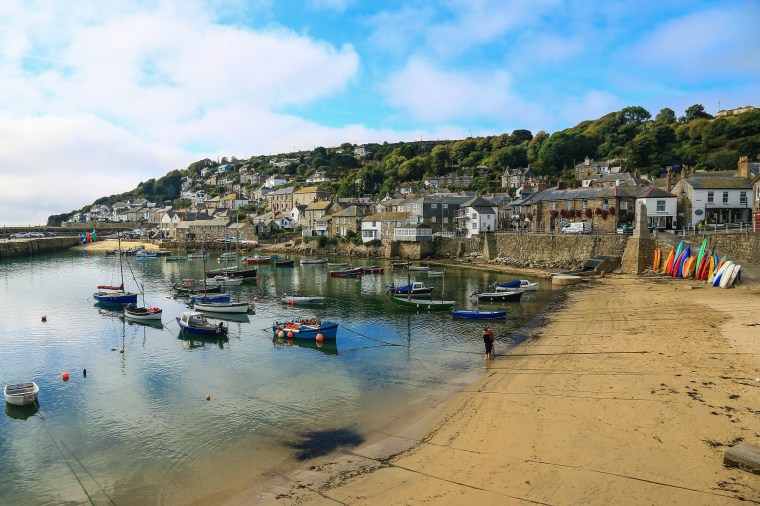

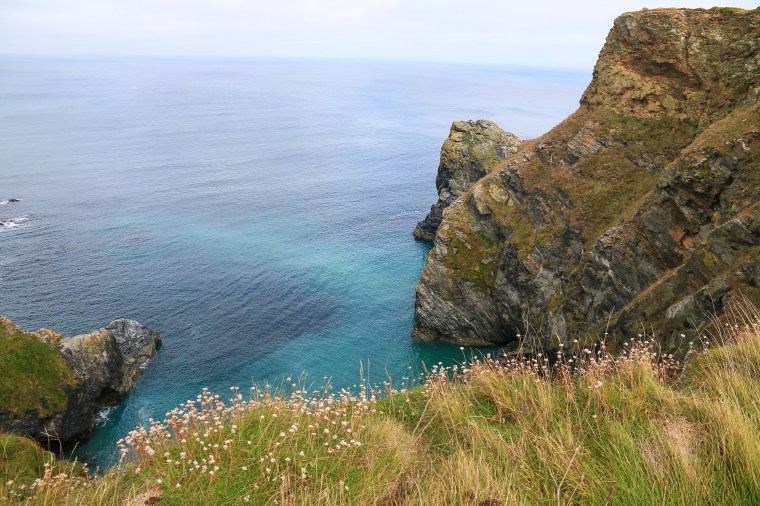


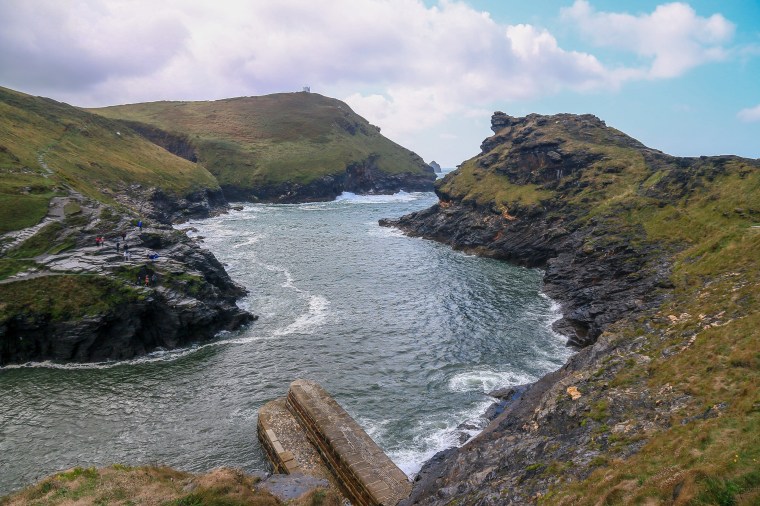
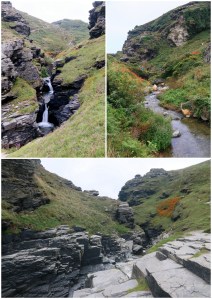
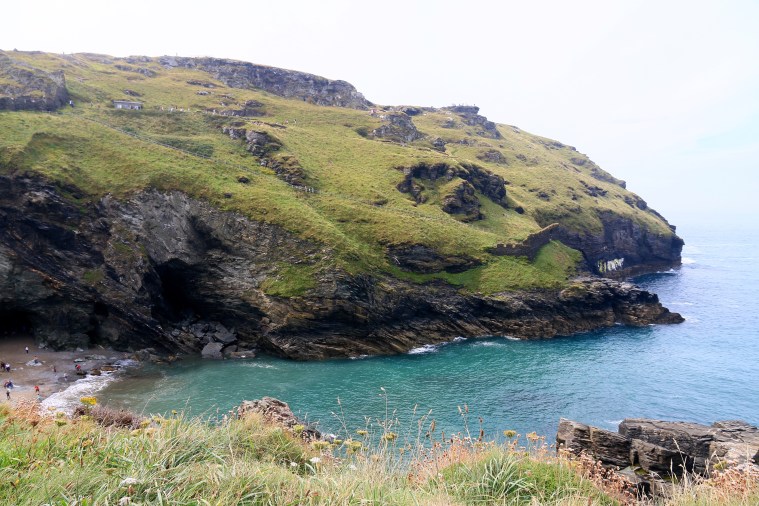
 With its prominent headlands, Boscastle offers a sense of protection from the great expanse beyond. There’s a cosiness to the village, which is a formidable asset in attracting people down its B roads. Nearby Tintagel doesn’t possess as much cosiness but instead relies on tenuous associations with King Arthur, Pengenna Pasties and – until recently – Granny Wobblys Fudge Pantry. Sadly, this year it seems Granny Wobbly has retired, along with her legendary fudge making abilities and fudge crumble ice cream (ice cream + clotted cream + fudge). Suddenly Tintagel seems devoid of purpose and Boscastle wins.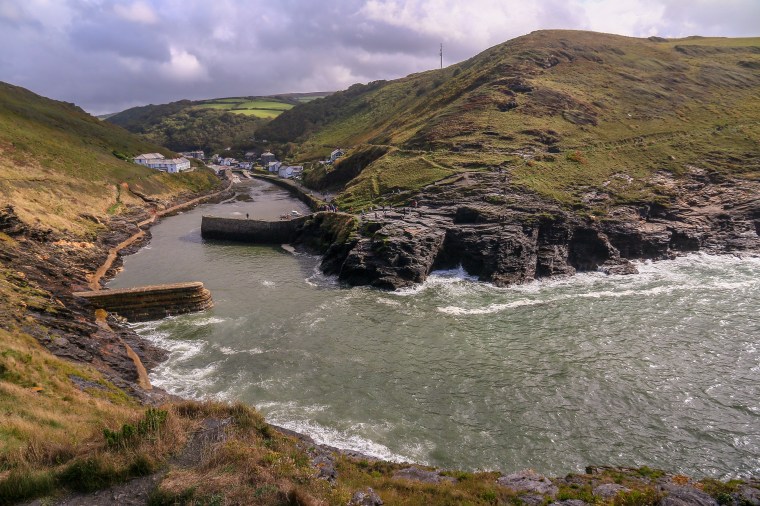




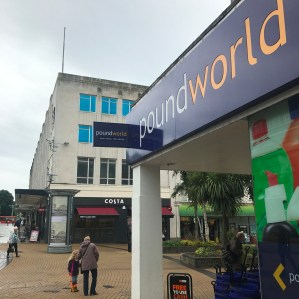 It’s funny because arriving here doesn’t particularly feel exciting or exotic or out of the ordinary. But it was a moment I had longed for; I suspect precisely because it doesn’t feel exciting or exotic or out of the ordinary. I say this despite a diversion to a new coach station, the inevitable addition of more Greggs in town, and some positive additions to family structure. But at the heart of it, the connection with home yields a familiarity that is the very essence of comfort and, for the most part, happiness.
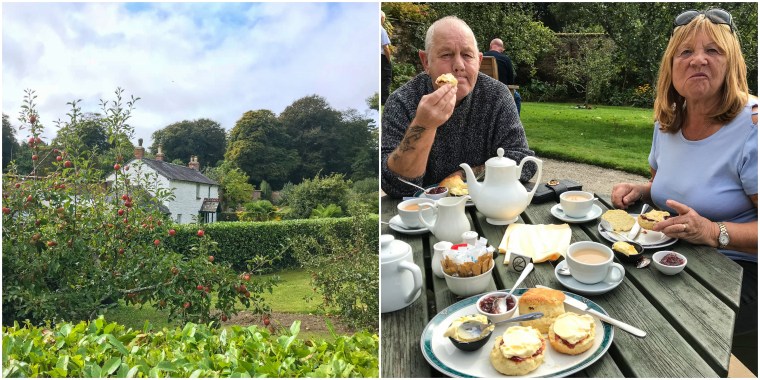
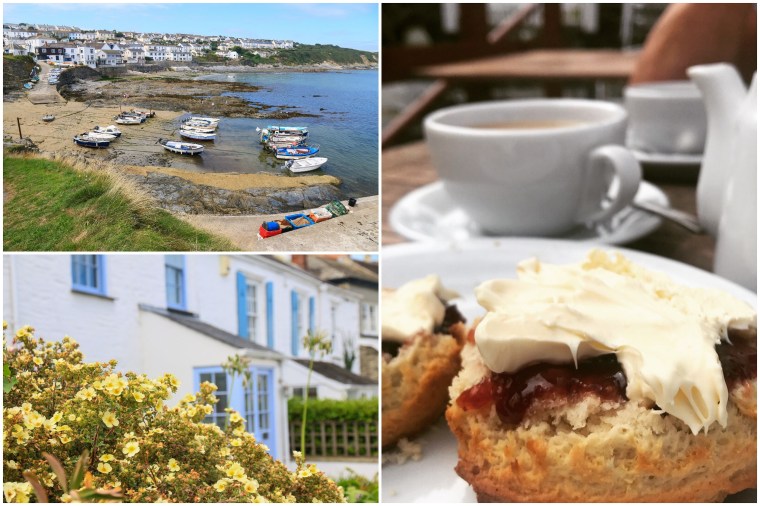
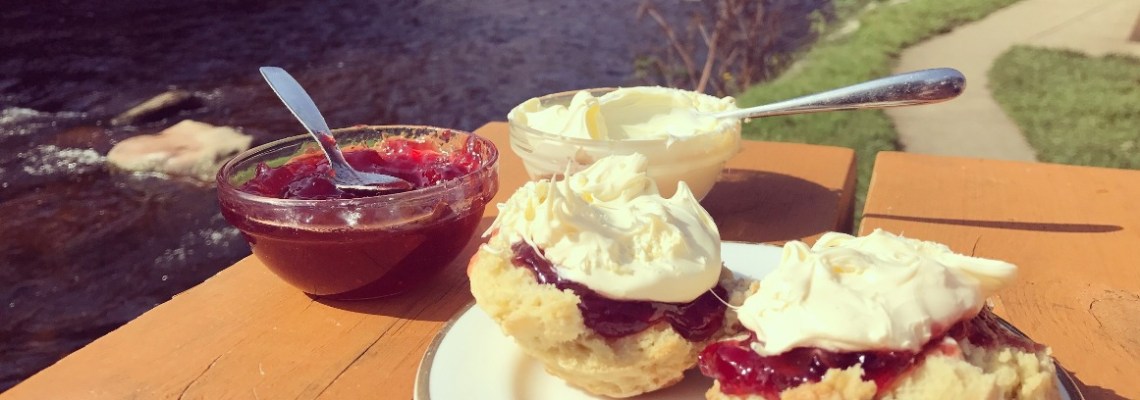
 Happiness is that first bite of scone with jam with clotted cream. OH. MY. GOD. Obviously this happened the day immediately after my arrival at the coach station. And it was in a new location. Cardinham Woods in Cornwall, where there was plenty of wooded green to soothe the mind, Snakes and Owls and Gruffalo to find, and deliciousness of a kind, which is unmatched anywhere on earth.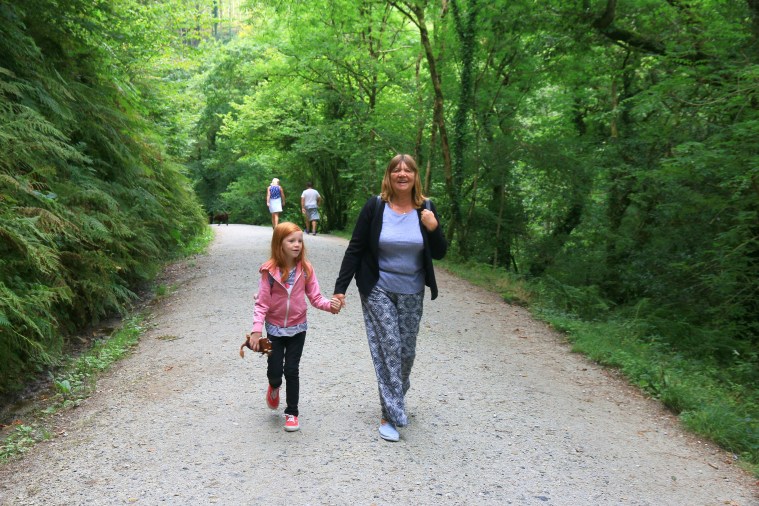
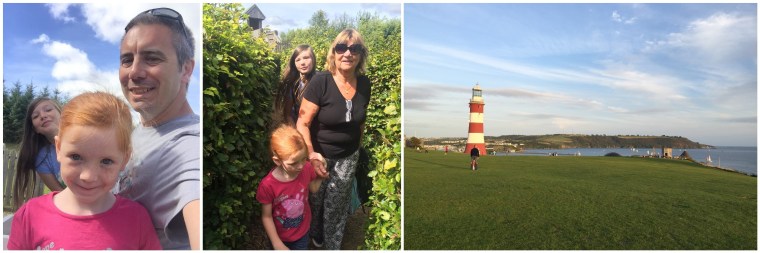
 Happiness is going to see a Hoe, and a very familiar one at that. That walk that I have walked five hundred times and I will walk five hundred more. Plymouth Sound constant companion by my side, the stripes of Smeaton’s Tower a backdrop to proper footy kick abouts and OAPs parked up, gazing out to ocean as they lick languidly away at their Miss Whippys. For me, it’s coffee in the sun by the Sound; shit coffee but sun and the Sound.
 Happiness is going to see Sarah, who is definitely not a hoe, but a very fine woman who I am hugely in love with. I have no idea who Sarah is, but she makes bloody good pasties. So much so that any other pasty is now disappointing. It means a trip to Looe, an adventure in trying to find a car park, an effort of restraining expletives as grockles spill aimlessly over the roads and flock to inferior pasty chain stores. There is achievement to be felt, reward to be had, and attention still needed to protect incredible nuggets of pastry from seagulls as undiscerning as the grockles.
 Meanwhile, have I mentioned the accessibility of cream teas at home? That makes me happy. Cream teas in Devon that are not Devonshire teas in Cremorne. Another quest, another discovery, this time at the Fox Tor Cafe in Princetown. It’s not much to look at – and weekends bring out an excess of Lycra – but the buttery scones are utterly Devonly divine. And the jam and cream ain’t so bad either.
 Happiness is not often a product of the English weather. But expectations are so, so low that you cannot fail to smile when the forecast is for light cloud and a top of nineteen degrees. Get a bank holiday weekend when the temperature builds under blue skies and you’ll find everyone turns mildly, wildly delirious. Blackened charcoal sausage is the staple food source, evenings out are comfortable and you begin to think, hmm maybe this isn’t so bad after all. Followed by the inevitable if only it could be like this all the time. These are the words uttered outside waterside pubs, along the promenades, within the leafy parks and wedged between giant hedges as countryside spills down to coast.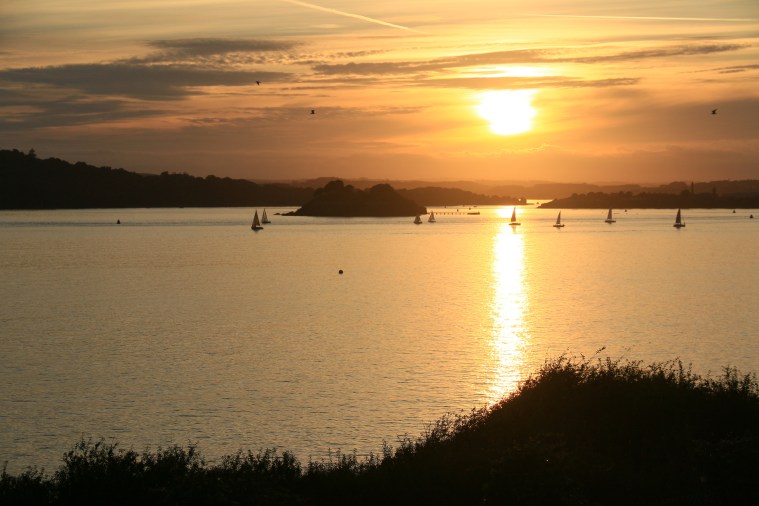

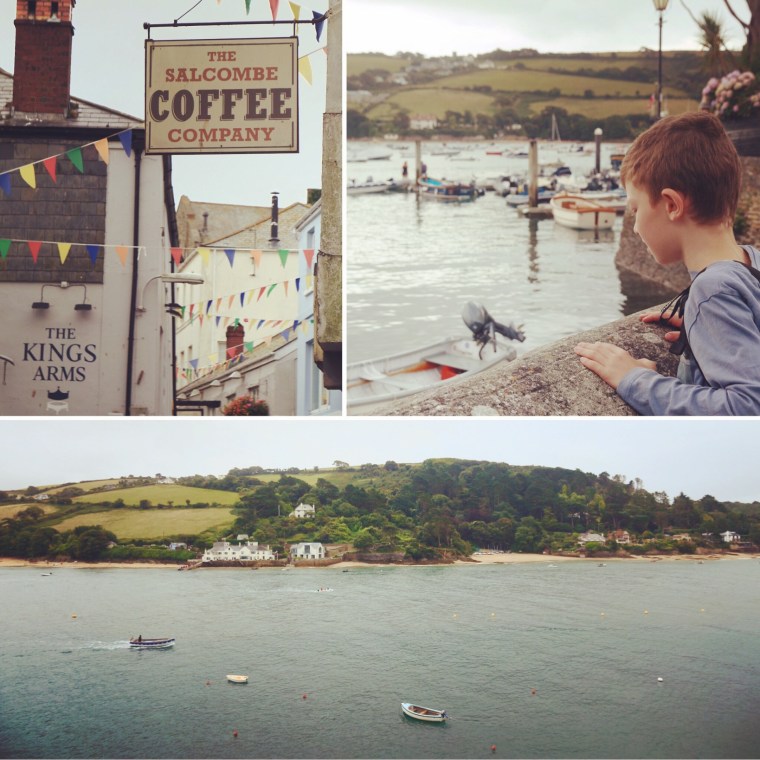
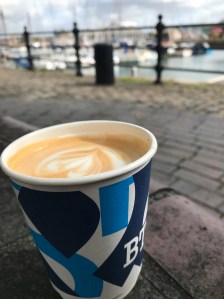 For all its tea-based pleasures and intricacies, Devon and Cornwall – and England and the rest of the UK – is not, it must be oft said with an eye roll thrown in, accomplished in the art of coffee. But there are glimmers of hope; hope that possibly makes you think hmm maybe this isn’t so bad after all. Followed by the inevitable if only it could be like this all the time. These are the words uttered inside my head as I sup on a reasonable flat white among the glistening cobbles and boats of Plymouth’s Barbican.
 Happiness is the aspiration pushed by marketers at Morrisons and Sainsburys and Tesco and, yes, Aldi. The Aldi happiness is more a utilitarian, Germanic form of pleasure, and certainly hard to pinpoint at 3:30pm on a Sunday afternoon, before the stores close in a quaint but annoying reminder that Sunday used to be a day of rest. These are the temples of a kid in a candy shop or, um, actually a grown man in a candy shop. For every reliable revisit of a Double Decker there is a new discovery or a forgotten one rediscovered. Like Wispa bites, and Digestive cake bars, and more things contributing to the presence of salted caramel as a major food group. And then I see the dairy aisle and the copious supply of clotted cream, and I feel a bit sad.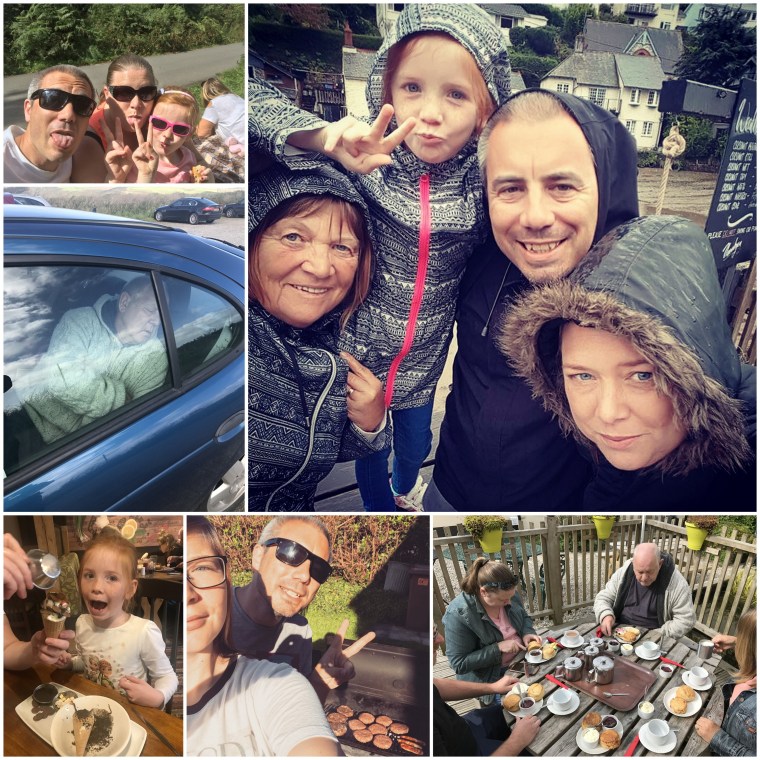
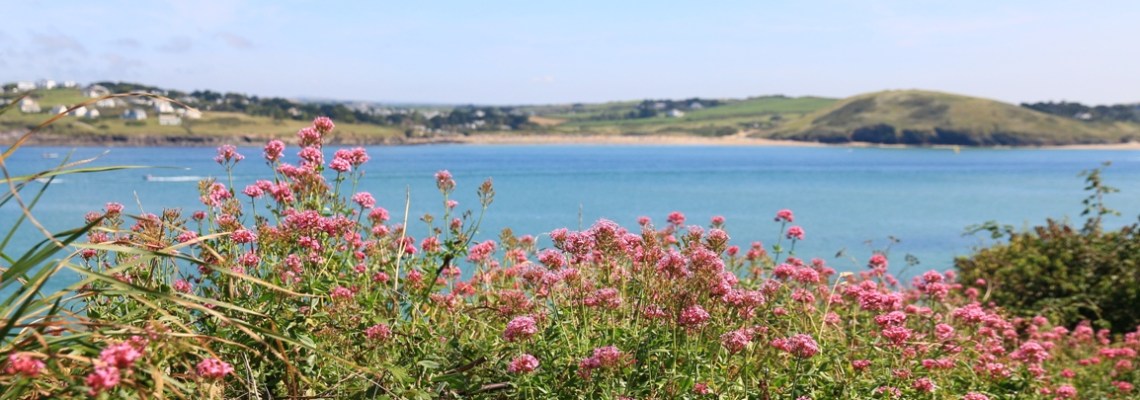

 Other repeat visits transpire from convenience and come with pastry-coated benefits that are worth duplicating. Like the relatively short drive from Plymouth to Looe, through the most contented countryside and down towards the south coast. I don’t usually linger around Looe, but it’s a good base for refreshment and with the right light, tidal state and the discovery of a peaceful corner you can value its merits.
 Even closer to home – so much so that just over the hill you will see council blocks, cranes and incinerators – Whitsand Bay is starkly, surprisingly rugged. The eroded, sea-shattered lump of Rame Head is something you’d expect to encounter further west. Bracken and gorse-clad cliffs are punctuated in clusters by cheap fibro shacks with pretty gardens clinging on for dear life. And the waves roll in to the shore in a long translucent line stretching all the way back towards Looe. It is a go-to place for that essential endeavour of ‘blowing away the cobwebs,’ an endeavour far safer in England than Australia.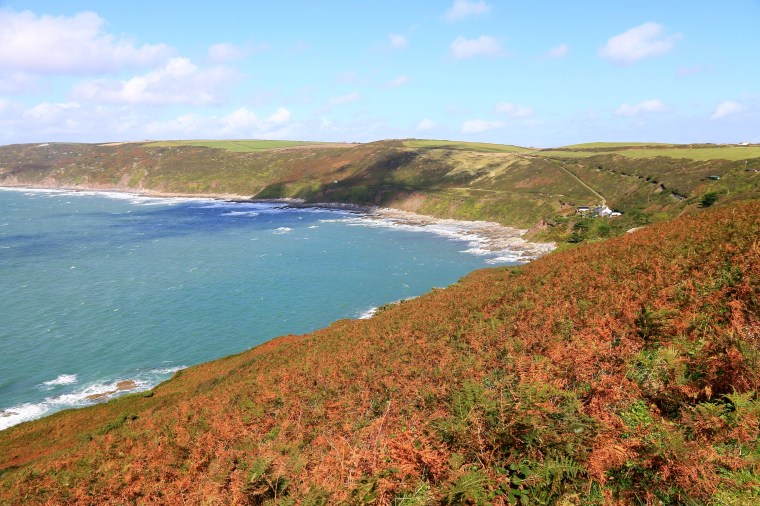
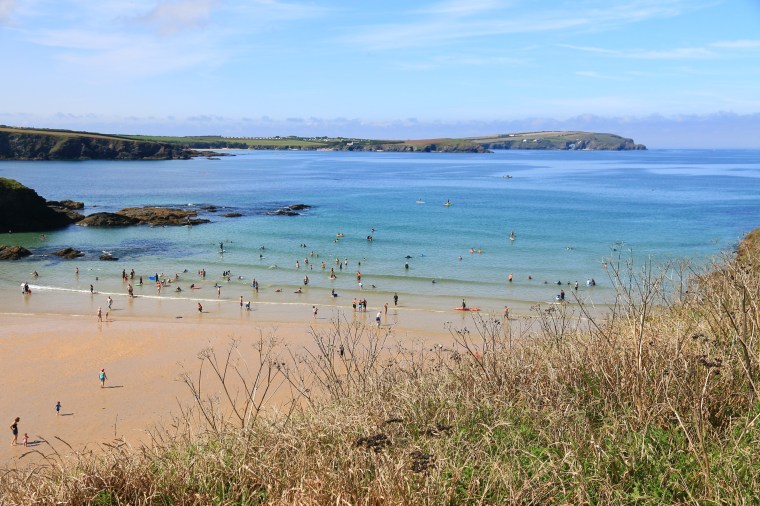
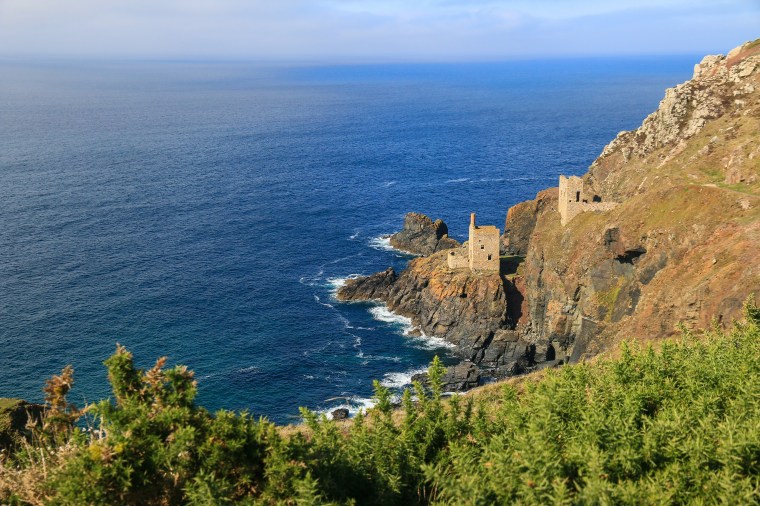
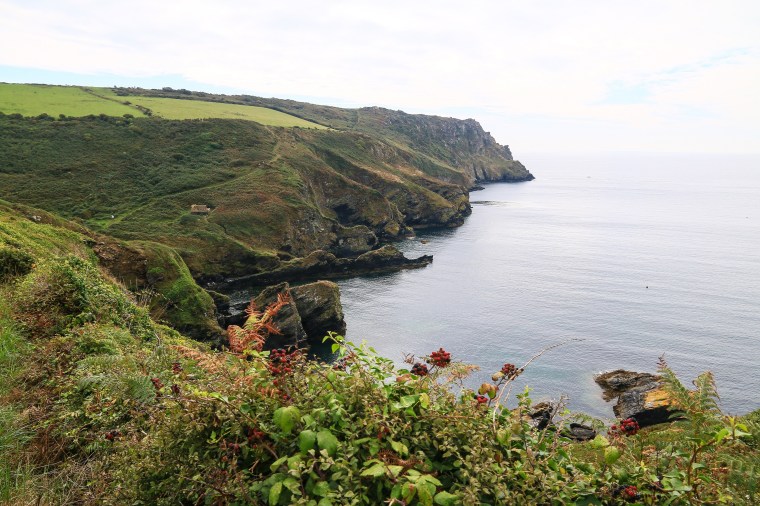
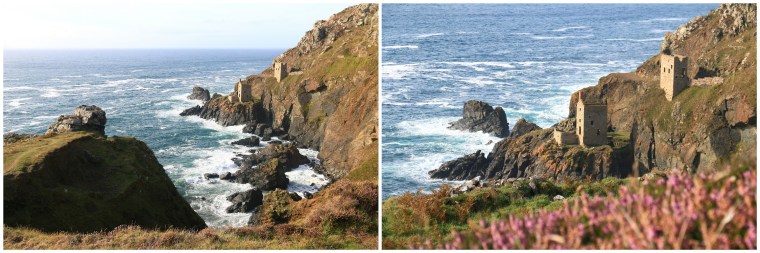
 Once again, I turn to the South West Coast Path for solace; a relatively easy walk northwards towards the headland at Stepper Point, taking in some archetypal Cornish scenery with only a smattering of rambling sightseers passing me by. There are rocky coves, clear seas, sandy inlets and windswept green fields to enjoy. A highlight is the chimney stack formation at Gunver Head, resembling an ancient tin mine frozen in time, weathered and beaten by the cruelty of the Atlantic. Climbing up and up and up over this rocky, eroded headland, surely a grumpy and grizzled Luke Skywalker is hiding out here somewhere?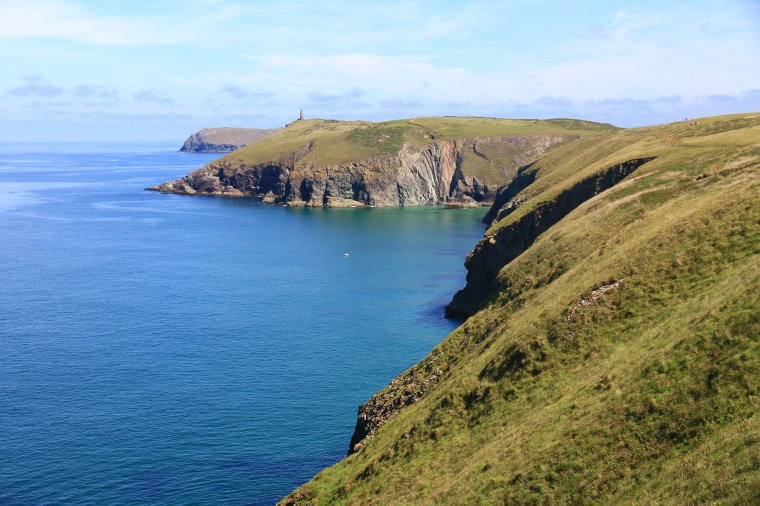


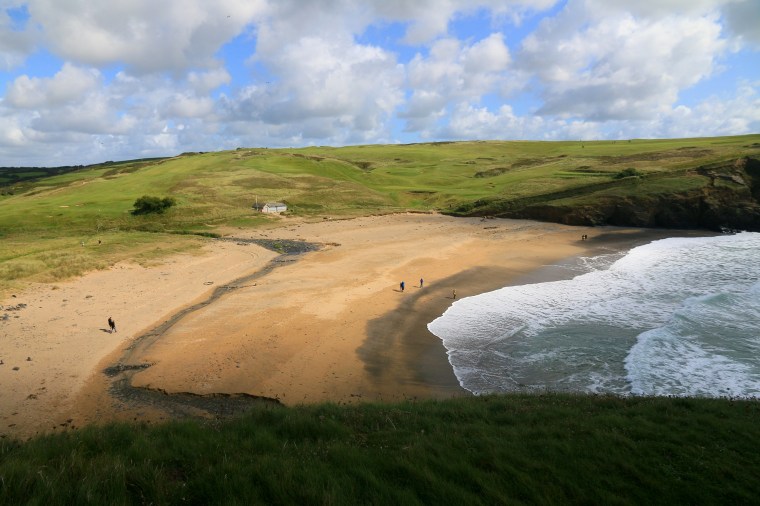

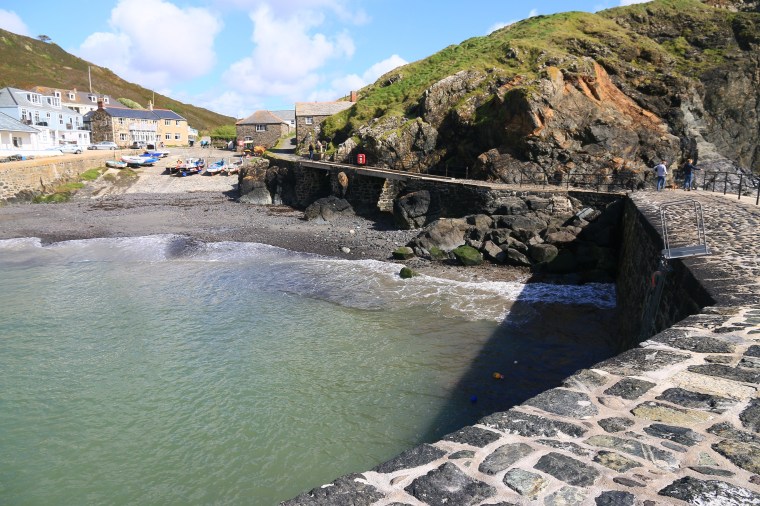

 More popular, and having risen in stocks dramatically in the last couple of years, is Kynance Cove. To the extent that at 3:30pm in the middle of the week in September the National Trust would like you to pay a bar of gold bullion and hand over your firstborn to park. I blame Poldark, stupid knob end. Of course, being locals (okay, sort of), we’re not having any of that, and parked a little way back along the cliff line at a place only the locals (okay, those who look at the satellite view of Google maps) know. Ha, eat your hat Poldark.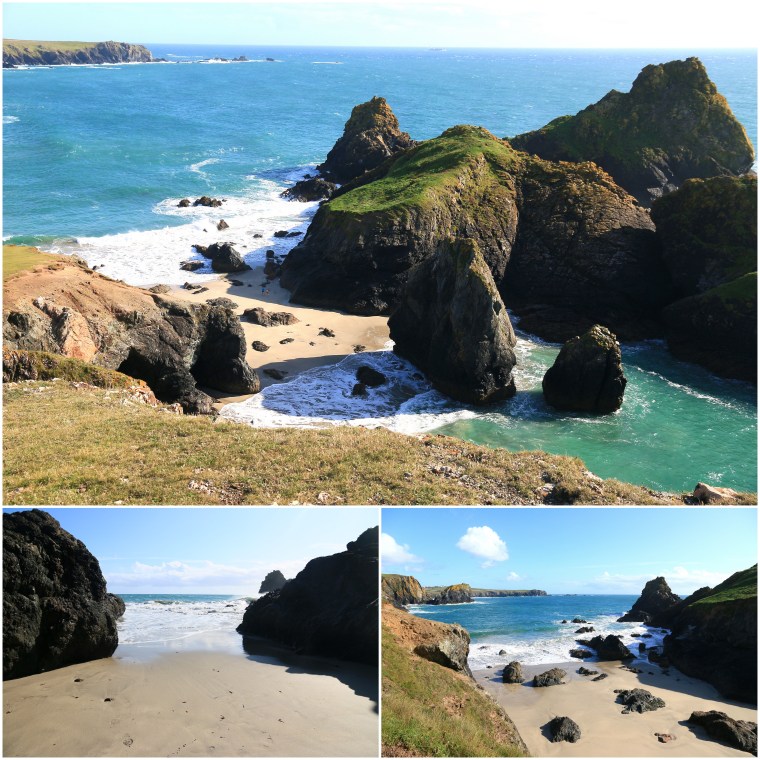

 I remember arriving back from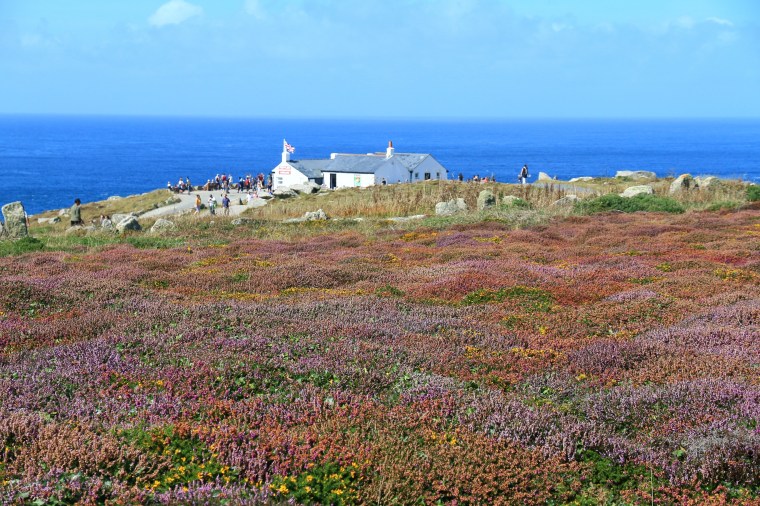
 Practically round the corner from Land’s End is Sennen Cove. Though most of the Land’s End crowd have filtered out, the beach remains busy and tiny car parks are amply populated with people eternally waiting for someone else to move. But beyond the main drag the alleys are cosily quiet, and the coast path is trampled in only an infrequent fashion by jolly people with beaming smiles. I may have been one of them.
 Further along the path the beach empties out, disappearing altogether as a small headland perforates the arc of Whitesand Bay. There are rocks to clamber over and a tightening of the sea against the land. It’s just a small inconvenience when you round a corner and discover another bay, another beach, another dream that you might want to pinch yourself from. If anywhere in the UK is ever going to get close to a rugged beach of southern New South Wales, then maybe Gwynver Beach is the one.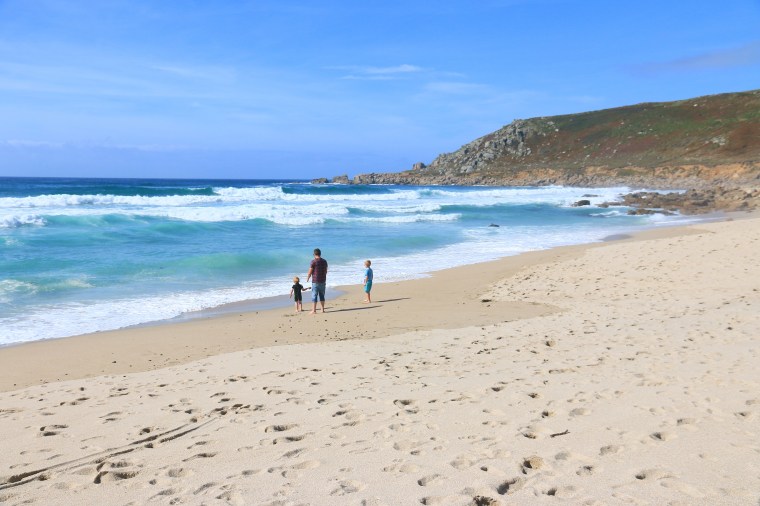

 Such as a pint. A pint of Doom Bar in a Doom Bar glass in an independent, old school pub perched on the edge of Cornwall, the edge of England, maybe even the edge of civilisation (though that is debatable more than ever these days). Can there be any better way to toast an exemplary Cornish Day than waiting for the bus like this?

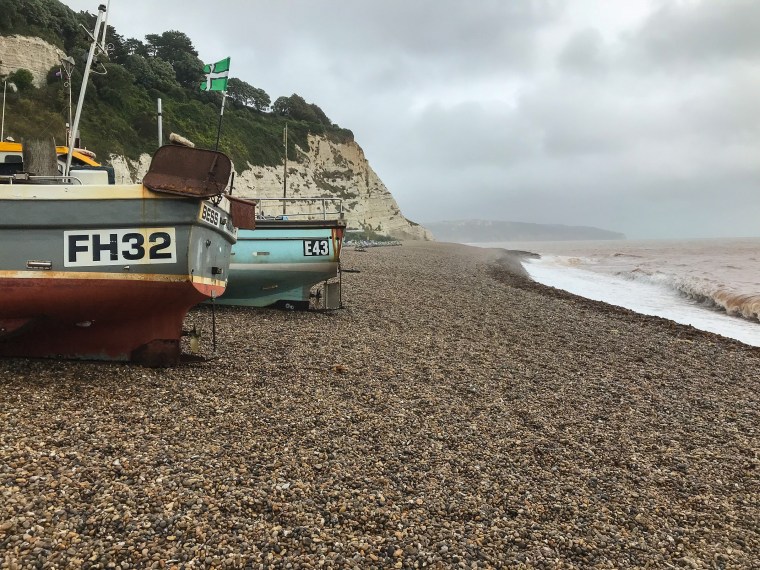
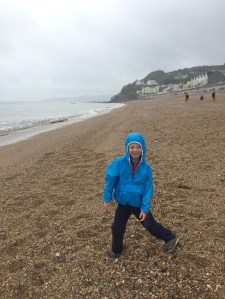 Just a stone’s throw from here – but via tortuously scenic roads hemmed in by a picture postcard of thatched cottages – sit the pebbles of Slapton Sands. Even on dismal days the pebbles lend vibrancy to the air, clarity to the water, and a chance to display consistent inadequacy at skimming. The alternative option of tossing increasingly giant rocks into the sea proved far more accessible and entertaining.
 As the afternoon evolved, summer came back with a bang. Perfect golfing weather and opportunity to get a little burnt. I never get burnt in Australia, only soggy little Britain, quite probably because I never expect to be on the receiving end of such ultraviolet aggression. The golf wasn’t exactly red hot, but we coped around the course sculpted in such a splendid location.
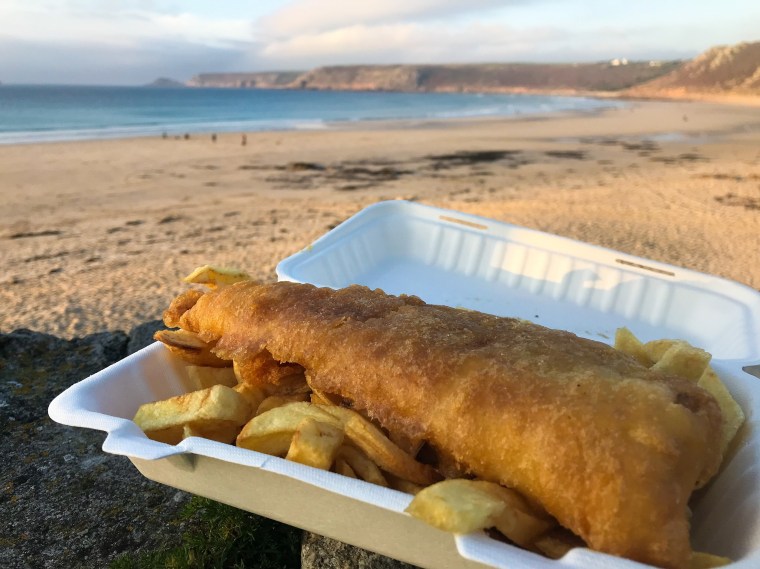
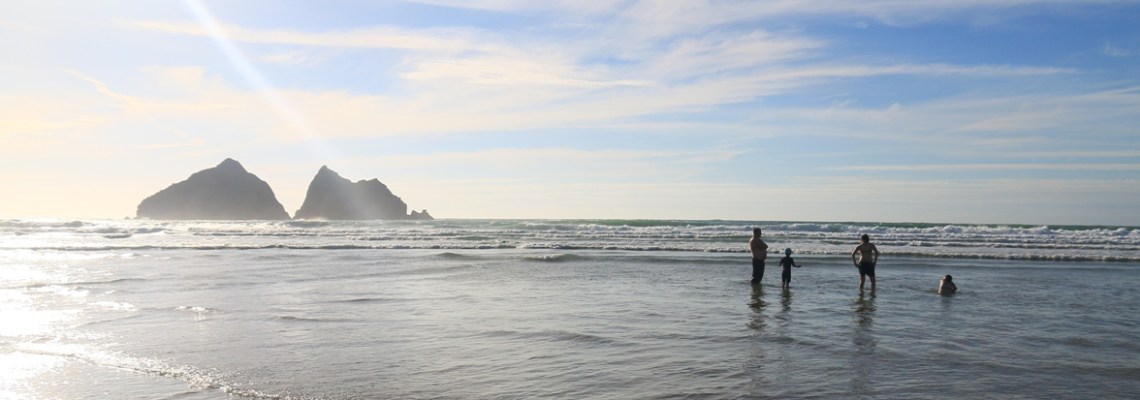
 Having abandoned a bunch of wildlings on the beach, it was late afternoon by time my brother and I rejoined the rest of the family, who didn’t seem to miss us one bit. And why would they, frolicking in the sun, attacking one another with water, jumping over surf. It was quite wonderful to see, together in perfect harmony, in amazing weather, in an attractive place. What else do you need? Fish and chips maybe? Okay.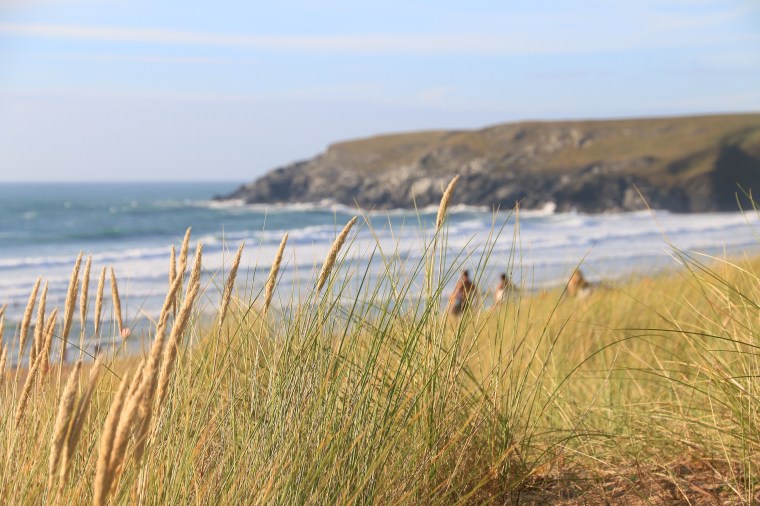
 The criminal thing – though actually fortuitous for us locals in the know – are the queues of people backing out of Ye Olde Cornish Bakehouse or West Cornwall Pasty Ltd or whatever they are called. Chain stores in mediocrity. Delivering nourishment to hordes of people trying to find a few metres on the grainy beach. This is why Looe on a hot August afternoon is not for me. But I’d go there for Sarah.
 In a final hit and miss cloud affair in which there were more misses than hits we returned to the North Cornwall coast the next day. The aim was a last hoped-for paddle in water and delicious cream tea, something that could please everybody. The setting on the River Camel at Daymer Bay was agreeable enough, and could have been quickly heightened with a spot of sun. But it was under a mackerel sky that a few of us tiptoed into the water and clambered over rock pools.
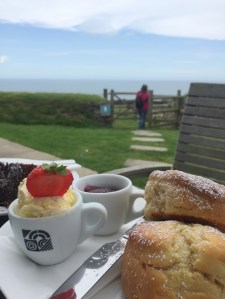 Because I was actually really enjoying driving around blind bends and along single track lanes I decided we could seek out a cream tea further up the coast near Boscastle. For once eschewing the village, we managed to get a parking spot at

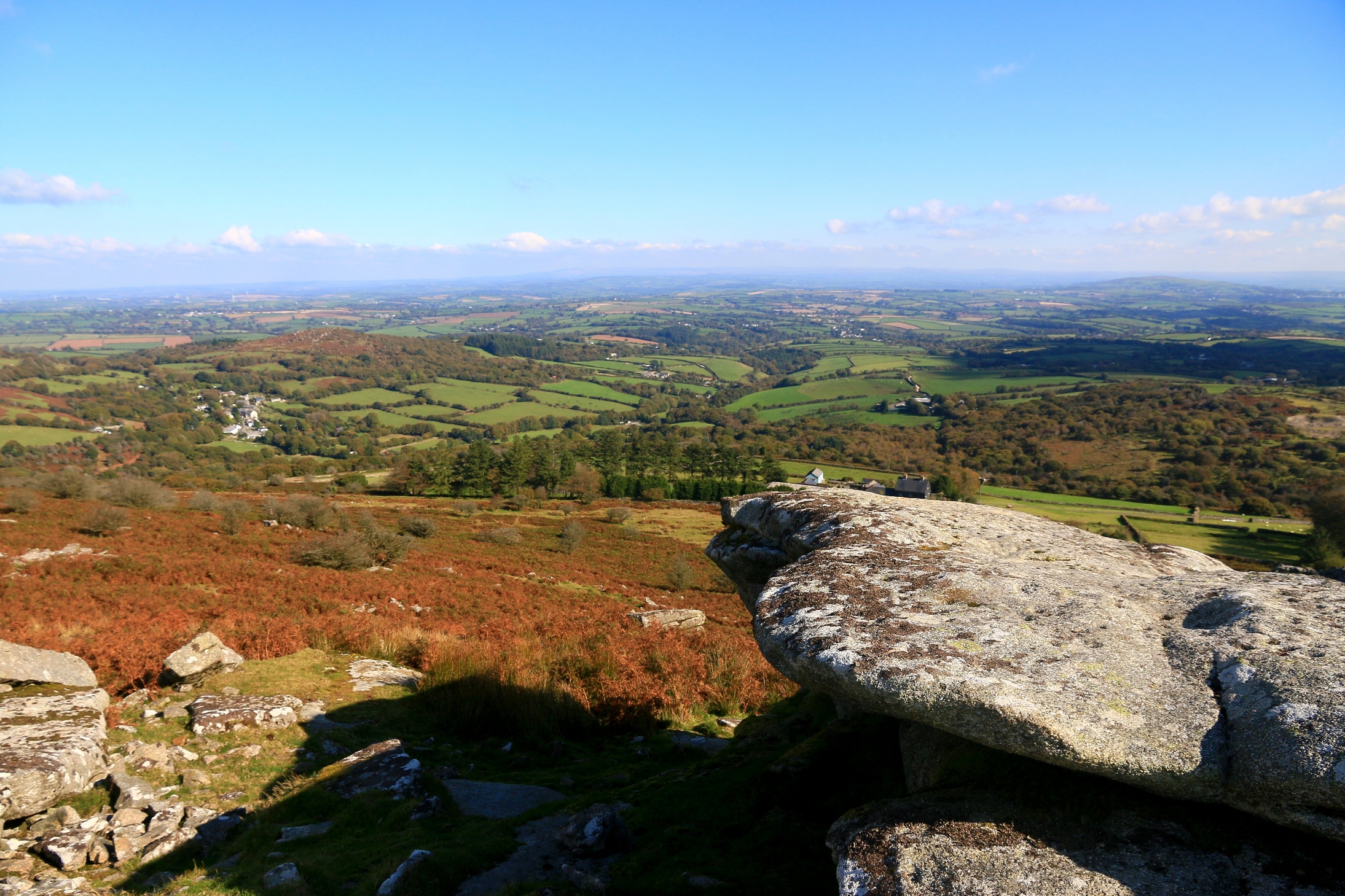
 Who am I kidding? It was a sublimely gorgeous blue sky day after all and, following a quick embrace of various family members, I scarpered for the moors, reuniting with narrow lanes, wayward sheep, dry stone walls and a Willy’s ice cream. And on the subject of willies…such was my frantic rush to climb Sheepstor I ripped the trousers I had on while straddling a ditch, leaving me delightfully well ventilated if a little wary of human encounters. The views – from my end at least – were majestic.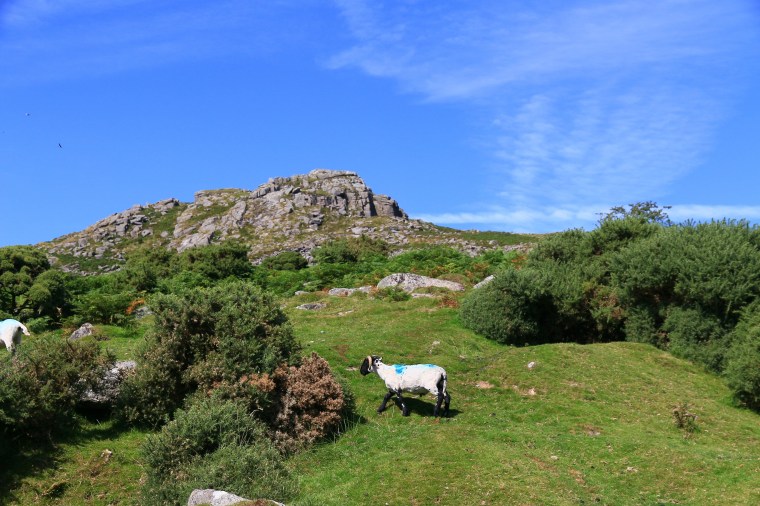
 Ripping trousers so early on are not a good portent for the remainder of a holiday which has historically involved a deluge of high fat dairy products, intense sugar, and hearty stodge. The fact that I was here not so long ago for an awfully long time (acquiring at least one stone in the process), failed to have little impact on my behaviour. Pasty done, cream tea done, massive barbecue meat fest done and 48 hours not yet passed.
 Unfortunately it was all a little murky in Boscastle, but at least the descent to the harbour took us out of the clouds and into a flower filled, tourist peppered, boat bobbing idyll. From which we promptly walked up and up (a seemingly recurrent theme all day) along the coast path to the western headland. Here, the clouds skimmed our heads and offered a little pleasant drizzle, obscuring the coastline and patchwork hills inland. While a weather feature atypical of Manitoba, it could only divert for a few minutes at best, and half a cream tea back at sea level felt like a more agreeable option.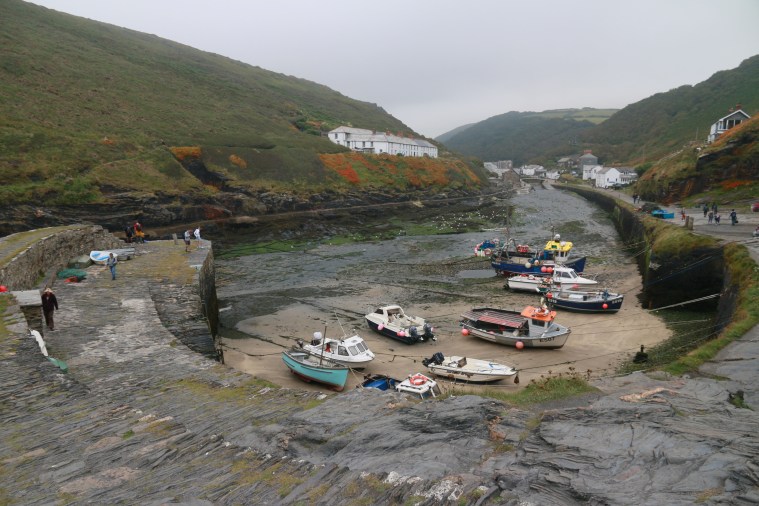



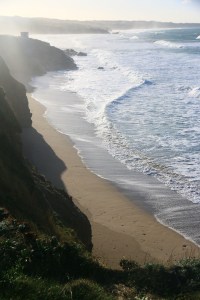


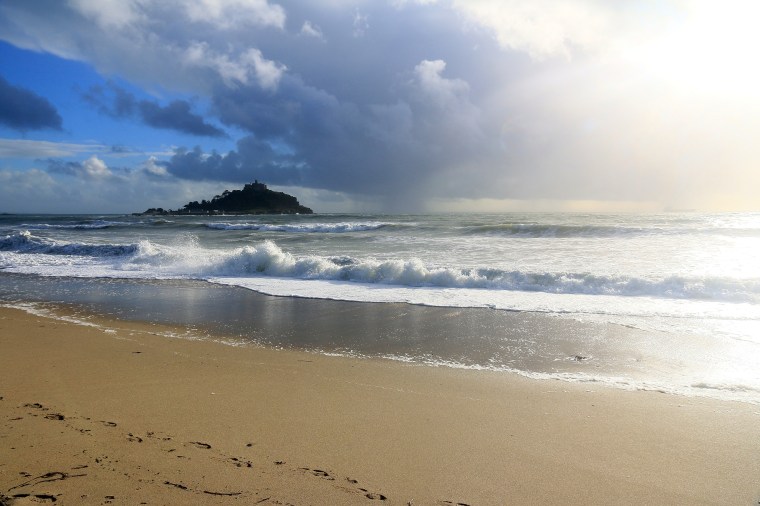
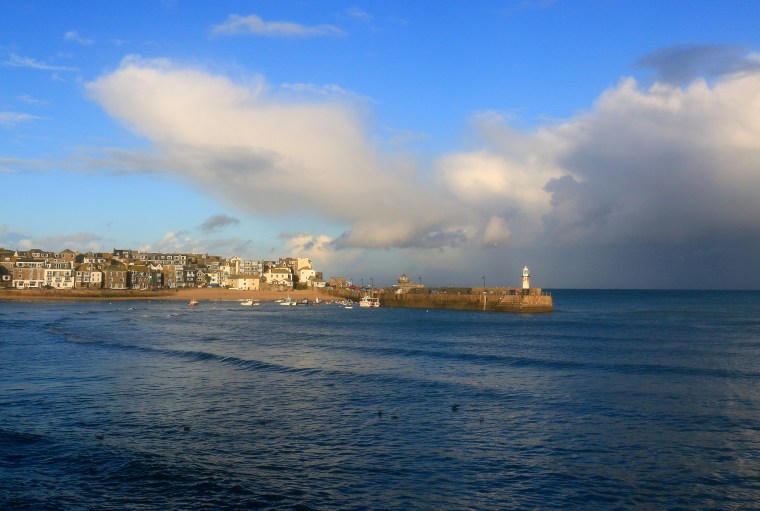


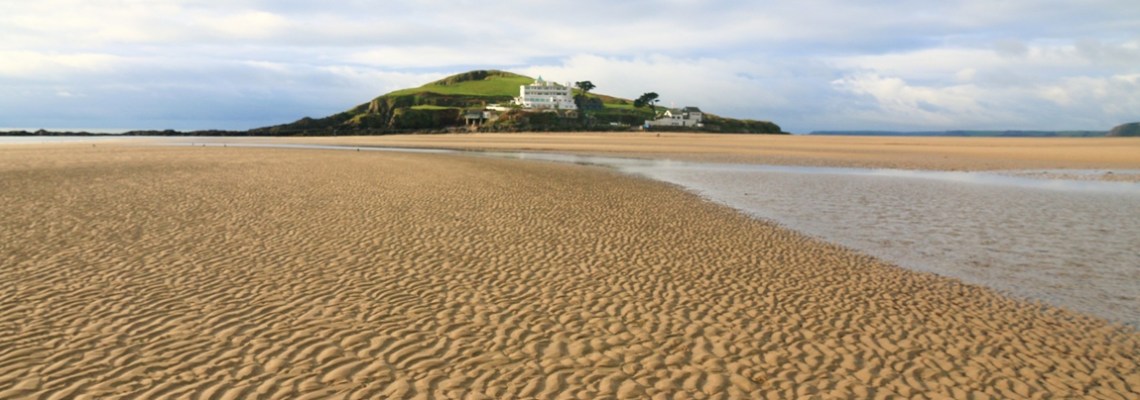
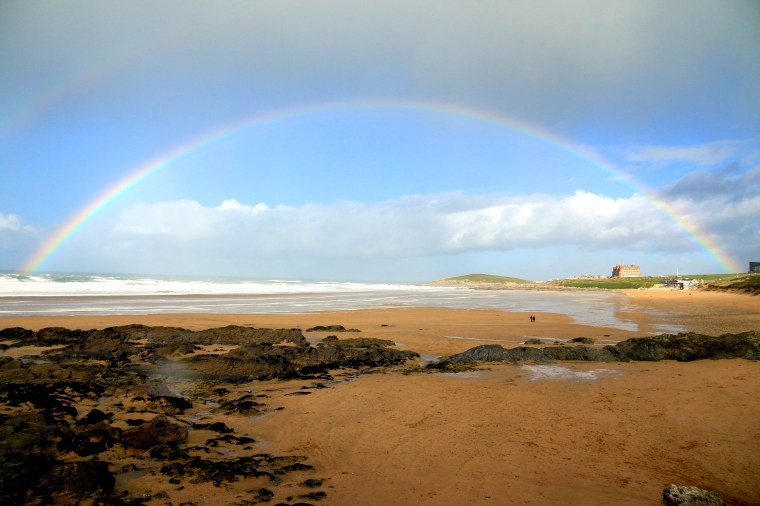

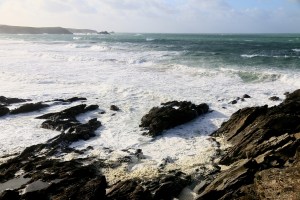



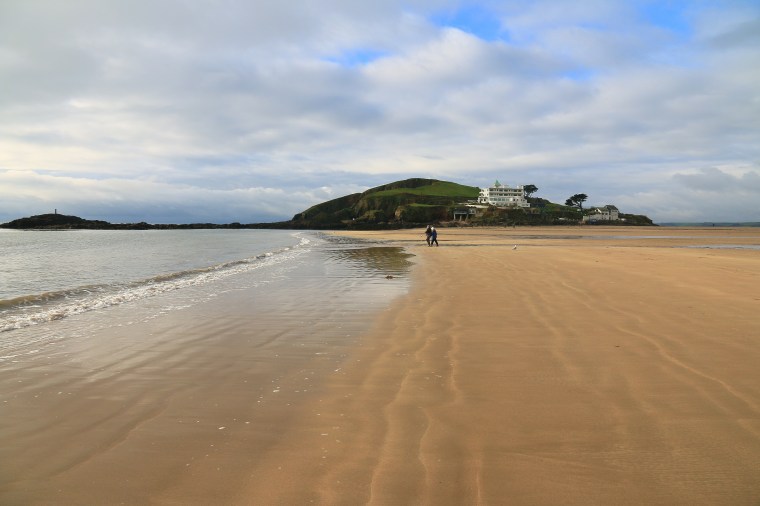

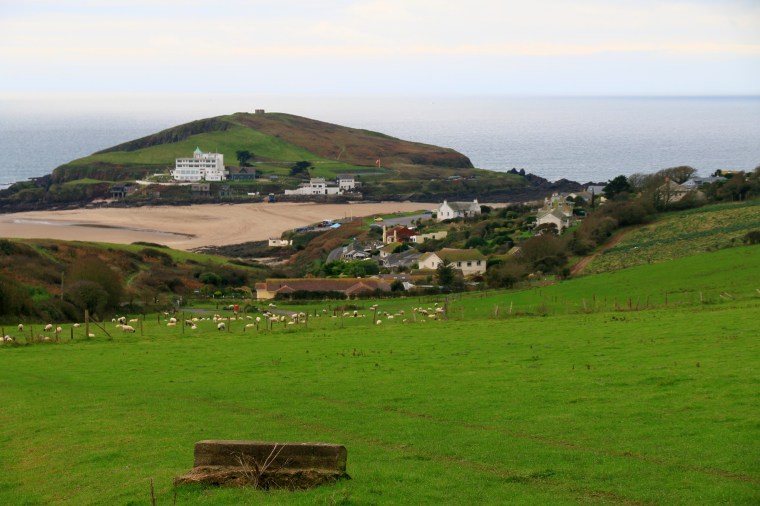

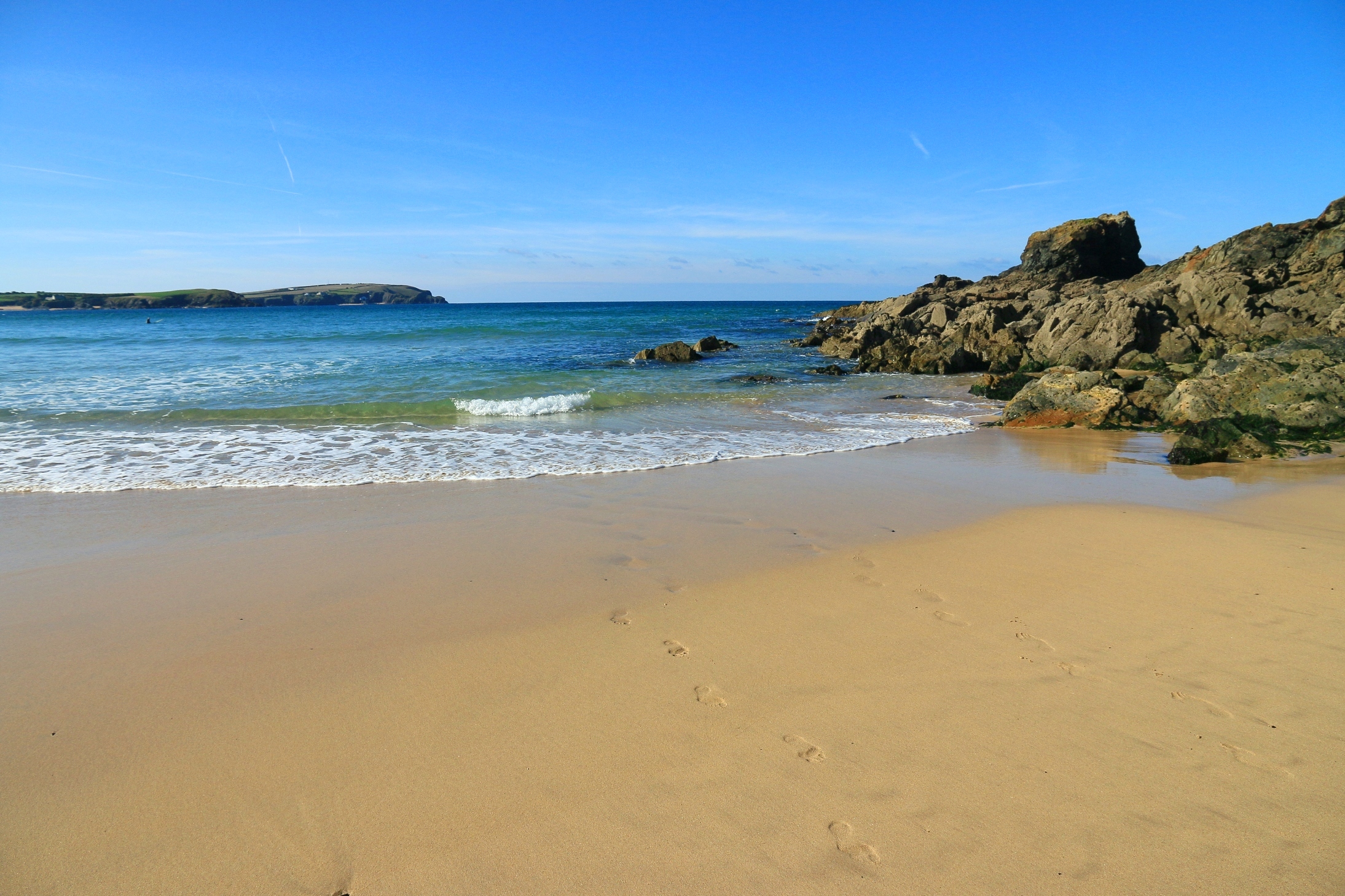
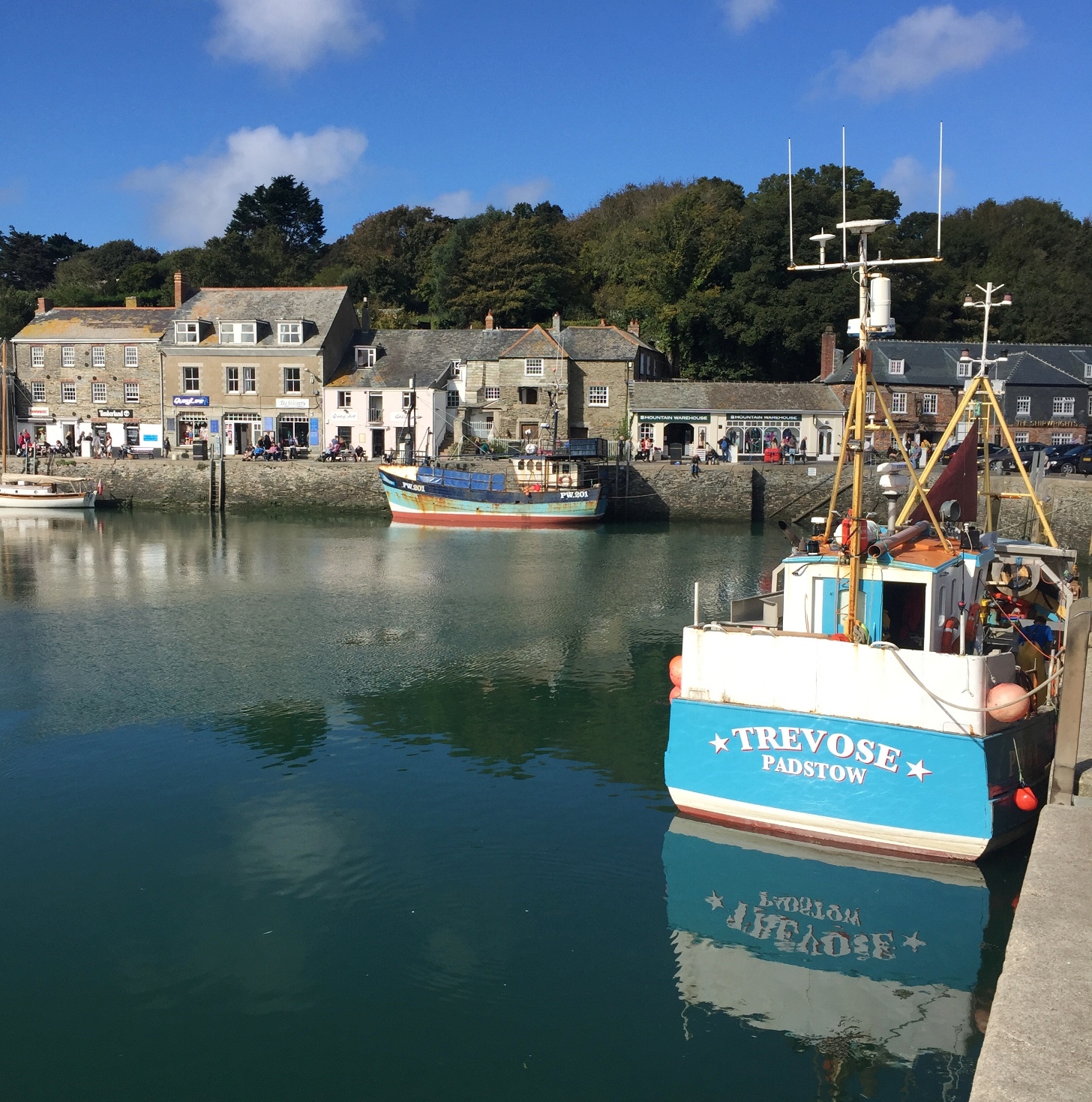
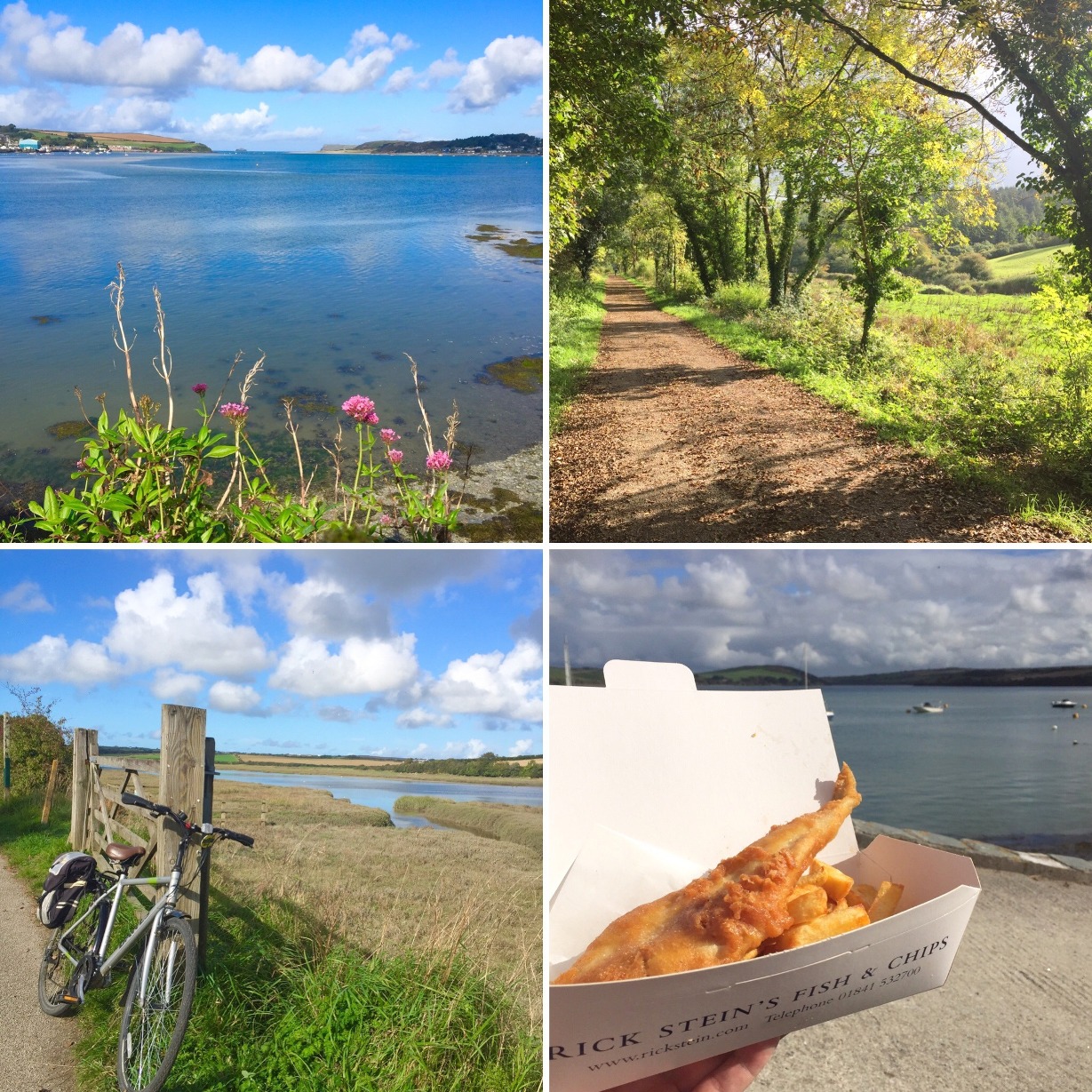
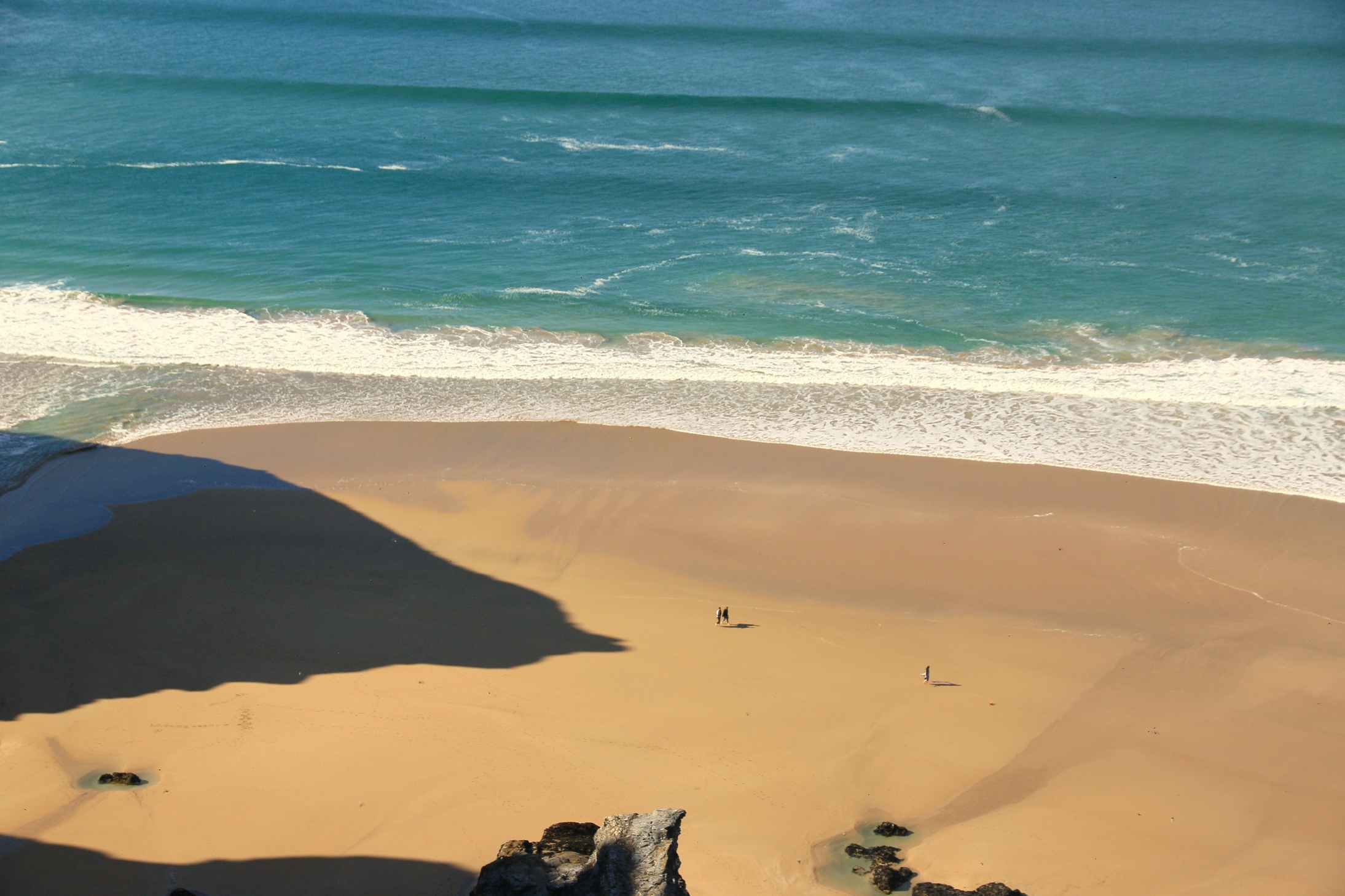


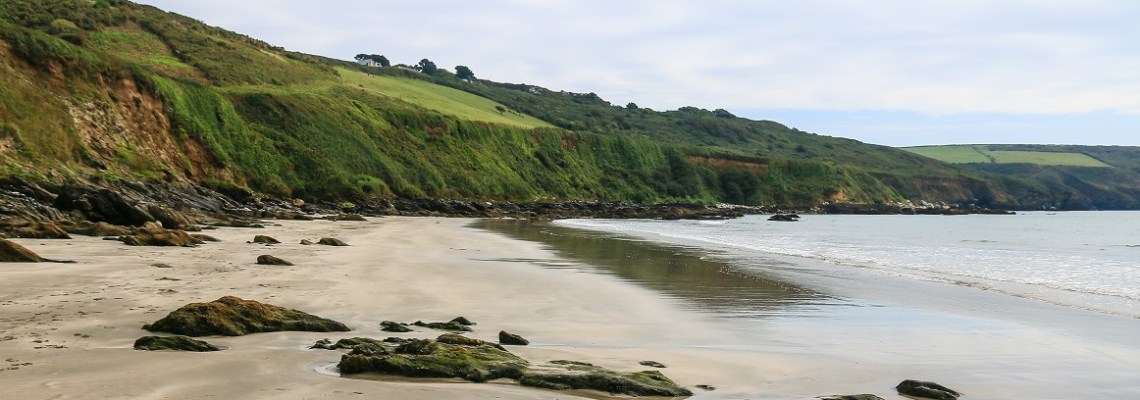
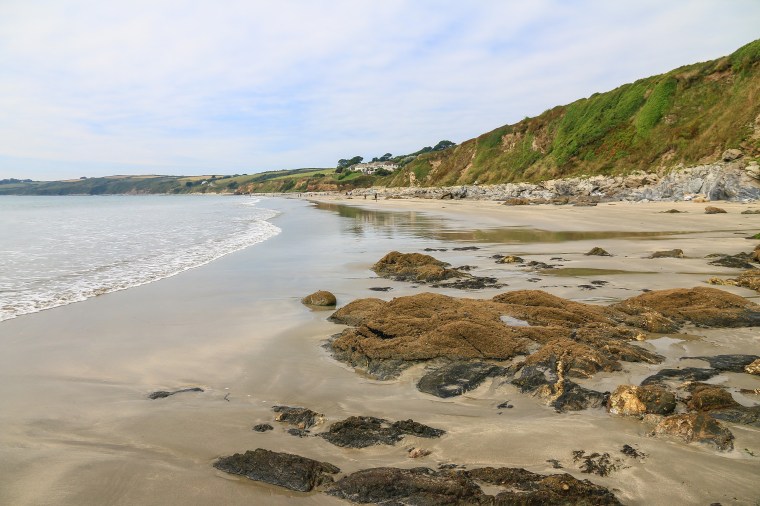
 And so, there I was, rarely bumping into anything other than the odd pheasant down in the Roseland Peninsula. A farm track took me out to Dodman Point, high above a placid silver sea pierced by the occasional trawler chugging back towards Mevagissey. Around the headland, Anvil Beach was – this time – peppered only by one or two souls, some inevitably allowing their dogs to run wild.















 gbpilgrim