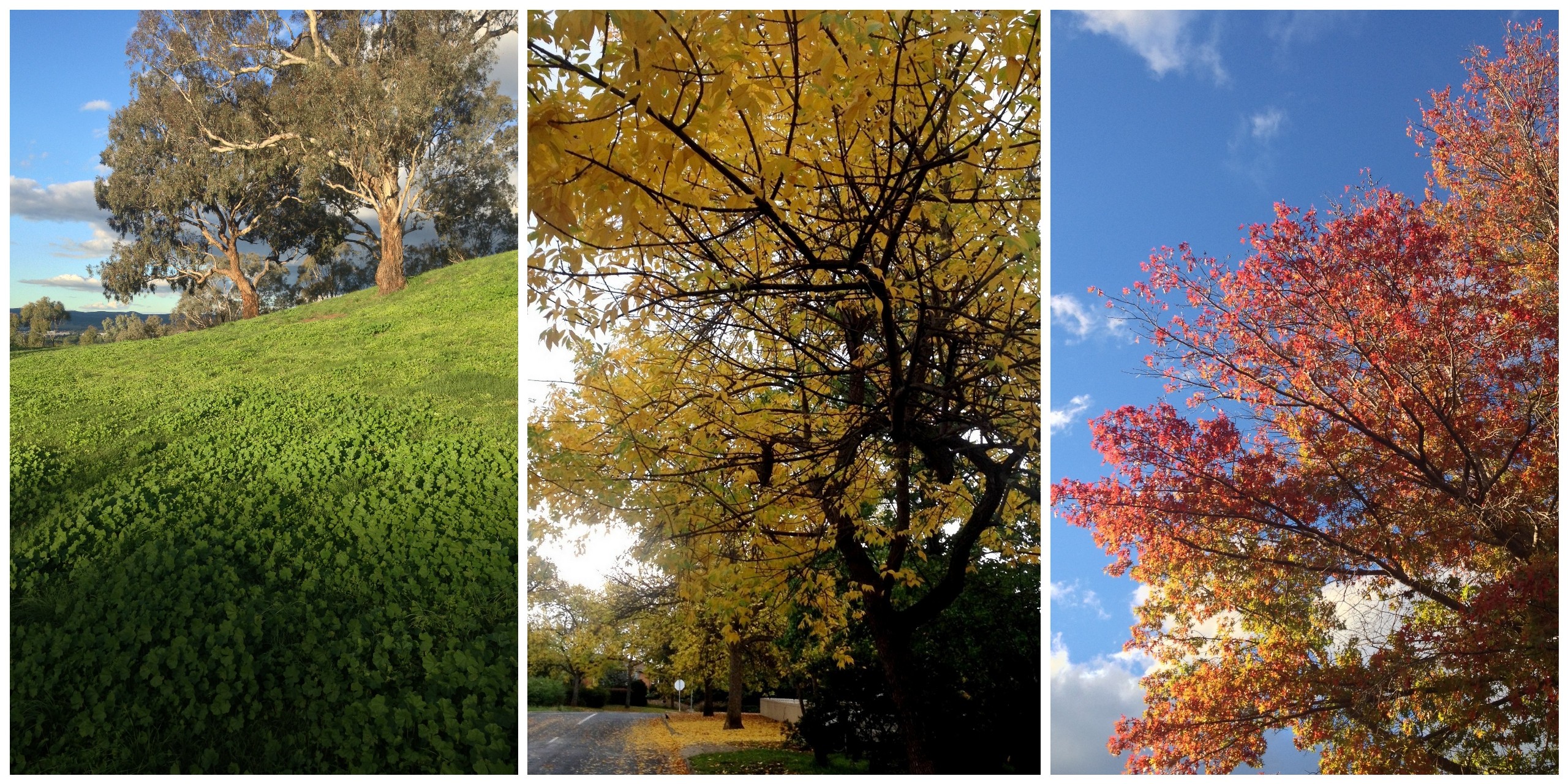
Little things, sometimes performed unconsciously, indicate a time of change. There is the walk for morning coffee, in which you now seek the sunny section of pavement rather than its shady, covered counterpart. At home you have to reach in the darkest depths of your wardrobe for – god forbid – a sweater; only to discover that they are musty and holey and jaded and faded but at least protect against a cooling evening. Scattered on a nearby chair are the vagaries of climate suitable attire in late March: shorts from two days back (27 degrees), and a hoodie from the night before (2 degrees). Tracksuit pants come back into fashion, at least inside the privacy of your own home. Outside, the basil flourishes, at its most bountiful before frost decimation. And, excitedly, thoughts turn to how it can be used with red meats and red wines, frequently together.
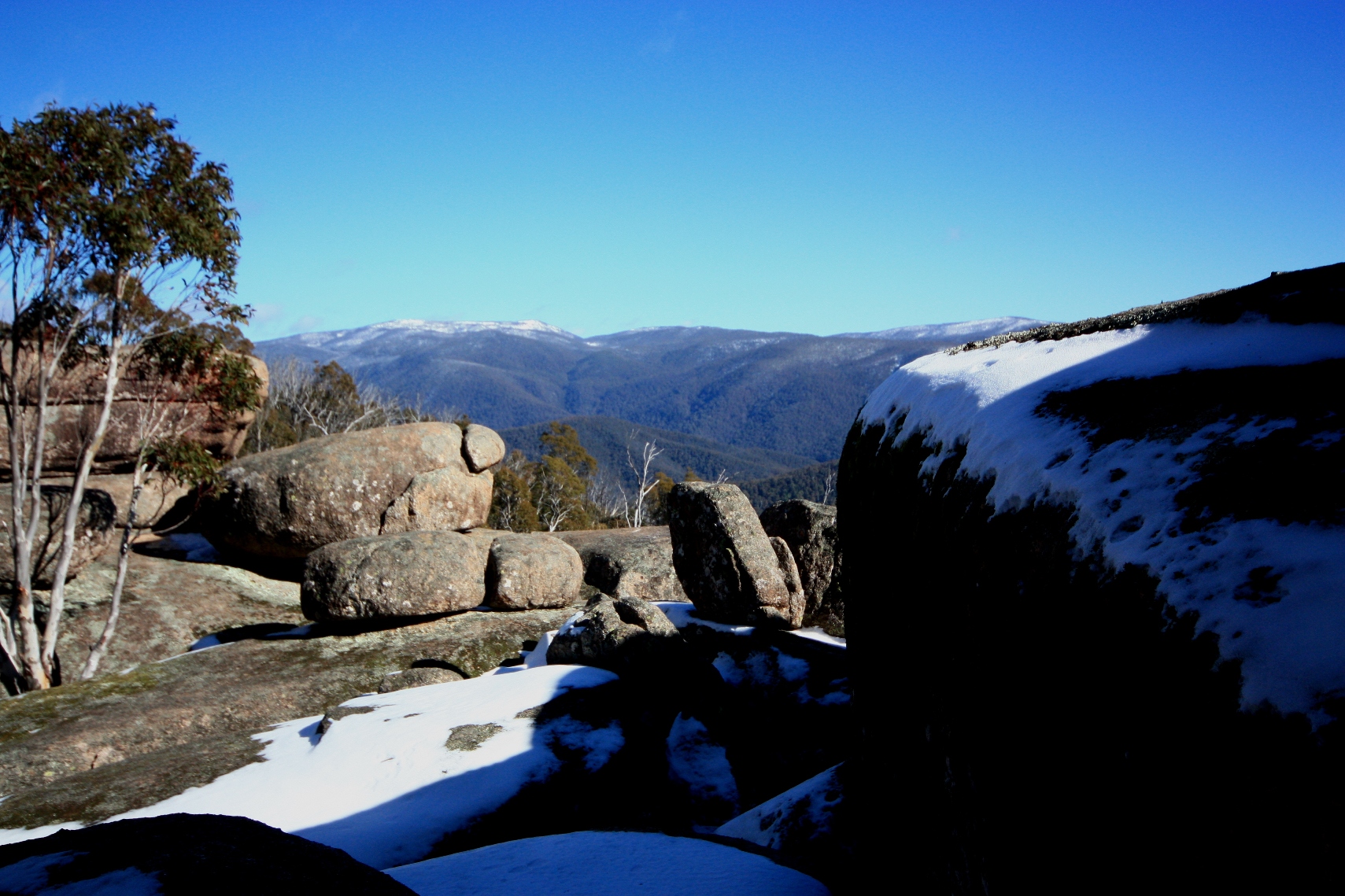
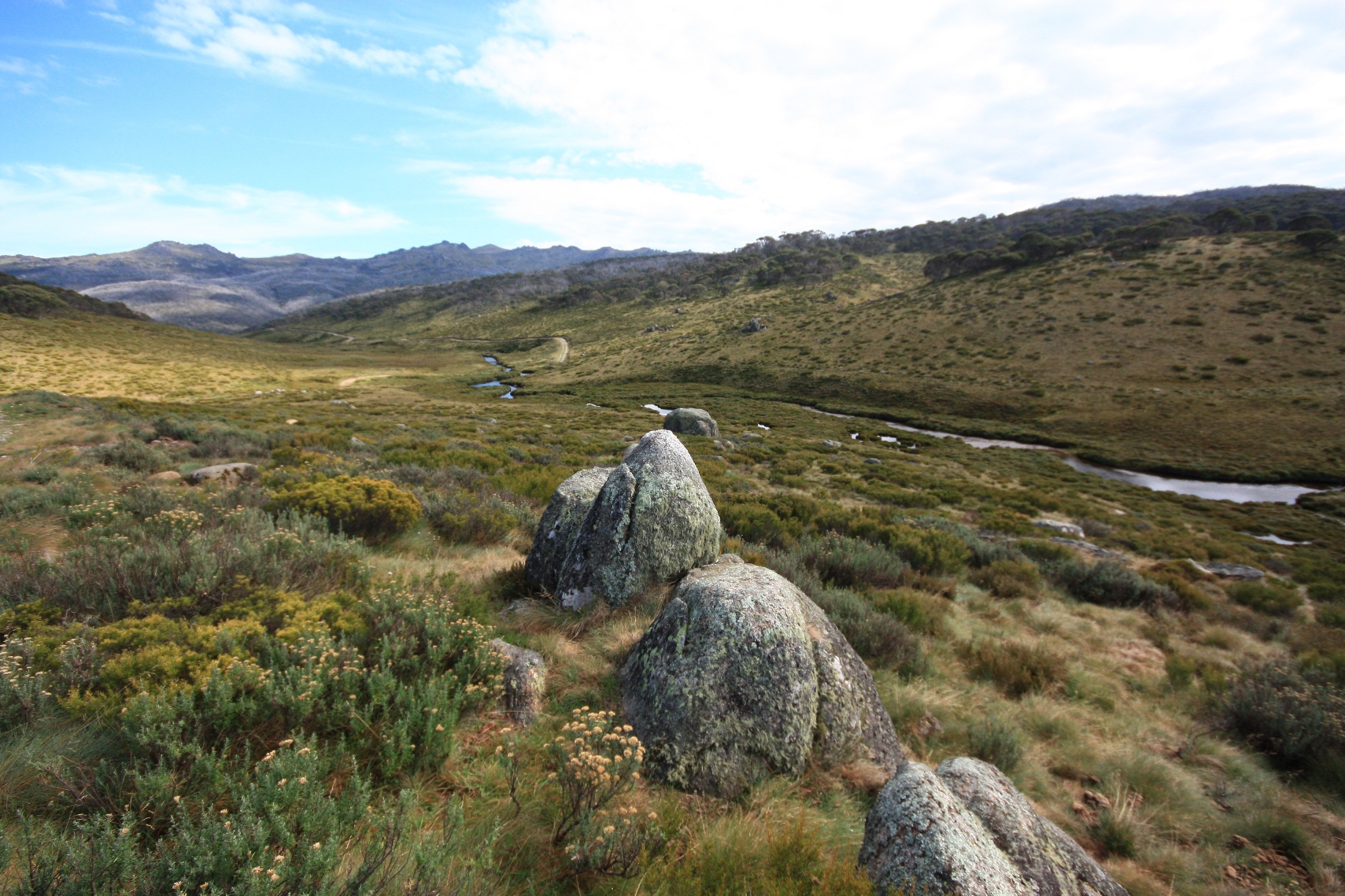
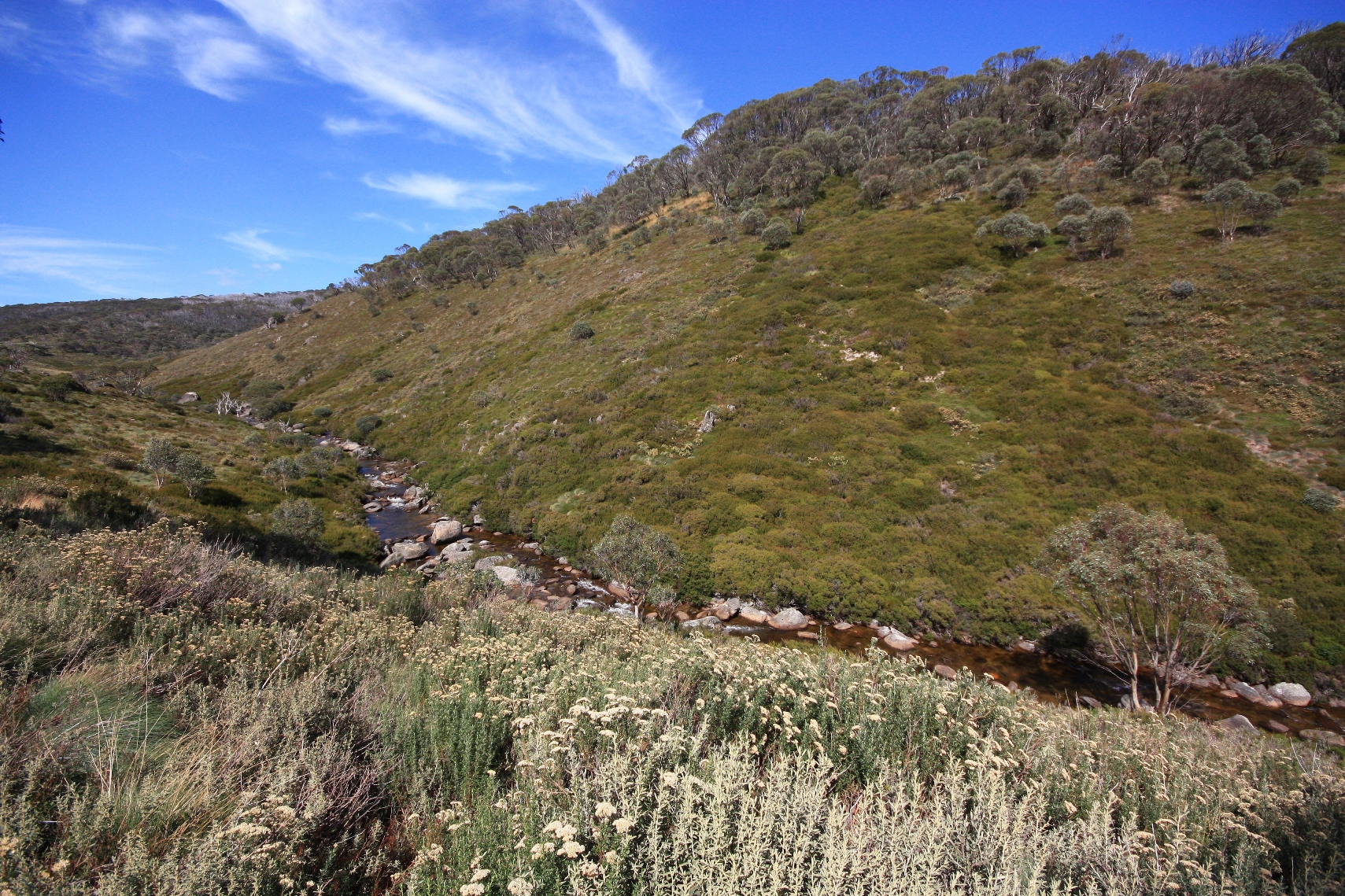
Shorts and salads were still the preferred modus operandi for most of March, and suitable for a reasonably easy-going walk on the Settler’s Track down in the remote southern tip of the ACT. A scattering of huts and pastoral remnants speak of a far challenging time, and one can only recoil in fright at the thought of icy winter winds seeping through the gaps in the wooden planks that made for walls. The comforts of a piddling new town called Canberra lay distant, across brown plains upon which a permafrost lingers, gnarly tangles of stunted gums and dense mounds of wattle lining the mud-racked excuse for a road. Today, we had a bit of a sunny picnic and returned to Canberra in air-conditioned comfort in an hour, with only a little part of the road slightly bumpy.

The climatic downshift has produced more amenable conditions for burning some of this land, doing so in a controlled and measured manner. The intention of this – previously practiced by the original inhabitants of this continent to great success – is to reduce the fuel load for more intensive and damaging fires in the summer months. Thus it is an act of destruction that protects and regenerates, with any luck clearing out tangles of invasive weeds to open the way for more friendly natives.
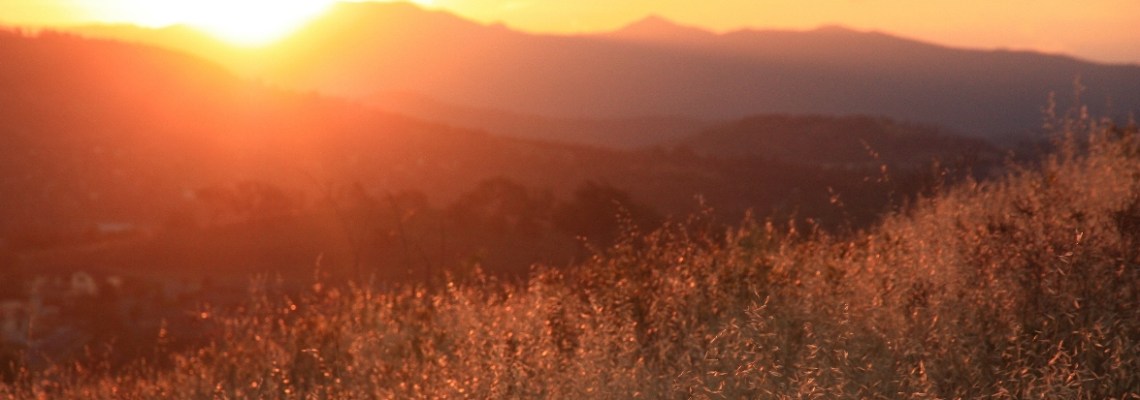
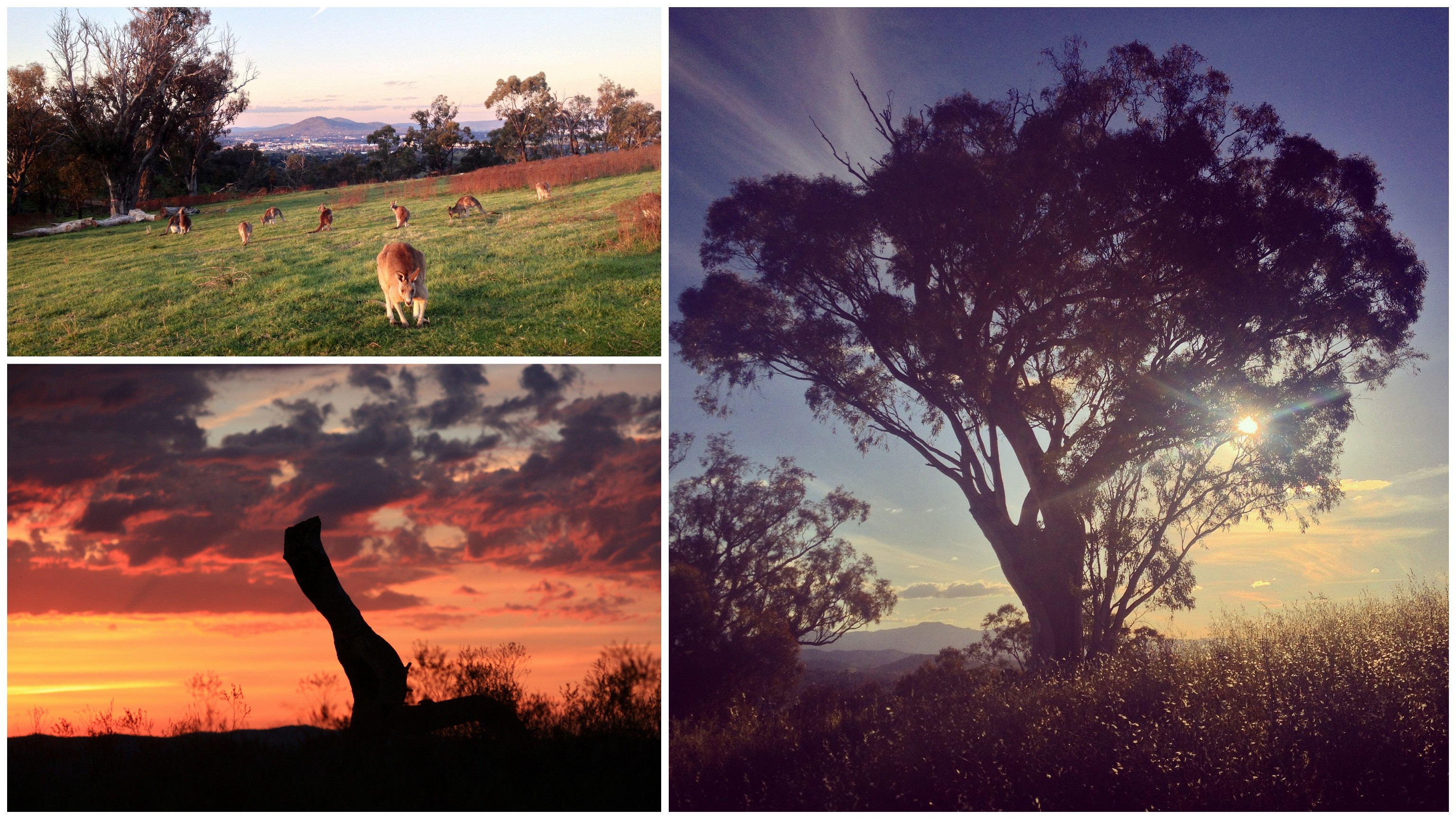
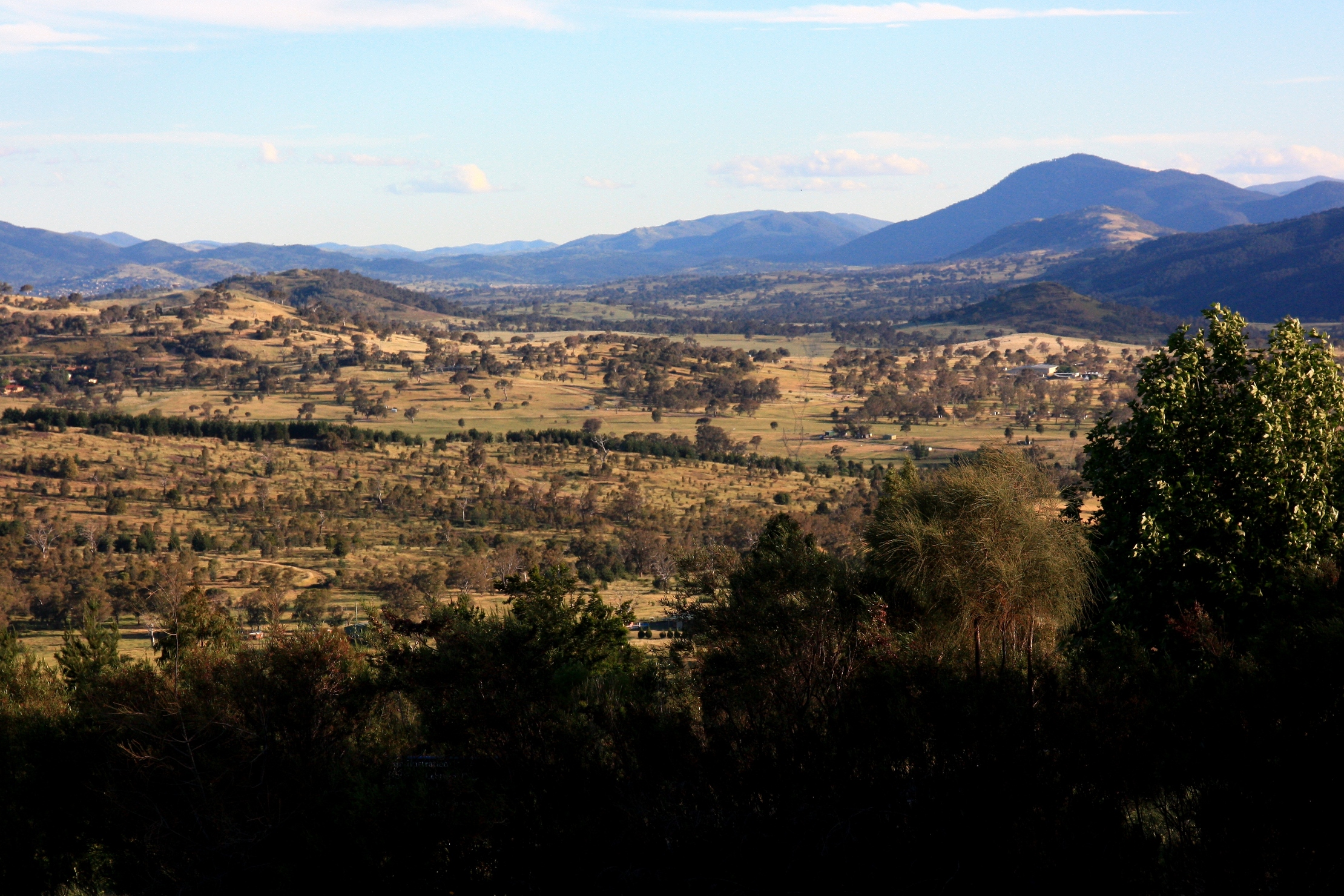
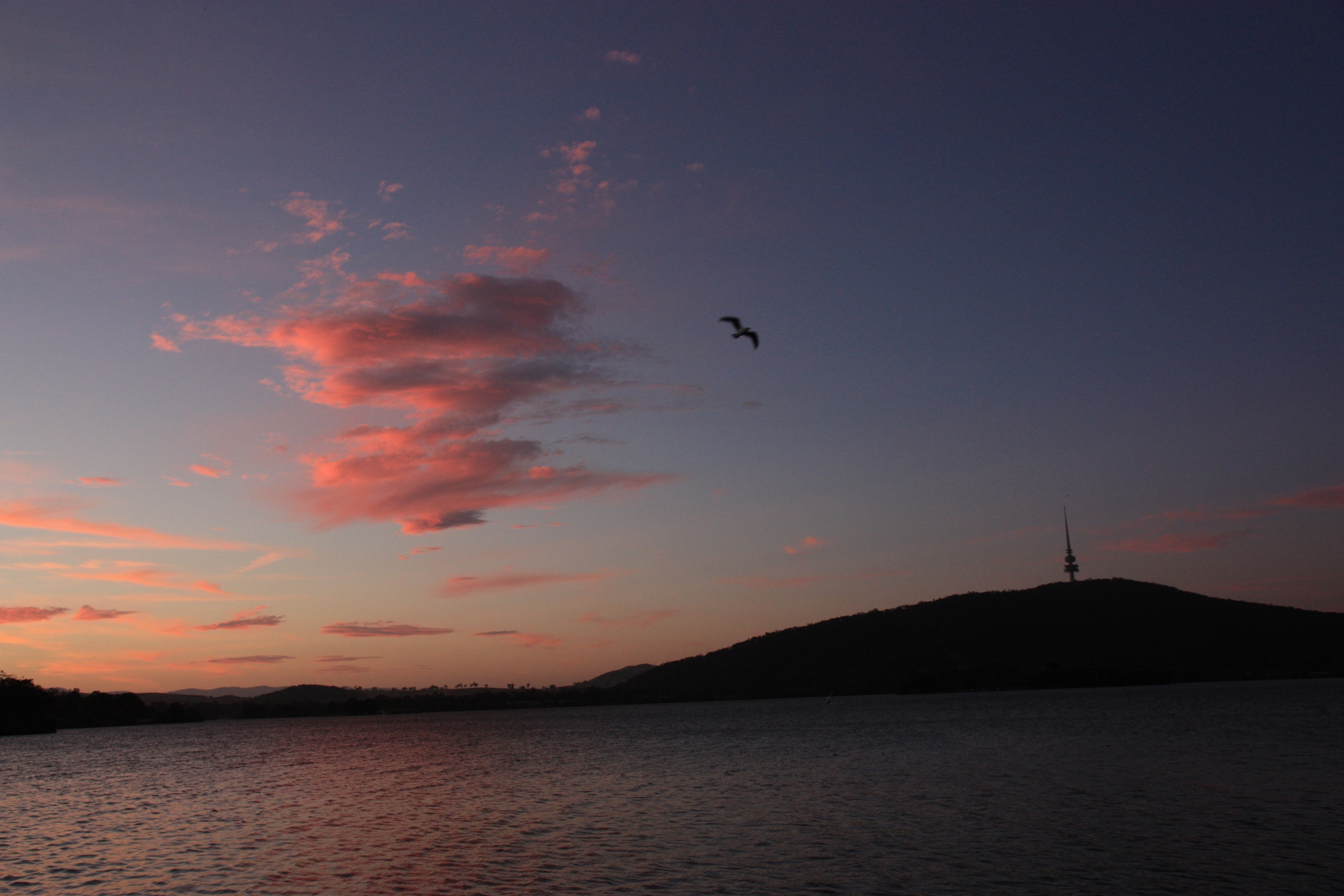
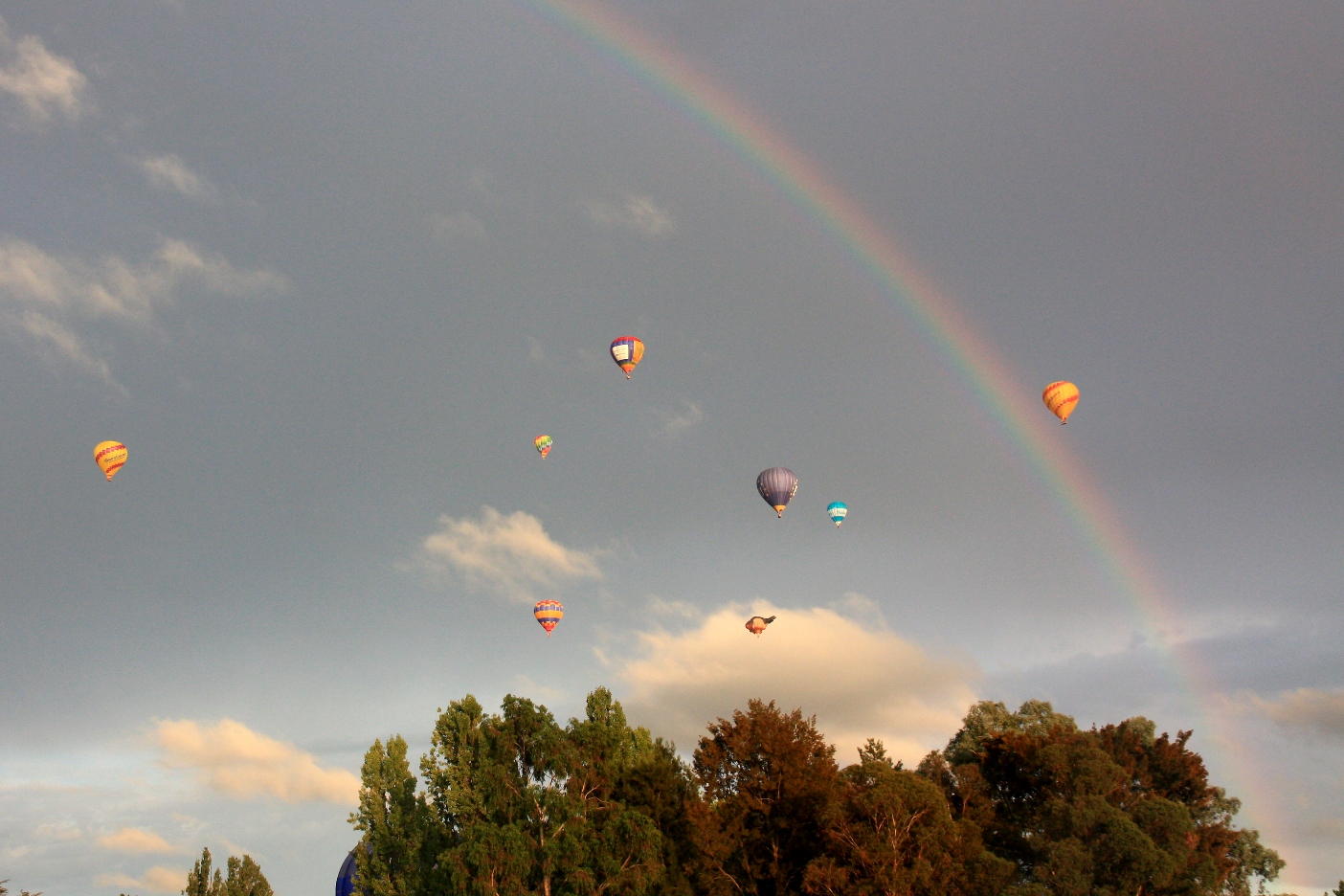
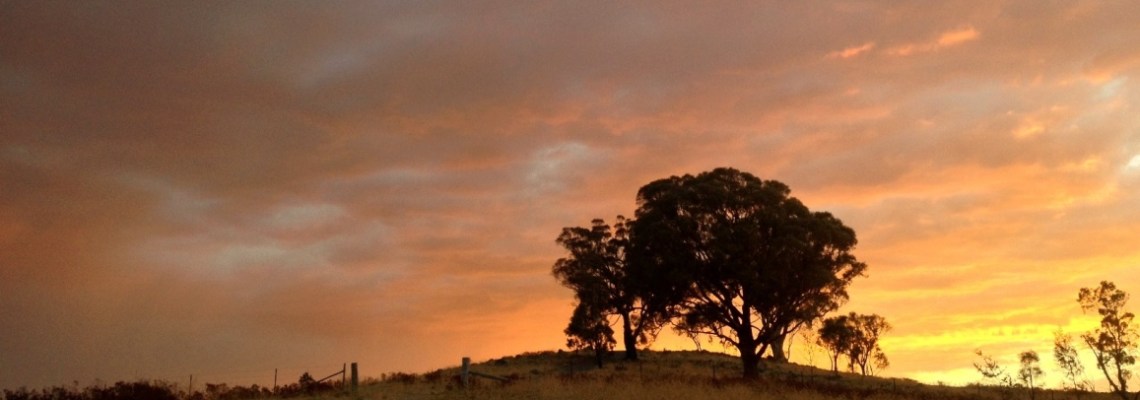
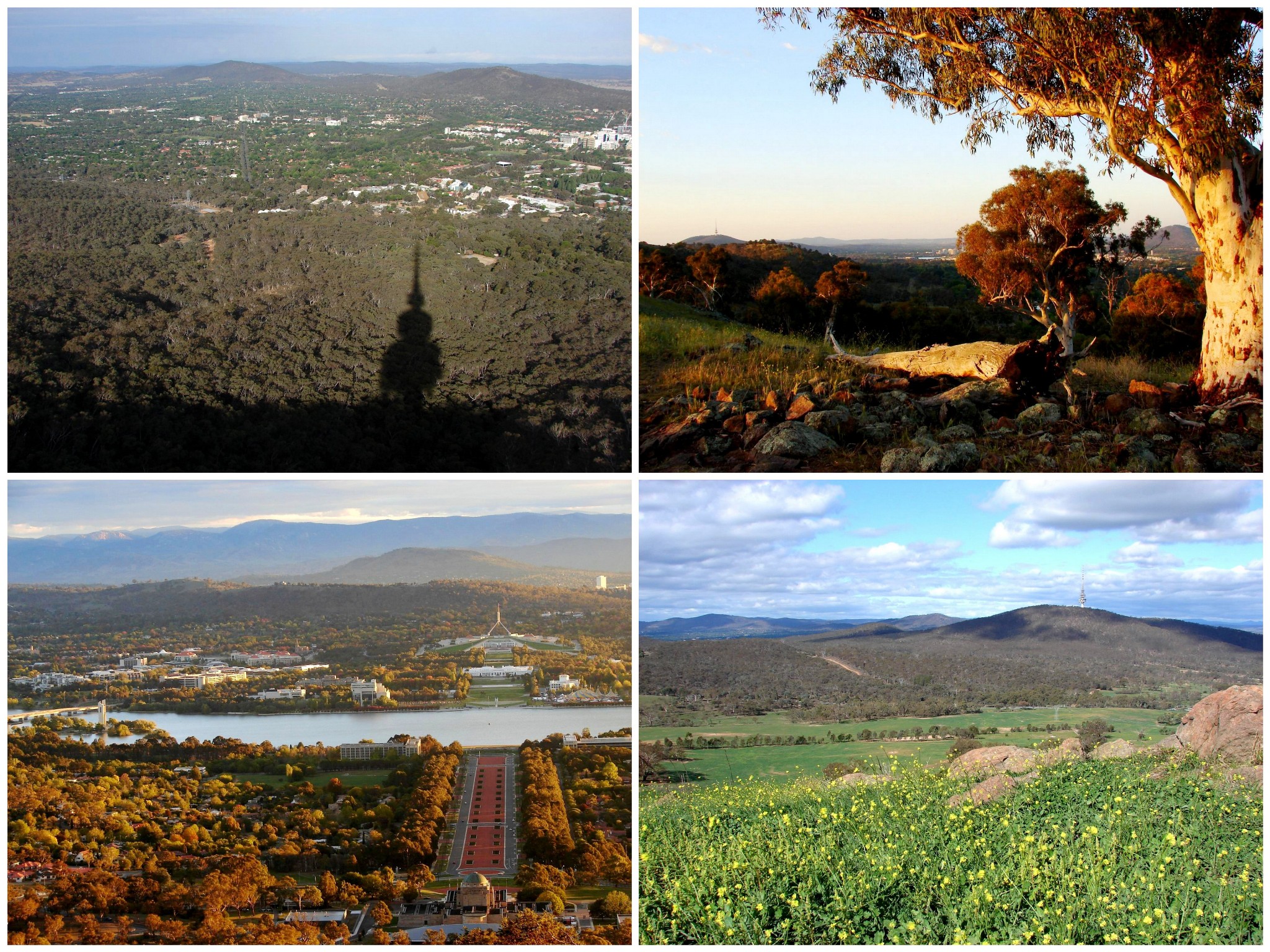
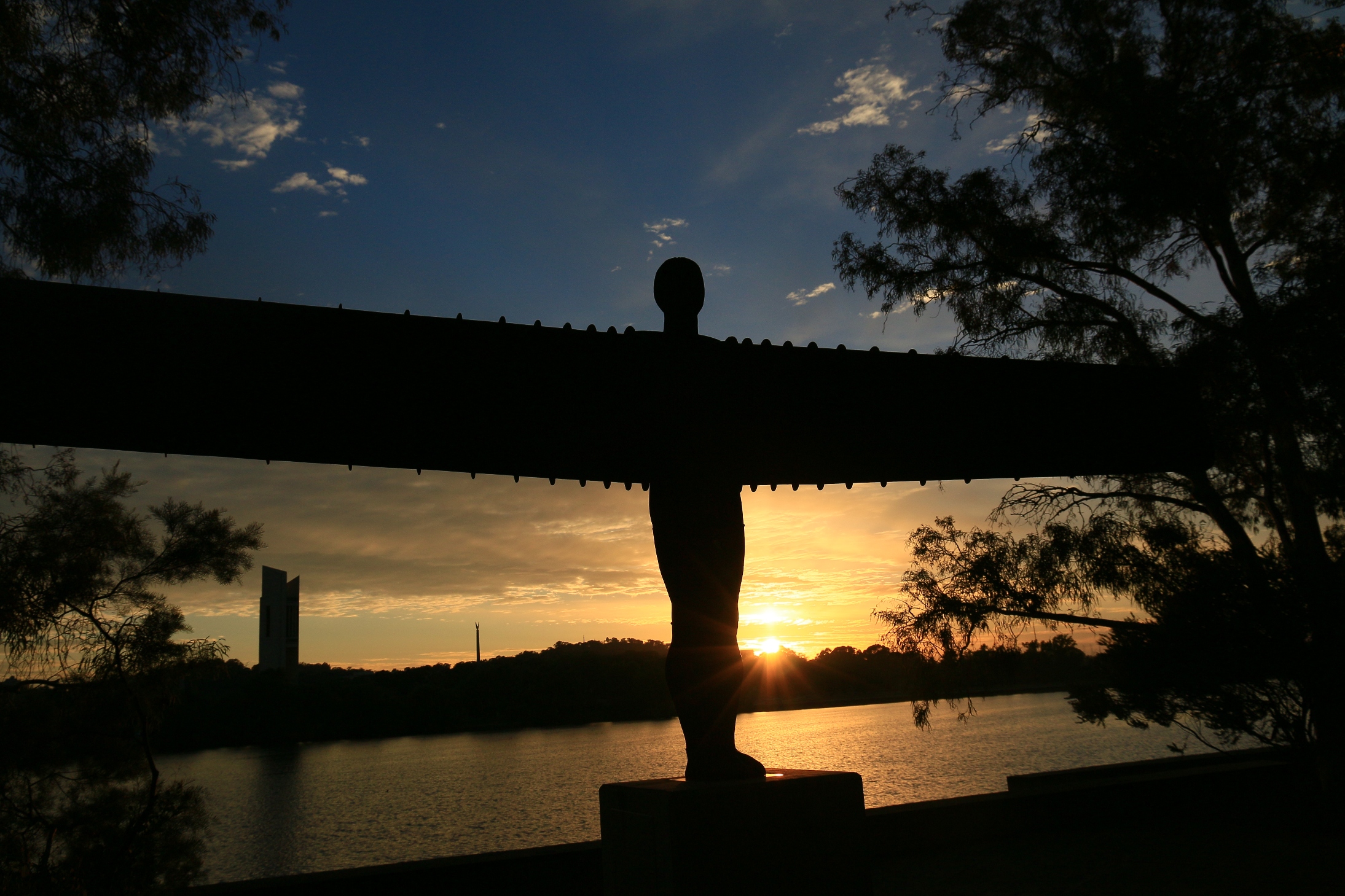
The controlled burns were noticeable this year in their seeming proximity to Canberra. Partly this an illusion, a foreshortening of distance created by the lines of ranges to the west and the hidden deciduous streets of Canberra in between. It is heightened by the smell of smoke in the air but at no point was the largest ugly concrete building in Woden facing any threat, even as plumes of smoke spiralled in the hills behind like some kind of Jurassic Rotorua. Alas, while the ugly tower survives the smoke, the light, the angle of the sun upon its equinox, the time and day and place and year produce some memorable, cherished Redhillian sunsets.
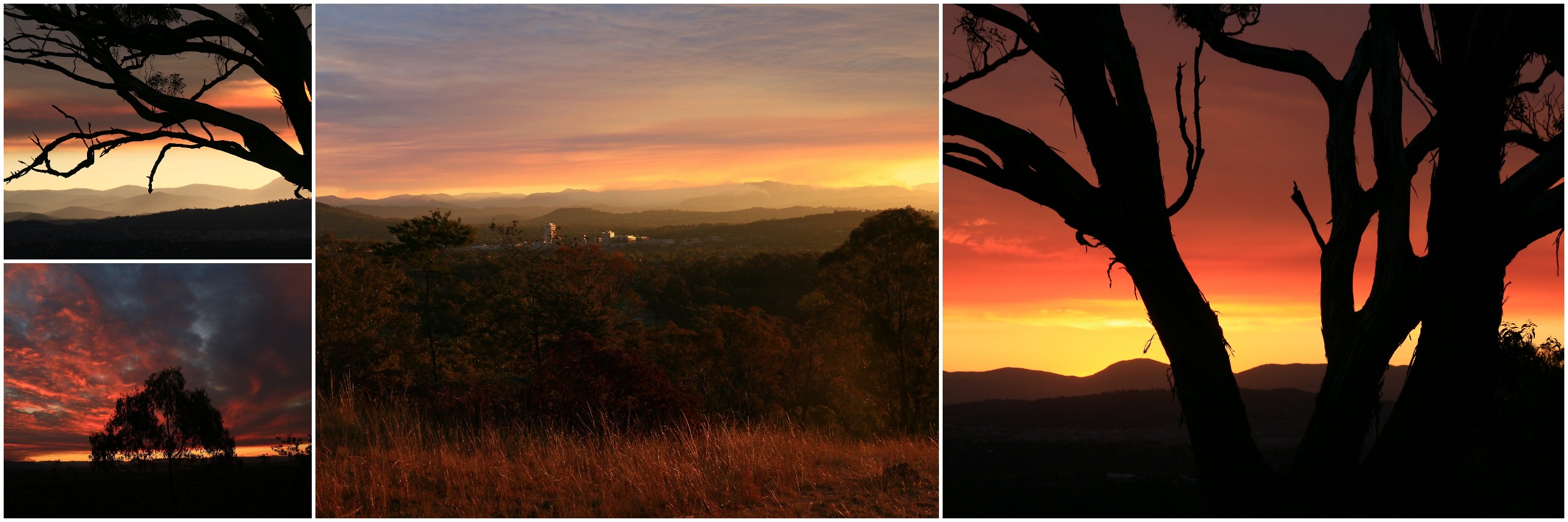
With the fiery skies appearing earlier each eve, and the increasing need for arm and leg coverings, panic can start to grip the citizens of the national capital. There is alarm that it may get down to fifteen degrees, a temperature in Australia requiring scarves and beanies and carbon intensive wood fires. Concern too that the Australian right to enter the ocean and brag about its perfection to the rest of the world is on the wane. Easter escapes may (though things seem to be changing) herald the last chance to wade in the water of the South Coast. So I thought about going down there over Easter too.
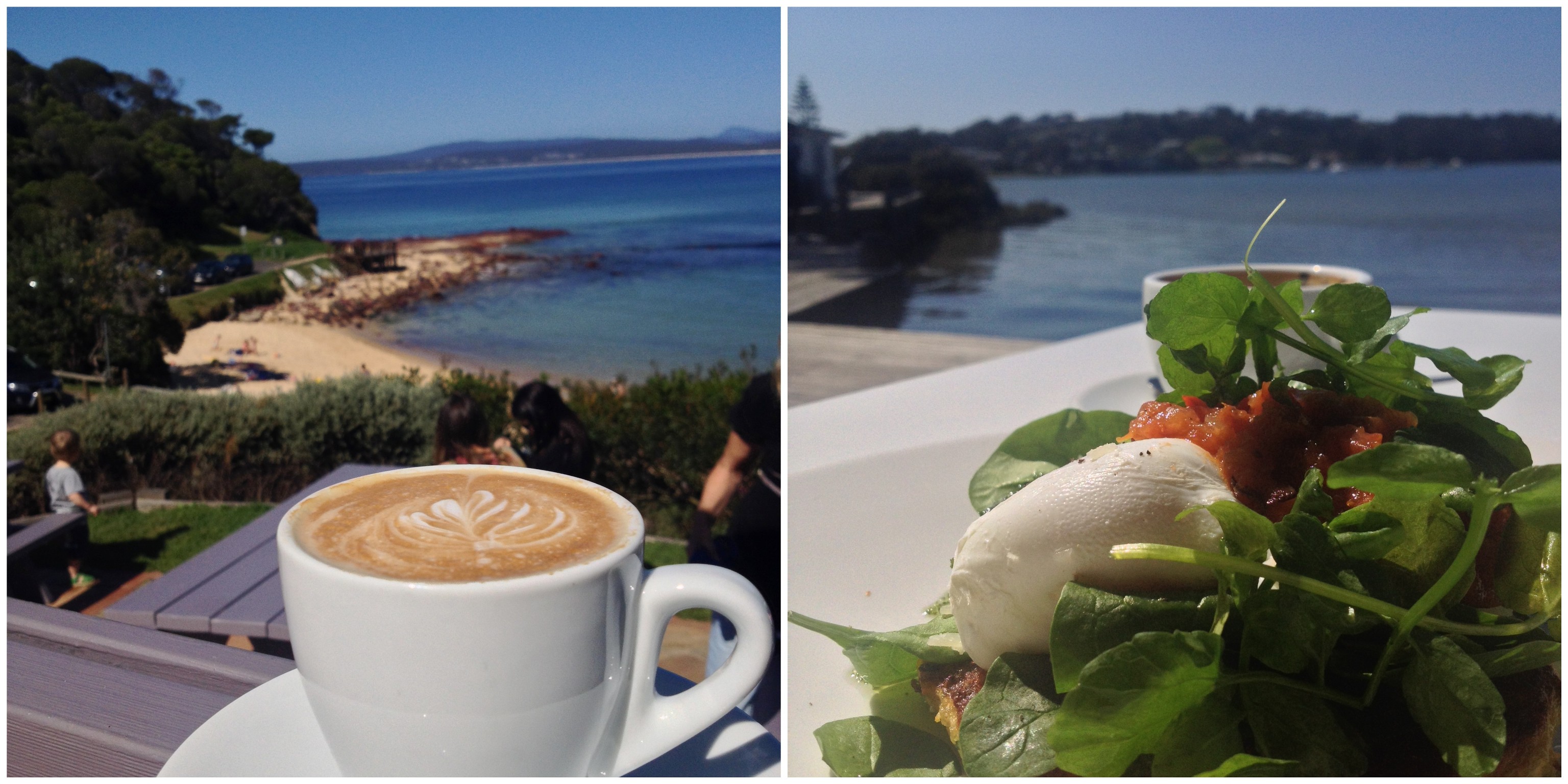
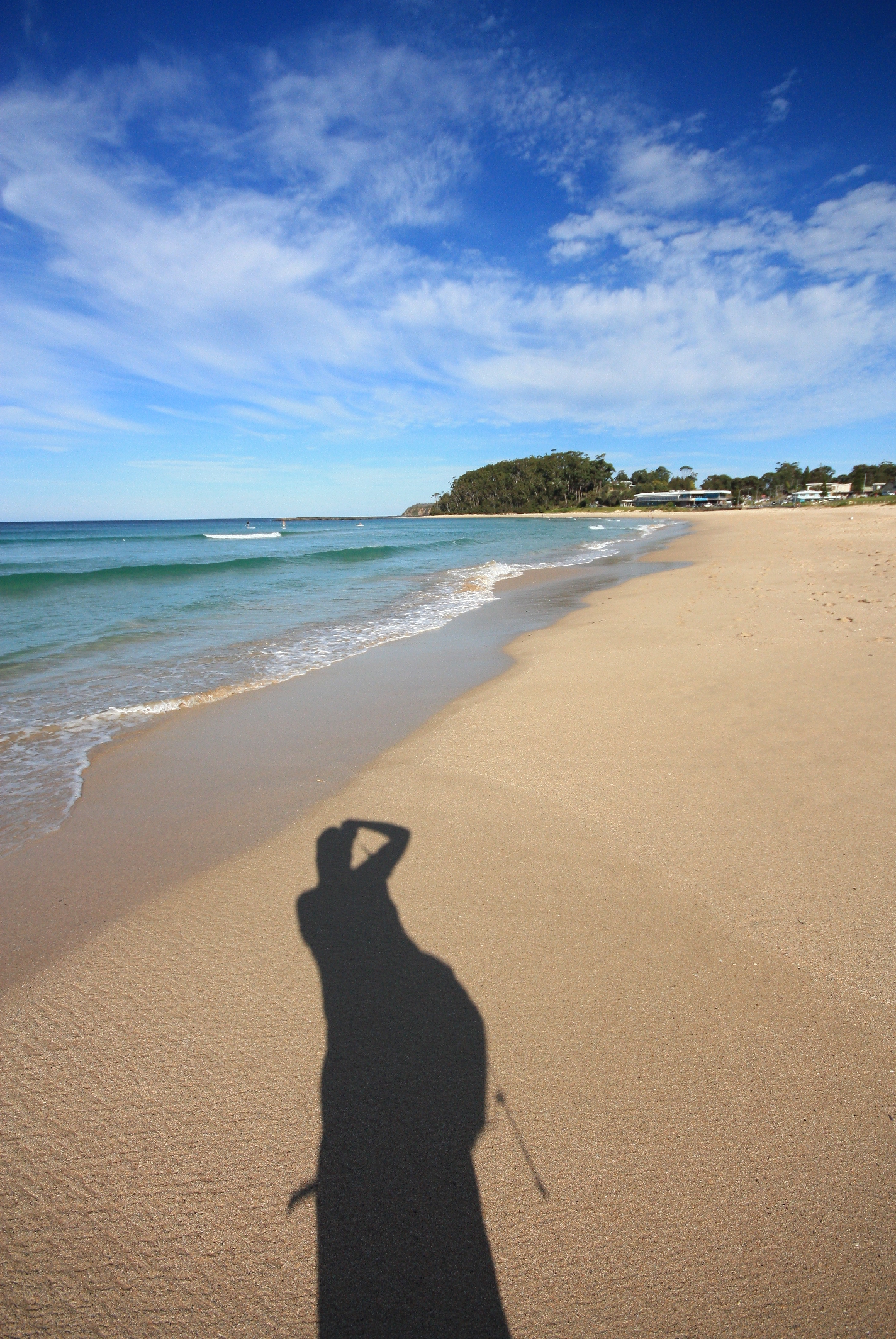
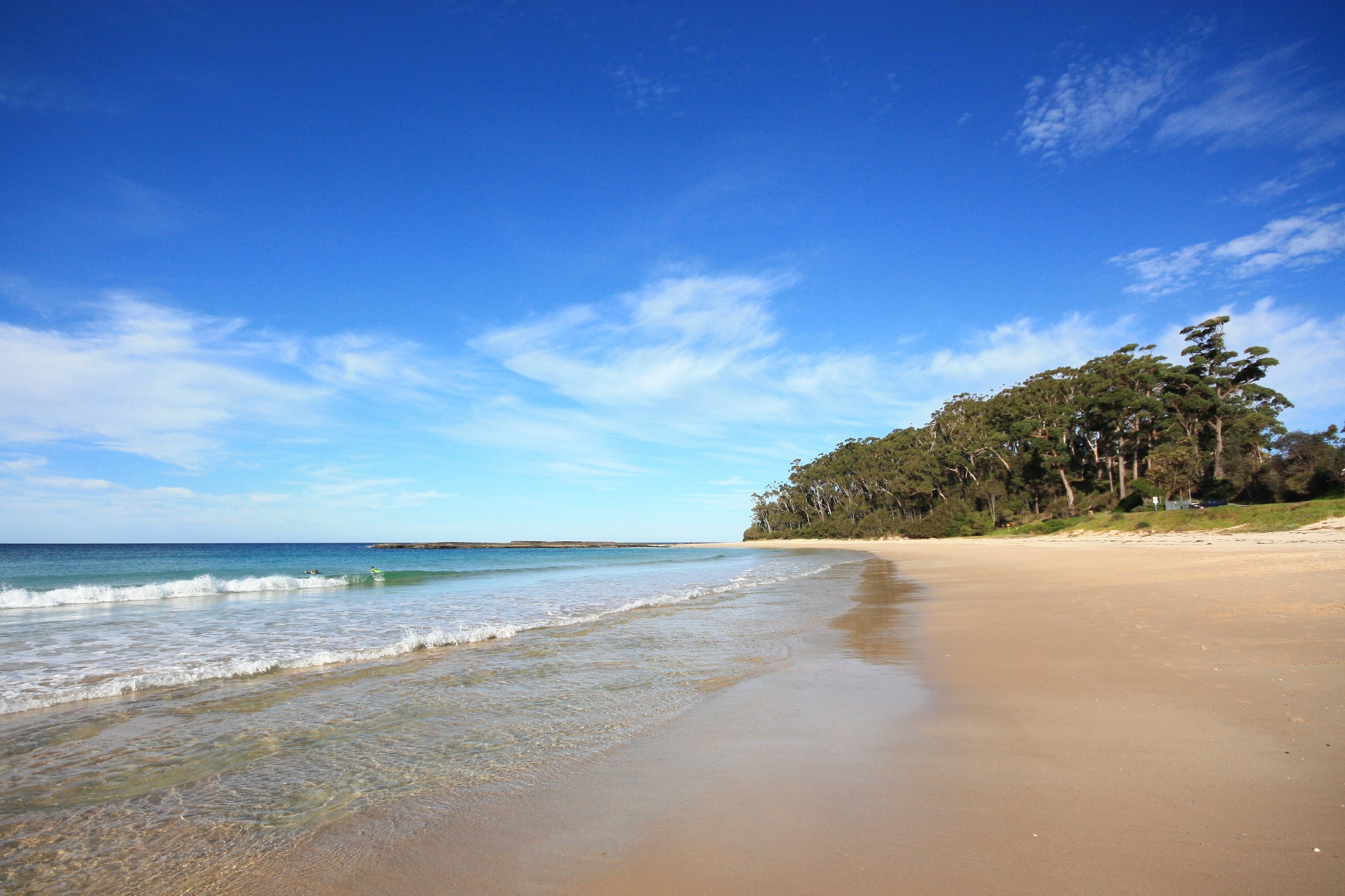
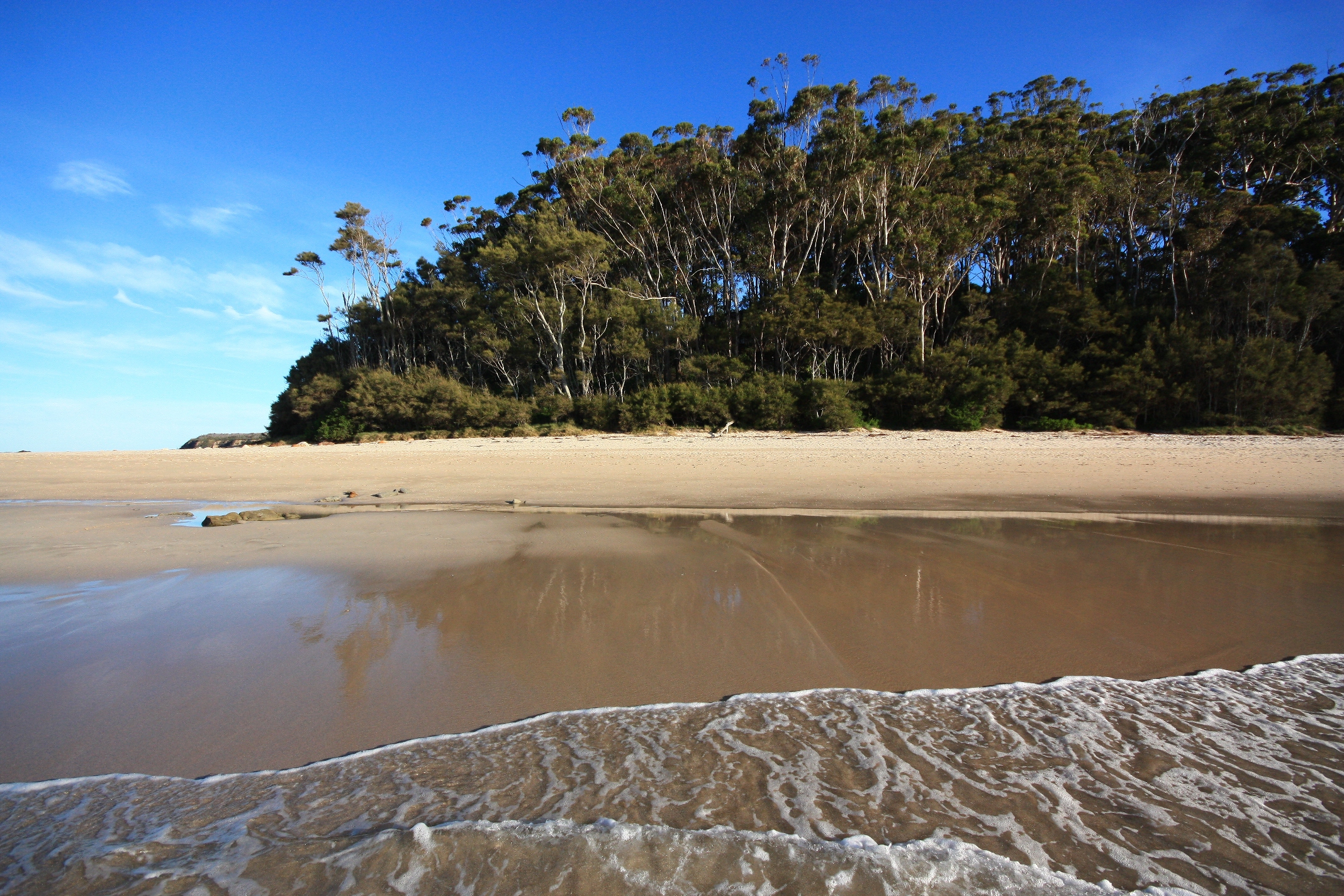
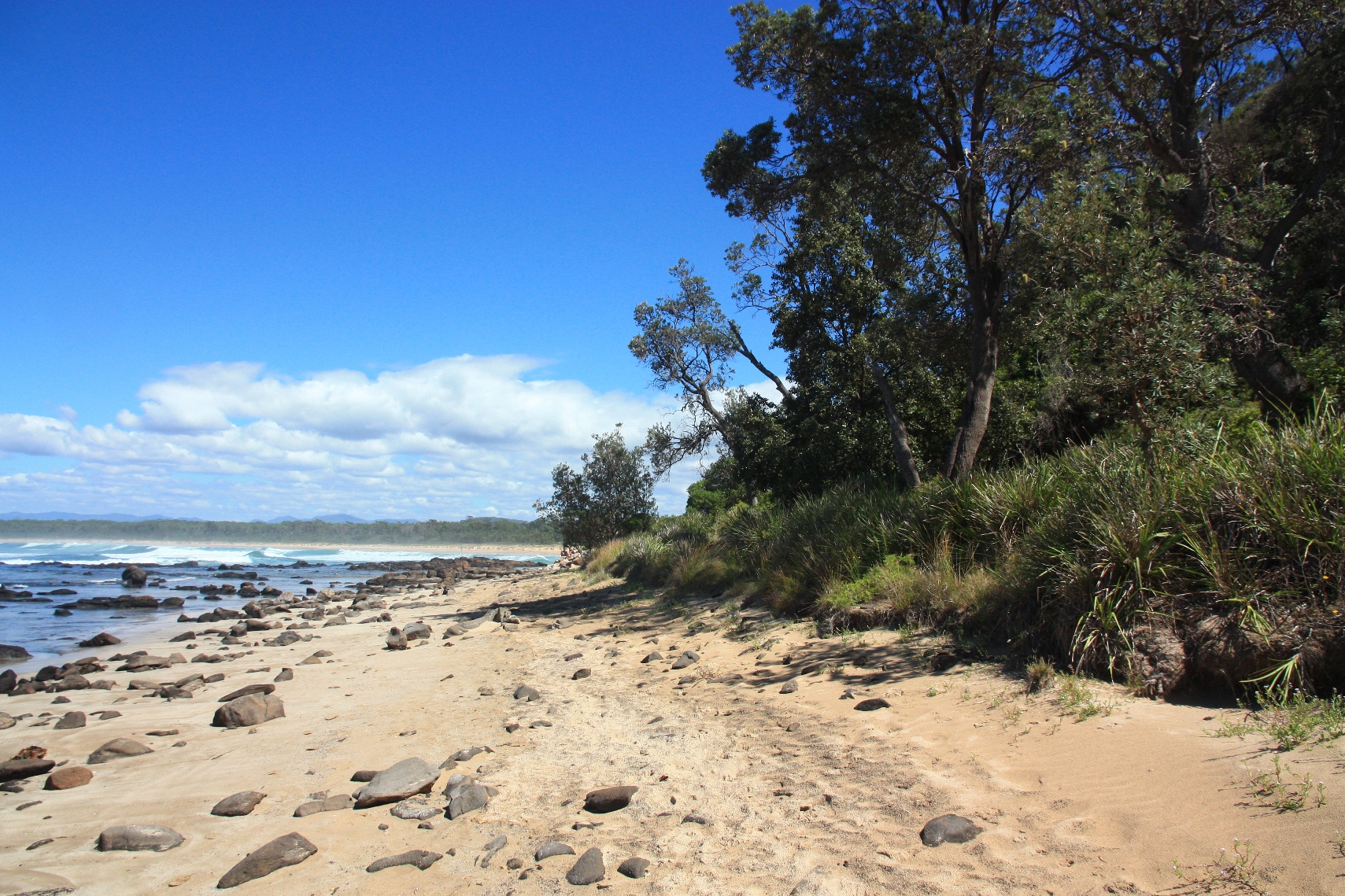
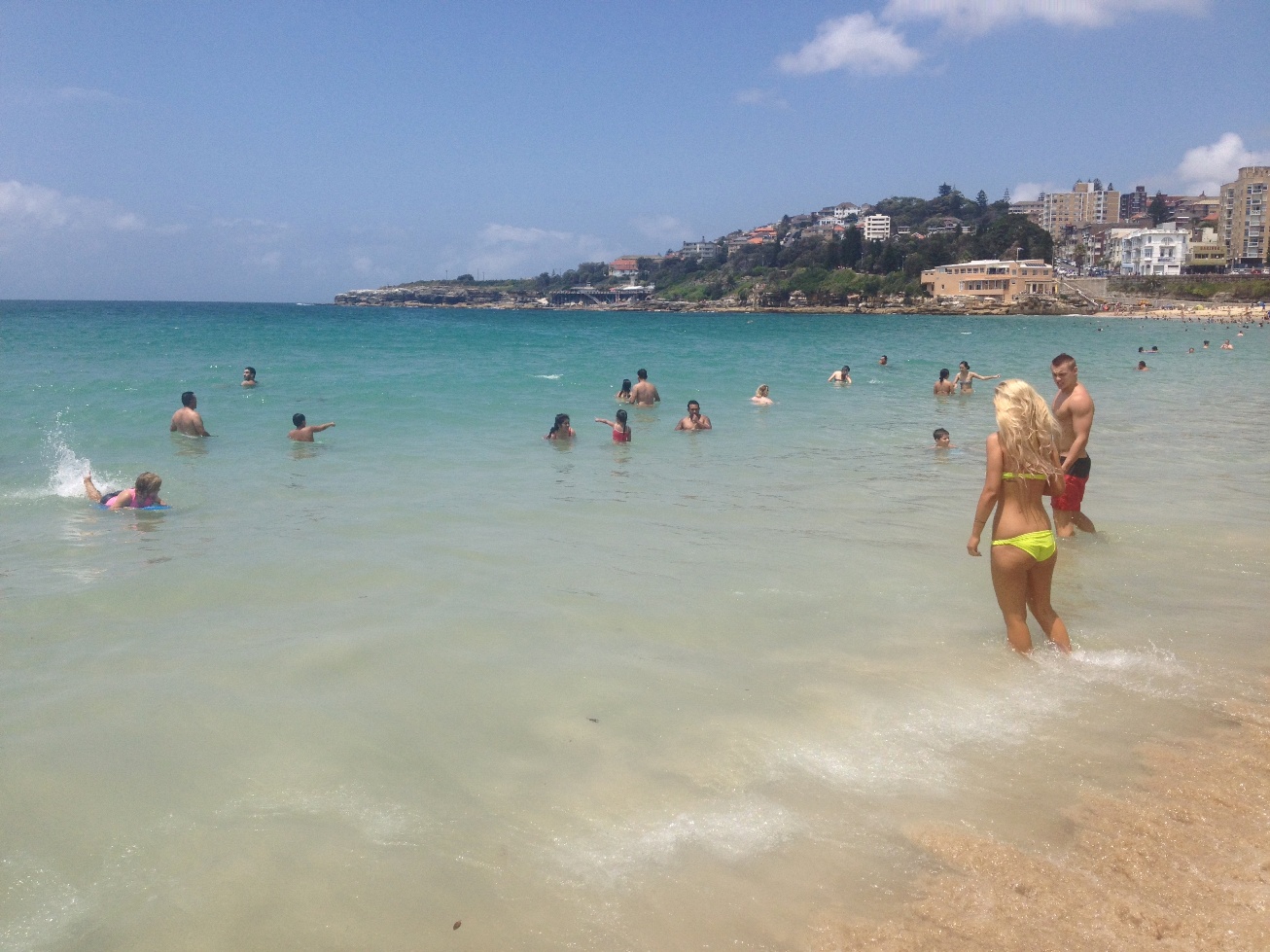
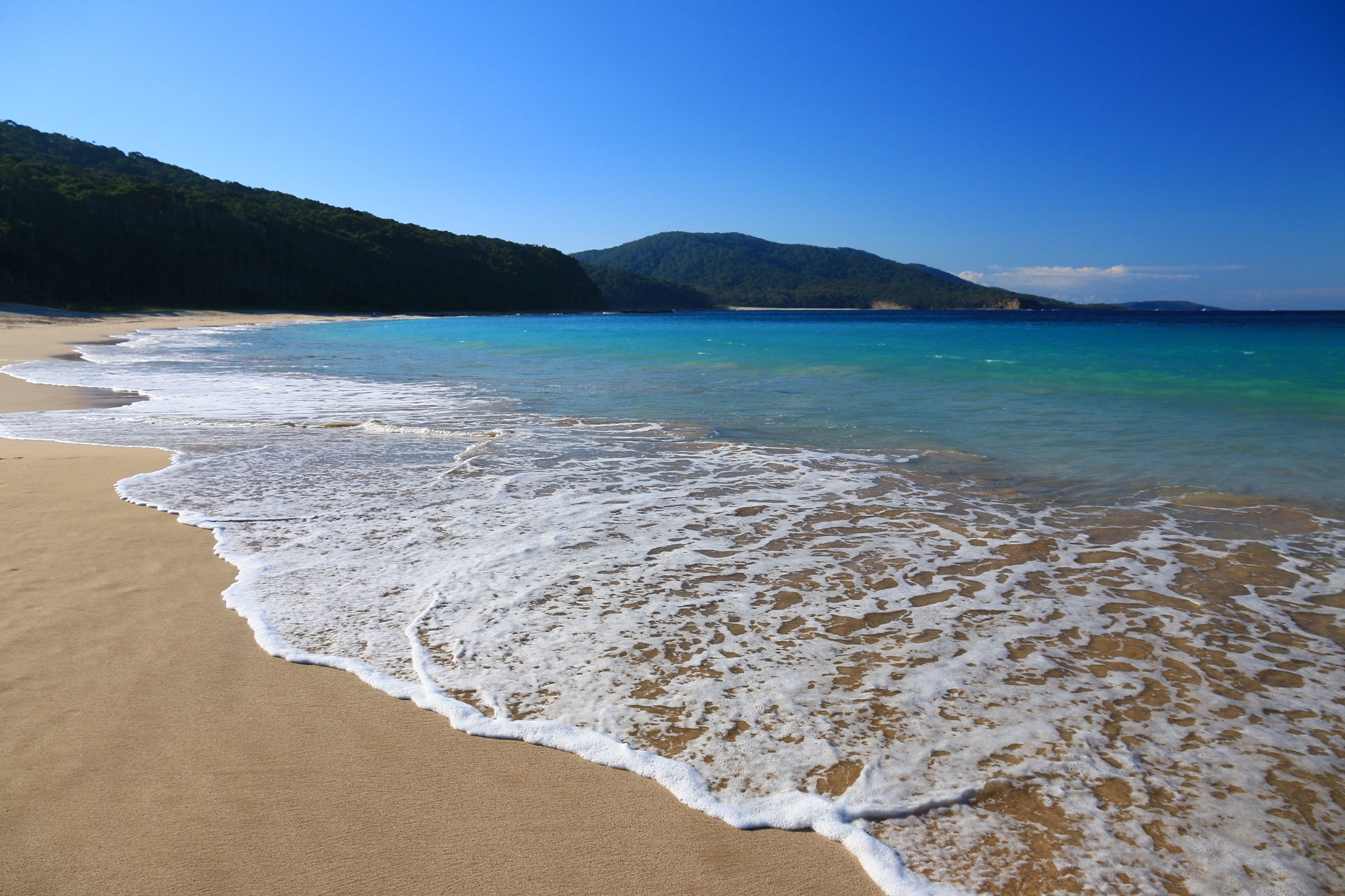
In the end, I changed my mind, and went a few days earlier because the weather was perfect, ideal for a spur of the moment day trip that is only possible with self-employment. Old favourites of Mollymook and Depot Beach, with some fish and chips in between. Shorts and sandals and, yes, gentle wading in the ocean. Something surely to brag about.
My pre-emptive conniving worked wonders because, in the main, the long Easter weekend was one of those in which Canberra (and the region) did its best to imitate Britain. Two days of cool greyness without a break, then two days of heavy downpours, possibly followed by a debate between seven charm-filled politicians arguing about HIV-laden Europhiles stealing our tax money jobs and murdering badgers with Clarkson or something. Ideal conditions for some reading and lounging and DVD watching and baking and napping. In this context, in this climate, it seemed right that the clocks changed, and – at least from the perspective of time-fixing – winter commenced.
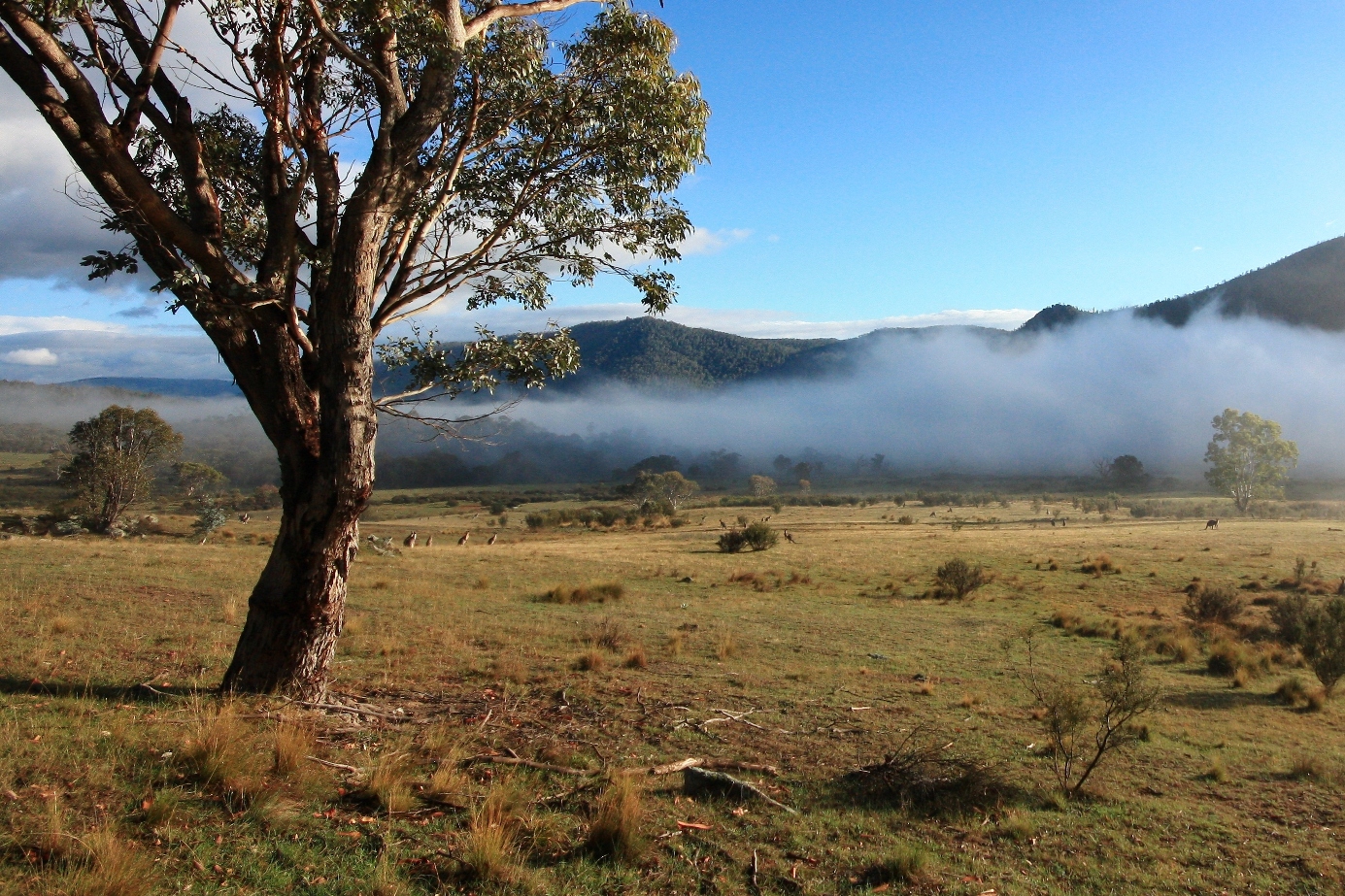
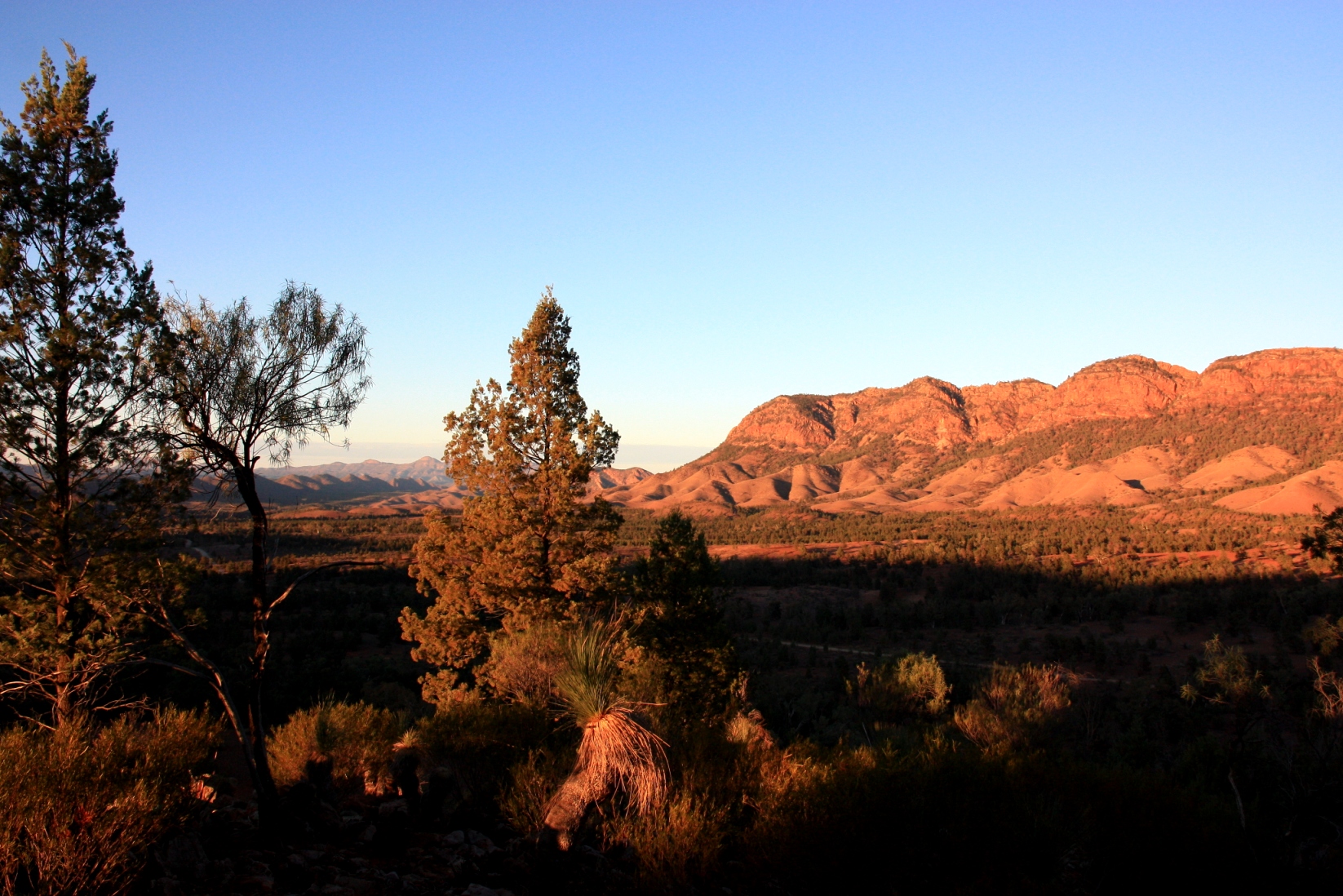
 The first morning on winter time turned out to be delightful. For a few hours the clouds went away, and the sun delivered enough radiance for a comfortable period of shorts-wearing. The morning light and air contributed to a Red Hill glow, projecting upon the grass and gum trees and ranging hills in the distance. Rather than signalling a decline, the change of clocks appeared to induce a spurt of wild industriousness. Cockatoos plentiful, screeching from tree to tree; pairs of rosellas flitting amongst branches; galahs flaming; and of course the kangaroos, forever grazing and looking all rather nonplussed about it.
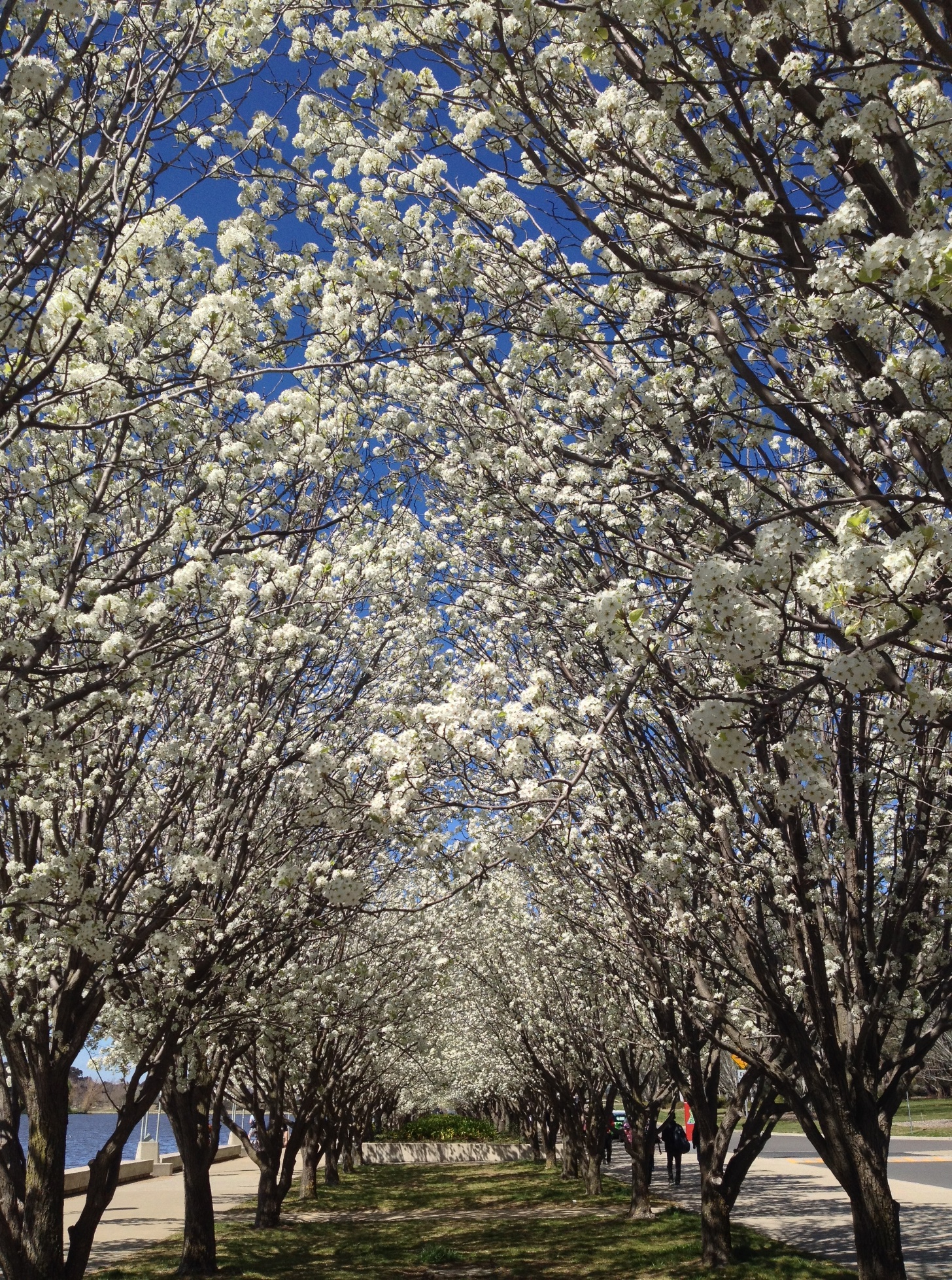
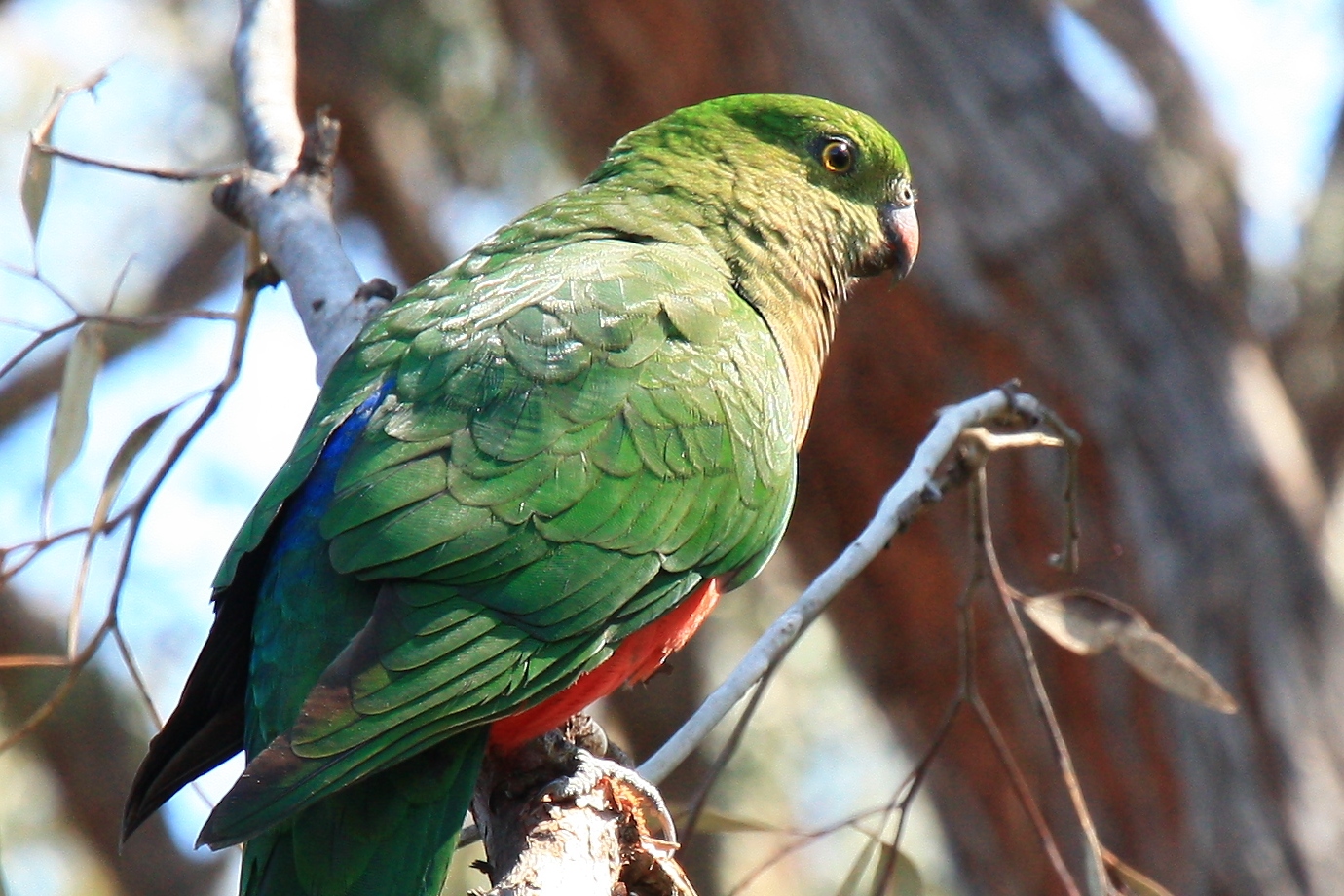
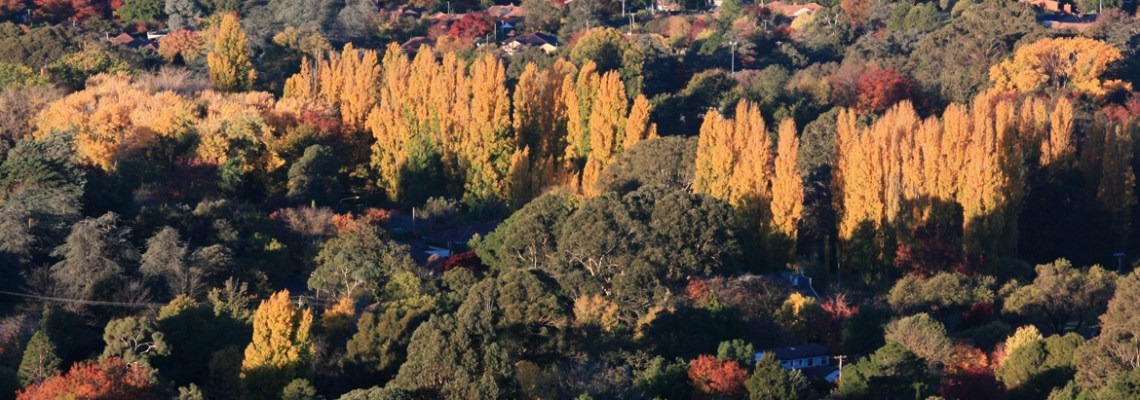
Giving Red Hill the hill a run for its money was Red Hill the suburb.  From what seemed to be shaping up to be a relatively mundane autumn – with lots of early browns and leaf losses noticeable – a week which turned from warmth and sunniness to a condition of damp mildness appeared to have fashioned a more elaborate state of affairs. And amongst this fading technicolour the birds lingered too. Foraging and flirting and feasting, the fruitful trees bedecked with gang-gangs.

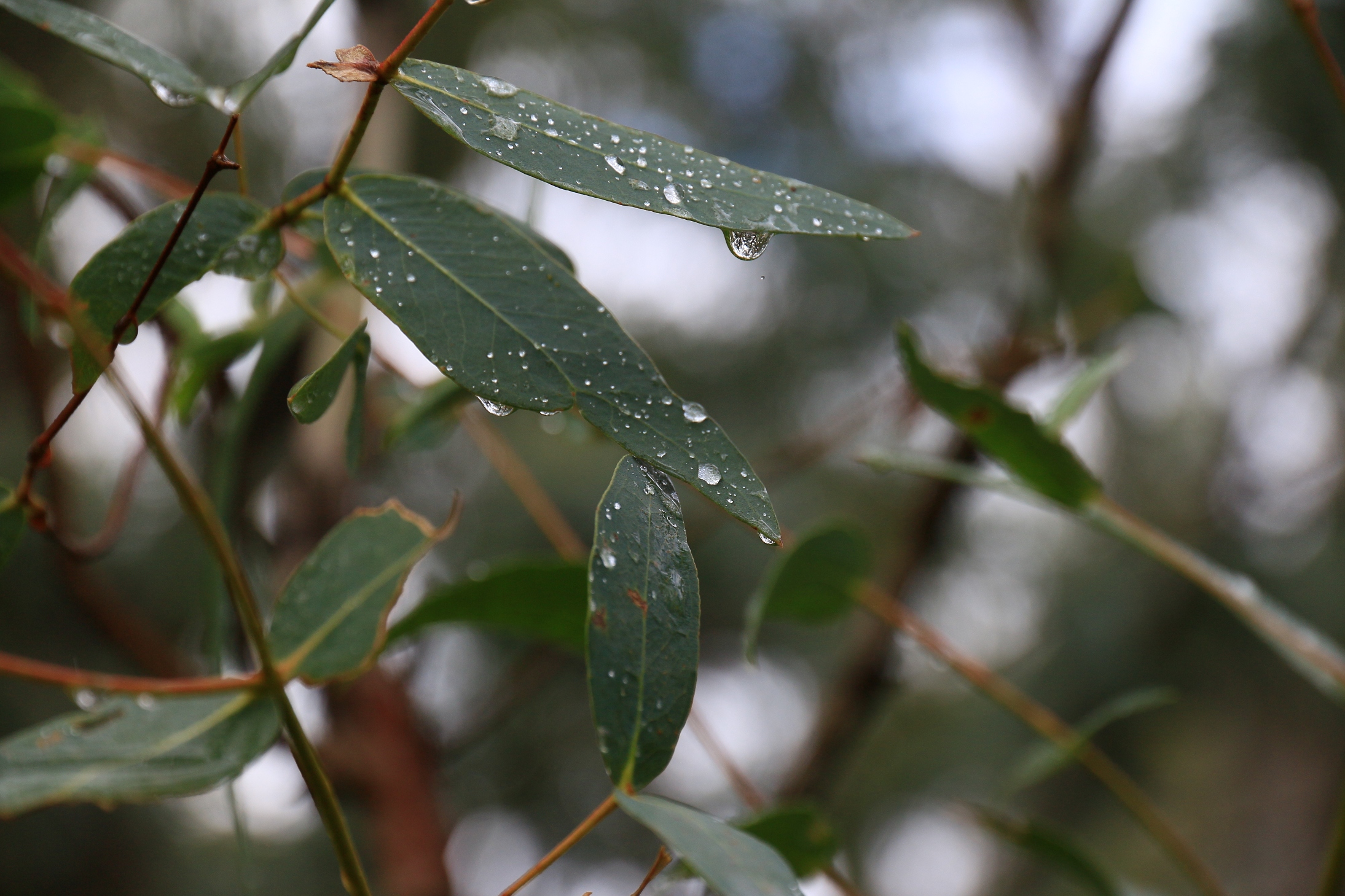
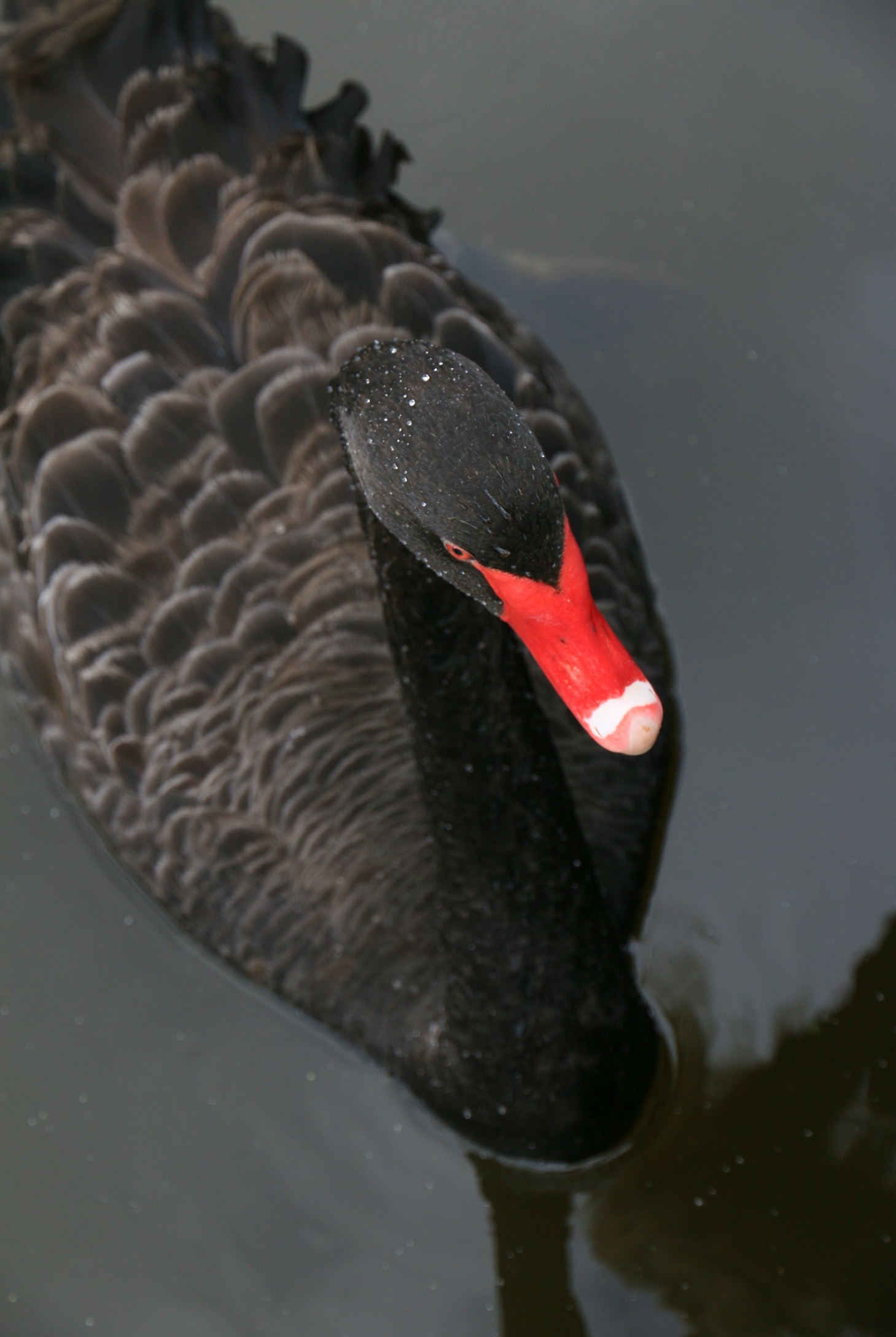 This Easter Sunday suburban sunshine was relatively short-lived. What followed, I guess you could say, were April showers. Thus a planned escapade into escarpment wilderness on Easter Monday became sedated somewhat and, instead, transformed into reasonably gentle ambles within nearby Tidbinbilla. Like suburbia, the wildlife was out in force here too. A few koalas and wallabies sheltered amongst the Peppermint Gums. Swans and pelicans and magpie geese and the duck-billed platypus and platypus-billed duck confirmed that it was nice weather for ducks. Weather that was – well – cold. Cloaked in long trousers, T-shirt, hoodie and raincoat it must have been fifteen degrees or something. And as the sun surprisingly filtered through the rising mist of cloud lifting from the mountains, there was joy in rushing out from the shade of trees and bursting towards its friendly warmth once again.




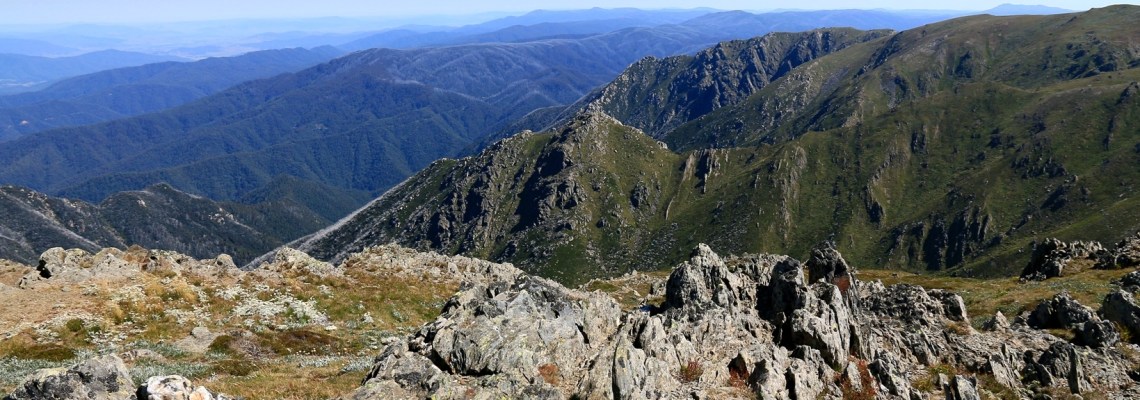
 natural landscape is in much less turmoil (unless you listen to those wacky “scientists” with their corroborated, peer-reviewed “research” and years of undisputed empirical “data”). There are, clearly, mountains to climb and some are easier than others.


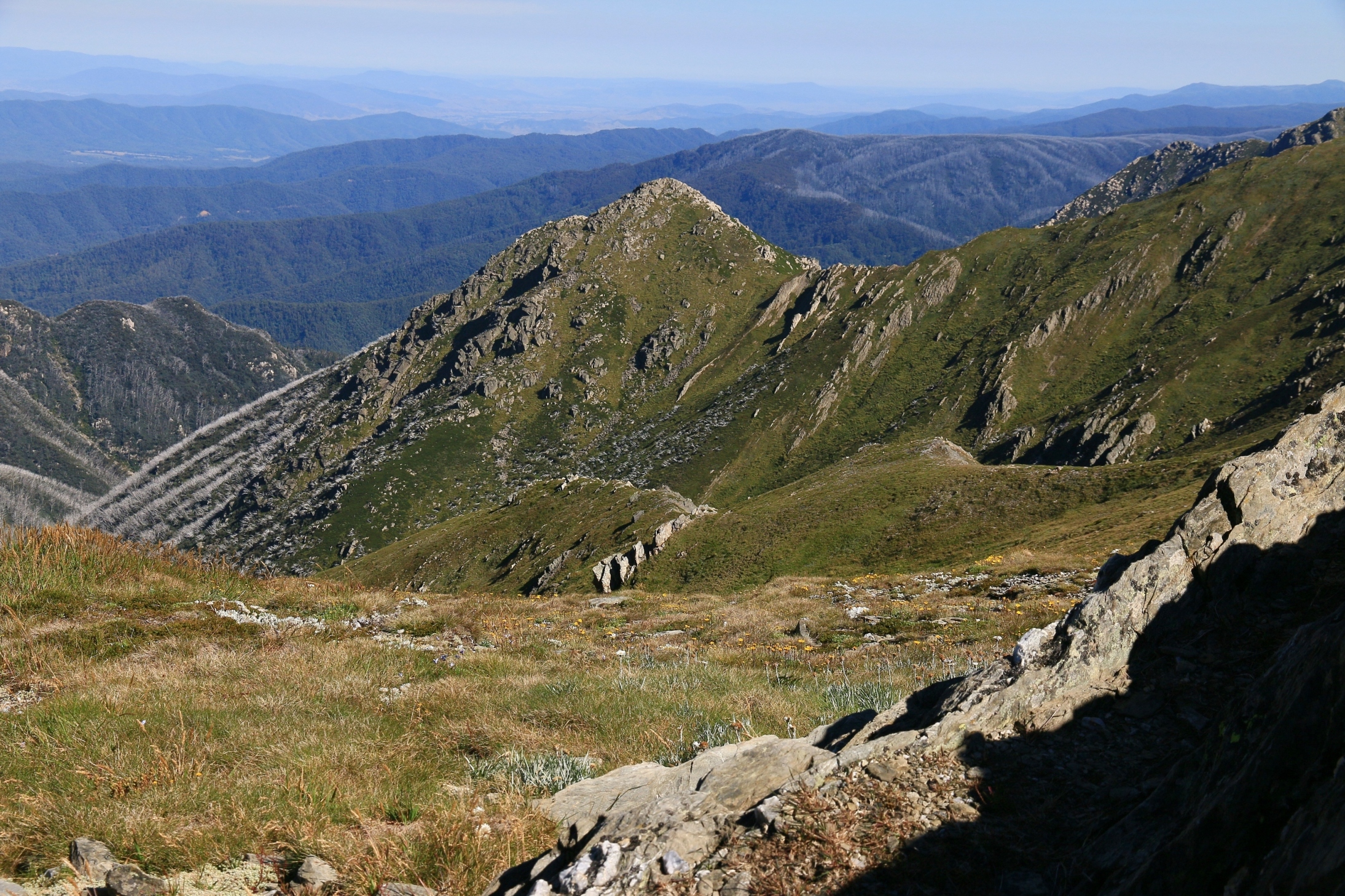
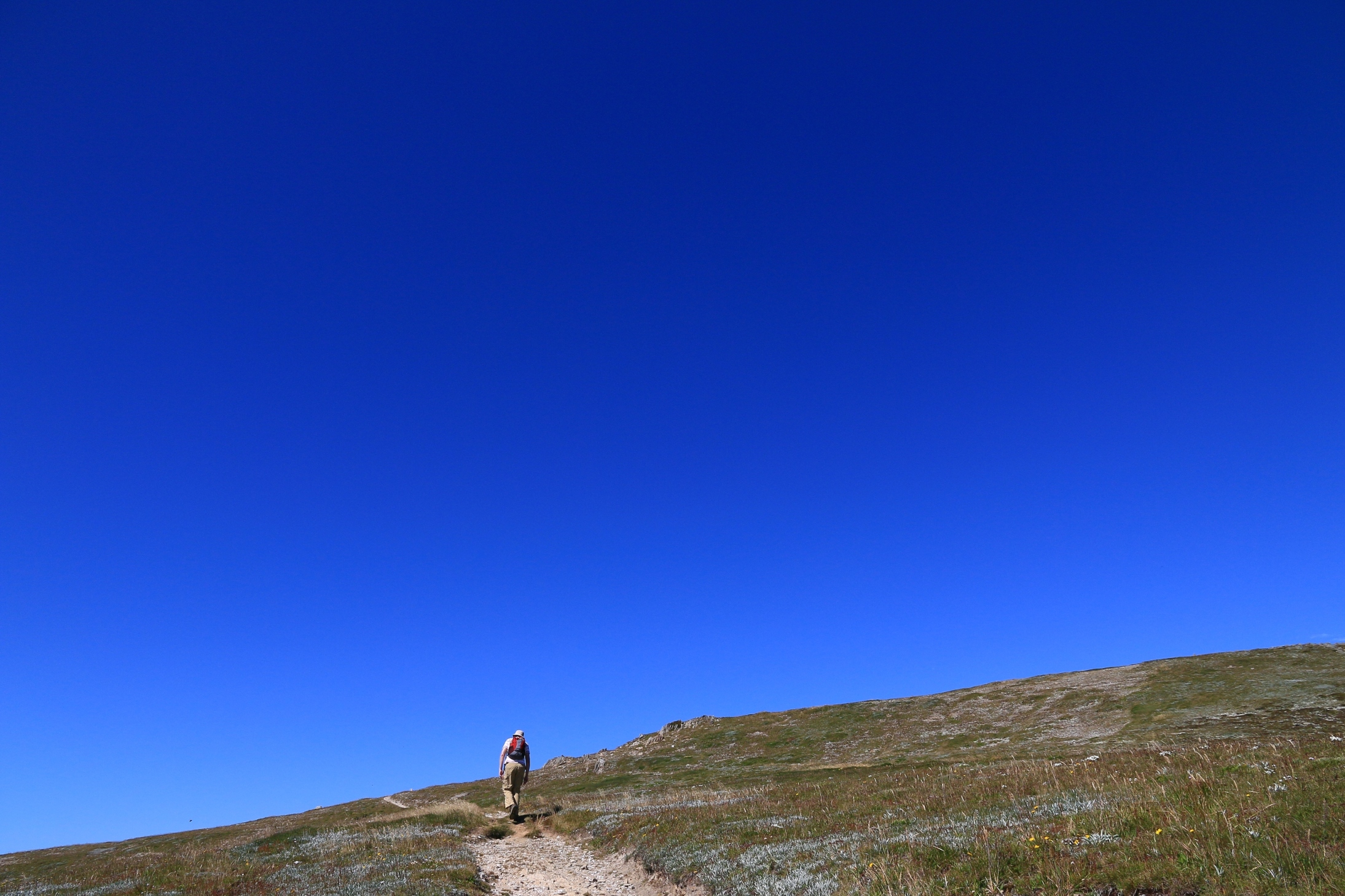

 the right and deep ravines carved by Lady Northcote’s Creek, the mountains seeming to tumble sharply west. I have no idea who Lady Northcote was but if her character was anything like that of the landscape in which she was named, she was probably a bit of a looker, though occasionally bleak and somewhat cutting.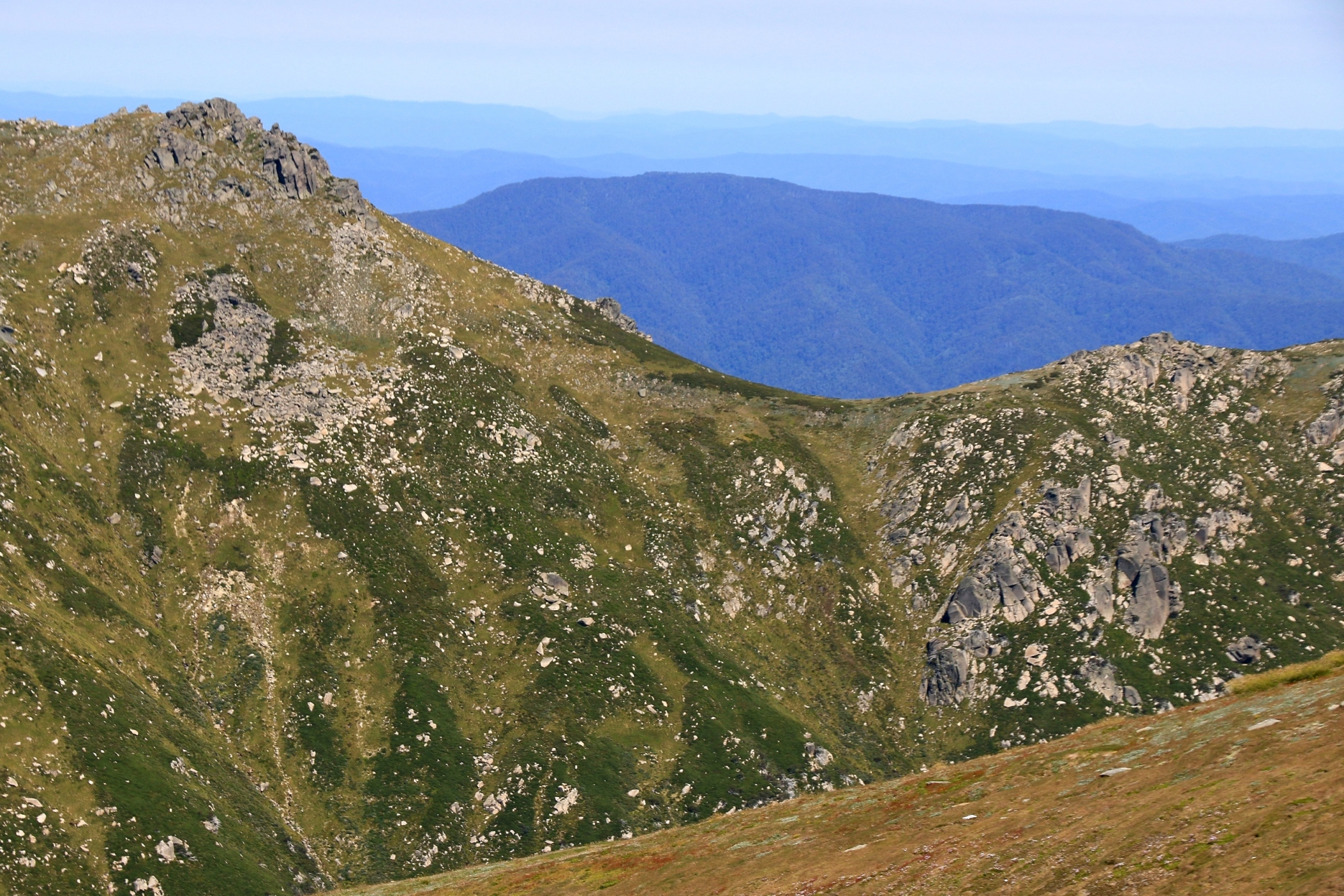
 Before too long Albina Lake emerges, tucked in a sheltered valley seemingly conducive to an array of wildflowers and other alpine plants. The lake looks quite inviting in the warmth and would prove a nice spot for a picnic. It’s about nine kilometres into the walk now, and with the summit of Mount Kosciusko just a few thousand metres distant, we resolve to head on and join the masses carrying their lunch to the top of Australia. On reflection, the best part of the walk is over…though this may be in part because familiar paths will soon be rejoined.
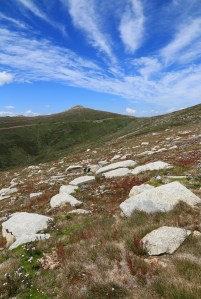 Unfortunately we seem to have gradually descended a little, and the hoick up to the main summit thoroughfare is probably the steepest of the day. We’re not talking rock climbing here, but frequent steps and, by now, quite a penetrating sun. The junction with the main summit trail is like emerging from a country lane onto the M1. Mostly originating from Thredbo, families, fitness freaks and old fogies join us in a steady stream coiling up to the top (2,228m). A medley of Aussie flags and fluoro leggings congregates around the summit marker, and lunching is de rigueur. With homemade hummus and more quiche ours is perhaps one of the more pretentious of picnics!
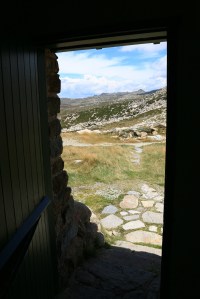 summit climb and apparently includes Australia’s highest public toilet – a sedate, well-graded trail makes it all the way back. This is the old summit road and I read that a shuttle bus used to ply along here, part of me wishing it was still running. The open scenery is not unpleasant, but in comparison to other parts of the track and given the gathering weariness this part is a bit of a drag. Markers every kilometre break it up, as does Seaman’s Hut (2,020m) and a more comfortable bridging of the Snowy River with four kilometres remaining.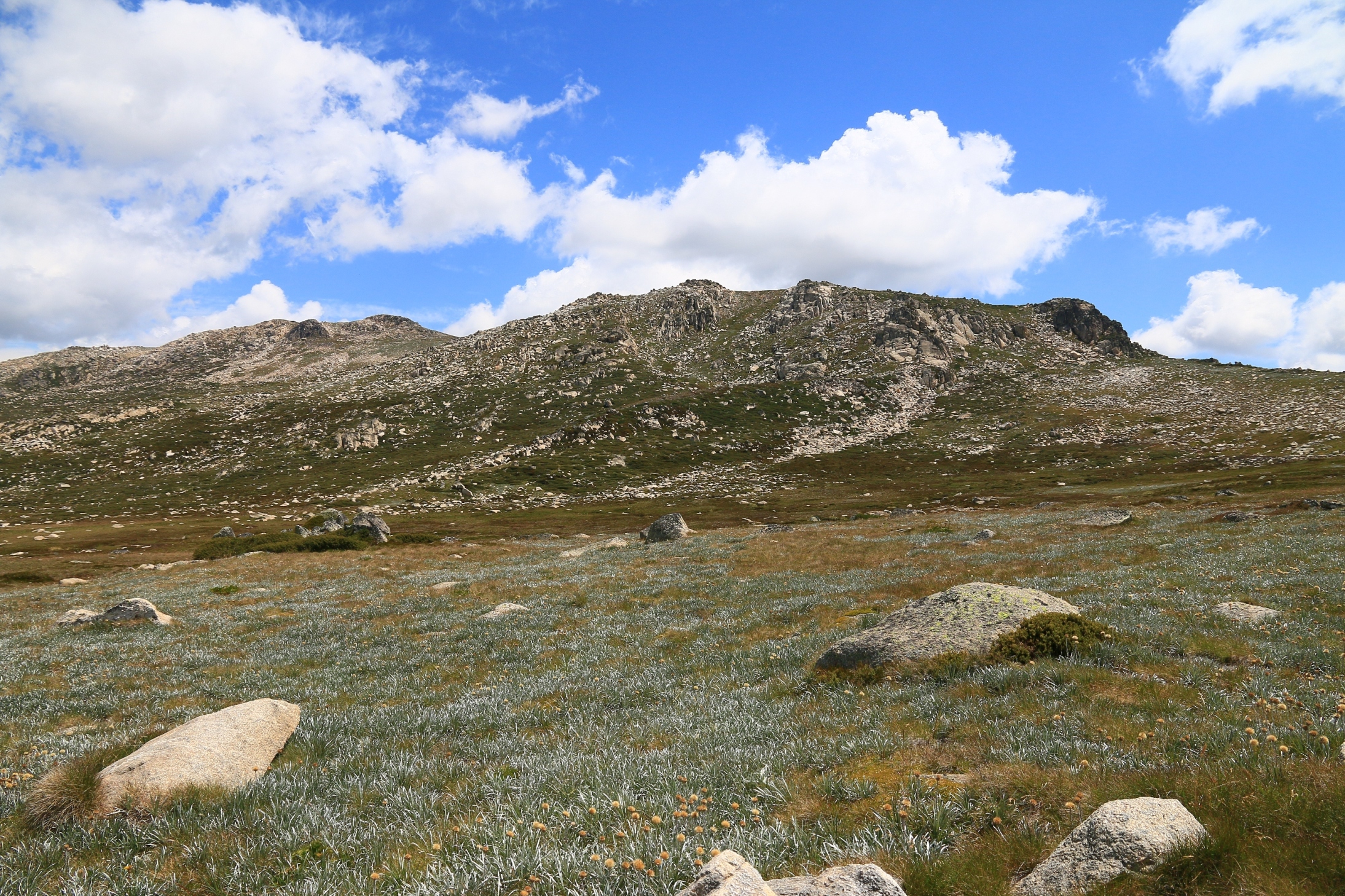
 upwards trail to Blue Lake looks like an impressive climb! Snow Gums also cluster here, stunted and bending with their striped, smooth bark of chocolate and sand, of black and white. Afternoon clouds are building and the risk of storms hypothesised look as though they will be realised. But, after six and a half hours and 21.9 kilometres, we reach the (relative) safety of a Subaru Outback. Accomplished and relieved, invigorated and weary; trundling another 220km back to Canberra (577m), via Jindabyne caffeine and Cooma steak. From the real Australia and back to the bizarre.
 There comes a point in January when people pause to consider what it means to be Australian. This usually occurs on or around the anniversary of a few hundred boatpeople from Great Britain arriving to “nothing but bush” (to quote the minister for Indigenous Australians and His Lordship Prime Minister of the Monarchical Colony of Australian Subjects). Considered writings of pride, of angst, of hope, of uncertainty litter the newspapers and infiltrate the electronic graffiti of the twittersphere. For the common man – let’s call him Shane – the Australian essence is commemorated through the bite of a lamb chop from a gas barbecue the size of a truck, a youthful discussion of rising intonation about the best 100 songs involving people with beards lamenting at life, or a day in front of the TV watching tennicrickcycletfooty with a so-cold-it-hurts beer.
 While I could brave a venture into the question ‘What does it mean to be Australian?’ I neither have the will nor the current brainpower to go down this path. It may be I am suffering from that particularly laconic strand of Australianism that arises specifically at this time of year – the can’t really be arsed is it still the holidays period. I’m also in the dubious position of not really being a proper Australian, not really, even though the flag of my country of birth is still emblazed like some badge of imperial approval upon yours. All I can say is that I feel lucky, immensely lucky, to be a part of you, attached to your deep blue skies, your sandy shores, your withering white gum trees, and your mostly generous and progressive people.
 I feel lucky, on most days, to be in Canberra. Yes really! A capital you have built in little over one hundred years from sun and frost-baked plains and bush-tangled hills. You really ought to be a little prouder of this achievement, especially because you have left some of those bush-tangled hills alone. The sweeping roundabouts and nationalist edifices now scattered across the plains are looking particularly fine as well, what with the regular stormy soakings keeping the grass nice and green. A summer of such generous rainfall that it could almost be British. How soothing.
 Despite such impertinence, the sun still shines most days here, and for that I am grateful. The slight irony is that I write this looking out of my window on grey accompanied by a cool 17 degrees only. But this is surely a blip, for other days have offered ample warm sunshine before the storms. Conditions in which I can enjoy your verdant lawns and embrace your rising humidity. To climb bushland hills and swing golf clubs very amateurishly. To cycle alongside the water and sip coffee with the hipsters. To be that most Australian of creatures and watch sport; and not just any sport, but cricket, and cricket in an atmosphere of cleverly articulated critique of the opposing English team. Pommie-bashing I think you call it, and too bloody right.


 As a more recent entrant upon this giant landmass I feel blessed that I can maintain a comfortable, civilised, and invariably cultured urban existence while still being easily belittled by nature. I can live in a clean, safe, prosperous city scattered with sweeping roundabouts and take one of the exits towards nothingness. Though for nothingness read abundance. An abundance of gum trees and hills and high plains in Namadgi, from which rocky outcrops pierce an abundant blue sky. A plethora of grasses and wildflowers emerging in swampy hollows, the weeds also thriving in a show of acceptance and egalitarianism. A setting for black cockatoos and butterflies to float in the air, riding the breeze upon which small white clouds cluster and vanish.


 From then on the eating proceeded with a mostly seafood lunch involving the largest prawns ever created, sweets, desserts, nibbles, barbecue, sweets, snacks, more nibbles, etc. Presents were unwrapped, outdoor chairs were reclined, family discussions were robust. And to cap the day, I came home for a touch more nourishment and a little drink to lubricate the Skype calls to Europe.
 There have been some natural and arguably more spectacular fireworks anyway. The hot dry summer which occurred in November has now been usurped by a north Queensland period of sunny, sultry mornings building to climatic storms and downpours later in the day. The pattern has been so recurrent that the days are becoming almost entirely tediously predictable, and so activities (unless they involve storm-chasing) are almost best undertaken in the mornings.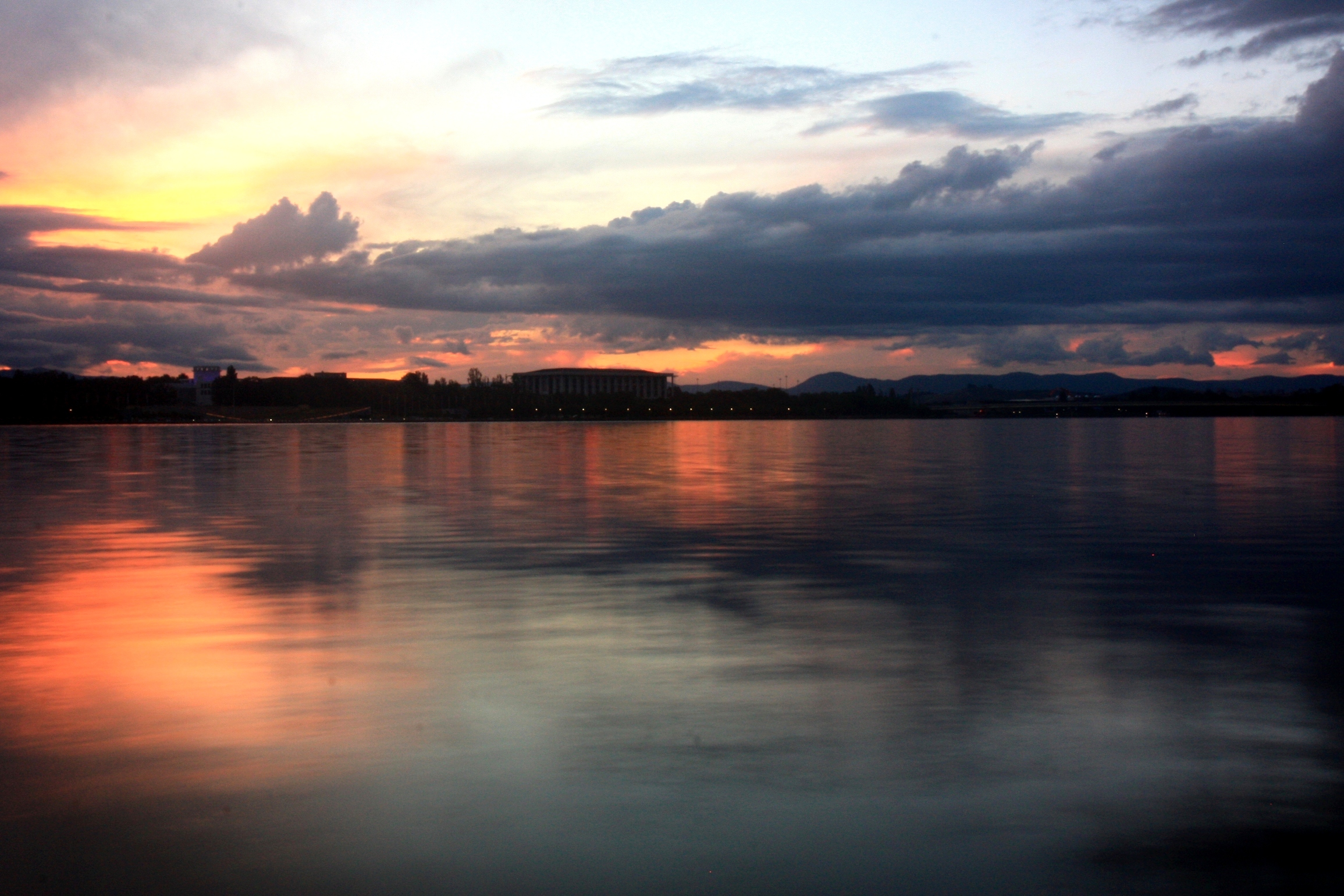
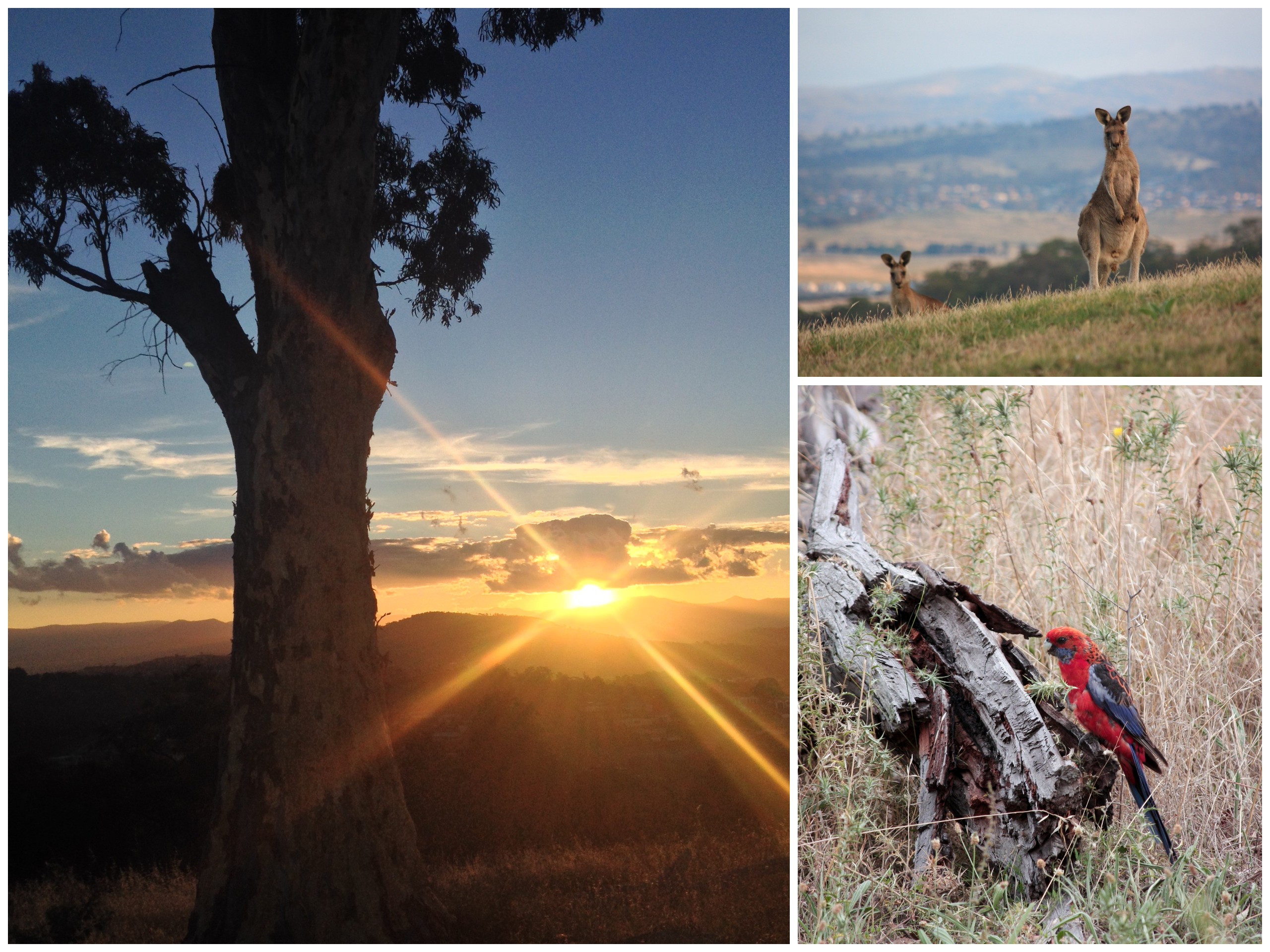

 ra (1,855m), offered the perfect antidote to Christmas torpor. And it wasn’t even too difficult – the first six kilometres along a fire trail with interruptions for forest views, bird sightings, flower-filled glades, blue-tongued lizards and lunch beside a rickety mountain hut.
 period with less than impressive results), it has been nice to venture lakeside and use a bicycle as a functional means of attaining coffee and shopping. A day spent re-visiting some of the national attractions was ideal by bike, and trips to town are scenic and satisfying, despite the fact that this means entering stores glistening and red-faced.