The gift that keeps on giving

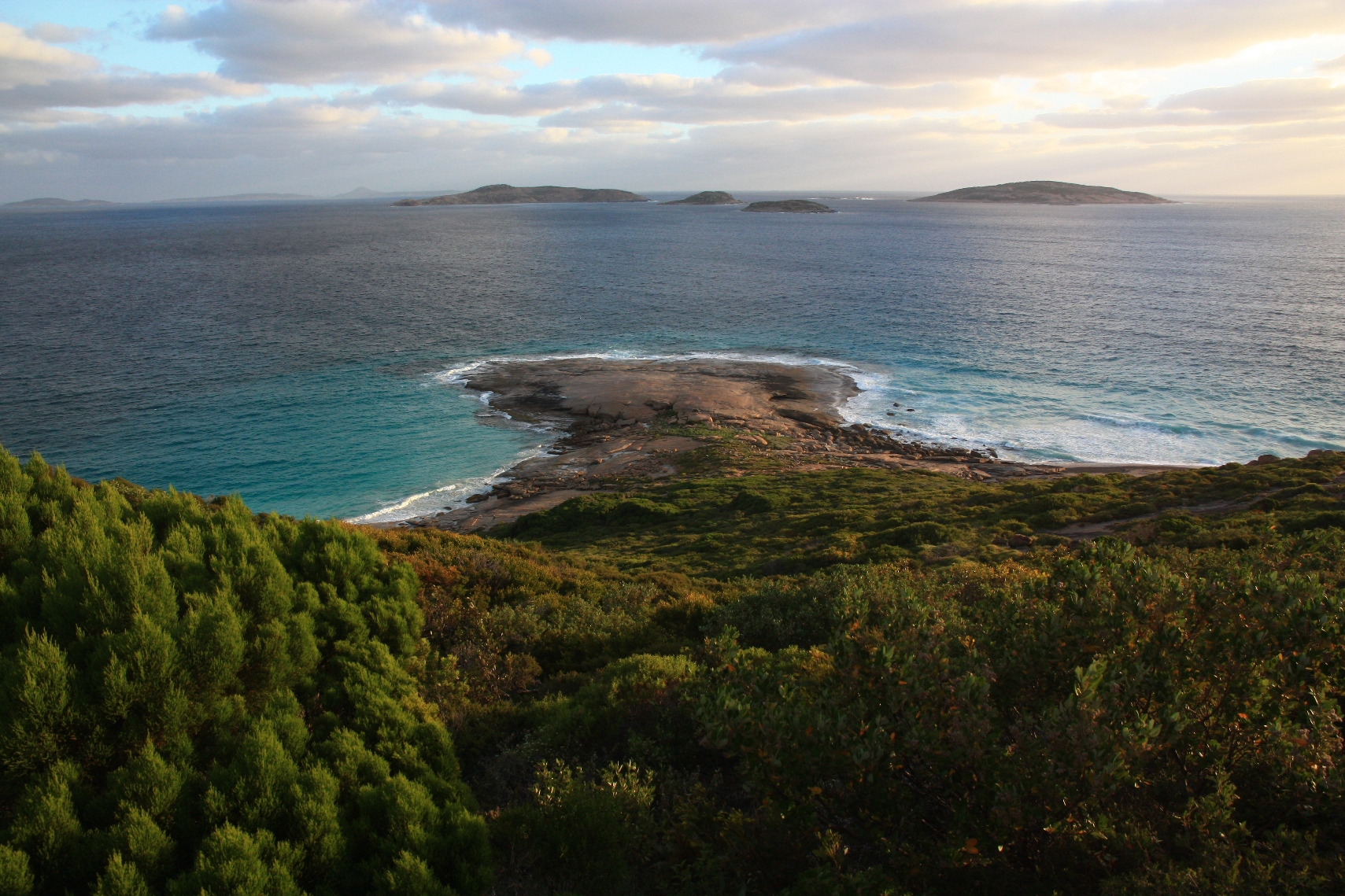
God I love Esperance. So I muttered to myself on several occasions: driving along the spectacular coastal road; lounging on the white sands with a book; strolling with the sound of the Southern Ocean and lowering sun projecting against archipelago islands. God I love Esperance. Grabbing a good coffee by the foreshore; picking up a cake from the bakery; ambling in sandals and passing children on scooters waving to me like I am a long lost uncle.

Surrounded by such natural beauty the town itself is no pristine haven, but I like it like that. There is no false shiny veneer, little pretentious opulence, few signs of excess Noosafication or Byronessence. There is industry and shipping and an inevitable strip of furniture stores and warehouses and garages lining the entryways to town. Most of the houses look a little jaded, a touch, well, daggy. But I like it like that.

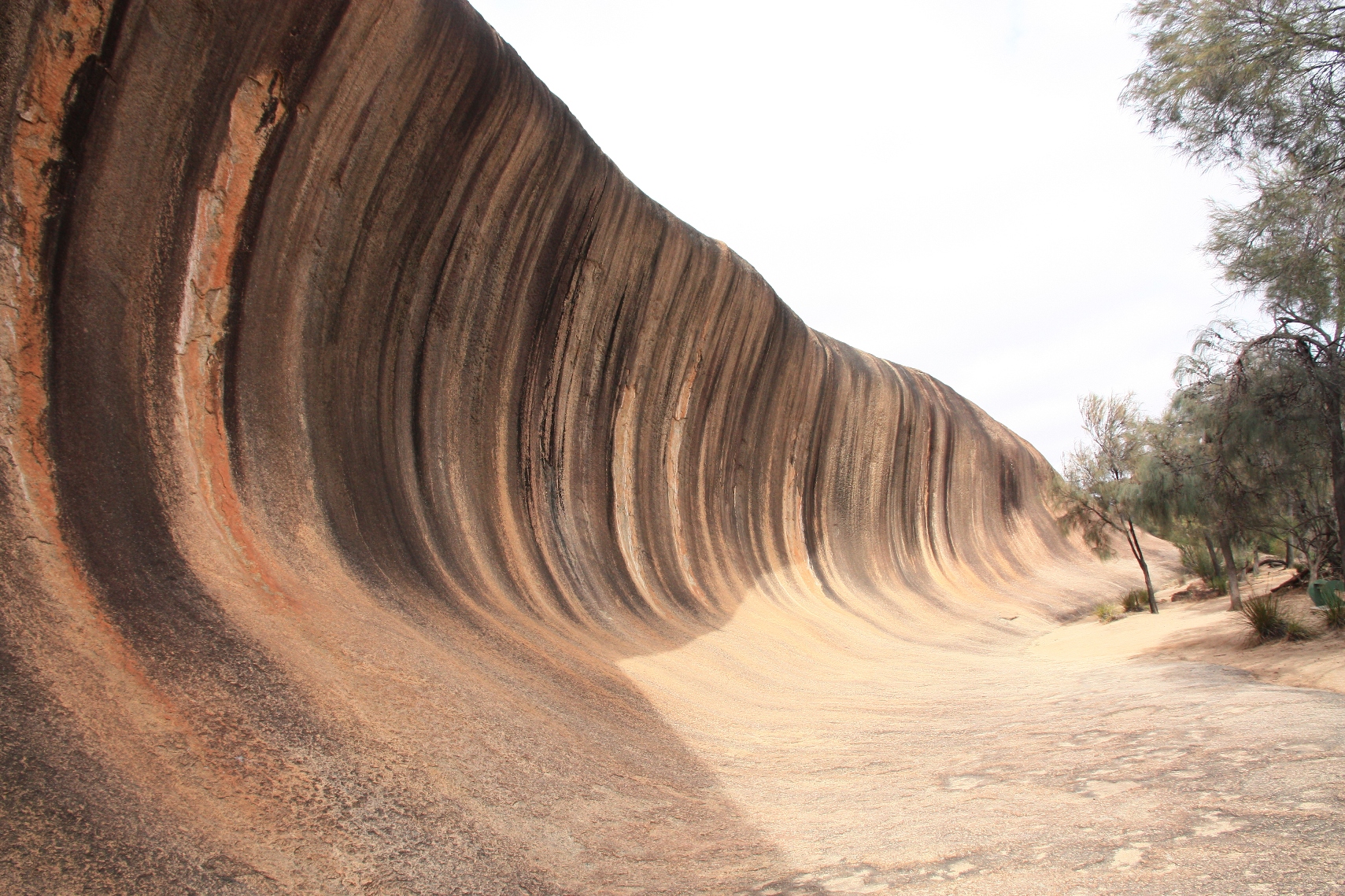
It’s a long way from anywhere else, a complete and fully-functioning oasis at the far end of the habitable coast, an embarrassment of riches before the Nullarbor. Such is the distance I had a stopover from Perth on the way. It was a place called Wave Rock, where there is a rather large rock springing up from baked wheat fields and dry lakes. Part of the rock has eroded into the shape of a wave. I rather liked it.

esp02

Here it was a return to my home…a return to my swag. I slept pretty dreadfully, but then a non-daylight saving sunrise of 4:30am doesn’t help. Stupid WA! Still, it was nice to be among gum trees and galahs again, to wander around and on top of this big rock, to view the endless horizons and big blue skies.

esp01

esp08There was a familiarity at rejoining past roads travelled at Ravensthorpe, and a reminder of the bitterness that is country coffee. Still, the road was slightly different this time, now lined increasingly with bright orange bursts of colour known as WA Christmas Trees. Tis the season I suppose.

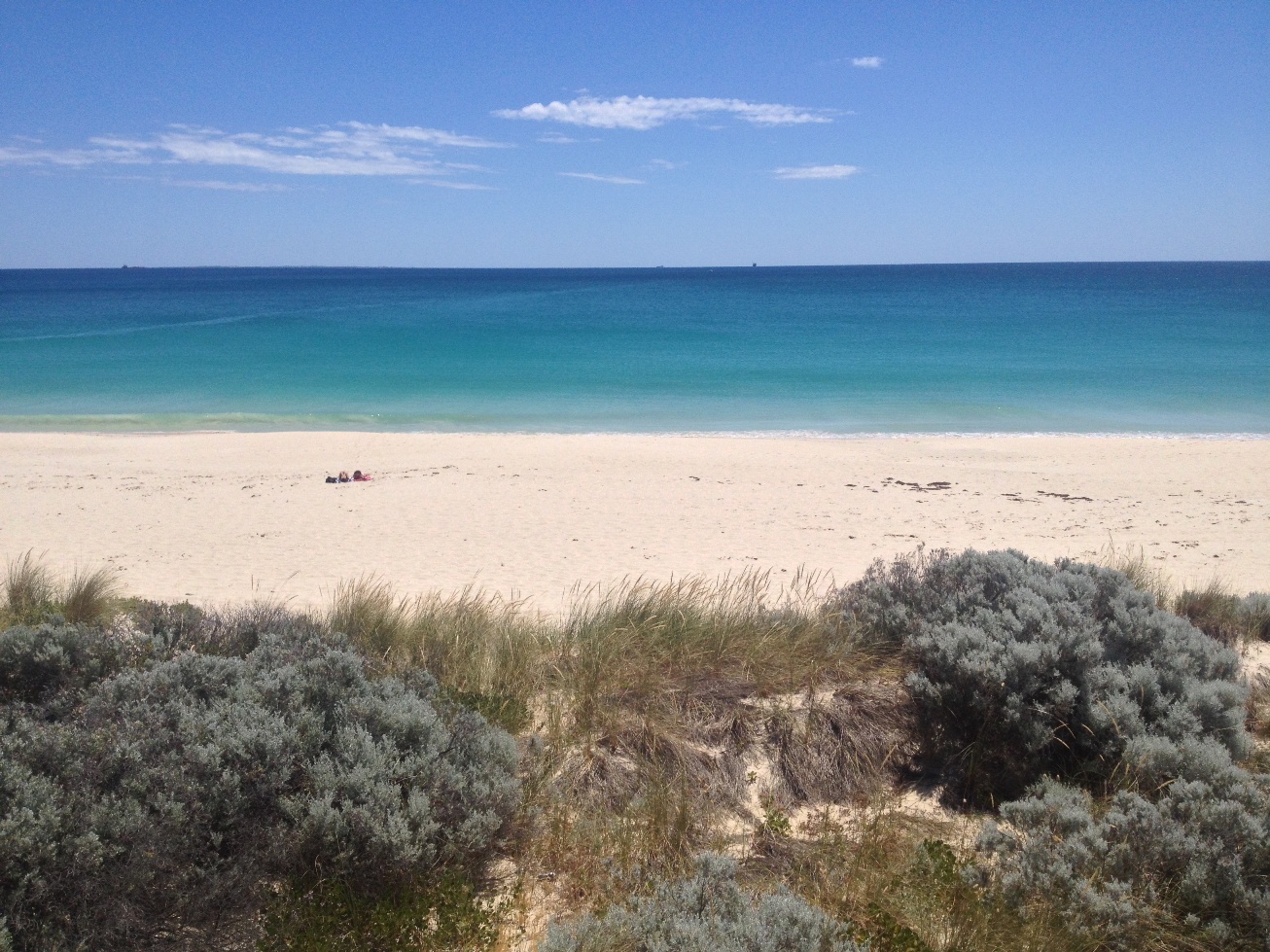
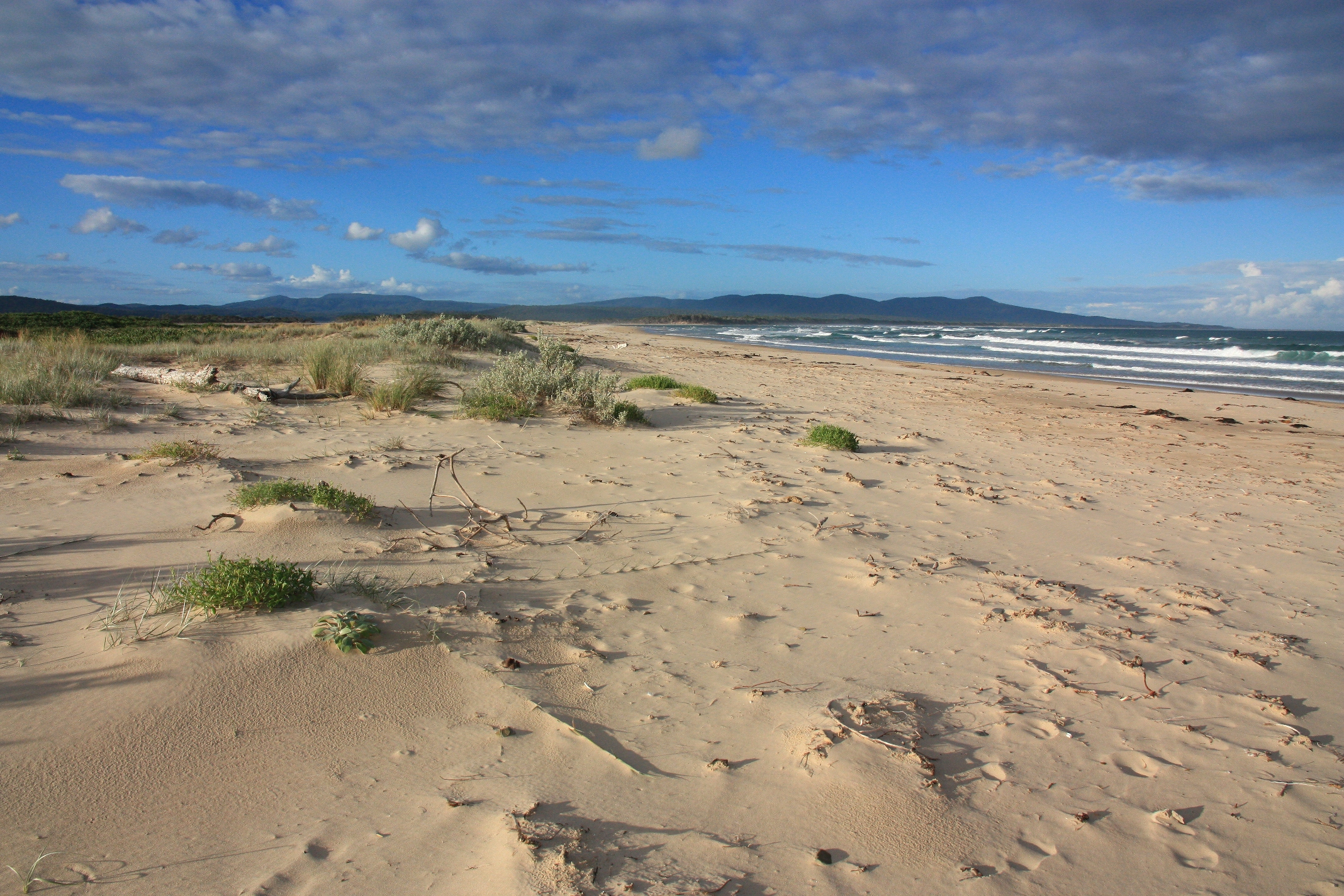
Should one be dreaming of a white Christmas then Esperance is not such a bad place to come. Indeed, one set of officials who measure such things have declared Lucky Bay in Cape Le Grand National Park to have the whitest sand in Australia (and yes, another set must have proclaimed Hyams Beach in Jervis Bay the same). I was content, on a few occasions, with some time at Twilight Beach, which appeared perfectly white enough to me.
esp05

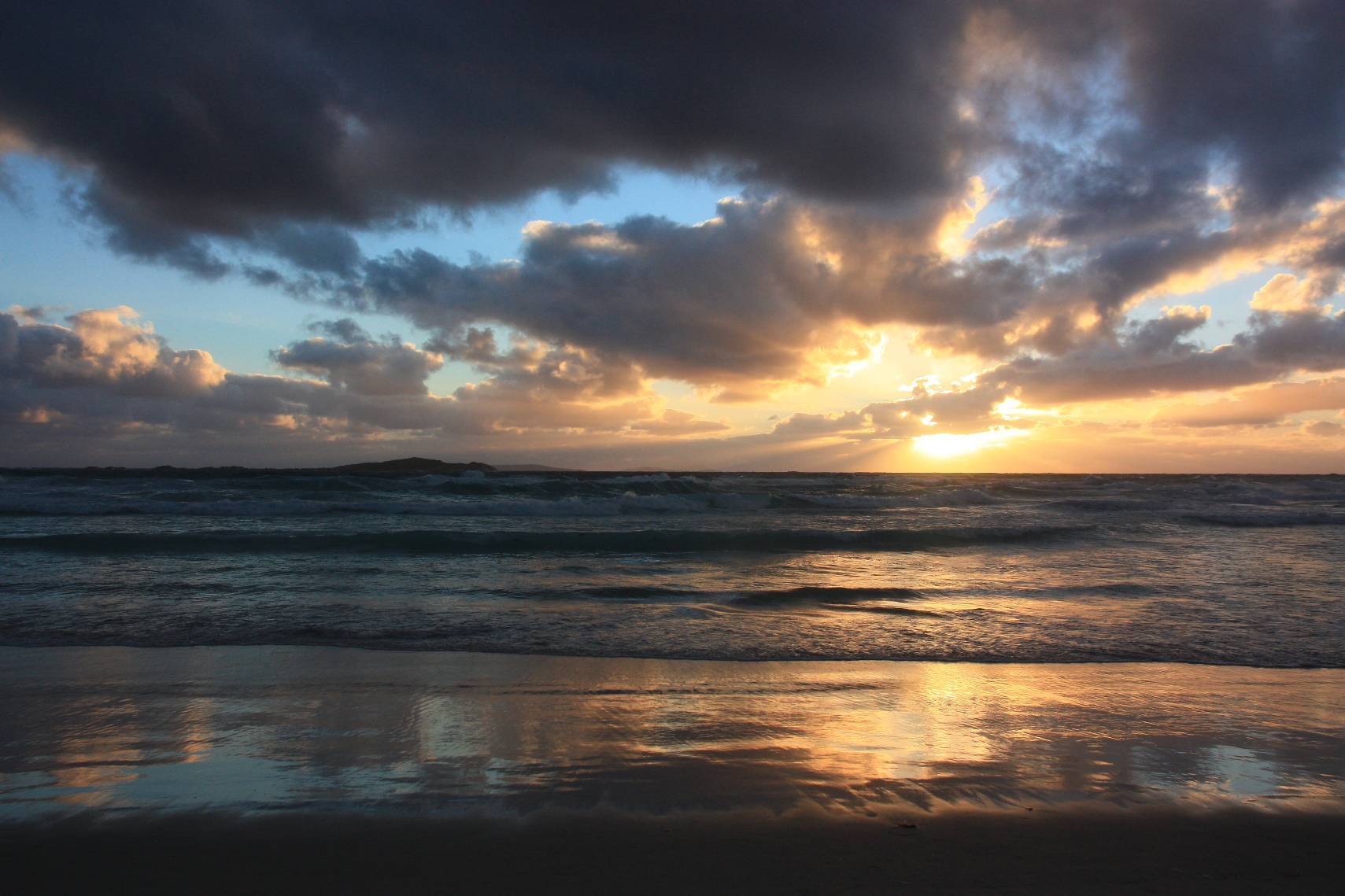
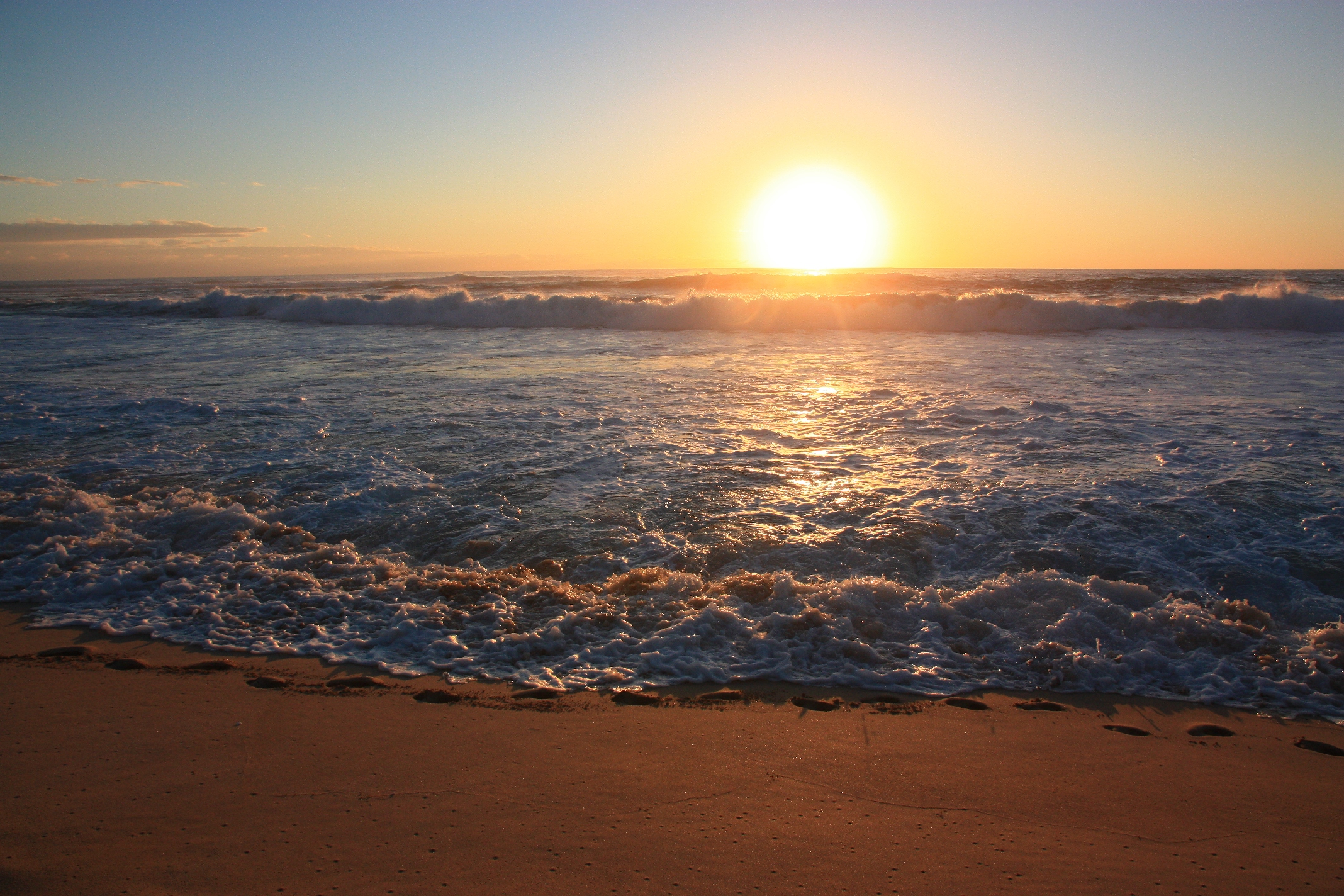
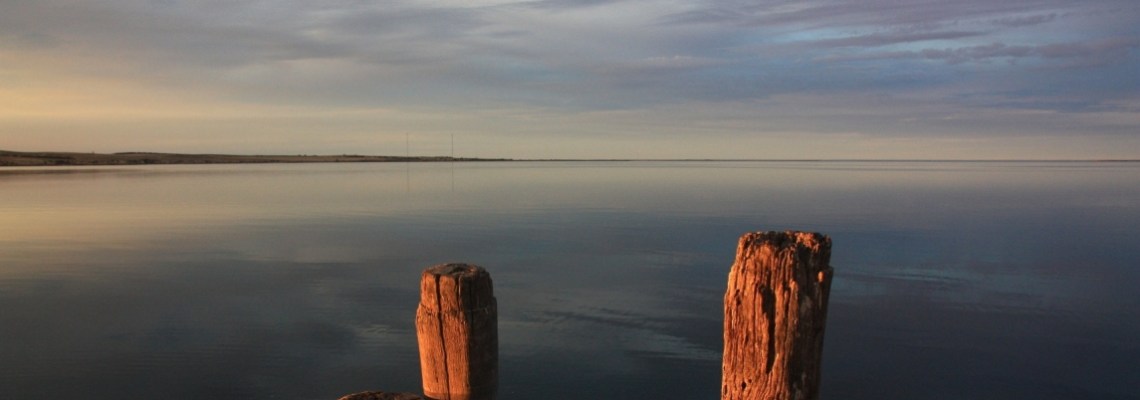
esp07However, arguably the most God I love Esperance moments came further along the coast at Observatory Beach, a more rugged and sweeping bay which on two evenings I had just to myself. I would say this is probably the best evening walk beach in the country, with fairly white sand (but no world record). I love the waves and dunes, the rocks and islands, and the sun filtering in and out of clouds as it sinks to the west.

esp06

Now, one of the considerations for making an assessment over the liveability of various places in Australia is the availability of good coffee. Esperance easily passes the test, whether from the mobile Coffee Cat or the scattering of small, chilled out cafes in the small, chilled out town centre. There are, in addition, decent cake options, some of which I have not tested so it may mean I need to come back. But Esperance is such a long way from anywhere just to visit like that. It makes it hard to leave.

With this in mind, I did see a sign advertised in the petrol station for someone to do four night shifts per week, between 10pm – 6am. How hard could that be? The sign was stuck in the counter window next to the hot sausage rolls. I was seriously tempted.

esp09But I am heading on and the next decent coffee will probably arrive thousands of kilometres away in Adelaide. There is still a huge chunk of Western Australia to re-traverse, but, for me, Western Australia essentially ends here. It has been wonderful, surprising, insightful and colossal. And finishing it here in Esperance, with a final coffee beside the white sands and topaz seas, and the sound of an Australian wicket falling, it is a fairytale ending.

esp10

Australia Green Bogey Photography Walking

Plymouth – Bristol – Geneva – Perth – and so on…

For once, Devon did not farewell me with blue skies and fluffy white clouds and fluffier white sheep scattered on a carpet of rolling green. Darkness and wind and menacing cloudbursts accompanied the passage of dawn along the A38 and onto the M5. My final footsteps on English soil, for now, were along the sodden tarmac of Bristol airport, urging the cattle onto the plane and out of the rain and towards Geneva. In the tumult I dropped my passport – no, even scarier, passports – without knowing about it. Somewhere between aisle 2 and 3 I reckon, recovered by the air stewards and pronounced out loud. Call button pressed, gratitude expressed.

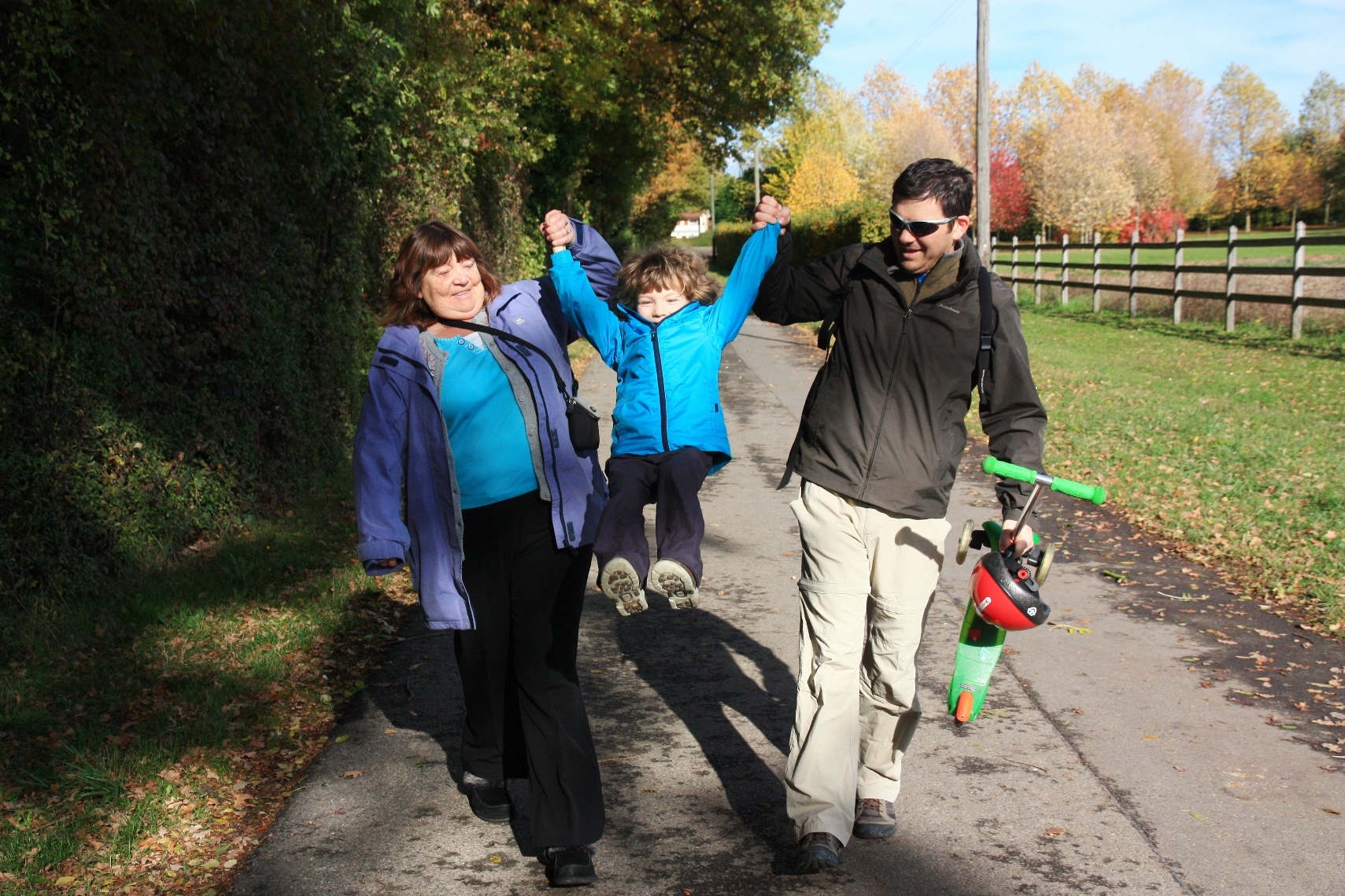
frawa01Geneva and its French environs were more bronze in grey lake cloud, a backdrop to stock up on cheese and cake and final family time. A bright and brisk Saturday morning was fine for some neutral ambling in the stylishly rustic Swiss countryside, dodging blade runners and cross country concrete skiers and tractors and little boys fleeing on scooters. Dinner was tartiflette, but then dinner usually is tartiflette!

frawa02

frawa03The Sunday was a lazy Sunday French style, involving hours of food grazing and gorging on cheese in various states, matching with wines from different parts of the country and conversation from different parts of the planet. From very young cousins to the more senior-oriented, a splendid afternoon and a fine way to say goodbye, even if such times make that even harder.

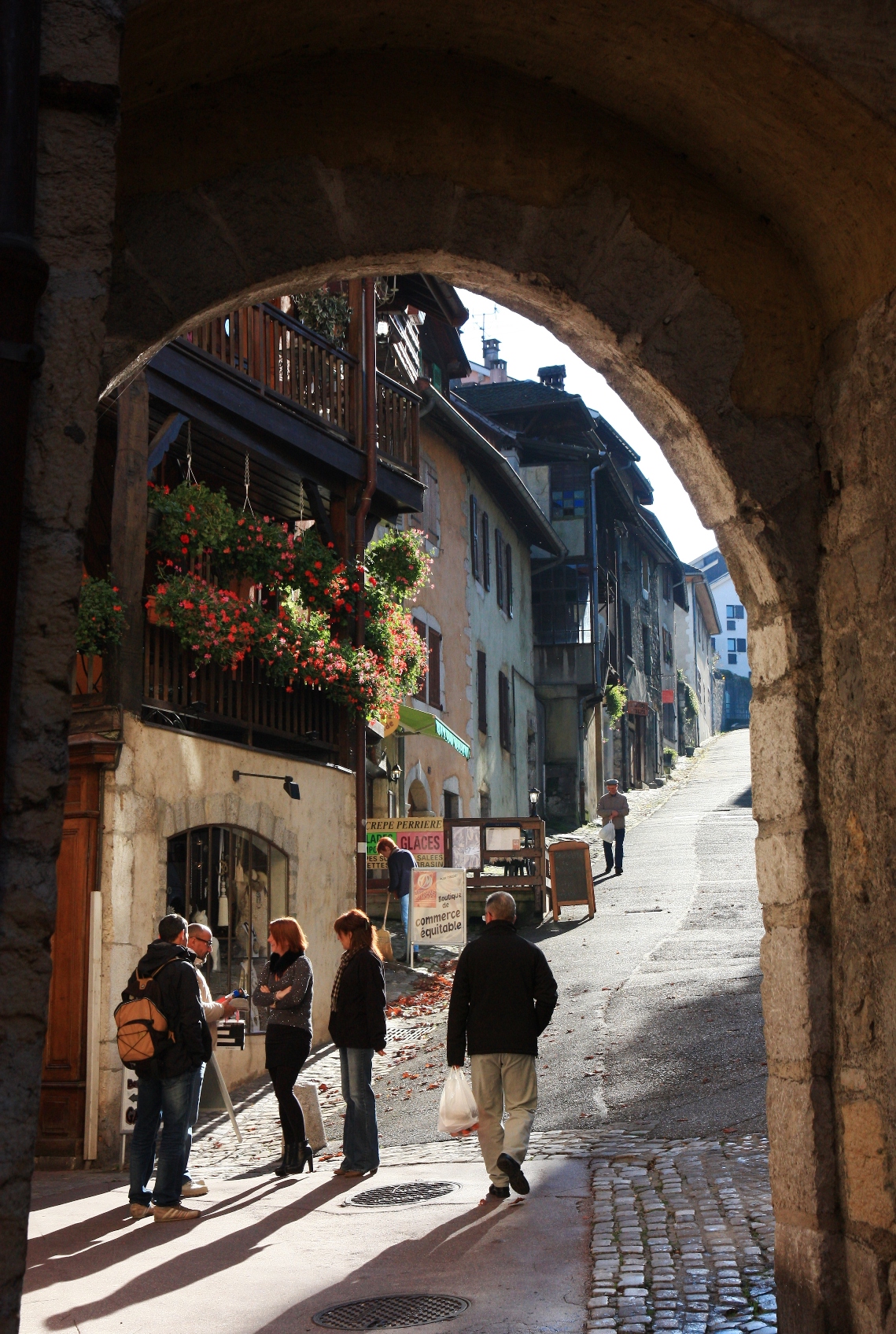
frawa05Not quite the end for me and my exploring however as my very last day in Europe involved spending a lot of time on a bus which should have been a train to propel me to the visual feasts of Annecy. Wandering the lanes and streets as a grey cold gradually lifted, soaking up a very different ambience, a very different backdrop to where I would soon be heading. From Rue des Chateaus to Quiche aux lardons et fromage, past outdoor stalls selling musty old sausages and caravans of unpasteurised cheese, alongside riverside paths lined with shuttered houses and glowing red leaves, this was the time to soak it all up.

frawa04

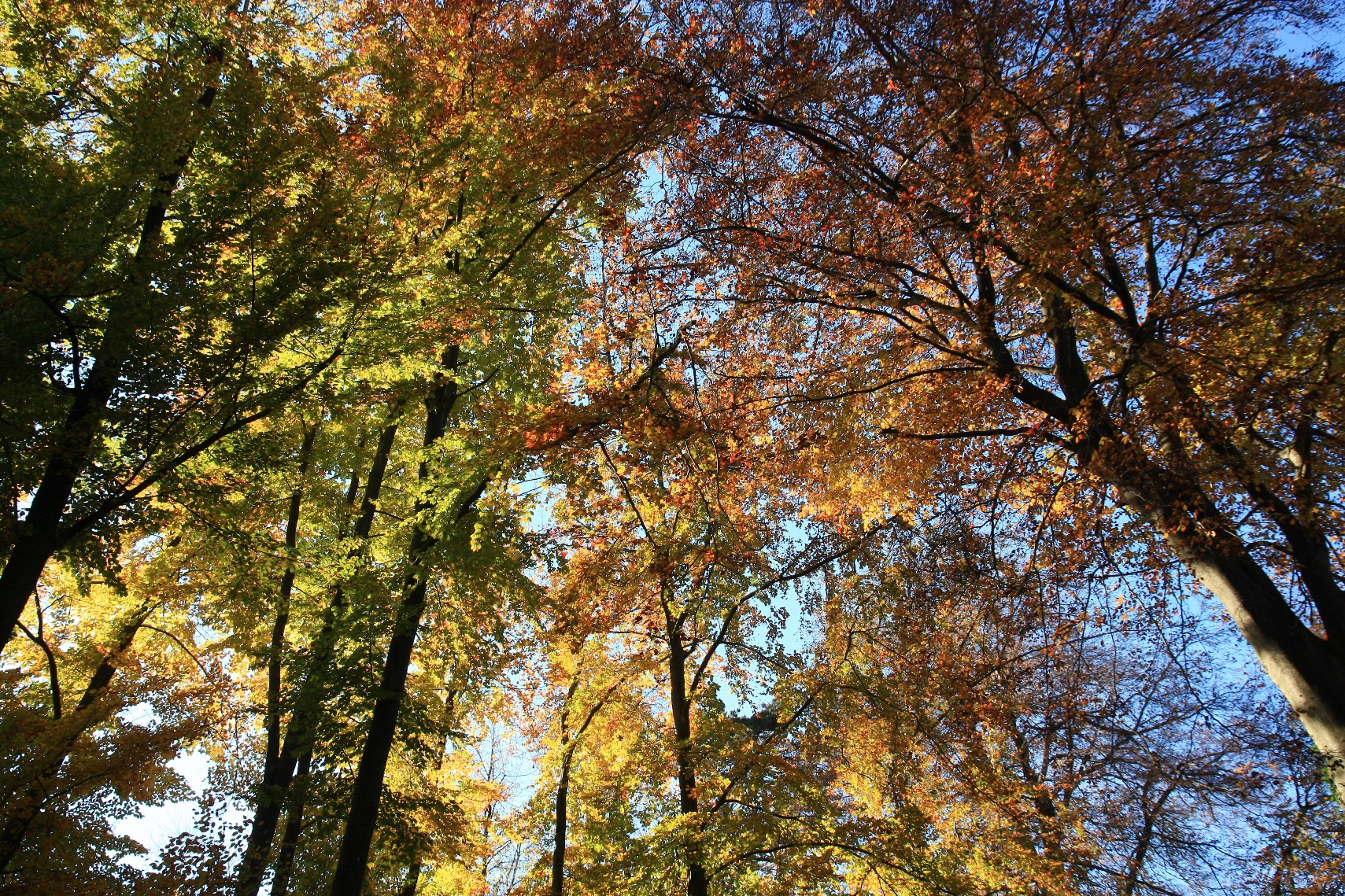
It was also the time to marvel in the landscape of this part of the world which is unlike any I would soon encounter. Escaping the town proved something of an uphill challenge but soon enough I entered the absolute golden delight of the Foret du Cret du Maure. Now sunny and warming up, strenuous work ensued in an effort to find an overview of Lac d’Annecy and not get lost. Thanks to my phone and maps I didn’t get lost, but apart from a few snatches through the trees, a lake view escaped me. Still, having really enjoyed the subtle, colourful transition from summer to winter over the past few months it was quite wonderful to end it in such a dense explosion of green and yellow and red and brown.
frawa06

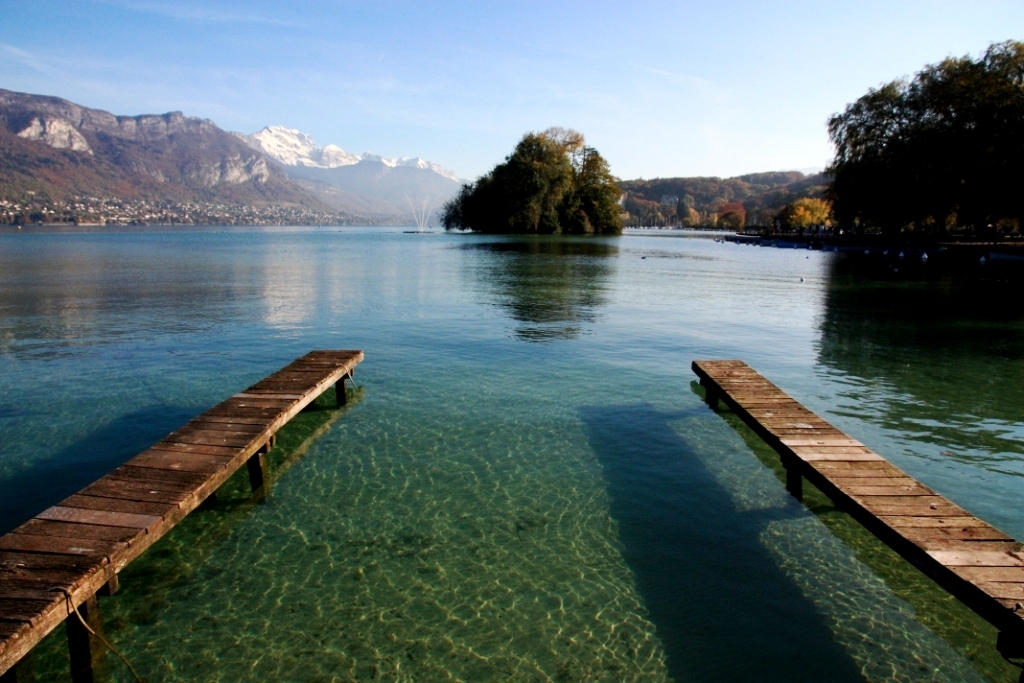
frawa07Back down at lake level the water was much more visible and, now in the latter part of these shortening days, glowing in the clear afternoon air. This is not a landscape I will see for a while, the lake as clear as a coral sea, the mountains snow-capped white as a pristine beach. An aspect warmly regarded with coats and scarves and hats strolling along a genteel, contented promenade…

…the local time is 5:30pm and the temperature is 35 degrees. So said someone several many hours later in a different hemisphere and season. Welcome to Perth, where the international terminal currently leaves much to be desired. Still, it is Australia and I can be welcomed in with my Australian passport that so nearly went astray. There is a new government but, apart from being significantly warmer, much appears the same as I left it. Taxi drivers still wittle on aimlessly about the toll road or monarchy or carbon tax, everything is still ridiculously expensive, and Perth is still some urban lifestyle paradise masquerading as a city.

frawa09And so to the beach, or to several beaches, or stretches of one long beach over the course of the next two weeks. With a coffee or book or a huge plate of calamari, accompanying a stroll along the waterline, never far from the mind and just fifteen minutes from the body in a car. Goodness me, these Perthites are blessed with their ocean frontage. What is great about it mind is that it is rarely built up; no graffitied Gold Coast hotels casting morning shadows, no regimented wooden loungers and parasols for hire and cheap fake watches for sale, and plenty of space for dunes and parkland between the sea and the expensive show off homes.

frawa08

frawa12With baking days and arid winds it seems I have missed Spring completely. There is little sign of the much heralded wildflowers of WA on sight around the city’s parks and reserves; even Kings Park, which remains a delight whatever time of day and year, seems fairly subdued as it accepts its fate of another hot, dry summer. However, there are remnants of suburban Jacaranda lining the streets; having spent springs past in Canberra I had totally forgotten about Jacaranda, and how its elegant green leaves burst into purple flower, transforming quiet streets into a flurry of colour and giving them the smell of a new age essential oils and pointless candles shop.

Not every day has involved lolloping on the beach or sniffing trees, as I gradually reorient myself with the more mundane Australia – from work interludes to soulless shopping malls, from slower internet speeds to expensive, but lush, mangoes. A sign that I have been away a long time is in currency, where I say to myself…oh gosh…that Heston Blumenthal Christmas Pudding is twenty-five quid…blimey…oh wait twenty five dollars, that makes it, well, still quite expensive, but, you know, when shopping for essentials for a trip back across Australia you need a Heston Blumenthal Christmas Pudding with you, along with Marmite, Hellman’s Mayonnaise and Heinz English Recipe Baked Beans. Adjusted much?

frawa13And yes indeed part of my time has involved planning the next steps of this journey through life, at least the next few weeks or so. There is an excitement about returning east, tinged with melancholy of letting go of this isolated idyll of the west. Perth and I have become good friends this year and I feel like we will see each other again sometime in due course. And here I leave even better friends who introduced me to my good mate and nurtured and shared and entertained and sledged and made the whole Perth experience easy to fall in love with. So I prefer to think it’s not farewell old chap nor au revoir, but a very Australian see ya later.

frawa11

Australia Europe Green Bogey Photography Walking

Sidetracked

Back towards the start of 2013 I decided I was going to write this piece regarding the word ‘solo’. Not a whole two thousand words dedicated to the tangy Australian lemon drink, but an exposition of the pros and cons of travelling and – to some extent – living on your own. The independence, the freedom, the ‘ah sod it I’ll do what I like’ luxury that means you don’t have to compromise with anyone over choice of cake. Offsetting this, the boredom, the lack of conversation, the absence felt by missing out on the subtle interpersonal politics of deciding on a cake that all parties can be happy with. A double-edged sword ripe for some no doubt articulate and witty analysis. But I got sidetracked.

Throughout 2013 I was going to write 26 pieces that were no doubt articulate and witty, based around a word beginning with each letter of the alphabet. Beery Fairytales with Golfing Elements from Home and across the Oceans, getting Lost on Petrol laden Journeys only to recover Awesome Momentum to finish by the end of the year. I gave myself 365 days to do this, only really because it sounded like a nice round number with a good ring to it. A personal challenge, a resolution of sorts that was far easier than the usual New Year goals of healthy eating and vigorous exercise. But I got sidetracked.

I got sidetracked by New Zealand for a trip across the ditch. A country that is so brilliant around every turn and corner that I could happily get sidetracked by it time and again. Surely as close a country can get to perfect, a sensual smorgasbord of landscapes and moods, wrapped up in an undeniable, welcoming charm. Here cloudless days in the land of the long white cloud peak as high as the mountains all around. Lookouts and scenic spots, grand walks and rest stops, a true traveller’s paradise where there is an overload of distraction, and time for just a fraction of written reflection.

I got sidetracked by Australia, a rather large obstacle in anyone’s books. From its golden surf swept coastline into its Great Dividing Range, from its shimmering cities into its one street country towns. Across wide brown fields and into the red, an expanse of emptiness from which rocky ancient wonder rises. Sidetracks to vineyards and bays and wooded vales. Diversions to ridge lines and creek beds and trails. Along B-roads and byways, from mud tracks to highways, ocean-side swag sites and huge mounds of termites. So much to traverse and get in the way.

I got sidetracked, just occasionally, by work and other chores. Life goes on and money goes around. Sometimes things that you really don’t want to do need doing. Often it turns out they weren’t so bad to do after all. Car cleaning means a clean car. Food shopping brings the added benefit of food.  Tax returns can lead to tax refunds. Work itself can stimulate the senses and open up a series of interactions and conversations and relationships. And there is the satisfaction brought by the completion of a task, something which I may eventually feel when the 26th article is published on this site.

I got sidetracked by a European summer which itself sidetracked me towards its winter. In Munich there were sunny meanders interrupted by shady spots and thirst-quenching beer. The Dolomites offered a natural jagged wonderland of routes and pathways, a spaghetti network of cable cars and trains, a confusing conglomerate of the Austro-German-Italian. A dollop of pretzel pizza strudel. Spain was easier going, but here a car countered any chance of settled discipline. And so mountain hairpins and coastal cruises restricted what writing could be achieved in between siestas.

I got sidetracked by family and friends, sharing barbecues and roasts, brewing up tea and buttering raisin toast. A culinary backdrop for some love and affection that tastes even sweeter with a biscuit selection. I had the business of new nieces to welcome and old ones to help welcome into a minefield of teen angst, quelled with a kick about in the park. There were countless timeless trips to playgrounds with all the youngsters [1], and walks in the woods a common escape with the older ones. Then there were the moments set aside for sad Saturday nights with X Factor, stuffing our faces with pizza, burping and twerking and perhaps some flirting then hurting that that singer went out who was a bit shouty but really ab-sol-ute-ly fan-tas-tic.

I got sidetracked by my beautiful southwest of England, in two prolonged spells of adoration. Spare sunny days were taken over with a bus and rail rover, a bag packed with camera and a sense of adventure. From the very end of the land distractions spread out on every rail line and country lane still serviced by bus. Around every corner of the coast path there was just a little bit more to see: another cove, another headland, another vista of purple heather in perfect weather plummeting down to the alluring azure of ocean. In every town there was just another side alley to head up, hopeful of stumbling into a nirvana of homemade pasties and fudge. On every day there was the diversion of a walk to the sea, a trip to the top of the hill, a visit to the bakery. Days that rightly meant writing was fleeting in between eating and falling in love all over again.

S_places

I got sidetracked by anything other than writing, in those spells of sublime sluggishness when you just can’t be bothered with doing anything that might require one iota of effort. When the Internet and apps are a prelude to naps, or an accompaniment to the cricket, slouched on the couch playing Words with Friends while England’s innings ends in a flurry of wickets. When Breaking Bad is so good and Grand Theft Auto is grander and Pointless is far from it. When Daenarys Stormborn is way more exciting than the thought of writing, so much more arousing than public housing and reliving through words your own dread that winter was coming, having no heating or dragons to warm things up.

S_PerthI got sidetracked by arriving back in Perth and embracing its warm sunny disposition so much that every day feels like a holiday and it is hard to motivate to do anything other than loll. I had work and chores and sublime spells of sluggishness, suffering with a cricket background and Words with Friends malaise. But I also had the diverting allure of stunningly beautiful beaches down the road and the vibrant lilac burst of jacarandas along the way. There was the return to coffee breaks and barbecue steaks, sushi rolls and laksa bowls. A life in shorts so very inviting, that it’s hard to feel like writing, unless for time in air-conditioned refuge.

I got sidetracked by sidetracks so much that I figured sidetracks are actually not sidetracks at all. They are simply our own journeys, each of us a little bus network trundling through lanes and accelerating on dual carriageways and stopping for a while to pick up passengers and perhaps coming up against a dead end and forced to turn around. And so I merely got sidetracked by living life, busy seeing and doing, thinking and not thinking, pausing at bus stops and refilling on diesel. With hundreds of trips, thousands of interactions, millions of breaths, there is simply not enough time or no point to write it all down.

I got sidetracked but have still made it to number 19 out of 26, so far. That’s 73%, which I think you’ll find is a high enough mark for a first class honours degree. It doesn’t meet original targets but it’s far closer than anyone anywhere is doing in relation to carbon dioxide emission reduction targets [2]. And there could be more to come, depending on how much more I get sidetracked this year. It may take 366 days or 465, but I will get to Z and feel happy and proud and perhaps a bit relieved. A goal achieved, just a little later than planned. But then, how many buses run to time anyway?


[1] Along with CBeebies, parks and playgrounds truly are the saviour of parents everywhere

[2] I hold my hands up and acknowledge my own rather sizeable carbon footprint; however carbon offsets include not using as much electricity I might have if I had achieved 26 articles on this blog, dedicated use of public transport in the UK, and buying lots of cake instead of baking it myself.

Links

Solo drinking: http://www.youtube.com/watch?v=504OzK-VZjA

100% awesome: http://www.newzealand.com/au/

Z Factor: http://www.youtube.com/watch?v=eZuNGc1a0Ak

Words with jismslap: http://www.youtube.com/watch?v=bCkc5rcSOwo

Don’t let a bit of science get in the way: http://www.climatecouncil.org.au/

A to Z Australia Europe Great Britain Places Society & Culture

Red

Red is surely the most schizophrenic colour. It is the blood that pumps through our body, and sometimes spills out in horror. It is the heart of the fire that warms us, the fire that can also consume and savage. It shrieks warning and danger, making us stop in our cars and wait for what seems like forever, all for our own safety. Red is the shade of the devil dressed, agitating up an hors category climb in the Alps, pursuing breathless cyclists to the upper limits of their EPO threshold. It’s the colour of love and passion, of Wimbledon strawberries and luscious lips on a glass of Cabernet Sauvignon. It is dry earth and fiery sunsets, timeless and boundless on the horizon.

I would not declare red as my favourite colour, but then I struggle to see how any colour can have superiority over others [1]. When I think about it though I have been drawn to red across my life, starting from the time I was placed in Budoc, the red house at primary school for which I accumulated goodie-two-shoe points and bonus long-jump merits. Since then I have gathered red t-shirts that have become faded through years of devoted use [2]. I do enjoy a glass of red wine, and of course the gooey red jam spread out on a warm scone, the sweet template for a dollop of silky, rich cream. I am clearly enamoured with a place called Red Hill, where I am especially enlivened when an explosive red sunset marks the passing of a day. There is even something ashamedly endearing about that album by Taylor Swift. Like driving a Maserati down a dead-end street.

Forget your green and gold, to me red is synonymous with Australia. It is the colour which paints the emptiness of the country and is most obviously portrayed through the sunset pictures of Uluru featuring on postcards and slick tourism adverts everywhere. It’s a scene embedded in the national consciousness despite – for most – a lived environment of golden beaches and green bushland, silver cities and yellowing countryside.

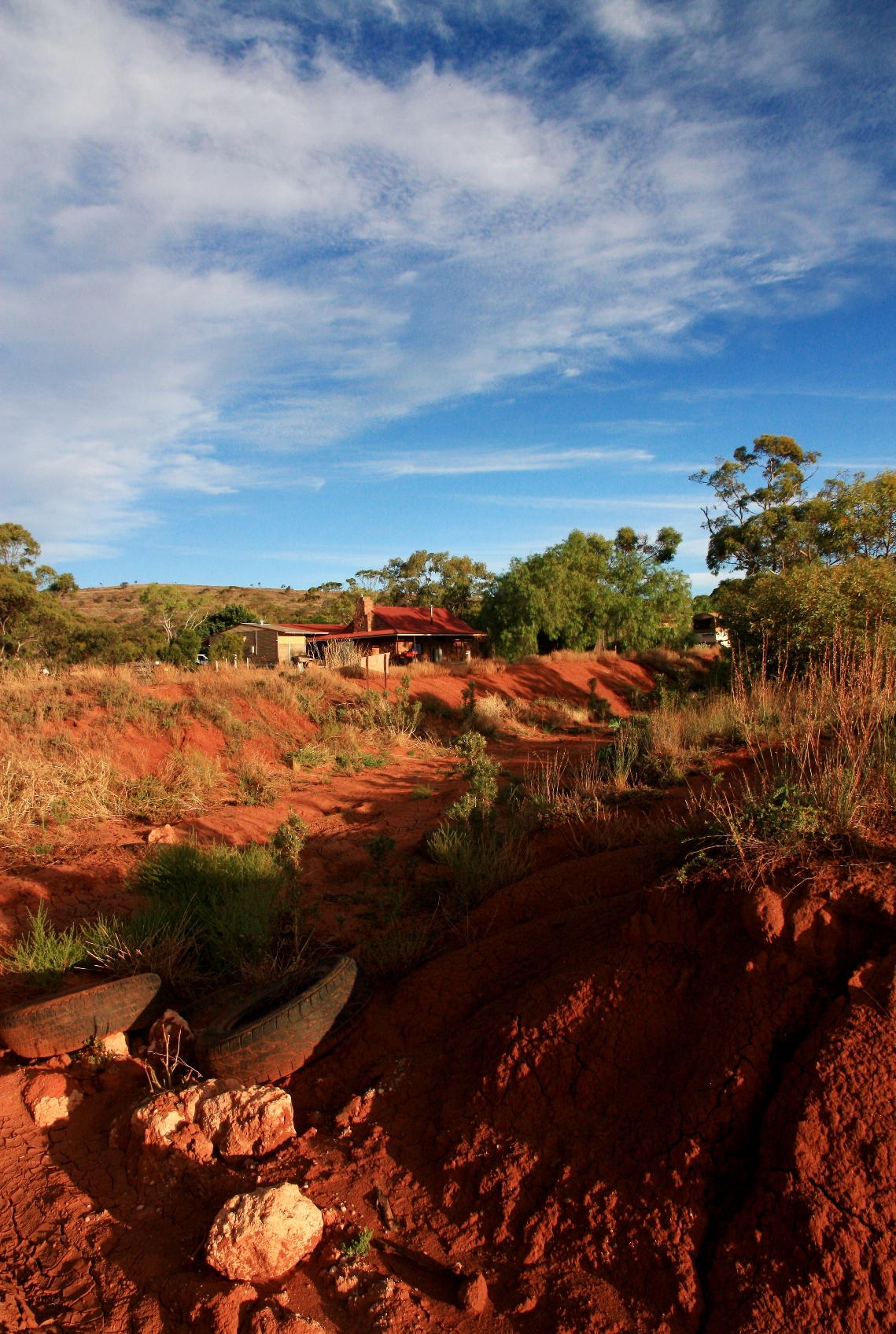
Ever since moving here an aspiration has seeded and sprouted in my head whereby I tread into fine red sand, baked and cracked by searing afternoon heat. A clutter of rocks and saltbush and spinifex sheltering frilled lizards lies before me. Small gullies weathered by flooding rain weave into the landscape, twisting toward bare, earthy ranges crumpled and folded so that they cast shadows across one another. It is remote; it is a little dangerous; it is the very essence of the heart of Australia. 

I’ve had a few tasters of this red, from Uluru itself, to giant sand dunes in the NSW outback and a visit of the fabulous Flinders Ranges in South Australia. One particular spot that I have ventured into seems almost wholly red. Pilbara red coats the northwest corner of Australia right down to the stunning blues and whites of its coast. The deep red hues cover a suitably rugged and barren landscape which gets surprisingly hilly at times, rising to the mountainous ridges of the Hammersley Range. Despite some significant intrusions, it retains a remote, untamed and enduring sense.
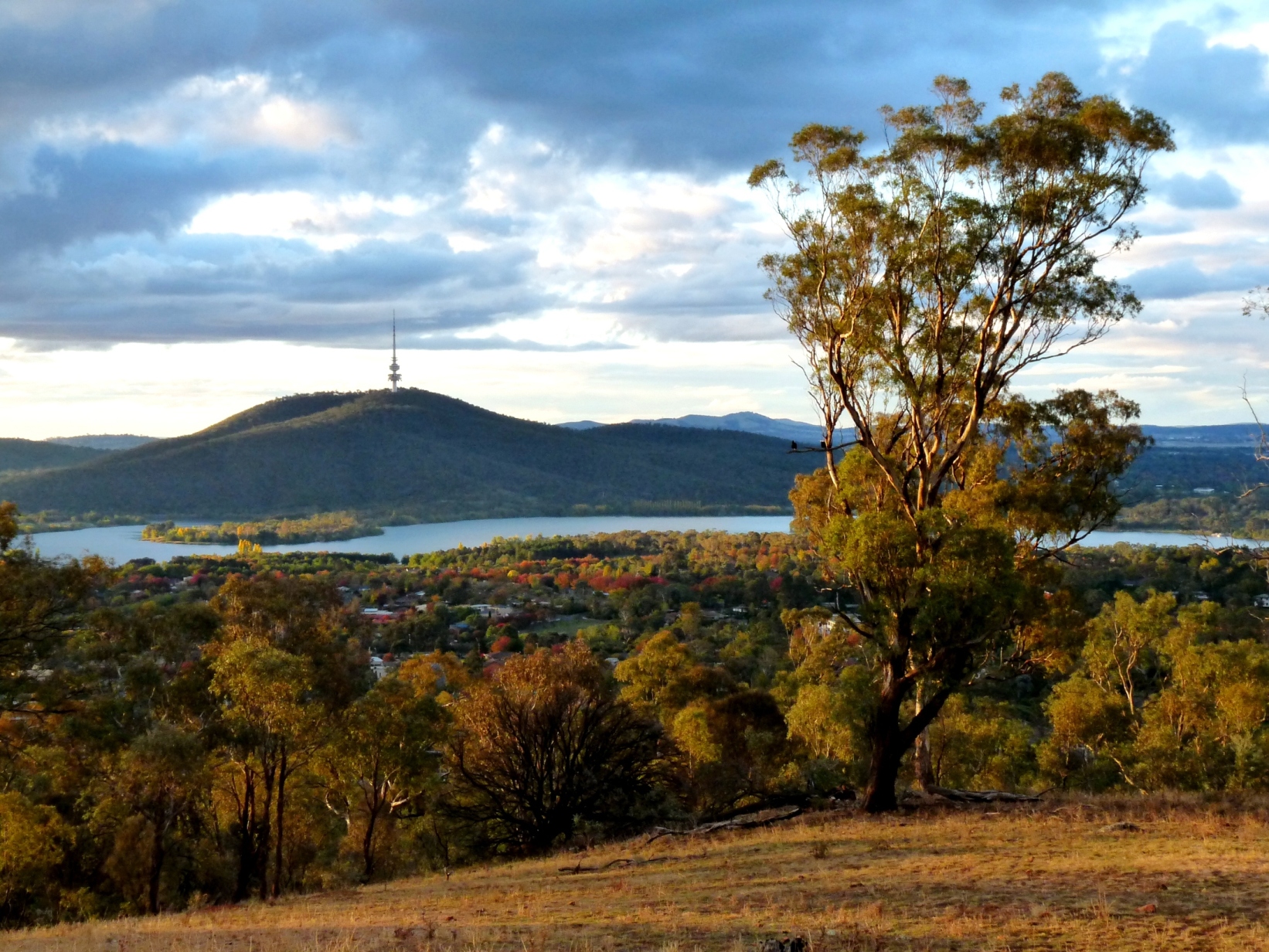
A gateway to this landscape proved to be Bullara Station. Bullara Station proved to be a surprise. A surprise proved to be most welcome along this sparsely populated stretch of Western Australia. A huge working cattle station, Bullara also offered a rustic camping area. Now, rustic can often be a byword for primitive and inadequate. But in this case it was more charming and quaint, from the moment you were welcomed by the friendly owners to the campfire damper with many who are enamoured enough to linger. The beautiful open top shower shed was surprisingly one of the best places to wash away some of that red dirt.

R_desert

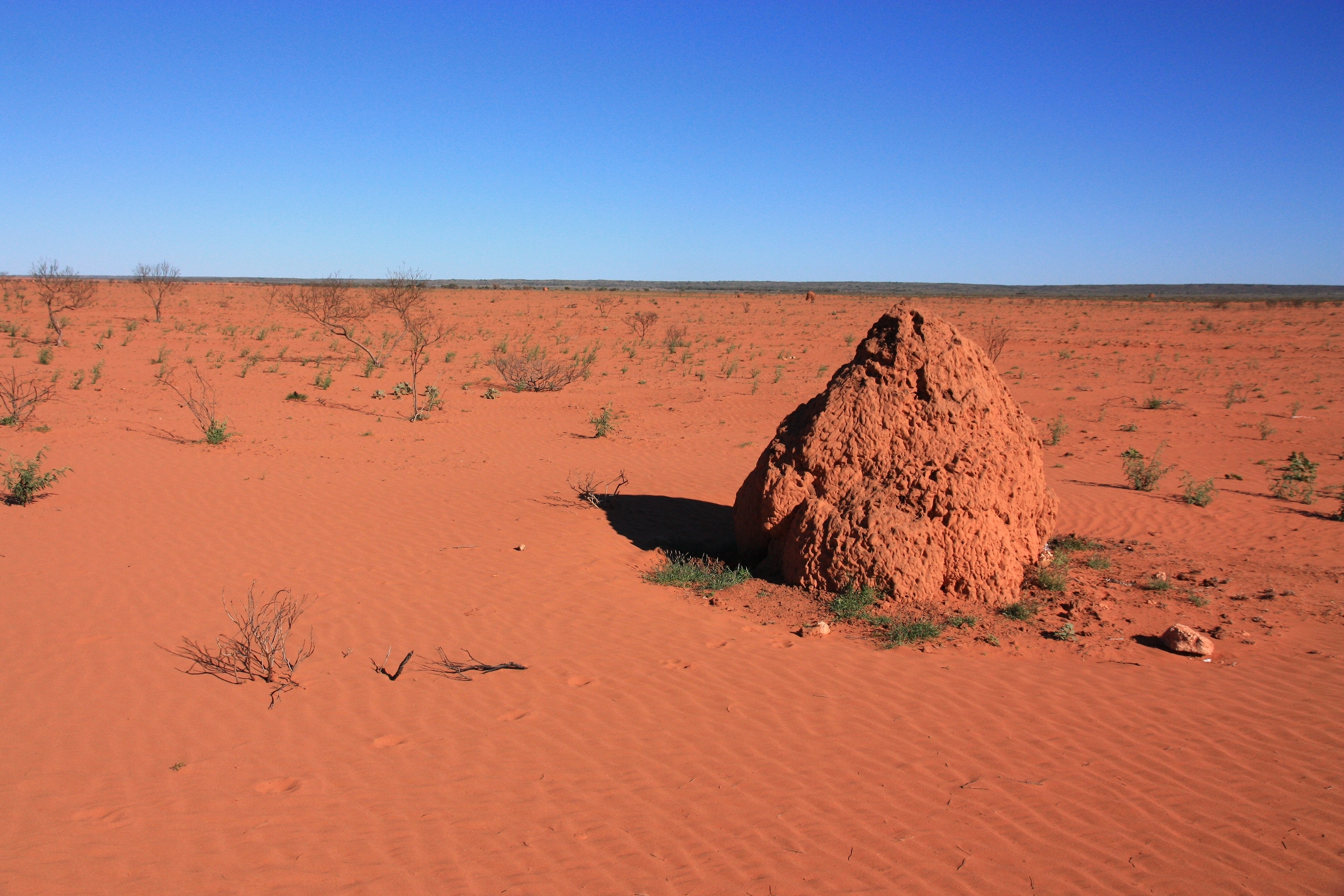
Bullara is – in the context of this vast landscape – but a stone’s throw to the west coast and the sensational coastal colours of Ningaloo Reef. With white sands and shallow turquoise waters, the reef is every bit the tropical idyll you would expect. Yet equally striking here are the desert sands perforated with termite mounds and the upward thrusts of the Cape Range piling up into giant pillars of rock and sliced by dry gorges. This is where the red earth meets the blue sea.

Heading in the opposite direction and inland from Bullara Station it takes some time to find a settlement. Petrol is a premium price to pay to cover the country. Settlements that do spring up are principally established because of the red land around it: red rocks that are mostly dug up and taken away to China.

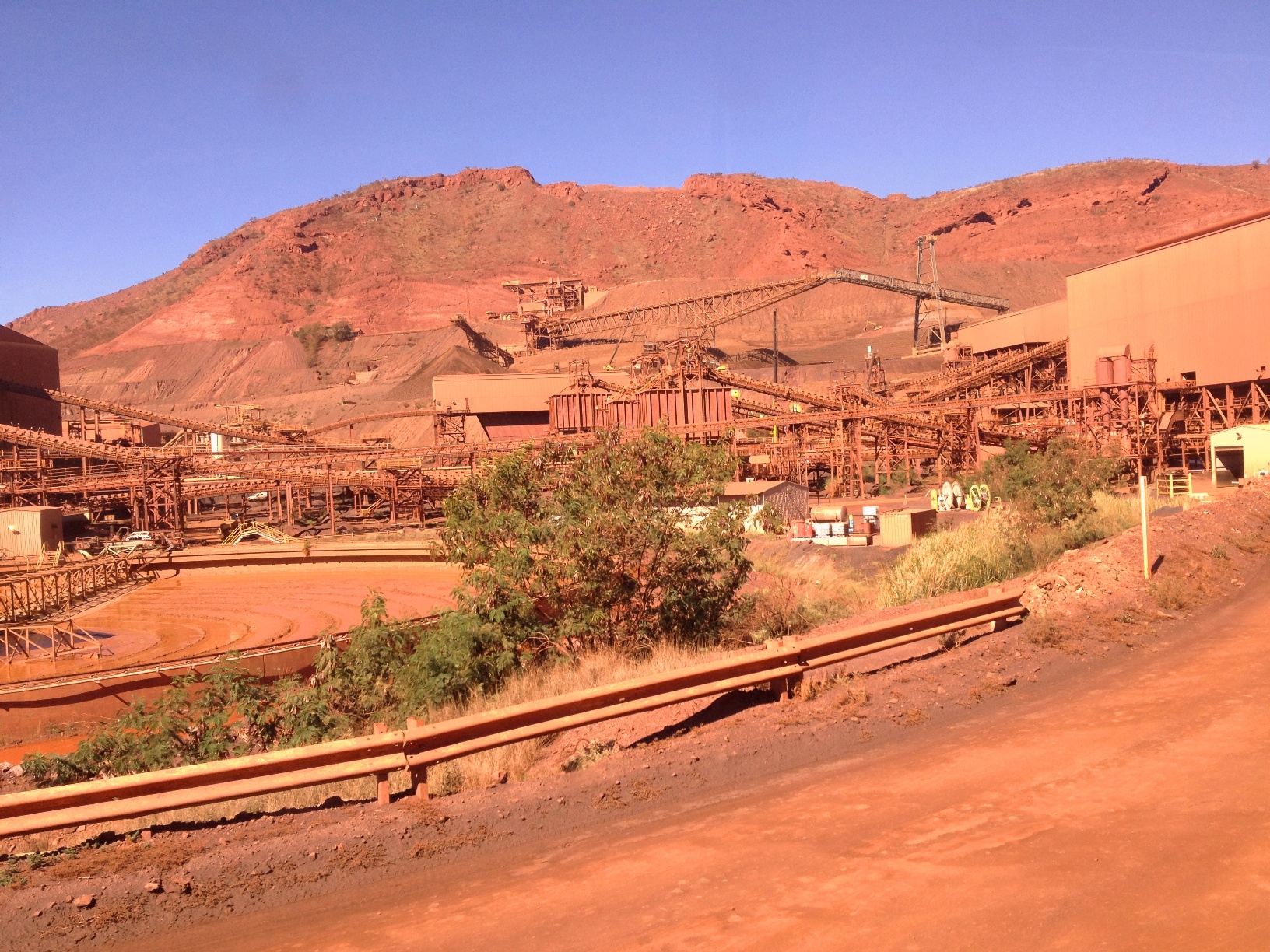
R_mineTom Price is one such spot; a rough replication of a Canberra suburb clustered between deep pits and mountains carved away into a spiral of tiers. The scale of these mines is huge – from giant yellow transporters whose tyres are bigger than me to rows of rocks pilfered from the ground and lined up into varying grades of iron ore. It is both crude and sophisticated, simple and advanced. And while the urban latte sipping ecomentalist in me could take offence at such obliteration, I remind myself that we all use iron, we benefit a great deal from these holes in the ground and, yes, there are plenty of red rocks still to go round.  

Thankfully environmental credentials are restored east of Tom Price, in a swathe of Pilbara red pitted with deep gorges and crumbling upland. Karijini National Park is the jewel in the crown, the ruby in the iron of this russet country. It is where you can step out into the red land and absorb it, along the panoramic cliff edges and down into the heart of quite breathtaking canyons. Rivers and pools add a vibrant green tinge to the valley floors, a ribbon of life flourishing amongst twisting red walls. It’s said that red and green should never be seen, but here it is a perfect arrangement.

Yes it sounds clichéd but this is the real Australia, the realisation of the vision and the aspiration of the fundamental essentials of a red earth country. A grand composition of nature, culminating in the view as four gorges congregate hundred of metres below Oxers Lookout. Millions of years in the making, impenetrable and untainted. Red rocks shaped by land and water and maybe a giant serpent, rocks that have not felt a human’s footstep or handprint and likely never will. This is part of the magic, the wonder, the spirit of Australia. This is the allure of red.

R_karijini


[1] Note to self: avoid vacuous interviews in vacuous magazines

[2] They used to go nicely with my black hair, but now that has become grey and the deep red material has faded, the effect has diminished

A to Z Australia Driving Photography Walking

Oceans

I grew up by the sea. Not in a romanticised way, where snug cottages overlook glistening seas and fishing trawlers bob up and down in weather-worn harbours. Neither in the glamorous manner of those doing it tough in Australia, with their angular beachside houses, all windows and look-at-me decks. In fact I survived growing up without a prized sea view, but the ocean was never too far away. Close enough for seagulls to shriek down the chimney, near enough to feel the brutality of a winter’s storm. Never too distant to walk a pebbly shore and experience the space and light and air that is unique to being on the cusp of an ocean.

You could say that the sea has been in my DNA since I arrived in the world and into the salty air of Plymouth [1]. This makes it all the more surprising that I have not lived within easy reach of the waves for what is now half of my life. I went away to university in the very centre of Britain and then coped with the occasional glimpse of muddy river in London. I moved to Australia – the land of beach bums and surf rescues – and wound up in Canberra; the only capital without prime ocean frontage. I clung to windy days on Lake Burley Griffin, when waves would whip up, and consoled myself with frequent trips to various points on the stunning east coast.

The ocean seems integral to the Australian way of life. Unsurprising given most people live on the more amenable fringe of land closest to the coast, surprising given there is a whole load of land in between [2]. The oceans here – from Pacific to Indian – are oceans apart, and it takes quite some enterprise to bridge the two.

It’s mid-March down in Mallacoota, on the very southeast corner of southeast Australia in southeast Victoria where a southeast wind blows. It’s fairly sedate compared to previous days, a sea breeze in contrast to the cold blasts streaming off the ocean and bombarding the shore with downpours. Around the corner, in Ben Boyd National Park, dirt roads are churned into muddy blancmange leaving a detritus of abandoned cars. I know this because my car nearly joined them, drifting sideways like a drunken celebrity ice skater. Precariously though it made it through to the salvation of tarmac and gleefully crossed the state border to recover in Mallacoota. And what a recovery Mallacoota offered.

This sparse corner is both rugged and tame; the waves of the Southern Ocean and Tasman Sea conjoin and thrust onto sweeping sands while gargantuan dunes remould themselves on the breeze. Behind, protected and sheltered gleams the expansive surface of Mallacoota Inlet, spilling into creeks densely lined with Eucalypts and Tea Trees and Acacia; quietly lapping at the boardwalks and manicured front of the town. Pelicans and people flock to fish, the more intrepid cycle, run, and fly.

Out on a limb, Mallacoota really is a long way from anywhere, perhaps as wild as it gets along the most populous strip of this huge country. Possessing essentials like a pub, bakery, two small grocery stores, a bakery, hardware store, and – did I mention – bakery, it is self-sufficient, with a long day trip required for Big W and McDonalds and Flight Centre. There’s not a great deal to do, other than interact with the outdoors, to walk, run, cycle, surf, fish, or simply sit in the sun and gaze out across water. I suspect this is part of its appeal.

The constant roar of the ocean is often the only sound to shatter the peace; at least outside of peak summer holiday times when Sydney, Melbourne and Canberra converge along the shores up and down this coast. It’s a sound which may seem appealing, an obvious marker of being close to water, of arriving at the edge of the world. I think on top of this though, the ocean can sound threatening and cruel, daunting in its vastness and unrelenting, unrestrained energy. People may fantasise about going to sleep with the soothing, repetitive sound of the ocean in the background but the reality, particular when a layer of canvas is all that separates you and the outside world, is of an incessant crescendo of noise, amplified in the stillness of night.  

The noise echoes from the cliffs and trees fringing the ocean beach here, which is itself like a thousand other beaches in Australia. In that, it is nothing remarkable, even though it is, objectively, remarkable. Pristine sand and pristine waters, so clean the aroma is pungent with the abundant seaweed and crustaceans and fish. Scattered with the dog walker and fisherman and surfer and yoga practitioner, it is the spot to clear the head and mind, the place to come at the end of day to walk, fish, surf, or contort. It is the spot to feel at one with the world, humbled in insignificance as the sun lowers, the sands blow, and the waves churn out into the eternal horizon.

O_mallacoota

Beyond Mallacoota the southern coastline invariably throws up much more in the way of ocean-sculpted lands. Long beaches of ninety mile and entrances to lakes. Vast promontories and bays, becoming refined with sandcastles and beach huts and docklands and Melbourne. Westward still and curving great ocean roads meet shipwrecked coasts. Lagoons and islands of kangaroo turn upwards to Adelaide, and the waters greet peninsulas fringed with small ports and big jetties. Beyond things return to the empty simplicity of ocean and land, the land meeting ocean, a bight of irresistible force and unmovable object. Beautiful archipelagos emerge and vast sounds appear as civilisation returns, and the ocean weathers colour the corner of the southwest. A corner which turns onto another ocean and signifies the crossing of a continent.   

Some two months later and a lighthouse appears on the horizon, another lighthouse rising elegantly into a softly painted blue sky. Passing through Augusta the coastline takes on an edge-of-the-world charm, as the land narrows between two seas [3]Small bays and coves fringe the leeward side and teeter their way along to Cape Leeuwin, from where the lighthouse surveys the Indian Ocean. Next stop from here: South Africa.

In this prized corner of Western Australia the Indian Ocean is very much like the seas that have come before, knocking out a reassuring rhythm of surf and disappearing into a depth of endlessness. It’s a different ocean but the same country; many kilometres distant but not a million miles apart [4]. Windswept hills slope down and break off into the ocean, broad sands form at river mouths and creeks. Majestic forests revel in moist valleys while vines take advantage of open, sun-soaked slopes. Near this ocean, small settlements and towns still serve flat whites and offer The Australian for all the propaganda you can stomach. The same brands of coolant are available to top up a car which has done much since almost becoming bogged down in mud on the other side of the country, oceans apart.

There are of course subtle differences formed through climate and geology and mankind’s hand. A different array of deadly sharks and jellyfish may well linger in the water, ready to nibble on loonies in wetsuits embracing the epic waves. For the less adventurous, the diversity of the terroir yields different aromas in the Cabernet Sauvignon…perhaps less blackcurrant and pepper and more pomegranate and diesel (though don’t quote me on it). Tourist information signs are a different colour, though nonetheless as mysterious and confusing. And practically every town ends with the letters ‘up’, like Manjimup and Nannup and Whatsup Buttercup.

The big contrast – and a satisfying symbol embodying the accomplishment of crossing a continent – is that the sun sets into this ocean. At Yallingup, camped beside the roar of the sea for one last night, Mallacoota is reincarnate, a mirror image of sand, sea and sun. There is just chance, with the now shortened days of May, to amble on the beach as the day draws to a close; to battle through the sands and scarper from waves thrusting up the beach with great flourish; to join the smattering of dog walkers and fishermen and surfers and yoga practitioners, watching as the sun sets into this particular ocean and seals the wax on a momentous journey. A journey that has frequently mingled with the sea along its course, and astonished in scale as it has crossed from ocean to ocean.

O_yallingup


[1] Which is now branded as ‘Britain’s Ocean City’ no less

[2] Is it any wonder the latest Australian Prime Minister is such a visually strident man of the seas, sometimes scarily so?

[3] A charm seemingly being addressed by the construction of a large marina for more boat-owner people…Stop the Boats!

[4] In fact, for me, 17,000 kilometres, but more like 3,500 as the seagull flies.

Links

Britain’s Ocean City: http://www.visitplymouth.co.uk/

Mallacoota visitor information: http://www.visitmallacoota.com.au/

Destination Margaret River:

http://www.westernaustralia.com/en/Destination/Margaret_River/9009633

Wasssssup in Yallingup: http://www.margaretriver.com/regions/1

Another ocean apart: http://www.youtube.com/watch?v=c_e2D2qsaso

A to Z Australia Driving Photography

Kangaroo country

Nothing can be quintessentially more Australian than the sight of a man in a cork hat and grubby white singlet riding a kangaroo to work. Apart from a man on a kangaroo in a cork hat and grubby white singlet hopping over lethal spiders and snakes while fleeing a bushfire with a rescued koala, only to get to the safety of the beach and discovering a shark infested bay peppered with box jellyfish, causing a bunch of boofheads to gingerly enter the water in thongs to retrieve their cricket ball with one hand because the other is grasping onto a stubby of VB like it is the last bottle of insipid but undoubtedly cold beer in the world.

Of course, all of that is nonsense [1], lest I be sued by VB which is a popular and well-loved beer in certain areas and so well-loved it appears on the shirts of the Australian cricket team, which perhaps speaks for itself in so many ways. What is undeniable is that the kangaroo is an icon, so much so that it appears on the national airline and encourages you to buy home grown products. If you ask someone overseas to mention the three things that come to mind when they think of Australia, they will most likely say beaches, kangaroos, and punitive policies for people fleeing persecution and seeking asylum, dressed up as a concern for their safety and not really about winning votes from a cluster of the population who have an underlying xenophobia stemming from their own challenges in paying the mortgage on a home which is unnecessarily big for their needs and encountering traffic on the way to Kmart, thus displacing the blame for this onto others who are widely vilified and helpless to stand up for themselves [2]. Still, we have nice beaches and lots of open space for kangaroos, so it’s worth defending right?

The kangaroo was here long before the first boat people arrived to overrun the country and its culture. A popular myth is that ‘kangaroo’ meant something like ‘I don’t know’ or ‘I don’t understand’ when Cook, Banks et al enquired of local Aboriginals what on earth this peculiar creature was. Like all good myths it has subsequently been debunked [3] but you can understand why it still does the rounds. It’s a convenient story that encapsulates the sense of the bizarre, the other-worldly, the weirdness of the flora and fauna that was encountered by the first boat people. A befuddlement that continues to this day as more people spill, primarily, out of international airport terminals and come face to face with Australia.

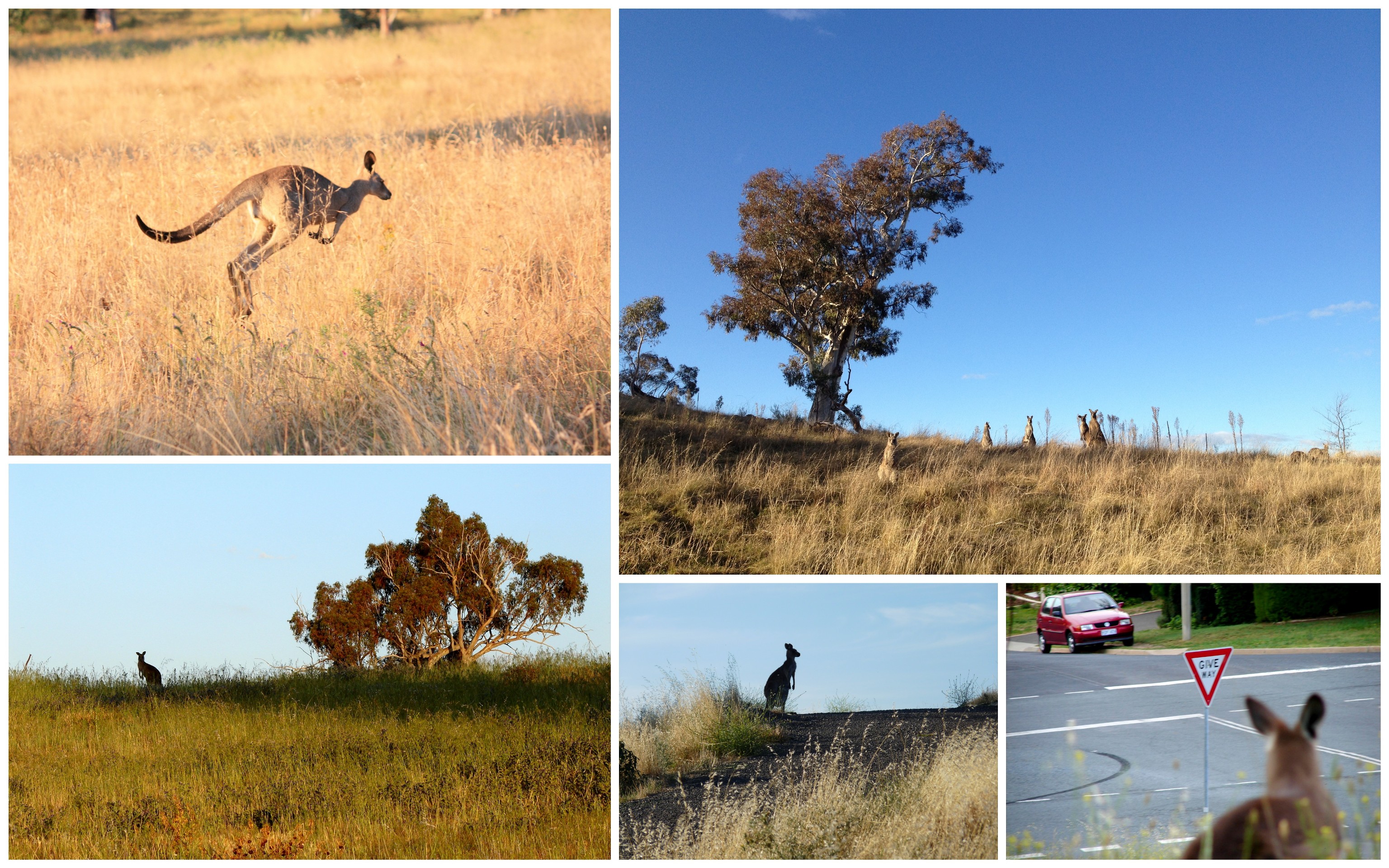
Initially you could be forgiven for thinking that Australia is a sunnier, newer, even happier [4] version of the UK, with a US touch of the gargantuan about it. But what sets it apart as wholly unique, exquisitely exotic is its flora and fauna. The kangaroo, perhaps in conjunction with wily white Eucalypt trees and shrieking cockatoos, is the readily available, easily accessible face of the Australian bush, and a long, long way from distant, familiar lands. Perhaps that is why, even after seven years, the sight of a kangaroo bounding out of the trees and across golden grasslands brings a smile to my face and, still, a sense of wonder.

I cannot write about these experiences and this topic without covering time on Red Hill, Canberra. I may have written about this place before. I came across it three days into arrival in Australia, fighting a fight against deep afternoon jetlag driven sleep. Determined not to fall into a coma and then awake all night, I set out along charming suburban streets on one of those beautiful, clear, warming late winter afternoons. It could have almost been an old English summer. Gradually climbing in altitude and property price, the streets ended abruptly as the very richest backed their way onto the grassland and steeply rising bush of Red Hill Reserve. Without intricate knowledge of paths and trails I headed straight up, short and steep to the lookout cafe. Here I viewed Canberra from high for the first time, had a coffee and saw a handful of Eastern Grey Kangaroos milling about without much of a care in the world (much like myself really).

Since that day I almost always saw kangaroos at Red Hill, particularly as I was wont to wander there of an evening. Huge mobs would gather in the grassier patches at the bottom while others would linger along the ridge up high. Mothers and their kids would eye me with suspicion or, perhaps, familiarity. A stand-off ensued, one waiting for the other to move on. But I often emerged the victor in these early days, because I would have my camera with me, and everyone knows that as soon as you bring your camera up to your eye to take a picture of some wildlife, the wildlife flees.

K_kangaroos

Certainly it was hard to restrain myself from taking a picture every time I saw a kangaroo. It was a natural reaction because back then it was all so extraordinary and therefore entirely warranted. Increasing familiarity has restrained my picture-taking compulsion since. In fact, I don’t tend to take my camera up Red Hill anymore…hell…I don’t even go up Red Hill anymore, since I am presently 3,000 kilometres west and it is a trifle inconvenient. However, frequently armed with camera elsewhere a kangaroo or dozen have popped into view. They emerge within the context of a wider landscape, as natural as, well, a man in a cork hat and grubby white singlet. They undoubtedly add something to the mood, grounding the scene in something that is so very obviously Australian. And thus, still, so very exciting.

————————————————-

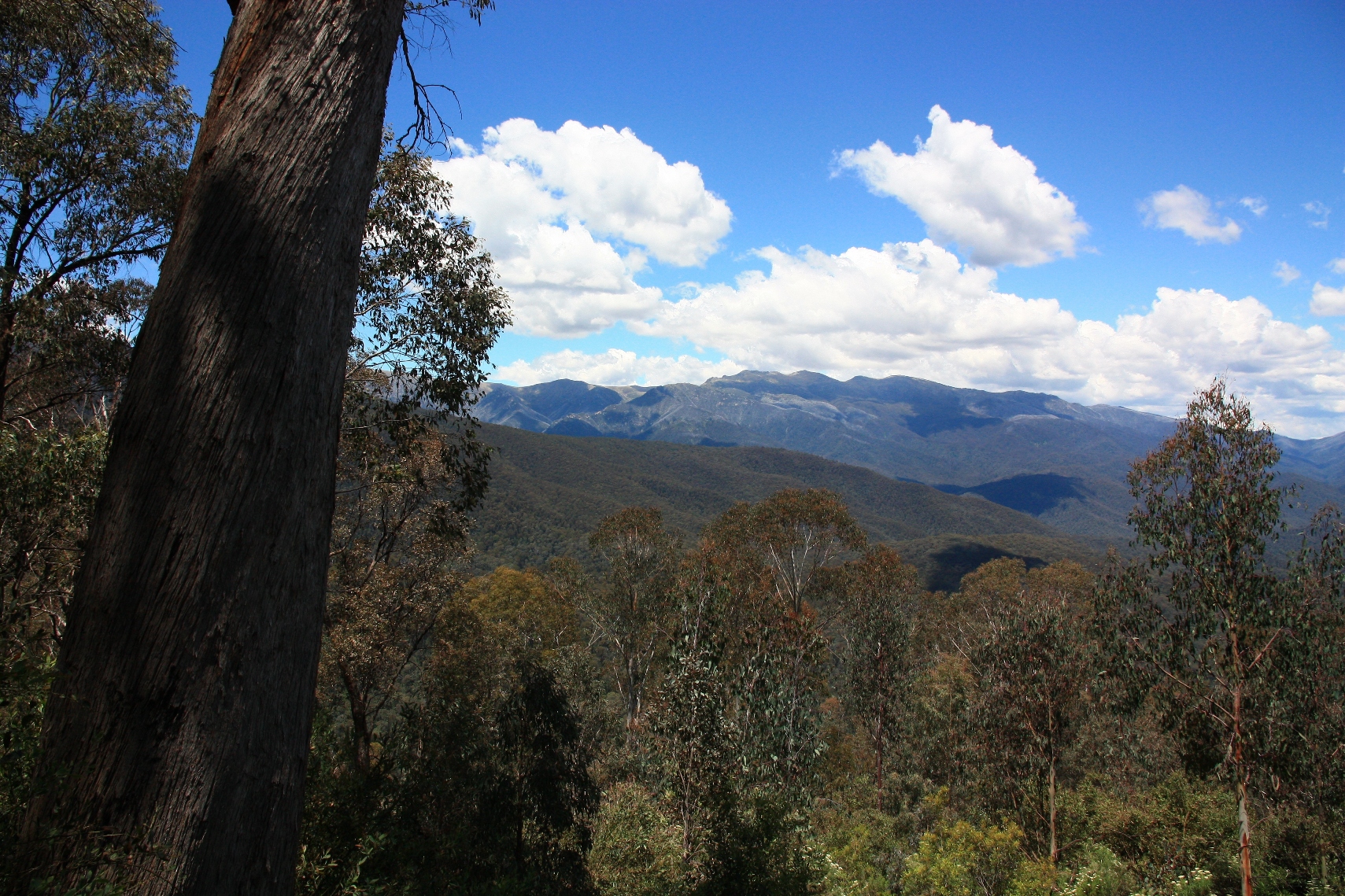
Kosciuszko National Park is one of Australia’s great national parks, taking in vast swathes of upland country and river valleys in New South Wales. In winter the highest parts are caked in snow, in summer all parts are swathed in flies. It’s a fairly unique environment for Australia, which is mostly dry, brown and flat. Termed alpine, it is not so in the sense of being blessed with gigantic peaks and glaciers; instead ridges and clumpy mounts offer a scene more akin to the rounded peaks of northern and western Britain [5]. It is an ecosystem that is all-encompassing, from rare possums and miniature toads in the boggy bare stretches high up, to common wombats and kangaroos and all of their derivatives [6] in the bush and plains further down. 

Kosciuszko is not so far from Canberra but on one occasion, having spent some time working in the town of Albury, I approached it from the west. It was a long weekend of high country meandering, through the northeast of Victoria and into New South Wales before crossing the Main Range and ploughing on more familiar roads back to Canberra. Approaching the end of March the landscape was in a state of transition, from the dry, warm summer to freezing cold winter nights and winds and rains and occasional snows. The hairpin drive up Mount Buffalo – the closest thing Australia has to an Alpe d’Huez – came with freezing fog that cleared to warm sunshine. The valley town of Bright was commencing its ascent into blushing autumn saturation and wood-fired air. And the trudge along an endless ridge towards Mount Feathertop was blanketed in cloud, a stark contrast to the clear fresh vale below.

Crossing into New South Wales and finally into Kosciuszko National Park, there is eventually a sense that these are proper mountains and not big hills, as the highest points of the Main Range, glowing in the sun above the tree line, rise up more dramatically from this western vantage. The road on this side twists and turns along a narrowing river valley, the dense green bushland plummeting down the hillsides occasionally broken by huge pipes belonging to the mammoth Snowy River Hydro scheme. At some point the road rises and crosses the range at the evocatively named Dead Horse Gap, but before this tortuous ascent, there is respite at Geehi Flats.

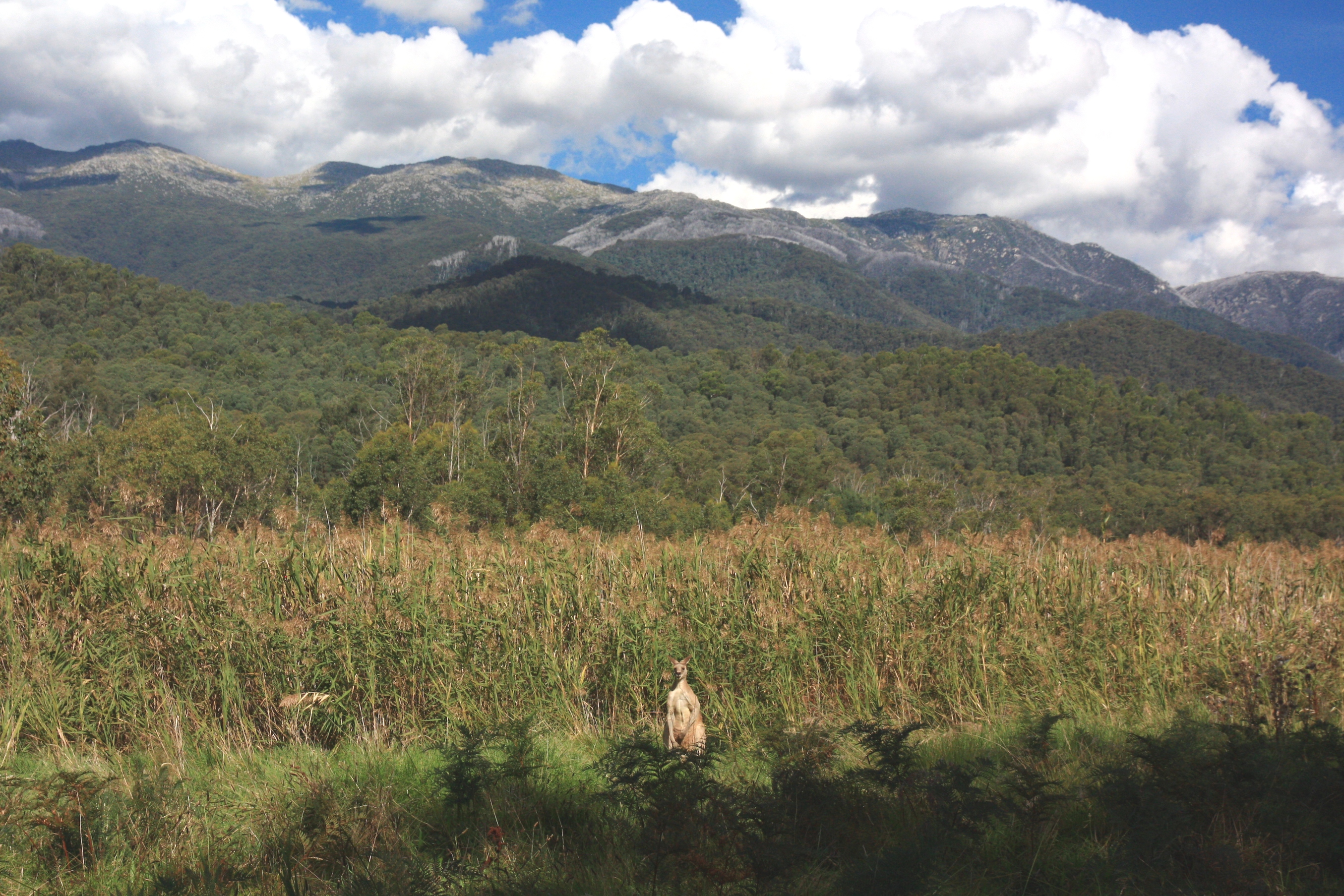
Geehi Flats appears like some hidden valley idyll, where the opaque water of the Swampy Plains River broadens and a swathe of grassland punctures the dark green tangle of gum trees. A spacious area along the river offers rustic camp spots and opportunity to amble. At the northern end a couple of old wooden huts testify to exploration and discovery and, now abandoned, the harsh realities of surviving in the high country [7]. Within this clearing the afternoon sunshine illuminates the rise up to the Main Range and onwards to the white cotton wool clouds hovering above. And as I stare at the serenity, a large Eastern Grey kangaroo stares back. Suddenly I feel like the intruder.

K_kossyroo

On the face of it, it is nothing remarkable…a sighting of an animal that I have seen hundreds of times before and so common in an area where it is protected to thrive. But in the landscape, in the setting, in the primitive high country context it feels very special, like I am the first white man to see it and it is the first kangaroo to see a white man. It is so amazed that it even lingers while I take a photo. It’s a chunky unit, but it is meagre within the scale of the whole, minor against the vast wildness of the scene. Yet here it sits entirely natural, a perfect foreground marker within the larger composition of my vista. What lies before me is Australia and I am reminded at how fortunate I am to be a part of it. Still a land of untapped discovery, of boundless space and unknown potential, it is something to cherish, to protect, and to share. And while the kangaroo is perhaps the pinnacle of the adaptive powers of evolution, as Australians we can still be much, much better than this.


[1] Clearly we only ride kangaroos around on the weekends for leisure, duh. Else the ute wouldn’t get much use.

[2] See http://www.guardian.co.uk/world/2013/jul/22/captain-rudd-australia-depths-shame for just one well-written, reasoned commentary on Australian Government approaches to ‘boat people’.

[3] Not by the team at Mythbusters I hasten to add, but by (and I quote Wikipedia) linguist John B. Haviland in his research with the Guugu Yimithirr people.

[4] I am unsure about this at the current time of writing, with a UK heatwave and cricket team in the ascendancy.

[5] However, rising above 2000 metres it is far higher than anything in Britain, a boast many Australians like to boast about.

[6] By which I mean the whole raft of hopping marsupial type things like wallabies, wallaroos, euros, jackeroos, jillaroos, brucearoos, kangabies, roosabies, poosaloosaroos etc etc

[7] Like camping overnight, when the warm daytime temperature plummets quite dramatically and uncomfortably

Links

All you ever needed to know: http://en.wikipedia.org/wiki/Kangaroo

Everyone’s favourite: http://www.youtube.com/watch?v=uRQnrY5V-rY

Walk the hill: http://www.tams.act.gov.au/__data/assets/pdf_file/0010/390592/cnpmapredhill.pdf

Kosciuszko National Park:

http://www.environment.nsw.gov.au/nationalparks/parkhome.aspx?id=n0018

Hi, country: http://neiliogb.blogspot.com.au/2012/03/hi-country.html

Stop the votes: http://www.amnesty.org.au/refugees/comments/24019/

A to Z Australia Driving Photography Society & Culture Walking

Home

Home is where the heart is, only pieces of my heart are scattered in so many places. The largest two chunks are undoubtedly at polar opposites of the planet, making for an interesting tug of the figurative heart strings. Like Beefy v Border and Scones v Lamingtons, it’s an Ashes battle simmering under the surface, slowly plodding away like Geoffrey Boycott completing a 962 ball century. One piece of heart is high with cholesterol, saturated with pasties and clotted cream, the other is growing all the time and falling in and out of love with a feisty sunburnt youngster.

In any discussion of academic stature it is customary to define the matter at hand and, in this case, what we mean of as ‘home’. Often this begins, rather lazily, using an Oxford English Dictionary definition which, since it comes from Oxford, probably describes home as a detached mansion encompassing at least two wings and ample space to shoot peasants. It’s true that a ‘home’ typically does involve some arrangement of bricks and mortar (or for me at the moment swag and car), but I prefer to take my lead from The Castle. An Australian cinematic classic based on a surprisingly true story, this argues the case that a home is not merely a structure but a place embodying love and shared memories, a place where prized personal treasures make it straight to the pool room.

Home is also a marker of identity, and I guess that is why so many people become indebted so that they can live in a desirable postcode, have a double garage, and possess more rooms than they could ever possibly need. The type of people in Escape to the Country who are looking for a detached period property with land for stables and a separate craft studio, six bedrooms and three reception rooms, proximity to the shops and a village pub but not next to anyone or beside any road whatsoever, with views of sheep studded fields and blue skies only. All so that one person can face a two hour commute to London and thus hardly see the house whatsoever because they have to pay off the mortgage, while the other one does a bit of art and can grow some turnips.

I’ve never really got into the whole home is my castle thing or sought to mortgage the rest of my life to pay off a bank for some bricks and mortar. I still don’t know if that’s foolhardy or not. I do occasionally have those ‘if only’ moments that come with the clarity of hindsight and sometimes wish I had made the commitment to buy something before house prices skyrocketed. But I was young and, er, foolhardy. And besides, where would I be right now if I had made such a call. In some overpriced box room flat in a zone 4 suburb of London? Or sitting in a national park in South Australia with swag ownership to boast about?

Regardless of present location there are two cities that I call home if anyone asks: Plymouth, Devon, England and Canberra, the capital city of Australia. I would say I live in Canberra and so my home is there [1], but I was born and raised in Plymouth and that is my home city. I support Plymouth Argyle but keep an eye on the ACT Brumbies and Canberra Raiders. I drift into Westcountry bumpkinism with rising Australian intonation. I think one is captivatingly beautiful while the other is beautifully captivating. Usually I feel like I belong to both, validated by dual citizenship which has me at once a British Plymothian and an Australian Canberran. At other times though it can feel like I am a stranger in both, simply because I cannot commit to one or the other. In Australia there has always been this sense of impermanence, even though I have been there for six years; with England, I am absent and afar, now looking in from the outside.

Reassuringly in spite of this Plymouth will always be home. I was born in Plymouth, in a hospital that no longer exists. I remember little of my childhood outside of Plymouth, even though we moved about a bit when I was very young. From about the time I was five we ended back in Plymouth for good, eventually being granted a council house that was supposedly in the leafy and refined sounding Beacon Park but was practically on the edge of the less salubrious sounding and indeed less salubrious Swilly. I wasn’t out of there until university, but attachments remain strong with the house, the people, the city and the area.

So, what can I tell you about Plymouth that maybe isn’t just about me and my rather uneventful upbringing? It’s a city of over a quarter of a million people, many of whom live in identikit post-war council houses that sweep up and down all of the hills that pop up across the area; hills that make walking to and from school a test of stamina, especially after an afternoon of double history following a lunchtime kick about. The city is historic, although much of this got blitzed by Germans and sadly resulted in a mostly depressing 60s concrete city centre. The Barbican houses ye olde bittes, where seadog scallywags like Drake and Hawkins planned the next places to discover and pillage. Today, the Barbican can be rather fetching on a warm day, boats bobbing on the sun glazed water, the smell of frying onions from Cap’n Jaspers floating on the breeze, and seagulls annoying the hell out of everyone, including the French exchange students looking both perplexed and bored and annoying the hell out of everyone else.

Further around from the Barbican sits Plymouth’s piece de resistance, one of the reasons it exists: Plymouth Sound. I am very likely biased but I think it is hard to come across an aspect more pleasing than that from the Hoe Promenade, a swathe of green, green grass punctuated with memorials and statues and the perfectly red and white striped lighthouse of Smeaton’s Tower. Here you can stand high above the natural harbour which pans out in front, sheltered by the hefty green shoulders of Staddon Heights to one side and the Rame Peninsula to the other. Channelling its way from the Sound, the River Tamar cuts a swathe to the west, lined with the detritus of the naval dockyard and funked up council flats, a reminder that this is a gritty city with its fair share of wonderful city things like declining industry and poverty and indifferent town planning.

H_plymouth

Softening this view, across the other side of the river, is Mount Edgecumbe and its country park, a verdant paradise of manicured gardens and dense woodland clinging to the slopes that rise up and bound forever onwards into Cornwall. I love how you can see Cornwall so easily from here, the juxtaposition from industrial cityscape to idyllic creaminess all so obvious. But it’s there, just across the water and easy to reach [2]. This is illustrative of Plymouth’s natural advantage, with the wondrousness of the Devonian and Cornish landscape just minutes away, from the rickety tors of Dartmoor, to the rolling green fields of the South Hams, across to the snug coves and fishing villages of the South Cornwall coast and up onwards to the pounding seas and plunging coastline of the north. If anyone, wrongly or rightly, ever accuses Plymouth of being a hole there is no escaping from its sublime surroundings.

So this is my home, but I haven’t really mentioned what makes it so homely. For me there is close cherished family in Plymouth and, so far away, I do miss them now and again, though I cannot quite tear myself away from another home to put that right. Like most family relationships there is something to be said for small doses and periodic visits, tending to make these more cherished and enjoyable, without breeding contempt and complacency that so often come with familiarity. Besides, when I pay visits home I get my washing done, all fresh and soft the way only Mum can get it. I doubt if I could bank on that happening if I was there all the time.

Plymouth is also homely because it is so familiar, yet this itself is a double-edged sword. I know how to get the bus into town, I somehow still recognise the face of the woman serving me milk in the corner shop, and I’m savvy enough not to be either excited or offended by someone calling me their lover or handsome. However because I am not there all the time, because I have formed attachment with another home, it also feels that sometimes I am a stranger, spurned for running off with a younger model. I don’t know what’s happening in Eastenders. I never knew that the bus company changed its name. I didn’t hear that the Prime Minister visited, looked like a total knob end and ate a pastie with some of the local chaps.

You see, that’s the price I pay for calling Canberra home as well. You can’t have your cake and eat it, can you? I never really understood that saying. I mean, I buy a cake (quite often in fact) so I have said cake. I then, usually quite quickly, eat aforementioned cake. Sometimes I have a larger cake that I eat just a morsel of, in which case I definitely have some cake in the house at the same time as eating it. Perhaps I should say a rolling stone gathers no moss instead, but is that a good or a bad thing? Okay, cool I’m a rolling stone who gathers no moss, unlike those stupid static stones with all that spongy green stuff around them. But actually are they the lucky ones, with their cosy layer of moss and security of tenure?

Pleasingly Canberra happens to have stones, and some moss, and plenty of places selling cake. I call it home primarily because I have made it so over the past six years or so. Whereas Plymouth is my home by birthright, Canberra is my home by way of where I live, at least until recently. I’m now travelling around Australia a little, but still have possessions and people of note in Canberra and when some grey nomad at a campground asks where I am from I say “Canberra”. They then look at me odd and launch into a tirade about carbon taxis and published servants or something. Nah, not really, they’re usually rather lovely or at worse aloof. Anyway, I am proud to call Canberra my home because I think it’s just a great place to live.

Canberra is rather beautiful in my eyes. I came here from London, another place I would have called home at one stage. Some people, usually Australians not in Canberra, look at me googly eyed when I tell them that. You left London and came to Canberra? Not Sydney or Melbourne, those wannabe global cities of urbane cool that aspire to be London? But it was the contrast from London that Canberra gave me and for which I fell. I could walk to work, with galahs and rosellas lining the streets as the sun hovered above. I could make new friends and acquaintances over sublime coffee (and occasionally cake). I could fall in love with the setting, its bushland hills and big glassy lake and peppering of interesting national institutions befitting a modern capital.

My favourite place here, and almost anywhere at all, is Red Hill Nature Reserve, a swathe of hilly bushland that offers a microcosm of Canberran life: mobs of kangaroos and golden grassland, multicoloured birds and majestic gum trees, a landscape dotted with runners and amblers and dog walkers and occasionally the plain curious tourist who has made it up this way. The views offer the opportunity to grasp the surroundings: a sunset over the rugged Brindabella Ranges shining golden hues over the lake and among the branches of the leafiest suburbs, stretching their way up to the fringes of other, bush clad hills and mountains. This place offers me exercise and solace, escape and invigoration, contentment and photographic opportunities. It is more than just a hill.

H_canberra

It can become very easy to be drawn in by Canberra. I intended to stay for a year and I’ve made six. I’m not sure how much longer I’ll be able to call Canberra home, but my time there will always be a part of me. It is an easy, comfortable place, perhaps too comfortable, but go around Australia and see the gargantuan caravans being towed by monstrous 4×4 trucks driven by silver haired nomads and you’ll see that comfortable is clearly something to aspire to. And isn’t homeliness all about being in a place in which you feel comfortable?

So, comfort, familiarity, connections and at least some sense of belonging make up a home, as well as a few of those bricks and mortar to be encased in. Plymouth and Canberra both give me that. But regardless of where, I think the individual plays a huge role in making a home what it is – taking the opportunities there, seeing beauty in all its shiny sights and dirty corners, connecting with people when you can. For instance, even my swag is starting to feel homely, the way I slot my water in one corner and a book by the pillow, and the configuration of zips and hooks and pockets. Yes I guess I am a rolling stone, but I’m still picking up bits of moss along the way, moss that accumulates and forms strong and lasting attachment from birth to end. Homes.


[1] Or lived. Currently my postal address and electoral registration is in Canberra, but I write this from a car in South Australia!

[2] Actually, unless you get the pedestrian ferry across, this particular piece of Cornwall takes some getting to. Think river crossings, winding roads around winding creeks, single lanes hemmed in by giant hedgerows and perilous descents towards water. Like most of Cornwall then.

Links

Straight to the pool room: http://www.youtube.com/watch?v=TM-GVRvsZrA

Britain’s Ocean City: http://www.visitplymouth.co.uk/

Hearty fare me hearties: http://www.capn-jaspers.co.uk/

The Janner textbook: http://www.chavtowns.co.uk/2005/02/plymouth-the-janner-textbook/

The nation’s capital: http://www.visitcanberra.com.au/

A to Z Australia Great Britain Society & Culture

Golfing

There must be an age in the life of every male in which you suddenly find it desirable to slash a thin stick of metal at a small ball in every which direction over the rambling grounds of manicured parkland. It can happen as a nipper, inspired by fantastical feats of sporting idols. It often hits in the thirties, a way to keep active in an agreeably sedate way and escape from life’s chores, e.g. wife, children, shopping, shopping with the wife and children. And then of course, it goes hand in hand with retirement, like a golden handshake of expensive Big Berthas and disastrous Pringle pullovers.

I quite like the appeal of golf right now, being in my mid thirties with a penchant for early retirement. It’s something that has been around since my teens when, like many teens, I was more active with a naive hopefulness that I may one day be the next champion striding the fairways with a fluorescent green cap and stripy pants. This activity tailed off at university and never really resurrected itself, with only sporadic bursts of wanton destruction around eighteen holes since. But I still have clubs, lots of balls and one of those Michael Jackson type gloves with grubby marks buried away at the bottom of a comedy sized golf bag.

I think I was introduced to the world of golf by my brother, as often happens when one has an older brother. Initially this was via Golfer’s Delight or some other weekly supplement that you collect the parts for and put into one big binder over 684 weeks. You know, the things usually advertised after Christmas like Diesel Tanks and Artillery Transport of Europe and Super Crotchet Life. Anyway, as well as profiles of top golfers and top courses it had tips on how to be a great swinger and expertly control your balls [1].

Other media increased exposure to golf. On the TV there was of course the joy of hearing Peter Alliss rambling on and on about old Bertie Wallopsworth of Surrey Heath Golf Club having his 120th birthday Texas Scramble [2], while somewhere in the background a golf tournament was taking place. Then there was the thrill of getting Sky Sports hooked up in some dodgy arrangement and watching the US tour on a Sunday evening, full of whoops and hollers, fluoro greens and sour old hacks commenting on the state of young people today. It often also included as accompaniment a whole bag of cheap peanuts from the corner shop and / or a genuinely king-sized Mars Bar. Then, when print and TV couldn’t fulfil this exposure there were even computer games – memories of Links 386 where a computerised ‘you’re the man’ or ‘too much club’ was a marker of progress; and some Jack Nicklaus golf course design game with the world’s most disturbing theme music.

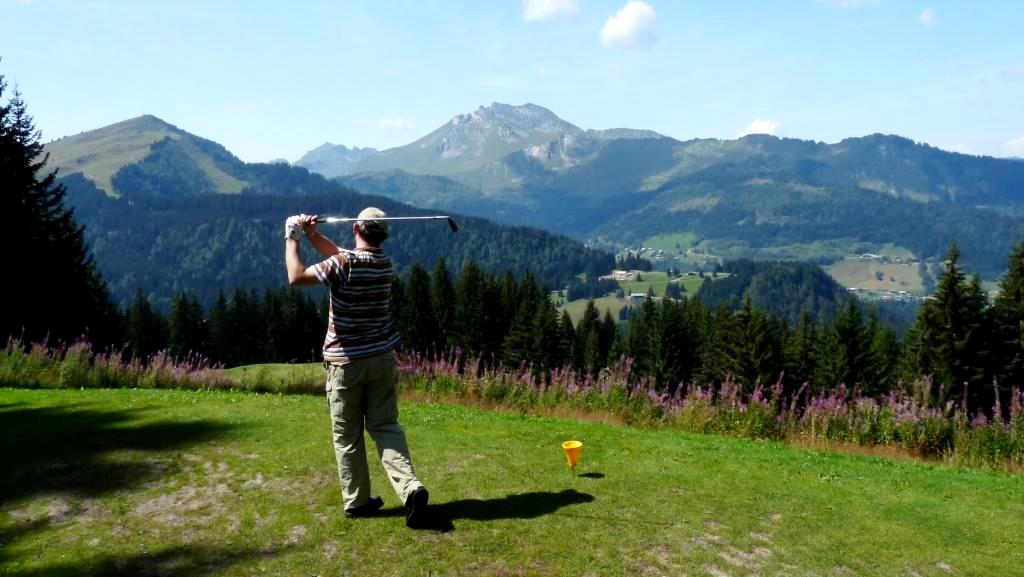
G_golf1In the real world my first set (or mini set) of golf clubs came from Argos [3]. This allowed me, post birthday, to escape to Central Park in the long summer evenings to probably annoy my brother and his new found golfing friends, one of whom I’m sure was shaping up to be a first rate psychopath in the quality of his hissy fits and club throwing. Avoiding the ageing course attendant with his black teeth and ever-present eau de cigar, we would sneak on the course, make up our own holes by combining bits of one with the other and generally play until you couldn’t see the drug pushers hanging around the toilets anymore. It was not the fantasy plastic world of golf thrust upon me from the television [4].

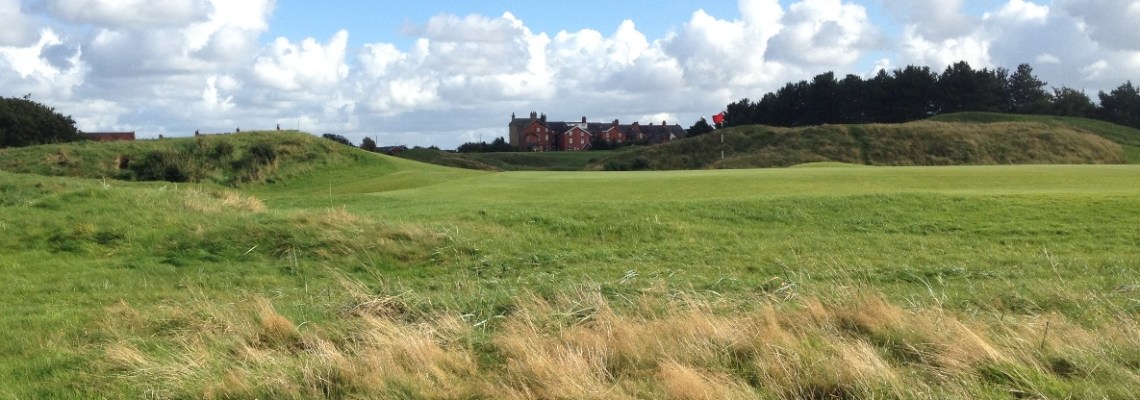
Upgrades came when I got to play on a proper grown up course, with proper clubs and something called etiquette, which as far as I could tell generally meant wearing your school trousers and tucking a collared shirt into them. Perched on the southern edge of Dartmoor and more often than not sitting in the clouds, Wrangaton was a sleeping beast of a course, with sheep and rock for fairways and gorse for rough. The wind often howled, meaning while one hole could be reached with a gentle tap of the ball, another took seven days and a team of Sherpa’s to conquer. It had, in between the bogs and bracken, some stupendous views over Devon, lain out below the ninth tee in a typically creamy pattern of green hills and vales.

At the other end of the country, Scotland is reputedly the home of golf, I assume because only such a sport could be devised over several long hard nights of Glenfiddich. My own golfing development continued with a few summer holidays north across the border with my brother and Dad. This included one or two trips to watch The Open Championship, followed by some very unsuccessful attempts to emulate the professionals via ScotGolf , a competition of my brother’s devising which was devised in such a way to make my brother end up the winner every time! To be fair, he was the most accomplished golfer, clearly from his time collecting and scrutinising Golfer’s Delight or whatever it was. And it wasn’t all playing with balls and holes. There were uncharacteristically scorching days to bake on the fine sandy beaches of Ayrshire and swelter on the peaks of Arran. There were tourist days to potter about loveable Edinburgh and eat cakes of great upstanding from Fisher and Donaldson in St Andrews. And there were winding scenic drives to make my brother feel travelsick and Dad and I to feel payback for the drubbing we got in ScotGolf.

Now if I was a golfer of some note I would be able to regale and bore you with tales of my best rounds of golf, finest shots and superb holes. In truth I cannot remember so much of distinction, especially in those younger years. I do recall holing a putt approximately the length of the Great Wall of China on another uncharacteristically scorching day in Edinburgh. On the same trip I remember spraying my ball right, over some bushes and, unbeknown to me, onto the next tee where a couple of old wee lassies were hitting off. I very nearly ended up sending one of those old dears to the fairways in the sky, saved only by the rim of her vivid pink visor deflecting the ball. Back in Devon I also remember hitting a sheep on the arse at Wrangaton and pretty much doing the same on some heifer dawdling at Central Park pitch and putt. As I say, I was not a golfer of some note.

G_golf2

As I have matured and my game has got even more sporadic I like to think I am less bothered about how well I play, content to be outdoors and enjoying the surroundings in the company of others [5]. I have come to realise that, on the whole, golf courses are rather beautiful things. Indeed, it is rare that you get so many acres lovingly dedicated to different types of grass and trees, shrubs and undergrowth, ponds and brooks. And they can be wild and rugged spots, your individual journey plotted purely by how wayward you hit the ball, typically finding untamed jungle with every slice and secret fairy dells with every hook. Plus, when you finally get there, the greens have those stripy patterns that every lawn yearns for, and there are even bits of beach to build sandcastles in, though I’m not sure this is in the Old Thomas Botheringirls-Willynilly handbook of golfing etiquette and manners.

In Australia I have been lucky enough to hit a little ball around a few such charming spots. In the lee of Red Hill, Federal Golf Club is truly archetypal with its graceful white gum trees and kangaroos lining the fairways. Such is the proliferation of native flora and fauna that it is not uncommon to be stared down by a mob of twenty to thirty eastern greys that have set up camp between your ball and the green. It really makes you focus on hitting the next shot in the air. On the positive side, I do have the local wildlife to thank for assistance on one occasion – petulant cockatoos ripping up the greens and nudging my ball just a little closer to the hole for a pleasing par putt.

Red Hill

Elsewhere, down on the NSW coast at Narooma I have had the thrill of playing over the sea and along the very rim of towering cliffs as a whale and its calf splash around a little out to sea. It’s that kind of memory, and a few half-decent shots mixed in with it, that draw me back to wistfully ponder that I should be doing this more often. When you are wistful and ponderous you tend to forget the rubbish, such as horizontal rain and five putt greens, uncomfortable trousers and cap hair, as well as the price you pay for the privilege. Instead you think about the regular exercise, time in the outdoors with nature, a good walk bettered with the focus of getting a little ball into an equally little hole on a not very little stretch of land; and you begin to think that you may just be following your brother to the greens not for the first time in your life.


[1] I’m sorry. Golf is like that isn’t it? You cannot write about swinging and balls and holes and wood and birdies without falling into smutty innuendo.

[2] And that doesn’t involve one old man and six curvy Texan cowgirls.

[3] Good old Argos, I really do miss its omnipresent usefulness.

[4] An early valuable lesson to never trust television. Yes, even Eastenders is make-believe.

[5] That is not to say I will play a round of golf without swearing less than 50 times.

Golfing Links (haha)

What a king sized Mars Bar used to look like: http://imghumour.com/categories/trucks/view/definitely-a-king-size-mars-bar

Pitch and putt and throw clubs in a huff: http://www.visitplymouth.co.uk/things-to-do/pitch-and-putt-central-park-p1417363

Wrangaton Golf Club: http://www.wrangatongolfclub.co.uk/pages.php/index.html

Och aye yum: http://www.fisheranddonaldson.com/Site/Welcome.html

Federal Golf Club: http://www.fgc.com.au/welcome/index.mhtml

Narooma Golf Club: http://www.naroomagolf.com.au/

A to Z Australia Europe Society & Culture Uncategorized USA & Canada

Beery

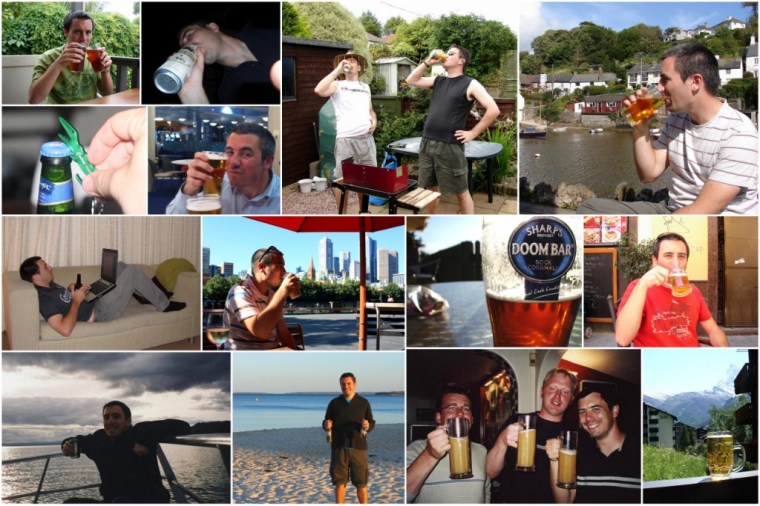
As an Anglo-Australian male in his thirties it is inevitable that beer has accompanied me on many occasions on the road and at home. At such times when one needs to know, like a doctor’s interrogation or unethically intrusive job interview, I’d declare myself one of these ‘social drinker’ types. From what I can tell, a social drinker is someone who grabs a beer or two when the mood fancies – to celebrate, relax, or navigate slightly awkward moments – or just when it’s the only thing cold in the fridge and you just can’t be arsed to scrape ice out of the freezer. Very occasionally the charming delight that you become after such social drinking turns sour (usually thanks to the beer being ‘off’ or some such), and imbalance and language difficulties can ensue.

The sage philosopher, Homer [1], remarked of beer as a “temporary solution,” in easing the challenging realities of existence. This temporary solution is also uncannily permanent around the world in which we travel, providing a readily available, relatively cheap source of comfort and joy. Though naturally something of a haze, I can look back on my life and recall a number of places and experiences that have been enhanced by beer or, broadening the spectrum a little, a good glass of wine or a tangy local cider or a holiday water style G&T. Often the drink is the icing on the cake, the encapsulation of a special moment. At other times it’s invariably been an antiseptic, painkiller or narcotic.

 B_beer montage

A proven value of beer when travelling is in how it can transform the first shy mumblings of disparate individuals on a tour group into one animated tribe. While the first day of such trips may have been spent quietly on the bus in little cliques of friendship pairs, the second day is typically dominated by shared tales of what scandal befell Jared and Janelle, and frequent hilarious stops for Lance to chunder like the man he is from down under. Meanwhile the tour guide acts like this has never happened before and this group is – based on the escapades of the previous night – simply the most awesome ever [2]. Multiply this all by several days and nights and you are left with a teary, hollow feeling that you will never be as one again when the trip is over and that Lance’s chunder is now but a trickle down some distant highway. This may sound like a young persons’ rite of passage, but I daresay the same happens on more senior and old at heart tours, just replace ‘beer’ with ‘wine’ and ‘chunder’ with ‘incontinence’.

Unless you happen to spend a large part of your time meandering in the Middle East, beer is an international language, demonstrated by the fact that almost every country has its own version. Within countries, different regions produce their own local brew and it can be a strong marker of local identity. Obviously one of the joys of travel is sampling local food and drink and I’ll always look to a local beer if I can, unless I have already discovered its similarity to the secretion of a small flying insect, or “gnat’s piss” as it is sometimes described. The trick for the traveller is to know the local beer sensitivities, so as not to order some nancy fruity lager with low carbohydrates in the North East of England or the culturally offensive XXXX from Queensland in anywhere but Queensland [3].

Moving from England to Australia in 2006 I have gradually come to learn the sensitivities of what must be two of the most rampant beer swilling nations. My biggest faux pas was when fresh off the boat and still subject to irritants like Shane Warne. Tasked with getting some beers in for Friday work drinks I grabbed a crate of stubbies from the local Bottle-O [4] only to be chided for their warmth. The stubbies felt pretty cold but that was in fact ambient air-conditioning temperature and not arctic freezer temperature, which was how the locals preferred it. And now, after six years or so, that’s how I like it, perhaps because it’s the only way to subvert the lack of taste.

Beer has been part of my cultural integration and a means to become accepted as a bona fide Australian. A barbecue with awful slimy sausages does not feel right without a beer in hand, cloaked in a tacky stubby holder. Mercifully, even those who were subject to my warm stubbies have become good friends, and I have since shared drinks with them fresh out of the chillers of a 7-11 in Hong Kong, wandering party streets with beer in hand, inevitable ending up in Maccers at night’s end. This was one of those experiences where the beer must have been ‘off’, since a malaise lingered for the rest of my stay there.

Australian beer consumption seems natural in the outdoors, huddled around a barbecue, the droning of cricket commentators in the background. It’s also a good accompaniment beside the sea, tasting even better after an active day of exploring and coasting. One such memory stands out when I was in the Margaret River region of Western Australia. Here, after a blissful drive south from Perth, the day’s end saw me at Prevelly, a low key settlement on the coast, popular for surfing or just hanging out like a surfer. The headland here is actually called Surfer’s Point, and this particular evening it was jam packed with people of a dreadlocked and slightly skanky looking nature, plus their groupies. Inexplicably, many were clambering over the rocks with what looked like ironing boards to bob up and down in the water at prime shark feeding time. Others were returning from the water, getting changed with very little discretion around their beat up vans. There wasn’t just the one full moon that night.

Positioned the other side of the headland was another cove where the Margaret River itself came to a halt against the sand. With a sandy beach, sun disappearing over the ocean, full moon rising over the river, ambient temperature and vibe and one beer lugged several kilometres in the pocket of my shorts, the scene was set. Twisting the bottle top of my beer and nirvana was within sight. Apart from the fact that the bottle top wouldn’t twist off. It was one of those fancy boutique beers requiring a bottle opener. I could have cried.

In such circumstances one finds oneself thinking what Bear Grylls would do? But given I neither had a film crew nor nearby hotel in which I was actually staying, I was forced to reassess and consider what would MacGyver do? The answer lay in the use of keys, a wooden stick from an ice lolly, a bit of rock and willpower. After ten minutes it finally opened, the first gassy hiss like the sound of 80,000 fans at the MCG cheering. It was now slightly warm but I obviously didn’t mind and the beer went down like the sun and the mood climbed like the moon.

B_marg2 B_marg1

While offering spectacular outdoor beer moments like this, Australia has generally disappointed in its indoor drinking environment. Pubs are often bland behemoths with tacky decor and goddam awful pokies, an attached bistro offering an array of equally dull and not as cheap as it should be food. As a result, I love returning to the UK to duck into any one of its dark and dingy drinking holes and remember an archetypal rainy day in London a few years back where, killing time before meeting friends, the only answer was to pop into a random hostelry, drink a couple of warming ales and write postcards. Perversely, pubs in the UK tend to have better beer gardens too, perhaps a result of the local obsession with hanging baskets and, well, opportunities to drink away the misery on every street corner.

An English speciality is the country pub, often offering a roaring fireside, wooden tables and outdoor hanging baskets. Beers range from generic chemical concoctions to the occasional guest ale brewed in the local cowshed. It’ll be called something like Olde Spotted Dick or Malted Slipperypipe. To soak it up you can sample a menu ranging from cheesy garlic bread to cheesy lasagne to cheesy chips and perhaps even cheesy peas [5]. There will be an aroma of stale beer mixed with cow dung. And you’ll generally be made to feel welcome because everyone in there has been inebriated since 1972 and cannot be bothered anymore.

One very lovely country pub moment that I remember was in the equally lovely Lake District in northwest England. For a country as small and crammed as England it is remarkable how much of it has an alluring pastoral air and sense of light and space. In this regard, the Lake District is an absolute gem. On a surprisingly sunny and warm late summer’s day, with the farmers making hay and the sheep bleating contentedly, a small pub along the country lanes of Langdale offered up not a beer but a beautifully of-the-moment cider. Despite repeated attempts, that first cider on that first night could not be beaten. It was the official start of the holiday, the ‘we have arrived’ moment and perfectly set up a week of discovery and delight.

B_lakes

Would such moments have been the same without alcohol? One would like to think so, purely to reassure oneself that they are not dependent on booze. But in reality I don’t think a glass of lemonade would have cut it. Good beers (and ciders) emerge at the end of good days; they are both rewards and tonics. They can lift a moment from average to good, good to exceptional. And they trigger associated memories of time and place. They are the beer goggles that help us to look back on moments with a rose-tinted air. Sure, let us not overdo it, but let us also not dismiss beer as just another vice. Remember kids, drink responsibly, and if you can’t, best to head off on a Contiki tour with Lance.


[1] J Simpson, not the ancient Greek dude

[2] To argue against this point, see https://gbpilgrim.com/2012/12/15/a/

[3] With the wonders of marketing however it is very acceptable to have the ‘Australian’ Fosters in England, but do not drink it (if you even find it) in Australia!

[4] Translated, for those of you who speak English, as ‘I purchased a 24 pack of beer bottles from the beer shop / off licence / liquor store’

A to Z Australia Food & Drink Great Britain Society & Culture

Awesome!

Well what a jolly upbeat place to start, no doubt setting the scene for the boundless enthusiasm that lies ahead. So, in order to put an immediate dampener on things, let me tell you some problems with this word and its application in the world of travel.  For far too long, far too many people, myself included, have liberally used a simple ‘awesome’ to reflect or describe an experience which, while probably very good, perhaps exhilarating, maybe fun depending on company, was technically not inspiring of our awe. Akin to Australian misogynists trolling their way through the hate media in 2012, overuse has diluted its impact. Awesome is no longer quite as awesome.

And who should we blame for such degradation of our language? Well, as every reasoned, fact-based opinion piece would purport, young people and social media of course! I suppose while we are thinking along such lines then we might also point the finger at any combination of immigrants, foreigners, boatpeople, sandpeople, wookies, orcs and trolls. Bloggers, who may fit in any or all of the above categories, are no doubt entirely culpable.

Of course, this is all assuming that we have to blame someone or something, which tends to be the way these days, rather than accept that things change for better or worse and that language is merely an extension of our natural evolution. Besides, I also think we could rule out young people in the blame game, simply because “awesome” sounds so 1990s. A bit like “cool’. Which naturally brings me on to New Zealand.

Nowhere, simply nowhere, have I heard the word “awesome” used to describe so many mundane things…

How were your fish and chips? Awesome, thanks. Cool [1]

How did you sleep last night? Not bad thanks. Awesome

What do you think of the Hobbit movie? Yeah absolutely awesome Peter Jacksons a legend bro

It may be because New Zealanders – who I truly believe are one of the nicest, warmest peoples on this planet – are naturally happy and optimistic souls (the counterargument, typically from boorish Aussies, would be that they are easily pleased). The irony of this is that New Zealand probably contains the most genuinely awesome sights and experiences per capita of anywhere in the world. Yes, experiencing a silent, dawn reflection on the glass water of Milford Sound probably is awesome; the extent to which your lamb chop is seasoned really shouldn’t be.

I am willing to cede that awesomeness is entirely subjective. Perhaps, indeed, a well seasoned lamb chop (which is important) could be awesome when one finds oneself ravenously craving salty meatiness. Thus in travel we will all come across different things that we find awesome. Not just incredible sights but experiences and emotions that pop up in the right place at the right time. The combination of physical place and emotional connection is often the most magical. One can trigger the other. For me, a physicality that is almost impossible to fathom and epic in scale is usually awesome [2]. It is something that is rightly awe-inspiring and as such generates an emotional reaction. Emotions ranging from bewilderment to wonderment. A sense of one’s own time and place in a grander narrative.

Awesome travel experiences should be impossible to fully convey through words and pictures. Which, with a sense of inevitability, I shall now attempt to do, reflecting on two very different environments. One is man-made, the other crafted by the hand of nature.

————————————————–

A_New York

When it comes to epic environments of a man-made scale I’d argue it would be hard to look beyond New York City and the landscape of Manhattan Island in particular. Everyone should visit and everyone should easily find an awesome moment. There is incredulity attached to the place, simply in how a muddy island has evolved over little more than two centuries to become, and I plagiarise, one hell of a town. A testament to human survival, endeavour, ingenuity and skill. A reflection too on human frailty, failings and fears. This may be how far we, as humanity, have come, both in good and bad ways.

Even from atop the very highest buildings the city is impossible to fathom (remember this being a key requisite of my definition of awesomeness). At my time of visit (2011), the Empire State Building represented the highest point in the city and the experience from the 86th floor around dusk was incredible. Each city block a melding of concrete, steel and glass, bubbling upwards like the most majestic capitalist stalagmites. Each block ringed by a dotted artwork of moving yellow taxis, police cars, black and white suits, turning to streams of candescent red and yellow as darkness falls. This scene replicated and nuanced many times over, forming a feast for the eyes of gargantuan proportions.

There is more to this experience than the visual epic. The sound is at one singular and plural; a constant background hum punctuated by sirens wailing, drills whirring, concrete blocks piling, delivery vans unloading. For all I can make out, the mutterings of individual conversations and transactions rise up – “Get me a bagel schmuck”, “Siphon residual profits into offshore hedge fund now”, “Aw gee, that’s so awesome” – and meld together to form an indistinct, indecipherable story. Yet it is also a soundtrack that is – comparative to the streets below – soft and mellow, calming and reassuring, like a doctor with a good bedside manner, telling you it’s only a cold and will go away in a couple of days.

Without wishing to sound entirely blasphemous or indeed egotistical, it is possibly the closest you can physically feel to playing God. Here I am, overlooking the chaotic order the ant like humans have made. They seem to have done pretty well, but I’m not quite so sure where they are heading with all of this. Still, if it mostly keeps them out of trouble then I’ll let them get on with it, for now. I do wonder if their structures and movements and lights flickering on as darkness approaches are a brazen act of defiance to the nature I have created. But I’ll just make sure the sun goes down and comes up again, throw in some random weather and inevitable seasons. And let them see what they can do about that – ha!

I think it’s this realisation that you are both atop a pinnacle of human endeavour yet still at the mercy of the world around you that makes the top of the Empire State Building genuinely awesome. Coming at dusk accentuates this feeling, the changing colours reminding you that not even humankind can change the revolution of our planet and relationship to other bodies within the solar system (yet!). Despite what we have achieved, parading in such an obvious fashion below you, we cannot completely change the world. And that is a merciful thought. It adds to the relief at being so high, up away from the city, taking a breather from the millions below, yet remaining connected to them. And, gee, it’s a tonic for a great view.

————————————————–

A_bluemtns

Great views abound in the Blue Mountains of New South Wales in Australia. Before I go any further here I should reiterate the guide book lines: they are not actually mountains and they are not really blue, unless Bernard Manning has been resurrected in the wattle to yell out random profanities. Don’t expect high alpine drama of ragged granite shards and snow-capped peaks here. And, despite its very real wilderness, don’t be thinking you’ll be entirely escaping the clutches of mankind, given the most common way to see the place is along the not-so-Great Western Highway, with typically nondescript towns and Sydney style traffic. However, what is really awesome is the fact that you can walk down the streets of several of these towns and come to a rather abrupt halt. Or you could, should you really want to, carry on and topple many hundreds of metres down to join millions of Eucalyptus trees sweeping their way through valleys, tucking up like broccoli textured blankets against sheer sandstone cliffs, sheltering crazy birds and possums and snakes and spiders. A world before we were here.

Even though it may seem about as far away from New York City as the former planet Pluto, there are parallels between the two, conveniently suggesting common threads exist in my take on awesomeness. Sandstone pinnacles thrust upwards like the Empire State Building. Down below, a tree-filled pattern of regular irregularity. Sounds drift up, only, this time, the sirens are the echoes of bellbirds and the cackles of kookaburras and cockatoos. You are once more God-like, and with a sense of befuddlement at the sheer comprehension of what is set out below.

Out there remains wilderness, all still remarkably close to a sprawling city of over four million people. The ‘mountains’ remain an effective barrier to the seemingly endless sprawl, with shoots of Sydney forced south and north to new suburbs promising ample land and countryside but without really being in Sydney at all. The suburbs are unwittingly following the route of a few cows that escaped around 200 years earlier in search of pasture; cows that eventually found their way around the mountains, unlike the intrepid explorers who thought they could just head west in a straight line, endlessly naming everything that got in their way after themselves. Can we deduce that cows are smarter than many 18th century British colonial dandies? Surely not.

From the small towns that emerged once the explorers had stumbled across the mountains (only with the essential assistance of the local Aborigines) there are many vantage points to peer out into the void of the Grose Valley (to the north) and Jamison Valley (to the south) [3]. Some of these lookouts are grand, glamorous affairs, with safety rails and public toilets, information placards and tame rosellas. Echo Point in Katoomba is the most obvious yet still it offers a dramatically photogenic vista. You may find it awesome.

For the record, I find Sublime Point, further along to the east offers greater potential for an awesome experience. It’s harder to reach and thus you are more likely to experience it on your own, just you and the world for company. You are especially likely to have it to yourself at 6am in June, the wind piercing the bones and shaping bleary-eyed hallucinations of the valley mist into a soft, warming duvet. It is elemental, timeless and boundless. And as the first laser beams of sun hit the sandstone and the birdsong strikes upwards from within the mist, it is sublime, it is awesome.


[1] Everything that is awesome is also cool. Some things that are cool may not be awesome.

[2] Perhaps “epic” is in fact the modern day “awesome”, particularly since it requires fewer characters in a tweet.

[3] Further west there is the Megalong Valley, since tamed and given over to farming shortly after someone came up with its inspired choice of name.

Links

Speak like a New Zealander: http://www.statravel.com.au/new-zealand-language.htm

The Empire State Building: http://www.esbnyc.com/

Me and NYC: http://neiliogb.blogspot.com.au/2011/10/spreading-news.html

Bernard John Manning: http://www.bernardmanning.com/

Destination NSW – Blue Mountains: http://www.visitnsw.com/destinations/blue-mountains?gclid=CMzA4_uUmbQCFcohpQodCiYA-g

Crossing the Mountains: http://www.sl.nsw.gov.au/discover_collections/history_nation/exploration/blue_mountains/index.html

Sublime times: http://neiliogb.blogspot.com.au/2011/06/sublime-points.html

A to Z Australia Photography Society & Culture USA & Canada

Mountain Views

I love mountains! This may be because usually they offer a lookout or two and, frequently, a good, feisty walk or a spectacular trip on a masterful feat of railway engineering. Some are close to home, others far away. Green, red, white, blue; snow-capped, sun-baked, forested, bare; cut by water, ice and wind. Mountains just sit there and beg to be looked at!

Below are a few images from mountains and high points I have captured and cherished. Click on an image to open a slideshow view…

Australia Europe Galleries Photography USA & Canada

Enlighten

A beautiful day turns into a beautiful night as the Australian capital glows at the Enlighten festival


Australia Galleries Photography

Big, big things

Encounters with the ‘big things’ around Australia. It’s amazing what can be achieved with concrete, plaster and a desperation to attract weary roadside travellers…

Australia Driving Galleries