
Lest I become too rose-tinted about Cornish beaches, life back in Australia conspired to take me once more across the continent to Perth. This is no major hardship, despite the length of the flight, for I cannot think of a city so amply adorned with lashings of fine white sand and turquoise seas. The Indian Ocean the very magnet pulling me west again. And some income.

The city of Perth is barely discernible from those elsewhere in Australia. Shiny buildings ever-rising over suburban grids of trellis and jacaranda. Sweeping highways and glitzy stadia. Concrete enclaves of KMarts and Coles. A river, snaking its course towards a modest escarpment of fire-prone bush. And a thriving hubbub built on endeavour and good fortune.
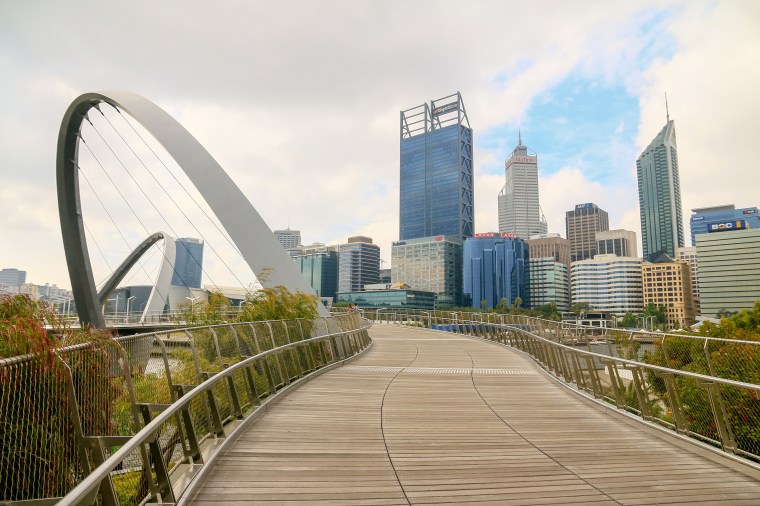
Flying here, from the east, it is almost a surprise to find yourself in somewhere so familiar after such a long haul. Familiar but with a twist, exemplified in the changing flora and fauna that has evolved the other side of the big red desert. Much of the same genus but variations in the species. Kind of like Australian Prime Ministers. Nowhere is better to appreciate this than in the eternally charming Kings Park.

The other disorientating feature of arriving in Perth – particularly in summertime – is the time difference. In what might not prove to be the most self-destructive public vote in recent years, the good people of Western Australia declined to embrace daylight savings. This means three hours behind Canberra is enough to throw your body clock out of whack, with the 4am sunrises doing little to foster adjustment. I never recovered. Waxit means Waxit.
There were, though, some upsides to this plebiscite. By 6am I was so bored out of my brain lying in bed trying to get some more sleep that I popped out for coffee and waterside amblings in Fremantle. Other than people ridiculously exercising, barely a soul crossed my path on recurrent trips to Bathers Beach with a flat white in hand.
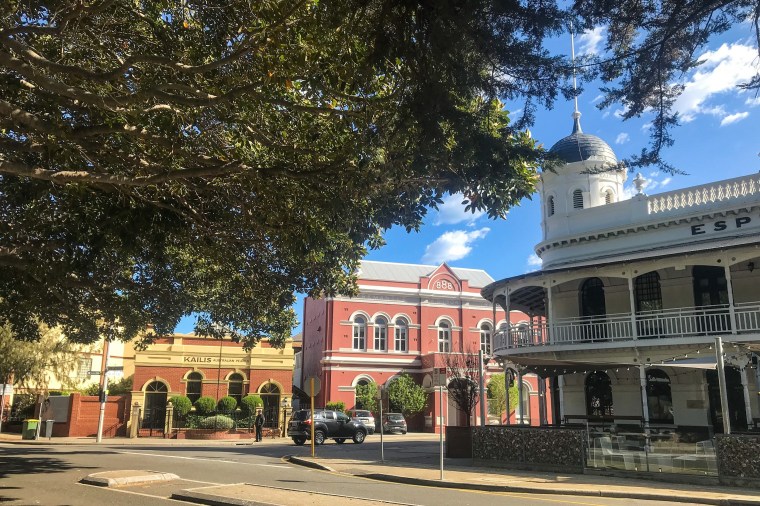
 Freo was my base for the week and part of its appeal was accessibility to water. Being a busy and somewhat historic port, it’s not without its charm and boasts a high concentration of elegant turn-of-the-century colonial buildings. It seems to attract hipsters which equals good coffee, has not one but two breweries, puts on some fine markets, and has developed into a mecca for fish and chip consumption. There is a lot to like about Freo.
The centre of Fremantle itself is based around the port, meaning there are no amazing beaches right on the doorstep. However, this is Perth we are talking about, so you only have to head a little north or south to hit the white stuff. Indeed, South Fremantle is perfectly sufficient.
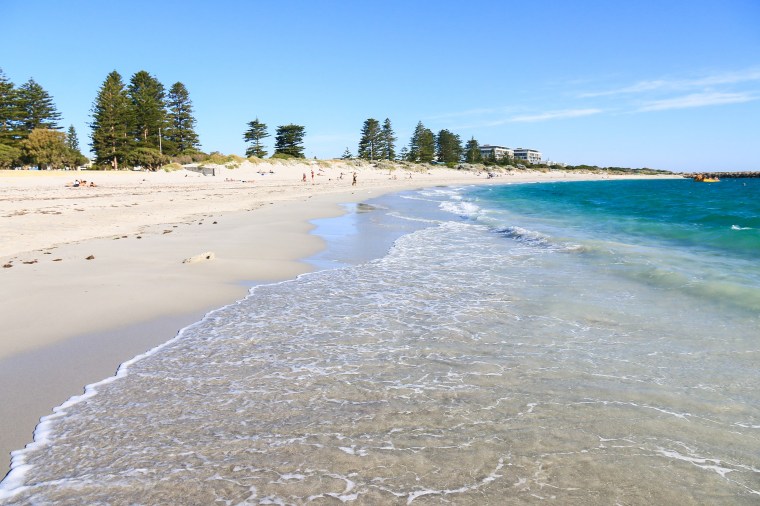
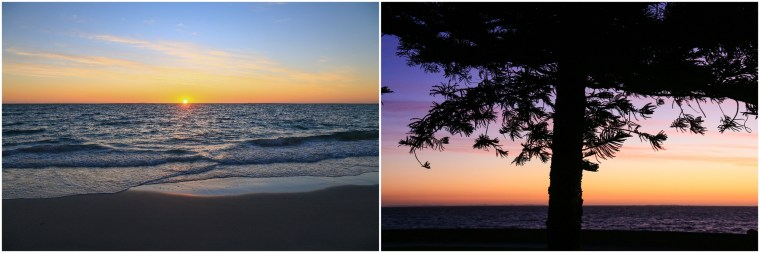
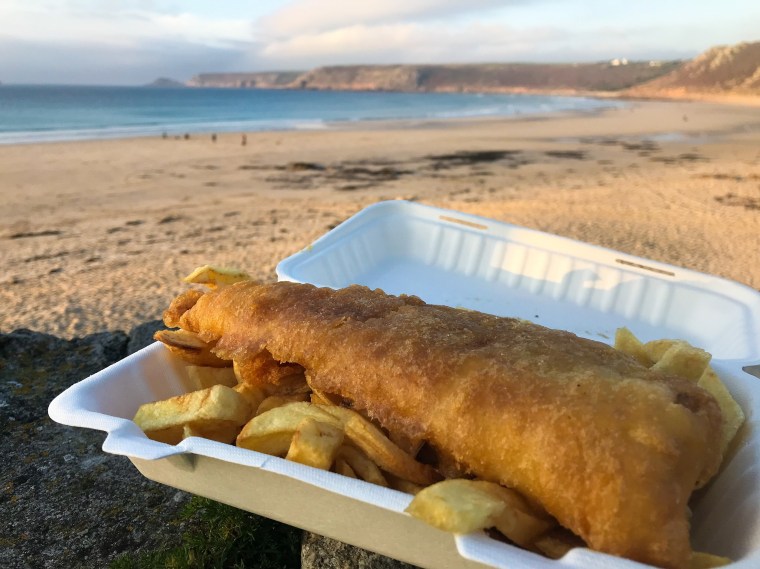
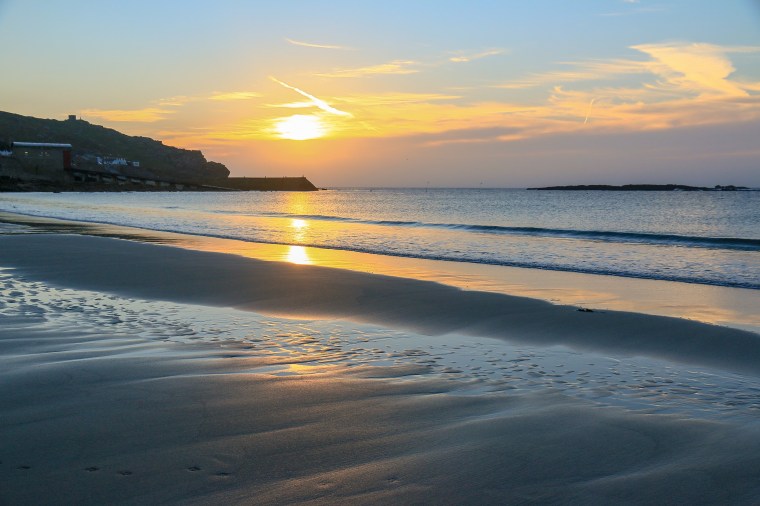
The ritualistic process of having an early evening stroll on sand followed by lingering patience to watch the sun disappear (usually behind that invisible band of cloud on the horizon), became as common a part of my routine as 6am strolls in Fremantle. Tonight I made fish and chips part of the cliché, because you’ve got to do that at least once. They were a tad disappointing, but the sunset did the business.
—————————————
While you can revel in the beaches until your heart is content, and then some more, there is perhaps a lack of significant diversity in the environment around Perth. Go north and there are fine beaches, dunes and a sand belt melange of exquisite eucalypts, banksia and xanthorrhoea. Go south, the same. Beyond the coastal plain, the escarpment is minor, a small rise of bush before it quickly transforms into a massive expanse of wheat and then desert.
In possession of a car on a Sunday I contemplated driving up to the Pinnacles Desert, which would offer a stark change of scenery. But it would be a big day requiring around six hours in a car there and back, and I had to do some work tomorrow. Instead, I made it only a little out of Perth to Yanchep and settled – quite contentedly – there.
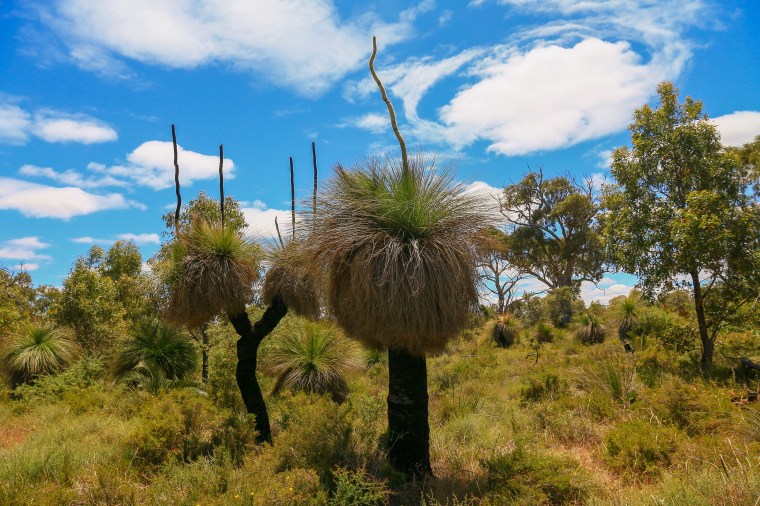
While this didn’t deliver a dramatic contrast, it offered an encapsulation of this particular corner of the world, on steroids. For a start, Yanchep National Park provided all the sandy, semi-arid foliage you could shake a weird shaped stick at, in between swampy lagoons and bulbous gum trees. I was particularly fond of the many xanthorrhoea here, which lend an exotic, almost desert-like vibe to the surrounds.
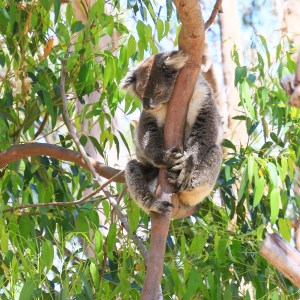 Given the proximity of this park to Perth, there is also a more manicured and deliberately designed aspect to certain areas, with tightly mown grass, a cosy café, campgrounds, waterside boardwalks and electric barbecues. A perfect family spot for a Sunday lunch, kickabout and encounter with koalas and kangaroos, creatures which seem strategically placed for the many visitors on minibus tours heading for the Pinnacles.

The nearby town of Yanchep is practically a northern suburb of Perth, though being one of the earlier developments it is not all ugly McMansions designed with the intention to use every single bit of land to provide an essential guest suite, rumpus room, three car garage and indoor cinema. There are certainly McMansions around, but also more established blocks made up of modest concrete bungalows and fibro shacks, befitting of a seaside hideaway.
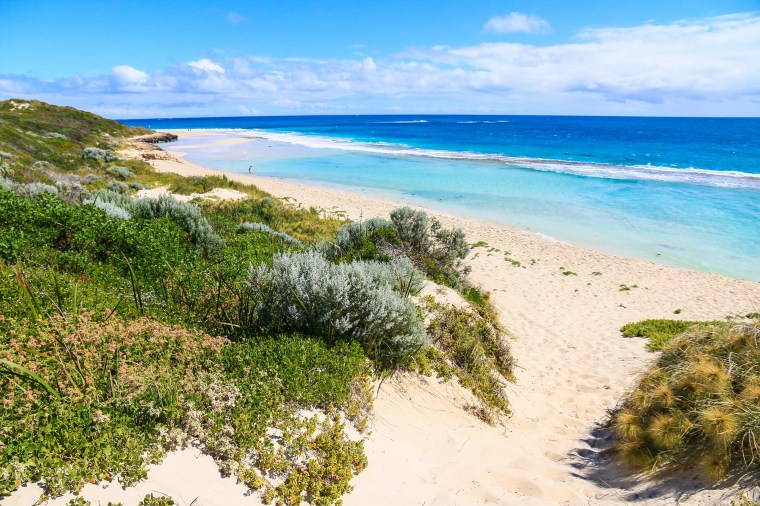
Never mind, I’m sure I could live here – in one form or another – if only for the beach. Protected by a bar, crystal clear waters are pacified over that ubiquitous fine white sand. A beach among beaches in the city of beaches. Life’s a beach and then you eat fish and chips. Again.


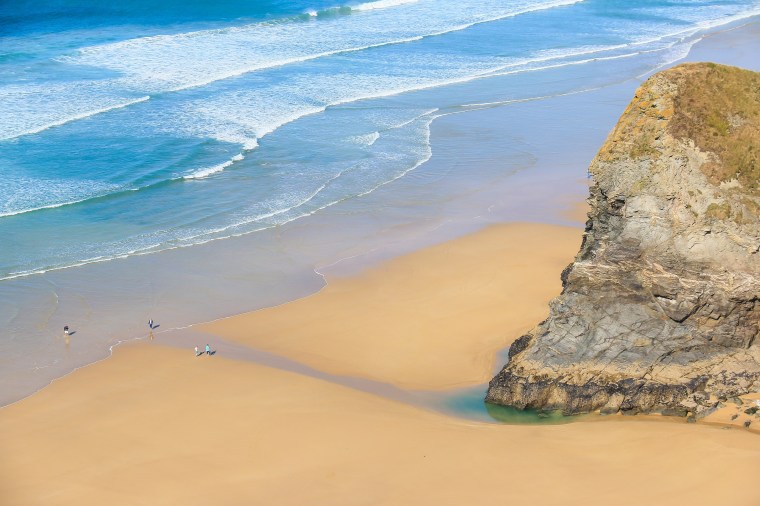



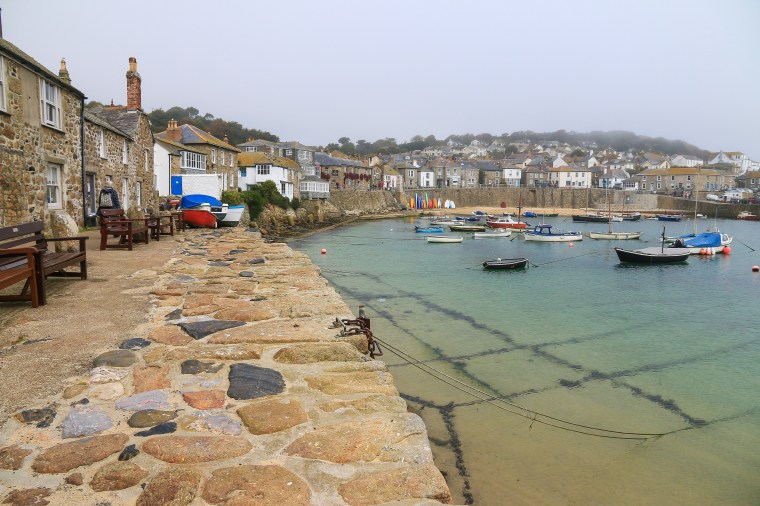

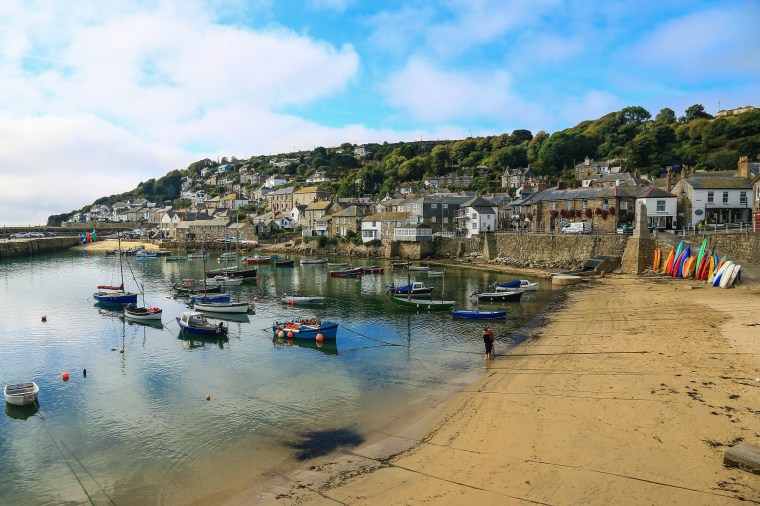

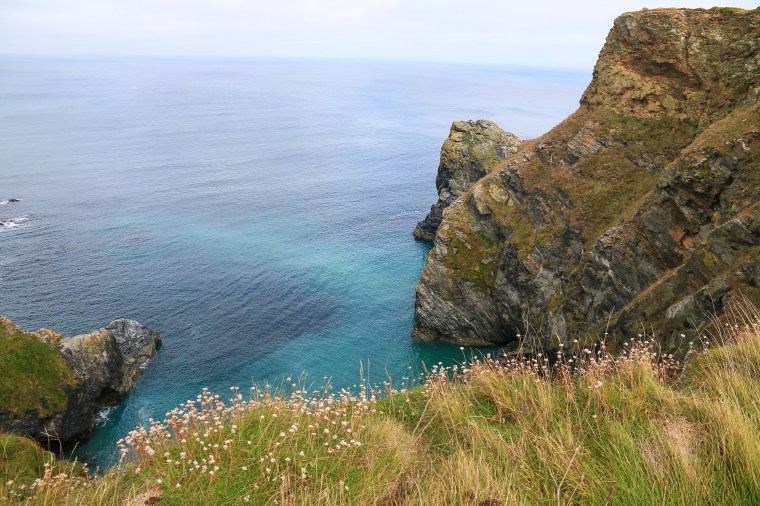



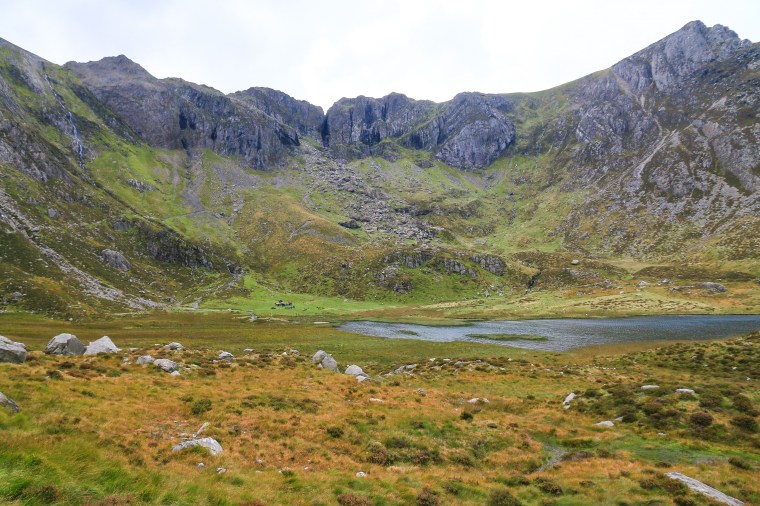


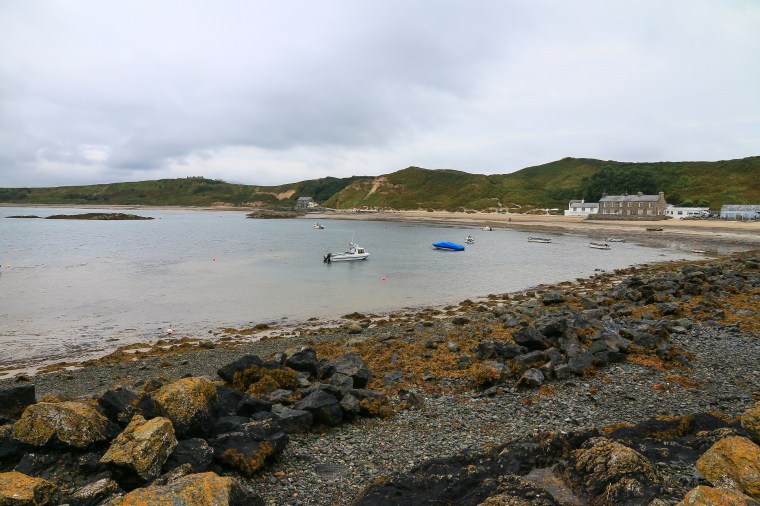


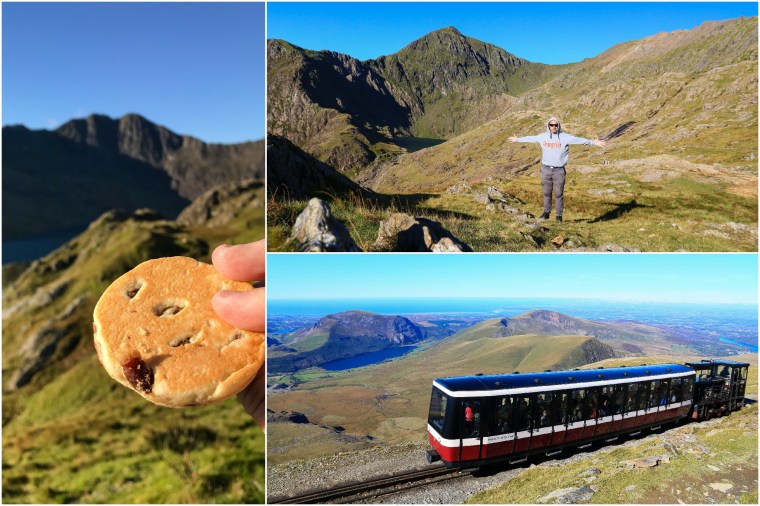
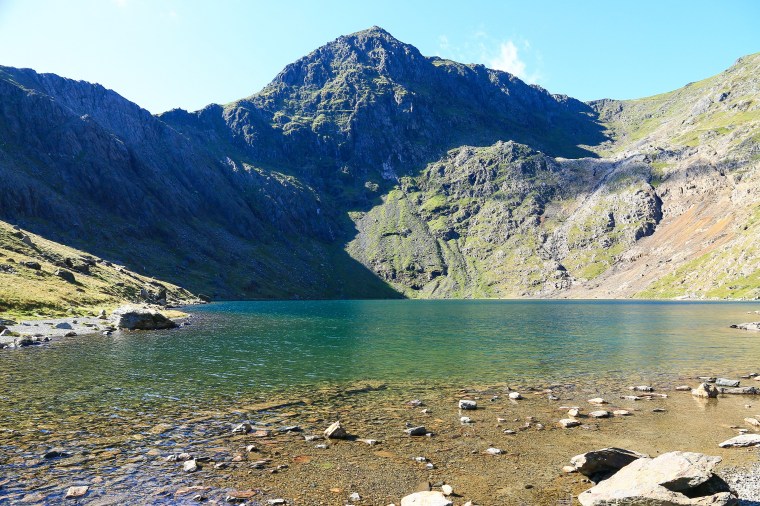


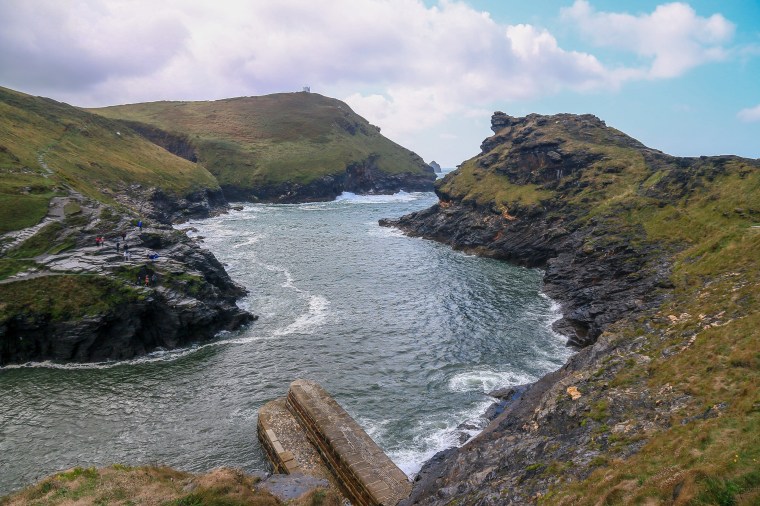
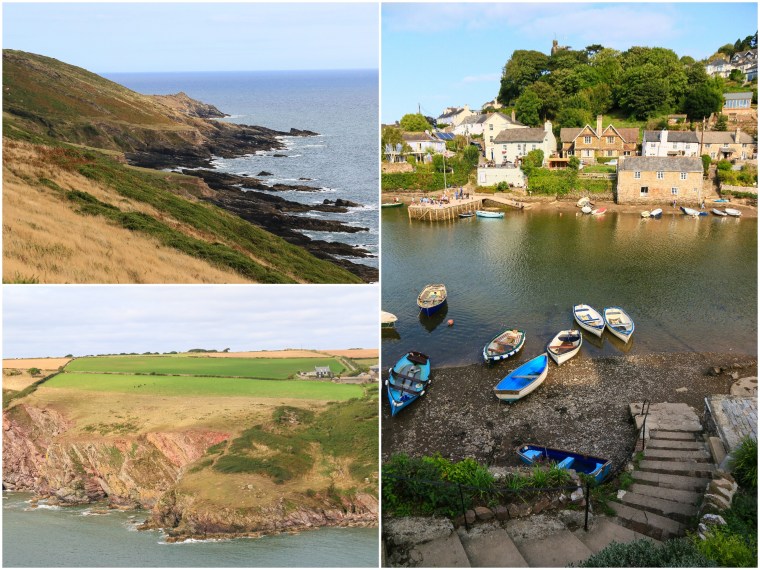
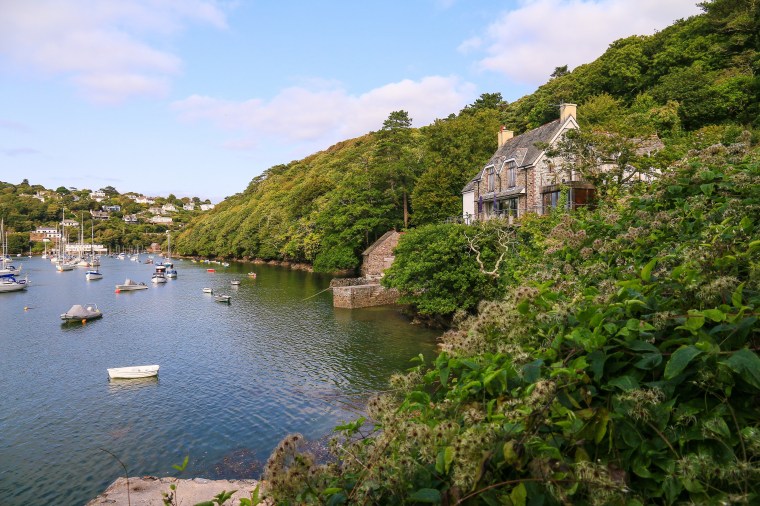
 With its prominent headlands, Boscastle offers a sense of protection from the great expanse beyond. There’s a cosiness to the village, which is a formidable asset in attracting people down its B roads. Nearby Tintagel doesn’t possess as much cosiness but instead relies on tenuous associations with King Arthur, Pengenna Pasties and – until recently – Granny Wobblys Fudge Pantry. Sadly, this year it seems Granny Wobbly has retired, along with her legendary fudge making abilities and fudge crumble ice cream (ice cream + clotted cream + fudge). Suddenly Tintagel seems devoid of purpose and Boscastle wins.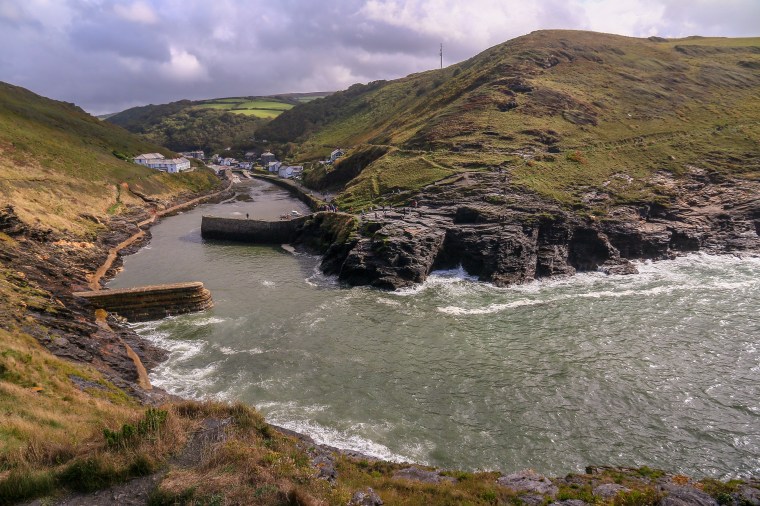

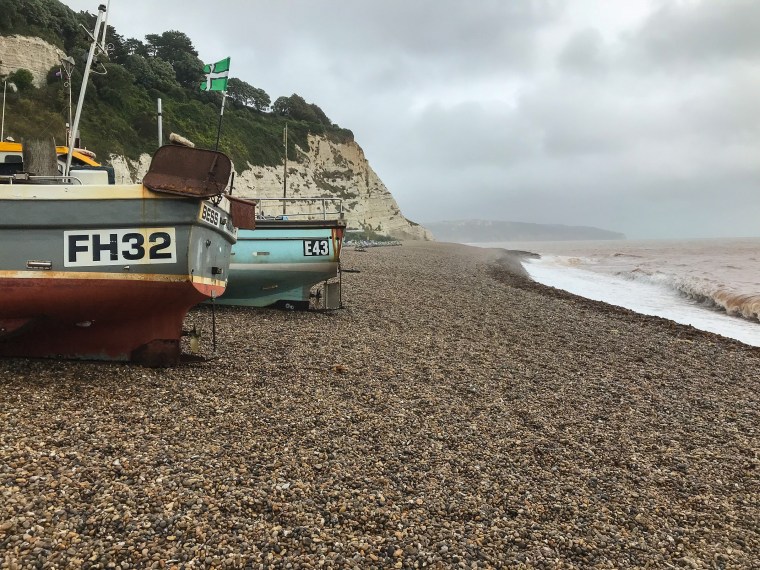


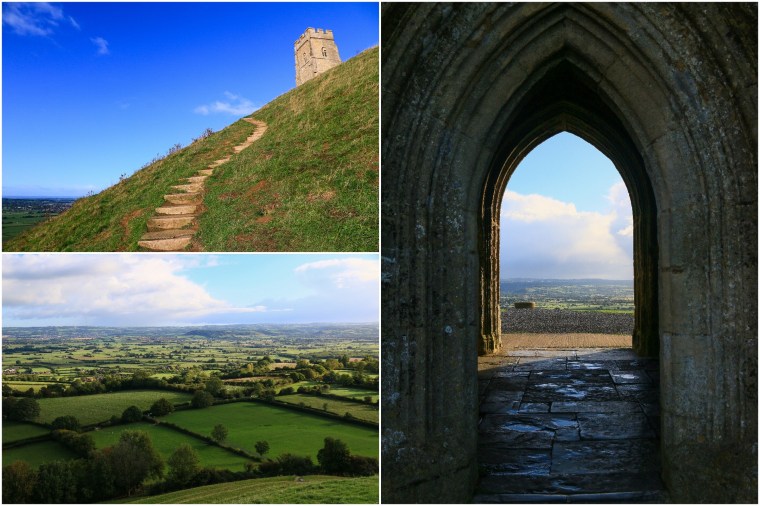
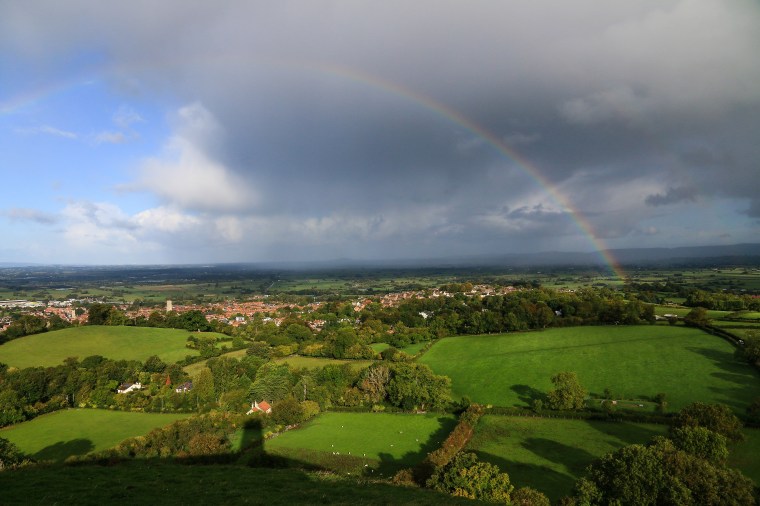

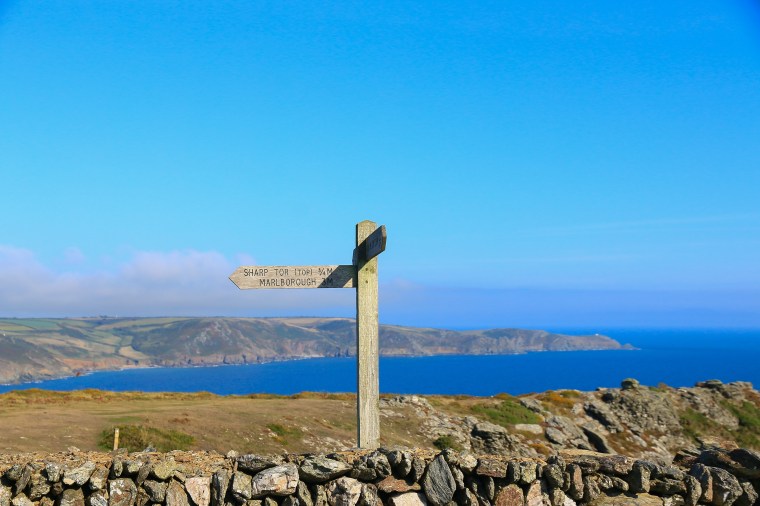

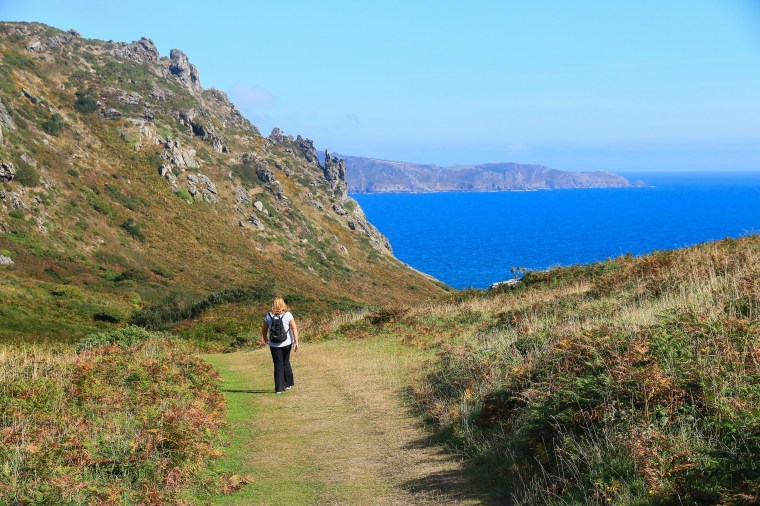

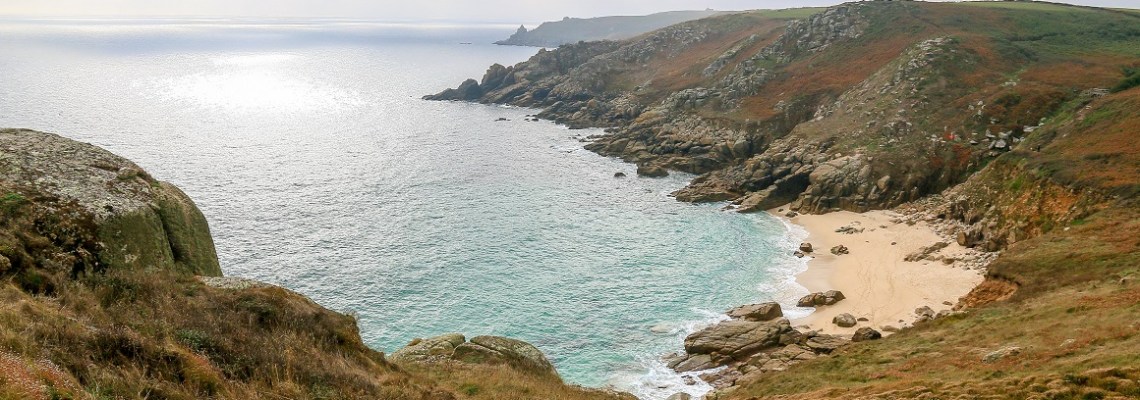
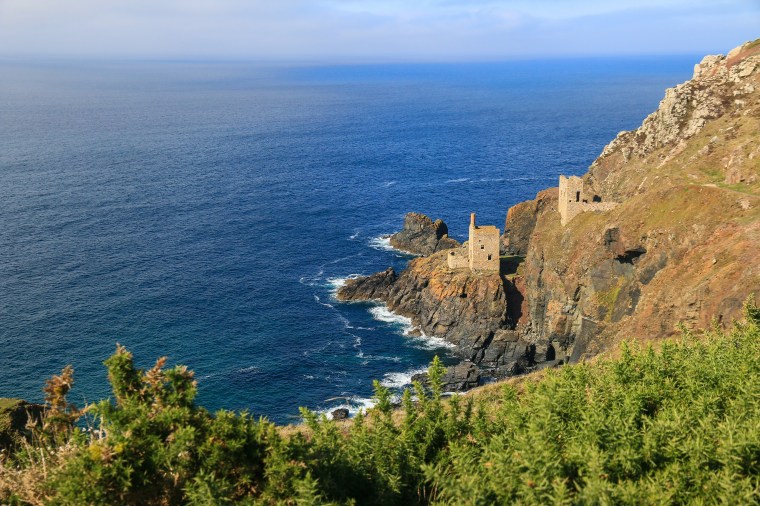
 The scenery and amazement at such scenery being so visible, being so wondrous, continues around the corner as we slowly head back in a loop towards the car park. The last vestiges of heather and sweeping gold of flowering gorse add an extra splash of colour on this most brilliantly saturated afternoon. Leaving the clifftops high above the sea, only bovine-induced pungency can prove more overwhelming.
 Could I end this day, this once dreary day, any better? This morning – actually even at two o’clock this afternoon – I would have had myself committed if I said I would be bathing in the sun, drinking a cold shandy, lounging in shorts. But with the regular dreariness of Great Britain you need to retain that hope. And in South Devon, we are of course blessed with hope. Hope indeed.
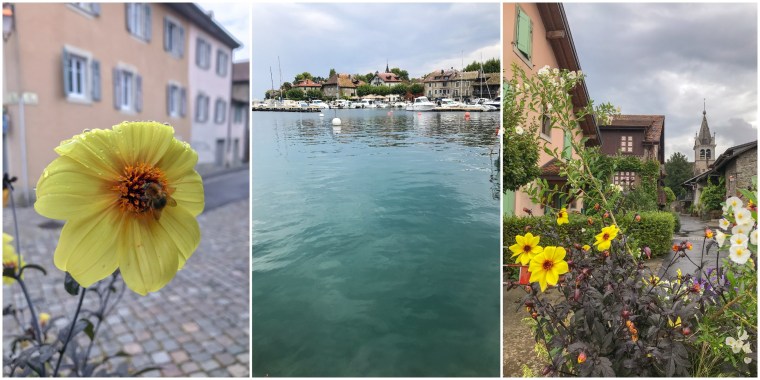
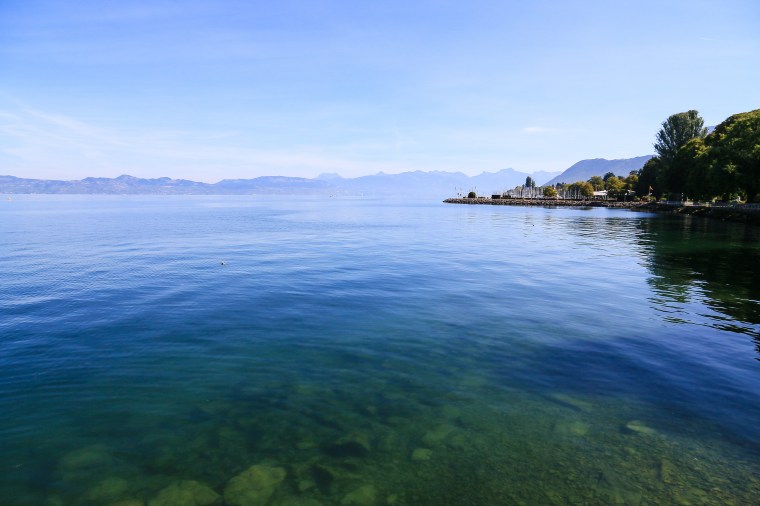
 The next day was a more promising affair, with clouds breaking and a touch more warmth back in the air. And so into the Alps, for a destination that was as much about a lunch opportunity as it was scenic nourishment. The Cascade du Rouget plunges down from the mountains, fed by snow melt and discarded Evian. Today, at the end of a long hot summer, it was a relative trickle but an impressive sight nonetheless. Liquid oozing at the mercy of gravity, the annual fondue went down pretty well too.
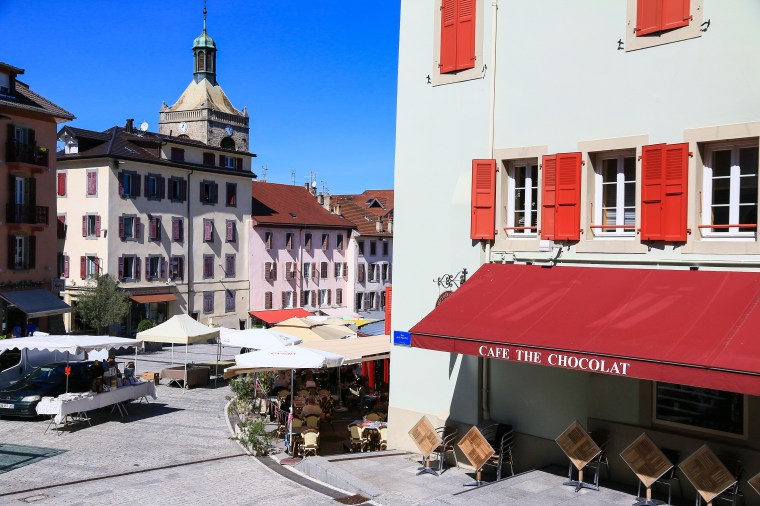
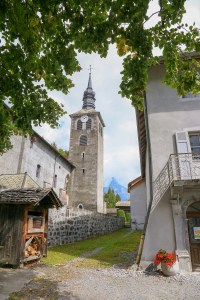 The nearby flowery towns of Sixt-Fer-a-Cheval and Samoens provided a touch of post-lunch ambling, ticking down time until the bakeries re-opened. They were relatively quiet on this weekday in September, a palpable air of towns that are winding down from the summer and slowly putting in place preparations for winter. Jigsaw wood piles, puffed up bodywarmers, freshly greased raclette machines. All the essentials of an Alpine winter.








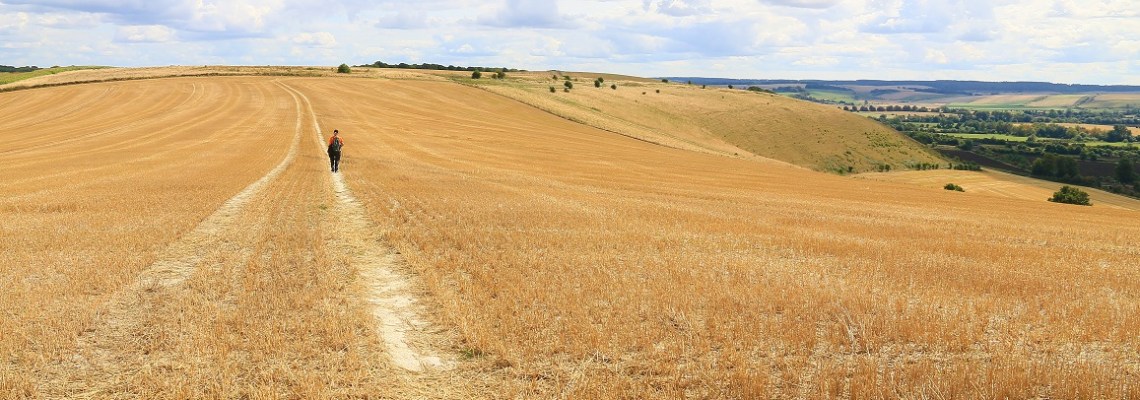
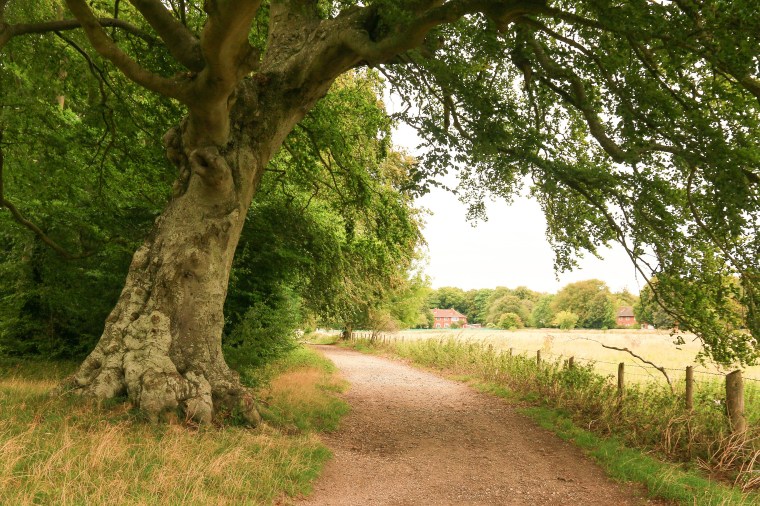


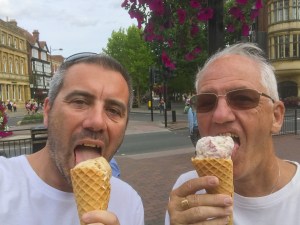 The reward for all this toil, traipsing through a sunny late summer in England was ice cream in Salisbury. In a land in which tradition appears widely cherished, what better tradition to uphold?
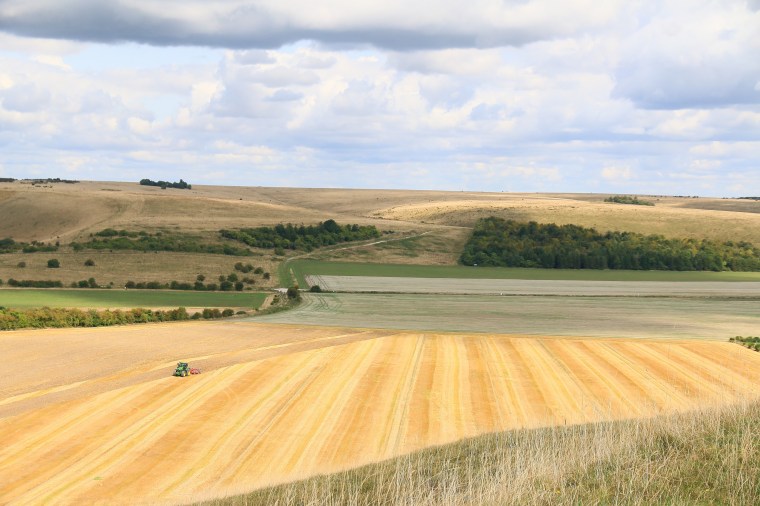
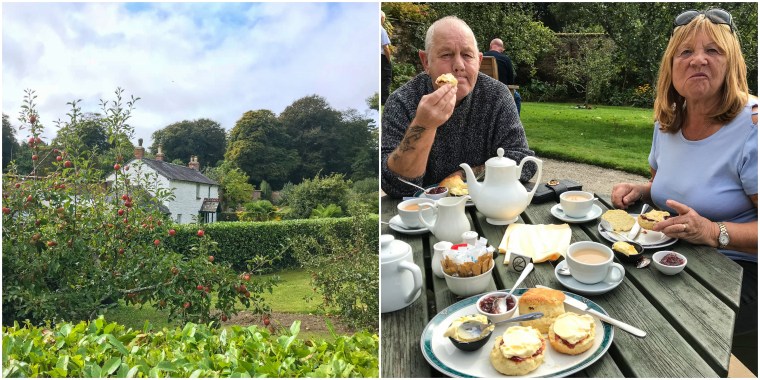
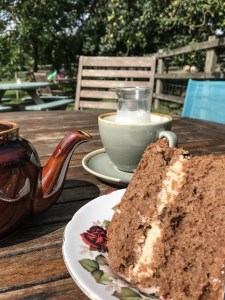 In times of such frightfulness one is best advised to turn to a cup of tea and slice of cake. Sat in a sunny position next to an orchard, sheep mowing the grass and a garden centre just around the corner, there is enough here to soothe the feet, the stomach, and the eyes. I’ve had better cakes but hardly many better contexts in which to eat them.


 Still, sheltered by untainted forest and rolling coastal hills, kissed by the radiance of the crystal ocean under clear skies, there is certain comfort to winter here. It is at one tranquil and vivacious, glowing in a freshness swept in by cold fronts and a seasonal lull in nature’s freneticism. The tried and trusted walk between Depot and Pebbly Beach proves to be at its very best.
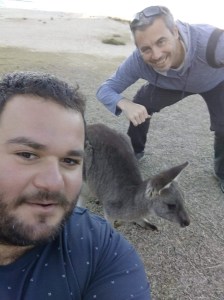 The kangaroos and wallabies appear to be fans of this weather, out in force grazing on the luscious fringe of grassy dune and really, really hoping for a stray sandwich. While far from the explosion in #quokkaselfies on Rottnest Island in Western Australia, the placidity of these animals – along with the idyllic Australian coastal setting – have made #rooselfies a thing, sort of. Especially when there are tourists about.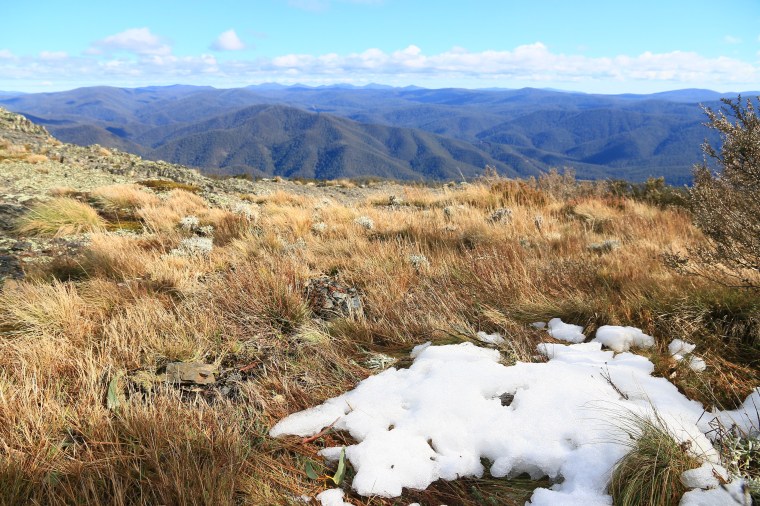


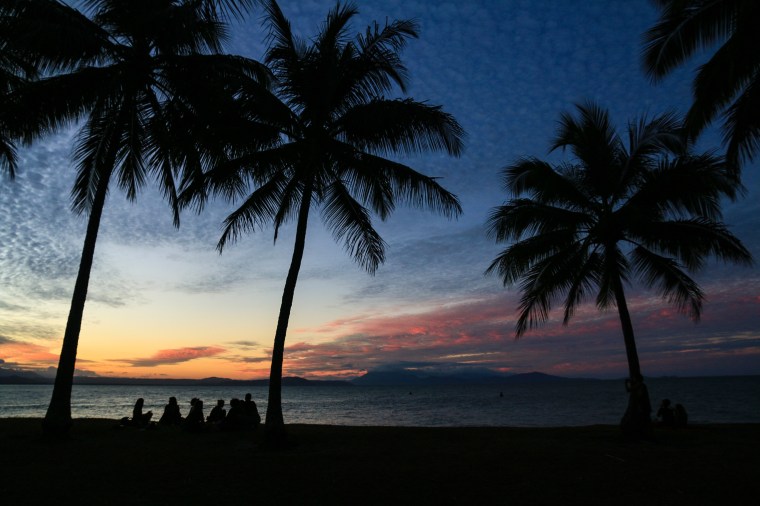

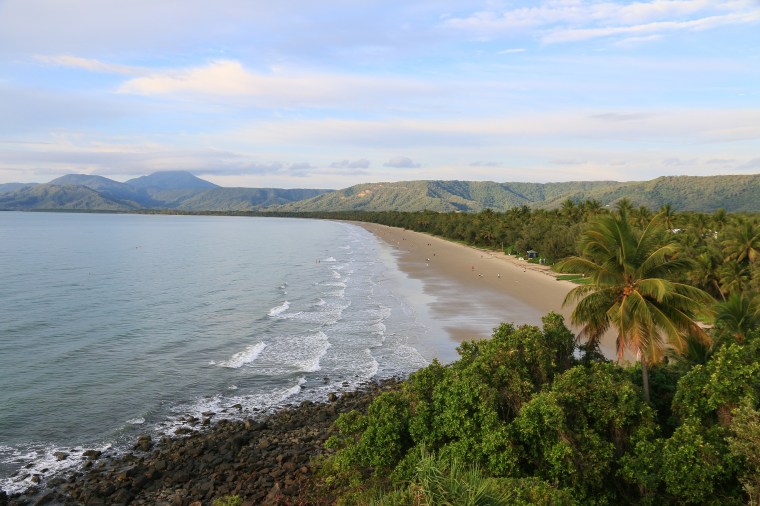


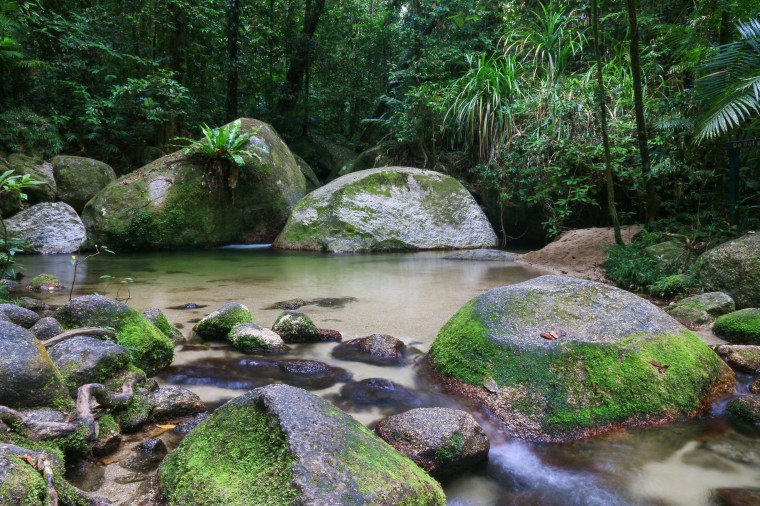
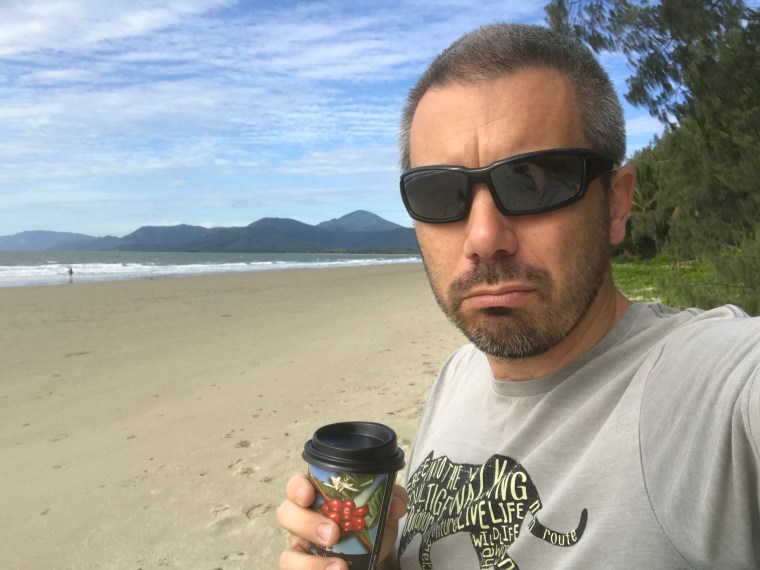
 I took one final coffee and stroll on the beach before embarking on the drive back south, which had a fair share of roadworks interspersed with spectacular scenery. Pausing around Ellis Beach, in this snatch of tropical palm-fringed cliché, it was again hard to fathom that I would be in a different world, in the same country, in a few hours. My poor shorts would be tucked away out of sight again.


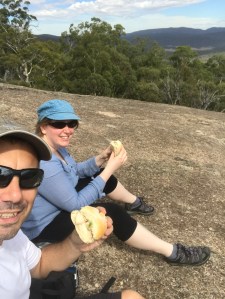 In truth, the walk up the Yerrabri Track in Namadgi National Park was only part of a bigger equation. An equation whose solution was a delicious bird roll or two. N+J*OzNP(vt)+C0les=br. It’s a concept that has evolved from very preliminary experiments at the New Years’ Test in Sydney, refined to perhaps its ultimate manifestation on the top of Mount Kosciuszko. Replicated many times since, it is now a requisite of any encounter between Jill and I. Recently, each of us have tried to outdo one another in the bird roll stakes and today, on a rocky platform overlooking peak serenity of an abundant emptiness, I may have taken the lead. For now.


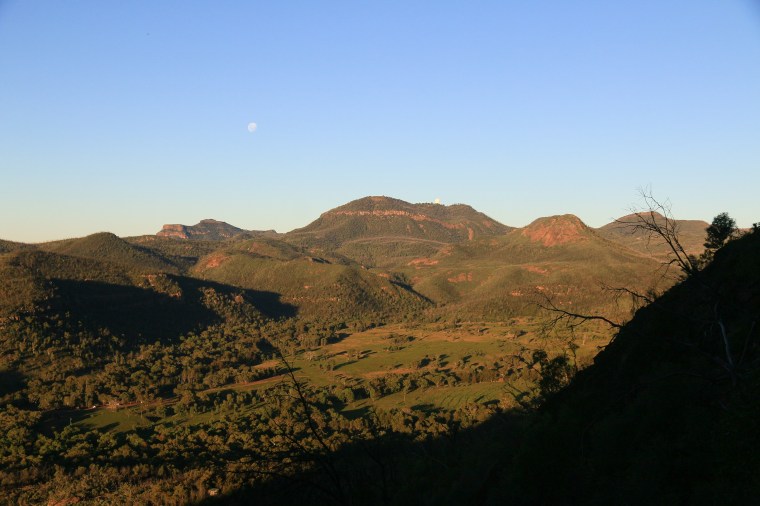
 Fast-forward a few days and the work was done, proving less cumbersome and far more populated with coffee and cake than I could have hoped for. This left me alone with a car and a few belongings close to the Queensland-NSW border. A massive part of me wanted to make the journey home as quickly as possible, but then an equally massive part also yearned to stop in Warrumbungle National Park. Another significant consideration was a determination to miss the whole messy Newcastle-Central Coast-Sydney conglomeration. This along with the fact that, heading inland, I could go through Texas tipped the scales definitively south and west. Yeehaw.



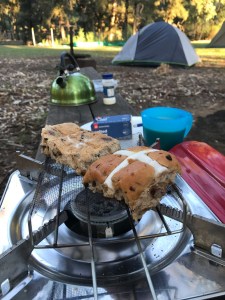 I was even more glad of my foresight in buying some hot cross buns and a block of butter in Coonabarabran yesterday. What better way to use the camp stove for the last time, to set me on my way to Gilgandra, to Dubbo, to Wellington, to Molong, to Canowindra, to Cowra, to Boorowa, to Yass and – 550kms later – to Canberra.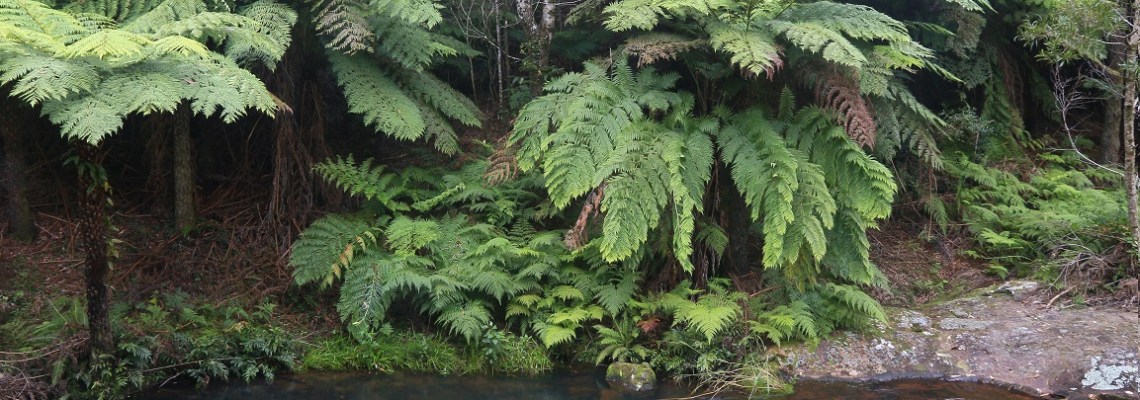
 Anyway, lest I offend several friends, family, prospective employers and the rest of their state, Queensland can be beautiful and at times might be equated with some form of perfection. However, the humidity is frequently disgusting and – on this occasion at least – the marooaaans easily trounced the blues in the rainfall stakes. Meanwhile, the growth of South East Queensland is rapidly turning the area into one very long Gold Coast-Brisbane-Sunshine Coast conglomeration where it seems obligatory to buy an oversized property and a Toyota Hilux. Here, the only koala left is a giant fake blue mascot sitting around watching far too many swimming events.

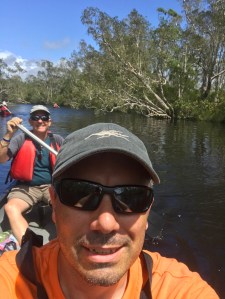 I think if miracles exist then we had one, for there was around one hour of dry, relatively sunny weather on that day which had seemed totally implausible earlier on. An hour that coincided with our allotted time in a canoe, gently zig-zagging with the meanders of the water towards Harry’s Hut. While the surrounds were a bit samey and somewhat nondescript (in a jungly, swampy wilderness kind of way), it was an hour of calm, of peace, of harmony with the environment. And above all, recognition of sheer bloody luck.
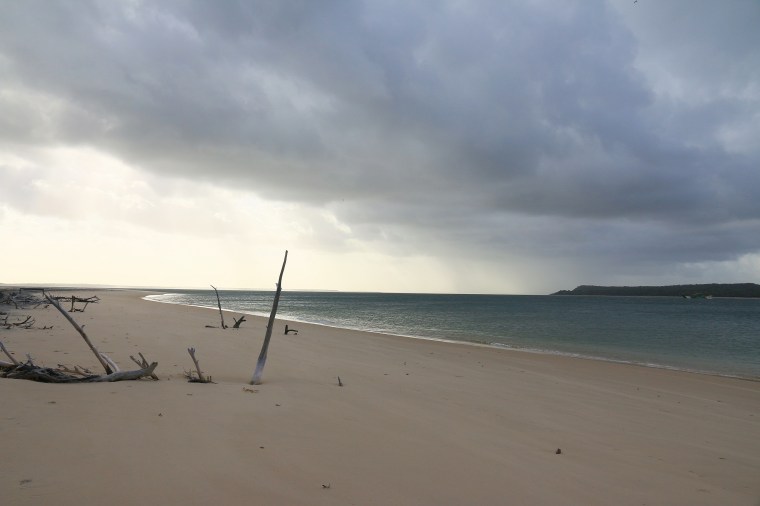
 Just a hefty stone’s throw from the tip of Fraser Island, the soft sand delights the toes more than it does tyres. The rugged natural detritus of storms and tides offers a little intrigue and entertainment. The comings and goings of the ferry – and the potential for vehicles to get bogged down on Fraser – offer even more. Dark shadows intersperse with brilliant sunshine, grey waters become blue, brown sands less brown. Fatigue becomes contentment, and moments to remember form. Moments that are beautiful, even perfect. Damn you Queensland!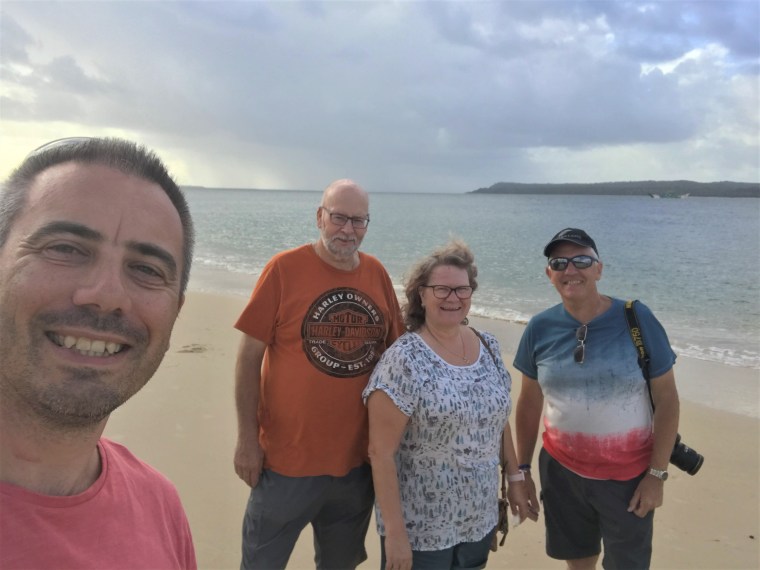
 gbpilgrim