Supposedly some of the world’s most liveable cities are in Australia; yet surely not when the climate sears. A haze of dust and smoke blows in, hanging with diesel fumes unimpeded by a reverence for industry. Sitting heavy over a cityscape of cranes and glass, whose streets are lined with withering European trees, roots bulging in defiance at the constraints of baked concrete. Impetuous car horns compete with the pulse of a pedestrian crossing, as you wait to seek solace in the air conditioning of a mall, hoping the flies will not seek solace too.
But these are – in context – mild irritants, and you walk across the harbour bridge and all can be forgiven. I think Sydney knows this too, hence a certain resting on laurels, safe in the knowledge that people will continue to flock to its shorelines regardless of unaffordable homes and congested roads.

The unaffordable and congested were in ample supply as I decided to while away an hour or two before some appointments with a Friday morning visit to Balmoral, hopeful of a coffee and brief stroll on the sand. By time I got there it was around ten in the morning, already thirty degrees, and devoid of any parking space whatsoever. After a few circuits of various backstreets, I had to resign myself to defeat and head back to where I came from. The air conditioned mall in Chatswood.
Pleasingly, the other side of my work stuff proved more fulfilling, and that was in spite of a crawl through the Sydney Harbour Tunnel. Clearly less glamorous than the bridge, but usually more efficient at spitting you out into the Eastern Suburbs. Spitting me out with a little extra fairy dust to nab a brilliant parking space in close proximity to Bronte Beach.

By now, the weather had cooled substantially, and a stiff breeze had kicked in to impart a touch of drizzly moisture here and there. Indeed, the late afternoon had become gloomy, a state of affairs that feels far more liveable than it looks in the brochures. Brightening things up – and almost as much a pleasant surprise as my parking space – was the annual Sculptures by the Sea parade, in which the range of photo poses and selfie contortions are a work of art in themselves.

 Reaching Bondi – oh hallowed be thy name – I was determined to find a favourite little seafood haunt from times past; this was, after all, the prime reason I had not driven straight back to Canberra and had pottered about sufficiently to arrive at an acceptable time for dinner. And there it wasn’t. And there I was thinking why didn’t I just drive back to Canberra and have KFC at Marulan Service Centre instead? And there it was, on a different, quieter, cheaper street and life in Sydney was liveable for a few minutes again.
——————————————-
A couple of weeks later, half of New South Wales on fire, and I was heading in the other direction to Melbourne. An archnemesis that frequently beats Sydney as being proclaimed one of the world’s most liveable cities. Expanding rapidly, it is soon to overtake Sydney in population which – if taken as an indicator of popularity alone – is enough to cause the residents of Vaucluse to choke on their breakfast oysters.
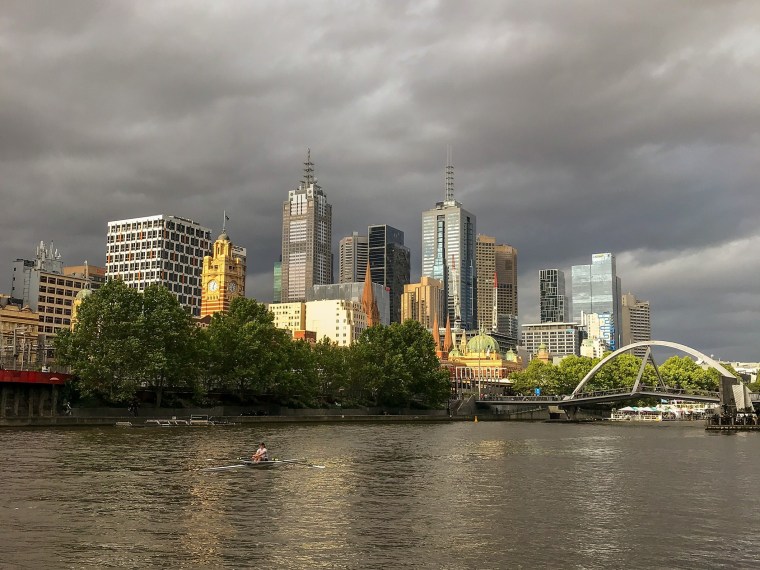
 Melbourne was – typical Melbourne – half the temperature of Sydney and a darn sight cooler than the world’s most liveable city, Canberra. It is sometimes proclaimed the most European of Australian metropolises, which means cloud and showery rain and a sometimes dingy – some may say grungy – countenance. And also, trams, which laugh in the face at numerous contemporary attempts to retrofit light rail elsewhere, like a wizened professor in a pokie room full of drongoes.
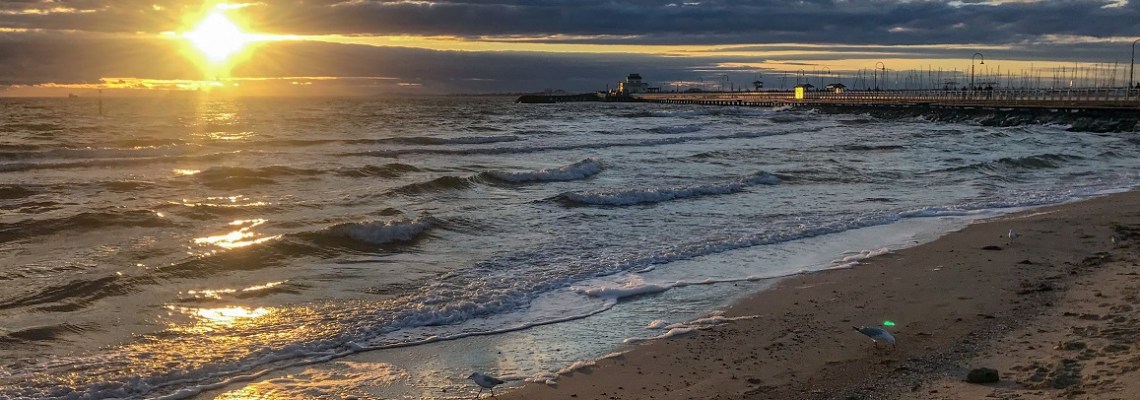
That’s not to say Melbourne is anything but Australian, amply illustrated in its awesomely good coffee and obsession with sport. It also has beaches upon Port Phillip Bay – nothing that would give Sydney a run for its money but fair dinkum true blue Aussie nonetheless. The sun even came out late afternoon as I headed over to the bay at St Kilda, and things were reasonably comfortable. Liveable even.
It was here that I reflected on the fact that I hadn’t been to St Kilda in – say – ten years or so, prompted by a certain gentrification that had taken place and the adornment of waterside bars dressed up slightly on the wrong side of pretentiousness. This prompted further reflection on how long I have lived in Australia, to the extent that I can now say ‘it wasn’t like this in the old days’ while simultaneously waving my fist at a cloud.
One thing that hadn’t changed was the pier, stretching out into the increasingly cold, stiff breeze, sheltering the city of Melbourne in its lee. A pier popular for evening strolls by people better prepared for the weather than me. How can I need a coat while a country burns? Even here, though, a sign of what is called progress, as most of the people wrapped up head out in the hope of a selfie with a little penguin at dusk. I retreat.

So, the big smokes, Sydney and Melbourne, sometimes chalk and sometimes cheese, sometimes infuriating, sometimes enthralling. A dictionary definition of liveable would be something akin to providing the core requirements for life, such as oxygen and water. I might also add the provision of good coffee and availability of fish and chips or salt and pepper squid and tempura vegetables.
 You’d think the latter is more Melbourne while the former is all Sydney. But for me it was vice versa, the fish and chips the target of seagulls on St Kilda Beach, just for that extra European touch. If I had another jumper and another million dollars and an escape option from the oppression of another inevitable choking summer, I could probably live here, and I could probably live in Sydney too. If nothing else, I’d sure know some good spots for dinner.

 There is a colony of koalas here, and I was pleased to come across one in the first hundred metres of my walk. It was around midday and hot, exactly the kind of conditions in which you should not be out walking. But with this early sighting, the pressure was off – no more relentlessly craning one’s neck upward in the usually forlorn hope of spotting a bulbous lump that isn’t a growth protruding from a eucalypt. I could instead loop back to the car concentrating more on keeping the flies from going up my nose. Yes, they are absolutely back.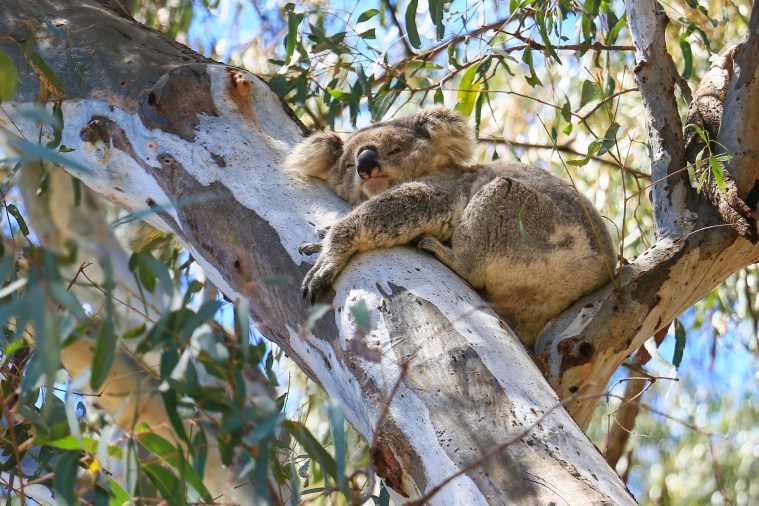

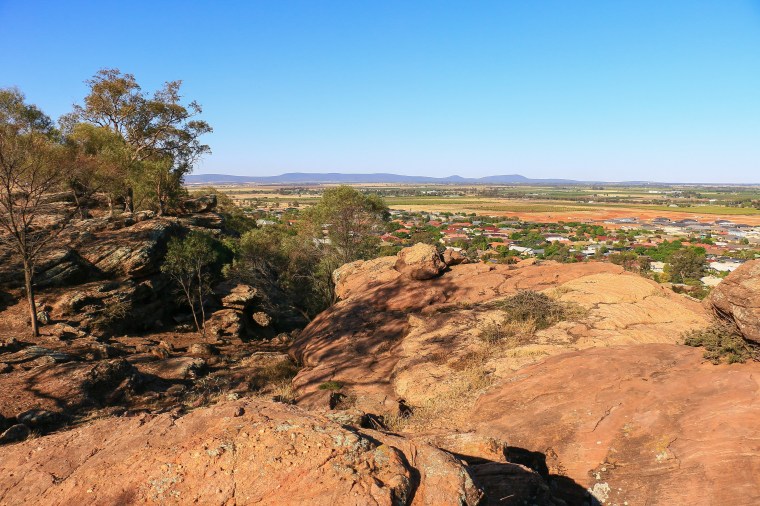

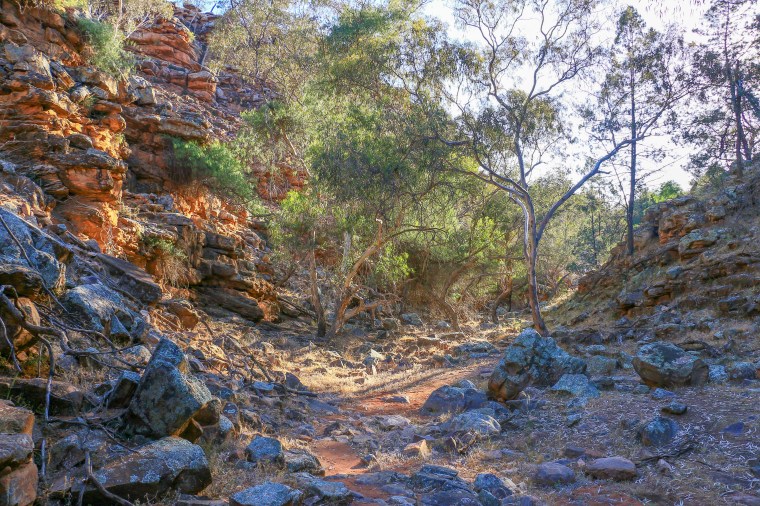

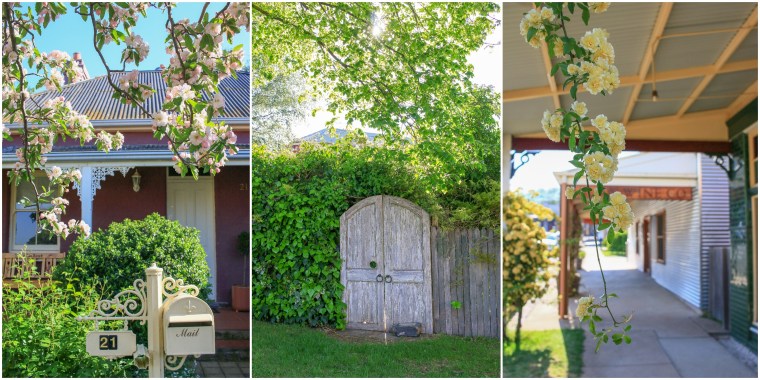
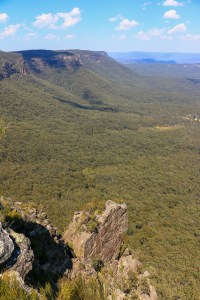 Still, should you wish to rise from this indulgent slumber, another hour or so east will bring you to the western fringe of the Blue Mountains. Suddenly things change, and not just the petrol price rising thirty cents a litre in as many kilometres. The day trippers are out in force, the coaches idling at every single possible lookout, of which there are many. The escarpment top towns of Blackheath and Katoomba and Leura are brimming with people shuffling between café and bakery, spilling down like ants to the overlooks nearby. Below the ridge, however, and the wilderness wins. Only penetrable at its fringe, placid beneath a canopy of ferns and eucalyptus.
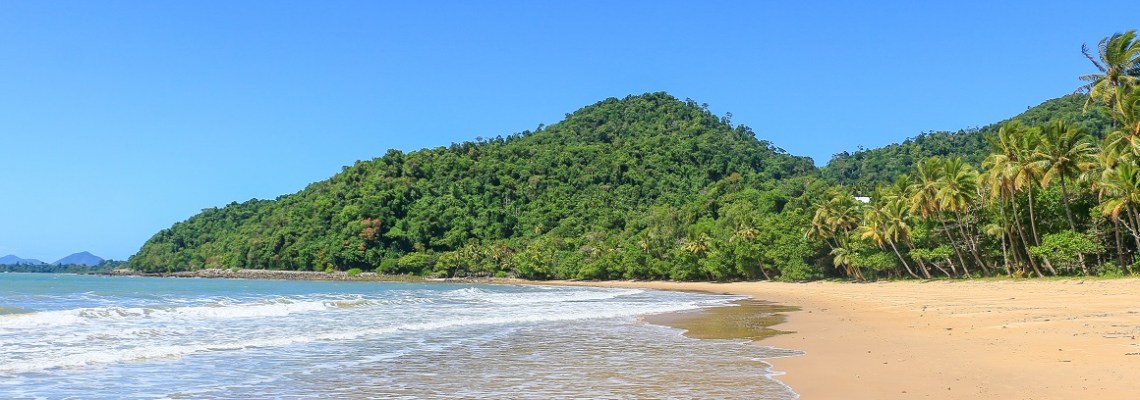


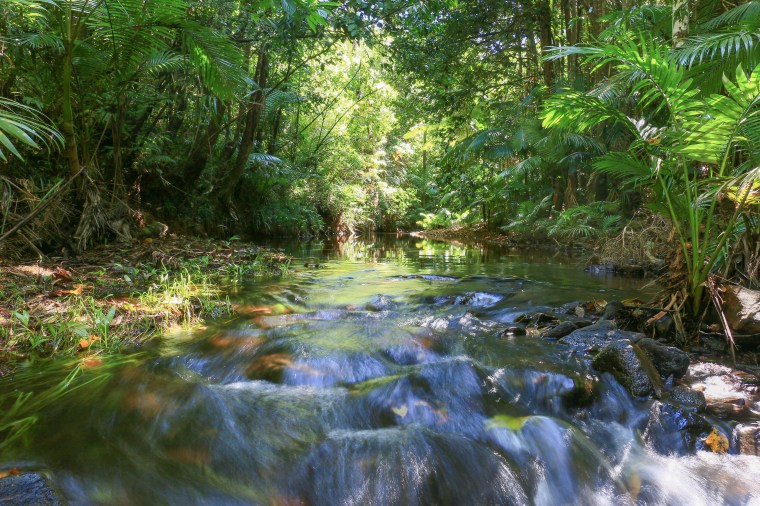


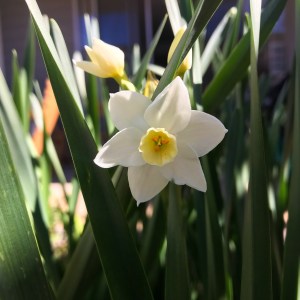 With the undeniable passage of nature there are sure signs that winter in Canberra is slowly ebbing away. There have been a few recent days in which I have left the house without a coat, while the sunlight is waking me up well before seven and allowing me to read almost until six. Wattles explode, daffodils unfurl, the odd fly is resurrected and finds its way into my living room for what seems like all eternity.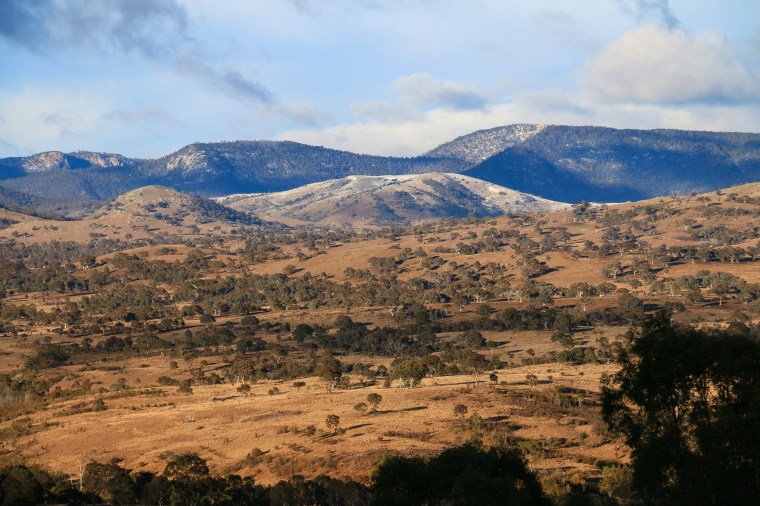
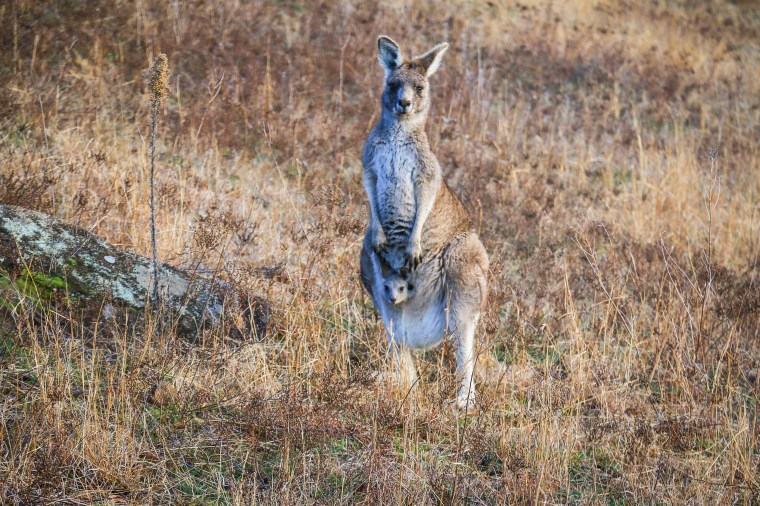


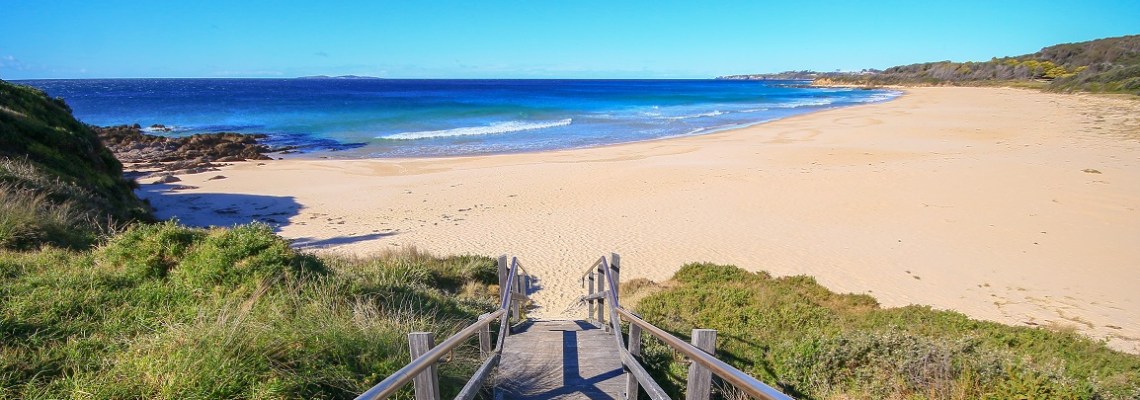
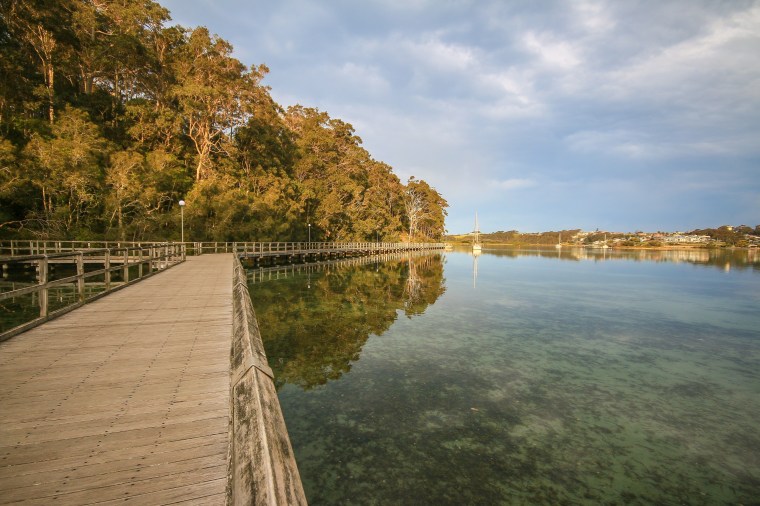
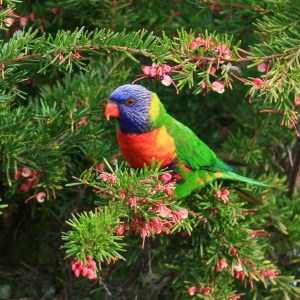 Did I ever imagine back in 1996 that I would be gazing out to the Pacific hoping to sight a whale? Meandering downhill alongside gardens strewn with exotic plants and colourful birds? Wandering past parks dotted with electric barbecues and sinks for dealing with the entrails of fish? Who would have thought I would have previously parred the treacherous Bogey Hole of that golf course wedged between the town and the plunging cliffs of the coastline? Certainly not me, or anyone else,
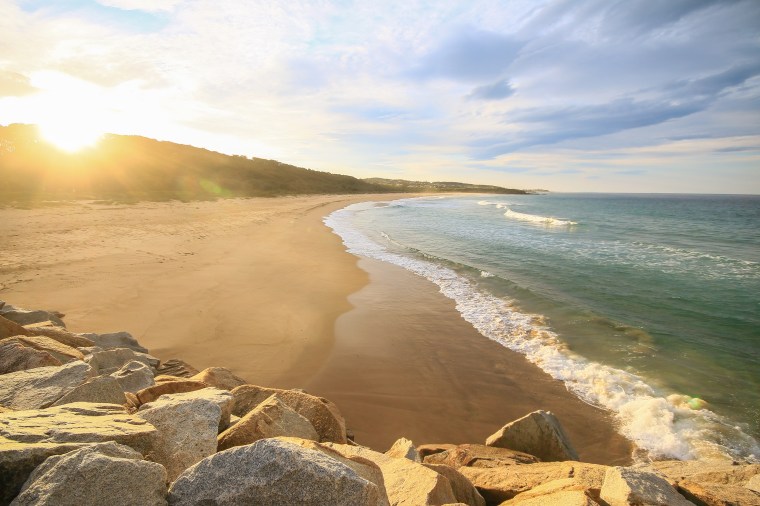


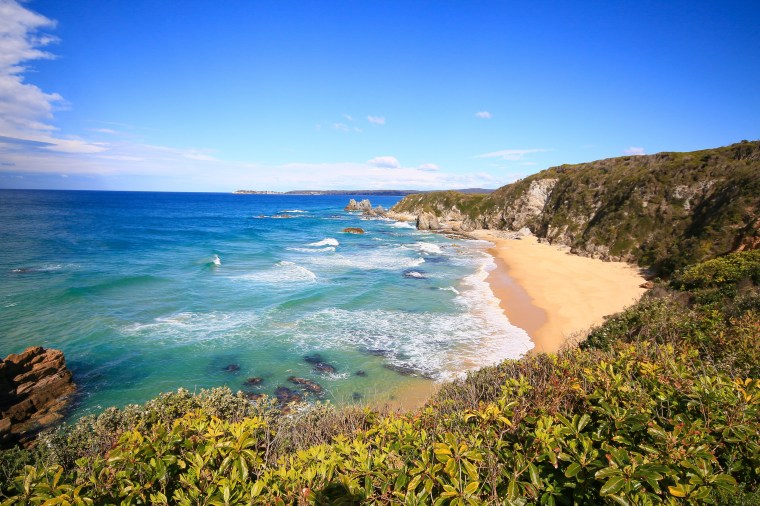
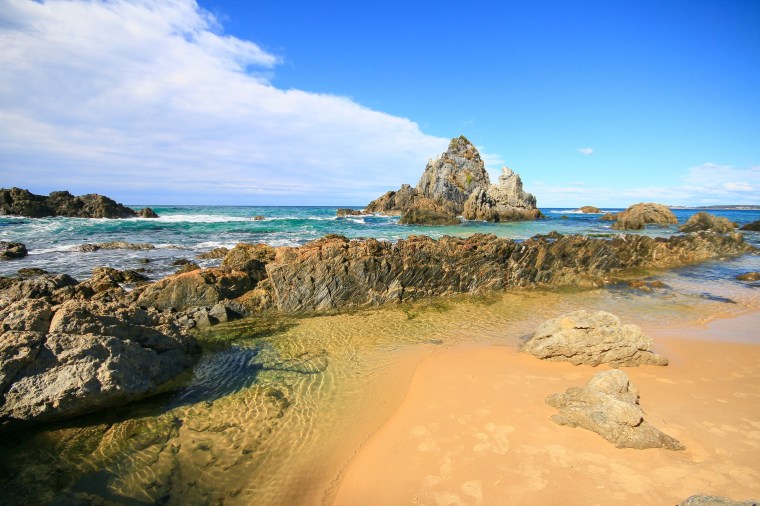
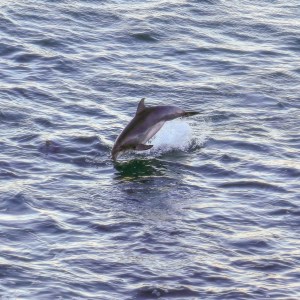 Spurred on by earlier whale sightings I ended the day back up near Narooma, taking a scenic coastal drive alongside Dalmeny and Kianga which boasts several panoramic viewing platforms along the way. The platforms are sited in between yet more pristine bays that you can have all to yourself. It was at the last of these points that I glanced a surfing dolphin, followed by a few more and a few more still. Passing below, there must have been around twenty dolphins, tracking north on a feeding mission. A whole two football teams.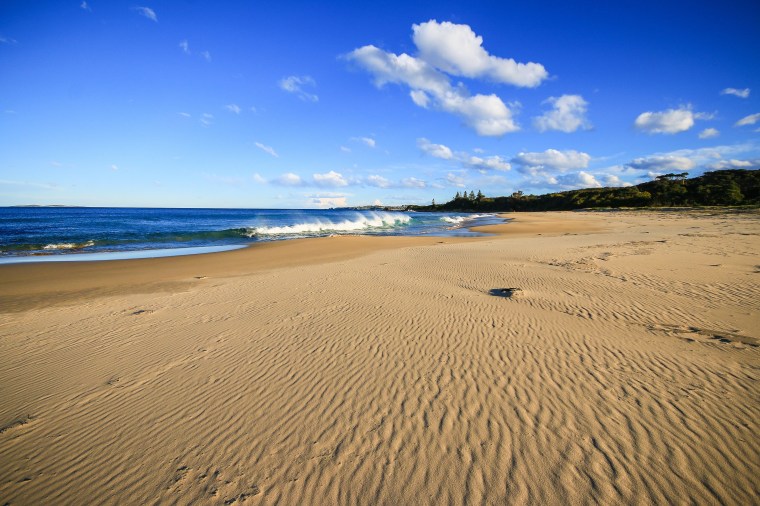


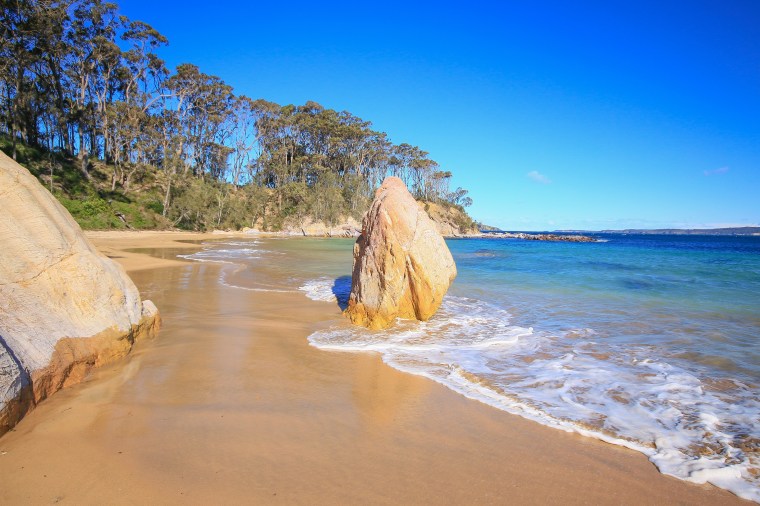
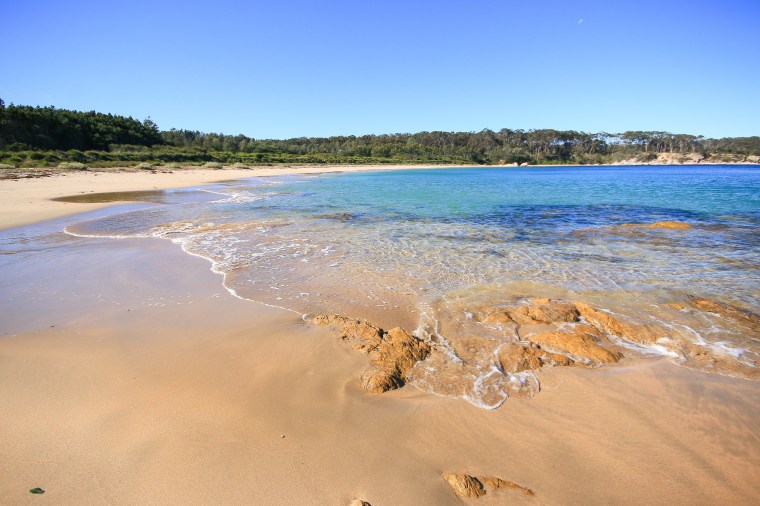

 And a raincoat. For it is even truer that Queensland is far from beautiful one day, perfect the next; a dubious marketing slogan dreamt up by mediocrities that continues apace in the supposed Sunshine Coast, a place frequently sodden by epic downpours and possessing a clammy mildew befitting the swampy subtropics. Saturday here was so damp that the highlight was a doughnut, and even that wasn’t much of a highlight, more a triumph of social marketing style over substance.
 Queensland: pissing down one day, sweaty the next. The sweatiness emerging on Sunday as the sun makes an appearance, triggering rising heat and rampant moisture. Liquid particles are lifted by ocean gusts, filtered ineffectually through the thrum of air conditioning to congregate in damp surf club carpets. Puddles among snake-infested flood plain linger, waiting for passing birds and passing property developers to drain. The ubiquitous HiLux secretes fluids while idling outside Red Rooster, as a leftover billboard of some redneck running for parliament gazes down approvingly. Just thank the lord or some other unelected deity that it is not yet high summer.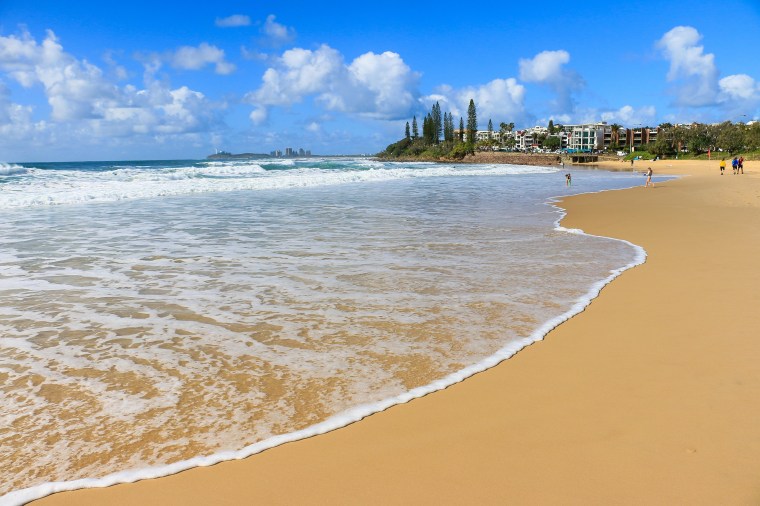






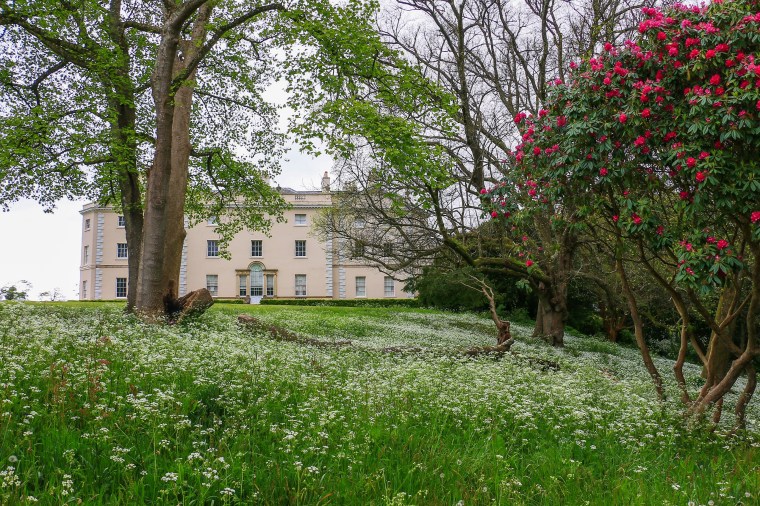
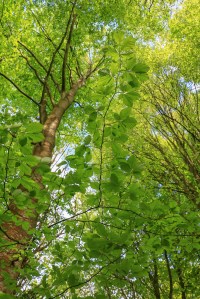 Or it can be wonderful, arriving a little before rush-hour and just after the parking attendant has gone home. This yields a quiet fist pump of glee and a good mood in which to walk the parklands. Along the river, the tide is high and holding on, and clouds part to release the sun. Forget the roar of traffic along the Embankment, and the mould-tinged sails of Sainsburys, and focus instead on the flourishing green of the woods and bounteous swathes of wild garlic. Embrace the chirping birds and walk with the hope of encountering a deer.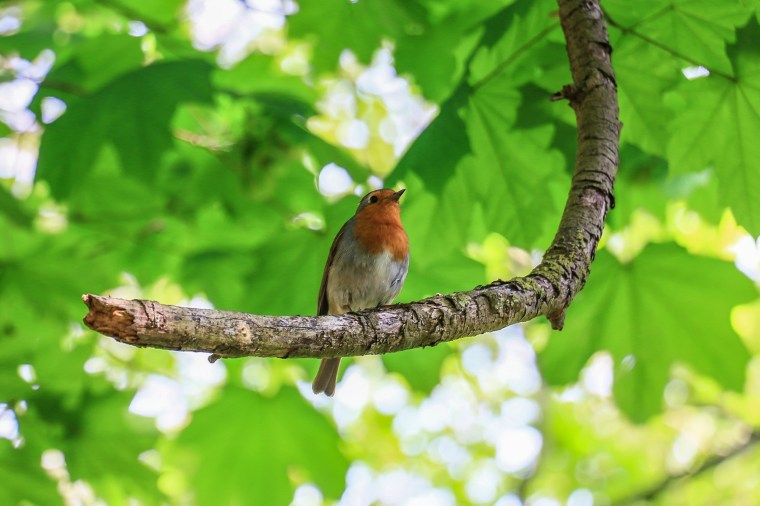
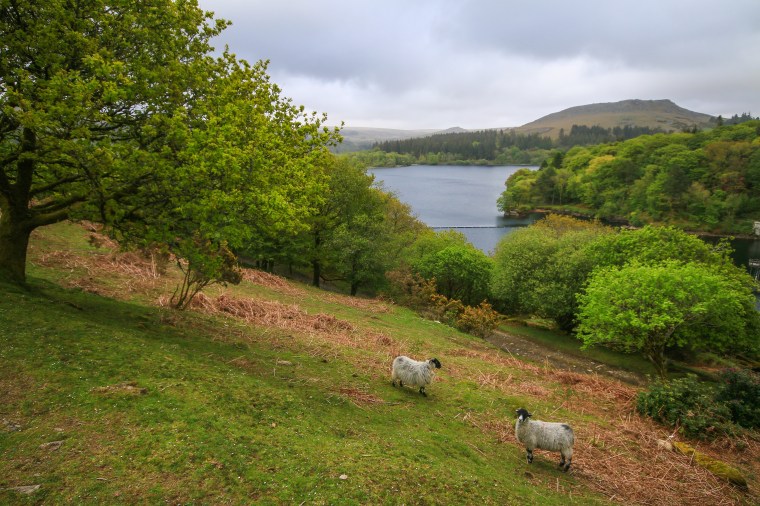
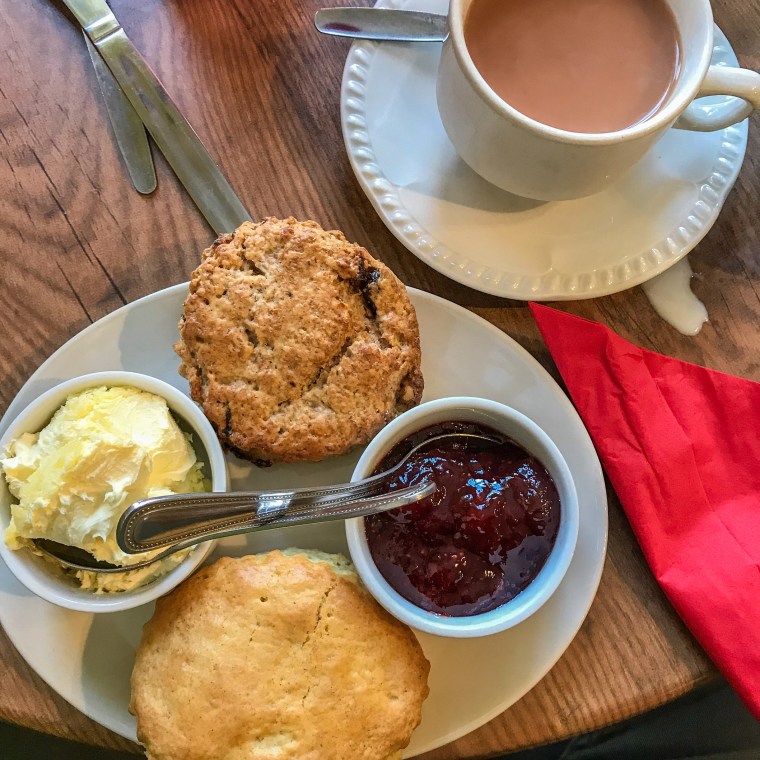
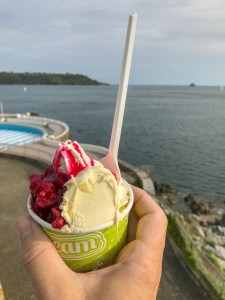 Look down upon manicured fields and be thankful that this is indeed upon your doorstep. A doorstep in which the land and sea meets, producing conditions that are often frustrating but usually fruitful. Beyond the chav-filled potholes of the city, a land of strawberries and cream or raspberries and cream or just cream goddammit.


 No doubt many of the loftier residents of Salcombe were in jovial mood; not only from their elevated perch surveying the ambling peasants seeking a cheap pasty, but with the news of a royal baby to join the ranks. Does it have a name yet? I can’t even remember. Have the Daily Mail criticised the parents yet? Oh probably.
 And so, the unexpected and unplanned once again yields some of the most memorable moments. Waiting in a small layby among the gorgeous fields of Devon in the warming sunshine could be worse. Being patched up and guided to Totnes for repairs by endearing locals eager to provide a helping hand (and earn some pennies) proved heart-warming. Spending a few hours in Totnes, charmed and enlightened by good coffee, markets overflowing with abundance and leafy riverside walks. And the satisfaction of rediscovering batter bits with malt vinegar (good work Mum!)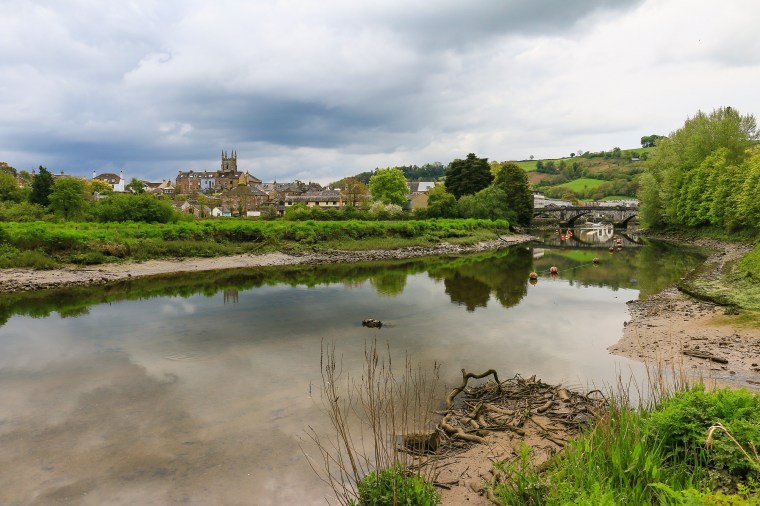

 Such are the ample proportions of the landscape here that the coast path between Strete and Blackpool Sands struggles to keep to the coast. The barriers are too immense, and the trail cuts inland as it dips down towards the bay. But this too is something of a blessing, for not only do you make it without falling to an inevitable death into the sea, but you become once again immersed into a countryside apparently so utopian. Farming must still be productive here, despite the temptation to become a campsite or a tearoom or a paddock for some pampered hobby horses.
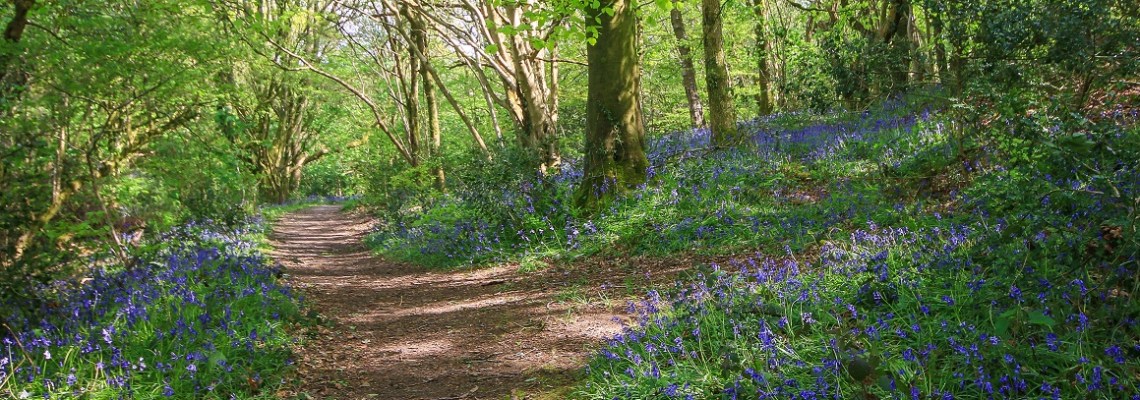

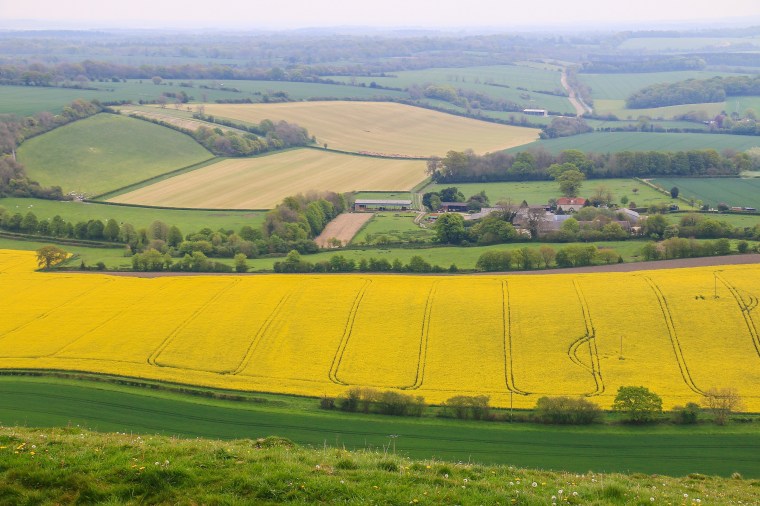
 It was a more placid day departing the north, incrementally brightening on my journey towards London and then onward to Salisbury; the very heart of a conceptual south. Perhaps near here, somewhere within the borderlands of Wiltshire sits that romanticised version of England; of thatched cottages and village greens; of tinkling brooks and sun-dappled woods; of church fetes and coffee and walnut cake. Perhaps, indeed.
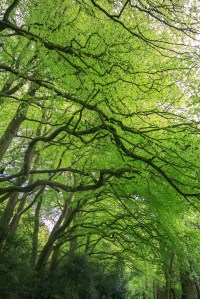 Praise the Lord for a pint outside in the open air, soaking up the sweetly chirping birds and the smell of the country. And thank the almighty for a gentle downhill totter back to the car, parked beside the marquee on the green next to the church in the contented village of East Knoyle. Everywhere around here is easy to suspect as a secret filming location for Bake Off.
 “When I were a wee lad you didn’t see us lot wasting our time with Instagrams of food and posing for selfies,” Dad clearly didn’t say as I took a photo of some coffee and cake and indulged in a selfie. Because this wasn’t Yorkshire and neither was it the 1940s anymore, though you suspect some in Shaftesbury would be pleased to turn back time. At least to the years before that bloody advert sent people flocking to a hill to take Instagrams and selfies.
 Back in a more reassuring south, a morning in Salisbury offered increasing photographic opportunities, marvelling at the famous Cathedral with its famous 123-metre spire and its famous clock, a renown reaching as far and wide as Russia. The water meadows glowing under the sunlight, it was briefly warm enough to amble in a T-shirt, a clear signal that things were still on an upward trend. The birds continued to tweet and to chirp and to wade and to pose in such land of growing abundance.
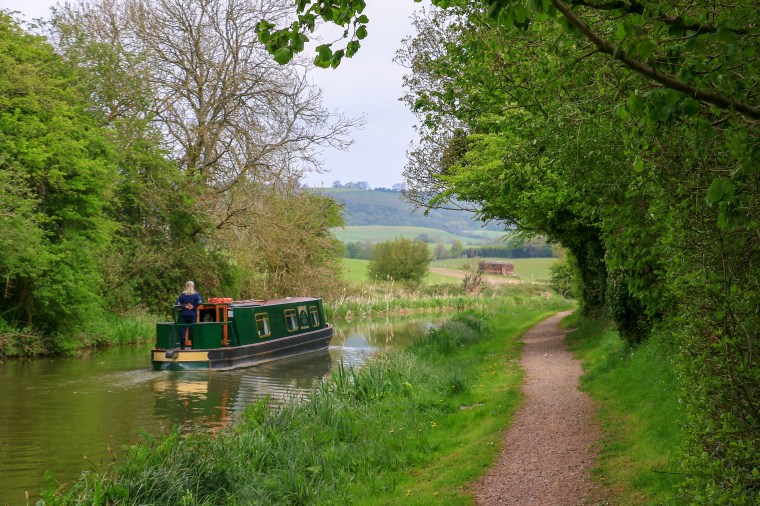
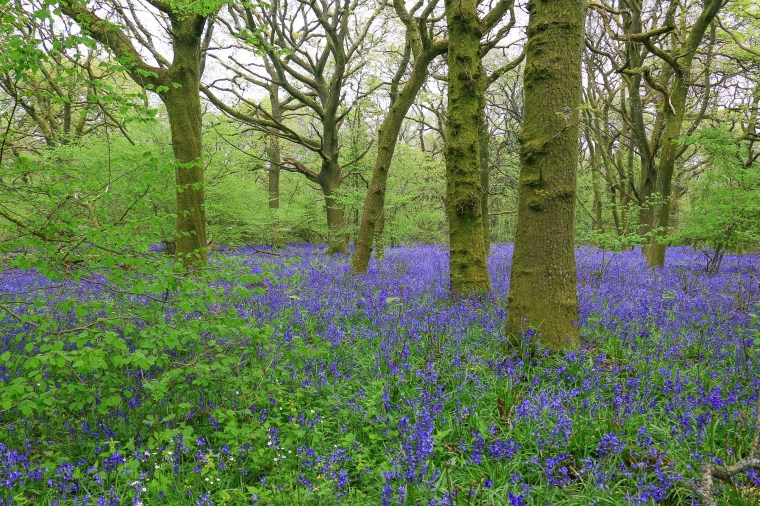
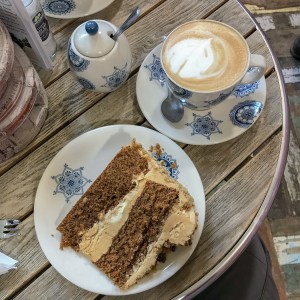 Bluebells really were in profusion across England at this time, evident everywhere during this sojourn in the south and among the storm-laden lands of the north. Spreading across the country like the philosophy of Nigel Farage, only exponentially more unifying and much easier on the eye. They would have been a clear highlight, if it were not for that slab of coffee and walnut cake in Honey Street before catching my train west. A very perfect bookend to this haphazard instalment of North and South. And preparation for the tea and scones still to come.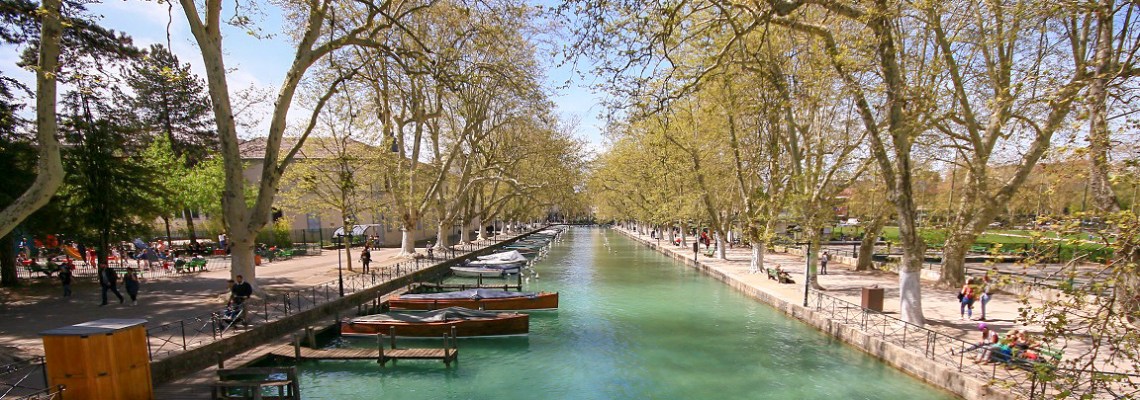
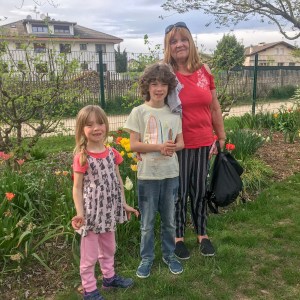 Indeed, the weather didn’t bring too much to grumble about and my shorts proved a justified inclusion on the continent. There were countryside ambles and meanders through parks, Easter egg hunts in the garden and trips to the market. All the usual trappings of life on the French-Swiss border in Ville-la-Grand, snow coating distant peaks while spring was springing all around.

 Annecy, on the other hand, is a gem of a place to take in an ice cream or do whatever you should please. From the hive of construction that is Annemasse station, a pleasing hour long train ride delivered my nephew Guillaume and I to what has been described as the Venice of the Alps, largely on the count of a canal infiltrating a few of the streets and – possibly – gondoliers wailing about their need for Walls Cornettos.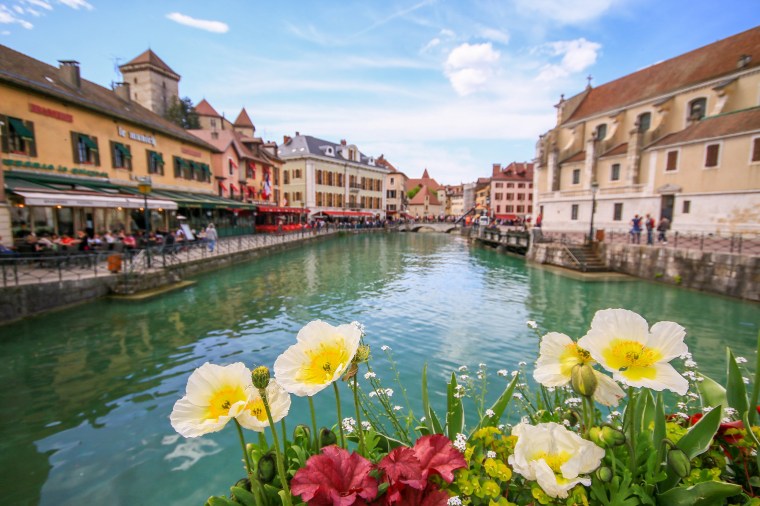
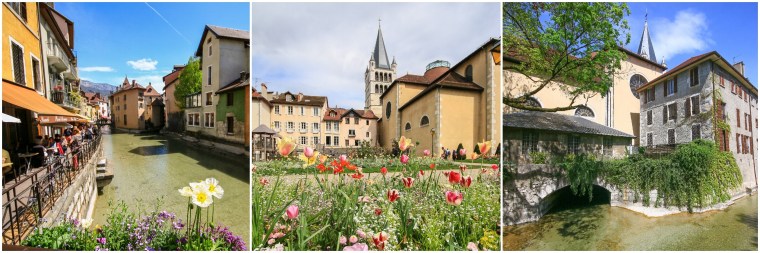
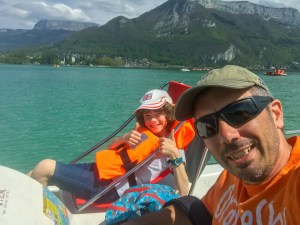 The waterways and the flowers and the daytrippers milling about eating ice cream largely find their way towards the jewel in the crown that is Lac d’Annecy and its quite dazzling surrounds. Clear, glacial water hosts an array of boats, encircled by forests, villages and rapidly elevating peaks. It’s a popular spot to row or cruise or be a hoon on a jetski. Or even pedalo for half an hour in a large figure eight. Everybody loves a tourist.
 The frequent sight of tourists eating ice cream impels one to wander the streets like a tourist to seek out an ice cream. Heavily topped cornets increase in frequency back near one of the canals, and a large queue meanders from the serving hatch of Glacier des Alpes. Patience may be rewarded with sublime ice cream but neither Guillaume nor I had much patience and opted for a perfectly satisfactory version nearby. Safe from the clutches of any devious gondoliers.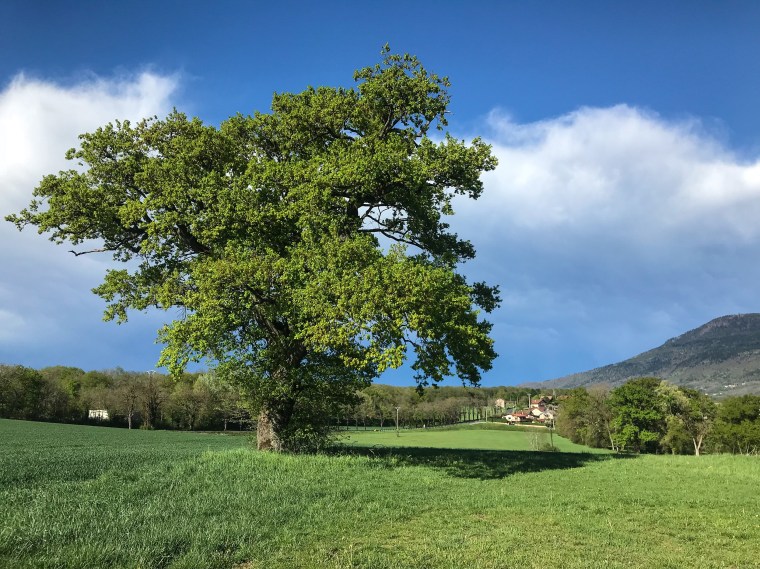

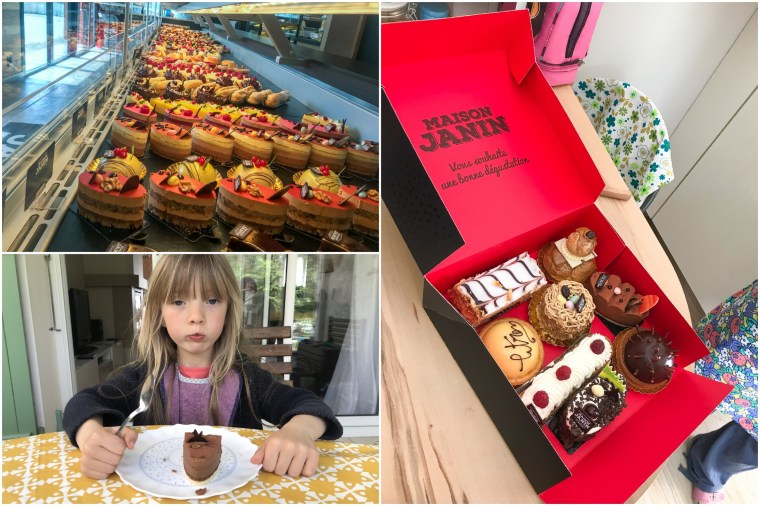
 And so, the last evening in France turned out as sunny as the unseasonably warm sun that was soon to fade away in Great Britain; to be replaced by a storm so irritating it was awarded a name (Hannah), heralding a permanent return to long trousers. One last slice of gateau would compensate for the impending doom, and cap off a very fine Easter; my first in the northern hemisphere since 2006. So, fake summer or real, it was undoubtedly one that will go down in history.


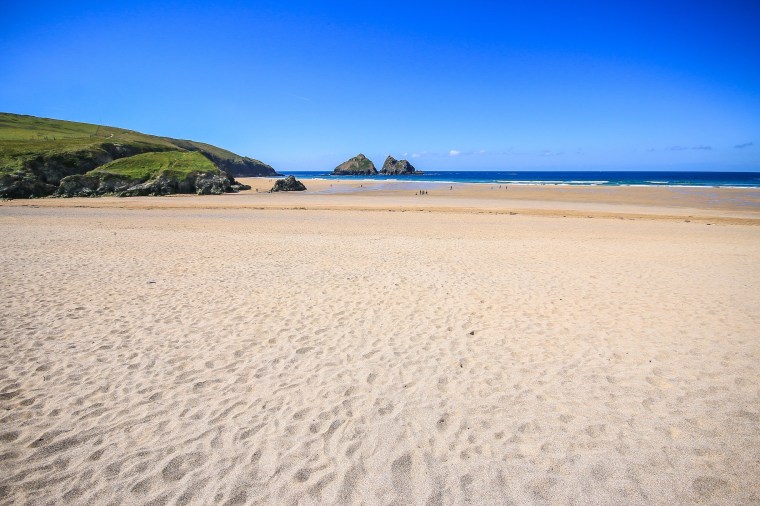
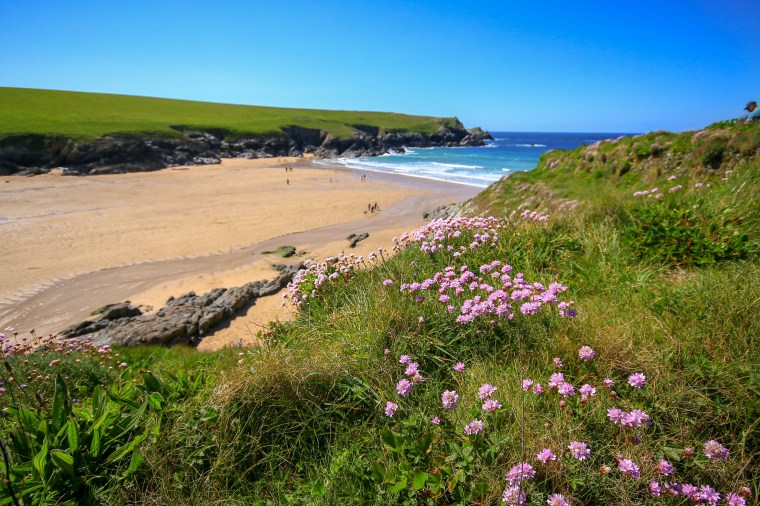
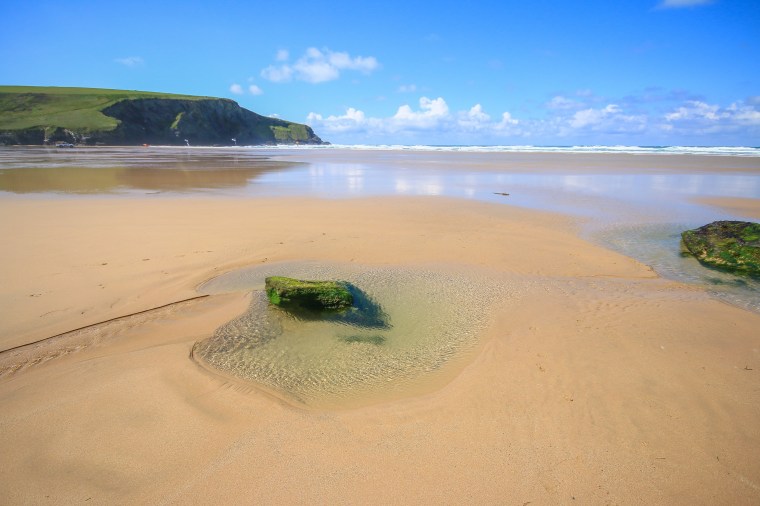
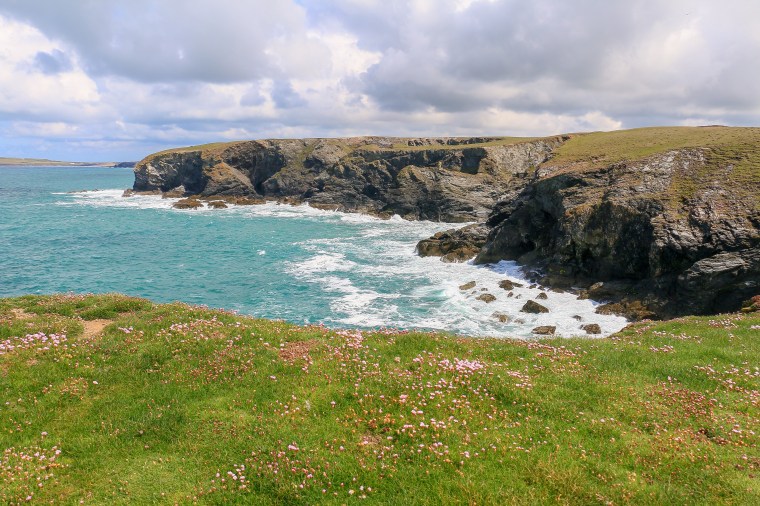
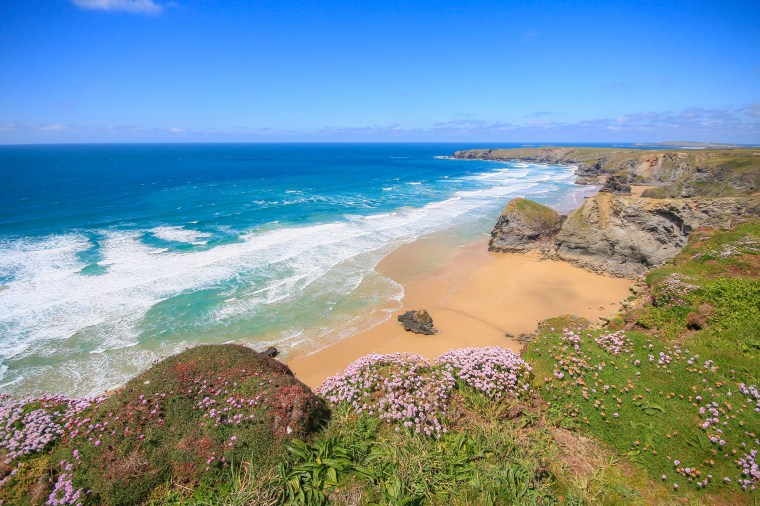
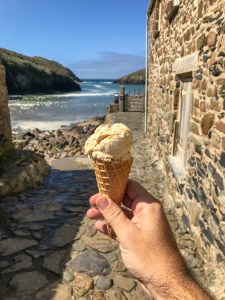 Nearby, the sleepy hamlet of Port Quin is celebrating in its sheltered spot, nestled between the hills that ooze out along its harbour to suddenly plunge into the Atlantic. A walk out to a headland marking the entrance to this enclave is a touch more blustery; the reward solitude and drama and vistas that make the heart sing and the heart ache. And ice cream that makes the heart say uh-oh we’re in Cornwall again aren’t we, better brace ourselves.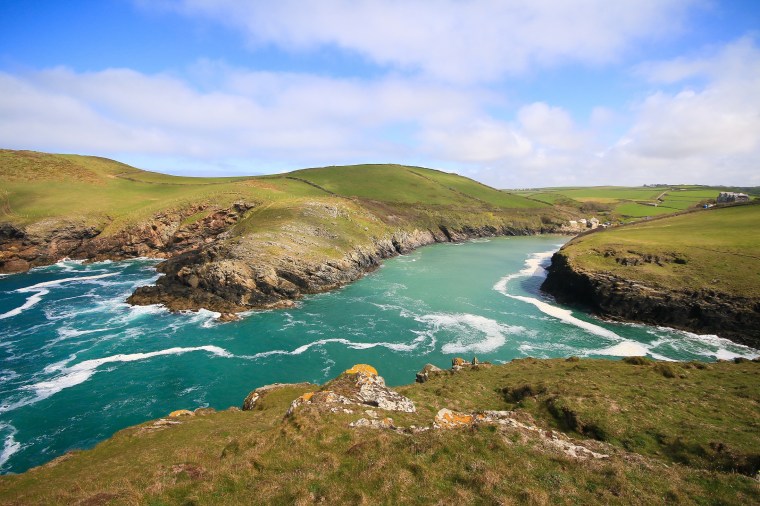

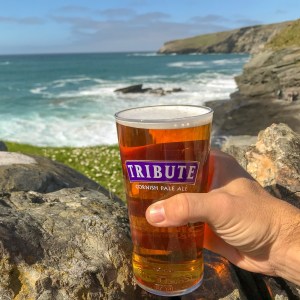 A little above The Strand, under wonderful, warming sun perched a wonderful pub overlooking the ocean. A pub that served up a local tribute, a tribute to the seas and skies, the clifftops and harbours, the wind and rain and storms and sun. The seasons battering and bathing and cajoling and churning the charisma and spirit into this magical Cornish land. Spring has arrived, and so have I. Cheers.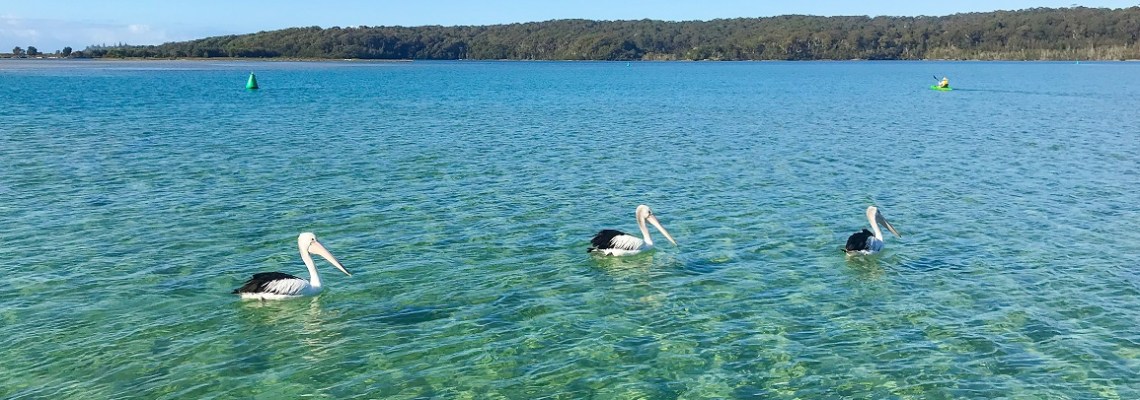

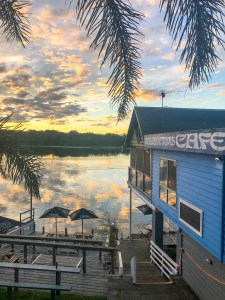 This proved an aperitif for the perfectly timed stroll beside the water to the Pickled Octopus Café, where we availed ourselves of a pristine outdoor table lapping at the glassy calm of the inlet. Fish and chip orders arrived as the daylight turned to dusk, each munch of deep fried saltiness coinciding with a deepening of colours and escalation of heavenly drama. A moment when nothing else can distract and nothing else really matters. Timing again exquisite.
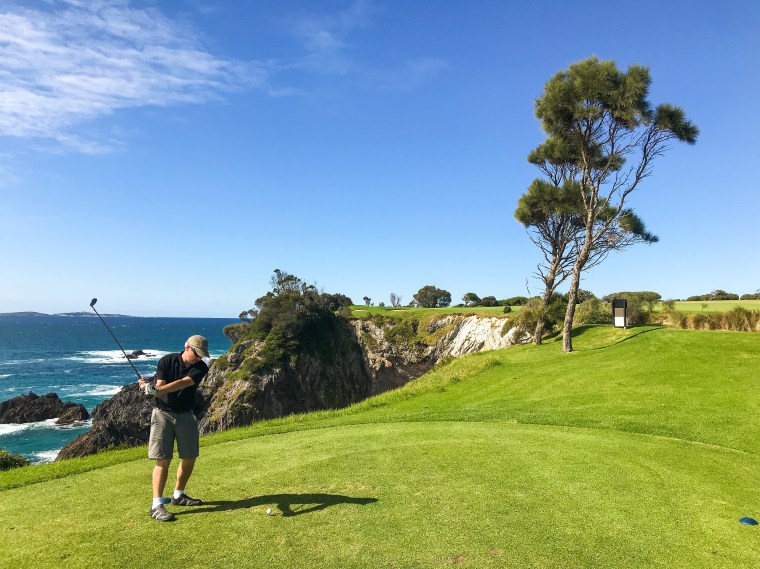
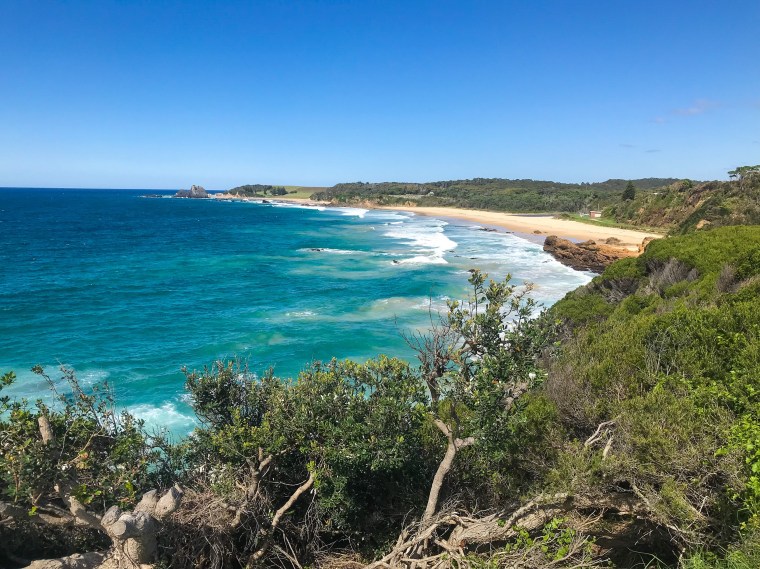
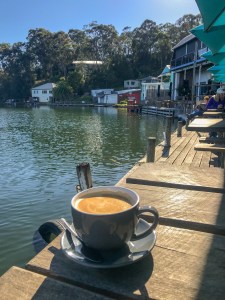 Back in Tuross Heads, it really is a little nugget of a place, especially when you visit out of holidays and weekends when it is neither ferociously scorched by bogan summers or coated in a wintry ghost town gloom. I’d say the perfect time, perfectly timed, would be around the end of March and early April. And here we were, April 2, sat out on the deck of the Boatshed, drinking a coffee and thinking how lucky the local retirees were. But we were there too, and very thankful for that; lucky to able to have this to enjoy no matter how brief.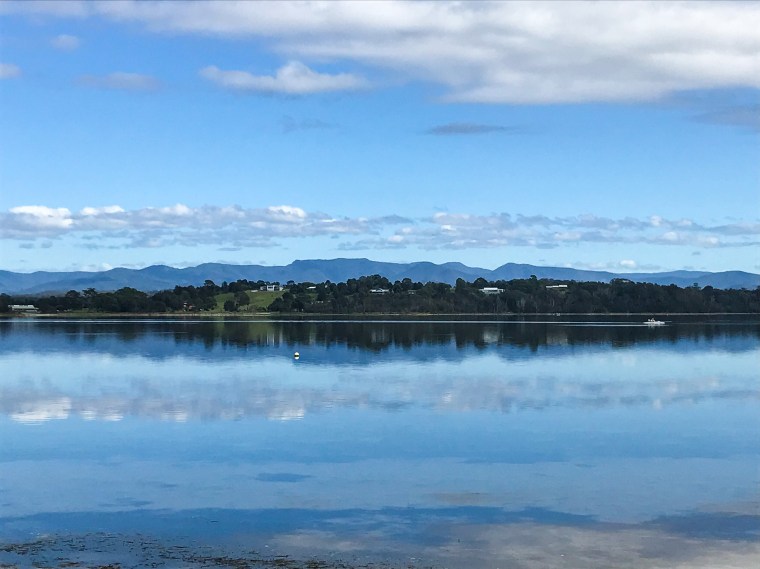

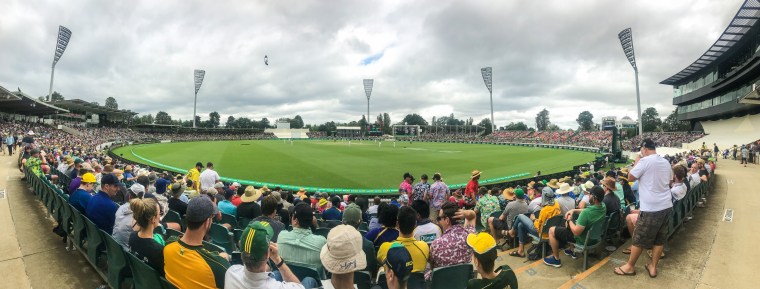


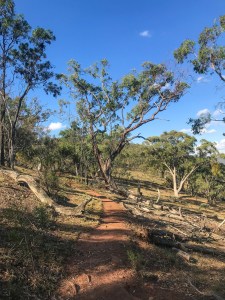 I guess a triathlon is a bit of a googly within the normal course of events. It also led me to be in Hackett one sunny late afternoon, at the northern end of Canberra nestled underneath Mount Majura. Not so much a change of scenery, but at least a different path on which to wander, all stretching eucalypt branches, golden grass and copper earth, with some snatched views of the surrounding landscape through the bush. Plus, slithering away as I marched downhill, a brown snake disappearing from the corner of my eye.