
If I was to analogise the lingering weeks of summer, it would be to that of a very uneventful over from Glenn McGrath. Turn at the mark, trundle in with intent, deliver a solid line and length on to the pitch and through to the keeper, stare in confected intimidation at a snivelling Pom, turn back and repeat again. And again.
There is something to be said for reliability and repetition – 563 somethings in fact – but deep down we all crave a cocky blonde disruptor to enter the scene and throw down a few cherries spinning every which way but straight. The googlies are always there somewhere; you just have to put in a bit of extra effort to discover them.
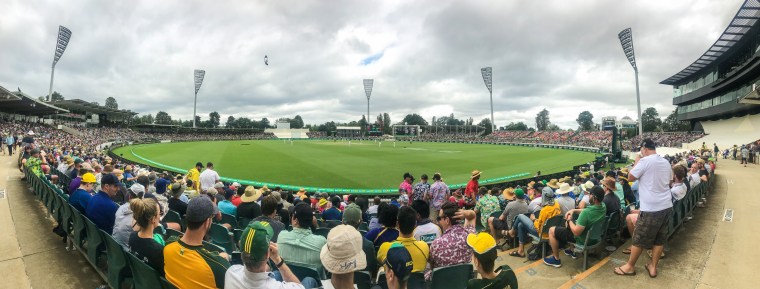
Such terrible metaphors are all to say I went to the first Test match ever at Manuka Oval in Canberra. Australia versus Sri Lanka in probably the most one-sided match in history. Still, the setting was a delight, the atmosphere abuzz, and Canberra more than held its own as a venue. Googlies may have been sparse but then, in 2019, we are talking about the trumped up talents of Naayfun Lawwwn rather than the bona fide annoying genius of Warnie.
Outside the oval, the regular line and length of hot sunny Canberra days have occasionally hit the cracks of thunderstorms; apocalyptic tempests of wind and lightning and – often – raised dust. It’s made things a bit more interesting, even if some of the places under which such conditions breed are as reliable as ever. Places like Red Hill and Mount Taylor, the equidistant escapes from home to the bush.


One of the cooler and windier days of late happened to beset the Canberra Triathlon. A temperature all well and good for exercise but a wind cruel and unforgiving when on a bike. To say I competed in a triathlon is a tad generous, strictly speaking. But a ten kilometre bike leg as part of a team relay was effort enough into a headwind. Still, this was just a minor, temporary obstacle for me, and worth it to deliver the imaginary baton onto Toby for the final, inspirational leg. Go Wheelsfortoby!
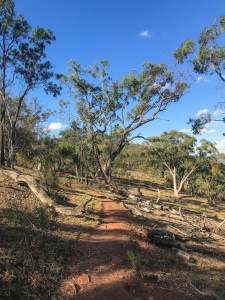 I guess a triathlon is a bit of a googly within the normal course of events. It also led me to be in Hackett one sunny late afternoon, at the northern end of Canberra nestled underneath Mount Majura. Not so much a change of scenery, but at least a different path on which to wander, all stretching eucalypt branches, golden grass and copper earth, with some snatched views of the surrounding landscape through the bush. Plus, slithering away as I marched downhill, a brown snake disappearing from the corner of my eye.
A few weeks later I would come across two snakes in the space of five minutes, having discussed them five minutes earlier with my friend Joseph as we sat upon a rock in Namadgi National Park. I’ve hardly seen any snakes…maybe five…in my entire time in Australia I said. Mostly in Queensland I said. I know people who won’t come to Australia because of snakes, how ridiculous. When you think of all the bushwalking I have done in that time, and five snakes…
Shall we see what’s down that way, he said.
Snaaaaaaaaakkkkkkkke, I said. Quite loudly, almost tripping over a red bellied black.
Let’s actually not go that way, I said, and we turned around to head back to the car, not before a second made an appearance under a fallen tree, this time with marginally greater warning.
They did say it was going to be a good year for snakes, and in my random survey of random walks through random parts of the ACT I can conclude they were correct.
———————————–
Snakes were mercifully unsighted on a longer walk to Gibraltar Rocks in Tidbinbilla during the great Australia Day day off. I’d been here before but – again seeking some variety – I approached the peak from a different side. The first couple of kilometres traversed open plains bursting with kangaroos and the odd emu, before marching incessantly upward through that low, scrawny kind of bush that excels in the higher climes frequently ravaged by fire and ice.
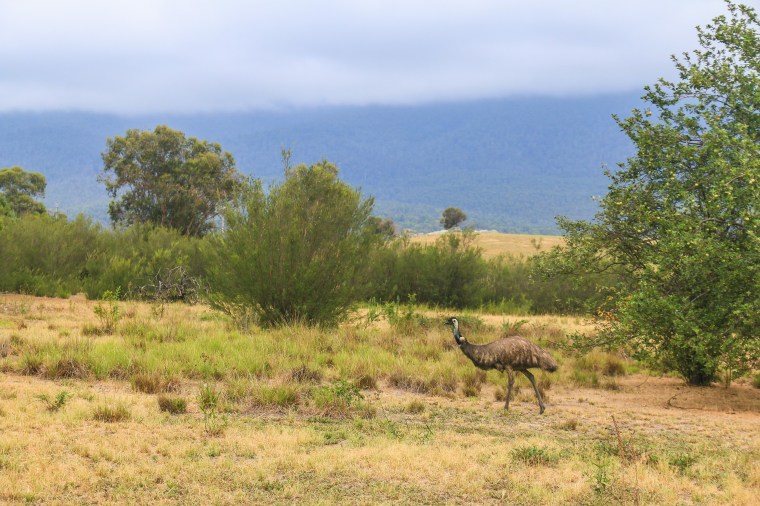
Reaching the rocks of Gibraltar up in the overcast skies, there were no Spanish ships, no snakes, no bogans singing Jimmy Barnes and wearing the cheap fake blue of Australian flag products proudly made in China. Just the essence of Australia fitting for today or any day. The heart and soul of its earth and its sky, sprouting the unique environment which has been nurtured over millennia and which endures and adapts as best it can.

And so, we reach the last ball of this ragged over as we once more revisit those terrible cricket analogies. The weather has cooled a touch and the mornings are showing signs that we are entering the golden age. Britain basks briefly in twenty degrees and a few of our mornings drop to single digits. The temperatures still rise to the mid to high twenties in the afternoon, and this is what we call ambient, mild. It’s all relative. And still plenty warm enough for cricket. And snakes.
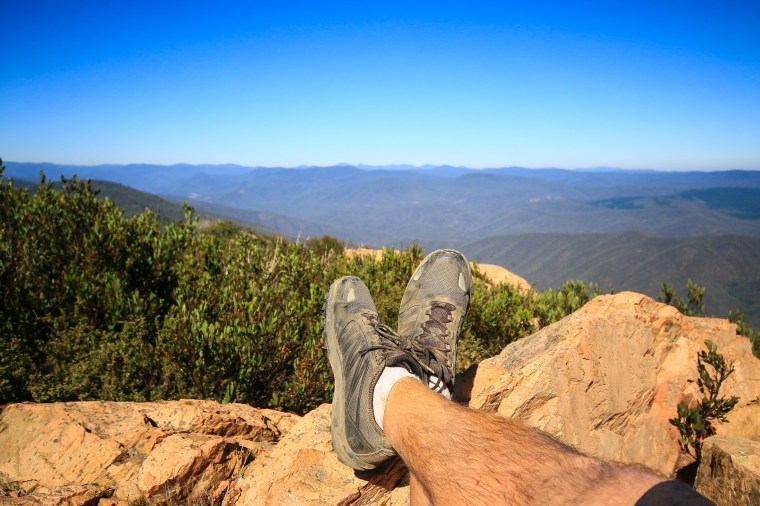
Floating around in my brain for a while has been Mount Coree in the Brindabellas and – in this quest for difference, desire for new – it finally becomes an agenda item early one Saturday. It is a peak I have never climbed, mainly because I’ve never been entirely sure how to climb it. Mostly it’s a case of following fire trails and dirt roads, including up to the summit and, sometimes, sharing these with vehicles.

Commencing from Blundells Flat several hundred metres below, it is a fresh, serene meander uphill towards Two Sticks Road. Only a grader on the back of a truck passes me early in the climb, leaving a lingering cloud of fine dust particles in the air, gilding the shafts of sunlight beaming through the trees. Along Two Sticks Road it is easy going towards Coree Campground before the final traverse up to the rocky summit which marks the border between NSW and the ACT.
It’s a decent slog as the sun warms and, by now, the four wheel drives have woken from their slumber. One by one they leisurely pass in a clunk of gears and pneumatics and fumes, inching ever closer to the trig at the top. For all their engineering and technical prowess, for all their ability to get to the top quicker and revel in airconditioned comfort, they are no match for a pair of feet. A pair of feet that are connected to the landscape, an intrinsic part of it rather than something carving it apart. A pair of feet that have superior bragging rights over the indolent Saturday morning car park crew accumulating at the top. And a pair of feet that will come across one more red bellied black on the way down, completing a reliably diverting over.

 It’s a tough gig, and the reality of four straight days in a row above 40 degrees was enough to force me fleeing to the coast, at least for a couple of those days. Thankfully when I got back there came a reprieve with temperatures dropping back down to 37 with a cool change as ineffectual as any number of Secretaries of State for Exiting the European Union. Yes, the hot air persists.
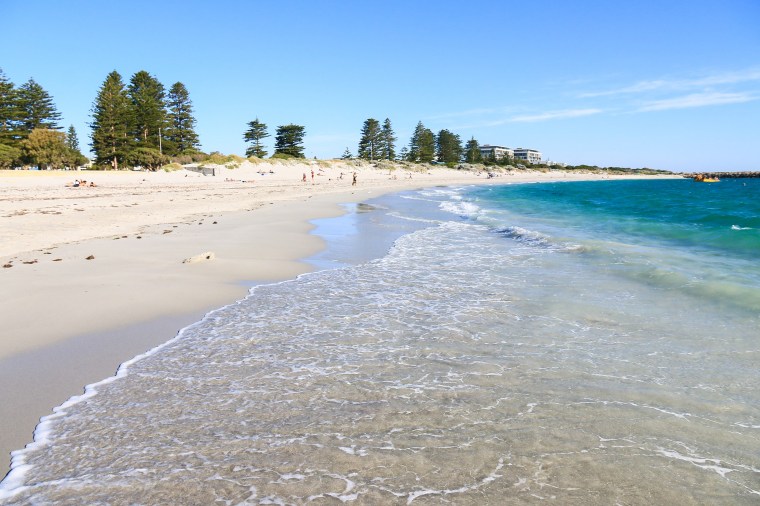
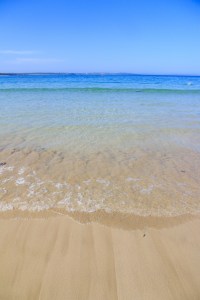 At least on the coast the temperatures dropped a good eight to ten degrees, pampered with pleasant sea breezes and clear cool waters. There was fish and chips and ice cream, paddles upon shores and across inlets, and a decent amount of lounging with a book in the sand. Yet the highlight of this escape was away from the edge of the water. Instead, upon the edge of wilderness.


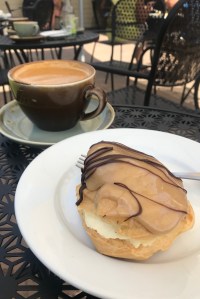 It was borderline whether I had really earned what was to follow, such was the relative ease of this walk. Out of the wilds, the cutesy hilltop town of Milton inevitably has a bakery, which I inevitably visited, inevitably not for the first time. There is a pleasing inevitability in the inevitability of cake and coffee.
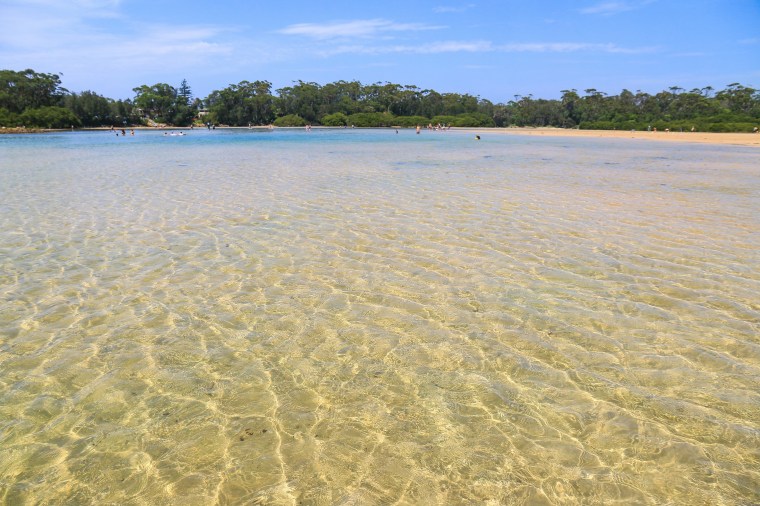
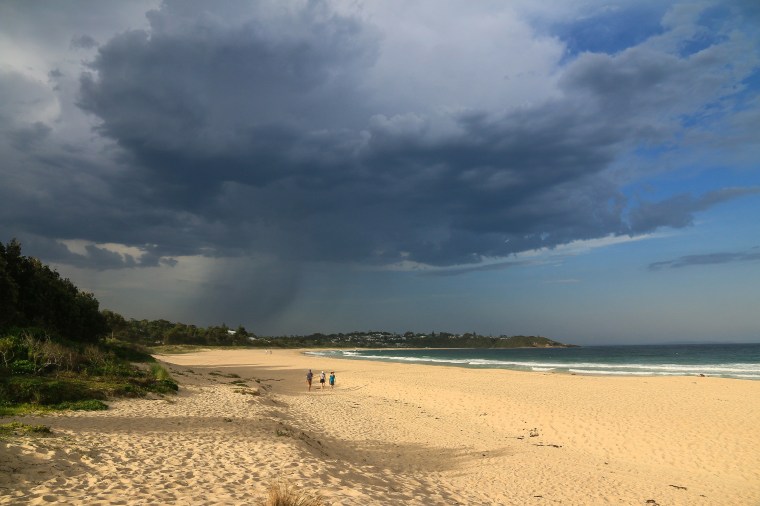
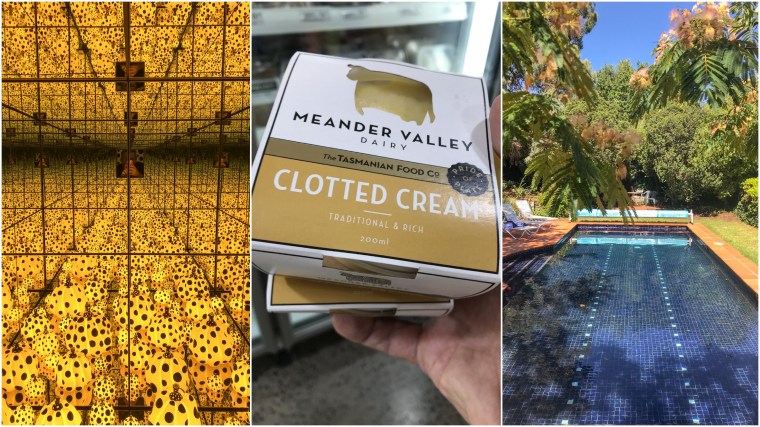


 I think about munching on some leftover sausage rolls in here, but delay lunch for one other walk before the temperature peaks. It’s already midday and clearly above thirty. Shade is intermittent on the way down to Tinted Cave and the Limestone Gorge, where sausage rolls can be enjoyed beside a shallow pool of water popular with dragonflies and sweaty humans.



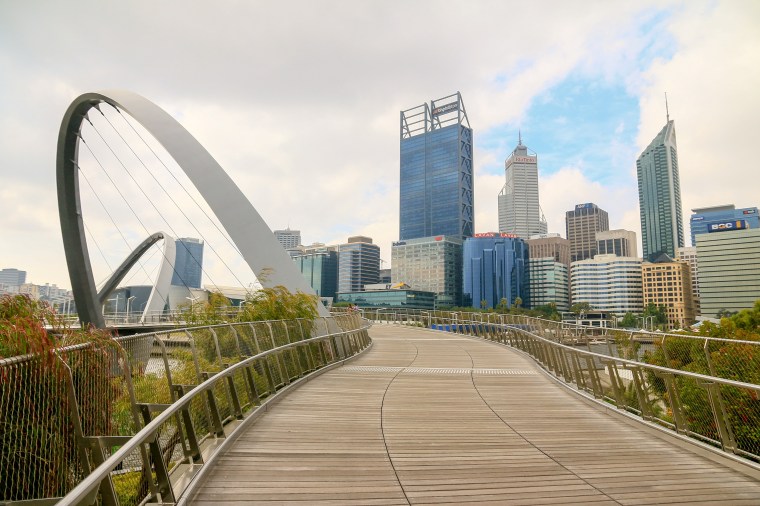

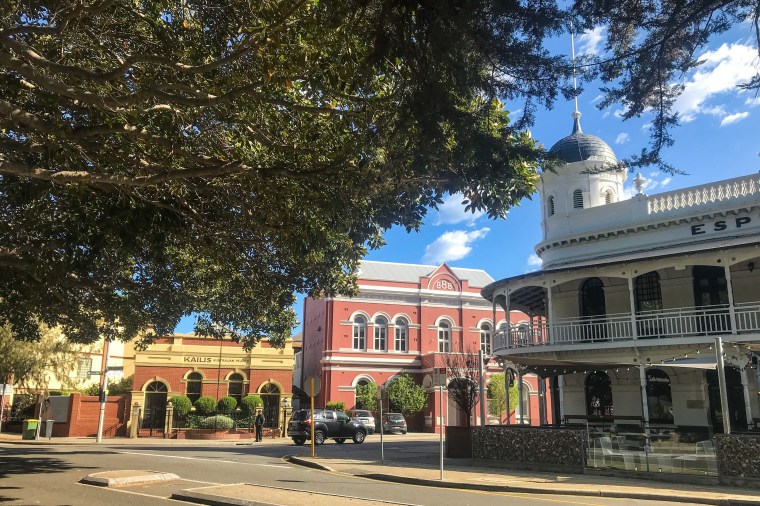
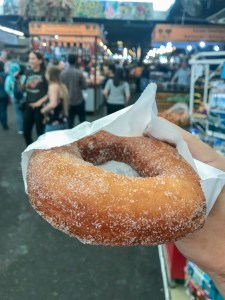 Freo was my base for the week and part of its appeal was accessibility to water. Being a busy and somewhat historic port, it’s not without its charm and boasts a high concentration of elegant turn-of-the-century colonial buildings. It seems to attract hipsters which equals good coffee, has not one but two breweries, puts on some fine markets, and has developed into a mecca for fish and chip consumption. There is a lot to like about Freo.
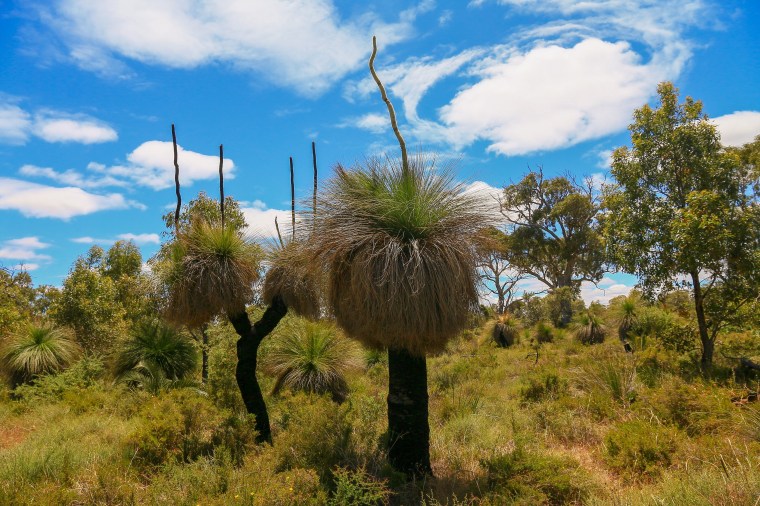
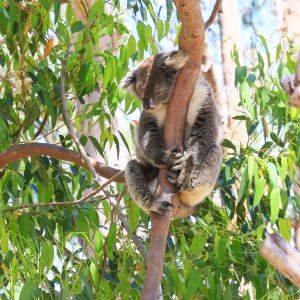 Given the proximity of this park to Perth, there is also a more manicured and deliberately designed aspect to certain areas, with tightly mown grass, a cosy café, campgrounds, waterside boardwalks and electric barbecues. A perfect family spot for a Sunday lunch, kickabout and encounter with koalas and kangaroos, creatures which seem strategically placed for the many visitors on minibus tours heading for the Pinnacles.

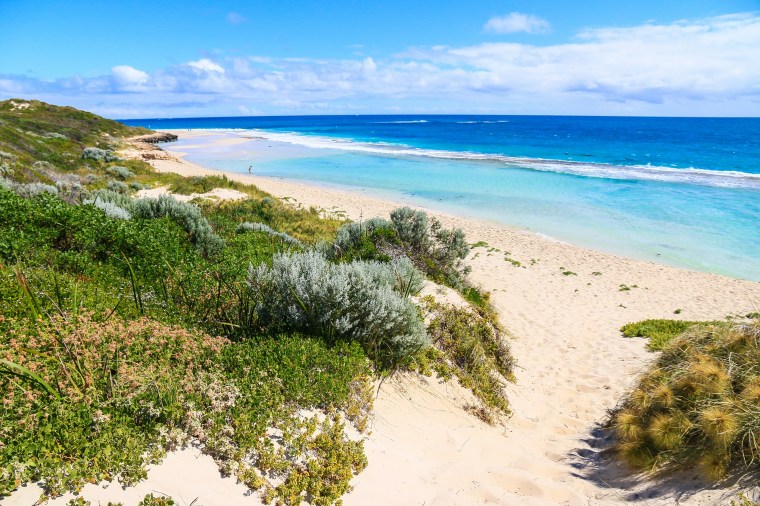


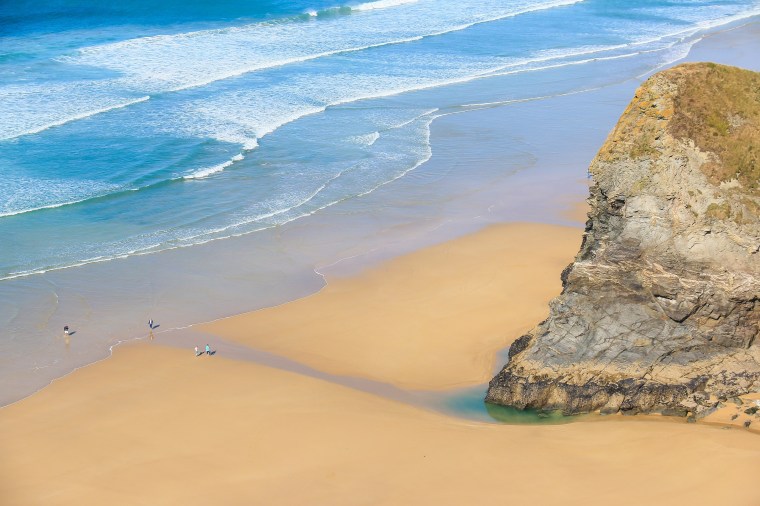


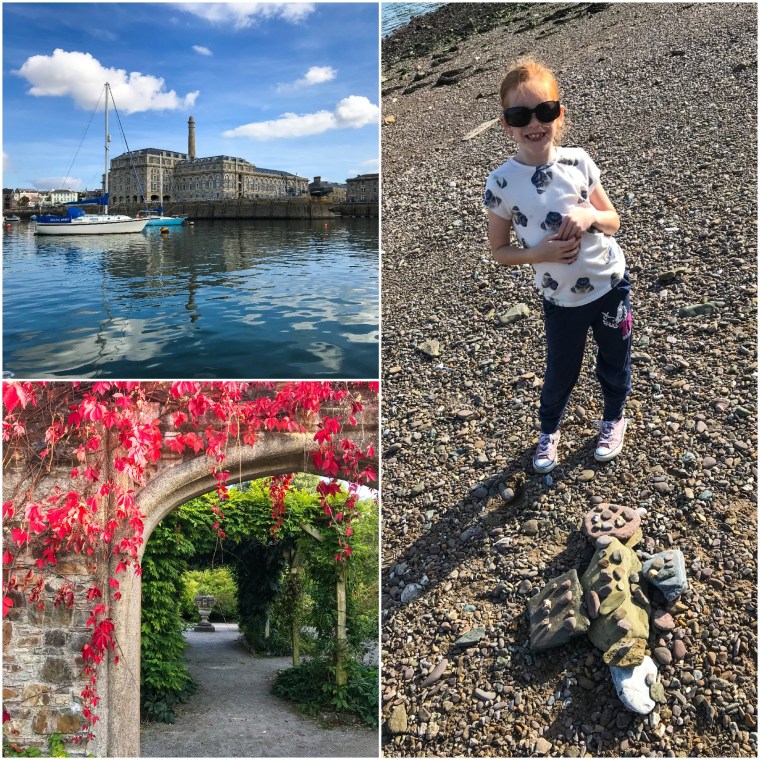


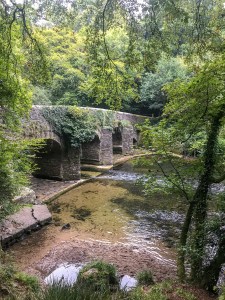 It is from these hills, from this sponge in the middle of Devon, that the waters which give Plymouth its name first spring. The River Plym here is a far cry from the sludgy and stinky tidal estuary meeting Plymouth Sound. Clear and rapid, tumbling over boulders and pooling on bends, the river descends into dense valleys packed green with mosses, ferns and leafy trees. Plymbridge Woods is but a short descent through a dark, narrow lane from industrial estates and Asda superstores, yet it is another world away.

 So, to the north, to the east, to the west there are pleasures easy to reach. Should you have a boat or a longing for Brittany, the south also offers much. And slap bang in the middle, Plymouth. My home that still feels mostly like home while existing slightly distant. It’s funny how things you took for granted, things that you didn’t notice when you were younger now trigger a fond, sometimes joyous sensation. And that extends from leafy green woods and cobbled quays to the family comforts of laundry fairies and roast dinners. Home, still.




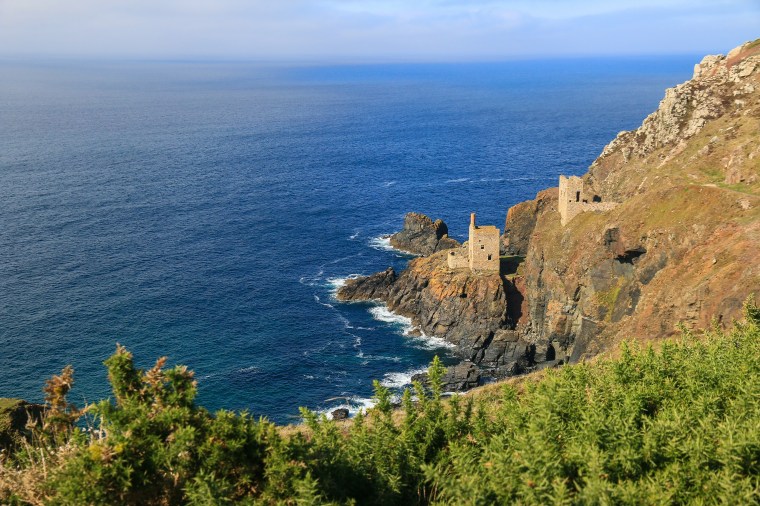

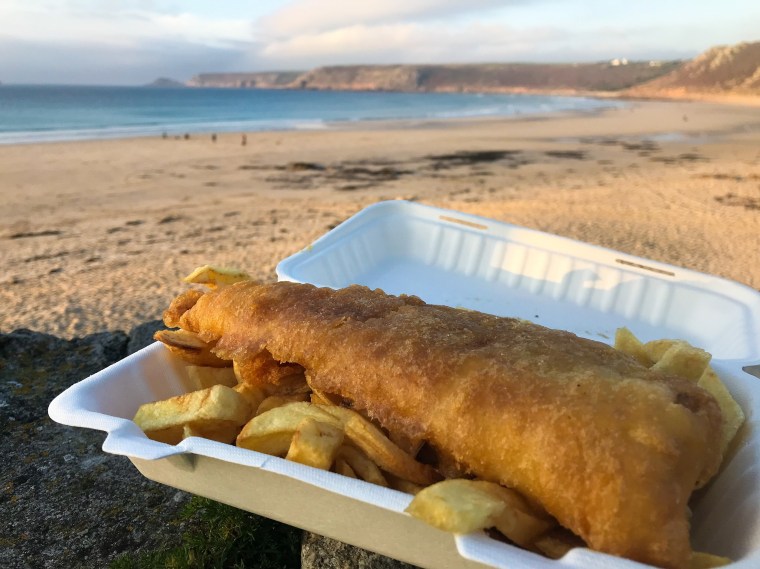
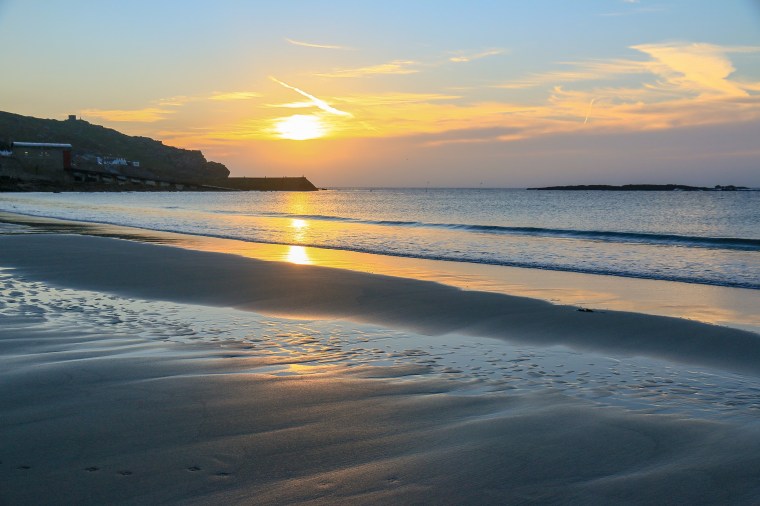

 Facing a long drive back from

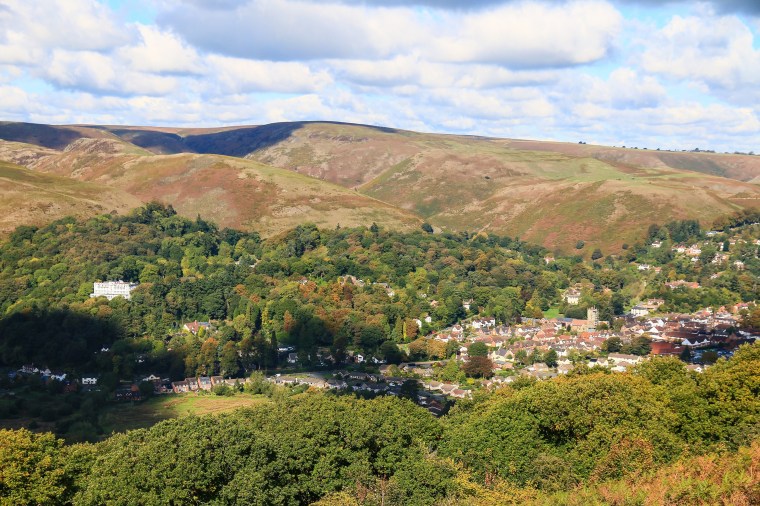


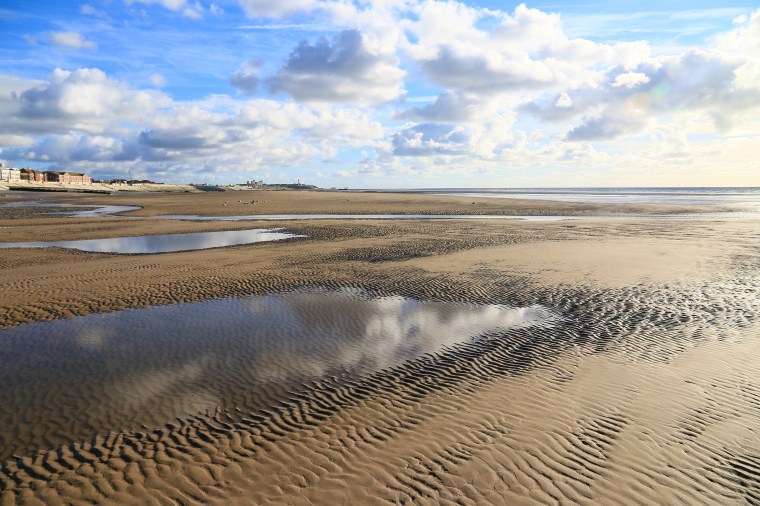
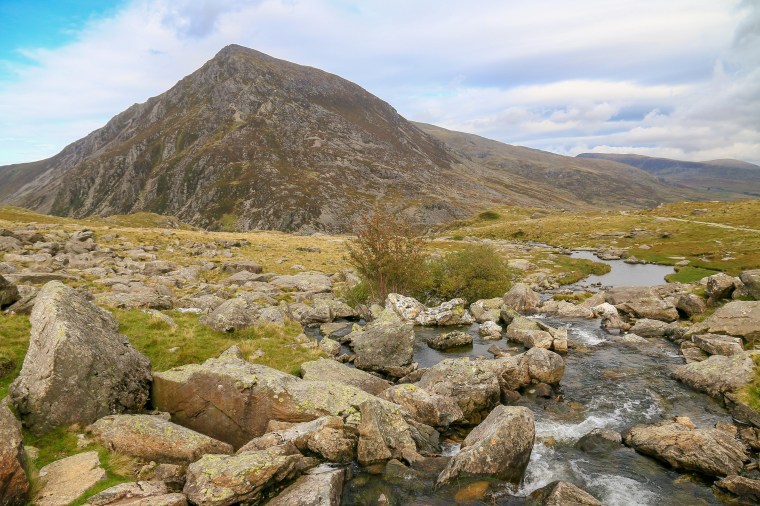

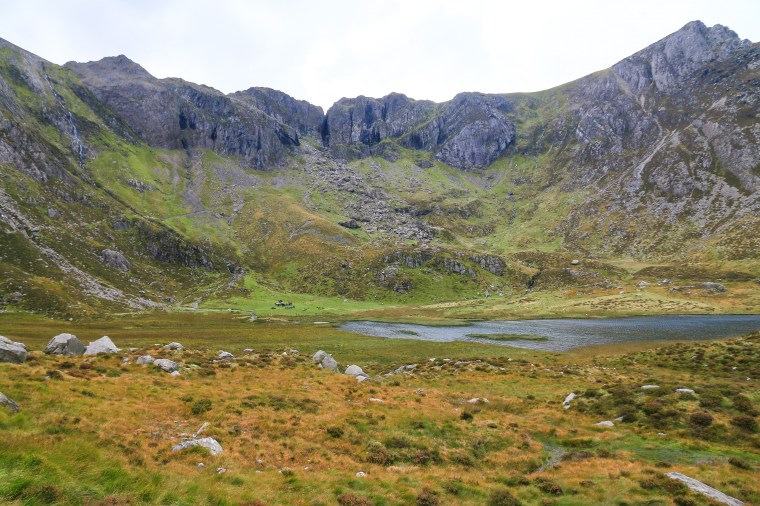


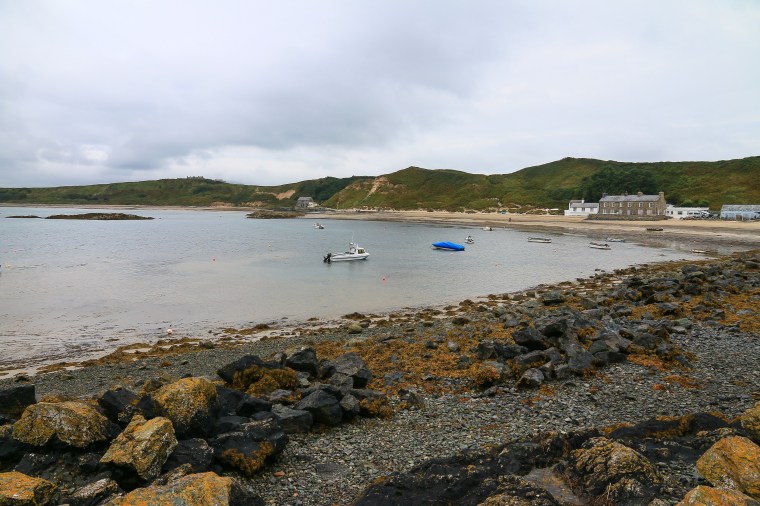


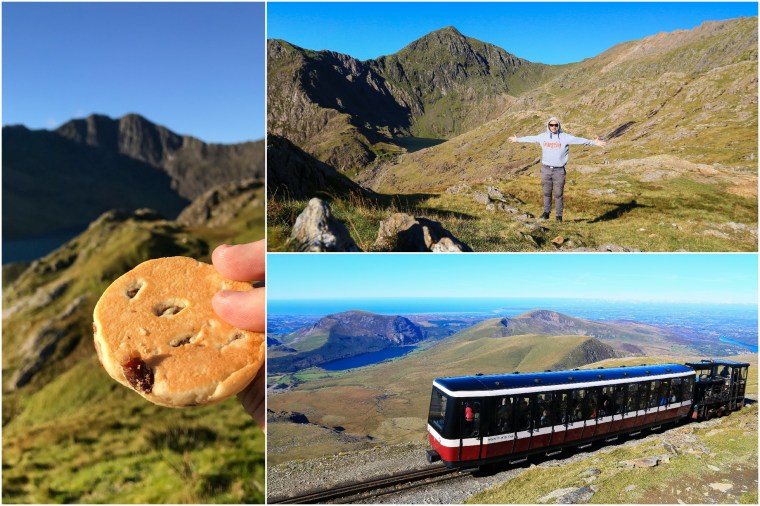
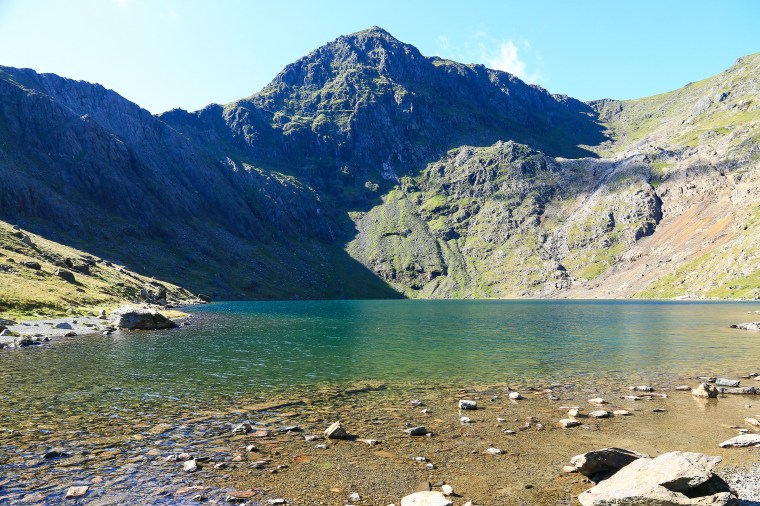


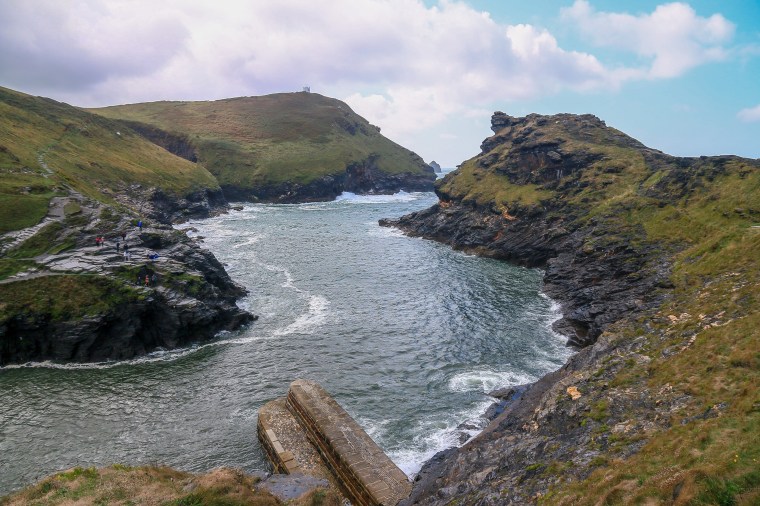
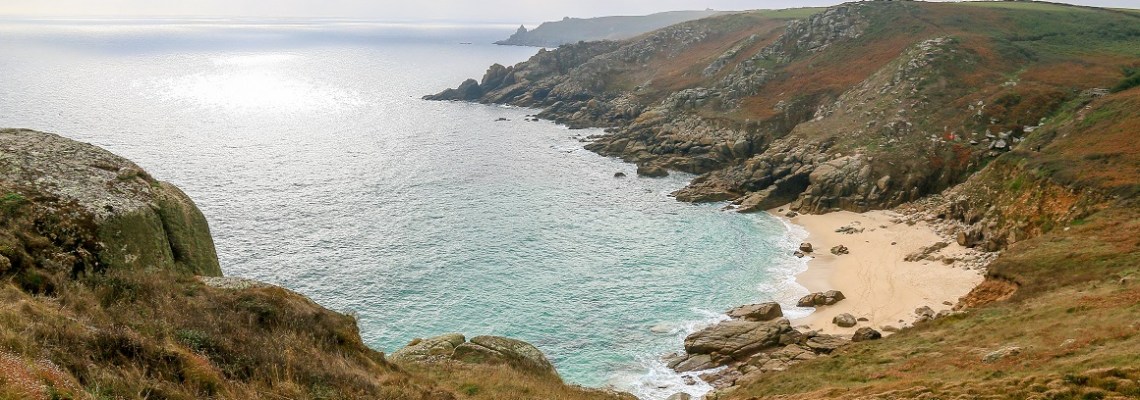
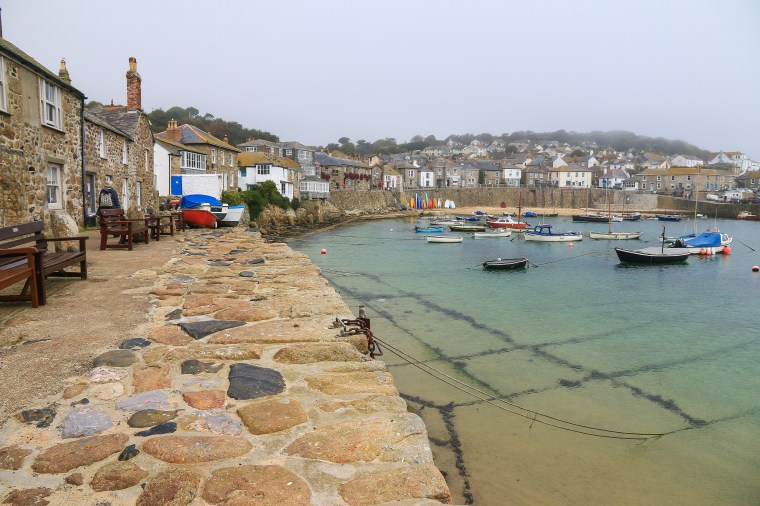
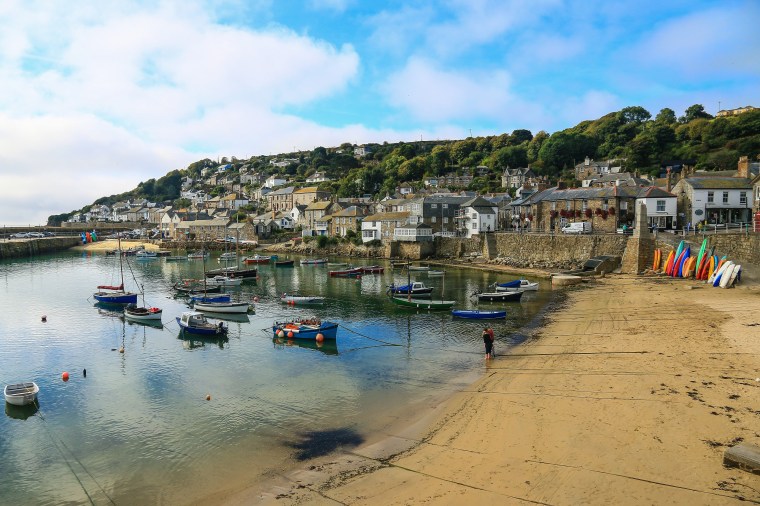
 With its prominent headlands, Boscastle offers a sense of protection from the great expanse beyond. There’s a cosiness to the village, which is a formidable asset in attracting people down its B roads. Nearby Tintagel doesn’t possess as much cosiness but instead relies on tenuous associations with King Arthur, Pengenna Pasties and – until recently – Granny Wobblys Fudge Pantry. Sadly, this year it seems Granny Wobbly has retired, along with her legendary fudge making abilities and fudge crumble ice cream (ice cream + clotted cream + fudge). Suddenly Tintagel seems devoid of purpose and Boscastle wins.
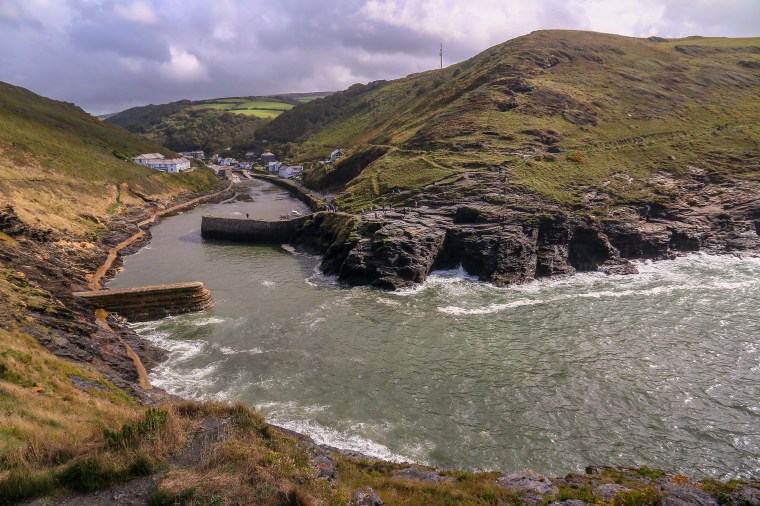

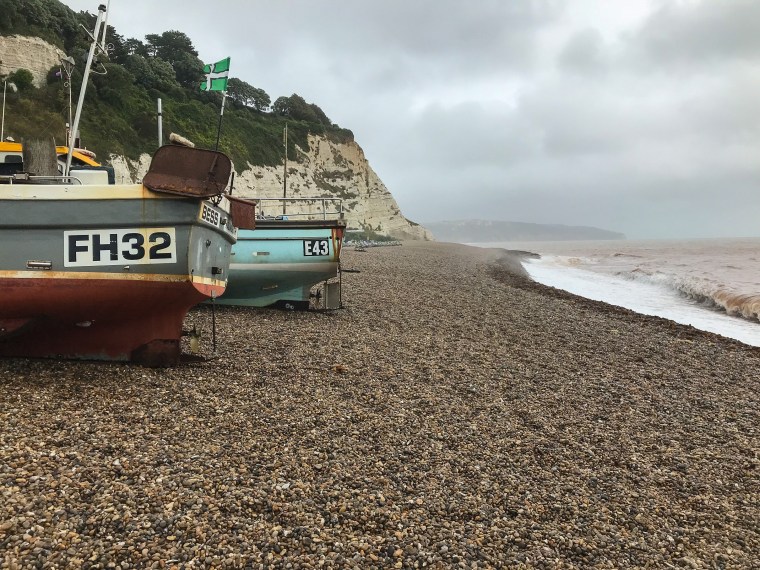


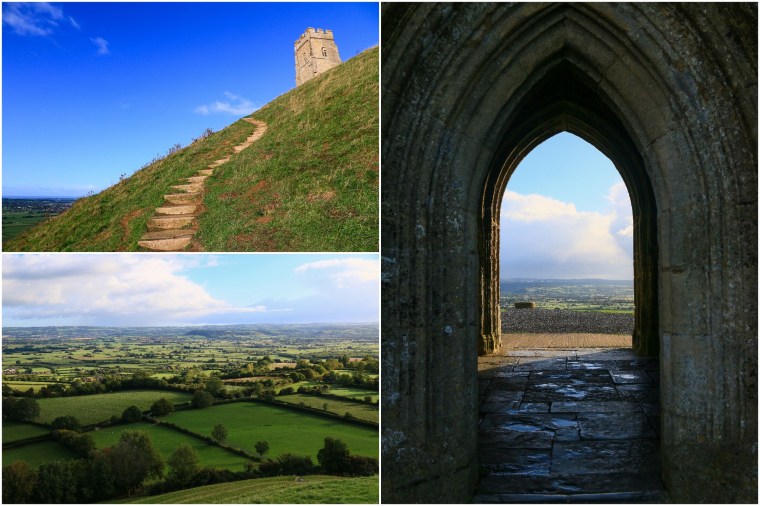
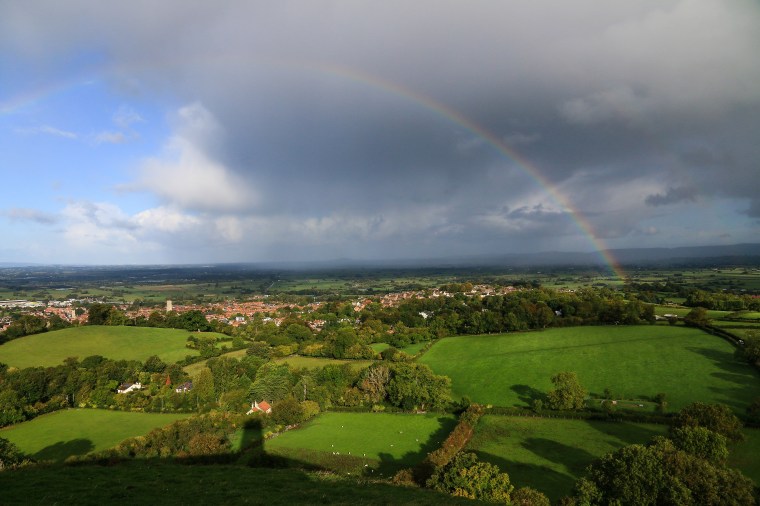

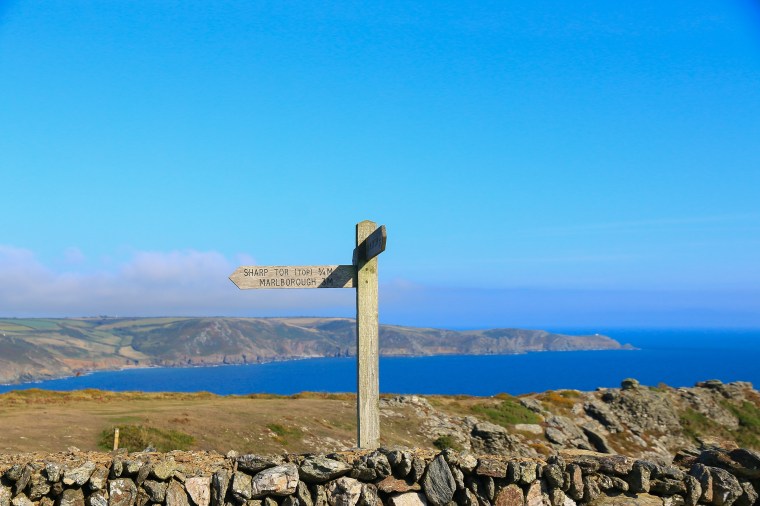

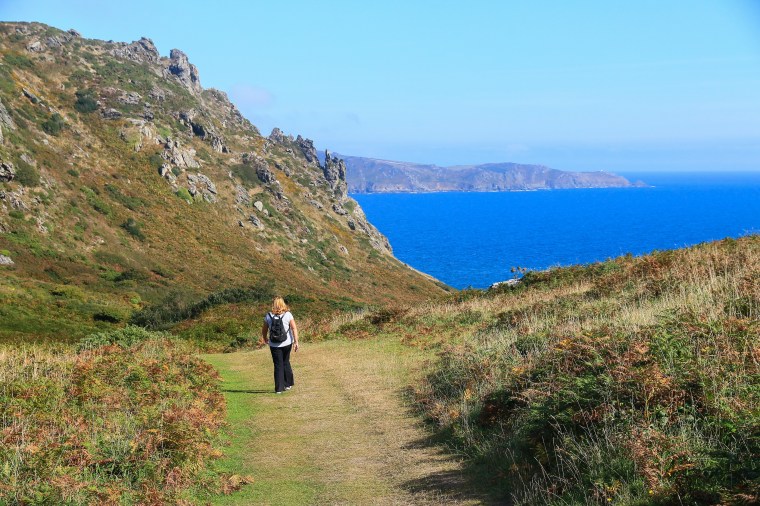

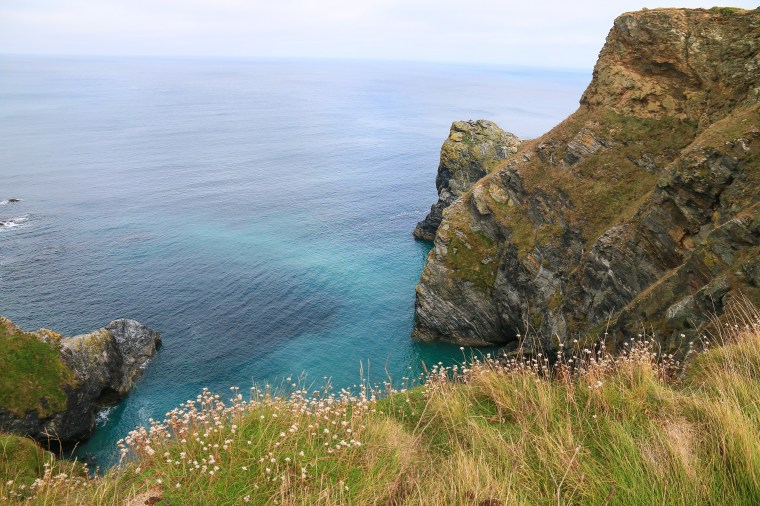
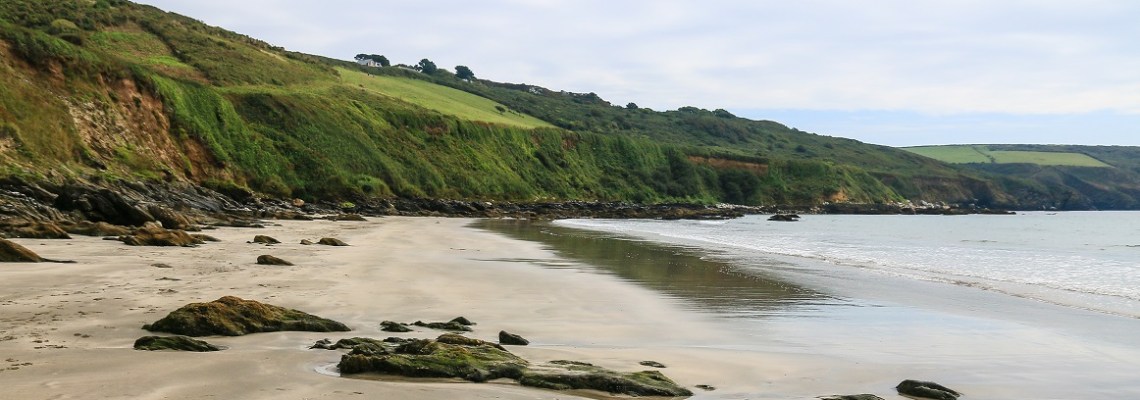
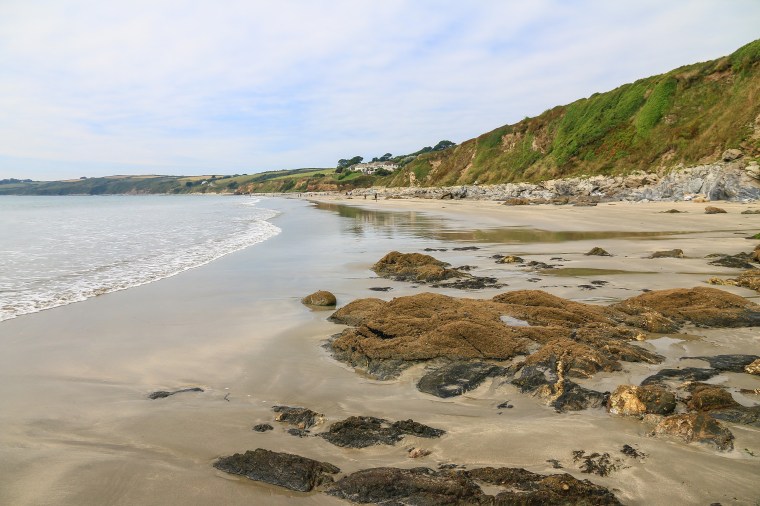
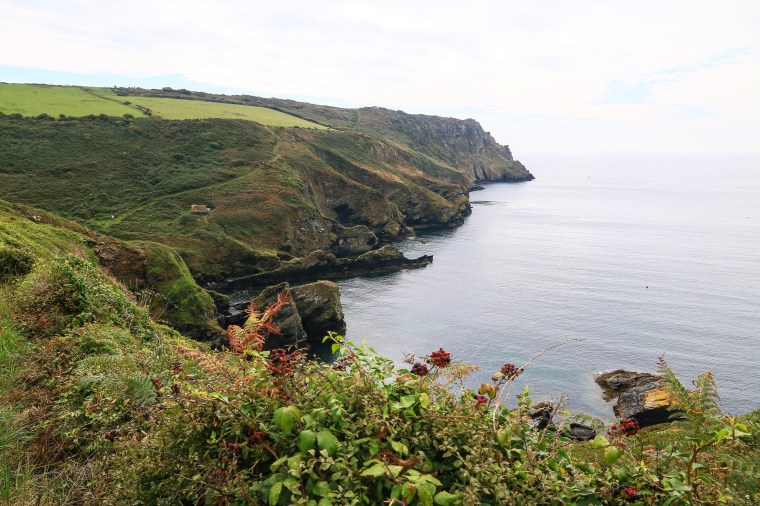
 The scenery and amazement at such scenery being so visible, being so wondrous, continues around the corner as we slowly head back in a loop towards the car park. The last vestiges of heather and sweeping gold of flowering gorse add an extra splash of colour on this most brilliantly saturated afternoon. Leaving the clifftops high above the sea, only bovine-induced pungency can prove more overwhelming.

 Could I end this day, this once dreary day, any better? This morning – actually even at two o’clock this afternoon – I would have had myself committed if I said I would be bathing in the sun, drinking a cold shandy, lounging in shorts. But with the regular dreariness of Great Britain you need to retain that hope. And in South Devon, we are of course blessed with hope. Hope indeed.

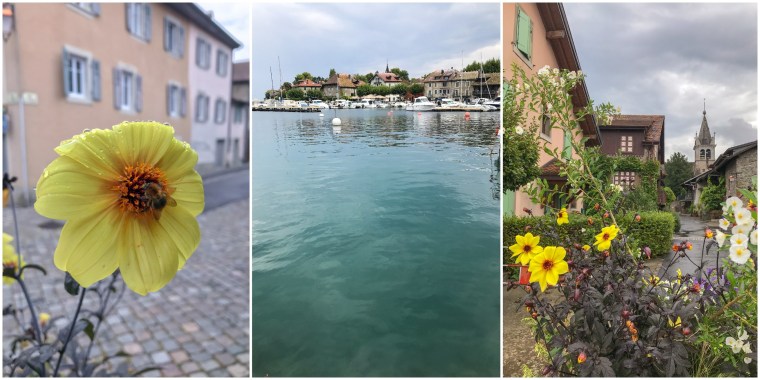
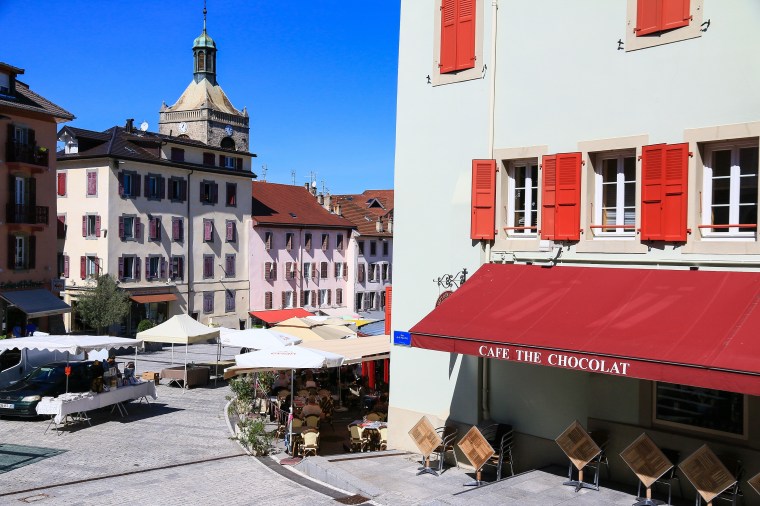
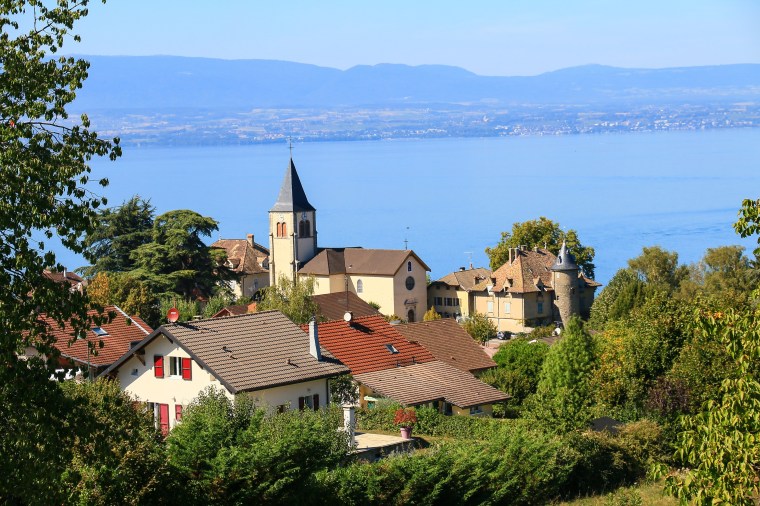
 The next day was a more promising affair, with clouds breaking and a touch more warmth back in the air. And so into the Alps, for a destination that was as much about a lunch opportunity as it was scenic nourishment. The Cascade du Rouget plunges down from the mountains, fed by snow melt and discarded Evian. Today, at the end of a long hot summer, it was a relative trickle but an impressive sight nonetheless. Liquid oozing at the mercy of gravity, the annual fondue went down pretty well too.

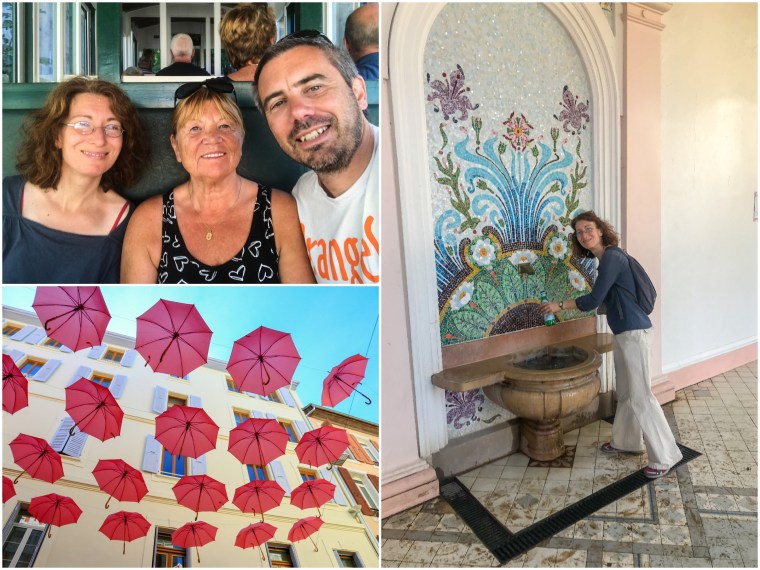
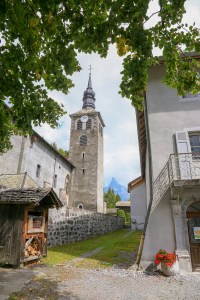 The nearby flowery towns of Sixt-Fer-a-Cheval and Samoens provided a touch of post-lunch ambling, ticking down time until the bakeries re-opened. They were relatively quiet on this weekday in September, a palpable air of towns that are winding down from the summer and slowly putting in place preparations for winter. Jigsaw wood piles, puffed up bodywarmers, freshly greased raclette machines. All the essentials of an Alpine winter.
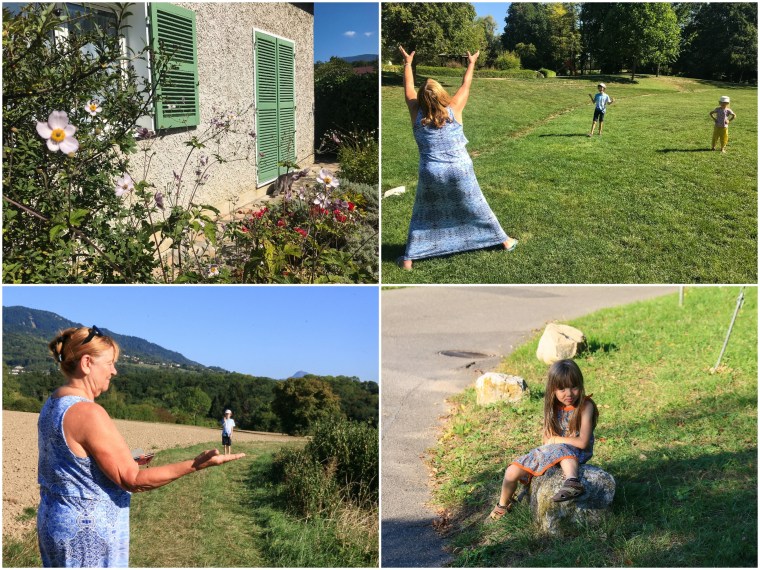

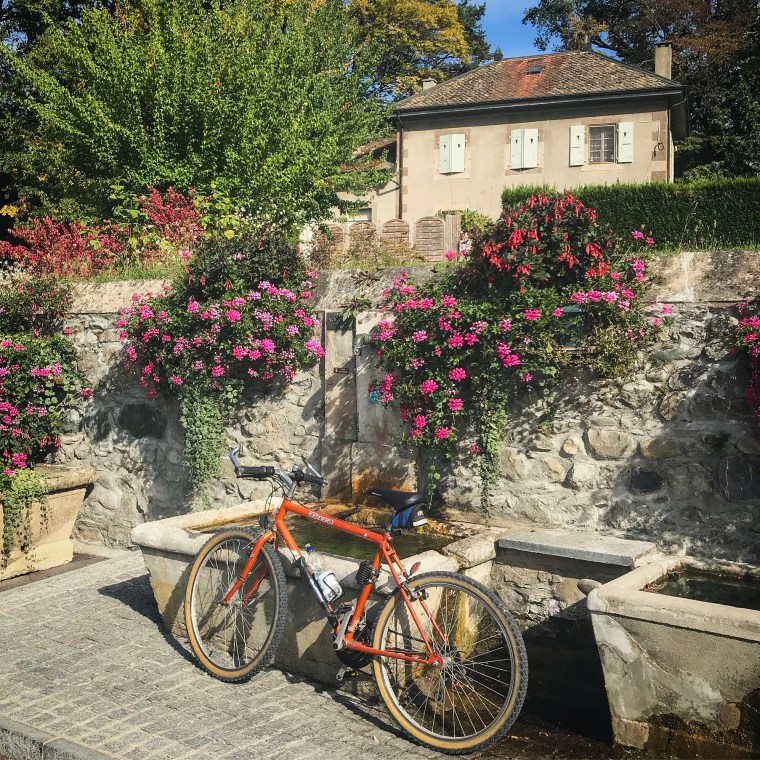
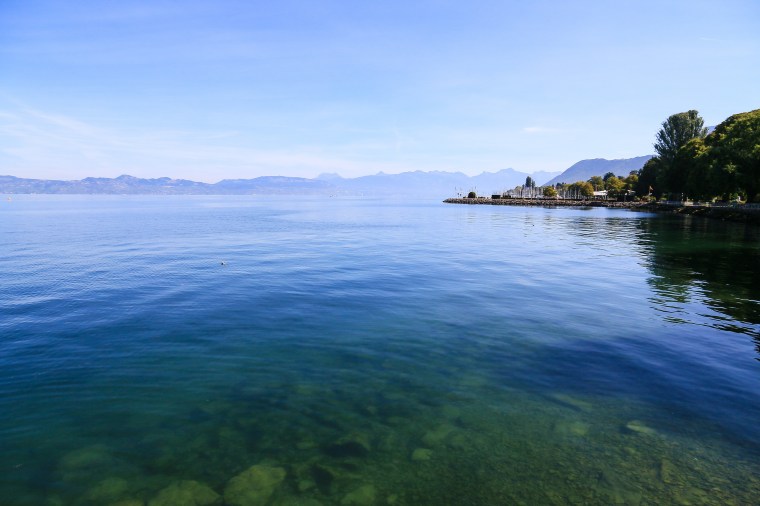




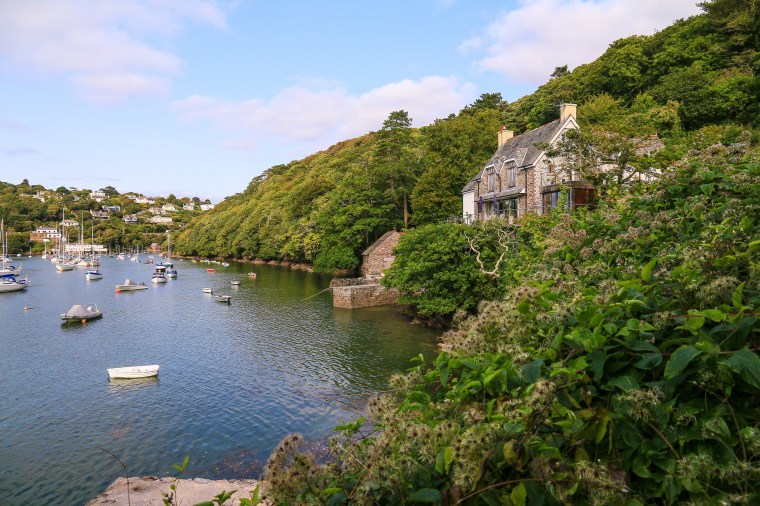
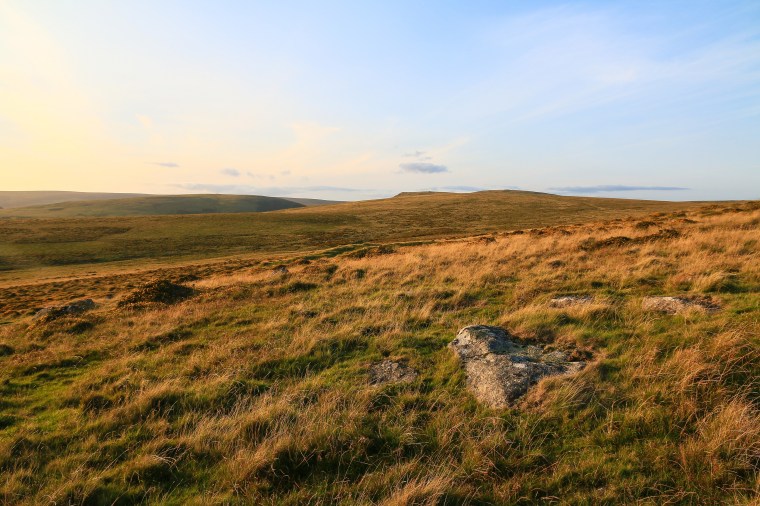

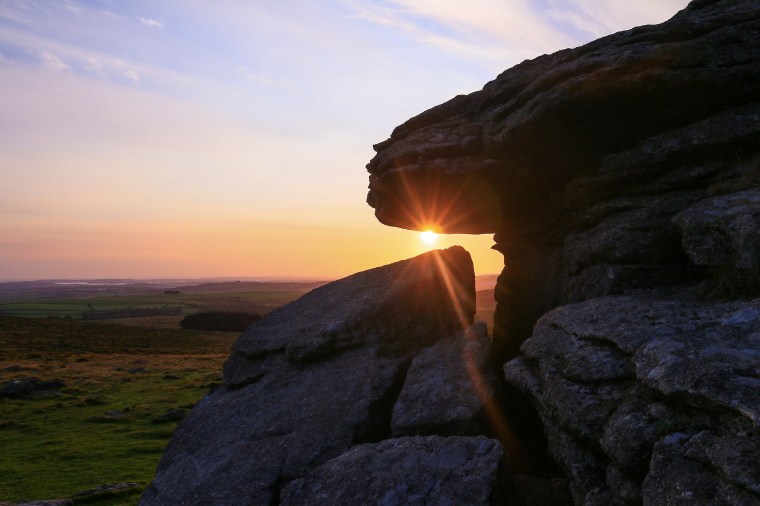


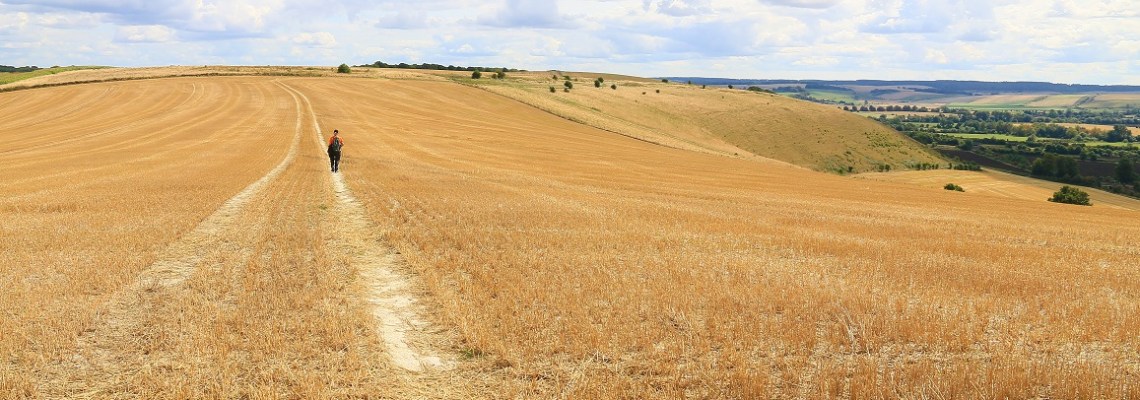
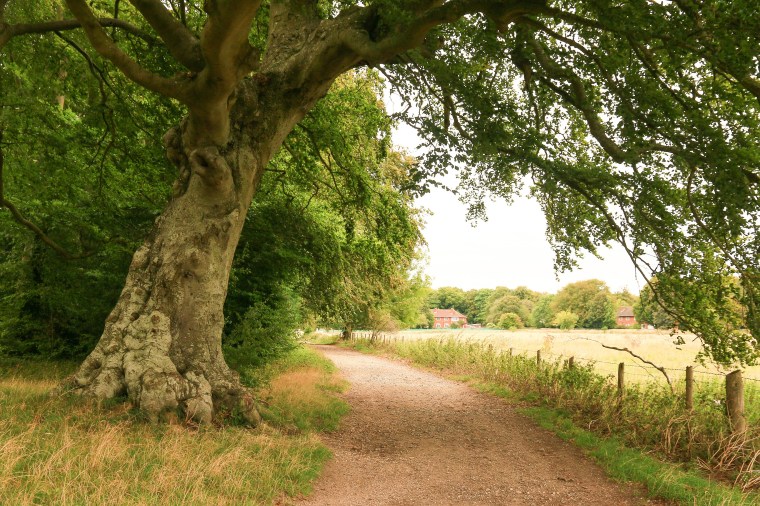


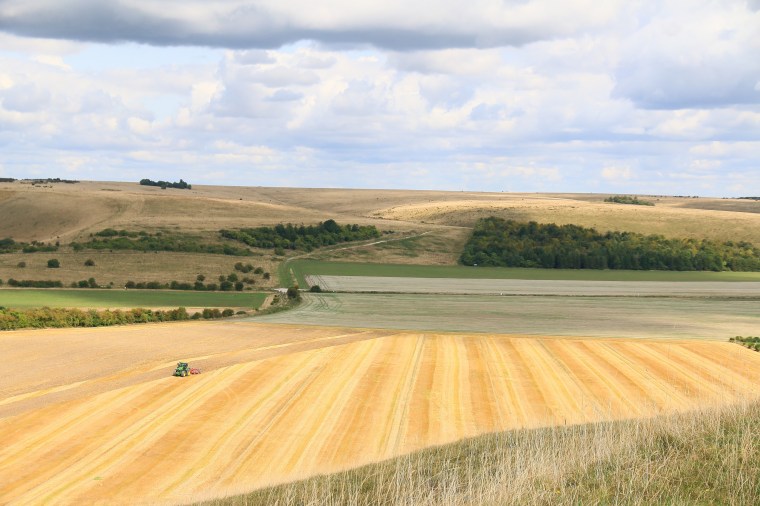
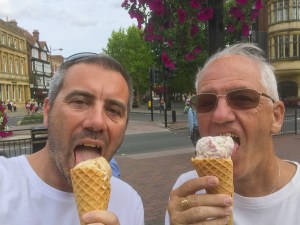 The reward for all this toil, traipsing through a sunny late summer in England was ice cream in Salisbury. In a land in which tradition appears widely cherished, what better tradition to uphold?

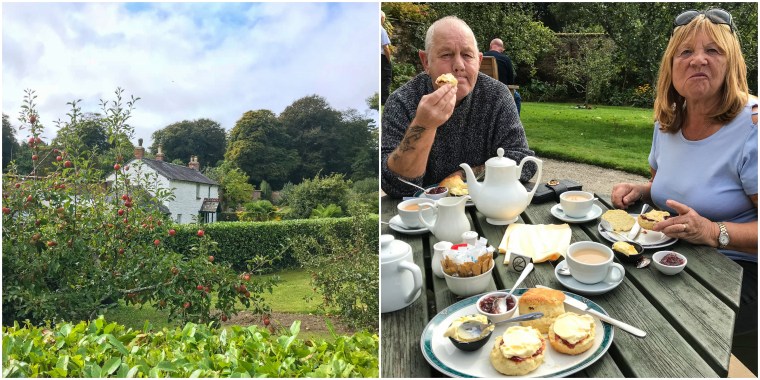
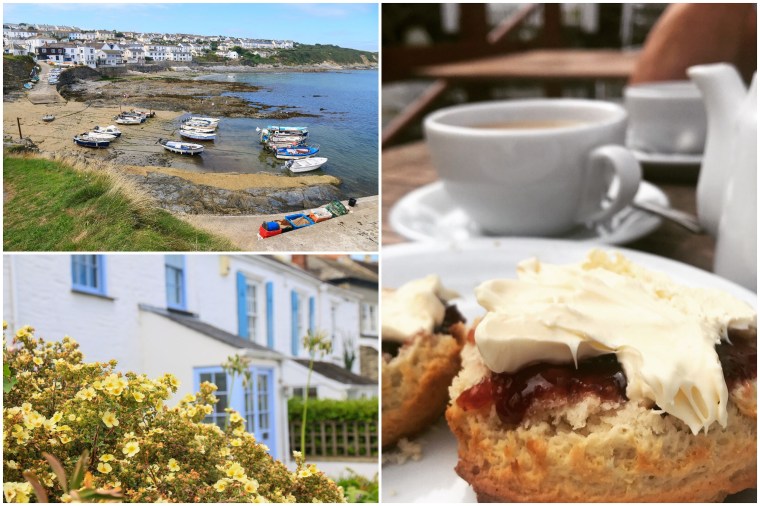
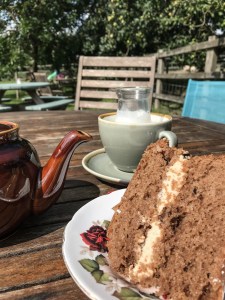 In times of such frightfulness one is best advised to turn to a cup of tea and slice of cake. Sat in a sunny position next to an orchard, sheep mowing the grass and a garden centre just around the corner, there is enough here to soothe the feet, the stomach, and the eyes. I’ve had better cakes but hardly many better contexts in which to eat them.


