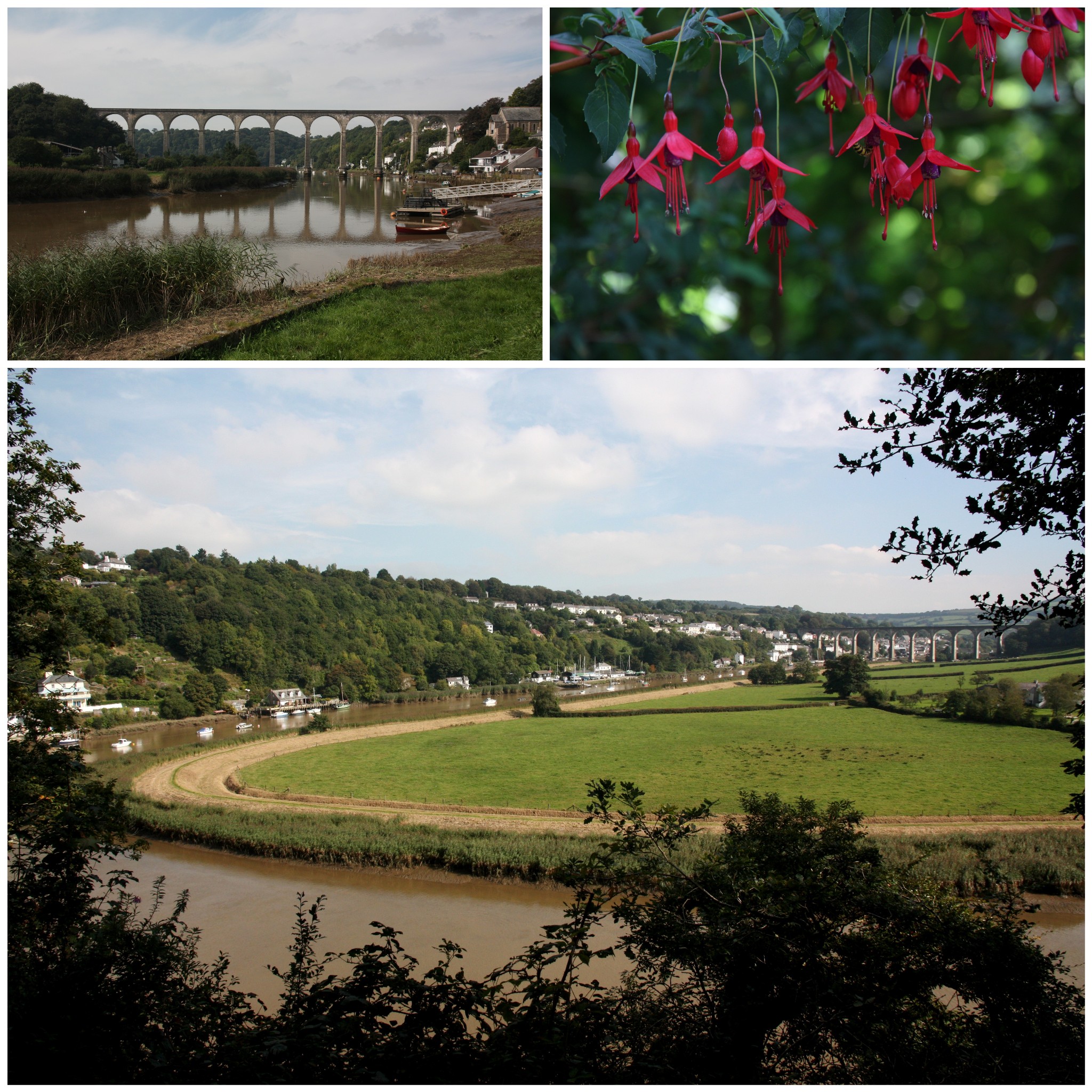
Waterfalls

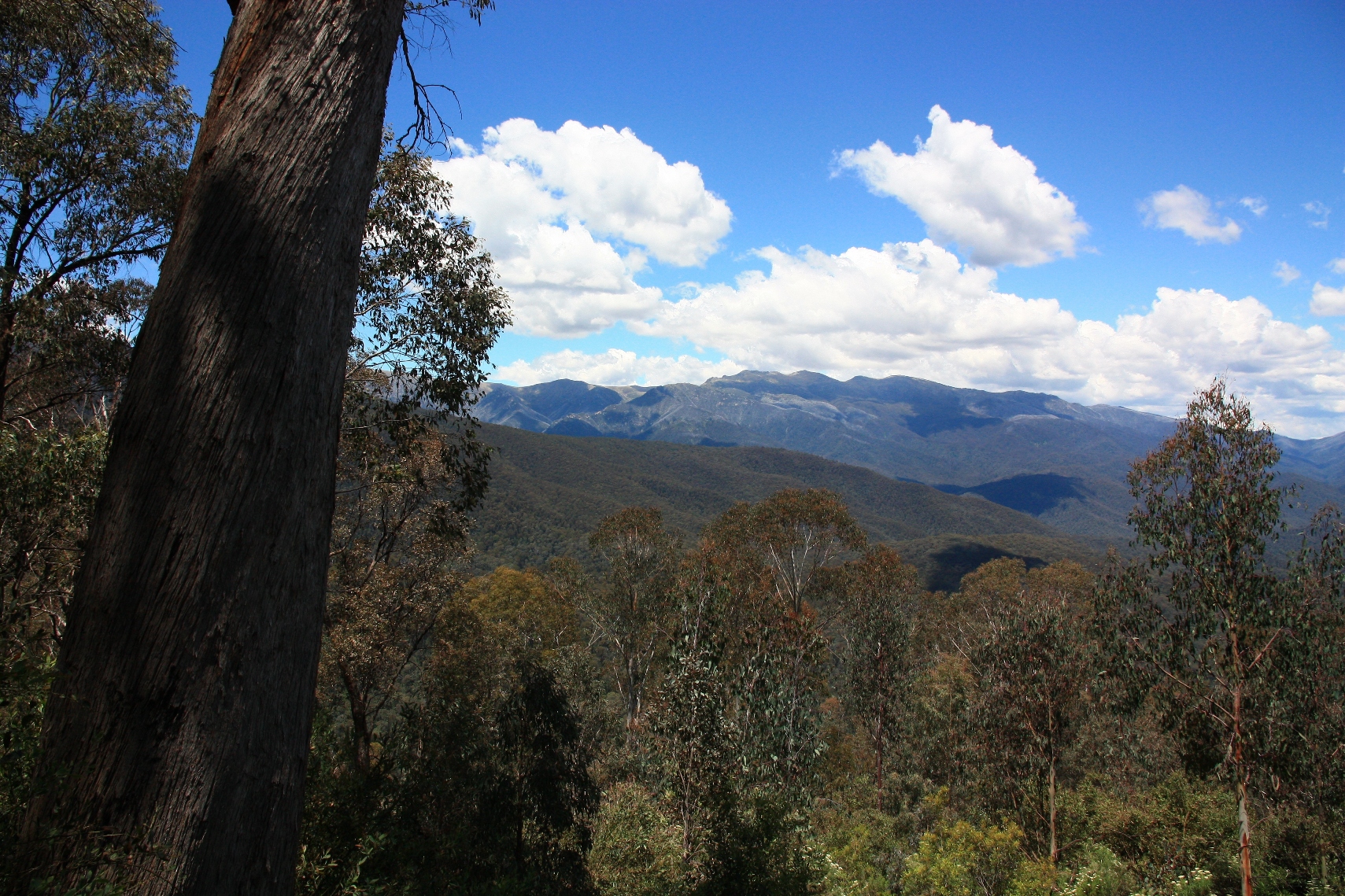
It was always going to be hard for me to steer clear of a road named The Waterfall Way. Linking the tablelands of Australia’s New England to the mid north coast of New South Wales,the twist and turns down to the ocean are regularly punctuated with a chocolate box selection of falls. The stops from west to east are a story in climate and geography. Commencing in a parched landscape of wild gorges and dry bushland, thin strips of silver white water spill off cliff edges and into unseen creeks. High plateaus offer wild flowers and cool forests through which rivers gather speed and depth to forge their way down steps into deep gullies. Moisture picks up closer to the coast, where rainforests form to offer crystal cascades and lush fern pools, and the water speeds into the coastal plain before mellowing broadly to the sea.
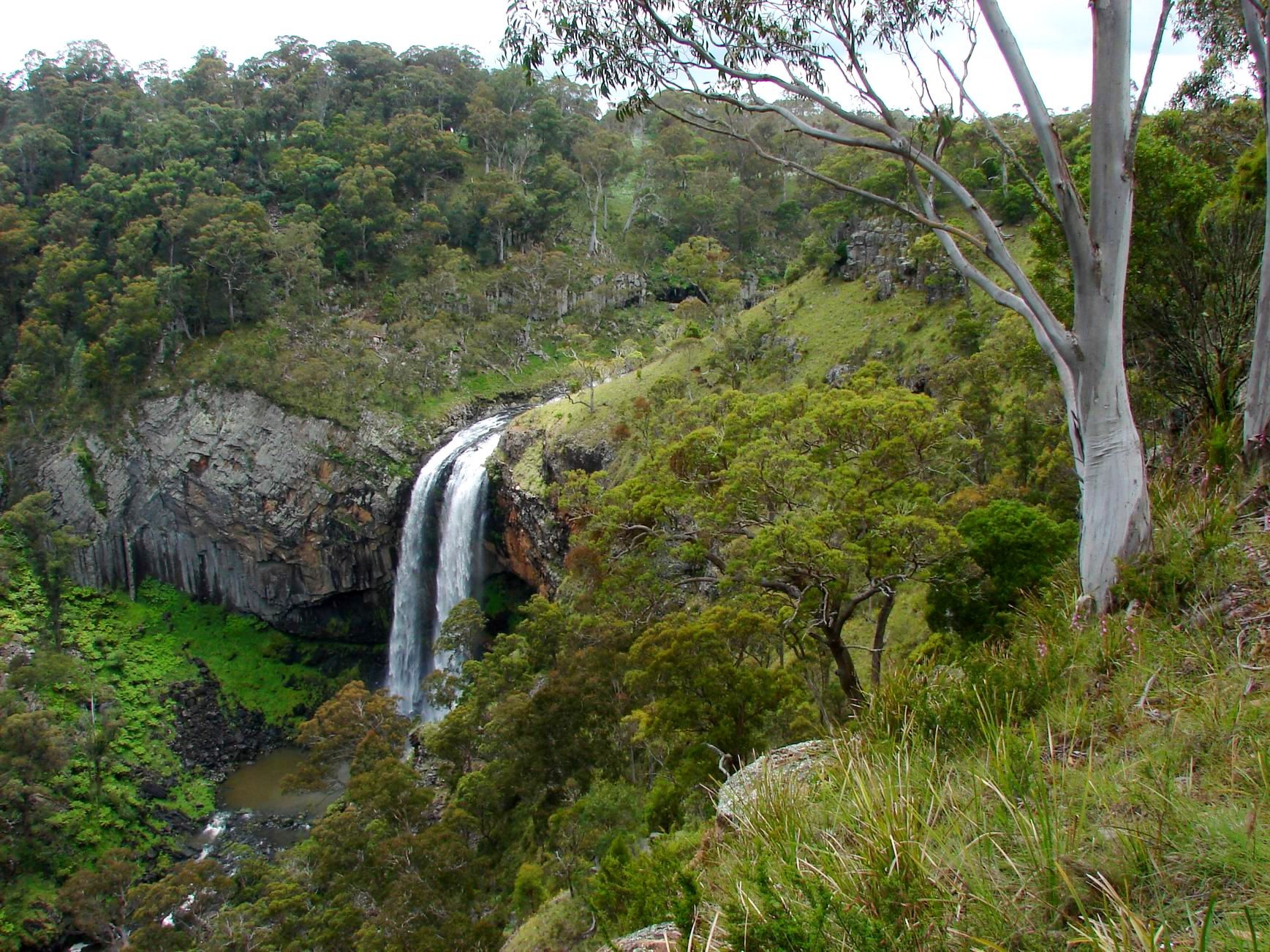
With such excess there is a danger of waterfall fatigue: parking up, strolling to a lookout, taking a picture and hopping back in the car for a short journey to the next stop. In fact, the waterfalls continue north in pockets of rainforest tucked amongst ancient volcanic plateaus all the way up into Queensland. In the wonderful natural surroundings of Springbrook National Park it is as if there is one final grand culmination before water sweeps over the Great Dividing Range and into the horror of a Gold Coast horizon. Plunging pristine water toppling over the edge before being becalmed in a complex of gaudy cashed up retirement waterways.

Tucked away before the Gold Coast looms, in the quieter western side of the park, another waterfall tantalises the traveller who crosses the border by the back way. Nestled within a beautiful green valley is the once more imaginatively named Natural Arch, replete with shady pool and shimmering cascade plunging through a tunnel of rock. It’s midway round a processional loop walk through the rainforest, where sun rays filter hazily through the tree ferns and parrots chirp away in the canopy. On a humid summer morning, the cool shade of the forest and continuous thrash of crystal water is the perfect gin ‘n tonic.

—————————–

What is it about waterfalls that are of such appeal that we seek to recreate them in garden features the world over? On balance they are usually very pretty, from elegant slivers to bubbling tiers and tormented torrents of foaming fury. They are, as much as anything, a break from the ordinary…where a placid river or lake suddenly comes to an abrupt halt and decides to throw itself over a cliff. There is an unparalleled feeling of freshness and purity and, often, invigoration from getting close to gallons and gallons of tumbling water. It can make you feel alive. It can make you want to pee.

The power of waterfalls is compelling and is why they are often best viewed after rain, or sustained snowmelt. Yosemite in May is very different to Yosemite in October. Postcards of massive gushing falls in northern Australia can tell a lie for the trickle that often dwindles in the dry season. In the UK, the weather is usually more reliably conducive to year round falls, with new ones springing up across high streets during supposedly exceptional but all too regular winter storms.

W_wales2013 was one of the better British summers and I felt slightly aggrieved to catch only the tail end of it. Nonetheless it was a balmy 20 degrees or so when I found myself in South Wales towards the end of August, on a different kind of waterfall way. Situated in the Brecon Beacons National Park, this literal tour de force was completed on foot along the Four Waterfalls Walk. For pronunciation lovers out there I can make your day by telling you that this commenced near Ystradfellte and took in a wonderful meander to view (brace yourselves) Sgwd Clwn-gwyn, Sgwd Isaf Clwn-gwyn, Sgwd y Pannwr [1] and Sgwd yr Eira [2].

It sounds like a trite cliché (hey, who doesn’t love a trite cliché), but each fall (or, I assume, sgwd) had its own style and character. Each one builds to the next and the final stop on the itinerary offers the ultimate white water thrill for not especially adrenaline seeking junkies. For, at the curtain falls of Sgwd y Eira, it is quite possible to walk behind the voluminous mass of water plummeting down, and – for some – to take your dog reluctantly along for the ride too. Inevitably there is plenty of spray and you will get wet, but – well – you are in Wales and you will get wet in Wales sooner rather than later. Why not make it here and take the chance to really appreciate the forcefulness of nature. Why not take your ear drums to the brink, pleading for mercy from the explosive, monumental thrash of the gigalitres of water that descend before your eyes? Amazing.

—————————–

Like Wales, Oregon is pretty familiar with rain, confronted as it is with a moist pacific airstream and climatic battle between deserts and mountains. One early October day in Portland is restricted to bookstore meanderings and coffee shop escapes, ducking out between downpours to make it to the next warming hipster refuge. Traversing wet sidewalks through a tangle of black umbrellas and beige raincoats, the city seems enveloped in the cinematic monochrome of a film noir. There is oppressiveness to the rain, something which is accepted and wholeheartedly embraced by its citizens but causes frustration to time-limited visitors like me. There are only so many lattes to sup and bookshelves to roam.

The next day shows marginal improvement – overcast but dry – and seems as good as it will get for an escape into the wilds. Passing the quite possibly interesting town of Boring, there are no views of Mount Hood to be had, rising Fuji-like out of the farmland and forests of the horizon as depicted so tantalisingly in the Lonely Planet picture. Brief glimpses are snatched beside Mirror Lake, with little reflection other than that internalised in relation to being potential early morning bear fodder. Further sneak peeks appear in the rain shadow of the mountain to the east and, here, the sun returns for a while to transform the colours of the fading autumnal forests.

With Mount Hood now somewhere behind, the road ends at the huge barrier of the Columbia River, carving a broad swathe through the Cascade Mountains and splitting Oregon and Washington States. The river has created a mammoth gorge lined with cliffs north and south. And so, with a large river system, significant rainfall, and high cliffs, there is a certainty of a quite spectacular run of waterfalls.

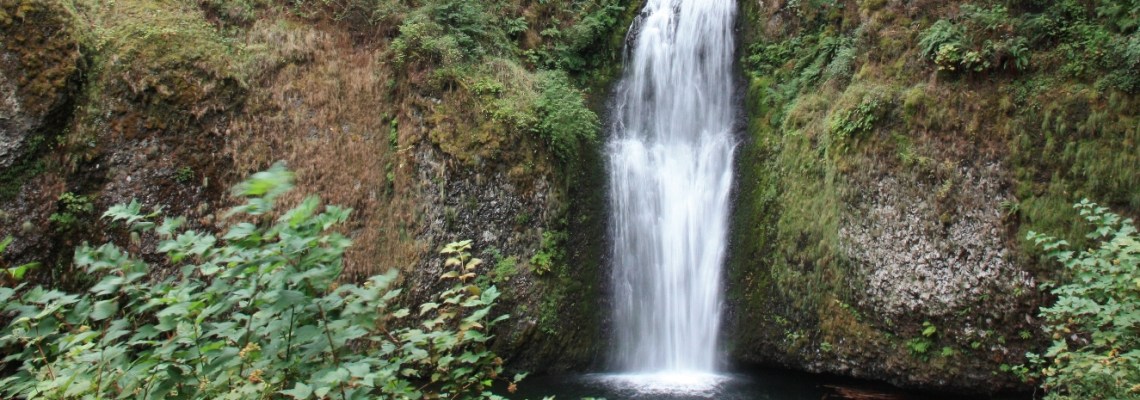
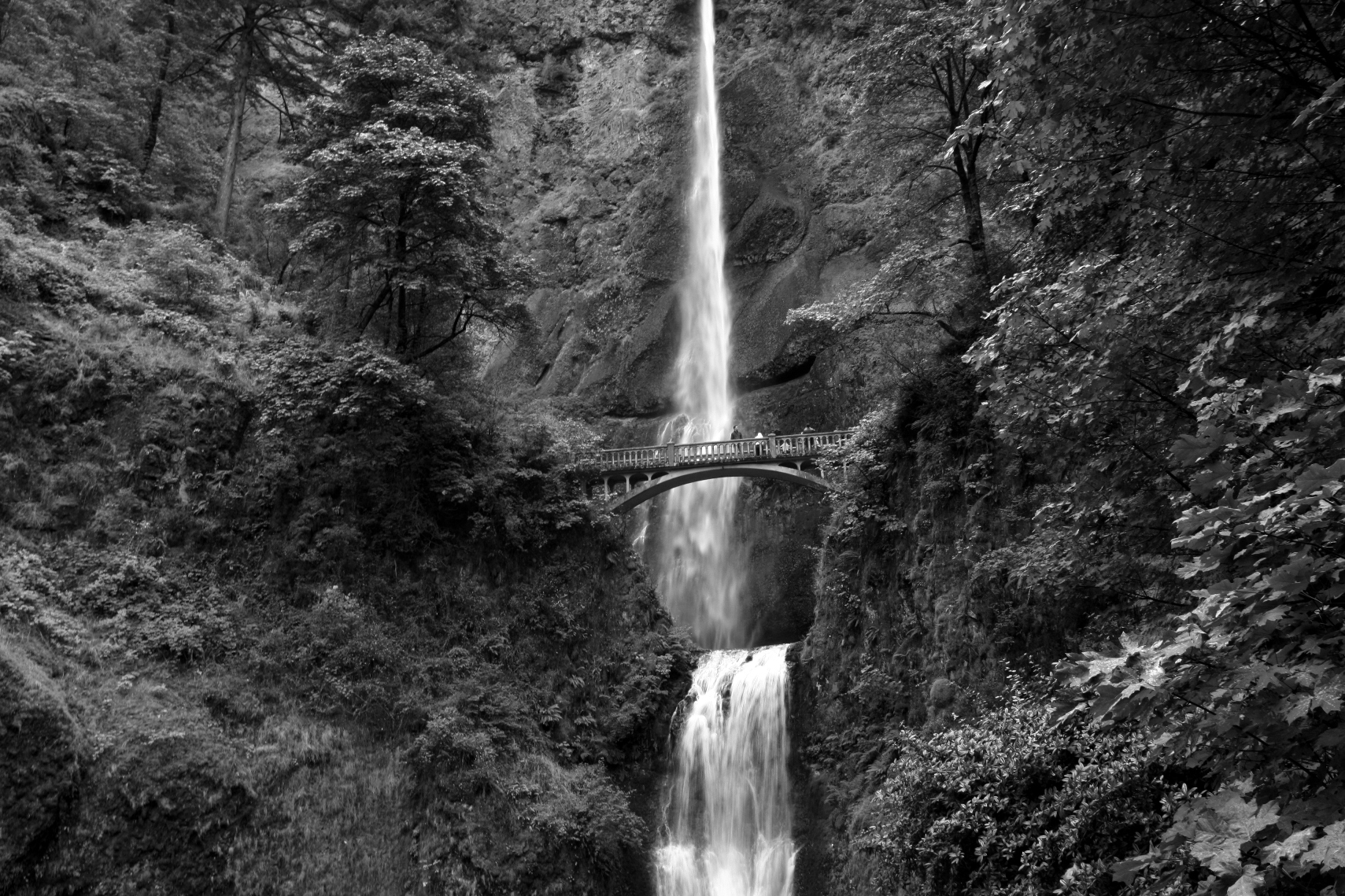
This particular waterfall way is undoubtedly a more developed road than that back in New South Wales, as dual lane sweeping curves follow the river in what is a dream to drive. Of the frequent cascades, it is Multnomah Falls that offers the most iconic sight. For once it seems a human element, an unnatural structure, has enhanced a natural spectacle. Splitting the precipitous double-decker descents of white water is a pedestrian arch bridge, where humans can run from bears and so effectively offer a sense of scale and perspective. Indeed, even the bears would look small opposed to the streaks of water tumbling from somewhere unfathomably high up in the sky.
W_Columbia

—————————–

Finishing a convenient circumnavigation of the globe here I am now back in Canberra. There are few falls here, other than watery concrete features around the angular constructs of the parliamentary triangle. But in a couple of days I will be going up to Sydney and, with time on my hands, I will make it scenic, detouring to Fitzroy Falls in the Southern Highlands. An old reliable favourite, fed by a reservoir and plunging off sandstone into a gum tree valley. A lyrebird may well be imitating the sounds of crashing water and a strong minty eucalyptus scent will pervade the senses. Again, it will be splendid. Because waterfalls are always splendid. But for now, I must come to a halt and stop this gushing about gurgling water and thrashing torrents, soaked in a spray of swirling liquid currents and dramatic downpours. Because now I really, really need to pee.


[1] For anyone with a customised 2014 calendar Christmas present…this one is the front cover!

A to Z Activities Australia Driving Great Britain Photography Places USA & Canada Walking

Viewpoints

We all have viewpoints. Mine tend to be moulded in a woolly leftish laissez-faire egalitarianism which is open to paying extra tax for everyone to be educated, receive healthcare and live in an environment less likely to be heading towards a fiery doom. But I would say that because I am comfortably suckling at the teats of first world capitalist privilege and not really confronted with all the hazards of war, poverty,  illness or being able to cope with a few extra immigrants contributing to our collective prosperity or the alarmist perils of gay people being able to marry. It’s not very 007, but live and let live I say.

Thankfully the world has millions of apolitical viewpoints that are generally unchanging and far more impressive. A physical vista; a snapshot of what lies in front of your eyes every time you look up, back or around the corner. And amongst these scenes are many structured and grandly formalised viewpoints: the tourist lookouts set up for our collective exploration and viewing pleasure. The mountain tops and observation decks, the roadside turn outs and waterfall balconies, the plateau points and tunnel views, the Mecca to the coach tour pilgrims.

Yes, humans seem to adore lookouts and, yes, I am entirely culpable of some kind of sycophantic, unconditional love towards them. On a map my eyes will be drawn to the star or sunny symbol denoting a high point with a view; on the road, a directional sign indicating an overlook will be dutifully, religiously followed; on a trail, the aim will often be the top. Sometimes they will disappoint, other times they will marvel, always they will provide a purposeful sense of exploration and appreciation of the landscape.

A gauge on my viewpoint love-in can be deduced from this blog. It started at the top of the Empire State Building, sporadically flailing around the globe to sublime points and hurricane ridges, taking in fairytale views and homely vistas, reaching snowy high peaks, glacier points, and key summits, pausing for elegant city views before marvelling at wild canyon overlooks. It seems a written piece dedicated to viewpoints is merely an extension of everything that has come before. Surely there can be no lookouts left to look at, no vistas left to visit?

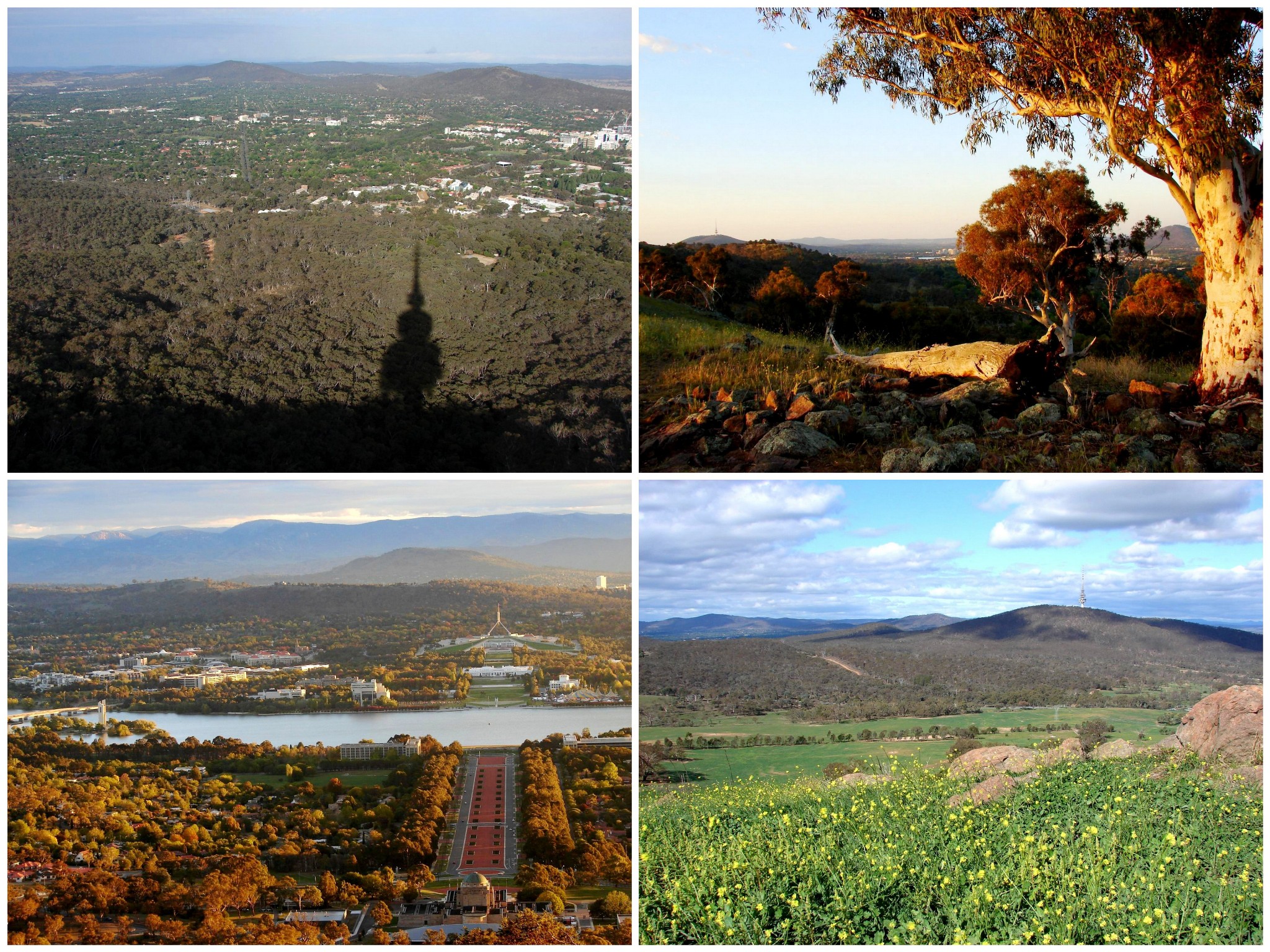
It is perhaps no coincidence that the city in which I (kind of) live is no stranger to viewpoints. On one particular hill, people gather with all sorts of different perspectives and childishly bicker about their views in an effort to cement these into legislation [1]. Still, the good thing is you can escape this nonsense and climb onto the roof of Parliament House for a much better view, noting many other viewpoints rising up within the 360 degree panorama of Canberra.

Phil Liggett, the renowned and rambling voice of cycling, would best describe Canberra’s terrain as ‘lumpy’, akin to those long tortuous days through the Breton countryside. Sure, less verdant and lacking real quality cheese, but rarely a piece of sustained flat on which to take a breather. The geography offers a number of hills, ridges and ‘mountains’, with suburban streets clustered into undulating bowls and smaller hummocks. It’s a landscape of amphitheatres within one bigger colosseum, where numerous viewpoints are the upper circles looking down on a sedate and civilised performance.

I rather cherish these tops, particularly as they usually involve a varied and energetic walk through grasslands and Eucalypt woods, a smattering of kangaroos and darting blurs of birdlife accompanying the trip up. Each hill acts as a beacon calling, a bastion of nature and wildlife with an inevitable, reliably scenic viewpoint at its summit.

V_CBR views

—————————–

There are varying degrees of effort required for the ascent of Canberra’s hills and peaks. This brings us to a consideration of the effort-reward ratio sometimes involved in attaining a view. That is, will the view be worth the effort required to reach it? Sometimes this is blatantly in the positive, such as pulling over on the roadside and easily waddling to a nicely paved lookout over an expanse of wild forest and mountainous outcrops. On other occasions, the effort-reward ratio veers towards the negative that is a plodding, endless haul up a Scottish Munro in the cloying rain to a view of two whole metres of blanket misty white.

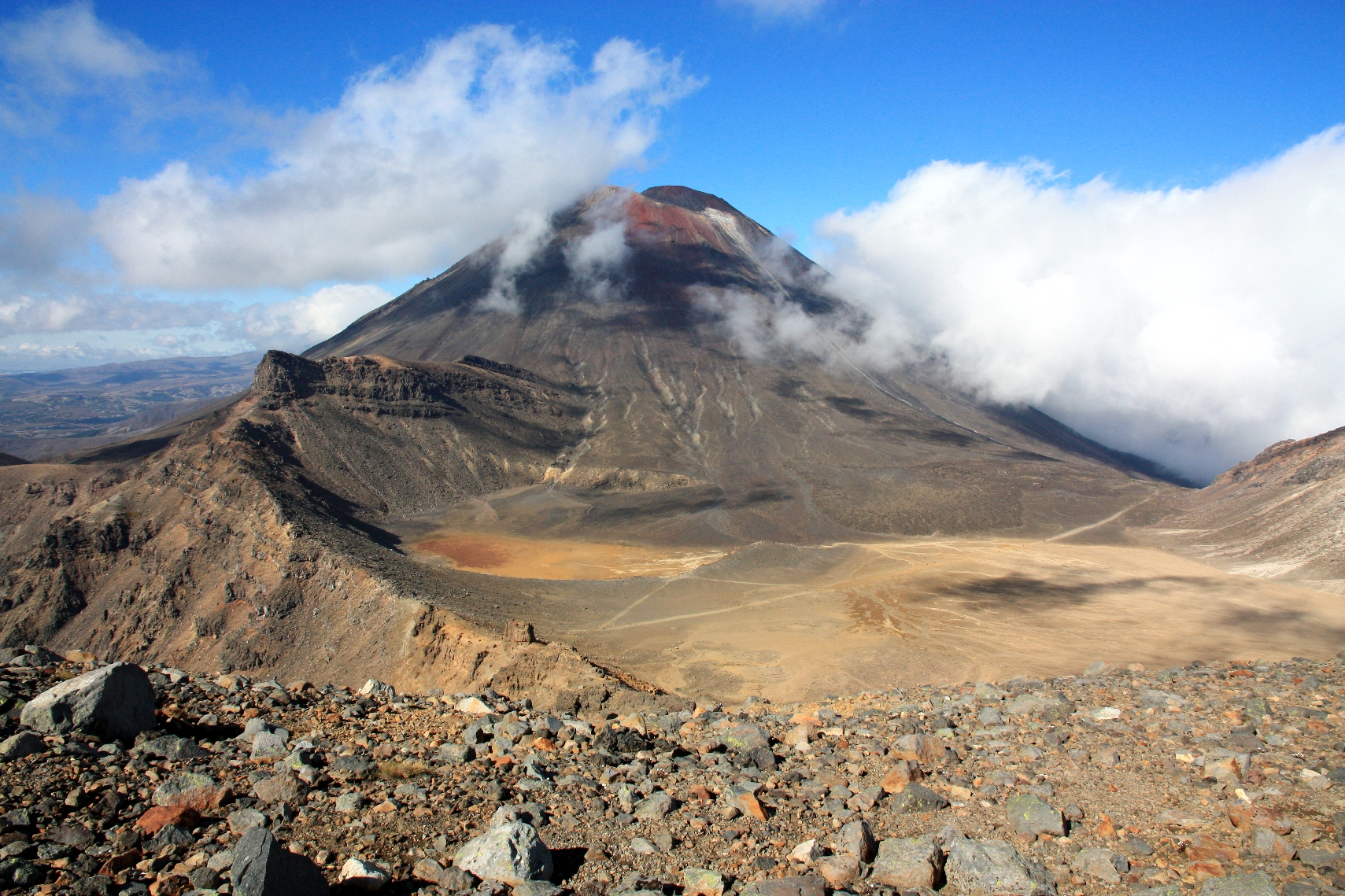
The effort input is – I would say – very high to extreme on the Tongariro Crossing on the north island of New Zealand. To start, there is an alarm call of 4:30am and pre-dawn gloom to navigate the initial gravelly meander along a long, narrowing valley. As the valley nears its end there is an inevitable sense of foreboding about the onward route; it is clear that there can be only one way to continue and, as Yazz & the Plastic Population screams in your head to make things even better, the only way is up. Up along the invitingly named Devil’s Staircase.

Steps and zigzags mark the way from here, but at least the emerging landscape offers the chance to use that little trick of taking a photo every ten paces, more for an intake of oxygen rather than genuine quest for photographic perfection. However, with heart pounding, head dizzying and legs in a brittle strain of tension, even that becomes a bit much to persevere with [2]. The top does come and there is an adrenaline boost of reward, quickly flattened like the astounding lifeless volcanic plateau of the South Crater on which you stand. For this is but a halfway point and over this one ridge another higher one rises.

While the first climb was hard going, at least it was well-graded and decently constructed with switchbacks and steps. On the second, the loose scree and large boulders of an ever narrowing and ever steepening arête have you wishing for a fat hobbit to carry you on his back. But as energetic youth bound their way up and past you without any offers of assistance, there is motivation to continue at your own pace. Effort inputs are maximised for reward outputs that are logarithmic in scale.

The viewpoint from the top of Red Crater is staggering in many ways. Staggering in directions and distance you can see; staggering in the otherworldly landscape of smooth craters and conical peaks and blasted red mountainsides and steaming green pools; staggering in the knowledge that the earth from underneath you could blow up as you bite into a deliciously fulfilling ham sandwich; and staggering because you made it. Here, the big effort makes for exponentially greater rewards.

V_tongariro

—————————–

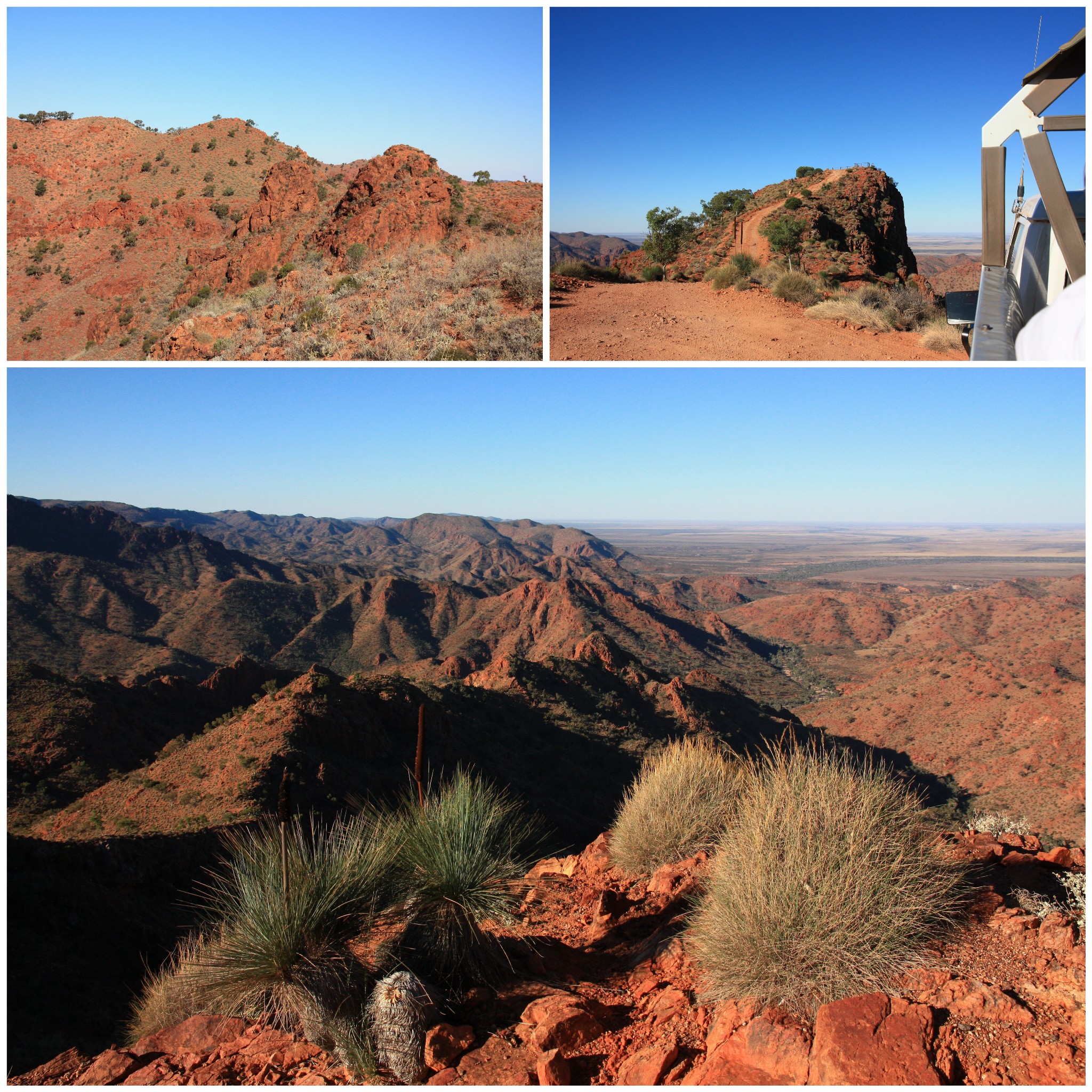
Effort to reach a viewpoint comes in many forms and a final case in point can be illustrated via an afternoon in the Arkaroola Wilderness of South Australia. Indeed, this particular afternoon on a gloriously sunny late autumn day involved sitting down for two hours to reach a pinnacle called Sillers Lookout. Sitting down is surely the easiest thing in the world, but becomes infinitely more difficult when seated sideways in the semi-open back of a 4×4 that is traversing a corrugated rock-scape at precipitous gradients.

Sitting at the back, there is a different physical effort here which fluctuates with an uphill or downhill stretch of ‘road’. Uphill and it is a case of bracing the body from being squashed by the collective ample weight of other passengers and preventing it from falling out of the back; downhill and the effort is on not squashing your fellow passengers too much and falling forward to the front. Beyond these physical endeavours there is the effort to – at various points – make conversation with grey nomads, avoid swallowing flies, concentrate on not being sick, and pretending to be excited that the afternoon tea involves that underwhelming favourite: Lamingtons.

V_arkAll I can say is that it is a good job afternoon tea occurs at the ultimate viewpoint of this ridge top tour. In the afternoon, with the sun lowering it is a quite incredible vista of absolute primitive and earthen wilderness. No doubt shaped by that perennial favourite of ancient inland seabed activity, the scene is a very Australian red, with a very Australian sense of harshness and ferocity, which is somehow very, very beautiful. And despite the different perspectives and world views of the people here to see it this afternoon, it is a viewpoint we can all agree is special…a reward that comes with all good viewpoints.


[1] Meanwhile, journalists lazily refer to ‘Canberra’ as imposing these views on the rest of the country: ‘Canberra slugs unfair tax on mining billionaires’, ‘Canberra scraps science funding’, ‘Canberra hits the hip pocket of working families’. Bloody Canberra, is it any wonder there are so many negative connotations from people who have never been here?

[2] Meanwhile, lithe and energetic teens annoyingly bound their way past and, to add to the enjoyment, you are rudely reminded of ageing.

Links

Bumps in the ACT: http://en.wikipedia.org/wiki/List_of_mountains_in_the_Australian_Capital_Territory

Canberra Nature Park: http://www.tams.act.gov.au/parks-recreation/parks_and_reserves/canberra_nature_park

Tongariro Alpine Crossing: http://www.tongarirocrossing.org.nz/

Tongariro National Park: http://www.doc.govt.nz/parks-and-recreation/national-parks/tongariro/

Carry me Sam: http://lotr.wikia.com/wiki/Mount_Doom

Hold on to your hats: http://www.arkaroola.com.au/ridgetop.php

Some more top views: http://travel.nationalgeographic.com.au/travel/top-10/vistas/#page=1

A to Z Activities Australia Photography Places Walking

One big year…

2013 – a year of 365 days, 12 months and approximately 52 weeks. A year with four different digits for the first time since 1987. A year in which I made it to ten countries via 12 airports and stayed overnight in…wait for it…121 different locations. A year in which I drove and drove something in excess of 25,000 kilometres, enduring 3 chipped or cracked windscreens and one tyre puncture. A year in which pointless statistics are endlessly available.

But, apart from such statistics, what are the highlights and where can stupidly made-up awards be, well, awarded?

rev01Best stay: Aroona Valley, Flinders Ranges National Park

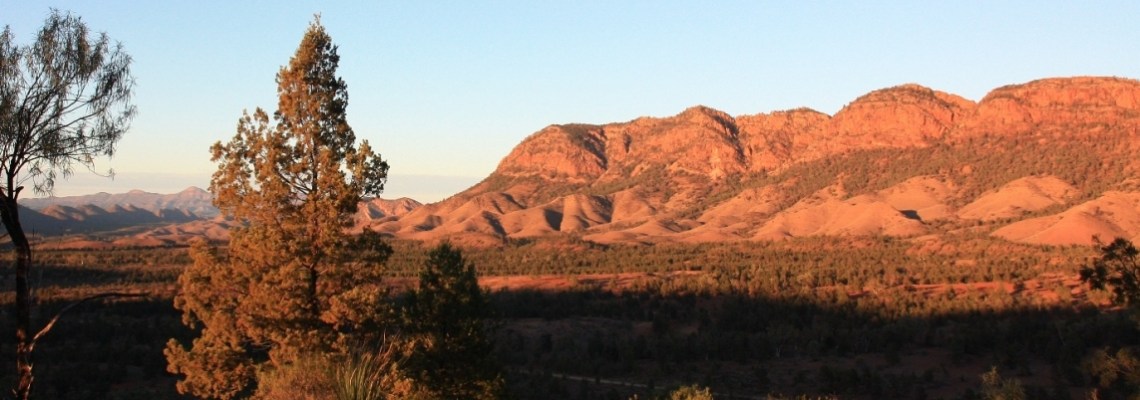
Anywhere with a pit toilet must be pretty special in so many other ways. Camping amongst the pines and earthy creeks lined with River Red Gums, wonderful walking trails on your doorstep, sunset and sunrise views over the crinkled geography of the Flinders Ranges, all make for a magically rustic stay. Plus the pit toilets were actually reasonably pleasant.

Best walk: far west Cornwall in September

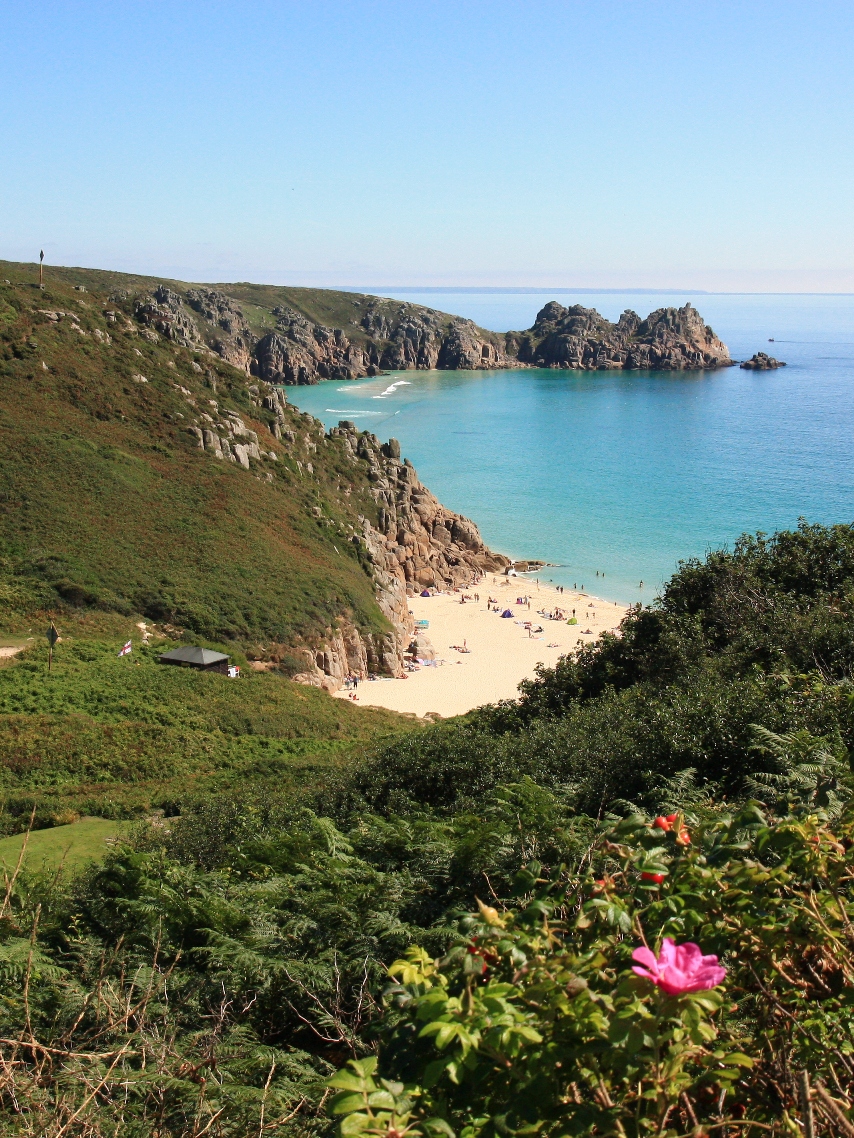
rev02Of all the places, of all the walks, of all the splendid days this was the best. Under warm blue skies, half of the fun came from the open top bus journey to and from the coast path between Porthcurno and Sennen Cove. At Porthcurno a cream tea and splendid outcrop overlooks over sapphire bays set me off to amble along cliff tops cloaked in purple and gold. A pause at Lands End provided ice cream and final propulsion onward to the charms of Sennen Cove and its sweeping golden sands. Hard to match, hard to beat.

Best food experience: camping fry ups

Again proof that the simple things are often the best, some combination of pork sausage, bacon, mushrooms, baked beans, toast, tomatoes and hash brown capped off with HP sauce. Best appreciated following a wearisome day of walks and served somewhere beside the sea off southern Australia.

Best drink experience: the first sip in Munich

rev03Long haul flight dehydration is probably not best solved by a beer; however, Munich makes it hard to resist. Popping to some nearby gardens for air, tucked under the shady trees sits a charming beer garden, serving delicious cooling Weissbier and ridiculously salty but irresistible pretzels. A chance to sit and bask back in summer and embrace the slow realisation that you have made it across the globe.

The NBN award for worthy endeavours that are behind schedule: gbpilgrim.com

In a shameless cross-promotional opportunity, may I refer you to the tales and travails of gbpilgrim.com. Here I set myself the task of writing an alphabetical tour-de-force around the world within the year. But as you would see should you go there I made it to U. Seriously sidetracked, nonetheless I am nearing the end with 21 pieces of beachside / fireside reading this summer / winter.

The Johnson-Haddin award for being really annoying: the Australian fly

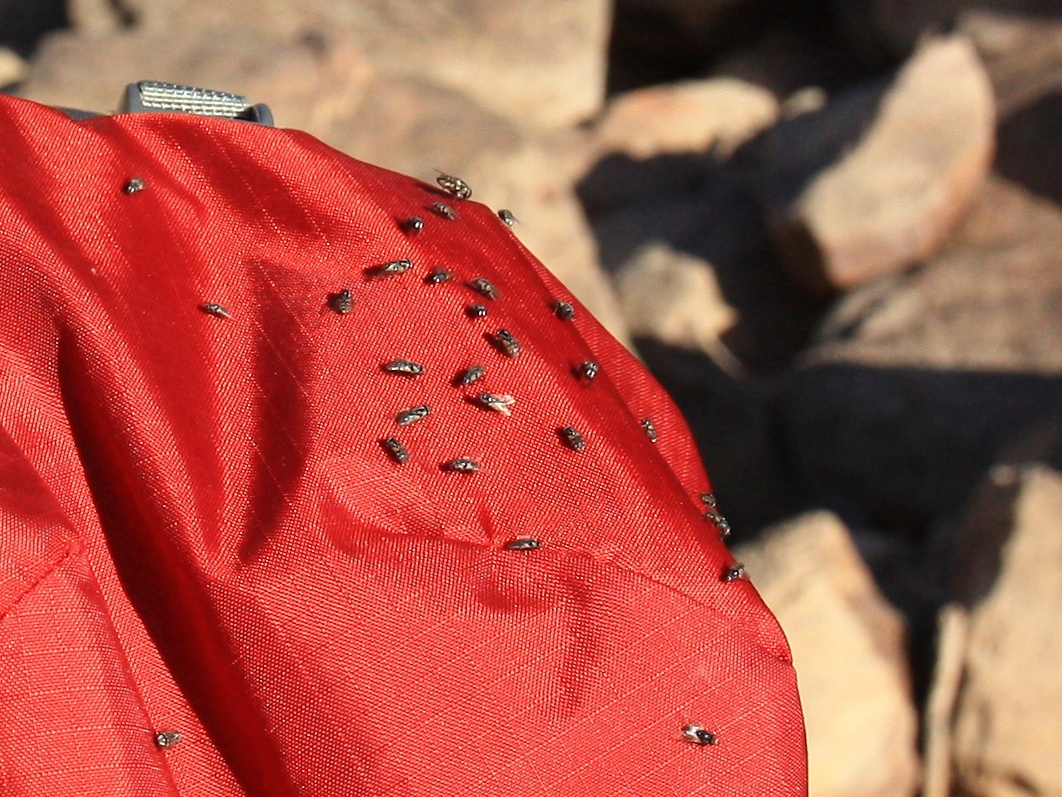
rev04There are many parallels between the Australian cricket team and the swarms of flies that irritate their way across this huge country. In your face, buzzing away, seeming to scarper then coming back in a marauding fashion to head up your nose and down your throat. It is as if the flies peppering the body around Arkaroola are wearing small baggy greens and sprouting dodgy facial hair and a little too much attitude. They may be swatted for a while, but it’s a futile effort and they come back bigger and badder than ever.

Word of the year: ablutions

Ablution. It rolls off the tongue like sheets of wafer-thin toilet paper spilling onto the floor of a damp concrete floor. It sounds as appealing as a thong-clad grandpa shuffling into the toilets for his morning dump. It rolls around like the huge industrial drying machines that leave clothes damp and itchy. Up and down the country, ablutions are servicing the needs of the ageing population living in their deluxe caravans, and offering at least a wry smile for those paying over the odds to camp amongst the awnings and concrete pitches of a mobile shanty town.

rev05Destination of the year: South Island, New Zealand

Sorry Australia, but New Zealand is simply spectacular at every turn. Nowhere more so than on the south island, where there is a surprising diversity beyond mountains and glacial rivers to a world of ancient forests, grassy meadows, jagged coast and pristine golden bays. All pleasingly accessible and navigable by car, by boat and, most of all, by foot. Somewhere you could happily return to again and again and again.

Australia Driving Europe Food & Drink Great Britain Green Bogey Walking

Umbrella

We need to talk about the weather. It’s part of my DNA: within one of my chromosomes that have also determined a reticence to introduce myself to strangers and a fondness for orderly queues linger a few cells dedicated to obsessing about the weather. I think they may be GB cells. They surfaced when I was relatively young and manifested themselves in an early career goal to be a weatherman. A rough outline of the southwest of England was etched on a sheet of A4 and stuck on the inside of my cupboard door. Other bits of paper were cut up and made into various symbols for sun, cloud, thunder, snow and rain, to be stuck on the map with blu-tac. The rain symbols tended to get worn out the quickest.

The association with rain makes it natural for me to see the umbrella as a very British thing, whether jauntily swinging along with pinstripes and bowler hats, colourfully huddled together overlooking a covered up centre court, or propelling erstwhile nannies across the streets of London to shove spoonfuls of sugar down children’s throats. However a quick bit of research (i.e. scanning Wikipedia and not really reading much of it) suggests the brolly goes back to ancient empires but – get this – it was used to shade Egyptian cats or something from the fiery orb of the angry celestial sun god (like I say, I didn’t really read much of it). Shade from the sun? In the UK? Even Mary Poppins made more purposeful use of an umbrella than that!

I have also vaguely potentially read somewhere that the Eskimos have fifty different words for snow; in the UK a similar linguistic phenomenon exists for wet stuff from the sky. So on any one day across the British Isles it could be raining, drizzling, mizzling, spitting, chucking it down, pouring, precipitating, suffering deluges, downpours, cloudbursts and sheets of rain, and, fantastically, raining cats and dogs. Which is all a bit Shih Tzu. Meanwhile in France it just pleuts and pleuts.

The crazy thing with all of this watery bombardment is that the umbrella is frequently useless, turned inside out by the howling gales kindly delivered by Atlantic storms. There is no more iconic sight than a mangled umbrella dumped despairingly into a bin on a railway station platform. Because you have been there yourself, you can easily picture the struggle that befell its former owner and the sodden mess in which he or she arrived at work, uncomfortably damp for the rest of the day. Hence the alternative or additional and very fashionable cagoule…the tasteful pack-a-mac, which I am pleased to discover is of British origin [1].

Something else distinctly British is a summer trip to the seaside for a picnic in the car. Outside the sea and sky are leaden and the mid teens temperature is quelled by a cooling hurricane and squalls of rain. Inside, cheese and cucumber sandwiches are squashed and soggy while the windows are steaming up. Clothes are sticking to bodies and bodies are sticking to other bodies wedged in like slightly more animated sardines. All the time pack-a-macs are at the ready for when the rain becomes slightly less heavy and a scramble along the promenade to the dilapidated pier can be braved.

The good thing from familiarity is that Britain is generally prepared for rain and carries on carrying on regardless. There are always things to do for ‘rainy days’ such as popping out for tea and cake, or sheltering in the dark protective womb of a U_monkeysmedieval tavern, warmed by warm ale. There are amusements and fudge making demonstrations and bric-a-brac sales in the village hall, with more tea and cake thrown in. There are theme parks and zoos, where even the monkeys have the good sense to seek shelter while humans negotiate driving rain and wade through puddles to come and look at them [2].

By contrast of course Australia has this sunny image of Lara Bingle on a Whitsunday Beach sounding dumb and asking you where the bloody hell you are [3]. It would surprise some people that it does actually rain in Australia, a fact not usually depicted in adverts for that local beer that everyone drinks…what is it…Fosters or something. Neither, unfortunately, does a test match get washed out. Instead, sun-baked pitches form chasms that swallow English batsmen whole, and the only rain is that of plaudits lauded by the partisan commentary towards Mitchell bloody Johnson.

Still, there is a tendency to assume that when it comes to the weather, she’ll be right. Plans can be made for weeks in advance with the assumption that all is going to be dry and sunny. Wet weather contingency plans rarely feature and, then, if it does rain or even just a few grey clouds appear, whole events are cancelled and people shelter in their suburban homes drinking Fosters and watching Lara Bingle be Lara Bingle. I just think, when it comes to a little bit of rain, Australians are…well how to put this delicately…a bit soft, like Mitchell bloody Johnson before he had that fearsome moustache and bowled a few lucky long hops that got wickets.

I can of course include myself in this catch all generalisation of Australians. I too have become accustomed to assuming that days will be dry, which makes it even more frustrating when rain appears. Summer weekends down the coast can be grey and cool and interspersed with rain, which at least makes for a nice car picnic. Sydney can live for weeks with easterlies blowing of the ocean and dumping moisture in endless waves. And in Darwin, well, in Darwin they have a whole season dedicated to rain: the wet…

My one and only visit to Darwin came in February. February: the peak of a hot Aussie summer, when even locals are getting bored of barbecue prawns and one day cricket. But while most of the country basks in a self-satisfied glow, up in the north it is the time when most people in Darwin, if they weren’t already, go mad. The ‘wet’ is a typically Australian to-the-point description of the summer weather in the tropics, a few months shrouded in monsoonal lows and the occasional cyclone. It delivers warm, humid rain, a climate for steamed up glasses and camera lenses and consistent dampness that never goes away. It seems to me, quite horrid.

Holed up in a hotel room it appears as though the rain never eases, never stops for the briefest of interludes. There is no waiting for it to pass and so you have to embrace the wet, taking a tokenistic umbrella which will make very little difference to how damp you actually become. Leaving the sanctum of air-conditioning the humidity is instantly sapping, the pavements and roads and gutters a sheen of water, a danger zone for human aquaplaning and thong blow outs and hidden crocs. But you still push on for an ice cream regardless.

Out of Darwin the landscape is transformed by the season and it seems ninety nine percent of the haphazard interior road network is under water. In Litchfield National Park a bitumen road somehow survives above fields of sodden brown, transporting you to waterfalls that roar like a space shuttle during lift off. Hiking requires some wading – the water is warm and only mildly tumultuous where winter paths usually meander. Goodness only knows what sort of things are in there with you, but there is enough ground above water to stop and observe and inch your way closer to pools that would be idyllic for swimming if there wasn’t ten billion gigalitres of water plummeting off a cliff and directly into them.

Elsewhere, Kakadu National Park is one of the most well-known and iconic preserves in Australia, encapsulating a blend of tropical jungle, vast wetlands and rugged rocky outcrops daubed with ancient art. Here again much is under water and many roads are closed off until at least June. A few lesser sights and vistas remain accessible and it even seems to stay dry for a bit too. Walking among the landscape feels a little less soggy and it is easier to appreciate the wonderful composition of vivid green long grasses, contorted trees, and rocky outcrops. Even the waterholes are calmer and more inviting, save for the signs that say something along the lines of ‘whilst we have done our best to clear this area of crocodiles there can be no guarantee that a six metre monster called George has not moved into the area and is looking forward to tasting foolish tourist flesh.’

U_NT

Despite what turns out here to be a drier interlude it remains handy to keep an umbrella at hand. The rain is sure to return [4]. Not only will the umbrella help with this imminent rainfall but, in conjunction with a fetching cagoule, it can maintain a clear British connection and sense of identity in an alien, slightly hostile environment. Plus should George the six metre croc appear, the cagoule can be thrown over his thrashing jaws and his eyes can be poked with the umbrella’s pointy end. And then of course, even if that fails (which I doubt), there is chance of a Mary Poppins style escape over the floods and far away to a world of diabetic, tooth-decayed children. Back, of course, to the umbrella’s natural home: Great Britain.


[1] Again, according to Wikipedia…and who am I to argue with an important ministerial source of information. See http://en.wikipedia.org/wiki/Cagoule

[2] This could be where the theory of evolution goes awry.

[3] Perhaps more evidence of evolution gone awry.

[4] Unless it happens to be one random day in the middle of the year when the big tap is turned off and the ‘dry’ commences…which is all a bit weird

Links

Another great day to be beside the seaside: http://www.youtube.com/watch?v=3X4chzObTFY

Way to get around: http://www.youtube.com/watch?v=5BHoDW9f7vY

NT tourism: http://www.travelnt.com/

Mad as cut snakes: http://www.heraldsun.com.au/news/national/croctastic-nt-news-devotes-front-page-to-five-crocodile-stories-on-one-day/story-fndo48ca-1226509077565

A to Z Australia Great Britain Walking

E by gum

gum01The Nullarbor is said to be so named because of an absence of trees, i.e. null arbor. The thing is, like other misconceptions that may feature on a jovial edition of QI and set off a high pitched wail, it’s really not so true.  Sure, there are a few bits that are made up mostly of low scrub and saltbush, and some of it is very, very flat. But there are plenty of trees clustered and scattered across the thousand kilometres or so of its reach. Plus there is my own festive Christmas tree dangling in the front of the car, attempting to bring some light and joy to this escapade in monotony.

gum02One of the little treats of heading east is that you gradually get to move your clock forward until eventually you get a reasonable sunrise and pleasant light evenings. Not so at Fraser Range, undoubtedly the nicest stop along the road but still subject to the same peculiar hours as Perth. Hello 4am sunshine, before vanishing into a strangely cool, cloudy day to plough through the rest of Western Australia.

At Eucla, close to the WA / SA border there is the concession of 45 minutes but you have come so far east that it makes little difference. And then, ten minutes down the road you suddenly jump forward 1 hour 45 minutes and should you wish to straddle the border it is quite possible to indulge in your own creation of Back to the Future.

Jumping into South Australia there is a sense that civilisation is returning, but it is still 500kms or so to Ceduna, which is itself a subjective interpretation of civilisation. I’m glad to push on another hour and make it instead to Streaky Bay, for a cooling motel room, a chance to endure cricket on TV and nice, long, light evenings to take in the jetty and glassy calm bay of this glassy calm town.

gum04

It seems the journey is one of milestones – crossing the border, finishing the Nullarbor, reaching the crossroads of Port Augusta and again seeing a kangaroo for the first time in ages. Bushland and hills return and the environment becomes a more familiar, comforting scene of generic southeast Australian. Stopping and appreciating this at Mambray Creek, in Mount Remarkable National Park, is a delight, even if it means being awoken by huge flocks of galahs clattering around the majestic River Red Gums in the morning.

gum05

Adelaide is another milestone and just a few hundred kilometres down the road. I reached the city by way of a small diversion into the northern Yorke Peninsula and a triumvirate of towns – Wallaroo, Moonta and Kadina – at the heart of the Copper Coast. Or ‘Little Cornwall’, a moniker derived from the miners who settled here many moons ago. You would think I would have learnt by now not to get my hopes up with such names, to avoid such disappointments as a ‘Devonshire’ Tea and a ‘Pork’ Pie. But I live in hope that certain culinary heritage items are preserved amongst this flat, agricultural landscape which – apart from the presence of a bit of sea – is nothing like Cornwall.

So it is really not that much of a surprise that despite the slightly cutesy high streets crying out for a charming tea room there is no sign of a cream tea in sight. The closest thing to a scone and jam and clotted cream is a shiny bun with a blob of jam and squirty cream in the middle. Salvation may lie in a traditional pasty, but this is about as traditional as sticking a possum on top of a Christmas tree and singing we wish you a merry Easter. For a start, a pasty tends to have much more meat in and a lot less finely diced carrot please.

Anyway, meanwhile, back in Australia, I reached Adelaide and was glad but slightly daunted by being in a big smoke again. Not that Adelaide is that big or smoky. Indeed, it is rather graceful and refined at its heart. There is decent coffee to have and the fabulous central markets to salivate in and the tram to Glenelg to catch and a short drive to be had to the hills, peppered with wineries and koalas and dinner and conversation waiting. Leaving is a bit sad but there is one final little hill stop in Hahndorf, making amends for a missed German style meat fest opportunity last time around, and a brief reminder of hot summer days in Munich.

After such a lunch it would be a decent idea to nap, but I had new milestones to reach and crossing into Victoria was on the agenda. Three more nights of swagging it, following an inland course close to the Murray River and over the highest hills in the country and down to Canberra. Still 1200km to go but feeling close to the end.

gum06The first stop was among the gums and lakes of Hattah-Kulkyne National Park, a little to the south of Mildura. Here mighty trees rise from the waters, attracting a dense concentration of screeching cockatoos who mercifully quieten down after dusk. They perk up again in the morning, but by now mornings start at a much more reasonable hour.

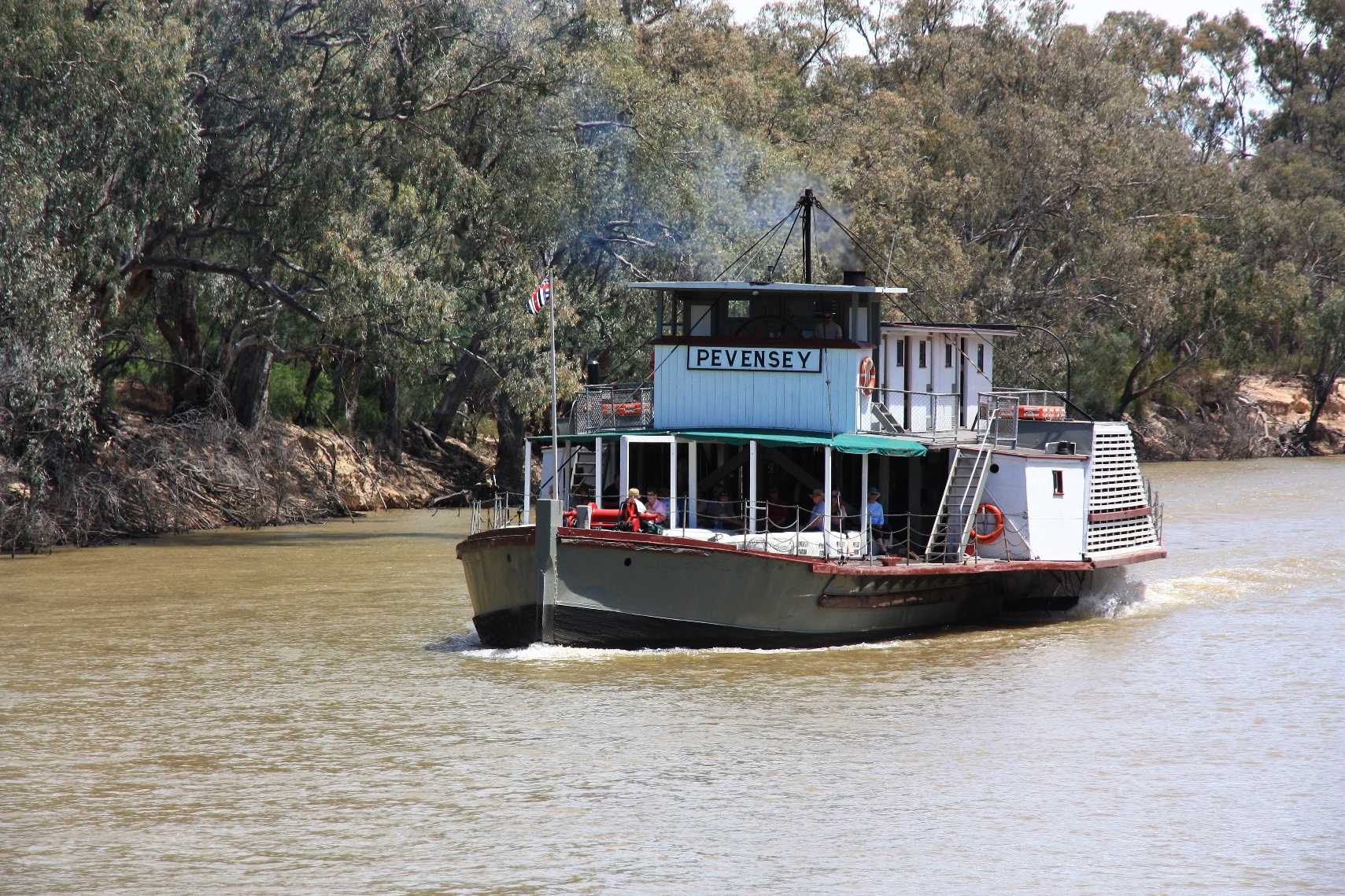
gum07The trees, water and birds combination continues along the length of the Murray, interspersed more frequently with pleasant towns. A reminder that in Victoria country life seems quite amiably civilised. Swan Hill even offered a giant Murray Cod, whilst Echuca evoked steamboat and latticework charm. The thing to do in Echuca is to hop on one of these and cruise upon the river. It made for a pleasant enough hour albeit a little dull.

The Murray rises in the Snowy Mountains and by time I reached Wangaratta I was on very much more familiar ground, stocking up on coffee and cake and heading for the hills. It’s a beautiful approach from Wodonga, following the shores of the Hume Dam with golden hills rising and small valleys drifting into New South Wales. The valleys tighten and become more heavily and lushly forested as they shelter beneath the higher ridges of the Main Range of Kosciusko National Park.

gum08

From this western approach it’s quite a twisty ascent over appealing sounding places like Siberia and Dead Horse Gap to a much starker and moodier side. Here a landscape of high moors and glacial hollows is scattered with ghostly snow gums and boggy pools. A world in which leftover snow still stubbornly sticks; a world a long way from Perth where I commenced this journey.

gum09

gum10It was rather nice to get out of the car for a late afternoon walk immersed in this landscape, setting off from Charlotte Pass along the Main Range track, dipping down for a Snowy River crossing and up again to overlook Hedley Tarn and Blue Lake. From here it is really not that far as the crow flies to Canberra. Indeed, continuing along the track just a little further, crossing a couple more slushy white patches, you can look out over the ridges and folds of the ranges to the north and east. It is a vast view and I suspect if you had super Legolas vision you might just be able to make out Black Mountain Tower. So, so close.

gum11

In a somewhat romantic poetic notion it seems fitting that having traversed and explored huge tracts of this huge country over the past year that I finish it, well, not quite at the top but close enough. It feels like Australia is laid out before me and I can survey what I have crossed…from its white beaches to its desert plains, its golden hills to ragged red gorges, its shimmering cities to one pub towns. And yeah, It may well have the most annoying cricket team ever, and make poor attempts at Westcountry produce, and have strange time variations and a few super long dull roads but, other than that, it seems pretty good to me.

Australia Driving Green Bogey Photography

The gift that keeps on giving

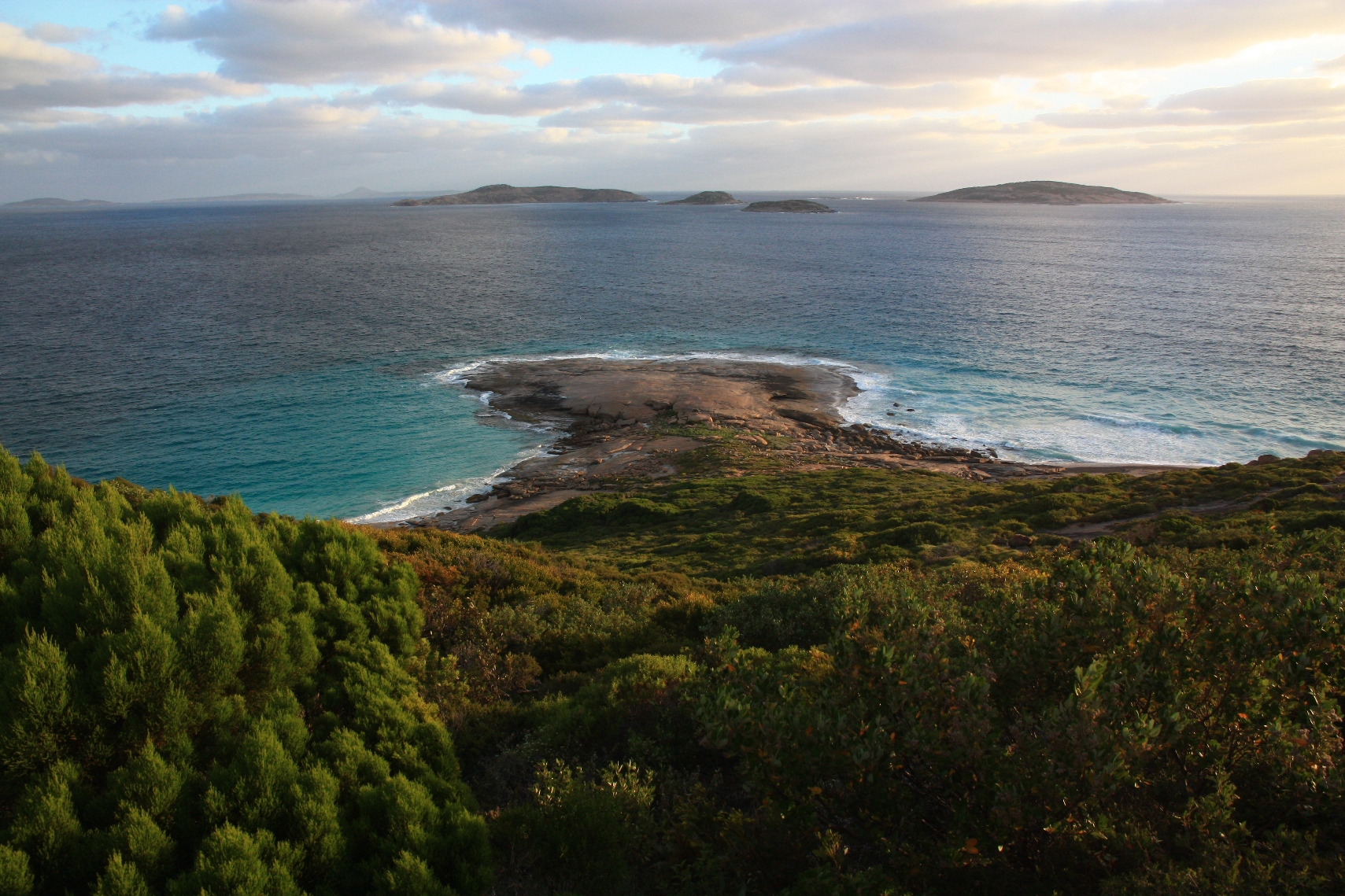
God I love Esperance. So I muttered to myself on several occasions: driving along the spectacular coastal road; lounging on the white sands with a book; strolling with the sound of the Southern Ocean and lowering sun projecting against archipelago islands. God I love Esperance. Grabbing a good coffee by the foreshore; picking up a cake from the bakery; ambling in sandals and passing children on scooters waving to me like I am a long lost uncle.

Surrounded by such natural beauty the town itself is no pristine haven, but I like it like that. There is no false shiny veneer, little pretentious opulence, few signs of excess Noosafication or Byronessence. There is industry and shipping and an inevitable strip of furniture stores and warehouses and garages lining the entryways to town. Most of the houses look a little jaded, a touch, well, daggy. But I like it like that.

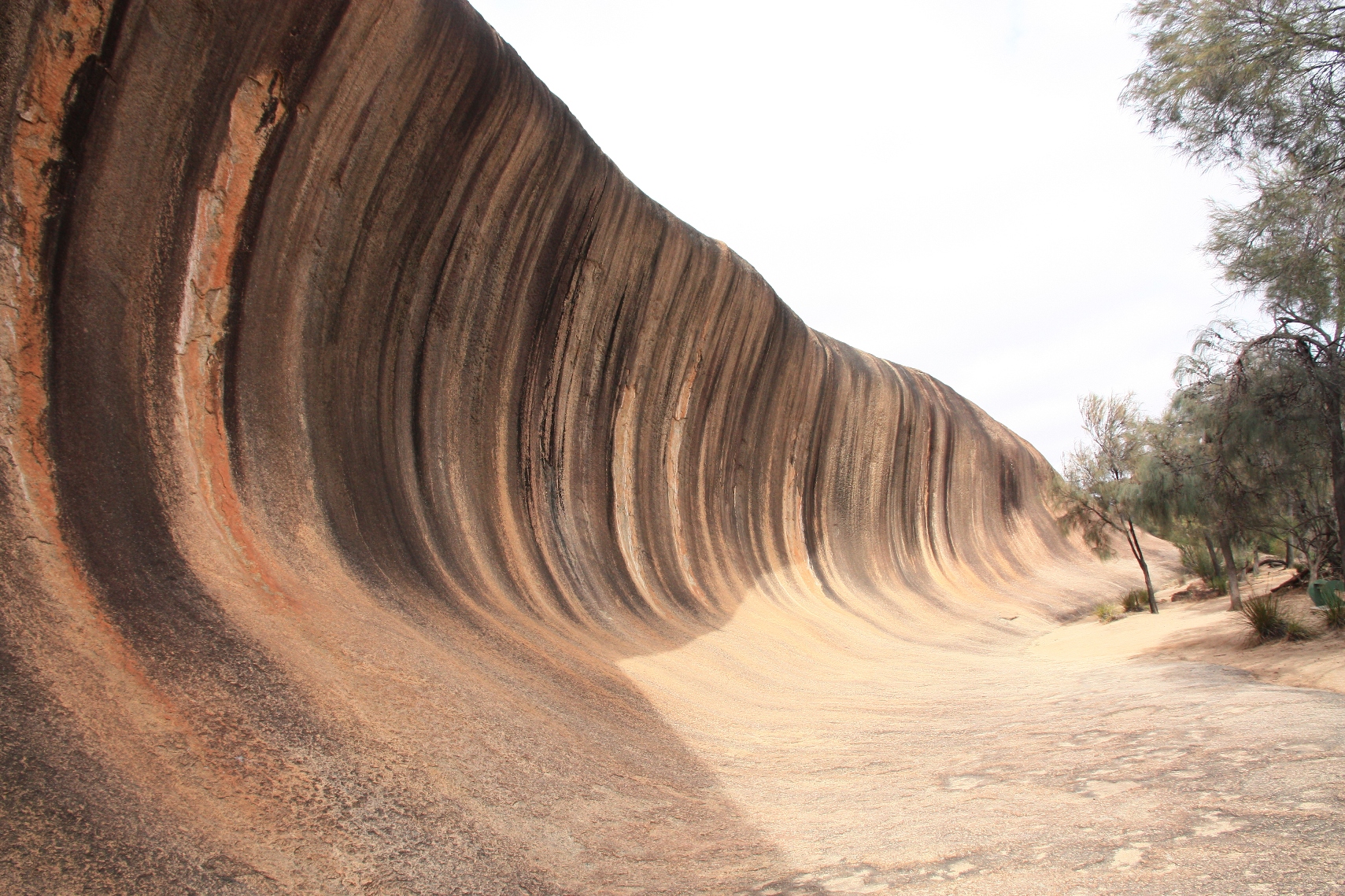
It’s a long way from anywhere else, a complete and fully-functioning oasis at the far end of the habitable coast, an embarrassment of riches before the Nullarbor. Such is the distance I had a stopover from Perth on the way. It was a place called Wave Rock, where there is a rather large rock springing up from baked wheat fields and dry lakes. Part of the rock has eroded into the shape of a wave. I rather liked it.

esp02

Here it was a return to my home…a return to my swag. I slept pretty dreadfully, but then a non-daylight saving sunrise of 4:30am doesn’t help. Stupid WA! Still, it was nice to be among gum trees and galahs again, to wander around and on top of this big rock, to view the endless horizons and big blue skies.

esp01

esp08There was a familiarity at rejoining past roads travelled at Ravensthorpe, and a reminder of the bitterness that is country coffee. Still, the road was slightly different this time, now lined increasingly with bright orange bursts of colour known as WA Christmas Trees. Tis the season I suppose.

Should one be dreaming of a white Christmas then Esperance is not such a bad place to come. Indeed, one set of officials who measure such things have declared Lucky Bay in Cape Le Grand National Park to have the whitest sand in Australia (and yes, another set must have proclaimed Hyams Beach in Jervis Bay the same). I was content, on a few occasions, with some time at Twilight Beach, which appeared perfectly white enough to me.

esp05

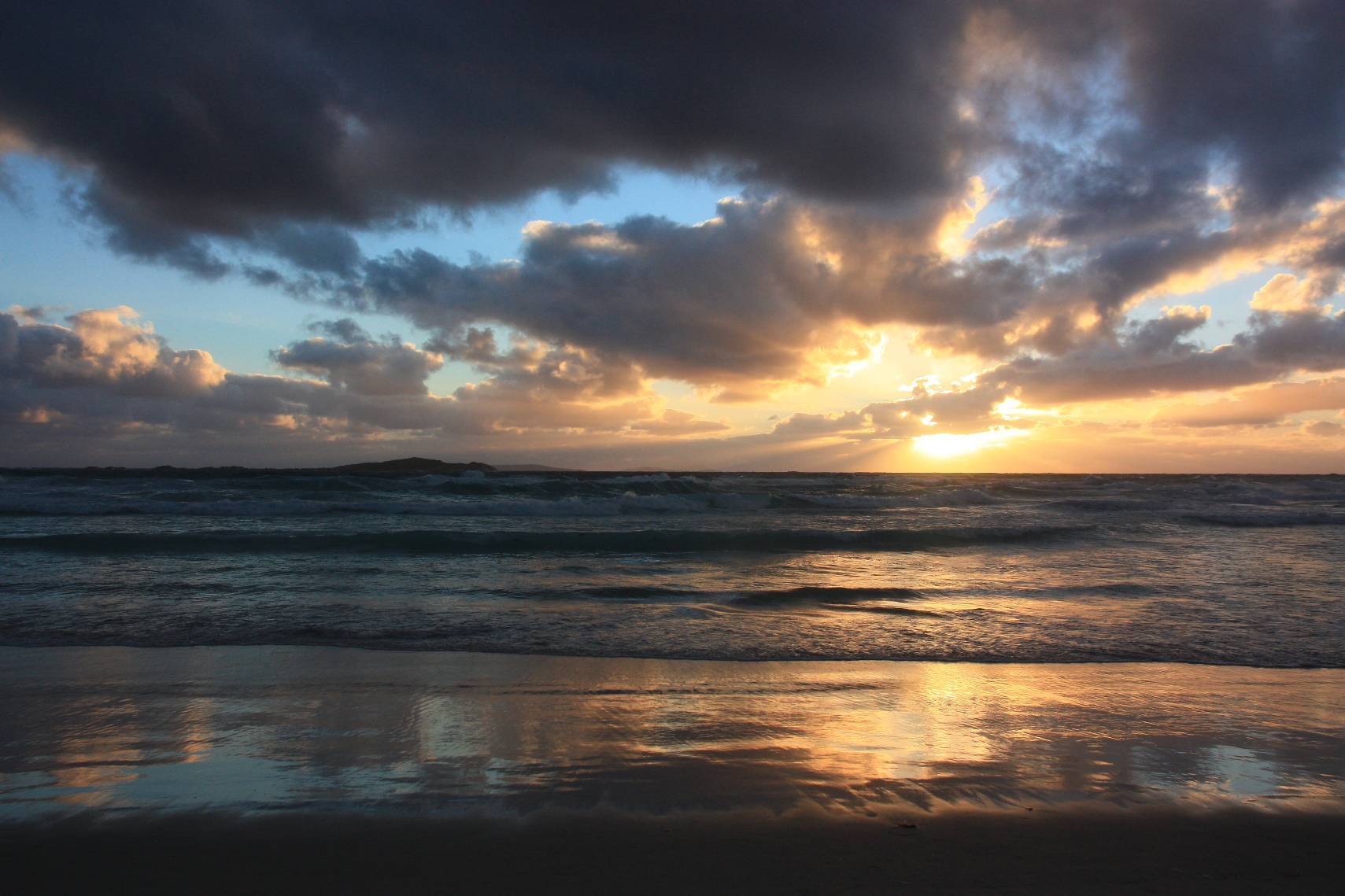
esp07However, arguably the most God I love Esperance moments came further along the coast at Observatory Beach, a more rugged and sweeping bay which on two evenings I had just to myself. I would say this is probably the best evening walk beach in the country, with fairly white sand (but no world record). I love the waves and dunes, the rocks and islands, and the sun filtering in and out of clouds as it sinks to the west.

esp06

Now, one of the considerations for making an assessment over the liveability of various places in Australia is the availability of good coffee. Esperance easily passes the test, whether from the mobile Coffee Cat or the scattering of small, chilled out cafes in the small, chilled out town centre. There are, in addition, decent cake options, some of which I have not tested so it may mean I need to come back. But Esperance is such a long way from anywhere just to visit like that. It makes it hard to leave.

With this in mind, I did see a sign advertised in the petrol station for someone to do four night shifts per week, between 10pm – 6am. How hard could that be? The sign was stuck in the counter window next to the hot sausage rolls. I was seriously tempted.

esp09But I am heading on and the next decent coffee will probably arrive thousands of kilometres away in Adelaide. There is still a huge chunk of Western Australia to re-traverse, but, for me, Western Australia essentially ends here. It has been wonderful, surprising, insightful and colossal. And finishing it here in Esperance, with a final coffee beside the white sands and topaz seas, and the sound of an Australian wicket falling, it is a fairytale ending.

esp10

Australia Green Bogey Photography Walking

Trek

It is pleasing to know that there is a minibus to transport you around on a Trek America tour. I guess this means Trek America is a bit of a misnomer, given that technically it does not involve complete self propulsion across the continental United States. Despite this, there is still plenty of opportunity for much walking, in between long country drives and Twinkie rest stops.  For me I shall always be thankful, because Trek America trips opened up the vast spectacle of the Western US, and fed early cravings of reasonably civilised first world exploration.

The trips were like all the best parts of an 18-35 holiday – a naive adventure meeting youthful peers from across the globe – without the inflatable doll tequila sessions of a lobster fleshed Magaluf pool. Entertainment was the great outdoors and sharing this with a group of like minds. Yeah you could have beers, yeah there could be frolics, and yeah you could hit the bright lights of, say, downtown Jackson, Wyoming. But the next day, it would be onwards and out there, in the van playing cards, falling asleep, listening to music and reaching another momentous national park for another great trek.

The tours were usually called something like Western Wondrousness Walkabout or Awesome Toursome Adventure, commencing in some B grade airport motel and only getting better from there. The first day would be the time to break ice, to suss out the driver, to acclimatise to a diet of ham salad lunches, to catch up on jetlagged sleep. And then, at some point, the first walk out into the wilds would take place and, outside of the confines of the van, conversation would sparkle and you would all be best mates by the end. Just in time for the campfire cook up, which could be a chilled or fraught occasion depending on your duty. There was always a vegetarian and a fussy eater who couldn’t stand any flavour whatsoever. Toast was always a good backup.

But all was forgotten the next day when out on the road and amongst the mountains and the forests, the canyons and the falls. There would be more rest stops and scenic lookouts, ham salad sandwiches and mix tapes [1]. There would be geysers and moose and mega slick coaches housing mega large Americans touring their super-sized country. Just occasionally, like ships that pass in the night, another Trek America van would criss-cross yours, containing an identical but just slightly different set of characters: a cliquey English couple, a couple of rosy-faced Germans, a leggy tanned female who was the token hottie in the group, one solo Japanese traveller with a big camera, and perhaps one or two people like me, whatever that means. They were the same, but clearly not having as much fun as us. Because nobody could be having as much fun as us.

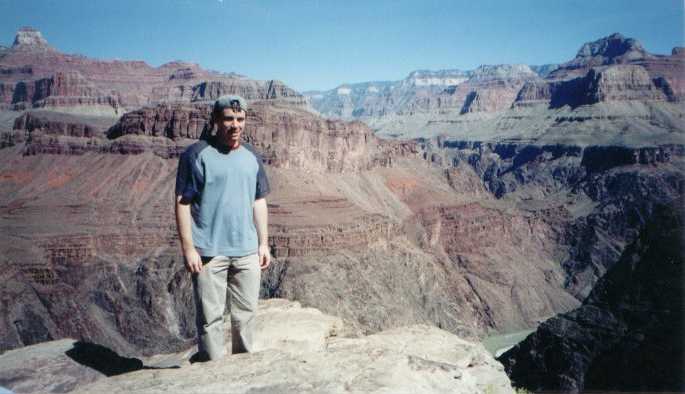
T_platptThat’s because we were out there, in the great outdoors, walking away, trekking at least for a little while, doing what it says on the tin. We were plunging down into the Grand Canyon, zigzagging alongside rocky red cliffs, passing mules and fools in flip flops and vests. We were stretching out along the trail, in small clumps of two or three. Some were looking to set world records; others were looking like they might get lost. We were incrementally arriving at Plateau Point, to eat our premade ham salad sandwich and overlook the mighty Colorado River. We were in awe of the sound, from still a couple of thousand metres below, raging up the slots and chasms, making you feel as though you were riding the water yourself, with a ham salad sandwich in place of a paddle.

We were looking back up at the rim of the canyon and suddenly not having as much fun. Thousands of metres of switchbacks and torment, up and up to the baking hot sky. We would need more than a ham salad sandwich to have the energy for that, but most people brought Twinkies or wiggly jelly worms or peanut butter cookies or perhaps even an apple, but that was less likely. And we all made it, in dribs and drabs, for a sense of achievement that exacerbates contentment over a sunset and beer.

And all would not be forgotten the next day, because you would remember such experiences for a long, long time. Even when you had walked other walks and trekked other treks and dragged out the farewells with extra nights and extra food and extraordinary ludicrousness in Las Vegas. The landscape would linger, the moments would magnify, the experience would play over and over again on the plane home, and you could hear that rushing river rising up in rage once more…

…You hear it again a few years later and you are back in the US. It’s cool and grey and winter is very much just around the corner. Soon, Yellowstone will enter hibernation and be encased in a deep freeze. Steam from geysers sprout up along the valley, a natural sauna in contrast to this chill, windswept ridge. The sound of water is somewhere through the dark pine forests below, carving some other chasm in this country of monumental valleys.

This time you are with another bunch of buddies getting to know one another in tandem with the landscape. The walk down and through the forest passes quickly with chatter, a level of hubbub which will safely keep the bears at bay. For once there are no ham salad sandwiches for the bears to intercept. The day is nearing its end and the sound of water disappears for a little in the stillness of the woods. Suddenly it emerges again as quickly as the forest parts, and the sight of Yellowstone Falls plunging into a gorge of yellowish rocks [2] caps off another memorable and pleasingly circular trek.

T_yellowstone

Campfire nights pass with fussy eating and cold beers. Days blend into a haze of hours on the road, ham salad sandwiches, stops in random towns, turn outs for vistas and walks on rocky trails to stretch the legs. Random memories pertaining to potatoes are retained about the state of Idaho, and there is a stop for Dairy Queen. Finally, the weather is warming up and winter is still a long way from touching the barren, desert lands of Nevada. The sound of icy water would be welcome again, to splash over your face and arms and legs, to wash out the dirt from another sublime walk.

Water sounds and sublime walks are a dominant feature of Yosemite National Park, now in California and nearing the San Francisco end of this particular journey of Western Wondrousness. However, it is October and the gushing falls of June are mostly reduced to a trickle, as if a shower where the tap has not been turned off tightly enough. Nonetheless, we are all again experiencing the most fun ever, having enjoyed a couple of weeks together that now seem the natural way of life. Wake up, make breakfast, pack up, hit the road, stop for a sandwich, make camp, go for a walk. Prepare dinner, eat dinner, have a beer, sleep in a tent and pray that no bears get a whiff of the toothpaste in your mouth.

T_yosemite_smallIn Yosemite there is a break to the routine of sorts, and a day to go off and do whatever the hell we like. Such is the bond instead of going our separate ways many stick together and embark on a trip to Glacier Point and back down to the valley. The going up part is the easiest, transported by shuttle bus and delivered to a spot for the most colossal views of the Sierra Nevada. Looking toy-like thousands of metres below is Yosemite Valley. With binoculars you may be able to spot the bear entering your tent to steal a picnic basket. But you would need very strong binoculars. I just have an old camera with little to no zoom and a lack of technical capability that can do the scene justice.

It is, then, a long way down and every single metre of it is covered on foot. At first things are easy going, following the ridge with breathtaking views out to the east. Half Dome is clear and most suitably named. The landscape is of such grand magnificence that you feel as though it is almost too close, assaulting your senses and about to topple over onto your body. As you descend, the surroundings become more intimate, and trickles of leftover waterfalls scatter into shallow pools and chasms. Such shady, cool spots are more benign and perfect for a ham salad sandwich.

Steps, steps and more steps. Some well maintained like a gentle stairway to the Gallery of Soft Fluffy Cushions, others a rocky rubble leading to the School of Armageddon. Bone-jarring, shin-splitting, ankle-crunching steps. There are thousands of them and towards the end they are incredibly annoying. You can sense this in the stringing out of the group and the reduction in general chatter. Now the focus is on the job at hand: getting this over with and being able to put your feet up with a cold beer in camp.

Finally, when you do get back to camp and put your feet up, you notice legs caked in dust, in stark contrast to the glowing white clean flesh below the sock line. Like a spray on tan that has gone horribly wrong. These brown and white legs ache but the beer is sweet. And you are very happy and perhaps this is because you know this moment on this day will stick with you for a long time. As for all those steps, as for that lengthy walk…well, you can’t complain. It isn’t called Trek America for nothing.


[1] In fact, this was the brief era of the minidisc, which seemed to be enduringly popular in the vans of western US tour groups

[2] From whence came the name Yellowstone

Links

Drive round and walk a bit: http://www.trekamerica.com/

Grand Canyon National Park: http://www.nps.gov/grca/index.htm

Yellowstone National Park: http://www.nps.gov/yell/index.htm

Beware bears: http://www.youtube.com/watch?v=xDg7PaSEq2E

Yosemite National Park: http://www.nps.gov/yose/index.htm

Some of the best from the west: http://www.anseladams.com/

A to Z Activities Driving USA & Canada Walking

Plymouth – Bristol – Geneva – Perth – and so on…

For once, Devon did not farewell me with blue skies and fluffy white clouds and fluffier white sheep scattered on a carpet of rolling green. Darkness and wind and menacing cloudbursts accompanied the passage of dawn along the A38 and onto the M5. My final footsteps on English soil, for now, were along the sodden tarmac of Bristol airport, urging the cattle onto the plane and out of the rain and towards Geneva. In the tumult I dropped my passport – no, even scarier, passports – without knowing about it. Somewhere between aisle 2 and 3 I reckon, recovered by the air stewards and pronounced out loud. Call button pressed, gratitude expressed.

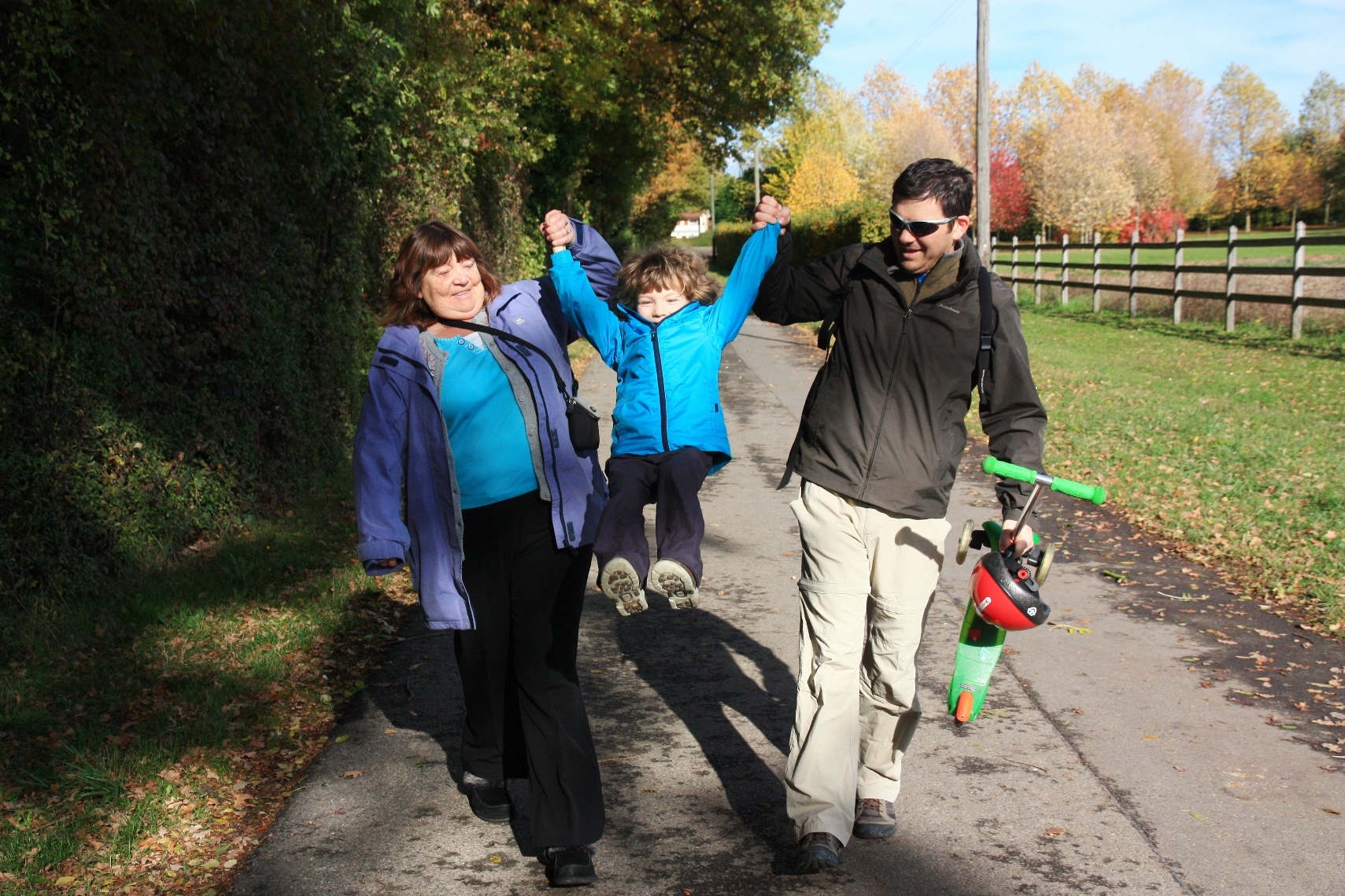
frawa01Geneva and its French environs were more bronze in grey lake cloud, a backdrop to stock up on cheese and cake and final family time. A bright and brisk Saturday morning was fine for some neutral ambling in the stylishly rustic Swiss countryside, dodging blade runners and cross country concrete skiers and tractors and little boys fleeing on scooters. Dinner was tartiflette, but then dinner usually is tartiflette!

frawa02

frawa03The Sunday was a lazy Sunday French style, involving hours of food grazing and gorging on cheese in various states, matching with wines from different parts of the country and conversation from different parts of the planet. From very young cousins to the more senior-oriented, a splendid afternoon and a fine way to say goodbye, even if such times make that even harder.

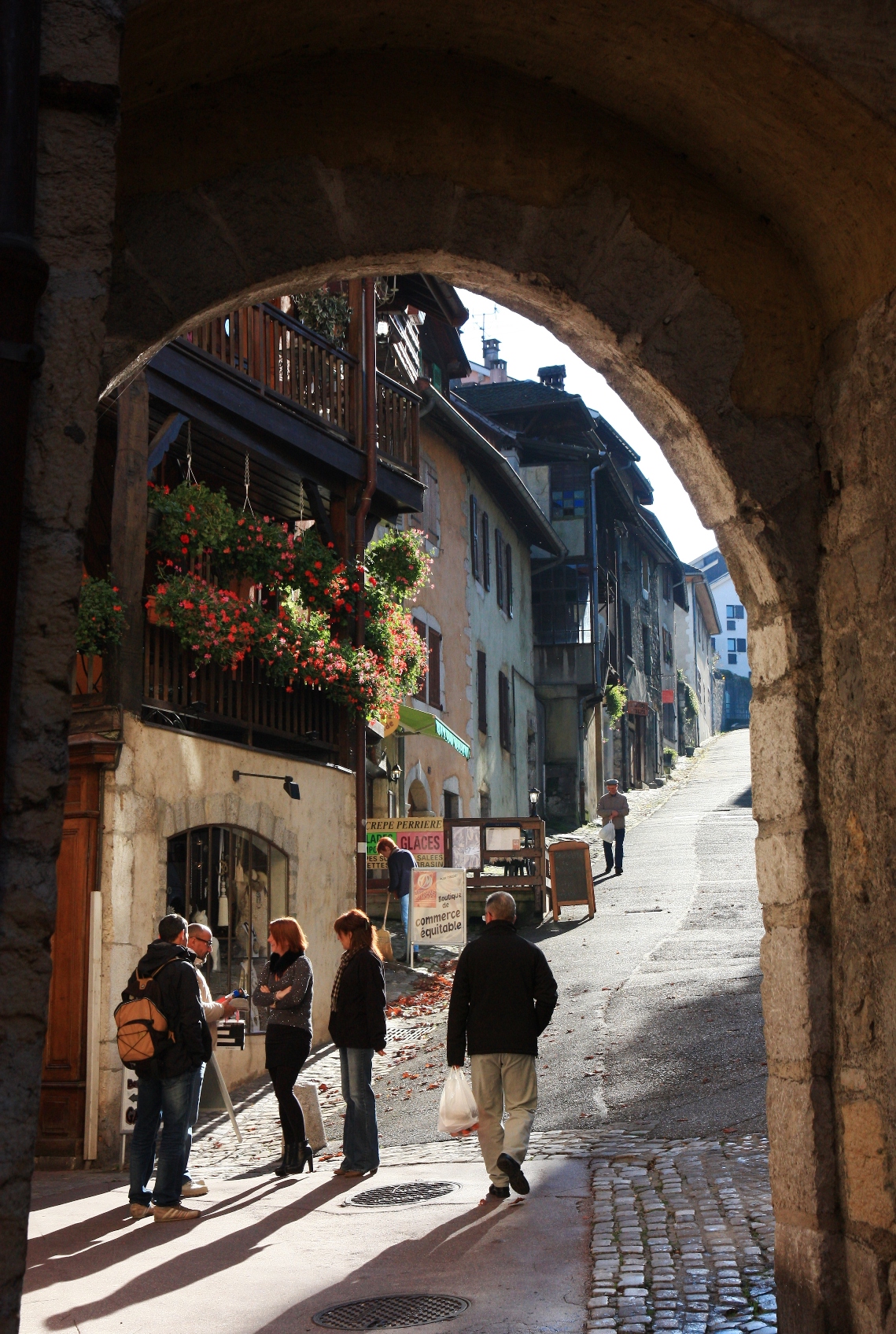
frawa05Not quite the end for me and my exploring however as my very last day in Europe involved spending a lot of time on a bus which should have been a train to propel me to the visual feasts of Annecy. Wandering the lanes and streets as a grey cold gradually lifted, soaking up a very different ambience, a very different backdrop to where I would soon be heading. From Rue des Chateaus to Quiche aux lardons et fromage, past outdoor stalls selling musty old sausages and caravans of unpasteurised cheese, alongside riverside paths lined with shuttered houses and glowing red leaves, this was the time to soak it all up.

frawa04

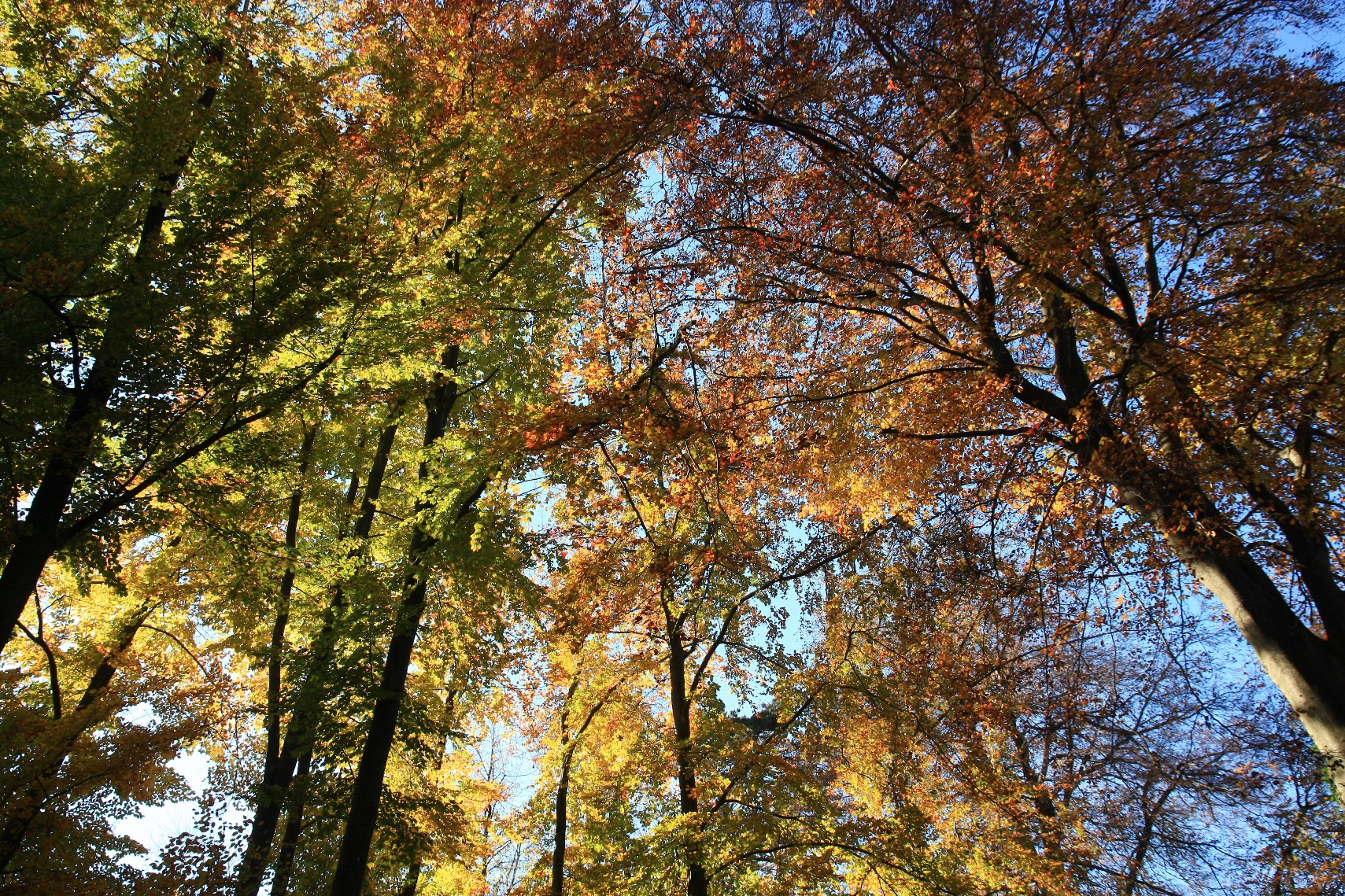
It was also the time to marvel in the landscape of this part of the world which is unlike any I would soon encounter. Escaping the town proved something of an uphill challenge but soon enough I entered the absolute golden delight of the Foret du Cret du Maure. Now sunny and warming up, strenuous work ensued in an effort to find an overview of Lac d’Annecy and not get lost. Thanks to my phone and maps I didn’t get lost, but apart from a few snatches through the trees, a lake view escaped me. Still, having really enjoyed the subtle, colourful transition from summer to winter over the past few months it was quite wonderful to end it in such a dense explosion of green and yellow and red and brown.

frawa06

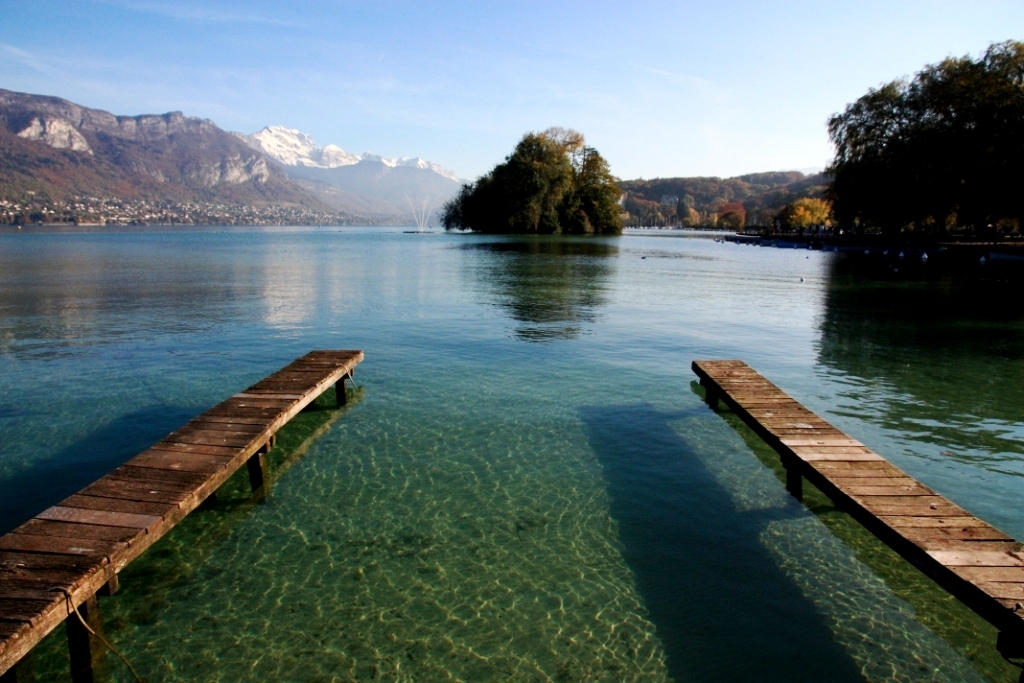
frawa07Back down at lake level the water was much more visible and, now in the latter part of these shortening days, glowing in the clear afternoon air. This is not a landscape I will see for a while, the lake as clear as a coral sea, the mountains snow-capped white as a pristine beach. An aspect warmly regarded with coats and scarves and hats strolling along a genteel, contented promenade…

…the local time is 5:30pm and the temperature is 35 degrees. So said someone several many hours later in a different hemisphere and season. Welcome to Perth, where the international terminal currently leaves much to be desired. Still, it is Australia and I can be welcomed in with my Australian passport that so nearly went astray. There is a new government but, apart from being significantly warmer, much appears the same as I left it. Taxi drivers still wittle on aimlessly about the toll road or monarchy or carbon tax, everything is still ridiculously expensive, and Perth is still some urban lifestyle paradise masquerading as a city.

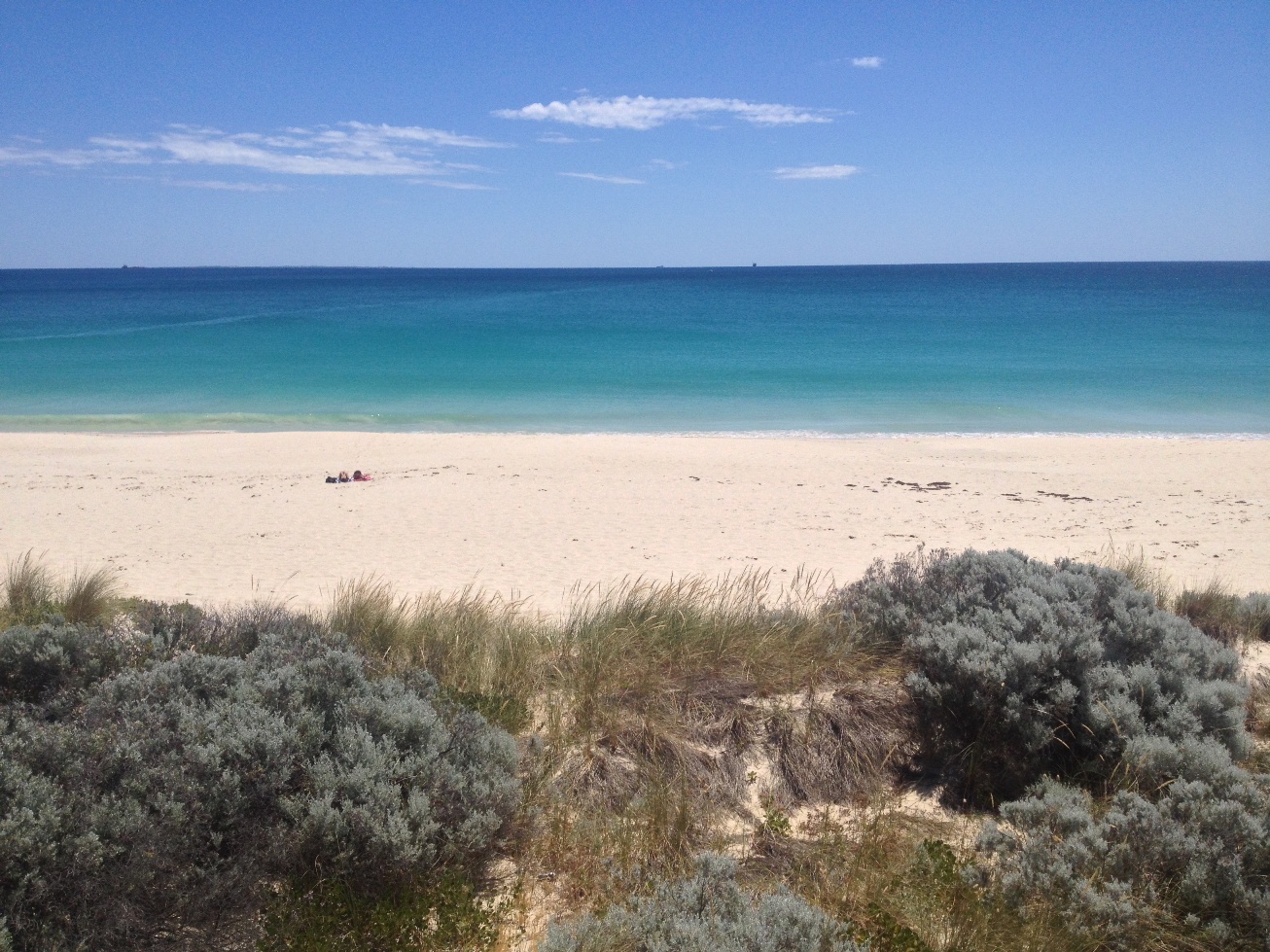
frawa09And so to the beach, or to several beaches, or stretches of one long beach over the course of the next two weeks. With a coffee or book or a huge plate of calamari, accompanying a stroll along the waterline, never far from the mind and just fifteen minutes from the body in a car. Goodness me, these Perthites are blessed with their ocean frontage. What is great about it mind is that it is rarely built up; no graffitied Gold Coast hotels casting morning shadows, no regimented wooden loungers and parasols for hire and cheap fake watches for sale, and plenty of space for dunes and parkland between the sea and the expensive show off homes.

frawa08

frawa12With baking days and arid winds it seems I have missed Spring completely. There is little sign of the much heralded wildflowers of WA on sight around the city’s parks and reserves; even Kings Park, which remains a delight whatever time of day and year, seems fairly subdued as it accepts its fate of another hot, dry summer. However, there are remnants of suburban Jacaranda lining the streets; having spent springs past in Canberra I had totally forgotten about Jacaranda, and how its elegant green leaves burst into purple flower, transforming quiet streets into a flurry of colour and giving them the smell of a new age essential oils and pointless candles shop.

Not every day has involved lolloping on the beach or sniffing trees, as I gradually reorient myself with the more mundane Australia – from work interludes to soulless shopping malls, from slower internet speeds to expensive, but lush, mangoes. A sign that I have been away a long time is in currency, where I say to myself…oh gosh…that Heston Blumenthal Christmas Pudding is twenty-five quid…blimey…oh wait twenty five dollars, that makes it, well, still quite expensive, but, you know, when shopping for essentials for a trip back across Australia you need a Heston Blumenthal Christmas Pudding with you, along with Marmite, Hellman’s Mayonnaise and Heinz English Recipe Baked Beans. Adjusted much?

frawa13And yes indeed part of my time has involved planning the next steps of this journey through life, at least the next few weeks or so. There is an excitement about returning east, tinged with melancholy of letting go of this isolated idyll of the west. Perth and I have become good friends this year and I feel like we will see each other again sometime in due course. And here I leave even better friends who introduced me to my good mate and nurtured and shared and entertained and sledged and made the whole Perth experience easy to fall in love with. So I prefer to think it’s not farewell old chap nor au revoir, but a very Australian see ya later.

frawa11

Australia Europe Green Bogey Photography Walking

Sidetracked

Back towards the start of 2013 I decided I was going to write this piece regarding the word ‘solo’. Not a whole two thousand words dedicated to the tangy Australian lemon drink, but an exposition of the pros and cons of travelling and – to some extent – living on your own. The independence, the freedom, the ‘ah sod it I’ll do what I like’ luxury that means you don’t have to compromise with anyone over choice of cake. Offsetting this, the boredom, the lack of conversation, the absence felt by missing out on the subtle interpersonal politics of deciding on a cake that all parties can be happy with. A double-edged sword ripe for some no doubt articulate and witty analysis. But I got sidetracked.

Throughout 2013 I was going to write 26 pieces that were no doubt articulate and witty, based around a word beginning with each letter of the alphabet. Beery Fairytales with Golfing Elements from Home and across the Oceans, getting Lost on Petrol laden Journeys only to recover Awesome Momentum to finish by the end of the year. I gave myself 365 days to do this, only really because it sounded like a nice round number with a good ring to it. A personal challenge, a resolution of sorts that was far easier than the usual New Year goals of healthy eating and vigorous exercise. But I got sidetracked.

I got sidetracked by New Zealand for a trip across the ditch. A country that is so brilliant around every turn and corner that I could happily get sidetracked by it time and again. Surely as close a country can get to perfect, a sensual smorgasbord of landscapes and moods, wrapped up in an undeniable, welcoming charm. Here cloudless days in the land of the long white cloud peak as high as the mountains all around. Lookouts and scenic spots, grand walks and rest stops, a true traveller’s paradise where there is an overload of distraction, and time for just a fraction of written reflection.

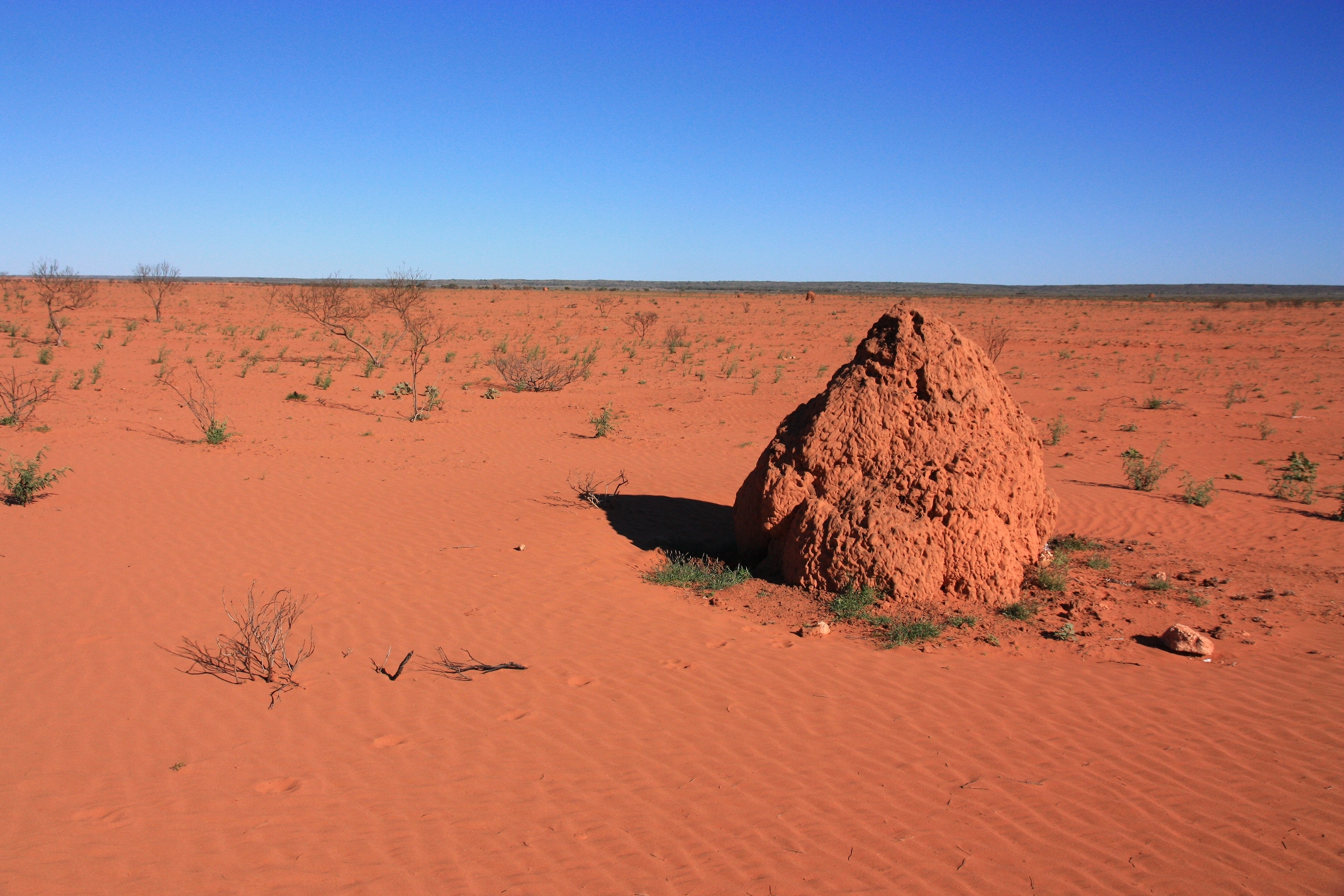
I got sidetracked by Australia, a rather large obstacle in anyone’s books. From its golden surf swept coastline into its Great Dividing Range, from its shimmering cities into its one street country towns. Across wide brown fields and into the red, an expanse of emptiness from which rocky ancient wonder rises. Sidetracks to vineyards and bays and wooded vales. Diversions to ridge lines and creek beds and trails. Along B-roads and byways, from mud tracks to highways, ocean-side swag sites and huge mounds of termites. So much to traverse and get in the way.

I got sidetracked, just occasionally, by work and other chores. Life goes on and money goes around. Sometimes things that you really don’t want to do need doing. Often it turns out they weren’t so bad to do after all. Car cleaning means a clean car. Food shopping brings the added benefit of food.  Tax returns can lead to tax refunds. Work itself can stimulate the senses and open up a series of interactions and conversations and relationships. And there is the satisfaction brought by the completion of a task, something which I may eventually feel when the 26th article is published on this site.

I got sidetracked by a European summer which itself sidetracked me towards its winter. In Munich there were sunny meanders interrupted by shady spots and thirst-quenching beer. The Dolomites offered a natural jagged wonderland of routes and pathways, a spaghetti network of cable cars and trains, a confusing conglomerate of the Austro-German-Italian. A dollop of pretzel pizza strudel. Spain was easier going, but here a car countered any chance of settled discipline. And so mountain hairpins and coastal cruises restricted what writing could be achieved in between siestas.

I got sidetracked by family and friends, sharing barbecues and roasts, brewing up tea and buttering raisin toast. A culinary backdrop for some love and affection that tastes even sweeter with a biscuit selection. I had the business of new nieces to welcome and old ones to help welcome into a minefield of teen angst, quelled with a kick about in the park. There were countless timeless trips to playgrounds with all the youngsters [1], and walks in the woods a common escape with the older ones. Then there were the moments set aside for sad Saturday nights with X Factor, stuffing our faces with pizza, burping and twerking and perhaps some flirting then hurting that that singer went out who was a bit shouty but really ab-sol-ute-ly fan-tas-tic.

I got sidetracked by my beautiful southwest of England, in two prolonged spells of adoration. Spare sunny days were taken over with a bus and rail rover, a bag packed with camera and a sense of adventure. From the very end of the land distractions spread out on every rail line and country lane still serviced by bus. Around every corner of the coast path there was just a little bit more to see: another cove, another headland, another vista of purple heather in perfect weather plummeting down to the alluring azure of ocean. In every town there was just another side alley to head up, hopeful of stumbling into a nirvana of homemade pasties and fudge. On every day there was the diversion of a walk to the sea, a trip to the top of the hill, a visit to the bakery. Days that rightly meant writing was fleeting in between eating and falling in love all over again.

S_places

I got sidetracked by anything other than writing, in those spells of sublime sluggishness when you just can’t be bothered with doing anything that might require one iota of effort. When the Internet and apps are a prelude to naps, or an accompaniment to the cricket, slouched on the couch playing Words with Friends while England’s innings ends in a flurry of wickets. When Breaking Bad is so good and Grand Theft Auto is grander and Pointless is far from it. When Daenarys Stormborn is way more exciting than the thought of writing, so much more arousing than public housing and reliving through words your own dread that winter was coming, having no heating or dragons to warm things up.

S_PerthI got sidetracked by arriving back in Perth and embracing its warm sunny disposition so much that every day feels like a holiday and it is hard to motivate to do anything other than loll. I had work and chores and sublime spells of sluggishness, suffering with a cricket background and Words with Friends malaise. But I also had the diverting allure of stunningly beautiful beaches down the road and the vibrant lilac burst of jacarandas along the way. There was the return to coffee breaks and barbecue steaks, sushi rolls and laksa bowls. A life in shorts so very inviting, that it’s hard to feel like writing, unless for time in air-conditioned refuge.

I got sidetracked by sidetracks so much that I figured sidetracks are actually not sidetracks at all. They are simply our own journeys, each of us a little bus network trundling through lanes and accelerating on dual carriageways and stopping for a while to pick up passengers and perhaps coming up against a dead end and forced to turn around. And so I merely got sidetracked by living life, busy seeing and doing, thinking and not thinking, pausing at bus stops and refilling on diesel. With hundreds of trips, thousands of interactions, millions of breaths, there is simply not enough time or no point to write it all down.

I got sidetracked but have still made it to number 19 out of 26, so far. That’s 73%, which I think you’ll find is a high enough mark for a first class honours degree. It doesn’t meet original targets but it’s far closer than anyone anywhere is doing in relation to carbon dioxide emission reduction targets [2]. And there could be more to come, depending on how much more I get sidetracked this year. It may take 366 days or 465, but I will get to Z and feel happy and proud and perhaps a bit relieved. A goal achieved, just a little later than planned. But then, how many buses run to time anyway?


[1] Along with CBeebies, parks and playgrounds truly are the saviour of parents everywhere

[2] I hold my hands up and acknowledge my own rather sizeable carbon footprint; however carbon offsets include not using as much electricity I might have if I had achieved 26 articles on this blog, dedicated use of public transport in the UK, and buying lots of cake instead of baking it myself.

Links

Solo drinking: http://www.youtube.com/watch?v=504OzK-VZjA

100% awesome: http://www.newzealand.com/au/

Z Factor: http://www.youtube.com/watch?v=eZuNGc1a0Ak

Words with jismslap: http://www.youtube.com/watch?v=bCkc5rcSOwo

Don’t let a bit of science get in the way: http://www.climatecouncil.org.au/

A to Z Australia Europe Great Britain Places Society & Culture

Where the grass is always greener

uk01Rain. We give it a bad rap. Wet and splodgy, irritating with its inescapable shroud of damp. An unwanted present from a dreary sky, sent to make boots muddy and ruin plans best laid. A shocking contrast from the sun in Spain that was 20 degrees warmer. But then surely rain is what puts the Great in Britain, our reassuring companion, along with tea and cake.

uk02It is fair to assume that Basingstoke and rain are hardly the most riveting bedfellows, but shops are shops and people are still wearing shorts to go to Tesco. It is hard to let go of the summer and, just for a moment, it returns on a Sunday afternoon at The Vyne. Here, amongst the moist muddy tracks are the autumnal fruits of summer – fungi cascading down mossy brown trunks, spiky green pods spilling out with chestnuts, leaves wafting down onto the ground, coating the forest floor in a layer of browns and yellows. All helped by that cursed rain.

uk03

uk06bRain is no stranger to the southwest of England, as Atlantic fronts begin to form; waiting in the wings to blow in on winds, some strong enough to bring down trees. This is the season where a night can be dramatic, and the next day as placid as a hippy doing yoga on a fluffy white marshmallow. Air blows in clean and fresh and the lowering sun in the southern sky illuminates the greens-turning-brown on magical days.

Magical days are easy to come by in St Agnes, sitting tucked in on the north coast of Cornwall; a prized position to make most of the sun, and the rain, and that wind when it blows on in. Like so many Cornish towns it totters down through a maze of narrow streets to a beach; there are a few pokey shops and – it turns out – a blessed bakery serving the type of sausage rolls I have craved in my mind since seeing one snatched away for someone else’s consumption last year in Hobart. Proper good sausage rolls that are hard to come by in Greggs and Warrens and anywhere in Australia other than one place in Hobart. Possibly.

uk04

uk05Unlike more genteel parts of Cornwall, the landscape here has a raggedy rugged edge to it, peppered with tin mining relics, tinged with a faded glory scoured by eternal weather. The coast path is solid and spectacular, as it always is, heading along to St Agnes Head with views north to Trevose and south along a wave pounded coast towards St Ives. Higher up – atop St Agnes Beacon – an even mightier panorama unfolds, with most of West Cornwall on view, and St Agnes nestled down below, reached by muddy field to complete a memorable circular.

uk06

Magical days are harder to come by holed up in Plymouth library trying to make something up that is of a work-related nature and popping out for mediocre coffee in the hope that just for once it may not be mediocre. Even mediocre coffee can be a welcome distraction though, so when the cloud clears and a sunny afternoon pops up out of the blue the allure to escape is palpable. Luckily there is a very quick escape from the varied charms of Plymouth, by taking a bobbling boat across the Tamar to Mount Edgcumbe.

uk08Here, the meander of autumnal woodlands and fading gardens give way to exposed hilltops, looming high over the Tamar with views spreading out to encompass a Cornish and Devonian sea.  Inland the wide river flows into a border landscape of patchwork fields and secret inlets, punctuated by towns and villages and giving out to rising moorland hills. Herds of deer scarper into nearby woods, aware of your presence and no doubt cognisant of the fact that you would quite like to see some good old fashioned autumnal rutting. Instead, the view will suffice.

uk09

uk07Plonked amongst this idyll is the city of Plymouth, with rows of houses running like dominoes over the lumpy contours of the suburbs, meeting cranes and boats toppling into the river. Its waterfront welcome mat is striking with the Where’s Wally striped beacon of Smeaton’s Tower and a wheel that looks even bigger from afar. Illuminated is a background of moorland, sweeping over the horizon. It is here that you can appreciate the quite blessed setting in which Plymouth sits. Yeah, the city might be a bit crummy and tatty in places, but a turnip growing in a field of flowers is better than a turnip growing in a pile of shit, right?

Another philosophical conclusion I have come to over the last few weeks is, when situated in this part of the world, even when the day is crap, you are having a stinker, work sucks, and other such things, there is the consolation of easy access to clotted cream, jam, scones and tea. This can make a bad day amazing. At Mount Edgcumbe it made a good afternoon sublime.

uk13The hills behind Plymouth spread afar into Dartmoor National Park and this represented what was to become my final outing into the virtual field of flowers surrounding the city. A circular walk from Yelverton offered a perfectly balanced English country composition of riverside woodlands, sheep and cow fields, tumbledown cottages and exposed tors. This amble on the fringe of Plymouth was a pretty decent way to bid it all farewell.

uk11

uk12Spending time here, intermittently from August to November, has obviously allowed me to observe the changing seasons take effect. What once was an uninterrupted blanket of flourishing green is now softening, holes are appearing, and things are shrivelling. A golden brown is slowly but inevitably creeping into the landscape and soon even this will become more spartan and altogether less comforting.

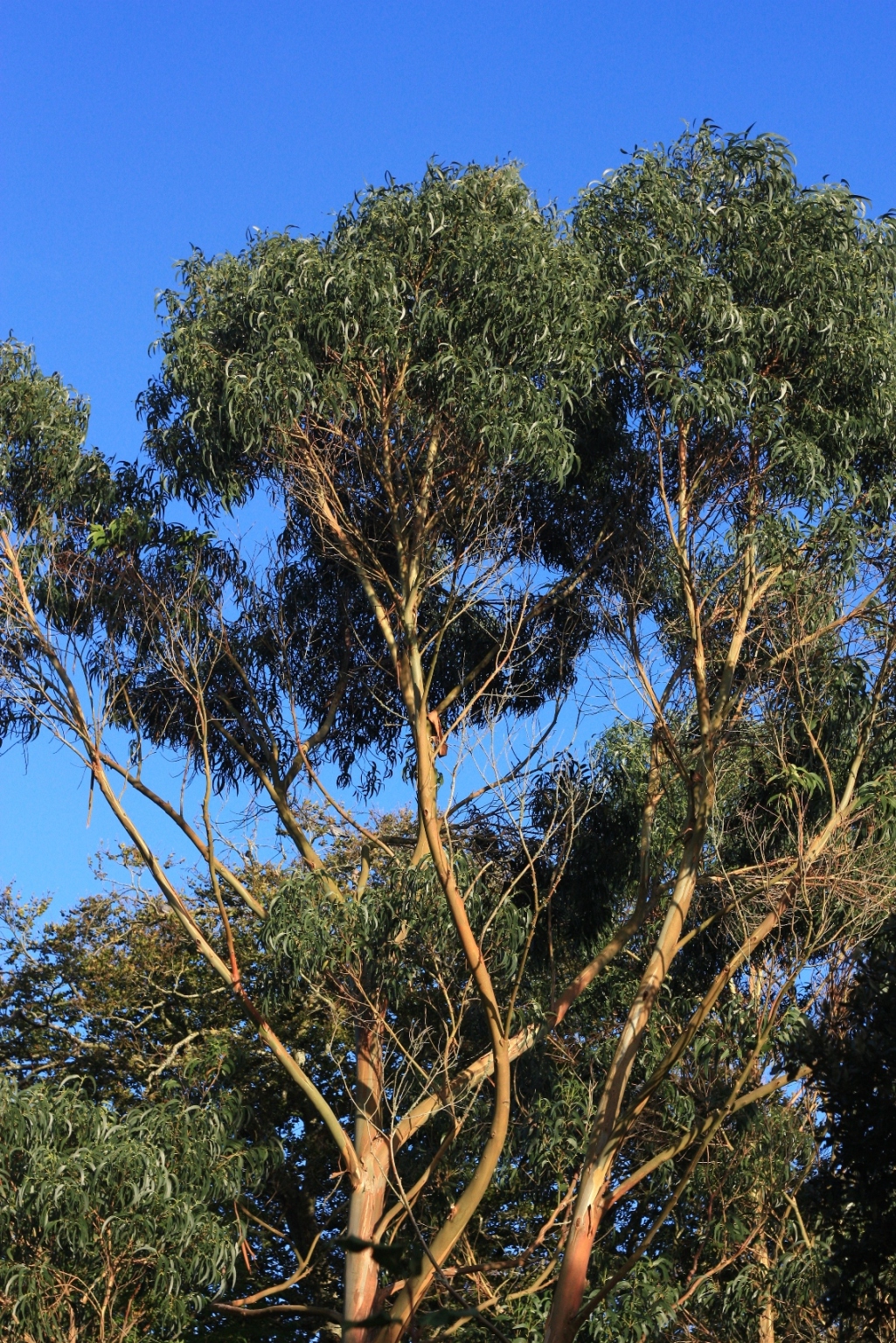
uk14And as the leaves disappear from the trees my southward migration kicks in. It has become a customary route over the last seven years, this time a little later after a little longer than normal. It leaves me with mixed feelings; sad to be leaving one place and excited to be heading to the other. It’s a feeling that comes to life when marvelling in the grand autumnal splendour of Mount Edgcumbe only to come across a couple of Eucalyptus trees shooting up into clear blue sky, aliens in a foreign land. For a moment I am transported, wrapped up against a southwest autumn and looking up at the promise of Australia. The best of both worlds, where leaves do not fall and a cream tea is just around the corner.

Green Bogey Photography Walking

Red

Red is surely the most schizophrenic colour. It is the blood that pumps through our body, and sometimes spills out in horror. It is the heart of the fire that warms us, the fire that can also consume and savage. It shrieks warning and danger, making us stop in our cars and wait for what seems like forever, all for our own safety. Red is the shade of the devil dressed, agitating up an hors category climb in the Alps, pursuing breathless cyclists to the upper limits of their EPO threshold. It’s the colour of love and passion, of Wimbledon strawberries and luscious lips on a glass of Cabernet Sauvignon. It is dry earth and fiery sunsets, timeless and boundless on the horizon.

I would not declare red as my favourite colour, but then I struggle to see how any colour can have superiority over others [1]. When I think about it though I have been drawn to red across my life, starting from the time I was placed in Budoc, the red house at primary school for which I accumulated goodie-two-shoe points and bonus long-jump merits. Since then I have gathered red t-shirts that have become faded through years of devoted use [2]. I do enjoy a glass of red wine, and of course the gooey red jam spread out on a warm scone, the sweet template for a dollop of silky, rich cream. I am clearly enamoured with a place called Red Hill, where I am especially enlivened when an explosive red sunset marks the passing of a day. There is even something ashamedly endearing about that album by Taylor Swift. Like driving a Maserati down a dead-end street.

Forget your green and gold, to me red is synonymous with Australia. It is the colour which paints the emptiness of the country and is most obviously portrayed through the sunset pictures of Uluru featuring on postcards and slick tourism adverts everywhere. It’s a scene embedded in the national consciousness despite – for most – a lived environment of golden beaches and green bushland, silver cities and yellowing countryside.

Ever since moving here an aspiration has seeded and sprouted in my head whereby I tread into fine red sand, baked and cracked by searing afternoon heat. A clutter of rocks and saltbush and spinifex sheltering frilled lizards lies before me. Small gullies weathered by flooding rain weave into the landscape, twisting toward bare, earthy ranges crumpled and folded so that they cast shadows across one another. It is remote; it is a little dangerous; it is the very essence of the heart of Australia. 

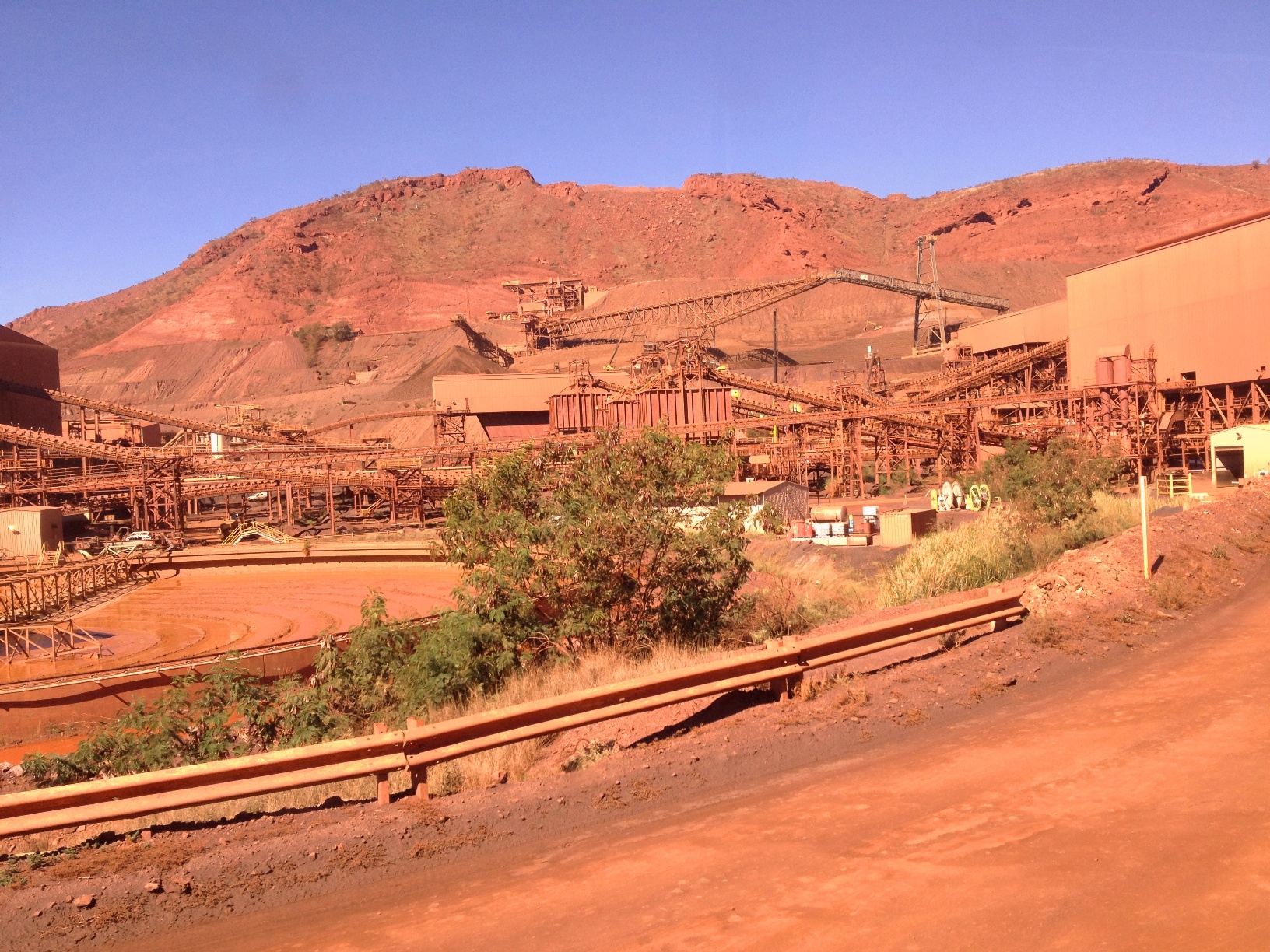
I’ve had a few tasters of this red, from Uluru itself, to giant sand dunes in the NSW outback and a visit of the fabulous Flinders Ranges in South Australia. One particular spot that I have ventured into seems almost wholly red. Pilbara red coats the northwest corner of Australia right down to the stunning blues and whites of its coast. The deep red hues cover a suitably rugged and barren landscape which gets surprisingly hilly at times, rising to the mountainous ridges of the Hammersley Range. Despite some significant intrusions, it retains a remote, untamed and enduring sense.

A gateway to this landscape proved to be Bullara Station. Bullara Station proved to be a surprise. A surprise proved to be most welcome along this sparsely populated stretch of Western Australia. A huge working cattle station, Bullara also offered a rustic camping area. Now, rustic can often be a byword for primitive and inadequate. But in this case it was more charming and quaint, from the moment you were welcomed by the friendly owners to the campfire damper with many who are enamoured enough to linger. The beautiful open top shower shed was surprisingly one of the best places to wash away some of that red dirt.

R_desert

Bullara is – in the context of this vast landscape – but a stone’s throw to the west coast and the sensational coastal colours of Ningaloo Reef. With white sands and shallow turquoise waters, the reef is every bit the tropical idyll you would expect. Yet equally striking here are the desert sands perforated with termite mounds and the upward thrusts of the Cape Range piling up into giant pillars of rock and sliced by dry gorges. This is where the red earth meets the blue sea.

Heading in the opposite direction and inland from Bullara Station it takes some time to find a settlement. Petrol is a premium price to pay to cover the country. Settlements that do spring up are principally established because of the red land around it: red rocks that are mostly dug up and taken away to China.

R_mineTom Price is one such spot; a rough replication of a Canberra suburb clustered between deep pits and mountains carved away into a spiral of tiers. The scale of these mines is huge – from giant yellow transporters whose tyres are bigger than me to rows of rocks pilfered from the ground and lined up into varying grades of iron ore. It is both crude and sophisticated, simple and advanced. And while the urban latte sipping ecomentalist in me could take offence at such obliteration, I remind myself that we all use iron, we benefit a great deal from these holes in the ground and, yes, there are plenty of red rocks still to go round.  

Thankfully environmental credentials are restored east of Tom Price, in a swathe of Pilbara red pitted with deep gorges and crumbling upland. Karijini National Park is the jewel in the crown, the ruby in the iron of this russet country. It is where you can step out into the red land and absorb it, along the panoramic cliff edges and down into the heart of quite breathtaking canyons. Rivers and pools add a vibrant green tinge to the valley floors, a ribbon of life flourishing amongst twisting red walls. It’s said that red and green should never be seen, but here it is a perfect arrangement.

Yes it sounds clichéd but this is the real Australia, the realisation of the vision and the aspiration of the fundamental essentials of a red earth country. A grand composition of nature, culminating in the view as four gorges congregate hundred of metres below Oxers Lookout. Millions of years in the making, impenetrable and untainted. Red rocks shaped by land and water and maybe a giant serpent, rocks that have not felt a human’s footstep or handprint and likely never will. This is part of the magic, the wonder, the spirit of Australia. This is the allure of red.

R_karijini


[1] Note to self: avoid vacuous interviews in vacuous magazines

[2] They used to go nicely with my black hair, but now that has become grey and the deep red material has faded, the effect has diminished

A to Z Australia Driving Photography Walking

Hola amigos!

spn02Wary that I may just drift into the comforts of life again in Plymouth and conscious of impending Halloween-related mania, I took a couple of weeks out of this (only slightly) working holiday. The first part involved meeting up and hanging out with friends once more, following which a trip overseas provided some peace and quiet and strangely rare solo time.

A whistle-stop visit to London offered another chance to reacquaint myself with old hang outs and deep connections. Now with young ones to entertain this principally involves visits to the parks of North London, typically on a rota system. It was pleasing to add a different park to the list, within the tranquil leafiness of Highgate Wood. The extra bonus here was that once slides and nets and steps and bars had been exhausted, a little lodge served up fine food to eat al fresco in the sunshine. Similarly, while by no means a new addition, Golders Hill Park delivered gelato to cool down on an astonishingly warm and sheltered park bench the next day.

spn01London is quite a different place when you visit and are not subjected to a long daily commute for tedious work and returning home for a late dinner mired in tiredness. Indeed, I was quite happy to take an hour long bus journey, absorbing the sites on the top deck of the number 13 bus from Golders Green: Finchley Road, Swiss Cottage, Lords Cricket Ground, Regents Park, Baker Street, Oxford Street and, my stop, Piccadilly Circus. I was equally content to mill around to Covent Garden and Embankment and cross over to the South Bank for a little, killing time until a get-together in Clapham. I know for sure now that I am officially at a different stage in life to when I was living in London:  waiting for a friend in a pub reading a paper and struggling to block my ears to the awful music that was far too loud. Confirmation of this comes through reminiscing on the tube home with two friends from university who I met half of my lifetime ago.  But this is nothing to despair at.

spn03More old friendships, albeit only for about one third of my lifetime, were enjoyed during a few days in Lytham up in the good old northwest of England near Blackpool. The weather for the first couple of days was better than when I visited in August, allowing opportunity to amble the prom and still try and figure out why so many people come here for their holidays. By midweek it was more typically grey with some rain and a few fleeting rays of sun. This coincided with my birthday, which was further official confirmation that I am of an older generation. Still, in Lytham such is the populace of wrinklies that I generally still feel quite young, and can do impetuous youthful things like play GTA V and watch the end of Breaking Bad like everyone else in the world during this period in history.

spn07It was a grey, drizzly day leaving Lytham and I am very conscious that I will be in England when the calendar turns to November (or Jungfrau). With this in mind, and another way in which I can make myself feel young, I boarded a plane to Spain. Costa Blanca, Quesada, Dona Pepa Pig and a home from home from home sadly less visited. This was an opportunity to wear shorts again, to think a bit more like I was in Australia, albeit with worse coffee and inferior beaches and not as much untainted open space. It was also rather nice to have some time to myself – the first in quite a long time really.

I probably would have gone a bit stir-crazy if it wasn’t for the company of a mouse in the house and a hire car to get around. And so, a few excursions (without the mouse) took in mountain towns and humid clouds, coastal resorts and big rocks, and lovely fragrant forests and views.

spn04The first trip out took me to a few Spanish mountain towns, all with higgledy piggledy streets and churches and squares. At Biar, a medieval castle looks out from the highest point perched upon a lump of rock. A fee of one Euro allows you entrance to the tower where you can get the slowest ever English commentary and walk three flights of stairs to the top. Overlooking the charming little town and fields and hills of rustic terraces, it’s one of the nicer spots in this area.

spn05

Down the road from here, Bocairent did not feature prominently in any of the guide books I had to hand. Mind you, a lot of this material seems out-of-date as roads have changed names or gone missing altogether. Still, I vaguely recall reading something on an airplane in Australia about this place, so it was worth a stop out of curiosity if nothing else. I gather there are lots of little caves around and, while it took a little finding, the old town was very much in the classic Spanish hillside variety.

spn06

From here I missed my intended turn off the main road but this was one of those fortunate mistakes. The next five kilometres or so, towards Ontinyent, thread through a wonderful limestone gorge, a great road to drive on and a worthwhile stop at some pools of blue called El Pou Clar. They would have sparkled like sapphires in the sun only the sun was getting less and less frequent. In fact, the remainder of the day was blighted by low cloud and a touch of rain on the drive back to Quesada, via Alcoy and Agost.

spn08It was a much sunnier start on the second day out, which infuriatingly darkened some 100 kilometres further north around Calpe. Calpe appears to be a typical Costa resort, with a few high rise hotels, a promenade, clusters of apartments and alright kind of beaches. What sets it apart is a huge lump of rock which juts out into the sea at its northern end. It’s called the Penon De Ifach and it turns out you can climb the thing.

The climb is actually a lot easier than you might think looking at the precipitous lump from the bottom. There’s a bit of a tunnel to go through and some fairly consistent scrambling near the top, but apart from that I have to say it made a nice change to find somewhere in this part of Spain where you could actually go for a decent walk in natural surroundings. The very top though is undoubtedly Spanish, with rocks being daubed in graffiti and feral cats pestering and lending a not-so-lovely aroma to the scene. The views of course though are what make it so worthwhile, especially when the sun makes an appearance.

spn09

spn10Despite darkness clinging to the tops of the mountainous interior I left Calpe and headed inland along the Guadalest Valley for the afternoon. Guadalest itself, sheltered by the highest peaks of the Sierra Aitana, remained dry and warm and at times sunny. Certainly warm enough for an ice cream, the Crema Catalana being of particularly fine quality.

Beyond Guadalest the winding roads empty and there is a great deal of scenery lurking under the clouds. What I find infuriating about this though is that there is rarely a place to stop, a viewpoint, a path, a forest, a trail. A lot of the land looks untouched and empty, barren and wild. Who owns it and looks after it I do not know. It just seems to be there, an intangible expanse of rocky scrub and forest.

It was not until I was back closer to the coast near Villajoyosa that some of the scenery could be accessed, albeit a man-made manifestation at the Embalse de Amadorio. The water colour of these reservoirs is always something to behold. It seems they are of significant allure to locals too, who come here to get amorous and leave cans of energy drink, tissues and empty durex boxes scattered around the car park. Maybe I blame locals too quickly, given we’re not actually too far from Benidorm.

spn11

spn12Pleasingly my final significant trip out managed to bring me to some rare Spanish coastal wilderness and a decent trail leading to a fine viewpoint. It’s the kind of set up you begin to take for granted in Australia or, with its amazing coast path, the southwest of England. Over the hills from the strip of concrete that is La Manga and between here and the port of Cartagena, a small pocket of rugged coastline and fragrant forest testifies to what this area once was like. This is known as Monte de las Cenizas and one of the best things about it is that the park authorities have closed the gravel road up to this lookout. This means it is little visited, little defaced and there is a good three kilometre trail with only a gentle gradient to overcome. And at the end, a reward of distant coastal views and deep blue sea.

This was the little taster of a kind of Australia that I had hoped for in Spain. This, and the ability to be wearing shorts in October. For, thanks to British TV and the Internet I know that things are a-changing. Heatwaves and bushfires are already inflicting Australia (yet this may or may not be climate change, let’s just pretend it isn’t and then it will go away). And, more immediately, winds from the north east are seeping into Britain. Having resisted thus far, I may need to buy (or beg, borrow or steal) a coat. Or perhaps just dress up as a pumpkin.

Driving Europe Food & Drink Great Britain Green Bogey Walking

Queen

One wonders if the Queen would care to be seen wandering the wonders of a London scene.

Dressed as a stranger, flirting with danger outside of the comforts of pastel green

Hats shoes bags and other such garnish like security detail, protecting as varnish,

Scanning over heads of the masses, assessing for assailants, assaults and clashes,

Keeping an eye out for wayward fascists and any such crisis

That might just be a travesty for Her Majesty.


The Queen may well dream to be unseen, leaving her gates and hitting The Mall.

Not Westfield White City, but a far more pretty thoroughfare of red white and blue.

Grand and clean and laced with green, she keeps off the grass of St James Park;

Just the same for the rich and the famous as for those playing games and

The mums with their prams, the bums with their drams and the poms with their Pimms, as

Bankers on blankets are trading on tablets all in the warmth of a bright June day.


At Whitehall a parade of taxis and buses, a crawling river of black and red,

Purposeful striding while nobody fusses over the tomb of the unknown dead.

A wreath bequeathed blood red at its foot, reflecting in glass of the PM’s jag

As it corners the street and scatters the press on its way to his Number 10 pad.

Protesters holler and scream and roar, axe the tax, stop the war, we don’t want this anymore;

Media play out what happened before, and what it will take to make this law.


So to Parliament down near Westminster Station, where such things are put to the nation

Where bells chime in New Year elation and funerals pass in mournful cremation.

To the abbey where princes wed, the good and great are remembered for dead, and, in a moment of hope and dread, one is crowned upon one’s head.

Right now though it’s quiet and still, save for footsteps echoing the hall

Of those from afar who have diligently come, to remember the passing of Pippa’s bum.


Outside the pigeons scatter like petals, as girls from Korea strike a pose

In front of Big Ben their visit captured, in front of landmarks that everyone knows.

The Queen may be seen in some of these snaps, traversing the road to Westminster Bridge,

Ahoy the river, the murky lifeblood, the heart and soul of this great city which

Unites and divides across north and south, from distant suburbs to mud river mouth,

Winding and binding and snaking and making

Sometimes giving and always taking.


The Queen would proceed onto South Bank, a people’s playground and a melee of sound,

Her eyes would eye the London eye, neck-tilting high, far off the ground.

Every next step she’ll get distracted, by modern day fools, musicians and clowns

Dressed as a dalek, break dancing to beat box, magnets drawing the global crowds.


Other people mill along rows of books, set out on tables under the bridge

Leafing through pages from sages for ages, engrossed in the words, unlikely to flinch

At skateboarding noises which echo off concrete, graffiti is daubed iconic as art;

Not to one’s taste but one must accept it, for one can’t be seen to be an old fart.


Going with the flow it’s on to the Globe, a place to be (or not) as it’s said,

Perhaps a play of William Shakespeare, though doesn’t the monarch always end dead?

Thus the wisdom of cabbies remembered, their sage knowledge helps one decide

To cross the river back to the north bank, safe from reminders of dark regicide.


One opened this bridge which swayed and wobbled, back when Harry was still a boy

But now its sleekness is stable and able to glide one across in absolute joy,

Like a white tractor beam from a domed spaceship, pulling one over to the north side;

Do not resist, do not desist, in fact I insist you come for the ride,

For against this dirt Victoriana, rises the most splendid sight of them all:

This is the sight of glorious London, this is the site of Saint Paul’s.


One can take or leave these gherkins and shards, glass and mirrors for cruel money japes,

For nothing eclipses the heart of the city than that grand dome and the glow it makes

Even on a day that’s made of murk, when brown meets grey and the weather’s a fright,

The shining beacon of St Paul’s continues to throw a ghostly white light

As if there may be a god somehow present, lighting the way for the souls of all men,

Or perchance a skilful creation, a temple to science, a product of Wren.


And while thinking about engineering, it’s time one was veering to the tube,

Haphazardly tunnelling, trickily funnelling, like a tight squeeze in need of some lube.

One doesn’t frequently do it this way, it’s common and dirty and full of the masses

But there’s something enticing about running like mice in a labyrinth world of deep and dark passage,

For ten minutes worth of bumping and shaking, making one take in the means and the purpose

Of people commuting, of getting around, of finding the air once more at the Circus


Here should one have need for a treat, join the slow trudge, on Oxford Street

For Topshop and Gap and a pub in between, soak up the wares of the big brand machine;

But look upwards, above the first level, away from the devil where one can revel

In the detail and the sculpted crescent of the present and wholly pleasant

Elegant facade of Regent Street.


Piccadilly beckons and then Trafalgar, great landmarks flow on this monopoly board,

Pigeons and Nelson and lights somewhat vulgar, another statue stands of some other fat lord.

Closer to home now, one senses an end, to the meander through this magnificent place,

It’s hard to describe the awe and the wonder, the sense of what’s special, the look on one’s face

As one goes unseen just like the Queen, treading around, breathing it all

All that one knows, is as the song goes, don’t stop me now, I’m having a ball.

Q_london


A to Z Europe

Southwest bits blitz (2)

The inevitable happened. It rained. And became a bit cold. On the plus side I think I found a good coffee but cannot be sure because it was a mocha. It helped comfort against the cold, which actually hasn’t been bad at all. Indeed, it is far from doom and gloom (yet), with still warm early autumn days and sunshine enough to counter the occasional days of murk. And such seasonal randomness swings my mood and affection, from absolutely, undoubtedly in love with where I am for a moment, and then still in love with it but begrudgingly so the next.

2sw01In the immediate confines of Plymouth I have taken to short forays to catch the views from the top of the hill nearby, over the Tamar and into Cornwall. In the other direction, enjoyable visits to Devonport Park, starting to brown just a little but doing so in an elegant manner. Mostly these forays are a good escape from soaps on TV, while the weather is still light enough to escape. Family add a welcome, warm distraction, when they are not glued to the soaps.

Escapes further afield have been possible, in a large part made easier by proximity to Devonport railway station. For instance, this at least makes the trip to Padstow slightly easier, connecting from the train onto a bus at Bodmin Parkway. I say connecting, but their timings don’t really connect amazingly well, so you just have to go into the cute cafe on the platform and eat homemade coffee and walnut cake. You just have to.

2sw03Not that you need sustenance to keep you going because Padstow is synonymous with Rick Stein and, apart from being able to eat the man himself, you can pretty much take your pick from his products: fancy seafood, good old fashioned fish ‘n chips, pasties, pies, breads, meringues, tarts, shellfish, ice cream.  Beyond the world of the Steins there are numerous cafes, bakeries, pubs and ice cream vendors in the town. With money, you will never go hungry.

For all the cashing-in it is undoubtedly good for Padstow and the surrounding area. And I’m sure if you asked Rick Stein where his favourite place in the world is, of all the places he has been, from France to Asia to Mollymook, he will say Padstow. And why not, why not at all?

2sw02

The Devonport – Bodmin Parkway rail route offers up another lovely option, without a bus connection. This means that it’s hard to justify coffee and walnut cake but you can take solace with a National Trust cafe instead. A walk of a couple of miles, tracing the River Fowey through verdant woodland and leading along a broad tree-lined drive takes you to Lanhydrock House.

2sw08

At Lanhydrock there are gardens doing their utmost to remain in summer and a sneaky side gate or too in which you can enter without paying. Well, it’s not like I was deliberately avoiding having to pay for 10 minutes wander around a garden, and I did spend money on a caramel slice and coffee afterwards. So just keep calm and carry on, as they all say in these places I think.

2sw09

In these places I have been a while now, which means a clear routine has set in, particularly in the mornings. A folding up of bed and shifting of table is then followed by a cup of tea and a watch of BBC Breakfast News. The weather forecast maintains interest and days and weeks are planned around what the smiley weatherwoman decides is happening. A cool, blustery day means trips to town and hanging out in the library to do some writing of some kind. A sunny day is greeted with the enthusiasm that comes with the expectation of this being the last of the year.

2sw05On what I thought would be the last sunny day of the year I shifted to bus travel and a bumbling ride to Noss Mayo in Devon. This is now just one of those established jaunts that tends to fit into the annual southwest pilgrimage. Not so many miles from Plymouth it nonetheless takes a while to reach, as the bus frequently stops and reverses for other vehicles to squeeze between it and the ten foot high hedgerows. Practically scraping the walls of pastel cottages, the bus arrives beside Noss Creek and a pleasantly varied walk of an hour or so: coast, farms, woods, creek, boats, pub, beer. And then back on the bus through the rabbit warren of the South Hams to Plymouth. Such is the blessing of living in this part of the world.

2sw04

2sw10The sun failed to shine on the far west of Cornwall despite it being a day which I thought might be the last sunny one of the year. Quite possibly the lamest high pressure system in the history of the world covered the British Isles and daubed it in low cloud and mist. And so, unlike my last trip down to this pointy end, St Ives was blanketed in a grey melancholy, with a cold wind picking up off the bay, the only comfort coming from a Pengenna pasty and that good mocha I mentioned before.

Things were no better on the southern coastline around Mounts Bay, that is until the train pulled out of Penzance Station at four o’clock and the cloud parted over Marazion and continued on to Truro and such brilliant blue skies as befitting the last sunny day of the year continued all the way into Plymouth. You could say it was frustrating and you would be right, but the train ride back was two hours of blissful enjoyment and appreciation of Cornwall.

2sw11

2sw12The next day dawned, well, sunny. Very sunny indeed, and warm despite the end of September creeping ever closer. While the cloud filled in a little the warmth endured and offered up a couple of hours of unbelievable shorts wearing. This was in Calstock, on another train trundling up the Tamar Valley. The main attraction, apart from the snaking tidal river, impressive viaduct and waterside cottages, is Cotehele House and its wooded estate sloping down to the water. It’s a peaceful, sedate corner of the world, again just a stone’s throw – or train ride – from  Devonport.

And so you see, while it did rain and it has been cold, this has generally been the exception rather than the rule. My last day here, before I disappear elsewhere for a while, involved shorts-wearing for goodness sake!  And when shorts can be worn there is no rush to cross continents, not just yet. Not until we have that last sunny day of the year at least.

Great Britain Green Bogey

Petrol

The ball-breaking torque combined with the twin thrust turbo delivers an astonishing rear wheeled hardon that isn’t good. It’s absolutely MASSIVE!” So says Clarkson on almost every episode of Top Gear ever.

Like most of the world, I enjoy Top Gear and the overblown ridiculousness of it all. But I have never really reached the point where the noise of a car gives me an erection. It seems I am in the sensible fuel-efficient compact car school of thought, so mocked by humorous middle aged men with pube hair and jeans and blazer combos. But that’s not to say I don’t enjoy driving, now.

I had an inauspicious start to driving, passing my test in the flattest, quietest town in Britain and then becoming flummoxed with hills and traffic elsewhere. I didn’t particularly enjoy it and practically went out of my way to avoid driving anywhere. It wasn’t until Australia, and a solo work trip where driving was virtually impossible to avoid, that I got behind the wheel again. And since that point things have changed, I feel comfortable and confident [1] and, more than anything, relish the freedom that comes with wheels.

Having a car transformed my relationship with Australia, starting in my home town of Canberra. It says a lot for Canberra’s design that people couldn’t believe I didn’t have a car for a year there. Further, I could make trips down to the beautiful South Coast, or up to Sydney, or into the high country. My love for road trips reignited, and I ended up driving up to Brisbane one Christmas, traversing Tasmania over Easter, then up-scaling to New Zealand which was a mere road test for doing the biggest traverse of all, from one ocean to the other.

For all the wonderful petrol-driven experiences in Australia it’s fair to say that road trips are synonymous with the USA. Kicks on Route 66, fun on Highway 1. Turnpikes and Freeways, Roads to Nowhere. Gas stops and Twinkies, neon signs and drive thru diners. Signs imploring you to get in touch with God, others urging you to get in touch with Hooters. In this great land, Life is a Highway, and you may end up riding it all night long.

Having only driven once in the USA – a series of amazing meanders around the Pacific Northwest – my road trip experiences here are built on shared journeys, chauffeured around by some willing participant in the process. On more than one occasion this has been my Dad, and on one of these particular occasions we were heading down the length of Florida to its very tip, with my brother making up the family triumvirate. A trip powered by sweetly abrasive gas station coffee and a George Foreman grill.

???????????????????????????????

Florida is the kind of place that can simultaneously be brilliantly amazing and desperately awful. Beyond the Mickey Mouse and McMansions, the summer humidity, the searing oppression of gun-infested sprawls of urban mess, and the inevitable queues for waiting rooms to move on into the afterlife, there is an outdoorsy, pioneering and almost cultural side to Florida. Spanish heritage and space exploration compete with sweeping beaches and a tangle of waterways created by what is one large swamp jutting out into the Gulf of Mexico. And if this gets a little much, there is always a KFC all-you-can-eat buffet in which to convalesce.

Starting somewhere in the outer suburbs of Jacksonville, the state capitol, it’s another gorgeous sunny morning to hit the open road. I say open road, but the freeways and interstates here seem to be continuously cluttered, with tailgating the norm and veering across lanes a requirement for anyone in an oversized SUV. The land is flat and really quite uninteresting, the roads keeping far enough from the coast to enable you to see very little of it. Wal-Mart is passed and I stay conscious. Keeping us going is that sweetened coffee and delicacies from Krispy Kreme. It seems totally in keeping; hopefully there is no illegal sugar driving limit.

A constant on the horizon are the signs for Miami, intermingling with Tampa and Orlando and Fort Lauderdale and other retirement holiday ventures along the way. Lacking the same sense of razzamatazz as signs encountered for San Francisco and Los Angeles on previous trips, there’s still a glamour associated with the concept of Miami – Miami Beach in particular. Thoughts of swanky high rises, neon signs, and art deco beachfronts crawling with souped up Cadillacs and beautiful people. And while this may (or may not) exist, the interstate, as is so typical of US cities, slices its way through a dense fringe of suburban decay, fear, and loathing.

Arriving in a large city after a lazy cruise down a highway is all part of the US road trip experience. Sometimes the cityscape may loom large and you hit its downtown rather abruptly, swept upon a snaking interstate raised above the streets and weaving through glassy skyscrapers. More often than not it’s an elongated process, regularly punctuated by a series of exits with names like Franklin Boulevard, Northwest Latrobe Drive, and George Bush Senior Expressway. Four way intersections become the norm, at each one a drive through cookie dough express and branch of Subs ‘n Shooters to pass the time while you wait for the lights to change.

There usually comes a very crucial point where you need to take an exit to make it on to the road that takes you back out of dodge. This comes with warning five miles out but after that no signs emerge until the very exit, and you have to cross eight lanes to get to it, with no gaps at all in between the SUVs loaded with automatic rocket launchers. The exit is locally known as Slit-throat Alley and you need to fill up on fuel somewhere here, plus you are busting for a pee because you had an oversized Caramel Macchiato from Starbucks. Is it just me, or are US cities incredibly daunting, often intimidating? I have never felt that secure in them with the exception being – you may be surprised – New York City [2].

Anyway, such tests are sent to test us. I seem to remember we made our crucial interchange in Miami, albeit with a distinct tension in the air, relieved as the city faded away in the rear view mirror. Now there were few roads to get lost on and the road trip transformed into a proper old-fashioned one, with single lane byways and scenic turn offs and stupid attractions like Aunt Maisie’s Coral and Humbug Umbrella Shoppe. The coastline also emerged more frequently, inevitable given we were now on the line of islands and cays making up the Florida Keys. Here we could camp and make a fat-reduced dinner with Mr George Foreman, the waterside setting of John Pennekamp State Park a long way metaphorically from Miami.

After a sojourn upon the water, the road trip continued the next day down to Key West, celebrated for being the end of the road and a corporately hippified haunt, out of reach and proudly out of touch with the rest of America. It feels the kind of place where eccentrics and misfits and millionaire investment bankers with a fresh Abercrombie & Fitch T-shirt for each day end up. Every third person walking down the street sports a Hemingwayesque beard, obscuring their Abercrombie & Fitch T-shirt. This is still clearly America, but with a cruisey Caribbean undercurrent.

The sun sets famously off Key West and this is the end of a one-way street, turning back is the only option [3]. Travelling on the other side of the road gives chance to see what was missed on the way down, like the Big Fuck Off Fishing and Boat Shed, the Uppitsarse Links Golf and Country Club, and Fishface Bucket O’Clams Pelican Feeding Centre. Pleasingly there remain extensive reaches of wide open water, shallow and sapphire, clusters of palm trees sprouting up from sandy bays, all within easy reach of the road and encouraging frequent stops.

A mainland of sorts returns after the last span of what is an 100 mile? elongated bridge is crossed north. Distinguishing the mainland is a challenge, since swamps, reeds, pools and channels intersect with a placid shallow sea. This is a sponge of a country, where a wrong turn or a wrong foot will swallow you whole. This is primeval and timeless, and seems to be untainted compared with much of Florida. This is the Everglades.

If Key West was the figurative end of the road, this was the high point. So close to Miami you should be able to hear the gunshots, the Everglades feels peaceful and serene, wrapped in a blanket of tall grass and smothered with mangroves. And far from being a lifeless swamp, the changing levels of water, the changing salinity, and the changing ecosystems thrive with a concentration of life as densely packed as Miami. Here, the Alligators rule the ghetto.

Road tripping really comes alive in national parks, particularly in the US which are typically generous with their access and facilities. In the most popular spots you can drive up and park and sit in your car and eat a cheese biscuit with a spray of cheese in a can on the side and look at the view. Fortunately there are plenty of trails that fewer people take, loops of an hour or two to get away from the car and discover views and animals and rocks and plants. In the Everglades, these loops offer an array of animal life, of birds and butterflies, lizards and dragonflies, and of course the perennial alligator. I was, quite frankly, amazed by it all.

P_FLeverglades

And only now, reflecting, I think of the hypocrisy of marvelling at wonders of nature such as this having burned thousands of tonnes of carbon to get there. I do this all the time, without really thinking about it. To make matters worse, I burn a dollop of extra energy trying to write something about them on a coal-fired laptop.

Still, at least I don’t tend to drive to the shops just round the corner, and I do tend to put my empty plastic bottles into a green bin for someone to do something with, and I definitely don’t waste food or anything like that. Besides, now I can take my lead from the Australian Prime Minister, whose advanced thinking tells us that carbon is an invisible substance of no importance whatsoever and what’s science ever done for us anyway? It’s thinking that probably would not be out of place in southern Florida, where I can thoroughly enjoy the hoon around in a guided propeller boat trip in the swamps bordering the Everglades.

Being hooked on travel, being hooked on road trips means I am even more hooked on petrol. It is the blessing and curse of our times [4]. It enabled me to experience the diversity of Florida, relatively cheaply compared to other countries in the world. It has also propelled me around the more incredible terrain of the Western US. My experience of Australia has transformed with every guzzle from a Coles Express petrol station, and I have spent a small fortune on it. I miss it, despite the best efforts of public transport in Europe. Like Clarkson and Hammond and May, like George W, like him and her and you and that bloke over there, I am addicted.


[1] OK, so comfortable and confident in an automatic. I feel gear changing and clutch control on hills has passed me by.

[2] Why did NYC feel safe? I think several things – it’s more familiar to an outsider thanks to its screen presence, it’s easy to get around and people actually walk on the sidewalks rather than drive everywhere. Plus there are lots of people, many tourists, and there’s safety in numbers. Plus I didn’t get mugged, neither did some hoodlum come up to me and draw a pitiful excuse for a knife, depriving me of the chance to emulate Crocodile Dundee.

[3] Unless you wish to go against the flow and swim to Cuba

[4] Though possibly soon to be usurped by the possession of an Apple product which will lock you into a tortuous love-hate relationship for life.

Links

Powerrrrrrrr: https://www.youtube.com/watch?v=lpDdQaS73eM

Sweet home Alabama: https://www.youtube.com/watch?v=p8St7jj1iFw

Florida Keys tourism: http://www.fla-keys.com/

The Everglades: http://www.nps.gov/ever/index.htm

Now that’s magic: http://www.smh.com.au/federal-politics/political-opinion/a-socalled-market-in-invisible-stuff-the-meaning-of-tony-abbotts-carbon-rhetoric-20130715-2q00e.html

A to Z Driving Food & Drink USA & Canada Walking