Home is where the heart is, only pieces of my heart are scattered in so many places. The largest two chunks are undoubtedly at polar opposites of the planet, making for an interesting tug of the figurative heart strings. Like Beefy v Border and Scones v Lamingtons, it’s an Ashes battle simmering under the surface, slowly plodding away like Geoffrey Boycott completing a 962 ball century. One piece of heart is high with cholesterol, saturated with pasties and clotted cream, the other is growing all the time and falling in and out of love with a feisty sunburnt youngster.
In any discussion of academic stature it is customary to define the matter at hand and, in this case, what we mean of as ‘home’. Often this begins, rather lazily, using an Oxford English Dictionary definition which, since it comes from Oxford, probably describes home as a detached mansion encompassing at least two wings and ample space to shoot peasants. It’s true that a ‘home’ typically does involve some arrangement of bricks and mortar (or for me at the moment swag and car), but I prefer to take my lead from The Castle. An Australian cinematic classic based on a surprisingly true story, this argues the case that a home is not merely a structure but a place embodying love and shared memories, a place where prized personal treasures make it straight to the pool room.
Home is also a marker of identity, and I guess that is why so many people become indebted so that they can live in a desirable postcode, have a double garage, and possess more rooms than they could ever possibly need. The type of people in Escape to the Country who are looking for a detached period property with land for stables and a separate craft studio, six bedrooms and three reception rooms, proximity to the shops and a village pub but not next to anyone or beside any road whatsoever, with views of sheep studded fields and blue skies only. All so that one person can face a two hour commute to London and thus hardly see the house whatsoever because they have to pay off the mortgage, while the other one does a bit of art and can grow some turnips.
I’ve never really got into the whole home is my castle thing or sought to mortgage the rest of my life to pay off a bank for some bricks and mortar. I still don’t know if that’s foolhardy or not. I do occasionally have those ‘if only’ moments that come with the clarity of hindsight and sometimes wish I had made the commitment to buy something before house prices skyrocketed. But I was young and, er, foolhardy. And besides, where would I be right now if I had made such a call. In some overpriced box room flat in a zone 4 suburb of London? Or sitting in a national park in South Australia with swag ownership to boast about?
Regardless of present location there are two cities that I call home if anyone asks: Plymouth, Devon, England and Canberra, the capital city of Australia. I would say I live in Canberra and so my home is there [1], but I was born and raised in Plymouth and that is my home city. I support Plymouth Argyle but keep an eye on the ACT Brumbies and Canberra Raiders. I drift into Westcountry bumpkinism with rising Australian intonation. I think one is captivatingly beautiful while the other is beautifully captivating. Usually I feel like I belong to both, validated by dual citizenship which has me at once a British Plymothian and an Australian Canberran. At other times though it can feel like I am a stranger in both, simply because I cannot commit to one or the other. In Australia there has always been this sense of impermanence, even though I have been there for six years; with England, I am absent and afar, now looking in from the outside.
Reassuringly in spite of this Plymouth will always be home. I was born in Plymouth, in a hospital that no longer exists. I remember little of my childhood outside of Plymouth, even though we moved about a bit when I was very young. From about the time I was five we ended back in Plymouth for good, eventually being granted a council house that was supposedly in the leafy and refined sounding Beacon Park but was practically on the edge of the less salubrious sounding and indeed less salubrious Swilly. I wasn’t out of there until university, but attachments remain strong with the house, the people, the city and the area.
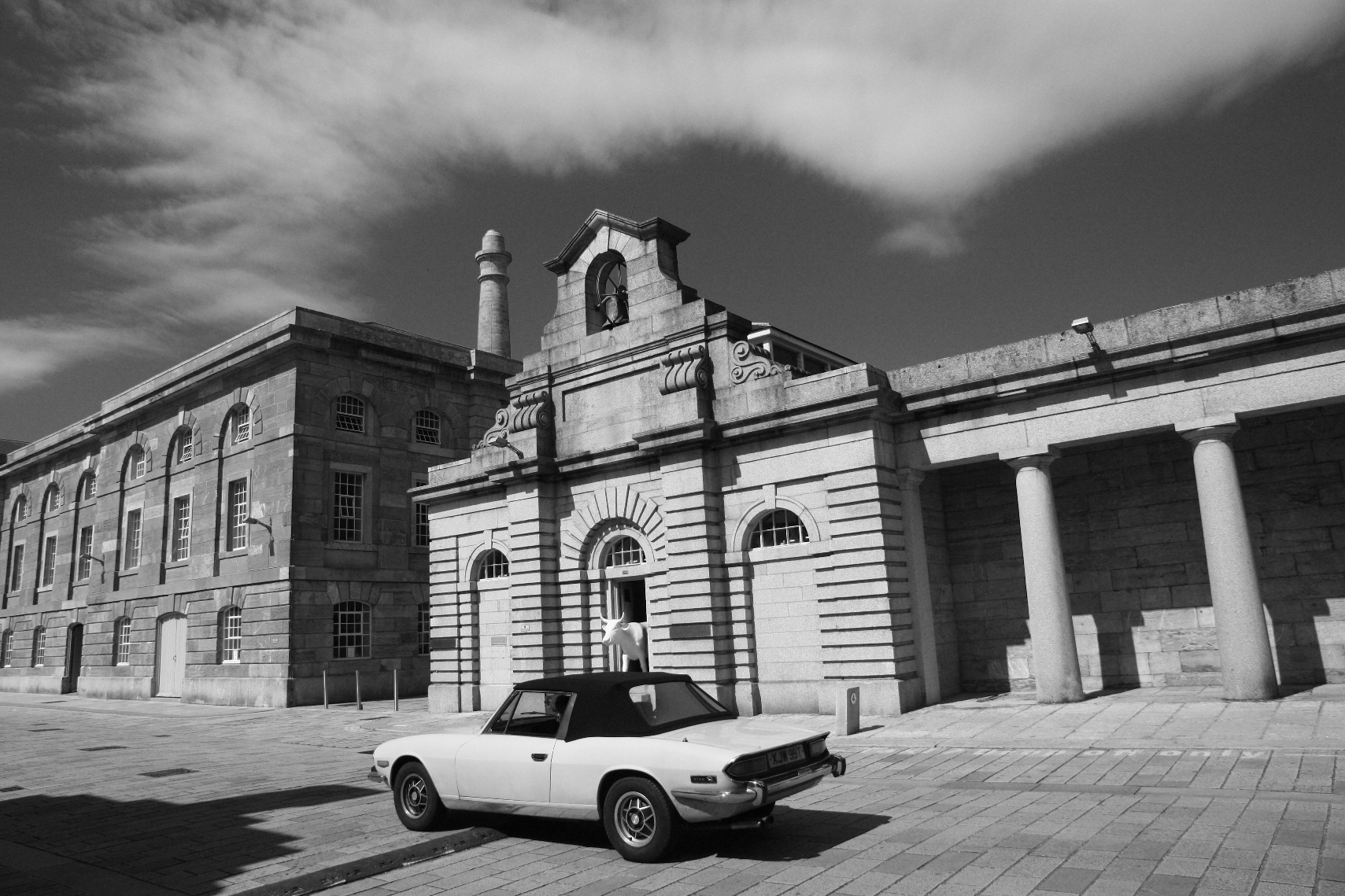
So, what can I tell you about Plymouth that maybe isn’t just about me and my rather uneventful upbringing? It’s a city of over a quarter of a million people, many of whom live in identikit post-war council houses that sweep up and down all of the hills that pop up across the area; hills that make walking to and from school a test of stamina, especially after an afternoon of double history following a lunchtime kick about. The city is historic, although much of this got blitzed by Germans and sadly resulted in a mostly depressing 60s concrete city centre. The Barbican houses ye olde bittes, where seadog scallywags like Drake and Hawkins planned the next places to discover and pillage. Today, the Barbican can be rather fetching on a warm day, boats bobbing on the sun glazed water, the smell of frying onions from Cap’n Jaspers floating on the breeze, and seagulls annoying the hell out of everyone, including the French exchange students looking both perplexed and bored and annoying the hell out of everyone else.
Further around from the Barbican sits Plymouth’s piece de resistance, one of the reasons it exists: Plymouth Sound. I am very likely biased but I think it is hard to come across an aspect more pleasing than that from the Hoe Promenade, a swathe of green, green grass punctuated with memorials and statues and the perfectly red and white striped lighthouse of Smeaton’s Tower. Here you can stand high above the natural harbour which pans out in front, sheltered by the hefty green shoulders of Staddon Heights to one side and the Rame Peninsula to the other. Channelling its way from the Sound, the River Tamar cuts a swathe to the west, lined with the detritus of the naval dockyard and funked up council flats, a reminder that this is a gritty city with its fair share of wonderful city things like declining industry and poverty and indifferent town planning.
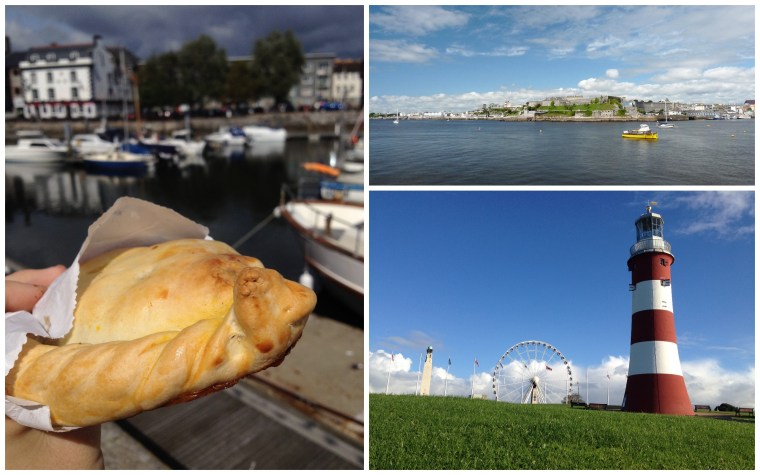
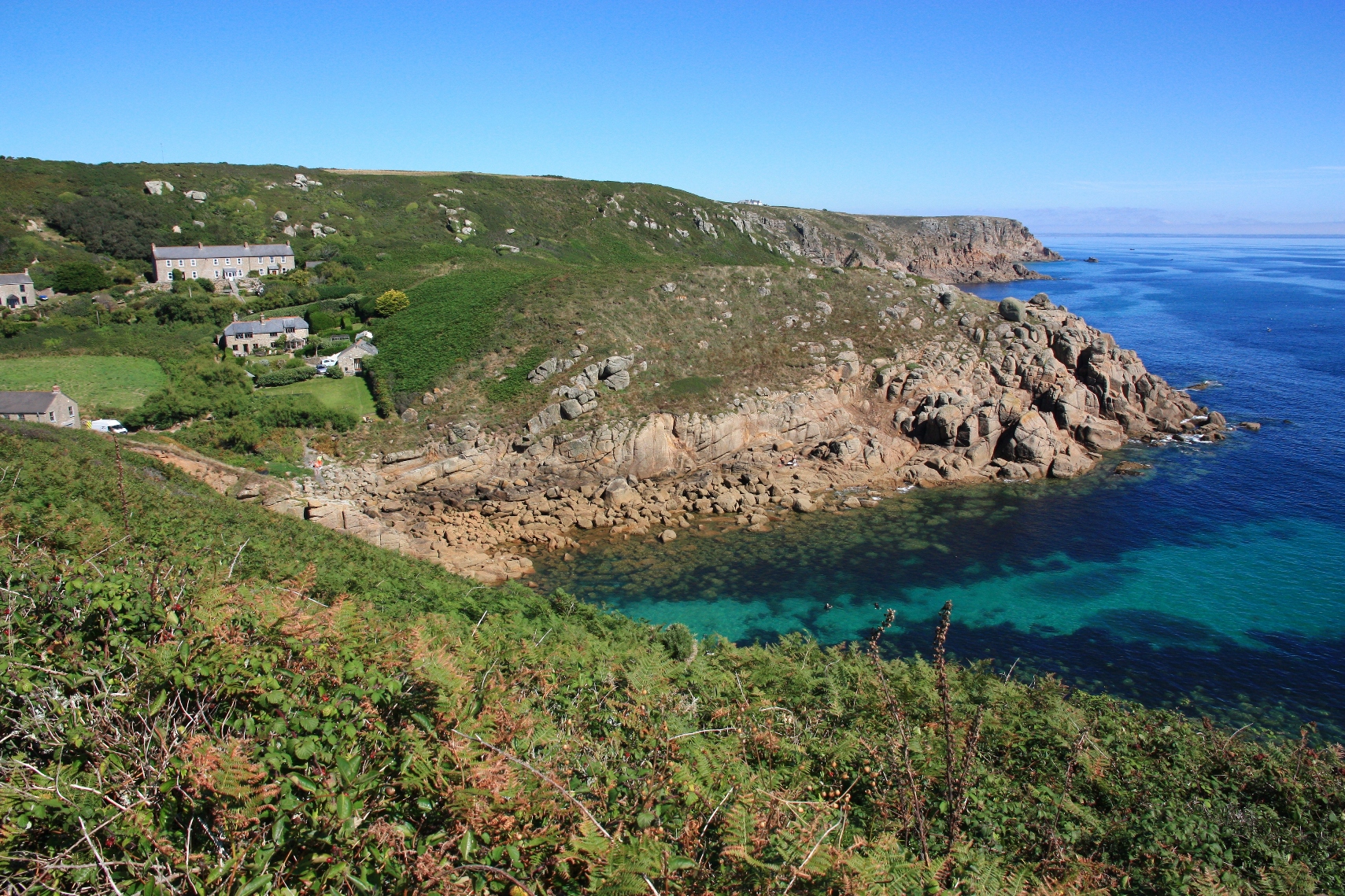
Softening this view, across the other side of the river, is Mount Edgecumbe and its country park, a verdant paradise of manicured gardens and dense woodland clinging to the slopes that rise up and bound forever onwards into Cornwall. I love how you can see Cornwall so easily from here, the juxtaposition from industrial cityscape to idyllic creaminess all so obvious. But it’s there, just across the water and easy to reach [2]. This is illustrative of Plymouth’s natural advantage, with the wondrousness of the Devonian and Cornish landscape just minutes away, from the rickety tors of Dartmoor, to the rolling green fields of the South Hams, across to the snug coves and fishing villages of the South Cornwall coast and up onwards to the pounding seas and plunging coastline of the north. If anyone, wrongly or rightly, ever accuses Plymouth of being a hole there is no escaping from its sublime surroundings.
So this is my home, but I haven’t really mentioned what makes it so homely. For me there is close cherished family in Plymouth and, so far away, I do miss them now and again, though I cannot quite tear myself away from another home to put that right. Like most family relationships there is something to be said for small doses and periodic visits, tending to make these more cherished and enjoyable, without breeding contempt and complacency that so often come with familiarity. Besides, when I pay visits home I get my washing done, all fresh and soft the way only Mum can get it. I doubt if I could bank on that happening if I was there all the time.
Plymouth is also homely because it is so familiar, yet this itself is a double-edged sword. I know how to get the bus into town, I somehow still recognise the face of the woman serving me milk in the corner shop, and I’m savvy enough not to be either excited or offended by someone calling me their lover or handsome. However because I am not there all the time, because I have formed attachment with another home, it also feels that sometimes I am a stranger, spurned for running off with a younger model. I don’t know what’s happening in Eastenders. I never knew that the bus company changed its name. I didn’t hear that the Prime Minister visited, looked like a total knob end and ate a pastie with some of the local chaps.
You see, that’s the price I pay for calling Canberra home as well. You can’t have your cake and eat it, can you? I never really understood that saying. I mean, I buy a cake (quite often in fact) so I have said cake. I then, usually quite quickly, eat aforementioned cake. Sometimes I have a larger cake that I eat just a morsel of, in which case I definitely have some cake in the house at the same time as eating it. Perhaps I should say a rolling stone gathers no moss instead, but is that a good or a bad thing? Okay, cool I’m a rolling stone who gathers no moss, unlike those stupid static stones with all that spongy green stuff around them. But actually are they the lucky ones, with their cosy layer of moss and security of tenure?
Pleasingly Canberra happens to have stones, and some moss, and plenty of places selling cake. I call it home primarily because I have made it so over the past six years or so. Whereas Plymouth is my home by birthright, Canberra is my home by way of where I live, at least until recently. I’m now travelling around Australia a little, but still have possessions and people of note in Canberra and when some grey nomad at a campground asks where I am from I say “Canberra”. They then look at me odd and launch into a tirade about carbon taxis and published servants or something. Nah, not really, they’re usually rather lovely or at worse aloof. Anyway, I am proud to call Canberra my home because I think it’s just a great place to live.
Canberra is rather beautiful in my eyes. I came here from London, another place I would have called home at one stage. Some people, usually Australians not in Canberra, look at me googly eyed when I tell them that. You left London and came to Canberra? Not Sydney or Melbourne, those wannabe global cities of urbane cool that aspire to be London? But it was the contrast from London that Canberra gave me and for which I fell. I could walk to work, with galahs and rosellas lining the streets as the sun hovered above. I could make new friends and acquaintances over sublime coffee (and occasionally cake). I could fall in love with the setting, its bushland hills and big glassy lake and peppering of interesting national institutions befitting a modern capital.
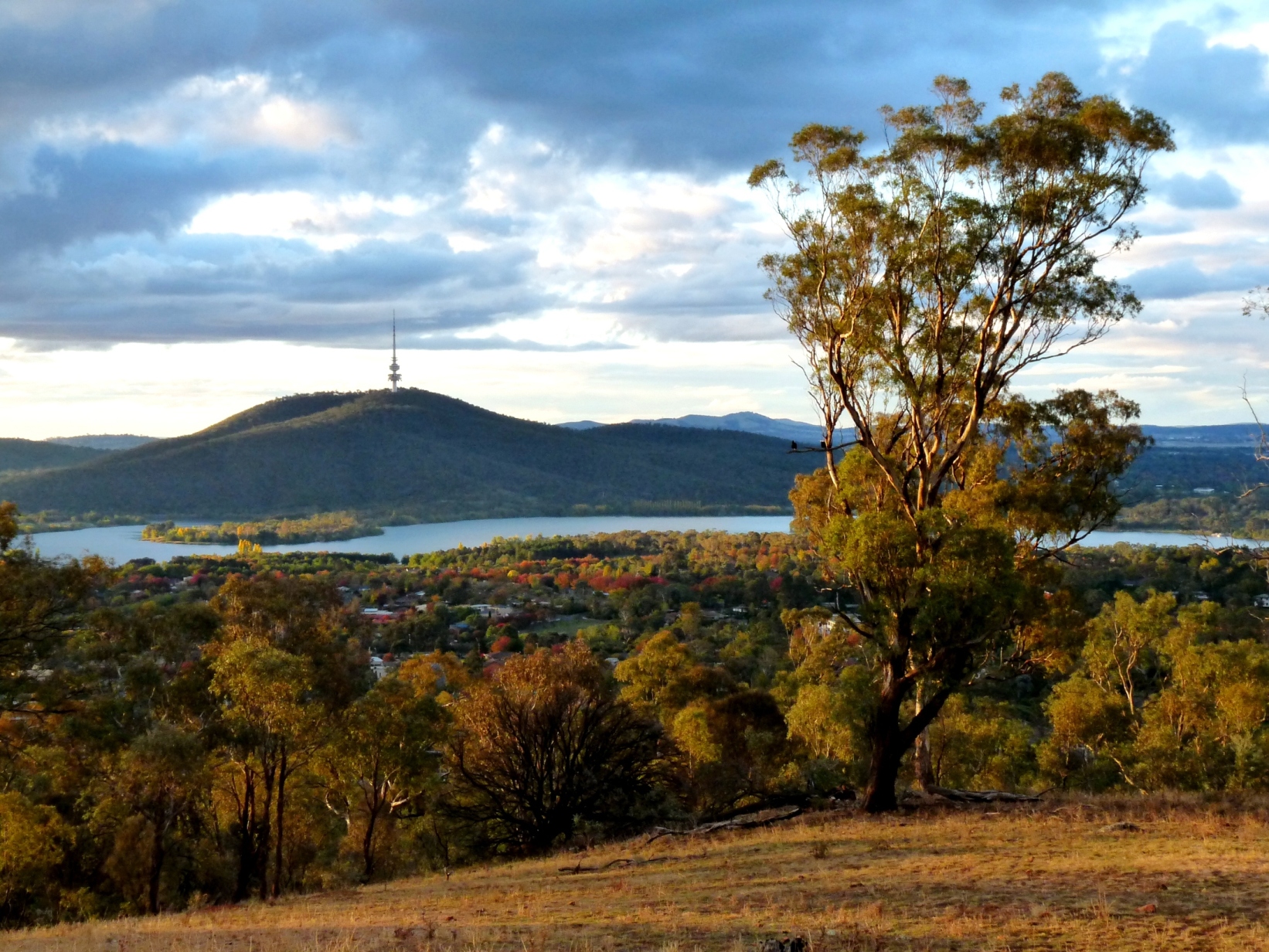
My favourite place here, and almost anywhere at all, is Red Hill Nature Reserve, a swathe of hilly bushland that offers a microcosm of Canberran life: mobs of kangaroos and golden grassland, multicoloured birds and majestic gum trees, a landscape dotted with runners and amblers and dog walkers and occasionally the plain curious tourist who has made it up this way. The views offer the opportunity to grasp the surroundings: a sunset over the rugged Brindabella Ranges shining golden hues over the lake and among the branches of the leafiest suburbs, stretching their way up to the fringes of other, bush clad hills and mountains. This place offers me exercise and solace, escape and invigoration, contentment and photographic opportunities. It is more than just a hill.
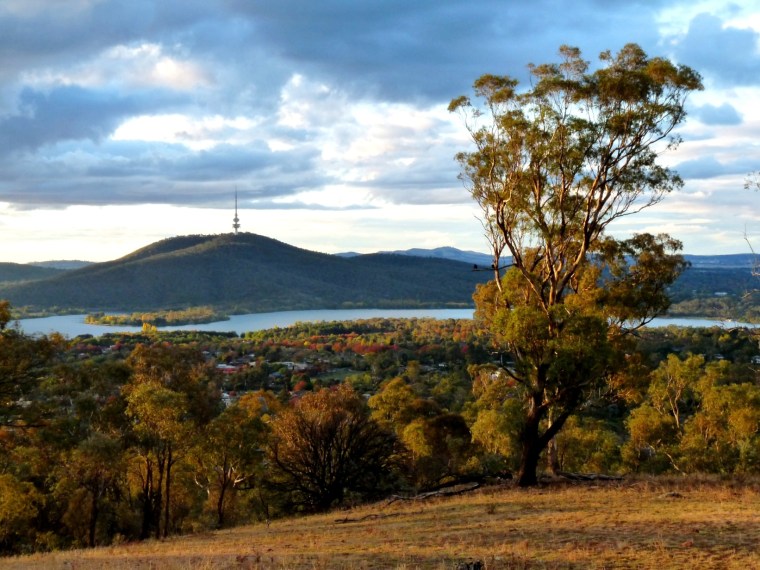
It can become very easy to be drawn in by Canberra. I intended to stay for a year and I’ve made six. I’m not sure how much longer I’ll be able to call Canberra home, but my time there will always be a part of me. It is an easy, comfortable place, perhaps too comfortable, but go around Australia and see the gargantuan caravans being towed by monstrous 4×4 trucks driven by silver haired nomads and you’ll see that comfortable is clearly something to aspire to. And isn’t homeliness all about being in a place in which you feel comfortable?
So, comfort, familiarity, connections and at least some sense of belonging make up a home, as well as a few of those bricks and mortar to be encased in. Plymouth and Canberra both give me that. But regardless of where, I think the individual plays a huge role in making a home what it is – taking the opportunities there, seeing beauty in all its shiny sights and dirty corners, connecting with people when you can. For instance, even my swag is starting to feel homely, the way I slot my water in one corner and a book by the pillow, and the configuration of zips and hooks and pockets. Yes I guess I am a rolling stone, but I’m still picking up bits of moss along the way, moss that accumulates and forms strong and lasting attachment from birth to end. Homes.
[1] Or lived. Currently my postal address and electoral registration is in Canberra, but I write this from a car in South Australia!
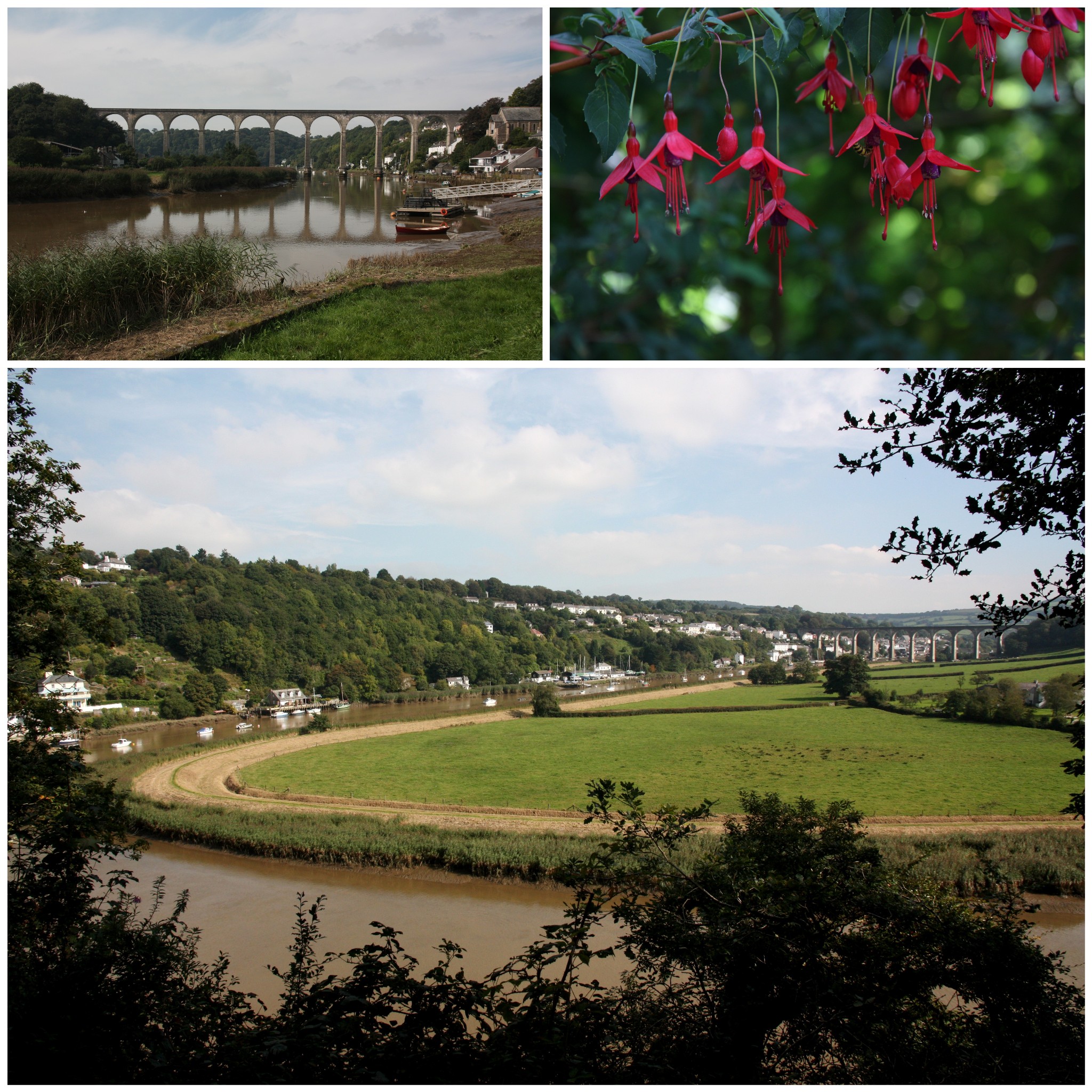
[2] Actually, unless you get the pedestrian ferry across, this particular piece of Cornwall takes some getting to. Think river crossings, winding roads around winding creeks, single lanes hemmed in by giant hedgerows and perilous descents towards water. Like most of Cornwall then.
Links
Straight to the pool room: http://www.youtube.com/watch?v=TM-GVRvsZrA
Britain’s Ocean City: http://www.visitplymouth.co.uk/
Hearty fare me hearties: http://www.capn-jaspers.co.uk/
The Janner textbook: http://www.chavtowns.co.uk/2005/02/plymouth-the-janner-textbook/
The nation’s capital: http://www.visitcanberra.com.au/

 Rain. We give it a bad rap. Wet and splodgy, irritating with its inescapable shroud of damp. An unwanted present from a dreary sky, sent to make boots muddy and ruin plans best laid. A shocking contrast from the sun in Spain that was 20 degrees warmer. But then surely rain is what puts the Great in Britain, our reassuring companion, along with tea and cake.
 It is fair to assume that Basingstoke and rain are hardly the most riveting bedfellows, but shops are shops and people are still wearing shorts to go to Tesco. It is hard to let go of the summer and, just for a moment, it returns on a Sunday afternoon at The Vyne. Here, amongst the moist muddy tracks are the autumnal fruits of summer – fungi cascading down mossy brown trunks, spiky green pods spilling out with chestnuts, leaves wafting down onto the ground, coating the forest floor in a layer of browns and yellows. All helped by that cursed rain.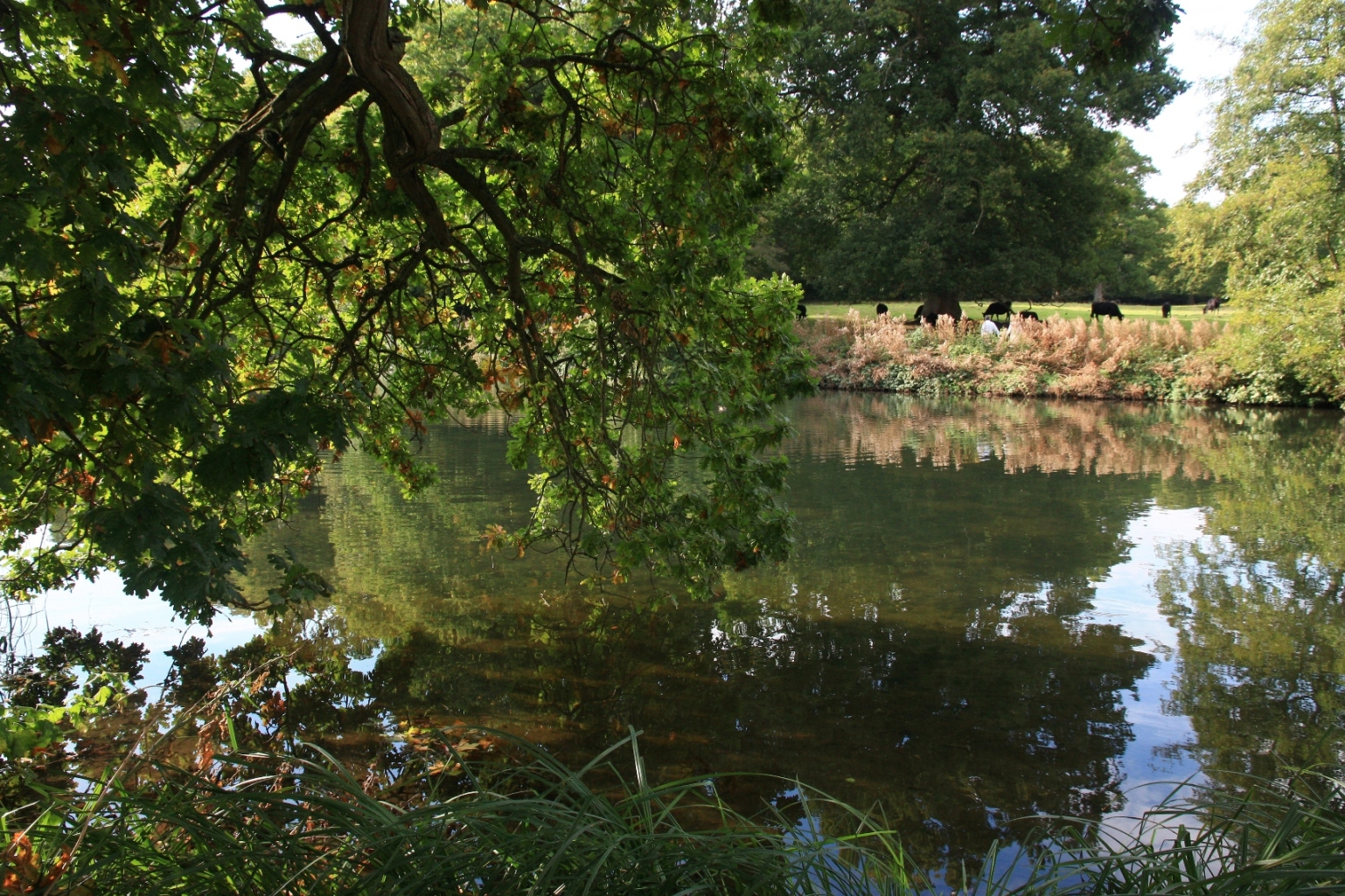
 Rain is no stranger to the southwest of England, as Atlantic fronts begin to form; waiting in the wings to blow in on winds, some strong enough to bring down trees. This is the season where a night can be dramatic, and the next day as placid as a hippy doing yoga on a fluffy white marshmallow. Air blows in clean and fresh and the lowering sun in the southern sky illuminates the greens-turning-brown on magical days.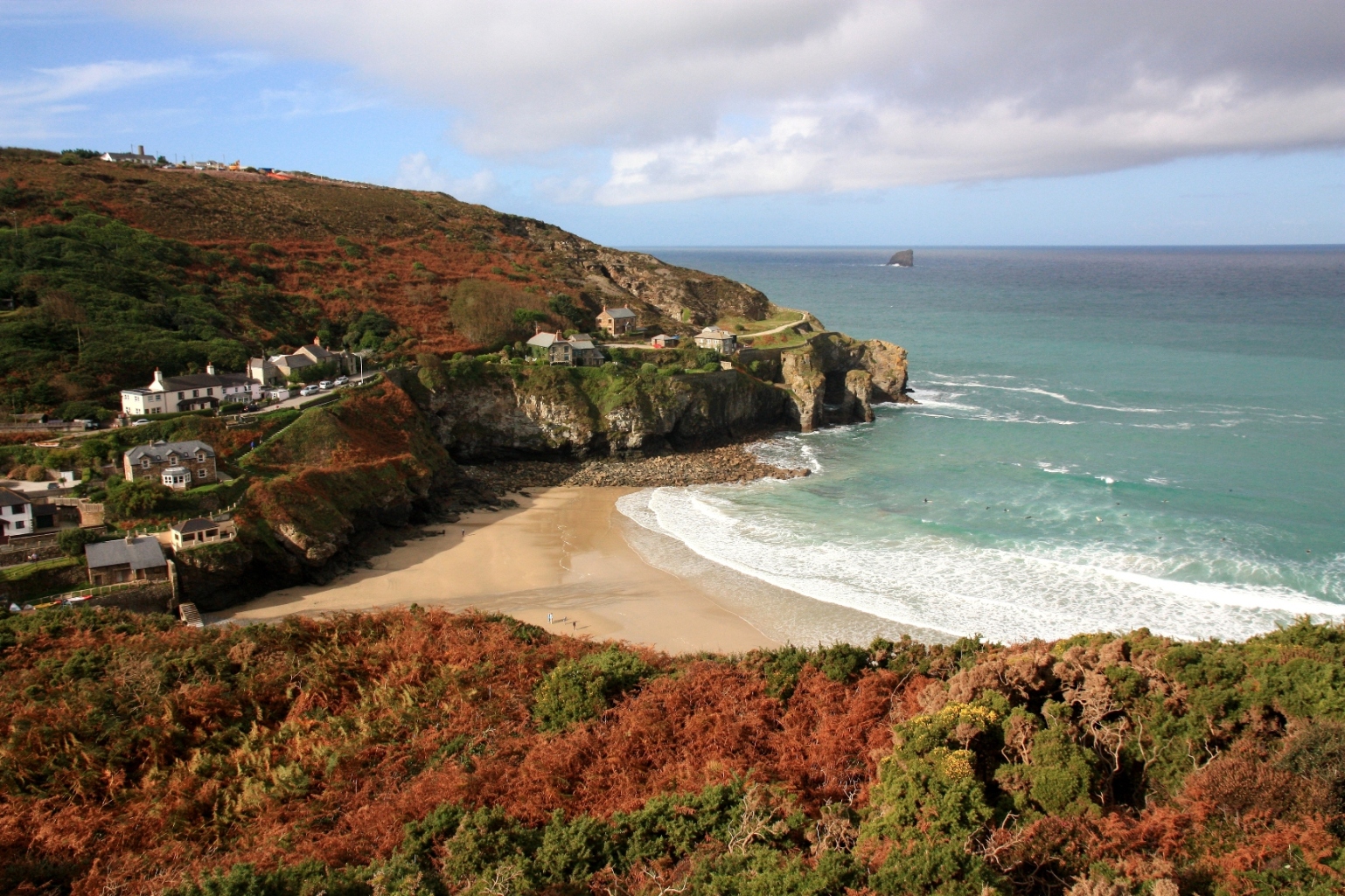
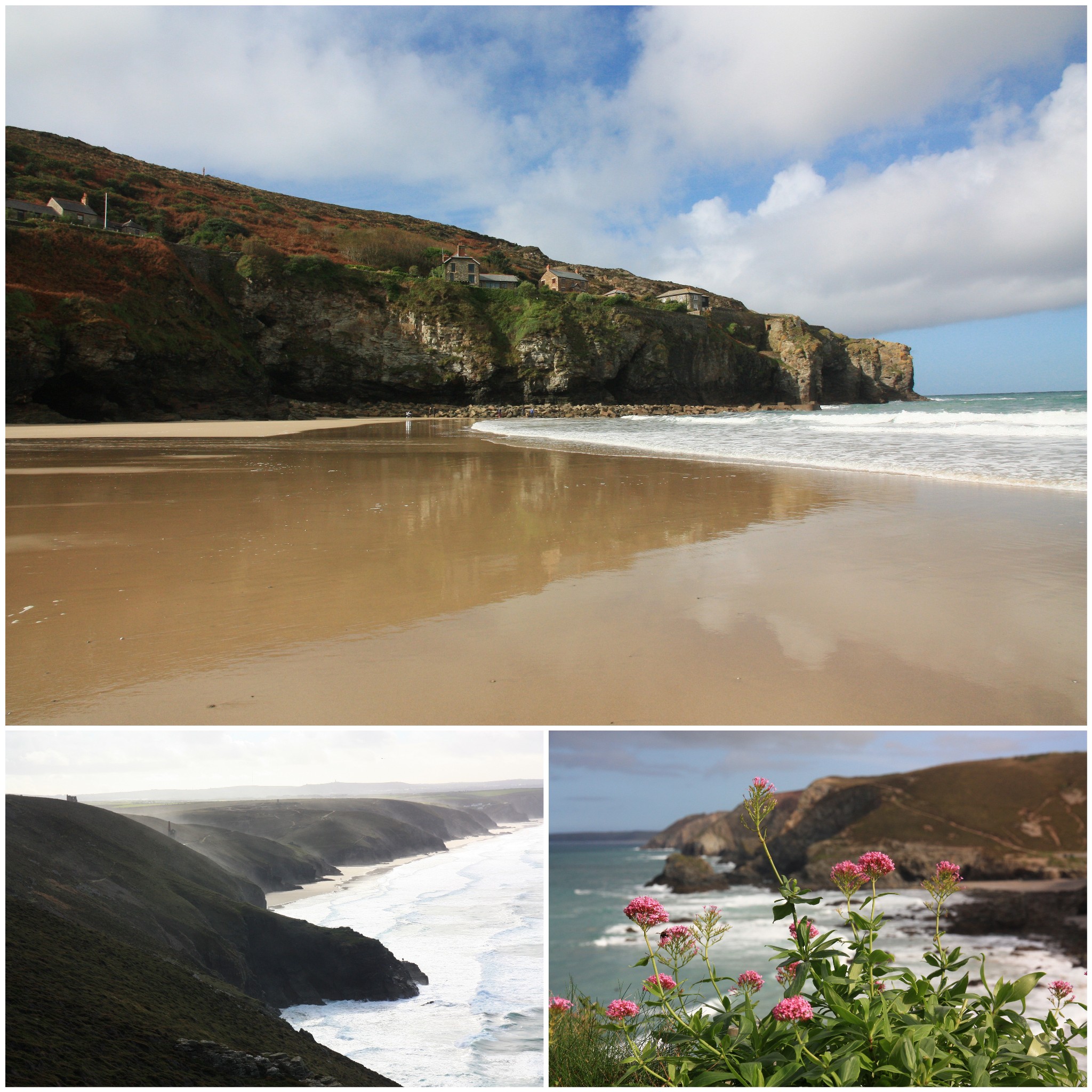 Unlike more genteel parts of Cornwall, the landscape here has a raggedy rugged edge to it, peppered with tin mining relics, tinged with a faded glory scoured by eternal weather. The coast path is solid and spectacular, as it always is, heading along to St Agnes Head with views north to Trevose and south along a wave pounded coast towards St Ives. Higher up – atop St Agnes Beacon – an even mightier panorama unfolds, with most of West Cornwall on view, and St Agnes nestled down below, reached by muddy field to complete a memorable circular.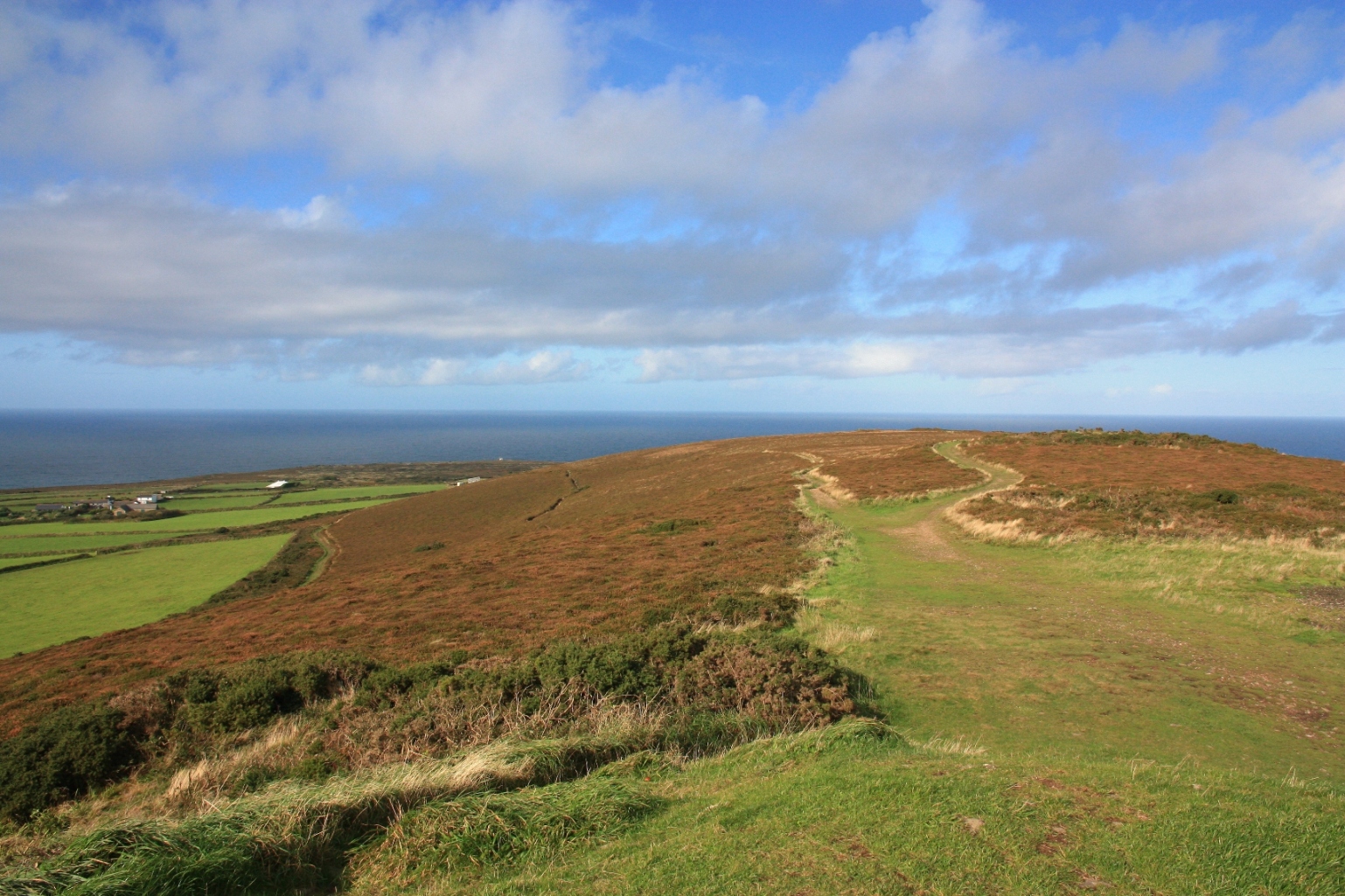
 Here, the meander of autumnal woodlands and fading gardens give way to exposed hilltops, looming high over the Tamar with views spreading out to encompass a Cornish and Devonian sea. Inland the wide river flows into a border landscape of patchwork fields and secret inlets, punctuated by towns and villages and giving out to rising moorland hills. Herds of deer scarper into nearby woods, aware of your presence and no doubt cognisant of the fact that you would quite like to see some good old fashioned autumnal rutting. Instead, the view will suffice.
 Plonked amongst this idyll is the city of Plymouth, with rows of houses running like dominoes over the lumpy contours of the suburbs, meeting cranes and boats toppling into the river. Its waterfront welcome mat is striking with the Where’s Wally striped beacon of Smeaton’s Tower and a wheel that looks even bigger from afar. Illuminated is a background of moorland, sweeping over the horizon. It is here that you can appreciate the quite blessed setting in which Plymouth sits. Yeah, the city might be a bit crummy and tatty in places, but a turnip growing in a field of flowers is better than a turnip growing in a pile of shit, right?
 The hills behind Plymouth spread afar into Dartmoor National Park and this represented what was to become my final outing into the virtual field of flowers surrounding the city. A circular walk from Yelverton offered a perfectly balanced English country composition of riverside woodlands, sheep and cow fields, tumbledown cottages and exposed tors. This amble on the fringe of Plymouth was a pretty decent way to bid it all farewell.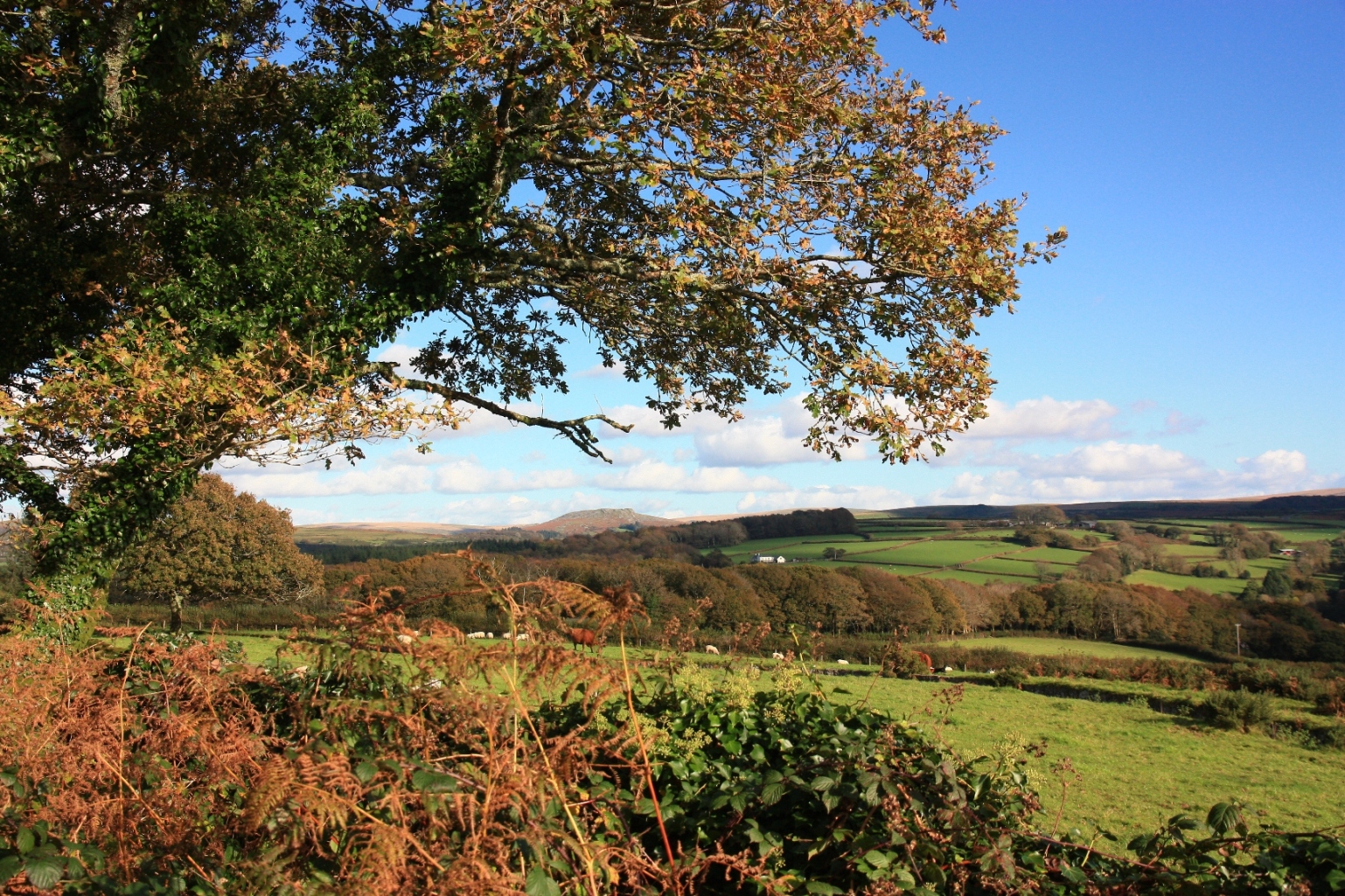
 Spending time here, intermittently from August to November, has obviously allowed me to observe the changing seasons take effect. What once was an uninterrupted blanket of flourishing green is now softening, holes are appearing, and things are shrivelling. A golden brown is slowly but inevitably creeping into the landscape and soon even this will become more spartan and altogether less comforting.
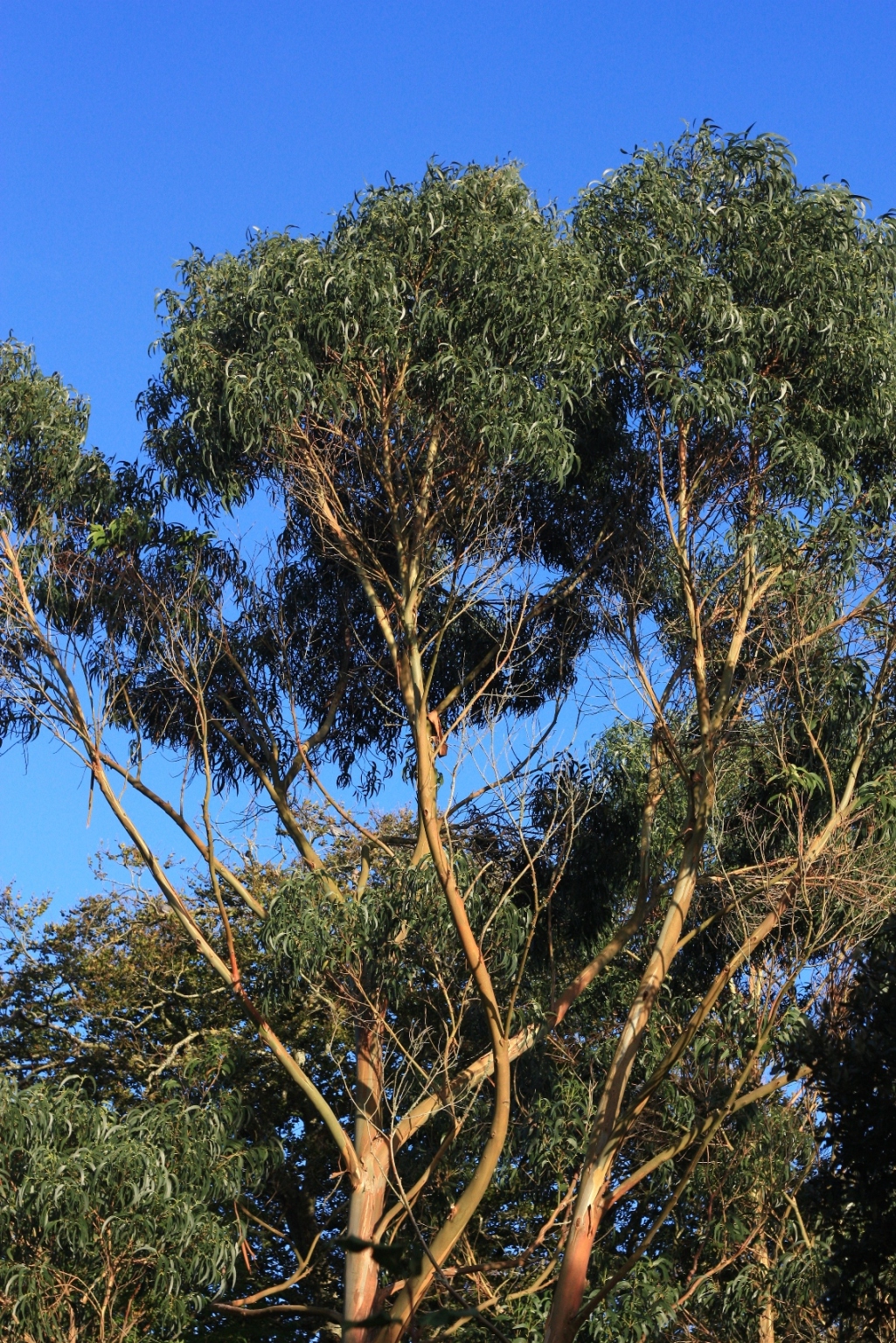 And as the leaves disappear from the trees my southward migration kicks in. It has become a customary route over the last seven years, this time a little later after a little longer than normal. It leaves me with mixed feelings; sad to be leaving one place and excited to be heading to the other. It’s a feeling that comes to life when marvelling in the grand autumnal splendour of Mount Edgcumbe only to come across a couple of Eucalyptus trees shooting up into clear blue sky, aliens in a foreign land. For a moment I am transported, wrapped up against a southwest autumn and looking up at the promise of Australia. The best of both worlds, where leaves do not fall and a cream tea is just around the corner.












 gbpilgrim