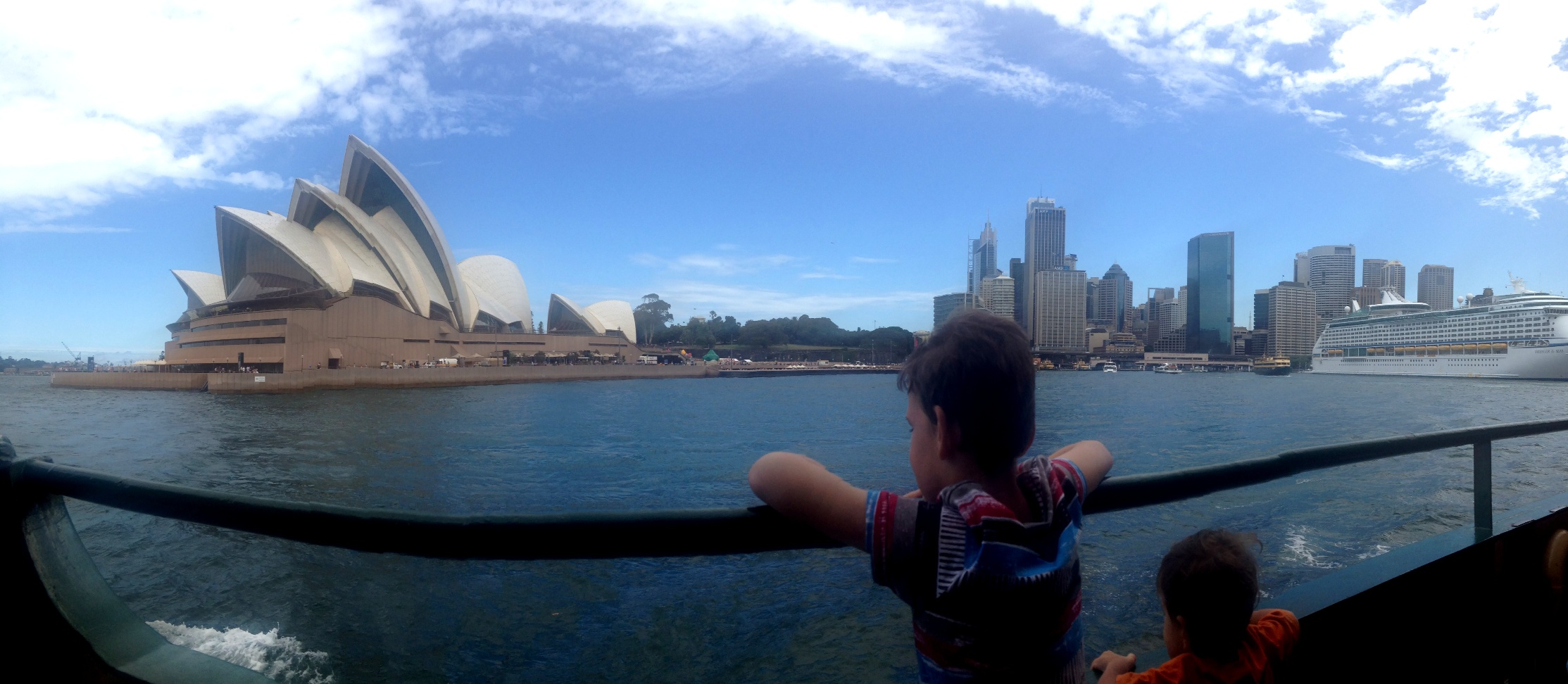
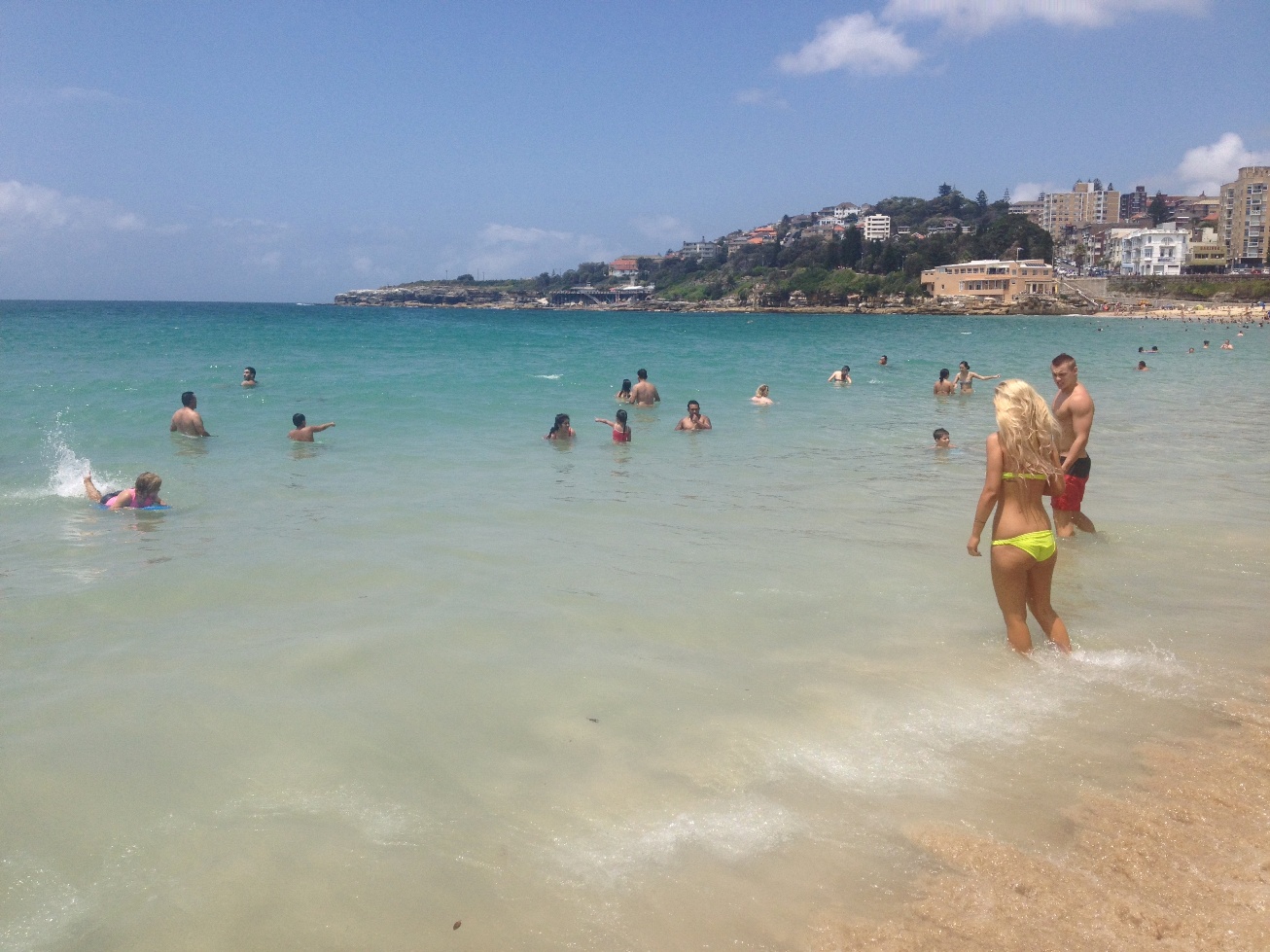
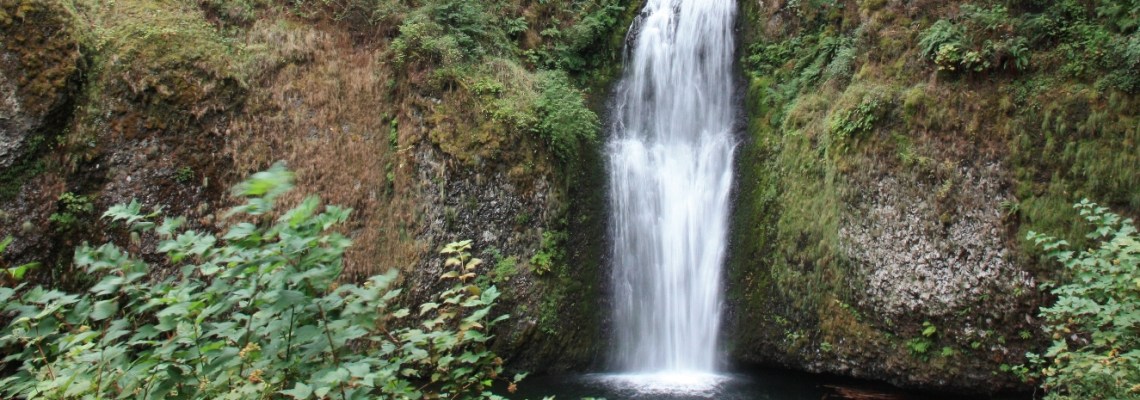
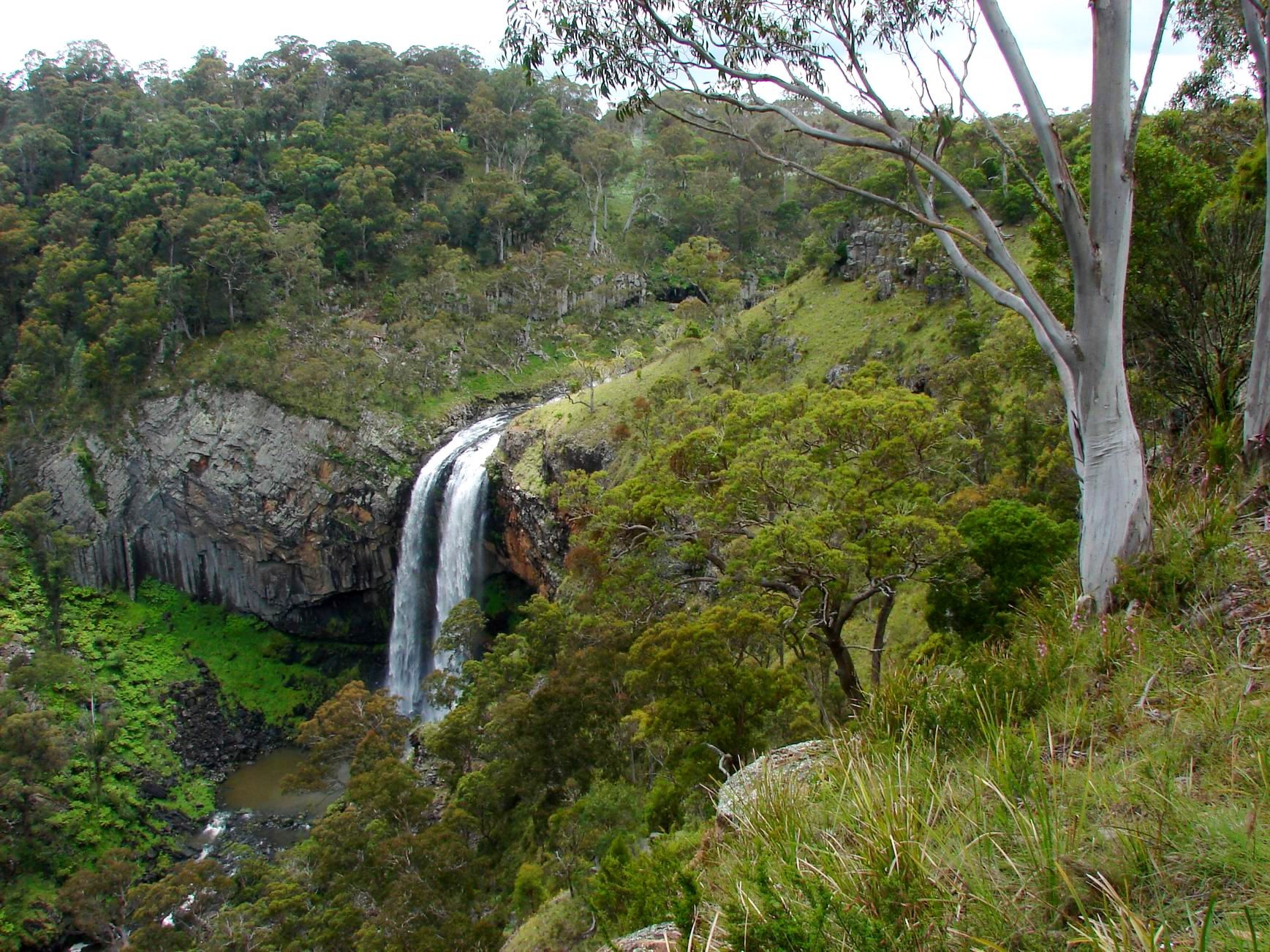
Well what a jolly upbeat place to start, no doubt setting the scene for the boundless enthusiasm that lies ahead. So, in order to put an immediate dampener on things, let me tell you some problems with this word and its application in the world of travel. For far too long, far too many people, myself included, have liberally used a simple ‘awesome’ to reflect or describe an experience which, while probably very good, perhaps exhilarating, maybe fun depending on company, was technically not inspiring of our awe. Akin to Australian misogynists trolling their way through the hate media in 2012, overuse has diluted its impact. Awesome is no longer quite as awesome.
And who should we blame for such degradation of our language? Well, as every reasoned, fact-based opinion piece would purport, young people and social media of course! I suppose while we are thinking along such lines then we might also point the finger at any combination of immigrants, foreigners, boatpeople, sandpeople, wookies, orcs and trolls. Bloggers, who may fit in any or all of the above categories, are no doubt entirely culpable.
Of course, this is all assuming that we have to blame someone or something, which tends to be the way these days, rather than accept that things change for better or worse and that language is merely an extension of our natural evolution. Besides, I also think we could rule out young people in the blame game, simply because “awesome” sounds so 1990s. A bit like “cool’. Which naturally brings me on to New Zealand.
Nowhere, simply nowhere, have I heard the word “awesome” used to describe so many mundane things…
How were your fish and chips? Awesome, thanks. Cool [1]
How did you sleep last night? Not bad thanks. Awesome
What do you think of the Hobbit movie? Yeah absolutely awesome Peter Jacksons a legend bro
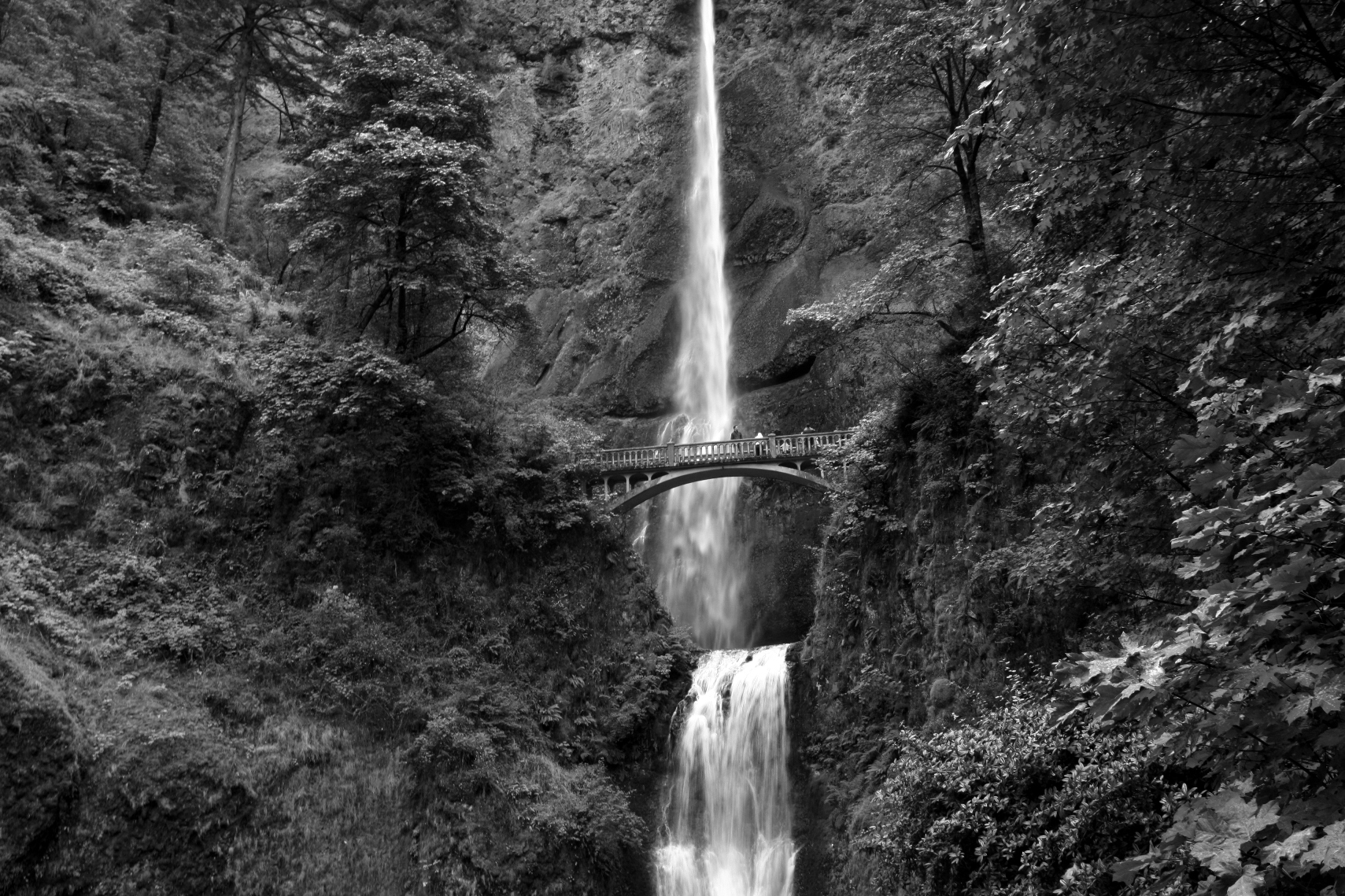
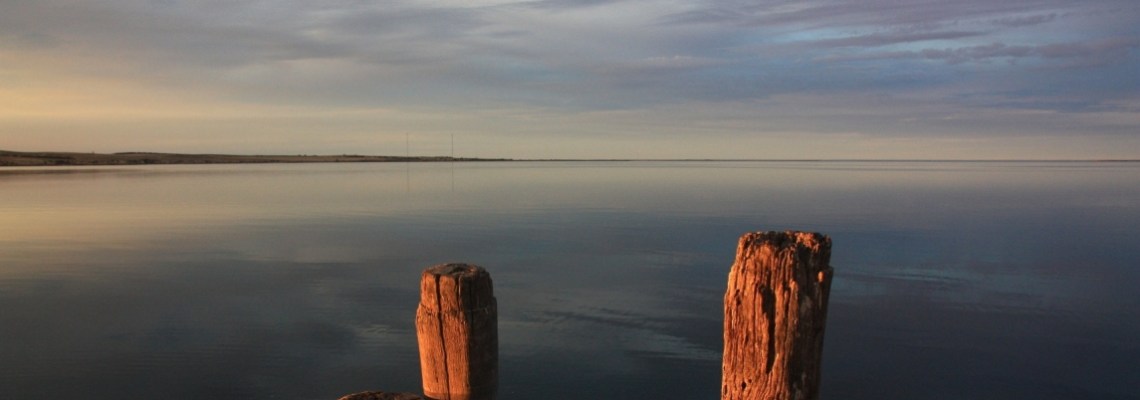
It may be because New Zealanders – who I truly believe are one of the nicest, warmest peoples on this planet – are naturally happy and optimistic souls (the counterargument, typically from boorish Aussies, would be that they are easily pleased). The irony of this is that New Zealand probably contains the most genuinely awesome sights and experiences per capita of anywhere in the world. Yes, experiencing a silent, dawn reflection on the glass water of Milford Sound probably is awesome; the extent to which your lamb chop is seasoned really shouldn’t be.
I am willing to cede that awesomeness is entirely subjective. Perhaps, indeed, a well seasoned lamb chop (which is important) could be awesome when one finds oneself ravenously craving salty meatiness. Thus in travel we will all come across different things that we find awesome. Not just incredible sights but experiences and emotions that pop up in the right place at the right time. The combination of physical place and emotional connection is often the most magical. One can trigger the other. For me, a physicality that is almost impossible to fathom and epic in scale is usually awesome [2]. It is something that is rightly awe-inspiring and as such generates an emotional reaction. Emotions ranging from bewilderment to wonderment. A sense of one’s own time and place in a grander narrative.
Awesome travel experiences should be impossible to fully convey through words and pictures. Which, with a sense of inevitability, I shall now attempt to do, reflecting on two very different environments. One is man-made, the other crafted by the hand of nature.
————————————————–

When it comes to epic environments of a man-made scale I’d argue it would be hard to look beyond New York City and the landscape of Manhattan Island in particular. Everyone should visit and everyone should easily find an awesome moment. There is incredulity attached to the place, simply in how a muddy island has evolved over little more than two centuries to become, and I plagiarise, one hell of a town. A testament to human survival, endeavour, ingenuity and skill. A reflection too on human frailty, failings and fears. This may be how far we, as humanity, have come, both in good and bad ways.
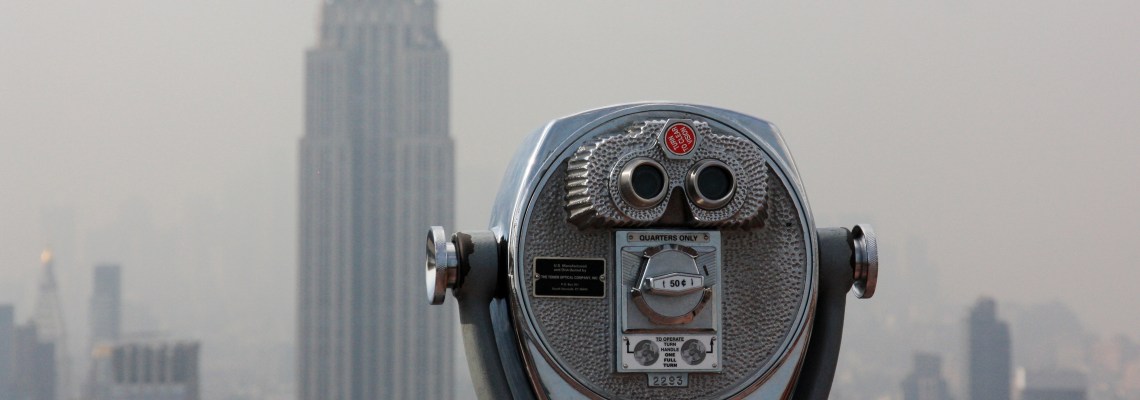
Even from atop the very highest buildings the city is impossible to fathom (remember this being a key requisite of my definition of awesomeness). At my time of visit (2011), the Empire State Building represented the highest point in the city and the experience from the 86th floor around dusk was incredible. Each city block a melding of concrete, steel and glass, bubbling upwards like the most majestic capitalist stalagmites. Each block ringed by a dotted artwork of moving yellow taxis, police cars, black and white suits, turning to streams of candescent red and yellow as darkness falls. This scene replicated and nuanced many times over, forming a feast for the eyes of gargantuan proportions.
There is more to this experience than the visual epic. The sound is at one singular and plural; a constant background hum punctuated by sirens wailing, drills whirring, concrete blocks piling, delivery vans unloading. For all I can make out, the mutterings of individual conversations and transactions rise up – “Get me a bagel schmuck”, “Siphon residual profits into offshore hedge fund now”, “Aw gee, that’s so awesome” – and meld together to form an indistinct, indecipherable story. Yet it is also a soundtrack that is – comparative to the streets below – soft and mellow, calming and reassuring, like a doctor with a good bedside manner, telling you it’s only a cold and will go away in a couple of days.
Without wishing to sound entirely blasphemous or indeed egotistical, it is possibly the closest you can physically feel to playing God. Here I am, overlooking the chaotic order the ant like humans have made. They seem to have done pretty well, but I’m not quite so sure where they are heading with all of this. Still, if it mostly keeps them out of trouble then I’ll let them get on with it, for now. I do wonder if their structures and movements and lights flickering on as darkness approaches are a brazen act of defiance to the nature I have created. But I’ll just make sure the sun goes down and comes up again, throw in some random weather and inevitable seasons. And let them see what they can do about that – ha!
I think it’s this realisation that you are both atop a pinnacle of human endeavour yet still at the mercy of the world around you that makes the top of the Empire State Building genuinely awesome. Coming at dusk accentuates this feeling, the changing colours reminding you that not even humankind can change the revolution of our planet and relationship to other bodies within the solar system (yet!). Despite what we have achieved, parading in such an obvious fashion below you, we cannot completely change the world. And that is a merciful thought. It adds to the relief at being so high, up away from the city, taking a breather from the millions below, yet remaining connected to them. And, gee, it’s a tonic for a great view.
————————————————–

Great views abound in the Blue Mountains of New South Wales in Australia. Before I go any further here I should reiterate the guide book lines: they are not actually mountains and they are not really blue, unless Bernard Manning has been resurrected in the wattle to yell out random profanities. Don’t expect high alpine drama of ragged granite shards and snow-capped peaks here. And, despite its very real wilderness, don’t be thinking you’ll be entirely escaping the clutches of mankind, given the most common way to see the place is along the not-so-Great Western Highway, with typically nondescript towns and Sydney style traffic. However, what is really awesome is the fact that you can walk down the streets of several of these towns and come to a rather abrupt halt. Or you could, should you really want to, carry on and topple many hundreds of metres down to join millions of Eucalyptus trees sweeping their way through valleys, tucking up like broccoli textured blankets against sheer sandstone cliffs, sheltering crazy birds and possums and snakes and spiders. A world before we were here.
Even though it may seem about as far away from New York City as the former planet Pluto, there are parallels between the two, conveniently suggesting common threads exist in my take on awesomeness. Sandstone pinnacles thrust upwards like the Empire State Building. Down below, a tree-filled pattern of regular irregularity. Sounds drift up, only, this time, the sirens are the echoes of bellbirds and the cackles of kookaburras and cockatoos. You are once more God-like, and with a sense of befuddlement at the sheer comprehension of what is set out below.
Out there remains wilderness, all still remarkably close to a sprawling city of over four million people. The ‘mountains’ remain an effective barrier to the seemingly endless sprawl, with shoots of Sydney forced south and north to new suburbs promising ample land and countryside but without really being in Sydney at all. The suburbs are unwittingly following the route of a few cows that escaped around 200 years earlier in search of pasture; cows that eventually found their way around the mountains, unlike the intrepid explorers who thought they could just head west in a straight line, endlessly naming everything that got in their way after themselves. Can we deduce that cows are smarter than many 18th century British colonial dandies? Surely not.
From the small towns that emerged once the explorers had stumbled across the mountains (only with the essential assistance of the local Aborigines) there are many vantage points to peer out into the void of the Grose Valley (to the north) and Jamison Valley (to the south) [3]. Some of these lookouts are grand, glamorous affairs, with safety rails and public toilets, information placards and tame rosellas. Echo Point in Katoomba is the most obvious yet still it offers a dramatically photogenic vista. You may find it awesome.
For the record, I find Sublime Point, further along to the east offers greater potential for an awesome experience. It’s harder to reach and thus you are more likely to experience it on your own, just you and the world for company. You are especially likely to have it to yourself at 6am in June, the wind piercing the bones and shaping bleary-eyed hallucinations of the valley mist into a soft, warming duvet. It is elemental, timeless and boundless. And as the first laser beams of sun hit the sandstone and the birdsong strikes upwards from within the mist, it is sublime, it is awesome.
[1] Everything that is awesome is also cool. Some things that are cool may not be awesome.
[2] Perhaps “epic” is in fact the modern day “awesome”, particularly since it requires fewer characters in a tweet.
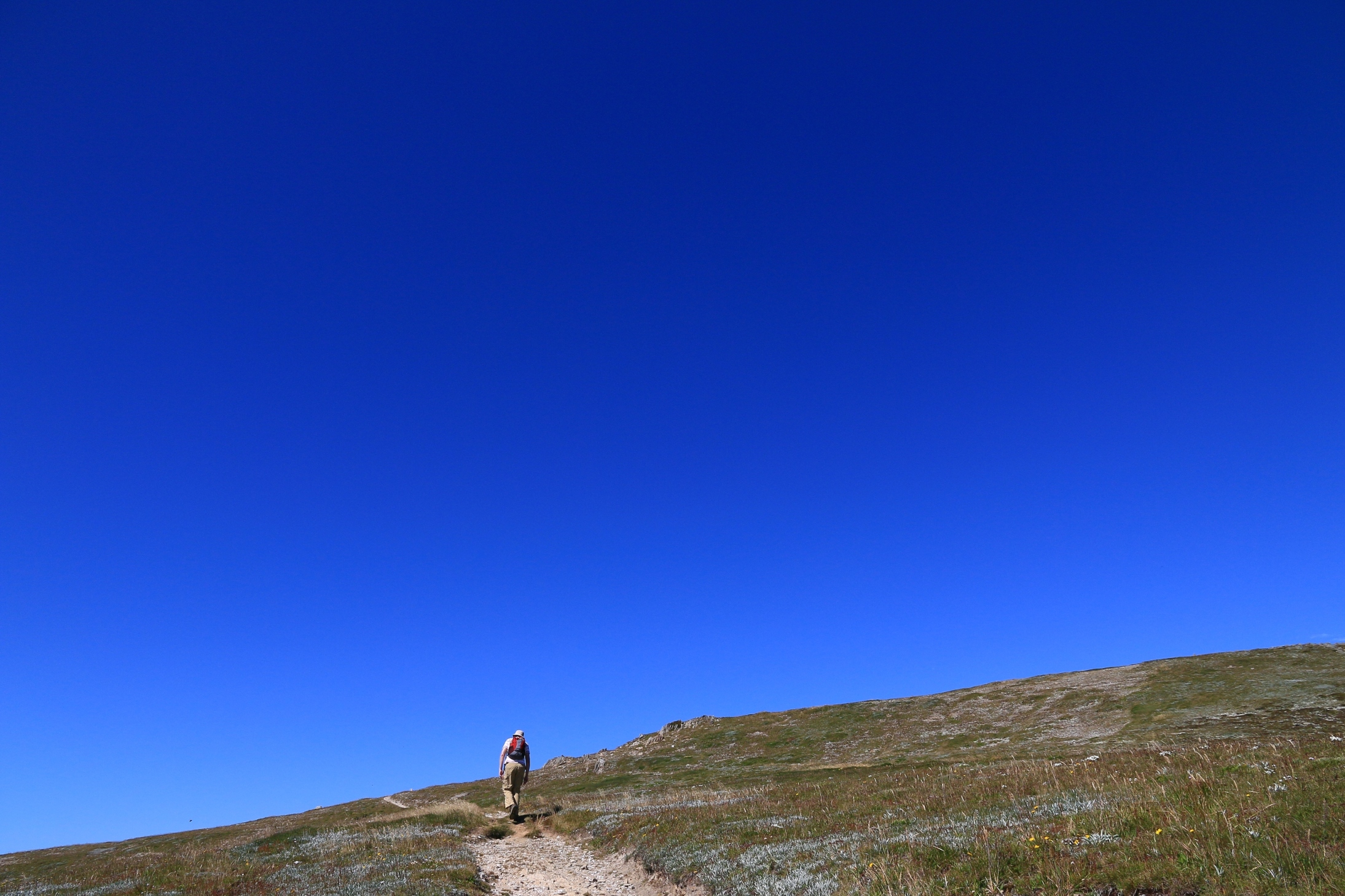
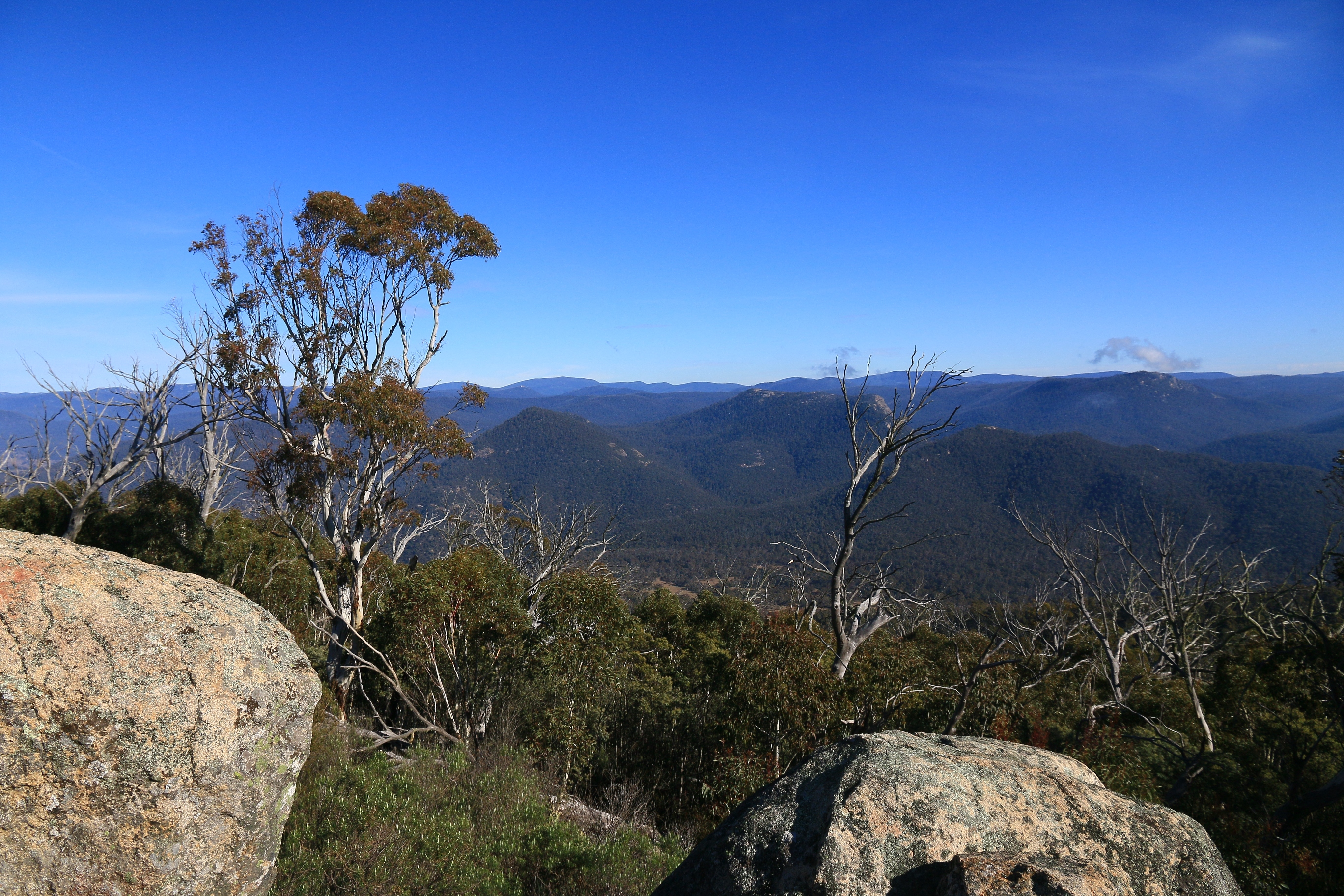 Yet even within touching distance of the capital’s shivering legoland suburbs you can work up a sweat and work off a sweater. Climbing seven hundred metres or so, rising from the valley mists into a blue stratosphere, toward the crown of Mount Tennent. A steady grind with the sun on your back, the consequences clear in the comfort of short sleeves. And warmed all the more by vistas providing a positive effort:reward ratio so critical to the success of a good tramp.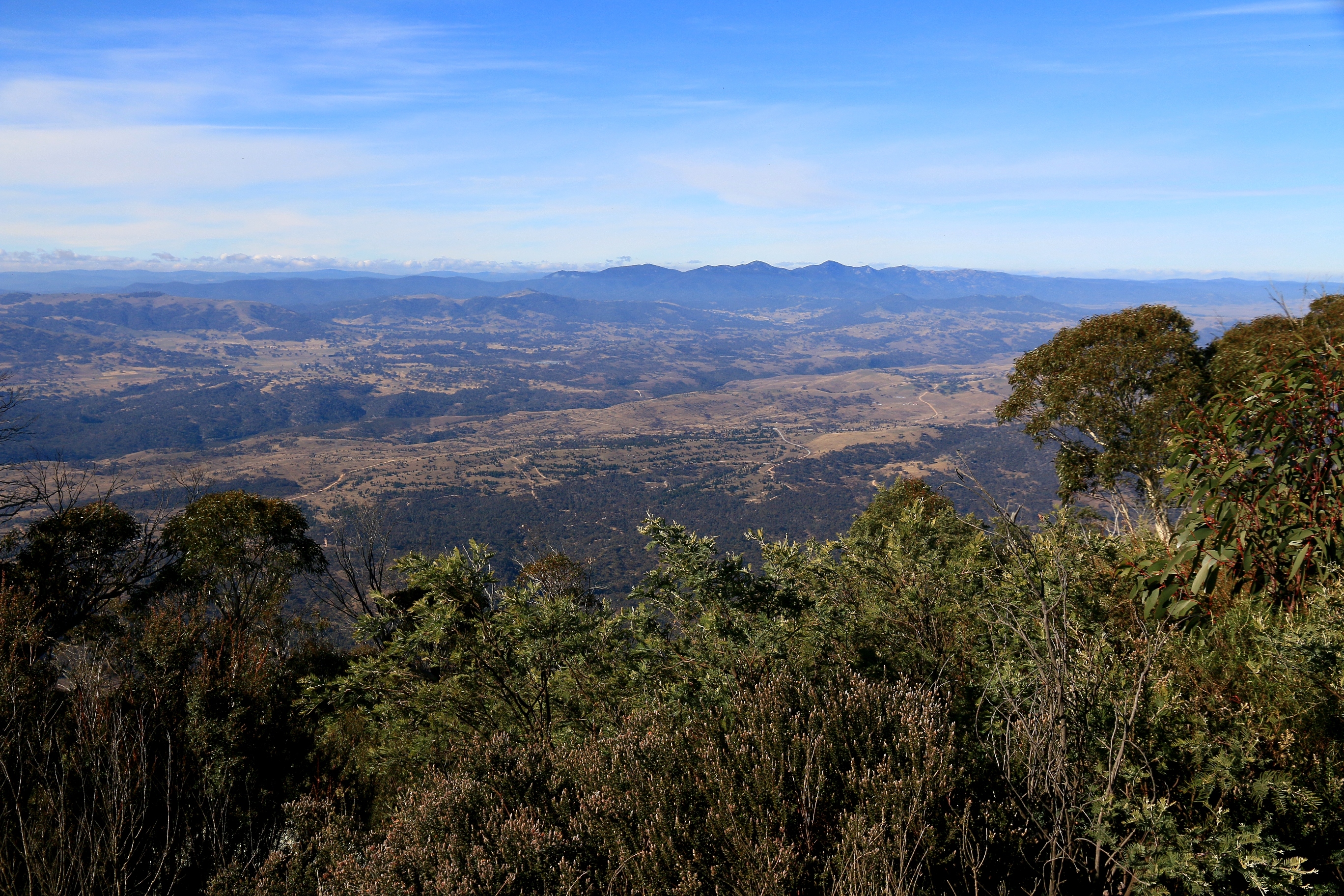
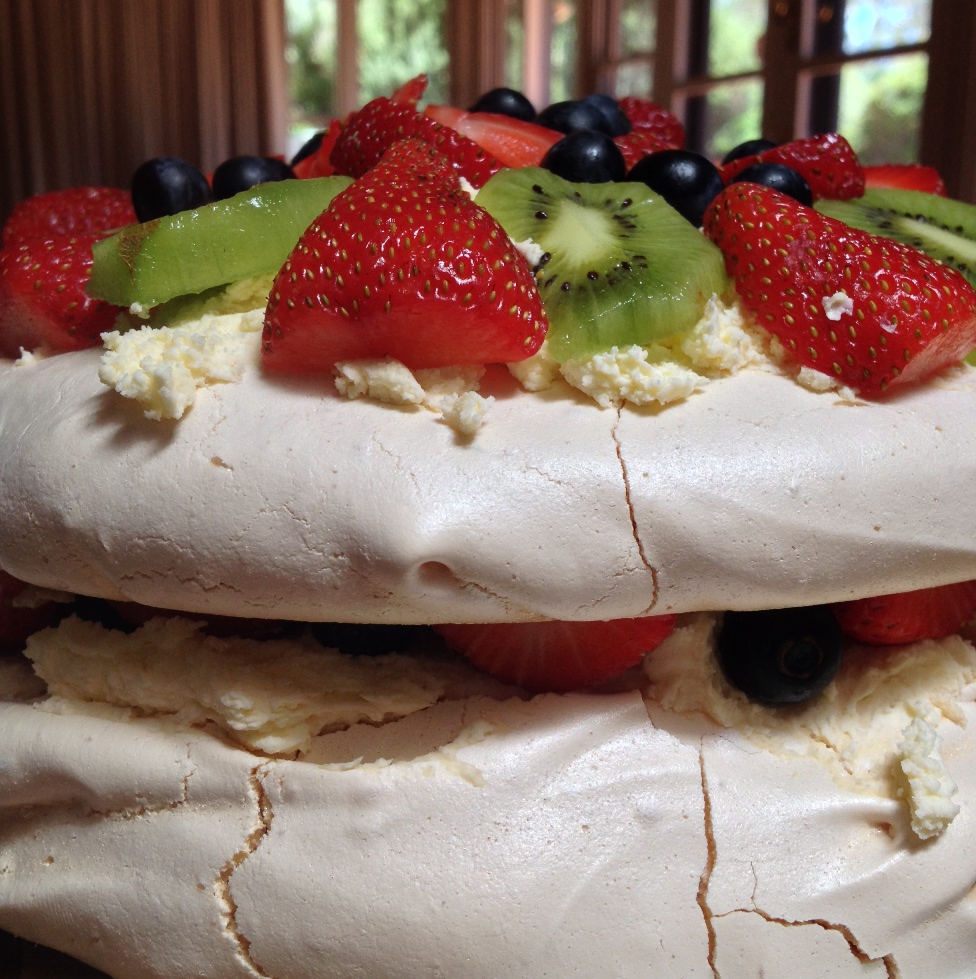
 Meanwhile, back, again, in Queensland the effort required for such warmth is negligible. Brisbane may experience a fog but it barely lingers. It is quite comfortable – actually very comfortable indeed – to sit beside the river and eat a slab of cake alfresco. This place has been a second home of late, but despite this being my fourth visit in the space of a month I still cannot acclimatise sufficiently like the locals to wear a scarf without feeling entirely fraudulent. Fare thee well Brisbane, you have been good for my core temperature and bank balance, but your City Cycles are terribly uncomfortable.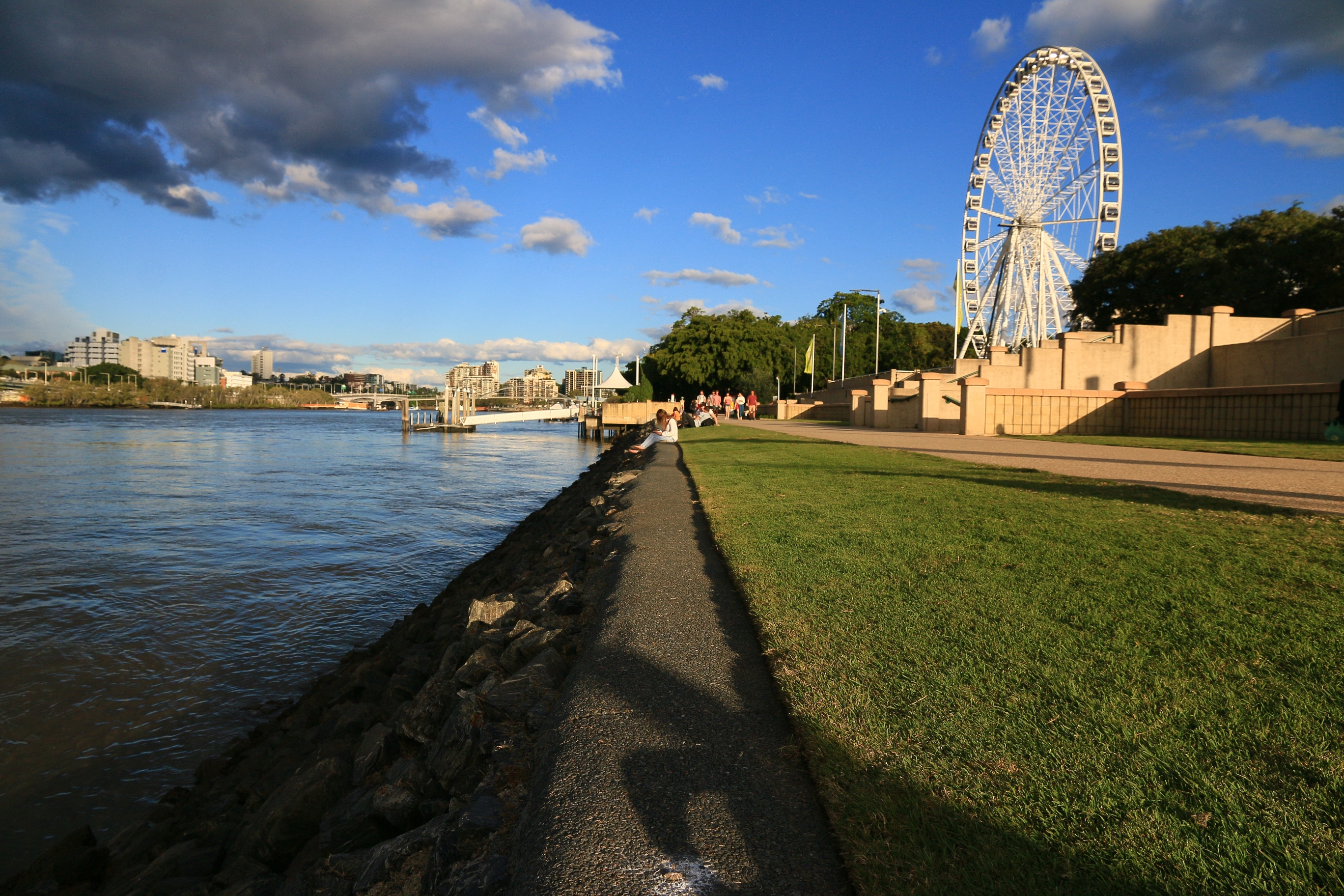


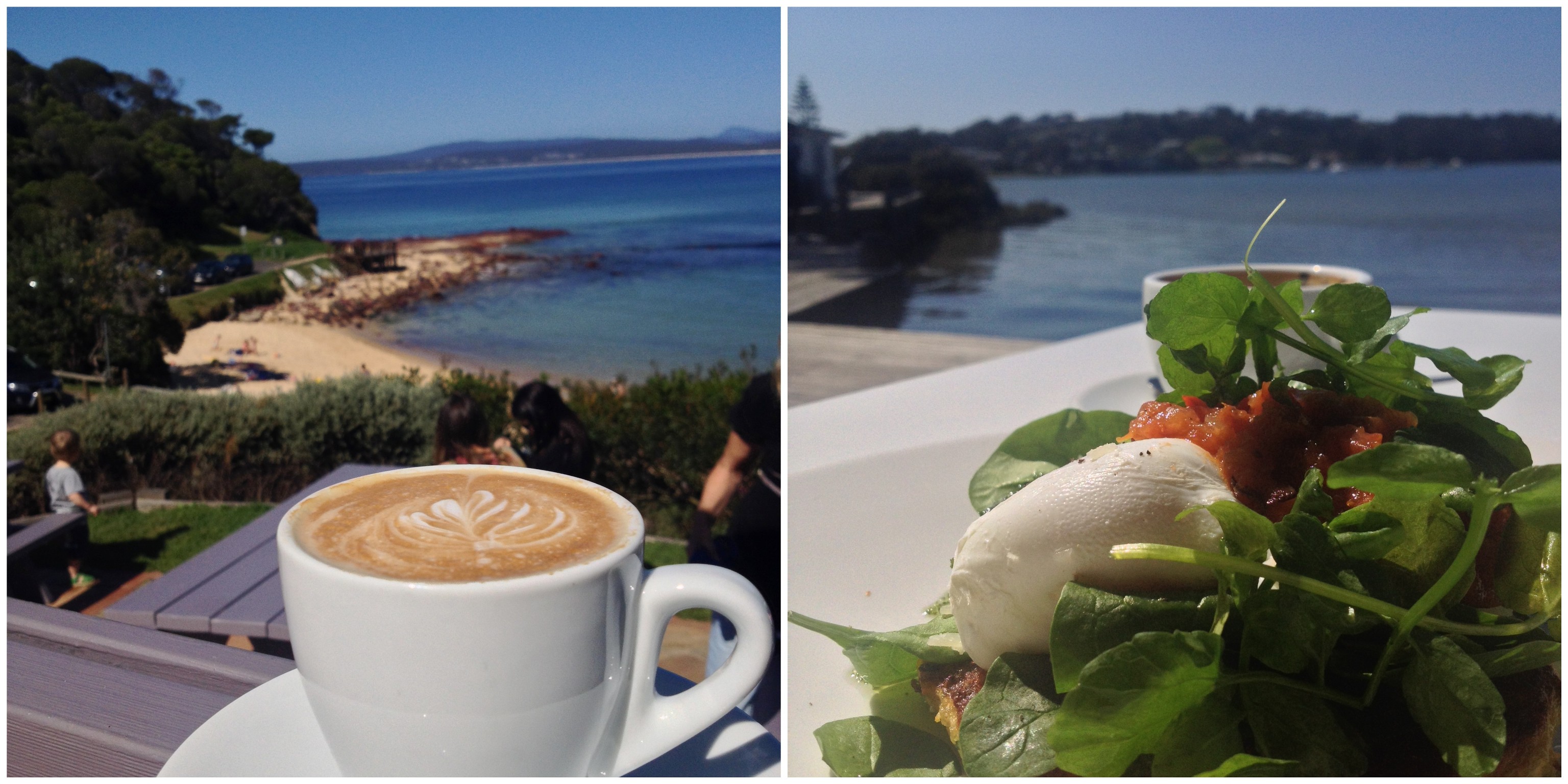
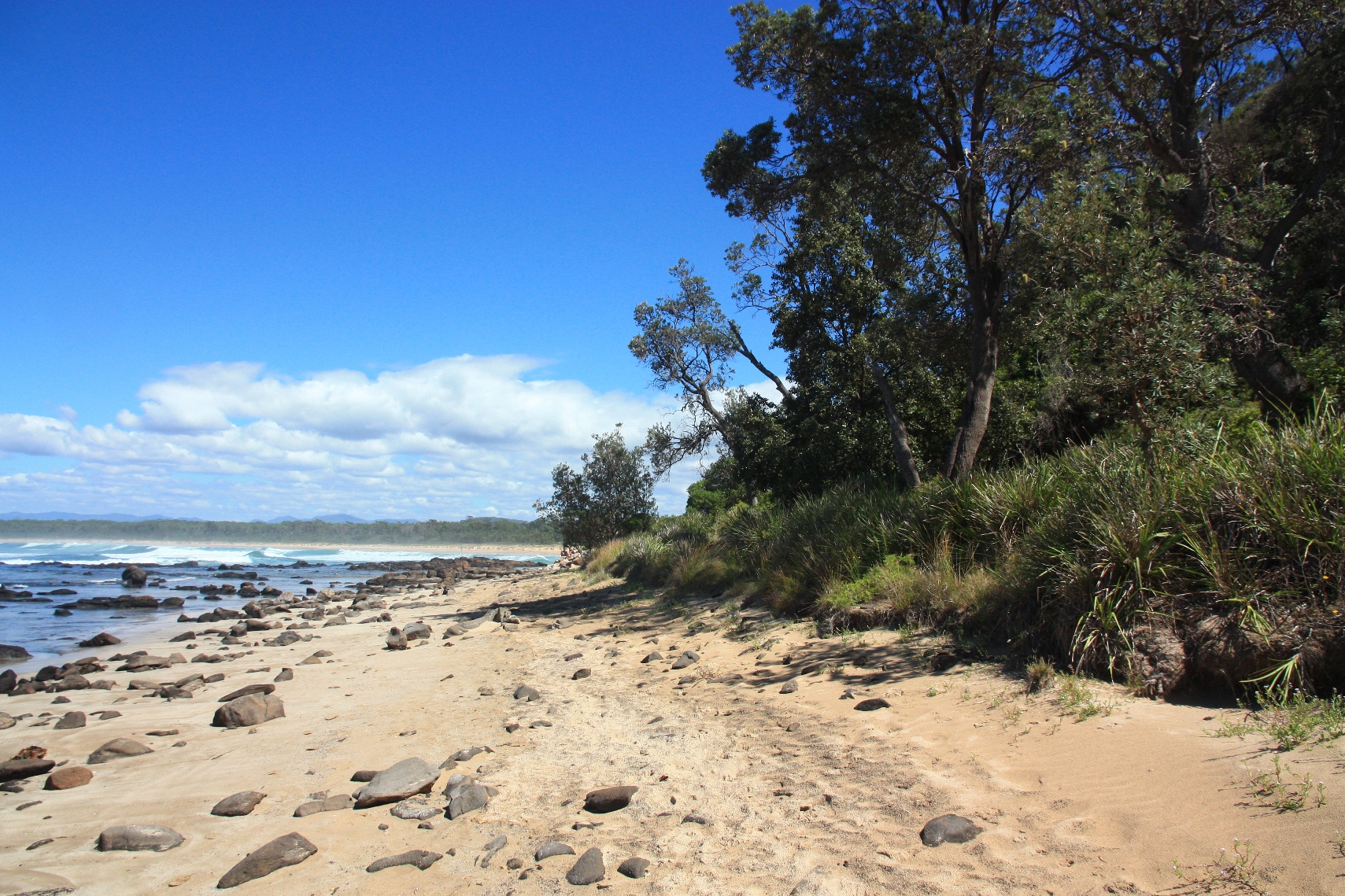
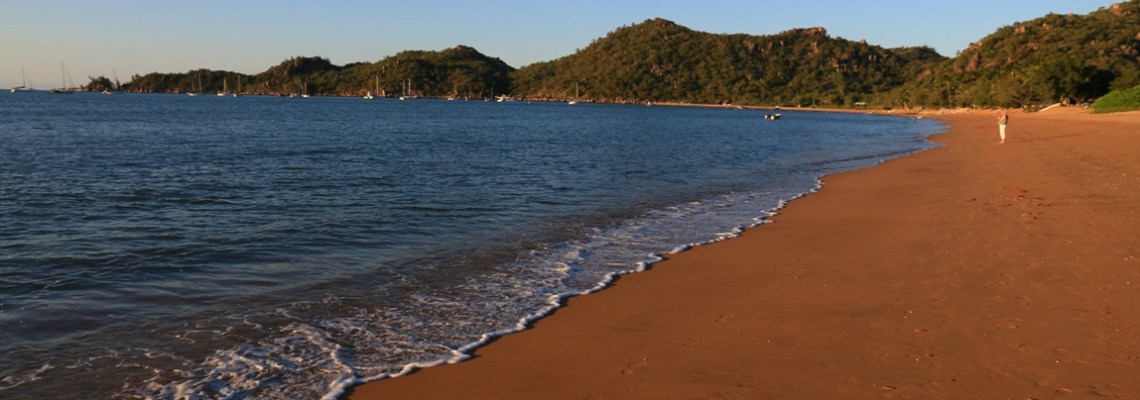
 But it was the Sunday that was super, cloudless throughout, though with a morning freshness that made the walking all the more pleasurable. Commencing with a wake up coffee by the beach in Horseshoe Bay, it was over one hill to one fine beach, over another to the next, and onward and upward to lookouts galore. A substantially energetic loop walk that topped out around The Forts – a series of wartime installations plonked atop the forest in a tasteful rendition of Plymouth city centre style concrete. Obviously here because of the commanding views, but the koalas didn’t seem to care whether the Japanese were coming or not.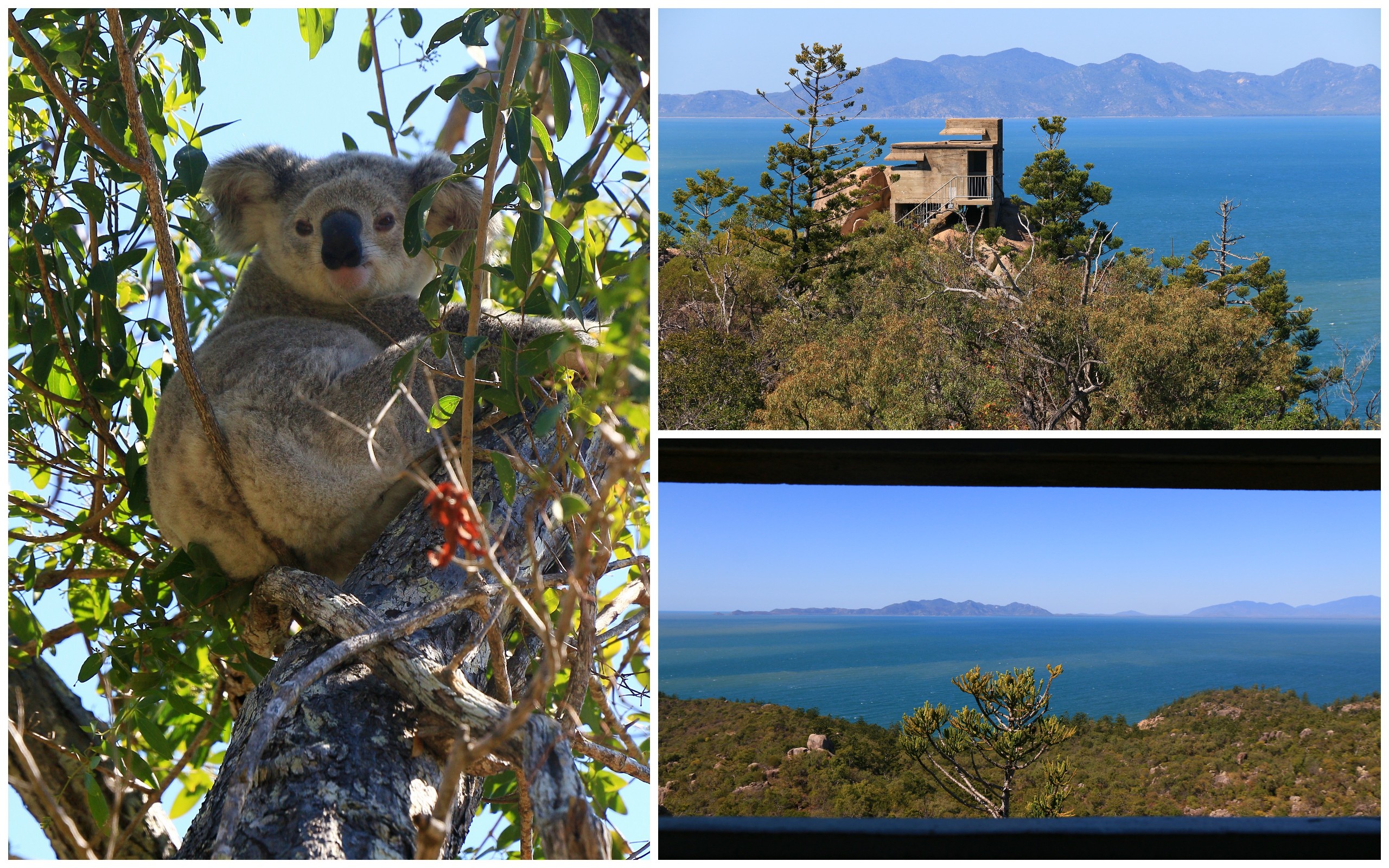
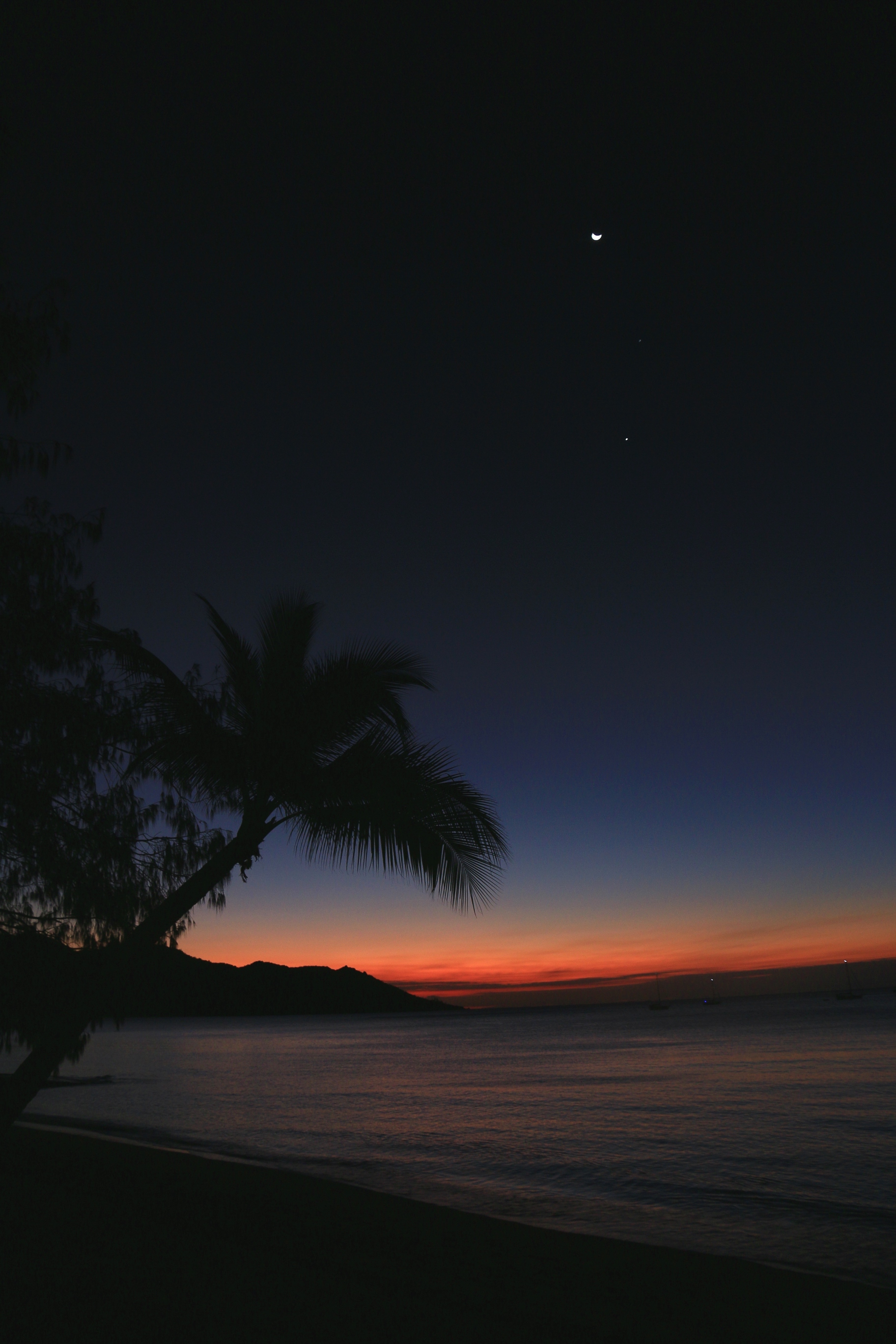 With the satisfaction and accomplishment of a walk complete, a late lunch of salt and pepper calamari beside the water will suffice thank you very much. Oh, and ice cream, of course. I am feeling like I am on holiday after all. So much so, that as Sunday dwindles and the prospect of Monday creeps up, I do not want to leave. The late sun glows and dips and fades and the stars and moon twinkle as blue turns to black. Yet still I am comfortable in shorts, and with another end of day beer in hand.
 And so, the climatic rollercoaster finally shifted into Sydney, for one night only and then onto Canberra. Sydney was putting on its sparkling look-at-me face, demonstrating a pretence at winter that is misaligned with the comfort of not needing a coat. I was even able to brave an ice cream, sadly. Canberra, meanwhile, had its morning shroud of cold and cloud, but cleared to its best fresh hue of blue. One more week, one more week of keeping warm, and then a northern summer will bless me again.

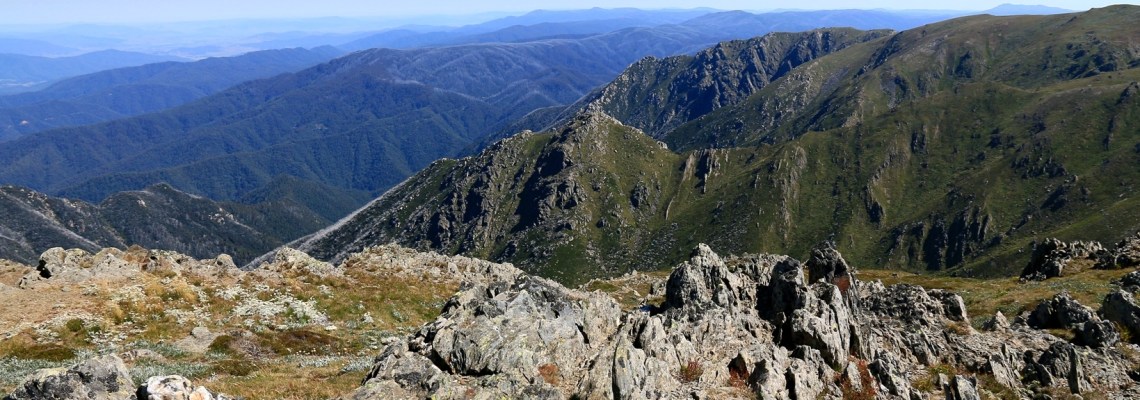
 natural landscape is in much less turmoil (unless you listen to those wacky “scientists” with their corroborated, peer-reviewed “research” and years of undisputed empirical “data”). There are, clearly, mountains to climb and some are easier than others.


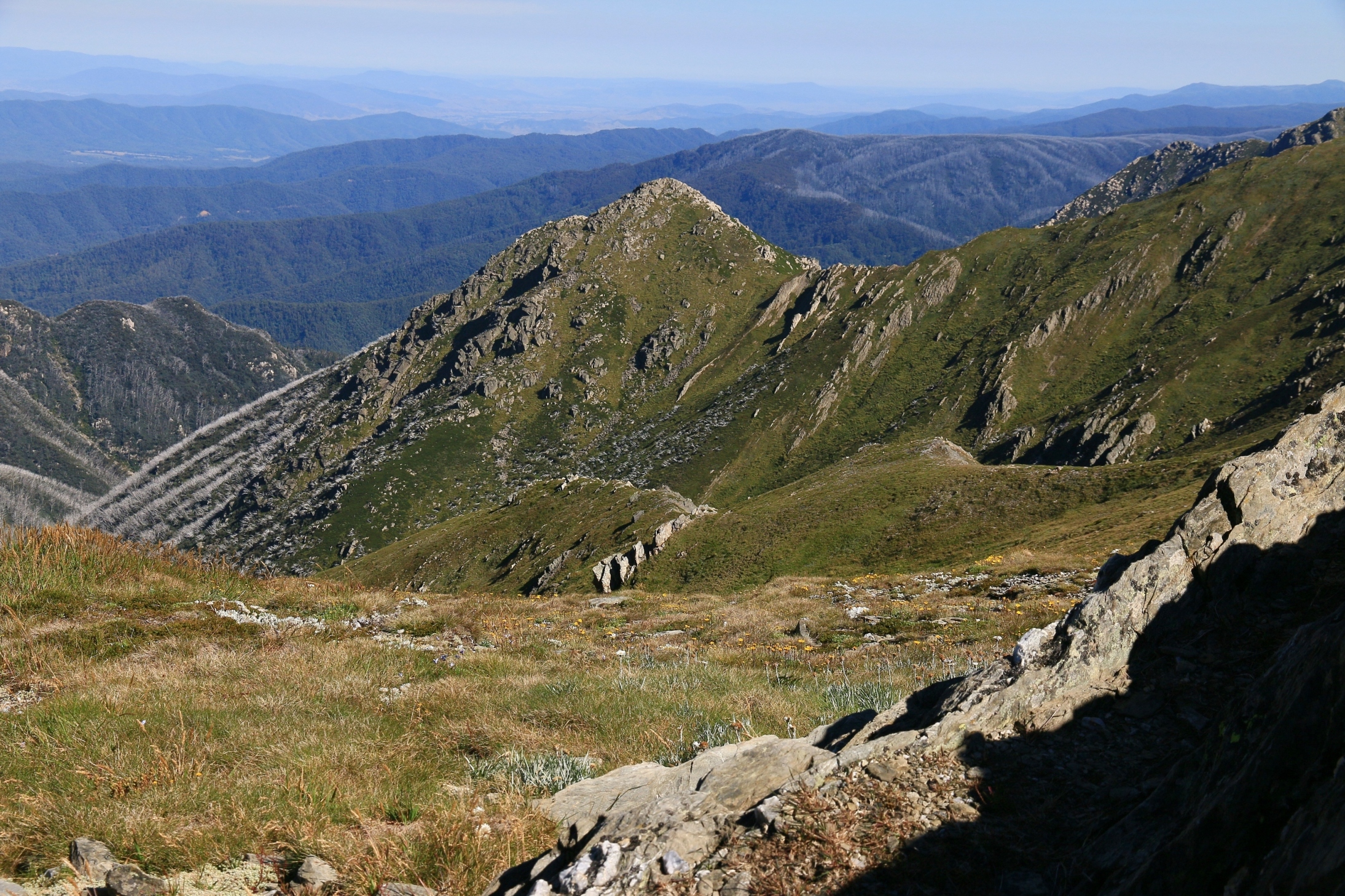

 the right and deep ravines carved by Lady Northcote’s Creek, the mountains seeming to tumble sharply west. I have no idea who Lady Northcote was but if her character was anything like that of the landscape in which she was named, she was probably a bit of a looker, though occasionally bleak and somewhat cutting.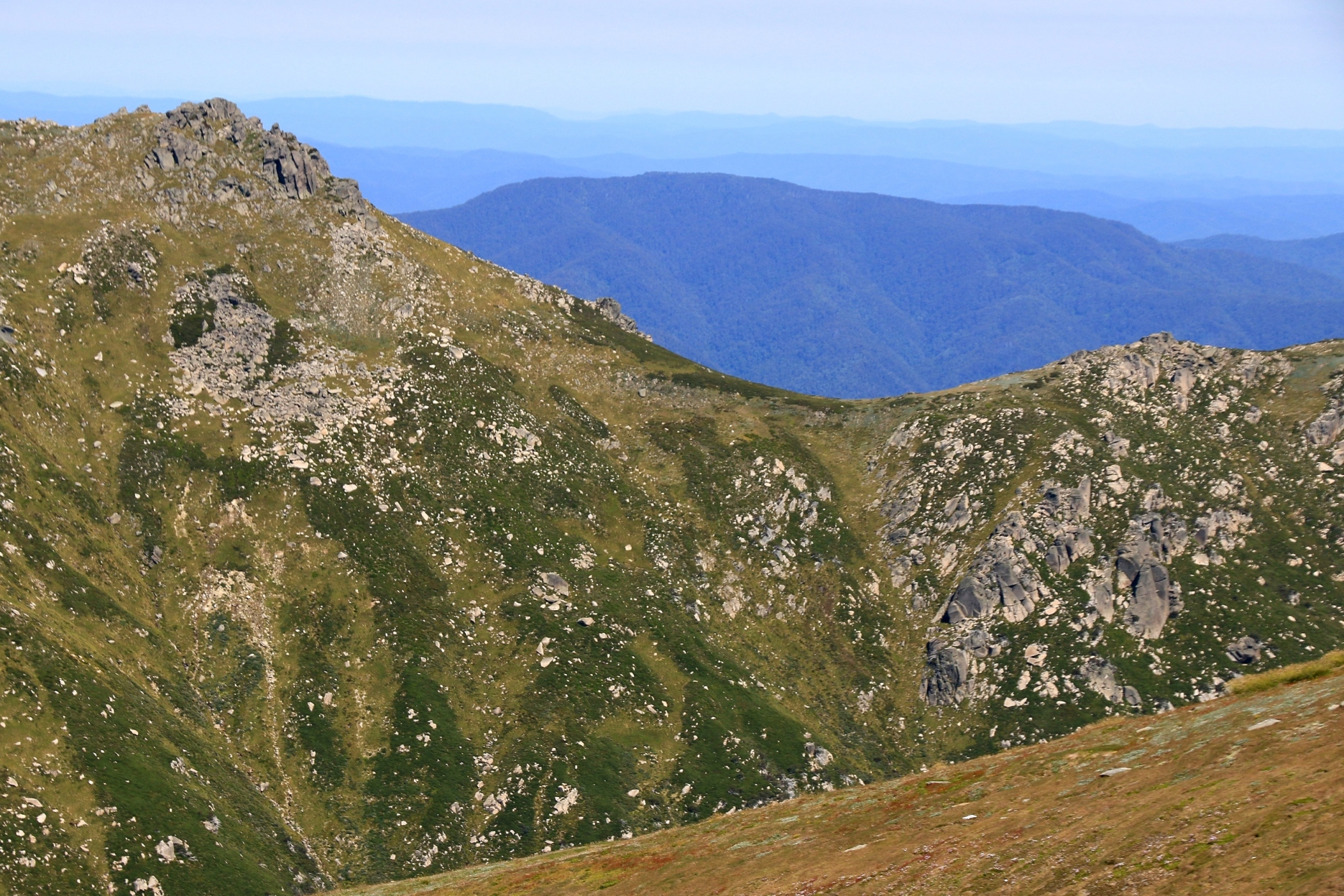
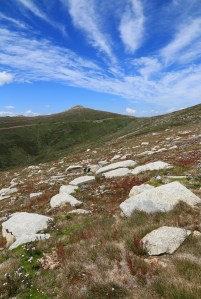
 Before too long Albina Lake emerges, tucked in a sheltered valley seemingly conducive to an array of wildflowers and other alpine plants. The lake looks quite inviting in the warmth and would prove a nice spot for a picnic. It’s about nine kilometres into the walk now, and with the summit of Mount Kosciusko just a few thousand metres distant, we resolve to head on and join the masses carrying their lunch to the top of Australia. On reflection, the best part of the walk is over…though this may be in part because familiar paths will soon be rejoined.
 Unfortunately we seem to have gradually descended a little, and the hoick up to the main summit thoroughfare is probably the steepest of the day. We’re not talking rock climbing here, but frequent steps and, by now, quite a penetrating sun. The junction with the main summit trail is like emerging from a country lane onto the M1. Mostly originating from Thredbo, families, fitness freaks and old fogies join us in a steady stream coiling up to the top (2,228m). A medley of Aussie flags and fluoro leggings congregates around the summit marker, and lunching is de rigueur. With homemade hummus and more quiche ours is perhaps one of the more pretentious of picnics!
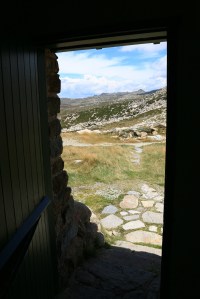 summit climb and apparently includes Australia’s highest public toilet – a sedate, well-graded trail makes it all the way back. This is the old summit road and I read that a shuttle bus used to ply along here, part of me wishing it was still running. The open scenery is not unpleasant, but in comparison to other parts of the track and given the gathering weariness this part is a bit of a drag. Markers every kilometre break it up, as does Seaman’s Hut (2,020m) and a more comfortable bridging of the Snowy River with four kilometres remaining.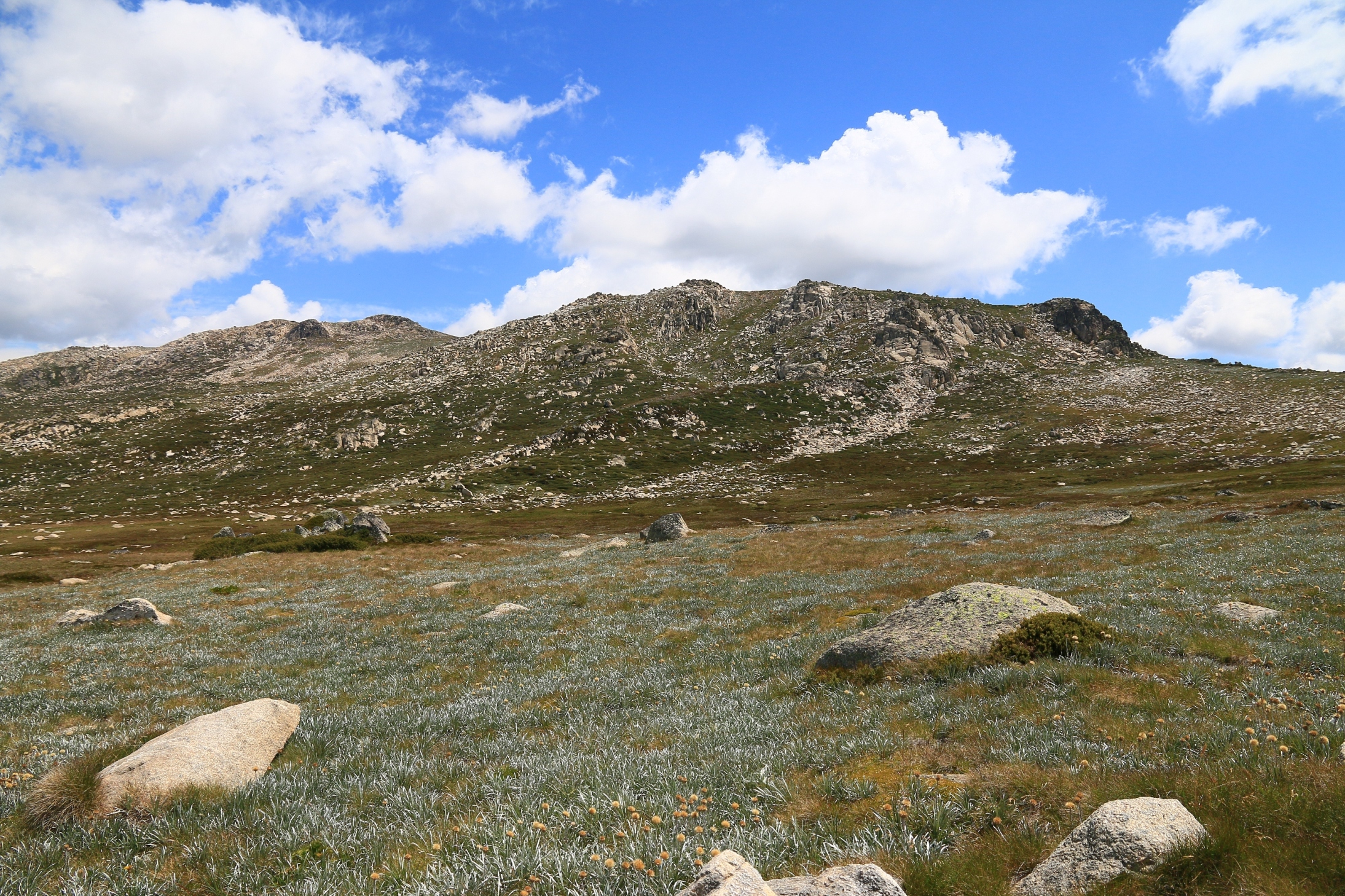
 upwards trail to Blue Lake looks like an impressive climb! Snow Gums also cluster here, stunted and bending with their striped, smooth bark of chocolate and sand, of black and white. Afternoon clouds are building and the risk of storms hypothesised look as though they will be realised. But, after six and a half hours and 21.9 kilometres, we reach the (relative) safety of a Subaru Outback. Accomplished and relieved, invigorated and weary; trundling another 220km back to Canberra (577m), via Jindabyne caffeine and Cooma steak. From the real Australia and back to the bizarre.
 There comes a point in January when people pause to consider what it means to be Australian. This usually occurs on or around the anniversary of a few hundred boatpeople from Great Britain arriving to “nothing but bush” (to quote the minister for Indigenous Australians and His Lordship Prime Minister of the Monarchical Colony of Australian Subjects). Considered writings of pride, of angst, of hope, of uncertainty litter the newspapers and infiltrate the electronic graffiti of the twittersphere. For the common man – let’s call him Shane – the Australian essence is commemorated through the bite of a lamb chop from a gas barbecue the size of a truck, a youthful discussion of rising intonation about the best 100 songs involving people with beards lamenting at life, or a day in front of the TV watching tennicrickcycletfooty with a so-cold-it-hurts beer.
 While I could brave a venture into the question ‘What does it mean to be Australian?’ I neither have the will nor the current brainpower to go down this path. It may be I am suffering from that particularly laconic strand of Australianism that arises specifically at this time of year – the can’t really be arsed is it still the holidays period. I’m also in the dubious position of not really being a proper Australian, not really, even though the flag of my country of birth is still emblazed like some badge of imperial approval upon yours. All I can say is that I feel lucky, immensely lucky, to be a part of you, attached to your deep blue skies, your sandy shores, your withering white gum trees, and your mostly generous and progressive people.
 I feel lucky, on most days, to be in Canberra. Yes really! A capital you have built in little over one hundred years from sun and frost-baked plains and bush-tangled hills. You really ought to be a little prouder of this achievement, especially because you have left some of those bush-tangled hills alone. The sweeping roundabouts and nationalist edifices now scattered across the plains are looking particularly fine as well, what with the regular stormy soakings keeping the grass nice and green. A summer of such generous rainfall that it could almost be British. How soothing.
 Despite such impertinence, the sun still shines most days here, and for that I am grateful. The slight irony is that I write this looking out of my window on grey accompanied by a cool 17 degrees only. But this is surely a blip, for other days have offered ample warm sunshine before the storms. Conditions in which I can enjoy your verdant lawns and embrace your rising humidity. To climb bushland hills and swing golf clubs very amateurishly. To cycle alongside the water and sip coffee with the hipsters. To be that most Australian of creatures and watch sport; and not just any sport, but cricket, and cricket in an atmosphere of cleverly articulated critique of the opposing English team. Pommie-bashing I think you call it, and too bloody right.


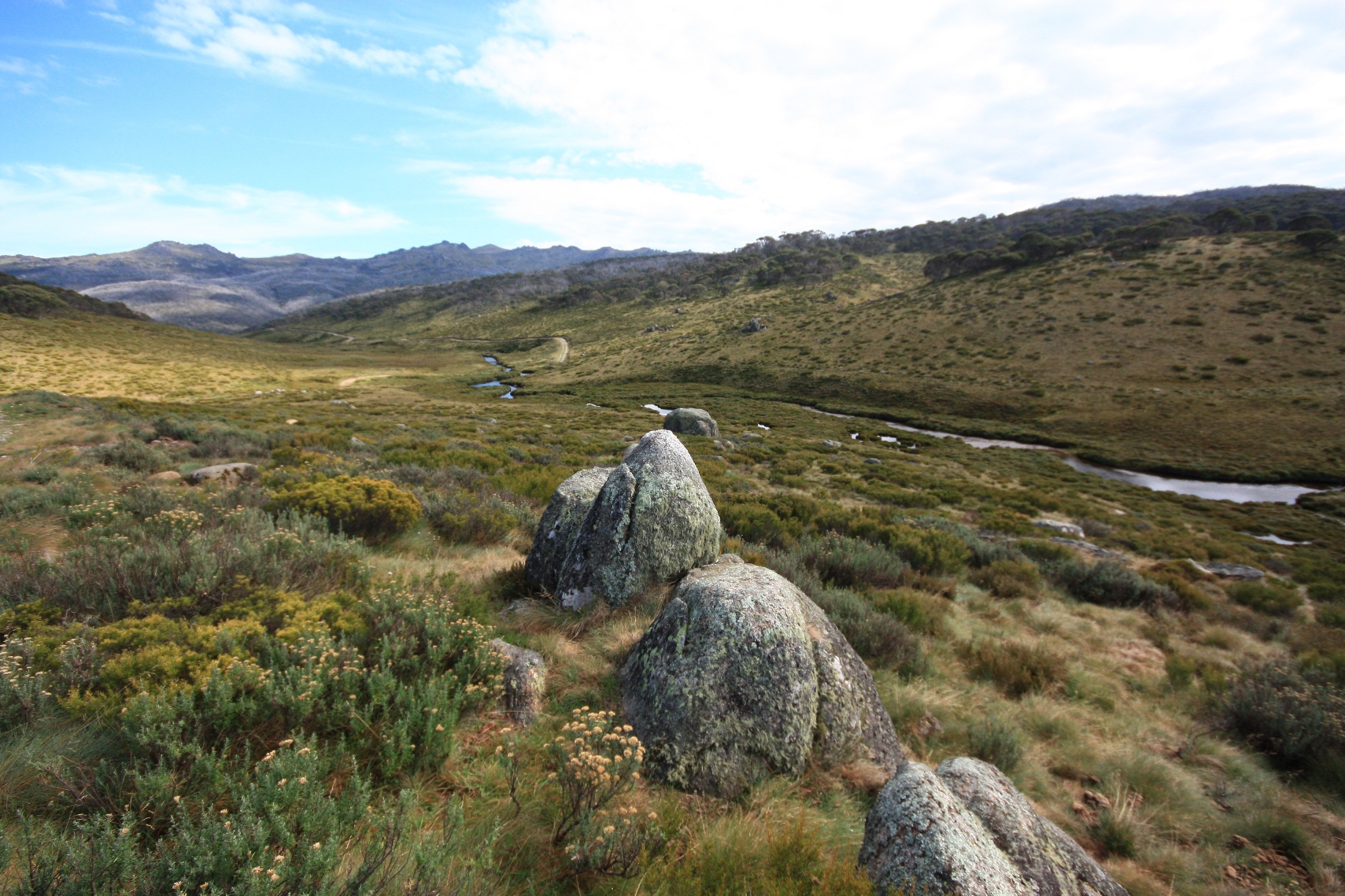
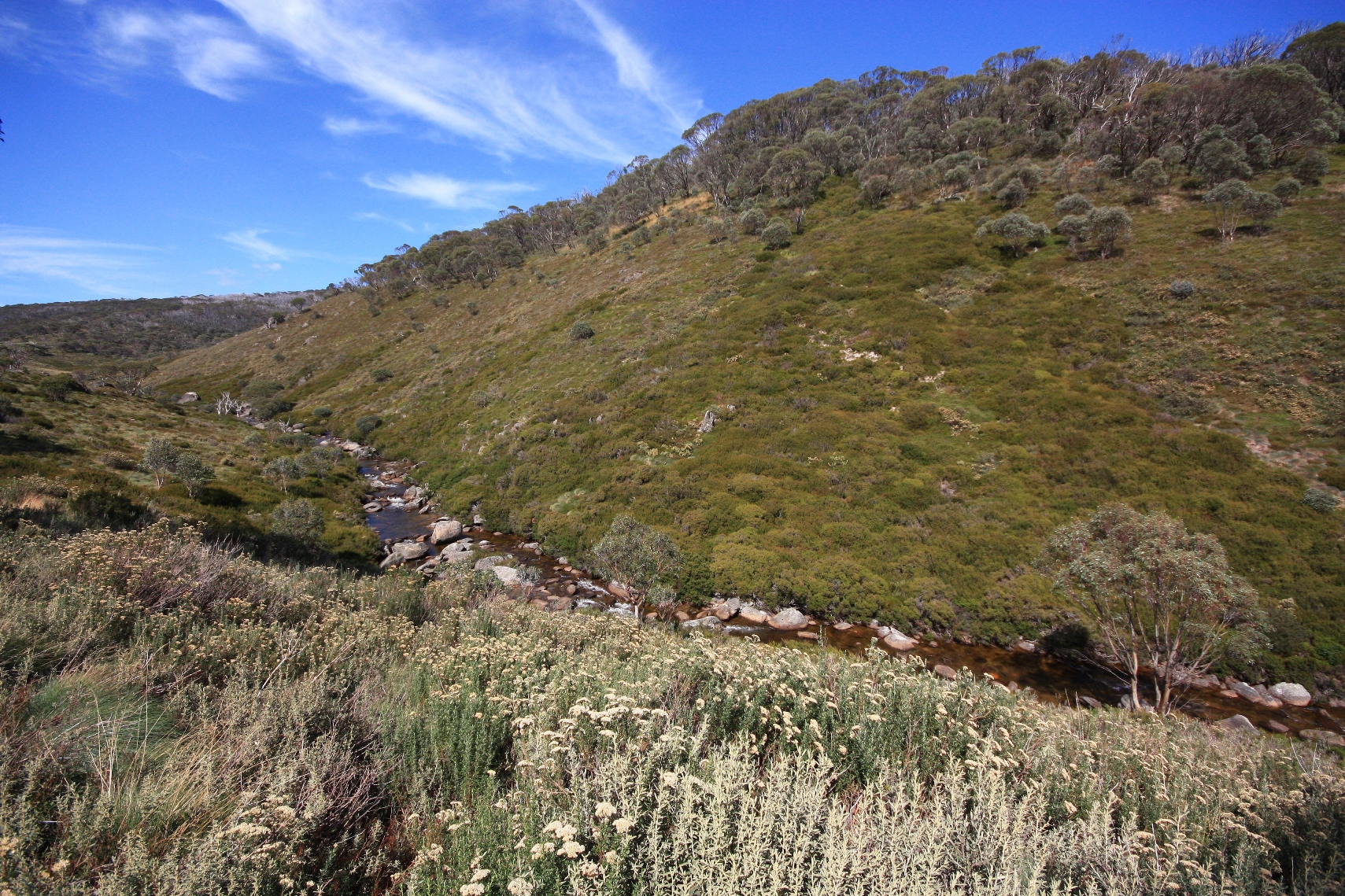
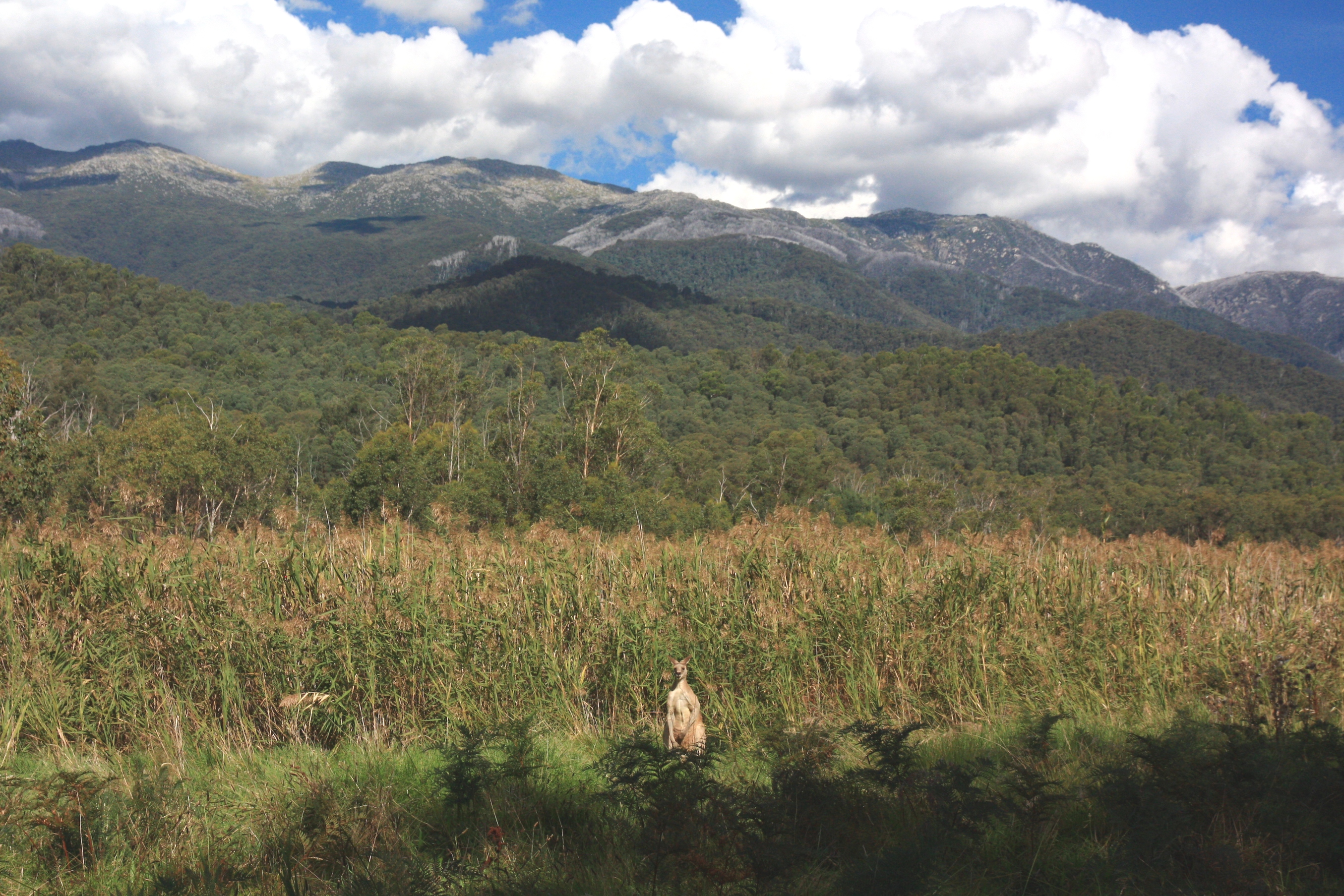
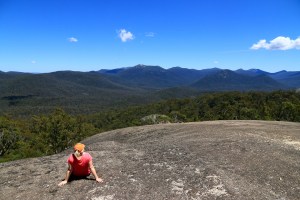 As a more recent entrant upon this giant landmass I feel blessed that I can maintain a comfortable, civilised, and invariably cultured urban existence while still being easily belittled by nature. I can live in a clean, safe, prosperous city scattered with sweeping roundabouts and take one of the exits towards nothingness. Though for nothingness read abundance. An abundance of gum trees and hills and high plains in Namadgi, from which rocky outcrops pierce an abundant blue sky. A plethora of grasses and wildflowers emerging in swampy hollows, the weeds also thriving in a show of acceptance and egalitarianism. A setting for black cockatoos and butterflies to float in the air, riding the breeze upon which small white clouds cluster and vanish.