I had entered the point of no return. Doors closing behind me, confronted by a depleted selection of pre-cooked yellow food. A smoky, greasy vapour emanated from behind the counter. Around one of the square Formica tables, a trio of young people huddled around a carton of chips.
I had rolled into Injune desperate for a pick-me-up to push me on to the end of the road. For coffee this was the last outpost. And like a rabbit in headlights I was now captive. I had to order. Miraculously, I spotted a handwritten note on one of those fluorescent orange stars. Iced latte for $5.50. Coffee, ice, and milk which surely wouldn’t turn into a complete hash. Relief. A safer proposition than the risk of first degree burns.
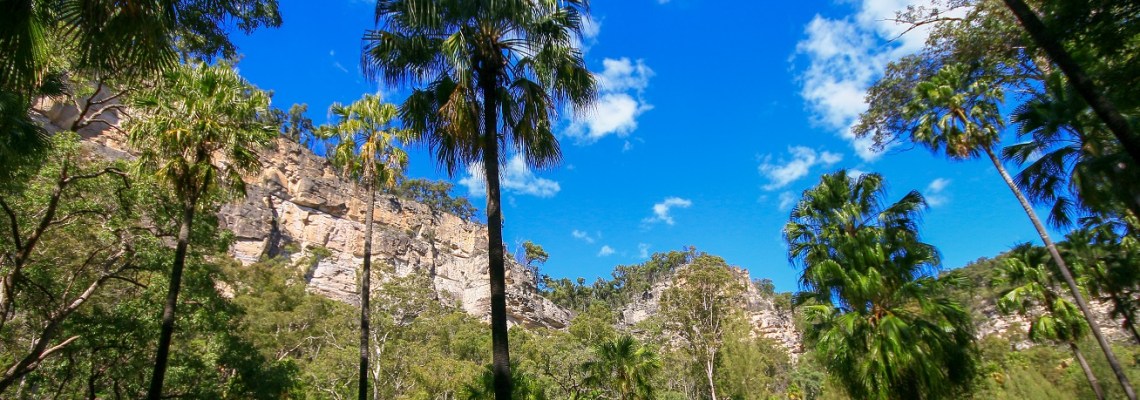
Happily – should you find yourself in the situation – you’ll find iced latte and a pack of 39 cent custard creams from Aldi a winning combination on the Carnarvon Highway between Injune and Rolleston. It propels you into a more interesting landscape with plateaus rising up to the east and west. The road, finally, allows a speed limit of 110kph. And then you turn off, to fulfil a few goals and dreams.

I remember when Carnarvon National Park first piqued my interest. It was in a Qantas magazine, back when flying was more of a thing. I was probably on the last plane out of Sydney after some stupid meeting, feasting on two crackers and a vomit-coloured dip. A double-page photograph of intricately textured sandstone, a dark narrow fissure, vibrant green ferns, and the dizzying perspective provided by a human figure felt a long way away.
It’s a credit to that Qantas magazine that they managed to condense Carnarvon National Park into a few glossy pages. It’s also a credit to the professional photographers who managed to fit it all in. The vast, monotone plains in the surrounding landscape truly situate this as an oasis. The solitude required to get there leads to stimulus galore.
Hyper-stimulation first emerges a few kilometres outside the park. People and Hiluxes amass, caravans are adorned with satellite dishes, trailers, awnings and everything including the kitchen sink. There may even be – in the middle of Queensland – a large boat or two. Instantly I know this is not my type of campground. But there is little other choice and I set up home for two nights, conscious of beady eyes judging my unfolding canvas.
Many of the people I talk to are here for a week, maybe two. They can afford to spend whole days sitting in a fold-up chair playing candy crush. I have one complete day to head into the gorge, go as far as I can, and turn back again. One whole day that is immense in so many ways.
My phone tells me it was a 41,397 step kind of day, taking me along 29.1 kilometres. It was a day that started around six in the morning, when I parked up near the visitor centre. There was an orderly-looking campground here but for some reason it is only open during school holidays. Still, I took advantage of one of the many tables to make a cuppa and eat some breakfast, free from the guilt of disturbing the old folk getting their beauty sleep.
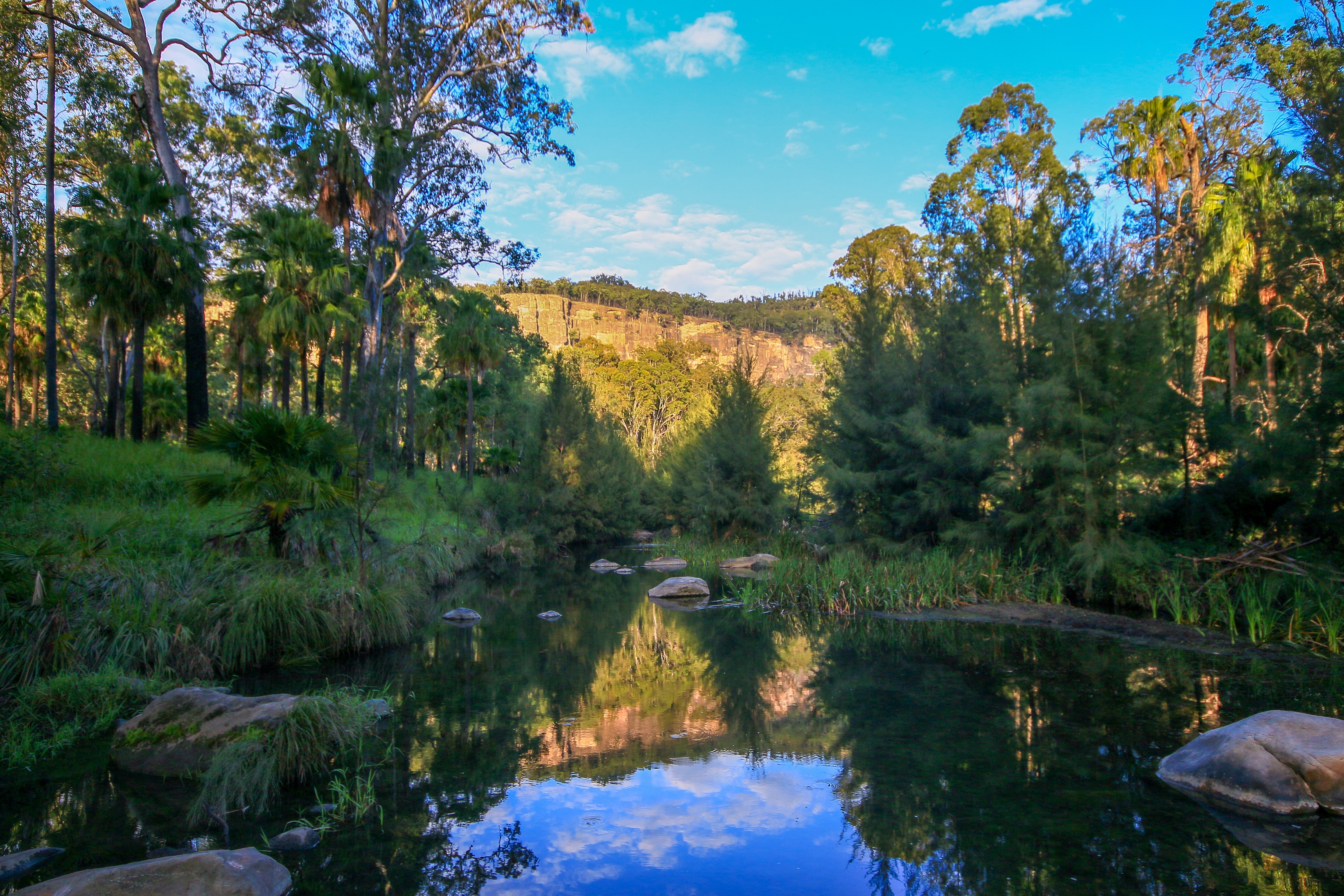
The walk starts with a sign of things to come: a crossing of Carnarvon Creek via a series of stepping stones. The first crossing is easy, reassuring everyone who finds themselves on this path to strike out further into the wilderness. Others later on require a bit more planning and a touch of blind faith. But don’t let this put you off. Just grab a big stick and think of the reward.
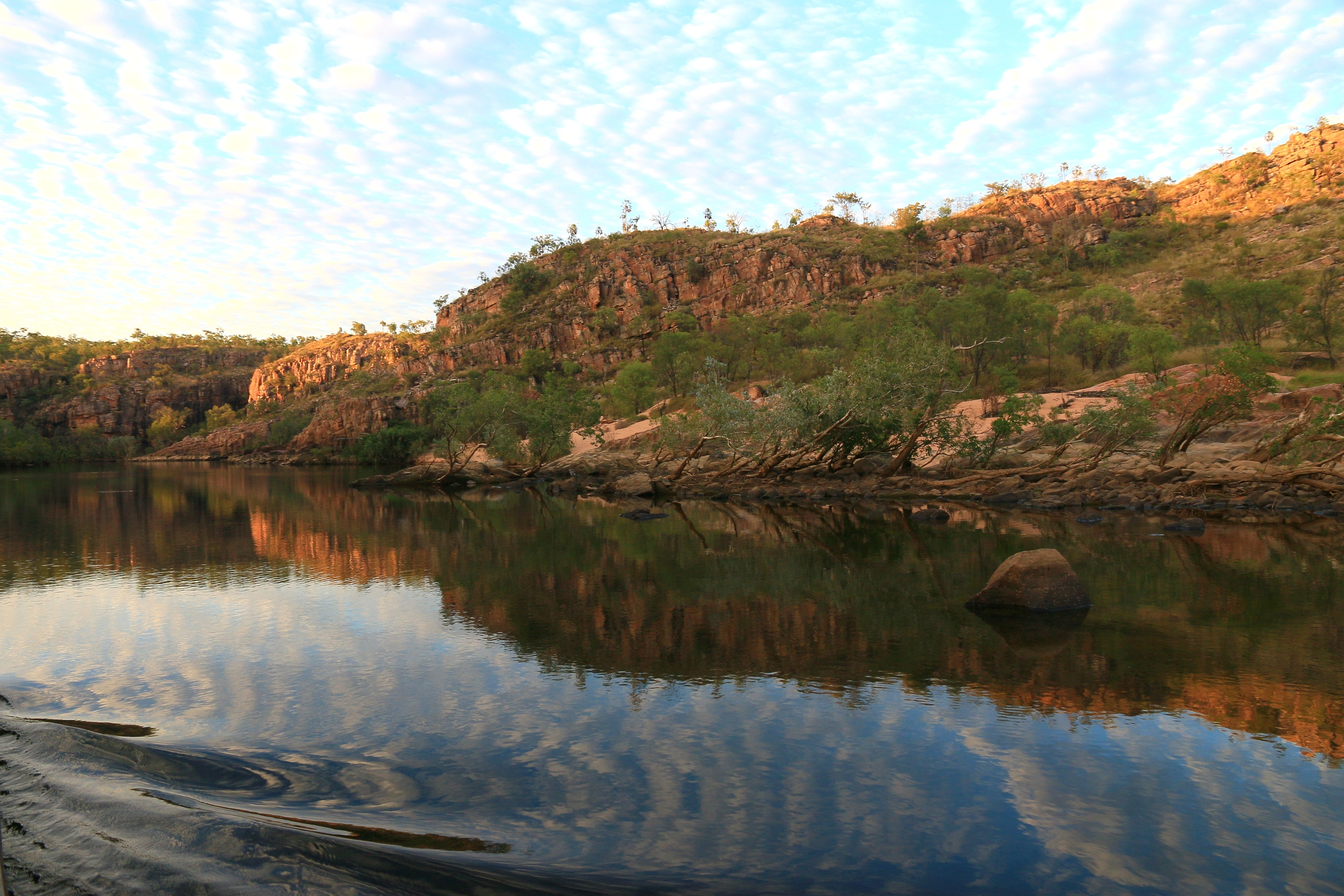
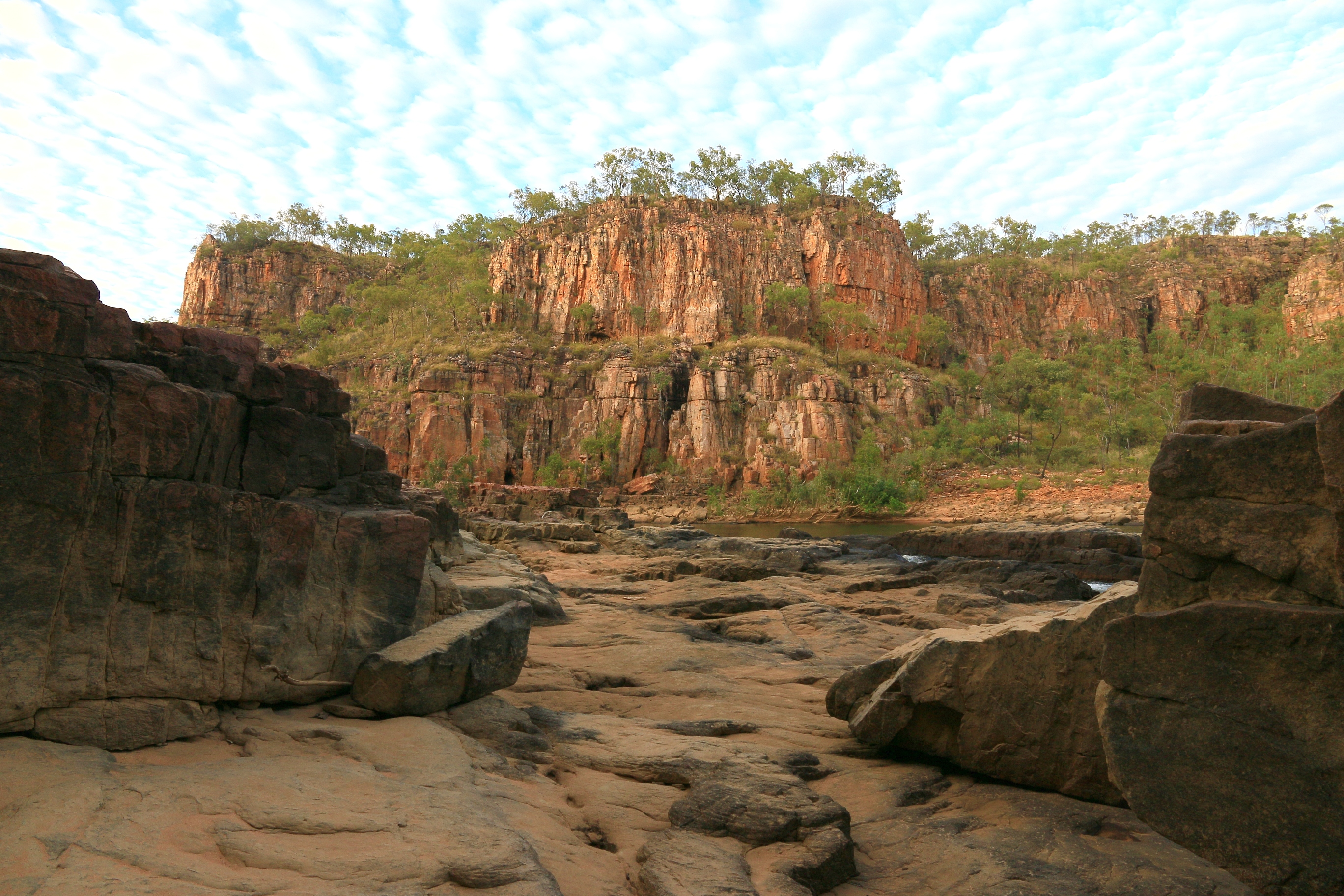
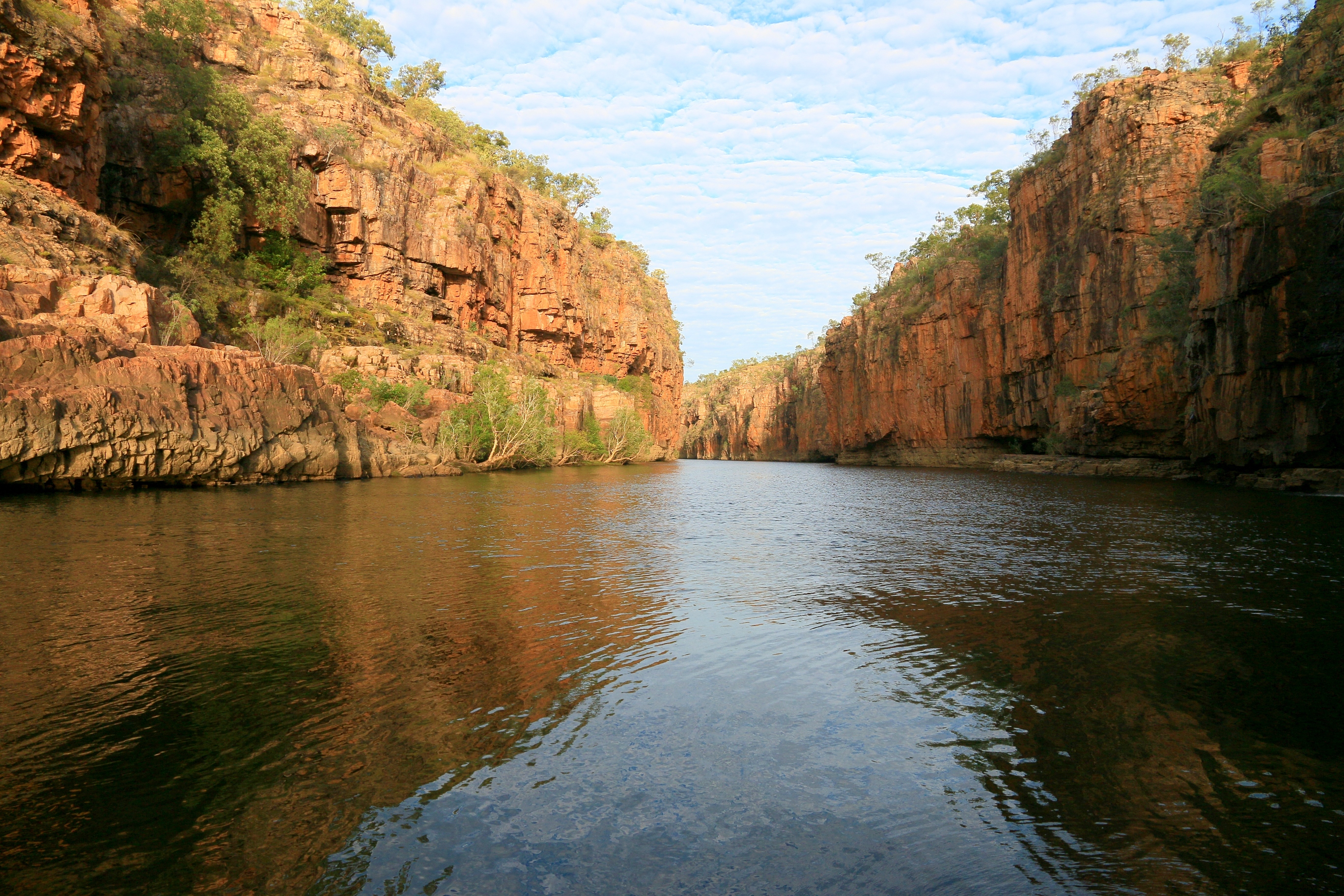
The gorge is said to extend for 30 kilometres, but the day walk goes as far as Big Bend, where there is a carry-in campground for those intrepid enough to explore further. Along the way, nature has created a series of incredible rock features, shady pools, and slot canyons, while original inhabitants have left their own mark. It is these spectacles – reached via shortish detours from the main trail – that create a natural itinerary to the walk, numbered like stops on a coach tour. Only here, self-propulsion is the required vehicle, and the only souvenir stands are those that assemble within your mind. And do they sure etch their way into it…
Moss Garden

Reaching the first stop seems to take forever, but I think that comes down to an eagerness to get there. It’s akin to sitting in the back of the car as a child, heading for a day at the beach. The side track also requires a little creek crossing and climbing of steps, penetrating into a small, fern-filled gully.
What can I say about the Moss Garden? It’s mossy and moist, fed by a narrow creek spilling into several clear pools. It’s the kind of garden that might be constructed at some expense in a billionaire megalomaniac’s estate, funded by worker exploitation and home shopping. Or constructed in the airport of some oil rich emirate to show off to the world. But nothing contrived here, just thousands and thousands of years of nature. Water, rock, vegetation. Gathering in blissful harmony.
Amphitheatre

If the Moss Garden was beautiful in a serene kind of way, the Amphitheatre is, fittingly, all head-shaking drama. I think this is the setting for that double-page spread in the Qantas magazine many years back and you would need to be a professional photographer with a mega-wide angle lens and tripod and hours of patience waiting for the right light to come anywhere close to evoking the feeling of being in this place.

At first, you wouldn’t expect much. Nothing to see here. But walking towards giant luminous sandstone walls you notice a small doorway at their foot. And a series of metal steps up to the entrance. It is a crack perhaps little more than a metre, a corridor into a cavernous courtyard of wonder. Above, a small window to the sky, afoot a delicate display of vibrant ferns. It cries out for a massive “COOEE!” but somehow feels too reverential for that. A handful of people, myself included, just sit and soak it all in.
Art Gallery
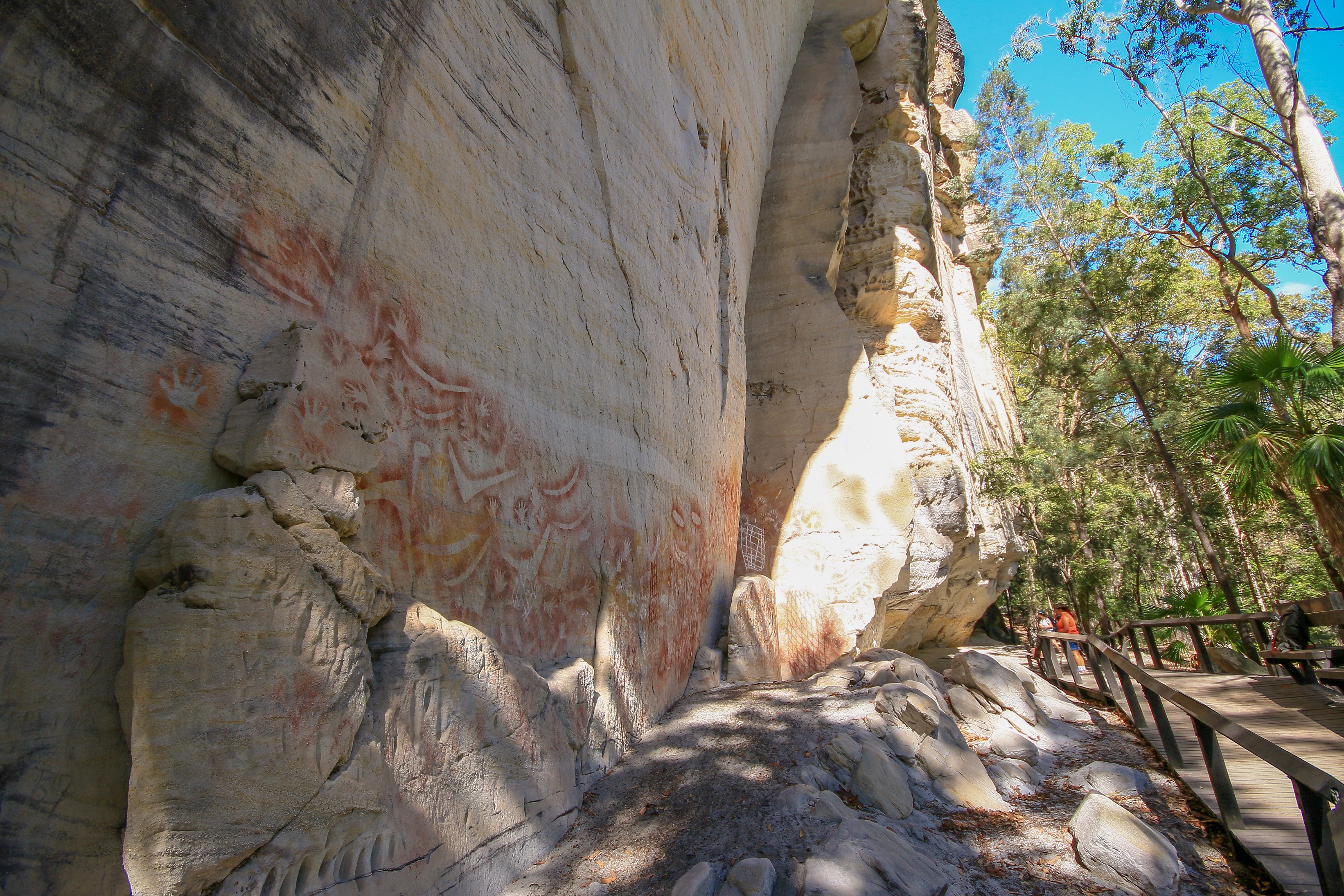
The National Gallery of Australia is much more accessible and has a better café than the Art Gallery in Carnarvon Gorge. But you won’t find a 62 metre natural sandstone wall featuring over 2,000 engravings, ochre stencils, and free-hand paintings. The stencilling is considered to be some of the finest and most-sophisticated of its kind in their world.
This sacred spot serves a reminder that this is the land of the Bidjara and Karingbal People, and you are lucky enough to be here for a fleeting moment in time.
Cathedral Cave
Many people culminate their walk at the Art Gallery fulfilled, turning around and heading back home for an afternoon rest. The next stop up the gorge is four kilometres distant, and the track grading increases a notch on the scale. There are more stones to traverse and one creek crossing in particular requires a degree in trigonometry and dose of good fortune.
I’m glad I pushed on though, for this section is perhaps the most scenic. The main trail sticks closer to the rocky course of Carnarvon Creek, and sheer-sided multicoloured outcrops begin to press in on both sides. Palms and ferns and eucalyptus gather in the valley, nurturing colourful butterfly and chirpy birds, while emerald pools attract fast-moving dragonfly.

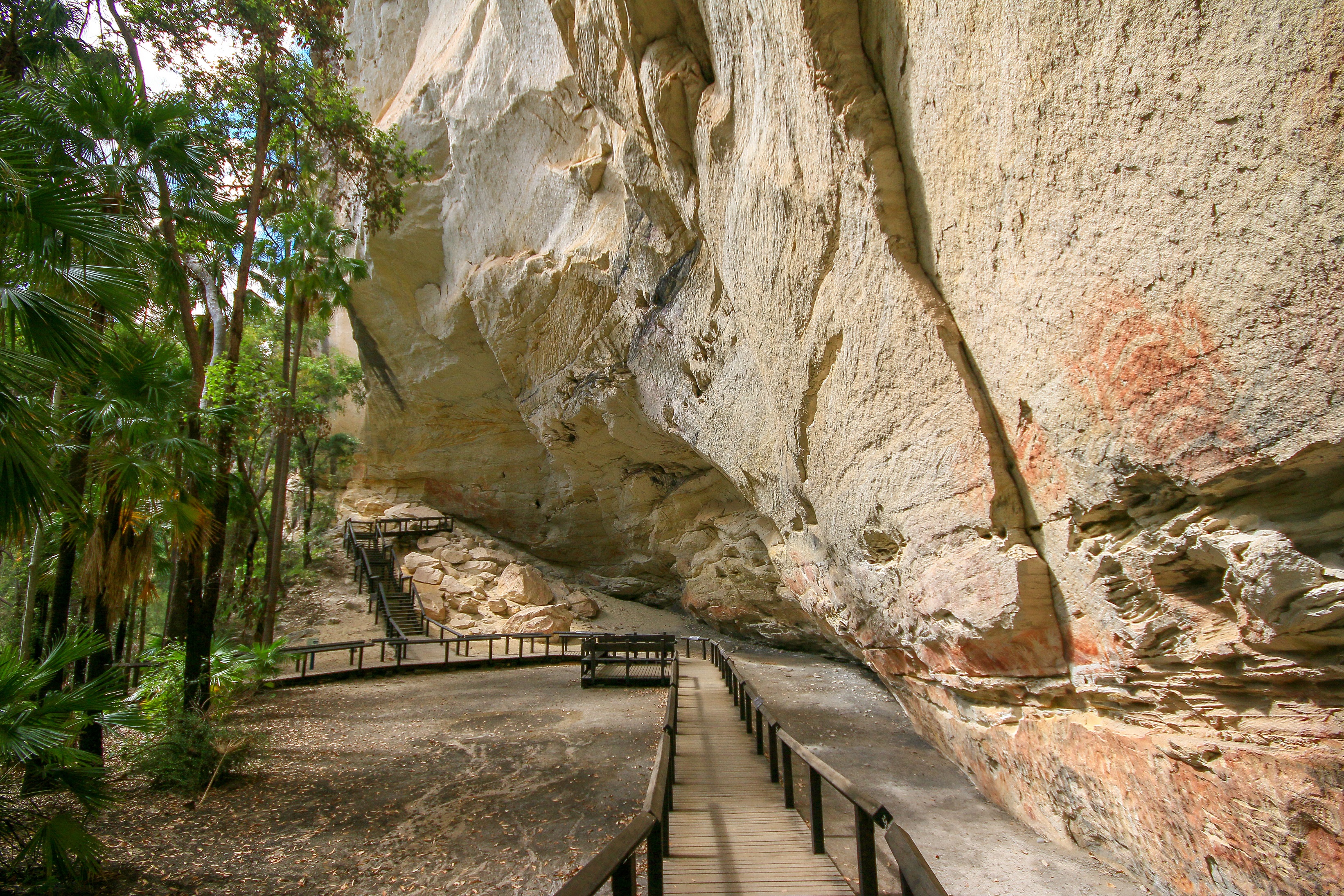
As a destination, Cathedral Cave undoubtedly has a spiritual quality, hosting further displays of Aboriginal art. It also possesses that echoey ambience formed from the hollow of a massive rock overhang. A chamber of secrets. Peaceful and shady, the benches situated opposite the walls encourage lingering. A rest before the return journey.
Boowinda Gorge

But don’t turn around! After Cathedral Cave, it’s a kilometre or so on to the end of the trail at Big Bend, but I neither had the energy nor the desire to visit a camping area. Just 200 metres on from Cathedral Cave, however, another dry creek cuts in from the west. At first, it’s nothing special, just an unending collection of large pebbles that make walking a little more taxing. But pursue further and you enter Boowinda Gorge.
This I found the most staggering spectacle of the day. I can’t really explain. Nature has formed something that engineering genius and billions of dollars would struggle to replicate. Curving walls, pebble paths, ferns and trees flourishing where chinks of light again emerge. And I had it all to myself.


————————–
I’m all for saving the best to last, especially when it comes to roast dinners. But what goes up must come down and, as much as I tried to conjure up a helicopter taxi from Big Bend, the return journey needed to be undertaken. On the plus side, things were still incredibly scenic the second time around, stepping stone confidence was sky-high, and I had a few Aldi custard creams to perk me up when needed.
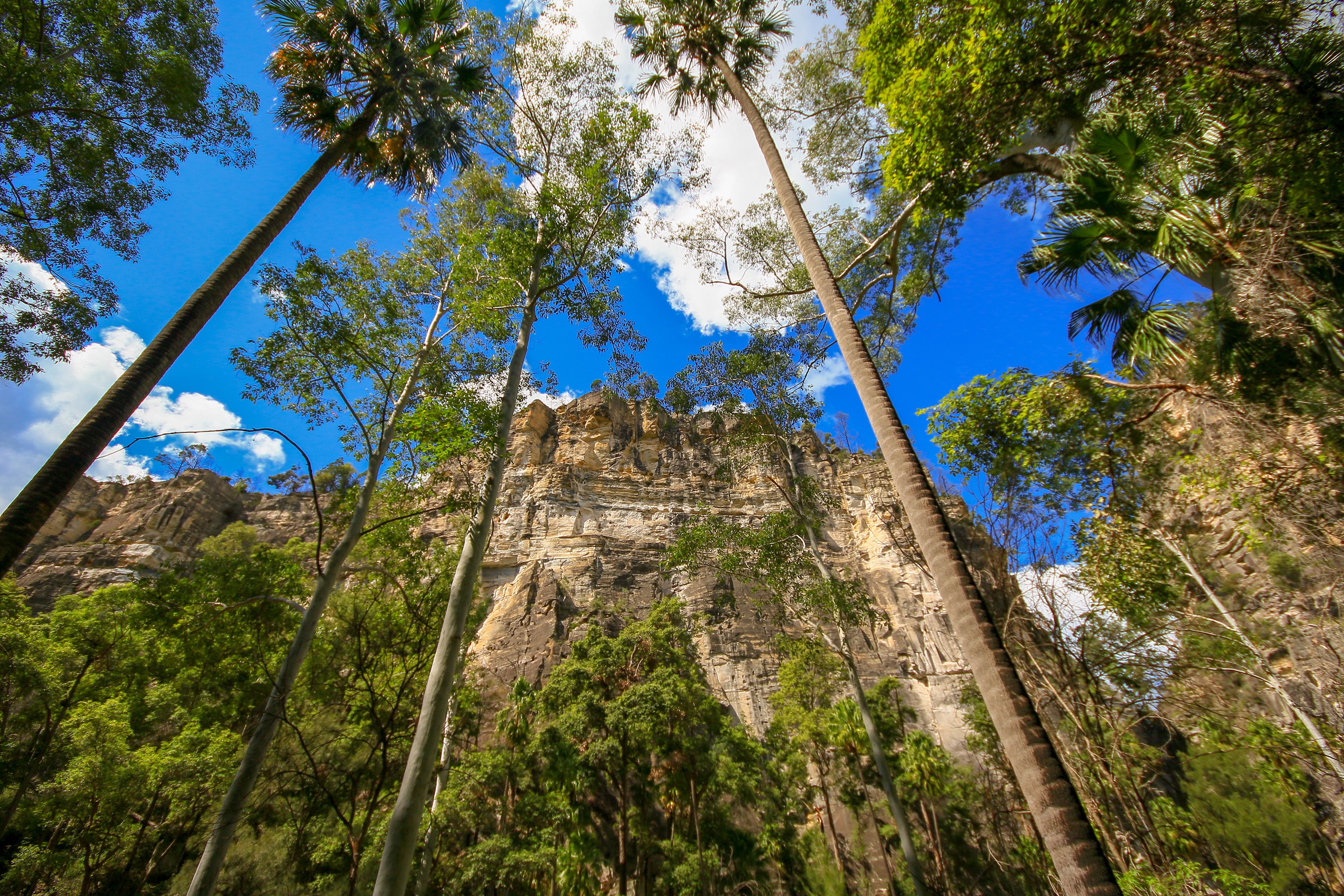
There was also Wards Canyon, one of the stops between the Amphitheatre and Art Gallery which I had saved for the journey home. As lovely as this was – think more small cascades and rocky walled gullies – I can’t help but think my impression was overshadowed by weariness and the wonders that had gone before. It also took a bit of a climb and used up the last custard cream.
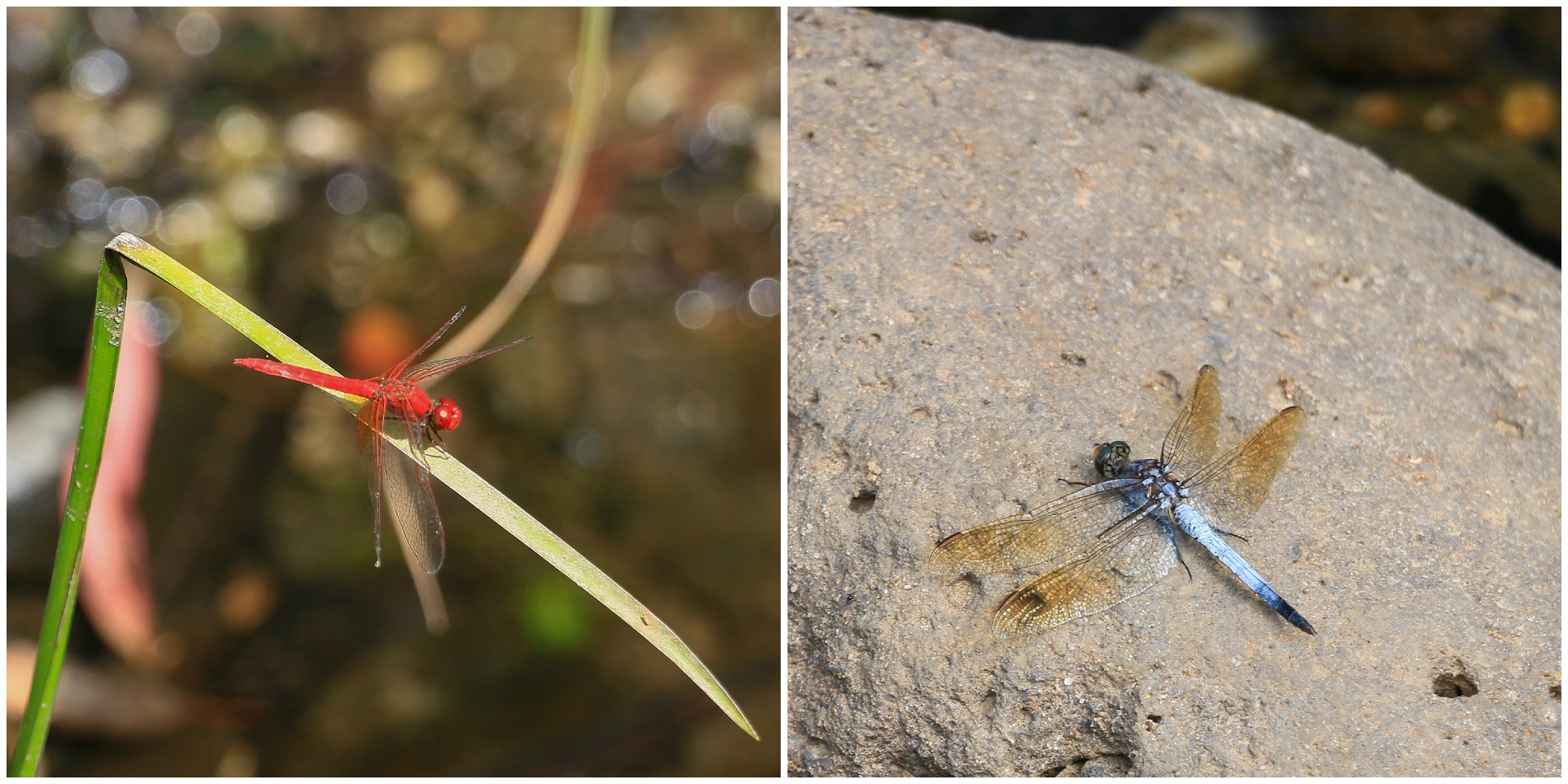
To get back to the car, I started to concentrate more on the little things. Some of the butterflies that would never settle. The blur of small birds flitting between shrubs. The red and blue dragonflies hovering above water. The people passing me by, saying G’day and inquiring just how much further it was to so and so. Push on, I encouraged, and don’t miss Boowinda Gorge.
In all honesty though, the last hour turned into a bit of a drag. There were a surprising number of steps and undulations that I didn’t notice in my excited state on the way out. The light was now brighter, the heat of the day well and truly upon us. Creek crossings were less an adventure, more a chore. My feet hurt.
Towards the end I was pretty much walking at the same pace as a man a hundred metres in front of me. It came as no great surprise when he let out a thank feck kind of “yahoo” upon sighting the visitor centre. I didn’t need empathy training to totally get it.
And so my walk in Carnarvon Gorge, years in the making, had reached its conclusion. I felt happy and fulfilled and in desperate need of a shower, cup of tea, slice of Christmas cake and a nap. Unfortunately, Takarakka ‘Bush Resort’ had other ideas. I returned to find I had neighbours, sat outside their caravan under the awning, playing candy crush and listening to the radio. Other neighbours were setting up with a clink of a camp kitchen here and a thud of a mallet there. Four-by-fours rocked up every few minutes, engines idling as they checked in at reception. The shower, tea and cake were divine. The nap non-existent.
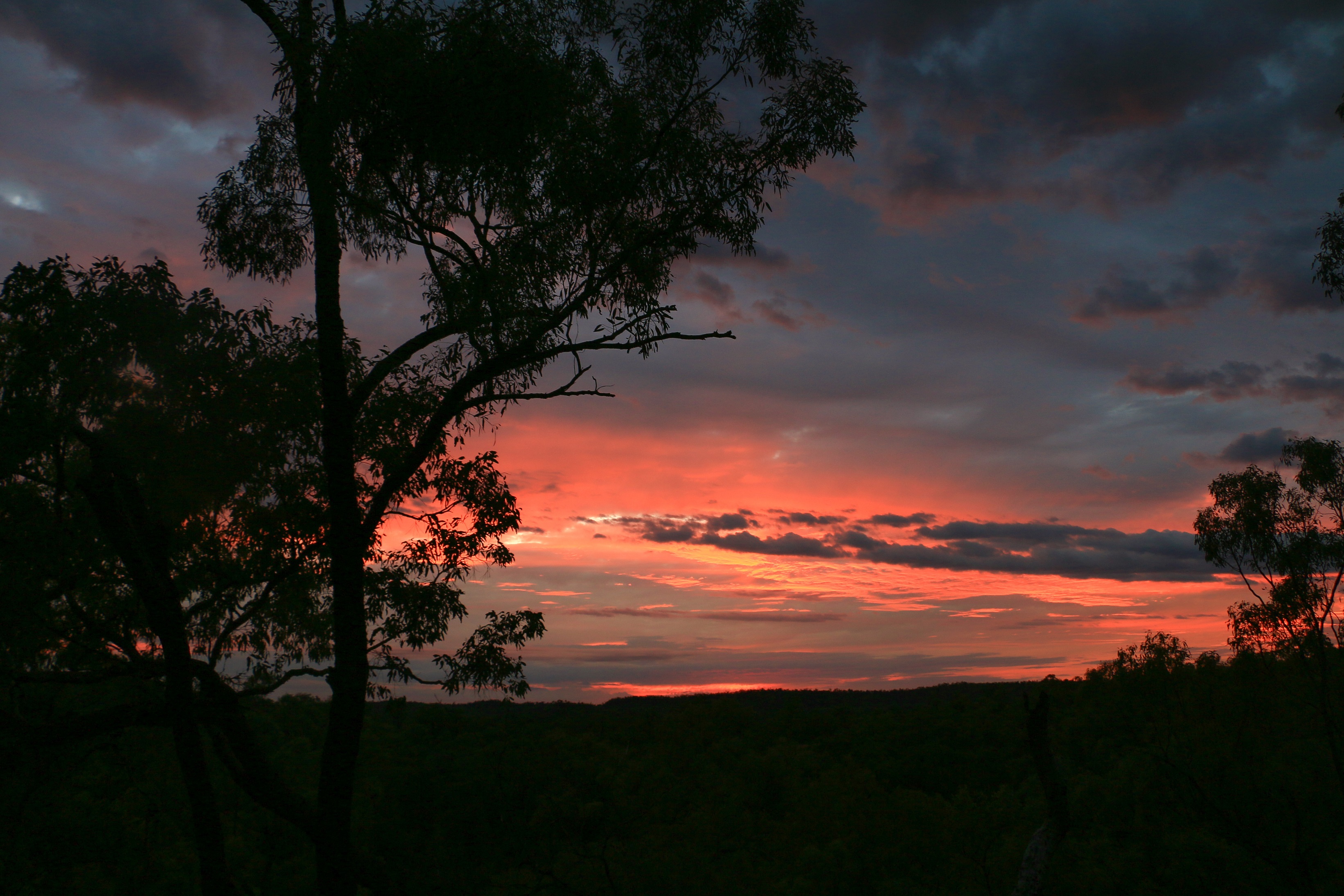
At least I slept well that night. Very well, for tenting. Still, I was awake before sunrise so made a bit of noise and headed up a track to a nearby hill. A few other people were there, including a dad with a wide-awake baby and a couple of what I would say are younger boomers. The sunrise was – fleetingly – dramatic, while the younger boomers were lovely.
We chatted for a good while. They had arrived yesterday and were staying for a week. I was off to 1770 today. I passed on my tips and wished them a wonderful stay. They wished me well for my big bike ride. We parted, me feeling a little more favourable towards caravanning boomers, and them possibly thinking he is never going to manage that bike ride. Maybe.
Keen to get moving, and also keen to avoid the amenities block that was always dirty whenever I had to use it, I passed up the opportunity of a shower and hit the road. Yet instead of turning left, back to the highway, I veered right. I had come so far and something was bugging me. This had been years in the making, and when would I ever be here again?
When I arrived in Carnarvon National Park on Tuesday afternoon, I used the last of the daylight to explore a short walking trail along Mickey Creek. It was a simple and – in hindsight – relatively undramatic stroll. But that is only until the formed trail ends.
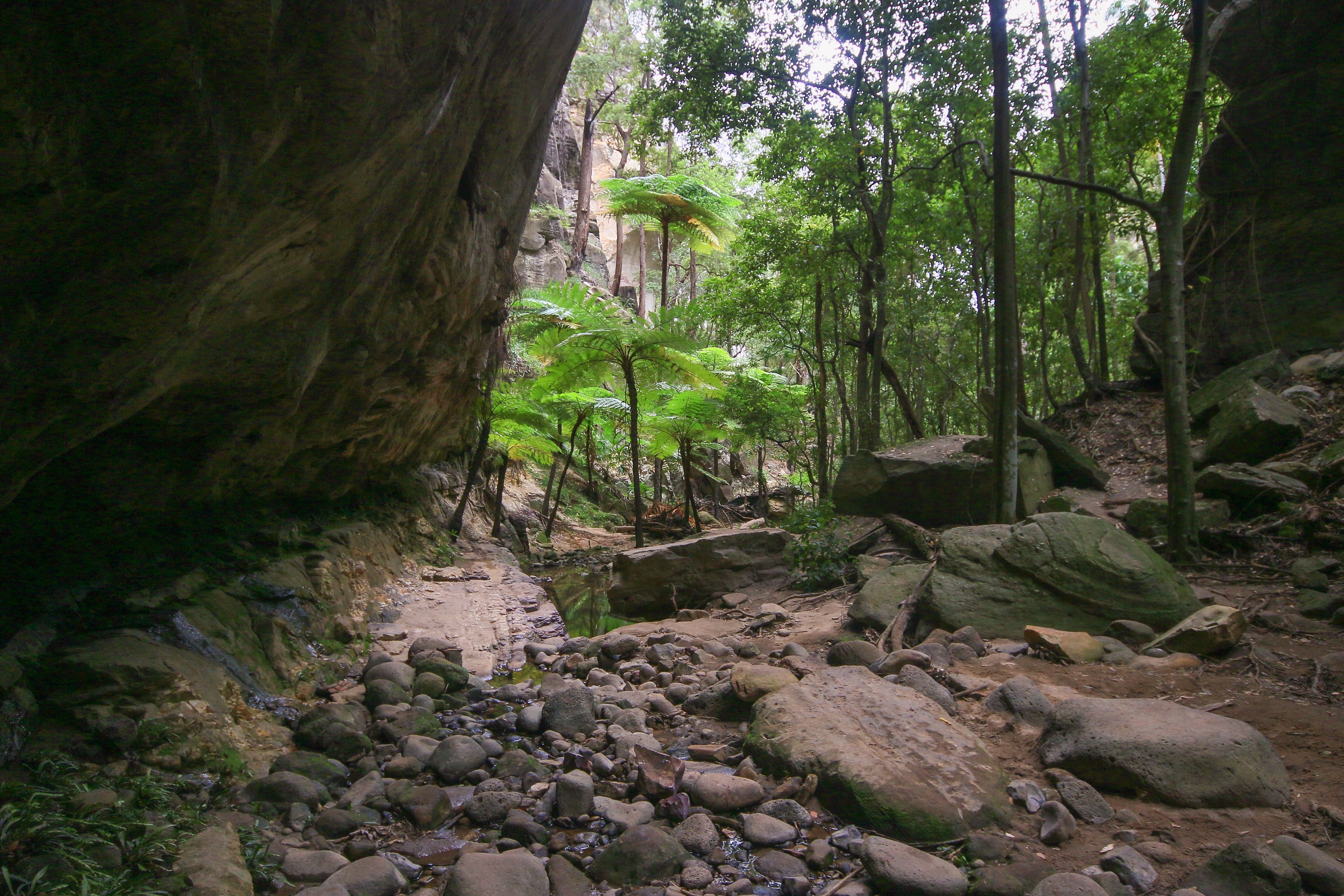
A bag left on a rock signalled I wouldn’t be the only one transitioning from a gentle amble to a rock-hopping adventure. Beyond the stones and the ferns, an entrance led into a narrowing gap. Walls closing in, the sound of ‘oohs’ and ‘ahs’ travelling down the chasm encouraged further exploration.
There was only really one spot that was a little challenging – in that I might get my feet wet. But I could do it. And so could my sunrise friends who I met again on the way out. So much better than just sitting outside your caravan playing candy crush. We both agreed, and I felt envious of the wondrous discoveries that still awaited them.
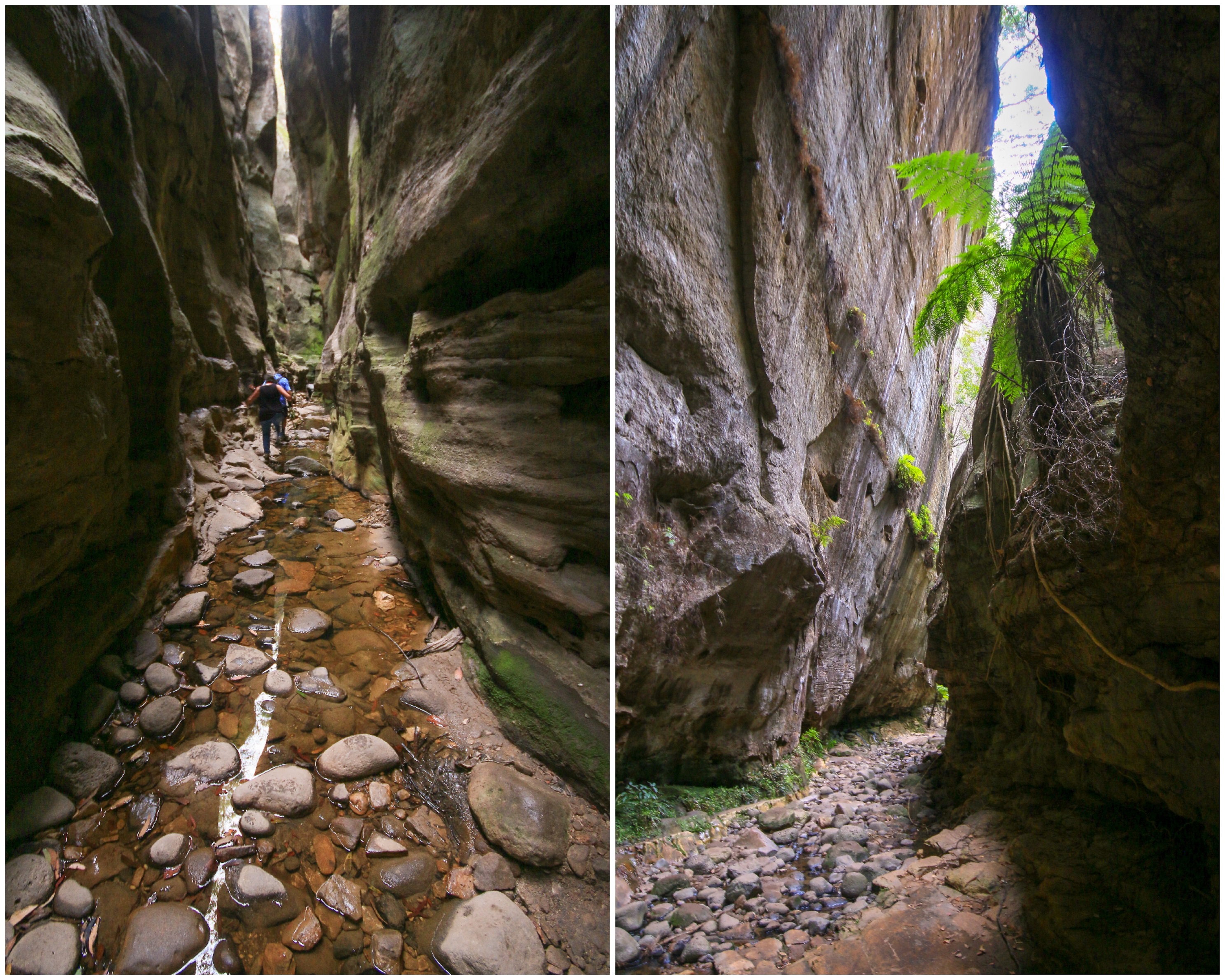
Farewell friends, and farewell finally this most magnificent oasis.
————————–
That could have been a good ending, but the road never ends. Neither does this blog post but all I can say if you are labouring is just imagine living and breathing it as opposed to a mere skim-read in your PJs.
After endeavours at Carnarvon, I planned a bit of R&R on the Queensland coast, 550km away. Worryingly I was desperate for a coffee by time I reached Rolleston, only a hundred clicks in. Even more worryingly, Rolleston didn’t look up to much. But beside the public toilets in a park, a cute caravan had popped up selling coffee and a few light snacks. The owner was charming and chatty, and I really really really wanted her coffee to be good. But scalding hot country ways are always difficult to cast off.
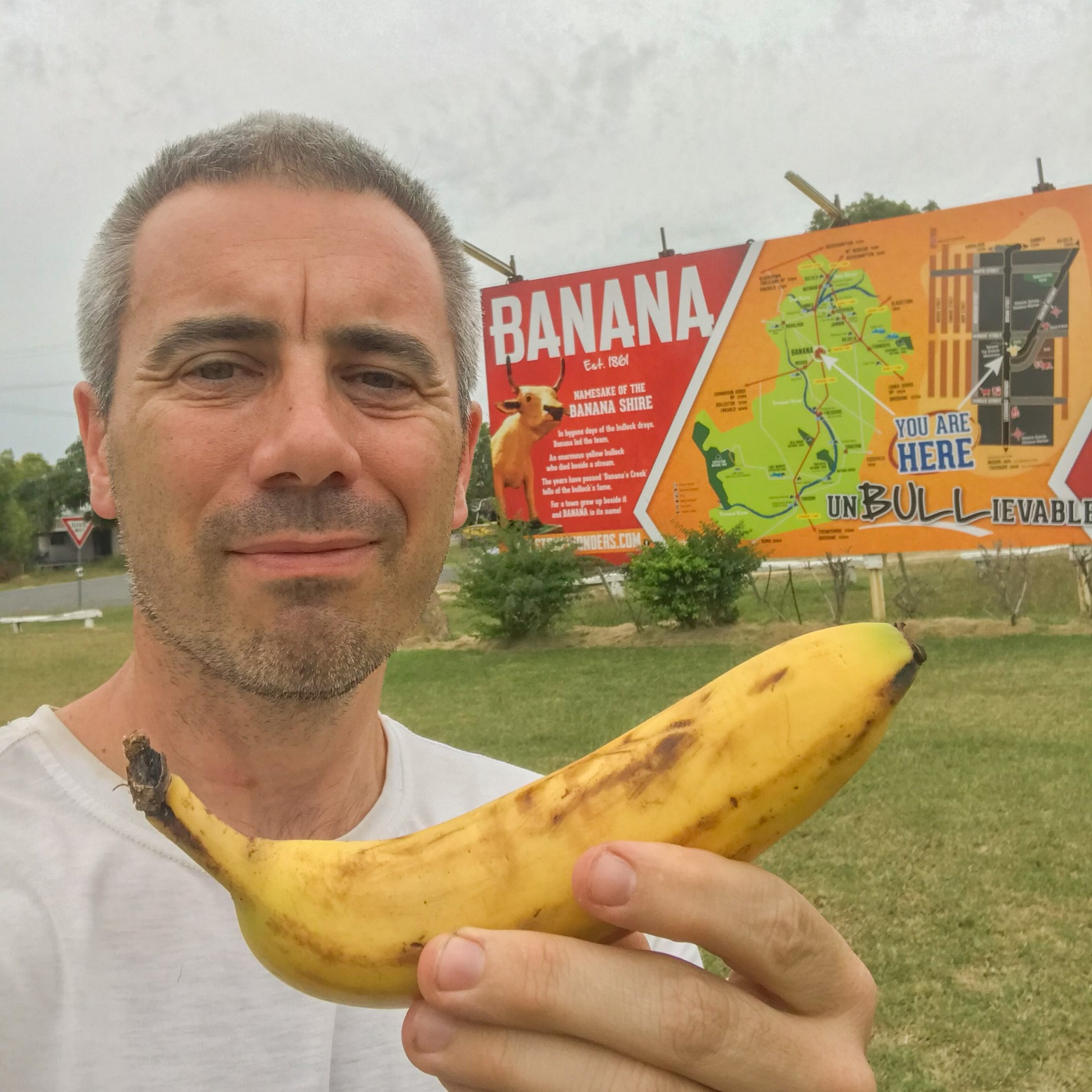
There is little to note between Rolleston and Biloela. The road, almost arrow straight, offers frequent car stopping bays and I realise these are essentially unofficial toilet stops as I recycle my coffee in a hedge. The highlight of this section of the road should really be the town of Banana, in Banana Shire. Yet, there is no comedy sized fibro banana or Banana World Theme Park incorporating Mango Village. A large sign erected for losers like me actually informs the world that Banana was named after a big bullock. Surrounded by coalfields, this is peak QLD.
Sadly, the only thing I knew of Biloela was the Australian Government’s really tough posturing to lock up a couple with two young children who were seeking asylum here. They now sit festering on an offshore island. The #hometobilo movement made me feel warm towards Biloela. The family in question had become part of the community, and the community part of them. They simply want their community back.
I didn’t find out much more about Biloela in my brief stop there. It didn’t seem the most appealing place, but then it is far more appealing than – say – a war zone or dictatorship inclined to ethnic-cleansing. Petrol was cheaper here, and I was surprised at the quality of coffee and a slice from the bakery – this is more like it. Road trip essentials.
Almost as Australian-sounding as locking up dark-skinned people seeking protection is the Bruce Highway. For me, it was a bit of a milestone, a sign that I had reached the Queensland coast. But like most highways along the east coast, the ocean is still miles away. And, hitting the highway south of Gladstone, the Towns of Agnes Water and Seventeen-Seventy were still 90 minutes away.
A sign that I was pretty much over the drive came when I didn’t even stop for a ‘big crab’ at Miriam Vale. It wasn’t that big, looking more like an elaborate shop sign than anything. And I don’t really like crab, stemming I think from my brother taunting me with crab claws as a kid. The same can be said for peanut butter, but I did at least stab his hand with a fork when he tried to steal some of my chips.
————————–

1770 clearly stands out from the crowd just by being a number. That was some good marketing by Lieutenant Cook and Joe Banks when they decided to make their second stop in Australia at this spot; I think Joe had seen some plants that took his fancy. If you look on the map, you will see a marker for the 1770 toilets, which you can only hope have been updated since they visited.
Confusingly 1770 has the postcode of 4667. So – in a remarkable turnaround for Australian abbreviation – it is often spelled out as Seventeen-Seventy. It also typically gets lumped together with its southern neighbour, Agnes Water. And I was staying on a campground between the two. Let me tell you the joy of driving past tents and awnings and trailers to take up home in a cabin with a double bed and kitchen and bathroom. The closest I will ever get to feeling all North Shore Sydney.

And so, with good rest, I had a lovely day in the Towns of Agnes Water and Seventeen-Seventy. In preparation for what is to come, I decided to explore it by bike. There were beaches and lookouts and a lovely coffee in some lovely gardens, embellished with sweet baklava. It was the best coffee in a long while, a clear indication this is a coastal location on the up.
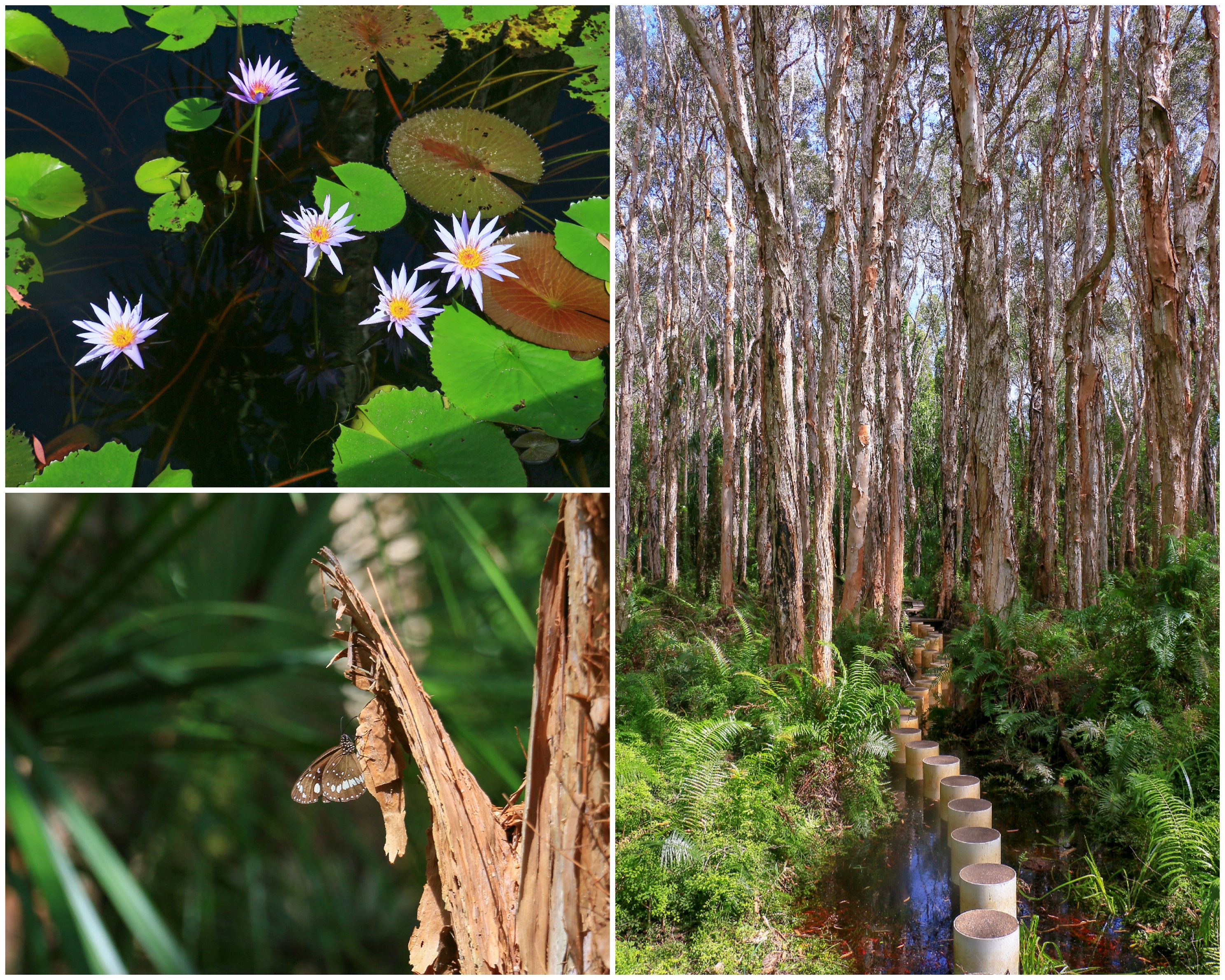
Beyond the coffee stop, I was delighted by the Paperbark Forest Boardwalk. It wasn’t especially long but well worth the additional cycle up a small incline. Among the stands of paperbark, butterflies frequently floated and birds sang with joy. A nice way to get off the two wheels and stretch the legs.
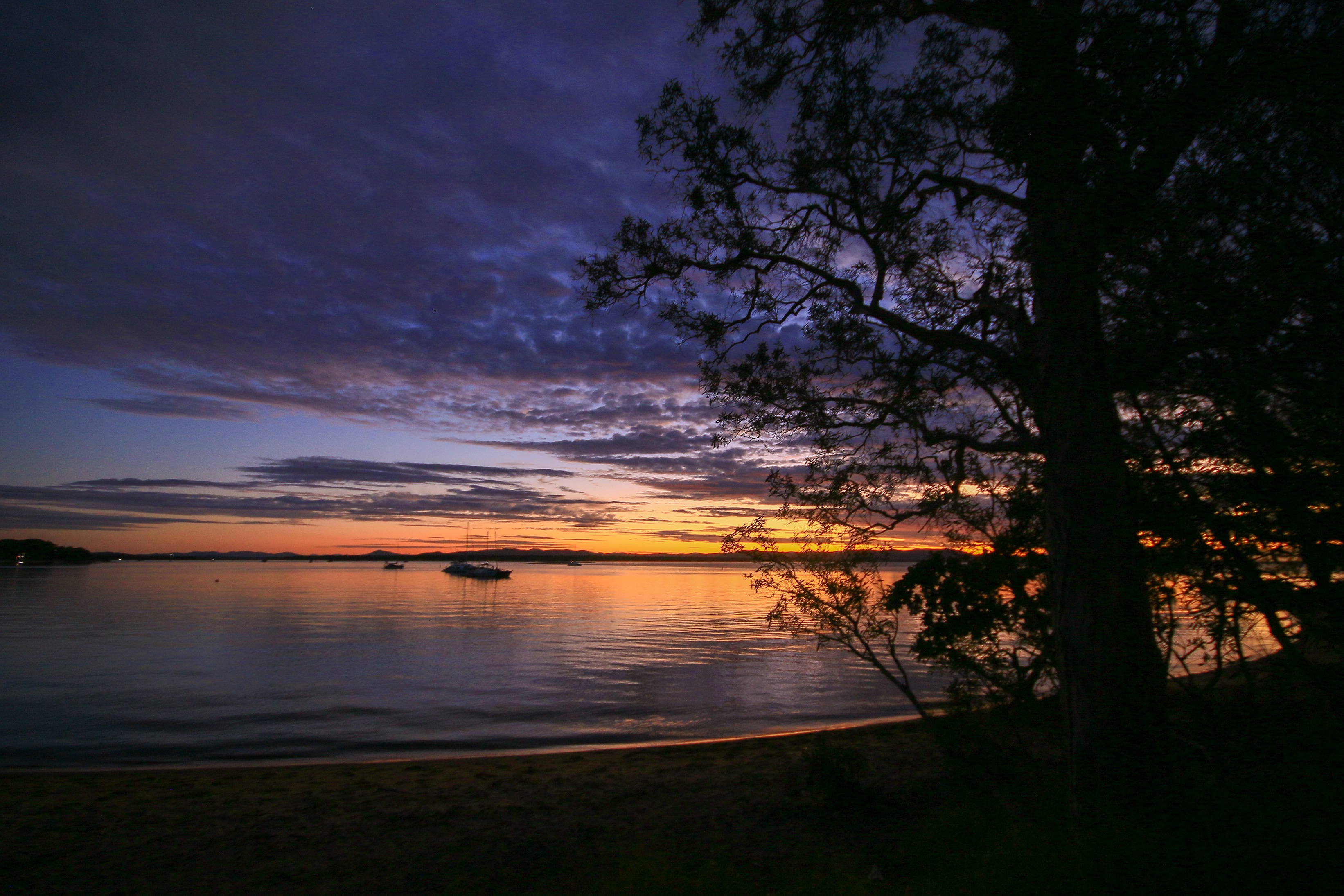
Being beside the coast I had long targeted fish and chips during my stay here, which I gorged on beside the water on the wharf in 1770. Gorging again. The downside to this was that it required an uphill climb back to my cabin and a post-lunch nap. Later in the day, I returned to 1770 by car, and walked out to the headland, hopeful, like many others, that sundown would put on a decent show.

Now Saturday morning, I had been travelling for little over a week. I’d be leaving the ocean today and in memory of this I felt that getting a takeaway coffee first thing and sipping it on the beach would be a perfect moment. Situated next to a waterfront campground, the coffee took an age but when it came it was everything I had hoped for. Order and civilisation were being restored.

And so, next up Caloundra and then the Brisbane Valley Rail Trail. Heading south, I briefly paused in Bundaberg, picking up some provisions and a gift for my cycling buddy, Jason. Never would a $16 bike rack from Kmart prove so popular.
My final stop was in Childers, one last pause before hitting the elongated development of the Sunshine Coast. I had arrived, it would seem, in a town of coffee extremism. Ten minutes out of town, billboards implored me to stop at The Drunk Bean or Insane Caffeine. Nine hundred kilometres after Injune, the sound of coffee insanity appealed. It had largely been madness the whole way.





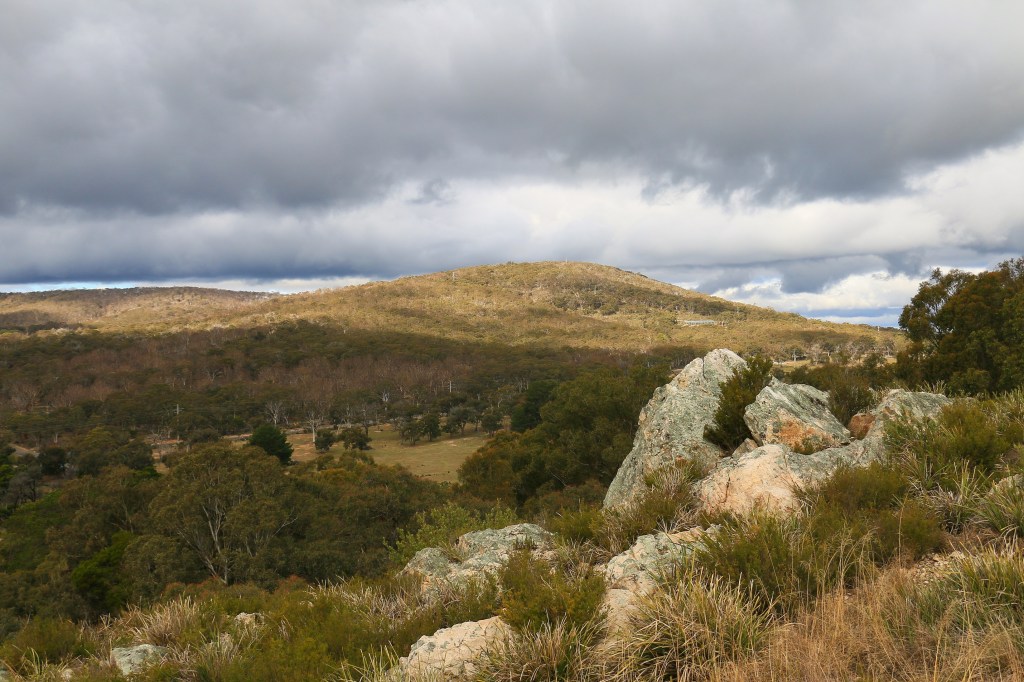


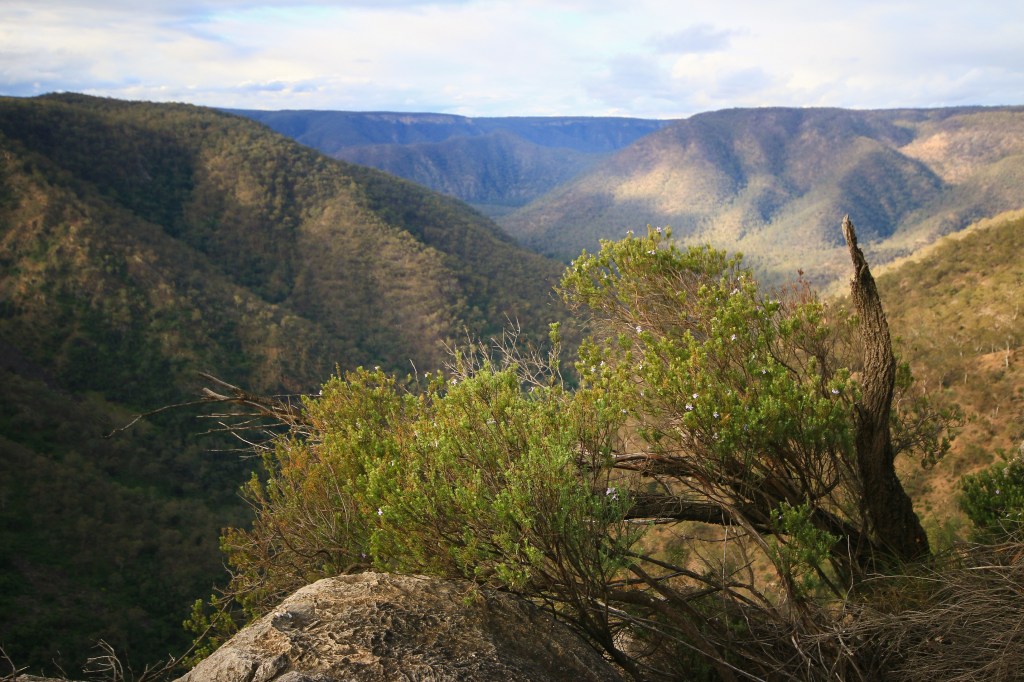

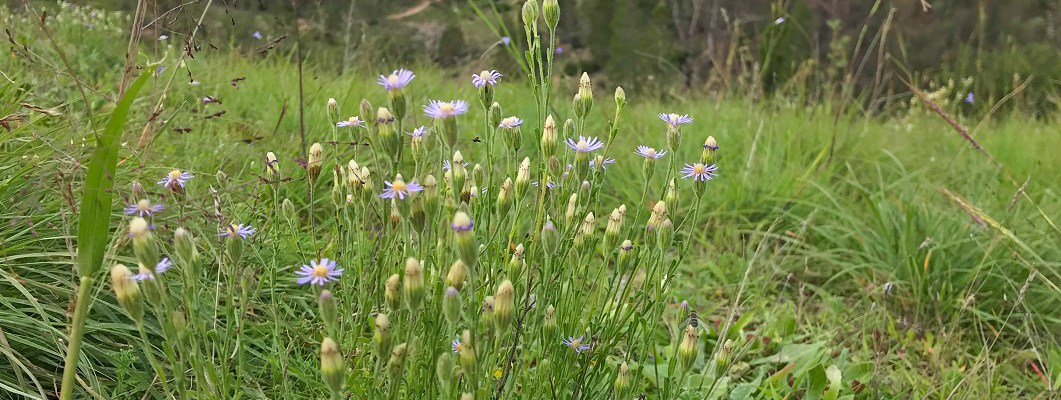
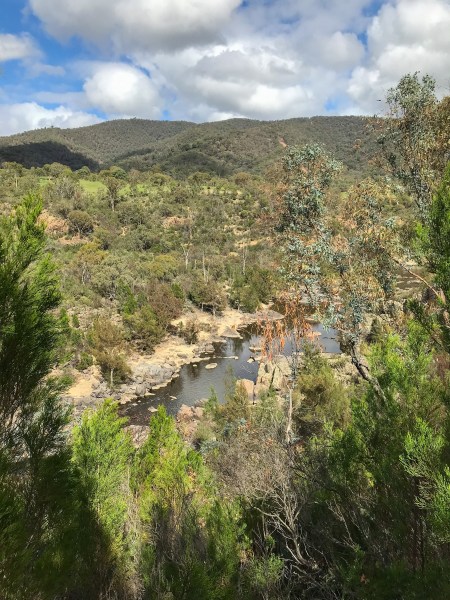 Setting off from Kambah Pool I delayed as a family group embarked on the route to Red Rocks Gorge. Best give them some distance. Wedging myself in between that mob and another mob congregating to follow, things were rosy at first. The landscape still an astonishing green, the river replenished, meandering gently through the steep sided valley untamed and untrammelled. This was freedom.


 There is a colony of koalas here, and I was pleased to come across one in the first hundred metres of my walk. It was around midday and hot, exactly the kind of conditions in which you should not be out walking. But with this early sighting, the pressure was off – no more relentlessly craning one’s neck upward in the usually forlorn hope of spotting a bulbous lump that isn’t a growth protruding from a eucalypt. I could instead loop back to the car concentrating more on keeping the flies from going up my nose. Yes, they are absolutely back.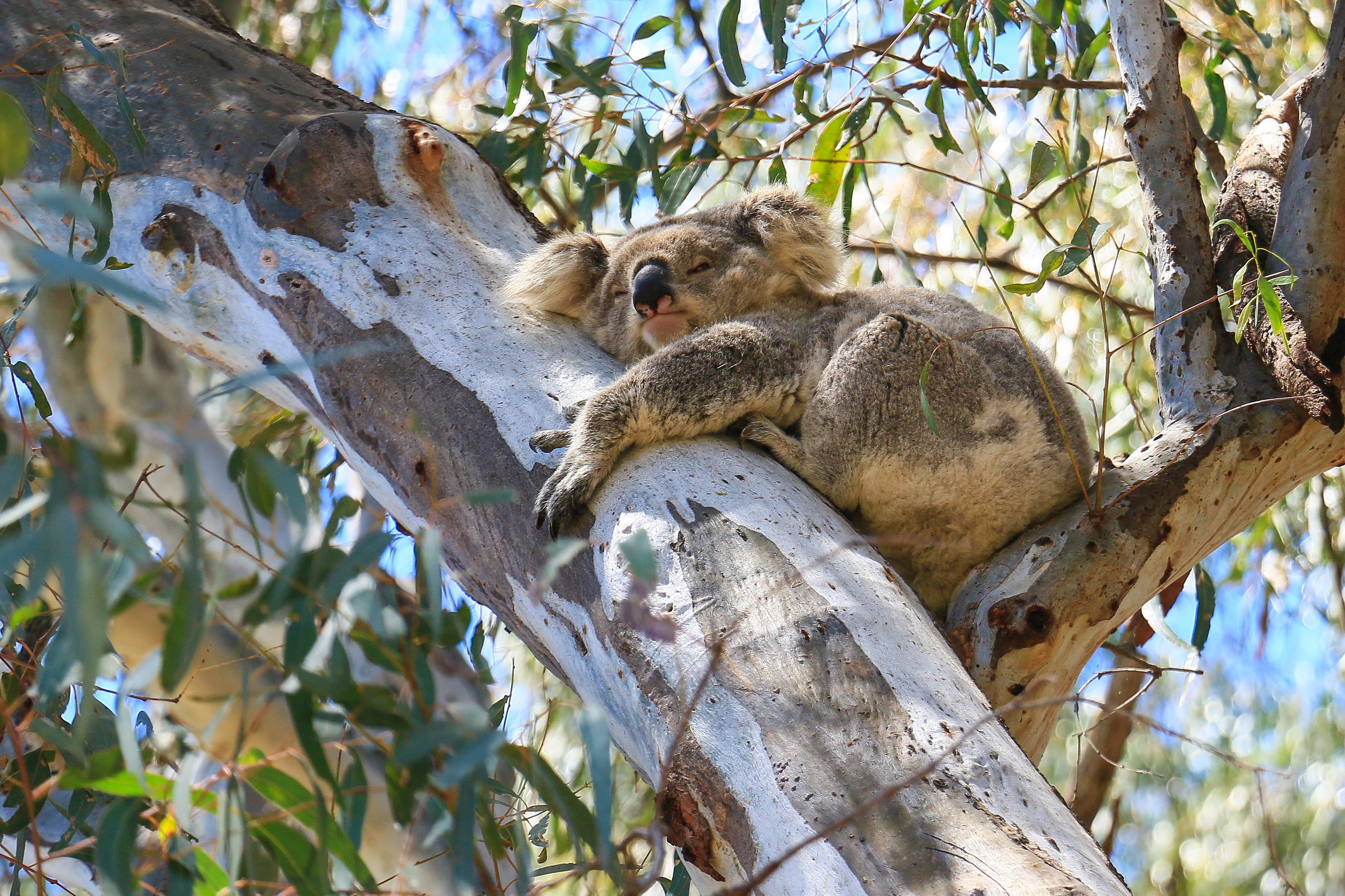




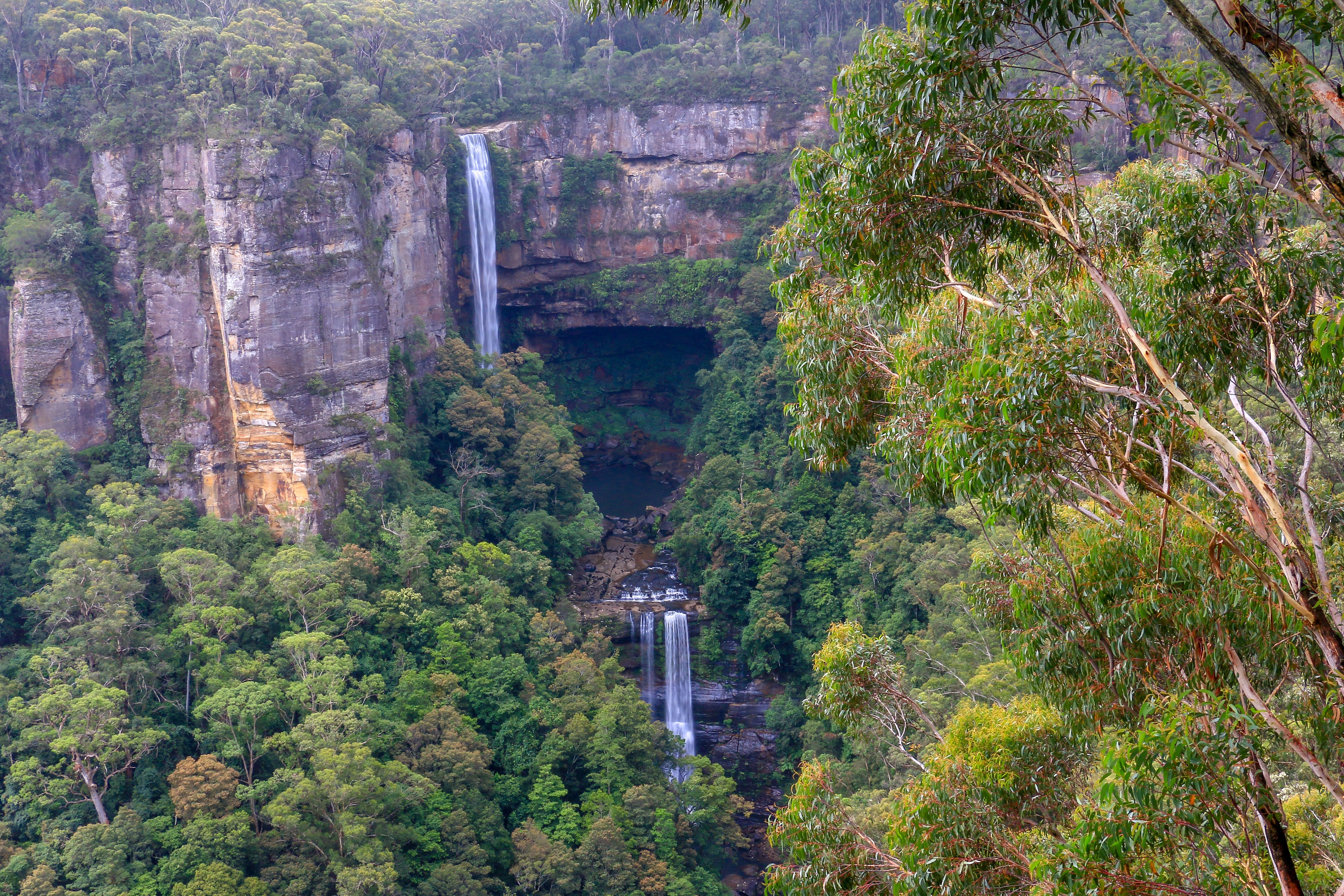
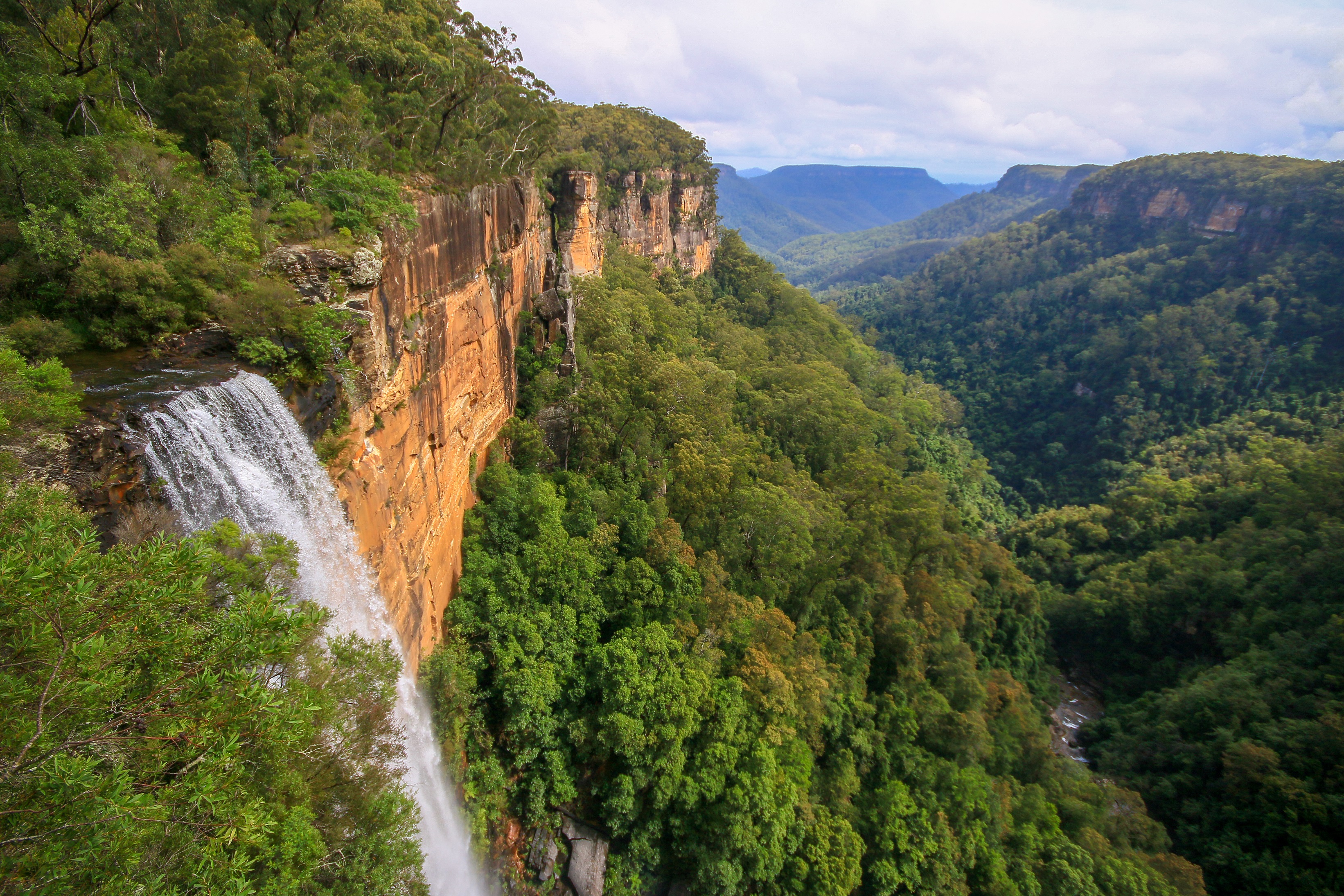
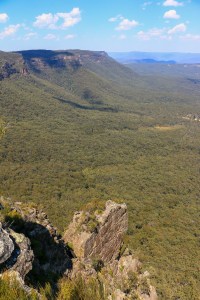 Still, should you wish to rise from this indulgent slumber, another hour or so east will bring you to the western fringe of the Blue Mountains. Suddenly things change, and not just the petrol price rising thirty cents a litre in as many kilometres. The day trippers are out in force, the coaches idling at every single possible lookout, of which there are many. The escarpment top towns of Blackheath and Katoomba and Leura are brimming with people shuffling between café and bakery, spilling down like ants to the overlooks nearby. Below the ridge, however, and the wilderness wins. Only penetrable at its fringe, placid beneath a canopy of ferns and eucalyptus.


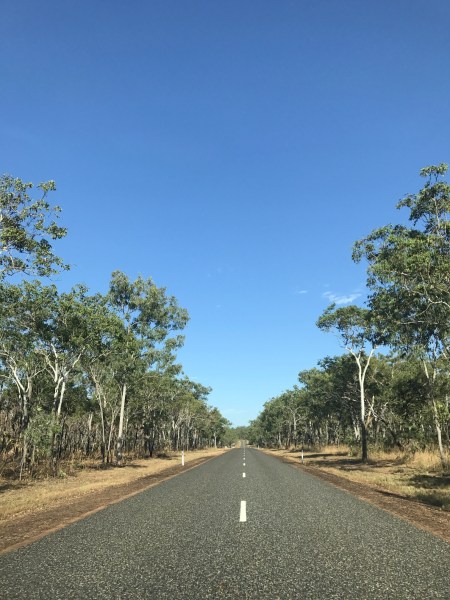 Having come so far, I was determined to explore beyond Darwin during The Dry, so tacked on an extra night to squeeze in what most people would probably do over two or three days. An early start on Saturday and speed limits of 130km/h help, and I found myself entering Litchfield National Park before ten; just in front of the procession of tour buses (invariably named things like Crocco Tours, The Top End Crocosaurus, NT Outback Crocclebus etc etc) entering the parking area of Florence Falls.


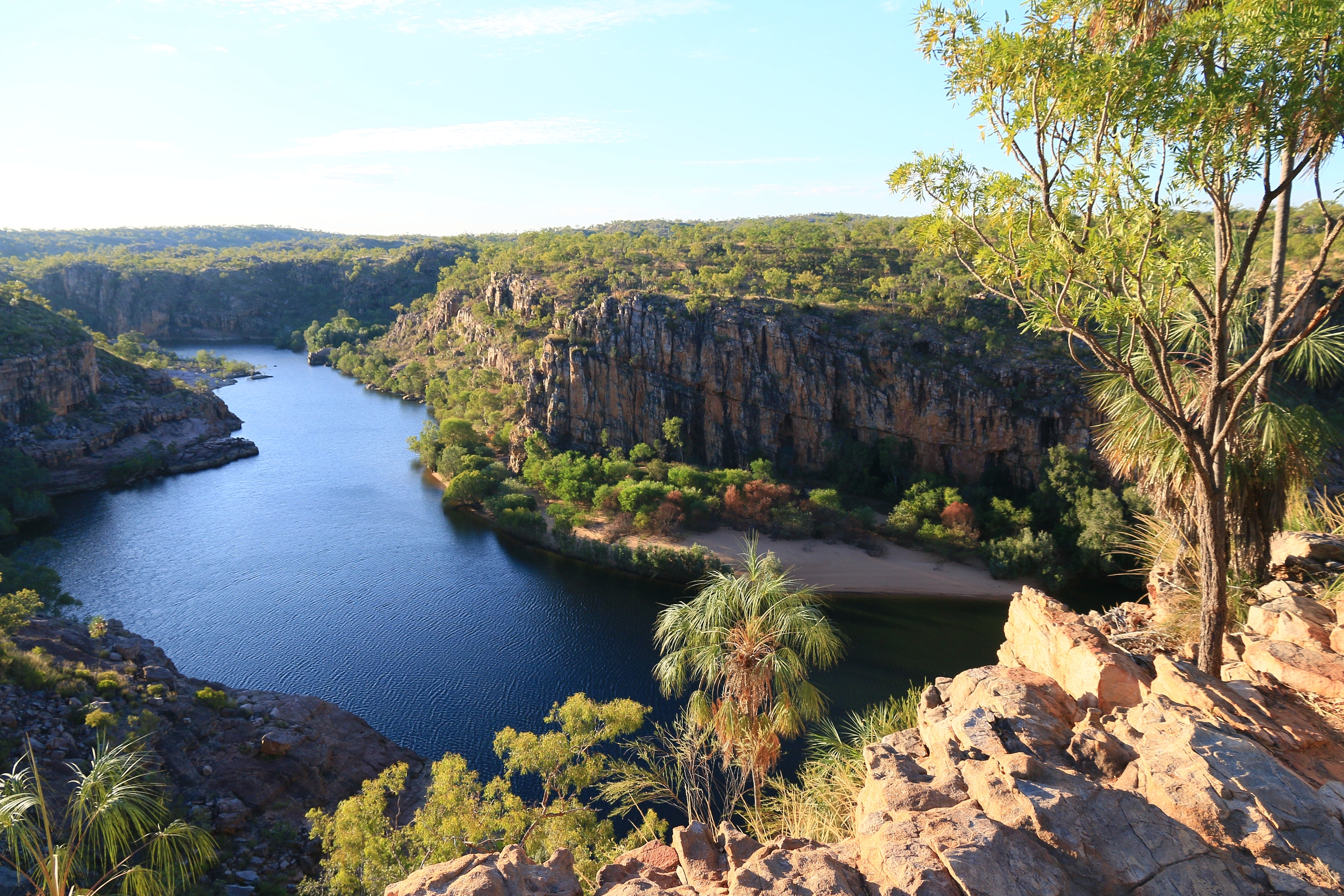


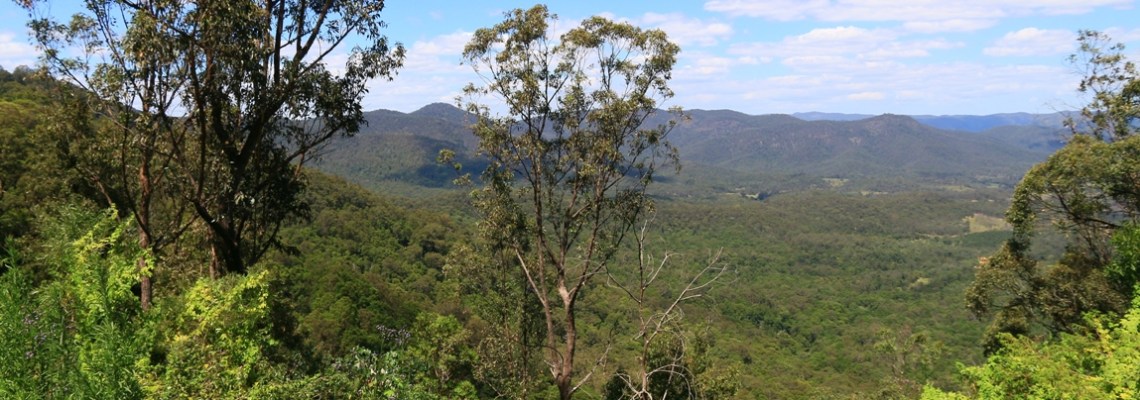
 Christmas Day came and went with little fuss; a suitable blend of English traditions (think paper hats, Christmas pudding and rubbish TV) and Australian holiday (cue swimming pools, prawns and rubbish TV). And the next day like millions across both hemispheres, I hit the road to expand my horizons, meet up with others, and curse at the appalling driving ubiquitous across the highways and byways of the land.
 Setting out, the tones of Jim Maxwell narrating the Boxing Day test helped me along familiar ground to Goulburn and then round the back of the Blue Mountains via Taralga and Oberon. I’m not quite sure when the familiar becomes, well, exotic, but I had never been to Hartley before and I wasn’t expecting to see emus along the roadside. Attempting to quell this confronting change, I popped in for some afternoon tea in the cutesy national trust cafe. Devonshire scones with clearly non-Devonshire cream. Sigh. When will they learn?!
 With the day drawing to a conclusion I had to make haste to my first camp spot, passing through a seemingly deserted Mudgee, and hitting the gravel roads into Goulburn River National Park. Here I surprised myself at how efficiently I made camp, setting up gear which had not seen the light of day for a few years. Yes, the swag was back and loving its natural environment.
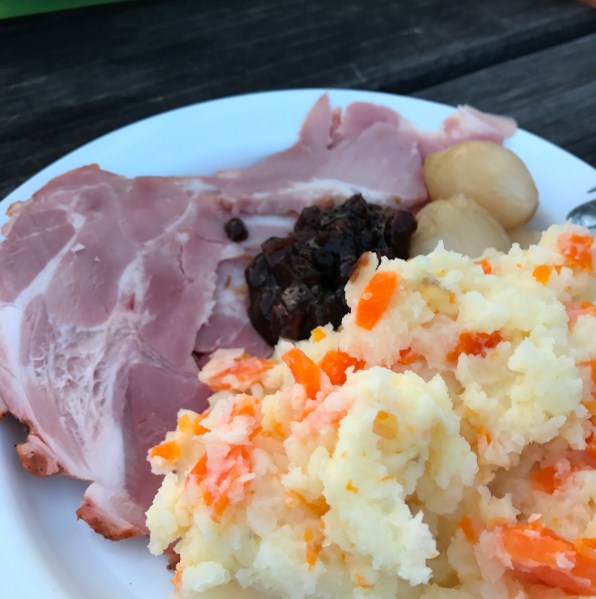 With all this travel and excitement it was easy to forget that it was Christmas time and today was Boxing Day. It certainly didn’t feel like a typical Boxing Day, but I paid a little homage to tradition by boiling up and coarsely mashing some potatoes and carrot, serving it with some ham, and adding a few pickled onions and a pile of Branston. This camp stove and esky creation was a perfect amalgamation of English traditions and Australian summer holiday, a supremely satisfying garnish to this first day.
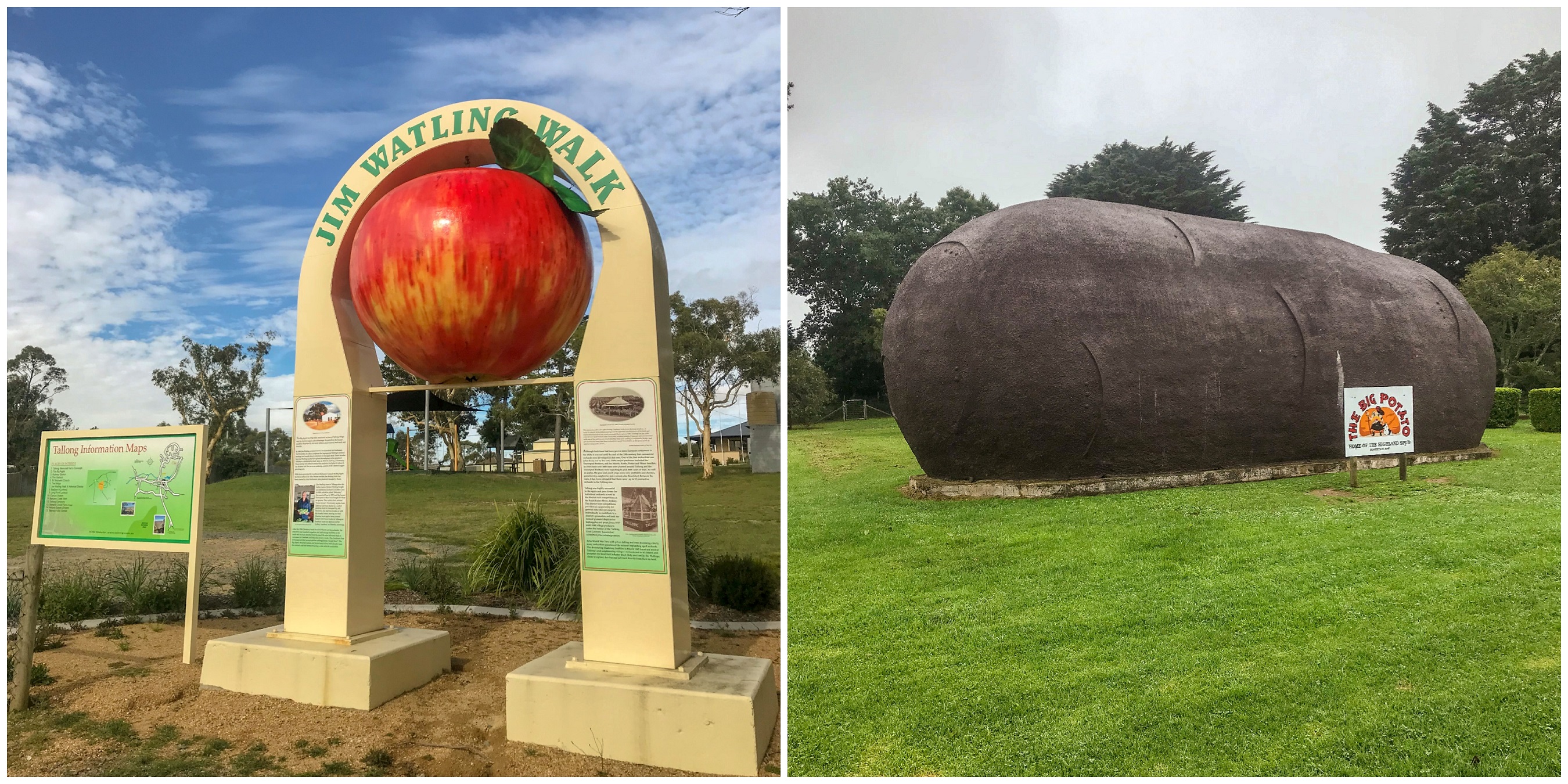
 But obviously I stop and detour and make inevitable visits to big things like a giant golden guitar in Tamworth. It’s my third time here but I still cannot resist the allure of such a curious, iconic Australian landmark. The car and I refuel, we park up and make lunch of ham sandwiches and crisps. And, comfortably gathering that road trip rhythm, we set off once more, another hundred clicks up the road to Armidale.

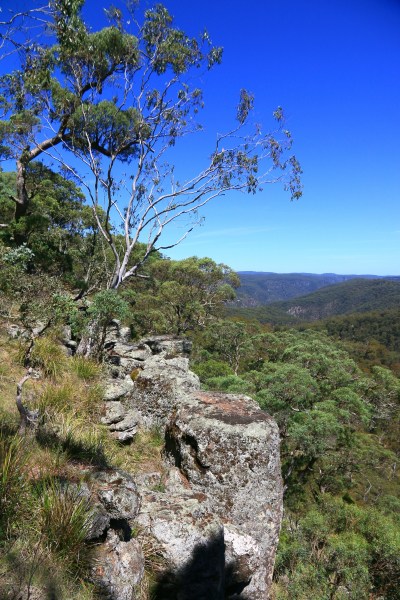 Along the Waterfall Way I could make a mid-morning stop at Ebor Falls, a site I had previously encountered boasting a couple of quite magnificent waterfalls. Today, they were an inferior imitation of what I remembered, reduced to a trickle and hidden in the shadows from the morning sun. But as road stop rest stops go, there was plenty to savour: a gentle shady walk along the valley rim, pockets of wildflowers and patches of birdlife, the smell of the bush. All under the deepest blue skies.
 From KFC in Grafton, the car headed through patches of woodland and along the picturesque valley of the Mann River. Rugged ranges loomed, neared and eventually required climbing; like so many roads from the coast to the inland, hairpins and lookouts and massive tree ferns clinging to the eastern escarpment. Atop all this a dirt road led off the highway and plunged into the rainforest of Washpool National Park.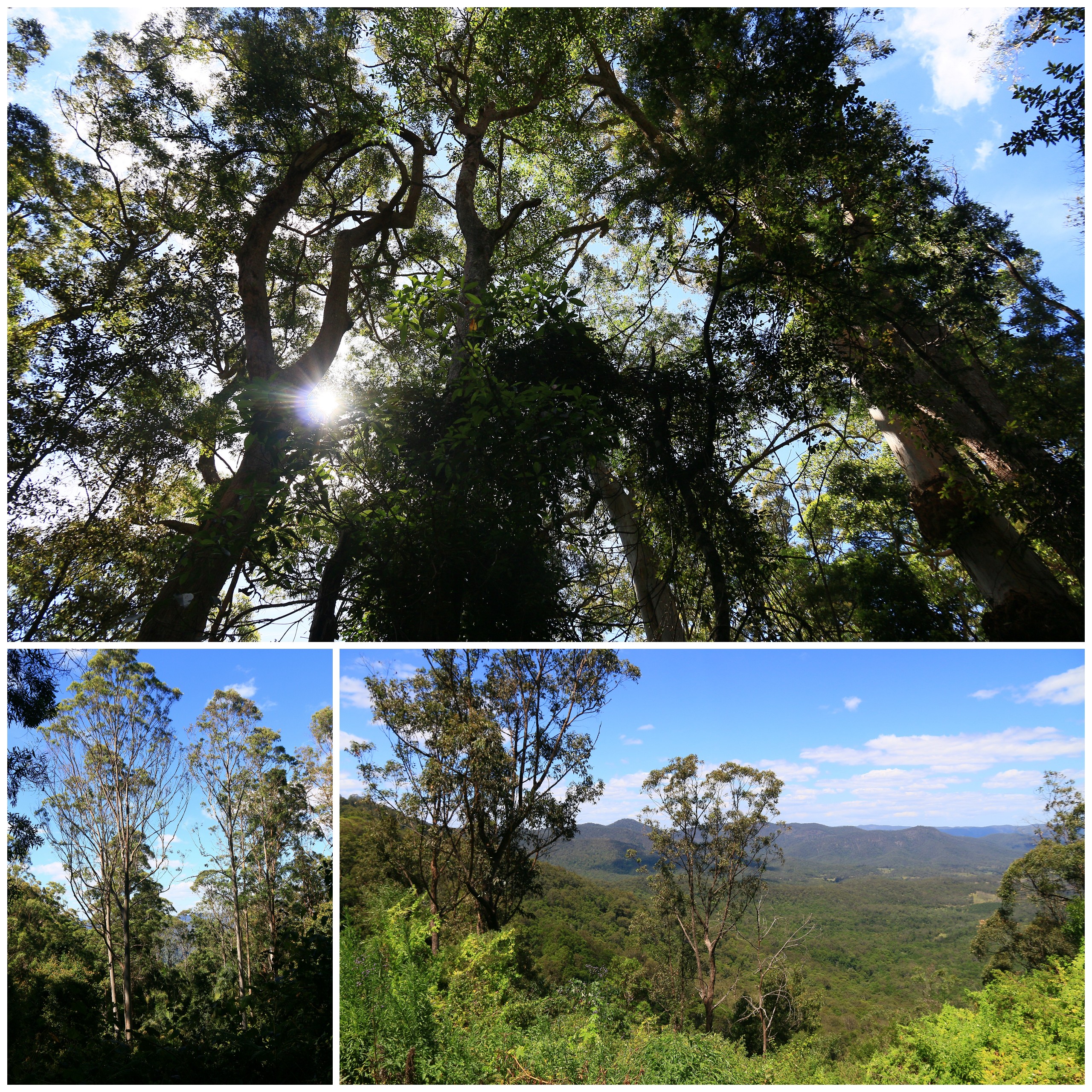
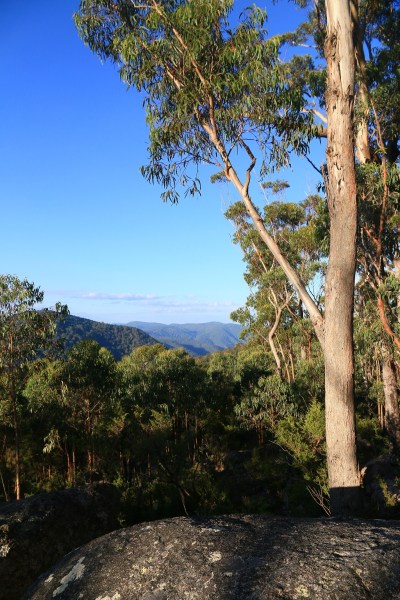 I felt as though I had earned a beer and decided to take one with me on a brief amble to a lookout near the park entrance. This is the benefit of having everything in the car and, um, the beer would provide hydration if I ended up getting lost or bitten by a snake or something, right? Thankfully the lookout was a mere stroll and the satisfaction of that coldish beer on that bench on those rocks in that peace with that view under early evening skies without the prospect of getting lost and having snakes for company was something to cherish.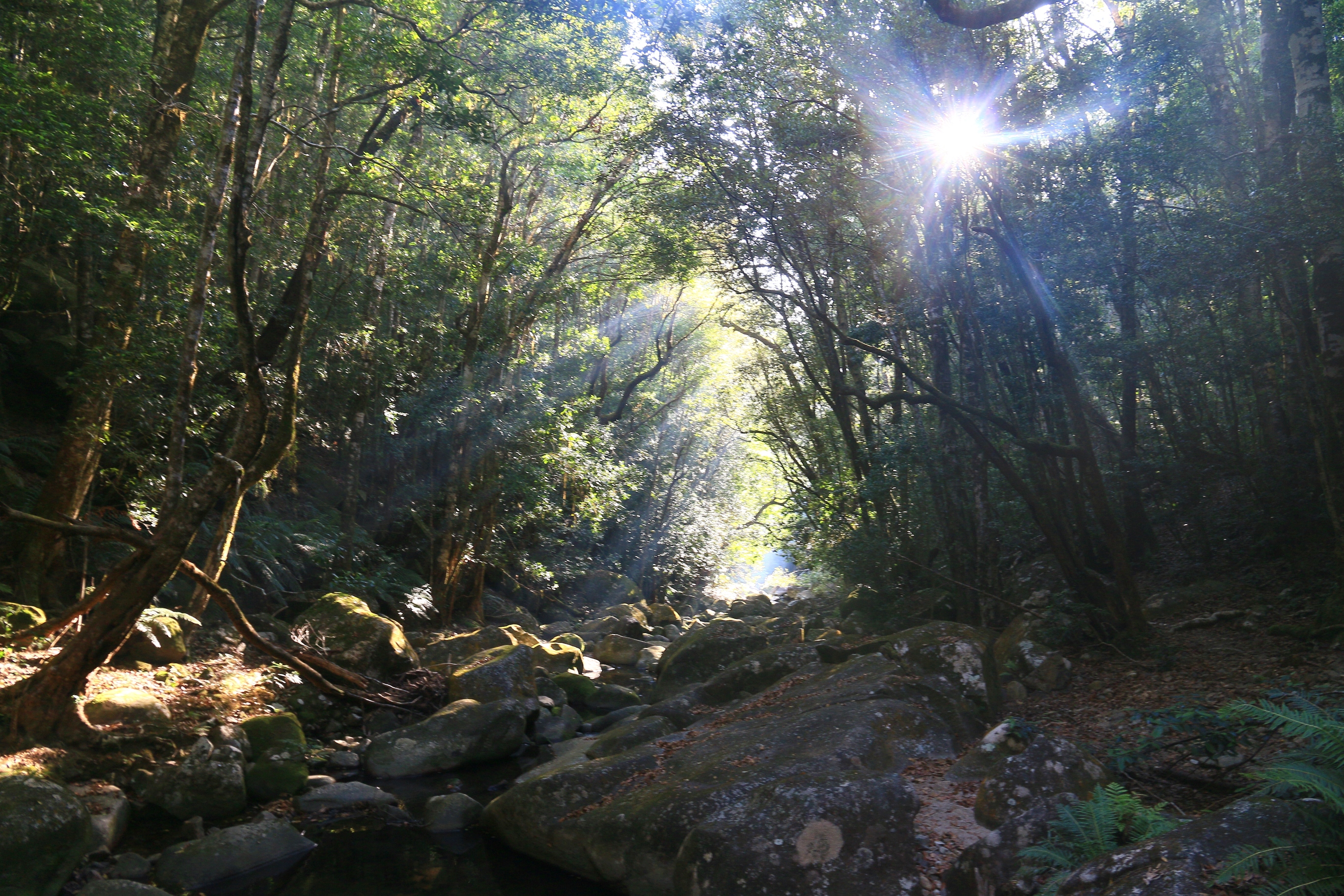
 Before breakfast, before packing up, before moving on once more, I could hatch out of the swag and wake up with the world around me. Virtually from my bed a small trail followed the pristine waters of the creek and looped back through a large stand of Coachwood. The sun gradually made its appearance, shafts of light angling through the trees and shimmering through the ferns onto the water. The creek was clear and cool, and after three nights of camping without a shower, it was tempting to bathe. But I really didn’t want to ruin its purity; my mind turned to the allure of the ocean instead.
 Without going into lurid detail I did wash each day thanks to boiling water and the use of a bucket, an art mastered in the trip of 2013 with Jill. Simultaneously I could make a cuppa, grill some toast and prepare my morning sink. Sure, it wasn’t exactly luxurious or even two star, but it allowed me some confidence to mingle a little with civilisation each day and order a morning coffee, buy petrol and ice. Which is exactly what I did in Grafton after descending from the hills that morning.

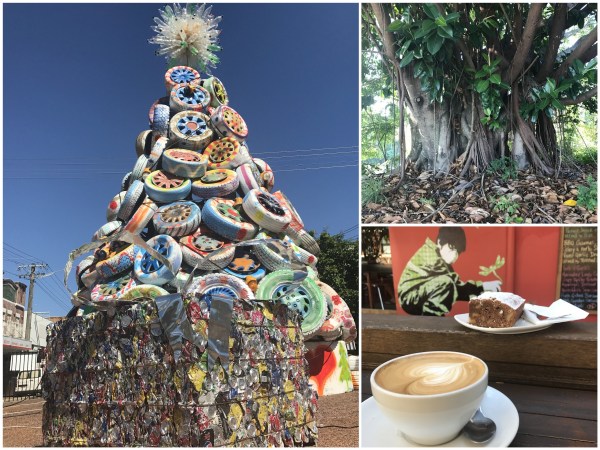 I encountered my first inexplicable traffic jam north of Yamba and speculated that this was being replicated up and down the highway. Still, I only had twenty clicks at a snail’s pace before I could turn off and head to Lismore. Lismore was to herald my proper return to civilisation, something which some people would find surprising in relation to Lismore. But I was to sleep in a proper bed and have a proper shower here, both of which I was quick to enjoy upon arrival. Refreshed and walking Lismore’s unfathomably charming streets, I felt part of normal society again.

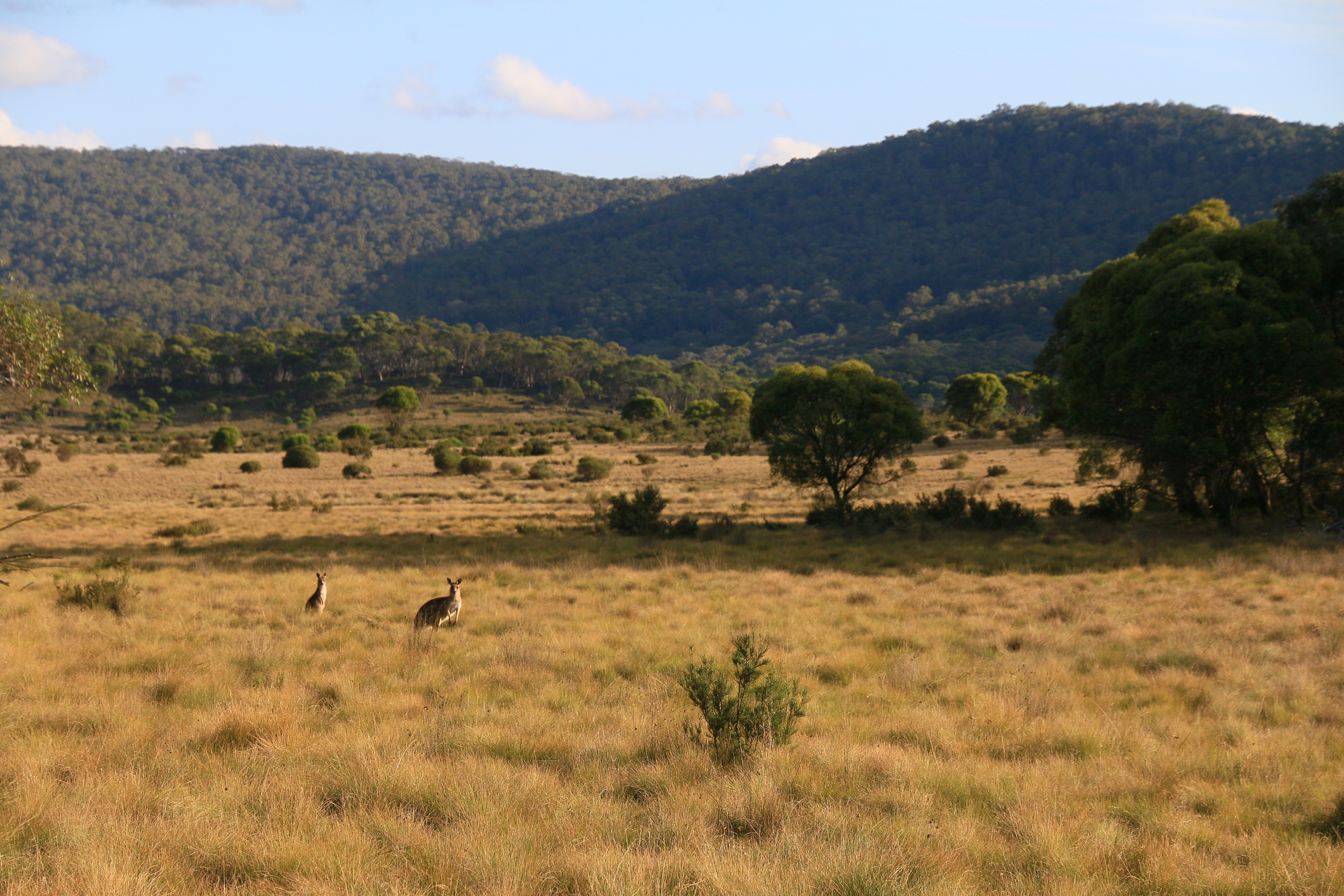
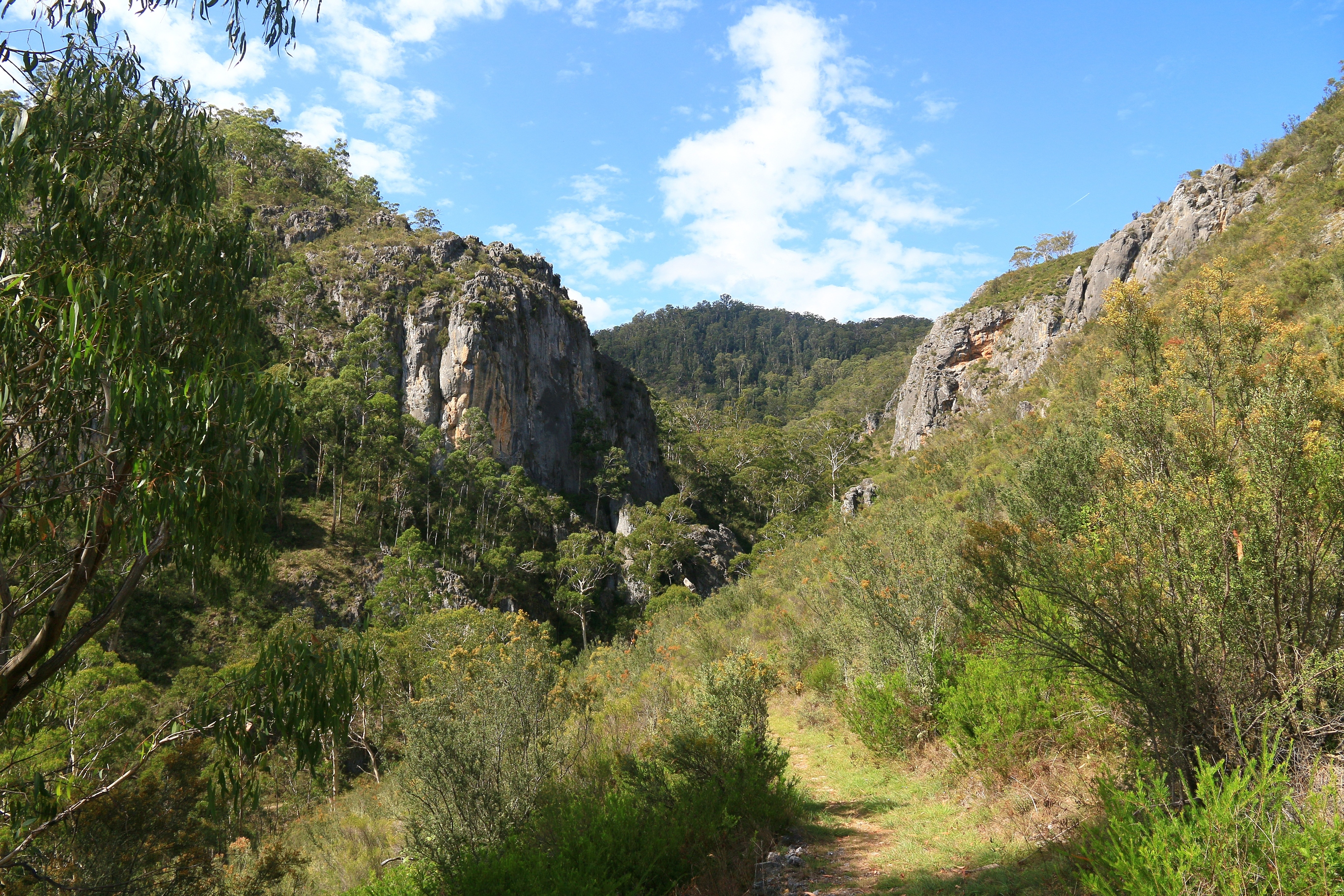
 I have been here before, but that was almost ten years ago. Almost ten years, when I first arrived to live in Australia, intending to stay for a year! I couldn’t remember much of it, though the giant hole in the ceiling of one cave opening triggered something approaching recollection. But the river walk must have been new, at least for my feet, and the thermal pool – a steady 27 degrees all year – offered surprise and consideration for wintertime lolling.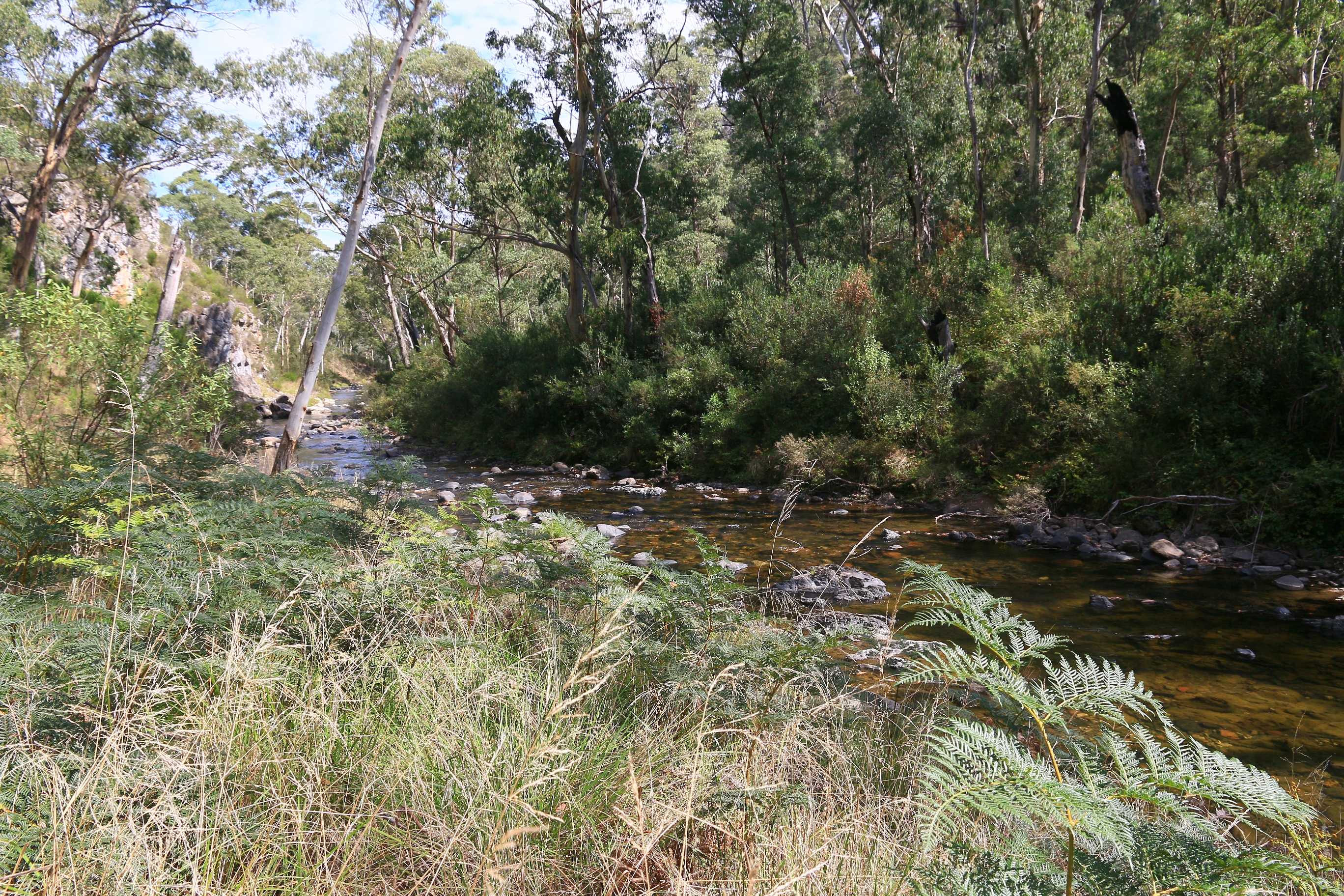


 Age must be affecting me because I am questioning the sanity of camping, even if I have copped out by reverting to the back of the car. Every little thing requires pre-planning and organising, extra time and increased awkwardness. It is effectively homelessness, perhaps more so when you sleep in the car. But then, in the morning, as the misty murk of pre-dawn is dispersed by a welcoming sun, as the deathly still air fills with birdsong, as the wattle and grasses shimmer silver with dew, as you witness the birth of a new day a part of this nature, you know why you do it.
 It is, in theory, possible to clamber your way to the Goodradigbee, but this seems almost as difficult as pronouncing it. Beyond the scenic Blue Waterholes (which enjoyed relative popularity and happy interaction with fellow humans), river crossings and the narrow pass of Clarke Gorge make it too much for someone who is already warm and weary, and has been told to beware of snakes in happy interactions with fellow humans.
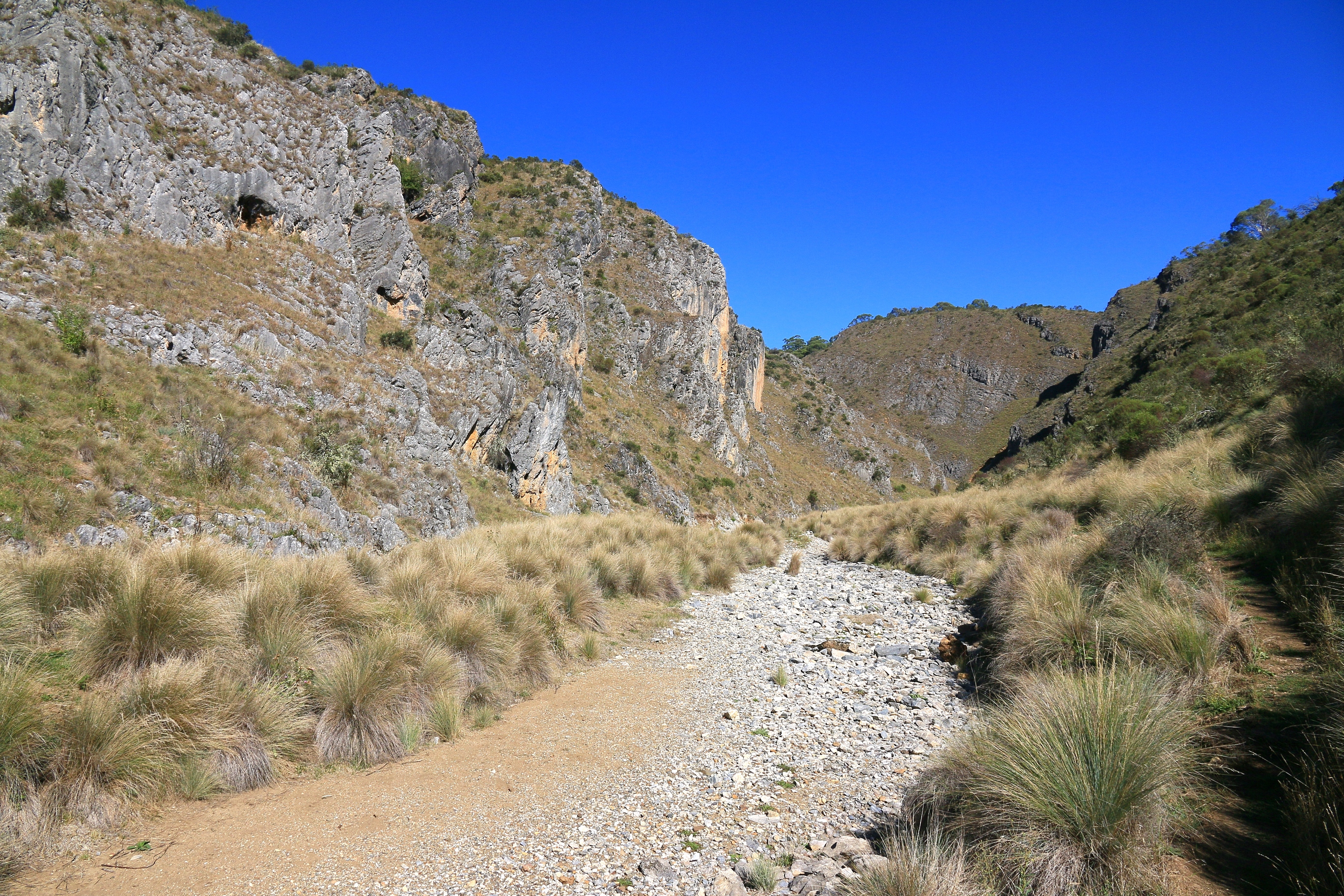
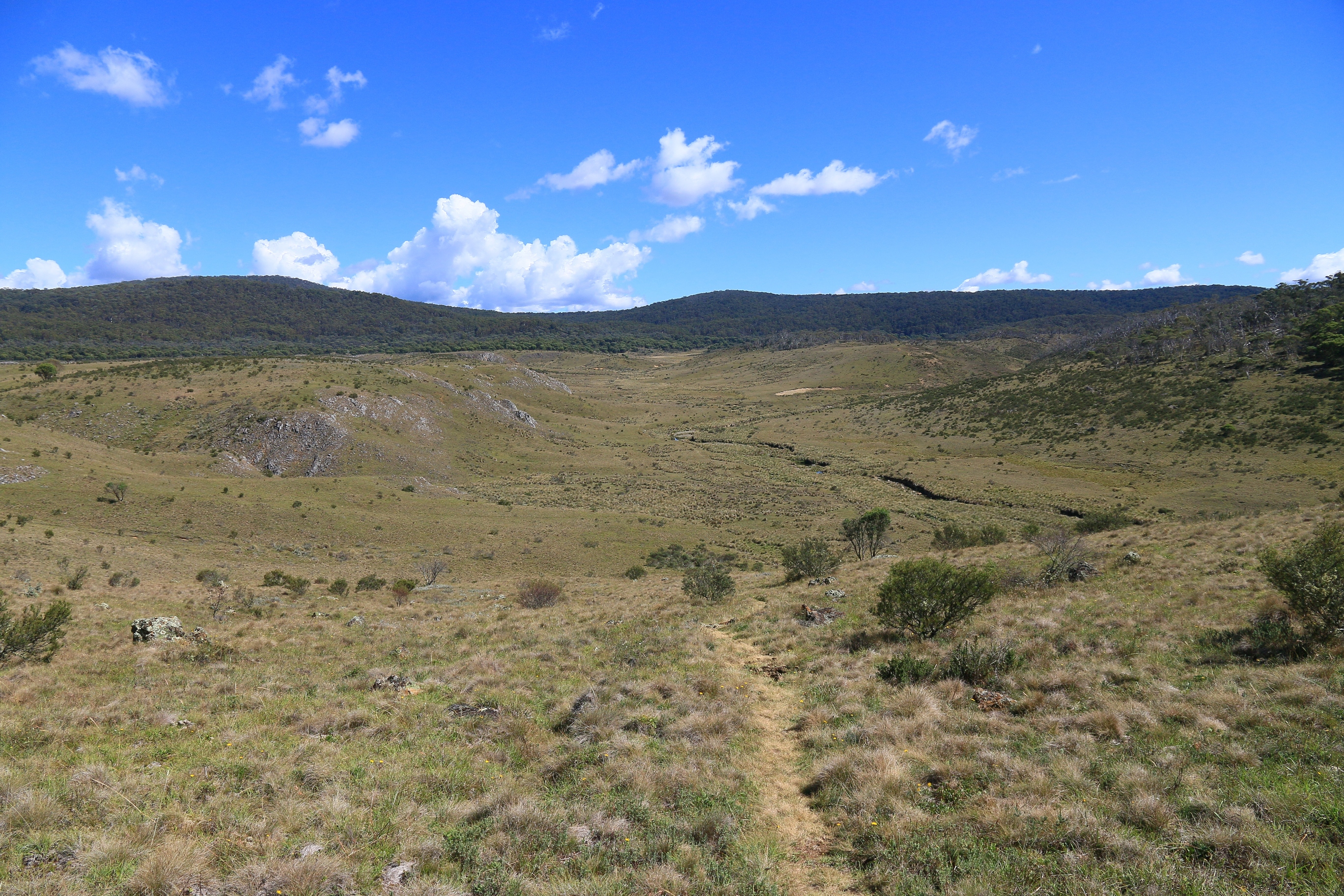
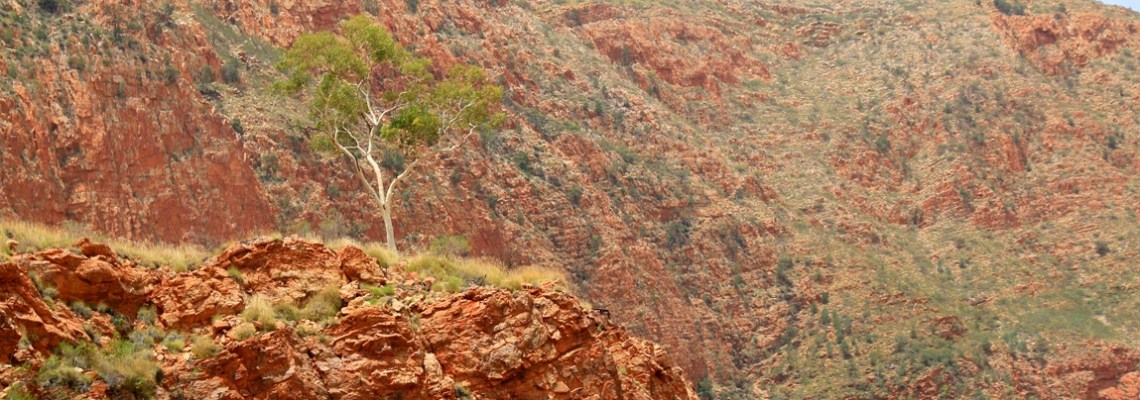
 On the other hand, natural oases appear more limited. The Todd River is mostly a river in name only. Usually it’s just a dry, wide, and sunken swathe of sand meandering through town, almost as if a dreamtime serpent had once there slivered. It is quite striking and also quite beautiful in a way: grasses and short and stocky shrubs flower along its banks and a parade of River Red Gums indulge in a majestic arrangement of bulbous roots, variegated bark and twisted, stretching branches. There really is not a better Eucalypt in all of Australia, in my uneducated opinion. It just looks like it belongs here.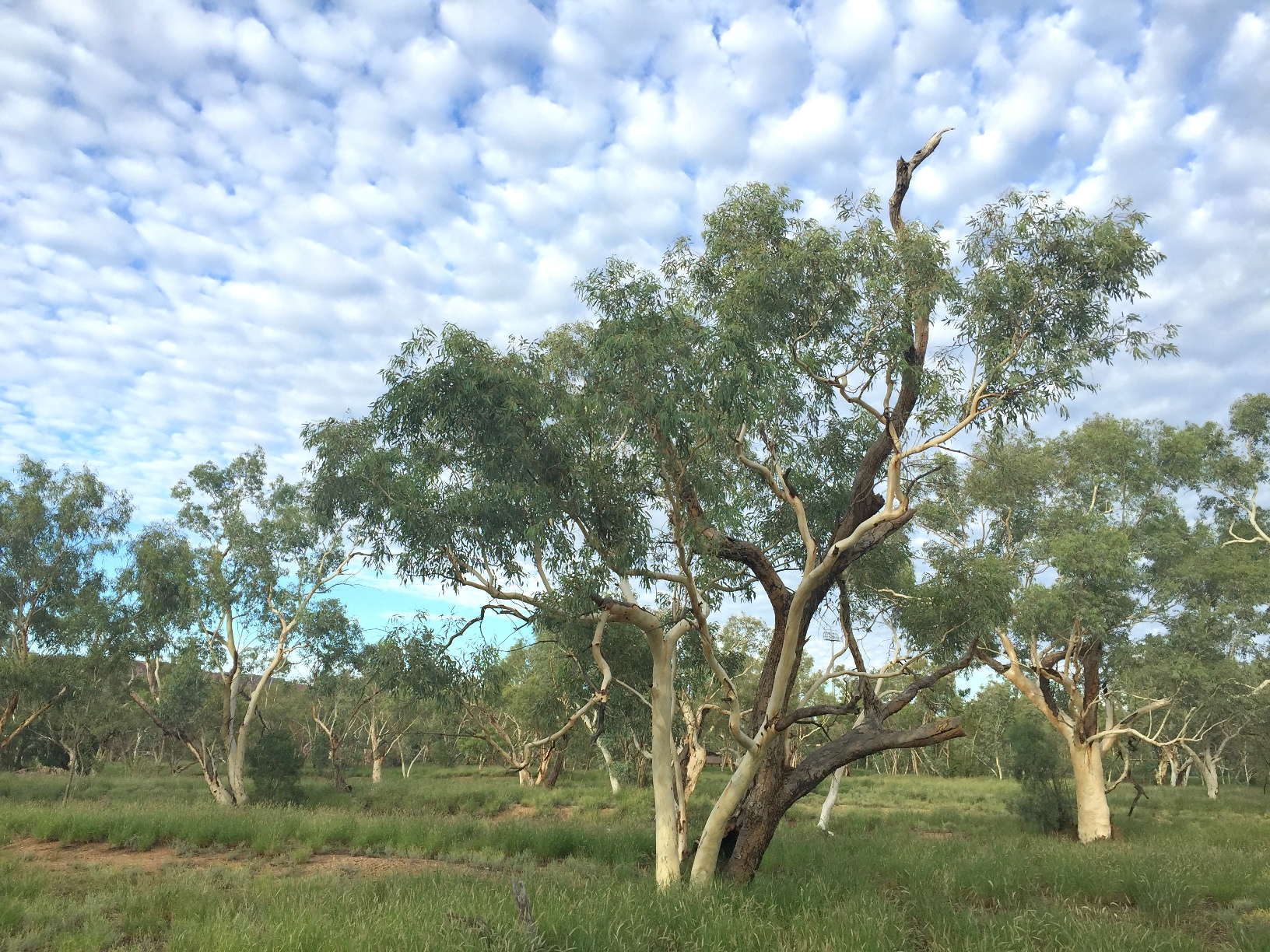
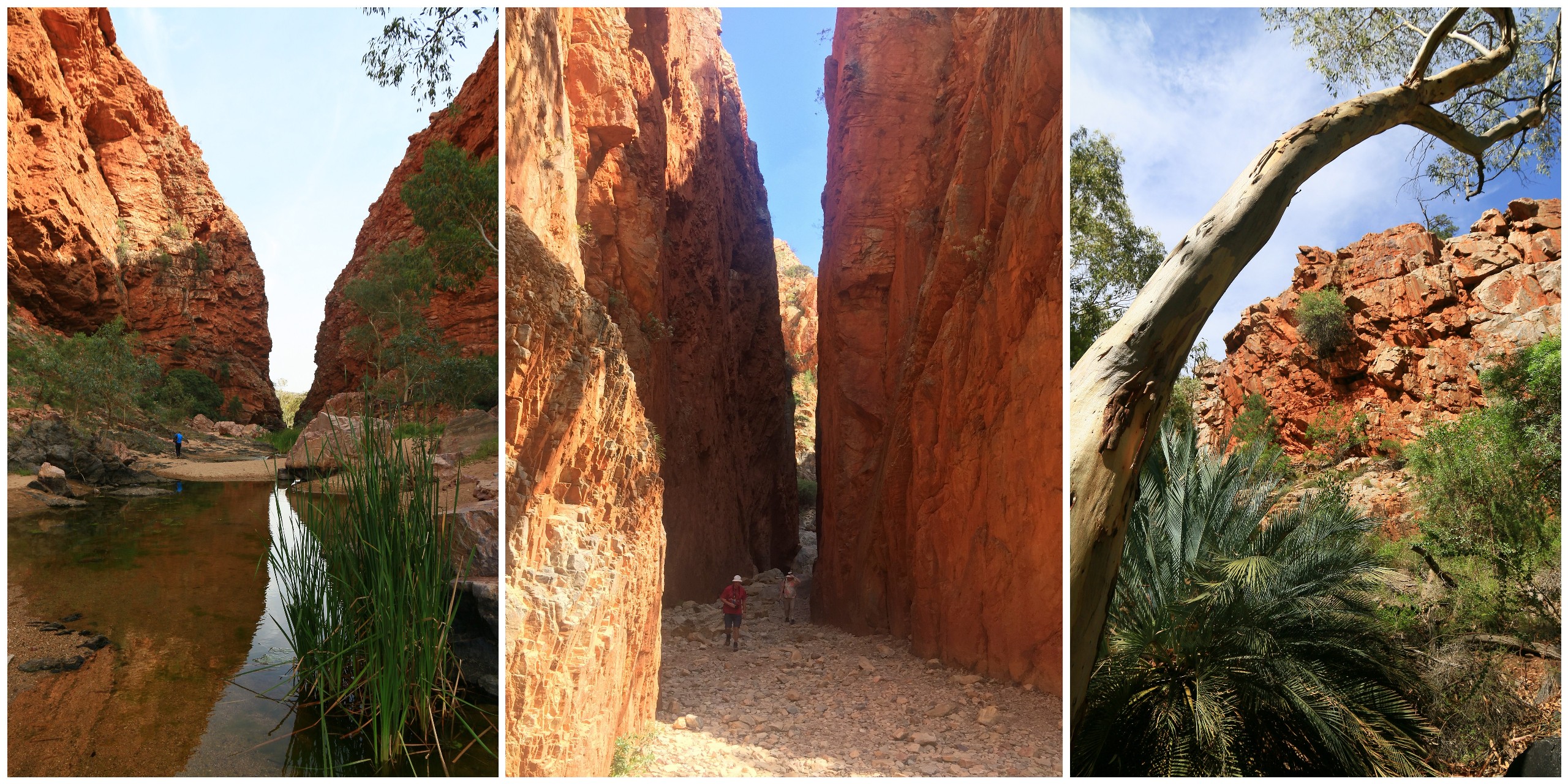


 And so, ten minutes later with a flat front right, someone opened the lamingtons while others flagged down help to get a message back to Alice for another bus to be despatched. Certain overseas visitors couldn’t fathom that there was no mobile reception here, and it was not as simple as getting a rescue helicopter so they could still make it in time for their dinner reservation. One hour in, an extended family resorted to playing the ABC game and I desperately hoped they would ask me to join in. Two hours, and restlessness heightened. People needed to pee in the bushes and generally say what they would have done differently with the eternal benefit of hindsight and no experience whatsoever travelling in the Australian outback. A man with binoculars scanned the road on the horizon, each occasional sighting of a vehicle bringing brief hope before its despair.
 gbpilgrim