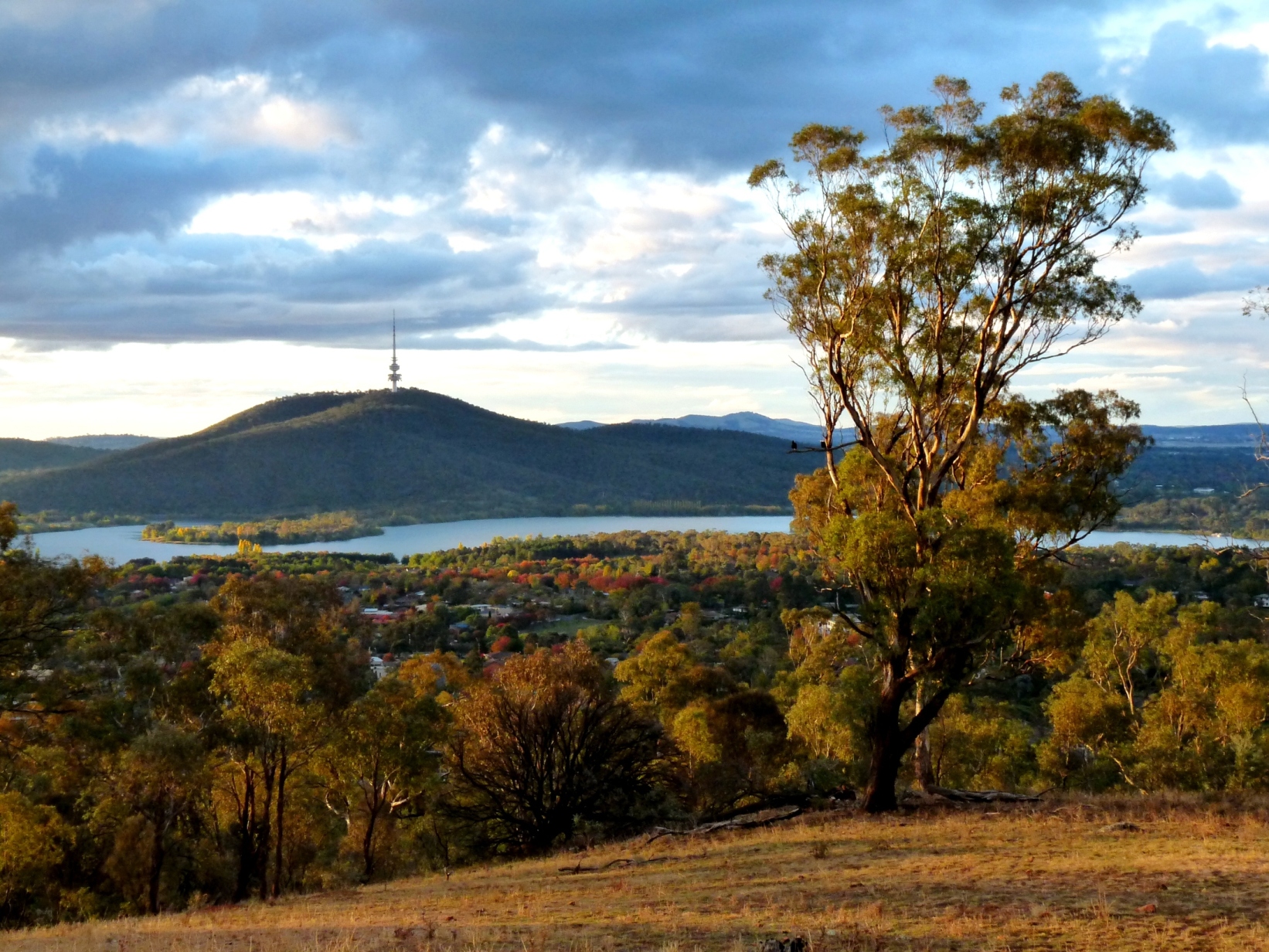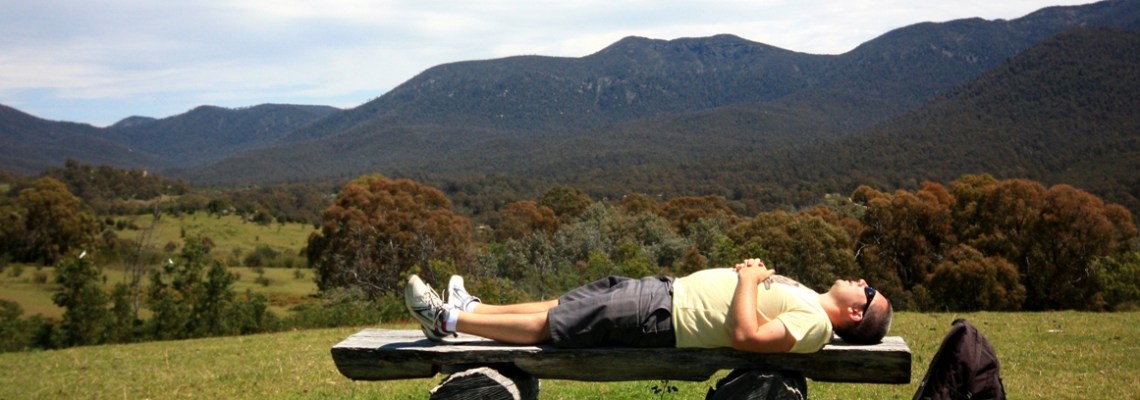
Zzz…

…and so to bed, a closure of sorts on this long-winded journey that started off so awesome and finishes in a cocoon of fluffy pillows and cosy doonas. Among all the wonderful things seen, the delights tasted, the rants aired, it is sleep that has allowed them to happen, recharging the body and mind just enough to ensure that things can keep on keeping on. Sleep is, well, awesome, and as friends and family surround themselves with young ones, the perplexing question on everyone’s lips is just why wouldn’t you want to go to bed and sleep solidly for eight hours, pesky child?!

Sleep deprivation is, alas, a feature of the lives of many people I know, from eternally exhausted parents to work-bothered stress heads. Occasionally it pops up in my life, but usually as a result of my own endeavours, like sitting cramped on a plane for 24 hours and moving forward in time 11 hours and then stupidly expecting to sleep like a baby that actually sleeps [1]

Z_wilsprom

Or deciding to stay in a hostel room in a tiny place somewhere in Victoria and finding that the other bunks are occupied by three rather large Germans who have had a hearty dose of ale and chunks of pork and like to sleep on their back. Still, it was a beautiful early dawn ride to Wilsons Prom that morning when no-one else was yet up.

Luckily I am apt to overcome sleep deprivation and early starts with the most blessed event that can befall anyone: the afternoon nap. I think I first fell in love with afternoon naps when it happened to me as a teenager, taking me unawares as I struggled to read a boring book on a grey day in a comfy armchair. Initially it was a bit of a shock to find that I had unintentionally nodded off and drooled a little. But the feeling of contentment and rejuvenation that ebbed into my body earmarked the afternoon nap as something to occasionally strive for.

In 2013 I had a fair few afternoon naps, along with a fair few restless nights and early starts. This was primarily my own doing, attributed to the fact that I ended up staying in 121 different locations across the globe [2]. Such restlessness can induce restlessness…that feeling of being slightly unsettled going to sleep in an unfamiliar spot. Given many of the sleeps were also conducted in a canvas coffin in the middle of nowhere, prone to every possum rustle and pounding wave of the ocean and occasional snoring fit from elsewhere, solid sleep was not always high on the agenda. But then I discovered the calming properties of earplugs and got over it and probably made a bit or noise myself, mouth agape catching flies.

Still, the early starts were common as there is only so much an earplug can do against the cacophonous cackling of a choir of Kookaburras. The compensation from the termination of sleep was the sparkle of being alive and watching the natural world wake up from its shadowy slumber. Like down amongst the spotted gums of Croajingalong National Park, fringing the silver glass of an inlet as it is kissed by the laser red sun of dawn and enlivened by the rousing chimes of bellbirds. Awake is the new sleep.

Z_croaj

A few more sleeps from this spot and I happened to be in Wilsons Prom again, this time without a hostel room of Germans, but struggling to sleep nonetheless. The day had been baking hot, an arid northerly wind blowing dust and flies and smoke and hairdryer vapours to the southern extremities of mainland Australia. Too hot to sleep until – finally in the small hours – the promised cool change, bringing a pitter-patter of rain which turns to a noisy deluge amplified on canvas. Fortunately the next sleep was Melbourne and a roof and a bed and appreciation of a roof and a bed which is so often taken for granted by us first world problem seekers.

There were a few other hot nights but many more cold ones, often surprising in their unpredictability. I expect somewhere called the Grampians to be a wee bit chilly, though in March I never expected it would be cold enough to cause me to hover over a few smouldering twigs, infiltrating smokiness into my hair and stubble and fleece and beanie, awaiting the first warmth from the sun to finally emerge from between the trees. Ironically, later that day it would swelter so much as to cause sweaty backs on a climb to one of the many spectacular overlooks, provoke comfort in a lukewarm home-made shower, and create extreme fondness for a double scooped ice cream back down in Halls Gap.

In this flim-flam wiff-waff Perryinthian volatility of hot and cold, it is perhaps not so much of a surprise that one of the best swag sleeps in the past year was conducted at a very agreeable and comfortable temperature. This in itself was not at all predictable given previous chilly nights despite (or maybe because of) being in the dry, arid South Australian outback. Perhaps it was the shelter of the Cypress pines and their earthy fragrance, or perhaps just the ease of getting to sleep after many miles of quite exemplary walking, but Aroona Valley in the Flinders Ranges provided a chance to not really sleep much like a baby. And with solid sleep, an early start is no problem to appreciate the grandeur of the emerging landscape as the day is welcomed.
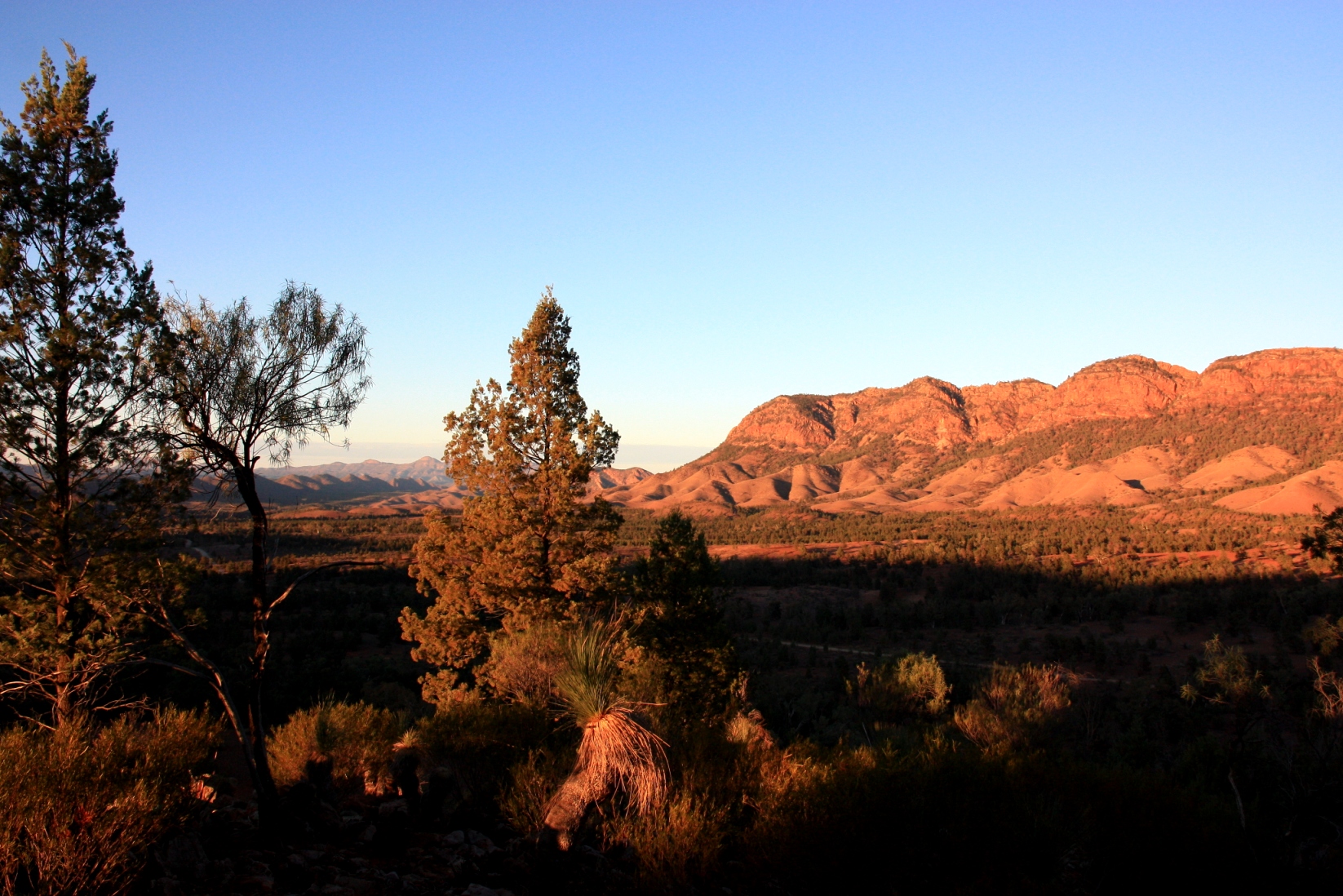
Z_flinders

Beyond the swag there have been air mattresses and sofas and fold up beds to enjoy, plus the occasional real bed. I’ve had a close on-off relationship with a certain air mattress for some time now, though this year saw us part company. A little part of me was a bit forlorn when I was kindly provided with my own room and own bed, complete with funky pictures of digger trucks and awesome earthmoving machines. Yet I can still sleep soundly despite stealing the bedroom of a two year old, for I always sleep soundly here. It may come thanks to the wine and fulfilling Mexican food, the equal liveliness and weariness of family life, the penchant for odd movies and cruising around Liberty City late at night. Or the grim up north Lancashire exterior quelled by the warming welcome inside.

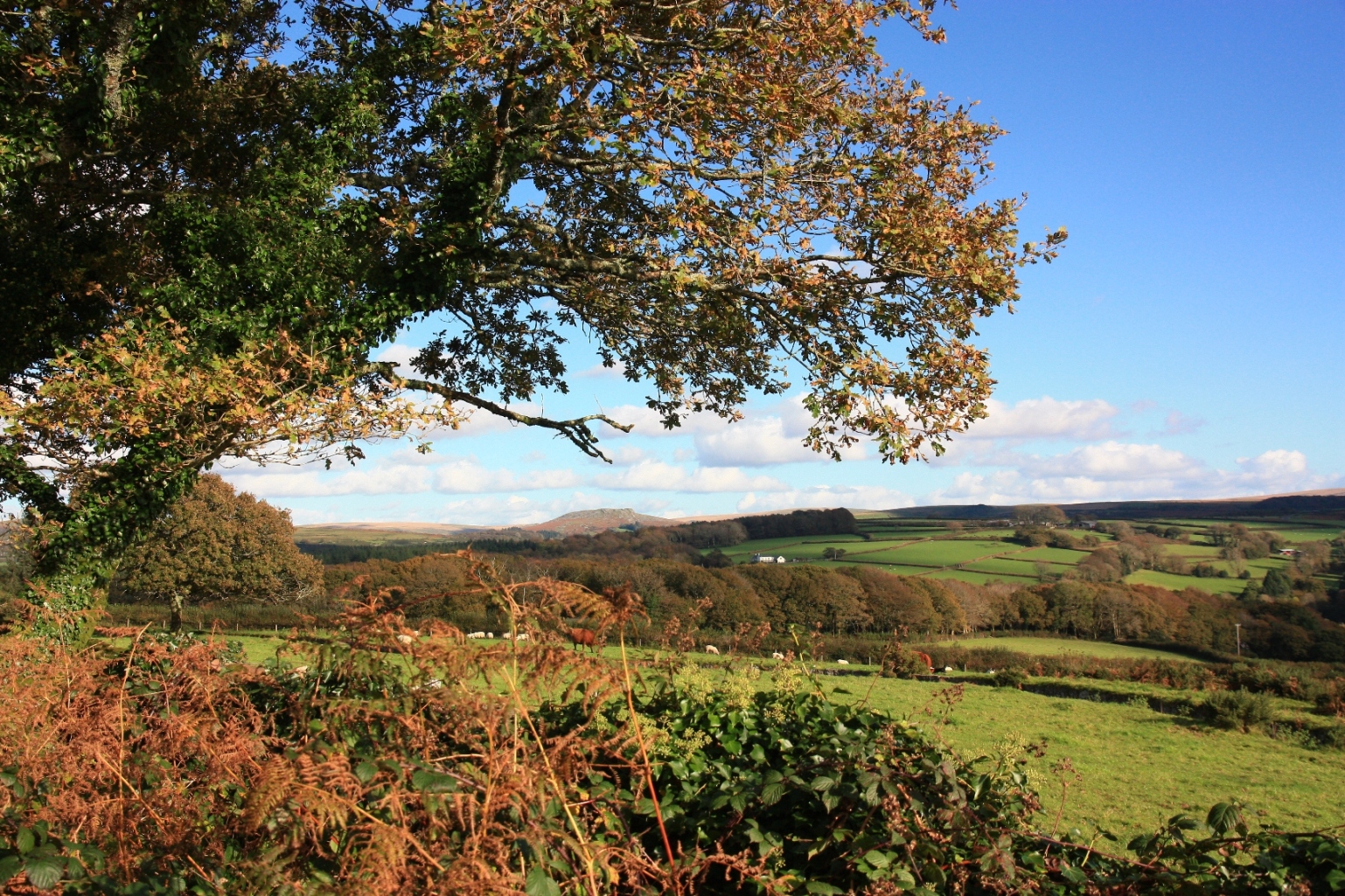
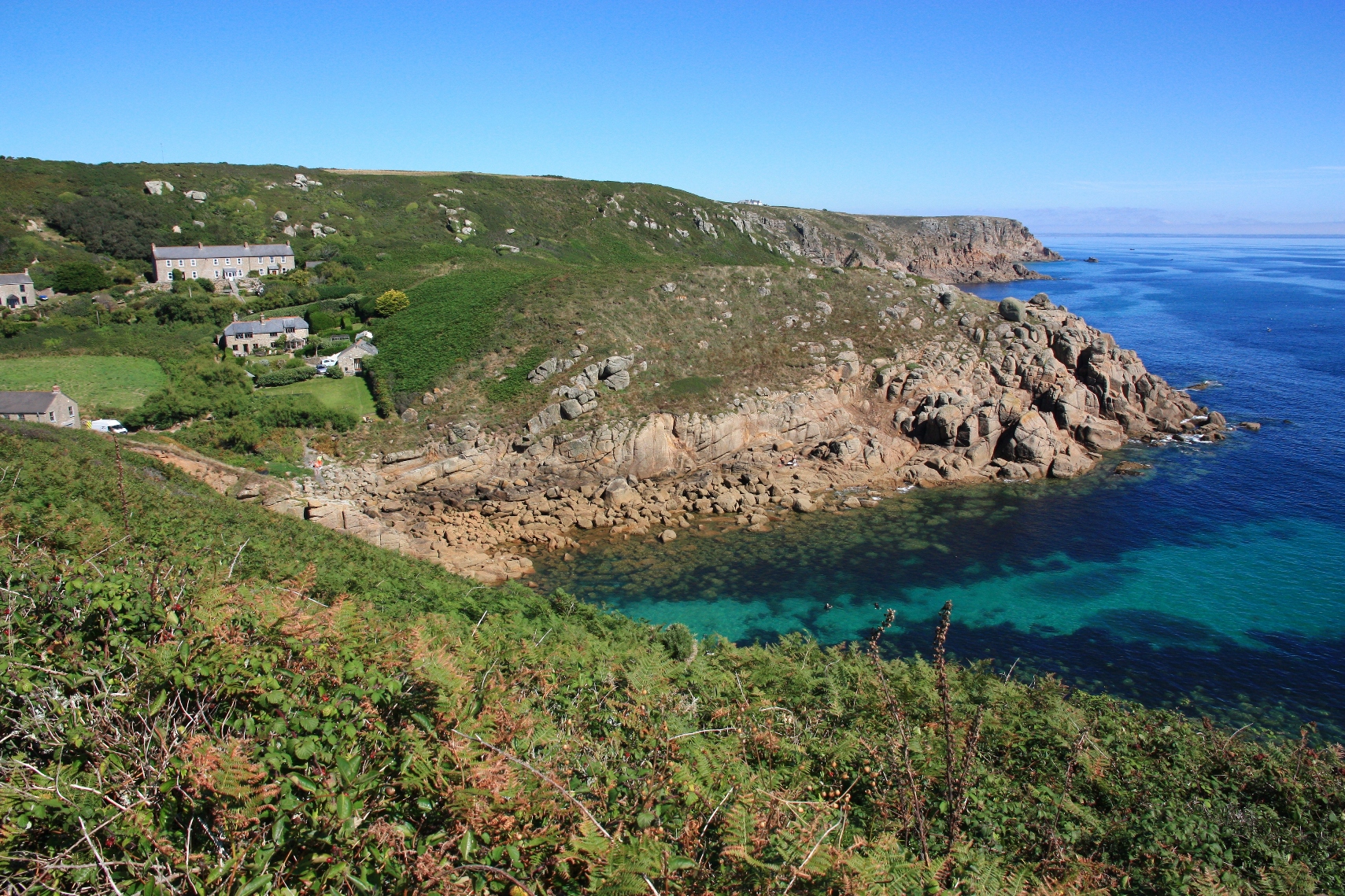
Z_devonAnd once more it comes back to that old chestnut roasting on an open fire of comfort and familiarity. Spending such sustained time on a fold up bed in Plymouth that my back no longer hurts. Reconnecting with my eternal homeland, nodding off to the sound of drunken crazies arguing over some munter down the street eating a kebab. Waking to the sound of seagulls and the incessant irritating loop of Bruno Mars and Olly Murs on Heart [3]. Hearing the distant trundle of the railway as it fights its way through millions of leaves and brambles; a trundle that gently lulls you to sleep again later following a majestic day walking the Cornish coast. This is quite possibly the most contented nap there is.

Finally, after all this sleeping around, I again find myself in my own bed, the one I bought at Harvey Norman in Fyshwick seven years ago, before I knew any better [4]. I remember having to catch a bus that dropped me off somewhere between a petrol station and porn shop, walking through some overgrown brown grass dotted with rubble and fast food trash. Making it to the store I then waited ages for any of the dubious sales staff to take any interest in me. I’m sure I purchased the fairly cheap mattress, thinking I was only going to be in Australia for a year. But it endures and it is mine and, as everyone always inevitably says after a bout of travel, ooh it’s always nice to be back in your own bed!

Back on that day, while waiting near the porn store for the hourly bus back to somewhere close to where I was staying, I killed some time by wandering into the p…p….petrol station. I p…p….purchased a map of New South Wales to kill some boredom. This was back in the dark old days of 2006, when maps were unfathomably large and fold out-y. But it was splendid to open it out and start looking at the roads and contours and the places by the sea that were still just names then. And it was daunting to see just how large the place was, where a two hour drive was a couple of fingers width on paper.

When the bed was delivered and assembled it not only became a place of sleep but one in which the mind would formulate plans and trips, making lists in my head and sometimes struggling to nod off with the breathless excitement of it all. I’d try to count sheep, read something dull, do a Sudoku. And then I decided, probably an unwise tactic, to list things off in my head in an A to Z fashion. Like places I have been in the USA, capital cities of the world, or legumes of the Central Asian plateau or some such. Sometimes I would drift off by Crystal River, other times I’d be wide-eyed in Zagreb. But it’s something that has endured for quite a while, until now.

So it would seem, with this particular alphabet closed, I truly can rest easy. Catch a few awesome ZZZs as a chapter closes. That is until I start to toy with the next idea and several others fall open. For now though, read this and sleep.


[1] What a misguided phrase. To sleep like a baby must mean spells of doziness for an hour with six interruptions during the night to eat, and a couple of nappy changes because you have pooped all over the place.

[2] I should point out, not 121 different beds, for many of these sleeps were carried out in a swag that just happened to find itself in a different part of Australia each night.

[3] Seriously, just buy her some frigging flowers and shut the hell up

[4] I quickly decided to deliberately avoid Harvey Norman, mainly because of its very tacky, cheap and incredibly shouty adverts in which they proclaim to be the bedding specialist, or plasma screen specialist or coffee specialist, offering interest free credit until 2023

Links

Croajingalong National Park: http://parkweb.vic.gov.au/explore/parks/croajingolong-national-park

Wilsons Promontory National Park: http://parkweb.vic.gov.au/explore/parks/wilsons-promontory-national-park

Grampians National Park: http://parkweb.vic.gov.au/explore/parks/grampians-national-park

Flinders Ranges National Park:

http://www.environment.sa.gov.au/parks/Find_a_Park/Browse_by_region/Flinders_Ranges_and_Outback/Flinders_Ranges_National_Park

They haven’t got much better (or advanced): http://www.youtube.com/watch?v=l3ky9cFQbbM

Back in the bed buying days: http://neiliogb.blogspot.com.au/2006/08/artistic-bedroom-furniture-ironing.html

Something else to send you to sleep: http://neiliogb.blogspot.com.au/

A to Z Australia Great Britain Society & Culture

Where the grass is always greener

uk01Rain. We give it a bad rap. Wet and splodgy, irritating with its inescapable shroud of damp. An unwanted present from a dreary sky, sent to make boots muddy and ruin plans best laid. A shocking contrast from the sun in Spain that was 20 degrees warmer. But then surely rain is what puts the Great in Britain, our reassuring companion, along with tea and cake.

uk02It is fair to assume that Basingstoke and rain are hardly the most riveting bedfellows, but shops are shops and people are still wearing shorts to go to Tesco. It is hard to let go of the summer and, just for a moment, it returns on a Sunday afternoon at The Vyne. Here, amongst the moist muddy tracks are the autumnal fruits of summer – fungi cascading down mossy brown trunks, spiky green pods spilling out with chestnuts, leaves wafting down onto the ground, coating the forest floor in a layer of browns and yellows. All helped by that cursed rain.

uk03

uk06bRain is no stranger to the southwest of England, as Atlantic fronts begin to form; waiting in the wings to blow in on winds, some strong enough to bring down trees. This is the season where a night can be dramatic, and the next day as placid as a hippy doing yoga on a fluffy white marshmallow. Air blows in clean and fresh and the lowering sun in the southern sky illuminates the greens-turning-brown on magical days.

Magical days are easy to come by in St Agnes, sitting tucked in on the north coast of Cornwall; a prized position to make most of the sun, and the rain, and that wind when it blows on in. Like so many Cornish towns it totters down through a maze of narrow streets to a beach; there are a few pokey shops and – it turns out – a blessed bakery serving the type of sausage rolls I have craved in my mind since seeing one snatched away for someone else’s consumption last year in Hobart. Proper good sausage rolls that are hard to come by in Greggs and Warrens and anywhere in Australia other than one place in Hobart. Possibly.

uk04

uk05Unlike more genteel parts of Cornwall, the landscape here has a raggedy rugged edge to it, peppered with tin mining relics, tinged with a faded glory scoured by eternal weather. The coast path is solid and spectacular, as it always is, heading along to St Agnes Head with views north to Trevose and south along a wave pounded coast towards St Ives. Higher up – atop St Agnes Beacon – an even mightier panorama unfolds, with most of West Cornwall on view, and St Agnes nestled down below, reached by muddy field to complete a memorable circular.

uk06

Magical days are harder to come by holed up in Plymouth library trying to make something up that is of a work-related nature and popping out for mediocre coffee in the hope that just for once it may not be mediocre. Even mediocre coffee can be a welcome distraction though, so when the cloud clears and a sunny afternoon pops up out of the blue the allure to escape is palpable. Luckily there is a very quick escape from the varied charms of Plymouth, by taking a bobbling boat across the Tamar to Mount Edgcumbe.

uk08Here, the meander of autumnal woodlands and fading gardens give way to exposed hilltops, looming high over the Tamar with views spreading out to encompass a Cornish and Devonian sea.  Inland the wide river flows into a border landscape of patchwork fields and secret inlets, punctuated by towns and villages and giving out to rising moorland hills. Herds of deer scarper into nearby woods, aware of your presence and no doubt cognisant of the fact that you would quite like to see some good old fashioned autumnal rutting. Instead, the view will suffice.

uk09

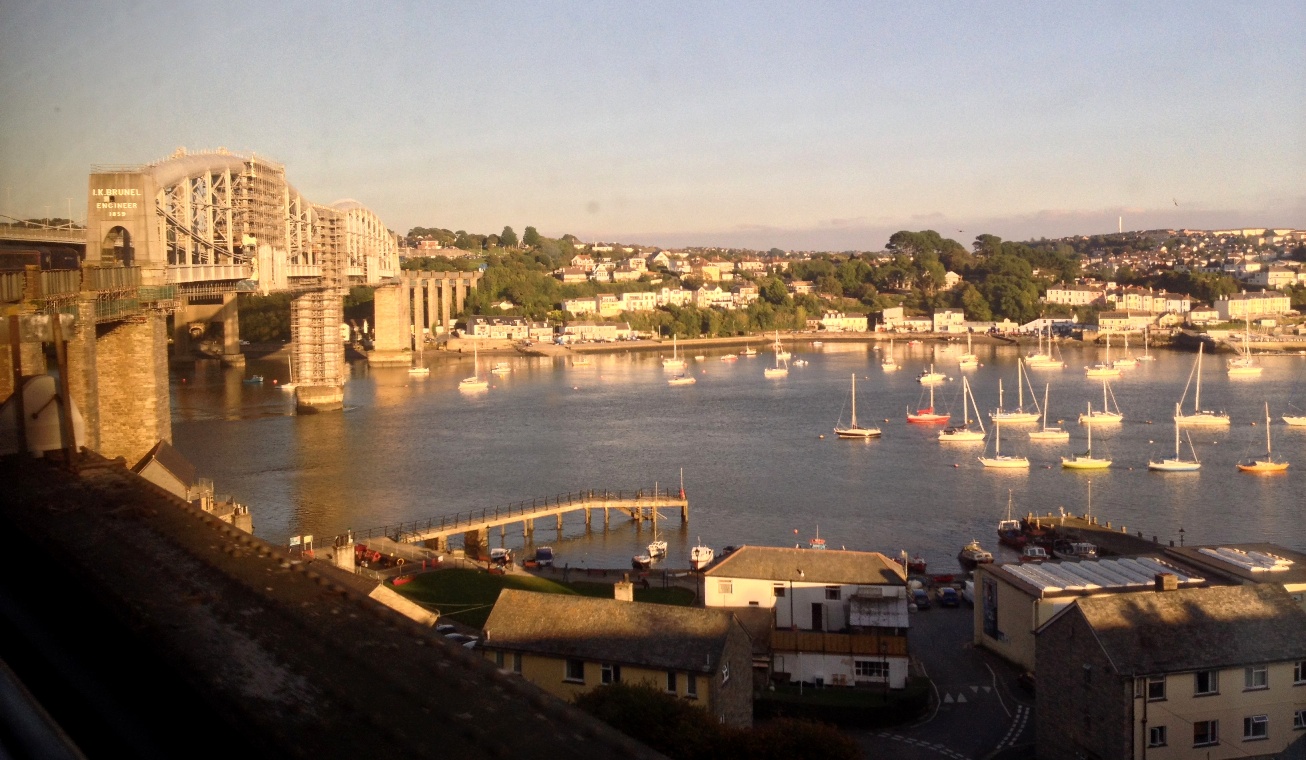
uk07Plonked amongst this idyll is the city of Plymouth, with rows of houses running like dominoes over the lumpy contours of the suburbs, meeting cranes and boats toppling into the river. Its waterfront welcome mat is striking with the Where’s Wally striped beacon of Smeaton’s Tower and a wheel that looks even bigger from afar. Illuminated is a background of moorland, sweeping over the horizon. It is here that you can appreciate the quite blessed setting in which Plymouth sits. Yeah, the city might be a bit crummy and tatty in places, but a turnip growing in a field of flowers is better than a turnip growing in a pile of shit, right?

Another philosophical conclusion I have come to over the last few weeks is, when situated in this part of the world, even when the day is crap, you are having a stinker, work sucks, and other such things, there is the consolation of easy access to clotted cream, jam, scones and tea. This can make a bad day amazing. At Mount Edgcumbe it made a good afternoon sublime.

uk13The hills behind Plymouth spread afar into Dartmoor National Park and this represented what was to become my final outing into the virtual field of flowers surrounding the city. A circular walk from Yelverton offered a perfectly balanced English country composition of riverside woodlands, sheep and cow fields, tumbledown cottages and exposed tors. This amble on the fringe of Plymouth was a pretty decent way to bid it all farewell.

uk11

uk12Spending time here, intermittently from August to November, has obviously allowed me to observe the changing seasons take effect. What once was an uninterrupted blanket of flourishing green is now softening, holes are appearing, and things are shrivelling. A golden brown is slowly but inevitably creeping into the landscape and soon even this will become more spartan and altogether less comforting.

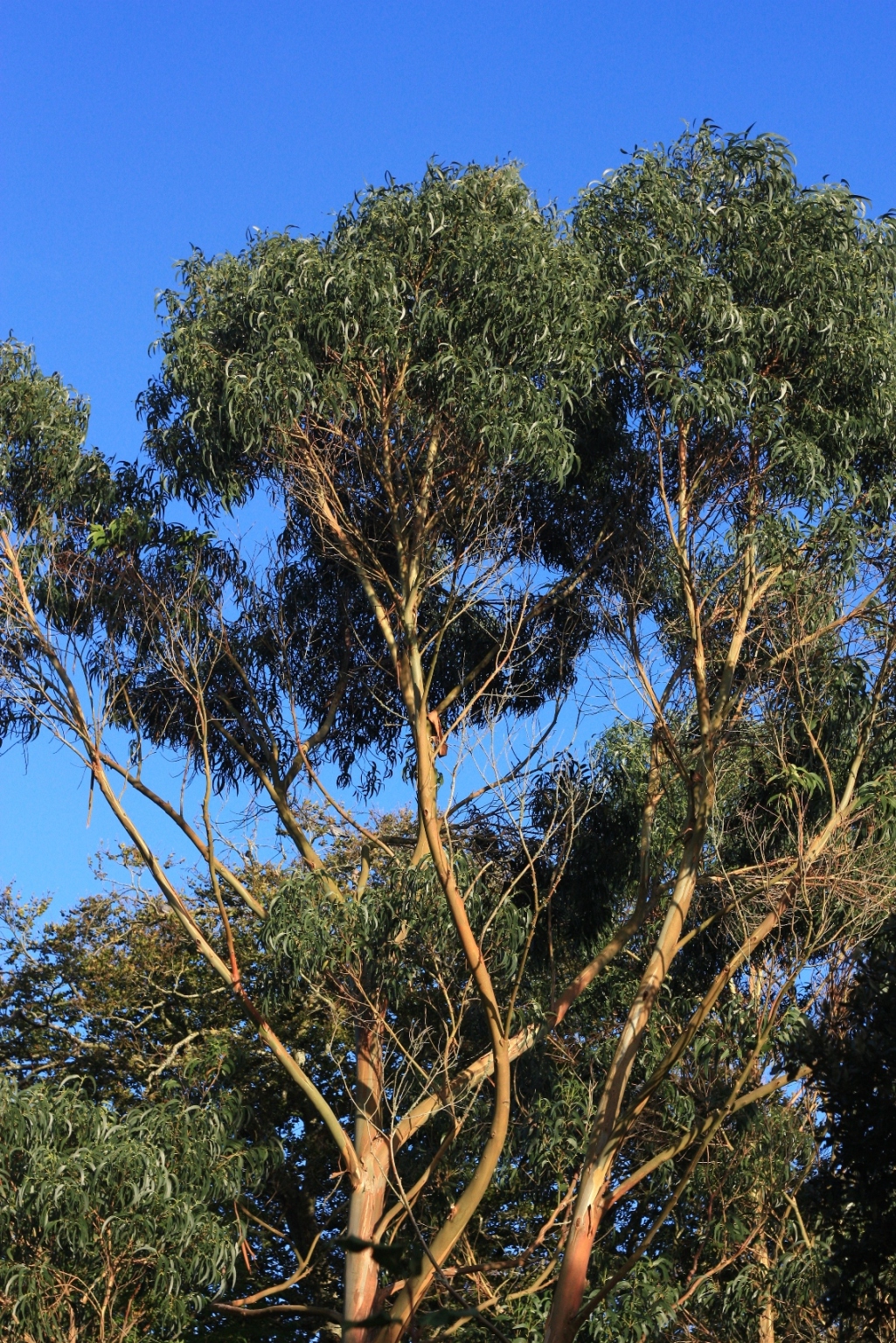
uk14And as the leaves disappear from the trees my southward migration kicks in. It has become a customary route over the last seven years, this time a little later after a little longer than normal. It leaves me with mixed feelings; sad to be leaving one place and excited to be heading to the other. It’s a feeling that comes to life when marvelling in the grand autumnal splendour of Mount Edgcumbe only to come across a couple of Eucalyptus trees shooting up into clear blue sky, aliens in a foreign land. For a moment I am transported, wrapped up against a southwest autumn and looking up at the promise of Australia. The best of both worlds, where leaves do not fall and a cream tea is just around the corner.

Green Bogey Photography Walking

Southwest bits blitz (2)

The inevitable happened. It rained. And became a bit cold. On the plus side I think I found a good coffee but cannot be sure because it was a mocha. It helped comfort against the cold, which actually hasn’t been bad at all. Indeed, it is far from doom and gloom (yet), with still warm early autumn days and sunshine enough to counter the occasional days of murk. And such seasonal randomness swings my mood and affection, from absolutely, undoubtedly in love with where I am for a moment, and then still in love with it but begrudgingly so the next.

2sw01In the immediate confines of Plymouth I have taken to short forays to catch the views from the top of the hill nearby, over the Tamar and into Cornwall. In the other direction, enjoyable visits to Devonport Park, starting to brown just a little but doing so in an elegant manner. Mostly these forays are a good escape from soaps on TV, while the weather is still light enough to escape. Family add a welcome, warm distraction, when they are not glued to the soaps.

Escapes further afield have been possible, in a large part made easier by proximity to Devonport railway station. For instance, this at least makes the trip to Padstow slightly easier, connecting from the train onto a bus at Bodmin Parkway. I say connecting, but their timings don’t really connect amazingly well, so you just have to go into the cute cafe on the platform and eat homemade coffee and walnut cake. You just have to.

2sw03Not that you need sustenance to keep you going because Padstow is synonymous with Rick Stein and, apart from being able to eat the man himself, you can pretty much take your pick from his products: fancy seafood, good old fashioned fish ‘n chips, pasties, pies, breads, meringues, tarts, shellfish, ice cream.  Beyond the world of the Steins there are numerous cafes, bakeries, pubs and ice cream vendors in the town. With money, you will never go hungry.

For all the cashing-in it is undoubtedly good for Padstow and the surrounding area. And I’m sure if you asked Rick Stein where his favourite place in the world is, of all the places he has been, from France to Asia to Mollymook, he will say Padstow. And why not, why not at all?

2sw02

The Devonport – Bodmin Parkway rail route offers up another lovely option, without a bus connection. This means that it’s hard to justify coffee and walnut cake but you can take solace with a National Trust cafe instead. A walk of a couple of miles, tracing the River Fowey through verdant woodland and leading along a broad tree-lined drive takes you to Lanhydrock House.

2sw08

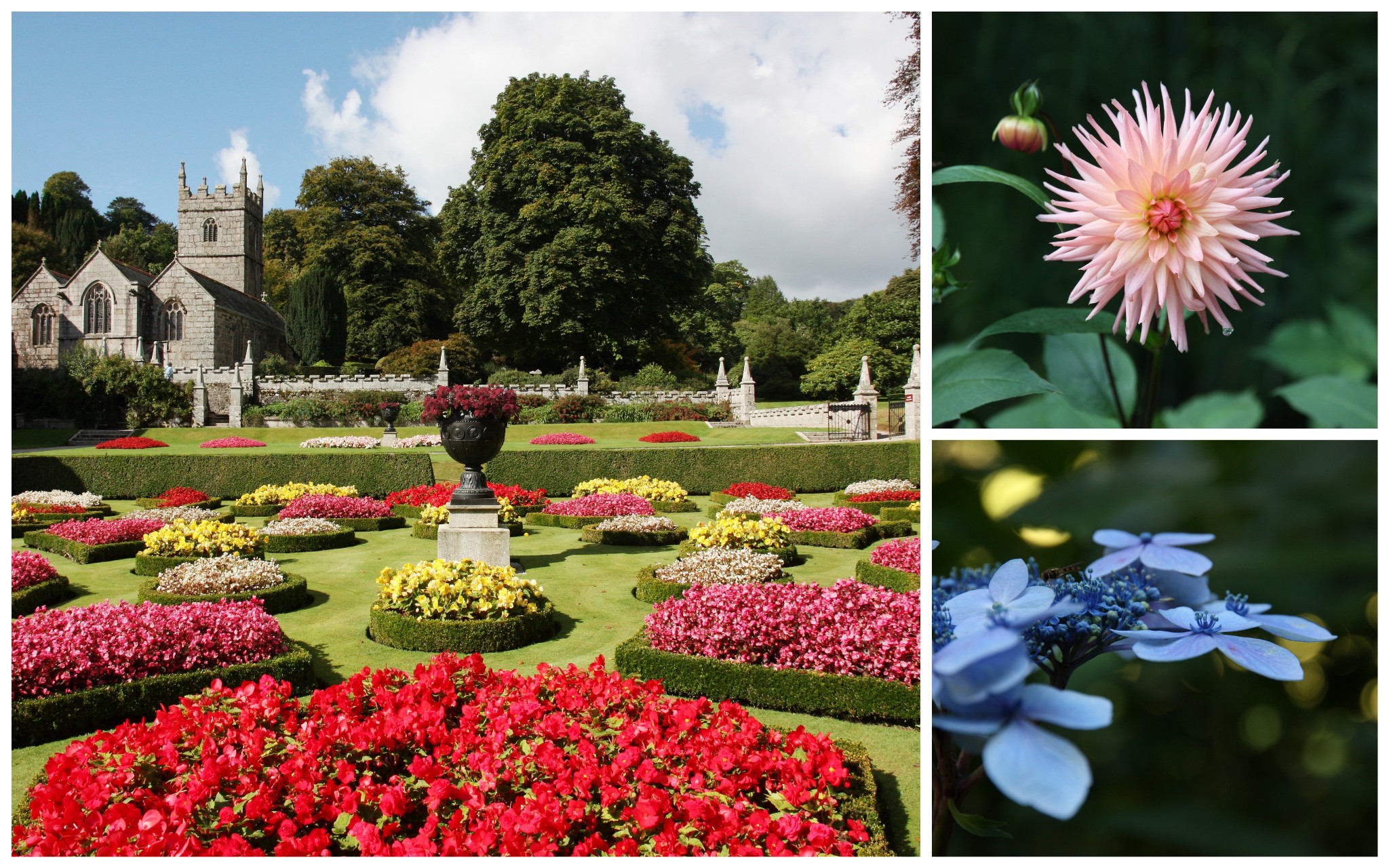
At Lanhydrock there are gardens doing their utmost to remain in summer and a sneaky side gate or too in which you can enter without paying. Well, it’s not like I was deliberately avoiding having to pay for 10 minutes wander around a garden, and I did spend money on a caramel slice and coffee afterwards. So just keep calm and carry on, as they all say in these places I think.

2sw09

In these places I have been a while now, which means a clear routine has set in, particularly in the mornings. A folding up of bed and shifting of table is then followed by a cup of tea and a watch of BBC Breakfast News. The weather forecast maintains interest and days and weeks are planned around what the smiley weatherwoman decides is happening. A cool, blustery day means trips to town and hanging out in the library to do some writing of some kind. A sunny day is greeted with the enthusiasm that comes with the expectation of this being the last of the year.

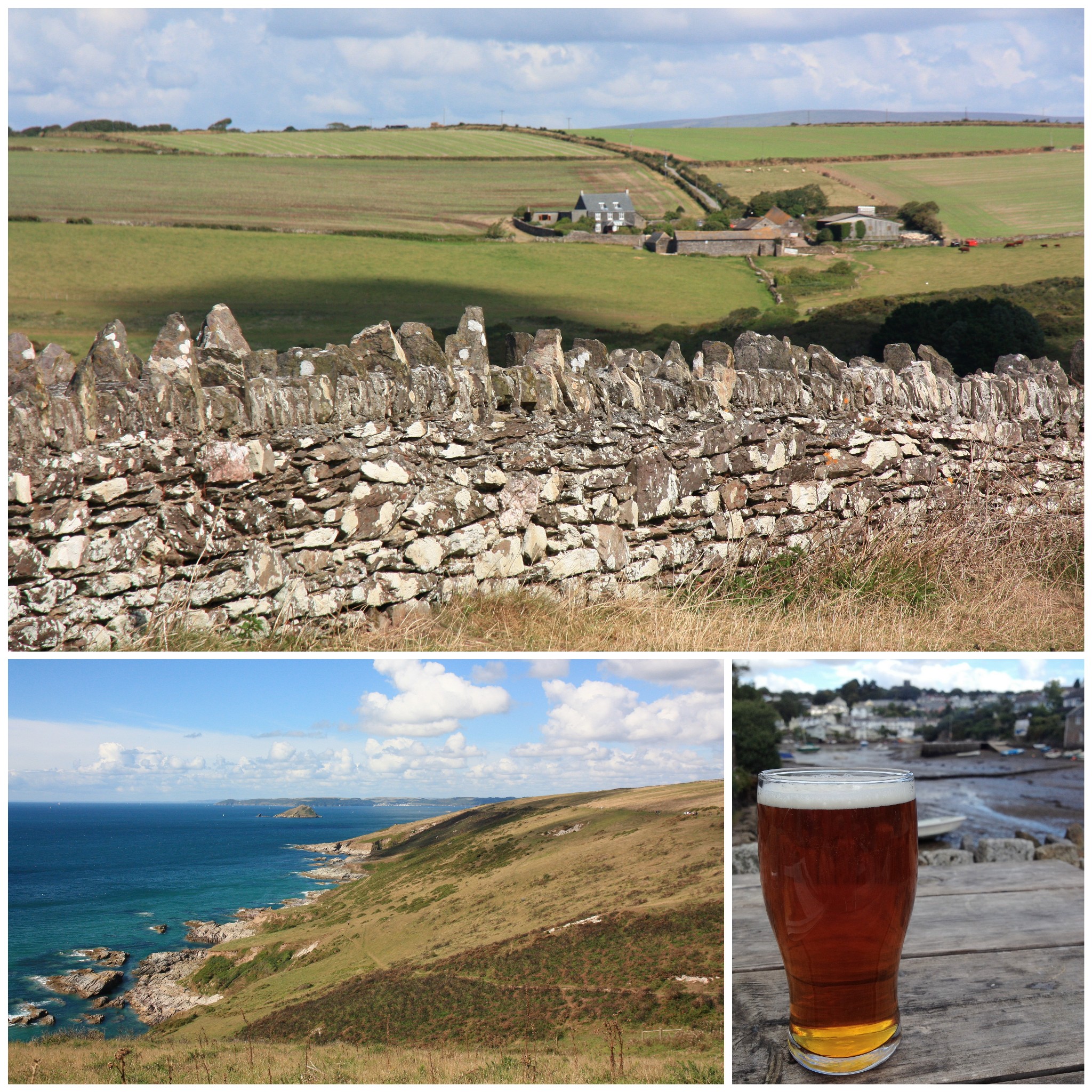
2sw05On what I thought would be the last sunny day of the year I shifted to bus travel and a bumbling ride to Noss Mayo in Devon. This is now just one of those established jaunts that tends to fit into the annual southwest pilgrimage. Not so many miles from Plymouth it nonetheless takes a while to reach, as the bus frequently stops and reverses for other vehicles to squeeze between it and the ten foot high hedgerows. Practically scraping the walls of pastel cottages, the bus arrives beside Noss Creek and a pleasantly varied walk of an hour or so: coast, farms, woods, creek, boats, pub, beer. And then back on the bus through the rabbit warren of the South Hams to Plymouth. Such is the blessing of living in this part of the world.

2sw04

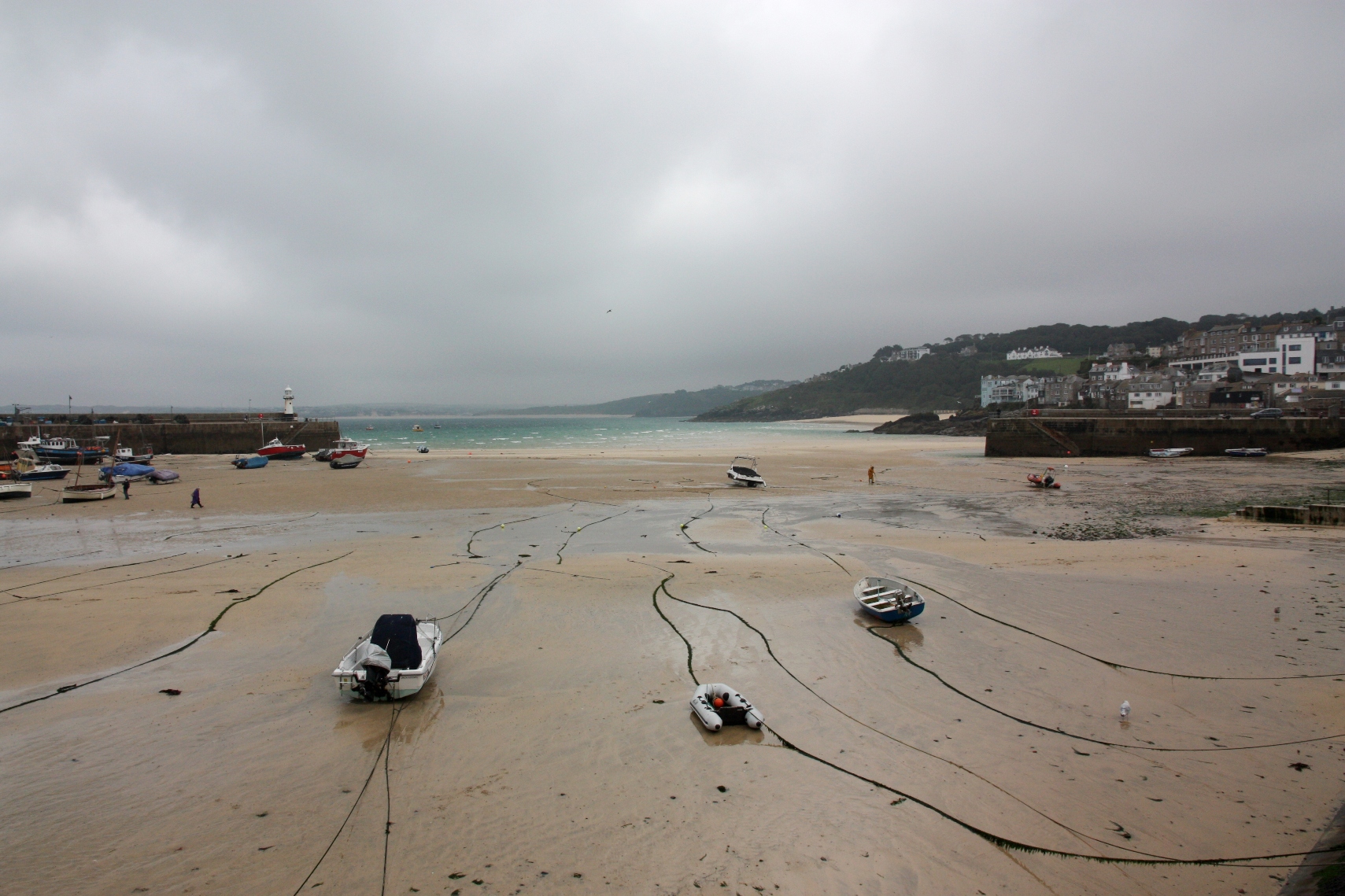
2sw10The sun failed to shine on the far west of Cornwall despite it being a day which I thought might be the last sunny one of the year. Quite possibly the lamest high pressure system in the history of the world covered the British Isles and daubed it in low cloud and mist. And so, unlike my last trip down to this pointy end, St Ives was blanketed in a grey melancholy, with a cold wind picking up off the bay, the only comfort coming from a Pengenna pasty and that good mocha I mentioned before.

Things were no better on the southern coastline around Mounts Bay, that is until the train pulled out of Penzance Station at four o’clock and the cloud parted over Marazion and continued on to Truro and such brilliant blue skies as befitting the last sunny day of the year continued all the way into Plymouth. You could say it was frustrating and you would be right, but the train ride back was two hours of blissful enjoyment and appreciation of Cornwall.

2sw11

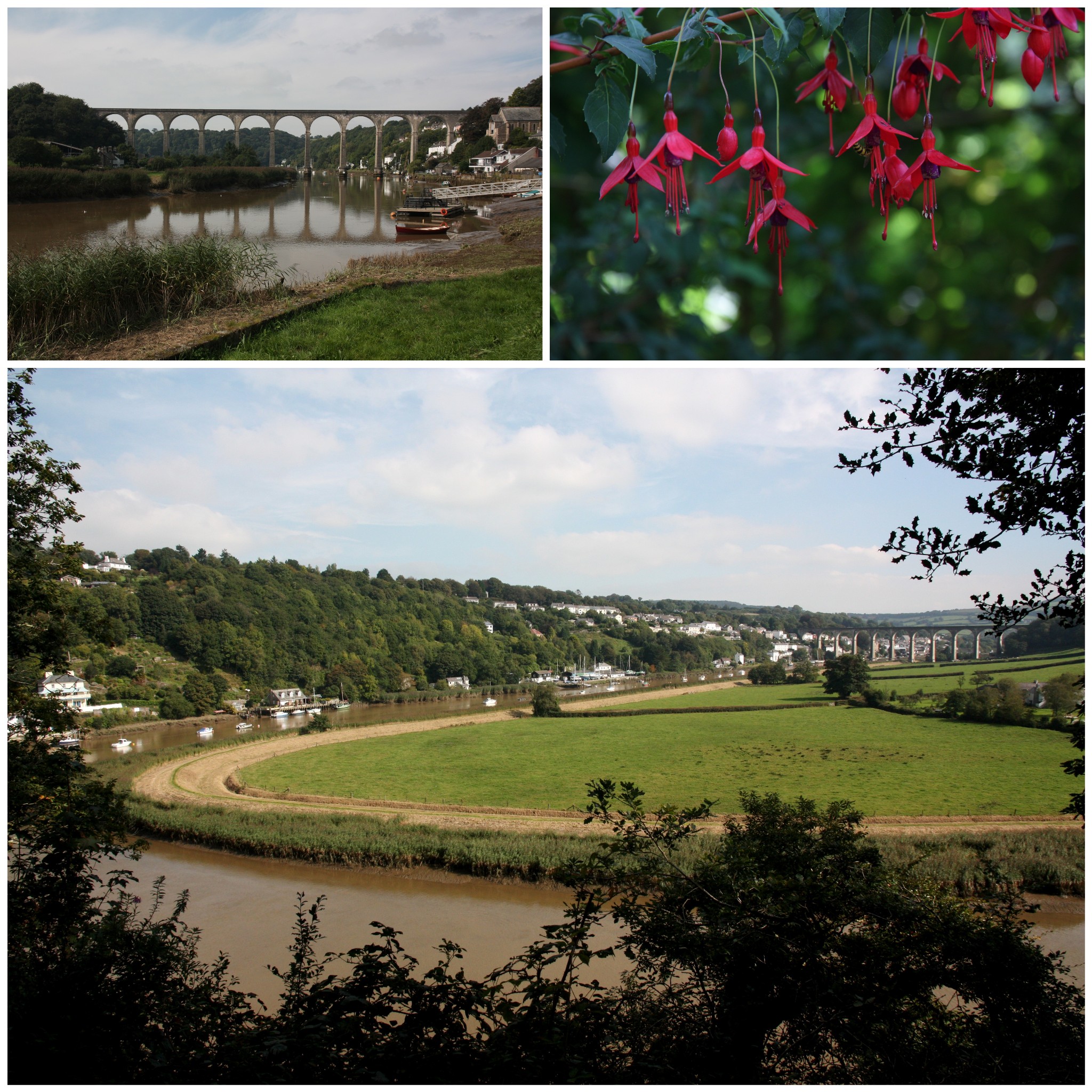
2sw12The next day dawned, well, sunny. Very sunny indeed, and warm despite the end of September creeping ever closer. While the cloud filled in a little the warmth endured and offered up a couple of hours of unbelievable shorts wearing. This was in Calstock, on another train trundling up the Tamar Valley. The main attraction, apart from the snaking tidal river, impressive viaduct and waterside cottages, is Cotehele House and its wooded estate sloping down to the water. It’s a peaceful, sedate corner of the world, again just a stone’s throw – or train ride – from  Devonport.

And so you see, while it did rain and it has been cold, this has generally been the exception rather than the rule. My last day here, before I disappear elsewhere for a while, involved shorts-wearing for goodness sake!  And when shorts can be worn there is no rush to cross continents, not just yet. Not until we have that last sunny day of the year at least.

Great Britain Green Bogey

Southwest bits blitz (1)

It may be a product of sustained transience but the chance to drop anchor for an undefined period in a familiar place has been of great appeal. And so here I still am – Plymouth, Devon – and only twice so far have I pined for the other side of the world. Once I was in Starbucks and had a drink that had the front to be called coffee. The other time, some dreadful nincompoop and his bumbling mates were taking over Australia, and while I was not missing the crowing and hollering, my inner nerd was bereaved of two party preferred counts, the swings, the coloured maps and the abject head-shaking of democracy where a mandate is claimed when less than half of the population vote for you and, even those who do, probably do not agree with 100% of your policies.

Still, I do intend to return to the country despite a change in the people who nominally run it but don’t really do much at all. You see, at some point here the weather will get continually miserable and the people will get more miserable and I will get miserable with the miserable weather and the miserable people. And then I can return to the land down under which is so fortunate it forgets how fortunate it is. But the people there won’t be miserable because they got what they wanted.

sw02Plymouth can be incredibly miserable but at the moment there is a prolonged ray of sunshine that transforms even the dodgy concrete alleys filled with rubbish bags into an artistic postmodern composition of urban life. The crazy drunks walking the streets become salt of the earth characters and chavved up pram pushers on the bus make for a colourful melee of handbags and hairdos. I’ve heard it said that Australia is just like Britain would be with good weather; not exactly, but the weather can do wonders for a place.

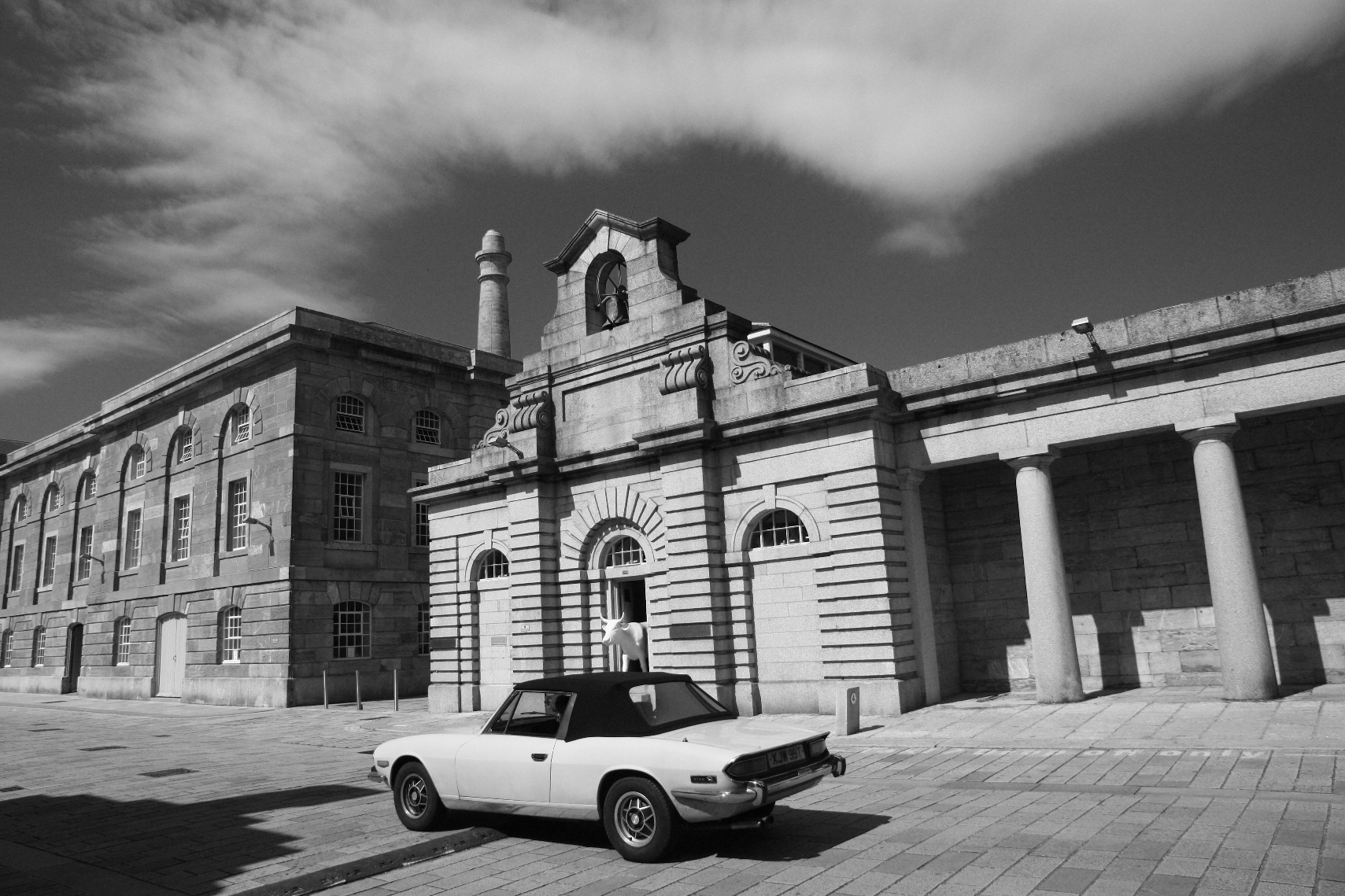
The familiar abounds but every time I return there are incremental changes to the city. Royal William Yard is an obvious one and I have been impressed by the conversion from disused naval quarters to swanky flats and waterside cafes. Devil’s Point provides the picturesque walk to burn off jam and cream filled shortbread from the bakery, and something approaching an alright cappuccino is available on occasion.  On my first visit, in warm Sunday sunshine, I had the momentary feeling that I was back in Australia such was the sparkle, the relaxed buzz, and general air of wellbeing. I even had a flat white, but this was very English.

sw01

sw05Part of the familiarity re-familiarisation process is engaging in the foodstuffs of this part of the world. The issue is, the longer I linger, the less I can justify filling my face. On day 1, cream tea on Dartmoor was ticked off and clotted cream has re-appeared on a number of other opportunities (like when I made treacle tart, yum yum!). But I have also been back to Dartmoor and not eaten cream – something that sounds like progress. Meanwhile Dartmoor continues to captivate through its moods and sweeping vistas.

sw04

sw03The Cornish pasties have bubbled to the surface like oozing hot steak juice through a pastry crust, though only infrequently. Almost every single one I have is a disappointment unless it is from Pengenna Pasties. On which note, I am pleased to have paid a visit to Bude where the queues out of the door and mass munching in the town square are a sure sign of Pengennirvana. This was the undoubted highlight of a bank holiday Monday, which was a reminder of what a bank holiday Monday is all about. Traffic queues, parking hassles, gritty sand packed with feral children and people from Wolverhampton going red in the twenty degree heat. I didn’t really enjoy Bude apart from that pasty.

By contrast another day trip in Cornwall ranks as one of the best I have had this year; a year which, I remind you, has encompassed a tour of New Zealand and a scenic meandering across Australia. A piddly train to Penzance doesn’t rank up there with the journeys but then an open top double-decker through the narrow lanes and warm sunshine of West Penwith brought a sense of adventure to the trip. And this delivered me to Porthcurno and a scene to celebrate, a landscape bejewelled in sand and seas bedecked in a stunning clarity and rare calm.

sw06

sw07This is the pointy end of Cornwall, the pointy end of Britain, and if anyone thinks Britain is a drab, miserable place, well…stick ‘em with the pointy end. This is country best explored on foot, on that magnificent coastal path, a path I followed for seven miles or so around Land’s End and on to Sennen Cove. It is stunning country and every minute was marvellous. Of course, you have to put a little asterisk here and acknowledge that the sun shining makes a world of difference. But even on dank, foggy days or, better still, stormy windswept occasions, it is a natural wonder.

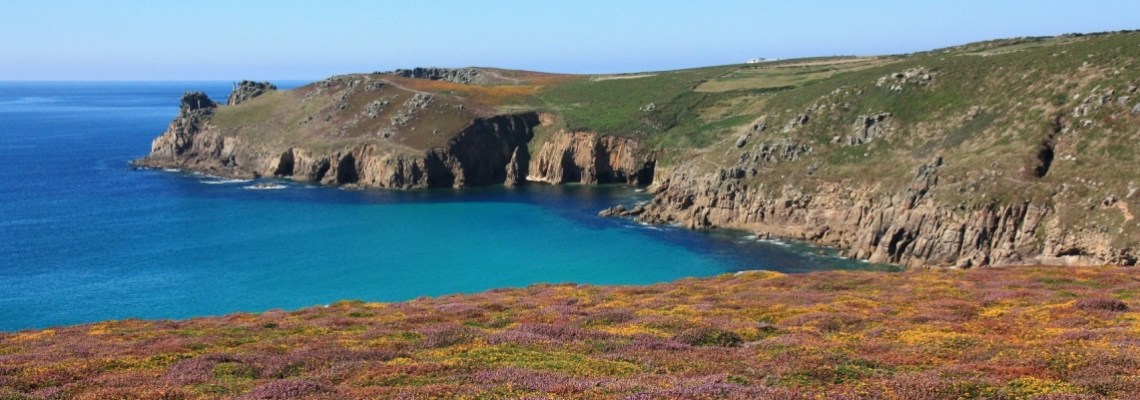
sw08The coast path along here turned out to be pretty good walking too, only dipping down to a cove and climbing arduously up again about four times, which isn’t that bad for Cornwall. A lot of the time you can just follow the cliff line, strolling upon high overlooking clusters of volcanic rock tumbling into clear blue seas, where the occasional trio of seals bob along and seabirds glide on warm air.  Around, the exposed heath is a colour of gorse and heather, a purple and gold that could quite justifiably replace the black and white of the Cornish flag.

sw09

sw11A blip of sorts pops up at Land’s End. While the coastline is appropriately craggy and exposed, the necessary touristification due to popularity takes away a bit from the surrounds. So there are eroded paths down to see grumpy farmyard animals, shops selling fudge made in Wales and tea towels made in China, arcade machines to play and One Direction posters for sale. There are doughnuts and beer and ice cream to buy. Stop. Ice cream. I’ve been walking five and a half miles. Ice cream. It’s mid afternoon. Ice cream. I deserve ice cream.

sw10

Expecting lame, rip-off ice cream I remember it quite fondly as not being particularly lame or too much of a rip off. A popular Cornish brand it had enough creaminess to see me over the last substantial hummock of the path before dropping down to Sennen Cove. I remember coming here about ten years ago, on a mild but foggy old day, the cove sheltering a fine sweep of sand intermingled with cottages and boats. It was deathly quiet then, a sure contrast to today.

Today Sennen was St. Tropez, but thankfully the beach stretches beyond the comfortable confines of the car park. Once over towels and tents and through ball games, the beach widens and empties. The sand is genuinely sandy and the water a clear shade of blue. Surfers attempt to do something in the lumps and bumps of wave that exist on this breathless day while lifesavers watch on. Yes, it is, almost, Australian.

sw12

It’s kind of funny how I look out for a touch of the Australian in Britain and when in Australia the opposite happens. I presume it’s the whole have your cake and eat it syndrome. When both do come together – like in the creamy green hills around Kangaroo Valley or the sunny, civilised sands of Cornwall – it’s something of a marvel. And while misery quotients and government philosophies reach common ground there is little to distinguish one over the other. For now.

Great Britain Green Bogey Photography Walking

Home

Home is where the heart is, only pieces of my heart are scattered in so many places. The largest two chunks are undoubtedly at polar opposites of the planet, making for an interesting tug of the figurative heart strings. Like Beefy v Border and Scones v Lamingtons, it’s an Ashes battle simmering under the surface, slowly plodding away like Geoffrey Boycott completing a 962 ball century. One piece of heart is high with cholesterol, saturated with pasties and clotted cream, the other is growing all the time and falling in and out of love with a feisty sunburnt youngster.

In any discussion of academic stature it is customary to define the matter at hand and, in this case, what we mean of as ‘home’. Often this begins, rather lazily, using an Oxford English Dictionary definition which, since it comes from Oxford, probably describes home as a detached mansion encompassing at least two wings and ample space to shoot peasants. It’s true that a ‘home’ typically does involve some arrangement of bricks and mortar (or for me at the moment swag and car), but I prefer to take my lead from The Castle. An Australian cinematic classic based on a surprisingly true story, this argues the case that a home is not merely a structure but a place embodying love and shared memories, a place where prized personal treasures make it straight to the pool room.

Home is also a marker of identity, and I guess that is why so many people become indebted so that they can live in a desirable postcode, have a double garage, and possess more rooms than they could ever possibly need. The type of people in Escape to the Country who are looking for a detached period property with land for stables and a separate craft studio, six bedrooms and three reception rooms, proximity to the shops and a village pub but not next to anyone or beside any road whatsoever, with views of sheep studded fields and blue skies only. All so that one person can face a two hour commute to London and thus hardly see the house whatsoever because they have to pay off the mortgage, while the other one does a bit of art and can grow some turnips.

I’ve never really got into the whole home is my castle thing or sought to mortgage the rest of my life to pay off a bank for some bricks and mortar. I still don’t know if that’s foolhardy or not. I do occasionally have those ‘if only’ moments that come with the clarity of hindsight and sometimes wish I had made the commitment to buy something before house prices skyrocketed. But I was young and, er, foolhardy. And besides, where would I be right now if I had made such a call. In some overpriced box room flat in a zone 4 suburb of London? Or sitting in a national park in South Australia with swag ownership to boast about?

Regardless of present location there are two cities that I call home if anyone asks: Plymouth, Devon, England and Canberra, the capital city of Australia. I would say I live in Canberra and so my home is there [1], but I was born and raised in Plymouth and that is my home city. I support Plymouth Argyle but keep an eye on the ACT Brumbies and Canberra Raiders. I drift into Westcountry bumpkinism with rising Australian intonation. I think one is captivatingly beautiful while the other is beautifully captivating. Usually I feel like I belong to both, validated by dual citizenship which has me at once a British Plymothian and an Australian Canberran. At other times though it can feel like I am a stranger in both, simply because I cannot commit to one or the other. In Australia there has always been this sense of impermanence, even though I have been there for six years; with England, I am absent and afar, now looking in from the outside.

Reassuringly in spite of this Plymouth will always be home. I was born in Plymouth, in a hospital that no longer exists. I remember little of my childhood outside of Plymouth, even though we moved about a bit when I was very young. From about the time I was five we ended back in Plymouth for good, eventually being granted a council house that was supposedly in the leafy and refined sounding Beacon Park but was practically on the edge of the less salubrious sounding and indeed less salubrious Swilly. I wasn’t out of there until university, but attachments remain strong with the house, the people, the city and the area.

So, what can I tell you about Plymouth that maybe isn’t just about me and my rather uneventful upbringing? It’s a city of over a quarter of a million people, many of whom live in identikit post-war council houses that sweep up and down all of the hills that pop up across the area; hills that make walking to and from school a test of stamina, especially after an afternoon of double history following a lunchtime kick about. The city is historic, although much of this got blitzed by Germans and sadly resulted in a mostly depressing 60s concrete city centre. The Barbican houses ye olde bittes, where seadog scallywags like Drake and Hawkins planned the next places to discover and pillage. Today, the Barbican can be rather fetching on a warm day, boats bobbing on the sun glazed water, the smell of frying onions from Cap’n Jaspers floating on the breeze, and seagulls annoying the hell out of everyone, including the French exchange students looking both perplexed and bored and annoying the hell out of everyone else.

Further around from the Barbican sits Plymouth’s piece de resistance, one of the reasons it exists: Plymouth Sound. I am very likely biased but I think it is hard to come across an aspect more pleasing than that from the Hoe Promenade, a swathe of green, green grass punctuated with memorials and statues and the perfectly red and white striped lighthouse of Smeaton’s Tower. Here you can stand high above the natural harbour which pans out in front, sheltered by the hefty green shoulders of Staddon Heights to one side and the Rame Peninsula to the other. Channelling its way from the Sound, the River Tamar cuts a swathe to the west, lined with the detritus of the naval dockyard and funked up council flats, a reminder that this is a gritty city with its fair share of wonderful city things like declining industry and poverty and indifferent town planning.

H_plymouth

Softening this view, across the other side of the river, is Mount Edgecumbe and its country park, a verdant paradise of manicured gardens and dense woodland clinging to the slopes that rise up and bound forever onwards into Cornwall. I love how you can see Cornwall so easily from here, the juxtaposition from industrial cityscape to idyllic creaminess all so obvious. But it’s there, just across the water and easy to reach [2]. This is illustrative of Plymouth’s natural advantage, with the wondrousness of the Devonian and Cornish landscape just minutes away, from the rickety tors of Dartmoor, to the rolling green fields of the South Hams, across to the snug coves and fishing villages of the South Cornwall coast and up onwards to the pounding seas and plunging coastline of the north. If anyone, wrongly or rightly, ever accuses Plymouth of being a hole there is no escaping from its sublime surroundings.

So this is my home, but I haven’t really mentioned what makes it so homely. For me there is close cherished family in Plymouth and, so far away, I do miss them now and again, though I cannot quite tear myself away from another home to put that right. Like most family relationships there is something to be said for small doses and periodic visits, tending to make these more cherished and enjoyable, without breeding contempt and complacency that so often come with familiarity. Besides, when I pay visits home I get my washing done, all fresh and soft the way only Mum can get it. I doubt if I could bank on that happening if I was there all the time.

Plymouth is also homely because it is so familiar, yet this itself is a double-edged sword. I know how to get the bus into town, I somehow still recognise the face of the woman serving me milk in the corner shop, and I’m savvy enough not to be either excited or offended by someone calling me their lover or handsome. However because I am not there all the time, because I have formed attachment with another home, it also feels that sometimes I am a stranger, spurned for running off with a younger model. I don’t know what’s happening in Eastenders. I never knew that the bus company changed its name. I didn’t hear that the Prime Minister visited, looked like a total knob end and ate a pastie with some of the local chaps.

You see, that’s the price I pay for calling Canberra home as well. You can’t have your cake and eat it, can you? I never really understood that saying. I mean, I buy a cake (quite often in fact) so I have said cake. I then, usually quite quickly, eat aforementioned cake. Sometimes I have a larger cake that I eat just a morsel of, in which case I definitely have some cake in the house at the same time as eating it. Perhaps I should say a rolling stone gathers no moss instead, but is that a good or a bad thing? Okay, cool I’m a rolling stone who gathers no moss, unlike those stupid static stones with all that spongy green stuff around them. But actually are they the lucky ones, with their cosy layer of moss and security of tenure?

Pleasingly Canberra happens to have stones, and some moss, and plenty of places selling cake. I call it home primarily because I have made it so over the past six years or so. Whereas Plymouth is my home by birthright, Canberra is my home by way of where I live, at least until recently. I’m now travelling around Australia a little, but still have possessions and people of note in Canberra and when some grey nomad at a campground asks where I am from I say “Canberra”. They then look at me odd and launch into a tirade about carbon taxis and published servants or something. Nah, not really, they’re usually rather lovely or at worse aloof. Anyway, I am proud to call Canberra my home because I think it’s just a great place to live.

Canberra is rather beautiful in my eyes. I came here from London, another place I would have called home at one stage. Some people, usually Australians not in Canberra, look at me googly eyed when I tell them that. You left London and came to Canberra? Not Sydney or Melbourne, those wannabe global cities of urbane cool that aspire to be London? But it was the contrast from London that Canberra gave me and for which I fell. I could walk to work, with galahs and rosellas lining the streets as the sun hovered above. I could make new friends and acquaintances over sublime coffee (and occasionally cake). I could fall in love with the setting, its bushland hills and big glassy lake and peppering of interesting national institutions befitting a modern capital.

My favourite place here, and almost anywhere at all, is Red Hill Nature Reserve, a swathe of hilly bushland that offers a microcosm of Canberran life: mobs of kangaroos and golden grassland, multicoloured birds and majestic gum trees, a landscape dotted with runners and amblers and dog walkers and occasionally the plain curious tourist who has made it up this way. The views offer the opportunity to grasp the surroundings: a sunset over the rugged Brindabella Ranges shining golden hues over the lake and among the branches of the leafiest suburbs, stretching their way up to the fringes of other, bush clad hills and mountains. This place offers me exercise and solace, escape and invigoration, contentment and photographic opportunities. It is more than just a hill.

H_canberra

It can become very easy to be drawn in by Canberra. I intended to stay for a year and I’ve made six. I’m not sure how much longer I’ll be able to call Canberra home, but my time there will always be a part of me. It is an easy, comfortable place, perhaps too comfortable, but go around Australia and see the gargantuan caravans being towed by monstrous 4×4 trucks driven by silver haired nomads and you’ll see that comfortable is clearly something to aspire to. And isn’t homeliness all about being in a place in which you feel comfortable?

So, comfort, familiarity, connections and at least some sense of belonging make up a home, as well as a few of those bricks and mortar to be encased in. Plymouth and Canberra both give me that. But regardless of where, I think the individual plays a huge role in making a home what it is – taking the opportunities there, seeing beauty in all its shiny sights and dirty corners, connecting with people when you can. For instance, even my swag is starting to feel homely, the way I slot my water in one corner and a book by the pillow, and the configuration of zips and hooks and pockets. Yes I guess I am a rolling stone, but I’m still picking up bits of moss along the way, moss that accumulates and forms strong and lasting attachment from birth to end. Homes.


[1] Or lived. Currently my postal address and electoral registration is in Canberra, but I write this from a car in South Australia!

[2] Actually, unless you get the pedestrian ferry across, this particular piece of Cornwall takes some getting to. Think river crossings, winding roads around winding creeks, single lanes hemmed in by giant hedgerows and perilous descents towards water. Like most of Cornwall then.

Links

Straight to the pool room: http://www.youtube.com/watch?v=TM-GVRvsZrA

Britain’s Ocean City: http://www.visitplymouth.co.uk/

Hearty fare me hearties: http://www.capn-jaspers.co.uk/

The Janner textbook: http://www.chavtowns.co.uk/2005/02/plymouth-the-janner-textbook/

The nation’s capital: http://www.visitcanberra.com.au/

A to Z Australia Great Britain Society & Culture

Cream

I grew up in Devon, England. On paper it may sound idyllic for Devon surely conjures images of rolling green hills and tinkling rivers, bobbling their way down to the sea past thatched cottages and fields of sheep and cow [1]. The image is ingrained on a can of Ambrosia custard, a can which may be spotted overflowing from a pile of black bin bags in a grimy back lane of Plymouth, Devon, as I endeavour to find the shortest route home from school, avoiding the dog mess and scary people hanging around the dreary Thatcher-era jobcentre. The can is eventually collected by a wearily underpaid and grizzled local, transporting it by diesel truck to a stinking pile of garbage, where seagulls scavenge for bits of leftover pastie and people scavenge for usable second hand furniture and car boot trinkets. When it comes to custard cans, what you see is not exactly everything that you get.

That is not to say the custard can is a total fabrication, and the idyllic Devon does exist in spades, particularly once you get out of some of the more run down parts of its towns and cities. Within fifteen minutes of that cobbled back alley I can be on the edge of Dartmoor, with the rolling hills spanning ever higher until they become barren and sparse, topping out with crumbling rocks that eventually give up pushing their way out of the earth and tumble downwards over the steep hillside, like a very very slow moving volcanic eruption of granite. Here lie rocks that I once had the dubious pleasure of measuring for a geography field trip on the kind of day where misty rain sits stagnant in the air and soaks you to the bone. Still, it was so worth it to learn that there was some correlation between the size of the granite rocks and their position on the hillside [2].

By now you may be thinking this is all rather nice but what has any of this got to do with the letter C? It all seems to be a bit D like, rambling on about Devon and Dartmoor. And while there is something to be said for a double D it is not conducive to the order and logic that you have set yourself with this quite possibly pointless time-wasting task of writing something about each bloody letter of the alphabet like you are some magic floating pencil on Sesame Street. However, to you naysayers I pronounce that it is a truth universally acknowledged that when I return to Devon from wherever I have been lately I make a beeline for one thing: cream. Thick, yellow dollops of local clotted cream, with jam and scones and tea, or treacle tart, or ice cream and raspberries, or, well, just about anything. This exercise is not solely restricted to Devon, and the county of Cornwall can also be cleverly incorporated. Cornwall, custard cans, cream, coagulated coronaries. That’s clearly more like it.

Though I could lovingly list out the top ten cream tea moments or some such, I want to first draw out an expanded definition of creaminess, without degenerating into smutty innuendo too much. I think creamy can be appropriately used as an adjective to describe the landscape of Devon and Cornwall as it can nowhere else, in its cosy seaside villages, its wooded river valleys and rolling quilt of comforting green hills. In a Fifty Sheds type way [3], you can definitely have a ‘creamy’ experience, squeezing through tight country lanes to go for an invigorating stride in the countryside, butterflies and bees milling about in the dappled sunlight as tits and warblers penetrate the air. This is a rich and verdant landscape that produces, and is thus encapsulated, in that dollop of smooth, silky heart attack.

Creamy collage

Incidentally, I love how, being at the extremes of the country, Devon and Cornwall have taken cream to the max by making it ‘clotted’ or, if you like, ‘extreme cream’. I think there is an embodiment of local spirit and independence here, the fact that some bumpkins have done something a little against the grain, taking unpasteurised cream and simmering it and skimming the very richest part off the top for themselves. They have undoubtedly created something to be targeted in future obesity campaigns and crackdowns by Brussels Bureaucrats as writers to the Daily Mail letters page would have us get in a flap about. But I don’t think they will get anywhere, for locals will resist in a barrage of fine Westcountry accents: “Arh sod it, a lil bid a cream wownt urt yer now, willett?”

If I was to pick one spot in Devon that is particularly creamy to me (though I should caution, not in a cream my pants sense) it would be the small village of Noss Mayo. It’s only a short jaunt from Plymouth but another world entirely; a cluster of cosy coloured cottages cascading down a narrow wooded valley to meet the gently bobbing boats on Noss Creek. Here lies a starting and finishing point for a fairly easy yet delightful walk that captures an archetypal, timeless Devon. There are country lanes rising past fields of sheep and hay and dotted islands of buttercups. There is the coastal headland, from where you can look far down to splintered rock fingers reaching out at the shimmering blue water. There is the estuary and river, which is fringed with copious, flourishing woodland, and then the creek itself, upon which sits a perfect pub. The only thing lacking – ironically – is a cream tea, which the pub never seems to offer, though a cider is recompense, especially since it too handily begins with a C.

Noss Mayo

For a full on Devon Cream Tea there are some fond memories past, but for a regularly reliable, convenient experience in a still quite blissful setting it would be hard to beat the endeavours of the Badgers Holt Tearooms on Dartmoor. At something of a tourist honeypot on the River Dart, here they simply make the cream the star, with scones and jam mere portals for the thick pale yellow cream piled high in a china bowl. A similar experience more off the beaten track – though I cannot vouch for its reliability having only been there once – was found at the Fingle Bridge Inn, visiting a few years back with my brother and his partner on one of our once regular cream-seeking excursions.  We would go on these day trips for a good walk and some sightseeing, though secretly we all knew it was mostly about the cream tea and the other things were just diverting time-fillers!

Alas such creaminess is rarer these days. Being based in Australia will do that, where a Devonshire Tea frequently comes with squirty cream from a can (I kid you not!), and variations of ‘Australian style’ clotted cream are more milk-like than anything else [4]. The problem is the antipodean distaste for bacteria, by way of unpasteurised milk products, which I assume are considered a risk to the unique flora and fauna of this nation. So, rather than enjoying a fine cream tea and letting microbes run riot through the wild streets of Vaucluse, we destroy the country by pillaging its resources and selling them all on the cheap to China. Times have moved on. It is, after all, the Asian Century.

A redeeming feature of Australia is that they do generally make good use of cream when it comes to a Pavlova. In fact, the Christmas just past provided a perfect example, confirming that you can never have too much cream on a Pavlova because there is fresh fruit involved and that is healthy, right? Other countries too do not fare so badly. In Slovenia, there is Bled cake, which practically involves three inches of whipped cream sandwiched between two light pastry layers. In France there are any number of pastries involving some intricate creamy surprise; or think of Crème de Chantilly atop a Mont Blanc size ice cream. And in Switzerland there is La Crème de Gruyere…

 Gruyere

Gruyere is noted of course for another dairy based product, which itself could form an entirely different and probably more entertaining entry under the letter C. And true to form I will fondly remember the fondue in the immaculate medieval town square and the odd, and thus very Swiss, self-guided tour though the cheese factory [5]. Gruyere feels a bit like a concocted Swiss fantasy, designed atop a hill to lure cheese eating tourists. Surrounding mountains are not as grand as elsewhere, but offer a teaser of what lies beyond, a more manageable scene of hills and lakes, vines and meadows, rather than the eye-goggling and neck bracing spires and hulks of the high Alps. It has its requisite fill of castles and churches, courtyards and window boxes, cafes and gift shops. It is, then, perfect coach tour day trip territory.

It was partly a result of arriving early to miss most of the hordes that my brother and I found ourselves with time to spare before it could be deemed acceptable to eat lunch and drink wine. It must have been before eleven or something. Having explored all that the town had to offer, walking from one end to the other, even down a little out of the way to a church, and climbing town walls, and still with time to kill, we headed to a cafe that looked like it was kind of open maybe; well, at least the waitress let us in though without much of a welcome. A coffee was a good call (now there is another C I could write about with very much less detriment to Australia). This was nothing special in itself, very un-Australian in fact, which makes sense given we are in Switzerland remember. But it did come with a little chocolate cup, filled with this Crème de Gruyere stuff.

At this point the mind plays a trick as it’s naively thinking, hmm, this could taste a little weird, I mean Gruyere cream, Gruyere is a cheese, right, and this is cream from it or something, like the dregs once all the lumpy bits have been squeezed out?! I doubt if this is anywhere near true, but that’s what the mind associates with Gruyere. The stupid mind needs to stop being so lazy in its word association and just think that, well, actually, it’s just another product from those very well cared for, loved and happy cows chewing those lush meadows with the flavours of 31 different grass, herb and flower species or something. It only turns a little cheesy when you buy too much to take home and it gets neglected after a few days because you have been snowed under eating far too many other treats, many of which are also dairy based. Calcium deficiency cannot be a problem here.

Anyway, it was a delightful little nugget in a delightful setting, which is often the case with the best cream based experiences. Perhaps this stems from being able to appreciate a direct link between your surroundings and the produce in front of you; in fact there may even be cows mooing in the background as you collapse with a blocked artery and the ambulance arrives. The cows keep on mooing regardless, continuing to produce a very basic ingredient that is turned by man into all sorts of delight. I think good cream is a result of good country, happy, contented animals and people with respect for traditions and tasty food. Traditions such as jam first then cream, or cream first and…or… well, who cares, just whop it on there and shove it in your mouth me lover. That’s how we do it in the Westcountry.


[1] Lately, some of these tinkling rivers have grown to large brown lakes, cutting off Devon from the rest of the world and, sadly, inundating many homes

[2] Smaller rocks had managed to flee further down the hill. I think. The mist made it hard to tell, not to mention the 25 years that have since passed.

[4] One notable exception is from a small dairy in Tasmania, whose name I am not going to mention for fear of their products always being sold out when I look for them.

[5] Completing the clichés that day were a mountain cog train ride and chocolate factory tour. It was thus an amazing day.

Links

Oo-ar, it’s ambrosia: http://www.ambrosia.co.uk/range/ambrosia-devon-custard/

Dartmoor granite, tors and clitter: http://www.dartmoor-npa.gov.uk/learningabout/lab-printableresources/lab-factsheetshome/lab-geologylandforms

The Ship Inn, Noss Mayo: http://www.nossmayo.com/

Badgers Holt: http://www.badgersholtdartmoor.co.uk/

The Fingle Bridge Inn: http://www.finglebridgeinn.com/

La Gruyere: http://www.la-gruyere.ch/en/

Mastering the art of Jannery: http://www.chavtowns.co.uk/2005/02/plymouth-the-janner-textbook/

A to Z Europe Food & Drink