
A habit of mine is to go for a walk somewhere every day of the week. Or at least try to, even if this is a little amble to the shops or a trudge through puddles in a park. It’s a habit easily fed in Canberra, where leafy suburbia intermingles with random patches of bushland and sprawling hilltop reserves, usually rising under big blue skies. I can walk out of my door and be in any number of spots that hardly feel as though they are in the middle of a city: trees and birds and kangaroos and a horizon of mountain wilderness espied in the west.
This habit bordering on obsession can become a little harder in the UK, which is surprising when you consider all the public footpaths and country lanes and bridleways and muddy fields marked on an Ordnance Survey map. British cities are denser and usually grimier and most definitely wetter, meaning a walk from the doorstep often requires a little deeper investigation, a tad more imagination, and a dose of good luck. Like finding the slightly cottagey lanes of Compton Vale in Plymouth or clumps of woodland on a steep highway embankment, or the spooky cemeteries of Janners past.
Of course, with a car the options open up exponentially, but so too do the speed cameras and the filter lanes and the traffic lights and the roundabouts clogged with cars rarely indicating. It can be a bit of a chore to get out of Plymouth for a walk, but once you make it the world is pretty much your oyster. Until the next village with a parade of speed bumps and cattle grids.
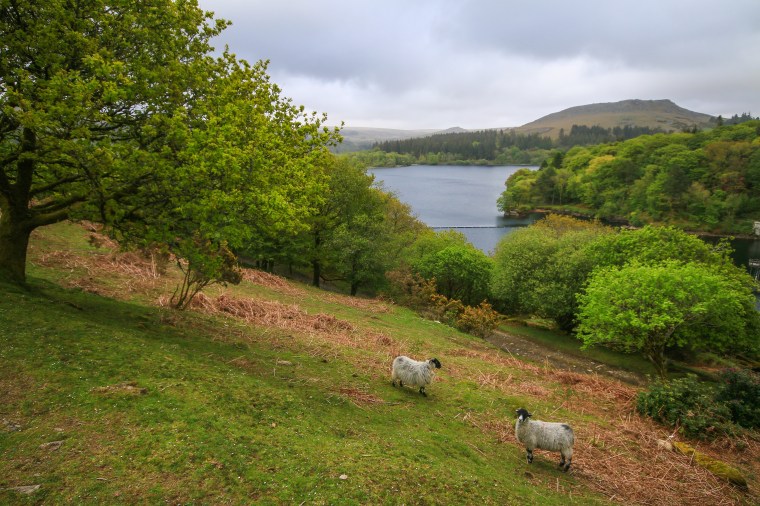
The roundabout at Roborough is a significant, welcome milestone in the escape from Plymouth; a conduit between giant superstores and industrial estates and the rambling wilds and shady valleys of Dartmoor National Park. This is Plymouth’s backyard and, once you get there, a fairly quiet one away from the usual honeypots and ice cream traps.
Even on a sunny Saturday – admittedly a bracingly cold Saturday for early May – the moor was more than ample to soak up the extra ramblers and cyclists and trippers tripping on cream teas. This includes an additional fellow in young Leo, who was adamant he was coming with us for a walk and, of course, ended up being carried the whole way. Kids, huh?!

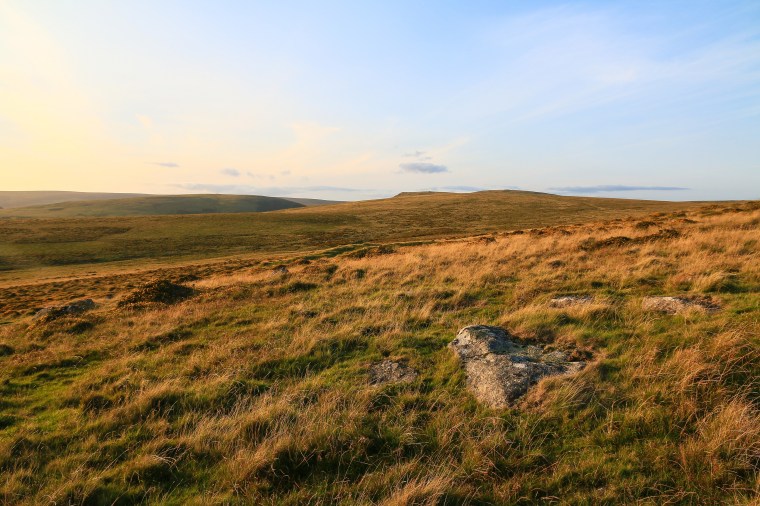
The walk near Princetown felt a far cry from the city, all empty and remote, a desolate bleakness intensified by the icy wind casting sun and cloud patterns upon the barren brown moors. Yet here civilisation creeps in, or at least tries for a while. The solitary austere brick structure of Nun’s Cross Farm stands resolute, providing a little shelter in the lee of the wind to tame Leo’s hair. Rather than a blight on the landscape, it seems to fit, offering as much a representation of life on the moor as ponies and tumbling clusters of granite…

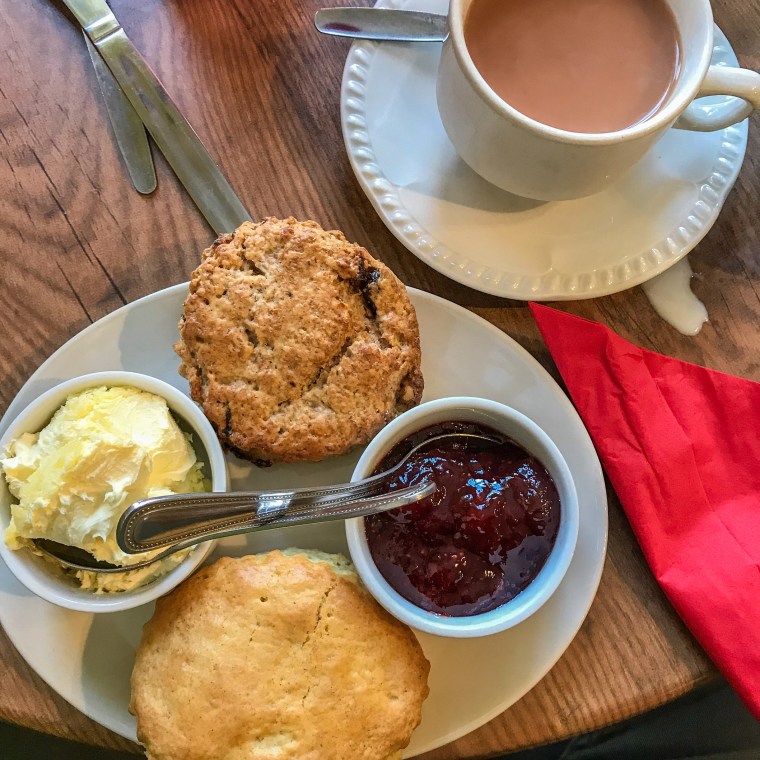
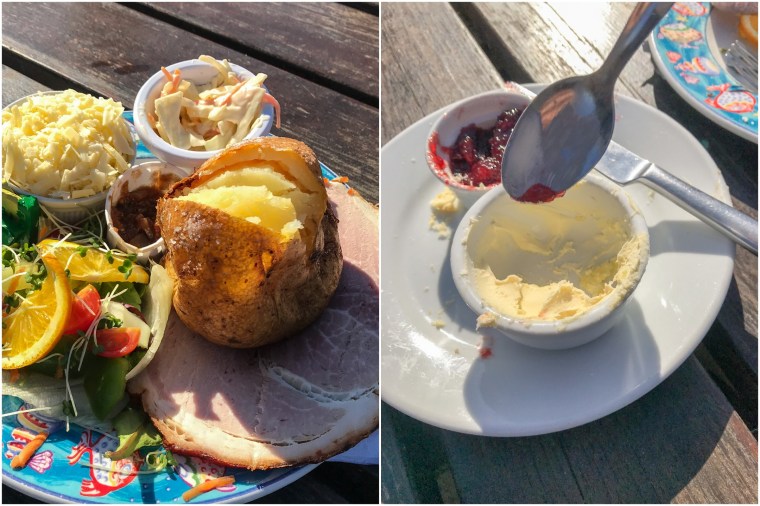
…And clotted cream teas. After such an frigid walk can there be anything more delightful than a log fire, buttery scones, pots of tea and the usual trimmings? It’s not like I planned the walk around this or anything, it just happened to be nearby, and we were hungry, and well… There is only so much rugged emptiness one can take. What’s the point of walking if you can’t get to enjoy it?!
———————————————–
Back through that roundabout at Roborough within the city of Plymouth, there is a pocket of countryside on the banks of the Plym, wedged between the Devon Expressway and the South Hams Tractortrack. It’s ideal for a pre-dinner stroll or – better still – post-dinner, when Emmerdale, Coronation Street and Eastenders zap the brain cells of millions of devoted followers. Saltram is a gracious property boasting copious, succulent Devonian land, including plenty of woodland pockets in which Mr Darcy can brood.
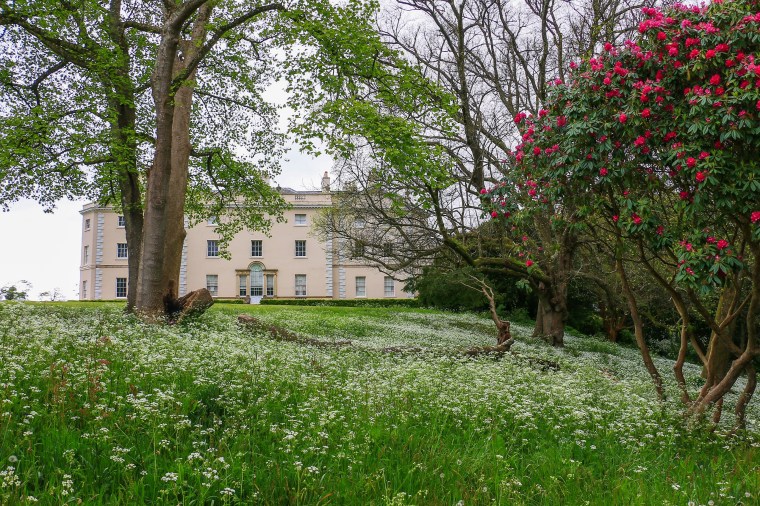
Saltram has its trails but is not without its trials. First off, National Trust property, which means the good people of busybody parkingland can’t wait to rob you of gold. For all the wonderful things the National Trust provides, it all seems a little exorbitant to me…I can’t help but feel some of the charges are siphoned off to some sycophantic Daily Telegraph fundraiser to install the natural heir to Churchill as PM. That dog from the TV ads.
The other thing with Saltram is that it takes a circuitous effort to reach by car, navigating a manic roundabout whose lanes disappear into a wormhole, and then a slip lane clogged with cars turning into Lidl for a pint of milk or 60 inch flat screen. Such is the travail of the journey, the prospect of digging into your life savings to park, and – should you mistime – the odorous tidal pong of the River Plym, that Saltram can prove a frustrating affair.
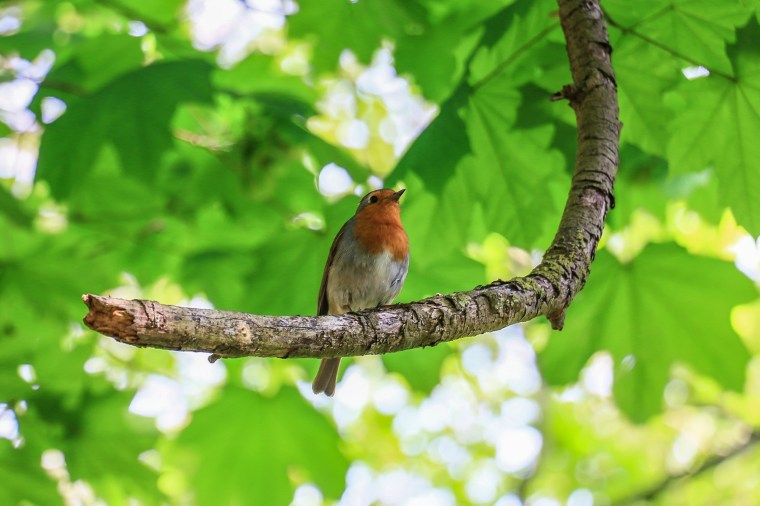
 Or it can be wonderful, arriving a little before rush-hour and just after the parking attendant has gone home. This yields a quiet fist pump of glee and a good mood in which to walk the parklands. Along the river, the tide is high and holding on, and clouds part to release the sun. Forget the roar of traffic along the Embankment, and the mould-tinged sails of Sainsburys, and focus instead on the flourishing green of the woods and bounteous swathes of wild garlic. Embrace the chirping birds and walk with the hope of encountering a deer.
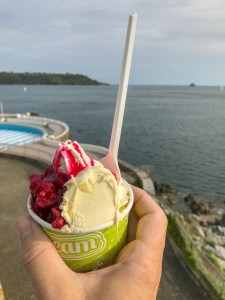 Look down upon manicured fields and be thankful that this is indeed upon your doorstep. A doorstep in which the land and sea meets, producing conditions that are often frustrating but usually fruitful. Beyond the chav-filled potholes of the city, a land of strawberries and cream or raspberries and cream or just cream goddammit.
A daily walk is an obsession not for the air, nor for the nature, nor for the killing of time in a rather pleasant way. A daily walk is the only way I can try to keep that goddam luscious cream off!


 No doubt many of the loftier residents of Salcombe were in jovial mood; not only from their elevated perch surveying the ambling peasants seeking a cheap pasty, but with the news of a royal baby to join the ranks. Does it have a name yet? I can’t even remember. Have the Daily Mail criticised the parents yet? Oh probably.
 And so, the unexpected and unplanned once again yields some of the most memorable moments. Waiting in a small layby among the gorgeous fields of Devon in the warming sunshine could be worse. Being patched up and guided to Totnes for repairs by endearing locals eager to provide a helping hand (and earn some pennies) proved heart-warming. Spending a few hours in Totnes, charmed and enlightened by good coffee, markets overflowing with abundance and leafy riverside walks. And the satisfaction of rediscovering batter bits with malt vinegar (good work Mum!)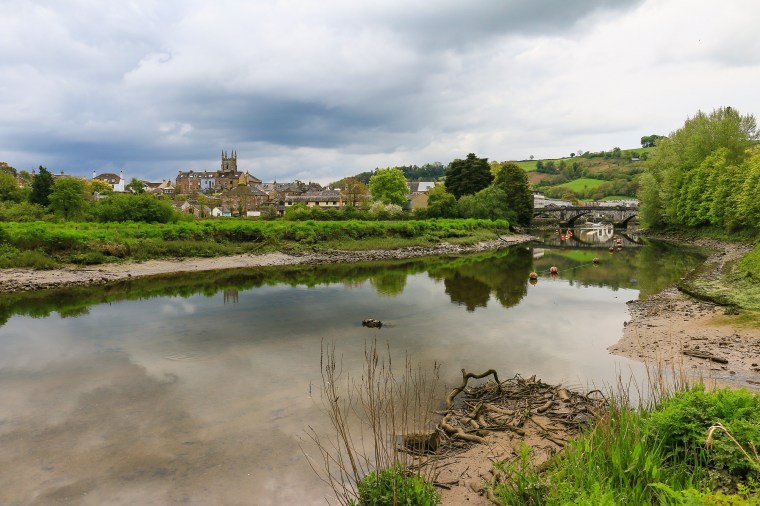

 Such are the ample proportions of the landscape here that the coast path between Strete and Blackpool Sands struggles to keep to the coast. The barriers are too immense, and the trail cuts inland as it dips down towards the bay. But this too is something of a blessing, for not only do you make it without falling to an inevitable death into the sea, but you become once again immersed into a countryside apparently so utopian. Farming must still be productive here, despite the temptation to become a campsite or a tearoom or a paddock for some pampered hobby horses.
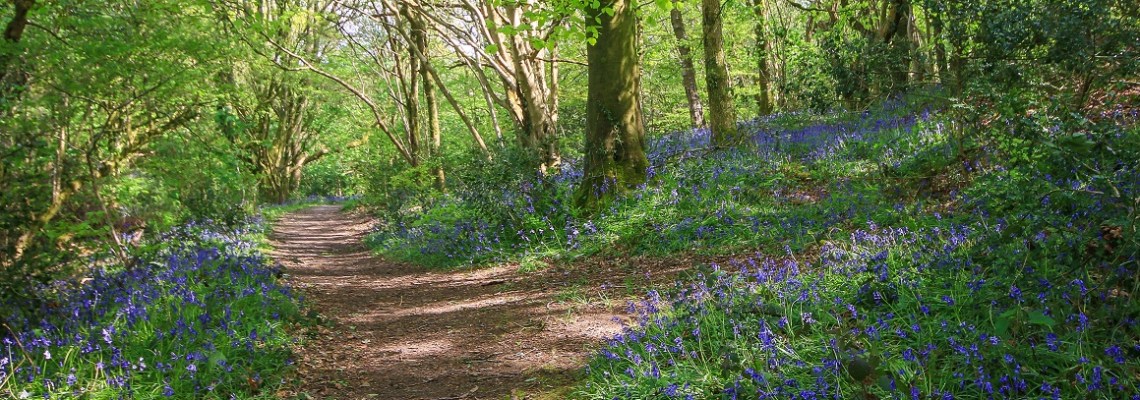

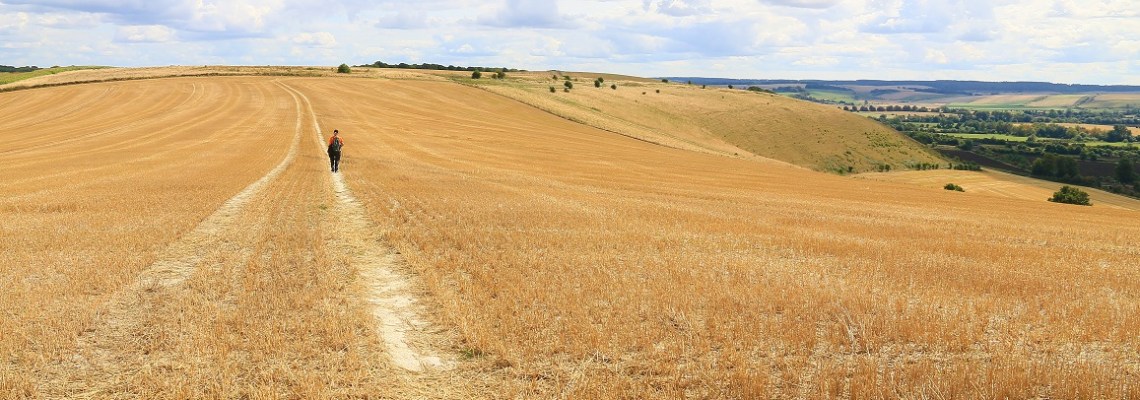
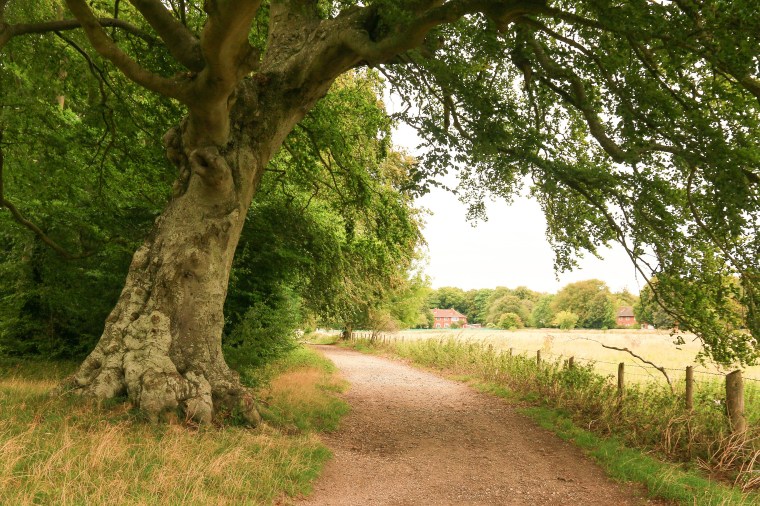
 It was a more placid day departing the north, incrementally brightening on my journey towards London and then onward to Salisbury; the very heart of a conceptual south. Perhaps near here, somewhere within the borderlands of Wiltshire sits that romanticised version of England; of thatched cottages and village greens; of tinkling brooks and sun-dappled woods; of church fetes and coffee and walnut cake. Perhaps, indeed.
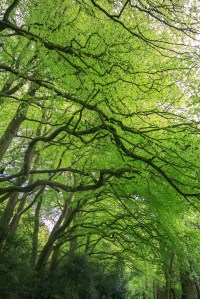 Praise the Lord for a pint outside in the open air, soaking up the sweetly chirping birds and the smell of the country. And thank the almighty for a gentle downhill totter back to the car, parked beside the marquee on the green next to the church in the contented village of East Knoyle. Everywhere around here is easy to suspect as a secret filming location for Bake Off.
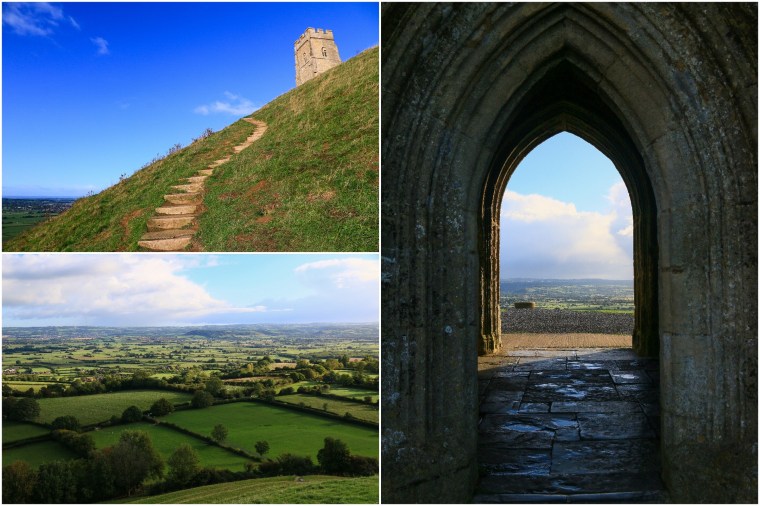
 “When I were a wee lad you didn’t see us lot wasting our time with Instagrams of food and posing for selfies,” Dad clearly didn’t say as I took a photo of some coffee and cake and indulged in a selfie. Because this wasn’t Yorkshire and neither was it the 1940s anymore, though you suspect some in Shaftesbury would be pleased to turn back time. At least to the years before that bloody advert sent people flocking to a hill to take Instagrams and selfies.
 Back in a more reassuring south, a morning in Salisbury offered increasing photographic opportunities, marvelling at the famous Cathedral with its famous 123-metre spire and its famous clock, a renown reaching as far and wide as Russia. The water meadows glowing under the sunlight, it was briefly warm enough to amble in a T-shirt, a clear signal that things were still on an upward trend. The birds continued to tweet and to chirp and to wade and to pose in such land of growing abundance.
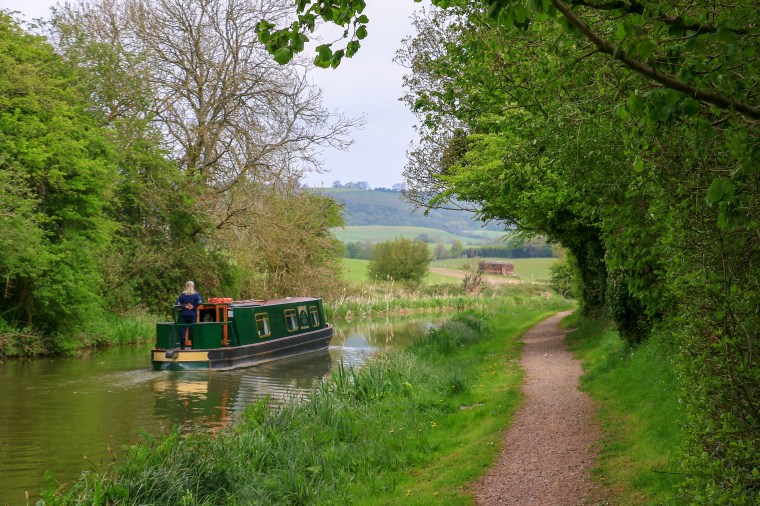
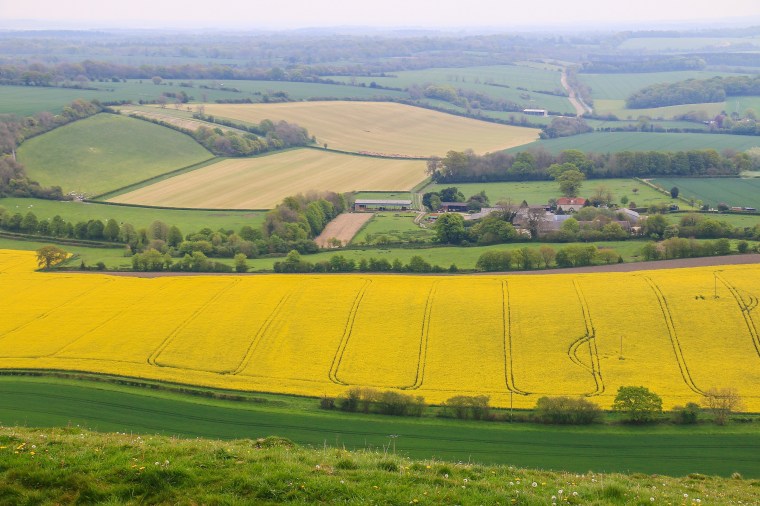
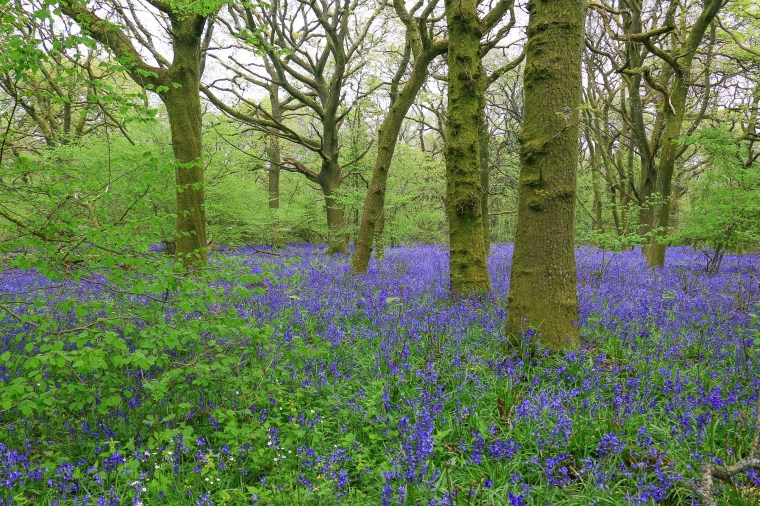
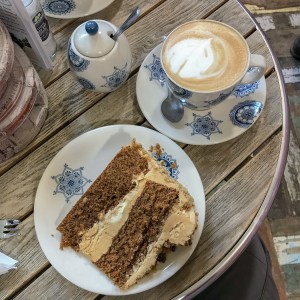 Bluebells really were in profusion across England at this time, evident everywhere during this sojourn in the south and among the storm-laden lands of the north. Spreading across the country like the philosophy of Nigel Farage, only exponentially more unifying and much easier on the eye. They would have been a clear highlight, if it were not for that slab of coffee and walnut cake in Honey Street before catching my train west. A very perfect bookend to this haphazard instalment of North and South. And preparation for the tea and scones still to come.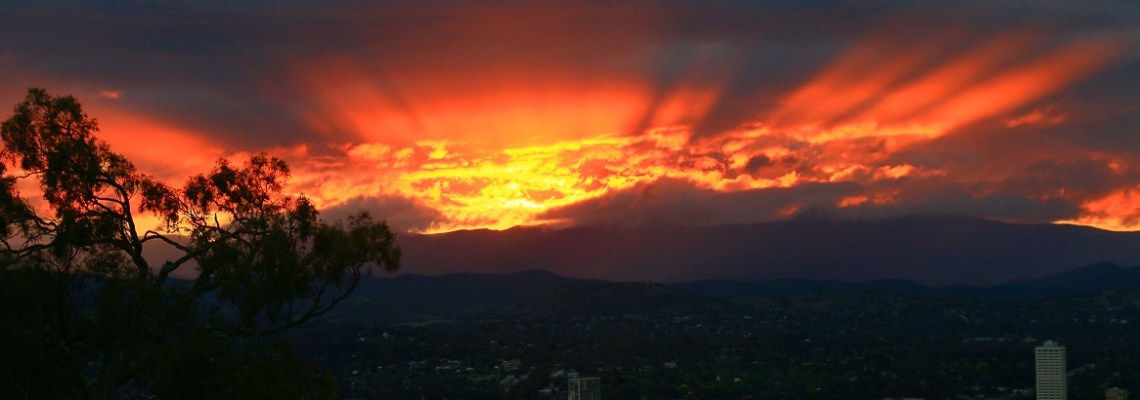
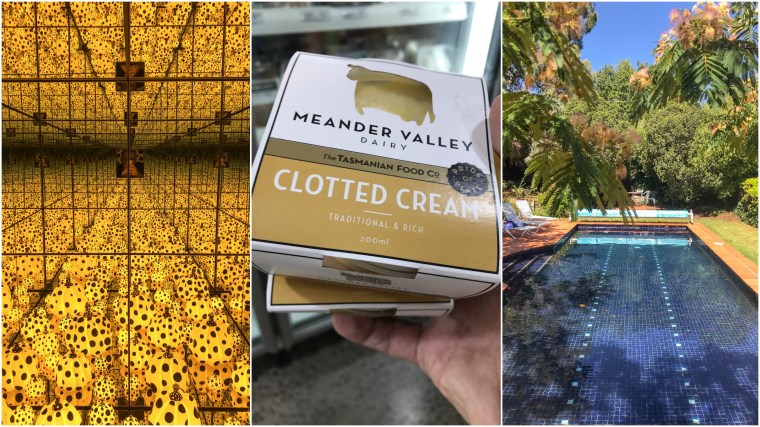


 I think about munching on some leftover sausage rolls in here, but delay lunch for one other walk before the temperature peaks. It’s already midday and clearly above thirty. Shade is intermittent on the way down to Tinted Cave and the Limestone Gorge, where sausage rolls can be enjoyed beside a shallow pool of water popular with dragonflies and sweaty humans.






 It is from these hills, from this sponge in the middle of Devon, that the waters which give Plymouth its name first spring. The River Plym here is a far cry from the sludgy and stinky tidal estuary meeting Plymouth Sound. Clear and rapid, tumbling over boulders and pooling on bends, the river descends into dense valleys packed green with mosses, ferns and leafy trees. Plymbridge Woods is but a short descent through a dark, narrow lane from industrial estates and Asda superstores, yet it is another world away.
 So, to the north, to the east, to the west there are pleasures easy to reach. Should you have a boat or a longing for Brittany, the south also offers much. And slap bang in the middle, Plymouth. My home that still feels mostly like home while existing slightly distant. It’s funny how things you took for granted, things that you didn’t notice when you were younger now trigger a fond, sometimes joyous sensation. And that extends from leafy green woods and cobbled quays to the family comforts of laundry fairies and roast dinners. Home, still.

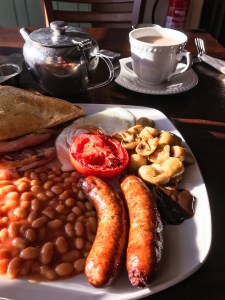 Facing a long drive back from
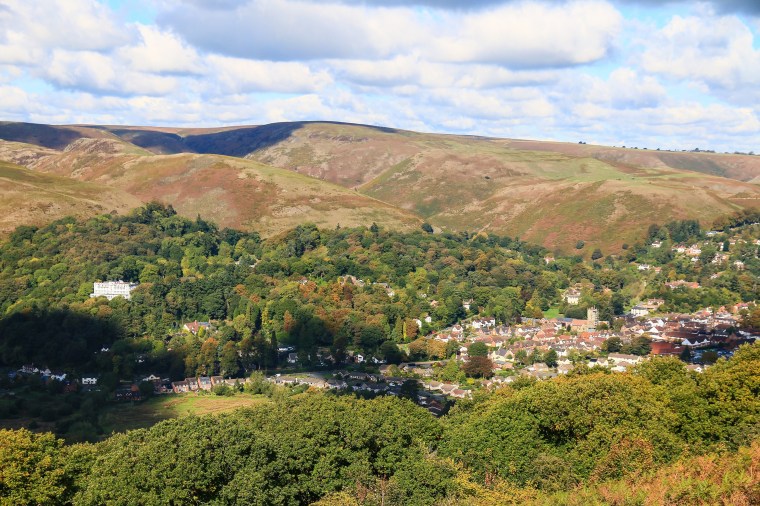


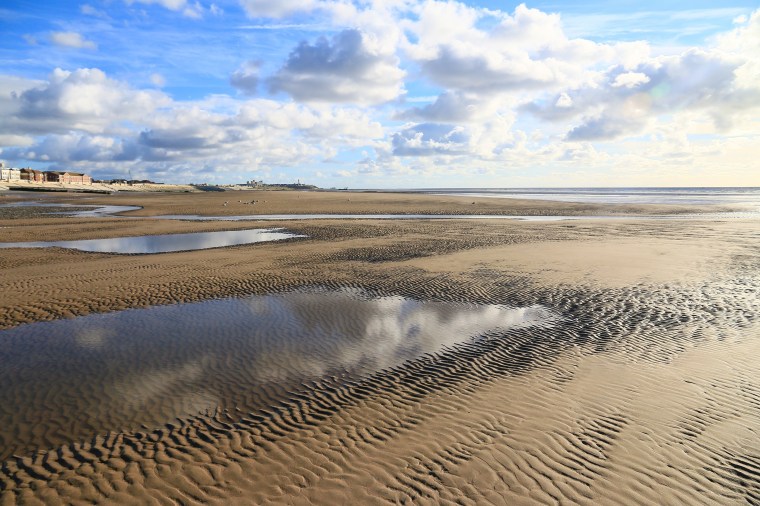
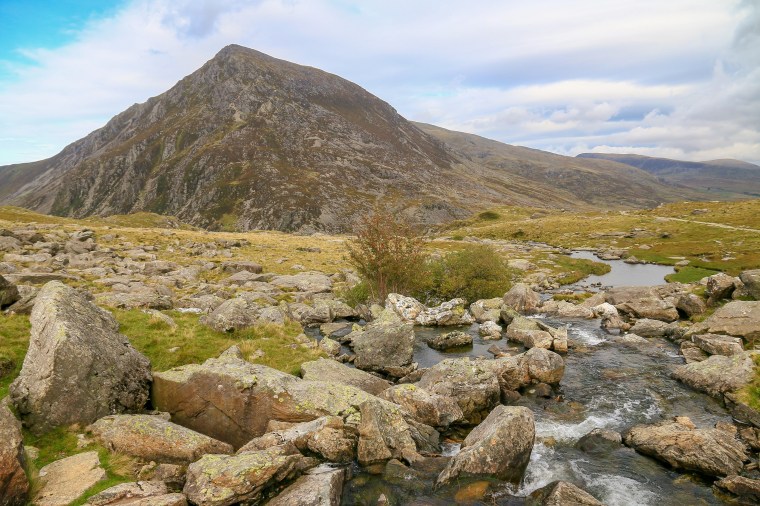



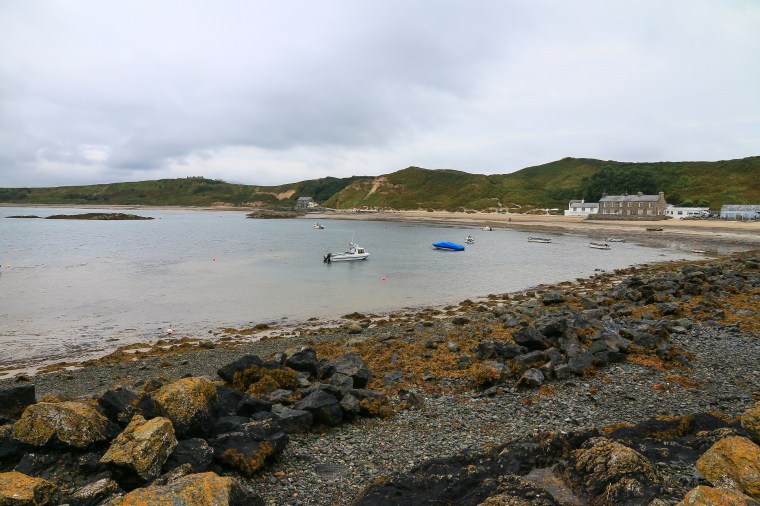




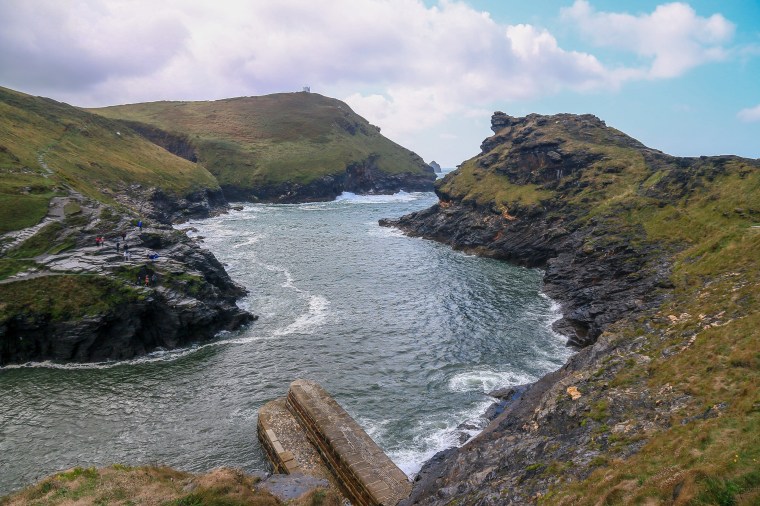
 With its prominent headlands, Boscastle offers a sense of protection from the great expanse beyond. There’s a cosiness to the village, which is a formidable asset in attracting people down its B roads. Nearby Tintagel doesn’t possess as much cosiness but instead relies on tenuous associations with King Arthur, Pengenna Pasties and – until recently – Granny Wobblys Fudge Pantry. Sadly, this year it seems Granny Wobbly has retired, along with her legendary fudge making abilities and fudge crumble ice cream (ice cream + clotted cream + fudge). Suddenly Tintagel seems devoid of purpose and Boscastle wins.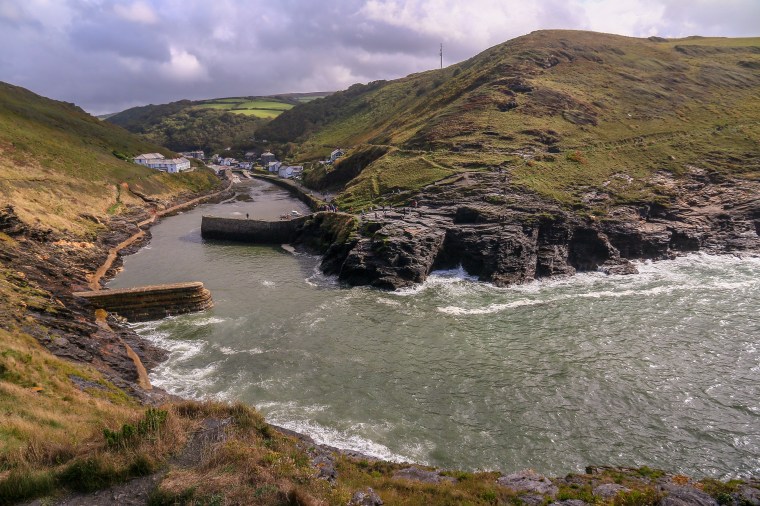




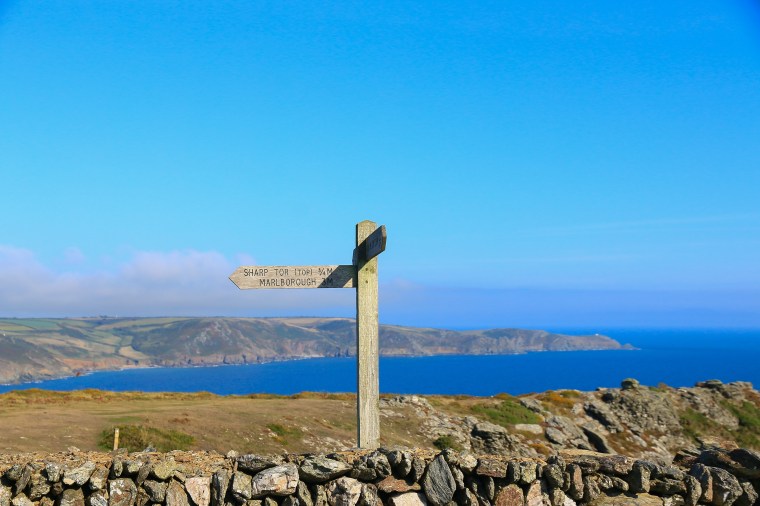

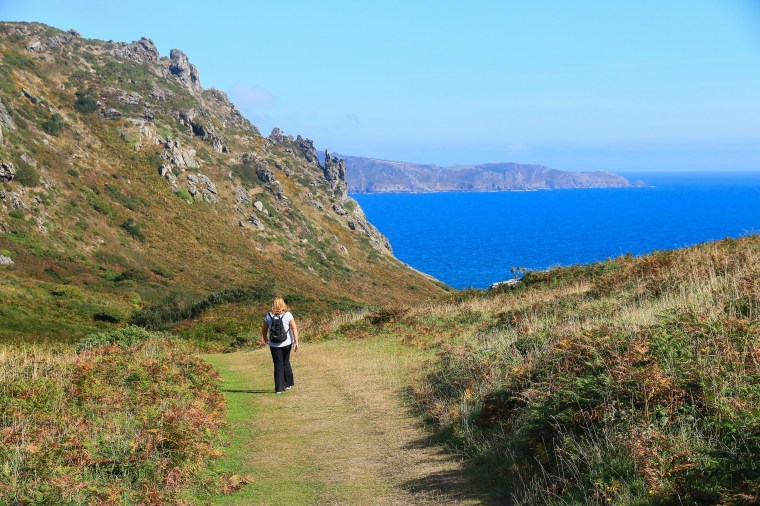

 The scenery and amazement at such scenery being so visible, being so wondrous, continues around the corner as we slowly head back in a loop towards the car park. The last vestiges of heather and sweeping gold of flowering gorse add an extra splash of colour on this most brilliantly saturated afternoon. Leaving the clifftops high above the sea, only bovine-induced pungency can prove more overwhelming.
 Could I end this day, this once dreary day, any better? This morning – actually even at two o’clock this afternoon – I would have had myself committed if I said I would be bathing in the sun, drinking a cold shandy, lounging in shorts. But with the regular dreariness of Great Britain you need to retain that hope. And in South Devon, we are of course blessed with hope. Hope indeed.
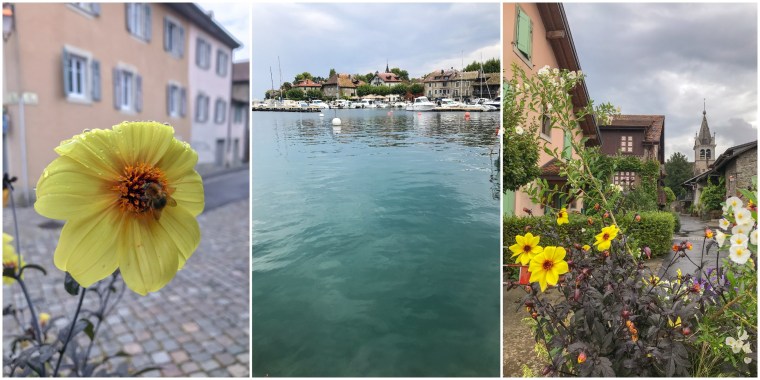
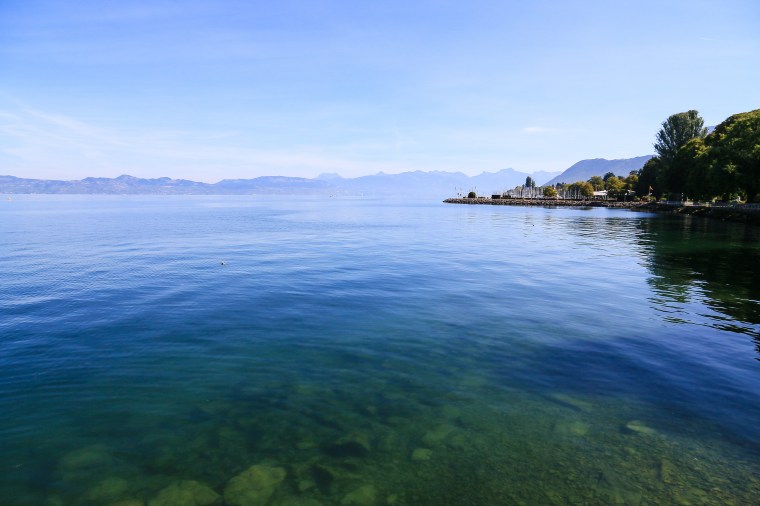
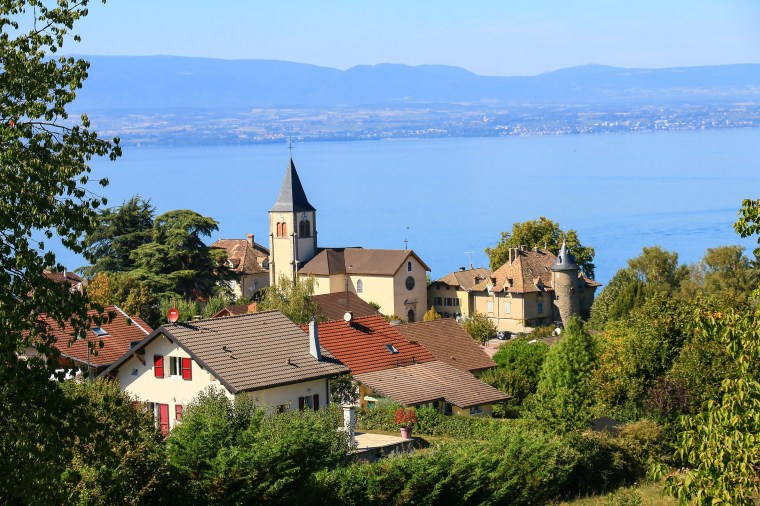
 The next day was a more promising affair, with clouds breaking and a touch more warmth back in the air. And so into the Alps, for a destination that was as much about a lunch opportunity as it was scenic nourishment. The Cascade du Rouget plunges down from the mountains, fed by snow melt and discarded Evian. Today, at the end of a long hot summer, it was a relative trickle but an impressive sight nonetheless. Liquid oozing at the mercy of gravity, the annual fondue went down pretty well too.
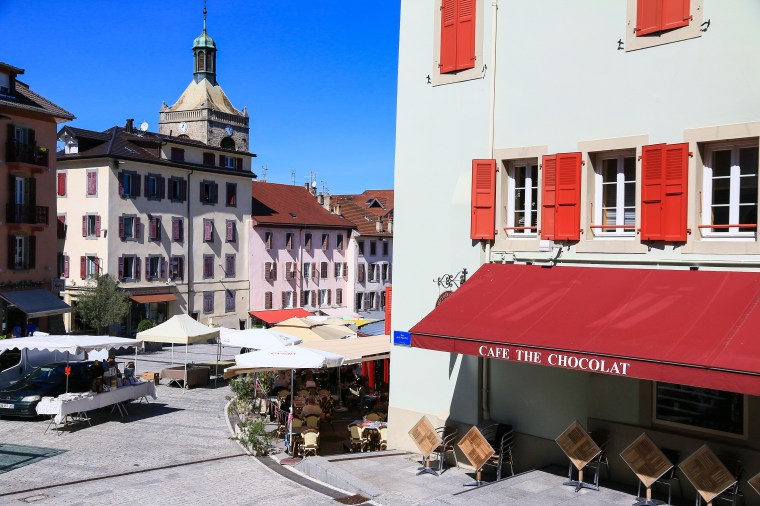
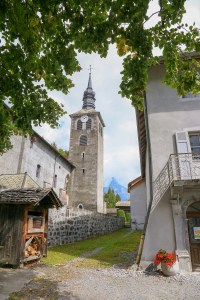 The nearby flowery towns of Sixt-Fer-a-Cheval and Samoens provided a touch of post-lunch ambling, ticking down time until the bakeries re-opened. They were relatively quiet on this weekday in September, a palpable air of towns that are winding down from the summer and slowly putting in place preparations for winter. Jigsaw wood piles, puffed up bodywarmers, freshly greased raclette machines. All the essentials of an Alpine winter.

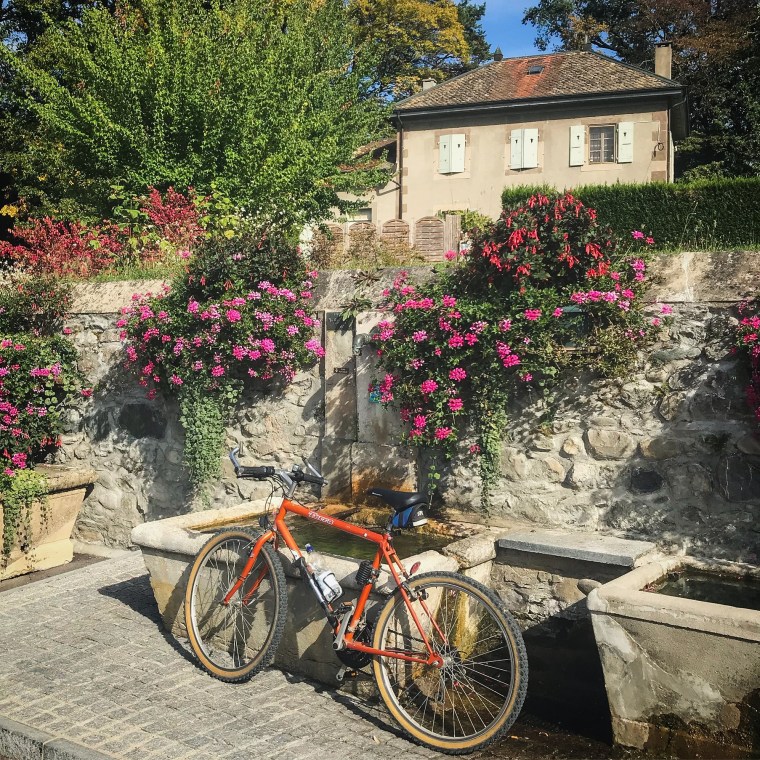

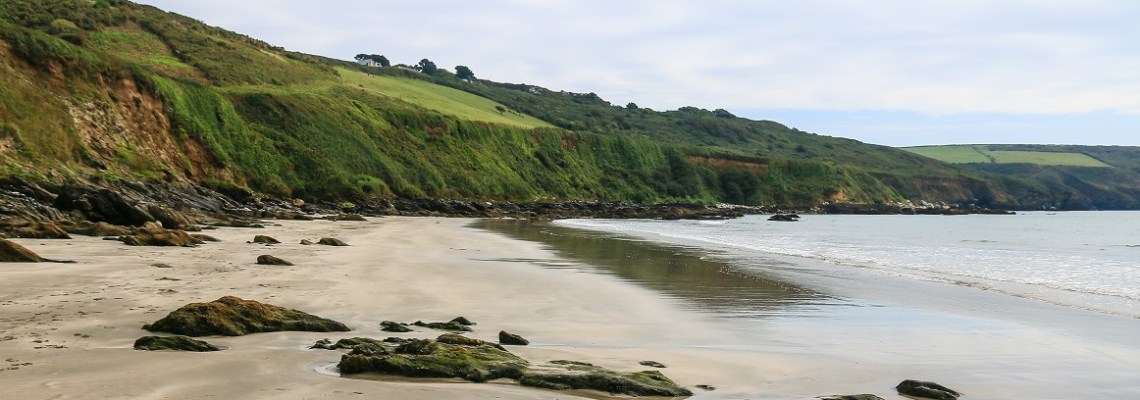

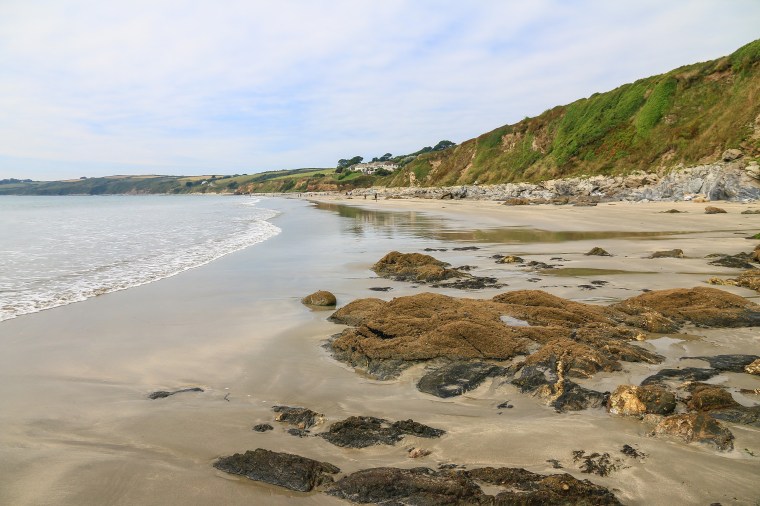
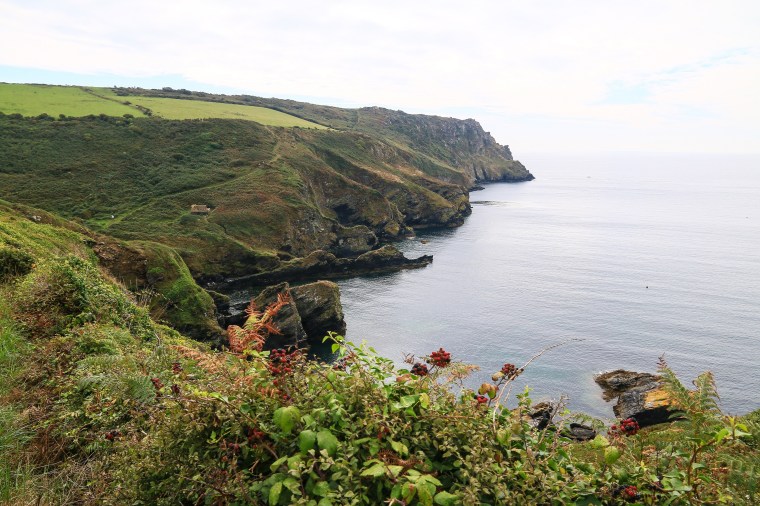
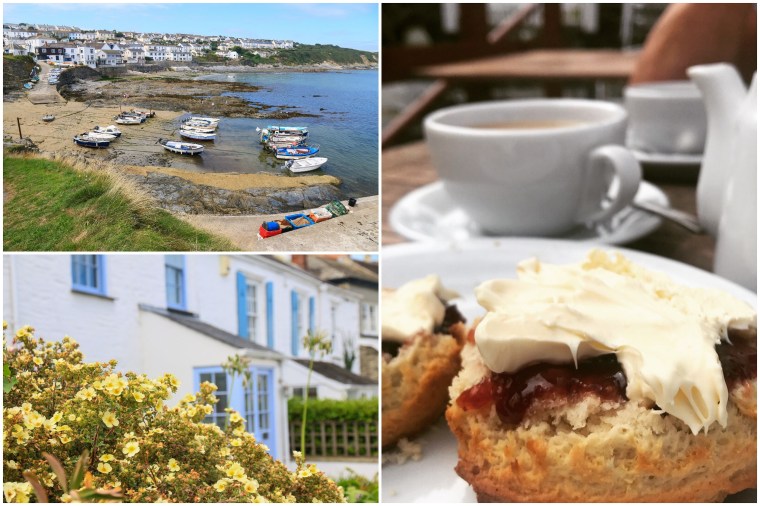


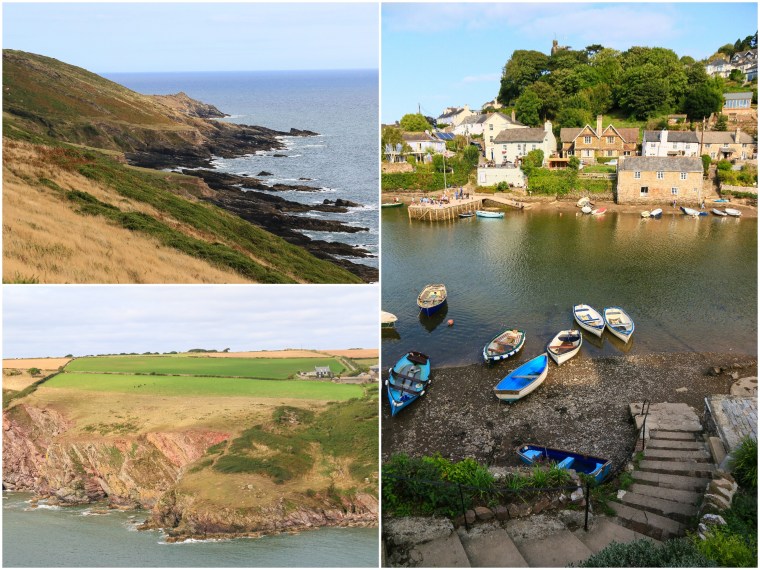
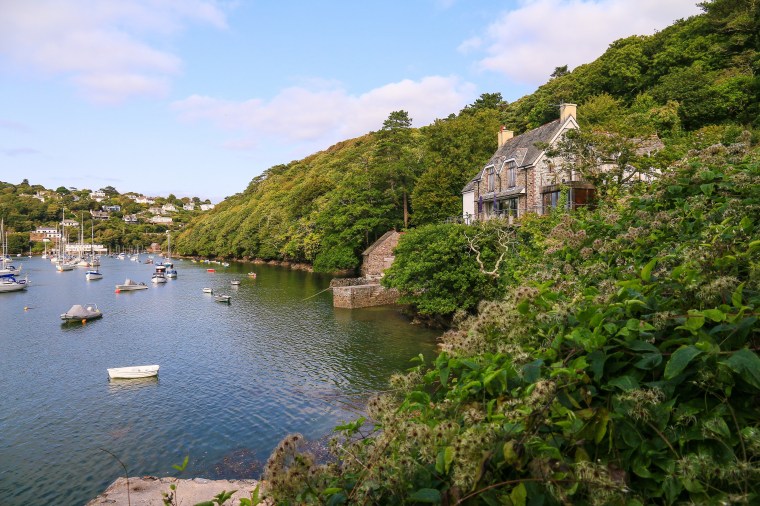





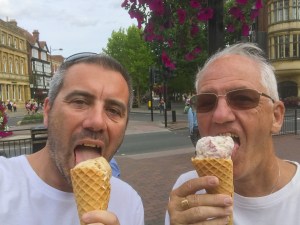 The reward for all this toil, traipsing through a sunny late summer in England was ice cream in Salisbury. In a land in which tradition appears widely cherished, what better tradition to uphold?
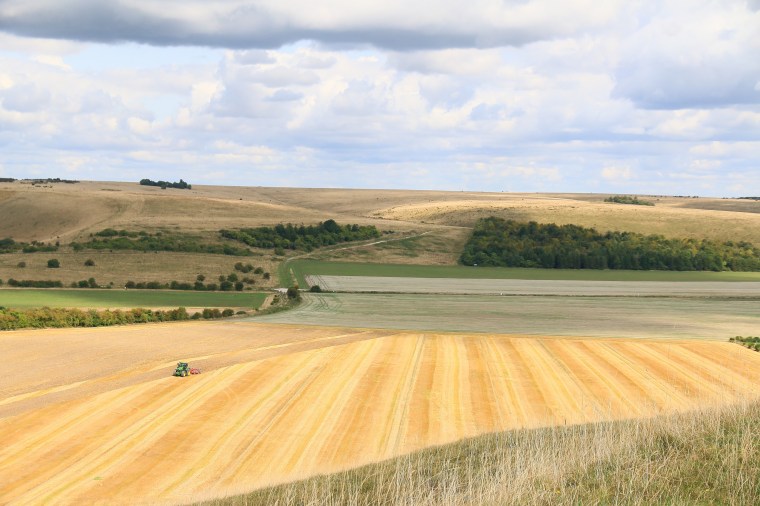
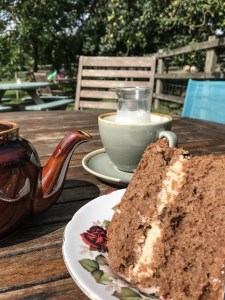 In times of such frightfulness one is best advised to turn to a cup of tea and slice of cake. Sat in a sunny position next to an orchard, sheep mowing the grass and a garden centre just around the corner, there is enough here to soothe the feet, the stomach, and the eyes. I’ve had better cakes but hardly many better contexts in which to eat them.


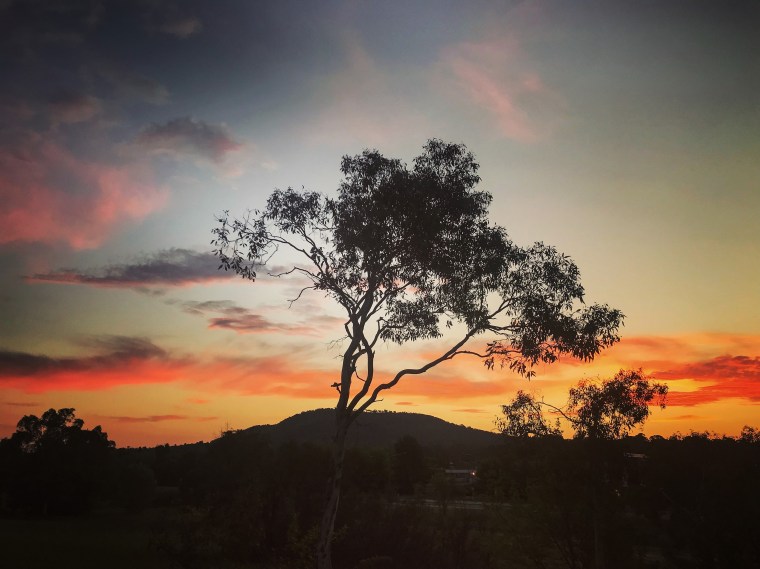
 And so the drive out of Canberra almost immediately led to immersion into a flat, golden brown landscape almost devoid of interruptions or scenic highlights. Diverting around Yass and Jugiong and encountering extensive lane closures on the road to Gundagai, distraction naturally came with the Dog on the Tuckerbox. It’s a statue of a dog. On a tuckerbox. But it is sunny and warm and the landscape here more undulating and fertile. Gum trees offer shady refuge for the melodious magpies and chirpy galahs; tin sheds and wooden farmsteads sit snugly among long grasses and fields of sheep; and there are numerous comings and goings to observe at the Tuckerbox KFC.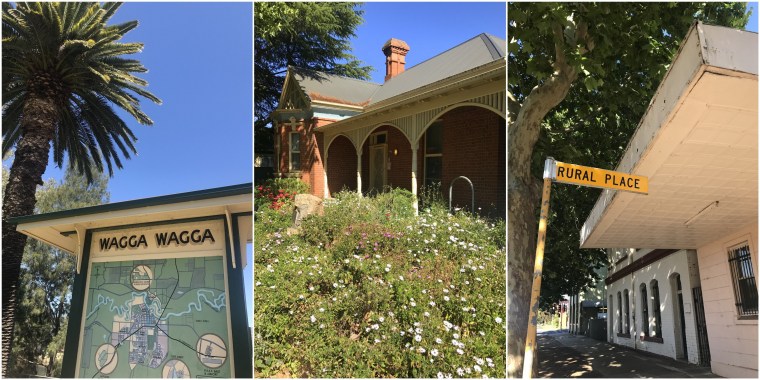
 I enjoyed a late afternoon beside the river, checking out the sandy beach and colourful language of some local ladies engaged in a very open discussion about Tinder and uncles marrying strippers and the like. The beach is obviously no Bondi or Bantham, but there’s sand and water and – I can imagine on those scorching summer days – it has enough going for it to impel you into the Murrumbidgee. Under the shade of eucalypts the vibe is chilled, languid like the river itself and I could have sat here a while if I didn’t have some work to do.
 The return trip was far more diverting than a dog on a tuckerbox, mainly because I opted to take a different route back which didn’t involve dual carriageway and bypassing one street towns. The Snowy Mountains Highway stretches all the way down to Cooma, and if I was going to avoid taking a massive detour to Canberra I would have to find my way across the Brindabella Ranges. But first, time for a little bushwalk, just south of Tumut to a slab of rock called Blowering Cliffs. It was a decent jaunt out, starting off through lush meadows and rising ceaselessly through forest to a protrusion of granite. Sometimes a waterfall plunges off here, but today it was like a sporadically dripping tap.

 What goes down must go up and so there was some further climbing through Brindabella National Park on more precarious surface before cresting the ranges where the NSW-ACT border sits. I figured out this was my final road border crossing into the Australian Capital Territory and immediately the road surface improved: still dirt but smoother and significantly more tolerant. At the oh-so-ironic Piccadilly Circus I was back on familiar ground, winding down towards the subdued hum of sealed tarmac once more. Back in Canberra comfort, but with the satisfaction of a touch of exploration behind my back.
 gbpilgrim