It’s entirely natural to reminisce about holidays, to #tbt, to revel in the sights and sounds granted by being at leisure. And once home, to miss the adventures, the freedom, the thrill of discovering new places and experiencing a certain degree of randomness along the way. Casting my mind back to January – and a road trip return home – such rose-tinted sentiment is tangible, readily available to grasp.
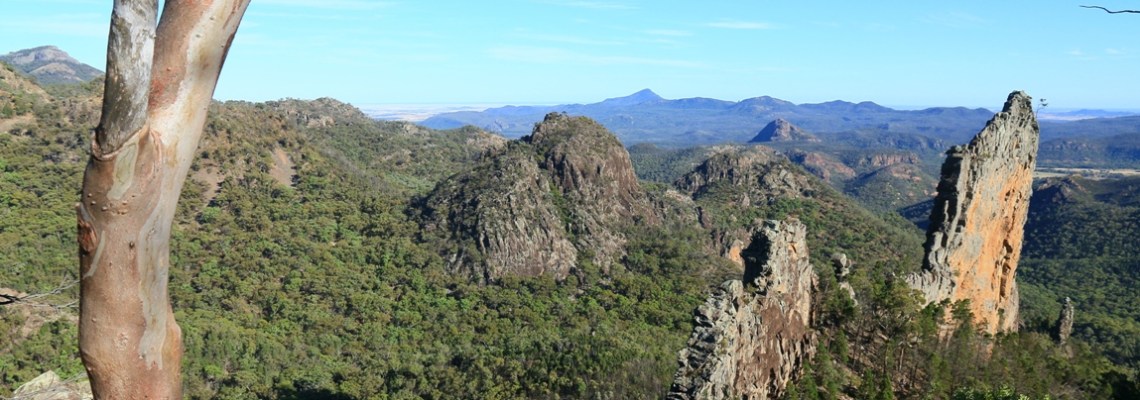
There seems to be an added dimension of fond reminiscence surrounding this trip though. It was as if it took place in a different age, before the world got a real dumb deal; a time when things were not quite as barking mad, when there was still some value placed on logic and reason and fact, when the majestic pinnacles of the Warrumbungles were less likely to be obliterated in a twitterstorm. Thank goodness I got to see them – and more – on the return to Canberra…
Farewell pineapple paradise
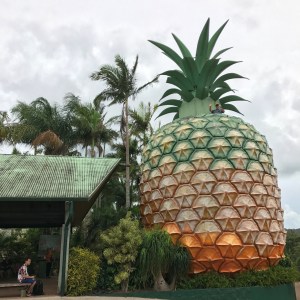 A couple of days on the Sunshine Coast had delivered only intermittent milky doses of sunshine, with homely patches of drizzle persisting throughout my final morning. An obvious light in the dark was the Big Pineapple on the outskirts of Nambour. A possible former plaything of an ex PM and Treasurer of Australia, I felt this was a perfect way to say goodbye to the Sunshine Coast and a suitably symbolic start of another long drive through the heart of Australia.
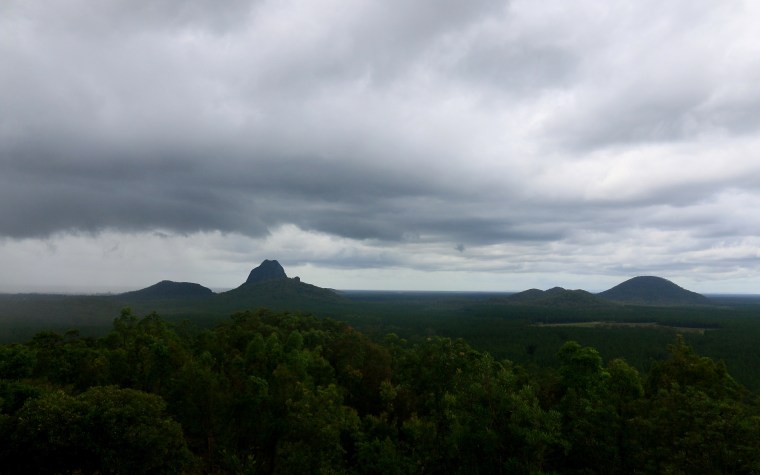
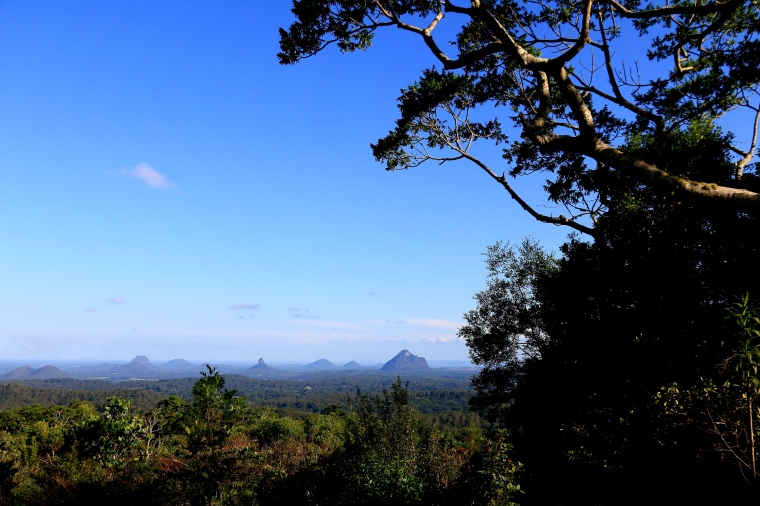
South of here, along the Steve Irwin Way, are the crikey strewth craggy lumps of the Glasshouse Mountains. I had hoped perhaps to go for a walk, but a dense shower and the constraints of time put a scupper on that. Instead a brief stop at a lookout to watch the cloud graze the jagged edges of rock, and a scurry to the car as it moved overhead and deposited its load was the order of the day.
I decided to circumnavigate Brisbane, heading inland through Woodford, Kilcoy and loosely following the valley of the Brisbane River. Here, it was an insignificant trickle compared to the wide brown water beating a course through the city. At Esk the summer made a splendid return, providing the setting for an exemplary chicken sandwich-making lunch stop.
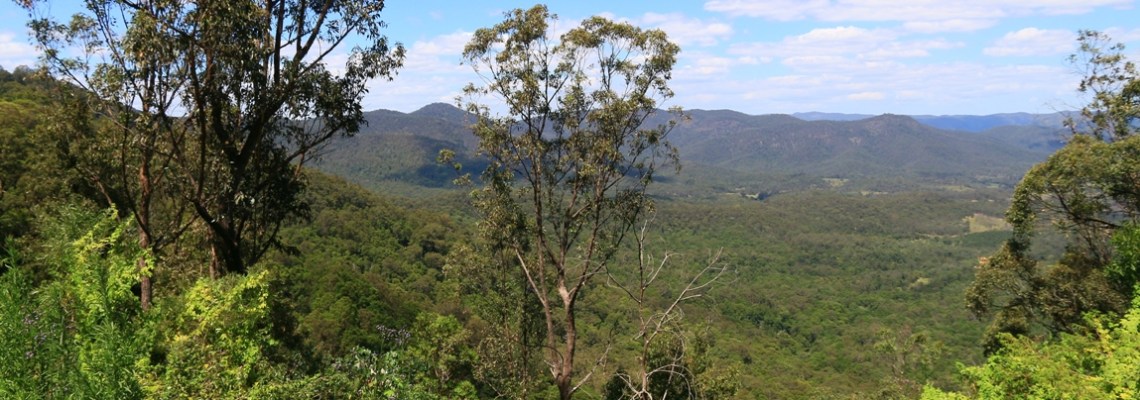
I was heading towards the New South Wales border and had entered a region promisingly labelled the Scenic Rim. Curious as to how much this was tourism marketing exaggeration, it didn’t take long to ascertain that, for once, this was not fake news. Distant views of extinct volcanic peaks became closer, the green and fertile landscape opening up as the car climbed the curving ribbon of highway to cross the divide. At its apex, Main Range National Park offered one final taste – on a brief jaunt – of the majestic rainforest that had been a significant feature of my trip.
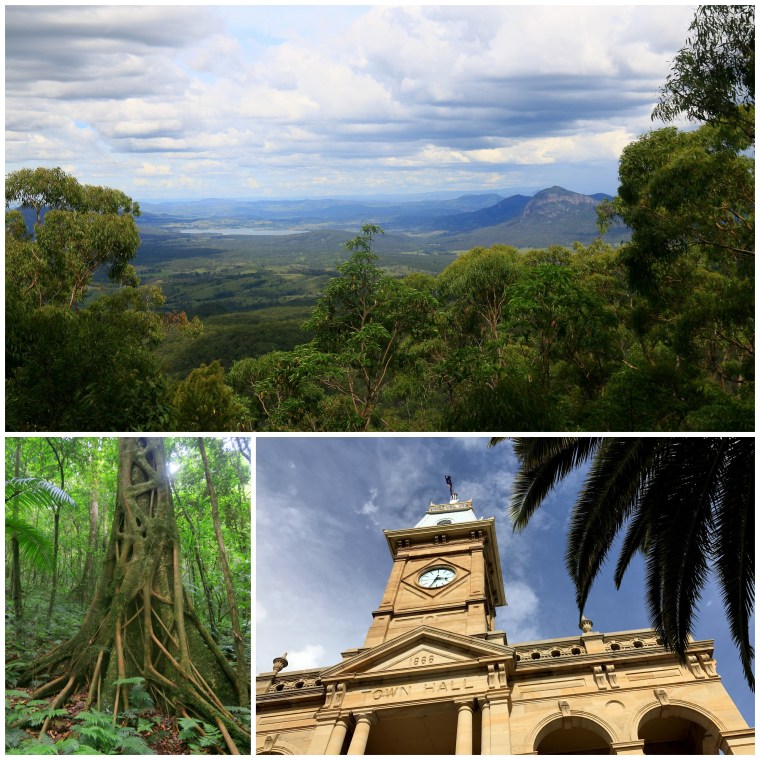
Beyond the rainforest, the road ambled down a valley through what appeared to be a rich vein of farmland. This continued to Warwick, which was a pleasant, well-heeled kind of place, suggesting the surrounding farmland does indeed possess significant richness. From here orchards and vineyards cluster around Stanthorpe, at the heart of the Granite Belt.
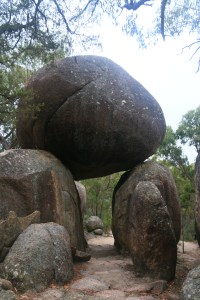 Pausing at Stanthorpe the rain had returned and I made use of mobile coverage to assess the likelihood of getting soaked while camping. It was touch and go but I opted to camp a little south in Girraween National Park. This was unlike a Queensland in any of the brochures…cool, cloudy, a little dank. Clusters of giant boulders dotted the landscape, sitting within short and stubby forest and forming natural terrain for pools of water to form.
Here, in Queensland, just a few miles from the state border was a striking replica of Namadgi National Park in the ACT. Weather and all. The granite boulders a symbol of home, the coolness a familiar relief. But – pinching myself – the reality was of another thousand clicks to go, and the impending ordeal of losing an hour tomorrow.
The road
 I was definitely the first person to leave the campground the next morning, cognisant of a long day ahead and jumping forward an hour into New South Wales. A lonely road led to Glen Innes, the only memory of which I have is of waiting ages for a coffee and then discovering, driving out of town, that they had decided to put sugar in it. This clouded my opinion of Glen Innes, and driving through the next town of Inverell, I wish I had stopped there instead.
I was back on little used country roads, cutting a smooth swathe through fields of wheat and passing over desolate ranges coated in eucalyptus. I was making a surge to Narrabri, hoping to get there as quickly as possible for lunch. But lunch came quite late (and, inevitably, in KFC), after a few diversions slowed my progress.
Crossing a bridge into Myall Creek, the name registered in my head for some reason. Maybe it was in A Country Practice or had a Big Thing or was the birthplace of some famous Aussie cricketer who sent English wickets cartwheeling towards the Nursery End? If only. Sadly, heartbreakingly, it was the scene of slaughter, as white invaders massacred 28 Aboriginal men, women and children who were camping peacefully on the Myall Creek cattle station in 1838. Even more sadly, grotesquely, such occurrences were not rare. What distinguished this was that for the first time – the only time – white men were arrested, charged, and hanged for the murder of Aborigines.
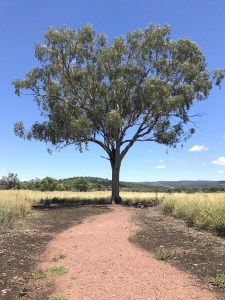 Today, it is a quiet place of solitude and reflection. The chirping of birdsong persists despite searing heat and baked earth. A simple, memorial walk exists, a swirling red path providing points of information and remembrance. There is talk of healing, of coming together of ancestors, of deep remorse and some kind of hope. A hope that, eventually, love does trump hate.
Myall Creek seems a long way from anywhere. The nearest town of Bingara has a sleepy charm; it’s the kind of place I could be tempted to sup an ice cold schooner in the pub, surely the beating heart of the town. But I head on, closer to the incredible peaks and volcanic plugs of Mount Kaputar National Park. I have a fondness for this spot, which effectively heralded the happy start of an epic trip in 2013. Back then it became a surprisingly good replacement for the Warrumbungles, which had been decimated by bushfire. But now, four years later, I could finally cruise past Mount Kaputar and see how much nature had recovered.
In the bungles, the mighty Warrumbungles
 Entering Warrumbungle National Park, it was pretty clear that a fire had ravaged the area; blackened trunks of trees lined the steep slopes and the road produced a patchy, lumpy ride where the tarmac had no doubt melted. Up one of the hills, some of the buildings of Siding Spring Observatory had suffered damage but the telescopes survived. Well, thank goodness for that…we can still scope out future worlds to inhabit when Fake Lord Emperor Pussy Grabber destroys this one.
But this land is a resilient land. Just under four years and further into the heart of the Warrumbungles, the green explosion of new growth is abundant. I was looking forward to exploring it more in the morning. For now, time to make my bed in the delightful surrounds of Camp Blackman and enjoy the added attraction of running water and hot showers.

I was the first person up the next morning again. This was deliberate and well worth it, for I was embarking on a pretty long walk and it would be hot. Returning to the car park towards the end of that walk I passed numerous people coming the other way. Of course I said hello, g’day, howzitgahn but my mind was saying things like good luck you fools, shouldn’t have been so lazy this morning should ya.
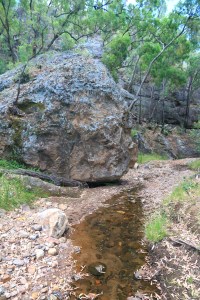 With benefit of doubt perhaps they were not doing the entire Breadknife and Grand High Tops walk. Maybe they were just doing the first part, which was gentle and followed the course of a mostly dry creek bed. This would be a rather fine walk in itself, for it is such an elemental, earthy landscape in which to linger. I wasn’t expecting such enchantment here, such homage to the rugged environments further inland, closer to the desert. There was a bit of Flinders Ranges crossed with The Grampians about this place. Two of my favourite ever spots blended into one.

 The other benefit of starting early was to witness the early rays of sun graze the hilltops and glow through the tree trunks and branches of the bush. I think the angle of an early sun also helped to illuminate some of the spider webs formed between shrubs on either side of the path, requiring a little stooping and contortion to avoid. Being a pioneer has its downsides and I guess if I was later in the day many of these webs would have been smashed by hapless walkers that had come before.
 Inevitably after a couple of kilometres the track climbed, with a steep but nicely constructed path giving way to endless metal steps. This was taking me up towards the Breadknife, so named because of its sheer sided slopes and thin pointed summit thrust into the sky like a scene from Crocodile Dundee in which Mick shows some New York Hoodlum a proper knife. Up close, you couldn’t really see it, but, eventually, when the trees fade away and the rocky floor of the Grand High Tops themselves are underfoot, the knife is there, just one of many rocky crags and rounded lumps rising up from an incredible sea of green.

“Call that a knife?” was the current expression that was going through my head as I sat and ate some cold bacon sandwiches premade from the night before. I didn’t say this out loud, because two other hikers soon joined me in admiring the view. Distant to the west, beyond the sweep of green was a flat, yellow expanse that would extend to – well – Perth? Behind, further rocky mounds and eucalypt forest reached to the horizon; a horizon I would be heading towards later in the day.

But first, descent. It wasn’t too bad, apart from a few larger rocky steps somewhat deformed and eroded into that gravelly stuff that is treacherous underfoot. Luckily I stayed upright, apart from the numerous times ducking under spider webs again, some of them occupied by things which are probably perfectly fine but Australian and therefore potentially deadly. Such was the profusion of webs in the shadow of the Breadknife, I grabbed a stick and waved it up and down in front of me. For a moment I felt like Harry Potter, but this particular wand had a success rate of something like 25%.
The largest, ugliest, potentially deadliest spider sat low over the path, guarding the final section of the loop back to the metal steps. I started to take a photo of it and it looked at me as if it didn’t really like being in pictures. So I stopped. Wary, I assessed any alternative routes but to the left of me, a scrubby, rocky drop and to the right a cliff face. There was nothing for it but to crouch as low as possible, scramble quickly underneath and avoid looking up.
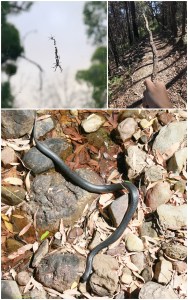 Further down the trail I encountered a young lady throwing rocks at another occupied web. It was one I must have ducked under a couple of hours earlier. She looked terrified and said as much. In trying to comfort and reassure, I told her it was probably the last of them and moved promptly on. She scarpered under the web to continue her walk while I went to look at a deadly snake. Pausing at a little wooden bridge over the dry creek, a beautiful Red-bellied black meandered along the rocks beneath. It was quite mesmerising, until it disappeared out of sight, when it became a snake that I couldn’t see and therefore significantly less appealing.
Come to Warrumbungle National Park, to experience an epic, timeless Australian landscape and to appreciate its friendly animals. Actually, do come. I loved this place more than anywhere else on my trip. Good campgrounds, great walks, beautiful country. And only six solid hours from Canberra…so I may return!
Old country for no men
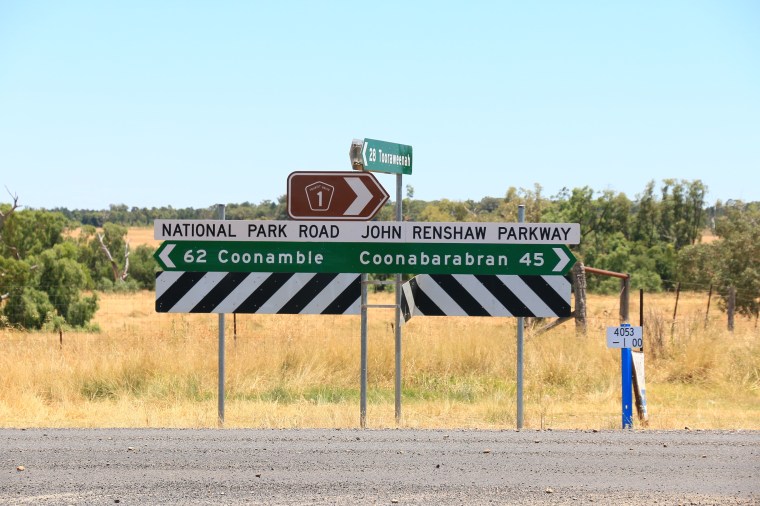
 A couple of hours and I was back in more familiar country. Dubbo is one of my token regional research towns and I had a sense of déjà vu checking into a motel with a plastic cow on a pole out front. But still, a motel, with refurbished rooms, air-conditioning and a king-sized bed. After my morning adventures, what better way to appreciate this scenario than nap.
I was still a little weary as the evening emerged, so randomly stumbled upon the comfort and cooling refuge of the local cinema. Star Wars and a natural blue raspberry Slush Puppie in a cinema in Dubbo. It was like it was 1985 again.
 The next morning, after obligatory buffet breakfast, I set off on the final stretch of road home. It was a day in which there was little of note. As a commemoration of all things road trip I made a spontaneous stop at a place called Peak Hill. Here I went on a little walk along the perimeter of a big hole in the ground, previously mined for gold. While gold sounds glamorous, it was a hot and dusty walk with countless flies trying to go up my nose and the pervasive smell of urine in the air.
 South of here, Parkes had a more pleasant aroma, decent coffee, and was positively bustling with the prospect of Elvis coming to town. Or thousands of Elvises (or Elvi?) all dressed up for the annual festival, starting in a few days. If ever you needed an encapsulation of randomness this was it. Seeking quirky Elvis sights, many shops were filled with posters for upcoming Elvis impersonation gigs, and a couple of murals were dotted about the town. One, I was informed by a very enthusiastic lady, lit up at night and projected videos and played songs out loud and everything. I should come back tonight she said. I got my coffee and moved on.
From here, more familiar names like Canowindra, Cowra and Boorowa passed by. All surrounded by a gentle landscape of golden wheat fields and occasional strips of bushland. It was a placid, smooth, easy ride where the only real highlight was the prospect of falling asleep at the wheel and creating a massive fireball visible for miles around. A frozen coke kept me going to join the Hume Highway and bypass Yass. The Hume Highway! Yass! This is practically home.
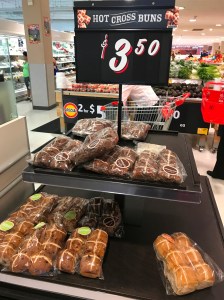 Of the 4,232 kilometres covered on this trip to Queensland and back there were around 50 more to go. Past Poacher’s Pantry where a pre-Christmas lunch lingered in the memory; across the state border and back into capital territory; a roundabout and empty dual carriageway through bush towards home. The city of Canberra is here somewhere, but I could still be out on the open road, in the middle of nowhere. Suburbia and never-ending apartment construction does finally emerge. There are supermarkets in which to replenish supplies, and, crucially, stock up on hot cross buns for Easter.
It is January 9th and with a cup of tea and hot cross bun I am relaxing at home. It is always nice to be home for sure. The ready availability of a bed and shower are not to be underestimated. However, there is that slight disappointment in the air of a good trip finished. With summer still in full swing and the prospect of extensive work minimal, there are still days ahead which could be holiday-like. But they will be comparatively static, comfortable, predictable. Well, at least until January 20th 2017.
——————-
If you really enjoyed this endless waffle or have more time to kill while you should be working or doing something far more productive, check out the other two parts of my Christmas and New Year trilogy. Like Star Wars, only less something something something dark side.
Part 1: Back on the road: Canberra-Mudgee-Scone-Tamworth-Armidale-Grafton-Lismore
Part 2: Sweaty New Year: Ballina-Nerang-Brisbane-Stradbroke Island-Sunshine Coast

 What does one do in a hot summer which features only intermittent work? Well, trips to free air-conditioned sites of interest for a start: the cinema, the library, the gallery, the mall. Occasionally the office, mostly for a coffee and catch up. Bike rides bring a nice breeze early in the day or into the late evenings. And cooling refreshments comfort: my addiction to frozen drinks persisting (but now slowly fading), a cold beer or cider in the evenings, Dare iced coffee and occasionally something a little more extravagant.
 Walks are practically a daily feature (they usually are), often on Red Hill (they usually are). Again, the early mornings or late evenings work best, the low light emphasising the sweeping golden grass and colouring the white trunks of gums a laser red. Sun sinks late over the ranges and smouldering skies are common. This is better evening entertainment than what’s on TV, as post-tennis, post-holiday reality shows make a comeback, spewing forth with abandon.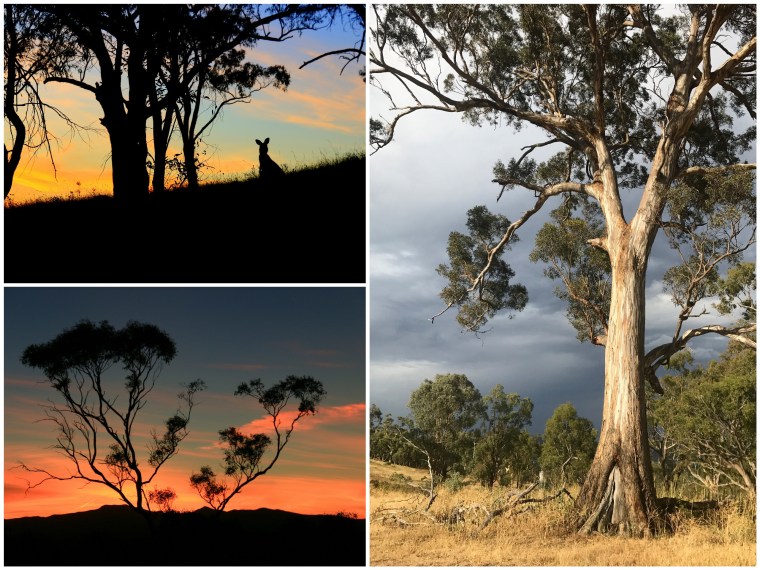
 Daytime strolls are better suited to places such as the Botanic Gardens, where shade is more forthcoming and the rainforest gully drops temperatures by five degrees. Moisture emerges here from the watering, and continues in the cafe serving a fairly average coffee. But to grab a takeaway and sit under a tree reading a book or interview transcripts is a fine way to spend an hour (and improve the experience of reading interview transcripts).
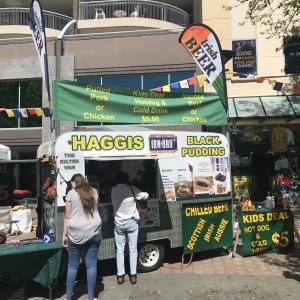 Away from nature for a moment, summer in Canberra also promises event after event as the populace makes the most of the time before entering deep freeze. There are blockbuster exhibitions in the galleries and museums; there are fetes and swimming carnivals and cricket matches all over the suburbs; fireworks, flags and protests in equal measure adorn Australia Day; and the National Multicultural Festival brings oodles of noodles in a celebration of diversity that ought to be protected. In the spirit of inclusion even certain redheads are catered for.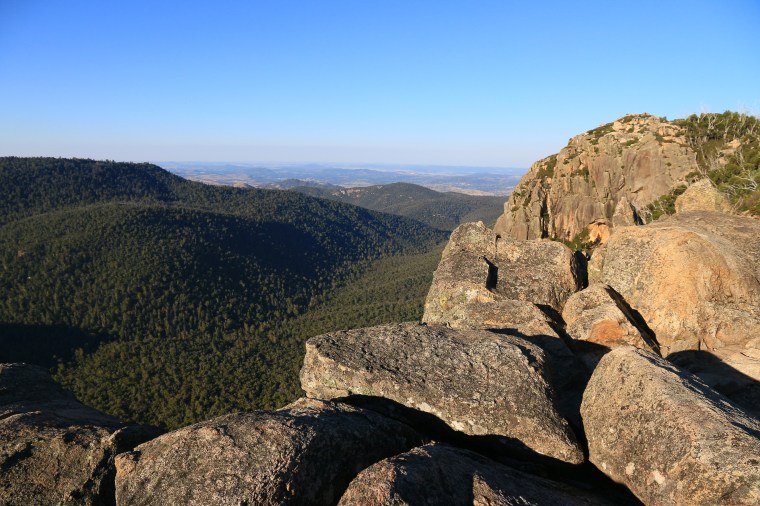
 At Burrinjuck Dam – reached via coffee stop in Yass – water levels are high and this is a natural lure for cursed boatpeople who frolic about in a flurry of jetskis and Chardonnay lunches. Away from the excess surrounding the boat ramp, quieter coves and a cutesy scattering of cottages for those dam workers heralded surprise. And a reasonably flat, empty road on which to have a pedal.
 My how this has grown since I was one of the few to trudge round on a pleasant evening a few years back snapping pictures of a handful of the capital’s illuminated buildings. Now practically every city does something similar on landmarks more well-known. But Canberra’s Enlighten seems to be ever more popular, judging by the crowds streaming from one site to another on a Saturday evening. Many are also here to queue for food in the night markets, which is entirely predictable; after several years you learn to visit midweek and come early, to guarantee delights such as a bao trifecta, Korean chilli pork fries, and deep fried ice cream.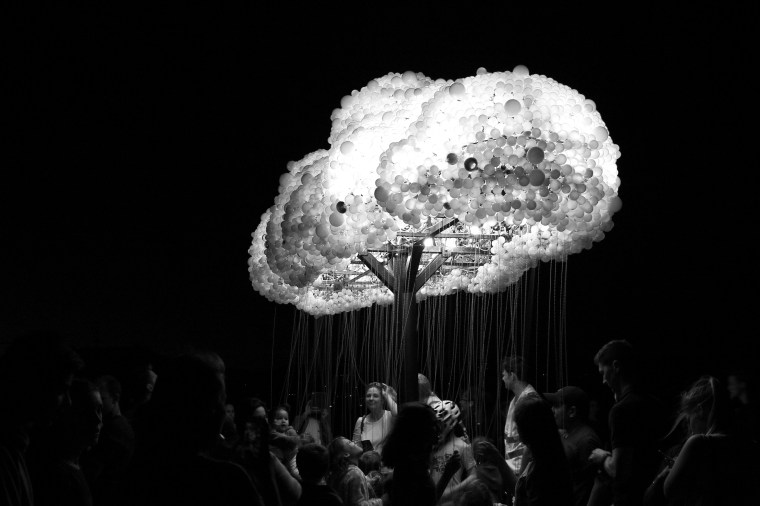
 Christmas Day came and went with little fuss; a suitable blend of English traditions (think paper hats, Christmas pudding and rubbish TV) and Australian holiday (cue swimming pools, prawns and rubbish TV). And the next day like millions across both hemispheres, I hit the road to expand my horizons, meet up with others, and curse at the appalling driving ubiquitous across the highways and byways of the land.
 Setting out, the tones of Jim Maxwell narrating the Boxing Day test helped me along familiar ground to Goulburn and then round the back of the Blue Mountains via Taralga and Oberon. I’m not quite sure when the familiar becomes, well, exotic, but I had never been to Hartley before and I wasn’t expecting to see emus along the roadside. Attempting to quell this confronting change, I popped in for some afternoon tea in the cutesy national trust cafe. Devonshire scones with clearly non-Devonshire cream. Sigh. When will they learn?!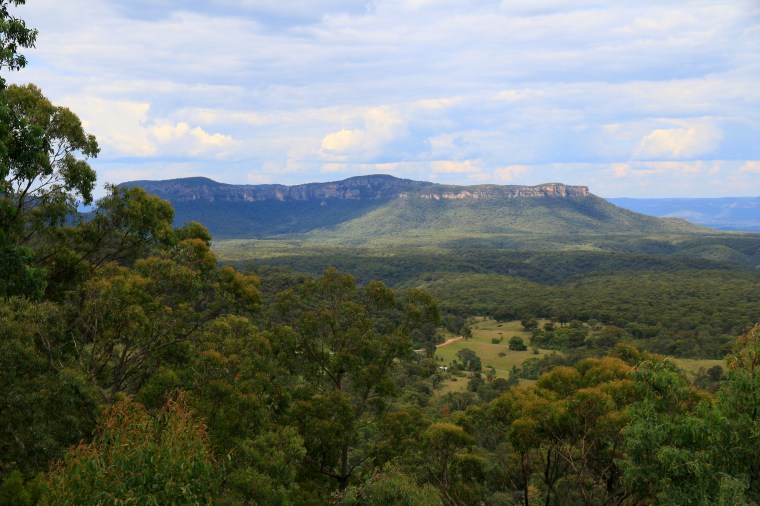
 With the day drawing to a conclusion I had to make haste to my first camp spot, passing through a seemingly deserted Mudgee, and hitting the gravel roads into Goulburn River National Park. Here I surprised myself at how efficiently I made camp, setting up gear which had not seen the light of day for a few years. Yes, the swag was back and loving its natural environment.
 With all this travel and excitement it was easy to forget that it was Christmas time and today was Boxing Day. It certainly didn’t feel like a typical Boxing Day, but I paid a little homage to tradition by boiling up and coarsely mashing some potatoes and carrot, serving it with some ham, and adding a few pickled onions and a pile of Branston. This camp stove and esky creation was a perfect amalgamation of English traditions and Australian summer holiday, a supremely satisfying garnish to this first day.
 But obviously I stop and detour and make inevitable visits to big things like a giant golden guitar in Tamworth. It’s my third time here but I still cannot resist the allure of such a curious, iconic Australian landmark. The car and I refuel, we park up and make lunch of ham sandwiches and crisps. And, comfortably gathering that road trip rhythm, we set off once more, another hundred clicks up the road to Armidale.
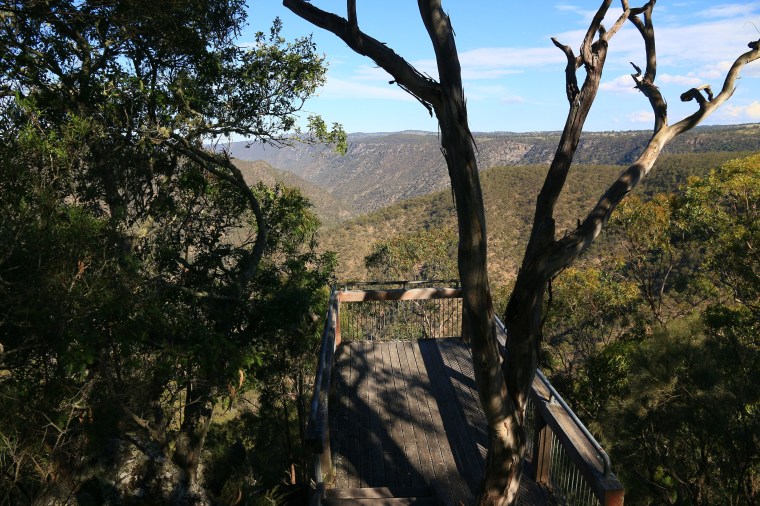
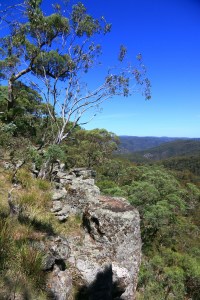 Along the Waterfall Way I could make a mid-morning stop at Ebor Falls, a site I had previously encountered boasting a couple of quite magnificent waterfalls. Today, they were an inferior imitation of what I remembered, reduced to a trickle and hidden in the shadows from the morning sun. But as road stop rest stops go, there was plenty to savour: a gentle shady walk along the valley rim, pockets of wildflowers and patches of birdlife, the smell of the bush. All under the deepest blue skies.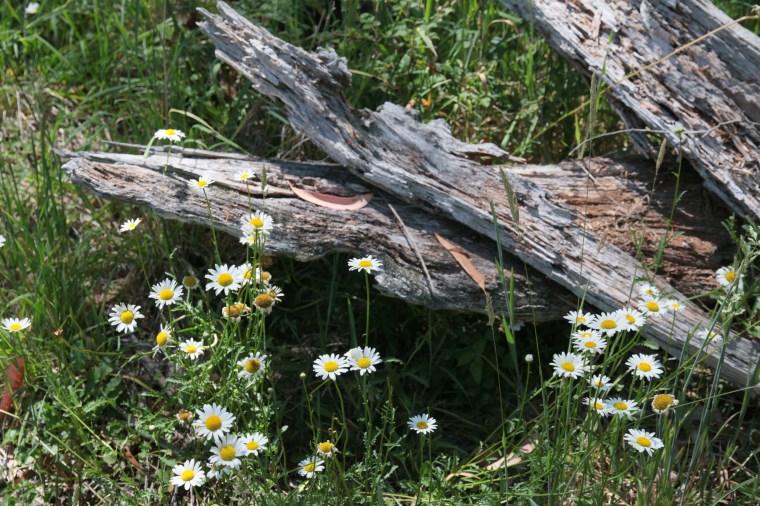
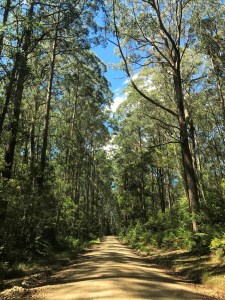 From KFC in Grafton, the car headed through patches of woodland and along the picturesque valley of the Mann River. Rugged ranges loomed, neared and eventually required climbing; like so many roads from the coast to the inland, hairpins and lookouts and massive tree ferns clinging to the eastern escarpment. Atop all this a dirt road led off the highway and plunged into the rainforest of Washpool National Park.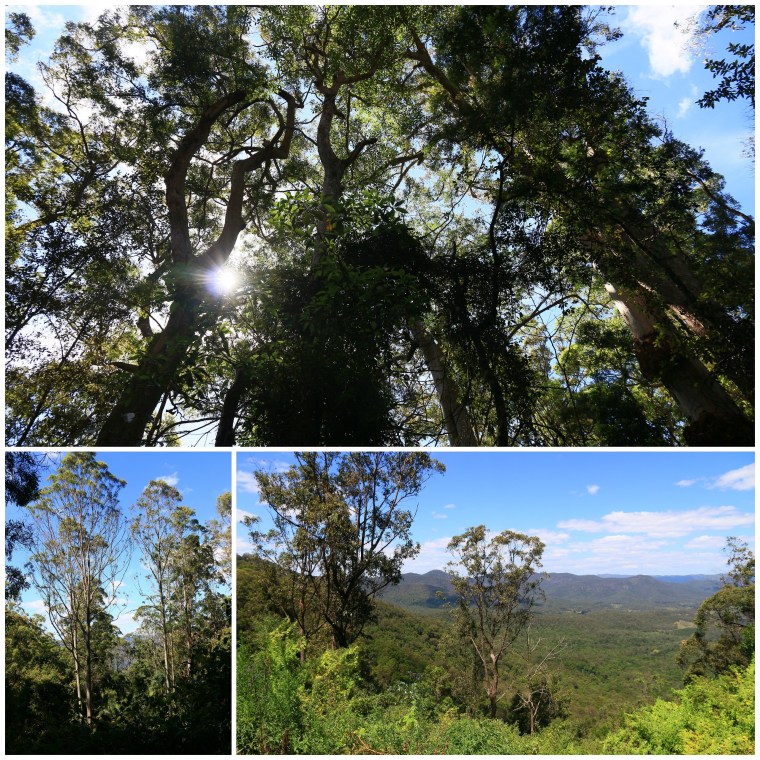
 I felt as though I had earned a beer and decided to take one with me on a brief amble to a lookout near the park entrance. This is the benefit of having everything in the car and, um, the beer would provide hydration if I ended up getting lost or bitten by a snake or something, right? Thankfully the lookout was a mere stroll and the satisfaction of that coldish beer on that bench on those rocks in that peace with that view under early evening skies without the prospect of getting lost and having snakes for company was something to cherish.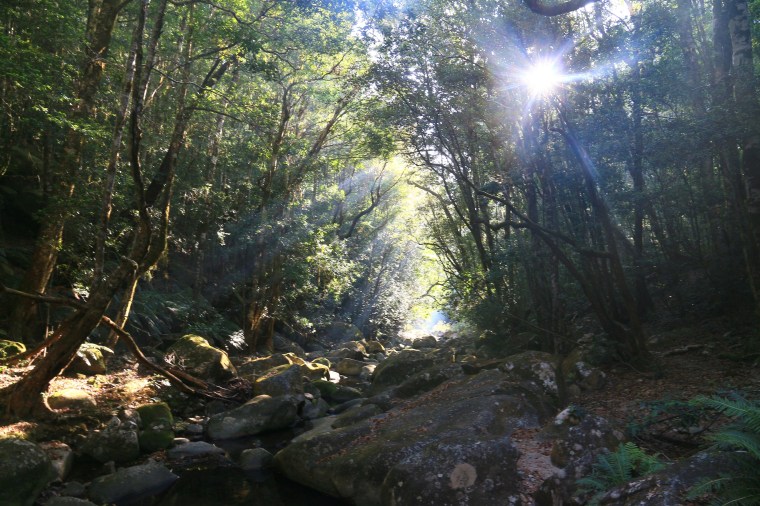
 Before breakfast, before packing up, before moving on once more, I could hatch out of the swag and wake up with the world around me. Virtually from my bed a small trail followed the pristine waters of the creek and looped back through a large stand of Coachwood. The sun gradually made its appearance, shafts of light angling through the trees and shimmering through the ferns onto the water. The creek was clear and cool, and after three nights of camping without a shower, it was tempting to bathe. But I really didn’t want to ruin its purity; my mind turned to the allure of the ocean instead.
 Without going into lurid detail I did wash each day thanks to boiling water and the use of a bucket, an art mastered in the trip of 2013 with Jill. Simultaneously I could make a cuppa, grill some toast and prepare my morning sink. Sure, it wasn’t exactly luxurious or even two star, but it allowed me some confidence to mingle a little with civilisation each day and order a morning coffee, buy petrol and ice. Which is exactly what I did in Grafton after descending from the hills that morning.
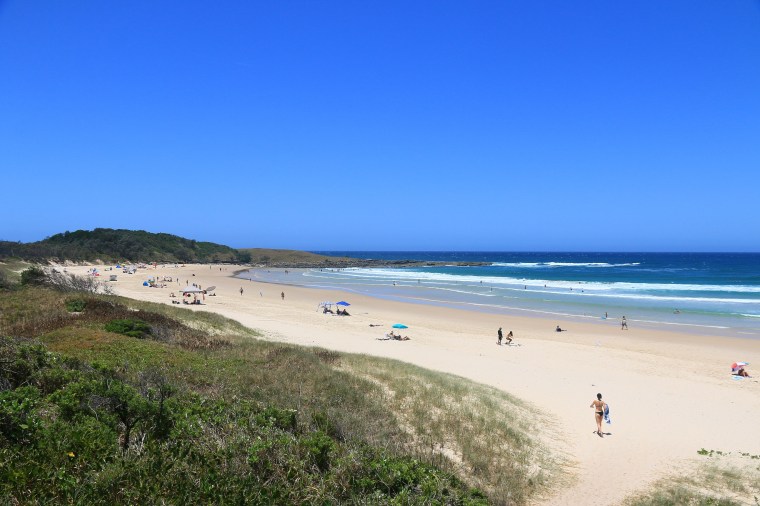
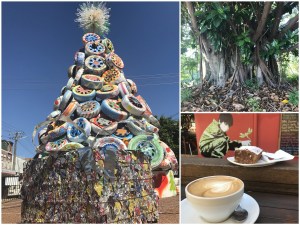 I encountered my first inexplicable traffic jam north of Yamba and speculated that this was being replicated up and down the highway. Still, I only had twenty clicks at a snail’s pace before I could turn off and head to Lismore. Lismore was to herald my proper return to civilisation, something which some people would find surprising in relation to Lismore. But I was to sleep in a proper bed and have a proper shower here, both of which I was quick to enjoy upon arrival. Refreshed and walking Lismore’s unfathomably charming streets, I felt part of normal society again.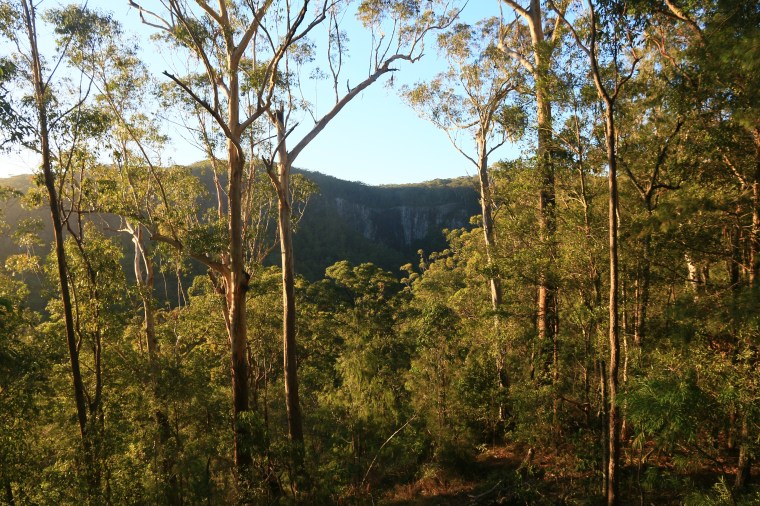
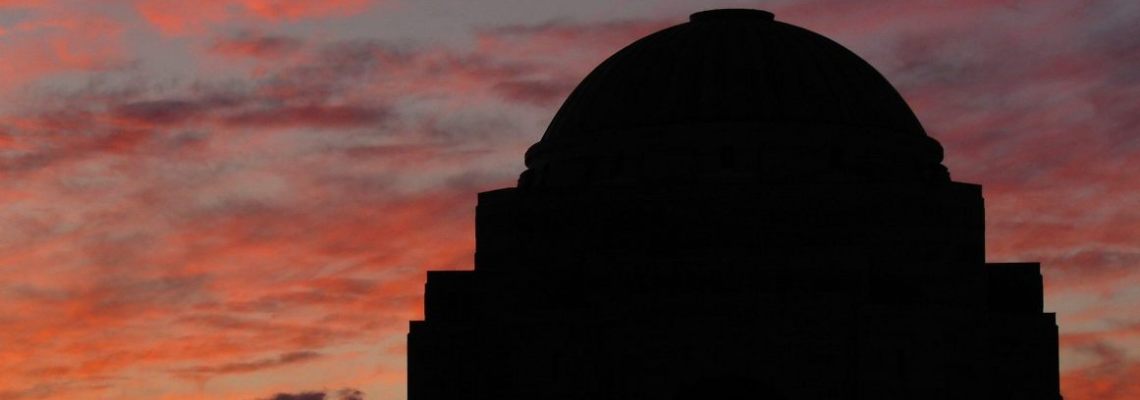


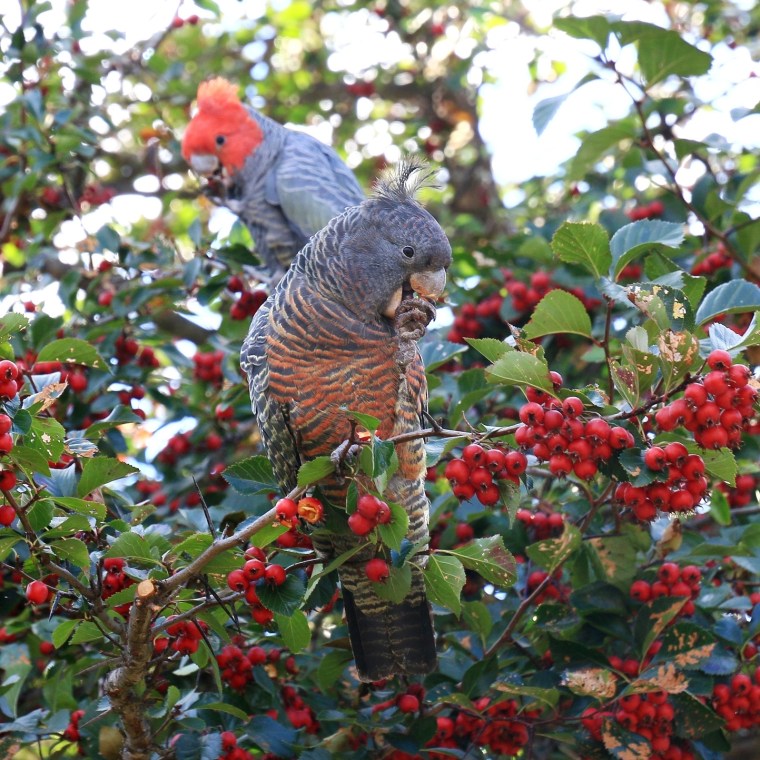





 As the fading gentrification of the Southern Highlands descends toward the sea you can be in no doubt that this is Australia. Indeed, an Australia as it was before anyone, even its first peoples, decided to venture over by boat. The plateau abruptly falls away into a dense system of deep valleys and gorges. Massive walls of sandstone plummet towards pristine creeks obscured by a blanket of gums. A pair of black cockatoos glide in the air, conversing in prehistoric shrieks. Banksia and wattles compete for attention in the understorey topping the escarpment. And a thin veil of water tumbles over its edge, destined ultimately for the ocean.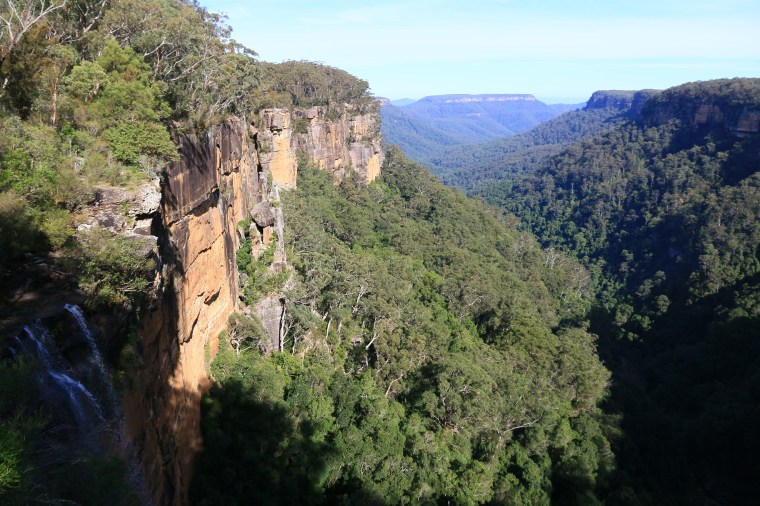
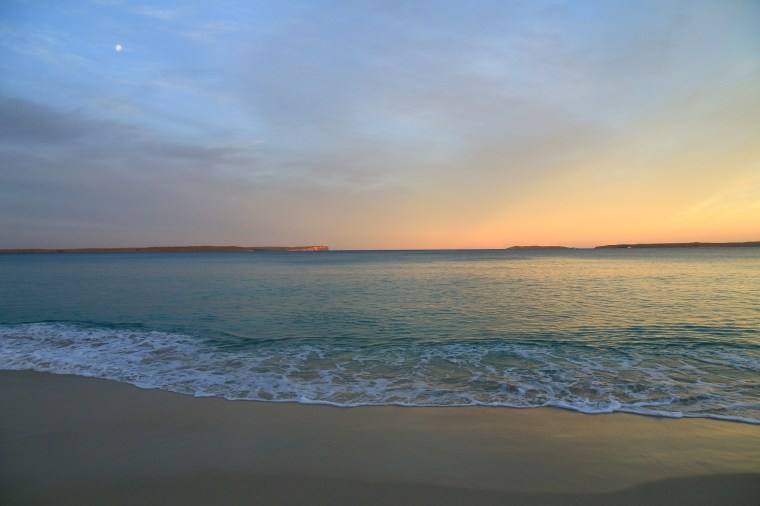
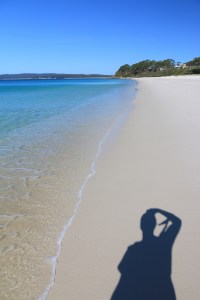 From bay to bay, traversing succulent coastal forests in between, it’s an easy amble from Blenheim Beach to Hyams Beach. The only real difficulty is deciding whether to take your shoes and socks off on the sandy bits only to then have the hassle of putting them on again for rougher terrain (conclusion: wear sandals or thongs). Plus there’s the challenge of restraining your photo-taking so that you don’t have endless, repetitive pictures of clear water lapping at fine, white sand.
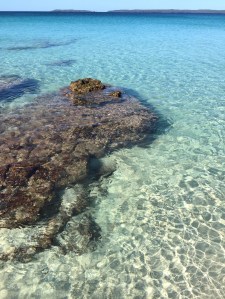 The sand is so white here that it famously gets on every piece of tourist literature and recurrently features on Sydney Weekender as the whitest sand in the world. In fact, it is genuinely so white that even small-minded immigration ministers would feel unthreatened and some cretin with a golden toupee would approve. Personally, I think there is probably whiter (for instance, around Esperance), but that is probably just supremacist talk.


 This comfortable civility dissipates quickly once away from the main road; national parks host waterfalls and rock pools and scenic views over jungle. Tracks weave through palms and strangler figs and giant feathery ferns. Snakes and spiders probably hide. While the crowds loiter all the way down to pools and falls at Kondalilla National Park, beyond the swimming spots, the jungle is almost all yours. Yours and a couple of fellow pioneers, hoping to steer clear of Drop Bears and survive on rations of emergency salt and vinegar crisps and deodorant. We made it, and went to eat cake to celebrate.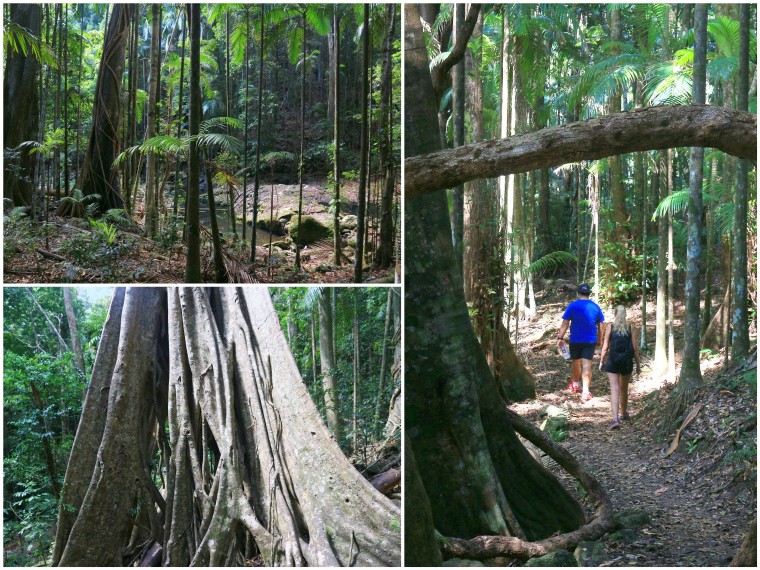
 The return of the sun the next day prompted the usual screeching, warbling, cackling and occasionally tuneful singing of the Buderim birdlife. It is a struggle to sleep in and I was more than ready to escape down the road into Buderim Forest Park for some early morning exercise. While others decided to jog, I was content enough to engage in spells of brisk walking punctuated by abrupt stops for Instasnaps. A kilometre in, the falls came as a surprise. I mean, I knew they were there, but I wasn’t actually expecting much to be falling. And while it was hardly a deluge, there was something aesthetically pleasing about Buderim Falls that was absent at Kondalilla yesterday.
 You see, the tourist board have been so successful that Noosa is brimming at the seams on a warm, sunny Sunday lunchtime, jammed with locals and foreigners alike. Parking is in the lap of the gods, but boy, have they got some of the prettiest parking spots around. The beach is – well – busy for an Australian beach, but admittedly it is a rather pretty beach. And even the national park, which shelters Noosa from encroachment from the south, is bustling with a steady stream of backpackers, families, joggers, and adventurers most of whom are, of course, exceedingly pretty. It is, undoubtedly, a very pretty place, and a requisite on a two day drop bear bushwalk adventure beach and waterfall honey monster tour.
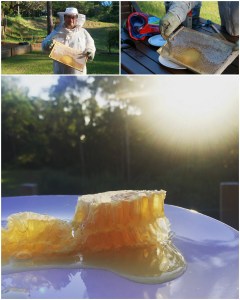 Like all of the most accomplished tours though, the best is saved for last. No tour is complete without a visit to a twee little spot providing lovingly crafted local produce and quirkily endearing owners. Honey Bear Honey of Buderim is not yet on the tourist itinerary, but with a bit more blue sky and a 10% cut it could well be. Look, I’m even promoting it on this blog for goodness sake, reaching tens of
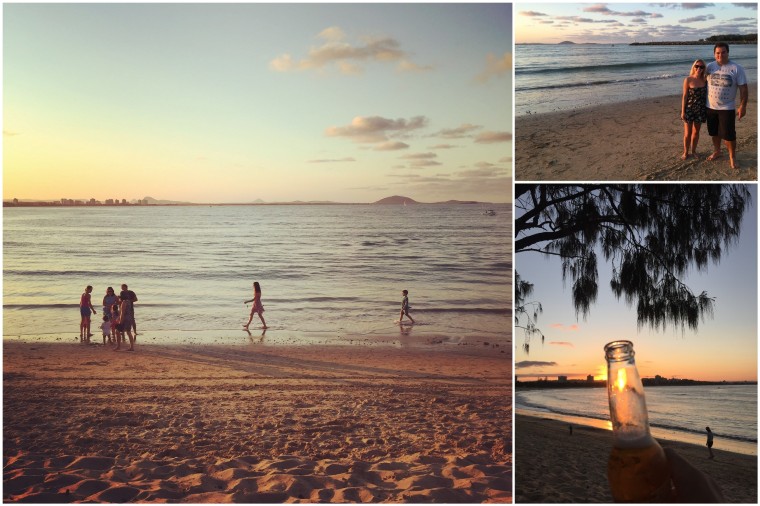
 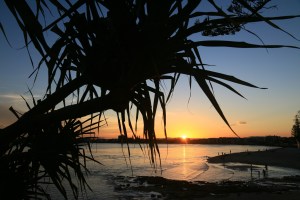 Some might go on to watch the sun disappear, over the apartments and occasional jagged plugs of the Glass House Mountains. Many linger in the warm air, sedated by sparkling wine and a sense of being the luckiest people on this planet; making the most of it all before heading back to work; living each day as if it is your last. Sensible, because, in this splendid corner of Queensland, you never know when a Drop Bear might strike.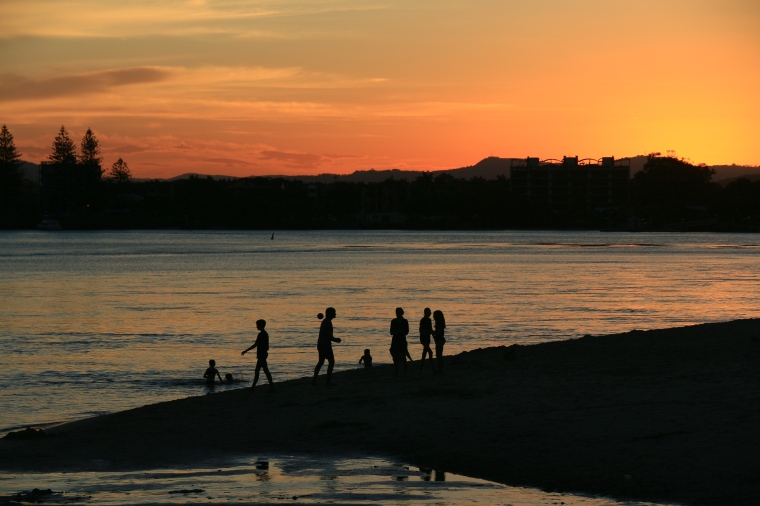


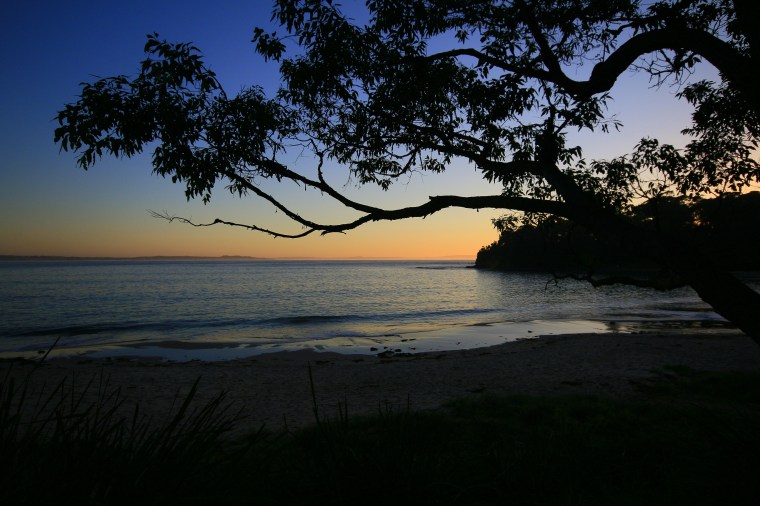
 So the car was up to the job, but were the humans – me, Alex and Michael? The trail – well-built and marked – veers quite steadily upwards and scrambles up a number of rocks for the first kilometre. A small shelf offers the first of the views, snatched through clutches of trees and over boulders. It’s an opportune stop for breath, water and to try to dry the sweat from running down your face and into your eyes and mouth. But it’s a futile effort, with the first view of the mountaintop itself offering both allure and a sense of foreboding.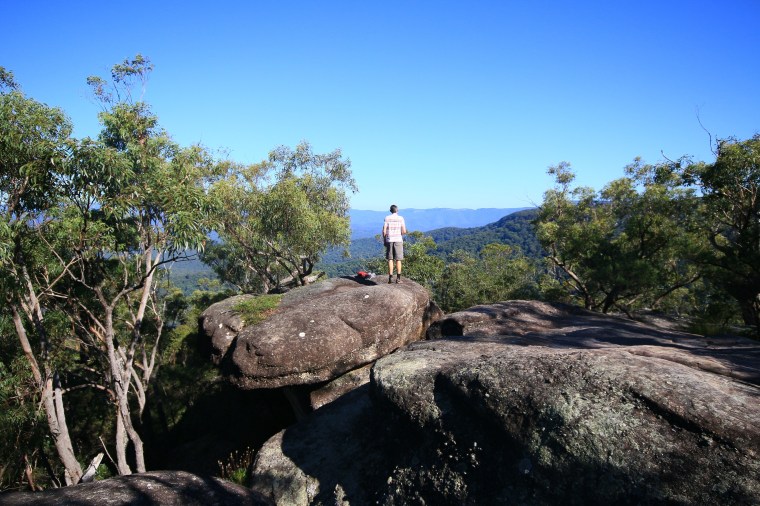
 True, there is some relief for a while following a sheltered ridgeline, before the steps return again and the sweat comes back in profusion. It is quite remarkable that someone has gone to the effort to build all these steps though, and the piece de resistance comes with the final climb on a series of metal steps and ladders, hopefully fixed securely to the rocky dovehouse. At the top of each series of steps, views begin to open up and you can see, sense, taste, that the salty sweat will definitely be worth it.


 Pigeons were lacking but instead the summit appeared to be a bastion for numerous giant butterflies, the ubiquitous Australian fly, and a curious lizard or two. No doubt accustomed to weary walkers feasting in celebration on apples and oranges and squished cakes from Milton Heritage Bakery, waiting for the crumbs to fall. I’ll say it again, but I have had far worse Monday mornings, even when cake has likewise been involved.
 Still, with every up there’s a down and I have lost mountain views. I have also moved into an area where there is a yappy dog. I only write about this now because I just heard it, again. I always seem to find myself in a neighbourhood with a yappy dog. I think everyone does. There seem to be yappy dogs everywhere these days, coming over here, taking our peace and quiet. They frequently pester me on Canberra nature walks too, usually roaming free because their owners don’t need to pay heed to the numerous signs regarding leads and wildlife protection and all that silly nonsense. Still, at least I can see the mountains on these walks, and the dog yapping can be tolerated with such rewards.
 Take Dairy Farmers Hill, which sits in the National Arboretum on the western fringe of Canberra. I cycled up here a few times in the past, but was usually too close to fainting to really appreciate the 360 degree panorama. Driving one evening with the comfort of air con was somewhat more agreeable. The sun dipping onto and over the Brindabellas offered a treat, while the proximate lumps of Black Mountain and Mount Ainslie received a farewell glow. There were no dogs.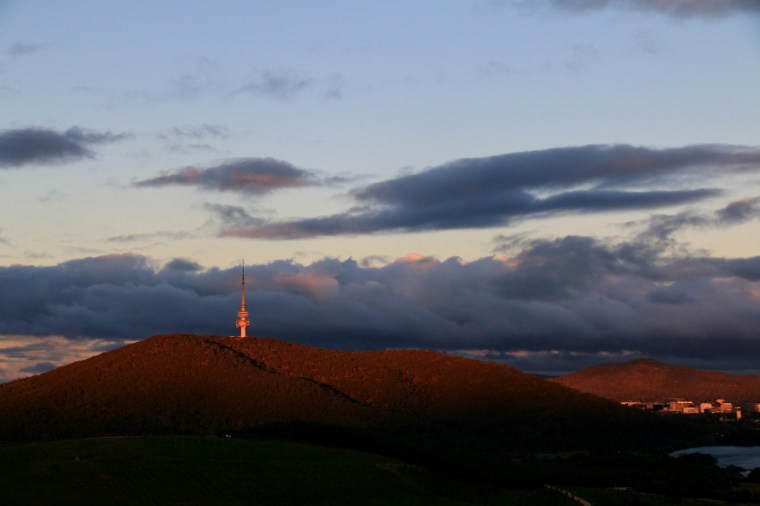
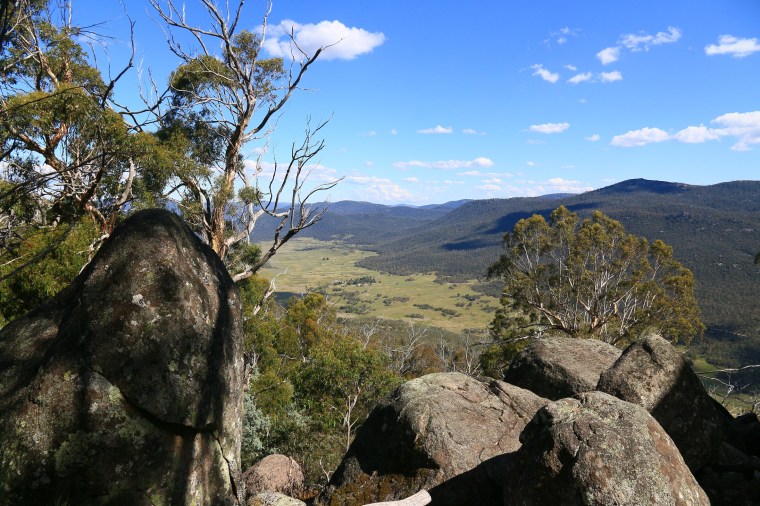
 You don’t notice from afar, but these ranges are peppered with giant, rounded granite boulders stacked like clumps of frozen peas that have been left in the freezer for far too many years. These boulders congregate quite generously up on Orroral Ridge, where a series of slightly neglected tracks lead to rocks named for their resemblance to animals and people and other inanimate objects which aren’t rocks. Such is the profusion of rocks that geologists have wet dreams, climbers drool onto their harnesses, and random waifs and strays seeking mountain air delight in the summer coolness of virtual caves formed in the hollows of a cluster of boulders.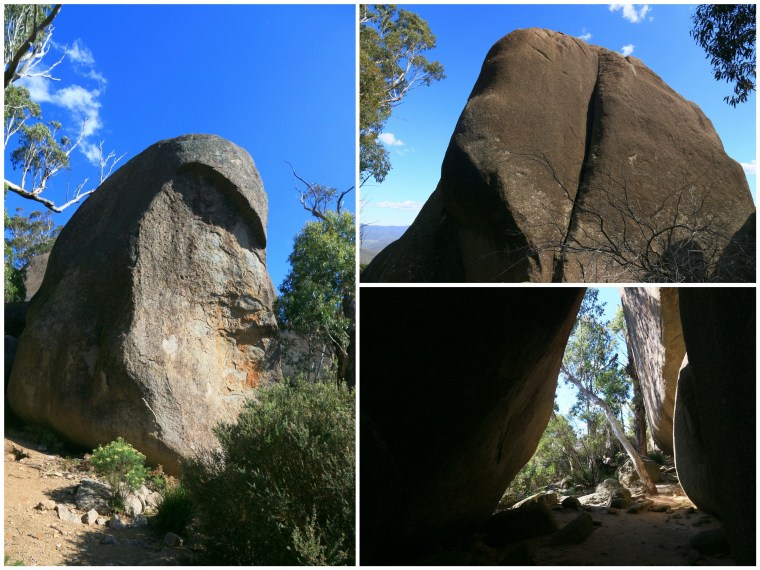
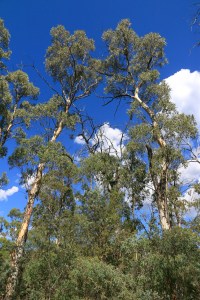 I wasn’t expecting much from this walk – in truth it was something to do in a lull while my washing dried. Plus being practically the last remaining marked trail I hadn’t been on in Namadgi I felt a little obliged to complete it. The word ‘swamp’ was hardly enticing, with images of squelchy boggy plains, rotting carcasses and festering mosquitoes. But it was actually quite a delight, rising steadily through lofty Peppermint Gums, bypassing a few more giant boulders, and meandering through button grass and boardwalks under blue skies and fluffy clouds.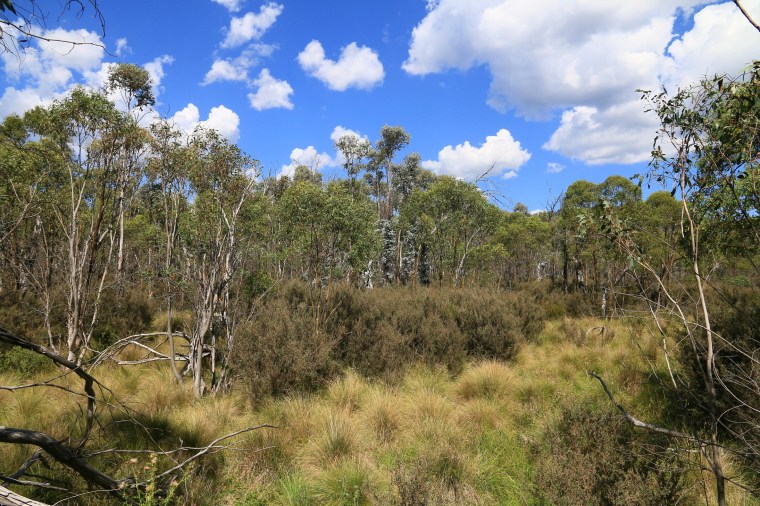
 The swamp turns out to be a fen, as the information board at the end of the walk explained. I’m not really sure of the difference, but it was fairly less swampy than I imagined. A bench here overlooked a river of vivid green grass, lapping at tall forest and rocky outcrops. Being now beyond midday it was the perfect place for a simple homemade sandwich and, once again, for all the expensive meals and gourmet plate ups*, can there be anything more satisfying than a bushwalk sandwich? I don’t think so.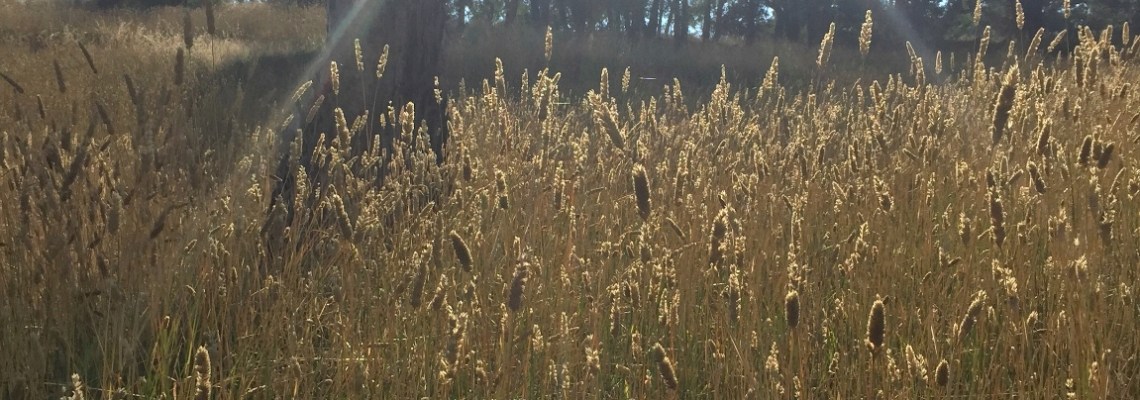
 Having now spent over nine years (with interruptions) in everyone’s favourite Australian city you would think I’d have exhausted every nook, crevice and scrubby hilltop. Forget nine years…many would say two days is sufficient, and even then you might have to drag things out with a wander around the National Archives, surely the least compelling sounding attraction of the lot (which might explain why, still, I have never been). But no, it turns out Canberra has even more suburbs and scrubby hilltops than you can ever imagine.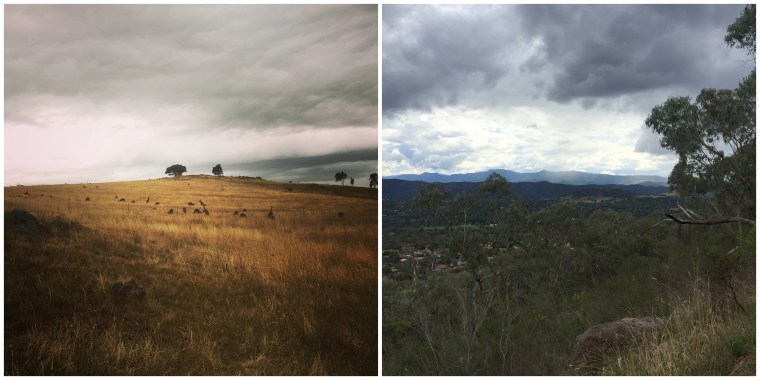
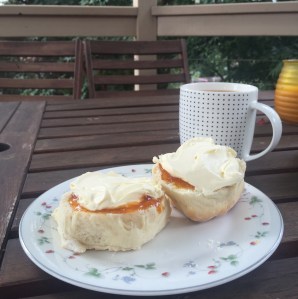 Nevertheless, it was with some contentment that I found a reasonably close reasonably decent coffee stop one Saturday morning, as part of a bike ride on the many accommodating paths in the Tuggeranong Valley. One path circumnavigates its lake, which is a poor man’s Burley-Griffin but amiable enough. Others cut through the various patches of grass set between the backs of brick houses and alongside storm drains. One route takes you up towards Oxley Hill, a reasonable but not unobtainable test of legs, and another does the long uphill drag back to Wanniassa, in which aforementioned legs turn to jelly. I may be being just a touch healthier, but with this comes justification in feasting on yet another, sadly Antipodean, cream tea.



 There comes a point in January when people pause to consider what it means to be Australian. This usually occurs on or around the anniversary of a few hundred boatpeople from Great Britain arriving to “nothing but bush” (to quote the minister for Indigenous Australians and His Lordship Prime Minister of the Monarchical Colony of Australian Subjects). Considered writings of pride, of angst, of hope, of uncertainty litter the newspapers and infiltrate the electronic graffiti of the twittersphere. For the common man – let’s call him Shane – the Australian essence is commemorated through the bite of a lamb chop from a gas barbecue the size of a truck, a youthful discussion of rising intonation about the best 100 songs involving people with beards lamenting at life, or a day in front of the TV watching tennicrickcycletfooty with a so-cold-it-hurts beer.
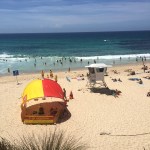 While I could brave a venture into the question ‘What does it mean to be Australian?’ I neither have the will nor the current brainpower to go down this path. It may be I am suffering from that particularly laconic strand of Australianism that arises specifically at this time of year – the can’t really be arsed is it still the holidays period. I’m also in the dubious position of not really being a proper Australian, not really, even though the flag of my country of birth is still emblazed like some badge of imperial approval upon yours. All I can say is that I feel lucky, immensely lucky, to be a part of you, attached to your deep blue skies, your sandy shores, your withering white gum trees, and your mostly generous and progressive people.
 I feel lucky, on most days, to be in Canberra. Yes really! A capital you have built in little over one hundred years from sun and frost-baked plains and bush-tangled hills. You really ought to be a little prouder of this achievement, especially because you have left some of those bush-tangled hills alone. The sweeping roundabouts and nationalist edifices now scattered across the plains are looking particularly fine as well, what with the regular stormy soakings keeping the grass nice and green. A summer of such generous rainfall that it could almost be British. How soothing.
 Despite such impertinence, the sun still shines most days here, and for that I am grateful. The slight irony is that I write this looking out of my window on grey accompanied by a cool 17 degrees only. But this is surely a blip, for other days have offered ample warm sunshine before the storms. Conditions in which I can enjoy your verdant lawns and embrace your rising humidity. To climb bushland hills and swing golf clubs very amateurishly. To cycle alongside the water and sip coffee with the hipsters. To be that most Australian of creatures and watch sport; and not just any sport, but cricket, and cricket in an atmosphere of cleverly articulated critique of the opposing English team. Pommie-bashing I think you call it, and too bloody right.


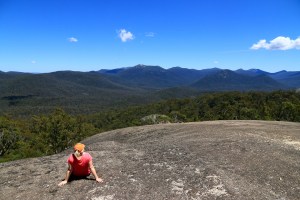 As a more recent entrant upon this giant landmass I feel blessed that I can maintain a comfortable, civilised, and invariably cultured urban existence while still being easily belittled by nature. I can live in a clean, safe, prosperous city scattered with sweeping roundabouts and take one of the exits towards nothingness. Though for nothingness read abundance. An abundance of gum trees and hills and high plains in Namadgi, from which rocky outcrops pierce an abundant blue sky. A plethora of grasses and wildflowers emerging in swampy hollows, the weeds also thriving in a show of acceptance and egalitarianism. A setting for black cockatoos and butterflies to float in the air, riding the breeze upon which small white clouds cluster and vanish.

 gbpilgrim