I think a general principle of Australian exploration is the further north you go, the quirkier things get. For quirkier you could substitute odder, weirder, crazier, madder than a dozen cuts snakes lurking in the stinging trees waiting for a cassowary. It may be a result of the liberty that comes with increasing distance from the tyranny of inner city elites developing their secret mind-controlling pharmaceuticals to add to our underground water reserves. Or it could just be the balmy weather and barmy environment. Where pretty much everything wants to eat you.
I wouldn’t say Townsville is the capital of Crazytown, but there are certain idiosyncrasies to observe. Perhaps most obviously in the calibre of politicians representing the region, generally observed wearing big hats and force-feeding coal to their grandchildren, insistent that it is the future, it is it is. It is very easy to imagine Friday night here Cold War Steve style, all hi-vis hypermasculinity and gutter-strewn carnage at the foot of the concrete sugar shaker. My taxi driver confirmed as much as he took me to the airport, to pick up a hire car.
I had never been on the strip of land between Townsville and Cairns, and with a few days tagged on to a work trip I was heading up the coast towards Mission Beach. It’s an interesting enough drive with a decent selection of diversions along the way. It’s also a journey of transition from the golden dry tropics to the verdant abundance of the wet.
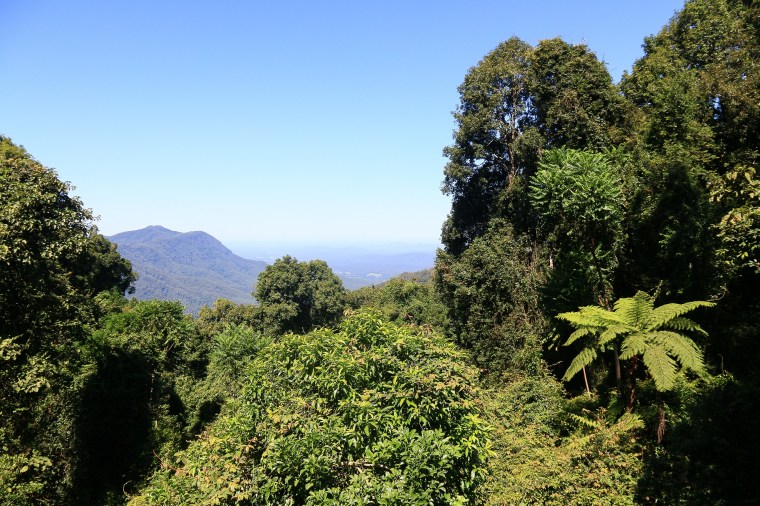
A little north of Townsville up the Strewth Highway, the blend of dry grassland and tropical rainforest manifests in Paluma Range National Park, with each climbing, narrow turn up the mountain road darkening as undergrowth thickens. Little Crystal Creek is on the cusp of a landscape in change, and a pretty place to pause. Higher up around Paluma, rainforest walks promise at views and deliver in sweatiness, though it’s still a long way from being as bad as it gets in high summer.

It seems a bit ridiculous to talk of a summer in a place that is almost consistently between 26 and 30 degrees year round. Seasons are more marked by a change in humidity, from clear, arid winter days to muggy, stormy summer oppression. You can also throw in the odd cyclone, with the last big, big one – Yasi – hitting the coast around Mission Beach in 2011.
Continuing north up the highway approaching Cardwell, it is hard to picture today. But an enduring image from that storm is the pile of fancy yachts stacked upon one another at Hinchinbrook Marina. Three-quarters of buildings in Cardwell were damaged and the banana crop so tied to this part of the world was devastated. The rugged, pristine environment of Hinchinbrook Island tantalises today. But you wouldn’t have wanted to camp there back then.

Cardwell seems a quiet kind of place, a pit top where the Bruce Highway finally meets the sea. Post-Yasi, a medium sized big crab has been resurrected on the top of a café. As you do. It’s competition along the highway with the Frosty Mango where I have already stopped and the Big Golden Gumboot of Tully in which I am destined to head.

Finally, a turn off at Tully leads towards Mission Beach, which somewhat confusingly is a cluster of villages and bays along a stretch of coast twenty kilometres or so. We’re in a region known as the Cassowary Coast and they sure do emphasise the cassowary part of that nomenclature. Official and unofficial road signs alert you to the presence of this giant flightless bird, warnings that seem worthy given they are dwindling in numbers and most susceptible to road accidents. Some people might fear the cassowary for its strong hook-like claw, but you’ll generally find the ubiquitous Toyota Hilux is more lethal in so many ways.
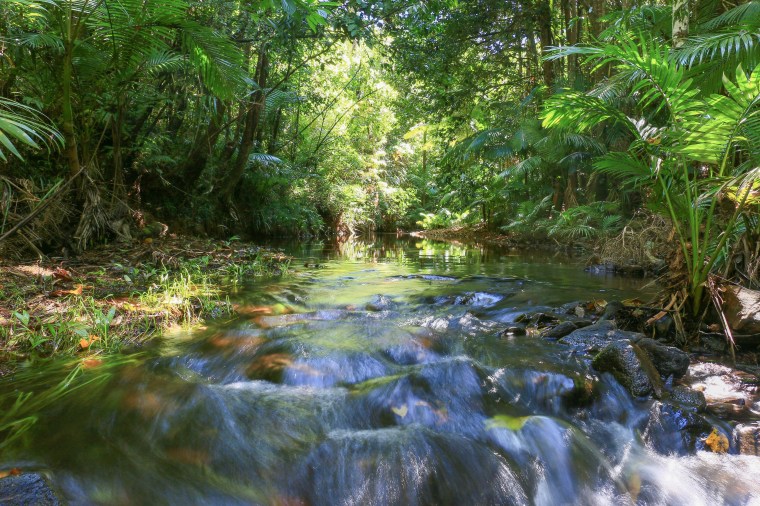
Of course, being in cassowary country makes you – as they say – naturally cass-o-wary. Walking in dense rainforest at Lacey Creek it’s all a bit like encountering snakes…part of you would be thrilled to see one and to try to take a blurry picture, but part of you would be pooping your pants. Every rustle and fleeting shadow pricks the senses, only for it to be caused by an unseen gecko or another bush turkey.
Down by the sea at Bingil Bay, there is always the chance of a crocodile or a lethal jellyfish to spot instead. Though the hosts at my B&B warned me the crocs are only in the creeks, I’m not so sure about stepping too far into that ocean. I mean, the creeks enter the sea, right. What goes in must come out. And with plenty of mangroves in which to lurk, I can just picture myself sunbaking right there if I was a saltwater crocodile. So, I move briskly on, along a fine, shady boardwalk towards the hub that is North Mission Beach. Where a cold beer with a view is the better means of cooling down, I reckon.

Refreshed and now feeling in holiday mood, there was definitely justification in an afternoon siesta, before working up a sweat again climbing Bicton Hill in Clump Mountain National Park. If cassowaries and crocs weren’t enough, the start of this trail warned of stinging trees, which boast attractive heart shaped leaves and plump purple fruit. The cunning bastards.
The sign at the bottom of the track also warns that this isn’t a walk for everyone, indicating heart-attack potential. But it’s not that bad, just a leafier, slightly deadlier version of Mount Ainslie with views out toward a far-less manicured landscape.

With all this adventure and threat, one of the nice, homely touches of my B&B was the opportunity for drinks on the veranda at six o’clock. With only a few rooms it was cosy and relaxing, a chance to share the escapades of the day with those from further afield. Of course, being a naturalised Australian I was quickly assigned an authority on matters such as swooping birds, the diet of the cassowary, drought and bushfires, the hiding places of redback spiders, the pros and cons of Townsville, and…well…Brexit. I do suppose the Netherlands and Switzerland – especially Switzerland – seem very genteel by comparison.
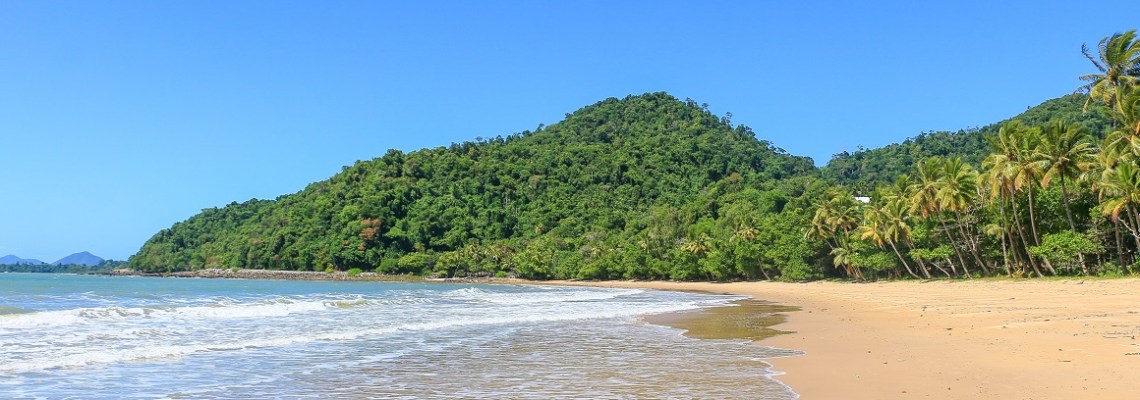
At the B&B I was also frequently lobbied to try out the Kennedy Walking Track commencing at South Mission Beach. And so, on Sunday morning I decided to give it a go before the drive back to Townsville. And what a great recommendation to take up before eventually returning to the landlocked eucalypt land of four seasons back south. Yay for palm trees and golden sands, mangroves and croccy creeks, and that milky aquamarine sea. Another world in the same country.

I have to say I do think the beaches of the south coast of New South Wales are in many ways better. They are typically finer and sandier and, well, you can generally paddle without as great a fear of being lunch and / or lacerated to death. But then there is just that air to the tropics, a mood and a light and colours so vivid. And palm trees and ferns and – up here – rainforest tumbling down to the sea. Like I say, another world in the same country.

Talking of other worlds, I eventually made it back to Townsville via the largest potato scallops and smallest bites of fish in Ingham. A little early for my flight back, I remembered spotting a huge TV tower on top of a peak just to the west of town when I came to land at the same airport, and duly discovered there was a road to the top. From the summit of Mount Stuart, this possible Crazytown doesn’t seem too mad, distant as I am from its Sunday hangover.

Perhaps madder is the scene inland, where the maddest of mad dogs can flourish. A scene dry and dusty and rugged and foreboding. A world devoid of much, exposed to a harsh, searing heat and unforgiving glare; perhaps you can see why many are happy enough to dig it up. The maddest thing though is that this world can suck you in, can draw you to it, can make you want to step one more foot into its fringe. It might even tempt you to buy a wide brimmed hat and some sturdy RM Williams boots. If only you didn’t have a flight to catch back to sanity.

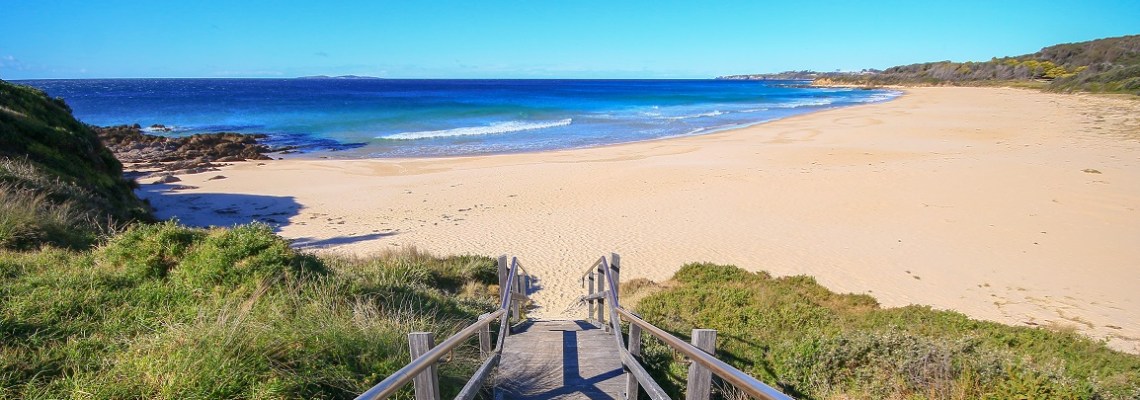
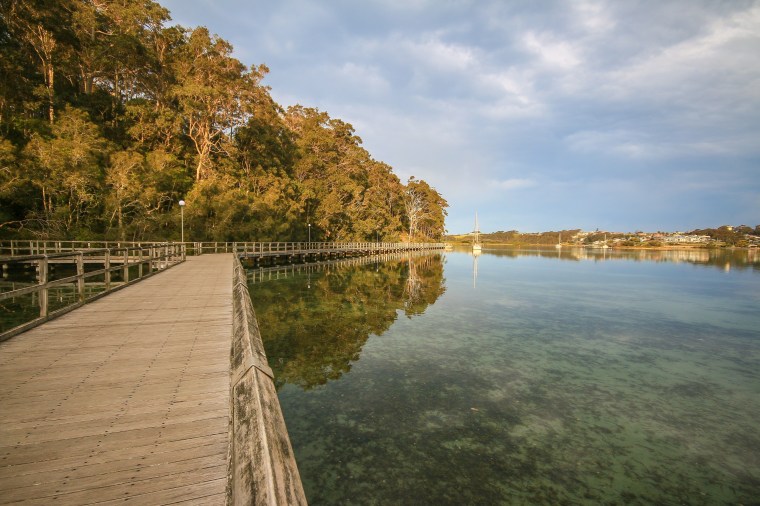
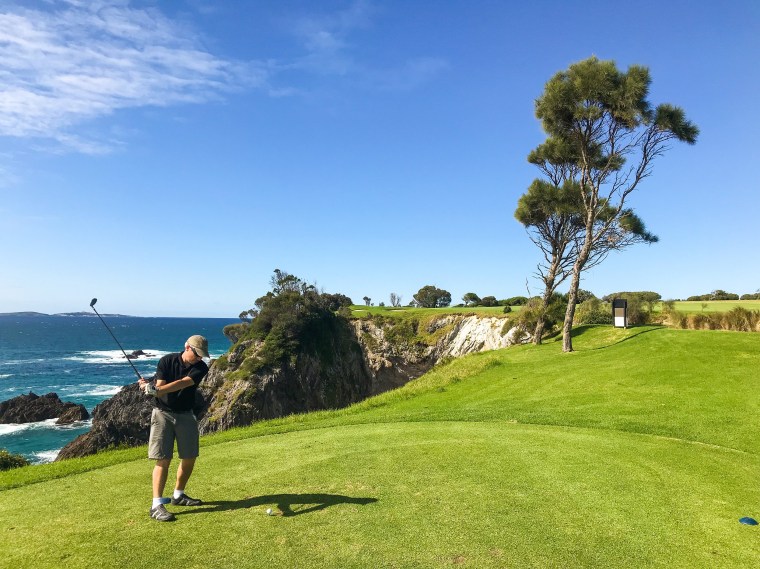
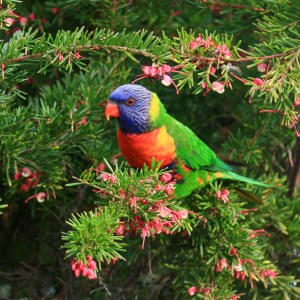 Did I ever imagine back in 1996 that I would be gazing out to the Pacific hoping to sight a whale? Meandering downhill alongside gardens strewn with exotic plants and colourful birds? Wandering past parks dotted with electric barbecues and sinks for dealing with the entrails of fish? Who would have thought I would have previously parred the treacherous Bogey Hole of that golf course wedged between the town and the plunging cliffs of the coastline? Certainly not me, or anyone else,

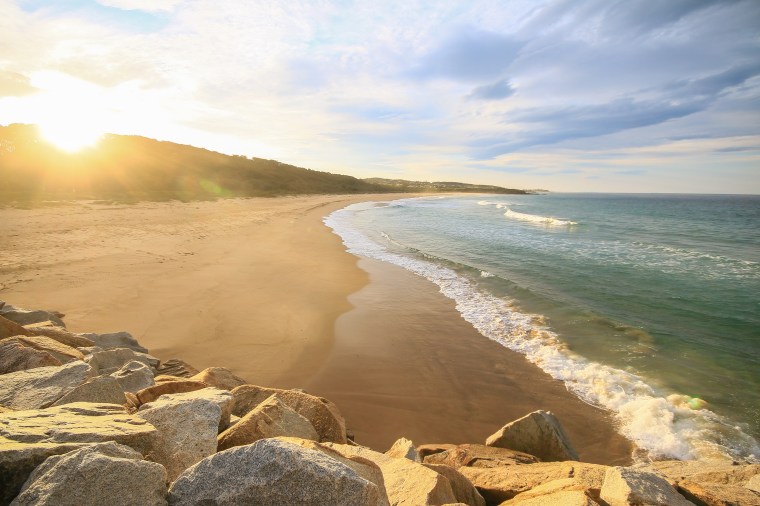


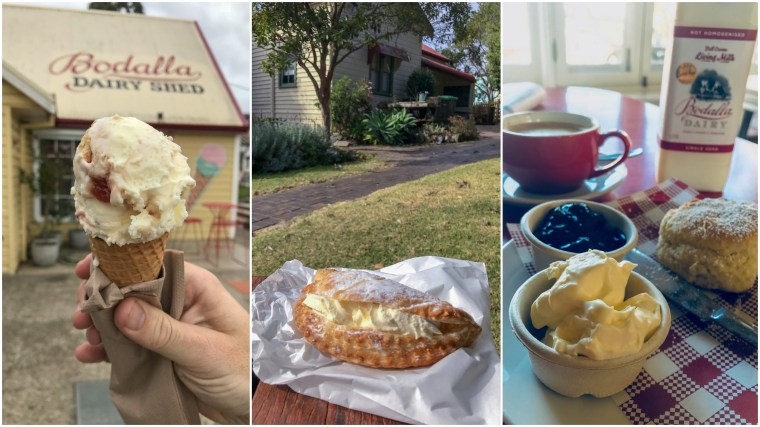
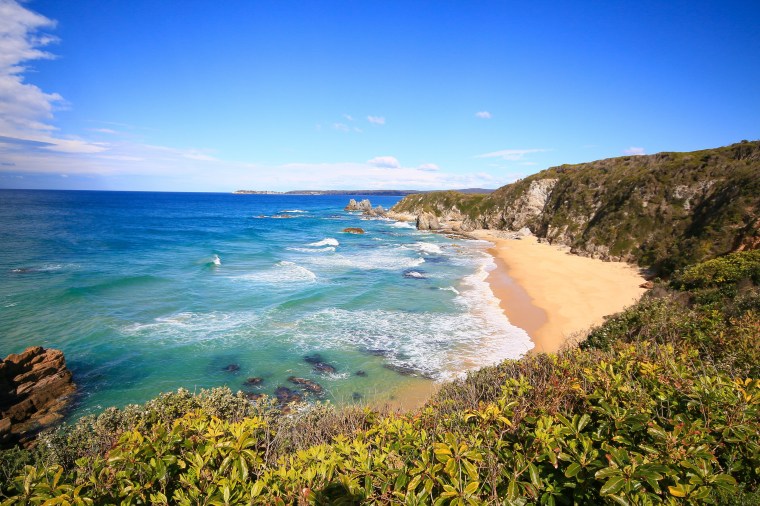
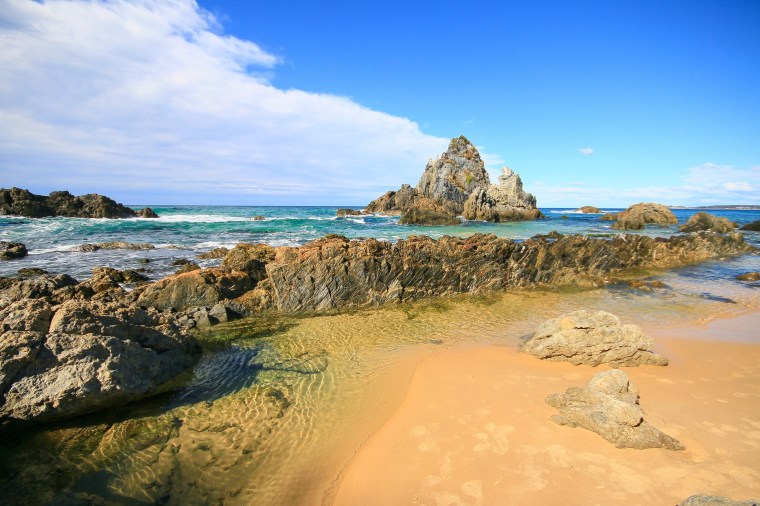
 Spurred on by earlier whale sightings I ended the day back up near Narooma, taking a scenic coastal drive alongside Dalmeny and Kianga which boasts several panoramic viewing platforms along the way. The platforms are sited in between yet more pristine bays that you can have all to yourself. It was at the last of these points that I glanced a surfing dolphin, followed by a few more and a few more still. Passing below, there must have been around twenty dolphins, tracking north on a feeding mission. A whole two football teams.
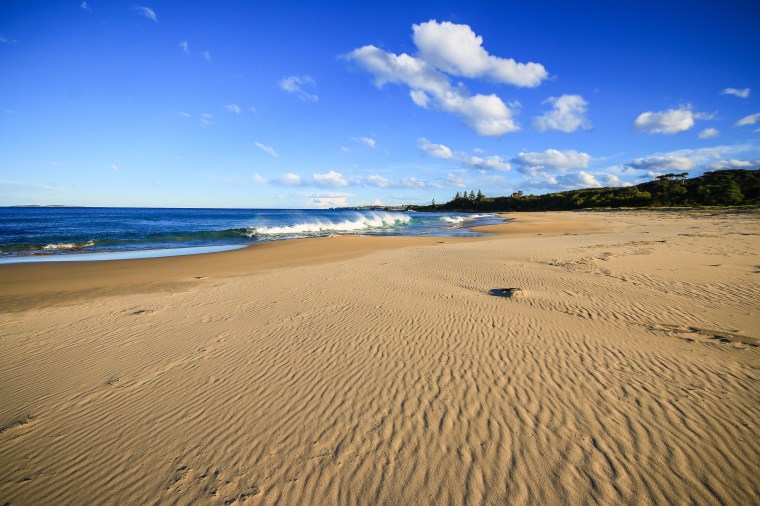


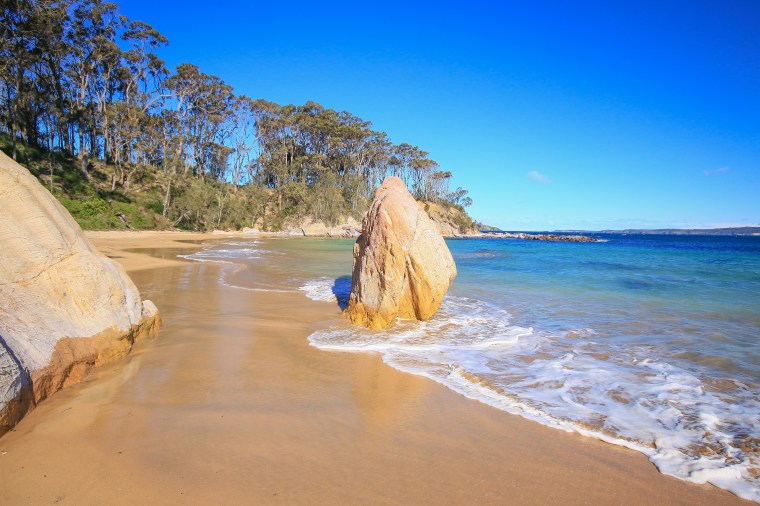
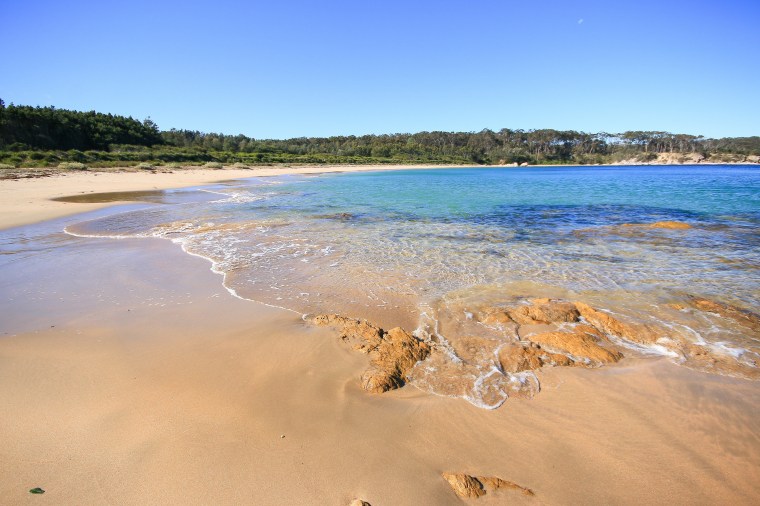

 And a raincoat. For it is even truer that Queensland is far from beautiful one day, perfect the next; a dubious marketing slogan dreamt up by mediocrities that continues apace in the supposed Sunshine Coast, a place frequently sodden by epic downpours and possessing a clammy mildew befitting the swampy subtropics. Saturday here was so damp that the highlight was a doughnut, and even that wasn’t much of a highlight, more a triumph of social marketing style over substance.
 Queensland: pissing down one day, sweaty the next. The sweatiness emerging on Sunday as the sun makes an appearance, triggering rising heat and rampant moisture. Liquid particles are lifted by ocean gusts, filtered ineffectually through the thrum of air conditioning to congregate in damp surf club carpets. Puddles among snake-infested flood plain linger, waiting for passing birds and passing property developers to drain. The ubiquitous HiLux secretes fluids while idling outside Red Rooster, as a leftover billboard of some redneck running for parliament gazes down approvingly. Just thank the lord or some other unelected deity that it is not yet high summer.
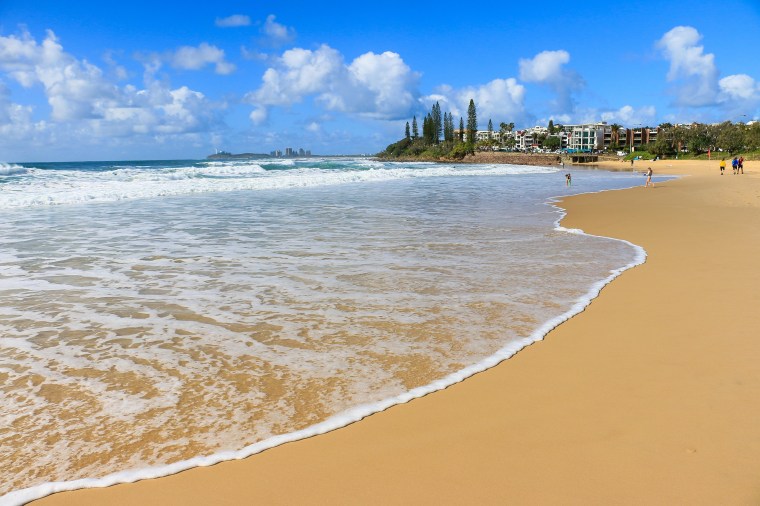


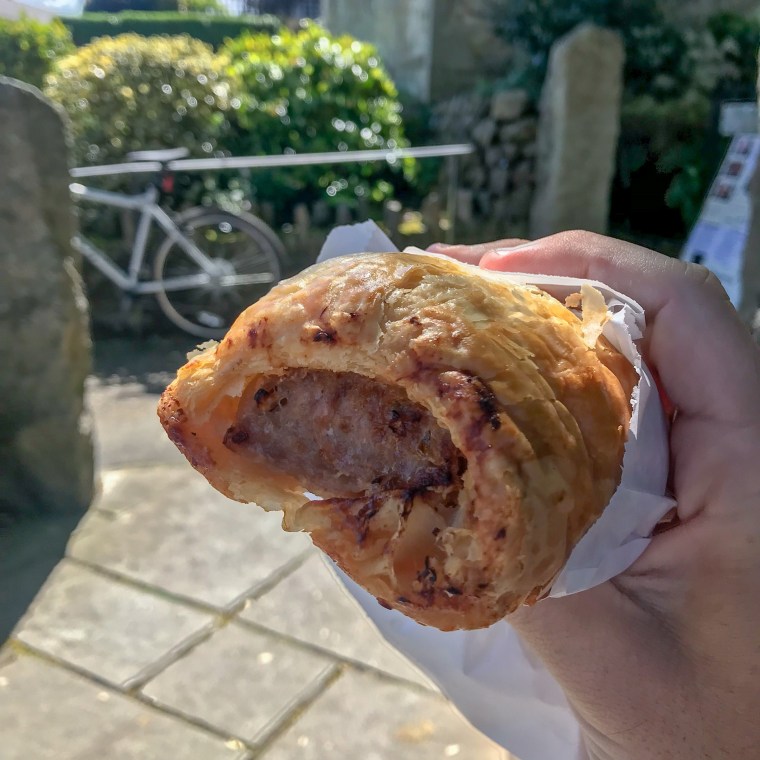

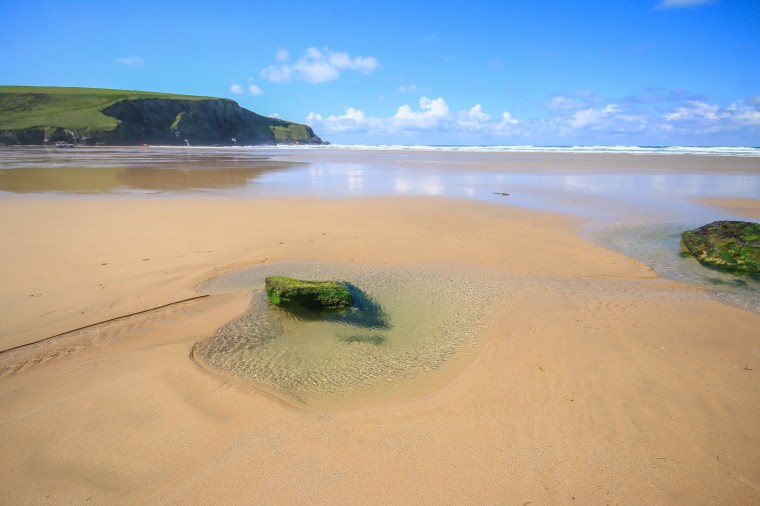
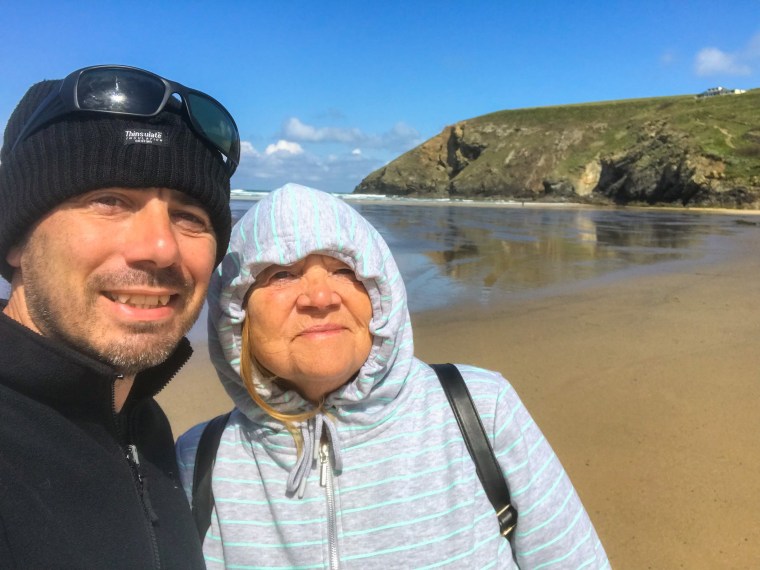
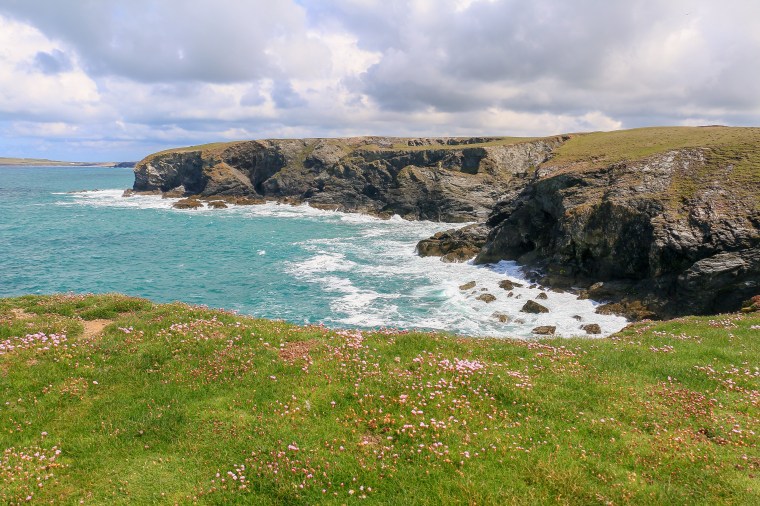
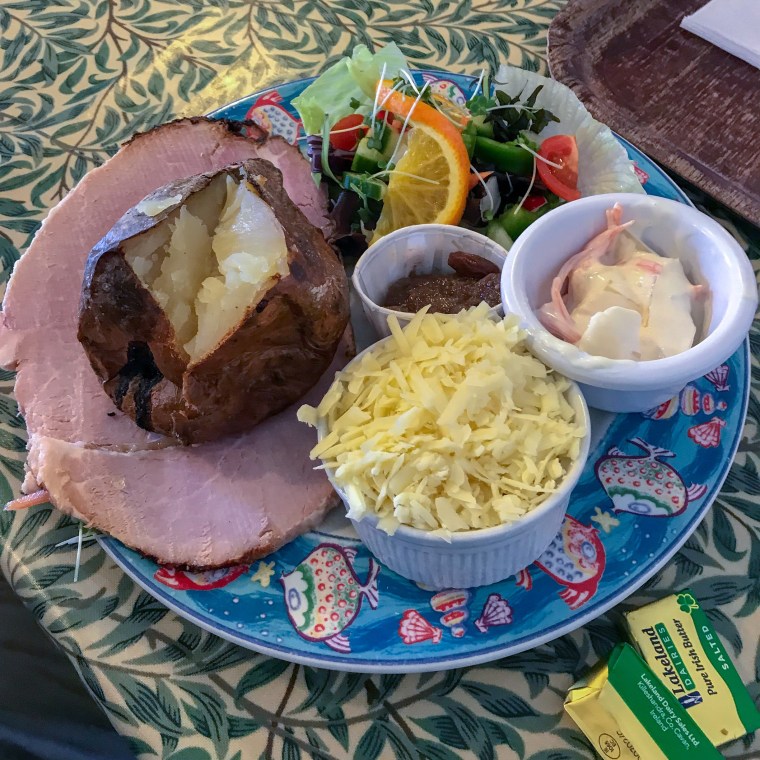
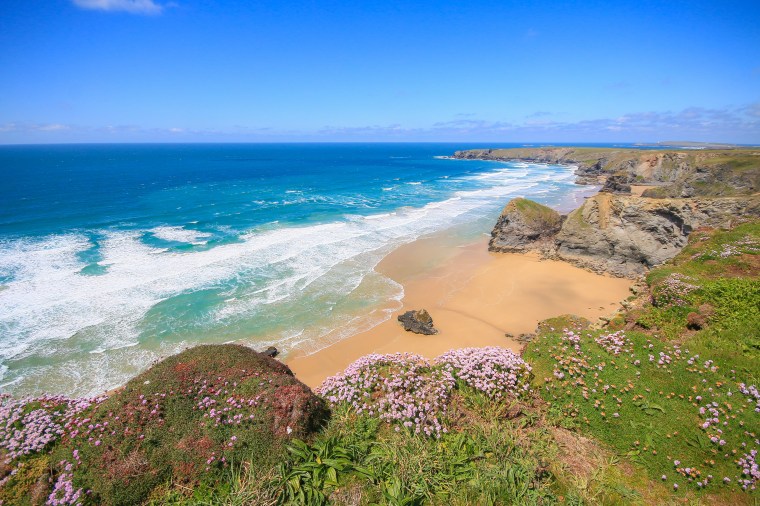


 No doubt many of the loftier residents of Salcombe were in jovial mood; not only from their elevated perch surveying the ambling peasants seeking a cheap pasty, but with the news of a royal baby to join the ranks. Does it have a name yet? I can’t even remember. Have the Daily Mail criticised the parents yet? Oh probably.

 And so, the unexpected and unplanned once again yields some of the most memorable moments. Waiting in a small layby among the gorgeous fields of Devon in the warming sunshine could be worse. Being patched up and guided to Totnes for repairs by endearing locals eager to provide a helping hand (and earn some pennies) proved heart-warming. Spending a few hours in Totnes, charmed and enlightened by good coffee, markets overflowing with abundance and leafy riverside walks. And the satisfaction of rediscovering batter bits with malt vinegar (good work Mum!)
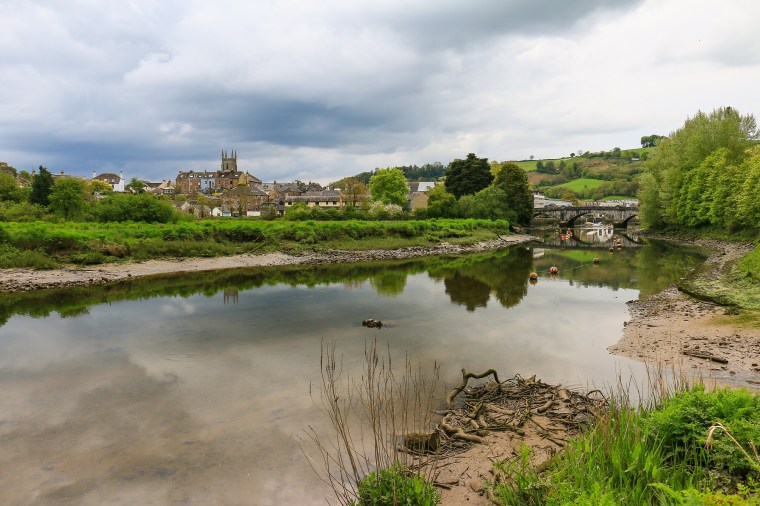

 Such are the ample proportions of the landscape here that the coast path between Strete and Blackpool Sands struggles to keep to the coast. The barriers are too immense, and the trail cuts inland as it dips down towards the bay. But this too is something of a blessing, for not only do you make it without falling to an inevitable death into the sea, but you become once again immersed into a countryside apparently so utopian. Farming must still be productive here, despite the temptation to become a campsite or a tearoom or a paddock for some pampered hobby horses.

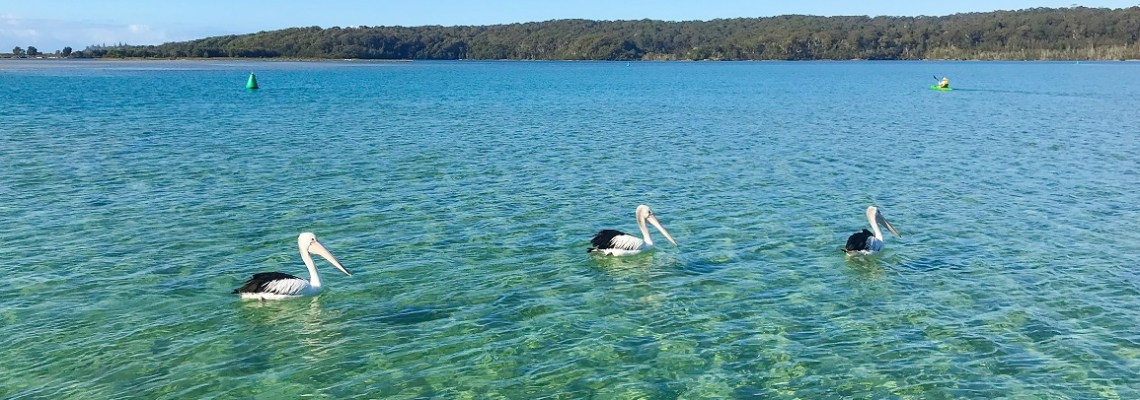

 This proved an aperitif for the perfectly timed stroll beside the water to the Pickled Octopus Café, where we availed ourselves of a pristine outdoor table lapping at the glassy calm of the inlet. Fish and chip orders arrived as the daylight turned to dusk, each munch of deep fried saltiness coinciding with a deepening of colours and escalation of heavenly drama. A moment when nothing else can distract and nothing else really matters. Timing again exquisite.

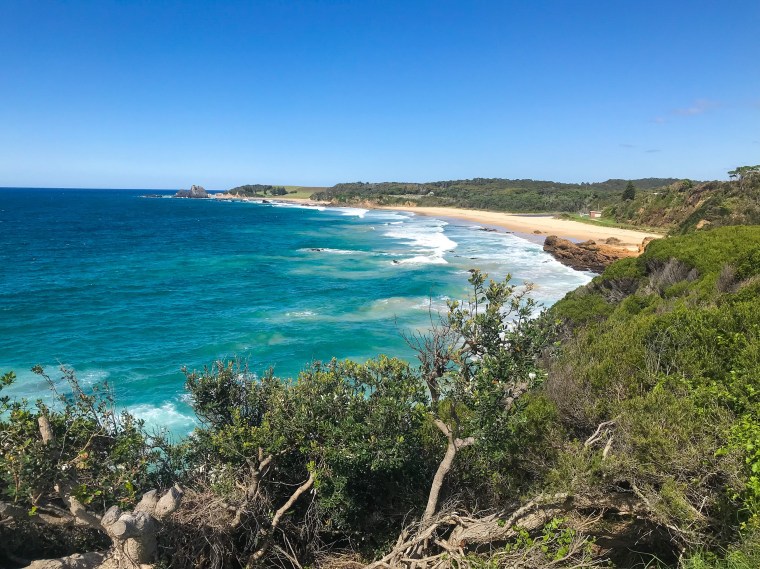
 Back in Tuross Heads, it really is a little nugget of a place, especially when you visit out of holidays and weekends when it is neither ferociously scorched by bogan summers or coated in a wintry ghost town gloom. I’d say the perfect time, perfectly timed, would be around the end of March and early April. And here we were, April 2, sat out on the deck of the Boatshed, drinking a coffee and thinking how lucky the local retirees were. But we were there too, and very thankful for that; lucky to able to have this to enjoy no matter how brief.
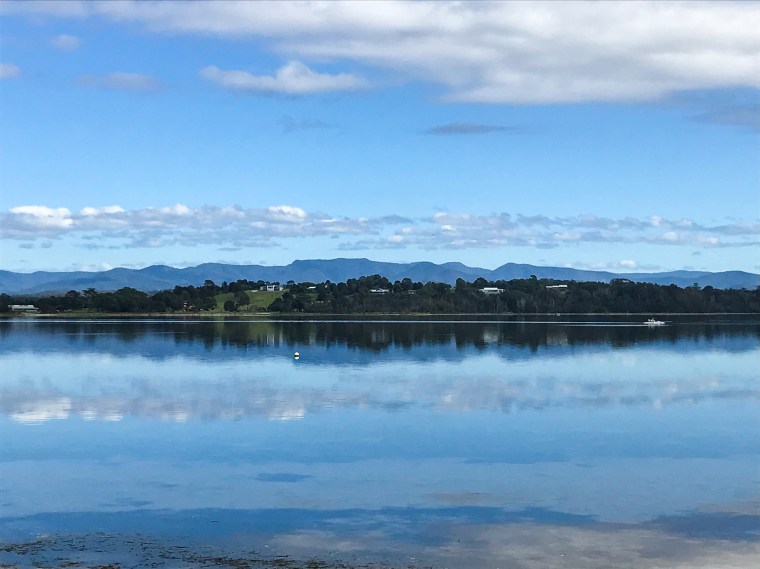
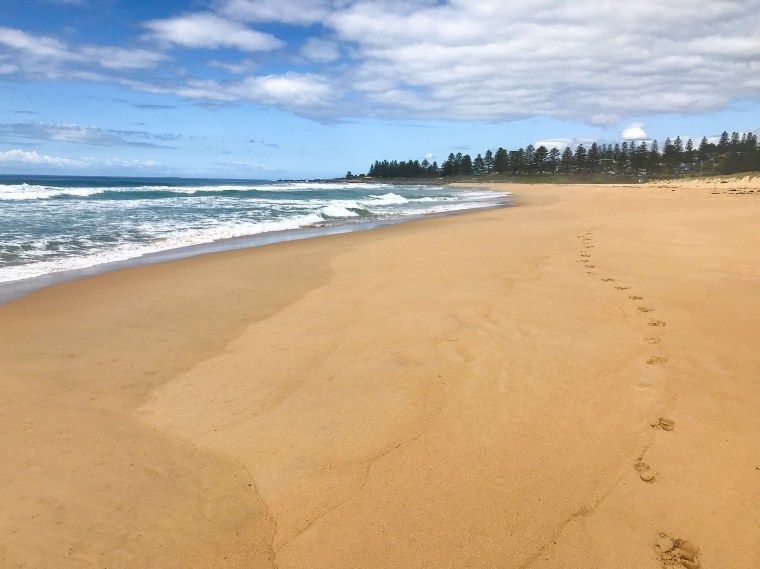

 It’s a tough gig, and the reality of four straight days in a row above 40 degrees was enough to force me fleeing to the coast, at least for a couple of those days. Thankfully when I got back there came a reprieve with temperatures dropping back down to 37 with a cool change as ineffectual as any number of Secretaries of State for Exiting the European Union. Yes, the hot air persists.
 At least on the coast the temperatures dropped a good eight to ten degrees, pampered with pleasant sea breezes and clear cool waters. There was fish and chips and ice cream, paddles upon shores and across inlets, and a decent amount of lounging with a book in the sand. Yet the highlight of this escape was away from the edge of the water. Instead, upon the edge of wilderness.


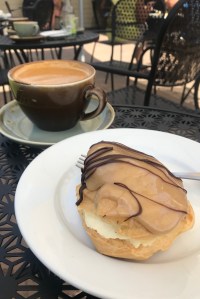 It was borderline whether I had really earned what was to follow, such was the relative ease of this walk. Out of the wilds, the cutesy hilltop town of Milton inevitably has a bakery, which I inevitably visited, inevitably not for the first time. There is a pleasing inevitability in the inevitability of cake and coffee.
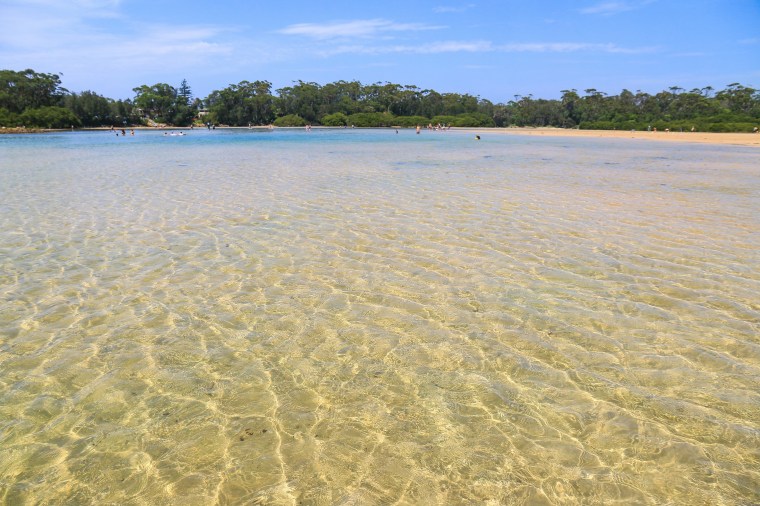
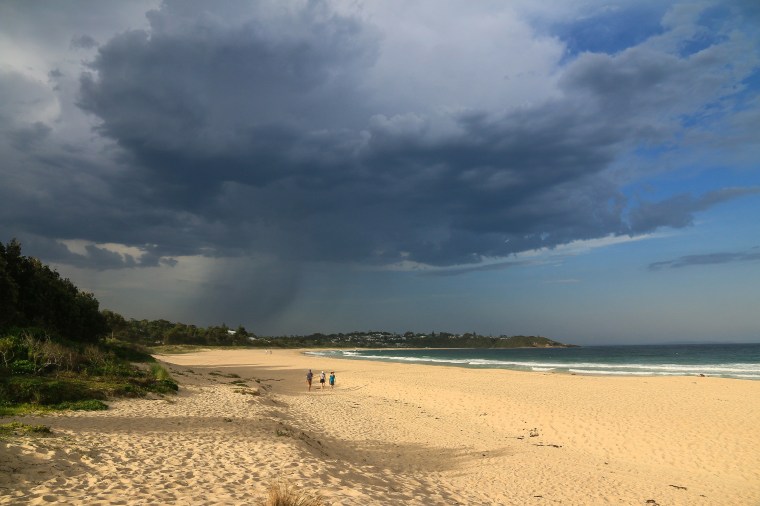


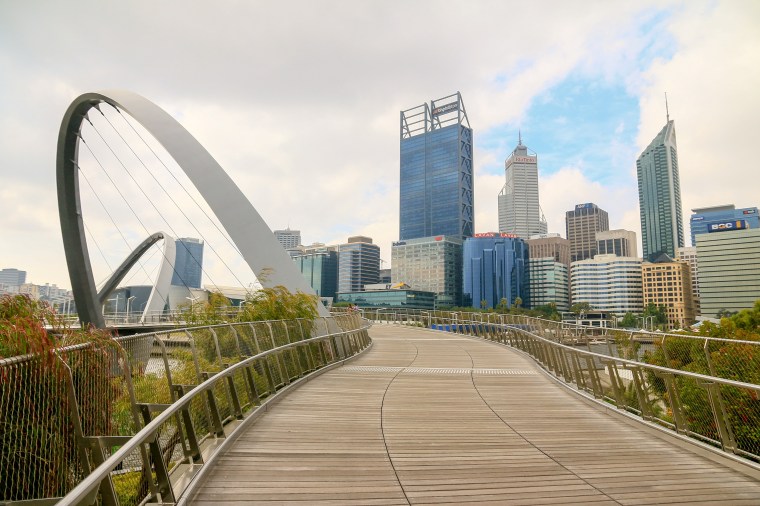

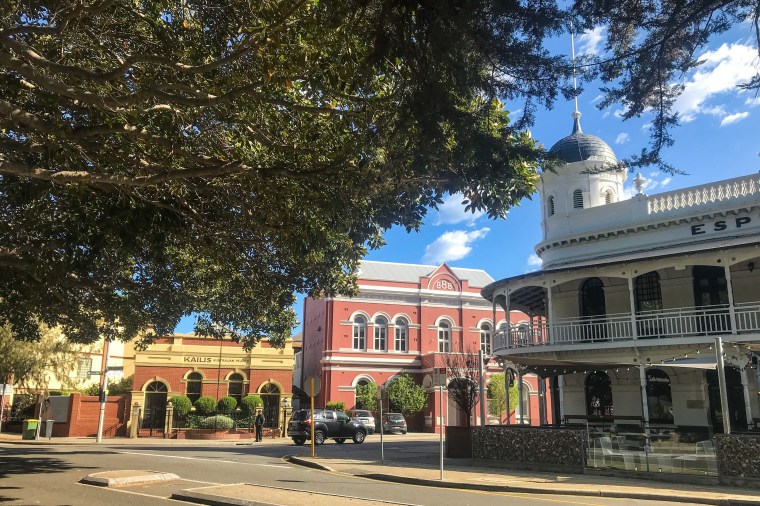
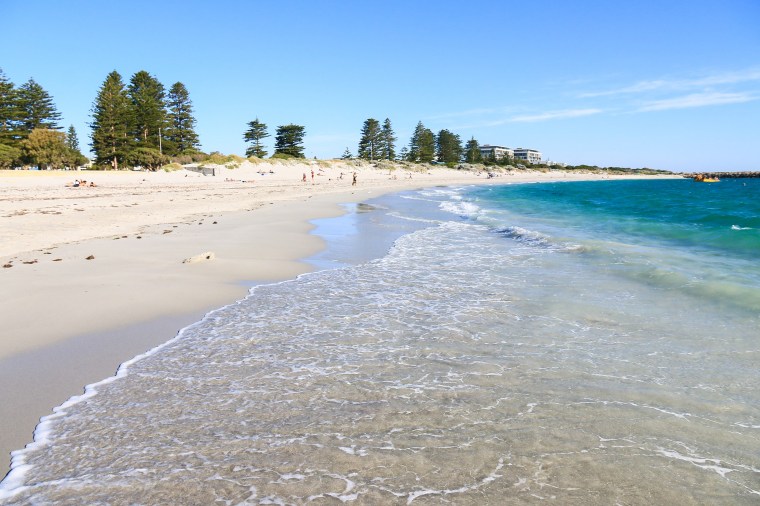
 Freo was my base for the week and part of its appeal was accessibility to water. Being a busy and somewhat historic port, it’s not without its charm and boasts a high concentration of elegant turn-of-the-century colonial buildings. It seems to attract hipsters which equals good coffee, has not one but two breweries, puts on some fine markets, and has developed into a mecca for fish and chip consumption. There is a lot to like about Freo.
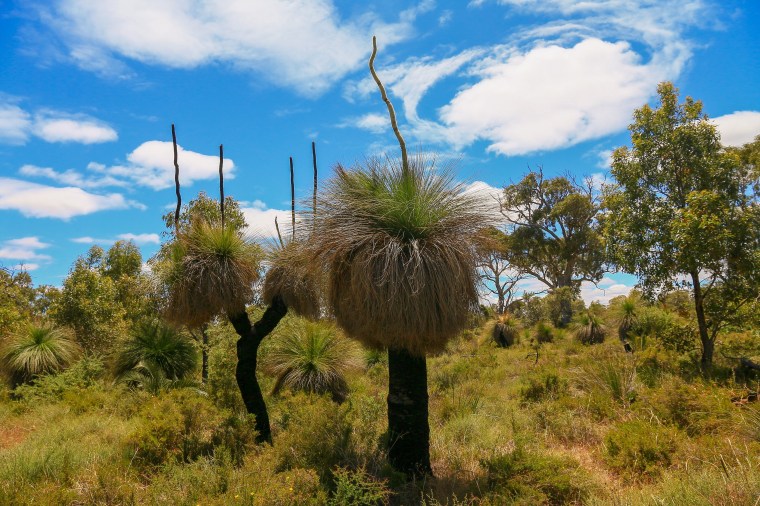
 Given the proximity of this park to Perth, there is also a more manicured and deliberately designed aspect to certain areas, with tightly mown grass, a cosy café, campgrounds, waterside boardwalks and electric barbecues. A perfect family spot for a Sunday lunch, kickabout and encounter with koalas and kangaroos, creatures which seem strategically placed for the many visitors on minibus tours heading for the Pinnacles.

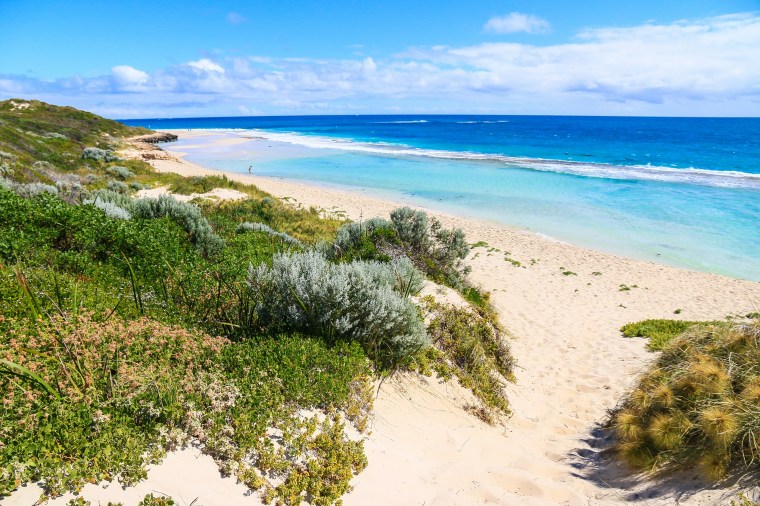


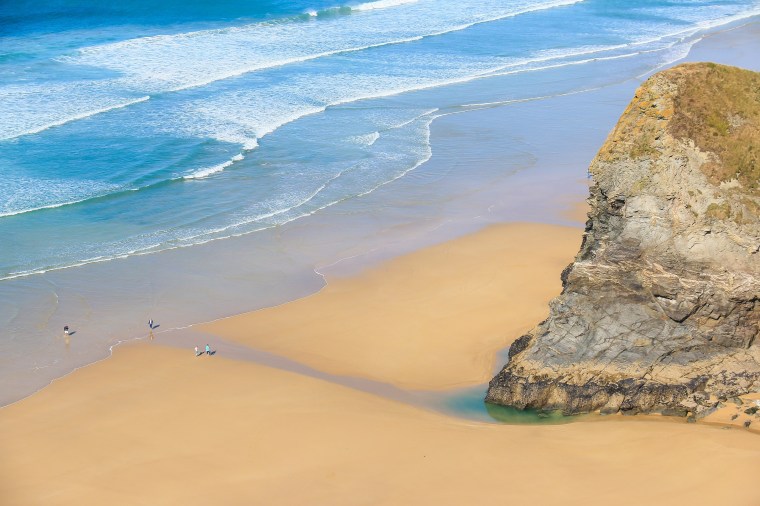


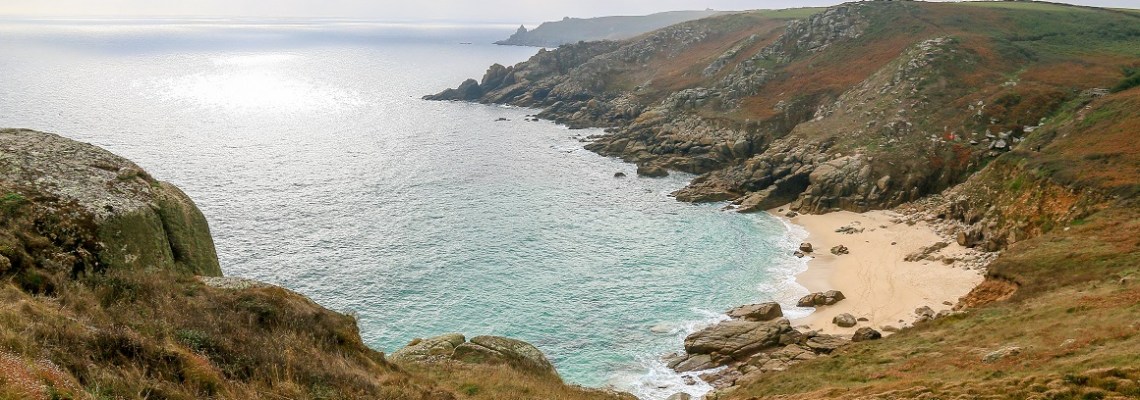



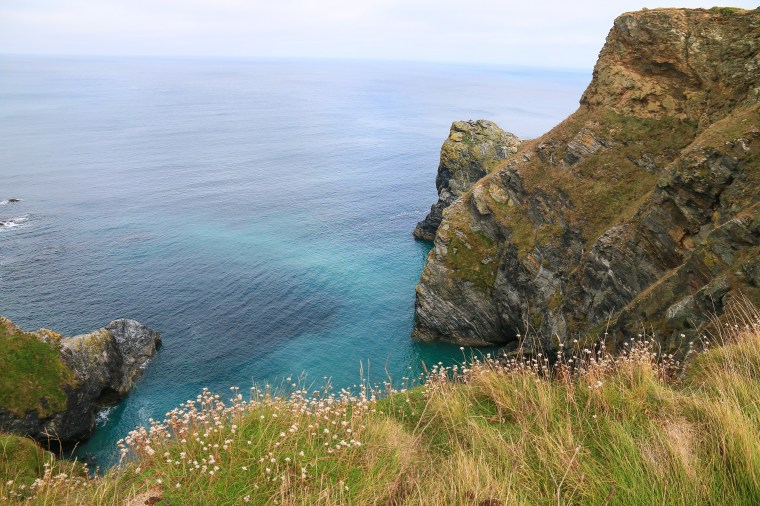







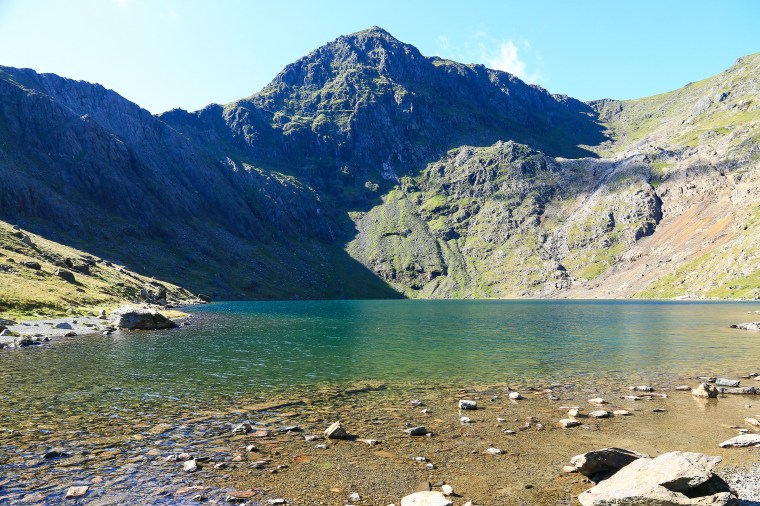


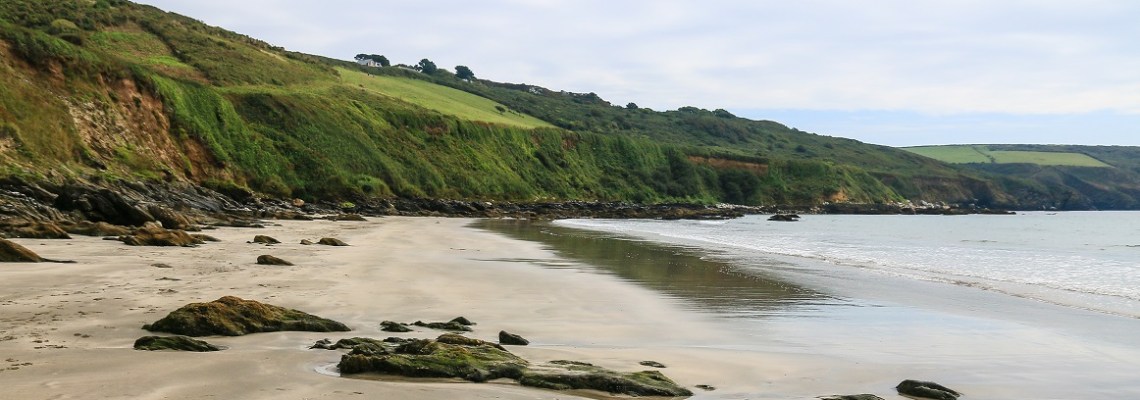

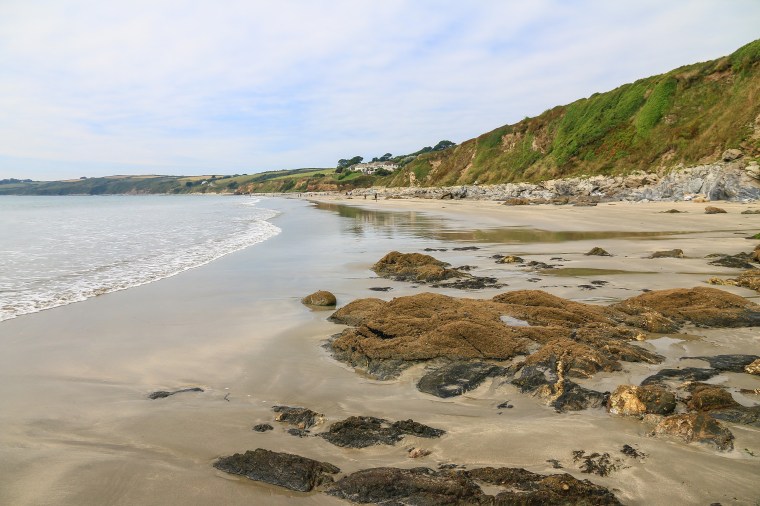
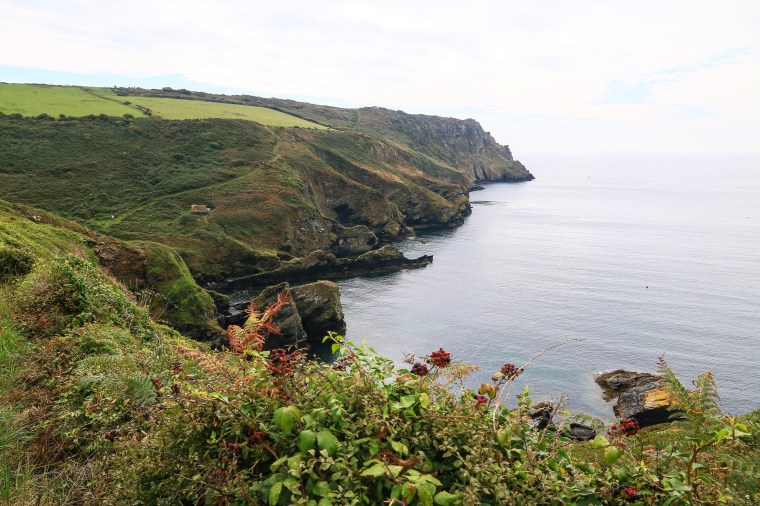
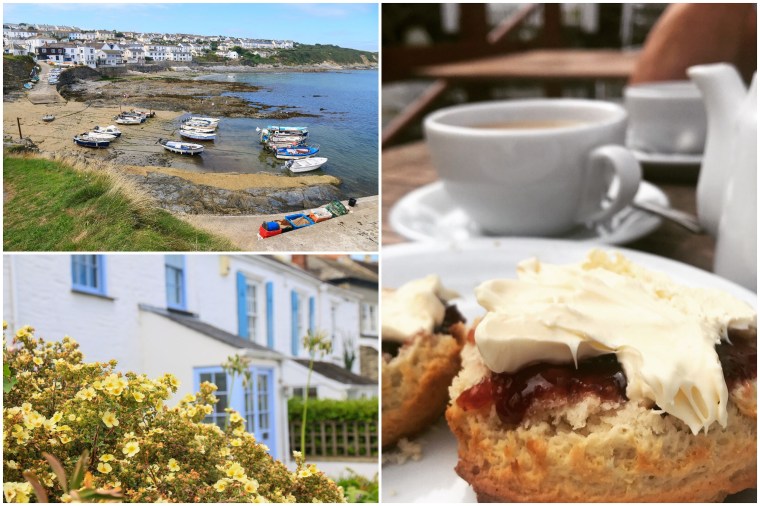

 Still, sheltered by untainted forest and rolling coastal hills, kissed by the radiance of the crystal ocean under clear skies, there is certain comfort to winter here. It is at one tranquil and vivacious, glowing in a freshness swept in by cold fronts and a seasonal lull in nature’s freneticism. The tried and trusted walk between Depot and Pebbly Beach proves to be at its very best.

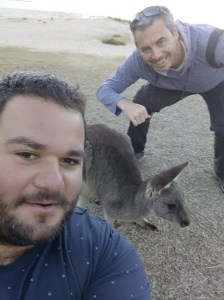 The kangaroos and wallabies appear to be fans of this weather, out in force grazing on the luscious fringe of grassy dune and really, really hoping for a stray sandwich. While far from the explosion in #quokkaselfies on Rottnest Island in Western Australia, the placidity of these animals – along with the idyllic Australian coastal setting – have made #rooselfies a thing, sort of. Especially when there are tourists about.
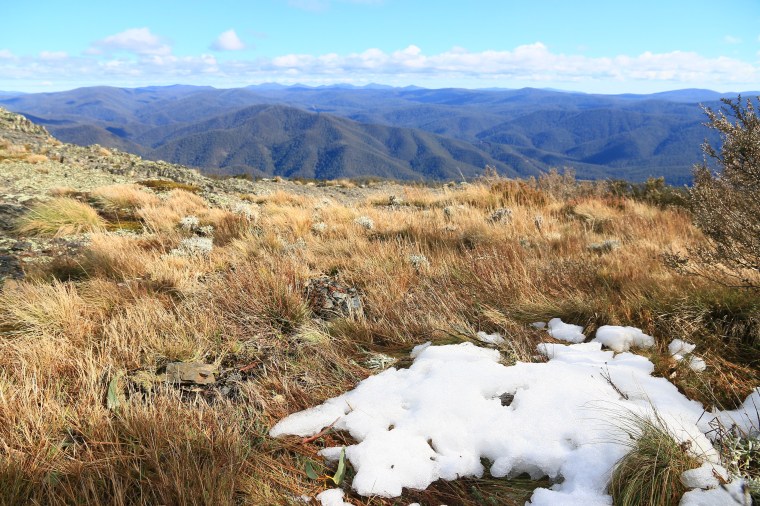


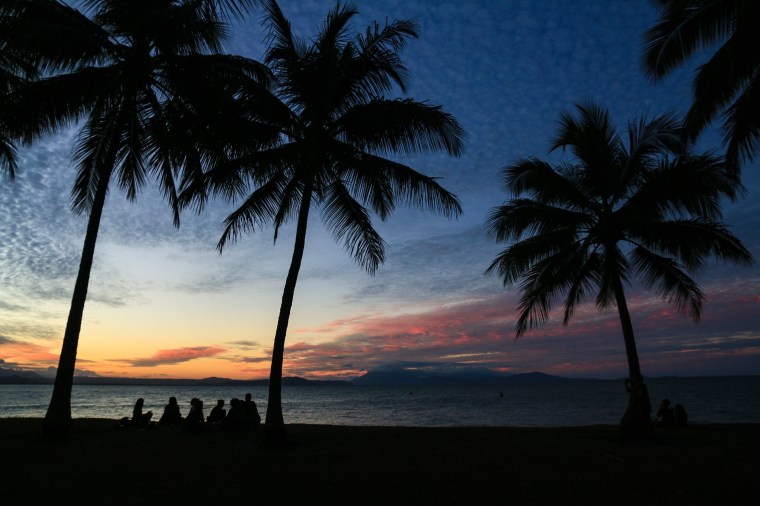

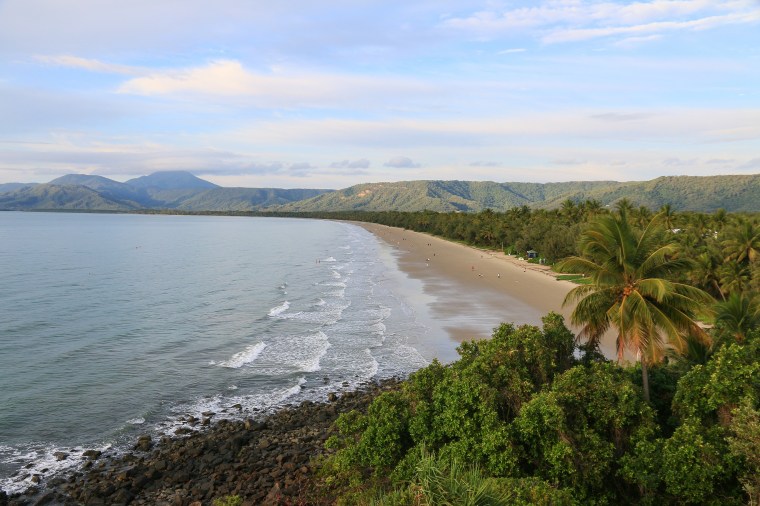


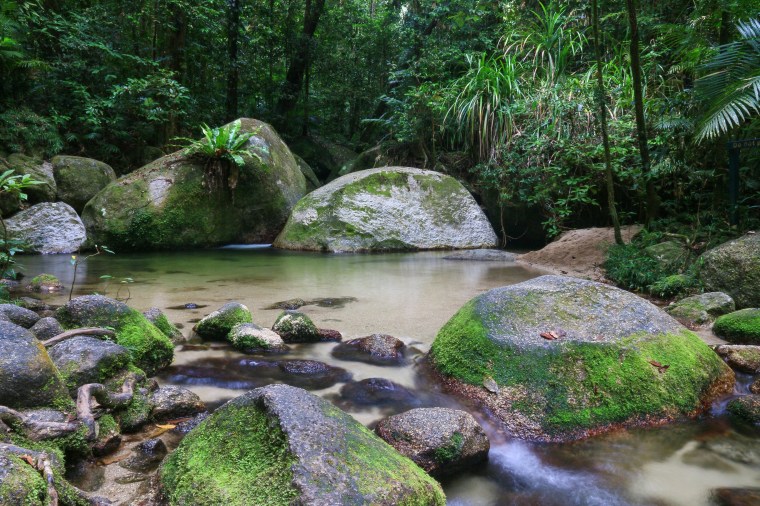
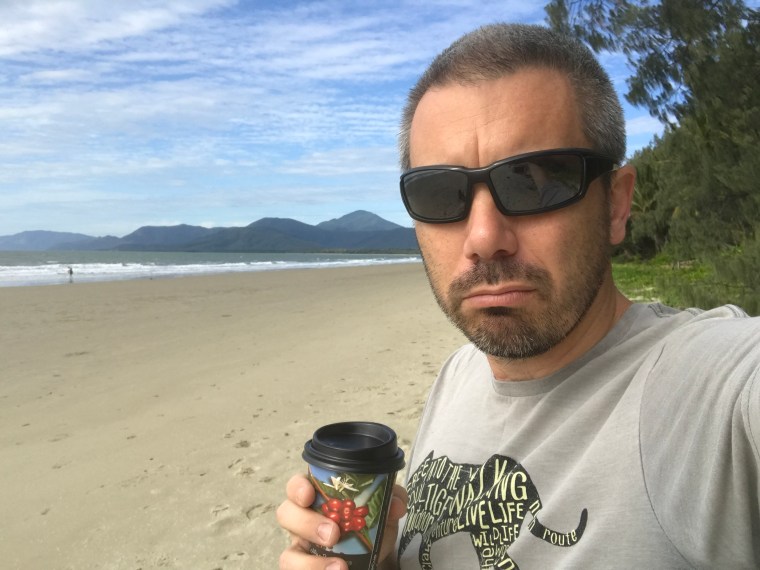
 I took one final coffee and stroll on the beach before embarking on the drive back south, which had a fair share of roadworks interspersed with spectacular scenery. Pausing around Ellis Beach, in this snatch of tropical palm-fringed cliché, it was again hard to fathom that I would be in a different world, in the same country, in a few hours. My poor shorts would be tucked away out of sight again.


 Up the road at Ebor Falls, situated within Guy Fawkes River National Park, we have reached a land of rugged gorges and wild rivers, decorated with millions of eucalypts and a million more golden everlasting daisies. Indeed, green becomes more golden with the drop in rainfall. The smells and sounds are more familiar: that earthy aridity mixed with the fresh minty essence of the gums; the friendly chirp of a pair of rosellas; the chatter of an old guy named Bert to his wife Sandra. “Well, isn’t that grand.” And indeed, it sure is. It sure is.