
Traditionally, the end of June has come to resemble a key juncture in my life: the culmination of the financial year acting as impetus for all sorts of project completions and invoice requirements and quick-turnaround work tasks. Traditionally.
Traditionally I would also, thanks to this purple patch, begin turning my attention to a trip overseas, to Europe, escaping some of winter and connecting again with treasured family and friends. Traditional cream teas would compete with a traditional trip to Looe for a pasty and a traditional offload of dirty laundry to Mum.
But tradition has been chucked out of the window. Of a twenty storey building. Then trampled over by a herd of elephants before being set on fire alongside a car park full of dumpsters. Attempts at home made pasties and Tilba cream prove B-grade substitutes. I continue to do my own laundry. The end-of-financial-year hubbub is subdued.
In many previous years it would have been unimaginable heading for a day out on the 29th June. Unless it was to a beige motel to complete some frantic discussion about something of great importance with eight citizens of Goulburn. All to get the country perspective. Perhaps it was some innate response mechanism propelling me up the Federal Highway today. To get another country perspective.
In COVID escapes from Canberra I think things peaked with a day on the South Coast. A trip to Goulburn was never really going to compete, even if I could stop off at Collector again for coffee. Still, I managed to find a couple of attractions along with a decent, good value spot to pick up some treats for later. Which always helps.
At Marsden Weir, the Wollondilly River forms an attractive body of water by which to amble. On a kink in the river, the sturdy red brick building of the Goulburn Historic Waterworks adds even more spice. There is a touch of Victorian endeavour about it – quite a rarity in Australia – and you can imagine Tony Robinson visiting it on his fourteenth series of Mildly Interesting Places in Regional New South Wales. He would explain how the waterworks were constructed in 1885 and form – wait for it – the “only complete, steam powered municipal water supply left in its original location, in the Southern Hemisphere.” Quite a lot of caveats to prominence there.

Being a weekday in midwinter and almost the end of the tax year there were just a handful of curious souls nosing around at the waterworks. You could – though – imagine banks of people in summer, supping locally-brewed ales and indulging in hearty lunches by the water. Perhaps a nearby cottage would supply cream teas and coffee and walnut cake. This is all in my dreams of course; nothing of the like seems to happen here. But perhaps it should be the way forward when we can all meet again.
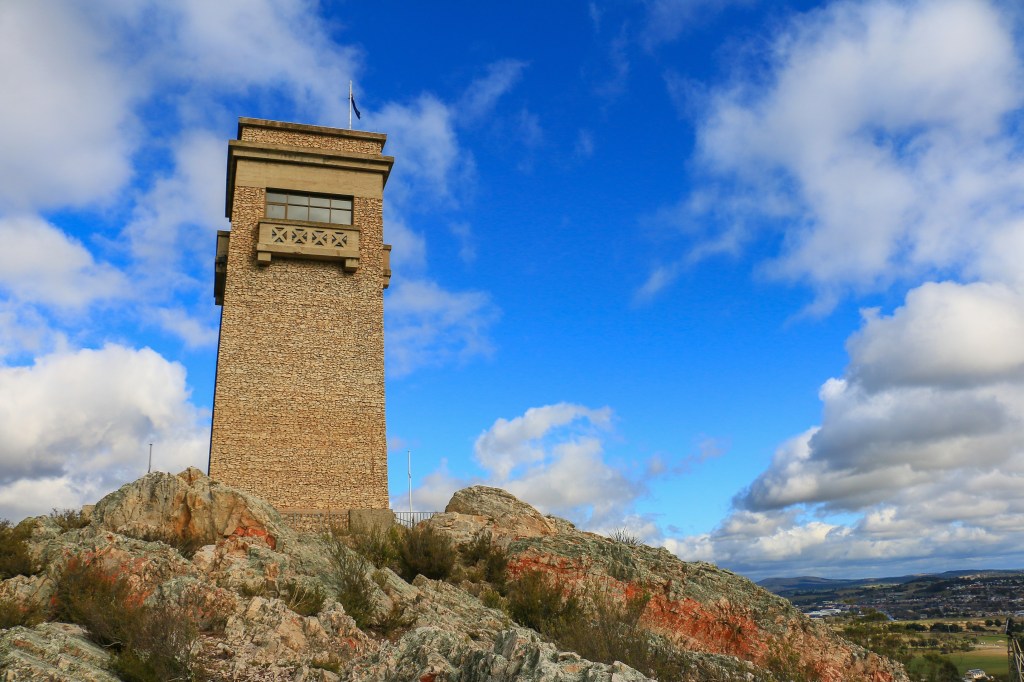
Another prominent sight sits atop a hill which I have often glimpsed at a hundred and ten kilometres an hour on the way to Sydney. This is the Rocky Hill War Memorial Tower and there is a road up to its base. The tower was constructed in 1925 and you can walk to the top – after an application of hand sanitiser – to take in the scene. This provides a fine overview of Goulburn, spreading out on the southwestern side of the rail line. In the foreground, Goulburn East has its own, historic village feel going on, segregated from the rest of town by wetlands and a golf course. If I were to live in Goulburn, perhaps I would choose here; it just seems to have a touch more charm.

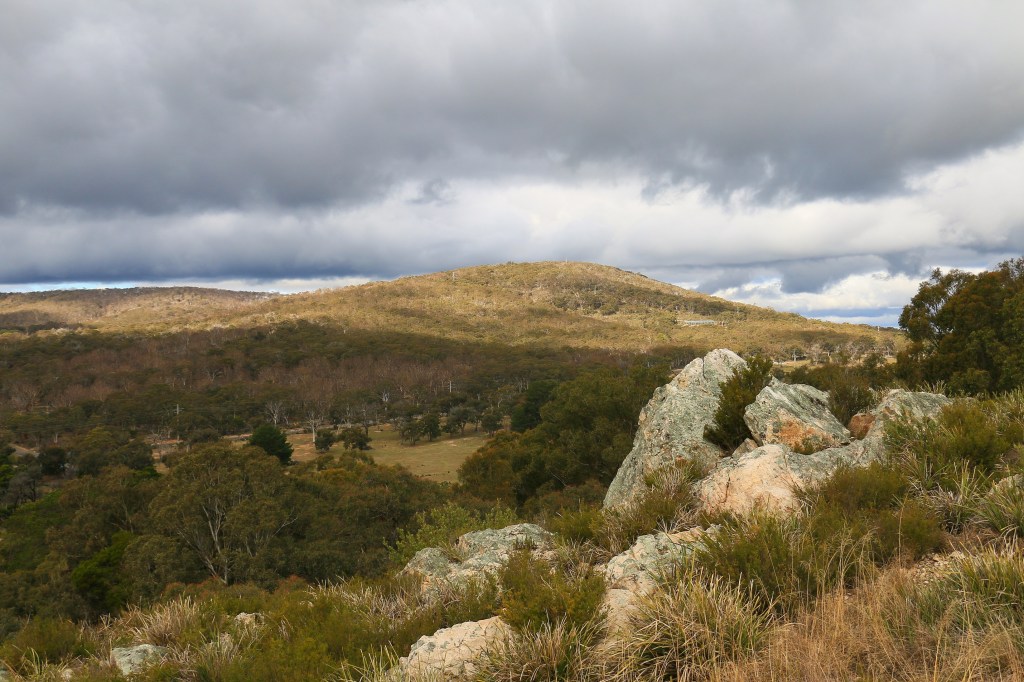
I ate my takeaway lunch overlooking the landscape from the hill and mulled over what to do for the remainder of the day. Being only lunchtime, I had seemingly exhausted the sights of Goulburn, with the obvious exception of the Big Merino. North of the tower some attractive bushland hills promise exploration but seem devoid of any walking trails. Far better to head to somewhere reliable, somewhere familiar, somewhere spectacular.
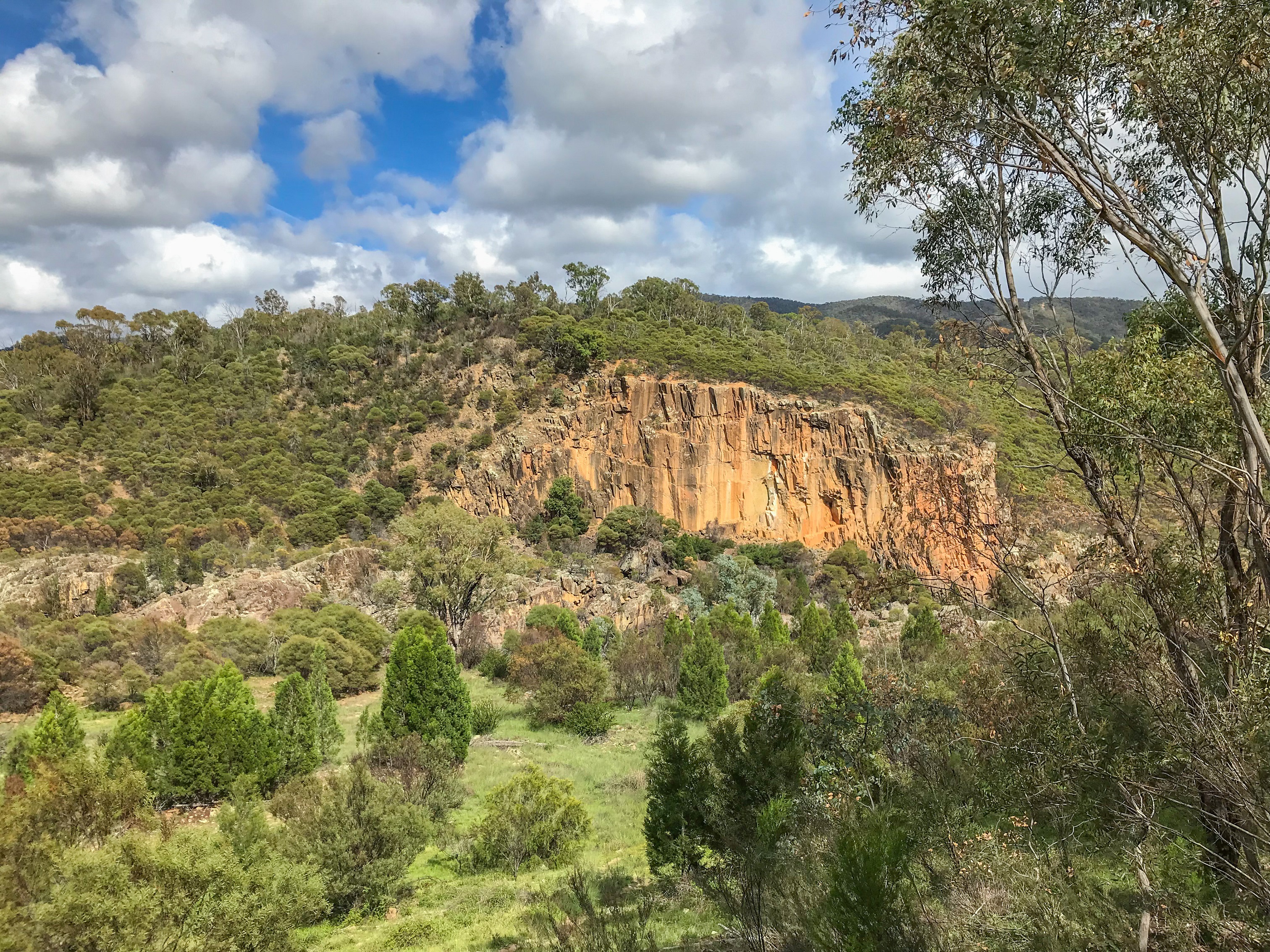
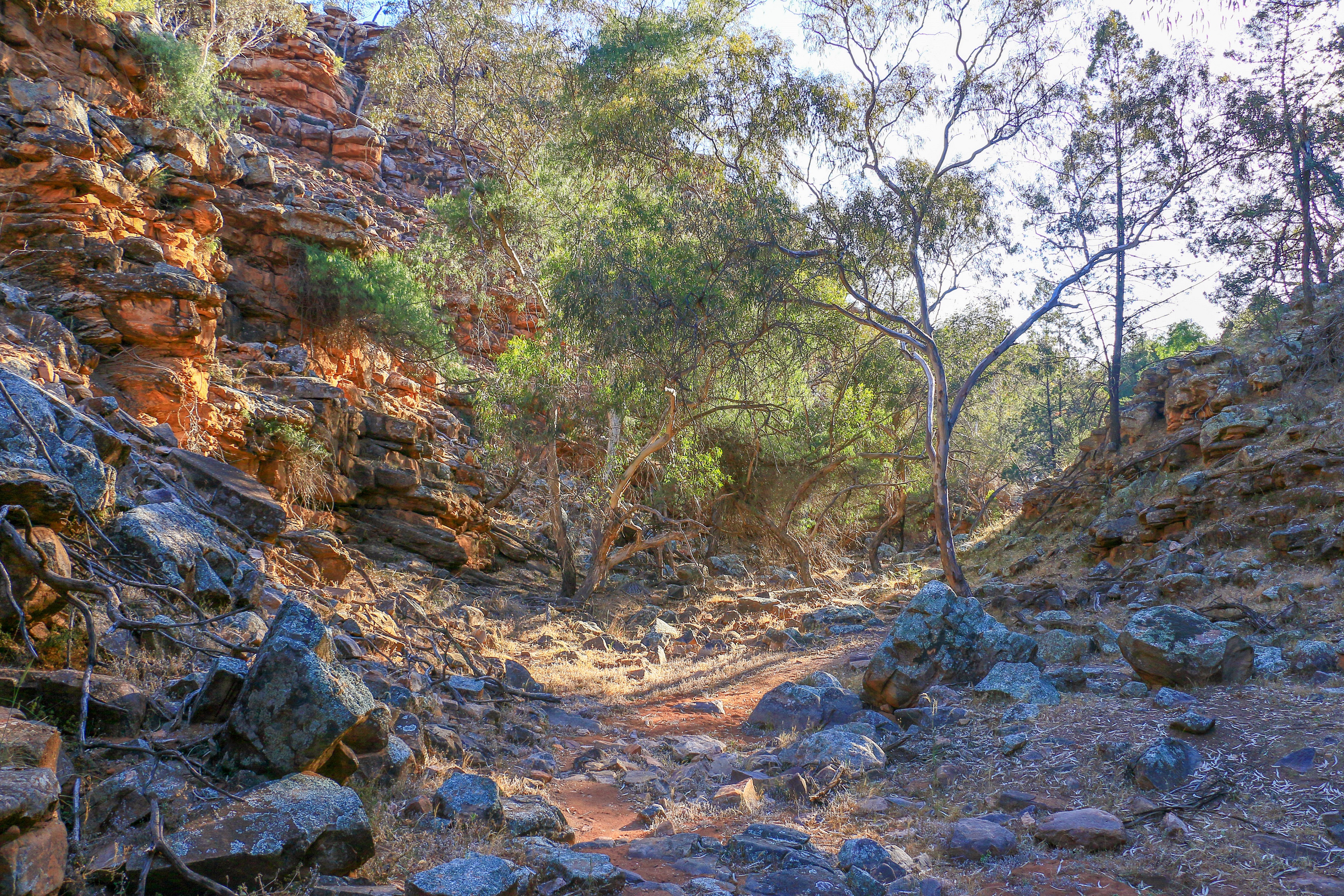
Bungonia National Park is probably the closest manifestation of rugged sandstone gorge country to Canberra and – of course – Goulburn. It is a landscape typical of much of the country surrounding the Sydney Basin, with heroic rivers carving out precipitous cliffs and deep ravines. As well as millions of eucalyptus, these landscapes are home to a few of my favourite things, including numerous lookouts.

Having been here several times before, I initially took a walk on the Orange Track. It’s probably the least exciting of the trails but offers a fairly easy stroll through open forest to a pleasant enough view in between the trees. You can tell it’s not going to be the most dramatic walk since the description suggests you might see a koala – surely only there to try and keep the kids occupied. What struck me more than anything was the absolute peace and quiet. Perhaps this was balm to the freneticism and clamour of downtown Goulburn.
It was supposed to be a sunny day today, but any mid-morning brightness had largely disappeared to a layer of white and grey. There were even a few spots of rain as I neared Bungonia Lookdown. Here, a platform leads out towards and dangles over the valley. It is a captivating, spectacular scene dramatically ruined by a quarry nestled in a hilltop to the north. But retaining focus on the valley, a few miracle shafts of sunlight suddenly appear to conjure up some kind of prehistoric lost world.

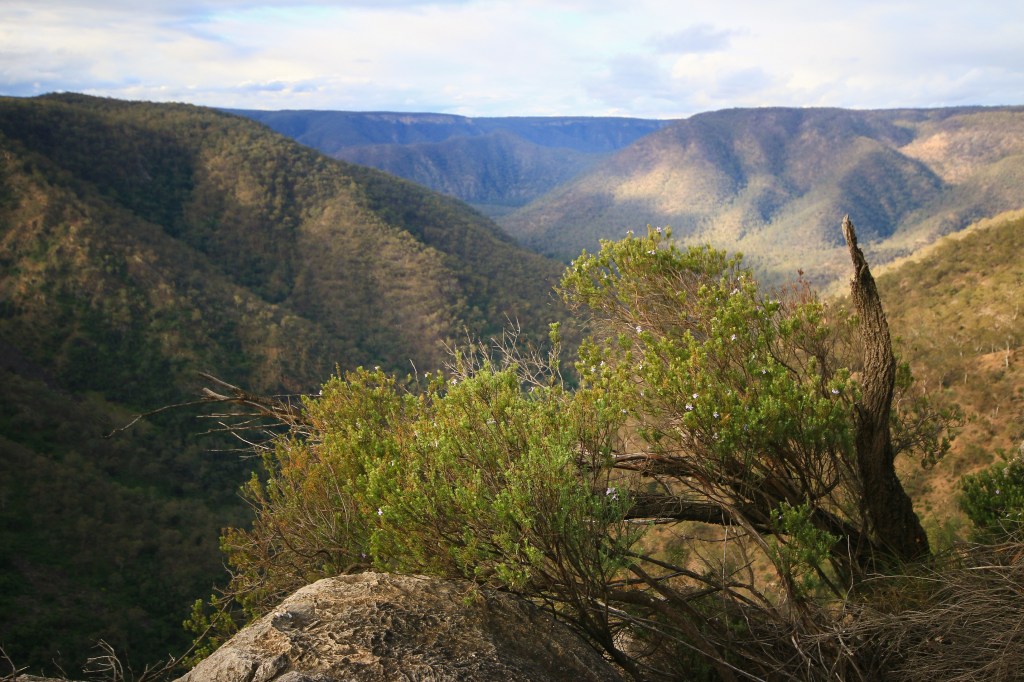
There is even a hint of rainbow in the air, but this quickly fades along with the sun and the rain. Yet I feel brightened and warmed by this visit and an appreciation once again of how lucky I am to be here today. To have this sort of wilderness on your doorstep. If you consider a ninety minute drive via the city of Goulburn your doorstep.
While Bungonia definitely lifted the day, there was clear benefit in stopping in Goulburn which became realised at my final stop. Adams Lookout provides another stunning view into Bungonia and – in particular – the narrow defile of Slot Canyon. There was something about the squidgy datey syrupy oaty nutty sugary slice that I had bought earlier that lifted things to another level. I daresay I would travel to Goulburn again to get my hands on one.

It was no cream tea but just the tonic to power me home. I even found a different route back which surprised me by being sealed the whole way – down to Tarago and back on familiar roads from Bungendore. Thus to experience the wonders of Bungonia you could actually avoid Goulburn entirely. Though I doubt if I will. I feel more likely a new experience, a new tradition has now been born.
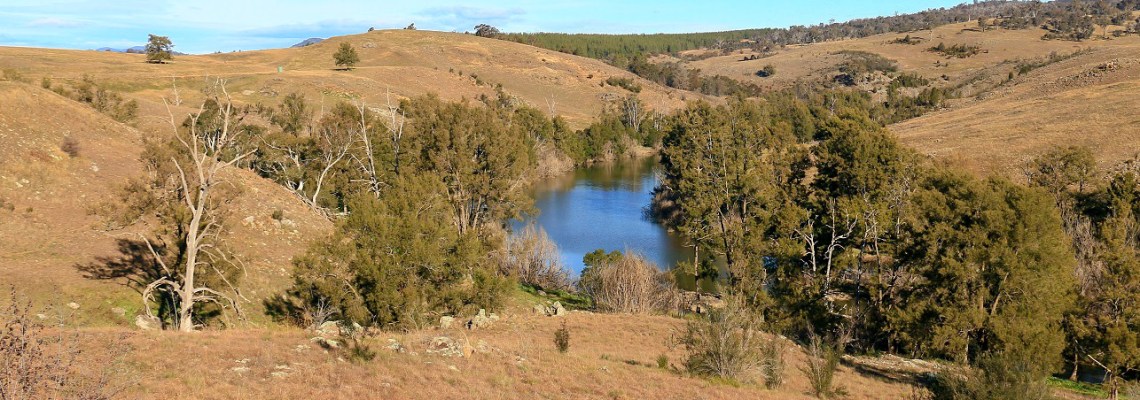







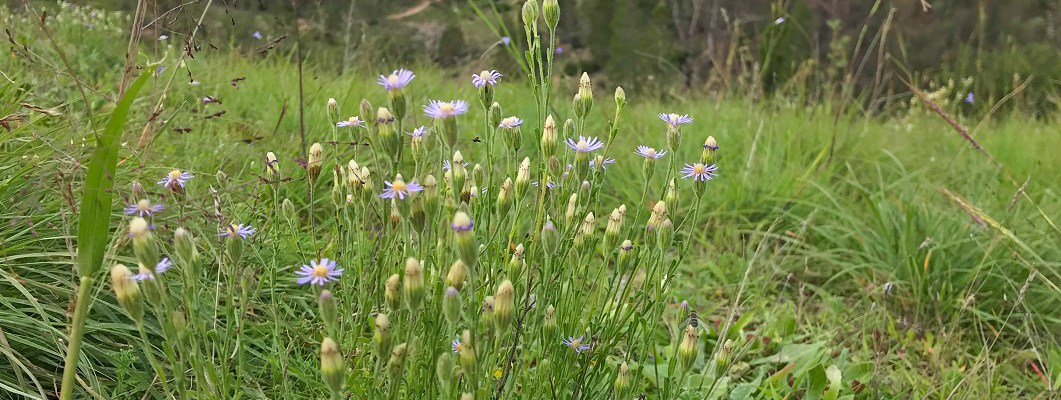
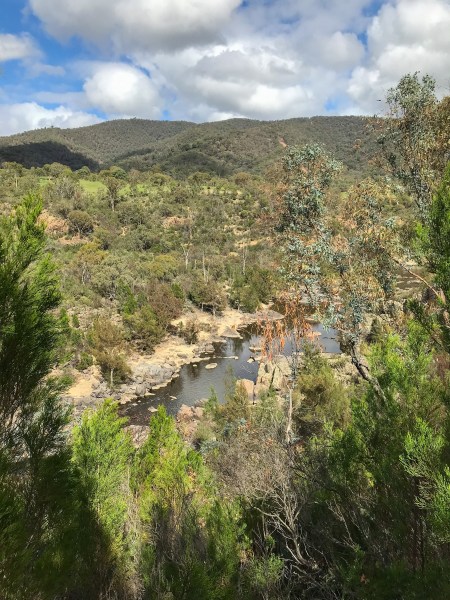 Setting off from Kambah Pool I delayed as a family group embarked on the route to Red Rocks Gorge. Best give them some distance. Wedging myself in between that mob and another mob congregating to follow, things were rosy at first. The landscape still an astonishing green, the river replenished, meandering gently through the steep sided valley untamed and untrammelled. This was freedom.





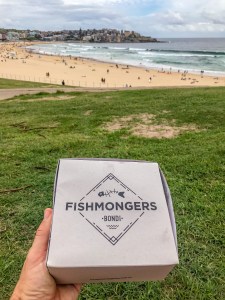 It’s a decent enough walk to require sustenance, so I strategically commenced in Bondi with a favourite pile of seafood. The beach was fairly busy – as you’d expect on a Sunday in February – but there is enough green space surrounding the bay to get your own little plot of land. Around me, every other person Facetiming to someone a million miles away, absent, distant. Nearby, a scruffy young guy settles down with a guitar, assuming the world near and far wants to be entertained by his derivative Passenger twaddle. It’s time to get moving.
 Walking by Bronte Beach and around the cemetery, through the cove of Clovelly, up the worse steps to circumnavigate Gordons Bay, and down again into Coogee. An egalitarian scene of Sunday sessions, volleyball, buckets and spades and barbecues. The beach has been in better shape, seemingly plagued by masses of seaweed that are surely something to do with the weird weather and warming seas. By now I finally feel a tad toasty, but ice cream proves the best way to cool back down.
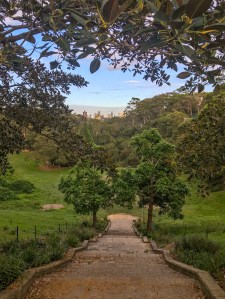 In a window distant, the towers of central Sydney loom large, shimmering like temples to the unstoppable commute. For me, it is onto a chilly train, bypassing under this city and out to Parramatta. Where equally chilly tower blocks await. Later, a chilly taxi crawls to the airport, where I am temporarily warmed by a beer with an old friend. We depart for chilly planes home through chillier skies. And, for once, arriving in Canberra there is the greatest relief at disembarking into the balmy evening air of a city getting back to its best.



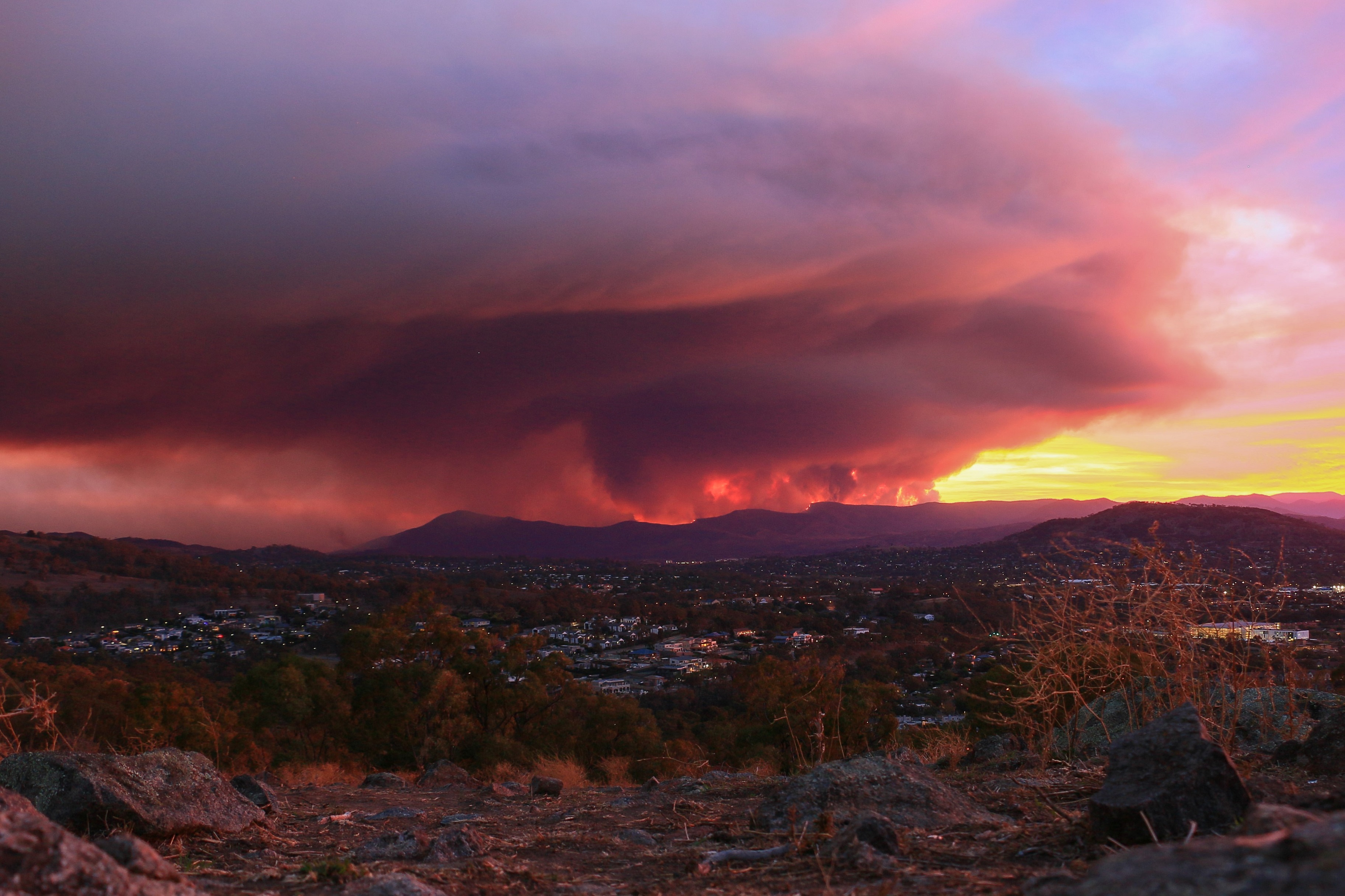
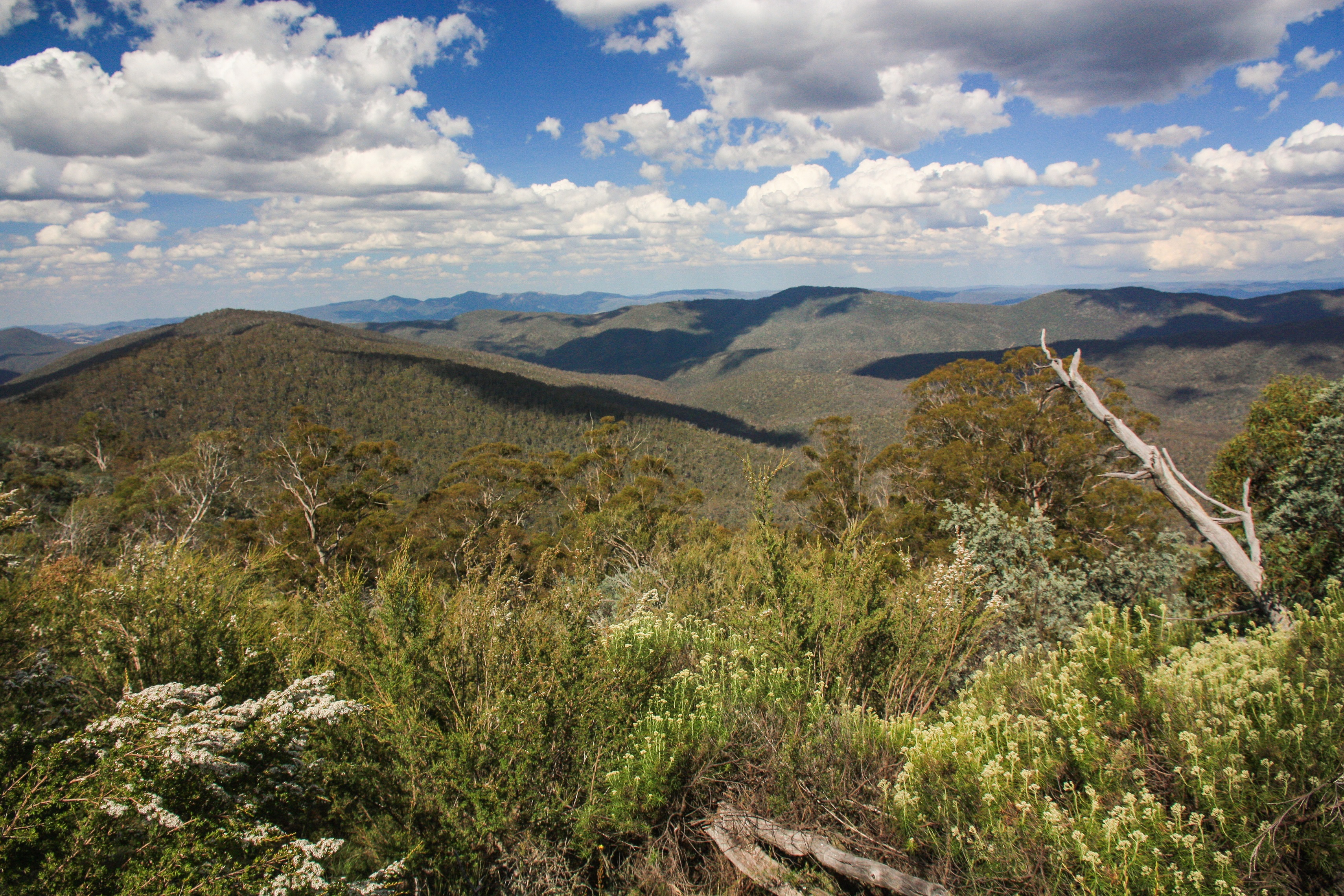

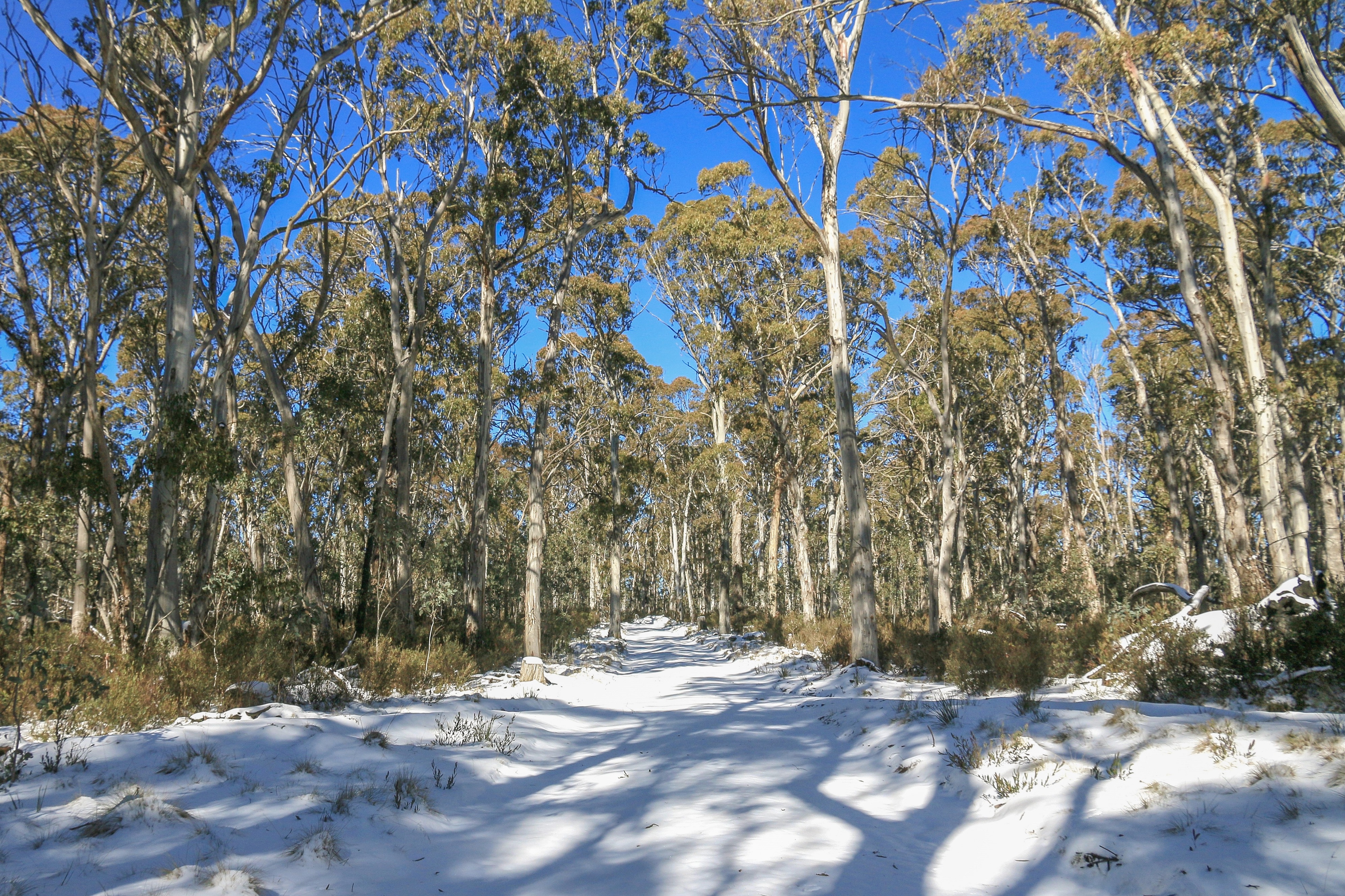
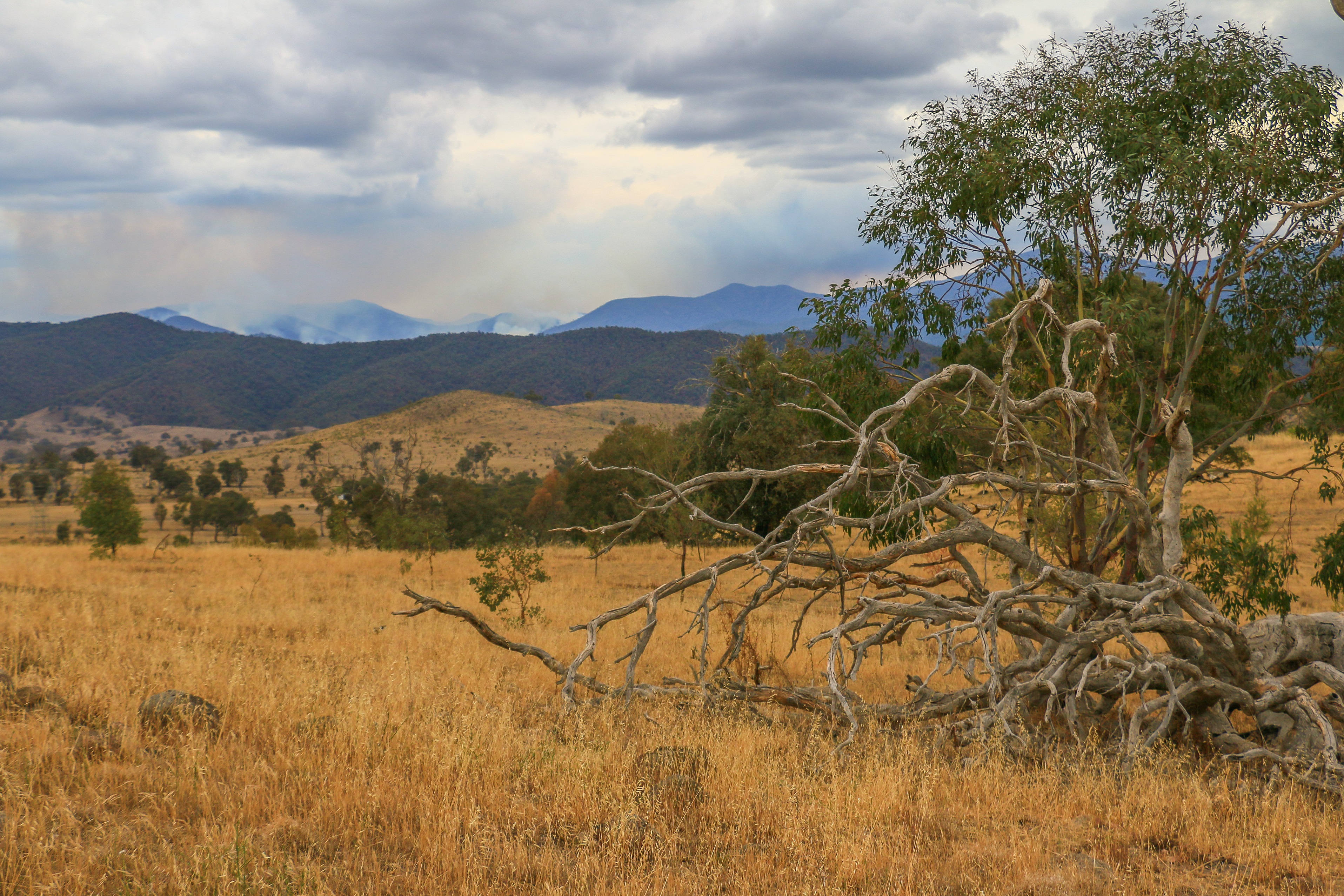

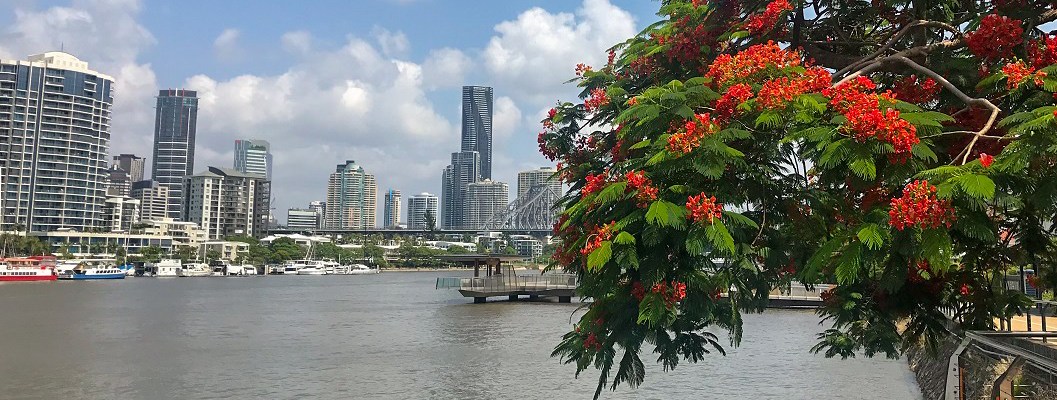


 I did Brisbane things in Brisbane, such as pretending to be sophisticated at a few of the galleries, crashing down to earth with sugary iced drinks for a dollar, cycling on one of those godawful city bikes along death trap rush hour cycleways, and bobbing upon the water aboard trashy ferries championing local sporting sides.



 Together, we explored the land of the Quiet Australian, treading newly built pavements, discovering plots of land awaiting a six bedroom home, lounging in the garden questioning how the Quiet Australians next door can be so goddam noisy. Some of us sniffed butts and peed on lampposts. Others caught buses and sought coffee at the mall. There was a lot of cloud and a little rain. And hope on the grapevine that this would extend south.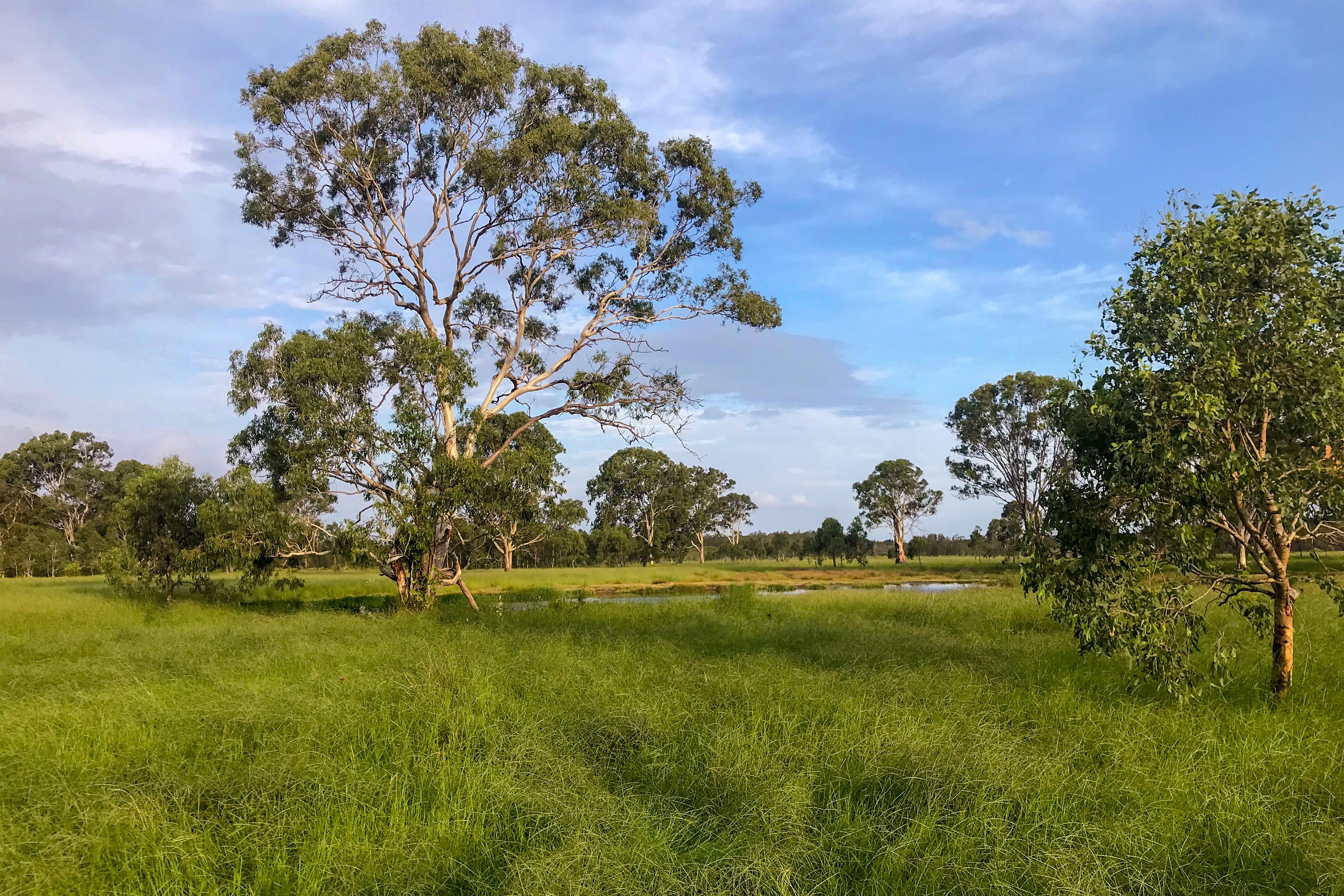


 And then, through Bombala and into South East Forests National Park, there was something resembling freshness. Blue sky. Green. Giant trees untainted by fire. A campground almost deserted, the camp guardian a spirited Kookaburra feeding its young. A sense of wonder and relief that this is all still actually possible. Breathe.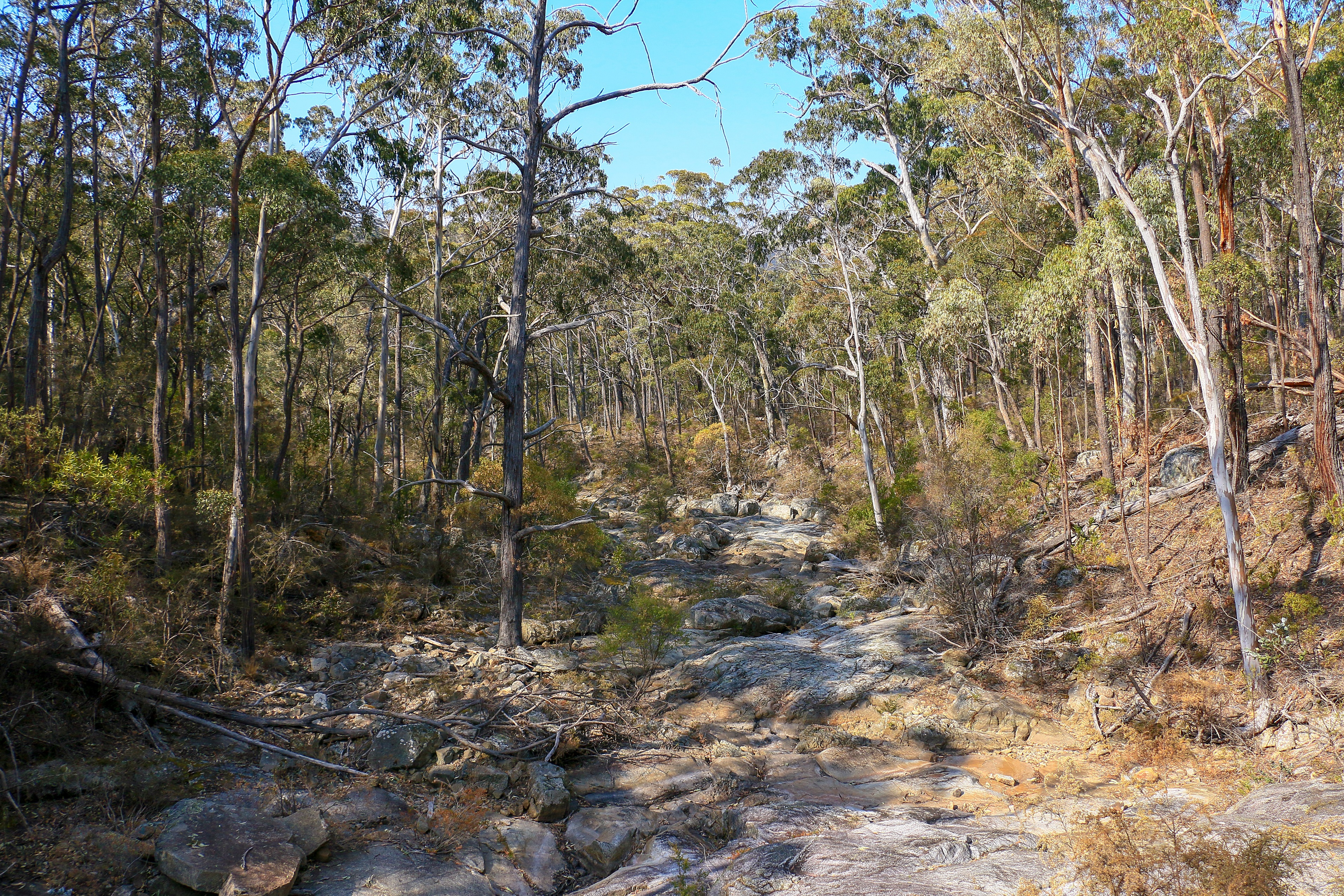

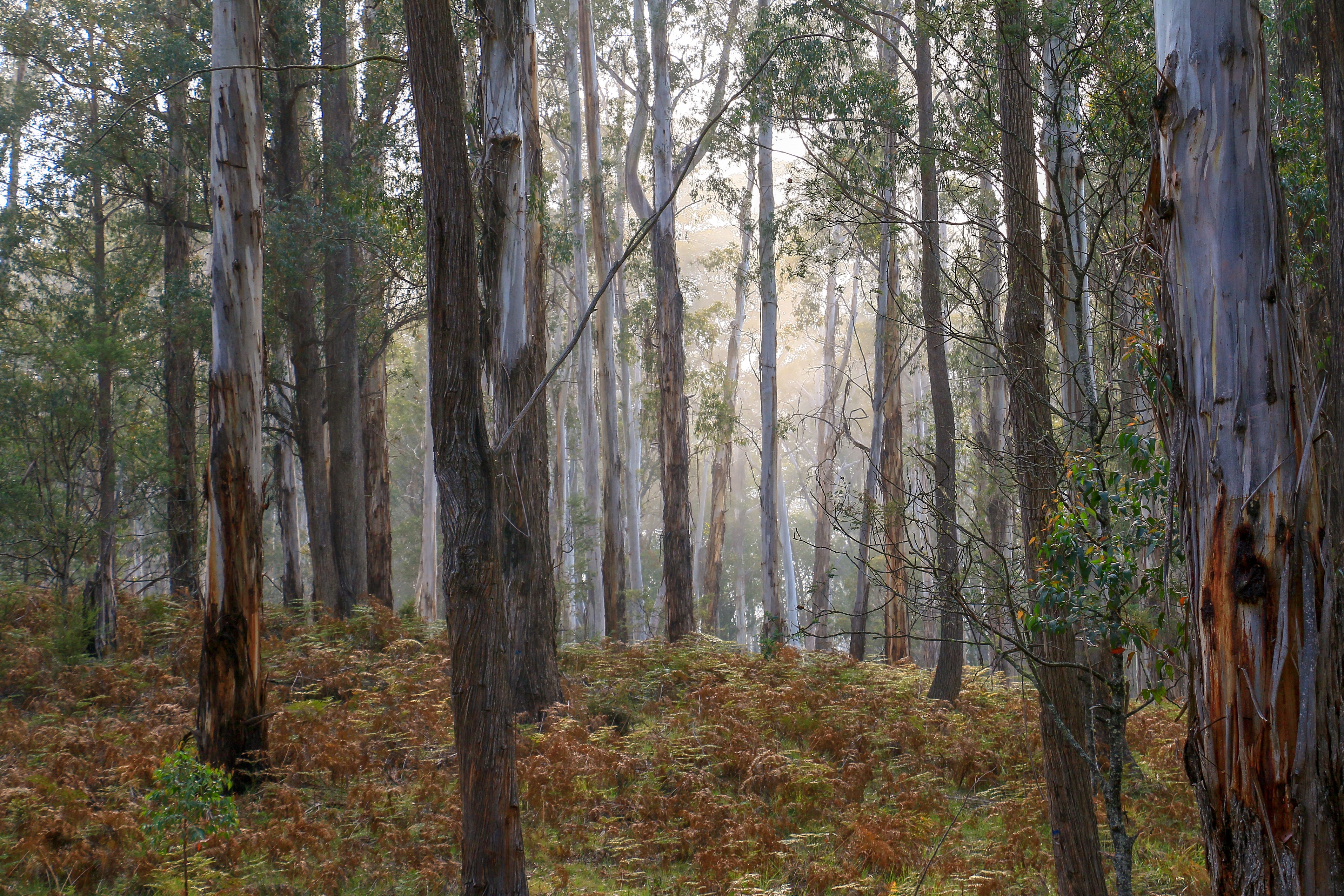
 This region – East Gippsland – is sparsely populated and only has a few access points to the coast, through the gorgeously pristine Croajingalong National Park. Camping in the park is popular over Christmas and I had no chance. But at Cann River itself, a free campground was available in which to set up at ten in the morning. And it came alongside a short walk through woodland that in places reminded me of somewhere in England, such were the treasured patches of greenery.
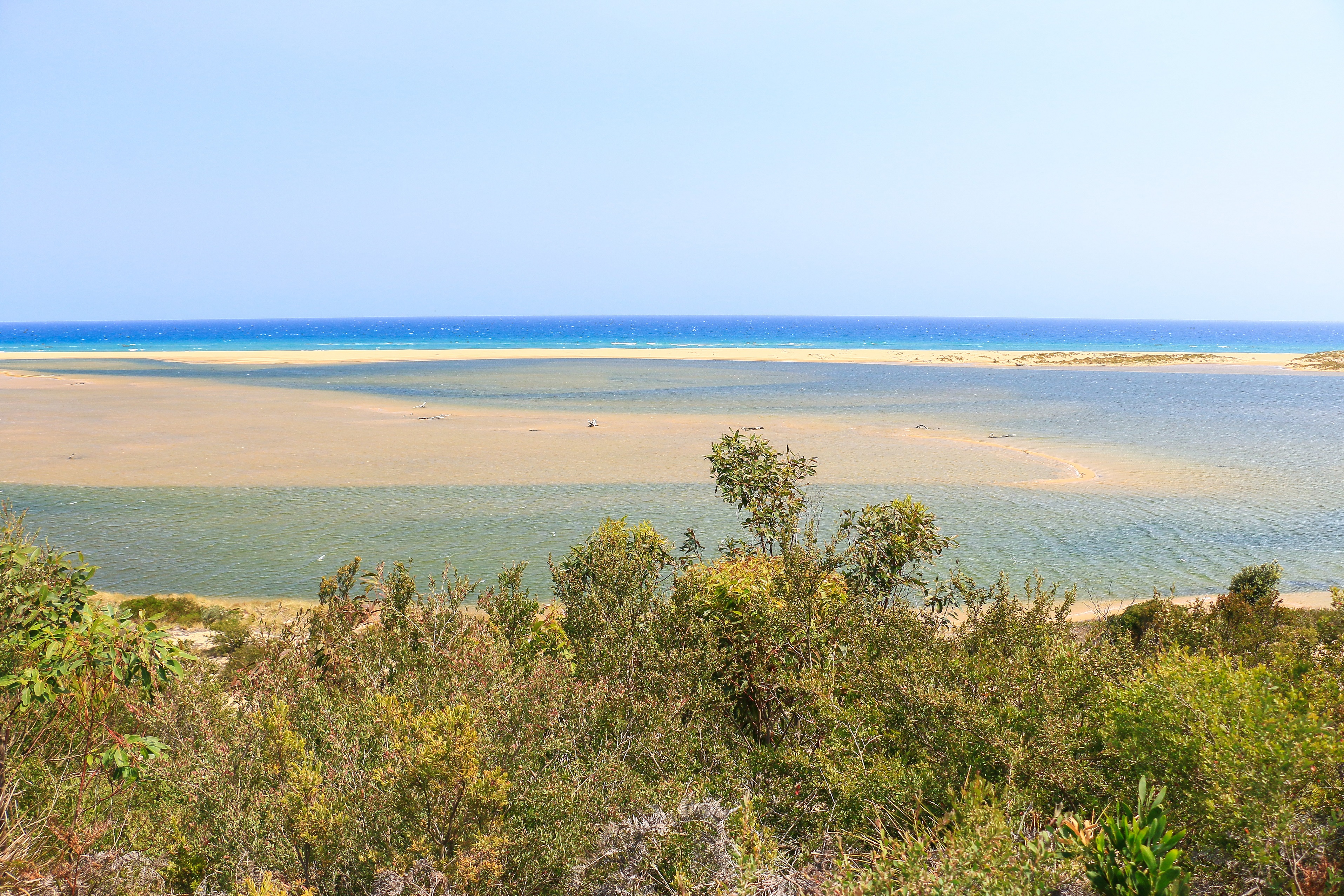
 I remember Orbost quite fondly from the only other time I was here in 2013, mainly because I found a bakery that served something akin to a Paris-Brest. It’s not really what you expect but my memory of this raised expectations beyond what I should have expected. I was looking to pick up some supplies for dinner, which I managed but not to the standard I had expected. The result was a very Christmas meze of leftover ham, sausage rolls, cheese and a couple of salads. How I craved a hot meal! Oh well, there is always tomorrow.



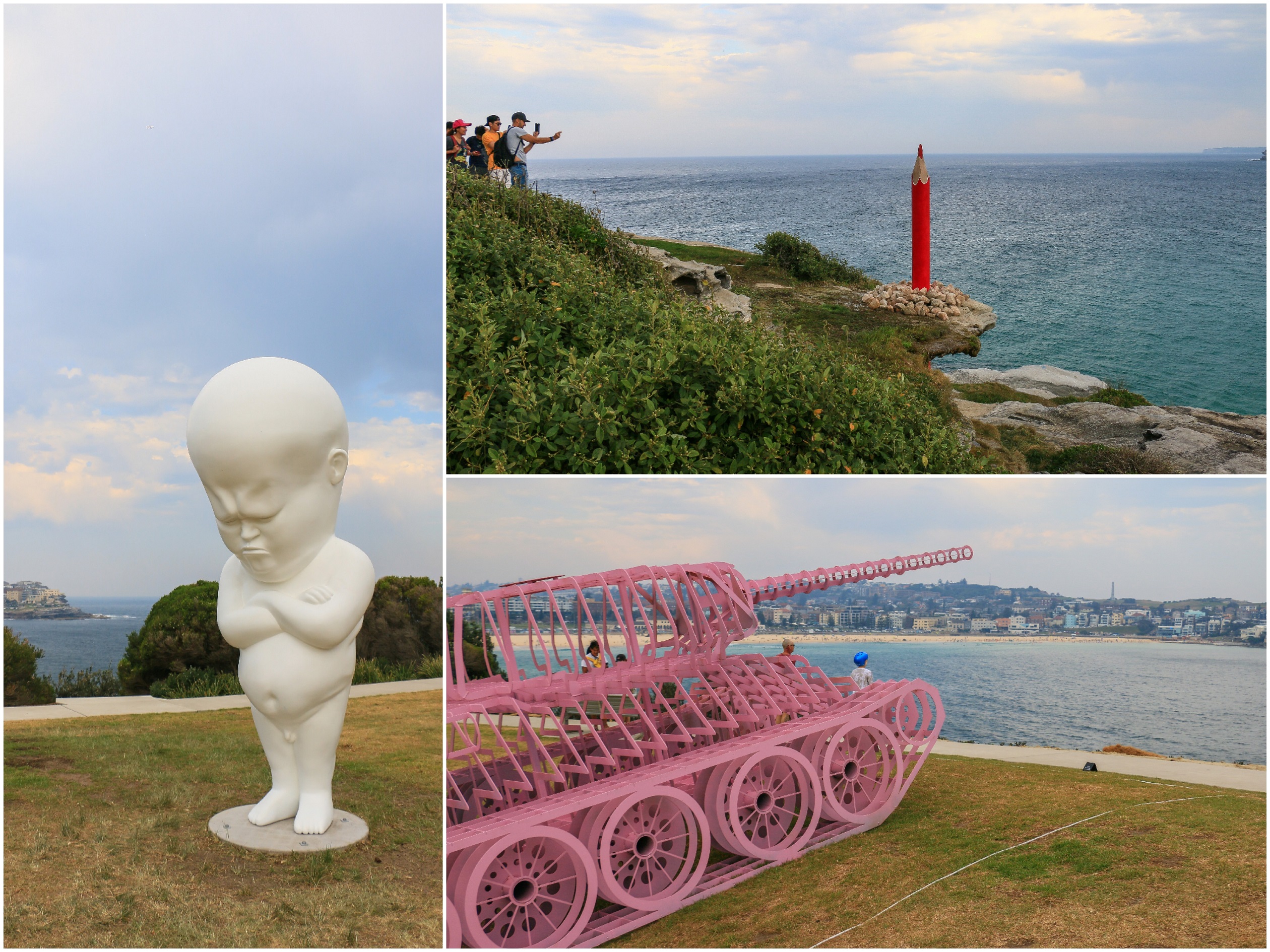
 Reaching Bondi – oh hallowed be thy name – I was determined to find a favourite little seafood haunt from times past; this was, after all, the prime reason I had not driven straight back to Canberra and had pottered about sufficiently to arrive at an acceptable time for dinner. And there it wasn’t. And there I was thinking why didn’t I just drive back to Canberra and have KFC at Marulan Service Centre instead? And there it was, on a different, quieter, cheaper street and life in Sydney was liveable for a few minutes again.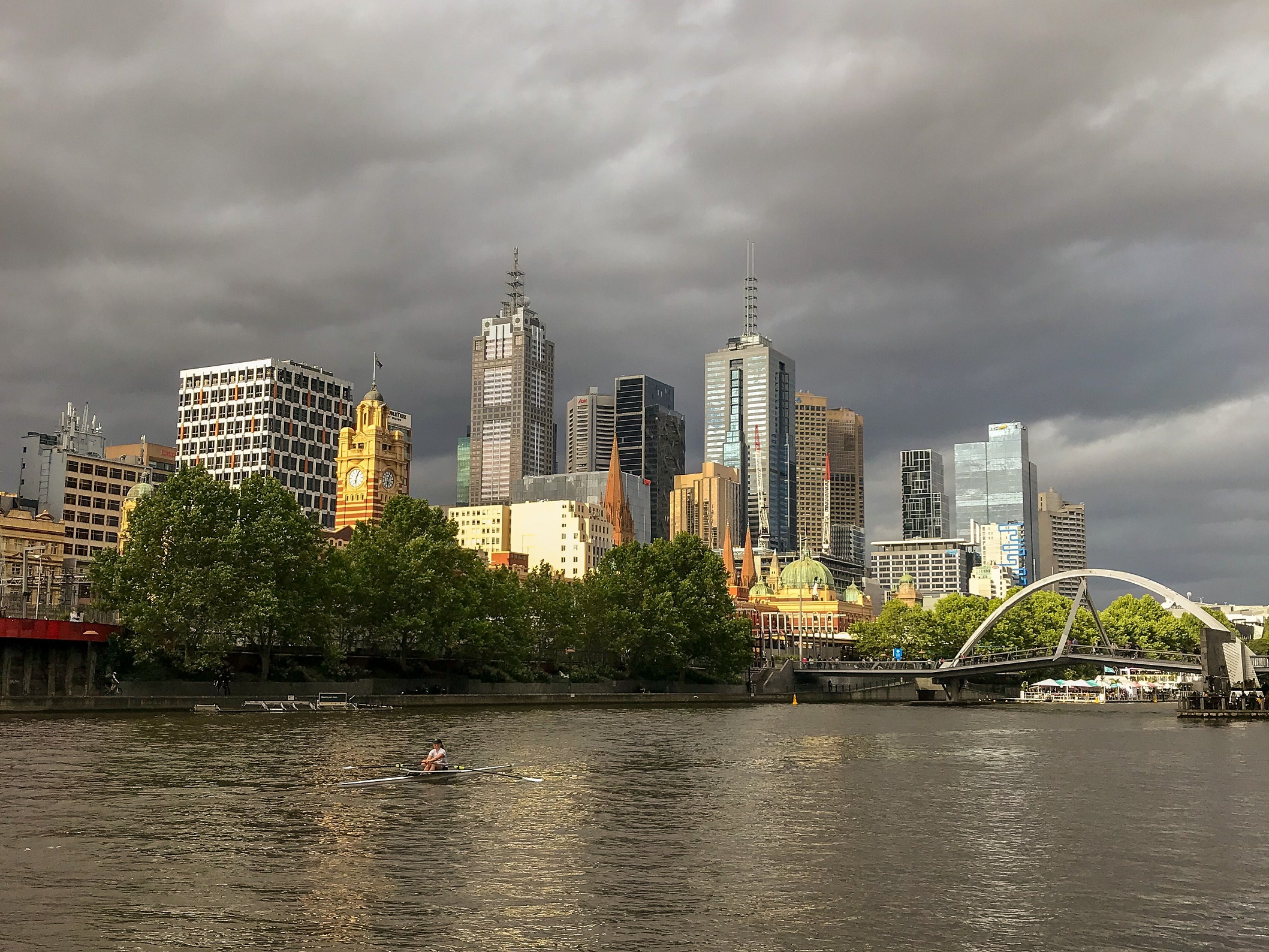
 Melbourne was – typical Melbourne – half the temperature of Sydney and a darn sight cooler than the world’s most liveable city, Canberra. It is sometimes proclaimed the most European of Australian metropolises, which means cloud and showery rain and a sometimes dingy – some may say grungy – countenance. And also, trams, which laugh in the face at numerous contemporary attempts to retrofit light rail elsewhere, like a wizened professor in a pokie room full of drongoes.
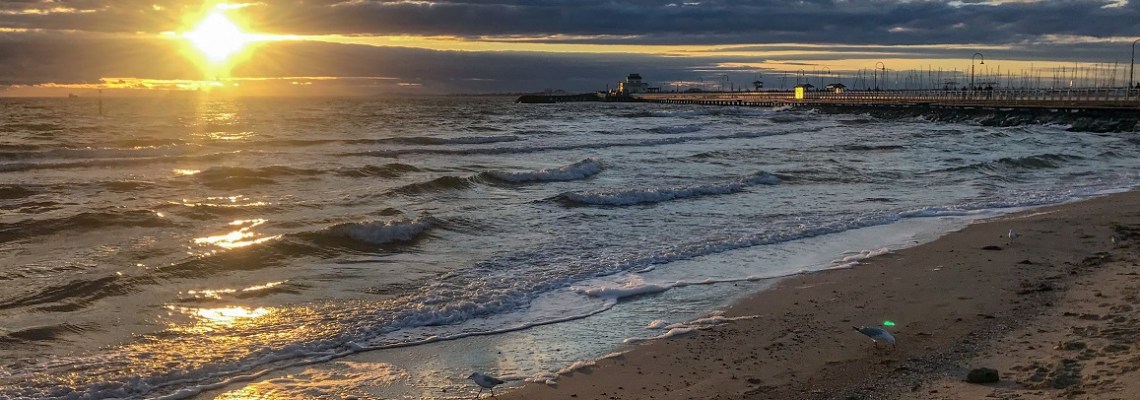
 You’d think the latter is more Melbourne while the former is all Sydney. But for me it was vice versa, the fish and chips the target of seagulls on St Kilda Beach, just for that extra European touch. If I had another jumper and another million dollars and an escape option from the oppression of another inevitable choking summer, I could probably live here, and I could probably live in Sydney too. If nothing else, I’d sure know some good spots for dinner.
 There is a colony of koalas here, and I was pleased to come across one in the first hundred metres of my walk. It was around midday and hot, exactly the kind of conditions in which you should not be out walking. But with this early sighting, the pressure was off – no more relentlessly craning one’s neck upward in the usually forlorn hope of spotting a bulbous lump that isn’t a growth protruding from a eucalypt. I could instead loop back to the car concentrating more on keeping the flies from going up my nose. Yes, they are absolutely back.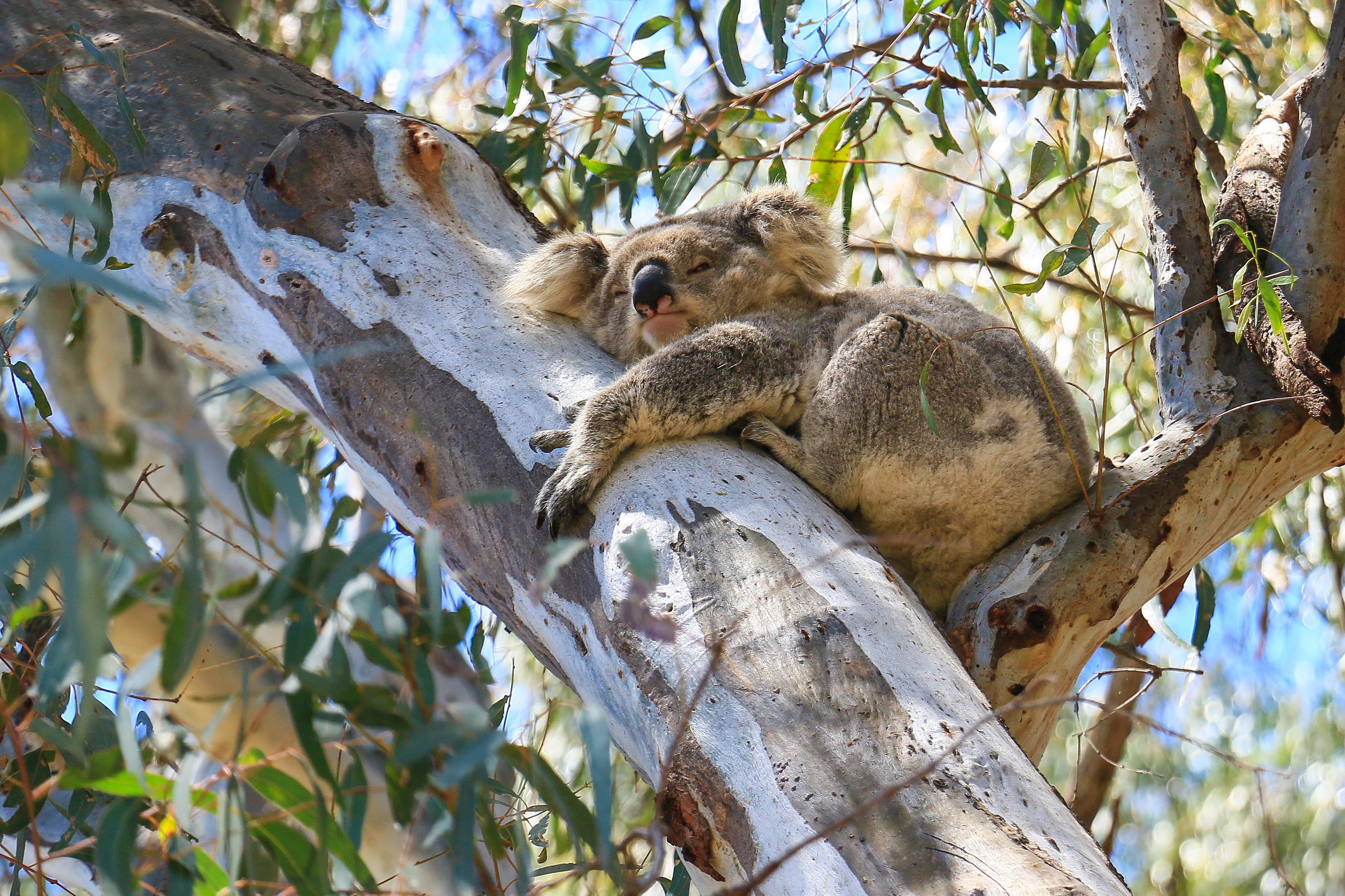




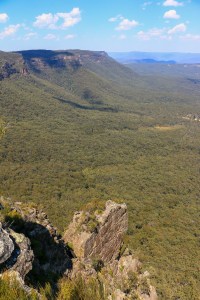 Still, should you wish to rise from this indulgent slumber, another hour or so east will bring you to the western fringe of the Blue Mountains. Suddenly things change, and not just the petrol price rising thirty cents a litre in as many kilometres. The day trippers are out in force, the coaches idling at every single possible lookout, of which there are many. The escarpment top towns of Blackheath and Katoomba and Leura are brimming with people shuffling between café and bakery, spilling down like ants to the overlooks nearby. Below the ridge, however, and the wilderness wins. Only penetrable at its fringe, placid beneath a canopy of ferns and eucalyptus.
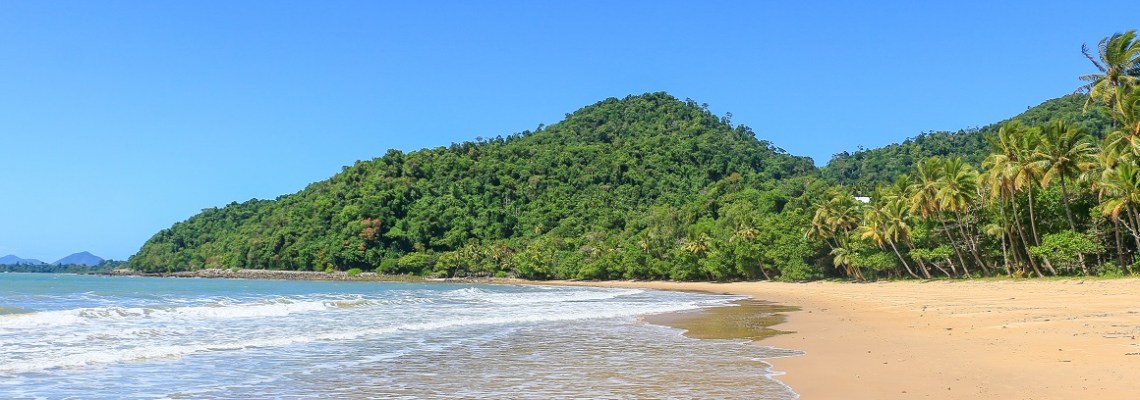


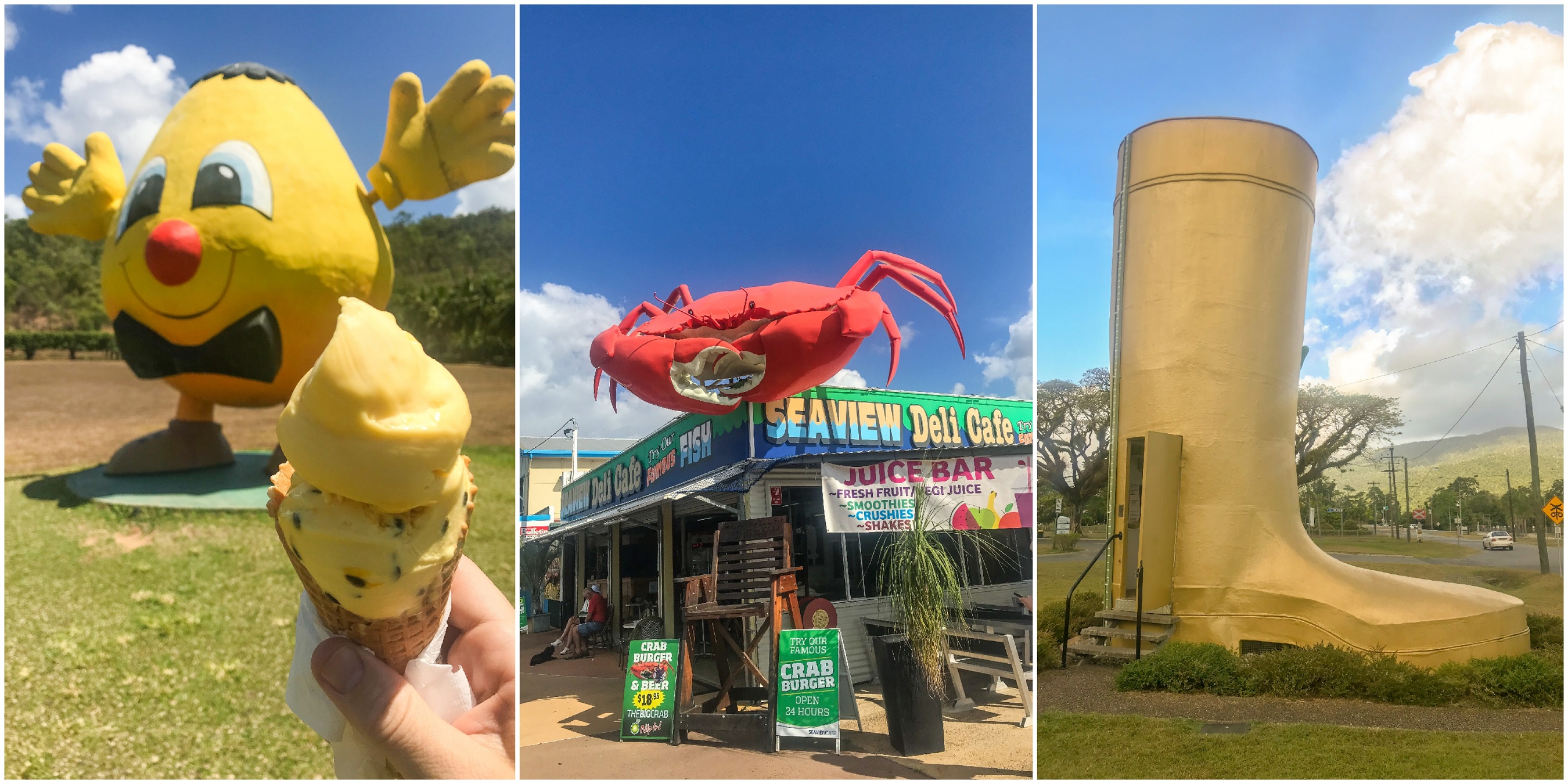


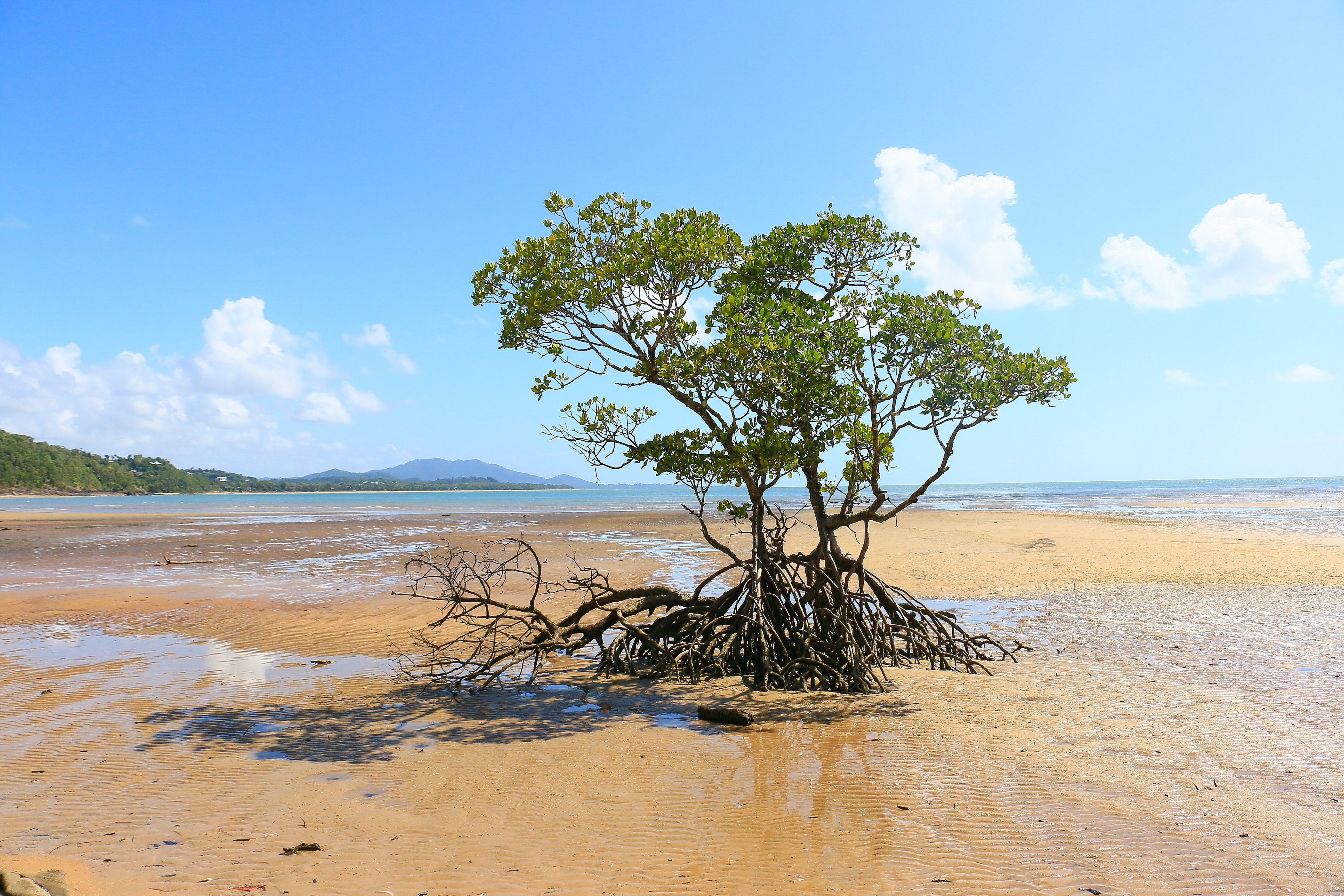


 With the undeniable passage of nature there are sure signs that winter in Canberra is slowly ebbing away. There have been a few recent days in which I have left the house without a coat, while the sunlight is waking me up well before seven and allowing me to read almost until six. Wattles explode, daffodils unfurl, the odd fly is resurrected and finds its way into my living room for what seems like all eternity.
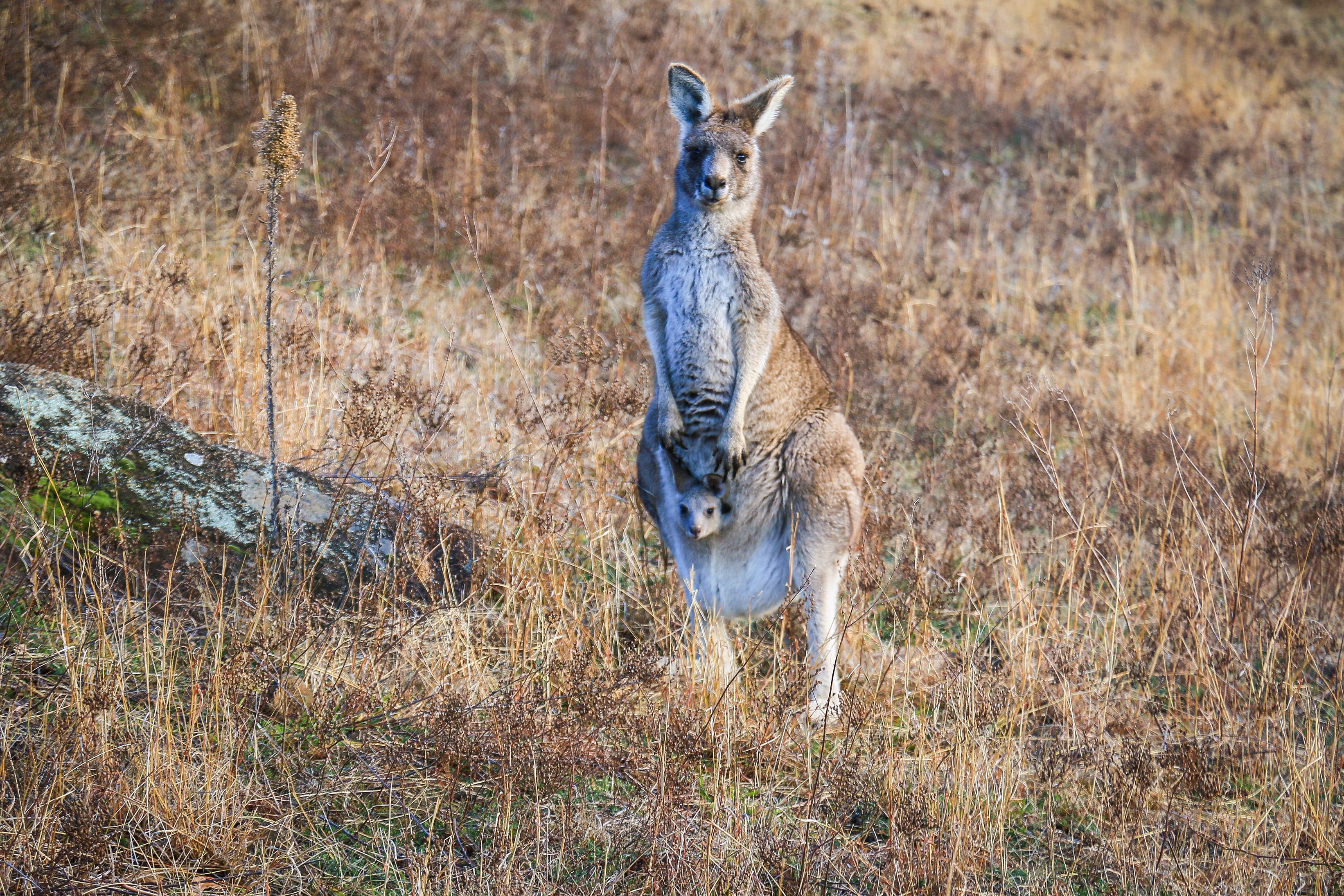

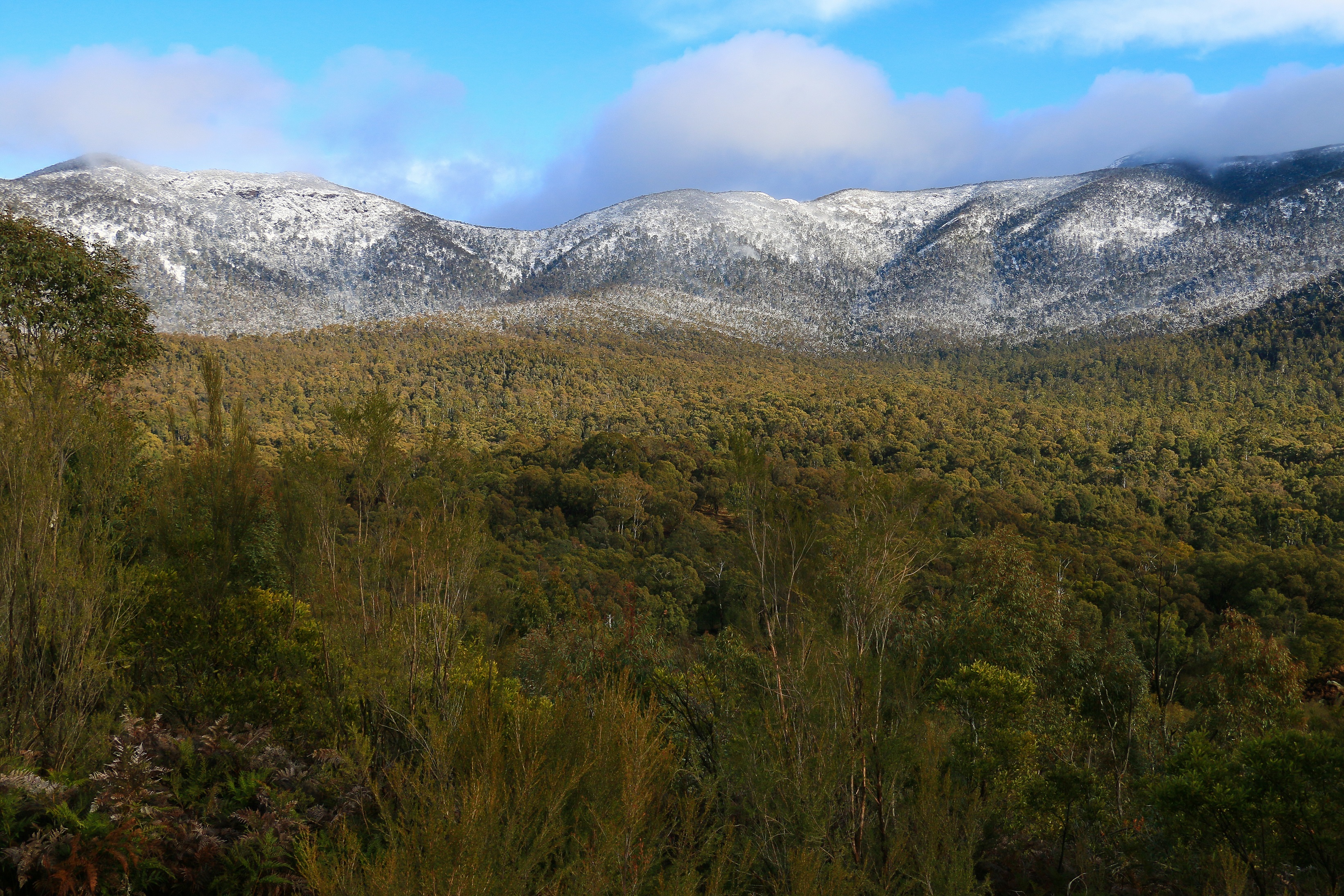


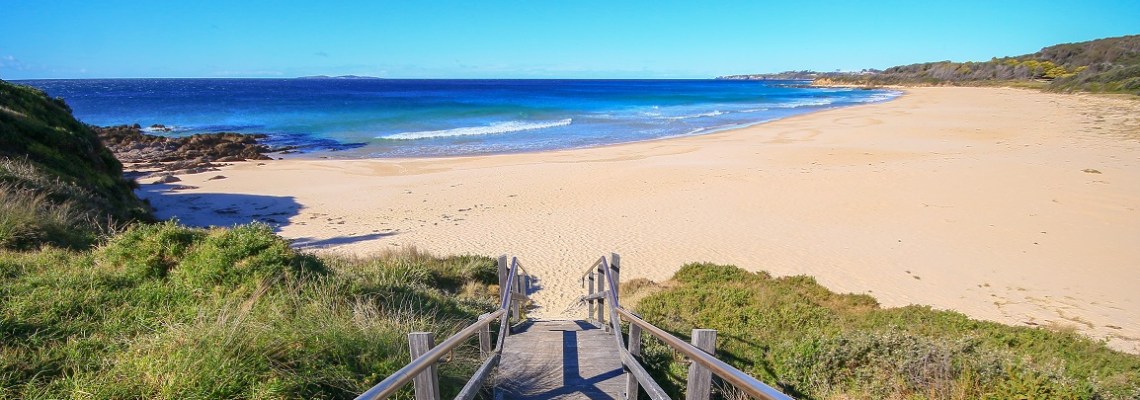

 Did I ever imagine back in 1996 that I would be gazing out to the Pacific hoping to sight a whale? Meandering downhill alongside gardens strewn with exotic plants and colourful birds? Wandering past parks dotted with electric barbecues and sinks for dealing with the entrails of fish? Who would have thought I would have previously parred the treacherous Bogey Hole of that golf course wedged between the town and the plunging cliffs of the coastline? Certainly not me, or anyone else,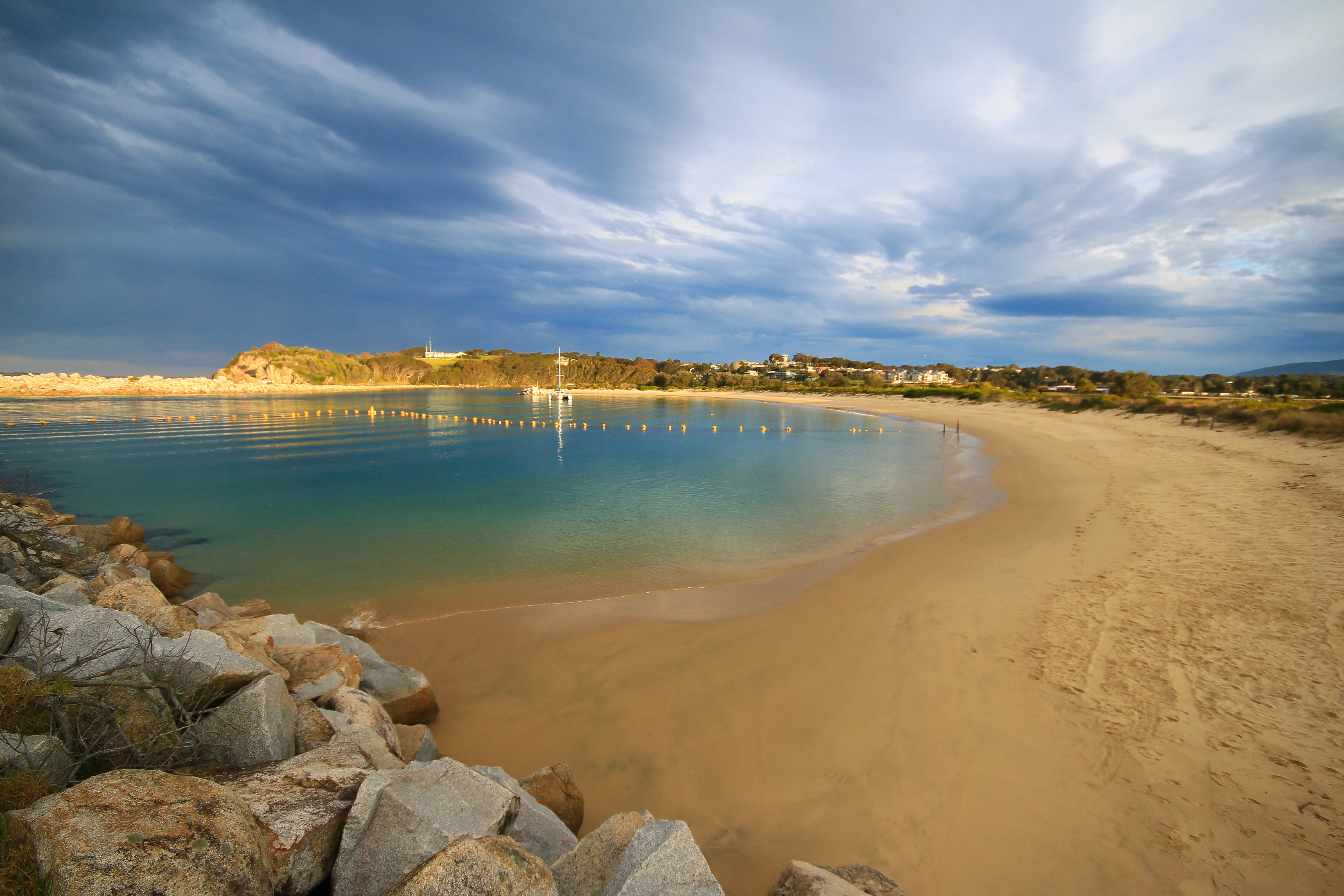

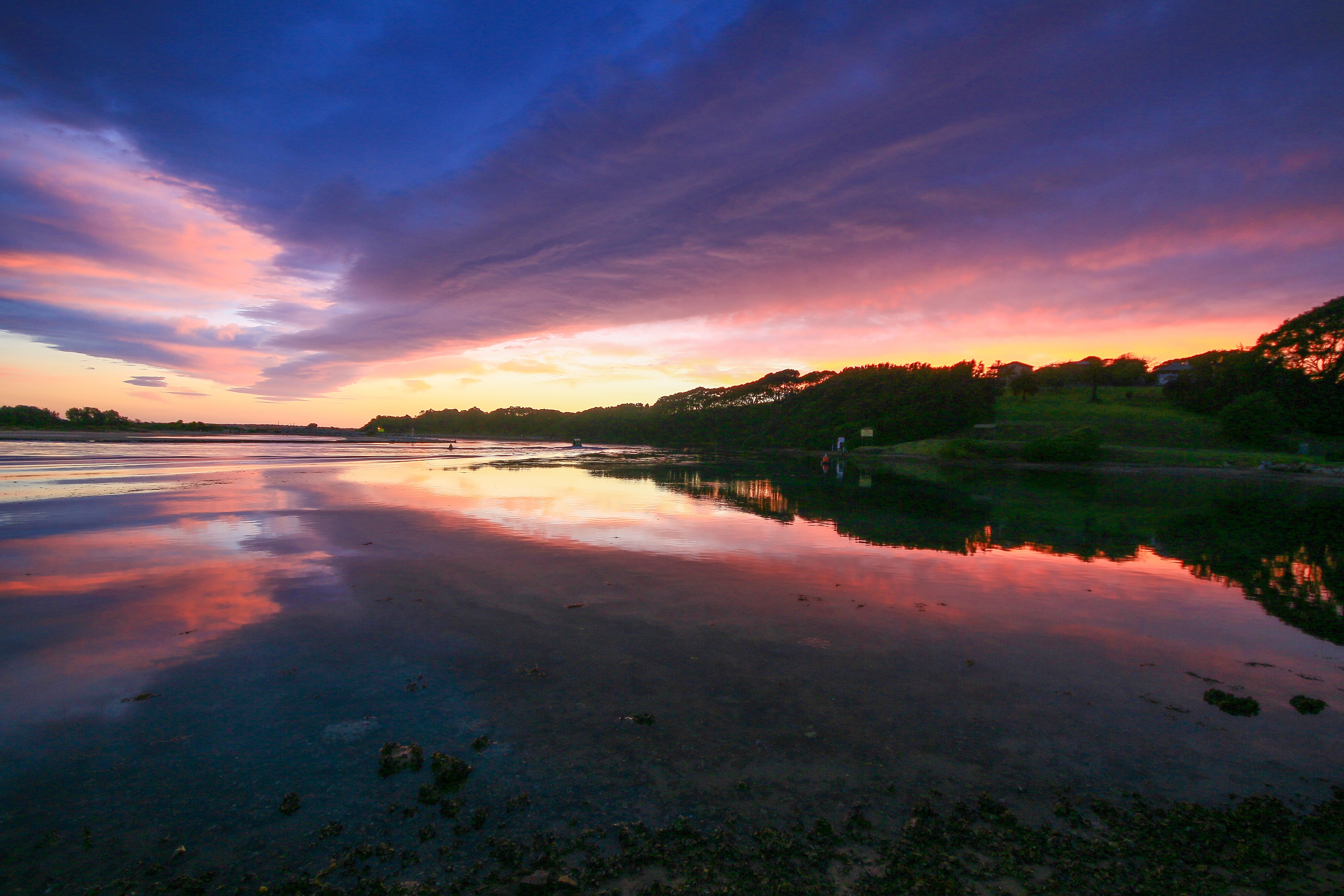
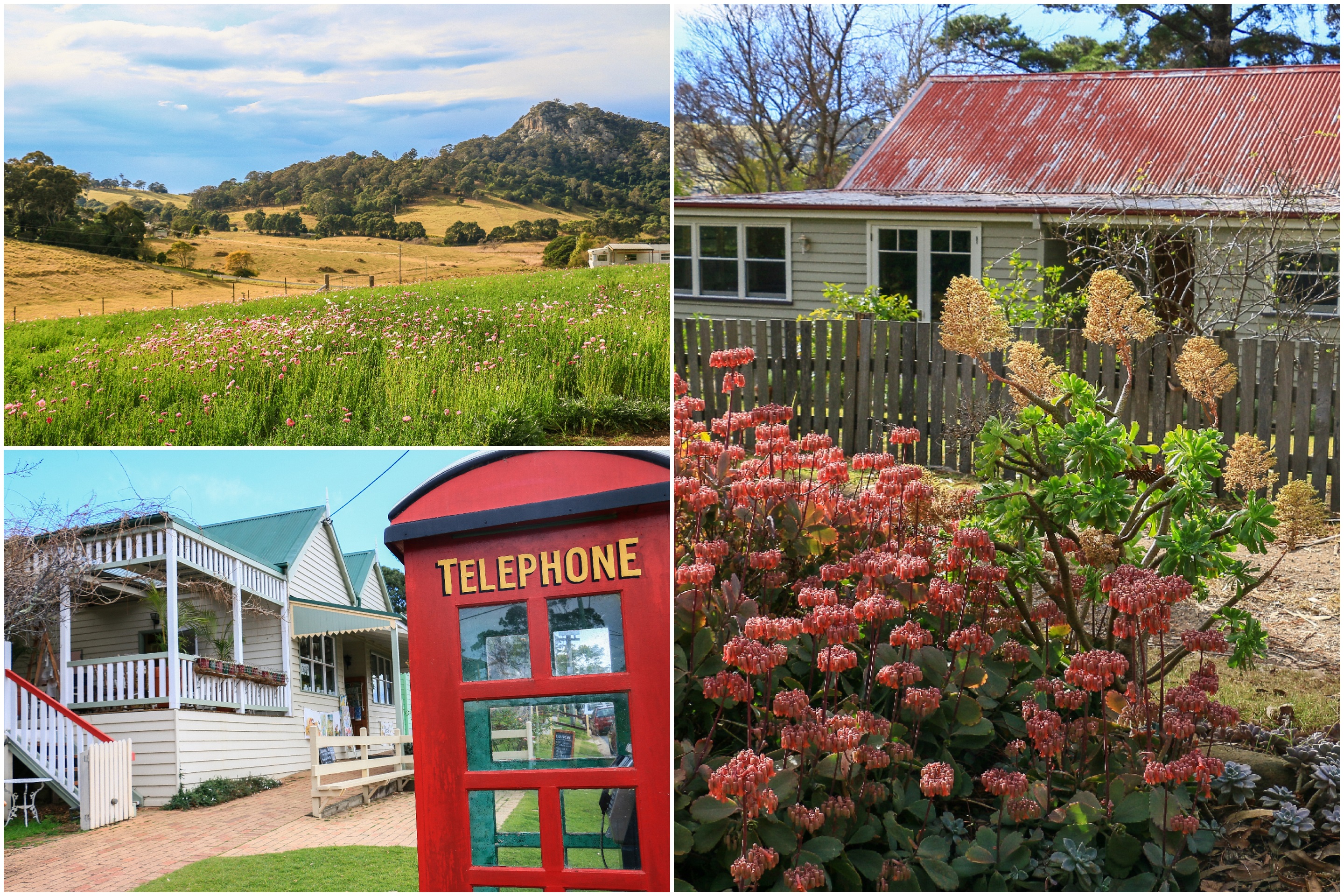

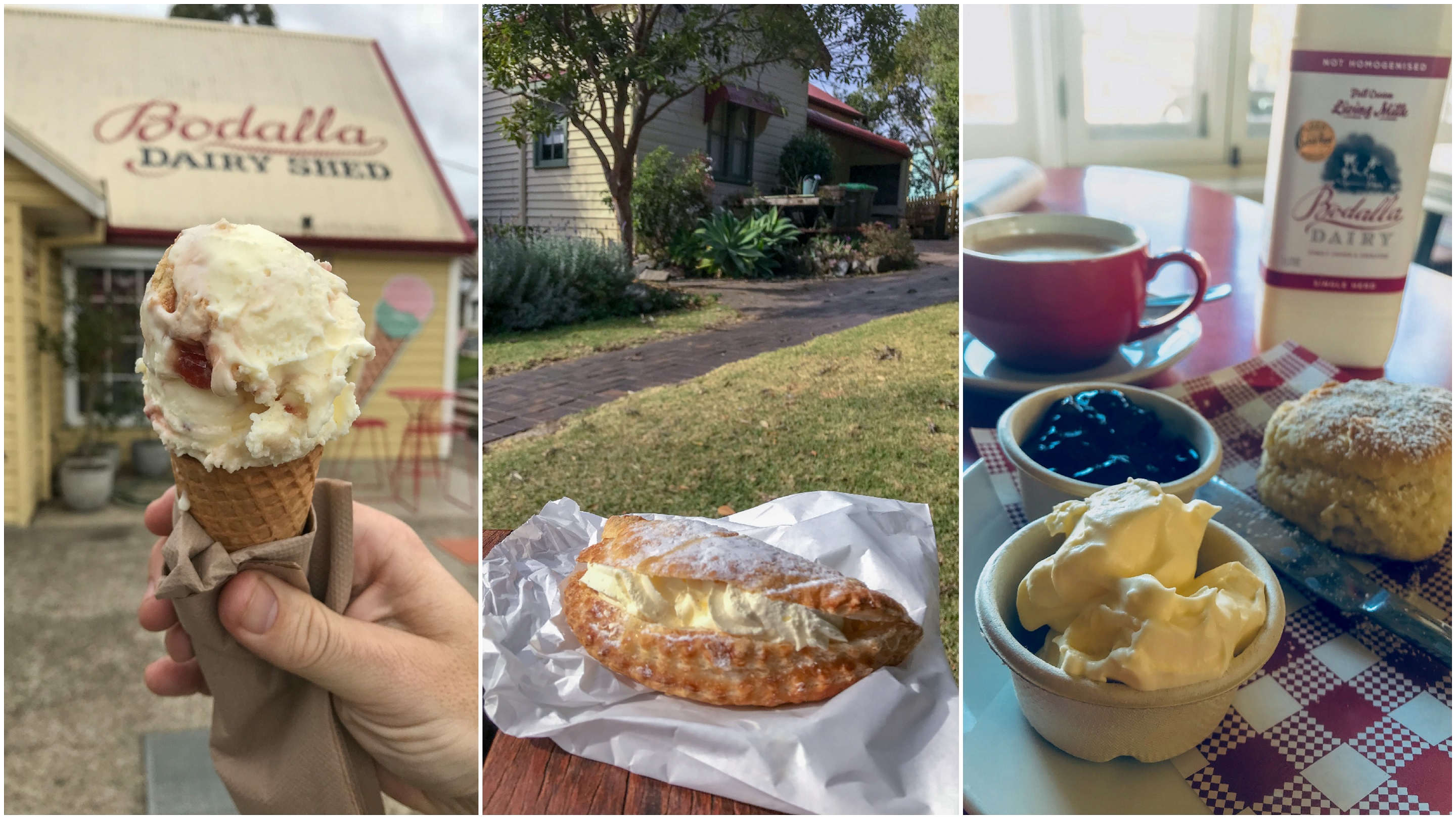

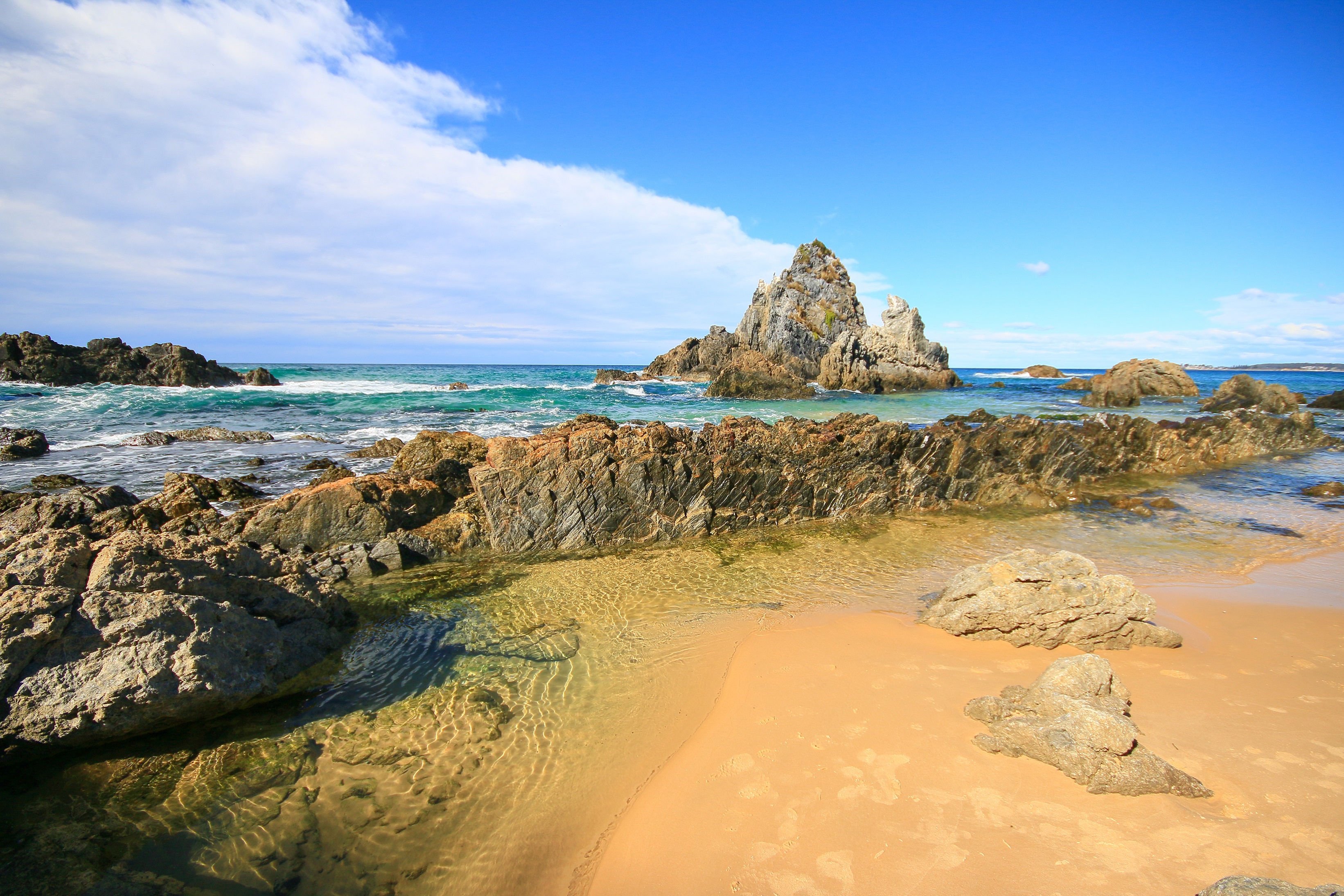
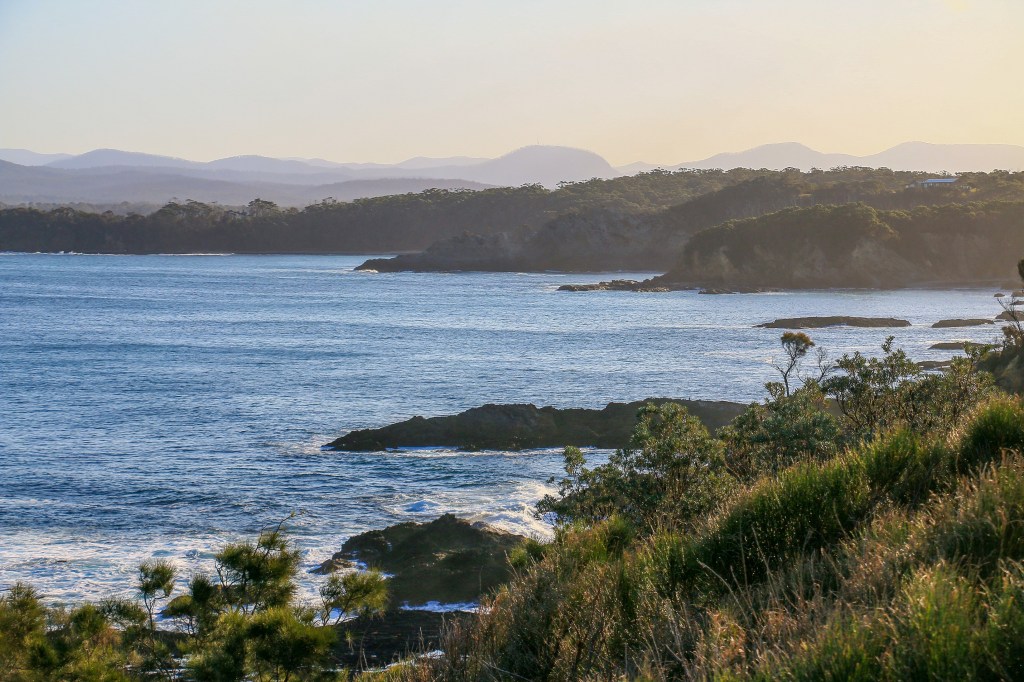
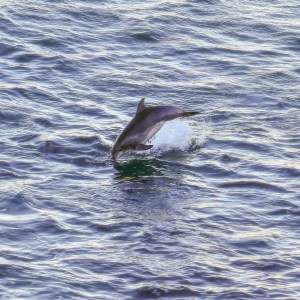 Spurred on by earlier whale sightings I ended the day back up near Narooma, taking a scenic coastal drive alongside Dalmeny and Kianga which boasts several panoramic viewing platforms along the way. The platforms are sited in between yet more pristine bays that you can have all to yourself. It was at the last of these points that I glanced a surfing dolphin, followed by a few more and a few more still. Passing below, there must have been around twenty dolphins, tracking north on a feeding mission. A whole two football teams.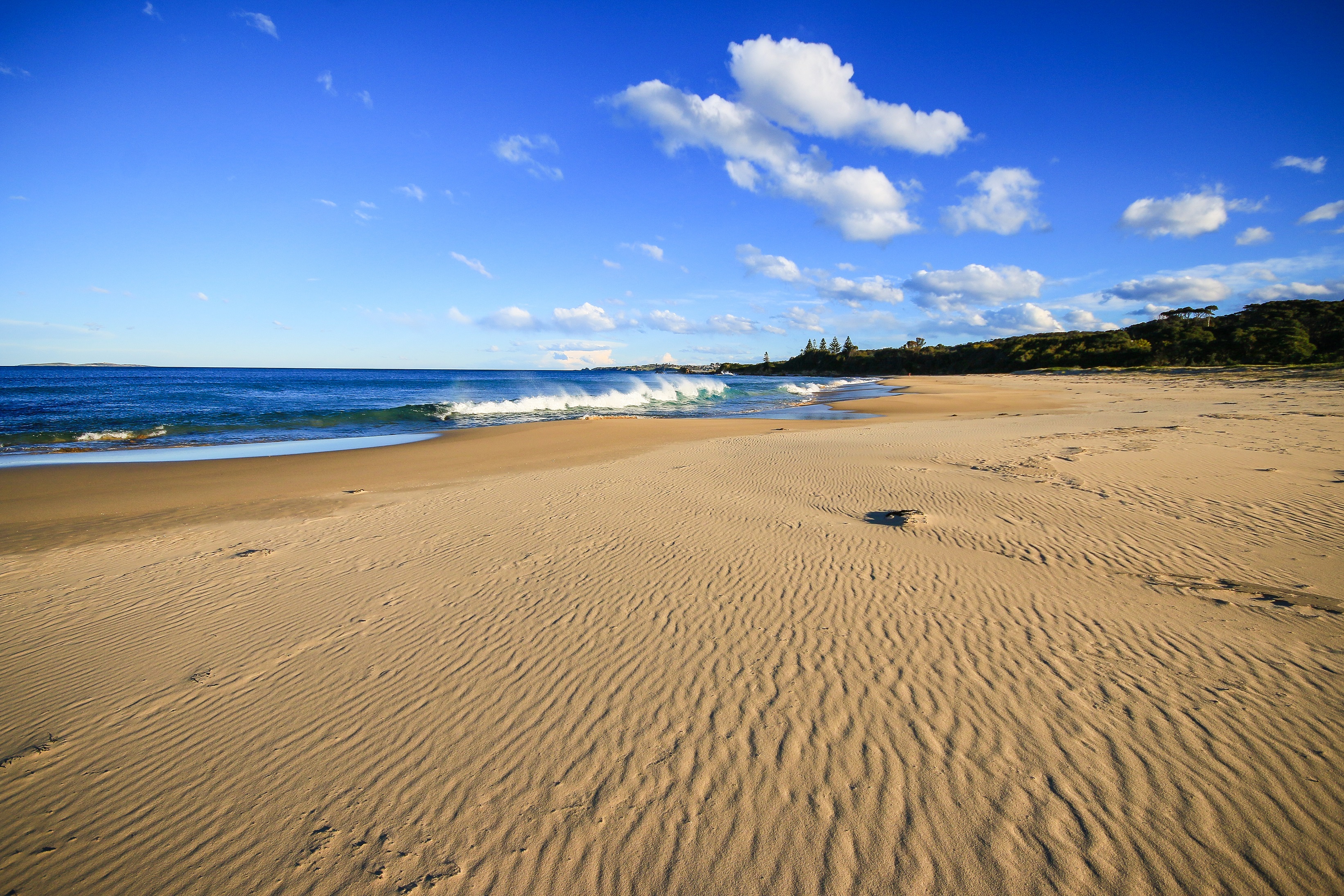


 gbpilgrim