Welcome to Liverpool John Lennon Airport where the time is 10:55 in the morning, the temperature is 10 degrees Celsius and you should watch your bags at all times eh calm down calm down. Imagine. Everybody loves a cliché when they’re not victim to it, so here I was suddenly in the north, a stark, leaden shell suited contrast to the flowery air of France. It is said – mostly by Liverpudlians – that Scouse humour is unparalleled, and you’d need to have a sense of humour to live here. Boom boom.
The north was right proper grim, mostly due to the arrival of Storm Hannah. I have known a few Hannahs in my lifetime and they have all been sweet and agreeable and no offence at all. Storm Hannah, by contrast, was a true harbinger of misery, decimating the promise of spring as quickly and as conclusively as a hi-vis revolution in Queensland.

The saving grace was that this soggy, cold weekend around Lytham St Annes was perfect for central heating and afternoon naps, for cups of tea and slices of cake, for red wine and takeaway curry with treasured friends and football maniacs. Occasional breaks in the rain allowed for a brisk walk in a brisk breeze beside a sullen waterfront, outings that only really made the arrival back indoors all the more comforting. Cup of tea? Aye.
 It was a more placid day departing the north, incrementally brightening on my journey towards London and then onward to Salisbury; the very heart of a conceptual south. Perhaps near here, somewhere within the borderlands of Wiltshire sits that romanticised version of England; of thatched cottages and village greens; of tinkling brooks and sun-dappled woods; of church fetes and coffee and walnut cake. Perhaps, indeed.

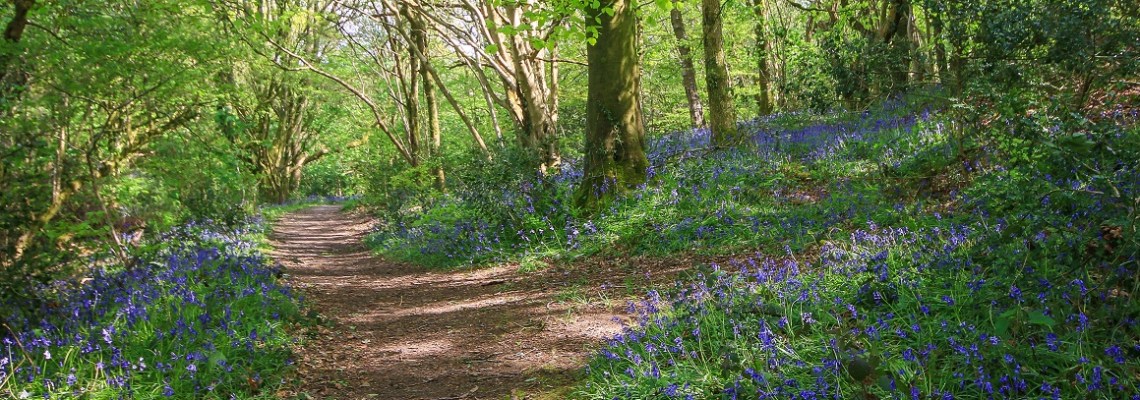
The promising return of spring added to the ambience of a walk in west Wiltshire, footsteps traversing a mixture of quiet villages and busy farms and flourishing woodlands. The woodlands sprouting green and carpeted with bluebells, the farms a hive of rebirth and earnest bustle, the villages cute and clustering around a church and a pub. Church or pub? Hmm, let me see…
 Praise the Lord for a pint outside in the open air, soaking up the sweetly chirping birds and the smell of the country. And thank the almighty for a gentle downhill totter back to the car, parked beside the marquee on the green next to the church in the contented village of East Knoyle. Everywhere around here is easy to suspect as a secret filming location for Bake Off.
[In a Noel Fielding whisper]: In Bake Off this week our contestants go t’mill t’fetch t’grain t’make a barn cake t’take to creecket. Oop ill un darn dale in an accent neither befitting Noel Fielding nor the Wiltshire-Dorset border. Yet it is precisely here, in the affluent southern town of Shaftesbury, that the most revered depiction of life in the north persists in our psyche. That Hovis ad. Directed by Ridley Scott, many of my generation and older see this as The North. Even though – upon deeper inspection – its narrative is delivered in an undefined country twang that could be at home in Dorset. It must be the bloody brass band that does it, for only Northerners trudge up hills to the melancholy parp of a brass band.

 “When I were a wee lad you didn’t see us lot wasting our time with Instagrams of food and posing for selfies,” Dad clearly didn’t say as I took a photo of some coffee and cake and indulged in a selfie. Because this wasn’t Yorkshire and neither was it the 1940s anymore, though you suspect some in Shaftesbury would be pleased to turn back time. At least to the years before that bloody advert sent people flocking to a hill to take Instagrams and selfies.
——————————————
 Back in a more reassuring south, a morning in Salisbury offered increasing photographic opportunities, marvelling at the famous Cathedral with its famous 123-metre spire and its famous clock, a renown reaching as far and wide as Russia. The water meadows glowing under the sunlight, it was briefly warm enough to amble in a T-shirt, a clear signal that things were still on an upward trend. The birds continued to tweet and to chirp and to wade and to pose in such land of growing abundance.
Indeed, it was a day for the birds, a time of year for their lusty antics and devoted nurture. Apart from bluebells and an impending relegation battle for Plymouth Argyle, nothing says spring more than the sight of recently arrived chicks, coddled and cajoled by their stressed-out parents who are quick to snap.

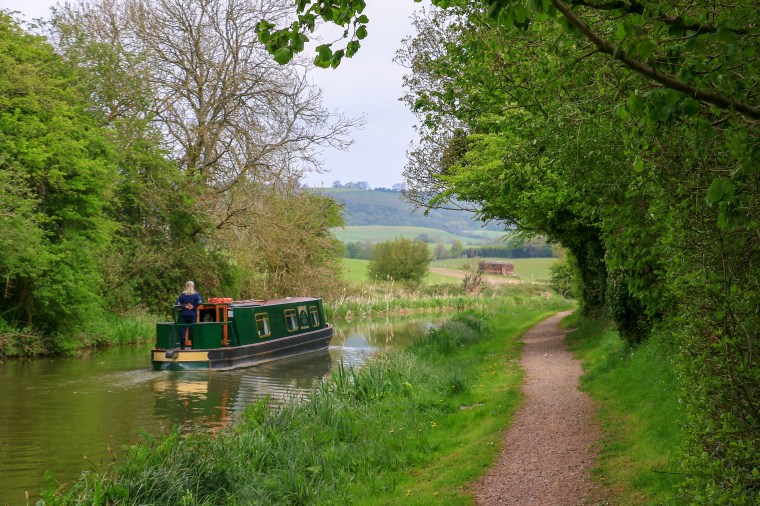
The new life of spring offers a time for optimism, for hopes and dreams of what lies ahead. It’s an optimism that extends to the many people on narrowboat holidays milling at walking pace through the murky waters of the Kennet and Avon Canal. A holiday at this time of year is a risky proposition (tell me about it!), and it didn’t take long for cloud to build and release its patchy drizzle.
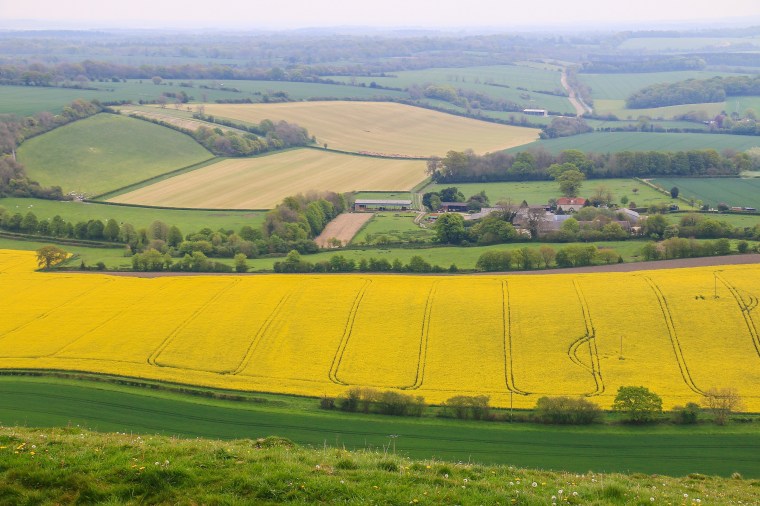
The rain held off sufficiently to climb Martinsell Hill, which is the third highest point in Wiltshire apparently. And, even with a degree of dreariness, the views were expansive, taking in much of the county, much of the south: clusters of civilisation nestled among a gently undulating patchwork of green and brown and yellow.
From here, Dad and I headed across a ridge towards Oare, which I hope (but sadly suspect not) is pronounced in a wonderful countrified “Oo-arrrrr.” It would suit, because I am certain the number of tractors per head of population is well above the national average. As are the proportion of bluebells, culminating in a delightful peaceful pocket of woodland on our route towards Oare Hill.
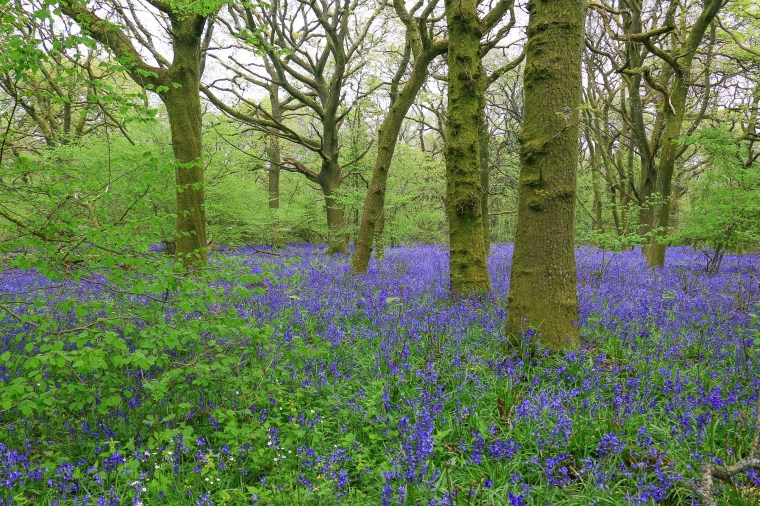
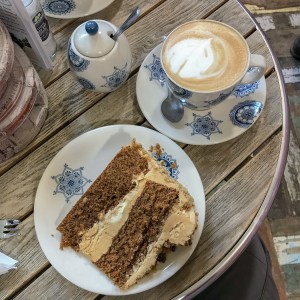 Bluebells really were in profusion across England at this time, evident everywhere during this sojourn in the south and among the storm-laden lands of the north. Spreading across the country like the philosophy of Nigel Farage, only exponentially more unifying and much easier on the eye. They would have been a clear highlight, if it were not for that slab of coffee and walnut cake in Honey Street before catching my train west. A very perfect bookend to this haphazard instalment of North and South. And preparation for the tea and scones still to come.
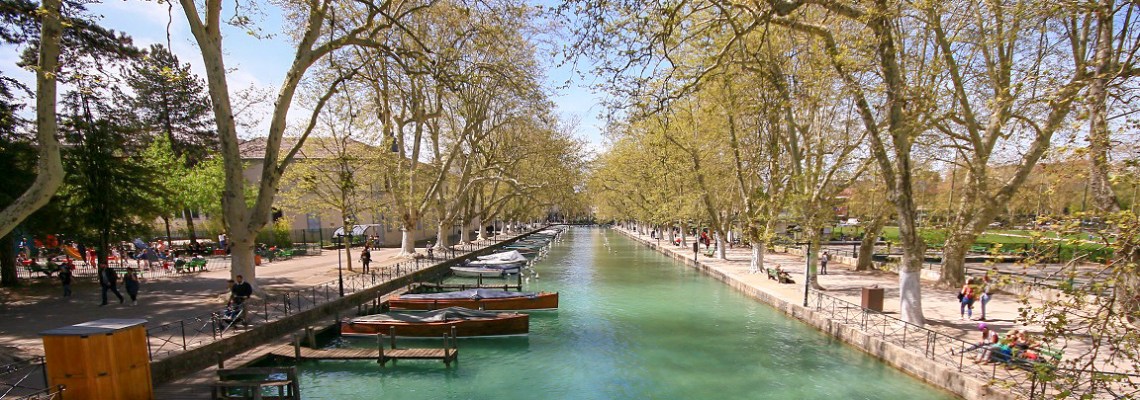
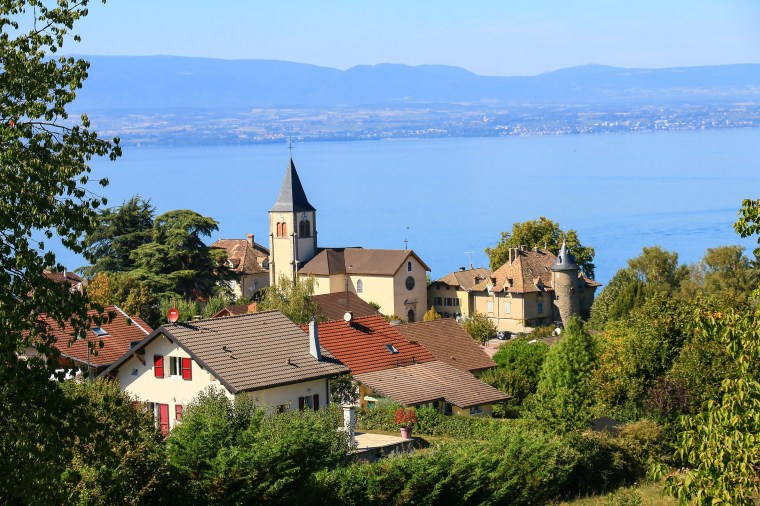
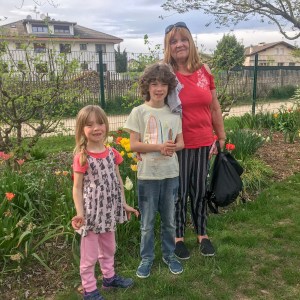 Indeed, the weather didn’t bring too much to grumble about and my shorts proved a justified inclusion on the continent. There were countryside ambles and meanders through parks, Easter egg hunts in the garden and trips to the market. All the usual trappings of life on the French-Swiss border in Ville-la-Grand, snow coating distant peaks while spring was springing all around.

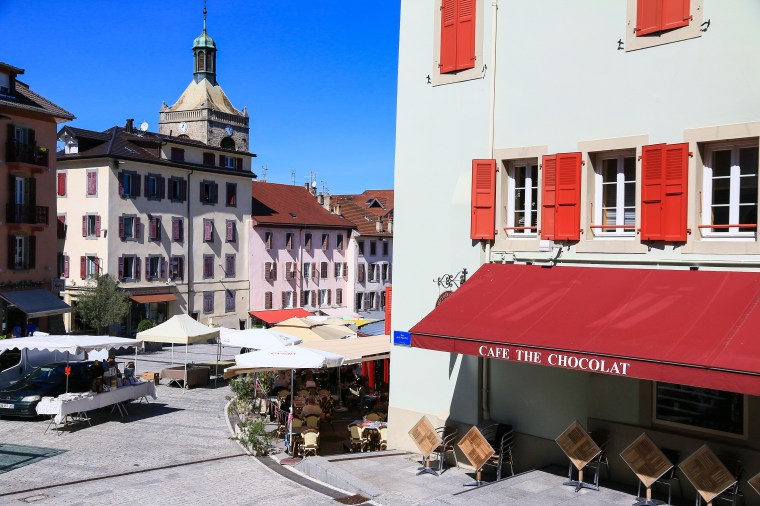
 Annecy, on the other hand, is a gem of a place to take in an ice cream or do whatever you should please. From the hive of construction that is Annemasse station, a pleasing hour long train ride delivered my nephew Guillaume and I to what has been described as the Venice of the Alps, largely on the count of a canal infiltrating a few of the streets and – possibly – gondoliers wailing about their need for Walls Cornettos.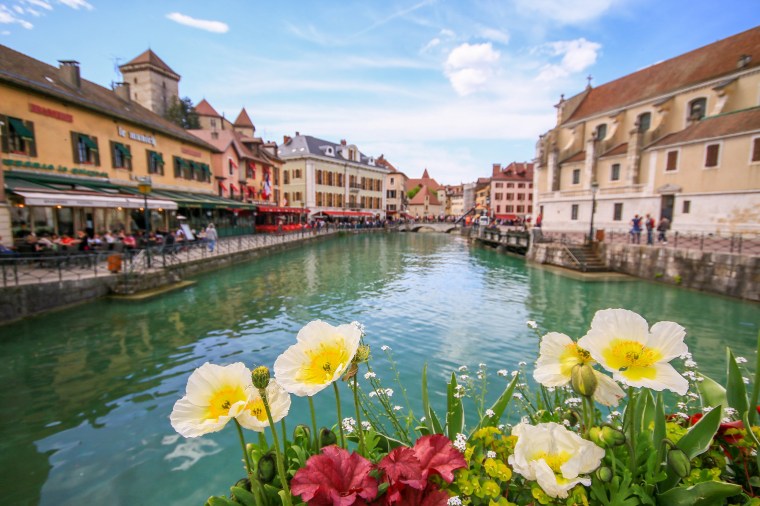
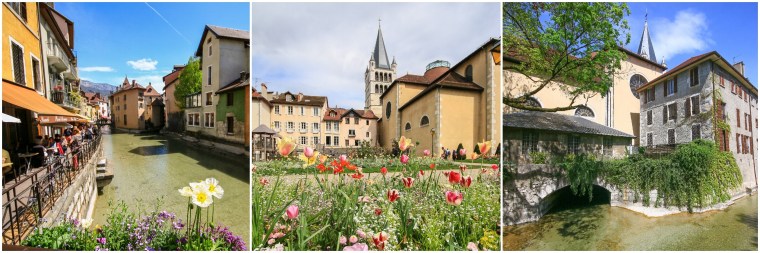
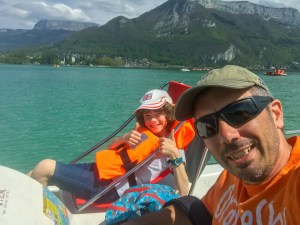 The waterways and the flowers and the daytrippers milling about eating ice cream largely find their way towards the jewel in the crown that is Lac d’Annecy and its quite dazzling surrounds. Clear, glacial water hosts an array of boats, encircled by forests, villages and rapidly elevating peaks. It’s a popular spot to row or cruise or be a hoon on a jetski. Or even pedalo for half an hour in a large figure eight. Everybody loves a tourist.
 The frequent sight of tourists eating ice cream impels one to wander the streets like a tourist to seek out an ice cream. Heavily topped cornets increase in frequency back near one of the canals, and a large queue meanders from the serving hatch of Glacier des Alpes. Patience may be rewarded with sublime ice cream but neither Guillaume nor I had much patience and opted for a perfectly satisfactory version nearby. Safe from the clutches of any devious gondoliers.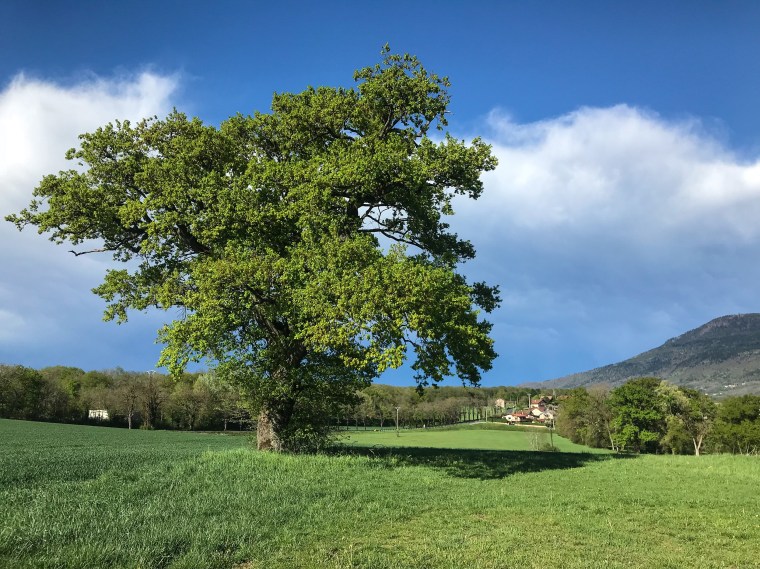

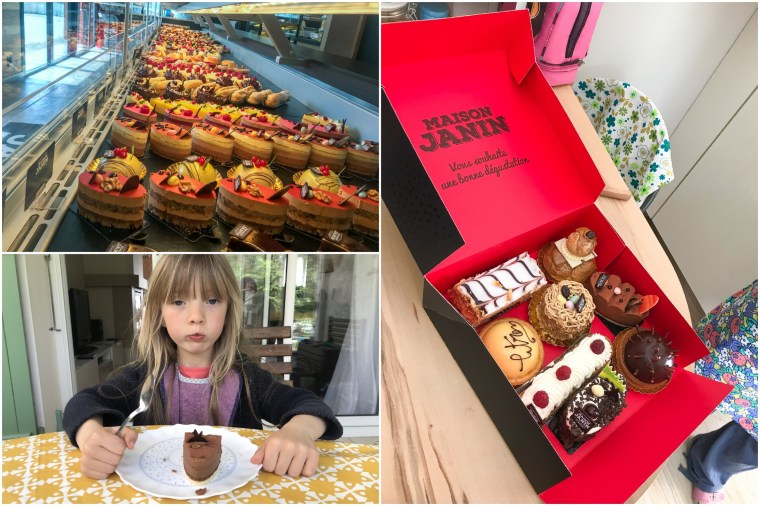
 And so, the last evening in France turned out as sunny as the unseasonably warm sun that was soon to fade away in Great Britain; to be replaced by a storm so irritating it was awarded a name (Hannah), heralding a permanent return to long trousers. One last slice of gateau would compensate for the impending doom, and cap off a very fine Easter; my first in the northern hemisphere since 2006. So, fake summer or real, it was undoubtedly one that will go down in history.


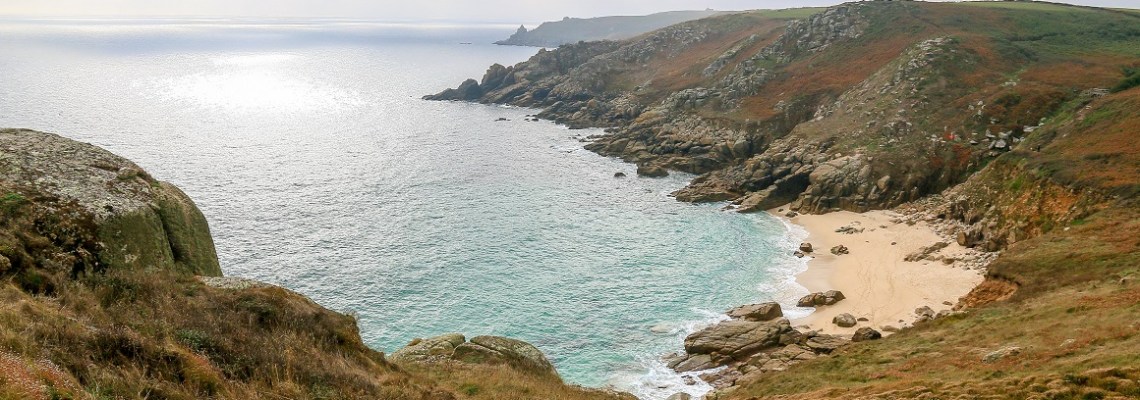
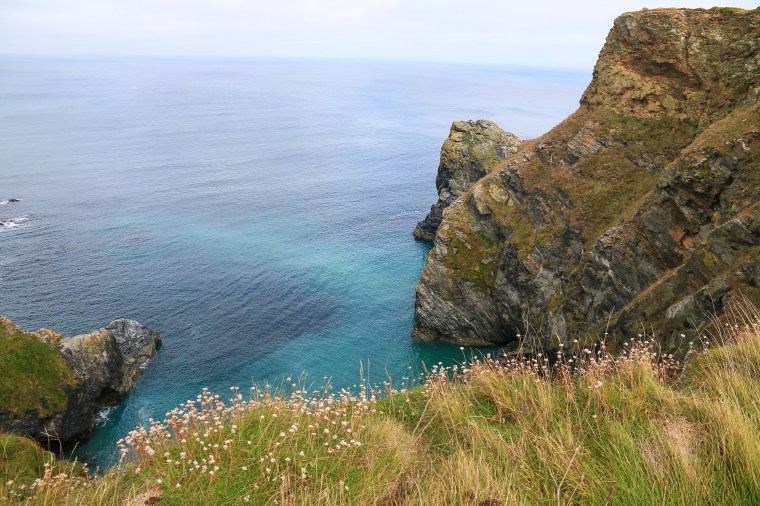
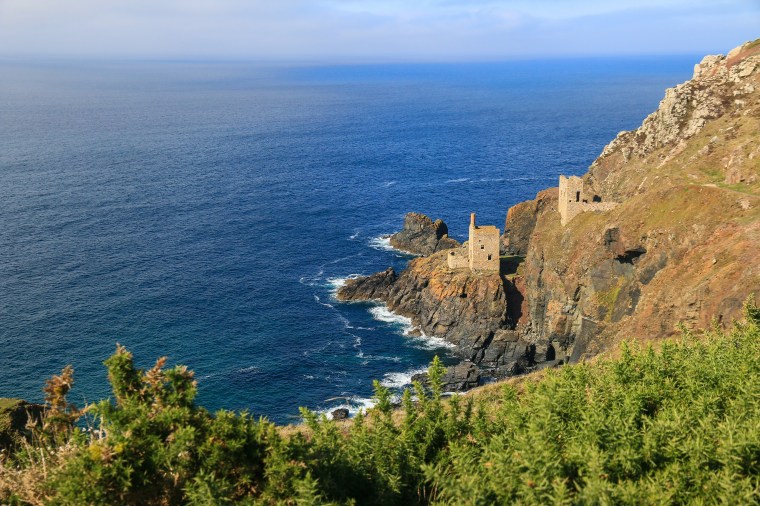
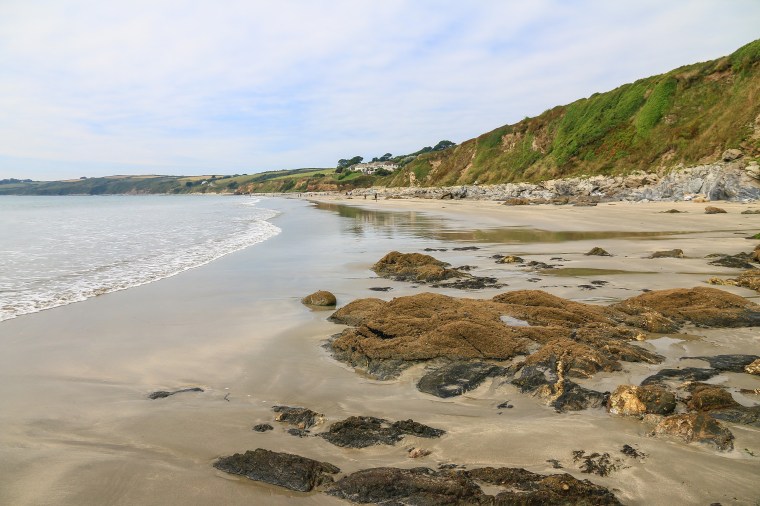
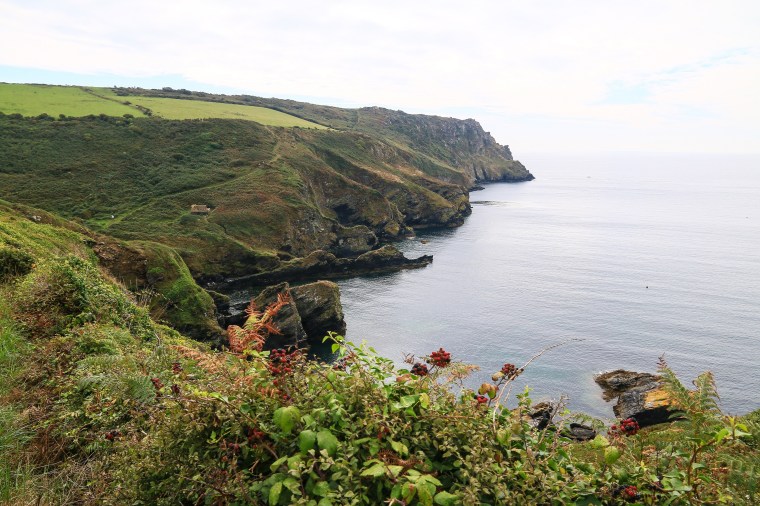
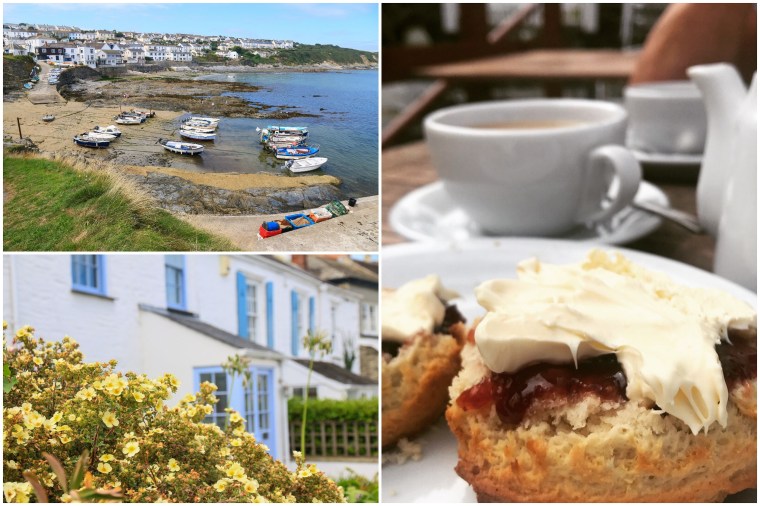
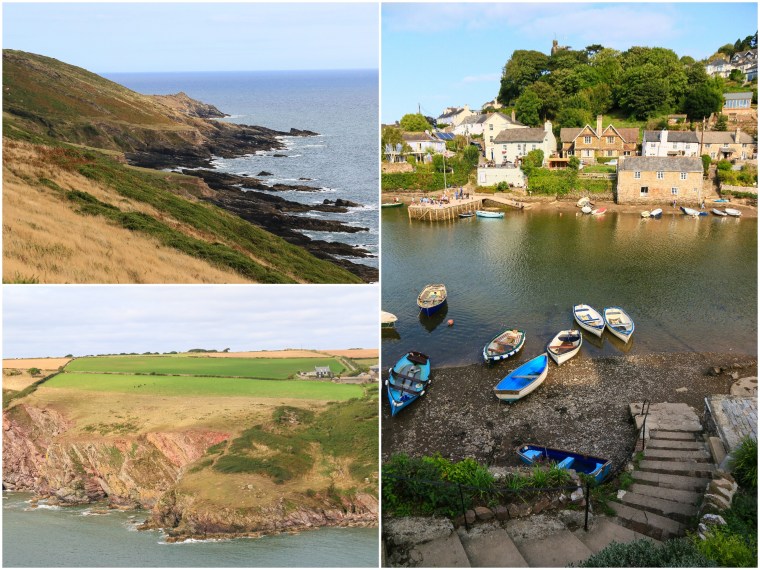
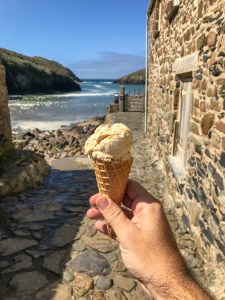 Nearby, the sleepy hamlet of Port Quin is celebrating in its sheltered spot, nestled between the hills that ooze out along its harbour to suddenly plunge into the Atlantic. A walk out to a headland marking the entrance to this enclave is a touch more blustery; the reward solitude and drama and vistas that make the heart sing and the heart ache. And ice cream that makes the heart say uh-oh we’re in Cornwall again aren’t we, better brace ourselves.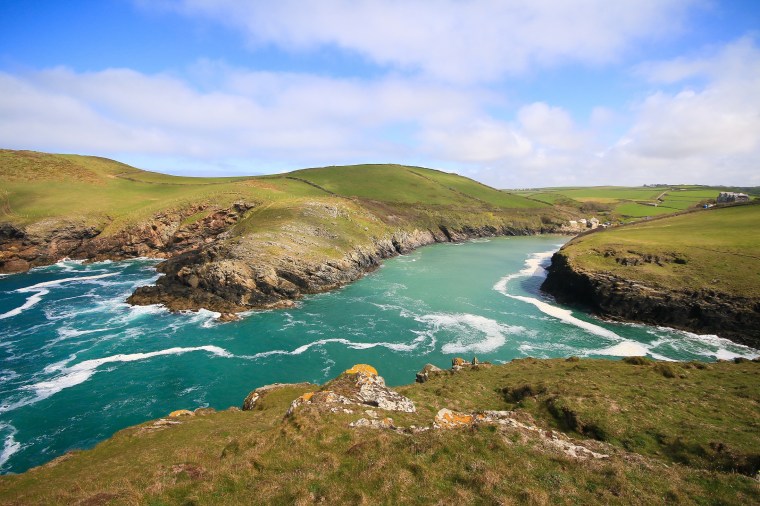

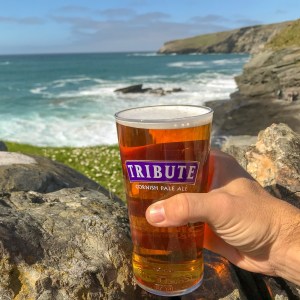 A little above The Strand, under wonderful, warming sun perched a wonderful pub overlooking the ocean. A pub that served up a local tribute, a tribute to the seas and skies, the clifftops and harbours, the wind and rain and storms and sun. The seasons battering and bathing and cajoling and churning the charisma and spirit into this magical Cornish land. Spring has arrived, and so have I. Cheers.

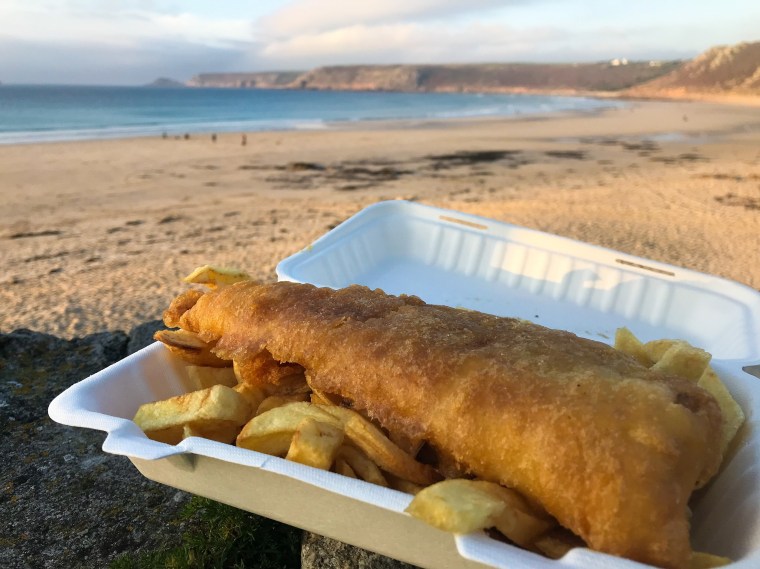
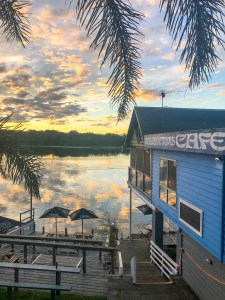 This proved an aperitif for the perfectly timed stroll beside the water to the Pickled Octopus Café, where we availed ourselves of a pristine outdoor table lapping at the glassy calm of the inlet. Fish and chip orders arrived as the daylight turned to dusk, each munch of deep fried saltiness coinciding with a deepening of colours and escalation of heavenly drama. A moment when nothing else can distract and nothing else really matters. Timing again exquisite.
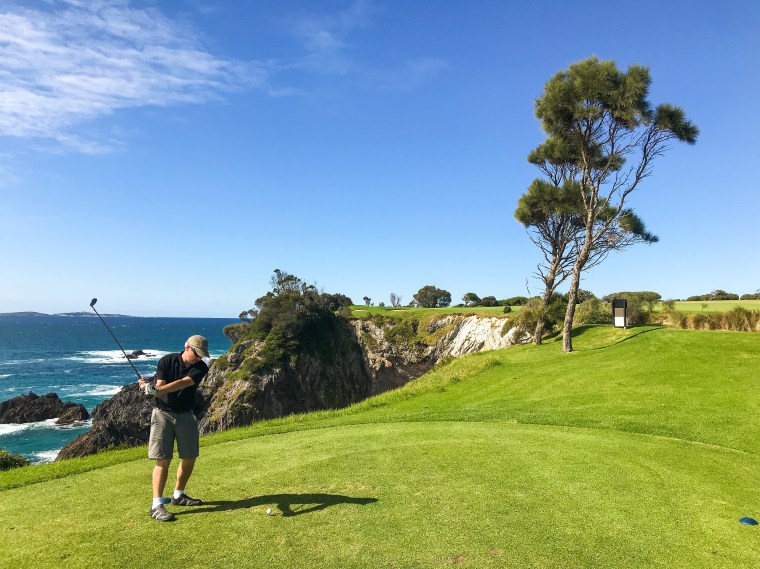
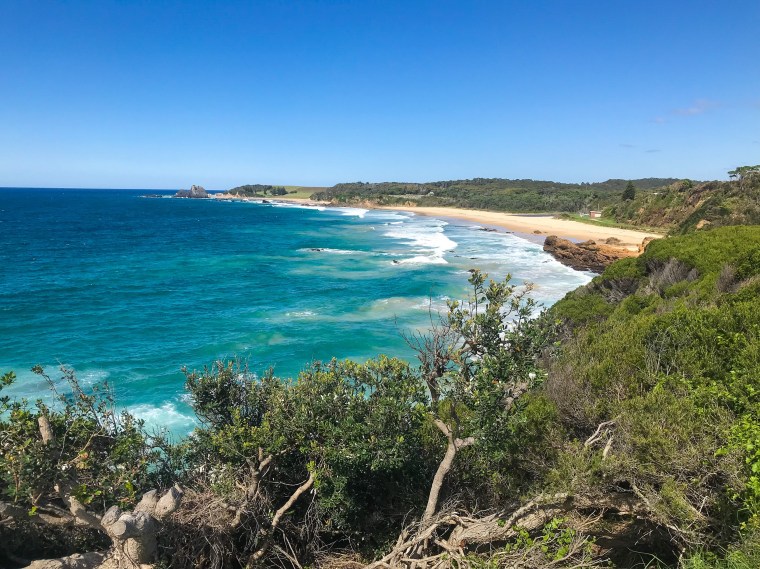
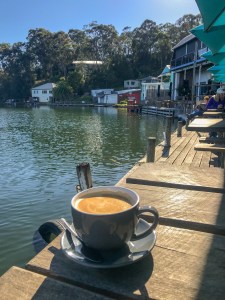 Back in Tuross Heads, it really is a little nugget of a place, especially when you visit out of holidays and weekends when it is neither ferociously scorched by bogan summers or coated in a wintry ghost town gloom. I’d say the perfect time, perfectly timed, would be around the end of March and early April. And here we were, April 2, sat out on the deck of the Boatshed, drinking a coffee and thinking how lucky the local retirees were. But we were there too, and very thankful for that; lucky to able to have this to enjoy no matter how brief.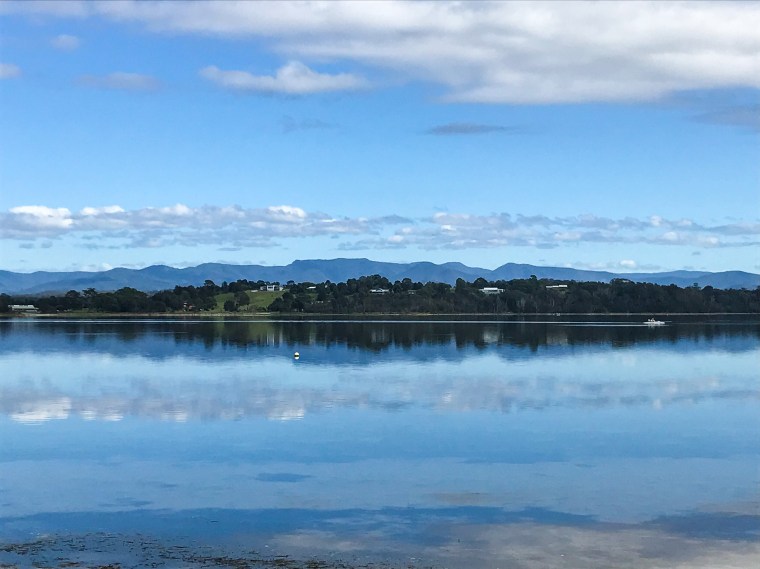
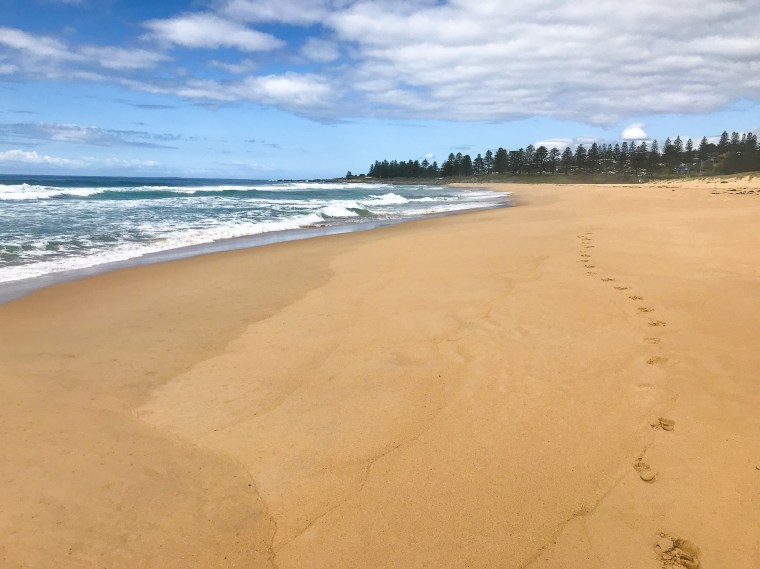


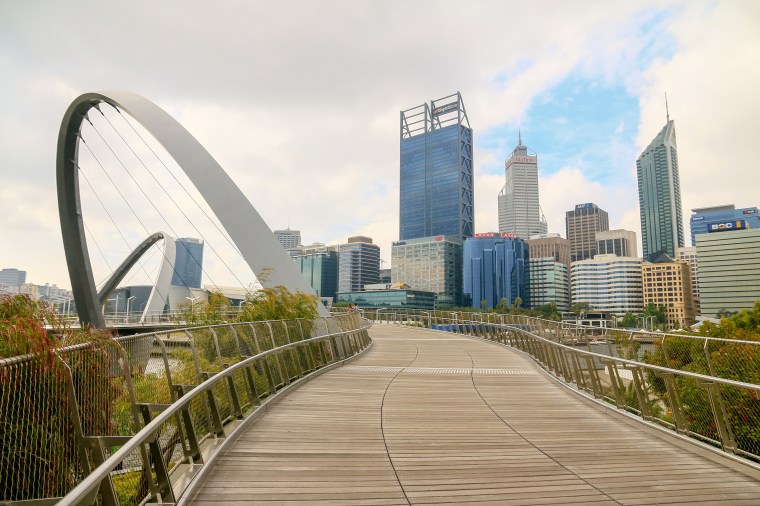

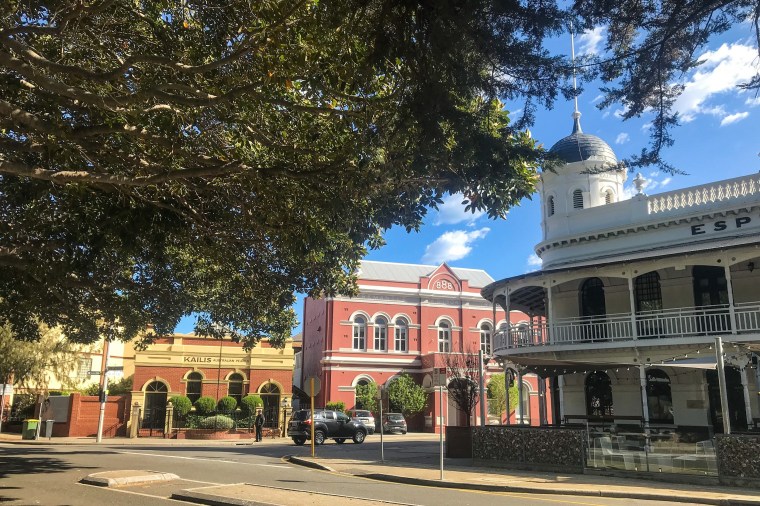
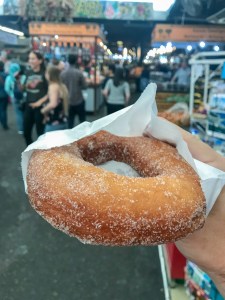 Freo was my base for the week and part of its appeal was accessibility to water. Being a busy and somewhat historic port, it’s not without its charm and boasts a high concentration of elegant turn-of-the-century colonial buildings. It seems to attract hipsters which equals good coffee, has not one but two breweries, puts on some fine markets, and has developed into a mecca for fish and chip consumption. There is a lot to like about Freo.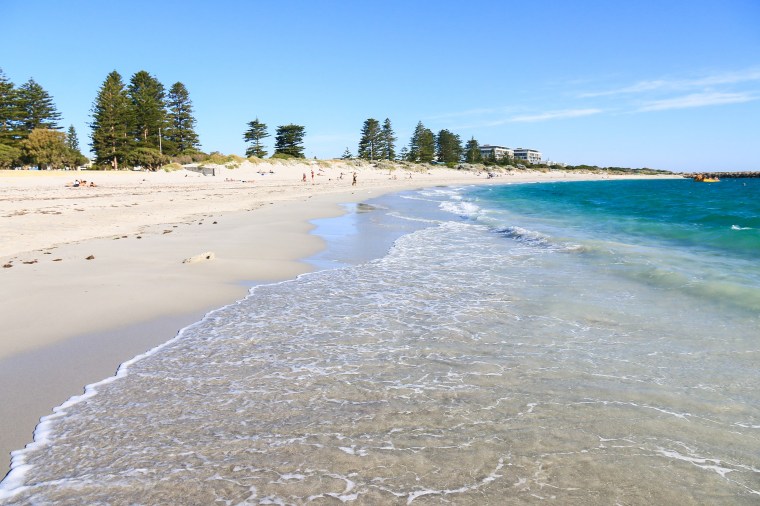
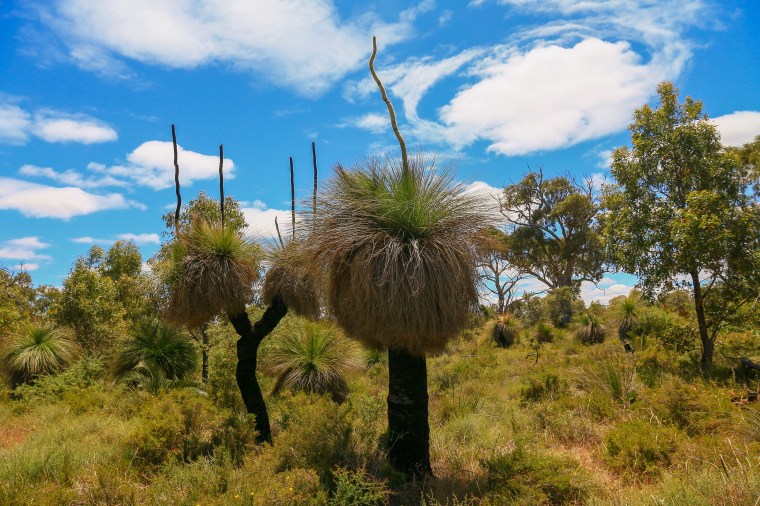
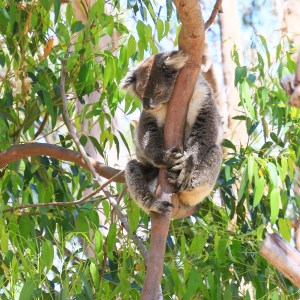 Given the proximity of this park to Perth, there is also a more manicured and deliberately designed aspect to certain areas, with tightly mown grass, a cosy café, campgrounds, waterside boardwalks and electric barbecues. A perfect family spot for a Sunday lunch, kickabout and encounter with koalas and kangaroos, creatures which seem strategically placed for the many visitors on minibus tours heading for the Pinnacles.




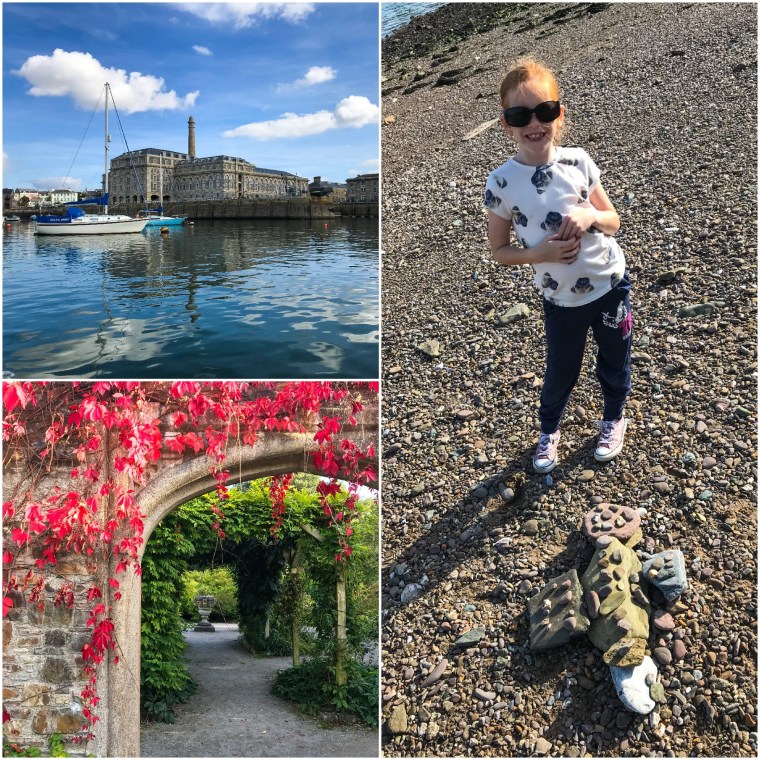


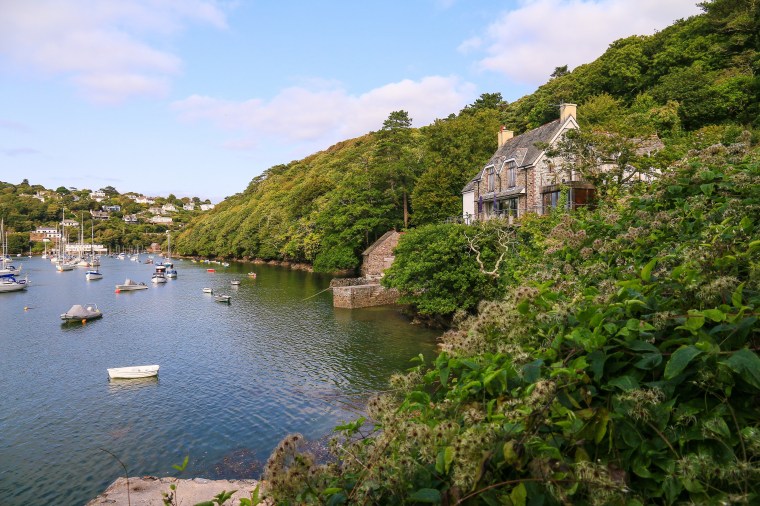
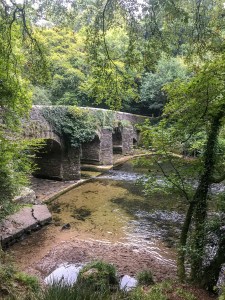 It is from these hills, from this sponge in the middle of Devon, that the waters which give Plymouth its name first spring. The River Plym here is a far cry from the sludgy and stinky tidal estuary meeting Plymouth Sound. Clear and rapid, tumbling over boulders and pooling on bends, the river descends into dense valleys packed green with mosses, ferns and leafy trees. Plymbridge Woods is but a short descent through a dark, narrow lane from industrial estates and Asda superstores, yet it is another world away.
 So, to the north, to the east, to the west there are pleasures easy to reach. Should you have a boat or a longing for Brittany, the south also offers much. And slap bang in the middle, Plymouth. My home that still feels mostly like home while existing slightly distant. It’s funny how things you took for granted, things that you didn’t notice when you were younger now trigger a fond, sometimes joyous sensation. And that extends from leafy green woods and cobbled quays to the family comforts of laundry fairies and roast dinners. Home, still.





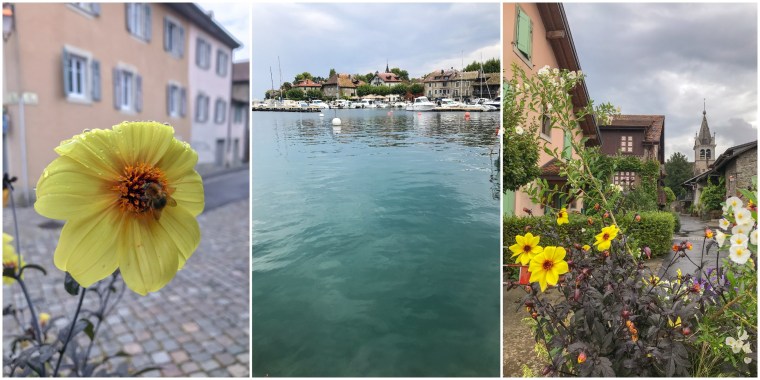
 The next day was a more promising affair, with clouds breaking and a touch more warmth back in the air. And so into the Alps, for a destination that was as much about a lunch opportunity as it was scenic nourishment. The Cascade du Rouget plunges down from the mountains, fed by snow melt and discarded Evian. Today, at the end of a long hot summer, it was a relative trickle but an impressive sight nonetheless. Liquid oozing at the mercy of gravity, the annual fondue went down pretty well too.
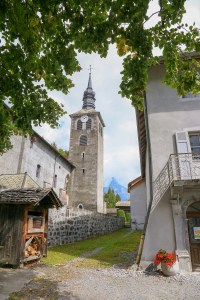 The nearby flowery towns of Sixt-Fer-a-Cheval and Samoens provided a touch of post-lunch ambling, ticking down time until the bakeries re-opened. They were relatively quiet on this weekday in September, a palpable air of towns that are winding down from the summer and slowly putting in place preparations for winter. Jigsaw wood piles, puffed up bodywarmers, freshly greased raclette machines. All the essentials of an Alpine winter.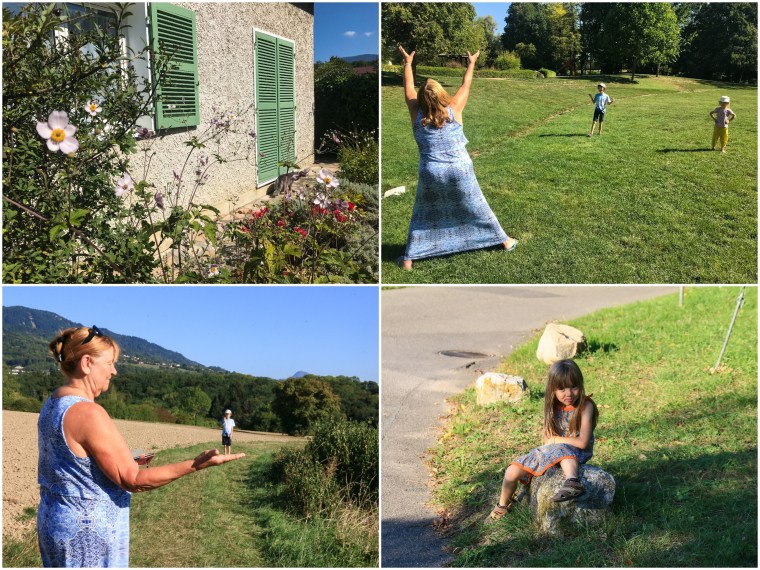

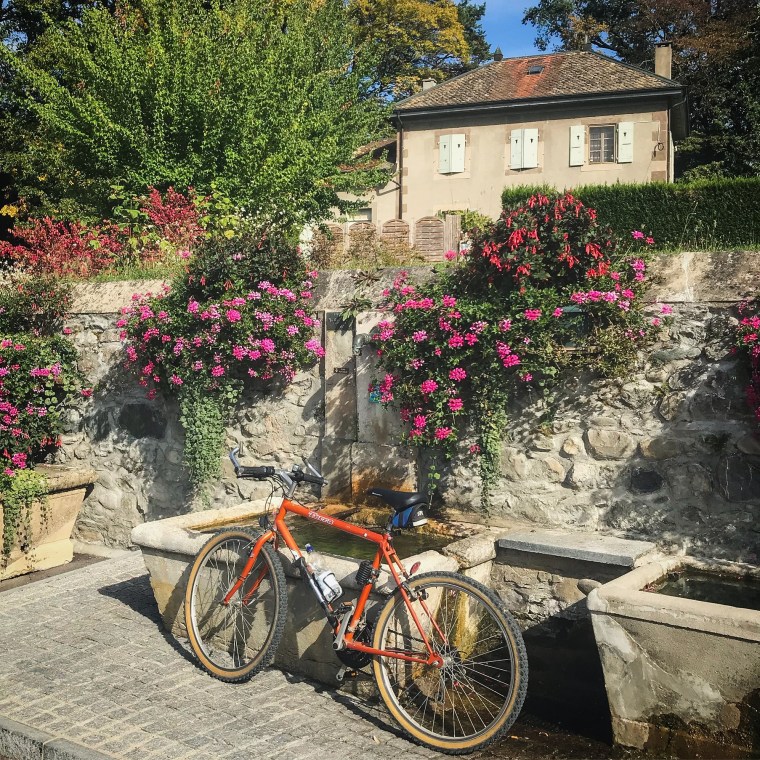
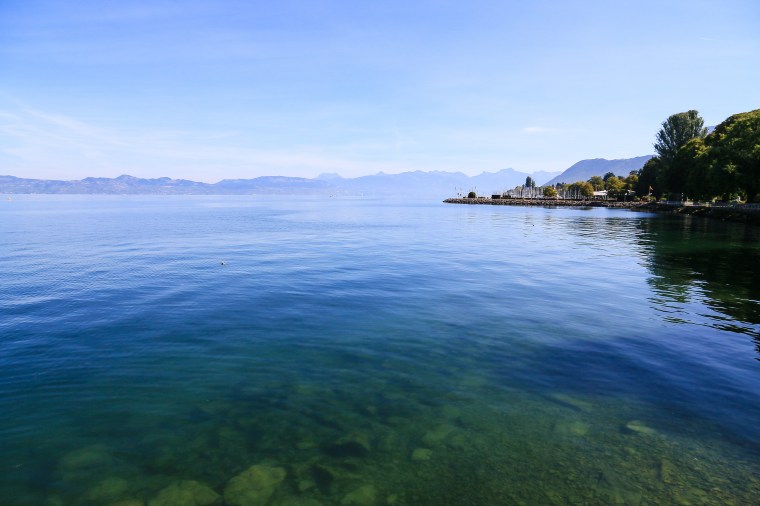







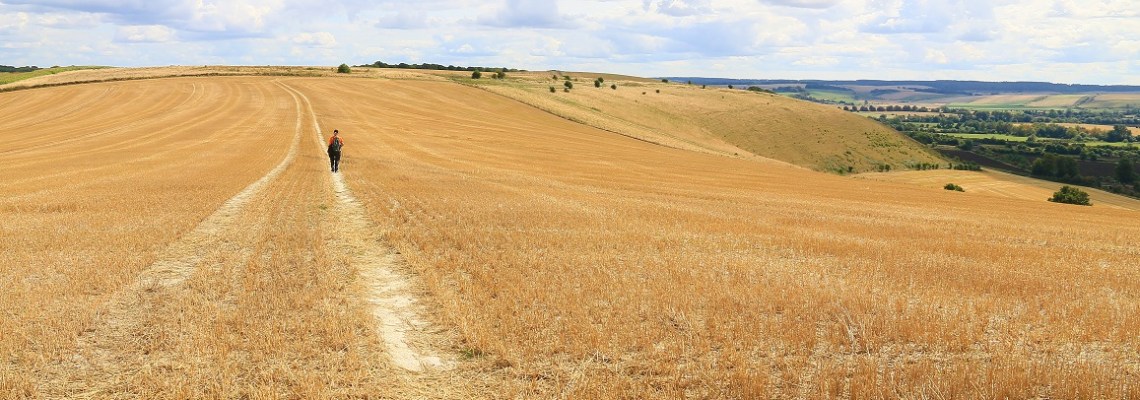
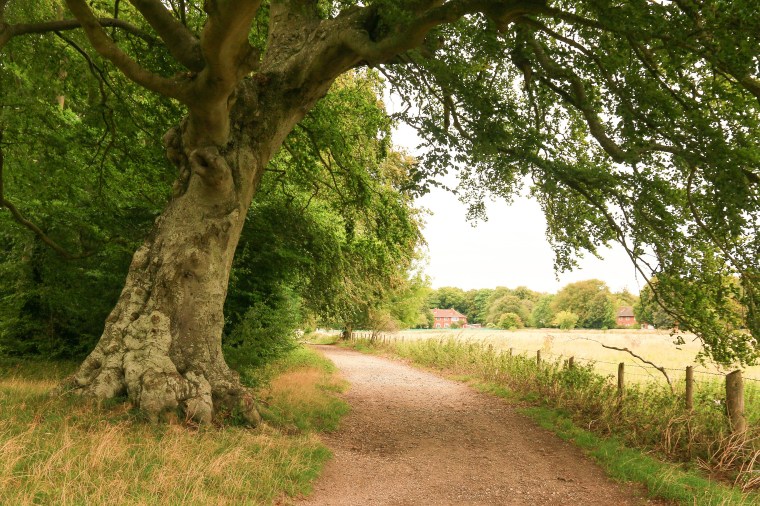


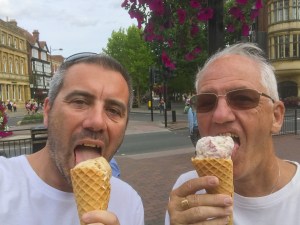 The reward for all this toil, traipsing through a sunny late summer in England was ice cream in Salisbury. In a land in which tradition appears widely cherished, what better tradition to uphold?
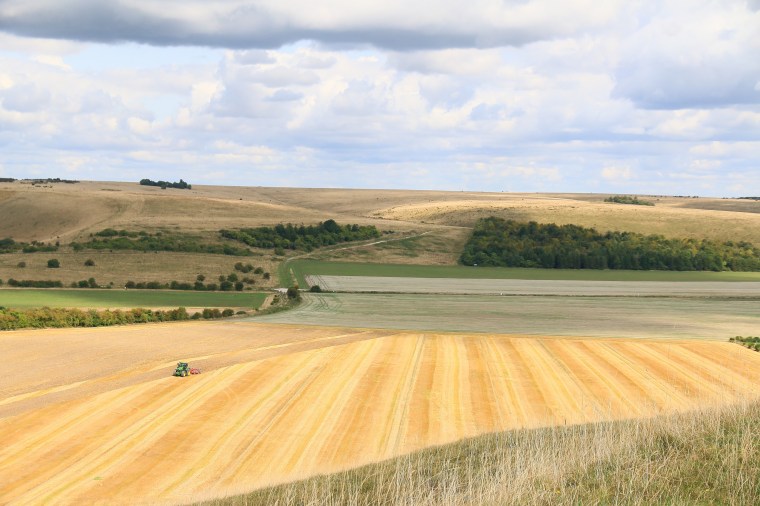
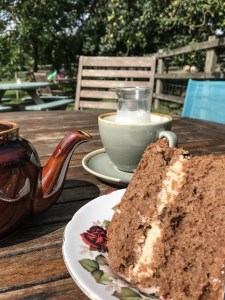 In times of such frightfulness one is best advised to turn to a cup of tea and slice of cake. Sat in a sunny position next to an orchard, sheep mowing the grass and a garden centre just around the corner, there is enough here to soothe the feet, the stomach, and the eyes. I’ve had better cakes but hardly many better contexts in which to eat them.


 Contrast this with an hour later in Arrowtown, a cutesy (if a touch contrived) old gold rush village just out of Queenstown. Sheltered by hills, twenty-five degrees, sunshine out, there was no hesitation in showing my pants to the whole of the car park and changing into shorts. Likewise, both Dad and I had no hesitation in agreeing ice cream should be on the agenda. Such thoughts are obvious portents of the cloud rolling in, the wind rising, and drizzle emerging. But let that not stop us eating ice cream!


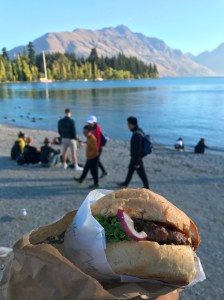 And so, in this hasty encounter with a small part of a bigger-than-you-think country packed with spectacle we finish up in Queenstown. Of all the places we visited this was undoubtedly the most frenetic, but it was no London, nor even Canberra. Firstly, you can forgive the masses of backpackers and Contiki coaches and adrenaline shots because Queenstown is beautiful. And – you know what – the people, the bustle, the mixture of ages and nationalities soaking up the holiday air creates a really nice vibe down by the lake. Particularly if this is accompanied by a ‘legendary’ Fergburger and a glowing evening as the sun slides west.


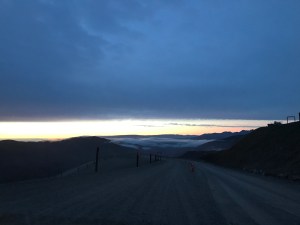 But, after our final, final night of sleep in New Zealand we set off down the mountain, seeing in the light the spectacle that we were to now say goodbye to again. With the delays, the exhaustion, the impending drag down the Hume Highway from Sydney to Canberra, we were both keen to get back. And it was a shame to end this way, even if a bacon butty and coffee at the airport temporarily lifted spirits. But everyone expects a little adventure in New Zealand and we belatedly had ours. This along with much to remember, much to savour, much to linger in the mind for as long as the white cloud blessing this most amazing big little country.
 It’s funny because arriving here doesn’t particularly feel exciting or exotic or out of the ordinary. But it was a moment I had longed for; I suspect precisely because it doesn’t feel exciting or exotic or out of the ordinary. I say this despite a diversion to a new coach station, the inevitable addition of more Greggs in town, and some positive additions to family structure. But at the heart of it, the connection with home yields a familiarity that is the very essence of comfort and, for the most part, happiness.
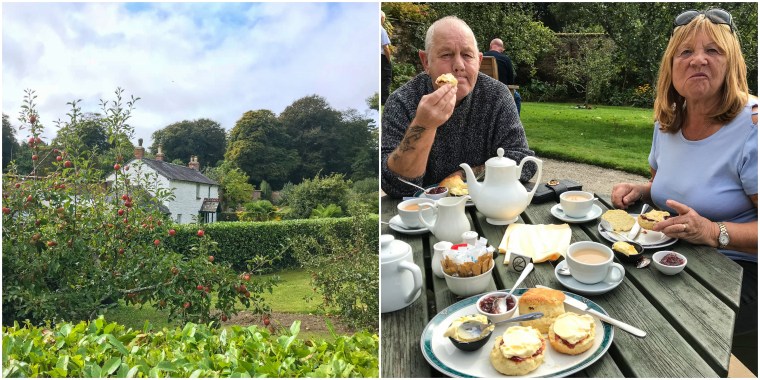
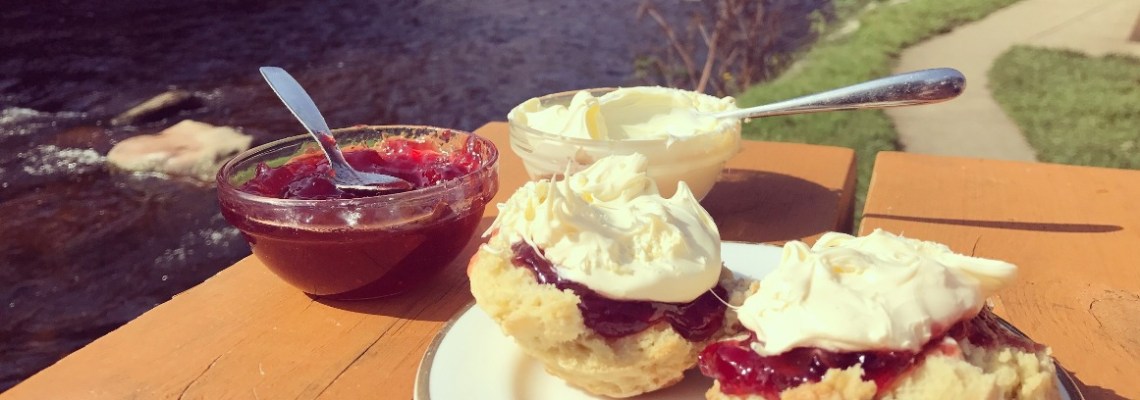
 Happiness is that first bite of scone with jam with clotted cream. OH. MY. GOD. Obviously this happened the day immediately after my arrival at the coach station. And it was in a new location. Cardinham Woods in Cornwall, where there was plenty of wooded green to soothe the mind, Snakes and Owls and Gruffalo to find, and deliciousness of a kind, which is unmatched anywhere on earth.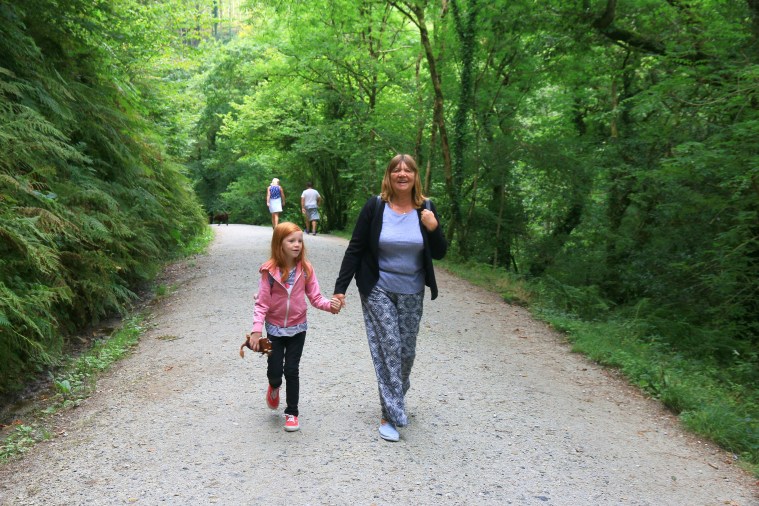
 Happiness is going to see a Hoe, and a very familiar one at that. That walk that I have walked five hundred times and I will walk five hundred more. Plymouth Sound constant companion by my side, the stripes of Smeaton’s Tower a backdrop to proper footy kick abouts and OAPs parked up, gazing out to ocean as they lick languidly away at their Miss Whippys. For me, it’s coffee in the sun by the Sound; shit coffee but sun and the Sound.
 Happiness is going to see Sarah, who is definitely not a hoe, but a very fine woman who I am hugely in love with. I have no idea who Sarah is, but she makes bloody good pasties. So much so that any other pasty is now disappointing. It means a trip to Looe, an adventure in trying to find a car park, an effort of restraining expletives as grockles spill aimlessly over the roads and flock to inferior pasty chain stores. There is achievement to be felt, reward to be had, and attention still needed to protect incredible nuggets of pastry from seagulls as undiscerning as the grockles.
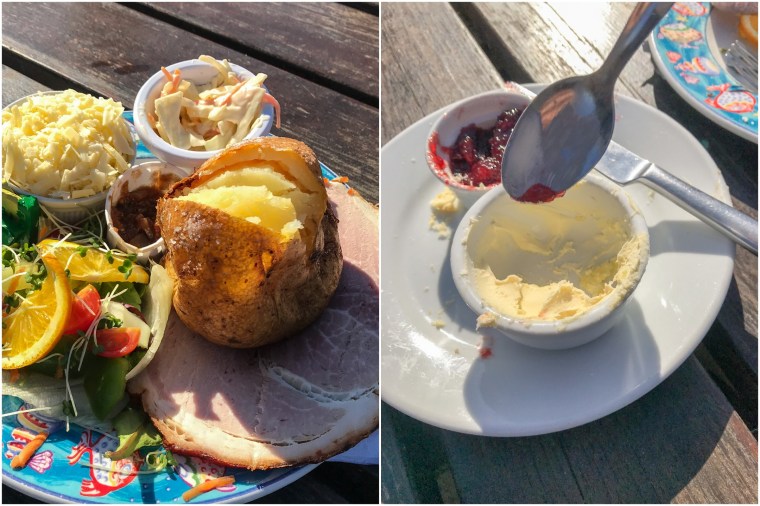
 Meanwhile, have I mentioned the accessibility of cream teas at home? That makes me happy. Cream teas in Devon that are not Devonshire teas in Cremorne. Another quest, another discovery, this time at the Fox Tor Cafe in Princetown. It’s not much to look at – and weekends bring out an excess of Lycra – but the buttery scones are utterly Devonly divine. And the jam and cream ain’t so bad either.
 Happiness is not often a product of the English weather. But expectations are so, so low that you cannot fail to smile when the forecast is for light cloud and a top of nineteen degrees. Get a bank holiday weekend when the temperature builds under blue skies and you’ll find everyone turns mildly, wildly delirious. Blackened charcoal sausage is the staple food source, evenings out are comfortable and you begin to think, hmm maybe this isn’t so bad after all. Followed by the inevitable if only it could be like this all the time. These are the words uttered outside waterside pubs, along the promenades, within the leafy parks and wedged between giant hedges as countryside spills down to coast.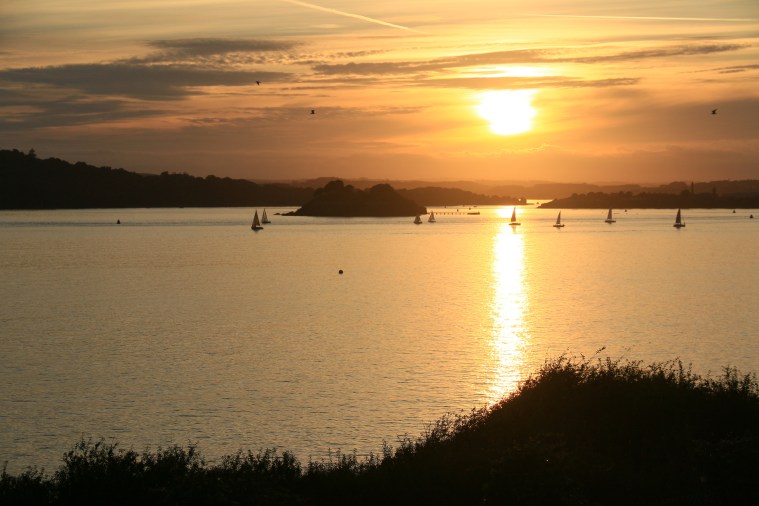

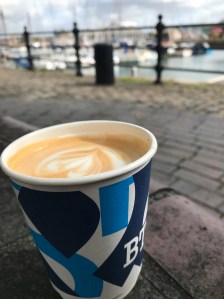 For all its tea-based pleasures and intricacies, Devon and Cornwall – and England and the rest of the UK – is not, it must be oft said with an eye roll thrown in, accomplished in the art of coffee. But there are glimmers of hope; hope that possibly makes you think hmm maybe this isn’t so bad after all. Followed by the inevitable if only it could be like this all the time. These are the words uttered inside my head as I sup on a reasonable flat white among the glistening cobbles and boats of Plymouth’s Barbican.
 Happiness is the aspiration pushed by marketers at Morrisons and Sainsburys and Tesco and, yes, Aldi. The Aldi happiness is more a utilitarian, Germanic form of pleasure, and certainly hard to pinpoint at 3:30pm on a Sunday afternoon, before the stores close in a quaint but annoying reminder that Sunday used to be a day of rest. These are the temples of a kid in a candy shop or, um, actually a grown man in a candy shop. For every reliable revisit of a Double Decker there is a new discovery or a forgotten one rediscovered. Like Wispa bites, and Digestive cake bars, and more things contributing to the presence of salted caramel as a major food group. And then I see the dairy aisle and the copious supply of clotted cream, and I feel a bit sad.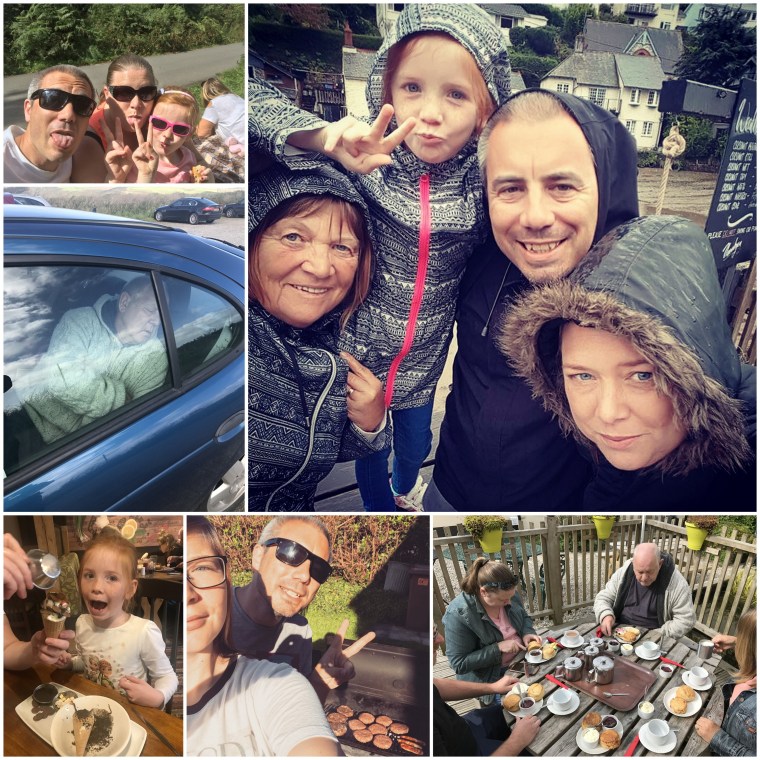

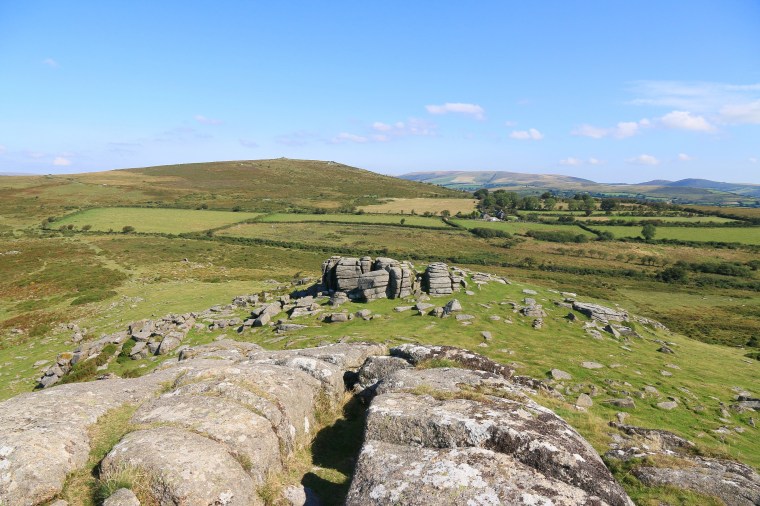
 On the road to Burrator, the sheep are out in force, arse sticking out into the tarmac, head tucked into a giant gorse bush, oblivious to the fact that there are two cars coming at opposite directions on a lane built for one. Further on, a few sheep mill about in the foot of Sheepstor, just so they can pose for clichéd photos and get in the way of cars trying to park. Better to get out on foot though, and take in a stretch of reservoir, country lane, farm and hamlet aesthetic, before climbing the wilder, granite strewn hill itself. It’s a route I’ve taken a few times now and strikes me as a wonderful bona fide welcome back to Devon.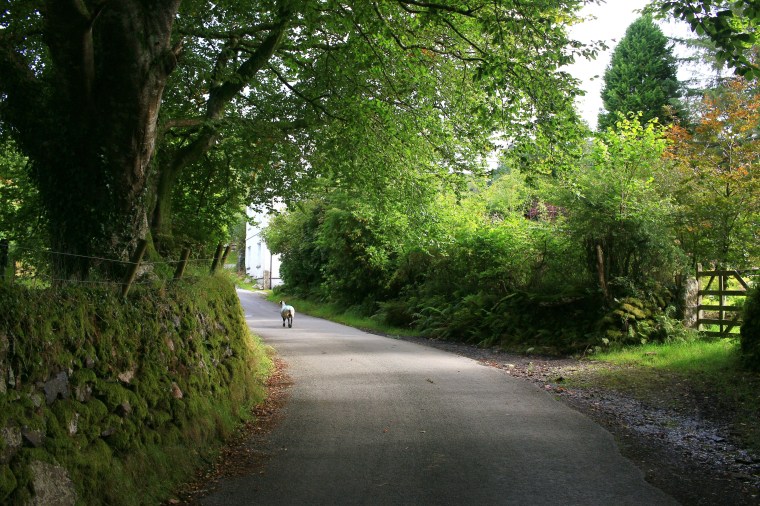
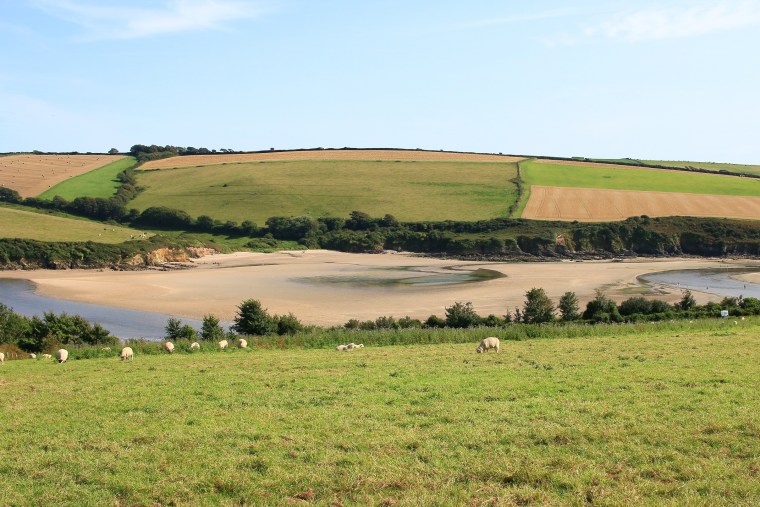
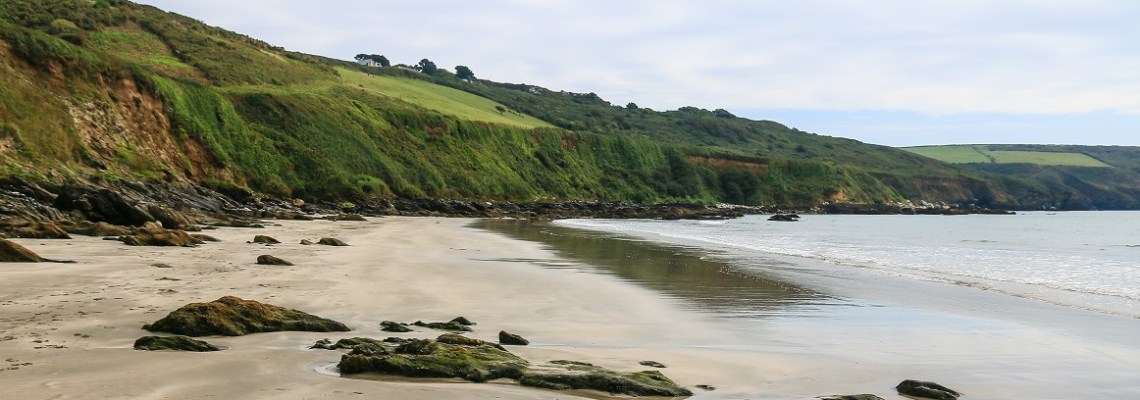
 It really is in a delightful setting, Mothecombe; the tranquil shallows of the River Erme meandering out to sea, the sandy banks and rock pools revealed at low tide, the sheltered, undeveloped bay with gentle waves and translucent waters. Such appealing waters that people were in there swimming and I got the shock of my life when I put my own feet in. Not the usual, anticipated shock of oh my god what are they doing this is f*****g freezing, but a slight eyebrow raising oh this is actually tolerable for a bit up to ankle height I guess. No wonder the roads are so busy.
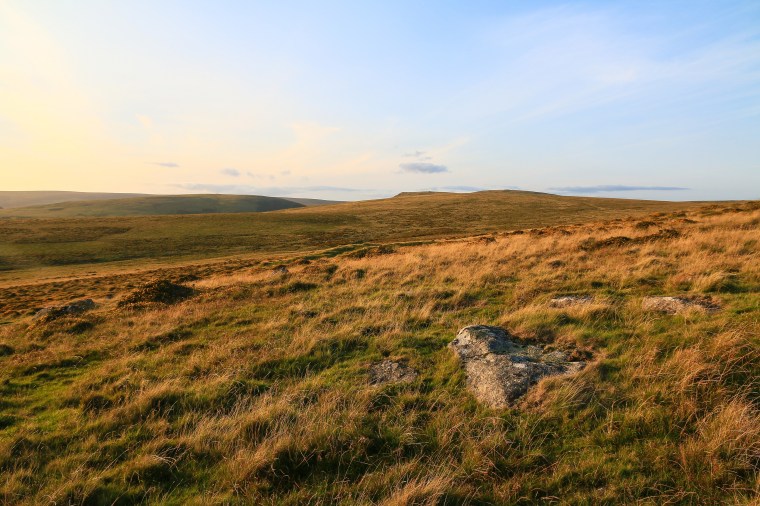
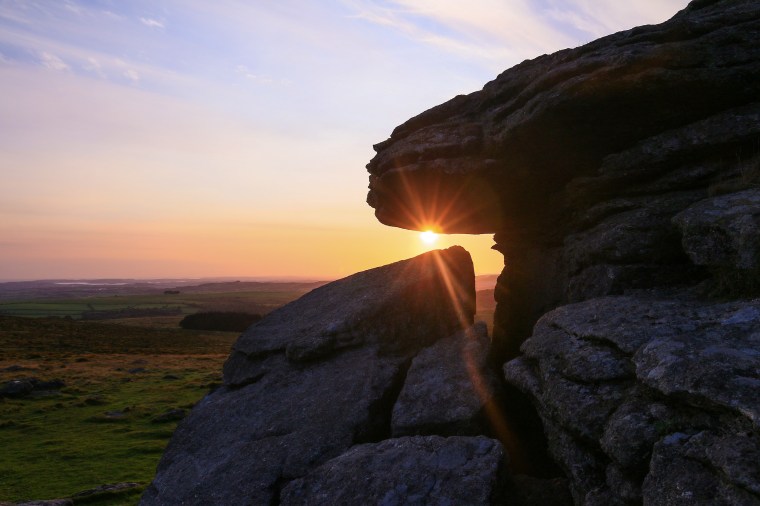
 Following a day of showers merging into longer spells of rain I was keen to get outdoors when a longer spell of rain appeared to have passed leaving a few showers behind. I was in the habit of checking the weather radar by now, and took a bit of a gamble on a potential gap in the way things were tracking. Out around Sharpitor, as cloudbursts pummelled the Tamar Valley and a black doom sat unyielding beyond Princetown, some late sunshine pierced the skies and set the landscape aglow. Sheltering from the cold wind, I stood insignificant within expansive moorland and raggedy tors, alternately shining golden in sun or darkened by racing clouds. Barring the occasional car on the main road crossing the moor, it was just me and the sheep and a pony or two to witness it. I felt as though I had struck gold.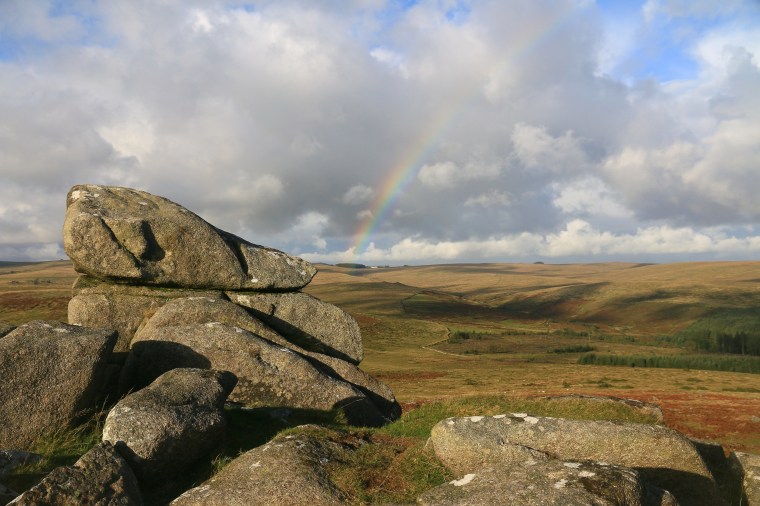
 And you know what? In a turn of events that no good travel writer would ever make up, it pretty much stayed raining albeit with some slight easing off for about five minutes. Thankfully the Ship Inn had some funky outdoor pods to huddle together and drink hot chocolate in – think three quarters hamster ball in Teletubbie land – and with the tide being in (well checked, sir), the scene was not one of stinking tidal sludge. Indeed, it was rather serenely pretty under a comfort blanket of cloud.

 gbpilgrim