A waterfall nestled among green undergrowth

Free falling

I don’t often shout very loud. or make much of a fuss. Or do anything whatsoever to bring too much attention to myself. Hence my throat and lungs were aghast when I bellowed out the most almighty call from a train stood at Platform 7 of Crewe station. Before promptly apologising to everyone on board. Naturally.

The trip was never in doubt. We had journeyed from Preston where another wonderful Avanti service came into the opposite platform to that advertised, triggering mass panic and stressed luggage wheels. Inevitably departing late, we enjoyed the short journey to Crewe wedged between our luggage and the toilet. This despite having seat reservations, which are about as much value as the paper they are not printed on anymore because everything has to be on another dysfunctional app.

With connection times getting tighter by the second the train did that thing it does when you think it is pulling into the station but stops just outside for no apparent reason. We inched forward at the pace of a geriatric snail, eventually lining up with Platform 6. Encouraging as 6 precedes 7 but annoyingly across the tracks.

In the melee, several passengers shot up the steps, swinging cases and coats and bags laden with sandwiches and fruit shoots. At some point over the bridge and down the steps Avery lost some ground, while I jumped onto the first open door of the train I could reach. She looked at the carriages, lost. A group of emo teens who might well have been on their way back from the Nantwich Loser Festival separated us. Please, look for the silver hair. “AVVVERRRYYYYYY!”

Of course what’s especially silly in retrospect is the high prospect of the train waiting for everyone to connect. It’s not like the Swiss railways or anything, where trains depart on the exact second of the exact minute of the exact hour. Besides, even if we missed it we’d have an hour until the next, which we could easily pass with tea and cake.

As it was, we settled down with luggage space pleasingly spare, ordered some scalding hot tea from the disgruntled trolley mandolly and ate gingerbread as the weather brightened and the borderlands rolled by. Footballer’s Cheshire, Escape to the Country’s Shropshire, Richard Ham’s Herefordshire and then a new country entirely. Prince’s Wales.

We arrived in Cwmbran, which is barely into Wales but feels very Welsh. It also feels slightly akin to Canberra in the way you can circulate the town for ages and feel like you have been here before. I know our accommodation was on the edge of town but have no idea on its relationship to everything else.

Still, some of the other relationships were a little clearer. Fathers and aunts and cousins and then I guess all manners of association by blood, breeding and beer. Coming together somewhere out of town for a renewal of vows and a hog roast. If I dare hazard to feel I have mastered marriage in 135 days, try doing 35 years.

A feature of our time in Wales was the supposed heatwave that was coming any day now. Ideal for catching up on laundry and finding it damp after a day in the cloud. Ideal for getting sunburn that catches you unawares in the mist. Ideal for packing shorts with optimism and never using them. And ideal for cooling off beneath waterfalls if you are local and/or socially influential.

A collection of waterfalls

A waterfall taking a bend in the river

It was a good idea to head to the Four Waterfalls Walk even if the reality was tinged with little annoyances. Like not so little steps and not so little an amount of people gawping like us at nature. The volume of visitors – of which we were admittedly an additional three – necessitated car park marshals, path closures and one-way systems. People-powered erosion is working at a faster rate than that prompted by the force of water. Only one is more captivating.

With such popularity, a trick is being missed with the absence of a good tearoom at the end of the walk; on a day such as this not only would the shortbread be millionaires. As it was, sketchy phone signal and scrambling detours led us to a potential opportunity that may well still be open, though it was touch and go along the single track lanes towards Pontsticill. The Old Barn Tea Room sounds just about perfect on paper and it delivered exactly what was needed. Warm sunshine in the garden the extra icing on the cake.
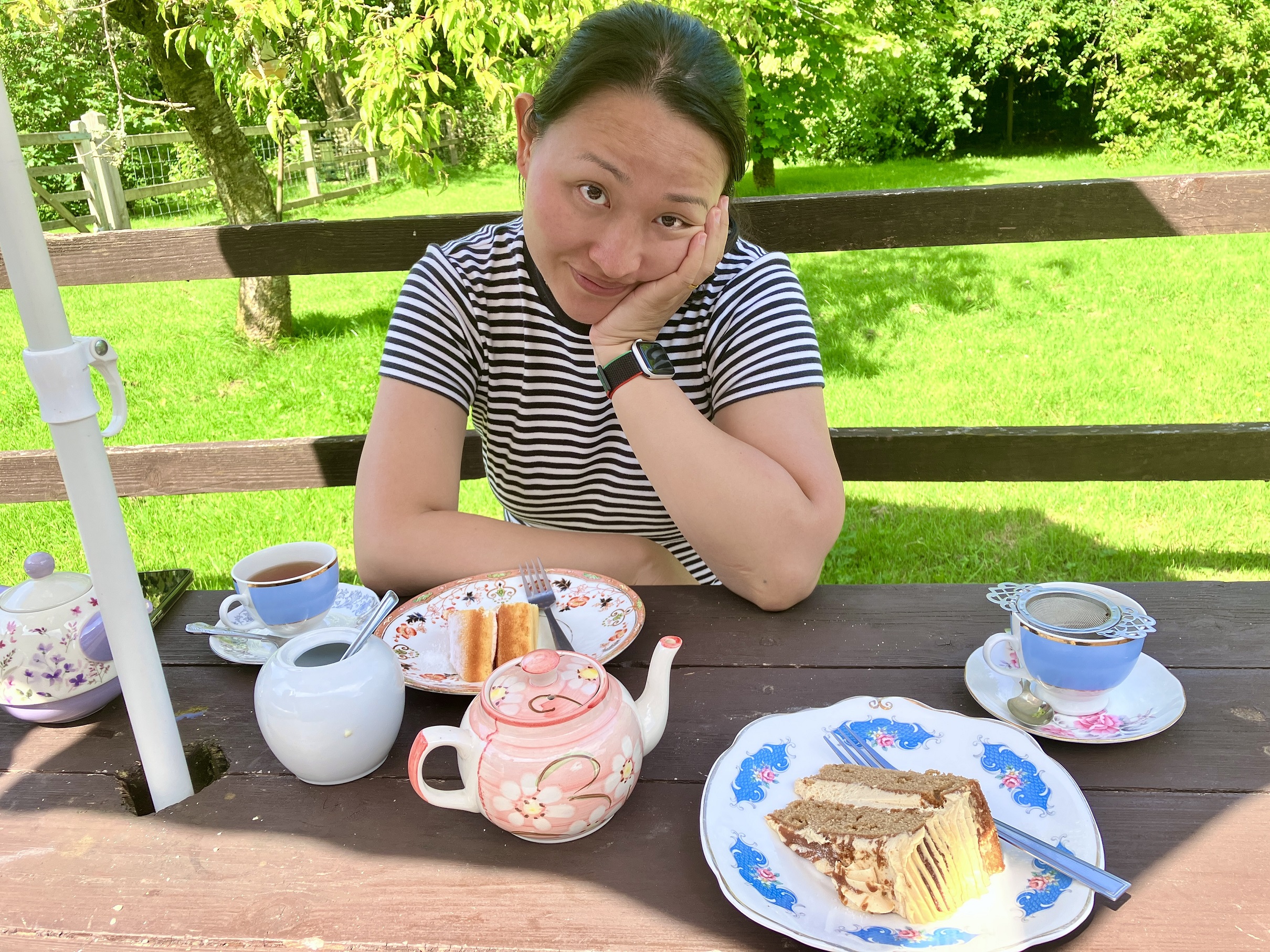
A lady sitting at a table with cake and tea

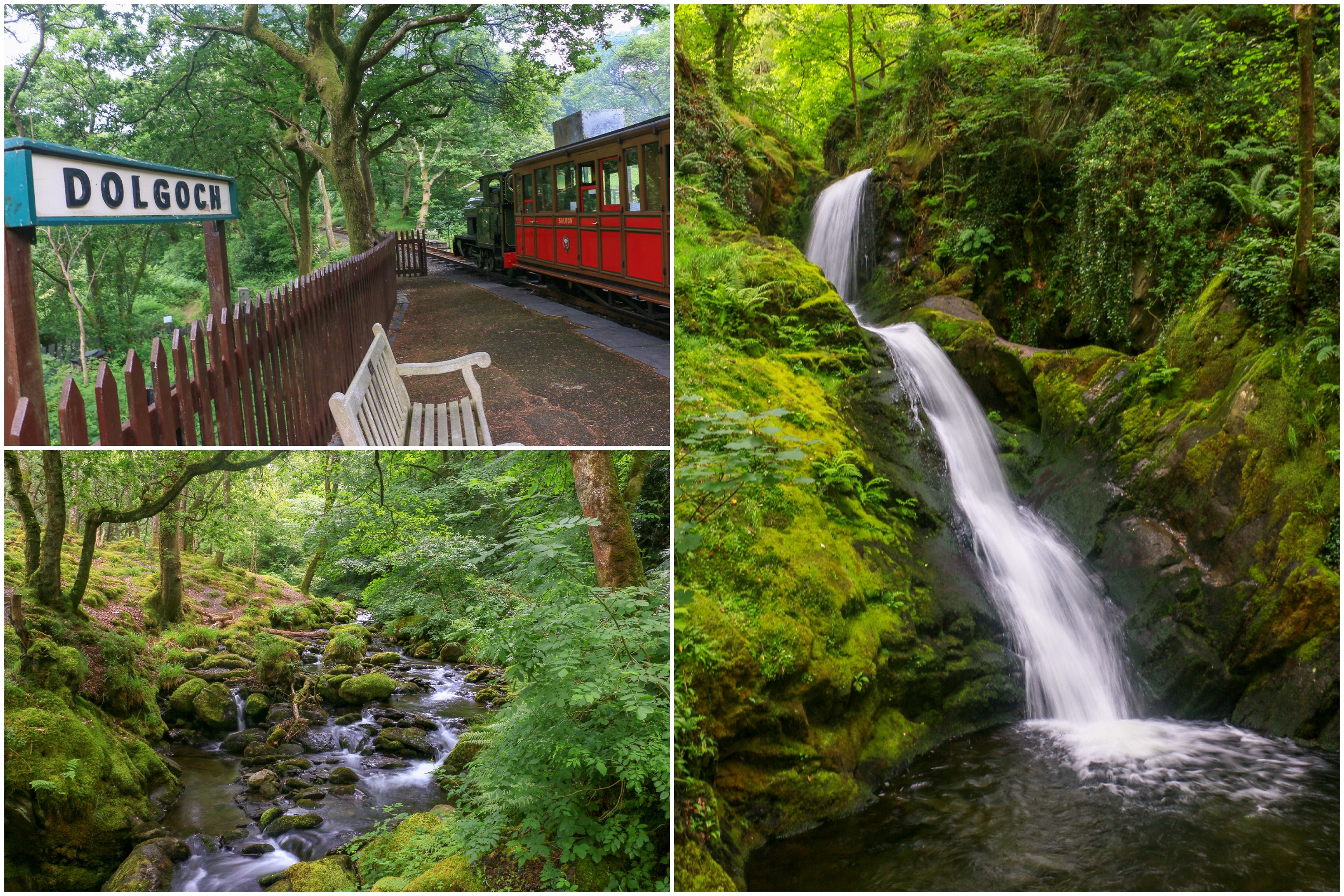
Perhaps this heatwave was finally happening after all. Certainly there was evidence of bathing along the banks of Caerfanell as we ambled up past countless cascades and swirling pools. There were people here too – including a party precariously firing up a barbecue on a 45 degree slope – but the mood was calmer and more ambient. And it felt like good grace from above that the final plunging falls of Blaen y Glyn were shared with us alone. We walked back through sun-dappled woodland lifted, hearts singing inside like the birds chirruping all around.
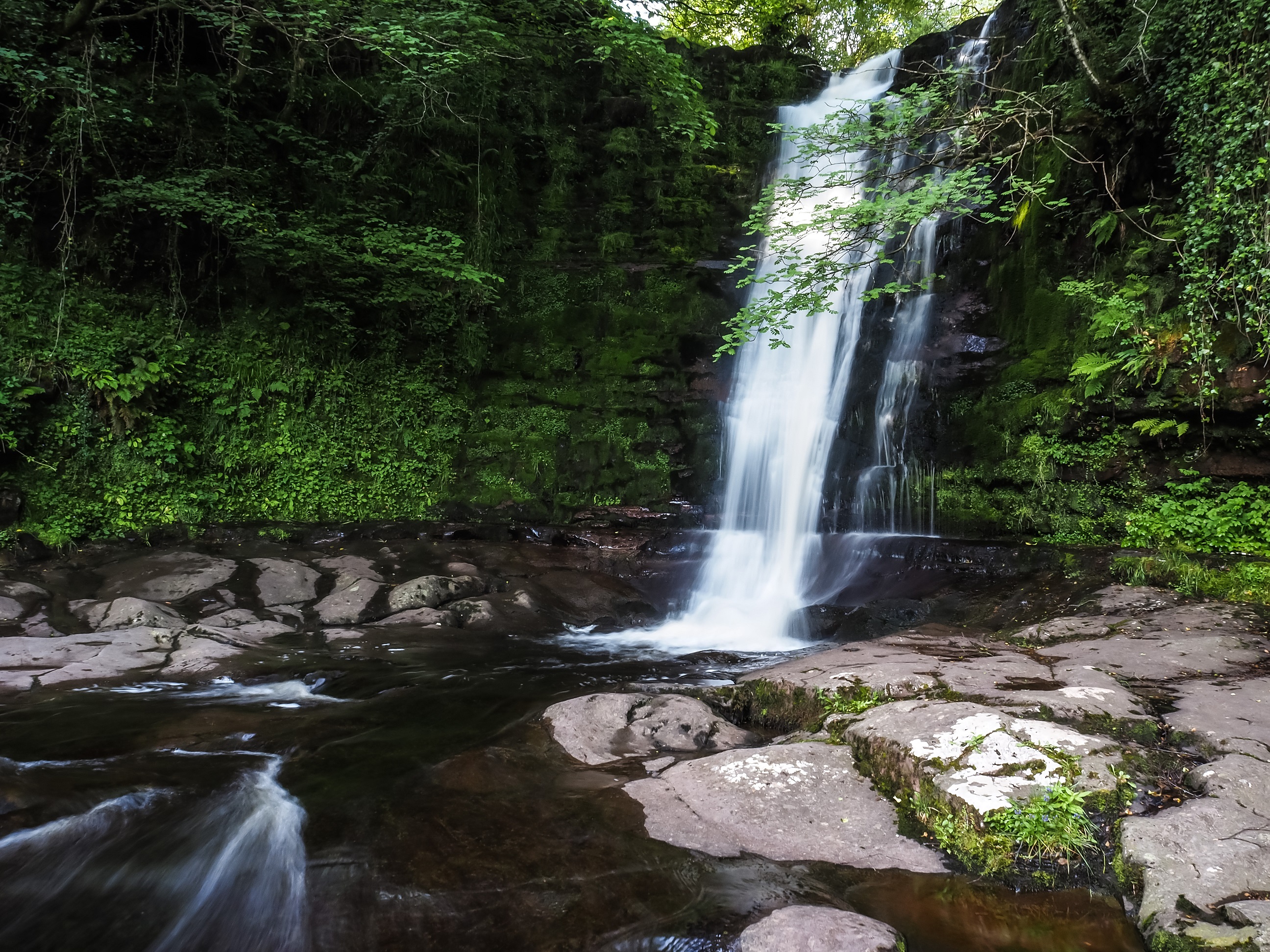
A plunging waterfall

…………………………………………

The promise of shorts was finally realised on the Monday, a day in which Avery and I would leave Wales by train without too much drama. Of course, being borderline hot, the only condition was that air conditioning would invariably falter. Like Australia in the cold, Britain does not deal well with the heat.
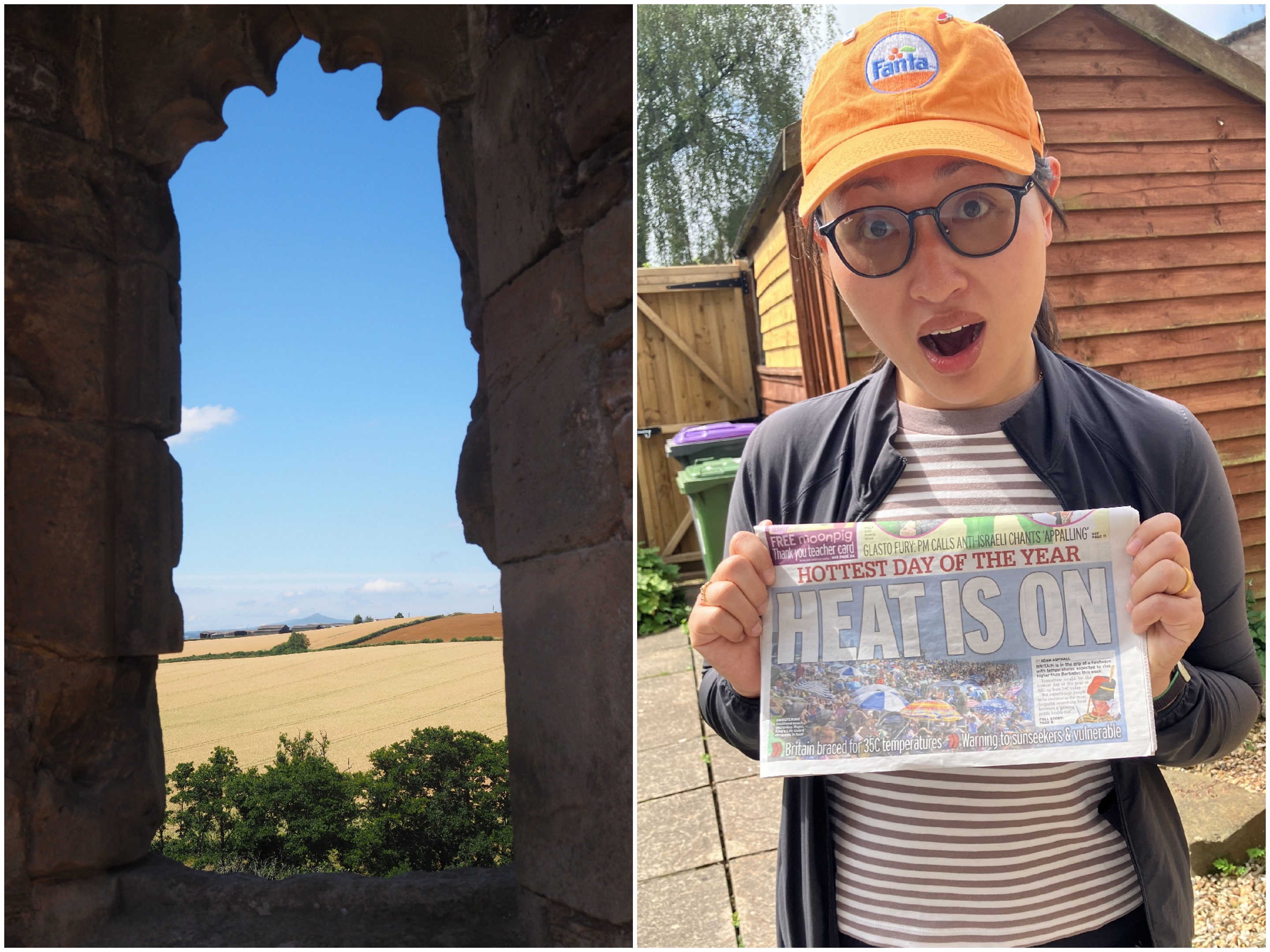
Scenes of a supposed heatwave

Britain does do a good supermarket meal deal. Provisions aplenty for a picnic beside a Mediaeval pile. As a second choice (behind an under renovation Caerphilly), Raglan Castle offered everything one could wish for in such a facility: crumbling walls, lofty towers, regal thrones and cooling dungeons. Of course, a proximate cafe was too much to ask for but there is plenty of satisfaction in a £3.50 sandwich, snack and drink.
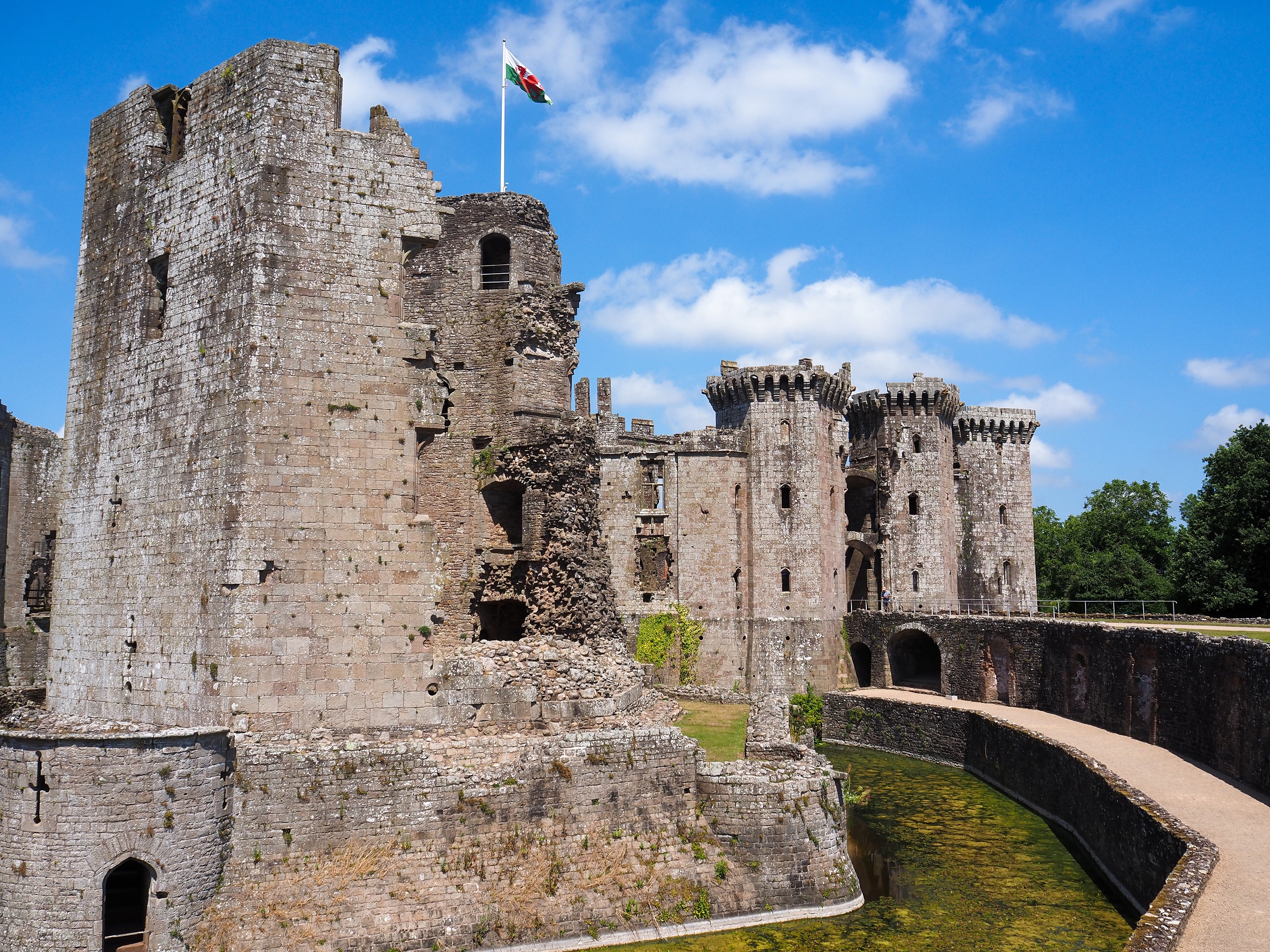
A castle with crumbling walls and a flag in the tower

A scene of rolling countryside under a blue sky with a castle in the foreground

While not wishing to cut things too fine, our train back into England was still a decent stretch away so we were transported to the outskirts of Newport for a coffee and slice of cake. Unbeknown to me, Caerleon is a small town rich in Roman history. Think amphitheatres and baths and all those Latin excesses. This corner of the world truly has been hotly contested.

Nowadays, one wonders whether anybody would bother to ransack Newport. They may arrive thinking someone had already beaten them to it. Although having time to wait for the train is a luxury, now it cannot come soon enough.

For not only are we escaping Newport, leaving Wales and returning to England, we are also heading home. To the Westcountry, to Plymouth. Changing trains with time to spare at Bristol Temple Meads. Time to spare, indeed, to find Feathers McGraw outside the ticket hall. A neat and tidy conclusion to This Most Whistlestop Adventure.

Food & Drink Great Britain Green Bogey Photography Walking

Wales done us

Pretty much at the beginning of this UK22 odyssey I heard one of the blandest songs possible, warbled out by George Ezra on The One Show, spouting insipid lyrics about green grass and blue skies. A summertime money-spinner predictably pounced on by Heart and played every half hour. What young George didn’t take into account was the abundance of blue, blue skies which would naturally turn the green, green grass a tinge of yellow, yellow straw.

The UK is still a green place but I have found myself of late detecting a slight Australian essence: an earthy smell at the end of a hot, hot day, of golden grasses secreting some relief as the sun, sun sets. Waking with an expectation of wearing shorts. Drawing the curtains in the day. Frequent use of sunscreen. Wildfires on the TV news.

One area that might just retain the green, green grass of home longer than others is northwest Wales. And while warm sunshine continued as Caroline and I entered the principality on the second phase of our up over olde at heart road trip, this unseasonal weather was set to wane. Soak it up I say, pausing beside the waters at Tal-y-llyn on our way into the hills…

Woodlands, green views and the Co-op

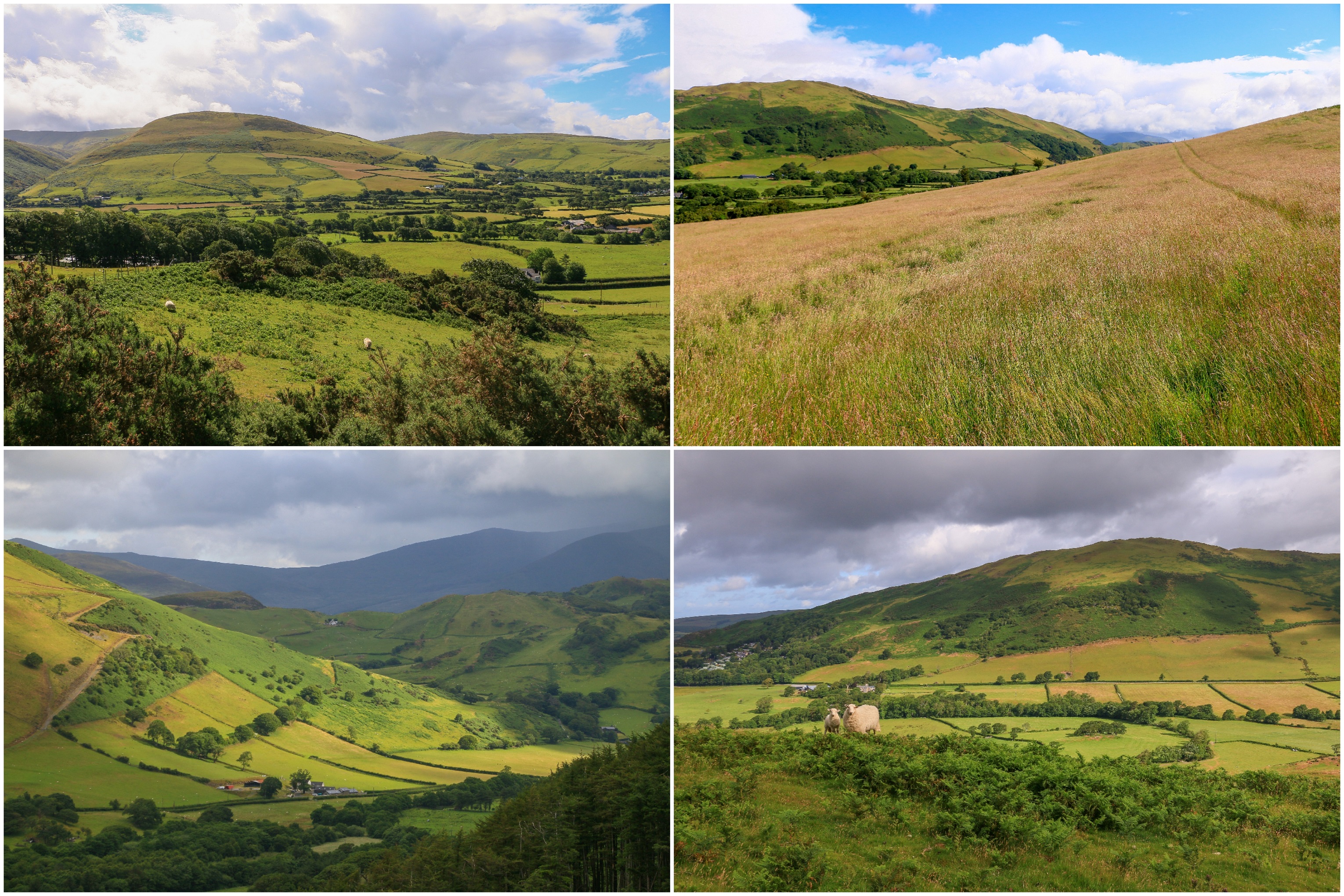
By handy coincidence, we were staying in Green View Chalet, perched loftily within the Woodlands Holiday Park. It was a neat, quiet little place with a distracting view. Pure Wales rolling down the hill and climbing up the other side, stone walls, sheep and all. With altitude comes a transition from temperate, lush valleys to unkempt, windy moors, topped with all sorts running wild.

Early on I took a short walk, encountering sheep galore and a minefield of droppings. Much the same happened on a longer circular walk that satisfied all the greater for taking place from the front door. The walk was a bit of a gamble in blustery conditions, cloudbursts evident both out to sea and further up towards the high mountain crags of Cader Idris. But I mostly stayed dry, treated instead to changing light and shadows, distant rainbows and soaring birds.

The closest town of note from here, sitting upon Cardigan Bay, is Tywyn. While devoid of vowels, it was handy for supplies, hosting a remarkably large Co-op and at least three Indian Restaurants where cash is king. Meanwhile, down on the seafront there was an old school feel to the air, conjuring a town tucked away in the nostalgia of childhood bucket and spade holidays. A town that is lost in time. A town where steam from the railways still rises into a disappointing monotone sky…

Tally ho Talyllyn

One of the very interesting things about North Wales is the multitude of heritage railway lines. You can imagine Portillo on constant loop here, stoking coals in blue dungarees or shoving a homemade Welsh Cake into his plummy mouth. While naturally providing tourist tucker, the network of vintage railways probably provides a more reliable service than the modern, expensive, strike-riven mainlines of Tory Britain, 2022.

The Talyllyn Railway departs from Tywyn, heading up the valley to Abergynolwyn. The railway was constructed in 1863 and – like many others in this region – was used to transport slate from the hills to the sea. Today, the slate lingers on in trackside fence lines and in the specials boards of train station cafés.

It was a grey, patchy rain kind of day, a suitably slate-like sky greeting us at Tywyn Station. More alarmingly, a parade of schoolchildren appeared to be heading in the same direction, seemingly set to infest numerous wooden carriages on the 10:00 to Nant Gwernol. But a stroke of luck – either they were off to the museum or a tour of the Co-op, which would keep them occupied for some time.

Full steam ahead then to the first stop of the day at Dolgoch, via chalet-spotting views over to Woodlands. Disembarkation here was a controversial affair – just us and two others while everyone else on board wonders what the heck. The attraction are some falls, silky slivers of white enveloped among a peaceful forested gorge. And hopefully a tea shop.

A tea shop that looks like a council house and looks very closed. It’s drizzling and sometimes more than drizzling and the next train is an hour away. What to do with an hour in Dolgoch? Check out the historic slate fence and wait for a train coming the other way and be entertained by the nesting sparrow chicks in the waiting area and the returning couple living life in imperfect harmony.

And then full steam ahead again, the arrival of the train a moment of great fanfare when a quiet forest glade transforms into a hissing, steaming pocket of noise and fury. The sparrows hide, the wayward tourists board, the drivers stoke coals and in one final giant puff of steam toot-toot we’re away.

The journey seems more attractive as we progress up the valley, partly because the sun briefly comes out, trees parting to reveal a patchwork of fields inching upwards into the exposed bracken and gorse of steeply rising hills. Here and there the odd farmhouse, the odd car, the odd siding decorated with purple foxglove. Briefly summer again before more rain sets in.

Turning around in a downpour, the train heads back with a layover of thirty minutes at Abergynolwyn. A period of time insufficient to do little else than converge en masse upon the station café. As if it was designed that way.

At first, there is panic as everyone wonders whether they can get served, eat, and do the toilet in time. But the café operates smoothly and efficiently. As if they do it every day. I get my bacon sandwich, Caroline gets her jacket potato and the two old-timers sharing our table get their crisps, partly funded by a 60p increase in their pension, so I am informed.

It is unlikely they have money left over for that delicious looking cake. But perhaps some shortbread. A tasty treat that is balm to my coffee and lingers long in the memory, longer than it felt to head back to the future in Tywyn. Or 1980 at least.

Aberdyfi-dovey

Though hardly light years ahead, I think it’s fair to say the town of Aberdyfi is a notch above Tywyn in the seaside locations of upper mid-Wales stakes. Slightly more genteel, slightly more attractive, slightly more touristy, even the jellyfish seem to prefer it here.

We stopped at Aberdyfi a couple of times. The first a grey affair that still warranted ice cream, the second of sunnier disposition that still warranted ice cream. Any visit to Aberdyfi would warrant ice cream, simply because the Aberdyfi Ice Cream Company produces some top-notch stuff. The fruits of all that green, green grass.

The other highlight of Aberdyfi (and certainly up there in terms of the whole trip) was pizza on the beach. Sure, it was probably 14C and a tad blustery, but after a long day and the threat of frequent showers, we were rewarded with a touch of tranquility, golden light and golden sands bathing a stone-baked feast. Close your eyes, wrap yourself up and pretend you’re in Bondi. With an ice cream on top.

Shut your Barmouth

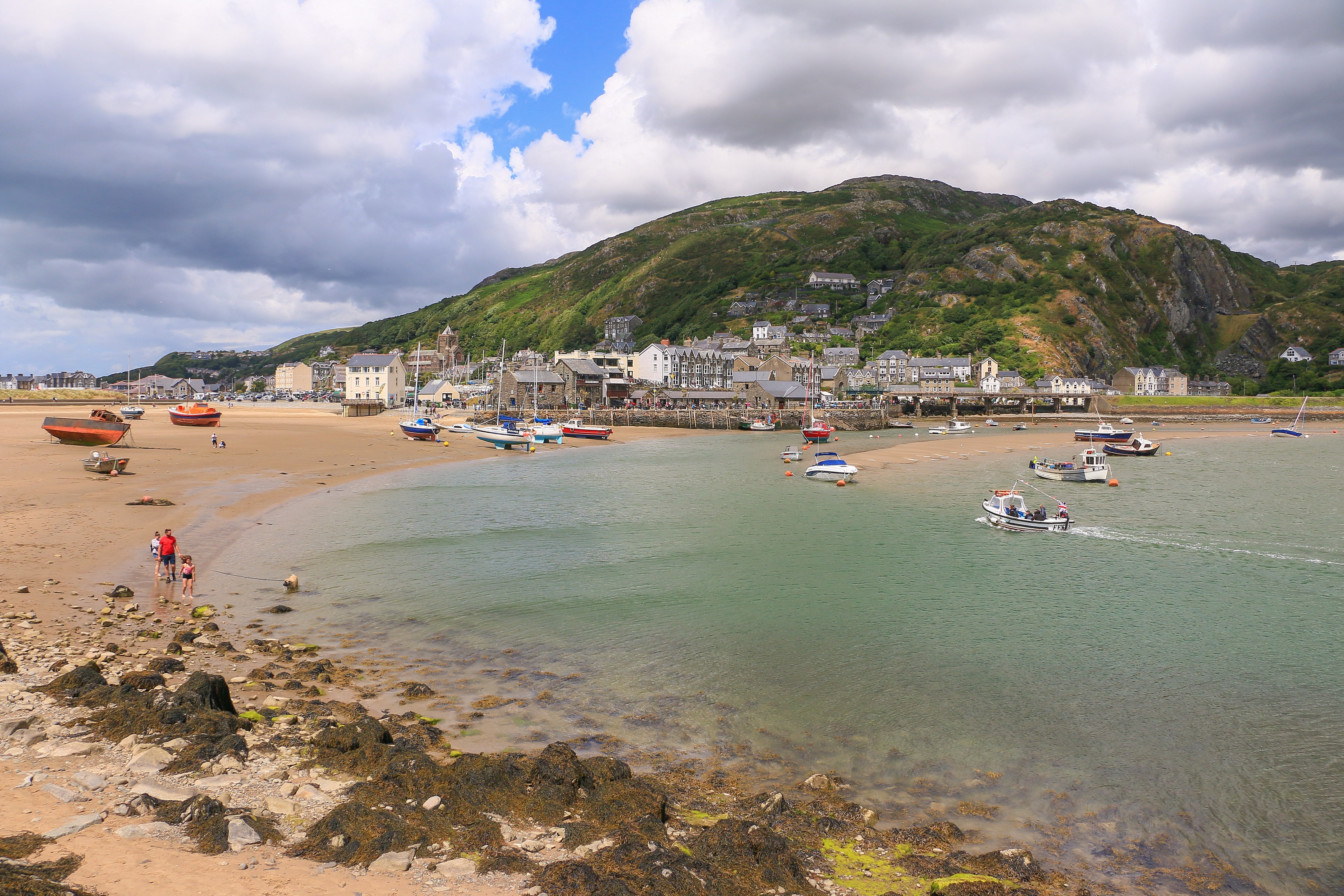
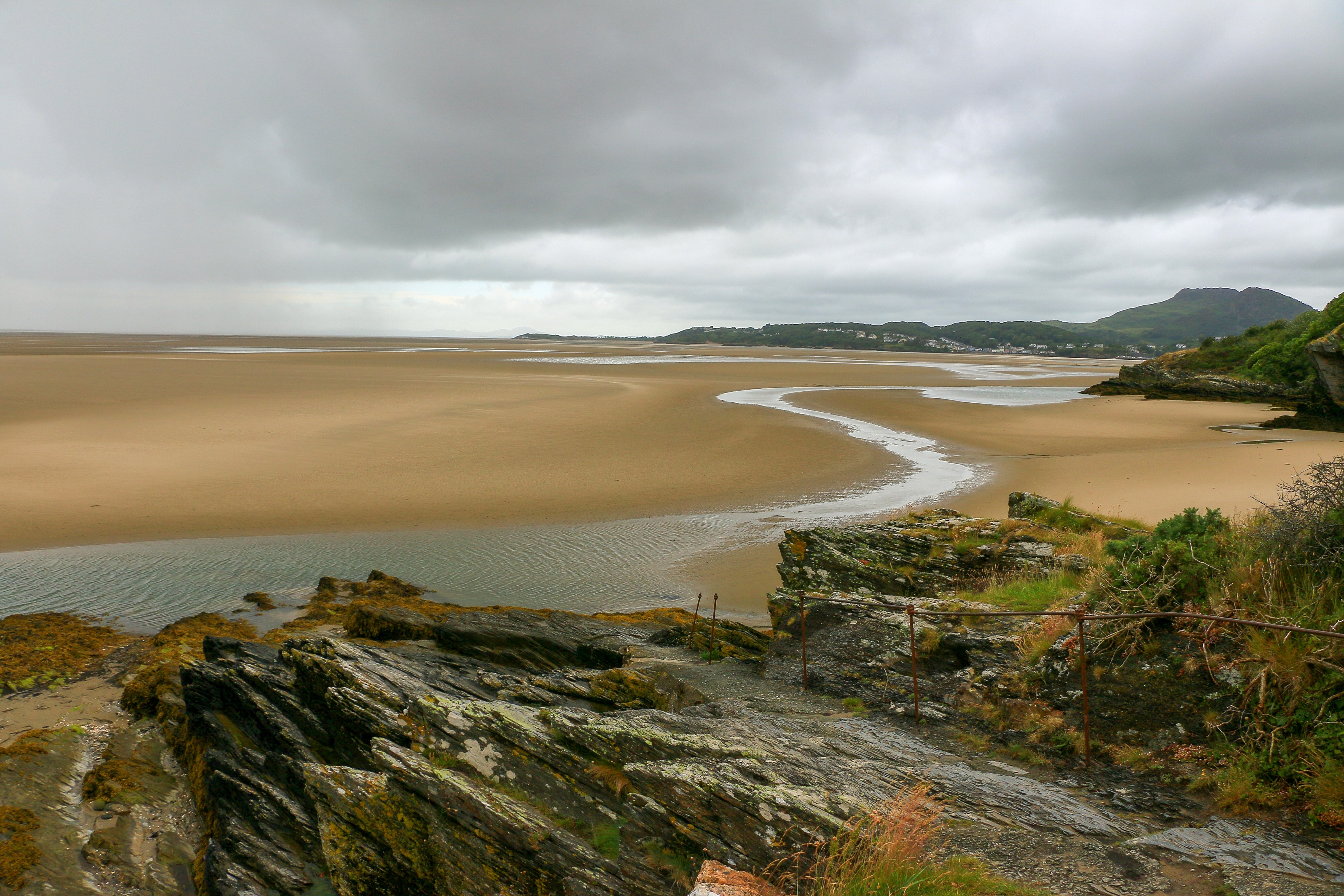
In the other direction from Tywyn the road becomes a rugged affair, hugging the coastline on one side and winding below calamitous slopes on the other. The sea eventually forces its way inland at Barmouth, the wide estuary of Afon Mawddach forcing its way around tidal flats into the heart of Snowdonia. It is all rather impressive and grand.

It is a landscape that proves difficult to tame, the road resigned to following the Mawwdach for many miles on either side before it can even attempt to cross. But fortunately for us and for Michael Portillo there is a long rail bridge spanning the estuary. A considerable engineering feat that sits perfectly within a breathtaking landscape of shifting sands and looming mountains.

While lacking steam and turn-of-the-century attire, the train ride would no doubt prove an interesting affair. Today the trains are on strike but thankfully the bridge includes a pedestrian and cycle-friendly thoroughfare. A suggested voluntary toll of two pounds to cross would be worth it if it didn’t convey the air of dodgy scam.

Still, Barmouth was far from a freebie with lunch and afternoon tea at the same place; seemingly the only place that had a small garden and didn’t offer an array of fast food and sticks of rock served up with seagull terror. While possessing an attractive harbour and ample sands, the approach to Barmouth proves more compelling than the town itself, where West Midland accents are as commonplace as vape shops and amusement arcades. I begin to tire of Barmouth, perked up by the prospect that the exit is the very best part. Majestic in fact.

Prisoners

And so we reach our last day in Wales and what a way to end. Heavy rain, gusty winds, cloaked in four layers and topped with the beanie I wasn’t sure about packing. Feels like something is in the air.

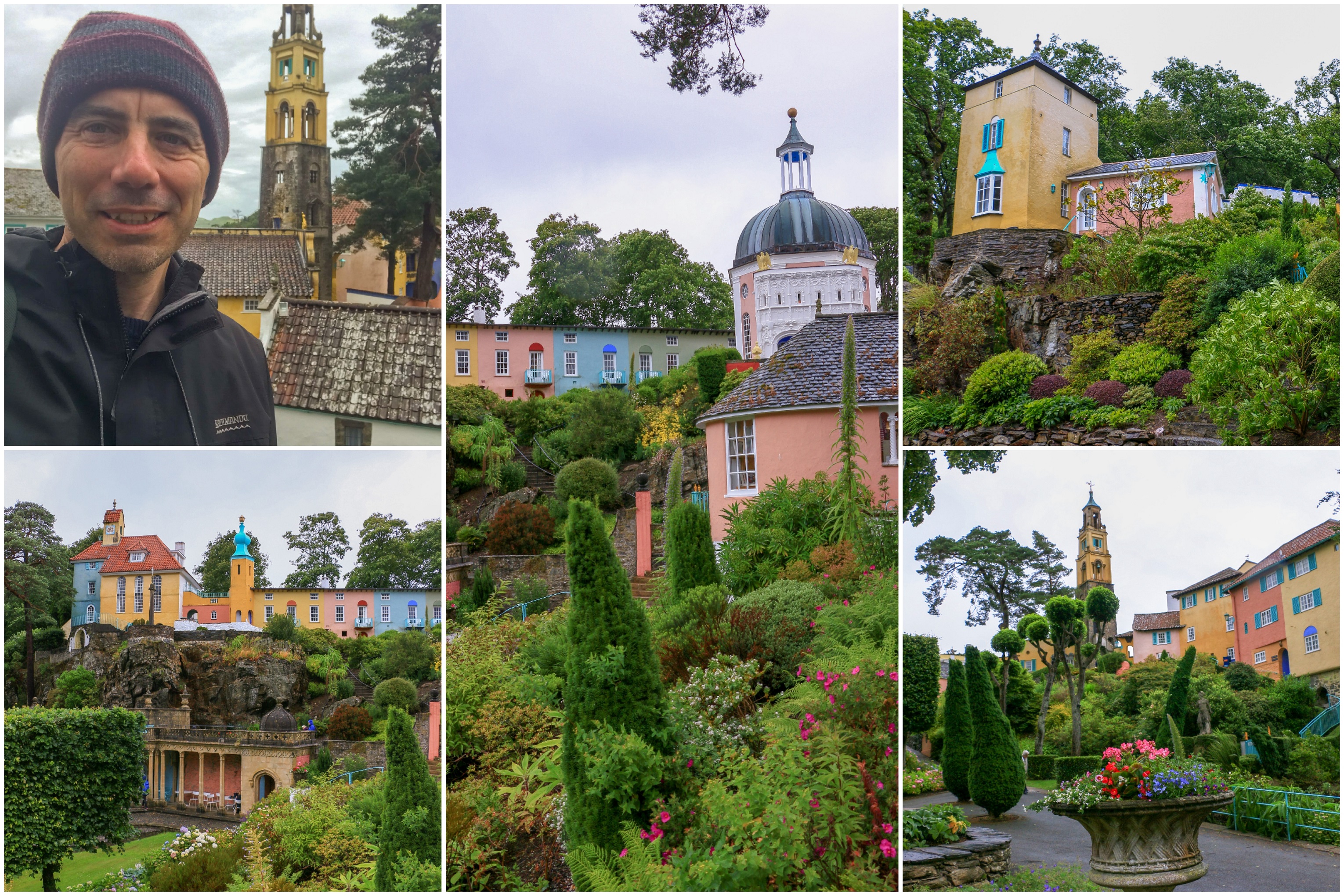
Driving north it certainly wasn’t a very Italian Riviera feeling day; more hot drink in a cosy cafe in a grey slate town like Dolgellau vibes. Still, we push on through a downpour, sit in traffic and park up to be greeted by only the slightest drizzle and possibly one of the most startling sights in Wales: Portmeirion.

How to describe Portmeirion? A vaguely Italianate village near the French border acting as a film set in the guise of a theme park pretending it is not in North Wales. A perverse colourful curiosity that is equally weird and enchanting at the same time. Possibly qualifying as a bit quirky. And naturally a beacon for all those COVID-confined celebrities yearning to make travel television somewhere, anywhere.

With all that publicity you would expect the place to be heaving, but the rain today actually has a benefit in keeping the crowds at bay. This means at times we seem to have a Mediterranean square to ourselves, a quiet Tuscan alcove to explore alone, pastel views unimpeded by fluoro kagools and monotone brollies. And thankfully most of the bad weather bypasses Portmeirion, the heaviest of showers conveniently coinciding with a car picnic.

I’m not sure how the plants feel about this weather. Some, I suspect, are struggling a bit like us. Nonetheless, the grounds at Portmeirion are a delight, boasting exotic species from around the globe, hidden pagodas and ornamental ponds. And from loftier heights there are snatched views of downtown and out across the estuary towards Porthmadog. Loftier heights that prove occasionally breathtaking as the rain marches forth.

Farewales…

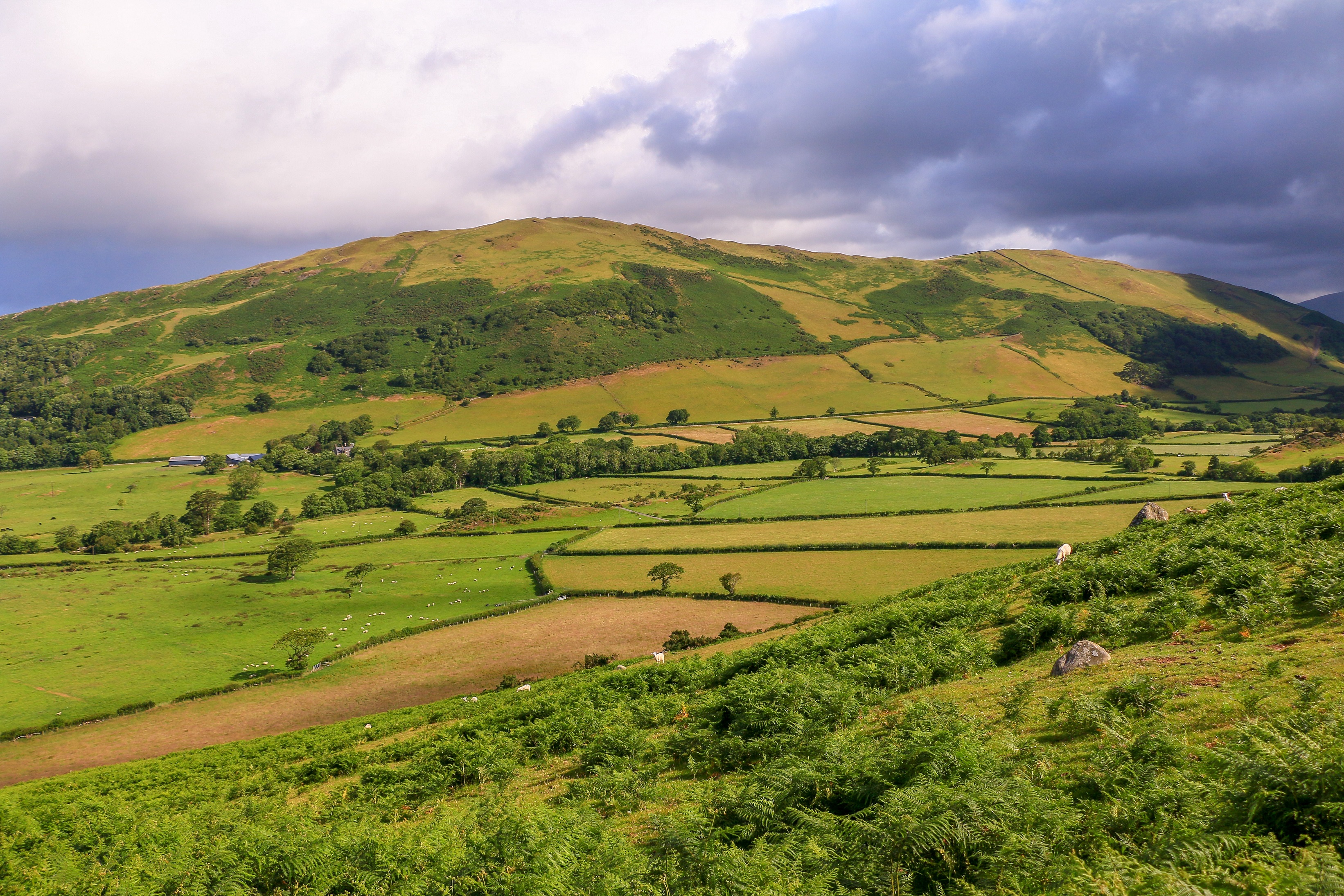
The morning after dawned bright and fresh at Green View, features of the landscape cleansed like sparkling champagne flutes straight out of the dishwasher. The view, how you are drawn to that view. Those wild, undulating hills, plunging into a rich patchwork of fields. Lone cottages and barns and the perfectly imperfect lines of hedgerow and dry stone wall. Copses of broadleaf woodland sprout up while clusters of white dots decorate the grass. And a little after 10:00, slicing through it all is the toot and steam of a choo-choo train inching ever up the valley.

And there we are, yet another corner of this incredibly ample little country successfully navigated with much enjoyment, comfort and companionship over the past few days. Nothing could go wrong. Wales done us.

Driving Food & Drink Great Britain Green Bogey Photography Walking

Happy Shropper

In another classic episode of Escape to the Country, semi-retired couple Martin and Glenda scour the land seeking a five bedroom property with countryside views, a home which has lots of history and character yet is spacious with all mod cons, is in a well-connected village or town but away from the road, and has a separate studio space as well as paddock for horses, kept within a low-maintenance garden. As always, they leave empty-handed.

For some reason, the county of Shropshire always brings to my mind endless episodes of Escape to the Country. It probably came about during a four hour afternoon binge of boredom when the best entertainment on offer was seeing affluent couples debate the merits of being located within fifteen minutes of Ludlow. From my (admittedly not rigorous) research, Shropshire is awash with such couples. And you can see why.

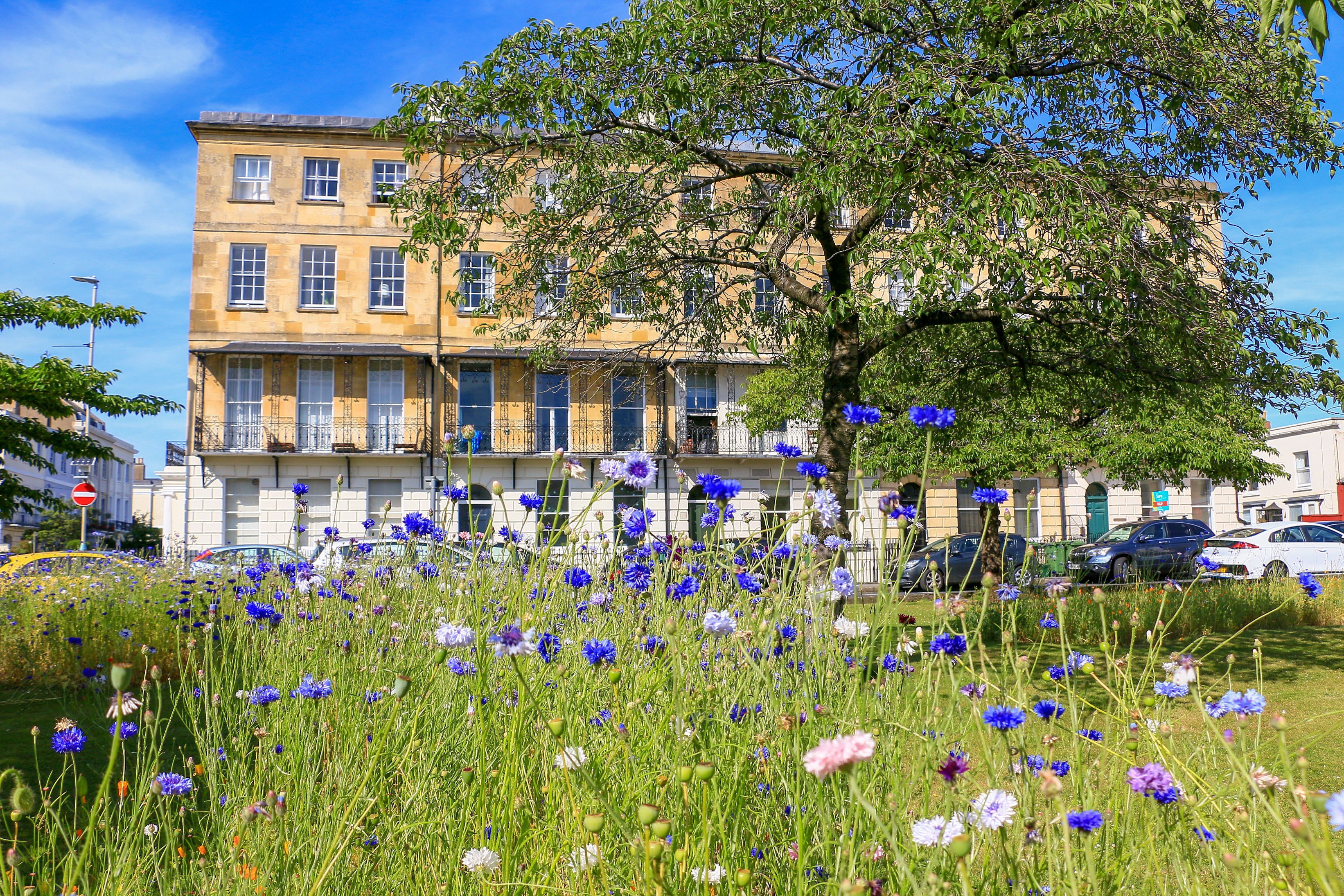
But more of that later, as our journey today starts in Cheltenham Spa, where I meet up with Caroline for a week of escaping in the country. It is a fine summer’s day and Cheltenham is looking mostly resplendent, particularly around the parklands lined with elegant Regency mansions. The weather suits a picnic and an ice cream and an outdoor drink before some alfresco dining and a long walk back to the Premier Inn.

The next day takes us through Herefordshire and into the heart of Shropshire, with place names familiar from daytime TV property shows. The first port of call is Ross-on-Wye, providing a taster for the towns to come, all higgledy-piggledy high streets, timber beams and hilltop climbs. From high up next to a church, the Wye meanders quietly into a panorama of what is to come.

The same sinewy river cuts through the heart of Hereford, where it is time for some lunch. That is if you can negotiate the ridiculous parking arrangements with apps and meters and enforcement cameras and other people scratching their heads as to why they make this so damn difficult. It is worth it, in the end, but doesn’t garner great first impressions.

Having grown up in a Plymouth whose centre was largely obliterated during World War Two, I rather like the character and charm of Hereford. Its cathedral upon the banks of the river impresses, as do the cloisters and laneways emanating from its heart. Yeah, it has Poundland and other such trappings but they are frequently encased in timber and crisscross cladding. Lunch in a laneway feels continental, though with more crisps and less Orangina.

At some point we pass into Shropshire and before long come within fifteen minutes of downtown Ludlow. I never realised there were so many fortifications in this part of the country, but it makes sense given cross-border rivalries. Ludlow boasts a decent castle atop its ridge, boasting a civilised cafe within its ramparts. The kind of place for scones and cream, if only the last of the scones were not taken by a family who would not fully appreciate such things.

It’s the kind of setting where Escape to the Country couples would gather with their host to discuss the pitfalls of all the properties they had visited before heading back home to the West Midlands. At some point on their journey, bucolic Shropshire will transition into industrial Black Country. Probably today it is somewhere beyond Ironbridge, though in the past this would have been the very epicentre.

Ironbridge shares a commonality with many Australian places in being named for the bleeding obvious. It is – famously – the site of the world’s first bridge constructed of iron, the gorge in which it sits once a thriving heart of the Industrial Revolution, warts, smoke, cholera and all. Within this context, it is at a confluence where cosy countryside property-buying programs meet the imperialist nostalgia and engineering worship of Portillo, Robinson, Bell et al.

Today, it is hard to imagine a noisy, dirty, smoky valley of mining and manufacture, shipping and smelting. The graceful iron bridge stands, backed by a picturesque village of quaint homes and tourist trappings rising up the hill. Being a warm day already, I succumb to an ice cream before noon and Caroline happily joins in. We find pleasant lanes and a pleasant park and, with some time-filled, a pleasant pub. It is not the pub garden of dreams, but it is a pleasant place for lunch.

Still seeking the pub garden of dreams later on, Caroline asked a couple of police officers strolling the amiable streets of Much Wenlock for their recommendations. There isn’t much to Much Wenlock and I doubt there is much for the Much Wenlock constabulary to do. Other than recommend pub beer gardens to out-of-towners. As it turns out, the recommendation in Broseley was okay but the garden more gravel car park than veritable eden.

Ideally there would have been a good beer garden in Much Wenlock itself, to refresh after a lovely amble around this most charming of small towns and its surrounding countryside. But much of Much Wenlock is chock full of timber-framed cottages, tightly wedged together with barely room to swing a cat. Gardens are a luxury. This is usually a point of contention for those couples in Escape to the Country, bemoaning a lack of space in the medieval home full of character they so desperately sought.

If it is space and character they are after then they may need to head west, and the Welsh borderlands. For here, just outside of Welshpool we discovered a good-sized pile boasting fine views, a well-maintained garden, several bedrooms with en-suite, plenty of wildlife, and all this situated within five minutes drive of Tesco.

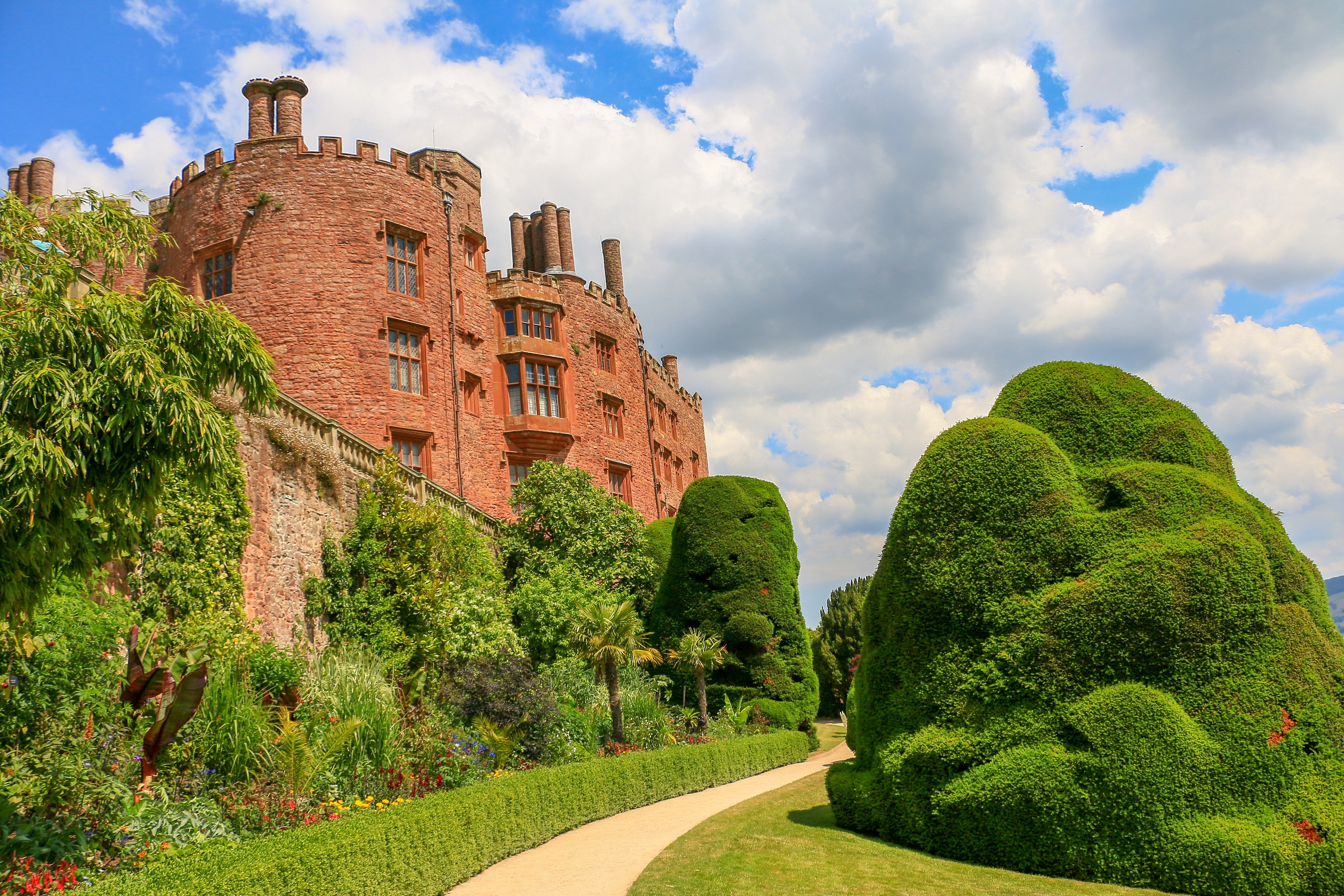
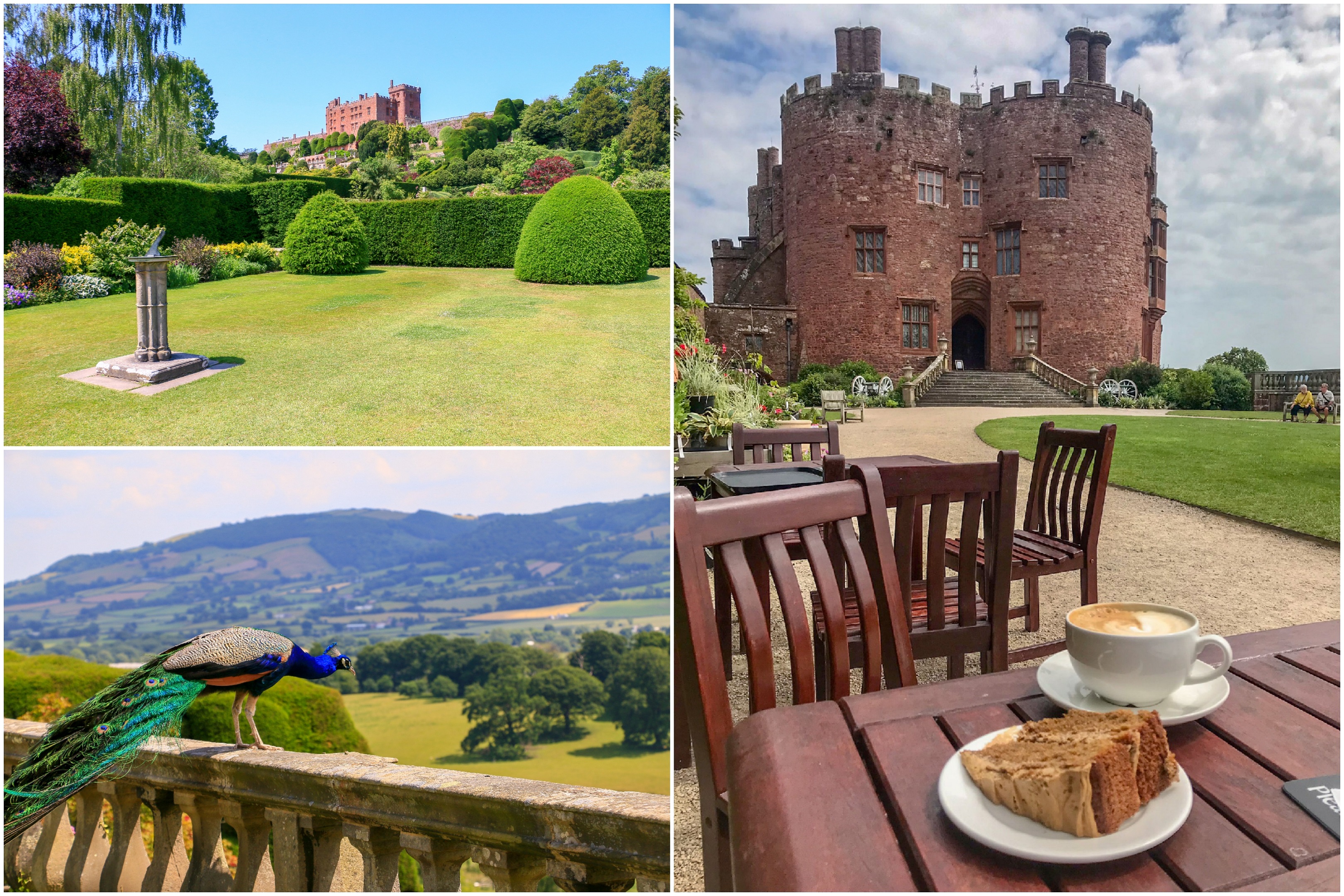
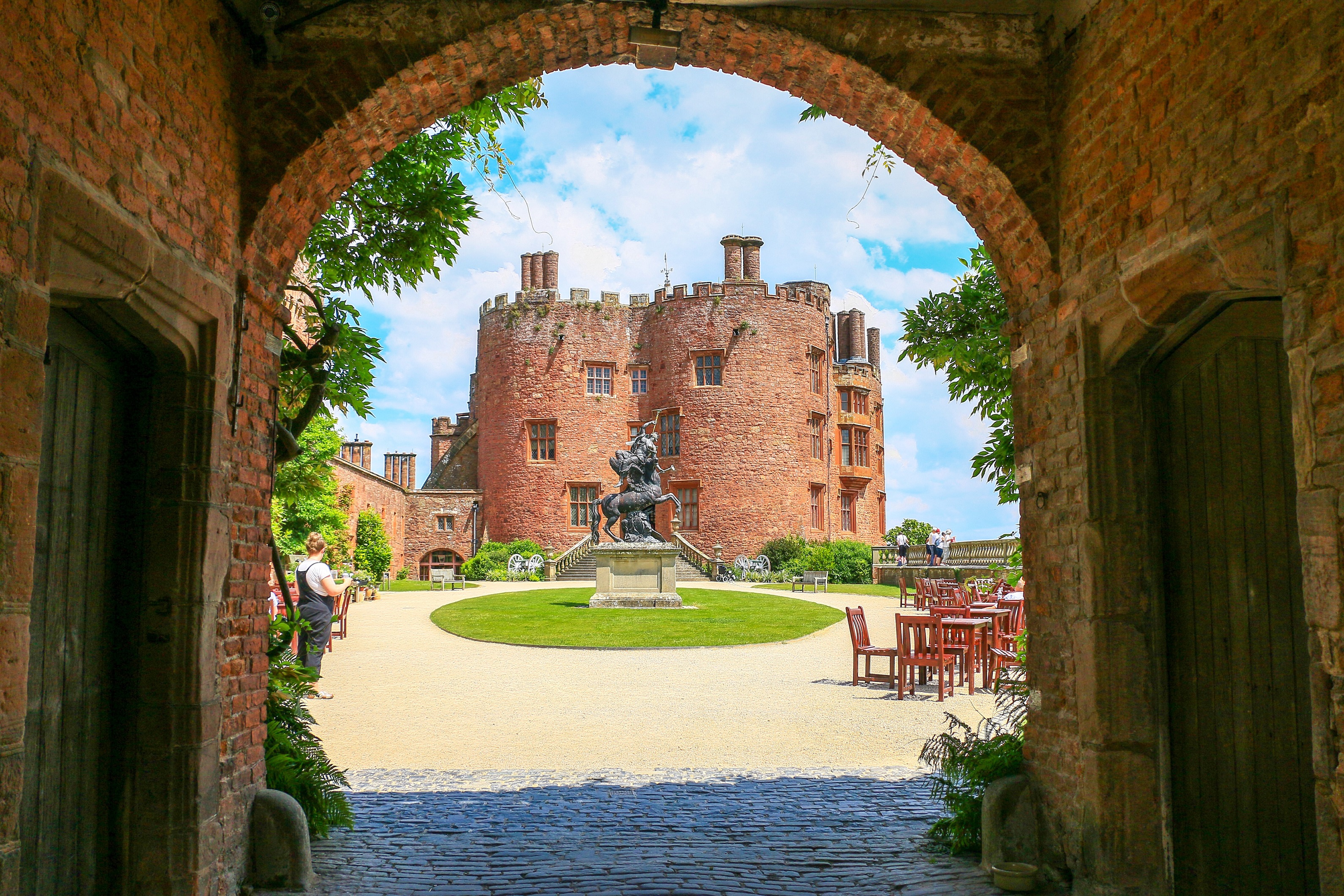
While we may have missed out in our perfect pub garden quest, then Powis Castle was a roaring success of a National Trust day out. Even I don’t begrudge the admission fee, which was good value considering the wonderful gardens and grounds, the views, the preposterous wealth and artefacts of the insides, bonus peacocks and – with a little extra payment – coffee and cake. Oh, and a picnic, naturally. Proving the perfect escape to the country.

Food & Drink Great Britain Green Bogey

Y Twwryppch Ddysccvyrnngh y byht uf Cymru

The richness of Britain is quite something. Not richness in an economic sense, that measure upon which so much weight is given – wander any town or city and it will quickly become apparent that financial riches are far from universal. No, it’s the sheer abundance of Britain. There’s so much in so little a space. Everything here is dense, whether that be the number of council houses clustered together in a cul-de-sac or the profusion of single-track lanes crisscrossing rolling green countryside. How can this small rock in the Atlantic host so much of everything? A tardis of a nation.

I feel like you could spend a lifetime and still not discover every corner of Britain. This is a task even more challenging when you don’t live there anymore, and you are largely content to frequent familiar fishing villages and creamy countryside on home turf. Why the need to go anywhere else?

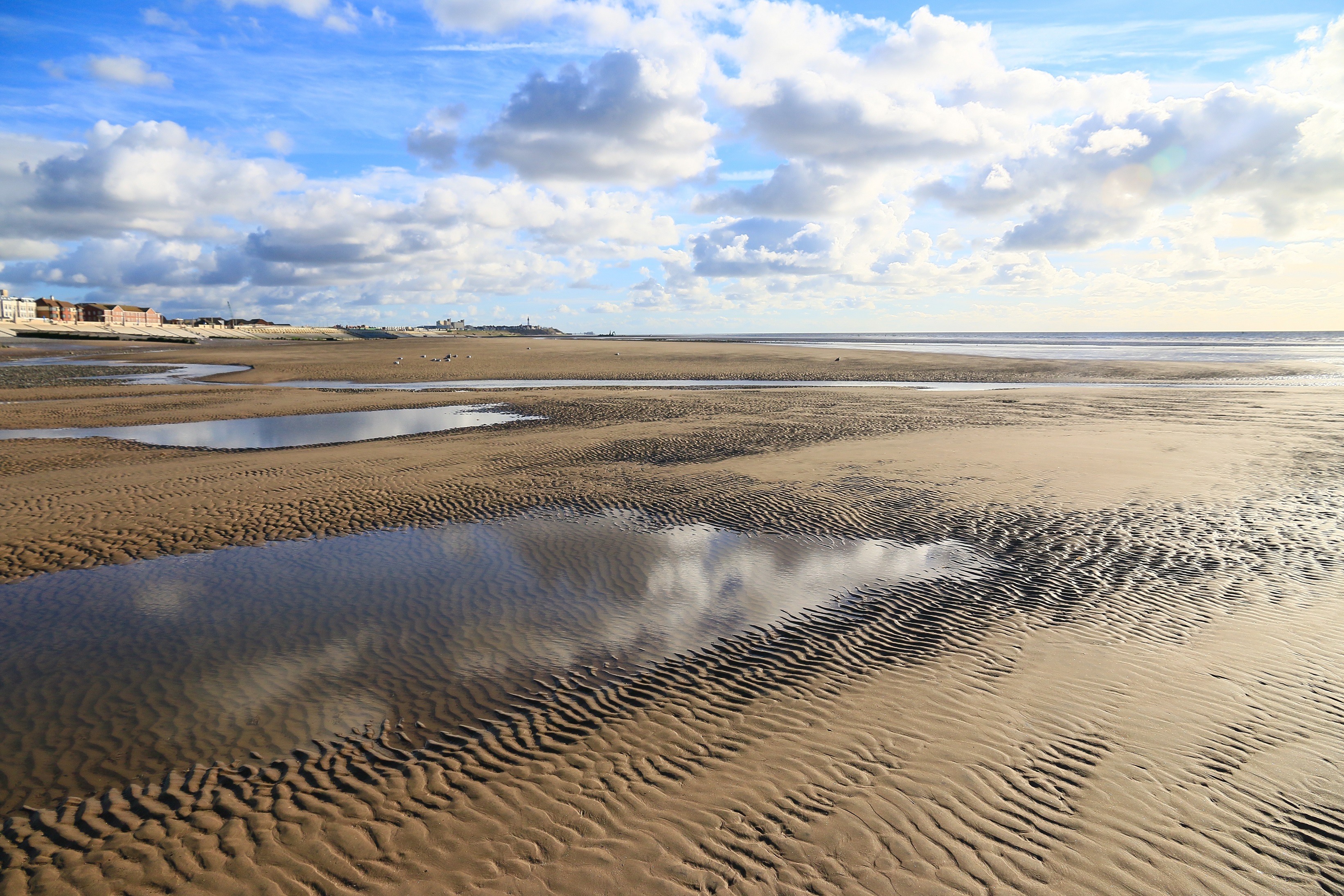
Even the sands underneath me have felt my footsteps before, though I’m sure never in such a glorious glow. And under this clear air emanating from Blackpool, a horizon of land appears as alien to me as Timbuktu.

Wls01

North Wales is a corner of Britain that seems to pack more punch in its acres than most. I think it’s largely explained by the proximity of the coastline to the jagged peaks just a few miles inland. At times the uplands appear to roll directly into the sea. And where they don’t, valleys, towns, forests and lakes squeeze in to fill the gaps. I could spend a month here and still not discover it all.

But I did at least have three days to explore new terrain and it commenced with a surprisingly seamless and pleasurable drive from Lancashire under continuing blue skies. Smoothly cruising through Cheshire, the terrain elevated somewhat into Wales, with snatched views of the Wirral and – in the distance – the conglomeration of Liverpool. At one point I could see the prominent rise of Snowdonia, clearly denoted by the only patch of cloudy sky in the whole of the British Isles. And I was heading straight for it.

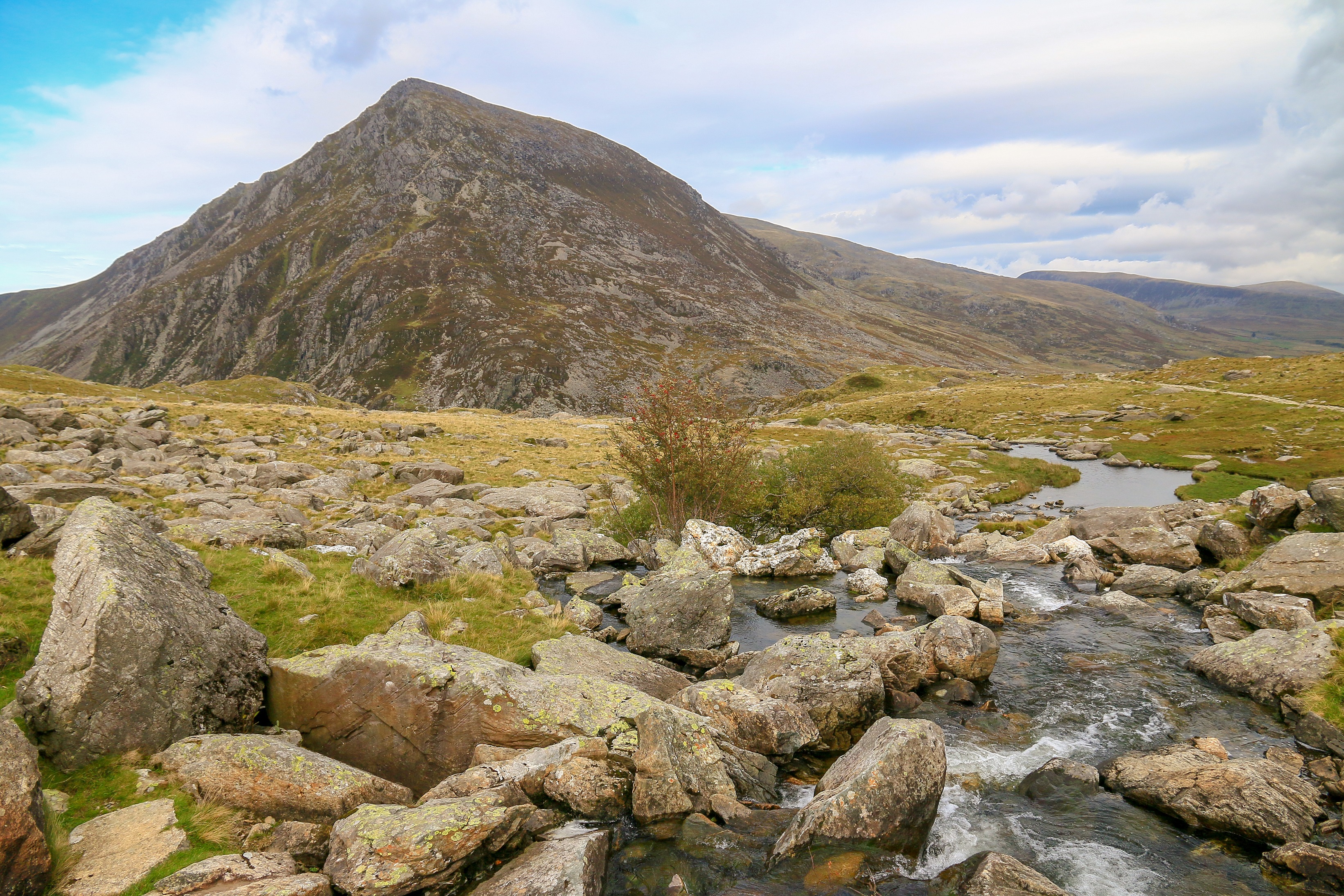
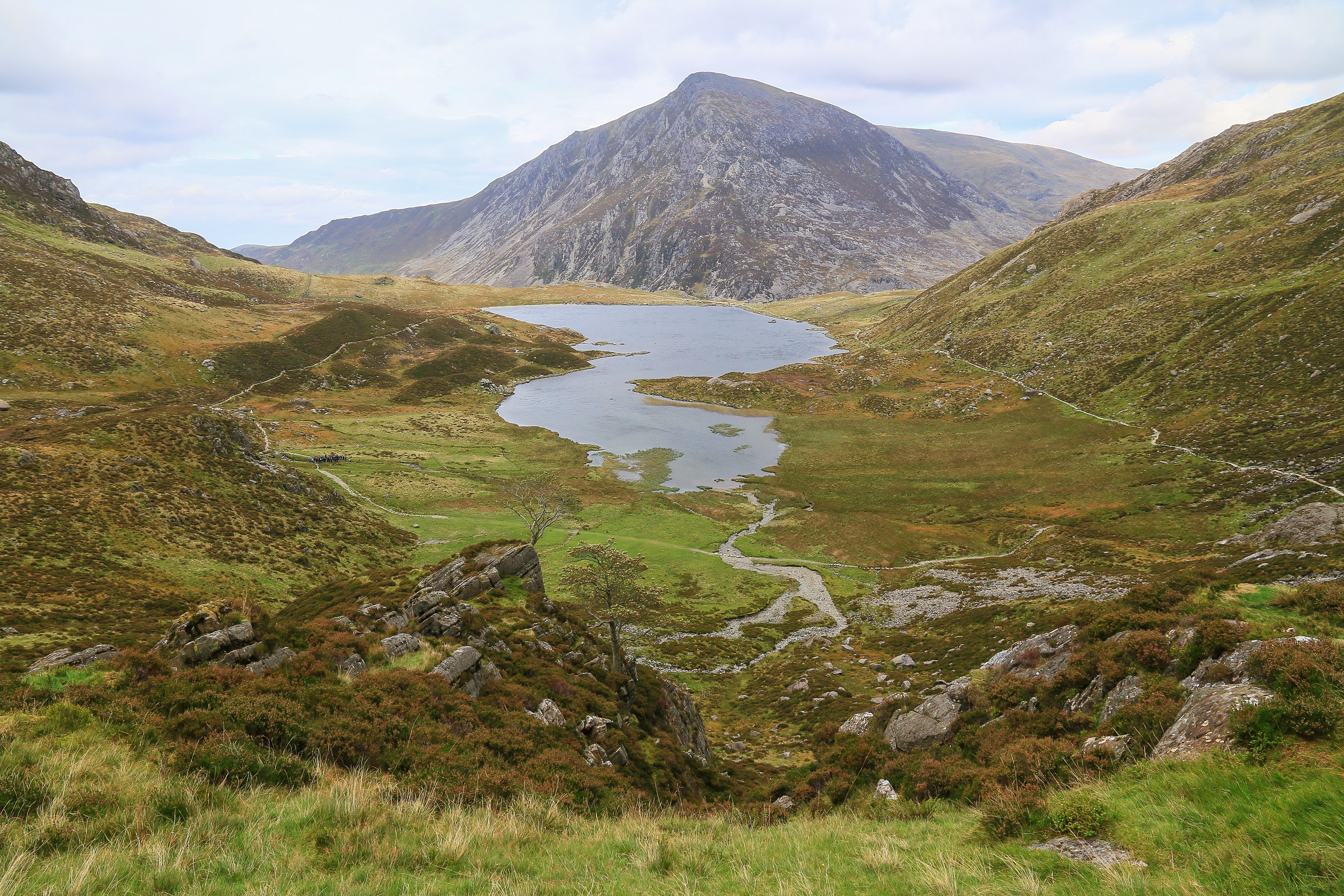
The car came to a halt beside Llyn Ogwen, a sliver of a lake hemmed in by the A5 and two hilly clumps of land – the massifs of the Carneddau and Glyderau. To the north, the rolling, open uplands of the Carneddau shimmered gold in the sunshine while the rockier Glyderau was grazed by cloud. And guess to which one I was heading…

Wls05

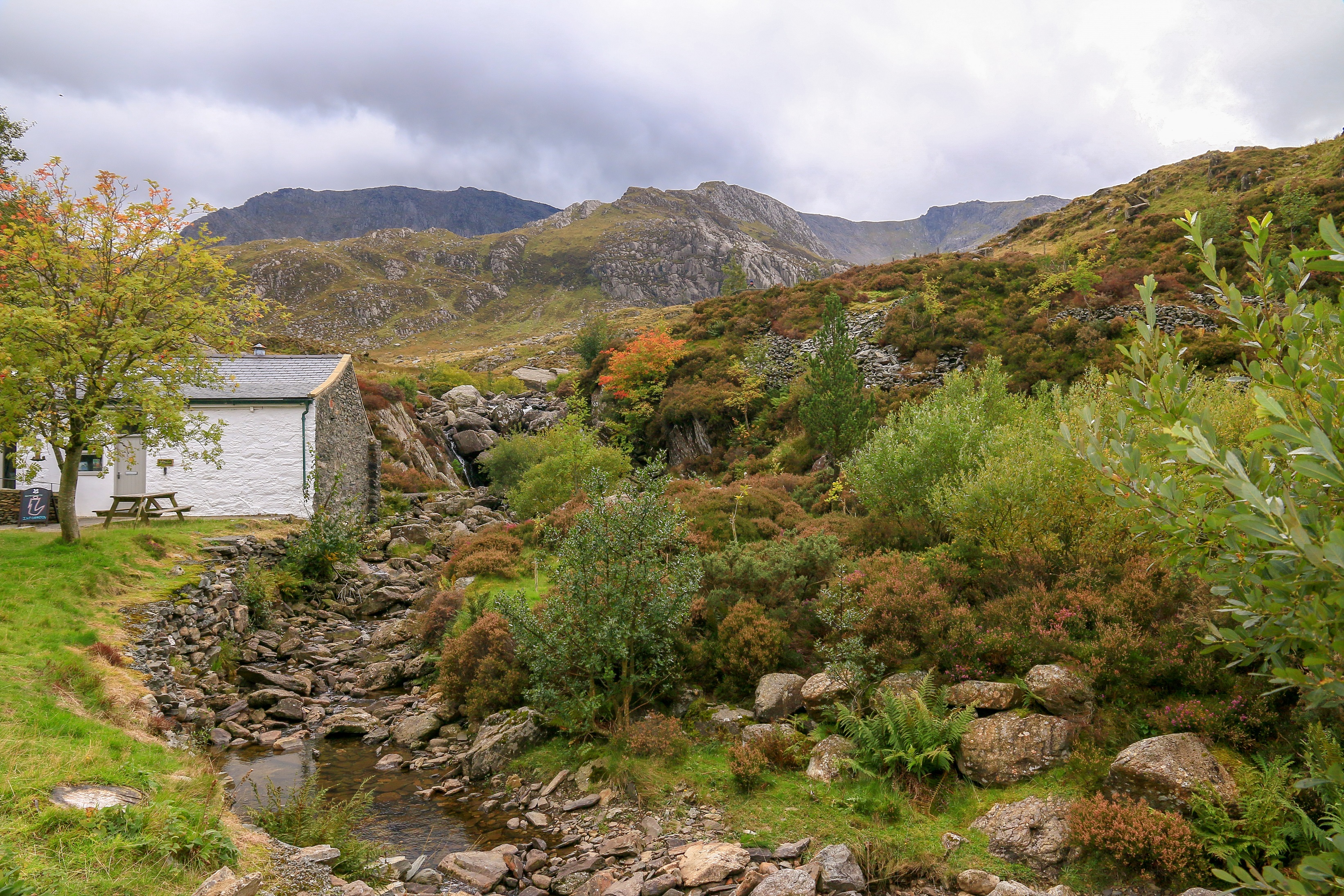
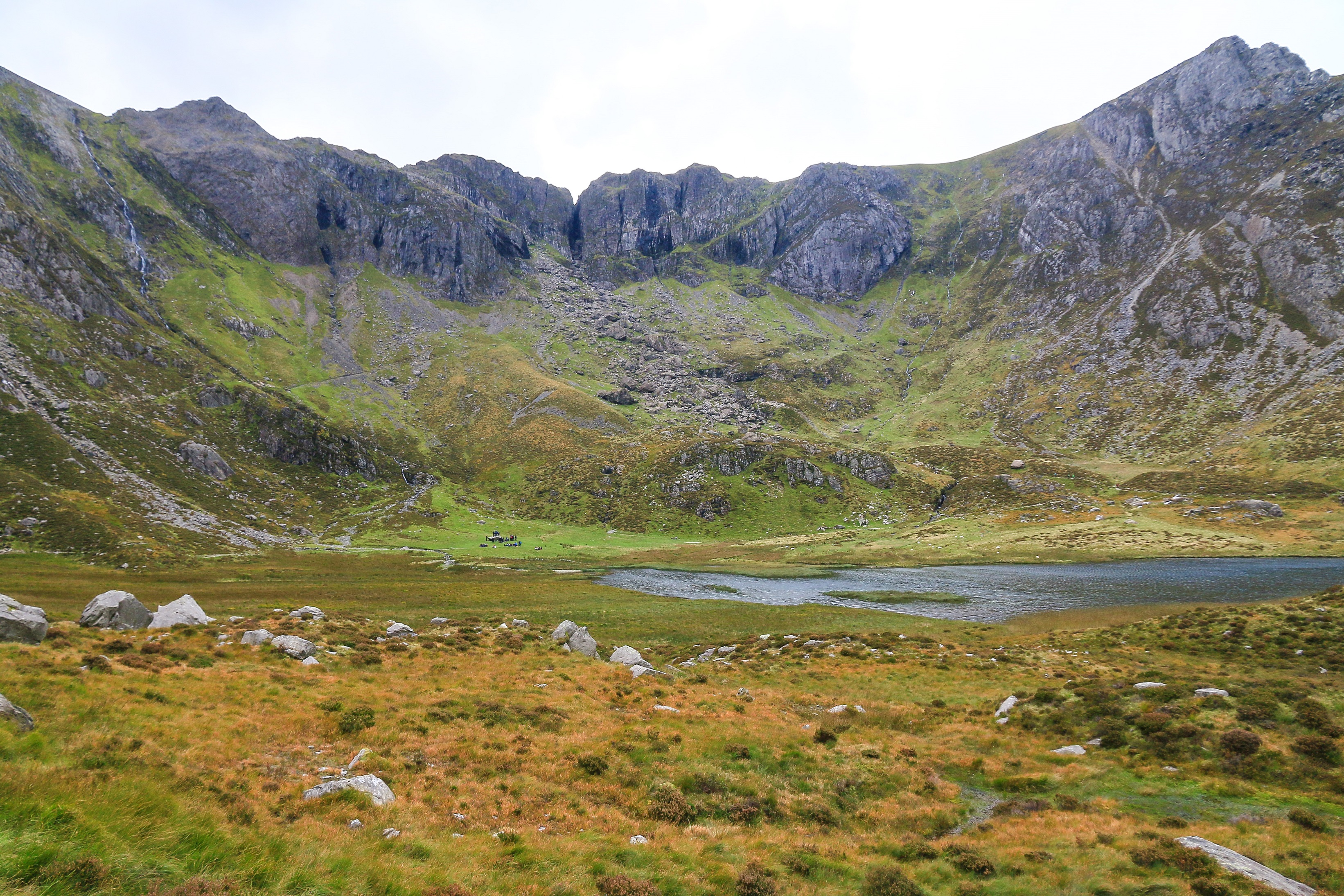
Passing a popular National Trust outpost, a gentle and well-worn path crossed the moorland towards Llyn Idwal, a small lake hemmed in by precipitous cliffs, popular with climbers and school parties vaguely attempting to do something related to Geography. While the landscape was striking, at times it was difficult to stand up, such was the wind howling through this giant bowl. And in late September, a hoodie was barely sufficient protection.

Wls02

Wls03

Thankfully the wind eased a little in the lee of the cliffs, a shattered barrier which seems insurmountable from below. Apparently a cleft proclaims to lead through something enticing called The Devil’s Kitchen and up to the top, via a small track rising from the lake.  A few mountain goats appeared to be running up this in a ridiculous quest called exercise. I walked up a bit, feeling slightly breathless and a tad light-headed with each step. I figured it was a passing touch of wooziness that was quelled by a handful of Jaffa Cakes. And frankly, this view was a good enough one from which to turn around.

Wls04

——————————————–

With overnight rest, the next day became a jam-packed whistle-stop exploration of the valleys, towns and bays of this corner of Wales. It started with the promise of early cloud and mist lifting in the small town of Llanrwst. Here, the River Conwy was spanned by a delightful arched bridge leading to what could possibly be one of the most photographed buildings in the principality. Having done very little research prior to this trip, I had no idea such a sight existed and that I would have timed things perfectly to coincide with the flourish of autumn. Turns out it’s a tea shop that – at this time in the morning – was closed. Otherwise clotted cream could have again been in the offing.

Wls06

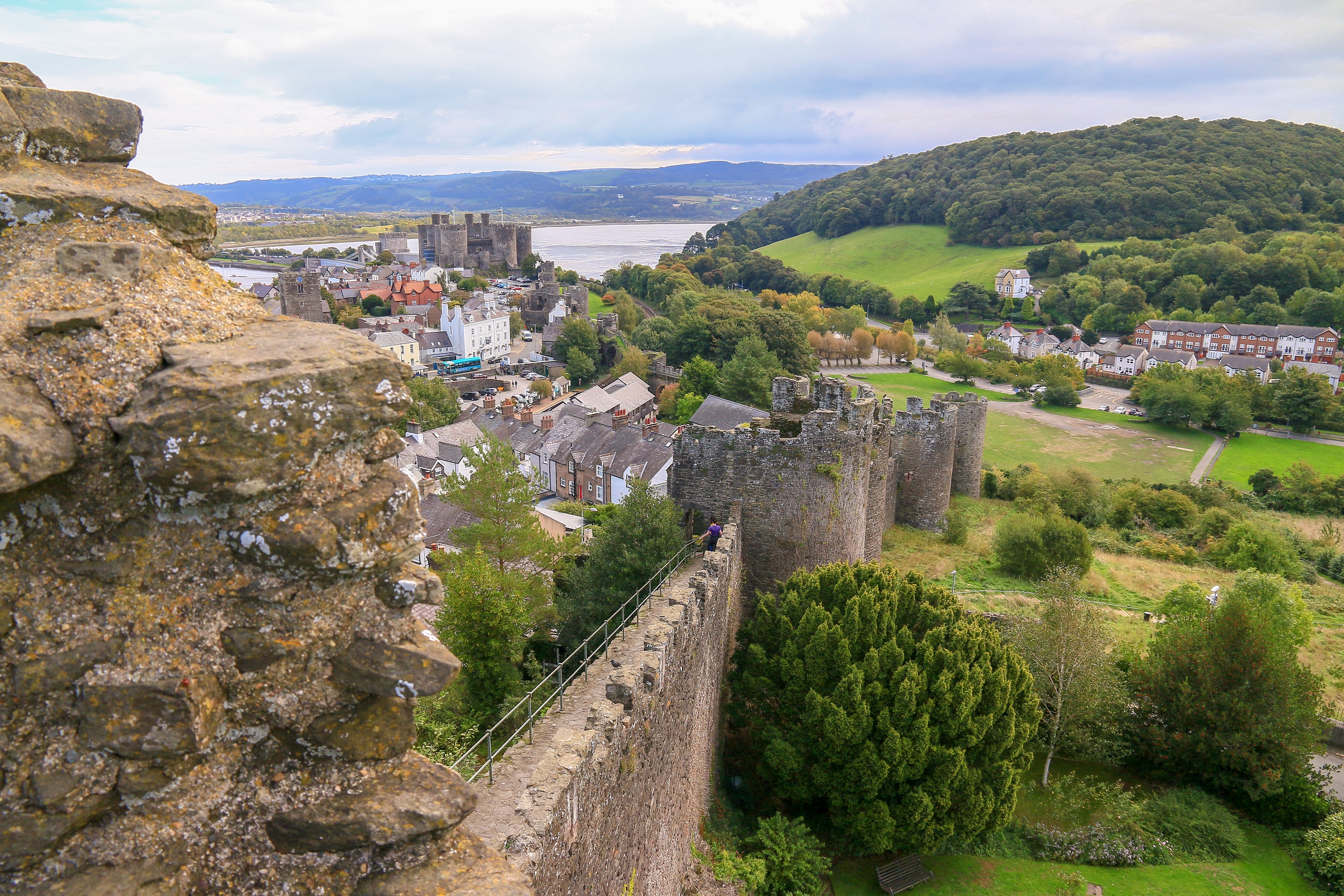
Further up the valley, the river widens towards the Conwy estuary and the countryside softens somewhat to resemble that of South Devon. The environment is a haven for birds, something I deduce from parking at an RSPB centre across the river from the town of Conwy itself. Ever a tight-arse with parking, I decided on the spur of the moment to walk over to the town, taking in splendid views of a majestic castle and surrounding hills across the water.

I became progressively enamoured by Conwy. Obviously its castle is a dominant – and splendidly preserved – feature of the town. Beyond this, much of Conwy is walled, with various towers and steps and ramparts in a crumbling state, the least crumbly of which can be explored for free. And within the walls sits a charming array of old cottages and colourful terraced houses, leading down to a sedate harbour cove. Everything seems peaceful and at peace. And somewhere within this is a massive slab of coffee and walnut cake that is so gargantuan it eliminates the need for lunch.

Wls07

Wls08

Walking back to the car in glorious sunshine I did my best to change into shorts without revealing my arse to any curious twitchers. This of course precipitated the onset of cloud as I drove further west, the A5 cutting under barren hills plunging into the sea, Holyhead across the water.

At Caernarfon, another castle straight out of a lego box impressed. Yet maybe it was the cloud and the coolness, but I found this place lacked much of the ambience of Conwy. It seemed a bit more touristy and try-hard, and the car park surrounding one side of the castle – like some kind of glass and steel moat – distracted from the scene. Meanwhile, the generator from a Mr Whippy van nearby disturbed any tranquillity.

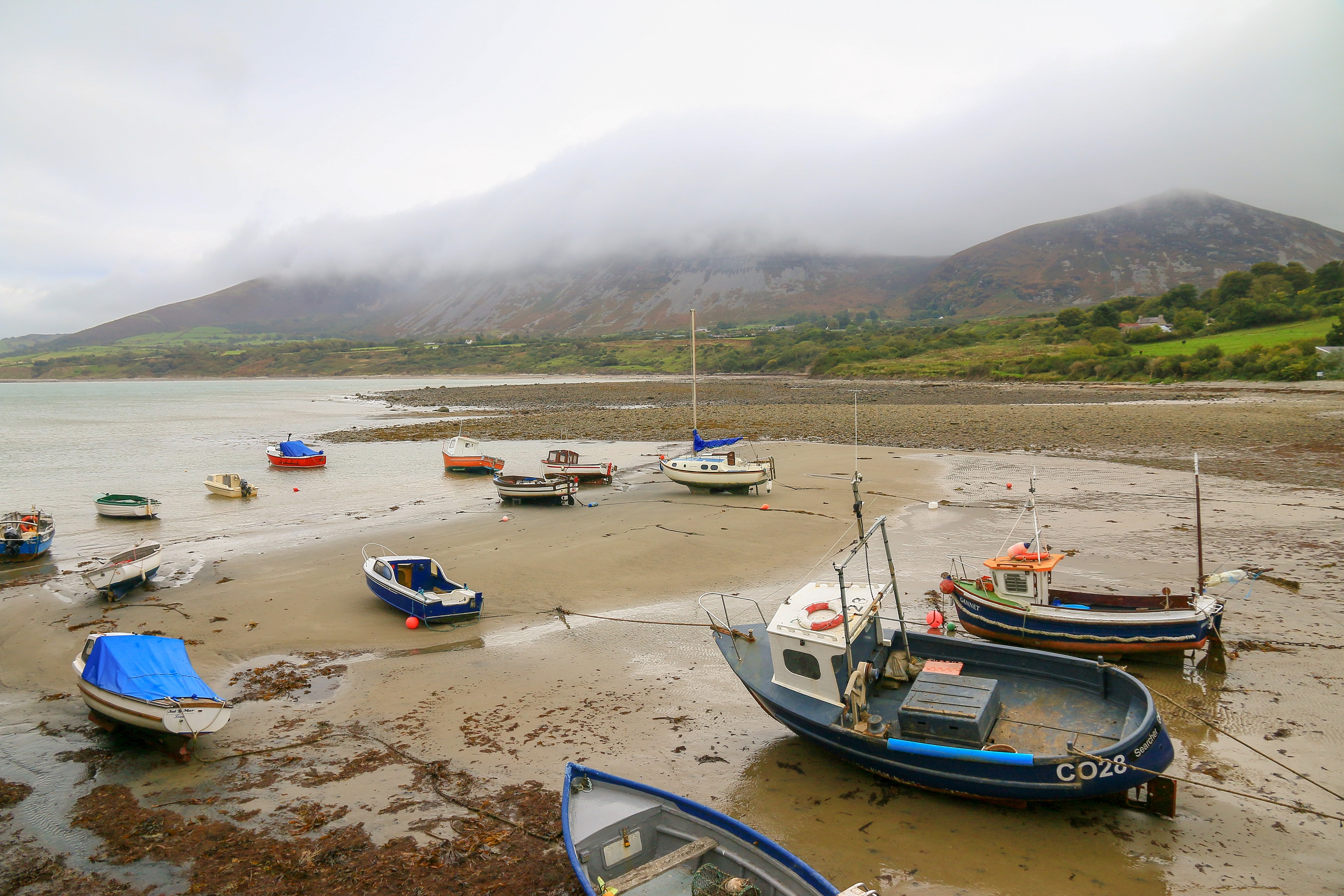
I headed on hoping for a break in the clouds along the coast towards the Llyn Peninsula – the pointy out bit of North Wales. It seems a remote, sometimes bleak place, undoubtedly exposed to the elements throughout the year. I suspect Welsh is the first language here, all hacking throats and largely devoid of vwls. The small towns and villages tend to be off the beaten track… spots like Trefor, where I paused to survey a picturesque cove, one of the few visitors in the car park.

Wls09

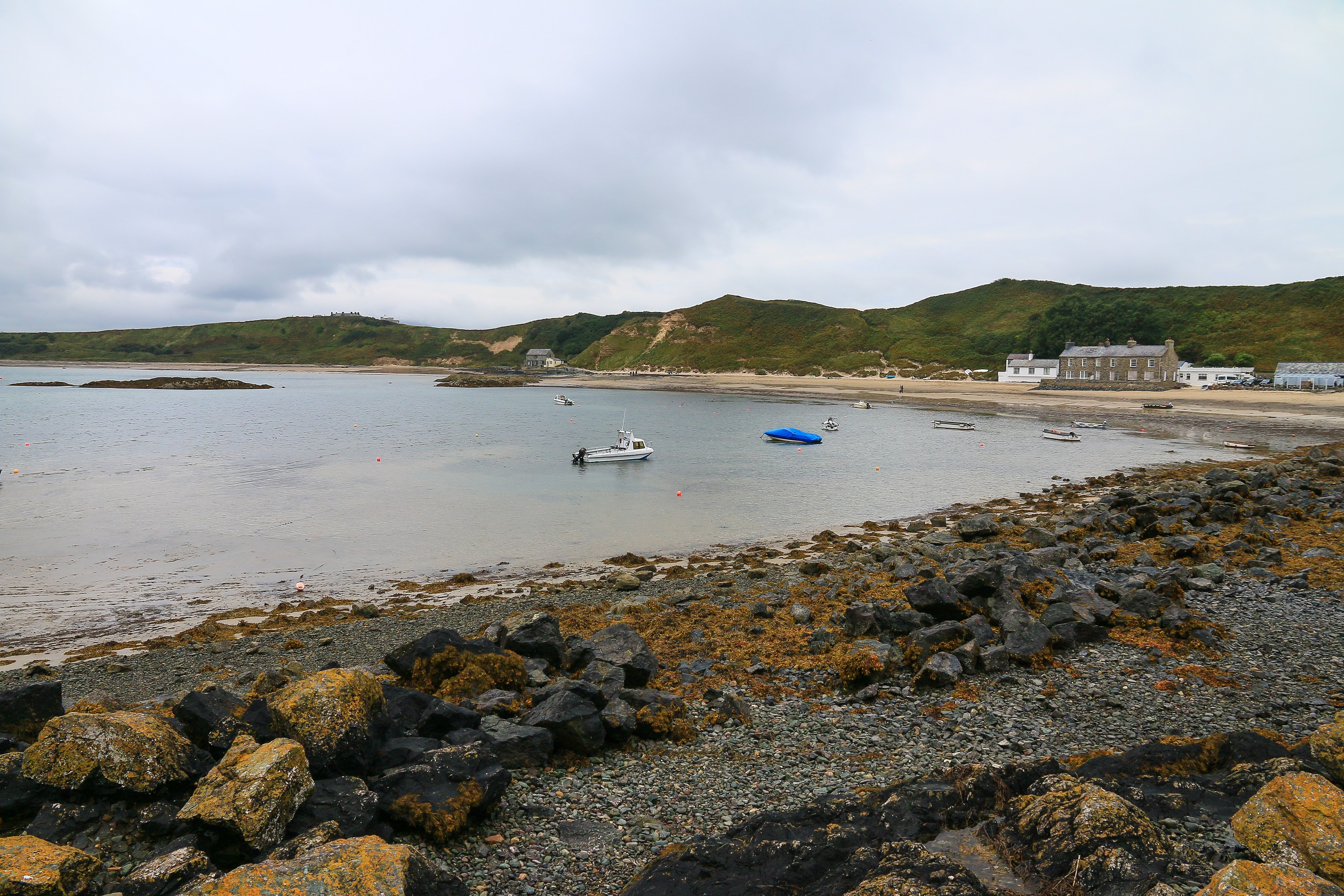
More popular with curious outsiders like me is Morfa Nefyn and, in particular, the bay-side hamlet of Pothdinllaen. Literally a pub and a few flowery cottages parked by the sand, it can really only be reached by foot, passing through one of those golf courses blessed in its occupation of prime links real estate.  Some of the holes looked ludicrously unfair but the enviable setting, with water on all sides, cannot be denied.

Wls10

Following an obligatory pint in the Ty Coch Inn I ambled back towards the car, stamping prints in the sand as the tide shifted out. The salty sea air had put me in a fish and chip mood and I thought Pwllheli might prove a good bet. But it looked a tad depressing passing through and I saw no obvious contenders, instead stopping further east in Cricceith, which satisfied requirements entirely.

It’s a shame the sun never materialised post-Conwy, just to add that sparkle and extra splendour to the sights. And it proved in more ways than one that Conwy simply put everything else into the shade that day.

——————————————–

Of course, the famous BBC weather forecast had been changing its sunshine symbols into white cloud ones as proximity to each day in question neared. My final day in Wales was, perhaps, the most promising online. Not that it looked especially good first thing, but surely such mist and cloud is to be expected as October nears?

Leaving early under grey skies, I was uncertain how this day would pan out. My intent was to hike proper good somewhere in Snowdonia. And as I reached a viewpoint towards Mount Snowdon itself, the magic happened. The magic that is lifting plumes of mist, evaporated by the laser-like sun of dawn.

Wls11

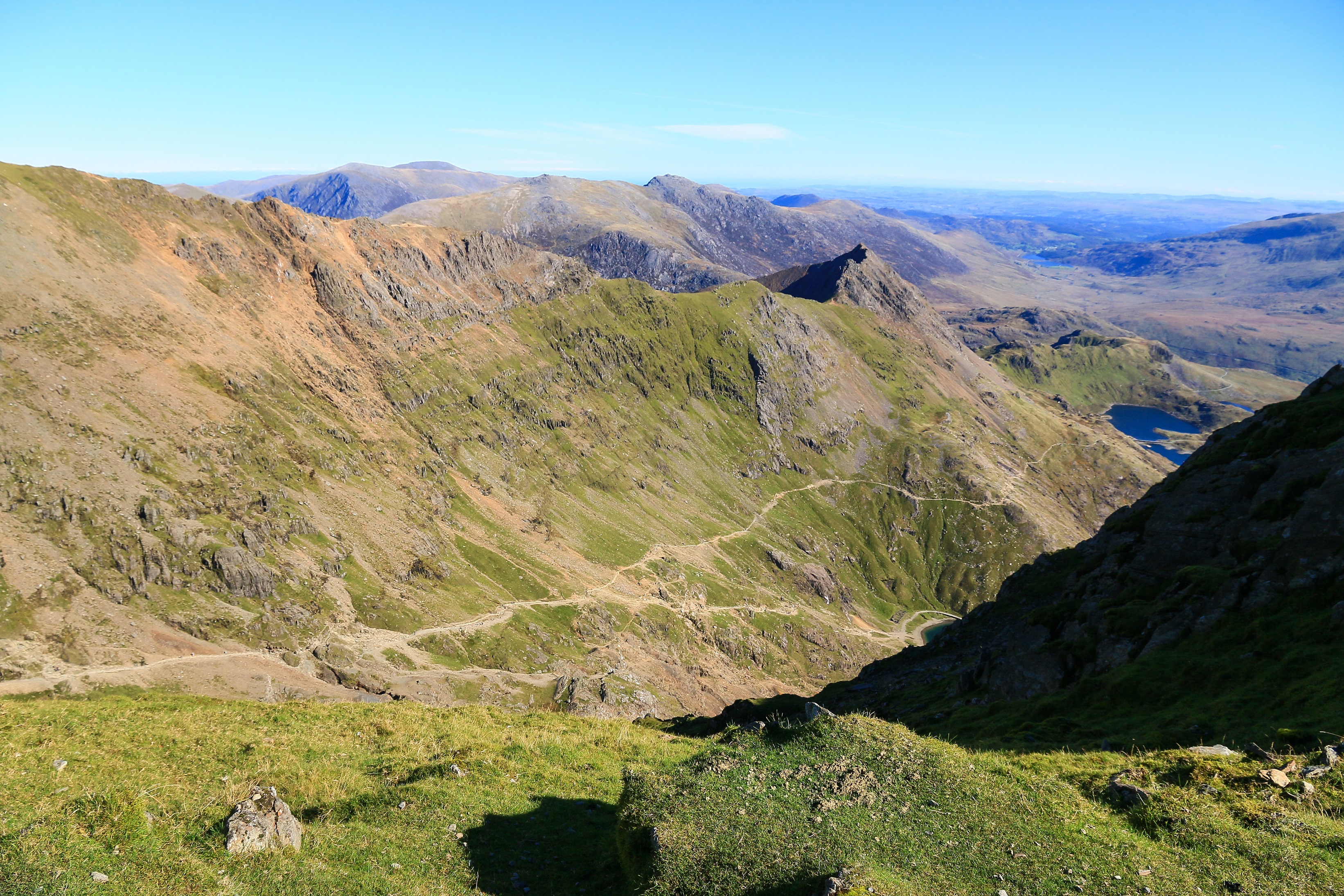
In a matter of minutes it was if cloud had been consigned to the pages of history, and the decision to attempt an ascent on Mount Snowdon was an easy one to make. Rather than regurgitating every single step of this walk here, you can – should you wish – read more about it in this shameless cross-promotion for yet another blog page I have been working on when lulls in work strike me down with boredom.  In summary: epic, awesome, enjoyable…enough of a challenge to provide reward without being too challenging to annoy. Though at times the train to the top did feel like the sensible option.

Wls13

Wls12

Wls14

It really is remarkable to have such genuine mountain landscape concentrated alongside all the other facets making up this part of the world. Yes, the mountains lack altitude compared to, say, the Alps, but they have every characteristic col, ridge, tarn and peak required. They are mountains worthy of the name.

Wls15

However, this is Britain so I guess they are mountains not entirely untamed. At lower levels, a few crumbling mining outposts remain, and slate quarries persist in other parts. And then there are sheep, lovely fluffy inevitable sheep, appearing when you least expect them on a rocky ridgeline, one hoof away from a plummet down a cliff.  It would be remiss of me – negligent even – to be in Wales and not mention sheep. Lovely.

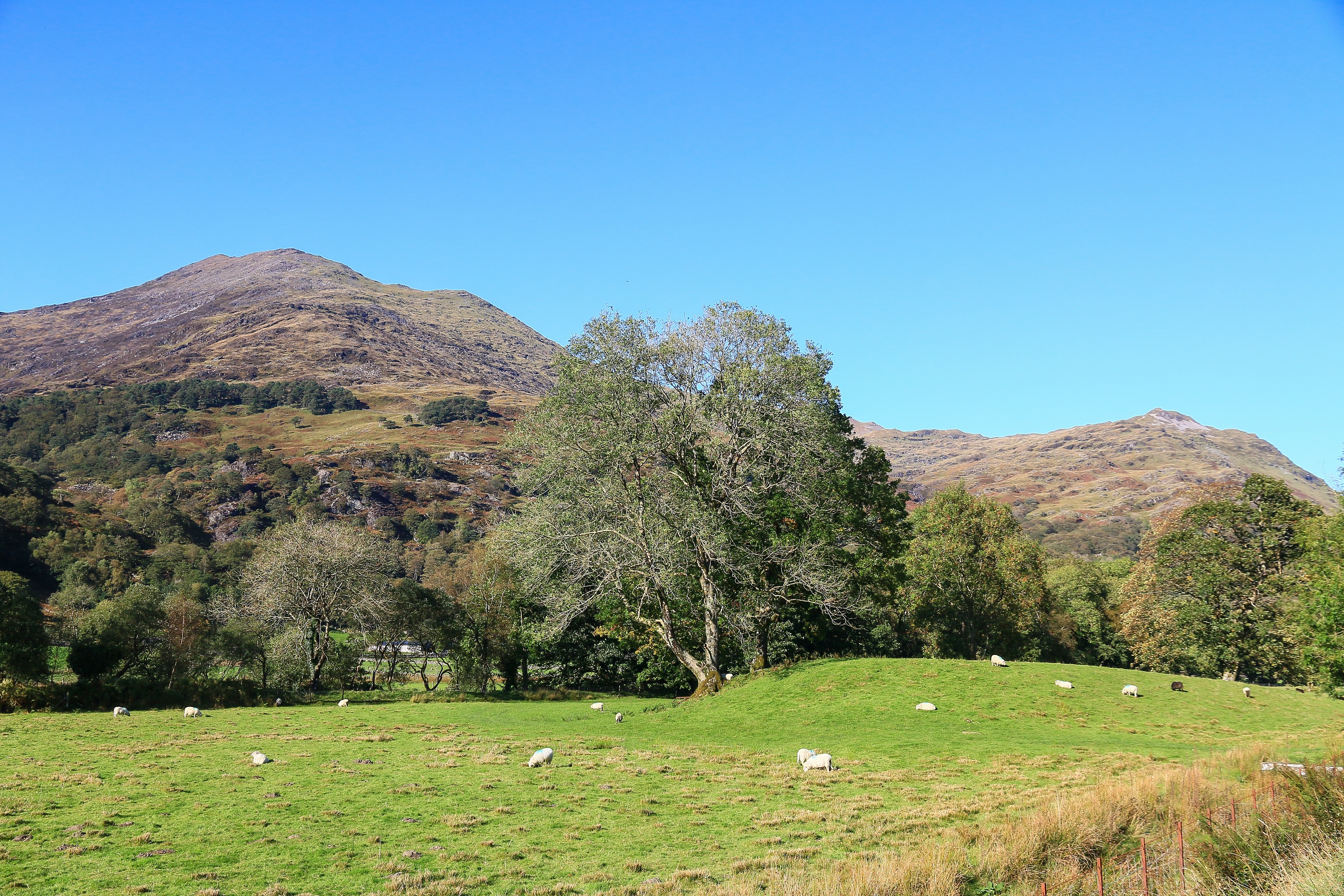
What a glorious day to be a sheep in the green, green grass of home. Now I was seeing sheep everywhere. Sheep to the left of me, sheep to the right. There were sheep even revelling in the field behind my little Airbnb bothy. As with many other things, Britain possesses such density of sheep (though nowhere near as dense as witnessed in New Zealand).

Wls16

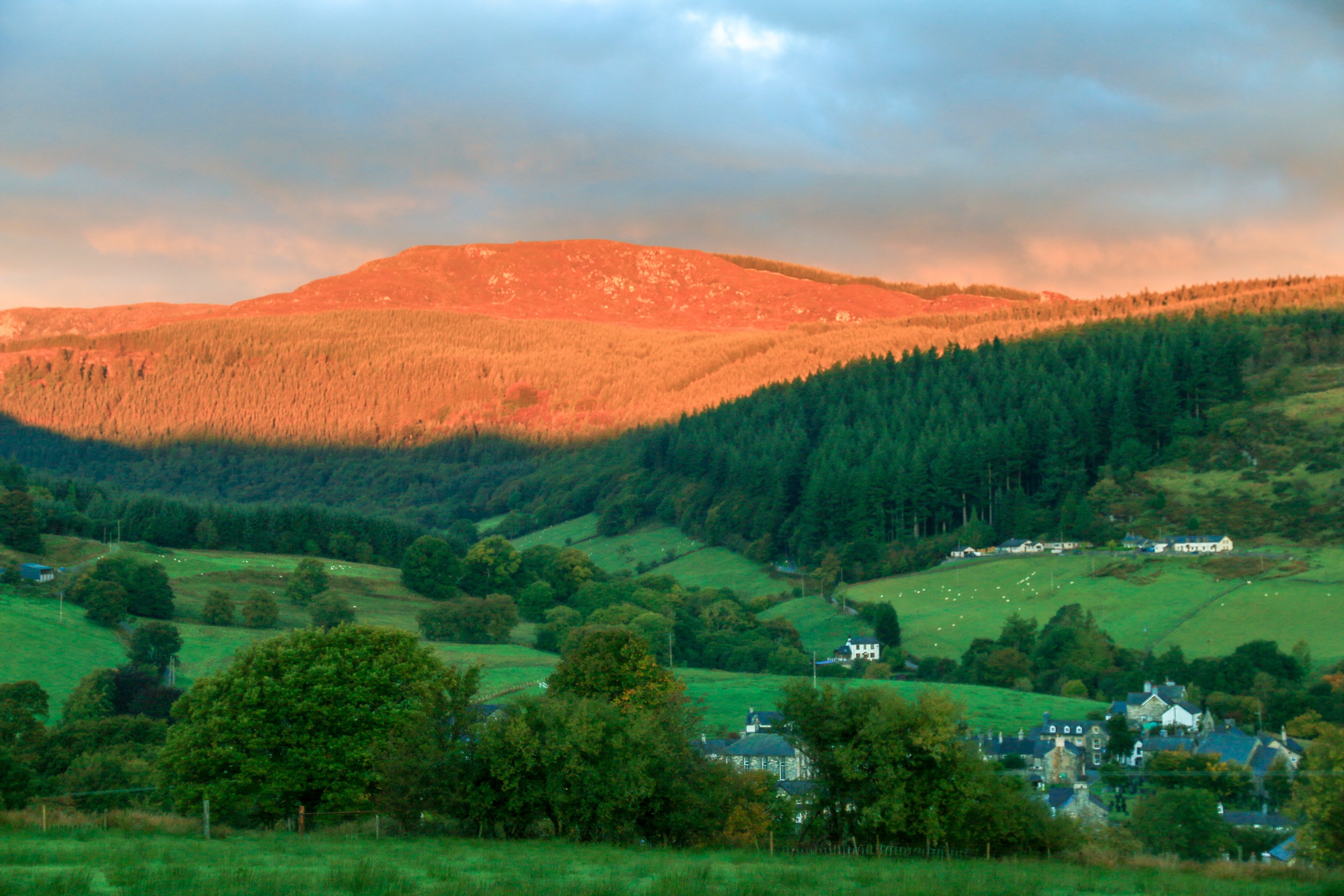
Sheep were dotted on the fields the next morning, as I woke up overlooking the valley of Penmachno one last time. More acquainted with a pocket of the country that had been unknown, ready to head off back to the familiar. But not before passing through and pausing among new discoveries along the way.

Wls17

Driving Great Britain Green Bogey Photography Walking

Waterfalls

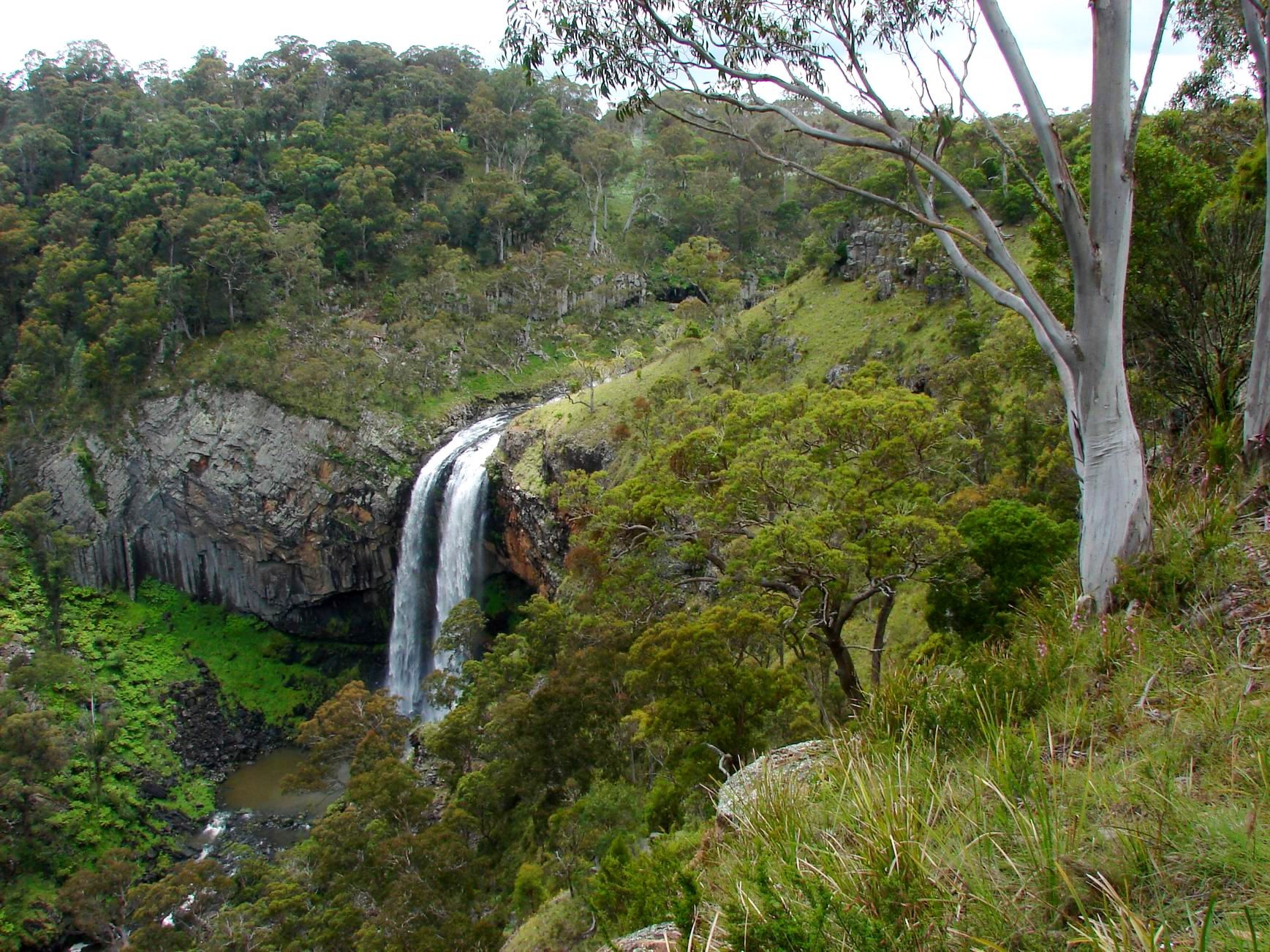
It was always going to be hard for me to steer clear of a road named The Waterfall Way. Linking the tablelands of Australia’s New England to the mid north coast of New South Wales,the twist and turns down to the ocean are regularly punctuated with a chocolate box selection of falls. The stops from west to east are a story in climate and geography. Commencing in a parched landscape of wild gorges and dry bushland, thin strips of silver white water spill off cliff edges and into unseen creeks. High plateaus offer wild flowers and cool forests through which rivers gather speed and depth to forge their way down steps into deep gullies. Moisture picks up closer to the coast, where rainforests form to offer crystal cascades and lush fern pools, and the water speeds into the coastal plain before mellowing broadly to the sea.

With such excess there is a danger of waterfall fatigue: parking up, strolling to a lookout, taking a picture and hopping back in the car for a short journey to the next stop. In fact, the waterfalls continue north in pockets of rainforest tucked amongst ancient volcanic plateaus all the way up into Queensland. In the wonderful natural surroundings of Springbrook National Park it is as if there is one final grand culmination before water sweeps over the Great Dividing Range and into the horror of a Gold Coast horizon. Plunging pristine water toppling over the edge before being becalmed in a complex of gaudy cashed up retirement waterways.

Tucked away before the Gold Coast looms, in the quieter western side of the park, another waterfall tantalises the traveller who crosses the border by the back way. Nestled within a beautiful green valley is the once more imaginatively named Natural Arch, replete with shady pool and shimmering cascade plunging through a tunnel of rock. It’s midway round a processional loop walk through the rainforest, where sun rays filter hazily through the tree ferns and parrots chirp away in the canopy. On a humid summer morning, the cool shade of the forest and continuous thrash of crystal water is the perfect gin ‘n tonic.

—————————–

What is it about waterfalls that are of such appeal that we seek to recreate them in garden features the world over? On balance they are usually very pretty, from elegant slivers to bubbling tiers and tormented torrents of foaming fury. They are, as much as anything, a break from the ordinary…where a placid river or lake suddenly comes to an abrupt halt and decides to throw itself over a cliff. There is an unparalleled feeling of freshness and purity and, often, invigoration from getting close to gallons and gallons of tumbling water. It can make you feel alive. It can make you want to pee.

The power of waterfalls is compelling and is why they are often best viewed after rain, or sustained snowmelt. Yosemite in May is very different to Yosemite in October. Postcards of massive gushing falls in northern Australia can tell a lie for the trickle that often dwindles in the dry season. In the UK, the weather is usually more reliably conducive to year round falls, with new ones springing up across high streets during supposedly exceptional but all too regular winter storms.

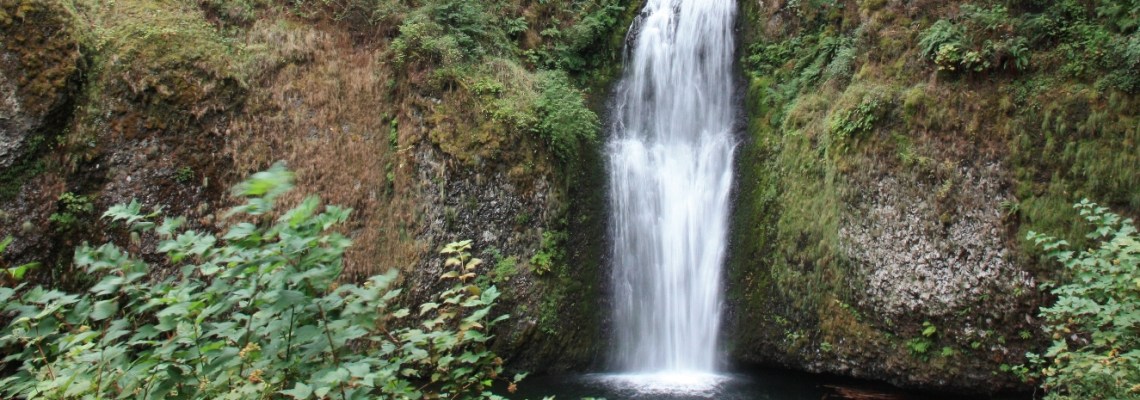
W_wales2013 was one of the better British summers and I felt slightly aggrieved to catch only the tail end of it. Nonetheless it was a balmy 20 degrees or so when I found myself in South Wales towards the end of August, on a different kind of waterfall way. Situated in the Brecon Beacons National Park, this literal tour de force was completed on foot along the Four Waterfalls Walk. For pronunciation lovers out there I can make your day by telling you that this commenced near Ystradfellte and took in a wonderful meander to view (brace yourselves) Sgwd Clwn-gwyn, Sgwd Isaf Clwn-gwyn, Sgwd y Pannwr [1] and Sgwd yr Eira [2].

It sounds like a trite cliché (hey, who doesn’t love a trite cliché), but each fall (or, I assume, sgwd) had its own style and character. Each one builds to the next and the final stop on the itinerary offers the ultimate white water thrill for not especially adrenaline seeking junkies. For, at the curtain falls of Sgwd y Eira, it is quite possible to walk behind the voluminous mass of water plummeting down, and – for some – to take your dog reluctantly along for the ride too. Inevitably there is plenty of spray and you will get wet, but – well – you are in Wales and you will get wet in Wales sooner rather than later. Why not make it here and take the chance to really appreciate the forcefulness of nature. Why not take your ear drums to the brink, pleading for mercy from the explosive, monumental thrash of the gigalitres of water that descend before your eyes? Amazing.

—————————–

Like Wales, Oregon is pretty familiar with rain, confronted as it is with a moist pacific airstream and climatic battle between deserts and mountains. One early October day in Portland is restricted to bookstore meanderings and coffee shop escapes, ducking out between downpours to make it to the next warming hipster refuge. Traversing wet sidewalks through a tangle of black umbrellas and beige raincoats, the city seems enveloped in the cinematic monochrome of a film noir. There is oppressiveness to the rain, something which is accepted and wholeheartedly embraced by its citizens but causes frustration to time-limited visitors like me. There are only so many lattes to sup and bookshelves to roam.

The next day shows marginal improvement – overcast but dry – and seems as good as it will get for an escape into the wilds. Passing the quite possibly interesting town of Boring, there are no views of Mount Hood to be had, rising Fuji-like out of the farmland and forests of the horizon as depicted so tantalisingly in the Lonely Planet picture. Brief glimpses are snatched beside Mirror Lake, with little reflection other than that internalised in relation to being potential early morning bear fodder. Further sneak peeks appear in the rain shadow of the mountain to the east and, here, the sun returns for a while to transform the colours of the fading autumnal forests.

With Mount Hood now somewhere behind, the road ends at the huge barrier of the Columbia River, carving a broad swathe through the Cascade Mountains and splitting Oregon and Washington States. The river has created a mammoth gorge lined with cliffs north and south. And so, with a large river system, significant rainfall, and high cliffs, there is a certainty of a quite spectacular run of waterfalls.

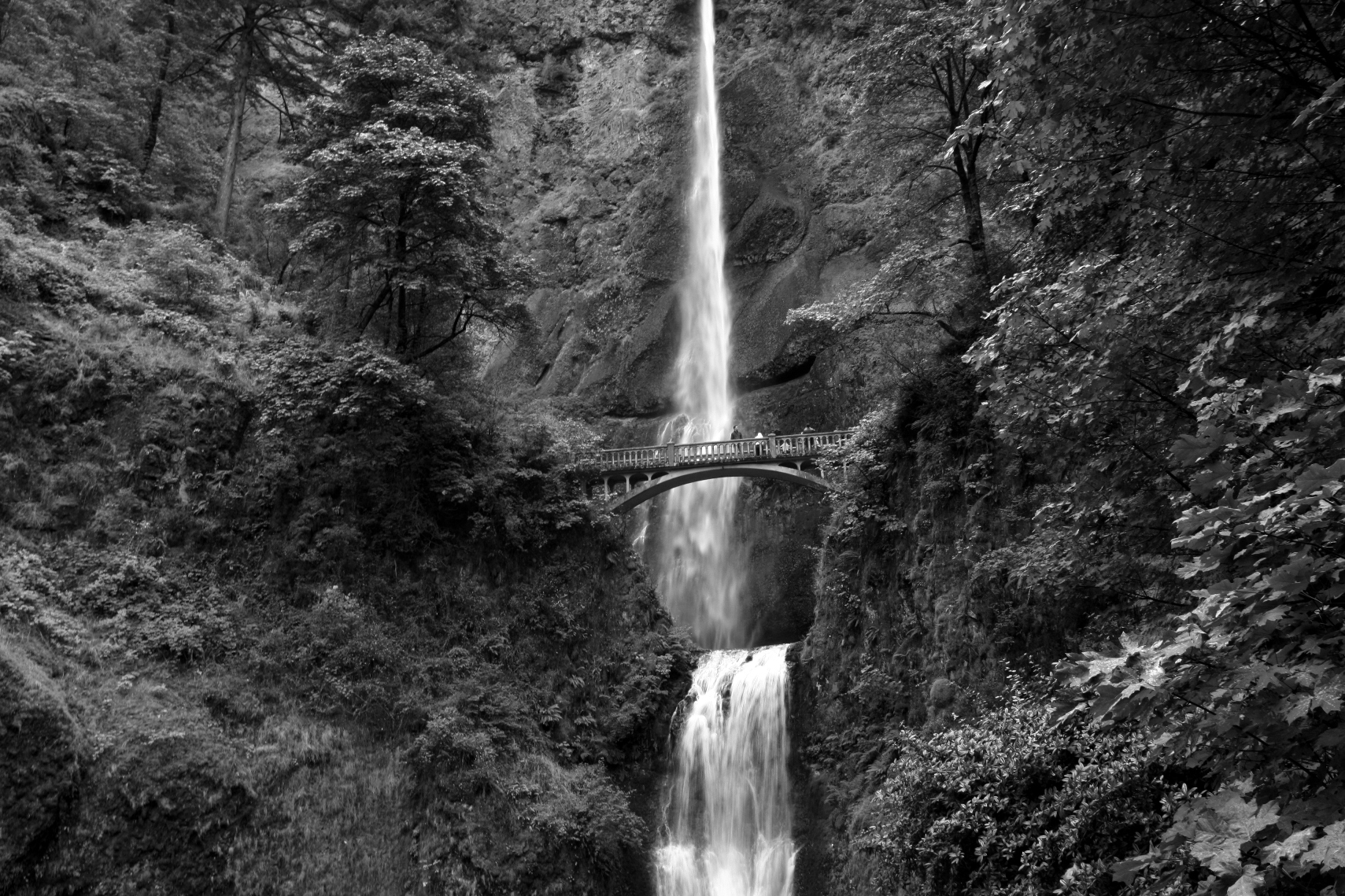
This particular waterfall way is undoubtedly a more developed road than that back in New South Wales, as dual lane sweeping curves follow the river in what is a dream to drive. Of the frequent cascades, it is Multnomah Falls that offers the most iconic sight. For once it seems a human element, an unnatural structure, has enhanced a natural spectacle. Splitting the precipitous double-decker descents of white water is a pedestrian arch bridge, where humans can run from bears and so effectively offer a sense of scale and perspective. Indeed, even the bears would look small opposed to the streaks of water tumbling from somewhere unfathomably high up in the sky.

W_Columbia

—————————–

Finishing a convenient circumnavigation of the globe here I am now back in Canberra. There are few falls here, other than watery concrete features around the angular constructs of the parliamentary triangle. But in a couple of days I will be going up to Sydney and, with time on my hands, I will make it scenic, detouring to Fitzroy Falls in the Southern Highlands. An old reliable favourite, fed by a reservoir and plunging off sandstone into a gum tree valley. A lyrebird may well be imitating the sounds of crashing water and a strong minty eucalyptus scent will pervade the senses. Again, it will be splendid. Because waterfalls are always splendid. But for now, I must come to a halt and stop this gushing about gurgling water and thrashing torrents, soaked in a spray of swirling liquid currents and dramatic downpours. Because now I really, really need to pee.


[1] For anyone with a customised 2014 calendar Christmas present…this one is the front cover!

A to Z Activities Australia Driving Great Britain Photography Places USA & Canada Walking

Wales tales

Church Stretton. So says a sign on a railway platform midway between somewhere in the Midlands and somewhere in Wales. It has very little relevance to my whole trip apart from the fact that this railway line I have never before taken has stopped briefly in a town that looks so cosily cosseted in the Shropshire Hills that I want to remember it. And perhaps come back and stop and walk atop its hills and meander back through its vales to refresh with a pint of cider in a beer garden of an old stone pub with whitewashed walls and hanging baskets and the noise of contented sheep bleating nearby.

Cwmbran is the station sign at which I disembark, situated in the South Wales valleys and a landscape not without its own hilly charm and abundance of bleating sheep. It can also lay claim to having a supermarket on every roundabout, one of which – Morrisons – is swiftly visited for a few day’s provisions vital for picnic lunches and delicious home-cooked dinners. With me, Dad and Aunty Val, taxi driver and cook, pivotal cogs as ever in creating a fine few days.

Where there are valleys there are hills and it didn’t take long to get amongst them. A drive through a warren of lanes led Dad and I to a spot below a big hill with a Welsh name. This is where I refer to Dad’s Facebook pictures and check what on earth it was called. Twm Balwm, which means top of hill to catapult sheep at English. A short but steep walk confirmed its prominent position for attacking folk, with hazy views over the South Wales coastline, across the Bristol Channel to Somerset and Devon, and north and east back in the direction from which I had come.

Amongst this landscape much water runs and – in places – runs to dramatic effect. The next day, in a corner of the fabulous Brecon Beacons National Park, we followed the course of the Afon Mellte as it made its way from underground to plunge over several rock ledges, each as unpronounceable as the next. Anything billed as the Four Waterfalls Walk is bound to be of appeal, and the falls of (wait for it…) Sgwd Clun-gwyn, Sgwd Isaf Clun-gwyn, Sgwd y Pannwr, and Sgwd yr Eira provided a showcase of white water spectacle.

wal02

wal01From our approach at Glyn Porth the cascades increased in drama, culminating in Sgwd yr Eira, a curtain of water that has carved an overhang through which walkers can walk behind water. Sure Jesus, it’s not quite walking on water but it’s the next best thing. The sound of roaring water over your head, spray peppering clothes and camera lenses, slightly dubious slippy-looking rocks, and small dogs reluctantly getting in the way all add that exciting touch of adventure. And hopefully this adrenaline can just about get you back up the hill for a tasty sandwich and the onward march back to the car.

Considerably less exciting is a stop in a fishing shop in Pontypridd, but it wasn’t too long and Dad got a few birthday goodies so all was still well with the world! Nearby though there was more drama of the Winterfell kind, courtesy of a couple of hours in Caerphilly and its castle. This had everything a good castle should with moats and ramparts and crenulations and spiral staircases up lofty towers and banquet halls and dungeons and catapults. Parts had been restored and renovated, others remained ramshackle, which meant you could really get a sense of what it was like back when Welsh people were catapulting sheep at the English and devious plots of intermarriage and murder were being concocted over a feast of wild boar and spicy cheese on toast.

wal03

No such scheming over dinner, though the roast pork was a welcome substitute for wild boar. Extra potatoes could be justified by the walking earlier in the day, but I think so much was eaten that another walk was to be encouraged the following day. Especially after a tasty slice of cake and a passable coffee in Abergavenny in the morning, prior to a different kind of sugar high.

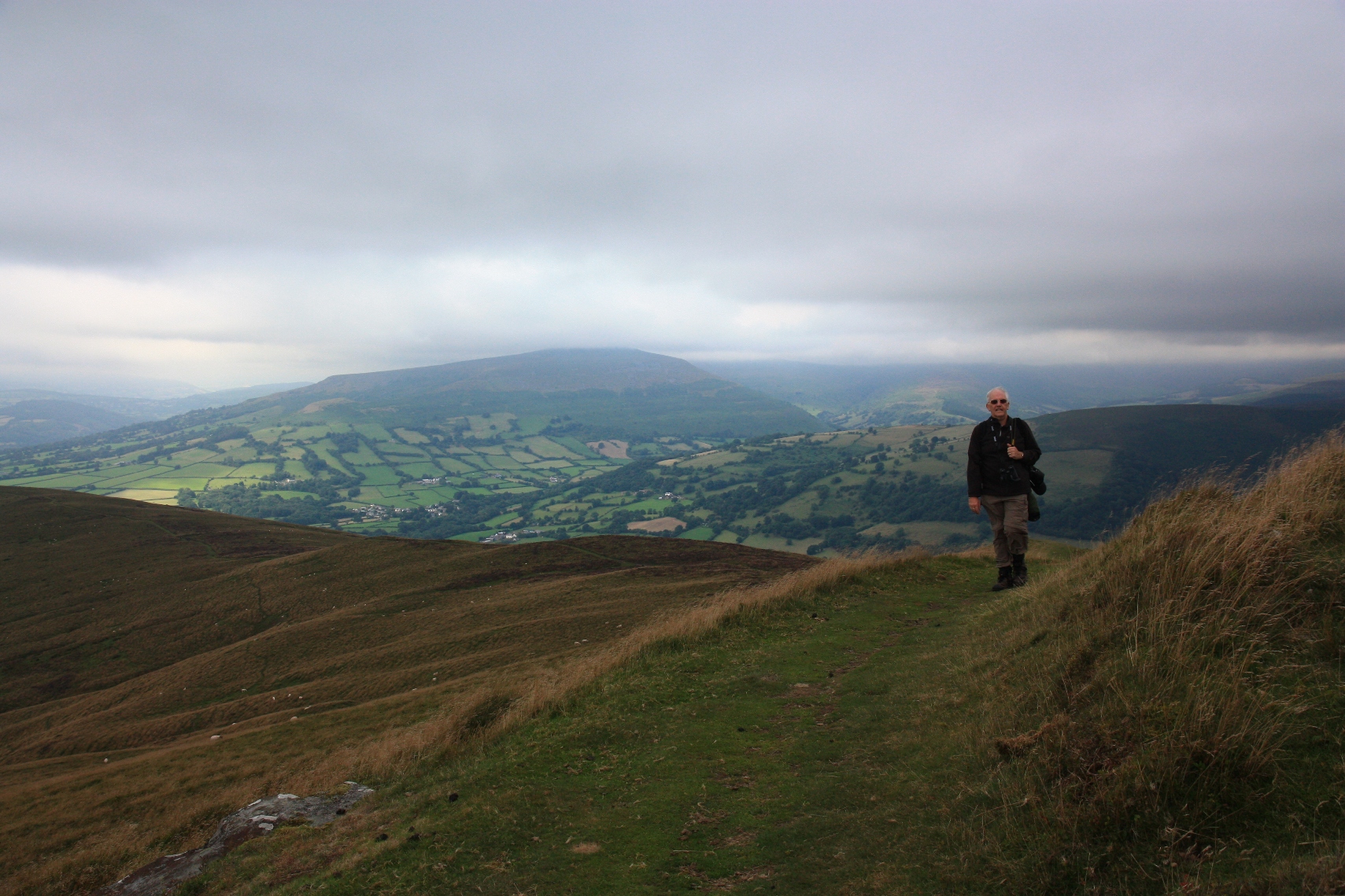
wal04A walk up to the Sugar Loaf involved some notable uphill drags, cutting across unruly bracken and withering woods, and striking out for the top. Up here, the slight sunniness of the valley in which we started was no more, with a windy, cool bleakness emerging with every step. The clouds were scraping the tops of the Brecon Beacons to the north, and only occasional hollows of pasture glowed with the rays of the sun. But this is high summer, and several other people were still in shorts atop the loaf.

wal05

wal06Of course, the views were far-reaching and rewarding, but it was quite nice to have gravity on your side for a while as others battled up. Down steeply at first but then a gentle descent along a ridge and through an ancient wood, emerging out into some kind of civilisation with farmhouses and tractors and manure. Unfortunately on this circular walk the car was still a fair way around the corner and it suffered (as did we) from that final, unrelenting drag.
Still, it was something of an accomplishment with which to finish this short sojourn in South Wales. Well, not quite finish, for there was a rather large trifle to try and finish back at Aunty Val’s that evening. Already it seemed that much had been achieved off my bucket list – roast, trifle, upland walking, history, trips to Morrisons – in just a couple of days. Indeed, Wales offered a well concocted taste and teaser for the crème de la crème, the emergence into a blue sky Devon. I’m sure the main will be just as good as the starter.

Great Britain Green Bogey Photography Walking