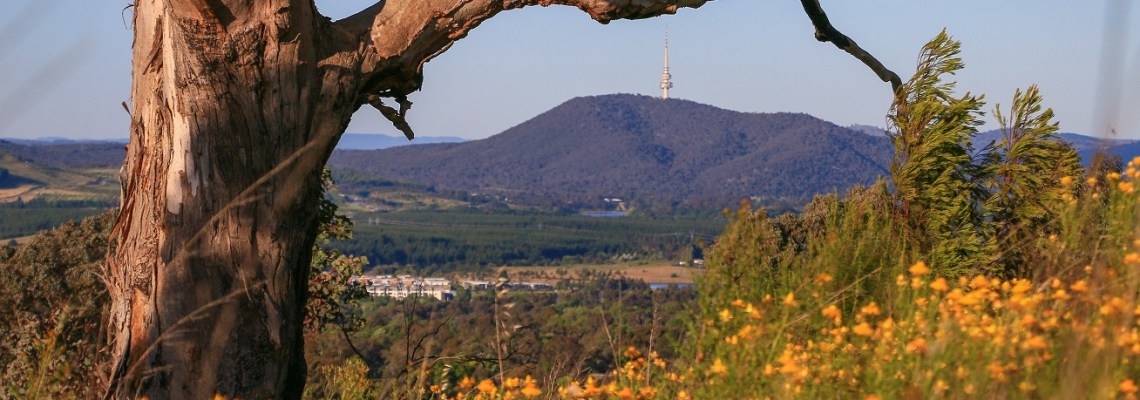
It feels like an entire Prime Minister ago that I fumbled around with the English language and strung a few words together to put on this interwebs thing. Has much been happening? It rained a bit. There’s some dubious football tournament going on. Twitterred. Trumped. And lately all the right kinds of Farages appear to getting their snowflake-patterned knickers in a twist about some insipid doco on Netflix.
If only I had a palace to turn to. Alas my tenure at Castle Easty in the Kingdom of Wodenne is drawing to a close. Usurpers with gold and all that. Leaving me with the most taxing endeavour for the chronic procrastinator: choices and decisions.
Will I stay in this area with its colourful storm drain network and ever changing traffic circulation? To head to the Westfield or the park or the shady cemetery. Or to wander further into suburban bush, passing emerald greens and into the calming of Red Hill reserve. And onward still to Mugga Mugga and those flask tea log-filled sanctuaries.
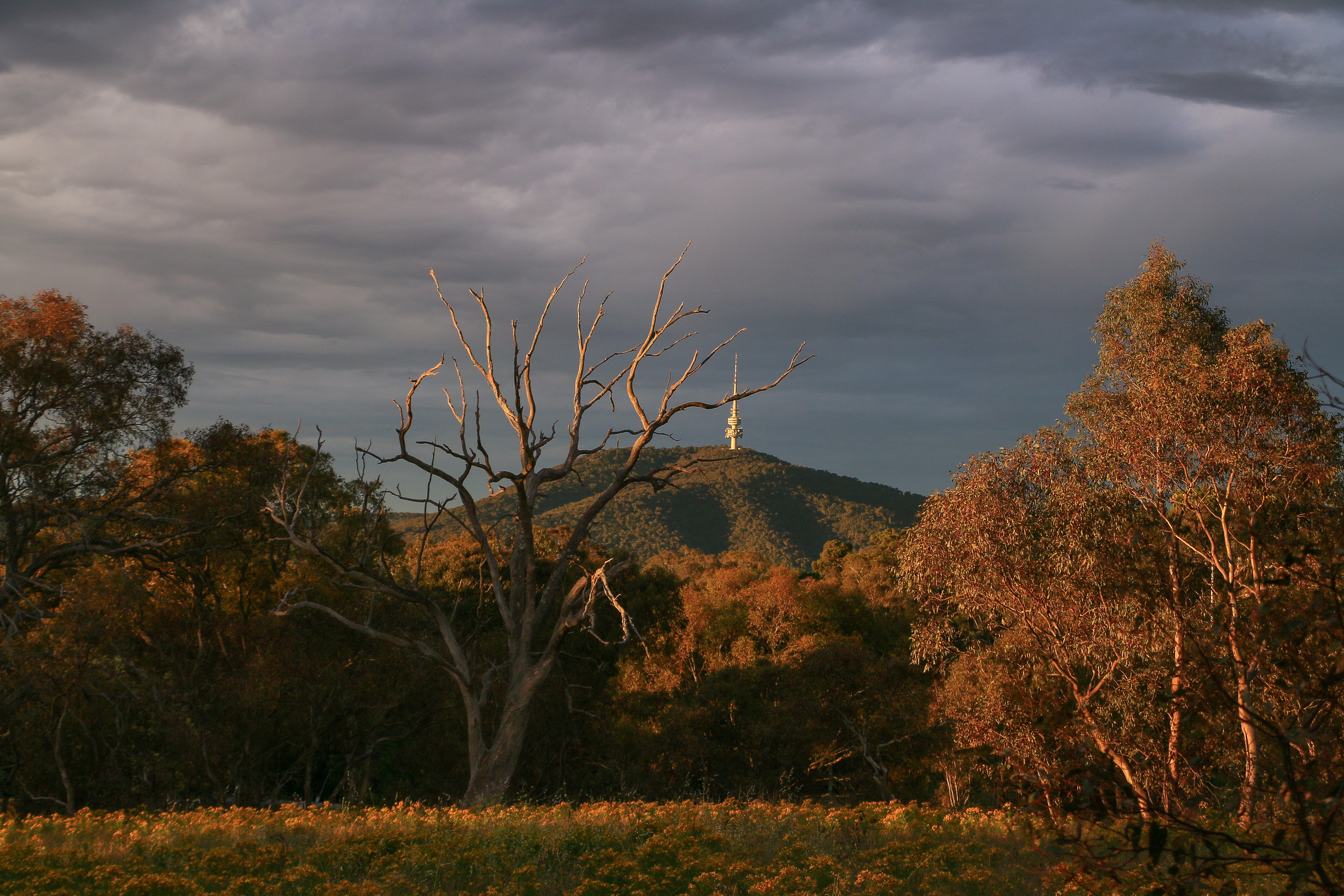
Or shall I go west? Life is peaceful there. Especially when you reach the suburban perimeter and cross into countryside. The Ridge at Cooleman proving the very precipice between Canberra on one side and the mountains on the other. Creep downhill, towards the sunset, and a whole city disappears.

It’s a city that – to some surprise – is marching purposefully towards half a million souls. And some lost ones too (I blame the roundabouts). In the north, a recent paddock is maturing into a modern and vibrant centre. There are neat townhouses and shiny high rises and – occasionally – the quarter acre block. Light rail eases into Gungahlin marketplace, cafés bustle beside Yerrabi Pond. Cycle lanes fan out towards Harrison and Throsby and Forde and then they come to an end. Halted since 1994 by the superb parrot and foresight that is Mulligans Flat and Goorooyarroo. So just take a bike that copes with gravel.

The Old Coach Road that passes through Mulligans Flat was the main stage route between Yass and Queanbeyan back in the 1800s. Today it mostly carries echidnas. But, to the east, across the border, Queanbeyan endures. A New South Wales suburb, an Annemasse to a Geneva, complete with different registration plates and cheaper petrol. Could I live in a completely different kind of state?
The answer is kind of yes for at least a bit I think, and, who knows, maybe longer. You tend to get more bang for your buck in Queanbeyan, plus a town centre that if not charming at least pays homage to an inland country town. Riverside parklands provide some breathing space while Mount Jerrabomberra offers a necessary dose of eucalyptus infused altitude with laughter.
Looking back across to Canberra there is another region nestled somewhere between those ridges. The Tuggeranong Valley, a deep south of solid suburbs lapping at a rising town centre. This deep south, a beautiful south? Perhaps upon pockets of the lake with the strikingly proximate mountains beyond. Or standing atop the hummocks of Urambi Hills high above the Murrumbidgee. And back down by its ample waters at Pine Island.

North, south, east, west or simply in the middle? I think almost anywhere would be fine. As long as there is a spot for a walk, a vista around the corner and a decent coffee shop with optional cake. If only I could be more fussy, if only I could narrow things down. But that would whittle down the choices, simplify the decisions. And what kind of chronic procrastinator would I then turn out to be?
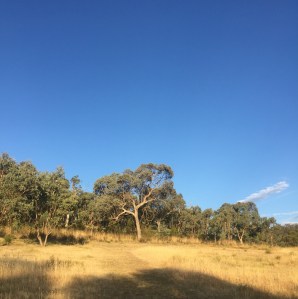 Having now spent over nine years (with interruptions) in everyone’s favourite Australian city you would think I’d have exhausted every nook, crevice and scrubby hilltop. Forget nine years…many would say two days is sufficient, and even then you might have to drag things out with a wander around the National Archives, surely the least compelling sounding attraction of the lot (which might explain why, still, I have never been). But no, it turns out Canberra has even more suburbs and scrubby hilltops than you can ever imagine.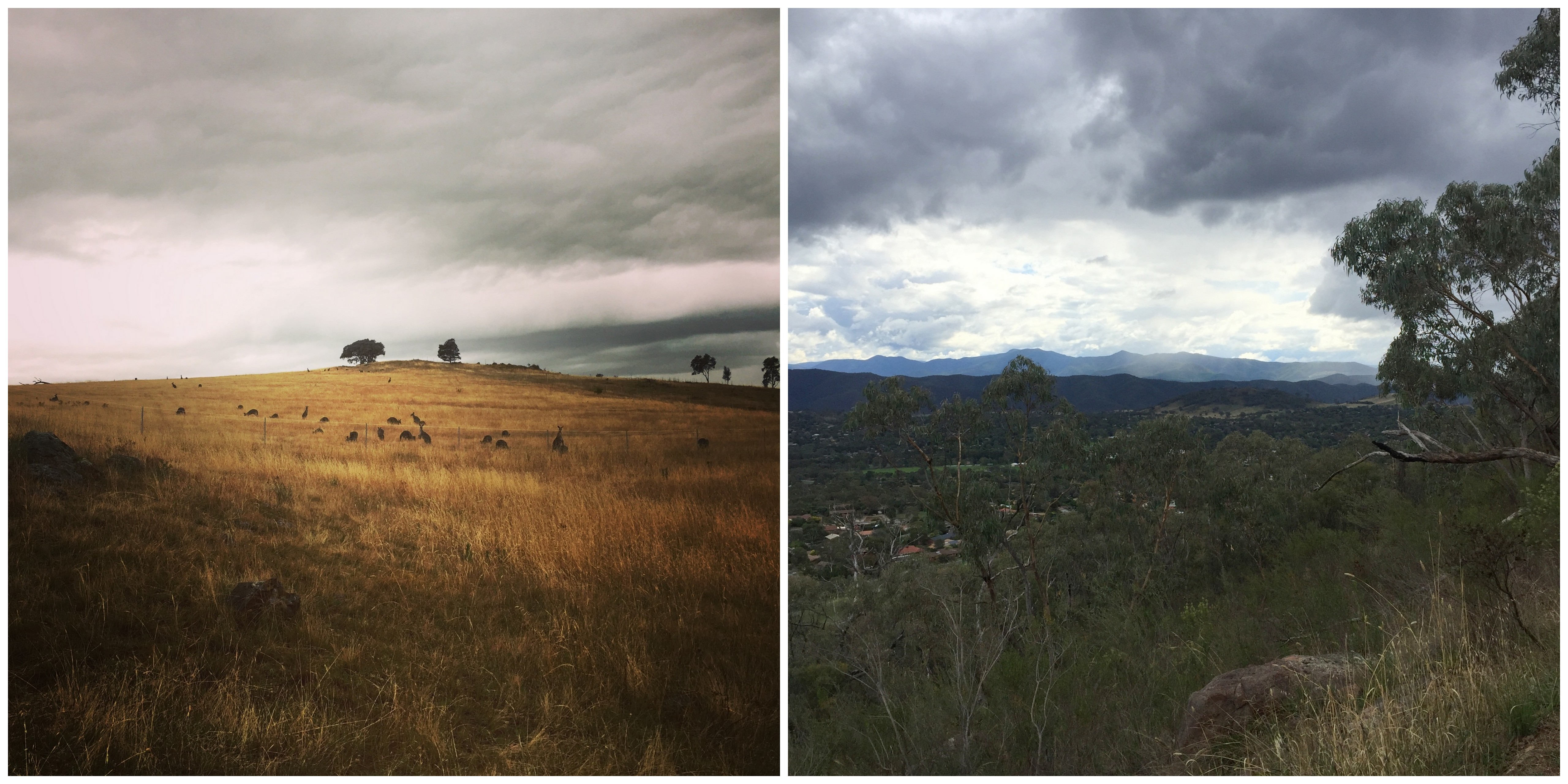
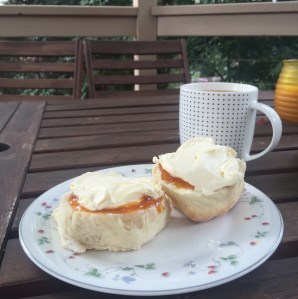 Nevertheless, it was with some contentment that I found a reasonably close reasonably decent coffee stop one Saturday morning, as part of a bike ride on the many accommodating paths in the Tuggeranong Valley. One path circumnavigates its lake, which is a poor man’s Burley-Griffin but amiable enough. Others cut through the various patches of grass set between the backs of brick houses and alongside storm drains. One route takes you up towards Oxley Hill, a reasonable but not unobtainable test of legs, and another does the long uphill drag back to Wanniassa, in which aforementioned legs turn to jelly. I may be being just a touch healthier, but with this comes justification in feasting on yet another, sadly Antipodean, cream tea.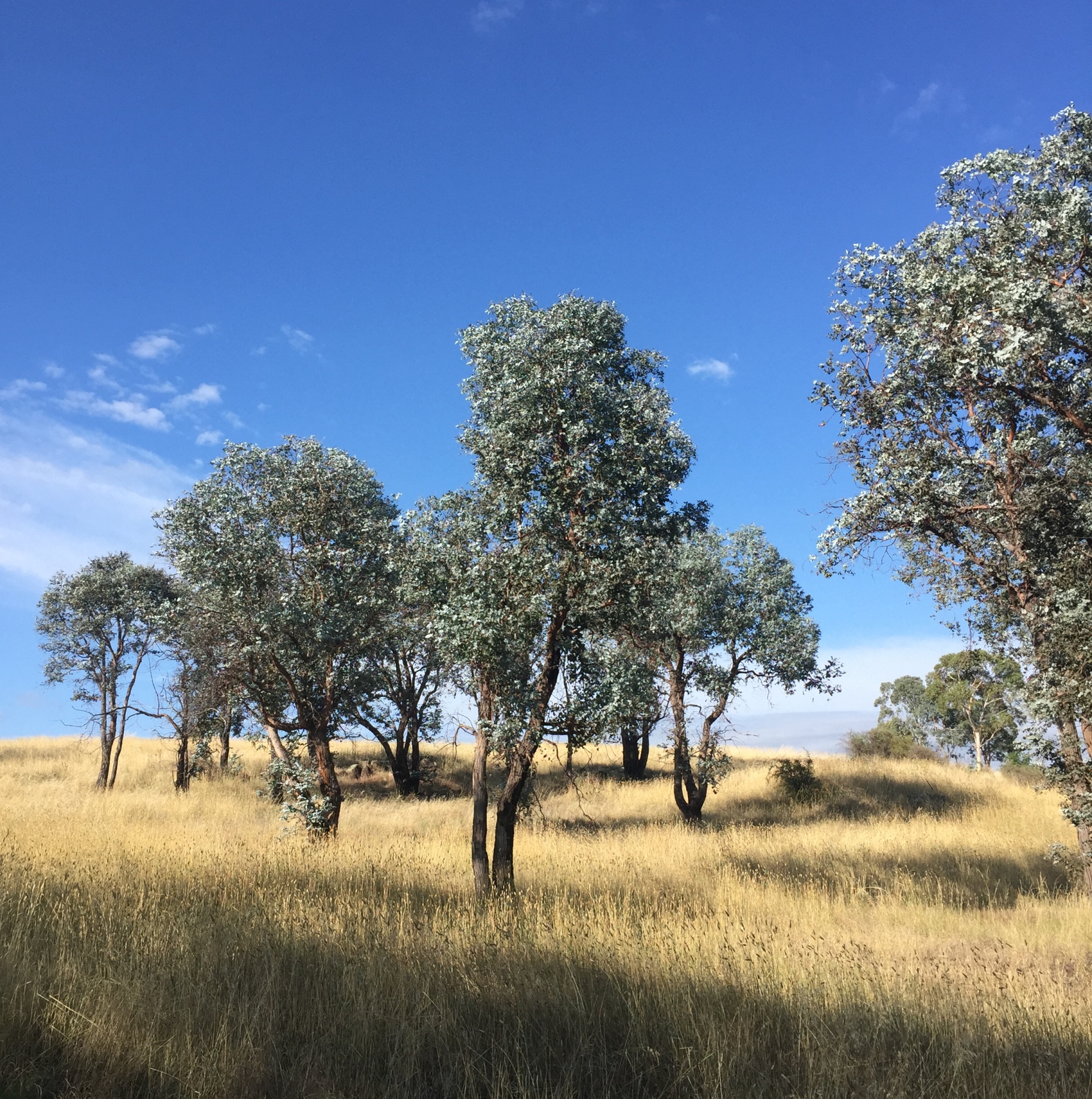
 gbpilgrim