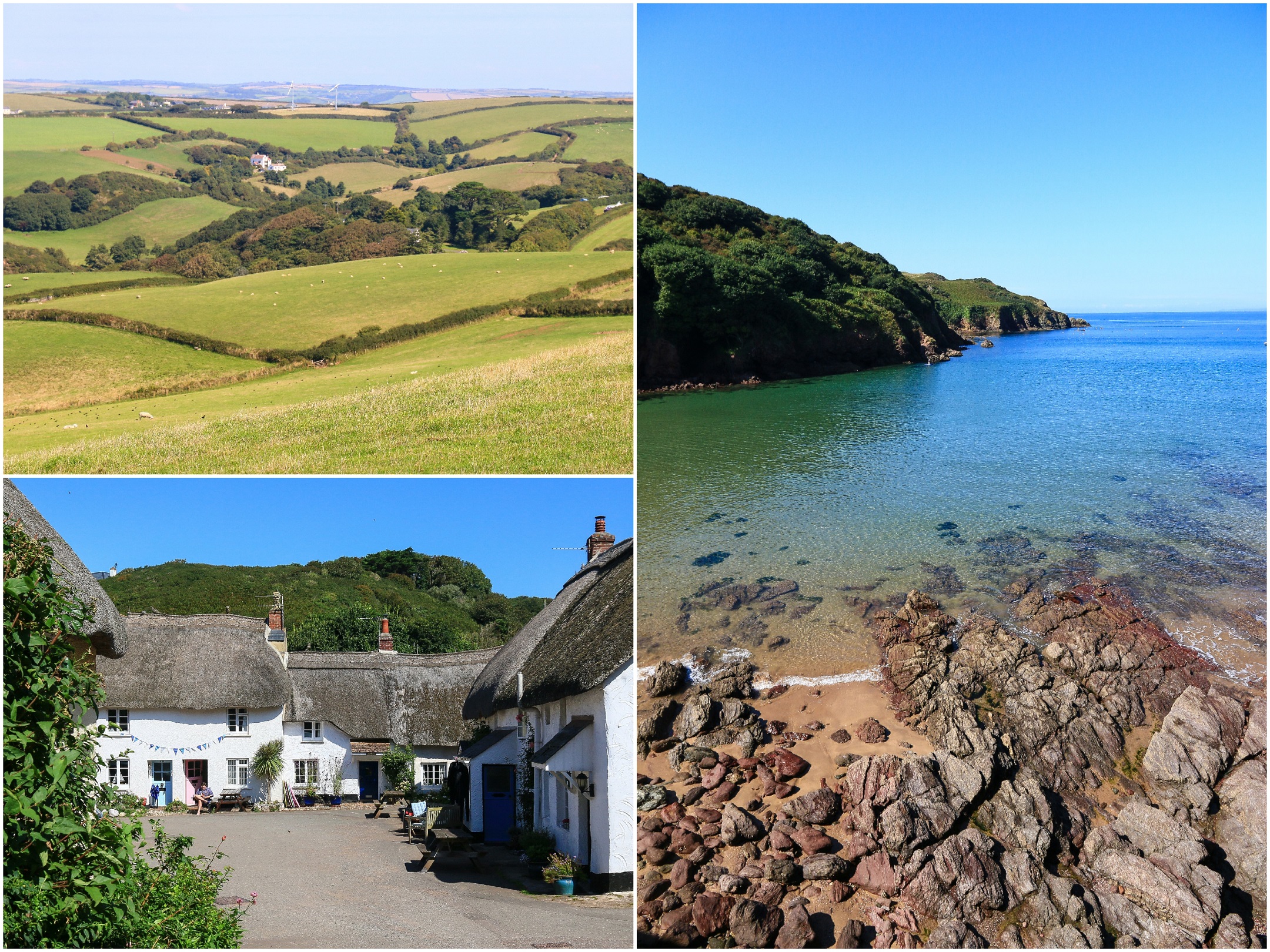
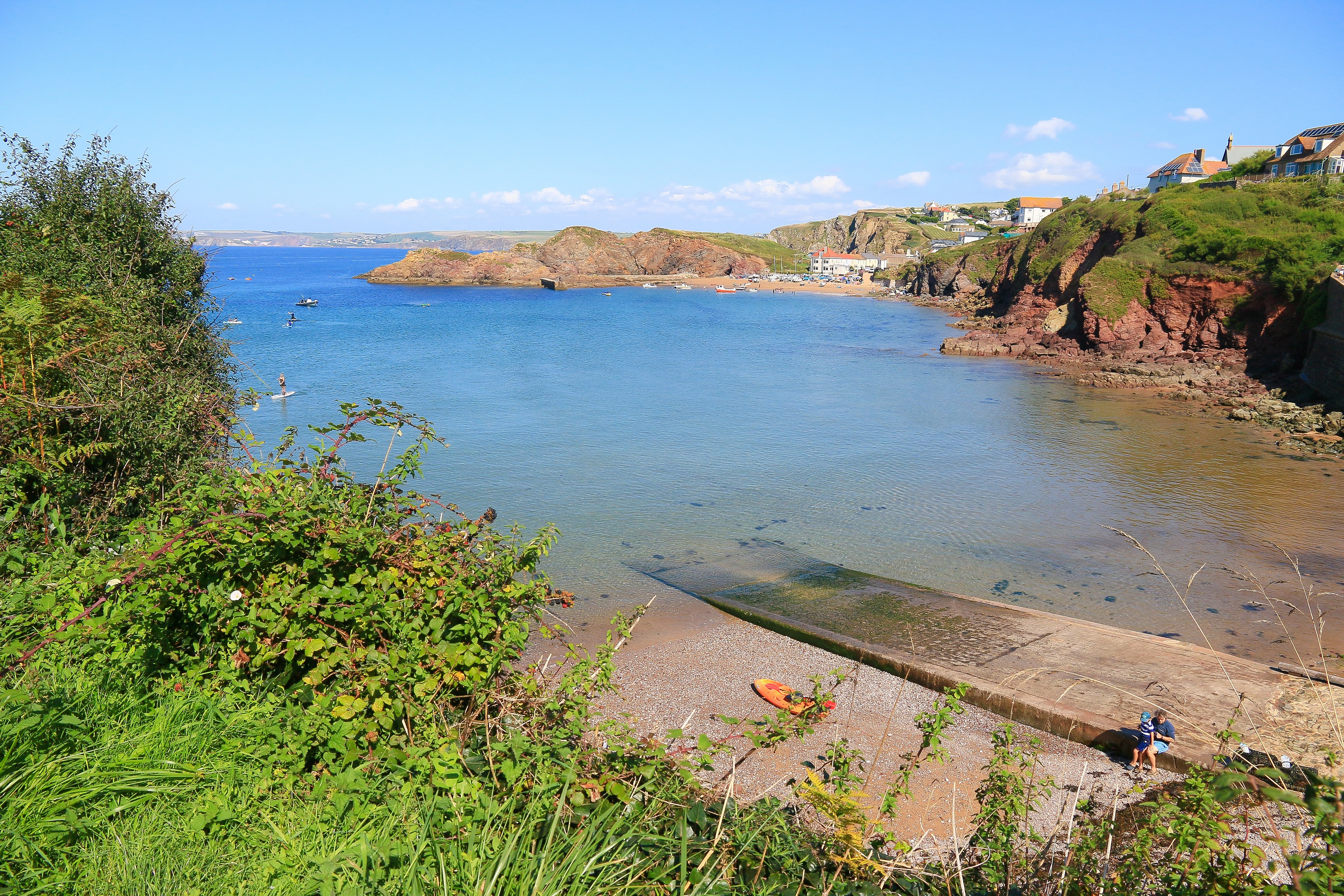
A coastal landscape

The comeback kings and queens

A coastal view of cliffs and wildflowers

There is jeopardy in revisiting a place of joyous memory. Risk in the raised expectations that many of the same ingredients will result in the same, delectable cake. But a second time around some ingredients are missing and some have additives and there is the chance they won’t combine in quite the same way. Not to mention the unpredictable variable of temperature. Why does it always come back to cake?

Sausage rolls are more the thing in St. Agnes, a stop off point on the migration to The Lizard. Sixteen humans, four cars and a dog, all bound for a holiday park mere miles from the southernmost point of the British mainland. But first, a brief foray on the north coast, for dramatic lines and vibrant hues and curious children. Minecraft takes on a whole old meaning.

An old tin mine overlooking the sea

We are decamped and scattered across fibro structures near Mullion. On site there is the usual mediocre pub food, a playground festering with past scrapes and tears and an outdoor pool that only seems to open between the hours of 12:87 and 3.574 on the first Tuesday after a blood moon. The staff are largely from the disgruntled set of Camborne Comp, moonlighting between here and Aldi and a quick vape after bingo.

This is all to be expected, all priced in, and I cannot fault our bungalow nor the location nor the amusement arcade with its strangely captivating spell of coins and tokens teetering on a precipice. Armed with buckets of bronze several people drift from one machine to another possessed. Convinced it is just a matter of one more tuppenny bit to score that Tweety Pie Tazo.

Being Britain I have no doubt some people will spend their entire holiday in this square mile. To me a shame, but whatever floats your boat. But there are real boats afloat just down the road. And sandy beaches and rugged cliffs and flowery lanes and pastel villages and scones and tea and beautiful birdsong and fluttery butterflies and ice cream.

Two identical cups of coffee from different years

And even good coffee. Coverack a case study in discovering whether things will be just as satisfying the second time around. It feels harsh to relegate Coverack to grey morning filler but I think the benign nothingness of the conditions make the place feel even more appealing. Cottage For Sale signs even more alluring.
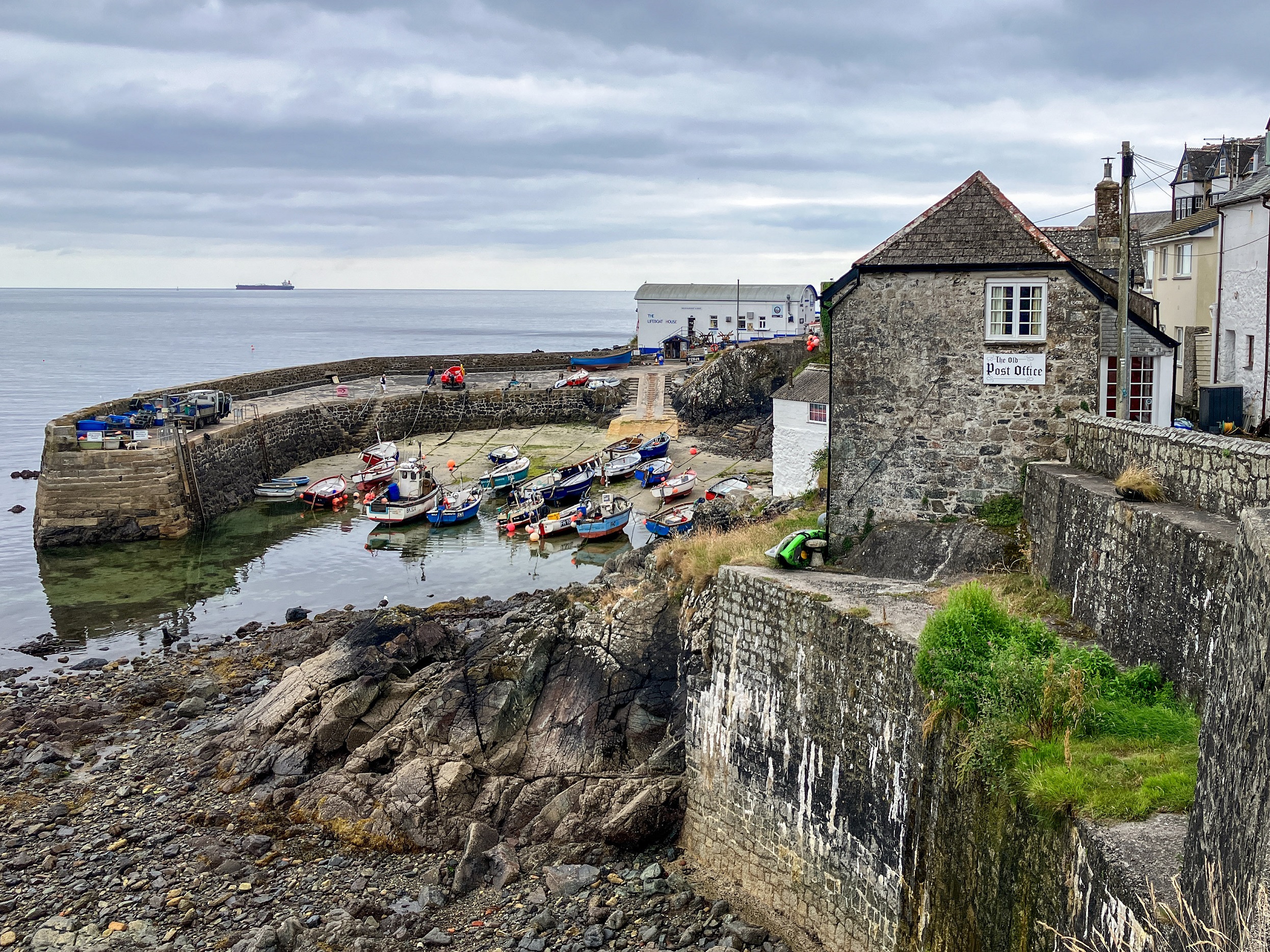
A small old harbour and village

Things were busier at Roskilly’s, where this time around on top of savoury lunch I made sure to take in the staple produce of ice cream. I made sure Avery made sure of this as well by ordering one of those ludicrous sundaes that comes in a ridiculous glass and is peppered with delicious garnish.

Now, I’ll sound like a right jerk here but I have to say Cornish ice cream has underwhelmed a bit ever since I became addicted to Gelato Messina. Which is a shame when you consider the natural, rain-soaked bounty of this westernmost county. It’s the Jersey cows that make all the difference, rain-soaked or not.

Rain soaking was proving pleasingly elusive as parts of Britain crept towards something like their twentieth alleged ‘heatwave’ of the summer. And the wall-to-wall sunshine was blazing just overhead… the layer of low cloud obstinately stuck to the granite mounds and precipices of The Lizard. A situation ripe for conjuring up that legendary Cornish mizzle.

Looking through a rusted ring at a misty harbour

At first the conditions were an acceptable background to evoke scenes that a used car salesman would describe as atmospheric. The historic quay wedged into Mullion Cove eerily calm, the flat silvery seas vanishing into an unknown horizon. Film noir moods satisfying for as long as it takes to get to the underwhelming chocolate factory up the road.

It’ll burn off soon, is the oft-thought line which is looking increasingly ludicrous, especially back up on the wild heights of the holiday park over lunch. But there are some scouts out and about on the WhatsApp family chat and there is a picture with blue sky on it. We pile on down to Poldhu, where the sun is tantalising just offshore. An hour later, I’m in shorts eating another so-so ice cream and some people are up to their neck in ocean.

A sandy bay and blue water, with lots of white cow parsley on the cliffs

Despite a very slow start, the sun lingers long into the midsummer sky. There is time for a rest and an infuriating wait for dinner, somewhere, anywhere, that will still serve you anything, please. The sun is well and truly up in Mexico by time a burrito bowl lands in front of me. In Cornwall it is now sinking faster than a taco and cold cerveza. Indigestion is just around the corner, as is the boomingly popular Kynance Cove.

At around 9:30pm it is relatively serene. Well of course there’s someone waving some ropes and smoking pot in a tribute to the sun gods, but there’s still enough room for everyone to space out on rocky outcrops. With a quiet car park and cast in lingering light, it is phenomenally beautiful to experience, even if the sun sinks beyond the land.

Golden sun setting over cliffs

Fast forward twelve hours to a stunning mizzle-free Thursday in early July and the fluoro-vested National Trust parking assistants are out in full force. Roger, head to Annabelle in a north-north westerly bearing and turn 270 degrees to line up next to the brambles with a clearance of 425 millimetres to starboard sir. Are you a member? Jolly good.

To be fair, if there is a need for National Trust parking attendants (I suspect the job is actually advertised as ‘Access & Experience Facilitator’) it is here. You can only imagine the carnage and open warfare in their absence. Like the emmets of local infamy, a procession of all sorts march downward from their cars, laden with striped bags, snorkels, blankets and buckets and spades. It is one endless conga line of flip flops, but the epic landscape consumes them fairly well. The tide is – thank the moon gods – out.

Clear sapphire waters and white sands

Sunny scenes at Kynance Cove

What follows is a wonderful couple of hours delving into sandy inlets and timidly inching feet into fresh waters while many others frolic unencumbered in the deep sea. For relaxation there is a trip to the café and a laze on a raised ribbon of sand. But relaxation can only be fleeting, niggled away by the inevitable turning of the tide.

You start to notice the changes slowly – a submerged rock here, disappearing seaweed there – but all the while you are wondering when it is best to leave. Once that small pool starts to link up again with the ocean, ankle deep. Others linger and incredulously a line of tourist ants continue to rock hop down to the shrinking bay. Destined to become as congested as the Northern Line at eight in the morning.

You may well think Insta-friendly Caribbean waters and Marbella vibes are as good as it gets but, for me, peak Lizard satisfaction was a more understated affair. It was a simple walk down a lane to Housel Bay in late afternoon sun. A Cornish summer’s day in which life was burgeoning and bountiful, much of it packed into the high hedgerows leading down to a placid, inviting sea. Timeless – and like the time before – producing a longing to linger longer. To happily comeback again.

More cliffs and water and a dragonfly on the hedges
Food & Drink Great Britain Green Bogey Photography Walking
A lady walking along a coastal path

Influential

There can’t be any more secret hideaways only the locals know about left. Someone calling themselves something like Travel_Insider100 has no doubt filmed a 10x speed video and overlayed it with circa 1998 fonts and shared it with their 22.8K followers who are all stunned at the location you would never believe is actually England and have since endeavoured to wild camp / swim / block the narrow lanes as soon as possible. Thus crumbles the likes of Pedn Vounder.

Now, if I had any influence whatsoever you would have known about the following secret hideaways more than fifteen years ago because they are places I go back to time and time again, usually to eat the same things, walk the same walks, take the same pictures, and espouse the same waffle. But you can’t blame me for any sudden influx of drones or sugar hit superficiality with a jingly soundtrack. I mean, you’d have to read my stuff for a start.

So off we go, again…

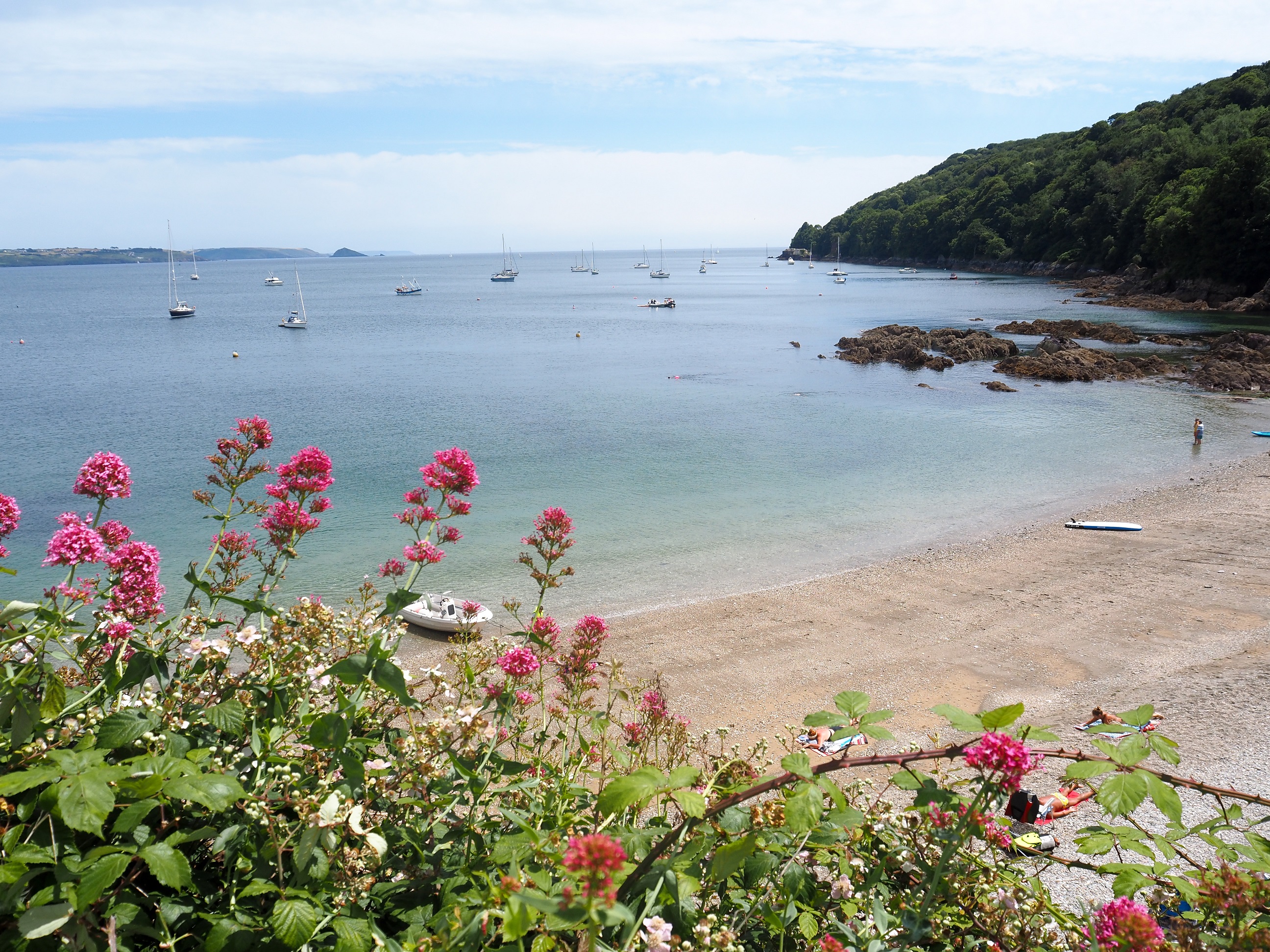
I believe I saw Kingsand and Cawsand recently pronounced as twin fishing villages like going back in time but without the crowds. Now in my earliest memories, there have always been some crowds, just not the crowds of St. Ives or Padstow. Unless it’s a stormy February, the ferry is always busy, the shorefront simmering away, the narrow lanes dotted with people gawping into tiny porthole windows. But there does linger a peaceful charm, even with Plymouth being just around the corner.

A calm cove with pink flowers in the foreground

A newer and arguably welcome development is a spot of half decent waterfront dining / snacking / drinking just as you scramble ashore from the ferry. There is an ice cream van also conveniently adjacent. In between eating savoury and sweet you can wander the lanes, bumble with the bees, cram into a tiny deli to suss out the local cheese, and just semi-seriously enquire as to the price of that vacant cottage. The ice cream is at least within reach.

………………………………………..

You’ll never believe what I have seen two or three times in the last few weeks. Someone has had a camera with them and had the ingenuity to discover one of the best half day walks on the South West Coast Path. It goes between Looe and Polperro, and, like many, I have discovered it before. It’s lovely and reasonably convenient and, yes, you can check out the top ten landmarks of Shipton Abbott if you wish. But for me the highlight is saving for a home deposit by skipping the car park fee at Polperro. There you go, a free travel hack.

A wonderful lady with a pasty and a seagull waiting with menace

Save your pennies instead for a Sarah’s pasty or two in Looe, only enjoyed on edge as murderous-eyed seagulls encircle. This provides more than enough nourishment for the undulations all the way to Talland Bay, where you can stock up again on cakes or ice cream or simply refresh with a cup of tea. Tea and tranquility the antidote to salty seagull frenzy.

I thought it was a short hop, skip and jump from here to Polperro but I underestimated the climbing which turns into a bit of a wheezy slog all the way up to a memorial cross. But it is the Polperro Parish memorial cross so that is something to commemorate, despite the village still out of sight.

A view of coastline and green hills through the trees

Walking along the coast path you’d have no idea Polperro is even nearby, such is the abrupt cleft in which the ocean creeps. It is only as you are almost upon it that an entire Cornish model village reveals itself in a glare of whitewashed cottage and kaleidoscope of bunting. The soundtrack is all gull and diesel trawler, the smells seaweedy pilchard with the odd waft of tidal mud. Lobster pots are as ubiquitous as postcards. Lanes are there for getting lost.

A picturesque harbour with cottages and boats

As we pottered about gradually inching towards the top of town and a bus stop, it was pleasing to see that some evil genius had propped open the toilets with a container of kerosene. No 60p fee today, times two. Maybe this is the best budget-saving half day adventure in Cornwall after all? Just make sure you use the toilets, free or not, because it sure is a long two pound bus ride back to Plymouth.

………………………………………..

Bus wankers. But check this out. People in 2025 actually being friendly and talking with one another on a bus! How quaint in white lettering with a black background. This amazing experience can happen on the 35 from Ham Green to Plymouth City Centre, where every stop is bustling with old dears and yet another hopeful pram. An old geezer in a flat cap is the latest addition, greeting the blue rinse set with a healthy morning ladies in dulcet Janner tones and a twinkle in his eye.

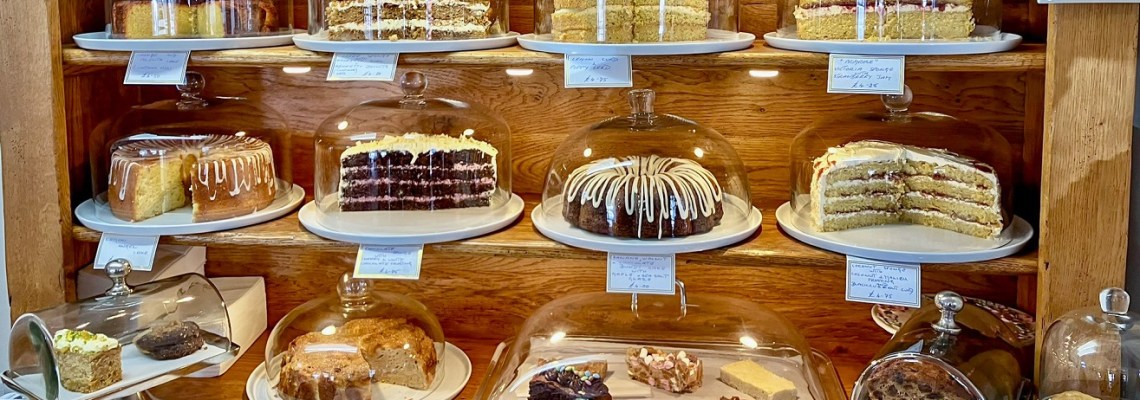
It almost seems a shame to pick up a car, but also not a shame at all because this is offering the chance to revisit places virtually out of reach of public transport. In cool late afternoon sunshine we head to the north coast of Cornwall, where I am keen to nudge speed limits in a quest for lush green pastures and sparkling blue sea and dream-like cake. Is Boscastle Farm Shop the best place for refreshments on the South West Coast Path?

Tea and cake and clotted cream and green hills with cows and blue sea below

The happiness of life at this point in time is amplified by free parking after 4pm and a walk out to the headlands of Boscastle Harbour. It is a tad blustery and the waves are reasonably wavy, a state of affairs garnishing the dramatic beauty of what may or may not be Dragonstone. Dark slabs of rock at angles forged in the earth’s furnace mighty enough to stand up to the swelling, pulsating ocean. Cosplay Targaryens blissfully absent.

A sinewy harbour in a narrow valley

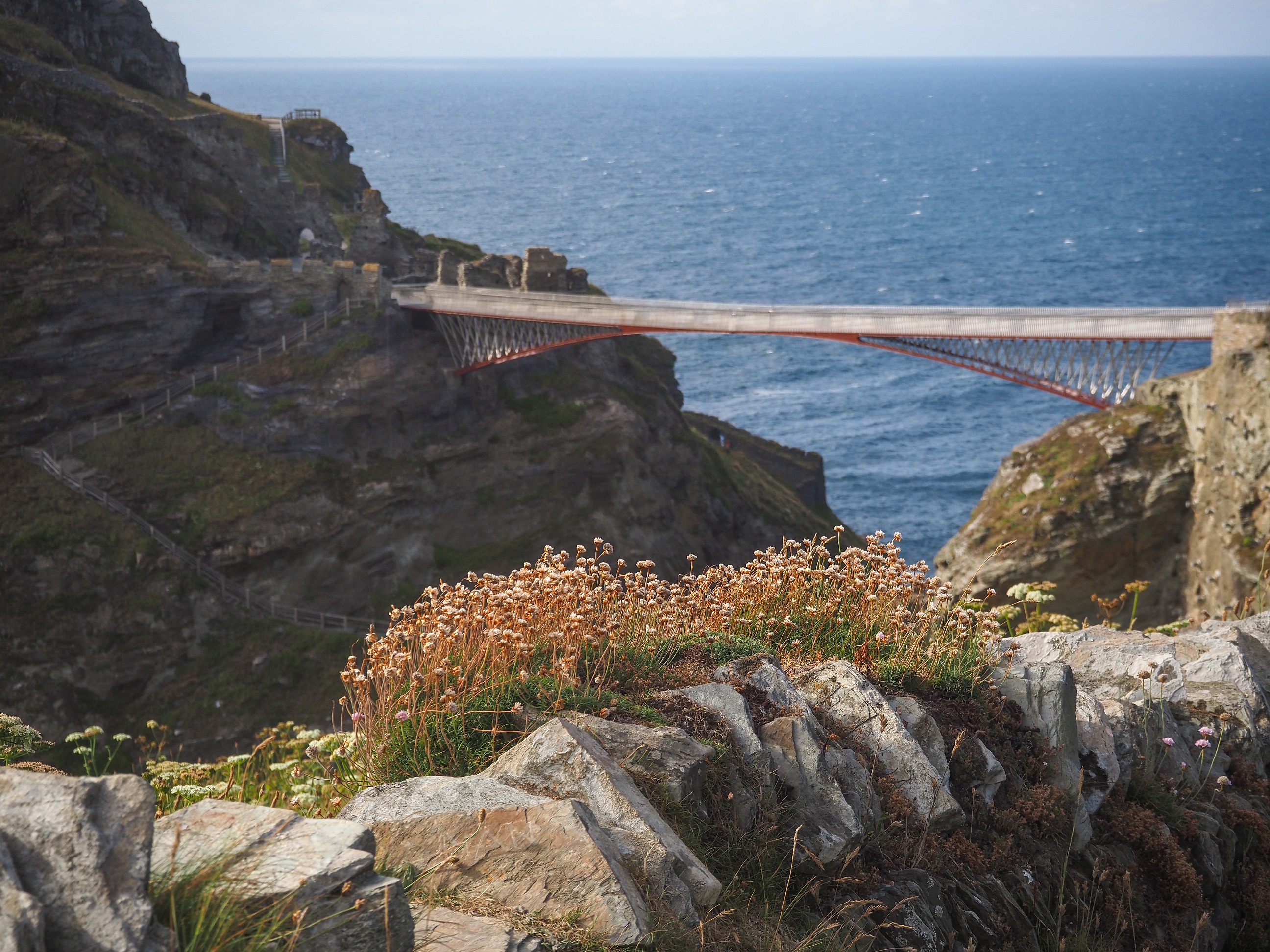
Coastal plants with a bridge and rocks in the background

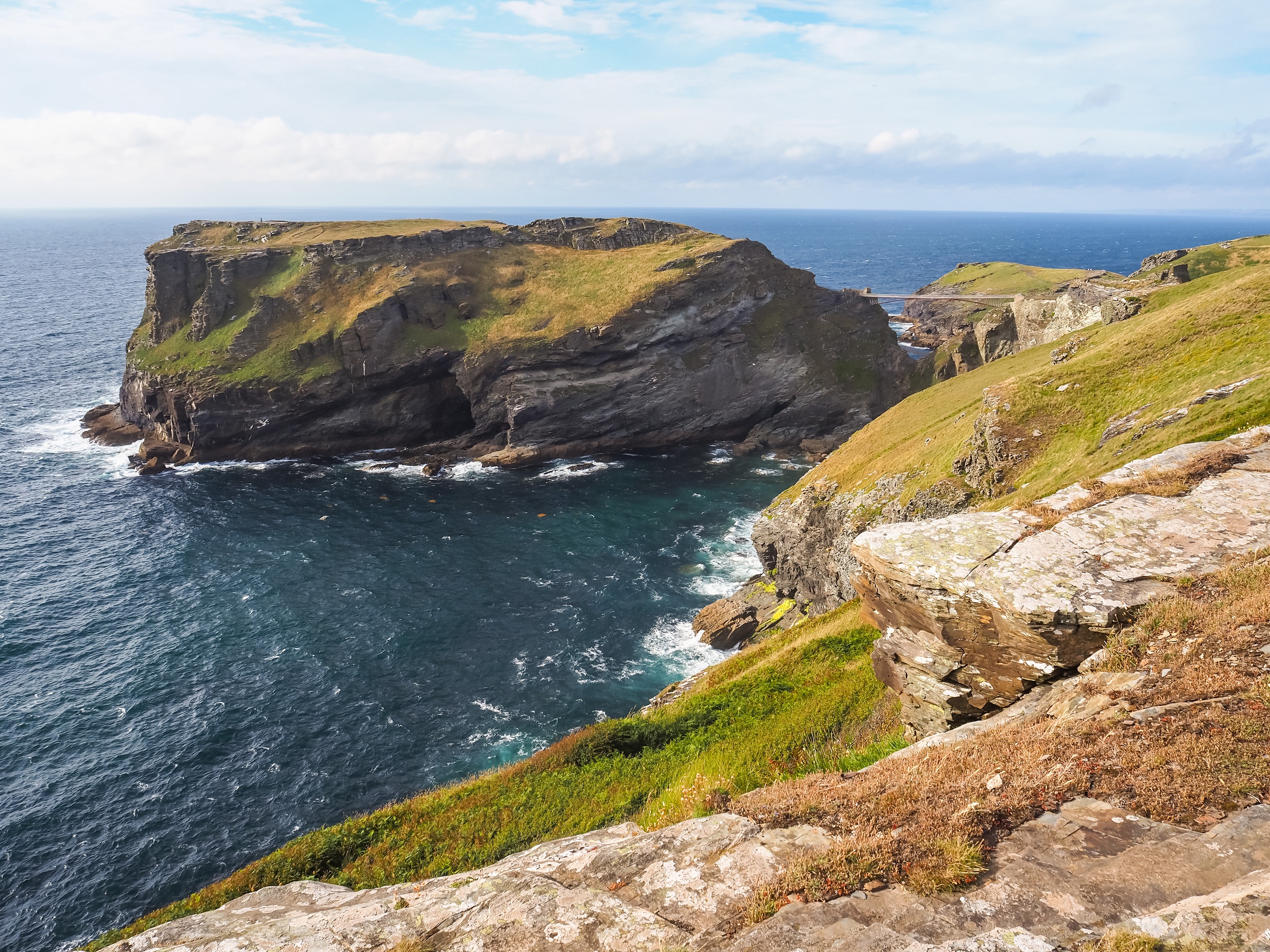
A dramatic island linked to the coastline by a suspension bridge

So another travel hack is to arrive at places like this late in the day, but not so late that the farm shop has closed. Tintagel is equally as quiet, the town sleepy with an air of desperation, the headlands peaceful with an air of salt and ozone. It’s late enough for the castle to be closed and free entry to a little part of it, the mainland part of it. Good value if you are walking the coast path penniless, fabricating encounters and manipulating illness to write a book or something.

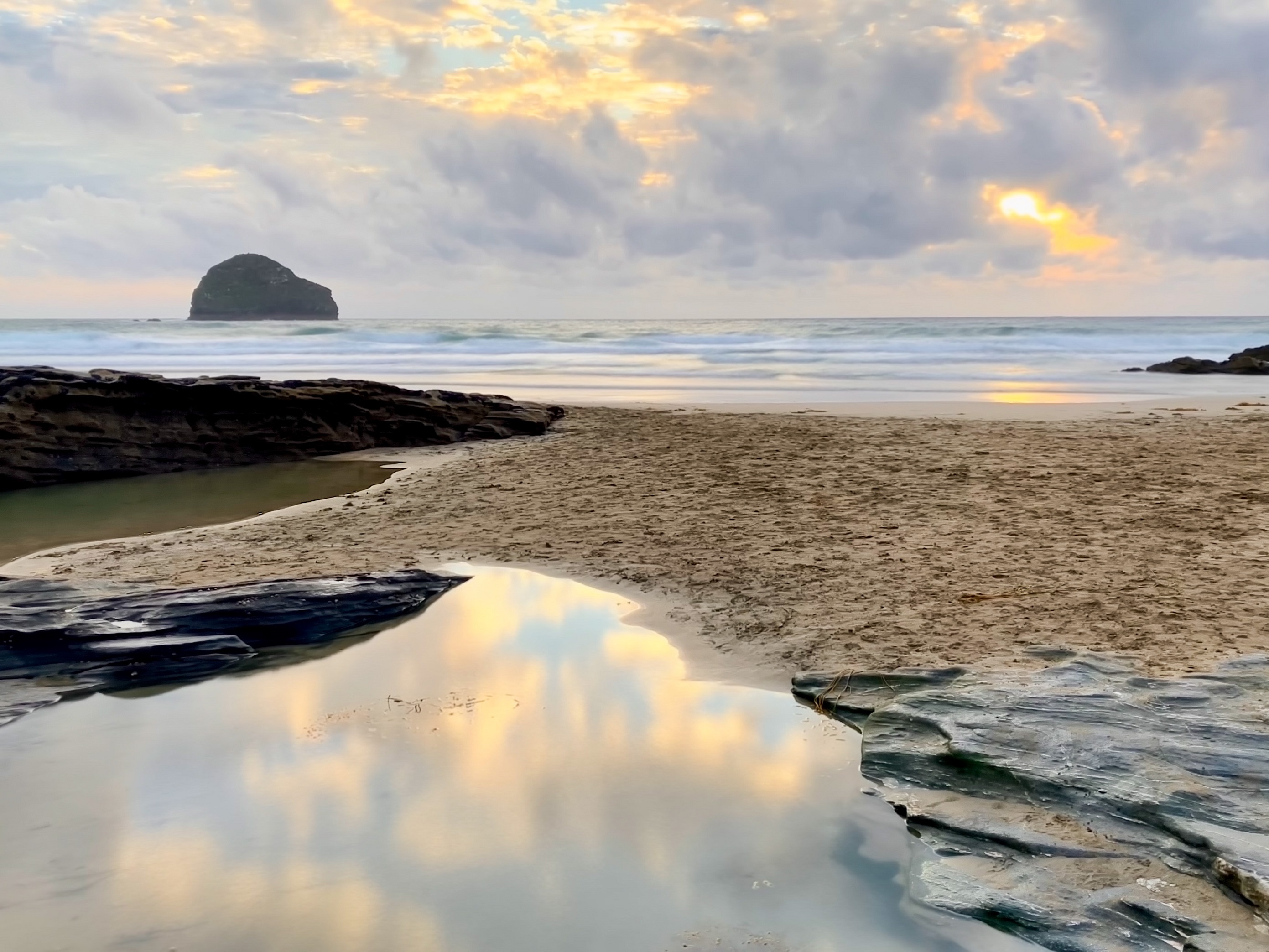
It turns out all the characters are down at Trebarwith Strand, seemingly gathering for some kind of birthday or Friday night supper in the encroaching gloam. Bodies adorn and litter the rocks and I can only imagine slow shutter speed sunset seekers tut-tutting and rolling their eyes. The beach is disappearing as quickly as the light and even quicker than any remote hope of a majestic sky.

A rugged beach with late sun and reflections from a rock pool

………………………………………..

Hey, have you heard of this crazy type of rain? The locals call it mizzle and you should definitely not check it out. Despite looking innocuous it soaks you to the bone and lures you towards cliff edges. There is a sea down there somewhere but you can hardly hear it because this incredible precipitation phenomenon also absorbs sound. Wow, living my best life.

Yet for its very damp bleariness there is cocoon-like comfort associated with a walk in the mizzle. From far-reaching vistas the focus shifts to the immediate and mundane; your breath and your footsteps, the infinite shades of long grass below, the teardrop of water coagulating upon the tip of a leaf. The outline of a shady Hotel Camelot and a cat on a wall. It’s not clearing, so bugger it let’s go and get a hot drink.

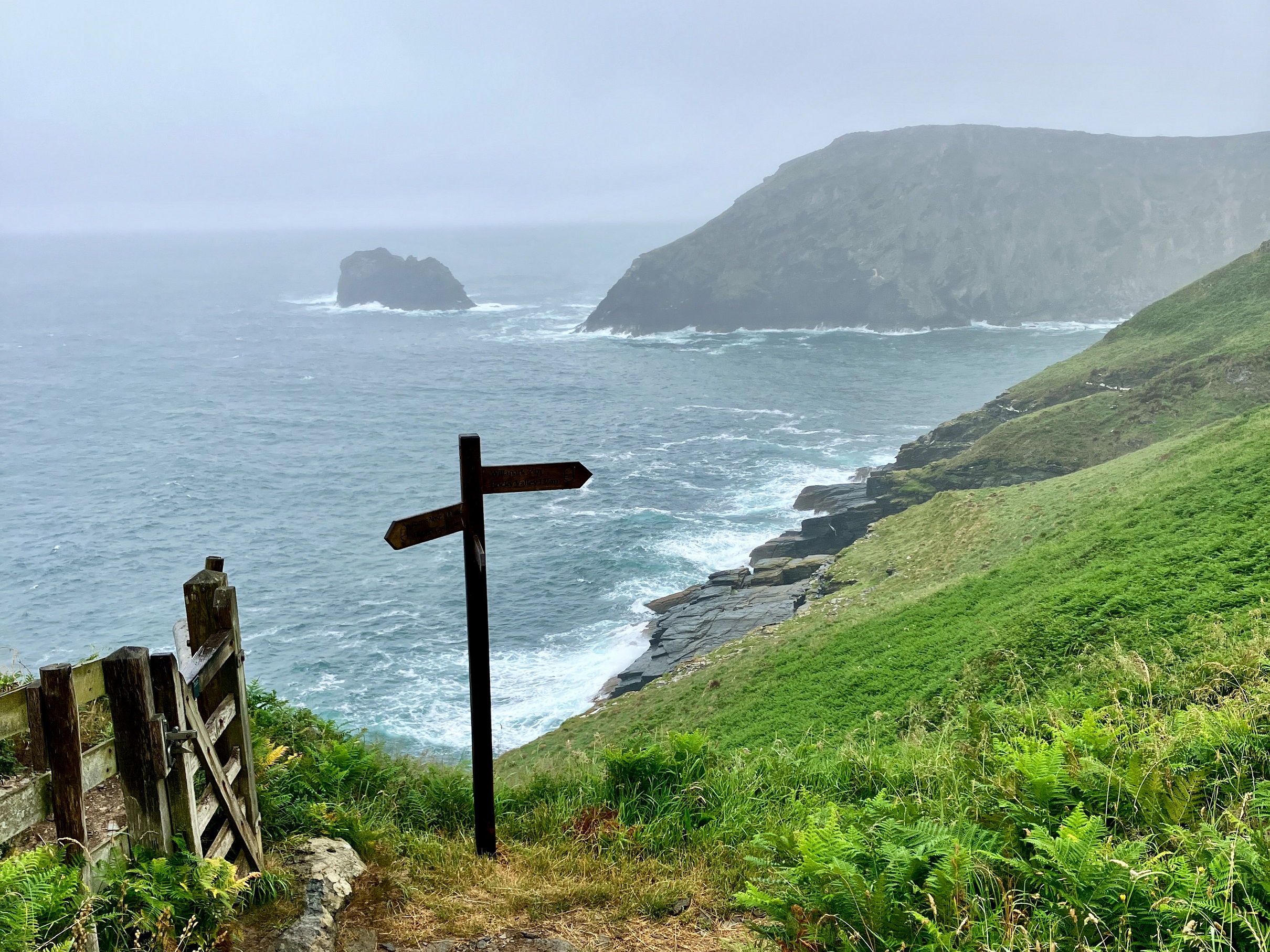
A misty view of cliffs with a signpost and overlooking wild seas

If Tintagel was a little downbeat the evening before, early morning was positively ghostly. There is probably a tall tale of the spectre of a headless knight roaming the streets here seeking plastic swords and a genuine pasty. Today they are reincarnate in the bus load of German tourists that have found themselves in a branch of The Cornish Bakery, ordering pasties and bitter black coffee at ten in the morning. I feel both delighted and deflated at the realisation that their lasting impression of an iconic delicacy will be that thing there.

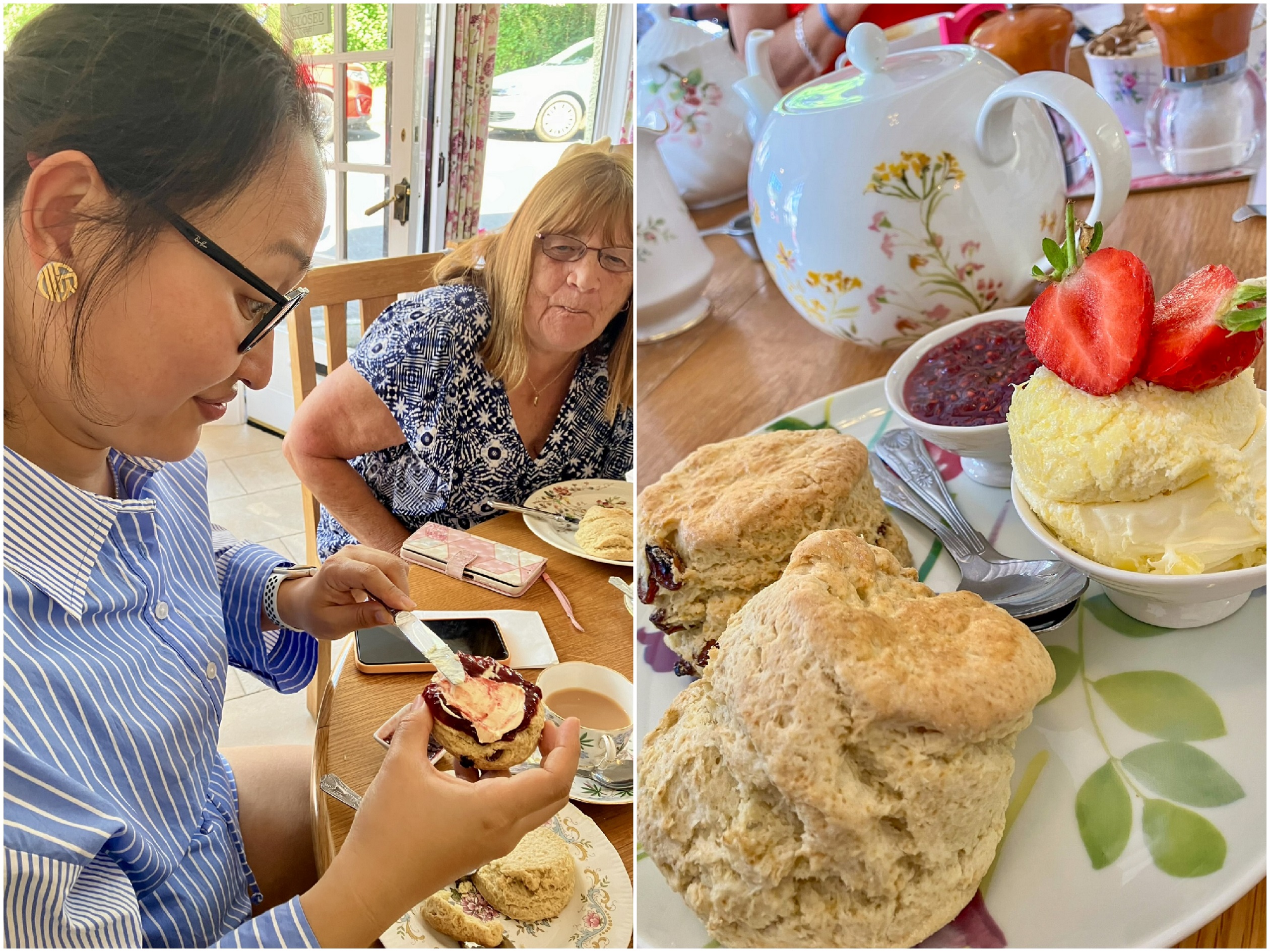
I just hope their cream tea experience proves more impressive. Mine certainly does. It’s a scene almost worth filming and sharing a smartarse clip where you break open the scones and zoom in on the jam and slather the cream all over a camera lens and then stroll beside the sunny cottages decorated with bright flowers hand in hand. But I don’t want to influence you or, frankly, encourage you. It is all mine to remember. Or mostly mine, for there is nothing finer than seeing your new wife embrace this experience with gusto. Totally under the influence.

Food & Drink Great Britain Green Bogey Photography Walking

The size of pasties

Cornwall. Finally a chance to soak up the landscape and imbibe the delicacies. And not just any old Cornwall, but West Cornwall, where the Atlantic and Channel come to blows against heaving granite battlements. Sandy residue forms into gold and emerald bays while fishing boats scatter out to the deeper, bluer sea. Tin mines and stony relics dot gorse and heather uplands, granite thrust from the earth like blades from an iron throne. In the towns and villages, lobster pots and window boxes and coloured stone walls lean into constricted, sinewy lanes. A sometime paradise challenged in August by a voluminous throng.

After some brighter weekend weather it was a dreary Monday morning travelling west, a race against time before a band of rain once more made landfall on British shores. And by time we reached St. Erth, archetypal summer scenes packed in on platform 3 for the branch line to St. Ives. People and dogs and pushchairs in raincoats, laden with paraphernalia for a day at the beach. Simultaneously muttering variations of “it’s not too bad.”

Given the weather it seemed St. Ives was the best option for us to while away a few hours before we could check in. I was hesitant, but what other options were there? Join the masses of masses pretty much doing the same thing.

Despite the gloom, there was an undeniable vividness in the waters trundling along the rails beside the bay, an essence of palm tree and other exotica exuding warm vibes and expensive lettings. And there were even a few surprise sunny breaks, as if the skies wanted to tell you, look, this could be the French Riviera, oui?

A view over water to a harbour and some houses

That was about as good as it got. St. Ives proved 90% summer holiday horror show, 10% charm. That 10% largely came from the first glimpse of colour at Porthminster Beach, a brief beam of sunlight in the sandy harbour, and a fortuitous walk for fifty metres along a side street absent of cars wondering where the hell they were going and pedestrians from the West Midlands pretty much doing the same.

Otherwise it was all dreadful battles through crowded streets, seagull angst, soggy sandwiches in a squall, and a lacklustre coffee in the only café with any space whatsoever (compounded by sightings of spectacular cake on the way back, an opportunity missed). Still, at least the Co-op was okay, and goodness knows what else we might have picked up in St. Ives apart from some bananas and emergency crisps.

A seagull nestled among some flowers

Boarding the 15:06 to Lelant was a relief as heavier rain set in. Such inclement conditions meant we could explore the entire confines of our Airbnb. This wasted two minutes but uncovered the world’s noisiest wine fridge and an inexplicable absence of toiletries. And while blissfully quiet outside, the downside to staying in Lelant was that we couldn’t stock up on provisions. No shop or petrol station but at least there was a pub. Priorities.

I don’t know if it was the pub, the train, or the cool, damp weather that made Avery wake up with a sore throat the next day. But we are blaming St. Ives because, well, the place hasn’t been pilloried enough already. Heaving, horrid, infested, infectious St. Ives.

Given she wasn’t feeling so well, my plans for a busy schedule of sightseeing, of stunning, sandy waters and epic landscapes and most of all some treasured coast path on the edge of Britain were put on a back burner. We headed instead for a seemingly more sedate experience at St. Michael’s Mount.

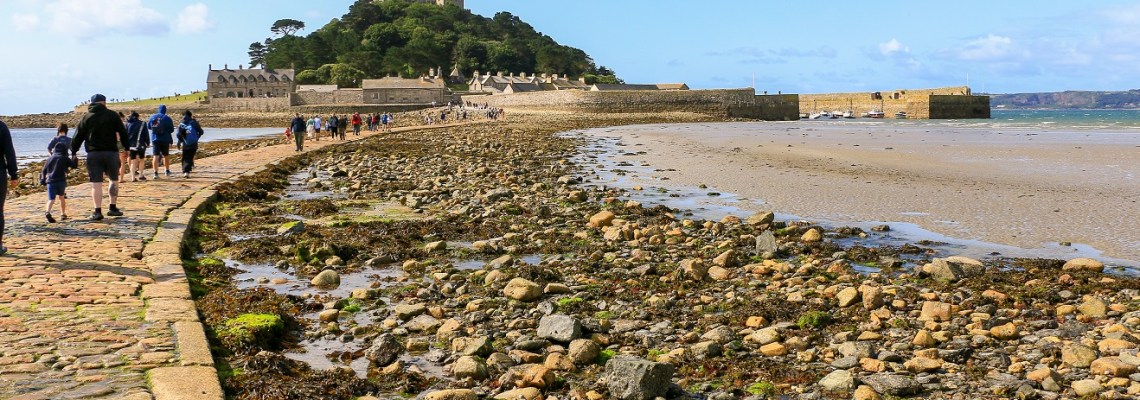
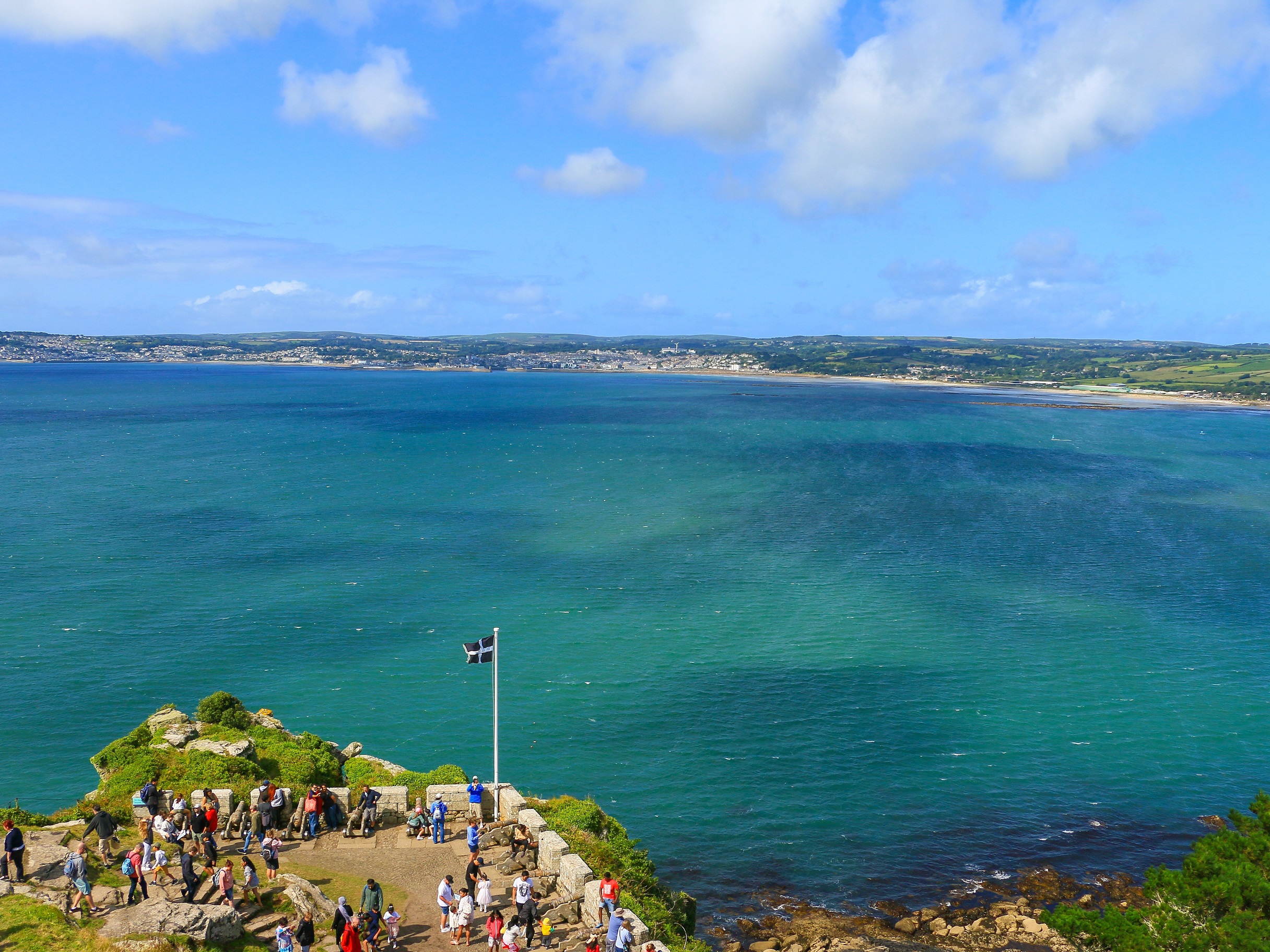
This island sure has a presence, loftily rising out of the shallows of Mount’s Bay as we double decker bus it down towards Marazion. The bus naturally inches its wing mirrors between stone walls and parked cars, depositing us near flat, tidal sands leading out towards the Mount. The sea is out and still receding, meaning we can try not to slip up on the causeway. But before that, there is a queue to get on it. And much expense, naturally.

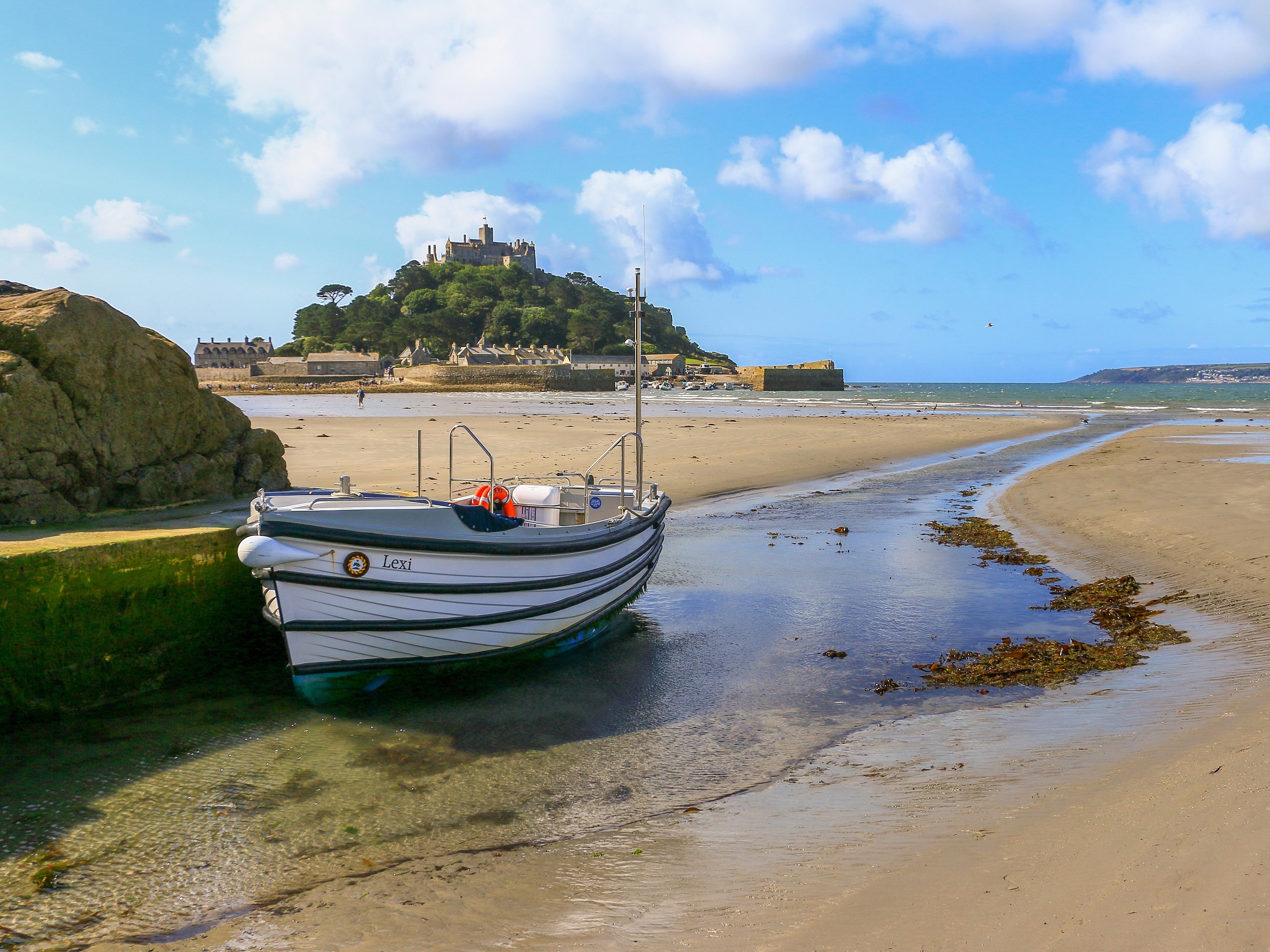
A boat on sand with an island and castle in the background

Arriving on the shores of the island is like transporting yourself to Kings Landing, only with a couple of coloured plastic tokens for entry instead of a lust for jousting and regicide. Immediately there is a shop and café and we make use of the latter before joining the trail up to the castle. Once more, finding myself treading in the footsteps of Portillo, Lumley, Humble, Robinson et al.

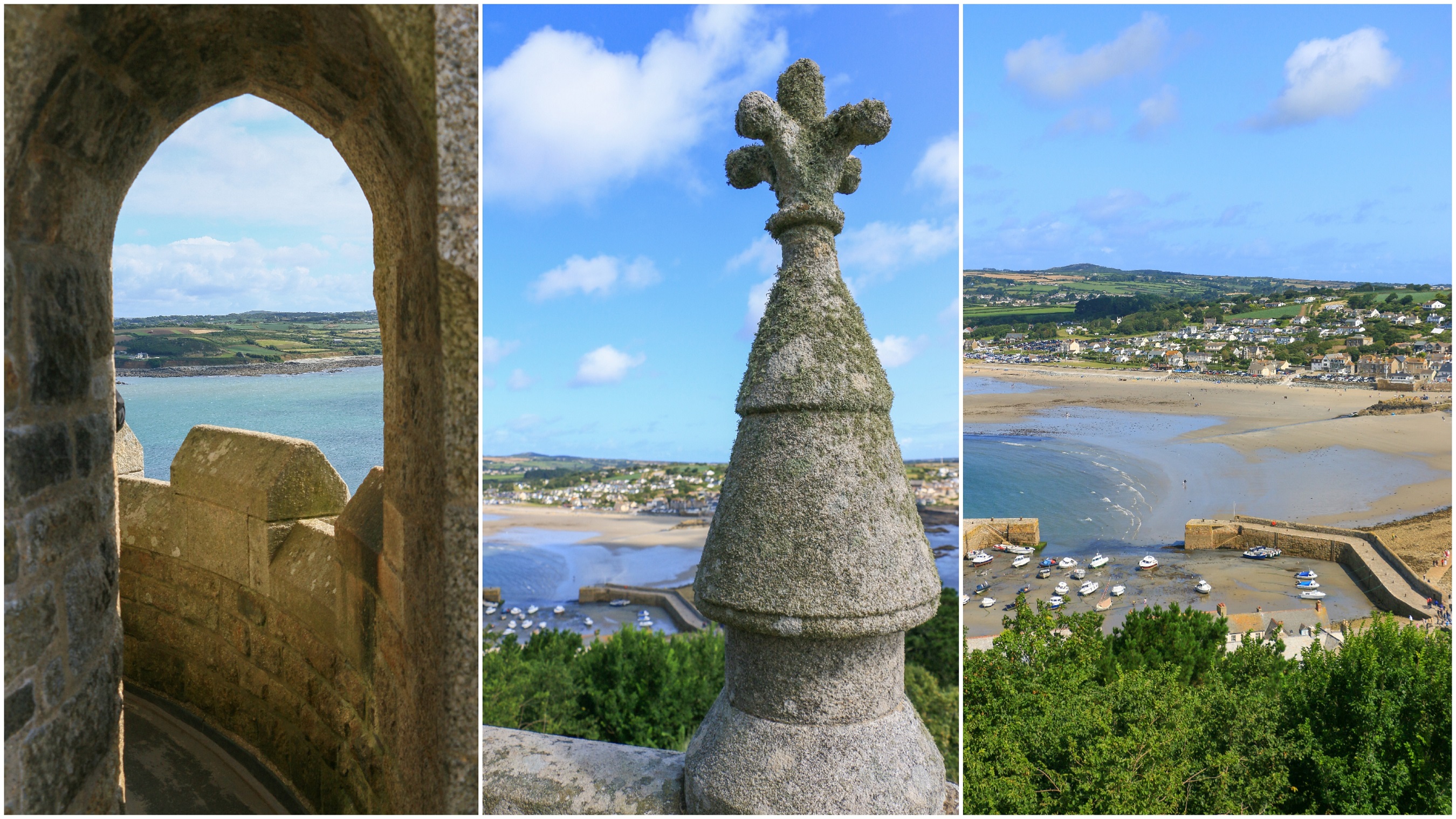
Of course, those guys tend to receive exclusive, unimpeded access with a personal tour from Lord Wazenose of Loftingsnout, who points out the many previous family owners and esteemed visitors hanging on the walls. There are a lot of them, and a lot of walls and it is indeed a thoroughly fascinating place to wander around, even without a personalised talking-to from the establishment. Occasionally the procession of people breaks and you get a room all to yourself to imagine being an aristocrat. And, even in a crowd, space never feels far away with breathless, blustery views over the seas and much of Cornwall. An egalitarian outlook.

Views of the sea and countryside

An expanse of vivid blue sea with land in the distance

It was a bright but cool day, cool everywhere but the rather exotic gardens spilling down the southern ramparts. The contrast in temperature was akin to exiting an easyJet flight from Manchester to Granada. And the plants here were themselves pretending to be thriving in the Alhambra rather than growing just off the A30 near Long Rock.

With most of the West Midlands by now accumulating on the island it all started to feel a bit St. Ives. And with the tide on its way in, we headed back to the mainland and another huge queue for a pasty, some cheese straws, a couple of drinks and a tote bag decorated with pasties. The pasty was fulfilling, more than satisfying a quota or two but I felt a bit rushed to eat at least half of it before the bus arrived. I needn’t have worried. In fact, it would have been prudent to save some lest we become emaciated on a bench in Marazion, two skeletal remains still waiting for the Land’s End Coaster, a seagull picking away at any remaining sinew.

Some exotic gardens and a Cornish pasty by the seaside

Before the bus didn’t arrive for more than two hours I was still marginally hopeful of an early evening sunset jaunt. Get back, have a nap, hop on a later bus to transport us along the rugged north coast to Botallack, and marvel at the golden light projecting onto the rocks and waves and iconic Cornish landmarks. But the lesson learnt is that there’s no point making plans based off a bus timetable in August.

In the end we just got a bus, any bus, which deposited us in Penzance. The plus side to this was we could pick up some reduced price snacks from Tesco Express and – tucked away in a dusty corner filled with spiderwebs in Boots – a pack of Covid tests. To think these were all such a must-have accessory circa 2021.

Back at the bus station it was with expected irony that the Lands End Coaster via Marazion was waiting. I have no idea if this was the 12:30 or 1:30 or 2:30 or 3:30 but it left at 4. And it stopped at Marazion, picking up two older ladies who I recognised from our time at the bus stop, looking slightly more emaciated than before. Eventually we got ‘home’, wiped away the day with no toiletries and started the process of reluctant snacking.

A tad infuriated at how the day had panned out, thank goodness for a five minute walk to Porthkidney Sands. Along a leafy lane, past the chocolate box stonework charm of St Uny’s Church, across the alluring fairways of West Cornwall Golf Club, over grassy dune hummocks in which a rail line somehow weaved. The tide was in, but there was still some sand. And some waves. And some birds. And very, very few people. A chance to breathe again, to experience the magical in West Cornwall. Definitely feeling positive. Both of us.

Great Britain Green Bogey Photography

The size of scones

Do you ever get asked to recount the favourite part of your holiday? Or to share the best thing about <insert multifaceted, dynamic, diverse country you have just visited>? Usually it’s a question posed upon returning home when people want to take an interest but not too much interest. And it’s a struggle to answer.

As an indecisive Libran who treasures so many little things and rarely chooses favourites unless they come from Cadbury, I find it an infuriating question. Just one thing? However, in true contrarian fashion, this year I may just have settled on something. As memories fade with each day, one that stands out stronger than the rest, when time could happily stand still.

I won’t head there yet because I’m going to resume talking about the weather. A gorgeous morning in Plymouth, clear and calm skies offering the best beach prospect of the entire trip. When Plymouth shines usually the South Hams shine stronger. So there is an even greater feeling of despondency as we drift through sunny villages towards a distinct band of cloud. ‘Typical’ is the exasperated utterance of choice. Why didn’t we go west?!

With glimmers of promise becoming sparser, we decamp at Kingsbridge under an atmosphere of light grey. The mission here is to get a bite to eat, and what a mission when there are nine of us. Still, I was surprised to find quite the high street tucked away from the quay, rising up in a Totnes kind of vein. Not enough bakeries and tea shops but I’d already done some noteworthy coffee and cake down by the bus stop.

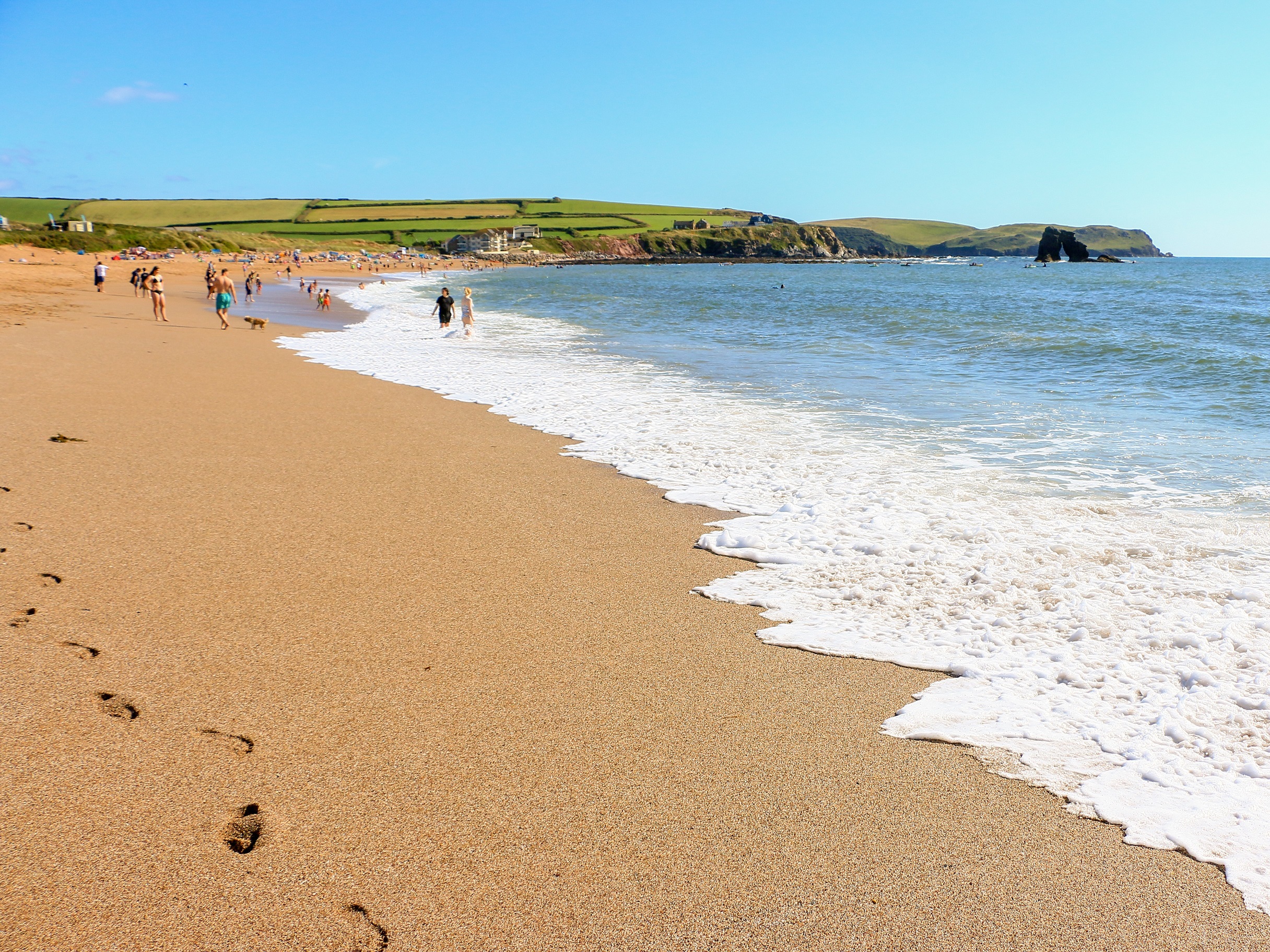
The cloud was lingering as we arrived at Thurlestone, a site steadily establishing itself as the South Devon go-to beach of choice, mainly because of reasonable parking and accessibility which was made all the stronger by bringing a footstool for that one last big step down to the sand. The beach here is essentially one end of South Milton and while that area involves regimented National Trust-controlled fleecing and pop up Instabars, this quieter side has more of a traditional bury your kids in a hole after they have mild hypothermia from the water kind of vibe.

Certainly my tippy toe experience ascertained hypothermia would take a matter of minutes. But at least in one direction there was hope on the horizon with acres of overhead blue progressively creeping closer. Finally bright spells transform to basking weather, when the outside temperature is marginally warmer than the sea.

A beach and the ocean

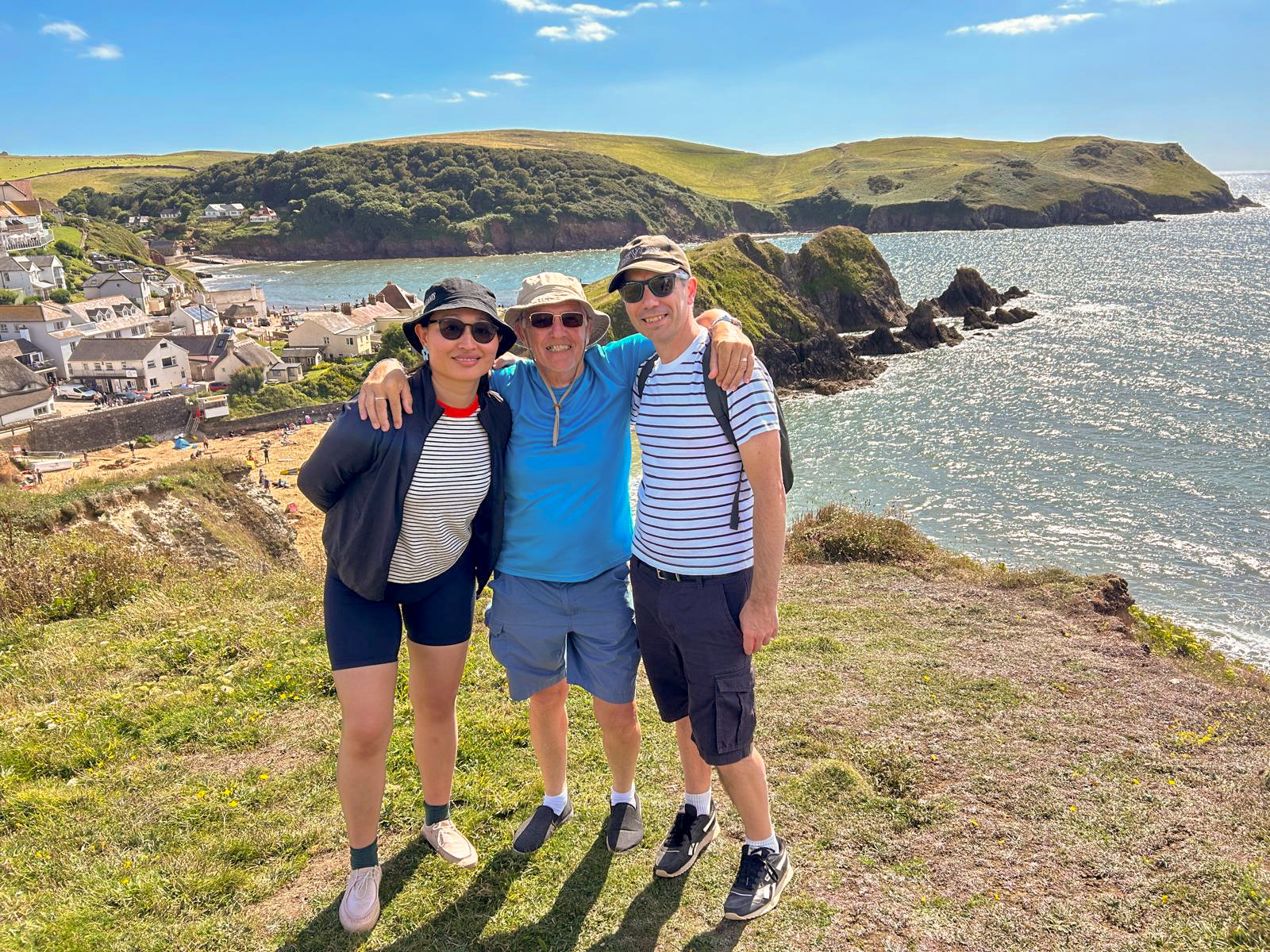
Hope was also on the other horizon, or just over a headland. This meant navigating an increasingly naked stretch of South Milton, admiring some highland cows and other bovines. A couple of undulations later and we overlook Hope Cove, bustling and bursting, a long way from my first acquaintance with the place a couple of decades ago on a cool and cloudy late winter’s day.

A cow standing in some water

There are a few memories from Hope Cove, the most enduring being on that first occasion, retreating to an empty pub and becoming acquainted with the joys of a perfectly baked treacle tart paired with local clotted cream. It’s something that hasn’t been replicated or improved on since. Today, the pub is busy and treacle tart is absent from the menu. I make do with a dollop of Salcombe Dairy from the general store. There will be sweeter, creamier days ahead.

Three people standing on some cliffs overlooking a village

And so that brings us to Trago Mills, undoubtedly not the highlight of the trip but a necessary forerunner. A space to wait out some time as the day warms up, the sunshine bringing extra sweetness to massive trays of strawberries for a pound. I once remember a friendly debate with an Australian when I lauded the superiority of English berries. And while I concede the blueberries and raspberries are broadly on a par, I challenge anyone in Australia to come up with a strawberry as succulent as that of an English summer. My partner, Avery, says she will never eat an Australian one again. We both can’t handle the disappointment.
What goes with strawberries I hear you say? Cream. Cream also goes with treacle tart and brownie and ice cream and plum pudding and meringue and anything really. Scones of course are the natural partner, a marriage made often in Devon. There is always a risk that the second time round will not live up to the first, but I doth my cap to Lustleigh. And forever will pay it homage.

Scenes from a village with a church, tearooms and thatched cottage

Scones and cream and cream and scones

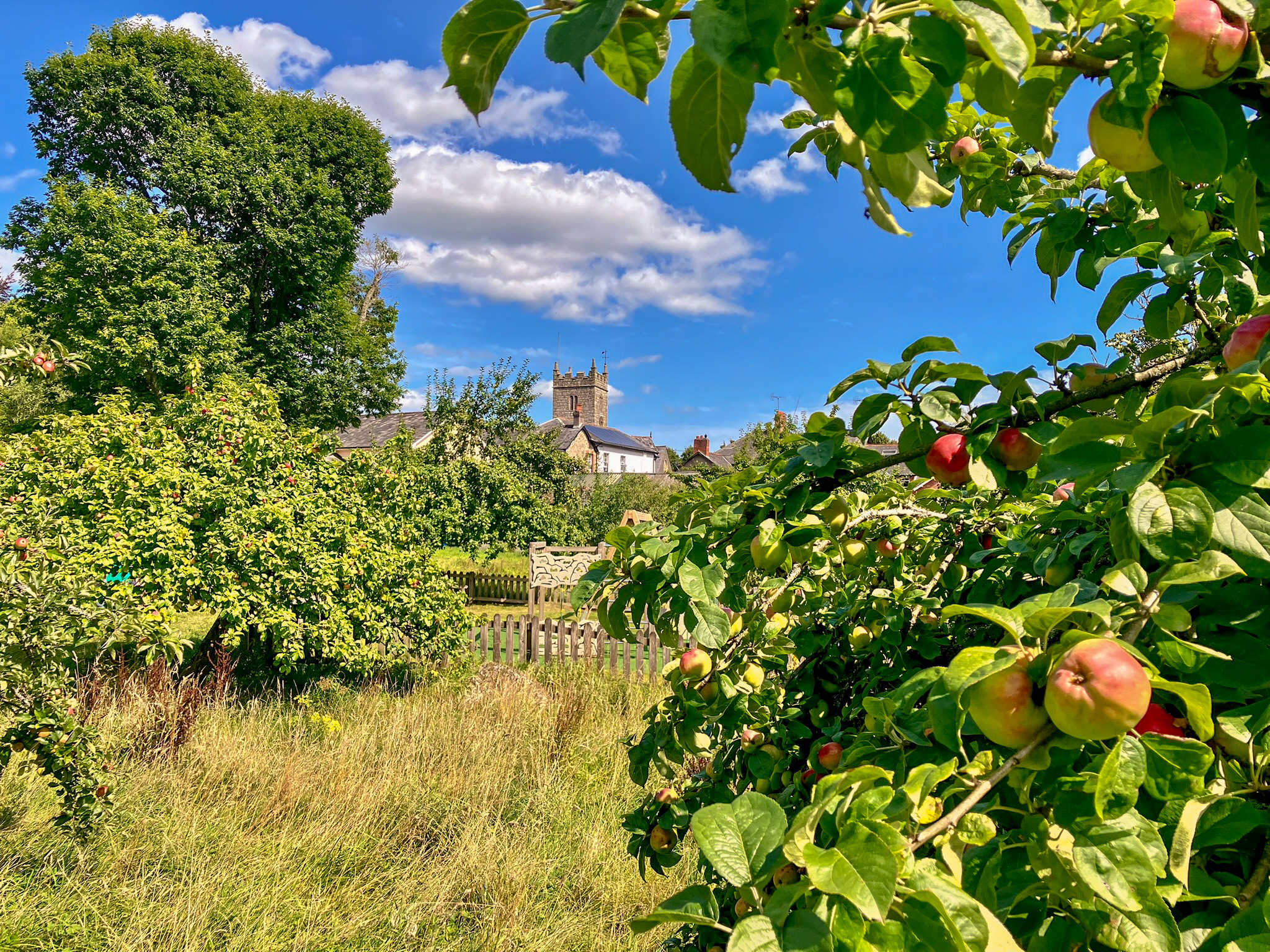
This is an occasion that lingers, but in a way which sets up a perfect moment in time, a perfect holiday memory. Sated in warm sunshine, meandering along the brook in the village orchard. Through clumps of apples, the swings and benches and thatched roofs and church spire cluster around a tearoom. Avery and I wander, attracted by the vivid blue and green demoiselle zipping above the water. Spread out, family are equally soaking in their own little thing, their own quiet corner of contentment. Time feels like it stands still here and you very much wish you could stand still with it. But we have to move on, there are questions to face.

Food & Drink Great Britain Green Bogey Walking

Bean there, done that

It is funny how an arbitrary line on the map can make such a difference to how things feel. Like totally new government feels. Different planning rules and street signs and higher rates and corflutes advocating for the next new candidate for the next new government. It’s not quite the transformation one feels walking from France into Switzerland, but welcome to Queanbeyan, New South Wales.

Somehow in Queanbeyan the gardens feel more exotic. As if it is longing to be part of the South Coast while ignoring the spectre of winter frosts. Dusk welcomes shrieking rainbow lorikeets while engine braking emanates from the trunk road heading through town. Surprisingly cute tin and weatherboard cottages compete for space with the sturdy brick brown blocks of flats lining the river. Buzzing waterfront taqueria contrast with a roundabout Red Rooster.

This is the juxtaposition of Queanbo life. A not quite Canberra suburb, a not quite country NSW town. A probable temporary life for me, though there have been a few properties that could have cut the mustard to make it last longer. You do get more bang for your buck, but at what cost?

Okay, well rates are set to increase by more than 60% over the next three years. The Queanbeyan River can sometimes flood. Everywhere else seems just that little greater, gas-guzzling distance away. And – at least where I’ve been staying – I just haven’t had the same level of greenery from the door.

I did find a reasonable coffee shop where you can get a large coffee for less than a fiver. Yet this little miracle means walking a little along the Kings Highway and then deviating through Brad Haddin Oval where you are reminded of the irritating deeds of Brad Haddin.

It’s a graceful and elegant oval set among large shady trees. Old folk from a nearby retirement complex play bowls and shuffle upon the tennis courts. It doesn’t really feel like Brad Haddin but perhaps he has mellowed too, joining the likes of Glenn McGrath and Mitchell Johnson as somehow thoroughly likeable chaps. I have doubts if Nathan Lyon will ever get there.

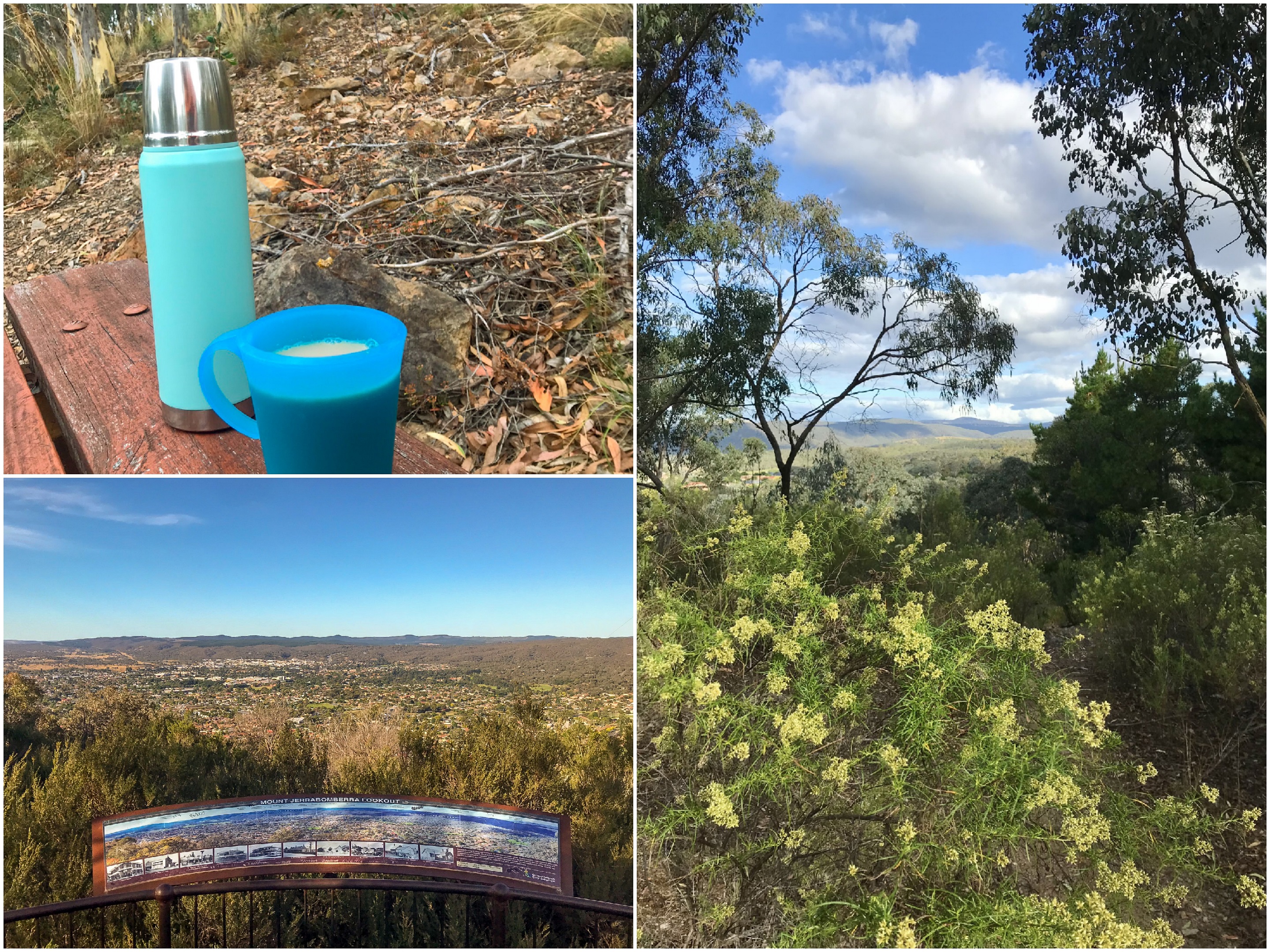
Perhaps Queanbeyan will feel the same to me, if and when it is no longer in my face like an amped up baggy green rage fest. I’m sure also when I leave someone will have come up with the bright idea of putting a café somewhere between the town centre and Jerrabomberra, providing the opportunity to grab a morning coffee and head into the bush. For now, flask tea is the best option.

Mount Jerrabomberra has proven the proverbially island in the sea. I had walked it once, gently rising along the main fire trail to a summit view and radio transmitter. But there are many random tracks veering off here and there, a spaghetti network offering infinite choose your own adventure.

Even the bush seems a little different here. Maybe it is the geology or the aspect or the way in which it is or is not managed. But one thing it has in common with many a neighbour is the encroachment of sprawling suburbs, trees spilling downhill to lap at a new road, a new Aldi, a new McMansion.

Apparently the land rates in Jerrabomberra are some of the highest in the country. Technically this is a Queanbeyan suburb but feels as much as it actually is over the hill and far away. What strikes me, more than anything, is that it has a stronger Canberra air. I think in the grassy median strips and footpaths between the backs of houses, and the engineered waterways and looping crescents, moulded to the hilly contours of the land. There is even a lake, albeit small, albeit with palm trees and an island that could well be Mar-a-Lago down under.

There are secrets here to be unearthed. Transecting that fringe between the mansions and the wilderness, a lushly green gully, a flowery scent of undergrowth, a deepening expanse of gum trees and acacia. The forest seems to push on, becoming more impenetrable as you go, perhaps heading ever eastward all the way to the ranges and the coast. Or maybe coming up against Googong.

Googong is the newer Jerrabomberra, the modern type where the larger houses take up pretty much all of their small block and where a scattering of townhouses offer as much floor space as an apartment at twice the price. What’s the cost of stairs and a garage?

It took until my last Friday night of Queanbo life to make it to Googong, or more precisely the fringes of Googong, bypassed to reach its namesake dam. This is no ornamental pond with palm trees or cultivated lake with coffee shops, but an expansive, Windermere-esque ribbon of water running many miles from north to south. The Lake District parallels may come as a stretch but there was something comforting and lovely strolling upon its shores under golden evening light.

Critics may jape that this is the best view in Queanbeyan, mainly because Queanbeyan is a long way behind your back. How do I feel about the place after almost an eight week stay? The welcome to town signpost sums it up well: Country living, city benefits, though I’d argue there are also city annoyances to add to the list. But in the ultimate test of the ‘could I live here?’ conundrum, I was pleased to enjoy a decent coffee one final morning, served up from my regular go-to café. Where, just before I depart, they finally remember my name.

Australia Green Bogey Walking

Happy Shropper

In another classic episode of Escape to the Country, semi-retired couple Martin and Glenda scour the land seeking a five bedroom property with countryside views, a home which has lots of history and character yet is spacious with all mod cons, is in a well-connected village or town but away from the road, and has a separate studio space as well as paddock for horses, kept within a low-maintenance garden. As always, they leave empty-handed.

For some reason, the county of Shropshire always brings to my mind endless episodes of Escape to the Country. It probably came about during a four hour afternoon binge of boredom when the best entertainment on offer was seeing affluent couples debate the merits of being located within fifteen minutes of Ludlow. From my (admittedly not rigorous) research, Shropshire is awash with such couples. And you can see why.

But more of that later, as our journey today starts in Cheltenham Spa, where I meet up with Caroline for a week of escaping in the country. It is a fine summer’s day and Cheltenham is looking mostly resplendent, particularly around the parklands lined with elegant Regency mansions. The weather suits a picnic and an ice cream and an outdoor drink before some alfresco dining and a long walk back to the Premier Inn.

The next day takes us through Herefordshire and into the heart of Shropshire, with place names familiar from daytime TV property shows. The first port of call is Ross-on-Wye, providing a taster for the towns to come, all higgledy-piggledy high streets, timber beams and hilltop climbs. From high up next to a church, the Wye meanders quietly into a panorama of what is to come.

The same sinewy river cuts through the heart of Hereford, where it is time for some lunch. That is if you can negotiate the ridiculous parking arrangements with apps and meters and enforcement cameras and other people scratching their heads as to why they make this so damn difficult. It is worth it, in the end, but doesn’t garner great first impressions.

Having grown up in a Plymouth whose centre was largely obliterated during World War Two, I rather like the character and charm of Hereford. Its cathedral upon the banks of the river impresses, as do the cloisters and laneways emanating from its heart. Yeah, it has Poundland and other such trappings but they are frequently encased in timber and crisscross cladding. Lunch in a laneway feels continental, though with more crisps and less Orangina.

At some point we pass into Shropshire and before long come within fifteen minutes of downtown Ludlow. I never realised there were so many fortifications in this part of the country, but it makes sense given cross-border rivalries. Ludlow boasts a decent castle atop its ridge, boasting a civilised cafe within its ramparts. The kind of place for scones and cream, if only the last of the scones were not taken by a family who would not fully appreciate such things.

It’s the kind of setting where Escape to the Country couples would gather with their host to discuss the pitfalls of all the properties they had visited before heading back home to the West Midlands. At some point on their journey, bucolic Shropshire will transition into industrial Black Country. Probably today it is somewhere beyond Ironbridge, though in the past this would have been the very epicentre.

Ironbridge shares a commonality with many Australian places in being named for the bleeding obvious. It is – famously – the site of the world’s first bridge constructed of iron, the gorge in which it sits once a thriving heart of the Industrial Revolution, warts, smoke, cholera and all. Within this context, it is at a confluence where cosy countryside property-buying programs meet the imperialist nostalgia and engineering worship of Portillo, Robinson, Bell et al.

Today, it is hard to imagine a noisy, dirty, smoky valley of mining and manufacture, shipping and smelting. The graceful iron bridge stands, backed by a picturesque village of quaint homes and tourist trappings rising up the hill. Being a warm day already, I succumb to an ice cream before noon and Caroline happily joins in. We find pleasant lanes and a pleasant park and, with some time-filled, a pleasant pub. It is not the pub garden of dreams, but it is a pleasant place for lunch.

Still seeking the pub garden of dreams later on, Caroline asked a couple of police officers strolling the amiable streets of Much Wenlock for their recommendations. There isn’t much to Much Wenlock and I doubt there is much for the Much Wenlock constabulary to do. Other than recommend pub beer gardens to out-of-towners. As it turns out, the recommendation in Broseley was okay but the garden more gravel car park than veritable eden.

Ideally there would have been a good beer garden in Much Wenlock itself, to refresh after a lovely amble around this most charming of small towns and its surrounding countryside. But much of Much Wenlock is chock full of timber-framed cottages, tightly wedged together with barely room to swing a cat. Gardens are a luxury. This is usually a point of contention for those couples in Escape to the Country, bemoaning a lack of space in the medieval home full of character they so desperately sought.

If it is space and character they are after then they may need to head west, and the Welsh borderlands. For here, just outside of Welshpool we discovered a good-sized pile boasting fine views, a well-maintained garden, several bedrooms with en-suite, plenty of wildlife, and all this situated within five minutes drive of Tesco.

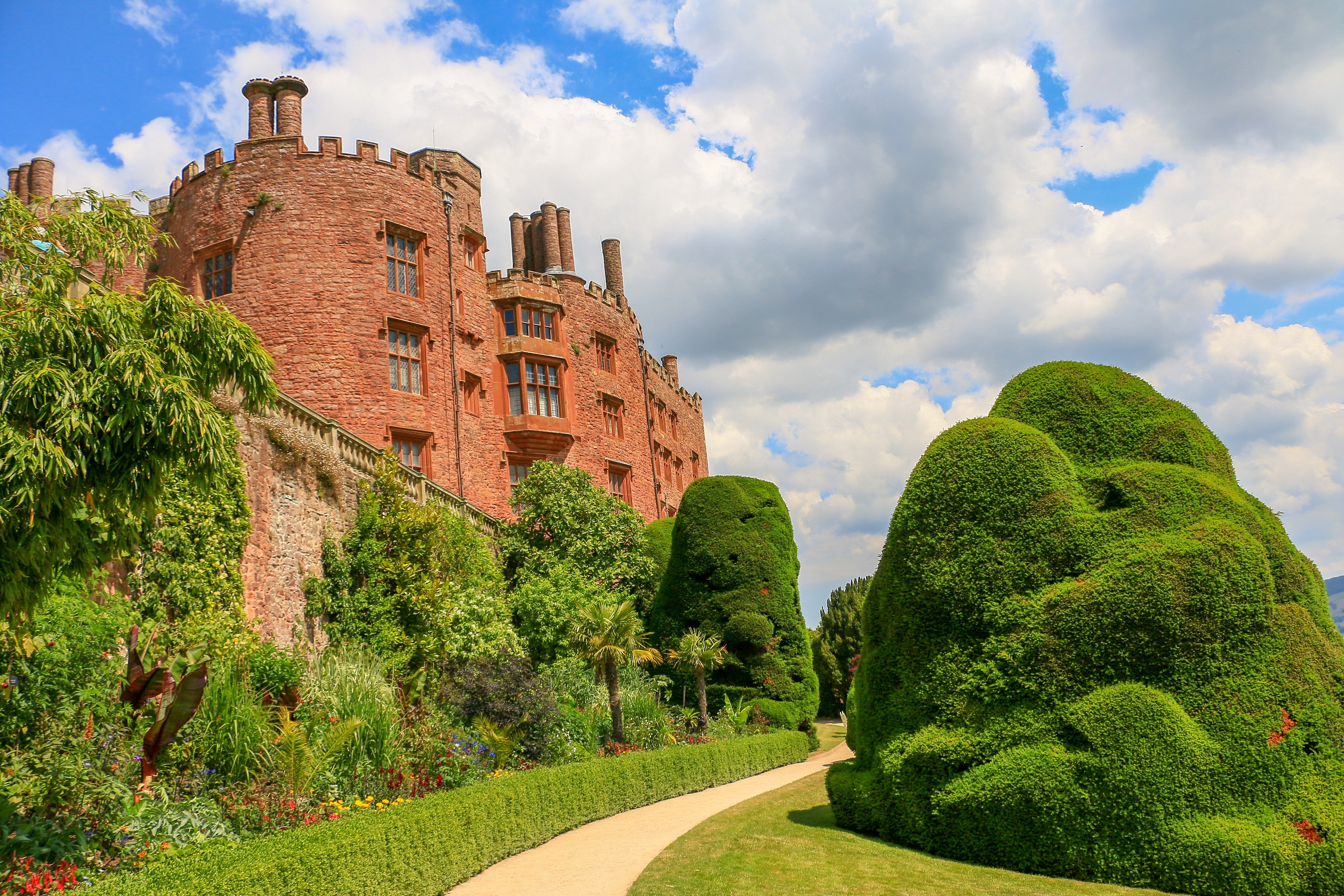
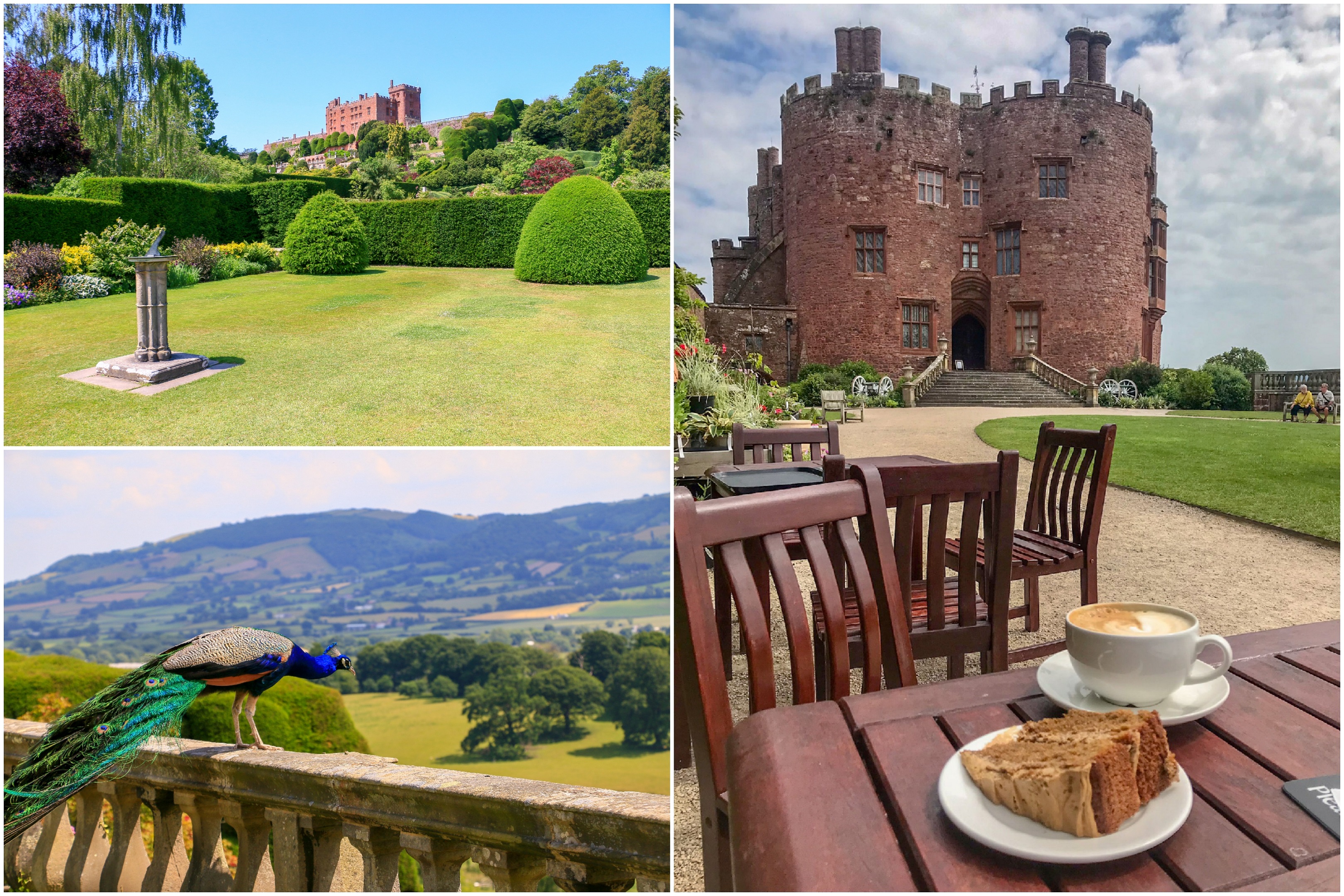
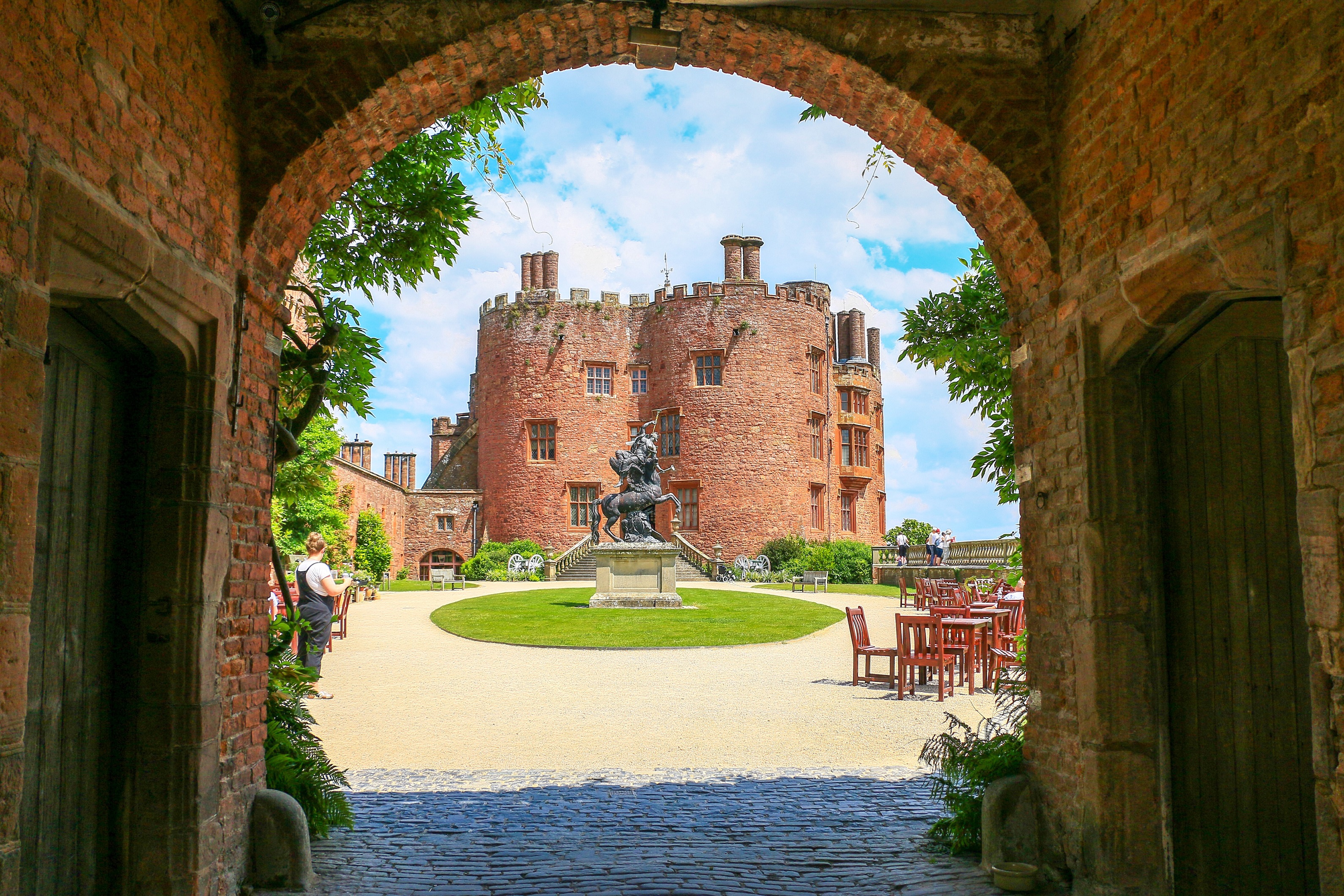
While we may have missed out in our perfect pub garden quest, then Powis Castle was a roaring success of a National Trust day out. Even I don’t begrudge the admission fee, which was good value considering the wonderful gardens and grounds, the views, the preposterous wealth and artefacts of the insides, bonus peacocks and – with a little extra payment – coffee and cake. Oh, and a picnic, naturally. Proving the perfect escape to the country.

Food & Drink Great Britain Green Bogey

English salad

The glow of the sun kissed my face, smoothing weary creases and tired eyes. I stretched my legs free, unfurled my arms and breathed in air unguarded. A salty, doughy morsel touched my lips, comforting and contented, filling a roiling void somewhere in my stomach. And then I took a sup on a coffee from Pret and came down to earth. With a bump.

Not for the first time today, meeting Great British tarmac at Heathrow Airport. A concrete scene which diminishes with miles, through the leafiness of Surrey, the crops and commuter towns of Hampshire, the river valleys and chalky plains of Wiltshire. The proportion of sunshine to concrete proves related, as cool, cloudy skies greet me in Salisbury, alongside Dad.

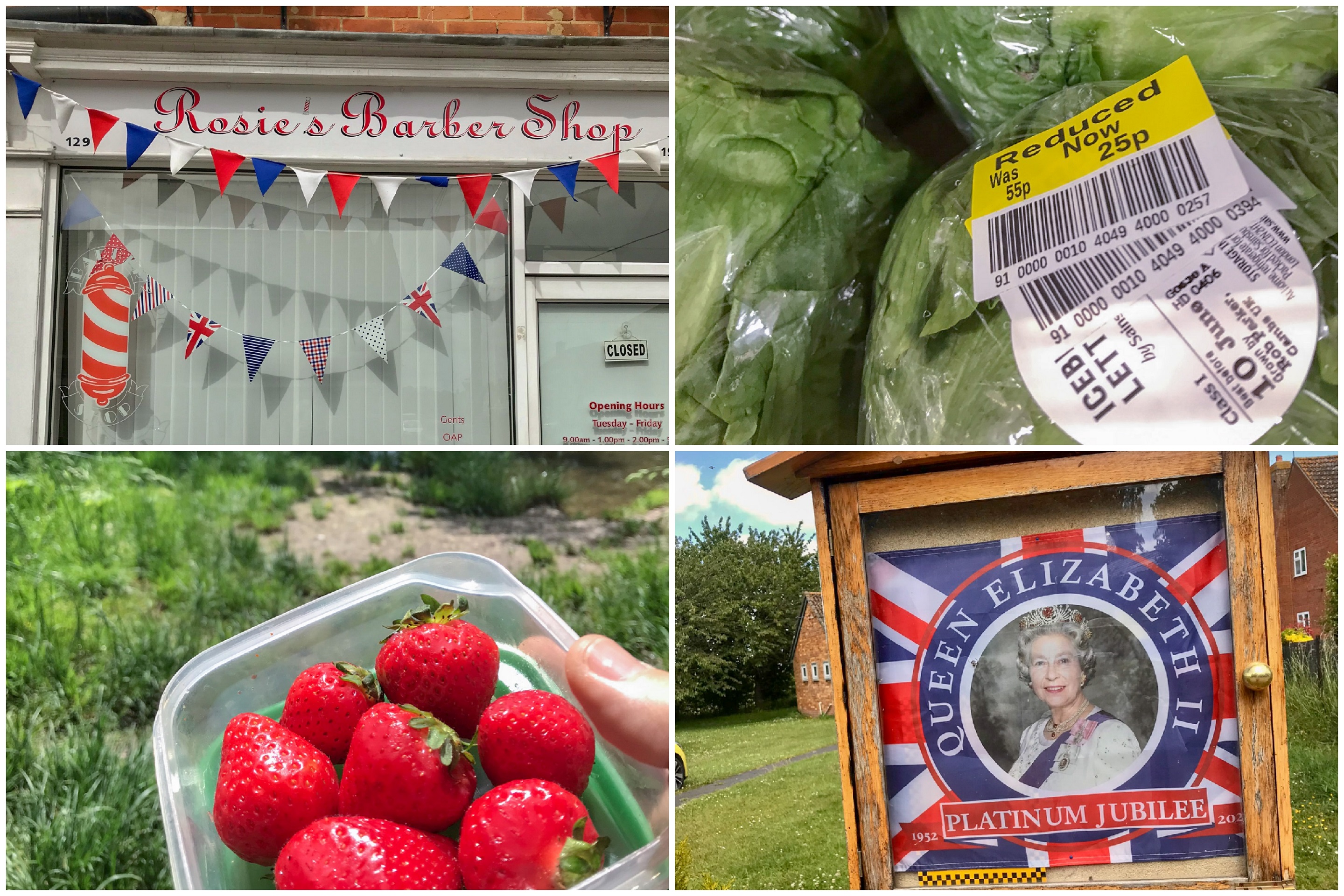
To leave Australia at this point in time seems fortuitous given the dreadful weather before I left. And here we have a UK bathing in the after effects of a jubilee, a promise of summer to clutch on to as you avert your eyes from the petrol pump. A summer of pretending a pandemic has gone, crowds feasting on fresh salads with iceberg cheap and plentiful. Not that I’ll be overdosing on salad.

Every return I make I am struck by the burgeoning salad of the English countryside, even though this time I left an oddly verdant Australia. Wiltshire presents the kind of gentle introduction I need, an ease in to a Britain that is still to be treasured for its tranquil waterways, butterflied meadows and rolling downs. A Britain of bunting and thatch and country piles interspersed with the odd pocket of chaviness. This Country indeed.

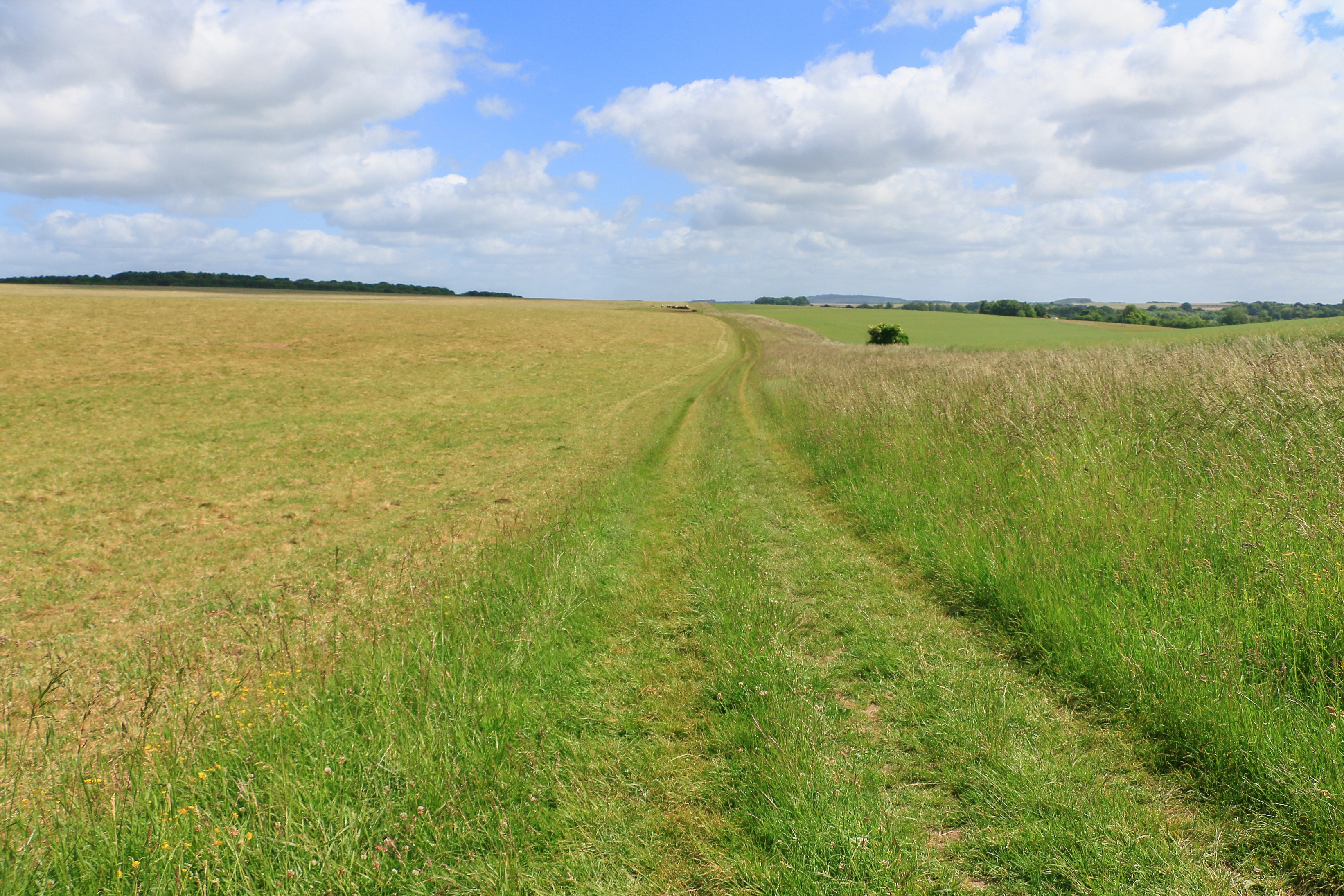
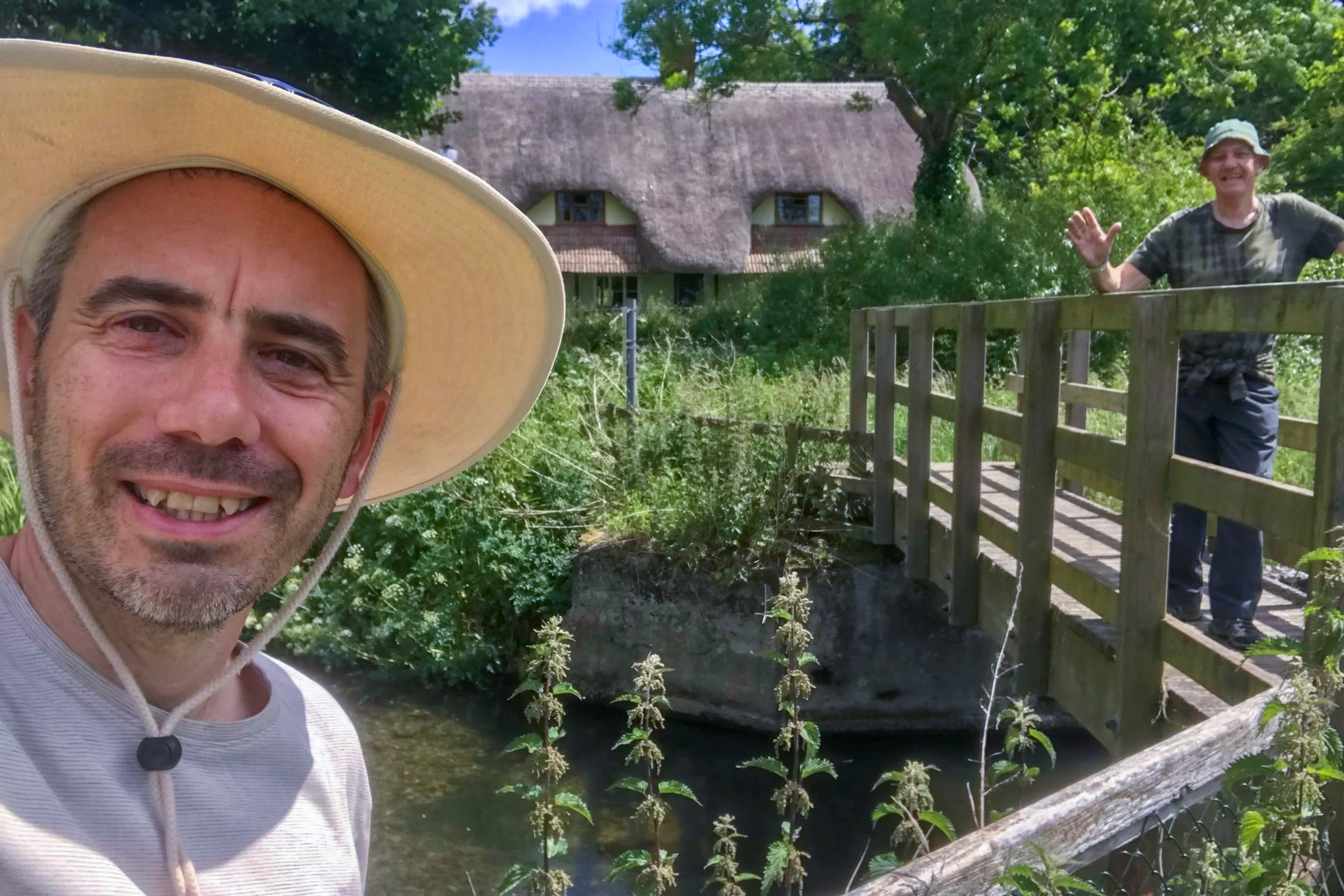
Ably guided by Dad it is splendid what you can simply embrace within a small radius of Durrington. The River Avon never seems far away and a small stretch is but a mere five minutes walk from home. The background buzz of mowers competes with the chirping of the bird life. Around each corner lies the possibility of catching a kingfisher in flight or an amorous couple in fright, each as frisky as the other. A melange of nettles, weeds and grasses rise to a height in which other things no doubt hide. But blessedly not so many snakes.

A greater danger around here seems to be the prospect of emerging from the long grass to face a head-on confrontation with a tank. The armed forces war-gaming upon Salisbury Plain makes walking a slightly more interesting proposition. For centuries these have been venues of military endeavour, evident in the many iron-age hill forts punctuating the landscape. Obvious staging posts with expansive views out to marauding invaders.

Today Sidbury Hill is a quieter affair, though two men in combats linger beside a Land Rover near the top. I can’t decide if they were discussing the strategic ramifications of ground assault in Donbas or eating lunch. Dad and I ate lunch, looking out for butterflies.

The plain isn’t all that plain, and an impromptu detour on the way down the hill takes us through a patch of woodland. Fresh off a plane I remind myself to look up into the canopy at the shapes of the leaves, broad and green, forming into layers which intertwine their way towards the sky. Leaving hobbit-like tunnels and corridors of natural art through which to stroll.

There is little strolling for the squaddies however. We encounter backpack-laden platoons traversing water and nettles and unbearable banter during another walk over the plain and down alongside the Avon. It is, almost, tolerable shorts weather but I’m glad I didn’t succumb given the undergrowth to navigate. Not quite squaddie style, but a little track-hunting through the long grass nonetheless.

Nature infiltrates everything here but so too is it tamed. That could be a slogan for Wiltshire, the taming often coming in the form of genteel cottages clustered together in the midst of industrious fields. It frequently makes you feel as though you are in Escape To The Country, only without the two million quid on which to prevaricate.

Our own escape in the country culminated with a flurry of thatch in the small hamlet of Ablington. Here it was as if everything had been deliberately arranged for my convenience. Under sunny skies dotted with cotton wool clouds, a row of whitewashed cottages sit higgledy-piggledy along the lane. Gardens and window boxes pop with colour, hedgerows hum with insects, and glimpses of perfectly manicured lawn conjure images of scones and jam on a latticework table. A Union Jack waves proud, and underneath a Mini in racing green. And everywhere, rambling, decadent, undeniable English salad.

Great Britain Green Bogey Walking

The 0832 to Tumbarumba

Trains and schedules go together like trains and – well – Michael Portillo. Sometimes these schedules are fastidious affairs as in Switzerland, while at other times they are indicative aspirations, such as upon the platform of St. Budeaux Ferry Road. The problem with fastidiousness is the absolute carnage when it all goes wrong, like that time when a few trains into Geneva were running ten minutes late. You could see the terror in the faces of panicked locals as they reached for their mobiles to share the drama with loved ones and remediate the knock on effects of being late for an overpriced dinner. Quelle horreur!

When rail lines have faded into obscurity and decades of bureaucracy and nimbyism have finally been overcome to transform them into a gentle thoroughfare for people power, you wouldn’t think schedules really matter. They certainly don’t appear on the jauntily repainted railway sheds and hastily assembled flower beds signifying the start of the line. But schedules matter on a rail trail, because you really need to time that break for morning coffee and cake.

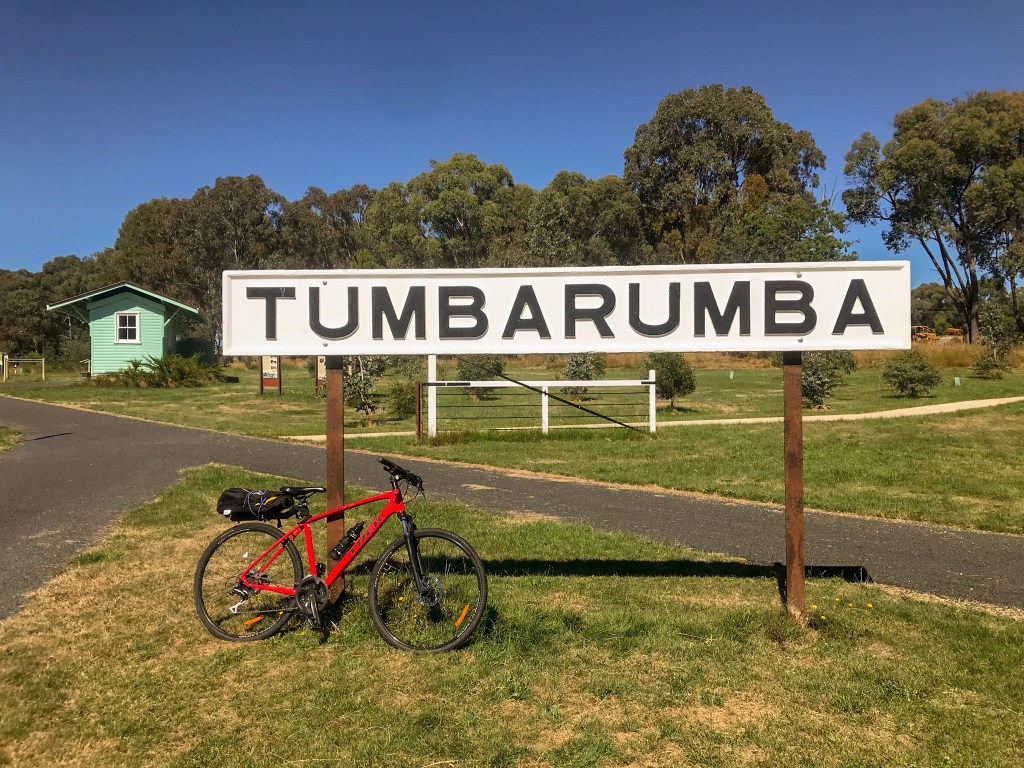
This is why, on a sunny Sunday morning in January, I embarked on the Tumbarumba to Rosewood Rail Trail by going from Rosewood to Tumbarumba. Or to be more precise, Rosewood to Tumbarumba Bakery, the only cake stop in town. Twenty one and a half kilometres to burn a few calories, work up a hunger, and hopefully enjoy some pleasant pedalling as the countryside passes by.

It is astonishing to think this is the only rail trail in New South Wales. While the state once again proclaims its own exceptionalism in leading Australia out of the COVID-19 pandemic (by ensuring everyone gets infected and supports the economic activity of Chemist Warehouse), it is a laggard in the rail trail stakes. Compared with the mighty 145km Brisbane Valley Rail Trail, this effort is a wee path. But what it loses in scale, it makes up for in quality.

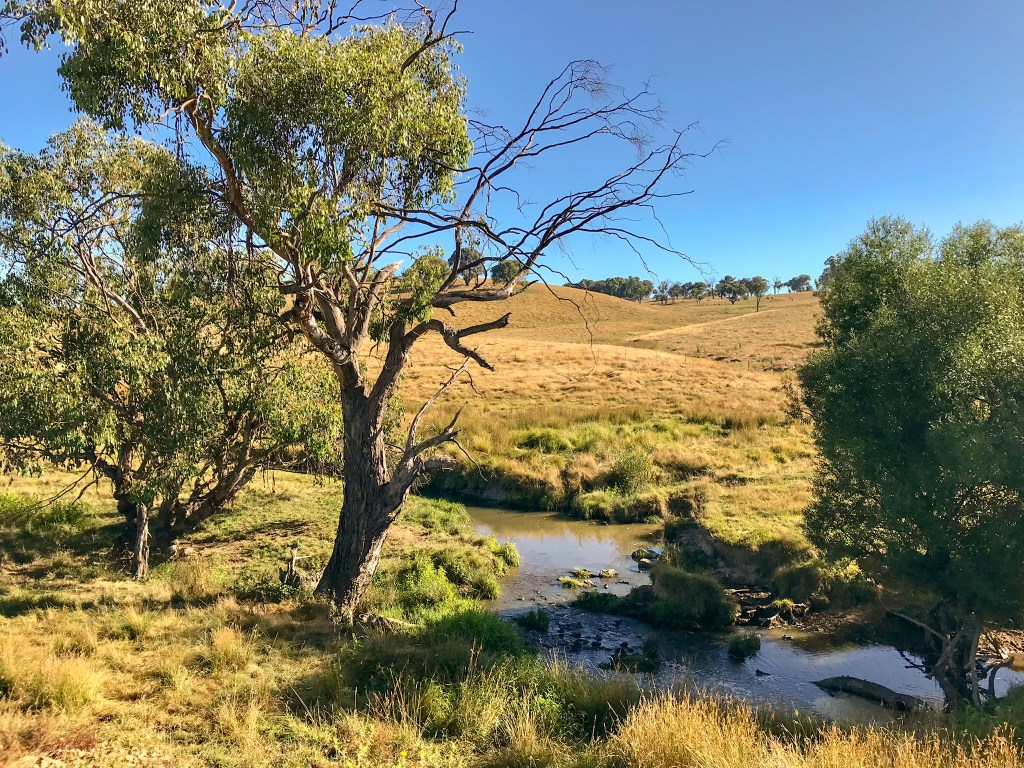
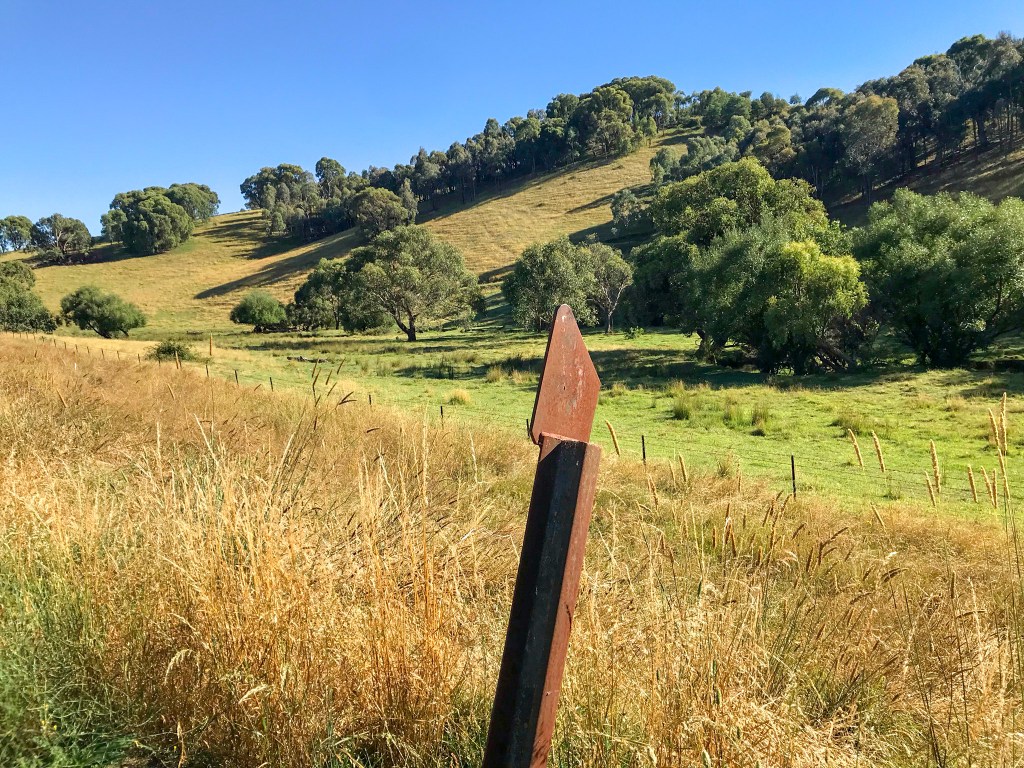
I’d say the route is comprised of three parts, though given I am doing the return journey make that six. From Rosewood, the going is easy, fuelled by that initial excitement which makes life on a bike feel good. Rolling hills that could have been transplanted from Devon snuggly descend to flat pasture. Horses and cows and sheep and tractors can all be sighted along the way. Accompanying the trail, the meander of Mannus Creek sparkles in the early morning sun and all of this is undeniably bucolic.

Eventually the trail crosses over Mannus Creek and the landscape opens up considerably. Already warm, I pause in the shadow under the bridge to feast on an orange. Surely this is a fruit that tastes one hundred times better as an accompaniment to exercise. Those half time oranges sure do make sense. But there’s another fruit appearing upon the horizon, with rows of grapevines cloaking the curves of a more distant range of hills.

The going is more exposed now and the incline seems – though imperceptible to the naked eye – more wearying. While the grapes never do quite make it down to the trail there is a blueberry farm on the other side promoting goods for sale. But even this is a little detour and I decide the sound of a gunshot from that general vicinity is enough to motivate continued pedalling. With little on offer between Rosewood and Tumbarumba, I do think there is a missed opportunity here: a pop up stall with fresh blueberries and chilled champagne.

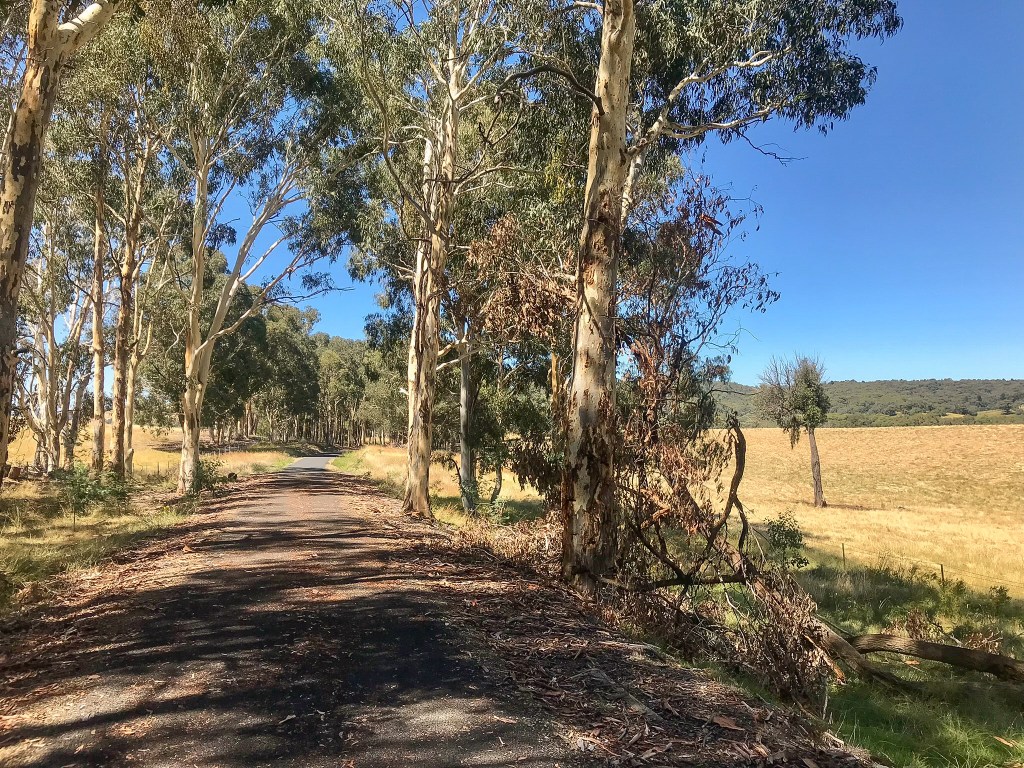
Along the final stretch into Tumbarumba I could use some effervescence. It is uphill all the way, though uphill in that long, circuitous drag of an old rail line manner. But pleasingly it is also a bit more wooded and the passing shade and scent of eucalypts is welcome. You also start to come across more signs of humanity – walkers, people tending to chooks in a smallholding, the sounds and smells of timber being processed.

The trail terminates on the edge of town, high above the shops. So while the plunge down to the high street is most welcome, this – for me – is also of concern for the return. I can see some walking in my future. But in the present it is 10:24, perfectly on schedule to buy a coffee and apple turnover from the bakery. Oh and a real thing Coke and another cheap one dollar slice for the road.

There wasn’t really much to Tumbarumba but I was pleased to find a shady bench in a shady park with shady conveniences. It is the largest town around but that really isn’t saying too much. Still, it seemed amiable and well-kept and it wouldn’t be a bad place to linger longer. But of course I had a schedule to keep: the 11:17 to Rosewood.

Naturally the return was the inverse of everything that has gone before, though with a different angle it is amazing what else you can see. Best of all was the instant downhill where I really didn’t have to expend one kilojoule of fresh cream for five or six kilometres. After that, the earlier enthusiasm drains under a midday sun, and you start to develop a hatred of the e-bikers out for a jolly. My bike seems heavier, the chain rougher, the gears more grinding. Meanwhile my right knee creaks and my butt definitely feels more tender.

I was pleased for a shady rest spot to finish off my performance enhancing Coke at Wolseley Park Station. This was one of several stations that sprouted up to service the local farms, helping to foster small communities with a post office and village school and a dairy and a mechanics institute. If only those mechanics were on hand today to fine tune my derailleur. Still, at least the cows were still about, making some dubious noises. With five kilometres left, my mind turned to lunch.

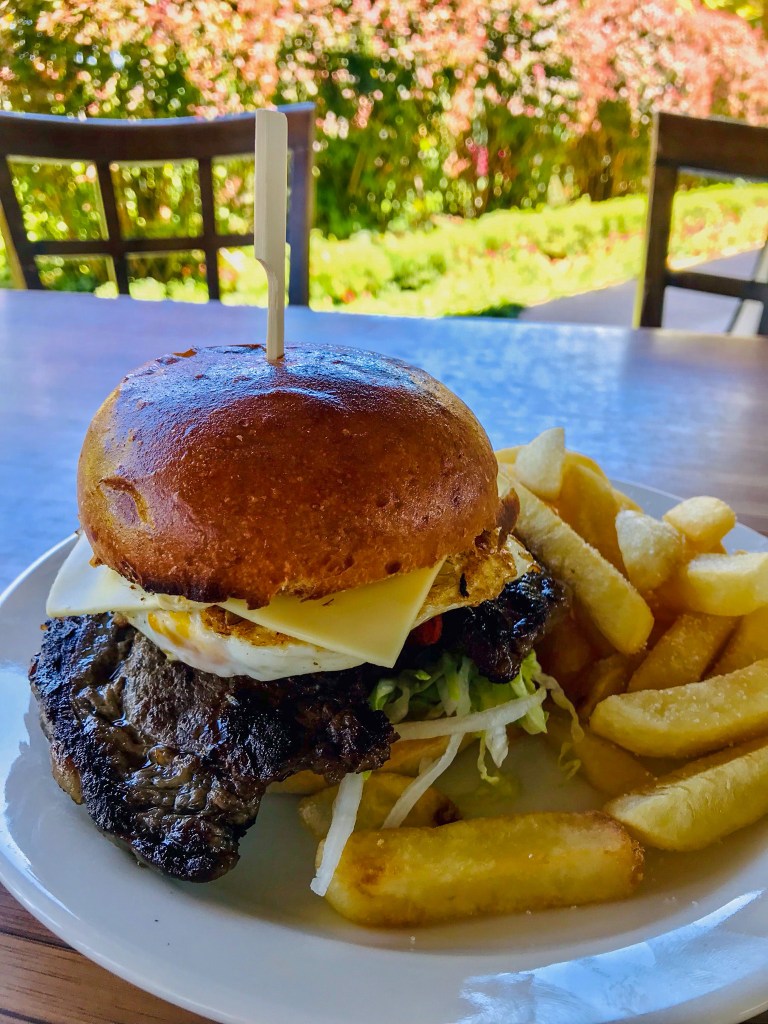
The steak sandwich at Gone Barny in Rosewood was everything I had dreamed of and more. The more being the side of delicious, deep fried chips. I think, with my extras, this was one of the most expensive items on the menu, at a mere $15. It won’t win Michelin Stars (though that Michelin Man does look partial to a few chips), but as good, honest, tasty food goes, this was an outright winner.

Did I earn this feast after 43 kilometres, a large coffee, a larger apple turnover, a full-on coke, an orange and a few Vegemite Shapes? Oh I doubt it, but the whole point of doing these rail trails is to support these small regional towns, right? Gone Barny is a case in point. Now I leave full, feeling accomplished. Ready to schedule the next one.

Australia Green Bogey

New territories

Well, this hot vaxxed summer thing ain’t exactly going to plan is it. More like a tepid damp squib. I suppose it’s all that hope and promise unfulfilled which jars the most. There were supposed to be unlimited hugs and nonstop parties, the kinds of things almost all of us have gone without for two years. Instead we get to spend the summer cooped up with Uncle Omi enduring The Ashes.

If Christmas were a Christmas present it would have been the kind of one you tactfully accept and immediately place on the regift pile, hoping that the next one finally brings you that shiny bike you’ve had your eye on. In the end I did well for Christmas gifts, mainly because I embraced that newfound mantra of individual responsibility and thought f**k it. New belt, new shoes, new car. If only I could get some new rapid antigen tests.

So the belt, I mean car. Ford Territory. 2009. Immaculate. Judging by its condition it may well actually have been in the care of one careful lady owner. It’s still in the state where I feel guilty about loading it with a bike and treading in half of Red Hill in the footwell. Today I ate a muffin with the utmost caution, catching and recycling crumbs off my lap. I bet no-one has even thought about the prospect of sleeping in it.

As test drives go, the journey from Canberra to Tumbarumba via Gundagai is quite the examination. Though to tell the truth, everything was so smooth and cruisy I was feeling very sedate by the time I reached Murrumbateman and picked up a coffee. And muffin.

At Coolac, a few random beeps enlivened events. I still have no idea what they were all about but my best guess is speed cameras. Such are the joys of discovery, frequently embodied in the age-old use of windscreen wipers to indicate.

Turning off the Hume Highway, the first encounter with dirt came on a short stretch down to Adelong Falls Gold Mill Ruins. It was nice to reach the parking area without every bump in the road flowing through my hands and arms and shoulders and back. The only alarm was the slight residue of dust on the shiny white exterior, again besmirching its untainted soul.

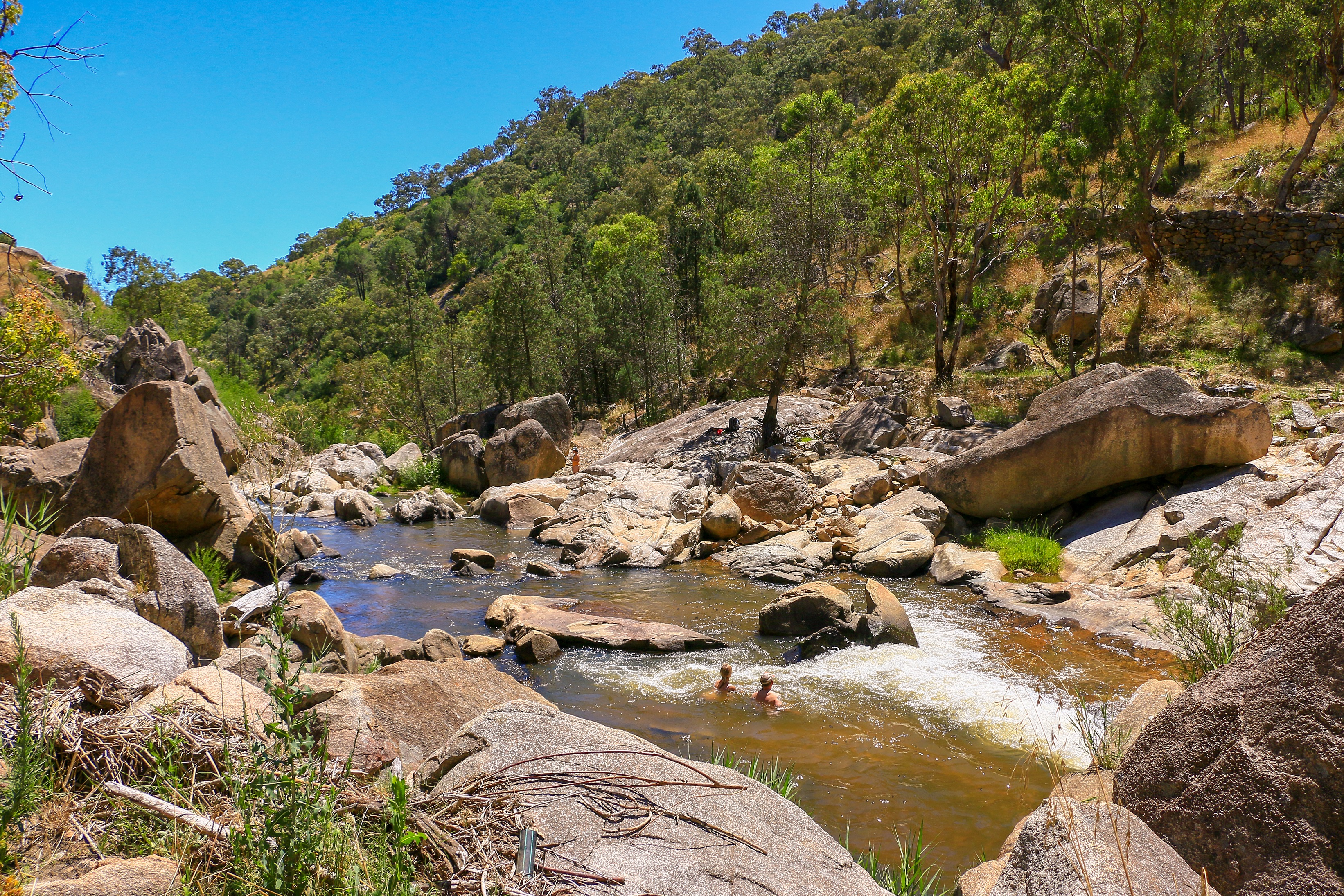
The falls were busy, but this was a warm Saturday and it soon became clear there were plenty of swimming holes and replenishing rapids along the river. I’m not quite sure where all these people came from given the size of Adelong itself; I guess passing through, touring, going on extended test drives and the like. Still, it was a nice spot to pause and amble and eat a sandwich from my fridge plugged into one of three power outlets available.

Through Batlow and Tumbarumba I was reminded of Saturday afternoons in small town Australia, where small towns become even smaller. Barely an IGA and a sleepy pub open to distract from the nothing much going on at all. It feels all very siesta like, as lackadaisical as the large Australian flag hanging limply in the front yard of a wooden cottage.

And what else to do but naturally acquiesce to the next part of the test drive experience: sleep. The excess of space in the Territory provides the option to lie flat. To lie flat parked under a shady tree, the open back door framing views of a burbling river as chirpy wrens and a delightful breeze induce that state of lolling semi-consciousness. Everything working as it should.

I had parked at Paddy’s River Flats, where a free campground attracted plenty of others with the allure of flushing toilets and hot water. Other than one or two tents, most visitors were equipped with opulent caravans and big rigs and six ring barbecues and diesel generators and that most prized accessory of the dyed hair nomad, the satellite dish. The fact that I could just about arrange seats in a car to lie flat seemed relatively insignificant.

Without a TV I was content to make a cup of tea and sit in my chair beside the river for a while. I would have gone for a drive to explore some more but I was reluctant to risk losing this prime waterfront location. Lessons for next time, where bringing a tent – even if half-heartedly assembled – would at least allow me to mark my territory.

Unable to sit and do nothing for too long, I set off on a walk downstream where there was the promise of some waterfalls. Unfortunately the track to reach them had fallen into considerable disrepair following floods and fires, and it simply became too much to try and bush bash my way through. The road near the campground was quiet and I walked along this for a while instead, soaking up the golden hour as vistas opened up.

It was disappointing not to see the falls but there was another way, another time. An episode in which the Territory really felt at home, really felt like it started to belong. Seeing me through a reasonably comfortable night, the car took me along the road to the falls, twisting downwards to a parking area among the eucalypts. The first orange light of the rising sun lit up a picnic table and beckoned me to have breakfast and a cup of tea. The whistle of the shiny green kettle was poor competition for the sound of thundering water rising from somewhere deep below.

And what a spectacle Paddy’s River Falls turned out to be, that classic Australia assemblage of escarpment and water and generous growth fed by never-ending spray. A wonderful, inspiring culmination to this test drive that evokes the promise of more adventures, more enchantments, more new territory to come.

Now all that is left is to retrieve the bike also comfortably stored in the back, and adventure on two wheels instead. But that is a story, a gift, for another day.

Australia Driving Green Bogey

One year

The Tumut River is proving a soothing spot. In spite of its swift flow, fed from the elongated dams of the Snowy Mountains, there is something becalming being upon its banks. Boasting more of an aquamarine shade than the sedimentary highways of the Murrumbidgee and Murray, it is a waterway begging to be paddled or fished. Or simply enjoyed from under the shade of a majestic River Red Gum – as long as you can overlook the fact that these trees have the pesky habit of randomly dropping their hefty limbs.     

Various tributaries wind their way over fertile plains enjoyed by cattle and horses, mystery roads leading off into hidden valleys with panoramic landscapes. In Tumut itself, the river transforms what would be a pleasant enough little town into something more beguiling. Sitting among green parkland below the town centre, there may me a little part of water meadow England evoked. If you ignore the cackle of the cockatoos.

It was just under a year ago that I found myself here being rejuvenated after a day of hard labour pulling down fences in the hills behind. Sit in Tumut today and you would be hard pressed to imagine how fraught it would have been on January 4th, 2020. Approaching from the west, the Dunns Road Fire ravaged through Batlow and the Green Hills, cresting the Snubba Range and spilling down to and over Blowering Dam. It went on to merge with other large fires in the area, sweeping through pristine sections of Kosciusko National Park and the Snowy Valleys, before lapping at the edges of the ACT.

One year later I found myself in Pioneer Park sitting beside the river once again. It shows what an absolutely legendary year 2020 turned out to be that I had forgotten exactly where the fires had hit. No longer obsessively checking Fires Near Me I thought, for some reason, that the Dunns Road Fire had stopped on the western shores of Blowering Dam. Driving south from Tumut, it didn’t take too long to realise my oversight.

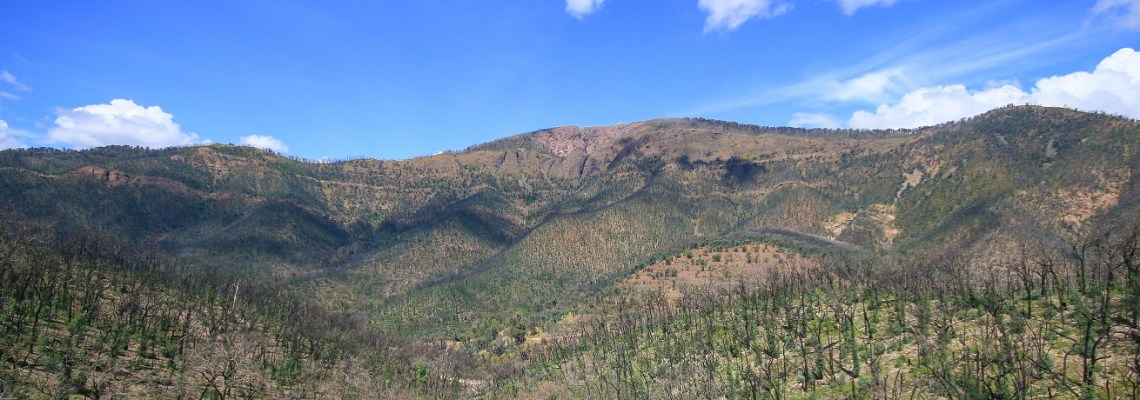
For sure, the western side of the dam is still quite a shock. Made up of plantation forest, the hillsides remain largely bare, apart from the blackened matchsticks of pine. Somewhere up there on the ridgetop, I wonder how Paul and Andrea are going on their farm, and whether Smiley has cheerily constructed a new hut. Hopefully the fences are still standing.

Down on the water, there is a somewhat normal scene of socially-distanced summer holidays playing out – all gargantuan encampments and four wheel drives and boat trailers. An emu pokes its head above the undergrowth, no doubt fleeing the meltdown of a toddler who just really doesn’t want to go anywhere near the water thank you very much. They seem to be everywhere.

Along the southern end of Blowering Dam, the impact of a year ago becomes clear as blackened trunks spread upwards to the east. There is regrowth, but it is thinned-out vegetation, revealing rocky, barren outcrops that probably haven’t been visible for years. Jounama Creek – a spot for camping and walking potential – seems less appealing than I expected, and I drive on.

From here it is quite the climb to Black Perry Lookout. Offering an impressive view out into the Bogong Wilderness, an information board makes it clear just how different things looked before the fires. In the picture, the peaks are still there, but cloaked in a swathe of lush green foliage like some kind of Jurassic Park. The picture also – frustratingly – features a much crisper, bluer sky than so far today. Both will come back, I hope.

The lookout is naturally a popular stop for trucks and caravans and trailers to catch their breath. One caravan seems to have had enough and the NRMA are being called. A clutch of potbelly bikers convey that menacing grizzled look that frequently becomes undermined by softly spoken, friendly chatter. One young guy appears anxious, on the phone to try and arrange a permit to access the ACT. Fire knows no boundaries and, for all we can try, neither does COVID.

My plan was to walk to a place called Landers Falls Lookout, lured by the promise of both falls and a lookout. It was either a ten kilometre there and back again or a swift 1.6km stop off from a four wheel drive parking area. I initially figured my car would be okay – it usually is – and inched down a big dipper of a rockfest. The way onward looked equally awful and – new year, no new words – I decided it was best to pivot. Back to the parking area for inadequate cars.

And so a longer walk ensued, but I’m glad about my decision. The car probably would have made it, but it might also have got two punctures, a broken exhaust, and a hazardous brake disc failure. Plus it was interesting and rewarding to tread quietly through this recovering forest, one year on.

What strikes you most in such worlds is the contrast between still very visible, jet black tree trunks and an overflowing understorey of grasses and shrubs and ferns and flowers. Where the two combine, witness the surreal procession of epicormic growth winding up into the canopy (before a certain pandemic, epicormic was probably the word of the year). The crowns of trees are still deciding whether or not they will come back, a process that will take more than just a year.

My initial fear that I would be sharing this walk with a procession of hoons in souped-up Hiluxes doing it the lazy way were unfounded. Probably because they don’t like to get their shiny blue paintwork dirty. Midway along one vehicle did pass, accompanied by the obligatory exchange of waves. Him thanking me for standing aside, me thanking him for the dust. At least there weren’t too many flies to elevate the experience further. Yet.

There was, in fact, a peacefulness in the forest. In patches the silence was punctuated by gentle birdsong – apart from the easy to spot pair of Rosellas, mostly this heralded from those little indistinguishable critters that hide in the undergrowth. Occasional rustles in the grass signified a lizard or bug or potential snake. I felt a bit more accepting of a snake sighting today, thinking it might liven things up. But it never happened.

This is not without giving the snakes ample opportunity, regularly veering off track to snap pictures of grasses and logs and flowers.

From the 4WD parking area, a non-vehicular route leads over Landers Creek and up towards a couple of lookouts. The sound of running water was a good omen for the falls, as was the vertical climb for a vista. Away from the creek, the undergrowth rapidly diminished, replaced by bare rock, charcoal logs and gravel. Exposed, barren, humid, the perfect time for the flies to welcome me in droves.

I deleted several shots from my camera because of photobombing flies. When you get a clear shot, the first lookout offers panoramic views towards Talbingo Dam, the course of the creek winding down towards its shores. In the near distance, a second lookout appears even more precariously perched upon a towering outcrop.

At this second vantage, the falls become visible and form quite an impressive drop, even in the relative dryness of summer. The landscape is an otherworldly array of arid browns and fluorescent green, the steep hillside opposite lined with black spikes like hairs standing to end. The aerial perspective from this vantage is mesmerising and I enjoy it with a cold pork and pickle and fly sandwich.

Lingering for a while allowed me to pick out some of the minutiae: individual tree trunks clinging to a rock face; coils of epicormic growth leading to barren white crowns; cliffs streaked black; a cluster of ferns glowing luxuriant in a hollow. It was as if I was Google Earth or something.

Lest I get a godlike complex high above, I managed to get a little lost on the way back down. I find every rock and burnt log looks pretty much the same. But following the creek I found my way once again to the 4WD car park and onward much further to my own car. Nearing the end of the trail I passed a family with three kids setting off, satisfied that I’m not the only one with an inadequate vehicle.

Back in civilisation it was very much that time of the day when ice cream is mandatory. Civilisation is hard to come by, but the small township of Talbingo offers one of those amazing supermarkets that sells everything from tinned food to drill bits to crates of beer to chiko rolls to two year old editions of Angler’s Almanac. It also houses the post office, tourist information centre and a photocopier. Though lacking gourmet ice cream, a Honeycomb Maxibon on the shores of Jounama Pondage provided sufficient sustenance.

Ignoring the burnt trees on the other side there was a touch of the Lake District in the grassy foreshore and rounded hills disappearing off into the horizon. Blue skies and fluffy white clouds completed the Wordworthian idyll. Again, a year ago, Talbingo was far from it.

From English lakes to Spanish sierras, a journey of disastrous superspreading madness only now restricted by fanciful wartime yearning to regain a supposedly lost independence. Here, the European mirage took the form of a solitary, short drive down the road towards Talbingo Dam. On one side, a panorama of barren ridges and spindly trees, dusty earth and searing sun. A glass of Rioja and a siesta would go down well, but I must move on.

The dam itself has the requisite boat ramp where the road terminates. Here, a wide gravel parking area was solidly packed with trailers and those four wheel drives so suited to the walking trails around this way. A regular flow of vessels with names like Crusader 3000 and She’ll Be Right were being lowered into or dragged from the water. Outboards buzzed and jet skis thrashed and bins were overflowing with the remains of picnics and beers. Behold the domain of the boatpeople.

I was planning on camping in such an environment, albeit further north on the shores of Blowering Dam. But throughout the day there was something going on in my head looking for excuses to get out of it. Heat building. Risk of storms. Boat people. Perhaps the final straw was the realisation that I had left my salad in the fridge at home and would have to resort to a dinner of cold pork and disappointing pastry. I could survive, but would it be worth it?

Procrastinating around a greener, untarnished landscape with views to Blowering Cliffs, I figured I could drive into Tumut and procrastinate some more, while also picking up salad to complicate the decision-making process even further. If I had made a New Year’s Resolution to be more decisive – which I hadn’t – I would have failed already – which I didn’t.

Tumut was just that little bit closer to home and I was willing to embrace a two and a half hour drive into the evening, weighed against the likelihood that I would struggle to be sleeping anyway if I was to stay and camp. Hot water, comfy bed, a flushing toilet v lumpy mattress, strange noises and a long drop. Next time I head off with the intention of camping I need to exceed at least a three hour radius from home.

Je ne regrette rien, as they say in the aisles of Tumut Woollies, for not only did I manage to get my salad fix (albeit in the form of calorific coleslaw), but I also finally snaffled a half price Christmas cake. And then I took to that riverside, wandering and eyeing up future opportunities to explore before settling upon a delightful dinner spot.

There are places I’ll remember. Soothing. Becalming. Rejuvenating. Nourishing. Like a shot in the arm.

Australia Driving Food & Drink Green Bogey Photography Walking

Uplift

Outside is looking remarkable. Outside is looking beautiful. An almost pinch-yourself-is-this-actually-real kind of sensation. One bringing delight rather than dread.

I was sat on a random log the other day, pleasant late afternoon sunshine nourishing the world. Rarely do I sit and stop and watch all the things going on around me: the ants milling about productively, transporting their wares in selfless community organisation; the magpie creeping from one spot of grass to the other, surveying for delicacies, a curious sideways look at my presence; the chirrup, somewhere, of two crimson rosellas, partners for life. The world going about its business.

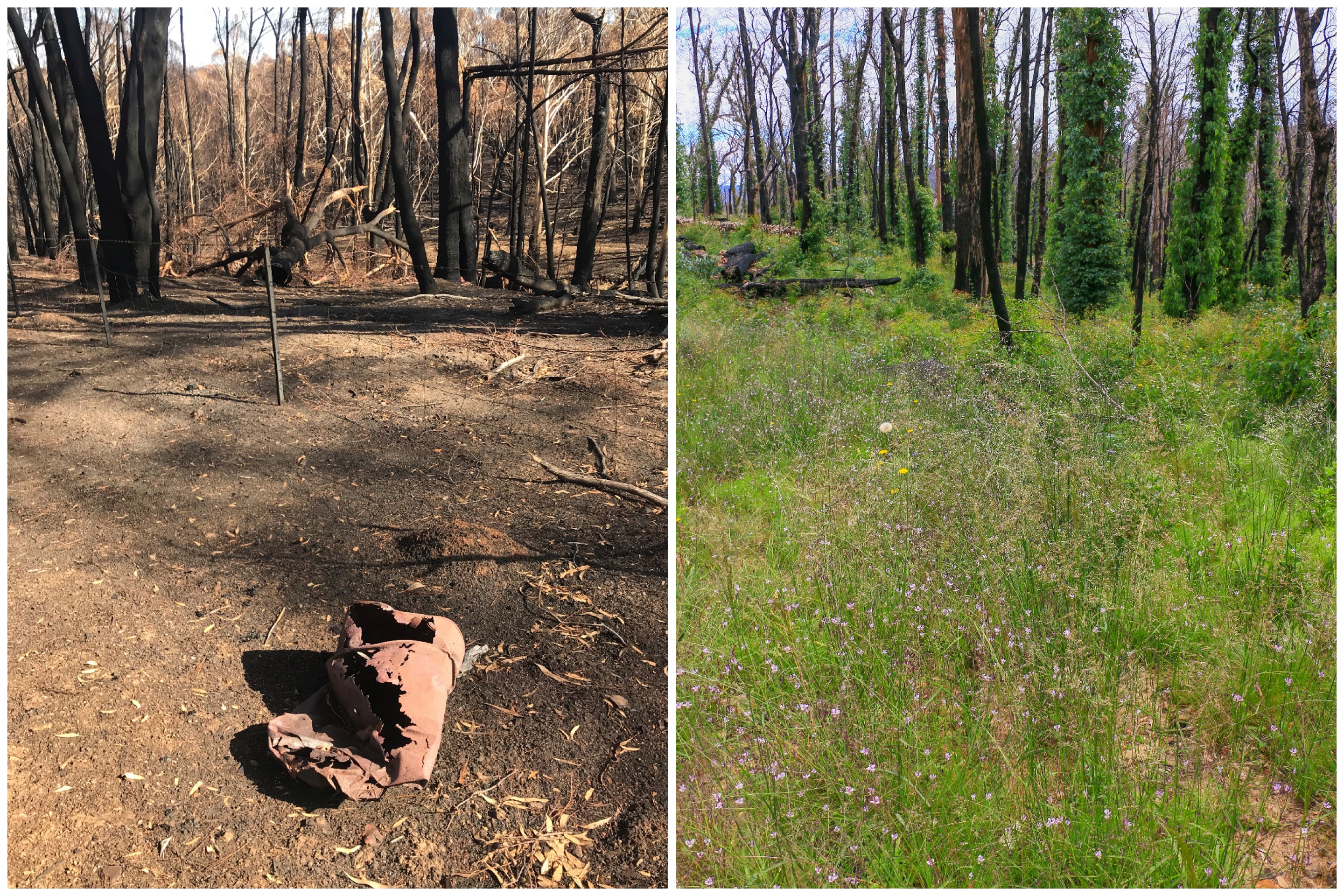
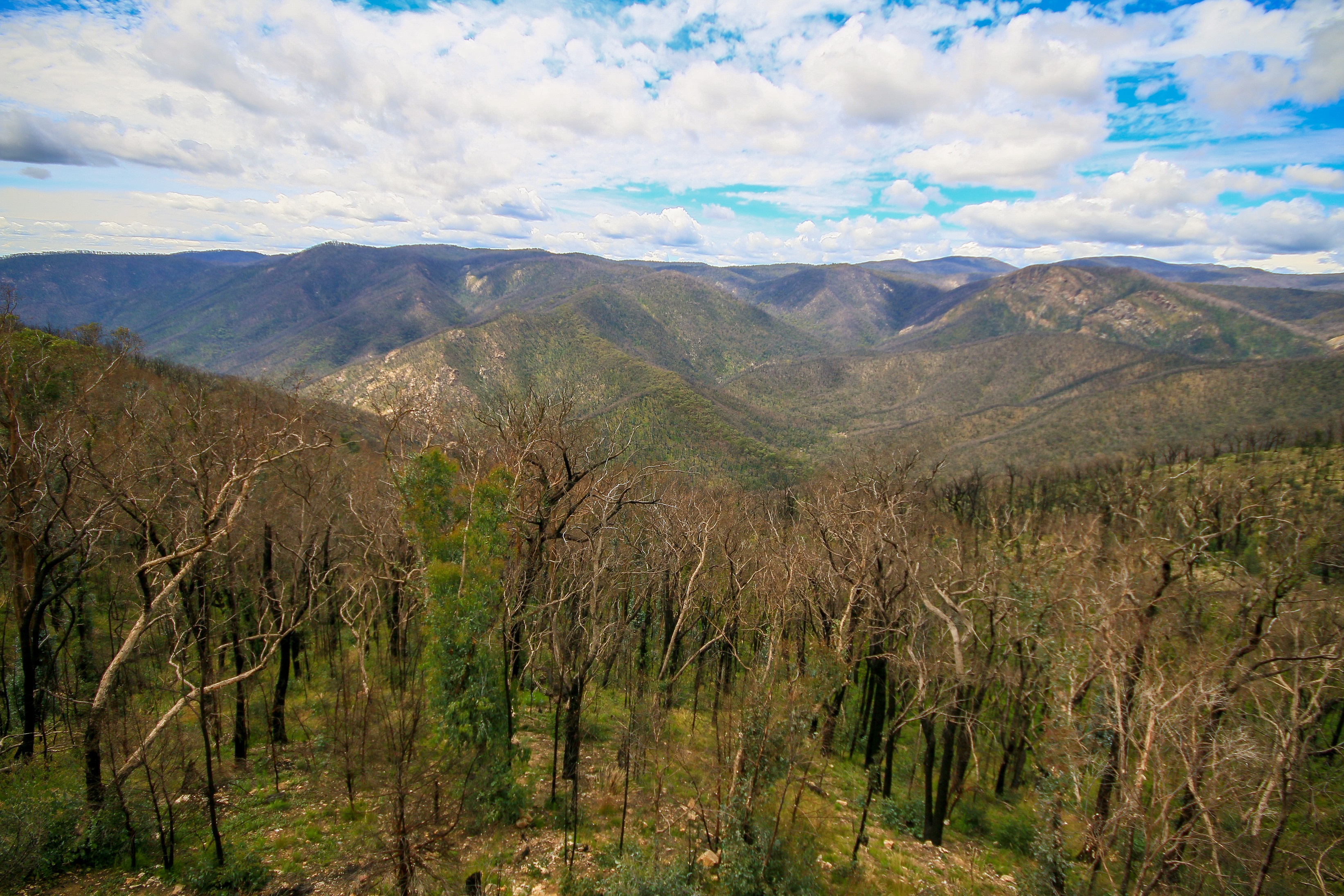
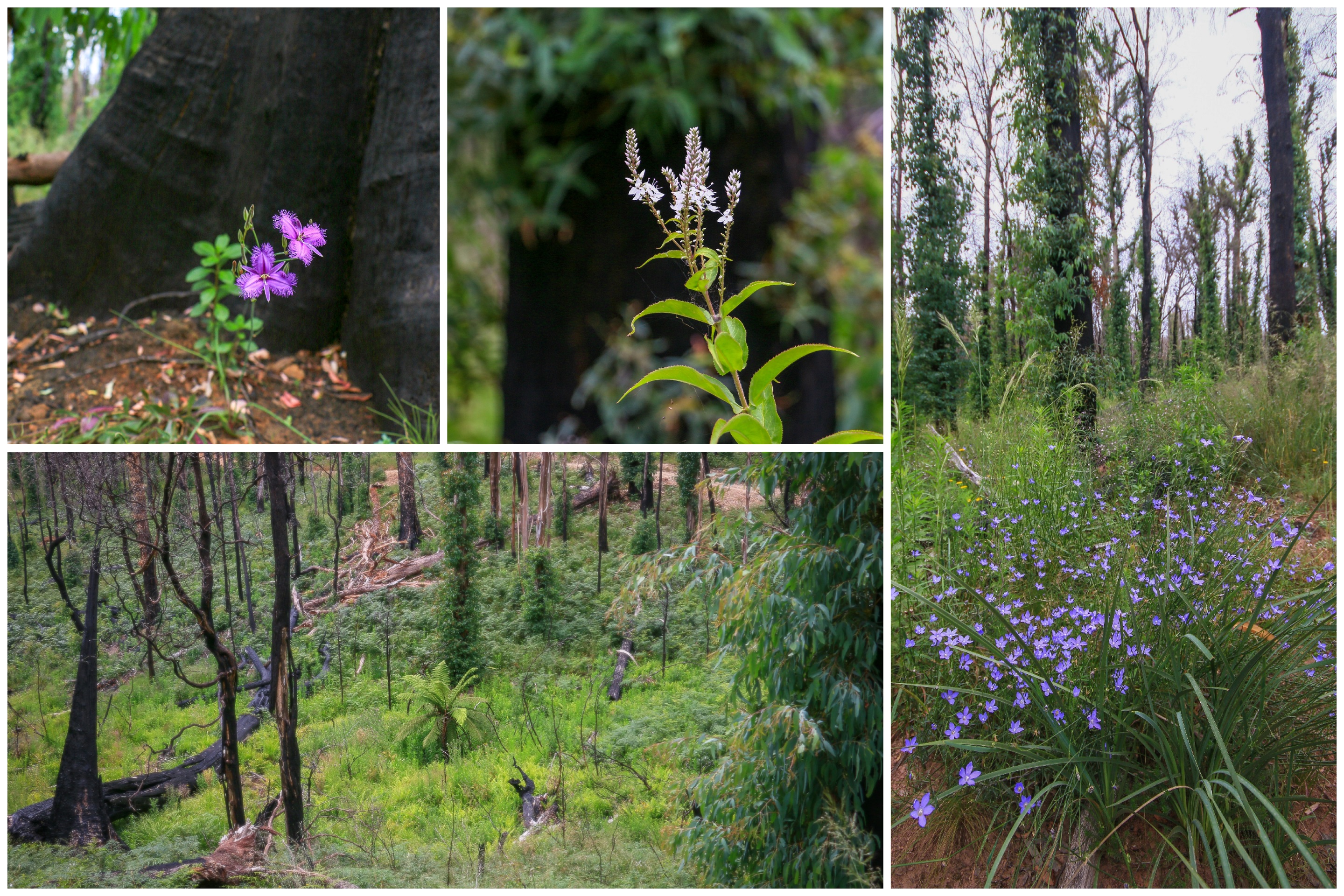
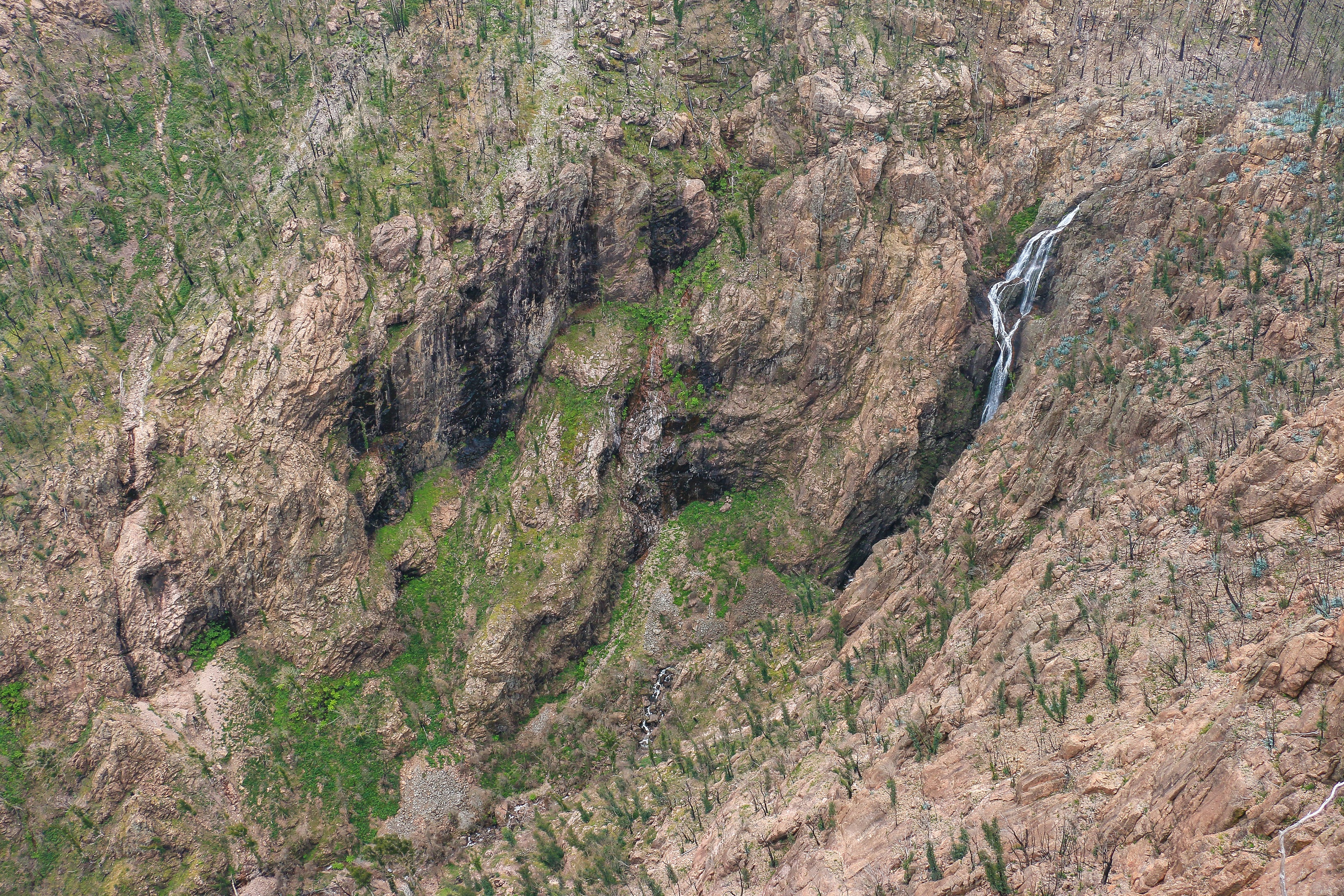
There is an astonishment in this landscape of such verdant abundance. Where so recently it was so barren. The resilience of nature bearing fruit, flourishing again.

As well as sitting on random logs I randomly tried to capture this transition, this journey, this bounce back. Scrolling my phone for past images, dusty and brown. Attempting to line up positions and angles and replicating shots. Not always easy to know exactly where you have gone before. Fiddling about so much that sometimes it’s just far easier, far more satisfying to give up, sit on a log, and just watch the world.

cont05

The Bullen Range and Brindabellas from Cooleman Ridge, 6 weeks apart

cont04

Remember the smoke?!

cont01

Scenes from Red Hill – 1

cont02

Scenes from Red Hill – 2

cont03

Scenes from Red Hill – 3, with random logs

Australia Green Bogey Photography Walking

Forty degree challenge

I really don’t get this whole Ten Year Challenge malarkey. Not because it’s like some glorified chain letter vanity project or anything. No, my only bewilderment with it is what the actual heck is the actual challenge?

Surely a real challenge would be something like – oh I dunno – unpacking forty years of legislation and agreements and treaties that you have actively shaped and adopted in order to enable the cohesive and productive functioning of society without it resulting in the only certainty being the uncertainty of what exactly can fill the void which will not simultaneously provoke pandemonium and lead to a bitter aftertaste in the plummy throats of anti-elitist elites who really deep down can’t warm to little Abdullah no matter what they might say about saving their NHS which they don’t even have to use because of their private health provider in whom they have offshore investments.

Another more challenging challenge would be coming up with a sentence longer than that. Or how about getting through a particularly hot spell in a hot Australian summer?

ull01It’s a tough gig, and the reality of four straight days in a row above 40 degrees was enough to force me fleeing to the coast, at least for a couple of those days. Thankfully when I got back there came a reprieve with temperatures dropping back down to 37 with a cool change as ineffectual as any number of Secretaries of State for Exiting the European Union. Yes, the hot air persists.

ull02At least on the coast the temperatures dropped a good eight to ten degrees, pampered with pleasant sea breezes and clear cool waters. There was fish and chips and ice cream, paddles upon shores and across inlets, and a decent amount of lounging with a book in the sand. Yet the highlight of this escape was away from the edge of the water. Instead, upon the edge of wilderness.

Morton National Park is a gargantuan expanse of vast sandstone plateaus and dense valleys separating the coastal strip of southern NSW with the golden tablelands inland. With alluring names such as Monolith Valley and The Castle, and pockets that have probably never even seen a human face, there is a timeless, spiritual brooding conjured by its landscape.

It’s certainly tough to penetrate, with a few access points denting its edges. One of these comes around half an hour’s drive from UIlladulla, up through pockets of verdant rainforest and along a bumbling dirt road. A small car park welcomes you to the start of the Mount Bushwalker trail which is – pleasingly – all bushwalk and very little mounting.

ull03a

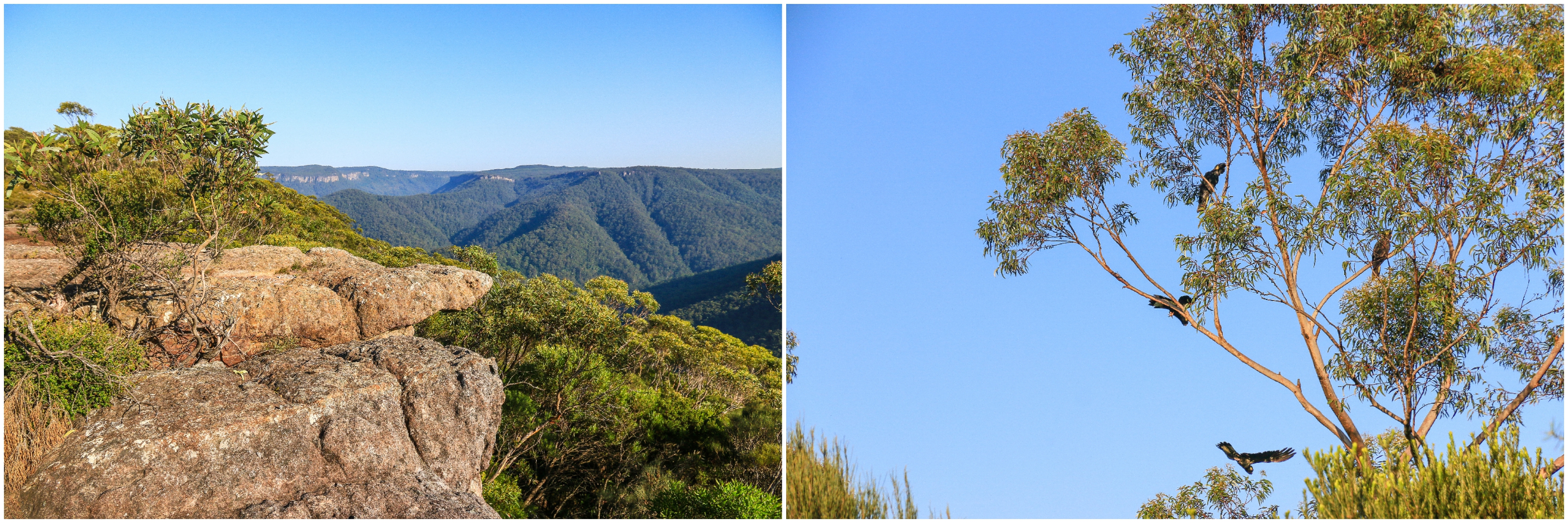
Setting off nice and early before heat rises, the trail actually proves somewhat dull – a fire trail becoming a narrow tunnel cutting through low shrubs and over boggy watercourses. A family of black cockatoos enliven proceedings, startled by a lone bushwalker and fleeing somewhere vaguely over the horizon. There is the feeling of grandeur metres away, just around the next corner, through the bushes, palpable but never really visible. Until, that is, the very end.

ull04

The trail truly proves a means to an end. And if all endings end up ending like this then sign me up to end the end music in Eastenders. An end coming at only around half eight in the morning, just me, a vegemite sandwich (yes, truly), and millions of eucalypts spilling across to the vertiginous walls of The Castle. Australian through and through.

ull05

ull06It was borderline whether I had really earned what was to follow, such was the relative ease of this walk. Out of the wilds, the cutesy hilltop town of Milton inevitably has a bakery, which I inevitably visited, inevitably not for the first time. There is a pleasing inevitability in the inevitability of cake and coffee.

Down the road from Milton, through the fringes of Rick Stein’s Mollymook, is the small coastal village of Narrawallee. Not only does this have a genuinely great sounding name, relaxed holiday vibes, and a good-looking coffee shop by the water, but it also hosts a delightful meandering inlet, protected from the ocean and perfect for all sorts of wading, dipping, paddle-boarding and family gatherings for cricket on a sandy tidal flat. Having passed on a shower – what with my early start and anticipation of a sweaty hike – this was refreshment at its finest.

ull07

Nearby Mollymook Beach is equally as idyllic, a fine sweep of sand reminiscent of but far superior to Bondi. It seemed to me a suitable location for an early evening read on a blanket followed by an amble along that stretch contested between land and sea. However, gathering thunderstorms also took a liking to the beach and closed in for what proved an entire night of tumultuous electrical drama.

ull08

You might hope the stormy melee would clear the air and cool things down to proffer something more reasonable. But, no, we are in an age of extremes after all. Following a sweaty goodbye ocean coffee and a cheap petrol fill up at Batemans Bay, the car had to work overtime to keep cool on the climb up Clyde Mountain. And then, returning to Canberra, the sight of Black Mountain Tower on the horizon, shimmering in a dusty haze of 38 degrees. And still rising.

A challenge means a challenge after all.


* with due deference to Adelaide.


Australia Green Bogey Photography Walking

Season’s heatings

After an indifferent run up, the Christmas and New Year period decided to go all out Aussie and deliver roasting temperatures and blistering sun. What to do in such sweltering conditions?

Try and work with pastry and bake sausage rolls for old time’s sake? Probably not the best idea.

Escape to the air-conditioned comforts of a gallery or museum? Well, nice as long as you don’t get sucked into a vortex of neo-postmodern pastiche critiquing the conflation of pre-industrial conceptualisations with fifth-dimensional realism.

Shopping in malls and supermarkets then? Cool, but not usually great for the hip pocket and the hips.

sum01

Wading into the lake feels so tempting, but what about the prospect of blue-green algae and mutated carp for company? Ah, a mate’s pool, that’s better. If it isn’t like a hot bath after endless days of solar induction and steamy mosquito-filled nights. Yes, I wanna build a snowman! Please.

sum02

Logic would dictate that the South Coast could offer relief, with its sea breezes and refreshing waves. Perhaps it’s a lack of sleep or one too many egg nogs or something, but I defy the logic and head inland instead. My brain hasn’t totally frazzled, reasoning that surely it’s perfect weather to hang out in a cave. I can think of no better refuge. I mean if cheese and wine like a good cave, then surely what’s not to like?

Besides, I seem to be drawn to experiencing Australia at its most inhospitable. I think there is an authenticity in the parched hills of summer, the shredded bark of gums littering the road, the parrots drawn to muddy creeks, the constant wail of cicadas zapping the air. The Real Australia, some marketing undergraduate or large-hatted politician might imagine. A landscape on the margins, a long way away from my Christmas past. Presented in harsh technicolour – but with aircon – when driving through.

sum03

And so, to Wombeyan Caves, a spot I visited once in steady rain. How different that was. Despite arriving at a reasonably early hour today it is already hard work hiking through the bush to waterfalls that are dry and exposed paths that simply disappear. Still, the Visitor’s Centre has a fridge full of ice-cold drinks and the refuge of Victoria Arch is mere metres away. What a spot this is, like entering a Westfield on a forty-degree day, only without the slightly depressing thought of having to find solace in a Westfield.
sum05

sum07I think about munching on some leftover sausage rolls in here, but delay lunch for one other walk before the temperature peaks. It’s already midday and clearly above thirty. Shade is intermittent on the way down to Tinted Cave and the Limestone Gorge, where sausage rolls can be enjoyed beside a shallow pool of water popular with dragonflies and sweaty humans.

sum06

I feel pity for the extended families heading down to the gorge as I make my way back to the car. Laden with chairs and umbrellas and swimming gear, there is barely enough space to set up a picnic blanket for one. And from what I could tell, wading in the water is a trial of jagged gravel and slippery pebbles. “Is it worth it?” they ask. I offer hope and repeat what the lady in the Visitor’s Centre told me – “Go around the corner a bit and the water gets deeper.” I hope for them it does, though it may have already evaporated since this morning.

The peak of the heat hits when in the car and the aircon works overtime as I head back to Canberra via Crookwell and Gunning. A hallucinatory ice cream parlour fails to materialise in either town, and I end up with an iced coffee from McDonalds back on the fringes of Canberra. Brain freeze strikes, but I guess I wanted it cold.

The New Year approaches and passes with little respite. Only for a couple of hours around dawn do temperatures relent enough, prompting a frantic mission to open up doors and arrange blinds to coax some cooler air into my apartment at five in the morning. It feels like it’s been a losing battle by time the clock ticks round to nine. And then what? The mall, the pool, the library, the supermarket? Giving in and spending ten dollars a minute on aircon? Getting a permanent job in a cool office? It’s tempting now more than ever.

But we’ll make it through the worst. The sun will set and the temperatures will cool, just a bit. The colourful reward of light moving towards dark amplified as a breeze sets in. And a couple more turns of the Earth might finally bring a cooler change. A forecast 26 degrees on Sunday and perhaps – at last – a climate cool enough for a Christmas roast. It’s all relative.
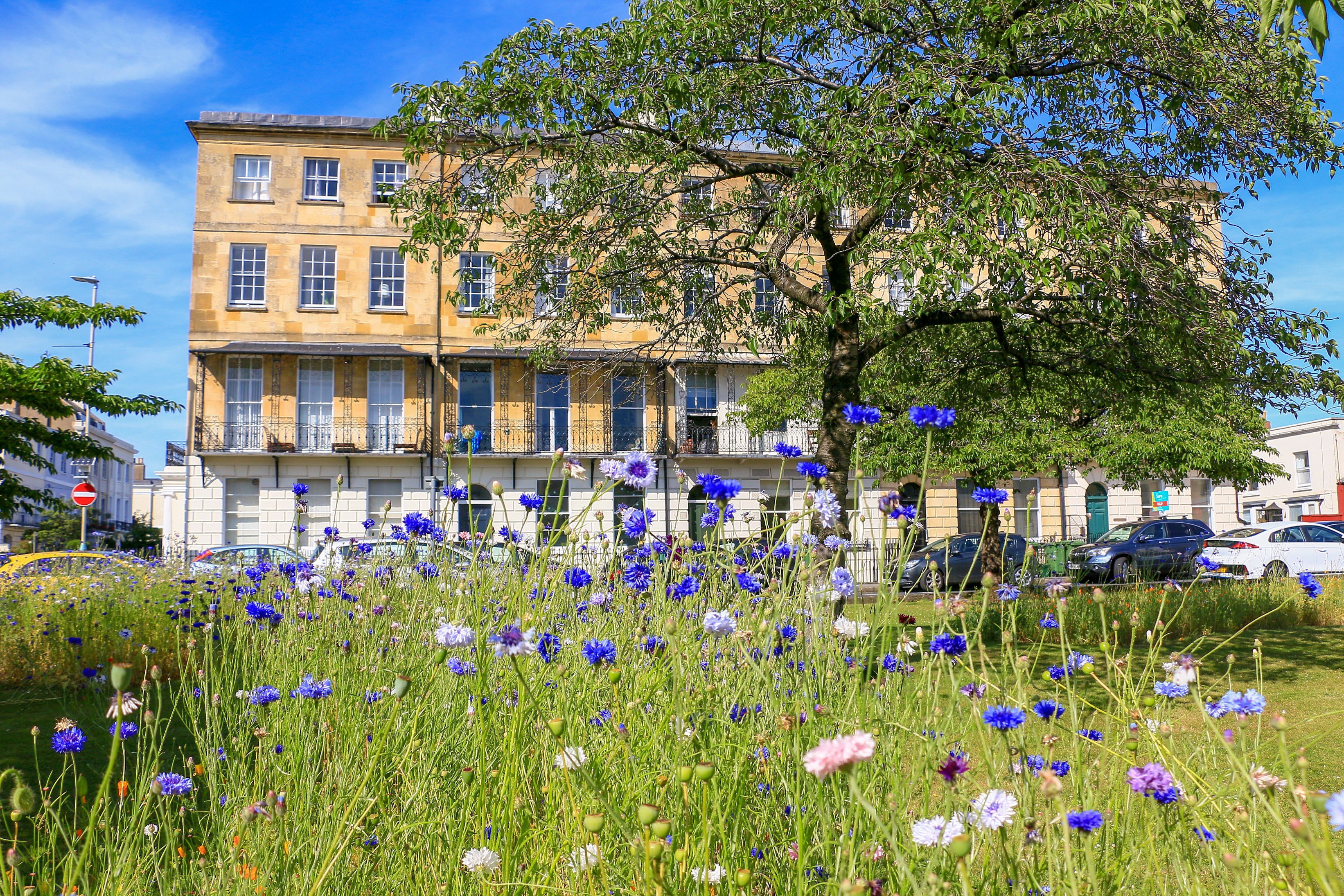
sum08

Australia Driving Green Bogey Walking

Frictionless

When I get back to Australia I know I will get the question along the lines of “how are things in Britain these days then?” It’s a subtle way of probing what the actual bloody hell is going on with all that nonsensical Tory schoolboy jostling otherwise known as the British Exit from the European Union. And I guess I’ll answer something along the lines of “well, everyone is pretty much fed up of hearing about it all the time”. Because, you know, what better way to deal with impending doom than pretending it isn’t happening (see, for example, Climate Change).

Still, let’s not get all Project Fear with needless stuff like evidence and statistics and what not. Britain will be fine, because Britain is great and we can be great again because we are Britain, which is just great. So goes the leading argument for leaving. Which is bizarre when you think about it, because it relies on untainted optimism. SINCE WHEN HAVE THE BRITISH BEEN OPTIMISTIC?!!!

Anyway, it’s all great, because being great, I’m sure I will still be able to travel without much friction to Europe on my Great British passport which is changing colour because we can change its colour, wow! I can’t believe I was ever sceptical.

Yes, frictionless travel to Europe. People will continue to queue to get on the plane even though they have an assigned seat and the inbound flight hasn’t even landed yet. The size of hand luggage will continue to take the piss and be contorted into overhead lockers without any regard for anyone else. Buses will continue to transport people from the terminal to a plane twenty metres away, just to add an extra half hour on this seamless journey. And we’ll all get to France with Easyjet scratchcards and no intention at all to even consider speaking French. Nothing will change.

Ah, France. I got there eventually. Actually Switzerland, but then followed by a frictionless border crossing (okay, some speed bumps) to France. And, just for a change, Ville-la-Grand, where my brother and his family have recently moved. It’s a lovely spot, fringed by woodland and the park and bike paths and a slope to the markets and a decent walk to schools and the cheese shop also known as the supermarket. And from one supermarket you can even see Mont Blanc and other assorted mountains on a fine day. It’s grand.

The weather wasn’t very continental on the first day there. Bloody Europe, I should’ve stayed at home. With murk, drizzle and rainy spells it was much like Great Britain, but we still managed to head out for a couple of hours and not gaze sombrely out to sea from a car park eating soggy cheese and pickle sandwiches. While a downpour hammered on the car roof in the car park, it quickly passed, and we were able to amble around the pretty lakeside village of Nernier in the dry. C’est la vie.

fra01

fra02The next day was a more promising affair, with clouds breaking and a touch more warmth back in the air. And so into the Alps, for a destination that was as much about a lunch opportunity as it was scenic nourishment. The Cascade du Rouget plunges down from the mountains, fed by snow melt and discarded Evian. Today, at the end of a long hot summer, it was a relative trickle but an impressive sight nonetheless. Liquid oozing at the mercy of gravity, the annual fondue went down pretty well too.

fra03

fra04The nearby flowery towns of Sixt-Fer-a-Cheval and Samoens provided a touch of post-lunch ambling, ticking down time until the bakeries re-opened. They were relatively quiet on this weekday in September, a palpable air of towns that are winding down from the summer and slowly putting in place preparations for winter. Jigsaw wood piles, puffed up bodywarmers, freshly greased raclette machines. All the essentials of an Alpine winter.

But let’s not put away those Decathlon shorts and tops and sporty sandals just yet. For there are glorious end-of-summer days in which to revel. Blue skies and temperatures nudging the thirties and – finally – a taste of this legendary heatwave of 2018. Until I depart the EU and face the chilly murk of Bristol Airport of course. Great.

fra05

fra06

Time for countryside ambles across borders, the sun dappling through the trees of brookside meanders and lighting the fields around. Busy gardens glow amongst shuttered windows and wooden beams, while rows of vines and apple red orchards are bursting for harvest. Lingering lunches alfresco provide a pause to enjoy the fruits of the summer or, more typically, the cheesy potato-bacon-salad combos. And an urge to try to counteract the heftiness of fromage propels me to borrow a bike and cycle to Switzerland and back.

fra07

The final day in France – and very likely my last day in Europe before Britain decides it is better off without it – was surely a reminder that the motherland will always be inferior in the weather stakes. Attention turning to the BBC forecast, mutterings along the lines of 17 degrees and cloud looking “not too bad” for next week show how quickly I adjust; my expectations lower and tolerance of shorts wearing does too.

But an evening flight provides ample time to soak summer up while it lasts, so why not catch a train to Evian to do more than just drink expensive water? I came here last year, from across the lake in Lausanne, and was reasonably enamoured by its character and ambience. Today, a chance to take Mum and a useful local French speaker to enjoy its lakeside ambles and distant views of higher, craggier Alpine peaks.

fra08

Evian’s not the most exciting of places but possesses requisite continental charm. Of course, the plastic-polluting water bottle company is a dominant theme and I believe there are spas in which you can bathe in the minerals extracted from unicorn sweat filtered through kryptonite. The actual source of water is there for all – including many a local restaurant owner and German coach party – to top up bottles. And the free funicular is a little treat for Portillo fans and youth orchestras from Wessex alike.

fra10

fra09

fra11

Basking in such glorious weather it seems a shame to be departing. The mountains so clear that they literally beckon your name and urge you towards their valleys and peaks. But it turns out we have to leave, not because the alleged genius that is Boris says so, but because there is an Easyjet ticket which has my name on it. A ticket that also has a seat allocated, making the spectacle of hundreds of people queuing at the gate even before the plane is there even more preposterous. In an era of pure preposterousness, this takes the tea and biscuit.

fra12

Europe Food & Drink Green Bogey Photography

Hope for blue

Devon, oh Devon. Rolling hills, white fluffy clouds in a blue sky, white fluffy sheep in a green field, the deep blue sea shimmering in a haze of paradise. Oh yes, the picture-perfect Devon of custard cans. Such were my thoughts on the first day back here as gales lashed rain sideways upon a window in gritty Plymouth city, the smell of roast dinner the only comfort. It’s good to be back.

That stormy day has been the exception rather than the rule but, while there have been some blessed interludes, the predominant feature has been cloud. Cloud and cream and catch ups and cars to get used to ferrying family and escaping Emmerdale.

Like practically everyone else in this sceptred isle I have been paying frequent visits to the BBC Weather website, analysing the hourly chance of sunshine breaking through the milky clouds and estimating with a little skill, experience, and luck, where the gaps could emerge. And the success rate hasn’t been so bad.

hope01

Noss Mayo is a reliable friend. I know its lanes and paths well – meandering up past happy farms, coursing loftily above the sea, before weaving down underneath a green canopy as jaunty boats upon the Yealm begin to break through. I know where to crawl tentatively around which corners of single-track lane to avoid a head-on crash. I know sunny spells can be more likely to emerge here. And I know where to park and where not to.

hope02

Well, I thought I did, unless there is a fete on and the compact car park becomes overwhelmed to the extent that a complex series of nine point turns on a 20% gradient is required to squeeze in next to a wall against which you can’t open the door necessitating an undignified scramble over the passenger seat. I guess ferret racing, wellie throwing, and cake tasting is an enduringly popular attraction in Devon.

Despite this bank holiday anomaly, the rest of Noss was as pleasing as ever. Happy farms, lofty sea views, jaunty boats, that kind of thing. The sun even broke through. Customarily, I had half a pint at the end but – given things had been slightly awry from the start – made a controversial visit to The Swan rather than The Ship. From where that time-honoured tradition of watching unknowingly parked cars become submerged by the rising tide could play out.

hope03

After Noss Mayo, greyness came and went for much of the week and my continued scrutiny of the BBC Weather page started to wane as it became clear that they didn’t really know what was going on. The supposed sunny mornings were cloudy, cloudy afternoons became bright, and once in a while shorts might have been tolerable in the same day that you were wearing a fleece and long trousers and struggling to see through drizzle.

In an effort to get out with the sun and conveniently avoid a pile of tripe being served up in The Woolpack, an evening on Dartmoor produced a fine end to an otherwise dull day. The drive itself proved an adventure in threading a car through lanes hemmed in by characteristic ten-foot-high hedgerows on roads I did not now. Disorientation is never far away. Happily, I ended up on Harford Moor Gate, an area I had never previously accessed and one which led to a yomp over open moorland burnished golden by the lowering sun.

hope04

I set out for a random tor in the distance with the nebulous but entirely logical aim of seeing what was over the other side. Avoiding anguished cow bellows and boggy hollows, it turned out the other side had more open moorland and little else. On a whim, I headed for another pile of rocks a few hundred metres south. And there it was, the view of South Devon and its patchwork fading in the dying light.

hope05

The sun was heading back into a band of grey on the western horizon, but before it did I managed to make it back to my first tor to say farewell. Farewell again.
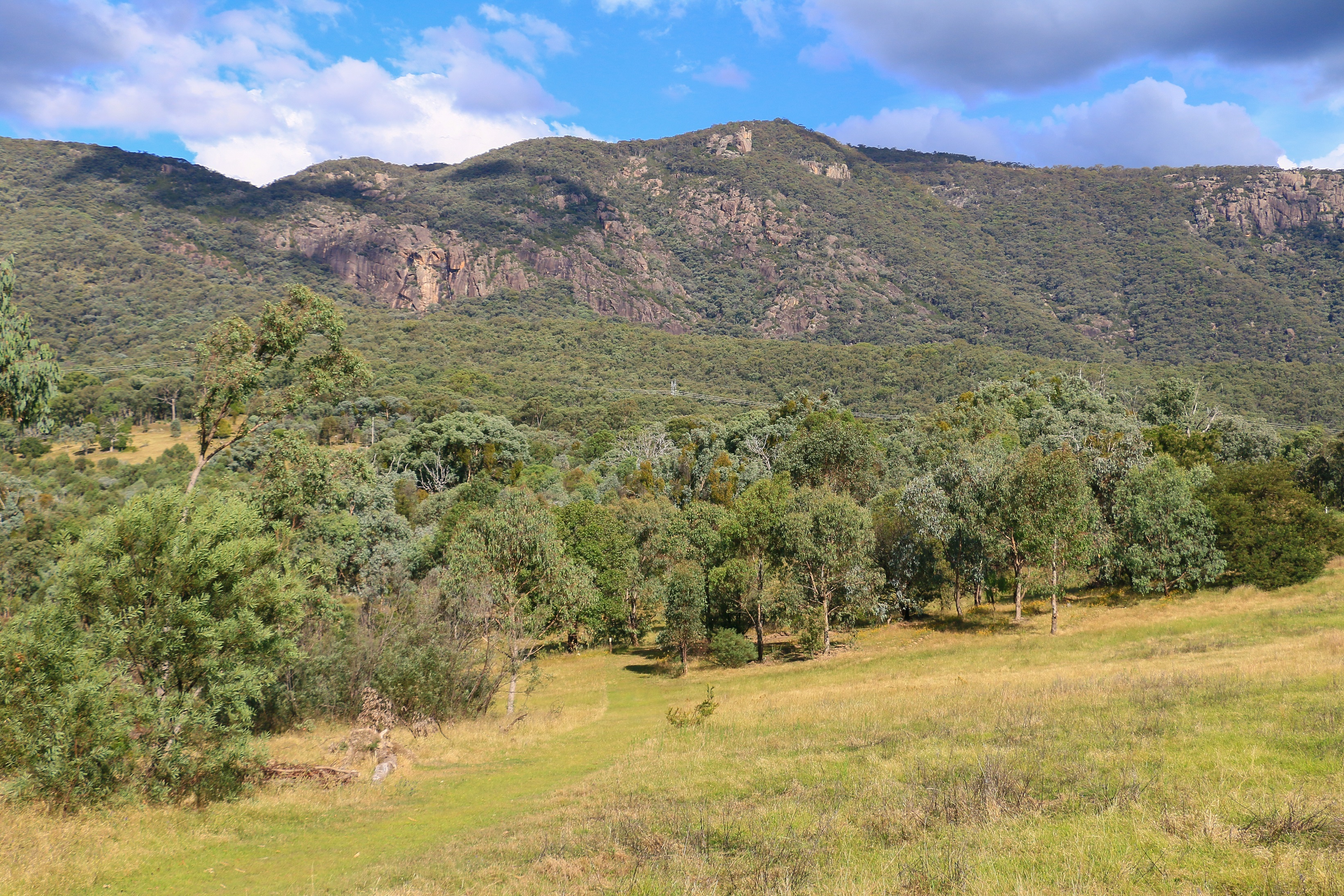
hope06

The by now notorious BBC Weather page continued to largely offer the ambiguous white cloud symbol. Always a few days into the future, perhaps some sun. Always offering a little hope. And finally delivering.
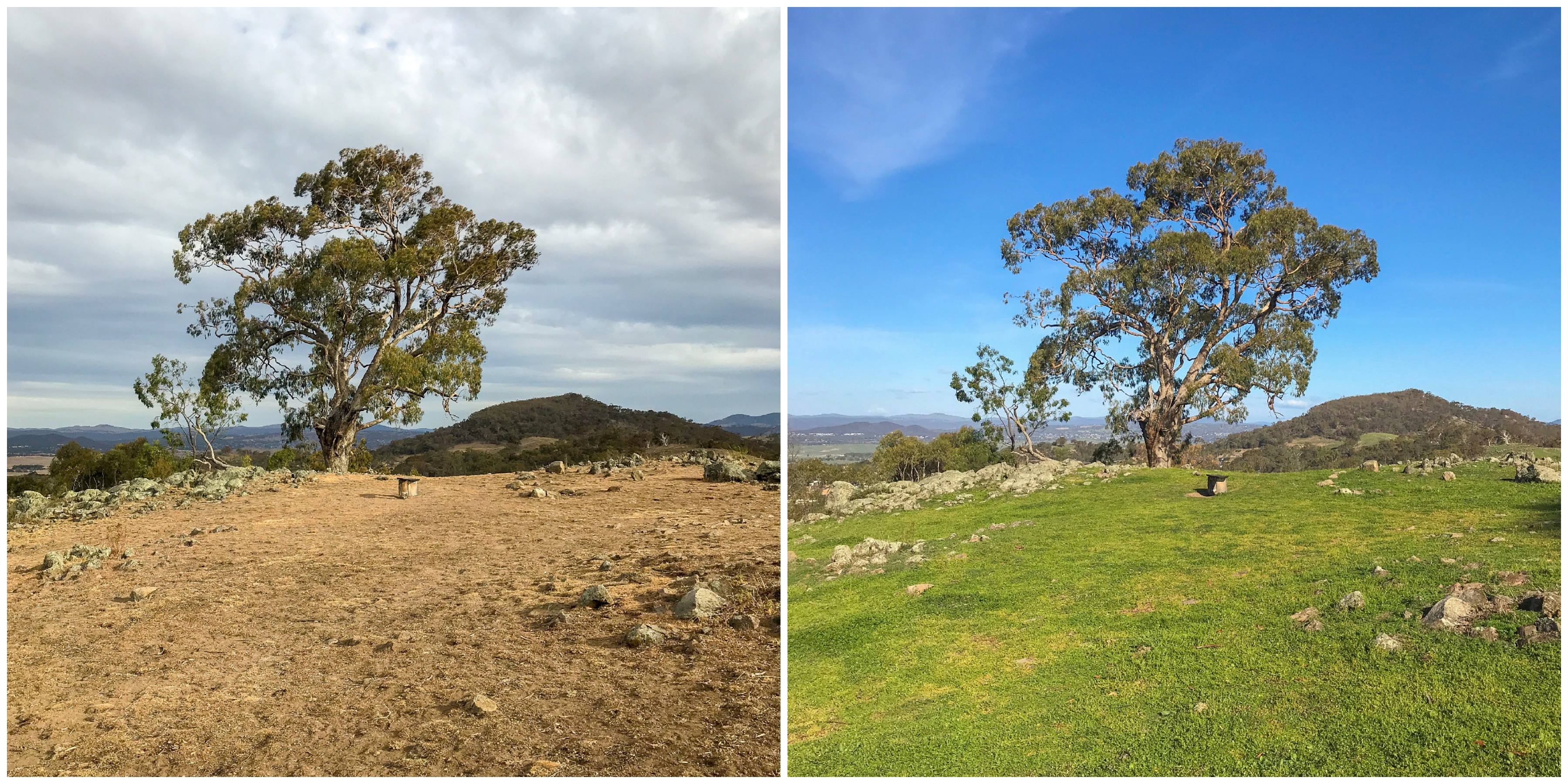
Still in the school summer holidays I feared Hope Cove in the South Hams would be largely inaccessible. Farmers would have seen the blue sky and decided to secretly annoy everyone by undertaking essential tractor on road affairs. Grockles would be flocking to car parks, caravans would be wedged between quaint red post boxes and quaint red phone boxes, kids and dogs would be running amok in a melange of buckets, balls and bowls of water that I always trip over. How, exactly, is the tranquillity?

But I was surprised. We got a park. We got a spot on the small beach cove. We got an ice cream. And we got a blue sky that was very comfortable for shorts and a walk along the South West Coast Path. That tranquillity? It’s pretty fine thanks.

hope07

Leaving the bubbling hubbub of Hope behind, I headed up towards Bolt Tail for magical views back to town and over the sapphire calm of the bay. There is little that is more joyous than traipsing on the trails of the coast path when it is like this. Nowhere in the world.

hope08

hope10

For now, here was Devon. Devon, oh Devon. Rolling hills, white fluffy clouds in a blue sky, white fluffy sheep in a green field, the deep blue sea shimmering in a haze of paradise. Oh yes, the picture-perfect Devon of custard cans. Such were my thoughts surrounded by hope. It’s good to be back.


Food & Drink Great Britain Green Bogey Photography Walking