It is funny how an arbitrary line on the map can make such a difference to how things feel. Like totally new government feels. Different planning rules and street signs and higher rates and corflutes advocating for the next new candidate for the next new government. It’s not quite the transformation one feels walking from France into Switzerland, but welcome to Queanbeyan, New South Wales.
Somehow in Queanbeyan the gardens feel more exotic. As if it is longing to be part of the South Coast while ignoring the spectre of winter frosts. Dusk welcomes shrieking rainbow lorikeets while engine braking emanates from the trunk road heading through town. Surprisingly cute tin and weatherboard cottages compete for space with the sturdy brick brown blocks of flats lining the river. Buzzing waterfront taqueria contrast with a roundabout Red Rooster.
This is the juxtaposition of Queanbo life. A not quite Canberra suburb, a not quite country NSW town. A probable temporary life for me, though there have been a few properties that could have cut the mustard to make it last longer. You do get more bang for your buck, but at what cost?
Okay, well rates are set to increase by more than 60% over the next three years. The Queanbeyan River can sometimes flood. Everywhere else seems just that little greater, gas-guzzling distance away. And – at least where I’ve been staying – I just haven’t had the same level of greenery from the door.
I did find a reasonable coffee shop where you can get a large coffee for less than a fiver. Yet this little miracle means walking a little along the Kings Highway and then deviating through Brad Haddin Oval where you are reminded of the irritating deeds of Brad Haddin.
It’s a graceful and elegant oval set among large shady trees. Old folk from a nearby retirement complex play bowls and shuffle upon the tennis courts. It doesn’t really feel like Brad Haddin but perhaps he has mellowed too, joining the likes of Glenn McGrath and Mitchell Johnson as somehow thoroughly likeable chaps. I have doubts if Nathan Lyon will ever get there.
Perhaps Queanbeyan will feel the same to me, if and when it is no longer in my face like an amped up baggy green rage fest. I’m sure also when I leave someone will have come up with the bright idea of putting a café somewhere between the town centre and Jerrabomberra, providing the opportunity to grab a morning coffee and head into the bush. For now, flask tea is the best option.
Mount Jerrabomberra has proven the proverbially island in the sea. I had walked it once, gently rising along the main fire trail to a summit view and radio transmitter. But there are many random tracks veering off here and there, a spaghetti network offering infinite choose your own adventure.
Even the bush seems a little different here. Maybe it is the geology or the aspect or the way in which it is or is not managed. But one thing it has in common with many a neighbour is the encroachment of sprawling suburbs, trees spilling downhill to lap at a new road, a new Aldi, a new McMansion.
Apparently the land rates in Jerrabomberra are some of the highest in the country. Technically this is a Queanbeyan suburb but feels as much as it actually is over the hill and far away. What strikes me, more than anything, is that it has a stronger Canberra air. I think in the grassy median strips and footpaths between the backs of houses, and the engineered waterways and looping crescents, moulded to the hilly contours of the land. There is even a lake, albeit small, albeit with palm trees and an island that could well be Mar-a-Lago down under.
There are secrets here to be unearthed. Transecting that fringe between the mansions and the wilderness, a lushly green gully, a flowery scent of undergrowth, a deepening expanse of gum trees and acacia. The forest seems to push on, becoming more impenetrable as you go, perhaps heading ever eastward all the way to the ranges and the coast. Or maybe coming up against Googong.
Googong is the newer Jerrabomberra, the modern type where the larger houses take up pretty much all of their small block and where a scattering of townhouses offer as much floor space as an apartment at twice the price. What’s the cost of stairs and a garage?
It took until my last Friday night of Queanbo life to make it to Googong, or more precisely the fringes of Googong, bypassed to reach its namesake dam. This is no ornamental pond with palm trees or cultivated lake with coffee shops, but an expansive, Windermere-esque ribbon of water running many miles from north to south. The Lake District parallels may come as a stretch but there was something comforting and lovely strolling upon its shores under golden evening light.
Critics may jape that this is the best view in Queanbeyan, mainly because Queanbeyan is a long way behind your back. How do I feel about the place after almost an eight week stay? The welcome to town signpost sums it up well: Country living, city benefits, though I’d argue there are also city annoyances to add to the list. But in the ultimate test of the ‘could I live here?’ conundrum, I was pleased to enjoy a decent coffee one final morning, served up from my regular go-to café. Where, just before I depart, they finally remember my name.
Well, I hope you had yourself a merry little Christmas. In a clear sign of ageing gracefully I was pleased to unpack a new, lightweight, bagless, cordless vacuum cleaner and a brand new thermos flask in pastel hues. I think part of the joy was in unpacking something rather than packing it up. Other festive highlights included a love-hate relationship with a ham (I’m so over you) and sitting in the dark in the middle of the day. I haven’t felt so hot since being in, um, England.
So it seems I’m at the point where vacuum cleaners are exciting, too much heat is wearisome and I find ample satisfaction in ambling around the NSW town of Tumut. It was noticeable how many times I was asked Why Tumut?, including from the Airbnb host making money from people actually staying in the town of Tumut. But it’s just nice. Cute and a little cosy, I could live here in something actually affordable. There is a decent café and a Woollies and an awful McDonalds all out of Caramilk McFlurries but most of all there is the river swishing fulsome through leafy parkland and cow-filled meadows.
The Tumut River joins the Murrumbidgee River which joins the Murray River, feeding gigalitres of water downstream during the La Niña spring. For once there is almost too much water, and too much Dorothea Mackellar, espoused by the usual suspects to justify this as normal. Even my pretty little Tumut is not immune.
Feeding into the Tumut River, the Goobarragandra shows signs of flood in its flattened banks and weedy debris. It’s been a lovely drive through luscious countryside to Thomas Boyd Campsite and a trailhead for the Hume and Hovell. I walk a little of the track, barely decipherable through tall, snake-infested grass. It’s okay but nothing to write poetry about.
I pause for coffee (in an old flask) and a Macadamia slice purchased from Gundagai bakery. And decide the best means to perk things up – and fulfil the clichés of middle age – is to hop on the bike.
Flat and sun-kissed, the going is joyous as the road nears the banks of the river, seemingly wilder and more dramatic than it was around the campground. Grassy plains yield to undulating meadows, the shadows from cotton wool clouds projecting onto higher, bush cloaked peaks.
All too soon the river meanders away from the road and those undulations kick in. I climb one and decide that will be enough. And dream of Christmas futures when I can unpack an e-bike.
Is another sign of getting old waking up with the kookaburras? I certainly have evidence to support this theory but then there are also those outliers. Or inliers, so to speak.
In truth the Christmas break has produced some relative lie ins, but this has been countered by a desire to get out early before the furnace is at full force. So there have been a few mornings where instead of sedately lying in bed listening to Radio National and sipping tea I have hopped and skipped out into the bush.
I entered Namadgi National Park around seven and was surprised to find a number of cars at the visitor centre. I suspect they had smartly set out for Mount Tennent while it was still cool and fresh. I wasn’t going to join them, instead heading further south to a rendezvous with a creek.
I do believe the Rendezvous Creek walk is one of the few marked trails in Namadgi I have never set foot on before. And with relatively low expectations (I find that can be the best approach here) I discovered utter delight. At first shady and fragrant, the trail opens out into a hills are alive style valley. The only sound being the rustle of grass in the breeze, the trickle of water, and the buzz of the great Australian blowfly.
Who needs touchscreens and Twitter and endless ham and Michael Buble schmaltz and David Warner tons and lightweight vacuum cleaners and Caramilk McFlurries when you can simply be blessed with the vastness of nature, the blueness of the sky and the buzz of a fly? But allow me one modern day indulgence. Make that two. A brand new pastel flask filled with tea and a Walkers shortbread mince pie. Well, it is Christmas after all.
The glow of the sun kissed my face, smoothing weary creases and tired eyes. I stretched my legs free, unfurled my arms and breathed in air unguarded. A salty, doughy morsel touched my lips, comforting and contented, filling a roiling void somewhere in my stomach. And then I took a sup on a coffee from Pret and came down to earth. With a bump.
Not for the first time today, meeting Great British tarmac at Heathrow Airport. A concrete scene which diminishes with miles, through the leafiness of Surrey, the crops and commuter towns of Hampshire, the river valleys and chalky plains of Wiltshire. The proportion of sunshine to concrete proves related, as cool, cloudy skies greet me in Salisbury, alongside Dad.
To leave Australia at this point in time seems fortuitous given the dreadful weather before I left. And here we have a UK bathing in the after effects of a jubilee, a promise of summer to clutch on to as you avert your eyes from the petrol pump. A summer of pretending a pandemic has gone, crowds feasting on fresh salads with iceberg cheap and plentiful. Not that I’ll be overdosing on salad.
Every return I make I am struck by the burgeoning salad of the English countryside, even though this time I left an oddly verdant Australia. Wiltshire presents the kind of gentle introduction I need, an ease in to a Britain that is still to be treasured for its tranquil waterways, butterflied meadows and rolling downs. A Britain of bunting and thatch and country piles interspersed with the odd pocket of chaviness. ThisCountry indeed.
Ably guided by Dad it is splendid what you can simply embrace within a small radius of Durrington. The River Avon never seems far away and a small stretch is but a mere five minutes walk from home. The background buzz of mowers competes with the chirping of the bird life. Around each corner lies the possibility of catching a kingfisher in flight or an amorous couple in fright, each as frisky as the other. A melange of nettles, weeds and grasses rise to a height in which otherthings no doubt hide. But blessedly not so many snakes.
A greater danger around here seems to be the prospect of emerging from the long grass to face a head-on confrontation with a tank. The armed forces war-gaming upon Salisbury Plain makes walking a slightly more interesting proposition. For centuries these have been venues of military endeavour, evident in the many iron-age hill forts punctuating the landscape. Obvious staging posts with expansive views out to marauding invaders.
Today SidburyHill is a quieter affair, though two men in combats linger beside a Land Rover near the top. I can’t decide if they were discussing the strategic ramifications of ground assault in Donbas or eating lunch. Dad and I ate lunch, looking out for butterflies.
The plain isn’t all that plain, and an impromptu detour on the way down the hill takes us through a patch of woodland. Fresh off a plane I remind myself to look up into the canopy at the shapes of the leaves, broad and green, forming into layers which intertwine their way towards the sky. Leaving hobbit-like tunnels and corridors of natural art through which to stroll.
There is little strolling for the squaddies however. We encounter backpack-laden platoons traversing water and nettles and unbearable banter during another walk over the plain and down alongside the Avon. It is, almost, tolerable shorts weather but I’m glad I didn’t succumb given the undergrowth to navigate. Not quite squaddie style, but a little track-hunting through the long grass nonetheless.
Nature infiltrates everything here but so too is it tamed. That could be a slogan for Wiltshire, the taming often coming in the form of genteel cottages clustered together in the midst of industrious fields. It frequently makes you feel as though you are in Escape To The Country, only without the two million quid on which to prevaricate.
Our own escape in the country culminated with a flurry of thatch in the small hamlet of Ablington. Here it was as if everything had been deliberately arranged for my convenience. Under sunny skies dotted with cotton wool clouds, a row of whitewashed cottages sit higgledy-piggledy along the lane. Gardens and window boxes pop with colour, hedgerows hum with insects, and glimpses of perfectly manicured lawn conjure images of scones and jam on a latticework table. A Union Jack waves proud, and underneath a Mini in racing green. And everywhere, rambling, decadent, undeniable English salad.
Where do I begin? Faced with the rare overstimulation of drives to Sydney and flights to Darwin and much, much longer flights to Heathrow and double masking and swabs being shoved up noses and drives down the A303 and bacon and egg butties and autumn leaves and Ken Bruce still on BBC Radio 2 and drizzle? Where do I begin?
With speed bumps. Some shit may have gone down since May 2019 but if there is one upside to this passage of time it is the erosion of speed bumps along Eggbuckland Road, Plymouth. Approaching ‘home’ again I no longer need to brake every ten metres or so but can happily glide without delay towards long awaited reunions.
I suppose in this the neglect of governments proves to have its upsides. Or literal lack of them. Perhaps this flattening of speed bumps is what he means when he can be arsed to bumble out piffle like “levelling up”.
I may have been away for long but Britain feels a strange place to be in these days. COVID-normal Britain even stranger, particularly so for an arrival from the antipodes. It’s not an especially appealing destination in November 2021 yet somehow I crave it. Because here there are connections. And cream teas.
What I don’t usually come to Britain for is the coffee. However it is fair to say the serving from Olive & Co at Siblyback Lake on my first day there was bordering on the realms of impressive. To my delicate Australian ways, the sign requesting limitations on the number of people entering to order takeaway was also reassuring. Until a couple naturally disregarded this with their smug mask-free faces, as if they alone had conquered a whole pandemic.
To recover from this distress Mum and I did the whole sit outside in eight degrees under grey skies thing. Still, the outside world offered an antidote to everything else going on, those rolling green hills of the Cornish countryside feasted on once again by my hungry eyes. Damp, earthy air filled my nostrils while my mouth also came to be amply occupied.
Near Siblyback, the River Fowey twists and tumbles irresistibly toward the sea, a whitewater ride packaged together as Golitha Falls. It’s popular with dogs and photographers and people in wellies walking dogs and taking photos. Among woodland clinging on to the final browns of autumn, mossy tree trunks tell of the abundance of moisture all around. It feels like it will be this way at least until May. Or more likely forever.
Enduring cake at Siblyback, it took a whole twenty four hours to reacquaint myself with a proper cream tea. Again outside, but this time under brighter skies within the charming village of Widecombe in the Moor. Considering it had been two and a half years, it took a good five minutes to arrange a photo shoot and administer jam and cream by which time the tea was lukewarm and scone a bit dry. But it went down well all the same.
Was it enough to justify a complicated trip to Britain in November 2021? Well, probably not. But pan out from that village green onto the expanse of Dartmoor above and the tables begin to turn. Peaceful, dramatic, enchanting, quintessential, comforting, fresh. Perfect skies and vistas and air to share with Mum. And the anticipation of a couple more weeks of COVID Britain in store. Surely enough time for another cream tea or two.
I was recently beside the ocean, clambering over rocks towards a sandy bay. While very evidently south coast New South Wales, it prompted a distinct evocation of south coast Devon. Perhaps it was the chill of the wind more than anything, working with the rockpools and smell of the sea to conjure up sensations attached to the past. I half expected to turn the corner to find a Mr Whippy van and a field of cars shimmering in a farmer’s field.
Memories are funny things, tending to manifest with specific – and often mundane – detail against a vague backdrop of time and place. Some of my earliest memories of adventuring into the great outdoors were in the backseat of Uncle Ian’s car, BJ’s head primed to thrust out of the window, tongue lolling as soon as the smell of Dartmoor wafted into his nostrils.
While the excitement of a dog comes uninhibited, within me there was an undeniable buzz of anticipation. These trips offered an escape from Plymouth and an early introduction to nature. Realisation of a wider world with seemingly infinite opportunities for discovery. I daresay they were good for my development too, from understanding the patterns of land and climate to counting the number of ponies nonchalantly hanging out in the middle of a road.
Within the confused and complicated process of childhood, these escapes were a treat. Being with Aunty Pat was always a treat, in part because as a kid you always knew you would be offered plenty of treats. It’s why I occasionally pretended to lose my bus fare so I could walk to hers from school for dinner. Sadly, our cherished Aunty Pat died in recent weeks, finally at peace with Uncle Ian again.
Being practically a zillion miles away with border restrictions more akin to 1950s Berlin, I know I will have to find my own way to reflect and celebrate. And I know it will have to involve a treat.
While Uncle Ian and Aunty Pat probably opened up my eyes to the outdoors and shaped much of a life that was to follow, I’m pretty sure they also influenced my love of cake. I cannot remember Aunty Pat without thinking about her layered chocolate sponge, coated in thick chocolate buttercream and decorated with what must have been ten bars of crumbled Cadburys Flake. She also did a fabulous coffee and walnut cake but, as a kid, it’s the chocolate you always go for.
So I decide to make a cake. I think she would approve of my form of commemoration and probably tell me to “put the kettle on and bring in a tub of clotted cream with the cake will you love”.
First, the ingredients. If justification were necessary for eating a cake, I decide to take an opportunistic bike ride on the way to the shops. Someone more spiritual and less cynical than me might have poetically equated the appearance of a rainbow as some kind of sign from above, rather than the sun refracting through water droplets in what has been a pretty damp winter. Still, this thought of people possibly thinking that way made me think of Aunty Pat nonetheless, bringing more memories to the fore. A process which totally distracted my mind from the wearying incline I pedalled up until it was well behind me. Still comforting.
The cakemaking made me appreciate what an absolute chore it all was! Baking the sponge proved straightforward enough, but the icing was another matter. First some butter and more butter, then icing and cocoa powder and so much whipping and stirring that I ended up cheating with an electric mixer. Then trying to smother the icing within and outside and finally encasing the cake in flake without getting chocolate in every nook and cranny of the kitchen. It is a labour of love which is probably why it came so naturally to Aunty Pat.
I was planning on saving the first cut for the next day at a suitable time and place, somewhat ceremoniously. But it was evening, the heating was on, the lighting cosy and there was a whole cake sitting behind a cupboard door taunting me, even though I wasn’t especially hungry. It was always behind that cupboard door. Why wait when it can make you happy now? I know she would approve of that.
In contrast, the next slice of cake spurred me towards the top of a mountain, delivered at an opportune time in the midst of a winter wonderland. A fillip ensuring I can continue to explore and discover afresh. A slice of chocolate heaven shared with a friend and – she would be aghast – coffee delivered lukewarm from a flask.
I can’t say the vistas up towards Camels Hump in Tidbinbilla especially resembled Dartmoor, though the experience of rugged wilderness and – atop the peaks – gale force winds certainly provided a similar sensation. It wasn’t the plan to go this far, to be this adventurous. Other than a mandarin, the cake was the only sustenance I had packed. Thank goodness for all those buttery calories, keeping me going again.
While I’m sure we would have clambered out onto a few tors in our time, most of my Dartmoor memories with Aunty Pat and Uncle Ian concentrate around the rivers. Twisting laneways of crystal water tumbling toward the sea. The dappled light of summer penetrating a world almost overburdened with green. BJ afraid to swim but brave enough to gather pebbles that looked far too heavy to carry in his mouth, as we sit and observe with ham sandwiches on hand.
And so, on a bleak, drizzly Monday I made my way to the Cotter River, thinking this would be the closest resemblance I might find locally. In the middle of winter, bare trees and leaf litter mingled with evergreens forming a scene that felt a touch more Scotland than Dartmoor. But that seems fitting too, for they loved those Scottish holidays in the caravan with Dolly and Ed. That caravan my sister and I spent a night in near Chudleigh, entranced by the magical folding of tables and chairs into a bed.
With the nearby dam overflowing, the water was high and running at speed. It was this sound that mostly evoked the past. The sound and, of course, the taste. Another slice of cake with a decent cup of tea, served on proper crockery rather than plastic paraphernalia. Each mouthful taken with recollection of the warmth and caring and generosity and love of our Aunty Pat.
In a fleeting moment I mulled over the prospect of sending a few crumbs down the river, but I know she would look at me bemused at the thought of wasting good cake. Still, I had a dirty plate and nothing to clean it with other than river, so a few microscopic elements have washed their way out into the ocean off South Australia. A long, long way from home in a journey that probably commenced on those first forays out onto the moors.
We have just come back from the moors and settled down on the new sofa in Ernesettle. I eye the massive bottle of scotch filled with tuppences. The heating has been cranked up almost to the point of being excessively cosy, the bitterness of Dartmoor rapidly fading away. Uncle Ian is taking a seat at his keyboard, looking out over the creek. Aunty Pat is industriously doing something in the kitchen to the benefit of us all later.
Something in the oven, she returns with a cup of tea and – of course – a few slices of chocolate cake. As Mull of Kintyre pipes up from the keyboard, there is a gentle smile on her face. And a simple shared happiness filling all of our hearts.
You’d have to be slightly crazy to drive six hours just to visit the Gilgandra Rural Museum. Yet craziness is exactly the vibe. Assembled outside, various mechanical contraptions seek to separate wheat from chaff or draw water from the ground or power the transistor radio of old Sheepwash Charley of Dunedoo. Among the pioneering relics, random two-dimensional figures play out a scene which probably didn’t make the final cut of the original Ned Kelly movie. All the while, the incredible Man on the Thunder Box remains impassive.
I didn’t travel six hours for the Gilgandra Rural Museum, but paused for one final stop before setting out for Coonamble. For me, Gilgandra signified a final outpost of familiarity if not necessarily civilisation. Along the way, more gentrified country towns like Boorowa and Cowra and Molong had breezed on by. A stop in Wellington illuminated both the charm and economic fragility of life in a country town, while the major centre of Dubbo came with all the drawn out trappings of tractor dealerships, coffee clubs and chequered fashion wear.
It was after Dubbo that I first encountered a finger or two. A single raised pinky from fellow drivers attempting to overcome the boredom of the Newell Highway. They obviously hadn’t stopped at the Gilgandra Rural Museum for there was little cheer or energy in their movements. More an obliging duty to signify they are alive and to acknowledge the presence of other lifeforms.
It is never clear when, where or why the finger zone starts or ends. Remoteness plays a key role, but then some areas of barren desolation barely provoke a twitch. This confuses me to the extent that some people get the finger, others get a V sign, others a full hand and, when I have faced enough rejection for one day, the rest receive absolutely nothing. One of the worst feelings in the world is being too late to acknowledge a cheerfully waving man in an akubra as he whizzes by south, just because you have been spurned one too many a time.
Another hour of this kept me mildly entertained as I broke new ground on the Castlereagh Highway. Occasionally the road’s namesake river snaked nearby, sandy with pools of water nurturing gum trees and fields of weedy yellow flowers. Corrugated metal galahs counted down the approach to Gulargambone, while a fence emblazoned with a big G’DAY greeted me as I left town. Late in the day, Coonamble embraced me with fiery skies and the smell of mice disinfectant.
I had come to Coonamble as part of a bigger trip on my way to Queensland. And while there was distraction in its artistic water tower and a sense of disappointment in its Nickname Hall of Fame (not even being so bad to be good), the main purpose of the stopover was to visit old – and young – friends.
And so good food, company, and row row row your boat was the main order of events, delivered in abundance. I did sample hot coffee from both local cafes and discovered the intricacies of a remote town of 2,000 people where everyone knows everyone else’s business.
One late afternoon I even went for a little bike ride, which was quite delightful at first, cruising along flat countryside lanes and discovering a peaceful spot by the river. Then I ended up in town and got chased quite aggressively by the obligatory roaming hounds. The full Coonamble experience.
One of the plus points to Coonamble is its proximity (at least in regional Australia terms) to Warrumbungle National Park. A jumble of volcanic lumps and spires rise up prominently from the flat surrounds, tantalising from afar in every direction. A dirt road takes us to a spectacular reveal of this massif from the west, before becoming more deeply immersed into the heart of the park.
I’ve done longer, signature hikes here before but with little Henry enjoying shooing flies in a backpack we take on a shorter walk to Tara Cave. Still, it’s a delight featuring a small creek crossing and burgeoning bushland, rising up to reach an interesting shelter with signs of tool-sharpening from many centuries before David Bowie put on some red shoes and danced. And being in the north west of the park, a balcony view reveals the splendid panorama of this wonderful land.
On the other side of the Warrumbungles is the town of Coonabarabran. I discover this is known locally as ‘Coona’, even by the Coonamble locals who might also claim that moniker. Coona is a pleasant enough place, with an extravagantly decorated and tasty Chinese restaurant and – the piece de resistance – a Woolworths. Coming from Coonamble, there is something utopian about entering a supermarket with fresh produce and aisle upon aisle of comforting familiarity. Like a child in a candy shop. Or Francois in a fromagerie.
And so, a final fresh dinner on Sunday night and another fine breakfast the following morning sets me up for the journey ahead. It’s a long and lonely road, and I feel a touch flat about leaving a world of comfort and companionship. After an hour or so, Walgett appears, which is hardly the kind of place to lift a funk. Fuel, toilet, and a crossing of the Barwon River at least interrupt the journey.
The river is fascinating in its own way – still partly in flood thanks to storms several weeks ago in an area many hundreds of kilometres distant. Waters progress at the rate of Australia’s vaccine roll out, gradually collecting into wide channels and floodplains, seeping slowly through the interior. Eventually these waters will meet the Darling, which will meet the Murray and then find their way to enter the Southern Ocean southeast of Adelaide. They are taking a far more leisurely trip than me.
After the Barwon, the landscape alternates between wide flat expanses of saltbush and clusters of hardy eucalyptus forming around further pools of floodwater. Emu sightings are becoming commonplace and as I near Lightning Ridge, the most astounding sighting yet: an emu comprised of steel girders, car parts and a whole VW Beetle. Stanley the Emu is – according to Tripadvisor – only number 8 of 17 things to do in Lightning Ridge. I clearly need to take the short detour to visit this place.
Lightning Ridge is not just a flashy name but offers some genuine drawcards. There are artesian bore baths and a house made of bottles and – probably the best of the lot – a gallery featuring Australian classics from John Murray. I almost buy a signed print of a rich red sky over a dusty outback road to remember my trip by, but figure it is far too early in the trip. Damage from dust or mice or man-eating snakes would probably become its fate.
A spot of fossicking may provide some funding for such works of art though. Lightning Ridge is best known for its opals, which have been heavily mined and continue to be sought after today. All around town, deposits of rock form in small mounds and people still come to set up a home among the pickings. Corrugated metal and rust are a predominant theme which, set into a glaring white earth and fierce sky, offer a certain Mad Max vibe.
Seriously hoping Mel Gibson is not out in town harassing people I decide it’s time to move on and head north. Well into uncharted territory, even finger waves become few and far between on the way to the Queensland border. In the middle of nowhere, a giant billboard featuring smug people on an idyllic white beach blares “WELCOME TO QUEENSLAND”. A few kilometres further on in Hebel, a ramshackle pub bedecked with golden signs for the insipid state beer confirms the change.
It feels like Queenslanders are – in this part at least – not so much into the finger waves. Perhaps they notice my ACT plates and are suspicious of southerners with their lattes and COVID-19 outbreaks. Gradually the barren landscape around the border appears to become more tamed, more cultivated. Cattle studs, sheep farms, giant silos. I notice fluffy white patches lining the side of the road and correctly deduce the presence of cotton farms. All I really know about cotton is that it is very water-intensive and seems at odds with the land I have come through. But that’s utter Balonne.
I’m not exactly sure how you pronounce Balonne, but it is the big river of the area, part of that same system which will end up in the seas off South Australia. I initially encounter it in the town of St. George, the first place of any size in my progress north. The river lends St. George a somewhat graceful air and no doubt a certain prosperity from cotton and other crops. It’s the kind of spot – at four in the afternoon – that would be perfect as a stop for the night, but I haven’t really made any plans. I decide a cup of tea and slice of Christmas cake will be enough to spur me on for another hour to camp.
Thus I arrive in Surat as the daylight fades. While escaping ferocious heat is a benefit of travelling at this time of year, the downside is the early sinking of the sun. I decide setting up the tent in the dark would be too much of a palaver, so organise my car so that I can sleep in the back. A process which also involved much palaver. But somehow, after 550km on the road, I manage a reasonable, comfortable night of sleep.
As the morning light emerges, I am pleased with my choice of accommodation. The free camping spot in Surat is spacious and shady, next to the river and includes the luxury of a well-kept toilet block with clean, running water. I think havens like this are a good idea for tiny towns in which you probably wouldn’t stop otherwise. Especially for those weary travellers who are in need of a coffee.
Crossing the Balonne again I walk over towards town and follow the course of the river through well-kept parkland with well-kept barbecues and well-kept playgrounds. I am starting to notice just about everything in Surat is well-kept. There is a clear civic pride and welcoming air around the place that you wouldn’t really imagine by just looking at it on the map.
The main street – which is also the Carnarvon Highway – boasts a swanky looking grocery store, a pub and motel, a small museum, a few civic buildings, and a number of bottle trees. I noticed a few of these last night on the drive up and they are impressive specimens which conjure up a touch of African exoticism.
There is also a café doubling up as providore-cum-giftware shop. It’s still before nine in the morning but the sticky date and walnut cake looks too good to pass up, and I feel obliged to support the local economy given the free accommodation. That is, once I finally download ‘Check In QLD’ to add to the growing array of pandemic-related apps cluttering my phone.
I was keen to linger with coffee and cake until nine to poke my head into the museum opposite. This appeared from the outside to boast a little bit of everything. And indeed there was everything from old bottles and wool specimens to bushrangers and drovers around a campfire. A supplementary aquarium contained species from the Balonne and an adjacent art gallery was crammed full of work from one person which can most generously be described as eclectic.
The centrepiece however – and main claim to Surat – is being the setting for the last ever regular service of a Cobb & Co stagecoach in 1924. While life in an old Subaru can seem a little uncomfortable, these coach rides were another matter altogether. Passengers were able to pay handsomely for the privilege of freeing bogged wheels, clambering in tight spaces to shelter from storms, delivering post, opening and closing gates, and occasionally wading through flooded creeks and streams.
Such ardours meant the journeys were slow, and changing stations popped up along the way for a swap out of horses, crew, packages, and people. Cups of tea and plates of scones might have been arranged or accommodation for the night provided if it was getting late. Kind of like a nicer version of a Travelodge on the M42.
While the form of transport might have evolved over the years, it felt like Surat – this most unexpected of well-kept towns – was still engaged in such a modus operandi. Allowing weary travellers like me to take stock and convalesce, to rest heads and bodies, to receive generous nourishment. And most critically, to recover our worn out pinkies so that we can suitably venture out once more into the finger zone.
Over the hills and far away, everyone come out to play. One. Two. Three. Four. Thousand.
Such are the conical lumps and bumps of the countryside around Jugiong, you never know what you might find down a rabbit hole. Today, it is bursting at the seams with all sorts of characters, the village swollen with trippers pausing for drinks, pastries, ice creams, chocolate eggs. It is Good Friday and, even so, I am astonished. I have never seen the Hume Highway so busy.
It’s the kind of day where you could get hot and cross sat on your buns waiting an interminable time for a coffee. Unless you cheekily pop around the corner to the Jam Factory Outlet. And leave the gourmet country mecca that has become Jugiong raking in the cash.
It is heartening to see. Down the road a little, Coolac is the precise antithesis. A one street kind of town with a forty year old Holden parked eternally outside the pub. A Memorial Hall hosts a little life as a couple of old dears negotiate the keys and lights. Outside, the picket-fenced oval surprises given the difficulty in conjuring enough people for a cricket team. It seems more likely a host to rusty tractors and bizarre sculptures made from hay. I kind of like Coolac.
I’m detouring off the Hume and am making my way to Gundagai via a scenic route. One year on and surely I must be getting close to traversing all the sealed highways and byways of the Hilltops region. This one is a beauty, at times narrowing to a single track nestled into steep-sided embankments following the Murrumbidgee. Other traffic is a rare sight, only increasing as I approach Gundagai from the south.
I was originally thinking of camping by the river here. As I cross over the town’s rickety bridge, I glance down to see an accumulating complex of trailers and awnings and canvas-themed opulence. I feel relieved and slightly smug at the thought of booking somewhere quieter in Tumut instead. Well, I think it should be quieter.
So Gundagai becomes simply a pause for lunch. It sounds ridiculously middle class, but one of my camping road trip staples has become homemade quiche. It’s hearty, tasty fare and means I don’t have to lug my whole box of camp kitchen paraphernalia with me. Okay, it might make it hard for me to ingratiate myself with certain other types of campground people, but it sure does use up the out-of-date eggs.
I’ve never really dwelt for long in Gundagai. The town is clearly shaped by the Murrumbidgee, with the coloured roofs of houses rising up a series of hills like a scattering of Lego bricks. The floodplain divides and is sensibly reserved for non-essential infrastructure such as a golf course, a park, and the campground. Two old bridges indicate the perils of flood, suitably ramshackle as they pass by clusters of stately river red gum. You sense the trees will be here long after man-made debris has finally washed away.
And so on to the campground in Tumut which was – yikes – just as busy as everywhere else. This one was situated on a farm alongside the banks of the Tumut River, a natural attraction to fishers and kayakers and people who simply like to empty the contents of an esky while lounging to the sound of soft rock classics on endless rotation.
Occasionally I like to ride my bicycle and – after putting up the ‘instant’ tent in one of the better times yet – was keen to immerse myself in the surrounding countryside. Enclosed within a broad river valley I assumed the riding would be pretty flat and for the most part that was the case. Still, any incline was unwelcome in the late afternoon warmth, nearing thirty degrees.
On the northern side of the valley I headed towards Lacmalac, which was really just a cluster of farm buildings with hints of charming homestead within manicured garden. Occasional wafts of silage reminded of Devon, but then a giant southern cross reinforced the Australian condition. Crossing water at Little River, it was all Devon again, embodied in a rolling hill which was simply too steep for me to pedal.
In one of the quieter moments I realised that bike-riding is quite the bipolar experience. The inclines are irritating and often lack enjoyment. But then crest the top and the downhill is all exhilaration and relief. Flat stretches are simple compromise, somewhere in between. Most of the way back to Tumut was as flat as a pancake, along – oh I see – Tumut Flats Road.
With the sinking western sun in my face it was a relief to reach a little oasis called Tumut Junction. This is no Clapham or Spaghetti, but the point at which the Tumut River splits with the Goobarragandra. Lovingly manicured by the Lions Club, it would have been a wonderful place to linger longer. But daylight was fading and I still had a little way to go, crossing the bridge built in 1893 and returning through town to the campsite.
I returned to find a camp trailer had squeezed into the little space between me and the group of let’s-see-who-can-talk-the loudest millennials. On the other side, the medley of Jimmy Barnes and Fleetwood Mac continued without pause. Fires were being lit everywhere, including one that had been arranged crazily close to my car.
Now, I can see advantages in writing off a 21 year old car, but I really would like it to stay intact for a while longer. So I shifted it a little further away as we all jovially chuckled how I could always have driven it into the river if it caught fire haw haw haw. Safe and settled, I lounged beside the river with a cold beer and a conspicuous slice of quiche.
It’s about this time, as darkness descends, that you begin to wonder how you will fill a couple of hours before bed. There is always plenty of phaff associated with camping to pass much of that period – sort out food and drinks and dishes, arrange bed, piddle about with various items in the car, ensuring you have everything you might ever need in the middle of the night.
There is also the ‘guess who will be the most annoying neighbour’ game to play. It wasn’t going to be the trailer couple. Despite their fondness for arson, they were rather civilised, quaffing rose and engaging in chit chat. The obvious contenders would be the gang of millennials all a hootin’ and a hollerin’. But as soon as one young lady said she was off to bed after throwing up, silence descended.
Apart from the faint sound of Midnight Oil accompanied by the clink of another empty bottle returning to its carton.
It was way past two by the time I properly got to sleep but at least I had a relative lie in, waking around seven on the final morning of daylight saving. It was still before sunrise and I was glad to find a child making a racket proximate to the late night soft rockers. Outside the scene was ethereal, a light mist floating inches above the ground. Standing within the haze, the silhouettes of eucalypts competed with the stick figures of humanity queuing for the long drop.
Thankfully, the mist didn’t survive too long as the sun rose to bathe the countryside an early gold. It was to be a crucial weapon in my operation to achieve a dry canvas by ten in the morning. A contraption of car doors, chair and bike slowly aired the flysheet while I shook the beads of moisture out of various flaps. It was the closest thing to having a morning shower.
In the absence of the camp kitchen box I didn’t get a morning cuppa, but at least found comfort with a cold hot cross bun in bed. By time everything was dry and packed up, coffee in Tumut was essential, this time accompanied by a big breakfast that kept me going for most of the day.
I spent the remainder of the morning exploring a little more around Tumut, finding it just as charming as on previous occasions. While not peaking yet, the passage of autumn was undeniably playing its hand, the yellows and ambers first to appear within riverside parks and along quiet country lanes.
Pleasantly warm and breathless, there was temptation again to jump on the bike. But I was weary, and the amble was more in keeping with my mood. Goodness knows how I am going to accomplish 162kms over three days in a few weeks. My only comfort is that I feel more prepared and bike-fit than others due to embark on that journey.
For now, soak up the tranquillity back at the Junction. What a delightful spot this would be for a picnic, if only I was hungry. I really do think in the yet-to-be-published Exploration of Regional Towns Within a Few Hours of the National Capital During the Coronavirus (COVID-19) Pandemic, Tumut would be up there in the top three. Unless there are other places unknown.
For instance, what about Cootamundra? Having only skirted once before I decided to head home in a larger loop: from Tumut to Gundagai and up to Cootamundra before tracking back via Harden along the Burley Griffin Way to Yass. I had already checked out cake opportunities in Cootamundra to justify the extra drive.
Coota, in its inevitably abridged nomenclature, will not make my top three, unless you are reading the yet-to-be-published Regional Towns Within a Few Hours of the National Capital Still Stuck in the 1950s. The town seems harmless enough, but it was very much of the everything closed on a Saturday afternoon persuasion.
With Coota Hot Bake shut, a few stragglers were heading to Woolworths for their daily bread. Even here, the sounds from a busker gave off a mangled Buddy Holly vibe. I entered the one café open – well, it said it was open despite looking deserted – and eventually found some humans. An old guy clearly way beyond retirement age diligently sprayed tables with disinfectant. He was keen to regale me with the events of the day, which were allegedly incredibly hectic. Over four hundred cups of coffee he said. So many people on the roads he claimed. It is hard to imagine.
In my Cootamundra, I can imagine bumping into Donald Bradman at Coota Hot Bake. All chipper and strutting like a peacock in his flat cap, shouting at the young lady behind the counter that the knots in his knot rolls are not knotted enough. If she was smart, she’d reply that unfortunately the bake was 0.06 degrees too low today, hence the knot rolls not being so perfect after all.
The Don is very much alive in Cootamundra, as the town does all it can to milk the fact that he was born here. Indeed, as advertised, you can “Stand in the very room the Don was born” at the modest but pretty little cottage on the edge of town. Next door is a spot promoting rare and unusual cricketing memorabilia, perhaps like those awful collages of Warnie lolloping around the crease that used to be pushed at viewers on Nine’s Wide World of Sport.
Closer to the town centre, in a lovely shady park, is Captain’s Walk. If Donaldmania is irksome for an Englishman weaned on a diet of capitulating pommie wickets and smirking Australian assassins with beer guts, then this is not an enjoyable walk at all. Busts of every Australian cricket captain are arranged here, though it is not true to say that Steven Smith’s nose was smoothed down with a sheet of sandpaper hidden in my pants.
Passing the head of Greg Chappell inches above the grass, I departed Cootamundra before pausing in Harden for fuel and a much needed frozen sugar slush. Harden was one of those places already featured in Exploration of Regional Towns Within a Few Hours of the National Capital During the Coronavirus (COVID-19) Pandemic back in spring, when the canola was all a riot. Population 2,030 it is quite the feat to have a town which stretches on for what seems like forever along the main road.
When you finally do leave town, it’s a really pleasant drive with pleasant countryside and pleasant curves. Encountering unpleasant roadwork at one point I decided why not pull into the “Historic Village of Galong” just because it was there. Naturally even quieter than Coota I felt as though a few eyes were peering through old wooden windows at this interloper. Perhaps a banjo string being tightened. It is no Jugiong.
Yet in the afternoon sun, unseasonably hot once again, sleepiness seemed the perfect state of affairs. I could’ve quite happily joined the village for a siesta. All four of us. But I didn’t. There is Binalong and Bowning and Yass and Murrumbateman still to come before the sun will set in the sky. And then it really will be time to say goodbye. Bye-bye!
Many of Men at Work’s lyrics from that infamous song are undoubtedly insane. And for a sparsely populated continental land mass frequently sun-baked and on the very fringes of survival, there are legitimate question marks about its plentifulness. Plenty in size and scale and cultural history. Plenty in coal and iron ore and brazen luck. Plenty in toilet roll, despite everything.
Today, in the natural world around me, there appears again this land of plenty. Turn back a year and there would have been much head-shaking at such a thought. A cruel fantasy. But since that point, we’ve had plenty of rain resulting in plenty of growth leading to plenty of productivity. Not all of this is welcome, with rabbits and mice and locusts replicating at the rate of viruses in Kent. And the plentiful fruits of this rejuvenation are proving challenging to reap without a stream of acquiescent backpackers.
Still, “she’ll be apples” as they say. Surprising apples if you find yourself on a road between Bundanoon and Marulan. I was heading back from a day of plenty when I spotted a small sign saying ‘Big Apple’ pointing to the left. Already astounded by the incredible-in-so-many ways Big Potato, the apple emerged as a more subtle dessert.
Giant fruits and vegetables are apt in the Southern Highlands given the land is – for the most part – rich farming country. Babe was also filmed around here, combining perfectly with some of the local apple sauce and roast spuds. I could see snatches of Babe country throughout, supercharged by the verdant green rolling landscape, scattered with fine weatherboard homes and lacy verandas. Such is the well-groomed nature of this land, that it comes as a dramatic contrast when the countryside falls suddenly towards the sea. Delivering plenty.
This happens at Carrington Falls, situated within Budderoo National Park to the south of Robertson. It was a misty, head-in-the-clouds morning, the kind that lends itself to Jurassic Park moments. Tall white trees disappear into the clouds, giant ferns at their base dripping with beads of moisture. The air smells earthy and rich, peppered with wafts of cool mint. Only the fizzing sound of water signals a break in this most stagnant of scenes.
Several lookouts provide the wow factor, the intake of breath, the magnetic allure of millions of litres of water falling fifty metres into a deep pool. It is unclear whether the mist swirling through the eucalypts are remnants of waterfall or lowering fingers of cloud. I suppose they are all part of the same big cycle taking on different forms. Steaming glasses and feeding natural spectacles.
I’m surprised by how busy the place is on a cool, damp Monday. A steady flow of visitors park up, loop along the lookouts and leave again. Most pause for a picture or two, alternating between ultra-serious brooding to comical selfies. One senior lady poses with what looks like a car windscreen shade over her head, arranged to resemble Mickey Mouse ears. The youth – students from Wollongong I suspect – brave the waters of the creek before they succumb to gravity.
There is another turn off near Carrington Falls that suggests further valley lookouts. I head to the first and closest, greeted with even denser mist and a disappearing view. Fine rain is now falling and – for February – it’s cold.
Back near the car and now thinking of a warming lunch, a sign points to something called Nellie’s Glen. It’s only a hundred metres, which is hardly going to delay the arrival of comfort food. And what a pleasant surprise this turned out to be, a gorgeous pool fed by gently cascading waters. The kind of place on a warmer day to soak and swim and avoid water dragons and hope that leeches aren’t longing for a bit of attachment.
With other lookouts and a campground I feel there is unfinished business in Budderoo National Park. But my mind – and stomach – has become fixated on pie. At the junction with the Illawarra Highway stands the self-proclaimed ‘World Famous Robertson Pie Shop’. Have you heard of it over there? It looks exactly the kind of place that would disappoint and end up on the news as a COVID hotspot. A pie of plenty instead came at the Robertson Pub, no doubt known as The Robbo, oppo the big potato.
It was perfect weather for pie and mash and gravy, washed down by a surprisingly good local ale whose name I sadly do not recall. Such feasting naturally induces a contented lethargy that makes the thought of further activity, further driving, further walking, further gazing at amazing, just that little bit less enticing. But I had to get home somehow, and there was still a waterfall way to go.
Thus the afternoon heralded Belmore Falls, a double delight viewed from afar. Some people had managed to find closer views next to the top of the falls and a couple – spied through my zoom lens – had made their way between upper and lower falls. I figured, judging by the size and athleticism of said couple, that it couldn’t be too hard to reach, though how they did so remains very much a mystery. Perhaps abseiling or helicopters were involved.
The drive from Belmore Falls to Fitzroy Falls proved joyful, a pocket of pure Babes country starting to welcome a brighter, afternoon sky. At Fitzroy Falls itself – the trustiest and most accessible of the waterfalls in this area – I felt a little as though I was going through the motions, but walked and stopped and took photos and gazed out in awe nonetheless. As well as both Fitzroy and Twin Falls adding to the daily tally, the view into the Yarrunga Valley never fails to enchant.
By the time I passed through Exeter and Bundanoon and abruptly turned to the left in Tallong, the sun had started to reassert itself and offer some welcome warmth. Better conditions for ripening apples I would imagine, and less potato friendly. A landscape now drier and more typical of great swathes of eastern Australia.
As a final stop before joining the highway I detoured to Long Point Lookout, where a spur of land thrusts itself out into an incredible wilderness. Below, some five hundred metres, the Shoalhaven River turns 180 degrees, carving out the steep hills and ravines which disappear off into the distance. All that water has to lead somewhere, and the Shoalhaven is quite a remarkable gathering of natural forces.
I spent a good half hour at this spot, as the late afternoon light cast itself in fits and starts upon the scene. Not one other car, not one other person stopped by during that time. Somewhere else, in another continent, in another country I couldn’t imagine such absence, such indifference. It would be a highlight, a spectacle, hustling with people and coaches and tacky souvenirs.
Here, it was as if no-one else knew. Here, in a country of vast open space, of forests and gorges still existing untouched, still largely unexploited, it was nothing special. Just another view, just another scene, just another place. And surely that is what makes it a land of plenty, he said, smiling with a Vegemite sandwich.
The Tumut River is proving a soothing spot. In spite of its swift flow, fed from the elongated dams of the Snowy Mountains, there is something becalming being upon its banks. Boasting more of an aquamarine shade than the sedimentary highways of the Murrumbidgee and Murray, it is a waterway begging to be paddled or fished. Or simply enjoyed from under the shade of a majestic River Red Gum – as long as you can overlook the fact that these trees have the pesky habit of randomly dropping their hefty limbs.
Various tributaries wind their way over fertile plains enjoyed by cattle and horses, mystery roads leading off into hidden valleys with panoramic landscapes. In Tumut itself, the river transforms what would be a pleasant enough little town into something more beguiling. Sitting among green parkland below the town centre, there may me a little part of water meadow England evoked. If you ignore the cackle of the cockatoos.
It was just under a year ago that I found myself here being rejuvenated after a day of hard labour pulling down fences in the hills behind. Sit in Tumut today and you would be hard pressed to imagine how fraught it would have been on January 4th, 2020. Approaching from the west, the Dunns Road Fire ravaged through Batlow and the Green Hills, cresting the Snubba Range and spilling down to and over Blowering Dam. It went on to merge with other large fires in the area, sweeping through pristine sections of Kosciusko National Park and the Snowy Valleys, before lapping at the edges of the ACT.
One year later I found myself in Pioneer Park sitting beside the river once again. It shows what an absolutely legendary year 2020 turned out to be that I had forgotten exactly where the fires had hit. No longer obsessively checking Fires Near Me I thought, for some reason, that the Dunns Road Fire had stopped on the western shores of Blowering Dam. Driving south from Tumut, it didn’t take too long to realise my oversight.
For sure, the western side of the dam is still quite a shock. Made up of plantation forest, the hillsides remain largely bare, apart from the blackened matchsticks of pine. Somewhere up there on the ridgetop, I wonder how Paul and Andrea are going on their farm, and whether Smiley has cheerily constructed a new hut. Hopefully the fences are still standing.
Down on the water, there is a somewhat normal scene of socially-distanced summer holidays playing out – all gargantuan encampments and four wheel drives and boat trailers. An emu pokes its head above the undergrowth, no doubt fleeing the meltdown of a toddler who just really doesn’t want to go anywhere near the water thank you very much. They seem to be everywhere.
Along the southern end of Blowering Dam, the impact of a year ago becomes clear as blackened trunks spread upwards to the east. There is regrowth, but it is thinned-out vegetation, revealing rocky, barren outcrops that probably haven’t been visible for years. Jounama Creek – a spot for camping and walking potential – seems less appealing than I expected, and I drive on.
From here it is quite the climb to Black Perry Lookout. Offering an impressive view out into the Bogong Wilderness, an information board makes it clear just how different things looked before the fires. In the picture, the peaks are still there, but cloaked in a swathe of lush green foliage like some kind of Jurassic Park. The picture also – frustratingly – features a much crisper, bluer sky than so far today. Both will come back, I hope.
The lookout is naturally a popular stop for trucks and caravans and trailers to catch their breath. One caravan seems to have had enough and the NRMA are being called. A clutch of potbelly bikers convey that menacing grizzled look that frequently becomes undermined by softly spoken, friendly chatter. One young guy appears anxious, on the phone to try and arrange a permit to access the ACT. Fire knows no boundaries and, for all we can try, neither does COVID.
My plan was to walk to a place called Landers Falls Lookout, lured by the promise of both falls and a lookout. It was either a ten kilometre there and back again or a swift 1.6km stop off from a four wheel drive parking area. I initially figured my car would be okay – it usually is – and inched down a big dipper of a rockfest. The way onward looked equally awful and – new year, no new words – I decided it was best to pivot. Back to the parking area for inadequate cars.
And so a longer walk ensued, but I’m glad about my decision. The car probably would have made it, but it might also have got two punctures, a broken exhaust, and a hazardous brake disc failure. Plus it was interesting and rewarding to tread quietly through this recovering forest, one year on.
What strikes you most in such worlds is the contrast between still very visible, jet black tree trunks and an overflowing understorey of grasses and shrubs and ferns and flowers. Where the two combine, witness the surreal procession of epicormic growth winding up into the canopy (before a certain pandemic, epicormic was probably the word of the year). The crowns of trees are still deciding whether or not they will come back, a process that will take more than just a year.
My initial fear that I would be sharing this walk with a procession of hoons in souped-up Hiluxes doing it the lazy way were unfounded. Probably because they don’t like to get their shiny blue paintwork dirty. Midway along one vehicle did pass, accompanied by the obligatory exchange of waves. Him thanking me for standing aside, me thanking him for the dust. At least there weren’t too many flies to elevate the experience further. Yet.
There was, in fact, a peacefulness in the forest. In patches the silence was punctuated by gentle birdsong – apart from the easy to spot pair of Rosellas, mostly this heralded from those little indistinguishable critters that hide in the undergrowth. Occasional rustles in the grass signified a lizard or bug or potential snake. I felt a bit more accepting of a snake sighting today, thinking it might liven things up. But it never happened.
This is not without giving the snakes ample opportunity, regularly veering off track to snap pictures of grasses and logs and flowers.
From the 4WD parking area, a non-vehicular route leads over Landers Creek and up towards a couple of lookouts. The sound of running water was a good omen for the falls, as was the vertical climb for a vista. Away from the creek, the undergrowth rapidly diminished, replaced by bare rock, charcoal logs and gravel. Exposed, barren, humid, the perfect time for the flies to welcome me in droves.
I deleted several shots from my camera because of photobombing flies. When you get a clear shot, the first lookout offers panoramic views towards Talbingo Dam, the course of the creek winding down towards its shores. In the near distance, a second lookout appears even more precariously perched upon a towering outcrop.
At this second vantage, the falls become visible and form quite an impressive drop, even in the relative dryness of summer. The landscape is an otherworldly array of arid browns and fluorescent green, the steep hillside opposite lined with black spikes like hairs standing to end. The aerial perspective from this vantage is mesmerising and I enjoy it with a cold pork and pickle and fly sandwich.
Lingering for a while allowed me to pick out some of the minutiae: individual tree trunks clinging to a rock face; coils of epicormic growth leading to barren white crowns; cliffs streaked black; a cluster of ferns glowing luxuriant in a hollow. It was as if I was Google Earth or something.
Lest I get a godlike complex high above, I managed to get a little lost on the way back down. I find every rock and burnt log looks pretty much the same. But following the creek I found my way once again to the 4WD car park and onward much further to my own car. Nearing the end of the trail I passed a family with three kids setting off, satisfied that I’m not the only one with an inadequate vehicle.
Back in civilisation it was very much that time of the day when ice cream is mandatory. Civilisation is hard to come by, but the small township of Talbingo offers one of those amazing supermarkets that sells everything from tinned food to drill bits to crates of beer to chiko rolls to two year old editions of Angler’s Almanac. It also houses the post office, tourist information centre and a photocopier. Though lacking gourmet ice cream, a Honeycomb Maxibon on the shores of Jounama Pondage provided sufficient sustenance.
Ignoring the burnt trees on the other side there was a touch of the Lake District in the grassy foreshore and rounded hills disappearing off into the horizon. Blue skies and fluffy white clouds completed the Wordworthian idyll. Again, a year ago, Talbingo was far from it.
From English lakes to Spanish sierras, a journey of disastrous superspreading madness only now restricted by fanciful wartime yearning to regain a supposedly lost independence. Here, the European mirage took the form of a solitary, short drive down the road towards Talbingo Dam. On one side, a panorama of barren ridges and spindly trees, dusty earth and searing sun. A glass of Rioja and a siesta would go down well, but I must move on.
The dam itself has the requisite boat ramp where the road terminates. Here, a wide gravel parking area was solidly packed with trailers and those four wheel drives so suited to the walking trails around this way. A regular flow of vessels with names like Crusader 3000 and She’ll Be Right were being lowered into or dragged from the water. Outboards buzzed and jet skis thrashed and bins were overflowing with the remains of picnics and beers. Behold the domain of the boatpeople.
I was planning on camping in such an environment, albeit further north on the shores of Blowering Dam. But throughout the day there was something going on in my head looking for excuses to get out of it. Heat building. Risk of storms. Boat people. Perhaps the final straw was the realisation that I had left my salad in the fridge at home and would have to resort to a dinner of cold pork and disappointing pastry. I could survive, but would it be worth it?
Procrastinating around a greener, untarnished landscape with views to Blowering Cliffs, I figured I could drive into Tumut and procrastinate some more, while also picking up salad to complicate the decision-making process even further. If I had made a New Year’s Resolution to be more decisive – which I hadn’t – I would have failed already – which I didn’t.
Tumut was just that little bit closer to home and I was willing to embrace a two and a half hour drive into the evening, weighed against the likelihood that I would struggle to be sleeping anyway if I was to stay and camp. Hot water, comfy bed, a flushing toilet v lumpy mattress, strange noises and a long drop. Next time I head off with the intention of camping I need to exceed at least a three hour radius from home.
Je ne regrette rien, as they say in the aisles of Tumut Woollies, for not only did I manage to get my salad fix (albeit in the form of calorific coleslaw), but I also finally snaffled a half price Christmas cake. And then I took to that riverside, wandering and eyeing up future opportunities to explore before settling upon a delightful dinner spot.
There are places I’ll remember. Soothing. Becalming. Rejuvenating. Nourishing. Like a shot in the arm.
Take me over the crossing, deliver me through the shadow of trees, inch me up to a subtle divide. The very precipice falling into a mountain creek, hidden somewhere within this big, open country.
Water
Water water everywhere, and not a drop to waste. The new, passing abnormal, flushing the land clean of years of dust and bone. Reflecting the sky, saturating the fields, imitating an English meadow. Putting the good back into the Goodradigbee.
Life
Life goes on. Gentle and serene, noisy and frenetic. Humans endeavour. Sheep shelter. Birds poise ready for attack. The productivity of spring seems unstoppable, like the clouds motoring through the sky. Life goes on to prosper, with a little push.
Abundance
It is a fleeting passage of abundance. An embarrassment of riches that is as disconcerting as its painful absence. Bounteous panoramas, generous horizons, good country. Make hay.
Traditionally, the end of June has come to resemble a key juncture in my life: the culmination of the financial year acting as impetus for all sorts of project completions and invoice requirements and quick-turnaround work tasks. Traditionally.
Traditionally I would also, thanks to this purple patch, begin turning my attention to a trip overseas, to Europe, escaping some of winter and connecting again with treasured family and friends. Traditional cream teas would compete with a traditional trip to Looe for a pasty and a traditional offload of dirty laundry to Mum.
But tradition has been chucked out of the window. Of a twenty storey building. Then trampled over by a herd of elephants before being set on fire alongside a car park full of dumpsters. Attempts at home made pasties and Tilba cream prove B-grade substitutes. I continue to do my own laundry. The end-of-financial-year hubbub is subdued.
In many previous years it would have been unimaginable heading for a day out on the 29th June. Unless it was to a beige motel to complete some frantic discussion about something of great importance with eight citizens of Goulburn. All to get the country perspective. Perhaps it was some innate response mechanism propelling me up the Federal Highway today. To get another country perspective.
In COVID escapes from Canberra I think things peaked with a day on the South Coast. A trip to Goulburn was never really going to compete, even if I could stop off at Collector again for coffee. Still, I managed to find a couple of attractions along with a decent, good value spot to pick up some treats for later. Which always helps.
At Marsden Weir, the Wollondilly River forms an attractive body of water by which to amble. On a kink in the river, the sturdy red brick building of the Goulburn Historic Waterworks adds even more spice. There is a touch of Victorian endeavour about it – quite a rarity in Australia – and you can imagine Tony Robinson visiting it on his fourteenth series of Mildly Interesting Places in Regional New South Wales. He would explain how the waterworks were constructed in 1885 and form – wait for it – the “only complete, steam powered municipal water supply left in its original location, in the Southern Hemisphere.” Quite a lot of caveats to prominence there.
Being a weekday in midwinter and almost the end of the tax year there were just a handful of curious souls nosing around at the waterworks. You could – though – imagine banks of people in summer, supping locally-brewed ales and indulging in hearty lunches by the water. Perhaps a nearby cottage would supply cream teas and coffee and walnut cake. This is all in my dreams of course; nothing of the like seems to happen here. But perhaps it should be the way forward when we can all meet again.
Another prominent sight sits atop a hill which I have often glimpsed at a hundred and ten kilometres an hour on the way to Sydney. This is the Rocky Hill War Memorial Tower and there is a road up to its base. The tower was constructed in 1925 and you can walk to the top – after an application of hand sanitiser – to take in the scene. This provides a fine overview of Goulburn, spreading out on the southwestern side of the rail line. In the foreground, Goulburn East has its own, historic village feel going on, segregated from the rest of town by wetlands and a golf course. If I were to live in Goulburn, perhaps I would choose here; it just seems to have a touch more charm.
I ate my takeaway lunch overlooking the landscape from the hill and mulled over what to do for the remainder of the day. Being only lunchtime, I had seemingly exhausted the sights of Goulburn, with the obvious exception of the Big Merino. North of the tower some attractive bushland hills promise exploration but seem devoid of any walking trails. Far better to head to somewhere reliable, somewhere familiar, somewhere spectacular.
Bungonia National Park is probably the closest manifestation of rugged sandstone gorge country to Canberra and – of course – Goulburn. It is a landscape typical of much of the country surrounding the Sydney Basin, with heroic rivers carving out precipitous cliffs and deep ravines. As well as millions of eucalyptus, these landscapes are home to a few of my favourite things, including numerous lookouts.
Having been here several times before, I initially took a walk on the Orange Track. It’s probably the least exciting of the trails but offers a fairly easy stroll through open forest to a pleasant enough view in between the trees. You can tell it’s not going to be the most dramatic walk since the description suggests you might see a koala – surely only there to try and keep the kids occupied. What struck me more than anything was the absolute peace and quiet. Perhaps this was balm to the freneticism and clamour of downtown Goulburn.
It was supposed to be a sunny day today, but any mid-morning brightness had largely disappeared to a layer of white and grey. There were even a few spots of rain as I neared Bungonia Lookdown. Here, a platform leads out towards and dangles over the valley. It is a captivating, spectacular scene dramatically ruined by a quarry nestled in a hilltop to the north. But retaining focus on the valley, a few miracle shafts of sunlight suddenly appear to conjure up some kind of prehistoric lost world.
There is even a hint of rainbow in the air, but this quickly fades along with the sun and the rain. Yet I feel brightened and warmed by this visit and an appreciation once again of how lucky I am to be here today. To have this sort of wilderness on your doorstep. If you consider a ninety minute drive via the city of Goulburn your doorstep.
While Bungonia definitely lifted the day, there was clear benefit in stopping in Goulburn which became realised at my final stop. Adams Lookout provides another stunning view into Bungonia and – in particular – the narrow defile of Slot Canyon. There was something about the squidgy datey syrupy oaty nutty sugary slice that I had bought earlier that lifted things to another level. I daresay I would travel to Goulburn again to get my hands on one.
It was no cream tea but just the tonic to power me home. I even found a different route back which surprised me by being sealed the whole way – down to Tarago and back on familiar roads from Bungendore. Thus to experience the wonders of Bungonia you could actually avoid Goulburn entirely. Though I doubt if I will. I feel more likely a new experience, a new tradition has now been born.
I’m now well into my second Canberra winter in succession. Following an early pre-election trip in 2019 and – well – just go f*** yourself 2020, doing time in the icebox of Australia is now becoming as familiar to me as a pair of slippers that don’t quite keep your feet warm enough. Why the feet, always the feet?
With exposure I can’t decide if I love or loathe winter here. I’m certainly never going to complain about it because I made that promise to myself in the disgusting hot and fiery summer of smoke and hell. And if you subtract the minus overnight figures, short days and empty deciduous trees, there remains a lot to love. Like the deep blue sky, presenting a sun that offers afternoon comfort in the shelter. There’s the cosiness of warming, slow-cooked meatiness with spicy red wine. And, of course, the outdoor walks invigorating and beguiling in the sharp winter light. Even the freezing fog offers a captivating spectacle when it lifts.
On rare occasions the fog fails to lift at all, and these are the worst. Fed by our spacious artificial lakes and the rugged rivers to our west, gloomy refrigerated moisture makes for a match with the sun. Where I live – missing a large lake nearby – appears to be one of the first places to clear and I have often set off out only to see a wall of white enveloping the next suburb along. Stay at home has double resonance.
Sometimes you see the fog sitting stubbornly to the west in the valleys beneath the mountains. Today was not one of those days as I went on a discovery taking in a stretch of the Molonglo River. This is essentially the water course that forms Lake Burley Griffin, entering via Googong Dam and Queanbeyan to the east and exiting to meet up with the mightier Murrumbidgee.
I had in mind a spot called Kama Nature Reserve but didn’t know what to expect since this was all new to me. Finding it was the first mission, in particular being able to turn off into a patch of gravel somewhere along a busy dual carriageway while giving sufficient notice to the utes behind me. Heading towards West Belconnen, this was far outside my comfort zone.
The particular patch of gravel I discovered was empty, reflecting what I think is a relatively undisturbed tract of Canberra Nature Reserve. Certainly, it was a place I had never heard of until I randomly stumbled upon it on the interweb. This informed me that there were a couple of trails you could do – the Dam Walk, heading to a small dam, and the River Walk, which extends down to the river. Genius.
As it turns out I didn’t take the Dam Walk despite thinking as much as I entered the reserve to join a wide fire trail heading gently downhill. The surroundings were all fairly standard and predictable – grassland scattered with gum trees and the occasional shrub. A cluster of paper daisies added a little chirpiness to proceedings, little sunshines of colour beaming from a swathe of red dirt.
Smaller thickets of grass gathered within the hollows of the land. What I thought might have been a dam was probably more of a bog, but it was sufficiently moist for the sound of ducks to convince me that this was the promised dam of the Dam Walk. From here I headed on down to the river on, possibly, the River Walk.
The landscape here was far more open, barren even. A few areas of the reserve were fenced off for some kind of university experiment, while an endless parade of kangaroos made a mockery of such fencing. You could detect the river without really seeing it, the land sliding onward into a cleft, over which more expansive grasslands and hills continued.
At one point a small cluster of rocks in the side of a hill attracted attention. I was seeking a view of the river itself and headed over to them. And while I caught glimpses of water through a channel of trees, the view itself pretended at Dartmoor: open, rugged, golden brown. I might have been there this time of year. The temperature was probably about the same.
A smooth dirt road followed the Molonglo up on the flat land high above its course. This I assume was a part of the river walk, confirmed with some signage further along at a junction both down to the river itself and back up towards the mysterious dam. Meanwhile, the dirt road carried on following the river and I was curious to see where it might lead, tempted by some rockier, gorge-like views in the distance.
This route was a surprise and one of the more surprising things I found about it was an absence of cyclists. It seems a perfect little ride (flat and smooth) with expansive views and potential rest stops. Indeed, the road appears to go on and on and on; I guess at some point access might be barred but today it seemed endless. I could have gone on and on too, if it were not for my lack of provisions.
It may well be, of course, that this road comes out onto a horrendous water treatment plant or against a shooting range or just simply a private property scattered with rusted Holdens and fake blue Australian flags made in China. I suppose I will just have to come back one day and find out.
For today, I needed to return to the car and did so this time via the dam. It was just a small puddle in the end, but the grasses and trees provided a pleasing landscape in which to finish. And beyond that, the views again opened up, over the river and across the plains, to the distinctive ridge of Camel’s Hump; another walk to do on another day. Springtime perhaps.
In many ways, the capacity to ramble is greater than ever. I could easily stray into a verbal diarrhoea of epidemiology, politics, moronic human behaviour and what is and isn’t an essential service. Leaf blowers buzzing around outside, here’s especially looking at you.
But where to start? Writing is going to be a necessary feature of my life over the next however long, but I am not sure yet in what form. Should I keep a diary, adding to the millions of ramblings that might one day become a document of historical import? Samuel Pepys, Anne Frank, Adrian Mole. Neil. Day 8. Watched Come Dine With Me to kill 25 minutes. Send help. Besides, diaries are so passé when we can simply capture extraordinary times through a ten second twerk-off on TikTok.
No, for now I shall temper these ramblings and focus on another. Walking. What is it with the world – or at least Australia for the time being – and a newfound discovery of using your own two feet? Parks, lake shores, bush tracks, deserted shopping malls, trips with the snotty kids around the entirety of Bunnings for ‘essentials’? I guess walking is good for the health but also a representation of freedom, perhaps the only one we can still self-determine*. Walking is essential.
Strangely – paradoxically in socially distanced times – the at-one-with-nature experience that I’m used to is harder to come by, even around Canberra. There is both adventure and anxiety in a walk outdoors. Keeping the current 1.5 metre distance presents opportunity for exciting real-life gameplay, predicting paths of intersection and veering and weaving appropriately. God forbid anyone who passes without shuffling across to the other edge of the path. Eye rolls and mutterings await as you hastily plunge into the long grass.
And then there is the stress of someone approaching from behind, faster, inching nearer with every step. You hurriedly up your own pace to maintain a distance. Or strategically stand aside to check your phone or sip some water or suppress a sneeze. If another person is coming from the other direction at the same time on a narrow path, the complexities escalate exponentially. Stay At Home you think. Only them, not me.
All of which brings us to a trail along the Murrumbidgee River, littered with such experiences. Just a short drive from home I figured this would allow an essence of escapism and a dose of natural wilderness. Surely most people would be buying their 87th bag of fusilli from Woolworths anyway? Most, but not all.
Setting off from Kambah Pool I delayed as a family group embarked on the route to Red Rocks Gorge. Best give them some distance. Wedging myself in between that mob and another mob congregating to follow, things were rosy at first. The landscape still an astonishing green, the river replenished, meandering gently through the steep sided valley untamed and untrammelled. This was freedom.
But then I needed to pee. The pause meant gaps became narrowed, and as the following mob paced closer, I did the whole strategic drink of water and look at phone off to the side thing. To be honest, as much as I didn’t really want to contract any viruses off this group, their constant nattering was irking me more. Off you go. Let me enjoy this nature that we still have.
The obligation to avoid people proved the making of the walk. It simply just had to be me and the natural world, nothing more. To the extent that I shunned the intended finish point at Red Rocks Gorge Lookout, wary of the sound of kids and the hand-smeared barrier overlooking the river. Instead, I opted to follow the Murrumbidgee further south, eventually finding myself – naturally – at Red Rocks Gorge.
Call me simple but I’d always figured Red Rocks Gorge Lookout, um, looked out over Red Rocks Gorge. Now, I suppose a gorge can be a sinuous geological feature, but I had always wondered where the red rocks were. It turns out they are – after another kilometre of near solitary walking – down there to my right. An almost incongruous outcrop of not quite red rock erupting from the bush.
A rough trail descended steeply towards the rock, the kind of trail where you are cognisant of each step down being an arduous clamber later. A test of the lungs. But the magnetism of a big rock, a sight, an attraction draws you closer still. There didn’t seem to be anyone else around either. As if this was my own little discovery, my own little secret. A spot to dangle legs over the water and eat a thoroughly washed apple. Nature. Exercise. Freedom.
Only I wasn’t alone. Over the other side, lending perspective on the scale of this gorge, a climber inched his way up via crevice and fold. Seems like extreme lengths to take to distance yourself but hey ho. It is 2020* after all. And being 2020 it wasn’t too long before other hikers and picnickers discovered my gorge, shared my nature, embraced my wilderness. I even talked to a couple, from afar. Mostly about the unique challenges of walking these days. And the utter, essential comfort, the absolute escape it can still bring us.
* Everything should be asterisked. Just because. 2020*
—————————————
On matters of walking, did you know I have another blog that is even more poorly maintained and badly written? Where, from the confines of your own home you can revel in the sights and sounds of the world from two feet. I figure that – as well as soap – you may have some time on your hands and there is only so much sorting out of cupboards to be done. There’s a fair chance I too will add some more content to this in weeks ahead. If our bodies cannot escape, our minds still can wander.
Walkingisfree.com focuses on individual walks in various parts of the world that I have visited. It’s not all ‘turn left one hundred metres after the ferret farm’ stuff. Though there is a bit of this. Just in case you are inspired in the future. Walking is the new sitting after all.
As 2020 dawned without a sunrise in many parts of Australia, what chance that optimism associated with a new year? When the predominance is on the very present disappearing into a sickly haze ten metres in front of you, grating at your throat and chiselling at your eyes. When you know this is far from the worst of it and the days to come portend further peril. When a centre of power is cloaked in the symbolism of failure and irrelevance, an absurdity as potent as the sight of fireworks trivialising a harbour city.
The good news is that things have quietened down a touch. There have been drops of rain. In places, there simply isn’t that much fuel left to burn. For regions where recovery has commenced there is an uplifting wholesomeness on display in the generosity of the human spirit. Some roads have re-opened and goodwill is flooding in. With any luck, we may look upon January 4th as the culmination of this elongated calamity. Though it is far too early to rest and relax.
The hideousness of the outdoors on January 5th proved enough to cancel a trip away to Wollongong, a small inconvenience compared to the carnage faced by so many. It seems flippant to bemoan absent holidays and ruined plans. Subsequently needing supplies for dinner that day, I cannot say for sure if the watering of my eyes in the supermarket was from the smoke infiltrating the shopping centre, the heaviness in my heart, or the absence of discounted Christmas crumbly fudge from Yorkshire.
In that supermarket I resolved to get away, to breathe, to experience life without the preoccupation of fire and smoke. In this I am one of the lucky ones, one of the climate refugees who has the resources to adapt and mitigate. As with everything it seems it is those who suffer the most who will suffer the most and I feel guilt at my relative luck and privilege. It is with a similar sentiment that I approach the task of writing about frolics in the sun, in the clear air, with friends and other animals. Getaways in the state of Queensland, earlier touched by fire but by now in its own detached bubble.
I never thought the obvious place you’d go to escape the apocalypse would be Brisbane, especially Brisbane in summer. It just goes to show the terrible state of affairs we are in. I don’t mind Brisbane, but it’s not in my top ten, unless it’s my top ten list of places to escape the apocalypse, naturally. A little extra humidity is a small price to pay for clean air.
Indeed, there was a pleasantness about the place, still fairly quiet as people loll through their summer holidays, zooming up to the coast in their Hiluxes packed with fishing rods and eskies, often trailed by flashy boats. It’s a conspicuous consumption of Australiana that begins to tire in context, a dissonance that exacerbates the sense of that Queensland bubble. People show concern, but empathy is harder to summon.
I did Brisbane things in Brisbane, such as pretending to be sophisticated at a few of the galleries, crashing down to earth with sugary iced drinks for a dollar, cycling on one of those godawful city bikes along death trap rush hour cycleways, and bobbing upon the water aboard trashy ferries championing local sporting sides.
One of the joys of my rambling was an early morning potter around Roma Street Parklands, where what seemed like a revelation materialised: an abundance of green interspersed with the vibrant, exotic colours of nature bursting into bloom. Throughout the park – and across the city – the late withering of purple jacarandas was eclipsed by the bright red bursts emanating from the ubiquitous Poinciana trees. Pockets of wonder among the humdrum. Life going on.
Another minor revelation within the city came from stumbling across new development under and around the Story Bridge. As much as it tries, this will never be that other Australian bridge, but they have done a splendid job of transforming the area beneath it into an enclave of approachable eateries, beery pit stops and picnic points. It seems every reputable town these days needs its own brewery and burgers, mimicking – once again – the pioneering zeitgeist of – yes really – Canberra.
Tiring a little of the city and its newfound zeitgeist I escaped one morning to the coast. Well, Moreton Bay at least, which is far from a windswept ocean of pummelling surf and fine white sand. Accessible by train, the bayside suburbs of Sandgate and Shorncliffe possess a certain gentility, a more relaxed atmosphere akin to a seaside town of the 1950s. Esplanades and jetties fringe the tidal flats, children construct sandcastles in between a hotchpotch of dogs mingling on the beach, and old codgers creep down to the water’s edge to stare out into the infinity of life.
Capping this off would have been traditional fish and chips, but it seems Queensland (from my random sample of three) is very fond of crumbed fish and – of course – thinner fries over chunky chips. Malt vinegar proved a salvation to at least conjure up an essence of other times and places.
Better beaches line the Sunshine Coast, and it was pleasing to have a brief interlude further north courtesy of old friend Jason and his gas-guzzling ute. It only seemed fair recompense for making me do an early morning Parkrun – my first – along Southbank and the Botanic Gardens in Brisbane. I’m not convinced the short but steep climb up to Wild Horse Mountain was the best warm down, but the panorama peppered with Glass House Mountains was worth it.
This was a new perspective; inexplicably a lookout I had passed many times on the G’day Bruce Highway but one I had never actually paused to explore. Looking down upon masses of plantation forest intermingled with clutches of natural bush, perspectives had also altered: yes, this is welcome, this is beautiful but there lingers a nagging question mark, a sense of inevitability that one day this will be eaten by flames as well. Such is the preoccupation.
A stop at Beefy’s pie shop did little to dampen such thoughts for, as I devoured a giant wagon wheel with an iced coffee, all I could picture was our esteemed leader chomping down on a pie sporting a Beefy’s cap on one of his vacuous How Good Is tours. What a fucking moron.
The Sunshine Coast seems to be becoming more and more emblematic of the rampant quest for growth and consumption, perhaps to the detriment of everything else. More habitats cleared, more congestion-busting infrastructure necessary, more polluted waterways, more How Good is Beefy’s at more shopping malls that you need to drive to. Change happens and people need to live somewhere, but do they really need to live in a six bedroom home with a cinema, a rumpus room and a three-car garage? Among cleared bushland that resembles tinder waiting to explode? There has to be a better way.
It was a relief to come across one spot that – as of yet – did not seem over-developed. Testament that Australia still has a lot of space, which is both its blessing and its curse. Mudjimba Beach wildly stretching up towards Coolum and beyond. Under cool and cloudy skies. The Lucky Country still riding its luck.
Back in Brisbane I extended my stay a little while longer in the hope that when it came time to go home the air would be clearer. Why leave the bubble when you didn’t really need to? And I reckon Millie the dog was grateful for my company.
Together, we explored the land of the Quiet Australian, treading newly built pavements, discovering plots of land awaiting a six bedroom home, lounging in the garden questioning how the Quiet Australians next door can be so goddam noisy. Some of us sniffed butts and peed on lampposts. Others caught buses and sought coffee at the mall. There was a lot of cloud and a little rain. And hope on the grapevine that this would extend south.
My final evening on this Queensland trip took Millie and I down the road, past yappy dogs behind six foot fences, to the suburban fringe. A landscape penetrated by channels and creeks infiltrating from Moreton Bay. Puddles forming into larger areas of wetland feasted upon by cattle egrets and masked lapwings. Signs promoting new land releases. And the most incredible, alien swathe of green.
Imagine such abundance, such feast. Imagine rain for days and weeks. If you’re reading this in the UK imagination is probably not necessary. But imagine creeks flowing after years and dust turning to mud. Picture dead brown and yellow earth transforming to green. Imagine the life, the rejuvenation, the hope. Those first drops of rain may not immediately solve all the woes, heal all the scars, quell all the flames. But they offer hope. Hope that didn’t come as usual with the turning of the year but may now, finally, hopefully, offer a future.
————————————————
A postscript
My previous blog post involving a trip to East Gippsland and Far South East NSW took place immediately before much of this area was decimated by fire. It seems a bit surreal now to think I went here for relief and probably experienced places that may never be the same again or – at the very least – will take decades to recover. I probably chatted to people who evacuated in panic, bought coffee from shops now cut off, and feasted on fish and chips on a wharf where people were braced to jump into water as last resort survival.
Cape Conran, Marlo and Orbost were threatened and at times cut off. Some outlying areas around Orbost experienced fire and some homes in rural localities were lost.
In NSW, Eden was threatened in major flare ups and expansion of fire grounds on January 4th. The fires that had burnt through Mallacoota spread north and east into Ben Boyd National Park and reached Twofold Bay. Residents of Eden were told to evacuate to Merimbula or Bega, though some sheltered by the wharf where I enjoyed amazing fish and chips around a week earlier. The fire destroyed outlying properties and ignited a fire at a woodchip mill but – thus far – has not breached the main township.
Fires from Victoria also have spread north towards Bombala and into South East Forests National Park. Presently they have not reached the Waratah Gully campground and its resident kookaburras nor have they spilled down Myanba Gorge. The fire ground presently appears around 2kms south of the walking track for Pheasants Peak and around 4km from the campground.
It is a fact truer than anything to have ever come out of the British Prime Minister’s mouth that I will always take up an opportunity to work in Brisbane in July. While the locals may gripe about the icy depths of winter where overnight it might just slip below double digits and require a good for humanity coal fire, I’ve packed two pairs of shorts. And just the one jumper.
And a raincoat. For it is even truer that Queensland is far from beautiful one day, perfect the next; a dubious marketing slogan dreamt up by mediocrities that continues apace in the supposed Sunshine Coast, a place frequently sodden by epic downpours and possessing a clammy mildew befitting the swampy subtropics. Saturday here was so damp that the highlight was a doughnut, and even that wasn’t much of a highlight, more a triumph of social marketing style over substance.
Queensland: pissing down one day, sweaty the next. The sweatiness emerging on Sunday as the sun makes an appearance, triggering rising heat and rampant moisture. Liquid particles are lifted by ocean gusts, filtered ineffectually through the thrum of air conditioning to congregate in damp surf club carpets. Puddles among snake-infested flood plain linger, waiting for passing birds and passing property developers to drain. The ubiquitous HiLux secretes fluids while idling outside Red Rooster, as a leftover billboard of some redneck running for parliament gazes down approvingly. Just thank the lord or some other unelected deity that it is not yet high summer.
Indeed, the sweatiness is relatively tolerable this time of year and is alleviated by the pleasure of wearing shorts in midwinter. As dark clouds sweep north to reveal a sky of blue, there is an hour of pleasant sunshine on the coast, a welcome companion on a bare-legged walk along the beach and promenade to Mooloolaba. I rest at Alex Heads watching sandcastles being built and surfers being demolished, and sharks being hidden just out of site. Probably. It’s not even a whole day let alone an entirety of existence, but for a few moments it seems that things are beautiful, tending towards perfect.
Somewhat annoyingly the sunshine was a sign of an improving pattern of weather as I returned to Brisbane and the prospect of work. On the plus side, there was a bit of downtime and a later flight back to Canberra on the warmest day of the week, giving me the opportunity to don shorts once again, while all around me wore coats. And then there was the hotel I was staying in, which was rather fine with its rooftop pool and terrace overlooking the ever rising city and the ever flowing brown of the Brisbane River.
Actually, the hotel was somewhat funky and felt more like a spot for special treat bogan holidays and shadowy foreign gambling syndicates fast-tracked by Border Force than a place where weary businesspeople rest their weary heads. In my room there was a wine fridge, the TV was in the mirror (what?!), and there were a series of illuminated switches that operated a configuration of lights that I never was able to master. Switches that glow in the dark and give a sense of Chernobyl as you try to sleep. Only the lift was more luminescent, alternating between being in a Daft Punk video and a fish tank of the Barrier Reef before it got bleached.
Walking out of the lift and onto the street was a sure way to ease a headache, especially as outside it was warm and sunny and just oozing that relaxed vibe that comes with a level of warmth and sunniness. Think how England feels when the misery of flooding rain and gloom dissipates for a freakish sunny day, golden and mild after months of despair and before the impending furnace of yet another unseasonal heat plume from the African colonies. A bit like that.
The Brisbane River acts as something of a waymarker wandering the city, guiding you along South Bank and its gardens and galleries, channelling you across to the north with angular bridges and sweeping curves. Disappearing as you cut across the CBD with its blocks of one-way-street and chirruping pedestrian crossings, before emerging again in an amalgam of mangroves at the terminus of the Botanic Gardens.
Back across the river, the cliffs of Kangaroo Point provide fine city views as well as clichéd place name delight for international visitors to post. Some people abseil down the cliffs, others look up from the riverside path below. All try to avoid getting run over by yet another dork on one of the city’s electric scooters. Most sit and wait and contemplate what it would be like to be on a scooter, as the sun goes down on another day in Queensland.
And for me, as darkness descends, it is back to the light. The florid light of that lift going up to the many lights that I cannot figure out how to arrange in my hotel room, the switches for which will light up at night as a constant reminder that they have won. Along the way, the lights of the city flicker on, as the temperature drops below twenty.
After a few days here I rummage in my bag for that one jumper. It’s starting to get a tad cool, just a little off being perfectly comfortable. I could survive without it, but I did pack it after all, and it would be a shame to carry it all this way and not put it to use. For the first time in Brisbane, I seem to fit in. Now all I need is a scooter to carry me off into the night, towards the light.
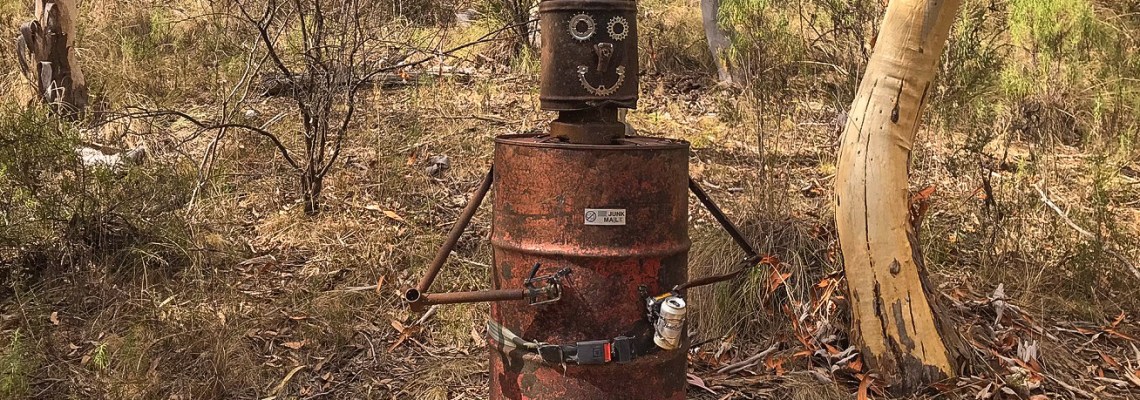
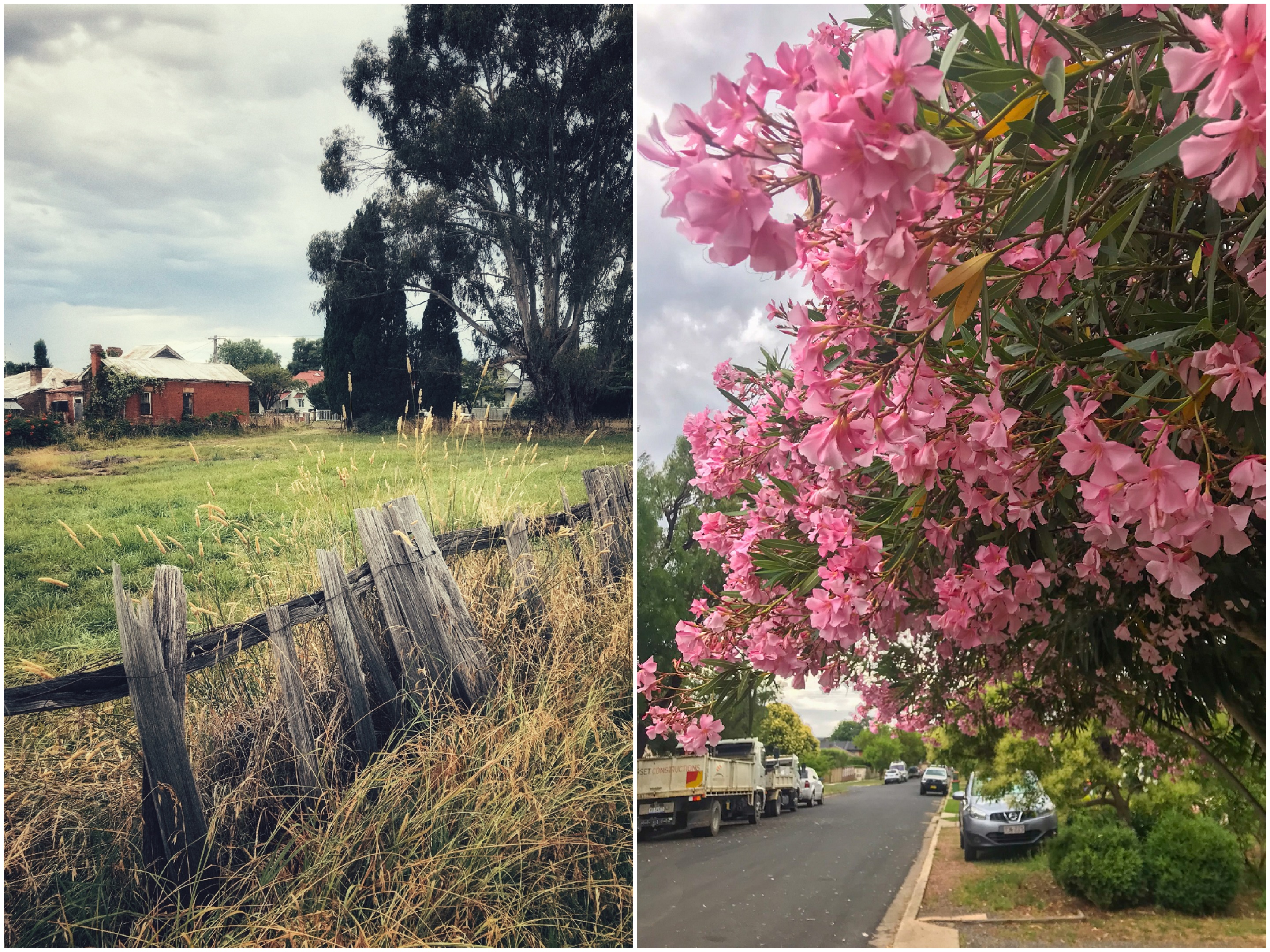


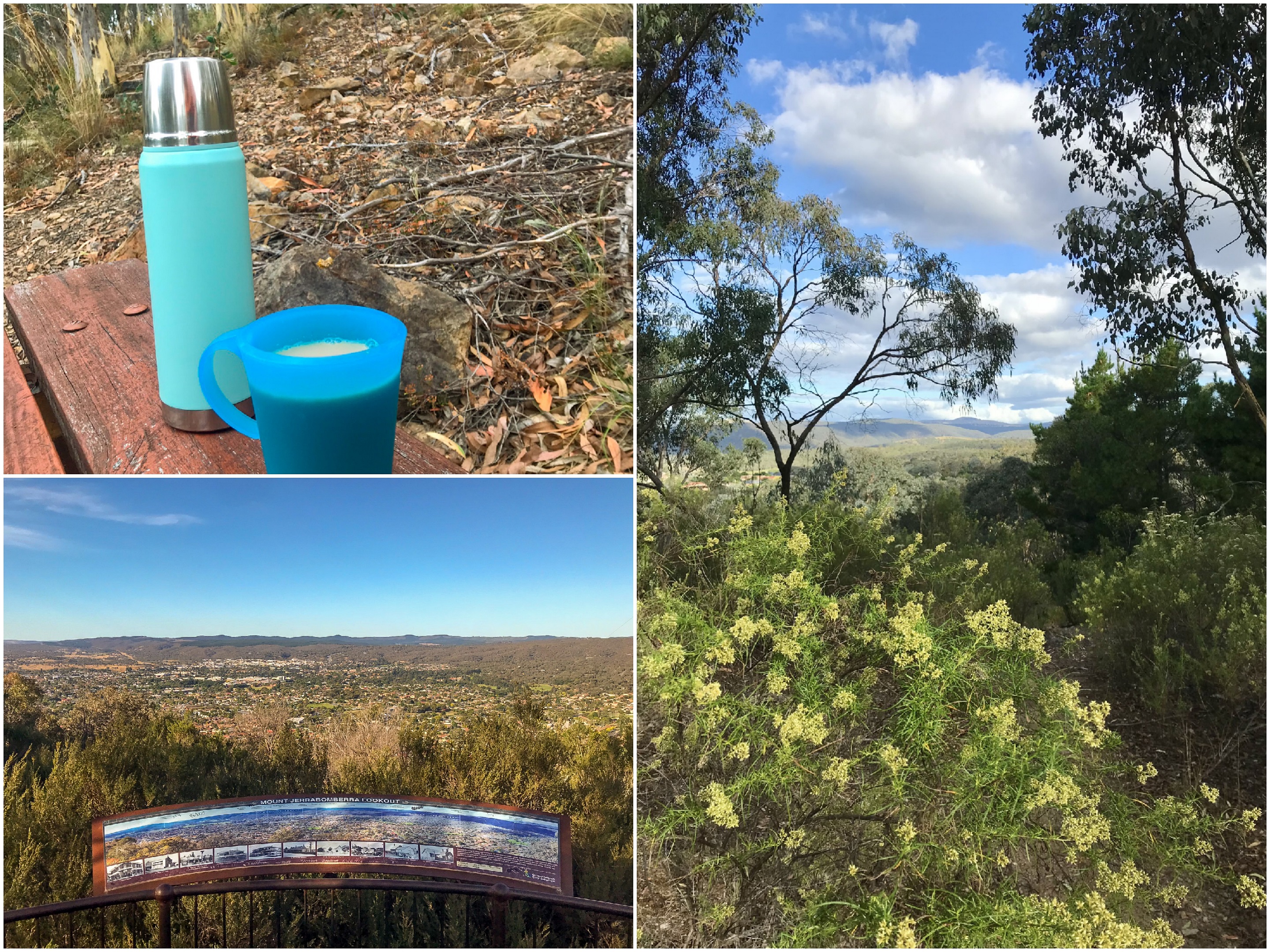
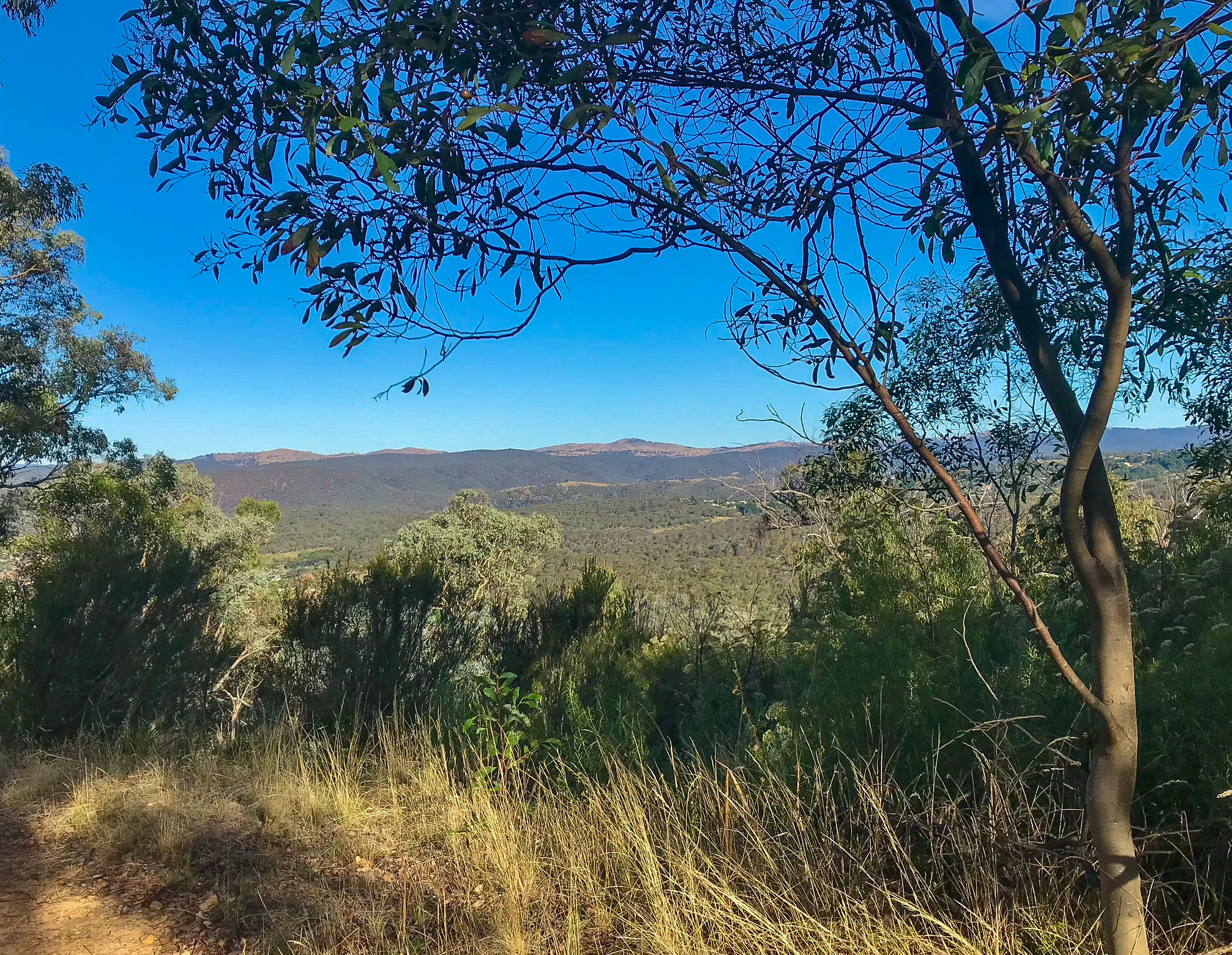


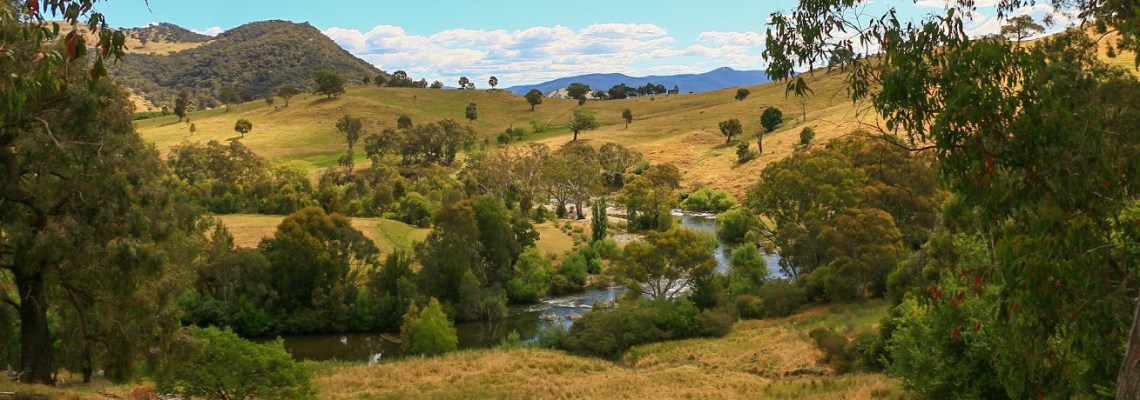


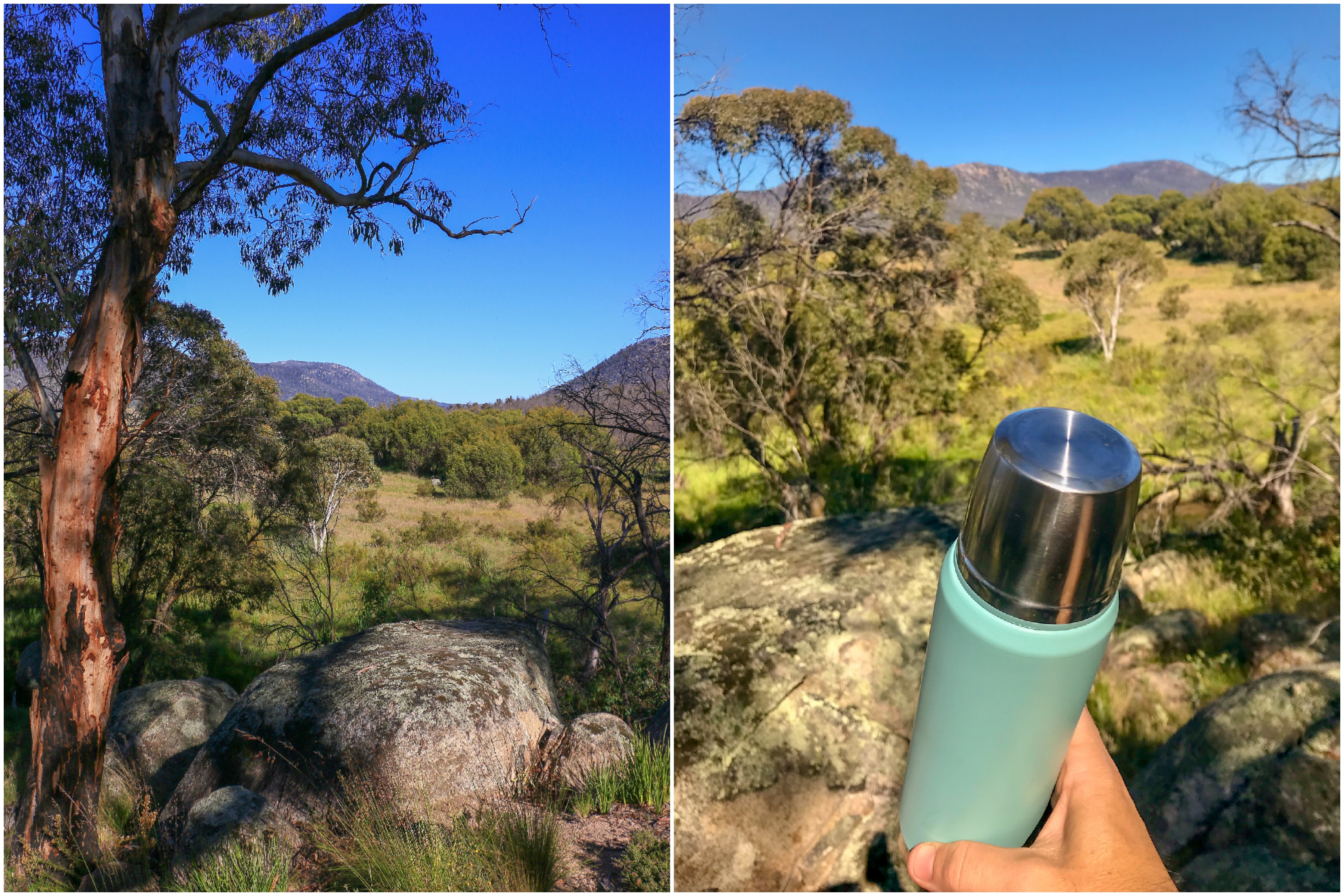

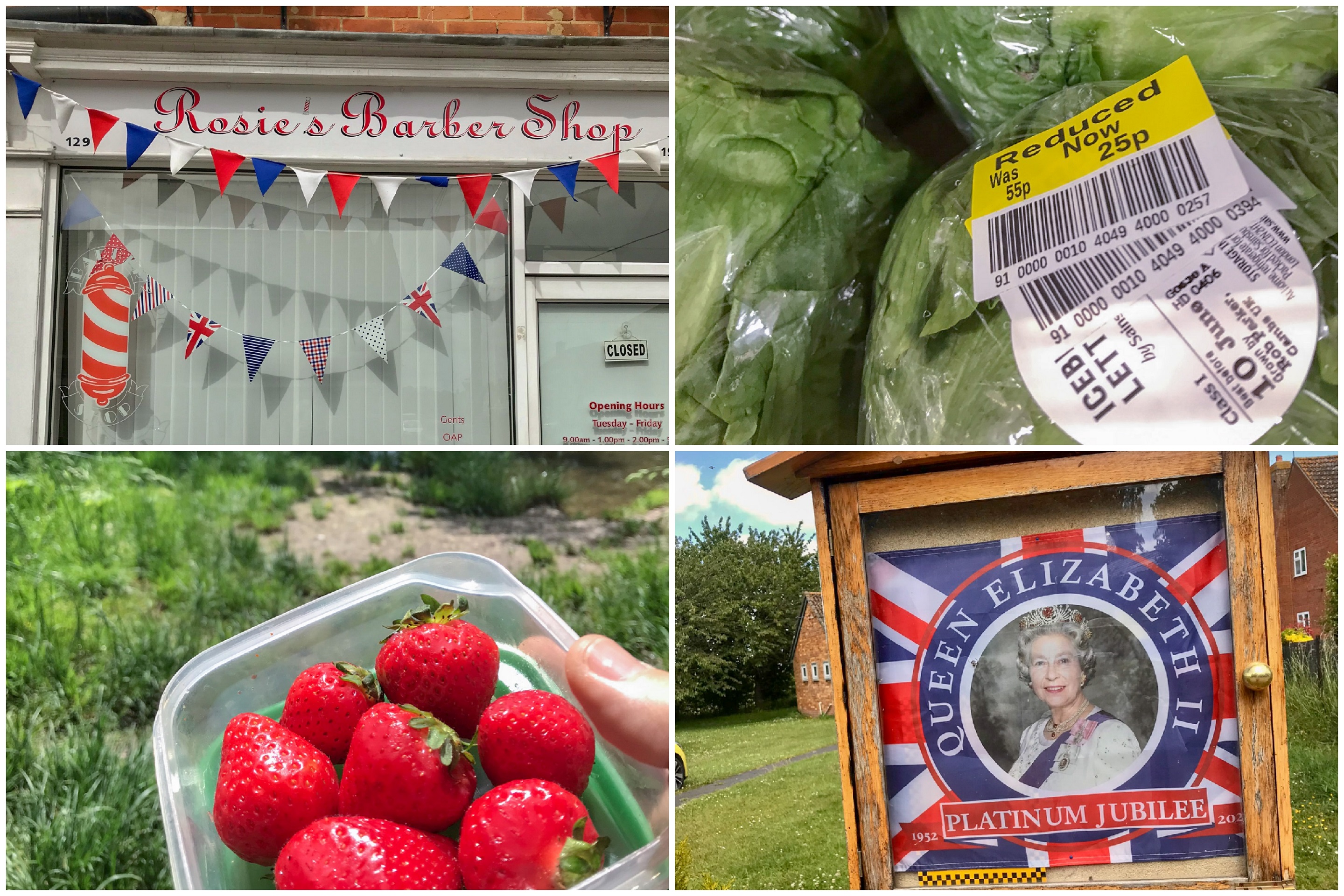

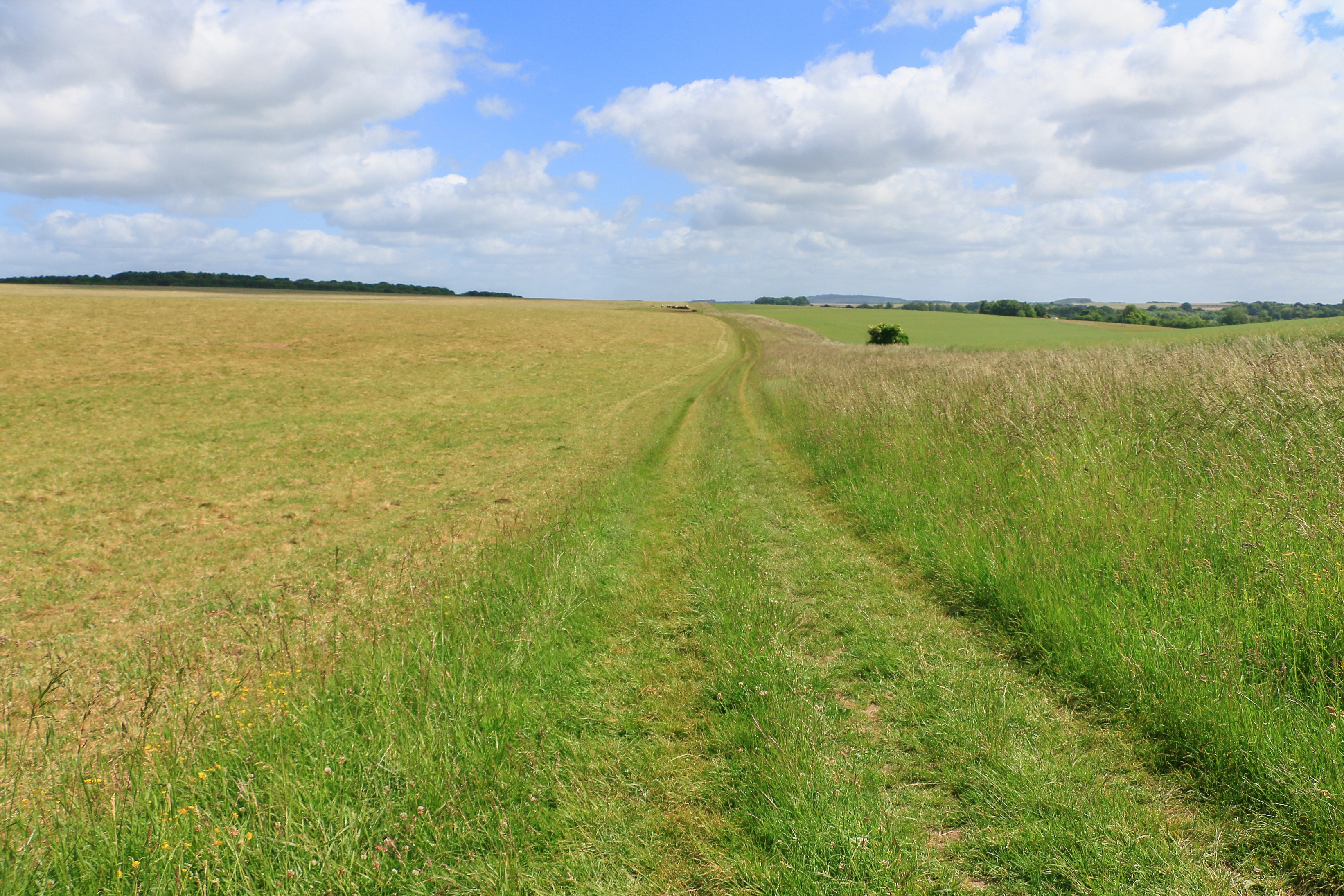


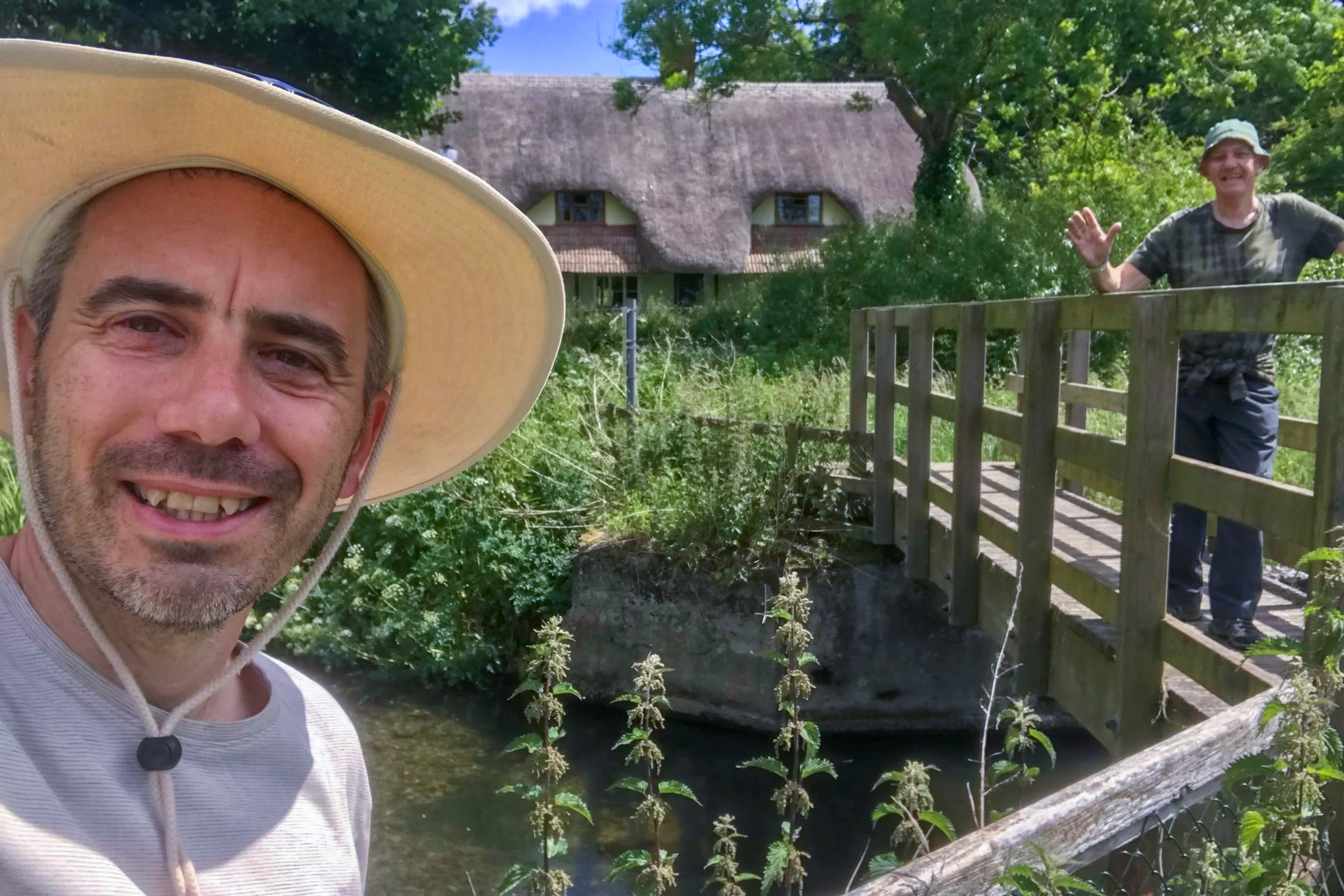

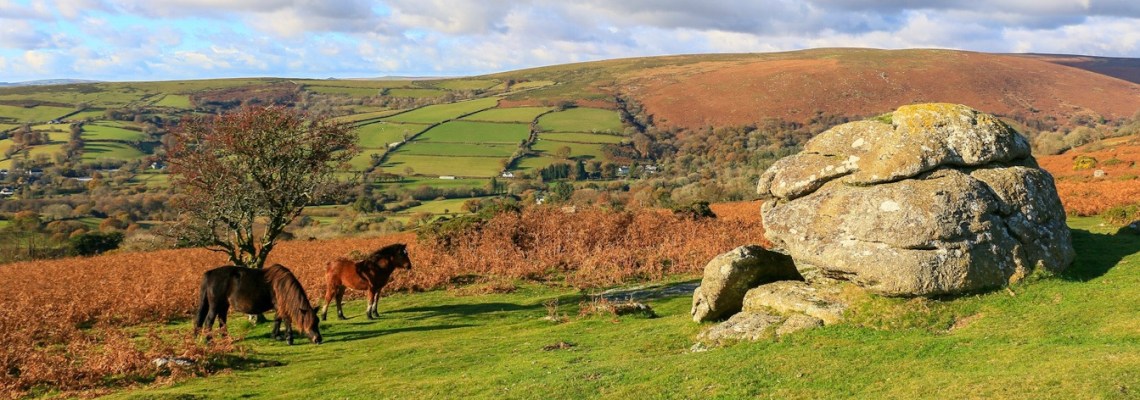

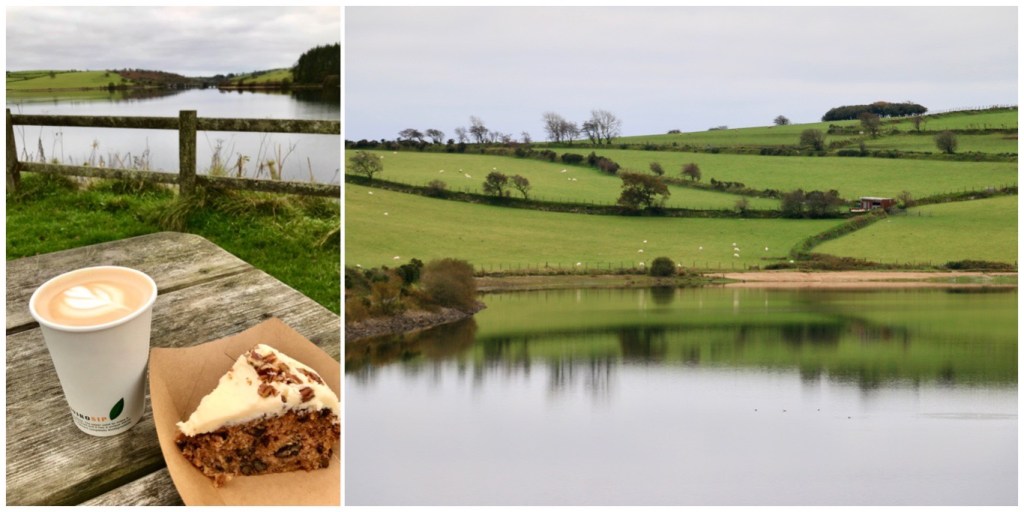


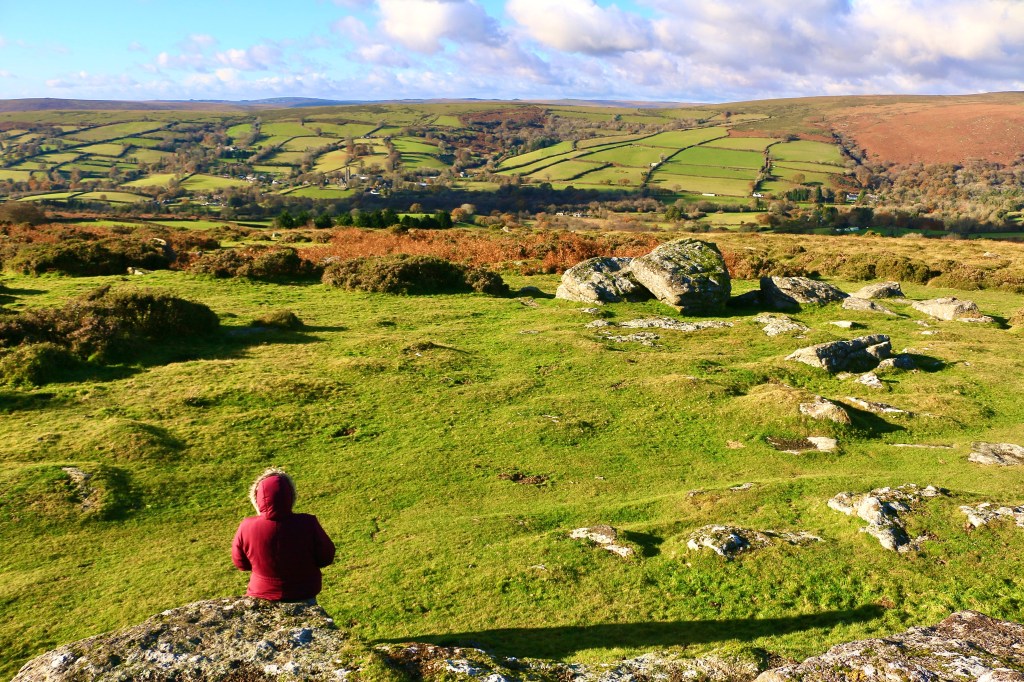
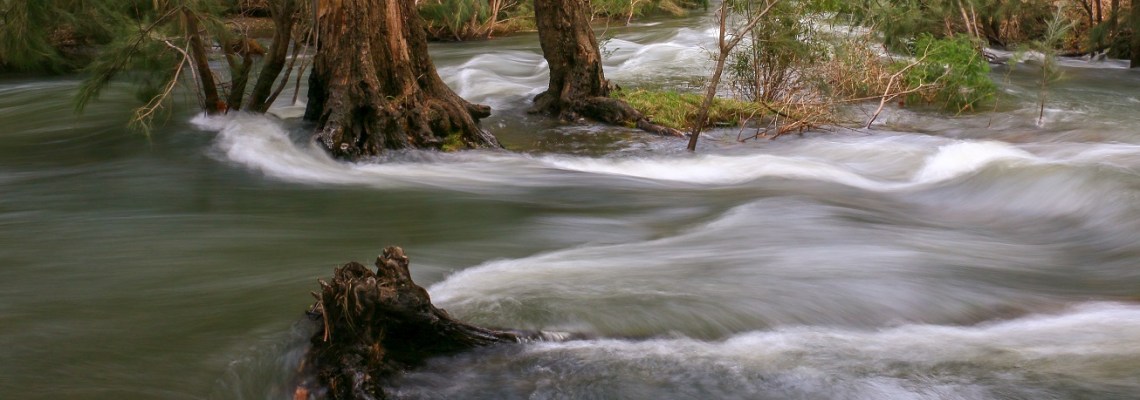
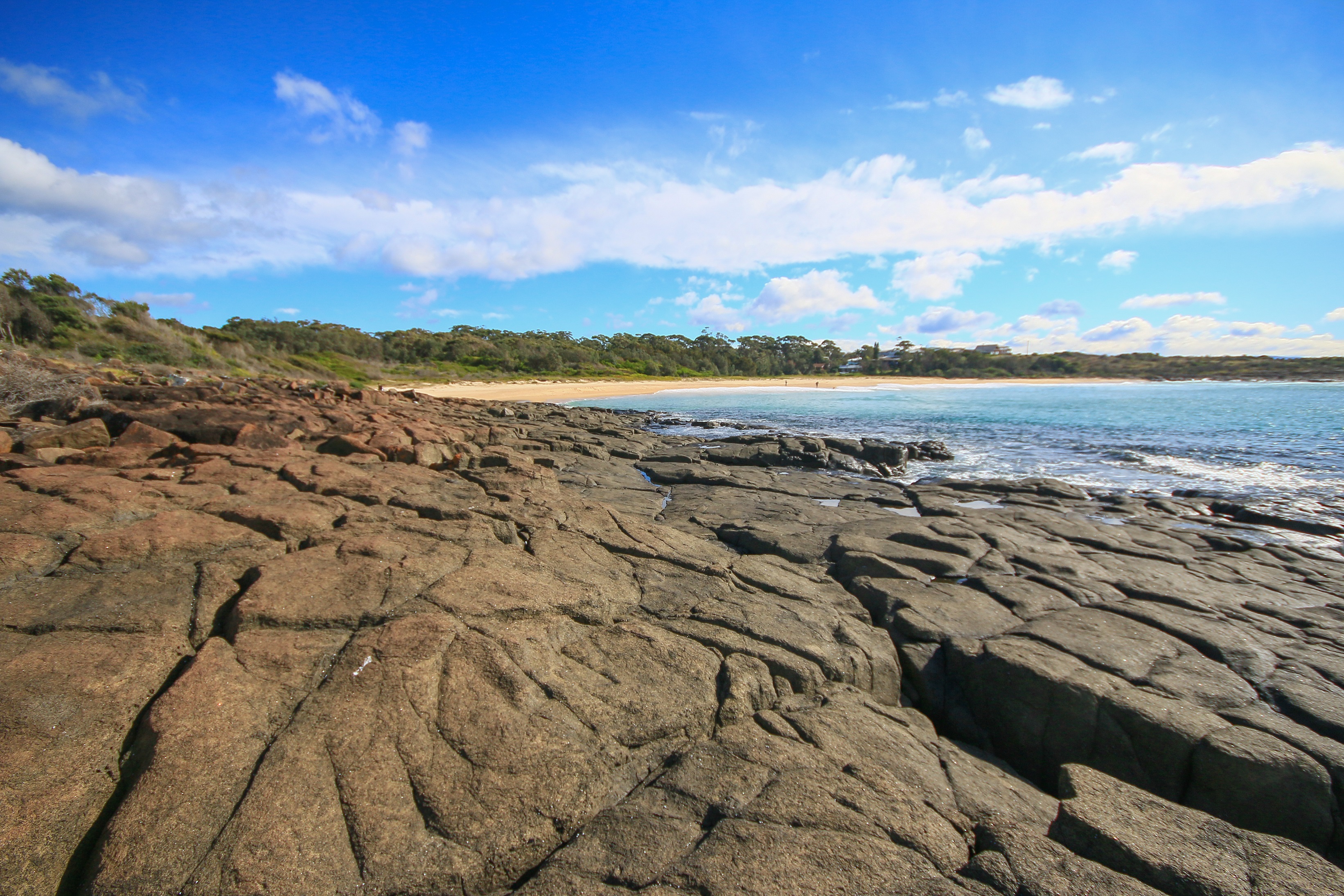


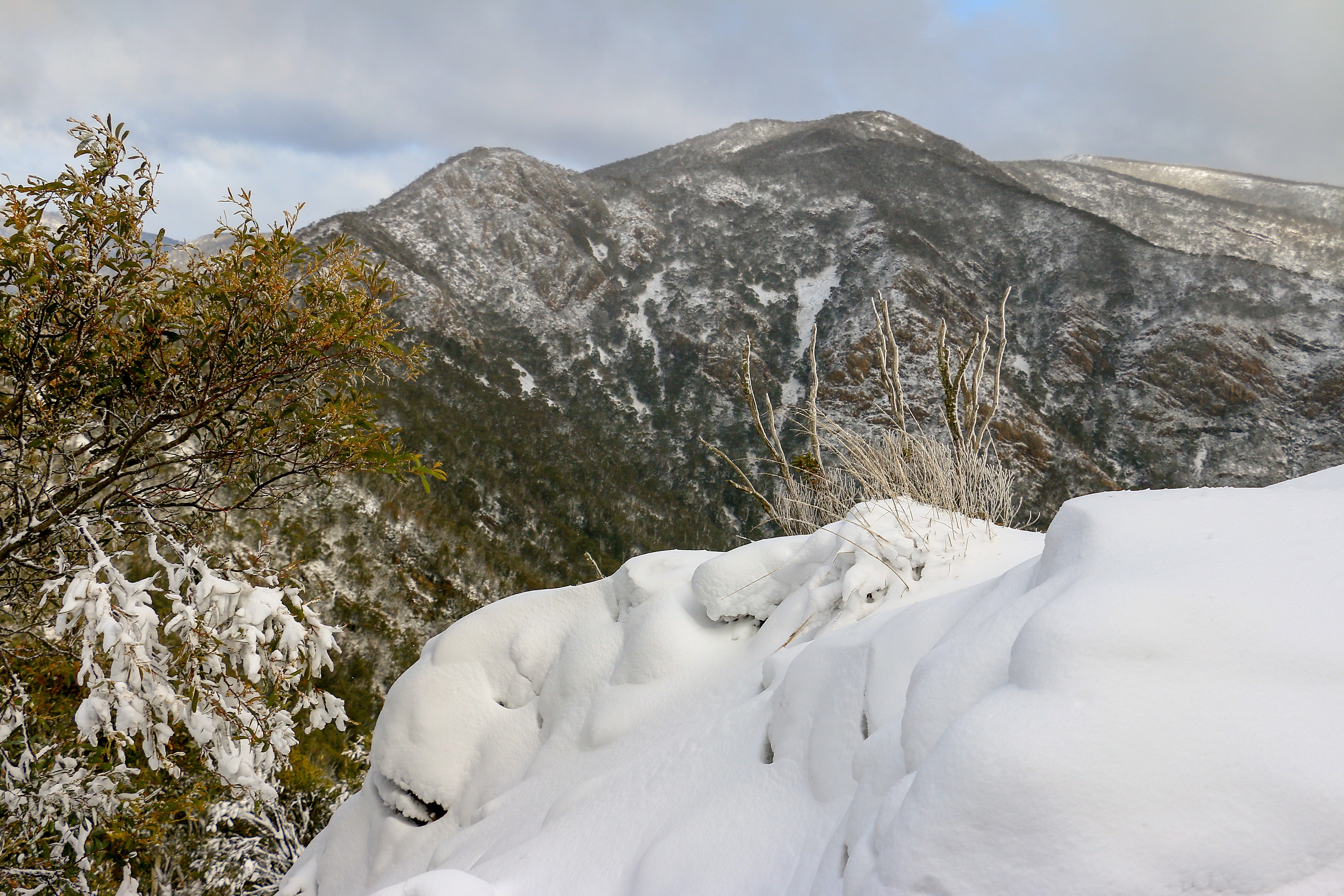
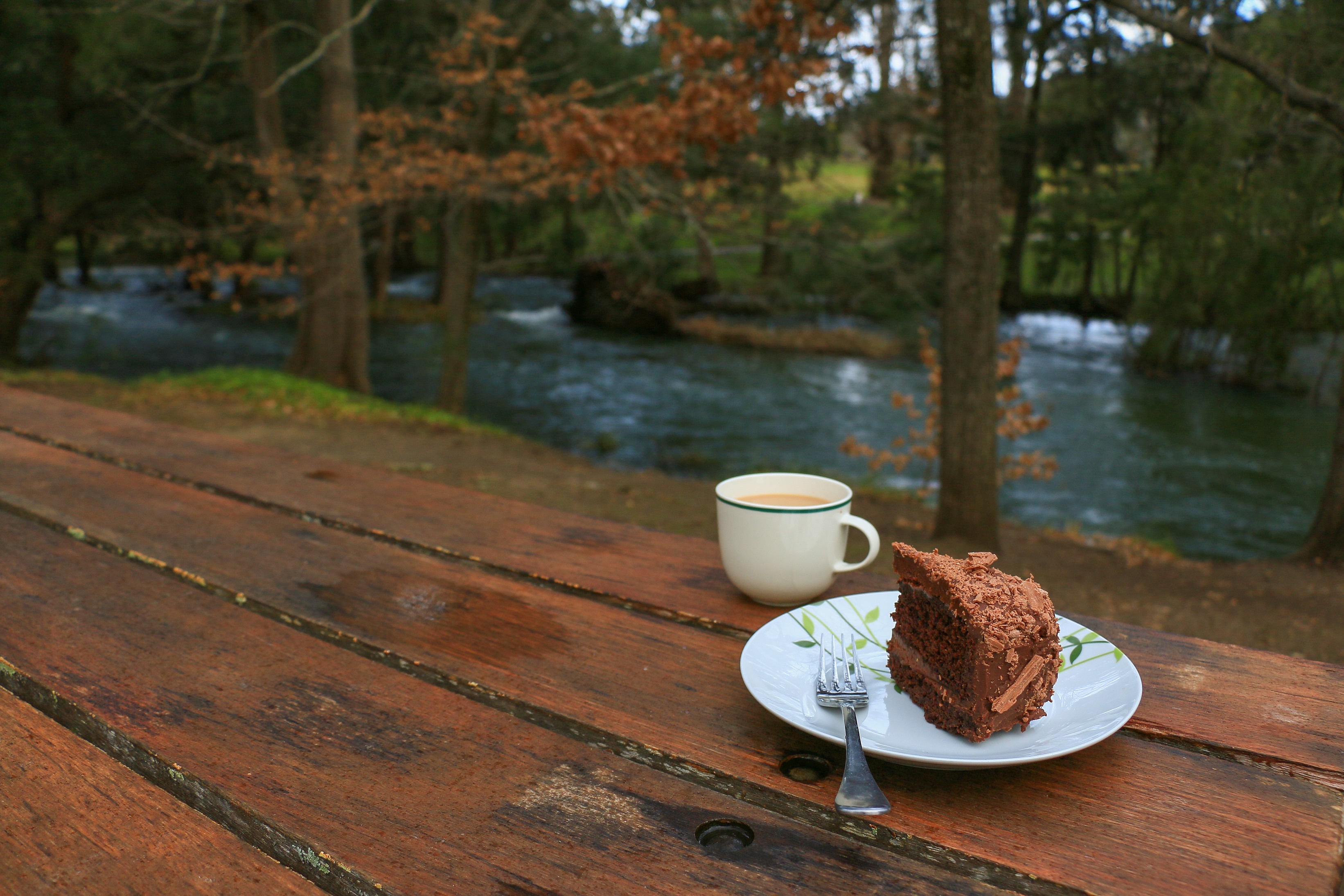


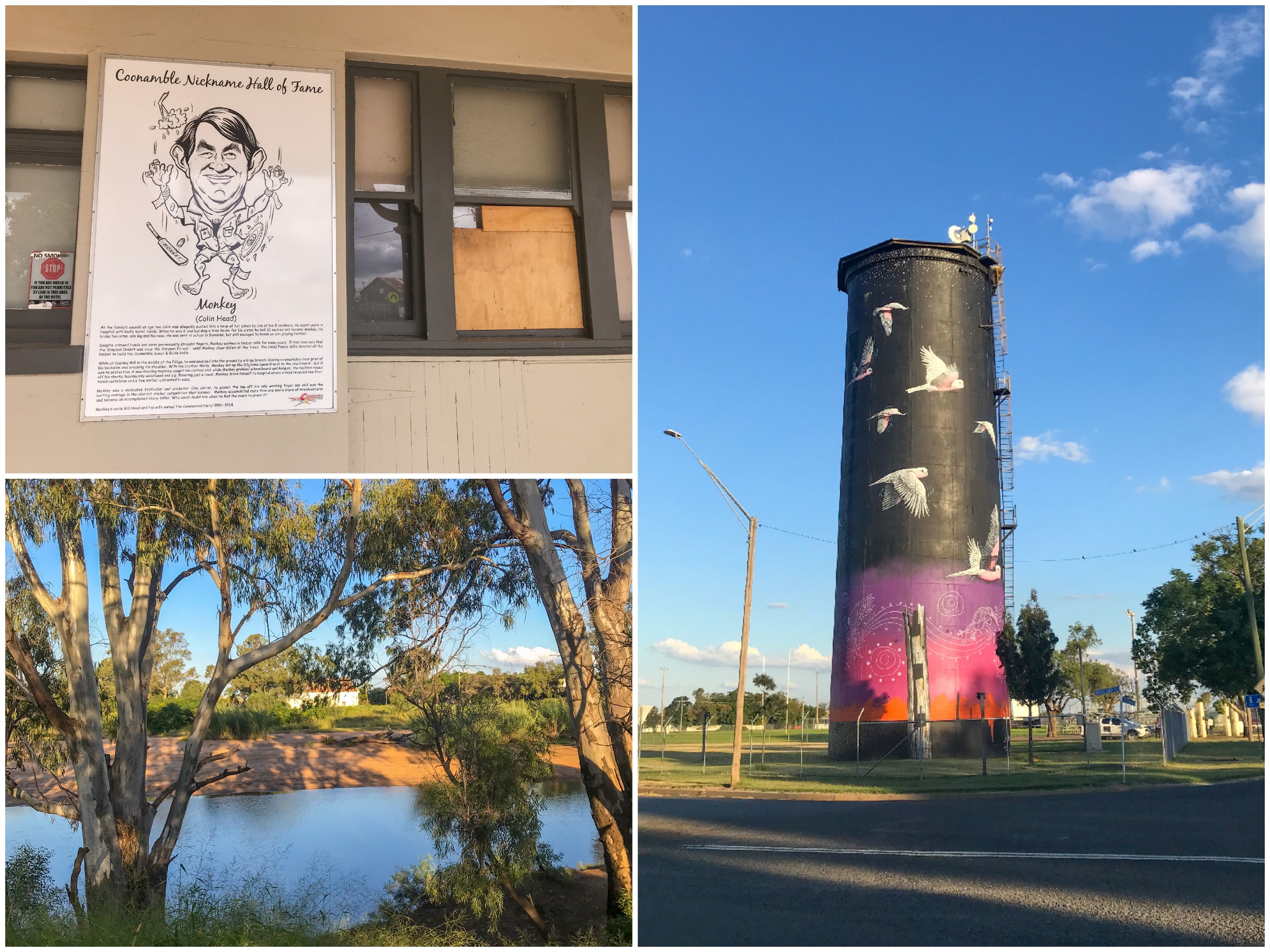


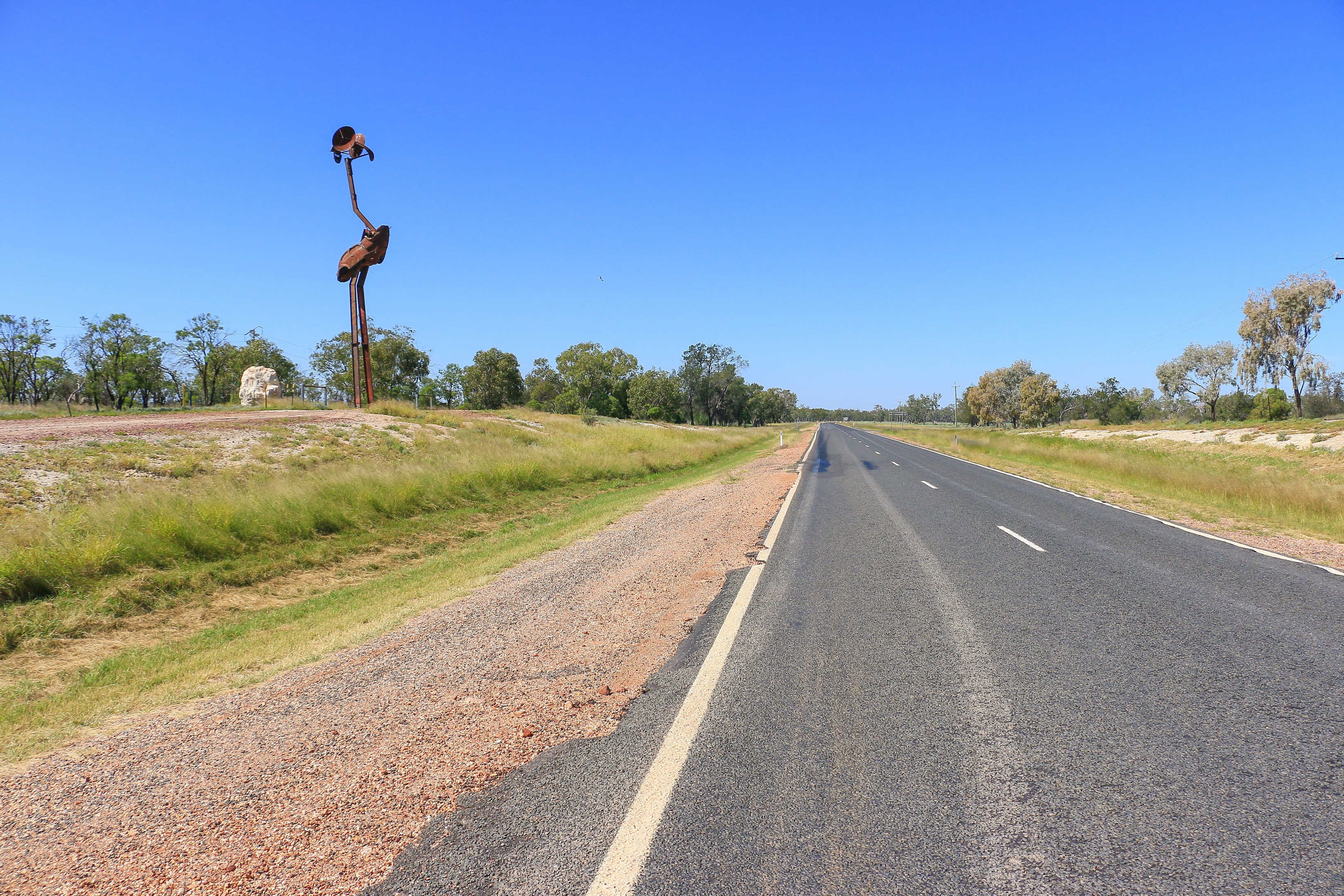

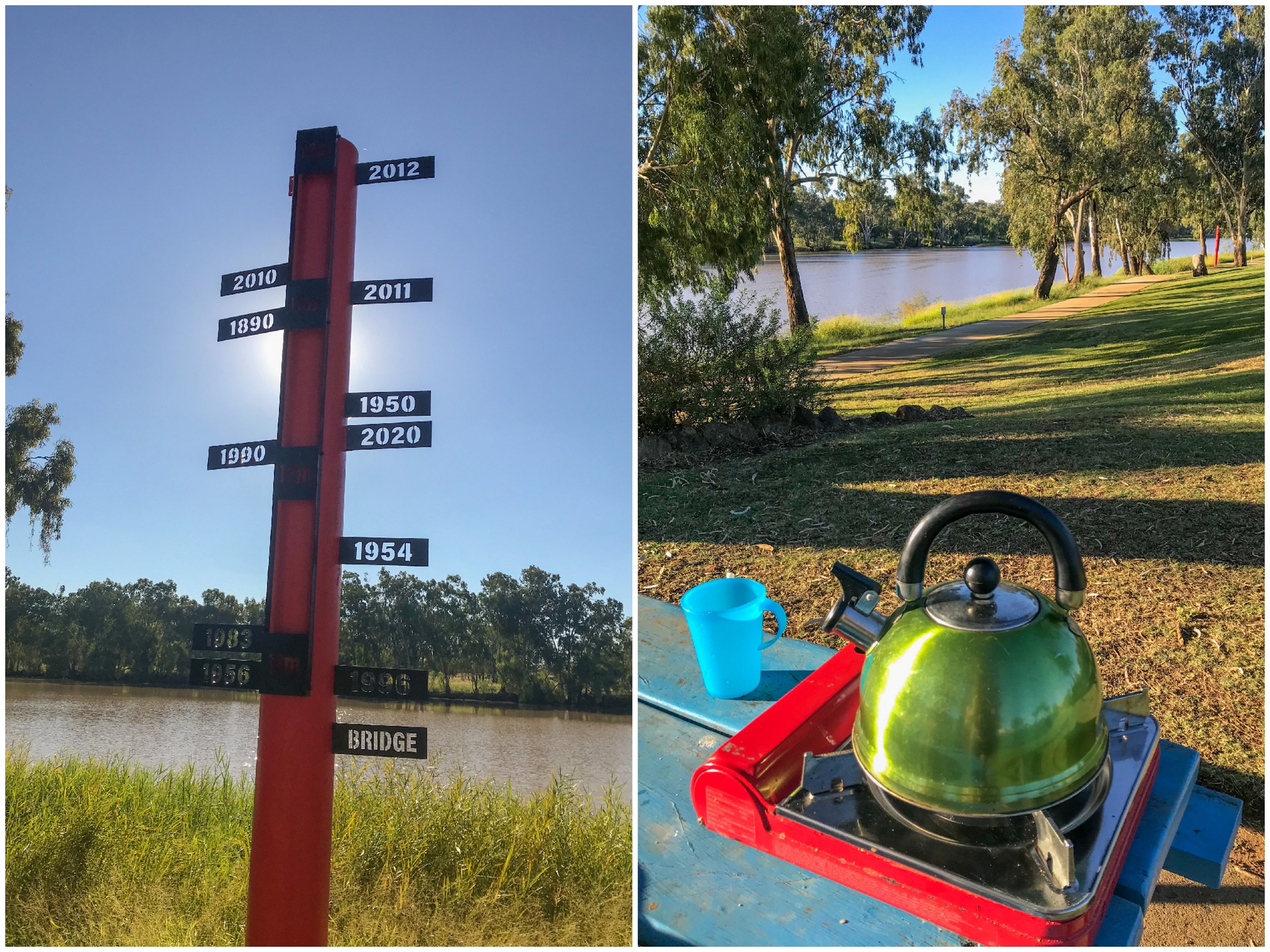

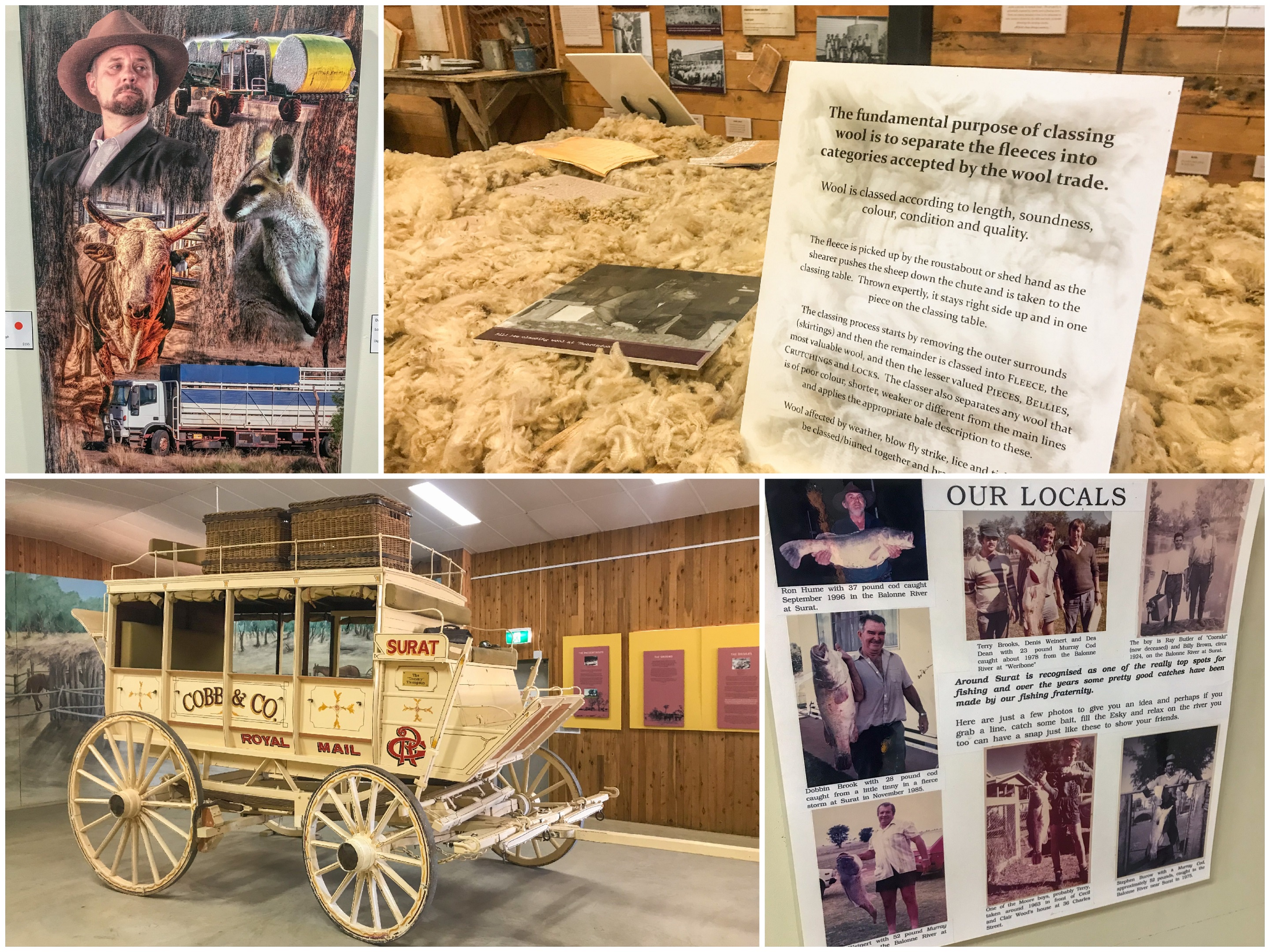
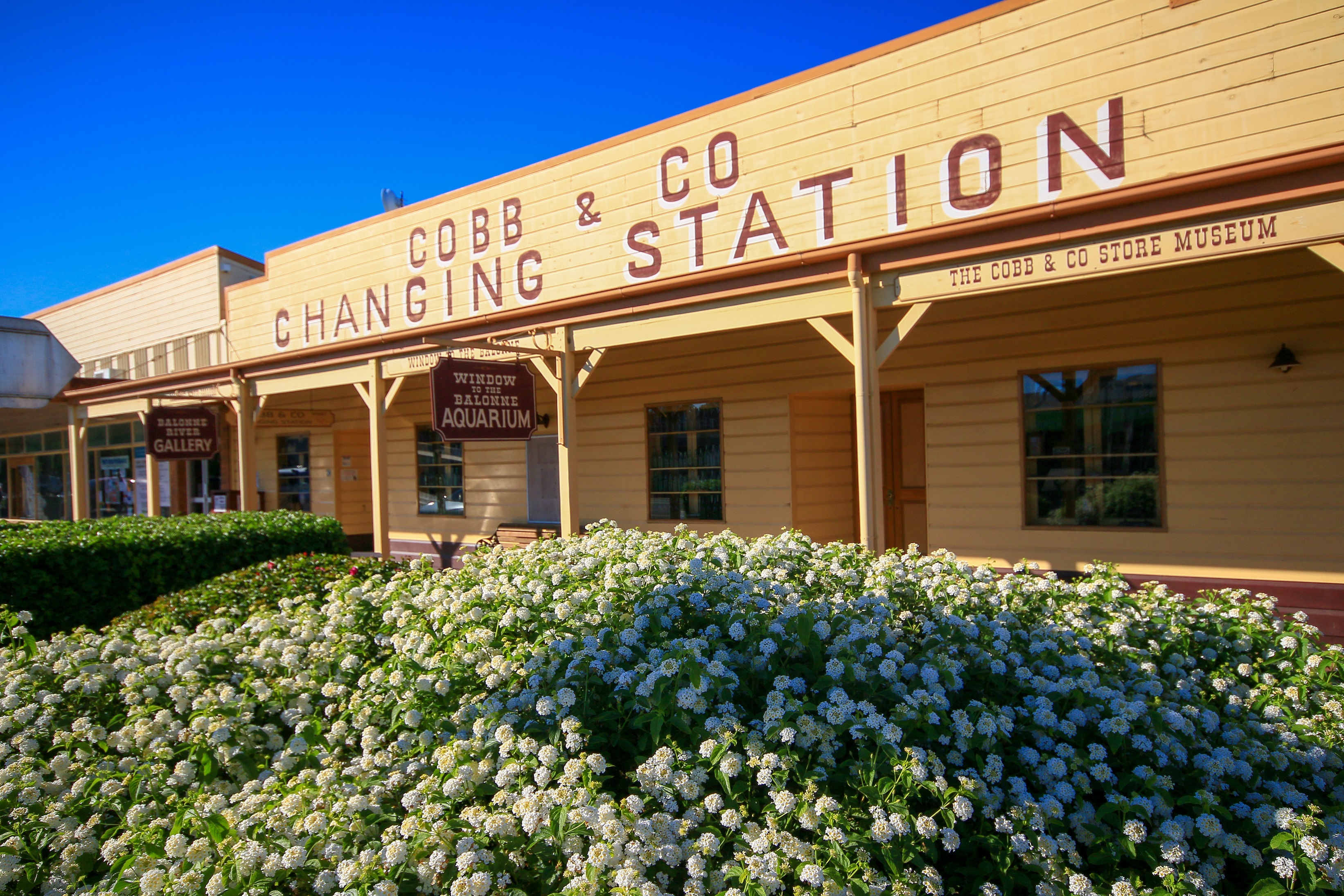


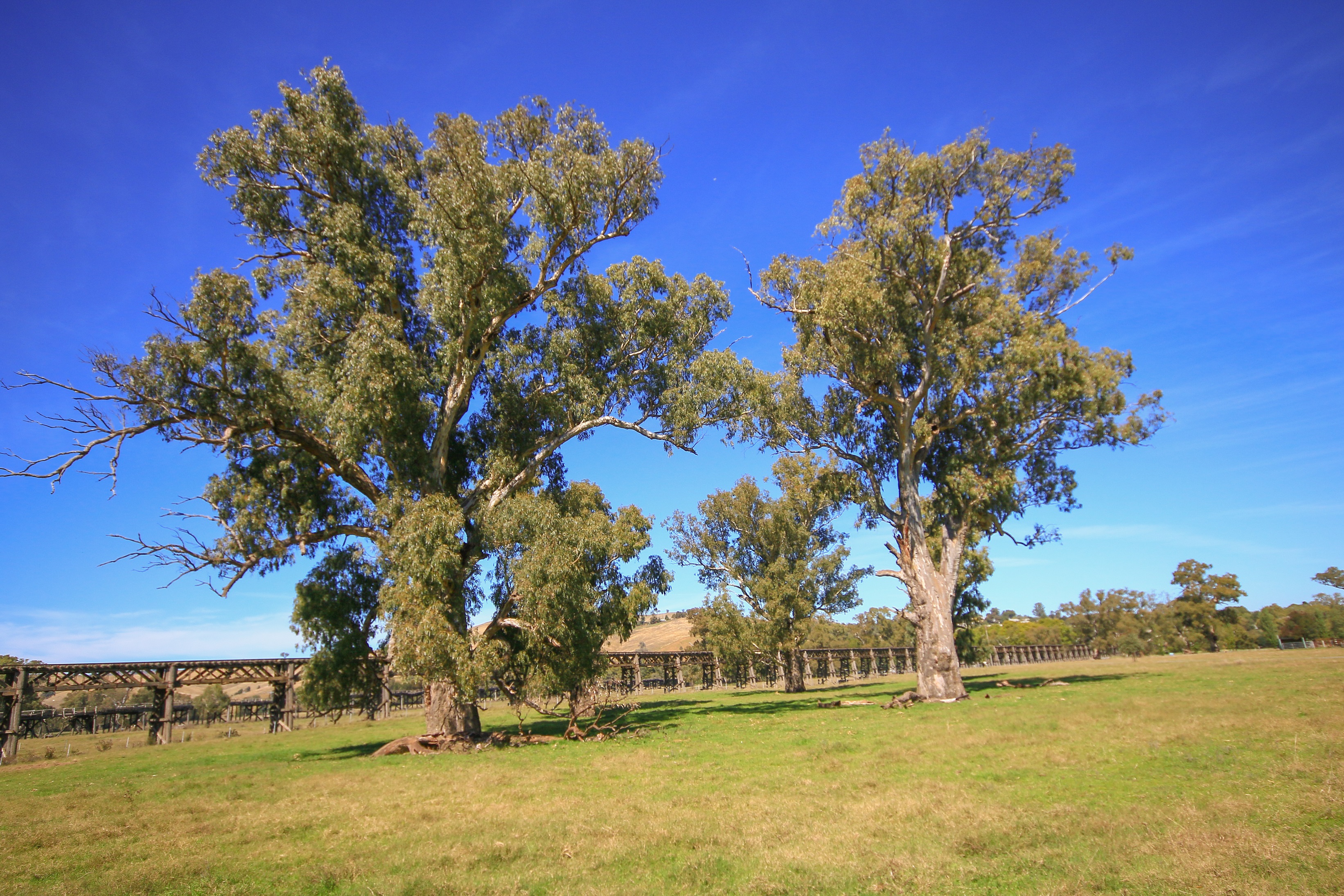


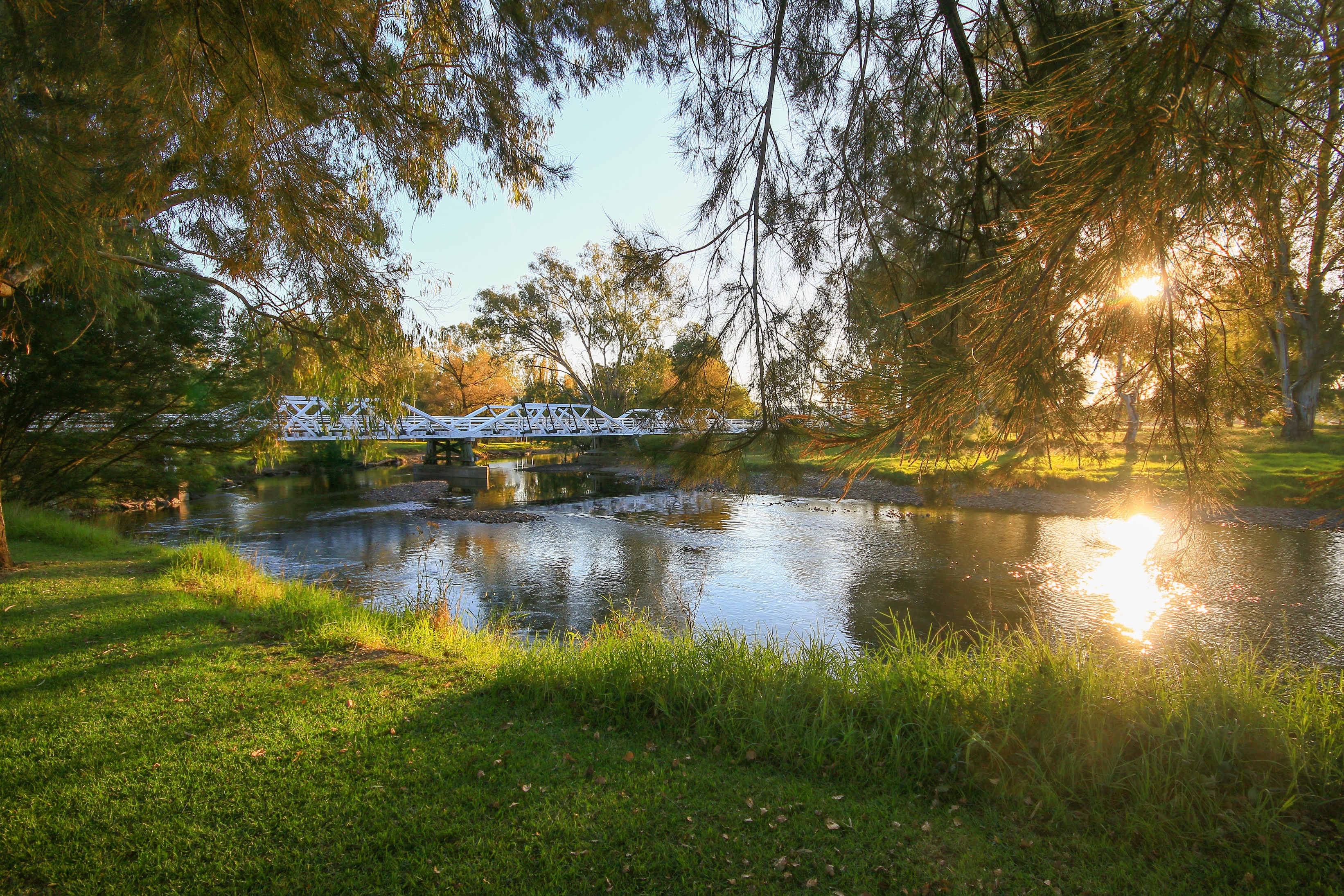
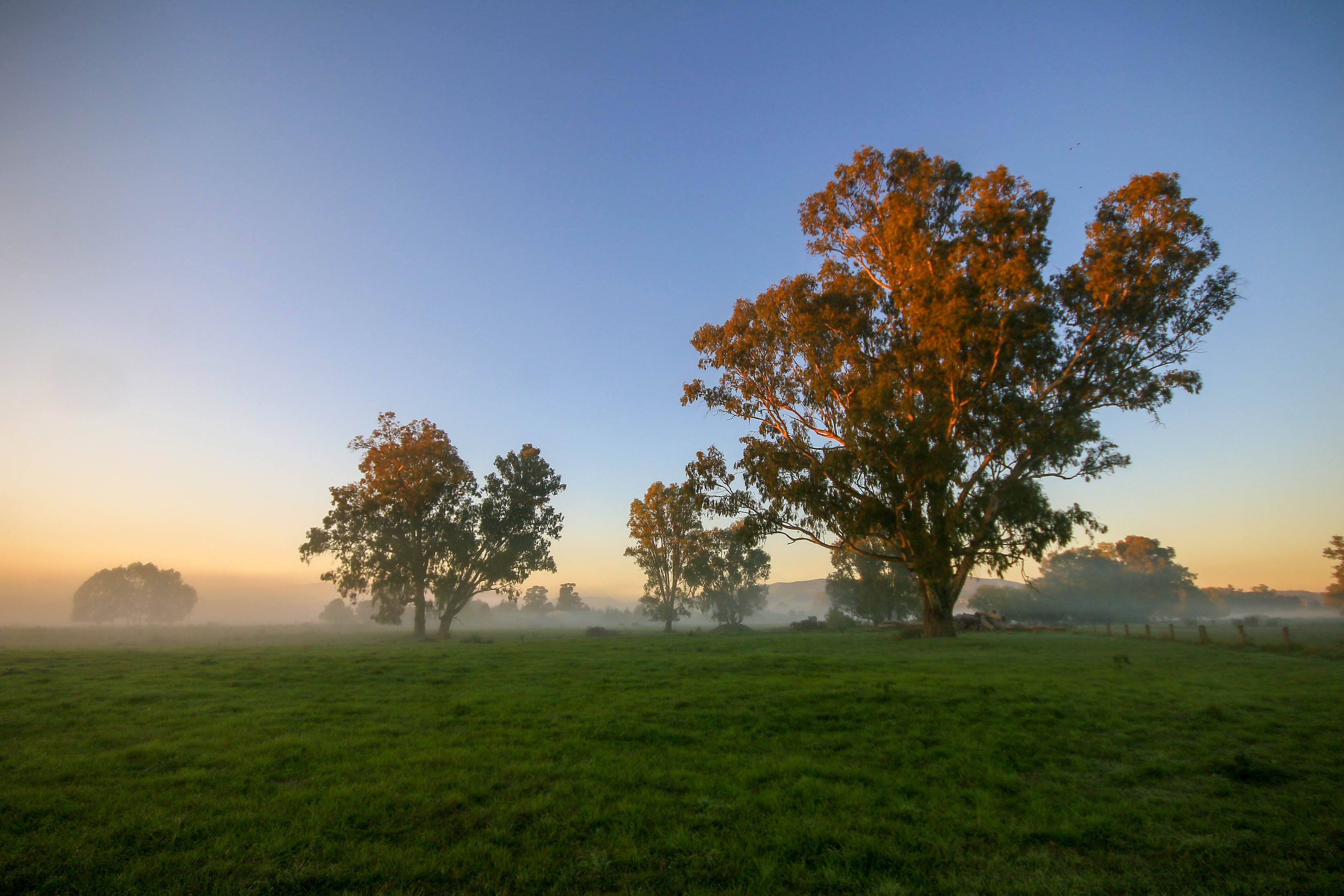
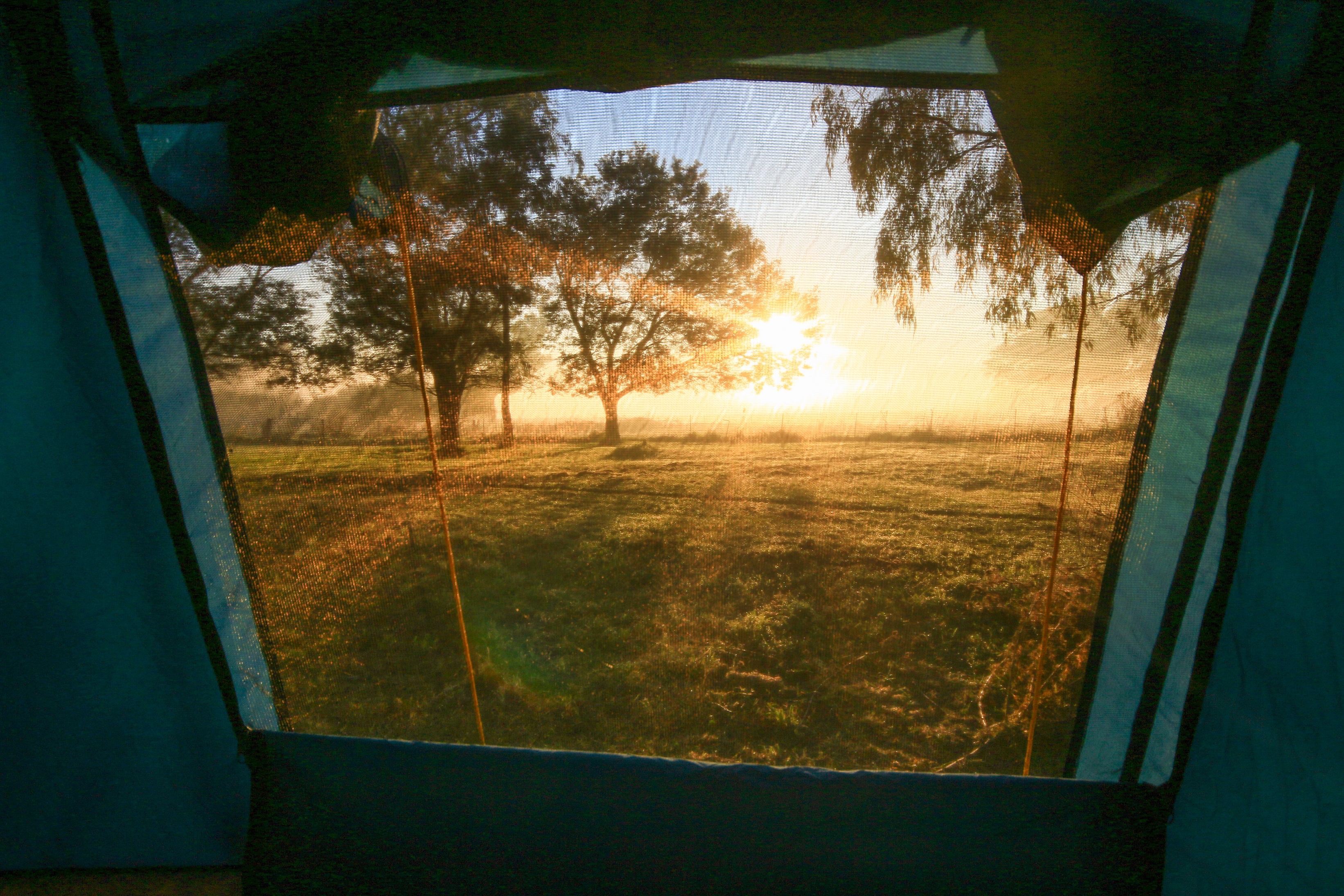

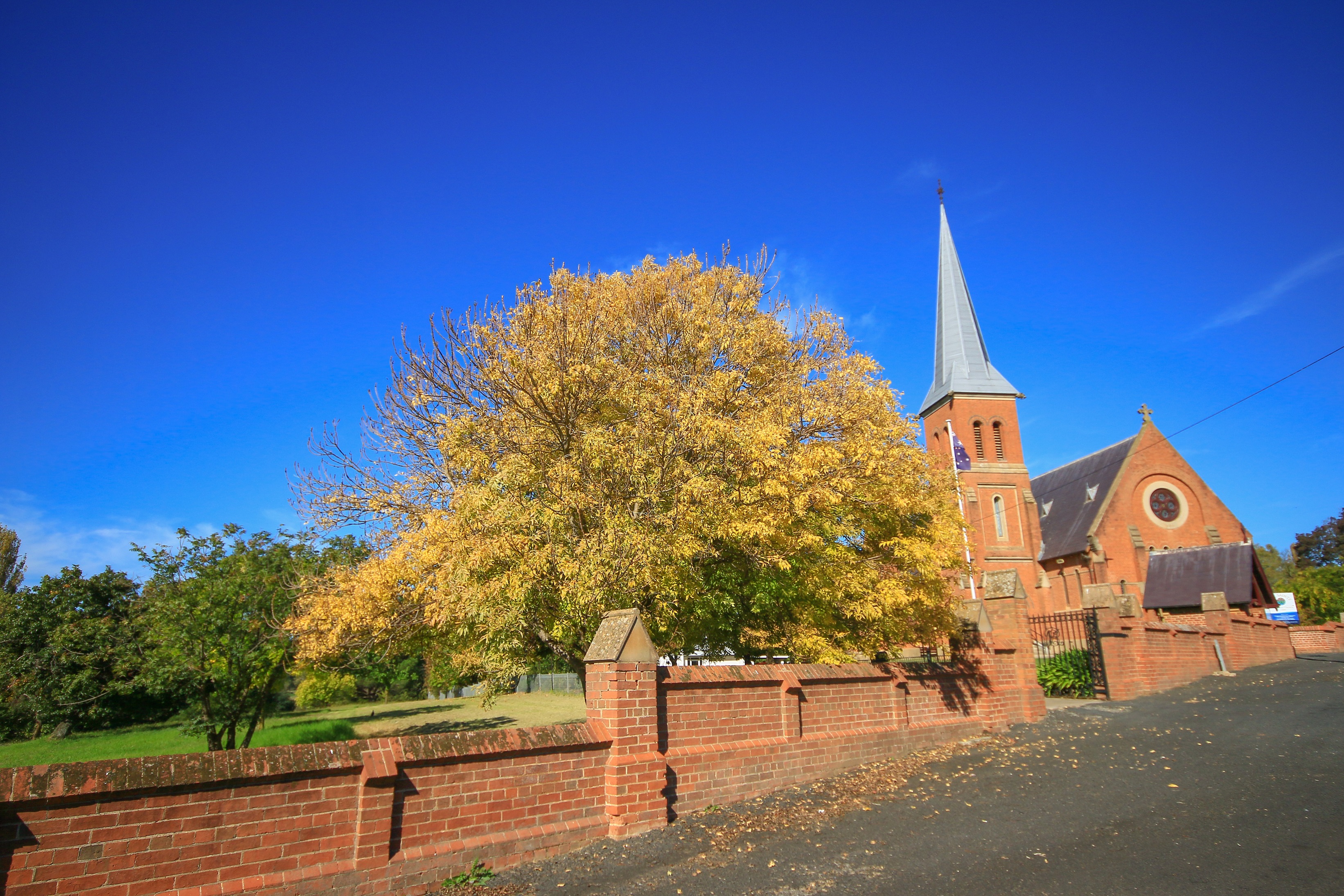
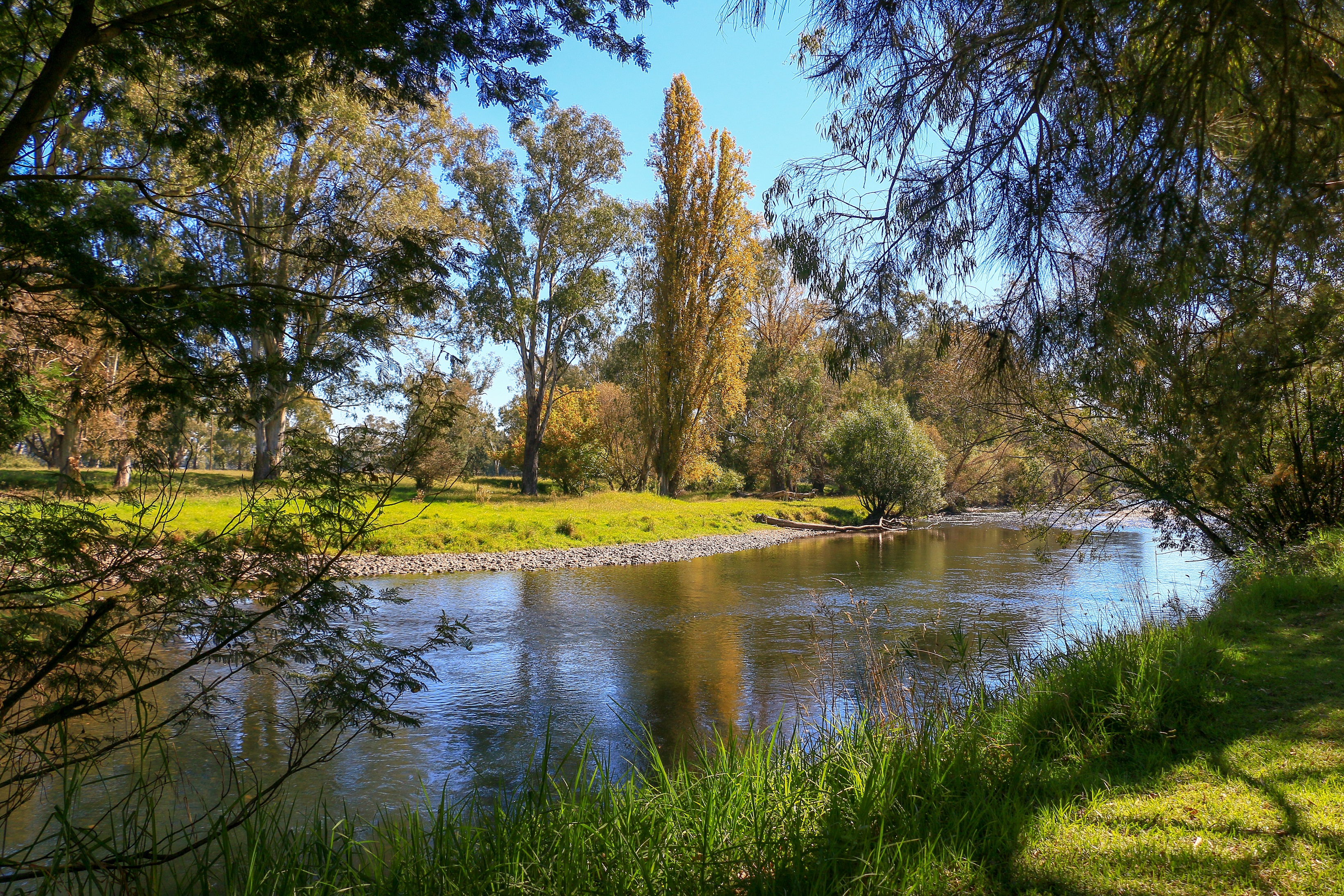


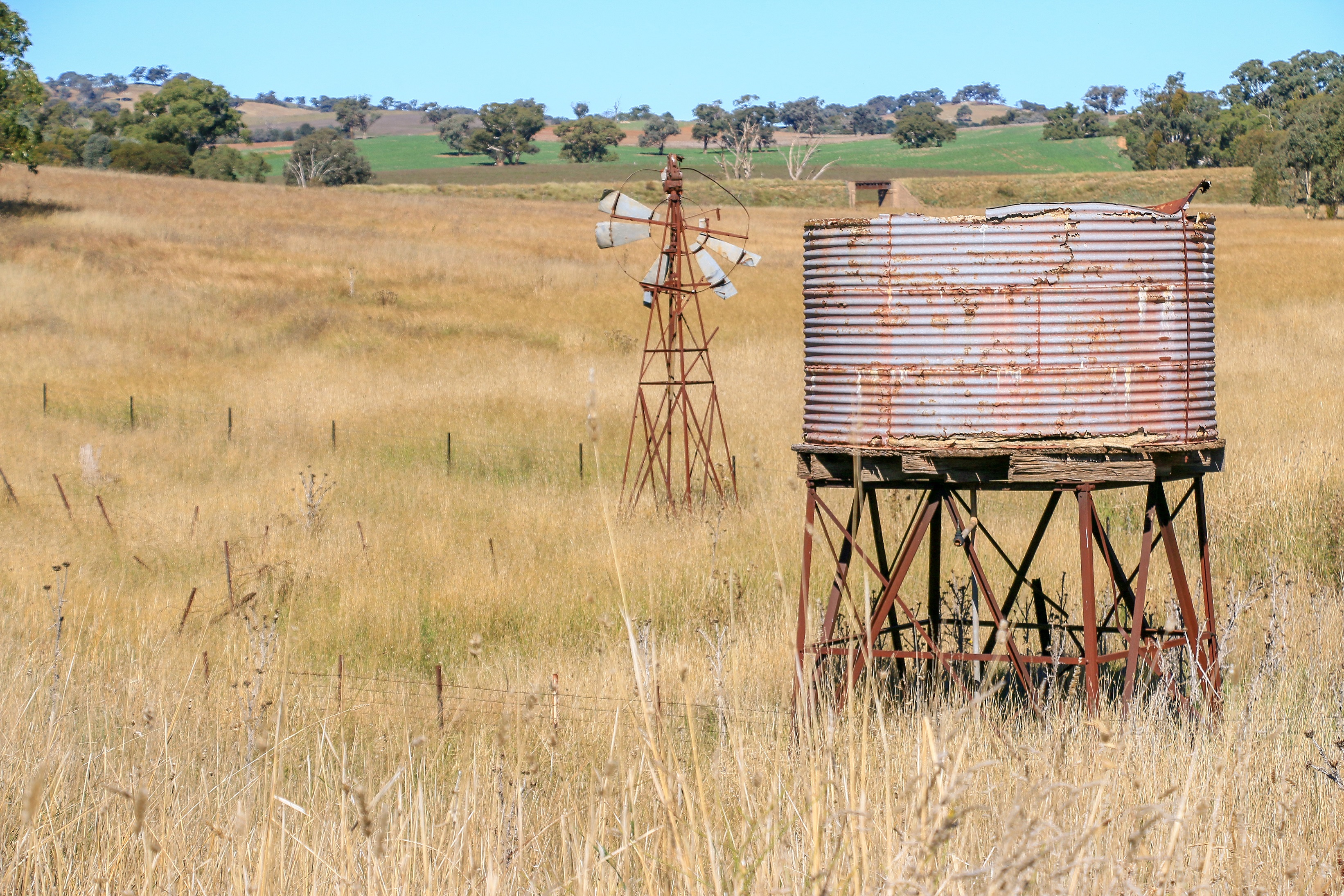
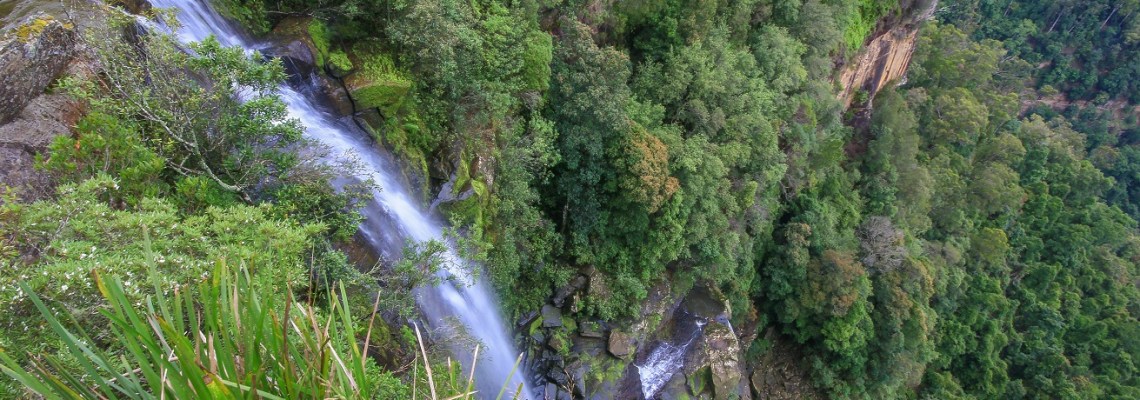
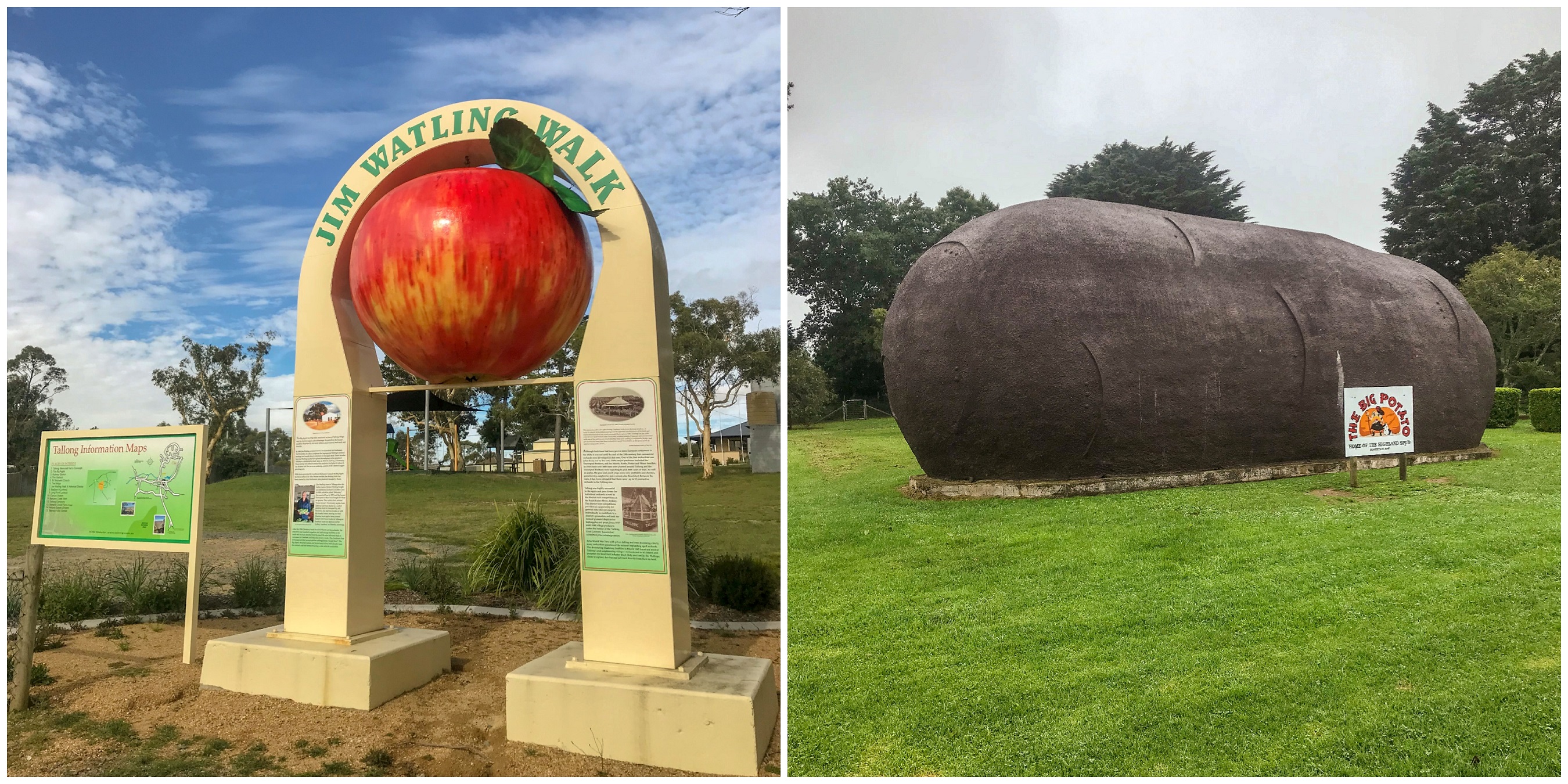
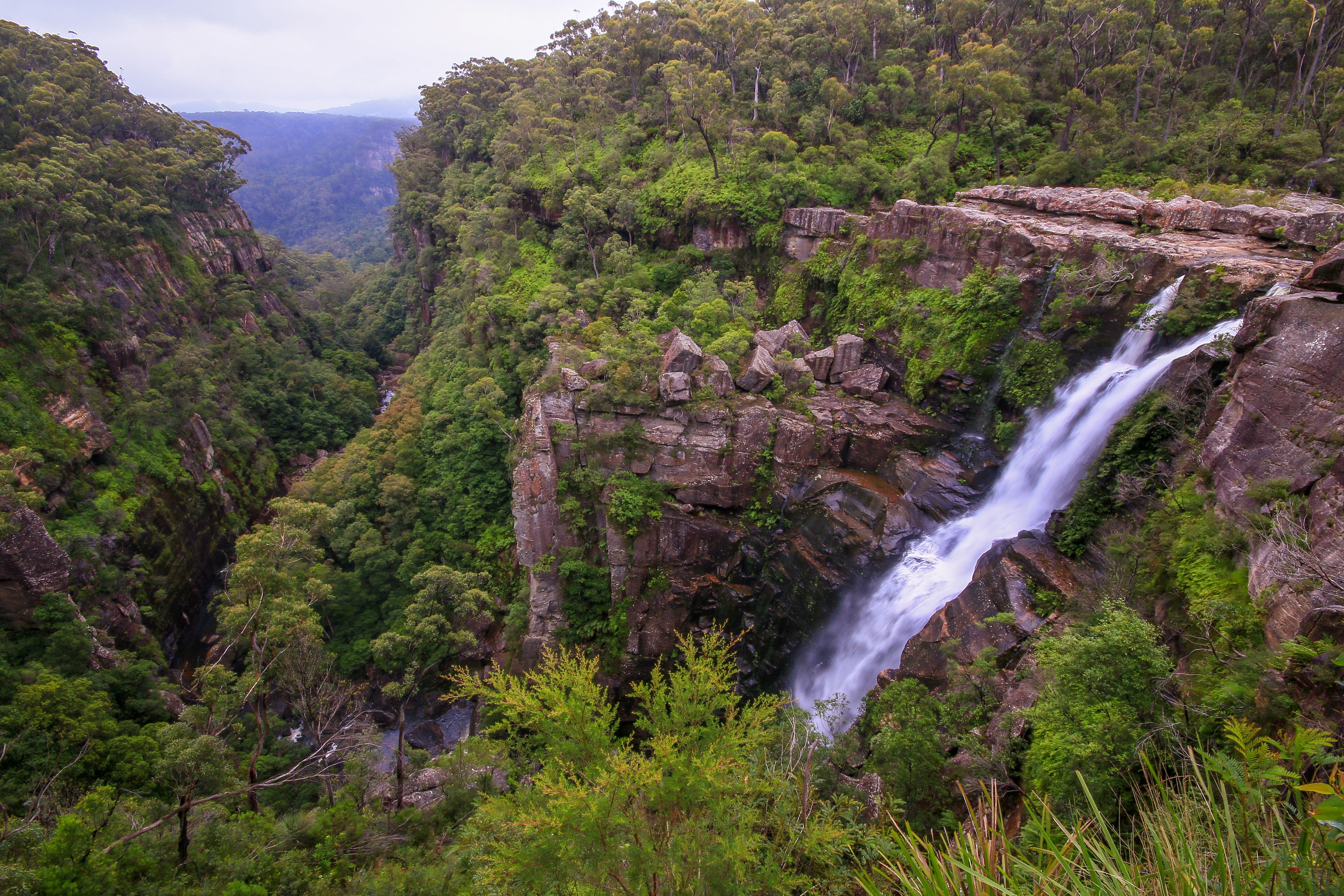

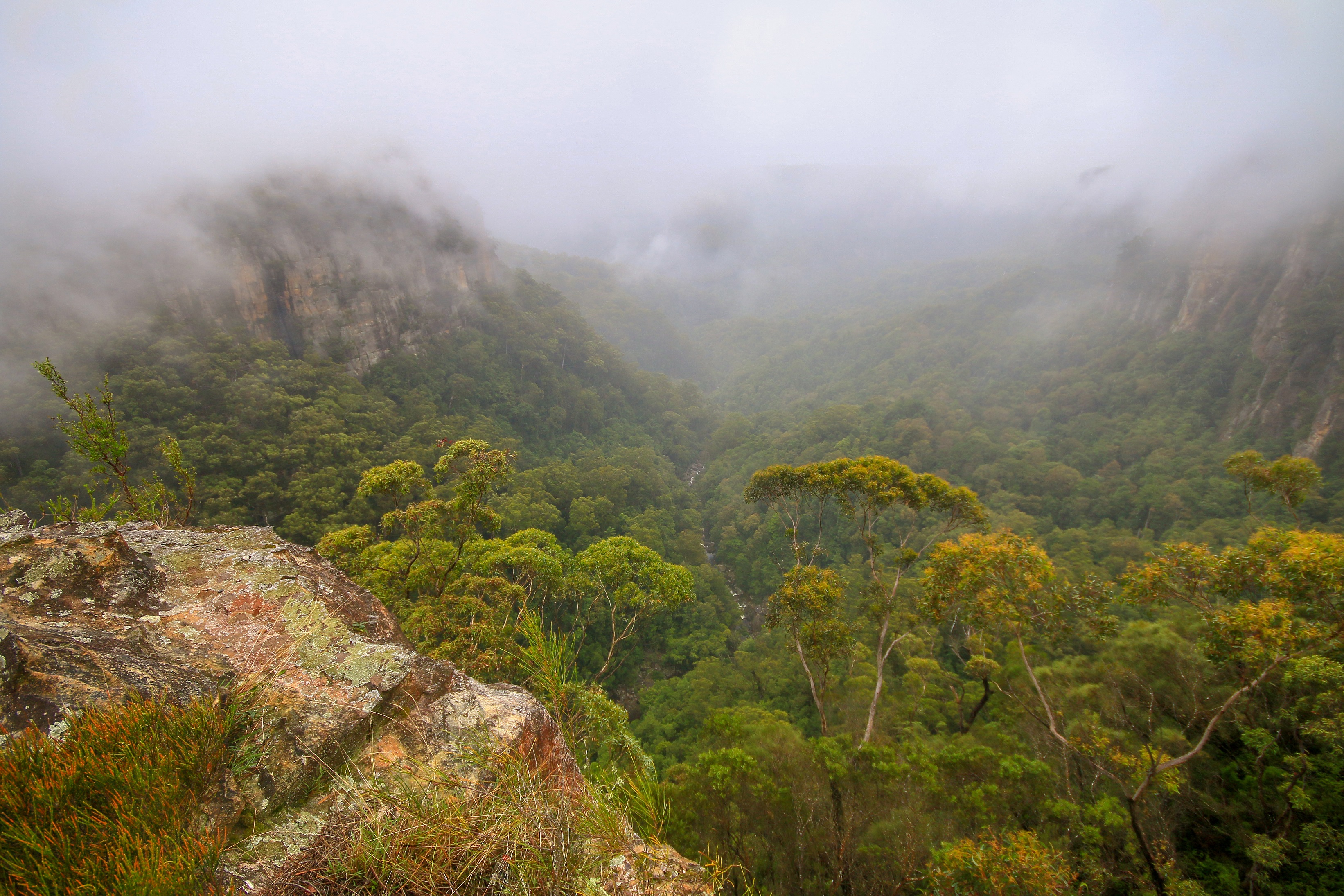

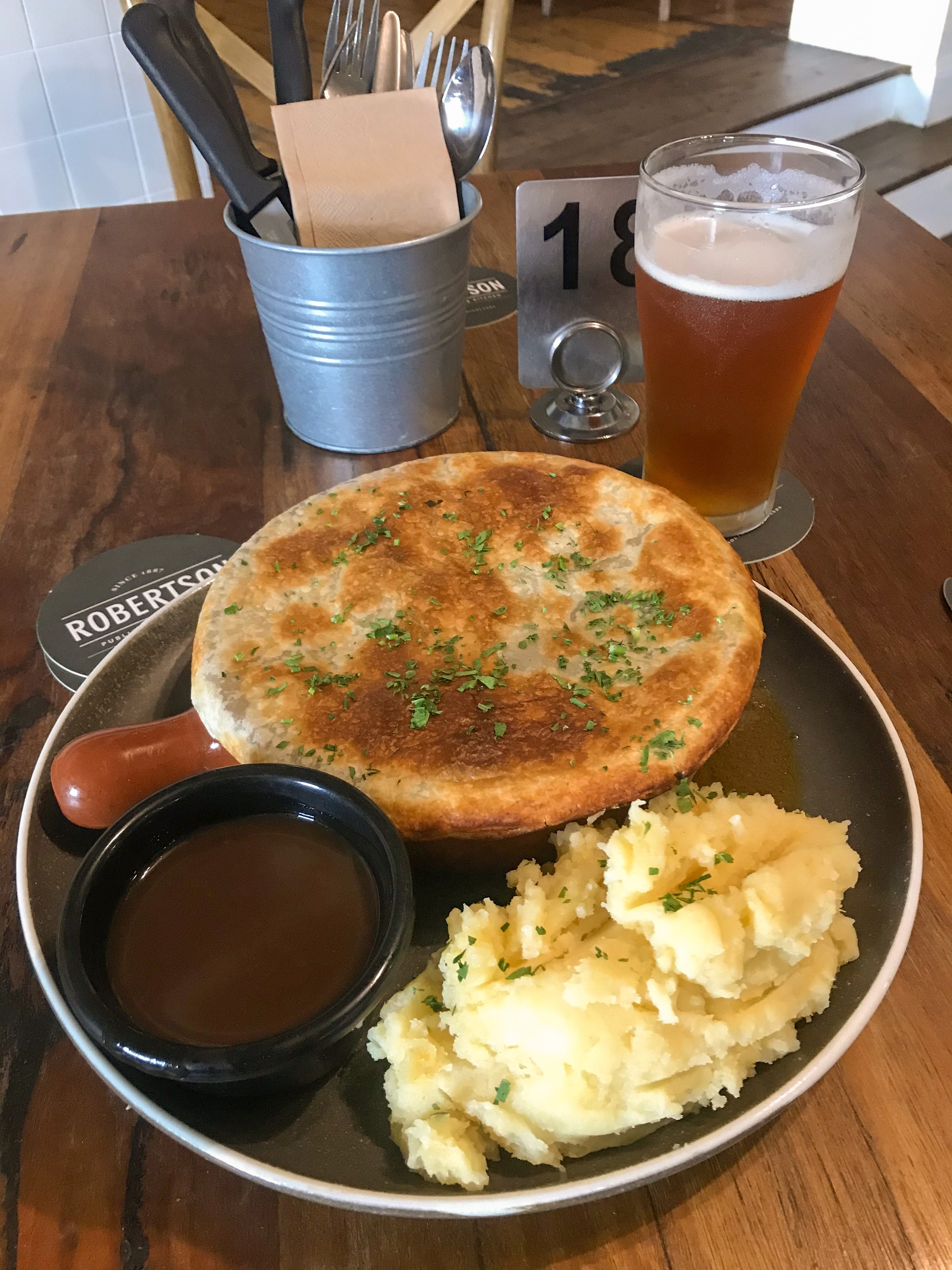
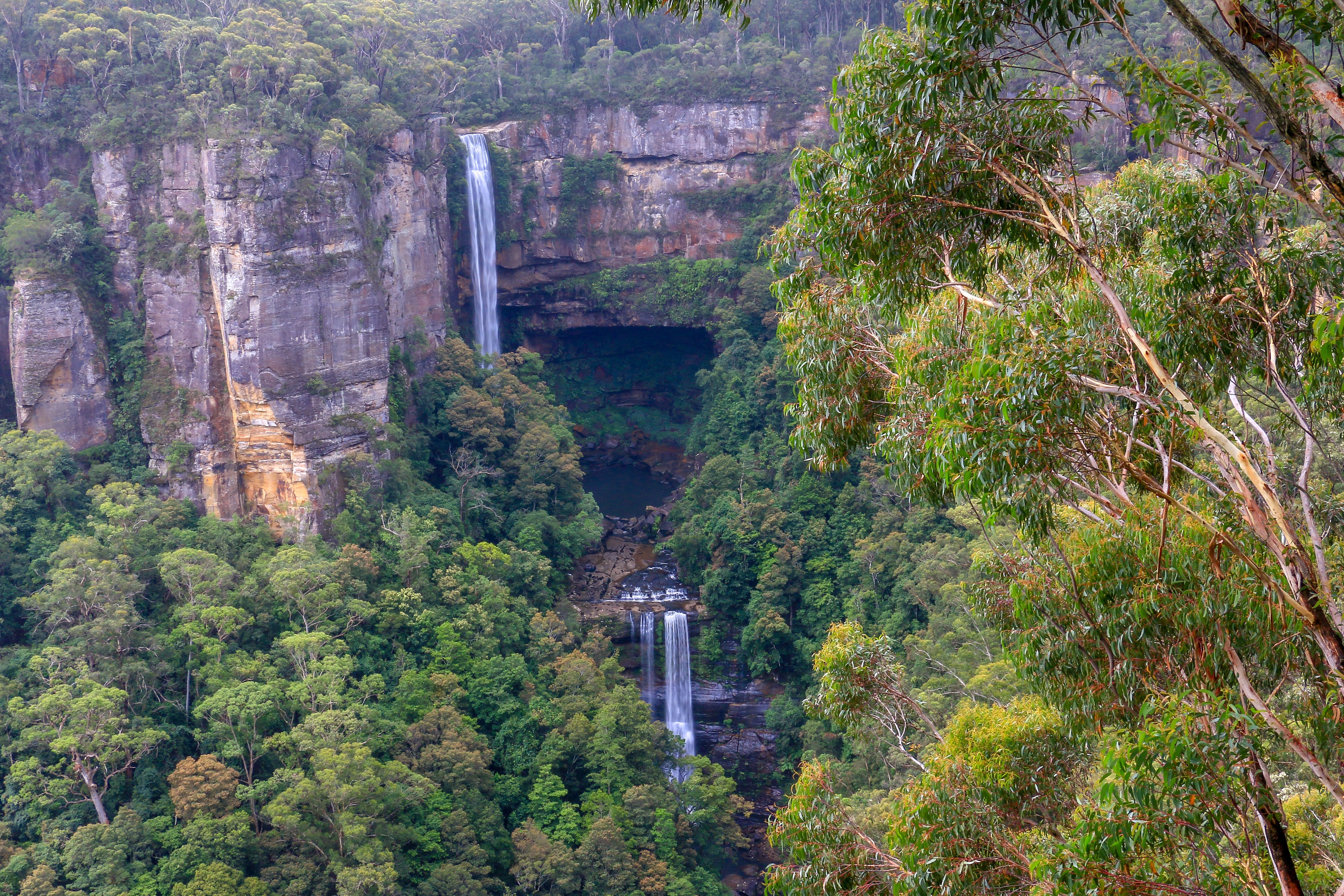
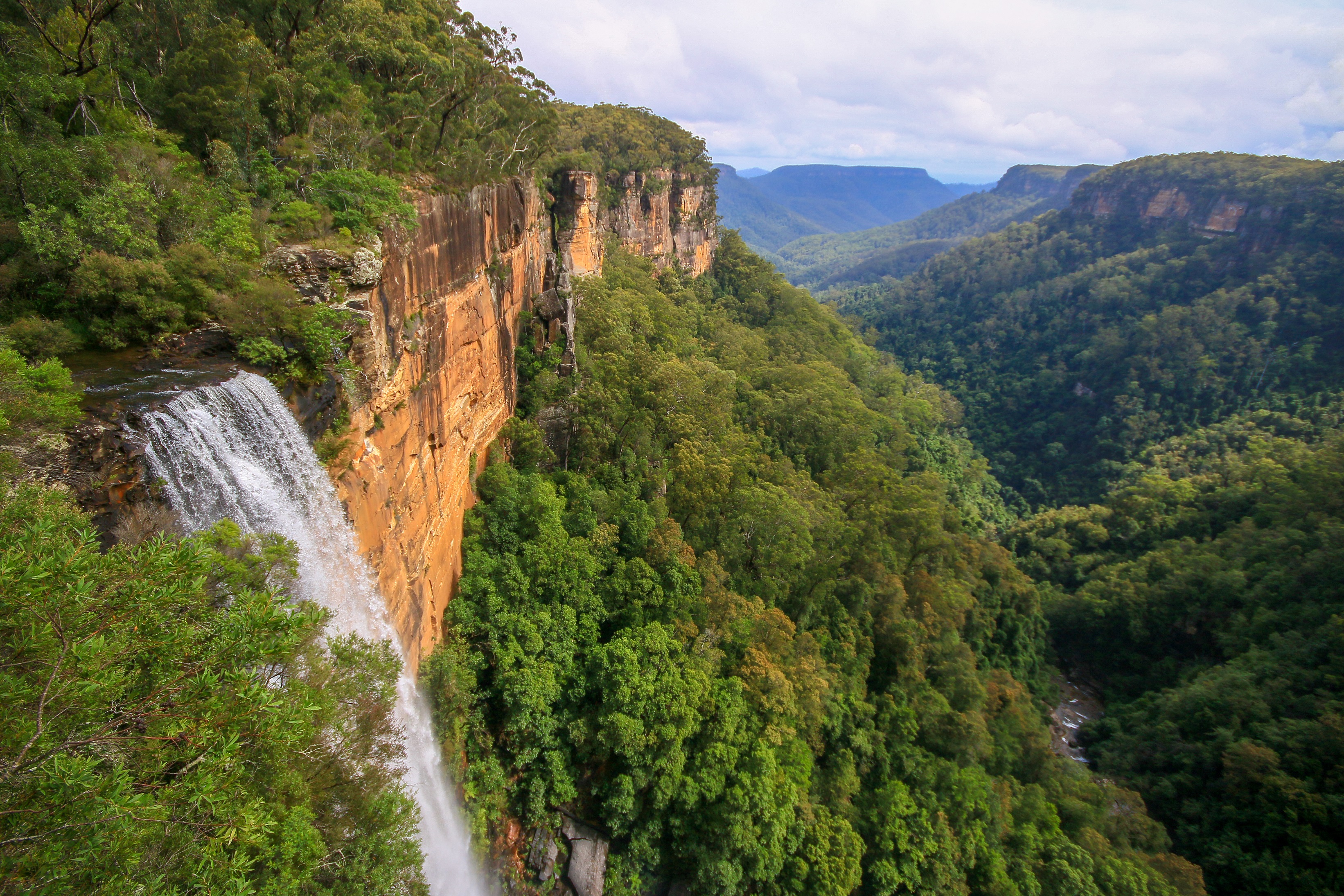


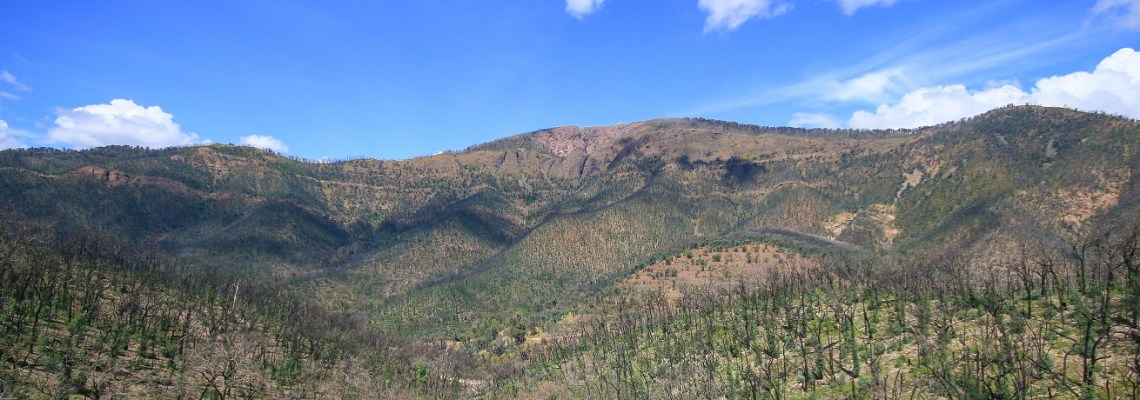

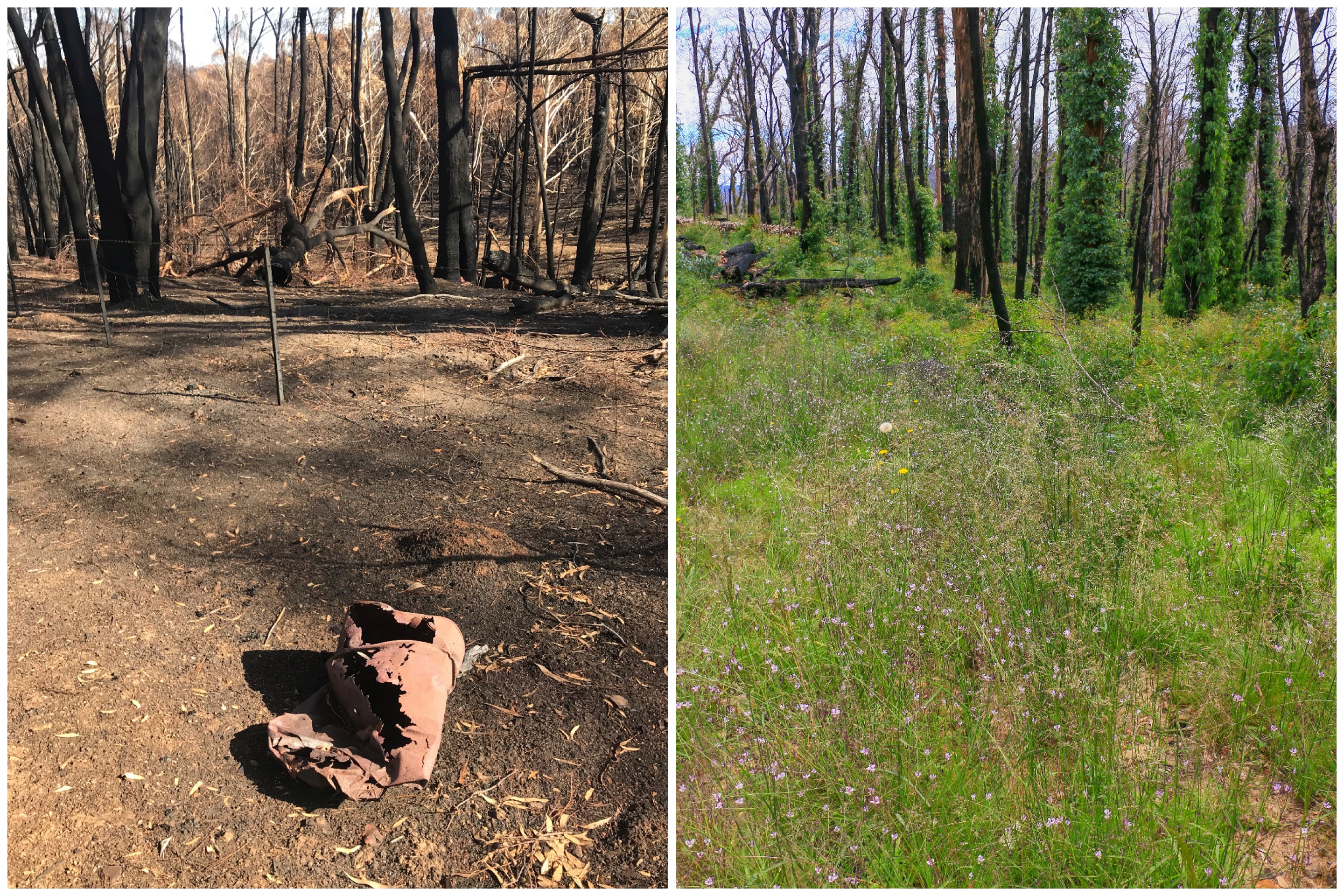
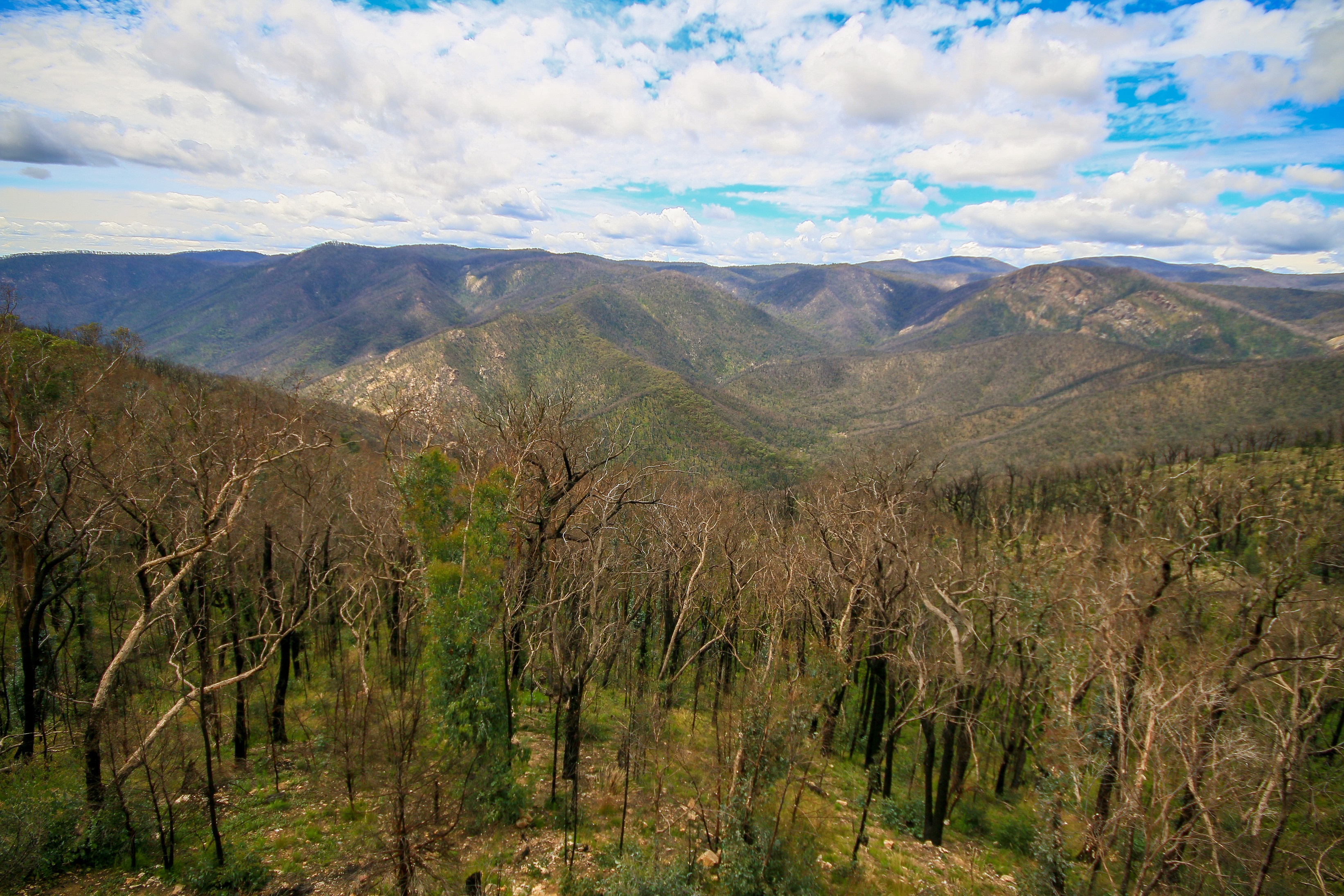


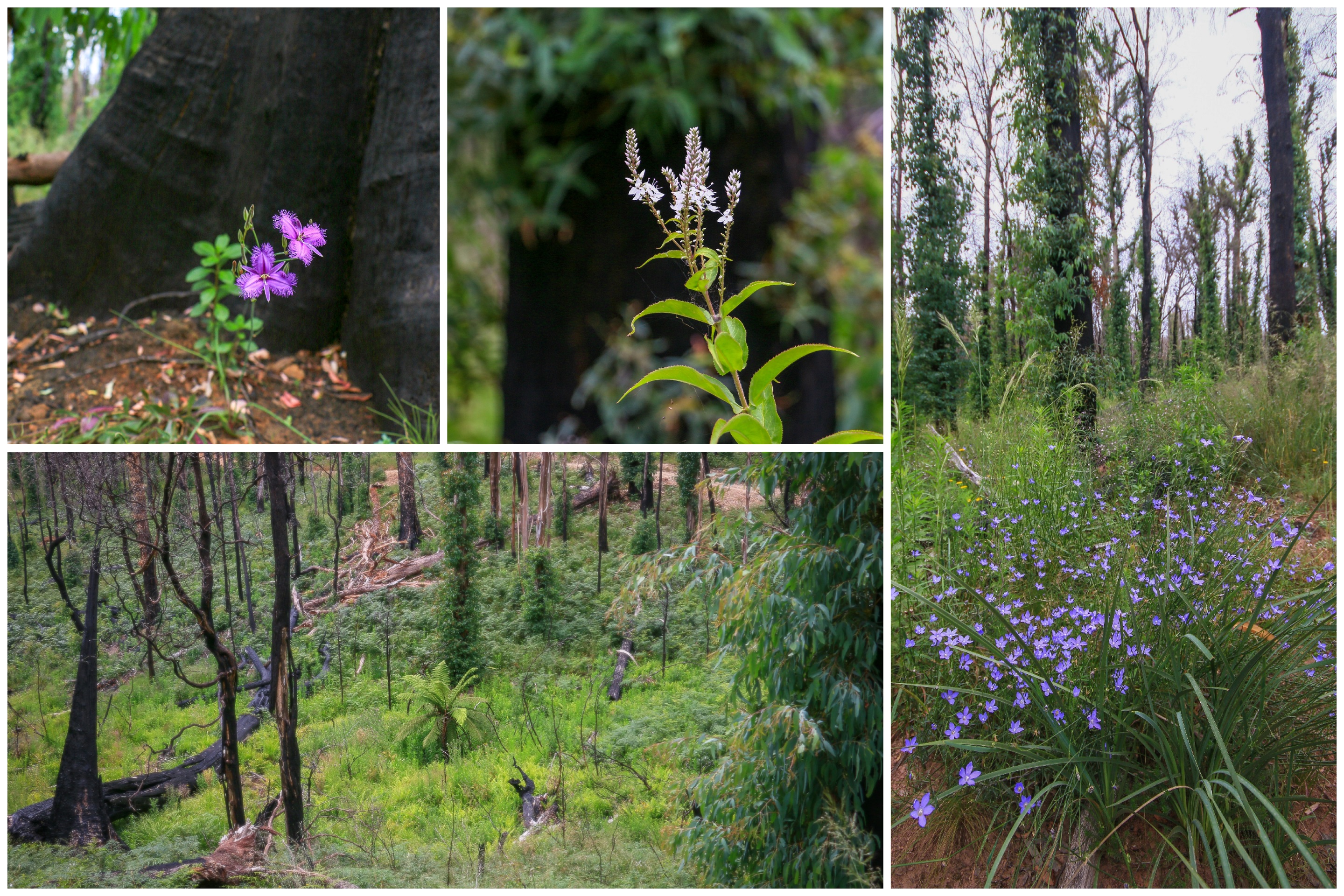


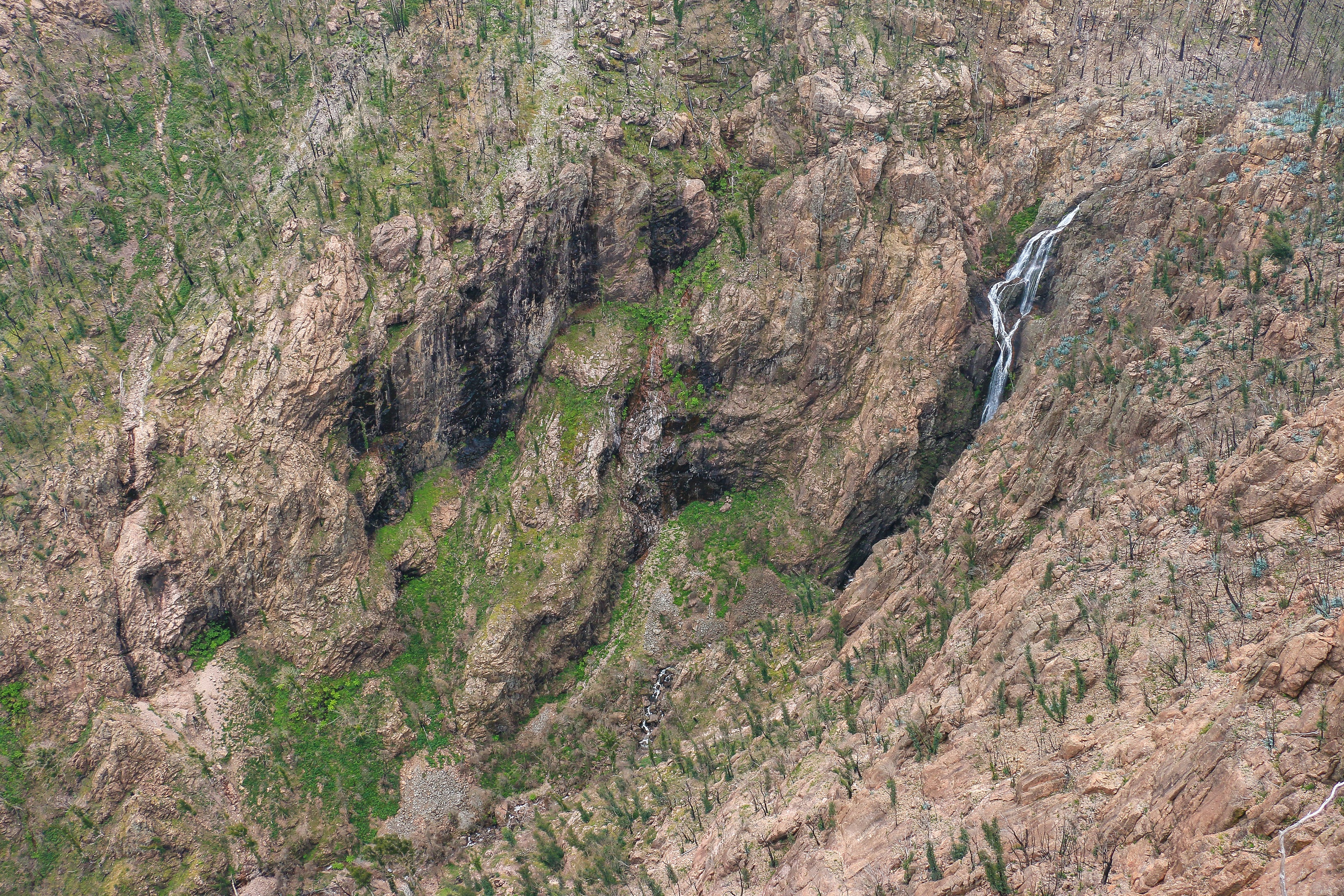


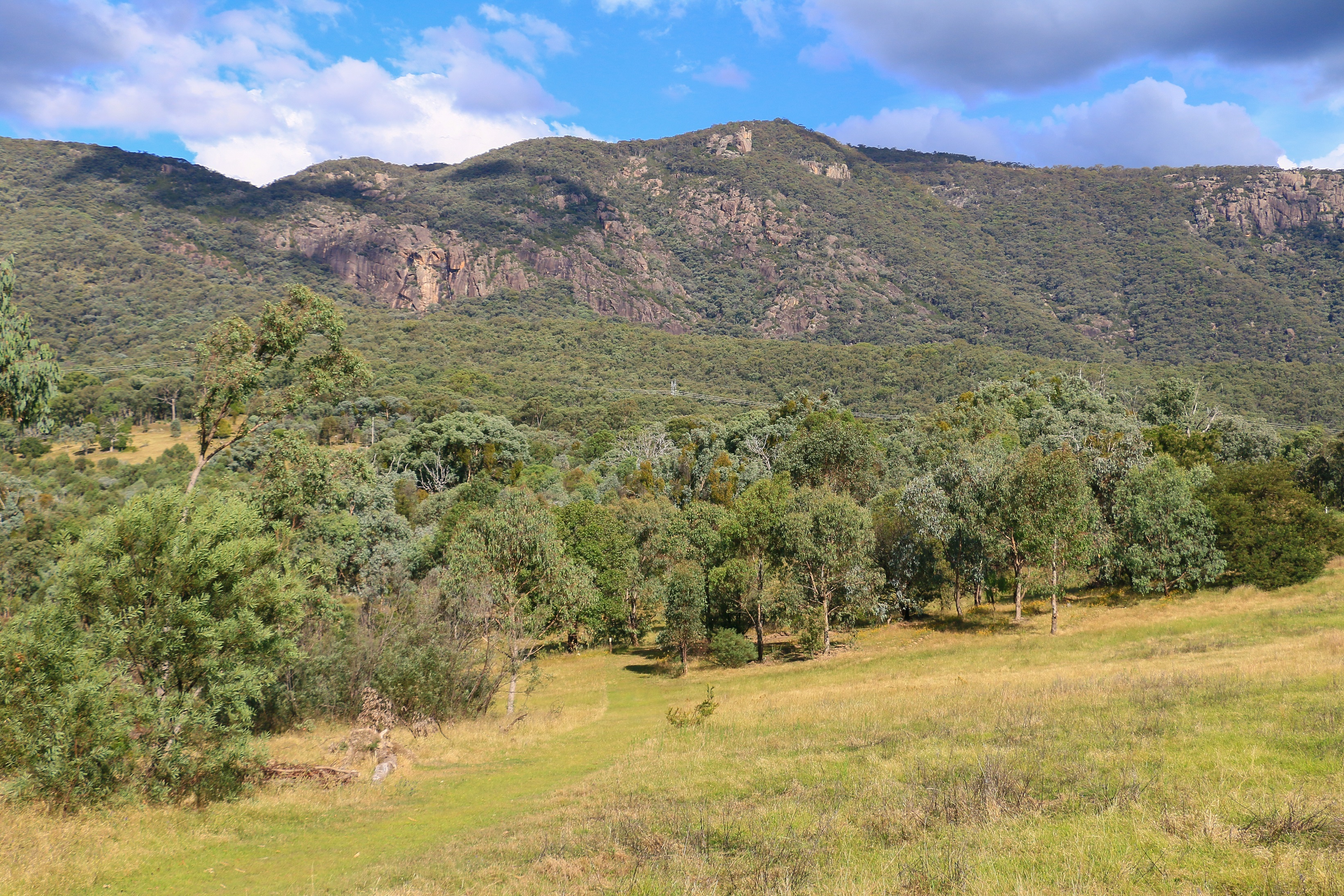
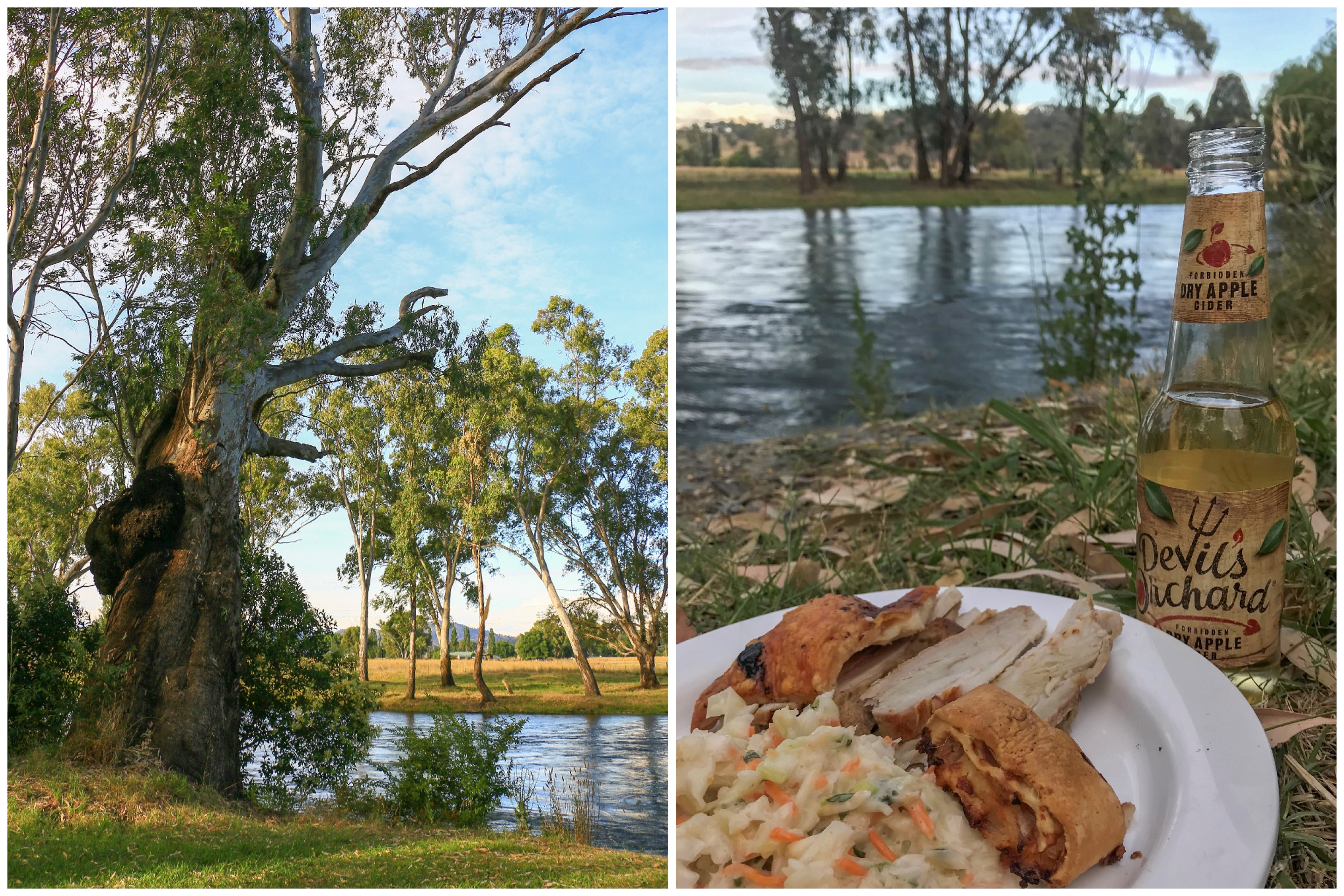

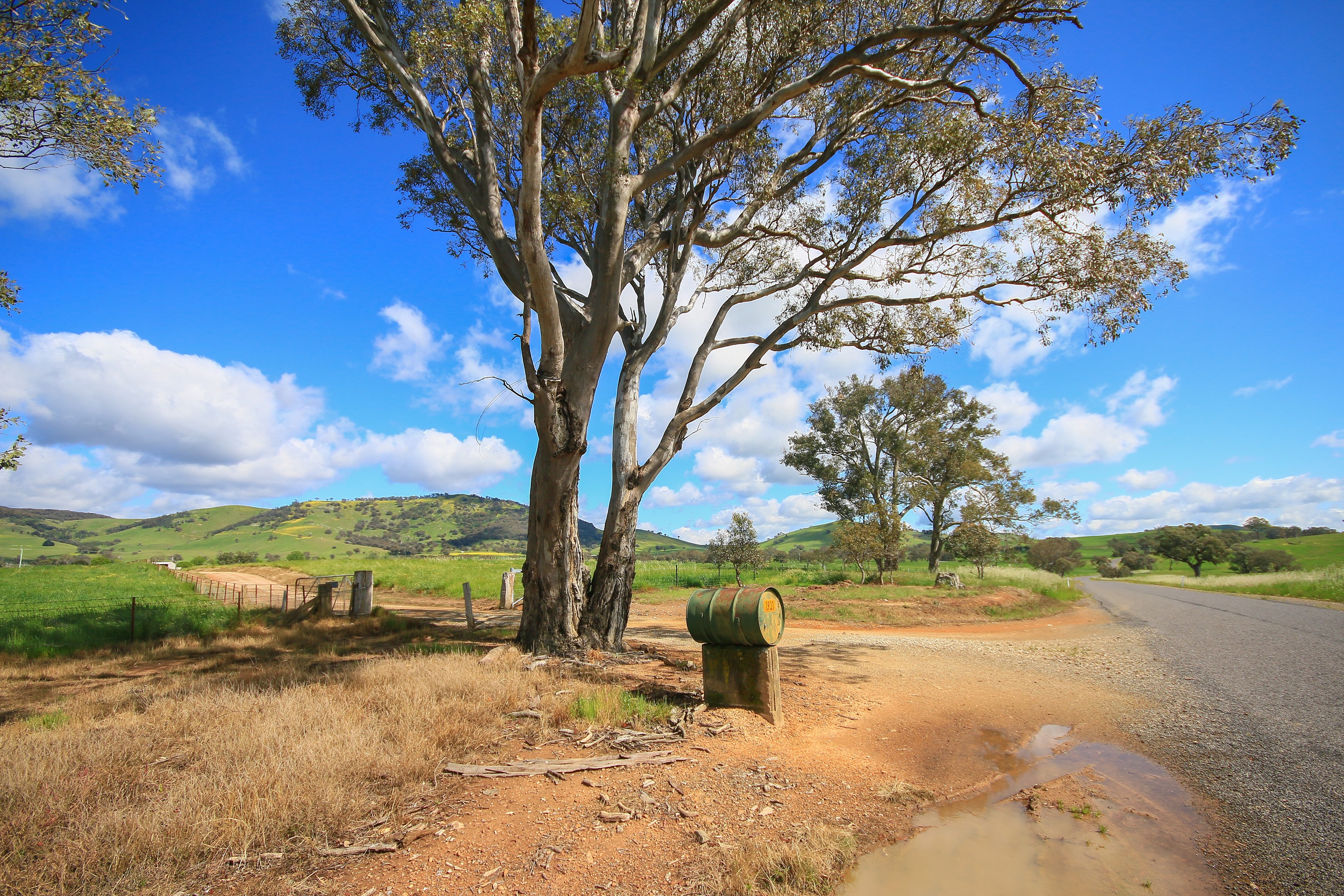


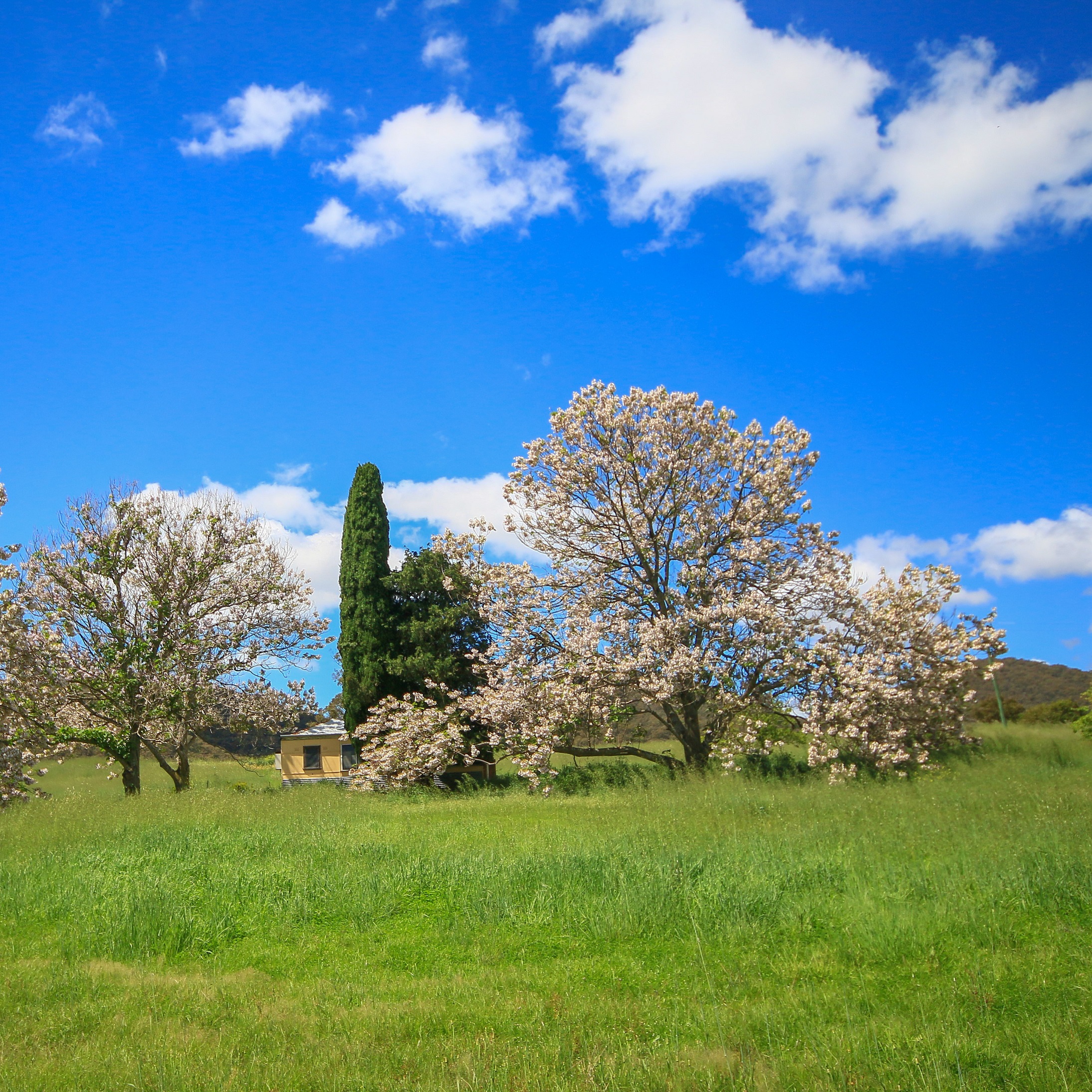
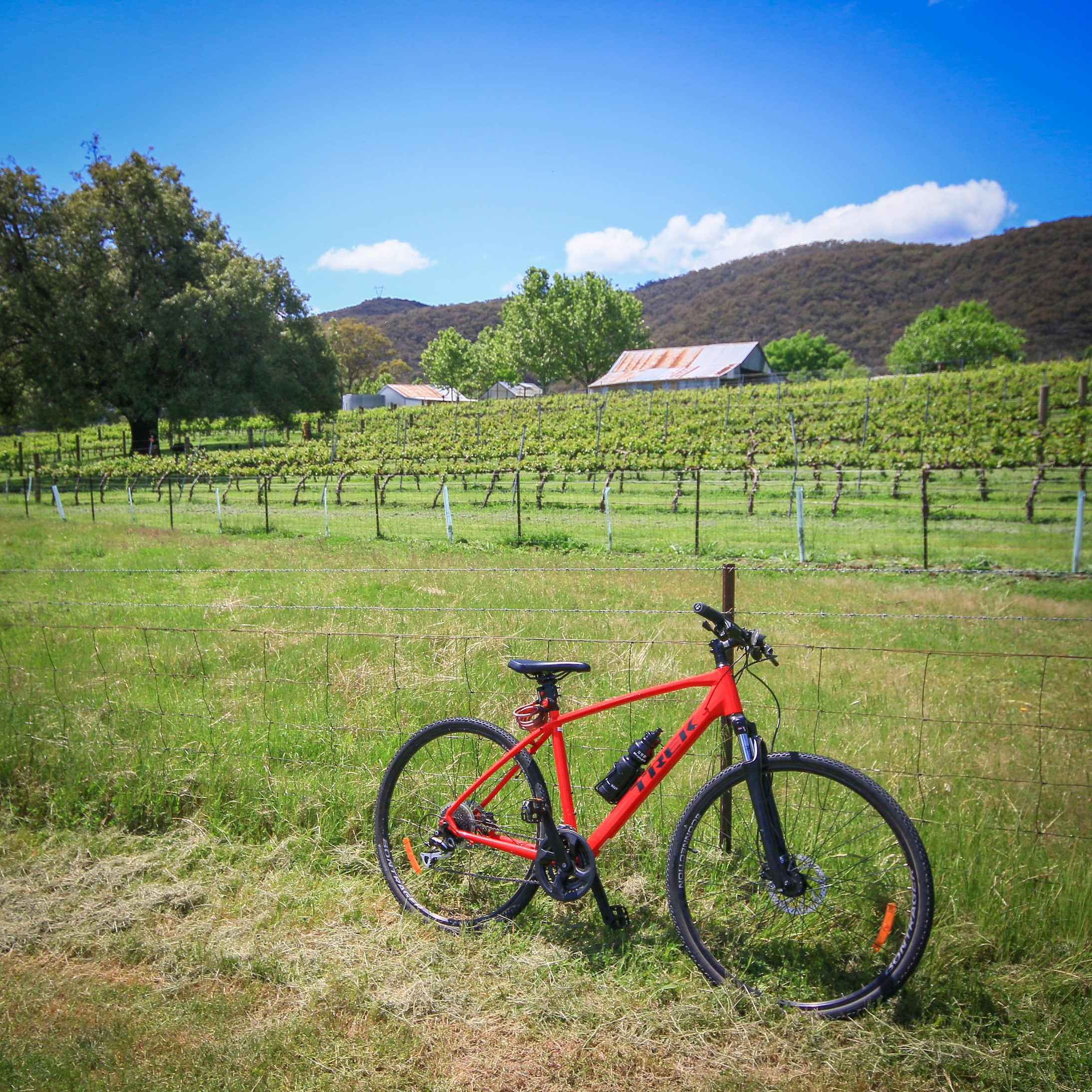

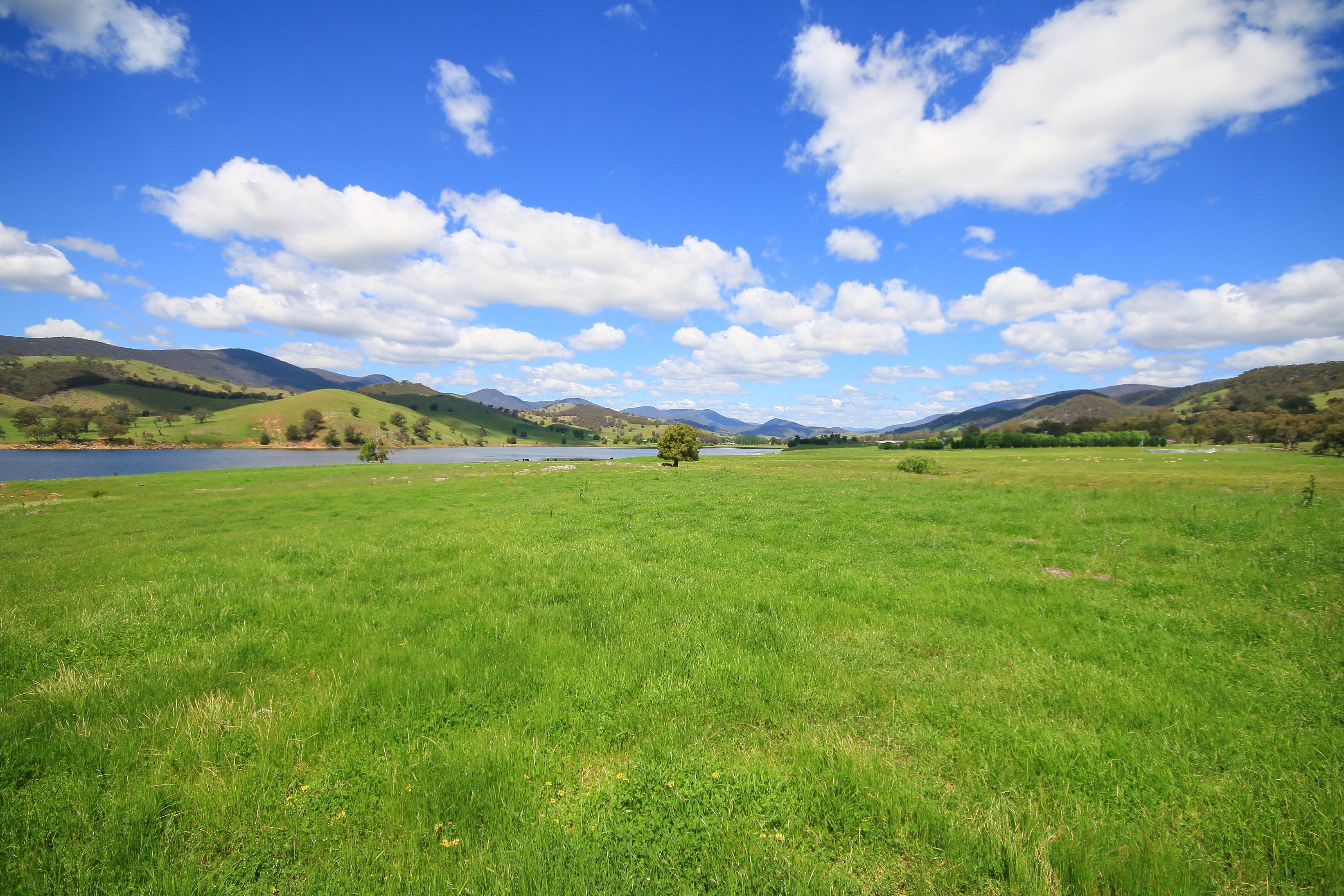

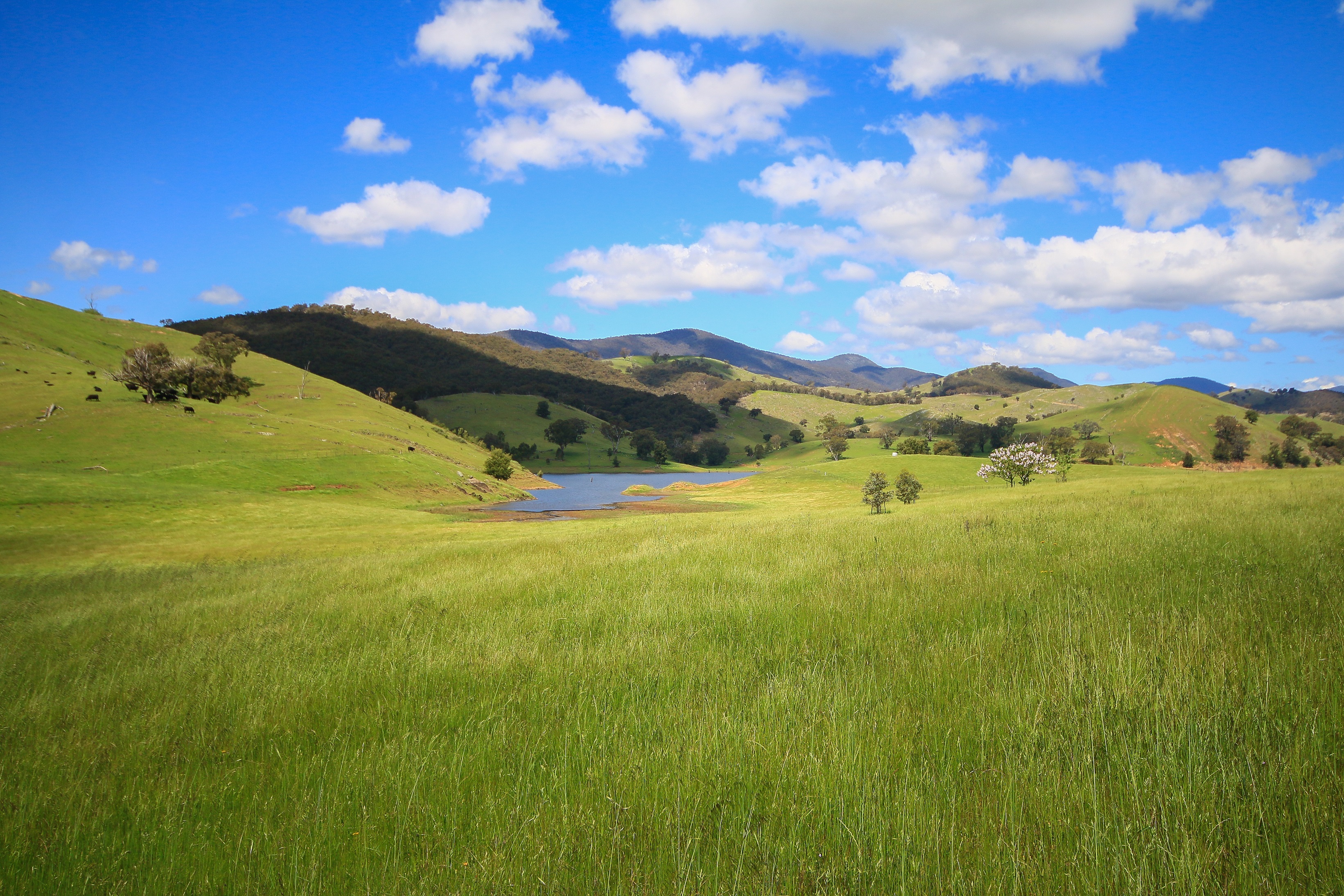


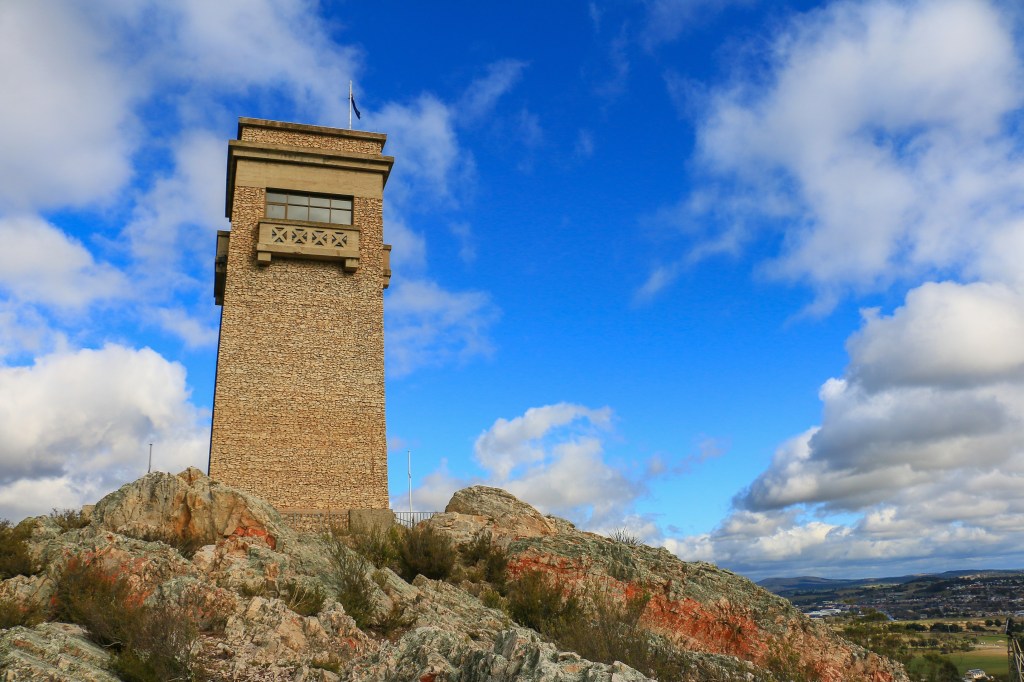

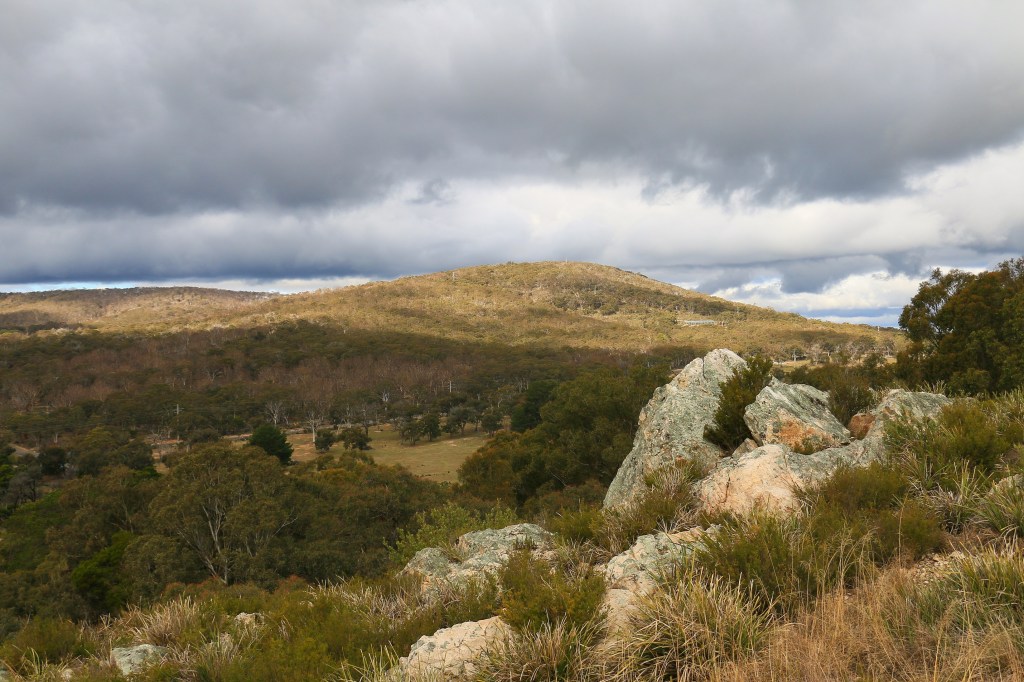


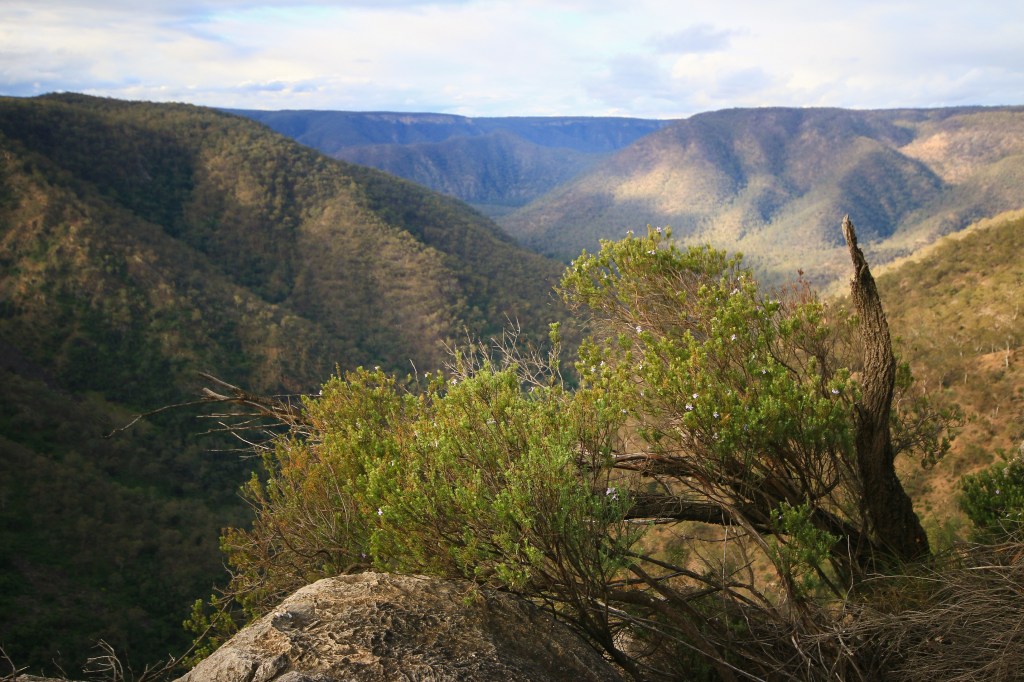

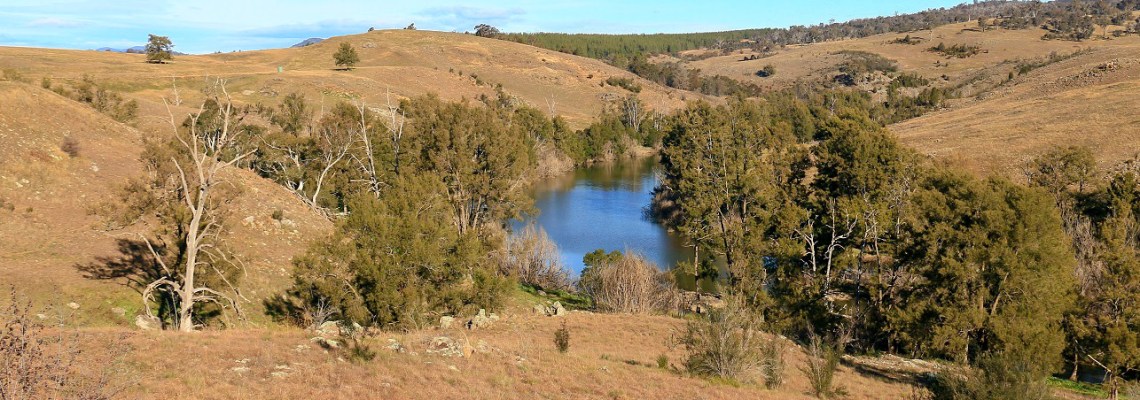
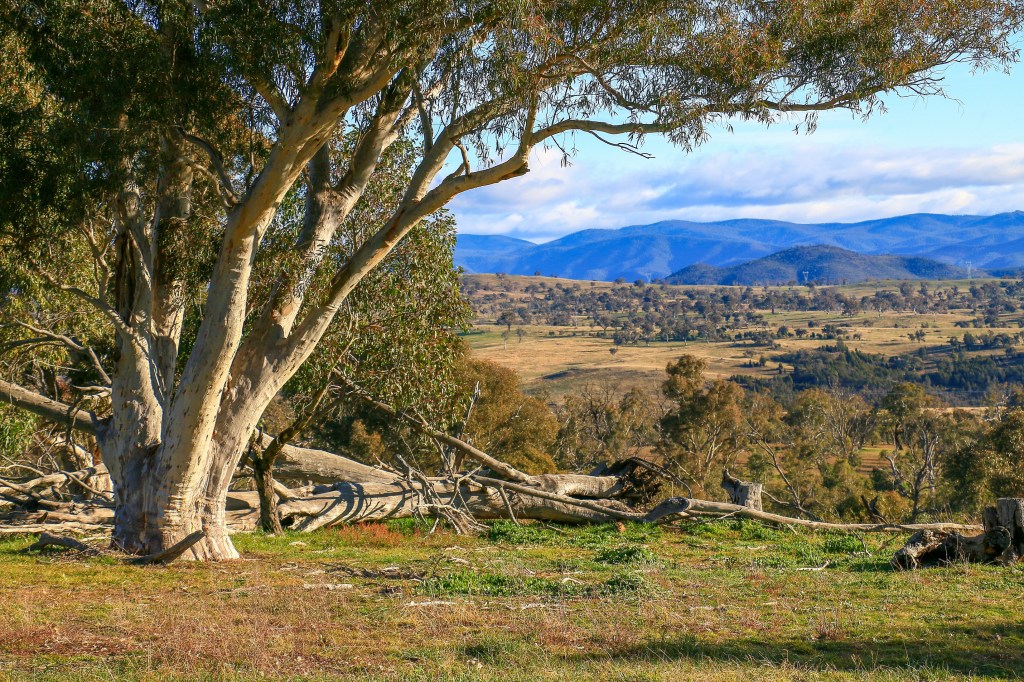
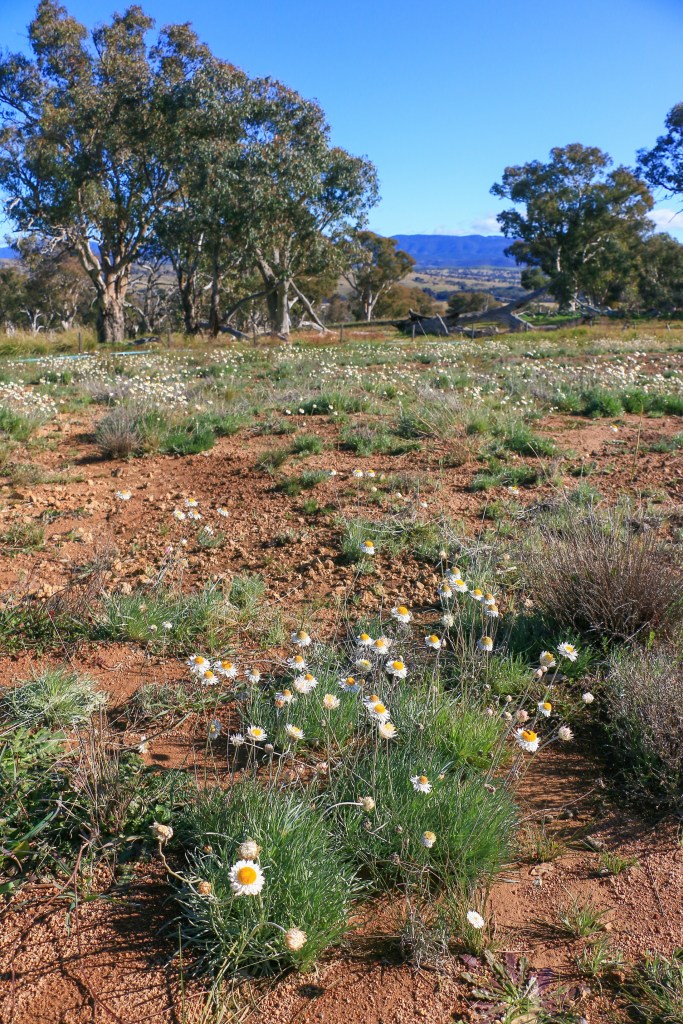

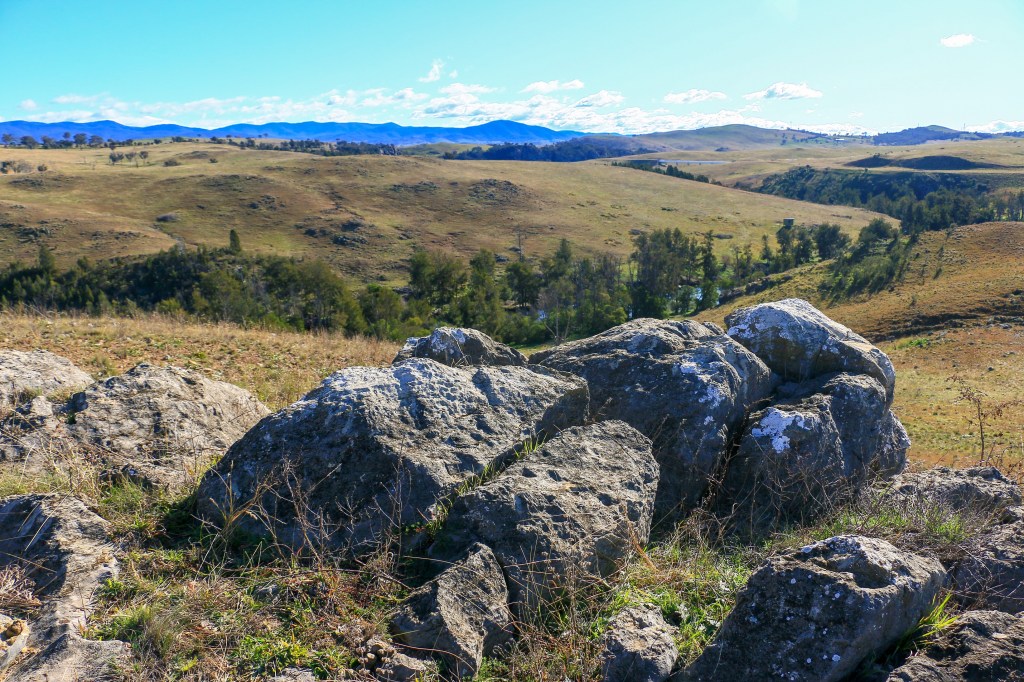


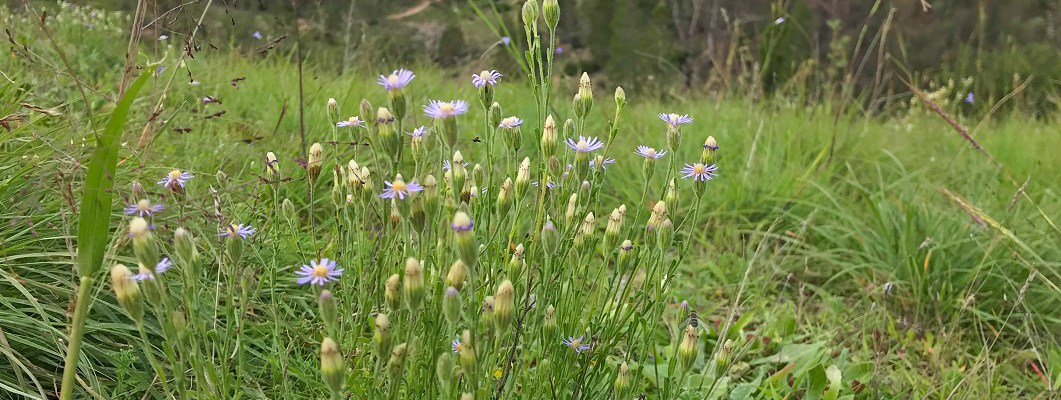
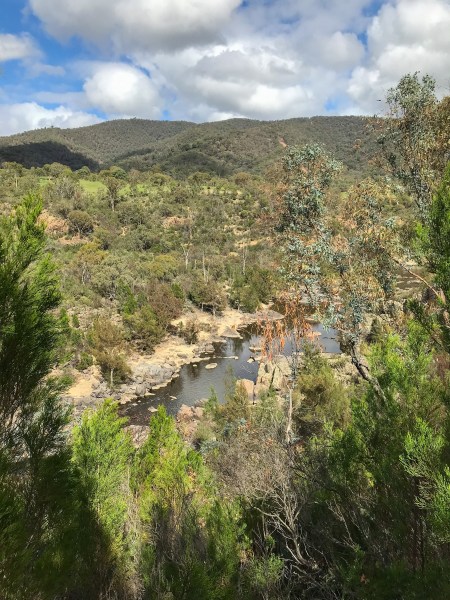 Setting off from Kambah Pool I delayed as a family group embarked on the route to Red Rocks Gorge. Best give them some distance. Wedging myself in between that mob and another mob congregating to follow, things were rosy at first. The landscape still an astonishing green, the river replenished, meandering gently through the steep sided valley untamed and untrammelled. This was freedom.
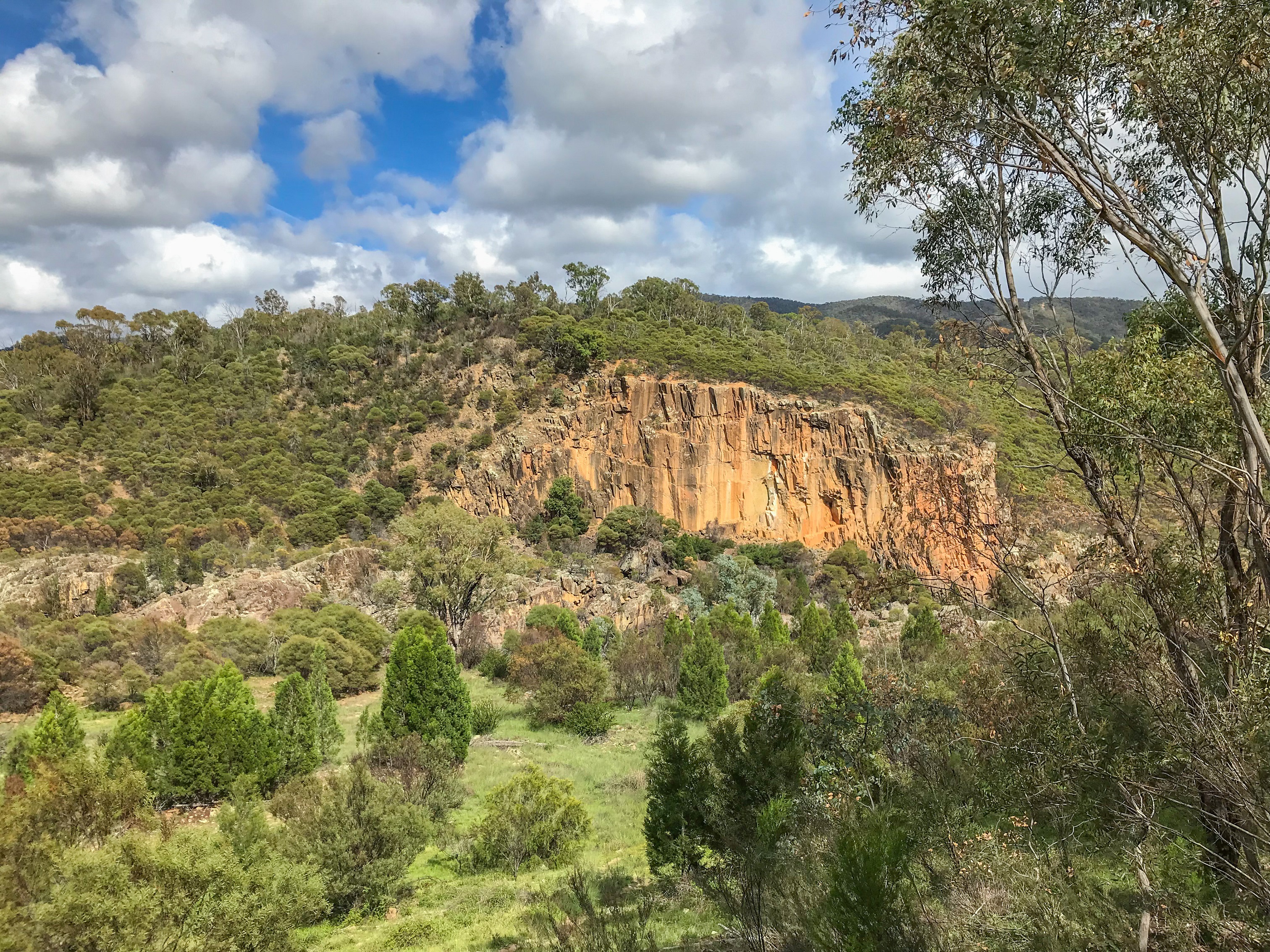

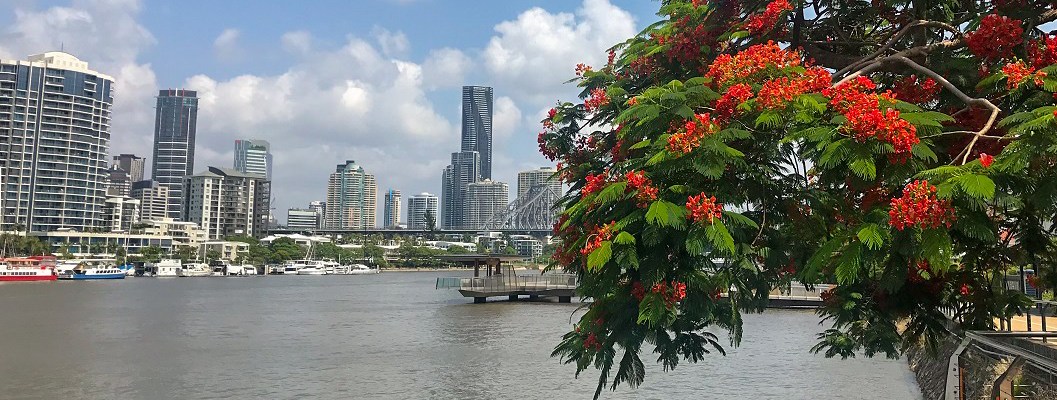


 I did Brisbane things in Brisbane, such as pretending to be sophisticated at a few of the galleries, crashing down to earth with sugary iced drinks for a dollar, cycling on one of those godawful city bikes along death trap rush hour cycleways, and bobbing upon the water aboard trashy ferries championing local sporting sides.


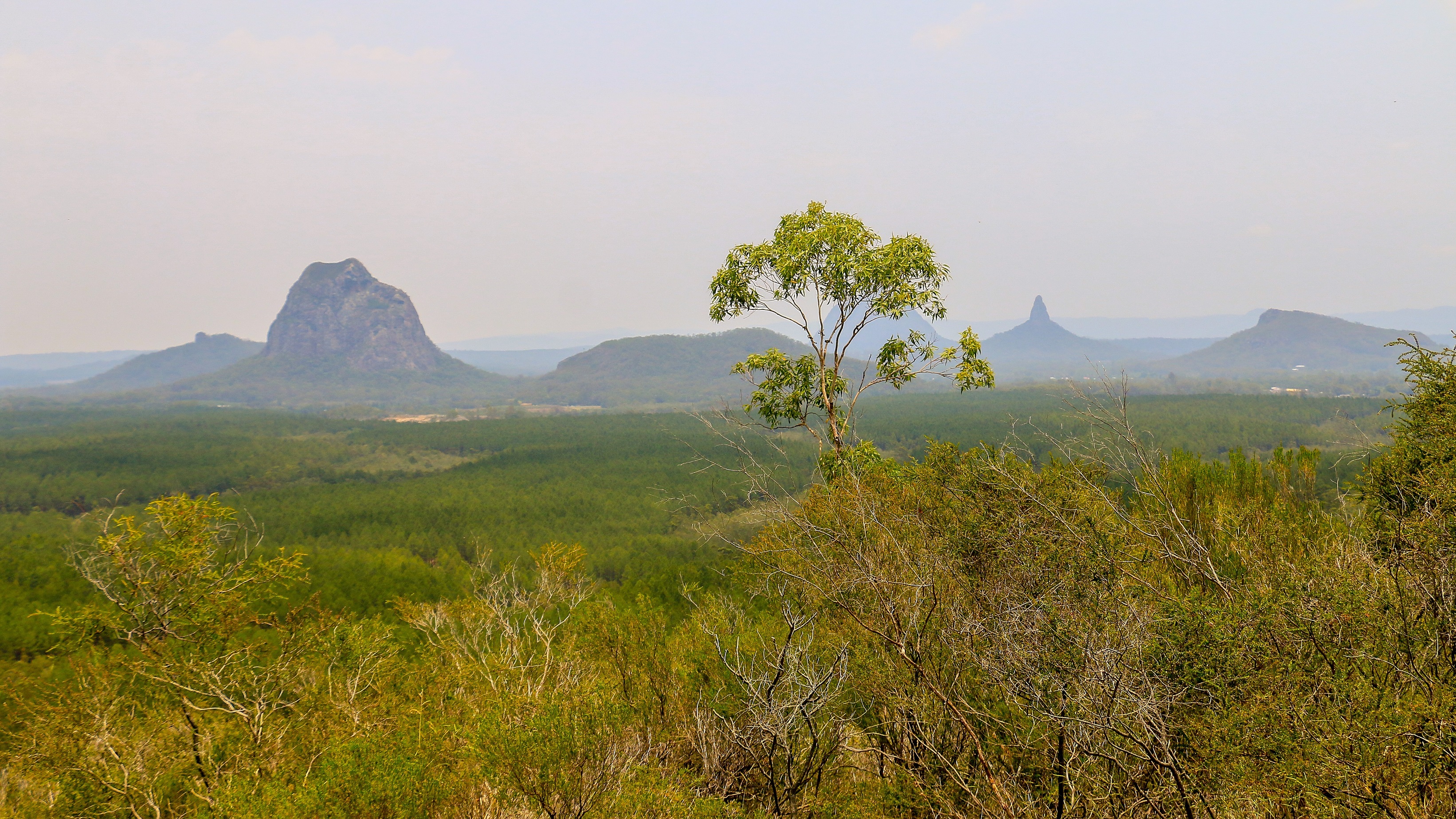

 Together, we explored the land of the Quiet Australian, treading newly built pavements, discovering plots of land awaiting a six bedroom home, lounging in the garden questioning how the Quiet Australians next door can be so goddam noisy. Some of us sniffed butts and peed on lampposts. Others caught buses and sought coffee at the mall. There was a lot of cloud and a little rain. And hope on the grapevine that this would extend south.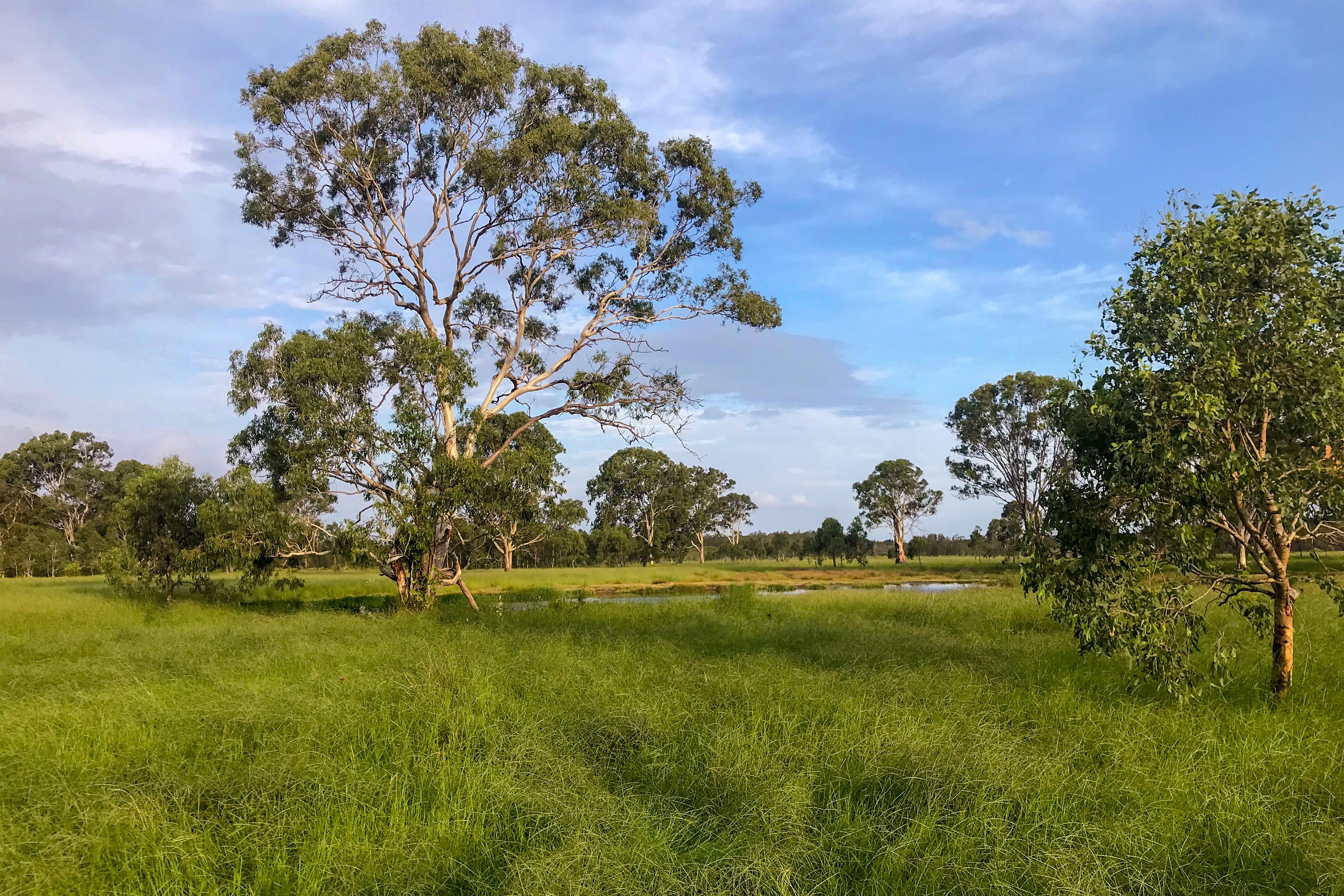

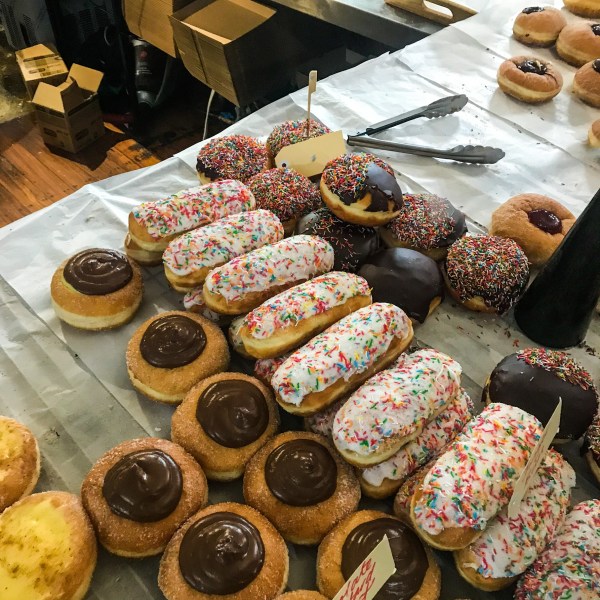 And a raincoat. For it is even truer that Queensland is far from beautiful one day, perfect the next; a dubious marketing slogan dreamt up by mediocrities that continues apace in the supposed Sunshine Coast, a place frequently sodden by epic downpours and possessing a clammy mildew befitting the swampy subtropics. Saturday here was so damp that the highlight was a doughnut, and even that wasn’t much of a highlight, more a triumph of social marketing style over substance.
 Queensland: pissing down one day, sweaty the next. The sweatiness emerging on Sunday as the sun makes an appearance, triggering rising heat and rampant moisture. Liquid particles are lifted by ocean gusts, filtered ineffectually through the thrum of air conditioning to congregate in damp surf club carpets. Puddles among snake-infested flood plain linger, waiting for passing birds and passing property developers to drain. The ubiquitous HiLux secretes fluids while idling outside Red Rooster, as a leftover billboard of some redneck running for parliament gazes down approvingly. Just thank the lord or some other unelected deity that it is not yet high summer.


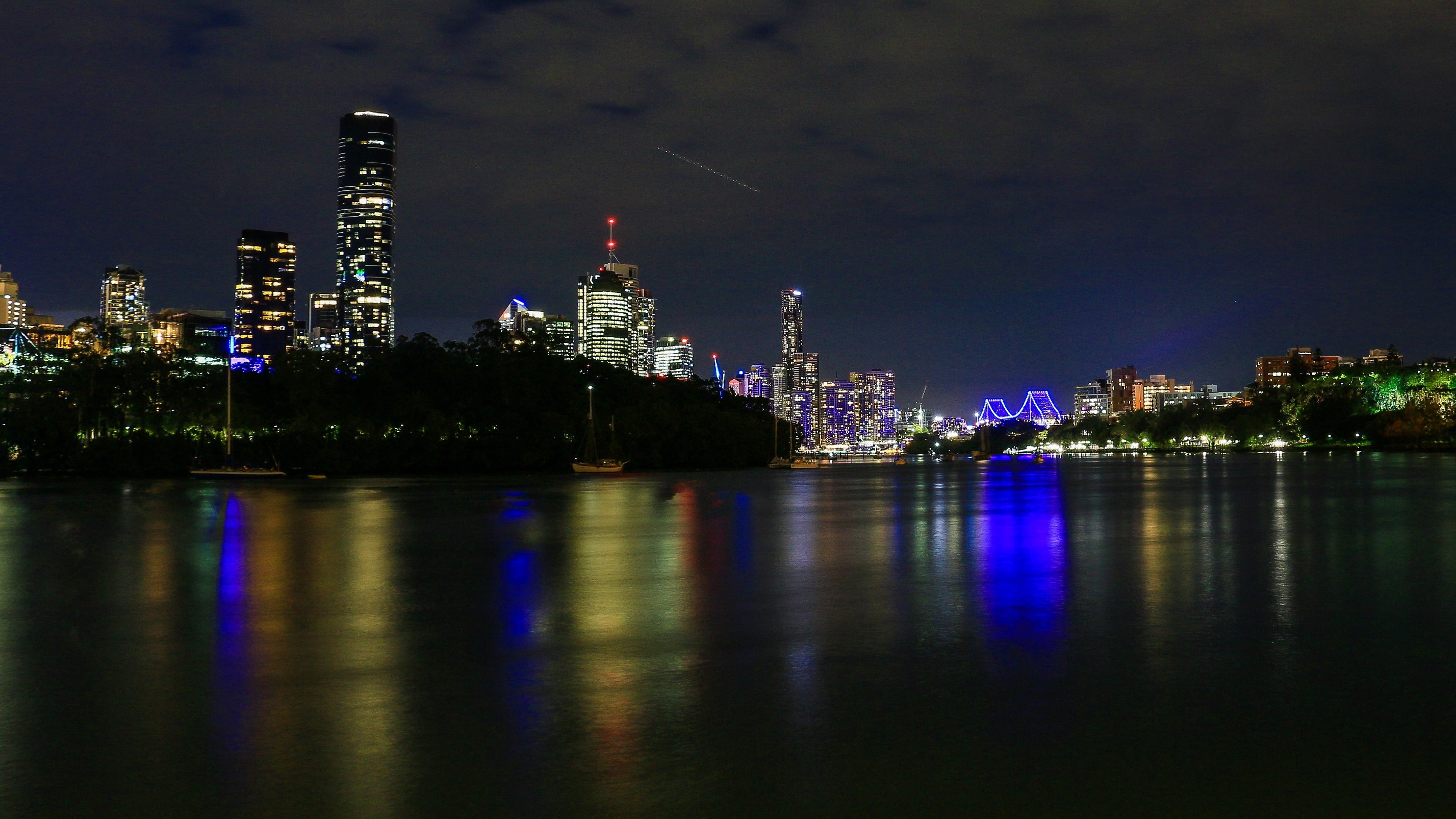
 gbpilgrim