
The it’s too hot brigade have been out in force lately. The worrying thing is they are probably right. More worryingly, I have caught myself occasionally joining them. This, along with an increasing tolerance of British coffee and quietly muttered acceptance of noisy people in the quiet carriage, suggests I am getting more comfortable on these shores. Apart from when it is too hot of course.
The heat would be more agreeable if Britain boasted fine sandy bays and crystal clear coves, a setting for languid summer holidays and Mediterranean vibes. Perhaps with some tapas, gelato and meze thrown in. Let me introduce you, then, to The Lizard.

Down in far west Cornwall, The Lizard is an area where the southernmost chunk of mainland Britain tapers into the ocean. With water on both sides there is a veritable array of beaches and bays, harbours and headlands to choose from. And it is on its western shore, facing the Atlantic as it feeds into Mounts Bay, where some of the finest sights and sands can be found.
The very first morning of a week-long family holiday provides some pinch yourself moments at Poldhu Cove. I must confess, like so many other annoying tourists, it was Instagram that thrust Poldhu into my consciousness. What entranced me were the golden sands, blue waters and white swirls of cream decorated with all sorts of gooeyness atop a hot chocolate. The excellent Poldhu Beach Café has a slight Aussie vibe perched upon the sand, delivering decent coffee, brownies and down to earth chit-chat. It felt very much peak dream home.
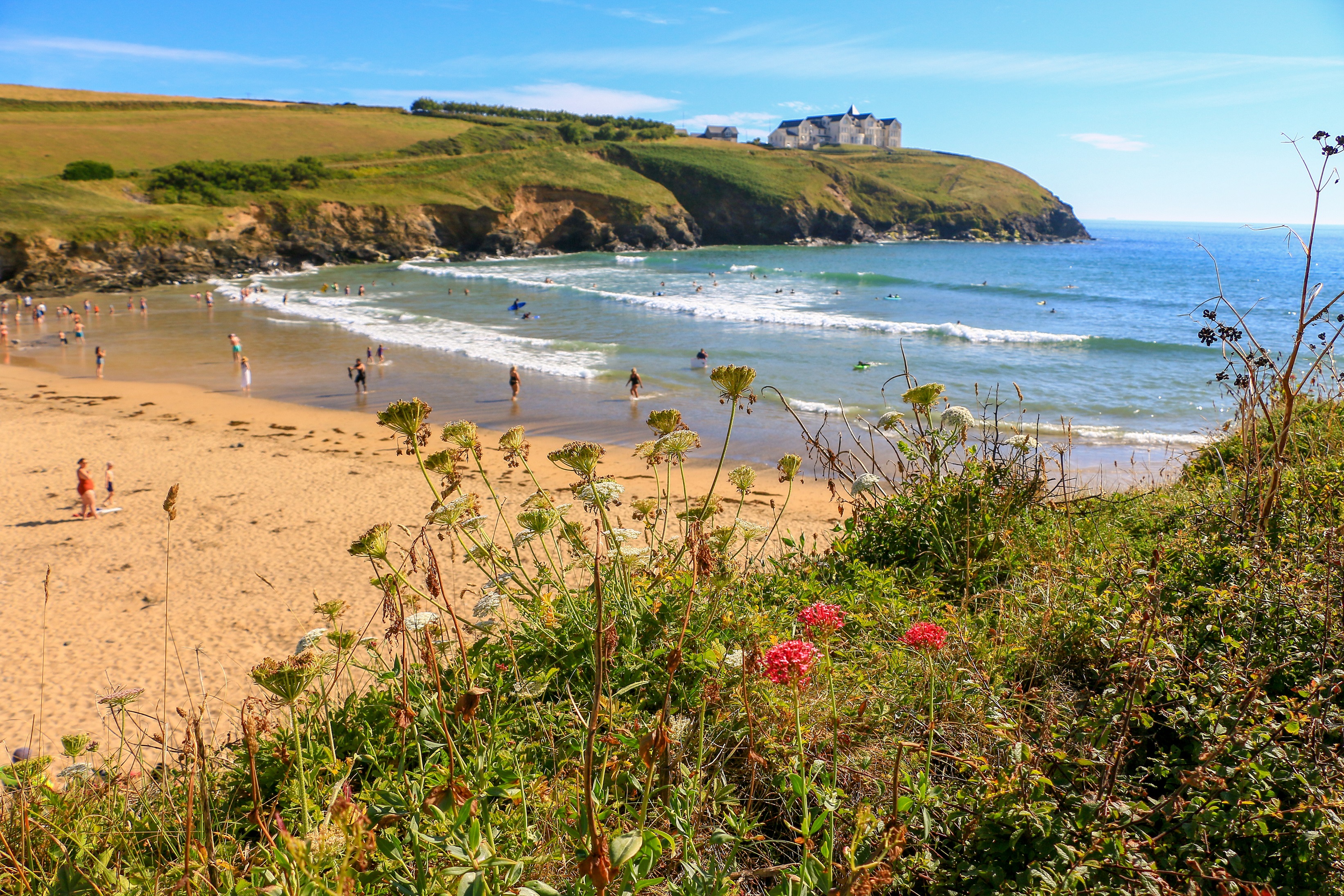
Either side of the cove the outlook becomes even more idyllic as the transparency of the water shines, magnifying the outline of rocky reefs and diffusing the shadows of colourful paddle boards upon the seabed. On shore, the cliffs rise, coated in a swathe of still-green grass and wildflowers flourishing under the sun. The coastline tracks toward the horizon on either side, encasing a welcoming expanse of Cornish perfection. It felt very much peak dream home.

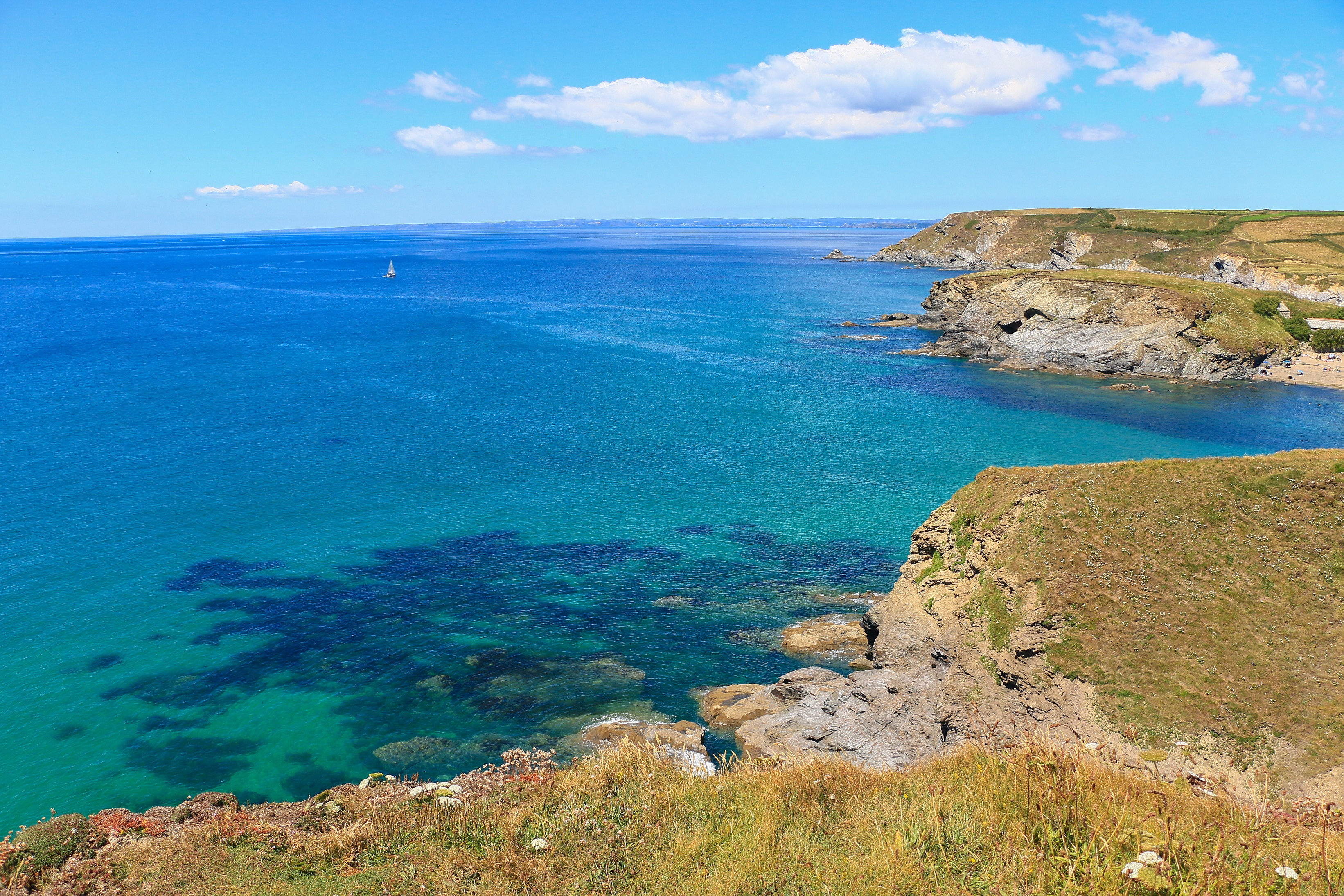
Beyond the northern headland to Poldhu, the next bay along – Church Cove – has a more old school air. Grittier sands, seaweed, emboldened National Trust parking attendants. The presence of the old church wedged between rock and sea oozes tradition and heritage. Lichen-infused gravestones suggest at whole generations of fisherfolk and farmers of centuries past, whose ancestors probably still plough their fields and rent their shepherd’s huts today. The surrounding greens of Mullion Golf Club nestle perfectly, as if they have sat in this landscape forever.

Also fitting in, The National Trust run a small kiosk at Church Cove. Naturally. A pleasant enough mini-menu of Bakewell slices, cheese and onion crisps and ham salad sandwiches. But when you know what is just around the next corner, a short up and down across coast path heaven, then why linger. Especially when you have a partner in crime.
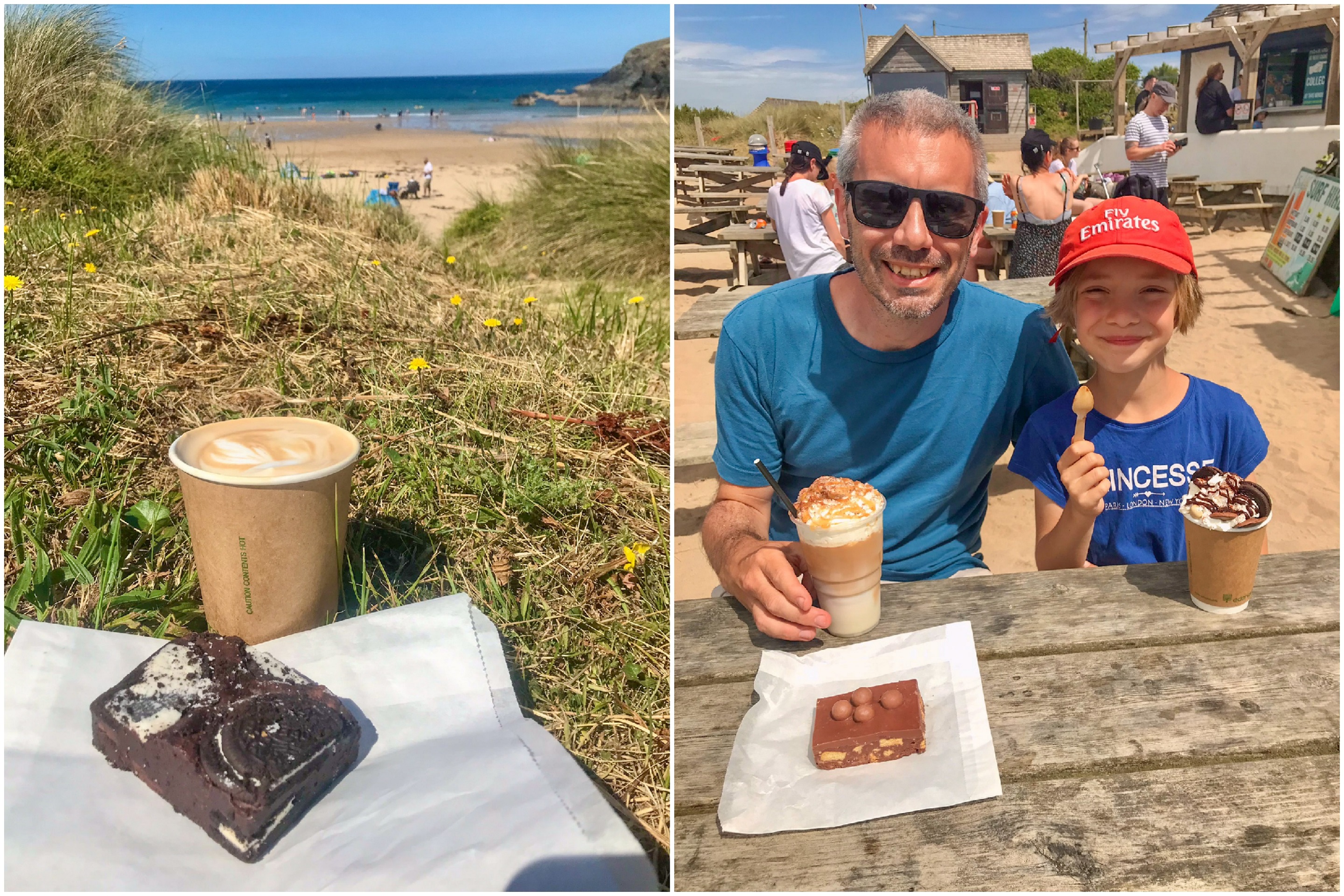
I found myself eating alone overlooking Praa Sands but still wasn’t complaining. While some rosy-hued patrons were already on the booze Magaloof style, I contented myself with coffee and a rocky road. Not Poldhu quality but you could have anything here on a day like today and still feel you had won the lottery. Eat in the view, drink up the ambience.
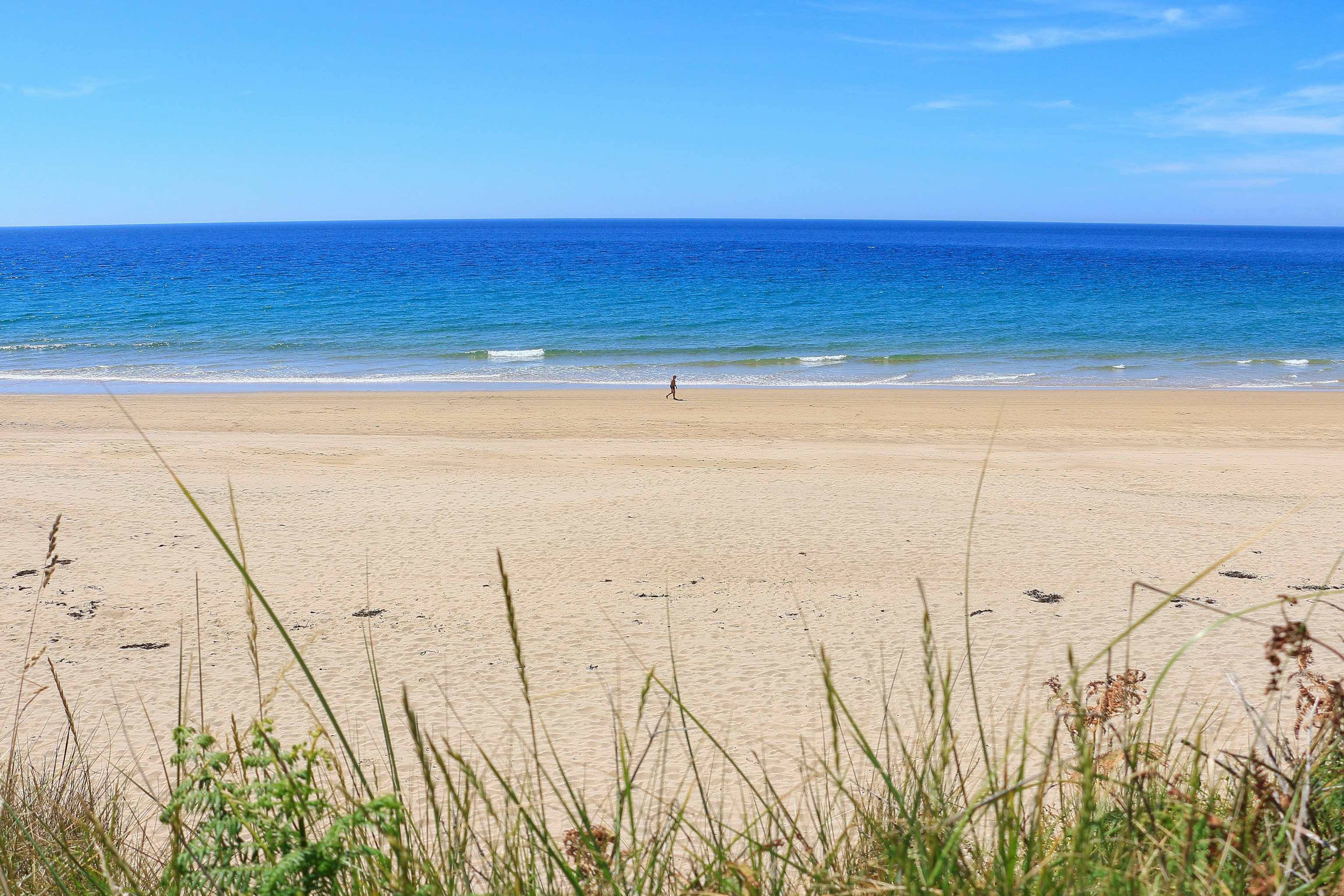
Praa Sands is a long golden bay, increasingly marvellous as the tide rolls out. Forget the Med, think Australia. Near the car parks, caravan parks, shops and cafes it could be a bit of a Bondi on Boxing Day. But the farther you move away, the closer you come to a NSW south coast style stretch of empty beach.
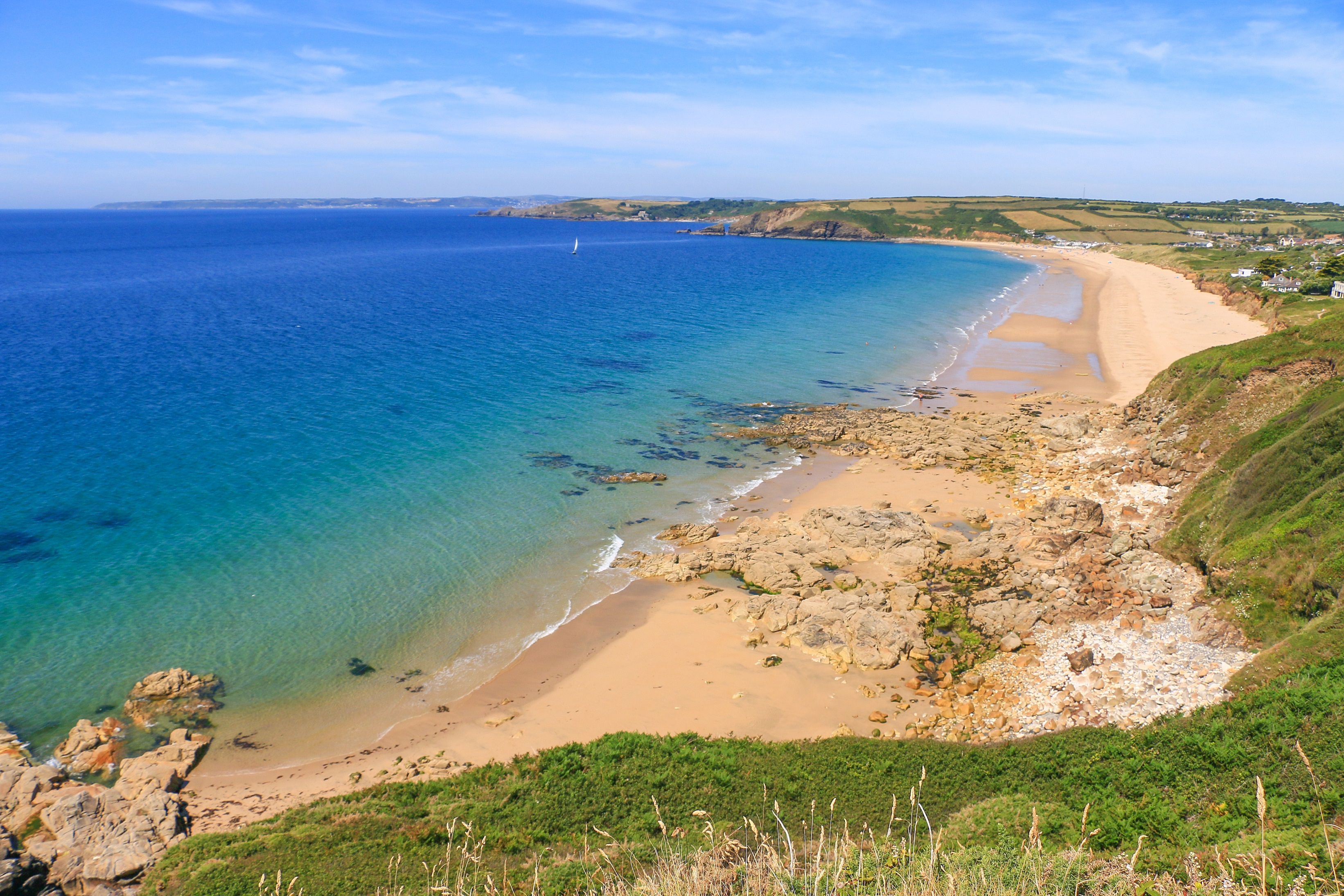

It’s quite a trek from west to east, but with sand between toes and tepid clear waters lapping at them, the footsteps pass with ease. Eventually Praa Sands can go no further, coming against Rinsey Head, over which the South West Coast Path once more meanders. The scenery becomes a more classic Cornwall, capped off by the archetypal abandoned tin mine. Wheal Prosper. We certainly will.
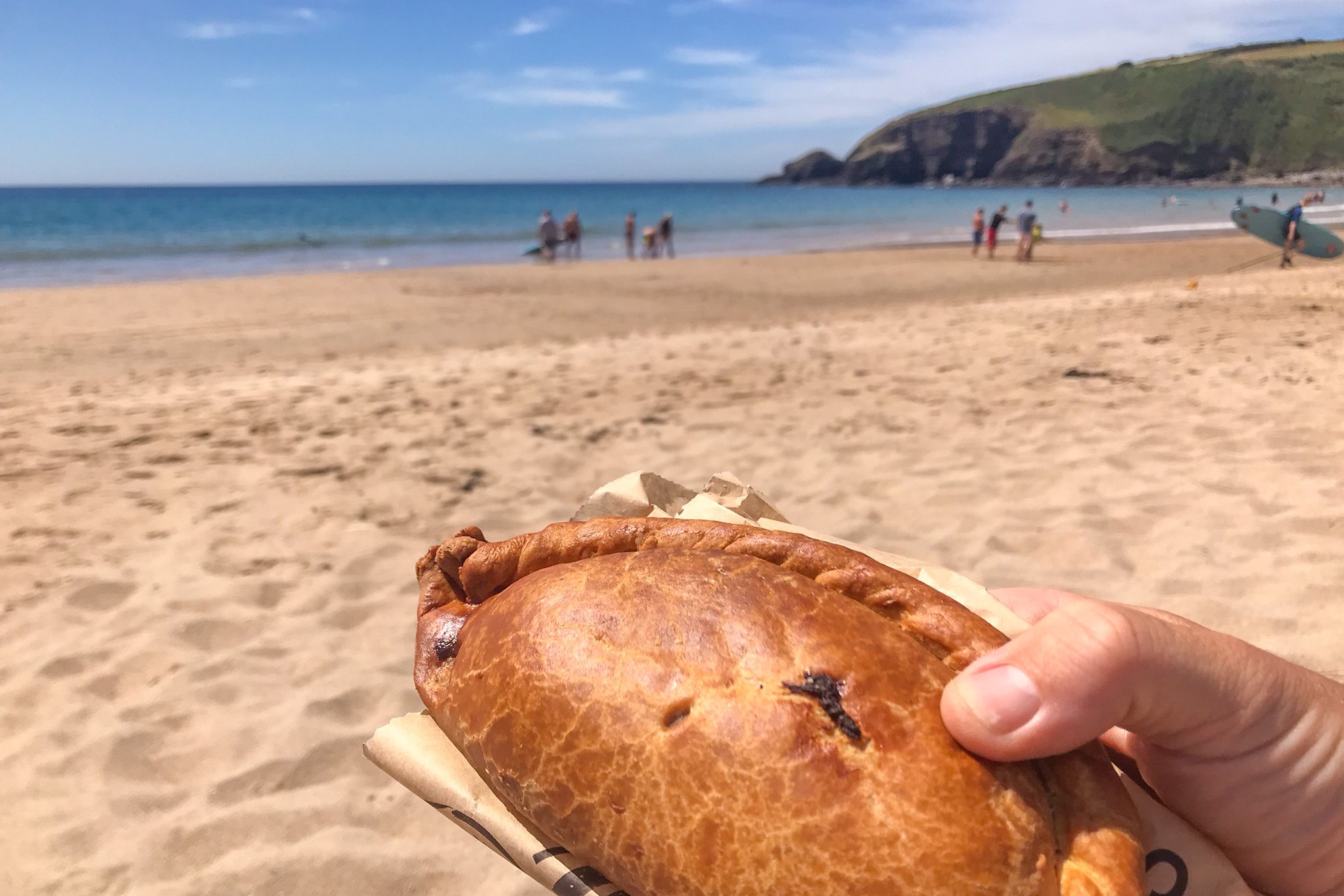
And confirming that, despite best efforts, this is not really the Med or Australia, how about a pasty back on the beach? Proving this is 100% pure Kernow.
Like pasties, I doubt you would find a bag of pork scratchings on a tapas menu, salty fatty fodder to accompany a pint of St. Austell Tribute. Still, I can easily envisage pints and pork products down on the Costa del Sol. Gammons eating bacon with tea and Estrella.
We were snacking in a pub garden in Mullion, a prelude to ending the day down in Mullion Cove. The small cobbled harbour here almost seems an impossibility. Wedged into the towering coastline, it feels like a tiny fissure in an almighty, unyielding wall. Sanctuary from violent winter storms might only be cursory, sparing. Yet here the harbour still stands, and to stand here is to feel on the very precipice.

Somehow there is a way up from the nook of the harbour, via another goat track section of the coast path. It’s open country, ideal for rabbits and birds of prey eating rabbits and walkers just casually wandering and falling down an unseen ravine. Compared to those fine sandy beaches elsewhere the ocean in front is a less inviting prospect, though arguably more beguiling. A swirling canvas captivating and luring smugglers and pirates and hardy fisherman’s friends of yesteryear.

Illuminating it all, the reddening sun drifts towards a watery horizon, setting closer to ten o’clock in this incredible summer. Glazing the sea and the land and the sky. And kissing our faces a shade of gammon.
And so, the final Lizard bite (part I) culminates in the perfect encapsulation of everything that has gone before: Kynance Cove, with bonus half a pasty.
In recent years, Kynance has become prey to a combination of Poldark Disease and Instagramitis, developing mythical, bucket-list status. All too frequently I am presented with short video clips set to jaunty music showing half-naked people frolicking in crystal waters, often with the caption “CAN YOU BELIEVE THIS IS ENGLAND!!!!!!”. As tedious as these become after constant repetition, they have a point. Kynance is an undoubted jewel in a very lavish crown.
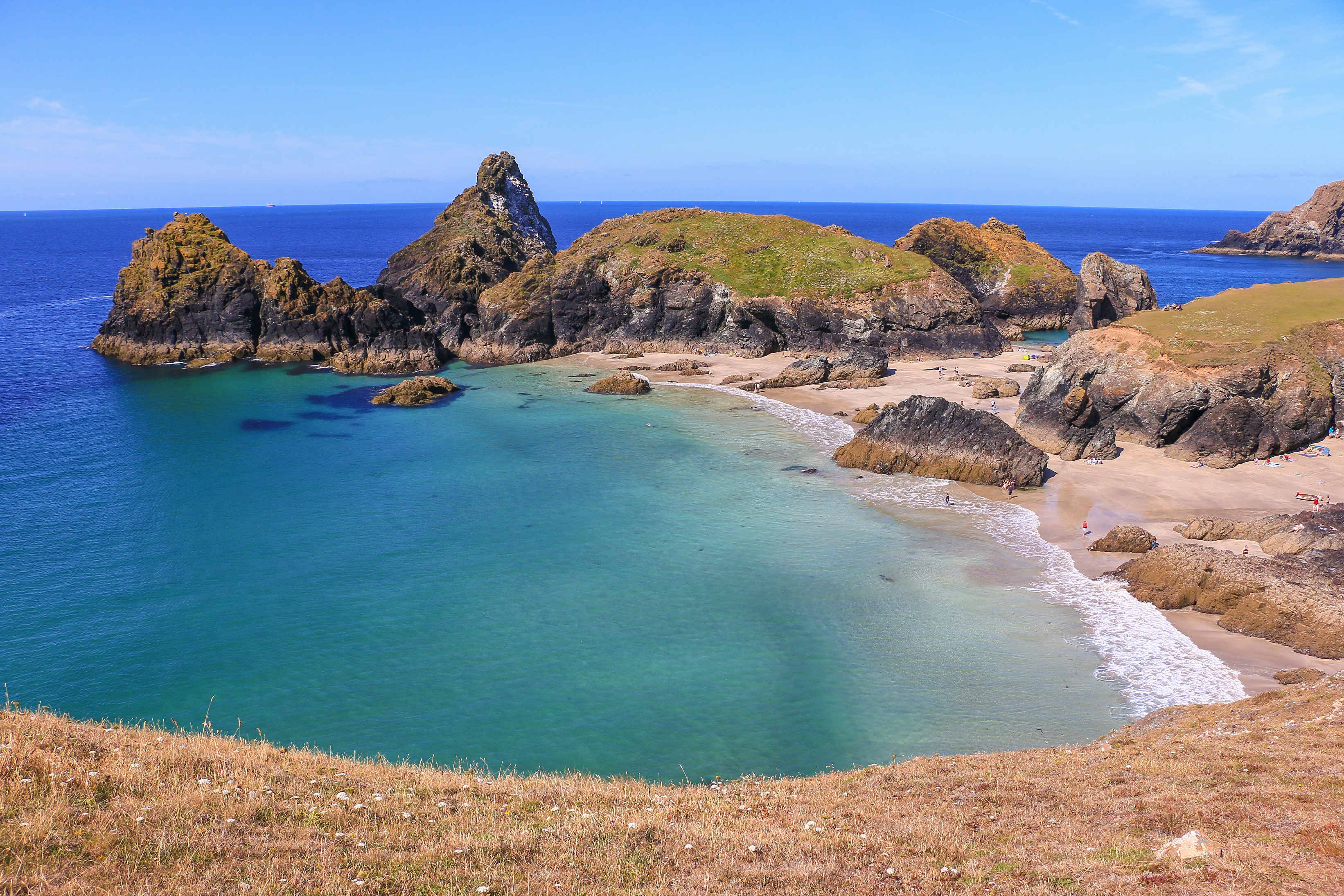
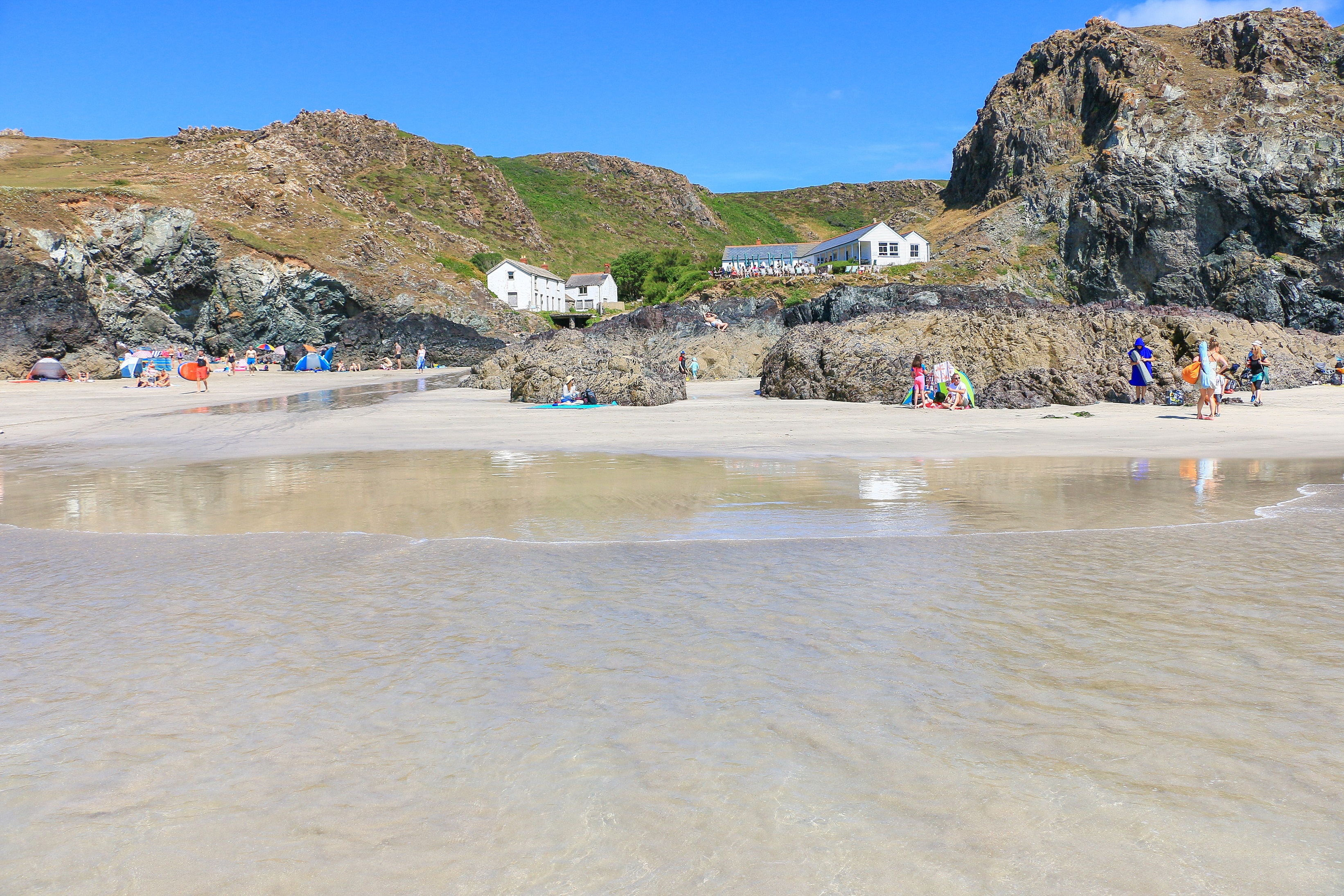
The good news is that despite a warm sunny day in July propelling many vehicles to the National Trust car park, the scale of Kynance Cove is sufficient to maintain a sense of space and serenity. This is especially the case with the tide on its way out, revealing wider stretches of sand, secret nooks and unexpected crannies. In spite of everything anyone can find their own little wonderful spot of paradise.
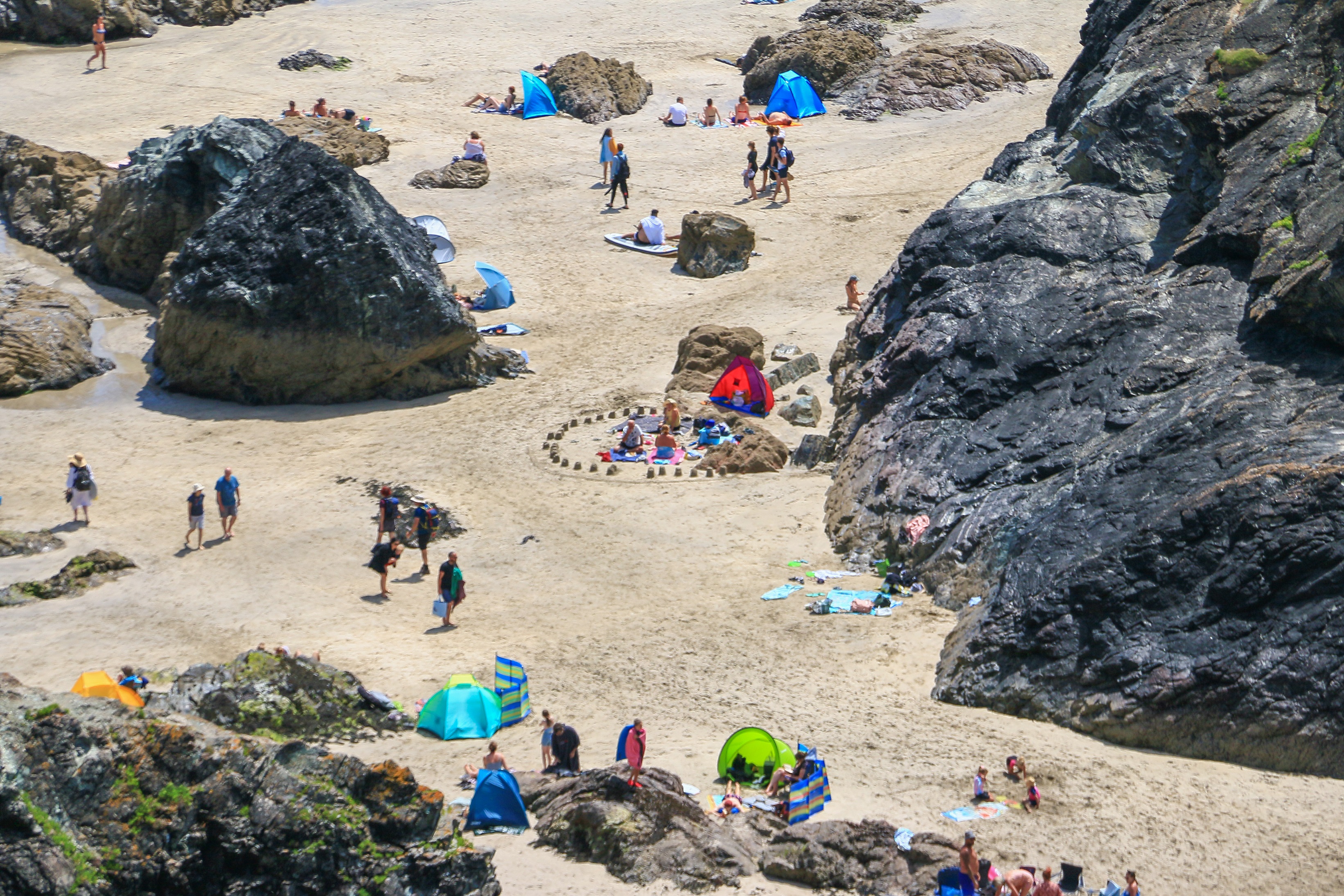
Still, the kids built a fortress of sandcastles on the beach to keep wandering Scousers at bay, encircling our clan from marauding invaders and video influencers. Not that I sat within it for long spells, keen to just potter up and down and in and out and via the NT café for a mediocre coffee and slice of carrot cake.
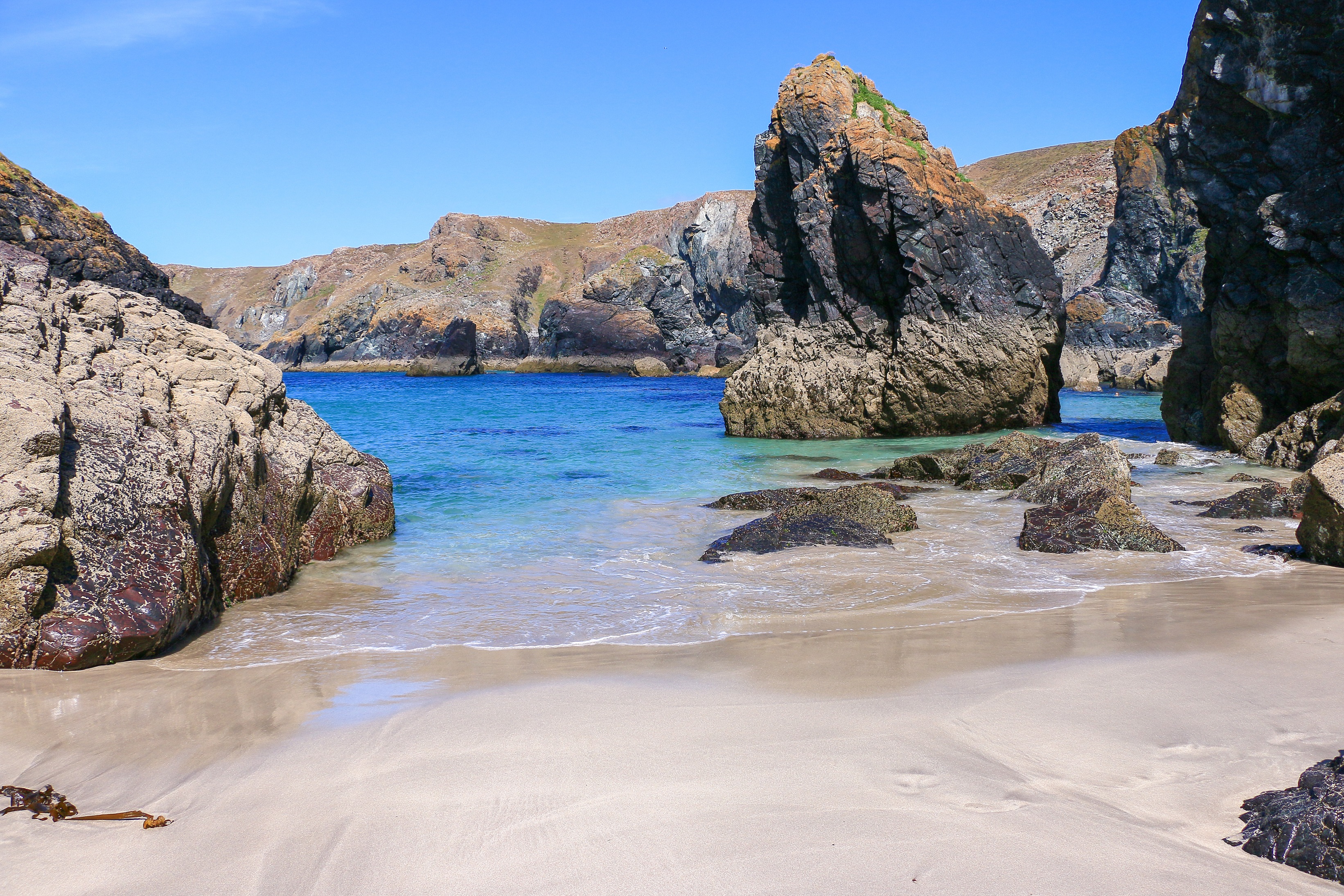
Views from up high once again highlight the drama and spectacle of nature, as huge lumps of rock appear as they have been thrown haphazardly into translucent waters and edged with golden sand. The people who once seemed many and varied at sea level morph into colourful speckles, dots on a more expansive landscape. But, with a bit of zoom, that family fortress is still visible.

As I descended to sea level to join them, still a bit peckish, I was delighted to find I had been gifted half a pasty. Originating from the locally ubiquitous Ann’s Pasties, it must have been a product of Kynance proportions for there remained a substantial lunch in front of me. Gorgeous, and at least it wasn’t too hot.
 gbpilgrim