A coastal landscape

The comeback kings and queens

A coastal view of cliffs and wildflowers

There is jeopardy in revisiting a place of joyous memory. Risk in the raised expectations that many of the same ingredients will result in the same, delectable cake. But a second time around some ingredients are missing and some have additives and there is the chance they won’t combine in quite the same way. Not to mention the unpredictable variable of temperature. Why does it always come back to cake?

Sausage rolls are more the thing in St. Agnes, a stop off point on the migration to The Lizard. Sixteen humans, four cars and a dog, all bound for a holiday park mere miles from the southernmost point of the British mainland. But first, a brief foray on the north coast, for dramatic lines and vibrant hues and curious children. Minecraft takes on a whole old meaning.

An old tin mine overlooking the sea

We are decamped and scattered across fibro structures near Mullion. On site there is the usual mediocre pub food, a playground festering with past scrapes and tears and an outdoor pool that only seems to open between the hours of 12:87 and 3.574 on the first Tuesday after a blood moon. The staff are largely from the disgruntled set of Camborne Comp, moonlighting between here and Aldi and a quick vape after bingo.

This is all to be expected, all priced in, and I cannot fault our bungalow nor the location nor the amusement arcade with its strangely captivating spell of coins and tokens teetering on a precipice. Armed with buckets of bronze several people drift from one machine to another possessed. Convinced it is just a matter of one more tuppenny bit to score that Tweety Pie Tazo.

Being Britain I have no doubt some people will spend their entire holiday in this square mile. To me a shame, but whatever floats your boat. But there are real boats afloat just down the road. And sandy beaches and rugged cliffs and flowery lanes and pastel villages and scones and tea and beautiful birdsong and fluttery butterflies and ice cream.

Two identical cups of coffee from different years

And even good coffee. Coverack a case study in discovering whether things will be just as satisfying the second time around. It feels harsh to relegate Coverack to grey morning filler but I think the benign nothingness of the conditions make the place feel even more appealing. Cottage For Sale signs even more alluring.
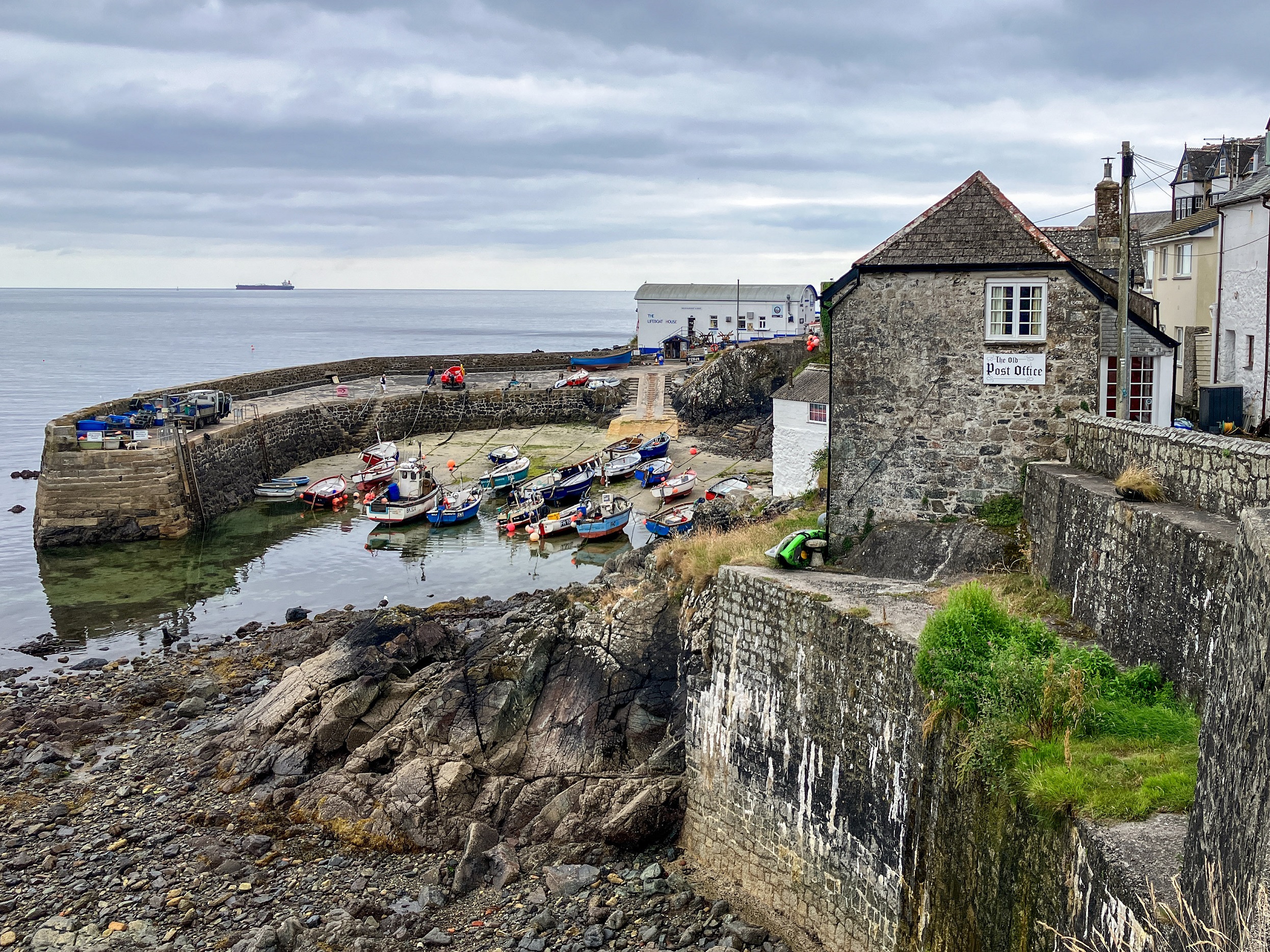
A small old harbour and village

Things were busier at Roskilly’s, where this time around on top of savoury lunch I made sure to take in the staple produce of ice cream. I made sure Avery made sure of this as well by ordering one of those ludicrous sundaes that comes in a ridiculous glass and is peppered with delicious garnish.

Now, I’ll sound like a right jerk here but I have to say Cornish ice cream has underwhelmed a bit ever since I became addicted to Gelato Messina. Which is a shame when you consider the natural, rain-soaked bounty of this westernmost county. It’s the Jersey cows that make all the difference, rain-soaked or not.

Rain soaking was proving pleasingly elusive as parts of Britain crept towards something like their twentieth alleged ‘heatwave’ of the summer. And the wall-to-wall sunshine was blazing just overhead… the layer of low cloud obstinately stuck to the granite mounds and precipices of The Lizard. A situation ripe for conjuring up that legendary Cornish mizzle.

Looking through a rusted ring at a misty harbour

At first the conditions were an acceptable background to evoke scenes that a used car salesman would describe as atmospheric. The historic quay wedged into Mullion Cove eerily calm, the flat silvery seas vanishing into an unknown horizon. Film noir moods satisfying for as long as it takes to get to the underwhelming chocolate factory up the road.

It’ll burn off soon, is the oft-thought line which is looking increasingly ludicrous, especially back up on the wild heights of the holiday park over lunch. But there are some scouts out and about on the WhatsApp family chat and there is a picture with blue sky on it. We pile on down to Poldhu, where the sun is tantalising just offshore. An hour later, I’m in shorts eating another so-so ice cream and some people are up to their neck in ocean.

A sandy bay and blue water, with lots of white cow parsley on the cliffs

Despite a very slow start, the sun lingers long into the midsummer sky. There is time for a rest and an infuriating wait for dinner, somewhere, anywhere, that will still serve you anything, please. The sun is well and truly up in Mexico by time a burrito bowl lands in front of me. In Cornwall it is now sinking faster than a taco and cold cerveza. Indigestion is just around the corner, as is the boomingly popular Kynance Cove.

At around 9:30pm it is relatively serene. Well of course there’s someone waving some ropes and smoking pot in a tribute to the sun gods, but there’s still enough room for everyone to space out on rocky outcrops. With a quiet car park and cast in lingering light, it is phenomenally beautiful to experience, even if the sun sinks beyond the land.

Golden sun setting over cliffs

Fast forward twelve hours to a stunning mizzle-free Thursday in early July and the fluoro-vested National Trust parking assistants are out in full force. Roger, head to Annabelle in a north-north westerly bearing and turn 270 degrees to line up next to the brambles with a clearance of 425 millimetres to starboard sir. Are you a member? Jolly good.

To be fair, if there is a need for National Trust parking attendants (I suspect the job is actually advertised as ‘Access & Experience Facilitator’) it is here. You can only imagine the carnage and open warfare in their absence. Like the emmets of local infamy, a procession of all sorts march downward from their cars, laden with striped bags, snorkels, blankets and buckets and spades. It is one endless conga line of flip flops, but the epic landscape consumes them fairly well. The tide is – thank the moon gods – out.

Clear sapphire waters and white sands

Sunny scenes at Kynance Cove

What follows is a wonderful couple of hours delving into sandy inlets and timidly inching feet into fresh waters while many others frolic unencumbered in the deep sea. For relaxation there is a trip to the café and a laze on a raised ribbon of sand. But relaxation can only be fleeting, niggled away by the inevitable turning of the tide.

You start to notice the changes slowly – a submerged rock here, disappearing seaweed there – but all the while you are wondering when it is best to leave. Once that small pool starts to link up again with the ocean, ankle deep. Others linger and incredulously a line of tourist ants continue to rock hop down to the shrinking bay. Destined to become as congested as the Northern Line at eight in the morning.

You may well think Insta-friendly Caribbean waters and Marbella vibes are as good as it gets but, for me, peak Lizard satisfaction was a more understated affair. It was a simple walk down a lane to Housel Bay in late afternoon sun. A Cornish summer’s day in which life was burgeoning and bountiful, much of it packed into the high hedgerows leading down to a placid, inviting sea. Timeless – and like the time before – producing a longing to linger longer. To happily comeback again.

More cliffs and water and a dragonfly on the hedges
Food & Drink Great Britain Green Bogey Photography Walking

The size of scones

Do you ever get asked to recount the favourite part of your holiday? Or to share the best thing about <insert multifaceted, dynamic, diverse country you have just visited>? Usually it’s a question posed upon returning home when people want to take an interest but not too much interest. And it’s a struggle to answer.

As an indecisive Libran who treasures so many little things and rarely chooses favourites unless they come from Cadbury, I find it an infuriating question. Just one thing? However, in true contrarian fashion, this year I may just have settled on something. As memories fade with each day, one that stands out stronger than the rest, when time could happily stand still.

I won’t head there yet because I’m going to resume talking about the weather. A gorgeous morning in Plymouth, clear and calm skies offering the best beach prospect of the entire trip. When Plymouth shines usually the South Hams shine stronger. So there is an even greater feeling of despondency as we drift through sunny villages towards a distinct band of cloud. ‘Typical’ is the exasperated utterance of choice. Why didn’t we go west?!

With glimmers of promise becoming sparser, we decamp at Kingsbridge under an atmosphere of light grey. The mission here is to get a bite to eat, and what a mission when there are nine of us. Still, I was surprised to find quite the high street tucked away from the quay, rising up in a Totnes kind of vein. Not enough bakeries and tea shops but I’d already done some noteworthy coffee and cake down by the bus stop.

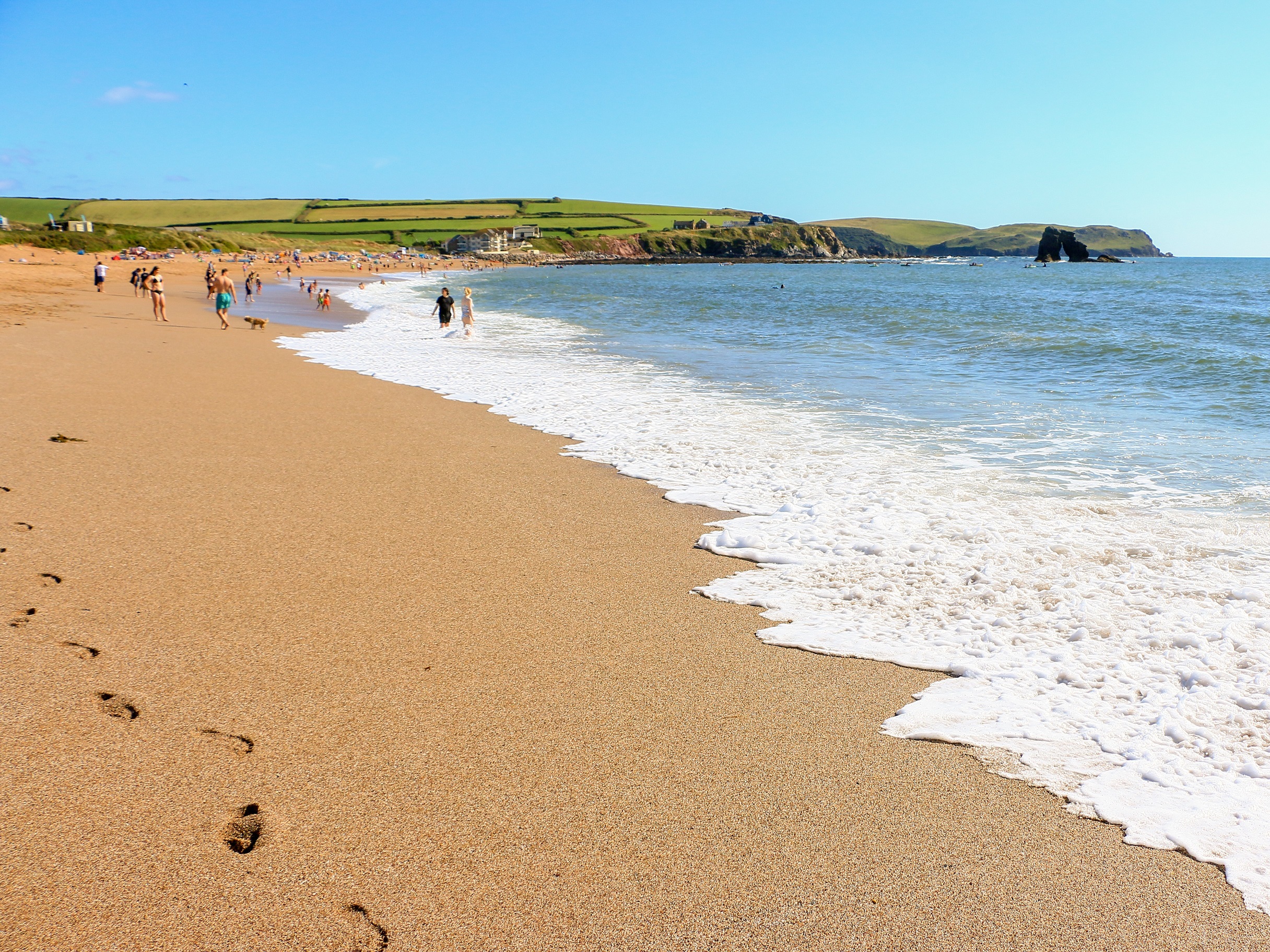
The cloud was lingering as we arrived at Thurlestone, a site steadily establishing itself as the South Devon go-to beach of choice, mainly because of reasonable parking and accessibility which was made all the stronger by bringing a footstool for that one last big step down to the sand. The beach here is essentially one end of South Milton and while that area involves regimented National Trust-controlled fleecing and pop up Instabars, this quieter side has more of a traditional bury your kids in a hole after they have mild hypothermia from the water kind of vibe.

Certainly my tippy toe experience ascertained hypothermia would take a matter of minutes. But at least in one direction there was hope on the horizon with acres of overhead blue progressively creeping closer. Finally bright spells transform to basking weather, when the outside temperature is marginally warmer than the sea.

A beach and the ocean

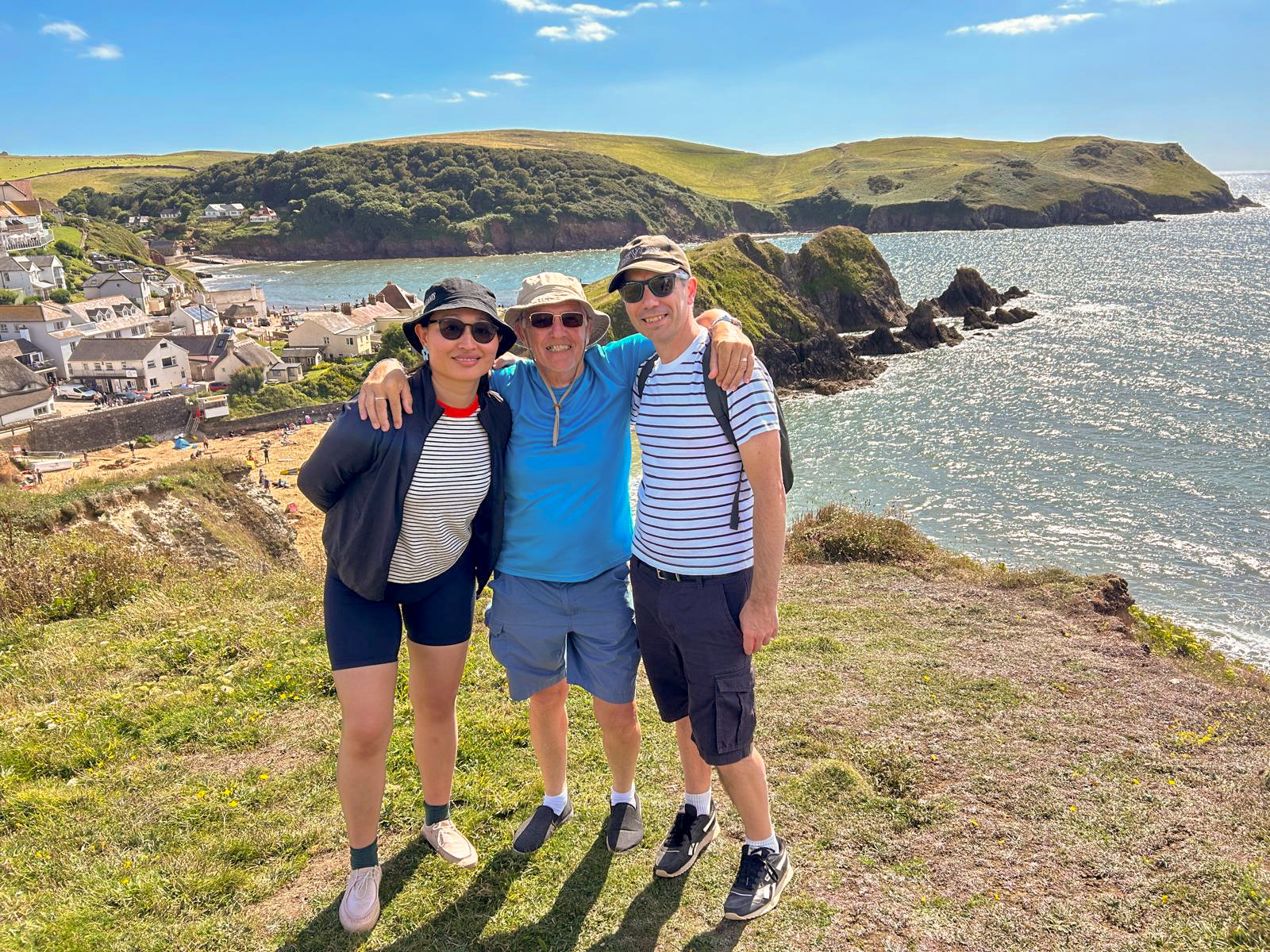
Hope was also on the other horizon, or just over a headland. This meant navigating an increasingly naked stretch of South Milton, admiring some highland cows and other bovines. A couple of undulations later and we overlook Hope Cove, bustling and bursting, a long way from my first acquaintance with the place a couple of decades ago on a cool and cloudy late winter’s day.

A cow standing in some water

There are a few memories from Hope Cove, the most enduring being on that first occasion, retreating to an empty pub and becoming acquainted with the joys of a perfectly baked treacle tart paired with local clotted cream. It’s something that hasn’t been replicated or improved on since. Today, the pub is busy and treacle tart is absent from the menu. I make do with a dollop of Salcombe Dairy from the general store. There will be sweeter, creamier days ahead.

Three people standing on some cliffs overlooking a village

And so that brings us to Trago Mills, undoubtedly not the highlight of the trip but a necessary forerunner. A space to wait out some time as the day warms up, the sunshine bringing extra sweetness to massive trays of strawberries for a pound. I once remember a friendly debate with an Australian when I lauded the superiority of English berries. And while I concede the blueberries and raspberries are broadly on a par, I challenge anyone in Australia to come up with a strawberry as succulent as that of an English summer. My partner, Avery, says she will never eat an Australian one again. We both can’t handle the disappointment.
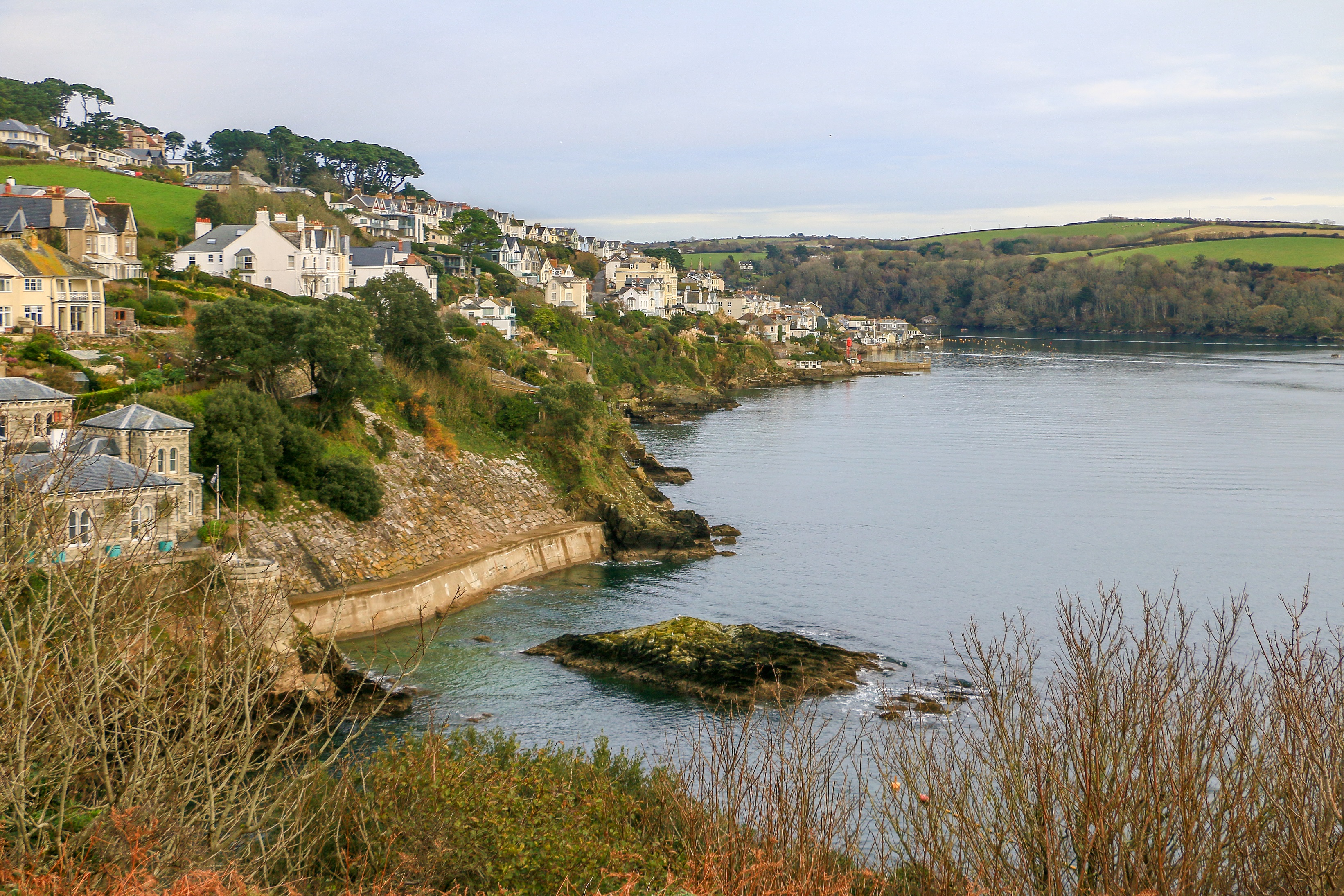
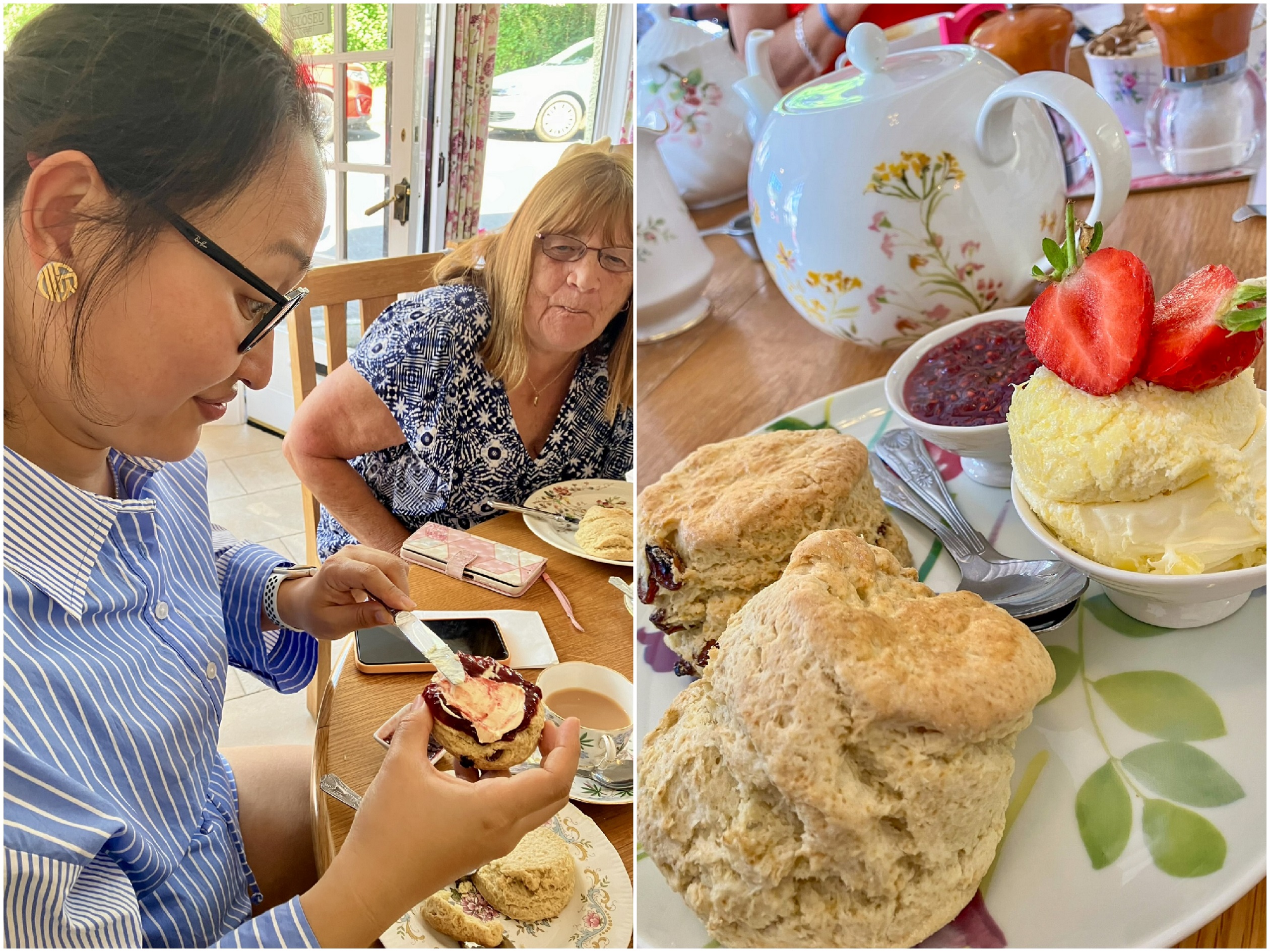
What goes with strawberries I hear you say? Cream. Cream also goes with treacle tart and brownie and ice cream and plum pudding and meringue and anything really. Scones of course are the natural partner, a marriage made often in Devon. There is always a risk that the second time round will not live up to the first, but I doth my cap to Lustleigh. And forever will pay it homage.

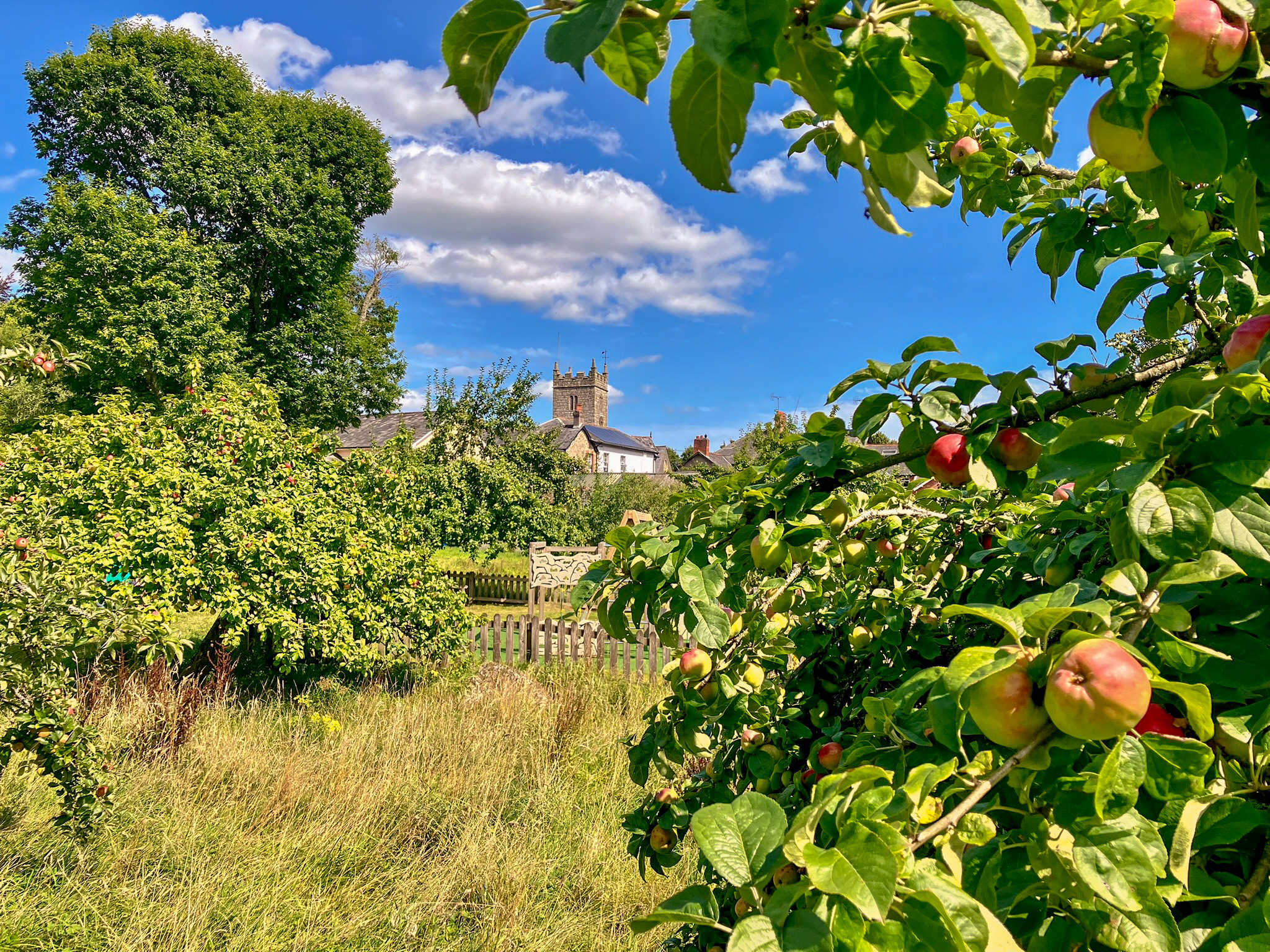
Scenes from a village with a church, tearooms and thatched cottage

Scones and cream and cream and scones

This is an occasion that lingers, but in a way which sets up a perfect moment in time, a perfect holiday memory. Sated in warm sunshine, meandering along the brook in the village orchard. Through clumps of apples, the swings and benches and thatched roofs and church spire cluster around a tearoom. Avery and I wander, attracted by the vivid blue and green demoiselle zipping above the water. Spread out, family are equally soaking in their own little thing, their own quiet corner of contentment. Time feels like it stands still here and you very much wish you could stand still with it. But we have to move on, there are questions to face.

Food & Drink Great Britain Green Bogey Walking

Lizard bites

The it’s too hot brigade have been out in force lately. The worrying thing is they are probably right. More worryingly, I have caught myself occasionally joining them. This, along with an increasing tolerance of British coffee and quietly muttered acceptance of noisy people in the quiet carriage, suggests I am getting more comfortable on these shores. Apart from when it is too hot of course.

The heat would be more agreeable if Britain boasted fine sandy bays and crystal clear coves, a setting for languid summer holidays and Mediterranean vibes. Perhaps with some tapas, gelato and meze thrown in. Let me introduce you, then, to The Lizard.

Down in far west Cornwall, The Lizard is an area where the southernmost chunk of mainland Britain tapers into the ocean. With water on both sides there is a veritable array of beaches and bays, harbours and headlands to choose from. And it is on its western shore, facing the Atlantic as it feeds into Mounts Bay, where some of the finest sights and sands can be found.

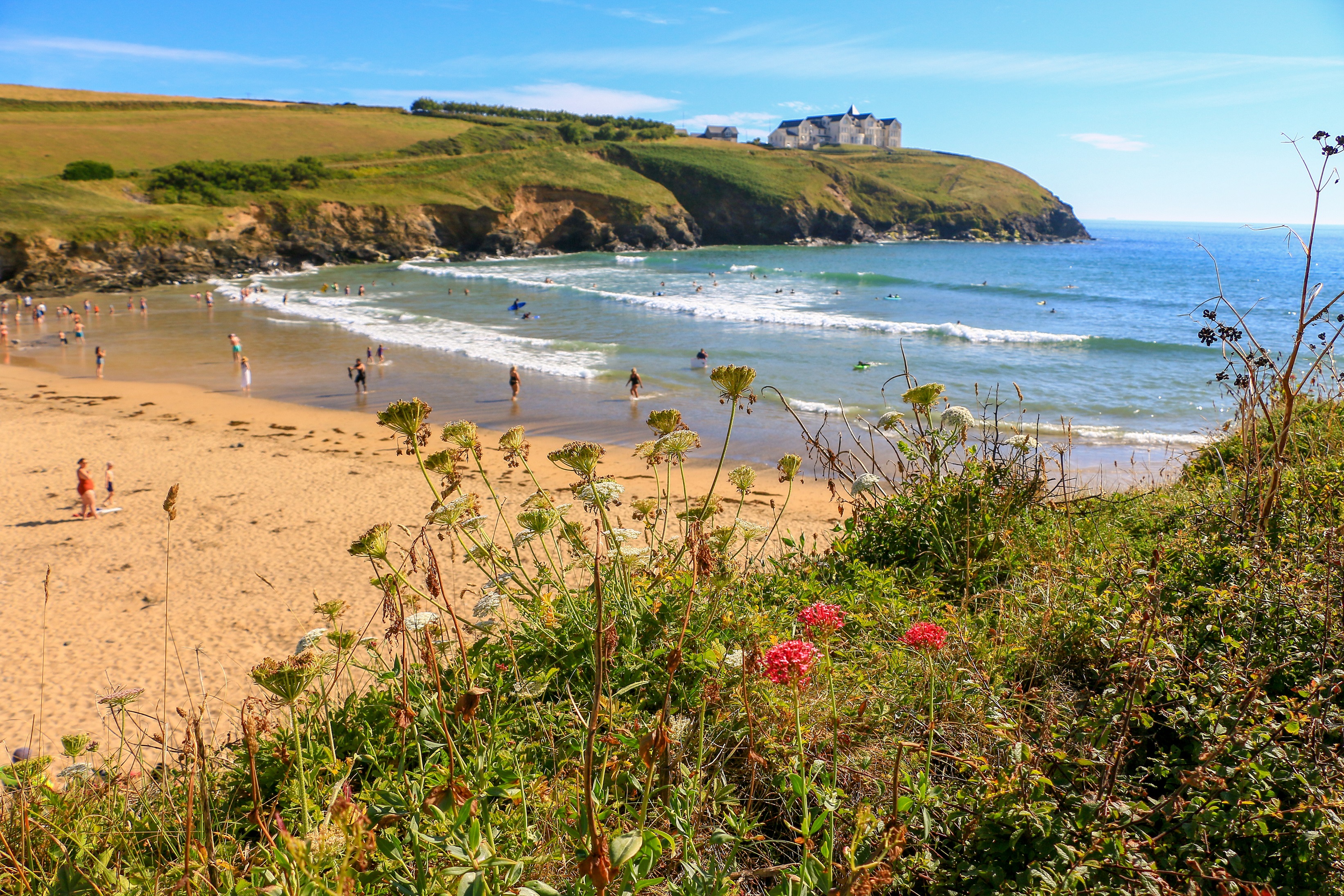
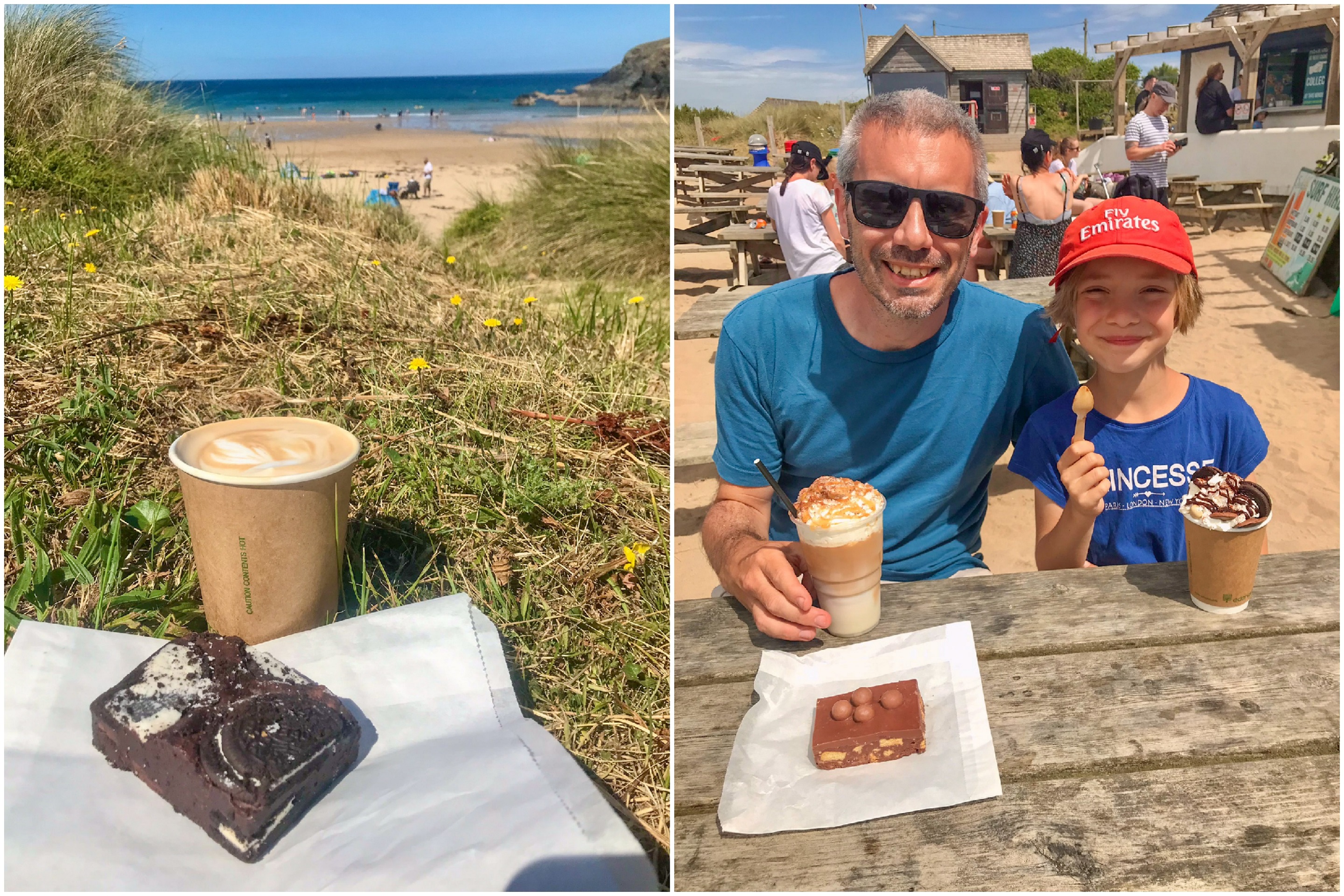
The very first morning of a week-long family holiday provides some pinch yourself moments at Poldhu Cove. I must confess, like so many other annoying tourists, it was Instagram that thrust Poldhu into my consciousness. What entranced me were the golden sands, blue waters and white swirls of cream decorated with all sorts of gooeyness atop a hot chocolate. The excellent Poldhu Beach Café has a slight Aussie vibe perched upon the sand, delivering decent coffee, brownies and down to earth chit-chat. It felt very much peak dream home.

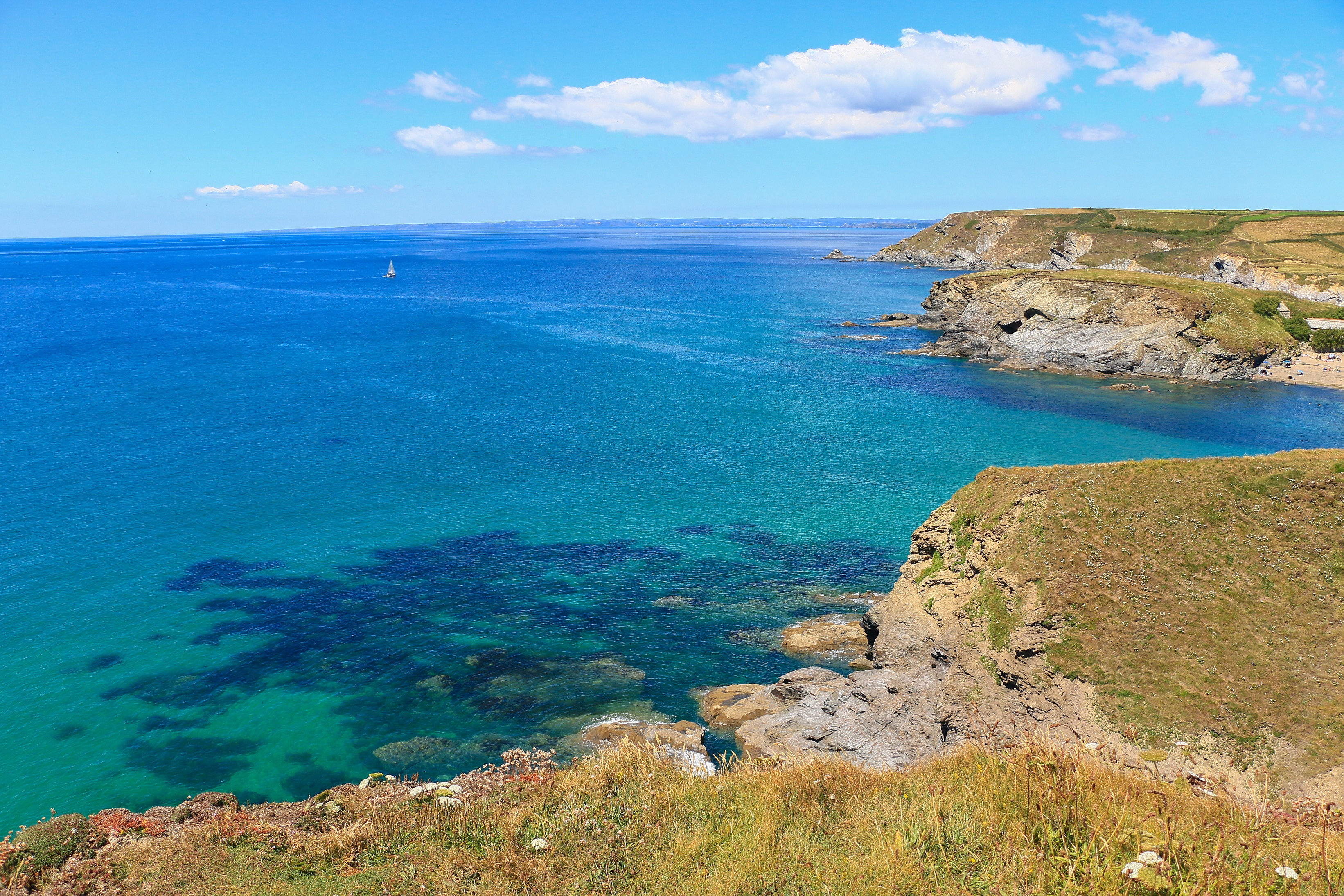
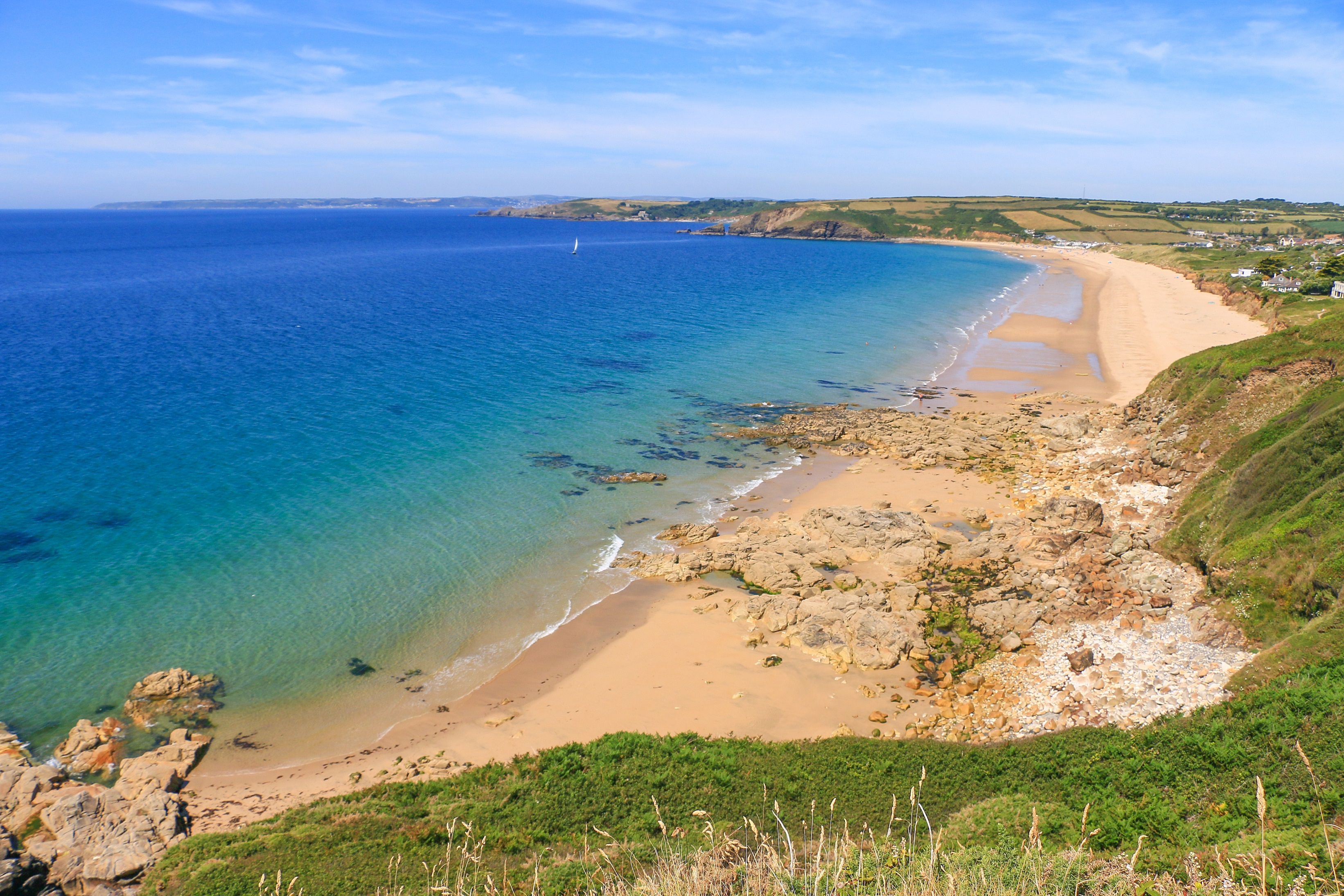
Either side of the cove the outlook becomes even more idyllic as the transparency of the water shines, magnifying the outline of rocky reefs and diffusing the shadows of colourful paddle boards upon the seabed. On shore, the cliffs rise, coated in a swathe of still-green grass and wildflowers flourishing under the sun. The coastline tracks toward the horizon on either side, encasing a welcoming expanse of Cornish perfection. It felt very much peak dream home.

Beyond the northern headland to Poldhu, the next bay along – Church Cove – has a more old school air. Grittier sands, seaweed, emboldened National Trust parking attendants. The presence of the old church wedged between rock and sea oozes tradition and heritage. Lichen-infused gravestones suggest at whole generations of fisherfolk and farmers of centuries past, whose ancestors probably still plough their fields and rent their shepherd’s huts today. The surrounding greens of Mullion Golf Club nestle perfectly, as if they have sat in this landscape forever.

Also fitting in, The National Trust run a small kiosk at Church Cove. Naturally. A pleasant enough mini-menu of Bakewell slices, cheese and onion crisps and ham salad sandwiches. But when you know what is just around the next corner, a short up and down across coast path heaven, then why linger. Especially when you have a partner in crime.


I found myself eating alone overlooking Praa Sands but still wasn’t complaining. While some rosy-hued patrons were already on the booze Magaloof style, I contented myself with coffee and a rocky road. Not Poldhu quality but you could have anything here on a day like today and still feel you had won the lottery. Eat in the view, drink up the ambience.

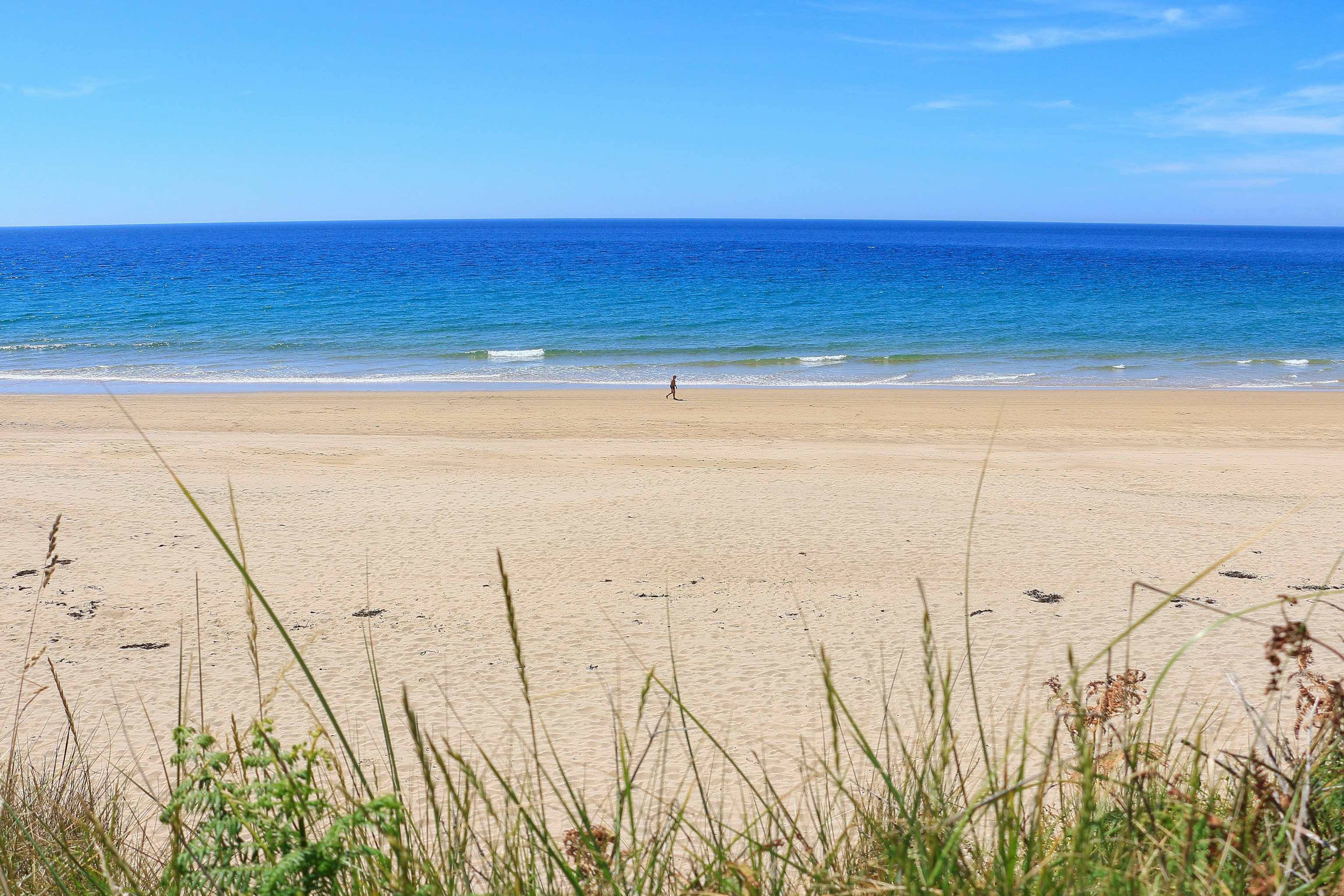
Praa Sands is a long golden bay, increasingly marvellous as the tide rolls out. Forget the Med, think Australia. Near the car parks, caravan parks, shops and cafes it could be a bit of a Bondi on Boxing Day. But the farther you move away, the closer you come to a NSW south coast style stretch of empty beach.

It’s quite a trek from west to east, but with sand between toes and tepid clear waters lapping at them, the footsteps pass with ease. Eventually Praa Sands can go no further, coming against Rinsey Head, over which the South West Coast Path once more meanders. The scenery becomes a more classic Cornwall, capped off by the archetypal abandoned tin mine. Wheal Prosper. We certainly will.

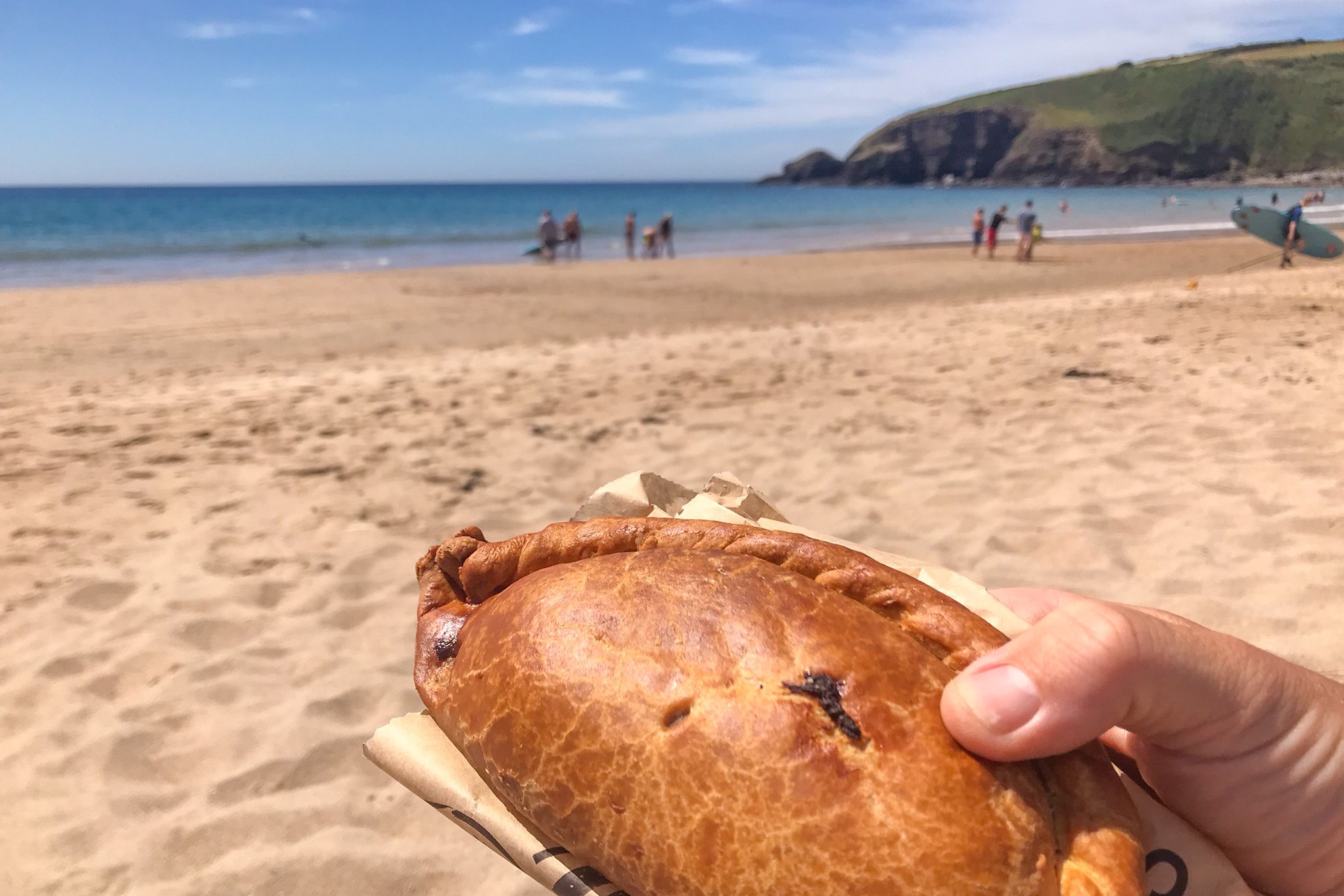
And confirming that, despite best efforts, this is not really the Med or Australia, how about a pasty back on the beach? Proving this is 100% pure Kernow.


Like pasties, I doubt you would find a bag of pork scratchings on a tapas menu, salty fatty fodder to accompany a pint of St. Austell Tribute. Still, I can easily envisage pints and pork products down on the Costa del Sol. Gammons eating bacon with tea and Estrella.

We were snacking in a pub garden in Mullion, a prelude to ending the day down in Mullion Cove. The small cobbled harbour here almost seems an impossibility. Wedged into the towering coastline, it feels like a tiny fissure in an almighty, unyielding wall. Sanctuary from violent winter storms might only be cursory, sparing. Yet here the harbour still stands, and to stand here is to feel on the very precipice.

Somehow there is a way up from the nook of the harbour, via another goat track section of the coast path. It’s open country, ideal for rabbits and birds of prey eating rabbits and walkers just casually wandering and falling down an unseen ravine. Compared to those fine sandy beaches elsewhere the ocean in front is a less inviting prospect, though arguably more beguiling. A swirling canvas captivating and luring smugglers and pirates and hardy fisherman’s friends of yesteryear.

Illuminating it all, the reddening sun drifts towards a watery horizon, setting closer to ten o’clock in this incredible summer. Glazing the sea and the land and the sky. And kissing our faces a shade of gammon.


And so, the final Lizard bite (part I) culminates in the perfect encapsulation of everything that has gone before: Kynance Cove, with bonus half a pasty.

In recent years, Kynance has become prey to a combination of Poldark Disease and Instagramitis, developing mythical, bucket-list status. All too frequently I am presented with short video clips set to jaunty music showing half-naked people frolicking in crystal waters, often with the caption “CAN YOU BELIEVE THIS IS ENGLAND!!!!!!”. As tedious as these become after constant repetition, they have a point. Kynance is an undoubted jewel in a very lavish crown.

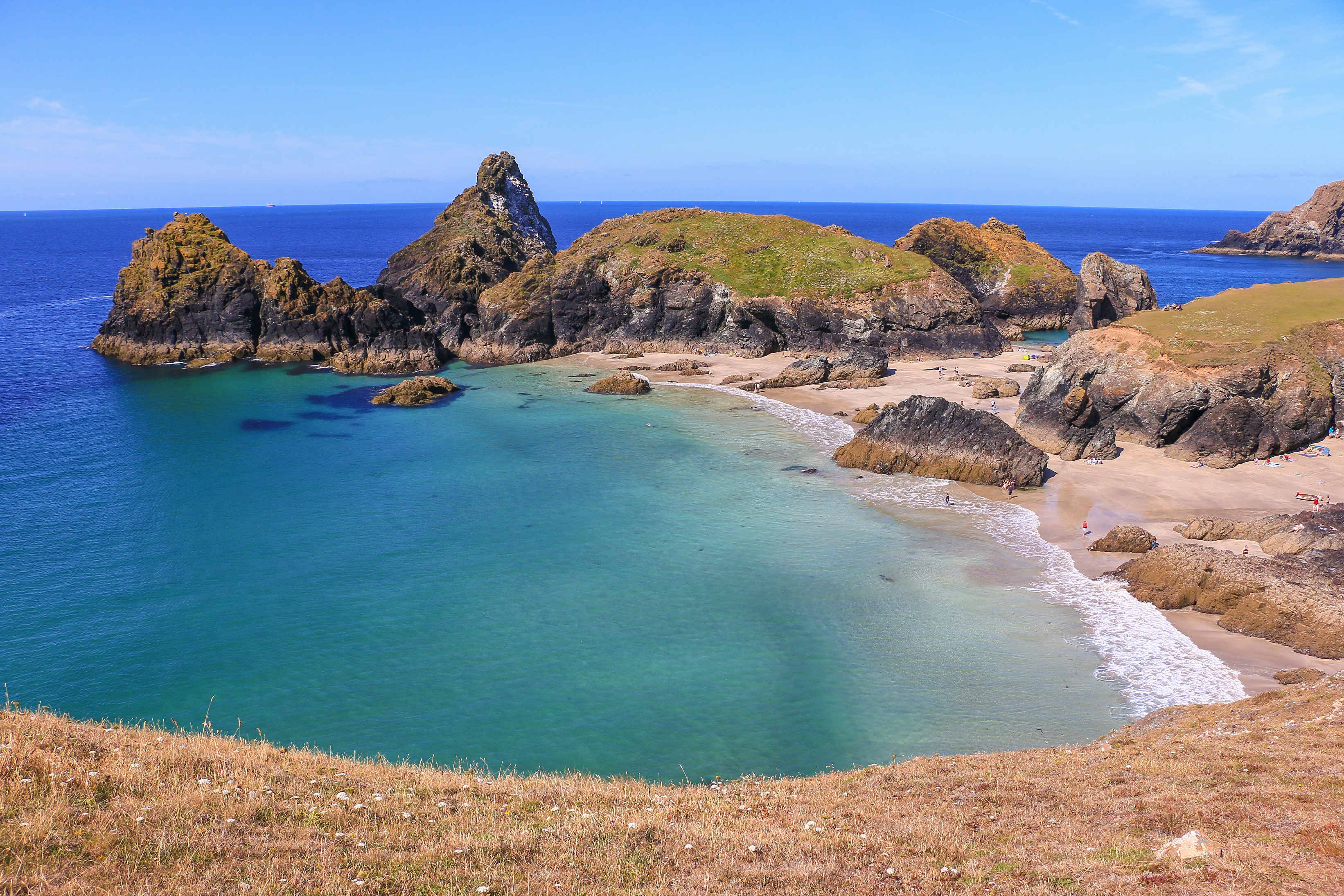
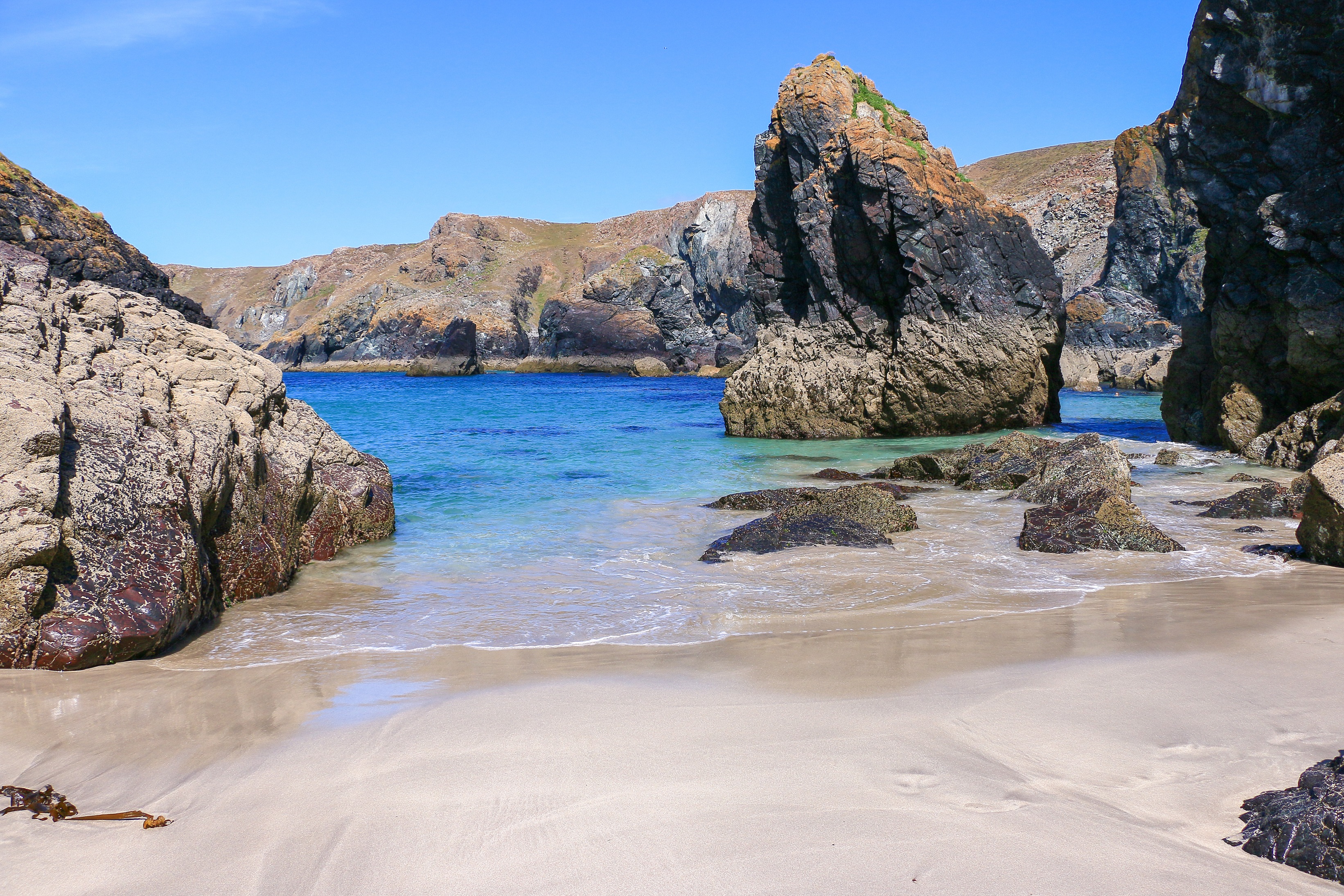
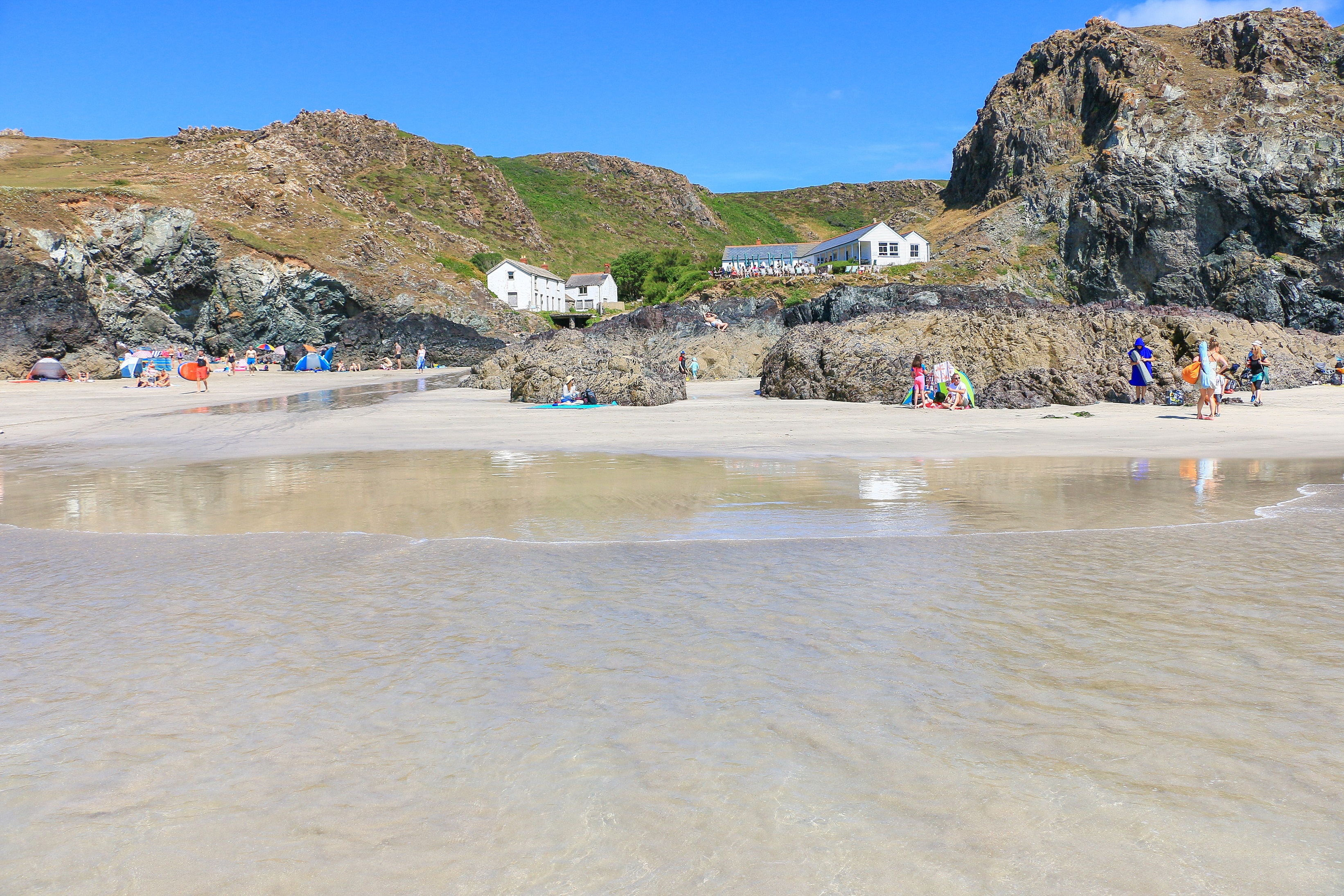
The good news is that despite a warm sunny day in July propelling many vehicles to the National Trust car park, the scale of Kynance Cove is sufficient to maintain a sense of space and serenity. This is especially the case with the tide on its way out, revealing wider stretches of sand, secret nooks and unexpected crannies. In spite of everything anyone can find their own little wonderful spot of paradise.

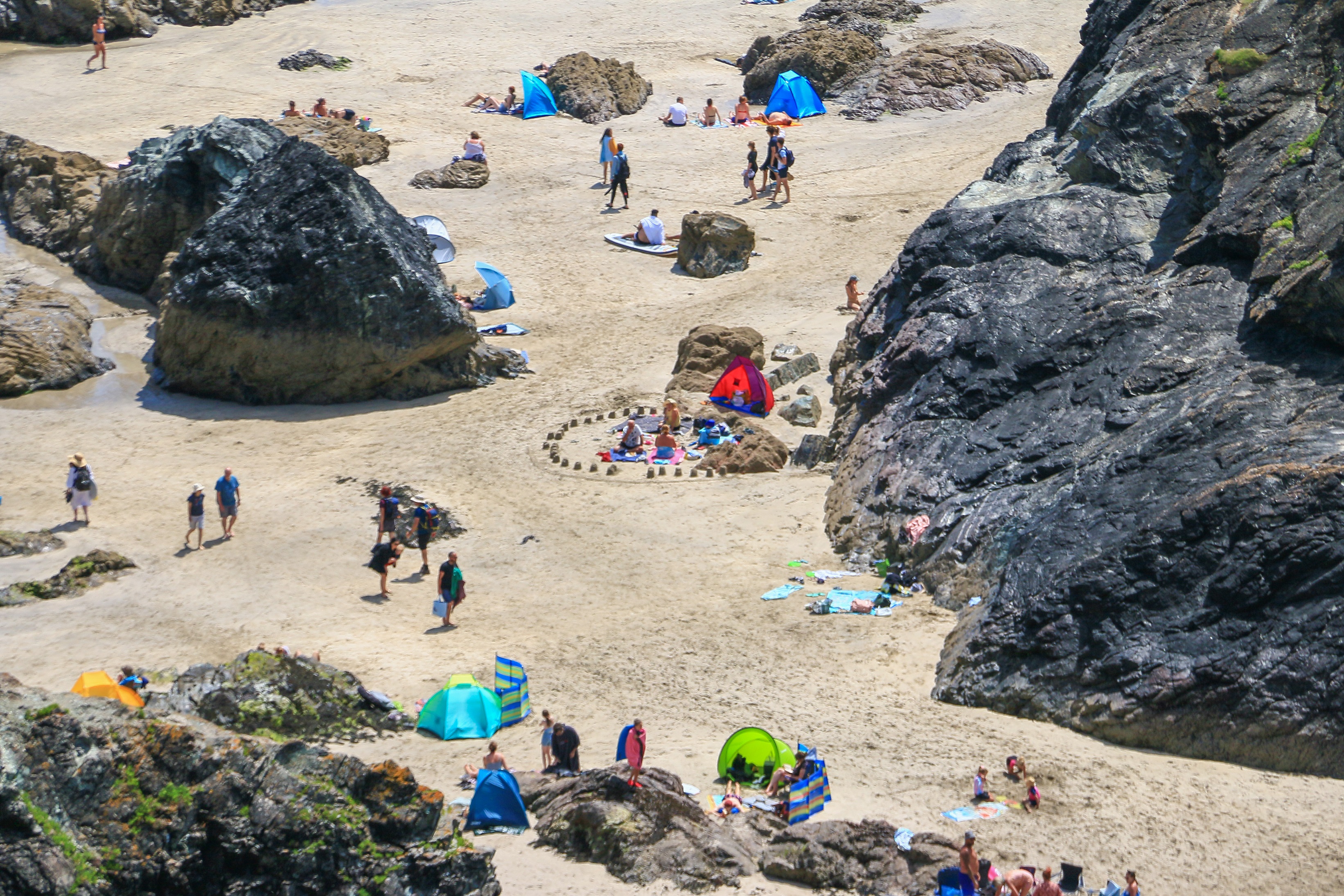
Still, the kids built a fortress of sandcastles on the beach to keep wandering Scousers at bay, encircling our clan from marauding invaders and video influencers. Not that I sat within it for long spells, keen to just potter up and down and in and out and via the NT café for a mediocre coffee and slice of carrot cake.

Views from up high once again highlight the drama and spectacle of nature, as huge lumps of rock appear as they have been thrown haphazardly into translucent waters and edged with golden sand. The people who once seemed many and varied at sea level morph into colourful speckles, dots on a more expansive landscape. But, with a bit of zoom, that family fortress is still visible.

As I descended to sea level to join them, still a bit peckish, I was delighted to find I had been gifted half a pasty. Originating from the locally ubiquitous Ann’s Pasties, it must have been a product of Kynance proportions for there remained a substantial lunch in front of me. Gorgeous, and at least it wasn’t too hot.

Food & Drink Great Britain Green Bogey Photography

Down on the south coast

Apparently, the Cornish pasty has been a feature of the British diet since the 14th century. Originally the preserve of rich inbred gentry it wasn’t until the 18th century that the pasty became a nourishing treat for the masses. Today, go to any coastal town or village in Cornwall and the pervasiveness of pasties for the people persists.

In some spots the choice can appear bewildering. This includes the chainstorisation of Britain making its presence felt at heavily branded outlets offering crafted goods from industrial Solihull. But at the other end of the scale, it’s possible you may stumble across bona fide nooks hidden down narrow passageways, replete with evocative odours and large steel trays of steaming hot goodness fresh from the oven.

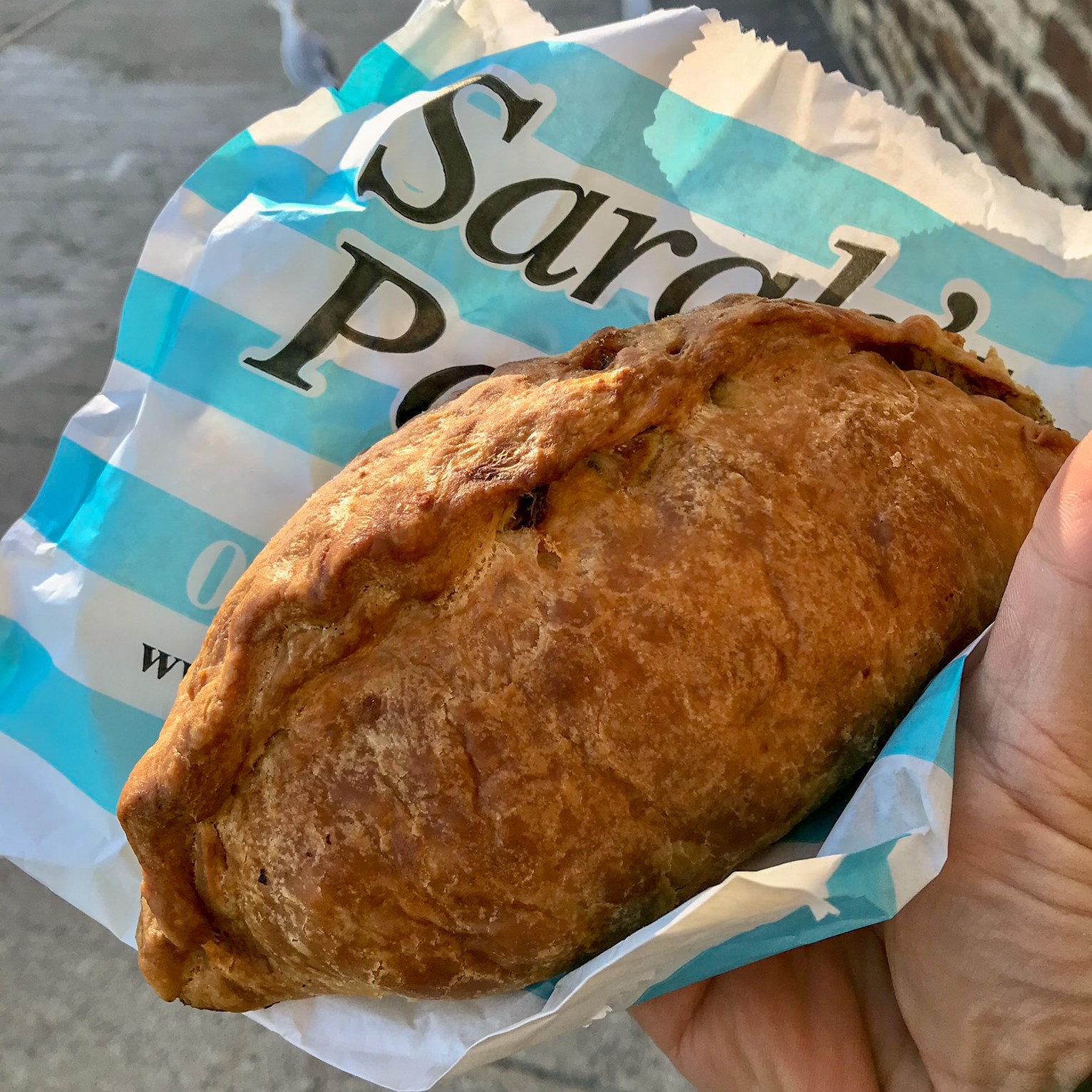
Looe has such a place (along with the odd chain) and it’s become a site of regular pilgrimage, competing with a cream tea in the what-will-Neil-eat-first adventure. Today – a Monday at the end of November – Looe is unusually becalmed. Indeed, many shops and eateries are closed. But thankfully Sarah’s is trading and offering a few remaining pasties as the day nears half one. Despite tending towards lukewarm, a two and a half year gap in this experience generates immense delight with that first bite.

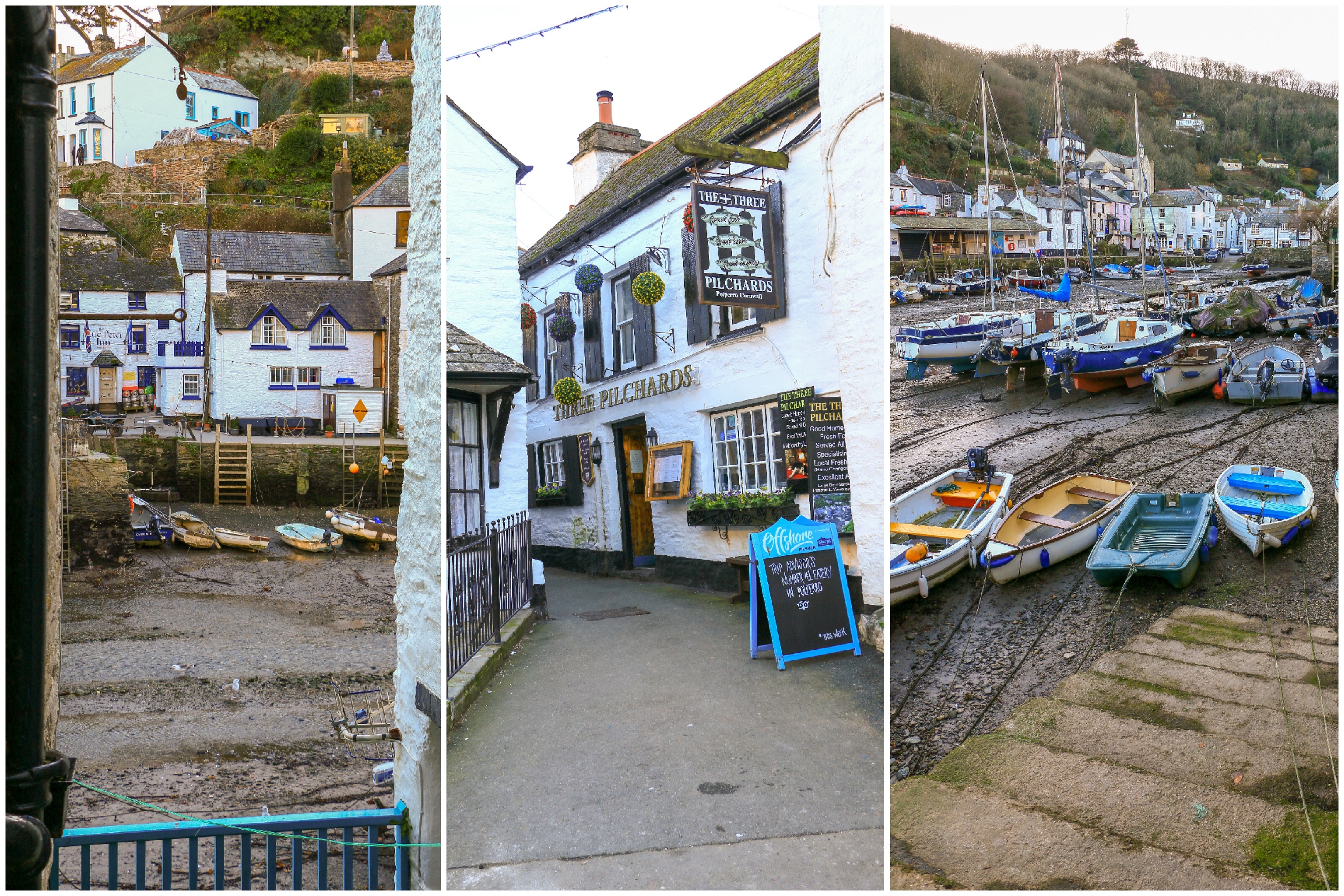
Eating beside the seafront, the tide is low. Apart from the beach, this doesn’t exactly provide the most favourable impression of Looe. The river estuary empties to leave a patchwork of boats tilting high and dry. Salty seaweed spreads across oozing mud, offering a pungency almost as bad as the aroma of entrails swept from the fish market. And of course, everywhere, seagulls lurk desperate for winter pasties few and far between.

So, after a pause to collect further delicacies at Roly’s Fudge, Mum and I hot foot it out of town and head on to Polperro. This is – on paper – a more charming prospect though one you’d do well to steer clear of in the height of summer. That’s why I thought we could give it a shot today.

Indeed Polperro was quiet. Deathly quiet. Barely anything was open but this didn’t deter two very Polperro occurrences. First, we have the sight of a delivery van somehow trying to squeeze through a gap between whitewashed cottages as locals roll their eyes knowingly at one another. And secondly, there remains the rip-off parking on a cold grey day in November when jack all is open.

I expected non-summertime parking rates but forgot this was Polperro where the emphasis appears to be on doing everything possible to deter day trippers. As one of a handful, I felt a touch conspicuous trawling the streets with my camera and decided it was a good day to warm my head with a Plymouth Argyle beanie and thus parade – admittedly Devonian – credentials.

In low sun, the beanie was a handy addition as half of the village sat in perennial shade. While a series of cute cottages on the east side of the harbour beamed in fine, holiday-let whitewash, others faded into the dark and damp recesses of an impending winter. Striding out to the headland I could see Mum sat on a bench on the quay in the last receding corner of sun. And with a brief hello to the South West Coast Path, I set off back down through the shade to join her.

By now we were both thinking afternoon treat, or at least a coffee beside the tidal mud. But of course, nothing suitable was open. Being here in November was to prove both a blessing and a curse; cherishing the lack of bother and stress associated with thousands of tourists, taking advantage of quicker than usual drives and – sometimes – free parking, yet being more at mercy to the weather and missing out on some of the usual local treats and delicacies (I never did end up having an ice cream for instance).

A similar picture played out a little further along the south coast on a different jaunt to Fowey. At picturesque Readymoney Cove, where I parked nearby for free, the kiosk supposedly open year round was obviously shut. Yet I was able to drive through the town and park again by the water, a prospect unfathomable in summer. Here at least a few spots were open and a coffee carried through attractive streets to a riverside bench offered contentment.

Lunch was a different matter, in brief taking in the disavowal of cold pasties in Fowey, a fruitless search for something in Lostwithiel and dismissal of a covidy café at a hoity toity garden centre (seriously, why not let us sit outside?). As a result, lunchtime had been and gone and options were running out. The last real opportunity was to return to Looe.

If you’ve actually been reading any of this babble you would know a pasty was a possibility here. But I was concerned at what would be left on the tray and how warm it might be. And the clock was clearly ticking over towards afternoon cream tea territory. So, we took a punt off the main drag, up a small hill. A short deviation that I’m sure will be repeated again. Daisy’s Café added to the what-will-Neil-eat-first adventure list. Making Looe the place where a wicked dilemma can finally be resolved: is it possible to have a pasty and cream tea on the same day? Roll on 2022!

Food & Drink Great Britain Green Bogey

Oeuf to France

The annual plume of unseasonal warm air making its way up towards the British Isles from North Africa (aka fake summer) coincided with a trip to France. In some ways it was a shame to miss out on such glorious weather in Britain over Easter – how I would miss the opportunity to pop to Tesco in my shorts to battle for the last bag of charcoal and three packs of sausages for a fiver. Or negotiate the single track roads to Cornish coves whose hillsides are coated in cars charged eight quid for the privilege. But France would be nice.

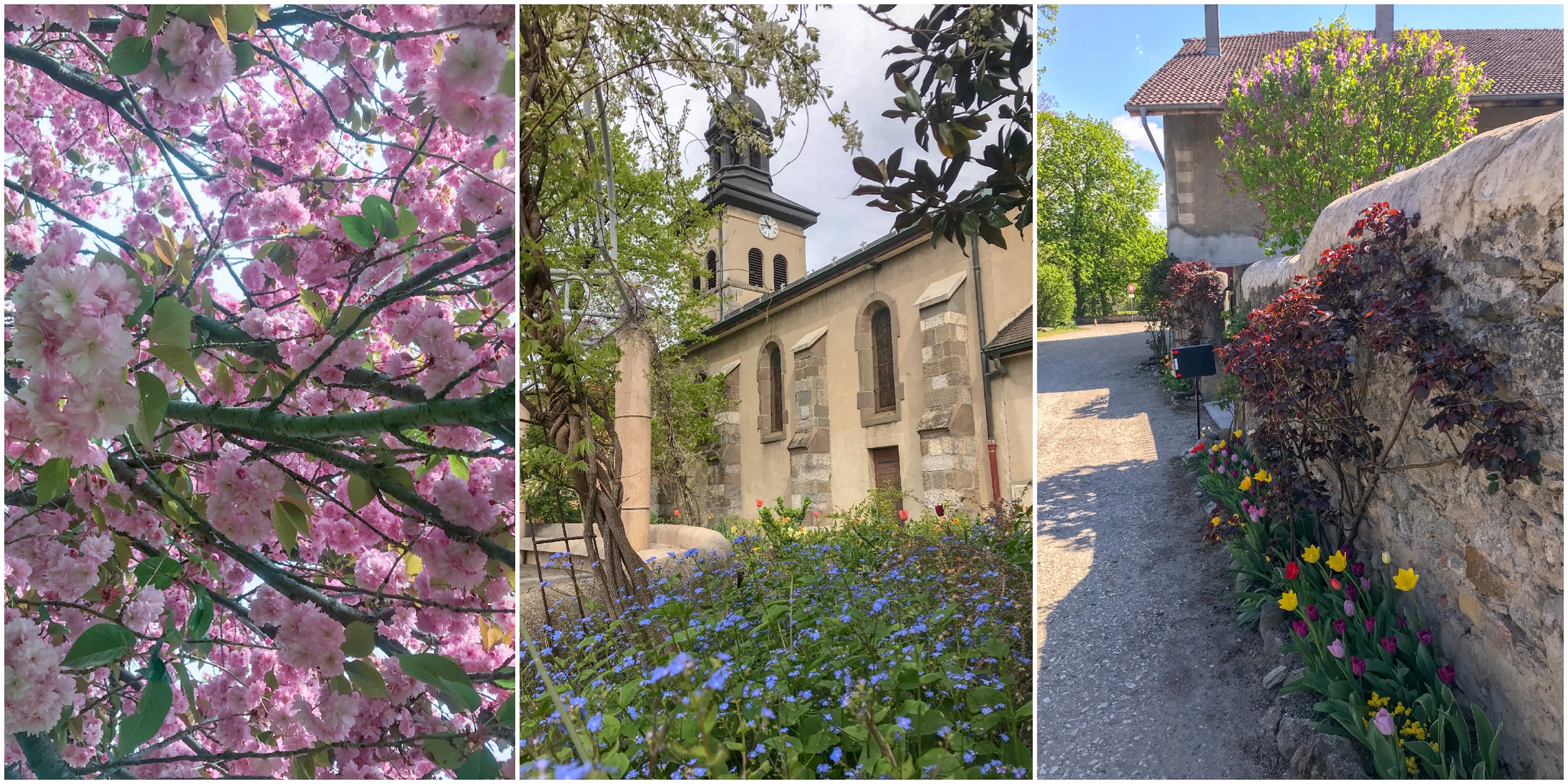
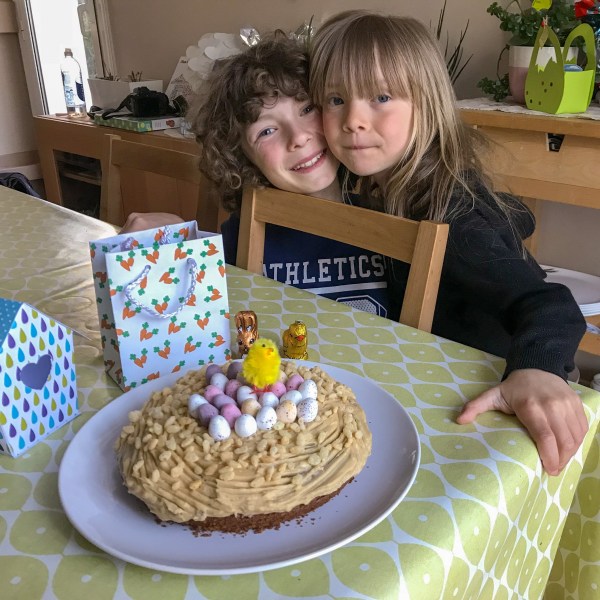
fr02Indeed, the weather didn’t bring too much to grumble about and my shorts proved a justified inclusion on the continent. There were countryside ambles and meanders through parks, Easter egg hunts in the garden and trips to the market. All the usual trappings of life on the French-Swiss border in Ville-la-Grand, snow coating distant peaks while spring was springing all around.

fr01

Out of town, a morning amble around Lac du Mole took us slightly closer to the snow. Yet here the sights of ducklings and the sounds of randy toads were ample testament to the fact that things were hotting up.

fr04

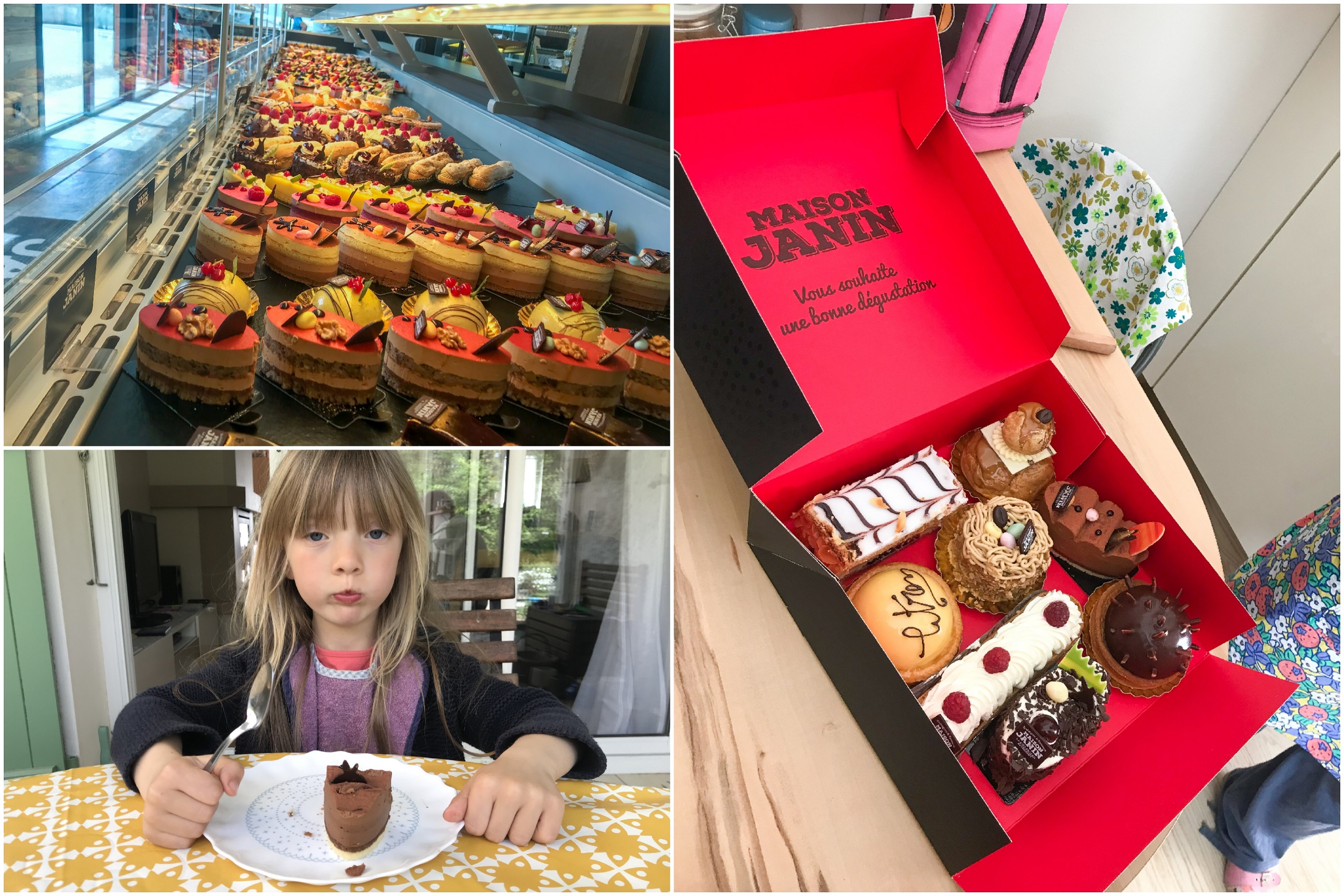
It was good to be out, within flirting distance of the mountains, the sight of which always entice you to explore more. However, the primary rationale for this particular outing wasn’t really to survey mountain tops and randy toads. It was – of course – the proximity of the lake to a patisserie; a roadside stop that could be a Little Chef or a Costa Coffee in the UK, but here was brim with fondant artistry and crème extravagance. As opposed to despondent mediocrity and frothy incompetence.

fr05

While there was gateau and – naturally – cheese aplenty, this was also a trip featuring roast dinners, toads in holes and homemade lasagne; a franglais stew to cater for cross-cultural cravings. I find ice cream works in any language, whether this is whipped in Walsall or churned in Chernobyl. Both places where you’d hope not to find yourself buying ice cream to be honest.

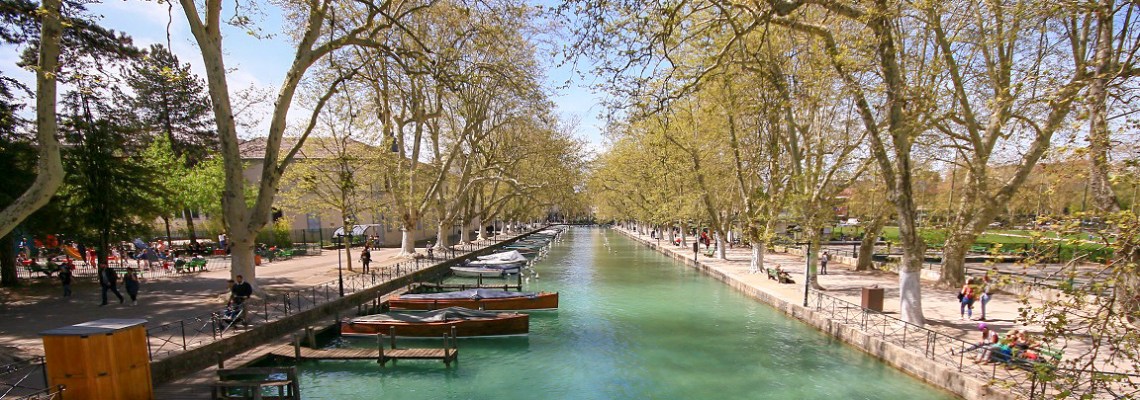
fr06Annecy, on the other hand, is a gem of a place to take in an ice cream or do whatever you should please. From the hive of construction that is Annemasse station, a pleasing hour long train ride delivered my nephew Guillaume and I to what has been described as the Venice of the Alps, largely on the count of a canal infiltrating a few of the streets and – possibly – gondoliers wailing about their need for Walls Cornettos.

fr07

Passing through France almost every town or village you come upon proclaims itself as a Ville Fleurie, going on to illustrate this with an intricate arrangement featuring a cast iron cow and a cluster of geraniums in the middle of a roundabout. Annecy would live up to Ville Fleurie and then some, at least in its medieval centre chock full of flower boxes and civic blooms. The suburbs could well be as grimy as Walsall for all I know, but in the midst of town, much is done to attract and charm.

fr10a

fr09The waterways and the flowers and the daytrippers milling about eating ice cream largely find their way towards the jewel in the crown that is Lac d’Annecy and its quite dazzling surrounds. Clear, glacial water hosts an array of boats, encircled by forests, villages and rapidly elevating peaks. It’s a popular spot to row or cruise or be a hoon on a jetski. Or even pedalo for half an hour in a large figure eight. Everybody loves a tourist.

fr08

fr10bThe frequent sight of tourists eating ice cream impels one to wander the streets like a tourist to seek out an ice cream. Heavily topped cornets increase in frequency back near one of the canals, and a large queue meanders from the serving hatch of Glacier des Alpes. Patience may be rewarded with sublime ice cream but neither Guillaume nor I had much patience and opted for a perfectly satisfactory version nearby. Safe from the clutches of any devious gondoliers.

——————————————

Leaving Annecy, storm clouds were gathering over the mountains and the very fine weather would break the following day to deliver a period of wind and rain. Preparation for my return to England – and the frequently damp northwest of England to boot. Unlike in the northwest of England, the weather front passed here and left a glorious late afternoon and evening, ripe for a walk across to Switzerland.

fr11

A recurring spectacle across my trip this year – both in France and the UK – was the sight of rapeseed flowering in the fields. A swathe of lurid yellow regularly interrupting the tranquil patchwork of green, unable to be contained within its boundaries and peppering nearby hedges and springing from cracks in the concrete. Insatiable and seemingly inevitable around every corner, in places stretching as far as the eye can see. Only the mountains appear to stop it.

fr12

fr13And so, the last evening in France turned out as sunny as the unseasonably warm sun that was soon to fade away in Great Britain; to be replaced by a storm so irritating it was awarded a name (Hannah), heralding a permanent return to long trousers. One last slice of gateau would compensate for the impending doom, and cap off a very fine Easter; my first in the northern hemisphere since 2006. So, fake summer or real, it was undoubtedly one that will go down in history.

Europe Food & Drink Green Bogey Photography Walking

A tribute

With an opportunity to escape the bumbling mediocrity of an Australian election campaign, I touched down at London’s Heathrow Airport nearing five in the evening on the 11 April. The skies blue, the airport efficient, the tube harmonious. Becalmed the very day before the second Brexit non-deadline. As if there was a collective sigh that it has all gone away for a bit. Which to me raises an obvious question, but the advice you get in the street, down the boozer, around the dinner table is don’t go there. Even the BBC News was all quiet that night.

Other than systemic meltdown there is a risk to entering the UK in April rather than August. Spring, when one day can be bathed in an Arctic gloom, the next a moist Atlantic drizzle. Not that different from August really. There can, though, be occasional bright spells such as the one greeting my arrival and – with a stroke of luck – freakish warm air masses from southern Europe. The weather doesn’t heed the advice of 17.4 million.

uk1_01

Apart from questioning the sufficiency of warm tops in my suitcase I felt quite excited about the prospect of budding leaves and blossoms and bluebells. Around Highgate Wood in North London, a break in the cloud. A brief sense of warmth penetrating through the radiant green speckles rapidly installed within an otherwise monotone canopy. A feeling decimated a day later in Devon, bleak and bracing beside the River Plym, though perfect aperitif for a Sunday roast.

Peak wintry spring madness came with a trip to Looe in Cornwall. Strong winds funnelling from the ocean, all grey lumps and foam. Sand blasting shops and bins and the faces of those brave or crazy enough to walk the seafront. Even the seagulls, usually so bold and rapacious, had given up the ghost. For them, and for me, a piping hot pasty can be the only comfort here.

The magic of spring is the randomness of its appearance. Suddenly, the winds calm, the clouds part, the air warms. Somehow, it doesn’t quite seem feasible. Yet it is and – often from sheer exuberance – you strip down to a tee shirt despite it just creeping over 10 degrees. Everything is relative to what has gone before and what might come again tomorrow.

Such as shifting from the misery of Looe to the majesty of Lundy Bay, a spot on the North Cornwall coast that can be categorised into Vistas You May Have Seen From The Television Show Doc Martin. Across the Camel from Scenes In A Rick Stein Series. And down the road from Places In Which Poldork Prances.

uk1_02

Ambling down a lush valley from the road to the ocean, a backdrop of birdlife generates gentle melodies under the sun. The aromas of apple blossoms entice bees newly invigorated by the warmth. Dogs and humans pass and greet in that cheery way that can only come about when everyone is equally delighted about being here now. As if they have discovered some little secret, that even Doc Martin can’t defile.

uk1_05Nearby, the sleepy hamlet of Port Quin is celebrating in its sheltered spot, nestled between the hills that ooze out along its harbour to suddenly plunge into the Atlantic. A walk out to a headland marking the entrance to this enclave is a touch more blustery; the reward solitude and drama and vistas that make the heart sing and the heart ache. And ice cream that makes the heart say uh-oh we’re in Cornwall again aren’t we, better brace ourselves.

uk1_04

Next in line along this stretch of coast is Port Isaac, the epicentre of Doc Martin mania. Perhaps mania is too strong a word, such is the inoffensive, unassuming charm evoked by the incredulous tales of Portwenn. Yet there has to be something in it, given the rows of coaches and car parking at capacity. This little town in a remote part of the world has, undoubtedly, attained prominence.

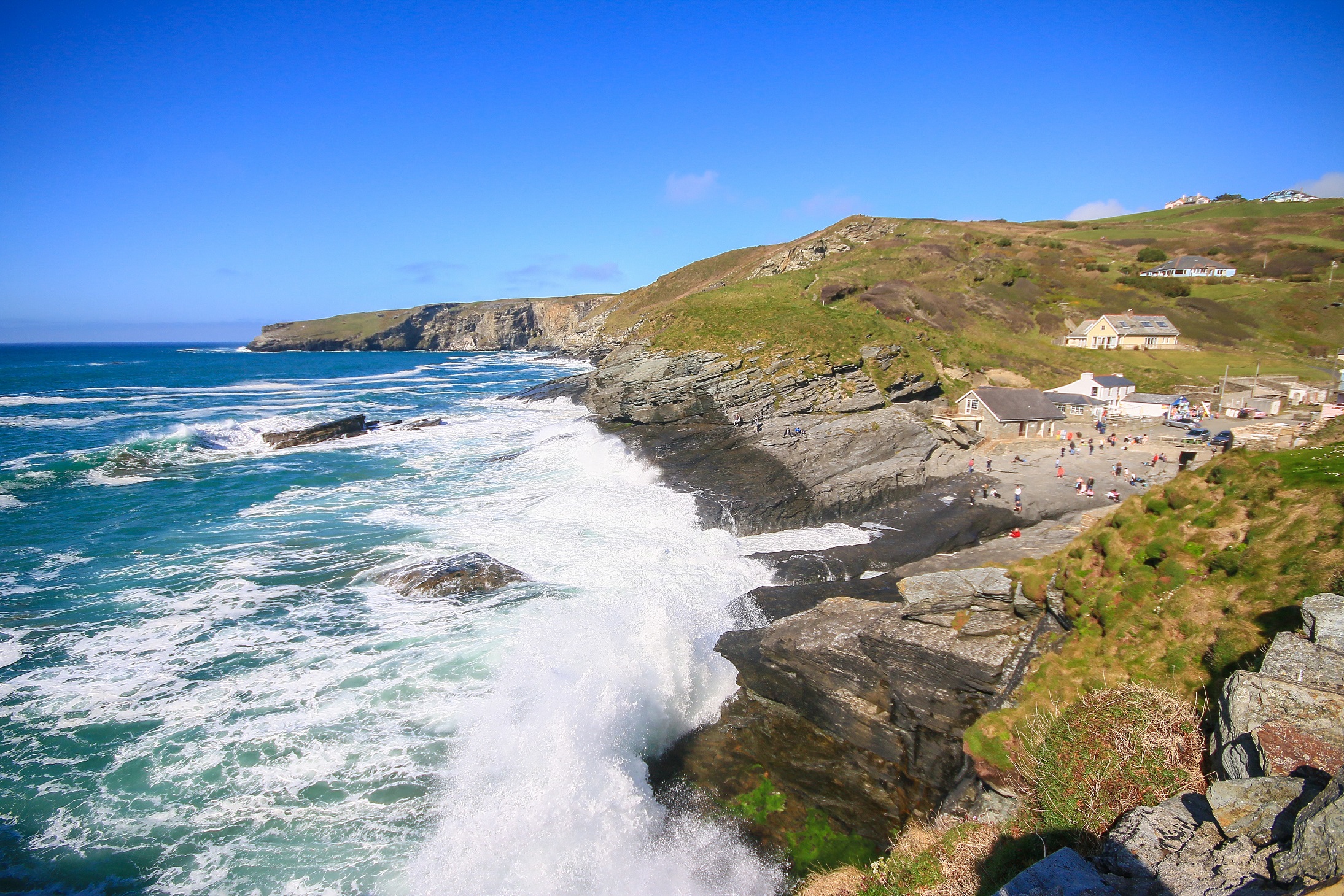
And so, with nowhere to park, the best option was to head onward towards Tintagel. Almost. For just before reaching rows of plastic Excaliburs and ridiculous business decisions to switch to suboptimum fudge, a spontaneous side trip led down to Trebarwith Strand. Not just a wonderful Cornish name but wonderful Cornish waves, exploding from a vibrant blue ocean to crash into wonderful Cornish coves.

uk1_06

uk1_07A little above The Strand, under wonderful, warming sun perched a wonderful pub overlooking the ocean. A pub that served up a local tribute, a tribute to the seas and skies, the clifftops and harbours, the wind and rain and storms and sun. The seasons battering and bathing and cajoling and churning the charisma and spirit into this magical Cornish land. Spring has arrived, and so have I. Cheers.

Food & Drink Great Britain Green Bogey Photography Walking

It’s the final Cornwall

We’re still in November so technically it was only last month that I was finishing up on my latest quest to figure out what the heck is going on in supposedly Great Britain and – as usual – deciding the only way to deal with such complex cognitive conundrums was with a walk in the country and a nice bit of tea and cake. In fact, I’m sure a wedge of Victoria Sponge could prove wonders in finding a way through the impasse of flipstops and backjocks and frictionless pants or whatever else passes for titillating games within the Eton Old Boys Society these days. Just don’t mention ze Pumpernickel.

There’s a kind of car-crash fascination watching from afar as developments in Britain either a) lead to an apocalyptic meltdown in which some Love Island loser eats the bones of leftover pigeons to provide entertainment on the Boris Broadcasting Copulation or b) unicorns glide over abundant fields of plenty showering golden poo onto the NHS. I’m an optimist though…at least in thinking that my occasionally hard-earned Aussie dollar should go a bit further when I next visit.

And when I return will I again find peak brilliance that was my final full day in the southwest of England? One can hope so, as this is a landscape hardy and resistant to change, holding steadfast for now against the Atlantic, even if there are cliff edges around every corner.

final_03

Will the coffee get better? I doubt it. Because, you know, Costa has apparently perfected the flat white so how can you improve upon perfection? Bahahahahahahaha. Seeing masses of everyone gathered within every single Costa (and similar popular coffee-related establishments) provides an indicator of how simple it is for millions of people to be duped. But then if you do not look outward, do not expose yourself to difference, how could you know any better?

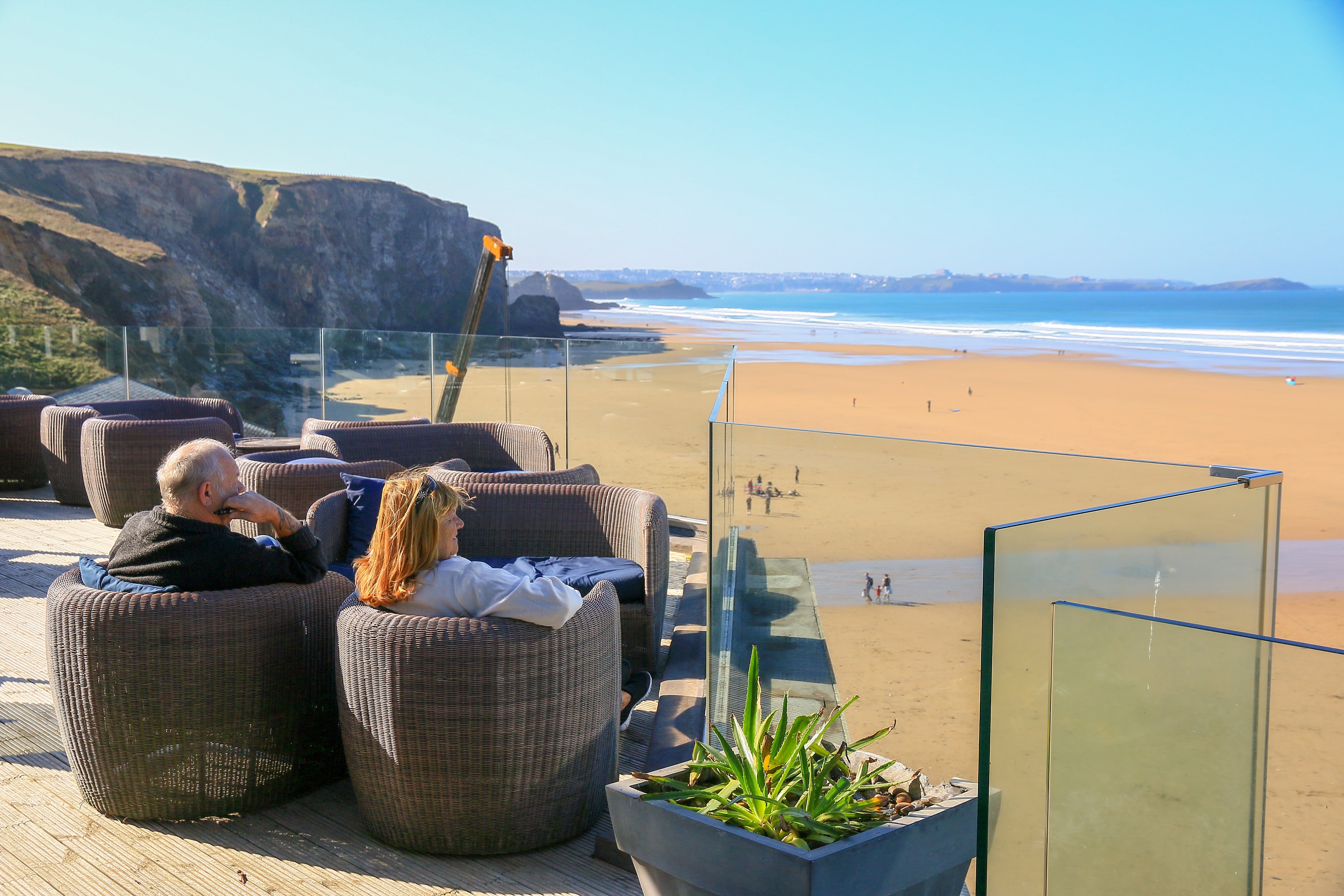
Anyway, back to my last day in Cornwall. There was some looking outward wth coffee over Watergate Bay near Newquay. It was an acceptable enough brew, but the main purpose was to get inside the Watergate Bay Hotel and take advantage of the view from the deck. A panorama of sweeping golden sand and crystal blue surf under a wonderful cloudless sky. Why would I ever leave?

final_01

While life was rather fine here, a little up the coast road comes the view to win them all. You know, I was thinking that this spot has got to be up there with some of the world’s greatest reveals. Like that first glimpse of the Opera House or the initial peer down into the Grand Canyon. Okay, maybe one of Britain’s greatest reveals, but I definitely think it’s not out of place in some Lonely Planet list of things for people to put on Instagram that features a glamorous blonde chick who is supposedly a traveller and social media influencer dangling off a cliff in the foreground.

This place is Bedruthan Steps, best Instagrammed (and yes, I did), when the tide is out.

final_02

With waters receding the scale of this magnificent stretch of coast is more pronounced, as various rocky lumps and creviced cliffs tower over tiny human specks milling about in the acres of sand. And from upon high, an appreciation of the clarity of the sea and the lines formed from each set of waves rolling in. Here, the irresistible force of nature is immense.

final_04

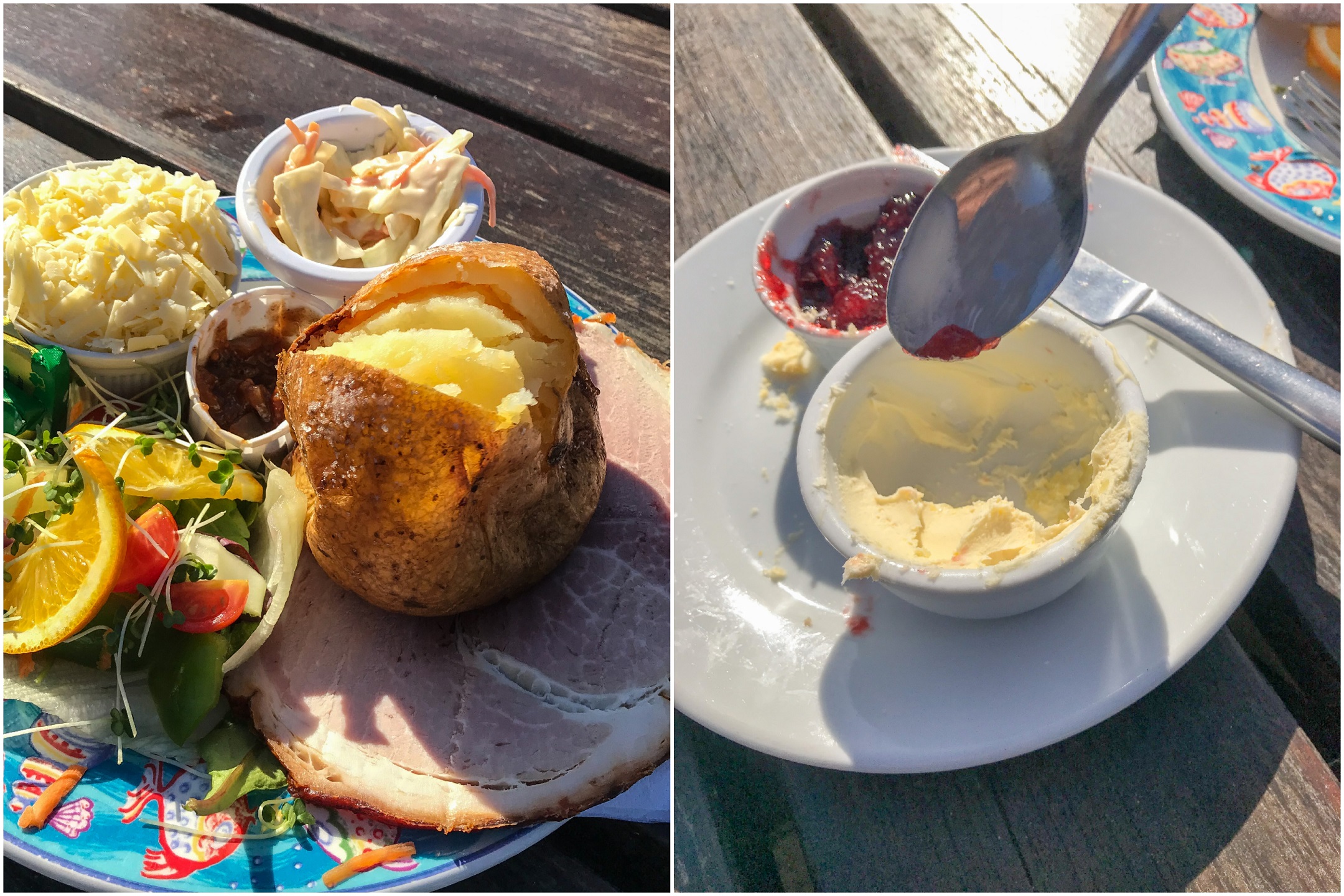
For those human specks there is an ankle-sapping plunge to the beach, should you be so inclined. On this occasion, my feet instead turned tail and ended up at the café, a consequence as inevitable as David Cameron hiding in a shed to eat pork scratchings. Famous baked potatoes in the National Trust cottage are worth the trip alone, vying for attention with the inevitable cream tea. I had been in the UK for around eight weeks now and – to be honest – I had probably had enough clotted cream to last a year. So baked potato it was. Followed by a few leftovers from a cream tea.

final_05

I don’t like food waste. Neither does Rick Stein, I imagine, because I’m sure the innards of a red mullet can prove a rather fine base for a Bouillabaisse. Travelling up the coast from Bedruthan there’s a point at which you enter the forcefield of greater Padstow and its outlying villages and bays. That point is literally Trevose Head. It’s a point I have never been to and today was, well, no exception.

It’s always good to have some untouched Cornwall in reserve for next time, but I did get a little closer to that point with a walk out from Harlyn Bay. This presented yet another expanse of sand laid out against a deep blue sea and rolling green fields, largely empty in the second week of October.

final_06

The coastline here is a little less gargantuan than down the road and the walking is pretty simple going, barring a strong headwind from the ocean. It doesn’t take too long to round a headland at the western end of the bay and sight Trevose Head and the Padstow lifeboat station nestled in one of its nooks. The lifeboat station is another common sight on social media, possibly with a blonde chick staring out into the distance as clear waters and golden sands glow in the background. Today it remained a sight from afar, but I was happy to gaze over the beautiful Mother Ivey’s Bay as a culmination for the day.

final_07

Indeed, a culmination for Cornwall and for the Southwest of England again. It took a while to get there but every step, every sight, every word, and every cream tea was worth it. Visions will linger from this last day and the many moments that led up to this point. Simple visions of sun and sand, sea and land, and undying fondness for a jutting out bit of a rocky island askance in a confused ocean.

Food & Drink Great Britain Green Bogey Photography Walking

The only way

What and where is Wessex? It’s a question I recall asking a member of the Wessex Youth Orchestra as we all happened to be squished together in a tiny funicular railway in the watery French town of Evian about a year ago. As you do. Anything for small talk. He mumbled something about being from Eastleigh and not really having a clue or caring about it. A romantic setting for Thomas Hardy I proposed? Or some distant kingdom of peasant clans waving their flint axes from atop their hill forts in an effort to appease invaders? He shrugged with a nonchalance the locals would have admired, and I wandered off to eat crepes.

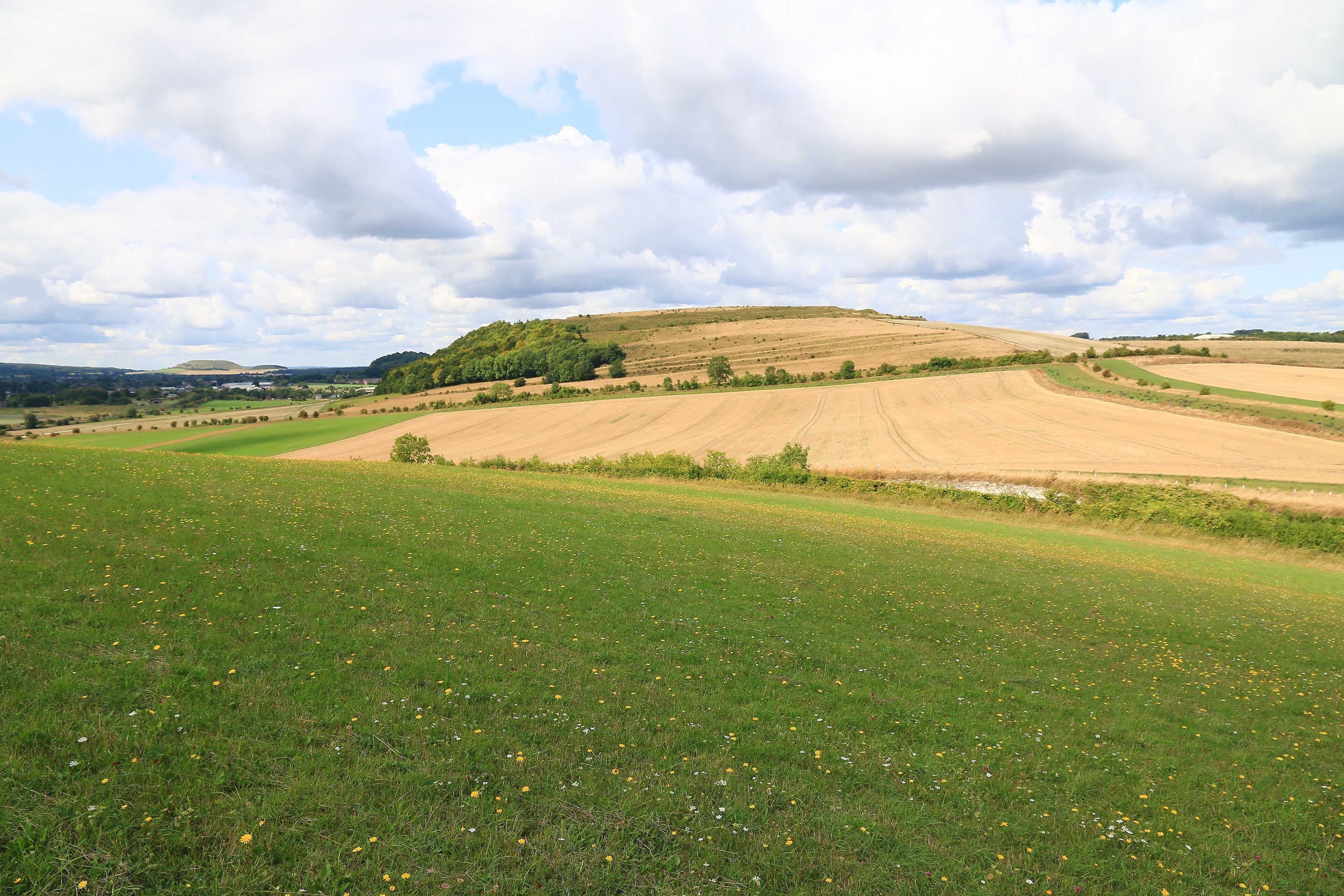
Fast forward a year and I may or may not have been in Wessex, spending a few days with my Dad and his better half Sonia in and around Wiltshire. It is pleasing country, as reassuringly English as the sound of Chris Evans on BBC Radio 2. A landscape of curved chalk ridges sweeping into abundant valleys, fields criss-crossed by translucent waterways, tractors and tanks. Villages and towns have a well-to-do air, though these are not immune to the pervading obsession to construct new housing as cheaply and as oblivious to surroundings as possible. But there remains a lot of cutesiness, and a lot of money, and a lot of good looking pubs.

Wsx01

One of the big attractions of this part of Wessex, of this part of England, are a clump of rocks commonly known throughout the world as Stonehenge. It’s little more than a hop in the car, skip over a cowpat and jump over a stile from Dad’s place and can be approached via a walk from Woodhenge via Poophenge, across ancient plains, meandering past burial mounds and alongside the modern pilgrims of the A303. Sat in a tailback, it may well seem easier to move some massive slabs of rock many miles than it is driving to the southwest on a bank holiday weekend.

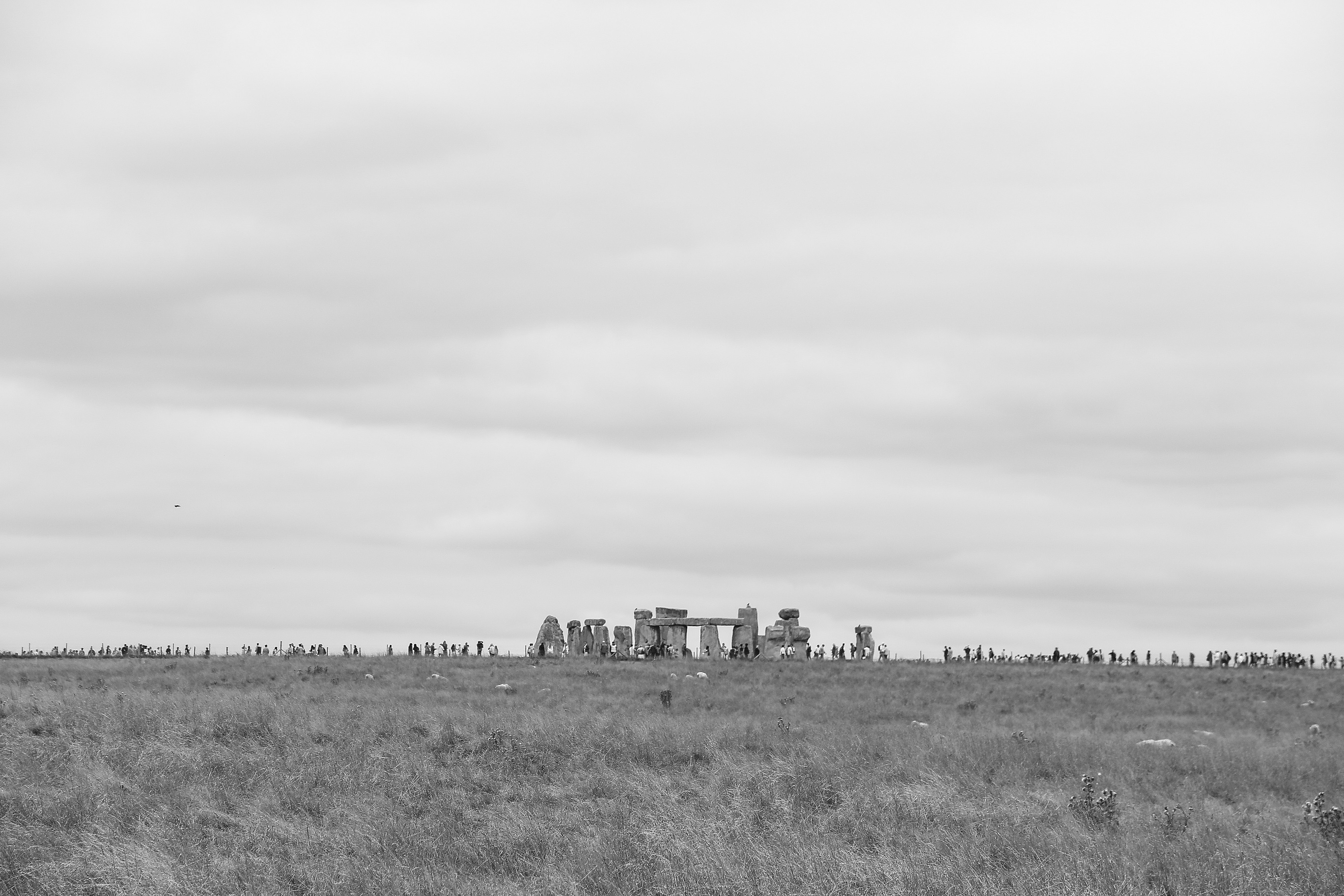
Stonehenge itself is fenced off to non-fee-paying visitors like myself. But it’s literally a case of standing on the other side of the fence and getting practically the same view. A bonus with being on the ‘wrong’ side of the fence is in observing the parade of tourists who dutifully circumnavigate the rocks, reading the placards, taking their selfies and, mostly, looking a little miffed with the whole costly experience. Impressive as it is in getting these rocks in this position for whatever reason many solstices ago, I struggle to fathom how an experience here can be somehow profound and spiritual.

Wsx02

—————————————

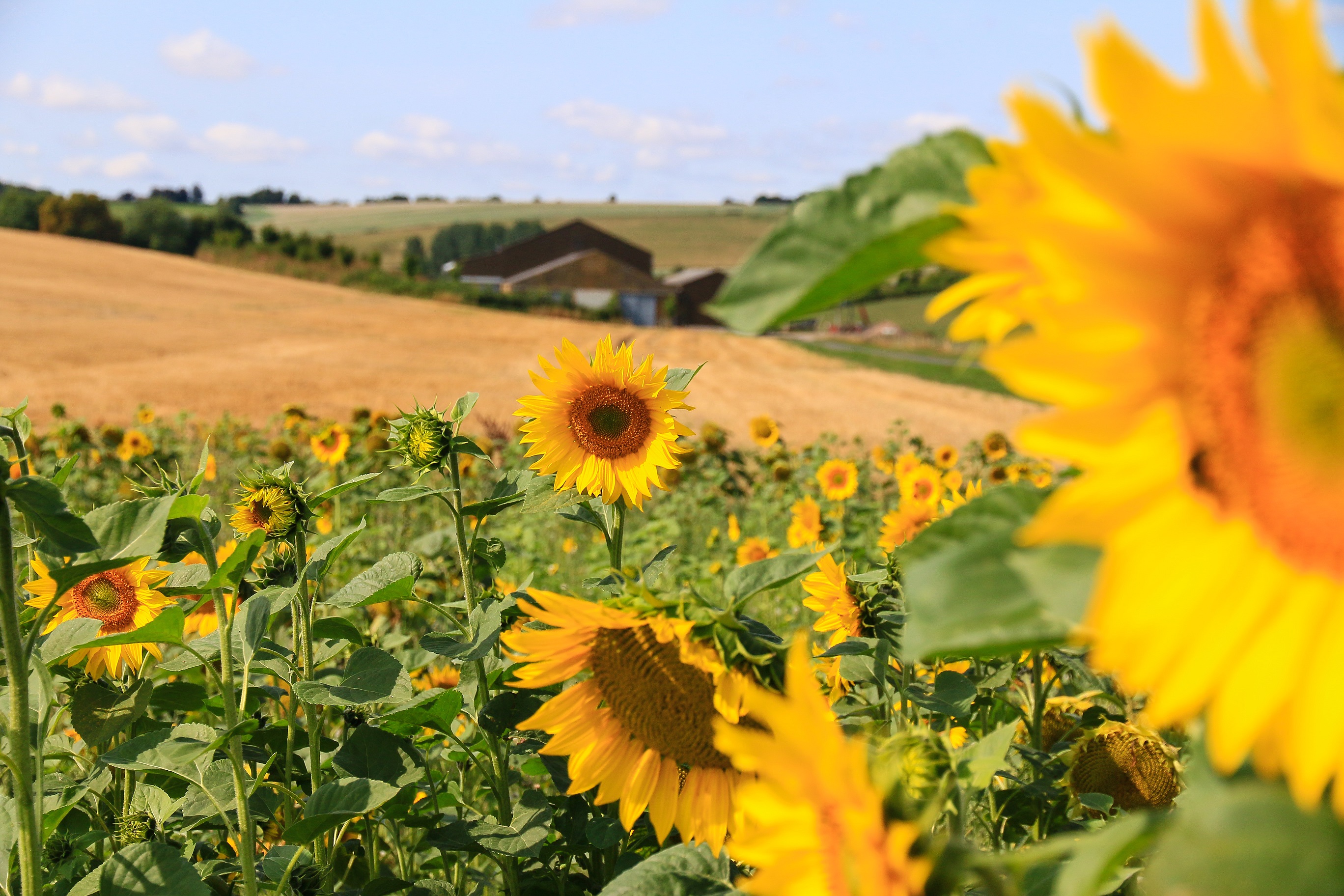
Around this part of Wiltshire, Salisbury represents the largest town and its impressive cathedral and medieval centre proves popular with visiting Russian agents among others. On the outskirts of Salisbury, Old Sarum is typical of the many mounds that became hill forts, commanding fine views of the surrounding country. If those iron-age peasants were to walk through this country today, they would find harvest in full swing: crops cropped, fields ploughed, haybales stacked and the green extravagance of summer only slightly on the wane. Only an occasional pocket of sunflowers might just kid them they are in Provence. French marauders.

Wsx03

One of my favourite aspects of the Wiltshire Wessex countryside are the rivers and streams which shape and colour the landscape. They are tranquil affairs, meandering gracefully at a snail’s pace through verdant woodlands, grand estates, sunny meadows and thatched-roof villages. The River Avon is perhaps a Utopia of Middle Southern England and, apparently, good to fish. I was fortunate to be with a warden of the river, who could guide me along some of its length and check for those fishing licences.

Wsx04

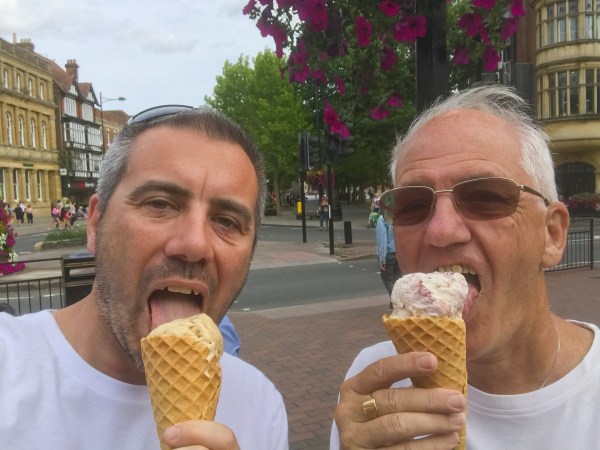
Wsx04aThe reward for all this toil, traipsing through a sunny late summer in England was ice cream in Salisbury. In a land in which tradition appears widely cherished, what better tradition to uphold?

—————————————

Other traditions of Wessex seem to include giant white horses, tea and cake, and naked rambling. On reflection, none of these particularly surprise me, though the sight of a couple walking their dog in the buff on a hill wasn’t exactly on my must-sees. Let’s just say it was a very small dog.

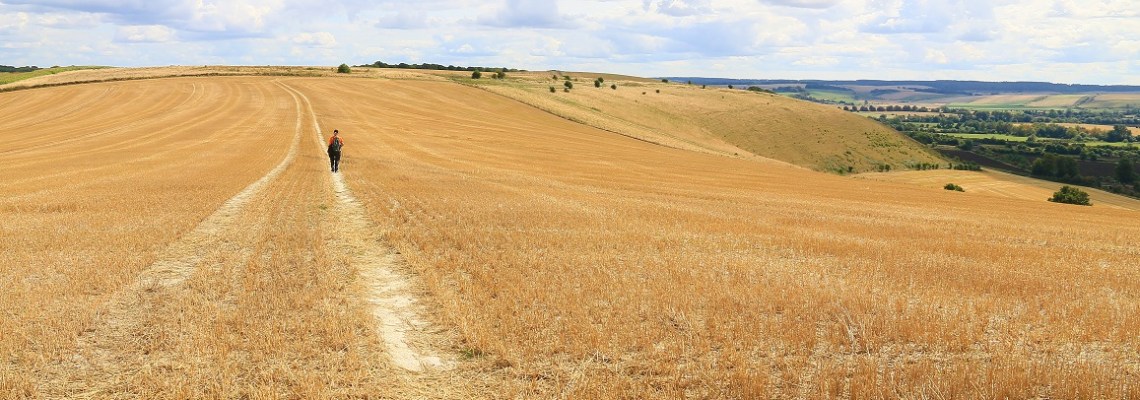
Such delights were the fruits of a lovely walk close to Warminster, taking in more ancient forts and golden fields around Battlesbury and Scratchbury Hills. Somewhere along the way was a perfectly irregular village cricket green, backed by a church and only lacking the crack of willow on leather. Elsewhere colourful blue butterflies vied for attention with languid tractors making hay and naked ramblers making, well…making eye contact awkward. Oh yes, them again. I could cope with the naked ramblers but the yappy chihuahua with a Napoleon complex was a bridge too far.
Wsx05

Wsx06

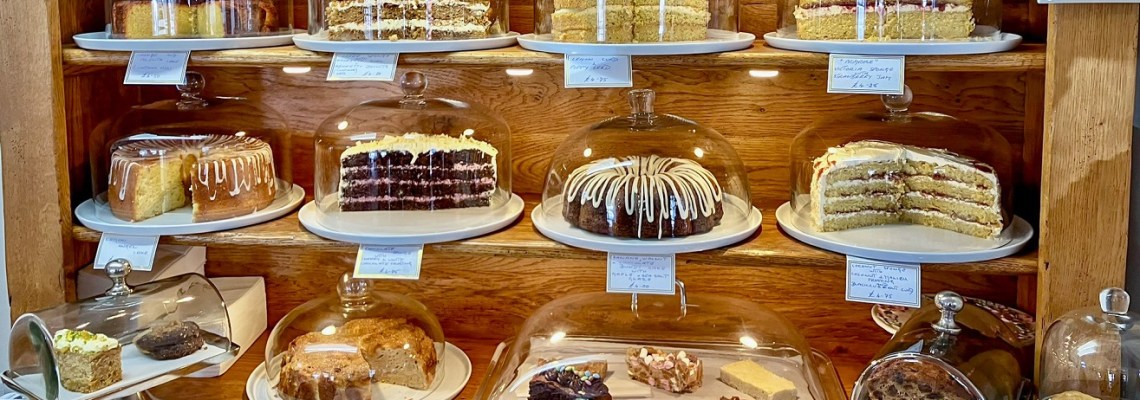
Wsx07In times of such frightfulness one is best advised to turn to a cup of tea and slice of cake. Sat in a sunny position next to an orchard, sheep mowing the grass and a garden centre just around the corner, there is enough here to soothe the feet, the stomach, and the eyes. I’ve had better cakes but hardly many better contexts in which to eat them.

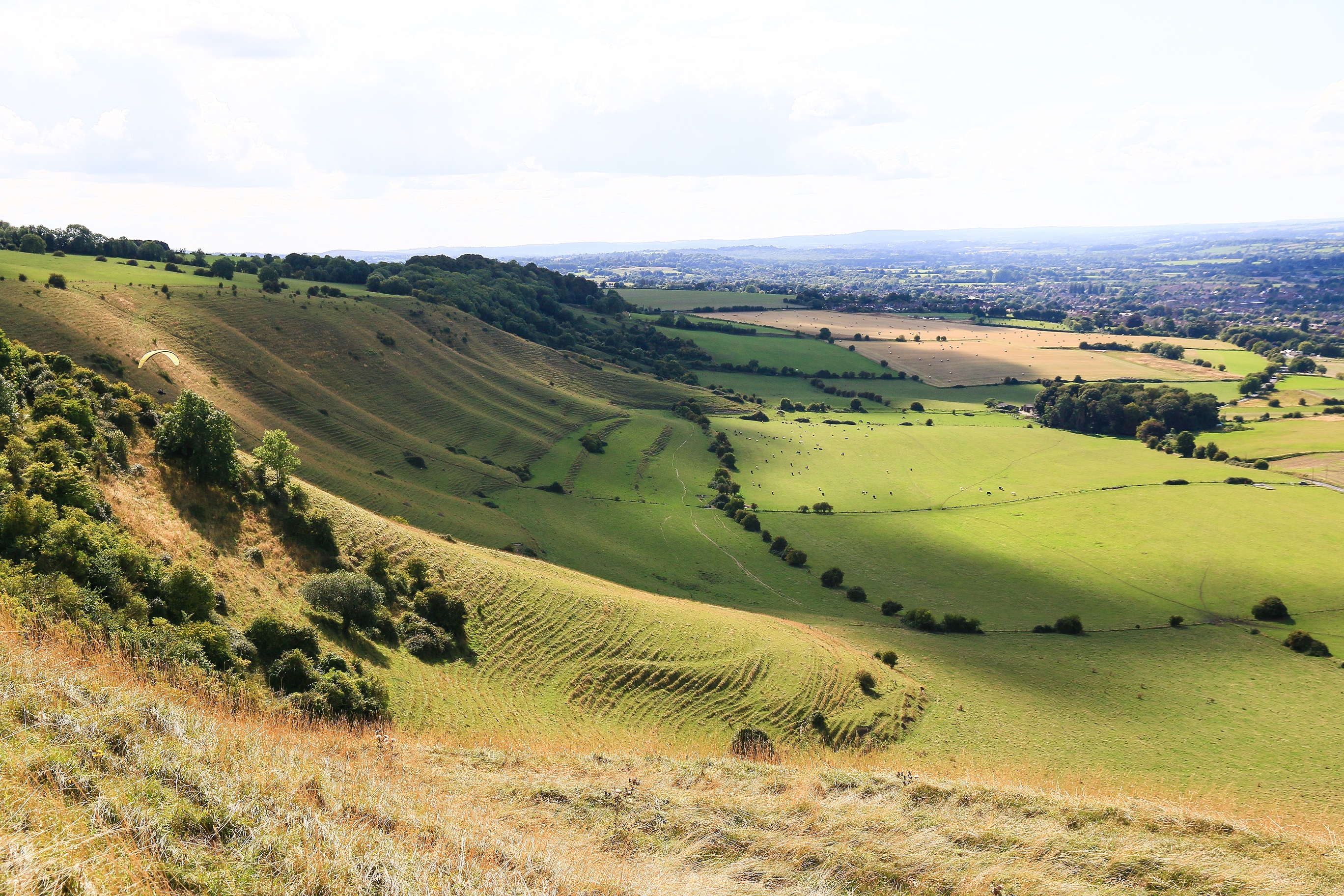
With recovery and a little time to spare, the culmination of explorations of possibly a small part of the ancient kingdom of Wessex came up the hill from cake, a hill on which proudly shines the White Horse of Westbury. A hill which – given the day’s exertions – could be climbed by car to reveal ever expanding views. Below, the luxuriant kingdom meeting the frontier of – say – Swindon.

Wsx11

These white horses (and the odd kiwi) are reasonably frequent features of this landscape. They generally have vague-ish histories involving something done by some god-fearing yokels several centuries ago before becoming overgrown and cleared again and covered up during the war to prevent the Luftwaffe from using them to navigate, only to be restored by a wonderful group of community goodie-two-shoes with names like Gerard and Margot. And thank goodness for that, for they are an impressive sight to behold.

Wsx08

The horsies tend to look better from a distance; up close all that emerges are slabs of greying concrete perforated by a few weeds and a shape that is mystifying to decipher. Perhaps a birds-eye view would be best, partially explaining the parade of paragliders attempting to jump off the hill and catch some thermals.

Wsx09

Wsx10

From here, the town of Westbury beckons, and its rail station taking me further west, beyond the borders and into a land of possibly even greater in-breeding. Travels continue, and next time I randomly come across the Wessex Youth Orchestra in an Alpine country I might debate whether their unknown homeland is short for Western Essex. I mean, it might be a billion times more refined, but I certainly came across a couple of exhibitionists ‘avin it large.


Food & Drink Great Britain Green Bogey Photography Walking