
Lest I become too rose-tinted about Cornish beaches, life back in Australia conspired to take me once more across the continent to Perth. This is no major hardship, despite the length of the flight, for I cannot think of a city so amply adorned with lashings of fine white sand and turquoise seas. The Indian Ocean the very magnet pulling me west again. And some income.

The city of Perth is barely discernible from those elsewhere in Australia. Shiny buildings ever-rising over suburban grids of trellis and jacaranda. Sweeping highways and glitzy stadia. Concrete enclaves of KMarts and Coles. A river, snaking its course towards a modest escarpment of fire-prone bush. And a thriving hubbub built on endeavour and good fortune.
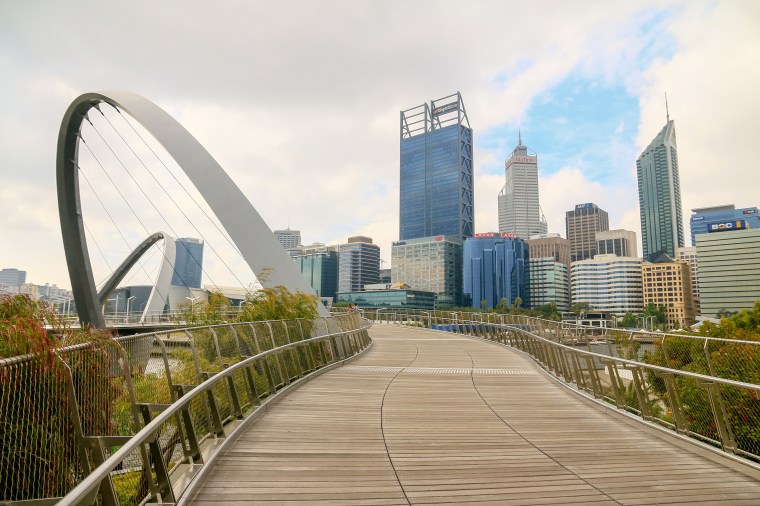
Flying here, from the east, it is almost a surprise to find yourself in somewhere so familiar after such a long haul. Familiar but with a twist, exemplified in the changing flora and fauna that has evolved the other side of the big red desert. Much of the same genus but variations in the species. Kind of like Australian Prime Ministers. Nowhere is better to appreciate this than in the eternally charming Kings Park.

The other disorientating feature of arriving in Perth – particularly in summertime – is the time difference. In what might not prove to be the most self-destructive public vote in recent years, the good people of Western Australia declined to embrace daylight savings. This means three hours behind Canberra is enough to throw your body clock out of whack, with the 4am sunrises doing little to foster adjustment. I never recovered. Waxit means Waxit.
There were, though, some upsides to this plebiscite. By 6am I was so bored out of my brain lying in bed trying to get some more sleep that I popped out for coffee and waterside amblings in Fremantle. Other than people ridiculously exercising, barely a soul crossed my path on recurrent trips to Bathers Beach with a flat white in hand.
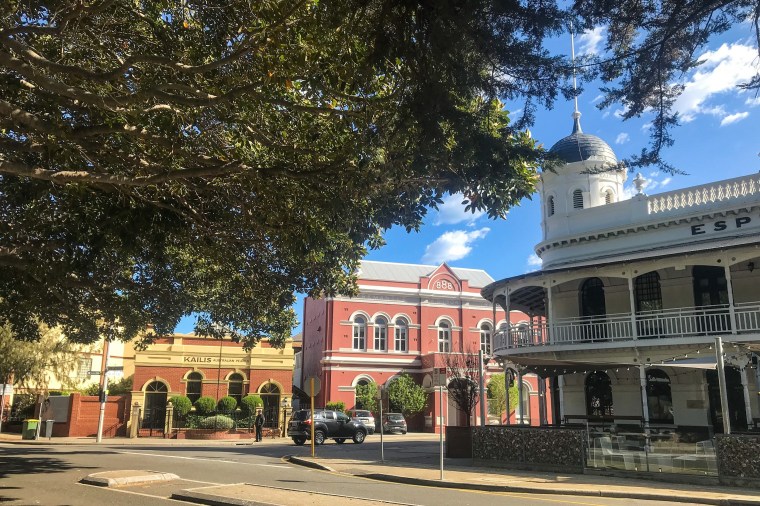
 Freo was my base for the week and part of its appeal was accessibility to water. Being a busy and somewhat historic port, it’s not without its charm and boasts a high concentration of elegant turn-of-the-century colonial buildings. It seems to attract hipsters which equals good coffee, has not one but two breweries, puts on some fine markets, and has developed into a mecca for fish and chip consumption. There is a lot to like about Freo.
The centre of Fremantle itself is based around the port, meaning there are no amazing beaches right on the doorstep. However, this is Perth we are talking about, so you only have to head a little north or south to hit the white stuff. Indeed, South Fremantle is perfectly sufficient.
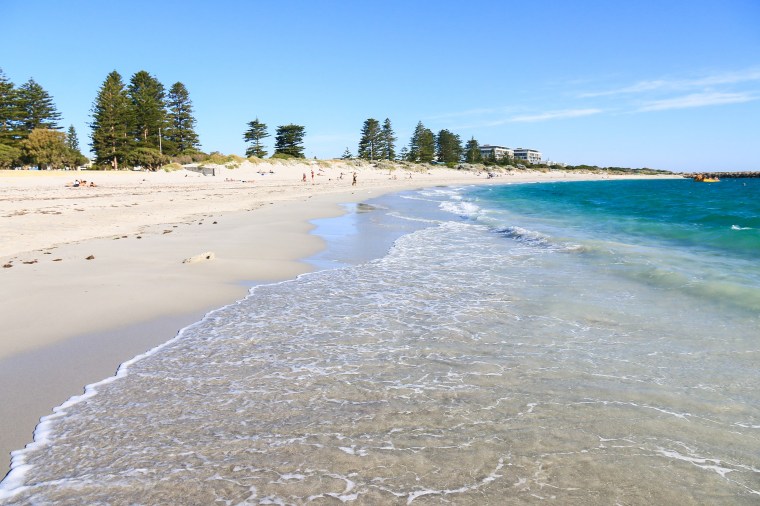
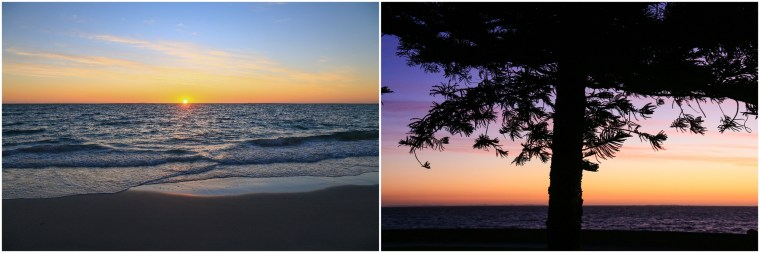
The ritualistic process of having an early evening stroll on sand followed by lingering patience to watch the sun disappear (usually behind that invisible band of cloud on the horizon), became as common a part of my routine as 6am strolls in Fremantle. Tonight I made fish and chips part of the cliché, because you’ve got to do that at least once. They were a tad disappointing, but the sunset did the business.
—————————————
While you can revel in the beaches until your heart is content, and then some more, there is perhaps a lack of significant diversity in the environment around Perth. Go north and there are fine beaches, dunes and a sand belt melange of exquisite eucalypts, banksia and xanthorrhoea. Go south, the same. Beyond the coastal plain, the escarpment is minor, a small rise of bush before it quickly transforms into a massive expanse of wheat and then desert.
In possession of a car on a Sunday I contemplated driving up to the Pinnacles Desert, which would offer a stark change of scenery. But it would be a big day requiring around six hours in a car there and back, and I had to do some work tomorrow. Instead, I made it only a little out of Perth to Yanchep and settled – quite contentedly – there.
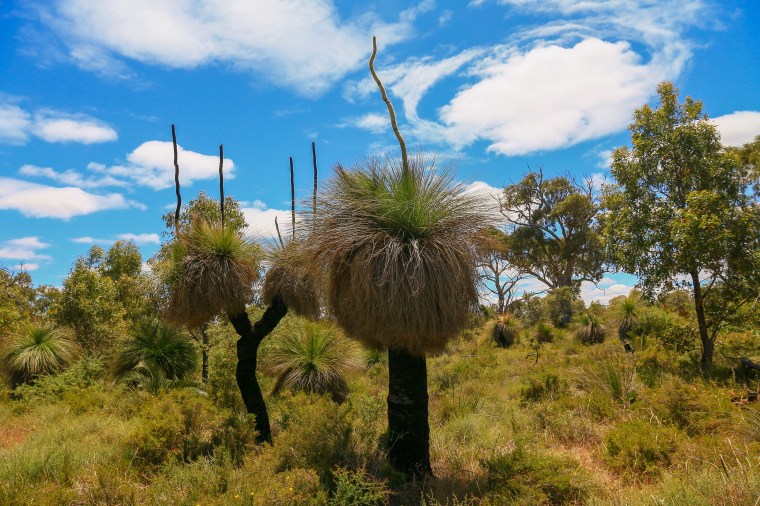
While this didn’t deliver a dramatic contrast, it offered an encapsulation of this particular corner of the world, on steroids. For a start, Yanchep National Park provided all the sandy, semi-arid foliage you could shake a weird shaped stick at, in between swampy lagoons and bulbous gum trees. I was particularly fond of the many xanthorrhoea here, which lend an exotic, almost desert-like vibe to the surrounds.
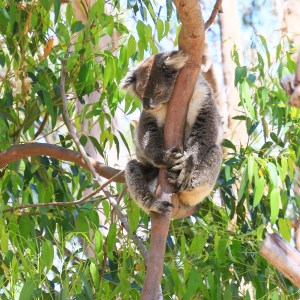 Given the proximity of this park to Perth, there is also a more manicured and deliberately designed aspect to certain areas, with tightly mown grass, a cosy café, campgrounds, waterside boardwalks and electric barbecues. A perfect family spot for a Sunday lunch, kickabout and encounter with koalas and kangaroos, creatures which seem strategically placed for the many visitors on minibus tours heading for the Pinnacles.

The nearby town of Yanchep is practically a northern suburb of Perth, though being one of the earlier developments it is not all ugly McMansions designed with the intention to use every single bit of land to provide an essential guest suite, rumpus room, three car garage and indoor cinema. There are certainly McMansions around, but also more established blocks made up of modest concrete bungalows and fibro shacks, befitting of a seaside hideaway.
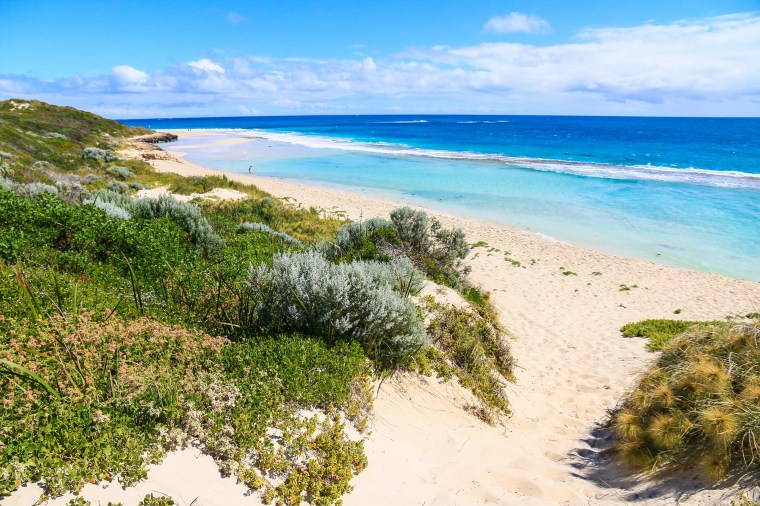
Never mind, I’m sure I could live here – in one form or another – if only for the beach. Protected by a bar, crystal clear waters are pacified over that ubiquitous fine white sand. A beach among beaches in the city of beaches. Life’s a beach and then you eat fish and chips. Again.

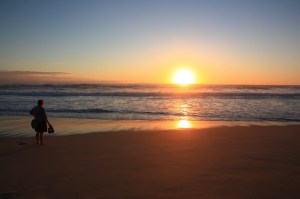 In 2013 it took me – alongside one of my favourite travel buddies Jill – a good solid couple of months to travel from the east coast of Australia to the west. I remember watching the sun go down over the Indian Ocean somewhere around Yallingup, in the beautiful Margaret River region of Western Australia. It was a touch symbolic, a satisfactory “we have made it” amidst the golden ambience; despite the fact that the engine of the car had knowingly decided to overheat earlier that day.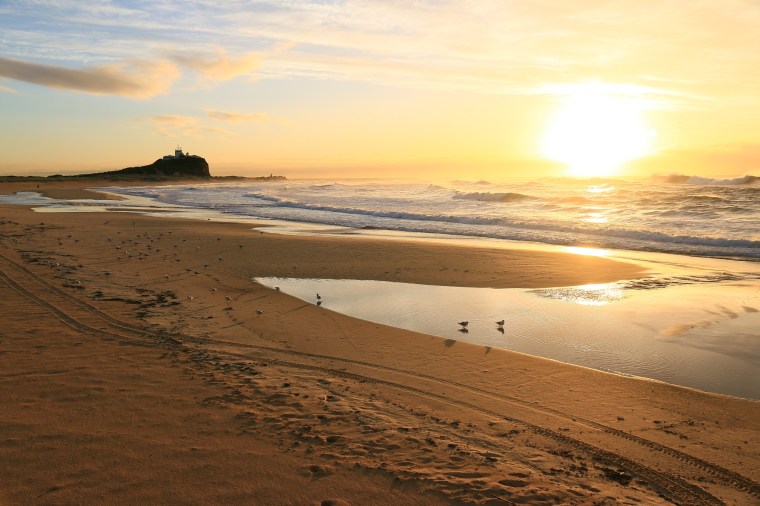
 Just to ensure I clocked off five states and territories on this trip, my route to Adelaide incurred a brief stopover at Melbourne Airport. I had a bit more time on my hands in Adelaide but, barring an hour over lunchtime, the weather was mostly imitating England; cool, cloudy, drizzle interspersed with more frantic spots of rain. I ducked for cover in Rundle St Mall, and lingered in the Central Markets. I called in at Haighs, lured by giant displays of Rocky Road, and ambled under leaden skies through the ring of Parklands encircling the city.
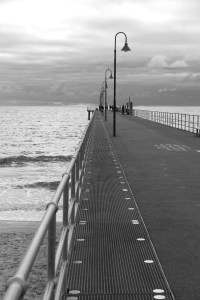 For all its charm and grace, I had seen better days in Adelaide. But at least the rain had stopped by the time I found myself on the tram to Glenelg late Friday afternoon. I was hoping for sunset, but I was guaranteed kebab. Just catching up on another feast down memory lane, and, unlike the sunset, it didn’t disappoint.
 The next day, in a swish of a jet engine I was whisked back to summer, crossing the seas and striking landfall near Esperance. I swear, 30,000 feet below, I could just make out a tiny piece of my heart deposited in the white sands of Twilight Beach. The Wheatbelt passed in considerably less time than the twelve hour drive, and then, before you knew it, Perth hills tumbling down to an archetypal Australian suburbia. Hello Perth! Hello 27 degrees!

 At City Beach I didn’t remember those rather fancy looking eateries and yet another pristinely positioned surf club in Australia. Some money had come into here, but from lord knows where. Perth has slumped somewhat since the state reaped lots of cash from rocks in the ground and lazily rolled about in its lucre. Still, I guess the new restaurants were an investment and they looked pretty busy. I opted for an original: my favourite calamari and chips at Floreat Beach Kiosk, worth the train and bus journey alone.

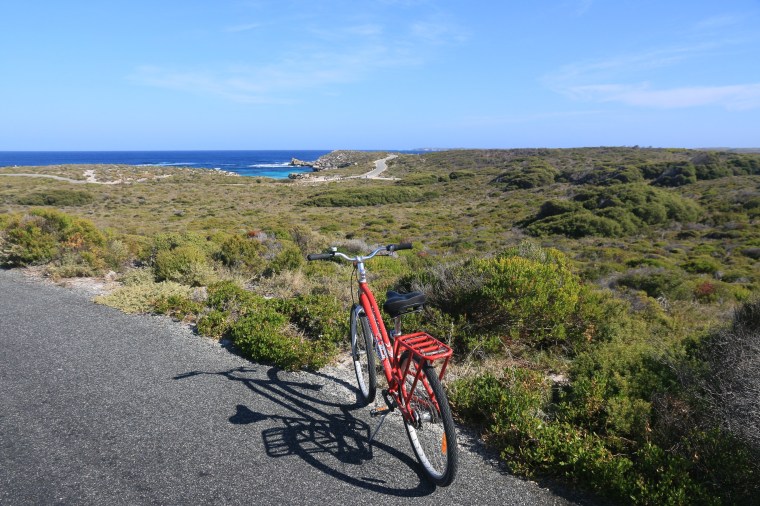
 There is not much more to say about Rotto, apart from glorious beaches and amazingly vivid waters and wonderful sands and beautiful bays and crystal coves. There are some sea-sculpted rock formations in between and – inland – a few smelly stagnant lakes, snake-housing scrub, and one bigger hill on which a lighthouse sits. Around the quay a touch of civility in the form of cafes and shops makes the whole place entirely tolerable as the temperature hovers around a pleasant twenty-six degrees.
 The other main feature of Rottnest Island are the quokkas, who are generally very cute, incredibly tame, and quite keen to get a lick of your ice cream. The main goal of many visitors to the island these days seems to be to achieve the perfect quokka selfie and #quokkaselfie. Seriously, view that hashtag and see what you come across!
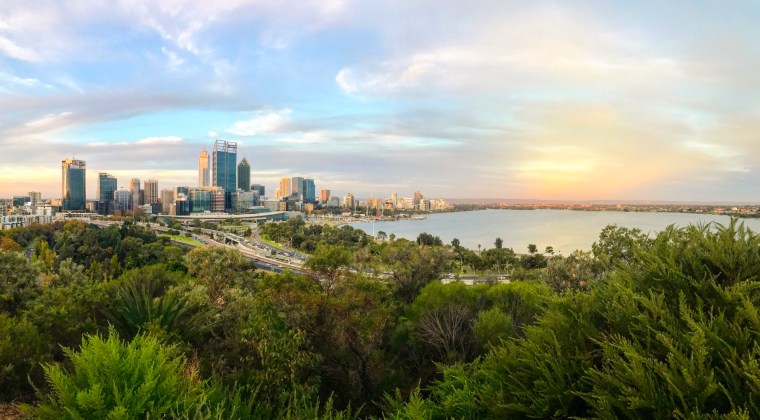
 Essentially, I managed a jaunt into Kings Park one late afternoon, which is undoubtedly one of the biggest assets outside of the beaches that Perth has to offer. It is scenic and sprawling and accessible and full of all those variants and species that are unique to small corners of Western Australia. It’s a reminder of how isolated, how individual, this place is. Yes, there may be Hungry Jacks down the road and Home and Away showing on TV, but there is also a Banksia that only grows on one or two of those giant bluffs of the Stirling Ranges.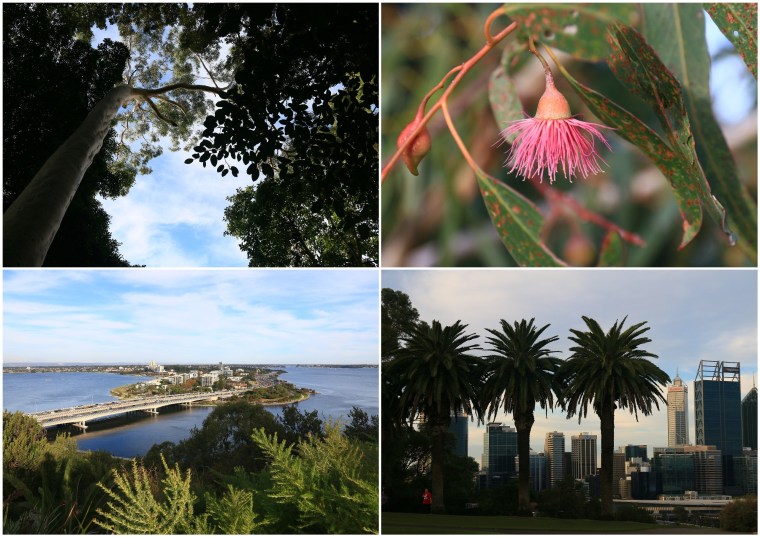
 gbpilgrim