It is funny how an arbitrary line on the map can make such a difference to how things feel. Like totally new government feels. Different planning rules and street signs and higher rates and corflutes advocating for the next new candidate for the next new government. It’s not quite the transformation one feels walking from France into Switzerland, but welcome to Queanbeyan, New South Wales.
Somehow in Queanbeyan the gardens feel more exotic. As if it is longing to be part of the South Coast while ignoring the spectre of winter frosts. Dusk welcomes shrieking rainbow lorikeets while engine braking emanates from the trunk road heading through town. Surprisingly cute tin and weatherboard cottages compete for space with the sturdy brick brown blocks of flats lining the river. Buzzing waterfront taqueria contrast with a roundabout Red Rooster.
This is the juxtaposition of Queanbo life. A not quite Canberra suburb, a not quite country NSW town. A probable temporary life for me, though there have been a few properties that could have cut the mustard to make it last longer. You do get more bang for your buck, but at what cost?
Okay, well rates are set to increase by more than 60% over the next three years. The Queanbeyan River can sometimes flood. Everywhere else seems just that little greater, gas-guzzling distance away. And – at least where I’ve been staying – I just haven’t had the same level of greenery from the door.
I did find a reasonable coffee shop where you can get a large coffee for less than a fiver. Yet this little miracle means walking a little along the Kings Highway and then deviating through Brad Haddin Oval where you are reminded of the irritating deeds of Brad Haddin.
It’s a graceful and elegant oval set among large shady trees. Old folk from a nearby retirement complex play bowls and shuffle upon the tennis courts. It doesn’t really feel like Brad Haddin but perhaps he has mellowed too, joining the likes of Glenn McGrath and Mitchell Johnson as somehow thoroughly likeable chaps. I have doubts if Nathan Lyon will ever get there.
Perhaps Queanbeyan will feel the same to me, if and when it is no longer in my face like an amped up baggy green rage fest. I’m sure also when I leave someone will have come up with the bright idea of putting a café somewhere between the town centre and Jerrabomberra, providing the opportunity to grab a morning coffee and head into the bush. For now, flask tea is the best option.
Mount Jerrabomberra has proven the proverbially island in the sea. I had walked it once, gently rising along the main fire trail to a summit view and radio transmitter. But there are many random tracks veering off here and there, a spaghetti network offering infinite choose your own adventure.
Even the bush seems a little different here. Maybe it is the geology or the aspect or the way in which it is or is not managed. But one thing it has in common with many a neighbour is the encroachment of sprawling suburbs, trees spilling downhill to lap at a new road, a new Aldi, a new McMansion.
Apparently the land rates in Jerrabomberra are some of the highest in the country. Technically this is a Queanbeyan suburb but feels as much as it actually is over the hill and far away. What strikes me, more than anything, is that it has a stronger Canberra air. I think in the grassy median strips and footpaths between the backs of houses, and the engineered waterways and looping crescents, moulded to the hilly contours of the land. There is even a lake, albeit small, albeit with palm trees and an island that could well be Mar-a-Lago down under.
There are secrets here to be unearthed. Transecting that fringe between the mansions and the wilderness, a lushly green gully, a flowery scent of undergrowth, a deepening expanse of gum trees and acacia. The forest seems to push on, becoming more impenetrable as you go, perhaps heading ever eastward all the way to the ranges and the coast. Or maybe coming up against Googong.
Googong is the newer Jerrabomberra, the modern type where the larger houses take up pretty much all of their small block and where a scattering of townhouses offer as much floor space as an apartment at twice the price. What’s the cost of stairs and a garage?
It took until my last Friday night of Queanbo life to make it to Googong, or more precisely the fringes of Googong, bypassed to reach its namesake dam. This is no ornamental pond with palm trees or cultivated lake with coffee shops, but an expansive, Windermere-esque ribbon of water running many miles from north to south. The Lake District parallels may come as a stretch but there was something comforting and lovely strolling upon its shores under golden evening light.
Critics may jape that this is the best view in Queanbeyan, mainly because Queanbeyan is a long way behind your back. How do I feel about the place after almost an eight week stay? The welcome to town signpost sums it up well: Country living, city benefits, though I’d argue there are also city annoyances to add to the list. But in the ultimate test of the ‘could I live here?’ conundrum, I was pleased to enjoy a decent coffee one final morning, served up from my regular go-to café. Where, just before I depart, they finally remember my name.
I cannot believe I totally missed the big pick and pan. I mean, it’s not like the town of Grenfell is burgeoning with tourist sights. Yes, there are the archetypal painted silos, an old railway station and various manifestations of Henry Lawson, but that’s barely enough curiosity to fill a week. I’ll have to go back.
For the many billions of people unaware, Grenfell is situated in Central West New South Wales, a crossroads (or roundabout) between Young and Forbes, Cowra and West Wyalong. In many ways you may find it indistinct from all those other towns which regularly pop up every fifty clicks or so. In this indeterminate swathe of country, only gentrified Orange and an Elvis-upped Parkes may rise above the fields of canola, waiting to be cut down.
Still, I wasn’t really in Grenfell for touristing. Just being homeless and getting my laundry done, just like the good old days. Working remotely and staying with dear friends. Being grateful. And frequently offering entertainment for a three-year-old.
Oh to be three in Grenfell, where the world must seem full of stimulus. For us adults there is the MainStreet and its chain of pubs which offer their own unique character. For me, it was hard to beat the Railway for its old school ice cold midis, the same again please on a warming summer afternoon. Quietly infiltrating a semicircle of locals with hats propping up the bar, one eye on the cricket.
In between work breaks and play breaks I sampled the local country coffee, taking on board various recommendations. I dunno, I think my friends have been living here too long because not once was I any more than mildly accepting of the coffee quality. I could blame the skim milk, but what else is token recompense for a caramel slice?
Given the abundance of caramel slice, I was pleased that among the essential items of life filling my car (clothes, water, mobile office) I had managed to fit in a bike. The roads of Grenfell are quiet and mostly flat and trips to the Main Street become more inviting with a breeze. The week endured hot, with early mornings proving the most comfortable for galahs and humans alike.
Yet it was a couple of evening rides that garnered more joy, despite the heat and surprising hilliness on the way to Company Dam. Three’s company you see, even if my two buddies, Howard and Henry, are benefiting from electric power. It was nice up here, replenished by La Niña rains and golden evening sunshine. Plus it was (mostly) downhill all the way to ice creams at the servo.
Servos – formerly known as petrol stations – tend to take on extra responsibilities in country towns such as Grenfell. For as well as U91 and chamois, you can usually buy an array of deep fried beige coloured goods: hot chips, chiko rolls, potato scallops, meat pies, fish bites. Most of the home cooking I was treated to was excellent but occasional chips on the side never hurt anyone.
Indeed, chips on the side were a highlight on the one foray out of Grenfell, to the neighbouring and larger town of Cowra (size being measured by the presence of Maccas and Aldi). In between, Conimbla National Park punctuates the farmland and proves both bountiful and sparse.
It is highly probable that both Norz and I were the only people walking the only tracks in the park that morning, the Wallaby linking up with the Ironbark. Beautiful swathes of flannel flower were a highlight but the other vegetation was tending towards the spiky and overgrown. Throw in a few spiderwebs for added spice and I was satisfied at my choice of long-legged activewear. Norz, on the other hand, had prioritised temperature control. The resultant encounters between nature and bare leg frequently provoking a soundtrack of short, sharp oohs and ows.
At least there was a lookout, and morning tea strawberries. The view a less dramatic and more modest interpretation of gorges visited in the past. Devoid of humans other than us two, it was a sensation to be replicated down in Cowra on a Sunday lunchtime.
I once had a nice pub lunch in Cowra but it must have been on a Saturday. Today, pub closed. Norz heard of a cute cafe that had recently started up, today closed. An ad hoc Aldi charcuterie or McAussie burger? Or the local chook shop on the main road, which appeared to at least be open? How can you look past chips on the side, with chicken salt.
In servos and chook shops and old fashioned bars with the cricket on in the background and average coffee and building heat and (admittedly overlooked) big things, it turns out this week in country NSW was fulfilling the quota of much that is regional, rural and remote. And when it came time to leave, I felt like I was only just getting used to there being nothing much going on at all. The journey back to Canberra heralded relative hustle and bustle and more trawling through the stairwells and cupboards of open homes. While the most open home of the lot, a home of warmth and friendship, was fading away in the rear view mirror. Until next time.
Is anyone else fed up of living in ‘interesting times’? If there wasn’t the death of a rock icon followed by the self-harm of isolationism followed by the election of a rabble-rousing orange manbaby preceding the onset of catastrophic bushfires coming just before the spread of a deadly virus leading into wild lockdown parties before another calamitous war broke out would things really have been that boring? It’s no wonder many people my age seem to hanker back to the 1990s, when the biggest deal was Jennifer Aniston’s hairdo.
If you are seeking uninteresting times, you could look no further than a long drive from Canberra to Coonamble and back, especially if this takes you through Dubbo. Admittedly that would make for some pretty uninspiring content, but there is comfort and reassurance to be had in the boring. I just don’t know how I will stay awake though, and it’s probably the same for you, dear reader, as well. So, in an effort to entertain all round, I contrived to make the journey into one big loop, extending the kilometres but exposing myself to some new tarmac – and dirt – along the way.
The first of the new ground was along blacktop through rugged Karst country, taking me from Abercrombie Caves down into the fertile plains around Bathurst. I could have detoured around Mount Panorama the right way while I was here, but time was pushing on and I was getting low on fuel. Stopping at a nearby servo offering the cheapest E10 for miles around, I became the proud owner of the most expensive tank of petrol I have ever bought. Until next week.
As the last glowing oranges and indigo hues of sky gave way to a starry night, I settled down for the evening in Sofala. By settling down I mean parking my car in a free camping area next to the Turon River, eating salad and cold pizza in the front seat, before clambering into the back and onto an air mattress. For a night of sweet cheesy dreams, eventually.
Sofala is one of those tiny places whose glory days have long passed. The glory days being – like many of the settlements in this region – the discovery of rich deposits of gold. Information boards display grainy black and white images and describe a bustling town featuring stage coaches and banks and theatres and, naturally, several raucous hostelries. Today, the high street is a sedate affair offering understated charm and just the one, currently lifeless pub.
It turns out there is gold remaining just out of town, or at least the same glow emanating alongside the river. Water has scoured a course deep into the earth, leaving precipitous cliffs towering high above the mirrorlike pools of the Turon. Known locally as Wallaby Rocks (as indicated by a small, hand painted sign), this came as a total surprise, an interesting feature of an interesting drive that you wouldn’t have known about without passing this way.
I was heading up towards Hill End, another settlement grown rich on the sunlight shimmer of minerals. Today it is preserved by NSW National Parks as a historic site, a village of the past functioning in the present. And so there is an old pub that still operates as a pub, a general store that still operates as a general store, and a scattering of private residences with owners doing the usual mowing and chook-feeding and sitting on creaky wooden verandas. I expected a more bustling affair here, but on a Friday morning it felt like I was the only visitor, a conspicuous sight wandering the streets and peering into people’s gardens.
If nothing else, the village is aptly named, clustering at the end of a long plateau above the deep valley of that Turon River. This results in the promise of three separate lookouts and though not quite of a scale of – say – the Blue Mountains or Kosciuszko, they offered fine views of the golden, rolling countryside. Vistas that were, I suppose, somewhat interesting.
From Hill End I took a lengthy, winding road down towards Mudgee. This would be one of the more interesting towns along the route but cognisant of making progress north and noting the fact that I had stayed there before, I eschewed the town centre and made for lunch in Gulgong instead. The lunch would not be as fancy or as overpriced, but it was satisfying enough on a shady bench in a town that appeared to be rooted in the 1950s. Or maybe 80s. Golden times, whenever they were.
With every kilometre the level of interest along the road peters out, the landscape flattening and becoming dominated by grain. A painted silo at Dunedoo testifies to its abundance alongside the effort of these towns to generate some form of tourism through silo art. Further along at Mendooran there isn’t even a silo to justify stopping, but I stop anyway, grabbing a country coffee and slice of carrot cake to appease the bitterness of the coffee.
It is perhaps the plainness of these plains, today frazzled hot and windy, that makes the volcanic pinnacles and rugged chasms of Warrumbungle National Park all the more interesting. More than interesting in fact. Spectacular. I’ve said it before and I’ll say it again, I love this place and its very magnetism makes it impossible to drive on by. The view from Tooraweenah beseeches: come hither.
I should be making for dinner in Coonamble but cannot quite turn left. Sure it is thirty-five degrees, but the midday sun is well and truly a thing of the past and the return of trees to the landscape should offer some shade. Besides, I need to do something more interesting today, something other than largely sitting on my arse as Australia passes by. Climbing more than a thousands steps to Fans Horizon and marvelling in a conglomeration of sweat and awe at an incredible landscape is pretty interesting.
Prior experience of Warrumbungle National Park alerted me to the presence of showers in the campground, something I was thankful to use before completing the final leg to Coonamble. Last time I came here, the town had quite the aroma courtesy of the mouse plague. I didn’t want to be the one bringing that reminder to its townsfolk today. And be turned away for dinner.
And what a dinner, as always. The interest here is less Coonamble but more friendship and warmth and good food and loud voices and love. From twilight walks along the flat roads with my dear friend Norz, to tales of sand-blown motorbike adventures and potential pizza toppings with Howard. And then there is the joyous company of a two year old, one minute impelling me to drag race him in a plastic toy car, the next inventing the new sport of whisk tennis.
There are some mildly interesting things in Coonamble, including a painted silo, the nickname hall of fame, and the languid brown ribbon of the Castlereagh River. This time I discovered the weir, some new metal emus (competing with the Galahs of Gulargambone), an impromptu water park at the pub, and consumption of a different slice at the only café open on a Sunday. It’s not much, but it doesn’t matter.
There were some surprises remaining out of town, most notably the splendid Sculptures in the Scrub. Tucked away in The Pilliga, the setting was unexpected: a fine, forested gorge whose escarpment is punctuated by artistic installations of meaning and connection. I always thought of The Pilliga as one big flat sandy forest, a landscape of monotony that would imperil any who should veer off its dirt roads. Here, you can feel things which are rich and timeless.
Just a stone’s throw away is Pilliga Pottery, but only if you’re a crow or galah. The generous rains of this summer meant the fording of a creek was out of the question, with further unknowns awaiting beyond. So, an hour and a half later, on mostly sealed road via Baradine and Coonabarabran, we were finally feasting on pizza and drinking out of earthenware cups. Another little enclave hidden in the woods, perfect to bunker down from the world.
Interestingly enough, in many ways the world was also here. The terracotta and tiled roofs and earthen walls evoked a late lunch in Spain, pre-siesta. The scattering of outbuildings and cars and rusted trinkets could be backwoods America. And then, as well as pizza on the menu, there was Bratwurst and Sauerkraut to be enjoyed. The reason became clear hearing staff converse in German, a multigenerational family thriving in The Pilliga. A veritable United Nations, without the veto power of a deluded kleptocracy.
And so, we return to those interesting times. Via Warren and Trangie and Forbes and Cowra and Murrumbateman and Moscow. With more time, Warren warrants greater exploration, particularly among the fringes of the reinvigorated Macquarie Marshes. Back in big sky grain country, Trangie may warrant a return purely for cake. I paused in Forbes for a late lunch, one of the last remaining towns of the Central West that I had yet to visit. This too had charm, elegant municipal buildings rising up among a town centre boasting a fifties Cadillac drive-in vibe. Elvis does live just up the road after all.
From Cowra the road is more familiar and home is on the horizon. Interest fades and thoughts turn from the rear-view mirror to what lays ahead. Hopefully avoiding the Highway to Hell.
In what can only be taken as a positive sign, I will soon need a visit to a petrol station. The last such experience was on Monday 13th September at 10:20am, a level of precision recorded in posterity – or at least for one month – by the magic of QR code. Looking back at it now, it felt a risky manoeuvre at the time, beyond the boundaries of my self-administered geographical bubble, justified in my mind by being significantly cheaper and twinned with the prospect of a different coffee shop. It was quite the holiday.
Since that date, the petrol gauge dipped in small increments only to hasten in more recent days. Friday 1st October granted the freedom for human beings to enter national parks – or a national park more precisely – and outlying nature reserves within the boundaries of the ACT. Just in time for a long weekend that would see newfound lovers of national parks and nature reserves flock to suffocate them with their devotion.
I was primed to wait, to let the suddenly-engaged nature enthusiasts have their maskless moment in the sun. But then I awoke early on the Monday – infuriatingly early given daylight savings had just kicked in – and saw an opportunity too good to pass.
An open road had been an object of desire for many weeks. Being Canberra there have been empty roads and there have been open vistas but never have these situations quite provided that sensation of travelling in a landscape. Of countryside flying past your window in an everchanging composition of shapes and colours and light and space. Each second a unique expression of time and place curated for your eyes only.
And what expressions of time and place these proved. Just out of town on the road to Tharwa, a countryside cloaked in misty lingerings and golden dew. Sturdy ranges rise up from sweeping grasslands, scattered with the withered trunks and branches of old gum tree. Cows and sheep and the odd outbuilding catch the eye, mere dots on a magnificent green canvas stretching to the sky. And oh how green.
If I were restrained within a bubble for but a few minutes this sight would still make my heart sing. And now that it is here again, I want it all the more.
I can leave the car and venture out on foot into the fringes of Namadgi National Park. Already at the Visitor Centre a dozen or so cars are parked up as their inhabitants embrace the outdoors. The trail – worn from good rains and the numerous footsteps of a long weekend – cuts a muddy swathe towards the looming summit of Mount Tennent, still capped by its own personal cloud. Today, that exertion is far from my goal. I want to linger and learn.
For all the joyous expansiveness of the landscape, topped off with flask tea on a seat at the Cypress Pine Lookout, I am distracted, fascinated, heartened by the more miniscule. The work of nature overcoming winter, recovering from fire, embracing spring. All emerging into the world once more.
One of my attempts at Lockdown 2 Self Improvement Projects has been aligned to the season and the pursuit (and somewhat more challenging identification) of our native wildflowers. Provided with generous encouragement and impetus, I have found this a satisfying, almost addictive pursuit, one that can easily turn an hour walk into two.
So, from the fragrant myrtles to the delicate orchids, the indecipherable varieties of pea to the bulbous generosity of golden lilies, there is so much to discover. Far and near, it truly is spectacular how much you can see when you actually look. Checking out as much as checking in.
Maybe it’s just me, but I can’t say I’m especially fond of a cracked phone screen on top of a magpie attack on top of an earthquake on top of a lockdown on top of a pandemic. Served up with a hearty dollop of impending nuclear Armageddon intersecting with blistering fire and dust super tornados. No, Wednesday you didn’t particularly rock my world.
Frankly, out of all those, the bloody magpie irks me the most. How dare you take away the satisfaction and soothing of my allotted outdoor exercise time in lovely spring sunshine. And mean another pathway is added to the blacklist. The pathways are busy enough as they are with all these people in various states of mask undress discovering pathways for the very first time. Why don’t you attack them, stupid magpie? Oh, that’s right, you remember me, but yet conveniently you don’t remember how I have never once tried to steal your babies in all those years, you bloody shit.
If there is any positive, the magpie at least adds a bit of frisson to another daily outing in the same part of suburbia. Six weeks in, the confines of living within a vague radius or region are starting to grate. There are only so many times – for instance – you can wander upon Red Hill without getting weary of the same route. On the most recent occasion, I found myself annoyed with an endless procession of joggers and dogs not on leads and family gatherings. Eroding the sensations usually associated with an escape to and immersion in nature. Sounds, sights, space shrinking.
An actual problem looking for a solution, I find myself more often than not heading off track. A little out of the way. Not exactly bush-bashing, more weaving between weeds. There are still a few spots in which to escape around the Woden zone. I probably shouldn’t share them here but figure a readership of six people – many of whom are not in Canberra – is not going to cause a sudden ruination of my life. If it does, I’ll know who to blame. And set that magpie upon you…
The Old Mugga Mugga Way
If Red Hill is akin to Fitness First every goddam afternoon, Mount Mugga Mugga Reserve is more like that rusty bench press underneath a pile of boxes at the back of the garage. Fringing the weirdness of O’Malley, it seems the varied diplomats and consuls who inhabit the area rarely go out to exercise. Perhaps like most aliens they have been cowed by those great tales of deadly inhabitants of the Australian bush. Preferring the safety and comfort of their own little piece of soil.
The Centenary Trail runs through the reserve and introduced me to the area back in the good old days of 2020. A few people still come and go along this thoroughfare but it’s simple to veer off onto a number of faint tracks and choose your own adventure. The landscape is a very Canberra mix of weedy incursions and precious Yellow Box-Blakely’s Red Gum grassy woodland, replete with gnarly old eucalypts and their generous, homely hollows.
One particular tree has fallen, and I have taken to it on several occasions to perch and drink tea from a flask and eat a treat and watch Gang-gangs fly past while kangaroos graze and deadly inhabitants of the Australian bush lurk in the crevices of the fallen tree on which I am sat.
The whole flask of tea thing has become another more frequent happening in my life in recent weeks; I don’t know why I haven’t thought of it much before. Perhaps I simply wasn’t quite of an age. But pandemics and magpie attacks have a way of adding on the years, transforming a simple flask of tea in the middle of the bush into something that feels much more precious.
Isaacs Off Piste Ridge
Mount Mugga Mugga itself is scarred by a quarry and the summit appears fenced off, thus remaining that rare Canberra hill not trampled upon by my own two feet. Yet it’s just one lump in a broad range extending from Red Hill south towards the Tuggeranong Valley. Adjoining Mugga Mugga, Isaacs Ridge proves popular for its pine trails and dog walks and boasts an archetypal trig marker summit loop with 360 degree views.
That all sounds a bit mainstream for me at the moment, so I veer off the fine balcony trail lapping at the foot of the ridge and decide to head up cross country. There is a very faint track at first, which slowly blends into a landscape of open grassland and rocky scrub. Over a false summit, a field of thistly plants remains quelled by winter – give it a month or two and the going will come with greater hazard. A random copse of casuarina appears as if some long-forgotten scientific experiment, offering a landmark to follow slowly upwards to the top of the ridge. And lo and behold, a photogenic gum tree, with some fallen logs for a rest (and possible tea).
From here, there are views east to that far off land of New South Wales. There is countryside and Mugga Lane and quarrying work and possibly even just a little part of the tip. But mostly it’s countryside. There is also the white trig marker visible to the south, acting as a beacon to aim for, navigating the rocky boulders and grasses of the ridge and returning to the mainstream.
The Murrumbidgee Vista Rocky Outcrop
For several weeks, Cooleman Ridge was proving one of those ambiguous places in the application and interpretation of local coronavirus restrictions. Is it in the Woden, Weston and Molonglo region or is it Tuggeranong? Is it within five kilometres of home or six and a half or eight? The answers are yes and sometimes you just have to ask the question does it actually matter?
One of those days was a lunchtime and instead of a flask of tea I packed up some crackers, nuts and cheese and went on a quest for the perfect place to snack. Eschewing the usual, well-defined summit rocks and strategically-situated benches I veered off towards a hillock I had eyed up in the past. A few gum trees stood atop resistant, hosting flurries of wattlebird and passing rosellas. Imagine by delight that under one of them was the perfectly positioned, home-crafted seat.
Someone had been here before looking for the ideal situation to escape to the country. A kindred spirit. And if a backdrop of lush farmland cloaking a river valley beneath forested hills isn’t enough, check out those crackers and cheese and nuts from Kingaroy. Off track snack pack perfection.
The Oakey Dokey Hill with bonus Hummock
Along with off track adventures one of the permissible things I have been doing virtually every day is picking up a takeaway coffee. It is the stuff of contact tracing nightmares and triggers the inner COVID police in me every time. Quit loitering. Stand away from me. Stop touching your face. Don’t order multiple coffees with various shades of milk for your entire bubble.
I’m also – naturally given current confines – alternating my takeaways between a mere handful of proximate cafes, constantly hoping they fail to materialise on the exposure site listing. In Lyons, Stand By Me offers something that is walkable from home and – should I wish to venture further – can be incorporated on a climb of Oakey Hill.
Of the six hilly nature reserves forming a horseshoe around the Woden Valley, Oakey Hill is probably the least fashionable and most unkempt. Power pylons compete with decommissioned water reservoirs and temporary fencing. The flora seems more degraded, more weedy, more battered and bruised by the elements. Still, there is a nice bench beside the trig marker if it’s vacant and a little used side track that offers good views out to the mountains.
Across from the reserve, a green corridor lines the divide between Lyons and Curtin. From here, more slivers of green penetrate into suburbia, one of which hosts a determinedly vicious magpie. Nowadays I avoid that particular route and instead continue around the outside of Curtin on a track that at one point takes on the appearance of pasture. It forms part of what has become a fairly regular ten kilometre bike jaunt which culminates in a different takeaway coffee at Red Brick.
Along this way, at the back of Curtin, there is a hummock which takes me away too. Behind, fences protect garden refuges with trampolines and lemon trees and potting sheds and shrubs of shady bottlebrush. But in front there are fields of green and skies of blue. On the horizon, the distinctive angles of the Brindabellas promise at much more freedom. And I am whisked away to a place far from busily exercising humans and irritating magpies and daily case numbers and limited coffee options. I am taken again off track.
While we waver towards probable lockdown at some point down the road, a certainty to hold on to is the march of spring. I can start to sense it in the evenings that are still light at 5:30, in the alarm call of birds beginning a stout defence of their nest, in the explosion of green and gold wattle somehow reminding me of many a repeat during the Channel 7 Olympic coverage.
In Australia, winter doesn’t always feel as distinguishable. What Queenslanders call winter certainly is not. In Bondi you can quite comfortably be parading minimal activewear in July, taking essential exercise to hang around in the line for takeaway coffee. Even Canberra – while frequently subjected to alarmist rhetoric and gloating Queenslanders – is still no Ice Planet Hoth.
Snow remains a novelty, especially in the city. Occasionally, hail masquerades or something between drizzle and sleet briefly descends. The only real flurry is in the resultant Facebook posts proclaiming snow. If it is snow, it is a very Plymouth kind of snow, with the same building anticipation and ultimate let down.
As in Plymouth, you must head up. And up and up, towards the high country in the sky. You can drive there on a weekend with thousands of others to enjoy traffic jams and diesel slush or put in the hard yards and discover a pristine winter wilderness by foot.
I go for the latter, though the hard yards are harder and many more yards than I initially hope. At Mountain Creek car park in Tidbinbilla I hope for a rerun of a previous time in this spot, when a good covering of fresh snow blanketed minty forest trees and the fire trails nearby. I hope to experience winter in its fullness in a matter of minutes, with enough time to retreat and find a warming café. I hope I have not dragged myself, my car, and my friend Alex out here in vain.
We set out on the Camels Hump Trail, with no intention of actually going to Camels Hump. Just enough altitude gain to reach the snow line. It’s steep at first, but that would mean we get to the snow quickly. Eventually, the first speckled dusting appears on some leaves. The first sprinkling upon the muddy brown fire trail emerges, disturbed by the tracks of a vehicle that has been fortunate enough to climb this way. By time the tracks vanish under a proper covering of snow, we are closer to the top.
The trail has levelled off enough to encourage continuation, each step forward bringing incremental increase in snow cover, providing that uniquely satisfying sensation that comes with a Size 9 imprint. Between the laden eucalypts, views to the bare countryside glow from down below. Ahead, a pyramidical outcrop looks very much the mountain.
This was Camels Hump. After a year and a half I thought I may have exhausted all possibilities, but this was a new one. The fire trail ends, and the remaining track to the summit is through tunnels of low trees iced in white. The way ahead is almost indecipherable, the thought of descent alarming. I call it quits on a particular slippery rock and wait for Alex to return. Happy to watch the weather rapidly pass over Johns Peak.
After what seemed forever, Alex does return. I’m relieved there is no need to call on emergency services. I’m equally as relieved to hear the summit is enshrouded in dense shrubbery, without any visual reward. The visual reward is simply all around me, in this very winter wonderland.
The buzz. The excitement. The nerves. The never-in-my-lifetime strangeness underpinned by a back catalogue of disappointment. The sense of hope, exhilaration, and gut-wrenching drama more often than not deflated by events. The inevitable post-mortem punditry and scapegoating and resignation and acceptance. But maybe – just maybe – this time will be different.
If ever there was a weekend to finally come home this would be it. But I’ll be in bed, 12,000 miles away, turning on the bright lights of a laptop at five in the morning. Thinking about Italian coffee and chocolate digestives to perk me up. Minus three degrees in my shirt.
It’s a bed in a home that I haven’t written about for a good half a year, what with other more exciting jaunts. Canberra is still here, still going through its motions, still – touching wood – absent of coronavirus despite the best efforts of our neighbours. Still understated and beguiling, fortunate and free. Offering abundant life and opportunity if only you should look.
Over that time, Canberra has been doing what Canberra does, transitioning slowly but surely through the bursts of colour of autumn towards morning fogs which (usually) lift to reveal brilliant blue afternoons. It’s the time of year when continental superspreading sporting events disrupt sleep and sub-zero mornings add to the challenge of getting out from under the doona. A time when travel bubbles pop and masks finally become a thing. But do not despair. There is always fresh air.
From the reliable vistas atop Red Hill, a quick jaunt up the road once the laptop powers down. Winter light always doing something special just before five in the afternoon. A warm angelic glow spreads over the rising towers of Woden, the hospital and the Pfizer vaccination hub. Kangaroos munch unaware. Some things change and some things don’t.
Rapidly contesting with Red Hill as my favourite nature reserve, Cooleman Ridge offers great reward for minimal effort. Fringing the west of Weston, the reserve boasts fine views back over Canberra but the real splendour is on the other side. Paddock. Hills. Forest. Mountains. A Murrumbidgee Valley creation. With suburban sprawl and hoonish echoes fading behind the ridge, it is a country walk in a city. And because so much of the Australian countryside is shamefully locked behind fence and gate and no trespassing signs, this is a real treasure.
The treasures of Mulligans Flat are perhaps a little less obvious – and much more likely to emerge at night. But this place is a sanctuary for humans and animals alike. It is another place that has grown on me through a pandemic, from the initial Centenary Trail crossing to volunteer tasks hassling echidnas and wallabies and turtles. As is oft-mentioned on a twilight tour, the dams were dry back when we were enshrouded in smoke. Today they come alive.
A bigger dam sits further west, lapping at a much bigger wilderness. When you stop and think about it, it is quite something that you can be picking up a good coffee at the neighbourhood shops and fifteen minutes later staring out towards this. Cotter Dam vistas shrink and stretch as you rise further into the sky, reaching a new summit at Mount McDonald.
Another new summit is added to my life experience when I take the dirt trail up to Mount Jerrabomberra. I have ventured beyond Canberra, though only just, and only before the latest Bondi-fed outbreak (just in case some paramilitary border goon decides this is reason enough to bar me from Western Australia for twenty years). I have come to Queanbeyan for the rare opportunity of coffee and cake at three in the afternoon, discovering a café that actually opens beyond two. Why is this not more of a thing? Especially when you can easily walk a few crumbs off afterwards.
It is becoming harder to discover new things like this in the backyard, but I am not there yet; Coronavirus may have to last another twenty years for that to materialise, something I would dearly love not to happen. I would love instead to walk in the Alps again, to hike along the downs of southern England chasing butterflies, to stroll through the Barbican and up to Plymouth Hoe, snaffling some fudge and an ice cream along the way.
But do not despair. I discover a winter’s walk alongside the clear water of the Tidbinbilla River, striking out through green forest singing in the aromas of fresh peppermint. Occasional early wattle pops golden and soothes like honey. There are views towards rocky crags and precipitous ridges and – down the track – a little home: Nil Desperandum. It has been restored to cuteness and if only they had a kettle with some tea and perhaps freshly baked scones waiting, the walk back wouldn’t have seemed such a chore.
Nil desperandum. Whenever or whatever might come home, do not despair.
Many of Men at Work’s lyrics from that infamous song are undoubtedly insane. And for a sparsely populated continental land mass frequently sun-baked and on the very fringes of survival, there are legitimate question marks about its plentifulness. Plenty in size and scale and cultural history. Plenty in coal and iron ore and brazen luck. Plenty in toilet roll, despite everything.
Today, in the natural world around me, there appears again this land of plenty. Turn back a year and there would have been much head-shaking at such a thought. A cruel fantasy. But since that point, we’ve had plenty of rain resulting in plenty of growth leading to plenty of productivity. Not all of this is welcome, with rabbits and mice and locusts replicating at the rate of viruses in Kent. And the plentiful fruits of this rejuvenation are proving challenging to reap without a stream of acquiescent backpackers.
Still, “she’ll be apples” as they say. Surprising apples if you find yourself on a road between Bundanoon and Marulan. I was heading back from a day of plenty when I spotted a small sign saying ‘Big Apple’ pointing to the left. Already astounded by the incredible-in-so-many ways Big Potato, the apple emerged as a more subtle dessert.
Giant fruits and vegetables are apt in the Southern Highlands given the land is – for the most part – rich farming country. Babe was also filmed around here, combining perfectly with some of the local apple sauce and roast spuds. I could see snatches of Babe country throughout, supercharged by the verdant green rolling landscape, scattered with fine weatherboard homes and lacy verandas. Such is the well-groomed nature of this land, that it comes as a dramatic contrast when the countryside falls suddenly towards the sea. Delivering plenty.
This happens at Carrington Falls, situated within Budderoo National Park to the south of Robertson. It was a misty, head-in-the-clouds morning, the kind that lends itself to Jurassic Park moments. Tall white trees disappear into the clouds, giant ferns at their base dripping with beads of moisture. The air smells earthy and rich, peppered with wafts of cool mint. Only the fizzing sound of water signals a break in this most stagnant of scenes.
Several lookouts provide the wow factor, the intake of breath, the magnetic allure of millions of litres of water falling fifty metres into a deep pool. It is unclear whether the mist swirling through the eucalypts are remnants of waterfall or lowering fingers of cloud. I suppose they are all part of the same big cycle taking on different forms. Steaming glasses and feeding natural spectacles.
I’m surprised by how busy the place is on a cool, damp Monday. A steady flow of visitors park up, loop along the lookouts and leave again. Most pause for a picture or two, alternating between ultra-serious brooding to comical selfies. One senior lady poses with what looks like a car windscreen shade over her head, arranged to resemble Mickey Mouse ears. The youth – students from Wollongong I suspect – brave the waters of the creek before they succumb to gravity.
There is another turn off near Carrington Falls that suggests further valley lookouts. I head to the first and closest, greeted with even denser mist and a disappearing view. Fine rain is now falling and – for February – it’s cold.
Back near the car and now thinking of a warming lunch, a sign points to something called Nellie’s Glen. It’s only a hundred metres, which is hardly going to delay the arrival of comfort food. And what a pleasant surprise this turned out to be, a gorgeous pool fed by gently cascading waters. The kind of place on a warmer day to soak and swim and avoid water dragons and hope that leeches aren’t longing for a bit of attachment.
With other lookouts and a campground I feel there is unfinished business in Budderoo National Park. But my mind – and stomach – has become fixated on pie. At the junction with the Illawarra Highway stands the self-proclaimed ‘World Famous Robertson Pie Shop’. Have you heard of it over there? It looks exactly the kind of place that would disappoint and end up on the news as a COVID hotspot. A pie of plenty instead came at the Robertson Pub, no doubt known as The Robbo, oppo the big potato.
It was perfect weather for pie and mash and gravy, washed down by a surprisingly good local ale whose name I sadly do not recall. Such feasting naturally induces a contented lethargy that makes the thought of further activity, further driving, further walking, further gazing at amazing, just that little bit less enticing. But I had to get home somehow, and there was still a waterfall way to go.
Thus the afternoon heralded Belmore Falls, a double delight viewed from afar. Some people had managed to find closer views next to the top of the falls and a couple – spied through my zoom lens – had made their way between upper and lower falls. I figured, judging by the size and athleticism of said couple, that it couldn’t be too hard to reach, though how they did so remains very much a mystery. Perhaps abseiling or helicopters were involved.
The drive from Belmore Falls to Fitzroy Falls proved joyful, a pocket of pure Babes country starting to welcome a brighter, afternoon sky. At Fitzroy Falls itself – the trustiest and most accessible of the waterfalls in this area – I felt a little as though I was going through the motions, but walked and stopped and took photos and gazed out in awe nonetheless. As well as both Fitzroy and Twin Falls adding to the daily tally, the view into the Yarrunga Valley never fails to enchant.
By the time I passed through Exeter and Bundanoon and abruptly turned to the left in Tallong, the sun had started to reassert itself and offer some welcome warmth. Better conditions for ripening apples I would imagine, and less potato friendly. A landscape now drier and more typical of great swathes of eastern Australia.
As a final stop before joining the highway I detoured to Long Point Lookout, where a spur of land thrusts itself out into an incredible wilderness. Below, some five hundred metres, the Shoalhaven River turns 180 degrees, carving out the steep hills and ravines which disappear off into the distance. All that water has to lead somewhere, and the Shoalhaven is quite a remarkable gathering of natural forces.
I spent a good half hour at this spot, as the late afternoon light cast itself in fits and starts upon the scene. Not one other car, not one other person stopped by during that time. Somewhere else, in another continent, in another country I couldn’t imagine such absence, such indifference. It would be a highlight, a spectacle, hustling with people and coaches and tacky souvenirs.
Here, it was as if no-one else knew. Here, in a country of vast open space, of forests and gorges still existing untouched, still largely unexploited, it was nothing special. Just another view, just another scene, just another place. And surely that is what makes it a land of plenty, he said, smiling with a Vegemite sandwich.
The return of the traditional road trip has been another much vaunted consequence of our most recent history. With nowhere to flee overseas, we are discovering our homelands, our paddocks, our backyards. A large proportion of this adventuring has been undertaken in kitted out camper vans, luxury coaches, or simply a mattress in the back of a beat up station wagon. Canvas roofs have blossomed in trodden fields of green, the sound of mallets beating tent pegs as widespread as cicadas.
Initially when the pandemic hit, and uncertainty was rife, I thought I could do this if it came down to it. Fruit would need to be picked somewhere or fences would still be in need of repair. Possessing a swag, small dome tent and station wagon, sleeping options could be mixed and matched, while the trusty camp kitchen box could cater again for bangers and mash in thirty five degrees. There is a dreamy, deep rose-tinted quality to these visions, one that conveniently overlooks the discomfort, the dirt, the sweat and the toil.
As it turned out, I was lucky enough to be able to sit in front of a computer all day and receive the compensation of a regular income. But these wistful visions of a nomadic life have never quite gone away. The compromise has been day trips into the country, eventually culminating in a night on a mattress in the back of a beat up station wagon. Another night became aborted because – well – I could just make it home, and I began to question my commitment to life almost under the stars.
Yet a new year brings new resolution so we are led to believe, and with the prospect of more distant travel still a distant prospect there is logic to be had in persevering. What if I could make 2021 – or at least the warmest parts of 2021 – the year of the camping weekend? Could this provide – in its own way – a new purpose to fill the void that is the Centenary Trail?
Only time and possibly this blog will tell, but with this idea still racing through my mind like an out-of-control hamster wheel I swiftly purchased a new tent online. Click and collect from BCF in two hours.
I have always poured scorn on BCF, mainly because their adverts of boating, camping, and fishing escapades are layered thick with Australian drongoism. Like you can’t boat, camp or fish if you went to university. Or it is simply unheard of to do these things and care about the environment and refugees and good coffee at the same time. Only blokes in thongs with a nasal dislike of political correctness can go boating, camping, fishing.
I suspect I read too much into it. The process was very efficient. The lady in Fyshwick who handed me my tent was perfectly lovely. A new tent to add to the swag, the 2 person dome, and the mattress in the back of a beat up station wagon.
You may well ask why I even need another tent and I would say that what I need is something that doesn’t give me as much of an excuse to turn back for home. Something that – as I march towards wisdom over youthfulness – is less of an ordeal. What I need is something more akin to glamping than it is to homelessness.
And so that is how I found myself erecting a brand new ‘instant’ four person tent at Mount Clear Campground in the southern part of Namadgi National Park last Sunday. With my pristine tent, deluxe airbed, comfy lounge chair, I looked every part the newbie amateur who had just splashed out on some shiny things for Christmas. Not the hardened traveller who had done three months in a swag and persevered with bangers and mash in thirty-five degree heat.
Only the rumpled, irregular mallet hints at greater experience. With this in hand I pleasingly managed to erect the tent quickly and efficiently, as though I knew what I was doing. To say it is an instant tent is probably an overstatement once you take into account pegs and guy ropes and – should you wish – a shady awning. But it was a reasonably simple erection, and I was happy to find ample room for my deluxe mattress and comfy chair and body standing in an upright position.
The more taxing part was choosing where to pitch the thing, given so many lovely-looking spots. In this respect, an estimation of neighbours is instantly required – deciding between a cluster of boomers and a foursome of millennials, while a BCF loyalist blares out some country and his kids run amok. All potentially troublesome, yet also reassuringly present.
In the end I inched slightly closer to the millennials, which ended up a mistake when they decided to stay up around the campfire until after one. But a home is a home and not only did it stay upright and protect and comfort, but it also came with some of the most generous backyard within our little capital territory.
From settler’s huts to magical vistas, over swampy plains and through one year charred trees. An urge to pee brings staggering night skies, turning to gold as birds and boomers rise. There’s a hike through meadows, there’s wading through a creek, recovering with camp stove coffee and old Christmas cake. And then replenished, full on nature’s bounty, there’s a home to dismantle, and achievement to take.
The Tumut River is proving a soothing spot. In spite of its swift flow, fed from the elongated dams of the Snowy Mountains, there is something becalming being upon its banks. Boasting more of an aquamarine shade than the sedimentary highways of the Murrumbidgee and Murray, it is a waterway begging to be paddled or fished. Or simply enjoyed from under the shade of a majestic River Red Gum – as long as you can overlook the fact that these trees have the pesky habit of randomly dropping their hefty limbs.
Various tributaries wind their way over fertile plains enjoyed by cattle and horses, mystery roads leading off into hidden valleys with panoramic landscapes. In Tumut itself, the river transforms what would be a pleasant enough little town into something more beguiling. Sitting among green parkland below the town centre, there may me a little part of water meadow England evoked. If you ignore the cackle of the cockatoos.
It was just under a year ago that I found myself here being rejuvenated after a day of hard labour pulling down fences in the hills behind. Sit in Tumut today and you would be hard pressed to imagine how fraught it would have been on January 4th, 2020. Approaching from the west, the Dunns Road Fire ravaged through Batlow and the Green Hills, cresting the Snubba Range and spilling down to and over Blowering Dam. It went on to merge with other large fires in the area, sweeping through pristine sections of Kosciusko National Park and the Snowy Valleys, before lapping at the edges of the ACT.
One year later I found myself in Pioneer Park sitting beside the river once again. It shows what an absolutely legendary year 2020 turned out to be that I had forgotten exactly where the fires had hit. No longer obsessively checking Fires Near Me I thought, for some reason, that the Dunns Road Fire had stopped on the western shores of Blowering Dam. Driving south from Tumut, it didn’t take too long to realise my oversight.
For sure, the western side of the dam is still quite a shock. Made up of plantation forest, the hillsides remain largely bare, apart from the blackened matchsticks of pine. Somewhere up there on the ridgetop, I wonder how Paul and Andrea are going on their farm, and whether Smiley has cheerily constructed a new hut. Hopefully the fences are still standing.
Down on the water, there is a somewhat normal scene of socially-distanced summer holidays playing out – all gargantuan encampments and four wheel drives and boat trailers. An emu pokes its head above the undergrowth, no doubt fleeing the meltdown of a toddler who just really doesn’t want to go anywhere near the water thank you very much. They seem to be everywhere.
Along the southern end of Blowering Dam, the impact of a year ago becomes clear as blackened trunks spread upwards to the east. There is regrowth, but it is thinned-out vegetation, revealing rocky, barren outcrops that probably haven’t been visible for years. Jounama Creek – a spot for camping and walking potential – seems less appealing than I expected, and I drive on.
From here it is quite the climb to Black Perry Lookout. Offering an impressive view out into the Bogong Wilderness, an information board makes it clear just how different things looked before the fires. In the picture, the peaks are still there, but cloaked in a swathe of lush green foliage like some kind of Jurassic Park. The picture also – frustratingly – features a much crisper, bluer sky than so far today. Both will come back, I hope.
The lookout is naturally a popular stop for trucks and caravans and trailers to catch their breath. One caravan seems to have had enough and the NRMA are being called. A clutch of potbelly bikers convey that menacing grizzled look that frequently becomes undermined by softly spoken, friendly chatter. One young guy appears anxious, on the phone to try and arrange a permit to access the ACT. Fire knows no boundaries and, for all we can try, neither does COVID.
My plan was to walk to a place called Landers Falls Lookout, lured by the promise of both falls and a lookout. It was either a ten kilometre there and back again or a swift 1.6km stop off from a four wheel drive parking area. I initially figured my car would be okay – it usually is – and inched down a big dipper of a rockfest. The way onward looked equally awful and – new year, no new words – I decided it was best to pivot. Back to the parking area for inadequate cars.
And so a longer walk ensued, but I’m glad about my decision. The car probably would have made it, but it might also have got two punctures, a broken exhaust, and a hazardous brake disc failure. Plus it was interesting and rewarding to tread quietly through this recovering forest, one year on.
What strikes you most in such worlds is the contrast between still very visible, jet black tree trunks and an overflowing understorey of grasses and shrubs and ferns and flowers. Where the two combine, witness the surreal procession of epicormic growth winding up into the canopy (before a certain pandemic, epicormic was probably the word of the year). The crowns of trees are still deciding whether or not they will come back, a process that will take more than just a year.
My initial fear that I would be sharing this walk with a procession of hoons in souped-up Hiluxes doing it the lazy way were unfounded. Probably because they don’t like to get their shiny blue paintwork dirty. Midway along one vehicle did pass, accompanied by the obligatory exchange of waves. Him thanking me for standing aside, me thanking him for the dust. At least there weren’t too many flies to elevate the experience further. Yet.
There was, in fact, a peacefulness in the forest. In patches the silence was punctuated by gentle birdsong – apart from the easy to spot pair of Rosellas, mostly this heralded from those little indistinguishable critters that hide in the undergrowth. Occasional rustles in the grass signified a lizard or bug or potential snake. I felt a bit more accepting of a snake sighting today, thinking it might liven things up. But it never happened.
This is not without giving the snakes ample opportunity, regularly veering off track to snap pictures of grasses and logs and flowers.
From the 4WD parking area, a non-vehicular route leads over Landers Creek and up towards a couple of lookouts. The sound of running water was a good omen for the falls, as was the vertical climb for a vista. Away from the creek, the undergrowth rapidly diminished, replaced by bare rock, charcoal logs and gravel. Exposed, barren, humid, the perfect time for the flies to welcome me in droves.
I deleted several shots from my camera because of photobombing flies. When you get a clear shot, the first lookout offers panoramic views towards Talbingo Dam, the course of the creek winding down towards its shores. In the near distance, a second lookout appears even more precariously perched upon a towering outcrop.
At this second vantage, the falls become visible and form quite an impressive drop, even in the relative dryness of summer. The landscape is an otherworldly array of arid browns and fluorescent green, the steep hillside opposite lined with black spikes like hairs standing to end. The aerial perspective from this vantage is mesmerising and I enjoy it with a cold pork and pickle and fly sandwich.
Lingering for a while allowed me to pick out some of the minutiae: individual tree trunks clinging to a rock face; coils of epicormic growth leading to barren white crowns; cliffs streaked black; a cluster of ferns glowing luxuriant in a hollow. It was as if I was Google Earth or something.
Lest I get a godlike complex high above, I managed to get a little lost on the way back down. I find every rock and burnt log looks pretty much the same. But following the creek I found my way once again to the 4WD car park and onward much further to my own car. Nearing the end of the trail I passed a family with three kids setting off, satisfied that I’m not the only one with an inadequate vehicle.
Back in civilisation it was very much that time of the day when ice cream is mandatory. Civilisation is hard to come by, but the small township of Talbingo offers one of those amazing supermarkets that sells everything from tinned food to drill bits to crates of beer to chiko rolls to two year old editions of Angler’s Almanac. It also houses the post office, tourist information centre and a photocopier. Though lacking gourmet ice cream, a Honeycomb Maxibon on the shores of Jounama Pondage provided sufficient sustenance.
Ignoring the burnt trees on the other side there was a touch of the Lake District in the grassy foreshore and rounded hills disappearing off into the horizon. Blue skies and fluffy white clouds completed the Wordworthian idyll. Again, a year ago, Talbingo was far from it.
From English lakes to Spanish sierras, a journey of disastrous superspreading madness only now restricted by fanciful wartime yearning to regain a supposedly lost independence. Here, the European mirage took the form of a solitary, short drive down the road towards Talbingo Dam. On one side, a panorama of barren ridges and spindly trees, dusty earth and searing sun. A glass of Rioja and a siesta would go down well, but I must move on.
The dam itself has the requisite boat ramp where the road terminates. Here, a wide gravel parking area was solidly packed with trailers and those four wheel drives so suited to the walking trails around this way. A regular flow of vessels with names like Crusader 3000 and She’ll Be Right were being lowered into or dragged from the water. Outboards buzzed and jet skis thrashed and bins were overflowing with the remains of picnics and beers. Behold the domain of the boatpeople.
I was planning on camping in such an environment, albeit further north on the shores of Blowering Dam. But throughout the day there was something going on in my head looking for excuses to get out of it. Heat building. Risk of storms. Boat people. Perhaps the final straw was the realisation that I had left my salad in the fridge at home and would have to resort to a dinner of cold pork and disappointing pastry. I could survive, but would it be worth it?
Procrastinating around a greener, untarnished landscape with views to Blowering Cliffs, I figured I could drive into Tumut and procrastinate some more, while also picking up salad to complicate the decision-making process even further. If I had made a New Year’s Resolution to be more decisive – which I hadn’t – I would have failed already – which I didn’t.
Tumut was just that little bit closer to home and I was willing to embrace a two and a half hour drive into the evening, weighed against the likelihood that I would struggle to be sleeping anyway if I was to stay and camp. Hot water, comfy bed, a flushing toilet v lumpy mattress, strange noises and a long drop. Next time I head off with the intention of camping I need to exceed at least a three hour radius from home.
Je ne regrette rien, as they say in the aisles of Tumut Woollies, for not only did I manage to get my salad fix (albeit in the form of calorific coleslaw), but I also finally snaffled a half price Christmas cake. And then I took to that riverside, wandering and eyeing up future opportunities to explore before settling upon a delightful dinner spot.
There are places I’ll remember. Soothing. Becalming. Rejuvenating. Nourishing. Like a shot in the arm.
I doubt the young lady taking my order was convinced. “Please may I have the Farmer’s Lunch please thank you? Thanks. How would I like it? I guess on a plate would be a good start, do you have these here yet? Oh, you mean the steak? Um… (killing a few seconds considering whether I should plump for rare like the locals) medium-rare please. Thank you.”
“Y’aint no farmer love are ya?”
“Yeah nah. I’ll be sitting next to the CWA ladies playing bingo if that’s okay? Thanks.”
Cowra, New South Wales, Saturday 21st November 2020 and not all of the above was true. I did order a Farmer’s Lunch and I did opt for medium-rare, but it was served to me without disdain. At least outwardly. You didn’t need to be a farmer to order it; only my internal voice was screaming out “FRAUD”.
I found myself here after much procrastination. Determined to embark on something of a mini road trip over the weekend I spent the previous few evenings plotting routes and stops largely based around where I could support the local economy. Given I was heading into the country, surely there would be a nice country pub with hearty fare and a cold beer? I pictured a shady garden perhaps, leading up to an arrangement of latticework and wood-flooring. Locals in Slim Dusty hats shading craggy, sunbeaten faces glanced up at me with a twinkle in the eye. A large fan whirred silently over a shelf crammed with ten-year-old bottles of Scotch. Above the fireplace, a framed blue jersey of some ex-footballer who once scored a field goal in Origin.
Perhaps such idyll exists, but I’m yet to find it. Still, air conditioning and keno was comforting as temperatures soared into the high 30s in Cowra. And the Farmer’s Lunch – steak, sausages, eggs and chips – was worth all that hard yakka sitting in a machine pressing a few buttons. Just like the farmers busily harvesting their grain.
Earlier that morning I had driven up from Canberra in time for a coffee stop in Boorowa. After a previous visit in early spring it was notable how much the green had already diminished, long grasses browning off after a couple of weeks of warm, drier weather. Boorowa was nonetheless as charming as before, though the coffee stop didn’t quite live up to previous highs. I feel like it was under new ownership and lacked the same, welcoming community hubbub. On my way back to the car, another café promised for the next visit.
While Boorowa was still feeling jaunty under a gentle morning breeze, a little further up the road in Murringo the withering inland heat began to bite. Crackly yellow grass, searing bitumen, and the piercing symphony of cicadas. It had been a while since it was like this.
There wasn’t much to Murringo, other than a place where you can go and check out some whips. But it was cute all the same and the drive through Murringo Gap was pleasing with its hay bales and narrowing valley slopes. On cooler days I could see a cycle ride heading through here, but maybe that’s not until autumn now.
I was hoping to swiftly reach Conimbla National Park for a walk before the heat of the day kicked in. Arriving in a remote and empty patch of dirt, the clock on my car signalled a few minutes before midday. Mad dogs and Englishmen and all that. It was the kind of walk in which I could disappear down a ravine to be eaten by snakes before discovery three weeks later. I took some solace in the fact that the lady tending her allotment down in the valley eyed me warily as I drove past – surely she would send help? Or send in the boys with pitchforks?
Spoiler alert: I survived. Was it worth it? Maybe. The highlight was a lookout midway along, offering views over a small valley. Trees of Eucalyptus mingled with black cypress pine, presenting a speckled green landscape under the fierce blue sky. Swathes of native bluebell offered comfort along the trail, tempered by the expectation that I could step on a snake hidden amongst such jolly thickets at any moment. I didn’t.
In fact I survived to make lunch. Through fields of grain and hills of sheep, the road entered Cowra to a fanfare of agricultural supplies and heavy machinery, giving way to the range of motels, fuel and fast food that heralds the fringe of a regional town centre. Across the Lachlan River, the first pub. With its Farmer’s Lunch and aircon.
With a hot afternoon in store it was tempting to linger with a cold beer in hand. But I wanted to make Grenfell and after that my home for the night. Through those hours the car was the most comfortable place to be, though I stopped in Canowindra and the even smaller settlement of Gooloogong along the way. Both seemingly at siesta or more permanently asleep.
Grenfell offered a little more excitement, though mainly in the form of petrol under a dollar and exemplary public toilets. As I filled up with cheap petrol a sign promoting whippy thickshakes took my fancy. It would likely be the only source of such nutrition still open, so I took the plunge and navigated the whole complexity of a make-your-own thickshake within a servo.
First figure out which of the various range of cups to use, then add your syrup flavour of choice. Beware the lively caramel which spurts out of its dispenser and onto your shoes. Try and find some tissue to wipe this mess up and then fail to locate a bin to dispose of carnage. Now, add the whippy content from the machine that kicks into action after first releasing a dubious watery dribble. Then try to stop this process before it flows over the cup and creates more mess. Finally, add some more syrup because you’re gonna need it after this. Attempt to mix together with a straw and add a plastic lid which doesn’t really fit. Make your way to the counter where the lady looks on slightly incredulous, texting her mate at the same time as taking your money. Still, petrol under a dollar a litre people!
With a cup sticking to my hands I couldn’t really drive again until I contracted severe brain freeze and cleaned up properly in those exquisite toilets. It gave me the chance to idle along Grenfell’s main street. I daresay on a Saturday morning it’s a bustling little place. People parking at the required reverse-in 45 degree angle (I think I was more 60, but overlooked bringing my protractor), picking up bread from Mick’s Bakery or Chris’s Bakery or the Empire Bakery by David. There is clearly a testosterone-fuelled bakery-war taking place in Grenfell. All jumbo sausage rolls at six paces and mince tarts.
Apart from a few youth loitering as Henry Lawson looked on, I was the only one out on the streets. Occasional utes reversed in at 45 degrees to pop into the IGA. This was where half the town was, a queue forming for hot chooks and lotto.
The other half of the population appeared to be at some kind of gathering beside an old railway station as I made my way out of town. For a few seconds I hoped I might have stumbled upon a rodeo or something involving giant pumpkins. But all I could see were a few food trucks that looked as if they had migrated from Canberra for the day and a small cluster of people not doing much at all. I moved on.
West of Grenfell, the sweeping fields of grain were undergoing various stages of collection. In the distance, a small plume of dust pinpointed a header hard at work. Rising abruptly from this widescreen landscape, striking by contrast, an island of bushland and rugged outcrops of rock. Uncleared, uncultivated, protected from the squatters and the pastoralists and the farmers by its very presence.
This was clearly Weddin Mountains National Park and my bed for the night. It was a new one for me, surprising in a way given its little over two hundred clicks from home. I can probably thank COVID for coming across it – coastal avoidance, travel limitations, appreciation of what is within two hundred clicks of home.
Setting up camp in a flash – more of this shortly – I set out to explore, hopeful that by 6pm the temperature would have started to drop a little and I would be blessed by golden light. The information board at Ben Halls Campground informed me of several trails from here. Against one – Lynchs Loop Trail – someone had appended in handwritten block capitals ‘RETURN THE SAME WAY YOU GO UP. THE PATH BEYOND IS NOT SAFE.’ Another promised cool shady gullies and waterfalls and no ad hoc Trumpian warnings, so I opted for that.
The Bertha’s Gully trail did indeed proceed up a gully, but I had managed to perfectly time things so that I was seared by the westerly sun. It must have been 40+ in that gully, sheltered from any breeze, clambering up boulders, conscious of snakes. The trail was quite rough, victim in part to the generous spring which has delivered a profusion of growth. Various spiky plants penetrated my legs and shoes and socks, creating a sensation every ten seconds that I was being eaten by ants. Yet despite all this, pausing for the nectar that is a chilled Berry Gatorade from Grenfell IGA, there was an elemental beauty to the place.
I think the Gatorade saved my life, finishing the last drops closer to the campground beside Ben Halls Cave. I was too spent to read the detail, but I assume Ben Hall was one of those celebrated reprobates who stole some sheep, robbed stagecoaches, shot some police, and vehemently denied homoerotic gatherings of brotherhood under precipitous cliff faces in the middle of a winter’s night.
There was likely no need for spooning tonight. It was still hot when I arrived back to my camp chair and yet another disappointingly insipid Australian cider. In many ways it was the best of ciders, the worst of ciders. As refreshing as my sweat to the flies. I had forgotten about the flies and for a while it appeared they had forgotten about me. Until the time had come to relax with a cold cider.
I feel like every six months or so I have the urge to camp to be reminded of how arduous camping can be, the result of which is putting camping off for another six months or so. This time I thought I was making life easier by not really camping but sleeping in my car. This was a bit of a trial, but I had managed to remove and fold down seats to create space for my swag mattress. This padded by an old quilt created a perfectly spacious, comfortable area. Crucially I could stretch out fully from head to toe. My other less successful invention was the mosquito netting affixed on one of the rear windows by Velcro and Blu Tack.
I awoke after fitful sleep, still hot and greeted by the sound of a mosquito buzzing in my ear. Pilot test lessons: for some reason sleeping with your head at the back of the car is more comfortable. Get some better netting and use it on not one but two windows. Bring a tent just in case. Always, always consider a motel.
What you don’t usually get from a motel though is the experience of waking up at first light to a dawn chorus of joyous singing and painful shrieking. You don’t usually receive a refreshing essence from eucalypts releasing minty vapours in the cool of dawn. You are rarely greeted by an audience of kangaroos and their young, slightly startled to find that there is a person in that car around which they have been chomping overnight. You don’t have the options of a pit toilet or a tree.
Not feeling especially refreshed at six in the morning I was pleased to find that the iced coffee from Grenfell IGA was still reasonable in the car fridge. My original plan was to embrace the coolest part of the day by walking up Basin Gully to Eualdrie Lookout – billed as a ‘challenging’ and ‘adventurous’ hike, this time in printed information provided by the NSW National Parks and Wildlife Service. But rated as a Grade 5 hike (the most challenging) and weary as I was, I made the very sensible decision to give it a miss. What could I do instead? Oh, yes, that’s right, that shorter, mysterious Lynchs Loop.
Armed with a big stick for breaking any spider webs in front of me, I climbed steadily up through grassy woodlands, occasionally interrupted by a rocky boulder. Each step revealing more of the valley in which the campground sat and, beyond that, the plains to the west. At a junction, a trail led off to an overlook perched upon the very edge of the national park. Beyond, a view into vastness.
Scattered pools of sunlight breaking through the clouds shifted upon an endless canvas of gold. The meandering of watercourses was clearly etched into the land, as if a giant serpent had indeed been at work. Distant, only another hill rising incongruently from this flat agricultural tablecloth. Perched here, not another soul in the world. This is why it is worth it.
Enlivened and spirited by such moments, I decided to carry on the loop trail to see how unsafe it really was. The answer was NOT AT ALL. The route descended but other than a few rocks everything was gentle. All I can assume is whoever had written that strident piece of public information had done so after heavy rain – the remaining section of the trail crossed a largely dry creek which would no doubt tumble with vigour once or twice a year.
Leaving Weddin Mountains, I passed through Grenfell once again, failing to stop for a thickshake or to use its exemplary toilets. It wasn’t until Young that I embraced the luxury of running water once more. Young sits at the centre of the Hilltops region and the town itself lives up to this name. It seems whichever way you enter Young, it will be done from a height as your car winds its way down into the centre.
The centre of town – on a Sunday morning – was almost as devoid of habitation as Grenfell. Though larger, the high street also looked a bit rough-edged, run down, lacking the same faded elegance as its counterpart to the north. I always thought of Young as fairly well-to-do, set in a rich, productive landscape with a cherry on top.
This perception of Young returned upon entering a homewares store that featured a café, or more accurately a café that featured a selection of things for the home that are largely unnecessary. The café was busy with young, attractive people, extended families, and the local police collecting takeaway coffees and muffins. I felt fortunate to nab a table, close to the entrance where people were gathering in close proximity to register their presence on the off chance they had COVID.
It is quite an adjustment from sleeping in a car in the middle of nowhere to eating eggs benedict with pulled pork and an apple cider hollandaise in an upmarket homewares café. I felt and looked out of place, possibly because I was not wearing my hat indoors like the tens of identikit males with sculpted beards, black T-shirt and shorts and designer caps. They probably even had a shower this morning, show-offs.
The coffee was good and the brunch was delicious, albeit tarnished by the other great event of our times. What is it with being served only one slice of toast these days?! Two eggs and a pile of other stuff lumped onto one slice of toast. For something like twenty dollars. I don’t care if your toast is handcrafted sourdough whose airy bubbles are formed by unicorn farts, please may I have two of them?
The one slice of toast may have worked in my favour if the planets had aligned. Young is famous (in Australia at least) for cherries, harvested at this time of year and finding their way to many a Christmas table. There is even a National Cherry Festival, which may have occurred this very weekend if it wasn’t for the lingering presence of a microscopic virus. Each year, breakfast news weathermen arrive in Young to pick cherries and tell us how many tonnes are being shipped across Australia before informing of an impending heatwave. Apart from this year.
Nonetheless, the cherries and still growing and are still – despite a scarcity of backpackers to exploit – being picked. Many of the orchards offer pick your own and I had read of one that also had a café selling cherry pie. Surely the perfect ending before heading back, the cherry pie on the icing on the cake? As long as you book ahead.
For it turns out such is the renown of cherry season and such is the limitation of visitation numbers during 2020 that my intended destination was full. No more entry. Turn around and go away. Carrot cake down the road in Binalong will have to do.
Happily, starting the journey home I came across a small outdoor market in the settlement of Wombat, around which many of the orchards are based. There was a mobile coffee van, and a plant stall, and that stand promoting turmeric as the cure-all for the world’s ailments. Something colourful and knitted emanated from another corner as you amble past and try not to make eye contact. And there, out of the back of the van, the punnets of cherries. Picked yesterday just around the corner.
You cannot come to Young at this time of year and not buy cherries. Much as you cannot come into this part of the world and not be impressed, not be thankful for the people labouring to bring food to your table. Or to relish the stops in small towns withering in the heat, hiding poets and bakers and bushrangers among elegant facades and restless youth. And perhaps the most impressive of all, you cannot be indifferent to those natural islands, remnants of a distant past, witnesses to a longstanding culture, rising up in defiance to the industrial plains.
What is it with people wanting to know about my Christmas holidays? Block out your leave on the leave planner ASAP; HQ would like to know who is around over December and January; Put a bottle of sherry and a mince pie out underneath your reverse cycle air-conditioning if you are going away.
Sorry, have you not heard WE ARE IN THE MIDST OF A PANDEMIC? I can’t make plans at the best of times, give me a break.
A break would be wonderful. There are all sorts of places I would love to go. But come December 24th, when Americans are gathering around log fires of looted furniture and Brits are off to the pub between the hours of 1825 and 1918 except on Tuesdays in Wetherspoons in Barnard Castle, who knows what will be possible? If things really go awry, the Australian news networks may have to rerun last year’s story on how many tonnes of prawns were sold at Sydney Fish Market. I doubt if anyone would notice the difference.
If unprecedented quickly became the word of the year by March, then staycation has been steadily building in the top ten. Other emerging contenders include drug cocktail, unhinged and orange. Indeed, if you look at Instagram fairly regularly it seems that a staycation is becoming quite the thing: book a swanky hotel five minutes from home, lazily graze on avocado eggs for brunch, and top it off with an electric scooter experience upon the foreshore. If you’re lucky you may get a bonus swab shoved into your brains a fortnight later. It’s just like when we used to get the holiday photos back from the chemist.
Lose the swanky hotel, replace avocado eggs with caramel slice, swap out electric scooter with pedal-powered bike and I feel like I have been living a drawn out staycation this entire year. During this era (for it very much feels like an era) I have discovered and rediscovered many a gem in the Australian Capital Territory, from the Murrumbidgee River to Mulligans Flat. But even Canberra is going to struggle to host a staycation for a year.
Days out help. Days out are the new four week overseas holiday sharing food and hugging people. The embrace of local countryside, continuing to flabbergast in its uncharacteristic green, is a welcome one, even when it’s conjuring a wistful mirage of England. Purple Paterson’s Curse and yellow Cape Weed blight the landscape as if heather and gorse. Birds chirrup gaily while simultaneously waiting on a tree branch with murderous intent. Some splendid country towns feel more alive in spite of everything. I feel the pull of these places more than ever. In fact, I think I might even have a road tripping country holiday. If I make plans.
This pull of the country, this allure of the road had me heading off on my most ambitious staycayawayday yet. A good solid two hours down to Jindabyne, in the foot of the Snowy Mountains. I was even considering stopping the night, camping somewhere along the Snowy River. If it were not for the fact that it was a long weekend during school holidays and everywhere was booked out, then I probably would have. If only I could make plans.
Still, the drive to Jindabyne offered a little distraction – calling in at Royalla for free noodles and farewells, pausing in Berridale for an early lunch, and stopping off on the eastern edge of Lake Jindabyne for hearty views. Snow was still visible upon the Main Range, yet it was warming up steadily to highs in the mid-twenties. A day out in shorts had me longing for something more than a staycation. It had the feeling of holidays.
Passing through Jindabyne I entered the very fringe of Kosciuszko National Park, just over the Thredbo River. I didn’t really want to go further up the road into the snow, mainly because I was keen to avoid the hit of a $29 entry fee. The river would be a pleasant place to spend an hour or two, killing time while I wait for winds to please die down so I can go on my bike by the lake pretty please.
Sheltered by steep banks of eucalyptus, the air here was deceptively calm, a striking juxtaposition to the thrashing water flowing downstream. It’s the kind of noise that evokes the pristine, blocking out everything else around and bringing on the urge to pee. A few fly fishers had chanced upon the waters gambling for trout, unconcerned about becoming damp.
Further along, all is again calm, and I spy a grassy glade on which to linger. I’ve followed the Pallaibo Track a couple of kilometres into a clearing, the river penetrating upstream into a steeper sided valley. Following the river into the mountains, a newly laid gravel track loops and winds into the forest. The cambered curves signal this is not only or not even for pedestrians. This is the Lower Thredbo Valley Trail, a thoroughfare for mountain bikes.
Only there are no mountain bikes today. From what I can tell it is still closed for construction work, another one of those stimulus packages conveniently appearing in a marginal electorate. As the hit and miss state of stimulus packages go, it’s one I can get on board with; mountain biking is a pretty good bet to bring in visitors spending money on things like accommodation, food and emergency helicopter evacuation to Canberra Hospital.
A case in point: me spending money on coffee and carrot cake in a Jindabyne café, making my dedicated contribution to the local economy. Following this I set out on my bike along a much more genteel lakeside path. The wind had dropped a touch, but this only served to encourage thousands of horrendous bugs to congregate. I thought for a while my face may come to resemble the front windscreen of a car crossing the Nullarbor.
The nice and easy bike path eventually disappeared to be replaced by a supposedly nice and easy mountain bike trail. Lacking fat tyres and killer protection I wasn’t entirely sure what I would face but, apart from a few rocky nuisances, things were pretty plain sailing. Cows to the left of me, lake views to the right there were fleeting moments of joy that seem to only come on two wheels. Several tranquil bays passed by, culminating at Hatchery Bay where yet more anglers chanced their arm. This was the turn point and the start of the trip home.
Back home for another night home. Yet I was pleased not to be camping here, at least not on the shores of Lake Jindabyne. The campground was building into a frenzy, an escalating shanty town of awnings and eskies and people lounging on ten dollar Big W chairs with a beer in hand. I noted most of the number plates were from NSW – I guess ACT folk mainly escape down the coast. As much as I’m sure it will all be fine, you cannot picture such scenes without a little niggle of coronavirus in the back of your mind.
Watching the sun disappear into clouds on the western horizon, I bade farewell to Jindabyne for a drive through the dark. Really pushing a staycation to the limits. But it was an easy drive, and I was surprised to find the roads so quiet, most people obviously bedding down for the whole weekend.
Midway along the trip I paused in Cooma to support the local economy, including its service station and a deserted KFC. Eating those six wicked wings in my dark car parked on the widest street in the world might sound like I have plumbed new depths. But I have to say they were thoroughly delicious, all washed down by a frozen raspberry lemonade. Finger lickin’ – with antiseptic wipes – good. Who knows – wicked wings for Christmas lunch? Anything is possible without plans.
Traditionally, the end of June has come to resemble a key juncture in my life: the culmination of the financial year acting as impetus for all sorts of project completions and invoice requirements and quick-turnaround work tasks. Traditionally.
Traditionally I would also, thanks to this purple patch, begin turning my attention to a trip overseas, to Europe, escaping some of winter and connecting again with treasured family and friends. Traditional cream teas would compete with a traditional trip to Looe for a pasty and a traditional offload of dirty laundry to Mum.
But tradition has been chucked out of the window. Of a twenty storey building. Then trampled over by a herd of elephants before being set on fire alongside a car park full of dumpsters. Attempts at home made pasties and Tilba cream prove B-grade substitutes. I continue to do my own laundry. The end-of-financial-year hubbub is subdued.
In many previous years it would have been unimaginable heading for a day out on the 29th June. Unless it was to a beige motel to complete some frantic discussion about something of great importance with eight citizens of Goulburn. All to get the country perspective. Perhaps it was some innate response mechanism propelling me up the Federal Highway today. To get another country perspective.
In COVID escapes from Canberra I think things peaked with a day on the South Coast. A trip to Goulburn was never really going to compete, even if I could stop off at Collector again for coffee. Still, I managed to find a couple of attractions along with a decent, good value spot to pick up some treats for later. Which always helps.
At Marsden Weir, the Wollondilly River forms an attractive body of water by which to amble. On a kink in the river, the sturdy red brick building of the Goulburn Historic Waterworks adds even more spice. There is a touch of Victorian endeavour about it – quite a rarity in Australia – and you can imagine Tony Robinson visiting it on his fourteenth series of Mildly Interesting Places in Regional New South Wales. He would explain how the waterworks were constructed in 1885 and form – wait for it – the “only complete, steam powered municipal water supply left in its original location, in the Southern Hemisphere.” Quite a lot of caveats to prominence there.
Being a weekday in midwinter and almost the end of the tax year there were just a handful of curious souls nosing around at the waterworks. You could – though – imagine banks of people in summer, supping locally-brewed ales and indulging in hearty lunches by the water. Perhaps a nearby cottage would supply cream teas and coffee and walnut cake. This is all in my dreams of course; nothing of the like seems to happen here. But perhaps it should be the way forward when we can all meet again.
Another prominent sight sits atop a hill which I have often glimpsed at a hundred and ten kilometres an hour on the way to Sydney. This is the Rocky Hill War Memorial Tower and there is a road up to its base. The tower was constructed in 1925 and you can walk to the top – after an application of hand sanitiser – to take in the scene. This provides a fine overview of Goulburn, spreading out on the southwestern side of the rail line. In the foreground, Goulburn East has its own, historic village feel going on, segregated from the rest of town by wetlands and a golf course. If I were to live in Goulburn, perhaps I would choose here; it just seems to have a touch more charm.
I ate my takeaway lunch overlooking the landscape from the hill and mulled over what to do for the remainder of the day. Being only lunchtime, I had seemingly exhausted the sights of Goulburn, with the obvious exception of the Big Merino. North of the tower some attractive bushland hills promise exploration but seem devoid of any walking trails. Far better to head to somewhere reliable, somewhere familiar, somewhere spectacular.
Bungonia National Park is probably the closest manifestation of rugged sandstone gorge country to Canberra and – of course – Goulburn. It is a landscape typical of much of the country surrounding the Sydney Basin, with heroic rivers carving out precipitous cliffs and deep ravines. As well as millions of eucalyptus, these landscapes are home to a few of my favourite things, including numerous lookouts.
Having been here several times before, I initially took a walk on the Orange Track. It’s probably the least exciting of the trails but offers a fairly easy stroll through open forest to a pleasant enough view in between the trees. You can tell it’s not going to be the most dramatic walk since the description suggests you might see a koala – surely only there to try and keep the kids occupied. What struck me more than anything was the absolute peace and quiet. Perhaps this was balm to the freneticism and clamour of downtown Goulburn.
It was supposed to be a sunny day today, but any mid-morning brightness had largely disappeared to a layer of white and grey. There were even a few spots of rain as I neared Bungonia Lookdown. Here, a platform leads out towards and dangles over the valley. It is a captivating, spectacular scene dramatically ruined by a quarry nestled in a hilltop to the north. But retaining focus on the valley, a few miracle shafts of sunlight suddenly appear to conjure up some kind of prehistoric lost world.
There is even a hint of rainbow in the air, but this quickly fades along with the sun and the rain. Yet I feel brightened and warmed by this visit and an appreciation once again of how lucky I am to be here today. To have this sort of wilderness on your doorstep. If you consider a ninety minute drive via the city of Goulburn your doorstep.
While Bungonia definitely lifted the day, there was clear benefit in stopping in Goulburn which became realised at my final stop. Adams Lookout provides another stunning view into Bungonia and – in particular – the narrow defile of Slot Canyon. There was something about the squidgy datey syrupy oaty nutty sugary slice that I had bought earlier that lifted things to another level. I daresay I would travel to Goulburn again to get my hands on one.
It was no cream tea but just the tonic to power me home. I even found a different route back which surprised me by being sealed the whole way – down to Tarago and back on familiar roads from Bungendore. Thus to experience the wonders of Bungonia you could actually avoid Goulburn entirely. Though I doubt if I will. I feel more likely a new experience, a new tradition has now been born.
I’m now well into my second Canberra winter in succession. Following an early pre-election trip in 2019 and – well – just go f*** yourself 2020, doing time in the icebox of Australia is now becoming as familiar to me as a pair of slippers that don’t quite keep your feet warm enough. Why the feet, always the feet?
With exposure I can’t decide if I love or loathe winter here. I’m certainly never going to complain about it because I made that promise to myself in the disgusting hot and fiery summer of smoke and hell. And if you subtract the minus overnight figures, short days and empty deciduous trees, there remains a lot to love. Like the deep blue sky, presenting a sun that offers afternoon comfort in the shelter. There’s the cosiness of warming, slow-cooked meatiness with spicy red wine. And, of course, the outdoor walks invigorating and beguiling in the sharp winter light. Even the freezing fog offers a captivating spectacle when it lifts.
On rare occasions the fog fails to lift at all, and these are the worst. Fed by our spacious artificial lakes and the rugged rivers to our west, gloomy refrigerated moisture makes for a match with the sun. Where I live – missing a large lake nearby – appears to be one of the first places to clear and I have often set off out only to see a wall of white enveloping the next suburb along. Stay at home has double resonance.
Sometimes you see the fog sitting stubbornly to the west in the valleys beneath the mountains. Today was not one of those days as I went on a discovery taking in a stretch of the Molonglo River. This is essentially the water course that forms Lake Burley Griffin, entering via Googong Dam and Queanbeyan to the east and exiting to meet up with the mightier Murrumbidgee.
I had in mind a spot called Kama Nature Reserve but didn’t know what to expect since this was all new to me. Finding it was the first mission, in particular being able to turn off into a patch of gravel somewhere along a busy dual carriageway while giving sufficient notice to the utes behind me. Heading towards West Belconnen, this was far outside my comfort zone.
The particular patch of gravel I discovered was empty, reflecting what I think is a relatively undisturbed tract of Canberra Nature Reserve. Certainly, it was a place I had never heard of until I randomly stumbled upon it on the interweb. This informed me that there were a couple of trails you could do – the Dam Walk, heading to a small dam, and the River Walk, which extends down to the river. Genius.
As it turns out I didn’t take the Dam Walk despite thinking as much as I entered the reserve to join a wide fire trail heading gently downhill. The surroundings were all fairly standard and predictable – grassland scattered with gum trees and the occasional shrub. A cluster of paper daisies added a little chirpiness to proceedings, little sunshines of colour beaming from a swathe of red dirt.
Smaller thickets of grass gathered within the hollows of the land. What I thought might have been a dam was probably more of a bog, but it was sufficiently moist for the sound of ducks to convince me that this was the promised dam of the Dam Walk. From here I headed on down to the river on, possibly, the River Walk.
The landscape here was far more open, barren even. A few areas of the reserve were fenced off for some kind of university experiment, while an endless parade of kangaroos made a mockery of such fencing. You could detect the river without really seeing it, the land sliding onward into a cleft, over which more expansive grasslands and hills continued.
At one point a small cluster of rocks in the side of a hill attracted attention. I was seeking a view of the river itself and headed over to them. And while I caught glimpses of water through a channel of trees, the view itself pretended at Dartmoor: open, rugged, golden brown. I might have been there this time of year. The temperature was probably about the same.
A smooth dirt road followed the Molonglo up on the flat land high above its course. This I assume was a part of the river walk, confirmed with some signage further along at a junction both down to the river itself and back up towards the mysterious dam. Meanwhile, the dirt road carried on following the river and I was curious to see where it might lead, tempted by some rockier, gorge-like views in the distance.
This route was a surprise and one of the more surprising things I found about it was an absence of cyclists. It seems a perfect little ride (flat and smooth) with expansive views and potential rest stops. Indeed, the road appears to go on and on and on; I guess at some point access might be barred but today it seemed endless. I could have gone on and on too, if it were not for my lack of provisions.
It may well be, of course, that this road comes out onto a horrendous water treatment plant or against a shooting range or just simply a private property scattered with rusted Holdens and fake blue Australian flags made in China. I suppose I will just have to come back one day and find out.
For today, I needed to return to the car and did so this time via the dam. It was just a small puddle in the end, but the grasses and trees provided a pleasing landscape in which to finish. And beyond that, the views again opened up, over the river and across the plains, to the distinctive ridge of Camel’s Hump; another walk to do on another day. Springtime perhaps.
In many ways, the capacity to ramble is greater than ever. I could easily stray into a verbal diarrhoea of epidemiology, politics, moronic human behaviour and what is and isn’t an essential service. Leaf blowers buzzing around outside, here’s especially looking at you.
But where to start? Writing is going to be a necessary feature of my life over the next however long, but I am not sure yet in what form. Should I keep a diary, adding to the millions of ramblings that might one day become a document of historical import? Samuel Pepys, Anne Frank, Adrian Mole. Neil. Day 8. Watched Come Dine With Me to kill 25 minutes. Send help. Besides, diaries are so passé when we can simply capture extraordinary times through a ten second twerk-off on TikTok.
No, for now I shall temper these ramblings and focus on another. Walking. What is it with the world – or at least Australia for the time being – and a newfound discovery of using your own two feet? Parks, lake shores, bush tracks, deserted shopping malls, trips with the snotty kids around the entirety of Bunnings for ‘essentials’? I guess walking is good for the health but also a representation of freedom, perhaps the only one we can still self-determine*. Walking is essential.
Strangely – paradoxically in socially distanced times – the at-one-with-nature experience that I’m used to is harder to come by, even around Canberra. There is both adventure and anxiety in a walk outdoors. Keeping the current 1.5 metre distance presents opportunity for exciting real-life gameplay, predicting paths of intersection and veering and weaving appropriately. God forbid anyone who passes without shuffling across to the other edge of the path. Eye rolls and mutterings await as you hastily plunge into the long grass.
And then there is the stress of someone approaching from behind, faster, inching nearer with every step. You hurriedly up your own pace to maintain a distance. Or strategically stand aside to check your phone or sip some water or suppress a sneeze. If another person is coming from the other direction at the same time on a narrow path, the complexities escalate exponentially. Stay At Home you think. Only them, not me.
All of which brings us to a trail along the Murrumbidgee River, littered with such experiences. Just a short drive from home I figured this would allow an essence of escapism and a dose of natural wilderness. Surely most people would be buying their 87th bag of fusilli from Woolworths anyway? Most, but not all.
Setting off from Kambah Pool I delayed as a family group embarked on the route to Red Rocks Gorge. Best give them some distance. Wedging myself in between that mob and another mob congregating to follow, things were rosy at first. The landscape still an astonishing green, the river replenished, meandering gently through the steep sided valley untamed and untrammelled. This was freedom.
But then I needed to pee. The pause meant gaps became narrowed, and as the following mob paced closer, I did the whole strategic drink of water and look at phone off to the side thing. To be honest, as much as I didn’t really want to contract any viruses off this group, their constant nattering was irking me more. Off you go. Let me enjoy this nature that we still have.
The obligation to avoid people proved the making of the walk. It simply just had to be me and the natural world, nothing more. To the extent that I shunned the intended finish point at Red Rocks Gorge Lookout, wary of the sound of kids and the hand-smeared barrier overlooking the river. Instead, I opted to follow the Murrumbidgee further south, eventually finding myself – naturally – at Red Rocks Gorge.
Call me simple but I’d always figured Red Rocks Gorge Lookout, um, looked out over Red Rocks Gorge. Now, I suppose a gorge can be a sinuous geological feature, but I had always wondered where the red rocks were. It turns out they are – after another kilometre of near solitary walking – down there to my right. An almost incongruous outcrop of not quite red rock erupting from the bush.
A rough trail descended steeply towards the rock, the kind of trail where you are cognisant of each step down being an arduous clamber later. A test of the lungs. But the magnetism of a big rock, a sight, an attraction draws you closer still. There didn’t seem to be anyone else around either. As if this was my own little discovery, my own little secret. A spot to dangle legs over the water and eat a thoroughly washed apple. Nature. Exercise. Freedom.
Only I wasn’t alone. Over the other side, lending perspective on the scale of this gorge, a climber inched his way up via crevice and fold. Seems like extreme lengths to take to distance yourself but hey ho. It is 2020* after all. And being 2020 it wasn’t too long before other hikers and picnickers discovered my gorge, shared my nature, embraced my wilderness. I even talked to a couple, from afar. Mostly about the unique challenges of walking these days. And the utter, essential comfort, the absolute escape it can still bring us.
* Everything should be asterisked. Just because. 2020*
—————————————
On matters of walking, did you know I have another blog that is even more poorly maintained and badly written? Where, from the confines of your own home you can revel in the sights and sounds of the world from two feet. I figure that – as well as soap – you may have some time on your hands and there is only so much sorting out of cupboards to be done. There’s a fair chance I too will add some more content to this in weeks ahead. If our bodies cannot escape, our minds still can wander.
Walkingisfree.com focuses on individual walks in various parts of the world that I have visited. It’s not all ‘turn left one hundred metres after the ferret farm’ stuff. Though there is a bit of this. Just in case you are inspired in the future. Walking is the new sitting after all.
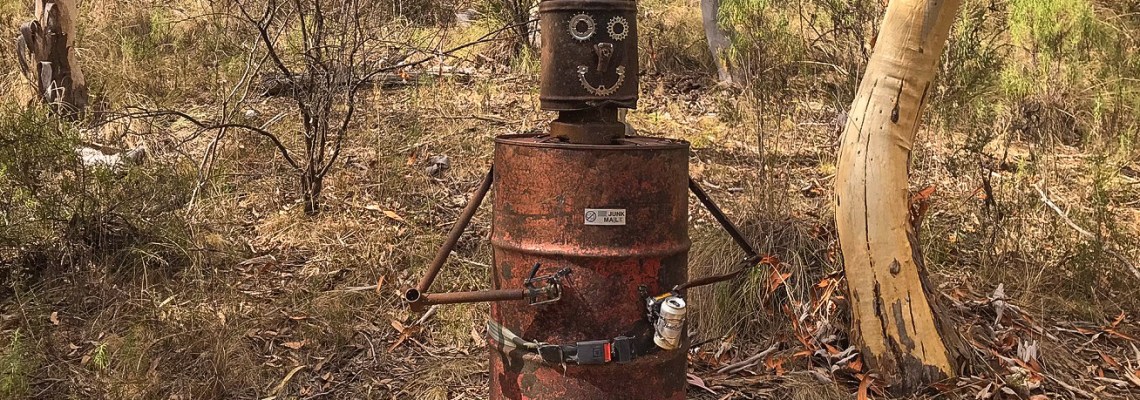
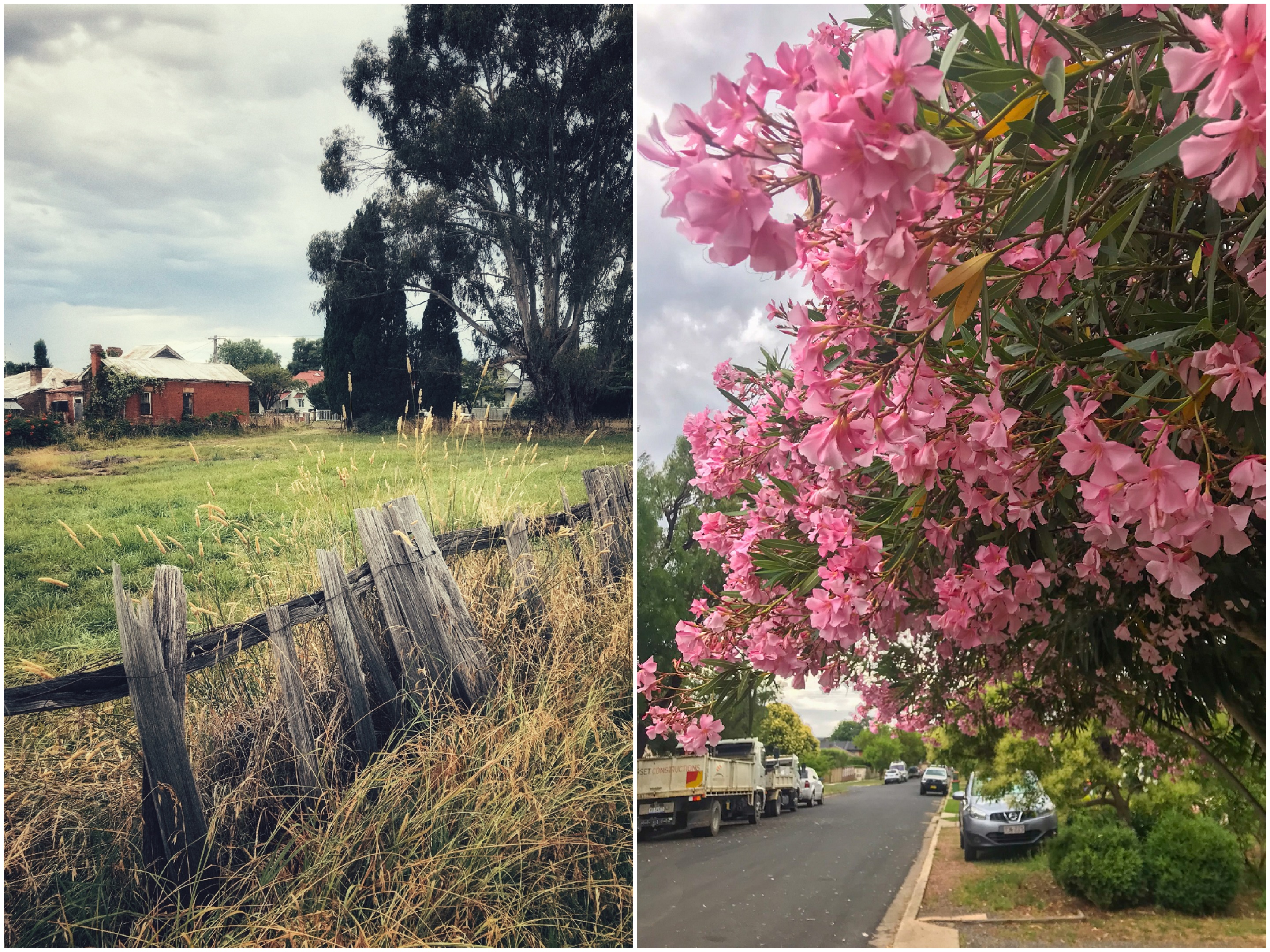


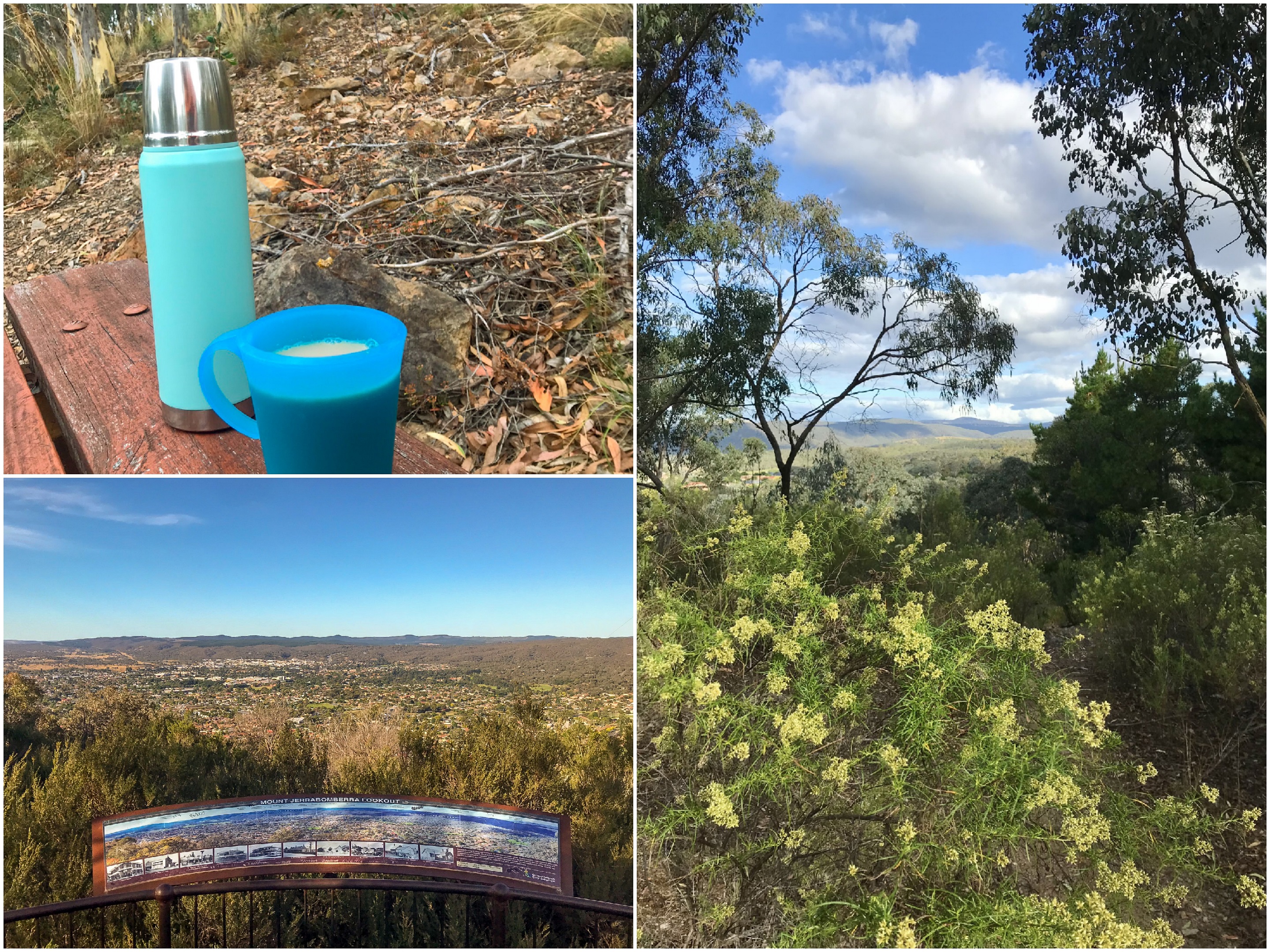
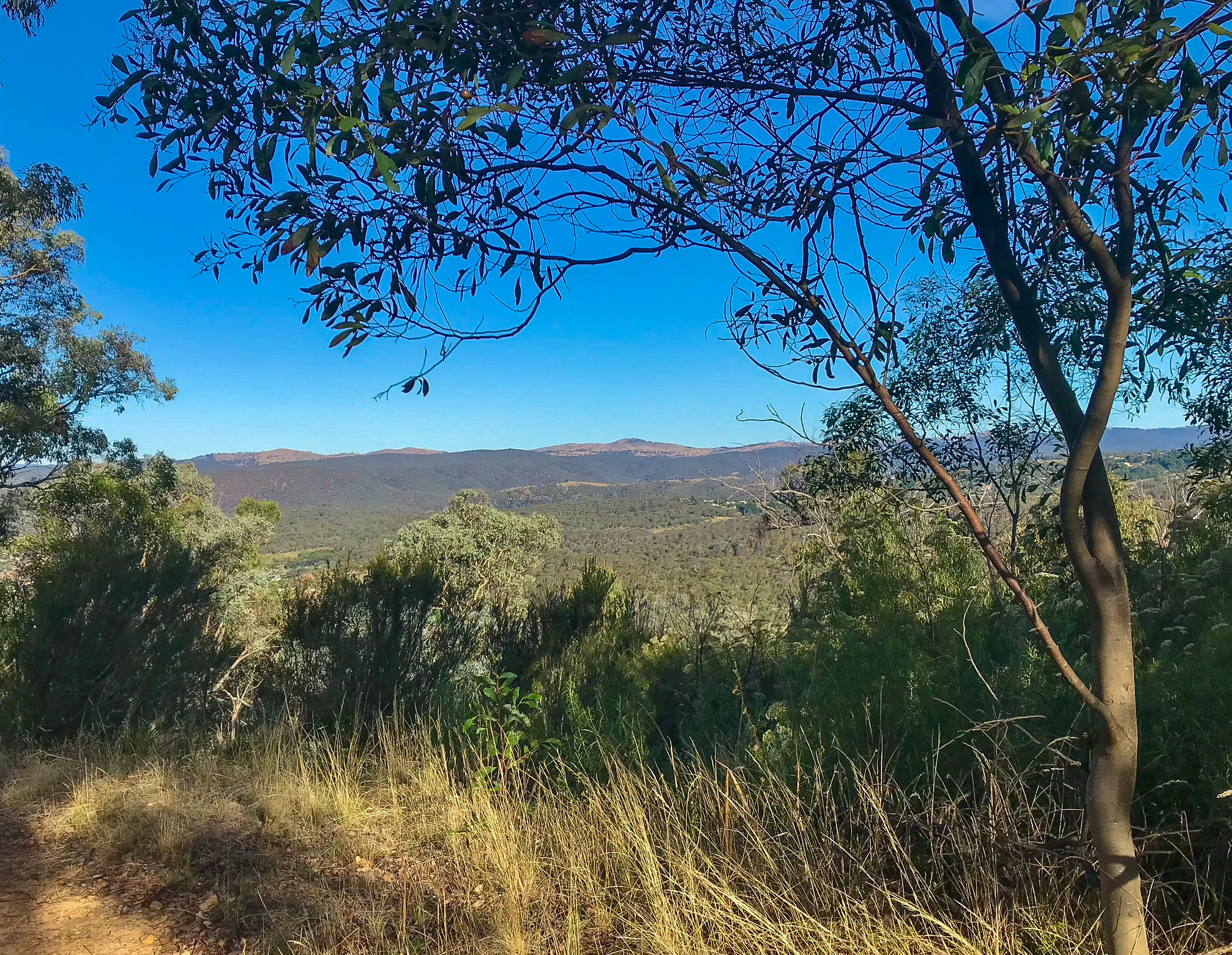


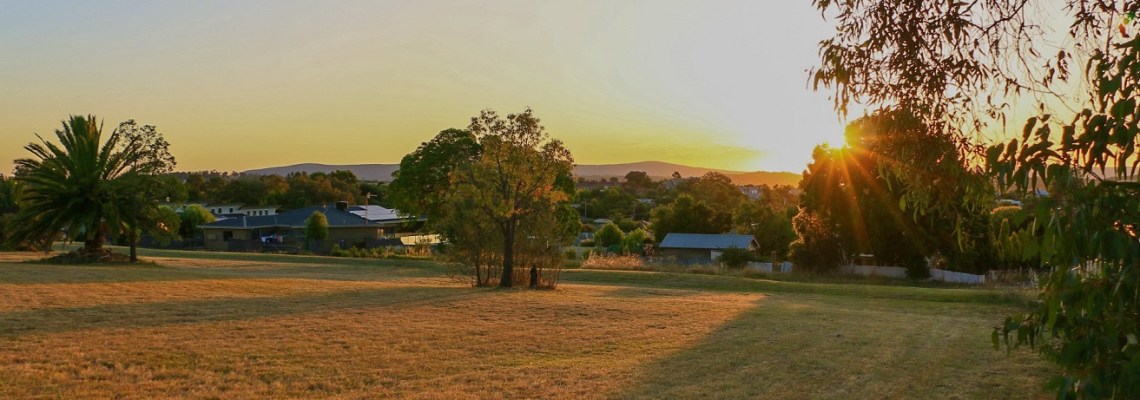

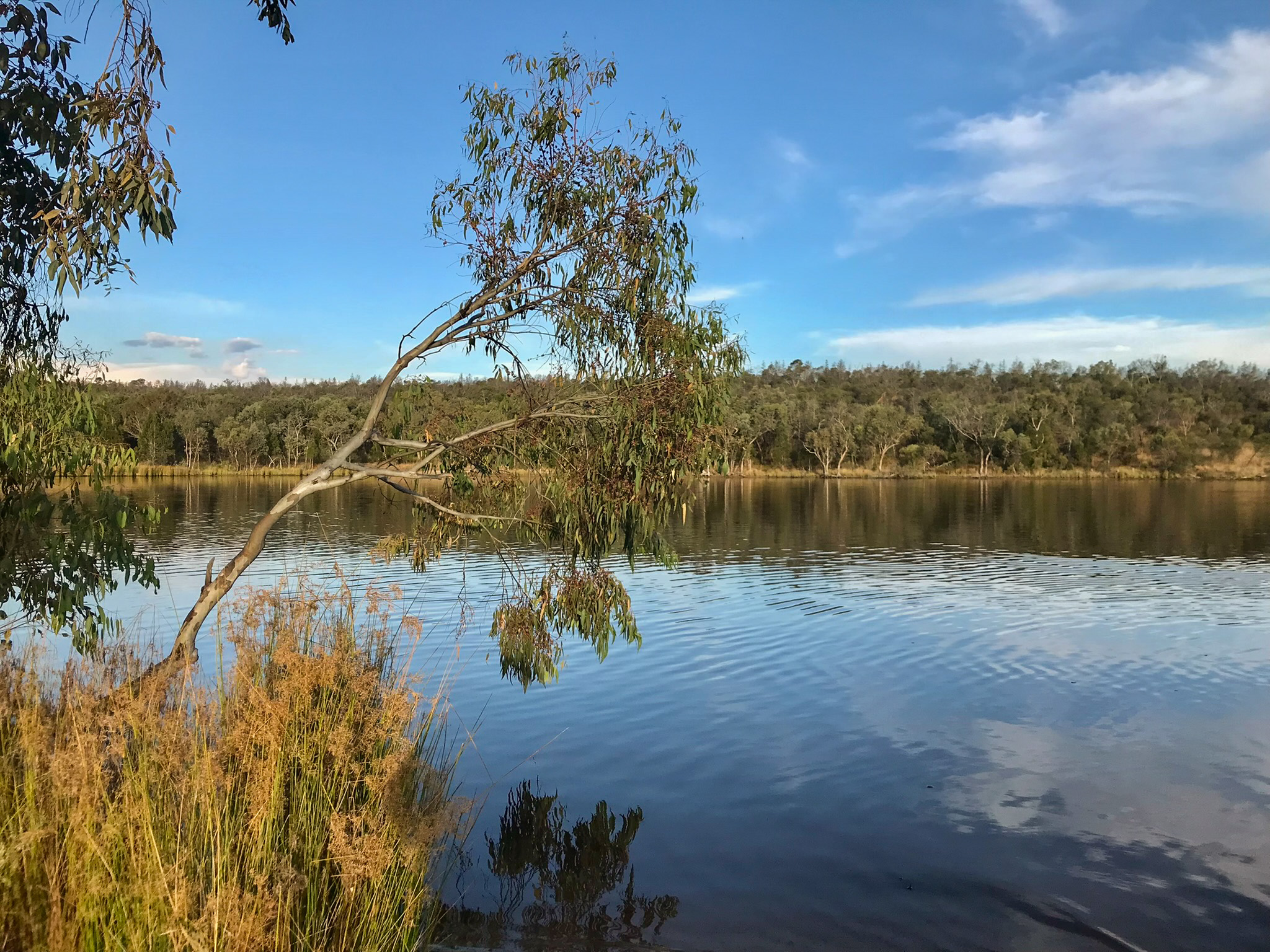
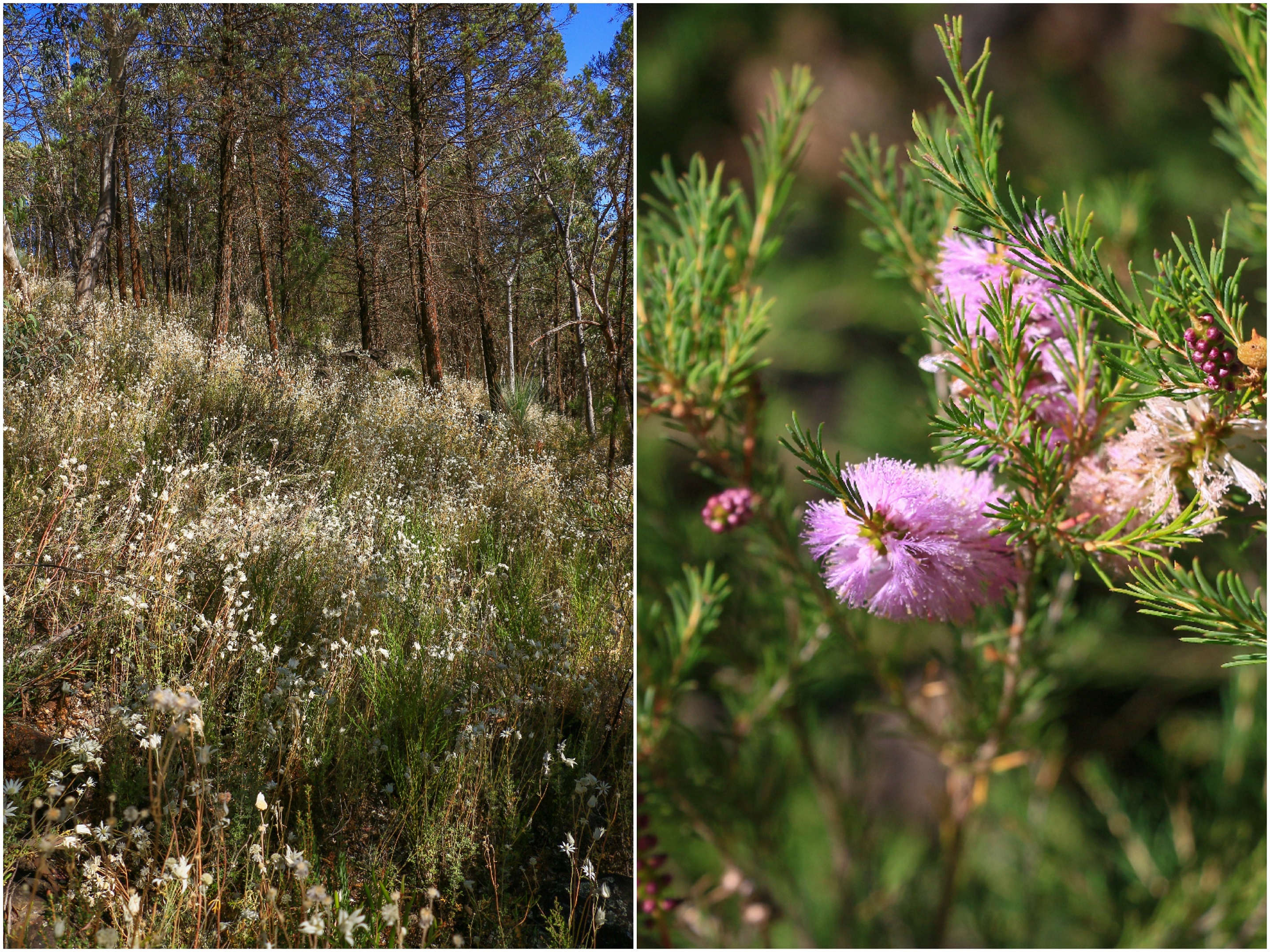


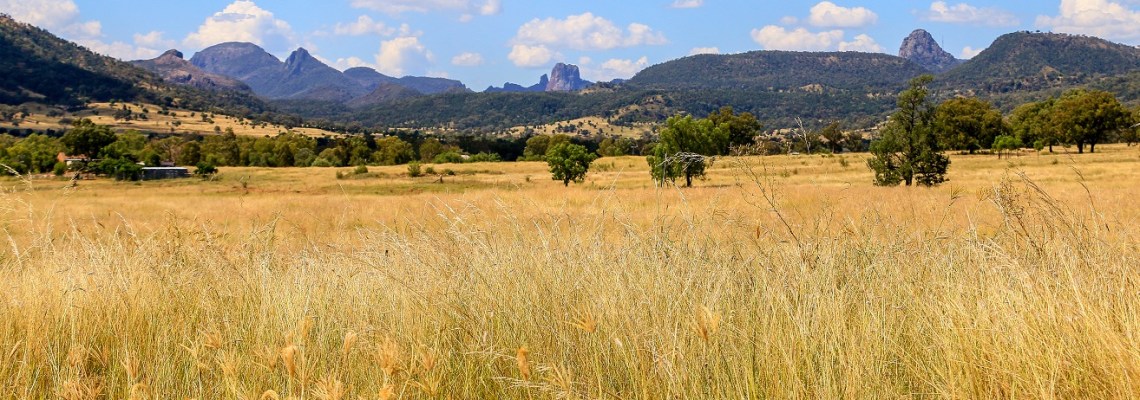

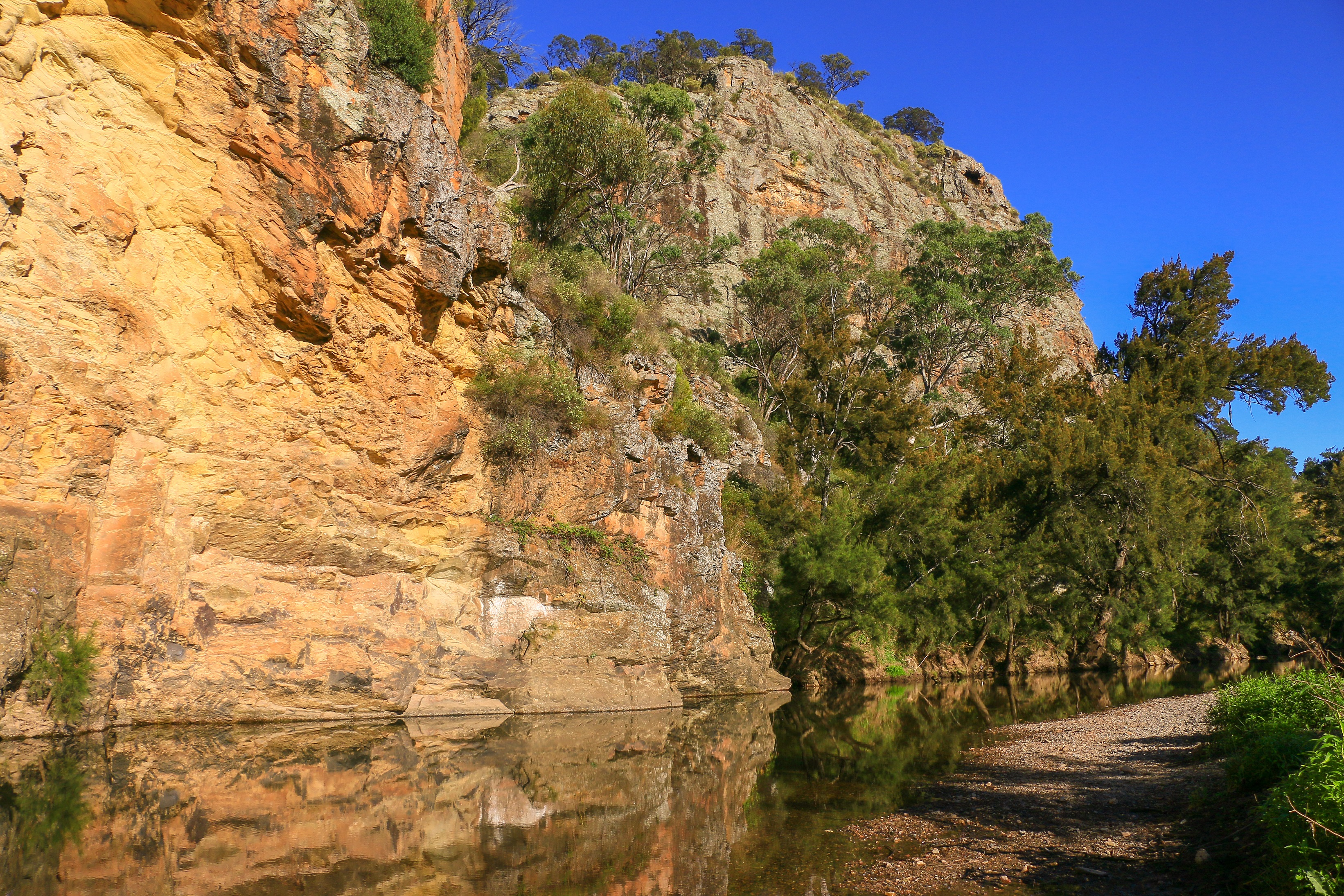
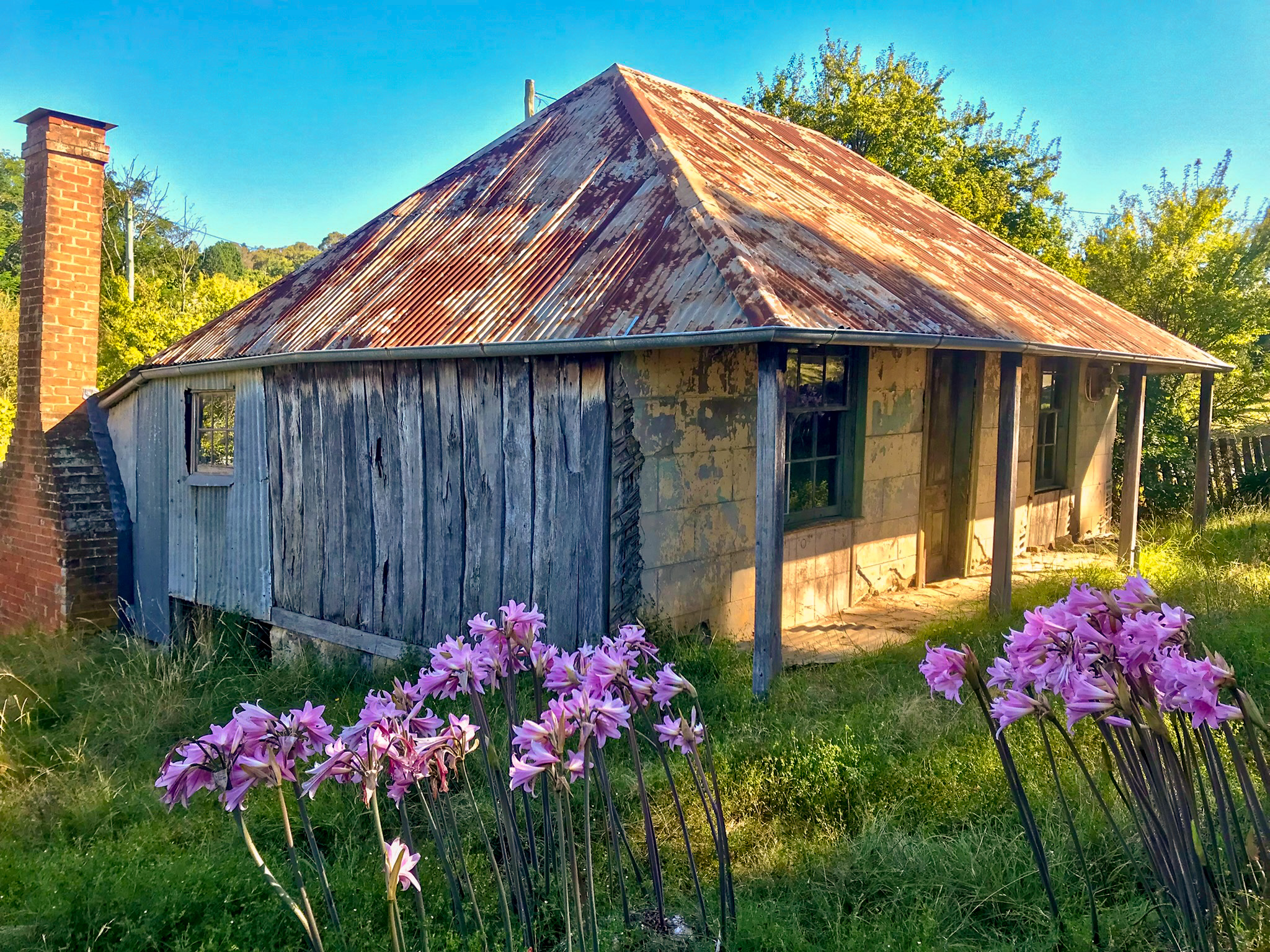
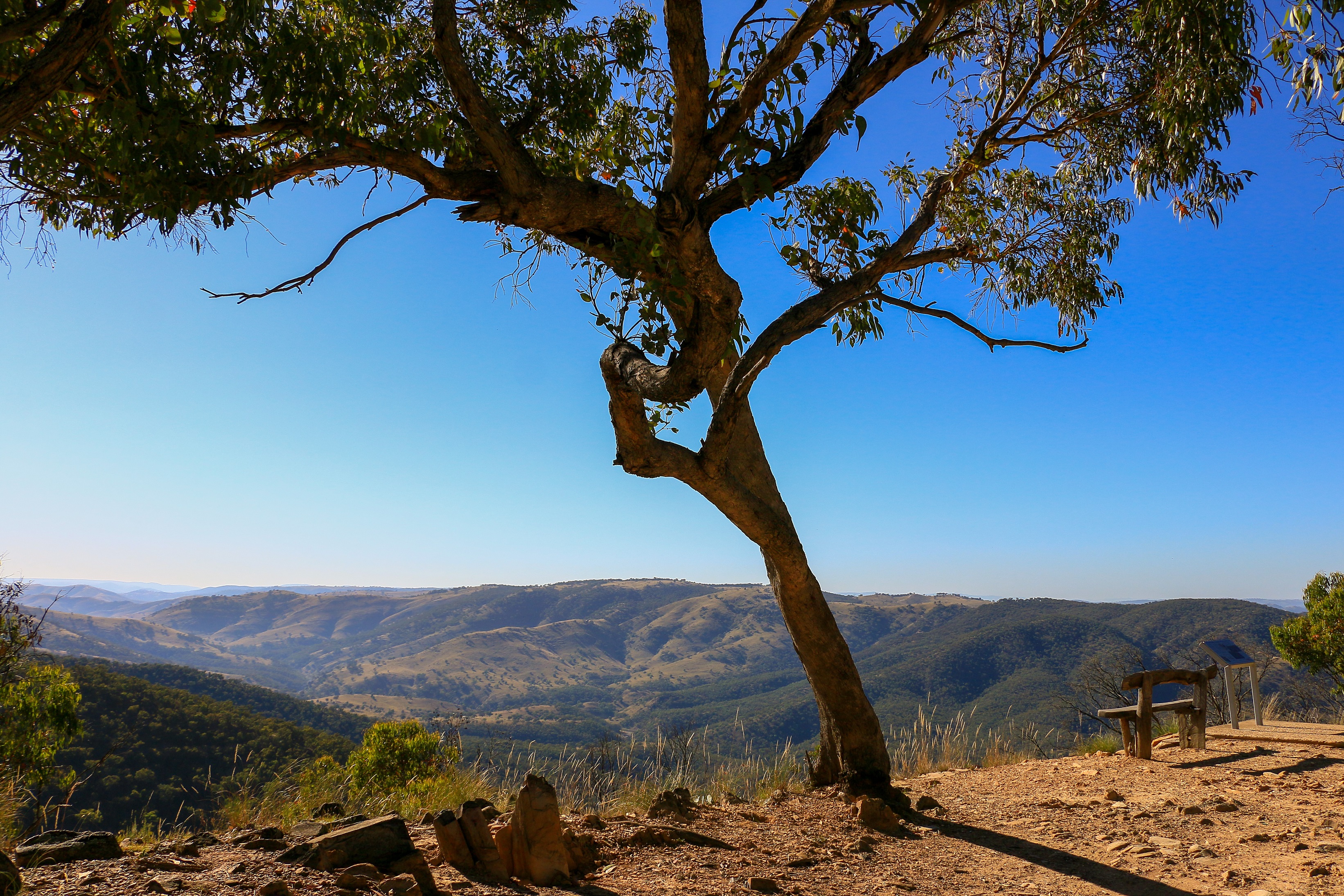
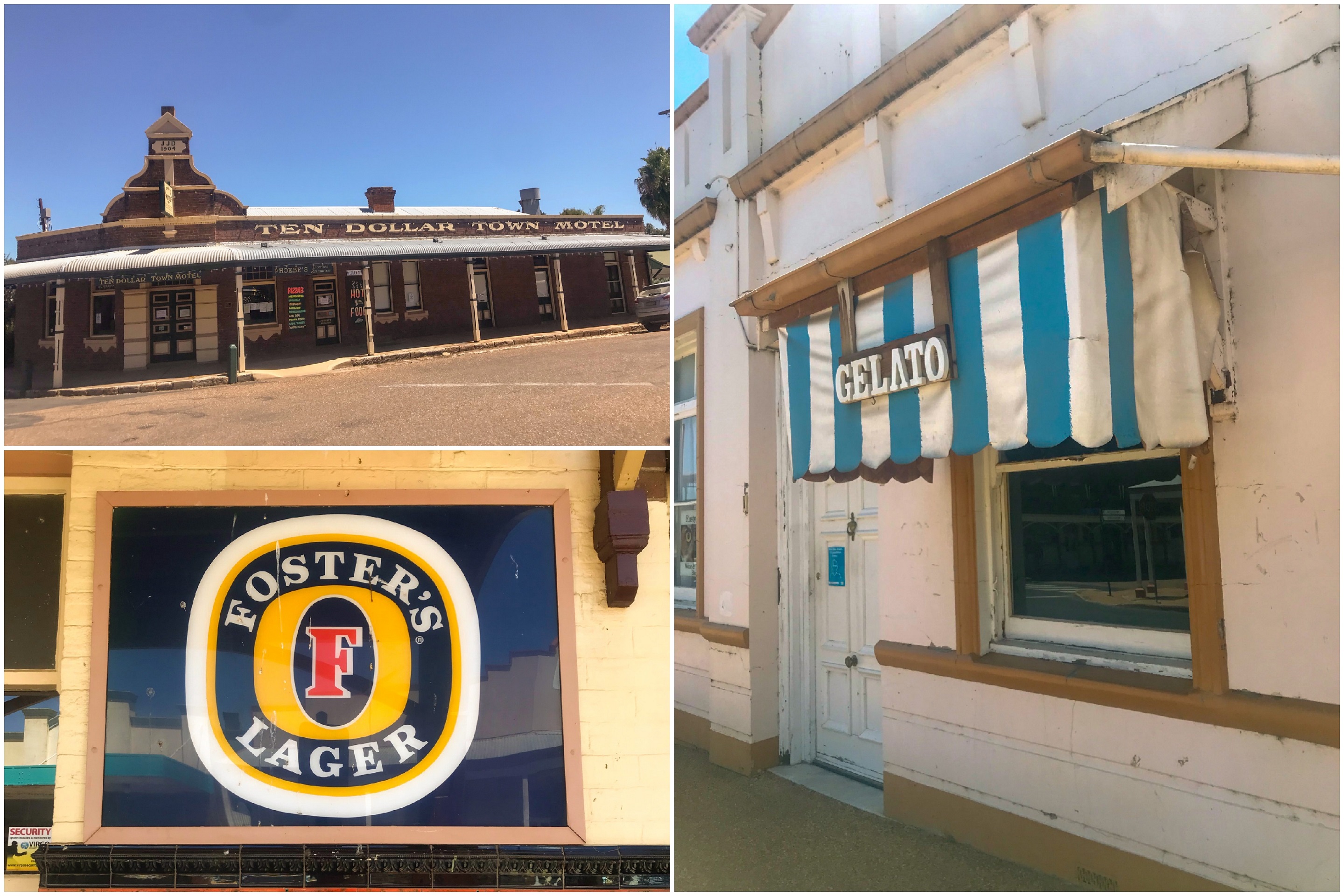
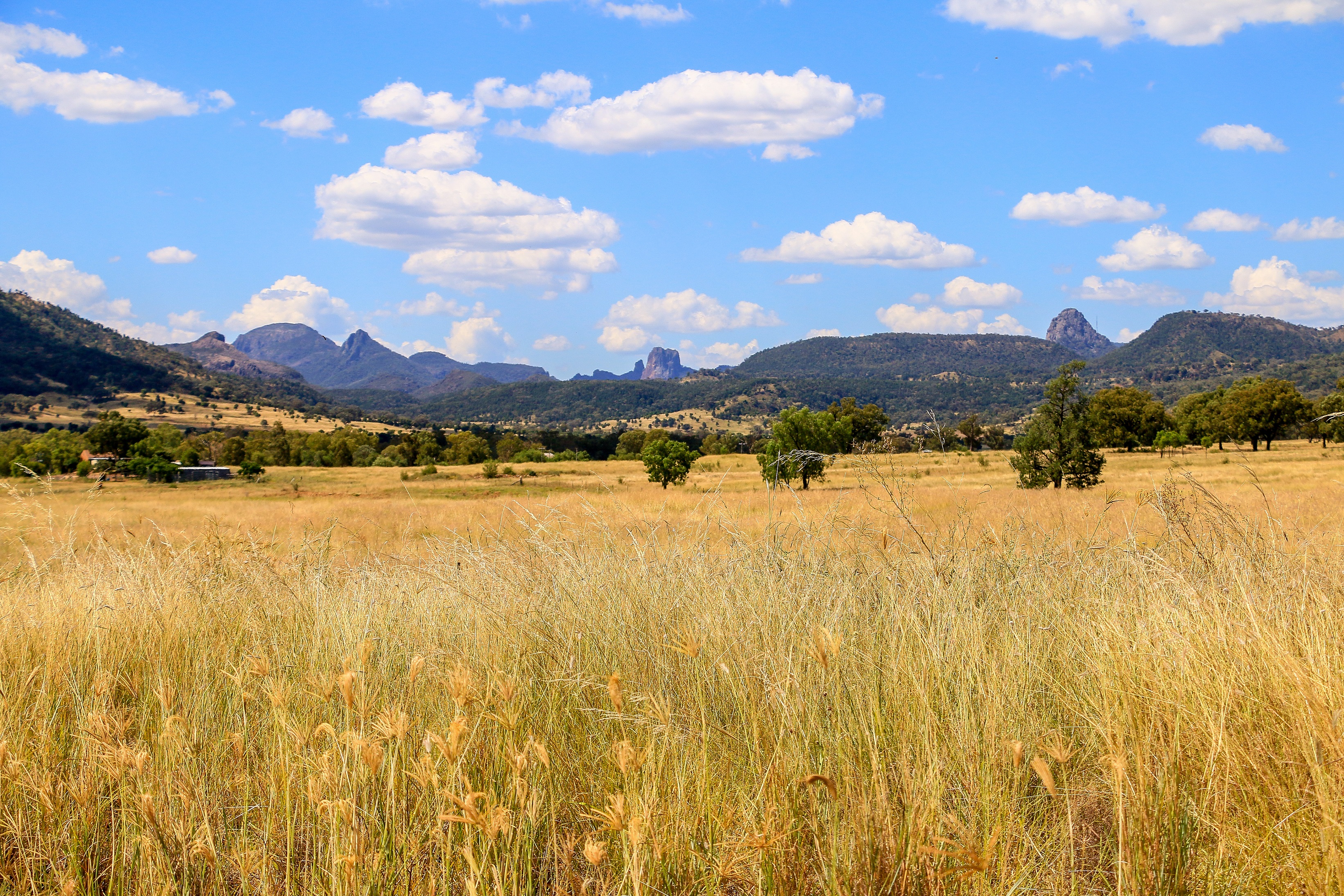


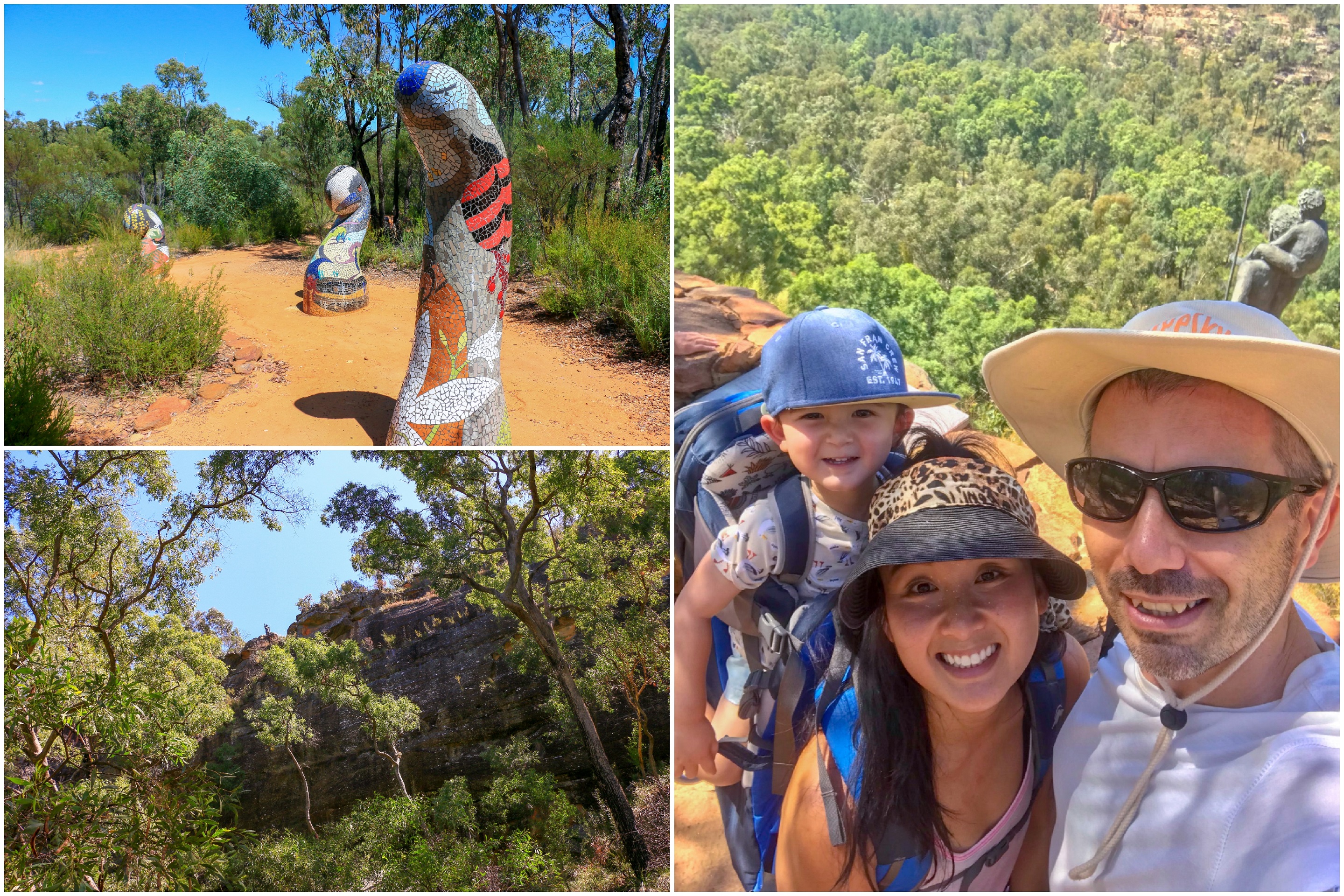


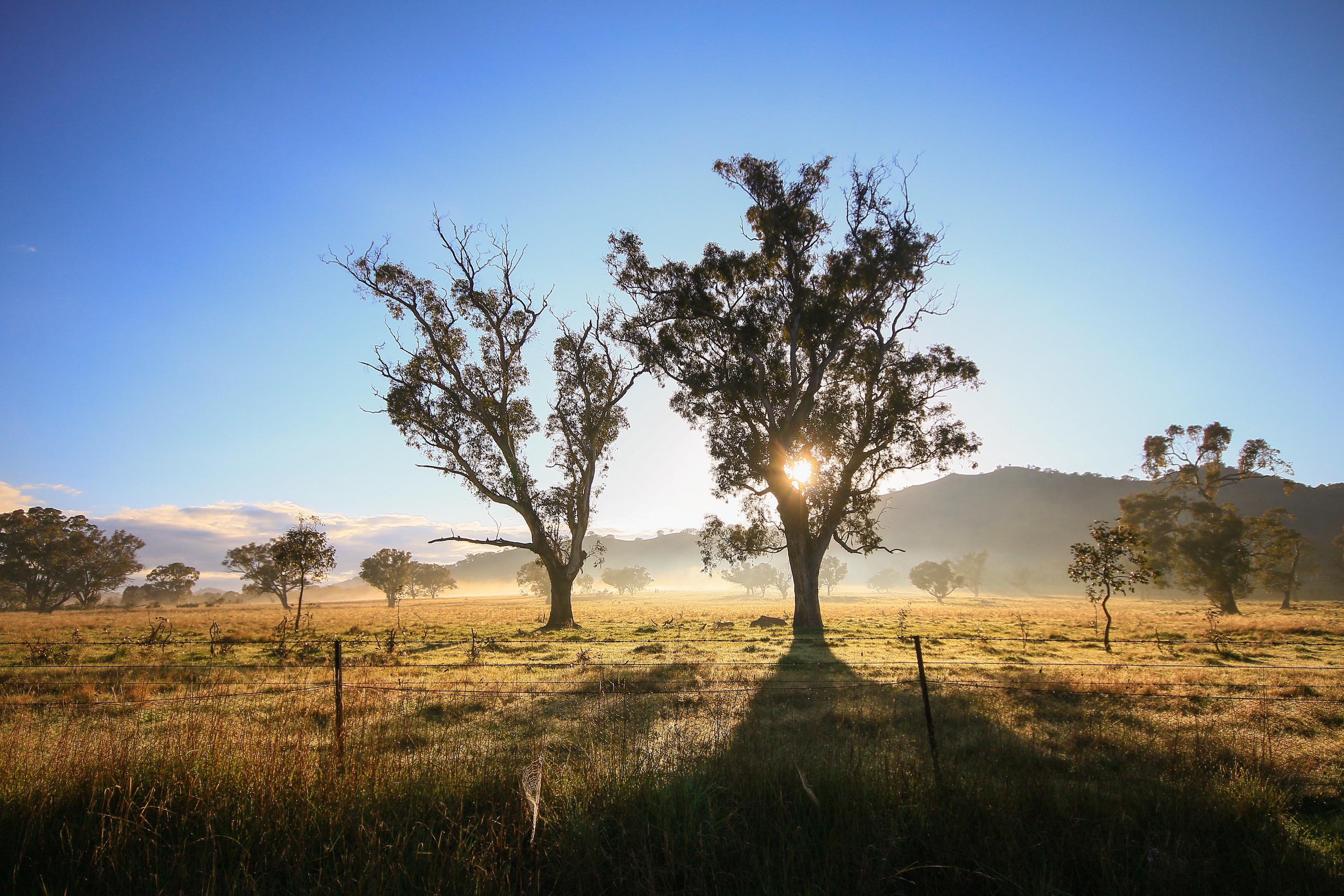
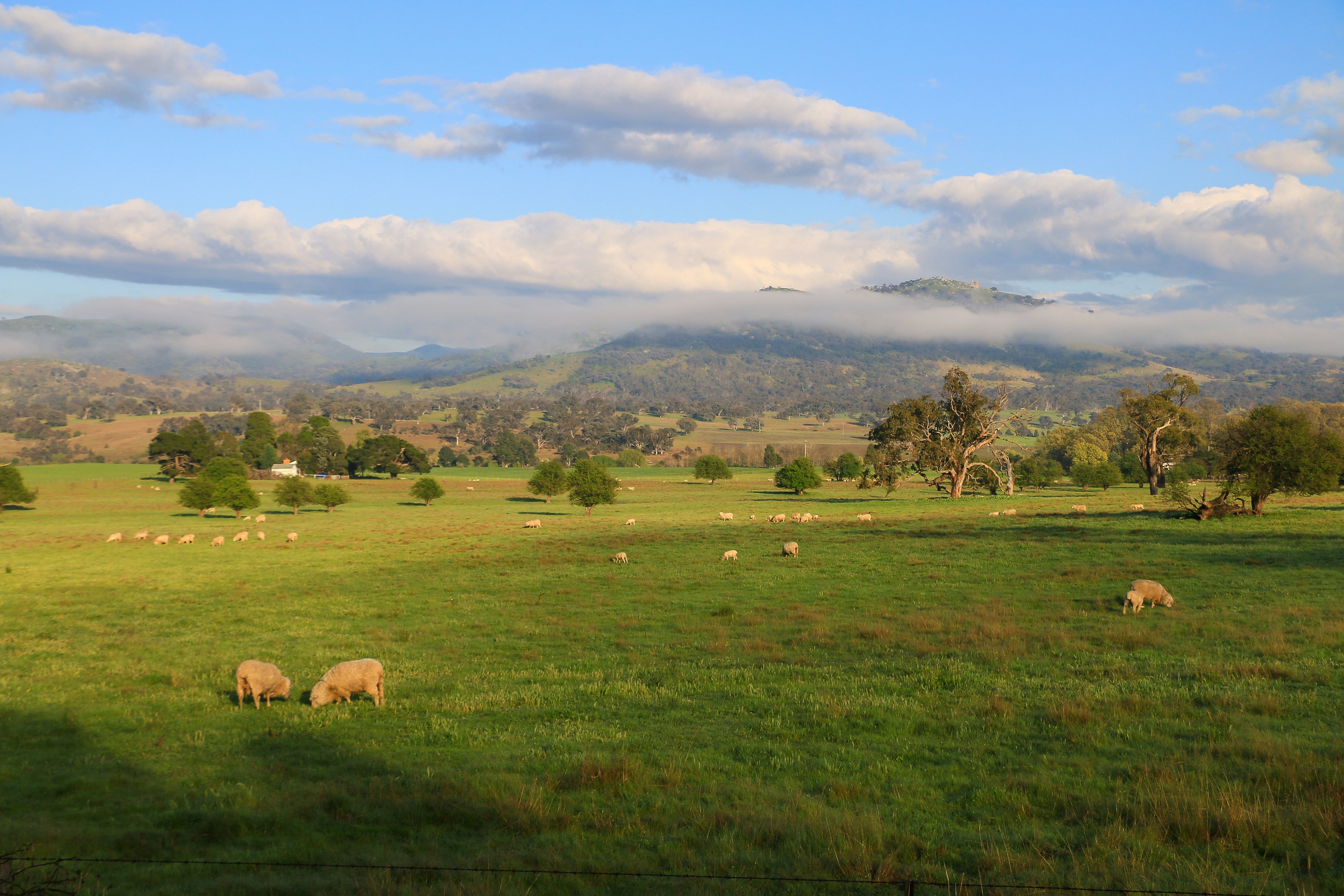
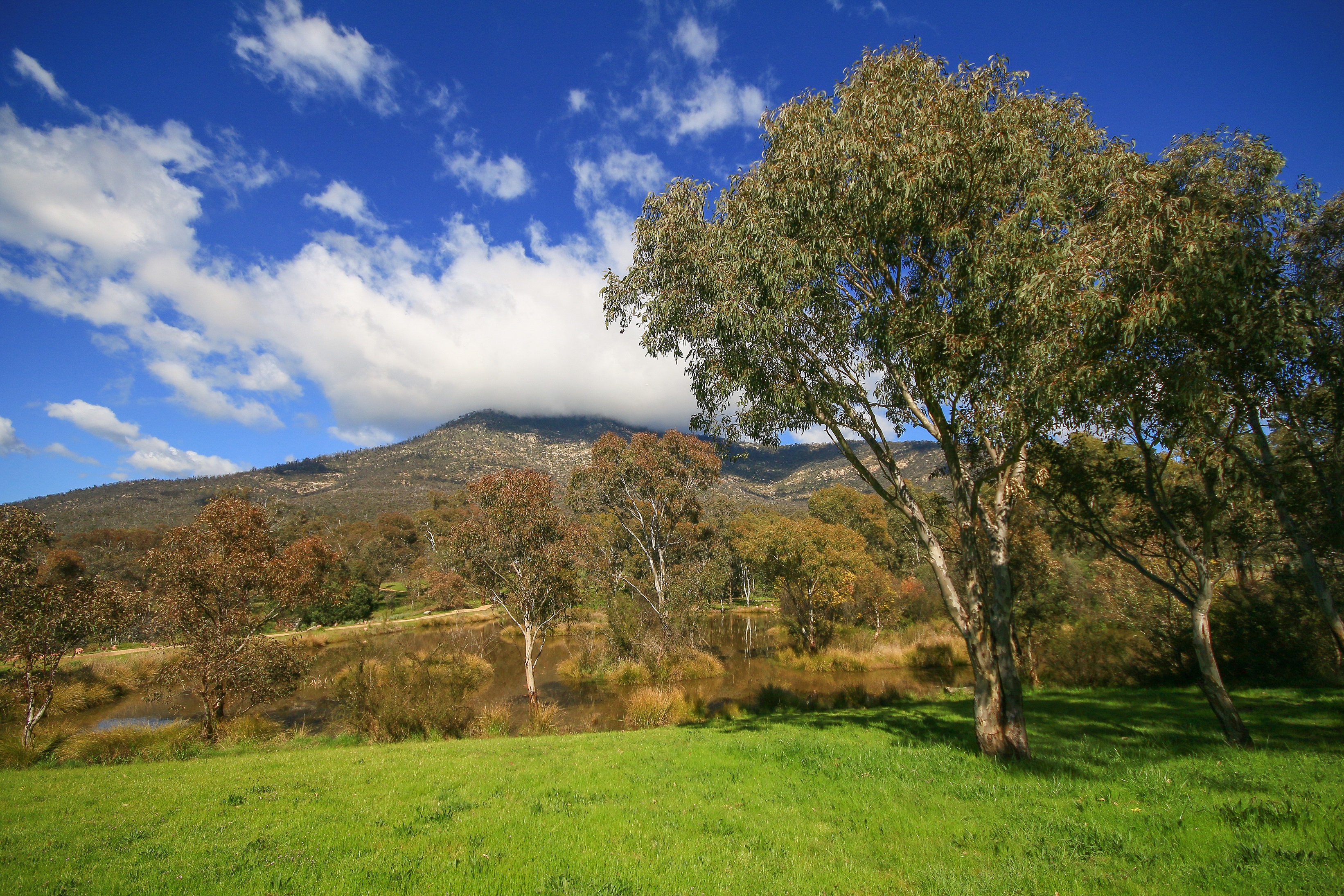
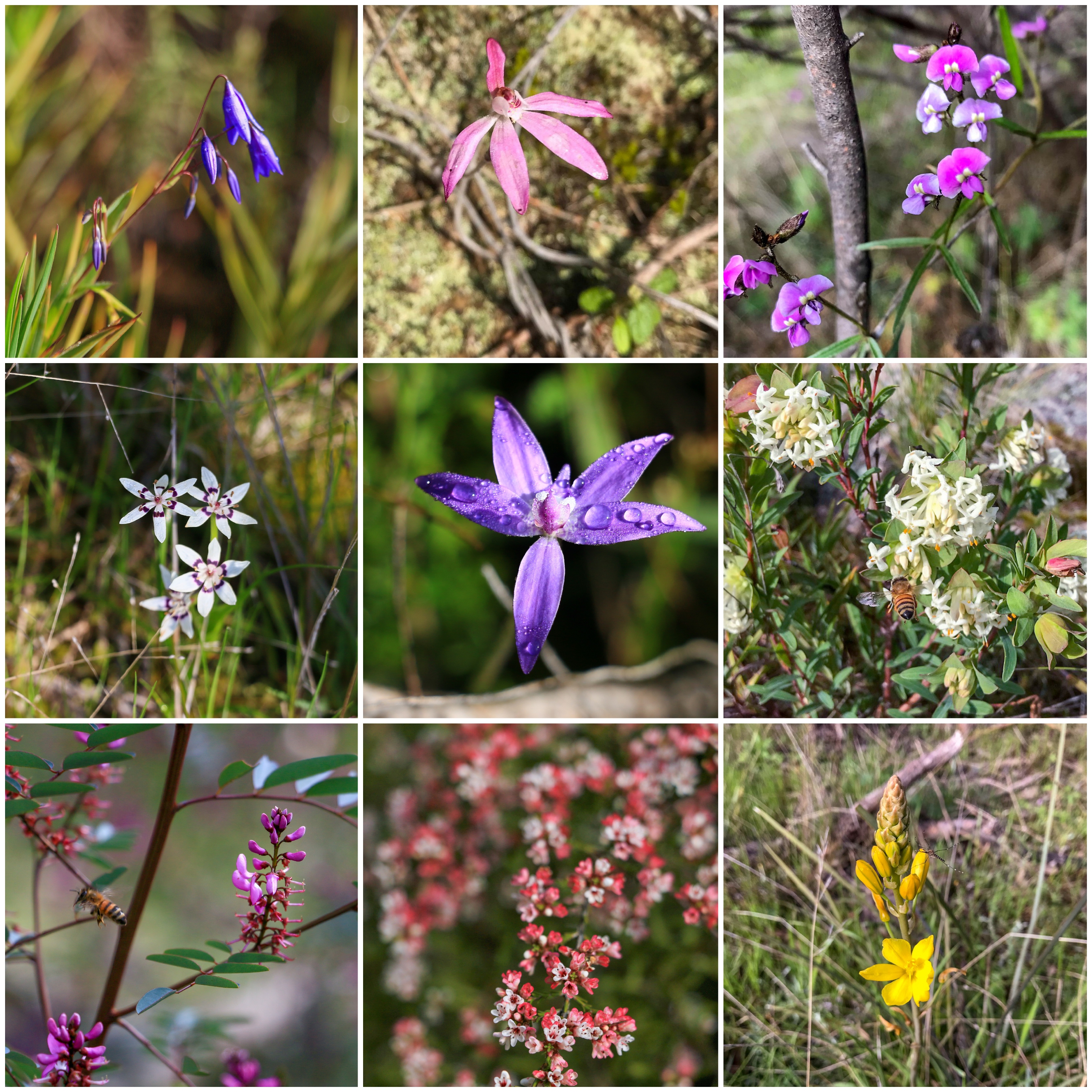


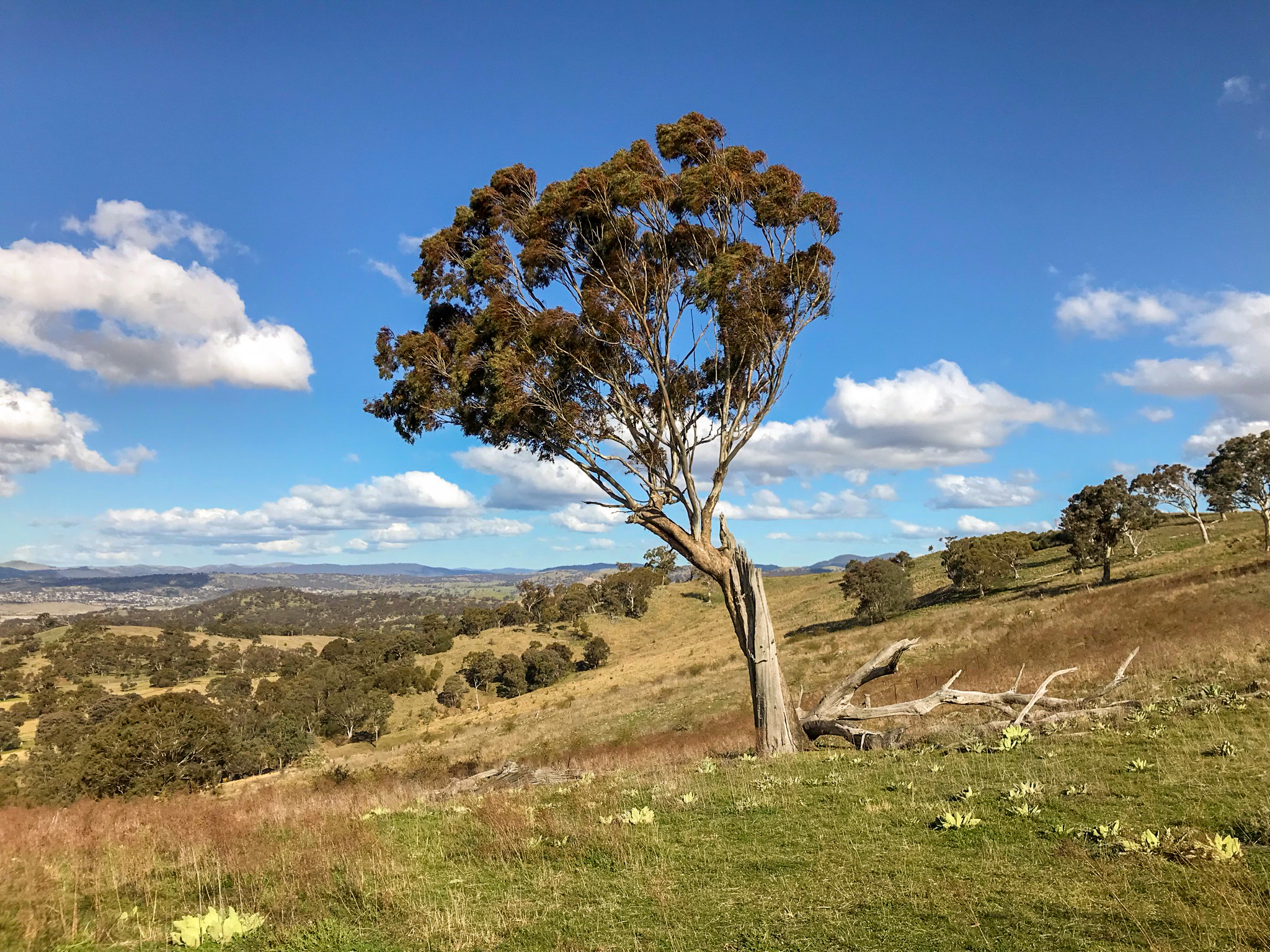


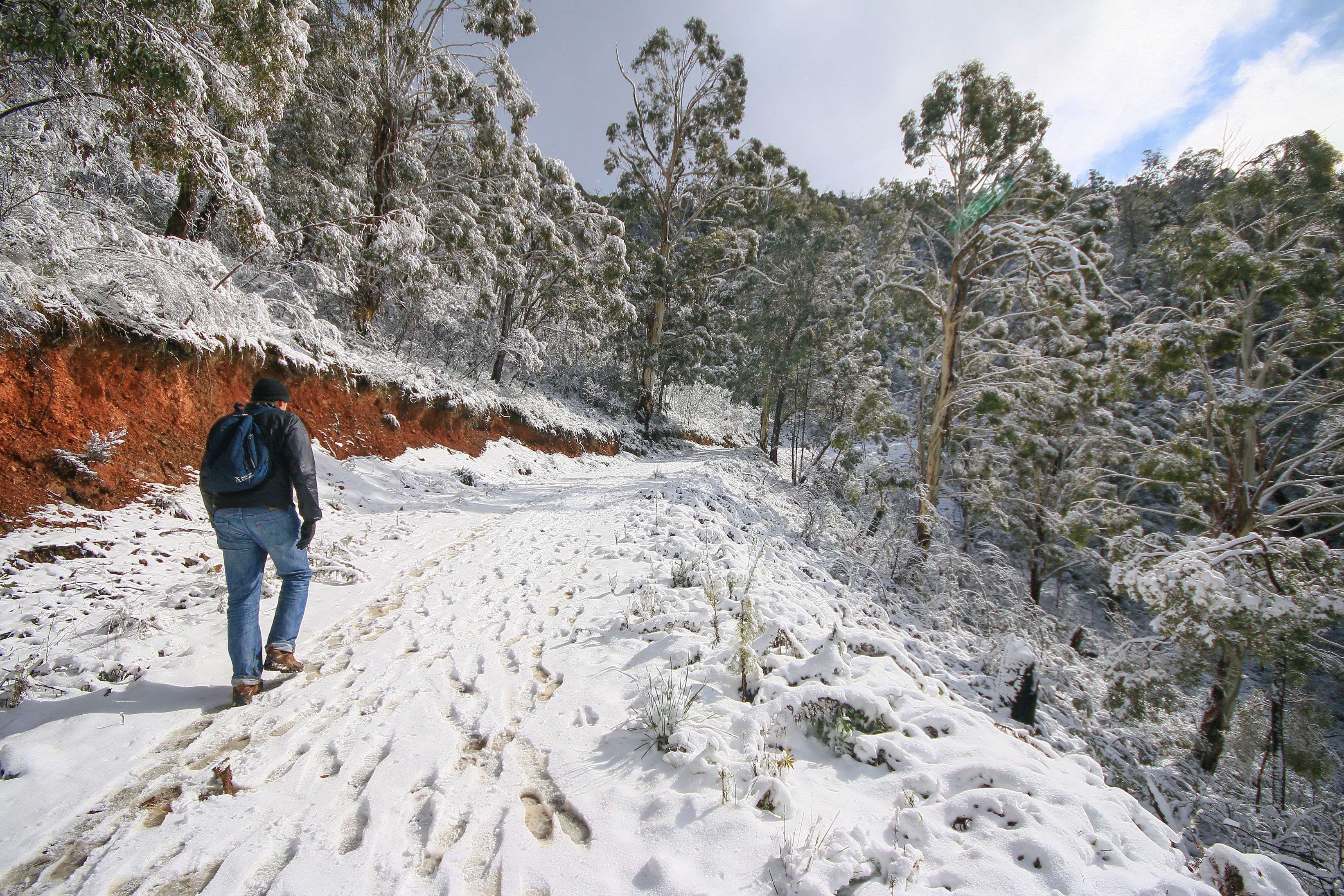


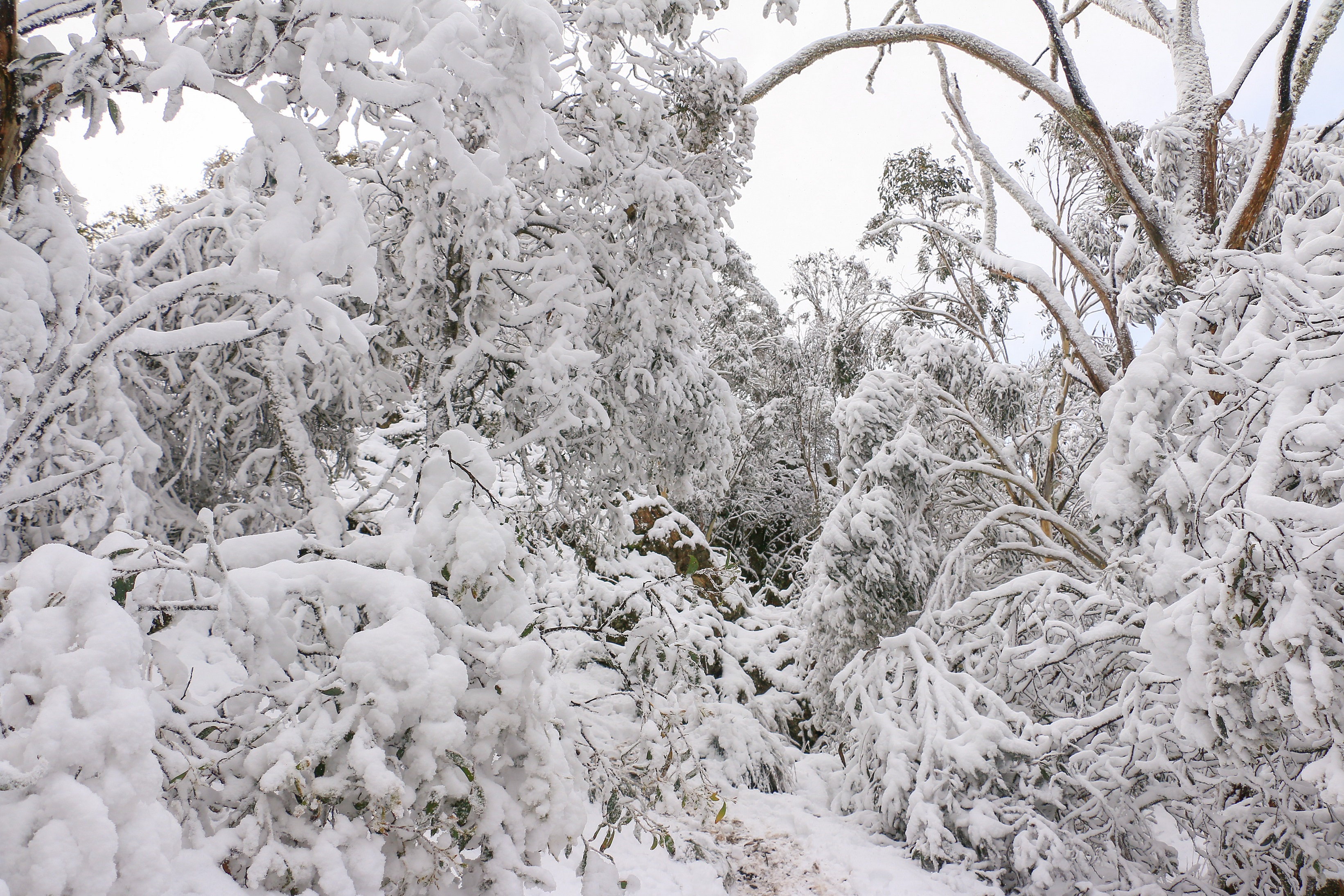
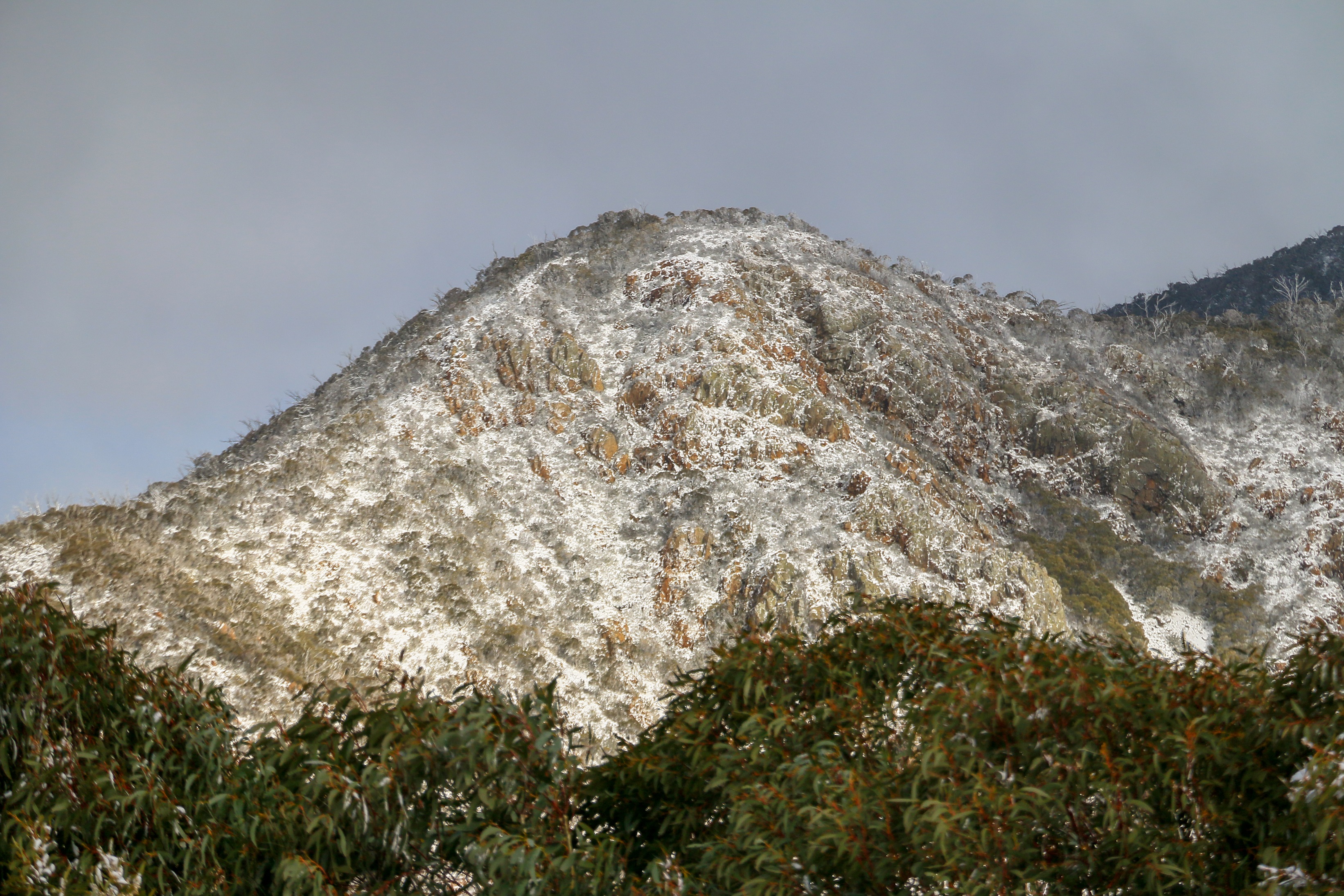

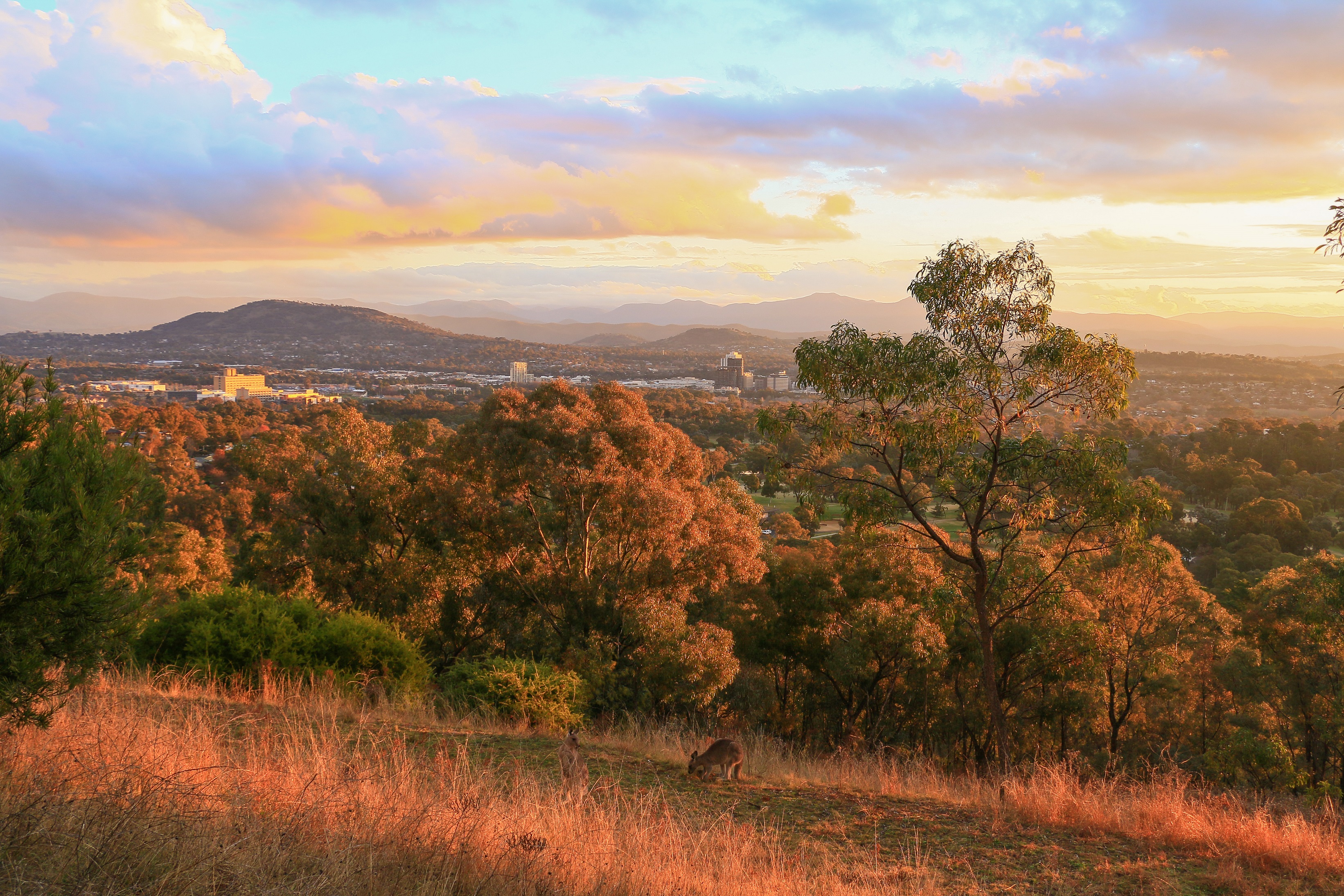


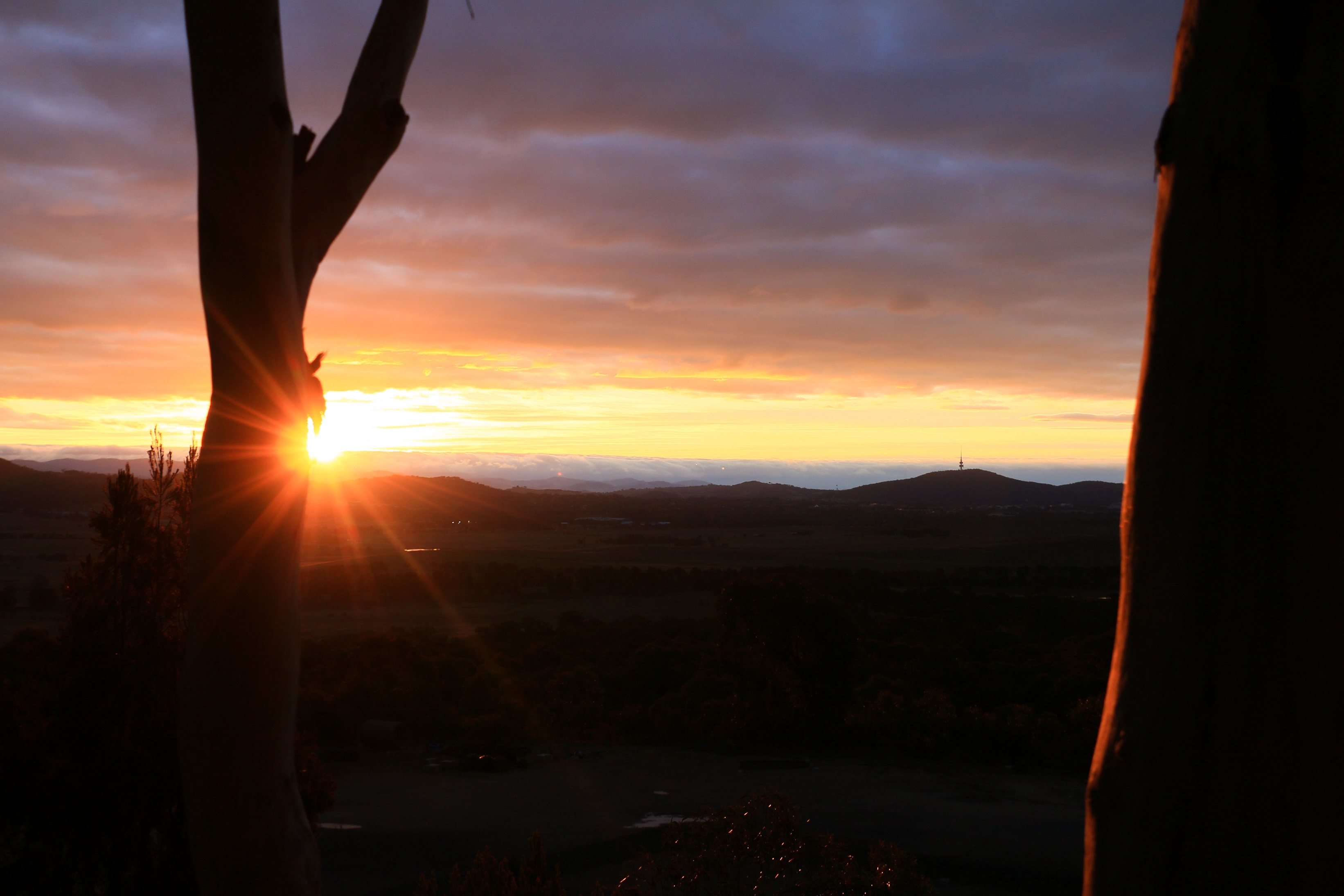

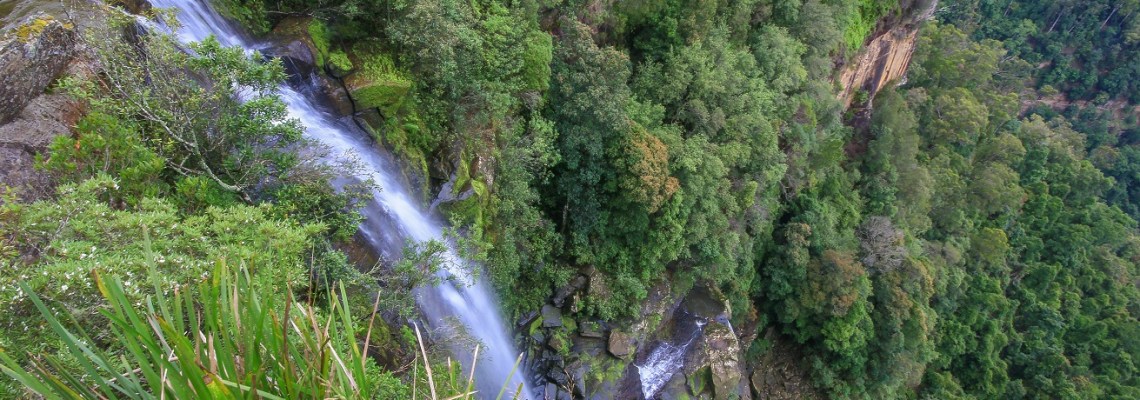
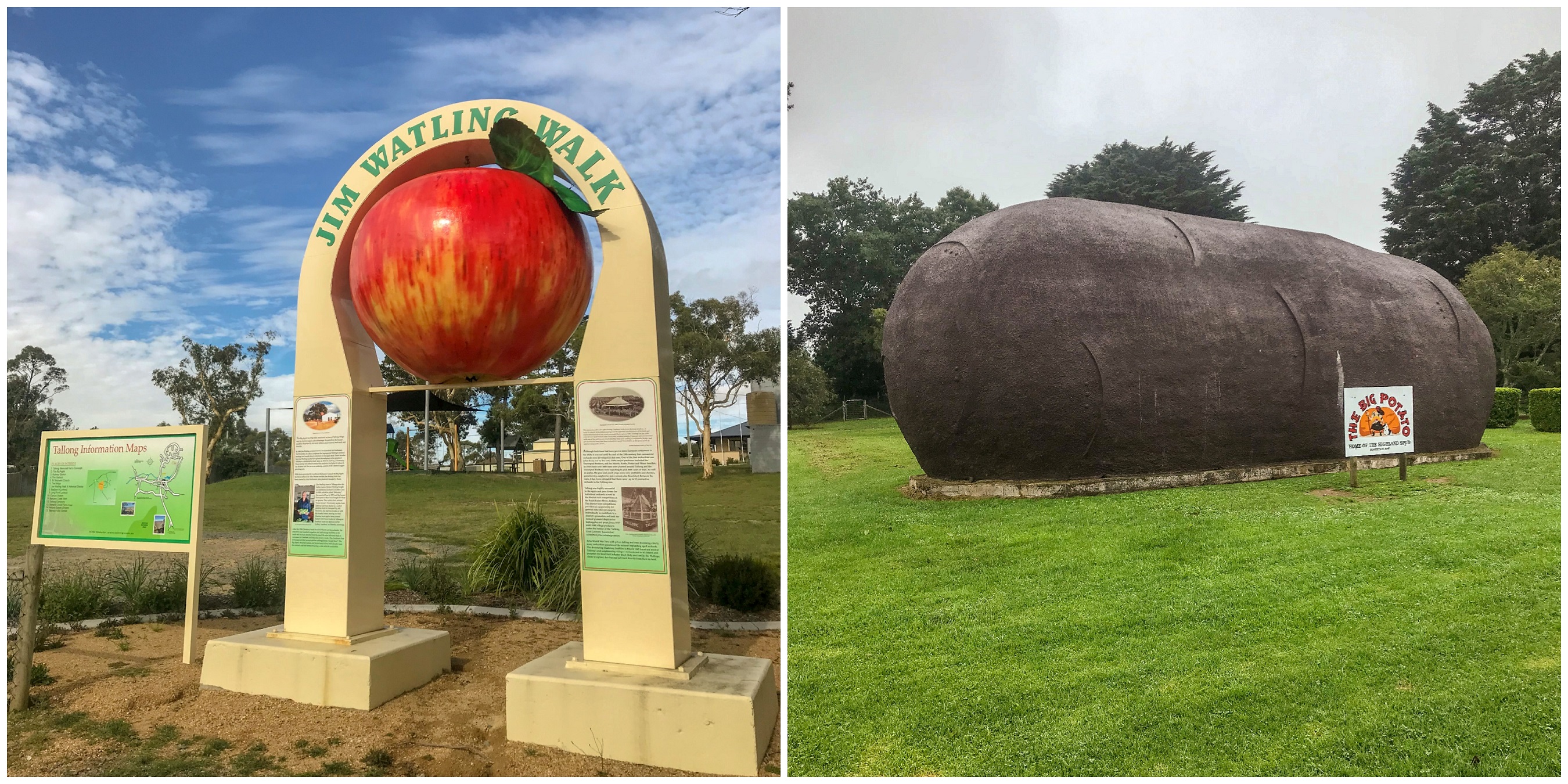
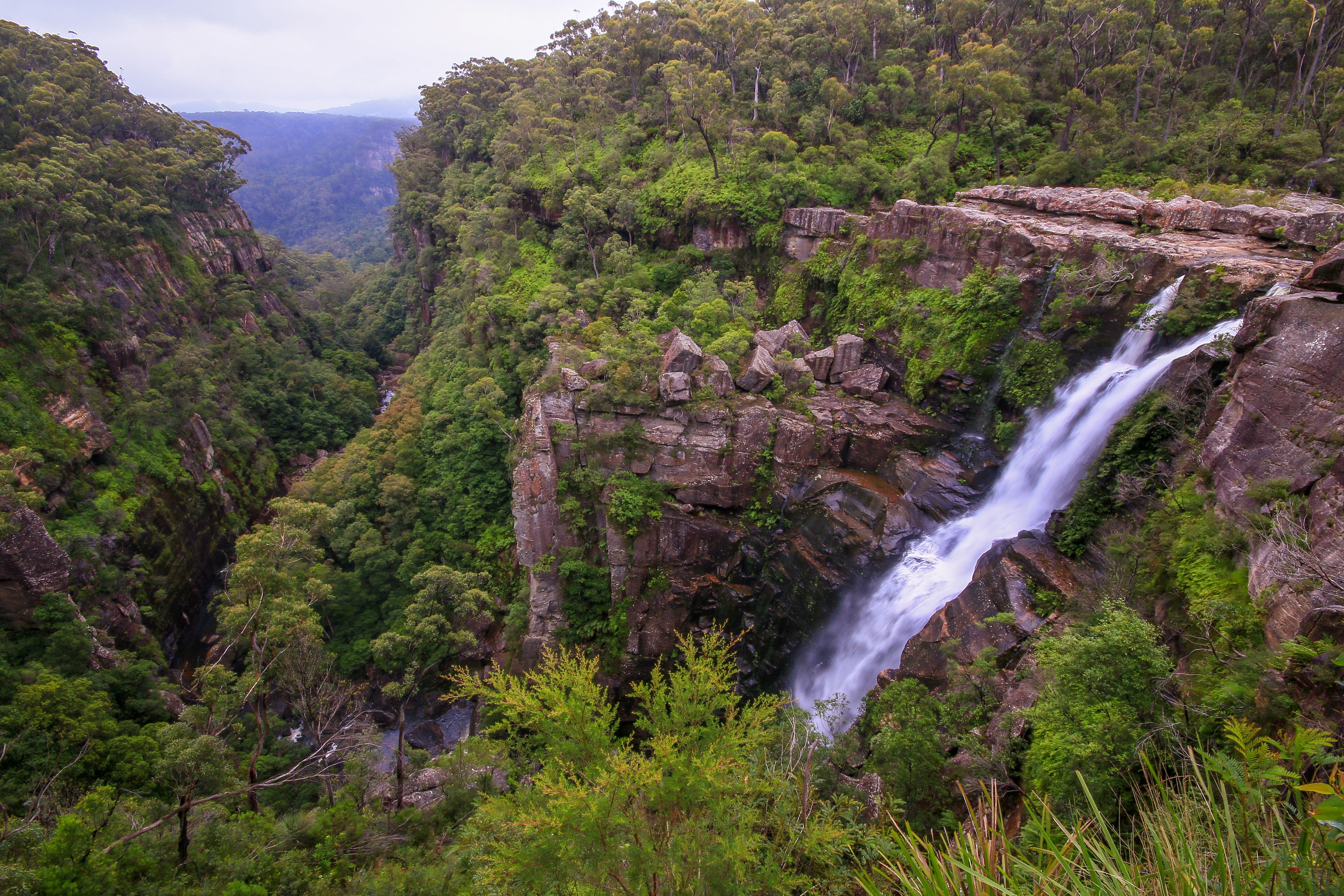

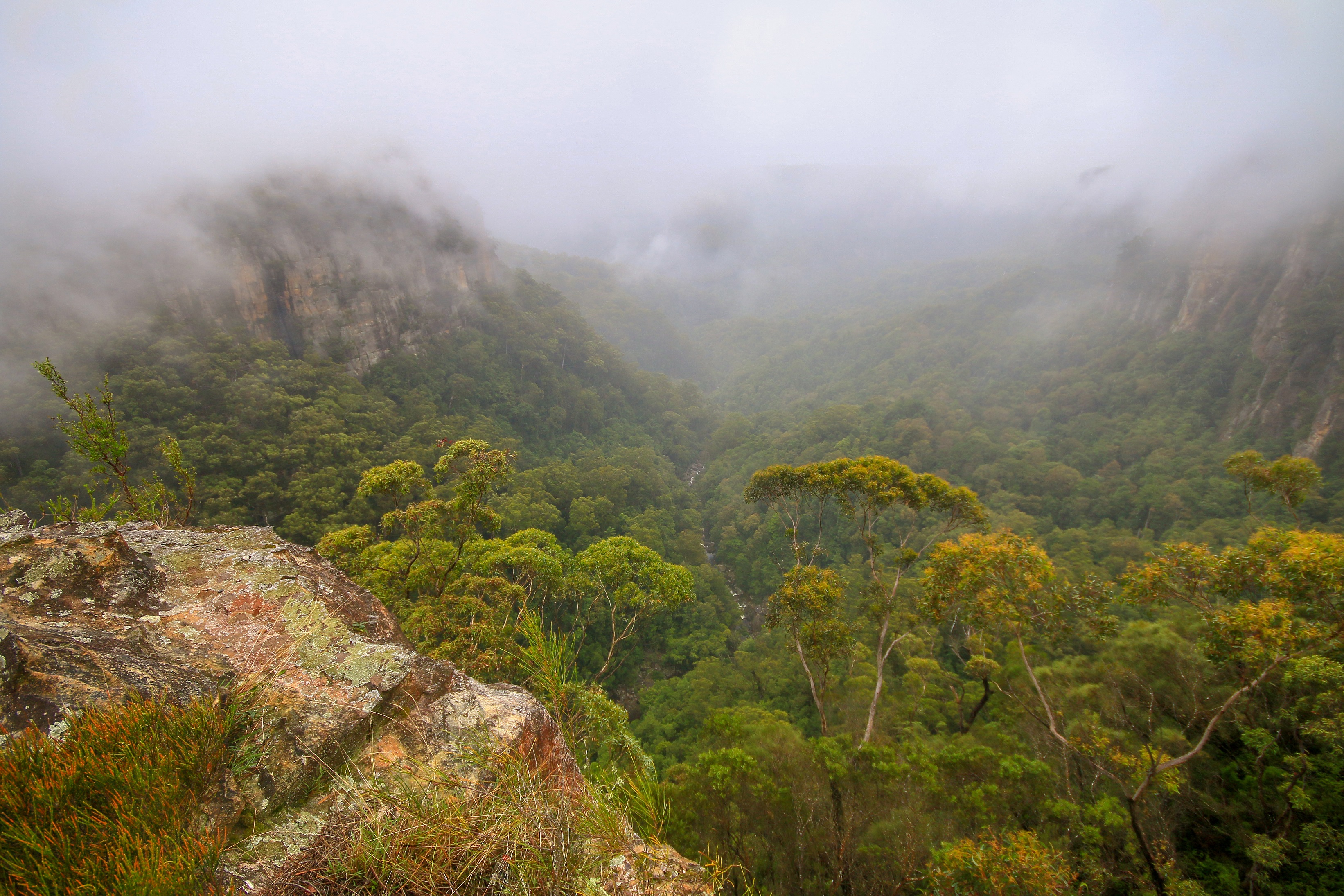

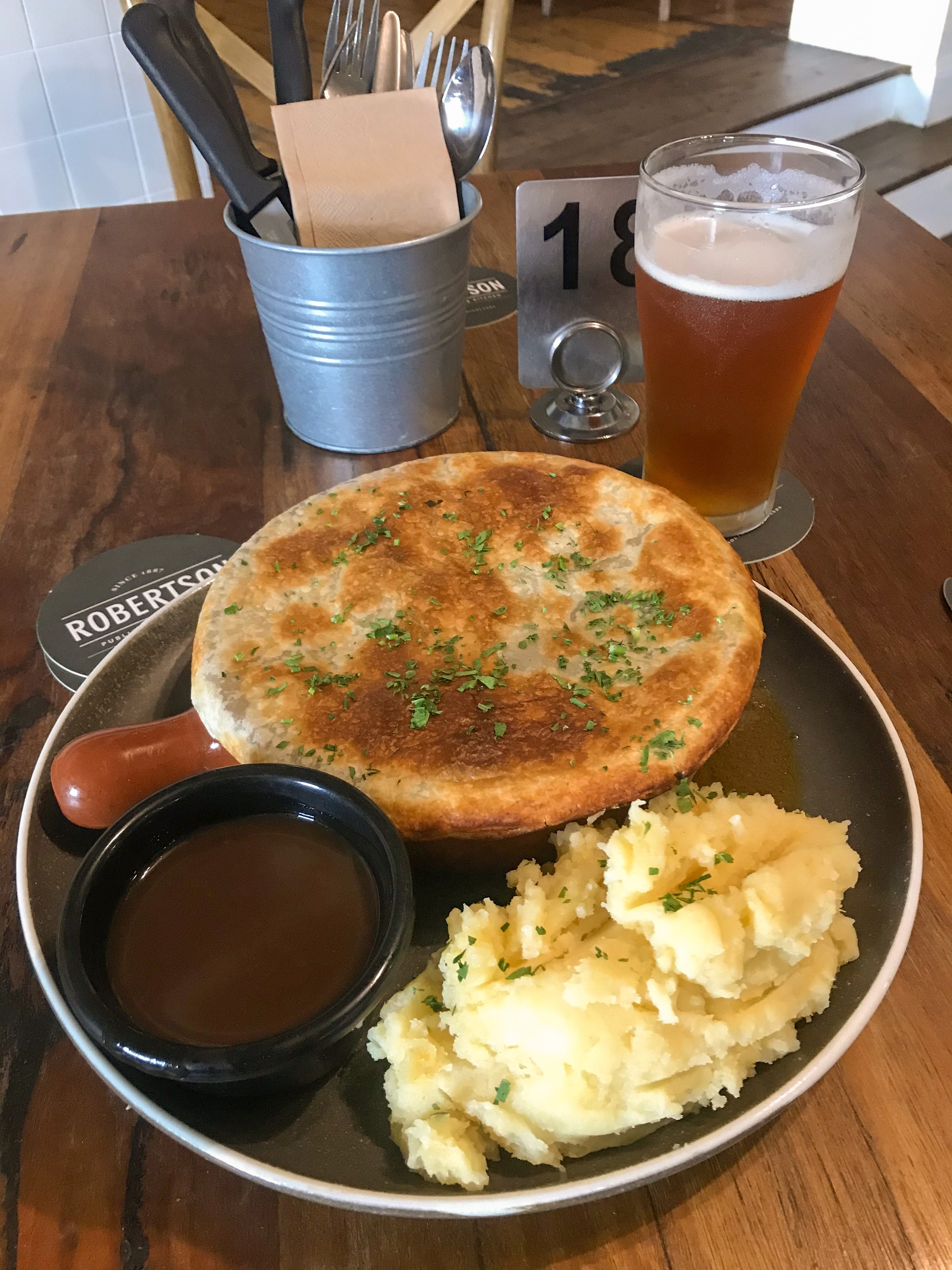
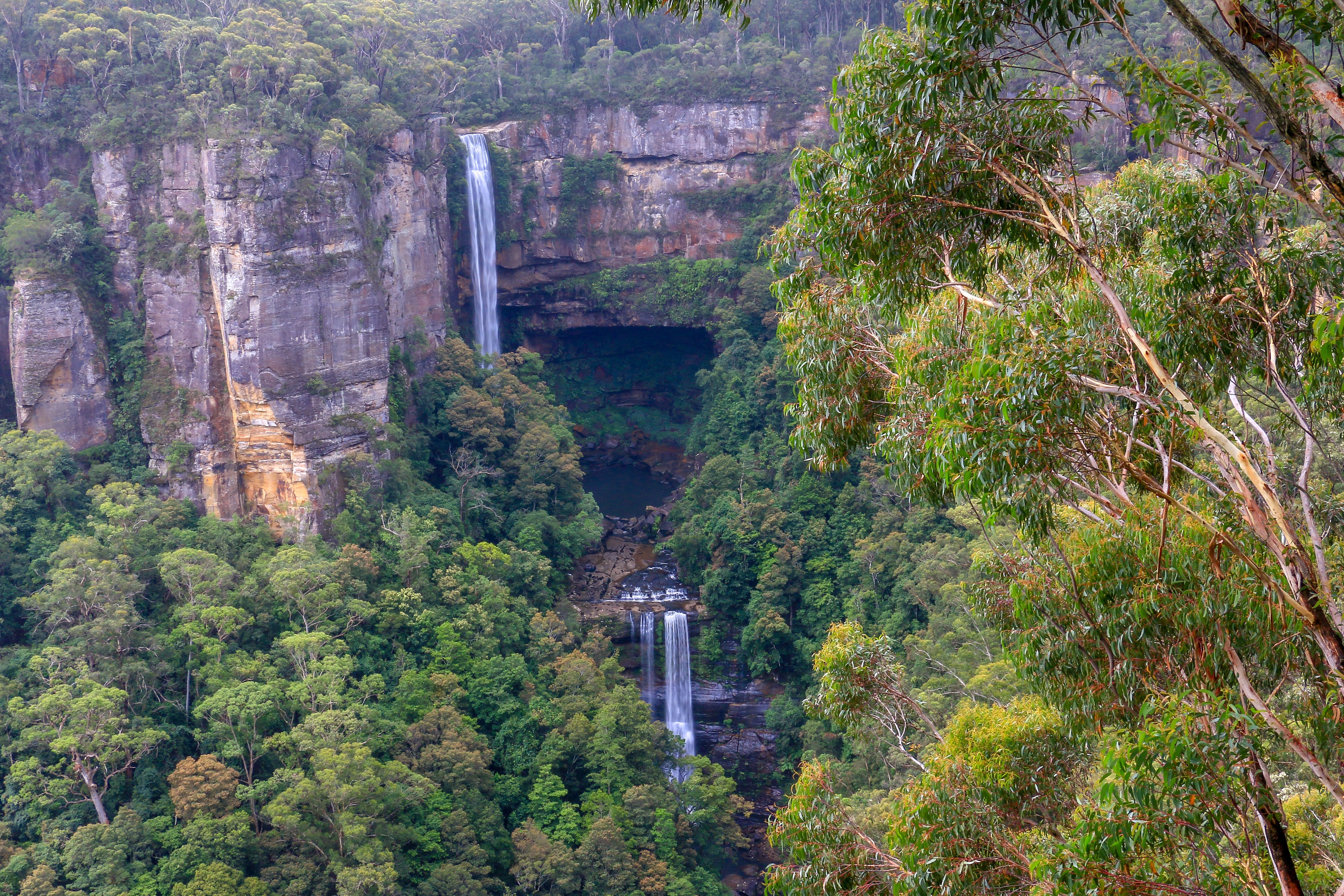
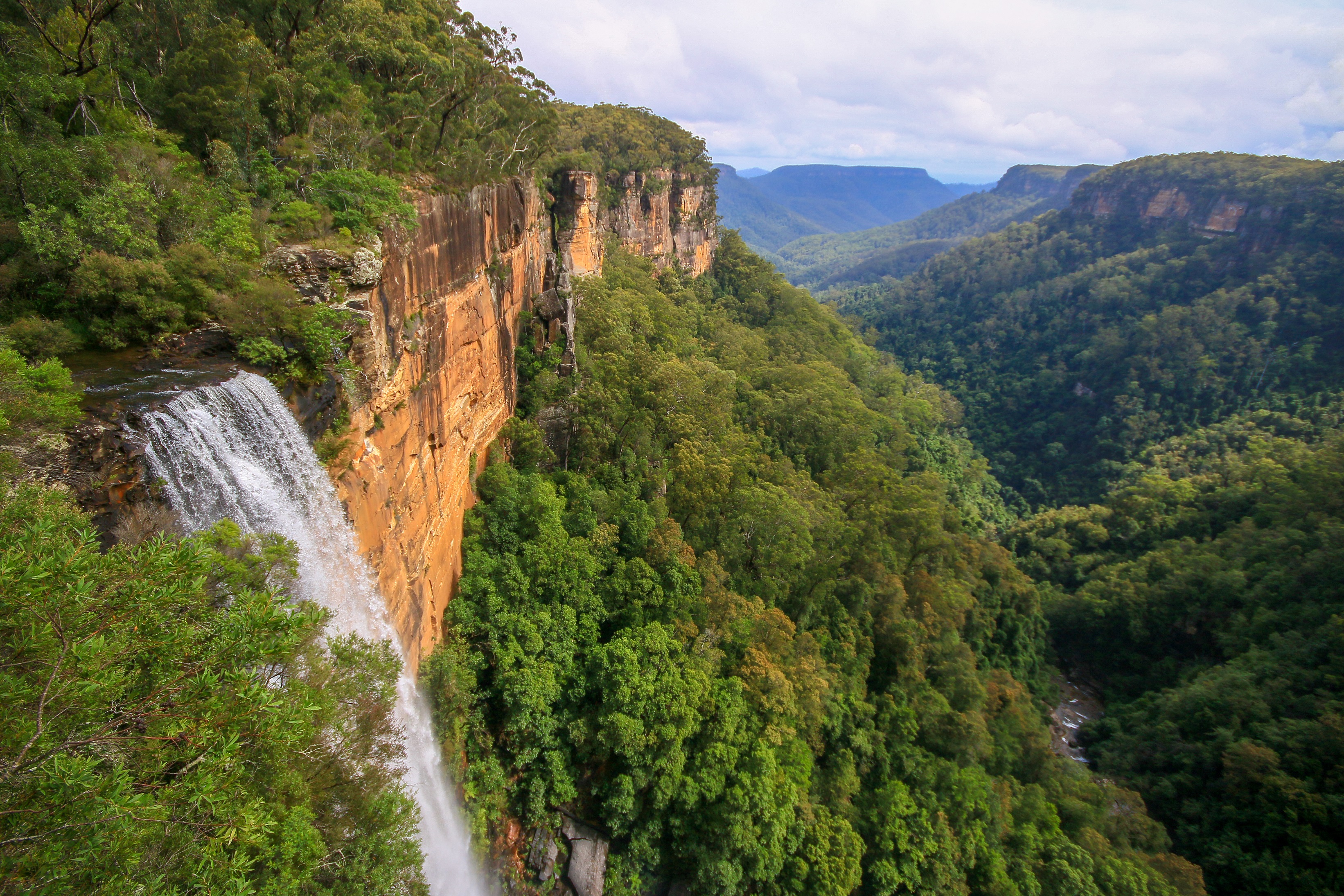


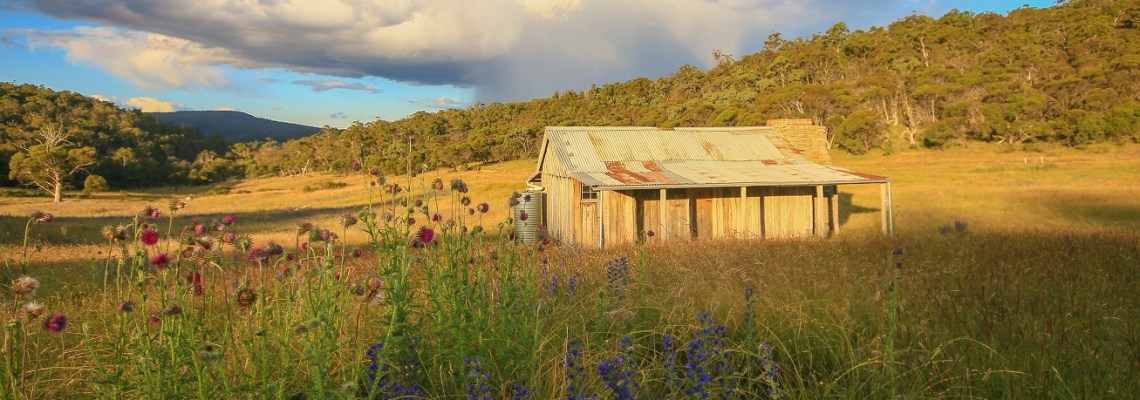

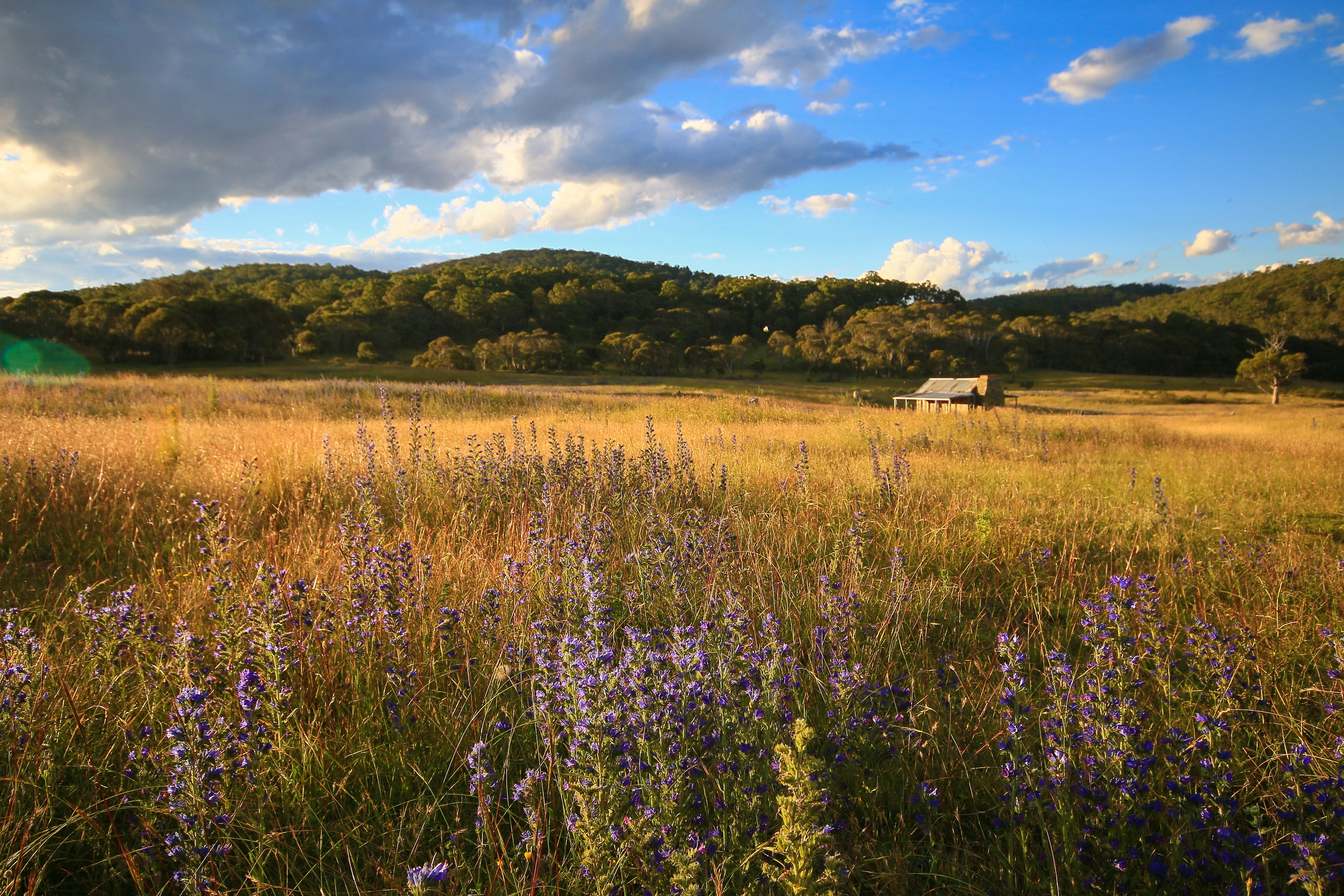

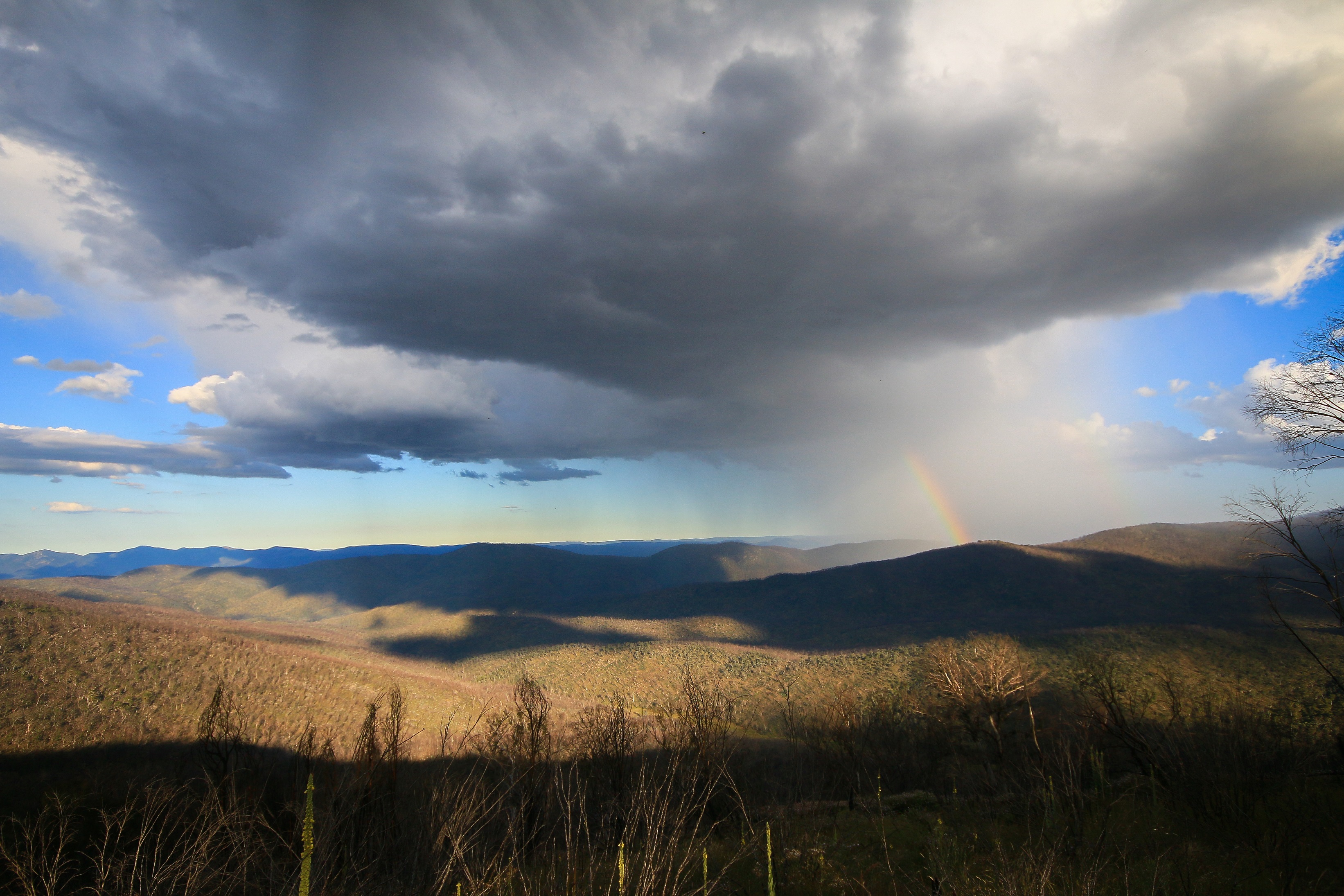
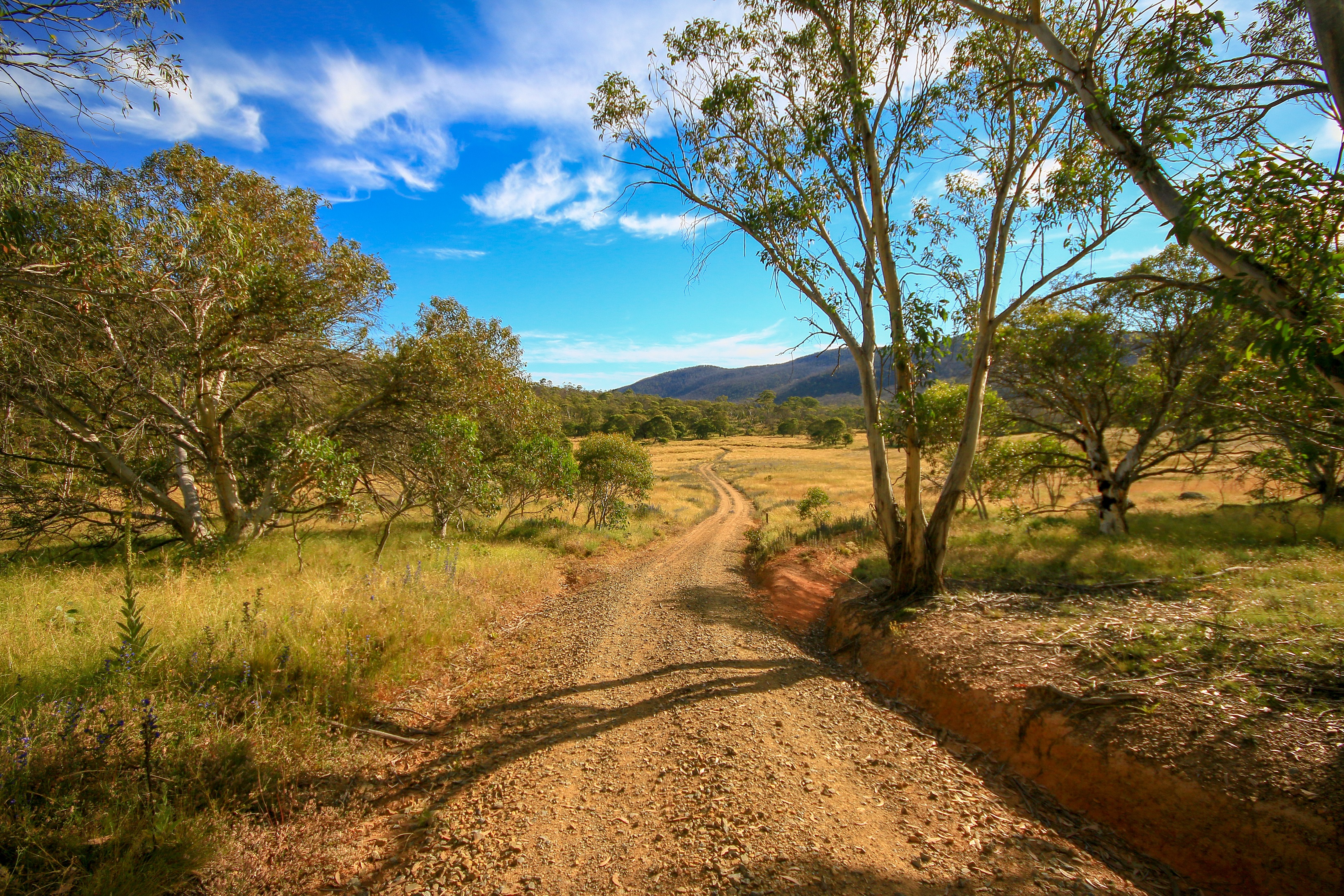


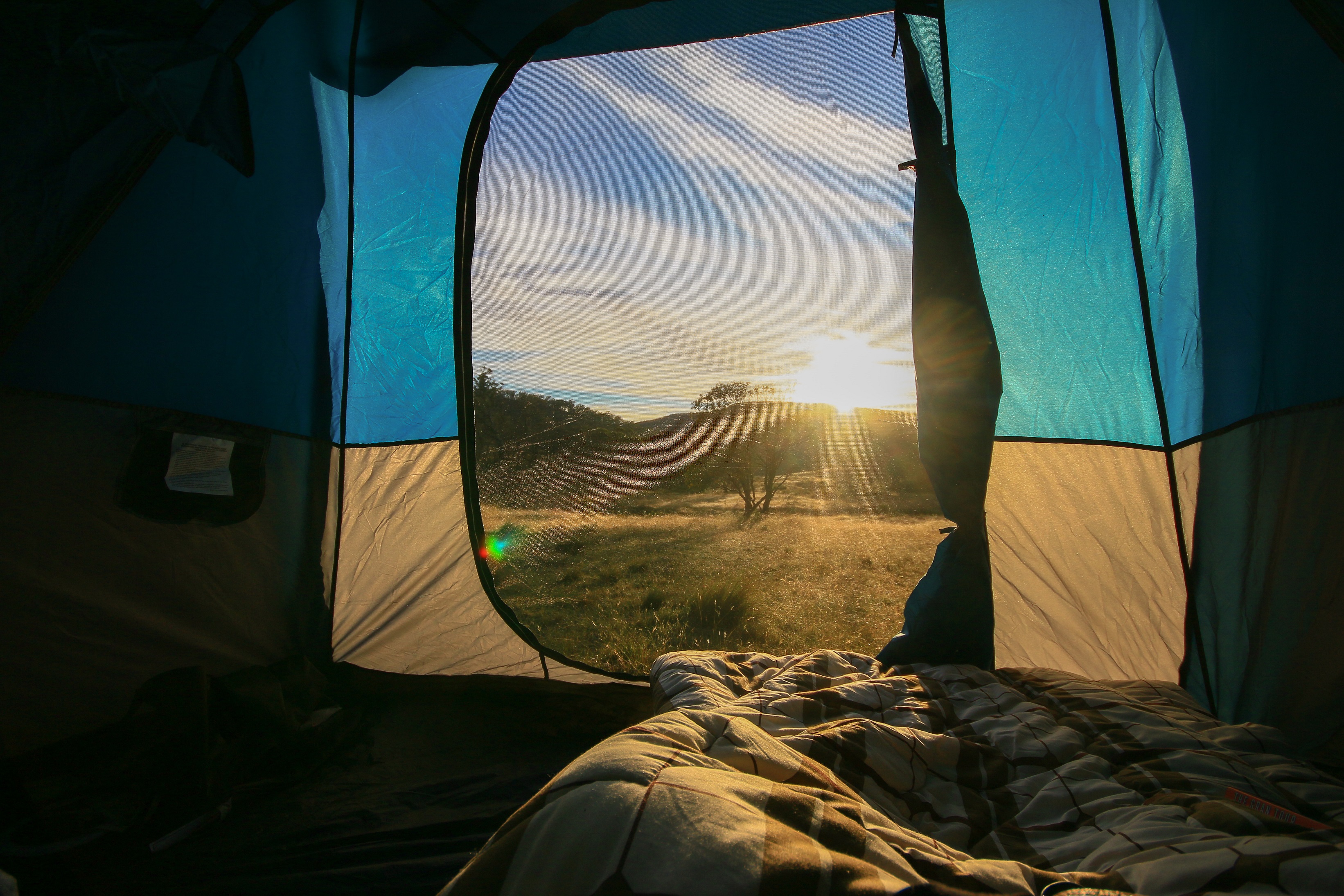
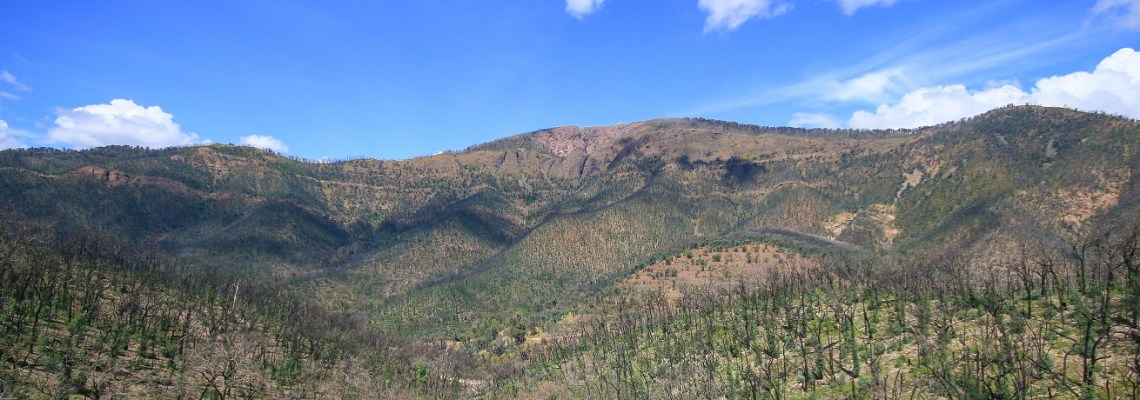

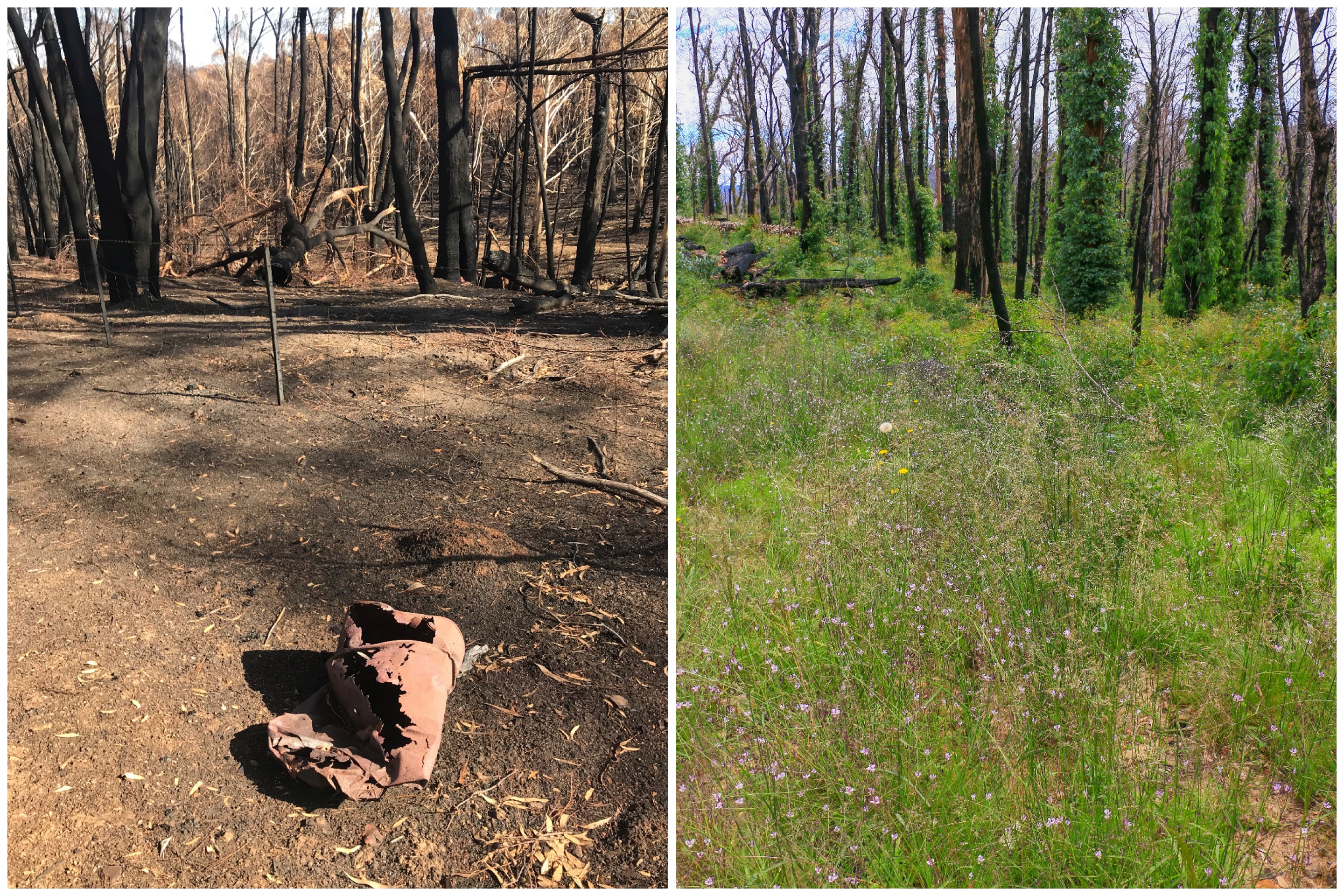
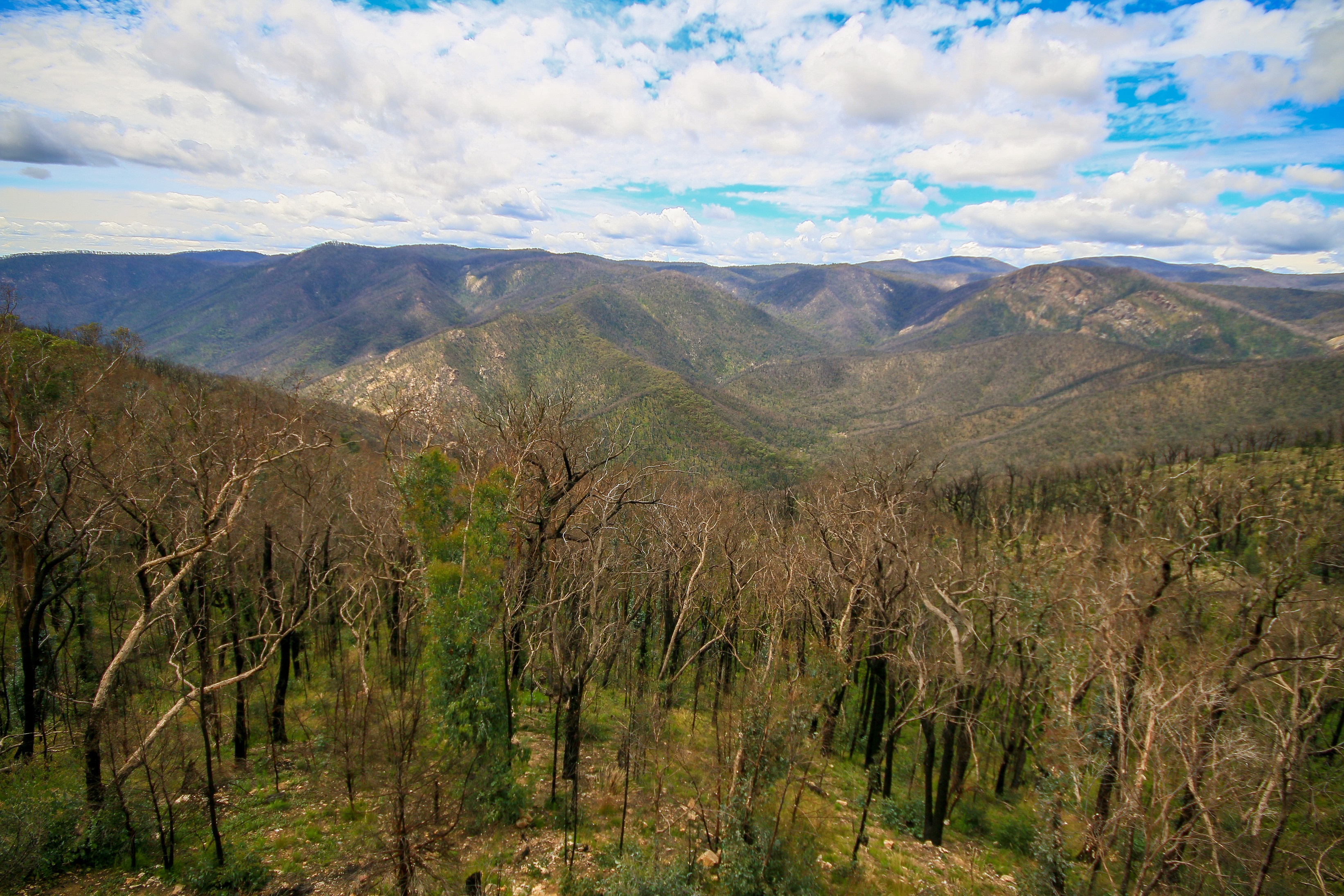


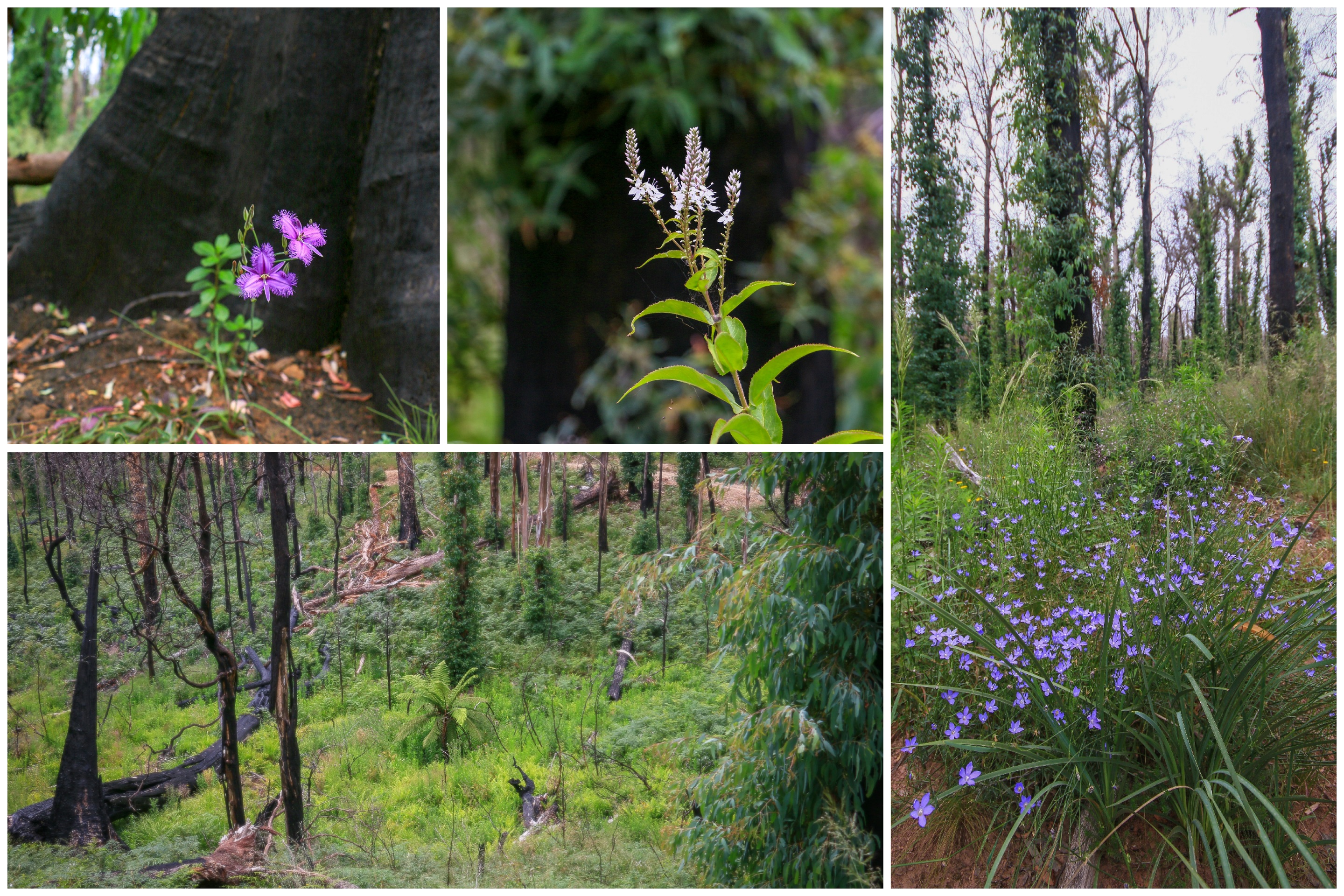


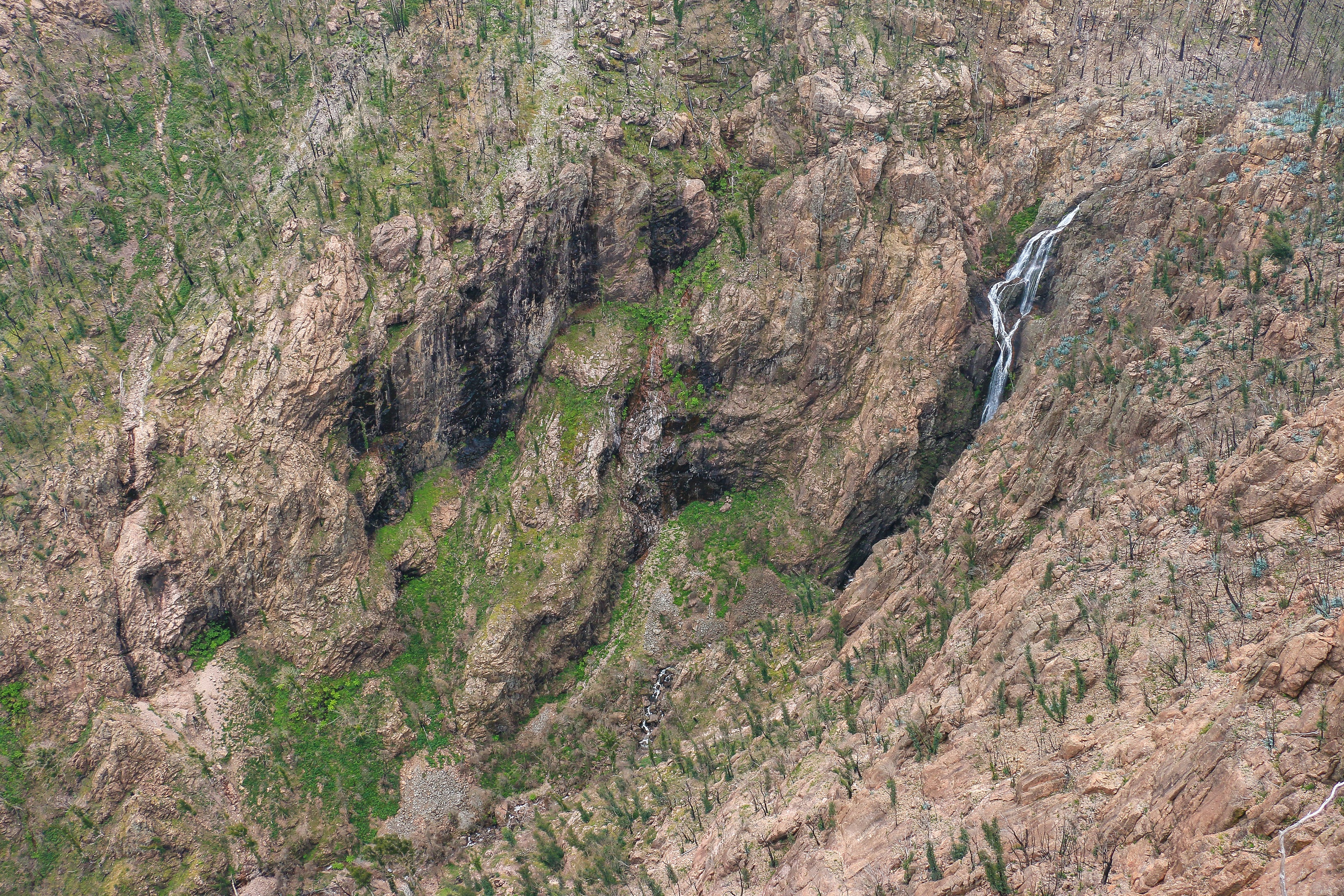


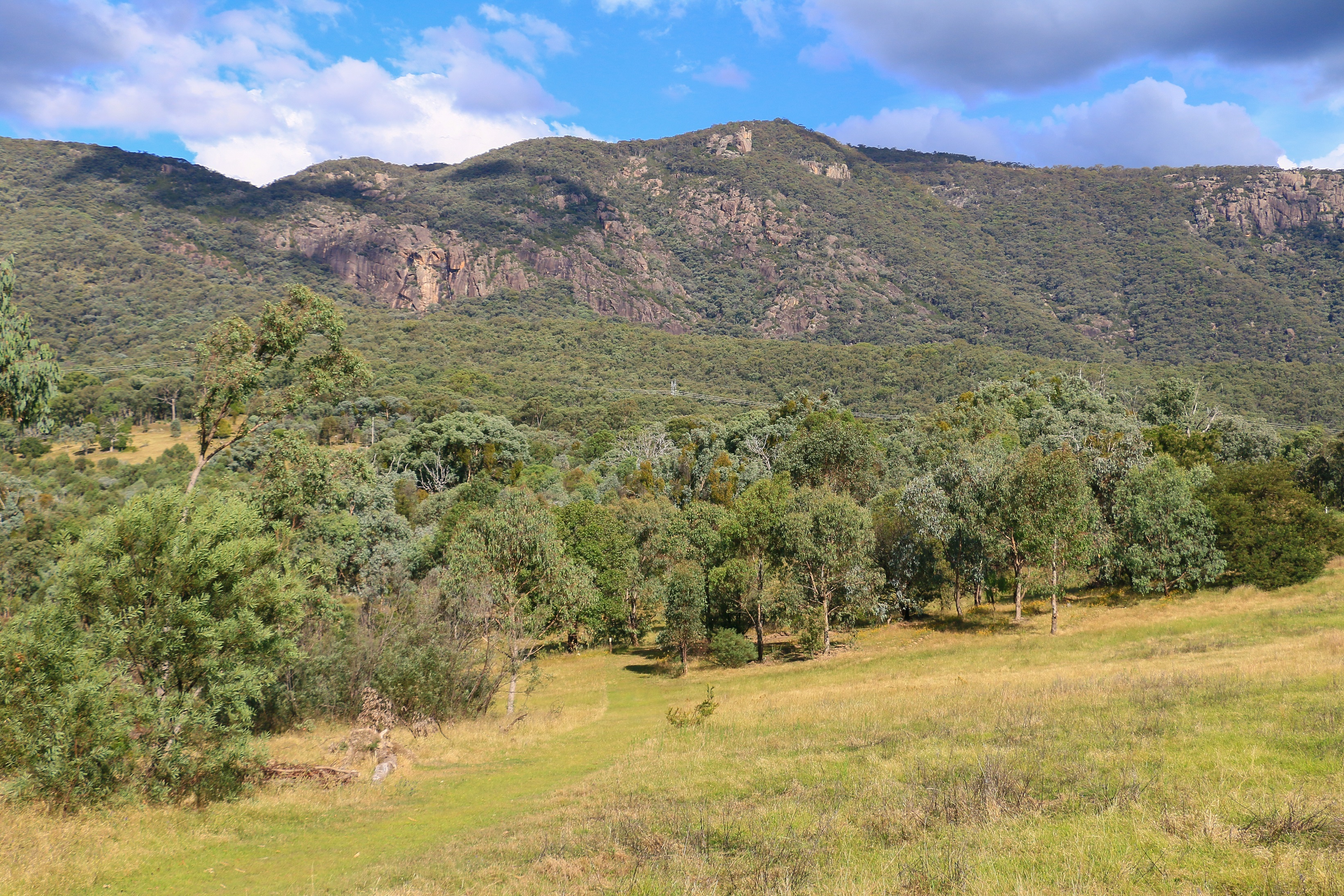
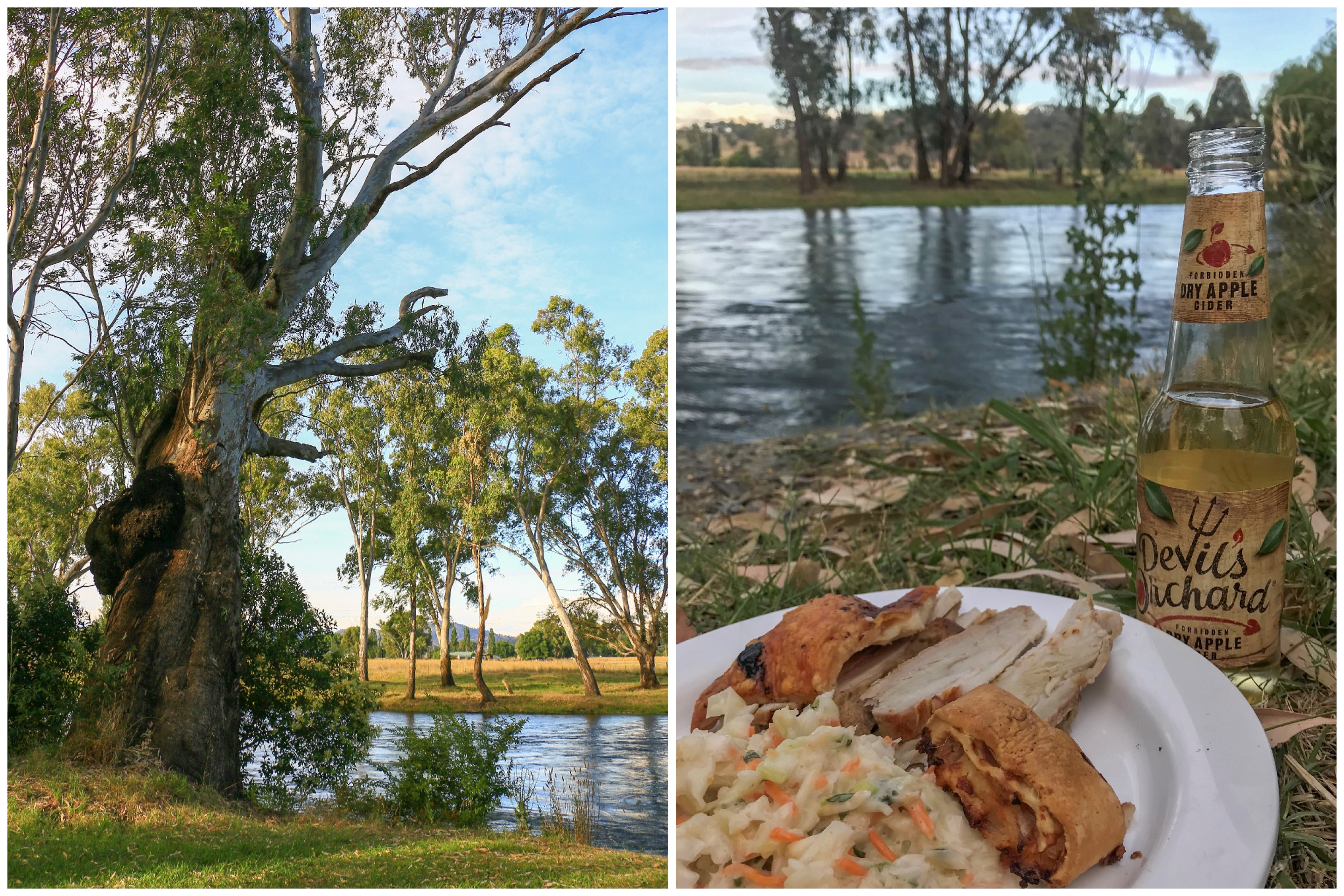


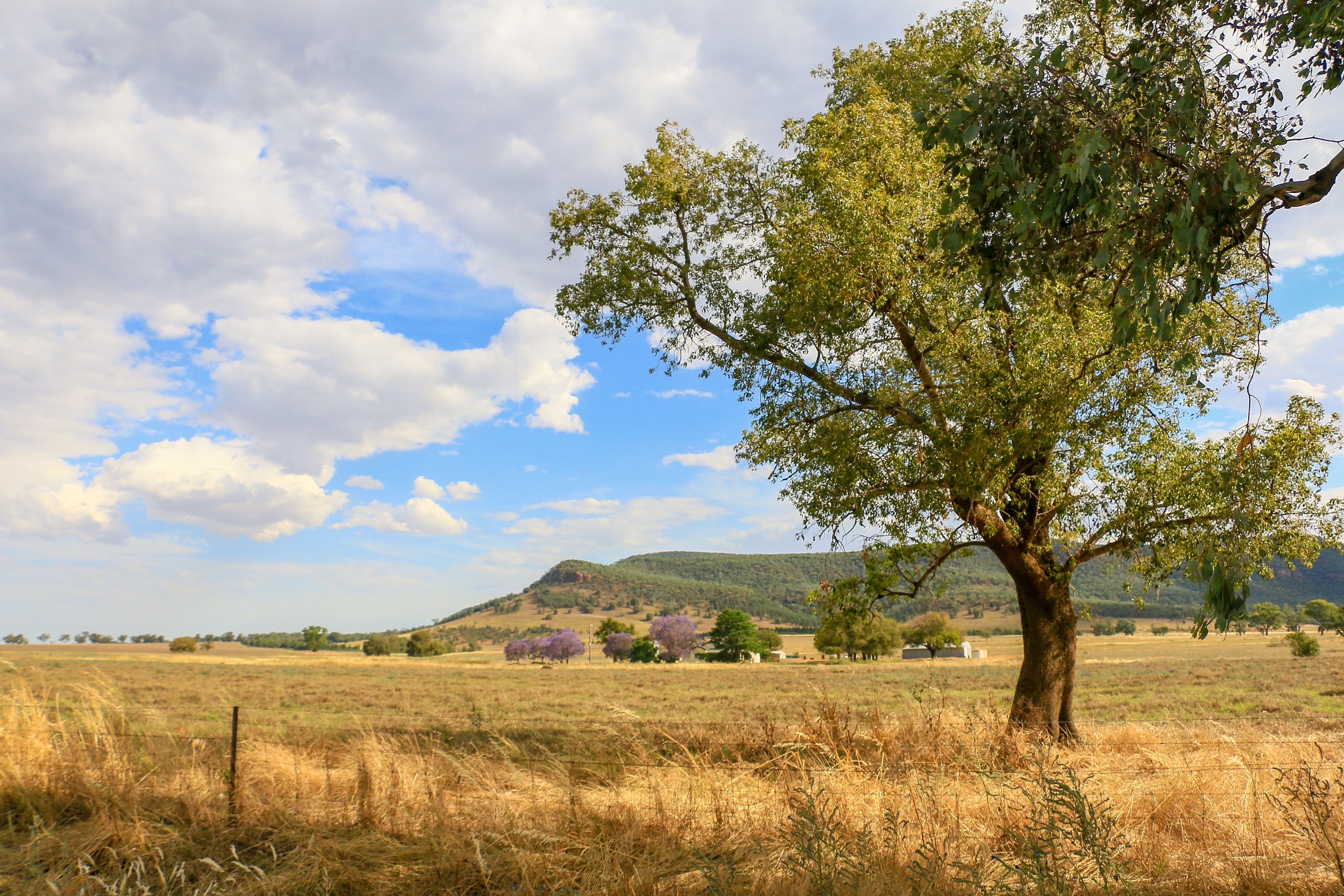
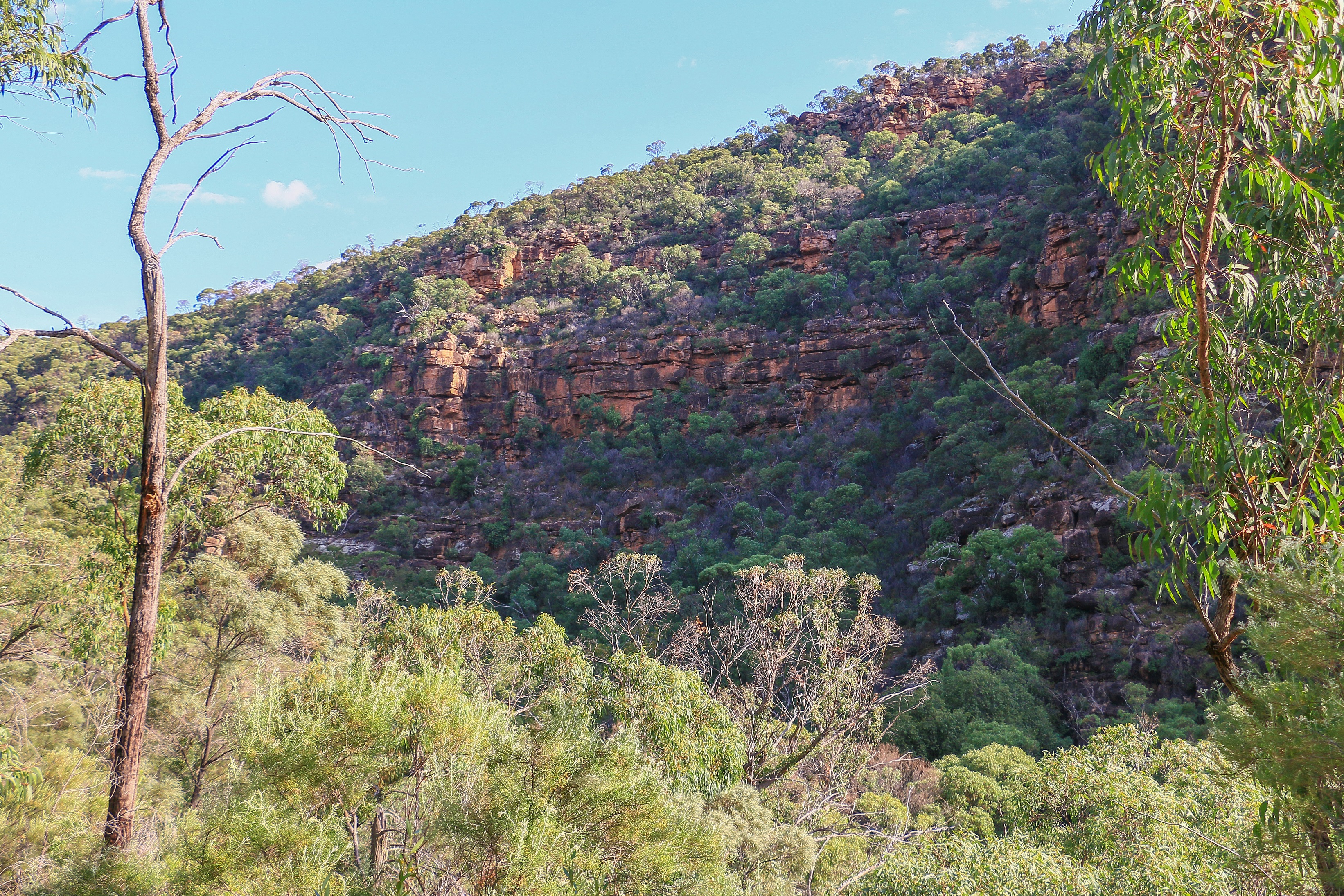
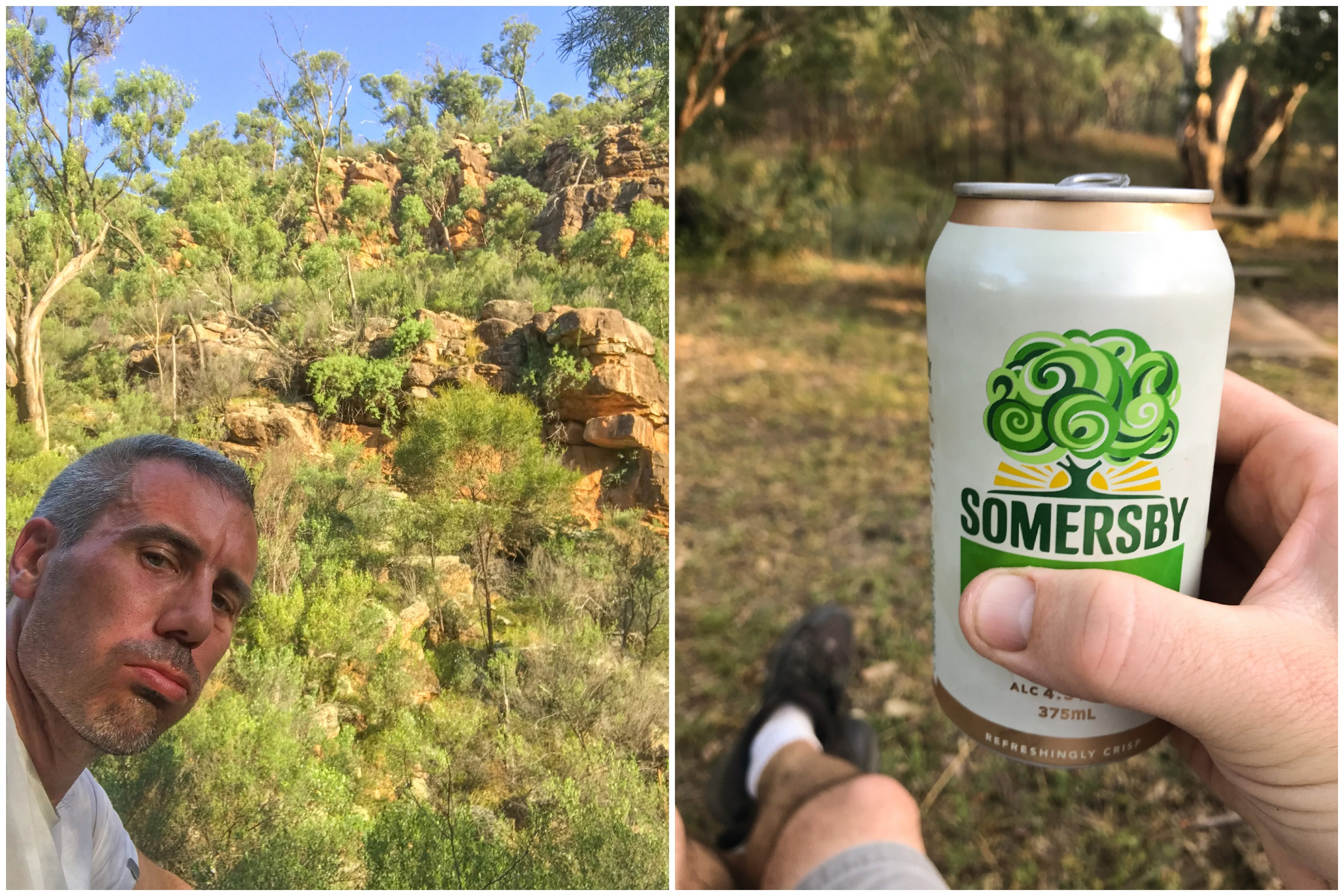
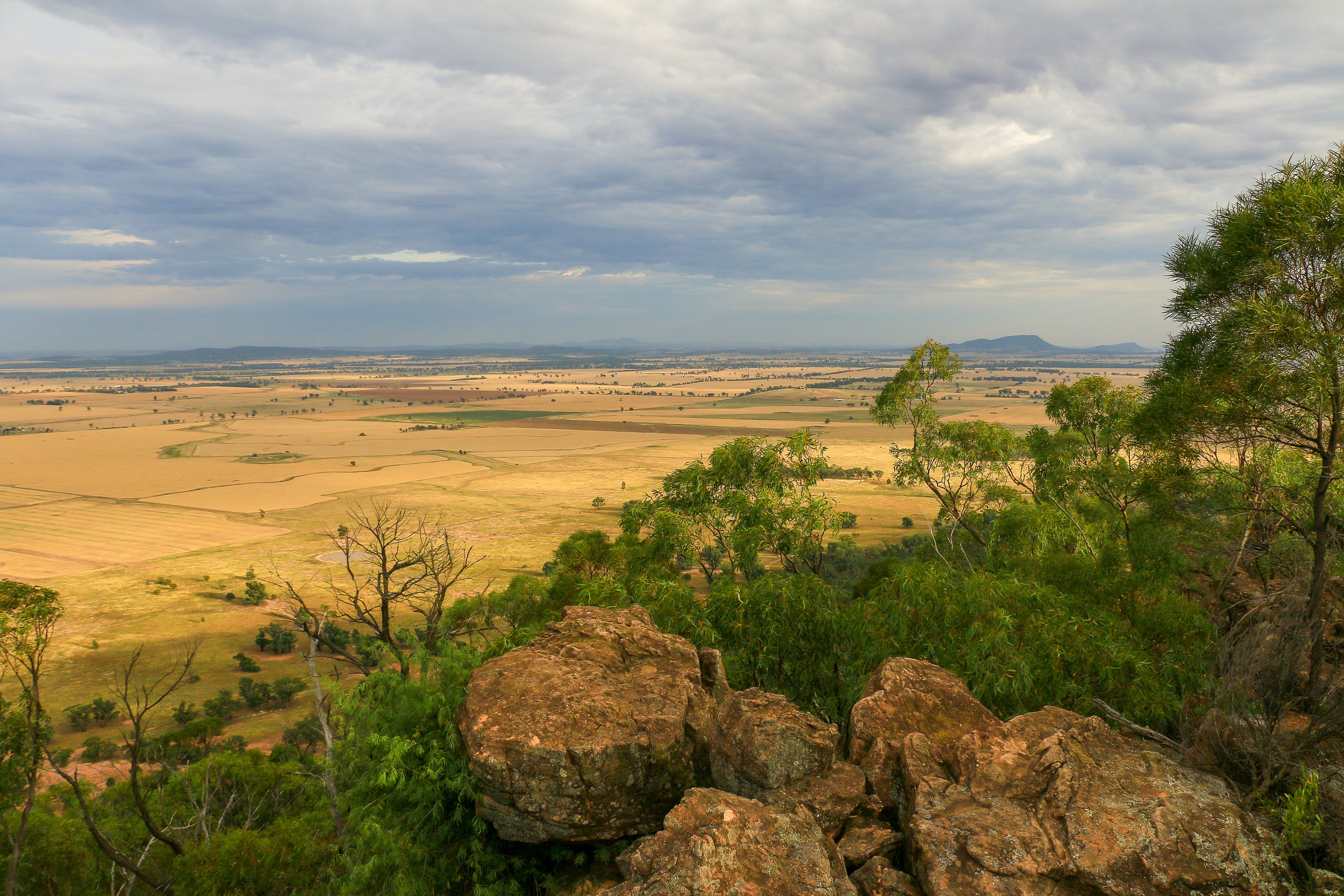

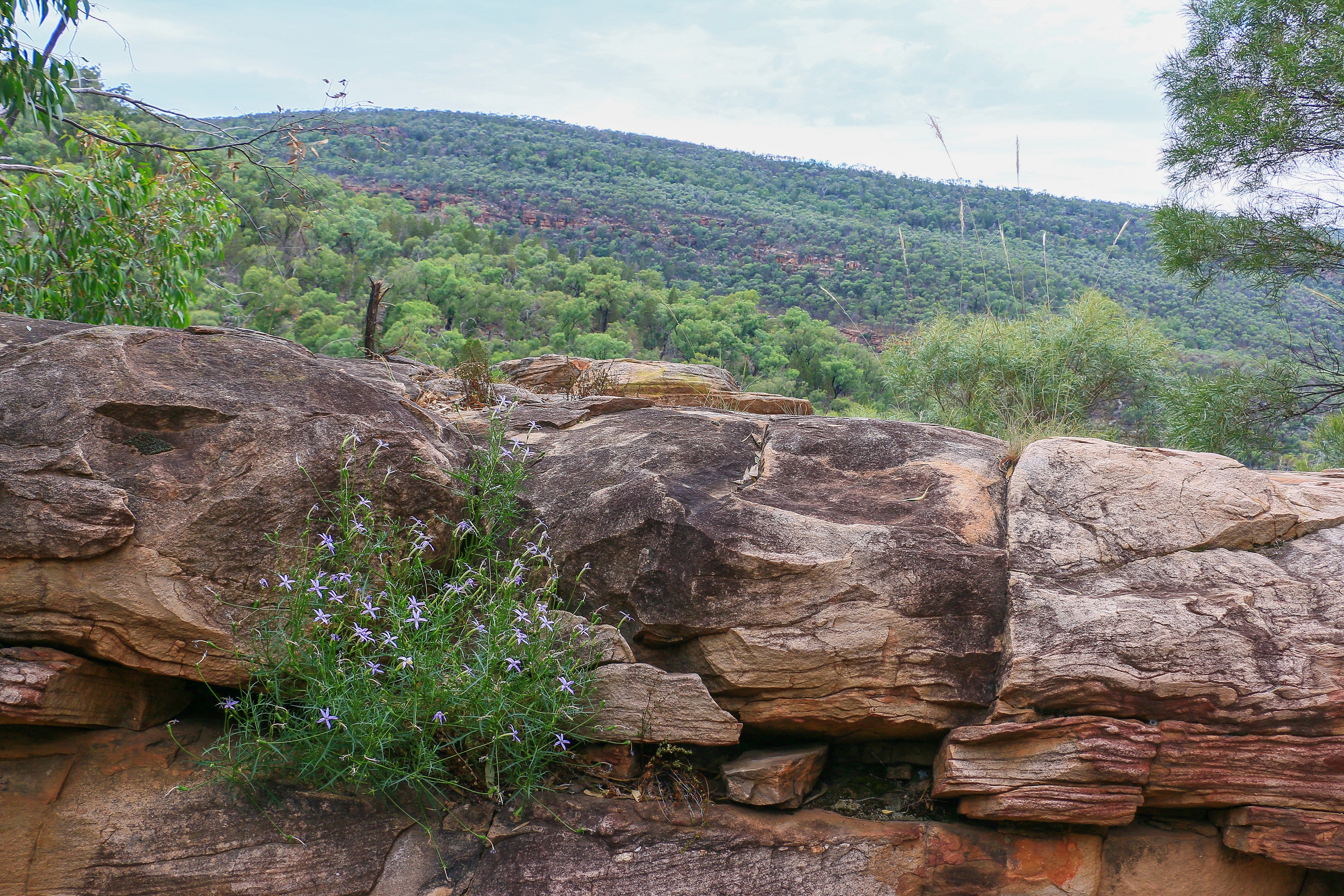
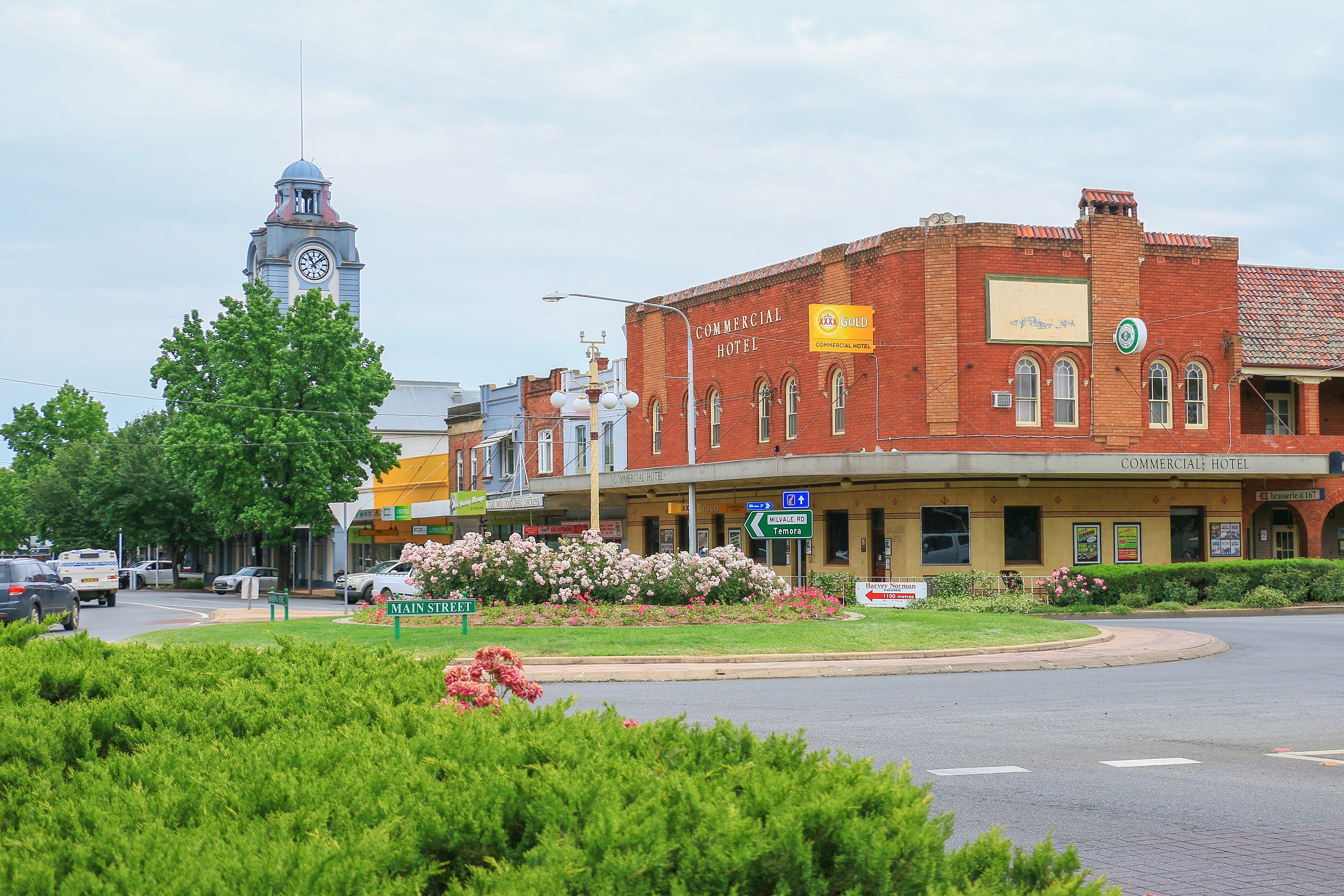
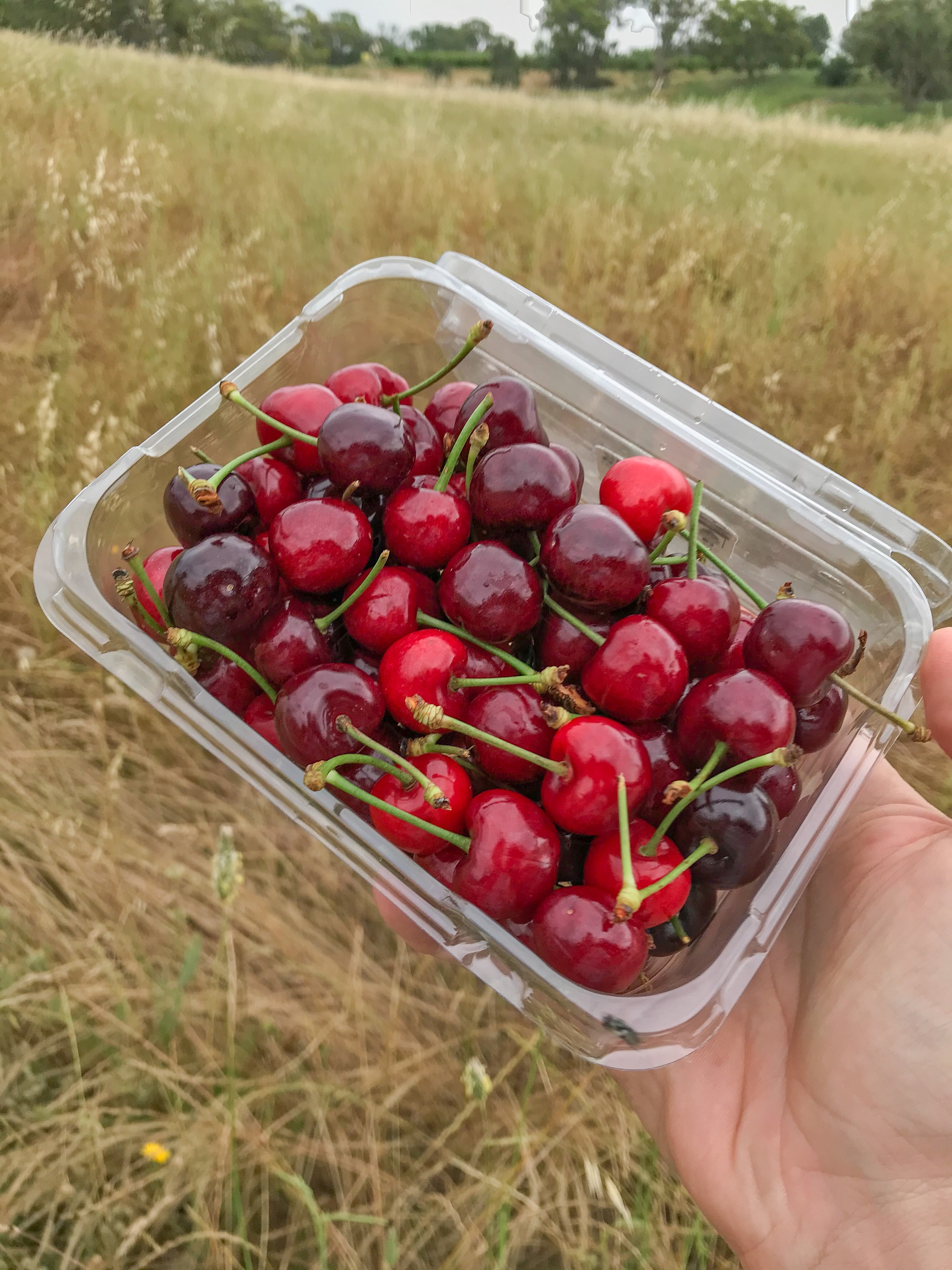


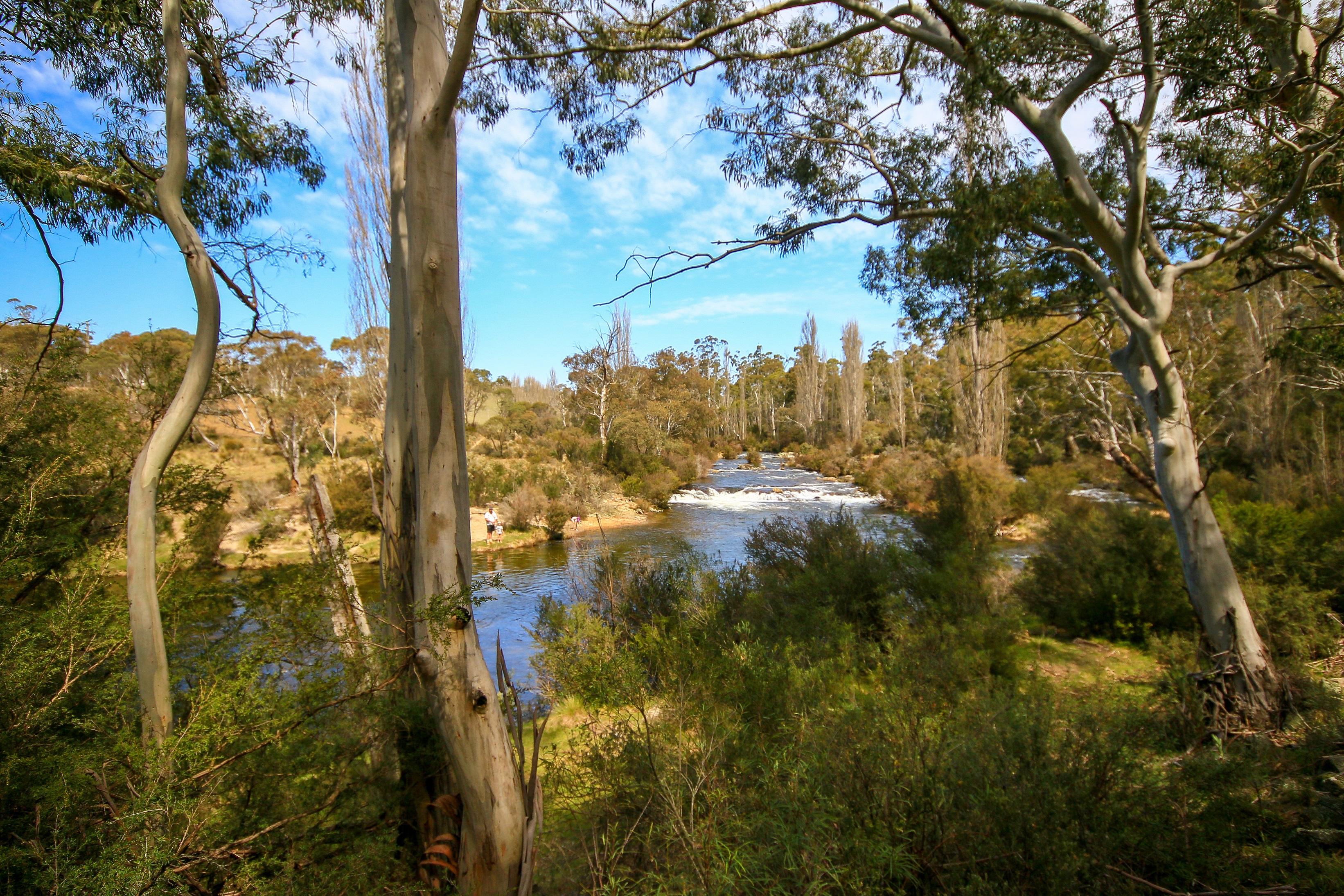

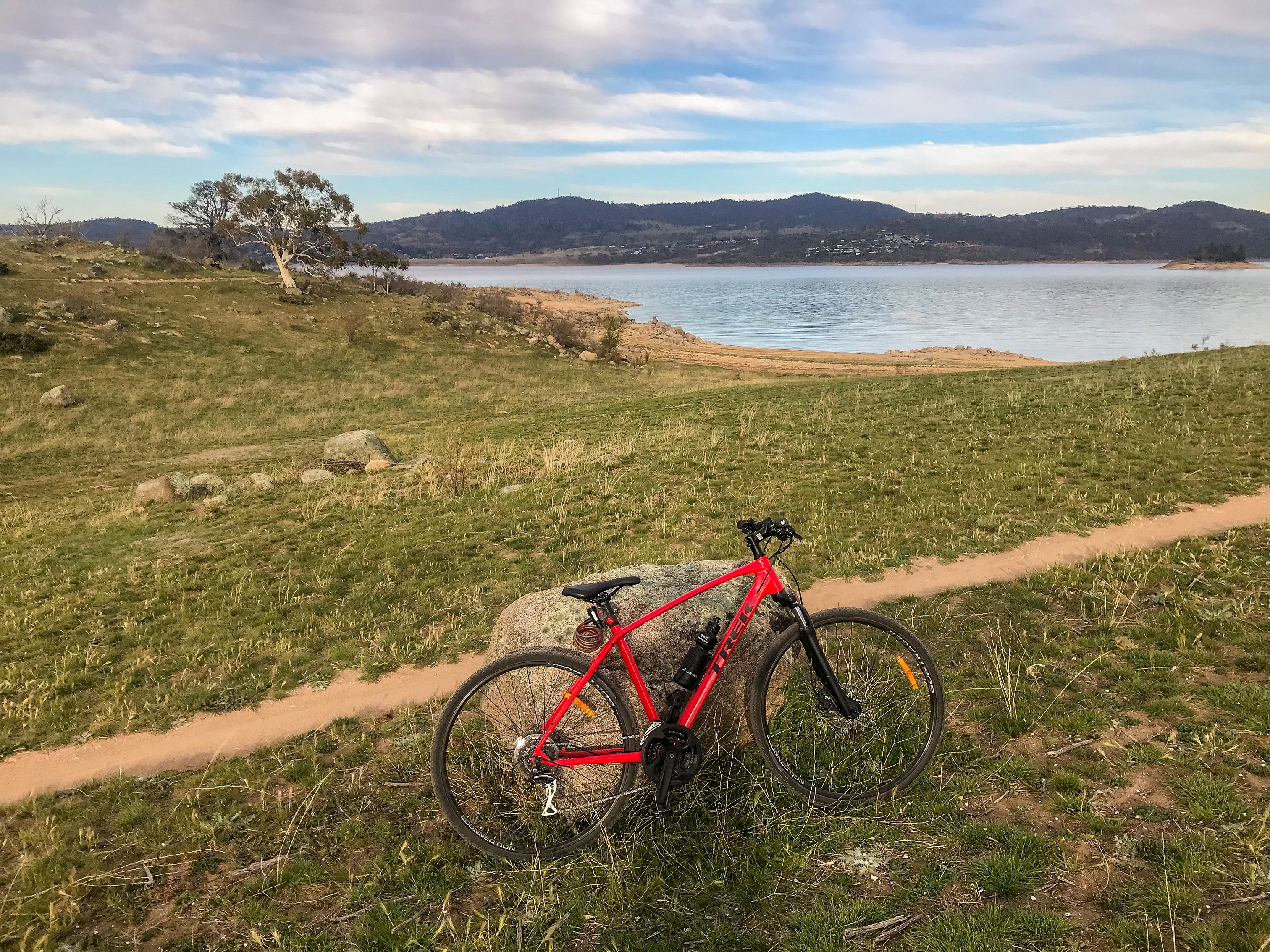
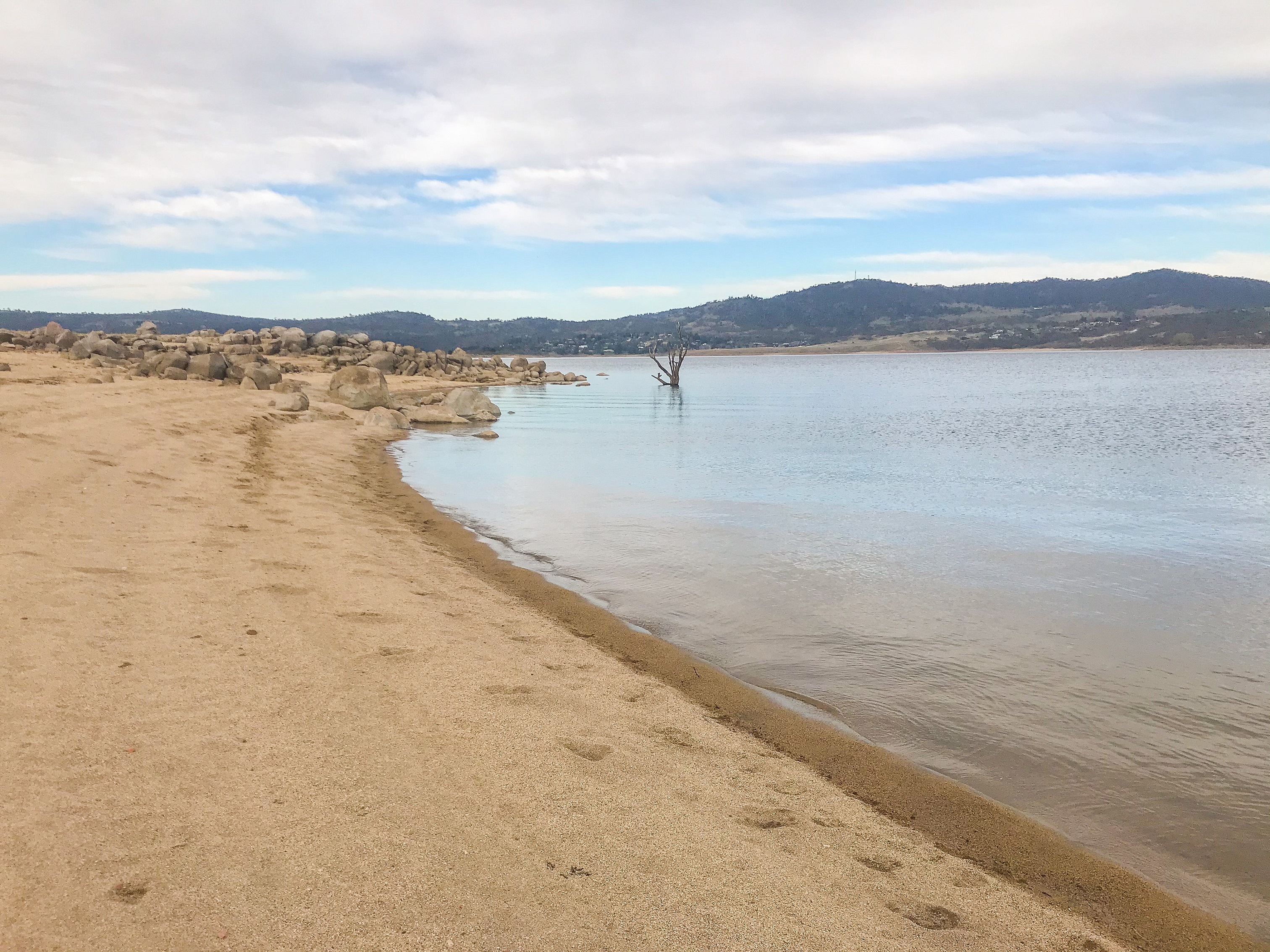
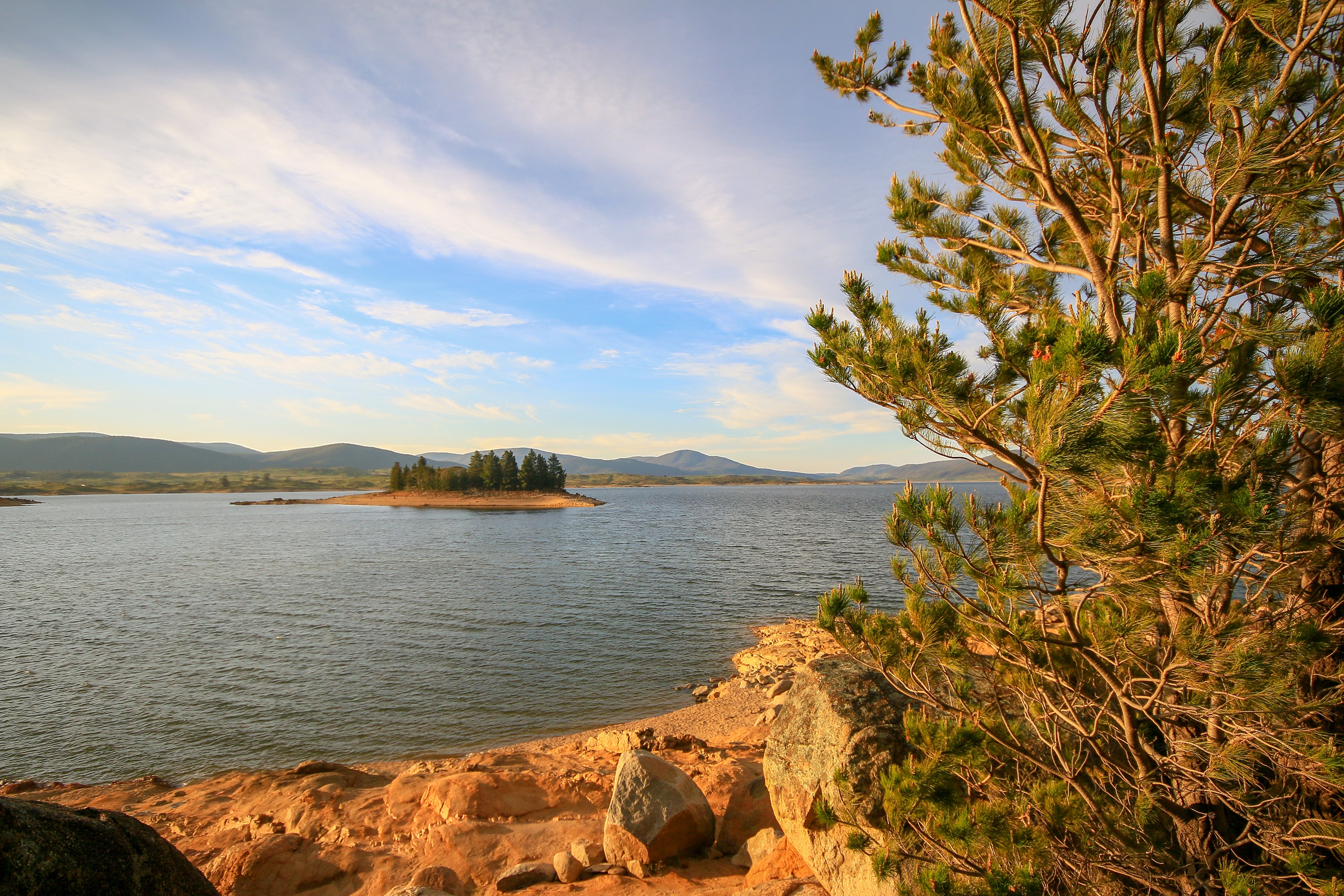



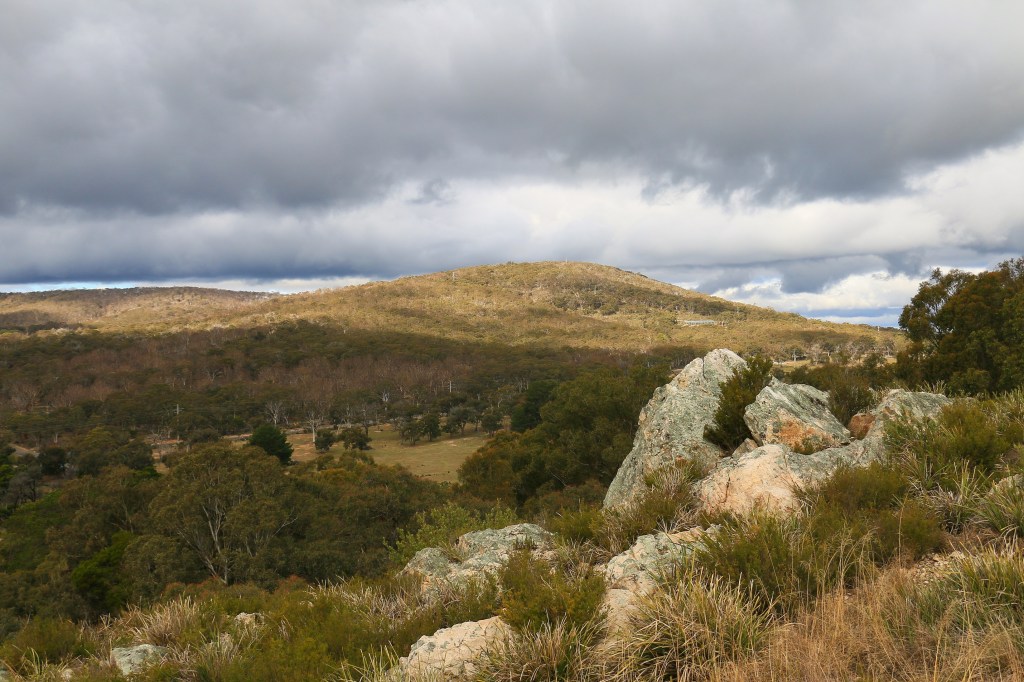


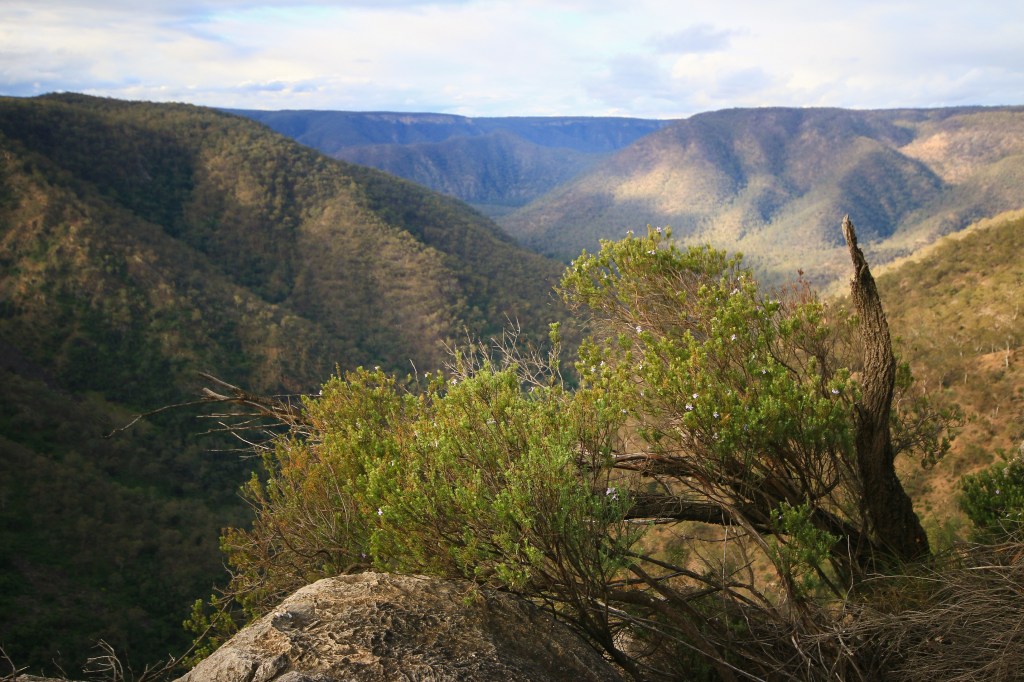

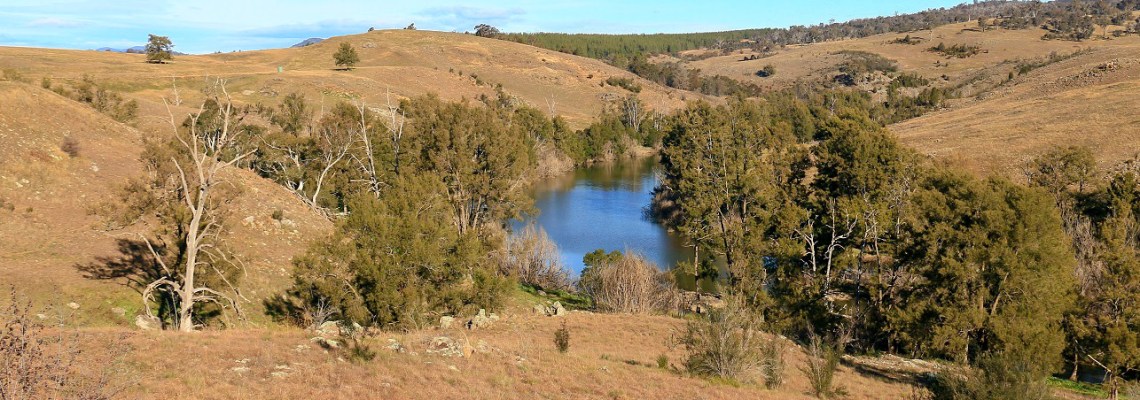
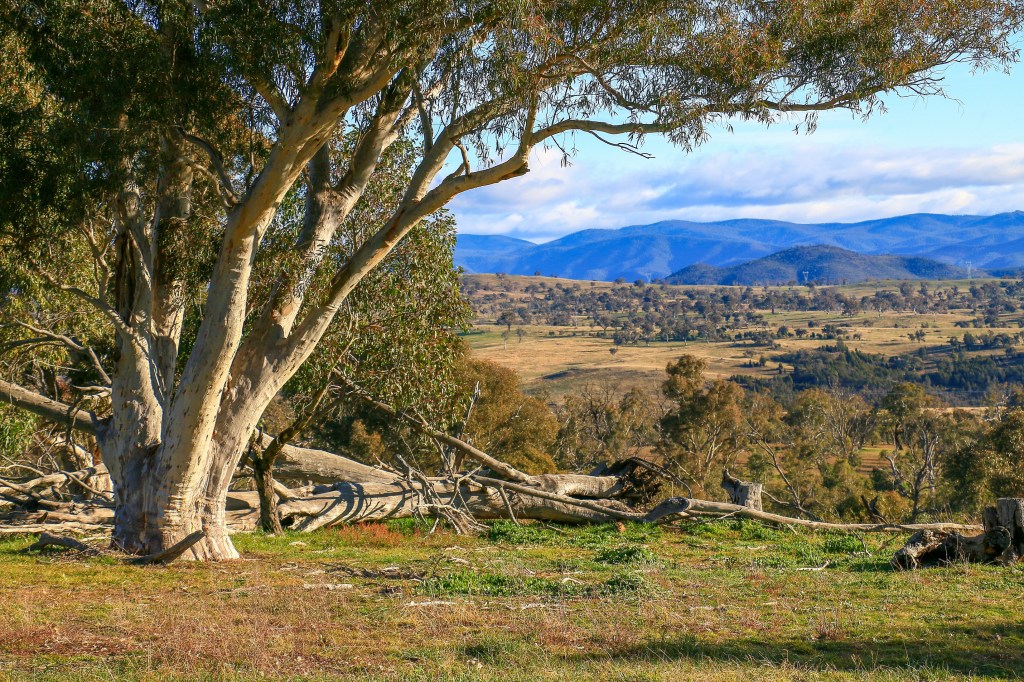
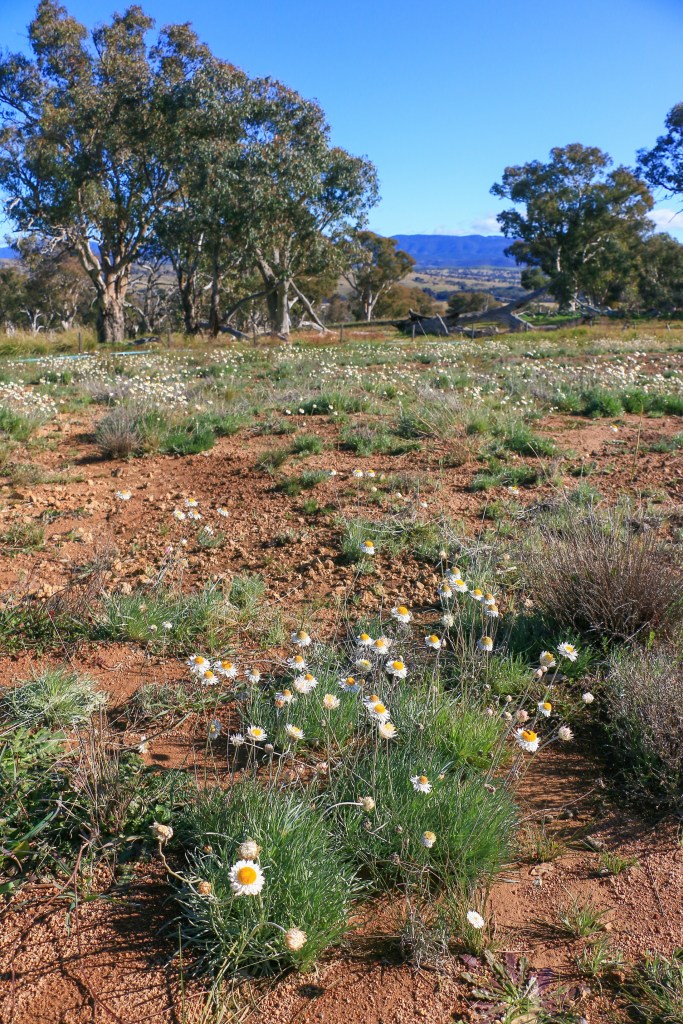

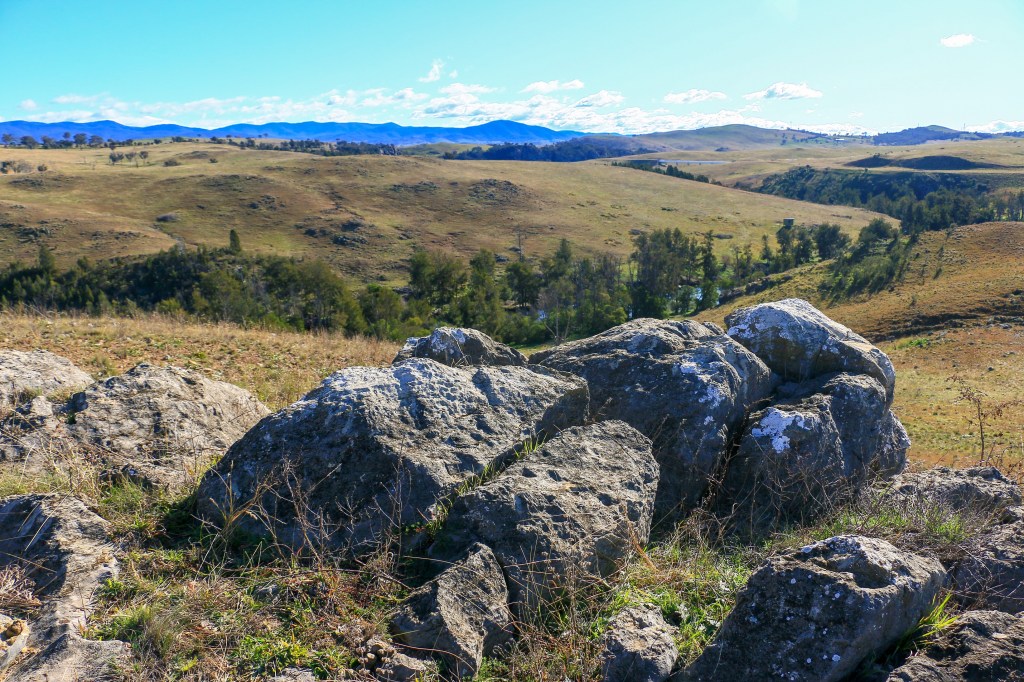


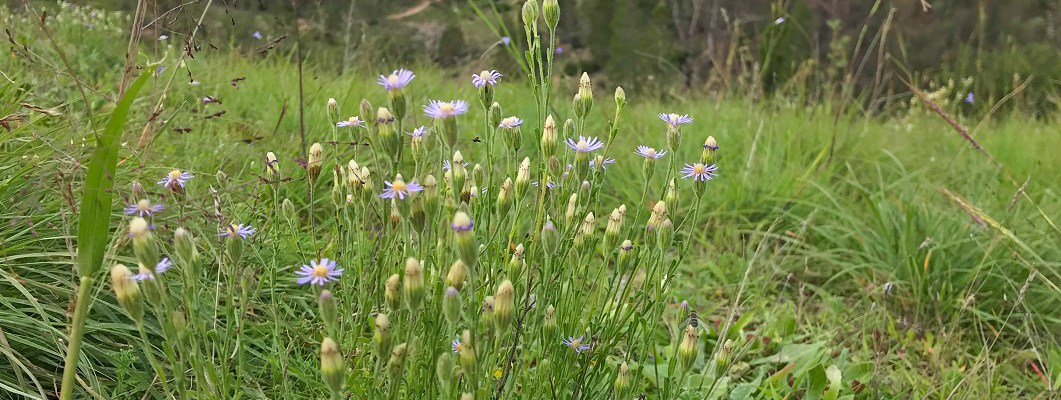
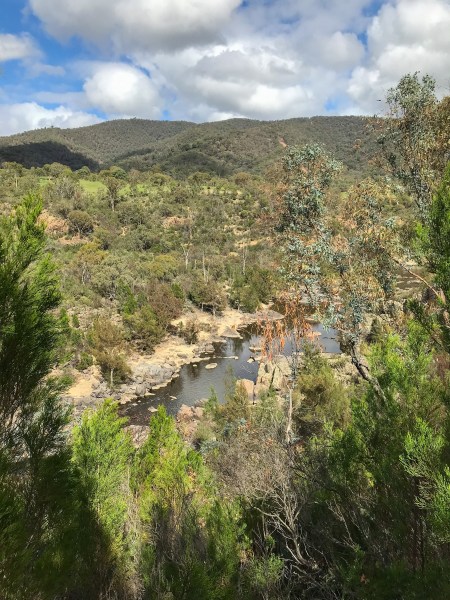 Setting off from Kambah Pool I delayed as a family group embarked on the route to Red Rocks Gorge. Best give them some distance. Wedging myself in between that mob and another mob congregating to follow, things were rosy at first. The landscape still an astonishing green, the river replenished, meandering gently through the steep sided valley untamed and untrammelled. This was freedom.
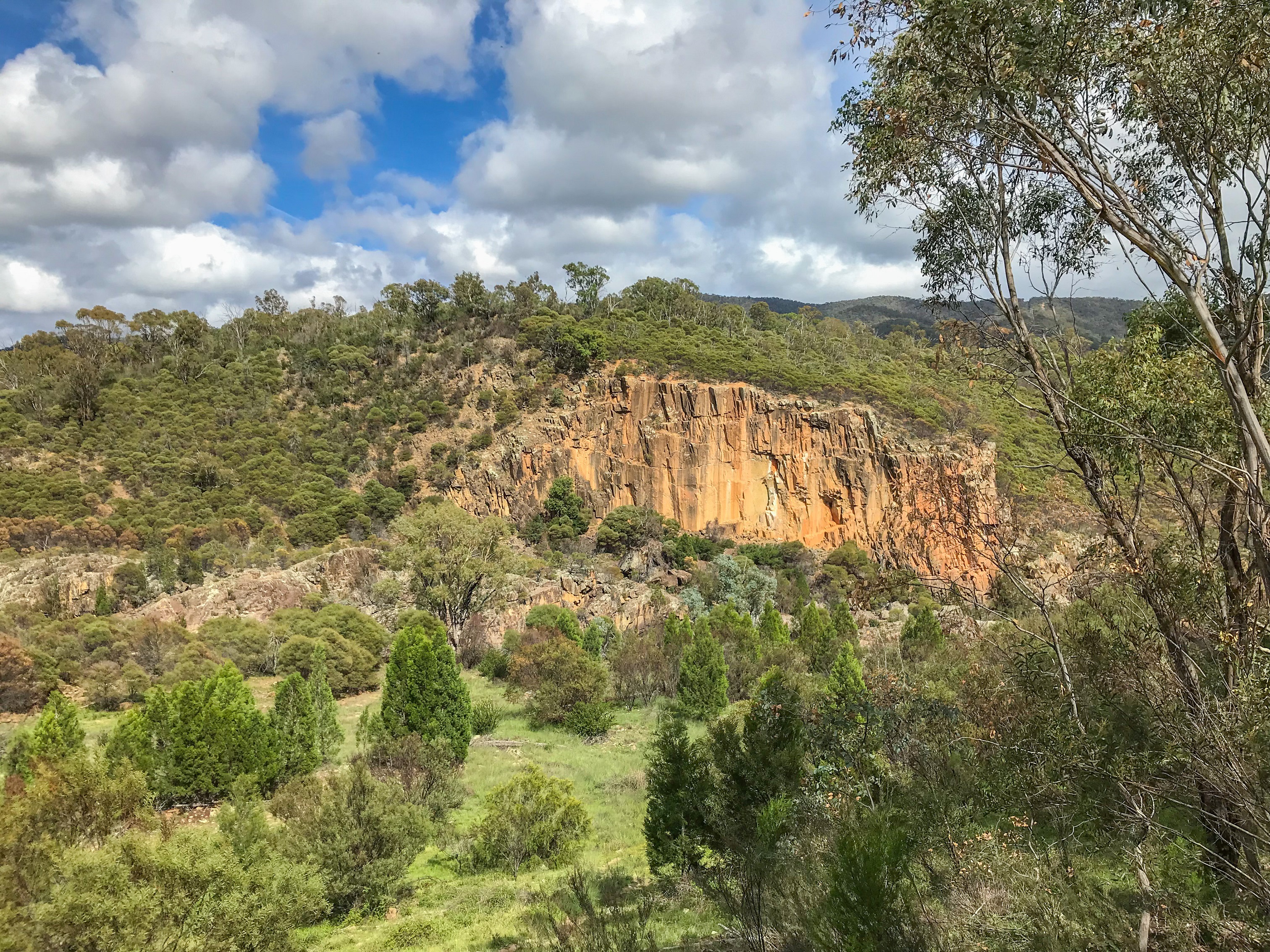

 gbpilgrim