April is the coolest month…

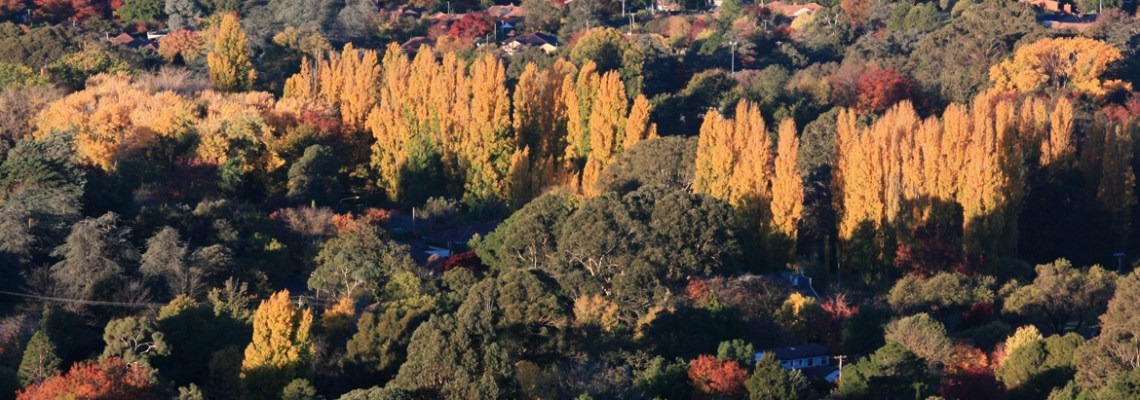
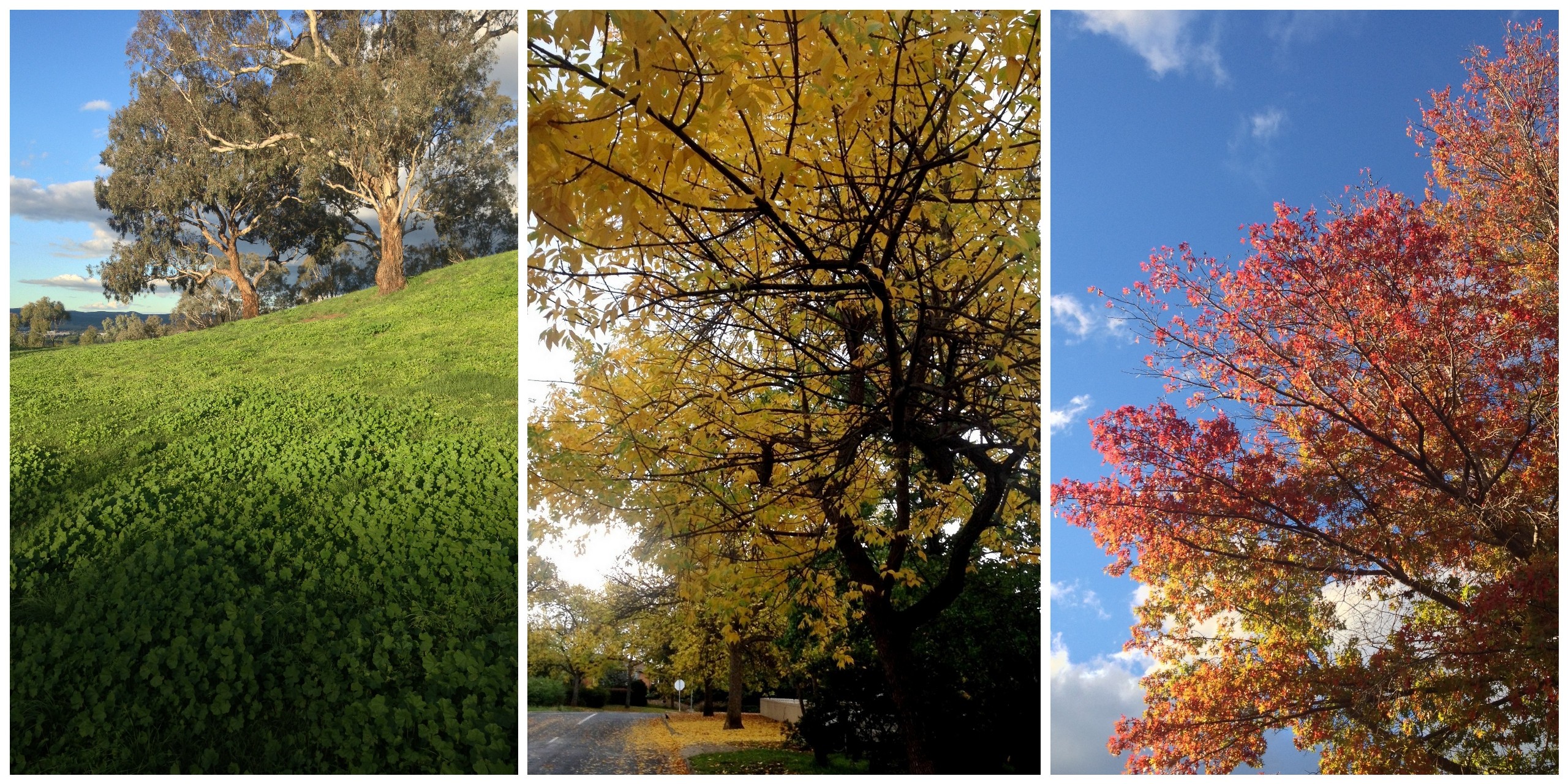
…especially when Easter nestles in its midst. And big blue skies blanket the land, burned green and orange as the seasons shift.

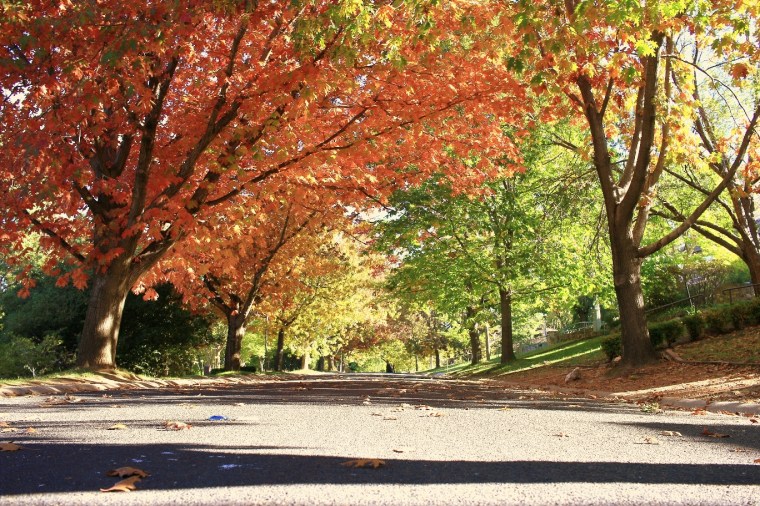
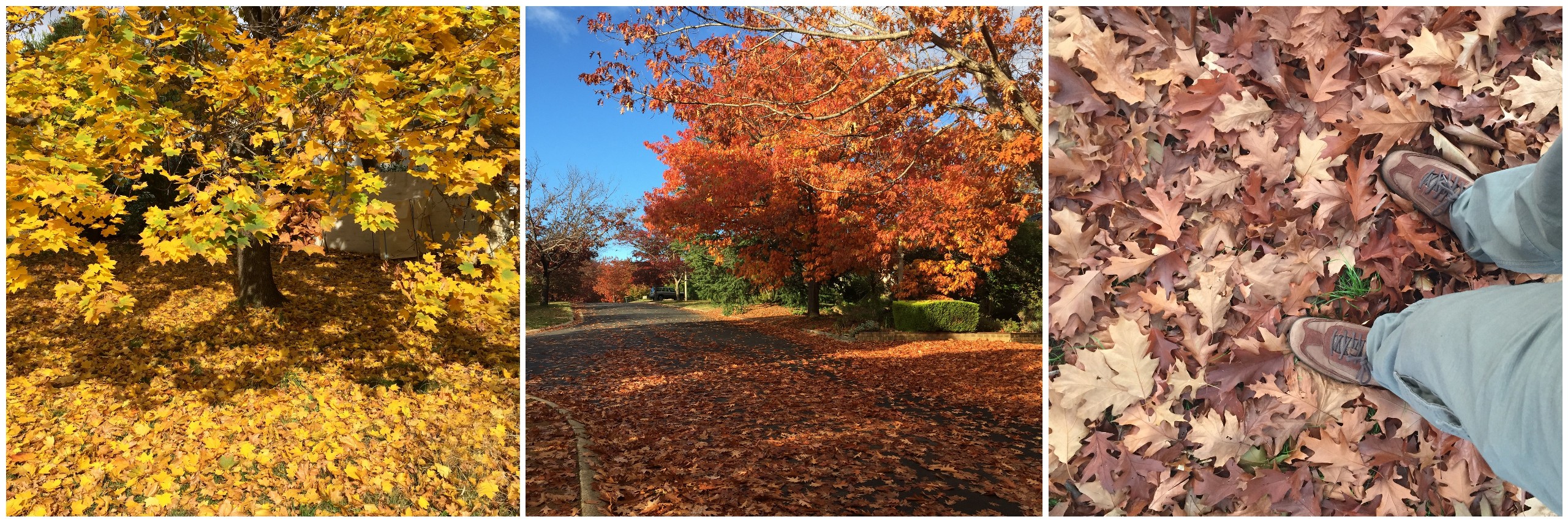
east01It is a time to savour suburban walks, in the comfortable pockets of Canberra that will never be in reach. Foresight planted deciduous trees for garden suburbs for genteel homes. As temperatures drop to a level mild and amicable and still warmer than England in a hot flush, the streets now enliven, the crescents glow, the neighbourhoods flourish in a makeover both incremental and dramatic. Go on certain days and a regiment of wheelie bins will parade upon the kerb, afloat in an ocean of nature’s litter.

east02

east03Easter is the most perfect weekend as the warm kiss of autumn melts any eggs undiscovered by marauding imps. I don’t recall Easter egg hunts as a child; are these more a thing now, coordinated through Facebook groups and discoverable like Pikachu? Waiting until Sunday until you were permitted to make yourself sick on chocolate and then topping up with half price eggs on Monday was more my kind of thing. If I have made any progress in life, then let it be measured by cake, and I can mark the creation of a chocolate and hazelnut meringue as one of my greatest achievements.

Can it be called refinement, or is it simply a matter of shifting tastes and priorities that I no longer end up making myself sick on Easter? There is excess, but it is lunch with friends under blood red vines; it is snoozy idling after a glass of wine; it is a second helping of chocolate and hazelnut meringue. But it is measured, and I am restrained. Affluent and blessed in the golden circles of Canberra Australia, it is the very epitome of comfort.

——————————-

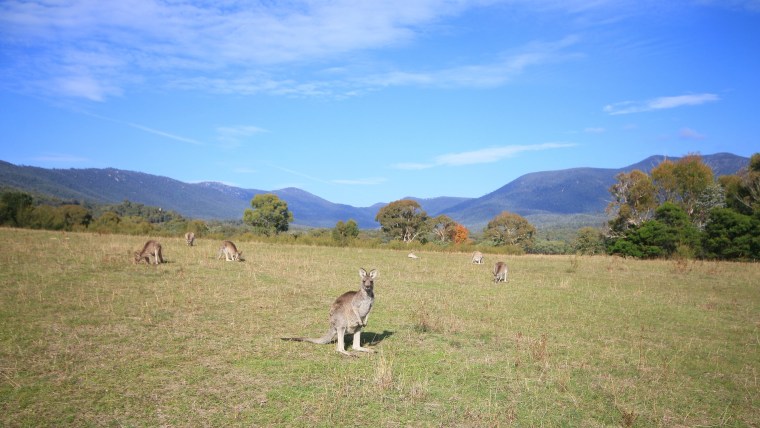
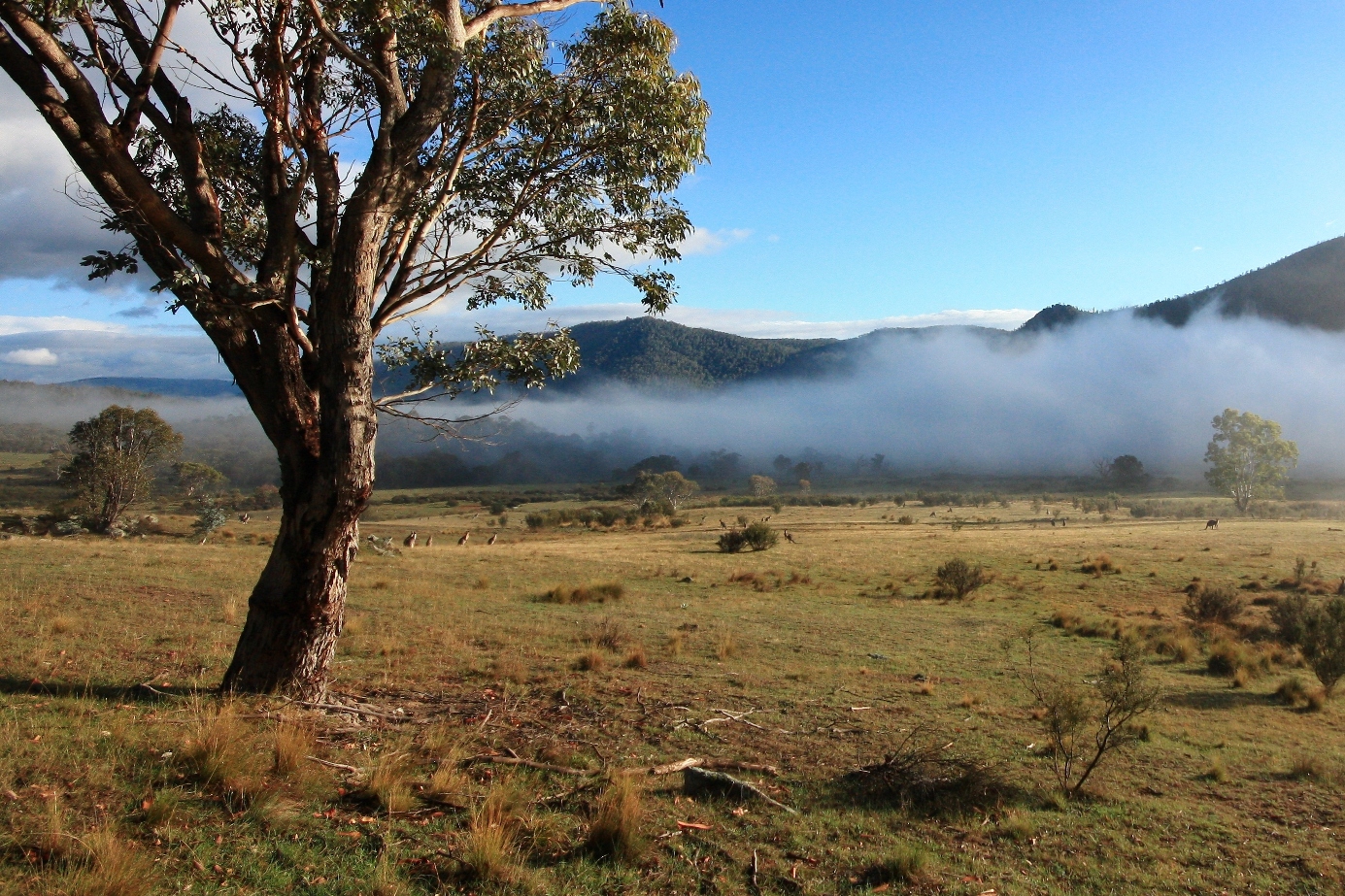
In the mountains, there you feel free; there you can shake off the hangover brought on by suburban indulgence. A little out from the city sits the scenic Tidbinbilla Valley; a touch green, a tad hilly, squint in places and the mind could be convinced it has been transplanted into the foothills of Switzerland. For cows read kangaroos; for cowbells, cockatoos.

east05

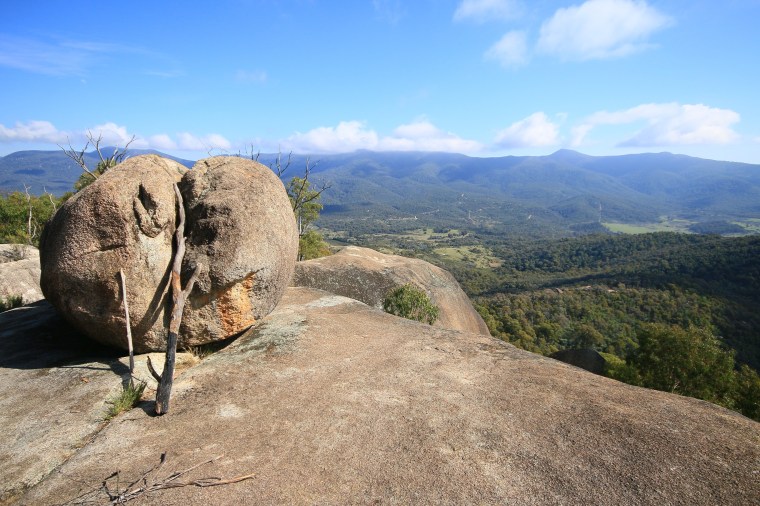
Snow very rarely dusts the tops of the ridges which surround this valley. Instead, rounded clusters of granite erupt from the surface of the peaks, shattered and weather-beaten, occasionally toppling down into the steep undergrowth. Suddenly you stumble upon a bulbous rock in the midst of eucalypts. A trail gradually rises to Gibraltar Rocks from where – a kilometre above the sea – a shimmering carpet of forest, mountain and plain stretches below. The wilderness scene a juxtaposition and antidote to the admittedly beautiful ordered world of suburbia.

east06

east07Here there is the best of both worlds, with coffee available a little further down the road at the Moon Rock Cafe. This is attached to the Deep Space Communication Complex where – in my head at least – gentle mutterings from Professor Brian Cox are transmitted to distant worlds in the hope that it would sufficiently soothe angry aliens from undertaking imminent invasion. If you feel small atop Gibraltar Rocks, here you are infinitesimal, insignificant beyond belief. Yet at the same time, in the warm sun with caffeine and a bonus chocolate egg, your existence is undeniably amazing and incredibly fortunate.

——————————-

east08

Looking into the heart of light, the silence. April rolls on and the change is unstoppable. Yet the weather is holding, at least until Anzac Day; no need for breaking unwritten rules and putting the heating on before then. In fact, shorts can still be appropriate, both on breathless bike rides and afternoon ambles besides a mirror of a lake.

east12

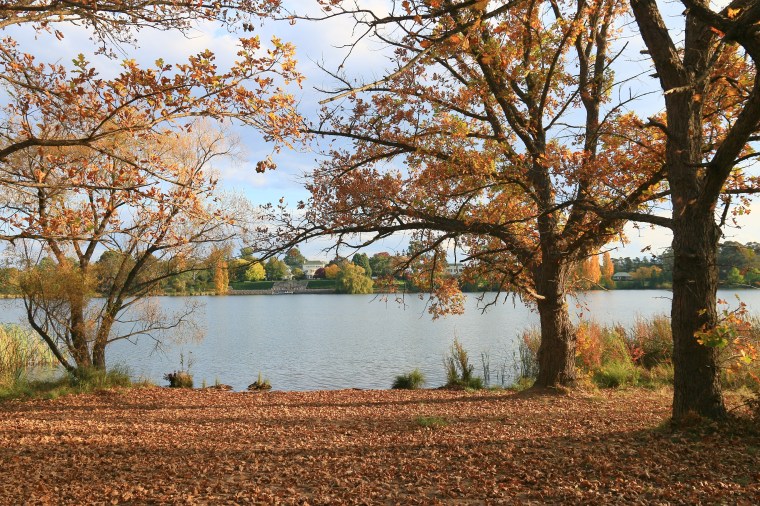
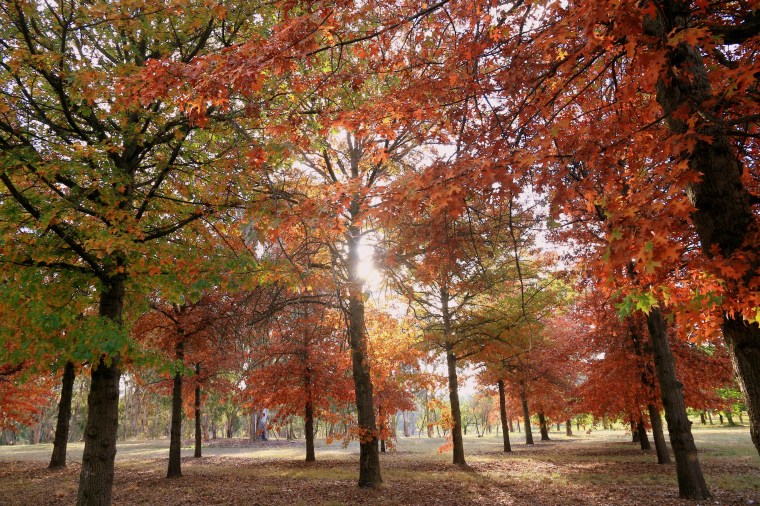
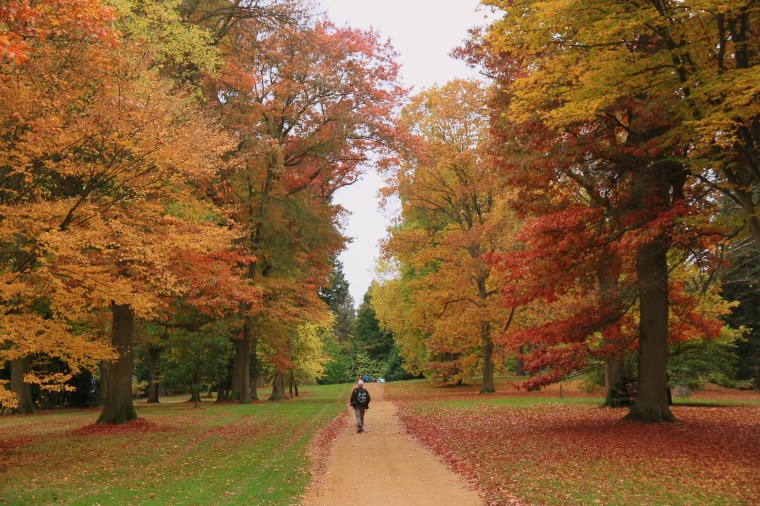
east11Tucked away in a quiet corner by Lake Burley Griffin, largely forgotten apart from the odd dog walker and camera wielder, the Lindsay Pryor Arboretum is an unbridled delight. A kaleidoscope of colours adorns the different varieties of oak, elm, birch and poplar. There are no visitor centres and no playgrounds, no cafes and no sculptures. The air is calm, the light soft, the mood understated. Occasional tunnels of foliage play at being England. And you could imagine, under these boughs, a snap election might just be called.

east10

Forget May, April is the coolest month, a culmination of the many months that have gone into its creation. The symbolism of autumn, the inevitable decay, may well be cruel; it doesn’t need a Stark to tell you that winter is coming. Yet, in the remnants of warmth, in a light golden, and in an unending transformation from one minute to the next, April is redeemed. It is, simply, the most privileged time and place in which to be in a tiny part of the universe called Canberra Australia.

east09

* This post includes shameless reference to The Waste Land by T.S. Eliot. I remember studying this in English and not having any idea what he was going on about, and still not having much clue now. But “cruellest” rhymes with “coolest” so yippedydoodah.


Australia Food & Drink Green Bogey Photography Walking

Blooming decay

I see pictures of blossom and bluebells and unseasonable flurries; here it’s the leaves that float down from the sky.

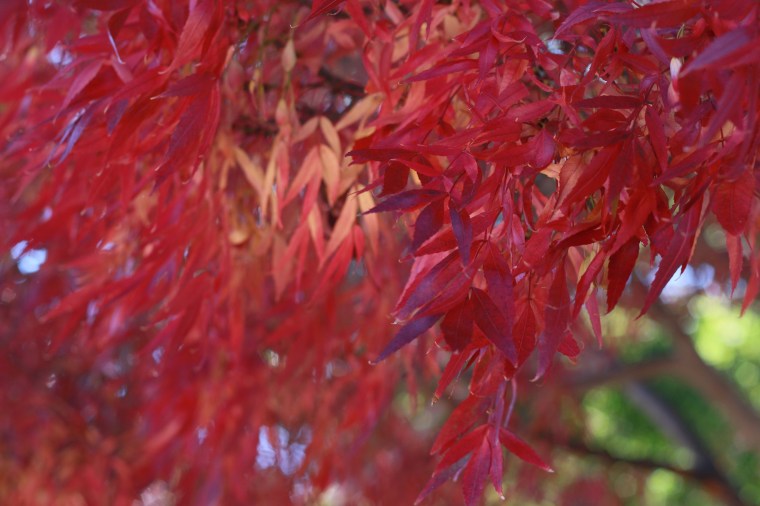
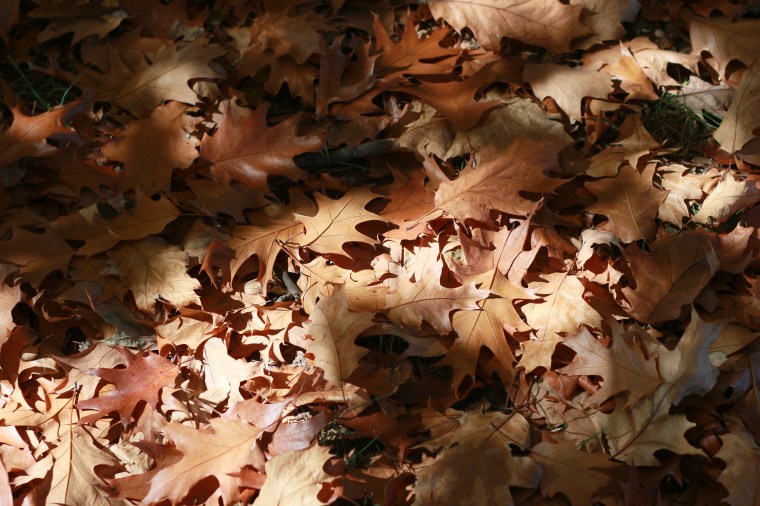
Gold and ochre snowflakes dislodged by a breeze, cascading to ground, to wither then die.

Seizing the day between bouts of production, camera in hand, flat white to embrace,

I cast out to crunch through the crescendo of fall, to potter in parks, warm sun on my face.


With now only time to conjure bad rhyme, log on my blog, click, upload, share,

Eliminating waffle, reducing to scenes, a series of shots showing autumn was there,

In Canberra, Australia, the heart of a nation,

Where blooming decay offers passing elation.

aut01

aut02

aut03

aut04

aut07

aut08

aut09

aut10

aut11

aut12

Australia Green Bogey Photography

Swiss day out

The number 61 bus from Annemasse Gare to Geneve Cornavin seems to pass as one of the longest short journeys around. I don’t know what it is about it…perhaps the trundle through France, with its oil-stained Renault workshops and flashing green pharmacie signs? Or maybe the sombreness of being beneath a Leman gloom cloud, omnipresent in early November? Though a seamless (at least then) border crossing sweeps you into a more sanitised array of Swiss shops and streets, the rattling and bending and last-gasp stopping continues apace. Stylishness and affluence glides in, bag ladies and yoof dribble out. No-one, ever, stands up for anybody else, achieved (for those rare species without tablets and phones) through an accomplished display of middle-distance gazing, looking at nothing or no-one in particular.

The journey only takes forty minutes or so, which is considerably longer than the one hour, thirty six minutes and forty nine seconds it took me to travel almost all of the Piccadilly line (from Oakwood) to Heathrow, which in itself was longer than the flight duration from London to Geneva. But this bus feels the longest trip of the lot, and it is with relief and excitement that you find yourself at the virtual terminus of the Swiss railway network (not to mention round the corner from Manor).

Looking for something to do – for lake cloud to escape and bendy buses to flee – I availed myself of a Lake Geneva – Alps Regional Pass. It took some finding, for there is nothing the Swiss seem to like more (well, apart from chocolate, cheese, and referenda) than a convoluted array of rail passes, network zones and travel conditions, all in French, German, English and occasional Italian. I could get a Swiss Card for a half-priced fare, or a one-day whole-of-SBBCFFFFS roamer, or a Zug Snausserhorn Goldenpass or maybe a Cloud Cuckooclockland permit, with 70% discount on VIP chocolate train seats instead? What is certain is that no Swiss person will ever pay a full fare and that – despite such ticketing intricacies – the trains will still run like a well-worn cliché involving clock mechanisms.

It’s not just the timeliness of the trains, but the efficiency of connections, something which never fails to evoke wonder amongst travellers bred on a discombobulated British rail system or faced with a practically non-existent Australian one. Connections to other cantons and cities and major towns, but also to tiny villages, hay sheds and pieces of rock in the middle of nowhere. Like Montreux – upon glittering Leman shores – to Rochers de Naye, some two thousand metres in the sky.

RDN01Lake cloud which started to fragment in Lausanne had virtually evaporated by the time I reached Montreux, for my seven minute transfer to platform 10 and the Rochers de Naye train. Departing exactly at 09:47 as planned, the two cogwheel carriages made no bones about it and immediately veered sharply upwards, through a tunnel and out onto sun-filled plateaus coated with luminous autumn foliage and expensive views.

Riviera homes for bankers, third rate Swiss pop stars and dairy farmers alike slowly passed by, and occasional stops in the middle of nowhere allowed regulars to jump off to reach their hidden retreat in the woods. While some stations resembled the genuine thing sited in proper villages, other stops were little more than a plank of wood or a metal gate. Here, the train would briefly pause on a 50% gradient, before rolling a tad backwards in a disconcerting motion accompanied by a grinding shriek of metal on metal. You could almost smell the sparks as Sepp hopped off and waved a cheery goodbye to Michel, brown envelope in hand, as though this was the most normal thing in the world.

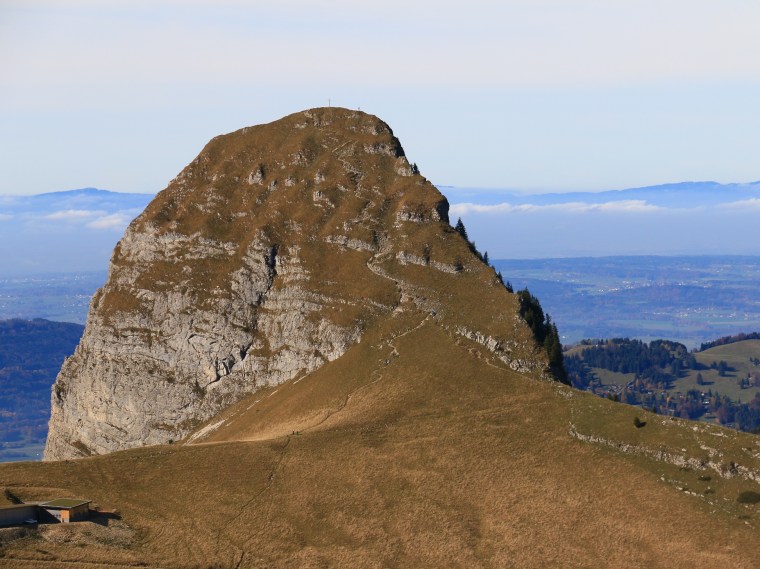
With altitude the ‘suburban’ stops fade and only walkers and the curious remain at this time of the year. Many of the walkers disembark at the Col de Jaman to walk up the nearby bulbous lump that is the Dent de Jaman. The curious – such as I – stay seated, dedicated to reaching their highs the easier way.
RDN07

One final climb through a pitch black tunnel makes the dazzle of reasonably fresh snow all the more blinding. Such is the drama of the journey, the top station is a touch underwhelming. A few views are spoiled by ski infrastructure, while building work distracts from an overpriced and bitter coffee in the cafe. A couple of goats offer mild amusement but the jardin alpin is closed for the season. Fortunately there is a higher viewpoint from here, up a short series of switchbacks, from which Switzerland – and France – is on view.

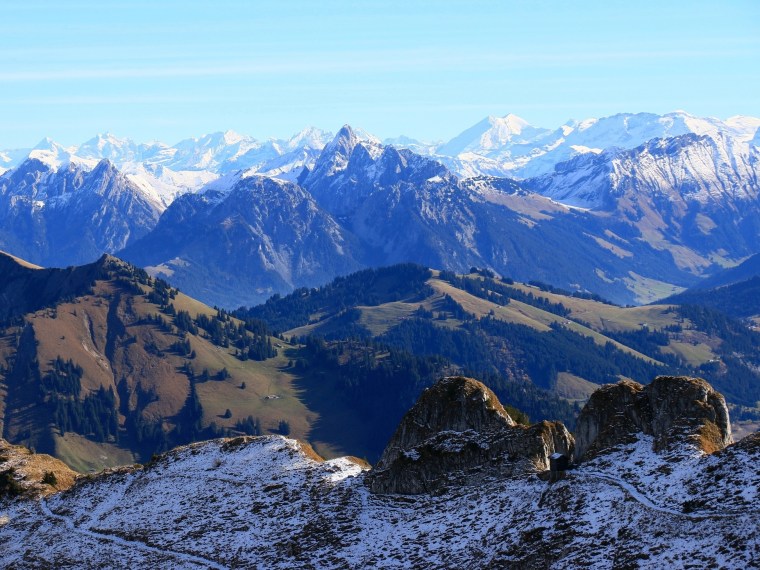
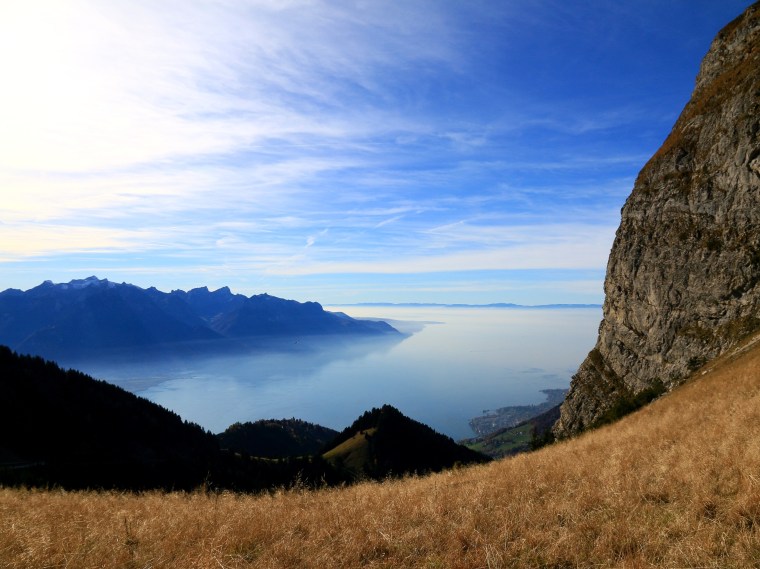
And what a view. A long way down, Lake Geneva cuts a swathe like a bloated boomerang westwards. Beyond lumpy outcrops and hills forested dark green and charred red, the lakeside towns – Montreux, Vevey, Lausanne and others – portray one elongated urban jungle. Occasional tower blocks, cranes, churches, chateaus can be picked out, while the curvature of the rail line up from there resembles some kind of herculean bobsleigh run. The alternate side of the lake sits hazily desolate, hemmed in by the pile of Haute Savoie dents, cols and monts. On the horizon, the thin line of the Jura hovers above the remaining cloud, still seemingly enveloping Geneva.

RDN02

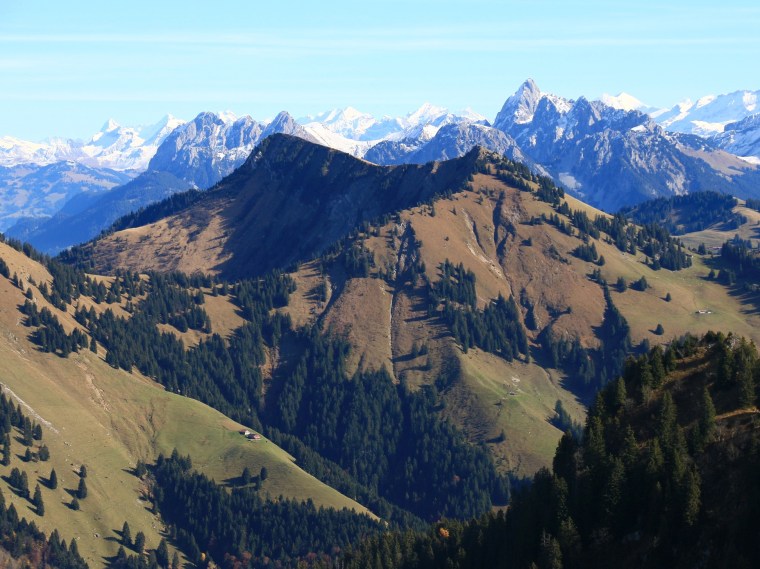
RDN06And that is just the westward view. In all other directions, a sweeping panorama of snow-capped peaks and plunging valleys reaches out into the distance. The behemoths of the Bernese Oberland pierce the sky, pointed and rutted and sharpened and sculpted. Pillars of rock – too precipitous to catch the snow – endure; like resistant teeth in a seven year old’s mouth. This raggedy snowline fades into darkly forested slopes and meadows tinged brown by the passing summer.
RDN05

There is still warmth in those upland valleys, a sun-trap that allows for wearing of T-shirts, particularly when walking uphill. Keen to take advantage of this unexpected vestige of a rapidly fading summer, I embarked on a circular walk pieced together with my Rochers de Naye leaflet and snatches of online maps for crucial moments of decision and misdirection.

Following a ridge gradually down from the viewpoint, I reached a junction: one way back through a small valley to the top station, or another down alongside a rock face to the Col de Jaman. Somewhere within this hulk of rock the train burrows through, while humans have to inch their way around on slate ledges and avalanche rubble. The route understandably prefaced with warnings involving sturdy footwear, slipperiness, and crumbling pieces of mountain made it an easy decision: lunch on a sunny patch of grass with a spectacular view, before heading back up the valley.
RDN08

RDN09Thus it was that I found myself down to a T-shirt (and trousers!) while walking through snow. The snow had obviously thinned as the day had progressed, but remained thick enough to obscure the last part of the trail up to the top station. Warm, slightly breathless, low on water…I could see the appeal of taking the train now, which again emerged out of its tunnel to taunt me. It was heading down, and – after safely completing my walk – I was to join it.
RDN11I could have plunged all the way back down to lake level but – determined to make the most of this wonderful weather (not to mention my expertly discovered rail pass) – I paused at the Col de Jaman station. Walkers were still setting off to conquer the lump nearby and close up it didn’t seem too bad. Switchbacks yes, but nothing that would cause undue alarm for someone with sturdy footwear and good heart. Maybe on another day, but today I was content to bathe in the sunshine accompanied by the remainder of my giant Raclette pretzel bought from the kings of Cornavin.
RDN12

RDN13

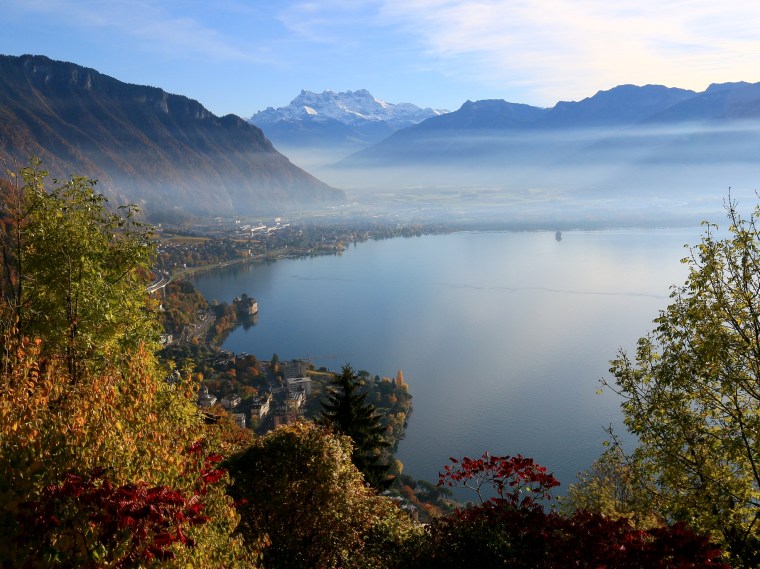
My final stop on the way down was somewhat spontaneous and turned rather fortuitous. I had made a note of Glion on the way up, purely because of the splendid views down to the lake and across to surrounding mountains, sweeping their way into the Valais. The foliage too – on this lower south facing terrace – was something to cherish in the eruption of autumn. Through the leaves and branches, glimpses of glassy water would emerge, encircled by the mountains rising upwards through the valley haze.
RDN14

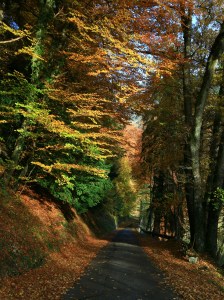
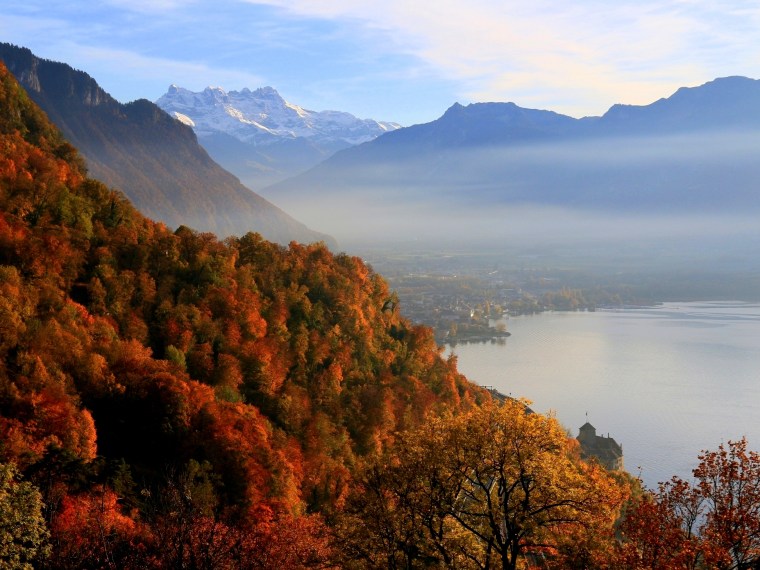
RDN16The outlook was so alluring, the late afternoon light so enchanting, that I set off walking and carried on without really knowing where I was going. I assumed – given the gentle downward gradient of the lane I followed – that I would end up somewhere by the lake, from which an efficient and comfortable Swiss train would be waiting. Few cars bothered me, while occasional grand houses and health retreats sprung up on the slopes between the trees. At a kink in the road, passing two farmhouses, the view again opened out to reveal the colourful wooded hillsides tumbling down towards the lake, with a hint of winter looming upon the distant Dents du Midi.
RDN15

For all the fun of the train I was glad to complete this final part of the descent on foot, each turn revealing a looming mountain, glimpse of water or avenue of bronze. Merrily marching, time whizzed by and before long I did indeed reach the outskirts of Montreux, a feat achieved more through instinct than design. A long straight balcony of a road continued to descend, each house and villa passed with a tinge of envy and click of a camera. A churchyard offered one final panorama as the sun started to graze the tops of the peaks to the southwest before dipping beyond. In such a setting, even I might be tempted to attend Sunday service here.

RDN17

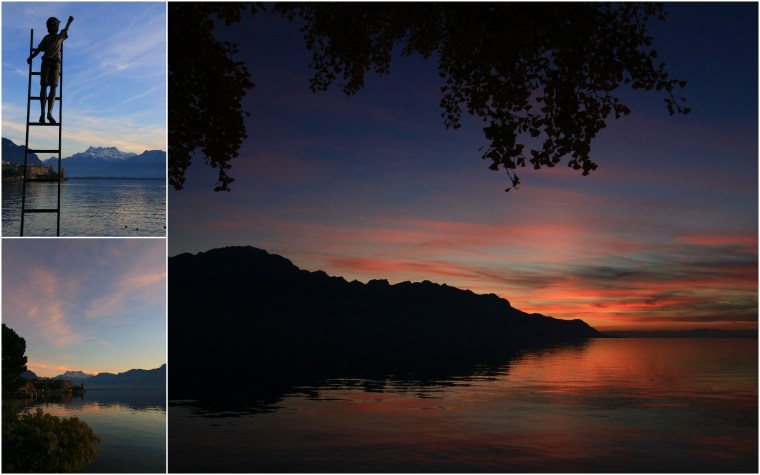
No doubt if I had stayed on the train descending all the way to Montreux I would have had such a simple and effective connection that I would be back in Geneva by now. Instead, arriving at the station on foot I managed to miss a train by a matter of minutes. The next was a whopping forty-five minutes away, an incredulous amount of time given Swiss standards. However, despite gathering weariness that comes with a 5:30am start and a ride on the 61 bus, I inched on down to the lake shore, feeling fortunate in the end to have missed that train…
RDN18

Such was the beauty of the day, the charm of the late afternoon, the ambience of the evening as the last light faded I was tempted to stay for some dinner and catch a late train back. Perhaps if I did I would not have had to – shockingly –stand in the vestibule of a railway carriage, at least until Vevey. It turns out (relative) congestion sometimes exists in Switzerland too.*

No such problems back in Geneva, with a seat on the 61 to push through the darkness and over into France, eventually. Some of the people – enduring a long, hard day of low-taxing money making – were quite probably on the same bus as me this morning, staring absently into the middle distance. Their laborious daily commute was my stroke of fortune, a crucial cog taking me to the top of a mountain and back. An unappreciated, maligned link in a great continental railway – and now bus – journey.

* I should add, trains can run late as well. On another journey of mine the train was once running four minutes late departing Lausanne. The conductor was beside himself with contrition and pleaded to the gods that this had not caused any inconvenience to anyone whatsoever.

Europe Green Bogey Photography Walking

The times, they are a changing

Okay, the southwest of England is driving me to distraction, what with its salty fishing villages, sweeping expanses of surf-hit sand, babbling rivers trundling though woodland, and rolling, empty moors. There is also only so much Cornationendersfarm City that one can take, so, come the end of October, a change of scenery proved timely.

To Basingstoke and a stopover en route to London. A stopover providing what must be the culmination of the autumn season, full of colour despite a grey day. Virginia Water conjures up Peter Alliss blather, Major Stockington-Breeches-Follybottom, faux-Greco-Roman palatial commuter estates and an endless array of Lycra and leggings jogging with pricey strollers in hand. It is Surrey leafiness typified, fringing the regal Great Windsor Park. A place that remains welcomingly open to all, Range Rover, Lycra, knighthood or no.

norf01

norf2On what must have been one of our more sedate walks, Dad and I set off to circumnavigate the water in a higgledy-piggledy fashion thanks to the allure of various trees and shrubs and leafy avenues peppered with colour. I don’t know if it’s the extra pollution, the degree or two increased warmth, the absence of ocean or – simply – the exotic plantings pillaged from the colonies, but everything was a lot more colourful than back in the southwest. And just as distracting.

norf03

norf04

norf05Eventually, we reached the end of the water, crossing the bridge and turning back for home, still some several kilometres though further leafiness, lakeside reflection, and ornamental falls. Despite the gentle pace, the walk became a little weary and there was a palpable sense of the faded glory that comes with descent into autumn and, then, the foreboding of winter. Jets occasionally screeching overhead from Heathrow, dankness in the air, it was evocative of an imminent departure back to Australia. But not this year, for I will taste (hopefully) just a touch of winter.

————————————

An extra hour in bed. That is the pitiful recompense so heartily proclaimed in an attempt to offset the despair of the sun setting at half four. For me though, this meant an extra hour to spend in Norfolk, which – given I had never set foot in the county before – seemed only fair to do it justice.

norf06It could have been Australia – there was the company of Jill and Caroline, a very good coffee, some sunshine, sandy beaches, wildlife and lots of boatpeople. But it also obviously wasn’t. Drizzle, roast dinners, M&S and numerous buildings in Norwich dating back at least more than a hundred years signified what end of the world this particular Old at Heart tour was cosily embedded within.

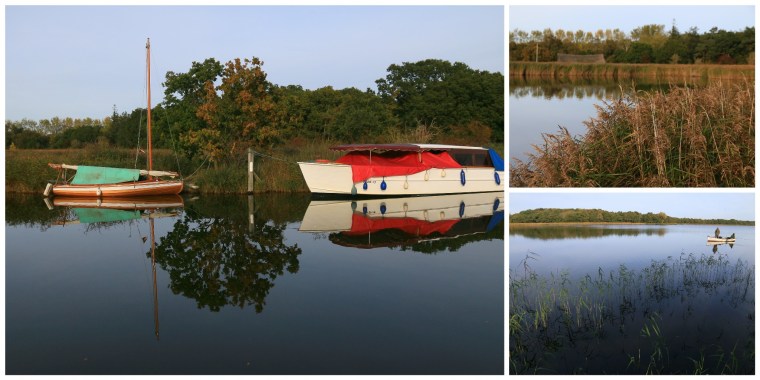
Sunday morning in the village of Acle was just a tad brighter than usual, thanks to that shift in space and time that may or may not signal the start of winter. Watery sunshine evolved over the day, illuminating the Norfolk Broads into a swathe of silvery reflections and golden reeds. The closest resemblance I could (laughably) make was to the Florida Everglades, though with fewer alligators and slightly more bumpkins pushing wheelbarrows to the village shop to buy fork handles.

norf8

norf09A delicious Sunday roast beside the water drifted into the dramatically shortened afternoon, leaving just an hour or so of soft, gorgeous light to explore the coast. Horsey Beach provided a remote seascape of gently rising dunes, collapsing into fine sand running like a protective ribbon along the perimeter of eastern England. A procession of groynes held it all together, occasional slippages and collapsed dunes testament to its precarious instability.

norf11Upon this spacious sanctuary, clusters of people stood in small arcs, as if participating in some kind of Sunday service towards the gods of the sea. Closer up and cameras and selfies and standing about in wellies talking about mating was more the order of the day. Seals – and a good many of them – were the attraction. Lounging about, agitated with the waves, occasional grumpiness spilling over into aggression, they were quite mesmerising to watch. Something pure and pristine in this regularly despoiled of isles. Carrying on doing their thing, as they fade into the shade of the towering dunes, lapped by a frigid sea as the sun flames red and darkness begins to fall. And all before five o’clock.

norf10

Great Britain Green Bogey Photography Walking

October, revised

If I had been diligent and conscientious and just a little more bored, I could have written something about the month of October by now (as well as July, August and September). I would probably have discussed the drawing in of the northern hemisphere nights and the first big storms barrelling in from the Atlantic. Meanwhile, down in the southern half of the globe, shorts and bushfires would be a genuine topic for discussion yet again.

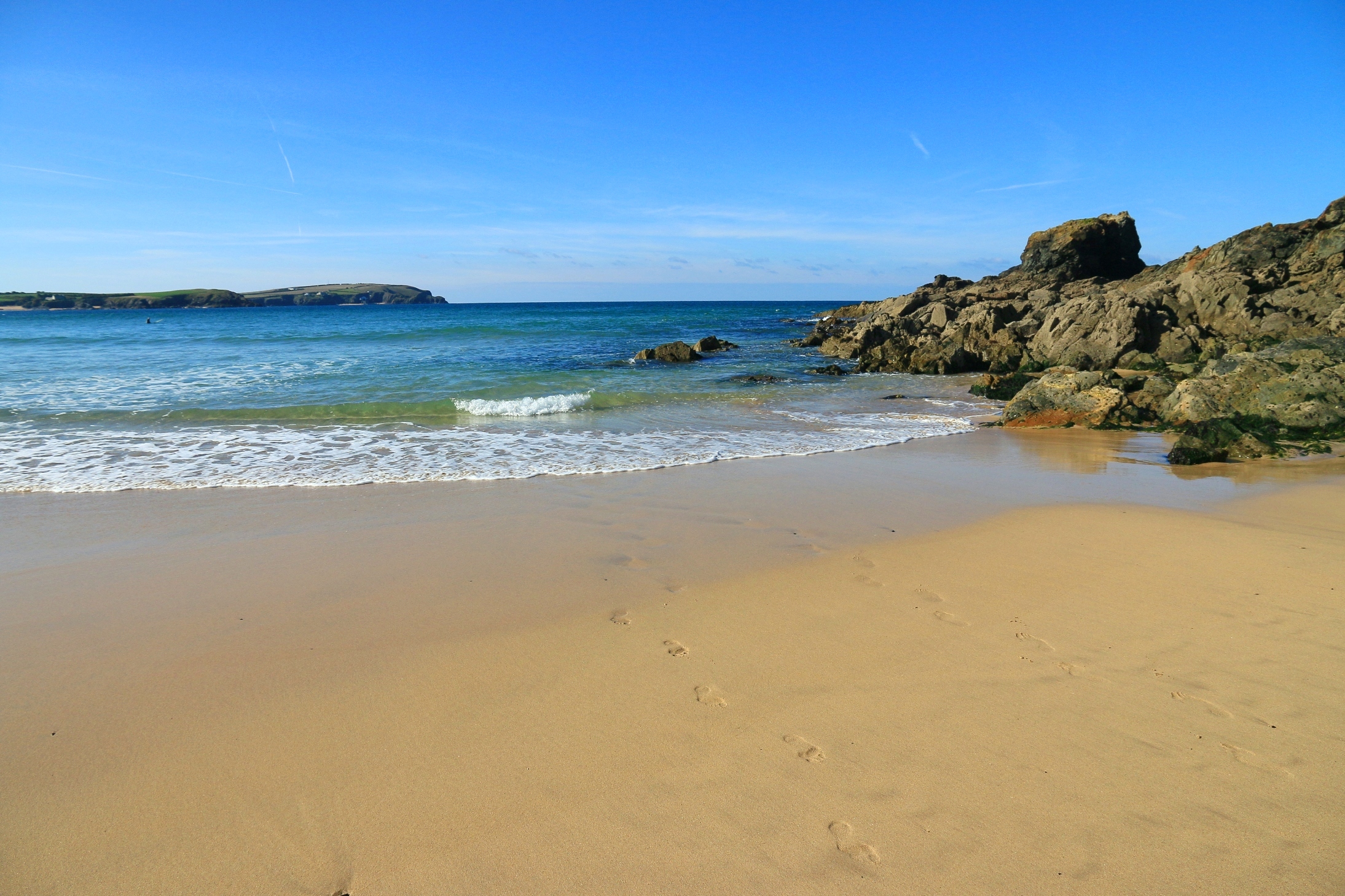
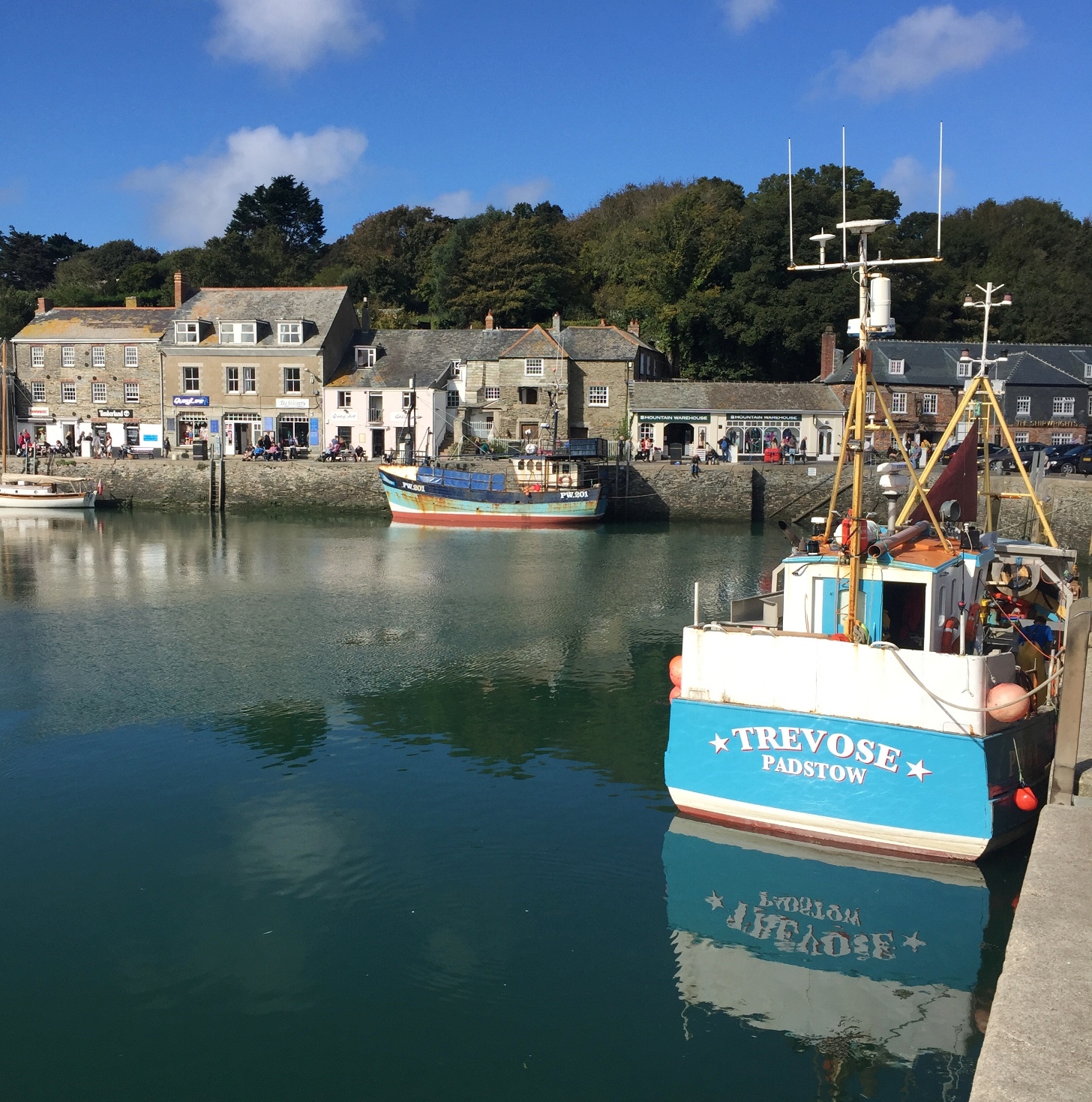
octsw05As it happens, October 2015 has been somewhat benign, at least in the southwest corner of England in which I have mostly lingered. And I have been perfectly content to linger there, what with this benign weather and all. I do believe we endured two whole weeks without a single drop of rain, an occurrence putting many outside of their comfort zone. At the start of the month I got away with a few hours in shorts, and the dry weather appeared to encourage farmers to set fire to things. On a beach, near Padstow, in an ashen blue sky air, T-shirt adorned, it could almost have been Australia.

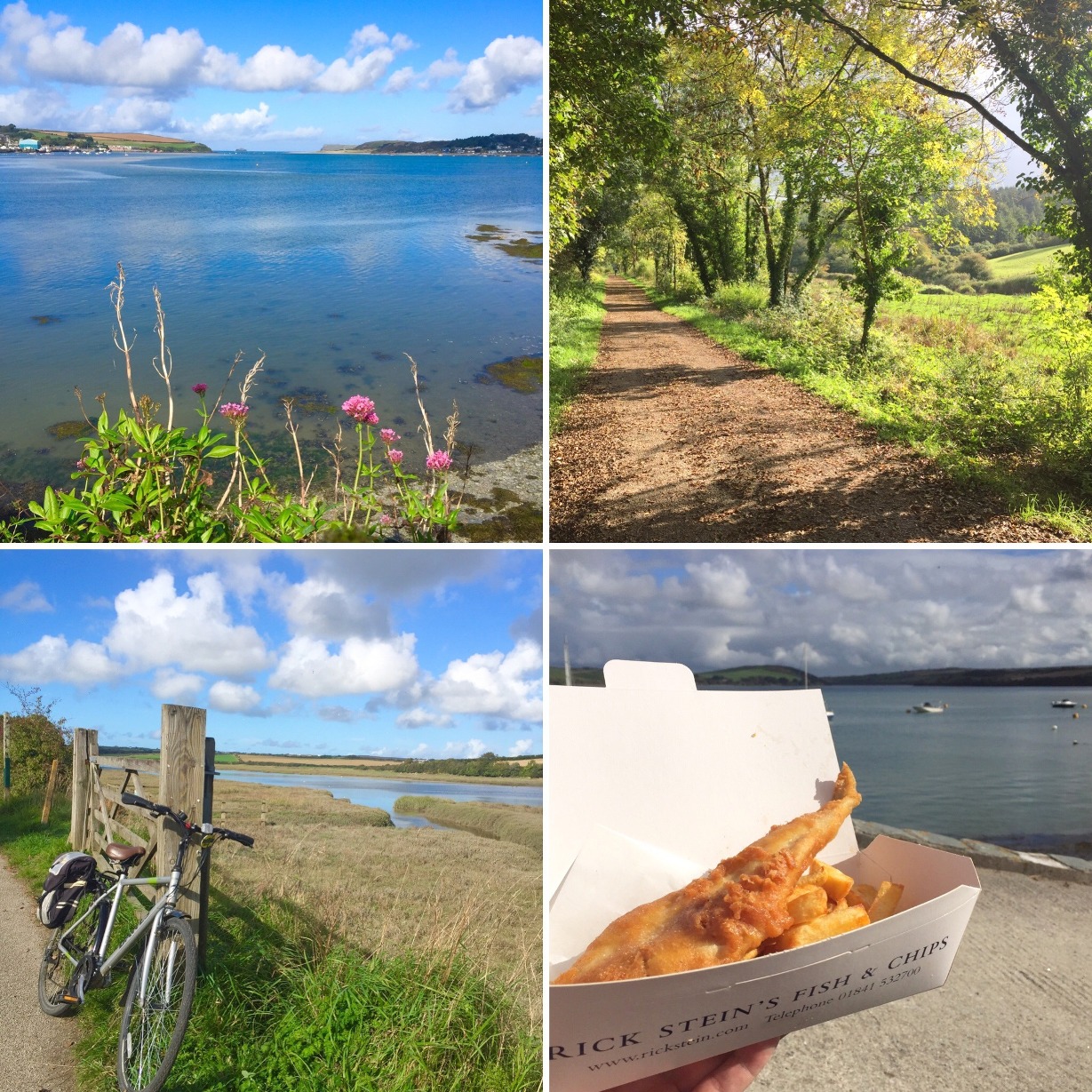
octsw01One day of particular breathlessness spurred me to get on a bike, reassured that I would not face a headwind of Atlantic gale proportions. Hiring two wheels from Wadebridge, I rode much of the Camel Trail, only wishing that I was on my own more comfortable machine which languishes back in Canberra. Breathless from forty kilometres of riding through breathless scenery in breathless air. It was not quite Vancouver high, but the experience provided much to enjoy, including an inevitable stop for Rick’s fish and chips, well-earned.

octsw02

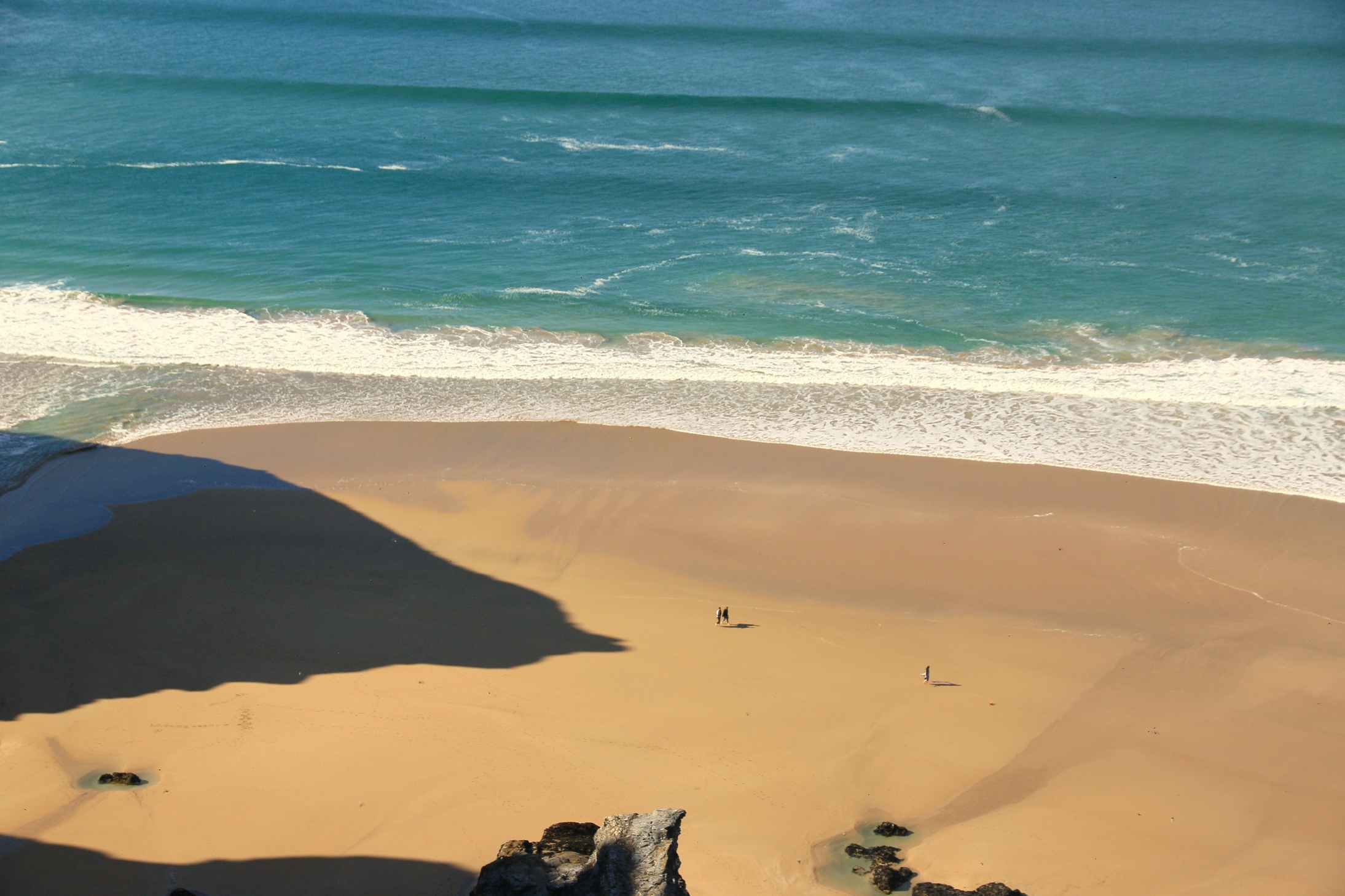
octsw04Around the corner from Padstow another day offered something a little more sedate, though with just as much, if not more, breathlessness in the scenery department. A stop for coffee overlooking Watergate Bay (coffee=acceptable and worth revisiting) preceded a jaunt along the cliff line overlooking Bedruthan Steps. Here stands the archetypal grandeur of the North Cornish coast, carved and sculpted by The Atlantic, still relatively benign. And upon these mighty shores, the National Trust serves delectable treats from their cafe…potatoes as giant as the rocks and wedges of ham as thick as the surf.

octsw03

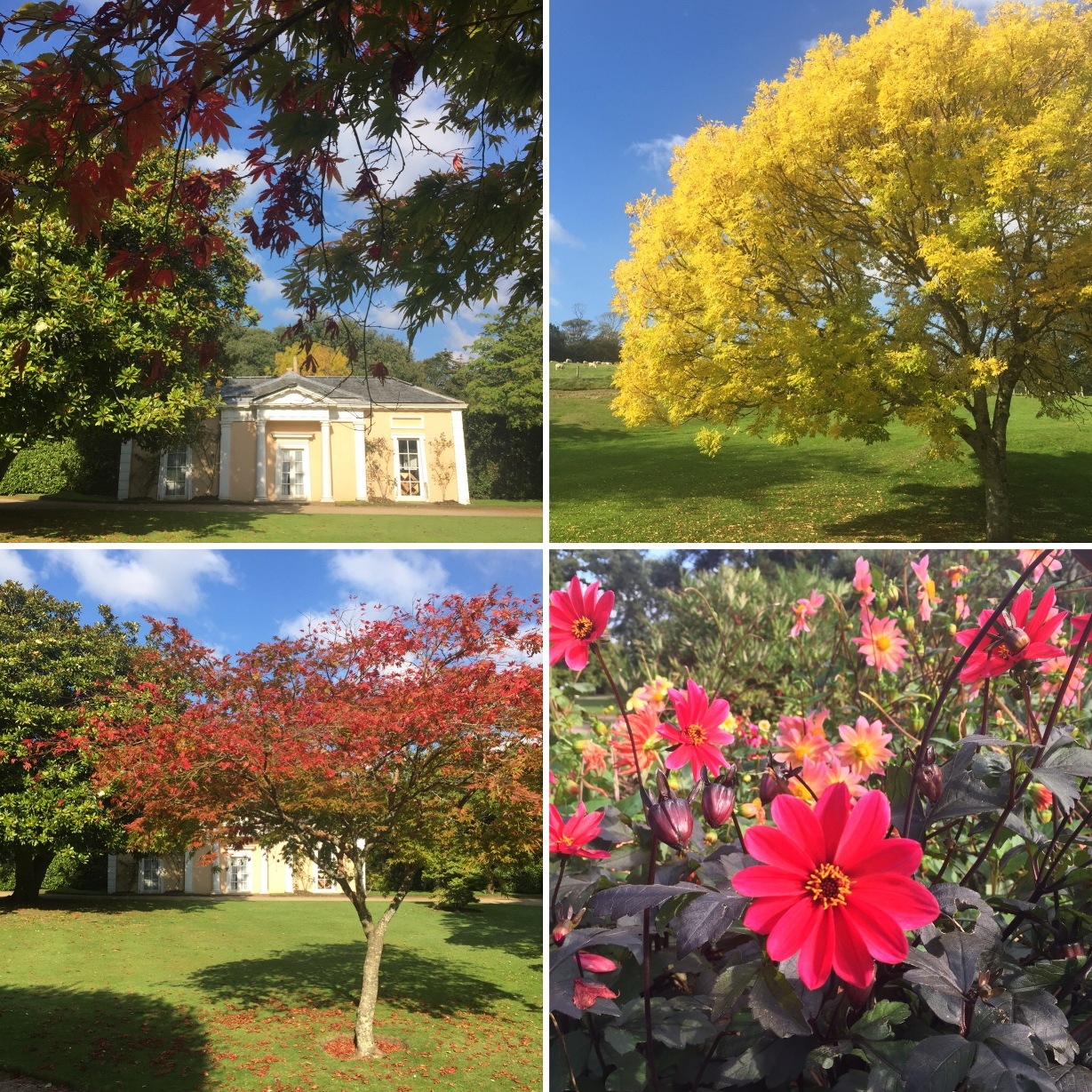
octsw07T-shirts and scrumptious food at Bedruthan became a happily common theme for a few days, transferred to settings closer to Plymouth. A visit to Mount Edgecumbe offered discovery of a good lunch spot and welcome to an autumn, though at times it was hard to distinguish this from spring within the formal gardens. A couple of afternoon hours at Wembury proffered sunlit sea, coffee and cake. Meanwhile the steady climb up to the Dewerstone from Shaugh Bridge was sweat-inducing, relieved by a home-made sandwich that hit the mark like only home-made sandwiches sometimes can.

octsw08

Plenty of leaves remain on the trees, but despite the best efforts of the weather the signs of autumn ever-so-subtly emerge. No Atlantic storms, but more and more tinges of yellow and gold, fading to dour brown, eventually to carpet the land and decompose into treacherous sludge. Sweeping moors are turned to rust by the bracken which dwindles under a lowering sun. Offers for Roses and Celebrations pepper the shops, a proliferation of karaoke singers and pantomime dancers parade on TV, and Argyle are still top of the league.

octsw09

Quite possibly the best thing about this time though is the fact that Devon and Cornwall can return to some kind of quiet normality without flocks of marauding caravans and plagues of Daves from Dudley. The roads are quieter, car parks cheaper, dogs are (alas) allowed back on the beaches, even though it seems they were never off them in the first place. Sometimes you feel you have this land to yourself and it really is a quiet little backwater in our giant world.

octsw11And so, there I was, rarely bumping into anything other than the odd pheasant down in the Roseland Peninsula. A farm track took me out to Dodman Point, high above a placid silver sea pierced by the occasional trawler chugging back towards Mevagissey. Around the headland, Anvil Beach was – this time – peppered only by one or two souls, some inevitably allowing their dogs to run wild.

octsw10

The tangle of tiny roads and time of year seems to make this area a backwater amongst backwaters. The seemingly vast Caerhays Estate hosts a few timeless hamlets, invariably reached by a steep decline toward the sea or a severe kink in the wooded lanes. At Portholland, chatter over a cup of tea rises into the gentle afternoon sun, while at Portloe, it is though you are transferred to a Polperro without the masses, sitting quietly content amongst its pockmarked coves. Here, as the afternoon quickly fades there are signs of closure, of people battening down the hatches, of a looming change to be embraced sometime soon. The Atlantic storms will roll in, but perhaps we will just have to wait until November for that.

octsw12

Food & Drink Great Britain Green Bogey Walking

With age goes wisdom

If you haven’t got anything nice to say don’t say anything at all, said like no politician in the history of the world ever. This becomes apparent in the brief snatches of news footage or articles I have intermittently stumbled across in relation to the UK election. So, from what I can make out, some commie wonk stumbled when feeding a shiny-faced posh man a bacon sandwich, who choked upon hearing Scotland are going to build a big high speed rail bridge bypassing England to Europe, but turned up to the NHS only to find it riddled with BBC bias and a wealthy man of the people chuffing a cigar hand-crafted by Romanians he secretly keeps in his shed. Meanwhile, some woman had a baby, which like happens every minute of every day of every year. Oh Britain, how I miss you.

All this leads me to say that I don’t have much to say; not because there is nothing nice to say, but really since things (unlike Election 2015, oh yes!) are fairly mundane. The biggest event was having all four wisdom teeth – intricately shaped at angles in the kind of x-ray you see in medical journals – extracted. Convalescence was aided by frozen peas, warm soup, and gentle walks around the leafy, crunchy, rainbow suburban streets.

apr00

apr07Like Batman getting my powers back, things progressed at a steady pace: work was sadly possible but also happily income-giving; hills could be walked up; soup became mashed potato became fish curry became shepherd’s pie…until finally I could mercifully manage a bacon sandwich. The bike could be pedalled, when the variable weather was having a good day. And wine could be safely drunk, useful when on a charming tour of Lerida Estate two weeks post-wisdom.

apr01

ANZAC day came and went with its usual amalgamation of touching remembrance, freedom- embracing alcoholism, and political posturing. This year, one hundred years after Gallipoli, there were more TV dramatisations and politicians posturing than ever. I spotted in Target the day before that you could buy a ‘Camp Gallipoli’ swag. Yes, you too can sleep out like the ANZACS, though I presume without the cloying mud, stench of death, and general sense of imperial-driven futility.

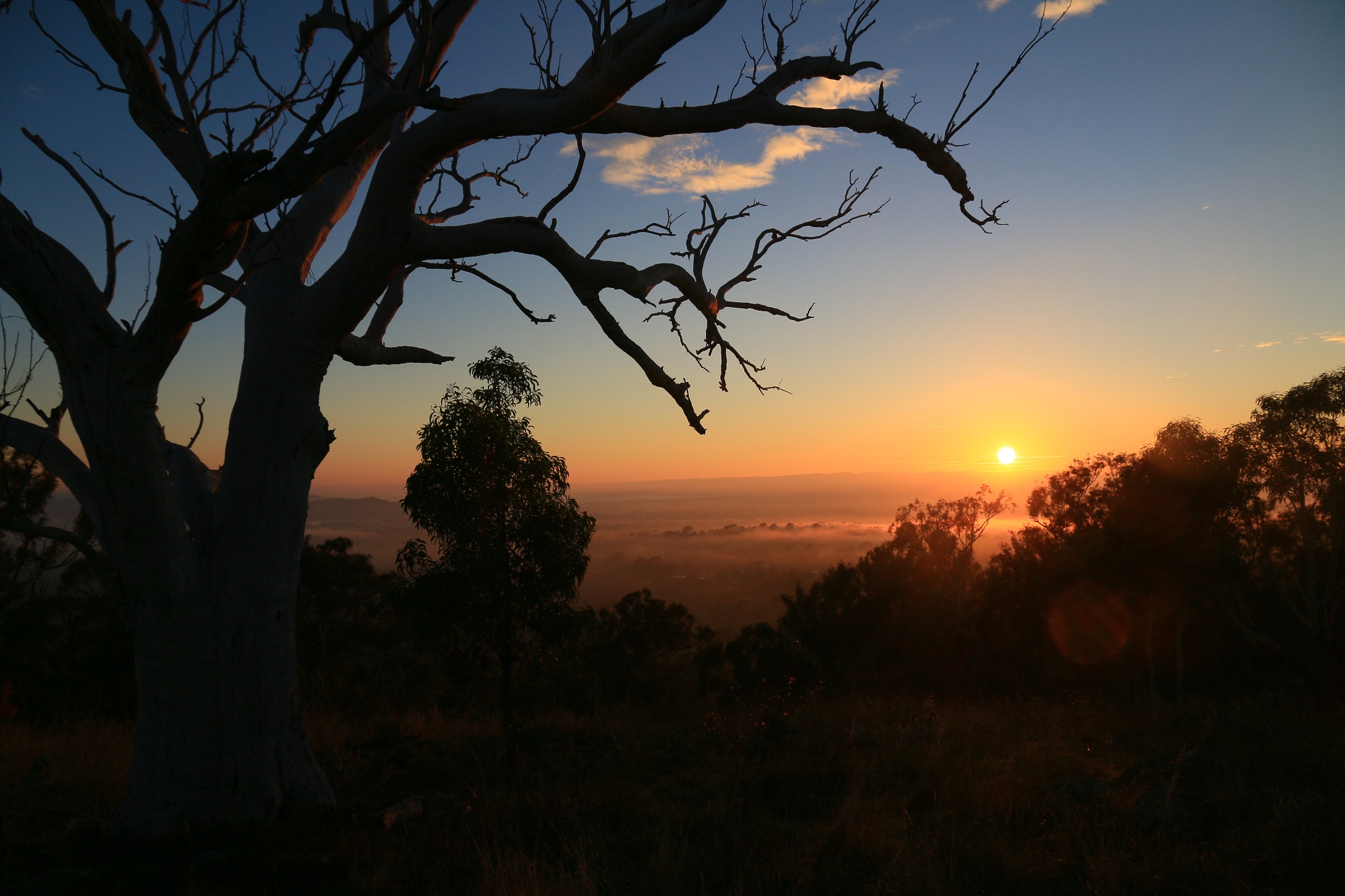
The dawn service – a genuinely poignant and worthy lamentation for the death and sacrifice of war – was attended by something like 120,000 people. Too late to the party, I stood alone, upon a nearby hill, the sun rising above the early mist of dawn as magpies uttered melodies, and the shadow of gums were given new life. Standing to see the sun, lucky.

apr05

apr06

And with that I really can’t think of anything else to be said.

Australia Green Bogey Photography Walking

The climate changes

Little things, sometimes performed unconsciously, indicate a time of change. There is the walk for morning coffee, in which you now seek the sunny section of pavement rather than its shady, covered counterpart. At home you have to reach in the darkest depths of your wardrobe for – god forbid – a sweater; only to discover that they are musty and holey and jaded and faded but at least protect against a cooling evening. Scattered on a nearby chair are the vagaries of climate suitable attire in late March: shorts from two days back (27 degrees), and a hoodie from the night before (2 degrees). Tracksuit pants come back into fashion, at least inside the privacy of your own home. Outside, the basil flourishes, at its most bountiful before frost decimation. And, excitedly, thoughts turn to how it can be used with red meats and red wines, frequently together.

Shorts and salads were still the preferred modus operandi for most of March, and suitable for a reasonably easy-going walk on the Settler’s Track down in the remote southern tip of the ACT. A scattering of huts and pastoral remnants speak of a far challenging time, and one can only recoil in fright at the thought of icy winter winds seeping through the gaps in the wooden planks that made for walls. The comforts of a piddling new town called Canberra lay distant, across brown plains upon which a permafrost lingers, gnarly tangles of stunted gums and dense mounds of wattle lining the mud-racked excuse for a road. Today, we had a bit of a sunny picnic and returned to Canberra in air-conditioned comfort in an hour, with only a little part of the road slightly bumpy.

easter02

The climatic downshift has produced more amenable conditions for burning some of this land, doing so in a controlled and measured manner. The intention of this – previously practiced by the original inhabitants of this continent to great success – is to reduce the fuel load for more intensive and damaging fires in the summer months. Thus it is an act of destruction that protects and regenerates, with any luck clearing out tangles of invasive weeds to open the way for more friendly natives.

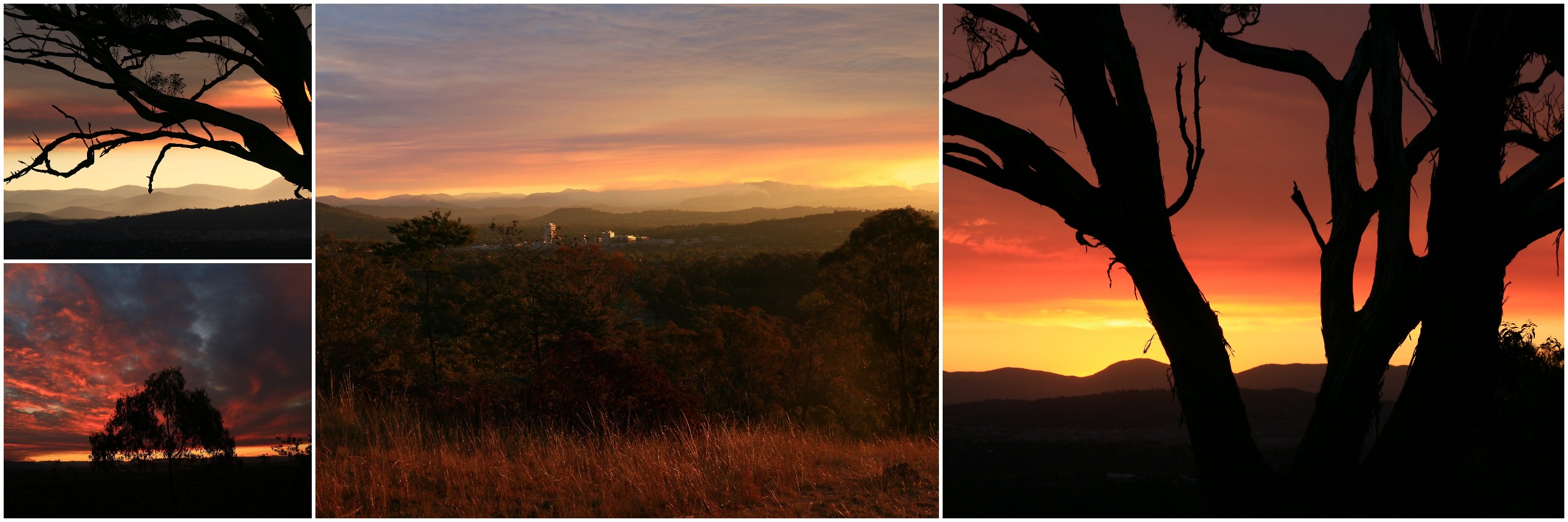
The controlled burns were noticeable this year in their seeming proximity to Canberra. Partly this an illusion, a foreshortening of distance created by the lines of ranges to the west and the hidden deciduous streets of Canberra in between. It is heightened by the smell of smoke in the air but at no point was the largest ugly concrete building in Woden facing any threat, even as plumes of smoke spiralled in the hills behind like some kind of Jurassic Rotorua. Alas, while the ugly tower survives the smoke, the light, the angle of the sun upon its equinox, the time and day and place and year produce some memorable, cherished Redhillian sunsets.

easter03

With the fiery skies appearing earlier each eve, and the increasing need for arm and leg coverings, panic can start to grip the citizens of the national capital. There is alarm that it may get down to fifteen degrees, a temperature in Australia requiring scarves and beanies and carbon intensive wood fires. Concern too that the Australian right to enter the ocean and brag about its perfection to the rest of the world is on the wane. Easter escapes may (though things seem to be changing) herald the last chance to wade in the water of the South Coast. So I thought about going down there over Easter too.

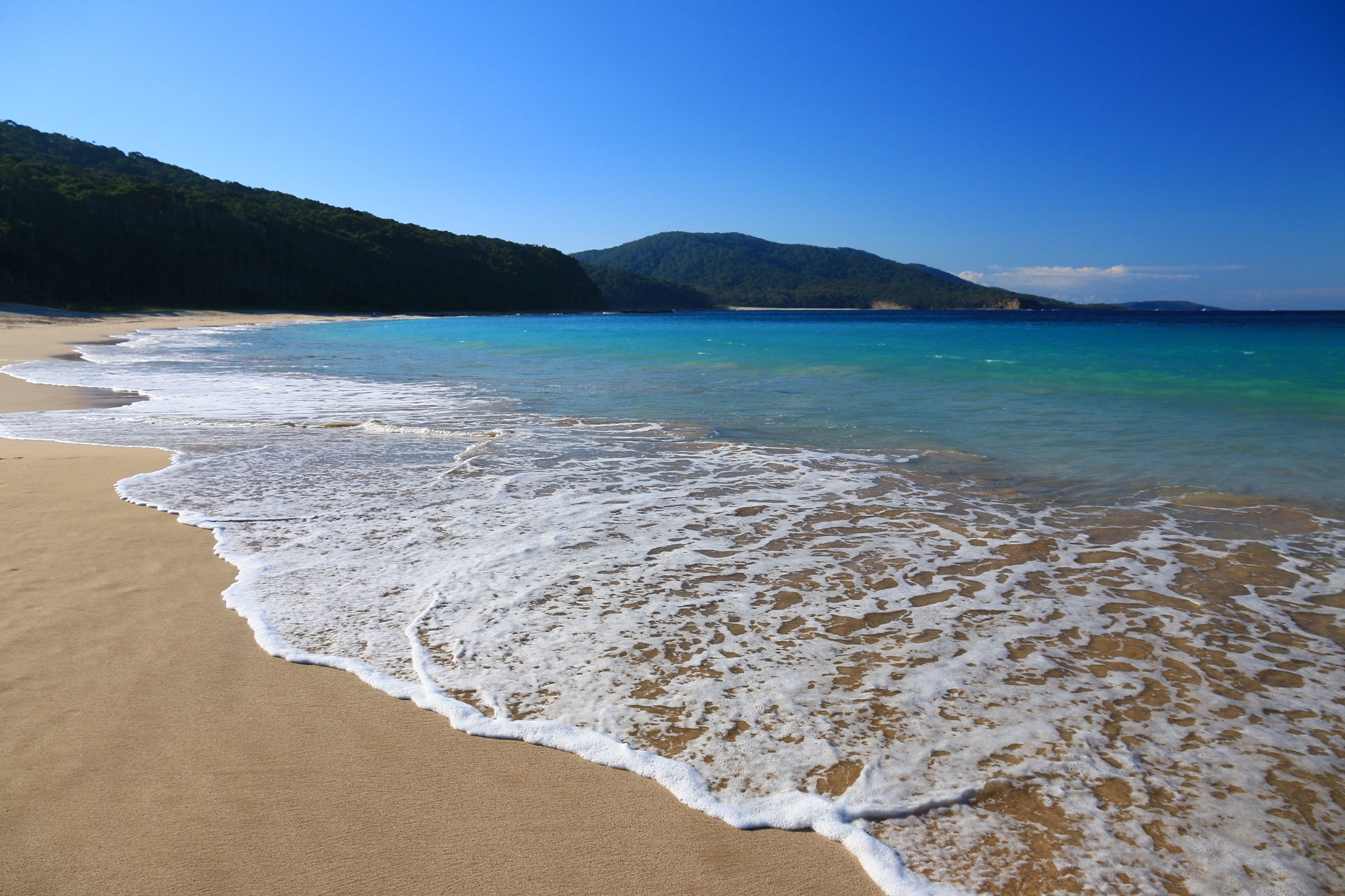
In the end, I changed my mind, and went a few days earlier because the weather was perfect, ideal for a spur of the moment day trip that is only possible with self-employment. Old favourites of Mollymook and Depot Beach, with some fish and chips in between. Shorts and sandals and, yes, gentle wading in the ocean. Something surely to brag about.

easter04

My pre-emptive conniving worked wonders because, in the main, the long Easter weekend was one of those in which Canberra (and the region) did its best to imitate Britain. Two days of cool greyness without a break, then two days of heavy downpours, possibly followed by a debate between seven charm-filled politicians arguing about HIV-laden Europhiles stealing our tax money jobs and murdering badgers with Clarkson or something. Ideal conditions for some reading and lounging and DVD watching and baking and napping. In this context, in this climate, it seemed right that the clocks changed, and – at least from the perspective of time-fixing – winter commenced.

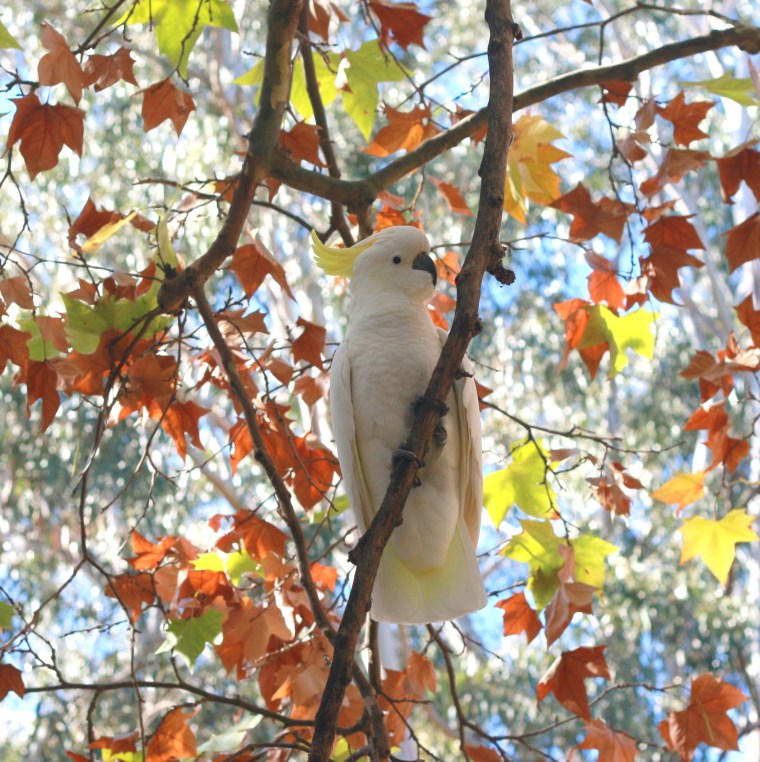
easter05The first morning on winter time turned out to be delightful. For a few hours the clouds went away, and the sun delivered enough radiance for a comfortable period of shorts-wearing. The morning light and air contributed to a Red Hill glow, projecting upon the grass and gum trees and ranging hills in the distance. Rather than signalling a decline, the change of clocks appeared to induce a spurt of wild industriousness. Cockatoos plentiful, screeching from tree to tree; pairs of rosellas flitting amongst branches; galahs flaming; and of course the kangaroos, forever grazing and looking all rather nonplussed about it.

Giving Red Hill the hill a run for its money was Red Hill the suburb. easter06From what seemed to be shaping up to be a relatively mundane autumn – with lots of early browns and leaf losses noticeable – a week which turned from warmth and sunniness to a condition of damp mildness appeared to have fashioned a more elaborate state of affairs. And amongst this fading technicolour the birds lingered too. Foraging and flirting and feasting, the fruitful trees bedecked with gang-gangs.
easter07

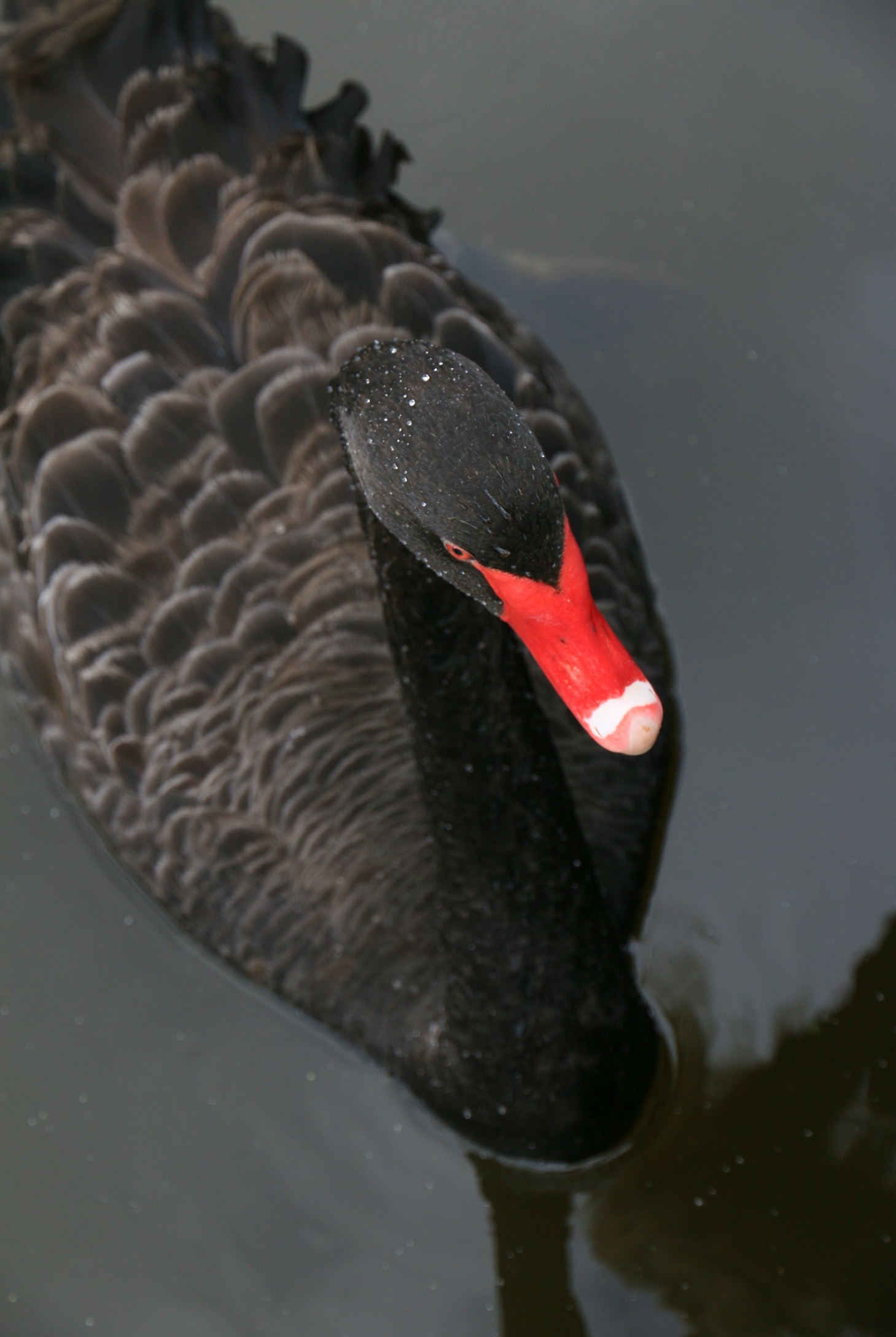
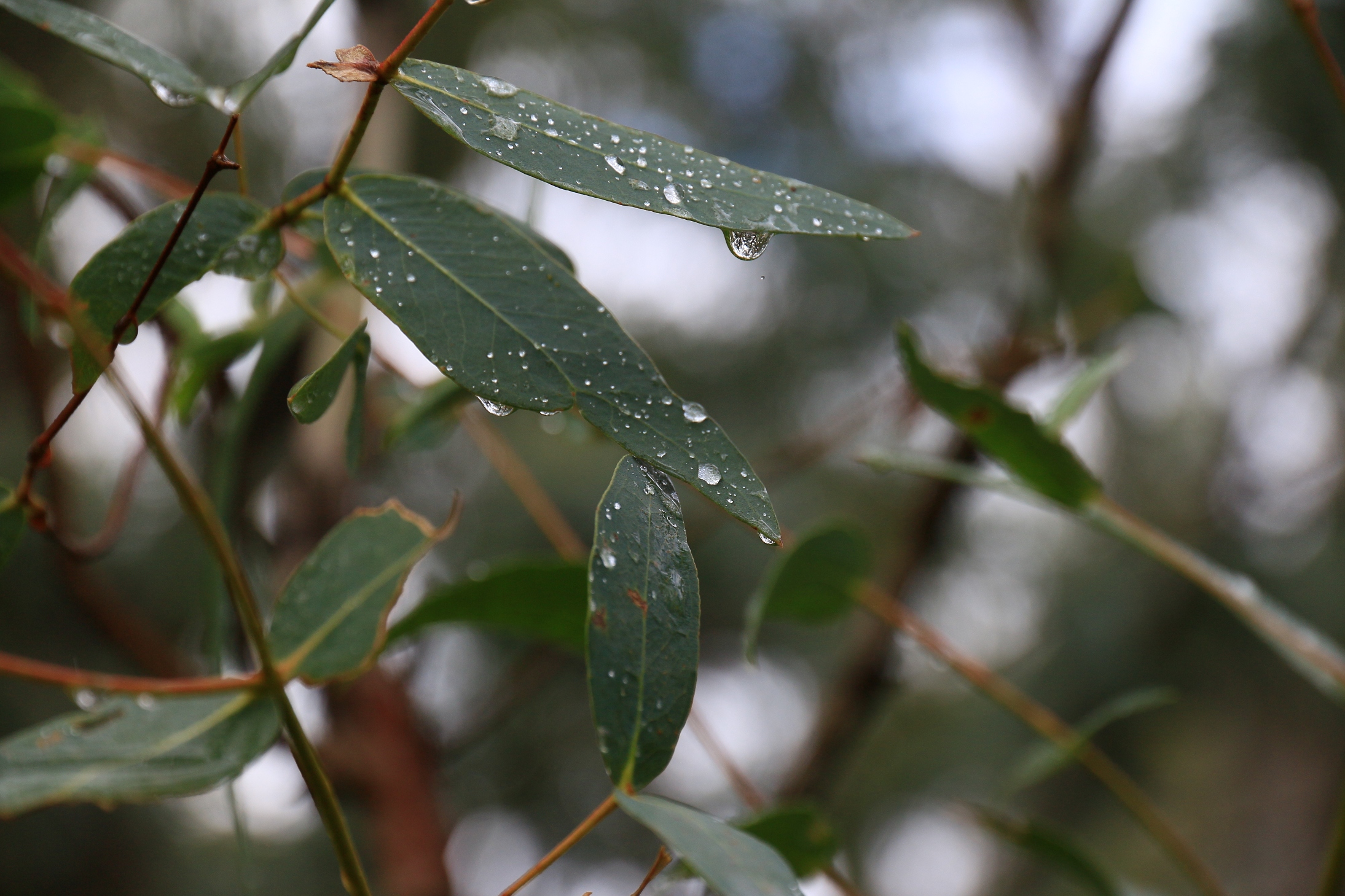
easter09This Easter Sunday suburban sunshine was relatively short-lived. What followed, I guess you could say, were April showers. Thus a planned escapade into escarpment wilderness on Easter Monday became sedated somewhat and, instead, transformed into reasonably gentle ambles within nearby Tidbinbilla. Like suburbia, the wildlife was out in force here too. A few koalas and wallabies sheltered amongst the Peppermint Gums. Swans and pelicans and magpie geese and the duck-billed platypus and platypus-billed duck confirmed that it was nice weather for ducks. Weather that was – well – cold. Cloaked in long trousers, T-shirt, hoodie and raincoat it must have been fifteen degrees or something. And as the sun surprisingly filtered through the rising mist of cloud lifting from the mountains, there was joy in rushing out from the shade of trees and bursting towards its friendly warmth once again.

easter08

Australia Green Bogey Photography Uncategorized Walking

March

March strikes me as a celebratory month. Events include the wedding anniversary of my mum and stepdad, for instance, which tends to slip my mind without fail every year. Likewise, Mother’s Day, which may or may not happen at some point in certain countries. With similar vagueness, Easter might eventuate in March, but this is contingent on some advanced algebraic calculation based on a factor of the day when Jesus rose up to make pancakes on the moon or something. Elsewhere, at the start of the month in Wales, people get all excited about leeks on cheese on toast, drink Brains, and break out in hearty song about Saint Dafydd. Meanwhile, unbeknownst to the rest of Australia (and thus of course the world), the natives of its capital gather to commemorate the city’s founding by promptly and unapologetically fleeing to the coast. There is clearly much to celebrate.

Mar01The biggest cause for chirpiness however – specifically in the northern hemisphere – is the symbolic termination of winter. Sure, it may still rain curtains of icy drizzle from time to time, but it can do so safe in the knowledge that the worse is behind us. Evenings suddenly seem to stretch for longer; the sun, when it can be persuaded to appear, resonates a faint whiff of warmth; daffodils – that most blessed portent of a new season – glow as proudly as a Welshman once did at Cardiff Arms Park. Promise pervades the air.

There is a particular day in March – let’s say the 19th – in which seasonality gets a little carried away with itself. The temperature might reach something freakish like 18°C. The wind temporarily vanishes, leaving the rays of the sun untempered to shower upon beaming faces. A national mood change is palpable as families picnic in parks, people spill out of London pubs short-sleeved, and the first whimpers of charcoal smoke rise from over the neighbour’s fence, ruining the washing on the line that can finally dry properly for the first time since September.

There is ,of course, a wickedness to this day. It is as though a dose of paradise has been granted that will not appear again until at least May, if not July. The irresistible inclemency of an Atlantic front is never too far away and the return to what passes for normalcy leaves you wondering whether yesterday was a dream. Instead, the season builds more subtly, like a light’s dimmer switch being incrementally dialled up as opposed to the classical on and off again manner. But at least March represents a time when someone’s hand is on that dimmer switch, and anticipation about whether the bulb will eventually glow at sixty or a hundred watts is almost as overwhelming as a confused metaphor about electrical illumination.

I would struggle without seasonality. I may be in a minority, given the population growth of the Gold Coast and the increase in beachside Pilates taking place during southern Spanish winters. Here, a quite remarkable assortment of fossils can be spotted, bedecked in sun visors, creaking and contorting in slow motion like a troupe of jaded CP3Os, as if worn down from another hackneyed yet money-spinning outing. Leathery limbs reach tentatively to the skies, embracing the sun that seems forever warm and almost always present. The people here may never wear trousers, or coats, or enclosed shoes ever again. And while it may seem like some fanciful paradise to wake up to blue skies every day, to never feel cold, would it not also eventually feel remorsefully dull, remarkably uneventful, entirely, tediously predictable?

This, I believe, is one of the more common complaints from UK migrants to certain parts of Australia. I’ve seen it on those daytime TV shows – Get a Life Down Under, I’m a Celebrity Get Me Out of Here, Escape to the Country (Just Don’t Come by Boat or You Will End Up in a Concentration Camp on an Impoverished, Mosquito-Infested Island), etc, etc. To some of the locals, such comments just seem to reinforce a lovingly-embraced stereotype related to whinging. But I get it, even though I would try to make the most of endless days of fair weather myself. There is glumness in Britishness – fostered over millennia, permeated by the weather, resolute in the character – that cannot easily be discarded. It is not a bad thing, predominantly because we are skilled at making light of it (indeed, this is something to be celebrated). And, I think, it nurtures appreciation and satisfaction in the simplest of things, such as the emergence of a snowdrop from the earth in early spring [i].

I guess what I am saying, what I am typing, is that March can be so exhilarating in Britain because of what you have been through to get there. Yes, much like the proverbial rollercoaster or, more aptly, the Northern Line, dawdling through what seems an endless toxic darkness to finally emerge into the light and airy park-side setting of East Finchley. Spring and summer, or Woodside Park and High Barnet, lay ahead. And while these will often end up being more disappointing than hoped-for, in March the anticipation is still there, yet to be dashed by John Ketley.

Australia is in many ways a different proposition. The sheer size and variability in the weather means that March could herald heatwaves, cyclones, snowfalls, floods, dust storms, mist patches, and cascades of quokkas and numbats. In small pockets – such as the south east corner with which I am most familiar – there is a parallel cooling and drawing in of nights, and the first vestiges of a prolonged autumn appear. Though there may be some sombreness that summer is on the wane, there is little of the dread associated with a forthcoming northern winter. Partly that’s a result of days that can still exceed thirty degrees but mostly milder, more amiable conditions as a whole. This is the start of a golden period, when pleasant, blue-sky days and refreshing nights stack up one after the other and seem to stretch on into May.

Of course, I write this safe in the knowledge (or 97% confident) that climate change could totally wreck everything I am going on about. Stormy Marches and hot Marches and cyclonic Marches or even snowy Marches could become the new norm. Do I have evidence for this? Well, no, but that doesn’t stop climate sceptics receiving a sycophantic front page diatribe in certain national media, so no harm in including a few words on an obscure blog. While we may (only part) jokingly embrace climate change if it means we can wear union jack shorts in Southend in March, it would be a shame to lose that which is special about the seasonality it offers. Otherwise we’ll just be as bad as the Gold Coast.

I can accept hot days in early March, but it was nearing month’s end in 2013 when myself and a friend decided to persevere with the preparation of bangers and mash during a 38 degree northerly on the southern extremity of the Australian mainland. It is probably one of the biggest collective regrets we have from a three month trip across Australia. Just what were we thinking?! I guess in the joy of food planning and supermarket shopping a few days in advance we didn’t anticipate such furnace-like conditions. Plus we had packed a potato masher as something of a luxury item, so were eager to use it on any possible occasion.

Mar02

The setting was Tidal River, a sprawling campground complex within Wilsons Promontory National Park. It’s popular with Melburnians and wombats, both of whom were in profusion. The wombats were engaged in a faux cultural conversation about the ethics of rainforest regurgitated coffee beans, while the Melburnians contentedly chomped away on the grass and shitted square bricks. The day had passed with the sight and smell of smoke from the lower Strzelecki Ranges, and a coming-close-to-mild-dehydration tramp up to Vereker Outlook. Relief of a kind came from the beautiful white bays and clear waters of the coastline, though even here the brilliance of the sand glared with a resonant heat. General fatigue was high, and the struggle to boil potatoes on a portable gas stove in a strong northerly beside the sea was only made more pleasurable by the numerous flies clearly determined to explore the nasal cavity. This was not quite the idyllic March that I had come to know and love.

Mar03Needless to say, a week later I was freezing my butt off in another Victorian national park, desperately lighting a pile of twigs to ward off the chance of hypothermia. In the golden goldfields around Castlemaine and Bendigo, Creswick and Ballarat, the effect of March was bearing fruit. Planted to gentrify the antiquated avenues and make Englanders feel partly at home, the oaks and elms, beech and poplars, were busy transitioning into autumn shades. The spa town of Daylesford was made for this time of year, its lake happily reflective and the Victorian Victorian streets lined with large-leaved trees that seem to be excited by the end of summer. A refuge for Masterchef cast-offs, there was no doubting that the pork roasted to succulence in a charming old pub was several hundred times better, and a thousand more fitting, than the bangers and mash of past.

Thus, climate change pending, there is much to celebrate about March whether north or south. I am pleased to say that as I write this in Canberra, the sun is shining, it is a predictable 25 degrees and the forecast is set fair. Spring may be yet to truly spring in the UK, but there is an inevitability that it will come. Soon. Two weeks and there may be a freak warm day coming up, so stock up on charcoal before the supermarkets sell out, and beware of white van man with his top inexplicably off. Above all, cherish this most pivotal of months which signifies the start of something new. Love the seasons, and all the incremental change that they deliver. Otherwise, head to the Gold Coast or Lanzarote and dwell in temperate predictability, never to wear long pants ever, ever again.


[i] In making a sweeping generalisation about national character I should caveat: there will still inevitably be a handful of tiresome, grouchy narks who hate the sound of children’s laughter and lament the daffodils emerging on the median strip because they might provide a place for immigrant burglars to hide and spread Ebola. The good thing is everyone else will take the piss out of them. Apart from desperate politicians who seem to focus endlessly on wooing their vote.

12 Months Australia Europe

Escapes

If I, unlike the Treasurer, have my calculations correct, this time last year I was finally departing the brilliant bays of Esperance and cruising onto the wonderfully tucked away Fitzgerald River National Park, on the south coast of Western Australia. In the time between now and my last blog post this year I would have been craning my neck for koalas on Kangaroo Island, eating the best kebab in Glenelg, camping on the Murray, watching huge full moons rise over the dunes of Mungo National Park, bumping along a rutted sandy road to Broken Hill, navigating a sodden Alligator Gorge, walking miles of ancient sea bed in the Flinders Ranges, coffin-dodging in Coffin Bay, using foul language in Fowler’s Bay and doing nothing much at all along the Nullarbor; apart from crossing it.

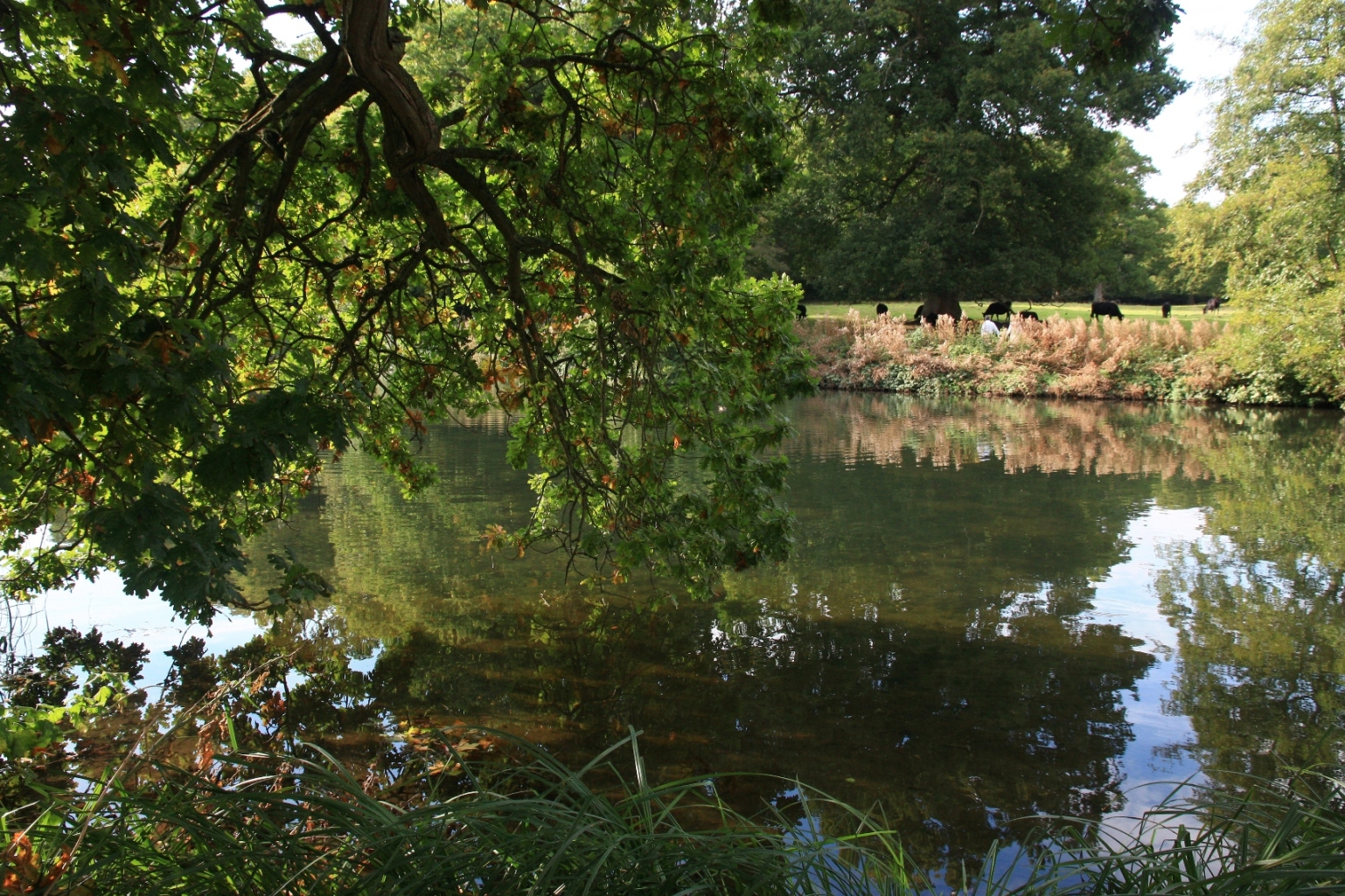
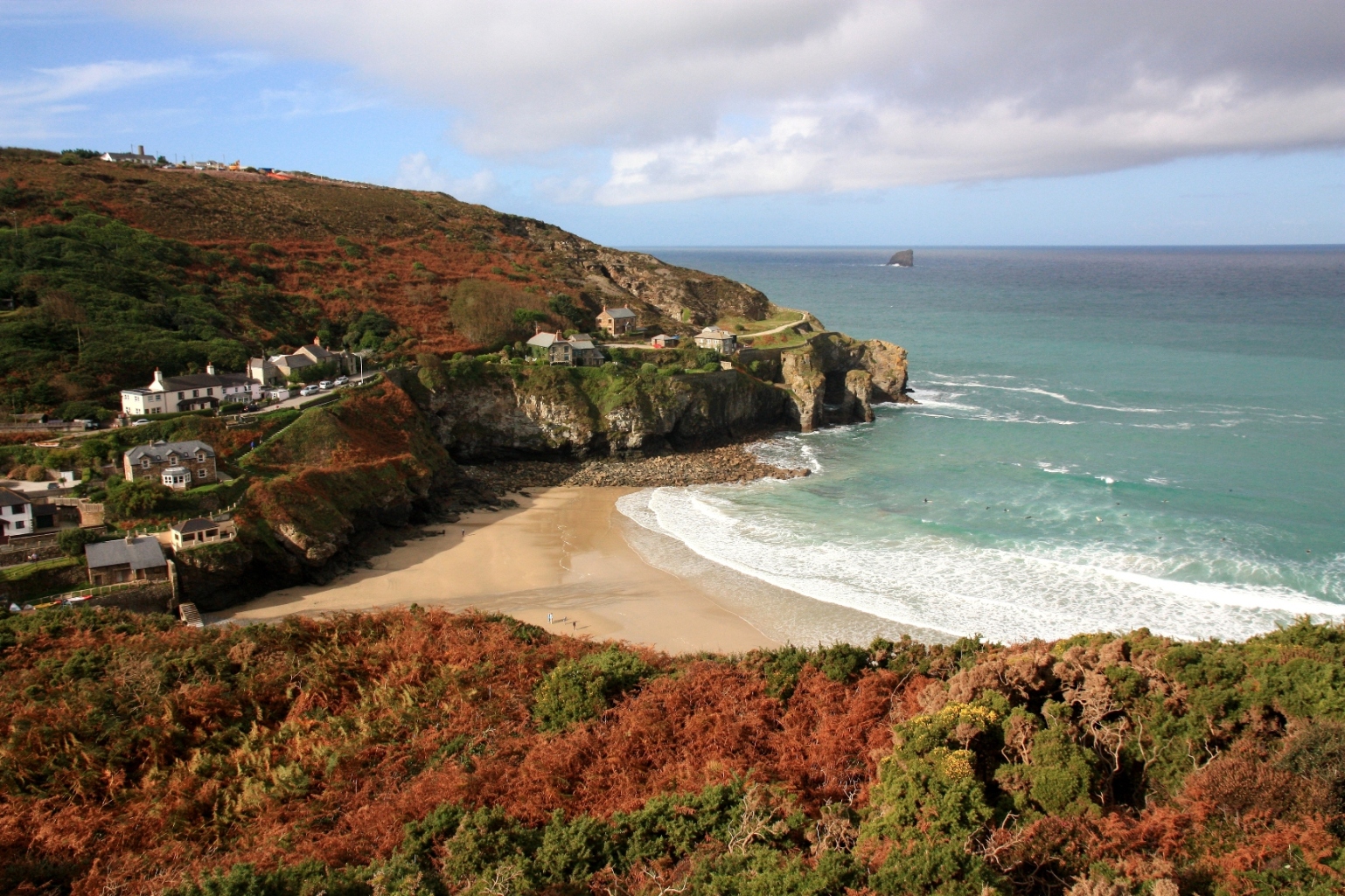
2014 is quieter and, depending on your point of view, more productive. It was bound to be. The escapes are a little less adventurous and thus I come to the once more excusable void of blog-worthy happenings. Escapes are twenty minute walks for a coffee and hour long end of day circuits of suburban foothills and Redhillian summits. They are welcome escapes from working at home and doing my homework. They are, for the most part, absolutely irresistible, given the quite immaculate daytime weather, the saturated streets and, well, the fact that they are breaks from work. My self-discipline is constantly tested!
may01

may02Along the same lines I have found myself quick to spot something that is desperately needed from the supermarket and this too has offered the chance to take a break and do one of my other favourite things: look at, buy, cook and eat food.  The weather has been amenable here as well, the bonus from cooler nights coming from one pot wonders, roast dinners and, when I can’t be bothered so much, bangers and mash and onion gravy. Ultimate comfort and gratuitously sleazy food shots.

may03As snugly as all this sounds there comes a point when the same old same old gets a little bit too same old. And this triggers a very impromptu escape, one a little longer than an autumnal stroll and not leading to something with gravy at the end. Instead, a drive on the open road and fish and chips by the sea. And, most miraculously of all, a beautiful 24 degrees in which to throw off your trousers and praise the lord!

may06Fortunately for just about everyone I brought some shorts to change into for an amble along Tabourie Beach, the obligatory exercise out of the way before gorging on deep fried batter at Burrill Lake. Driving through Ulladulla I decided to pick Mollymook as my laying down and trying to recover from overeating site. But it was just so nice that I didn’t just lie down and groan, all the while clutching at my swollen paunch; the sweeping sand cried out for many footsteps, some of which veered into the sea.

may07

The sea was, quite miraculously, the warmest I think I have ever known it to be down on the south coast. It may have something to do with currents or Great Barrier Reef dredging or climate change, whatever that is. It was warmer than Esperance, warmer than Fitzgerald River this time last year. And while those spots are something special, they are a trifle inconvenient at 3,200 kilometres distant. Google Maps tells me Esperance would take 34 hours to reach, and that’s without traffic (and, I assume, sleep)! This took a little over two. It is not as great a length, but provides almost as great a feeling. Indeed, it is another great escape (…now cue the music).

may08

Australia Driving Green Bogey Photography

The rains of Canberra

rains7Today I set out to prove that a picture does not always tell a thousand words. That’s because every picture here will show a pleasingly sunny state of affairs whilst in this guff of words and nonsense I will harp on about the rain. The last month or so has been pretty wet, or, as I fondly remember overheard last year in New Zealand, a but wit. This may, or may not, account for a lack of activity writing about things and taking pretty pictures; this, and an uncharacteristic propensity for hard labour.

rains4One week was pretty much written off with insipid dullness, peppered with blanket drizzle and occasional cloudy breaks. Another – spent working in Sydney – was invariably grey with a spot of rain and the odd fleeting sighting of white cloud. I suppose it is good working weather, and good whinging weather. Everyone says I should be use to it (whinging or the weather?), being from England, ho ho ho. But as I respond with varying degrees of snarkiness, I didn’t come to Australia for this! Mind you, there is something to be said for re-experiencing a very British style perseverance through the gloom to genuinely revel in the brighter interludes.

It all began sometime in March, when it was still fairly sultry with generous thunderstorms. Soaked and saturated, an early Saturday morning heralded the first fogs of the season, parting and re-forming as the sun battled to force its way through. It offered a beautiful accompaniment all the way down into Namadgi National Park and the Orroral Valley. From here, I astounded myself by walking 18 kilometres and being back in time for lunch; a circular walk up the valley and back down along a ridge. And I stayed dry throughout, with some liberal provision of sunshine to still redden my face.

rains2

Towards the end of March, a week came and went in which the sun barely materialised at all. It was a frustrating week, with only opportunity for short, raincoat-clad ambles around the withering suburban streets in between the fronts of drizzle that were passing through. It was a week in which to read, to binge watch DVDs, to escape to coffee shops and come home with the smell of beef stew in the oven. There are always some plus sides to be had.

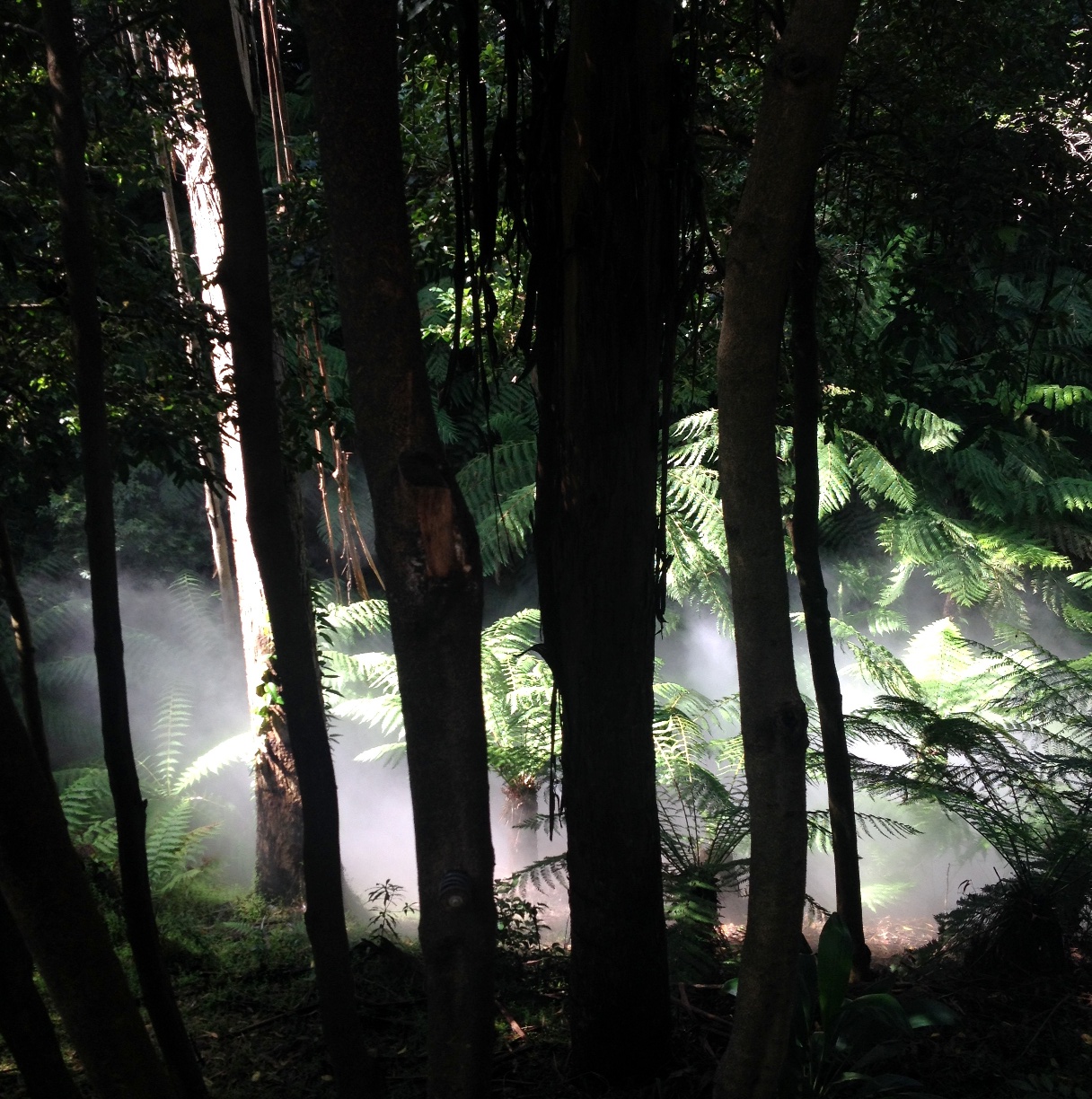
rains5For two or three hours at the end of that week, the clouds said goodbye for a while and blue sky reminded us of what a wonderful thing it is. I made off to the Botanic Gardens, a place in which it is hard to tire, especially when beaming in such wholesome sunshine. Ironically, the sprinklers decided the rainforest needed a little more rain to mist the place up. The desert garden was feeling a little out of place, but the plants were as happy as could be. And, sat in the sun for a while before it once more passed, so was I.

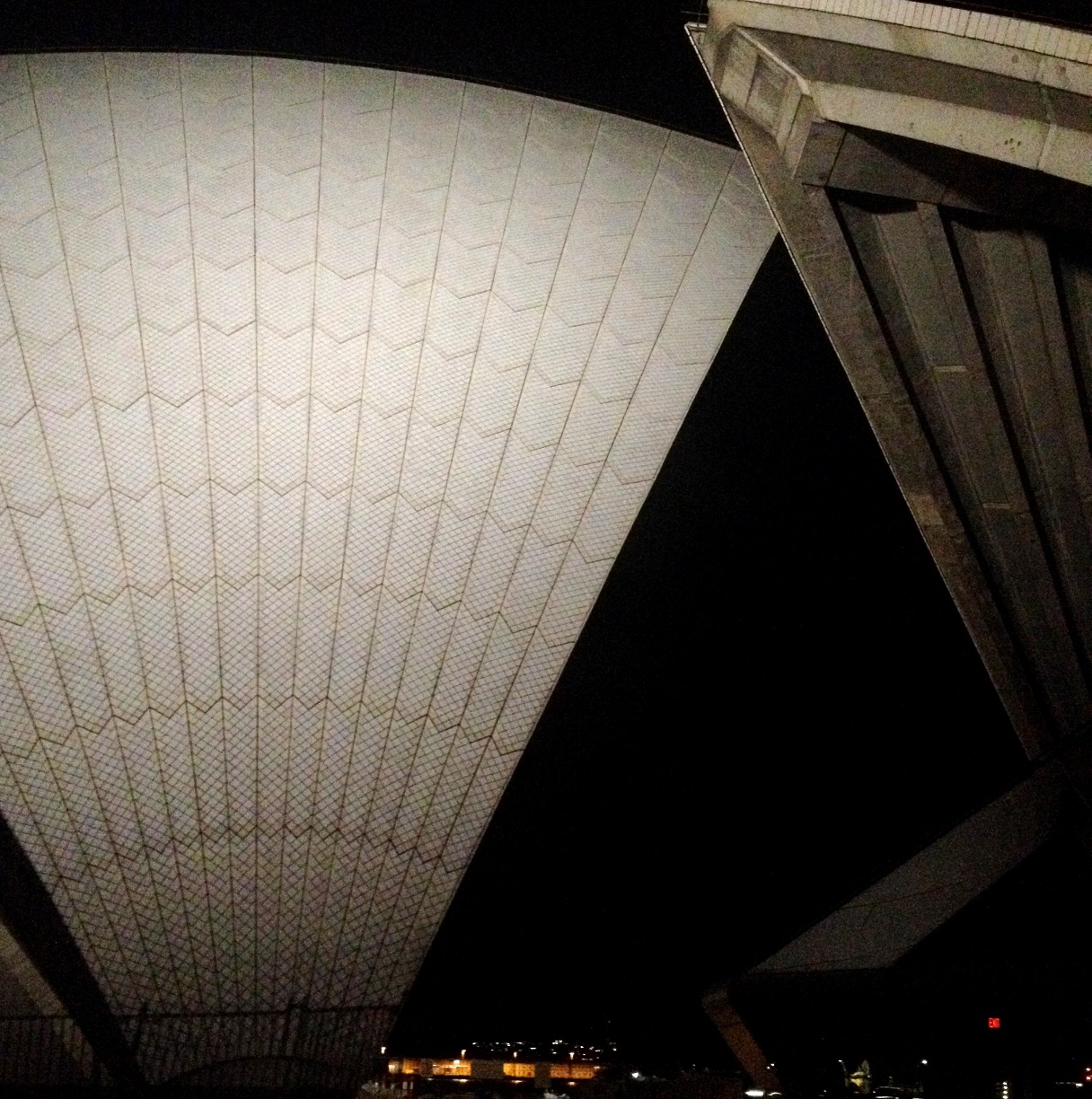
Canberra does not have a monopoly on rain and Sydney too was on good terms with cloud and precipitation. There was something nice about being there though, and milling about purposefully in the city like some suited up hotshot. One dry evening allowed a stroll down to Circular Quay, where even cloud cannot diminish the twinkling lights of the city, the bridge and the opera house upon the harbour. And though coffee choices that I made were a little below par, there was some good glamorous Westfield food court eating (for once, not being sarcastic here: Pitt St Mall provided a delicious roast pork dinner with, for once, ample crackling, plus there was a rather fine burger with the best chips ever and also a visit to the David Jones food hall for agreeable takeaway cake eating options).

It was a long old week and I was looking forward to returning home to Canberra, despite a weekend forecast for rain at times, clearing. Majestically, the clearing happened sooner rather than later and that was a week ago. Since then it has been how autumn should be. Imperious, a blue sky clarity sharpened by the fluffy white of small passing clouds. Pleasant temperatures, dipping in the evening just for the enjoyment of heartening dinners and snug sleeps. Green, so green, incredibly brought home by the flight back over this wide green land. And blushing at the seams as the colours of autumn magically weave their way into the streets and leave me staring up at trees being ransacked by birds.  It takes the rains to make this happen, for we must pass through the darkness, to reach the light.

rains01

Australia Green Bogey Photography Walking

Plymouth – Bristol – Geneva – Perth – and so on…

For once, Devon did not farewell me with blue skies and fluffy white clouds and fluffier white sheep scattered on a carpet of rolling green. Darkness and wind and menacing cloudbursts accompanied the passage of dawn along the A38 and onto the M5. My final footsteps on English soil, for now, were along the sodden tarmac of Bristol airport, urging the cattle onto the plane and out of the rain and towards Geneva. In the tumult I dropped my passport – no, even scarier, passports – without knowing about it. Somewhere between aisle 2 and 3 I reckon, recovered by the air stewards and pronounced out loud. Call button pressed, gratitude expressed.

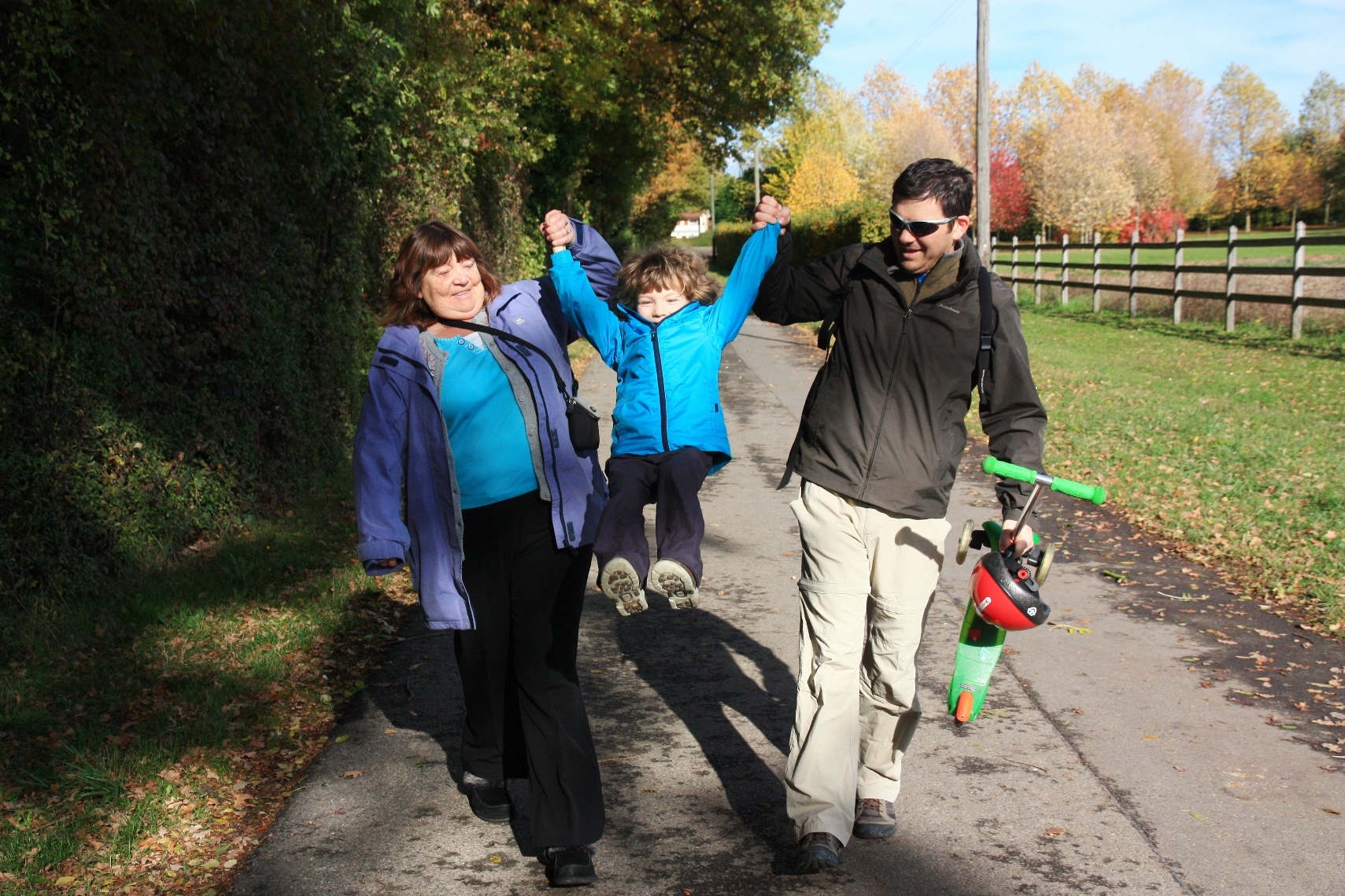
frawa01Geneva and its French environs were more bronze in grey lake cloud, a backdrop to stock up on cheese and cake and final family time. A bright and brisk Saturday morning was fine for some neutral ambling in the stylishly rustic Swiss countryside, dodging blade runners and cross country concrete skiers and tractors and little boys fleeing on scooters. Dinner was tartiflette, but then dinner usually is tartiflette!

frawa02

frawa03The Sunday was a lazy Sunday French style, involving hours of food grazing and gorging on cheese in various states, matching with wines from different parts of the country and conversation from different parts of the planet. From very young cousins to the more senior-oriented, a splendid afternoon and a fine way to say goodbye, even if such times make that even harder.

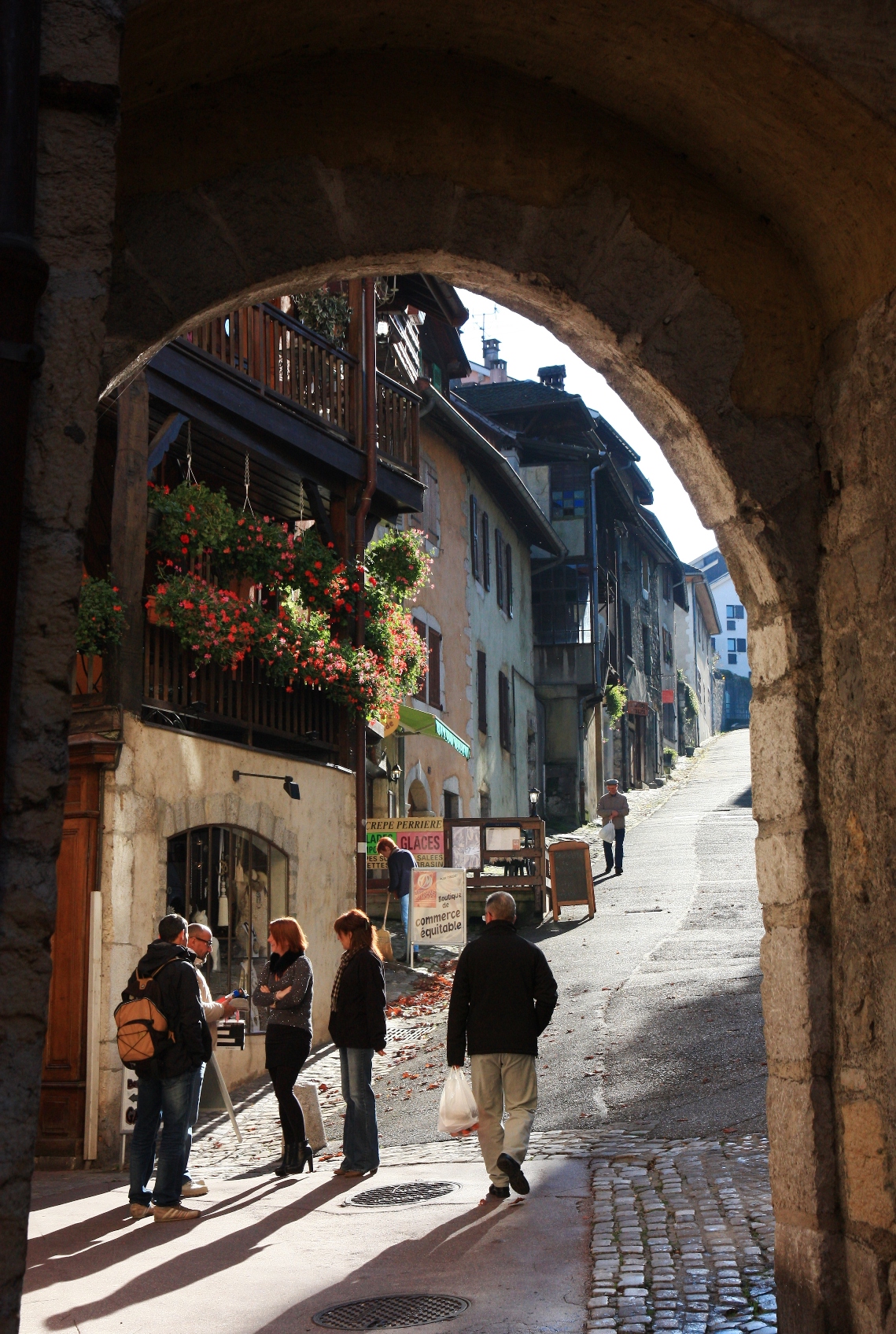
frawa05Not quite the end for me and my exploring however as my very last day in Europe involved spending a lot of time on a bus which should have been a train to propel me to the visual feasts of Annecy. Wandering the lanes and streets as a grey cold gradually lifted, soaking up a very different ambience, a very different backdrop to where I would soon be heading. From Rue des Chateaus to Quiche aux lardons et fromage, past outdoor stalls selling musty old sausages and caravans of unpasteurised cheese, alongside riverside paths lined with shuttered houses and glowing red leaves, this was the time to soak it all up.

frawa04

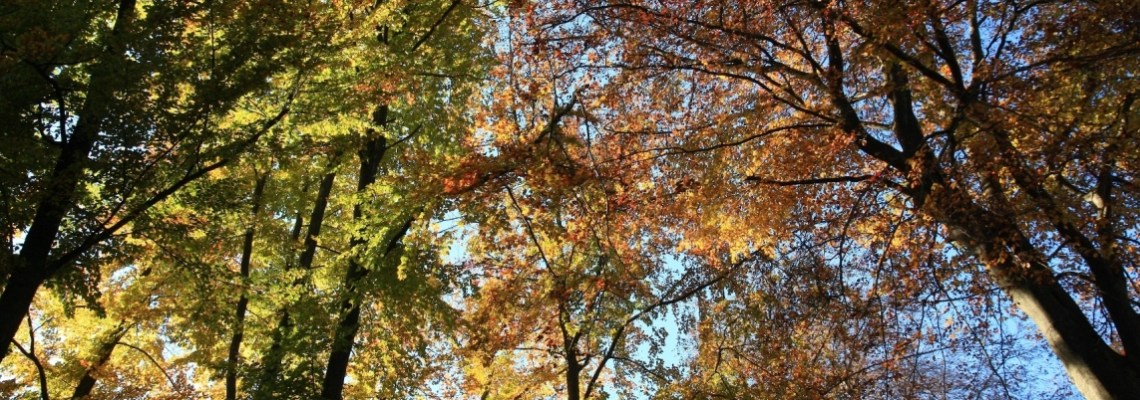
It was also the time to marvel in the landscape of this part of the world which is unlike any I would soon encounter. Escaping the town proved something of an uphill challenge but soon enough I entered the absolute golden delight of the Foret du Cret du Maure. Now sunny and warming up, strenuous work ensued in an effort to find an overview of Lac d’Annecy and not get lost. Thanks to my phone and maps I didn’t get lost, but apart from a few snatches through the trees, a lake view escaped me. Still, having really enjoyed the subtle, colourful transition from summer to winter over the past few months it was quite wonderful to end it in such a dense explosion of green and yellow and red and brown.

frawa06

frawa07Back down at lake level the water was much more visible and, now in the latter part of these shortening days, glowing in the clear afternoon air. This is not a landscape I will see for a while, the lake as clear as a coral sea, the mountains snow-capped white as a pristine beach. An aspect warmly regarded with coats and scarves and hats strolling along a genteel, contented promenade…

…the local time is 5:30pm and the temperature is 35 degrees. So said someone several many hours later in a different hemisphere and season. Welcome to Perth, where the international terminal currently leaves much to be desired. Still, it is Australia and I can be welcomed in with my Australian passport that so nearly went astray. There is a new government but, apart from being significantly warmer, much appears the same as I left it. Taxi drivers still wittle on aimlessly about the toll road or monarchy or carbon tax, everything is still ridiculously expensive, and Perth is still some urban lifestyle paradise masquerading as a city.

frawa09And so to the beach, or to several beaches, or stretches of one long beach over the course of the next two weeks. With a coffee or book or a huge plate of calamari, accompanying a stroll along the waterline, never far from the mind and just fifteen minutes from the body in a car. Goodness me, these Perthites are blessed with their ocean frontage. What is great about it mind is that it is rarely built up; no graffitied Gold Coast hotels casting morning shadows, no regimented wooden loungers and parasols for hire and cheap fake watches for sale, and plenty of space for dunes and parkland between the sea and the expensive show off homes.

frawa08

frawa12With baking days and arid winds it seems I have missed Spring completely. There is little sign of the much heralded wildflowers of WA on sight around the city’s parks and reserves; even Kings Park, which remains a delight whatever time of day and year, seems fairly subdued as it accepts its fate of another hot, dry summer. However, there are remnants of suburban Jacaranda lining the streets; having spent springs past in Canberra I had totally forgotten about Jacaranda, and how its elegant green leaves burst into purple flower, transforming quiet streets into a flurry of colour and giving them the smell of a new age essential oils and pointless candles shop.

Not every day has involved lolloping on the beach or sniffing trees, as I gradually reorient myself with the more mundane Australia – from work interludes to soulless shopping malls, from slower internet speeds to expensive, but lush, mangoes. A sign that I have been away a long time is in currency, where I say to myself…oh gosh…that Heston Blumenthal Christmas Pudding is twenty-five quid…blimey…oh wait twenty five dollars, that makes it, well, still quite expensive, but, you know, when shopping for essentials for a trip back across Australia you need a Heston Blumenthal Christmas Pudding with you, along with Marmite, Hellman’s Mayonnaise and Heinz English Recipe Baked Beans. Adjusted much?

frawa13And yes indeed part of my time has involved planning the next steps of this journey through life, at least the next few weeks or so. There is an excitement about returning east, tinged with melancholy of letting go of this isolated idyll of the west. Perth and I have become good friends this year and I feel like we will see each other again sometime in due course. And here I leave even better friends who introduced me to my good mate and nurtured and shared and entertained and sledged and made the whole Perth experience easy to fall in love with. So I prefer to think it’s not farewell old chap nor au revoir, but a very Australian see ya later.

frawa11

Australia Europe Green Bogey Photography Walking

Where the grass is always greener

uk01Rain. We give it a bad rap. Wet and splodgy, irritating with its inescapable shroud of damp. An unwanted present from a dreary sky, sent to make boots muddy and ruin plans best laid. A shocking contrast from the sun in Spain that was 20 degrees warmer. But then surely rain is what puts the Great in Britain, our reassuring companion, along with tea and cake.

uk02It is fair to assume that Basingstoke and rain are hardly the most riveting bedfellows, but shops are shops and people are still wearing shorts to go to Tesco. It is hard to let go of the summer and, just for a moment, it returns on a Sunday afternoon at The Vyne. Here, amongst the moist muddy tracks are the autumnal fruits of summer – fungi cascading down mossy brown trunks, spiky green pods spilling out with chestnuts, leaves wafting down onto the ground, coating the forest floor in a layer of browns and yellows. All helped by that cursed rain.

uk03

uk06bRain is no stranger to the southwest of England, as Atlantic fronts begin to form; waiting in the wings to blow in on winds, some strong enough to bring down trees. This is the season where a night can be dramatic, and the next day as placid as a hippy doing yoga on a fluffy white marshmallow. Air blows in clean and fresh and the lowering sun in the southern sky illuminates the greens-turning-brown on magical days.

Magical days are easy to come by in St Agnes, sitting tucked in on the north coast of Cornwall; a prized position to make most of the sun, and the rain, and that wind when it blows on in. Like so many Cornish towns it totters down through a maze of narrow streets to a beach; there are a few pokey shops and – it turns out – a blessed bakery serving the type of sausage rolls I have craved in my mind since seeing one snatched away for someone else’s consumption last year in Hobart. Proper good sausage rolls that are hard to come by in Greggs and Warrens and anywhere in Australia other than one place in Hobart. Possibly.

uk04

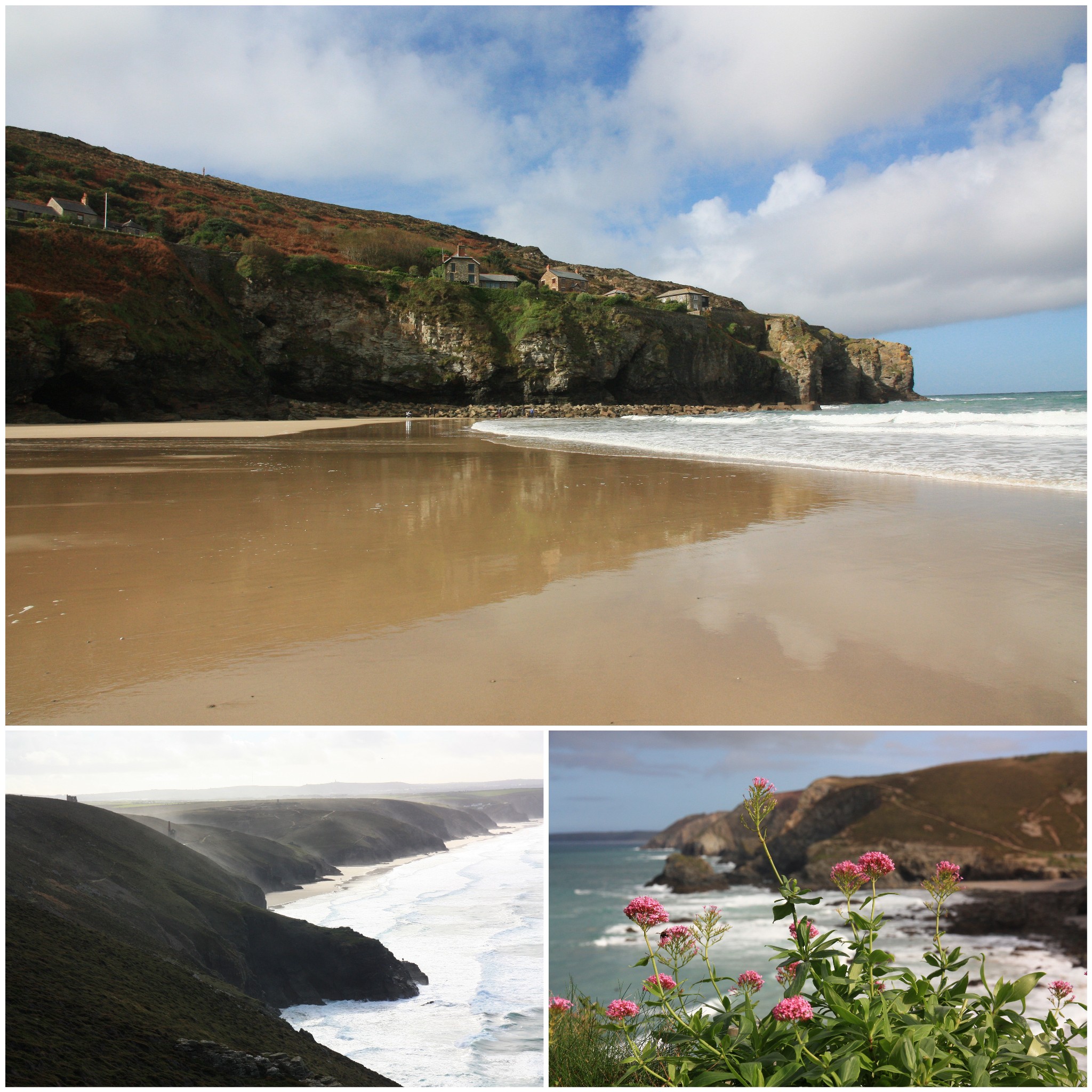
uk05Unlike more genteel parts of Cornwall, the landscape here has a raggedy rugged edge to it, peppered with tin mining relics, tinged with a faded glory scoured by eternal weather. The coast path is solid and spectacular, as it always is, heading along to St Agnes Head with views north to Trevose and south along a wave pounded coast towards St Ives. Higher up – atop St Agnes Beacon – an even mightier panorama unfolds, with most of West Cornwall on view, and St Agnes nestled down below, reached by muddy field to complete a memorable circular.

uk06

Magical days are harder to come by holed up in Plymouth library trying to make something up that is of a work-related nature and popping out for mediocre coffee in the hope that just for once it may not be mediocre. Even mediocre coffee can be a welcome distraction though, so when the cloud clears and a sunny afternoon pops up out of the blue the allure to escape is palpable. Luckily there is a very quick escape from the varied charms of Plymouth, by taking a bobbling boat across the Tamar to Mount Edgcumbe.

uk08Here, the meander of autumnal woodlands and fading gardens give way to exposed hilltops, looming high over the Tamar with views spreading out to encompass a Cornish and Devonian sea.  Inland the wide river flows into a border landscape of patchwork fields and secret inlets, punctuated by towns and villages and giving out to rising moorland hills. Herds of deer scarper into nearby woods, aware of your presence and no doubt cognisant of the fact that you would quite like to see some good old fashioned autumnal rutting. Instead, the view will suffice.

uk09

uk07Plonked amongst this idyll is the city of Plymouth, with rows of houses running like dominoes over the lumpy contours of the suburbs, meeting cranes and boats toppling into the river. Its waterfront welcome mat is striking with the Where’s Wally striped beacon of Smeaton’s Tower and a wheel that looks even bigger from afar. Illuminated is a background of moorland, sweeping over the horizon. It is here that you can appreciate the quite blessed setting in which Plymouth sits. Yeah, the city might be a bit crummy and tatty in places, but a turnip growing in a field of flowers is better than a turnip growing in a pile of shit, right?

Another philosophical conclusion I have come to over the last few weeks is, when situated in this part of the world, even when the day is crap, you are having a stinker, work sucks, and other such things, there is the consolation of easy access to clotted cream, jam, scones and tea. This can make a bad day amazing. At Mount Edgcumbe it made a good afternoon sublime.

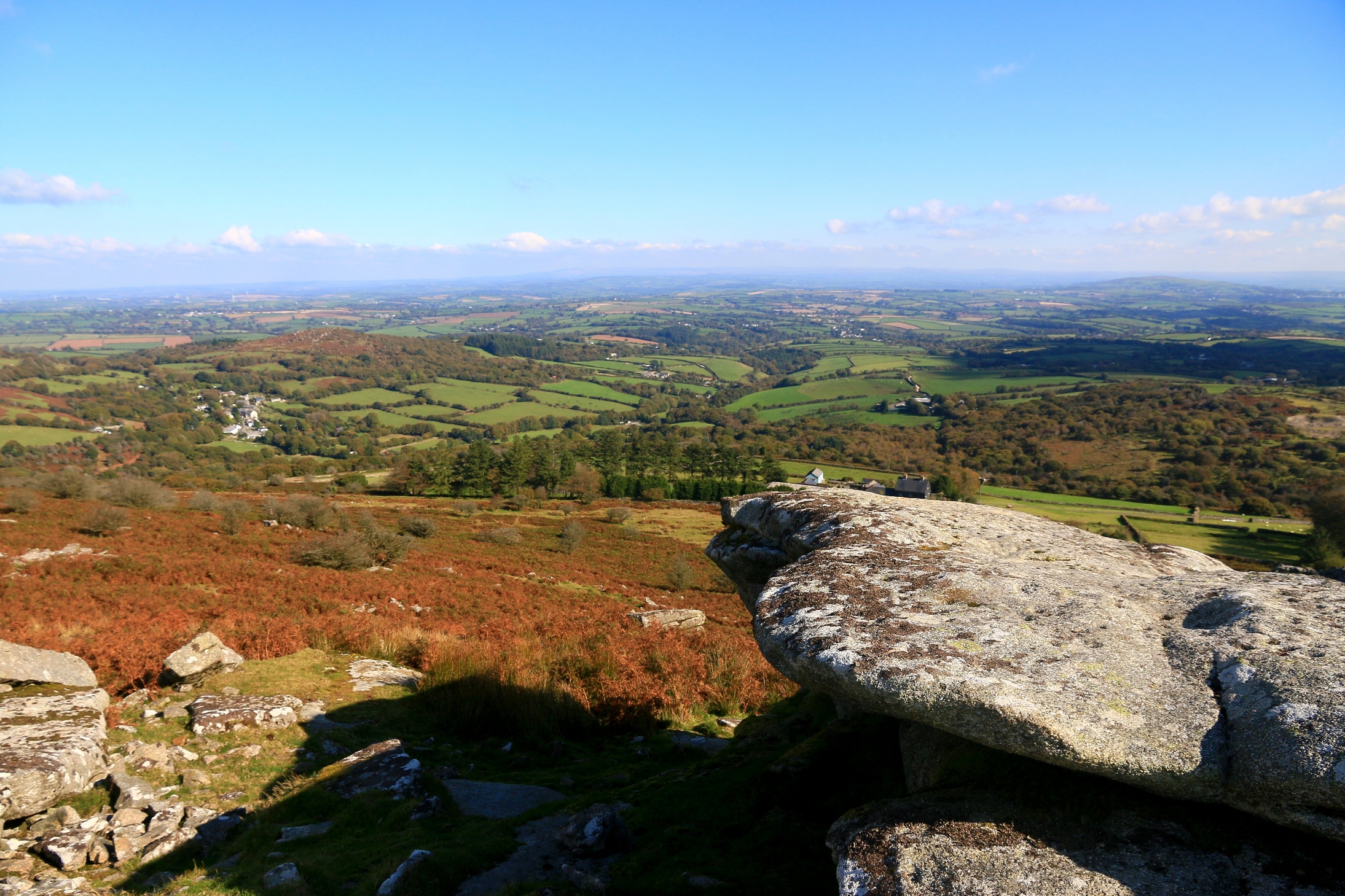
uk13The hills behind Plymouth spread afar into Dartmoor National Park and this represented what was to become my final outing into the virtual field of flowers surrounding the city. A circular walk from Yelverton offered a perfectly balanced English country composition of riverside woodlands, sheep and cow fields, tumbledown cottages and exposed tors. This amble on the fringe of Plymouth was a pretty decent way to bid it all farewell.

uk11

uk12Spending time here, intermittently from August to November, has obviously allowed me to observe the changing seasons take effect. What once was an uninterrupted blanket of flourishing green is now softening, holes are appearing, and things are shrivelling. A golden brown is slowly but inevitably creeping into the landscape and soon even this will become more spartan and altogether less comforting.

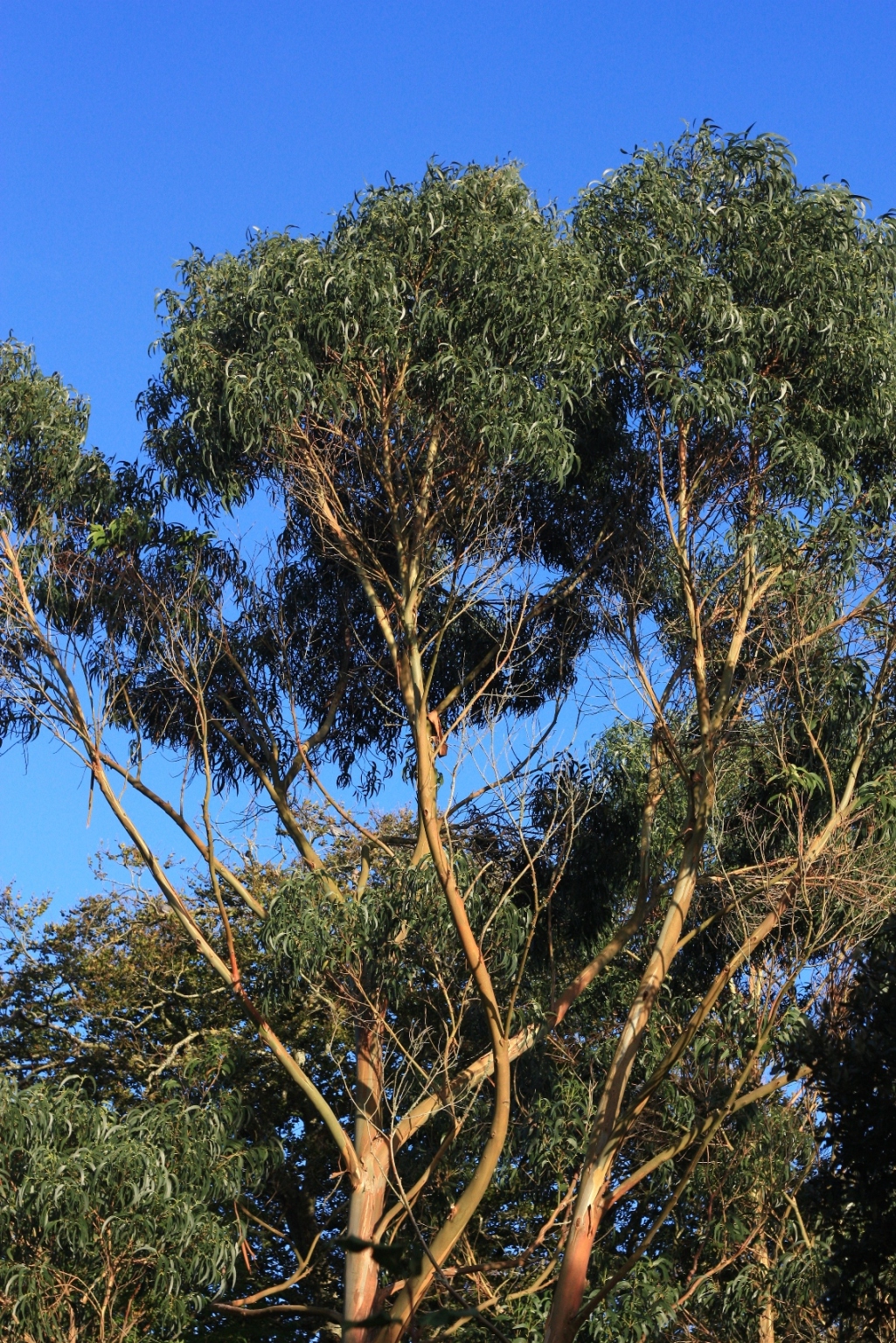
uk14And as the leaves disappear from the trees my southward migration kicks in. It has become a customary route over the last seven years, this time a little later after a little longer than normal. It leaves me with mixed feelings; sad to be leaving one place and excited to be heading to the other. It’s a feeling that comes to life when marvelling in the grand autumnal splendour of Mount Edgcumbe only to come across a couple of Eucalyptus trees shooting up into clear blue sky, aliens in a foreign land. For a moment I am transported, wrapped up against a southwest autumn and looking up at the promise of Australia. The best of both worlds, where leaves do not fall and a cream tea is just around the corner.

Green Bogey Photography Walking