Until recently, the last time I witnessed the ocean it was obediently marching towards the stoic cliff line of North Cornwall. A showery, blustery day unsurprising in early December, as fickle and mean-spirited as the lack of warming jacket potatoes and the distribution of parking tickets. Utterly glorious but only in fleeting spells between disenchantment.
It’s not that I haven’t wanted to see the sea again. But fate and circumstance have been unpredictable allies, regularly conspiring to deliver huge volumes of rain along eastern Australia, more often than not over the course of a whole weekend. Floods, landslips, surges, maelstrom. The usual 2022 kind of stuff really.
Canberra, naturally, has been a little more protected from the onslaught, feasting its way through annual festivities towards the ambience of autumn. But there’s only so many gum trees and mountain vistas and cafes on bike rides and lake reflections one can digest before yearning for a saltier breeze. Waiting, watching, hoping for a porthole.
And finally there is a Sunday in April. A Sunday following several more days of heavy rain but a window nonetheless. A Sunday when I hotfooted it east with haste, bypassing the regulation coffee stop in Braidwood so that I could enjoy one instead on the sand. From Mossy Point down to Broulee. Regulation muffin making for a vision realised.
Broulee is always a good bet, boasting a selection of beaches and bays, aforementioned coffee (and muffin), and a diverting walk around its not quite island. Here it’s not all fine white sand and azure water, but slabs of rock, stunted scrub and seaweed lending a dose of unkempt nature to proceedings.
Indeed, with the generous gift of La Niña there is plenty of seaweed to mar those paradisiacal sands, the water a distinctly browner shade than normal from all the run off. But under blue skies today, who’s complaining?
With a spot of dawdling and reading and milling around to give the muffin at least some time to digest, I headed onto Moruya to source some fish and chips for lunch. Or fish cocktails and a potato scallop to be precise. The cocktails – all crunch outside and softness within – are to be commended, the scallop – all undercooked insipidness – to be fed to the gulls.
Still, the food was more than enough to propel me towards a post lunch lull and I had visions of fading in and out of consciousness on a sheltered bay somewhere nearby. On name alone, Lilli Pilli Beach tempted me towards it and I settled on the sand with hope, only to be distracted by a cool, funnelling breeze and pooey wafts from a stagnant creek. This motivated me to move and explore among the wonderful spotted gums above the bay.
Trying again for a final dose of utopia I pulled off the road at McKenzies Beach. This was more like it: no smells, no wind, and the rhythmic throb of surf as it meets the crescent of fine, south coast sand. And while there was no nap to be had, I sat contentedly, sun on back, reading about some lady cycling around France eating cake. There is no shame to have an escape within an escape, especially when it involves patisserie.
Back in the very present, I finished a chapter atop the Col de Joux Plane and cast imprints of my feet in the sand. Greeting the ocean and wading ankle deep. Thinking the next time they touch the sea, they may well be half a world away.
Is anyone else fed up of living in ‘interesting times’? If there wasn’t the death of a rock icon followed by the self-harm of isolationism followed by the election of a rabble-rousing orange manbaby preceding the onset of catastrophic bushfires coming just before the spread of a deadly virus leading into wild lockdown parties before another calamitous war broke out would things really have been that boring? It’s no wonder many people my age seem to hanker back to the 1990s, when the biggest deal was Jennifer Aniston’s hairdo.
If you are seeking uninteresting times, you could look no further than a long drive from Canberra to Coonamble and back, especially if this takes you through Dubbo. Admittedly that would make for some pretty uninspiring content, but there is comfort and reassurance to be had in the boring. I just don’t know how I will stay awake though, and it’s probably the same for you, dear reader, as well. So, in an effort to entertain all round, I contrived to make the journey into one big loop, extending the kilometres but exposing myself to some new tarmac – and dirt – along the way.
The first of the new ground was along blacktop through rugged Karst country, taking me from Abercrombie Caves down into the fertile plains around Bathurst. I could have detoured around Mount Panorama the right way while I was here, but time was pushing on and I was getting low on fuel. Stopping at a nearby servo offering the cheapest E10 for miles around, I became the proud owner of the most expensive tank of petrol I have ever bought. Until next week.
As the last glowing oranges and indigo hues of sky gave way to a starry night, I settled down for the evening in Sofala. By settling down I mean parking my car in a free camping area next to the Turon River, eating salad and cold pizza in the front seat, before clambering into the back and onto an air mattress. For a night of sweet cheesy dreams, eventually.
Sofala is one of those tiny places whose glory days have long passed. The glory days being – like many of the settlements in this region – the discovery of rich deposits of gold. Information boards display grainy black and white images and describe a bustling town featuring stage coaches and banks and theatres and, naturally, several raucous hostelries. Today, the high street is a sedate affair offering understated charm and just the one, currently lifeless pub.
It turns out there is gold remaining just out of town, or at least the same glow emanating alongside the river. Water has scoured a course deep into the earth, leaving precipitous cliffs towering high above the mirrorlike pools of the Turon. Known locally as Wallaby Rocks (as indicated by a small, hand painted sign), this came as a total surprise, an interesting feature of an interesting drive that you wouldn’t have known about without passing this way.
I was heading up towards Hill End, another settlement grown rich on the sunlight shimmer of minerals. Today it is preserved by NSW National Parks as a historic site, a village of the past functioning in the present. And so there is an old pub that still operates as a pub, a general store that still operates as a general store, and a scattering of private residences with owners doing the usual mowing and chook-feeding and sitting on creaky wooden verandas. I expected a more bustling affair here, but on a Friday morning it felt like I was the only visitor, a conspicuous sight wandering the streets and peering into people’s gardens.
If nothing else, the village is aptly named, clustering at the end of a long plateau above the deep valley of that Turon River. This results in the promise of three separate lookouts and though not quite of a scale of – say – the Blue Mountains or Kosciuszko, they offered fine views of the golden, rolling countryside. Vistas that were, I suppose, somewhat interesting.
From Hill End I took a lengthy, winding road down towards Mudgee. This would be one of the more interesting towns along the route but cognisant of making progress north and noting the fact that I had stayed there before, I eschewed the town centre and made for lunch in Gulgong instead. The lunch would not be as fancy or as overpriced, but it was satisfying enough on a shady bench in a town that appeared to be rooted in the 1950s. Or maybe 80s. Golden times, whenever they were.
With every kilometre the level of interest along the road peters out, the landscape flattening and becoming dominated by grain. A painted silo at Dunedoo testifies to its abundance alongside the effort of these towns to generate some form of tourism through silo art. Further along at Mendooran there isn’t even a silo to justify stopping, but I stop anyway, grabbing a country coffee and slice of carrot cake to appease the bitterness of the coffee.
It is perhaps the plainness of these plains, today frazzled hot and windy, that makes the volcanic pinnacles and rugged chasms of Warrumbungle National Park all the more interesting. More than interesting in fact. Spectacular. I’ve said it before and I’ll say it again, I love this place and its very magnetism makes it impossible to drive on by. The view from Tooraweenah beseeches: come hither.
I should be making for dinner in Coonamble but cannot quite turn left. Sure it is thirty-five degrees, but the midday sun is well and truly a thing of the past and the return of trees to the landscape should offer some shade. Besides, I need to do something more interesting today, something other than largely sitting on my arse as Australia passes by. Climbing more than a thousands steps to Fans Horizon and marvelling in a conglomeration of sweat and awe at an incredible landscape is pretty interesting.
Prior experience of Warrumbungle National Park alerted me to the presence of showers in the campground, something I was thankful to use before completing the final leg to Coonamble. Last time I came here, the town had quite the aroma courtesy of the mouse plague. I didn’t want to be the one bringing that reminder to its townsfolk today. And be turned away for dinner.
And what a dinner, as always. The interest here is less Coonamble but more friendship and warmth and good food and loud voices and love. From twilight walks along the flat roads with my dear friend Norz, to tales of sand-blown motorbike adventures and potential pizza toppings with Howard. And then there is the joyous company of a two year old, one minute impelling me to drag race him in a plastic toy car, the next inventing the new sport of whisk tennis.
There are some mildly interesting things in Coonamble, including a painted silo, the nickname hall of fame, and the languid brown ribbon of the Castlereagh River. This time I discovered the weir, some new metal emus (competing with the Galahs of Gulargambone), an impromptu water park at the pub, and consumption of a different slice at the only café open on a Sunday. It’s not much, but it doesn’t matter.
There were some surprises remaining out of town, most notably the splendid Sculptures in the Scrub. Tucked away in The Pilliga, the setting was unexpected: a fine, forested gorge whose escarpment is punctuated by artistic installations of meaning and connection. I always thought of The Pilliga as one big flat sandy forest, a landscape of monotony that would imperil any who should veer off its dirt roads. Here, you can feel things which are rich and timeless.
Just a stone’s throw away is Pilliga Pottery, but only if you’re a crow or galah. The generous rains of this summer meant the fording of a creek was out of the question, with further unknowns awaiting beyond. So, an hour and a half later, on mostly sealed road via Baradine and Coonabarabran, we were finally feasting on pizza and drinking out of earthenware cups. Another little enclave hidden in the woods, perfect to bunker down from the world.
Interestingly enough, in many ways the world was also here. The terracotta and tiled roofs and earthen walls evoked a late lunch in Spain, pre-siesta. The scattering of outbuildings and cars and rusted trinkets could be backwoods America. And then, as well as pizza on the menu, there was Bratwurst and Sauerkraut to be enjoyed. The reason became clear hearing staff converse in German, a multigenerational family thriving in The Pilliga. A veritable United Nations, without the veto power of a deluded kleptocracy.
And so, we return to those interesting times. Via Warren and Trangie and Forbes and Cowra and Murrumbateman and Moscow. With more time, Warren warrants greater exploration, particularly among the fringes of the reinvigorated Macquarie Marshes. Back in big sky grain country, Trangie may warrant a return purely for cake. I paused in Forbes for a late lunch, one of the last remaining towns of the Central West that I had yet to visit. This too had charm, elegant municipal buildings rising up among a town centre boasting a fifties Cadillac drive-in vibe. Elvis does live just up the road after all.
From Cowra the road is more familiar and home is on the horizon. Interest fades and thoughts turn from the rear-view mirror to what lays ahead. Hopefully avoiding the Highway to Hell.
And so, that year that everyone was so looking forward to when it commenced draws to a close. If the sequels to 2020 continue to pan out like the Police Academy series then we are all in for a very unamusing time. Unless you’re really into these boorish characters, crass jokes and ridiculous plotlines.
Despite its ups and downs, I was surprised to be able to find myself for a couple of weeks at the latter part of 2021 in the United Kingdom. So thank you lax borders and frequent flyer points and negative lateral flow tests and annual leave build up and, most of all, thank you science. It was a bonus trip, taken with a wariness that things could so easily change again and again.
It was amazing and I would do it all over again. This, despite the shadow of coronavirus always lurking in the background, sometimes coming to the fore. At times – such as high upon a clifftop overlooking the Atlantic, roaring with laughter during an early Christmas gathering, scouring verdant countryside for lens hoods – the pandemic disappeared altogether. At others – shopping for cards in an almighty hurry, shoving swabs up my nose, double-masking when others breathe “freedom” – it was all that was going on.
The journey back to Australia is never really a good one and pandemic travel adds an extra layer of crap. Which is exactly what was lathered all over my hands from a Great Western Railway dispenser at Plymouth station. Awaiting a train to Exeter masks were – mostly – back in fashion but no-one was rocking the dual surgical-cloth combo quite like me.
Eschewing my reserved seat for a quieter clump further down the carriage, it was a peaceful journey twisting through the ambrosia of South Devon. Along the Teign the low winter sun inched into the sky and flickered golden upon the caps of gentle waves as we wound towards Dawlish. A silhouette upon the beach swiftly passed by and I felt a yearning to swap places.
At Exeter a breath of fresh air before trundling on through a litany of country villages and towns straight out of Wessex – Whimple, Sherborne, Templecombe, Tisbury, and then finally Salisbury. For a meeting with Dad, a bakery and – yes – a PCR test.
At £99 (AU$200) I was expecting a gold plated swab and free lollipop, not a tiny pharmacy offering a ten second poke up the nose. Oh well, hopefully it will get me on a plane to Australia within the mandatory 72 hours. Hopefully.
I stayed with Dad and Sonia for a couple of days, happily partaking in Tartiflette traditions and Saturday night quiz shows. The main activity was a delightful Wiltshire walk around the Vale of Pewsey, that ultimate pre-departure injection of countryside England, of green and pleasant, of great outdoors. Of surprising blue skies masking a chill winter wind.
Much of the route took us along the top of a characteristic chalk down, plunging curvaceously into rich, bounteous farming country. Beyond far-reaching vistas over loveliness, memorable features included a white horse, old burial mounds, brambles, crawling through gaps in a fence and slipping in cow-trodden mud. Oh and did I mention the Belgian Bun? Should’ve brought a flask though.
Despite blue skies, winter finally touched me with its bone-chilling menace. This occurred right about the time Dad lost a lens hood. Buffeted by the arctic, layered up with everything I had, unable to feel my nose. What the bloody hell am I doing? My mind switching to Australia.
It is quite feasible that some people in Pewsey felt that I should have stayed put in Australia. I dunno, spending my Dad’s money in their out-of-the-way town on instant hot chocolate. And while I can appreciate perspectives on non-existent pandemic control at the borders, I couldn’t help but feel this was borne from a place of zero foreigners whatsoever. Perhaps, Little Britain style, a deluge of vomit ensued after my revelation that I was over here from Australia.
Not that anyone appeared to be really minding a pandemic the next day at Honeystreet Mill. Full tables feasting on bacon and eggs and sausages and beans and mushrooms and toast, emanating vapours with every loud voice and legume fart. I had come here with cake in mind, but it was hard to look past English bacon and sausages and HP sauce one last time. And besides, they do take away.
And so, packing cake, the journey continues onto that great city of London, steeped in drenching drizzle. It was a scaled-back visit in keeping with the times: one night only in a Paddington hotel, enabling an early start to the airport the next day. The hotel was everything you would expect of a Paddington terrace: behind the elegant façade, a labyrinthine warren of creaking floors and random stairs and polite notices. Washing muddy shoes in the shower wasn’t one of them.
For the remains of the day I endeavoured to make two brief encounters. This necessitated an adventure ride on the Underground to get to North London. From Edgware Road I hopped on the Circle Line which in my experience has always been a voyage that never seems to go anywhere in a hurry. On the plus side – I reasoned – it’s a subterranean affair, with opportunities for fresh air to mingle as you wait for no good reason at Baker Street. Occupying time, mask-counting is the new Metro-reading, and I would say an average of six and a half out of ten managed to comply on the Circle Line.
From Kings Cross I hopped onto the deeper, murkier Northern Line once more. Here I positioned myself by the windows at the end of a carriage to allow that sooty centuries-old air to take on my twin mask protection. I guess there are probably traces of the Spanish flu down here, along with Churchill’s cigar smoke and aromas from a Wimpy burger.
Maybe I just got lucky, but it was quiet, with mask-wearing approaching nine out of ten heading to those affluent, sensible suburbs of the north. The emerging light after Highgate never fails to bring relief, despite having done this trip hundreds upon hundreds of times in the past. And soon, at East Finchley, I hopped off into the late afternoon air.
The skies had brightened a little, prior to their disappearance into night. Cognisant of being on an aeroplane for days, I was keen to walk and talk with Caroline, aided by the thoughtful and cherished gift of some M&S chocolate biscuits. Through Cherry Tree Wood I remarked how I vaguely remembered walking this way once to Muswell Hill and lo and behold after not having a clue where we were heading we ended up in Muswell Hill. From there it wouldn’t have been so far to the Ally Pally but the drizzle set in once again and the pub sounded a better prospect.
Despite all the ridiculous nonsense spouted about freedom days and the sanctity of pubs from our self-styled post-war yearning libertarian warriors I rather enjoyed my two pints in the pub with an old friend. It just felt, well, normal. Like old days, like old lives. Yes we had our masks at the ready and sat far from the smattering of patrons, but it was almost as if a pandemic didn’t exist. Despite talking for 80% of the time about the bloody pandemic. I guess the alcohol maybe went to my head, but I remember that hour with much fondness.
I also remember dinner with much fondness, again propped up by a glass or two of wine and the company of more old friends. It was all too brief with Melita and Geoff and Orla and how I yearned to just linger and crash on the sofa and get up the next morning to walk to Victoria Park or up to North Finchley Sainsbury’s for hummus, edamame and more wine. The hope is for this sometime in 2022…
The final day of 2021 finds me sat writing this under a shady tree beside a lakeside bay in Canberra, Australia. A few families are scattered upon what counts for a beach, while a fluoro-white cockatoo shrieks from somewhere within a tall eucalyptus. Nursing me along, I managed to find one of the few coffee shops open – an Omicron lover’s dream – to pick up a takeaway. Accompanying shortbread comes courtesy of M&S at Terminal 3 of Heathrow. I had a lot of time at Terminal 3.
But I made it. After a PCR test, a cancelled flight, an airport hotel with buffet food, early coach pick-ups with whinging people, a nonstop coughing, nose-blowing man, Darwin, Sydney, driving down the highway to Canberra, three days of home quarantine followed by another bonus four, two more PCR tests and about six lateral flows. Horrible jet lag and a tired achy feeling that just wants to linger. Delights at being back and some disappointments. It was worth it all.
For the duration of my flight I was sat next to a well-masked older lady who was off to Sydney to see her son, his partner, and their son. A boy born under the shadow of COVID-19. This was her third attempt and I shouldn’t have been surprised at the obscenities flowing from her mouth at the first aborted take off. She just wanted to see her grandson for the very first time.
For ourselves and for others. This is why we do it and would do it all again. All the time holding on to the hope in our hearts that some sequels are better than the original.
Is December 25 any more than an arbitrary date? That one day where it was decided the shops would be shut and we should horde food as if the end of the world was nigh (possibly true). That one day when we all pretend to love Brussels sprouts and Christmas pudding. That one day when instead of miserable news on the radio in the morning, there is earnest preaching and high-pitched singing about miraculous events from afar. That one day when we are supposed to gather with loved ones. That one day to share things before the next lockdown.
I will happily oblige in the festivity and jolliness of December 25 and even tolerate a few Brussels sprouts as long as there is enough gravy to mask their evil. I shall do so again this year, perhaps taking in a prawn or two and a glass of chilled wine as I sweat profusely under a thirty degree sun. It should be pleasant enough, but in reality I feel like I have had my Christmas Day in 2021 already.
To be frank, by time it reaches November 28 in the UK it feels like you should all bloody well have had your Christmas Day by now! For weeks beforehand, the same five Christmas songs have been playing ad infinitum on Heart. Soft toy carrots have been flying out the doors of Aldi. Christmas lights from Poundland sparkle and shimmer outside every three or four houses as you drive down the street. Shopping is madness and the insanity of retail staff bombarded by Christmas music is plain to see.
Besides, the Christmas Day of November 28 2021 was one of the most magical in years. It was a day that dawned crisp and clear in the little town of Plymouth. All was calm. All was bright. While magical mother elves stayed at home to prepare a feast, I set off across the rolling green fields of South Devon. Follow the car. It stopped initially in some free parking alongside the river in Dartmouth. For a coffee before getting going, out onto the infinite gift that is the South West Coast Path.
It is here that I need to bring in a fictional character who wears bright clothes, often bellows with much jollity and possibly keeps a list of good and naughty children in a little red book. Naturally, I always thought of Michael Portillo as a bit of a posh tory twerp. But in his reinvention as doyen of trains and intrepid traveller who displays surprising warmth and rapport with the people he comes across, he is – well – incredibly likeable.
During the latter half of the year in Australia a show came on which was – for me at least – dream lockdown viewing (naturally it was on SBS). Michael Portillo going on a walk along the South West Coast Path. It was a bit of a departure from train japes Michael. A COVID-era Michael, who was wistful and introspective and possessing of fewer lime green jackets. It was simply a guy going for a walk along the most beautiful path in the world. On my country.
I remember an episode that commenced at Start Point and finished on the edge of Dartmouth, and the scenes on my walk today followed a small part of the same route. I set off from a car park at a spot called Little Dartmouth, quickly connecting to the coast path. There was an unmatched tranquillity about today, from the placid blue of the sea to the gentle undulations of the fields. Occasional sail boats emerged out of the Dart. Cows grazed contentedly. Robins flitted and chirped unseen among the browned hedges and trees.
After a delectable snack on a delectable bench overlooking serenity, the path soon led to Michael’s massive pole – a signpost at a junction ensuring everyone is kept on track. Only weirdoes like me would give this a second glance, but the signpost boasts a unique feature – installed by M.P. 2021. In locked down Canberra, taking comfort sharing in Michael’s frequent torment (somehow, a pleasant walk on a gorgeous coast path is way outside of his Kensington & Chelsea comfort zone), I thought there would be something fitting about making the pilgrimage to this spot. In many ways, it was still unbelievable that I could be here, just a few weeks on.
Anyway, no camera crews and gold-plated chauffeur driven cars for me, I must trudge on. Before long the path turns from the sea and follows the Dart estuary. Here, the other main motive for my walk today emerges – Dartmouth Castle and, more specifically, the presence of a café. I opt for the safety of a cup of tea and pick up some form of caramel and chocolate and biscuit. Many others are doing the same, sat outside overlooking the river from a generous array of benches. Attracted by my crumbs, a robin comes to offer company. And I am reminded how I shouldn’t eat too much and ruin my dinner.
Luckily, there is a fair chance to walk off some of the food with a steep climb up to Gallants Bower, an old hill fort offering lofty views back towards Dartmouth and, of course, out to sea. With this effort and the still sparkling afternoon sunshine I am actually starting to feel quite warm. For what I believe was the only time outdoors on this trip, I peel down to just a jumper.
I should get a move on for a date with another jumper though. Whenever the last time I was here during Christmas (maybe 2015?), I was lovingly gifted a Christmas jumper. It’s not the kind of thing that suits Australia and so it has sat gathering that musty smell in a drawer in a small room in Plymouth. In many ways I am surprised it is getting more than the one use, thankful that it is allowing me to fit in with the other elves who assemble for our Christmas dinner.
Roast pork and potatoes and parsnips. Veggies and stuffing and gravy. Pigs in blankets with crappy crackers and paper hats. That warm, rosy feeling of bodies crammed in a small space accompanying wine and noise and condensation on the windows. The lights, the very many sparkling lights. Secret Santa presents adding to the complexities of fitting everything in a suitcase. Funny quizzes and roaring, unstoppable, contagious laughter. Comfort and joy and belonging, providing culmination to a Most Perfect day which has been so long, too long, in coming. The gift of family and home. Merry November 28.
I doubt I could have arranged things any more perfectly for my long-awaited return to the coast of North Cornwall. Brilliant blue skies with barely a breath of wind. Quiet roads and quiet towns. Views to Lundy and North Devon and down the coast to Trevose. Coffee and walnut cake under the sun.
I’d like to say I stopped at Boscastle Farm Shop because my Mum and sister were on board and they needed a wee and some retail action but of course this was entirely a brilliant idea of my own making. Something to celebrate being together and seeing that rich blue line of the Atlantic stretching into infinity. Something to pay homage to the fruits of this most beautiful county of verdant green pasture and rugged, wild coast. A fillip to start the day off with a bang and another six million calories.
Boscastle. That place you come back to time and again just because. I would have done so without the delights of a farm shop café open on a weekday in November, but I also had a little extra motivation: Calendar Quest 2022, a frenetic mission to try to include a few shots that are not Australia in my annual make-Christmas-gift-giving-relatively-easy creation. Today, the challenge might be which one to pick.
An early Christmas gift offered inspiration to go just that little further, rising high above the crumpled S of the harbour as it makes its way to the ocean. I find it quite inexplicable that I had never risen to Penally Hill before, but every step was a moment. Perhaps a moment to capture in a calendar but we shall just have to wait and see.
In continuing happy vibes, the coast path from here is relatively flat, all the way along to Boscastle Farm Shop, where you could quite easily nip in for a cheeky slice of cake even though you had already done so. I didn’t, but next time.
As night follows day and cream follows jam, the next stop on this splendid day was inevitably Tintagel. An absolute ghost town, possibly haunted by Merlin’s beard. I have never seen the main strip so lifeless; so quiet I was able to drive to the very end, pull into a driveway outside Pengenna, and pick up a steak and Stilton pasty and a few cheese straws.
Last time I came to Tintagel there was the rude shock of finding out that Granny Wobbly’s Fudge Pantry had been taken over by some young punks from not round this way who had done some market research to tell them that people preferred fudge that was non-crumbly and bore an uncanny resemblance to something mass produced a long way away. Kind of like how people prefer a sausage roll from Greggs over something homemade from an independent bakery (oh, St. Agnes, next time…). Anyway, such was the speed at being able to get through Tintagel I didn’t even see if Grandkid Wankstain iFudge Laboratory was in business.
On that same visit I also discovered that it’s largely best to skip the high street of Tintagel altogether and head down from the town and up again with a ninety degree turn on a lane barely wide enough for your vehicle to park near St. Materiana’s Church. Perfect picnic vantages, and you can walk gently down towards Tintagel Castle without the prospect of a heart-busting climb back.
As timeless as it is, I sensed something different about this view. Oh, yeah, a great big brand spanking new shiny bridge connecting mainland Cornwall with the island. It’s the kind of place some ex-politician might visit as he walks the coast path for TV, grumbling about steps and characteristically enquiring about the use of some local slate during the first world war. It is undoubtedly a bridge made for TV and I rather like it.
As ex-politician muses on the mythical and spiritual energy of Tintagel island, he retreats for a final shot with a pint in hand at Trebarwith Strand. It’s a scene easy to enjoy, thanks to the enviable location of the Port William Inn. This time around I opt for an awful coffee, but I have my fudge stash (not from Tintagel) to make things better. The coast remains calm, the sky filling with high cloud, while the sun shifts lower towards the ocean. And you wonder if there is any better place in the world.
——————————-
A lot happened between that first visit to North Cornwall and the last. Storm Arwen. Omicron. Masks intermittently became a thing for some people again. Christmas parties at Number Ten. Depleted fudge stashes.
Returning in December, what was previously idyllic turned to something more irritating. Treats yearned for were closed. Parking and toilets were complicated and costly. Seagulls possessed added rage. And the weather was far more lousy, with frequent, heavy showers blowing in from the sea. However, amongst all this gloom there were just enough bright spots emerging precisely at the right moment to make everything seem absolutely wonderful again. This seems to me a very British condition, and not just in relation to the weather.
It was my last day in the South West before commencing the elongated journey back to Australia. In spite of several previous encounters, I had in mind a final cream tea though the allure of tasty jacket potatoes was also weighing on my mind. Maybe it was a day for both?
But first, another crappy coffee at Trevone Bay. Brought to you in association with a 50p toilet visit and a £60 parking fine. Complemented by a squally shower and chill wind. Footsteps upon the fine sandy cove cannot quite compensate, particularly when they sink into oozing outposts of the ocean.
Disappointment was threatening to turn into despair arriving at Carnewas. THE CAFE WAS CLOSED! Making things worse, staff were clearly present but busily affixing bunting and decking halls in preparation for Christmas shindigs. They should have been baking scones and potatoes, just for me. Didn’t they know how far I had come for this?
Mercifully the staggering coastline centred around Bedruthan Steps offered both comfort and awe. It usually does. A cloud front passed quickly overhead to reveal a strip of blue, illuminating the unstoppable lines of the ocean pulsating upwards into the receding beach and crashing upon the feet of mighty monoliths. The slightly frenzied sound of the surf funnelled up the high cliffs, out of sync with the sights below, as if in some badly dubbed episode of El Poldarko. Over towards Padstow, a rainbow glowed, set against a threatening sky heading our way. It was brief enlightenment.
Devoid of longed-for lunch, we retreated to Padstow to find something. Relative to many other towns on this trip it was positively buzzing, though not crazy enough to make parking down by the harbour a challenge. Among the odd restaurant inflated with a 25% Padstein premium, we counted at least four pasty shops. Kind of ridiculous really. With little other choice and not a great deal of enthusiasm, we opted for the best looking one.
Mum’s phone blared away somewhere in the depths of her bag. Distracted, the local seagull population espied an opportunity. A close call were it not for my wild screaming. By now, they sensed a kill and stalked us all the way back to the car. And so most of our time in Padstow was spent eating reasonable pasties in a silver Suzuki while webbed feet pounded the roof. A long way from the dream lunch I envisioned.
Not to be disheartened I knew of a potential ace up my sleeve. Or at least a Queen of Hearts. Midway between here and home there is a café actually open at Cardinham Woods, selling a decent scone with decent jam and indecent cream. Just the way I like it. Tomorrow I would be travelling to Wiltshire. Then onto London. Then, god-willing, Australia. I can only really properly farewell Cornwall – come rain or shine – in the most appropriate way. Handsome.
A part of me was dreading going into Plymouth City Centre. The goal: obtain cheap greeting cards, find a secret Santa present and see if I can pick up any of those free tests for the covids. Entering Card Factory double-masked felt every bit the gauntlet run, as old dears shuffled slowly through the narrow aisle, perusing every single Christmas card for every single family member. I swiftly picked up a box of impersonal festive cards, another random selection of five for a quid, and – unfortunately in haste – a birthday card for a non-existent sister-in-law. Meanwhile, my secret Santa exceeded the five pound limit, an extra two pounds worth it for the relief of not venturing into multiple stores rubbing up against bare faced contaminants.
The fresh air, ah the fresh air. Unfortunately it is also quite dull air as I reserve such conditions for trips to town, rather than waste good sunshine on Primark and Costa. This means the view from Plymouth Hoe today is rather monotone. The red of Smeaton’s Tower is subdued, while the placid water of the Sound passes a blur of Drake’s Island as it meets a similar shaded horizon.
By time I reach the Barbican, the gloom lifts a little and I feel in the mood for a coffee on the quay. Nearby Boston Tea Party offers potential for something half-decent but ends up with me confronting the prospect of sitting inside for a whole five minutes. It’s something to do with the worthy cause of not using takeaway cups. Never have I drunk an average latte in such rapid a time.
It’s kind of nice to wander Plymouth, even though it feels as if I am skimming through. As I pass, people continue to vape like there is no tomorrow (or airborne virus), queue along Royal Parade for a Citybus home, arrive en masse at Poundland. There are new things and old things and things which have simply changed their position. New things like ‘The Barcode’ and ‘The Box’ – while hardly inspiring in name – at least offer the sense of a city progressing. Old things either decay with neglect or prosper in their complex history.
One thing unchanged for a while are the two bridges crossing the River Tamar. I head to these later on the same day hoping for some kind of repeat of a previous sunset. I was intending to view proceedings from the Devon side but inadvertently get stuck crossing the road bridge and end up in Cornwall. While this provides a touch of charm down by the river in Saltash, I am fuming inside at the prospect of paying two pounds toll on the way back. I walk over to Devon nonetheless, and back to Cornwall again, as the daylight fades.
From this lofty vantage I can see further down the Tamar as it passes the Dockyard and enters the Sound. It is around there that Devil’s Point and the adjoining Royal William Yard provide a pleasant outlet from city noise and grime. I find myself in that vicinity the next morning, the gloom having well and truly lifted to a blue sky day. Being November, a chill remains in the hard stone buildings and shady wind tunnels of the Yard. Better seek the sea for reflection of warmth.
Nearby, Firestone Bay has risen in prominence thanks to the growth of wild swimming, visiting wildlife and posing figures on Instagram. I take time for a coffee and delicious slice of some kind here; these slices always propel the quality of the coffee in my memory. It’s only then that I notice the latest resident seal, chilling out on the shingle as the odd swimmer and paddleboarder lathers up. Calm and sparkling, it feels a long way from the city, and the congested aisles of Card Factory.
This is the Plymouth I could see myself in, the one where it is eternally sunny and I am literally strolling around beside the ocean with a decent coffee without having to work or shop for cut-price greeting cards. It is an unattainable Plymouth in reality, only appearing in these brief snippets of circumstance and good fortune. In such fleeting passage, they are of a Plymouth to treasure and remember. And to hope for in time again.
Apparently, the Cornish pasty has been a feature of the British diet since the 14th century. Originally the preserve of rich inbred gentry it wasn’t until the 18th century that the pasty became a nourishing treat for the masses. Today, go to any coastal town or village in Cornwall and the pervasiveness of pasties for the people persists.
In some spots the choice can appear bewildering. This includes the chainstorisation of Britain making its presence felt at heavily branded outlets offering crafted goods from industrial Solihull. But at the other end of the scale, it’s possible you may stumble across bona fide nooks hidden down narrow passageways, replete with evocative odours and large steel trays of steaming hot goodness fresh from the oven.
Looe has such a place (along with the odd chain) and it’s become a site of regular pilgrimage, competing with a cream tea in the what-will-Neil-eat-first adventure. Today – a Monday at the end of November – Looe is unusually becalmed. Indeed, many shops and eateries are closed. But thankfully Sarah’s is trading and offering a few remaining pasties as the day nears half one. Despite tending towards lukewarm, a two and a half year gap in this experience generates immense delight with that first bite.
Eating beside the seafront, the tide is low. Apart from the beach, this doesn’t exactly provide the most favourable impression of Looe. The river estuary empties to leave a patchwork of boats tilting high and dry. Salty seaweed spreads across oozing mud, offering a pungency almost as bad as the aroma of entrails swept from the fish market. And of course, everywhere, seagulls lurk desperate for winter pasties few and far between.
So, after a pause to collect further delicacies at Roly’s Fudge, Mum and I hot foot it out of town and head on to Polperro. This is – on paper – a more charming prospect though one you’d do well to steer clear of in the height of summer. That’s why I thought we could give it a shot today.
Indeed Polperro was quiet. Deathly quiet. Barely anything was open but this didn’t deter two very Polperro occurrences. First, we have the sight of a delivery van somehow trying to squeeze through a gap between whitewashed cottages as locals roll their eyes knowingly at one another. And secondly, there remains the rip-off parking on a cold grey day in November when jack all is open.
I expected non-summertime parking rates but forgot this was Polperro where the emphasis appears to be on doing everything possible to deter day trippers. As one of a handful, I felt a touch conspicuous trawling the streets with my camera and decided it was a good day to warm my head with a Plymouth Argyle beanie and thus parade – admittedly Devonian – credentials.
In low sun, the beanie was a handy addition as half of the village sat in perennial shade. While a series of cute cottages on the east side of the harbour beamed in fine, holiday-let whitewash, others faded into the dark and damp recesses of an impending winter. Striding out to the headland I could see Mum sat on a bench on the quay in the last receding corner of sun. And with a brief hello to the South West Coast Path, I set off back down through the shade to join her.
By now we were both thinking afternoon treat, or at least a coffee beside the tidal mud. But of course, nothing suitable was open. Being here in November was to prove both a blessing and a curse; cherishing the lack of bother and stress associated with thousands of tourists, taking advantage of quicker than usual drives and – sometimes – free parking, yet being more at mercy to the weather and missing out on some of the usual local treats and delicacies (I never did end up having an ice cream for instance).
A similar picture played out a little further along the south coast on a different jaunt to Fowey. At picturesque Readymoney Cove, where I parked nearby for free, the kiosk supposedly open year round was obviously shut. Yet I was able to drive through the town and park again by the water, a prospect unfathomable in summer. Here at least a few spots were open and a coffee carried through attractive streets to a riverside bench offered contentment.
Lunch was a different matter, in brief taking in the disavowal of cold pasties in Fowey, a fruitless search for something in Lostwithiel and dismissal of a covidy café at a hoity toity garden centre (seriously, why not let us sit outside?). As a result, lunchtime had been and gone and options were running out. The last real opportunity was to return to Looe.
If you’ve actually been reading any of this babble you would know a pasty was a possibility here. But I was concerned at what would be left on the tray and how warm it might be. And the clock was clearly ticking over towards afternoon cream tea territory. So, we took a punt off the main drag, up a small hill. A short deviation that I’m sure will be repeated again. Daisy’s Café added to the what-will-Neil-eat-first adventure list. Making Looe the place where a wicked dilemma can finally be resolved: is it possible to have a pasty and cream tea on the same day? Roll on 2022!
Where do I begin? Faced with the rare overstimulation of drives to Sydney and flights to Darwin and much, much longer flights to Heathrow and double masking and swabs being shoved up noses and drives down the A303 and bacon and egg butties and autumn leaves and Ken Bruce still on BBC Radio 2 and drizzle? Where do I begin?
With speed bumps. Some shit may have gone down since May 2019 but if there is one upside to this passage of time it is the erosion of speed bumps along Eggbuckland Road, Plymouth. Approaching ‘home’ again I no longer need to brake every ten metres or so but can happily glide without delay towards long awaited reunions.
I suppose in this the neglect of governments proves to have its upsides. Or literal lack of them. Perhaps this flattening of speed bumps is what he means when he can be arsed to bumble out piffle like “levelling up”.
I may have been away for long but Britain feels a strange place to be in these days. COVID-normal Britain even stranger, particularly so for an arrival from the antipodes. It’s not an especially appealing destination in November 2021 yet somehow I crave it. Because here there are connections. And cream teas.
What I don’t usually come to Britain for is the coffee. However it is fair to say the serving from Olive & Co at Siblyback Lake on my first day there was bordering on the realms of impressive. To my delicate Australian ways, the sign requesting limitations on the number of people entering to order takeaway was also reassuring. Until a couple naturally disregarded this with their smug mask-free faces, as if they alone had conquered a whole pandemic.
To recover from this distress Mum and I did the whole sit outside in eight degrees under grey skies thing. Still, the outside world offered an antidote to everything else going on, those rolling green hills of the Cornish countryside feasted on once again by my hungry eyes. Damp, earthy air filled my nostrils while my mouth also came to be amply occupied.
Near Siblyback, the River Fowey twists and tumbles irresistibly toward the sea, a whitewater ride packaged together as Golitha Falls. It’s popular with dogs and photographers and people in wellies walking dogs and taking photos. Among woodland clinging on to the final browns of autumn, mossy tree trunks tell of the abundance of moisture all around. It feels like it will be this way at least until May. Or more likely forever.
Enduring cake at Siblyback, it took a whole twenty four hours to reacquaint myself with a proper cream tea. Again outside, but this time under brighter skies within the charming village of Widecombe in the Moor. Considering it had been two and a half years, it took a good five minutes to arrange a photo shoot and administer jam and cream by which time the tea was lukewarm and scone a bit dry. But it went down well all the same.
Was it enough to justify a complicated trip to Britain in November 2021? Well, probably not. But pan out from that village green onto the expanse of Dartmoor above and the tables begin to turn. Peaceful, dramatic, enchanting, quintessential, comforting, fresh. Perfect skies and vistas and air to share with Mum. And the anticipation of a couple more weeks of COVID Britain in store. Surely enough time for another cream tea or two.
Do you remember the time when you could leave footprints in the sand to melt away with the tide? Or take walks within forests as the sun scatters golden through a canopy of spotted gum? Can you recall when you could linger on a bench to feast on deep fried fruits of the sea? And what about that period when Australia really was the place to be?
I do, but it feels a long time ago, even though it was little over a month. With opportunity and freedom I had journeyed to the coast, cognisant of wintry weather in Canberra and the pervasive feeling that you might not be able to do this again. For a while.
I had found a quiet kind of place to stay in North Durras. The kind of place you might hunker down to see out a pandemic. A place where the biggest drama at this point in time was the wind, though where small reminders of far more disastrous natural events stir the mind. The wind quelled the temperature and whipped up sandy frenzy, but it was still an improvement on Canberra. And an invigorating reminder of the power of nature.
Not that I was thanking the wind when the power went down, just as I was about to settle into an evening escaping on a tour around France. I had to read and that felt like hard work when you really just want to lounge as lazily as possible. Thank goodness for the lights coming back on and the Col de Tourmalet.
Around North Durras I made friends with some King Parrots and Kangaroos, explored the sands and forests, and found my way wandering along the waterways as they infiltrate inland. Always across the channel, signs of South Durras peeked above the scrub and I wondered if there was a strong rivalry between the two. The South were probably boastful of having a shop while the North derided snooty Canberra-by-Sea.
Just for a while I had to remove myself from such unlikely drama. It was Saturday morning, and I was hoping for that perfect combination of sheltered sunshine and oceanside coffee strolling. I aimed for Bawley Point, noting some positive signs in my research: small bays protected from the south-easterly; a coffee caravan on a headland with a strong showing on TripAdvisor; Canberra-by-Sea.
At least the bays were sublime.
For some reason, the thought crossed my mind that Barry Cassidy had a holiday home in Bawley Point and hung out with Mike Bowers while Heather was off on some back road cracking a horse whip with Old Reggie Mundoon of Canowindra. This will mean nothing to any English readers, and most Australians too. Anyway, I think I remember this because Mike posted a picture of plumes of smoke from Bazza’s ample deck around the Christmas of 2019.
I could’ve watched Barry’s successors waffle on about ineptitude and continue to needlessly debate the pros and cons of lockdowns on the ABC on Sunday morning. But why do that when I can just take a few steps from my cabin and expose myself to a world of beautiful calm. From the abundant forest full of melodies to the glassy clear water stretching across to the south. No wind and a beaming radiance to lift the soul.
This would be a fine place to ride out a pandemic, though it could handle a decent café otherwise I may not survive. To ensure an improvement on the day before I left North Durras and drove south to Mossy Point, where there is a reliable spot for coffee. And a raspberry and white chocolate muffin. Just because.
The day was continuing to sparkle, and I was in no rush to head back home. With hardly a breath of wind it would’ve been the perfect day for a bike ride. Perhaps heading from Moruya along the river and out through pasture towards the ocean at Moruya Heads. You could pack some lunch and eat it in a sheltered bay, glistening under warm sunshine. Good job I packed my bike and prized $16 bike rack.
Doesn’t it look nice?
There was a beach at Moruya Heads – Shelly Beach – that offered the kind of nirvana that would prove an entirely effective crescendo to a piece of writing. The very essence of what I was seeking on this little break to the south coast of New South Wales in winter. Comfort, delight, beauty, and a quiet spot to sit in a T-shirt. I could have gone full shorts, but none were packed.
An ice cream would’ve hit the spot too, but I had to cycle back to Moruya – including over what felt like a mini Tourmalet – and then drive a fifty kilometre round trip. I mean, I didn’t have to take a fifty kilometre round trip but no, really I did. I’d done fish and chips, I’d done coffee by the sea and now I needed a double shot of Bodalla Dairy.
Another moment to treasure, to add to the bank of dream times to remember. And to look forward to when they are there to spoil us again.
Two weeks on holiday normally wouldn’t be such a strange thing. But it seems a pretty big deal these days. In the world BC, holidays would involve a month crisscrossing the UK in search of friends, family, scones and ales. Plus a European side trip featuring alps of snow and mountains of cheese. One day I’ll make it home again.
However, over the years I’ve come to think of home as more than a singular physicality. There are homes and, following the big bike ride, I needed to somehow find my way from Point B – Caloundra in Queensland – to Point A – Home, Canberra.
It had been a hectic holiday really, and I had visions of a couple of days nestled beside the ocean in some mild clime with good coffee. Perhaps a pool to soothe aching muscles. And a regular ice cream jaunt in the afternoon before taking in the final golden light of sundown. Alas, the weather forecast didn’t look especially conducive to this fantasy so – once again – I opted for the John Denver approach to travelling home.
Still, this wasn’t before at least taking in the sand and water on the Sunshine Coast. It was a brief foray, in between heavy showers and ocean chop at Alexandra Headland. Nearby, the Sunshine Plaza didn’t really offer a brighter disposition but eventually I located some much sought after rocky road. For later.
Faring Jason well with the understanding that we will one day again reunite for rail trail cycling magnificence, I fired up the four wheels and headed west. The road home was all smooth to start, taking me back – as it happened – into a land previously criss-crossed on two wheels. The second time around offered an opportunity to right some wrongs.
The first was pausing to marvel at the Kilcoy Yowie, which I had failed to note when we drove through here on the way to start our bike ride. It’s just, well, I cannot really explain. Further on, once more in Blackbutt, I called into the bakery where I scored a coffee and was confronted with the kind of display that causes indecisive cake-lovers like me to break out in a cold sweat. I think I went for sticky date fudge slice when pressed.
After the kilometre zero of Yarraman, the road led on towards Kingaroy. The extent of my knowledge about Kingaroy is absolute peanuts. Which is pretty spot on, given the area is famed for the cultivation of kernels. When in Kingaroy, Go Nuts is not the motto on the town sign, but you should at least stop by the Peanut Van. And if you want a taste of the manic, pop to the local Woolworths.
I was stocking up for the return to camping with a laser-like focus on making it as minimal effort as possible. Banana for breakfast. Packet soup for dinner, with a carrot and five frozen gyoza to add some bulk. Tent popped up, cooking by torchlight would never be so satisfying, and soup proved perfect in the cold.
At altitude in Bunya Mountains National Park it was surprising how cold things were, given I was still in Queensland. The Bunya Mountains rise up distinctly from the surrounding plains, a wild island among the productive downs. It is very much an island of biodiversity, illustrated by the large swathes of unique Bunya Pine. These giant, Monkey Puzzle type trees only grow naturally here and in a few smaller, dispersed pockets further north.
The trees yield massive cones which offered good tucker for Aboriginal Australians. When I see one in the small visitor centre, I am relieved my walking for the day has finished. Not only do you need to be wary of snakes, spiders, ticks, and stinging trees, but giant bloody cones falling on your noggin as well.
I absorbed the Bunya Mountains with a nice loop walk through dense forest, following lush gullies and creeks and occasionally peering out of the woods to see Queensland below. The gentle chirping of birds was a constant, but the dappled light and dark undergrowth made it impossible to sight any of the blighters. The forest had the becalmed air and melody of one of those meditation soundtracks cobbled together on Spotify by a bearded man wearing loose flowery pants.
Not that this led to a relaxing night. While I managed to get fairly snug, gusts of wind provoked regular rattling of canvas. With fitful rest, I rose early the next morning to discover my head in the clouds. With patience, this would rise and fall in swirls, chinks in the gloom revealing a sunny day unfolding for the Darling Downs.
Gravity would propel my car that way, rapidly plunging from the Bunya Mountains towards Dalby, where the day was indeed sunny. Dalby seems every bit a forgettable town, neither obviously appalling nor exceptionally outstanding. This is perfectly encapsulated by the popularity of a Coffee Club and Brumby’s Bakery on the high street.
Out of Dalby, large cotton fields once again spilled out towards the horizon. It is one of the regrets of the trip that I never managed to find a spot where I could brake abruptly and take a photo of them. Instead, here’s a metal yabbie at Moonie next to tennis courts and much sought after public toilets.
Moonie was little more than a junction on the way to Goondiwindi, a border town receiving attention over the past year for its checkpoints ensuring Queenslanders are kept safe from nasty viruses prior to a state election. As a border town it possesses all the essentials, retaining the chain store vibe of Dalby for passers-by who simply yearn for a bit of predictability. For lunch I grabbed some takeaway from Red Rooster, before a fuel stop and then a frozen coke from McDonalds to take me into New South Wales.
Crossing the border, one step closer to home. Yet still a million miles away. It certainly felt that way once my frozen coke had run out and I found myself on a bumpy road through endless fields of grain. The road – between Boggabilla and Warialda – was doing few favours to my left shoulder and arm, which had now developed post-cycling strain and pain.
In my ideal version of today I was reaching Bingara by two, allowing time for a relaxing nap before a potter around. But I’ve continued to underestimate Australia and the quest of driving across it. It was pretty much four when I checked into a motel – cheap, basic but welcoming in a countrified beige blanket kind of way. And not camping. One of the two double beds still looked good for a nap.
I vaguely remember passing through Bingara on another trip back from Queensland, the town now an intersection with the past. That time around I had come through Inverell and Myall Creek on my way to Narrabri and the Warrumbungles. Again attempting to cover a million miles in a day, I didn’t even stop here, but remember it conveyed a surprising rustic charm.
In the remaining light of day I therefore walked down to the Gwydir River and back into town where clusters of tradie and caravanning couples were gathering for Friday night dinner outside the pub. Along the high street, trees turned auburn signalled the passage of time and place that had gone on since I left home. And with the sun dipping over the hills, there was a tangible chill in the air. And plenty of chilli on my pizza.
Bingara enjoys a fine setting, nestled in a valley backed by rolling ranges. It’s technically in New England and feels that little bit closer to civilisation, if civilisation is Tamworth. I took in the surrounds from a lookout high upon one of many hills, wondering if I could see my destination. But that was still a long way off.
The road between Bingara and Narrabri must surely rank as a hidden gem. In between the two towns, the crazy volcanic landscape of Mount Kaputar National Park infiltrates, regularly revealing golden panoramas and rugged lumps thrust upward from the horizon. It’s one of those landscapes that makes you want to stop at regular intervals, eating yet again into your estimated journey time.
With a lunch date in the diary, I didn’t really have time to pause. I was in two minds whether to stop at Sawn Rocks, but being only a few hundred metres walk from the car park I figured I could squeeze such spectacle in. This is one of Australia’s best ‘organ-pipe’ rock formations, created in geological tumult and chaos. An experience I’m sure my car was feeling for the rest of the day.
I am not going to profess to taking it any faster than 110kph of course as I progressed towards Narrabri. The sacrifice for Sawn Rocks was no coffee in Narrabri and no wee in Wee Waa. By time I reached the small settlement of Pilliga I was more than ready to pause for some brief relief.
Pilliga is – shock horror – in the heart of The Pilliga, a vast, largely flat plain of sprawling dry forest and sandy soil. At one point – and I may have been hallucinating by that stage – I passed three camels. There was no chance to stop, and I’m not entirely sure if they were on a large farm or simply roaming wild. But the fact that you can easily imagine them roaming wild here says everything about the type of environment you are in.
Talking of wildlife, did I expect to find myself in Coonamble again? Well, yes, but I never expected I would be so ecstatic at reaching the place. Oh, there’s that spot I got chased by rabid dogs. Over there, the only café open on Sunday. There’s the river, languid and brown. The supermarket with the chemical mice killer aroma. The partly constructed public toilets embroiled in drama. And the home just out of town where I can again feel at home.
My plans were vague and uncertain and once pork belly was mentioned for dinner I knew this would be my spot for the night. Before dinner, lunch, a mere 45 minutes out of town. The Armatree Hotel is the best pub in town, the only pub in town, practically the only building in town. It has character and authenticity soaking through the wooden floorboards, corrugated iron bar, and XXXX on tap. Out back, the outback. And a beer garden, lively with get togethers and celebration of another week fulfilled.
I like the fact that I can come away from the Armatree Hotel having chatted to an old codger in a ten gallon cowboy hat while we both emptied the contents of our bladders. “Great place out here, hey”. Sure is mate, sure is.
After a restorative night, it finally was time for a homecoming. Coonamble to Canberra in one hit is a pretty lengthy affair but once through Dubbo (and a much-needed stop for coffee), the drive was pretty enjoyable. The weather had closed in and rain was falling as I reached Molong, giving the place an added autumnal melancholy. All across the Central West, trees were exploding crimson and gold in small towns like Cudal and on toward Cowra.
The rain had stopped and things were brighter by time I reached fairly familiar territory in Cowra. Not so long to go now. Just need a final country coffee to push me on, eclipsed by a delicious treat…because I am still on holiday after all. Just about. Down the road, Boorowa. Then Yass. Murrumbateman. Hall. And at last, home.
You’d have to be slightly crazy to drive six hours just to visit the Gilgandra Rural Museum. Yet craziness is exactly the vibe. Assembled outside, various mechanical contraptions seek to separate wheat from chaff or draw water from the ground or power the transistor radio of old Sheepwash Charley of Dunedoo. Among the pioneering relics, random two-dimensional figures play out a scene which probably didn’t make the final cut of the original Ned Kelly movie. All the while, the incredible Man on the Thunder Box remains impassive.
I didn’t travel six hours for the Gilgandra Rural Museum, but paused for one final stop before setting out for Coonamble. For me, Gilgandra signified a final outpost of familiarity if not necessarily civilisation. Along the way, more gentrified country towns like Boorowa and Cowra and Molong had breezed on by. A stop in Wellington illuminated both the charm and economic fragility of life in a country town, while the major centre of Dubbo came with all the drawn out trappings of tractor dealerships, coffee clubs and chequered fashion wear.
It was after Dubbo that I first encountered a finger or two. A single raised pinky from fellow drivers attempting to overcome the boredom of the Newell Highway. They obviously hadn’t stopped at the Gilgandra Rural Museum for there was little cheer or energy in their movements. More an obliging duty to signify they are alive and to acknowledge the presence of other lifeforms.
It is never clear when, where or why the finger zone starts or ends. Remoteness plays a key role, but then some areas of barren desolation barely provoke a twitch. This confuses me to the extent that some people get the finger, others get a V sign, others a full hand and, when I have faced enough rejection for one day, the rest receive absolutely nothing. One of the worst feelings in the world is being too late to acknowledge a cheerfully waving man in an akubra as he whizzes by south, just because you have been spurned one too many a time.
Another hour of this kept me mildly entertained as I broke new ground on the Castlereagh Highway. Occasionally the road’s namesake river snaked nearby, sandy with pools of water nurturing gum trees and fields of weedy yellow flowers. Corrugated metal galahs counted down the approach to Gulargambone, while a fence emblazoned with a big G’DAY greeted me as I left town. Late in the day, Coonamble embraced me with fiery skies and the smell of mice disinfectant.
I had come to Coonamble as part of a bigger trip on my way to Queensland. And while there was distraction in its artistic water tower and a sense of disappointment in its Nickname Hall of Fame (not even being so bad to be good), the main purpose of the stopover was to visit old – and young – friends.
And so good food, company, and row row row your boat was the main order of events, delivered in abundance. I did sample hot coffee from both local cafes and discovered the intricacies of a remote town of 2,000 people where everyone knows everyone else’s business.
One late afternoon I even went for a little bike ride, which was quite delightful at first, cruising along flat countryside lanes and discovering a peaceful spot by the river. Then I ended up in town and got chased quite aggressively by the obligatory roaming hounds. The full Coonamble experience.
One of the plus points to Coonamble is its proximity (at least in regional Australia terms) to Warrumbungle National Park. A jumble of volcanic lumps and spires rise up prominently from the flat surrounds, tantalising from afar in every direction. A dirt road takes us to a spectacular reveal of this massif from the west, before becoming more deeply immersed into the heart of the park.
I’ve done longer, signature hikes here before but with little Henry enjoying shooing flies in a backpack we take on a shorter walk to Tara Cave. Still, it’s a delight featuring a small creek crossing and burgeoning bushland, rising up to reach an interesting shelter with signs of tool-sharpening from many centuries before David Bowie put on some red shoes and danced. And being in the north west of the park, a balcony view reveals the splendid panorama of this wonderful land.
On the other side of the Warrumbungles is the town of Coonabarabran. I discover this is known locally as ‘Coona’, even by the Coonamble locals who might also claim that moniker. Coona is a pleasant enough place, with an extravagantly decorated and tasty Chinese restaurant and – the piece de resistance – a Woolworths. Coming from Coonamble, there is something utopian about entering a supermarket with fresh produce and aisle upon aisle of comforting familiarity. Like a child in a candy shop. Or Francois in a fromagerie.
And so, a final fresh dinner on Sunday night and another fine breakfast the following morning sets me up for the journey ahead. It’s a long and lonely road, and I feel a touch flat about leaving a world of comfort and companionship. After an hour or so, Walgett appears, which is hardly the kind of place to lift a funk. Fuel, toilet, and a crossing of the Barwon River at least interrupt the journey.
The river is fascinating in its own way – still partly in flood thanks to storms several weeks ago in an area many hundreds of kilometres distant. Waters progress at the rate of Australia’s vaccine roll out, gradually collecting into wide channels and floodplains, seeping slowly through the interior. Eventually these waters will meet the Darling, which will meet the Murray and then find their way to enter the Southern Ocean southeast of Adelaide. They are taking a far more leisurely trip than me.
After the Barwon, the landscape alternates between wide flat expanses of saltbush and clusters of hardy eucalyptus forming around further pools of floodwater. Emu sightings are becoming commonplace and as I near Lightning Ridge, the most astounding sighting yet: an emu comprised of steel girders, car parts and a whole VW Beetle. Stanley the Emu is – according to Tripadvisor – only number 8 of 17 things to do in Lightning Ridge. I clearly need to take the short detour to visit this place.
Lightning Ridge is not just a flashy name but offers some genuine drawcards. There are artesian bore baths and a house made of bottles and – probably the best of the lot – a gallery featuring Australian classics from John Murray. I almost buy a signed print of a rich red sky over a dusty outback road to remember my trip by, but figure it is far too early in the trip. Damage from dust or mice or man-eating snakes would probably become its fate.
A spot of fossicking may provide some funding for such works of art though. Lightning Ridge is best known for its opals, which have been heavily mined and continue to be sought after today. All around town, deposits of rock form in small mounds and people still come to set up a home among the pickings. Corrugated metal and rust are a predominant theme which, set into a glaring white earth and fierce sky, offer a certain Mad Max vibe.
Seriously hoping Mel Gibson is not out in town harassing people I decide it’s time to move on and head north. Well into uncharted territory, even finger waves become few and far between on the way to the Queensland border. In the middle of nowhere, a giant billboard featuring smug people on an idyllic white beach blares “WELCOME TO QUEENSLAND”. A few kilometres further on in Hebel, a ramshackle pub bedecked with golden signs for the insipid state beer confirms the change.
It feels like Queenslanders are – in this part at least – not so much into the finger waves. Perhaps they notice my ACT plates and are suspicious of southerners with their lattes and COVID-19 outbreaks. Gradually the barren landscape around the border appears to become more tamed, more cultivated. Cattle studs, sheep farms, giant silos. I notice fluffy white patches lining the side of the road and correctly deduce the presence of cotton farms. All I really know about cotton is that it is very water-intensive and seems at odds with the land I have come through. But that’s utter Balonne.
I’m not exactly sure how you pronounce Balonne, but it is the big river of the area, part of that same system which will end up in the seas off South Australia. I initially encounter it in the town of St. George, the first place of any size in my progress north. The river lends St. George a somewhat graceful air and no doubt a certain prosperity from cotton and other crops. It’s the kind of spot – at four in the afternoon – that would be perfect as a stop for the night, but I haven’t really made any plans. I decide a cup of tea and slice of Christmas cake will be enough to spur me on for another hour to camp.
Thus I arrive in Surat as the daylight fades. While escaping ferocious heat is a benefit of travelling at this time of year, the downside is the early sinking of the sun. I decide setting up the tent in the dark would be too much of a palaver, so organise my car so that I can sleep in the back. A process which also involved much palaver. But somehow, after 550km on the road, I manage a reasonable, comfortable night of sleep.
As the morning light emerges, I am pleased with my choice of accommodation. The free camping spot in Surat is spacious and shady, next to the river and includes the luxury of a well-kept toilet block with clean, running water. I think havens like this are a good idea for tiny towns in which you probably wouldn’t stop otherwise. Especially for those weary travellers who are in need of a coffee.
Crossing the Balonne again I walk over towards town and follow the course of the river through well-kept parkland with well-kept barbecues and well-kept playgrounds. I am starting to notice just about everything in Surat is well-kept. There is a clear civic pride and welcoming air around the place that you wouldn’t really imagine by just looking at it on the map.
The main street – which is also the Carnarvon Highway – boasts a swanky looking grocery store, a pub and motel, a small museum, a few civic buildings, and a number of bottle trees. I noticed a few of these last night on the drive up and they are impressive specimens which conjure up a touch of African exoticism.
There is also a café doubling up as providore-cum-giftware shop. It’s still before nine in the morning but the sticky date and walnut cake looks too good to pass up, and I feel obliged to support the local economy given the free accommodation. That is, once I finally download ‘Check In QLD’ to add to the growing array of pandemic-related apps cluttering my phone.
I was keen to linger with coffee and cake until nine to poke my head into the museum opposite. This appeared from the outside to boast a little bit of everything. And indeed there was everything from old bottles and wool specimens to bushrangers and drovers around a campfire. A supplementary aquarium contained species from the Balonne and an adjacent art gallery was crammed full of work from one person which can most generously be described as eclectic.
The centrepiece however – and main claim to Surat – is being the setting for the last ever regular service of a Cobb & Co stagecoach in 1924. While life in an old Subaru can seem a little uncomfortable, these coach rides were another matter altogether. Passengers were able to pay handsomely for the privilege of freeing bogged wheels, clambering in tight spaces to shelter from storms, delivering post, opening and closing gates, and occasionally wading through flooded creeks and streams.
Such ardours meant the journeys were slow, and changing stations popped up along the way for a swap out of horses, crew, packages, and people. Cups of tea and plates of scones might have been arranged or accommodation for the night provided if it was getting late. Kind of like a nicer version of a Travelodge on the M42.
While the form of transport might have evolved over the years, it felt like Surat – this most unexpected of well-kept towns – was still engaged in such a modus operandi. Allowing weary travellers like me to take stock and convalesce, to rest heads and bodies, to receive generous nourishment. And most critically, to recover our worn out pinkies so that we can suitably venture out once more into the finger zone.
Over the hills and far away, everyone come out to play. One. Two. Three. Four. Thousand.
Such are the conical lumps and bumps of the countryside around Jugiong, you never know what you might find down a rabbit hole. Today, it is bursting at the seams with all sorts of characters, the village swollen with trippers pausing for drinks, pastries, ice creams, chocolate eggs. It is Good Friday and, even so, I am astonished. I have never seen the Hume Highway so busy.
It’s the kind of day where you could get hot and cross sat on your buns waiting an interminable time for a coffee. Unless you cheekily pop around the corner to the Jam Factory Outlet. And leave the gourmet country mecca that has become Jugiong raking in the cash.
It is heartening to see. Down the road a little, Coolac is the precise antithesis. A one street kind of town with a forty year old Holden parked eternally outside the pub. A Memorial Hall hosts a little life as a couple of old dears negotiate the keys and lights. Outside, the picket-fenced oval surprises given the difficulty in conjuring enough people for a cricket team. It seems more likely a host to rusty tractors and bizarre sculptures made from hay. I kind of like Coolac.
I’m detouring off the Hume and am making my way to Gundagai via a scenic route. One year on and surely I must be getting close to traversing all the sealed highways and byways of the Hilltops region. This one is a beauty, at times narrowing to a single track nestled into steep-sided embankments following the Murrumbidgee. Other traffic is a rare sight, only increasing as I approach Gundagai from the south.
I was originally thinking of camping by the river here. As I cross over the town’s rickety bridge, I glance down to see an accumulating complex of trailers and awnings and canvas-themed opulence. I feel relieved and slightly smug at the thought of booking somewhere quieter in Tumut instead. Well, I think it should be quieter.
So Gundagai becomes simply a pause for lunch. It sounds ridiculously middle class, but one of my camping road trip staples has become homemade quiche. It’s hearty, tasty fare and means I don’t have to lug my whole box of camp kitchen paraphernalia with me. Okay, it might make it hard for me to ingratiate myself with certain other types of campground people, but it sure does use up the out-of-date eggs.
I’ve never really dwelt for long in Gundagai. The town is clearly shaped by the Murrumbidgee, with the coloured roofs of houses rising up a series of hills like a scattering of Lego bricks. The floodplain divides and is sensibly reserved for non-essential infrastructure such as a golf course, a park, and the campground. Two old bridges indicate the perils of flood, suitably ramshackle as they pass by clusters of stately river red gum. You sense the trees will be here long after man-made debris has finally washed away.
And so on to the campground in Tumut which was – yikes – just as busy as everywhere else. This one was situated on a farm alongside the banks of the Tumut River, a natural attraction to fishers and kayakers and people who simply like to empty the contents of an esky while lounging to the sound of soft rock classics on endless rotation.
Occasionally I like to ride my bicycle and – after putting up the ‘instant’ tent in one of the better times yet – was keen to immerse myself in the surrounding countryside. Enclosed within a broad river valley I assumed the riding would be pretty flat and for the most part that was the case. Still, any incline was unwelcome in the late afternoon warmth, nearing thirty degrees.
On the northern side of the valley I headed towards Lacmalac, which was really just a cluster of farm buildings with hints of charming homestead within manicured garden. Occasional wafts of silage reminded of Devon, but then a giant southern cross reinforced the Australian condition. Crossing water at Little River, it was all Devon again, embodied in a rolling hill which was simply too steep for me to pedal.
In one of the quieter moments I realised that bike-riding is quite the bipolar experience. The inclines are irritating and often lack enjoyment. But then crest the top and the downhill is all exhilaration and relief. Flat stretches are simple compromise, somewhere in between. Most of the way back to Tumut was as flat as a pancake, along – oh I see – Tumut Flats Road.
With the sinking western sun in my face it was a relief to reach a little oasis called Tumut Junction. This is no Clapham or Spaghetti, but the point at which the Tumut River splits with the Goobarragandra. Lovingly manicured by the Lions Club, it would have been a wonderful place to linger longer. But daylight was fading and I still had a little way to go, crossing the bridge built in 1893 and returning through town to the campsite.
I returned to find a camp trailer had squeezed into the little space between me and the group of let’s-see-who-can-talk-the loudest millennials. On the other side, the medley of Jimmy Barnes and Fleetwood Mac continued without pause. Fires were being lit everywhere, including one that had been arranged crazily close to my car.
Now, I can see advantages in writing off a 21 year old car, but I really would like it to stay intact for a while longer. So I shifted it a little further away as we all jovially chuckled how I could always have driven it into the river if it caught fire haw haw haw. Safe and settled, I lounged beside the river with a cold beer and a conspicuous slice of quiche.
It’s about this time, as darkness descends, that you begin to wonder how you will fill a couple of hours before bed. There is always plenty of phaff associated with camping to pass much of that period – sort out food and drinks and dishes, arrange bed, piddle about with various items in the car, ensuring you have everything you might ever need in the middle of the night.
There is also the ‘guess who will be the most annoying neighbour’ game to play. It wasn’t going to be the trailer couple. Despite their fondness for arson, they were rather civilised, quaffing rose and engaging in chit chat. The obvious contenders would be the gang of millennials all a hootin’ and a hollerin’. But as soon as one young lady said she was off to bed after throwing up, silence descended.
Apart from the faint sound of Midnight Oil accompanied by the clink of another empty bottle returning to its carton.
It was way past two by the time I properly got to sleep but at least I had a relative lie in, waking around seven on the final morning of daylight saving. It was still before sunrise and I was glad to find a child making a racket proximate to the late night soft rockers. Outside the scene was ethereal, a light mist floating inches above the ground. Standing within the haze, the silhouettes of eucalypts competed with the stick figures of humanity queuing for the long drop.
Thankfully, the mist didn’t survive too long as the sun rose to bathe the countryside an early gold. It was to be a crucial weapon in my operation to achieve a dry canvas by ten in the morning. A contraption of car doors, chair and bike slowly aired the flysheet while I shook the beads of moisture out of various flaps. It was the closest thing to having a morning shower.
In the absence of the camp kitchen box I didn’t get a morning cuppa, but at least found comfort with a cold hot cross bun in bed. By time everything was dry and packed up, coffee in Tumut was essential, this time accompanied by a big breakfast that kept me going for most of the day.
I spent the remainder of the morning exploring a little more around Tumut, finding it just as charming as on previous occasions. While not peaking yet, the passage of autumn was undeniably playing its hand, the yellows and ambers first to appear within riverside parks and along quiet country lanes.
Pleasantly warm and breathless, there was temptation again to jump on the bike. But I was weary, and the amble was more in keeping with my mood. Goodness knows how I am going to accomplish 162kms over three days in a few weeks. My only comfort is that I feel more prepared and bike-fit than others due to embark on that journey.
For now, soak up the tranquillity back at the Junction. What a delightful spot this would be for a picnic, if only I was hungry. I really do think in the yet-to-be-published Exploration of Regional Towns Within a Few Hours of the National Capital During the Coronavirus (COVID-19) Pandemic, Tumut would be up there in the top three. Unless there are other places unknown.
For instance, what about Cootamundra? Having only skirted once before I decided to head home in a larger loop: from Tumut to Gundagai and up to Cootamundra before tracking back via Harden along the Burley Griffin Way to Yass. I had already checked out cake opportunities in Cootamundra to justify the extra drive.
Coota, in its inevitably abridged nomenclature, will not make my top three, unless you are reading the yet-to-be-published Regional Towns Within a Few Hours of the National Capital Still Stuck in the 1950s. The town seems harmless enough, but it was very much of the everything closed on a Saturday afternoon persuasion.
With Coota Hot Bake shut, a few stragglers were heading to Woolworths for their daily bread. Even here, the sounds from a busker gave off a mangled Buddy Holly vibe. I entered the one café open – well, it said it was open despite looking deserted – and eventually found some humans. An old guy clearly way beyond retirement age diligently sprayed tables with disinfectant. He was keen to regale me with the events of the day, which were allegedly incredibly hectic. Over four hundred cups of coffee he said. So many people on the roads he claimed. It is hard to imagine.
In my Cootamundra, I can imagine bumping into Donald Bradman at Coota Hot Bake. All chipper and strutting like a peacock in his flat cap, shouting at the young lady behind the counter that the knots in his knot rolls are not knotted enough. If she was smart, she’d reply that unfortunately the bake was 0.06 degrees too low today, hence the knot rolls not being so perfect after all.
The Don is very much alive in Cootamundra, as the town does all it can to milk the fact that he was born here. Indeed, as advertised, you can “Stand in the very room the Don was born” at the modest but pretty little cottage on the edge of town. Next door is a spot promoting rare and unusual cricketing memorabilia, perhaps like those awful collages of Warnie lolloping around the crease that used to be pushed at viewers on Nine’s Wide World of Sport.
Closer to the town centre, in a lovely shady park, is Captain’s Walk. If Donaldmania is irksome for an Englishman weaned on a diet of capitulating pommie wickets and smirking Australian assassins with beer guts, then this is not an enjoyable walk at all. Busts of every Australian cricket captain are arranged here, though it is not true to say that Steven Smith’s nose was smoothed down with a sheet of sandpaper hidden in my pants.
Passing the head of Greg Chappell inches above the grass, I departed Cootamundra before pausing in Harden for fuel and a much needed frozen sugar slush. Harden was one of those places already featured in Exploration of Regional Towns Within a Few Hours of the National Capital During the Coronavirus (COVID-19) Pandemic back in spring, when the canola was all a riot. Population 2,030 it is quite the feat to have a town which stretches on for what seems like forever along the main road.
When you finally do leave town, it’s a really pleasant drive with pleasant countryside and pleasant curves. Encountering unpleasant roadwork at one point I decided why not pull into the “Historic Village of Galong” just because it was there. Naturally even quieter than Coota I felt as though a few eyes were peering through old wooden windows at this interloper. Perhaps a banjo string being tightened. It is no Jugiong.
Yet in the afternoon sun, unseasonably hot once again, sleepiness seemed the perfect state of affairs. I could’ve quite happily joined the village for a siesta. All four of us. But I didn’t. There is Binalong and Bowning and Yass and Murrumbateman still to come before the sun will set in the sky. And then it really will be time to say goodbye. Bye-bye!
There is much comedic value in a torn pair of pantaloons. I’m sure for the wallabies it was simply poetic justice. Why detour many miles when you can simply climb a locked gate? And catch your shorts and rip them apart and walk back to your car desperate not to bump into anyone and feel the need to explain to them that you were just spying on the sex lives of wallabies. Pouch empty you say?
I will not elaborate further, other than to say the consequences of these misdemeanours included spending a Sunday lunchtime trying not to overhear the intricate details of random strangers (gammy ankles, shingles, a scratchy throat but not been tested), receiving a shot in the arm that isn’t actually the one I really, really want, and making a late dash to the coast at four in the afternoon.
With inclement weather it was always going to be a last minute affair and my procrastination barometer finally tipped over the edge when it stopped raining and I saw that Tuross Boatshed would be one of the few fish and chip outlets open on a Monday. And thus I dashed through Bungendore, whizzed through Braidwood, shot through Batemans Bay, paused briefly in Moruya, and almost sped past the turn off for Brou Lake. I am now rather pleased I spent $700 fixing my brakes.
Among the beautiful spotted gums betwixt ocean and lake, a national park campground offered the kind of real estate that only someone juiced up on old school superannuation perks and franking credits could dream of. A few of them were here, I figure, sheltering within cavernous COVID-safe caravans and gathering to compare fishing spots. I had the option of sleep in a twenty year old Subaru Outback with shining brake discs or a $200 tent.
Cognisant of time and the fading light, the mattress in the back would have been a reasonable option, especially as I was keen to get some exercise while I could still see. But a home among the gum trees just looked so appealing. Plus I had an ‘instant’ tent after all. And so, as an orange glow finally emerged on the western horizon through the trees, the final peg slid into leafy, yielding ground.
After a stroll and video call 12,000 miles away on the beach, it was pitch black by time I returned for dinner. Fortunately, I had foraged in Moruya Woolworths for a simple gourmet affair of reduced price potato, egg and bacon salad, some leafy lettuce, and a nutritious pack of mini cabanossi. Yes, it was so good even the local possums gathered around the car.
I also had some wine, which may have contributed to the amazing-for-camping feat of falling asleep almost instantaneously. This would have been worthy of celebration if I hadn’t woken around 1am and stayed awake to the sound of the sea for another couple of hours. Oceanside real estate is so overrated.
Of course, you can forgive the incessant roaring truck of an ocean when you wake after a few more hours to stumble upon the sand. With everyone else still snoring away, it’s just you and the pounding surf patiently waiting for the sun to rise. Things are surprisingly chilly and you’re glad you went for the camp style classic hoodie under fleece mismatch. In the cold, the sun seems to take forever to emerge, obscured by that perpetual band of cloud on the distant horizon. Even the birds are starting to get tetchy. But then, all is forgiven again.
They are a fleeting five minutes when – paradoxically – the world seems to stand still. When the land and sea and sky glow amber as one. When nature briefly pauses to take it all in and say thank you. Before getting on with business.
—————————
With the sun now higher in the sky I arrive in Dalmeny and endeavour to spin at something a bit lower than 1,600 km/h. More like 8, by time I dawdle and pause at bays and clifftops along the coastal path towards Narooma. I decided to throw my bike in the back of the car and now I am rather glad I did. The path is consistently gorgeous and the weather now mild with only a gentle breeze.
The sandy bays and azure coves appear with as much frequency as old men walking dogs. Dalmeny seems to be full of them this morning, dispatched from getting under the feet of their long-suffering partners. At times they congregate for a chat in the middle of the shared path, seemingly oblivious to the sound of a bell ringing with increasing panic. Startled perhaps at the sight of someone below the age of seventy.
Helpfully for these chaps and others there are little reminders everywhere to ‘scoop a poop’ when out and about with your furry friend. I feel like this was a Kanye West lyric once and – while disturbed – it also makes me feel at least a little younger than the average.
Narooma was a touch more youthful and surprisingly busy for a Monday; I noticed an inordinate number of campervans and caravans and car conversions around Bar Beach. With calm clear waters, pelicans and rays, a boardwalk and a hole in the rock that looks like Australia just across the mouth of the inlet, it has everything going for #vanlife. Apart from much being open on a Monday.
Still, the cycle path continues into town along the quite wonderful Mill Bay boardwalk. There is a pleasing rattle of wheel on wood as you pass over the water, distracted by boats and crabs and fisherfolk. Across the bridge spanning Wagonga Inlet, a café that is actually open proves a milestone of sorts. All that is left is to drink up, turn around and do it all again.
—————————
The natural course of events would have resulted in a muffin or caramel slice with coffee in Narooma, but with nothing jumping out and saying “Eat Me” I was content to reserve space for other things. I had, after all, been propelled down this way with thoughts of crispy, salty, fishy batter upon the shores of Tuross Lake. Not that this would have been my first choice but – you guessed it – waterside options in Narooma were closed.
Back in the car, I bypassed the campground and made straight for Tuross, enjoying a long stretch of roadwork along the way. The slower trundle made for observations not normally captured at a hundred kilometres an hour: over Stony Creek, into Bodalla, past the turn off for Potato Point. Here, a sign for a very big and not that bad kind of shop caught my attention. Partly the fact that I had been uttering Potato Point in an Irish lilt for the last five minutes made this feel distinctly Father Ted.
It seems you’re never too far from something a bit odd driving through this craggy island of Australia and perhaps the concentrated parameters of COVID travel have placed such oddities into greater focus. I would never, for instance, usually stop to appreciate a replica pink plane crashing into the ground next to a service station. Nor would I even usually consider buying the sadly defunct and derelict Big Cheese complex in Bodalla. Okay, I lie. It is the ultimate dream.
For now, foodstuffs other than cheese were on my mind and all roads point to potatoes, with fish. The Boatshed at Tuross Lake appears the epitome of the general affluence and good fortune that is Australia. Perched on the water under a big blue sky, boats pull up for a six pack of salt and pepper squid. Mature age cyclists signal their arrival with too-tight clothing and the signature clickety-clack of cleats and soy lattes all round. Spritely retirees discuss the appearance of flathead and mullet while out of the water the fish emerges deep-fried and without any malt vinegar. This is – almost – the life.
While most depart lunch for ample homes with double garages and soft beige décor, I still had a tent standing. For this I was rather glad, not only banishing any lingering damp but offering a cocoon in which to briefly nap. Lolling off to the birds and ocean never felt so relaxing. This is – perhaps – the life.
Refreshed I packed up the tent in impressive time, keen to squeeze in one last thing before returning to a more permanent home. Make that two more things. It dawned on me that I hadn’t even set my feet into the sea. Right about now seemed perfect, especially since the ocean is probably at its warmest at this point in the year. The clear salt water soothed toes and ankles and maybe even knees, but mercifully kept shy of my wallaby-induced fence intrusion.
I should have lingered and in hindsight I should definitely have lingered for another ten minutes at least. But that last thing on the agenda was pressing, and I was concerned I would miss out. With each visit it becomes clear to me that the ice cream at Bodalla Dairy is the absolute best in at least the whole of the radius of coronavirus wanderings from Canberra. If not the southern hemisphere. I could taste a little Devon in it, infusing with the Devon in me*.
As she scooped two generous dollops – one coffee and wattle seed, the other hokey-pokey – the lady taking my electronic money gave me a tender, heartfelt “thank you so much.” As if my custom would somehow make the difference, perhaps allowing them to expand into the sadly defunct Big Cheese complex. But as I replied, taking on board the present and the past 24 hours, in spite of ripped shorts and tetanus dead arm, the pleasure was all mine.
* for the benefit of Antipodean acquaintances I should clarify I mean the English county of Devon, rather than the shocking variety of ham. That would be disgusting.
Many of Men at Work’s lyrics from that infamous song are undoubtedly insane. And for a sparsely populated continental land mass frequently sun-baked and on the very fringes of survival, there are legitimate question marks about its plentifulness. Plenty in size and scale and cultural history. Plenty in coal and iron ore and brazen luck. Plenty in toilet roll, despite everything.
Today, in the natural world around me, there appears again this land of plenty. Turn back a year and there would have been much head-shaking at such a thought. A cruel fantasy. But since that point, we’ve had plenty of rain resulting in plenty of growth leading to plenty of productivity. Not all of this is welcome, with rabbits and mice and locusts replicating at the rate of viruses in Kent. And the plentiful fruits of this rejuvenation are proving challenging to reap without a stream of acquiescent backpackers.
Still, “she’ll be apples” as they say. Surprising apples if you find yourself on a road between Bundanoon and Marulan. I was heading back from a day of plenty when I spotted a small sign saying ‘Big Apple’ pointing to the left. Already astounded by the incredible-in-so-many ways Big Potato, the apple emerged as a more subtle dessert.
Giant fruits and vegetables are apt in the Southern Highlands given the land is – for the most part – rich farming country. Babe was also filmed around here, combining perfectly with some of the local apple sauce and roast spuds. I could see snatches of Babe country throughout, supercharged by the verdant green rolling landscape, scattered with fine weatherboard homes and lacy verandas. Such is the well-groomed nature of this land, that it comes as a dramatic contrast when the countryside falls suddenly towards the sea. Delivering plenty.
This happens at Carrington Falls, situated within Budderoo National Park to the south of Robertson. It was a misty, head-in-the-clouds morning, the kind that lends itself to Jurassic Park moments. Tall white trees disappear into the clouds, giant ferns at their base dripping with beads of moisture. The air smells earthy and rich, peppered with wafts of cool mint. Only the fizzing sound of water signals a break in this most stagnant of scenes.
Several lookouts provide the wow factor, the intake of breath, the magnetic allure of millions of litres of water falling fifty metres into a deep pool. It is unclear whether the mist swirling through the eucalypts are remnants of waterfall or lowering fingers of cloud. I suppose they are all part of the same big cycle taking on different forms. Steaming glasses and feeding natural spectacles.
I’m surprised by how busy the place is on a cool, damp Monday. A steady flow of visitors park up, loop along the lookouts and leave again. Most pause for a picture or two, alternating between ultra-serious brooding to comical selfies. One senior lady poses with what looks like a car windscreen shade over her head, arranged to resemble Mickey Mouse ears. The youth – students from Wollongong I suspect – brave the waters of the creek before they succumb to gravity.
There is another turn off near Carrington Falls that suggests further valley lookouts. I head to the first and closest, greeted with even denser mist and a disappearing view. Fine rain is now falling and – for February – it’s cold.
Back near the car and now thinking of a warming lunch, a sign points to something called Nellie’s Glen. It’s only a hundred metres, which is hardly going to delay the arrival of comfort food. And what a pleasant surprise this turned out to be, a gorgeous pool fed by gently cascading waters. The kind of place on a warmer day to soak and swim and avoid water dragons and hope that leeches aren’t longing for a bit of attachment.
With other lookouts and a campground I feel there is unfinished business in Budderoo National Park. But my mind – and stomach – has become fixated on pie. At the junction with the Illawarra Highway stands the self-proclaimed ‘World Famous Robertson Pie Shop’. Have you heard of it over there? It looks exactly the kind of place that would disappoint and end up on the news as a COVID hotspot. A pie of plenty instead came at the Robertson Pub, no doubt known as The Robbo, oppo the big potato.
It was perfect weather for pie and mash and gravy, washed down by a surprisingly good local ale whose name I sadly do not recall. Such feasting naturally induces a contented lethargy that makes the thought of further activity, further driving, further walking, further gazing at amazing, just that little bit less enticing. But I had to get home somehow, and there was still a waterfall way to go.
Thus the afternoon heralded Belmore Falls, a double delight viewed from afar. Some people had managed to find closer views next to the top of the falls and a couple – spied through my zoom lens – had made their way between upper and lower falls. I figured, judging by the size and athleticism of said couple, that it couldn’t be too hard to reach, though how they did so remains very much a mystery. Perhaps abseiling or helicopters were involved.
The drive from Belmore Falls to Fitzroy Falls proved joyful, a pocket of pure Babes country starting to welcome a brighter, afternoon sky. At Fitzroy Falls itself – the trustiest and most accessible of the waterfalls in this area – I felt a little as though I was going through the motions, but walked and stopped and took photos and gazed out in awe nonetheless. As well as both Fitzroy and Twin Falls adding to the daily tally, the view into the Yarrunga Valley never fails to enchant.
By the time I passed through Exeter and Bundanoon and abruptly turned to the left in Tallong, the sun had started to reassert itself and offer some welcome warmth. Better conditions for ripening apples I would imagine, and less potato friendly. A landscape now drier and more typical of great swathes of eastern Australia.
As a final stop before joining the highway I detoured to Long Point Lookout, where a spur of land thrusts itself out into an incredible wilderness. Below, some five hundred metres, the Shoalhaven River turns 180 degrees, carving out the steep hills and ravines which disappear off into the distance. All that water has to lead somewhere, and the Shoalhaven is quite a remarkable gathering of natural forces.
I spent a good half hour at this spot, as the late afternoon light cast itself in fits and starts upon the scene. Not one other car, not one other person stopped by during that time. Somewhere else, in another continent, in another country I couldn’t imagine such absence, such indifference. It would be a highlight, a spectacle, hustling with people and coaches and tacky souvenirs.
Here, it was as if no-one else knew. Here, in a country of vast open space, of forests and gorges still existing untouched, still largely unexploited, it was nothing special. Just another view, just another scene, just another place. And surely that is what makes it a land of plenty, he said, smiling with a Vegemite sandwich.
The Tumut River is proving a soothing spot. In spite of its swift flow, fed from the elongated dams of the Snowy Mountains, there is something becalming being upon its banks. Boasting more of an aquamarine shade than the sedimentary highways of the Murrumbidgee and Murray, it is a waterway begging to be paddled or fished. Or simply enjoyed from under the shade of a majestic River Red Gum – as long as you can overlook the fact that these trees have the pesky habit of randomly dropping their hefty limbs.
Various tributaries wind their way over fertile plains enjoyed by cattle and horses, mystery roads leading off into hidden valleys with panoramic landscapes. In Tumut itself, the river transforms what would be a pleasant enough little town into something more beguiling. Sitting among green parkland below the town centre, there may me a little part of water meadow England evoked. If you ignore the cackle of the cockatoos.
It was just under a year ago that I found myself here being rejuvenated after a day of hard labour pulling down fences in the hills behind. Sit in Tumut today and you would be hard pressed to imagine how fraught it would have been on January 4th, 2020. Approaching from the west, the Dunns Road Fire ravaged through Batlow and the Green Hills, cresting the Snubba Range and spilling down to and over Blowering Dam. It went on to merge with other large fires in the area, sweeping through pristine sections of Kosciusko National Park and the Snowy Valleys, before lapping at the edges of the ACT.
One year later I found myself in Pioneer Park sitting beside the river once again. It shows what an absolutely legendary year 2020 turned out to be that I had forgotten exactly where the fires had hit. No longer obsessively checking Fires Near Me I thought, for some reason, that the Dunns Road Fire had stopped on the western shores of Blowering Dam. Driving south from Tumut, it didn’t take too long to realise my oversight.
For sure, the western side of the dam is still quite a shock. Made up of plantation forest, the hillsides remain largely bare, apart from the blackened matchsticks of pine. Somewhere up there on the ridgetop, I wonder how Paul and Andrea are going on their farm, and whether Smiley has cheerily constructed a new hut. Hopefully the fences are still standing.
Down on the water, there is a somewhat normal scene of socially-distanced summer holidays playing out – all gargantuan encampments and four wheel drives and boat trailers. An emu pokes its head above the undergrowth, no doubt fleeing the meltdown of a toddler who just really doesn’t want to go anywhere near the water thank you very much. They seem to be everywhere.
Along the southern end of Blowering Dam, the impact of a year ago becomes clear as blackened trunks spread upwards to the east. There is regrowth, but it is thinned-out vegetation, revealing rocky, barren outcrops that probably haven’t been visible for years. Jounama Creek – a spot for camping and walking potential – seems less appealing than I expected, and I drive on.
From here it is quite the climb to Black Perry Lookout. Offering an impressive view out into the Bogong Wilderness, an information board makes it clear just how different things looked before the fires. In the picture, the peaks are still there, but cloaked in a swathe of lush green foliage like some kind of Jurassic Park. The picture also – frustratingly – features a much crisper, bluer sky than so far today. Both will come back, I hope.
The lookout is naturally a popular stop for trucks and caravans and trailers to catch their breath. One caravan seems to have had enough and the NRMA are being called. A clutch of potbelly bikers convey that menacing grizzled look that frequently becomes undermined by softly spoken, friendly chatter. One young guy appears anxious, on the phone to try and arrange a permit to access the ACT. Fire knows no boundaries and, for all we can try, neither does COVID.
My plan was to walk to a place called Landers Falls Lookout, lured by the promise of both falls and a lookout. It was either a ten kilometre there and back again or a swift 1.6km stop off from a four wheel drive parking area. I initially figured my car would be okay – it usually is – and inched down a big dipper of a rockfest. The way onward looked equally awful and – new year, no new words – I decided it was best to pivot. Back to the parking area for inadequate cars.
And so a longer walk ensued, but I’m glad about my decision. The car probably would have made it, but it might also have got two punctures, a broken exhaust, and a hazardous brake disc failure. Plus it was interesting and rewarding to tread quietly through this recovering forest, one year on.
What strikes you most in such worlds is the contrast between still very visible, jet black tree trunks and an overflowing understorey of grasses and shrubs and ferns and flowers. Where the two combine, witness the surreal procession of epicormic growth winding up into the canopy (before a certain pandemic, epicormic was probably the word of the year). The crowns of trees are still deciding whether or not they will come back, a process that will take more than just a year.
My initial fear that I would be sharing this walk with a procession of hoons in souped-up Hiluxes doing it the lazy way were unfounded. Probably because they don’t like to get their shiny blue paintwork dirty. Midway along one vehicle did pass, accompanied by the obligatory exchange of waves. Him thanking me for standing aside, me thanking him for the dust. At least there weren’t too many flies to elevate the experience further. Yet.
There was, in fact, a peacefulness in the forest. In patches the silence was punctuated by gentle birdsong – apart from the easy to spot pair of Rosellas, mostly this heralded from those little indistinguishable critters that hide in the undergrowth. Occasional rustles in the grass signified a lizard or bug or potential snake. I felt a bit more accepting of a snake sighting today, thinking it might liven things up. But it never happened.
This is not without giving the snakes ample opportunity, regularly veering off track to snap pictures of grasses and logs and flowers.
From the 4WD parking area, a non-vehicular route leads over Landers Creek and up towards a couple of lookouts. The sound of running water was a good omen for the falls, as was the vertical climb for a vista. Away from the creek, the undergrowth rapidly diminished, replaced by bare rock, charcoal logs and gravel. Exposed, barren, humid, the perfect time for the flies to welcome me in droves.
I deleted several shots from my camera because of photobombing flies. When you get a clear shot, the first lookout offers panoramic views towards Talbingo Dam, the course of the creek winding down towards its shores. In the near distance, a second lookout appears even more precariously perched upon a towering outcrop.
At this second vantage, the falls become visible and form quite an impressive drop, even in the relative dryness of summer. The landscape is an otherworldly array of arid browns and fluorescent green, the steep hillside opposite lined with black spikes like hairs standing to end. The aerial perspective from this vantage is mesmerising and I enjoy it with a cold pork and pickle and fly sandwich.
Lingering for a while allowed me to pick out some of the minutiae: individual tree trunks clinging to a rock face; coils of epicormic growth leading to barren white crowns; cliffs streaked black; a cluster of ferns glowing luxuriant in a hollow. It was as if I was Google Earth or something.
Lest I get a godlike complex high above, I managed to get a little lost on the way back down. I find every rock and burnt log looks pretty much the same. But following the creek I found my way once again to the 4WD car park and onward much further to my own car. Nearing the end of the trail I passed a family with three kids setting off, satisfied that I’m not the only one with an inadequate vehicle.
Back in civilisation it was very much that time of the day when ice cream is mandatory. Civilisation is hard to come by, but the small township of Talbingo offers one of those amazing supermarkets that sells everything from tinned food to drill bits to crates of beer to chiko rolls to two year old editions of Angler’s Almanac. It also houses the post office, tourist information centre and a photocopier. Though lacking gourmet ice cream, a Honeycomb Maxibon on the shores of Jounama Pondage provided sufficient sustenance.
Ignoring the burnt trees on the other side there was a touch of the Lake District in the grassy foreshore and rounded hills disappearing off into the horizon. Blue skies and fluffy white clouds completed the Wordworthian idyll. Again, a year ago, Talbingo was far from it.
From English lakes to Spanish sierras, a journey of disastrous superspreading madness only now restricted by fanciful wartime yearning to regain a supposedly lost independence. Here, the European mirage took the form of a solitary, short drive down the road towards Talbingo Dam. On one side, a panorama of barren ridges and spindly trees, dusty earth and searing sun. A glass of Rioja and a siesta would go down well, but I must move on.
The dam itself has the requisite boat ramp where the road terminates. Here, a wide gravel parking area was solidly packed with trailers and those four wheel drives so suited to the walking trails around this way. A regular flow of vessels with names like Crusader 3000 and She’ll Be Right were being lowered into or dragged from the water. Outboards buzzed and jet skis thrashed and bins were overflowing with the remains of picnics and beers. Behold the domain of the boatpeople.
I was planning on camping in such an environment, albeit further north on the shores of Blowering Dam. But throughout the day there was something going on in my head looking for excuses to get out of it. Heat building. Risk of storms. Boat people. Perhaps the final straw was the realisation that I had left my salad in the fridge at home and would have to resort to a dinner of cold pork and disappointing pastry. I could survive, but would it be worth it?
Procrastinating around a greener, untarnished landscape with views to Blowering Cliffs, I figured I could drive into Tumut and procrastinate some more, while also picking up salad to complicate the decision-making process even further. If I had made a New Year’s Resolution to be more decisive – which I hadn’t – I would have failed already – which I didn’t.
Tumut was just that little bit closer to home and I was willing to embrace a two and a half hour drive into the evening, weighed against the likelihood that I would struggle to be sleeping anyway if I was to stay and camp. Hot water, comfy bed, a flushing toilet v lumpy mattress, strange noises and a long drop. Next time I head off with the intention of camping I need to exceed at least a three hour radius from home.
Je ne regrette rien, as they say in the aisles of Tumut Woollies, for not only did I manage to get my salad fix (albeit in the form of calorific coleslaw), but I also finally snaffled a half price Christmas cake. And then I took to that riverside, wandering and eyeing up future opportunities to explore before settling upon a delightful dinner spot.
There are places I’ll remember. Soothing. Becalming. Rejuvenating. Nourishing. Like a shot in the arm.
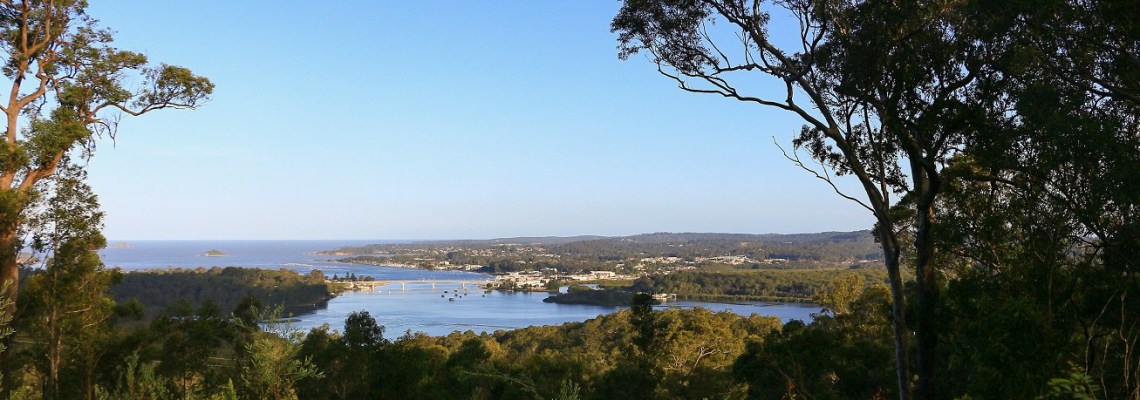

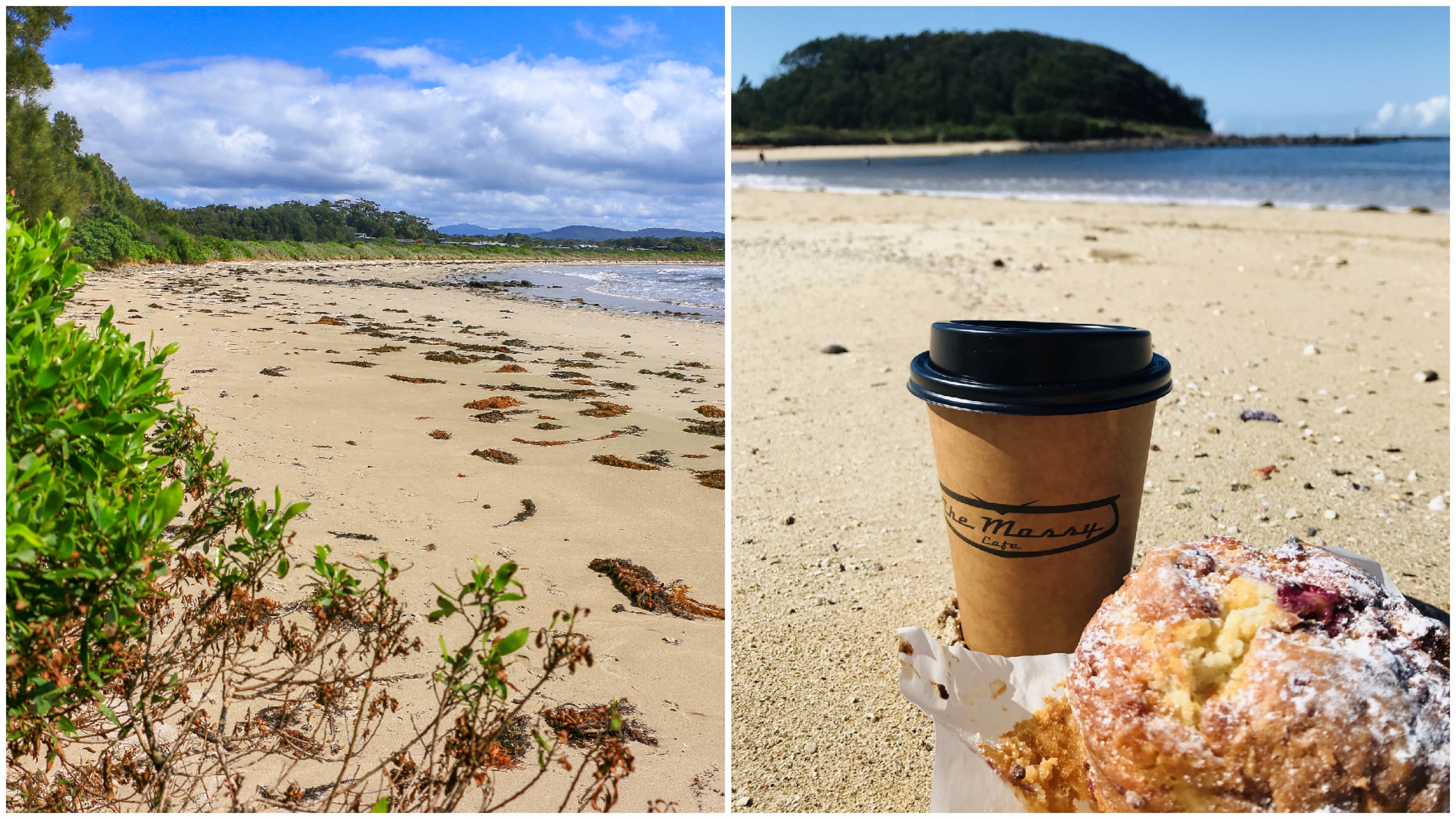


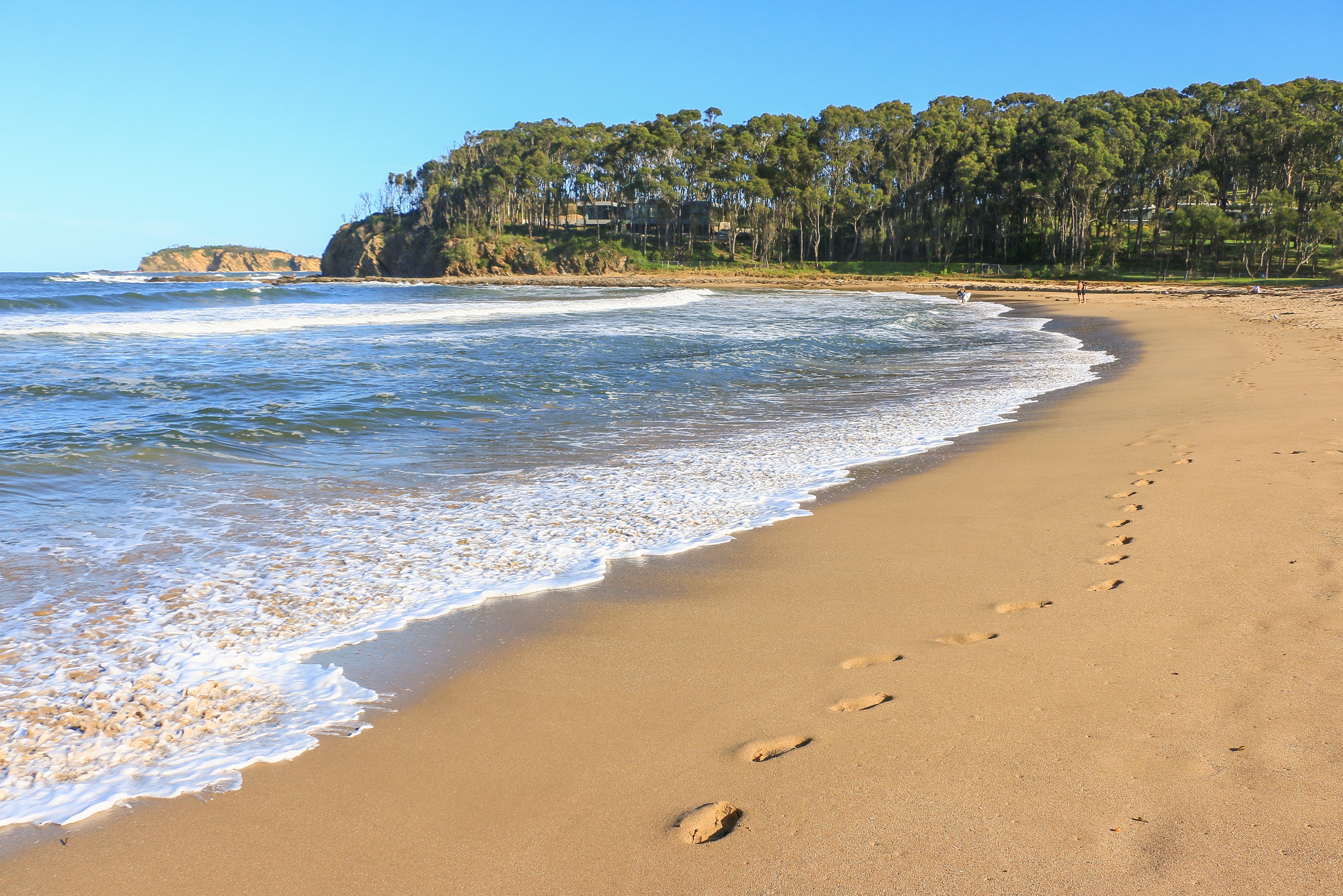
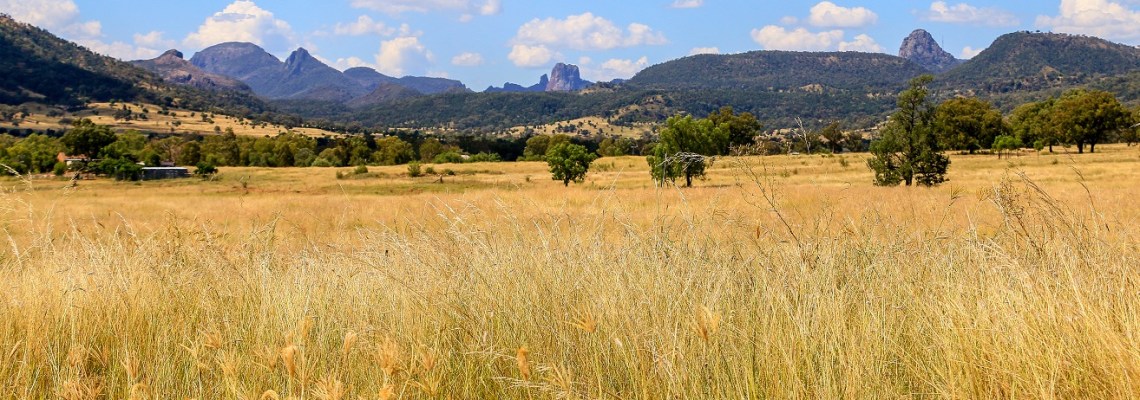

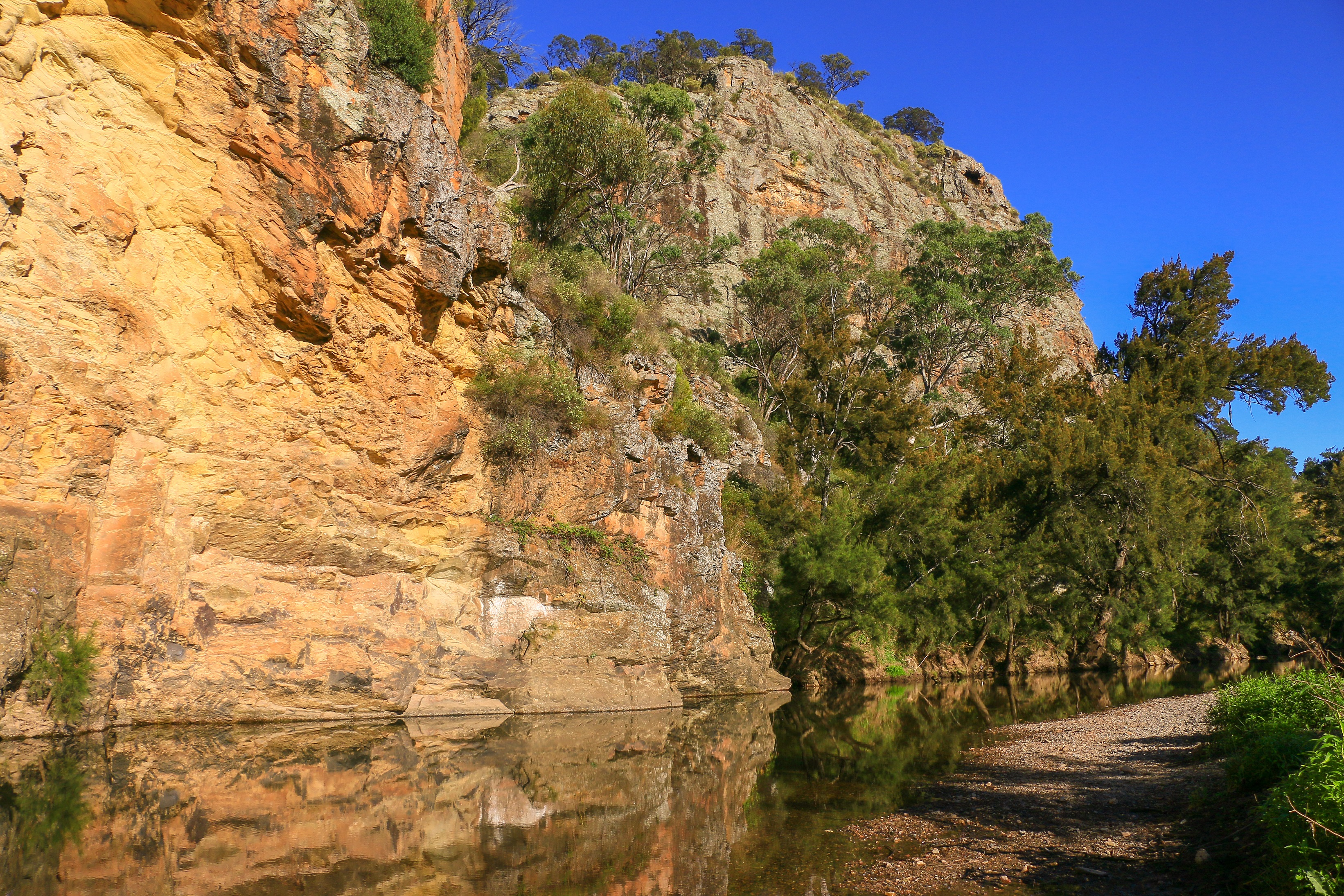
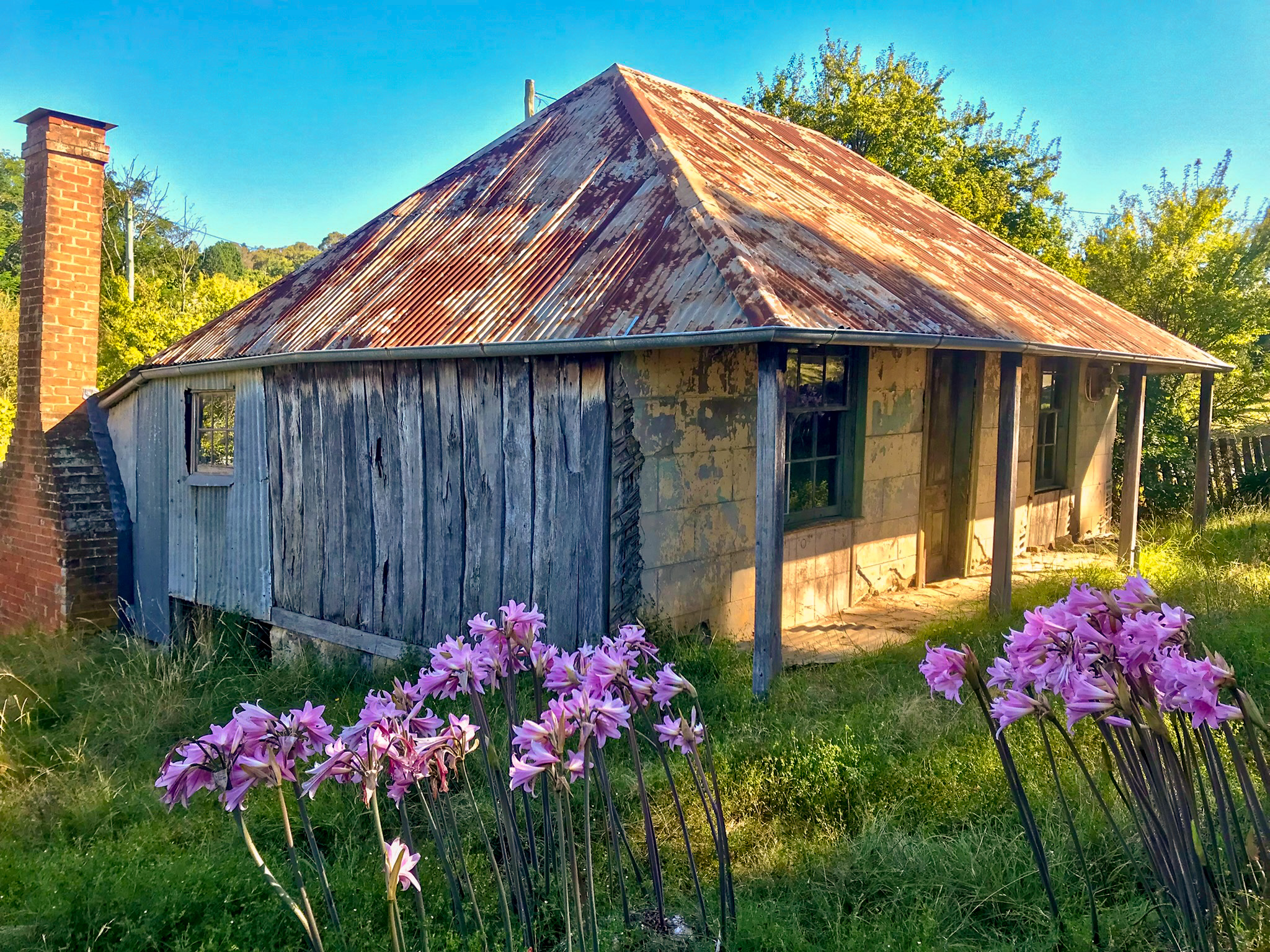
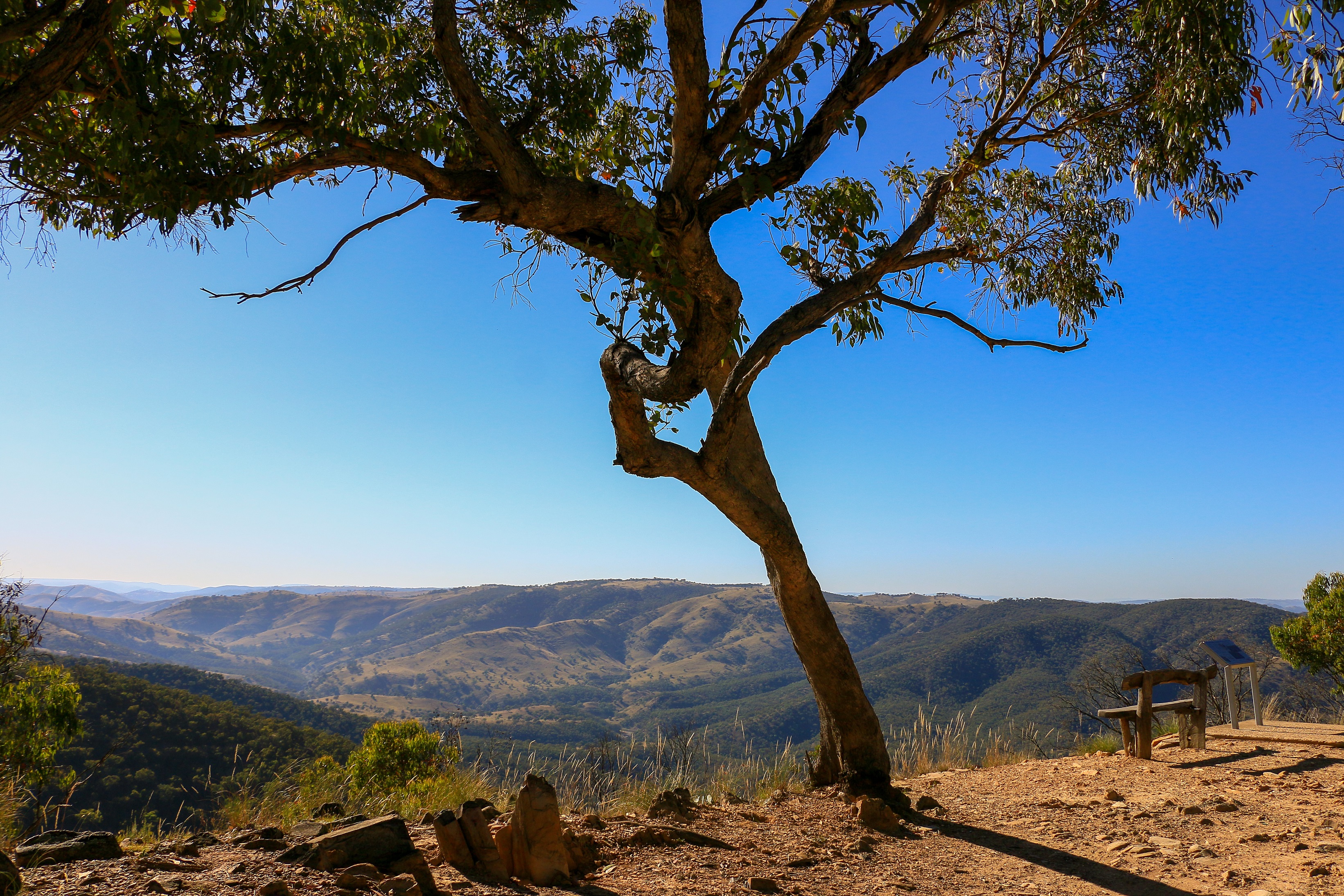
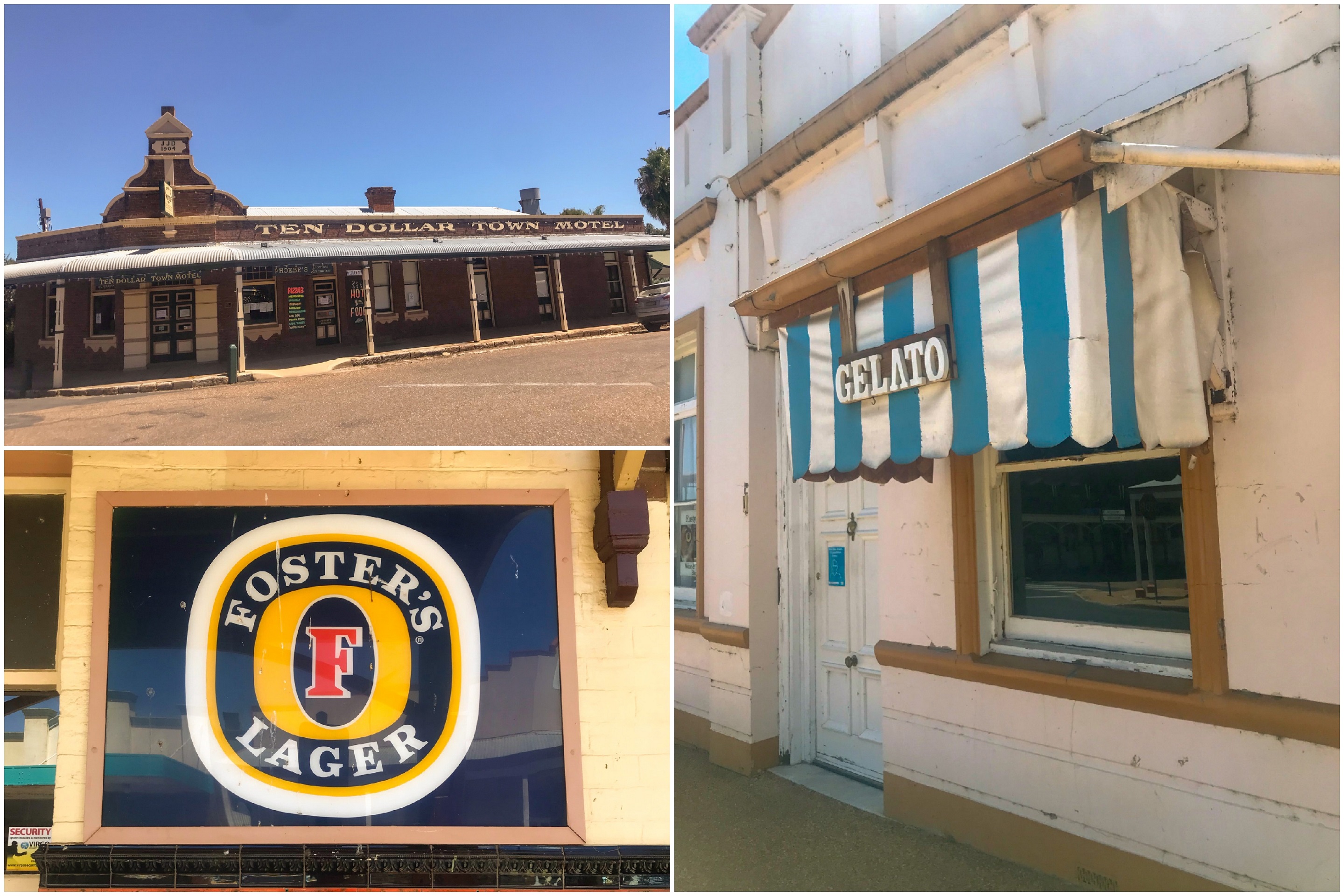
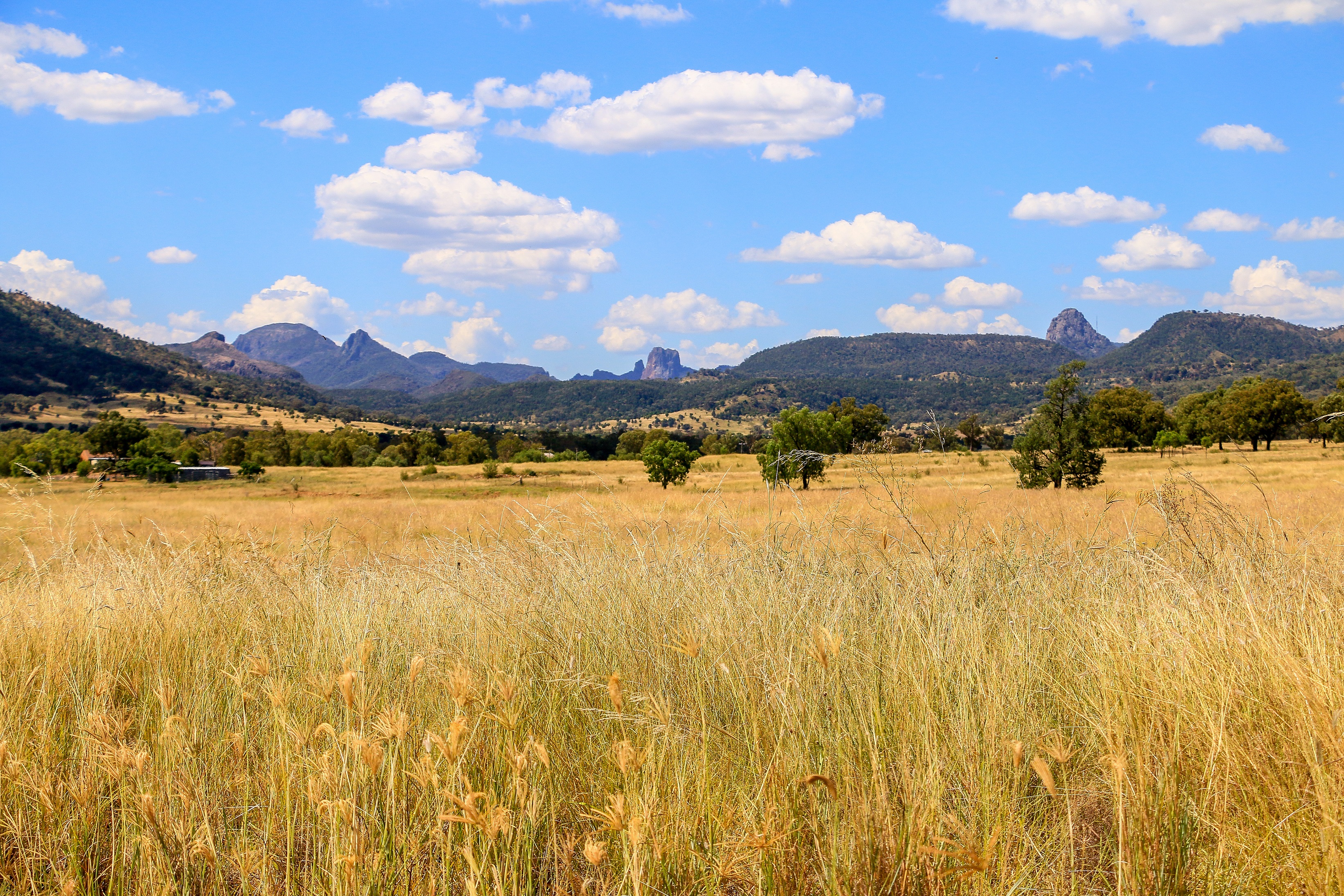


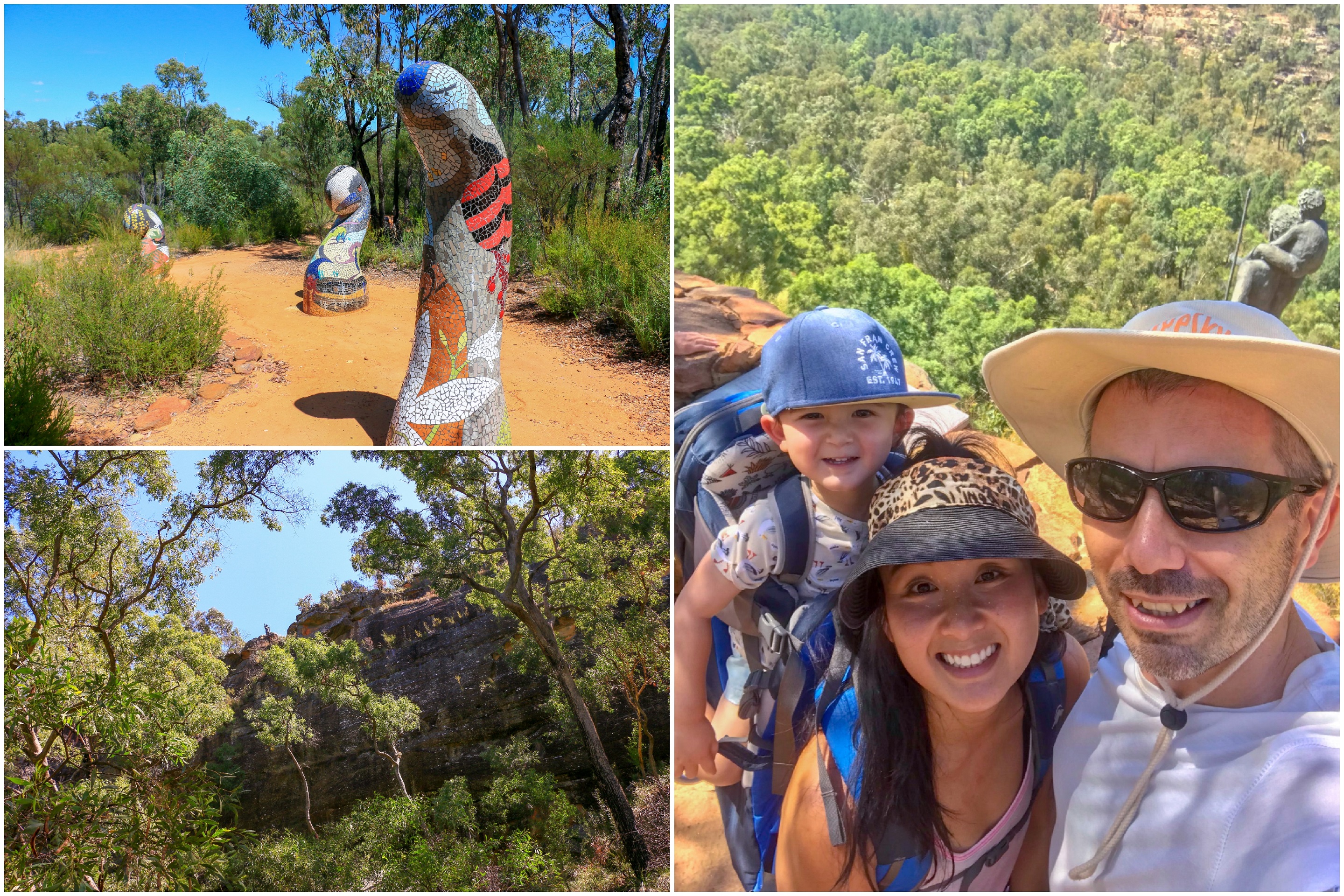


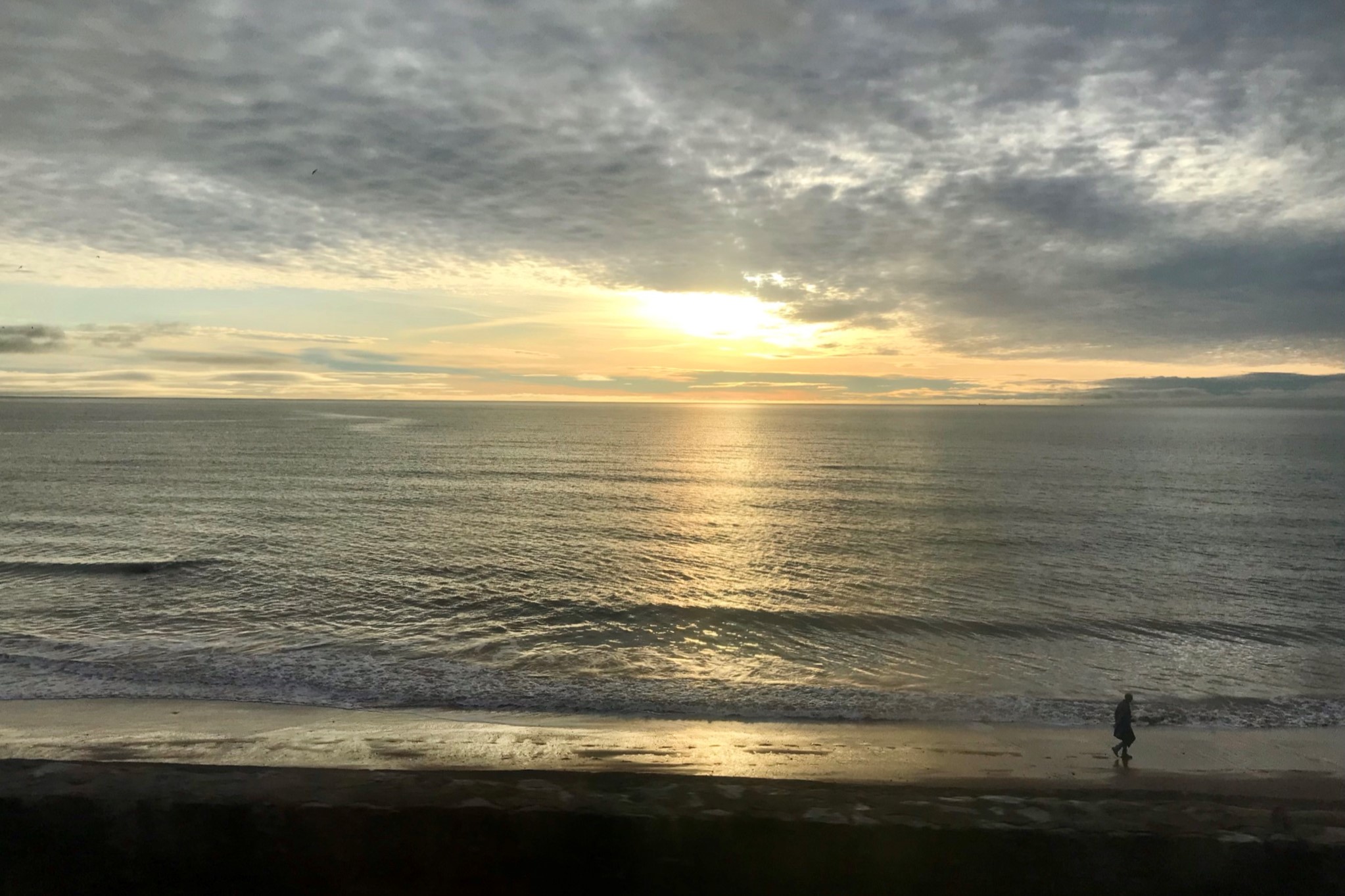


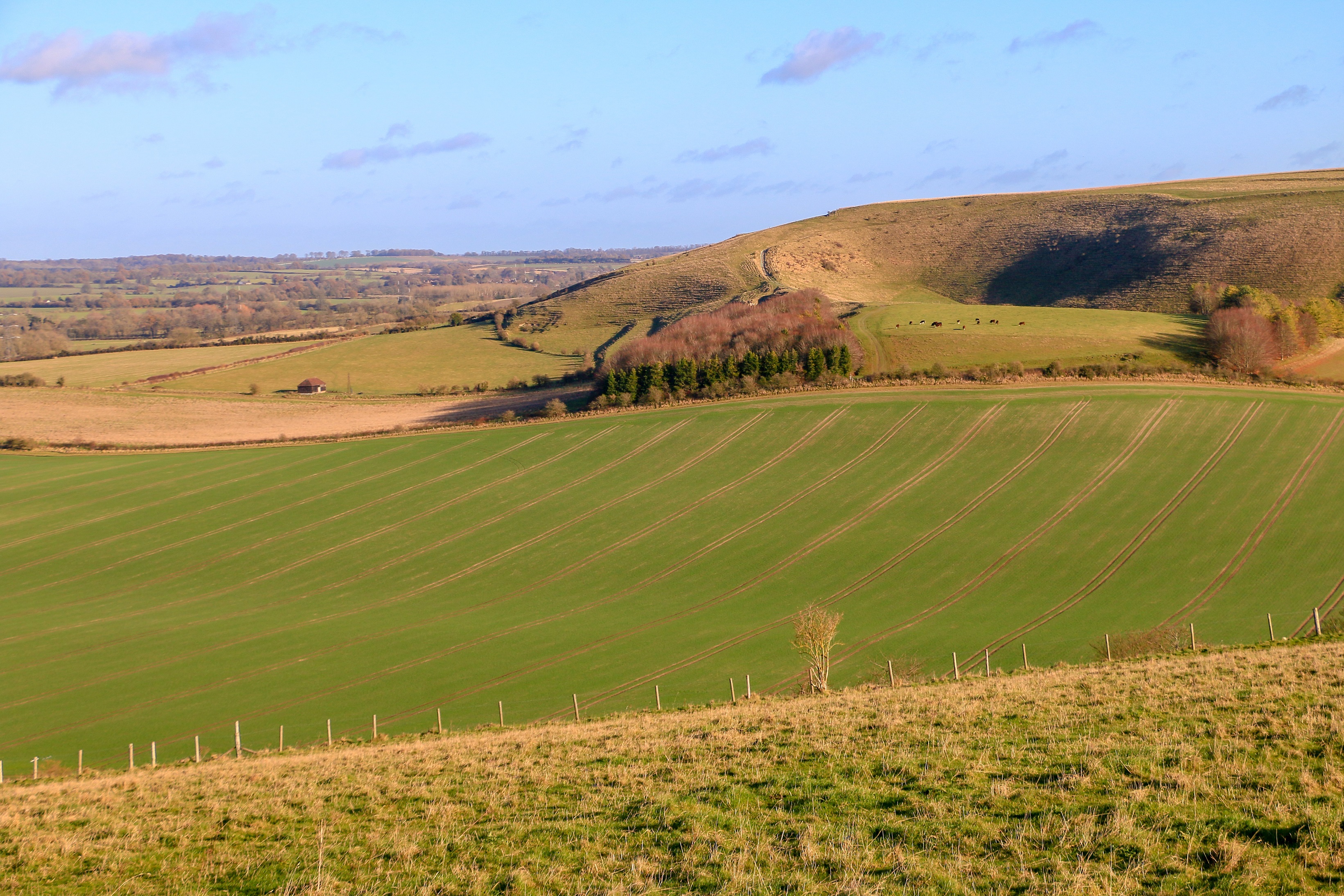

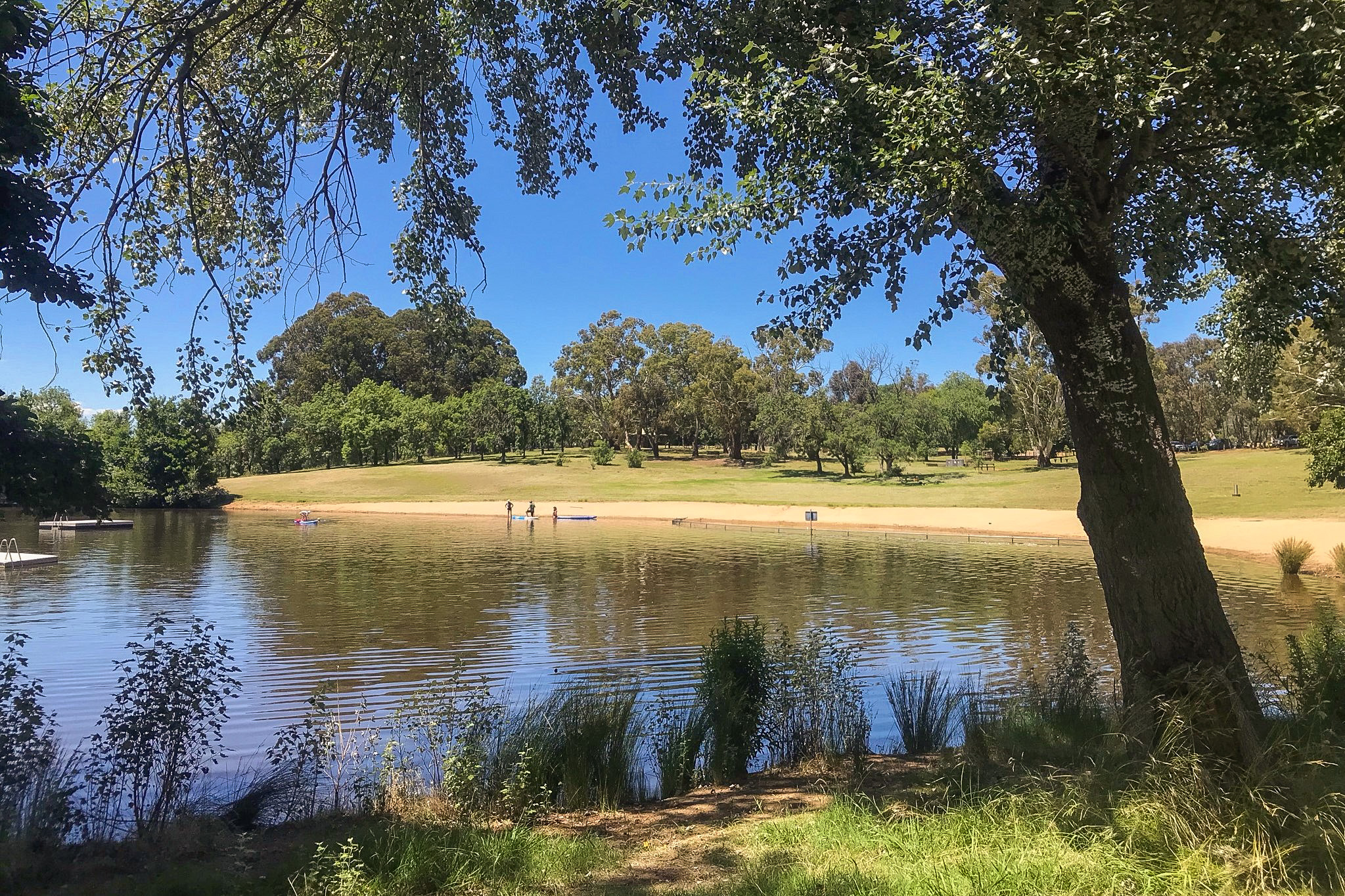


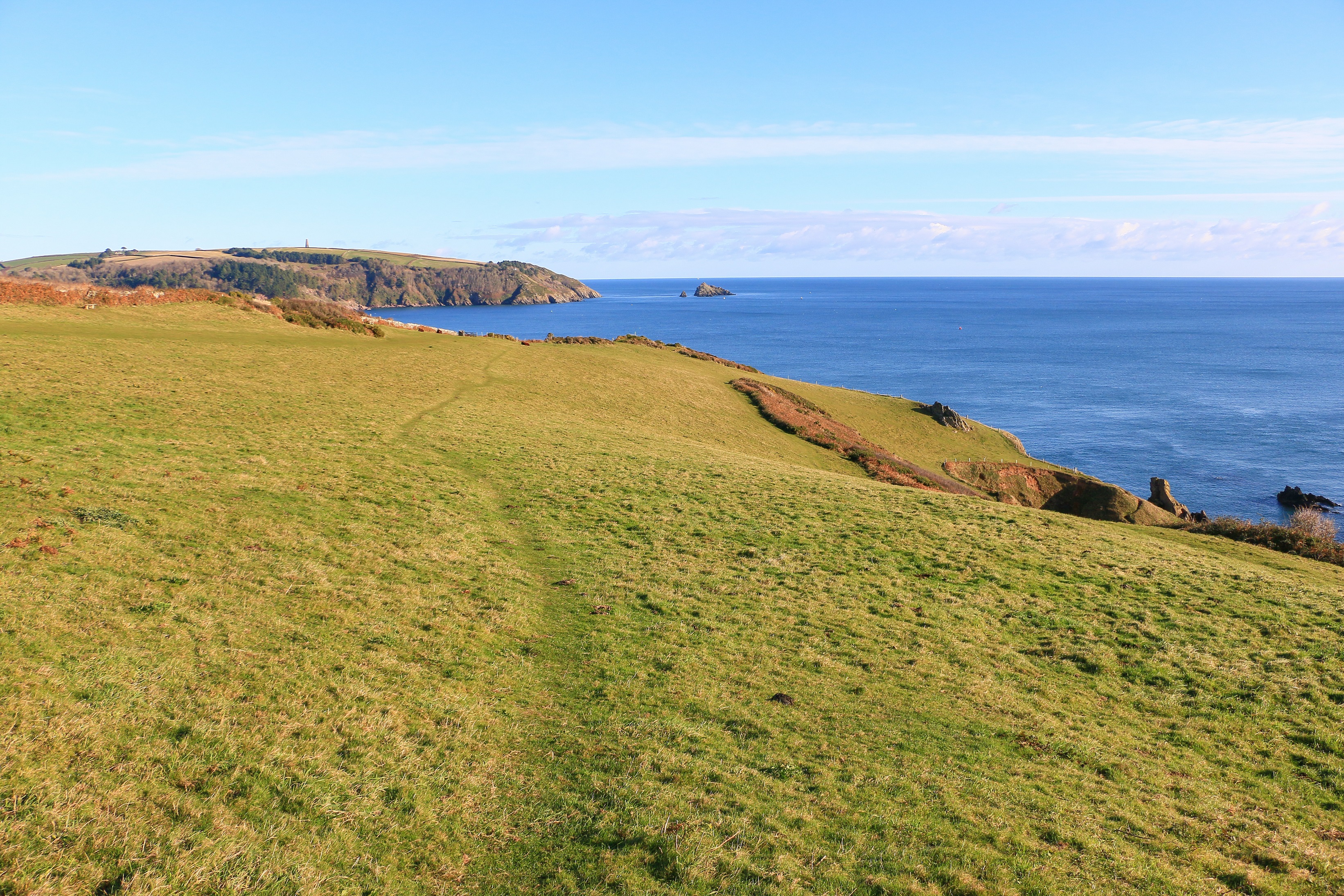


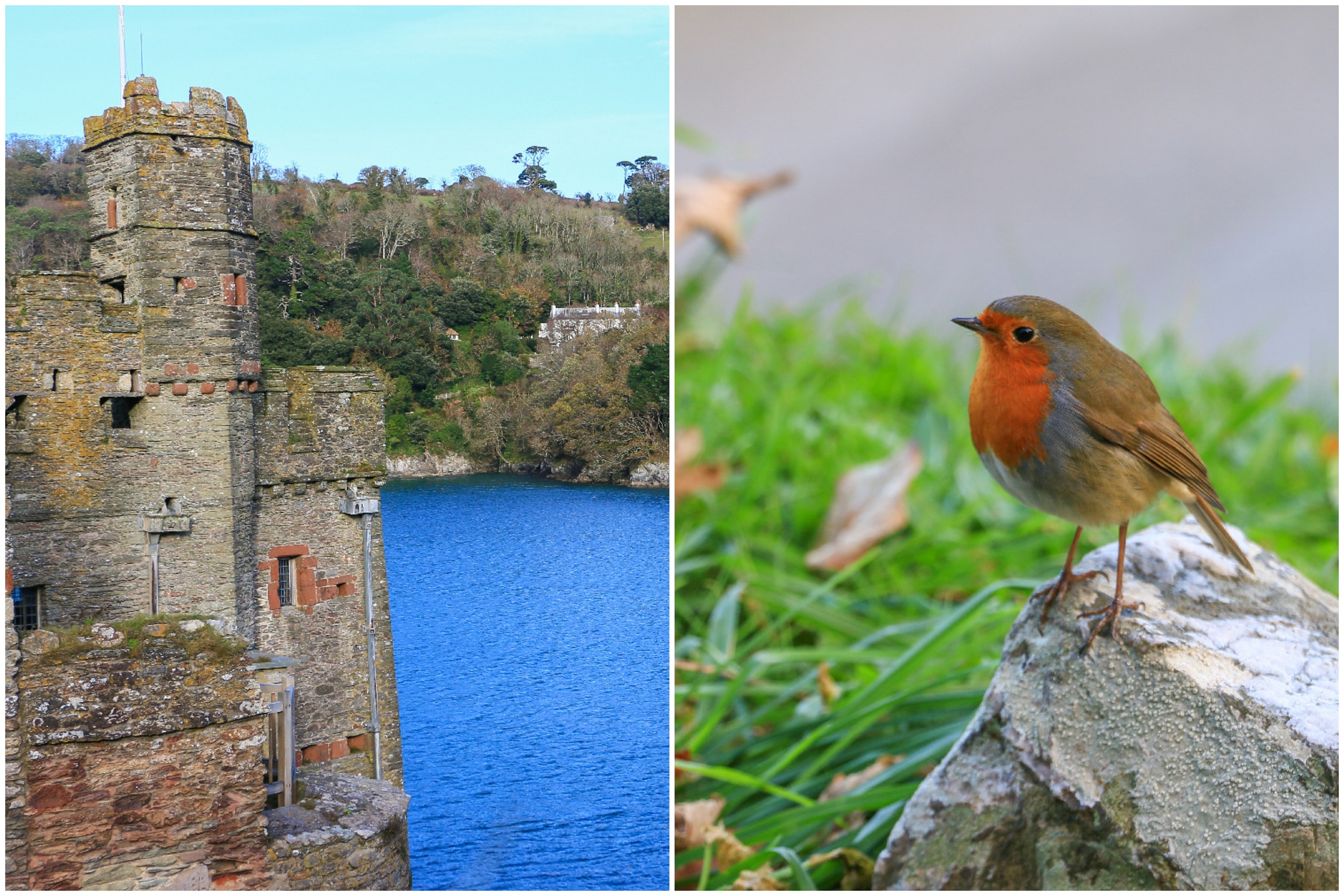


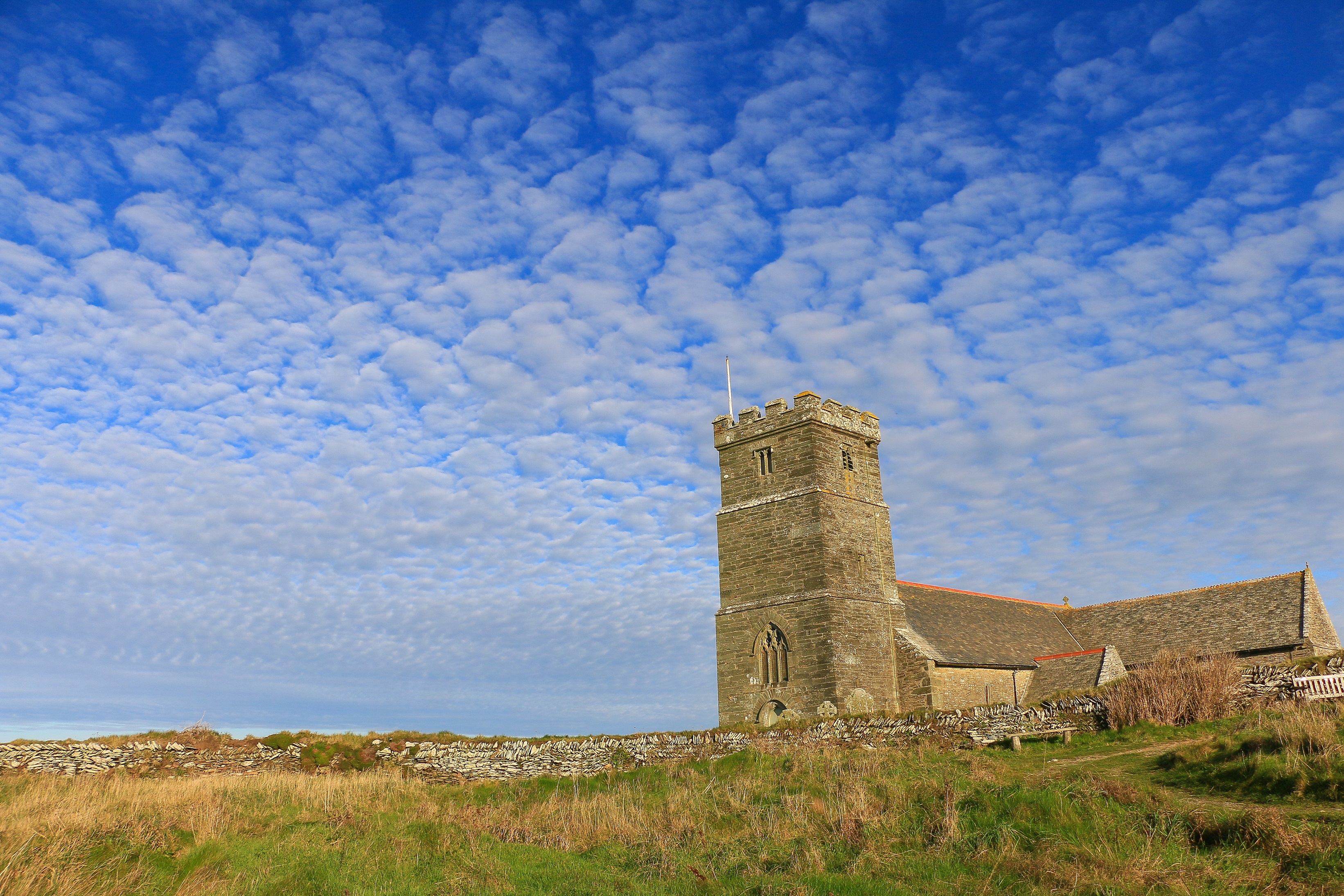
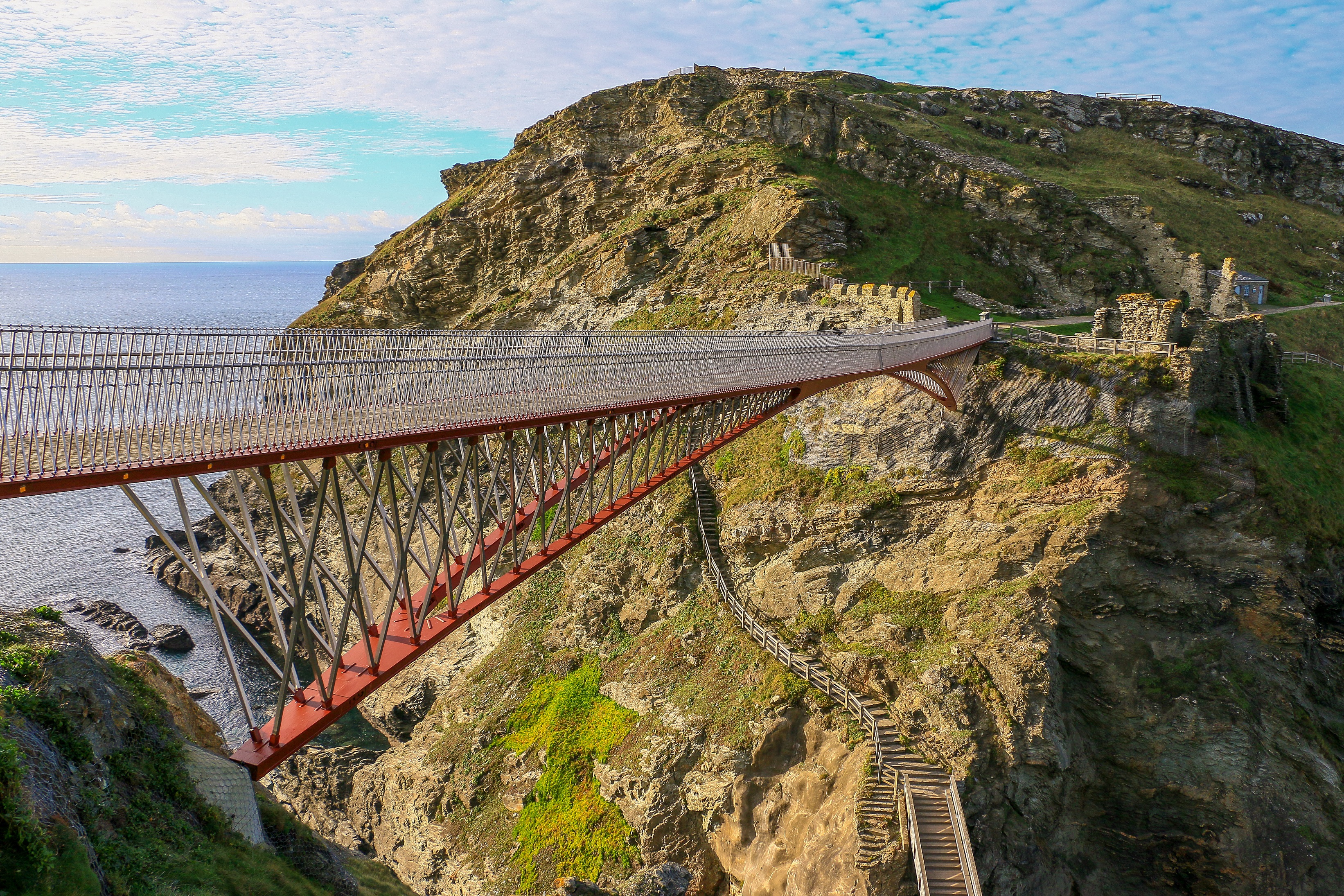


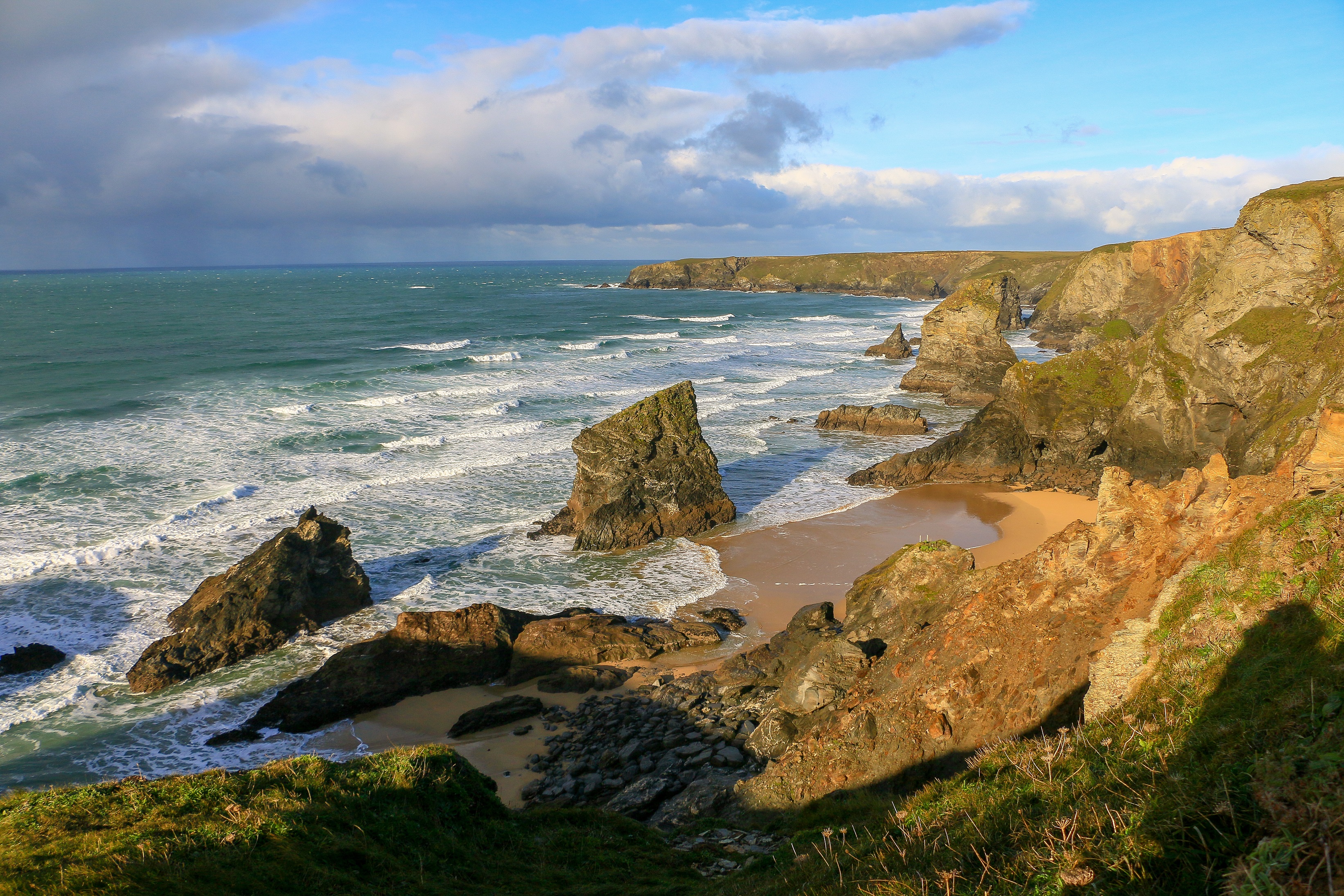


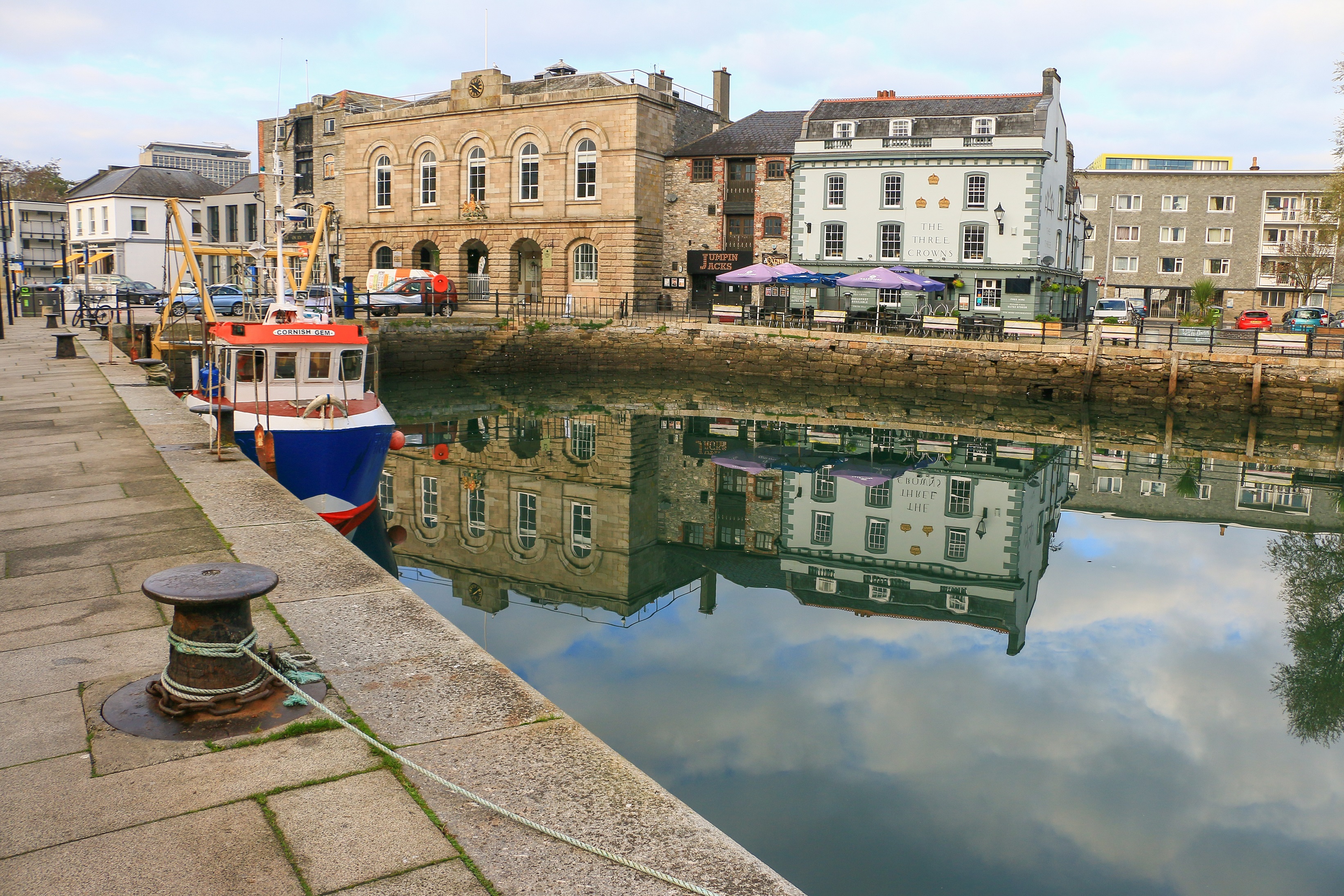


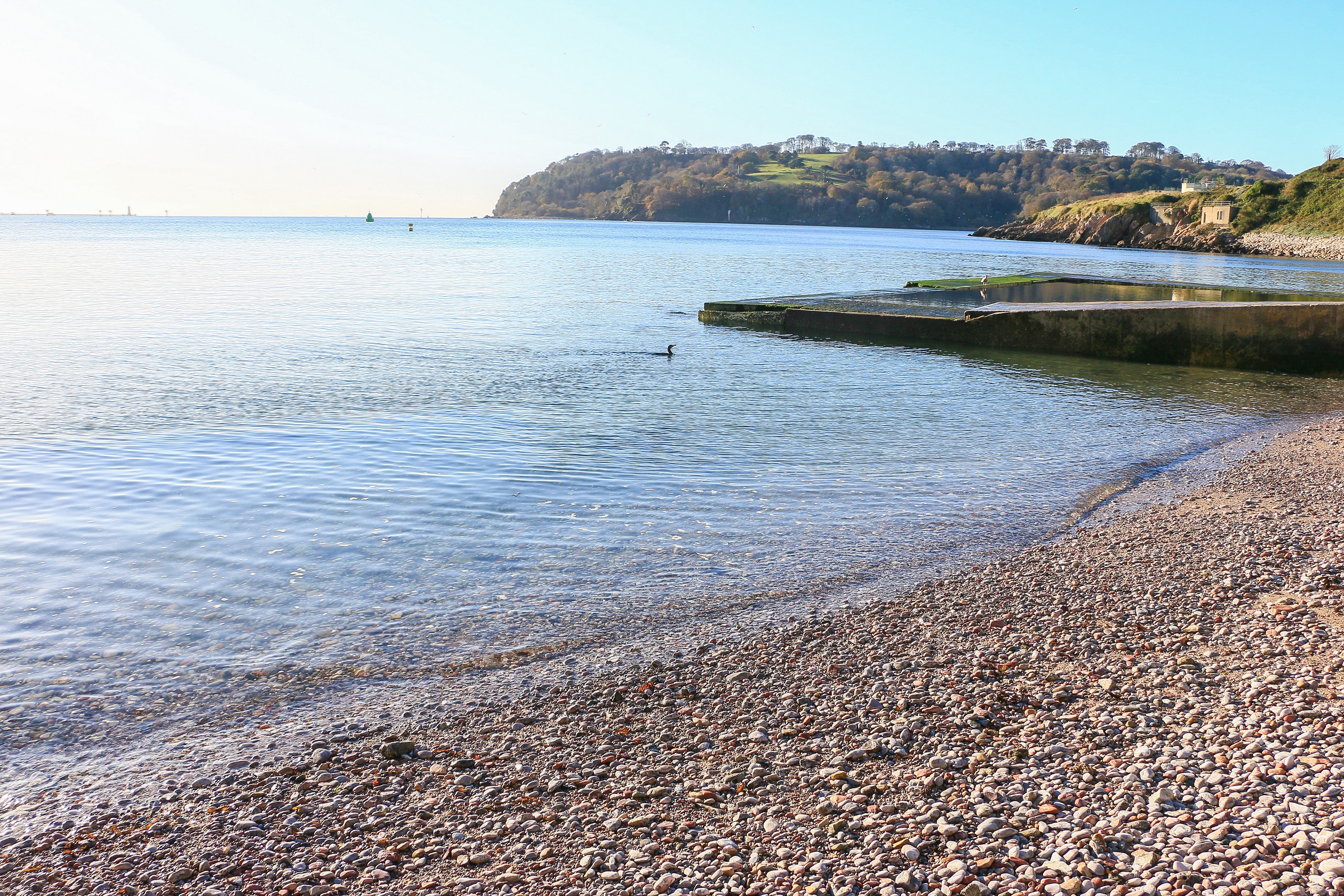

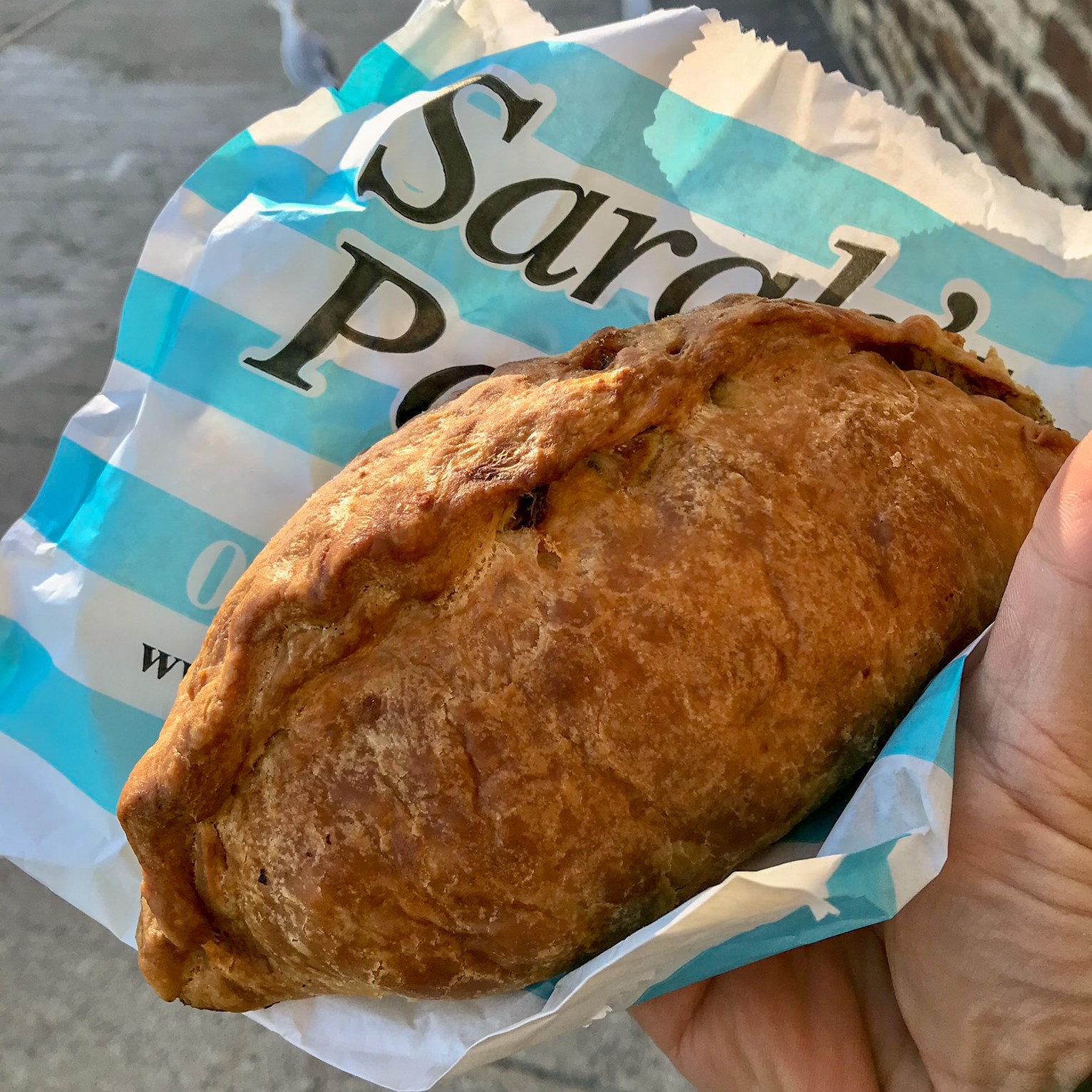


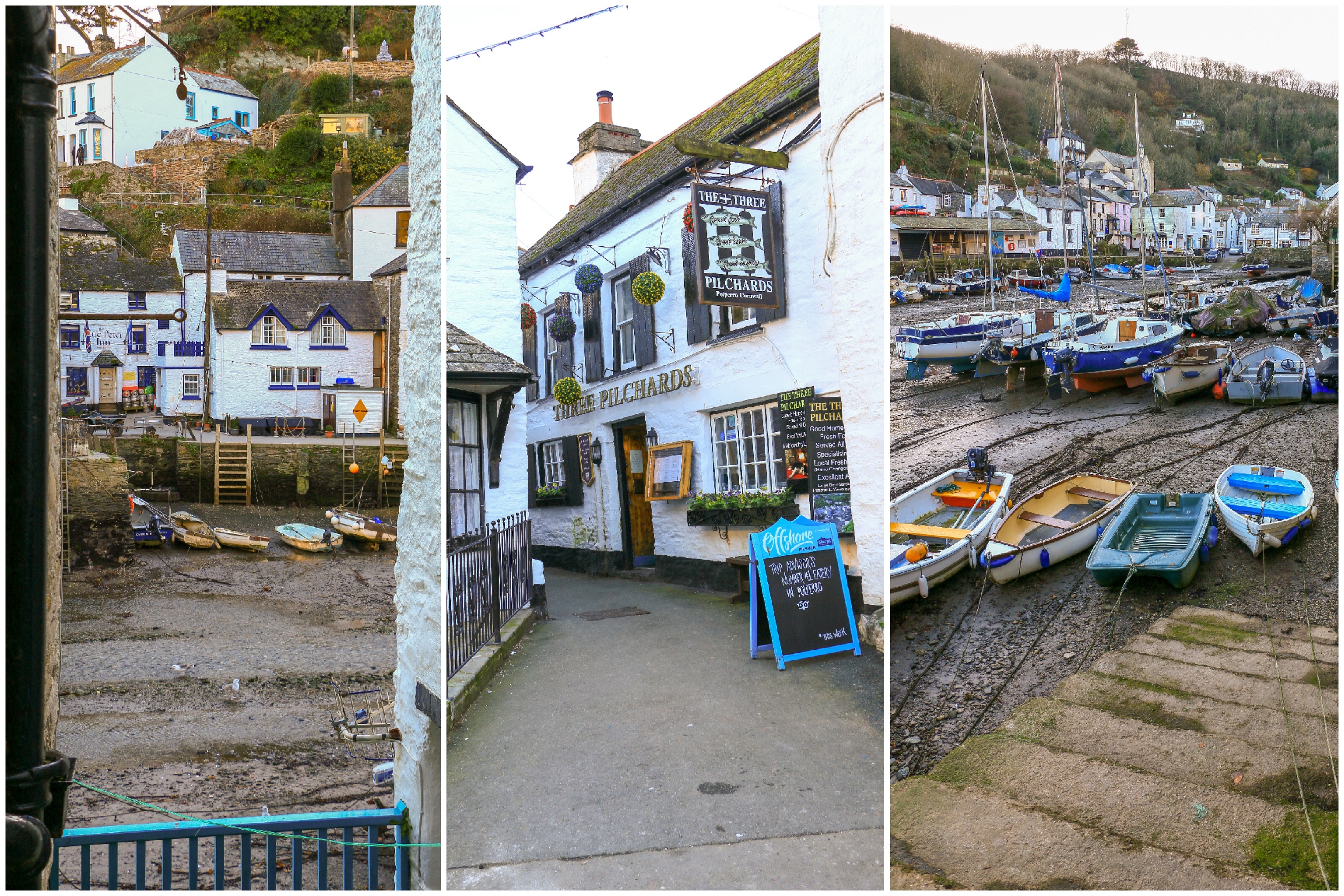

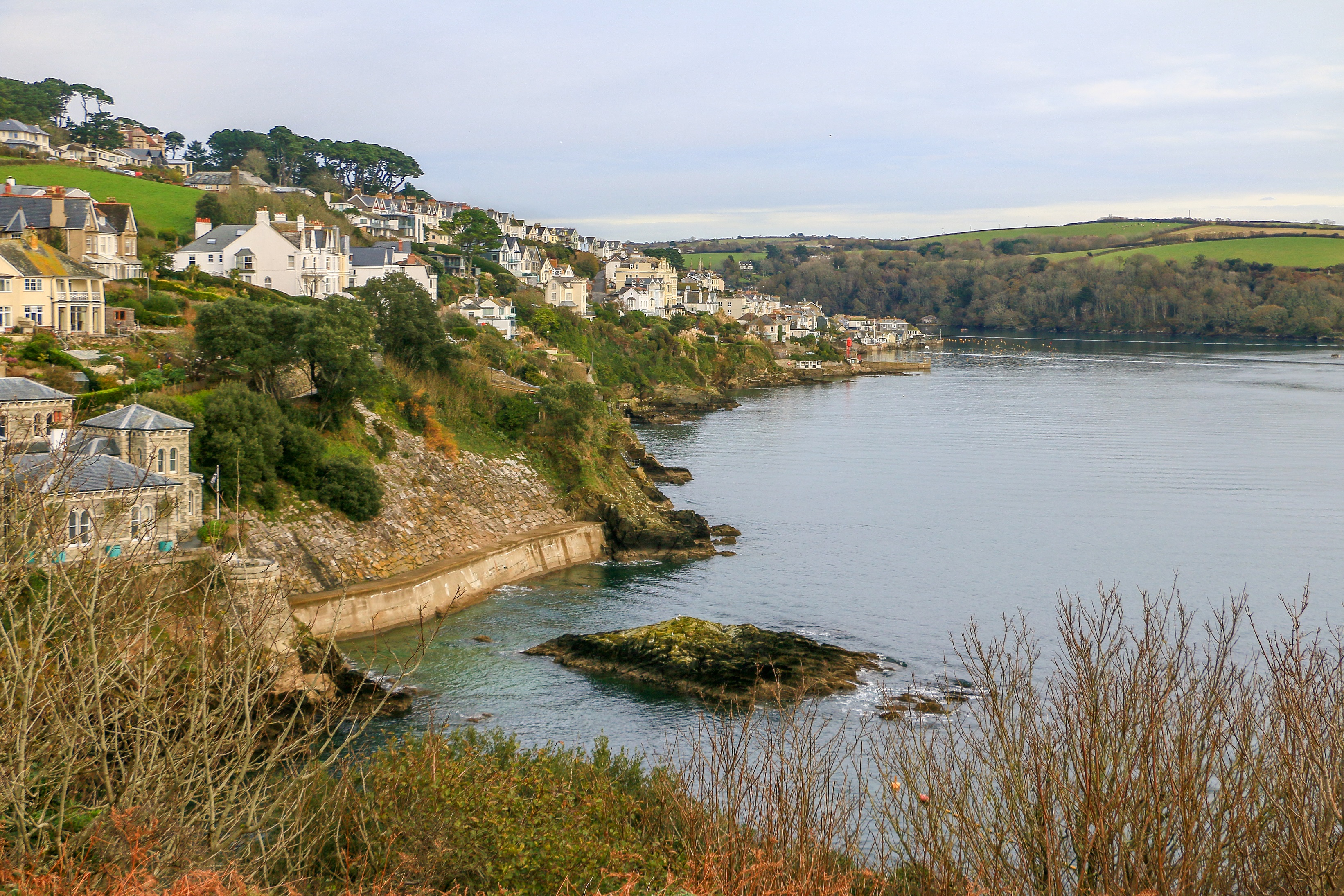


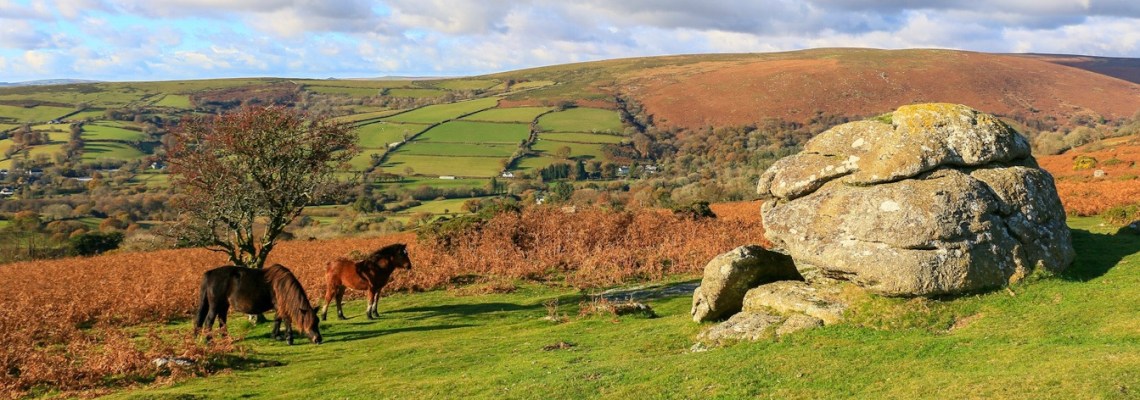

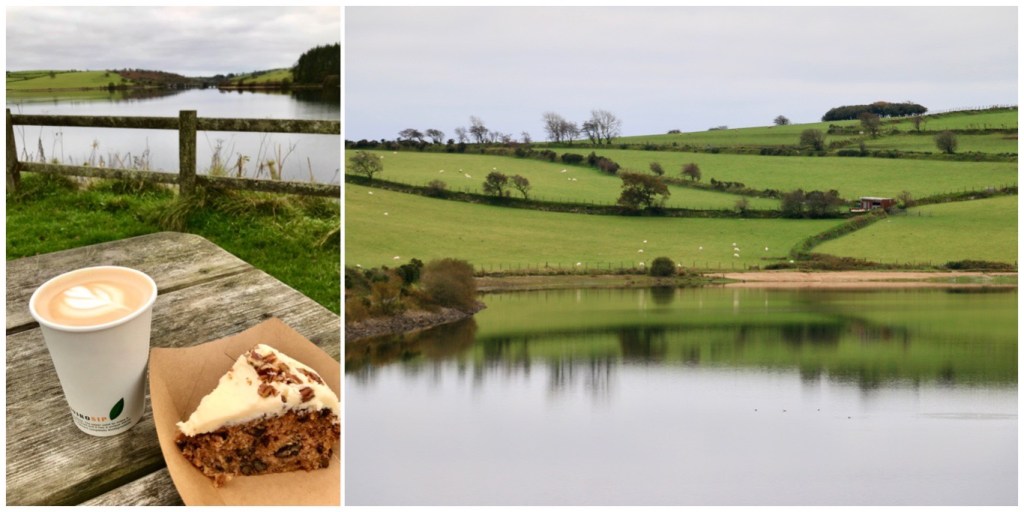


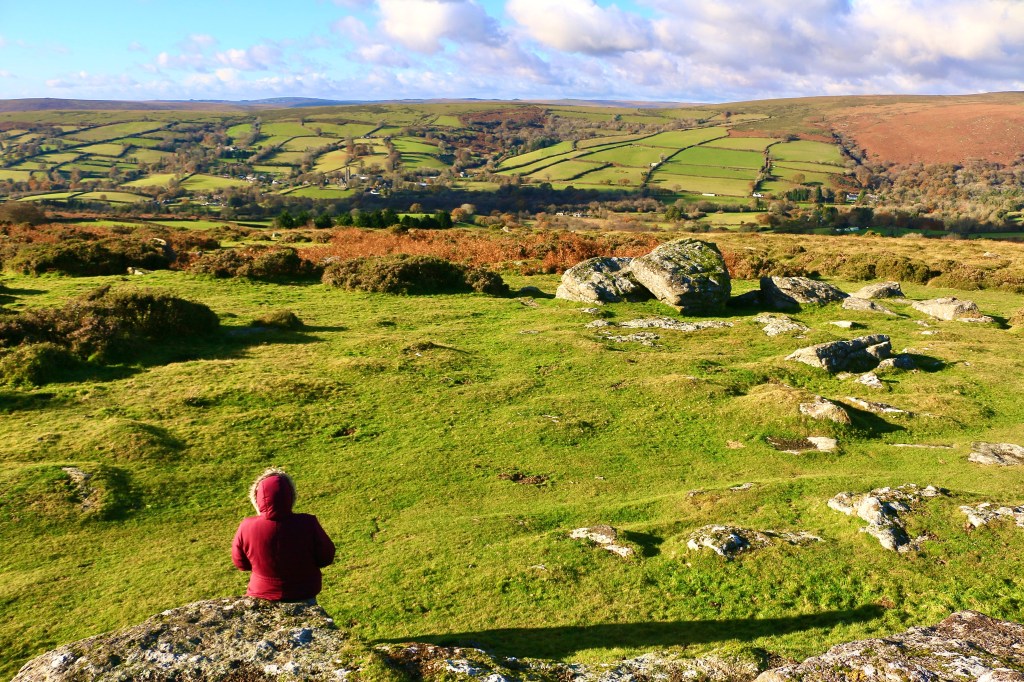


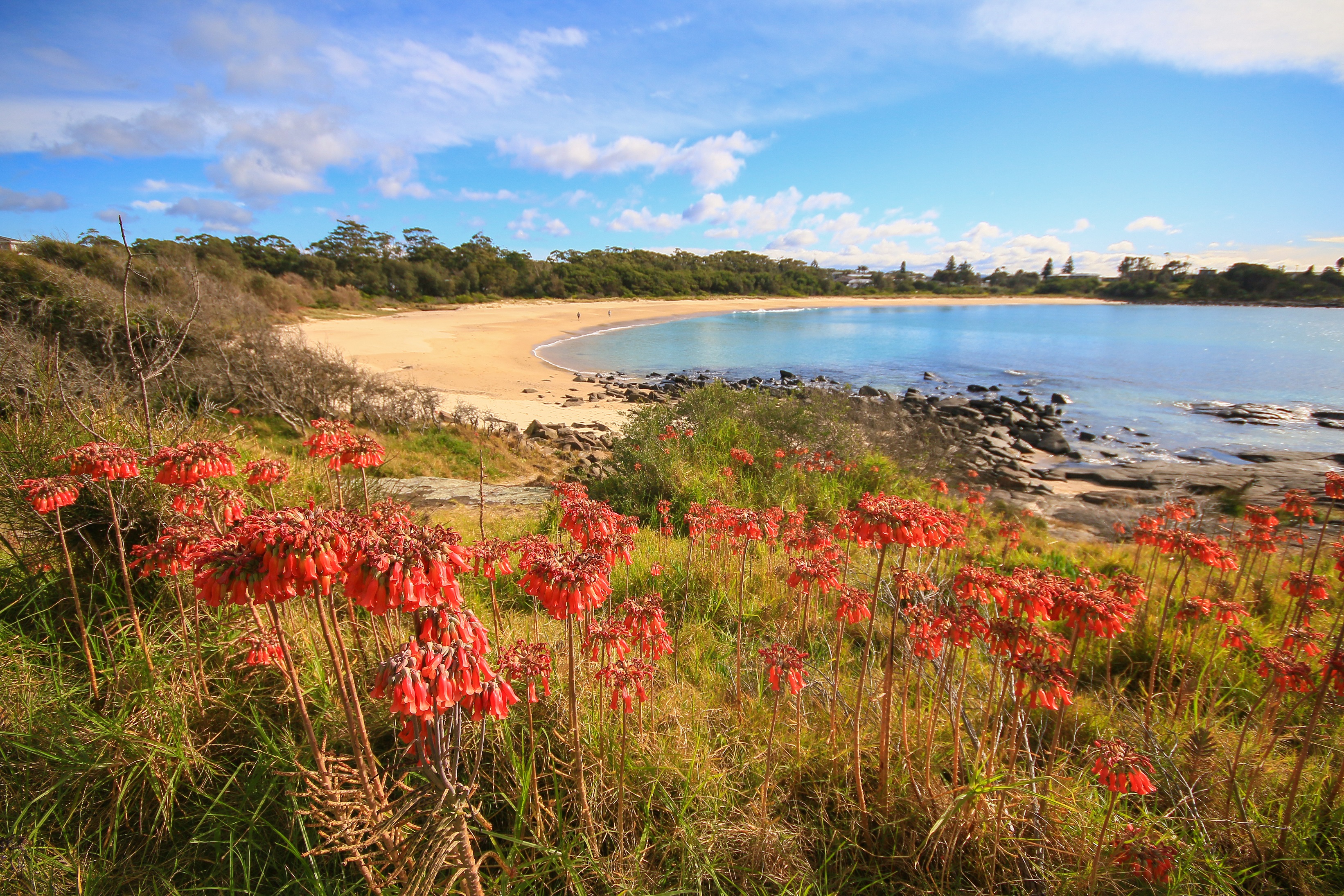


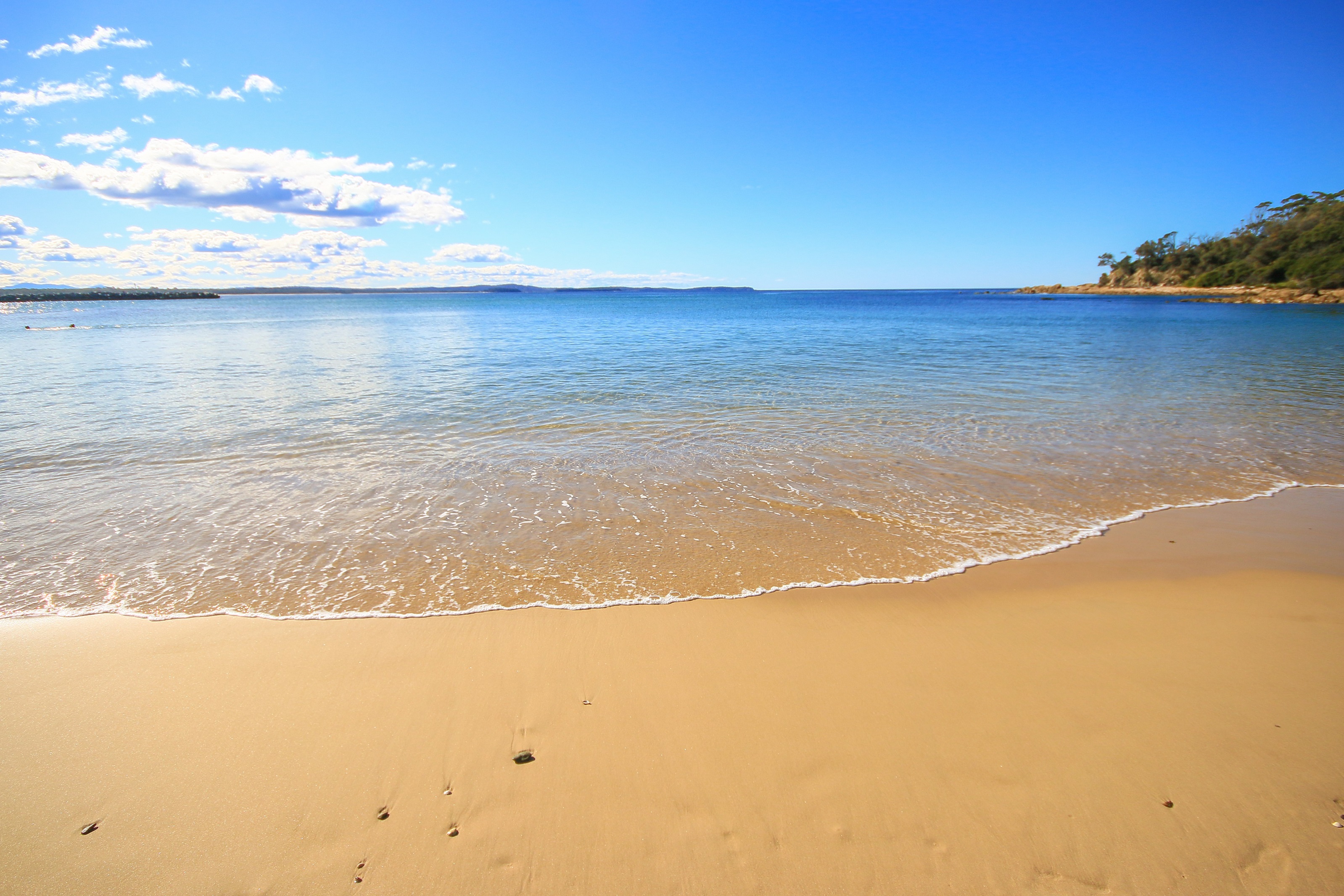
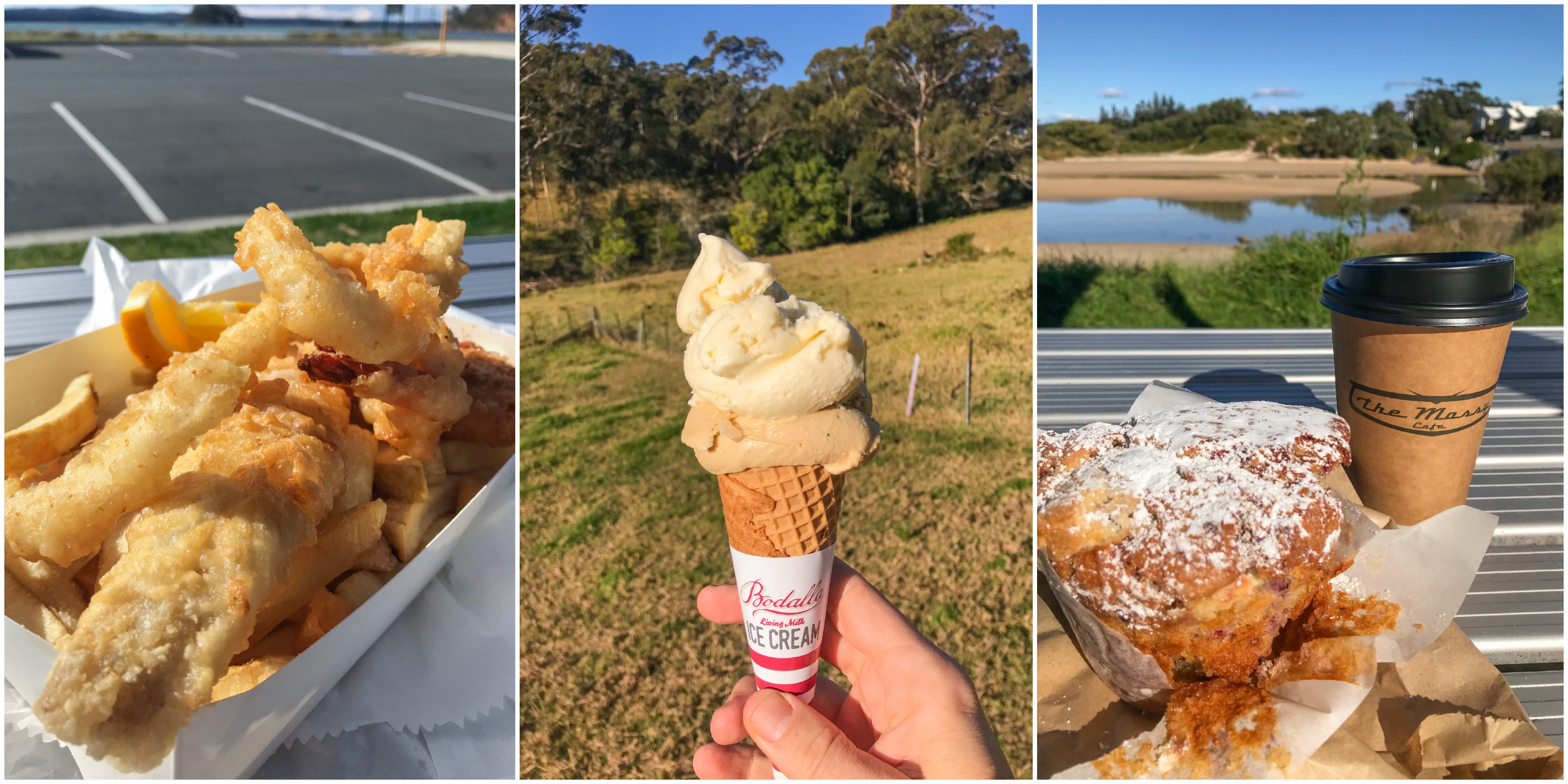
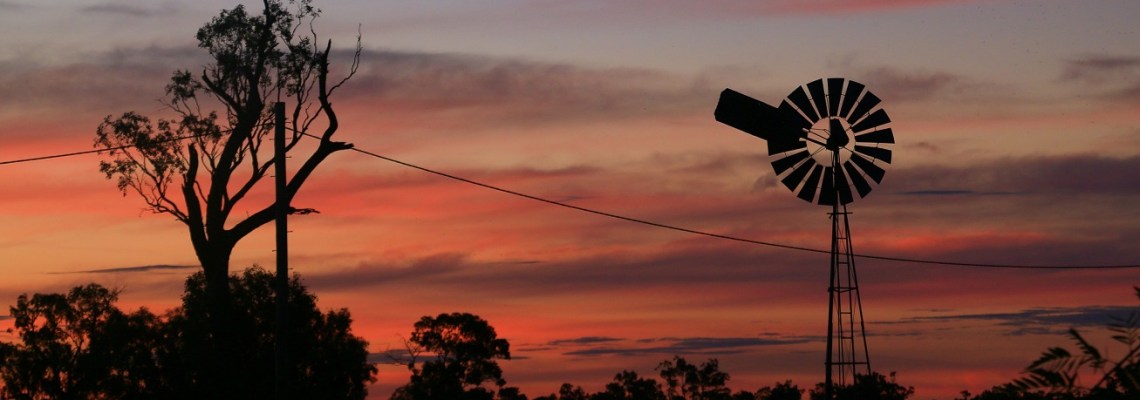

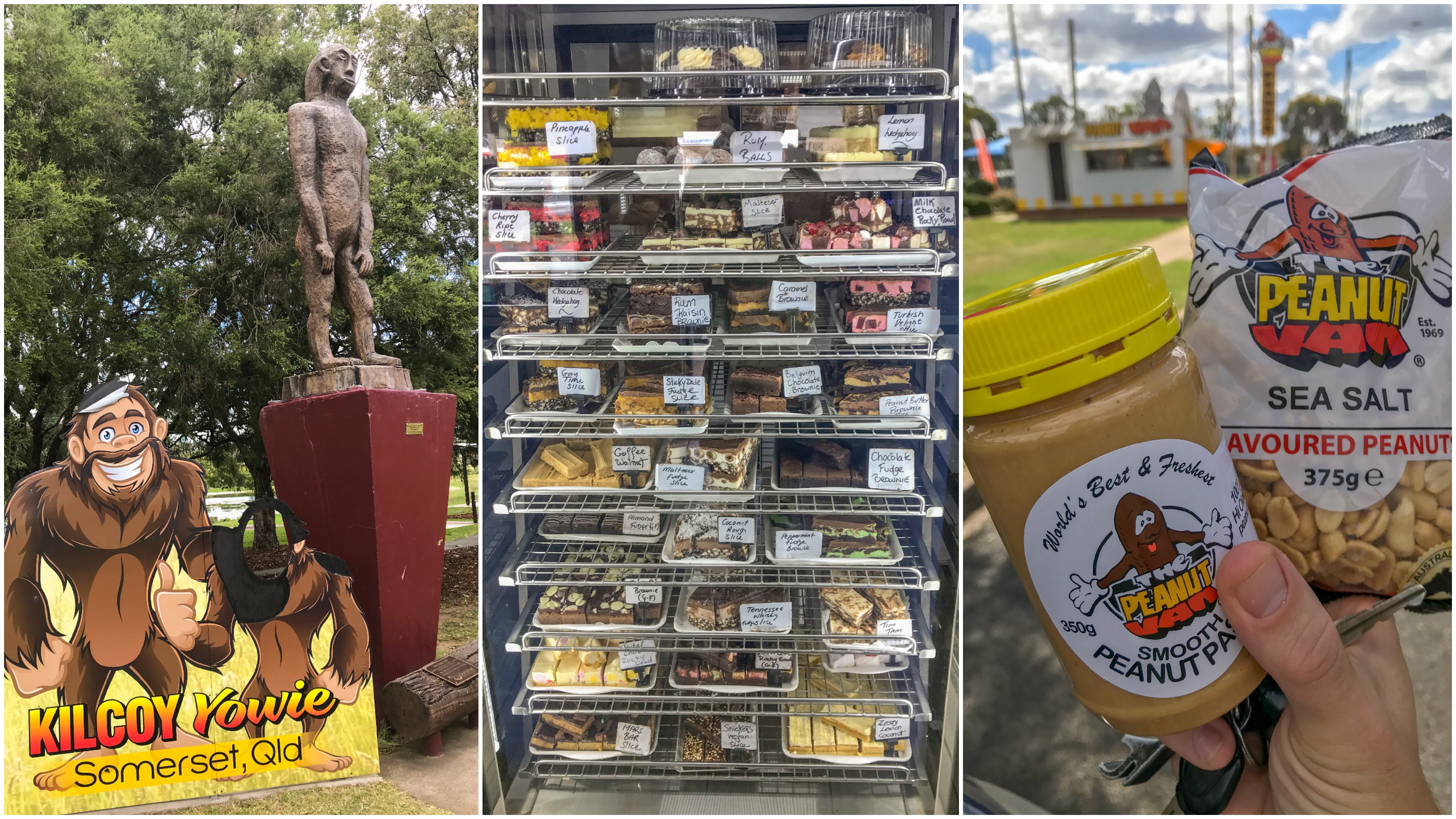


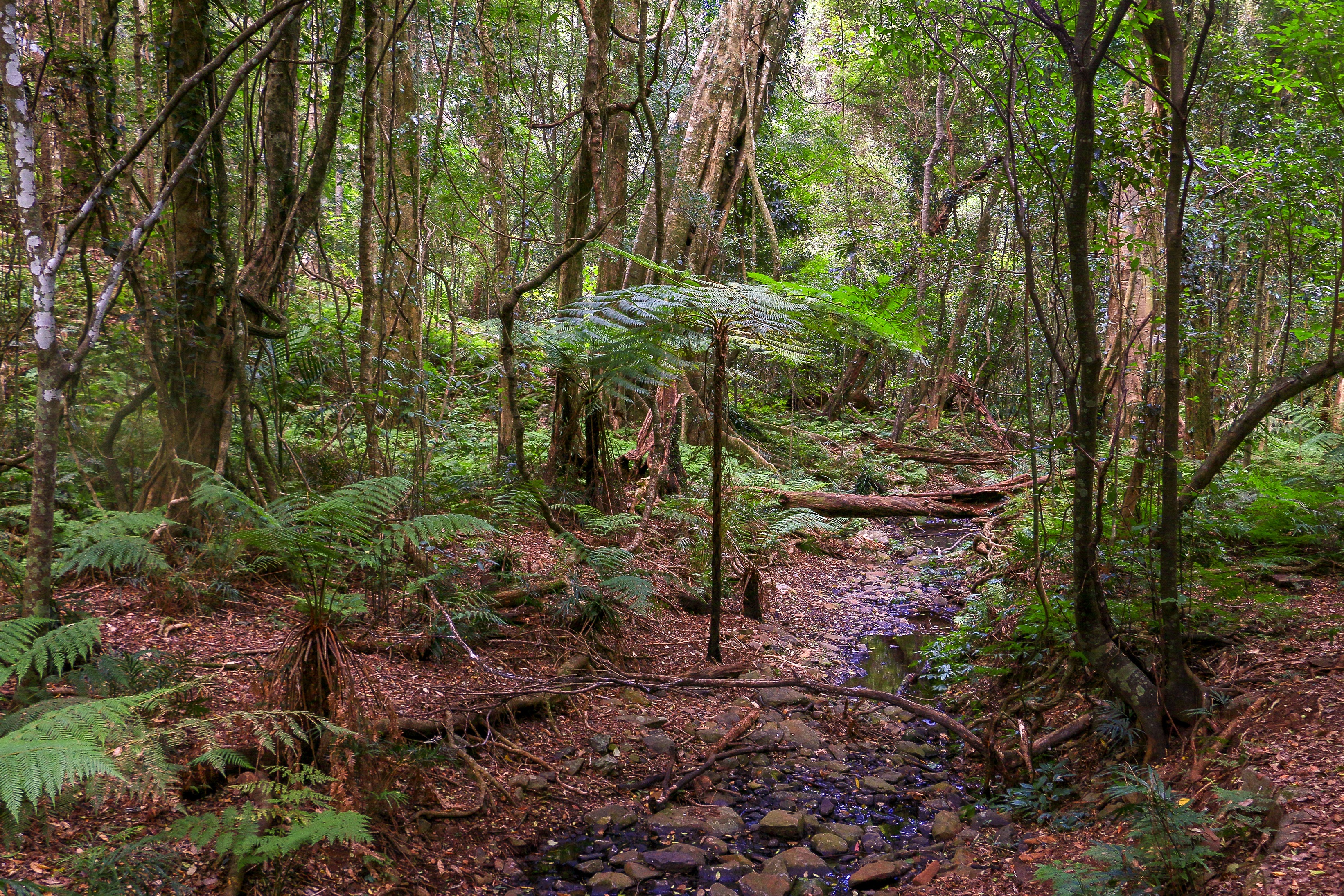
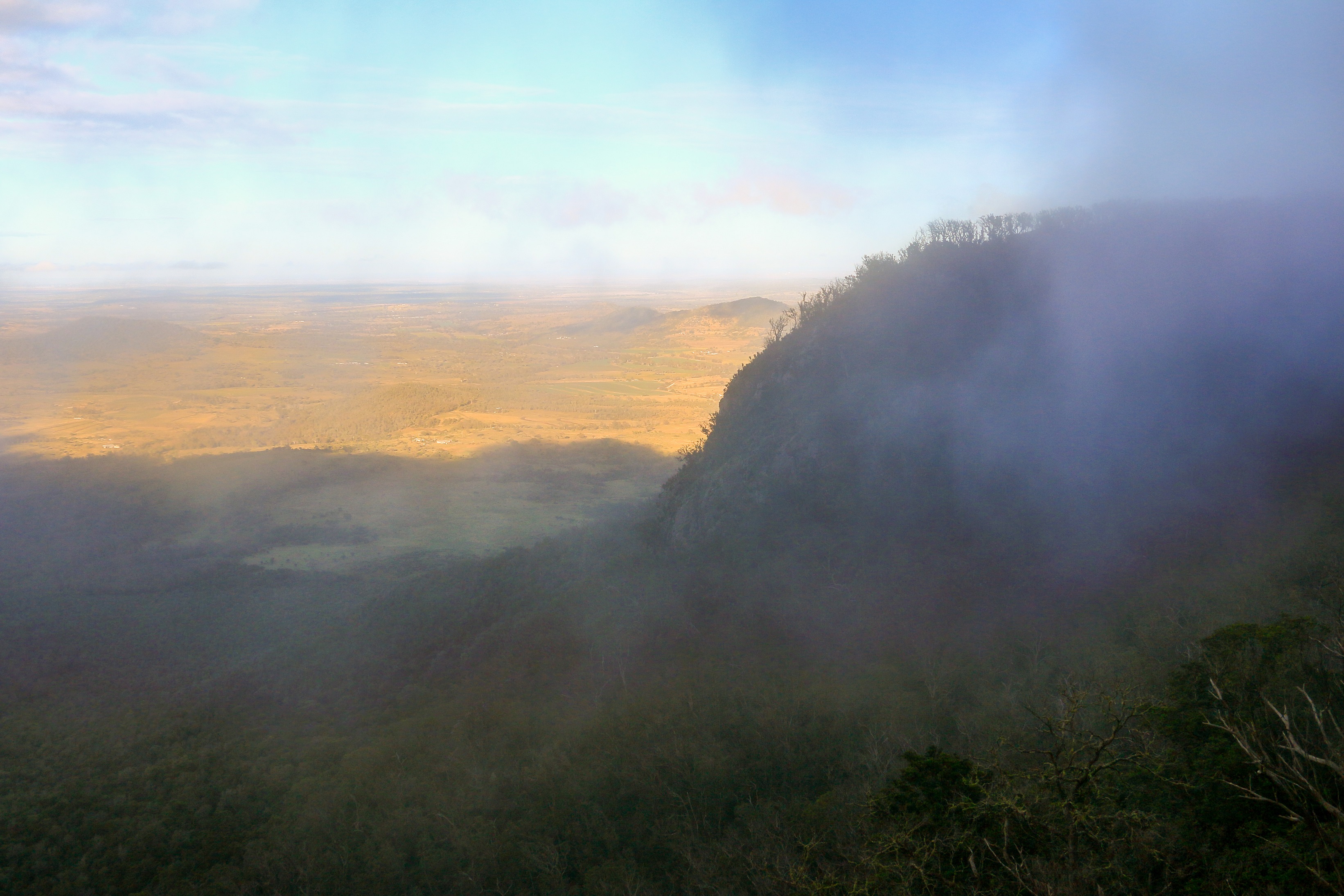


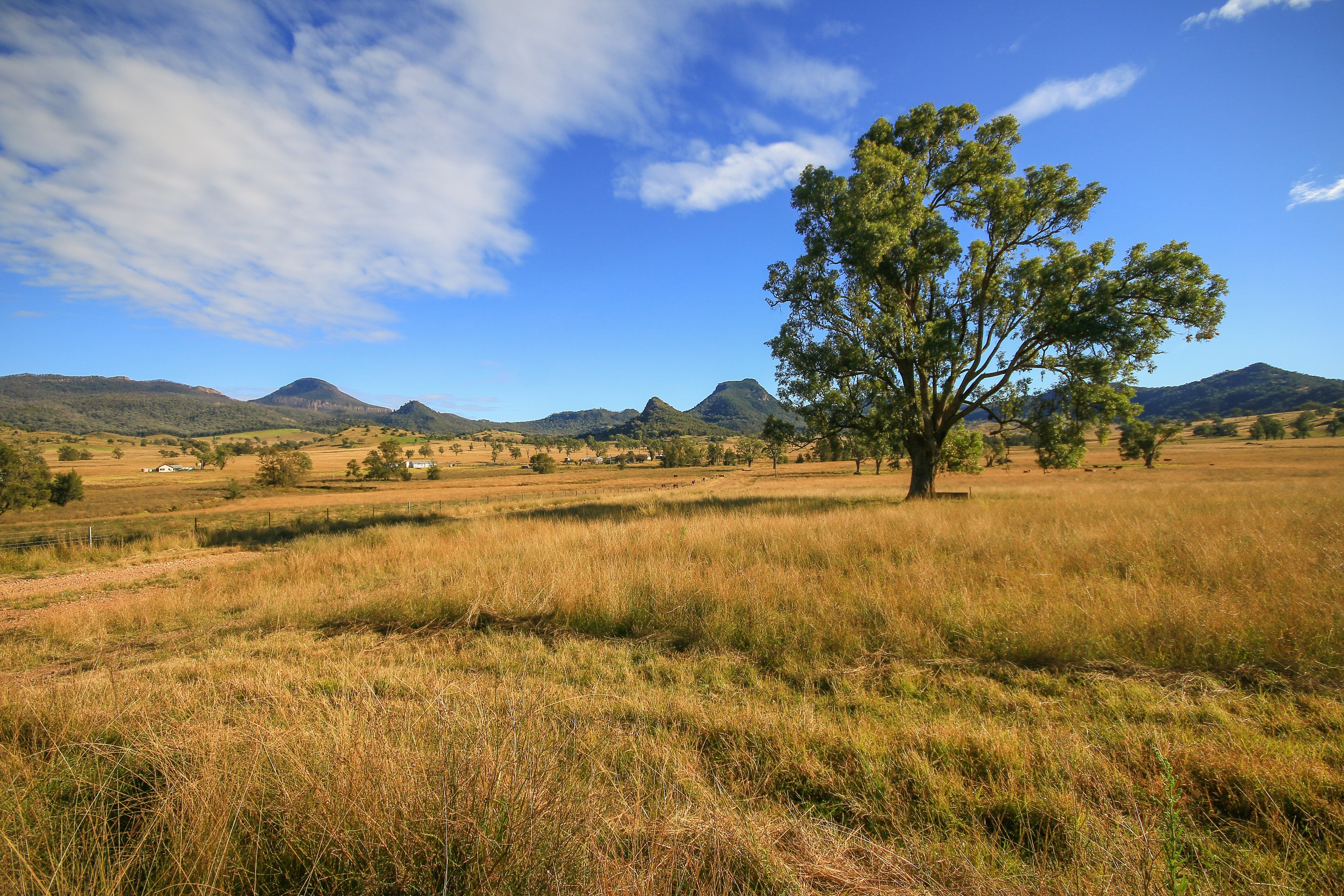


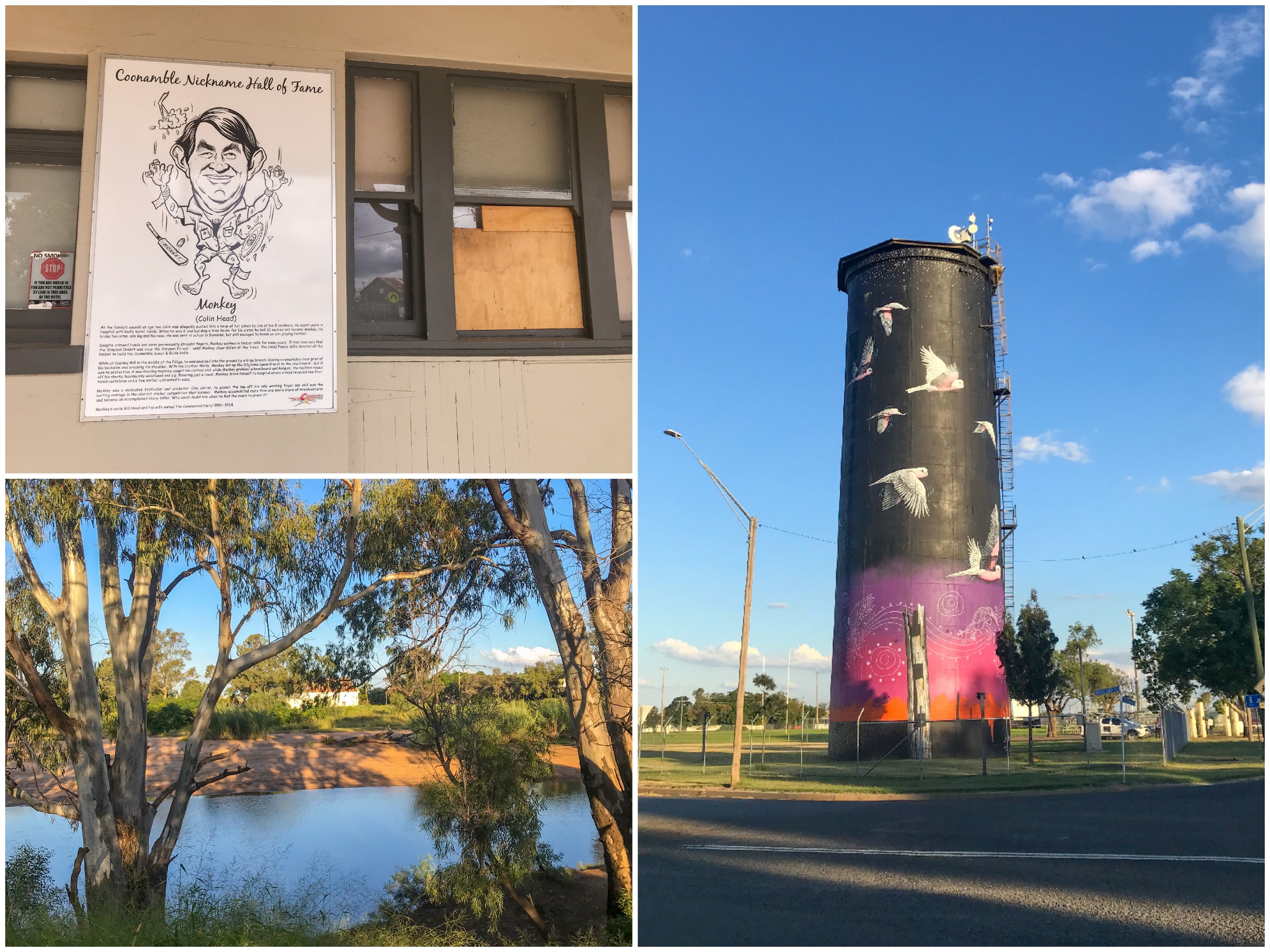


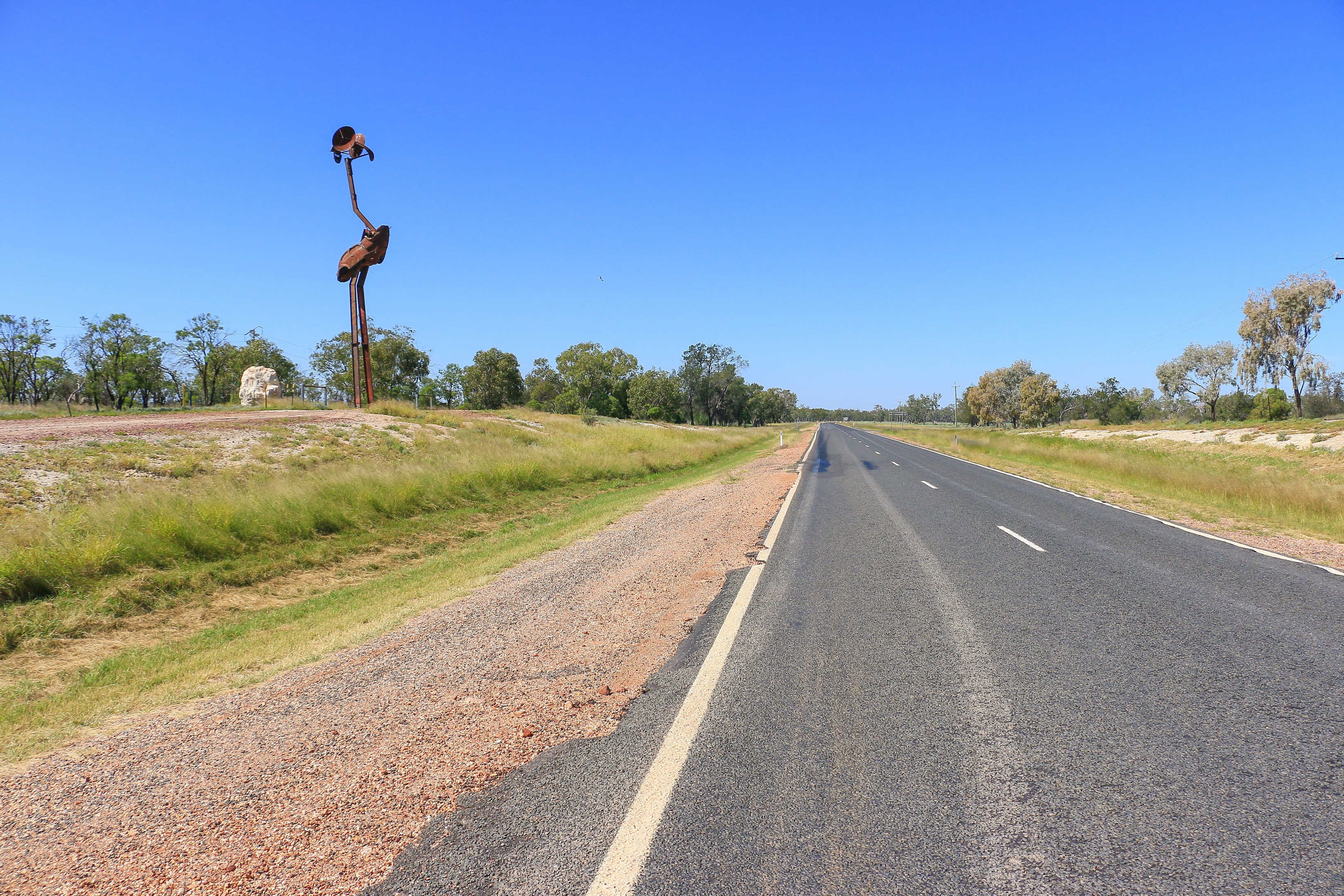

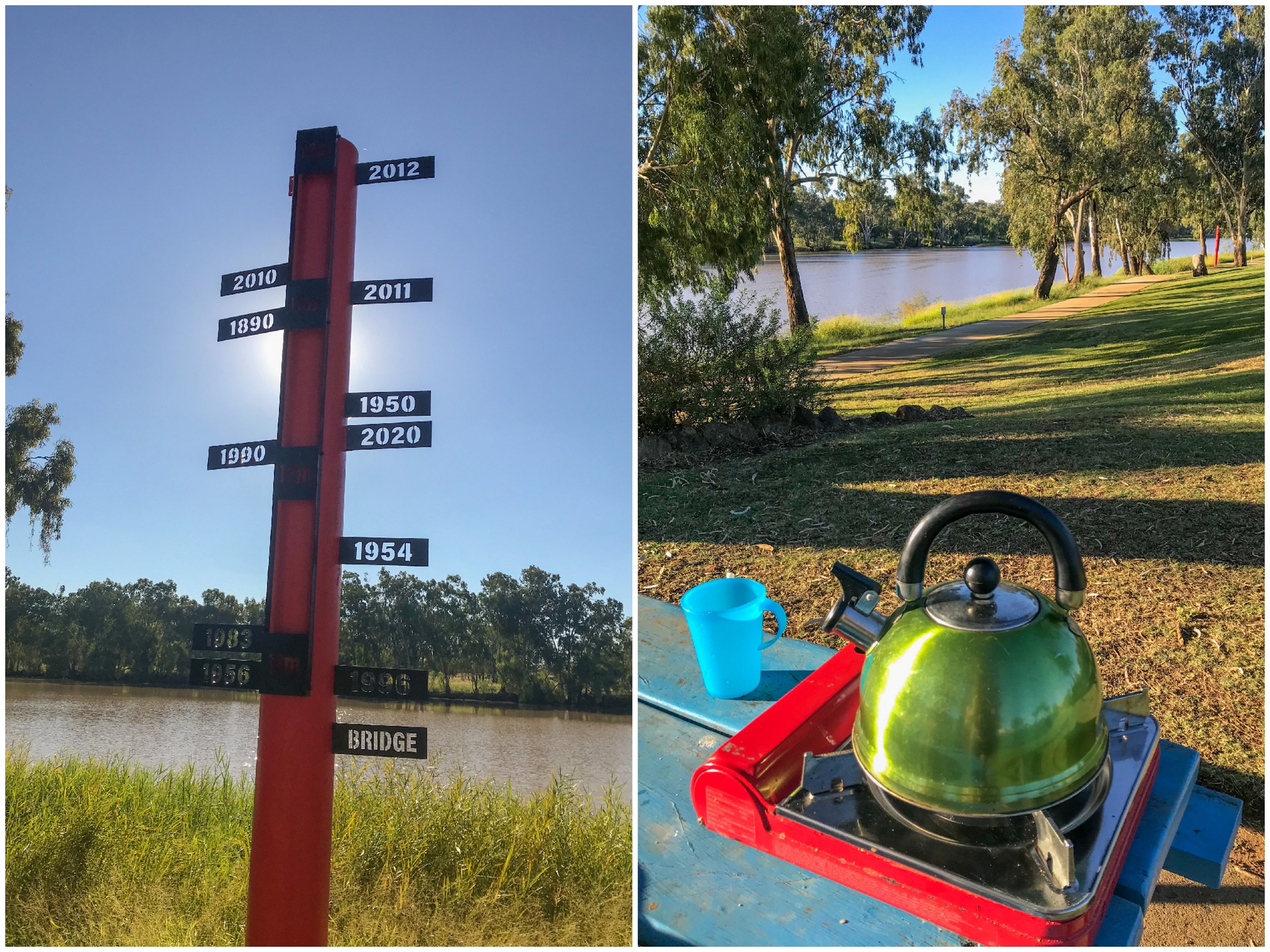

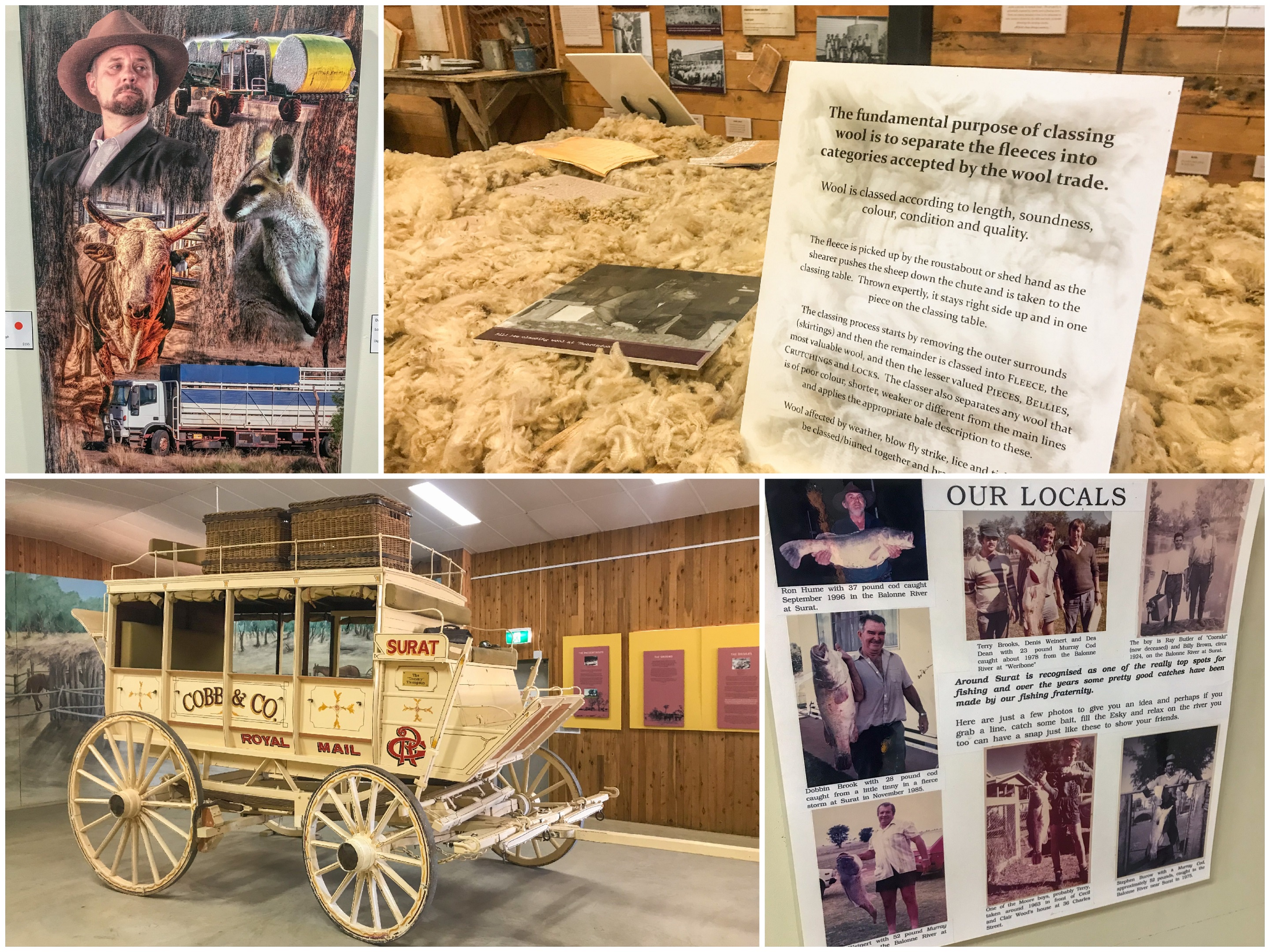
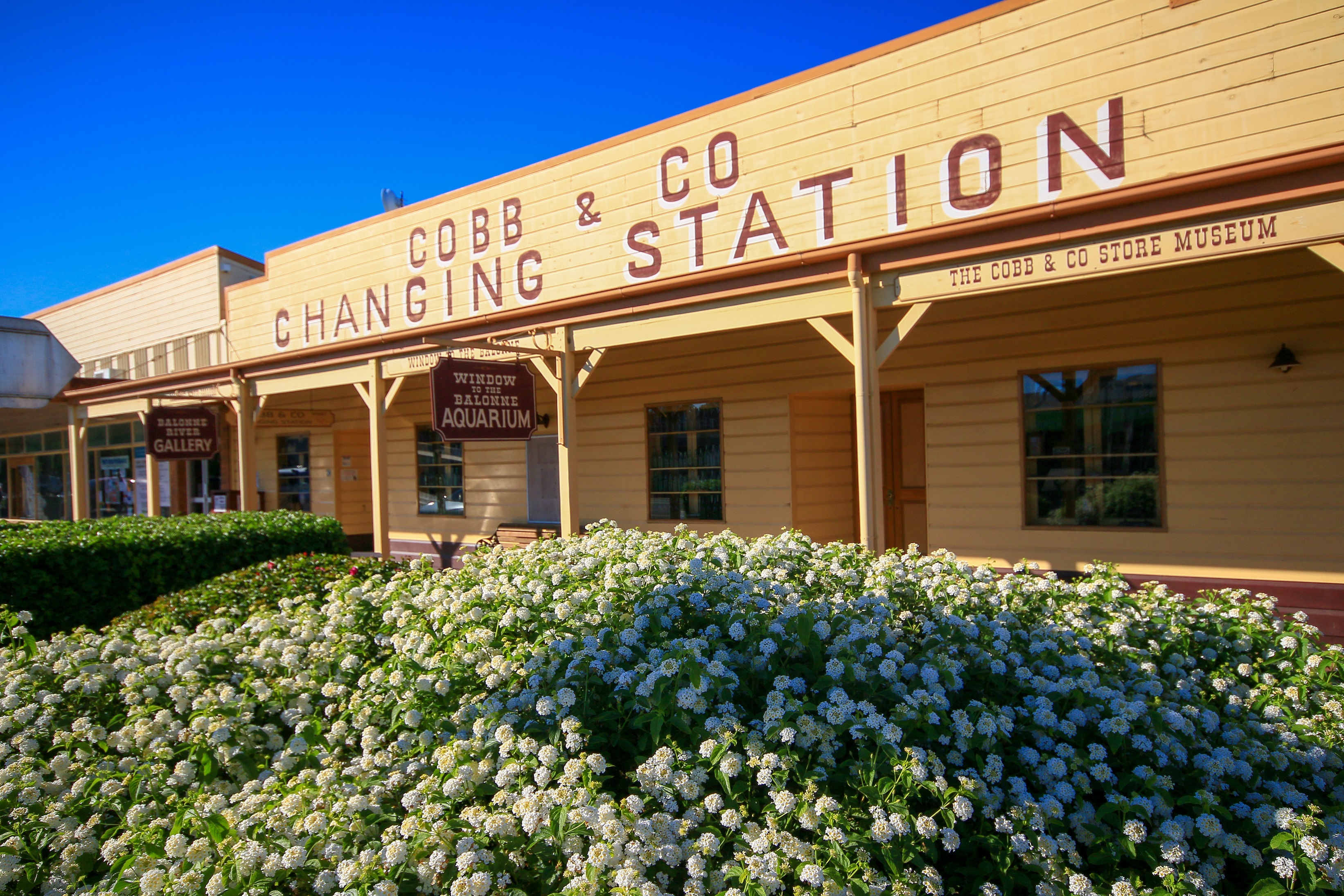


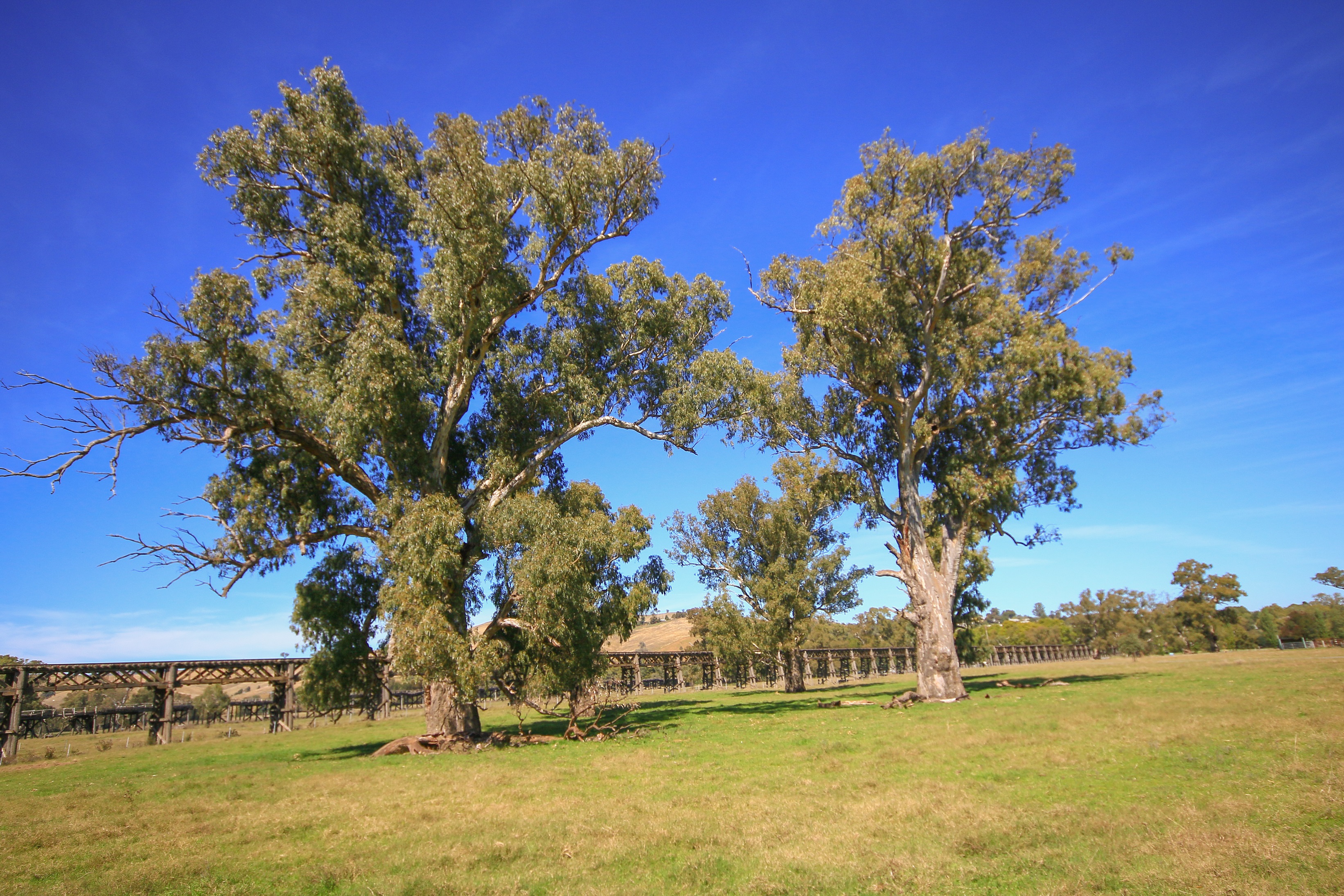


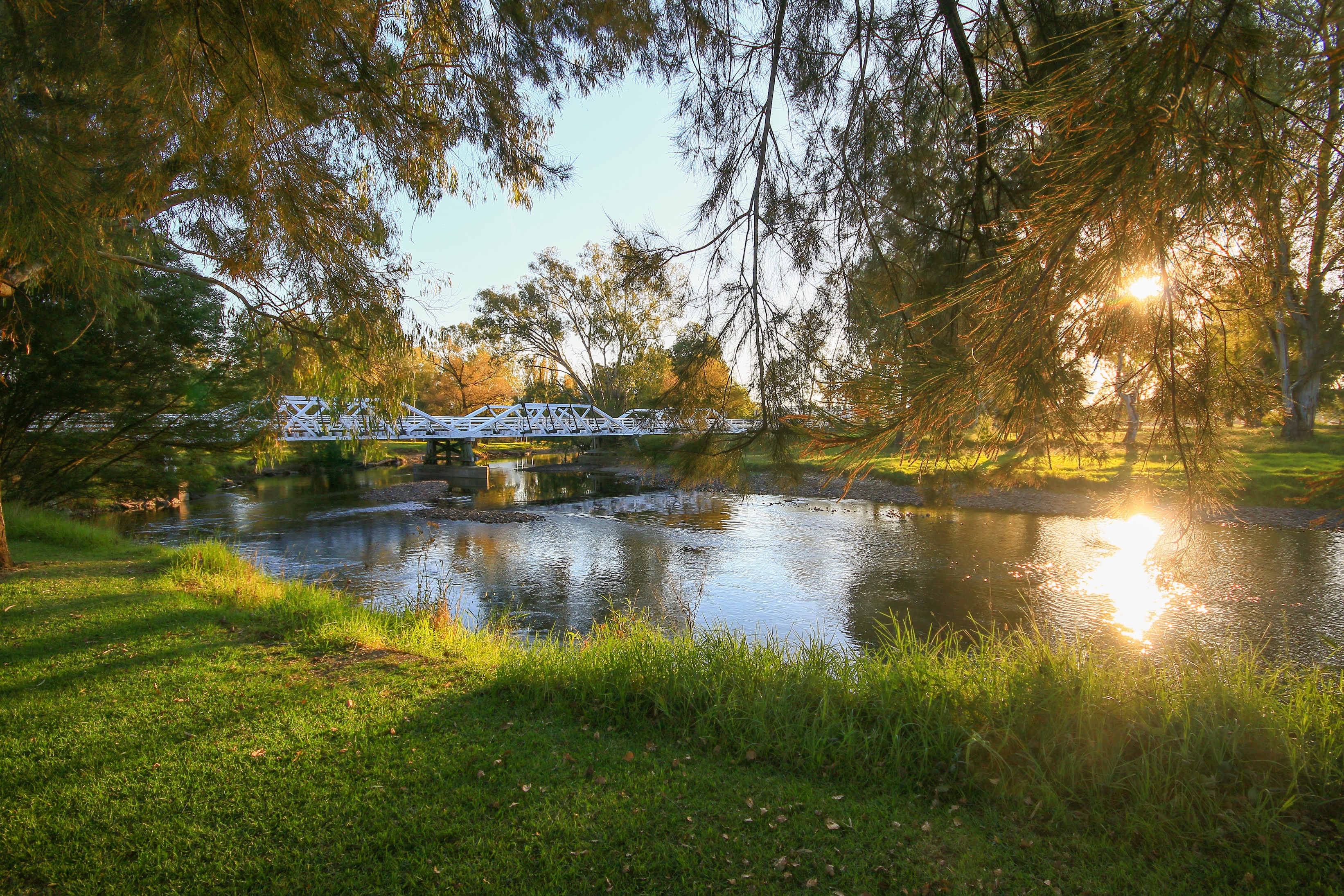
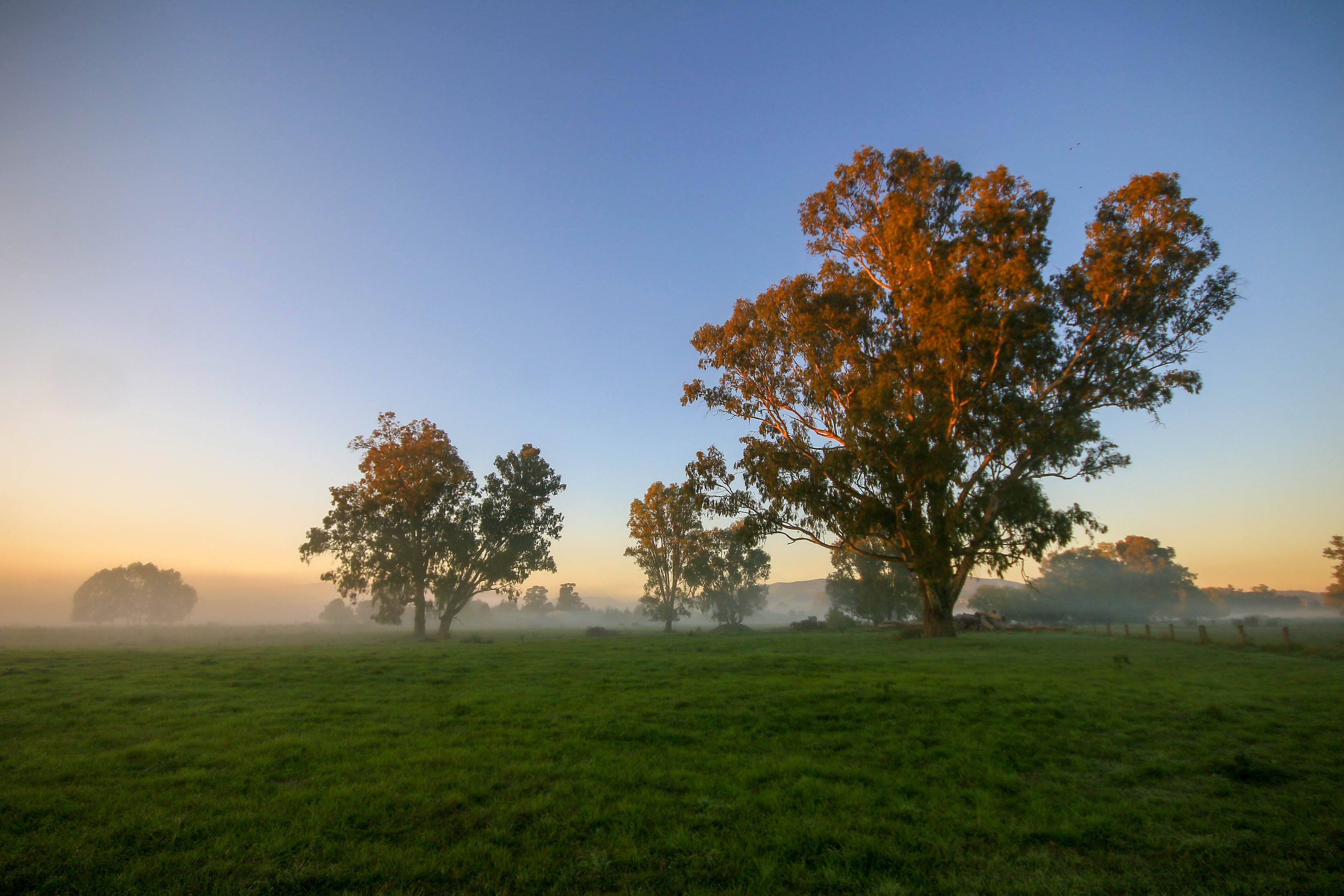
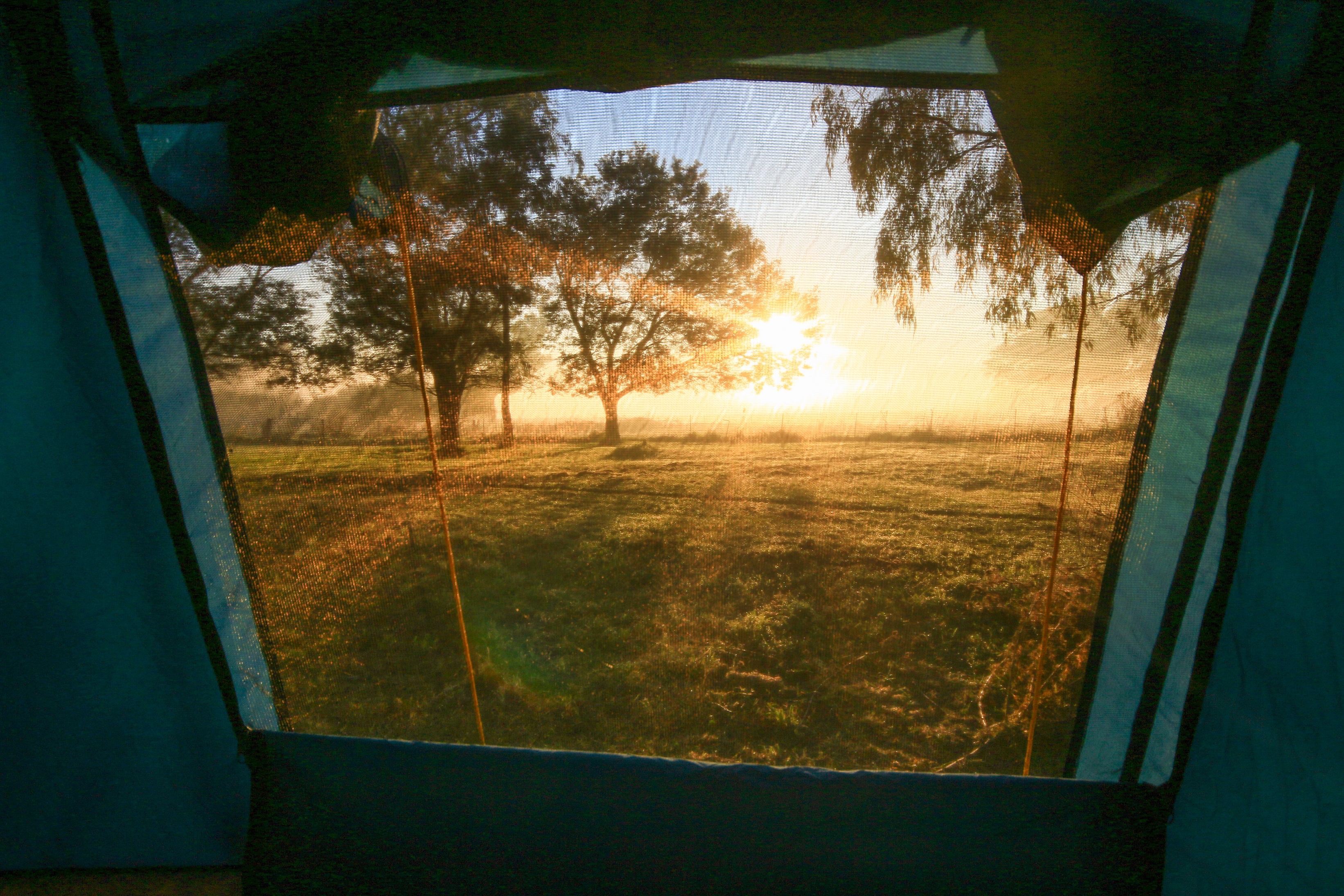

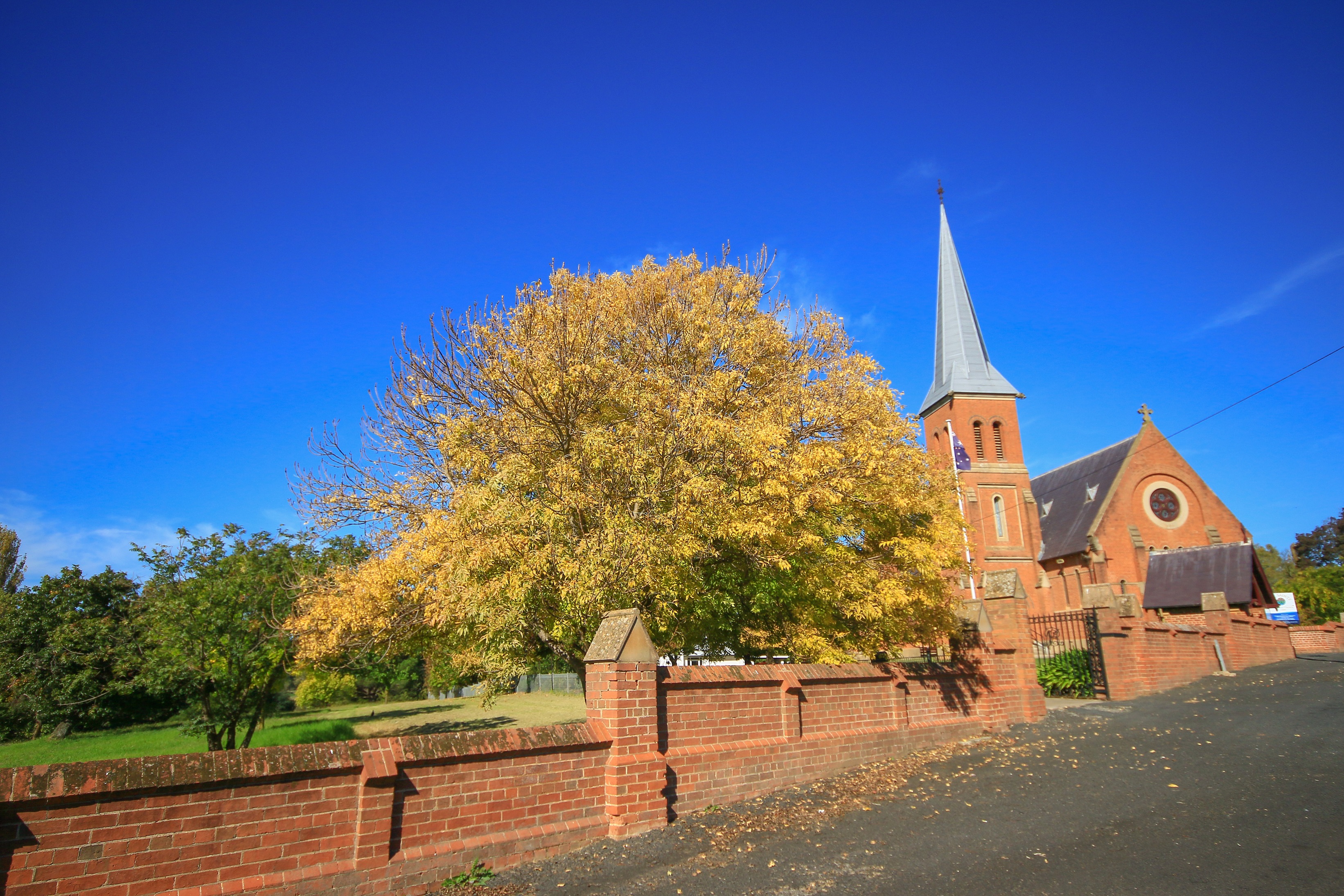
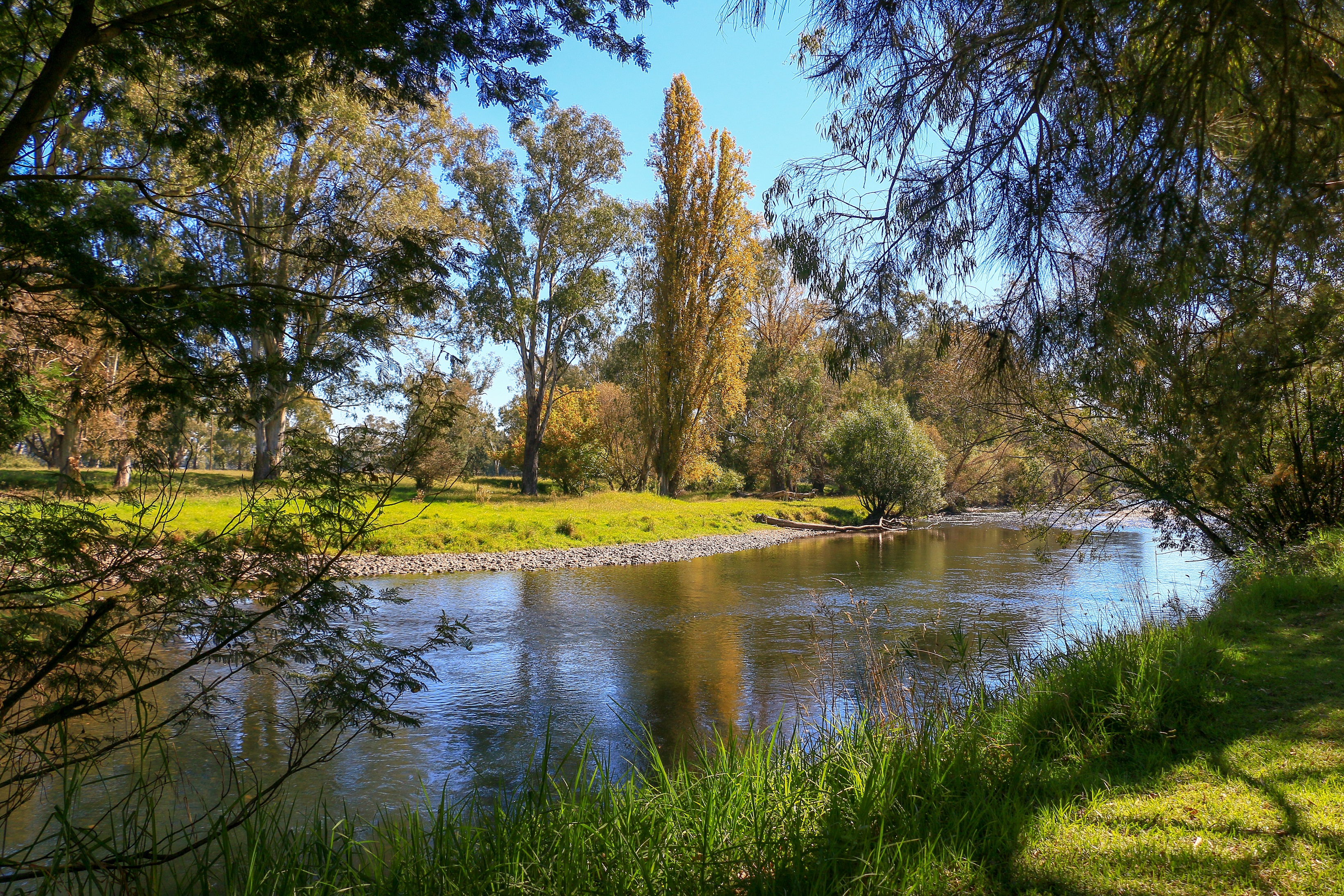


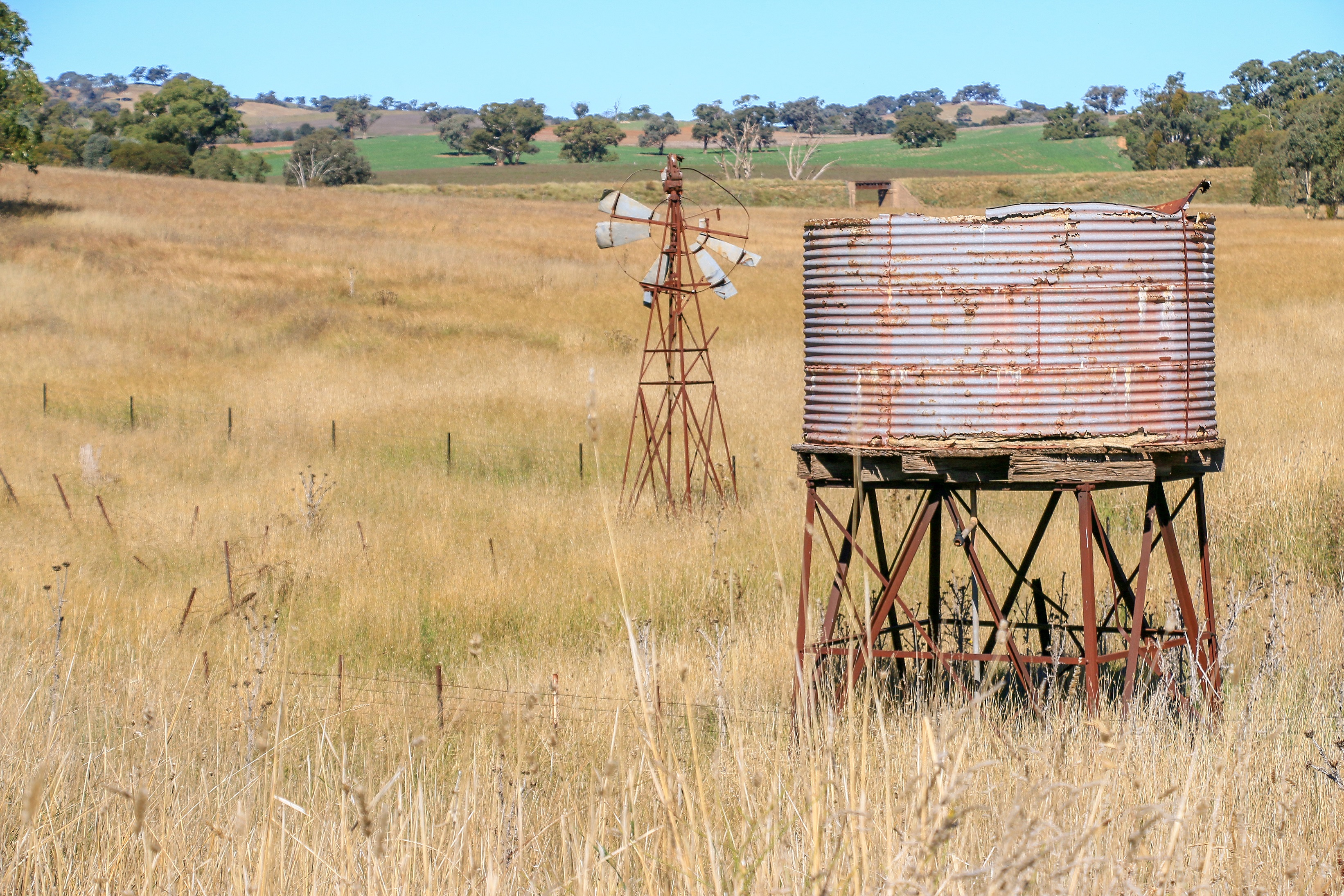
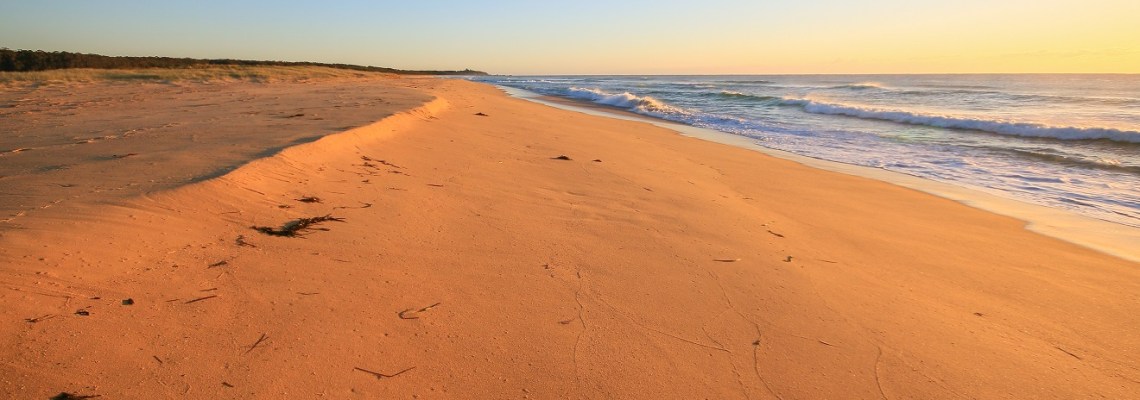


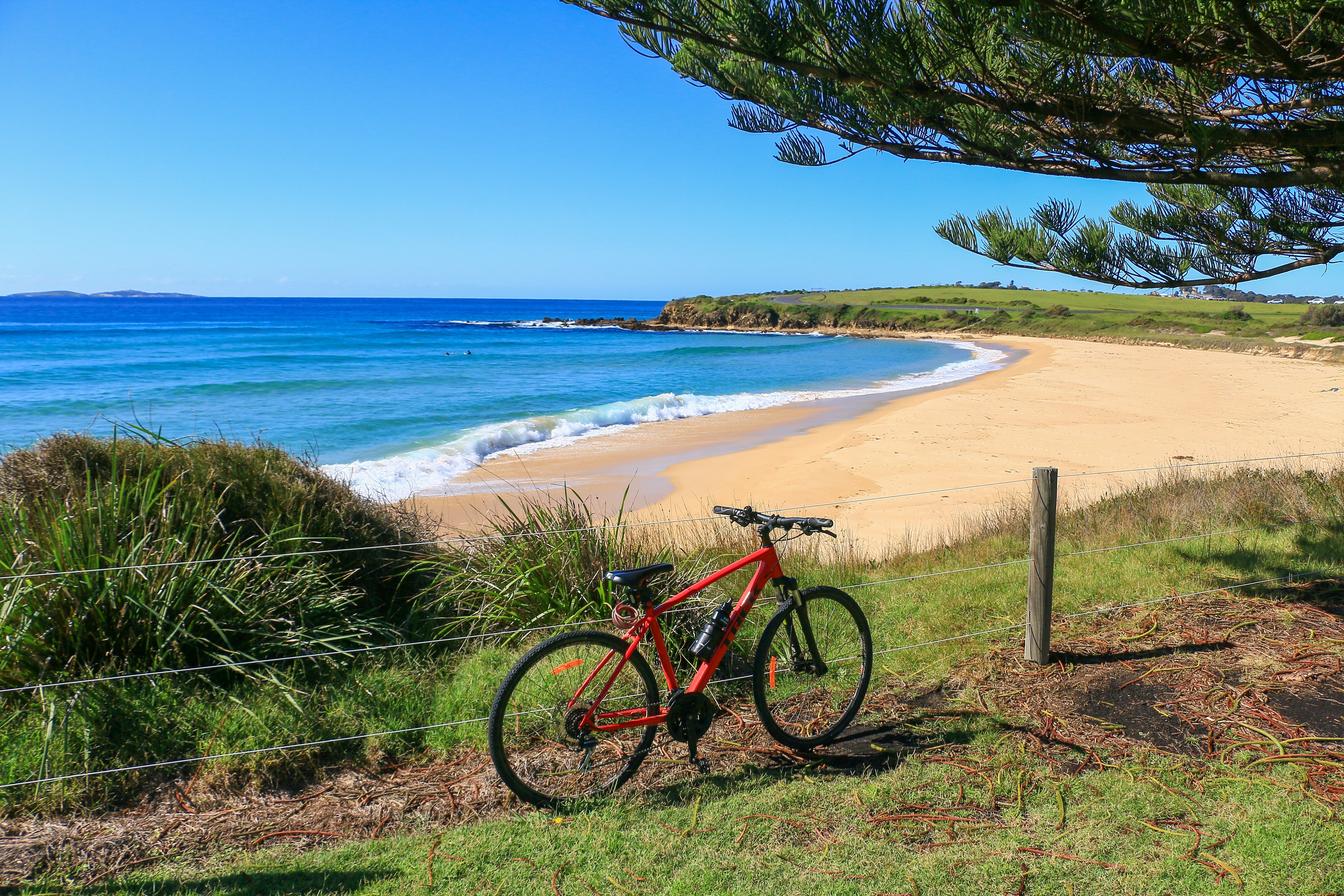
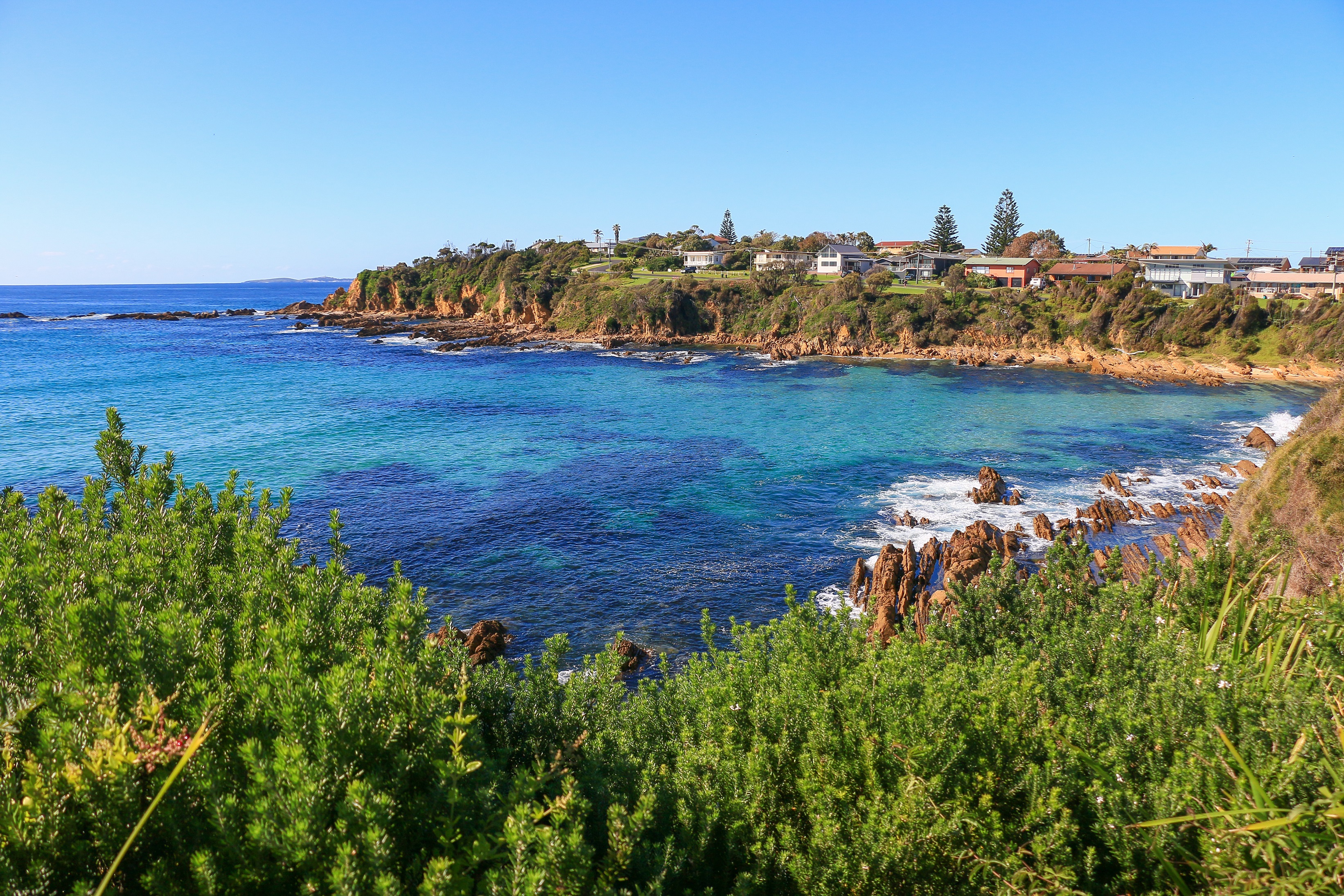

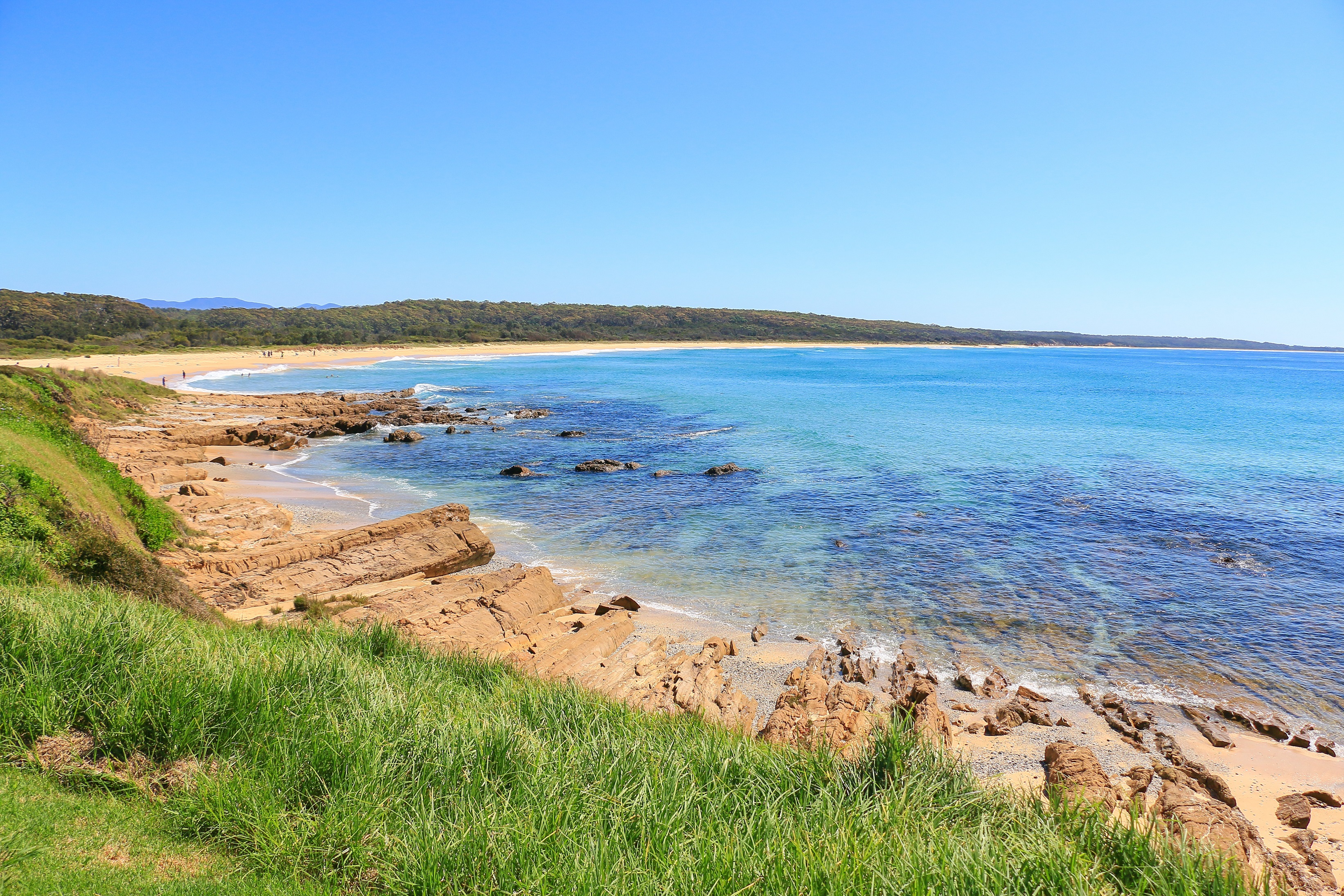

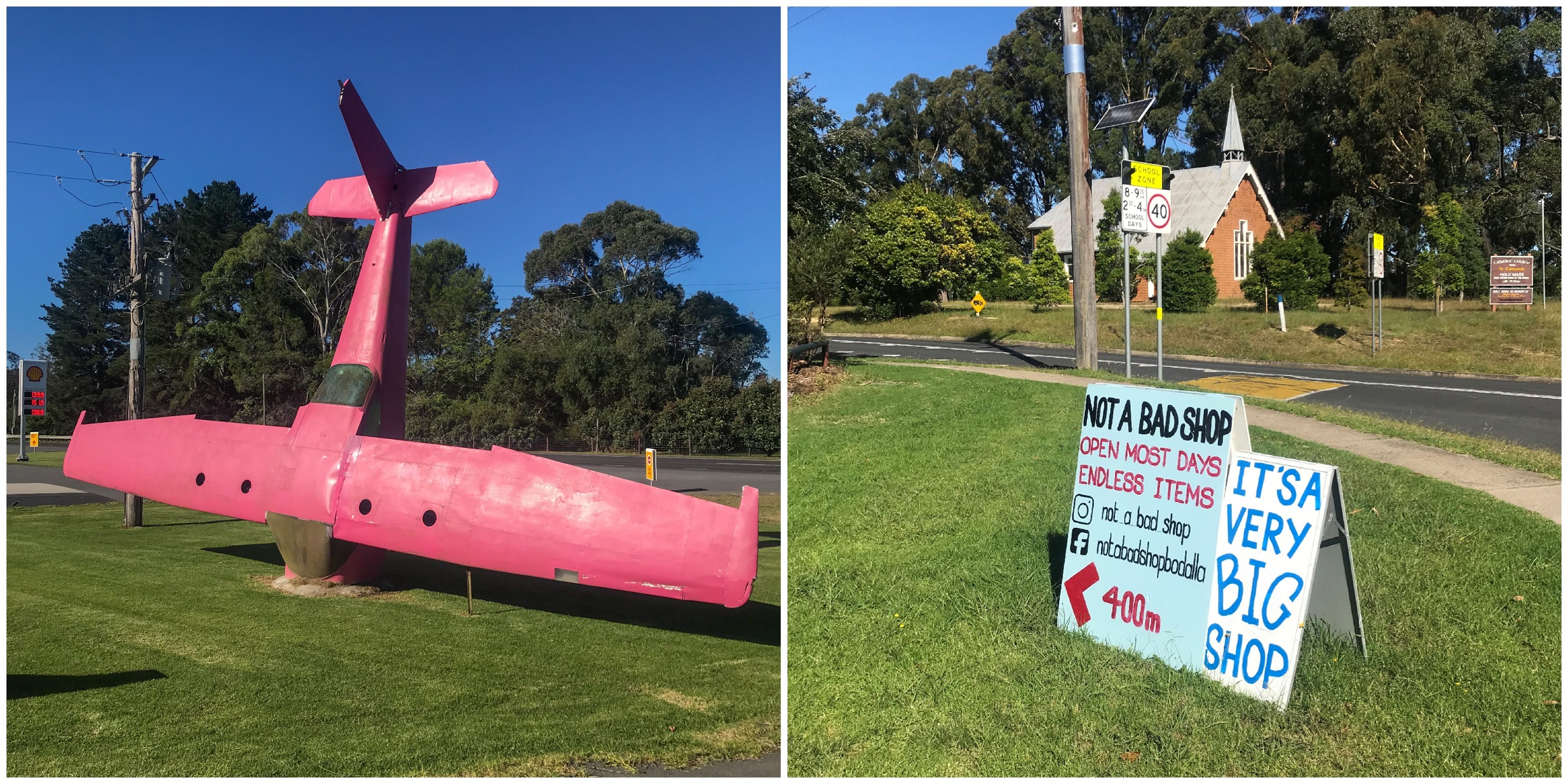


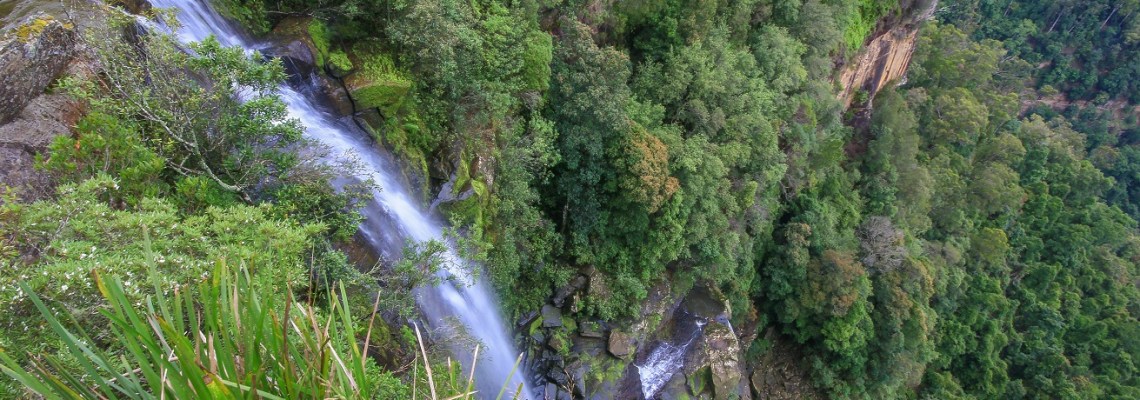
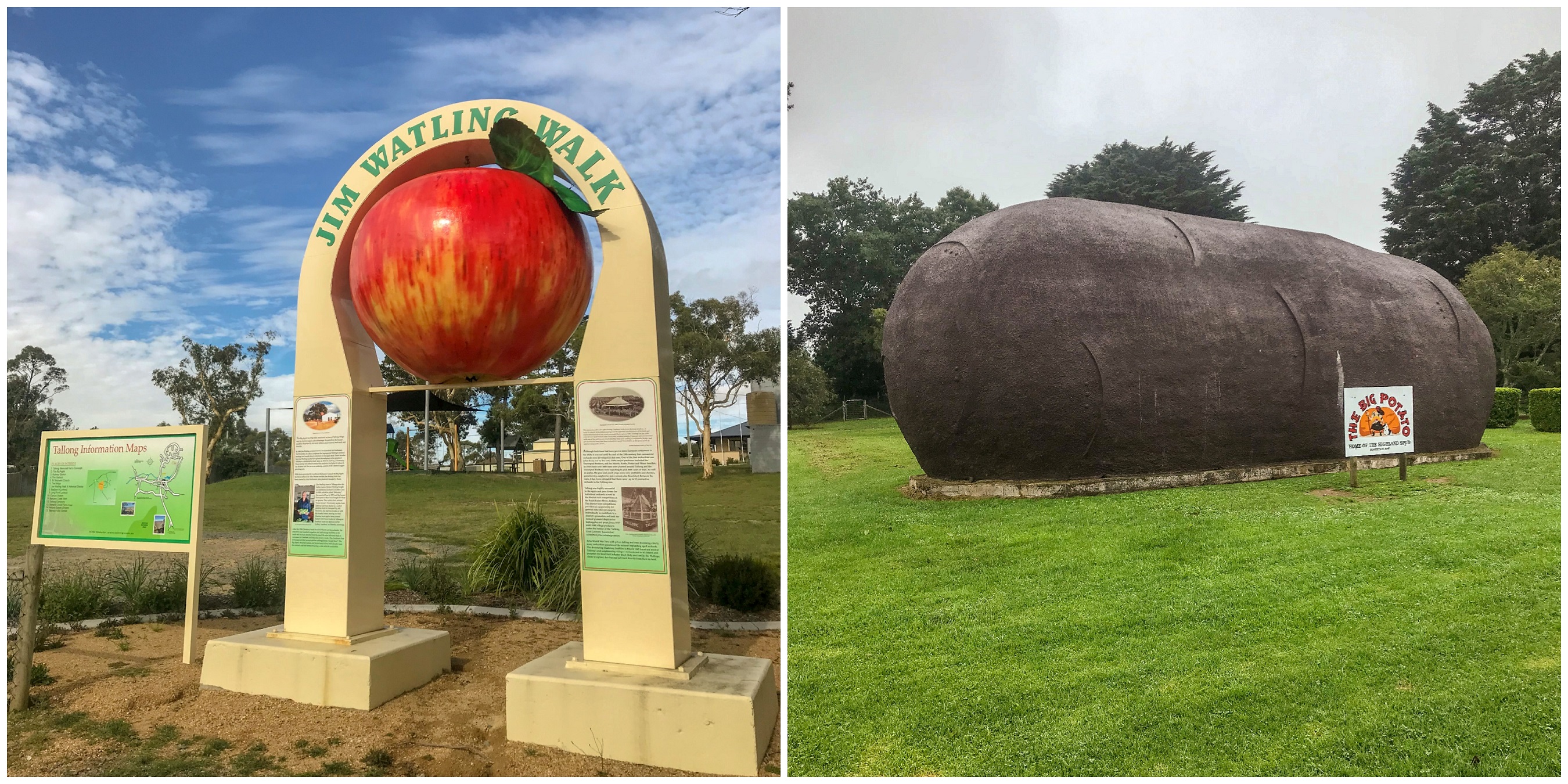
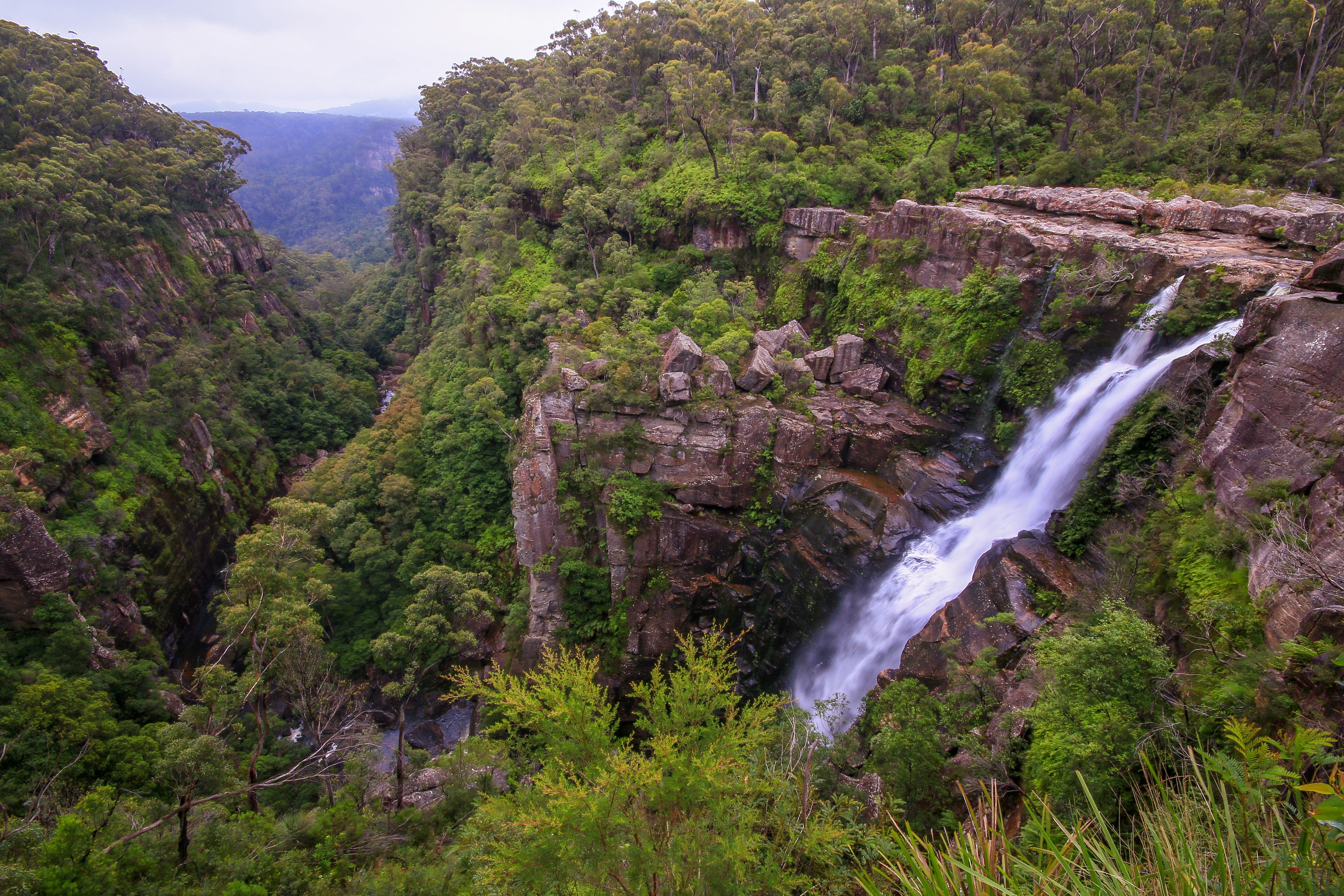

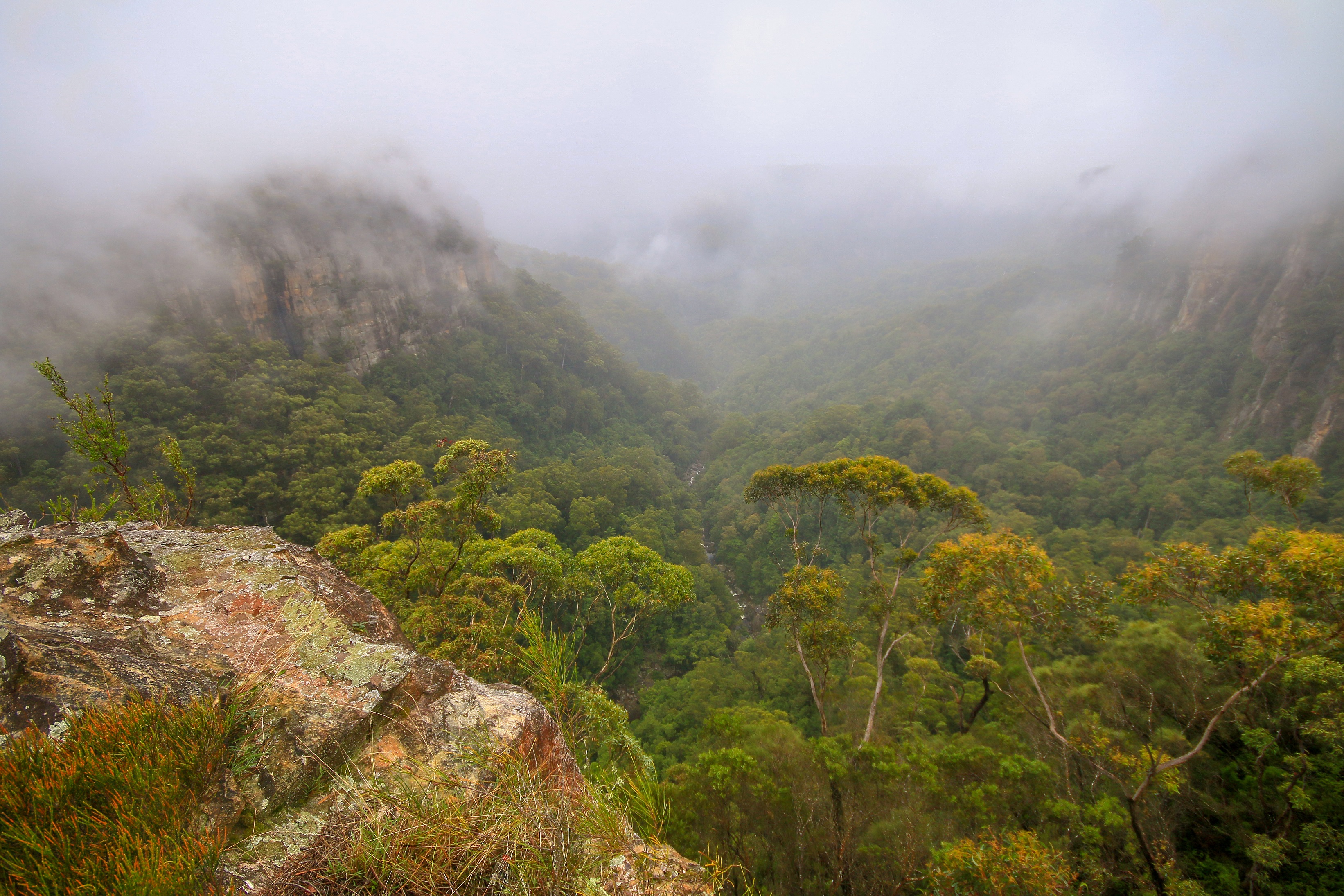

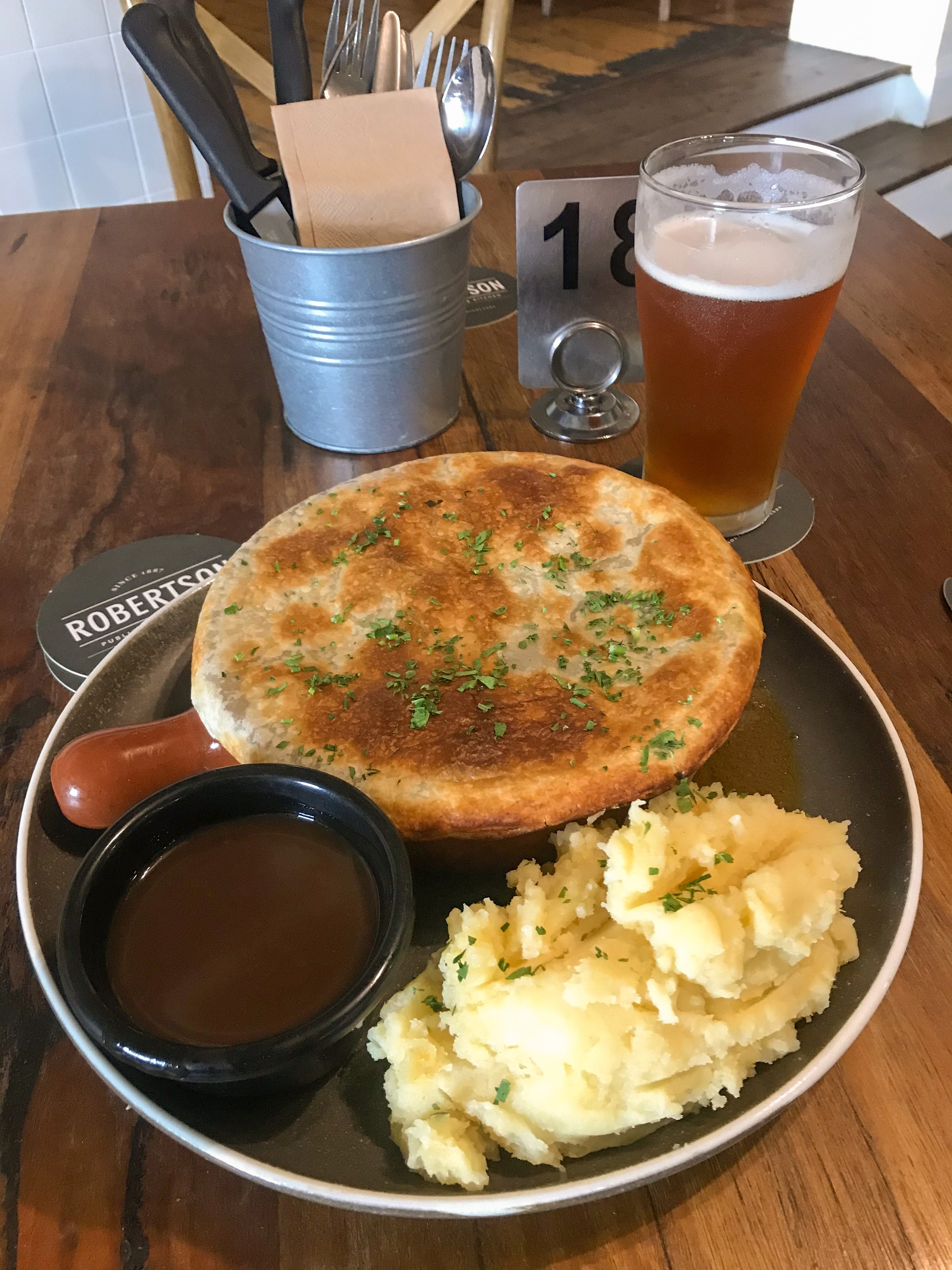
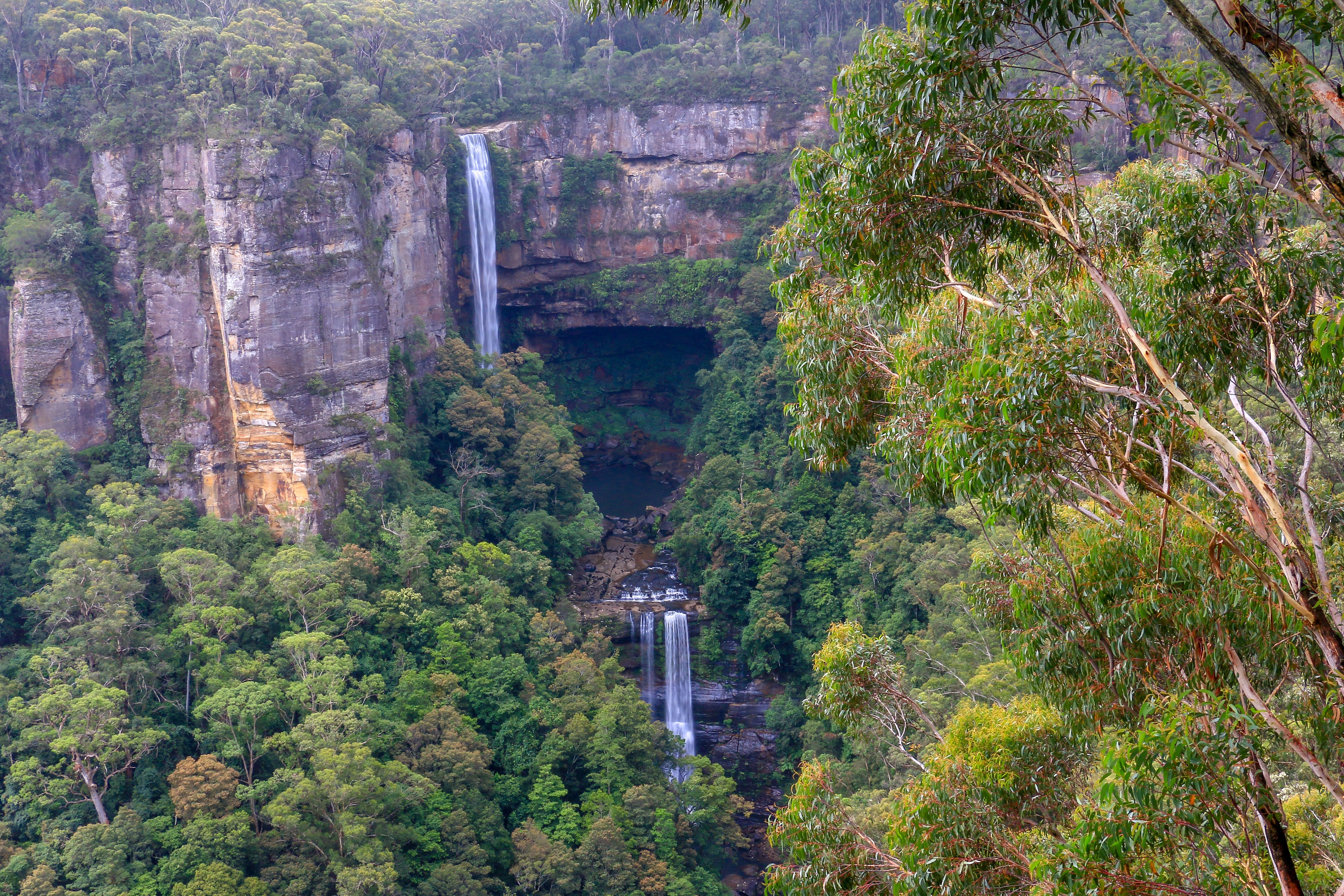
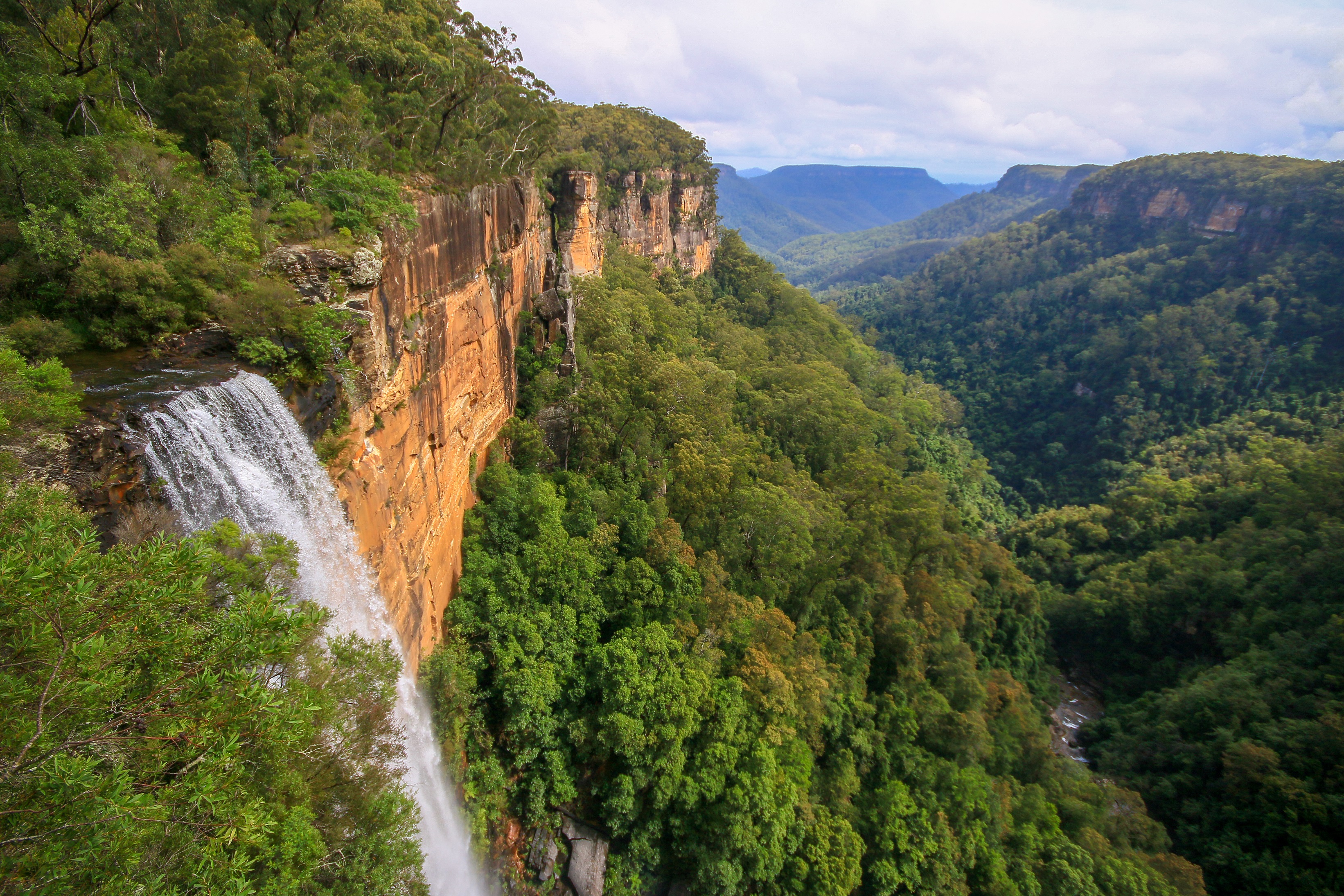


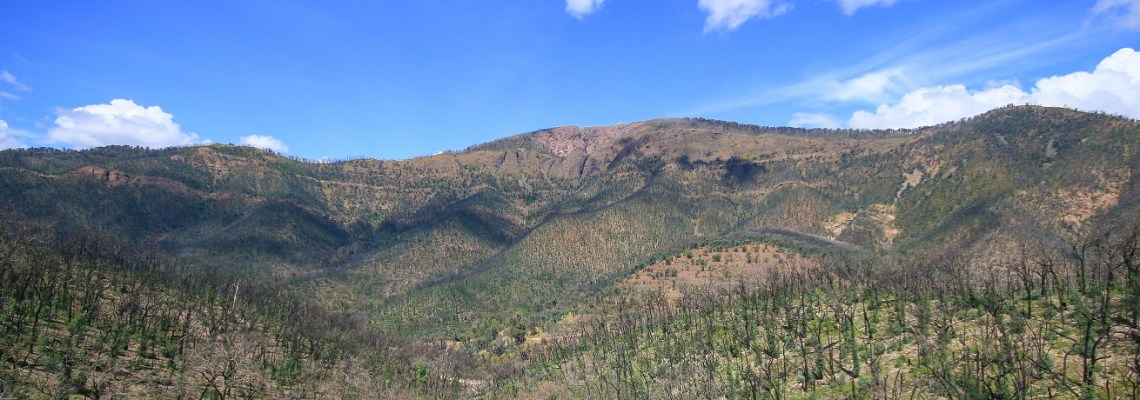

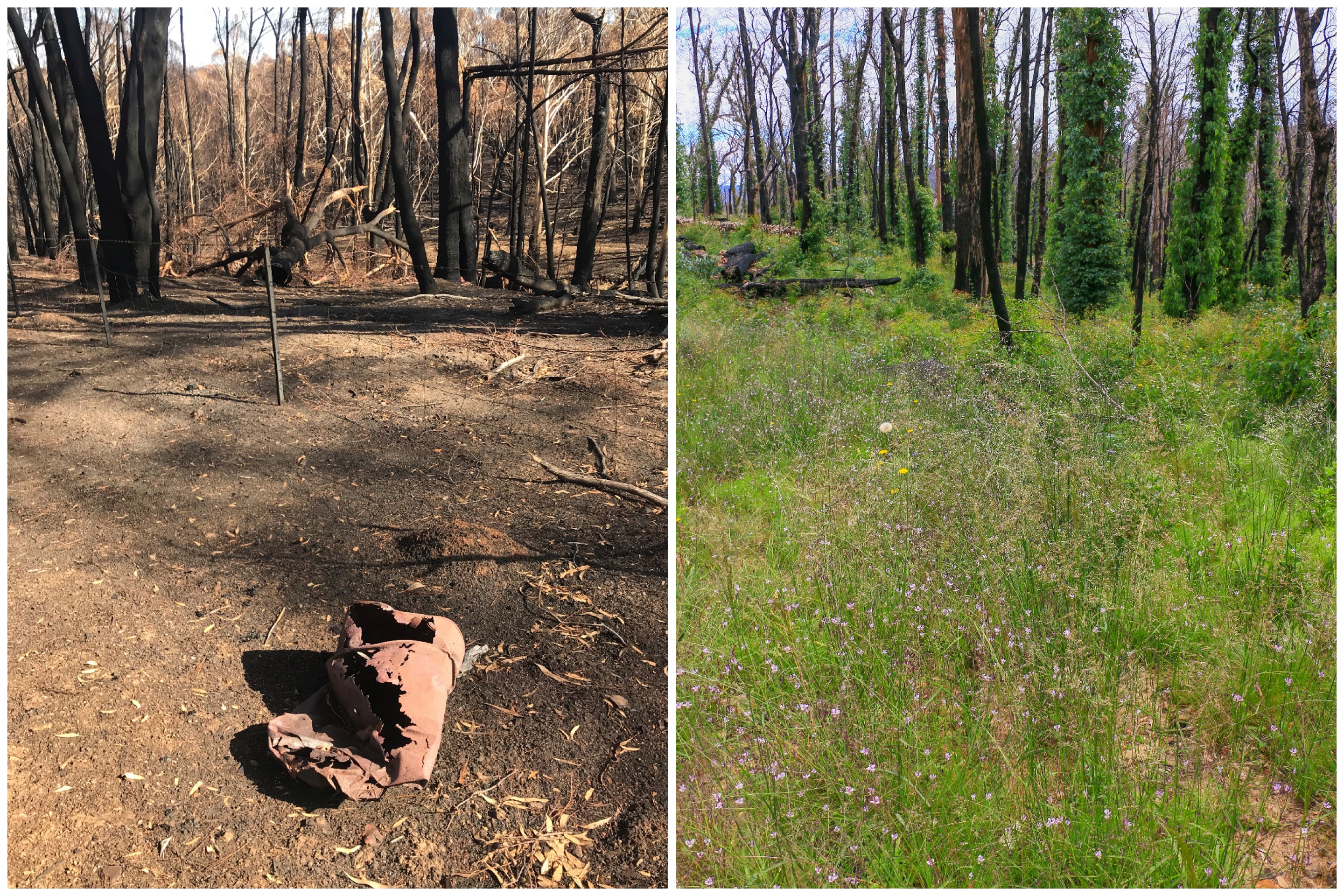
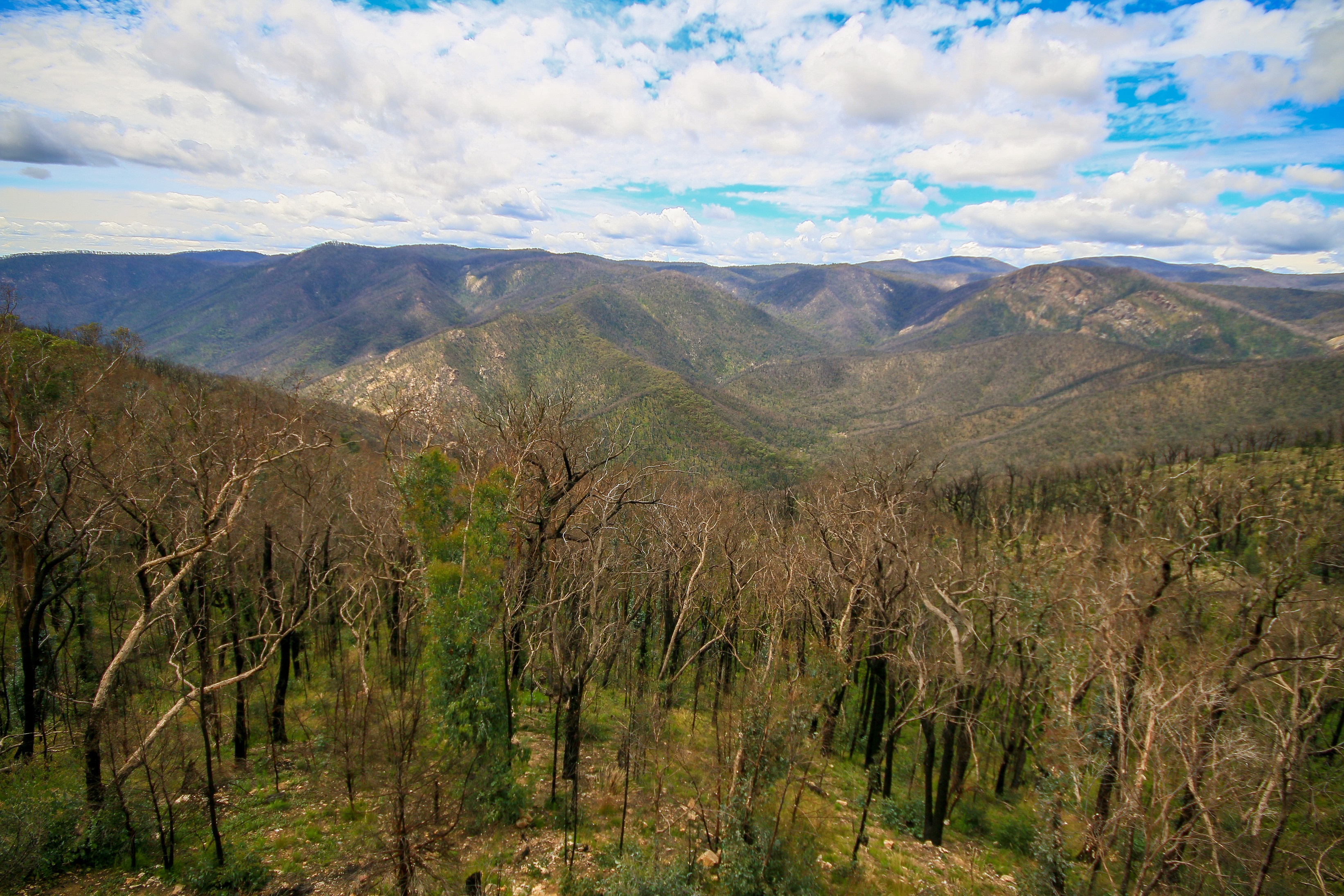


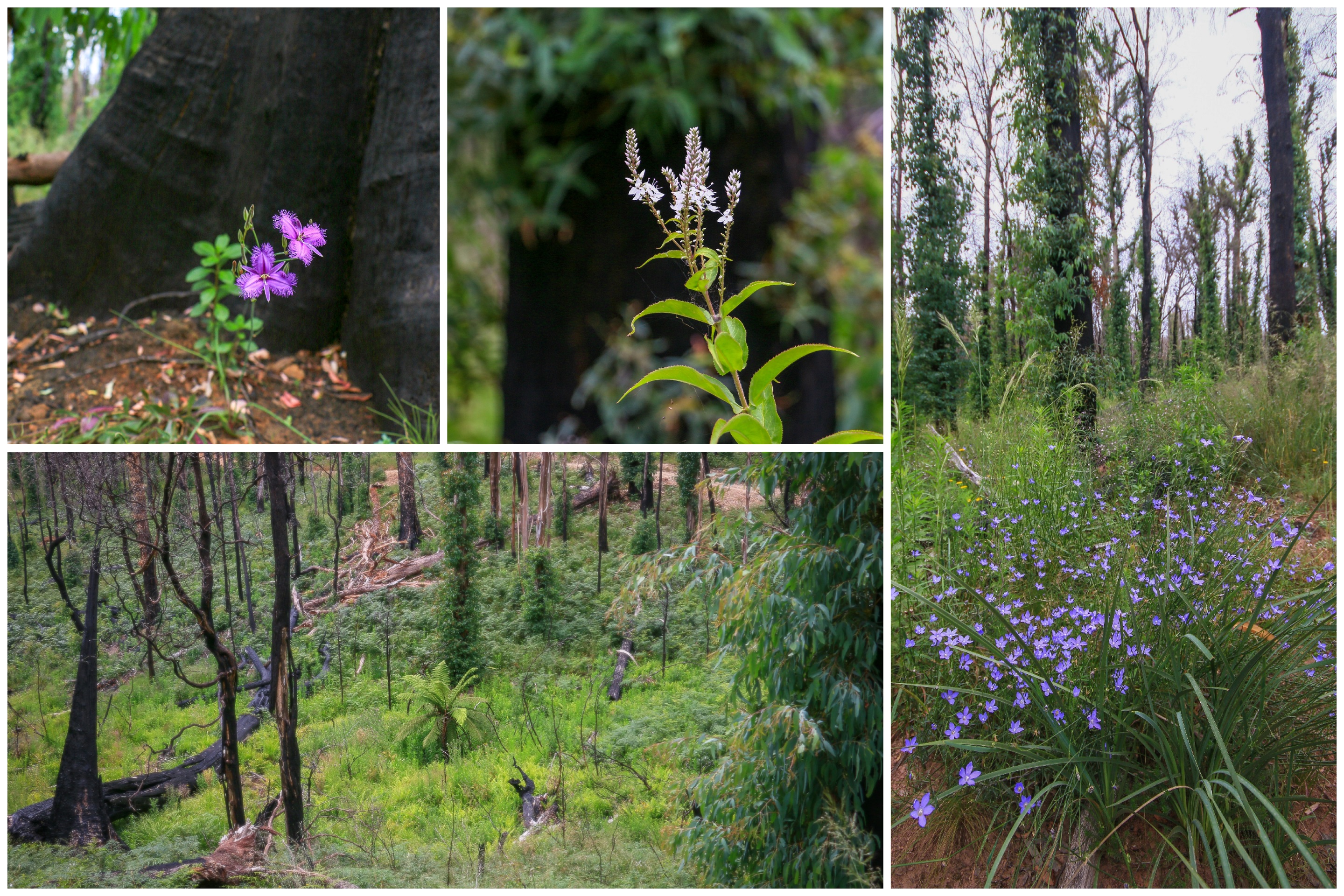


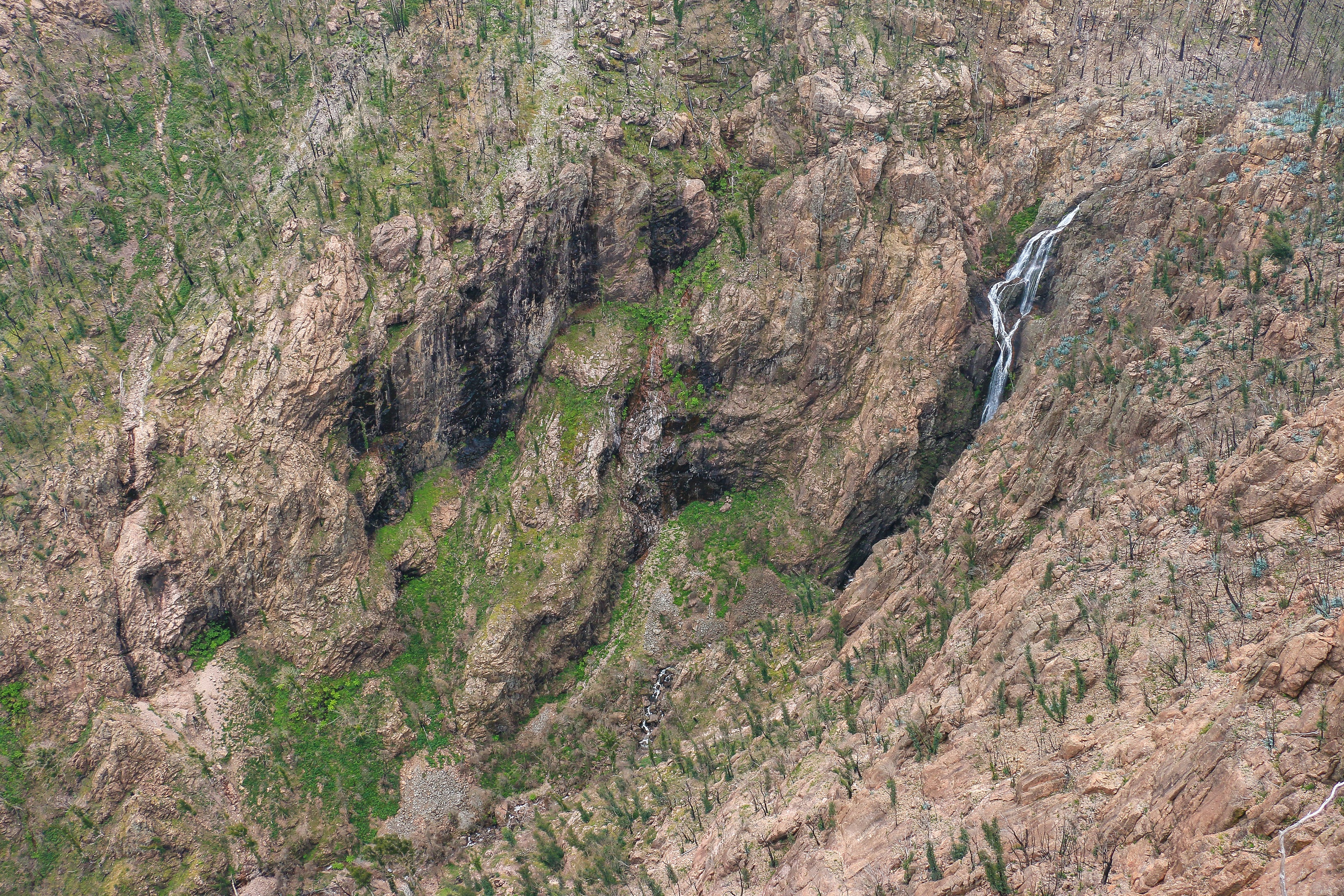


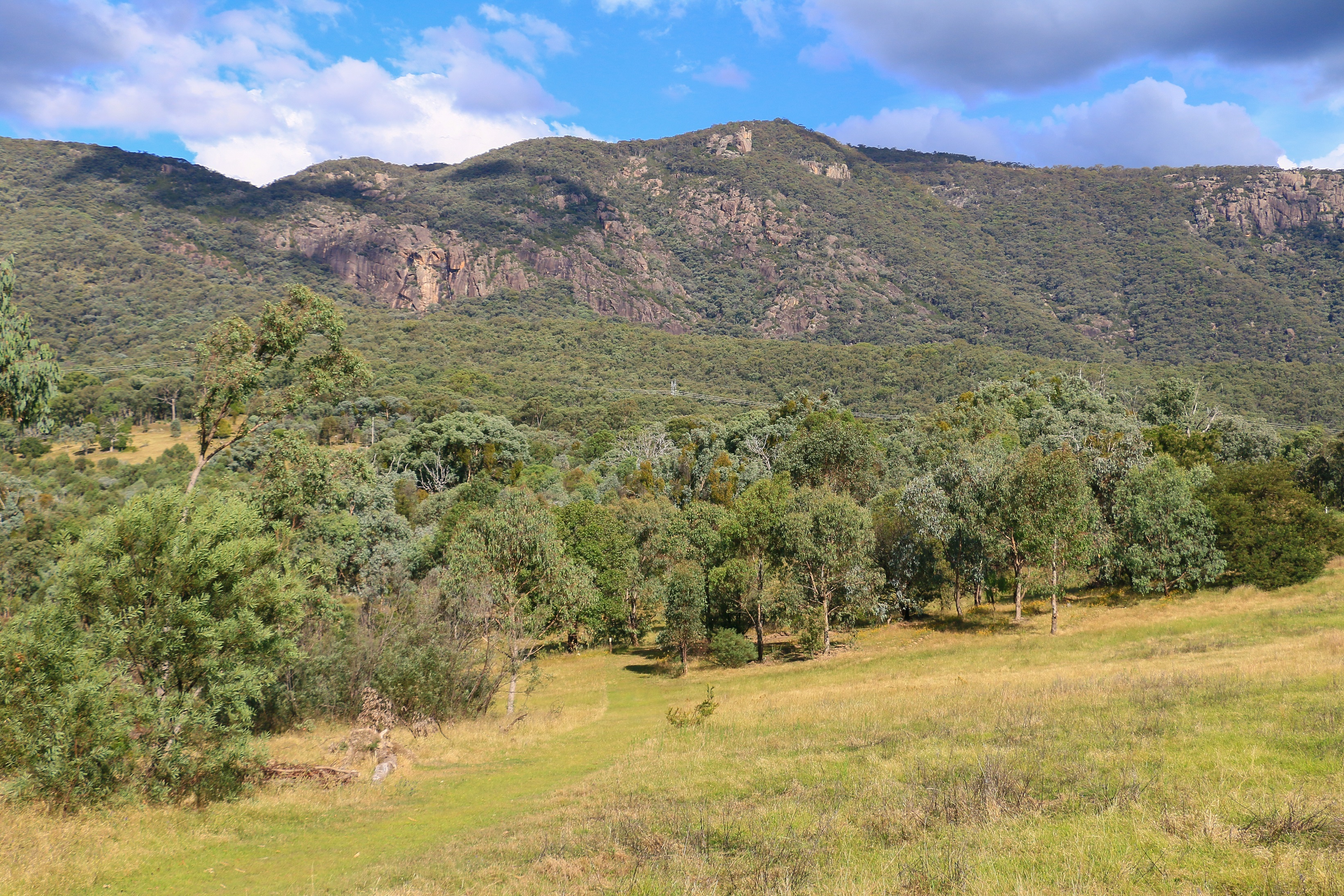
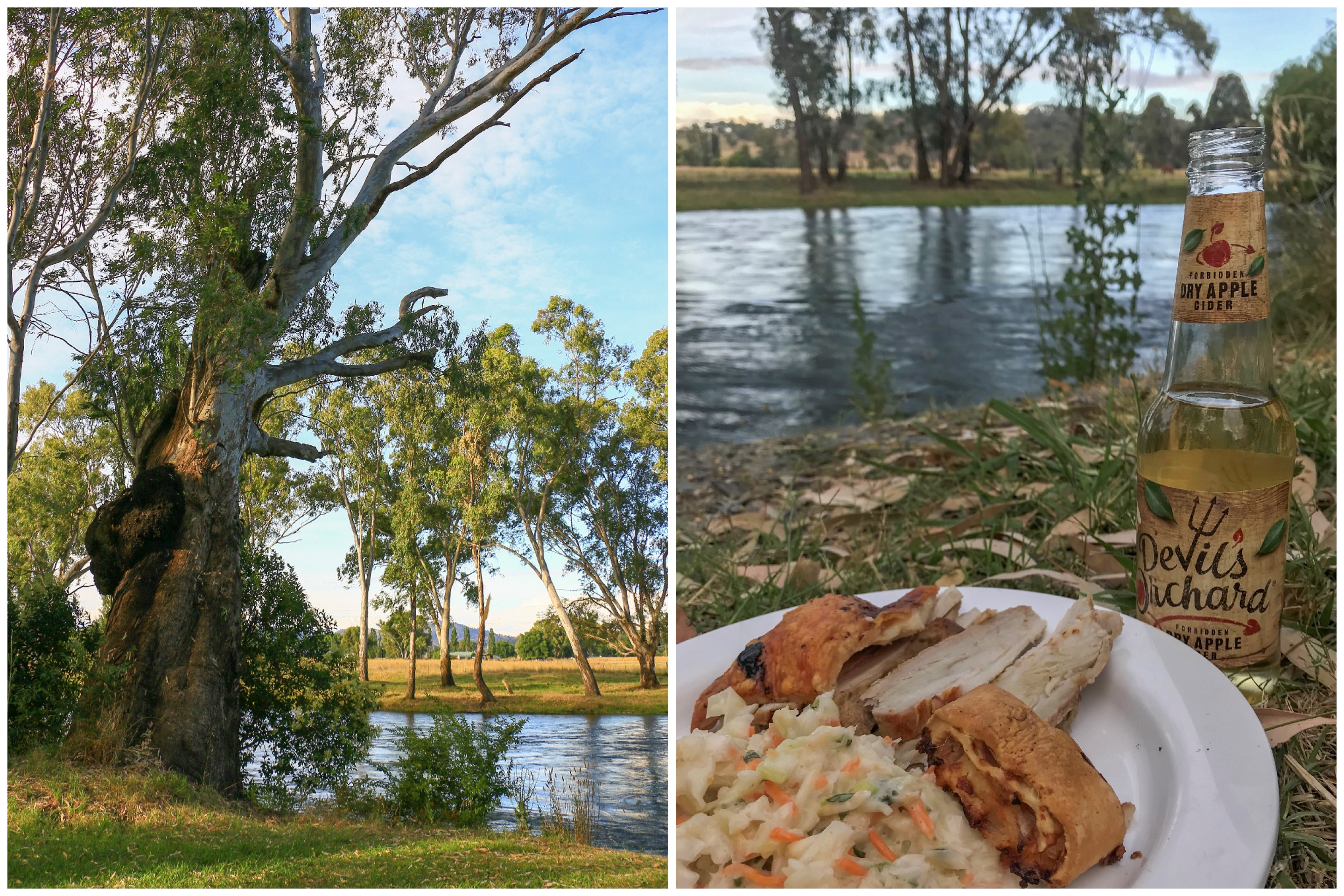
 gbpilgrim